1. Introduction
Social interactions are an essential element of every civilization, as people from all cultures and socioeconomic backgrounds converge. The primary aim of social interaction is to facilitate information sharing, reach decisions, generate ideas and solutions, address personal issues, and participate in social activities [
1]. Effective social interaction requires a suitable physical environment and distance, together with the opportunity for communication with others [
2].
Based on several literature studies, there is no agreement on the definition of social interaction. The following represents some of the main concepts of social interaction. According to Unger and Wandersman (1985) characterize social interaction as the communal activities engaged in by neighbors, including borrowing or lending tools, casual visits, and requesting assistance in crises [
3]. Dave (2011) asserts that local social interactions are essential for the social sustainability of urban communities, since they enhance citizens' sense of community and safety in urban areas [
4]. Moreover, social interactions as the occurrence of spoken or non-verbal conversations between two or more individuals [
5]. Moreover, social interaction defined social interaction as the continuous informal dialogue between a minimum of two individuals, facilitating access to social and economic resources and assistance for a resident [
6].
Therefore, based on the preceding literature studies on social interaction, there is a lack of consensus around the idea of social interaction, with many interpretations and perspectives surrounding the principal notion of social sustainability. The research study focuses on face-to-face social interactions among individuals including all social activities such as conversing.
Several research studies continuously assert that social interaction needs an appropriate context for its occurrence. Hence, numerous research has shown the influence of physical environments on social relationships [
7,
8]
This may be accomplished by establishing environments and opportunities that facilitate many forms of social interactions, ranging from passive social interaction to more vigorous social interaction [
8]. In addition, the physical environment has both direct and indirect influences on social interaction [
7,
8,
9]. Based on the preceding literature studies, space may be used to either encourage or inhibit the duration of users' presence in a location, hence influencing the probability of interactions among them.
In addition, the physical attributes of the constructed environment might influence individuals' perceptions of a certain region [
10]. The perceived features, including safety, beauty, and privacy, consequently, affect persons' behavior and their decisions about the use of the place. As a result, certain traits have an indirect influence on interpersonal interactions among people. The architectural characteristics of the built environment may affect individuals' views of a certain area [
10]. The perceived attributes, such as safety, aesthetics, and privacy, subsequently influence individuals' behavior and their choices on the use of space. Consequently, certain characteristics have an indirect impact on interpersonal relationships. In other words, it affects the psychological accessibility of recreational areas in the residential neighborhood, which directly influences social interaction.
On the other hand, certain socio-economic have been recognized as substantially affecting social interactions among people in neighborhoods [
11,
12,
13,
14]. Talen (1999) challenges modern urbanism's claims about community, suggesting that social and economic homogeneity in a neighborhood may have a more significant impact on resident relationships [
11]. Furthermore, homeownership is an additional variable that might affect social interactions among residents. Homeowners have higher levels of involvement with neighbors than renters [
15].
Community services encompass a variety of such as services related to housing, education, government, healthcare, employment, public safety, transportation, leisure and many other community services [
16]. The study conducted by Powers, et al., (2022) indicated the essential importance of recreational parks as one of the main community services in enhancing the physical health, mental health, and social connectivity among the community residents [
17]. Consequently, the study concentrates on one of the essential community services in the residential neighborhood which is recreational parks. As, neighborhood parks are essential for urban growth and enhancement, as well as for promoting social and cultural links. They serve not only as venues for individuals to appreciate nature but also as platforms for social and cultural interaction among them [
18].
Furthermore, what enhances the role of parks within residential neighborhoods as one of the most important pillars of community services is the interest of the Kingdom's Vision 2030 in this aspect where the Ministry of Municipal Rural Affairs and Housing, in collaboration with provincial municipalities, will initiate the "Bahja" project, designed to convert underutilized spaces into vibrant areas. This initiative is part of MOMRAH’s strategy to enhance parks and urban interventions in cities and residential zones, thereby improving residents' quality of life and well-being.
The project entails the establishment and renovation of parks and public gardens, as well as the provision of children's play areas and meticulously designed urban spaces that facilitate active and pleasurable experiences in an enchanting natural setting, thereby fostering social interaction and well-being within communities that promote participation in community sports, instilling a sense of belonging and connection among individuals.
The "Bahja" design emerged as a national initiative intended to consolidate municipal efforts in enhancing quality of life, fulfilling open space objectives, and meeting urban residents' needs by developing innovative strategies for project execution, incorporating novel methodologies, and delivering appropriate services to citizens.
The benefits of the Bahja project also lie in achieving social cohesion, while encouraging participation in community sports, which gives citizens a sense of the environment and a sense of the spirit of the people around them. Establishing public parks and gardens and providing children's play areas are among the priorities of the Bahja project, in addition to urban sites for active experiences in immersive nature. The Secretary of the Eastern Province explained that the project represents an important step towards achieving a sustainable vision for the development and growth of cities and is a continuation of achieving the goals of the Kingdom's Vision 2030 by creating a vibrant society and a thriving economy for an ambitious nation by enhancing community participation and making cities an attractive environment for residents and visitors.
This research seeks to identify factors influencing social interaction among neighborhood residents in recreational parks in the residential neighborhoods to provide proper principles and criteria for the implementation of the recreational parks in the residential neighborhoods.
The study is organized into the following sections.
Section 2 describes the methods for data collection and analysis.
Section 3 presents and discusses the main results of the study. The study concludes in
Section 4 with the key finding of the research study.
2. Materials and Methods
2.1. Study Area
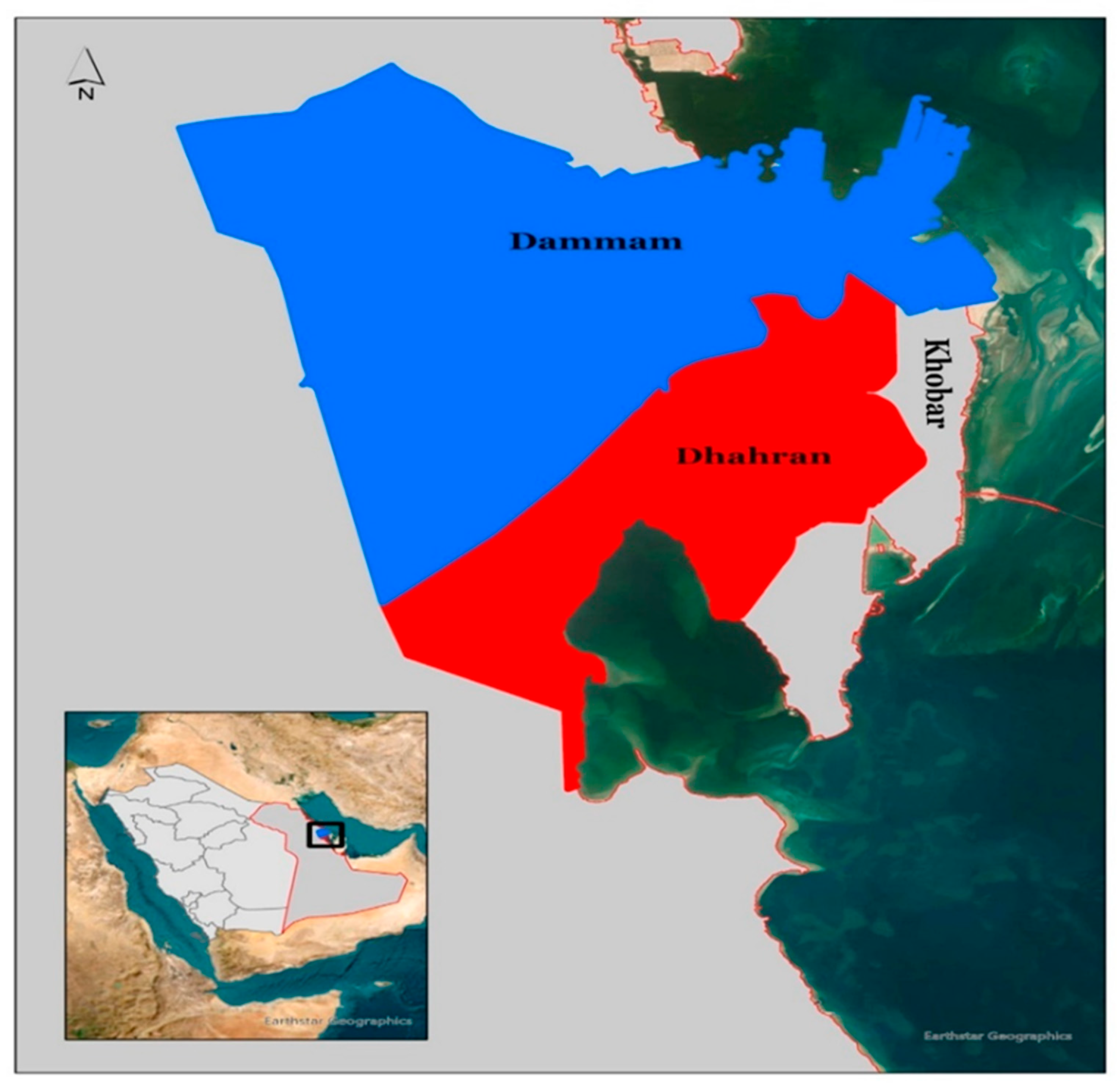
The designated case study for the research is the Dammam Metropolitan Area (DMA). DMA is located in the Eastern Province of Saudi Arabia. DMA is around 360 kilometers from the capital of Saudi Arabia, Riyadh. DMA comprises three cities, they are as follows, Dammam, Dhahran, and Khobar. Dammam is the capital of the Eastern Province and houses most regional administrative entities. Khobar city is the province's commercial Centre and Dhahran is a Centre of modern technology and science, particularly in the field of petroleum industries, where it contains the head office of Arab American Oil Company (Aramco) [
19,
20]. The following
Figure 1 depicts the geographic position of DMA and its neighboring areas.
The below
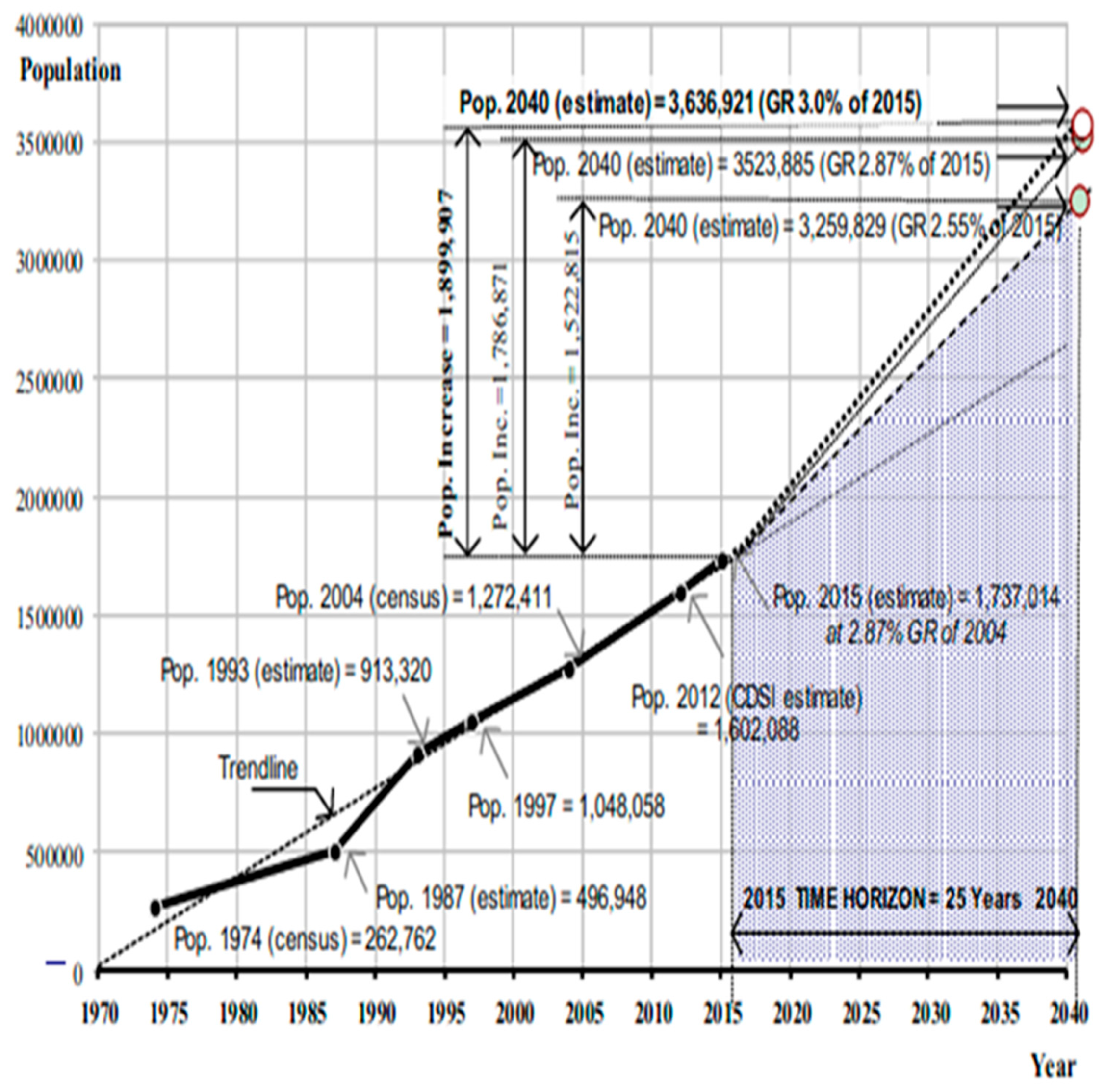
Figure 2 clarify the population growth of DMA periodically every five years until reaching up to 2040. Based on the following
Figure 2, the expected population of DMA in 2040 is 3.25-3.62 million people. As urbanization spread around the world and urban areas were deemed to be the primary drivers of human progress, urban cities began to emerge, where people gather in cities to fulfil their hopes, dreams, and needs. Consequently, the government of Saudi Arabia is dedicated to attaining sustainable urban development and prosperity. This dedication is evident in the goals specified in Saudi Vision 2030. Hence, two principal goals of Vision 2030 are notably highlighted: cultivating a prosperous economy and society [
21]. To accomplish this, the Saudi government has established "the quality-of-life program," which mandates that Saudi cities strive to rank among the premier locations for residents, employing a comprehensive methodology that evaluates various quality-of-life categories and dimensions [
22]. Based on the preceding paragraphs, the reason behind choosing DMA as a case-study is the fact that DMA being a developing city due to urbanization poises rapid economic growth, which by and large comes from mainly the service and industrial sectors of the economy. Consequently, based on the preceding, DMA is a good case study towards examining the probable factors influencing the social interactions in the recreational parks in the residential areas.
2.2. Data Collection and Analysis
Data collecting is primarily categorized into two main types: Primary data refers to information acquired directly by the researcher using methods such as interviews, social surveys or questionnaires, focus groups, workshops, and observation. The research would use original data acquired from specialists. The second data collection strategy is secondary data, mostly used for literature studies that include the fundamental principles. Literature studies primarily rely on relevant resources, such as books, journals, articles, websites, conference papers, and current projects. Literature studies seek to identify fundamental information, essential ideas, main concepts and indicators pertinent to social interactions. In addition, to examine and categorize the elements that affect social contact among neighborhood inhabitants based on review articles and diverse global case studies.
According to the primary data collection, an expert survey was conducted. The expert survey aims to analyze statistically closed-ended questions regarding the extracted factors that may influence social interaction. Experts were asked about their agreement or disagreement with the traits discovered in previous studies that may affect social interactions among residents in recreational parks within the Saudi context specifically in DMA. The expert questionnaire poll had closed-ended questions on a five-point Likert Scale: strongly agree (SA), agree (A), neutral (N), disagree (D), and strongly disagree (SD). The five Likert scales were given numeric values from 5 (strongly agree) to 1 (strongly disagree). The qualitative results from the expert questionnaire survey were transformed into quantitative data. Microsoft Excel was used to examine the quantitative data from the questionnaire to identify the elements affecting social interaction among residents in the recreational parks in the residential areas in DMA.
The analysis of variance (ANOVA) determines if significant differences exist among the means of three or more independent variables. This method evaluates the impact of one or more categorical independent variables on a continuous dependent variable by comparing the variance within groups to the variance across groups [
25]. The F-test evaluates the significance of observed differences, with a larger F-value indicating a greater likelihood that the differences are not due to random chance [
26]. ANOVA is widely used in fields such as psychology, medicine, and social sciences to analyze experimental data and understand complex interactions [
27]. The formula for the ANOVA statistical model is as follows:
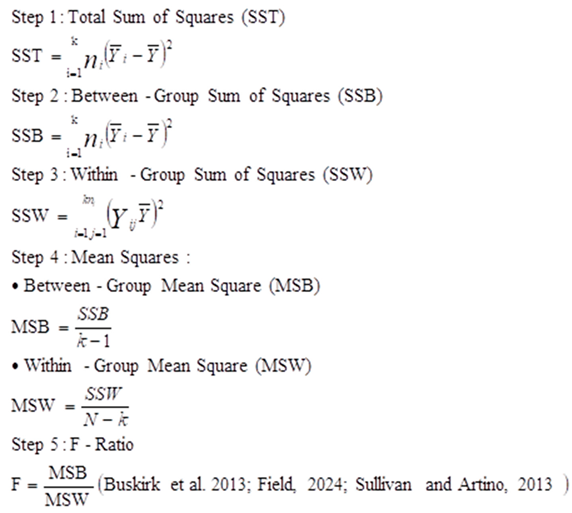
ANOVA was used to assess the impact of independent factors across the three identified categories (1) demographic characteristics of the neighborhood residents, (2) physical characteristics of the recreational park and (3) social sustainability characteristics on the dependent variable (Social Interaction). Furthermore, bar charts were used by using Microsoft Excel to illustrate the rankings and scores of each independent variable and to compare their respective degrees of effect on social interactions.
3. Results and Discussion
This part seeks to evaluate the correlation between the identified components, sub-variables, and social interaction by evaluating primary data collected from 19 professional experts. Professional specialists, including decision-makers, urban planners, and architects, are employed in Saudi Arabia. The expert questionnaire survey has two primary sections. The first section pertains to the expert's personal information. The second section of the questionnaire comprises matrix tables that include the identified determinants and sub-variables potentially affecting social interaction in the recreational park in the residential area. The following sub-sections elucidate the critical aspects influencing social interactions among inhabitants in recreational facilities inside residential areas, especially in the Saudi context of DMA.
3.1. Demographic Characteristics of Neighborhood Residents
An expert survey was conducted to investigate the correlation between the demographic characteristics of the neighborhood residents and social interaction within the Saudi context, specifically in DMA. The demographic characteristics encompasses tenure type, age group, gender, marital status, number of children in the family, employment status, education level, household income, working hours, transportation, and the presence of relatives in the same residential neighborhood.
Table 1 below indicates the number of experts and their responses about the demographic aspects that may affect social interaction in the recreational parks in DMA.
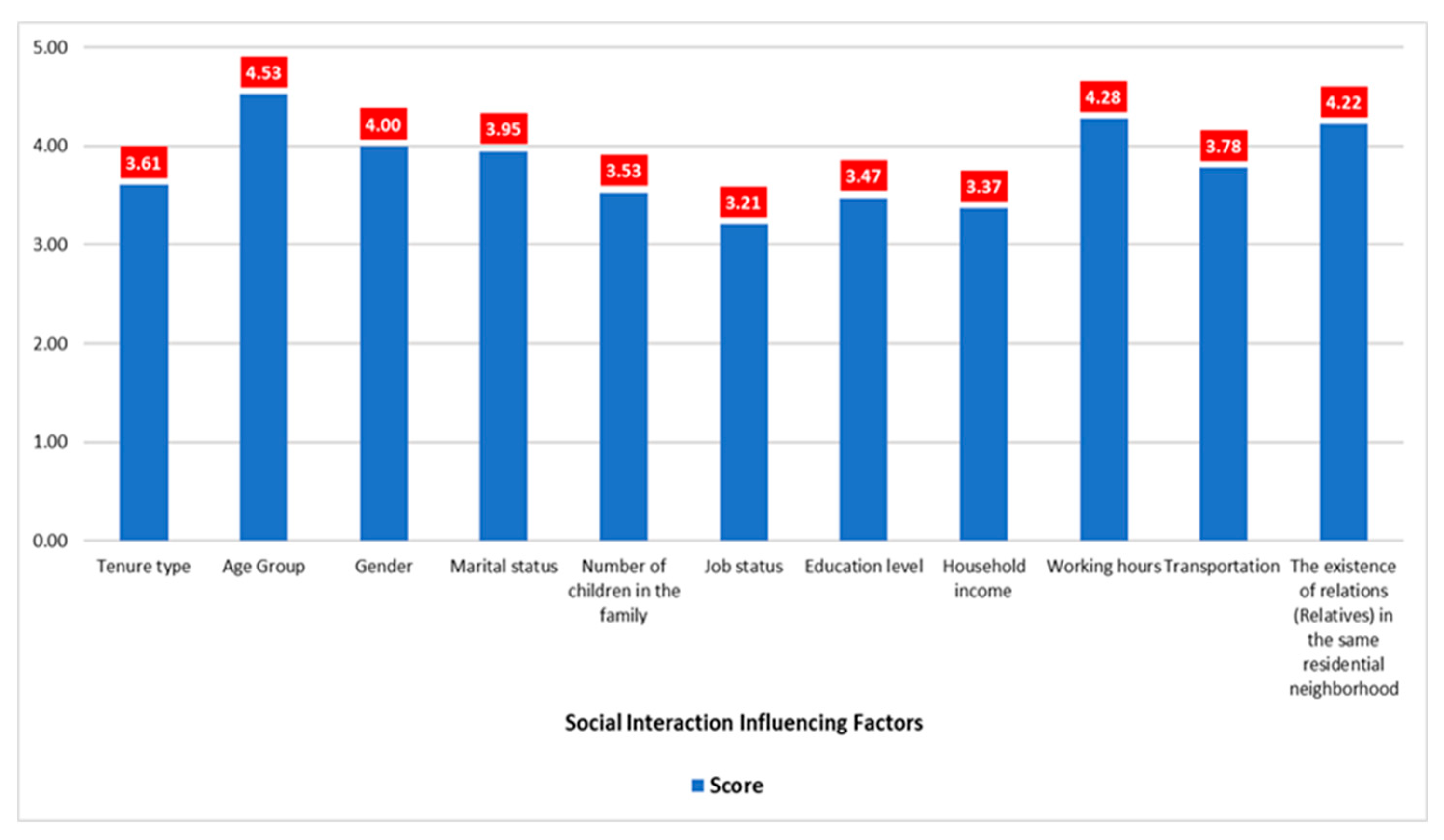
According to the preceding
Table 1, the following
Figure 3 illustrates the ranking of each demographic element in influencing social interaction among neighborhood residents in the recreational parks in DMA. Figure.3 demonstrates that age groups and working hours of inhabitants significantly influence social interactions at recreational facilities in residential communities. Furthermore, established relations within the same residential areas significantly influence social interactions among neighborhood inhabitants. Conversely, the educational attainment, family income, and employment position of inhabitants in the area have little impact on social interaction, according to expert opinions.
An ANOVA test was used to examine the relationship between social contact and the demographic features of inhabitants in DMA. The following
Table 2 illustrates that demographic variables have a statistically significant impact on social contact, shown by an F-value of 2.49 and a p-value of 0.01.
This suggests that demographic parameters, including age group and working hours, greatly influence the degree of social interaction among residents in the recreational parks in the residential neighborhoods. Furthermore, F (10,198) = 2.49 exceeds the threshold value of 1.88, indicating statistically significant differences among the independent variables of the demographic characteristics of the neighborhood residents. The findings indicate that the demographic characteristics of the neighborhood residents significantly impact on social interactions among residents in DMA, prompting us to consider the varied needs and demands of recreational facilities in residential areas to improve accessibility and foster social interaction and inclusion among residents.
Perception differs based on individual and socio-economic attributes, which might influence the prediction of park use. Individuals encounter distinct limitations and possess a diverse perception of space which may influence the psychological park accessibility. Consequently, if a park fails to meet the desires of diverse user groups, park use will diminish. The sociodemographic factors pertinent to park use include age group [
28,
29], gender [
30,
31,
32] and economic class [
32,
33]. In other words, in some cases, the demographic characteristics of the neighborhood residents play a crucial role as psychological barriers to accessibility to the recreational park which may affect the recreational park use, hence it will impact the social interaction.
3.2. Physical Characteristics of The Recreational Park
This part aims to verify the association between physical characteristics of the recreational park and social interactions in recreational parks.
Table 3 below delineates the quantity of specialists and their replies about the physical characteristics of the recreational park that may influence social interaction within the recreational parks in DMA.
The table above elucidates the prioritization of the components that may influence social interaction according to expert replies. Consequently,
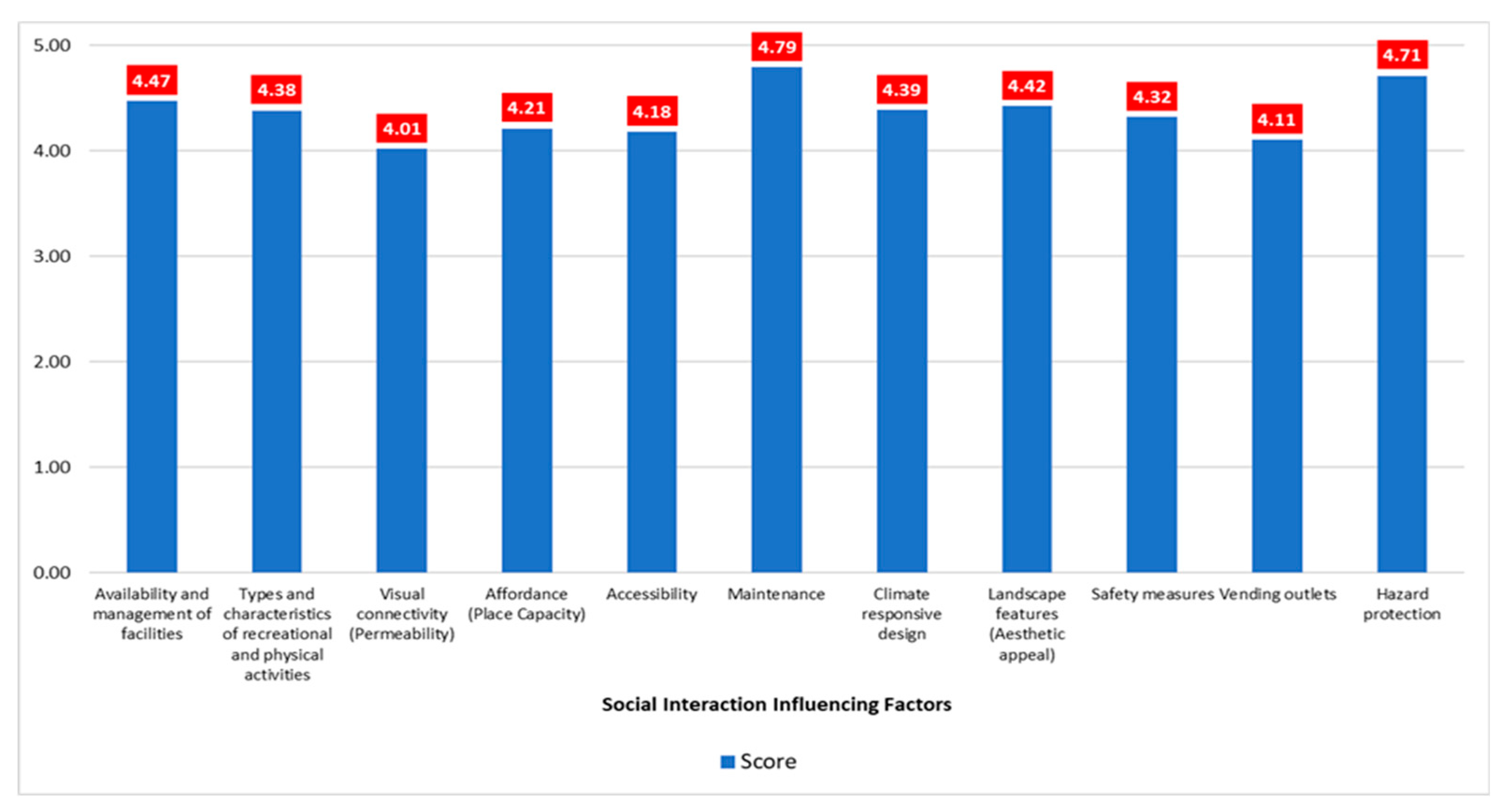
Figure 4 illustrates the ranking of each primary variable of the physical characteristics of the recreational park in influencing social interaction in DMA. According to
Figure 4, the scores of all primary variables exceed 4, demonstrating the critical significance of the physical characteristics of the recreational park in shaping social interactions inside recreational facilities. The results indicated that the maintenance of the parks such as periodic maintenance of the parks lighting, jogging track and playground have the highest score (4.79) in influencing the social interaction among neighborhood residents. In addition, the results revealed that the significance of the hazard protection for the visitors of the recreational parks and availability and management of the facilities are the second and third priorities in the perspective of the impacting the social interaction among residents with scores of 4.71 and 4.47 respectively. Overall, the results indicated that all the physical characteristics are Influential on social interaction among neighborhood residents in the recreational parks.
The ANOVA analysis shown in
Table 4 examines the relationship between the 11 primary components of the physical characteristics of the recreational park and social interaction among neighborhood residents in the recreational parks. The results demonstrate a statistically significant difference in physical characteristics among the 11 primary components. The F-value is 3.19, accompanied by a p-value of 0.00, indicating a substantial effect of physical characteristics of the recreational park on social interaction among neighborhood residents.
Furthermore, F (10,198) = 3.19 exceeds the threshold value of F, 1.88, indicating statistically significant differences among the independent variables of the physical characteristics of the recreational park.
Consequently, the findings indicate that physical characteristics, including periodic park maintenance, accessibility for all societal members, and the presence of essential safety measures such as fire suppression systems and protection against hazardous substances that could pose health risks may substantially affect social interactions within recreational facilities in residential neighborhoods.
The main idea concerning the impact of physical characteristics on social interaction is the enhancement of opportunities and the creation of appropriate environments for diverse types and intensities of encounters, from superficial interactions to deeper social connections [
8,
9]. The physical environment directly impacts interactions and indirectly influences the duration users spend in space, thereby affecting the probability of user encounters and interactions [
34,
35,
36,
37,
38].
The physical characteristics of recreational parks might influence perceptions of individuals of a certain area [
10]. The perceived features, including safety, beauty, and privacy, consequently, affect persons' behavior and their decisions about the use of the place. Thus, certain traits have an indirect influence on interpersonal interactions. In other words, it impacts the psychological accessibility of the recreational parks in the residential neighborhood which influences the use of the recreational parks and directly affects the social interaction. Hence, psychological accessibility refers to how individuals perceive and assess their surrounding situations [
39]. Consequently, psychological accessibility and intention may function as an internal motivational mechanism for attitudes, serving as a psychological variable that generates certain impulses and establishes a state of preparation for conduct and experience.
To sum up, the results revealed considerable disparities across the independent variables of the physical characteristics of the recreational park, demonstrating its impact on social interaction among inhabitants in the DMA. This indicates that accommodating various physical attributes of the recreational park might improve social interaction and inclusion among residents, consequently elevating the overall quality of life in residential communities.
3.3. Social Sustainability Characteristics
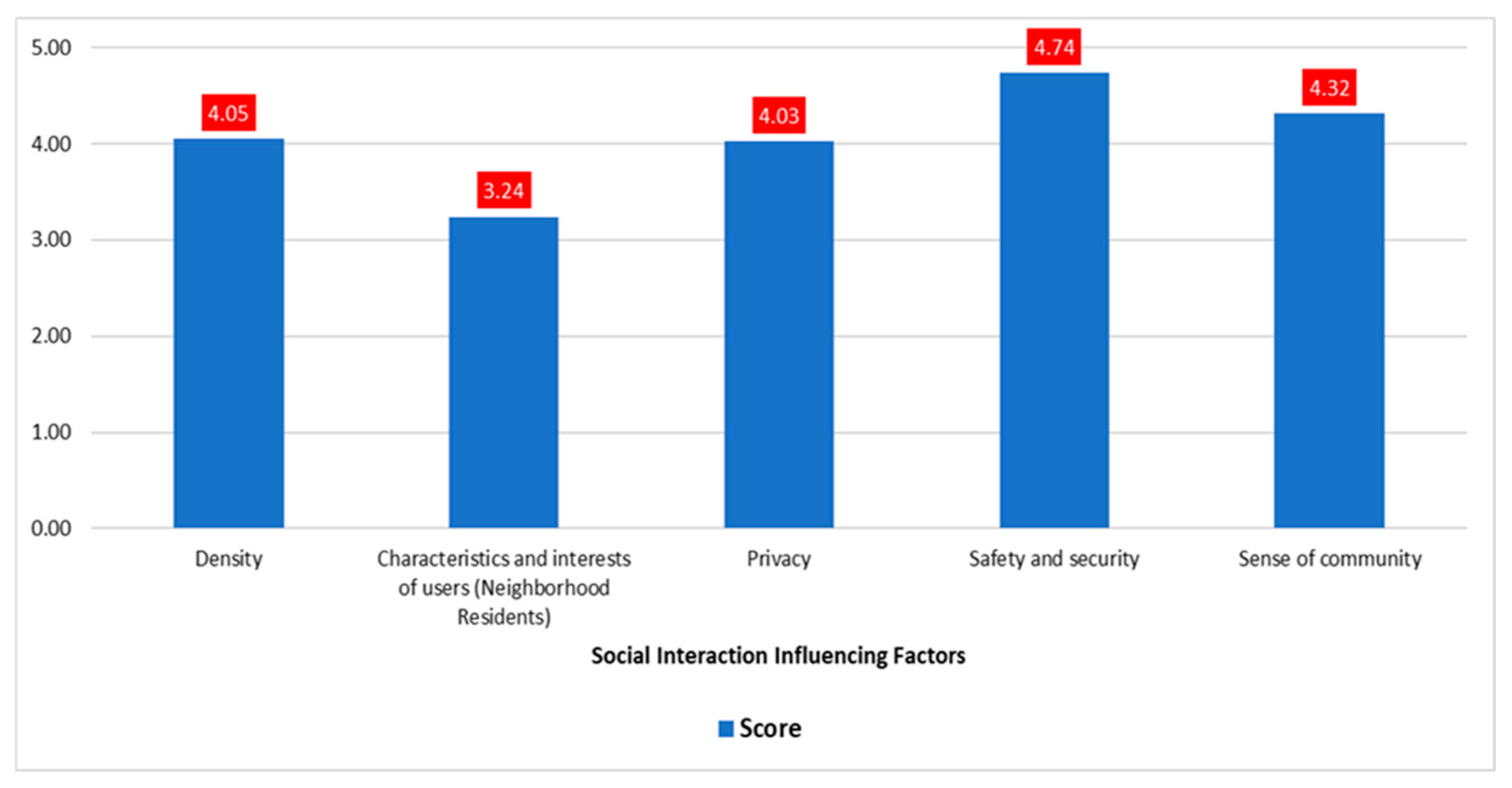
A study was done to examine the association between social sustainability characteristics and social interaction among inhabitants in the Saudi context, particularly in DMA. The elements derived from prior work included density, characteristics and interests of users (Neighborhood Residents), privacy, safety and security and sense of community.
Table 5 below illustrates the number of specialists and their responses to the social sustainability characteristics that may affect social interaction in DMA.
According to the expert survey,
Figure 5 depicts the ranking of social sustainability characteristics about their correlation with social interaction among residents in the recreational parks. As illustrated, safety and security within the recreational facility is of paramount importance, receiving a score of 4.74 regarding its influence on social interaction among residents. Experts indicate that safety is regarded as the most critical factor among the social sustainability characteristics in the Saudi context, potentially impacting social interactions in public spaces such as neighborhood recreational parks.
Conversely, as illustrated in
Figure 5, the characteristics and interests of neighborhood residents received the lowest score among the extracted factors (3.24), as it was overlooked by the majority of experts, who did not regard it as a significant factor influencing social interaction among residents in recreational facilities within residential neighborhoods.
Furthermore, an ANOVA study was performed to examine the relationship between social sustainability characteristics and social interaction among residents in the recreational parks in the residential areas.
Table 6 indicates that social sustainability characteristics have a statistically significant effect on the dependent variable, social interaction, as shown by an F-value of 25.01 and a p-value of 0.00.
This indicates that characteristics such as privacy, safety, and the feeling of community may substantially affect social interactions among people inside recreational parks. Consequently, ANOVA findings underscored the significance of the social sustainability characteristics in influencing the degree of social interaction among residents in the recreational parks in DMA. Consequently, ANOVA results lead Saudi Arabian policymakers to enhance the safety and security of tourists at recreational facilities. Moreover, safeguarding the privacy of visitors to recreational parks is a paramount concern for the Saudi community. Comprehending these discrepancies is crucial for policymakers seeking to address social sustainability characteristics needs and enhance social sustainability within the recreational parks of residential areas.
4. Data Collection Analysis Overview
ANOVA result emphasized the importance of demographic characteristics of the neighborhood residents, physical characteristics of the recreational parks and social sustainability characteristics in influencing the social interaction among neighborhood residents in DMA. The below points represent the key conclusions of ANOVA:
The results emphasize the importance of demographic characteristics of the neighborhood residents in influencing the social interaction among neighborhood residents in DMA which is in the line with [
7,
10,
40].
The findings emphasized the significance of physical characteristics of recreational parks as they play crucial role in influencing the social interaction among users which is aligned with the results of [
7,
10,
40,
41].
ANOVA result emphasized the importance of the social sustainability characteristics in shaping the level of social interaction among residents in DMA which is parallel with output of the study by [
40]
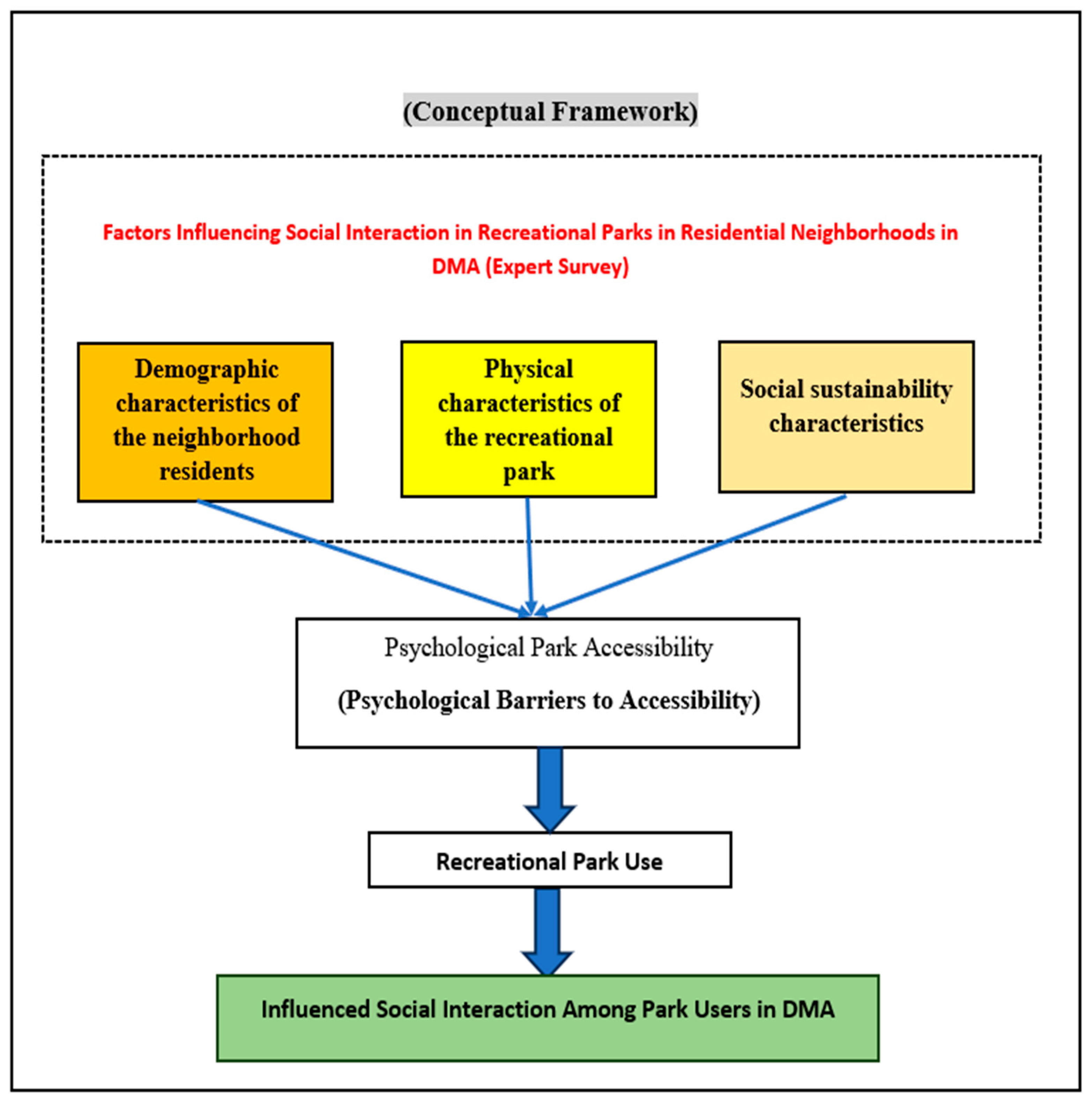
Hence, based on the preceding paragraphs, the below
Figure 6 presents the conceptual framework of the factors influencing social interaction in recreational parks in residential neighborhoods in DMA.
5. Conclusion and Recommendations
In conclusion, the study has covered extensive literature studies regarding the probable factors that may influence social interaction in the recreational parks. Followed by expert questionnaire survey with 19 professional experts from several backgrounds to examine the extracted factors that may influence the social interaction in the Saudi context specifically in DMA. Consequently, the result of this study has highlighted the essential role of the demographic characteristics of the neighborhood residents, physical characteristics of the recreational park and social sustainability characteristics in influencing the level of social interaction in the recreational parks in DMA. Policymakers and stakeholders in DMA will benefit from the suggestions and recommendations presented in this research.
The result demonstrates that demographic characteristics have a statistically significant influence on social interaction shown by F-value of 2.49 and p-value of 0.01. Based on expert opinion, it has revealed that the age group working hours, the existence of relations (Relatives) in the same residential neighborhood and gender has the greatest influence on the social interaction in the recreational parks in the residential neighborhoods in DMA respectively.
The findings emphasized the significance of physical characteristics of the recreational park as it plays crucial role in influencing the social interaction among users. As the result shows, physical characteristics have a statistically significant influence on social interaction shown by an F-value of 3.19 and a p-value of 0.00. According to the expert point of view, it has revealed that the periodic maintenance of the parks lighting, jogging track and playground, hazard protection for the visitors of the recreational parks and availability and management of the facilities, availability and management of facilities such as, toilets for both genders and adequate parking space and landscape features of the recreational parks (Aesthetic appeal) such as, appropriate finishing materials, illumination, and furniture in community recreational parks have the greatest influence on the social interaction in the recreational parks in the residential neighborhoods in DMA respectively. This suggests that adapting the recreational park to diverse physical characteristics may enhance social interaction and inclusion among neighborhood residents, hence improving the overall quality of life in residential communities.
The social sustainability characteristics analysis shows an F-value of 25.01 with a p-value of 0.00, highlighting the significant influence on social interaction in the recreational parks in DMA. Based on expert opinion, safety and security within the recreational facility is of paramount importance, sense of community such as engagement in social activities of the residential neighborhood, density of the residential neighborhood and privacy of the users in the recreational park have the highest effectiveness on the social interaction in the recreational parks in the residential neighborhoods in DMA respectively.
Lastly, the findings of this research may assist policymakers and recreational park designers in improving park accessibility through alternative strategies informed by psychological aspects. Enhancing recreational parks which align with the extracted factors, such as safety, attractiveness, cleanliness, and activity variety may reduce psychological barriers to accessibility to park use and attract a greater number of visitors.
According to the demographic characteristics of the neighborhood residents, the municipalities may analyze not only the general populace but also diverse sociodemographic groups to identify disparities and foster social equality in constructed settings. Park designers should endeavor to provide facilities that accommodate multifaceted activities and uses to address the needs of varied user groups which may reduce the psychological barriers to accessibility to the recreational park.
In other words, understanding these variances is essential for policymakers aiming to tackle the necessary requirements of demographic characteristics of the neighborhood residents, physical characteristics of the recreational park and social sustainability characteristics and improve the perception of the neighborhood residents regarding the extracted influencing factors which may enhance the psychological park accessibility. Consequently, it will enhance the use of recreational parks and create opportunities and provide proper spaces for social interactions in different means and densities.
Author Contributions
Conceptualization, A.A., U.L.D. and A.M.A.; methodology, A.A. and U.L.D.; software, A.A.; validation, A.A., U.L.D. and A.M.A.; formal analysis, A.A. and U.L.D.; investigation, A.A.; resources, A.A. and A.M.A.; data curation, A.A.; writing—original draft preparation, A.A. and U.L.D.; writing—review and editing, A.A. and A.M.A.; visualization, A.A.; supervision, U.L.D. and A.M.A.; project administration, A.A.; funding acquisition, A.A. All au-thors have read and agreed to the published version of the manuscript.
Funding
Please add: This research received no external funding.
Institutional Review Board Statement
The study was conducted in accordance with the Declaration of Helsinki, and the protocol was approved by the Ethics Committee of Imam Abdulrahman Bin Faisal University (Approval Code IRB-PGS-2025-06-0178) on March 03, 2025.
Data Availability Statement
The datasets generated and analyzed during the research are available with the corresponding author and can be furnished upon request.
Conflicts of Interest
The authors declare no conflicts of interest.
References
- Marmot, M. (2011). Social determinants and the health of Indigenous Australians. Medical Journal of Australia, 194(10), 512-513.
- Skjaeveland, O., & Garling, T. (1997). Effects of interactional space on neighbouring. Journal of environmental psychology, 17(3), 181-198. [CrossRef]
- Unger, D. G., & Wandersman, A. (1985). The importance of neighbors: The social, cognitive, and affective components of neighboring. American journal of community psychology, 13, 139-169. [CrossRef]
- Dave, S. (2011). Neighbourhood density and social sustainability in cities of developing countries. Sustainable development, 19(3), 189-205. [CrossRef]
- Doda, Z. (2005). Introduction to sociology.
- Abbaszadeh, S. (2009). Reinforcing social interaction among Persian neighborhood communities in new high-rise residential development (Doctoral dissertation, Universiti Putra Malaysia).
- Kara, E. The effects of environmental factors on social interaction in outdoor spaces: The multiple case of children's villages.
- Hertzberger, H. (2010). Space and the Architect: Lessons in Architecture 2.Rotterdam : 010 Publishers.
- Fleming, R., Baum, A., & Singer, J. E. (1985). Social support and the physical environment.
- Farshidi, A. (2016). Impact of design on social interaction within urban residential developments in Scotland (Doctoral dissertation).
- Talen, E. (1999). Sense of community and neighbourhood form: An assessment of the social doctrine of new urbanism. Urban studies, 36(8), 1361-1379. [CrossRef]
- Buonfino, A., & Hilder, P. (2006). Neighbouring in contemporary Britain. York: Joseph Rowntree Foundation.
- Dempsey, N. (2006). The Influence of the quality of the built environment on social cohesion in English neighbourhoods (Doctoral dissertation, Oxford Brookes University).
- Lindsay, M. (2010). The impact of design on privacy and social interaction between neighbours in sustainable housing developments in England and Wales (Doctoral dissertation, Oxford Brookes University).
- Fischer, C. S. (1982). To dwell among friends: Personal networks in town and city. University of chicago Press.
- Sirgy, M. J., Gao, T., & Young, R. F. (2008). How does residents’ satisfaction with community services influence quality of life (QOL) outcomes?. Applied Research in Quality of Life, 3, 81-105. [CrossRef]
- Powers, S. L., Pitas, N. A., & Mowen, A. J. (2022). Public perceptions of local parks and recreation as an essential community service during the COVID-19 pandemic. Journal of Park and Recreation Administration, 40(3), 159-178. [CrossRef]
- Kara, B., Tuncay, H. E., & Deniz, B. (2011). Investigating recreational qualities of the parks in Aydın. Procedia-Social and Behavioral Sciences, 19, 158-164. [CrossRef]
- Abou-Korin, A. A. (2011, December). Impacts of rapid urbanisation in the Arab World: The case of Dammam metropolitan area, Saudi Arabia. In 5th Int’l Conference and Workshop on Built Environment in Developing Countries (ICBEDC 2011) (pp. 1-25). Pulao Pinang, Malaysia: University Sains Malaysia.
- Alhowaish, A. K. (2015). Eighty years of urban growth and socioeconomic trends in Dammam Metropolitan Area, Saudi Arabia. Habitat International, 50, 90-98. [CrossRef]
- Saudi Vision 2030. (2020). Saudi Vision 2030. Retrieved from Saudi Vision 2030: https://www.vision2030.gov.sa/.
- Saudi Vision 2030. (2016). The Quality-of-Life Program. Retrieved from https://vision2030.gov.sa/en/programs/QoL.
- MOMRA-KSA, Ministry of Municipality and Rural Affairs, Saudi Arabia. (2007). Local and Action Area Plans for Cities of Dammam Metropolitan and Governorates of Qatif and Ras-Tanura. Prepared for Eastern Province Amanah, MOMRA, Kingdom of Saudi Arabia.
- CDSI, Central Department of Statistics and Information, Saudi Arabia. (2015). Population Statistics. Retrieved from http://www.cdsi.gov.sa/english/.
- Breitsohl, H. (2019). Beyond ANOVA: An introduction to structural equation models for experimental designs. Organizational Research Methods, 22(3), 649-677. [CrossRef]
- Field, A. (2024), Discovering statistics using IBM SPSS statistics, Sage Publications Limited.
- Sullivan, G. M., & Artino Jr, A. R. (2013). Analyzing and interpreting data from Likert-type scales. Journal of graduate medical education, 5(4), 541-542. [CrossRef]
- Chiesura, A. (2004). The role of urban parks for the sustainable city. Landscape and urban planning, 68(1), 129-138. [CrossRef]
- Maas, J., Verheij, R. A., de Vries, S., Spreeuwenberg, P., Schellevis, F. G., & Groenewegen, P. P. (2009). Morbidity is related to a green living environment. Journal of Epidemiology & Community Health, 63(12), 967-973. [CrossRef]
- Borumand, M. A. R. Y. A. M., & Rezaee, S. O. L. M. A. Z. (2014). Evaluating the performance of the parks of women in promoting the gender equality in cities case study: Madar Park of Women in Tehran 15th municipal district. Indian J Scientific Res, 4, 280-290.
- Krenichyn, K. (2006). ‘The only place to go and be in the city’: women talk about exercise, being outdoors, and the meanings of a large urban park. Health & place, 12(4), 631-643. [CrossRef]
- Wendel, H. E. W., Zarger, R. K., & Mihelcic, J. R. (2012). Accessibility and usability: Green space preferences, perceptions, and barriers in a rapidly urbanizing city in Latin America. Landscape and urban planning, 107(3), 272-282. [CrossRef]
- Cohen, D. A., Han, B., Derose, K. P., Williamson, S., Marsh, T., Raaen, L., & McKenzie, T. L. (2016). The paradox of parks in low-income areas: Park use and perceived threats. Environment and behavior, 48(1), 230-245. [CrossRef]
- Jacobs, J. (1961). Jane jacobs. The Death and Life of Great American Cities, 21(1), 13-25.
- Whyte, W. H. (1980). The social life of small urban spaces.
- Demir, M. (2006). Müzik ve sosyal etkileşim (Yayımlanmamış yüksek lisans tezi). İstanbul Üniversitesi Sosyal Bilimler Enstitüsü.
- Farida, N. (2013). Effects of outdoor shared spaces on social interaction in a housing estate. [CrossRef]
- Speranza, P., Keisler, R., & Mai, V. (2015). Social interaction and cohesion tool: a dynamic design approach for Barcelona’s superilles. In Proceeding of the 35th Annual Conference of the Association for Computer Aided Design in Architecture (pp. 468-481).
- van der Vlugt, A. L., Curl, A., & Wittowsky, D. (2019). What about the people? Developing measures of perceived accessibility from case studies in Germany and the UK. Applied Mobilities. [CrossRef]
- Almansor, N. (2021). Social sustainability in residential urban environments: single-family house neighbourhoods in basra, Iraq.
- Sammakieh, J. K., & Mohammed, M. F. (2021). Factors of Social Interaction at Waterfront Open Spaces-Jeddah Waterfront as a Case. Turkish Online Journal of Qualitative Inquiry, 12(7).
|
Disclaimer/Publisher’s Note: The statements, opinions and data contained in all publications are solely those of the individual author(s) and contributor(s) and not of MDPI and/or the editor(s). MDPI and/or the editor(s) disclaim responsibility for any injury to people or property resulting from any ideas, methods, instructions or products referred to in the content. |
© 2025 by the authors. Licensee MDPI, Basel, Switzerland. This article is an open access article distributed under the terms and conditions of the Creative Commons Attribution (CC BY) license (http://creativecommons.org/licenses/by/4.0/).