

Submitted:
19 April 2025
Posted:
21 April 2025
You are already at the latest version
Abstract
The growing relevance of sustainable practices has driven organizations from various sectors to adapt their activities to current socio-environmental demands. In the con-struction sector, this demand is even more pronounced due to the high consumption of natural resources and the significant generation of solid waste. However, questions remain about the extent to which companies in this sector understand and incorporate sustainable practices into their routines. This study investigates the level of knowledge and the adoption of sustainable practices by residential building construction compa-nies registered with the Civil Construction Industry Union of Mossoró/RN. A qualita-tive-quantitative approach was adopted, using questionnaires and photographic rec-ords collected during on-site visits. The data reveal an incipient adoption of Environ-mental Management Systems (EMS) and limited knowledge about ESG principles, highlighting structural and cultural barriers to sustainability in the sector. Neverthe-less, isolated initiatives related to waste reduction and the adoption of more efficient practices were observed. The study concludes that strengthening technical training, promoting management systems, and aligning with contemporary demands are rele-vant strategies to foster sustainability and competitiveness in the construction sector.
Keywords:
civil construction
; sustainability
; environmental management
1. Introduction
In the current economic scenario, organizations have increasingly directed efforts to maximize productivity, enhance competitiveness, and strengthen their market position. Global discussions that recognize human beings as agents of environmental transformation have expanded in scope, highlighting the growing commitment of organizations to practices aligned with sustainable development. The introduction of the concept of sustainable development, both internationally and nationally, demands an active stance from organized society in addressing environmental issues. Considering that companies are potential sources of adverse environmental impacts, a shared responsibility approach is therefore justified in order to mitigate the negative effects arising from business activities across various economic sectors [1].
From this perspective, environmental degradation has increased exponentially since the onset of the Industrial Revolution, as it is directly linked to population growth, rising consumption, and the production of goods and services. This period was marked by technological advancements, industrialization, and rapid urbanization, which fostered the development of industry and the creation of employment opportunities in urban areas, consequently leading to a significant migratory flow of the rural population toward urban centers [2].
The pursuit of sustainable development, consolidated over the years, requires organizations to continuously adapt the management and operation of their activities to meet the demands of contemporary realities. In this context, companies integrate the environmental dimension into their operational and managerial practices by implementing Environmental Management Systems (EMS) and adopting the principles of ESG (Environmental, Social, and Governance), which guide actions aimed at environmental preservation [3].
The implementation of environmental management and the adoption of ESG principles enable the development of cleaner production processes and less harmful products to the environment, generating economic benefits such as savings in time and materials without compromising service quality. Moreover, environmentally responsible practices become more appealing to end consumers, as they integrate environmental, social, and governance aspects, thereby enhancing sustainability and organizational accountability, despite facing resistance due to implementation costs [4].
In Brazil, the awareness of the importance of adopting ESG-related practices is still relatively recent for both companies and the government. A survey conducted in 2021 by the Brazilian Financial and Capital Markets Association (ANBIMA) highlighted the growth of this trend. Among the 265 asset managers interviewed, 86% stated that the ESG topic has gained prominence over the past 12 months, while 90% believe that its relevance is expected to increase or intensify over the next months [3].
The construction industry, which is the focus of this study, represents an equally dynamic and significant sector in the global economy, playing a vital role in urban infrastructure and socioeconomic development [5]. However, it is also one of the sectors with the greatest environmental impact, due to its high consumption of natural resources and substantial generation of solid waste. This sector’s dynamics are marked by the complexity of its processes and the intensive use of materials. Junior (2021) [6] found that several construction companies are implementing management tools in their activities. Their study revealed that the practices addressed in Cleaner Production (CP) help reduce the costs of material acquisition and waste collection, in addition to improving on-site operations. These practices prioritize waste reduction, reuse, and recycling, thereby mitigating the environmental impacts caused by the exclusive disposal of construction residues.
Therefore, environmental management integrated with ESG principles emerges as a strategy capable of transforming challenges into competitive advantages, driving sustainability within the sector. This approach makes it possible to meet the increasing demands of consumers and investors while promoting more responsible and efficient practices in the corporate environment.
Based on the above, this study aims to assess the level of knowledge and the adoption of safe practices by residential building construction companies registered with the Civil Construction Industry Union of Mossoró/RN, with a focus on environmental management indicators and ESG principles. The research focuses on identifying the socioeconomic characteristics of these companies, verifying compliance with environmental regulations, and analyzing how ESG principles and environmental indicators are integrated into their activities. The findings highlight persistent gaps in the implementation of structured management systems, but also point to promising initiatives that may serve as models for broader adoption within the sector.
2. Integration Between EMS, ESG and Environmental Legislation
Given the intense adverse socio-environmental effects present in contemporary society, corporate concern for the environment has also become a matter of great importance, influencing business strategies. This highlights that environmental concerns began to emerge with the structuring of the foundations of environmental management, especially in the 1980s with the implementation of the National Environmental Policy (PNMA) and the development of environmental management systems [7]. Environmental management began to take shape during the Industrial Revolution, with preservationist roots that evolved up until the Second World War. In the following years, scientific perspectives began to influence the debate, leading to the creation of institutions such as the International Union for the Protection of Nature (IUPN) in 1948 and the World Wildlife Fund (WWF) in 1960, which contributed to the environmental movement in developed countries [8]. In the 1970s, ecology began to be addressed by the State, culminating in the Stockholm Conference in 1972. In 1987, the Brundtland Report reinforced the inseparability of the economy and the environment. In Brazil, the 1980s marked the introduction of environmental and scientific processes, culminating in the 1981 National Environmental Policy and the 1988 Federal Constitution, which defined a balanced environment as a right. The 1992 Rio Conference was a milestone in environmental management, establishing Agenda 21 and other key agreements for sustainable development [9].
Barbieri (2023) [1] defines environmental management as a set of practices, processes, and strategies employed by organizations, governments, and society to plan, coordinate, monitor, and control human activities in relation to the environment. This management involves identifying and assessing environmental impacts, setting sustainability goals and objectives, implementing preventive and mitigation measures, seeking environmentally responsible solutions, and continuously monitoring to ensure regulatory compliance and ongoing improvement. The adoption of environmental practices within organizations has evolved over the years, as highlighted by Barbieri (2023) [1], through informal, formal, and proactive stages. According to the author, these phases represent a maturity trajectory in organizational environmental management. In the informal stage, companies typically adopt reactive measures, responding only to environmental incidents or external pressures. In the formal stage, the focus shifts to compliance with environmental regulations and standards, reflecting a more structured commitment to sustainability. Finally, in the proactive stage, organizations embrace a voluntary and strategic approach to environmental issues, aiming not only to comply with, but also to exceed legal expectations. This progression underscores the growing awareness of the importance of environmental management and its integration into companies’ daily operations, contributing to environmental preservation and the creation of sustainable value.
According to Bittencourt and Nossa (2024) [10], managers have already acknowledged the importance of developing a clearly defined corporate strategy for sustainability, yet they face significant challenges in formulating and implementing an effective action plan. The implementation of a sustainability strategy is particularly necessary given that each company has unique characteristics, such as its sector of activity, organizational structure, internal processes, capabilities, business policies, stakeholder interests, market dynamics, and external environmental influences, among other factors. Gomes (2018) [11] emphasizes that there is evidence indicating that companies with greater growth potential have more opportunities to implement sustainable practices in their operations. This perspective is supported by Kitsios et al. (2020) [12], who explain that larger companies are more subject to stakeholder scrutiny, which encourages the adoption of sustainable measures. They argue that companies tend to voluntarily adopt sustainable practices due to the intangible value generated by these actions, such as innovation, commission gains, and enhanced market competitiveness.
Strong financial performance not only represents opportunities for investors but also enhances a company’s ability to improve its environmental and social performance. In addition, socially responsible actions aimed at reducing costs and information asymmetries can generate positive financial outcomes [10]. In this context, the involvement of top management plays a key role in the success of environmental initiatives, as highlighted by Sanches (2000) [13]. The implementation of structured systems, such as the Environmental Management System (EMS) defined by ISO 14001, is essential to promote environmental efficiency and ensure sustainable business management and practices, regardless of the organization’s sector or size [14].
In parallel, the concept of ESG (Environmental, Social, and Governance) emerged as a complement to the Environmental Management System (EMS), highlighting sustainable management as a response to the growing global demands for sustainability. These systems not only promote responsible practices—such as recycling and the rational use of natural resources—but also reflect the engagement of financial institutions and international organizations, driven by milestones such as the Paris Agreement [15]. In Brazil, although ESG is often translated as EMS, it is important to distinguish governance from management: while governance establishes the guidelines, management is responsible for executing the practices. This integration reinforces companies’ commitment to mitigating environmental risks, conserving resources, and adopting the triple bottom line approach, which is vital for ensuring sustainability and competitiveness in today’s market [4].
Companies are being challenged to review their operations and strategies in order to remain competitive in the market. According to Ferreira et al. (2023) [16], many organizations adopt ESG criteria to add value to their businesses, with a focus on good governance, transparency, and environmental improvement. However, they still primarily concentrate on the environmental dimension, without effectively mitigating impacts, and invest little in the social and governance dimensions. Studies by Fernandes and Rezende (2020) [14] show that companies with adequate structures achieve results in terms of profitability, social responsibility, and reduction of tax-related issues, highlighting that a better balance among the three ESG pillars generates positive returns.
In this scenario, transformations in industrial activities, driven by growing environmental awareness and stricter regulations, reflect the need for compliance beyond outdated business practices. The implementation of an Environmental Management System (EMS) provides companies with a tool to comply with current legislation, ensuring internal organization and alignment with global standards. Additionally, the integration of Environmental Law into the Brazilian legal framework, consolidated by the Federal Constitution of 1988, established normative foundations and systems such as SISNAMA and CONAMA to structure environmental protection. These developments demonstrate how the adoption of approaches such as ESG and EMS is directly related to legal requirements and the evolution of sustainable management at both global and local levels [16].
3. Methodological Elements of Research
The study is characterized as descriptive and exploratory research, adopting a methodological approach of a qualitative-quantitative nature. The research design was planned comprehensively, covering all stages from the initial structuring and organization to the analysis and interpretation of the collected data. The target population consists of managers from construction companies located in Mossoró, Rio Grande do Norte. The sample includes companies affiliated with the Civil Construction Industry Union of Mossoró, focusing on those registered under CNAE 4120-4/00 (Building Construction). A total of 10 companies located in the central area of the municipality were selected, as illustrated in Figure 1.
The research was submitted to and approved by the Research Ethics Committee of the State University of Rio Grande do Norte (UERN) (CAAE No. 77313123.5.0000.5294), ensuring ethical compliance and the quality of the data obtained.
For data collection, questionnaires and photographic records were used. The questionnaire, consisting of 27 questions organized into three sections, addressed the following topics: characterization of the respondents, environmental compliance of the enterprises, and environmental management with an ESG-oriented approach. The combination of quantitative data, obtained through questionnaire responses, and qualitative data, derived from documentary records, provided a solid foundation for the analysis of the environmental practices of the participating companies.
The on-site visits, carried out between July 29 and August 1, 2024, were exploratory in nature and involved the administration of questionnaires, semi-structured interviews, and photographic records. These data constituted the primary material of the research.
The data collected were organized and tabulated using Microsoft Excel 2019, with the support of Google Forms for managing the questionnaires. The analysis followed a non-probabilistic approach, as described by Marconi and Lakatos (2021) [17], combining direct observations and photographic documentation. This method included a detailed assessment of the environmental aspects and impacts in construction companies located in Mossoró.
Finally, the analysis was enriched by a comparison with previous studies, identifying patterns and variations in environmental practices. The interpretation of the results, based on the specific criteria proposed by Gil (2023) [18], contributed to a deeper understanding of the environmental dynamics within the construction sector in Mossoró.
3. Results and Discussion
The organization focused on in this study is the construction sector in the municipality of Mossoró, in the state of Rio Grande do Norte, which has great relevance for the economic and social development of the region, contributing significantly to the generation of employment and income. However, the activities developed in this sector have a high potential to cause environmental impacts, highlighting the need for sustainable strategies in business management.
Thus, based on the information gathered, companies in this sector are predominantly small-sized, employing up to 49 workers and reporting an annual gross income between R$ 360,000.00 and R$ 3,600,000.00. Located in urban areas, 60% of them operate in owned properties of up to 200 m², distributed across a maximum of three built areas. Nevertheless, they face challenges in implementing sustainable practices due to economic, cultural, and social limitations, supporting previous studies that indicate a low adherence of small enterprises to environmental management [19,20].
Furthermore, the volume of activities such as the simultaneous execution of up to ten construction projects by the companies highlights the high demand and the need for efficient resource management to comply with environmental regulations. Specialized services including housing construction, urban infrastructure, renovations, and technical engineering services require targeted approaches to minimize environmental impacts. This diversity allows for the development of tailored solutions for each service type, enhancing the positive outcomes of environmental initiatives and facilitating compliance with regulatory standards [21].
A positive aspect regarding the maturity level of the Environmental Management System (EMS) is that most companies have been operating in the market for more than ten years. Long-term presence in the sector is usually associated with more developed environmental practices, as these organizations tend to continuously improve their actions, as pointed out by Peixe et al. (2019) [22].. However, the lack of specific training and dedicated teams for environmental management indicates that this development is still not sufficiently structured.
In the construction sector, proactive environmental management actions aligned with the principles of environmental, social, and corporate governance are key to promoting sustainable practices and mitigating the environmental impacts associated with construction activities. As highlighted by Barbieri (2023) [1], this set of actions involves the implementation of strategies aimed at planning, coordinating, monitoring, and controlling human activities in relation to the environment, encompassing both organizational initiatives and collaboration between governments and society.
From this perspective, environmental management and ESG actions in the sector were analyzed, with emphasis on socio-environmental responsibility and the implementation of structured systems, revealing a scenario of low maturity in corporate sustainability practices. The data showed that although most of the companies interviewed claimed to carry out socio-environmental actions, these initiatives are limited and sporadic in their implementation [23]. While a significant portion of the companies conduct socio-environmental actions with some frequency, the absence of an Environmental Management System (EMS) was identified in more than half of the organizations evaluated. Moreover, the lack of knowledge about the term ESG and its principles represents a significant barrier, with many companies reporting unfamiliarity with both the concept and its application in corporate operations (Table 1).
The absence of an Environmental Management System (EMS) reflects the limited adoption of environmental management practices in the sector. Among the organizations interviewed, few reported having or implementing EMSs, while most highlighted a lack of motivation or the necessary knowledge for its adoption. For those that have implemented the system, the main objectives include meeting legal requirements and improving environmental efficiency. The primary motivations for adopting these systems are compliance with environmental regulations and the pursuit of enhanced environmental performance. Previous studies by Fernandes & Rezende (2020) [14] and Alcântara et al., (2022) [15] reinforce the importance of EMS as a strategic tool to improve environmental performance and promote corporate sustainability. Environmental Quality Management Systems (EQMS), when integrated with Environmental Management Systems (EMS), have been identified as tools that enhance legal compliance and promote continuous improvement. Nevertheless, the low adherence to EQMS reveals a significant gap in the adoption of more robust environmental management practices. Another relevant issue concerns knowledge of ESG principles a substantial portion of companies demonstrated a lack of familiarity with the topic. This reflects a structural challenge for the integration of sustainable and governance practices into business strategies. Recent studies by Ferreira et al., (2023) [16] and Martiny et al., (2024) [24] highlight that adopting ESG principles not only improves the sustainability of operations but also strengthens investor and consumer trust.
Furthermore, the study highlighted the need for greater corporate education to promote understanding of ESG and its incorporation into decision-making processes. The integration of ESG principles enables construction sector companies not only to comply with regulations but also to stand out in an increasingly competitive market concerned with environmental and social issues. According to Ferreira et al. (2023) [16], the integration of ESG criteria into investment decisions remains limited in many companies. The study revealed that, in practice, these actions are often not well integrated, resulting in an imbalance between ESG criteria and investment decision-making. Additionally, the underdevelopment of internal sustainability policies and the lack of publication of ESG sustainability reports by companies highlight shortcomings in corporate management and transparency.
This scenario of gaps in the integration of sustainable practices is also reflected in quality certifications, such as the PBQP-H (Brazilian Program for Quality and Productivity in Habitat), which were mentioned by some verified companies. Although such certifications can represent a competitive advantage, their use and understanding of their benefits are still limited. According to Haubrick & Gonçalves (2020) [25], the PBQP-H can be a valuable tool for aligning companies with best practices in sustainability and productivity in the construction sector, reinforcing the importance of greater dissemination and adherence to these certifications.
Environmental management, in turn, focuses more on complying with legal requirements established by environmental standards and regulatory agencies than on its integration as a competitive strategy. Although compliance with legislation is essential for the continuity of operations, many companies still fail to recognize the added value of sustainable practices [26]. The analysis carried out in the construction sector illustrates this reality: despite the fact that the enterprises hold environmental licenses — a key instrument of the National Environmental Policy (PNMA) — a significant portion of companies are unaware of the legality of the materials used in the production process, as shown in Table 2.
The validity of licensing in companies reflects not only adherence to environmental legislation but also a commitment to mitigating the negative impacts of their operations. According to Maués et al. (2020) [27], ensuring the legality of inputs is essential for advancing construction practices toward sustainability, complying with environmental regulations, and contributing to the achievement of environmental quality certifications. In contrast, the study by Schuster and Junior (2020) [28] points out that the lack of environmental regularization in the construction sector exacerbates environmental problems and compromises long-term sustainability, exposing companies to legal risks and intensifying negative environmental impacts.
However, this data suggests a limited awareness, although it is still necessary to promote more effective actions to ensure the adequacy and environmental legality of the materials used in production processes. This lack of knowledge may compromise the effectiveness of environmental management practices and increase the risk of negative environmental impacts, highlighting the need for educational and training initiatives within the sector. Nevertheless, the data indicate that some companies adopt such training initiatives sporadically, with a specific number implementing them on a regular basis. These results contrast with the findings of Silva and Poznyakov (2020) [29], who emphasized the need to develop environmental management tools tailored to the sector—practical and easy to implement. Such tools should include both technological solutions and environmental education for those involved, enhancing awareness of the competitive advantages of environmental improvement.
Regulatory standards (NRs), such as NR-18 (workplace safety) and NR-12 (safe use of machinery), are partially applied, but there are still gaps regarding the use of personal protective equipment (PPE) and the proper training of teams (Figure 2). In many organizations, the absence of a professional specifically responsible for environmental management and occupational safety limits significant progress in sustainability and worker protection. Silva and Poznyakov (2020) [29] emphasize that structured planning for mitigating environmental impacts and improving operational efficiency helps organizations build a responsible and positive image within the community.
Solid waste management in construction sector companies is a critical issue. Although many companies claim to have implemented waste management practices, their effectiveness is questionable. Silva and Poznyakov (2020) [29] warn that the lack of systematic practices can worsen environmental impacts and lead to legal consequences, damaging the companies’ reputations. The research also revealed that most waste is stored in open areas, which poses environmental and public health risks (Figure 3). On the other hand, only a portion of the companies use proper storage facilities such as covered sheds, as recommended by Dacoregio et al. (2020) [30]. The author highlights that proper management practices, such as safe storage in accordance with legal guidelines, contribute to improved operations, accident prevention, and the reduction of visual and olfactory impacts. Furthermore, according to Gomes (2020) [31], this approach also facilitates the waste collection and treatment process, promoting greater efficiency in environmental management. When integrated into systematic and continuous planning, such measures support compliance with current legislation, reduce operational costs, and strengthen the institutional image of organizations committed to sustainability.
Selective waste collection practices still face limitations, being consistently carried out by only a portion of the companies. Typically, the separation focuses on materials such as paper, plastic, and metal scraps, with an emphasis on reuse or resale (Figure 4). Lima et al. (2024) [26] highlight that, despite the high recycling potential of the waste generated in this sector, the limited separation still practiced contributes to the overloading of landfills and results in the loss of materials that could be more efficiently recovered.
Therefore, it is evident that solid waste management in the construction sector in Mossoró faces significant challenges that compromise the environmental and operational sustainability of companies. The absence of systematic practices and the predominance of inadequate storage highlight the need for more robust policies, investments in infrastructure, and training for proper waste handling. Furthermore, encouraging selective collection and the reuse of recyclable materials emerges as an opportunity to minimize environmental impacts, reduce costs, and add value to business operations, promoting a more sustainable production cycle aligned with current societal demands.
5. Conclusions
The results indicate a predominance of small companies, which face economic and structural limitations in adopting sustainable practices, reinforcing the need for greater technical and financial support. Furthermore, the absence of specific training and dedicated personnel for environmental management and occupational safety contributes to the low adherence to more robust sustainability policies. This situation is exacerbated by the lack of knowledge about concepts such as ESG and the absence of integrated actions involving environmental planning, occupational safety, and solid waste management.
Although some companies already carry out occasional socio-environmental actions, these efforts remain insufficient to meet the sector’s environmental demands. There is still a long path ahead for the comprehensive implementation of integrated systems such as the Environmental Management System (EMS) and ESG principles. Training and raising awareness among organizations emerge as essential strategies to foster sustainability and promote corporate management aligned with the expectations of the market and society. However, the absence of robust environmental policies limits the reach of these initiatives. Thus, the study concludes that technical training, dissemination of ESG knowledge, and the promotion of incentives for the adoption of environmental management systems are key strategies to transform the construction sector into an agent of sustainable development. Investing in practical tools adapted to local realities, as well as in public policies that encourage sustainability, will be decisive.
Finally, the analysis reveals that despite their significant contribution to the regional economy, construction companies in Mossoró/RN demonstrate low maturity in Environmental Management Systems (EMS). To move forward, it is essential to adopt environmental management strategies adapted to the specific characteristics of the sector, aligning sustainability with operational efficiency. Such progress will enable these organizations to minimize environmental impacts and position themselves competitively in a market that is increasingly demanding in terms of sustainability.
References
- Barbieri, J.C. Corporate Environmental Management: Concepts, Models and Instruments, 5ª ed.; SaraivaUni: São Paulo, Brasil, 2023.
- Braga, B.; Braga, B.P.F.; Calijuri, M.L.; Filipakis, R. Introduction to Environmental Engineering: The Challenge of Sustainable Development, 3ª ed.; Pearson: São Paulo, Brasil; Bookman: Porto Alegre, Brasil, 2021.
- Balassiano, R.S.; Ikeda, W.; Jucá, M.N. Effects of ESG practices on the cost of capital of Brazilian companies. J. Adm. Account. Sustain. 2023, 13.
- Nicoleit, C.E.; Silva, J.R.C. Civil construction: planning and vision in ESG projects aligned with the SDGs. Braz. J. Environ. Sustain. 2023, 3, 78–107.
- Barbosa Júnior, I.O.; Martins, V.W.B.; Neves, R.M.D.; Macêdo, A.N. Sustainable practices in the construction sector: an overview of companies operating in Brazil and their contributions to achieving the UN SDGs. Ambiente Construído 2024, 24, e128660. [CrossRef]
- Junior, W.O.S. Green construction: use of renewable resources in civil construction. Iberoam. J. Humanit. Sci. Educ. (REASE) 2021, 7.
- Brazil. Ministry of the Environment. Ordinance No. 280 of June 29, 2020. Institutes, within the scope of the National Strategy for the Recovery of Native Vegetation – ENREVE, the National Plan for the Recovery of Native Vegetation – PLANAVEG. Off. Gaz. Union, Brasília, DF, 2020, 158(123), 87–88. Disponível online: https://www.in.gov.br/en/web/dou/-/portaria-n-280-de-29-de-junho-de-2020-264214121 (acessado em 08 abril 2025).
- Mello, L.C.B.; Amorim, S.R.L. The construction subsector in Brazil: a comparative analysis in relation to the European Union and the United States. Rev. Produção 2009, 19, 388–399.
- Andrade, R.O.B.; Tachizawa, T.; Carvalho, A.B. Environmental Management: Strategic Approach Applied to Sustainable Development; Makron Books: São Paulo, Brasil, 2000.
- Bittencourt, M.R.C.; Nossa, V. The effects of adopting sustainable practices on consumption indicators in public management. J. Adm. Account. Sustain. 2024, 14.
- Gomes, F.B. Sustainability in civil construction and certifications: Analysis of applications in LEED™ Seal buildings in the Federal District. Master’s dissertation, UnB – University of Brasília, Brasília, Brasil, 2018.
- Kitsios, F.; Kamariotou, M.; Talias, M.A. Corporate sustainability strategies and decision support methods: A bibliometric analysis. Sustainability 2020, 12, 521. [CrossRef]
- Sanches, C.S. Proactive environmental management. J. Bus. Adm. 2000, 40, 76–87.
- Fernandes, M.L.; Rezende, J.F.D. The benefit of environmental management in construction companies in the city of Natal-RN. Em Proceedings of the XL National Meeting of Production Engineering “Contributions of Production Engineering for the Management of Sustainable Energy Operations”, Foz do Iguaçu, Paraná, Brasil, 20–23 Outubro 2020.
- Alcântara, P.H.S.; Rocha, J.S.; Ribeiro, R.M.; Carvalho, H.G.G.; Ribeiro, F.R.P.; Lima, R.C.; Vasconcelos, I.N.M.; Aragão, W.D.; Vasconcelos, G.A.; Oliveira, Y.F.D. The application of the Environmental Management System in the Business Wing of Civil Construction and the benefits of applying a Sustainable Development model. Res., Soc. Dev. 2022, 11, e153111032529. [CrossRef]
- Ferreira, L.M.A.S.; Durante, L.C.; Pina, P.F.S.; Callejas, I.J.A. Environmental, Social and Governance (ESG) Practices in the Construction Industry – A Systematic Literature Review. Cad. Prospec. 2023, 16, 1040–1056. [CrossRef]
- Marconi, M.A.; Lakatos, E.M. Fundamentals of Scientific Methodology; University of Chicago Press: New York, EUA, 2021.
- Gil, A.C. How to Develop Research Projects, 7ª ed.; Atlas: Barueri, São Paulo, Brasil, 2023; pp. 1–224.
- Oliveira, C.G.H.; Silva, D.A.L.; Oliveira, J.A. Life Cycle Management (LCM) for the sustainability of Small and Medium-sized Enterprises (SMEs) in the region of Sorocaba/SP: main obstacles and challenges. Rev. Latinoam. Life Cycle Assess. 2018, Esp. Ed.(2), 23–47.
- Seiffert, M.E.B. ISO 14001 Environmental Management Systems: Objective and Cost-effective Implementation, 4ª ed.; Atlas: São Paulo, Brasil, 2017.
- Fonseca, M.J.M.; Maintinguer, S.I. Application of reverse logistics in civil construction as a sustainable environmental mechanism in public policies. Braz. J. Dev. 2019, 5, 140–149. [CrossRef]
- Peixe, B.C.S.; Trierweiller, A.C.; Bornia, A.C.; Tezza, R.; Campos, L.M.S. Factors Related to the Maturity of the Environmental Management System of Brazilian Industrial Companies. RAE—J. Bus. Adm. 2019, 59, 29–42.
- Roque, R.A.L.; Pierri, A.C. Intelligent use of natural resources and sustainability in civil construction. Res., Soc. Dev. 2019, 8, e3482703. [CrossRef]
- Martiny, A.; Taglialatela, J.; Forehead, F.; Iraldo, F. Determinants of environmental social and governance (ESG) performance: A systematic literature review. J. Clean. Prod. 2024, 456, 142213. [CrossRef]
- Haubrick, S.C.O.P.; Gonçalves, J.R.M.R. Measures to reduce solid waste generation in the construction industry to meet the sustainability requirements of PBQP-H/SIAC. Rev. Augustus 2020, 25, 12–32. [CrossRef]
- Lima, J.D.S.; Ramos, M.E.S.; Cruz, C.S.T.; Bezerra, R.R.R.; Borges, F.Q.; Lisboa, E.G.; Pena, H.W.A.; Souza, M. Jr.; Mourão, F.V. Sustainable reverse logistics practices applied in the construction industry: a systematic literature review. Manag. Secretarial J. (GeSec) 2024, 15, 1–21.
- Maués, L.M.F.; Nascimento, B.M.O.; Lu, W.; Xue, F. Estimating construction waste generation in residential buildings: A fuzzy set theory approach in the Brazilian Amazon. J. Clean. Prod. 2020, 265. [CrossRef]
- Schuster, B.S.; Junior, L.R.T. Practices applied at the construction site that contribute to the sustainable management of construction waste. Environ. Manag. Sustain. J. 2020, 9, 781–799.
- Silva, V.A.A.C.; Poznyakov, K. Controlling the environmental and social impacts of civil construction through mitigating measures. Manag. Bull. Mag. 2020, 14.
- Dacoregio, M.A.; Domingos, D.G.; Jappur, R.F. Proposal for solid waste management in an electric energy cooperative. R. gest. sust. environ. 2020, 9, 41–57.
- Gomes, J.B.S. Analysis of the Financial Impact of Sustainable Practices on Companies in the Agri-food Sector in Portugal: An Exploratory Study. Master’s dissertation, University Institute of Lisbon, Lisbon, Portugal, 2020.
Figure 1.
Location of the study area—construction companies in the municipality of Mossoró, in the state of Rio Grande do Norte Source: Author, 2024.
Figure 1.
Location of the study area—construction companies in the municipality of Mossoró, in the state of Rio Grande do Norte Source: Author, 2024.
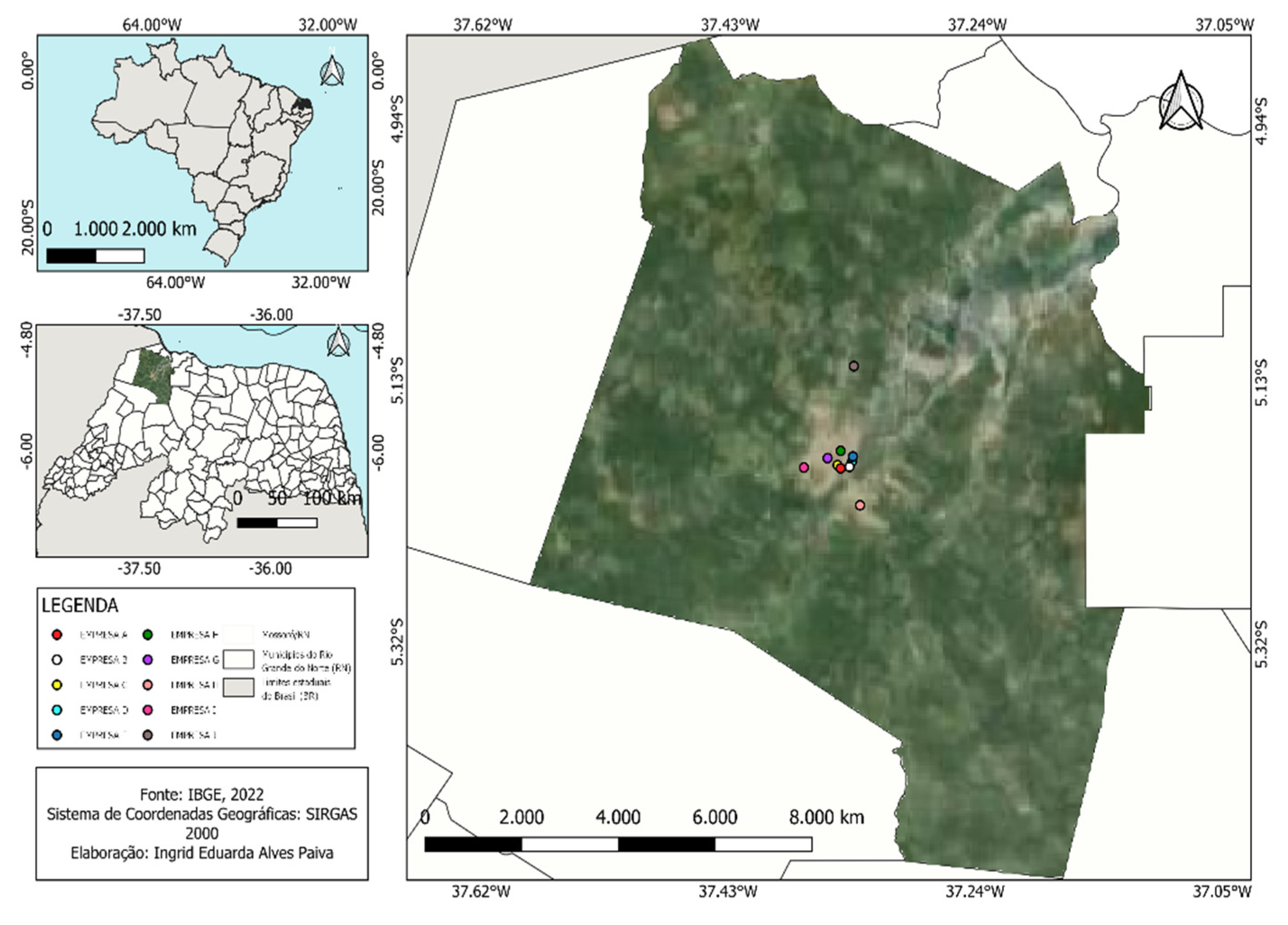
Figure 2.
Indicators of lack of occupational safety in construction companies in Mossoró/RN. Source: Author, 2024.
Figure 2.
Indicators of lack of occupational safety in construction companies in Mossoró/RN. Source: Author, 2024.
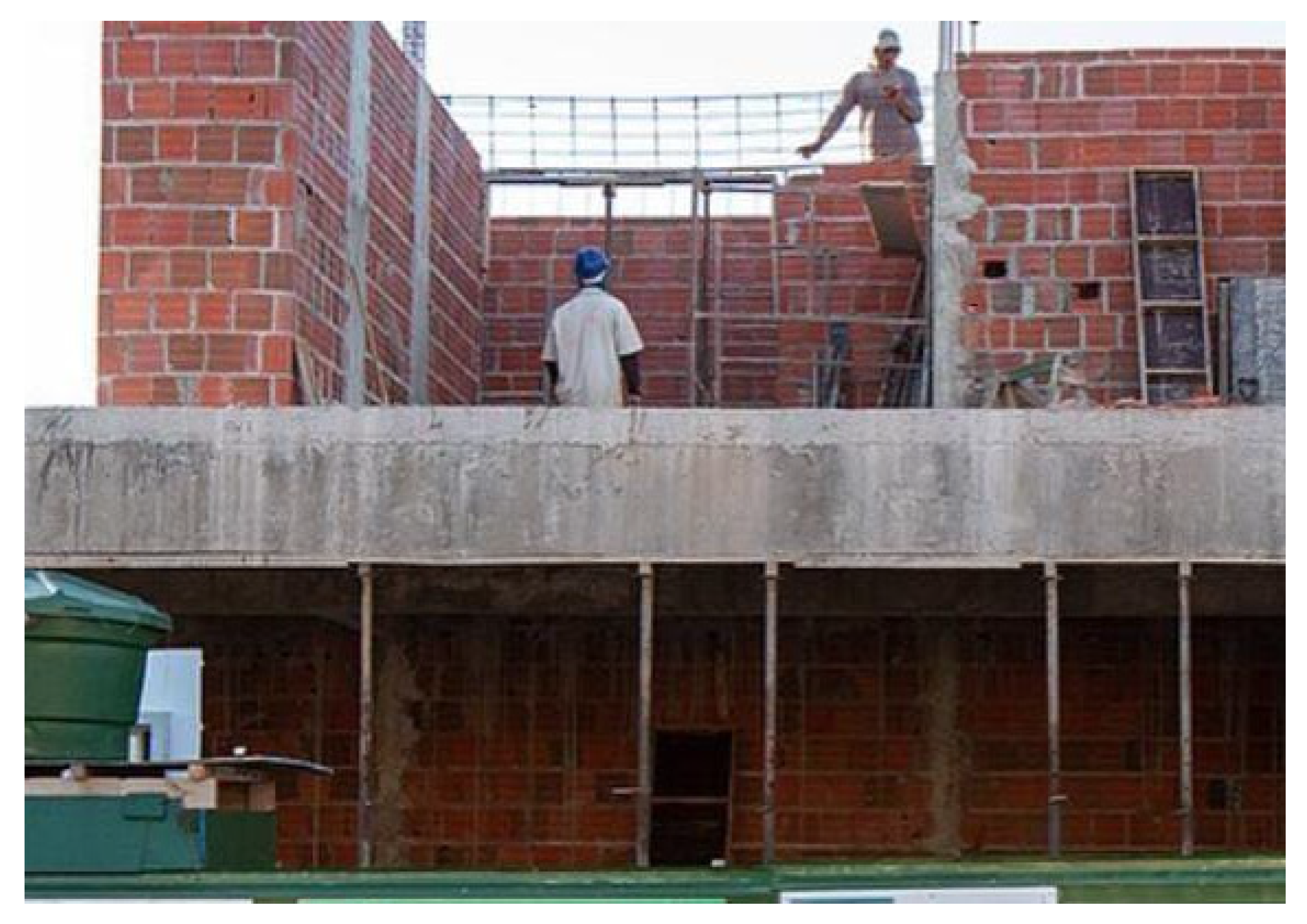
Figure 3.
Open-air storage of hardware, timber and stones for reuse by construction companies in Mossoró/RN. Source: Author, 2024.
Figure 3.
Open-air storage of hardware, timber and stones for reuse by construction companies in Mossoró/RN. Source: Author, 2024.
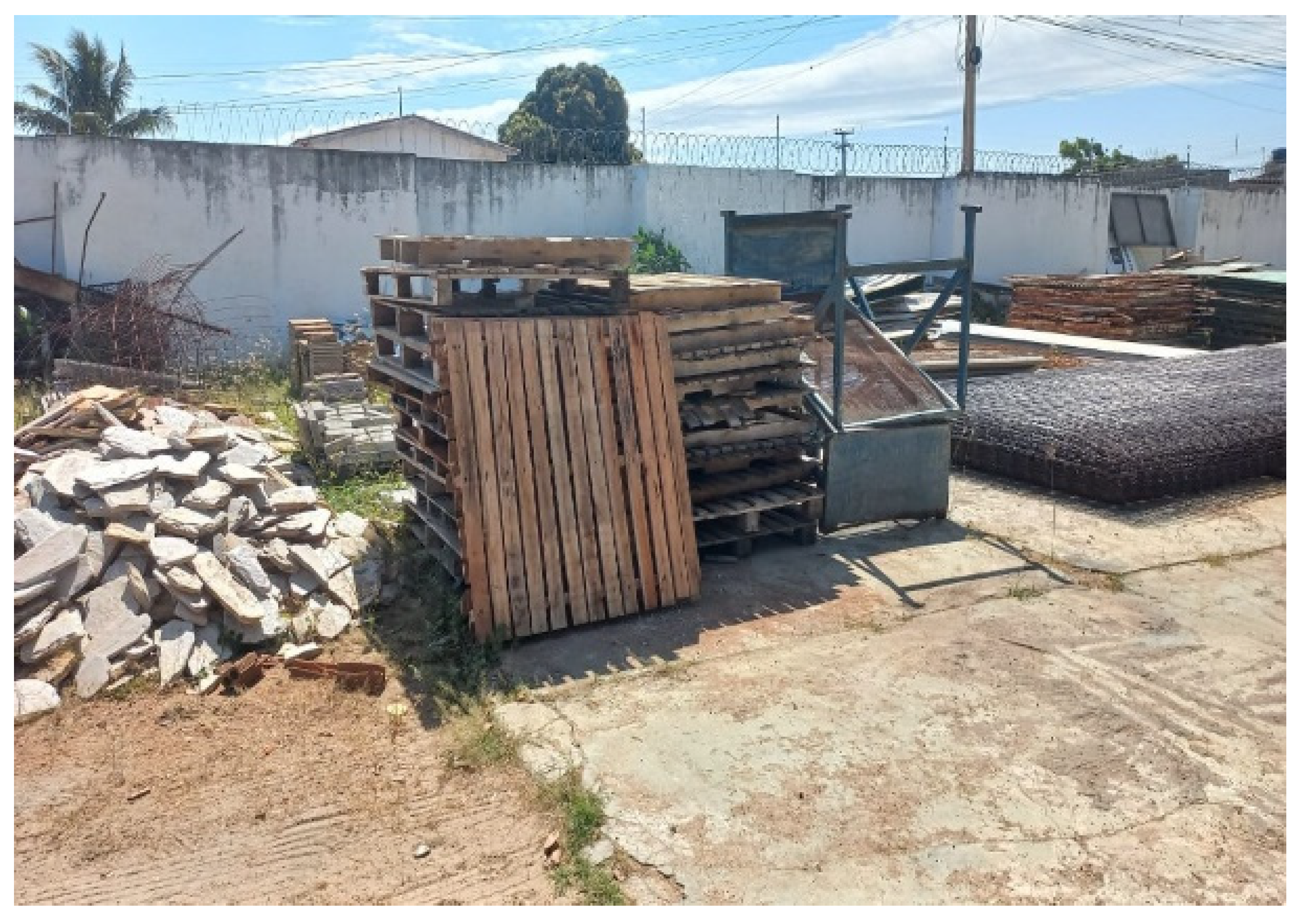
Figure 4.
Separation of paper and plastic from construction companies in Mossoró/RN. Source: Author, 2024.
Figure 4.
Separation of paper and plastic from construction companies in Mossoró/RN. Source: Author, 2024.
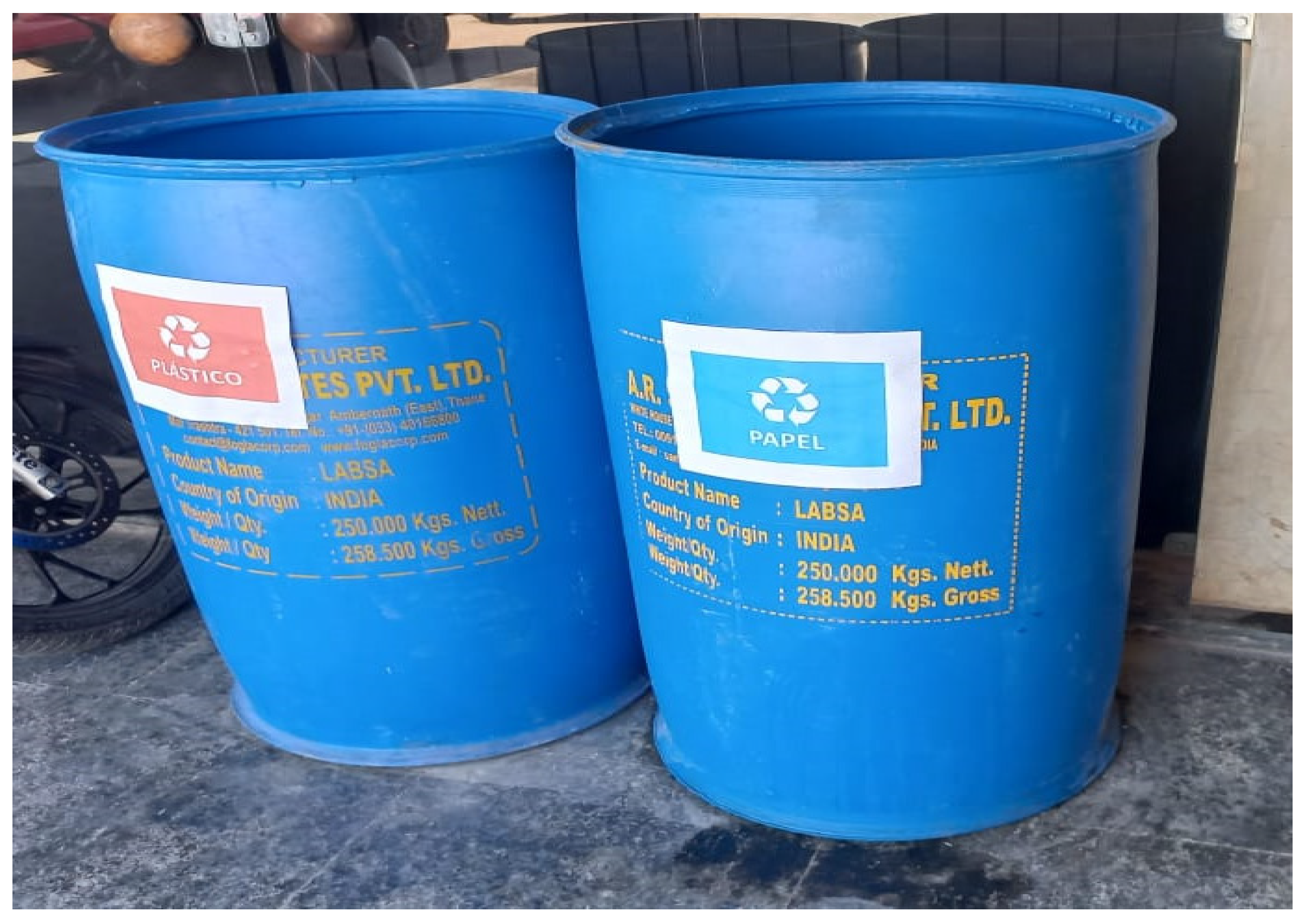

Table 1.
Environmental management and ESG actions in the construction sector in Mossoró/RN, obtained by sampling. Source: Survey data, 2024. Note: * No responses.
Table 1.
Environmental management and ESG actions in the construction sector in Mossoró/RN, obtained by sampling. Source: Survey data, 2024. Note: * No responses.
| REQUIREMENT | QUANTITATIVE (%) | |||
|---|---|---|---|---|
| Social and Environmental Responsibility | Very often | Often | Rarely | Never |
| 30.0% | 30.0% | 20.0% | 20.0% | |
| Environmental Management System – EMS | Yes, a long time ago | Yes, not long ago | No | I have no knowledge |
| 10.0% | 10.0% | 60.0% | 20.0% | |
| Objective of the Environmental Management System – EMS | Compliance with legislation | Improvements in environmental practices | Improvements in environmental practices | Does not have EMS |
| 10.0% | 10.0% | * | 80.00% | |
| Existence of the Environmental Quality Management System (EQMS) and its objective | Yes, reduce costs and increase profits by standardizing processes | Yes, it has a positive impact on the company’s image, helping to attract customers | Yes, invest in innovative technologies and solutions that reduce environmental risks | Does not have the system |
| 10.0% | * | 10.0% | 80.0% | |
| Knowledge about ESG (Environmental, social and Governance) | Yes, a long time ago | Yes, not long ago | I have no knowledge | |
| 10.0% | 20.0% | 70.0% | ||
| Meaning of the term ESG (Environmental, social and Governance) | Promoting ethical practices in business | Reducing environmental impact | Responsible management of natural resources | Improved reputation and differentiation in the market |
| * | 10.0% | * | * | |
| Compliance with legislation and governance practices | Identification and management of risks related to environmental, social and governance issues | I have no knowledge | ||
| * | 20.0% | 70.0% | ||
| Assessment of knowledge of the principle and importance of ESG | High | Average | Low | I have no knowledge |
| * | 20.0% | 10.0% | 70.0% | |
| How much the company considers ESG criteria in decision-making | High | Moderate | Low | I have no knowledge |
| * | 30.0% | * | 70.0% | |
| How the company monitors and reports its performance against ESG criteria | Very often | Often | Rarely | Nothing |
| * | 20.0% | 10.0% | 70.0% | |
Table 2.
Environmental legality of the construction sector in Mossoró-RN, obtained by sampling. Source: Survey data, 2024. Note: * No responses.
Table 2.
Environmental legality of the construction sector in Mossoró-RN, obtained by sampling. Source: Survey data, 2024. Note: * No responses.
| REQUIREMENT | QUANTITATIVE (%) | |||
|---|---|---|---|---|
| Environmental licensing | Yes | Yes, won | No | I have no knowledge |
| 100.0% | * | * | * | |
| Knowledge about the environmental legality of the materials used | Yes | Partially | No | I have no knowledge |
| 10.0% | 40.0% | 50.0% | * | |
| Importance of materials used complying with environmental legislation | Very important | Important | Not very important | It’s not important |
| 90.0% | 10.0% | * | * | |
| Responsible person with responsibilities in the environmental and/or health and safety area | Yes, a long time ago | Yes, not long ago | No | I have no knowledge |
| 40.0% | * | 60.0% | * | |
| Sound and soil reduction plan | Yes, a long time ago 20.0% |
Yes, not long ago 20.0% |
No 60.0% |
I have no knowledge * |
| Solid waste management | Yes, a long time ago 20.0% |
Yes, not long ago 80.0% |
No * |
I have no knowledge * |
| Existence of selective collection | Very often | Often | Rarely | Never |
| 10.0% | 20.0% | 60.0% | 10.0% | |
Disclaimer/Publisher’s Note: The statements, opinions and data contained in all publications are solely those of the individual author(s) and contributor(s) and not of MDPI and/or the editor(s). MDPI and/or the editor(s) disclaim responsibility for any injury to people or property resulting from any ideas, methods, instructions or products referred to in the content. |
© 2025 by the authors. Licensee MDPI, Basel, Switzerland. This article is an open access article distributed under the terms and conditions of the Creative Commons Attribution (CC BY) license (http://creativecommons.org/licenses/by/4.0/).
Copyright: This open access article is published under a Creative Commons CC BY 4.0 license, which permit the free download, distribution, and reuse, provided that the author and preprint are cited in any reuse.


