

Submitted:
02 April 2025
Posted:
03 April 2025
You are already at the latest version
Abstract
This study aimed to bibliometrically analyze the scientific production on pre-Hispanic agricultural technologies, highlighting their potential to address contemporary challenges related to food security and sustainability. To achieve this, 584 documents from SCOPUS (1932–2024) were examined using VOSviewer and CiteSpace, enabling the mapping of co-authorship networks, keywords, and institutional collaborations, as well as reviewing citation indicators, h-index, and g-index.The results indicate a substantial increase in publications since the 1980s, with accelerated growth from the 2000s onward. The United States leads in publication volume, followed by the United Kingdom, China, India, and France. Prominent among the research institutions are multidisciplinary centers specializing in archaeology, ecology, and biotechnology. Influential journals in the field include Journal of Archaeological Science, The Holocene, and Vegetation History and Archaeobotany. The keyword analysis underscores the significance of ancestral agricultural systems (raised fields, terraces, chinampas) and the integration of modern methodologies (genomics, remote sensing) to enhance their applicability in climate change scenarios. In conclusion, the growing attention to these technologies highlights their value as viable and sustainable alternatives, rooted in agroecological diversity, to strengthen food security and increase the resilience of modern agricultural systems.
Keywords:
Pre-Hispanic agricultural technologies
; scientometrics
; ridges
; food security
; agroecological resilience
1. Introduction
When reflecting on human history, the frequency and severity of global pandemics have increased, particularly since the beginning of the 20th century While food security issues have generally received limited attention during global pandemics, the ongoing COVID-19 pandemic presents a unique opportunity to address this gap [1]. It is well established that the SARS-CoV-2 coronavirus causes COVID-19, a contagious infection that can be easily transmitted from person to person, as the virus spreads through the air via coughing, sneezing, or exhaling respiratory droplets [2].
In addition to causing the deaths of millions of people, this virus also affected society by disrupting healthcare systems, shaking the global economy—including food and agriculture—and triggering long-term geopolitical developments [3]. Likewise, as with this pandemic, historical epidemics experienced around the world have generated alarming situations, particularly when they impact business productivity and the food production system [4].
Historically, pandemics have exposed significant weaknesses in agricultural systems, highlighting the critical need for food security[5]. Agricultural production forms the fundamental basis of global food security, being essential to ensure access to sufficient, safe, and nutritious food for all [6,7]. However, the COVID-19 pandemic represented a major exogenous shock that severely affected agricultural productive capacity in various regions [8,9,10]. lobal mitigation measures, such as lockdowns and mobility restrictions, caused significant disruptions in agricultural supply chains from labor availability to access to critical inputs [11]. A shortage of agricultural workers was observed due to mobility constraints and illness itself, alongside difficulties in accessing and increased costs of essential agricultural inputs such as seeds and fertilizers [7].
In Africa, these disruptions had a negative impact on agricultural production, contributing to increased food insecurity due to market closures and trade limitations [8]. A study in Kenya revealed a decline in the use of key inputs by smallholder farmers [10].
Similarly, in the Pacific Island countries, the pandemic led to a reduction in agricultural production and food availability due to market disruptions [9]. Although an increase in home garden production was recorded, it failed to compensate for the consequent decline in household dietary diversity [9]. In this context of agricultural system vulnerability to external shocks, the implementation of government policies and the strengthening of local and intra-African markets become crucial [11], [6] to mitigate the impacts of future crises and to build more resilient food systems that can ensure long-term food security.
Research on pre-Hispanic agricultural technologies and their relevance to contemporary food production and food security has shown a multifunctional and transformative impact [12]. These technologies, the result of detailed observation of local agroecosystems and experimentation across generations [12], demonstrated a remarkable capacity to adapt and thrive in environmentally diverse and climatically challenging regions such as the Andes and other areas of Latin America [13]. Sophisticated ancestral systems such as camellones or waru warus, andenes or agricultural terraces, cochas or artificial ponds [14], and various water management strategies like the construction of dams and canals not only enabled intensive and sustained agricultural production under often marginal conditions, but were also based on deep knowledge of local biodiversity. These systems integrated a wide range of native crops and varieties [15]. Such productive diversification represented a crucial risk mitigation strategy, providing greater stability and resilience to climate fluctuations, pest and disease outbreaks, and other adverse environmental events. They played an essential role in ensuring food security for indigenous communities and urban and rural populations across the region [12].
Pre-Hispanic agricultural technologies encompass a vast and diverse repertoire of ingenious practices meticulously adapted to the specific ecological conditions of each region. Evidence of prehistoric field systems in the Amazon [16] and the elevated fields of the Gran Zenú in Colombia [14] further attest to the sophistication and wide reach of these ancestral agricultural practices. Prehistoric field systems have even been documented in Chincha territory [17] and indigenous camellones in Paicaví, Araucanía, Chile [18]. The discovery of ridged fields in Chinina, Panama, reveals an advanced understanding of water management in flood-prone areas, with the construction of alternating raised beds and ditches to regulate water and possibly enhance soil fertility [19]. These findings highlight the broad distribution of these technologies across diverse geographic and cultural contexts. In Peru and Bolivia, camellones or waru warus (also known as suka kollus) [20] are raised field systems surrounded by water channels with multiple vital functions: they regulate soil temperature, retain moisture during droughts, improve drainage during rainy seasons, and reduce the risk of frost [21]. Applied research in the 1970s and 1980s provided significant scientific validation of their potential. The Interinstitutional Waru Waru Program (PIWA 1994), an NGO that promoted raised field agriculture in southern Peru, conducted agronomic studies and published their findings [22]. Although the body of literature on camellones is smaller than that on Western agricultural systems, it demonstrates that camellon agriculture has potential as a sustainable technology under specific conditions and contexts.
The recognition and revitalization of these pre-Hispanic agricultural technologies are of fundamental and urgent importance to prevent future negative impacts on food security and to promote dignified, sustainable rural development. These technologies prioritize self-sufficiency, crop diversification, ecological management of resources (soil, water, biodiversity) [23], reduced dependence on costly and polluting external inputs, and agroecosystem regeneration [24], as such, they enhance the autonomy of farmers [25], strengthen community resilience, and increase the intrinsic capacity to secure their own nutritious and culturally appropriate food [26,27].
The integration of ancestral knowledge accumulated by indigenous farmers and communities with modern scientific advances can lead to the development of context-specific agroecological innovations, optimizing sustainable food production, conserving invaluable agrobiodiversity, and ensuring food security for present and future generations. Recognizing the intrinsic value of these technologies as cultural heritage and their potential to address contemporary challenges is a crucial step toward a more secure and sustainable food future.
As a first step toward the recovery of this knowledge, it is necessary to conduct a bibliometric study to gain a systematic and quantitative overview of the existing research landscape on this crucial topic. Bibliometric analysis provides a quantitative approach to studying publications in a given research area, allowing for the identification of trends, while narrative reviews—although more susceptible to bias—are more suitable for compiling knowledge and identifying research gaps [28]. Given the growing concerns regarding food security, climate change, and the need for more sustainable agricultural systems, understanding the current state of research on pre-Hispanic agricultural technologies and their potential to mitigate future food crises is essential.
A bibliometric analysis would allow the identification of major trends, key authors and influential publications, most-studied geographical and thematic areas, and research gaps or underexplored topics [29]. This structured overview is essential to guide future research, facilitate collaboration among experts, and effectively communicate the importance and potential of these ancestral technologies to policymakers, researchers, and local communities.
El The purpose of this study is to systematically analyze the scientific literature related to pre-Hispanic agricultural technologies and their potential to strengthen food security in a context of growing concern over food crises and the urgent need for resilient, sustainable agricultural systems. Additionally, it seeks to use historical bibliometric data to generate new insights into research trends and thematic focus in the international literature on pre-Hispanic agricultural technologies. According to the Scopus database, a notable lack of bibliometric analyses on this topic has been observed.
2. Materials and Methods
To cover research on pre-Hispanic agricultural technologies and food security, on March 21, 2025, the SCOPUS database was used considering the search words in the title, abstract, keywords. To avoid the appearance of irrelevant literature, during the collection process, a search line per topic was entered, in single quotes to avoid the error of only one word appearing in the collected data, thus increasing the accuracy of the results.
The search period was from the oldest article 1932 to 2024. The search results showed 585 articles. To make the collected data more convincing, we excluded notes [4], erratum [1], editorial [4], short survey [2], letters [3] and conference review [1]. All languages were also removed and only manuscripts in English (557), Spanish [20], and Chinese [12] were considered. After the above steps, the remaining 584 articles were exported from WoS. The SCOPUS export format was selected as text file with CVS extension [30], and the export content included the full record and cited references. The full record and cited references contain complete and detailed information, such as the year of publication, author, institution, source journal, references [31].
Data exported from SCOPUS cannot be used directly in CiteSpace, so a format conversion in CiteSpace is required. This can also be considered an automatic screening process for these 584 articles. The article screening process can be represented using a Prisma flowchart, as shown in Figure 1.
VOSviewer is a free bibliometric analysis tool developed by Leiden University (Netherlands), useful for building and visualizing knowledge networks with large data sets [32]. It offers three visualization modes (network, overlay and density) that facilitate the representation of scientific information in different áreas [33]. In addition to analyzing literature, it allows examining keywords and authors through clear and intuitive graphics, helping to detect research foci and emerging trends. Furthermore it was used R Studio, and its bibliometrix package for processing data.
3. Results
3.1. Publication Trends in Terms of the Quantity and Nature of Scientific Articles
Analysis of Publication Trends
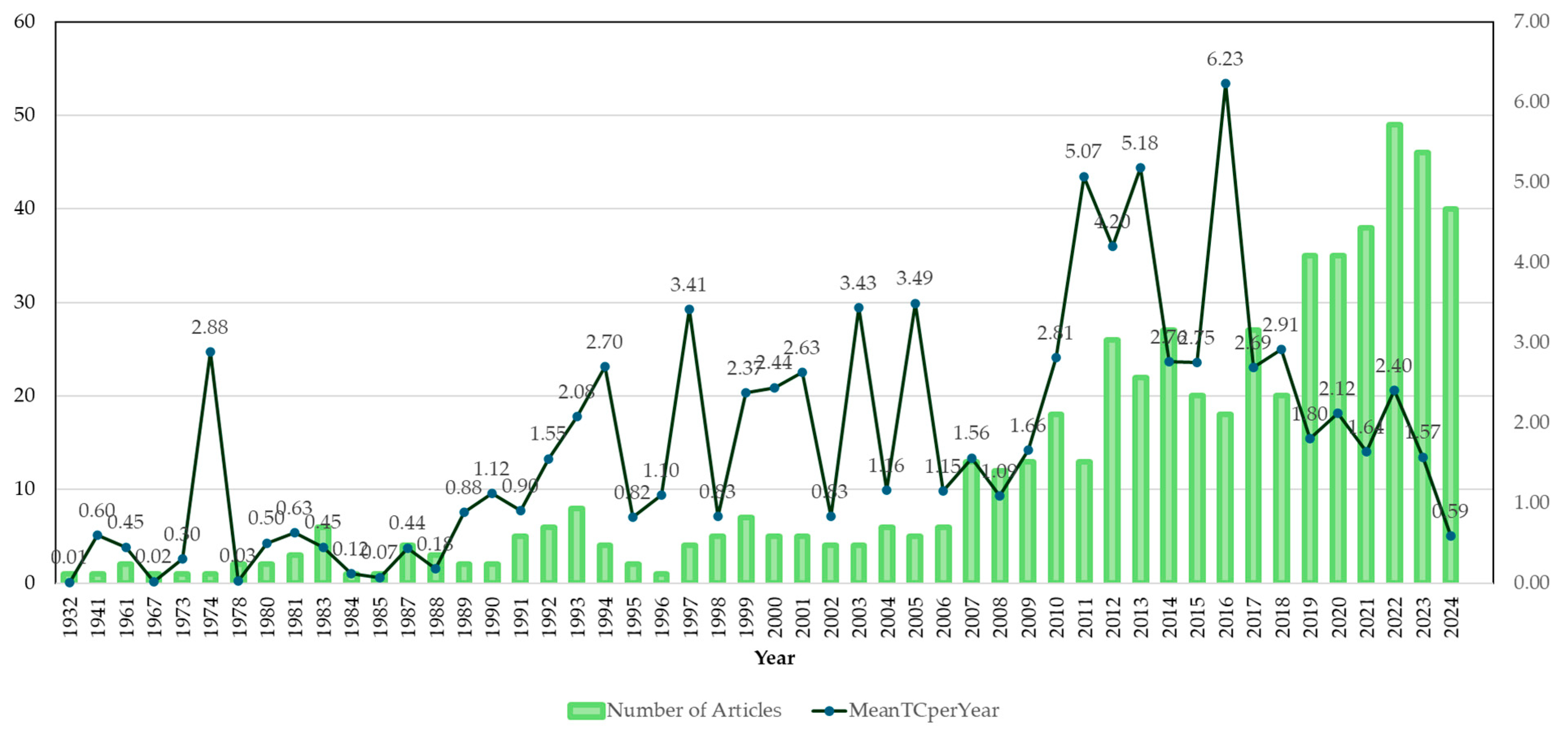
Figure 1 shows the historical evolution of scientific publication between 1932 and 2024. A progressive increase in the number of articles can be observed over almost a century. In the first decades (1930-1960), production is very low, with isolated years in which barely one or two articles were recorded. However, starting in the 1980s and, especially, during the 2000s, there is a sustained increase that reaches notable peaks in more recent dates, such as 2022 or 2023. This phenomenon could be attributed both to the growing interest in the area of study and to the expansion of bibliographic databases that index more and more journals and cover more publications.
In parallel, the average number of citations per year (MeanTCperYear) reflects the dynamics of scientific citations. In more recent works, the average number of citations is usually lower due to the articles’ short circulation, which limits their opportunity to be cited. Conversely, older articles have a higher average number of citations, having been in the field longer and, therefore, having received more attention from the academic community. However, it is important to emphasize that the average number of citations can be distorted if one or a few articles receive a disproportionate number of citations. The relationship between the volume of annual publications and their impact in terms of citations is not always linear. While an increase in the number of works suggests that the field of study is consolidating and gaining relevance, it does not in itself guarantee a parallel increase in the average number of citations. This aspect may depend on additional factors, such as the quality of the published research, the degree of novelty or interdisciplinarity of the topics addressed, and the visibility of the journals where the articles appear.
Figure 2.
Annual scientific production between 1932 and 2024.
3.2. Analysis of Countries, Institutions, Journals and Documents
3.2.1. Country Analysis
The generated map (Figure 3) shows a network of scientific co-authorship or collaboration in which the size of the nodes (country names) represents the volume of publications or the relevance of each country in terms of scientific production. In turn, the intensity and thickness of the links between nodes illustrate the strength of the collaboration, that is, the frequency and consistency of co-authorship. The color scale (ranging from blue to yellow) indicates the average temporal evolution of publications, showing whether a country’s scientific production is concentrated in earlier years (darker colors, closer to blue) or more recent years (lighter colors, closer to yellow).
In the center of the map, the United States dominates, with the largest node, confirming its leadership position both in the number of documents published and in the extensive network of collaborations it maintains with other countries. The blue-green color suggests that its production has been relatively evenly distributed over recent years, with sustained activity and peak publications. Alongside the United States, the node corresponding to the United Kingdom stands out, showing considerable size and robust connections, particularly with North America and Europe. Canada, meanwhile, appears at the top with a medium-sized node, but with numerous links that connect it to both the United States and Latin American and European countries, indicating a very broad degree of collaboration. Certain blocks of regional collaboration can be distinguished on the map, such as Europe, where nations like Spain, Italy, France, and Germany appear close to each other and with strong ties to the United Kingdom and the United States.
In Latin America, countries such as Mexico, Argentina, Chile, and Peru are viewed as interconnected, although in most cases they are strongly linked to the United States, which acts as the main bridge for international collaboration in the region. The presence of China and India stands out due to their relatively central position and significant node size, confirming their growing production and the establishment of collaborations with various countries, especially in recent years (reflected in greenish and yellow tones). This demonstrates the increasing participation of Asian powers in the production and exchange of knowledge. The temporal variation shown by the colors reflects that international cooperation has intensified in the last decade. Several countries, particularly those whose nodes appear in yellow tones, have increased their research activity and collaboration networks in recent years.
Figure 3.
Country Analysis co-authorship network.
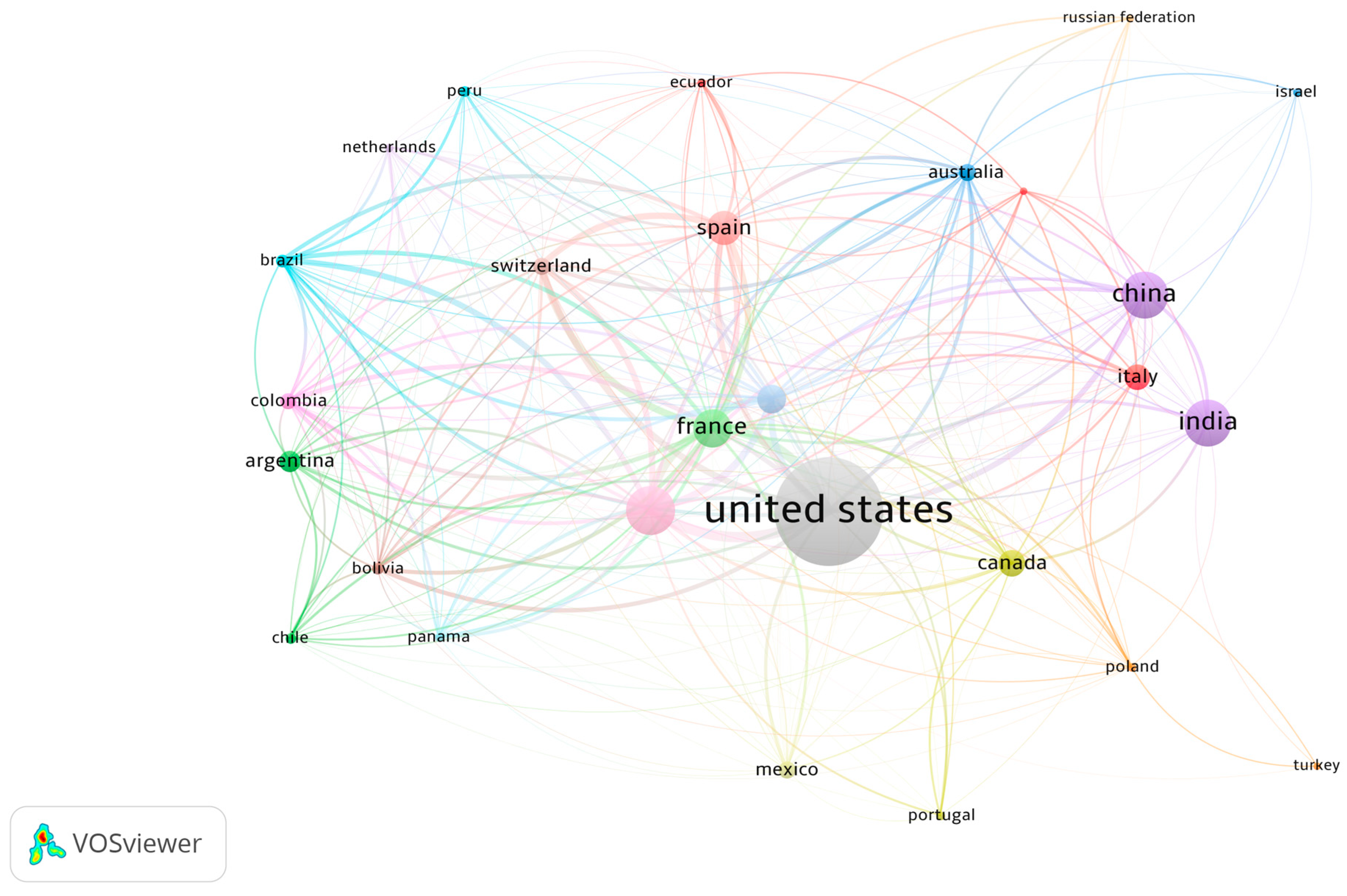
Table 1 reveals the United States’ leadership in scientific production within the field analyzed, accounting for more than a third of the documents (185, equivalent to 33.88%). This country also stands out in terms of the number of citations received (6,733) and the greatest strength of collaborative ties (total link strength of 17,059), which suggests not only a high production but also a central role in co-authorship networks. In second and third place are the United Kingdom and China, with a similar share in the percentage of articles (11.72% and 11.54%, respectively), although they present notable differences in the number of citations (2,666 versus 2,041) and, above all, in the link strength indicator (14,231 versus 4,116). These data indicate that the United Kingdom is part of stronger international collaborative networks than China, despite the latter already competing in terms of the volume of publications and total citations.
India is in fourth place, with 9.34% of articles and 2,084 citations, slightly surpassing China in terms of citations received, but with a lower total link strength (1,893). Its presence, however, reinforces the growing importance of Asian countries in the generation of scientific knowledge. Next in line are three more European countries: France, Spain, and Germany, all with a document percentage ranging between 6% and 7%, and citation values between 1,075 and 1,367. It is noteworthy that France shows a fairly high link strength (12,654), close to that of the United Kingdom, suggesting intense international collaboration activity. Canada (the fifth largest economy in the Americas in terms of the number of publications) maintains a moderate volume of documents (28) but with 1,490 citations, which translates into a good impact performance per article. Finally, Israel and Italy round out the top ten, with similar output (23 and 22 documents, respectively) and similar citation counts (946 and 971). However, Israel’s total link strength (562) is substantially lower than Italy’s (1239), which could indicate differences in participation in broader collaborative networks.

Table 1.
Top 10 countries by number of publications.
| Rank | Country | Documents | %/of papers | Citations | Total link strength |
|---|---|---|---|---|---|
| 1 | United States | 185 | 33.88% | 6733 | 17059 |
| 2 | United Kingdom | 64 | 11.72% | 2666 | 14231 |
| 3 | China | 63 | 11.54% | 2041 | 4116 |
| 4 | India | 51 | 9.34% | 2084 | 1893 |
| 5 | France | 39 | 7.14% | 1367 | 12654 |
| 6 | Spain | 36 | 6.59% | 1252 | 7463 |
| 7 | Germany | 35 | 6.41% | 1075 | 8299 |
| 8 | Canada | 28 | 5.13% | 1490 | 2459 |
| 9 | Israel | 23 | 4.21% | 946 | 562 |
| 10 | Italy | 22 | 4.03% | 971 | 1239 |
3.2.2. Analysis of Institutions
In Figure 3, the collaboration network between institutions participating in the scientific production of the study area is represented. Each node corresponds to a university or research center, and the links between nodes indicate co-authorship or collaboration in publications. The thickness of the lines and the proximity between nodes account for the frequency and intensity of these collaborations, while the colors group the institutions that share closer links or present thematic coincidences in their work.
In the upper part of the graph, the Department of Anthropology of the University of Central Florida (in green) is observed, mainly connected with European institutions such as the University of Berne and the University of Exeter. This group reflects scientific exchanges that, despite geographical distance, are based on coinciding research lines or joint participation in international projects.
In the center, the Institute of Geography of the University of Berne (in a blue tone) acts as a bridge node between several of the groups, linking both the green cluster and the red cluster (which includes institutions from various regions, such as the Smithsonian Tropical Research Institute of Panama or the Soil Physics Group of the University of Bayreuth, Germany). The intermediate location of this institute suggests a significant role.
The Smithsonian Tropical Research Institute, in the lower region (red color), is associated with other European institutions, such as the University of Bayreuth and the Institut Universitaire of France, as well as with the University of Chinese Academy of Sciences, Beijing. Additionally, the inclusion of the entity "l’avion jaune," based in France, suggests the participation of organizations that are not strictly academic, but with relevant contributions to scientific activity and knowledge generation.
Figure 4.
Mapping of institutions participating.
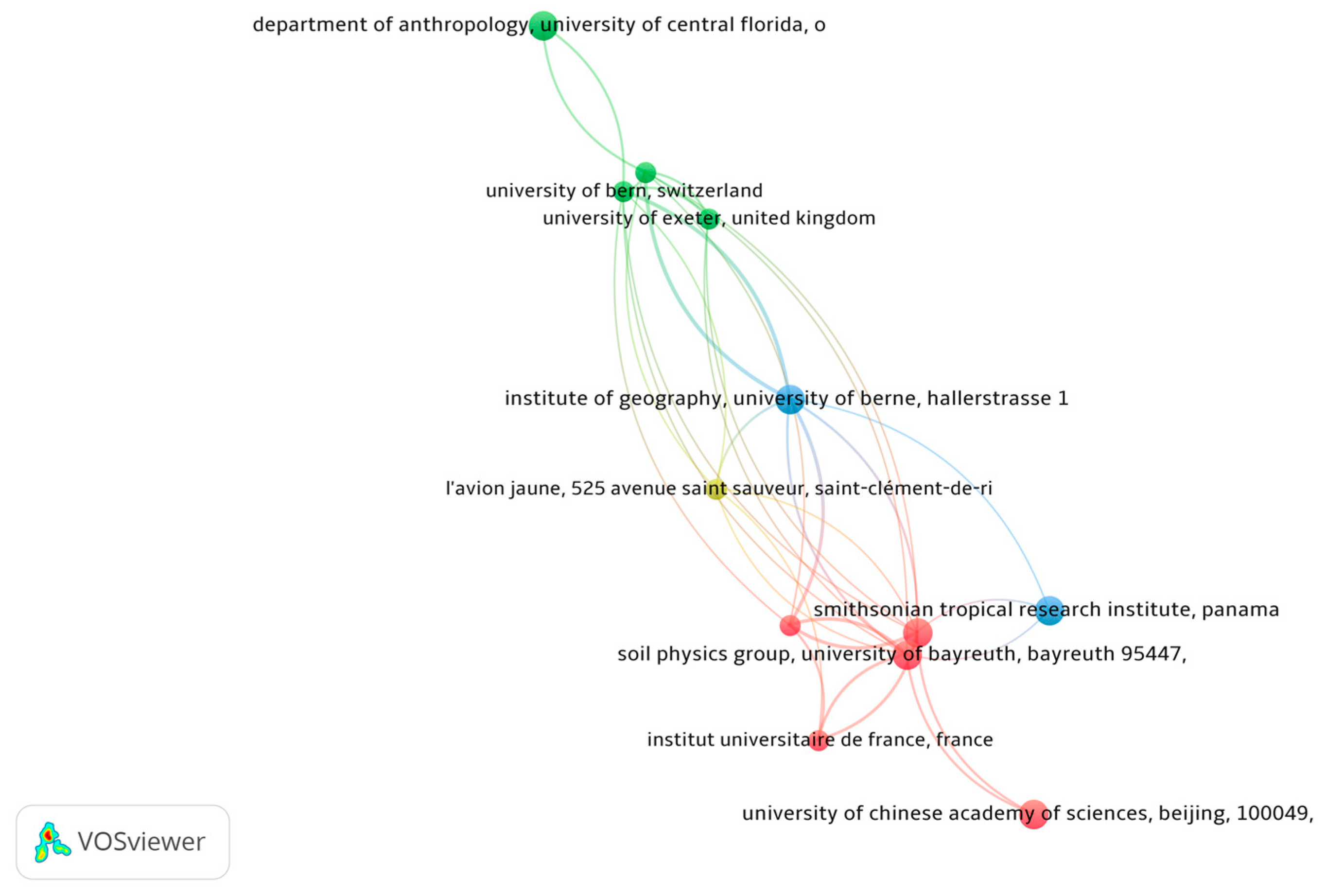
Table 2 shows the ten most prominent institutions in terms of scientific production within the analyzed field, taking into account the number of documents associated with each entity. In first place, the presence of two United States universities stands out: the University of Central Florida and the University of Chicago, both with three documents and affiliated with departments of Anthropology. Their participation indicates a marked interest in the social and cultural dimensions within the addressed research line, as well as the importance that anthropological approaches have acquired in recent scientific literature.
Another relevant institution is the University of Berne (Switzerland), through its Institute of Geography, also with three publications. Its contribution suggests an orientation toward the study of geographical or environmental aspects, reinforced by the presence of organizations such as the Smithsonian Tropical Research Institute (Panama), which appears in fourth place and demonstrates the international interest in biodiversity and field studies in tropical regions.
In the same vein, the Soil Physics Group of the University of Bayreuth (Germany) and the State Key Laboratory of Water Environment Simulation of the Beijing Normal University (China) emphasize the environmental component and the search for solutions to problems related to soil and water resources. The list continues with the Martin-Luther-University Halle-Wittenberg, also from Germany, which hosts a research group in Terrestrial Biogeochemistry, reaffirming the relevance of multidisciplinary approaches focused on ecosystems and biogeochemical cycles. Likewise, the University of Chinese Academy of Sciences (China) participates in three documents, consolidating the research projection of Chinese institutions in this field.
Table 2.
Top 10 institutions participating.
| Rank | Organization | Department | Country | Documents |
|---|---|---|---|---|
| 1 | University of Central Florida | Department of Anthropology | United States | 3 |
| 2 | University of Chicago | Department of Anthropology | United States | 3 |
| 3 | University of Berne | Institute of Geography | Switzerland | 3 |
| 4 | Smithsonian Tropical Research Institute, | Research Group | Panama | 3 |
| 5 | University of Bayreuth | Soil Physics Group | Germany | 3 |
| 6 | Beijing Normal University | State Key Laboratory of Water Environment Simulation, School of Environment | China | 3 |
| 7 | Martin-Luther-University Halle-Wittenberg | Terrestrial Biogeochemistry | Germany | 3 |
| 8 | University of Chinese Academy of Sciences | Research Group | China | 3 |
| 9 | Agricultural Institute of Slovenia | Research Group | Slovenia | 2 |
| 10 | Université de Montpellier | Research Group | France | 2 |
3.2.3. Analysis of Journals
The m-index, introduced by Hirsch [34], refines the h-index by incorporating a temporal factor that measures the growth rate of citations throughout an author’s career. It is calculated by dividing the h-index by the number of years since the first publication, allowing comparison of researchers at different career stages and evaluating their sustained academic impact [35].
Table 3 shows the ten most outstanding journals in the analyzed subject area, evaluated based on multiple bibliometric indicators such as the total number of citations, h, g, and m indices, the number of published articles (Number of Articles), and the starting year (PY_start) within the sample or field of study. These metrics allow dimensioning both the impact and trajectory of each journal in the dissemination of scientific research related to the area. Heading the list is the Journal of Archaeological Science, with 1237 citations and the highest h-index and g-index values (17 and 21, respectively). Additionally, it is the journal with the highest number of articles [21], which denotes its consolidated position as a reference in archaeological studies and related disciplines since 1989, the year it began contributing to the considered subject area. In second place is Holocene, with 424 citations and indices h=9 and g=13 which, together with its 13 articles published since 2003, reflect a growing relevance in research on geological periods and paleoenvironmental contexts.
The group of journals occupying intermediate positions includes titles such as the Journal of Arid Environments (255 citations) and Vegetation History and Archaeobotany (415 citations), both with h-indices=8. Although Vegetation History and Archaeobotany has a higher total of citations than the Journal of Arid Environments, its trajectory is slightly more recent (1998 vs. 1997) and its number of articles (11 versus 10) suggests a similar publication rate in the field they share.
On the other hand, Genetic Resources and Crop Evolution (306 citations) and Quaternary International (191 citations) present indices h=7, g=8, standing out for their focus on the evolution of genetic resources and quaternary changes, respectively. A particular case is Journal of Archaeological Science: Reports, split from or complementary to the first place in the ranking, which although it accumulates only 82 citations, presents a notably high m_index (0.545). This indicates rapid growth in citations, especially considering its recent start in 2015. At the bottom of the table are publications such as Journal of Field Archaeology (200 citations) and, strikingly, Proceedings of the National Academy of Sciences of the United States of America (PNAS), which despite having 1093 citations, exhibits an h-index=6 and a g=6. This is mainly explained by the small number of articles (6) retrieved in this specific field, which limits the potential of the h and g indicators.
Table 3.
Top Leading Journals.
| Rank | Source | Total Citation | h_index | g_index | m_index | Number ofArticles | PY_start |
|---|---|---|---|---|---|---|---|
| 1 | Journal of Archaeological Science | 1237 | 17 | 21 | 0.459 | 21 | 1989 |
| 2 | Holocene | 424 | 9 | 13 | 0.391 | 13 | 2003 |
| 3 | Journal of Arid Environments | 255 | 8 | 10 | 0.276 | 10 | 1997 |
| 4 | Vegetation History and Archaeobotany | 415 | 8 | 11 | 0.286 | 11 | 1998 |
| 5 | Genetic Resources and Crop Evolution | 306 | 7 | 8 | 0.259 | 8 | 1999 |
| 6 | Quaternary International | 191 | 7 | 8 | 0.5 | 8 | 2012 |
| 7 | Catena | 165 | 6 | 7 | 0.4 | 7 | 2011 |
| 8 | Journal of Archaeological Science: Reports | 82 | 6 | 9 | 0.545 | 11 | 2015 |
| 9 | Journal of Field Archaeology | 200 | 6 | 7 | 0.154 | 7 | 1987 |
| 10 | Proceedings of the National Academy of Sciences of The United States of America | 1093 | 6 | 6 | 0.375 | 6 | 2010 |
3.2.4. Analysis of Documents
Table 4 shows the most cited articles within the field of study, offering indicators that allow assessment of their influence and the speed at which they have been cited. The first column details the reference (authors and publication year), followed by the DOI and title, while the final columns show impact metrics: Total Citations (accumulated total citations), TC per Year (average annual citations), and Normalized TC (normalized citations, which usually consider the time window or specific area to compare impact in a balanced way).
In first place is the work of Morris GP, 2013, focused on genomic studies and agroclimatic traits of sorghum. This article stands out with 660 total citations, an annual average of 50.77 citations, and a figure of 9.80 in normalized citations; these metrics reflect not only the relevance of the topic but also the speed with which the scientific community has adopted and referenced this contribution. It is followed by the study of Zhao Z, 2011, which addresses new archaeobotanical data on the origin of agriculture in China, which accumulates 356 total citations at a rate of 23.73 per year and 4.68 in normalized citations, showing considerable impact in the literature dedicated to the evolution of Asian agricultural systems.
The third and fourth positions correspond to the works of Nowak V, 2016, on the nutritional composition of quinoa, and Wang Z, 2012, regarding the sequencing of the flax genome. Despite being publications from different dates, both have accumulated a high number of citations (355 and 345, respectively) and stand out for their TC per Year values (35.50 for Nowak and 24.64 for Wang), indicating widespread interest from the scientific community in the genetic and nutritional characterization of strategic crops.
In intermediate positions appear articles focused on the evolution and improvement of crops: Abbo S, 2003 (chickpea cultivation) and Bal LM, 2011 (properties of sea buckthorn) reflect research fields that, although with a lower annual citation rate, maintain a sustained impact over the years. Meanwhile, Mayes S, 2012 and Lambers H, 2013 highlight the potential of underutilized species and phosphorus acquisition strategies, respectively, with a volume of citations (229 and 220) that emphasizes the growing attention that innovative solutions for food security and agricultural productivity receive.
Finally, the works of Pope KO, 2001/2002 (on the origin and environmental context of ancient agriculture in Mesoamerica) and O’Hara SL, 1993 (about soil erosion in the lacustrine zone of the Mexican highlands) close the top 10 with a relevant citation background (208 and 204), placing at a lower annual average due to their greater age. Their themes of archaeology and environmental management have maintained relevance over time, positioning them as classic references in the study of the emergence and sustainability of agriculture in America.
Table 4.
Top 10 most cited publications.
| Rank | Authors | DOI | Article Title | Total Citations | TC per Year | Normalized TC |
|---|---|---|---|---|---|---|
| 1 | Morris GP, 2013 | 10.1073/pnas.1215985110 | Population genomic and genome-wide association studies of agroclimatic traits in sorghum | 660 | 50.77 | 9.80 |
| 2 | Zhao Z, 2011 | 10.1086/659308 | New archaeobotanic data for the study of the origins of agriculture in China | 356 | 23.73 | 4.68 |
| 3 | Nowak V, 2016 | 10.1016/j.foodchem.2015.02.111 | Assessment of the nutritional composition of quinoa (Chenopodium quinoa Willd.) | 355 | 35.50 | 5.70 |
| 4 | Wang Z, 2012 | 10.1111/j.1365-313X.2012.05093.x | The genome of flax (Linum usitatissimum) assembled de novo from short shotgun sequence reads | 345 | 24.64 | 5.86 |
| 5 | Abbo S, 2003 | 10.1071/FP03084 | Evolution of cultivated chickpea: four bottlenecks limit diversity and constrain adaptation | 247 | 10.74 | 3.13 |
| 6 | Bal LM, 2011 | 10.1016/j.foodres.2011.03.002 | Sea buckthorn berries: A potential source of valuable nutrients for nutraceuticals and cosmoceuticals | 235 | 15.67 | 3.09 |
| 7 | Mayes S, 2012 | 10.1093/jxb/err396 | The potential for underutilized crops to improve security of food production | 229 | 16.36 | 3.89 |
| 8 | Lambers H, 2013 | 10.3732/ajb.1200474 | How a phosphorus-acquisition strategy based on carboxylate exudation powers the success and agronomic potential of lupines (Lupinus, Fabaceae) | 220 | 16.92 | 3.27 |
| 9 | Pope KO, 2001 | 10.1126/science.292.5520.1370 | Origin and environmental setting of ancient agriculture in the lowlands of Mesoamerica | 208 | 8.32 | 3.16 |
| 10 | O’Hara SL, 1993 | 10.1038/362048a0 | Accelerated soil erosion around a Mexican highland lake caused by prehispanic agriculture | 204 | 6.18 | 2.97 |
3.3. Keywords Analysis
Figure 5 shows the co-occurrence map of author keywords, evidencing how researchers have grouped their study topics into several thematic clusters. Each node corresponds to an author keyword, and its size reflects the frequency of use. Meanwhile, the colors and spatial proximity indicate the strength of the relationship between the different keywords, thus revealing the main research lines that converge in this field.
3.3.1. Top Left Center
In Figure 5a, which shows an enlarged portion of the map, the network of keywords linked to archaeology and pre-Columbian agriculture is more clearly visible, as well as their intersection with paleoenvironmental and ecological studies. In the center, terms such as "pre-columbian agriculture", "prehispanic agriculture", "tiwanaku", "phytoliths", "pollen" or "llanos de moxos" stand out, revealing a specific research focus on the reconstruction of pre-Hispanic agricultural systems and the way these shaped or were influenced by the natural environment. Around it, the map shows key concepts for landscape interpretation: "wetlands", "hydrology", "landscape archaeology" and "remote sensing" suggest the use of interdisciplinary tools and approaches to study wetlands, rivers, and other geographical features, as well as the influence of water variation on pre-Hispanic agriculture. Under the geographical areas of "Mesoamerica", "basin of mexico" and "maya lowlands", research on raised fields of intensive agriculture systems in lacustrine or humid environments is framed. Likewise, the mention of "muiscas" and "formative period" highlights the existence of comparative studies in different regions of South America, from the Andes to the Amazonian lowlands and intermediate areas.
3.3.2. Top Right Center
In Figure 5b, the nodes highlight a convergence between archaeological studies and ecological-environmental analyses, with emphasis on prehistoric cultivation systems and their relationship with climatic variability. Keywords such as "archaeology", "paleoecology", "paleoclimate" and "human-environment interaction" indicate that a significant part of the research focuses on reconstructing long-term environmental changes (including periods of drought, fires, or temperature fluctuations) and understanding how pre-Hispanic societies adapted to these transformations. The presence of "fire history" and "nutrient cycling" reinforces this perspective, evidencing interest in key ecological processes that can be linked to both human occupation and natural dynamics.
A group of terms such as "raised field", "frost mitigation" and "productivity" focuses on the analysis of historical agrarian systems and their current application, reflecting the search for resilient agricultural practices, while "sustainable development" and "modelling" suggest that archaeological findings serve not only for academic purposes but also for designing or evaluating modern resource management strategies. The fact that specific lakes appear, such as "baiyang lake" or "baiyangdian lake", alongside terms such as "aquatic macrophytes", highlights research oriented toward the analysis of aquatic ecosystems and the influence of climatic and anthropic variability on their productivity. The interconnection of words such as "llanos de moxos", "altiplano" and "drought" points to the comparison of diverse geographic environments, from large floodplains to high-altitude zones, where pre-Hispanic communities developed sophisticated agricultural strategies.
3.3.3. Lower Left Center
Figure 5c shows a confluence of keywords that highlight interest in the nutritional, functional, and health aspects associated with ancient and contemporary crops. The node of "archaeobotany" (in blue) connects with terms such as "ancient grains", "ethnobotany" and "sustainability", reflecting how archaeological findings on the domestication and ancestral use of cereals ("lentil", "rice", "wheat", "quinoa") relate to current studies on the sustainability of food systems and the recovery of traditional varieties. Around these concepts are grouped words that point to the nutritional and biochemical dimension of foods such as "protein", "health", "functional food", "nutraceuticals" and "bioactive compounds" underscoring the growing attention received by health-beneficial compounds present in seeds and grains. In the same vein, the reference to "caco-2 cells", used in absorption and digestibility studies, indicates a more biomedical or food science approach that evaluates nutrient bioavailability. The terms "antioxidant activity", "phytochemicals" and "antiproliferative activity" are also shown, which refer to functional properties and potential positive effects in the prevention of chronic diseases. The case of "eragrostis tef" connects with this line of research, as it is a cereal of both historical and nutritional interest, valued for its protein and micronutrient content. The presence of "bread", "chia", "lentil" and "wheat" confirms the practical focus on basic foods and their possible impact on human diet, as well as the connection between food culture, archaeobotany, and nutrition. Additionally, the appearance of "indus civilization" in the same area of the map insinuates a comparative approach to ancient agrarian societies in different regions of the world, to understand the evolution of crops and their relationship with human health and well-being over time.
3.3.4. Lower Right Center
In Figure 5d, located in the lower right central part, the keywords mainly revolve around genetic study and crop improvement, with a notable emphasis on conservation and management of biological diversity. The term "germplasm" appears as a central node that links to concepts such as "genetic resources", "adaptation", "bioinformatics" and "agrobiodiversity", indicating the relevance of characterization and use of germplasm collections to ensure food security and crop resilience against climate change and various environmental pressures. Moreover, the presence of keywords such as "barley", "amaranth", "maize", "quinoa" and other crops ("armenian cucumber", "sesame", "cowpea") highlights the variety of species that are being studied, encompassing both widely spread crops and less traditional options with potential in agricultural diversification.
Toward the right area of the figure, the appearance of "molecular markers", "micropropagation" and "in vitro propagation" reflects the incorporation of biotechnological tools oriented toward rapid plant multiplication, marker-assisted selection, and genetic characterization with terms such as "microsatellite markers" and "population structure". Likewise, the mention of "flow cytometry" and "bioinformatics" indicates an increasingly sophisticated approach to the study of genetic variability and phenotypic traits, uniting fundamental research on the genetic structure of populations with its practical application in crop improvement.
3.4. Research Trends and Future Research Directions
Figure 6 and Figure 7 present a Co-occurrence Analysis of Author’s Keywords for the periods 1932–1995 and 1996–2024, respectively. This analysis delves into the thematic and spatial evolution of keywords related to ancient agriculture, archaeology, and ecosystem studies. The distribution of terms highlights the degree of conceptual affinity or "proximity" between research areas while also indicating emerging thematic lines over the decades. During the initial period (1932–1995), terms clustered around relatively limited axes. The cluster identified with “Andes” and certain specific toponyms (such as Alnus firmifolia or references to adventitious root formation) suggests that studies focused on specific geographical contexts and particular aspects of plant dynamics, such as adventitious root formation and morphological characterization of local species. This map denotes a field of study that, while laying the foundations for agricultural archaeology, maintained a limited scope in terms of methodological diversity. Similarly, references to camellones or raised fields point to an incipient focus on the study of hydraulic engineering practices and traditional agricultural systems, particularly in high-altitude or flood-prone regions.
A third group, including “Llanos de Moxos,” “Amazon,” and “raised fields agriculture,” illustrates the geographic expansion of research towards the Amazon region and highlights the importance of raised field systems in wet soils. Additionally, terms such as “climate change,” “genetic diversity,” “domestication,” and “germplasm” indicate the adoption of biotechnological and sustainability perspectives, emphasizing the long-term understanding of processes and the adaptation of crops to climate stress.
The comparison of both periods, reinforced by principal component maps, reflects the transition from a narrowly defined thematic core to a broad intersection of disciplines and methodologies. In this evolving landscape, archaeological science, ecology, genetics, and technology converge to provide novel insights into the challenges faced by agriculture and contemporary society. Looking ahead, this evolution suggests an increasingly collaborative research approach, oriented towards the conservation and sustainable use of agricultural heritage as a foundation for addressing climate change and ensuring global food security.
Figure 6.
Analysis of Co-occurrence Author´s Keywords in different periods.
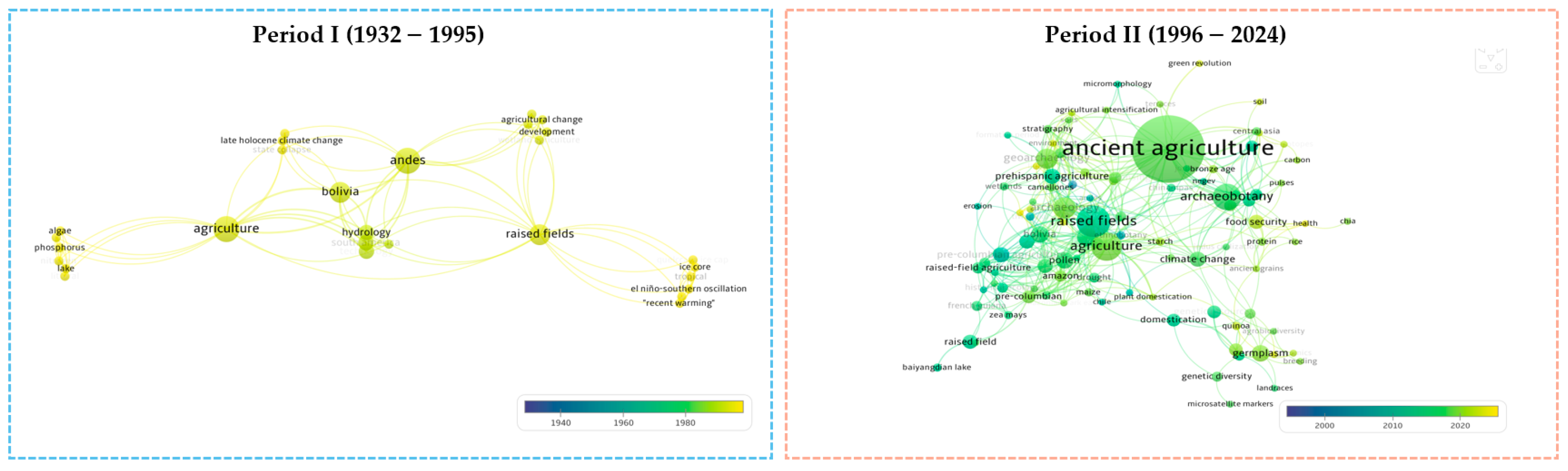
Figure 8 represents the 15 keywords that have shown a notable increase in citation volume over the period 1995–2025, indicating that, within this time frame, certain keywords have received substantial attention from the research community. This trend reflects shifts in focus, the emergence of new methodologies, or a growing interest in specific topics. Below, some key patterns and trends are highlighted:
Initial Period (Mid-1990s to Late 2000s): The keyword Archaeological evidence (1995–2000) leads the list of early research focuses, indicating that by the late 20th century, there was a strong emphasis on direct evidence of human occupation and agricultural practices in the archaeological record. The emergence of carbon isotope (2007–2009) and land use (2008–2009) suggests the adoption of isotopic techniques for reconstructing diets and landscapes, as well as a growing interest in how societies managed their territories.
Consolidation of Archaeo-Agricultural Topics (Late 2000s to Early 2010s): Keywords such as maize (2009–2012), agricultural history (1997–2012), agricultural land (2010–2012), and Zea mays (2010–2012) reflect a phase characterized by a surge in studies on the historical evolution of agriculture and the significance of maize in various cultures. The keyword charcoal (2010–2014) highlights the role of charcoal analysis in understanding ancient populations’ ecology and subsistence strategies, enabling the reconstruction of burning techniques and deforestation practices for agricultural purposes.
Expansion Towards Genetic and Regional Approaches (Mid-2010s): The emergence of China (2013–2015) and DNA (2014–2015) underscores the growing relevance of genomic studies in specific regional contexts, such as Asia. The increasing interest in ancient agriculture in China intersects with genetic methodologies, providing new insights into crop domestication processes.
Figure 7.
Analysis of Thematic Map of Author´s Keywords in different periods.
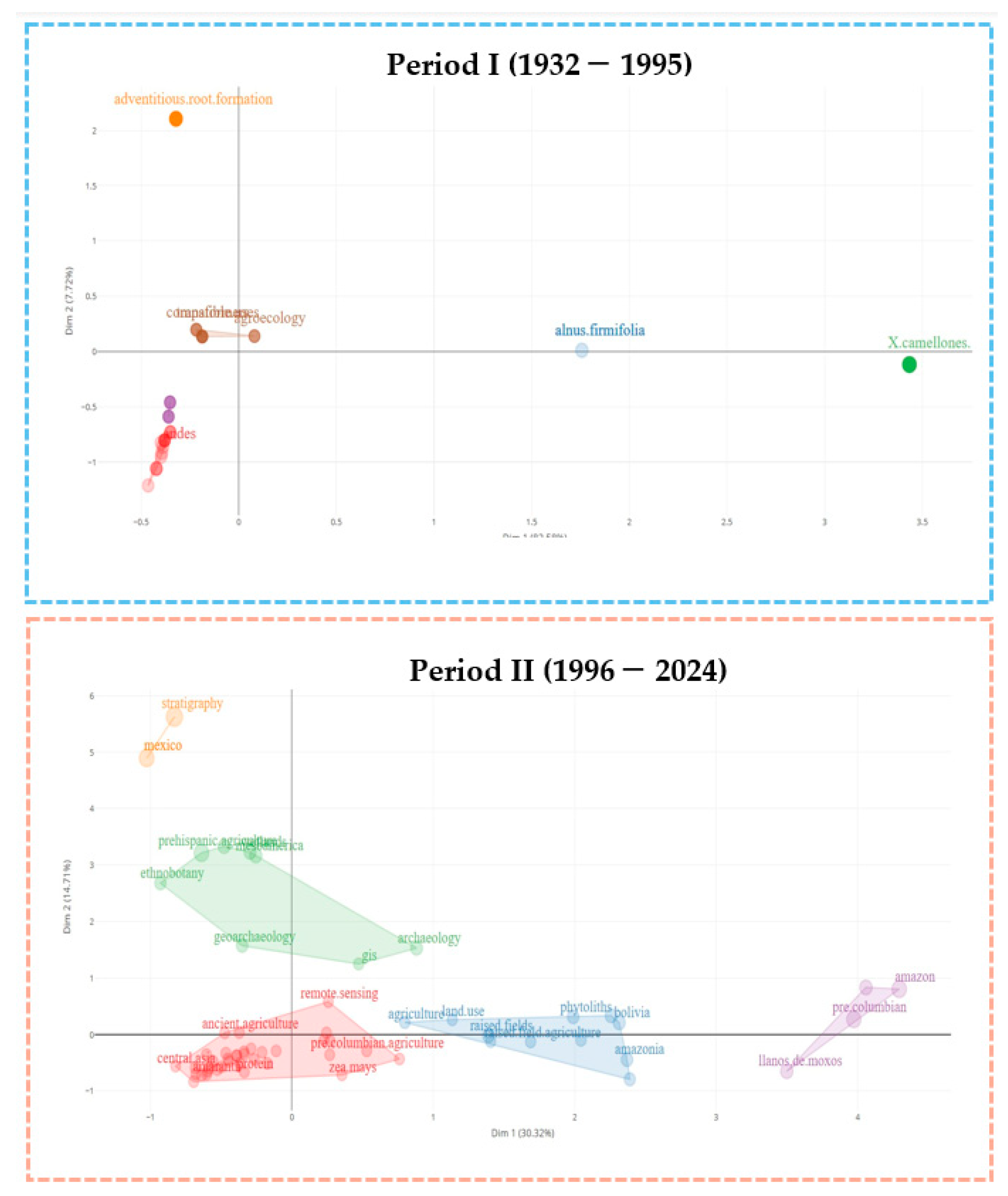
Figure 8.
Top 15 keywords with the strongest citation bursts.
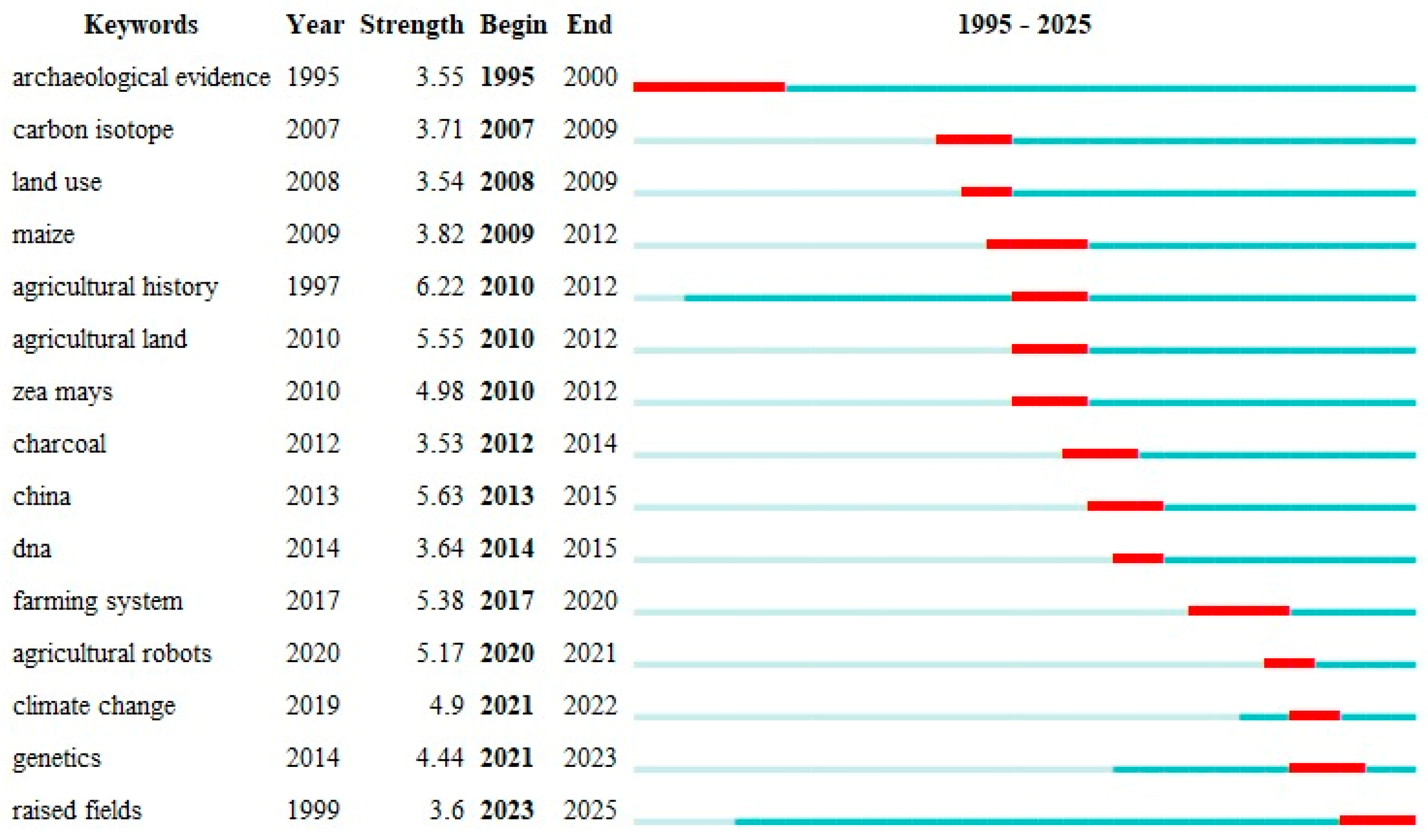
New Technological and Sustainable Perspectives (Late 2010s Onward): The keywords farming system (2017–2020) and agricultural robots (2020–2021) indicate the integration of technological approaches focused on the automation and optimization of agricultural practices, a topic that has gained momentum on the global agenda to enhance efficiency and productivity. The terms climate change (2019–2023) and genetics (2014–2023) reflect the convergence of environmental concerns with genetic engineering as strategies to address climate variability and ensure food security.
Continuity and Future Outlook: Despite being an ancient cultivation system, raised fields (1999–2025) remain a relevant and forward-looking research topic. Its long burst interval suggests that the study of these millennia-old techniques continues to provide solutions to contemporary challenges in sustainability, water management, and climate change adaptation.
4. Discussion
The scientometric study is based on articles retrieved from the SCOPUS database, comprising a bibliometric and visual analysis of 584 publications focused on Pre-Hispanic agricultural technologies. These publications span from 1932 to 2024 and were examined using a combination of VOSviewer and CiteSpace software. The primary objective was to understand the current state of research in this field on a global scale, identify predominant research themes, and anticipate potential future trends.
The results indicate a sustained increase in scientific production on Pre-Hispanic agricultural technologies since the mid-20th century, with a notable surge starting in the 1980s and a more accelerated growth in the 2000s. This increase can be attributed to the expansion of bibliographic databases, which now index a greater number of publications and specialized journals, as well as a growing awareness among the scientific community and policymakers regarding the need to recover and adapt ancestral agricultural systems to contemporary challenges (e.g., climate change, soil degradation, and food crises). Although there has been a slight decline in production in recent years (e.g., 2022), this may be due to temporary factors such as the COVID-19 pandemic or the short-term slowdown of certain research lines.
Our findings indicate that a small group of countries concentrate most of the scientific production. The United States leads in the number of publications and citation impact, highlighting its dominant position and extensive network of international collaborations. Other significant contributors include the United Kingdom, China, India, and France, each with a substantial volume of publications and increasing interest in the topic. This pattern suggests that, while research on Pre-Hispanic agricultural technologies initially emerged in regions where these systems originated (e.g., Andean and Mesoamerican areas), research groups in North America, Europe, and Asia have recognized their potential and established collaborations with local institutions. Strengthening cooperation networks between Latin America, Europe, and Asia indicates an increasingly globalized research landscape, integrating archaeological evidence, ecological approaches, and biotechnological tools to reassess and adapt these practices.
Prestigious universities and research centers—such as the University of Central Florida, the University of Chicago, and the University of Bern—illustrate the multidisciplinary interest in Pre-Hispanic agriculture. These institutions, with departments spanning anthropology, geography, ecology, and even biogeosciences, emphasize the importance of interdisciplinary approaches in studying traditional water and soil management systems, the domestication of native crops, and the adaptation of these systems to diverse environmental contexts.
In the publishing sector, well-established journals such as Journal of Archaeological Science, Holocene, and Vegetation History and Archaeobotany have served as primary outlets for archaeological, paleoenvironmental, and ethnobotanical studies. However, in recent years, journals with broader sustainability and biotechnology focuses, such as Genetic Resources and Crop Evolution, have also begun publishing related research. This shift reflects a growing interest in the conservation of agrobiodiversity, the utilization of ancestral germplasm, and strategies for resilience against climate change.
An analysis of the most cited articles and citation bursts in keywords highlights three major research directions. First, the relevance of agricultural archaeology and the reconstruction of ancestral practices such as raised fields (camellones), terraces, and chinampas in regions like the Andes, Mesoamerica, and the Amazon. Second, the integration of genomic and biotechnological tools to study crop evolution and domestication, linking plant genetics with historical and environmental perspectives. Third, a focus on food security and climate change adaptation, incorporating historical case studies and archaeological evidence into discussions on sustainability and the adaptation of modern agricultural systems.
The findings highlight the cross-disciplinary nature of research on Pre-Hispanic agricultural technologies. Beyond their historical or cultural significance, these systems have practical implications for addressing global food production challenges. The surge in scientific interest suggests that these technologies could play a crucial role as past-inspired solutions, offering historically tested strategies for water, soil, and biodiversity management that can contribute to building more resilient and sustainable agri-food systems.
Previously considered primarily of archaeological or ethnographic interest, Pre-Hispanic agricultural technologies have been re-evaluated as promising alternatives to contemporary food production challenges. Our bibliometric analysis confirms the exponential growth of research in this field and points to future opportunities for international collaboration, scientific innovation, and the implementation of agroecological solutions based on ancestral knowledge. Accordingly, we describe the progress and research trends in this field across five key directions.
4.1. Comparison of Pre-Hispanic Agricultural Systems
Table 4 shows that research conducted in the Altiplano of Lake Titicaca and the Llanos de Moxos converges in identifying intensive agricultural systems based on the construction of raised fields. However, these systems exhibit differences that reflect the distinct ecological, climatic, and cultural conditions of each region. In the case of Titicaca, frost is the primary climatic constraint, leading to the development of raised field construction and layout strategies aimed at mitigating nighttime low temperatures. Orloff [23], supported by computational simulations, demonstrates that daytime solar radiation, stored in the moist soils of the berms, combined with heat emission from the surrounding water, contributes to increasing crop temperatures during cold nights. These findings align with the field experiments of Sánchez de Lozada (1998, 2006) which recorded increases of 1 to 2°C in minimum foliage temperature—sufficient to reduce damage caused by moderate frosts. However, this advantage becomes particularly evident in years of severe frost, when conventional agricultural systems experience greater losses. In the Llanos de Moxos, flood management is of greater importance. Authors such as Rodrigues (2015, 2018) and Walker (2008) indicate that raised fields in this region are located in seasonally flooded savannas, functioning as both drainage and land elevation systems to protect crops from excess water. Lombardo [36] and Iriarte [37] emphasize that this type of infrastructure enabled the sustenance of substantial populations, particularly during periods of increased water levels. Furthermore, recent research by Young [38] provides microbotanical data from forest islands associated with raised fields; starch analyses confirm the cultivation of tropical crops such as cassava, maize, sweet potato, achira, and arracacha, underscoring the agricultural diversity of these societies. Unlike the Altiplano, where Andean tubers dominate and potato yields can exceed 30 t ha⁻¹ [39], the Amazonian lowlands are characterized by typically tropical crops and agricultural systems closely linked to residential forest-island habitats. Examining the spatial distribution of raised fields in each region reveals considerable morphological heterogeneity. In the Titicaca Basin, various raised field patterns have been identified [40] ranging from open “checkerboard” designs to embanked-bordered configurations, whereas in Moxos, variability includes linear designs, large platforms, and even combinations with “ring ditches” [41]. This diversity underscores that raised field technology is not standardized but rather adapted to the specific topographic, hydrological, and socio-organizational conditions of each location [42].
Table 4.
Comparative Summary of Research on High Fields in Different Regions.
| Reference | Location/Region | Approximation Chronology | Approach / Type of System | Main Findings / Contributions |
|---|---|---|---|---|
| Smith [40] | Lake Titicaca Region (Peru-Bolivia) | Pre-Inca period – Tiwanaku (ca. 200–1100 AD) | Ridged fields in flood-prone areas | Early and systematic description of raised fields in the Lake Titicaca region. Their extent, typologies, and possible agricultural functions are defined. |
| Parsons [43] | Caribbean Plains (San Jorge, Colombia) | Late Pre-Hispanic (variable date) | Ridged fields in seasonally flooded savannas | It documents the existence of ridge fields in the floodplain of the San Jorge River, their morphology and drainage patterns in tropical contexts. |
| Martin [19] | Panama (Pacific coast, Chibchan basin) | Pre-Hispanic, 500–1500 AD (approx.) | Raised fields in coastal wetlands | First detailed record of raised fields in Panama; implications for agricultural intensification and wetland adaptations. |
| McKey [16] | French Guiana (coastal savannah) | Ca. 500–1500 AD | Raised fields and ecological self-organization | It reveals how the construction of ridges generated “ecosystem engineers” (ants, termites) that maintain fertile patches. |
| Orloff y Kolata [23] | Lake Titicaca, Bolivia | Tiwanaku Period (500–1100 AD) | CFD and thermal analysis of raised fields | Thermodynamic models: berms with heat storage capacity to mitigate nighttime frosts and water saturation. |
| Rodrigues et al. (2015) | Moxos Plains (Bolivia) | AC. 570–770 AD until 1300–1500 AD. | Raised fields in flooded savannas | Dating and analysis of ridge management. Intermittent use is suggested in response to more frequent/severe flooding. |
| Rodrigues [42] | Moxos Plains (Bolivia) | 500–1500 AD (approx.) | Variation in median design in local environments | Differences in design and form based on local conditions (topography, soils, hydrology); this emphasizes environmental adaptation, not just a standard technique. |
| Sánchez de Lozada [39] | Bolivian Altiplano (Titicaca area) | Current (experiments in 1980–90) | Experimental practice of Waru Waru | Evaluation of thermal and productive effects in experimental fields, confirming partial frost mitigation and improved drainage. |
| Sánchez de Lozada [44] | Lake Titicaca Plateau, Bolivia | Current (experiments 1990s–2000s) | Raised fields and potato yields | Variable yields (2.7–33 t/ha) and moderate thermal benefits suggest that the advantage of ridges is seen primarily in years with severe frost. |
| Sardon [45] | Peruvian shore of Lake Titicaca | Current and historical (pre-Inca to date) | Edaphological characterization of Waru Waru | It shows soils with sandy-silty and clayey textures, seasonally flooded. It identifies socio-cultural degradation of the Waru Waru system. |
| Walker [41] | Moxos Plains, Bolivia | 600–1500 AD | Sets of elevated fields and defensive rings | Mapping and chronology of ring ditches and associated raised fields; their exclusive association with Arawak groups is questioned. |
| Young [38] | Moxos Plains, Bolivia | 700–1500 AD (occupations) | Analysis of starches in ceramics on forest islands and ridges | Microbotanical evidence of maize, mandi-oca, arracacha, arrowroot, etc., confirming wide diversity of crops in raised fields. |
It is essential to consider the internal variation in raised field designs, acknowledging that different construction and usage patterns exist, influenced by microenvironmental, cultural, and political factors. There is no single “universal” model of pre-Hispanic raised fields. This review highlights the importance of new analytical techniques, such as starch residue analysis, applied thermodynamics, and GIS, to deepen the understanding of pre-Hispanic agriculture, its technical complexity, crop diversity, and long-term ecological impacts still visible in today’s landscape. Comparative analysis becomes especially relevant when shifting from isolated cases to the identification of broad patterns and far-reaching innovations in ancient agriculture. This approach not only helps understand whether agricultural knowledge was transmitted or independently developed in different regions but also highlights which practices could be considered truly universal. However, there are still few studies that conduct systematic large-scale regional comparisons. It is necessary to establish integrated analytical frameworks that gather data from diverse pre-Columbian regions (Andes, Mesoamerica, Amazonia, etc.) under a unified methodology.
Significant knowledge gaps persist. One issue is the standardization of data and terminology: the diversity of metrics and definitions used in each study complicates direct comparisons. Establishing a consensus on how to record characteristics and yields would enable more robust and comparable meta-analyses. Another gap concerns the study of lesser-known regions, such as certain Amazonian raised field systems or underexplored Andean zones, which are rarely incorporated into intercultural comparative studies. Additionally, quantitative evaluations aimed at comparing processes and yields remain infrequent. In particular, it is necessary to contrast experimental agricultural data (e.g., from reconstructed fields) with historical analyses to more precisely determine the actual effectiveness of each production modality in terms of yield and resilience. Addressing these gaps will allow future research to better leverage the wealth of agricultural strategies developed in the pre-Hispanic era, broadening our understanding of ancient agrarian technology and its potential application in modern contexts.
4.2. Socioecological Approaches and Climate Change
Ancient agricultural systems did not function in isolation but were part of complex socioecological systems that responded to climate variability and environmental change. Various pieces of evidence show that while some pre-Hispanic societies collapsed under climate stress, others demonstrated great resilience [46]. For example, climate instability has been linked to the disintegration of certain agrarian states; however, numerous archaeological cases show communities that adapted and even thrived during prolonged droughts or cooling periods [47]. n the Andes, it has been observed that an agricultural society from the late pre-Hispanic period managed to flourish between the 13th and 15th centuries despite deteriorating climatic conditions, thanks to strong social cohesion and community-based resource management [48]. Through the exchange of local knowledge, collective labor, and the reduction of inequality, these communities maintained food production and avoided conflicts, even under harsher climatic conditions [23].
Pre-Hispanic agricultural communities often practiced diversified and ecologically adapted forms of farming, reinforcing their resilience. In Mesoamerica, the milpa (maize-bean-squash) functions as a socioecological system capable of mitigating climate risks [49]. The diversity of crops and their complementary interactions create a relatively stable micro-ecosystem, ensuring regular harvests and nutritional variety even under adverse climatic conditions [49]. Research indicates that local varieties (landraces) and periodic soil regeneration through fallowing explain the greater capacity to cope with climate changes compared to modern monocultures. Similarly, in the Amazon, some societies invested in long-term infrastructure, such as raised fields, roads, and canals, which provided stability by retaining water and nutrients, compensating for climatic variations [37].
Pre-Hispanic agriculture was not limited to the use of seeds and farming techniques; it primarily involved a framework of social organization, local knowledge transfer, and collective ecosystem management mechanisms. Understanding this socioecological dimension is particularly important today, as sustainable agriculture approaches are sought to counteract climate change. Ancient practices of crop diversification, integrated water management, and social cooperation are especially useful lessons that contribute to the resilience of production systems. Despite this, certain gaps remain that limit the adoption or adaptation of these teachings. First, more precise connections between climate and pre-Hispanic societies are needed: integrated paleoclimatic and archaeological data are required to track how specific phenomena—prolonged droughts, anomalous floods—affected agricultural productivity and, most importantly, how communities adjusted their strategies. Second, there is a lack of comparative analysis distinguishing why certain cultures tolerated environmental pressures better than others or which social institutions favored resilience. While some cases (such as the Andean region or the Maya area) are well documented, the absence of a general approach that contrasts different climatic and historical scenarios prevents more global conclusions. Lastly, the practical application of this ancestral knowledge in modern agriculture is limited. Although principles such as polyculture and community-level cooperation are recognized as valuable, the lack of field experiences and active community participation delays their incorporation today. It will be essential to respect local cultural contexts and understand how these methods can be adapted to current social and economic demands.
4.3. New genomic Techniques in Native Crops
Advances in genomics and genetics have revolutionized research on domesticated crops from the pre-Hispanic era and have opened opportunities for their improvement. Early studies on plant genetics identified key domestication traits in crops like maize and potatoes, laying the foundation for understanding which genes were under human selection [50]. hroughout the 2000s, Mendelian and molecular genetics pinpointed key genes in crop domestication, paving the way for comparisons on the genetic foundations of domestication across species [51]. Today, research benefits from high-throughput sequencing, ancient DNA analysis, and genetic editing techniques, offering a more detailed picture of the evolution of native crops. Archaeogenomic research on maize has transformed the understanding of its domestication: the sequencing of over 2,000-year-old cobs in Honduras revealed unexpected hybridization between Mesoamerican and South American varieties, with genetic exchange occurring in both directions [52]. These findings, impossible to detect with traditional methods, demonstrate how crucial genomics is in rewriting the history of crops. Additionally, these techniques not only help understand the past but also promote the future of native crops with resilience traits. The genome of quinoa (Chenopodium quinoa), an Andean pseudocereal with high drought and salinity tolerance, has also been sequenced. The identification of genes linked to bitterness and seed dehiscence opens the door to selective breeding or genetic editing to enhance yield and climate adaptation [53].
A fundamental aspect of research on pre-Hispanic crops is the incorporation of genomic methodologies, as this links the genetic heritage of ancestral crops with modern innovations. This approach enables the "recovery" of genetic variation lost over time while harnessing valuable genes preserved in traditional landraces. This capability is of vital importance for food security in scenarios of water or thermal stress. However, several challenges remain to be addressed. First, there is an inequality in genomic data: while maize and potatoes have extensive resources and studies in genetic databases, most local crops remain underrepresented (e.g., many legumes or native fruits lack complete sequences and detailed studies). Furthermore, linking genes to phenotypes remains a challenge. Sequencing alone, while useful, is insufficient to understand how specific genetic variants relate to key agronomic traits such as pest resistance or higher yields in ancient contexts and local ecosystems. Functional studies demonstrating the phenotypic expression of these genes are needed. Finally, ethical and cultural considerations arise regarding the genetic manipulation of "heritage" crops. Issues of intellectual property, equitable benefit-sharing, and acceptance by indigenous communities—who hold legitimate sovereignty over their seeds—must be addressed. Therefore, biotechnology must be complemented with participatory projects that respect local autonomy and foster co-creation of knowledge. By addressing these gaps, native crop genomics emerges as a powerful tool for integrating ancestral agricultural wisdom with contemporary science. This process could contribute to the development of more sustainable food production systems and the promotion of agrobiodiversity.
4.4. Remote Sensing and Mathematical Modeling Applied to Pre-Hispanic Agricultural Systems
In the last decade, remote sensing technologies—including satellite imagery and LiDAR (Light Detection and Ranging)—have revolutionized the study of ancient agricultural landscapes [54]. Massive or vegetation-covered infrastructures can now be detected and analyzed at regional scales with remarkable detail. For example, LiDAR surveys in the Maya Lowlands have revealed extensive networks of wetland fields and canals that had previously gone unnoticed in traditional aerial photographs [55]. Similarly, in the Llanos de Moxos (Bolivia), high-resolution topographic data have uncovered large complexes of raised fields and “drained fields” spanning vast wetland areas [56]. These findings are reshaping our understanding of the scale and complexity of pre-Hispanic agricultural engineering by demonstrating large-scale water and soil management megaprojects that had previously been underestimated.
Mathematical modeling complements these advances by exploring how such systems functioned. For instance, hydrothermal simulations have demonstrated that raised fields in Tiwanaku helped mitigate nighttime frosts by accumulating heat in the water-filled channels surrounding them [47]. Geographic Information Systems (GIS) can estimate water flows in irrigation networks, while agroecosystem models can simulate ancient crop yields under different climatic scenarios. These approaches allow researchers to answer questions such as: “How much surplus could raised fields produce in years with ideal rainfall or moderate droughts?” or “What were the optimal labor allocation strategies?”
The relevance of these new approaches lies in the combination of remote sensing and modeling, which has redefined the potential for reconstructing and quantifying ancient agricultural systems. By integrating satellite imagery with mathematical models, researchers obtain a perspective that ranges from landscape-scale analysis to detailed numerical estimations, validating hypotheses regarding the efficiency and durability of infrastructures such as raised fields and irrigation canals [57]. However, significant challenges remain.
First, integrating archaeological and chronological data is essential. Discovering large structures through remote sensing does not guarantee knowledge of their exact construction dates or the crops cultivated there. Consequently, excavations aimed at collecting samples for precise dating and in-situ paleoecological analyses are necessary to support and refine models. Second, experimental validation remains lagging behind: simulations have not been extensively calibrated with empirical data from reconstructed plots. Conducting field trials that replicate pre-Hispanic agriculture and measure yields under modern conditions would provide direct evidence to confirm or adjust current models. Lastly, maximizing the potential of these technologies requires interdisciplinary training, including archaeologists, agronomists, GIS experts, and engineers, who together could address the complexity of the analysis. However, academic and funding barriers still hinder comprehensive cooperation. Despite these challenges, remote sensing and mathematical modeling continue to offer a unique window into understanding the spatial dimensions and functionality of pre-Hispanic agricultural systems.
5. Limitations
The combined use of VOSviewer and CiteSpace for analysis provides a more detailed and precise review than many traditional approaches; however, the design of this study presents certain limitations.
First, the search was restricted to the SCOPUS database, which, although it indexes a large fraction of high-quality research, may omit relevant publications available exclusively in other sources such as Web of Science, Embase, or Wiley. This introduces a potential selection bias and some degree of fragmentation in the studies considered. Second, the inclusion criteria were limited solely to original research articles and review papers, excluding other formats (e.g., letters, conference proceedings, book chapters), which could lead to omissions of content that, in some cases, also provide significant contributions.
Additionally, the analyses presented here cover data up to March 21, 2025. While this study window allows for an overview of current trends and key research focuses, the continuous updating of SCOPUS implies the possibility that emerging research beyond this date may not have been captured. Consequently, this article may not fully reflect the most recent developments in the field.
Nevertheless, given the robustness and international recognition of the SCOPUS database, as well as the substantial volume of analyzed articles, this study provides a representative overview of the prevailing trends and primary research hubs in this field. Future research pursuing similar objectives should consider these limitations to offer a more comprehensive coverage.
6. Conclusions
This study employed bibliometric methods, complementing the use of VOSviewer and CiteSpace, to analyze 584 publications (1932–2024) related to pre-Hispanic agricultural technologies. This approach provided a systematic and quantitative perspective on the knowledge structure and key research lines concerning the revival and contemporary application of these ancestral systems.
The results revealed a steady increase in the volume of articles over recent decades, indicating a growing interest in recovering traditional agricultural practices as a response to global challenges such as sustainability, food security, and climate change. The detailed analysis showed that research is primarily concentrated on archaeological and paleoenvironmental aspects, as well as genetic and biotechnological approaches aimed at optimizing native crops and leveraging their adaptive potential.
Additionally, a strong connection with historical ecology and ethnobotanical studies was observed, reflecting the convergence of ancestral knowledge with current resource management needs. This comprehensive perspective confirms the relevance of reclaiming and adapting pre-Hispanic agricultural technologies—such as raised fields, terraces, and chinampas—to enhance agroecological resilience and agrobiodiversity conservation.
This study provides a solid overview of the advances, trends, and research gaps in pre-Hispanic agricultural technologies. This bibliometric mapping serves as a key reference for future research by outlining both the historical trajectory of scientific literature and the opportunities for interdisciplinary innovation and collaboration that could drive the revitalization of these systems in the face of future food and climate crises.
Author Contributions
L.O.-G, R.D.-M: data curation, S.O.-V, P.V.-V.: writing—original draft, A.A.-P:software. R.R.-F., N.C.-C: conceptualization, M.F.-M, O.O.-A: methodology, writing—review and editing. L.B.-T, O.O.-A: supervision, B.L.-M: validation. All authors have read and agreed to the published version of the manuscript.
Funding
This research received no external funding.
Institutional Review Board Statement
Not applicable.
Informed Consent Statement
Not applicable.
Data Availability Statement
The data are available after the first revision.
Conflicts of Interest
The authors declare no conflicts of interest.
References
- Wang K, Cong L, Mirosa M, Bai L, Hou Y, Bremer P. Impact of COVID-19 on Chinese urban consumers’ food safety knowledge and behavior–A comparative study between pre and post pandemic eras. Food Res Int. 2024;194:114905. [CrossRef]
- Zhu Q, Gao Y, Hu Q, Hu D, Wu X. A study on the factors influencing the intention to receive booster shots of the COVID-19 vaccine in China based on the information frame effect. Front Public Heal. 2024;12:1258188. [CrossRef]
- Van Dam J. Food and Agriculture Organization of the United Nations: Rome. Italy; 2017.
- Hanashima M, Tomobe K. Urbanization, industrialization, and mortality in modern Japan: A spatio-temporal perspective. Ann GIS. 2012;18(1):57–70. [CrossRef]
- Akbar A, Darma R, Irawan A, Mahyuddin, Feryanto F, Akzar R. COVID-19 pandemic and food security: Strategic agricultural budget allocation in Indonesia. J Agric Food Res [Internet]. 2024;18:101494. Available from: https://www.sciencedirect.com/science/article/pii/S2666154324005313. [CrossRef]
- Uyanga VA, Bello SF, Bosco NJ, Jimoh SO, Mbadianya IJ, Kanu UC, et al. Status of agriculture and food security in post-COVID-19 Africa: impacts and lessons learned. Food Humanit. 2024;2:100206. [CrossRef]
- Workie E, Mackolil J, Nyika J, Ramadas S. Deciphering the impact of COVID-19 pandemic on food security, agriculture, and livelihoods: A review of the evidence from developing countries. Curr Res Environ Sustain. 2020;2:100014. [CrossRef]
- Balgah RA, Benjamin EO, Kimengsi JN, Buchenrieder G. COVID-19 impact on agriculture and food security in Africa. A systematic review and meta-analysis. World Dev Perspect. 2023;31:100523. [CrossRef]
- Iese V, Wairiu M, Hickey GM, Ugalde D, Salili DH, Walenenea Jr J, et al. Impacts of COVID-19 on agriculture and food systems in Pacific Island countries (PICs): Evidence from communities in Fiji and Solomon Islands. Agric Syst. 2021;190:103099.
- Mutegi J, Adolwa I, Kiwia A, Njoroge S, Gitonga A, Muthamia J, et al. Agricultural production and food security implications of Covid-19 disruption on small-scale farmer households: lessons from Kenya. World Dev. 2024;173:106405. [CrossRef]
- Gruère G, Brooks J. Characterising early agricultural and food policy responses to the outbreak of COVID-19. Food Policy. 2021;100:102017. [CrossRef]
- Altieri M, Nicholls CI. Teoría y práctica para una agricultura sustentable. Ser Textos Básicos para la Form Ambient PNUMA Red Form Ambient para América Lat y el Caribe México. 2000;235.
- Claverías R, Cano N, Guerra F, Canales A, Taquila R. Fortalecer el Capital Humano, Conservar la Biodiversidad y Lograr en Desarrollo de las Economías Andinas. CIED, Puno, Perú. 2001;
- Herrera A. La recuperación de tecnologías indígenas: arqueología, tecnología y desarrollo en los Andes. (No Title). 2011;
- Felipe-Morales B. Herrera Wassilowsky, Alexander. La recuperación de tecnologías indígenas. Arqueología, tecnología y desarrollo en los Andes. Bull l’Institut français d’études Andin. 2012;(41 (2)):289–90.
- McKey D, Rostain S, Iriarte J, Glaser B, Birk JJ, Holst I, et al. Pre-Columbian agricultural landscapes, ecosystem engineers, and self-organized patchiness in Amazonia. Proc Natl Acad Sci. 2010;107(17):7823–8. [CrossRef]
- Broadbent SM. A prehistoric field system in Chibcha territory, Colombia. Ñawpa Pacha. 1968;6(1):135–47. [CrossRef]
- Dillehay TD, Zavala JM, Saavedra J, Rojas A. Los camellones indígenas de Paicaví, Araucanía, Chile, y sus implicancias socio-económicas durante El periodo colonial temprano: un enfoque preliminar. Chungará (Arica). 2020;52(2):317–33.
- Martín JG, Mendizábal T, Schreg R, Cooke RG, Piperno D. Pre-Columbian raised fields in Panama: First evidence. J Archaeol Sci Reports. 2015;3:558–64. [CrossRef]
- Herrera A. La recuperación de tecnologías indígenas. Una Deuda Con Nuestros Pueblos jarallpa Univ los Andes. 2008;
- Lhomme JP, Vacher JJ. La mitigación de heladas en los camellones del altiplano andino. Bull l’Institut français d’études Andin. 2003;(32 (2)):377–99. [CrossRef]
- Erickson CL. El valor actual de los Camellones de cultivo precolombinos: Experiencias del Perú y Bolivia. Agric ancestral Camellones y albarradas Context Soc usos y retos del pasado y del Present. 2006;(16):315–39.
- Ortloff CR, Kolata AL. Fluid and Thermal Analysis of Pre-Columbian Tiwanaku (500–1100 CE) Raised-Field Agricultural Systems of Bolivia. Water. 2023;15(21):3845. [CrossRef]
- Hu H, Zhang M, Zhang Y, Fu M, Chen J, Li G, et al. Emergetic and cosmic exergy-based ecological assessments of long-term raised field eco-farming systems in saline–alkaline lands. Ecol Indic. 2021;125:107531. [CrossRef]
- Moore JD. Prehistoric raised field agriculture in the Casma Valley, Peru. J F Archaeol. 1988;15(3):265–76. [CrossRef]
- Rodríguez Medina C, Rodríguez Mora DM, Imbachi Benavides ES, Ramírez Paz IC, Ramos Villafañe YP, Aguilera Arango GA, et al. Quinua, tesoro ancestral andino: mejoramiento genético participativo y enfermedades del cultivo.
- Alayón AN, Echeverri I. Sacha Inchi (plukenetia volubilis Hnneo):¿ una experiencia ancestral desaprovechada? Evidencias clínicas asociadas a su consumo. Rev Chil Nutr. 2016;43(2):167–71.
- Tranfield D, Denyer D, Smart P. Towards a methodology for developing evidence-informed management knowledge by means of systematic review. Br J Manag. 2003;14(3):207–22. [CrossRef]
- Kannazarova Z, Juliev M, Abuduwaili J, Muratov A, Bekchanov F. Drainage in irrigated agriculture: Bibliometric analysis for the period of 2017–2021. Agric Water Manag [Internet]. 2024;305:109118. Available from: https://www.sciencedirect.com/science/article/pii/S0378377424004542. [CrossRef]
- Chung J, Tsay MY. A bibliometric analysis of the literature on open access in scopus. Qual Quant Methods Libr. 2015;4(4):821–41.
- Bravo-Toledo L, Barreto-Pio C, Herrera JL, Milla-Figueroa C, Nuñez AP, Virú-Vásquez P. Global Research Trends in Emergy and Wastewater Treatment: A Bibliometric Analysis. Environ Res Eng Manag. 2023;79(1):16–36. [CrossRef]
- Ji HJ, Zhou XH, Wu HY, Liu HX, Zhang GZ. A bibliometric and thematic analysis of the trends in the research on ginkgo biloba extract from 1985 to 2022. Heliyon. 2023;9(11). [CrossRef]
- Abdelwahab SI, Taha MME, Moni SS, Alsayegh AA. Bibliometric mapping of solid lipid nanoparticles research (2012–2022) using VOSviewer. Med Nov Technol Devices. 2023;17:100217. [CrossRef]
- Hirsch JE, Buela-Casal G. The meaning of the h-index. Int J Clin Heal Psychol. 2014;14(2):161–4. [CrossRef]
- Engel A. The Hirsch index. Color Dis. 2013;15(1):1.
- Lombardo U, Canal-Beeby E, Fehr S, Veit H. Raised fields in the Bolivian Amazonia: a prehistoric green revolution or a flood risk mitigation strategy? J Archaeol Sci. 2011;38(3):502–12.
- Iriarte J, Power MJ, Rostain S, Mayle FE, Jones H, Watling J, et al. Fire-free land use in pre-1492 Amazonian savannas. Proc Natl Acad Sci. 2012;109(17):6473–8. [CrossRef]
- Young DN, Duncan NA, Walker JH. Starch grain analysis of ceramic residue from forest islands associated with raised fields in west central Mojos, Bolivia. J Archaeol Sci Reports. 2023;47:103761. [CrossRef]
- de Lozada DS, Baveye P, Riha S. Heat and moisture dynamics in raised field systems of the lake Titicaca region (Bolivia). Agric For Meteorol. 1998;92(4):251–65.
- Smith CT, Denevan WM, Hamilton P. Ancient ridged fields in the region of Lake Titicaca. Geogr J. 1968;134(3):353–67. [CrossRef]
- Walker JH. Pre-Columbian ring ditches along the Yacuma and Rapulo Rivers, Beni, Bolivia: A preliminary review. J F Archaeol. 2008;33(4):413–27. [CrossRef]
- Rodrigues L, Lombardo U, Veit H. Design of pre-Columbian raised fields in the Llanos de Moxos, Bolivian Amazon: Differential adaptations to the local environment?. J Archaeol Sci Reports. 2018;17:366–78. [CrossRef]
- Parsons JJ, Bowen WA. Ancient Ridged Fields of the San Jorge River Floodplain, Colombia. Geogr Rev [Internet]. 1966 Mar 24;56(3):317–43. Available from: http://www.jstor.org/stable/212460. [CrossRef]
- Lozada DS de, Baveye P, Lucey RF, Mamani R, Fernandez W. Potential limitations for potato yields in raised soil field systems near Lake Titicaca. Sci Agric. 2006;63:444–52. [CrossRef]
- Nina SS, Loaiza-Usuga JC, Varga D, Morales YP. Characterization of the “Waru Waru” soils on the Peruvian high plateau. Soil Sci Annu. 2024;75(1).
- Arnold TE, Hillman AL, Abbott MB, Werne JP, McGrath SJ, Arkush EN. Drought and the collapse of the Tiwanaku Civilization: New evidence from Lake Orurillo, Peru. Quat Sci Rev. 2021;251:106693. [CrossRef]
- Kolata AL, Ortloff C. Thermal analysis of Tiwanaku raised field systems in the Lake Titicaca Basin of Bolivia. J Archaeol Sci. 1989;16(3):233–63. [CrossRef]
- Erickson CL. Neo-environmental determinism and agrarian ‘collapse’in Andean prehistory. Antiquity. 1999;73(281):634–42.
- Vallejo-Ramos M, Moreno-Calles AI, Casas A. TEK and biodiversity management in agroforestry systems of different socio-ecological contexts of the Tehuacán Valley. J Ethnobiol Ethnomed. 2016;12:1–15. [CrossRef]
- Matsuoka Y, Vigouroux Y, Goodman MM, Sanchez G J, Buckler E, Doebley J. A single domestication for maize shown by multilocus microsatellite genotyping. Proc Natl Acad Sci. 2002;99(9):6080–4. [CrossRef]
- Doebley JF, Gaut BS, Smith BD. The molecular genetics of crop domestication. Cell. 2006;127(7):1309–21. [CrossRef]
- Kistler L, Maezumi SY, Gregorio de Souza J, Przelomska NAS, Malaquias Costa F, Smith O, et al. Multiproxy evidence highlights a complex evolutionary legacy of maize in South America. Science (80- ). 2018;362(6420):1309–13. [CrossRef]
- Jarvis DE, Ho YS, Lightfoot DJ, Schmöckel SM, Li B, Borm TJA, et al. The genome of Chenopodium quinoa. Nature. 2017;542(7641):307–12. [CrossRef]
- Johnson KM, Ouimet WB. Rediscovering the lost archaeological landscape of southern New England using airborne light detection and ranging (LiDAR). J Archaeol Sci. 2014;43:9–20. [CrossRef]
- Balanzario S, Estrada-Belli F. Dzibanché e Ichkabal grandes ciudades mayas reveladas por la nueva tecnología LIDAR. Arqueol Mex. 2021;28(170):62–7.
- Prümers H, Betancourt CJ, Iriarte J, Robinson M, Schaich M. Lidar reveals pre-Hispanic low-density urbanism in the Bolivian Amazon. Nature. 2022;606(7913):325–8. [CrossRef]
- Bewley RH, Crutchley SP, Shell CA. New light on an ancient landscape: lidar survey in the Stonehenge World Heritage Site. Antiquity. 2005;79(305):636–47. [CrossRef]
Figure 1.
Flowchart of PRISMA diagram used for the article research.
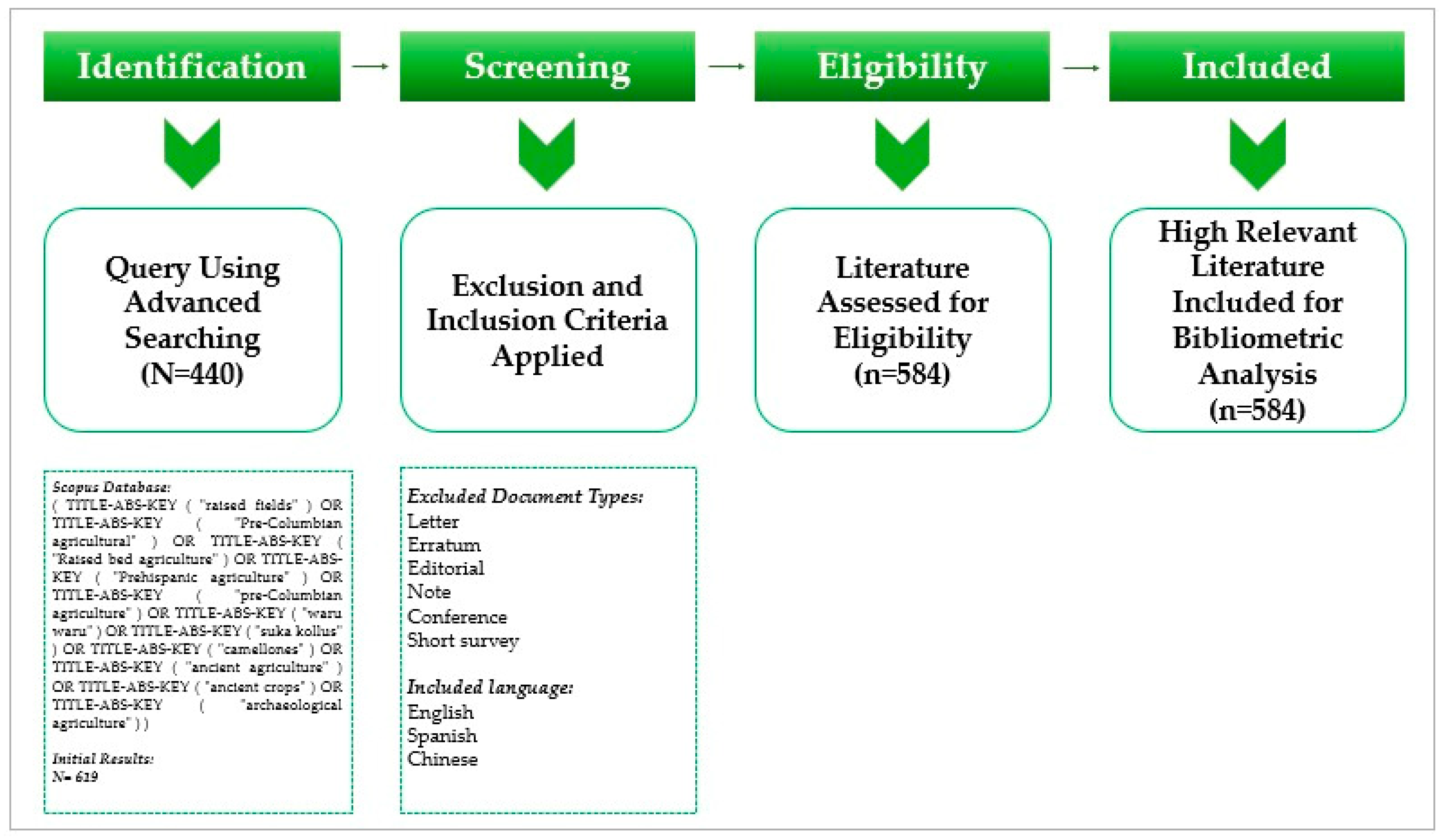
Figure 5.
Co-occurrence of author´s Keywords, (a) Top left center, (b) Bottom right center, (c) Top right center and (d) Bottom left center.
Figure 5.
Co-occurrence of author´s Keywords, (a) Top left center, (b) Bottom right center, (c) Top right center and (d) Bottom left center.
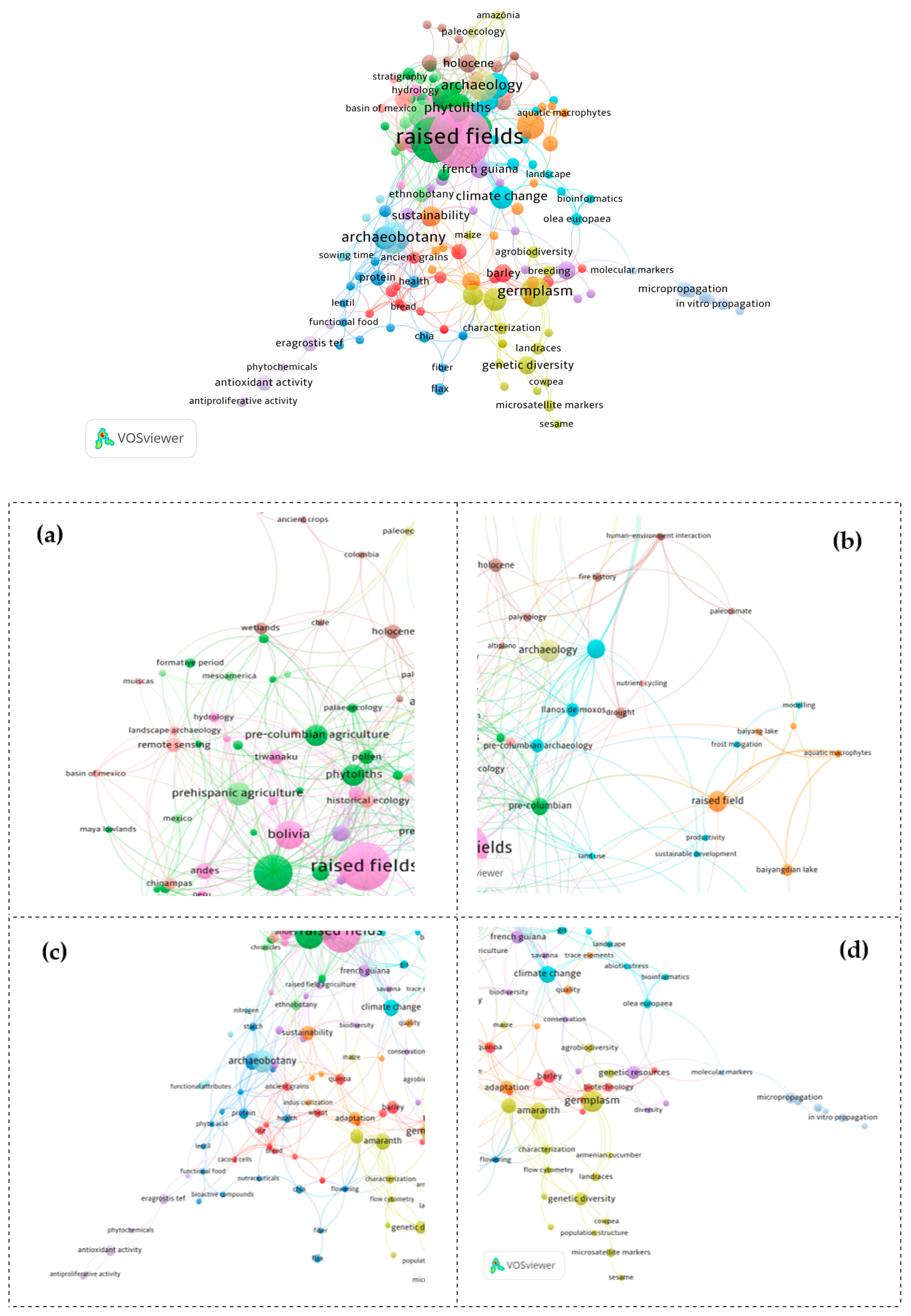
Disclaimer/Publisher’s Note: The statements, opinions and data contained in all publications are solely those of the individual author(s) and contributor(s) and not of MDPI and/or the editor(s). MDPI and/or the editor(s) disclaim responsibility for any injury to people or property resulting from any ideas, methods, instructions or products referred to in the content. |
© 2025 by the authors. Licensee MDPI, Basel, Switzerland. This article is an open access article distributed under the terms and conditions of the Creative Commons Attribution (CC BY) license (http://creativecommons.org/licenses/by/4.0/).
Copyright: This open access article is published under a Creative Commons CC BY 4.0 license, which permit the free download, distribution, and reuse, provided that the author and preprint are cited in any reuse.


