
Preprint
Review

This version is not peer-reviewed.

Acute Suppurative and Subacute Thyroiditis: from Diagnosis to Management

A peer-reviewed article of this preprint also exists.

Submitted:

24 February 2025

Posted:

26 February 2025

You are already at the latest version

Abstract

Background: Acute Suppurative Thyroiditis (AST) and Subacute Thyroiditis (SAT) are two distinct inflammatory conditions of the thyroid gland with different clinical presentation, treatment and that recognize different causes. AST is a rare but serious bacterial infection, often associated with congenital anomalies in children, whereas SAT is a self-limiting, post-viral condition that causes temporary thyroid dysfunction. Methods: A comprehensive literature review was conducted using PubMed and UpToDate, including systematic reviews, meta-analyses, case series, and case reports. Studies focusing on epidemiology, pathophysiology, clinical presentation, diagnosis, and treatment were selected, with special attention to pediatric cases. Results: AST accounts for fewer than 1% of thyroid diseases and is more common in children, with pyriform sinus fistulas being present in 21% of cases. It presents with fever, painful neck swelling, and complications such as abscess formation and airway obstruction. Early recognition and prompt management with broad-spectrum antibiotics, ultrasound-guided aspiration, or surgical drainage are crucial. In contrast, SAT can occur at any age but is most common in adult women and follows typically a viral infection. It presents with anterior neck pain and transient thyrotoxicosis and is generally managed with non-steroidal anti-inflammatory drugs or corticosteroids in severe cases. Accurate differential diagnosis is essential to prevent unnecessary interventions. Conclusions: Although rare, both AST and SAT require timely diagnosis and tailored treatment strategies to avoid complications. Advances in imaging and early detection of congenital anomalies have improved AST outcomes, while SAT remains a self-limiting condition that primarily requires symptom management. Further research is needed to better understand risk factors, pathogenesis, and optimal treatment approaches, particularly in pediatric populations and resource-limited settings.

Keywords: 
;  ;  ;  ;  ;  ;  ;  

1. Introduction

Acute suppurative thyroiditis (AST) and subacute thyroiditis (SAT) represent two different but significant inflammatory diseases of the thyroid gland. Both these conditions present specific diagnostic and therapeutic challenges, especially in pediatric patients, where underlying anatomical abnormalities or systemic predisposition are usually of importance [1]. In fact, the anatomical structure of the thyroid gland, its high iodine content, extensive vascular supply, and fibrous encapsulation, offer considerable protection to the gland [2,3]. Differential diagnosis of these two different forms of thyroiditis is recognized to be crucial for management [1,4]. Continued studies concerning the pathogenesis, risk factors, and strategies for optimum management of both AST and SAT are crucial to improve outcomes in patients and refine approaches to their treatment. Understanding these conditions and addressing gaps in diagnosis and treatment, especially in resource-limited settings, is crucial to reduce the burden and improve outcomes for these conditions.
The current narrative review focuses on the current knowledge available for clinical guidance of both conditions.

2. Methods

We conducted a comprehensive literature review using specific search strings in PubMed combining MeSH terms and specific keywords, and in UpToDate,. The search aimed to identify all relevant articles discussing acute suppurative thyroiditis (AST) and subacute thyroiditis (SAT). Initially, the search focused on articles published within the last 20 years, with older studies included selectively due to the limited availability of literature on some specific aspects. The inclusion criteria included systematic reviews, meta-analyses, case series, and case reports because of the few available studies. Epidemiology, pathophysiology, clinical presentation, diagnosis, and management of AST and SAT were all addressed by the search. Keywords included "acute suppurative thyroiditis," "subacute thyroiditis," "thyroid infection," "thyroid inflammation," and "thyroid abscess" to ensure comprehensive search. Due to the scarcity of data in pediatric patients, we also included a few studies involving both pediatric and adult populations to ensure a more comprehensive understanding. Only full-text articles published in English were considered, and we manually reviewed the references of selected articles for additional relevant studies.

3. Epidemiology and predisposing conditions

Acute suppurative thyroiditis (AST) and subacute thyroiditis (SAT) are both uncommon conditions with different epidemiological patterns. AST is responsible for less than 1% of all thyroid diseases and is of clinical importance due to its potential for serious complications [5,6,7]. AST is more frequent in children than in adults [3] Congenital anomalies, as a pyriform sinus fistula or thyroglossal duct remnants, are key anatomical contributors in childhood [5,8,9]. In one case series, it was reported that AST was associated with pyriform sinus fistulae in 21% of the patients analyzed [3] Among children, AST mostly occurs between the ages of 5 and 15 years [10,11]. In adults, AST is rarer and tends to be associated with immunosuppression secondary to chemotherapy, HIV, long-term steroid use, trauma, and surgical interventions [12]. A review of 200 cases reported that 15% of cases occurred in children but with a median age at presentation of 37 years [6]. Although the overall incidence of AST remains stable, improvements in diagnostic imaging techniques as barium esophagography and ultrasound, have allowed earlier detection of underlying anatomical defects in children reducing recurrence rates [13]. Similarly, sensitive imaging and laboratory tests have refined the diagnosis of SAT helping differentiate it from other thyroid disorders. However, delays in diagnosis still occur, especially in low-resource regions, leading to higher complication rates for both conditions [5]. SAT is less frequent in children than in adults but is observed across all ages. It commonly follows viral respiratory infections and shows seasonal variations, with higher rates during viral outbreaks [14]. The gender distribution also differs between AST and SAT. AST has a slight predominance in females, particularly in children, with male-to-female ratios ranging from 1:1.3 to 1:2 likely due to hormonal influences or anatomical differences [5,10]. SAT, has a stronger female predominance, particularly in adults, with a M:F ratio reaching 1:4 in some studies [1,15]. This trend could be explained by autoimmune or hormonal factors that predispose women to thyroid inflammation [1,16]. Geographic differences relative to incidence could be explained also by healthcare access and prevalence of risk factors. In developed countries, congenital anomalies are a primary cause of pediatric AST, and advanced imaging helps to attain an early diagnosis [13,17] whereas, in resource-poor regions, AST may arise from less common pathogens as Mycobacterium tuberculosis or fungal organisms, which reflect environmental and socio-economic factors [18,19]. The occurrence of SAT is influenced by environmental factors that include outbreaks of viral infections including coxsackievirus, mumps, and adenovirus, highlighting a link with preceding systemic illnesses [1].

4. Etiology

The occurrence of both AST and SAT depends on the interplay among anatomical susceptibility, microbial organisms, systemic factors, and exogenous influences that challenge the intrinsic resistance of the thyroid gland to infection and inflammation. As to AST, trauma or surgery of the neck may contribute to the development of the infection as the integrity of the encapsulation of the gland is breached by such injuries and serves as a portal for the entry of microorganisms into the gland. Some documented causes of AST include foreign body perforation of the esophagus, as by fish or chicken bones, pointing to mechanical injury as a contributory factor to the infection of the thyroid gland [20,21]. The most common pathogens isolated in AST are species of Streptococcus and Staphylococcus [22]. Of these, Streptococcus pyogenes and Staphylococcus aureus are the most common followed by Staphylococcus epidermis and Streptococcus pneumoniae [3,6,23]. Mixed infections of aerobic and anaerobic bacteria are equally common, especially in cases exhibiting anatomic abnormalities or when abscesses are present [10,24]. In immunocompromised patients, the etiology further extends to include opportunistic pathogens such as Candida tropicalis, Aspergillus spp., and atypical bacteria as Mycobacterium tuberculosis. These infections often present in an atypical manner and, thus, require adapted therapeutic strategies [25,26,27]. Environmental exposures play a role in the etiology of AST, particularly in regions where tuberculosis and brucellosis are endemic and can directly or indirectly infect the thyroid gland [26]. The most reported bacterial causes of AST are reported in Table 1.
SAT, as previously mentioned, is generally secondary to an inflammatory process owe to viral infections. Commonly implicated viruses include coxsackievirus, adenovirus, mumps virus, and echovirus, which initiate an immune-mediated response resulting in thyroid [1,28]. Cases following Sars-CoV-2 infection have been described in adults only. Unfortunately, there is a complete lack of data in children [29], however, SAT secondary to Sars-CoV-2 infection may occur through direct and/or indirect mechanisms, causing the destruction of thyrocytes [30]. The ability to appreciate that SAT is a post-viral and self-limited condition in nature assists in the avoidance of unwarranted interventional procedures, and treatment can be directed toward symptom alleviation and surveillance for transient thyroid dysfunction as described in the following paragraphs.

5. Clinical presentation

Clinically, AST presents painful progressive neck swelling, fever, odynophagia, and dysphonia. The physical signs include a tender, hard mass with intact overlying skin, local warmth, and limitation of neck movements. Signs of fluctuation on palpation with erythema may appear in later stages, being suggestive of abscess formation [5,6,41]. A late diagnosis and management of AST may lead to life-threatening complications, which include airway obstruction, internal jugular vein thrombosis, leakage of the abscess into adjacent tissues, and mediastinitis [42,43]. In contrast, SAT often presents with anterior neck pain and tenderness that frequently irradiate to the jaw or ears. As opposed to AST, SAT is usually without erythema or fluctuance. The architecture of the gland is disrupted, with the release of preformed thyroid hormones into the circulation, often leading to transient thyrotoxicosis during the acute phase of the condition with typical symptoms [4,44]. Overall, it is a self-limiting condition that, over weeks to months, usually resolves on its own in most patients without persistent thyroid dysfunction; some patients may exhibit transient hypothyroidism [44]. Untreated SAT, though with minimal risk of resulting acute complications, may, in some very uncommon cases lead to prolonged thyroid dysfunction or cardiac complications rarely related with prolonged thyrotoxicosis [15]. It can be seen in individuals with subclinical autoimmune thyroiditis or who present recurrent viral infections, although rarely. [45].
The different courses indicate that a differential diagnosis is necessary for proper management of both conditions to ensure optimal outcomes. While AST is an emergency that needs urgent intervention to avoid complications, SAT usually has a benign course, and management is mostly symptomatic.

6. Diagnosis

The diagnosis of thyroiditis, including both AST) and SAT, relies on a combination of clinical features, laboratory investigations, and imaging. If AST is suspected, laboratory tests should include a complete blood count, inflammatory markers as C-reactive protein (CRP) and erythrocyte sedimentation rate (ESR), and thyroid function tests. Common findings include leukocytosis, elevated CRP and/or ESR, and increased thyroglobulin levels. Fine-needle aspiration (FNA) is crucial for cytology and bacterial culture, to identify the pathogens [22].
Imaging is critical for the diagnosis of AST. Ultrasound is typically the first-line imaging tool, revealing an ill-defined, heterogeneous iso- or hypoechoic mass with peripheral vascularity, more often of the left thyroid lobe. For advanced or unclear cases, cervical computed tomography (CT) scan with contrast or magnetic resonance imagiing (MRI) may be needed to determine the extent of the infection and its impact on surrounding tissues [46]. Recurrent AST may warrant barium esophagography or hypopharyngoscopy to detect congenital anomalies as pyriform sinus fistulae [6,47,48].
The diagnosis of SAT relies on clinical, laboratory, and imaging features. Patients commonly present with anterior neck pain, tenderness, and symptoms of transient thyrotoxicosis. Laboratory findings typically show suppressed TSH levels with elevated free T4 and T3 during the thyrotoxic phase, associated with elevated inflammatory markers as increased ESR and CRP. Unlike AST, in SAT leukocytosis is not typically present, and cultures are unhelpful [43]. At US imaging, SAT often shows diffusely hypoechoic thyroid tissue with reduced vascularity. Thyroid scintigraphy can help in selected cases, showing reduced iodine uptake during the thyrotoxic phase, and allowing to differentiate SAT from other hyperthyroid conditions as Graves’ disease [6,46].

7. Thyroid function and management

As previously described, a careful diagnostic workup is essential to differentiate infectious thyroiditis from subacute thyroiditis to avoid inappropriate management [49]. With regard to thyroid function, it is well established that the majority of patients with AST present a euthyroid state, which means that their thyroid hormone levels are within the normal range despite the presence of an infection [10]. However, a small proportion of cases may present either hyperthyroidism or hypothyroidism, usually transient and resolving once the underlying infection is treated [12]. The thyrotoxicosis state, though infrequent in the general adult population, is even rarer in pediatric patients, with only a limited number of documented cases reported in the literature [14,49]. The mechanism underlying thyrotoxicosis is ascribed to the release of preformed thyroid hormones from damaged thyroid follicles as a consequence of the infectious process, leading to an excess of circulating thyroid hormones [14]. Clinically, patients may display a range of symptoms commonly associated with thyrotoxicosis, such as palpitations, anorexia, diarrhea, excessive sweating, insomnia, anxiety, tremors, and agitation [49,50]. In these cases, supportive management is essential. Beta-blockers are commonly used to control symptoms as tachycardia and hypertension, offering symptomatic relief without interfering with thyroid hormone levels [51]. Antithyroid medications, which are indicated in autoimmune hyperthyroidism, are typically unnecessary, as hormone levels usually normalize as the infection resolves [51]. Transient hypothyroidism may also occur in rare cases, often due to extensive follicular destruction that temporarily impairs hormone production. These cases are generally transient, with recovery occurring within approximately three weeks after the infection clears [52]. The specific etiology of AST plays a significant role in determining the risk of thyroid dysfunction. Bacterial SAT in otherwise healthy children generally spares thyroid function. Conversely, rare infections, such as mycobacterial or fungal thyroid infections in immunocompromised children, are more likely to lead to chronic thyroid abnormalities [38,53]. For instance, infections by Pneumocystis jiroveci in HIV-infected pediatric patients are associated with hypothyroidism, while some mycobacterial infections initially present with hyperthyroidism before progressing to hypothyroidism [19,38,54]. In subacute thyroiditis, thyroid function is typically characterized by an initial phase of thyrotoxicosis resulting from the release of preformed thyroid hormones due to the inflammation of the gland [28]. This phase can persist for several weeks, extending up to two months, and is followed by a transient euthyroid state and subsequently by a hypothyroid phase which occurs because the gland temporarily loses its ability to uptake iodine and synthesize new hormones. This hypothyroid phase may last for several weeks or months. However, in most cases, normal thyroid function (i.e., euthyroidism) is restored within 6 to 12 months following the onset of the inflammatory condition [28]. In conclusion, the relationship between infectious thyroiditis and thyroid dysfunction is complex and multifactorial. Thyroid function may be transiently altered in response to the infection, with a broad spectrum of potential outcomes, from euthyroid states to hyperthyroidism, hypothyroidism, or even transient T3 reductions. Identifying the underlying etiology of the infection is crucial for appropriate diagnosis and management.

8. Antibiotic therapy for acute suppurative thyroiditis (AST), and treatment of subacute thyroiditis

Without timely intervention, AST can lead to serious complications, including abscess formation, sepsis, and potential long-term thyroid issues. Given the potential for rapid disease progression, broad-spectrum antibiotics are the cornerstone of AST treatment. Therapy usually begins with intravenous (IV) antibiotics to achieve high serum levels quickly [17]. This empirical approach provides broad coverage while waiting for culture results to refine treatment. When the pathogen is still unknown, common choices for empirical antibiotics include amoxicillin-clavulanate, ceftriaxone, and cefazolin. These options target common Gram-positive pathogens such as Streptococcus and Staphylococcus spp., while amoxicillin-clavulanate also provides anaerobic coverage, which is useful in pediatric cases requiring immediate treatment [5]. In cases where anatomical anomalies, as a pyriform sinus fistula, are suspected, coverage for anaerobic pathogens is critical [55]. Clindamycin and metronidazole are often added to the regimen, either alone or in combination with other antibiotics. Studies report that metronidazole targets mixed infections including anaerobes effectively [11]. Once culture results are available, therapy can be narrowed to the specific pathogen, reducing unnecessary use of broad-spectrum antibiotics and minimizing resistance risks. For instance, vancomycin is indicated for S. aureus or methicillin-resistant S. aureus (MRSA) infections, addressing resistant Gram-positive pathogens effectively [12]. If MRSA is suspected or confirmed, linezolid may be considered too. After 5-7 days of IV antibiotics, patients should present clinical improvement (i.e.,reduced fever and swelling) and can transition to oral antibiotics [56]. This step reduces hospitalization time and facilitates outpatient care. Segni et al. (2011) documented successful transitions from IV to oral therapy in pediatric AST cases, avoiding surgical intervention and enabling continued recovery at home [57]. A typical antibiotic course for AST lasts 2-3 weeks, depending on the severity of the infection and the presence of complications. Monitoring inflammatory markers, such as CRP and white blood cell count, helps determine the duration of treatment. Clinical improvements and normalized inflammatory markers confirm effective therapy. For recurrent cases or those associated with anatomical anomalies, evaluating and addressing underlying causes, such as pyriform sinus fistulas, is essential to prevent future infections. Table 2 reports the antibiotics and doses that can be used in AST. For cases of AST with significant abscess formation, antibiotics alone are often insufficient, and require surgical intervention to achieve resolution. Procedures such as ultrasound-guided aspiration or drainage are particularly important in managing these cases effectively. Recurrent AST is often linked to anatomical abnormalities such as pyriform sinus fistulas, making it essential to evaluate children with repeated infections for such defects. Surgical correction of these anomalies can help prevent future episodes of AST [58,59]. A study by She et al. evidenced that combining antibiotics with abscess drainage significantly reduced recurrence rates and shortened hospital stays in children [11]. Initial treatment of SAT often requires non-steroidal anti-inflammatory drugs (NSAIDs), such as ibuprofen, which are effective in reducing inflammation and relieving pain in mild to moderate cases. However, NSAIDs alone may not suffice in the most severe cases. Some authors point out that notwithstanding the use of NSAID, in some cases where symptoms persist, corticosteroids may be required for effective relief [1]. Prednisolone is generally recommended at a dose of 30 mg daily in adults, often achieving remission while minimizing side effects. There is no recommendation for the pediatric population; past case reports typically used 1 to 2 mg/kg/day of prednisone or prednisolone [1,28]. A study by Duan et al. suggested that a short course of one week on corticosteroids, followed by NSAIDs, could be as effective as longer regimens, with fewer side effects and no increased risk of recurrence [60]. Furthermore, they demonstrated that lower doses of prednisolone (20 mg daily, tapered over four weeks) could also effectively relieve symptoms, highlighting the possibility of dose adjustment based on patient needs in adults between 18 and 70 years [60]. Early recognition and management of these conditions are critical to improve outcomes and prevent complications, particularly in children.

9. Differential diagnosis

The clinical similarities among AST, SAT, and other thyroid or cervical conditions require a careful differential diagnosis to prevent inappropriate treatment. A rapidly enlarging thyroid masses with associated pain can mimic AST. However, malignancies are less likely to cause fever or leukocytosis. Fine-needle aspiration can confirm the diagnosis by identifying malignant cells rather than infectious cytology [17]. Infectious mononucleosis is a viral condition that can mimic thyroiditis because of fever, cervical lymphadenopathy, and fatigue. Distinguishing features include splenomegaly and positive heterophile antibody tests. Imaging, particularly ultrasound, typically reveals diffuse lymphadenopathy without thyroid involvement, confirming the diagnosis and ruling out thyroiditis [12]. This differentiation is crucial, as mononucleosis requires supportive management rather than treatment targeted at thyroid inflammation. EBV can, however, be a cause of SAT [67]. Lemierre’s syndrome, characterized by internal jugular vein thrombosis and sepsis, also can present with symptoms such as fever and neck pain, mimicking AST. However, imaging findings show thrombophlebitis rather than a thyroid abscess. This syndrome often originated from oropharyngeal infections, and its management includes prompt antibiotic therapy and sometimes requires anticoagulants [57]. Retropharyngeal abscesses, often seen in children following upper respiratory tract infections, can mimic AST due to symptoms like fever, neck pain, and dysphagia. The distinguishing factor lies in the location of the abscess, which is posterior to the pharynx. Imaging studies, such as lateral neck X-rays or CT scan, reveal widened prevertebral spaces, confirming the diagnosis [18,68]. Unlike AST, treatment of retropharyngeal abscesses often requires surgical drainage in addition to antibiotics [11,69]. Autoimmune thyroiditis, or Hashimoto thyroiditis, presents with painless goiter and symptoms of hypothyroidism, such as fatigue and cold intolerance, rather than the acute inflammatory signs seen in AST. Laboratory findings, including the absence of inflammatory markers, and the presence of antithyroid antibodies, help confirm this diagnosis. Treatment focuses on thyroid hormone replacement when required rather than addressing infection or acute inflammation [70]. Ectopic thyroid tissue infections, such as thyroglossal duct cyst infections, also present with anterior neck swelling and localized symptoms. Imaging often reveals a midline cystic structure rather than a thyroid gland abscess, differentiating these conditions from AST. Management typically involves surgical excision rather than the antimicrobial therapy required for AST [5,22]. Other head and neck infections, including mastoiditis, cervical lymphadenitis, and salivary gland infections, may also mimic AST due to similar systemic and local symptoms. Imaging studies and fine-needle aspiration cytology are critical for differentiation. For instance, mastoiditis involves the temporal bone, while cervical lymphadenitis and salivary gland infections are localized to lymph nodes or salivary glands [71]. Identifying the precise cause ensures targeted management, such as antibiotics for bacterial infections or surgical intervention when necessary [12,38,72]. Diagnosing AST and SAT requires to integrate clinical findings, laboratory results, and imaging.

10. Conclusions

AST and SAT are two distinct inflammatory conditions of the thyroid gland, each with unique characteristics in terms of pathophysiology, presentation, and management. Although relatively rare, both conditions pose significant diagnostic and therapeutic challenges, particularly during childhood and in individuals with underlying risk factors. The main features, causes, clinical course, and management of AST and SAT are summarized in Figure 1. A comprehensive understanding of these conditions is critical for accurate diagnosis and effective treatment. Despite its rarity, AST poses a high risk of morbidity due to its bacterial origin and complications such as abscess formation, airway obstruction, sepsis, and mediastinitis. In children, congenital anatomical anomalies such as pyriform sinus fistulae and thyroglossal duct remnants are strongly linked to AST, acting as entry points for pathogens. Management involves rapid and aggressive treatment, including broad-spectrum antibiotics tailored to the most frequent etiologic agents. SAT is typically self-limiting but can significantly affect the quality of life due to transient thyrotoxicosis. Most cases resolve within weeks to months, though some patients may progress to a hypothyroid phase or, in rare cases, permanent thyroid dysfunction. SAT is commonly linked to viral infections and shows seasonal variation. Management focuses on symptom relief, with NSAIDs as the first line of treatment for mild to moderate cases and corticosteroids for more severe presentations. Beta-blockers are often used to manage thyrotoxic symptoms. Both AST and SAT highlight the importance of a multidisciplinary approach involving endocrinologists, radiologists, surgeons, and infectious disease specialists to provide comprehensive care and minimize recurrence or chronic complications. Research should aim to refine diagnostic protocols and treatment strategies for AST and SAT, particularly in children and in resource-constrained settings. Investigating the molecular and immunological mechanisms of SAT may lead to better therapeutic options, while studies on minimally invasive surgical techniques for AST could further improve patient outcomes. Addressing these gaps in knowledge and care is essential to improve prevention, diagnosis, and treatment of these challenging thyroid conditions. Further research and collaboration across specialties remain crucial to address diagnostic gaps and improve care for high-risk populations.

Funding

This research received no external funding

Conflicts of Interest

The authors have no competing interests to declare that are relevant to the content of this article.

Abbreviations

The following abbreviations are used in this manuscript:
AST Acute Suppurative Thyroidits
SAT Subacute Thyroiditis
CRP C-reactive protein
ESR Erythrocyte sedimentation rate
IV Intravenous
NSAIDs non-steroidal anti-inflammatory drugs
MRSA Methicillin-resistan Staphylococcus aureus
CMV Cytomegalovirus
EBV Epstein-Barr Virus
HIV Human Immunodeficiency virus

References

  1. Bilbao NA, Kaulfers A-MD, Bhowmick SK. Subacute Thyroiditis in a Child. AACE Clin Case Rep 2019, 5, e184–6. [Google Scholar] [CrossRef] [PubMed]
  2. Wongphyat O, Mahachoklertwattana P, Molagool S, Poomthavorn P. Acute suppurative thyroiditis in young children. Acute suppurative thyroiditis in young children. J Paediatr Child Health 2012, 48. [Google Scholar] [CrossRef]
  3. Lafontaine N, Learoyd D, Farrell S, Wong R. Suppurative thyroiditis: Systematic review and clinical guidance. Clin Endocrinol (Oxf) 2021, 95, 253–264. [Google Scholar] [CrossRef] [PubMed]
  4. Szabo SM, Allen DB. Thyroiditis. Clin Pediatr (Phila) 1989, 28, 171–174. [CrossRef]
  5. Manzano D, González L, Narváez L. Acute Suppurative Thyroiditis in a Pediatric Patient: A Case Report. SAS Journal of Surgery 2023, 9, 618–621. [Google Scholar] [CrossRef]
  6. Paes JE, Burman KD, Cohen J, Franklyn J, McHenry CR, Shoham S, Kloos RT. Acute Bacterial Suppurative Thyroiditis: A Clinical Review and Expert Opinion. Thyroid 2010, 20, 247–255. [Google Scholar] [CrossRef]
  7. Falhammar H, Wallin G, Calissendorff J. Acute suppurative thyroiditis with thyroid abscess in adults: clinical presentation, treatment and outcomes. BMC Endocr Disord 2019, 19, 130. [Google Scholar] [CrossRef]
  8. Nicoucar K, Giger R, Pope HG, Jaecklin T, Dulguerov P. Management of congenital fourth branchial arch anomalies: a review and analysis of published cases. J Pediatr Surg 2009, 44, 1432–1439. [Google Scholar] [CrossRef]
  9. Sai Prasad TR, Chong CL, Mani A, Chui CH, Tan CEL, Tee WSN, Jacobsen AS. Acute suppurative thyroiditis in children secondary to pyriform sinus fistula. Pediatr Surg Int 2007, 23, 779–783. [Google Scholar] [CrossRef]
  10. Chi H, Lee Y-J, Chiu N-C, Huang F-Y, Huang C-Y, Lee K-S, Shih S-L, Shih B-F. Acute suppurative thyroiditis in children. Pediatr Infect Dis J 2002, 21, 384–387. [Google Scholar] [CrossRef]
  11. She X, Zhou Y-N, Guo J, Yi C. Clinical Analysis of Acute Suppurative Thyroiditis in 18 Children. Infect Drug Resist 2022, 15, 4471–4477. [Google Scholar] [CrossRef] [PubMed]
  12. Brook, I. Microbiology and management of acute suppurative thyroiditis in children. Int J Pediatr Otorhinolaryngol 2003, 67, 447–451. [Google Scholar] [CrossRef] [PubMed]
  13. Sheng Q, Lv Z, Xiao X, Zheng S, Huang Y, Huang X, Li H, Wu Y, Dong K, Liu J. Diagnosis and management of pyriform sinus fistula: Experience in 48 cases. J Pediatr Surg 2014, 49, 455–459. [Google Scholar] [CrossRef]
  14. Panamonta O, Panombualert S, Panamonta M, Apinives C. Acute suppurative thyroiditis with thyrotoxicosis. J Med Assoc Thai 2009, 92, 1370–1373. [Google Scholar]
  15. Lanzo N, Patera B, Fazzino G, Gallo D, Lai A, Piantanida E, Ippolito S, Tanda M. The Old and the New in Subacute Thyroiditis: An Integrative Review. Endocrines 2022, 3, 391–410. [Google Scholar] [CrossRef]
  16. Xu C, Jiang R, Liu JY. Emerging trends and hot spots in subacute thyroiditis research from 2001 to 2022: A bibliometric analysis. Front Endocrinol (Lausanne). [CrossRef]
  17. Gómez S, Mora C, López de Suso D, Escalada Pellitero S, Aragón P, Parrón M, Bartolomé-Benito M, Sanz-Santaeufemia FJ, Méndez-Echevarría A. Acute Suppurative Thyroiditis in Children: Clinical Decision-Making. Pediatric Infectious Disease Journal 2023, 42, e384–8. [Google Scholar] [CrossRef]
  18. Jacobs A, Gros D-AC, Gradon JD. Thyroid Abscess Due to Acinetobacter calcoaceticus: Case Report and Review of the Causes of and Current Management Strategies for Thyroid Abscesses. South Med J 2003, 96, 300–307. [Google Scholar] [CrossRef]
  19. Niles D, Boguniewicz J, Shakeel O, Margolin J, Chelius D, Gupta M, Paul D, King KY, McNeil JC. Candida tropicalis Thyroiditis Presenting With Thyroid Storm in a Pediatric Patient With Acute Lymphocytic Leukemia. Pediatric Infectious Disease Journal 2019, 38, 1051–1053. [Google Scholar] [CrossRef]
  20. Yung Bck, Loke Tki, Fann Wc, Chan Jcs. Acute Suppurative Thyroiditis Due to Foreign Body–Induced Retropharyngeal Abscess Presented as Thyrotoxicosis. Clin Nucl Med 2000, 25, 249–252. [Google Scholar] [CrossRef]
  21. Tien K-J, Chen T-C, Hsieh M-C, Hsu S-C, Hsiao J-Y, Shin S-J, Hsin S-C. Acute Suppurative Thyroiditis with Deep Neck Infection: A Case Report. Thyroid 2007, 17, 467–469. [Google Scholar] [CrossRef]
  22. Yedla N, Pirela D, Manzano A, Tuda C, Lo Presti S. Thyroid Abscess: Challenges in Diagnosis and Management. J Investig Med High Impact Case Rep. [CrossRef]
  23. Jeng L-BB, Lin J-D, Chen M-F. Acute Suppurative Thyroiditis: A Ten-year Review in a Taiwanese Hospital. Scand J Infect Dis 1994, 26, 297–300. [Google Scholar] [CrossRef]
  24. McLaughlin SA, Smith SL, Meek SE. Acute Suppurative Thyroiditis Caused by Pasteurella multocida and Associated with Thyrotoxicosis. Thyroid 2006, 16, 307–310. [Google Scholar] [CrossRef] [PubMed]
  25. Badawy SM, Becktell KD, Muller WJ, Schneiderman J. Aspergillus thyroiditis: first antemortem case diagnosed by fine-needle aspiration culture in a pediatric stem cell transplant patient. Transplant Infectious Disease 2015, 17, 868–871. [CrossRef]
  26. Garcia Rueda JE, Monsalve Naranjo AD, Giraldo Benítez C, Ramírez Quintero JD. Suppurative Thyroiditis: Coinfection by Nocardia spp. and Mycobacterium tuberculosis in an Immunocompromised Patient. Cureus. [CrossRef]
  27. N’gattia K-V, Kacouchia N-B, Vroh B-T-S, Kouassi-Ndjeundo J. Suppurative thyroiditis and HIV infection. Eur Ann Otorhinolaryngol Head Neck Dis 2015, 132, 371–372. [Google Scholar] [CrossRef]
  28. Engkakul P, Mahachoklertwattana P, Poomthavorn P. de Quervain thyroiditis in a young boy following hand–foot–mouth disease. Eur J Pediatr 2011, 170, 527–529. [Google Scholar] [CrossRef]
  29. d’Aniello F, Amodeo ME, Grossi A, Ubertini G. Thyroiditis and COVID-19: focus on pediatric age. A narrative review. J Endocrinol Invest 2024, 47, 1633–1640. [Google Scholar] [CrossRef]
  30. Brancatella A, Ricci D, Viola N, Sgrò D, Santini F, Latrofa F. Subacute Thyroiditis After Sars-COV-2 Infection. J Clin Endocrinol Metab 2020, 105, 2367–2370. [Google Scholar] [CrossRef]
  31. Nishihara E, Miyauchi A, Matsuzuka F, Sasaki I, Ohye H, Kubota S, Fukata S, Amino N, Kuma K. Acute Suppurative Thyroiditis After Fine-Needle Aspiration Causing Thyrotoxicosis. Thyroid 2005, 15, 1183–1187. [Google Scholar] [CrossRef]
  32. Almoffarreh H, Alkaabi N, Alkhurayji A. Partially Treated Acute Suppurative Thyroiditis in a Healthy Child Caused by Streptococcus pyogenes. Partially Treated Acute Suppurative Thyroiditis in a Healthy Child Caused by Streptococcus pyogenes. Cureus 2023. [CrossRef]
  33. Fassih M, Moujahid E, Abada R, Rouadi S, Mahtar M, Roubal M, Essadi M, El Kadiri MF. Abcès thyroïdien à Escherichia coli: à propos d’un cas et revue de la littérature [Escherichia coli thyroid abscess: report of a case and literature review]. Pan Afr Med J.
  34. Adeyemo A, Adeosun A, Adedapo K. Unusual cause of thyroid abscess. . Afr Health Sci 2010, 10, 101–103. [Google Scholar]
  35. Vengathajalam S, Retinasekharan S, Mat Lazim N, Abdullah B. Salmonella Thyroid Abscess Treated by Serial Aspiration: Case Report and Literature Review. Indian Journal of Otolaryngology and Head & Neck Surgery 2019, 71, 823–826. [Google Scholar] [CrossRef]
  36. Stavreas NP, Amanatidou CD, Hatzimanolis EG, Legakis I, Naoum G, Lakka-Papadodima E, Georgoulias G, Morfou P, Tsiodras S. Thyroid Abscess Due to a Mixed Anaerobic Infection with Fusobacterium mortiferum. J Clin Microbiol 2005, 43, 6202–6204. [Google Scholar] [CrossRef] [PubMed]
  37. Sun J, Chang H, Chen K, Lin K, Lin J, Hsueh C. Anaerobic thyroid abscess from a thyroid cyst after fine-needle aspiration. Head Neck 2002, 24, 84–86. [Google Scholar] [CrossRef] [PubMed]
  38. Brook, I. Suppurative thyroiditis in children and adolescents. UpToDate 2024.
  39. Rafiei N, Masoudi M, Jadidi H, Ghaedi A, Jahani N, Ebrahimi S, Gharei F, Amirhoushangi H, Bayat M, Ansari A, Hamedanchi NF, Hosseini P, Elmi S, Garousi S, Mottahedi M, Ghasemi M, Alizadeh A, Deravi N. The association of subacute thyroiditis with viral diseases: a comprehensive review of literature. Przegl Epidemiol 2023, 77, 136–145. [Google Scholar] [CrossRef]
  40. Frank TS, LiVolsi VA, Connor AM. Cytomegalovirus infection of the thyroid in immunocompromised adults. Yale J Biol Med 1987, 60, 1–8. [Google Scholar]
  41. Giadrosich R V, Hernández C MI, Izquierdo Q C, Zamora K B. Tiroiditis aguda supurada en un paciente pediátrico: Report of a pediatric case. Rev Med Chil. [CrossRef]
  42. Pereira O, Prasad DS, Bal AM, McAteer D, Abraham P. Fatal Descending Necrotizing Mediastinitis Secondary to Acute Suppurative Thyroiditis Developing in an Apparently Healthy Woman. Thyroid 2010, 20, 571–572. [Google Scholar] [CrossRef]
  43. LOUGH D, RAMADAN H, ARONOFF S. Acute suppurative thyroiditis in children. Otolaryngology - Head and Neck Surgery 1996, 114, 462–465. [Google Scholar] [CrossRef]
  44. Larsen, PR. Serum triiodothyronine, thyroxine, and thyrotropin during hyperthyroid, hypothyroid, and recovery phases of subacute nonsuppurative thyroiditis. Metabolism 1974, 23, 467–471. [Google Scholar] [CrossRef]
  45. Ogawa E, Katsushima Y, Fujiwara I, Iinuma K. Subacute Thyroiditis in Children: Patient Report and Review of the Literature. Journal of Pediatric Endocrinology and Metabolism. [CrossRef]
  46. Miyauchi A, Tomoda C, Uruno T, Takamura Y, Ito Y, Miya A, Kobayashi K, Matsuzuka F, Fukata S, Amino N, Kuma K. Computed Tomography Scan Under A Trumpet Maneuver to Demonstrate Piriform Sinus Fistulae in Patients with Acute Suppurative Thyroiditis. Thyroid 2005, 15, 1409–1413. [Google Scholar] [CrossRef]
  47. Masuoka H, Miyauchi A, Tomoda C, Inoue H, Takamura Y, Ito Y, Kobayashi K, Miya A. Imaging Studies in Sixty Patients with Acute Suppurative Thyroiditis. Thyroid 2011, 21, 1075–1080. [Google Scholar] [CrossRef] [PubMed]
  48. Courtois MF, Colom NF, Rodas MA, Magnanelli V, Palmieri F, Mirón L, Muracciole B. Tiroiditis aguda supurada en una paciente con fístula del seno piriforme: presentación de un caso. Arch Argent Pediatr. [CrossRef]
  49. McHan L, Gupta J. Thyrotoxicosis Due to Acute Suppurative Thyroiditis in a Pediatric Patient: A Case Report. J Investig Med High Impact Case Rep. [CrossRef]
  50. Sicilia V, Mezitis S. A case of acute suppurative thyroiditis complicated by thyrotoxicosis. J Endocrinol Invest 2006, 29, 997–1000. [Google Scholar] [CrossRef] [PubMed]
  51. Broadney M, Senguttuvan R, Patel PG. Case 3: Anterior Neck Swelling, Fever, and Hypertension in a 3-Year-Old Boy. Pediatr Rev 2015, 36, 178–180. [Google Scholar] [CrossRef] [PubMed]
  52. Otsuki T, Onuma R, Tonsho K, Saito D, Sakai H, Kamimura M, Watanabe Y, Kurihara N, Ishida E, Kumaki S. Hoarseness as the first symptom in a patient with acute suppurative thyroiditis secondary to a pyriform sinus fistula: a case report. BMC Pediatr 2023, 23, 273. [Google Scholar] [CrossRef]
  53. Ghosh A, Saha S, Bhattacharya B, Chattopadhay S. Primary tuberculosis of thyroid gland: a rare case report. Am J Otolaryngol 2007, 28, 267–270. [Google Scholar] [CrossRef]
  54. McCarty M, Coker R, Claydon E. Case report: Disseminated Pneumocystis carinii infection in a patient with the acquired immune deficiency syndrome causing thyroid gland calcification and hypothyroidism. Clin Radiol 1992, 45, 209–210. [Google Scholar] [CrossRef]
  55. Yamada H, Fujita K, Tokuriki T, Ishida R. Nine cases of piriform sinus fistula with acute suppurative thyroiditis. Auris Nasus Larynx 2002, 29, 361–365. [Google Scholar] [CrossRef]
  56. Jee S hee, Kim EY. Acute Suppurative Thyroiditis Caused by Methicillin - Resistant Staphylococcus Aureus in Healthy Children. Journal of Korean Society of Pediatric Endocrinology 2011, 16, 128. [Google Scholar] [CrossRef]
  57. Segni M, Turriziani I, di Nardo R, Pucarelli I, Serafinelli C. Acute Suppurative Thyroiditis Treated Avoiding Invasive Procedures in a Child. J Clin Endocrinol Metab 2011, 96, 2980–2981. [Google Scholar] [CrossRef]
  58. Saklamaz, A. Is There a Drug Effect on the Development of Permanent Hypothyroidism in Subacute Thyroiditis? Acta Endocrinologica (Bucharest) 2017, 13, 119–123. [Google Scholar] [CrossRef]
  59. Yolmo D, Madana J, Kalaiarasi R, Gopalakrishnan S, Kiruba Shankar M, Krishnapriya S. Retrospective case review of pyriform sinus fistulae of third branchial arch origin commonly presenting as acute suppurative thyroiditis in children. J Laryngol Otol 2012, 126, 737–742. [Google Scholar] [CrossRef] [PubMed]
  60. Duan L, Feng X, Zhang R, Tan X, Xiang X, Shen R, Zheng H. Short-Term Versus 6-Week Prednisone In The Treatment Of Subacute Thyroiditis: A Randomized Controlled Trial. Endocrine Practice 2020, 26, 900–908. [Google Scholar] [CrossRef] [PubMed]
  61. Huttner A, Bielicki J, Clements MN, Frimodt-Møller N, Muller AE, Paccaud J-P, Mouton JW. Oral amoxicillin and amoxicillin–clavulanic acid: properties, indications and usage. Clinical Microbiology and Infection 2020, 26, 871–879. [Google Scholar] [CrossRef] [PubMed]
  62. Gonzalez D, Melloni C, Yogev R, Poindexter BB, Mendley SR, Delmore P, Sullivan JE, Autmizguine J, Lewandowski A, Harper B, Watt KM, Lewis KC, Capparelli E V, Benjamin DK, Cohen-Wolkowiez M. Use of Opportunistic Clinical Data and a Population Pharmacokinetic Model to Support Dosing of Clindamycin for Premature Infants to Adolescents. Clin Pharmacol Ther 2014, 96, 429–437. [Google Scholar] [CrossRef]
  63. Zeng L, Choonara I, Zhang L, Xue S, Chen Z, He M. Safety of ceftriaxone in paediatrics: a systematic review protocol. BMJ Open 2017, 7, e016273. [Google Scholar] [CrossRef]
  64. Caloza DL, Semar RW, Bernfeld GE. Intravenous Use of Cephradine and Cefazolin Against Serious Infections. Antimicrob Agents Chemother 1979, 15, 119–122. [Google Scholar] [CrossRef]
  65. Rybak MJ, Le J, Lodise TP, Levine DP, Bradley JS, Liu C, Mueller BA, Pai MP, Wong-Beringer A, Rotschafer JC, Rodvold KA, Maples HD, Lomaestro BM. Therapeutic monitoring of vancomycin for serious methicillin-resistant Staphylococcus aureus infections: A revised consensus guideline and review by the American Society of Health-System Pharmacists, the Infectious Diseases Society of America, the Pediatric Infectious Diseases Society, and the Society of Infectious Diseases Pharmacists. American Journal of Health-System Pharmacy 2020, 77, 835–864. [Google Scholar] [CrossRef]
  66. Pramar YV, Mandal TK, Bostanian LA, Le G, Morris TC, Graves RA. Physicochemical and Microbiological Stability of Compounded Metronidazole Suspensions in PCCA SuspendIt. . Int J Pharm Compd 2021, 25, 169–175. [Google Scholar]
  67. Volta C, Carano N, Street ME, Bernasconi S. Atypical Subacute Thyroiditis Caused by Epstein-Barr Virus Infection in a Three-Year-Old Girl. Thyroid 2005, 15, 1189–1191. [Google Scholar] [CrossRef]
  68. Sanker V, Mohamed A, Jadhav C. Acute Suppurative Thyroiditis (AST) With Thyroid Abscess: A Rare and Potentially Fatal Neck Infection. Cureus. [CrossRef]
  69. Cathcart, RA. Inflammatory swellings of the head and neck. Surgery (Oxford) 2012, 30, 597–603. [Google Scholar] [CrossRef]
  70. Smith SL, Pereira KD. Suppurative Thyroiditis in Children. Pediatr Emerg Care 2008, 24, 764–767. [Google Scholar] [CrossRef] [PubMed]
  71. Fonseca IFA da, Avvad CK, Sanchez EG, Henriques JLM, Leão LMCSM. Tireoidite supurativa aguda com múltiplas complicações. Arquivos Brasileiros de Endocrinologia & Metabologia 2012, 56, 388–392. [Google Scholar] [CrossRef]
  72. Imai C, Kakihara T, Watanabe A, Ikarashi Y, Hotta H, Tanaka A, Uchiyama M. Acute suppurative thyroiditis as a rare complication of aggressive chemotherapy in children with acute myelogeneous leukemia. Pediatr Hematol Oncol 2002, 19, 247–253. [Google Scholar] [CrossRef] [PubMed]
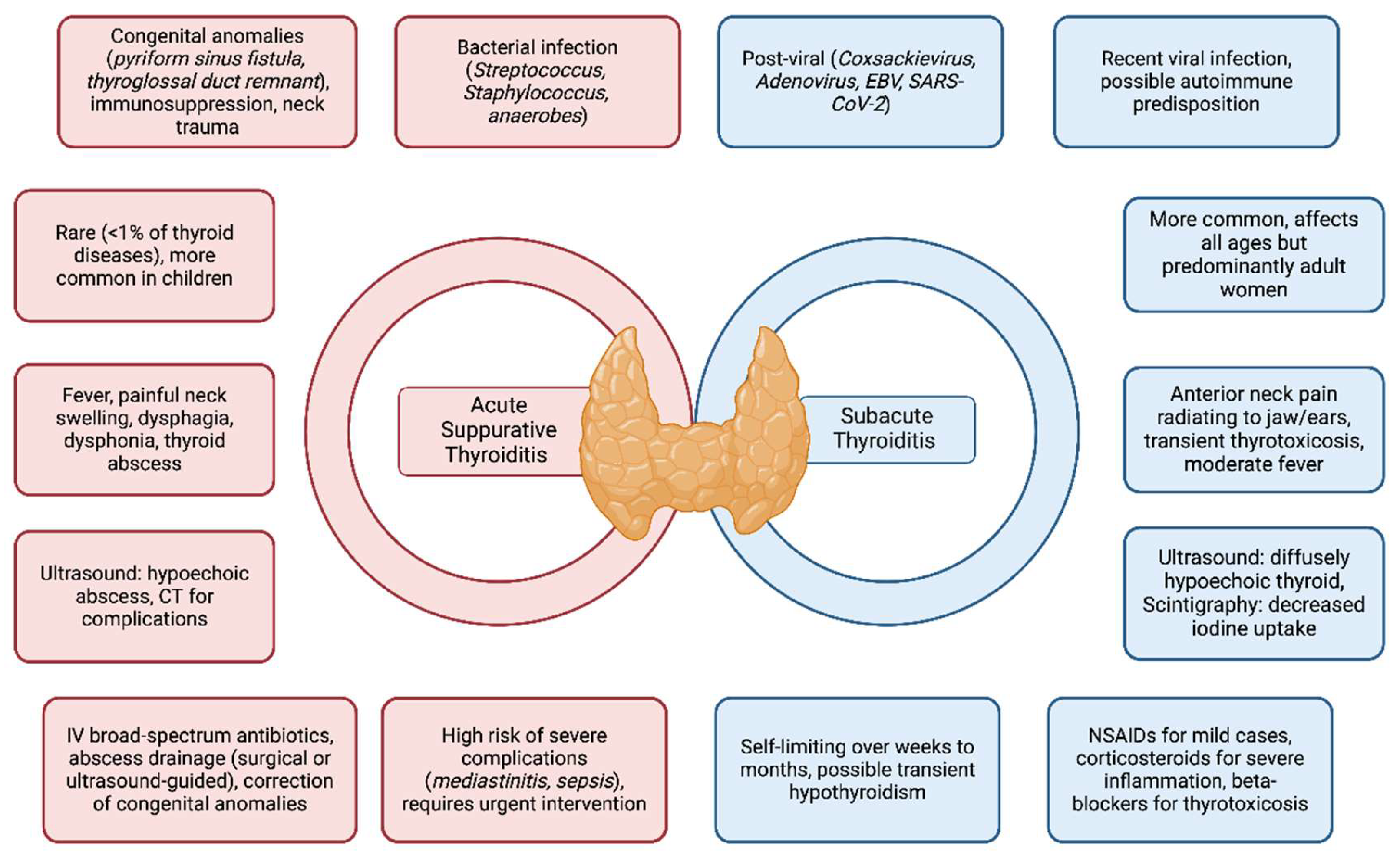
Figure 1. Main features and differences of AST and SAT.
Preprints 150446 g001
Table 1. Infectious agents that have been identified in Acute Suppurative Thyroiditis [6,24]..
Category Infectious Agents Comments References
Bacterial Staphylococcus aureus The most common bacterial cause; it is often associated with abscess formation. [31]
Streptococcus pyogenes Can cause severe cases, especially in children. [21,32]
Streptococcus pneumoniae
Escherichia coli
Less common but significant in specific populations.
Associated with immunocompromised states or anatomical abnormalities.
[32,33,34]
Klebsiella pneumoniae Reported in nosocomial infections and immunocompromised patients. [35]
Salmonella spp. Rare causes, linked to underlying systemic infections.
Anaerobic Bacteria Fusobacterium spp. Reported in cases associated with dental or oropharyngeal infections. [36]
Bacteroides spp. They can cause mixed infections with aerobic bacteria. [37]
Fungal Candida albicans Occurs in immunocompromised individuals, such as those undergoing chemotherapy. [19]
Parasitic Entamoeba histolytica Extremely rare; reported in endemic areas. [38]
Polymicrobial Infections Combination of aerobic and anaerobic bacteria Frequently found in cases with anatomical abnormalities such as pyriform sinus fistula. [24]
Viral Epstein-Barr virus (EBV) Rare, usually seen in immunocompromised patients. [39,40]
Cytomegalovirus (CMV) Similar to EBV, in cases with compromised immune systems. [6]
Table 2. Dosage Guidelines for Antibiotics in Pediatric Acute Suppurative Thyroiditis (AST).
Antibiotic Dosage Range (Pediatric) Administration frequency Coverage References
Amoxicillin-clavulanate 20–40 mg/kg/day of amoxicillin component Subdivided; every 8 hours Broad-spectrum (Gram-positive, anaerobes) [61]
Clindamycin 20–40 mg/kg/day Subdivided; every 6–8 hours Gram-positive, anaerobes [62]
Ceftriaxone 50–75 mg/kg/day Once daily Broad-spectrum (Gram-negative, Gram-positive) [63]
Cefazolin 50–100 mg/kg/day Subivided; every 8 hours Gram-positive [64]
Vancomycin 40 mg/kg/day Subdivided every 6-8 hours MRSA, Gram-positive [65]
Metronidazole 15–30 mg/kg/day Subdivided; every 8 hours Anaerobes [66]
MRSA: methicillin-resistant Staphylococcus aureus.
Disclaimer/Publisher’s Note: The statements, opinions and data contained in all publications are solely those of the individual author(s) and contributor(s) and not of MDPI and/or the editor(s). MDPI and/or the editor(s) disclaim responsibility for any injury to people or property resulting from any ideas, methods, instructions or products referred to in the content.
Copyright: This open access article is published under a Creative Commons CC BY 4.0 license, which permit the free download, distribution, and reuse, provided that the author and preprint are cited in any reuse.
Prerpints.org logo

Preprints.org is a free preprint server supported by MDPI in Basel, Switzerland.

Subscribe

Disclaimer

Terms of Use

Privacy Policy

Privacy Settings

© 2025 MDPI (Basel, Switzerland) unless otherwise stated
