Preprint
Article

This version is not peer-reviewed.

Deep Neck Infections: The Effectiveness of Therapeutic Management and Bacteriological Profile

A peer-reviewed article of this preprint also exists.

Submitted:

12 December 2024

Posted:

12 December 2024

You are already at the latest version

Abstract

Background and Objectives: Deep neck infections (DNI) are severe diagnoses that can cause serious complications. However, are not available enough data to predict the evolution of this pathology. This study aimed to review the microbiology of DNI and to identify the factors that influence prolonged hospitalization. It was designed so that based on the results obtained, the evolution of patients with this pathology could be evaluated. Materials and Methods: In retrospective cohort observational analytical study a 7-years, we analyzed 138 patients with DNI who were diagnosed and received surgical treatment. Results: Reduced lymphocyte percentages and increased neutrophil-to-lymphocyte ratios (NLR) were significantly associated with complications (p < 0.001 and p = 0.0041, respectively). Laryngo-tracheal infections were significantly associated with complications (25.53%) (p = 0.0004). Diabetes mellitus and immunocompromised status, were strongly associated with complications (p < 0.001 and p = 0.0056, respectively), establishing these conditions as significant risk factors. Patients with complications experienced substantially longer hospitalizations, with a mean duration of 24.9 days compared to 8.32 days in patients without complications (p < 0.001). Complications were observed in 47 patients (34.06%). The most common complications were airway obstruction, which occurred in 26 patients (18.84%), and mediastinitis, which was noted in 31 patients (22.46%). Patients requiring tracheotomy due to airway obstruction had 6.51 times higher odds of long-term hospitalization compared to those without airway obstruction (OR = 6.51; p < 0.001). Mediastinitis was associated with a 4.81-fold increase in the odds of prolonged hospitalization (OR = 4.81; p < 0.001). Monomicrobial infections were observed in 35.5% of cases, with no significant difference between short-term (< 2 weeks, 37.33%) and long-term (≥ 2 weeks, 33.33%) hospitalization groups (p = 0.8472). Conversely, polymicrobial infections were significantly associated with prolonged hospitalization, occurring in 20.63% of long-term cases compared to 6.66% of short-term cases (p < 0.001). The most common aerobic bacteria were observed Staphylococcus aureus (14.28%) Streptococcus constellatus (12.69%) and Streptococcus viridans (7.93%) during long-term hospitalizations. The comparative analysis of the Kaplan-Meier survival curves according to the presence of infection revealed a significantly lower survival in cases with a positive culture. Conclusions: Deep neck infection is a complex pathology, whose therapeutic management remains a challenge in order to reduce the length of hospitalization and mortality.

Keywords: 
;  ;  ;  ;  

1. Introduction

Cervico-mediastinal suppurations are severe infections with a starting point in the otolaryngology (ENT - Ear Nose Throat) sphere, in which the fascial spaces of the neck are affected by highlighting some collections (abscesses) or by the presence only of inflammation (cellulite) [1]. The complex anatomy of the neck through the various cervical aponeurosis, which delimits the cellulo-fatty and visceral spaces, plays an important role in limiting and spreading the infectious process [2].
Commensal bacteria of the oropharyngeal flora play a role in the aetiopathogenesis of cervical suppuration. When a bacterial or viral infection causes a physiological imbalance, these commensal bacteria become aggressive and invasive [3].
Depending on the virulence of the germs, but also on the characteristics of the patient (immunocompromised, cancer, diabetes mellitus (DM), elderly) and treatment with nonsteroidal anti-inflammatory drugs (NSAIDs) or corticosteroids, the infection may remain localized for a long time and then turn into an abscess or progress to a diffuse and extensive infection, sometimes necrotic in the form of necrotic extensive cervical cellulitis or adenoflegmon [4,5].
Deep pharyngeal infections must be treated quickly and appropriately with airway obstruction, effective antibiotic medication and timely surgery. In adults with deep neck infections, the consequences are so severe that immediate surgical drainage is required [6].
The systemic disease thought to be most commonly associated with deep neck infections is diabetes mellitus (DM). While Klebsiella is more typical in diabetics, Steptococci are the most frequently isolated pathogens in the non-diabetic group [7].
The treatment of this medical-surgical emergency must be instituted early with broad-spectrum antibiotic therapy until the germs from the purulent collection are highlighted and the surgery is performed. To administer effectively antimicrobial agents to a patient, microbiologic data on the abscess must be obtained [8].
Adequate antimicrobial coverage, surgical drainage and appropriate management of complications remain the cornerstone of treatment for deep neck infections. Although culture-guided antimicrobial therapy is advocated, empirical antibiotic treatment is important before culture results become available. The administration of empirical antibiotics plays a critical role in alleviating the clinical course of the disease [9].
The aim of this study was to review the bacteriology of deep neck infections and to identify their impact on the effectiveness of therapeutic management. We also want to highlight the importance of early surgery and targeted antibiotic therapy to improve the prognosis. The study aimed to identify the main germs responsible for deep neck infections of cervico-facial origin.
This should make it possible to update the bacteriological data and thus guide practitioners in the choice of probabilistic antibiotics. Deep neck infections have the potential to induce serious complications. This study was designed so that, based on the results obtained, the evolution of patients with this pathology could be evaluated.

2. Materials and Methods

2.1. Study Group. Inclusion and Exclusion Criteria

We performed a retrospective cohort observational analytical study a 7-year (from January 1, 2016 to December 31, 2023) of deep neck infections (DNIs) in patients treated at the Otolaryngology and Oromaxilofacial departments of the University Hospital “St. Spiridon” in Iasi, Romania.
The protocol of the study was approved by the local ethical review board. In this retrospective analytical-observational cohort study, the medical data recorded in the patients' electronic records were used.
Inclusion criteria include hospitalized patients who were diagnosed with deep cervical suppuration by aspiration purulent secretion with bacteriological examination, CT examination and who required surgery.
The exclusion criteria include patients with fistulized or incised peritonsillar phlegmon without affecting the deep cervical spaces, patients with superficial infections in the cervical region that did not require surgical interventions, and patients with fistulized intra-oral abscesses.
Bacteriological culture and sensitivity tests were performed using pus cultures or throat swabs. In all cases, the patients underwent a surgical procedure to drain pus. The diagnosis of deep neck infections was suspected by clinical history and confirmed by Computed Tomography (CT) or surgery. This analysis excluded patients with cervical infections who did not require surgery, such as cellulites, and superficial or limited infections.
From the total of 2119 cases presented in the clinic with pharyngo-laryngeal infections, after applying the inclusion and exclusion criteria, the group of patients that was studied was represented by 169 patients. From these we also excluded 14 cases with hematoma or thoracic abscesses with deep neck involvement and 17 cases with neck hematomas whose data were incomplete. The group of patients that was studied was represented by 138 patients with deep neck abscess that required surgical intervention (Figure 1).

2.2. Study Design

In the conducted study, the efficacy of therapeutic management for deep neck infections was evaluated based on morbidity, mortality, and length of hospitalization. Long-term hospitalization was defined as a hospital stay exceeding 14 days.
The efficacy of therapeutic management was evaluated based on demographic factors (gender, age), disease-related symptoms, etiology, bacteriology, systemic diseases (comorbidities), microbiological findings, and length of hospitalization.
Inflammatory laboratory indicators such as leukocytes, lymphocytes, neutrophils, and C-reactive protein (CRP) were also analyzed. Systemic comorbidities that were assessed included conditions that could influence disease progression, particularly cardiovascular or pulmonary diseases, diabetes mellitus, liver disease, hematological disorders, and other severe illnesses.
The anatomical spaces involved were classified according to existing literature, including the following regions identified in this study: submandibular and retrostylian, parapharyngeal and prevertebral, lateral cervical, anterior cervical, retropharyngeal, and mediastinal extension. If two or more spaces were significantly involved simultaneously, these cases were classified as multispace involvement.
The diagnosis of deep neck infections was confirmed through computed tomography, needle aspiration, or surgical intervention.
The treatment of deep neck infections was evaluated retrospectively, covering the period from disease onset to surgical incision. All 138 patients received intravenous antibiotic therapy. The selection of antibiotics was determined based on patient age, comorbidities, and whether the patient had previously undergone antibiotic treatment. Antibiotic regimens were subsequently adjusted according to culture results and the patients' clinical response.
Microbiology. Cultures were obtained for all 138 patients to identify both aerobic and anaerobic pathogens in the microbiology laboratory. Pathogen identification within the first 24–48 hours was performed through bacteriological examination of abscess secretions, obtained via puncture or from surgical wounds. Pathogen identification was conducted using the MALDI-TOF apparatus, while antibiograms were processed using Team Freedom Evo cards. The monitoring of bacteriological clearance was performed following the implementation of targeted therapy based on the antibiogram results.
Laboratory procedures and parameters. An oral examination, an endoscopy of the upper aerodigestive tract, an orthopantography of the mandible and a contrast-enhanced CT neck and thorax were part of the routine examination.
Pus was collected during surgery and drainage. This was collected for microbiological analysis by aspiration in a syringe of 5-10 ml and 18/22 Gaunge needle using aseptic technique and under aseptic conditions. The incubation lasted 48 hours. In addition, these patients were not under antibiotic medication before the onset of the infectious pathology. Different antibiotics were tested at the end of this stage, an antibiogram was performed.
We classified the bacteria into different categories based on the characteristics of Grame staining and anaerobic properties. In our hospital, resolution MALDI-TOF MS (matrix-assisted laser desorption and ionisation time-of-flight mass spectrometry) was used to identify the majority of Grame-positive and Grame-negative bacterial strains to species level. Antibiograms were generated on the Freedom EVO platform and interpreted using the EUCAST reading standard.

2.3. Statistical Analysis

For the statistical analysis, SPSS v.29 (IBM Ireland Product Distribution Limited, IBM House, Shelbourne Road, Ballsbridge, Dublin 4, Ireland) was used. Descriptive statistics included mean with standard deviation, median with 25th–75th percentiles (IQR) and absolute (n) with relative (%) frequencies. The comparisons between the analyzed groups were performed using Student’s t-test or Mann-Whitney U Test for continuous variables, depending on the homogeneity of data series, based on Levene’s test. The qualitative variables were presented as absolute (n) and relative (%) frequencies, and the comparison among the groups was based on the results of the Pearson Chi-square test. Univariate and multivariate logistic regression analysed the effect level. Survival analysis was performed using the Kaplan-Meier methodology to assess overall survival (OS), defined as the interval between the date of hospitalization and the estimated date of death in days. Statistical significance was set at p < 0.05.

3. Results

3.1. Patient Characteristics

The retrospective study was conducted on a cohort of 138 patients with deep neck infections, comprising 108 males (78.26%) and 30 females (21.74%). The mean age of the analyzed group was 52.9 years, with a standard deviation of 14.9. In the initial phase of the study, patients were divided into two groups based on the presence of complications. All clinical and demographic aspects were comparatively analyzed, with the presence of complications serving as the primary outcome of interest (Table 1).
The analysis reveals no significant difference in the male-to-female ratio between patients with and without complications (p = 0.2315), suggesting an absence of gender-specific predisposition to complications. However, patients experiencing complications were significantly older, with a mean age of 59.2 years compared to 49.8 years in those without complications (p = 0.0003), identifying age as a potential risk factor (Table 1).
Elevated leukocyte counts and neutrophil ratios were observed in patients with complications (p = 0.0235 and p < 0.001, respectively), indicating a heightened inflammatory response. In addition, reduced lymphocyte percentages and increased neutrophil-to-lymphocyte ratios (NLR) were significantly associated with complications (p < 0.001 and p = 0.0041, respectively), underscoring their relevance as indicators of disease severity. Markedly elevated ESR (p = 0.0128) and fibrinogen levels (p < 0.001) further suggest a systemic inflammatory state (Table 1).
Patients with complications demonstrated significantly higher creatinine and presepsin levels (p = 0.0017 and p = 0.0278, respectively), reflecting potential renal impairment and sepsis progression. Elevated C-reactive protein (CRP) and blood glucose levels (p < 0.001 for both) were also observed, indicating systemic inflammation and possible metabolic disturbances, such as stress-induced hyperglycemia (Table 1).
The involvement of the lateral cervical space was not associated with the presence of complications, the analysis results indicated a significantly lower frequency of complications for this location (55.31% vs. 60.43%; p = 0.0261). In contrast, for retropharyngeal infections, the frequency of complications was significantly higher (19.14% vs. 8.79%; p = 0.0046). A particularly strong association was identified between cervical mediastinitis and complications (p = 0.0005), emphasizing its role as a critical determinant of disease severity. Furthermore, infections spanning multiple anatomical spaces were significantly more prevalent among patients with complications (p = 0.0305), indicating that the extent of spread correlates with increased severity.
From an etiological perspective, laryngotracheal infections were significantly associated with an increased frequency of complications, with 25.53% of complications having laryngotracheal infection as the etiological factor (p = 0.0004). In contrast, for congenital cysts or trauma the frequency of complications was significantly lower (p = 0.0351), with only 4.25% of complications attributed to this etiological factor.
Symptoms including pain, dysphagia, and dyspnea were also notably more common in patients with complications (p = 0.0032, p = 0.0018, and p = 0.0009, respectively). Additional symptoms, such as chest pain and dysphonia, demonstrated significant associations as well (p = 0.0014 and p = 0.0016, respectively).
Comorbidities, particularly diabetes mellitus and immunocompromised status, were strongly associated with complications (p < 0.001 and p = 0.0056, respectively), establishing these conditions as significant risk factors. Furthermore, alcohol abuse was significantly more frequent in the complication group (p = 0.0140).
Patients with complications experienced substantially longer hospitalizations, with a mean duration of 24.9 days compared to 8.32 days in patients without complications (p < 0.001). Mortality was significantly higher among patients with complications, at 25.53%, compared to 0% in those without complications (p < 0.001), highlighting the life-threatening nature of severe cases.

3.2. Duration of Hospitalization

The efficacy of therapeutic management is clearly reflected in the length of hospitalization. To provide a comprehensive analysis of the therapeutic management of patients with deep neck infections, we examined the impact of complications on the duration of hospital stays.
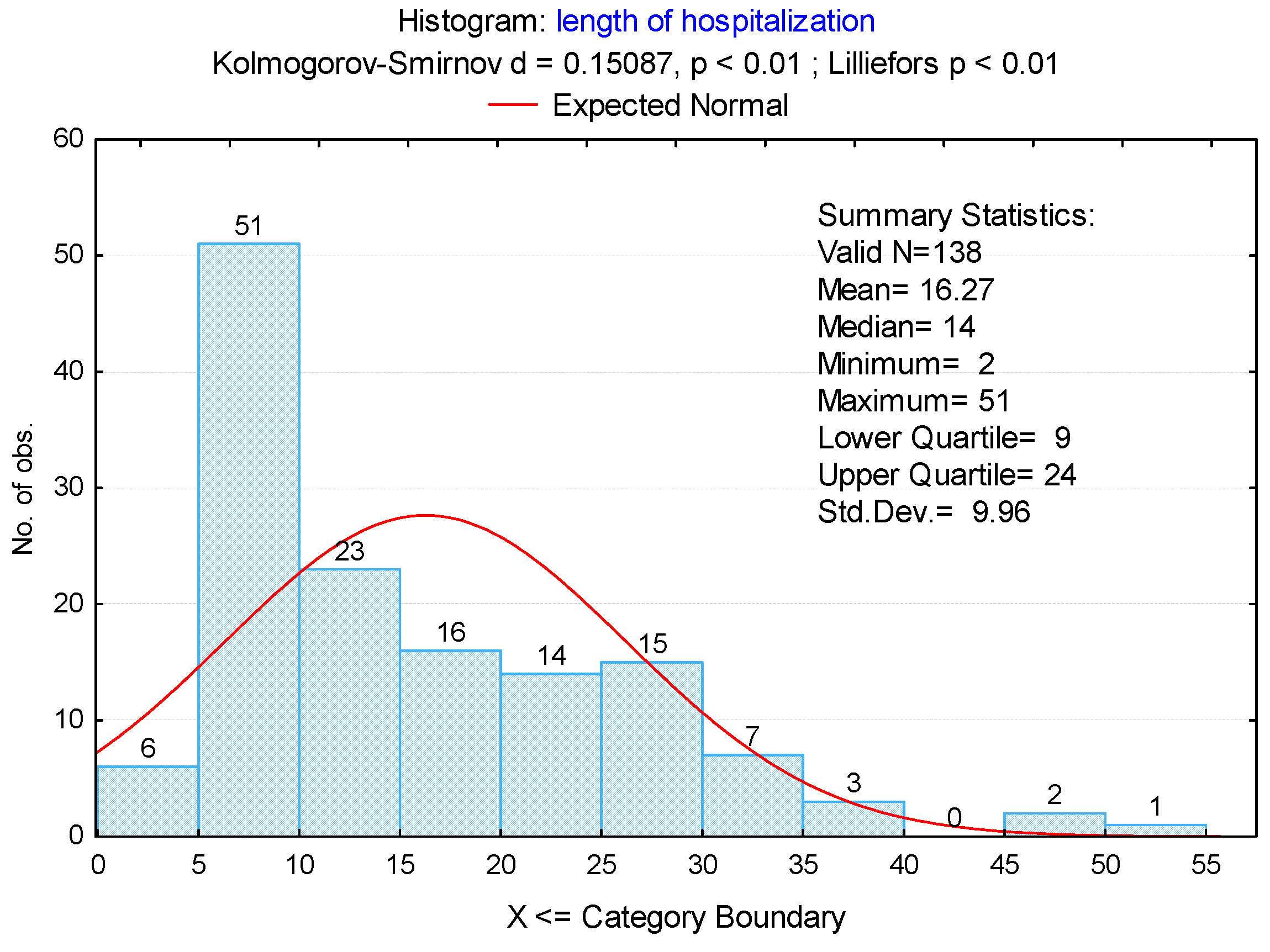
In this study, patients were divided into two groups based on their hospitalization duration: those with stays shorter than 2 weeks and those with stays longer than 2 weeks. The average length of hospitalization was 16.3 days (standard deviation: 9.9 days), with a range between 2 and 51 days (Figure 2).
Figure 1. Duration of hospitalization in patients with deep neck infections.
Preprints 142676 g002

3.3. Complications and Their Association with the Duration of Hospitalization

Complications were observed in 47 patients (34.06%). The most common complications were airway obstruction, which occurred in 26 patients (18.84%), and mediastinitis, which was noted in 31 patients (22.46%) (Table 2).
Cases with mediastinitis that required a hospital stay of less than 14 days are cases with damage to the superior mediastinum the previous part.
The statistical analysis examines the association between complications and long-term hospitalization (over 2 weeks) in patients with deep neck infections (Table 2). A univariate logistic regression model was used to estimate the odds ratio (OR), confidence intervals (CI), and statistical significance (p-value) for each complication.
Patients requiring tracheotomy due to airway obstruction had 6.51 times higher odds of long-term hospitalization compared to those without airway obstruction (OR = 6.51; 95% CI: 2.27 – 18.62; p < 0.001). This highlights airway obstruction as a critical complication significantly associated with prolonged hospital stays. Internal jugular vein thrombosis was associated with a 5.01-fold increase in the likelihood of extended hospitalization (OR = 5.01; 95% CI: 3.54 – 11.09; p = 0.0154). Although less frequent (3.62%), this condition substantially impacts morbidity and hospitalization duration. Patients with pneumonia had 3.49 times higher odds of long-term hospitalization (OR = 3.49; 95% CI: 2.89 – 9.78; p = 0.0174). Pneumonia, as a secondary complication, further exacerbates recovery time in patients with deep neck infections. Mediastinitis was associated with a 4.81-fold increase in the odds of prolonged hospitalization (OR = 4.81; 95% CI: 2.96 – 9.72; p < 0.001). As a severe and life-threatening complication, mediastinitis significantly influences the prognosis and resource utilization. Patients with necrotizing fasciitis were 2.26 times more likely to experience long-term hospitalization (OR = 2.26; 95% CI: 1.23 – 6.17; p = 0.027). Although less common (4.35%), its association with prolonged stays reflects its severity and need for extensive treatment (Table 2).
Conversely, spontaneous fistulization was not significantly associated with long-term hospitalization (OR = 1.83; 95% CI: 0.65–5.14; p = 0.2491). This suggests that while spontaneous fistulization occurs in certain cases, it does not independently contribute to the duration of hospital stay. Similarly, renal insufficiency showed no statistically significant association with prolonged hospitalization (OR = 1.39; 95% CI: 0.55–3.86; p = 0.5210). Despite its occurrence in 12.31% of patients, renal insufficiency did not appear to be a decisive factor in determining hospitalization duration (Table 2).

3.4. Bacterial Culture Positive Associated with Long-Term Hospitalization

All 138 patients initially received broad-spectrum intravenous antibiotics, with therapy subsequently adjusted based on culture results and the antibiotic sensitivity report. A positive culture was obtained from 70 patients (50.72%).
Monomicrobial infections were observed in 35.5% of cases, with no significant difference between short-term (< 2 weeks, 37.33%) and long-term (≥ 2 weeks, 33.33%) hospitalization groups (p = 0.8472). Conversely, polymicrobial infections were significantly associated with prolonged hospitalization, occurring in 20.63% of long-term cases compared to 6.66% of short-term cases (p < 0.001). Specifically, infections involving two pathogens (12.69%) or three pathogens (7.93%) were notably more frequent in patients requiring long-term hospitalization compared to short-term cases (5.33% and 1.33%, respectively; p < 0.001 for both). Polymicrobial infections are a strong predictor of extended hospital stays, suggesting increased clinical complexity and severity in these cases (Table 3).
Several gram-positive aerobic species demonstrated significant associations with prolonged hospitalization. Thus, Streptococcus viridans, was observed in 7.93% of long-term hospitalizations cases compared to 5.33% in short-term hospitalizations cases (p = 0.0354) and Staphylococcus aureus was observed in 14.28% of long-term hospitalizations versus 10.66% in short-term hospitalizations (p = 0.0361). Group C Streptococci occurred in 4.76% of long-term stays compared to 6.66% in short-term cases (p = 0.0247) and B-hemolytic streptococci was significantly more common in long-term hospitalizations (6.34%) compared to short-t erm cases (2.66%, p = 0.0019). Streptococcus constellatus was present in 12.69% of long-term hospitalizations versus 8.00% in short-term (p = 0.0286) (Table 3).
Pseudomonas aeruginosa and Klebsiella pneumoniae were also significantly associated with prolonged hospital stays (p < 0.001 for both). While pathogens such as Escherichia coli (p = 0.1558) and Haemophilus influenzae (p = 0.6882) did not exhibit significant associations, Acinetobacter species were significantly more prevalent among patients with prolonged hospitalization (6.34%) compared to short-term cases (2.66%, p = 0.0311) (Table 3).
Among gram-negative aerobes, Acinetobacter species emerged as a significant contributor to extended hospital stays, reflecting its clinical relevance in severe infections. Notably, no microbial growth was reported in 62.66% of short-term hospitalization cases, whereas no such instances were noted among long-term hospitalizations (p < 0.001) (Table 3).

3.5. Mortality

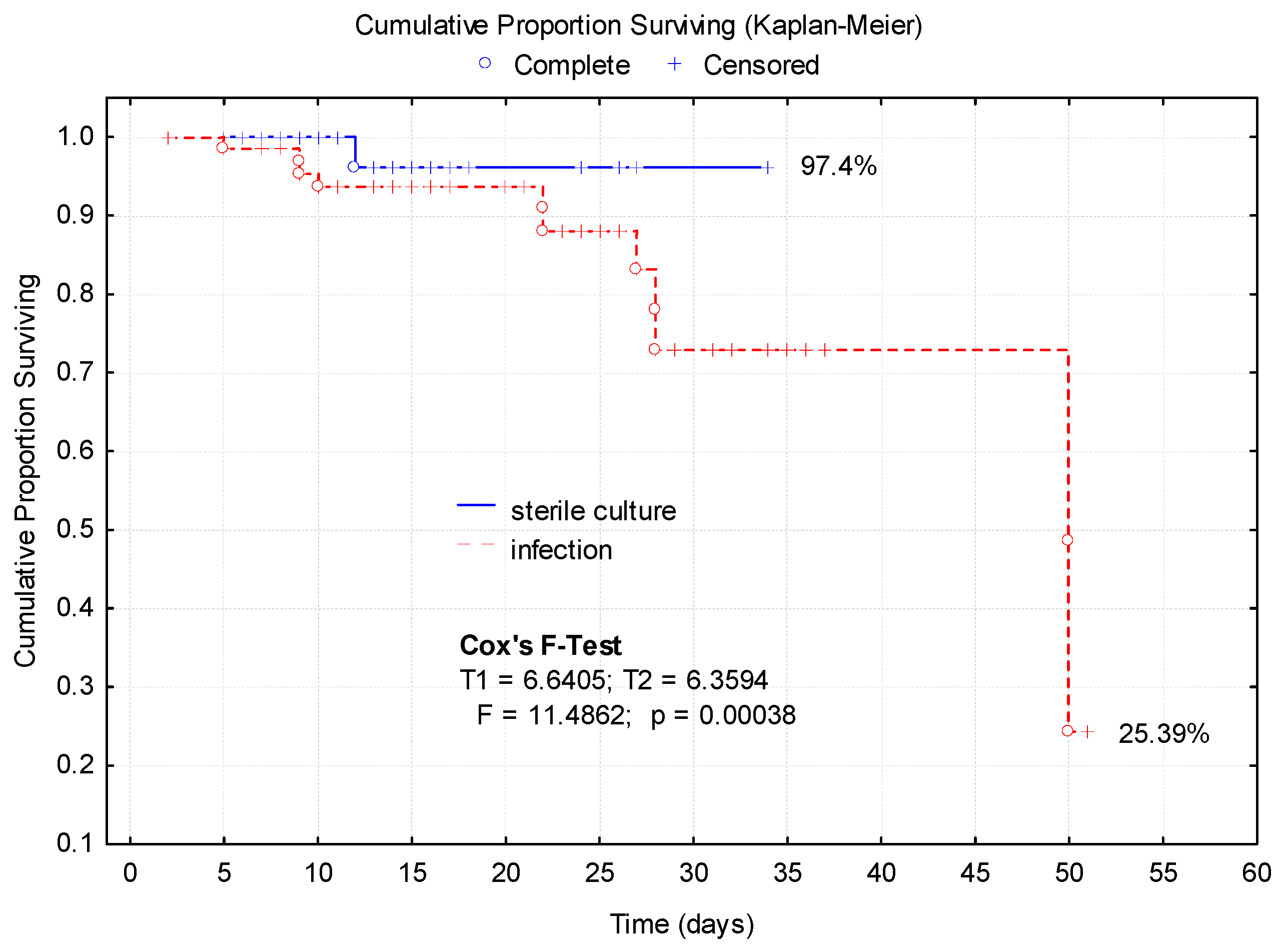
The comparative analysis of the Kaplan-Meier survival curves according to the presence of infection revealed a significantly lower survival in cases with a positive culture (Figure 3).
Patients with sterile cultures exhibit higher survival probabilities, with a final survival rate of 97.4%. Patients with positive infections demonstrate significantly worse outcomes, with survival dropping to 25.39% (Figure 3).
During the first 22 days of hospitalization, the two groups of patients (with infection / sterile culture) show a survival rate without significant differences. After this interval the probability of survival for the group with infection drops sharply, reaching 72% after 27 days of hospitalization. The sterile culture group maintains a relatively flat curve, indicating a minimal event rate (mortality). The Cox's F-test provides a measure of the difference between the two groups (F=11.48, p=0.00038) (Figure 3).
Figure 1. Kaplan-Meier survival curves according to the presence of infection.
Preprints 142676 g003

4. Discussion

The present study evaluates the therapeutic management and bacteriological profile of patients with deep neck infections (DNI), focusing on morbidity, complications, and their association with prolonged hospitalization and mortality. The literature has reported an incidence of diabetes mellitus of 16% to 20% [10]. Arterial hypertension, which can be associated with cardiac and pulmonary diseases, is not given importance, but these factors can have an influence on morbidity and mortality in deep neck infections [11,12].
The findings contribute significantly to understanding predictors of disease severity, particularly in the context of bacteriological characteristics and systemic inflammatory responses [13,14].
The analysis highlights key risk factors and markers associated with complications in deep neck infections. Older age, systemic inflammatory markers (NLR, ESR, CRP), multispace involvement, and comorbidities like diabetes are significant predictors [11]. Complications correlate with prolonged hospitalizations and increased mortality, emphasizing the need for early therapeutic intervention (antibiotic and surgical treatment) and monitoring of high-risk patients.
In our study, complications such as airway obstruction, internal jugular vein thrombosis, pneumonia, mediastinitis, and necrotizing fasciitis significantly increased the odds of prolonged hospitalization in patients with deep neck infections. Airway obstruction and mediastinitis had the strongest associations with long-term hospitalization, reflecting their critical impact on patient outcomes. The nonsignificant results obtained in this study for spontaneous fistulization and renal failure suggest that these factors may not independently influence length of hospital stay.
These findings emphasize the need for early detection and effective management of severe complications to reduce morbidity and hospital stays in patients with deep neck infections. Preventative strategies for complications like pneumonia and necrotizing fasciitis, including close monitoring and timely intervention, can help mitigate the risk of prolonged hospital stays.
Mediastinitis is a fatal infectious disease in which a deep neck infection spreads along the cervical fascia and neck spaces and down to the mediastinum [15,16,17]. The spread of an infection to the mediastinum is facilitated by gravity and negative intrathoracic pressure during breathing [18, 19]. The most important route for a descending infection reported in the literature is the retropharyngeal space [20,21]. Celakovsky et al. reported the predisposing factors for mediastinal extension of a deep neck infection as cardiovascular and pulmonary diseases [22]. Some have shown that risk factors such as DM, chronic renal failure, and alcoholism contribute to the extension of deep neck infections into the mediastinal space [23,24].
Tapiovaara et al. also found that mediastinal involvement prolongs the need for hospitalization [25]. Currently, multidisciplinary approaches and comprehensive medical treatment can significantly reduce the mortality caused by mediastinitis [26]. The deep neck infections are usually polymicrobial in nature [27,28]. The most common cause of deep neck infection is considered to be odontogenic, and the oral flora is composed of a mixture of aerobic and anaerobic bacteria [29,30].
Complications were observed in 34.06% of patients, with airway obstruction (18.84%) and mediastinitis (22.46%) being the most frequent. These complications significantly influenced the duration of hospitalization, with mediastinitis increasing the likelihood of prolonged stays (OR = 4.81, p < 0.001). This aligns with prior research demonstrating that mediastinitis remains a life-threatening condition associated with increased morbidity and mortality, particularly in cases involving the superior mediastinum [31].
Airway obstruction requiring tracheotomy further highlighted its role as a critical determinant of prolonged hospitalization (OR = 6.51, p < 0.001). These findings reflect previous studies emphasizing the need for timely airway management to prevent hypoxia and other adverse outcomes [32].
Conversely, spontaneous fistulization and renal insufficiency were not significantly associated with extended hospitalization, suggesting that these conditions may be less severe or effectively managed through appropriate interventions. However, the presence of comorbidities such as diabetes mellitus (55.31% in the complication group) and immunosuppression (34%) significantly influenced outcomes. Diabetes, in particular, predisposes patients to infections by impairing neutrophil function and tissue perfusion, consistent with findings from Bal K.K. and Boscolo-Rizzo P. [33,34].
Previous studies show that the most common Gram-positive strain was Streptococcus and the most common Gram-negative strain was Klebsiela pneumoniae. Interestingly, there are studies that claim that only diabetes mellitus was mainly associated with Klebsiela pneumoniae [35,36].
Therefore, third-generation cephalosporins, piperacillin, quinolones can be recommended as empiric antibiotics to treat patients with deep neck infections but mild forms (Gram-negative strains), while penicillin and first- or second-generation cephalosporins can be recommended as an empiric antibiotic in patients with mild forms of deep neck infections without DM (Gram-positive strains) [37]. The low rates of resistance to these antibiotics also support these findings [38,39].
In our study polymicrobial infections, particularly those involving multiple pathogens, are significantly associated with prolonged hospitalization, likely due to increased severity and treatment complexity. Specific pathogens, including Streptococcus species, Staphylococcus aureus, Pseudomonas aeruginosa, and Klebsiella pneumoniae, play a critical role in determining hospitalization duration. Among gram-negative bacteria, Acinetobacter species demonstrated a significant association with extended hospital stays. The absence of microbial growth in short-term cases highlights the importance of timely intervention and the potential limitations of diagnostic methods. Many studies have confirmed that deep neck infection most commonly involves mixed infections of aerobic and anaerobic strains [40,41,42].
These findings emphasize the need for early identification and targeted management of polymicrobial and pathogen-specific infections to reduce hospitalization duration and improve patient outcomes. The International Guidelines for the Management of Sepsis (2016), mention indications in the case of poorly controlled infection with risk of sepsis with an unidentified pathogen [43].
The study revealed that polymicrobial infections were significantly associated with prolonged hospitalization, occurring in 20.63% of long-term cases compared to 6.66% of short-term cases (p < 0.001). This result supports the hypothesis that infections involving multiple pathogens are more severe and clinically complex, often requiring broader-spectrum antibiotics and longer treatment durations [44].
Among specific pathogens, gram-positive aerobes such as Streptococcus viridans (7.93%, p = 0.0354) and Staphylococcus aureus (14.28%, p = 0.0361) were prevalent in prolonged hospitalizations. These findings align with current literature that identifies Streptococcus species as primary causative agents in DNIs, with Staphylococcus aureus contributing significantly to abscess formation and disease progression [45].
Gram-negative pathogens such as Pseudomonas aeruginosa and Klebsiella pneumoniae were also significantly associated with prolonged hospitalization (p < 0.001). Acinetobacter species emerged as a significant contributor to extended stays (6.34%, p = 0.0311), reflecting their role in severe infections, particularly in immunocompromised individuals. These findings highlight the importance of early identification and targeted antimicrobial therapy to prevent prolonged morbidity.
Interestingly, in cases where no microbial growth was detected, the majority of patients experienced shorter hospitalization durations (62.66% of short-term cases, p < 0.001). This could suggest that early empirical antibiotic therapy effectively suppresses bacterial growth, thereby limiting disease progression.
Inflammatory markers such as leukocytes, neutrophil-to-lymphocyte ratio (NLR), and C-reactive protein (CRP) demonstrated significant associations with complications and prolonged hospital stays. Elevated NLR (p = 0.0041) and CRP levels (p < 0.001) in patients with complications corroborate findings in previous studies that these markers serve as reliable indicators of systemic inflammation and disease severity.
Hyperglycemia, often observed in diabetic and critically ill patients, was also significantly associated with complications and prolonged hospitalization (p < 0.001). Stress-induced hyperglycemia has been widely recognized as a predictor of poor outcomes in infections, particularly among immunocompromised individuals.
The Kaplan-Meier survival analysis revealed a significantly lower survival rate in patients with positive bacterial cultures, with survival probabilities dropping to 25.39% compared to 97.4% in patients with sterile cultures (p = 0.00038). These results underscore the detrimental impact of active infections on patient prognosis, particularly when complicated by sepsis or mediastinitis. The steep decline in survival after 22 days highlights the importance of aggressive early intervention, aligning with previous findings on the role of culture-positive infections in predicting mortality.
This study emphasizes the importance of early diagnosis and intervention, prompt airway management, surgical drainage, and initiation of broad-spectrum antibiotics as essential to reduce morbidity. Empirical antibiotic regimens must be reviewed based on culture and sensitivity results to optimize outcomes and reduce hospitalization duration.
Biomarkers such as NLR and CRP should be integrated into routine clinical assessment to identify patients at high risk of complications. Effective glycemic control and management of underlying systemic diseases are essential in reducing the severity and progression of DNIs.
Therefore, we should look for other causes of this increase to long-term hospitalization, such as the administration of self-medication in patients with DNI at the time of symptom onset (use of steroid and nonsteroidal anti-inflammatories, antibiotic treatment) as well as the time elapsed from symptom onset to hospitalization. The lack of oral hygiene in certain groups of patients (smokers, alcohol consumers, patients with poor economic conditions) should not be neglected, which increases the frequency of odontogenic infections with the appearance of cervico-mediastinal complications and, implicitly, the duration of hospitalization.
In the various published studies, a protocol has not yet been developed to indicate the timing of tracheotomy. The latter would reduce the number of complications and mortality through easier access to surgical reinterventions and the decrease in the time spent by the patient in the intensive care unit, which would reduce the number of nosocomial infections.
This study highlights the critical role of complications, such as mediastinitis and airway obstruction, in determining hospitalization duration and mortality among patients with deep neck infections. The findings emphasize the need for early intervention, targeted therapy, and the management of systemic risk factors to improve clinical outcomes. Further research on predictive models integrating clinical, bacteriological, and inflammatory markers could enhance the management of this life-threatening condition.

5. Conclusions

The analysis highlights key risk factors and markers associated with complications in deep neck infections. Older age, systemic inflammatory markers (NLR, ESR, CRP), multispace involvement, and comorbidities like diabetes are significant predictors. Also, polymicrobial infections are a strong predictor of extended hospital stays, suggesting increased clinical complexity and severity in these cases.
The presence of specific gram-positive aerobic pathogens, notably Streptococcus species and Staphylococcus aureus, as well as gram-negative bacteria like Pseudomonas aeruginosa and Klebsiella pneumoniae, correlates with extended hospitalization durations, underscoring their clinical impact. The absence of detectable microbial growth in a substantial proportion of short-term cases may indicate effective early treatment or limitations in pathogen isolation techniques. Complications correlate with prolonged hospitalizations and increased mortality, emphasizing the need for early therapeutic intervention (antibiotic and surgical treatment) and monitoring of high-risk patients.

Author Contributions

Conceptualization, G.B., D.M.C., M.M and B.M.C.; methodology, G.B., M.M. L.M., and D.M.C.; validation, D.M.C., O.D.P. and B.M.C.; formal analysis, G.B., M.M., L.M. and F.S.; investigation, G.B., F.S., E.P., F.M., O.D.P., L.M. and A.I.R.; resources, G.B., M.M., F.S., E.P., F.M. and A.I.R.; data curation, D.M.C. and B.M.C.; writing—original draft preparation, G.B. and M.M.; writing—review and editing, G.B., M.M., D.M.C. and B.M.C.; visualization, G.B., M.M., D.M.C., O.D.P., L.M., F.S., E.P., F.M., A.I.R. and B.M.C.; supervision, G.B., M.M. and D.M.C. All authors have read and agreed to the published version of the manuscript.

Funding

Please add: This research received no external funding.

Institutional Review Board Statement

The study was conducted in accordance with the Declaration of Helsinki and approved by the Ethics Committee of University Hospital "St. Spiridon" in Iasi, Romania 15/03/202 (No. Ad. 15 / 01 March 2021).

Informed Consent Statement

Informed consent was obtained from all subjects involved in the study.

Data Availability Statement

The data presented in this study are available on request from the corresponding author.

Conflicts of Interest

The authors declare no conflicts of interest.

References

  1. Bal, K. K., Unal, M., Delialioglu, N., Oztornaci, R. O., Ismi, O., Vayisoglu, Y. (2022). Diagnostic and therapeutic approaches in deep neck infections: an analysis of 74 consecutive patients. Brazilian journal of otorhinolaryngology, 88(4), 511–522. [CrossRef]
  2. Supreet Ratnakar Prabhu and Enosh Steward Nirmalkumar. (2019). Acute Fascial Space Infections of the Neck: 1034 cases in 17 years follow up. Ann Maxillofac Surg. 9(1): 118–123). [CrossRef]
  3. Staffieri, C., Fasanaro, E., Favaretto, N., La Torre, F. B., Sanguin, S., Giacomelli, L., Marino, F., Ottaviano, G., Staffieri, A., Marioni, G. (2014). Multivariate approach to investigating prognostic factors in deep neck infections. European archives of oto-rhino-laryngology: official journal of the European Federation of Oto-Rhino-Laryngological Societies (EUFOS): affiliated with the German Society for Oto-Rhino-Laryngology - Head and Neck Surgery, 271(7), 2061–2067.
  4. Ord R, Coletti D. Cervico-facial necrotizing fasciitis. Oral Dis. 2009 Mar;15(2):133-41.
  5. Yang, T. H., Xirasagar, S., Cheng, Y. F., Wu, C. S., Kao, Y. W., Lin, H. C. (2021). A Nationwide Population-Based Study on the Incidence of Parapharyngeal and Retropharyngeal Abscess-A 10-Year Study. International journal of environmental research and public health, 18(3), 1049. [CrossRef]
  6. Ungkanont K, Yellon RF, Weissman JL, Casselbrant ML, González-Valdepeña H, Bluestone CD. Head and neck space infections in infants and children. Otolaryngol Head Neck Surg. 1995 Mar;112(3):375-82.
  7. Lee YQ, Kanagalingam J. Deep neck abscesses: the Singapore experience. Eur Arch Otorhinolaryngol. 2011 Apr;268(4):609-14. [CrossRef]
  8. Velhonoja J, Laaveri M, Soukka T, Irjala H, Kinnunen I. Deep neck space infections: an upward trend and changing characteristics. Eur Arch Otorhinolaryngol. 2020;277(3):863-872. [CrossRef]
  9. Hidaka H, Yamaguchi T, Hasegawa J, et al. Clinical and bacteriological influence of diabetes mellitus on deep neck infection: Systematic review and meta-analysis. Head &Neck. 2015;37(10): 1536-1546. [CrossRef]
  10. Liao, T.-I.; Ho, C.-Y.; Chin, S.-C.; Wang, Y.-C.; Chan, K.-C.; Chen, S.-L. Sequential Impact of Diabetes Mellitus on Deep Neck Infections: Comparison of the Clinical Characteristics of Patients with and without Diabetes Mellitus. Healthcare 2024, 12, 1383. [CrossRef]
  11. Kim, J.-M.; Hoang, H.; Choi, J.-S. Dynamics of Neutrophil-to-Lymphocyte Ratio (NLR), Lymphocyte-to-Monocyte Ratio (LMR), and Platelet-to-Lymphocyte Ratio (PLR) in Patients with Deep Neck Infection. J. Clin. Med. 2024, 13, 6105. [CrossRef]
  12. Chen, S.-L.; Chin, S.-C.; Chan, K.-C.; Ho, C.-Y. A Machine Learning Approach to Assess Patients with Deep Neck Infection Progression to Descending Mediastinitis: Preliminary Results. Diagnostics 2023, 13, 2736. [CrossRef]
  13. Hurley, R. H., Douglas, C. M., Montgomery, J., Clark, L. J. (2018). The hidden cost of deep neck space infections. Annals of the Royal College of Surgeons of England, 100(2), 129–134.
  14. Bigus, S., Russmüller, G., Starzengruber, P., Reitter, H., Sacher, C. L. (2023). Antibiotic resistance of the bacterial spectrum of deep space head and neck infections in oral and maxillofacial surgery - a retrospective study. Clinical oral investigations, 27(8), 4687–4693. [CrossRef]
  15. Sokouti, M., Nezafati, S. (2009). Descending necrotizing mediastinitis of oropharyngeal infections. Journal of dental research, dental clinics, dental prospects, 3(3), 82–85. [CrossRef]
  16. Chen, S. L., Chin, S. C., Chan, K. C., Ho, C. Y. (2023). A Machine Learning Approach to Assess Patients with Deep Neck Infection Progression to Descending Mediastinitis: Preliminary Results. Diagnostics (Basel, Switzerland), 13(17), 2736.
  17. Velhonoja, J., Lääveri, M., Soukka, T., Irjala, H., Kinnunen, I. (2020). Deep neck space infections: an upward trend and changing characteristics. European archives of oto-rhino-laryngology: official journal of the European Federation of Oto-Rhino-Laryngological Societies (EUFOS): affiliated with the German Society for Oto-Rhino-Laryngology - Head and Neck Surgery, 277(3), 863–872.
  18. Gallo, O., Deganello, A., Meccariello, G., Spina, R., Peris, A. (2012). Vacuum-assisted closure for managing neck abscesses involving the mediastinum. The Laryngoscope, 122(4), 785–788. [CrossRef]
  19. Adam, S., Sama, H. D., Chossegros, C., Bouassalo, M. K., Akpoto, M. Y., Kpemissi, E. (2017). Improvised Vacuum-Assisted Closure for severe neck infection in poorly equipped conditions. Journal of stomatology, oral and maxillofacial surgery, 118(3), 178–180. [CrossRef]
  20. Hasegawa, J., Hidaka, H., Tateda, M., Kudo, T., Sagai, S., Miyazaki, M., Katagiri, K., Nakanome, A., Ishida, E., Ozawa, D., Kobayashi, T. (2011). An analysis of clinical risk factors of deep neck infection. Auris, nasus, larynx, 38(1), 101–107. [CrossRef]
  21. Ho, C. Y., Wang, Y. C., Chin, S. C., Chen, S. L. (2022). Factors Creating a Need for Repeated Drainage of Deep Neck Infections. Diagnostics (Basel, Switzerland), 12(4), 940. [CrossRef]
  22. Celakovsky, P., Kalfert, D., Tucek, L., Mejzlik, J., Kotulek, M., Vrbacky, A., Matousek, P., Stanikova, L., Hoskova, T., Pasz, A. (2014). Deep neck infections: risk factors for mediastinal extension. European archives of oto-rhino-laryngology: official journal of the European Federation of Oto-Rhino-Laryngological Societies (EUFOS): affiliated with the German Society for Oto-Rhino-Laryngology - Head and Neck Surgery, 271(6), 1679–1683.
  23. Wang, Y., Chen, X. M., Zhang, H., Li, D. J., Wang, Q., Song, X. C. (2020). Zhonghua er bi yan hou tou jing wai ke za zhi = Chinese journal of otorhinolaryngology head and neck surgery, 55(4), 358–362.
  24. Wei, D., Bi, L., Zhu, H., He, J., Wang, H. (2017). Less invasive management of deep neck infection and descending necrotizing mediastinitis: A single-center retrospective study. Medicine, 96(15), e6590.
  25. Tapiovaara, L., Bäck, L., Aro, K. (2017). Comparison of intubation and tracheotomy in patients with deep neck infection. European archives of oto-rhino-laryngology: official journal of the European Federation of Oto-Rhino-Laryngological Societies (EUFOS): affiliated with the German Society for Oto-Rhino-Laryngology - Head and Neck Surgery, 274(10), 3767–3772.
  26. Kim, Y., Han, S., Cho, D. G., Jung, W. S., Cho, J. H. (2022). Optimal Airway Management in the Treatment of Descending Necrotizing Mediastinitis Secondary to Deep Neck Infection. Journal of oral and maxillofacial surgery: official journal of the American Association of Oral and Maxillofacial Surgeons, 80(2), 223–230.
  27. Gargava, A., Raghuwanshi, S. K., Verma, P., Jaiswal, S. (2022). Deep Neck Space Infection a Study of 150 Cases at Tertiary Care Hospital. Indian journal of otolaryngology and head and neck surgery: official publication of the Association of Otolaryngologists of India, 74(Suppl 3), 5832–5835.
  28. Priyamvada, S., Motwani, G. (2019). A Study on Deep Neck Space Infections. Indian journal of otolaryngology and head and neck surgery: official publication of the Association of Otolaryngologists of India, 71(Suppl 1), 912–917.
  29. Venegas Pizarro, M. D. P., Martínez Téllez, E., León Vintró, X., Quer Agustí, M., Trujillo-Reyes, J. C., Libreros-Niño, A., Planas Cánovas, G., Belda-Sanchis, J. (2023). Descending necrotizing mediastinitis: key points to reduce the high associated mortality in a consecutive case series. Mediastinum (Hong Kong, China), 8, 8. [CrossRef]
  30. Rzepakowska, A., Rytel, A., Krawczyk, P., Osuch-Wójcikiewicz, E., Widłak, I., Deja, M., Niemczyk, K. (2021). The Factors Contributing to Efficiency in Surgical Management of Purulent Infections of Deep Neck Spaces. Ear, nose, throat journal, 100(5), 354–359. [CrossRef]
  31. Gehrke, T., Scherzad, A., Hagen, R., Hackenberg, S. (2022). Deep neck infections with and without mediastinal involvement: treatment and outcome in 218 patients. European archives of oto-rhino-laryngology: official journal of the European Federation of Oto-Rhino-Laryngological Societies (EUFOS): affiliated with the German Society for Oto-Rhino-Laryngology - Head and Neck Surgery, 279(3), 1585–1592.
  32. Desa, C., Tiwari, M., Pednekar, S., Basuroy, S., Rajadhyaksha, A., Savoiverekar, S. (2023). Etiology and Complications of Deep Neck Space Infections: A Hospital Based Retrospective Study. Indian journal of otolaryngology and head and neck surgery: official publication of the Association of Otolaryngologists of India, 75(2), 697–706.
  33. Bal, K. K., Unal, M., Delialioglu, N., Oztornaci, R. O., Ismi, O., Vayisoglu, Y. (2022). Diagnostic and therapeutic approaches in deep neck infections: an analysis of 74 consecutive patients. Brazilian journal of otorhinolaryngology, 88(4), 511–522.).
  34. Boscolo-Rizzo, P., Stellin, M., Muzzi, E., Mantovani, M., Fuson, R., Lupato, V., Trabalzini, F., Da Mosto, M. C. (2012). Deep neck infections: a study of 365 cases highlighting recommendations for management and treatment. European archives of oto-rhino-laryngology: official journal of the European Federation of Oto-Rhino-Laryngological Societies (EUFOS: affiliated with the German Society for Oto-Rhino-Laryngology - Head and Neck Surgery, 269(4), 1241–1249.
  35. Hidaka, H., Yamaguchi, T., Hasegawa, J., Yano, H., Kakuta, R., Ozawa, D., Nomura, K., Katori, Y. (2015). Clinical and bacteriological influence of diabetes mellitus on deep neck infection: Systematic review and meta-analysis. Head & neck, 37(10), 1536–1546.
  36. Beka, D., Lachanas, V. A., Doumas, S., Xytsas, S., Kanatas, A., Petinaki, E., Skoulakis, C. (2019). Microorganisms involved in deep neck infection (DNIs) in Greece: detection, identification and susceptibility to antimicrobials. BMC infectious diseases, 19(1), 850.
  37. Almutairi, D., Alqahtani, R., Alshareef, N., Alghamdi, Y. S., Al-Hakami, H. A., Algarni, M. (2020). Correction: Deep Neck Space Infections: A Retrospective Study of 183 Cases at a Tertiary Hospital. Cureus, 12(3), c29.
  38. Hidaka, H., Yamaguchi, T., Hasegawa, J., Yano, H., Kakuta, R., Ozawa, D., Nomura, K., Katori, Y. (2015). Clinical and bacteriological influence of diabetes mellitus on deep neck infection: Systematic review and meta-analysis. Head & neck, 37(10), 1536–1546.
  39. Li, R. M., Kiemeney, M. (2019). Infections of the Neck. Emergency medicine clinics of North America, 37(1), 95–107.
  40. Kong, W., Zhang, X., Li, M., Yang, H. (2024). Microbiological analysis and antibiotic selection strategy in neck abscesses among patients with diabetes mellitus. European archives of oto-rhino-laryngology: official journal of the European Federation of Oto-Rhino-Laryngological Societies (EUFOS): affiliated with the German Society for Oto-Rhino-Laryngology - Head and Neck Surgery, 281(3), 1515–1523.
  41. Gao, W., Lin, Y., Yue, H., Chen, W., Liu, T., Ye, J., Cai, Q., Ye, F., He, L., Xie, X., Xiong, G., Wu, J., Wang, B., Wen, W., Lei, W. (2022). Bacteriological analysis based on disease severity and clinical characteristics in patients with deep neck space abscess. BMC infectious diseases, 22(1), 280.
  42. Huttner, B., Goossens, H., Verheij, T., Harbarth, S., CHAMP consortium (2010). Characteristics and outcomes of public campaigns aimed at improving the use of antibiotics in outpatients in high-income countries. The Lancet. Infectious diseases, 10(1), 17–31.
  43. Rhodes, A., Evans, L. E., Alhazzani, W., Levy, M. M., Antonelli, M., Ferrer, R., Kumar, A., Sevransky, J. E., Sprung, C. L., Nunnally, M. E., Rochwerg, B., Rubenfeld, G. D., Angus, D. C., Annane, D., Beale, R. J., Bellinghan, G. J., Bernard, G. R., Chiche, J. D., Coopersmith, C., De Backer, D. P., … Dellinger, R. P. (2017). Surviving Sepsis Campaign: International Guidelines for Management of Sepsis and Septic Shock: 2016. Intensive care medicine, 43(3), 304–377.
  44. Walker, P. C., Karnell, L. H., Ziebold, C., Kacmarynski, D. S. (2013). Changing microbiology of pediatric neck abscesses in Iowa 2000-2010. The Laryngoscope, 123(1), 249–252. [CrossRef]
  45. Huang, T. T., Tseng, F. Y., Yeh, T. H., Hsu, C. J., Chen, Y. S. (2006). Factors affecting the bacteriology of deep neck infection: a retrospective study of 128 patients. Acta oto-laryngologica, 126(4), 396–401. [CrossRef]
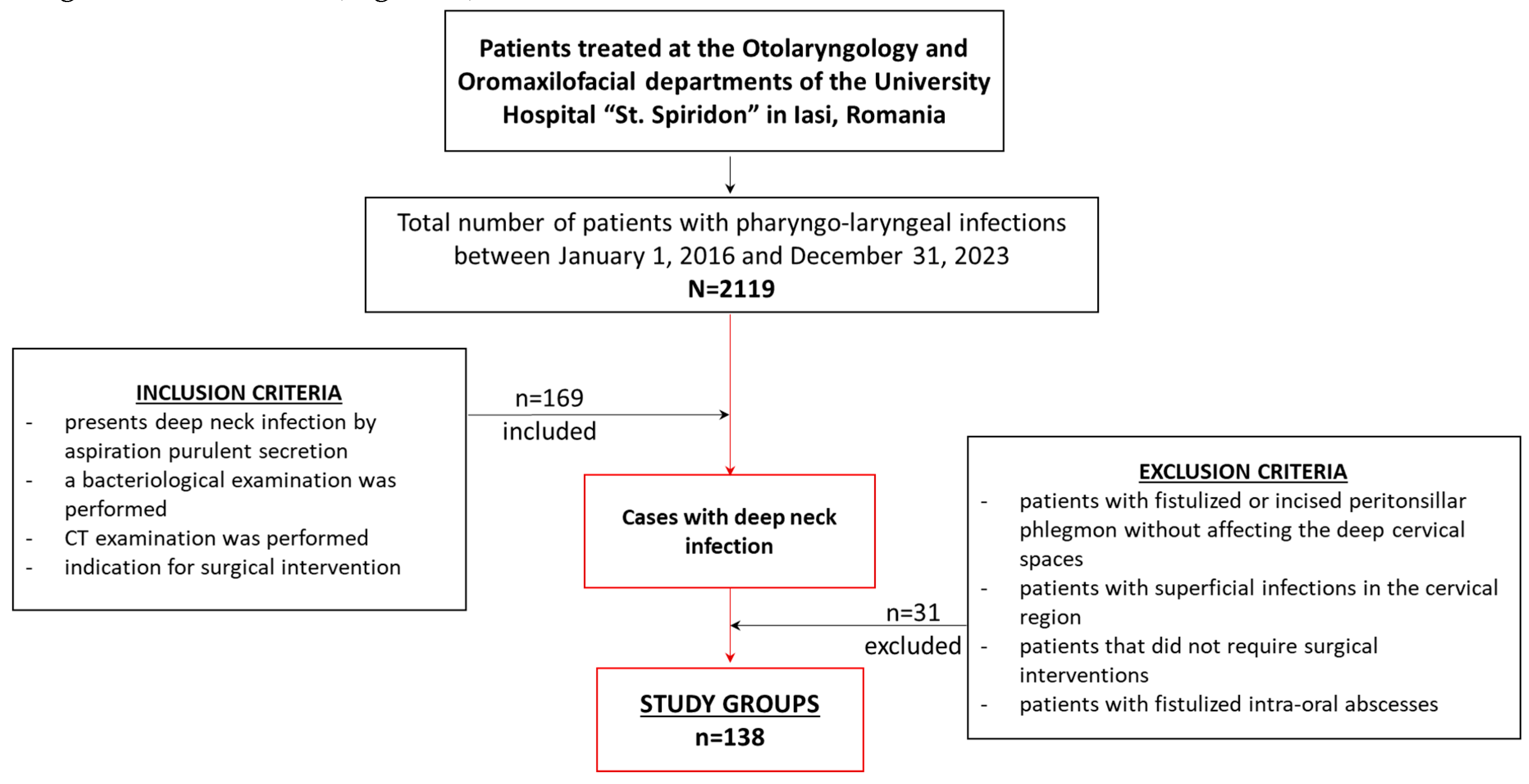
Figure 1. Study flow chart - study group selection.
Preprints 142676 g001
Table 1. Baseline characteristics of the patients with deep neck infections.
Characteristics Group study
N=138 cases
Complications of
deep neck infections
p-value*
Present, n=47 Absent, n=91
Gender,
male / female, n (%)
108 / 30
(78.26 / 21.74)
34 / 13
(31.48 / 43.33)
74 / 17
(68.52 / 56.67)
0.2315
Age, years, mean (SD) 52.9 (14.9) 59.2 (13.9) 49.8 (14.4) 0.0003
Smoking 39 (28.26) 35 (74.47) 4 (4.40) <0.001
Alcohol abuse 6 (4.34) 6 (0.12) 1 (0.01) 0.0140
Blood test - Laboratory test
Leukocytes, mm3, mean (SD) 15418.2 (5161.6) 16164.4 (5250.9) 12032.8 (5101.2) 0.0235
Neutrophil ratio (%) 109.2 (10.5) 131.6 (11.5) 98.8 (9.7) < 0.001
Lymphocyte (%) 9.4 (6.7) 6.2 (5.3) 10.1 (7.6) < 0.001
NLR 12.1 (9.6) 19.8 (8.8) 10.2 (8.4) 0.0041
ESR (erythrocyte sedimentation rate), mean (SD) 49.2 (16.75) 56.3 (14.5) 44.7 (11.2) 0.0128
Creatinine (μmol/L) 76.9 (11.6) 119.4 (21.3) 61.8 (9.5) 0.0017
Fibrinogen, mg/dL, mean (SD) 588.9 (95.6) 639.4 (97.7) 563.3 (84.0) < 0.001
Presepsin, pg/mL, mean (SD) 573.5 (454.7) 967.1 (709.1) 295.7 (173.9) 0.0278
C reactive protein, mg/L,
mean (SD)
125.8 (22.8) 138.1 (27.5) 119.4 (17.2) < 0.001
Blood sugar, mg/dL, mean (SD) 125.8 (58.5) 160.7 (82.2) 103.4 (21.1) < 0.001
Location
submandibular and retrostylian 17 (12.31) 6 (12.76) 11 (12.08) 0.1579
parapharyngeal and prevertebral 28 (20.28) 9 (19.14) 19 (20.87) 0.0897
lateral cervical 81 (58.69) 26 (55.31) 55 (60.43) 0.0261
anterior cervical 26 (18.84) 8 (17.02) 18 (19.78) 0.0579
retropharyngeal 17 (12.31) 9 (19.14) 8 (8.79) 0.0046
mediastini 22 (15.94) 20 (42.55) 2 (2.19) 0.0005
Multispace involvement 50 (36.23) 28 (56) 22 (44) 0.0305
Etiology factors
odontogenic infections 15 (10.86) 5 (10.63) 10 (10.98) 0.1208
pharyngo-tonsillar infections 85 (61.59) 28 (59.57) 57 (62.63) 0.0908
epiglottis 21 (15.21) 10 (21.27) 11 (12.08) 0.0117
foreign body 3 (2.17) 1 (2.12) 2 (2.19) 0.0869
congenital cyst or trauma 8 (5.79) 2 (4.25) 6 (6.59) 0.0351
laryngo-tracheal infections 14 (10.14) 12 (25.53) 2 (2.19) 0.0004
lymphadenopathy 15 (10.86) 5 (10.63) 10 (10.98) 0.3275
Symptoms
pain 54 (39.13) 15 (31.91) 39 (42.85) 0.0032
sore throat 110 (79.71) 36 (76.59) 74 (81.31) 0.0057
dysphagia 104 (75.36) 39 (82.97) 65 (71.42) 0.0018
dyspnoea 15 (10.86) 14 (29.78) 7 (7.69) 0.0009
dysphonia 8 (5.79) 5 (10.63) 3 (3.29) 0.0016
otalgia 5 (3.62) 6 (12.76) 3 (3.29) 0.0056
chest pain 4 (2.89) 11 (23.4) 5 (5.49) 0.0014
fever 69 (50) 23 (48.93) 52 (57.14) 0.0621
Comorbidity, present, n(%) 61 (44.20) 40 (85.11) 21 (23.08) < 0.001
Diabetes mellitus 35 (25.36) 26 (55.31) 9 (9.89) < 0.001
Cardiovascular diseases 40 (28.98) 29 (0.61) 11 (0.12) 0.0945
Immunocompromised status 25 (18.11) 16 (0.34) 9 (0.09) 0.0056
Malignant tumors 4 (2.89) 4 (0.08) 1 (0.01) 0.0858
Number of days of hospitalization,
  mean (SD)
  median (IQR)
16.3 (9.9)
14 (9 – 34)
24.9 (12.2)
26 (11 – 45)
8.32 (7.02)
11 (8 – 17)
< 0.001
Non_long term (< 2 weeks)
Long-term (≥ 2 weeks)
75 (54.34)
63 (45.65)
13 / 62
17.33 / 82.67
34 / 29
53.97 / 46.03
< 0.001
Mortality 12 (8.70) 12 (25.53) 0 (0) < 0.001
Continuous variables were expressed as median (IQR); the variables did not have a normal distribution (data not normally distributed); mean (standard deviation), the variables did have a normal distribution. Categorical variables: number (%). *t student test or Mann-Whitney U Test for continuous variables; Pearson Chi-square test for qualitative variables. Bold p-values are statistically significant.
Table 2. Association of length of hospital stay (long-term over 2 weeks) with morbidity in patients with deep neck infections.
Dependent variable:
long-term hospitalization (over 2 weeks)
Independent variable:
Complications
N = 138
n (%)
Univariate model:
OR 95%CI p – value
Airway Obstruction - Tracheotomy 26 (18.84) 6.51 2.27 – 18.62 < 0.001
Internal Jugular Vein Thrombosis 5 (3.62) 5.01 3.54 – 11.09 0.0154
Pneumonia 11 (7.97) 3.49 2.89 – 9.78 0.0174
Mediastinitis 31 (22.46) 4.81 2.96 – 9-72 < 0.001
Necrotizing fasciitis 6 (4.35) 2.26 1.23 – 6.17 0.027
Spontaneous fistulization 17 (12.31) 1.83 0.65 – 5.14 0.2491
Renal insufficiency 17 (12.31) 1.39 0.55 – 3.86 0.5210
Logistic Regression (Enter – Method); CI, Confidence Intervals; OR, Odds Ratio. Bold p-values are statistically significant.
Table 3. The pathogen spectrum in deep neck infections and the association with the length of hospital stay of patients with deep neck infections.
Pathogens Group study n=138 cases Length of Hospital Stay p-value*
Non_long term
(< 2 weeks)
n = 75
Long-term
(≥ 2 weeks)
n = 63
Bacterial culture positive 70 (50.7) 25 (35.7) 45 (64.3) < 0.001
Species
 Monomicrobial 49 (35.5) 28 (37.33) 21 (33.33) 0.8472
  Gram-positive aerobe 39 (28.26) 21 (28) 18 (28.57) 0.9791
  Gram-negative aerobe 10 (7.24) 6 (8.00) 4 (6.34) 0.0845
 Polymicrobial 18 (13.04) 5 (6.66) 13 (20.63) < 0.001
  2 pathogens 12 (8.69) 4 (5.33) 8 (12.69) < 0.001
  3 pathogens 6 (4.34) 1 (1.33) 5 (7.93) < 0.001
Gram-positive aerobes
Streptococcus viridans 9 (6.52) 4 (5.33) 5 (7.93) 0.0354
Staphylococcus aureus 17 (12.31) 8 (10.66) 9 (14.28) 0.0361
Group C Streptococci 8 (5.79) 5 (6.66) 3 (4.76) 0.0247
Streptococus B hemolitic 6 (4.34) 2 (2.66) 4 (6.34) 0.0019
Streptococcus constellatus 14 (10.14) 6 (8.00) 8 (12.69) 0.0286
Streptococcus anginosus 6 (4.34) 4 (5.33) 2 (3.17) 0.0174
Pseudomonas aeruginosa 11 (7.97) 3 (4.00) 8 (12.69) < 0.001
Klebsiela pneumoniae 9 (6.52) 2 (2.66) 7 (11.11) < 0.001
Other gram-positive cocci 6 (4.34) 2 (2.66) 4 (6.34) 0.0187
Enterococus species 5 (3.62) 3 (4.00) 2 (3.17) 0.6216
Peptostreptococcus 3 (2.17) 2 (2.66) 1 (1.58) 0.0971
Gram-negative aerobes
Escherichia coli 8 (5.79) 5 (6.66) 3 (4.76) 0.1558
Haemophilus influenzae 5 (3.62) 3 (4.00) 2 (3.17) 0.6882
Acinetobacter 6 (4.34) 2 (2.66) 4 (6.34) 0.0311
Enterobacter cloacae 4 (2.89) 2 (2.66) 2 (3.17) 0.8473
Fusobacterium species 1 (0.72) 0 (0) 1 (1.58) 0.1274
Qualitative variables: number (%). *Pearson Chi-square test for categorical variables. Bold p-values are statistically significant.
Disclaimer/Publisher’s Note: The statements, opinions and data contained in all publications are solely those of the individual author(s) and contributor(s) and not of MDPI and/or the editor(s). MDPI and/or the editor(s) disclaim responsibility for any injury to people or property resulting from any ideas, methods, instructions or products referred to in the content.
Copyright: This open access article is published under a Creative Commons CC BY 4.0 license, which permit the free download, distribution, and reuse, provided that the author and preprint are cited in any reuse.
Prerpints.org logo

Preprints.org is a free preprint server supported by MDPI in Basel, Switzerland.

Subscribe

Disclaimer

Terms of Use

Privacy Policy

Privacy Settings

© 2026 MDPI (Basel, Switzerland) unless otherwise stated