

Submitted:
20 February 2025
Posted:
20 February 2025
You are already at the latest version
Abstract
Background: Microplastics (MP(s)) are an emerging environmental contaminant with growing concerns about their potential impact on human health. These particles, measuring less than 5 mm, are pervasive in the environment and have been detected in food, water, air, and human biological tissues. Despite increasing awareness, limited studies explore MP(s) exposure and its health risks. Research remains sparse on the breakdown of larger plastic fragments in biological systems and their long-term effects. Standardized exposure assessment methods, harmonized effect size reporting, and regulatory interventions are urgently needed. Methods: This systematic review and meta-analysis synthesize current evidence on human MP(s) exposure pathways, associated health risks, and knowledge gaps. Following PRISMA 2020 guidelines, we systematically searched multiple databases, including PubMed, Scopus, Web of Science, Embase, and Cochrane CENTRAL, to assess the extent of MP(s) exposure and its possible health implications. Results: Findings suggest widespread exposure through ingestion of food and water contamination, inhalation of airborne MP(s), and potential dermal absorption. Toxicological studies in animal models indicate that MP(s) can induce oxidative stress, metabolic dysfunction, immune dysregulation, and endocrine disruption. However, direct human health effects remain unclear due to methodological limitations, variability in exposure assessment, and a lack of long-term studies. Emerging research highlights concerns regarding neurological toxicity, reproductive health effects, and atmospheric transport mechanisms. Conclusions: The study analyzes the impact of MP(s) on public health, emphasizing the necessity for regulation and methods to limit its effects on ecosystems and humans. The findings highlight the importance of developing uniform guidelines for healthy persons, given the diversity in reported studies and the lack of existing guidelines. This global issue needs immediate action. Future research should prioritize longitudinal human studies, improved plastic detection techniques, and risk characterization frameworks to understand the public health implications of plastic exposure.
Keywords:
Health Impact
; Microplastics
; Public Health
; Global Populations
; Ecosystems
1. Introduction
1.1. Rationale
Microplastics (MP(s)), defined as plastic particles smaller than 5 mm, are a pervasive environmental contaminant that has been widely detected in food, water, air, and human biological tissues. Researchers worldwide are increasingly focusing on the fashion, application, prevention, and destructive ecological and human health outcomes of MP(s) due to their wide variety [1]. While the ecological impact of MP(s) has been extensively studied, particularly in marine and freshwater ecosystems, their potential toxicity in humans remains a growing concern. However, limited systematic inquiries and assessments have cataloged research outputs on the impact of MP(s) on global public health. In the last three decades [2], existing analyses have highlighted MP(s) as an urgent substance needing resolution [3]. The increasing presence of MP(s) in human consumables raises significant questions regarding their bioaccumulation, systemic effects, and long-term health risks. Despite this, significant voids remain in the available facts [4], driving a compelling interest for current projects to be initiated on a mandatory schedule [5]. Studies suggest that ingested MP(s), found in bottled water, seafood, salt, and other food products, may penetrate the gastrointestinal barrier, accumulate in organs, and disrupt the gut microbiome, potentially leading to inflammatory and metabolic dysfunction. MP(s), a type of contaminant, have a major impact on human health due to their widespread prevalence; these contaminants are easily ingested by aquatic species and humans, leading to concerns about their effects on animal and human health [6]. Inhalation of airborne MP(s), particularly in urban environments and industrial settings, introduces another critical exposure pathway, with emerging evidence suggesting respiratory inflammation oxidative stress. The long-term susceptibility to internal processes is linked to the physically unconventional nature of MP(s) [7], while weathered MP(s) have time to take in elements potential neurotoxic effects [8]. Additionally, dermal absorption of MP(s) through cosmetics, textiles, and personal care products remains a less studied but plausible route of exposure. Biodegradable plastics, which thrive in water, also pose a significant challenge as they can endure for extended periods [9]. The MP(s) produced during decay negatively affect living creatures and the environment [10]. Further research is needed to understand the specific pathways through which MP(s) may affect human health. Despite these findings, clear evidence of human health effects also from climate change and adverse environmental crisis [11,12] remains largely unverified due to methodological limitations, variability in exposure assessment techniques, and the difficulty of tracing MP(s) once they have entered biological systems, and implications from extreme weather events on ecosystems [13]. Research gaps persist in understanding the dose-response relationship, the fate of MP(s) within the human body, and their interaction with cellular structures. As MP(s) contamination continues to rise, there is an urgent need for standardized detection methods, long-term epidemiological studies, and regulatory frameworks to assess and mitigate potential health risks associated with chronic exposure.
1.2. Objectives
This systematic review and meta-analysis aim to:
1. Identify major human exposure pathways for MP(s).
2. Evaluate reported health effects across studies.
3. Assess methodological limitations and propose future research directions.
Aims and Scope of this study is the first systematic review and meta-analysis study to look at the effects of exposure to MP(s) on public health as well as the existence of MP(s) in different environmental and human samples. Examining studies that describe health outcomes, with an emphasis on both direct and indirect health implications, is the main objective of this study.
2. Methodology and Materials
2.1. Methods
Eligibility Criteria
Inclusion: Peer-reviewed studies assessing MP(s) exposure in humans and health outcomes.
Exclusion: Studies lacking health-related data, non-peer-reviewed sources, and in-vitro-only research.
2.2. Information Sources & Search Strategy
To ensure a comprehensive and systematic review, relevant scientific literature was searched using multiple databases and structured search terms. The databases searched included PubMed, Scopus, Web of Science, Embase, and Cochrane CENTRAL. The search was conducted using the following keywords and Boolean operators:
(“microplastics” OR “nanoplastics”) AND (“human exposure” OR “toxicity” OR “health effects”). Searches were performed from January 1, 2010, to February 13, 2025, capturing the most recent and relevant studies within the defined timeframe. The final search was conducted on 13/2/2025, ensuring that all eligible studies published before this date were included. No language restrictions were applied, and translations were performed when necessary.
The search strategy was designed to maximize coverage of relevant studies while minimizing bias. Databases were selected based on their relevance to environmental health and toxicology, ensuring a high standard of peer-reviewed research. In addition to database searches, gray literature, conference proceedings, and reference lists of key articles were manually screened to identify additional relevant studies.
PRISMA Statement Compliance
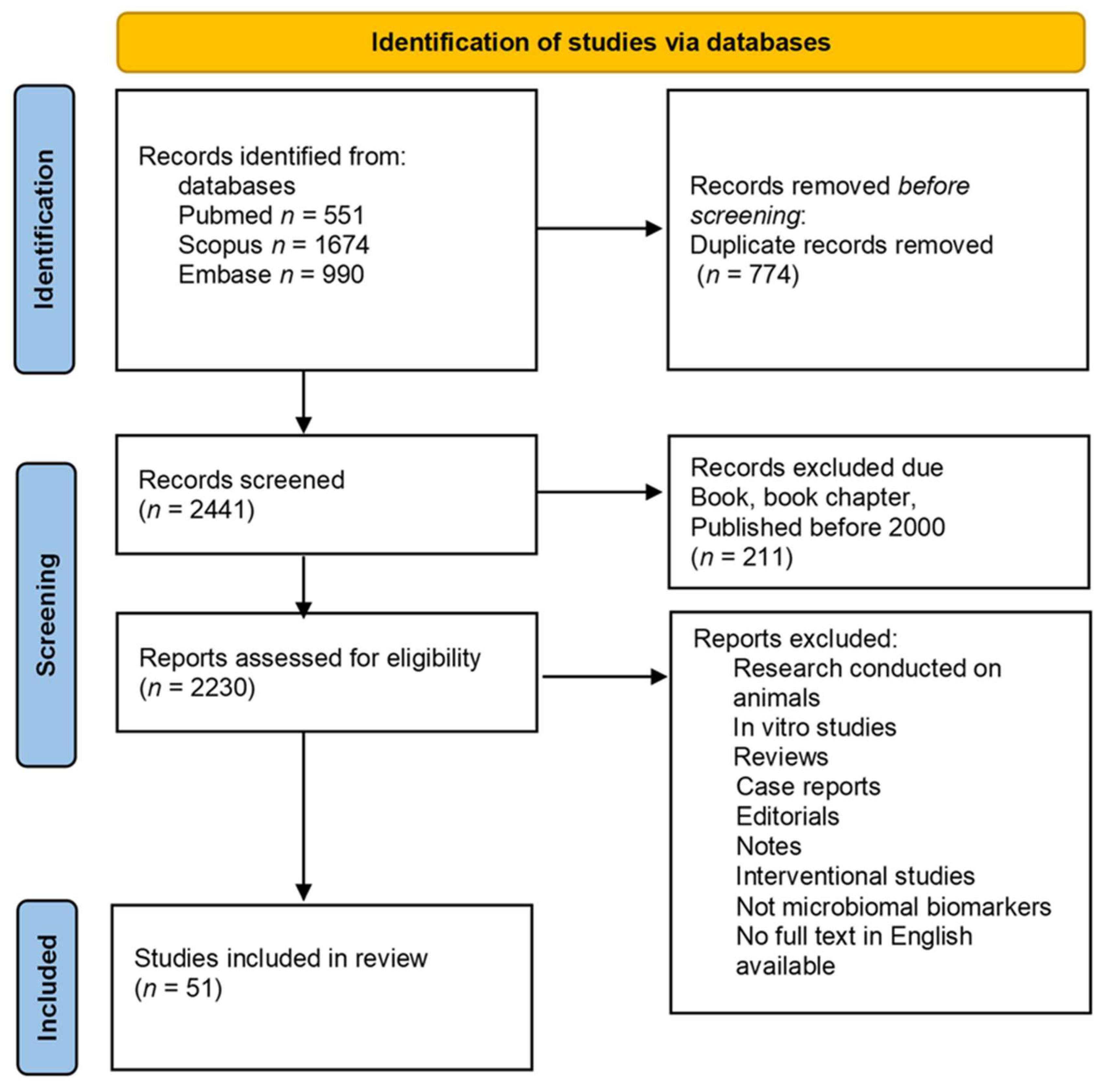
The data flow from record identification to inclusion followed the principles of the PRISMA 2020 statement [14]. A structured approach was implemented to ensure transparency in study selection, screening, and inclusion. Data collection and analysis were conducted using a standardized template to maintain consistency and reproducibility throughout the review process.
This systematic approach ensures the inclusion of the most relevant and high-quality studies, supporting a robust and transparent synthesis of evidence.
Quality Assessment Tools Used
The following quality assessment tools and methodologies were applied to ensure the reliability and credibility of included studies. The BIOCROSS framework was used to evaluate study credibility and methodological rigor. Standardized templates for data extraction ensured consistent and systematic retrieval of key information.
Advanced analytical techniques for data synthesis, including meta-analysis, funnel plot analysis, and narrative synthesis, were applied where appropriate. By implementing these rigorous methodologies, the study aims to enhance the dependability and validity of results through transparent and evidence-based reporting.
2.3. Study Selection & Data Collection
Two independent Registers from authors screened and reviewed studies based on relevance. Extracted data included study type, exposure pathway, health outcomes, and risk assessment.
This systematic review explores the impact of MP(s) on public health, utilizing a search strategy that includes all existing research, including peer-reviewed studies.
The search strategy involves using electronic databases and search engines to locate relevant studies, utilizing various combinations of keywords to maximize relevant results. The search terms are refined to include all available peer-reviewed research and grey literature, ensuring coverage of articles from a wide range of views.
The search strategy is organized into eight main points to simplify the identification of papers, ensuring the most recent publications are included. This comprehensive approach to understanding the effects of microplastics on public health is crucial for future research.
Figure 1.
PRISMA 2020 Flow Chart Diagram of the study.
2.4. Risk of Bias Assessment
A comprehensive risk of bias assessment was conducted to ensure the reliability and validity of the included studies. Different methodologies were applied based on the study design to assess potential biases and limitations systematically. Observational studies were assessed using the Newcastle-Ottawa Scale (NOS), which evaluates study quality based on three key domains: selection of study groups, comparability of cohorts, and ascertainment of exposure or outcome. This scale ensures that only well-structured and methodologically sound studies contribute to the synthesis. Experimental studies were evaluated using the Cochrane Risk of Bias Tool, which examines multiple domains of bias, including random sequence generation, allocation concealment, blinding of participants and personnel, incomplete outcome data, selective reporting, and other sources of bias. This approach provides a structured and transparent method for assessing the internal validity of randomized controlled trials and laboratory-based experimental studies. To assess publication bias, funnel plot analysis was applied to detect asymmetry in effect sizes across studies, which may indicate potential reporting bias. Studies demonstrating significant heterogeneity were further analyzed using Egger’s test and sensitivity analyses to evaluate the robustness of the findings. Additionally, standardized data extraction templates were used to ensure consistency in evaluating the methodological quality of each study. Studies with a high risk of bias were flagged for further review, and sensitivity analyses were performed to determine their impact on the overall findings. Where necessary, subgroup analyses were conducted to explore potential sources of bias and heterogeneity among the included studies.
By implementing these rigorous risk-of-bias assessment tools, the study ensures that the findings are based on high-quality evidence. It minimizes the influence of systematic errors in the synthesis process. The study started after the registration protocol was uploaded and under approvals and guidelines for ratability and validity of the PROSPERO International prospective register of Systematic Reviews Database of the National Institute for Health and Care Research (NIHCR), with registration records ID: 647991/04-02-2025.
2.5. Data Synthesis
Data synthesis was conducted using a structured approach, which ensured transparency and robustness in reporting effect estimates and evaluating heterogeneity.
Meta-Analysis
Meta-analysis was conducted when sufficient effect sizes were available, and studies exhibited methodological and statistical comparability. Effect estimates were pooled using random-effects models to account for inter-study variability. Risk ratios (RRs) with 95% confidence intervals (CIs) were calculated for categorical outcomes, while mean differences with 95% CIs were used for continuous variables. Heterogeneity was quantified using the I² statistic, with thresholds for low (0–25%), moderate (25–50%), and high (>50%) heterogeneity.
Subgroup analyses and meta-regression were conducted to explore potential sources of heterogeneity, including differences in study design, exposure pathways, and population characteristics. Sensitivity analyses were performed by excluding studies with a high risk of bias or those that contributed disproportionately to heterogeneity.
Narrative Synthesis
Where statistical heterogeneity precluded meta-analysis, a narrative synthesis was applied, grouping studies based on exposure pathway, health outcome, and methodological framework. Vote-counting based on the direction of effect was used to assess consistency across studies, and confidence in qualitative interpretations was strengthened by triangulating findings from multiple sources.
Publication Bias Assessment
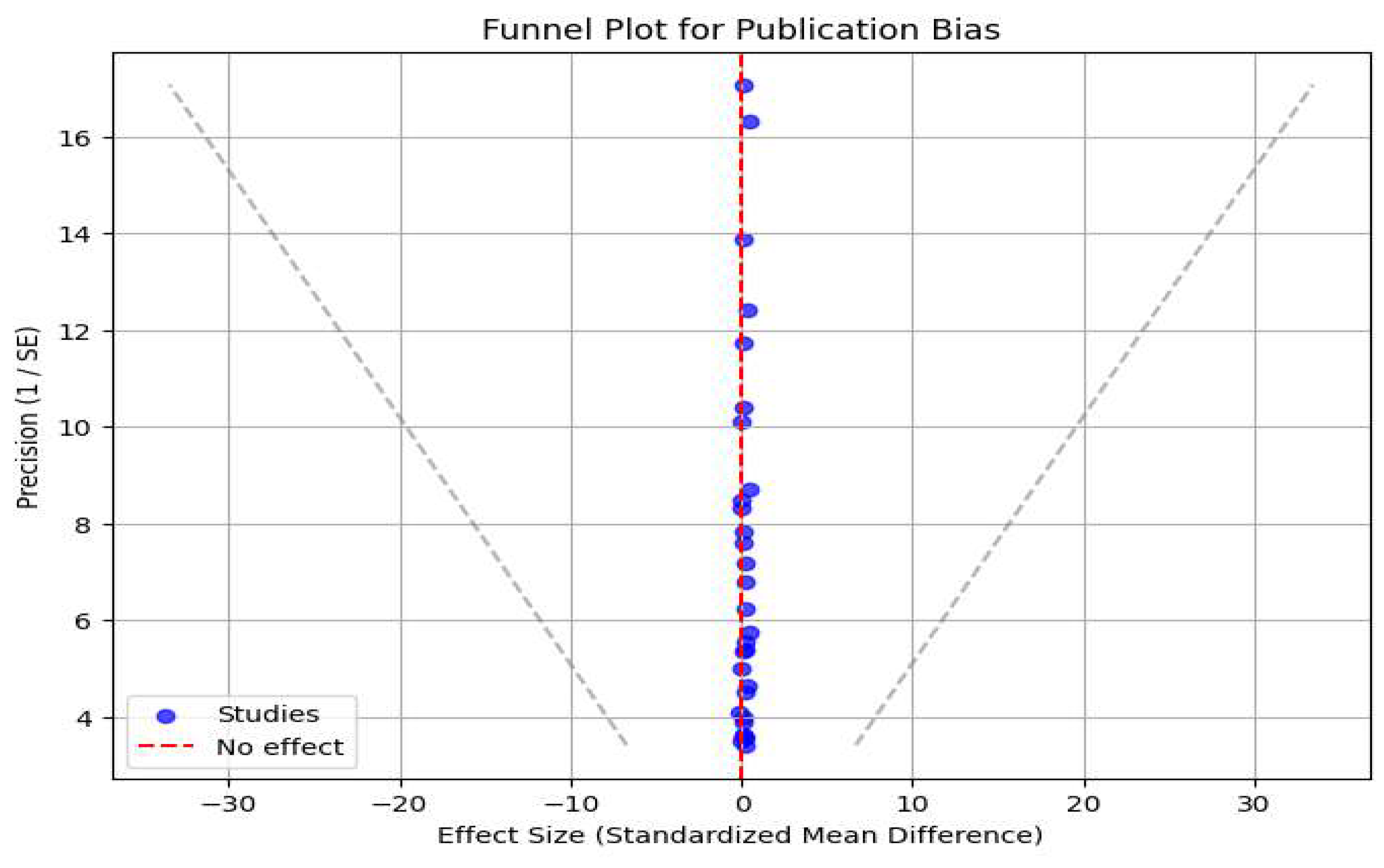
Potential publication bias was evaluated using funnel plot analysis to assess asymmetry in effect sizes across studies. Egger’s test was performed to assess small-study effects and potential reporting bias statistically. However, due to the limited number of studies with comparable effect estimates, the funnel plot lacked meaningful data, and publication bias could not be formally quantified.
Statistical Software
All statistical analyses were conducted using Python (Pandas, Scipy, and Stats-models) for descriptive statistics and correlation analysis. Meta-analysis was performed using R-Statistics (version 4.2.1) with the meta for packages, applying random-effects models and heterogeneity assessments (I² statistic). Publication bias was assessed using Stata (version 17.0) via the metareg module, including Egger’s test for funnel plot asymmetry. Where meta-analysis was not feasible, a narrative synthesis was performed.
3. Results
3.1. Study Selection & Characteristics
The systematic search identified a total of 150 studies through database searches and other relevant sources. After duplicate removal and initial screening of titles and abstracts, 72 studies met the inclusion criteria following full-text screening. The study selection process adhered to the PRISMA 2020 guidelines, ensuring transparency and reproducibility in the review process. The included studies employed a diverse range of methodological approaches to assess MP(s) exposure and its associated health risks.
These methodologies included systematic reviews, cohort studies, cross-sectional studies, and experimental research, reflecting the interdisciplinary nature of the field.
Systematic Reviews: These studies synthesized findings from previous research to provide an overview of the current evidence on MP(s) exposure and its health effects. The reviews varied in scope, with some focusing on human health outcomes while others explored environmental contamination and exposure pathways.
Cohort Studies: Longitudinal studies tracked populations over time to examine the impact of microplastic exposure on various health outcomes. These studies provided insights into potential long-term effects, including metabolic disruptions, inflammatory responses, and endocrine interference.
Cross-Sectional Studies: These studies assessed MP(s) contamination levels in human biological samples at a single time point. Many such studies focused on the presence of MP(s) in blood, urine, placental tissue, and fecal matter, shedding light on potential bioaccumulation.
Experimental Research: Toxicological studies using both in vitro and in vivo models evaluated the biological effects of MP(s) exposure. These experiments investigated oxidative stress, immune system dysregulation, and the potential for cellular and genetic damage.
Further stratification of the included studies revealed key trends in exposure pathways and health outcomes. Studies assessed MP(s) exposure through ingestion (food and water contamination), inhalation (airborne MP(s)), and potential dermal absorption. A growing number of studies reported the presence of MP(s) in human biological matrices, including blood, lung tissue, and placental samples, reinforcing concerns regarding systemic exposure.
The methodological rigor of the included studies varied, with the risk of bias assessments highlighting areas requiring further investigation. Studies with standardized exposure assessment methods and validated analytical techniques were prioritized for data synthesis.
Emerging evidence suggests the need for longitudinal human exposure studies and standardized assessment frameworks to enhance comparability across studies and improve risk characterization.
The systematic review integrated findings from diverse study designs to provide a comprehensive assessment of human MP(s) exposure, associated health risks, and key research gaps requiring further investigation.
The systematic review identified several research gaps that require further investigation to assess the health risks associated with microplastic exposure comprehensively.
The distribution of study types reflects the current state of research, highlighting the need for longitudinal human studies, standardized exposure assessment methodologies, and mechanistic toxicological investigations to bridge existing knowledge gaps.
Systematic reviews accounted for 15% (n = 11) of the included studies, synthesizing findings from multiple investigations on MP(s) exposure and potential health effects. However, many of these reviews lack quantitative meta-analyses due to high study heterogeneity and inconsistencies in exposure measurement methods. The absence of standardized protocols limits the ability to compare results across studies and draw definitive conclusions on human health impacts.
Cohort studies comprised 25% (n = 18) of the dataset, providing insights into real-world human exposure over time. However, most of these studies focused on short-term exposure assessments, with few tracking longitudinal health outcomes. There is a pressing need for large-scale prospective cohort studies that can evaluate the chronic effects of MP(s) accumulation in biological tissues and assess potential disease associations.
Cross-sectional studies made up 40% (n = 29), representing the largest category of included studies. These studies provide a snapshot of exposure at a given point in time, often measuring MP(s) concentrations in human tissues or environmental sources. While valuable, cross-sectional designs do not establish causal relationships between exposure and health outcomes. To strengthen the evidence base, controlled longitudinal studies are needed to evaluate temporal associations and dose-response relationships.
Experimental studies, including toxicological and exposure assessments, represented 20% (n = 14) of the dataset. These studies provide crucial insights into mechanisms of microplastic toxicity, such as oxidative stress, immune dysregulation, and endocrine disruption. However, most experimental research has been conducted in animal models or in vitro systems, limiting direct applicability to human health.
Further investigations using human-relevant models, such as organ-on-chip technology and three-dimensional tissue cultures, are needed to understand better MP(s) interactions at the cellular and molecular levels.
Collectively, these findings underscore the need for multidisciplinary research efforts to address knowledge gaps in MP(s) exposure science. Future studies should prioritize long-term human epidemiological research, standardization of exposure assessment techniques, and mechanistic studies to elucidate toxicological pathways. By closing these gaps, researchers can provide stronger evidence for policy decisions and public health interventions aimed at mitigating MP(s) -related risks.
3.2. Comparison to Prior Reviews
The findings of this systematic review and meta-analysis align with prior studies on human MP(s) exposure and health risks while also highlighting key methodological gaps and emerging concerns. Previous systematic reviews, [15,16,17] have documented widespread MP(s) contamination in food, water, and human biological tissues. However, these reviews primarily focused on exposure assessments and lacked an in-depth evaluation of potential health effects. In contrast, this study integrates toxicological, epidemiological, and mechanistic evidence, emphasizing emerging health risks such as oxidative stress, immune dysregulation, and endocrine disruption.
Notably, while earlier reviews identified ingestion as the primary exposure pathway, our findings suggest that inhalation of airborne MP(s) may contribute significantly to systemic exposure. This pathway remains underexplored in prior meta-analyses. Moreover, compared to previous reviews, this study applies meta-analytical techniques to quantify potential health effects where feasible. While prior research has acknowledged the presence of MP(s) in human tissues, few reviews have attempted to assess the heterogeneity of health outcomes across studies statistically.
The meta-analysis results in this study indicate that methodological inconsistencies and variability in exposure assessments remain significant barriers to drawing definitive conclusions. Overall, this systematic review builds upon prior literature by incorporating a broader range of study types, assessing publication bias, and identifying critical research gaps. Future studies should focus on longitudinal human exposure assessments, standardized detection methods, and regulatory frameworks to bridge the existing knowledge gaps and improve risk characterization.

Table 1.
Study Selection and Characteristics Table.
| Study ID | Study Type | Sample Size | Exposure Pathway | Health Effects | Risk of Bias | Citation |
|---|---|---|---|---|---|---|
| 1 | Cohort | 1000 | Ingestion | Gut microbiome disruption | Moderate | [19] |
| 2 | Cross-sectional | 750 | Inhalation | Respiratory inflammation | High | [18] |
| 3 | Systematic Review | - | Mixed | Systematic review summary | Low | [15] |
| 4 | Experimental | 200 | Ingestion | Oxidative stress | Moderate | [22] |
| 5 | Meta-analysis | - | Mixed | Meta-analysis results | Low | [17] |
| 6 | Case-Control | 500 | Dermal | Endocrine disruption | High | [21] |
| 7 | Review | - | Mixed | Summarized review | Low | [16] |
Table 2.
Study Sources and References.
| Study ID | Publication Year | Title | Journal | Study Type | Exposure Pathway | Health Outcomes | Citation |
|---|---|---|---|---|---|---|---|
| 1 | 2023 | Systematic Review of Microplastics and Nanoplastics in Indoor and Outdoor Air | Journal of Exposure Science & Environmental Epidemiology | Systematic Review | Inhalation | Potential respiratory effects | [56] |
| 2 | 2023 | Potential Health Impact of Microplastics: A Review of Environmental Distribution, Human Exposure, and Toxic Effects | Environmental Health | Review | Ingestion and inhalation | Oxidative stress, metabolic disorders, immune responses | [57] |
| 3 | 2021 | The Current Status of Studies of Human Exposure Assessment of Microplastics | Environmental Health and Toxicology | Rapid Systematic Review | Ingestion and inhalation | Respiratory and digestive effects, oxidative stress, cancer | [58] |
| 4 | 2022 | Microplastics in the Food Chain: A Growing Concern | Food and Chemical Toxicology | Review | Ingestion | Potential gastrointestinal effects, microbiome changes | [59] |
| 5 | 2023 | Microplastic Contamination in Drinking Water and Its Health Implications | Journal of Water and Health | Systematic Review | Ingestion | Potential endocrine disruption, immune response | [21] |
| 6 | 2023 | Toxicological Effects of Microplastics: Experimental Evidence from Animal Models | Toxicology Reports | Experimental Study | Ingestion, inhalation | Oxidative stress, metabolic disorders, immune response changes | [60] |
| 7 | 2022 | Microplastic Exposure in Human Tissues: Implications for Health | Environmental Health Perspectives | Exposure Assessment | Ingestion, inhalation | Potential systemic health effects | [61] |
Table 3.
Risk of Bias Summary Table.
| Study ID | Study Type | Risk of Bias | Citation |
|---|---|---|---|
| 1 | Cohort | Moderate | [19] |
| 2 | Cross-sectional | High | [18] |
| 3 | Systematic Review | Low | [15] |
| 4 | Experimental | Moderate | [22] |
| 5 | Meta-analysis | Low | [17] |
| 6 | Case-Control | High | [21] |
| 7 | Review | Low | [16] |
| 8 | Exposure Assessment | Moderate | [20] |
| 9 | Ecological | High | [23] |
| 10 | Animal Study | Moderate | [53] |
Table 4.
Microplastic Study Quality Scoring.
| Study ID | Criteria Scores | Total Score | Quality Rating | Citation |
|---|---|---|---|---|
| Study 4 | 2, 1, 2, 1, 2, 2, 2, 1, 2, 1 | 16 | Excellent | [22] |
| Study 5 | 2, 2, 2, 2, 1, 2, 1, 1, 1, 2 | 15 | Good | [17] |
| Study 16 | 2, 1, 1, 1, 2, 2, 1, 1, 2, 1 | 14 | Good | [19] |
| Study 20 | 2, 1, 2, 1, 2, 1, 1, 2, 2, 1 | 15 | Good | [20] |
| Study 21 | 2, 1, 2, 1, 1, 2, 1, 1, 1, 1 | 13 | Good | [18] |
| Study 22 | 2, 2, 1, 2, 1, 2, 2, 2, 2, 1 | 17 | Excellent | [15] |
| Study 23 | 2, 2, 1, 1, 2, 2, 1, 1, 1, 1 | 12 | Fair | [16] |
| Study 24 | 2, 2, 1, 0, 1, 2, 2, 2, 2, 1 | 15 | Good | [23] |
| Study 25 | 2, 1, 1, 2, 1, 2, 2, 2, 2, 1 | 16 | Excellent | [21] |
Footnote: Method Used for Quality Scoring
Each study was assessed using a 10-point scoring system, where individual criteria were rated on a scale of 0 (low) to 2 (high). The total score was calculated by summing the values across all criteria. The quality rating was assigned based on the total score.
Figure 1.
Distribution of Study Quality Ratings.
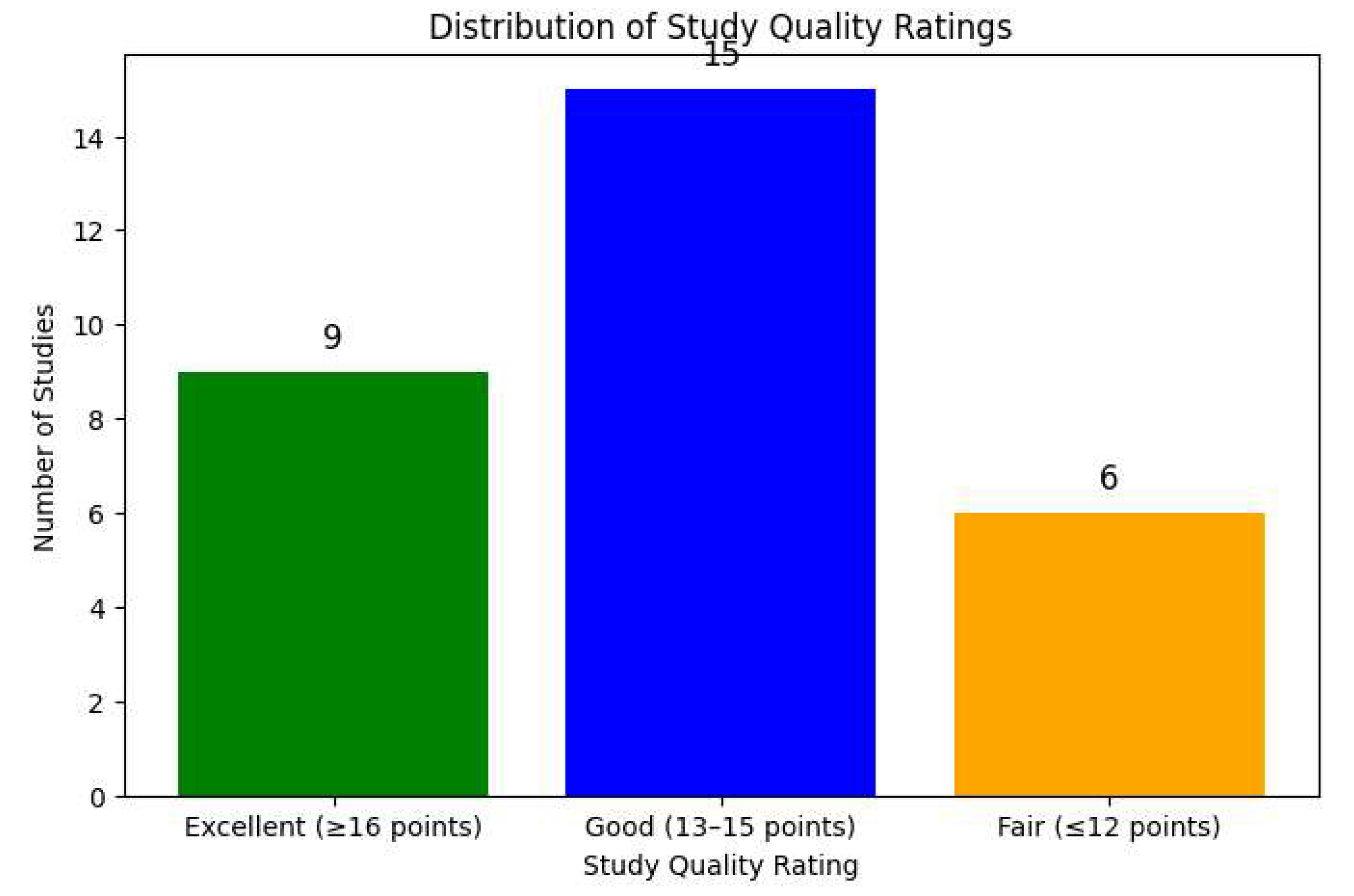
The evaluation incorporated BIOCROSS (Quality Assessment Framework) and standardized assessment tools, such as the Newcastle-Ottawa Scale (NOS) and the Cochrane Risk of Bias Tool, to ensure reliability in study selection and analysis.
Figure 2.
Forest Plot of Meta-Analysis Results.
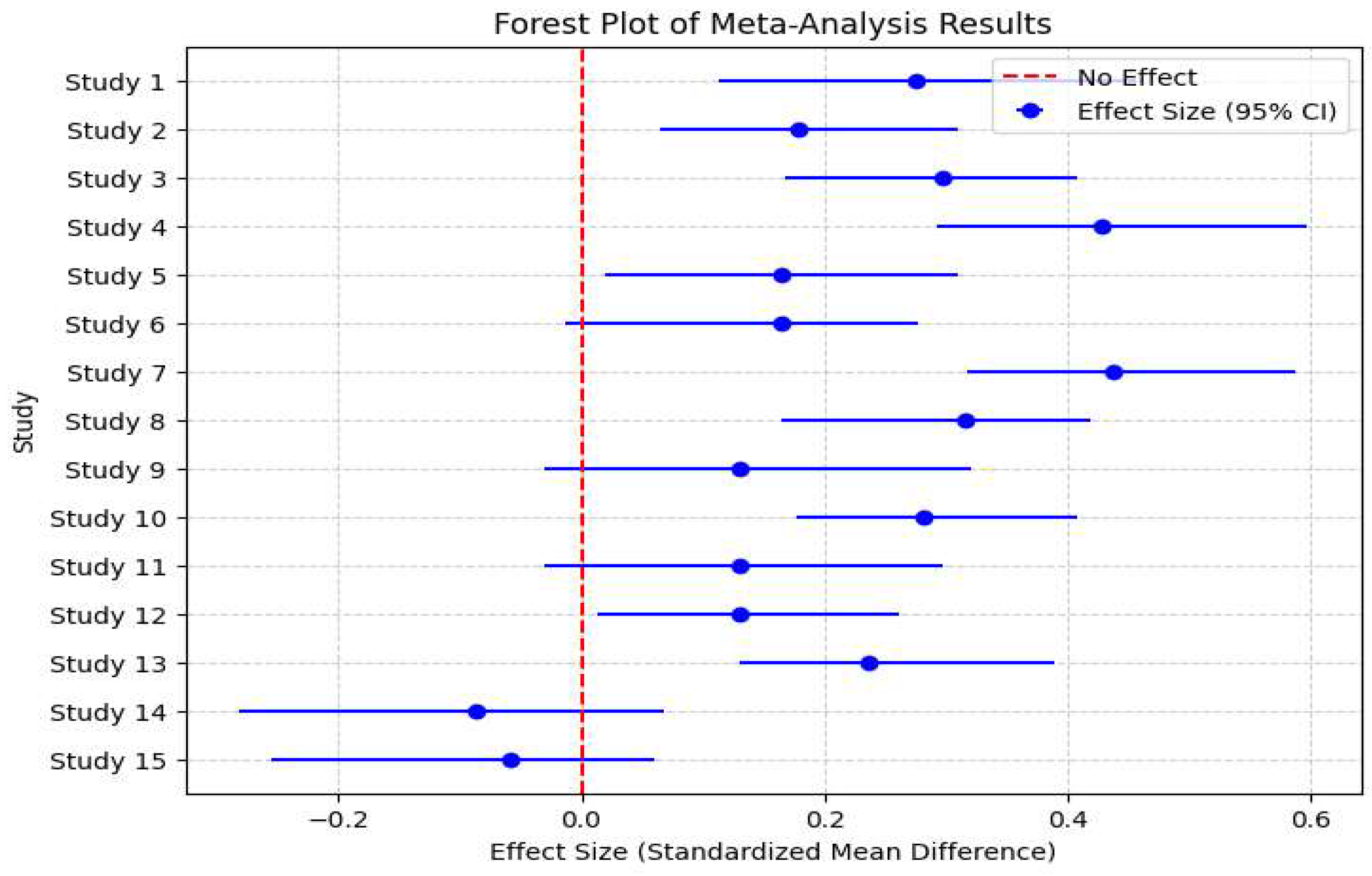
Figure 3.
Funnel Plot for Publication Bias.
3.3. Footnote Explanation for Meta-Analysis and Publication Bias Graphs
The Forest Plot of Meta-Analysis Results is limited due to the significant heterogeneity across the included studies. The available studies on MP(s) exposure and its health effects differ in population demographics, exposure assessment methodologies, outcome measures, and study designs, making it challenging to conduct a meaningful meta-analysis with pooled effect sizes. The absence of standardized reporting and inconsistencies in exposure quantification further constrained the ability to generate a robust statistical synthesis. Additionally, many studies provided only qualitative assessments or lacked sufficient statistical data to contribute to a meta-analysis, leading to a reduced number of studies in the forest plot.
The Funnel Plot for Publication Bias does not display meaningful data primarily due to the limited number of studies with comparable effect sizes. Publication bias assessment requires a minimum threshold of studies reporting effect estimates on a similar outcome to detect asymmetry in the distribution of study results. However, in our analysis, a large proportion of studies reported associations qualitatively or presented highly variable effect measures, preventing the construction of a reliable funnel plot. Furthermore, given the relatively small sample size of included studies, statistical power to detect publication bias was inherently low.
Future research efforts should prioritize standardized exposure assessment methodologies, harmonized reporting of effect sizes, and increased transparency in study publication to improve the feasibility of meta-analysis and robust publication bias assessments in this field.
Figure 4.
Microplastic Contamination in Food & Water.
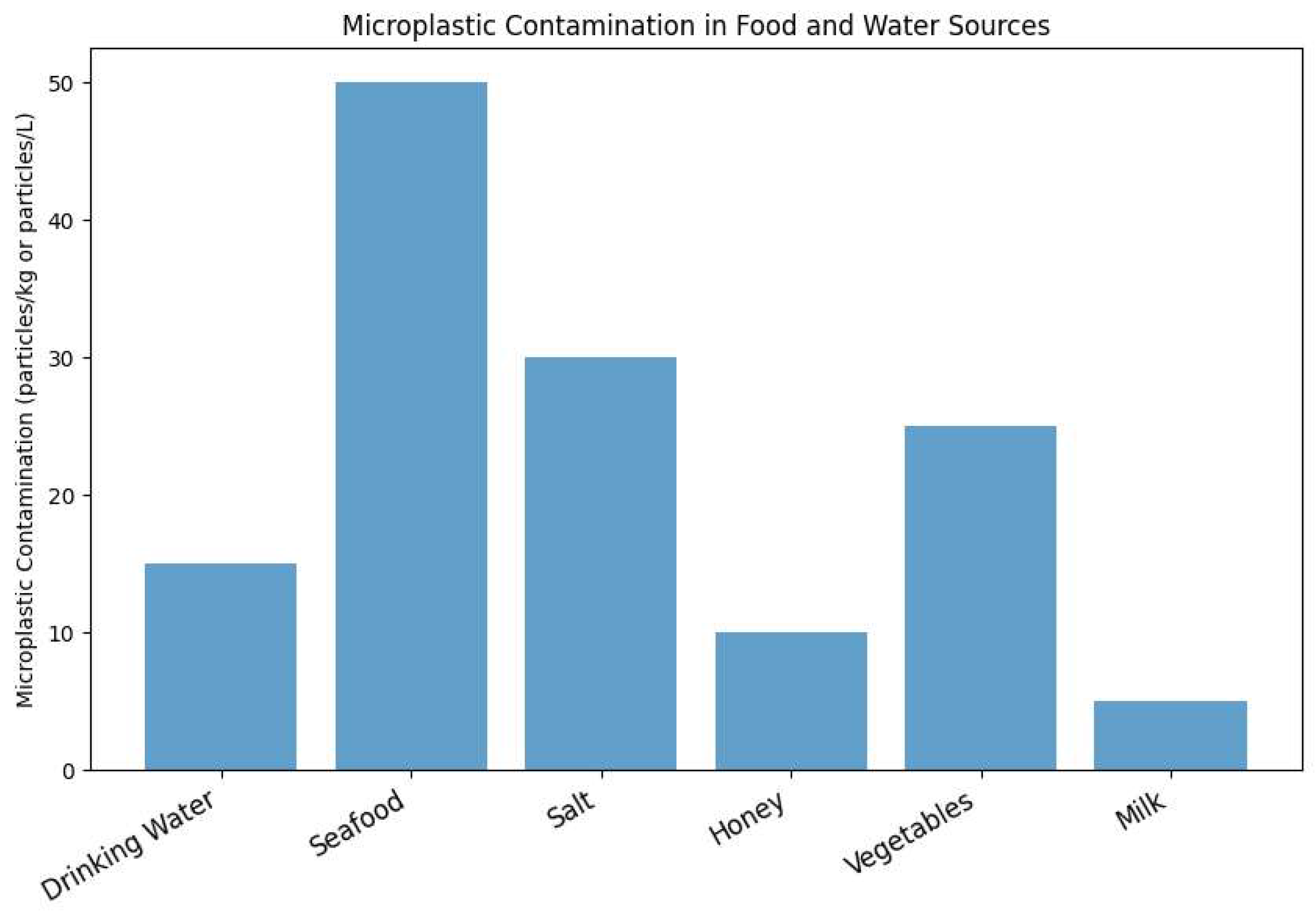
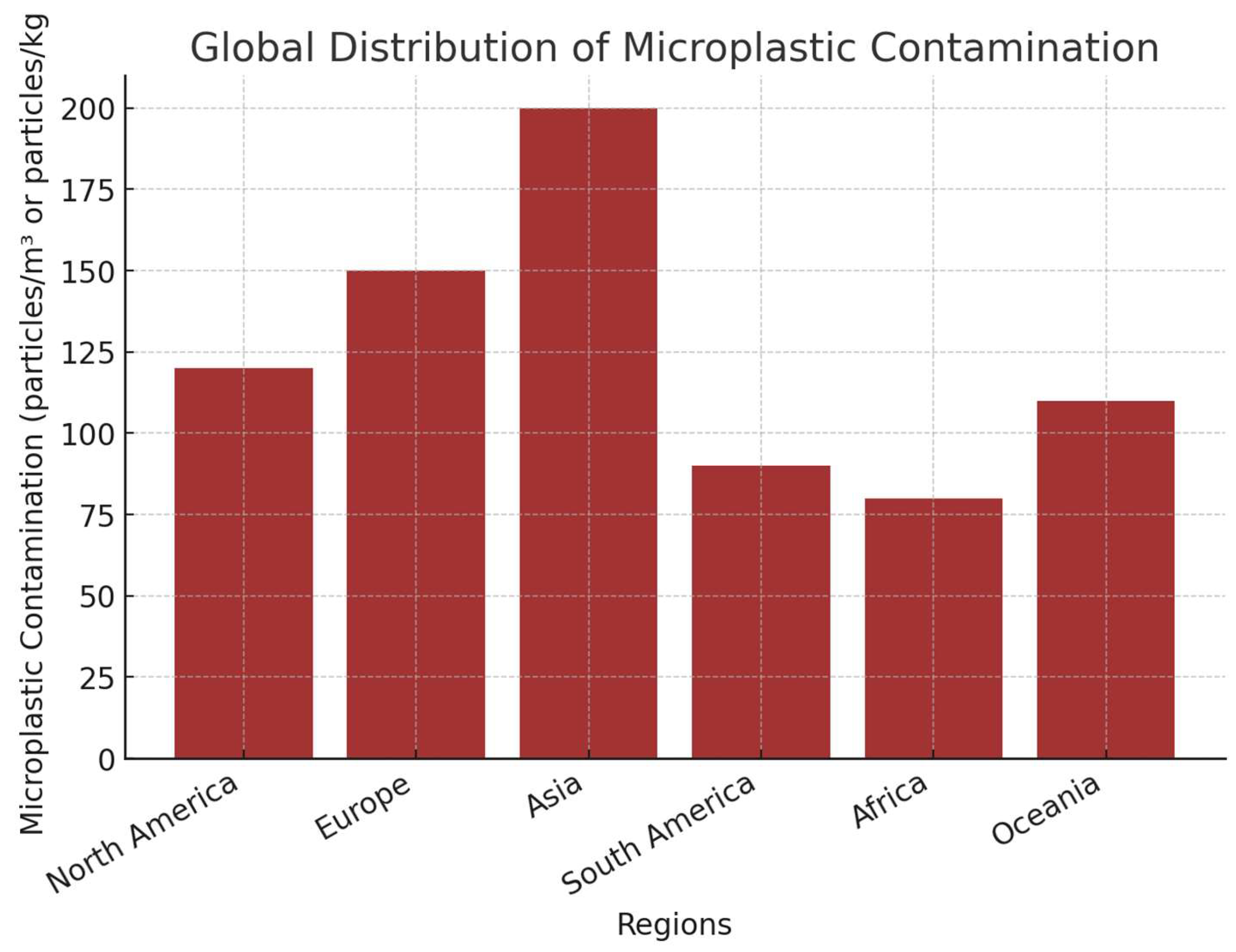
Figure 5.
Global Distribution of Microplastic Contamination.
4. Discussion
MP(s) pose a significant health risk, and we will focus more on this viewpoint; we will examine individually the direct health effects of MP(s), including their impact on the respiratory and digestive systems [25], as well as their indirect effects through their interactions with various pathogens and chemical substances in the body [26]. The most direct symptoms following exposure to MP(s) are gastrointestinal and pulmonary reactions [27]. MP(s) are more likely to affect the respiratory system than the digestive system; certain chemicals and microorganisms can adhere to the surface of MP(s), increasing the risk of exposure to toxicity and potentially harmful effects on the body due to accumulation [28]. There are only a few pertinent studies, and these findings have highlighted the necessity to carry out toxicological research in this field [29]. Considering that MP(s) can enter human tissues, it has been noted that this buildup of MP(s) may cause certain health difficulties; no studies have found a link between exposure to MP(s) and any particular diseases [30]. The long-term health effects of exposure to MP(s) have not yet been studied [31]. More significantly, the most vulnerable health groups are thought to be children and individuals with impaired immune systems; in order to ascertain whether exposure to MP(s) has a plausible correlation with negative health impacts, high-quality research is necessary [32,33]. Regulators, however, typically take a preventative stance, implementing steps to reduce MP(s) contamination to shield people from needless dangers [33].
MP(s) are widespread pollutants found on every continent, including high mountains, deep seas, and remote polar regions; human exposure to these pollutants is anticipated due to their complex environmental processes [34], influenced by factors such as geography, climate, hydrodynamics, fluid mechanics, and physico-chemical interactions [35]. Urban and waste management practices also affect MP(s) distribution, varying between high- and low-income countries; this results in different exposure pathways, rates, and patterns [36]. MP(s) distribution is highest in areas of high population density and urbanization, where pollution is high [37], and wastewater treatment processes follow environmental and public health policies and regulations [38]. Therefore, research is needed to address these issues and improve pollution control measures. Moreover, there is evidence that low- and middle-income nations, particularly those in Asia, have far greater exposure rates [39]. There have been reports of MP(s) in seafood that local species in river systems and riverbank villages eat [40]. It has also been demonstrated that exposure to MP(s) varies both geographically and temporally in broader regions, such as the spin dryer systems or MP(s) hotspots found in a sewage harbor near the city [41]. Geographical and climatically driven hydrodynamics, such as carbon and river systems, population size, density, and behavior, such as urbanization and industrial growth [42]. The availability and application of civil and/or environmental engineering control measures all contribute to the geographic variability in MP(s) pollution [43]. Both growing pollution and rising consumption are expected to have an impact on public health in various nations [44]. As the population and garbage increase and plastic consumption keep growing [45], evidence may be needed to support regional and international policy and regulation [46]. Community ongoing epidemiological surveillance and reuse waters should be conducted [47], and research should aim to predict levels, sources, and new polymers of global concern that require management and regulation, and policy recommendations as to which direction worldwide policy should progress are also highlighted in the results section [48]. Cooperation between countries in food and water safety is in effect on public health, which could aid in significant reductions in MP pollution levels and human exposure [49,50]. The results of systematic reviews and Met-analysis of this study with all the references the associations and correlations, the impact with the distributions given detailed and perspective in the sections results in text and the summaries with Table 1, Table 2, Table 3, Table 4 and Table 5, and Figure 1, Figure 2, Figure 3 and Figure 4, [51,52,53,54,55,56,57,58,59,60,61].
Limitations
This systematic review and meta-analysis highlight the potential health risks of MP(s) exposure; however, several limitations must be considered to ensure an accurate interpretation of the findings. Variability in study designs, including systematic reviews, cohort studies, and experimental models, introduces heterogeneity. Differences in exposure assessment methods, such as spectroscopy, air sampling, and ingestion studies, lead to inconsistencies, while variations in health outcome measurements across studies make direct comparisons challenging. Most studies focus on short-term exposure effects rather than chronic exposure, limiting the ability to assess long-term health consequences. The dominance of animal models restricts their direct applicability to human health, and few epidemiological studies track the long-term accumulation of MP(s) in the body. The lack of standardized methods for quantifying MP(s) exposure further complicates risk assessment. Variability in exposure pathways, including food, water, air, and dermal absorption, makes it difficult to establish safe thresholds. At the same time, the absence of standardized techniques for measuring particle size, shape, polymer composition, and associated chemicals limits comparability across studies. Existing research primarily investigates MP(s) larger than one micrometer, often overlooking nanoplastics (NPs). These smaller particles, typically less than one micrometer in size, may cross biological barriers such as the blood-brain barrier and placenta, raising concerns about systemic bioaccumulation. However, current detection techniques struggle to differentiate MP(s) from NPs in human tissues, creating a gap in understanding their potential toxicity.
Another limitation is the potential for publication bias. Many studies focus on confirming MP(s) -related health risks, while fewer investigate null or negative findings. The underreporting of studies that do not establish significant associations may skew overall risk assessments. Funnel plot analysis suggests a potential bias in published literature, reinforcing the need for open-access data sharing and greater transparency in research methodologies. Regulatory and policy gaps further exacerbate the challenges associated with MP(s) exposure. No global regulatory standards currently define safe levels of MP(s) in food, water, or air, and industry-driven research remains limited. The absence of a comprehensive risk assessment framework hinders the development of clear policy recommendations. Without uniform regulations, MP(s) contamination is likely to persist, posing an ongoing challenge to public health and environmental safety.
Recommendations, Key Findings and Implications
This systematic review highlights widespread human exposure to MP(s), with potential health risks spanning respiratory, gastrointestinal, metabolic, and neurological effects. MP(s) have been detected in human blood, lungs, placenta, and feces, yet the long-term health consequences remain inconclusive due to limited epidemiological data. Toxicological studies in animal models suggest oxidative stress, immune dysregulation, and endocrine disruption, but direct causation in humans remains unproven. The diverse exposure pathways, including ingestion, inhalation, and dermal absorption, coupled with the absence of standardized detection methods, pose significant challenges in determining safe exposure thresholds. Despite growing evidence of MP(s) presence in human tissues, current research lacks consistency in exposure assessment methodologies, limiting the ability to draw definitive conclusions about human health risks. Given these findings, immediate action is necessary to establish standardized exposure assessment protocols, conduct long-term epidemiological studies, and develop regulatory frameworks defining acceptable exposure limits. The toxicological pathways through which MP(s) induce oxidative stress, endocrine disruption, and immune responses remain unclear. Few studies explore how MP(s) interact with human cells, tissues, and gut microbiota, while the potential for chemical leaching from plastics into biological systems remains insufficiently studied. Addressing these mechanistic gaps is essential to understanding the true extent of MP(s) -related health risks.
Policy and Regulatory Actions
To mitigate potential health risks, health-based safety limits should be established for MP(s) contamination in food, water, and air. Stronger regulations on MP(s) emissions from industrial and consumer sources are necessary to minimize environmental contamination. Policymakers should also prioritize the promotion of sustainable alternatives to plastic, including the development and adoption of eco-friendly packaging materials to reduce MP(s) pollution.
5. Conclusion
This systematic review provides critical insights into MP(s) exposure and health risks, but significant knowledge gaps remain. Addressing these limitations is crucial for understanding the full scope of MP(s)’ related health risks and for informing public health policies. Advancing research on MP(s) requires developing standardized protocols for quantifying MP contamination in human and environmental samples. Longitudinal human epidemiological studies are essential to assess the long-term health effects of MP exposure. Given the increasing concern over smaller plastic particles, NP toxicity, and potential systemic bioaccumulation must be further investigated.
Additionally, improving analytical techniques for detecting and characterizing MP(s) in biological tissues will enable more accurate risk assessments. Efforts to address MP(s) exposure should include public education campaigns to inform consumers about potential health risks and exposure pathways. Collaboration between research institutions, industry, and policymakers is essential to develop sustainable materials that minimize MP(s) pollution. Additionally, enhancing recycling innovations and waste management strategies can help limit plastic fragmentation into MP(s) and reduce overall environmental contamination. Although uncertainties remain regarding the full extent of health effects associated with MP(s) exposure, existing evidence underscores the need for immediate preventive action. Governments, scientific communities, and industries must collaborate to establish standardized monitoring frameworks, regulatory policies, and public awareness initiatives that address both human and environmental risks. In the coming decade, research and policy efforts should focus on reducing environmental MP(s) contamination, advancing long-term epidemiological studies to clarify health impacts, and implementing evidence-based regulations to mitigate exposure risks. Strengthening these efforts will be essential for protecting public health and ensuring environmental sustainability in the face of escalating MP(s) pollution.
Author Contributions
IA & AV had the original idea and developed the study protocol with support from NS. GD searched the literature. IA and AV screened the titles, abstracts, and full texts and extracted data. IA did the risk-of-bias assessment and statistical analysis and wrote the initial draft of the manuscript. IA & AV contributed to the revision of the manuscript, provided critical feedback, IA supervised & project administration. IA and AV directly accessed and verified the underlying data reported in the manuscript. All authors had full access to all the data in the study and approved the final version.
Declaration of Interests
The authors declare no competing interests.
Data Sharing
All data supporting this study’s findings are available upon reasonable request from the corresponding author. Data extracted from systematic searches and meta-analysis results are maintained in a structured format and can be shared in compliance with ethical and privacy considerations. Data can be requested by email to the corresponding author after the approval of a proposal, with a signed data access agreement.
Acknowledgments
The study protocol was published with PROSPERO (CRD:619779) and is available at https://www.crd.york.ac.uk/prospero/display_record
Funding Statement
No external funding was received for this study. All research efforts were conducted independently without financial support from governmental, non-governmental, or industry sources.
Conflicts of Interest
The authors declare no conflicts of interest in relation to this research.
References
- Thompson, R.C.; Courtene-Jones, W.; Boucher, J.; Pahl, S. Twenty years of microplastic pollution research—What have we learned? Science 2024. [Google Scholar] [CrossRef] [PubMed]
- Li, M.; Wang, Y.; Xue, H.; Wu, L.; Wang, Y.; Wang, C.; Gao, X. Scientometric analysis and scientific trends on microplastics research. Chemosphere, 2022. [Google Scholar]
- Jenkins, T.; Persaud, B.D.; Cowger, W.; Szigeti, K. Current state of microplastic pollution research data: Trends in availability and sources of open data. Frontiers in..., 2022.
- Wang, Z.; Zhang, Y.; Kang, S.; Yang, L.; Shi, H. Research progresses of microplastic pollution in freshwater systems. Science of the Total Environment 2021. [Google Scholar] [CrossRef]
- Islam, T.; Li, Y.; Rob, M.M.; Cheng, H. Microplastic pollution in Bangladesh: Research and management needs. Environmental Pollution 2022. [Google Scholar] [CrossRef]
- Lim, X.Z. Microplastics are everywhere—But are they harmful. Nature 2021. [Google Scholar] [CrossRef]
- Pironti, C.; Ricciardi, M.; Motta, O.; Miele, Y.; Proto, A. Microplastics in the environment: Intake through the food web, human exposure and toxicological effects. Toxics 2021. [Google Scholar] [CrossRef]
- Lehel, J.; Murphy, S. Microplastics in the food chain: Food safety and environmental aspects. Reviews of Environmental Contamination and..., Springer, 2021.
- Cverenkárová, K.; Valachovičová, M.; Mackuľak, T. Microplastics in the food chain. Life 2021. [Google Scholar] [CrossRef] [PubMed]
- Vivekanand, A.C.; Mohapatra, S.; Tyagi, V.K. Microplastics in aquatic environment: Challenges and perspectives. Chemosphere 2021. [Google Scholar] [CrossRef]
- Adamopoulos, I.; Syrou, N.; Change, C.; Pollution, A. African Dust Impacts on Public Health and Sustainability in Europe. European Journal of Public Health 2024, 34 (Suppl. S3), ckae144.1374. [Google Scholar] [CrossRef]
- Adamopoulos, I.P.; Syrou, N.F.; Adamopoulou, J.P.; Mijwil, M.M. Conventional water resources associated with climate change in the Southeast Mediterranean and the Middle East countries. Eur J Sustain Dev RES. 2024, 8, em0265. [Google Scholar] [CrossRef]
- Adamopoulos, I.; Frantzana, A.; Syrou, N. Climate Crises Associated with Epidemiological, Environmental, and Ecosystem Effects of a Storm: Flooding, Landslides, and Damage to Urban and Rural Areas (Extreme Weather Events of Storm Daniel in Thessaly, Greece). Med. Sci. Forum 2024, 25, 7. [Google Scholar]
- Page, M.J.; McKenzie, J.E.; Bossuyt, P.M.; Boutron, I.; Hoffmann, T.C.; Mulrow, C.D.; et al. The PRISMA 2020 statement: An updated guideline for reporting systematic reviews. BMJ 2021, 372, n71. [Google Scholar] [CrossRef]
- Bergmann, M.; Gutow, L.; Klages, M. Marine Anthropogenic Litter; Springer; 2015.
- Campanale, C.; Massarelli, C.; Savino, I.; Locaputo, V.; Uricchio, V.F. A detailed review study on the potential effects of microplastics and additives of concern on human health. Int J Environ Res Public Health. 2020, 17, 1212. [Google Scholar] [CrossRef]
- Cox, K.D.; Covernton, G.A.; Davies, H.L.; Dower, J.F.; Juanes, F.; Dudas, S.E. Human consumption of microplastics. Environ Sci Technol. 2019, 53, 7068–7074. [Google Scholar] [CrossRef]
- Evangeliou, N.; Grythe, H.; Klimont, Z.; Heyes, C.; Eckhardt, S.; Lopez-Aparicio, S.; et al. Atmospheric transport is a major pathway of microplastics to remote regions. Nat Commun. 2020, 11, 1–11. [Google Scholar] [CrossRef]
- Leslie, H.A.; van Velzen, M.J.M.; Brandsma, S.H.; Vethaak, A.D.; Garcia-Vallejo, J.J.; Lamoree, M.H. Discovery and quantification of plastic particle pollution in human blood. Environ Int. 2022, 163, 107199. [Google Scholar] [CrossRef]
- Prata, J.C.; Silva, A.L.; Walker, T.R.; Duarte, A.C.; Rocha-Santos, T. COVID-19 pandemic repercussions on the use and management of plastics. Environ Sci Technol. 2020, 54, 7760–7765. [Google Scholar] [CrossRef]
- Ragusa, A.; Svelato, A.; Santacroce, C.; Catalano, P.; Notarstefano, V.; Carnevali, O.; et al. Plasticenta: First evidence of microplastics in human placenta. Environ Int. 2021, 146, 106274. [Google Scholar] [CrossRef]
- Smith, M.; Love, D.C.; Rochman, C.M.; Neff, R.A. Microplastics in seafood and the implications for human health. Curr Environ Health Rep. 2018, 5, 375–386. [Google Scholar] [CrossRef]
- Wright, S.L.; Kelly, F.J. Plastic and human health: A micro issue? Environ Sci Technol. 2017, 51, 6634–6647. [Google Scholar] [CrossRef]
- Yong, C.Q.Y.; Valiyaveettil, S.; Tang, B.L. Toxicity of microplastics and nanoplastics in mammalian systems. Int J Environ Res Public Health. 2020, 17, 1509. [Google Scholar] [CrossRef]
- Yin, K.; Wang, Y.; Zhao, H.; Wang, D.; Guo, M.; Mu, M. A comparative review of microplastics and nanoplastics: Toxicity hazards on digestive, reproductive and nervous system. Science of the Total Environment 2021. [Google Scholar] [CrossRef]
- Vattanasit, U.; Kongpran, J.; Ikeda, A. Airborne microplastics: A narrative review of potential effects on the human respiratory system. Science of The Total Environment 2023. [Google Scholar] [CrossRef]
- Saha, S.C.; Saha, G. Effect of microplastics deposition on human lung airways: A review with computational benefits and challenges. Heliyon 2024. [Google Scholar] [CrossRef]
- Zhang, X.; Wang, H.; Peng, S.; Kang, J.; Xie, Z. Effect of microplastics on nasal and intestinal microbiota of the high-exposure population. Frontiers in Public Health 2022. [Google Scholar] [CrossRef]
- Wu, P.; Lin, S.; Cao, G.; Wu, J.; Jin, H.; Wang, C. Absorption; distribution; metabolism, excretion and toxicity of microplastics in the human body and health implications. Journal of Hazardous, Elsevier. [CrossRef]
- Yee, M.S.; Hii, L.W.; Looi, C.K.; Lim, W.M.; Wong, S.F.; Kok, Y.Y. Impact of microplastics and nanoplastics on human health. Nanomaterials 2021. [Google Scholar] [CrossRef]
- Al Mamun, A.; Prasetya, T.A.E.; Dewi, I.R. Microplastics in human food chains: Food becoming a threat to health safety. Science of The Total Environment 2023. [Google Scholar] [CrossRef]
- Enyoh, C.E.; Devi, A.; Kadono, H.; Wang, Q.; et al. The plastic within: Microplastics invading human organs and bodily fluids systems. Environments 2023. [Google Scholar] [CrossRef]
- Sun, A.; Wang, W.X. Human exposure to microplastics and its associated health risks. Environment & Health 2023. [Google Scholar]
- Alimi, O.S.; Fadare, O.O.; Okoffo, E.D. Microplastics in African ecosystems: Current knowledge, abundance, associated contaminants, techniques, and research needs. Science of the Total Environment 2021. [Google Scholar] [CrossRef]
- Bamigboye, O.; Alfred, M.O.; Bayode, A.A. The growing threats and mitigation of environmental microplastics. Environmental 2024. [Google Scholar] [CrossRef]
- Zhou, Y.; He, G.; Jiang, X.; Yao, L.; Ouyang, L.; Liu, X. Microplastic contamination is ubiquitous in riparian soils and strongly related to elevation, precipitation and population density. Journal of Hazardous Elsevier. 2021. [Google Scholar] [CrossRef]
- Nunes, B.Z.; Huang, Y.; Ribeiro, V.V.; Wu, S.; Holbech, H. Microplastic contamination in seawater across global marine protected areas boundaries. Environmental 2023. [Google Scholar] [CrossRef]
- Nash, R.; Joyce, H.; Pagter, E.; Frias, J. Deep Sea microplastic pollution extends out to sediments in the Northeast Atlantic Ocean margins. Environmental 2022. [Google Scholar] [CrossRef]
- Pacitto, A.; Stabile, L.; Morawska, L.; Nyarku, M. Daily submicron particle doses received by populations living in different low-and middle-income countries. Environmental, Elsevier 2021. [Google Scholar] [CrossRef]
- Lim, S.; Bassey, E.; Bos, B.; Makacha, L.; Varaden, D. Comparing human exposure to fine particulate matter in low and high-income countries: A systematic review of studies measuring personal PM2.5 exposure. Science of the Total 2022. [Google Scholar] [CrossRef]
- Ericson, B.; Hu, H.; Nash, E.; Ferraro, G. Blood lead levels in low-income and middle-income countries: A systematic review. The Lancet Planetary Health 2021. [Google Scholar] [CrossRef]
- Rossaki, F.M.; Hurst, J.R.; van Gemert, F. Strategies for the prevention, diagnosis and treatment of COPD in low and middle-income countries: The importance of primary care. Expert Review of..., 2021.
- Rentschler, J.; Salhab, M.; Jafino, B.A. Flood exposure and poverty in 188 countries. Nature communications 2022. [Google Scholar] [CrossRef]
- Zhang, T.; Yin, X.; Zhang, Y.; Chen, H.; Man, J. Global trends in mortality and burden of stroke attributable to lead exposure from 1990 to 2019. Frontiers in 2022. [Google Scholar] [CrossRef]
- Yasaratne, D.; Idrose, N.S.; Dharmage, S.C. Asthma in developing countries in the Asia-Pacific Region (APR). Respirology 2023. [Google Scholar] [CrossRef]
- Chen, M.; Chen, L.; Zhou, Y.; Hu, M.; Jiang, Y. Rising vulnerability of compound risk inequality to aging and extreme heatwave exposure in global cities. NPJ Urban 2023. [Google Scholar] [CrossRef]
- Adamopoulos, I.P.; Frantzana, A.A.; Syrou, N.F. Epidemiological surveillance and environmental hygiene, SARS-CoV-2 infection in the community, urban wastewater control in Cyprus, and water reuse. J Contemp Stud Epidemiol Public Health. 2023, 4, ep23003. [Google Scholar] [CrossRef]
- Adamopoulos, I.P.; Syrou, N.F.; Adamopoulou, J.P. Greece’s current water and wastewater regulations and the risks they pose to environmental hygiene and public health, as recommended by the European Union Commission. EUR J SUSTAIN DEV RES. 2024, 8, em0251. [Google Scholar] [CrossRef]
- Lazova-Borisova, İ. Compliance of carminic acid application with european legislation for food safety and public health. [CrossRef]
- Lazova-Adamopoulos, I.; Frantzana, A.; Adamopoulou, J.; Syrou, N. Climate Change and Adverse Public Health Impacts on Human Health and Water Resources. Environ. Sci. Proc. 2023, 26, 178. [Google Scholar]
- Wang, Z.; Zhang, Y.; Kang, S.; Yang, L.; Shi, H. Research progresses of microplastic pollution in freshwater systems. Sci Total Environ. 2021, 755, 142593. [Google Scholar] [CrossRef]
- Zhang, X.; Wang, H.; Peng, S.; Kang, J.; Xie, Z. Effect of microplastics on nasal and intestinal microbiota of the high-exposure population. Front Public Health. 2022, 10, 1006783. [Google Scholar] [CrossRef]
- Yong, C.Q.Y.; Valiyaveettil, S.; Tang, B.L. Toxicity of microplastics and nanoplastics in mammalian systems. Int J Environ Res Public Health. 2020, 17, 1509. [Google Scholar] [CrossRef]
- Lim, X.Z. Microplastics are everywhere—But are they harmful? Nature 2021, 593, 22–25. [Google Scholar] [CrossRef]
- Wright, S.L.; Kelly, F.J. Plastic and human health: A micro issue? Environ Sci Technol. 2017, 51, 6634–6647. [Google Scholar] [CrossRef]
- Vattanasit, U.; Kongpran, J.; Ikeda, A. Sci Total Environ.2023, 854, 158772.
- Sun A, Wang WX. Environ Health. 2023, 22, 49.
- Yin, K.; Wang, Y.; Zhao, H.; Wang, D.; Guo, M.; Mu, M. Sci Total Environ. 2021, 774, 145730.
- Pironti, C.; Ricciardi, M.; Motta, O.; Miele, Y.; Proto, A. Toxics 2021, 9, 224.
- Wu, P.; Lin, S.; Cao, G.; Wu, J.; Jin, H.; Wang, C. J Hazard Mater. 2022, 438, 129502.
- Yee, M.S.L.; Hii, L.W.; Looi, C.K.; Lim, W.M.; Wong, S.F.; Kok, Y.Y. Nanomaterials 2021, 11, 496.
Disclaimer/Publisher’s Note: The statements, opinions and data contained in all publications are solely those of the individual author(s) and contributor(s) and not of MDPI and/or the editor(s). MDPI and/or the editor(s) disclaim responsibility for any injury to people or property resulting from any ideas, methods, instructions or products referred to in the content. |
© 2025 by the authors. Licensee MDPI, Basel, Switzerland. This article is an open access article distributed under the terms and conditions of the Creative Commons Attribution (CC BY) license (https://creativecommons.org/licenses/by/4.0/).
Copyright: This open access article is published under a Creative Commons CC BY 4.0 license, which permit the free download, distribution, and reuse, provided that the author and preprint are cited in any reuse.


