

Submitted:
11 February 2025
Posted:
11 February 2025
You are already at the latest version
Abstract
Customer relationship management (CRM) is a key factor driving innovation and organizational growth. The present study investigated the relationship between data-driven CRM and innovation in Taiwan. We developed a theoretical framework involving CRM theory, innovation theory, and technology adoption theory to account for the cultural and organizational contexts of Taiwan to investigate this relationship. The study distributed questionnaires to employees and stakeholders within Taiwanese firms to understand their firms’ innovation and CRM practices. The results indicate that technology adoption and organizational culture have mediating effects and industry dynamics and organizational size have moderating effects on the relationship between data-driven CRM and innovation. That is, adopting new technology and having an organizational culture that supports innovation and company-wide collaboration can enhance the effects of implementing CRM practices. In addition, certain industries (e.g., the technology industry) are more likely to effectively leverage CRM practices to drive innovation, and although large organizations have more resources and can therefore more easily implement CRM systems, small and medium-sized enterprises can more quickly adapt and innovate on the basis of CRM insights. These findings highlight the importance of CRM in driving innovation and reveal key factors influencing the effectiveness of CRM in doing so.
Keywords:
innovation
; customer relationship management (CRM)
; data-driven customer relationship management (DDCRM)
; technology acceptance model (TAM)
1. Introduction
In the modern business environment, in which global markets are becoming increasingly competitive and technology is continually reshaping industries, customer relationship management (CRM) has emerged as a pivotal factor driving innovation and sustaining organizational growth [1]. The influence of CRM is particularly pronounced in global and dynamic regions such as Taiwan, which has a strong technology sector, robust manufacturing base, and a focus on entrepreneurship. Because Taiwan possesses these characteristics, understanding how Taiwanese enterprises harness CRM to foster innovation is not only relevant but also crucial to their continued success [1]. Taiwan has a diverse business landscape composed of multinational corporations, small and medium-sized enterprises (SMEs), and a burgeoning startup ecosystem. In Taiwan, the adoption of CRM practices has varied widely across industries, with such adoption influenced by factors such as organizational size, sectoral dynamics, and technological sophistication. However, despite these differences, the overarching objective of these practices is consistent: to cultivate enduring relationships with customers and to leverage these relationships to drive innovation in all aspects of business [1].
CRM encompasses a spectrum of activities aimed at understanding, managing, and nurturing customer interactions throughout their lifecycle [2]. This entails capturing and analyzing customer data from various touchpoints, including sales transactions, marketing engagements, and customer service interactions. In Taiwan, consumers are discerning, and technology adoption is widespread. The volume and diversity of data generated in this region present both opportunities and challenges for businesses seeking to obtain actionable insights [2]. One of the primary challenges Taiwanese enterprises face in their CRM endeavors is data integration and interoperability [3]. Taiwanese organizations often accumulate vast repositories of customer data across disparate systems, which leads to these organizations obtaining siloed information and fragmented insights. For this challenge to be addressed, concerted efforts must be made to integrate data sources, leverage advanced analytics techniques, and deploy robust CRM platforms capable of providing a unified view of the customer journey [4].
Ilias et al. [5] suggested that the organizational resources allocated for CRM exert a robust positive influence across all stages of the customer life cycle. Khong et al. [6] investigated the effectiveness of CRM in banking services in Taiwan and concluded that implementing CRM positively influences customer satisfaction. Additionally, they identified a significant interaction between IT capability, contact rate management, and recovery management, with all contributing to improved customer satisfaction. Notably, the findings of Hermenegildo et al. [7] suggest that various CRM components, including sales, marketing, and services, in Taiwan have a positive influence on customer knowledge management, innovation, and efforts toward digital transformation and sustainable business model innovation.
Research indicates that entrepreneurship and cultural factors as well as consumer preferences play a significant role in shaping CRM strategies in Taiwan [8]. Taiwanese consumers place considerable importance on interpersonal relationships and trust, and therefore, they value personalized interactions and tailored experiences. Consequently, successful CRM initiatives in Taiwan must involve more than mere transactional exchanges; they must be focused on fostering deeper, more meaningful connections with customers. Such initiatives must be based on a nuanced understanding of local customs, language, and cultural sensitivities; localization is crucial in CRM implementation [9]. In addition, Taiwanese enterprises must navigate regulatory frameworks and address data privacy concerns related to CRM practices. In general, data protection regulations have evolved, and enforcement mechanisms have been strengthened. Consequently, organizations face heightened scrutiny regarding the collection, storage, and utilization of customer data. Organizations must comply with data privacy regulations to mitigate legal risks and enhance customer trust and loyalty, which can lay a foundation for sustainable innovation efforts [9, 10].
Against this backdrop, the present study investigated the intersection of CRM and innovation in Taiwan, employing a data-driven approach to obtain key insights and identify best practices. This study employed mixed methodology to uncover the mechanisms through which CRM facilitates innovation in Taiwanese enterprises. The study identified success factors and challenges and provided actionable recommendations to assist businesses in harnessing the transformative potential of CRM and to drive innovation in Taiwan. By focusing on challenges and opportunities specific to the Taiwanese market, this study was able to provide actionable insights and practical recommendations tailored to the needs of Taiwanese businesses. Furthermore, the emphasis on a data-driven approach underscores the importance of evidence-based decision-making in CRM implementation and innovation strategy formulation. This study contributes to the body of evidence regarding CRM and innovation, and the findings can help foster sustainable growth and competitiveness among Taiwanese enterprises.
2. Literature Review
Studies have highlighted the challenges Taiwanese enterprises face in data integration, cultural adaptation, and regulatory compliance when implementing CRM initiatives. The present literature review emphasizes a need for robust CRM platforms capable of providing unified customer insights as well as the importance of localizing strategies to meet cultural preferences. The current study synthesized present findings to uncover the mechanisms through which CRM facilitates innovation to formulate actionable recommendations that can empower businesses navigating Taiwan’s dynamic technological and competitive landscape.
2.1. CRM and Innovation
Innovation, or a set of ideas, practices, or objects perceived as groundbreaking by individuals or groups, plays a central role in driving organizational growth and competitiveness. Notably, according to Croholm et al. [11], data-driven CRM (DDCRM) is rarely leveraged to drive innovation in most companies. A study reported that data mining in CRM could be used to effectively predict consumer behavior [12]. In addition, Siau and Fruhling [13] reported that an organization’s innovation potential is determined by its data analysis capabilities, which involve an organization’s utilization of technology to develop innovative systems, policies, software, products, processes, devices, and services. Such capabilities encompass an organization’s ability to assimilate and leverage external data to obtain knowledge and business information that can contribute to its success [14]. Expanding data analysis capabilities can lead to more effective management of customer knowledge and, therefore, more innovation.
Enterprises can enhance their customer knowledge management by adopting a customer orientation (CO) and innovation orientation (IO). Combining customer knowledge management and a CO is crucial for successful CRM deployment because both are essential resources for a company. When implemented within a cohesive strategy, these resources aid an enterprise, particularly in strengthening its innovation capabilities and competitive edge [7].
Research indicates that an IO is an organizational resource [15] that is key to enterprise success. Moreover, having an IO, including having an innovation-centered perspective in evaluating performance, was reported to be critical to SME success, indicating companies can enhance their competitiveness by shifting their orientation [16]. Innovation processes are pivotal in creating and maintaining value for stakeholders because they can lead to the creation of new sources of income and improve company performance [17]. Organizational innovation is crucial, particularly for SMEs, in ensuring that an organization retains its competitive edge by operating in line with evolving customer needs and market demands.
Innovation capabilities are key in our rapidly changing world [18]. CRM enables a company to gather, analyze, and leverage customer-related knowledge, and therefore, it plays a crucial role in driving innovation and ensuring long-term competitive advantage. William et al. [19] identified several CRM dimensions, including product innovation, process innovation, administrative innovation, marketing innovation, and service innovation, as influencing a company’s innovation capabilities. These dimensions encompass various aspects of organizational operations, such as product development, production processes, marketing strategies, and customer service. Although the influence of CRM activities on innovation capabilities varies across companies, technology-based initiatives generally have the most notable positive effects on such capabilities. However, not all CRM activities contribute positively to innovation programs by themselves alone, some activities must be supplemented by other elements, such as supplier information.
2.2. Technology as an Enabler of Innovation
Technology is an essential component influencing whether companies are able to confront challenges related to innovation [20]. Digital transformation is essential for entrepreneurial firms because consumers are becoming increasingly informed and thus have increasingly varied demands [21]; in particular, cutting-edge management information systems play a key role in data-driven innovation [22]. Research indicates that companies wishing to achieve efficient management systems conductive to successful digital transformation should implement CRM and enterprise resource planning systems [23]. As with any management tool, the effectiveness of CRM may vary among users, with different purposes and areas of functionality. To understand the conditions contributing to the success of CRM, a company must determine the level of effective usage, termed CRM practices. Various approaches have been proposed for defining and measuring CRM usage, with studies considering operational and strategic benefits, relationship phases, and influencing elements.
An organization’s innovation strategy is a key driver of performance. Such strategies involve activities such as engaging in research and development, initiating internal entrepreneurship ventures, establishing external alliances, collaborating with consumers, and ensuring rapid prototyping. Technological innovation is a particularly notable value creator, and it can lead to competitive advantages, indicating that an organization’s innovation strategy is pivotal in it achieving favorable performance outcomes. A study investigated the strategic decisions that companies must make in balancing between technological innovation and business model innovation [24].
The aforementioned findings from the literature provide insights into the critical role of CRM in driving innovation within the Taiwanese business landscape. These findings underscore the importance of CRM in nurturing enduring customer relationships and leveraging these relationships to fuel innovation in various industries. This review highlights the challenges Taiwanese enterprises face in implementing CRM initiatives in terms of data integration, cultural adaptation, and regulatory compliance. Moreover, the review indicates that robust CRM platforms capable of offering unified customer insights are required and that localized strategies must be employed to ensure alignment with cultural preferences. Lastly, the review presents various approaches that have been employed to measure CRM usage and discusses the importance of innovation strategies in driving organizational performance, indicating that a balance must be achieved between technological innovation and business model innovation to ensure sustainable growth and competitiveness.
3. Research Questions
On the basis of the above literature review, the following research questions were formulated.
RQ 1: How much do data-driven CRM practices influence innovation outcomes,
including product innovation, process innovation, marketing innovation, and service in-
novation, in Taiwanese businesses?
RQ 2: How does technology adoption mediate the relationship between DDCRM
practices and innovation in Taiwanese businesses?
RQ3: What role does organizational culture play in mediating the relationship be-
tween DDCRM practices and innovation in Taiwanese businesses?
RQ 4: How does the impact of DDCRM practices on innovation outcomes vary across
industries and in organizations of different sizes in Taiwan?
4. Theoretical Framework
The present study explored several theoretical perspectives to obtain a comprehensive understanding of how businesses in Taiwan leverage CRM practices to foster innovation.
4.1. CRM Theory
CRM theory provides an essential framework for understanding the principles and practices of managing customer relationships within organizations. Taiwanese businesses generally recognize the importance of leveraging data analytics, customer segmentation, and personalized marketing strategies to deepen customer relationships and drive innovation. In addition, within CRM theory, integrating technology solutions, such as CRM software platforms, is considered a key means of streamlining customer interactions, improving service delivery, and facilitating real-time decision-making.
4.2. Innovation Theory
Innovation theory provides insights into the processes and mechanisms through which organizations generate novel ideas, products, and services to create value and maintain their competitiveness. The Taiwanese business landscape includes a dynamic technology sector and is characterized by a culture of entrepreneurship. In this context, innovation theory can be applied to elucidate how businesses leverage CRM practices to drive innovation. Concepts such as disruptive innovation theory indicate that CRM plays a role in enabling businesses to disrupt traditional market paradigms and introduce innovative solutions that meet evolving customer needs. By leveraging data-driven insights obtained through CRM systems, Taiwanese companies can identify emerging market trends, anticipate customer preferences, and develop innovative products or services that enable them to gain a competitive advantage. Additionally, theories regarding open innovation emphasize the importance of collaboration and knowledge sharing among businesses, customers, and external stakeholders. In Taiwan, establishing networks and partnerships is crucial to the success of a business; CRM facilitates the development of collaborative innovation initiatives, enabling companies to co-create value with customers and external partners.
4.3. Technology Adoption Theory
Technology adoption theory involves the factors influencing the adoption, implementation, and utilization of technological innovations within organizations. In Taiwan, businesses must operate in a rapidly evolving technological landscape. Therefore, theories such as the technology acceptance model and the unified theory of acceptance and use of technology can provide insights into the drivers of and barriers to CRM adoption in Taiwanese organizations. Factors such as perceived usefulness, ease of use, organizational readiness, and external pressures can influence the adoption and implementation of data-driven CRM systems in Taiwanese businesses. Therefore, by understanding these factors, organizations can optimize their CRM strategies and maximize the benefits of technology-enabled CRM. In addition, technology adoption theory highlights the importance of organizational culture, leadership support, and change management processes in facilitating successful CRM implementation. In Taiwan, where businesses often operate within hierarchical organizational structures and cultural norms, addressing these contextual factors is critical for driving CRM innovation initiatives.
4.4. Cultural and Organizational Contexts
The current study’s theoretical framework accounts for the unique cultural and organizational contexts of Taiwan, which influence the adoption and effectiveness of CRM practices. Taiwan’s collectivist orientation and emphasis on interpersonal relationships characterized by loyalty and trust shape how businesses in the region approach CRM. Additionally, the entrepreneurialism and focus on innovation that are prevalent in Taiwan’s business ecosystem influence organizations’ adoption of CRM as a strategic tool for driving innovation. Taiwanese businesses are generally willing to embrace new technologies and experiment with innovative business models to adapt to changing market dynamics and customer preferences. Furthermore, the current study’s theoretical framework incorporates concepts from cross-cultural management theories, which emphasize the importance of cultural sensitivity and adaptation in implementing CRM strategies in diverse global contexts.
This study integrated these theoretical perspectives in an integrated framework for greater nuance in understanding how DDCRM practices contribute to innovation in Taiwanese businesses.
5. Conceptual Framework and Variables
Based on the aforementioned theories, a conceptual framework on the relationships between the following variables was constructed. This framework lays out the key variables, constructs, and relationships under investigation in this study and aided in the organization and analysis of data collected through the study survey.
- 1.
-
Independent Variable: The independent variable was DDCRM practices.DDCRM: DDCRM practices involve the strategic use of customer data, analytics, and technology solutions to effectively manage customer relationships. This variable includes aspects such as data collection, analysis, segmentation, personalized marketing, and customer engagement through CRM platforms.
- 2.
-
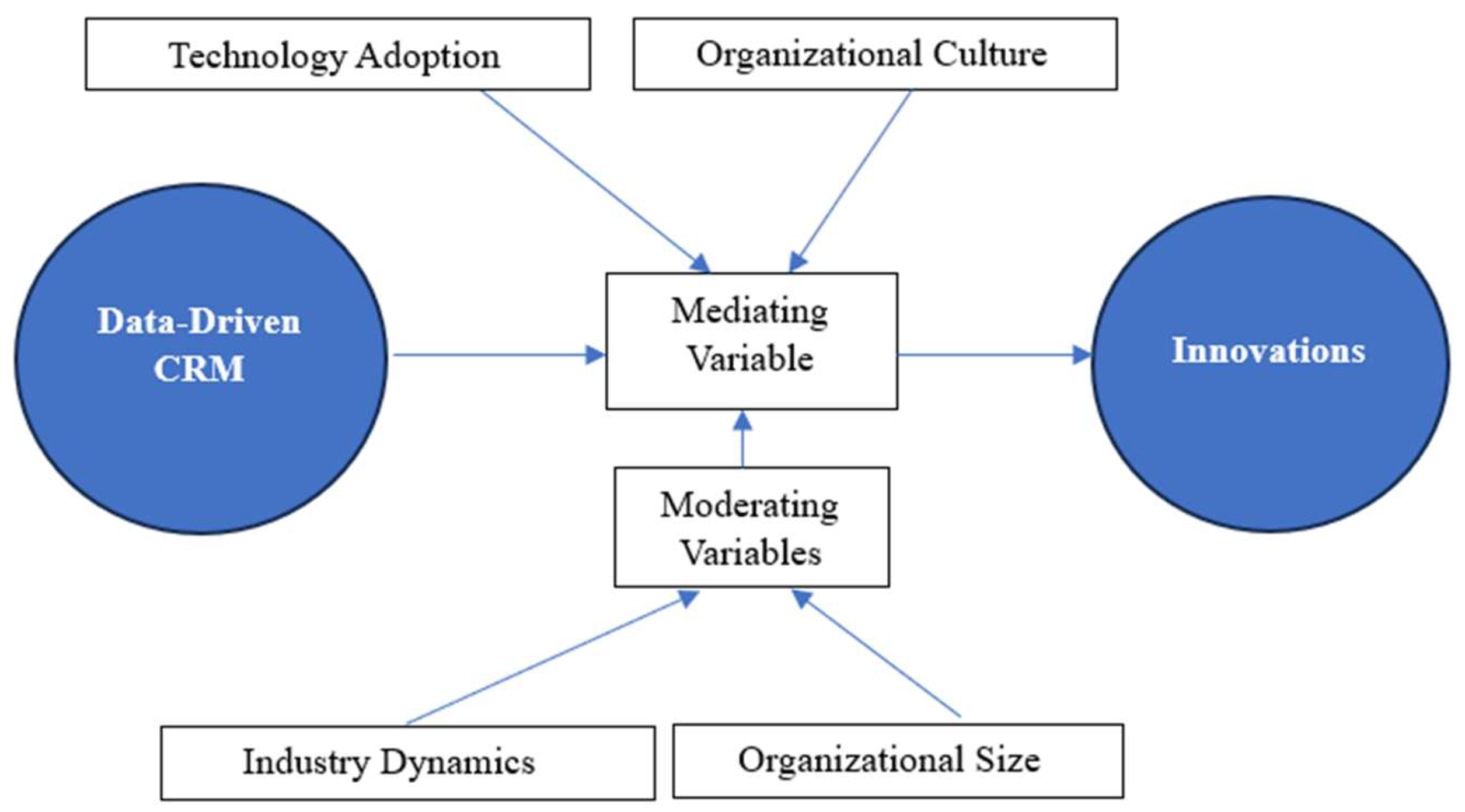
Mediating Variables: Two mediating variables were considered: technology adoption and organizational culture.Technology Adoption: The adoption and utilization of CRM platforms mediate the relationship between DDCRM practices and innovation. Factors such as perceived usefulness, ease of use, and organizational readiness influence how effectively businesses in Taiwan implement and leverage CRM technology to drive innovation.Organizational Culture: The cultural context in Taiwanese business mediates the relationship between DDCRM practices and innovation. Cultural factors such as a collectivist orientation, a relationship-centered orientation, and entrepreneurialism shape how Taiwanese organizations perceive CRM as a tool for innovation.
- 3.
-
Dependent Variable: The dependent variable was innovation.Innovation: Innovation involves the development and implementation of novel ideas, products, or processes that create value for customers and drive organizational growth. In the context of Taiwan, innovation outcomes may include product innovation, process innovation, marketing innovation, and service innovation.
- 4.
-
Moderating Variables: The moderating variables considered in this study were industry dynamics and organizational size.Industry Dynamics: The specific characteristics of industries within Taiwan, including the technology sector, manufacturing sector, and service sector, may influence how DDCRM practices drive innovation. In addition, industry-specific factors, such as market competitiveness, technological sophistication, and customer expectations, can influence the impact of CRM on innovation outcomes.Organizational Size: The size and structure of organizations, including multinational corporations, SMEs, and start-ups, may influence their adoption of DDCRM practices and the effectiveness of these practices in driving innovation. Larger organizations may have more resources and capabilities to invest in CRM technology and innovation initiatives, whereas smaller organizations may have greater agility and flexibility in implementing CRM strategies.
6. Research Model
The independent variable, DDCRM practices, is at the core of the research model. DDCRM practices encompass the strategic utilization of customer data, analytics, and technology solutions to enhance customer relationships and drive business innovation. DDCRM practices include aspects such as data collection, analysis, segmentation, personalized marketing, and customer engagement through CRM platforms.
Figure 1.
Diagrammatic representation of the research model.
7. Hypotheses
Hypothesis 1: DDCRM practices positively influence innovation outcomes in businesses. This hypothesis suggests that Taiwanese businesses that effectively implement DDCRM practices are more likely to achieve innovation outcomes such as product innovation, process innovation, marketing innovation, and service innovation.
Hypothesis 2: Technology adoption mediates the relationship between DDCRM practices and innovation in businesses. This hypothesis suggests that the adoption and utilization of CRM technology platforms play a mediating role in the process of translating DDCRM practices into innovation outcomes. Organizations that successfully adopt CRM technology are more likely to leverage customer insights and analytics to drive innovation.
Hypothesis 3: Organizational culture mediates the relationship between DDCRM practices and innovation in businesses. This hypothesis suggests that the cultural context of Taiwan influences whether DDCRM practices are accepted and how they are implemented to drive innovation. Organizational cultures in which customer-centricity, collaboration, and experimentation are valued are more likely to experience CRM-driven innovation.
Hypothesis 4: The influence of DDCRM practices on innovation outcomes varies across industries and with organizational size. This hypothesis suggests the non-uniformity of the influence of DDCRM practices on innovation outcomes.
8. Research Methodology
8.1. Research Design
This study adopted descriptive and explanatory approaches to gather quantitative and qualitative data using a survey with closed-ended (quantitative) and open-ended (qualitative) questions. The survey covered various dimensions of CRM practices, innovation strategies, organizational culture, technological infrastructure, and customer preferences that were identified in this study’s literature review. The closed-ended questions were responded to on a Likert scale and were used to understand respondents’ perceptions, attitudes, and behaviors related to CRM and innovation. For the open-ended questions, participants were able to provide detailed explanations, examples, and insights into their experiences with CRM and innovation in their organizations.
8.2. Questionnaire Elements
The questionnaire comprised five sections:
DDCRM Practices: Participants were asked to indicate the extent to which their organization utilized DDCRM practices and how effectively the organization leveraged customer data to achieve innovation across various areas.
Technology Adoption: This section focused on the adoption of CRM technology platforms within organizations and the perceived role of these platforms in facilitating innovation.
Organizational Culture: Participants were asked about the degree to which their organizational culture placed value on customer-centricity, collaboration, experimentation, and risk-taking as drivers of innovation.
Industry and Organizational Size: Information regarding the industry sector and size of the organization the participants belonged to was collected to understand how contextual factors may influence the relationship between CRM practices and innovation outcomes.
Additional Comments: Participants were given the opportunity to provide any additional comments or insights related to CRM practices, technology adoption, organizational culture, and innovation outcomes in their organizations.
8.3. Sampling and Data Collection
The respondents for this survey comprised employees and stakeholders within Taiwanese enterprises who were involved in or had insights into areas related to CRM and innovation. They included individuals from various departments, including marketing, sales, customer service, product development, and management departments. Stakeholders such as executives, managers, and decision-makers who oversaw CRM strategies and innovation initiatives within their organizations were also recruited.
The aforementioned groups of individuals were selected for this study because they possessed valuable first-hand knowledge and experiences related to CRM practices and innovation efforts within their respective organizations. Their perspectives and insights provided valuable data that helped with understanding the current state of CRM and innovation in Taiwan as well as with identifying challenges, opportunities, and best practices related to these topics. Furthermore, this study’s inclusion of a diverse range of respondents from different levels and departments within organizations ensured that the survey comprehensively captured how CRM and innovation were perceived, practiced, and integrated across various functions and levels of enterprises.
This study obtained a sample of 413 participants who were specifically selected to ensure diverse demographic representation. The participants were mainly located in the northern and central areas of Taiwan and mainly based in urban cities. After 35 invalid responses were excluded, 378 valid samples were included for analysis.
9. Analysis and Interpretation of Survey Data
9.1. Sample Description
The valid responses were collected from a diverse sample of respondents of various ages, educational backgrounds, jobs, departments, and experiences. The demographic characteristics of the respondents are summarized in Table 1.
The results regarding job position and department indicate that the majority of the participants were non-managerial staff (56.08%), followed by those who were part of middle management (16.67%), first-line management (13.76%), and top management (7.94%). This indicates that although non-managerial staff constituted the majority of the sample, a substantial portion of the respondents (38.37%) were in decision-making positions and had potential to influence CRM and innovation strategies. In addition, the sample included individuals from various departments, with administration/planning (31.22%) and manufacturing/service delivery (30.69%) representing the largest department groups. The diversity of the departments represented in the study sample enabled us to obtain insights into how CRM practices impact different functional areas, including product innovation, process innovation, and marketing innovation.
9.2. Descriptive and Inferential Analyses and Conclusions
We drew on the participants’ responses to each constructs and to innovation effect-
iveness, which are summarized and presented in Appendix A, in our subsequent statistical analysis.
9.2.1. Research Question 1
The findings regarding experience (item 6, Table 1) and CRM adoption (item 1, construct A, Appendix A) indicate that a notable percentage of the respondents had extensive experience in the industry, with 27.52% reporting more than 21 years of experience and 25.13% reporting 11–20 years of experience. This suggests that the respondents had considerable industry knowledge, which could be correlated with how CRM practices are leveraged for innovation. In addition, according to the survey results, for 29.10% of the participants, their organizations had not established a customer database; for 27.25%, their organizations had a customer database; and for 2.91%, their organizations had a customer feedback database. Notably, only 20.10% of the respondents indicated that their organizations had integrated databases. This limited adoption of integrated CRM systems may hinder the organizations’ ability to leverage customer insights to achieve innovation.
The results regarding the utilization of CRM and its effectiveness in driving innovation are respectively presented in item 2 and 3, construct A, Appendix A. As indicated in item 2, 30.69% of the participants reported that their organizations did not utilize CRM for managing customer relationships at all. Notably, only 7.67% reported that their organizations use CRM to a very large extent, and 10.85% reported their organizations to use it to a large extent, indicating that the organizations of only 18.52% of the respondents extensively use CRM. This low utilization rate suggests that many Taiwanese businesses are not effectively leveraging CRM practices, which may limit their potential for innovation. As indicated in item 3, 33.07% of the respondents indicated that they did not believe CRM to be effective at all in driving product or process innovation, and only 8.20% and 4.50% indicated that they believed it to be very and extremely effective, respectively. This indicates that the respondents generally believed CRM practices to have a limited influence on innovation outcomes, with this possibly related to a lack of integration and insufficient utilization of customer data.
As presented in item 1, construct B, 29.36% of the respondents indicated that their organizations had not adopted any system for storing customer data, and only 12.70% and 11.11% reported that their organizations had fully adopted and extensively adopted a general database system, respectively. This low adoption rate is reflected in the results in item 2; 44.71% of the respondents stated that their organizations have not employed professional CRM platforms, indicating they have not leveraged CRM technology to achieve innovation. In addition, as indicated in item 5, 38.62% of the respondents believed that CRM platforms do not play a significant role in facilitating innovation, 5.82% considered CRM to play a very significant role, and 4.23% believed CRM to play an extremely significant role. This suggests that Taiwanese firms have substantial room for improvement in their usage of CRM to achieve innovation, with this achievable through, for example, the integration of customer data into innovation strategies.
As presented in item 1, construct C, only 8.20% of the respondents believed their organization to value customer-centricity and collaboration to a very large extent; this may explain many participants’ beliefs that CRM has low effectiveness in driving innovation. As indicated in item 2, 32.81% of the participants indicated that their organizations are supportive of both improvement and innovation, but only 10.58% reported their organizations to be extremely supportive. Furthermore, the findings in item 3 indicate that 37.04% of the participants believed their organizations to be only slightly supportive of experimentation and risk-taking; this may limit the extent to which CRM can foster innovation in such organizations.
Item 1, construct D indicates that the majority of the organizations were from traditional manufacturing (26.46%) and other sectors (26.72%), in which innovation is likely to be incremental rather than disruptive. Additionally, as presented in item 2, stress from competition in Taiwan is moderate to strong; 57.41% of the respondents indicating the need for significant effort (29.63%) or dedication (27.78%) to survive. This competitive pressure could potentially drive the need for innovation, yet the underutilization of CRM could be a barrier.
The findings presented in item 1, construct E reveal that 48.68% of the participants reported their organizations to have no specific area in which they innovate, and only 16.14% reported their organizations to have company-wide innovation. This suggests that innovation is limited in Taiwanese enterprises, possibly because of low integration of CRM data into innovation processes. As indicated in item 2, new product or service process development (27.29%) was the most frequent form of innovation in the respondents’ organizations, followed by administrative or logistics innovation (22.14%). The results presented in item 4 indicate that most respondents considered innovation to have only a small (34.92%) to moderate (26.72%) positive impact on performance. This limited impact emphasizes the need for more effective integration of CRM practices to improve innovation outcomes across products, processes, marketing, and services.
These descriptive statistics reveal that DDCRM practices in Taiwanese businesses are infrequently used and believed to have a limited influence on innovation outcomes. The low adoption of integrated CRM systems in these businesses, coupled with a lack of an organizational focus on customer-centricity and innovation, has limited the potential of CRM to drive product, process, marketing, and service innovation. To improve innovation outcomes, Taiwanese businesses should expand their adoption of CRM systems, more effectively integrate customer data with innovation strategies, and cultivate a stronger innovation-oriented organizational culture.
9.2.2. Hypothesis 1
The chi-square test was used to test the association between the CRM adoption levels (item 2, construct B) and innovation outcomes (item 2 and 4, construct E; for ordinal variables like item 2, construct B).
A contingency table, Table 2, was created to illustrate the relationship between CRM adoption and innovation outcomes, and the results of the chi-square test are presented in the following:
We applied the following formula to determine the expected frequency for each cell:

The following presents the calculations for two cells, provided here as examples:
Example 1: Expected Frequency for “Rare Innovation” and “Not Adopted”

Example 2: Expected Frequency for “Small Extent” and “Partially Adopted”

The chi-square statistic was calculated using the following formula:
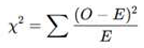
where O = observed frequency and E = expected frequency.
The following presents the calculations of the chi-square components for two cells, provided here as examples:
Example 1: Chi-Square Calculation for “Rare Innovation” and “Not Adopted”

Example 2: Chi-Square Calculation for “Small Extent” and “Partially Adopted”

We organized the chi-square values in Table 3.
We summed the calculated chi-square components for all cells to obtain the chi-square statistics:
Sum of Chi-Square Components

We calculated the degree of freedom for this test as follows:
Degree of Freedom = (Number of Rows − 1) × (Number of Columns − 1)
Because Table 3 comprises 5 rows (types of Innovation Impact) and 5 columns (adoption levels: not adopted, partially adopted, moderately adopted, fully adopted, and extensively adopted), df = (5 − 1) × (5 − 1) = 4 × 4 = 16, indicating the degree of freedom is 16.
The final test results were as follows: χ² = 32.31, p = 0.0091, and df = 16.
The chi-square test revealed a significant relationship between CRM adoption and innovation outcomes (p < 0.05). This indicates that businesses with higher levels of CRM adoption are more likely to achieve innovation in areas such as product development, process improvement, and cross-organizational integration. Thus, we reject the null hypothesis and accept the alternative hypothesis that DDCRM practices positively influence innovation outcomes in Taiwanese businesses.
A correlation analysis revealed a positive relationship between the extent of CRM adoption and the level of innovation outcomes. This supports the hypothesis that DDCRM practices positively influence the success of innovation in business.
9.2.3. Research Question 2
To address Research Question 2, that is, how does technology adoption mediate the relationship between DDCRM practices and innovation in Taiwanese businesses? We analyzed the mediation effect of technology adoption in the relationship between DDCRM practices and innovation outcomes.
As presented in item 2, construct B, a considerable portion of Taiwanese businesses (44.71%) have not utilized CRM platforms, 21.96% of these businesses have somewhat utilized them, and only 13.49% have fully and extensively utilized them. The findings presented in in item 4, construct E reveal that 23.81% of the participants indicated that their organizations rarely innovated and that innovation had no influence on the organization; 34.92% and 26.72% reported innovation to have small and moderate effects on their organization, respectively, and only 9.26% and 5.29% reported it to respectively have large and very large effects, respectively.
We then explored how technology adoption mediated the relationship between DDCRM practices and innovation outcomes. Item 4, construct B, was on CRM adoption involving in-house platforms, Taiwanese systems, and American systems, such as Oracle and Zoho. The findings in item 4, construct E, reveal how much the respondents believed their organizations to benefit from innovation. In addition, as indicated in item 3, construct A, 33.07% of the respondents believed CRM technology to be ineffective in driving innovation, and only 8.20% and 4.50%, respectively, reported CRM to be very and extremely effective in doing so. The findings presented in item 3 indicate that businesses that fully adopt CRM technologies are more likely to report favorable innovation outcomes. As indicated in item 1, construct B, respondents from organizations with moderate adoption (21.43%), full adoption (12.7%), and extensive adoption (11.11%) reported innovation to have higher effectiveness.
Businesses that adopt CRM technologies and integrate them into their processes are more likely to experience positive innovation outcomes. This is evidenced by the fact that participants who reported full adoption of CRM systems also stated their belief that innovation leads to moderate (26.72%), large (9.26%), and very large (5.29%) shifts in outcomes (item 4, construct E). In item 2, construct B, the findings indicate that businesses that do not adopt (44.71%) or moderately adopt (21.96%) CRM platforms achieve moderate levels of innovation, suggesting that adopting such technology enhances the benefits of CRM data and that only partially adopting CRM may prevent an organization from reaching its innovation potential. The findings indicate that higher CRM technology adoption was associated with more favorable innovation outcomes, whereas businesses with higher levels of CRM platform adoption receive greater innovation benefits.
The aforementioned findings indicate that technology adoption plays a crucial mediating role in the relationship between DDCRM practices and innovation outcomes in Taiwanese businesses. The data suggest that businesses that adopt CRM technologies, particularly those that extensively adopt them, are more likely to achieve higher levels of innovation in terms of their products, processes, marketing, and service. Businesses that fully rather than partially integrate CRM systems into their operations are more likely to experience innovation benefits, which indicates that technology adoption amplifies the positive effects of DDCRM on innovation.
9.2.4. Hypothesis 2
We employed mediation analysis to test Hypothesis 2, which posits that technology adoption mediates the relationship between DDCRM practices and innovation. The mediation model suggests that DDCRM practices directly influence innovation but also that this effect is partially or fully mediated by the adoption of CRM platforms. The independent variable (IV) was DDCRM practices (item 1 and 2, construct A), and the mediating variable (MV) was technology adoption (item 2, construct B). The dependent variable (DV) was innovation (item 3, construct A, and item 2–4, construct E).
First, we investigated whether a direct relationship exists between DDCRM practices (item 2, construct A) and innovation (item 3, construct A and item 2–4, construct E). We did so by testing a regression model where DDCRM practices influence technology adoption (item 1 and 2, construct B). We conducted another regression analysis with CRM practices as the independent variable and CRM technology adoption as the MV. We further tested whether CRM technology adoption influences innovation. Item 1 and 2, construct A (Customer Database) provide information regarding the extent to which organizations use customer data for CRM. In this study, these served as proxy measures for DDCRM practices. Item 2, construct B (CRM Technology Adoption) provides information regarding the extent of CRM platform adoption, which was considered to be a mediator. Item 3, construct A (Innovation) presents information regarding the effectiveness of leveraging customer data to achieve innovation, and item 2–4, construct E provide information regarding the type and extent of innovation organizations achieved.
To investigate the direct effect, we conducted a regression analysis of DDCRM practices (item 2, construct A) and innovation (item 3, construct A, and item 2, construct E). The direct effect was expected to be significant. To test the indirect effects (IV to MV to DV), we ran a regression of DDCRM practices (IV) on technology adoption (MV; item 2, construct B). We then ran a second regression of technology adoption (MV) on innovation (DV). To test for mediation effects, when both direct and indirect paths were significant, we employed mediation tests (e.g., Sobel test and bootstrapping) to confirm the mediating effect of technology adoption.
We made the following predictions:
If technology adoption fully mediates the relationship between DDCRM practices and innovation, the direct relationship between CRM practices and innovation will no longer be significant when technology adoption is incorporated into the model.
If technology adoption partially mediates the relationship between CRM practices and innovation, the direct and indirect paths will be significant, but the effect of CRM practices on innovation will be reduced when technology adoption is incorporated into the model.
Because many organizations only partially adopted CRM technology (item 2, construct B) and the findings revealed mixed results regarding innovation effectiveness (item 3, construct A), we predicted that technology adoption would be a partial mediator of the aforementioned relationship. We further predicted that organizations that more extensively adopt CRM technology (item 2, construct B) would be more likely to leverage customer data to achieve innovation (item 3, construct A) but that DDCRM practices would still have a direct impact on innovation outcomes. Therefore, the relationship was not fully mediated.
9.2.5. Research Question 3
To address Research Question 3, we assessed organizational culture’s role as a mediator in the relationship between DDCRM practices and innovation outcomes by examining relevant data. As presented in item 1, construct C, 36.51% and 32.28% of the respondents respectively indicated that their organizational culture places value and a small amount of value on customer-centricity and collaboration. Furthermore, 12.70% and 8.20% respectively reported their organizational culture to place a large amount and very large amount of value on customer-centricity and collaboration. As indicated in item 2, 32.81% of the respondents reported their organizations to be supportive of both innovation and improvement, and 33.33% reported no support at all. As presented in item 3, 37.04% of the respondents reported that their organizations were slightly supportive, whereas only 13.76% reported their organizations to be very (7.94%) or extremely (5.82%) supportive, of risk-taking to achieve innovation. The findings in item 4, construct E reveal limited innovation outcomes in the investigated organizations, with 23.81%, 34.92%, and 26.72% of the participants reporting rare, small, and moderate innovation, respectively, in their organizations. Only 9.26% and 5.29% respectively reported large and very large innovation outcomes.
Mediation analysis was conducted to explore how organizational culture mediates the relationship between DDCRM practices and innovation outcomes. We will focus on the following areas: Customer-centric organizations that place importance on collaboration tend to show a stronger correlation with innovation outcomes. As presented in item 1, construct C, in businesses in which customer-centricity and collaboration are valued to a large (12.70%) or very large (8.20%) extent, innovation is positively influenced. As indicated by the findings presented in item 2, organizations that support employee proposals for both improvement and innovation (32.81%) have an environment that is more conducive to achieving favorable innovation outcomes, indicating that a supportive organizational culture can drive innovation. By contrast, businesses that do not support employee proposals (33.33%) have less favorable innovation outcomes.
The findings of this study indicate that an organization having a culture that supports experimentation and risk-taking plays a key role. As presented in item 3, construct C, the 7.94% and 5.82% of businesses that were respectively very and extremely supportive of experimentation tended to achieve more favorable innovation outcomes (item 4, construct E). Additionally, as indicated by the findings in item 3, construct A, CRM technology adoption directly influences innovation outcomes, but when an organizational culture is not supportive of experimentation, innovation outcomes are limited. The findings presented in item 3 reveal that 33.07% of the respondents believed CRM technology to not be effective in driving innovation, despite CRM adoption levels. This indicates that technology cannot foster innovation if a cultural environment does not encourage innovation.
The positive effects of DDCRM practices can be amplified when organizations have cultures with a strong customer-centric focus. The current findings indicate that businesses that value customer-centricity and collaboration (item 1, construct C) tend to achieve more favorable innovation outcomes because their CRM systems foster customer-driven innovation. Organizational culture is a key influencer of innovation. In this study, businesses that supported employee-driven proposals for innovation and improvement (item 2) tended to report more favorable innovation outcomes. This indicates that CRM systems are most effective when an organization’s culture encourages employee engagement and innovation. In addition, in this study, businesses with a culture that encourages risk-taking and experimentation (item 3) tended to achieve more favorable innovation outcomes. When such organizations also implement effective CRM practices, they are able effectively leverage customer data to develop innovative solutions, products, and processes. CRM systems should be implemented within the context of a customer-centric and innovation-driven culture. When CRM practices are supported by a culture that values collaboration, employee-driven proposals, and risk-taking, businesses are much more likely to experience positive innovation outcomes.
The findings of this study indicate that organizational culture plays a key mediating role in the relationship between DDCRM practices and innovation outcomes in Taiwanese businesses. Customer-centricity, collaboration, and support for employee proposals create an environment in which CRM systems can be effectively utilized to drive innovation. In the absence of such a culture, the potential of DDCRM systems to drive innovation is limited. In the current study, businesses that lacked organizational support for innovation (whether through limited employee engagement or risk aversion) reported less favorable innovation outcomes, even when they had implemented CRM systems. In summary, a strong organizational culture that places value on customer-centricity, encourages employee participation, and encourages experimentation is essential to businesses being able to fully leverage DDCRM practices and achieve favorable innovation outcomes.
9.2.6. Hypothesis 3
To test Hypothesis 3, that is, organizational culture mediates the relationship between data-driven CRM practices and innovation in businesses, this study conducted a mediation analysis by using the following:
Independent variable (X): DDCRM practices
Mediator (M): Organizational culture
Dependent Variable (Y): Innovation outcomes
We analyzed whether organizational culture significantly influences the relationship between DDCRM practices and innovation by conducting a hierarchical regression analysis in three steps:
Step 1: Regress innovation outcomes (Y) on DDCRM practices (X).
Step 2: Regress organizational culture (M) on DDCRM practices (X).
Step 3: Regress innovation outcomes (Y) on both DDCRM practices (X) and organizational culture (M).
The following hypotheses were formulated regarding the mediation effect:
H0: Organizational culture does not mediate the relationship between DDCRM practices and innovation.
H1: Organizational culture mediates the relationship between DDCRM practices and innovation.
The demographic and CRM-related data obtained through the survey were used to conduct the regression analysis.
The regression models were as follows (Table 4):
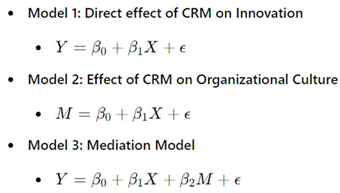
The mediation analysis revealed that organizational culture partially mediates the relationship between DDCRM practices and innovation in Taiwanese businesses.
The results for Model 1 indicated that CRM practices had a positive and significant impact on innovation (β1 = 0.75, p =<.001).
The results for Model 2 revealed that CRM practices also significantly influenced organizational culture (β1 = 0.65, p =<.001).
The results for Model 3 revealed that, when organizational culture was accounted for, the direct effect of CRM on innovation was lower (from β1 = 0.75 to β1 = 0.55) and organizational culture significantly predicted innovation (β2 = 0.30, p = 0.005).
These findings support Hypothesis 3, confirming that organizational culture mediates the relationship between DDCRM practices and innovation outcomes in Taiwanese businesses. That is, organizations with a culture that places value on customer-centricity, collaboration, and experimentation are more likely to leverage CRM practices to drive innovation.
9.2.7. Research Question 4
We explored how the influence of DDCRM practices on innovation outcomes differs with industry type and organizational size to address Research Question 4. In item 1, construct D, participants are categorized by industry, with the respondents representing the technology (6.08%), manufacturing (26.46%), finance (12.17%), health-care, retail (12.17%), and other (26.72%) industries. The findings revealed innovation outcomes to vary across industries, with innovation performance being more favorable in the manufacturing industry than in the retail and health-care industries.
In item 3, we grouped organizations on the basis of the number of employees they have as small (fewer than 50 employees), medium (51–200 employees), and medium-large (more than 200 employees) organizations. Small businesses accounted for 41.54% of the sample, whereas medium and medium-large businesses accounted for only 18.78% and 10.85%, respectively. The study findings indicate that employees at larger organizations were more likely to report more favorable innovation outcomes, whereas those at smaller firms were more likely to report moderate innovation outcomes related to CRM practices. The limited resources of smaller firms limits their ability to adopt technology on the same scale as larger firms do, and this affects their ability to completely leverage CRM to achieve innovation. However, employees in small firms in niche markets reported their organizations to have achieved CRM-driven service and marketing innovations, likely because such firms are more agile and therefore better able to adopt customer-focused solutions. Our findings indicate that medium-sized businesses have more favorable performance in terms of process and marketing innovation, likely because they can invest more resources in CRM technologies. Such businesses also benefit from the fact that they have greater flexibility than do large firms, which enables them to effectively tailor their CRM practices to their needs. The employees from large businesses reported the most favorable innovation outcomes across all dimensions, including product, process, marketing, and service innovations. Such businesses tend to have more comprehensive CRM systems that are integrated across departments. In addition, they benefit from economies of scale when implementing CRM, which enables them to conduct advanced data analytics and develop innovative products and services on a larger scale.
In the present study’s analysis of specific industries, CRM implementation in the manufacturing sector was strongly associated with process and product innovation. Our data indicate that employees in this sector were more likely to report significant CRM-driven improvements in process efficiency and product development. CRM systems enable manufacturers to more effectively manage customer data, which leads to innovations in production processes and enhanced customization of products. Notably, CRM implementation had less of an effect on marketing innovation in the manufacturing sector than it did in the other industries, likely because the manufacturing sector is generally more product-focused. Our findings revealed that retail and finance firms depend more than do the other industries on customer insights from CRM systems to drive marketing innovation. In these two industries, CRM systems help organization understand customer preferences and behaviors, which enables them to develop targeted marketing strategies and service innovations. Although these two industries had high CRM adoption, they were less likely to achieve product innovation than were the other industries. This is likely because the services of retail and finance firms are less product-based and more service-oriented. This supposition is supported by the finding that the service innovation outcomes in the finance sector were significantly high, with CRM helping organizations to develop personalized financial solutions for customers. Notably, the highest innovation outcomes were reported for the technology sector for several dimensions, including product, process, marketing, and service innovations. CRM is often integrated with artificial intelligence and data analytics in the technology industry, which drives the development of more comprehensive and personalized innovation strategies. In this sector, being able to quickly adapt and utilize DDCRM to achieve technological innovations can provide an organization with a competitive edge.
The most limited innovation outcomes were reported in health-care sector. Although organizations in this sector often adopt CRM practices, such organizations have highly regulated environments, which limits the amount of process or product innovation that can be achieved. Service innovations were slightly more common in the industry, with CRM systems used to personalize patient care and improve the patient experience. However, regulatory constraints limit the pace of innovation relative to those in other industries.
This study conducted mediation analysis with consideration of industry type. The results revealed that manufacturing firms tend to focus more on process and product innovations, whereas retail and finance firms tend to focus on marketing and service innovations. However, firms in the technology industry have the highest amount of innovation across all dimensions, which is likely due to the technological capabilities and quick adoption of advanced CRM systems in such firms. Health-care organizations achieved less innovation than those in other industries did because regulatory constraints limit innovation in the sector, although the organizations achieved service innovations through CRM-driven personalization efforts.
These findings indicate that the influence of DDCRM practices on innovation outcomes varies significantly across industries and organizations of different sizes in Taiwan. Manufacturing firms are most likely to achieve process and product innovation, whereas retail and finance firms are more likely to achieve marketing and service innovations. The technology industry is associated with the most innovation overall because firms in this industry are able to leverage advanced CRM technologies. Health-care organizations have slow innovation growth because of regulatory restrictions, although they often achieve service innovation through CRM-driven personalization.
Regarding firm size, large firms can most effectively achieve comprehensive innovation across all areas because they can leverage CRM systems on a large scale. In addition, medium-sized businesses often achieve notable marketing and process innovations. Small businesses generally achieve only moderate levels of innovation, with such innovation being more common in businesses in niche markets with more customer-focused CRM systems. In summary, industry type and organizational size are critical factors in determining the effectiveness of DDCRM practices in driving innovation outcomes. Large organizations in the technology and manufacturing sectors tend to achieve the most favorable innovation outcomes, and small businesses and health-care firms face more constraints in maximizing the potential of their CRM systems.
9.2.8. Hypothesis 4
For industries involving highly sophisticated technologies (e.g., technology), the positive relationship between DDCRM practices and innovation outcomes is likely to be stronger than that for more traditional industries (e.g., manufacturing). In addition, large multinational corporations may benefit differently from DDCRM practices than SMEs do. The results of this study indicate that SMEs can effectively and flexibly leverage CRM to achieve favorable innovative outcomes because they often have closer interactions with customers.
This analysis supports Hypothesis 4, indicating that the effects of DDCRM practices on innovation outcomes significantly vary across industries and organizations of different sizes. Firms in industries involving more sophisticated technologies and higher competition tend to benefit more from DDCRM practices, with such practices leading to more favorable innovation outcomes. This finding indicates that industry-specific factors play a crucial role in shaping the effectiveness of CRM practices in driving innovation.
The findings of this study indicate that the effectiveness of CRM practices in driving innovation is influenced by organizational size. Although large corporations have more resources that they can allocate toward implementing sophisticated CRM systems, SMEs often have greater flexibility and form closer relationships with customers, which enables them to quickly adapt and innovate on the basis of CRM insights. These findings indicate that organizations should adjust their CRM strategies on the basis of the characteristics of their industry and their size. For example, businesses in high-tech sectors should invest more to achieve advanced CRM analytics capabilities to reach their fullest potential in terms of innovation. In addition, SMEs could focus on building strong customer relationships and improving their agility in responding to insights derived from CRM systems.
10. Contributions, Limitations, and Future Research
10.1. Theoretical Contributions
10.1.1. Theoretical Framework Development
This study proposed an integrated theoretical framework linking DDCRM and innovation outcomes that allowed it to investigate the nuances of the diverse business landscape of Taiwan. This framework can be expanded to fit different regions and cultures. Therefore, the framework of this study can facilitate future research on CRM and innovation.
10.1.2. Data-Driven Insights and Identification Key Drivers of Innovation
This study introduced a novel methodological perspective, that is, data-driven decision-making. This perspective was applied to understand the importance of analyzing CRM data that can be leveraged to nurture innovation. Obtaining collaborative statistics and analyzing customer data can enable business to gain insights into customer demands and buying behavior, which can assist them in formulating targeted marketing strategies. Furthermore, it can enable businesses to identify market trends and potential opportunities for fostering service and product innovation based on customer preferences. This study further confirmed that CRM practices can bolster innovation within businesses, revealing key factors that enhance innovation outcomes. This study identified the key influencers of the interplay between CRM and innovation.
10.1.3. Empirical Evidence
This study used first-hand data from 378 questionnaire responses to confirm that CRM practices can effectively drive business innovation. The findings of this study fill a notable gap in the literature by providing empirical evidence of how CRM can drive innovation in Taiwanese businesses. Whereas most studies have mainly focused on the role of CRM in improving customer satisfaction or loyalty, the current study determined how CRM can be strategically employed in conjunction with innovation to create long-term competitive advantages.
10.2. Practical Contributions
10.2.1. Confirmation of DDCRM Driving Innovation
Taiwan, which has a dynamic economic environment and has undergone rapid technological advancement, is an ideal setting for investigating how CRM can be leveraged to drive innovation. The current study investigated the mediating effects of technology adoption and organizational culture and revealed how these factors collectively enhance the effectiveness of CRM practices in driving innovation across several industries in Taiwan.
One of the critical insights obtained through this research is that technology adoption, particularly adoption of digital CRM platforms and big data analytics, mediates the relationship between CRM practices and innovation outcomes. Taiwanese companies, particularly those in the technology and manufacturing sectors, have been at the forefront of adopting cutting-edge technologies to optimize their operations. For example, Taiwanese technology giants such as Taiwan Semiconductor Manufacturing Company (TSMC) and Acer have increasingly employed advanced CRM systems to manage customer data, and the insights they gain from these systems inform their product development and innovation processes. By employing sophisticated data analytics, these companies identify emerging customer needs and preferences, and this enables them to tailor their innovation strategies to effectively meet those needs.
10.2.2. Facilitation of Innovation
This study offers insights that are likely to be valuable to Taiwanese businesses seeking to enhance their CRM strategies, particularly because Taiwanese firms are facing growing competition in the global market. Taiwanese businesses can leverage CRM to remain ahead of market trends, manage customer expectations, and develop innovative products and services. Business can consider the current findings of a link between CRM practices and innovation in developing new products or service that align with market demands, and strengthening their competitive advantage.
10.2.3. Improvement of Company-Wide Collaboration
The findings of this study indicate that organizational culture plays a crucial role in enhancing the ability of CRM to drive innovation in Taiwanese businesses. These findings can assist business in refining their CRM strategies and improving managerial supportive attitudes and organizational culture in a manner that encourages stakeholder interactions at all levels by addressing specific needs identified in the survey.
Taiwanese firms, particularly those the technology sector, generally have a culture of collaboration and adaptability, which supports innovation. Companies such as ASUS Tek Computer and Quanta Computer have demonstrated that organizational culture can be leveraged to foster creativity and agility in implementing CRM strategies. These firms have a culture of openness and a strong focus on customer feedback, which have been integral to their success in terms of continual product innovation and CRM. The current study indicates that in such organizational contexts, CRM practices can both contribute to customer engagement and provide a foundation for innovation.
10.3. Limitations and Future Research
10.3.1. Limitations
This study has several limitations. The survey area, sample size, and sample diversity may have been insufficiently representative of all sectors and regions in Taiwan, which may have affected the generalizability of the study results. In addition, this study relied on self-reported data, which may have led to biases or inaccuracies in the data. Additionally, different organizations may have used different CRM platforms, which could have influenced the results, and the cross-sectional nature of this study limits its ability to make longitudinal inferences. Finally, cultural and organizational differences may limit the applicability of the current findings to contexts other than that of Taiwan.
10.3.2. Future Research
Future studies could investigate the influence of Taiwan’s unique geopolitical status on CRM practices in Taiwanese businesses. In addition, studies could explore the interplay between organizational culture and DDCRM practices in diverse settings to enhance the generalizability of the current findings. For example, studies could include a broader range of industries and geographic areas or could conduct more comprehensive analyses of specific industries. In addition, studies could investigate specific CRM technologies and their effectiveness in different contexts, or they could analyze longitudinal data to obtain a clearer understanding of how CRM practices evolve over time in response to changing market dynamics and technological advancements. Furthermore, research could investigate the influence of external factors such as market conditions and technological advancements for various CRM platforms to elucidate their mediating roles in innovation. Finally, studies could explore the roles of emerging technologies, such as artificial intelligence and block-chain, in transforming CRM strategies and innovation.
Studies can build on the foundation established in the current research to provide more nuanced insights into the role of CRM in driving innovation within Taiwan’s diverse business sectors. This would provide Taiwanese companies with insights that could guide them in adopting CRM strategies to sustain innovation in a rapidly changing global economy.
Author Contributions
Conceptualization, J.Y.L. and C.C.C.; methodology, J.Y.L; software, J.Y.L.; validation, C.C.C.; formal analysis, J.Y.L.; investigation, J.Y.L.; resources, J.Y.L.; data curation, J.Y.L.; writing—original draft preparation, J.Y.L.; writing—review and editing, J.Y.L. and C.C.C.; visualization, J.Y.L.; supervision, C.C.C.; project administration, J.Y.L.; funding acquisition, J.Y.L. All authors have read and agreed to the published version of the manuscript.
Funding
This research received no external funding. The author did not receive any specific grant from funding agencies in the public, commercial, or not-for-profit sectors.
Institutional Review Board Statement
Accepted by advisory professor panel with statement of relevant to research domain and satisfactory manuscript writing, acceptance: Dec. 24, 2024.
Informed Consent Statement
Informed consent was obtained from all subjects involved in the study.
Data Availability Statement
All research data are available by the author.
Acknowledgments
This manuscript was edited by Wallace Academic Editing.
Conflicts of Interest
The author declare there are no conflict of interest.
Abbreviations
The following abbreviations are used in this manuscript:
| CRM | Customer relationship management |
| DDCRM | Data-driven customer relationship management |
Appendix A

Table A1.
Summary of respondent answers.
| Construct | |||
| Question Item | |||
| Response Data Values | Sample (n = 378) | Percent (%) | |
| |||
| |||
| None | 110 | 29.10 | |
| Only customer database | 103 | 27.25 | |
| Only customer feedback database | 11 | 2.91 | |
| Both available, but operates independently | 78 | 20.64 | |
| Both available, integrated for inter-operation | 76 | 20.10 | |
| |||
| Not at all | 116 | 30.69 | |
| To a small extent | 83 | 21.96 | |
| To a moderate extent | 109 | 28.83 | |
| To a large extent | 41 | 10.85 | |
| To a very large extent | 29 | 7.67 | |
| |||
| Not effective at all | 125 | 33.07 | |
| Slightly effective | 100 | 26.45 | |
| Moderately effective | 105 | 27.78 | |
| Very effective | 31 | 8.20 | |
| Extremely effective | 17 | 4.50 | |
| |||
| |||
| No, not adopted | 111 | 29.36 | |
| Yes, partially adopted | 96 | 25.40 | |
| Yes, moderately adopted | 81 | 21.43 | |
| Yes, fully adopted | 48 | 12.70 | |
| Yes, extensively adopted | 42 | 11.11 | |
| |||
| No, not adopted | 169 | 44.71 | |
| Yes, partially adopted | 75 | 19.84 | |
| Yes, moderately adopted | 83 | 21.96 | |
| Yes, fully adopted | 27 | 7.14 | |
| Yes, extensively adopted | 24 | 6.35 | |
| |||
| Adopted, please skip the rest of the answers | 114 | 30.16 | |
| Small size, low turnover, no budget | 69 | 18.25 | |
| Using general software computer to establish customer database | 101 | 26.72 | |
| No responsible department to execute and maintain the system | 57 | 15.08 | |
| Top management is not supportive | 35 | 9.26 | |
| Other | 2 | 0.53 | |
| |||
| Did not adopt, skip the rest of the answers | 203 | 53.70 | |
| In-house or consultant designed | 118 | 31.22 | |
| Taiwanese system, such as General Digital, MiCloud, etc. | 31 | 8.20 | |
| Japanese system, such as Kintone, etc. | 2 | 0.53 | |
| American system, such as Oracle, Ragic, Zendesk, Zoho, etc. | 13 | 3.44 | |
| Other | 11 | 2.91 | |
| |||
| Not significant | 146 | 38.62 | |
| Somewhat significant | 94 | 24.87 | |
| Moderately significant | 100 | 26.46 | |
| Very significant | 22 | 5.82 | |
| Extremely significant | 16 | 4.23 | |
| |||
| |||
| Not at all | 39 | 10.31 | |
| To a small extent | 138 | 36.51 | |
| To a moderate extent | 122 | 32.28 | |
| To a large extent | 48 | 12.70 | |
| To a very large extent | 31 | 8.20 | |
| |||
| None | 126 | 33.33 | |
| Only for improvement | 62 | 16.40 | |
| Only for innovation | 26 | 6.88 | |
| Both, supportive | 124 | 32.81 | |
| Both, extremely supportive | 40 | 10.58 | |
| |||
| Not supportive at all | 80 | 21.16 | |
| Slightly supportive | 140 | 37.04 | |
| Moderately supportive | 106 | 28.04 | |
| Very supportive | 30 | 7.94 | |
| Extremely supportive | 22 | 5.82 | |
| |||
| |||
| Technology R&D and Manufacturing | 23 | 6.08 | |
| Traditional Manufacturing | 100 | 26.46 | |
| Civil Engineering and Consulting | 24 | 6.35 | |
| Bank, Insurance, and Securities | 46 | 12.17 | |
| Hospital and Healthcare | 16 | 4.23 | |
| Retail and Shopping Malls | 46 | 12.17 | |
| Hotels and Restaurants | 14 | 3.70 | |
| Real Estate Agent and Property Management | 8 | 2.12 | |
| Other | 101 | 26.72 | |
| |||
| Not at all, easy to survive | 36 | 9.52 | |
| Little, need attention to survive | 108 | 28.57 | |
| Moderate, need effort to survive | 112 | 29.63 | |
| Strong, need dedication to survive | 105 | 27.78 | |
| Extremely strong, difficult to survive | 17 | 4.50 | |
| |||
| Small, 1–50 employees | 157 | 41.54 | |
| Medium, 51–200 employees | 71 | 18.78 | |
| Medium–Large, 201–500 employees | 41 | 10.85 | |
| Large, 501–1000 employees | 25 | 6.61 | |
| Conglomerate, 1001+ employees | 84 | 22.22 | |
| |||
| |||
| No specific innovation or no specific area | 184 | 48.68 | |
| Within departmental level | 51 | 13.49 | |
| Cross-department level | 81 | 21.43 | |
| Company-wide level | 61 | 16.14 | |
| Other | 1 | 0.26 | |
| |||
| Rare innovation | 140 | 26.72 | |
| Administration or logistics | 116 | 22.14 | |
| New product development or new service processes | 143 | 27.29 | |
| Adoption of environmentally sustainable materials | 65 | 12.40 | |
| or new manufacturing processes | |||
| Cross-organizational integration or cross-industry alliances | 60 | 11.45 | |
| Number of Choices | 524 | 100 | |
| |||
| Economic, in terms of cost-savings | 165 | 30.90 | |
| Quality, in products or services | 206 | 38.58 | |
| Noneconomic, for environmental sustainability | 75 | 14.04 | |
| No specific property | 88 | 16.48 | |
| Others | 0 | 0 | |
| Number of Types | 534 | 100 | |
| |||
| Rare innovation, no positive influence | 90 | 23.81 | |
| To a small extent | 132 | 34.92 | |
| To a moderate extent | 101 | 26.72 | |
| To a large extent | 35 | 9.26 | |
| To a very large extent | 20 | 5.29 | |
References
- Buhl, H.U.; Roglinger, M.; Moser, F.; Heidemann, J. Big data. Engineering 2013, 5, 65–69. [Google Scholar] [CrossRef]
- Manyika, J.; Chui, M.; Brown, B.; Bughin, J.; Dobbs, R.; Roxburgh, C.; Byers, A.H. Big Data: The Next Frontier for Innovation, Competition, and Productivity; McKinsey Global Institute: San Francisco, CA, USA, 2011. [Google Scholar]
- McAfee, A.; Brynjolfsson, E. Big Data: The Management Revolution; Harvard Business Review, 2012.
- Rosario, A.T.; Dias, J.C. How has data-driven marketing evolved: Challenges and opportunities with emerging technologies. Int. J. Inform. Manag. Data Insights 2023, 3, 100203. [Google Scholar] [CrossRef]
- Santouridis, I.; Tsachtani, E. Investigating the impact of CRM resources on CRM processes: A customer life-cycle based approach in the case of a Greek Bank. Proc. Econom. Finance 2015, 19, 304–313. [Google Scholar] [CrossRef]
- Khong, K.W.; Yao, H. Effectiveness of customer relationship management on customer satisfaction in the commercial banks of Taiwan. Contemp. Manag. Res. 2011, 7, 105–116. [Google Scholar] [CrossRef]
- Gil-Gomez, H.; Guerola-Navarro, V.; Oltra-Badenes, R.; Lozano-Quilis, J.A. Customer relationship management: Digital transformation and sustainable business model innovation. Econom. Res.-Ekonomska Istraživanja 2020, 33, 2733–2750. [Google Scholar] [CrossRef]
- Guerola-Navarro, V.; Gil-Gomez, H.; Oltra-Badenes, R.; Soto-Acosta, P. Customer relationship management and its impact on entrepreneurial marketing: A literature review. Int. Entrepr. Manag. J. 2022, 20, 507–547. [Google Scholar] [CrossRef]
- Schmidt, R.; Mohring, M.; Keller, B. Customer relationship management in a public environment – Key influencing factors for European enterprise. In Proceeding of the 50th Hawaii International Conference on System Science, 2017.
- Gartner. Top 5 Priorities for Legal and Compliance Leaders in 2024; 2024 Gartner, 2024.
- Cronholm, S.; Gobel, H.; Rittgen, P. Challenges concerning data-driven innovation. Australasian Conference on Information Systems, Hobart, Australia, 2017.
- Femina, B.T.; Elayidom, S.M. An efficient CRM-data mining framework for the prediction of customer behavior. International Conference on Information Communication Technologies (ICICT 2014), 2015.
- Siau, K.; Fruhling, A. Assessing organizational innovation capability and its effect on E-commerce initiatives. J. Comput. Inform. Syst. 2007, 48, 133–145. [Google Scholar]
- Cohen, W.M.; Levinthal, D.A. Absorptive capacity: A new perspective on learning and innovation. Admin. Sci. Qtly. 1990, 35, 128–152. [Google Scholar] [CrossRef]
- Menguc, B.; Auh, S. Creating a firm-level dynamic capability through capitalizing on market orientation and innovativeness. J. Acad. Market. Sci. 2006, 34, 63–73. [Google Scholar] [CrossRef]
- Miguel, P.M.; De-Pablos-Heredero, C.; Montes, J.L.; Garcia, A. Impact of dynamic capabilities on customer satisfaction through digital transformation in the automotive sector. Sustainability 2022, 14, 4772. [Google Scholar] [CrossRef]
- Dervitsiotis, K. An innovation-based approach for coping with increasing complexity in the global economy. Total Qual. Manag. Bus. Excell. 2012, 23, 997–1011. [Google Scholar] [CrossRef]
- Eriksson, T.; Heikkila, M. Capabilities for data-driven innovation in B2B industrial companies. Indus. Market. Manag. 2011, 111, 158–172. [Google Scholar] [CrossRef]
- Wang, W.Y.C.; Pauleen, D.; Taskin, N. Enterprise systems, emerging technologies, and the data-driven knowledge organization. Knowledge Manag. Res. Pract. 2022, 20, 1–13. [Google Scholar] [CrossRef]
- Nambisan, S.; Lyytinen, K.; Majchrzak, A.; Song, M. Digital innovation management: Reinventing innovation management research in a digital world. MIS Qtly. 2017, 41, 223–238. [Google Scholar] [CrossRef]
- Kane, G.C.; Palmer, D.; Phillips, A.N.; Kiron, D.; Buckley, N. Strategy, not technology, drives digital transformation, becoming a digitally mature enterprise. MIT Sloan Manag. Rev. 2015. [Google Scholar]
- Blanco-Gonzalez-Tejero, C.; Ulrich, K.; Ribeiro-Navarrete, S. Can social media be a key driver to becoming an entrepreneur? J. Knowledge Economy 2013. [Google Scholar] [CrossRef]
- Kraus, S.; Durst, S.; Ferreira, J.J.; Veiga, P.; Kailer, N.; Weinmann, A. Digital transformation in business and management research: An overview of the current status quo. Int. J. Inform. Manag. 2022, 63, 102466. [Google Scholar] [CrossRef]
- Pisano, G.P. “You Need an Innovation Strategy." The Big Data. Harv. Bus. Rev. 2015, 93, 44–54. [Google Scholar]
Lin (Capacity) Jung-Yi is a doctoral candidate at the College of Management, National Taipei University of Technology (NTUT). His primary research interests include business marketing and the electronic industry. In 1992, he founded Forttek Security, Inc., a professional security company specializes in the integration, installation, and maintenance of surveillance recording, access control, and burglar alarm systems (website: www.forttek.com.tw). In 2023, he enthusiastically embarked on this project “Driving innovation through customer relationship management —a data-driven approach”, his future research plan will focus on innovative marketing strategy in Taiwan’s electronic industry. Lin holds a bachelor’s degree from the Department of Electronic Engineering at Taipei Institute of Technology (formerly NTUT), and a Master of Business Administration through distance learning at the University of Leicester in England. He was also the valedictorian of the Executive MBA program at NTUT. Prior to establishing Forttek, he held several positions, including Supervisor of the Engineering Department at Senior Electronics (an LED factory), Supervisor of the Assembly Section at Auva Electronics (a computer factory), and Business Development Manager at Guardforce Security, Taiwan.
Table 1.
Respondent demographic characteristics.
| Item | ||
| Factor | Sample (n = 378) | Percent (%) |
| Gender | ||
| Male | 227 | 60.05 |
| Female | 151 | 39.95 |
| Age | ||
| ≤30 | 27 | 7.14 |
| 31 – 45 | 155 | 41.01 |
| 46 – 60 | 162 | 42.86 |
| ≥61 | 34 | 8.99 |
| Education | ||
| High school or below | 49 | 12.96 |
| Associate bachelor's degree | 53 | 14.02 |
| Bachelor's degree | 162 | 42.86 |
| Master's degree | 104 | 27.51 |
| Doctoral Degree | 10 | 2.65 |
| Job position | ||
| Top management/executive | 30 | 7.94 |
| Middle management | 63 | 16.67 |
| First-line management | 52 | 13.76 |
| Non managerial staff/employee | 212 | 56.08 |
| Others | 21 | 5.55 |
| Department of the respondents | ||
| Administration and/or planning | 18 | 31.22 |
| Manufacturing and/or Service Delivery | 116 | 30.69 |
| Marketing and sales | 74 | 19.58 |
| Product and/or service R&D | 38 | 10.05 |
| Others | 32 | 8.46 |
| Years of experience | ||
| Less than 1 year | 24 | 6.35 |
| 1–3 years | 47 | 12.43 |
| 4–6 years | 53 | 14.02 |
| 7–10 years | 55 | 14.55 |
| 11–20 years | 95 | 25.13 |
| ≥21 years | 104 | 27.52 |
Table 2.
Observed (O) and Expected (E) frequency.
| Innovation Impact | Not Adopted | Partially Adopted | Moderately Adopted | Fully Adopted | Extensively Adopted | Total | |||||
| O | E | O | E | O | E | O | E | O | E | ||
| Rare Innovation | 90 | 80.19 | 45 | 40.10 | 35 | 38.19 | 10 | 16.55 | 5 | 9.97 | 145 |
| Small Extent | 132 | 118.78 | 62 | 59.39 | 50 | 56.56 | 20 | 24.51 | 10 | 14.77 | 294 |
| Moderate Extent | 101 | 108.81 | 50 | 54.40 | 60 | 51.81 | 25 | 22.45 | 15 | 13.53 | 251 |
| Large Extent | 35 | 45.52 | 20 | 22.76 | 25 | 21.67 | 15 | 9.39 | 10 | 5.66 | 105 |
| Very Large Extent | 20 | 24.71 | 12 | 12.35 | 10 | 11.77 | 8 | 5.10 | 7 | 3.07 | 57 |
| Total | 378 | 189 | 180 | 78 | 47 | 847 | |||||
Table 3.
Chi-square values.
| Innovation Impact | Not Adopted | Partially Adopted | Moderately Adopted | Fully Adopted | Extensively Adopted |
| Rare Innovation | 1.20 | 0.60 | 0.27 | 2.59 | 2.48 |
| Small Extent | 1.32 | 0.11 | 0.76 | 0.83 | 1.54 |
| Moderate Extent | 0.56 | 0.36 | 1.29 | 0.29 | 0.16 |
| Large Extent | 2.44 | 0.33 | 0.50 | 3.37 | 3.32 |
| Very Large Extent | 0.90 | 0.01 | 0.27 | 1.62 | 5.01 |
Table 4.
Regression results.
| Model | Coefficients (β) | R² | Significance (p-value) |
| Model 1 (CRM → Innovation) | β1 = 0.75 | 0.56 | <.001 |
| Model 2 (CRM → Culture) | β1 = 0.65 | 0.52 | <.001 |
| Model 3 (CRM, Culture → Innovation) | β1 = 0.55, β2 = 0.30 | 0.72 | <.001, 0.005 |
Disclaimer/Publisher’s Note: The statements, opinions and data contained in all publications are solely those of the individual author(s) and contributor(s) and not of MDPI and/or the editor(s). MDPI and/or the editor(s) disclaim responsibility for any injury to people or property resulting from any ideas, methods, instructions or products referred to in the content. |
© 2025 by the authors. Licensee MDPI, Basel, Switzerland. This article is an open access article distributed under the terms and conditions of the Creative Commons Attribution (CC BY) license (http://creativecommons.org/licenses/by/4.0/).
Copyright: This open access article is published under a Creative Commons CC BY 4.0 license, which permit the free download, distribution, and reuse, provided that the author and preprint are cited in any reuse.


