Preprint
Article

This version is not peer-reviewed.

Bioprocess Optimization of Pectinase Enzymes Synthesized from Fungal Species Under Solid-State Fermentation Conditions

Submitted:

24 January 2025

Posted:

26 January 2025

Read the latest preprint version here

Abstract

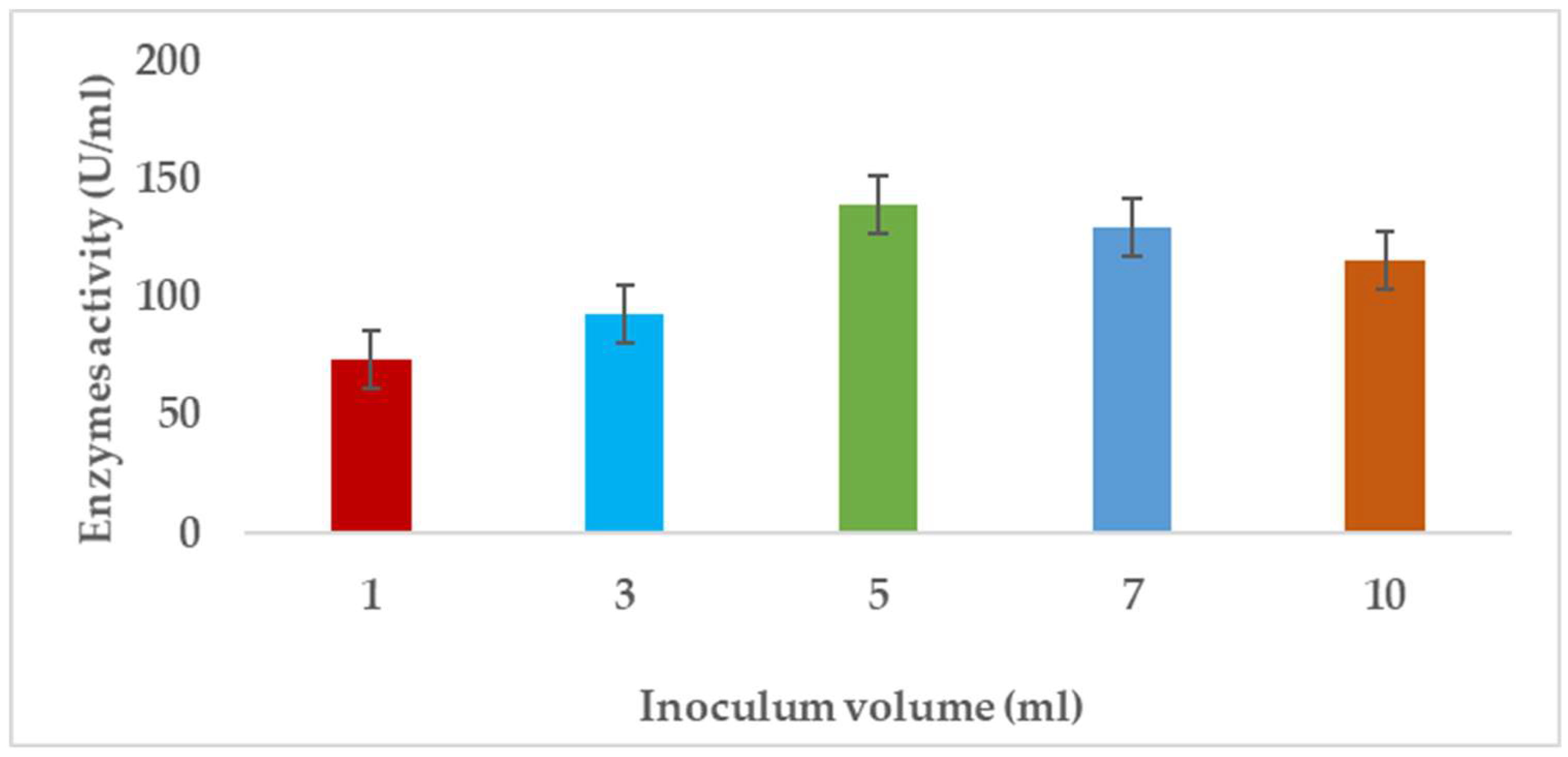
Pectinases represent a class of enzymes involved in the breakdown of pectin-rich compounds. The importance of pectinases are well documented as they command at least a quarter of all food enzymes and 70% of all the fruit and juice processing enzymes sold around the world, respectively. The worldwide enzymes market is presently valued at $12.3 billion and is predicted to grow to $20.31 billion by 2030. This study successfully optimized the various conditions that could illicit the synthesis of pectinolytic enzymes using Aspergillus niger obtained from the soil of decomposed fruit and vegetable matter under solid-state fermentation conditions. Under the respective optimized fermentation conditions, the peak pectinase enzyme synthesis had been achieved under pH 6.0 (121.1 U/ml), incubation period of 5 days (117.4 U/ml), substrate morphology/particles size (118.0 U/ml), Peptone as nitrogen source (127.6 U/ml), Potassium chloride (KCl) as mineral salt (112.3 U/ml), Tween-20 as surfactant (126.8 U/ml), inoculum volume of 5.0ml (139.4 U/ml) and powdered Citrus peels as the best carbon source (124.8 U/ml). Under current study, moisture content (70%) and room temperature (25-30°C) and fermentation vessel (2.2L perforated tin tomato cans) were constantly maintained throughout the experiments executed under solid-state fermentation conditions. The success achieved from current study, make this enzyme isolated from Aspergillus niger, a potential candidate for many industrial applications including fruit juice clarification, wine production, food processing, coffee and tea fermentation, protoplast fusion, waste treatment, production of pharmaceuticals, detergents, pulp and paper and biofuels.

Keywords: 
;  ;  ;  ;  

1.0. Introduction

Pectinase belongs to a group of valuable biological catalysts that hydrolyse the degradation of pectin-rich polysaccharides found in plants. Pectin biomolecules are biochemically broken down through hydrolysis, de-esterification and trans-elimination by hydrolyzing various esterified linkages that connects the pectin’s methyl and carboxyl groups [1]. Pectinases break down pectin oligo-D-galacturonate present in plant cell walls into monogalacturonic acids. This is done when pectinolytic enzymes cleave the α-1, 4 glycosidic linkages of polygalacturonic acids [2]. Figure 1 is an illustration of the structure of pectin and its monomer, galacturonic acid.
Pectinases are categorized into extracellular and intracellular pectinases based on how they are secreted. Extracellular pectinases are those that are secreted outside of the cell into the surrounding media in which the organism lives. Extracellular pectinases generally transform complex organic substrates into smaller ones that can be more easily delivered into the cell. On the other hand, intracellular pectinases are secreted within the confines of the cell membrane [4]. Furthermore, pectinases have also been successfully grouped into seven different classes based on enzymatic activity. They include pectinesterases (EC3.1.1.11), polygalcturonases (EC3.2.1.15), galacturan 1, 4-α-galacturonidases (EC3.2.1.67), exopoly-α galacturonosidases (EC3.2.1.82), endopectate lyases (EC4.2.2.2), exopectate lyases (EC4.2.2.9) and endopectin lyases (EC4.2.2.10) [5,6]. Pectinases including polygalacturonase, pectin lyase, and pectozymes, are the most studied and widely utilized in commercial applications [7]. Polygalacturonases are the most common pectinases. They are capable of using water to cause the degradation of polygalacturonic acid chains in molecules [8].
Pectinase enzymes are sourced from animals, plants, and microorganisms [6,9]. Microorganisms, including fungi, yeast and bacteria are the main sources of commercial enzymes. Filamentous fungi and yeasts contribute 50% of total pectinase production, whilst 35 % is generated by bacteria. Animals and plants take up the 15% left [10]. Plants naturally produce pectinase, which enhances fruit ripening and aids in carbon cycle and energy transfer. Microbe-derived enzymes are increasingly in demand for food and industrial applications due to their superior performance and ease of modification [1,11,12,13]. Among all the microbial sources, the filamentous fungi family are the most exploited and used in various fermentation processes due to their ability to do well even on substrates with less free water [14]. They are organoheterotrophs that generate energy from degrading high molecular weight biomolecules into absorbable units, making them good sources of extracellular enzymes. As a result, the extracellular enzymes can be extracted without damaging the cellular integrity of the cells of the organism [15]. Also, other advantages include ease of isolation, high yields, consistency, economic feasibility, stability, and greater output. Most filamentous fungi are also Generally Regarded as Safe (GRAS) [15]. Genetic and metabolic engineering can help improve microbial fermentation efficiency and supply, making them an environmentally sustainable alternative to inorganic chemical catalysts. In addition, there is faster product recovery, and most of these microbes are well characterized in terms of biology, biochemical and molecular pathways and applications [16]. Furthermore, enzyme-induced processes generate lesser or no side-effects. Therefore, enzymes, particularly, fungal-derived ones, can provide better uses in many instances without any environmental and economic concerns, compared to their chemical alternatives [15].
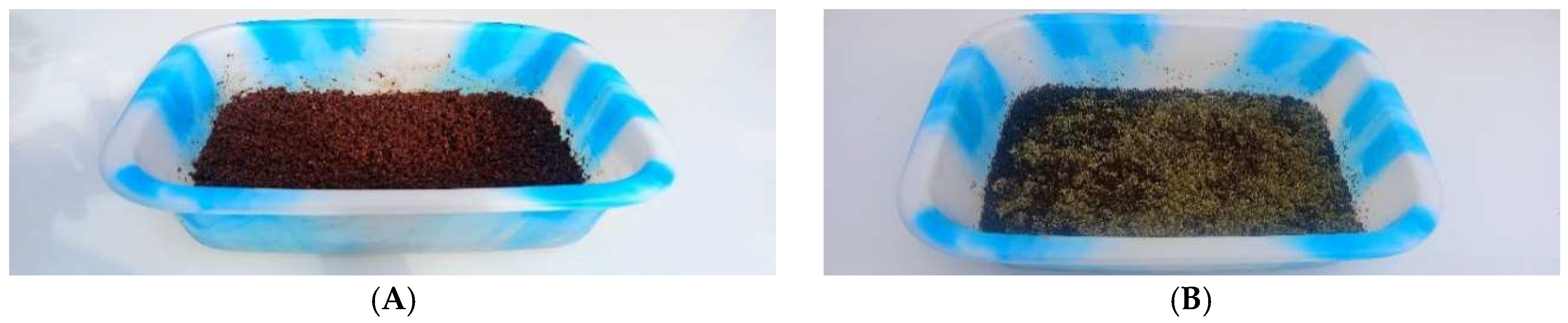
The production of pectinolytic enzymes in commercialized quantities are achieved using one of the following fermentation techniques; submerged fermentation (SmF) or solid-state fermentation (SSF). The use of SmF or SSF is however, dependent on the types of microbes and substrate used [17,18,19]. Submerged fermentation (SmF) involves culturing microbes on a liquid broth/media. This fermentation technique consumes considerable amounts of water, involves continuous stirring, and generates a lot of waste materials [20]. In this technique, the microbial species and substrates are both submerged in water [21]. SmF for enzyme production is typically carried out in stirred tank bioreactors under aerobic and high aseptic conditions. It is quite easy to scale up and monitor the bioprocess, has better heat and mass transfer, uniform nutrient mixing, temperature control, and microorganism diffusion [21]. However, it is complex, laborious, and expensive due to high costs, high energy consumption, low enzyme yield, and high effluent production. Also, in many developing nations, capital investment and energy expenditures, as well as requiring sophisticated and highly expensive facilities for commercial operations, render its implementation practically impossible to execute. SSF is a fermentation process based on cultivating microorganisms on solid particles (substrates) in aerobically-enhanced status, without the involvement of free water. This process demands no stringent aseptically-enhanced environments as microbes are cultivated primarily on materials with little to no water activity [22]. The filamentous group, are more preferable in SSF as it offers them the conducive environment to support their growth and wellbeing throughout the fermentation process whilst the low water activity drastically discourages the possible bacteria-related contaminations [10,18]. Aspergillus strains are more effective in SSF compared to SmF [23]. Aspergillus niger is the primary source of most pectinase in commercial applications [21]. Figure 2 depicts a simple SSF.
SSF offers a lot of advantages over SmF [18,24]: Greater product output and quality is achieved; Inexpensive metabolite recovery; Uses simple and inexpensive technology; concentration of substrate higher; potential contamination reduced; Low water activity needed; Lower capital investment; Produces higher enzymatic activity per reactor volume; Enzymes are less affected by catabolite repression; Mimics natural environment of microbes; Makes profitable use of agro-wastes and forest residues; remediates the environment from pollution; Products formed can easily be extracted without solvents; No need for substrate pretreatment; Metabolites are of better activity and quality; Comes with better oxygen circulation; The technique has lower rate of hampering; Generates little or no foam, and also, there is no need for extra nutrients as solid substrate provides sufficient nutrients for microbes. The SSF production technique offers promising opportunities for researchers and stakeholders in industrial bioprocesses as it has given very promising results in the last two decades [24]. With dwindling petroleum resources [25,26], there is a growing pressure to transition towards sustainable, eco-friendly, and economically viable bioprocesses for producing pectinases and other products of commercial status [22]. Hence, optimizing the performance of large-scale bioreactors will accelerate the SSF method's potential. Pectinase production for commercial applications is so much reliant on factors including carbon source, period of incubation, pH, Inoculum volume, nitrogen sources, addition of mineral salts, and morphology/particle size of substrates, temperature, and moisture content, type of microorganism and fermentation vessel [27,28,29].
Researches that aim at finding further applications of newly discovered biocatalysts with attractive qualities that can be produced on a large scale based on budget-friendly processes and resources would be a refreshing approach. As a result, such advances have been the target of recent researches. The goal of this study was therefore, to highlight the urgent need to tap into the hidden potential of producing pectinase enzymes from discarded fruits, particularly discarded Citrus fruits (DCF) bio-waste that would otherwise go unnoticed and dumped, and would also help to reduce pollution in the environment. In addition, this study focused on the many methods and tactics for optimizing pectinase enzyme synthesis under SSF.

2.0. Materials and Methods

2.1. Collection and Processing of Discarded Fruits as Substrate

Discarded fruits consisting of Citrus, pineapple and banana were collected from local markets and dumpsites in the Kumasi metropolis of the Ashanti Region of Ghana. The respective fruit wastes were further processed to obtain pulverized samples that would be needed for further work. Our previous study [30] contains the detailed work on the collection and processing of the discarded fruit samples obtained from the selected markets in Kumasi. In total, 5Kg of powdered fruits was obtained from each of the processed discarded fruits collected. The pulverized discarded fruit samples were kept safely in clean and air-tight plastic containers to avoid moisture and contamination. Proximate characterization and further extraction of pectin from the powdered fruit samples was also executed in the same study [30].

2.2. Preparation of Potato Dextrose Agar for Isolation of Fungal Species

Potato Dextrose Agar (PDA) was made from a commercial dehydrated OXOID product. Thirty-nine PDA powder (39.0g) was dissolved in 1L of distilled water, and sterilized at 121°C for 20 minutes and at pressure of 1.2 g/cm2 according to the product recommendations.

2.3. Collection and Identification of Microorganism

Aspergillus niger employed in current work was isolated from soil of decomposed organic matter obtained from some selected markets in Kumasi, Ghana. Our previous work [31] explains this process into details. To summarize, 5 fungal species consisting of Aspergillus niger, Aspergillus flavus, Trichoderma sp., Fusarium sp. and Saccharomyces sp. were obtained from the pooled soil samples. The microbes were thoroughly and accordingly identified according to their macromorphological and micromorphological features exhibited by the respective fungal strains with the help of the manuals for determining the identity of fungi [32] and Illustrated Genera of Imperfect Fungi by Barnett and Hunter [33]. The Macromorphological characteristics were based on the observation of colony characteristics like pattern of growth, colour, texture, spores generated and mycelia structures. The micromorphological attributes such as separation, spore shapes, among others were noted by employing lactophenol cotton blue technique (LPCB). In addition, all pure fungal growths were counted with a colony counter, and their frequency of occurrence was subsequently established. All the fungal species obtained in the process were passed through qualitative (primary) [34] and quantitative (secondary) [35] screening processes to ascertain the fungal species with the highest pectinolytic activity. The qualitative (primary) screening involved the measuring of the zone of clearance produced by the various microbial strains grown on culture plates filled with prepared solidified pectin agar cultivation medium, which was later flooded with Iodine Potassium Iodide solution . The quantitative (secondary) screening process involved measuring the concentration of reducing sugars and pectinase enzyme activity produced by the respective microbial strains under submerged fermentation process cultured at 30°C for 7 days on a rotary agitation system rotating with at a speed of 120 revolutions per minute. Aspergillus niger however, proved to be the best among all the microbes in terms of the ability to synthesize pectinase enzymes in both tests. Hence, it was subsequently selected and preserved on a medium enriched with Potato Dextrose Agar (PDA), and kept under 4°C in a refrigerator for subsequent experimental works.

2.4. Inoculum Preparation

A modified version of the Dhillon approach [36] was used to prepare a fungal spore suspension. In a nut shell, 50ml of Potato Dextrose Broth in a 250ml Erlenmeyer flask was introduced with fungal spores stored on PDA slants and cultured at a temperature of 30°C for 4 days in a stable environment to allow spore growth. After 4 days, the flask's content was carefully decanted. To obtain the highest possible spore concentration in the solution, 50ml of a 0.9% w/v sterile salt solution was added onto the A. niger spores in the flask. The flask was aggressively agitated so as to stimulate the liberation of spore into the surrounding salt solution. This spore suspension was used as inoculum in the test sets. After the period of incubation, Haemocytometer was used to count the number of spores which were numbered around 1.20 × 10⁶ spores /ml. Hence, a spore suspension of concentration 1.2 x 10⁶ spores/mL of the culture was obtained and used.

2.5. Preparation of 3, 5-Dinitrosalicylic Acid (DNS)

This protocol followed that of Miller [37]. To summarize, 1.0g DNS was dissolved by warming in 20ml (2N NaOH). A 50ml distilled water which had been warmed was used to dissolve 30.0g potassium sodium tartarate. It was then allowed to cool, after which the two solutions were added. Distilled water was then used to top it up till the 100ml mark was reached.

2.6. Optimization of Parameters Controlling Pectinase Production

The effects of some factors that affect pectinase production were thoroughly explored to establish the ideal conditions for the manufacture of enzymes. Various factors essential for optimal pectinolytic enzyme biosynthesis were determined. This was achieved via optimizing one-variable-at-a-time (OVAT) while leaving the others unchanged. Different parameters investigated for optimization included carbon source, morphology/particle size of substrate (sieved and unsieved), fermentation/incubation period, pH, surfactants, mineral salts, nitrogen source and inoculum volume. As a result, the effects imposed by these factors were looked into so as to establish ideal parameters that would enhance the synthesis of pectinase enzymes. Each parameter was tested in triplicate. However, room temperature (25-30°C), moisture content (70%) and fermentation vessel (2.2L perforated tin tomato cans) were the fixed conditions maintained during the enzyme production optimization process under SSF conditions.

2.6.1. Effects of Carbon Source for Pectinase Production

Twenty milliliters (20ml) of nutrient medium was transferred into a 250ml Erlenmeyer flask. The flask with the content was then put into perforated tin tomato can and sterilized in the autoclave at 121°C for 20 minutes. After it was allowed to cool, 1.0ml of the standard inoculum suspension with spore concentration of 1.20 ×10⁶ was introduced aseptically into the flask. After that, 20g of the substrate (Powdered discarded fruit peels) was introduced into the flask and stirred thoroughly with the content in the flask. The production medium, after mixing, was transferred into the perforated tin tomato can. Next, the moisture content was fine-tuned to 70% with distilled water. The production medium was subsequently incubated at room temperature for 7 days. When the period of fermentation elapsed, 10g of each sample was respectively harvested, filtered and centrifuged. The filtrates served as extract of the crude enzyme, which underwent analysis for enzymatic activity to ascertain the best agro-industrial byproduct that would be used as the most effective source of carbon for subsequent experiments.

2.6.2. Impacts of Substrate Morphology/Particles Size on Pectinase Synthesis

By modifying the fractionation protocol of Dhillon [36], a mesh size of 1.0mm square holes was used to strain or fractionalize a portion of the substrates to obtain the sieved components of the substrate. The remainder of the pulverized substrate had been left unsieved. Thus, 2 fractions of substrates with different particles sizes were obtained; Sieved and unsieved, which were labelled accordingly. The influence imposed by particle size of substrates was then explored via inoculating the 20g aseptically sterilized production medium with 1.0ml of the standard inoculum suspension of spore concentration of 1.20 x 10⁶ spores/ml , with moisture content remaining constant as before and incubating it for 7 days under room temperature. 10g of the fermented substrate was collected and then filtered clear extracts obtained, which was used as crude pectinase and was subsequently analyzed for the enzyme activity.

2.6.3. Effect of Nitrogen Sources on Pectinase Production

The impact conferred by of different nitrogen supplements on the synthesis of pectinase was conducted via supplying the fermentation media with equal doses of nitrogen at concentrations of (0.05g/g powdered discarded fruit) for each nitrogen source that was employed in the development of the medium used for production, and inoculated as mentioned before. Nitrogen consisting of urea, peptone, yeast extract, ammonium sulphate as well as ammonium nitrate underwent investigation. Each can was subjected to incubation for 7 days at room temperature. The various fermentation parameters obtained in earlier investigations had been adjusted accordingly, based on their optimum conditions. After that, 10g fermented samples were henceforth, collected, filtered and the crude enzyme obtained analyzed as mentioned. The pectinase analysis was performed using the DNS test method (Kaur and Kaur, 2014).

2.6.4. Effects of Incubation Periods Influencing the Production of Pectinase

This experiment encompassed trying the effects of diverse periods of incubation which included 1 to 10 days on production of pectinase. The most suitable incubation period for the synthesis of pectinase enzyme was found via putting 20g of the powdered fruit peels into perforated tin tomato can and autoclave-sterilized at 121°C for 20 minutes, which was afterwards cooled and moisture content adjusted to 70%. Inoculation was performed in an aseptic manner using 1.0ml of the standard inoculum spore suspension (1.20 x 10⁶ spores/ml) in a laminar flow chamber, and the can was incubated at room temperature for 10 days. Every day, 10g was collected from the cultured substrates for the pectinase analysis. Upon completion of the designated period of incubation, samples were ritually harvested and processed. The resulting filtrate served as crude enzymatic preparation that would be scrutinized for enzymatic functionality to ascertain the best period of incubation.

2.6.5. Effects of pH on Pectinase Production

This investigation required solubilizing components of the pectinase fermentation medium in several pH buffer systems. Citric acid-Na2HPO4 buffer solutions were used to test different pH values ranging from 4 to 8, with previously optimal conditions modified and samples taken, filtered, and assessed for pectinase functional efficiency as previously described. The pH of each sample was measured and recorded.

2.6.6. Effect of Surfactants on the Production of Pectinolytic Enzymes

This experiment was thoroughly conducted to explore the synthesis of pectinolytic enzymes against selected surfactants. The fermentation media were treated with 0.1% of various surfactants (olive oil, Tween 80, soybean oil and Tween 20). All surfactants were evaluated for their ability to induce or inhibit pectinase enzyme synthesis when compared to a control that did not include any surfactants. The manufacturing procedure was carried out under all of the circumstances described above to determine the ideal conditions for boosting yields. Samples obtained were investigated for enzyme activity as previously stated.

2.6.7. Effect of Mineral Salt Supplement on Pectinase Production

Salt solutions composed of 0.05g each of chlorides of Aluminium, Sodium, Potassium, Cobalt and Zinc, dissolved in 100ml of distilled water, after which 20ml of each salt solution was mixed with 20g of the powdered fruit peels and incubated with 1.0ml spore suspension for 5 days at room temperature. 10g fermented substrate was collected after the period of fermentation and subsequently analysed for pectinase activity, with all culture conditions from previous experiments adjusted accordingly.

2.6.8. Impact Exerted by Different Volumes of Inoculum Affecting Synthesis of Pectinase

Various volumes of spore suspension consisting of 1ml, 3ml, 5ml, 7ml and 10ml of the most prominent producer fungus, Aspergillus niger was used. In this experiment each volume of spore suspension contained spore concentration of 1.20 x 10⁶ spores/ml with all of the fermentation conditions identified from previous experiments accordingly adjusted. When the incubation period elapsed, samples were extracted, filtered, centrifuged and analyzed for pectinase activity, as previously mentioned.

2.7. Pectinase Enzyme Extraction and Activity Determination

Once the fermentation had elapsed, the crude pectinolytic enzyme underwent extraction by the following method: 50ml of sodium acetate buffer was mixed with the broth cultures that had fermented. The mixture was then subjected to continuous stirring for about 30 min under ice before subsequently been filtered using clean muslin cloth to eliminate microbial cells and debris. It was then centrifuged for 15 minutes at 4000 revolutions per minute for further clarification. The supernatants obtained were labeled as crude enzymes and stored at 4°C till their pectinolytic activities were measured by estimating the reducing groups generated from pectin via the use of 3, 5-DNS reagent, employing D-galacturonic acid as the benchmark. The method is a revised version of that established by Miller, 1959. Pectin was employed as the substrate. In summary, the assay was carried out by mixing 0.5ml of substrate complex which was composed of 1% w/v citric pectin dissolved in 0.1M citric buffer of pH 5.0, and 0.5ml of culture filtrate (pectinase extract). The resulting mixture was permitted to incubate at a temperature of 50°C for 10 min. The reaction was afterwards aborted after 1.0ml of 3, 5-DNS reagent was added. The pectinase enzyme activity (U/ml) was quantified and explained to be the quantity of pectinase required to produce 1µmol equivalent of reducing groups (galacturonic acid) in one minute with respect to assay condition. The absorbance was assessed at 540nm, with all experiments conducted in triplicates and the average taken.

2.8. Statistical Analysis

All results obtained from current work were further subjected to Analysis of Variance by employing one way ANOVA using Microsoft excel, 2013 version to determine the level of significance among factors under study. The probability value (p-value) accepted herein was 0.05 at 95% level of confidence for all analysis.

3.0. Results and Discussion

3.1. Optimization Parameters for Pectinase Enzyme Production

For the sake of commercial production of pectinase, it is highly necessary to optimize fermentation parameters, as this step leads to finding the best optimum conditions that would yield the highest volume of enzymes. Many studies have dived into the optimization of culture conditions for the synthesis of pectinases under solid-state fermentation [28,29,38]. Most of the optimization works have centered on pH, temperature, inoculum size/volume, carbon source, aeration, source of nitrogen, mineral salts, incubation period and moisture content [19,39,40]. Under this current investigation, different parameters researched for optimization included carbon source, particle size/morphology of substrate (sieved and unsieved), nitrogen sources, fermentation/incubation period and hydrogen ion concentration (pH), mineral salts, surfactants and inoculum volume. Throughout the current investigation, all culture conditions achieved from prior experiments were employed in addition to the fixed conditions (fermentation vessel- perforated tin tomato cans, temperature-room temperature and moisture content-70%).

3.1.1. Carbon Source

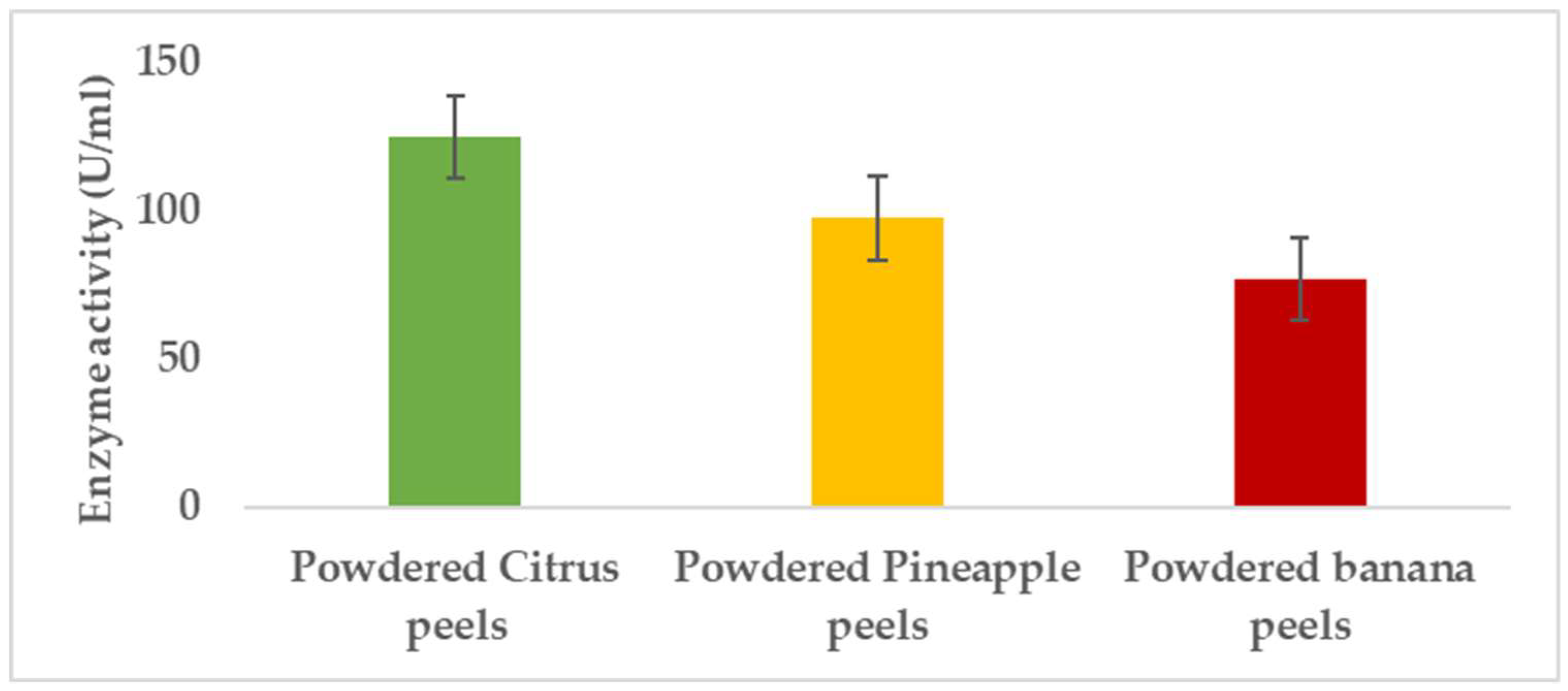
Generating enzymes in large quantities is the major aim of biotechnology within the context of enzyme technology. Therefore, producing pectinases in sufficient commercial quantities is very essential and this requires stringent efforts and tactics that enhance the medium of fermentation employed for growth and enzyme synthesis. Carbon availability ranks among the most significant variables throughout the process of fermentation. It symbolizes the source of energy readily accessible to microbial species growth. It is generally understood that sufficient supply of carbon as energy source is essential for optimal proliferation and effective metabolic processes among microbial species. Pectin-containing agro-wastes serve as great sources of pectin for microbial enzyme production as pectin serves as a major substrate that stimulates pectinase biosynthesis through microbial metabolism [41,42]. Considering all of the discarded fruits collected as carbon sources used for pectinase production, powdered Citrus peel (PCP) was judged to possess the most suitable source of carbon, with peak enzymatic activity at 124.80 U/ml. Powdered pineapple peels came second (97.30 U/ml) and powdered banana peels recorded the least enzyme activity of 76.70 U/ml). The high pectinase figure obtained from PCP may be due to having the highest pectin content (26.2%) when compared with the rest of the agro-wastes, as demonstrated by our previous study (Boakye et al., 2025). Figure 3 below illustrates the effects of the various carbon sources.
This current finding aligns with that of Chowdhury [43], who worked on pectinase enzyme synthesized by Rhizopus oryzae and confirmed that, peels of orange and pomelo were the best substrates for the production of pectinase. Oumer and Abate [21] also demonstrated that, orange as a natural substrate successfully enhanced the synthesis of pectinase. Ametefe et al., [44] obtained maximum production (0.40 mg/ml) of pectinase enzymes when Aspergillus niger and orange peels were employed as microbial species and substrate respectively. Shrestha [40], further observed that, the medium used for fermentation supplemented with pectin (1.5%) showed peak enzyme activity, after which the addition of 2% came second when employed as source of carbon. Mat Jalil et al., [45] also used 2.5% Citrus pectin in the medium of fermentation and was able to increase enzyme production significantly. In the same vein, Mat Jalil et al., [45] further revealed that, pectinase activity was hindered in cultures supplied with other carbon sources such as lactose. Shrestha et al., [40] also concluded that, there was no pectinolytic activity in the absence of pectin. In effect, it is clearly demonstrated that, pectin sourced from agro-wastes has a huge triggerable impact in the development of pectinase using Aspergillus niger.

3.1.2. Particle Size/Morphology of Substrate

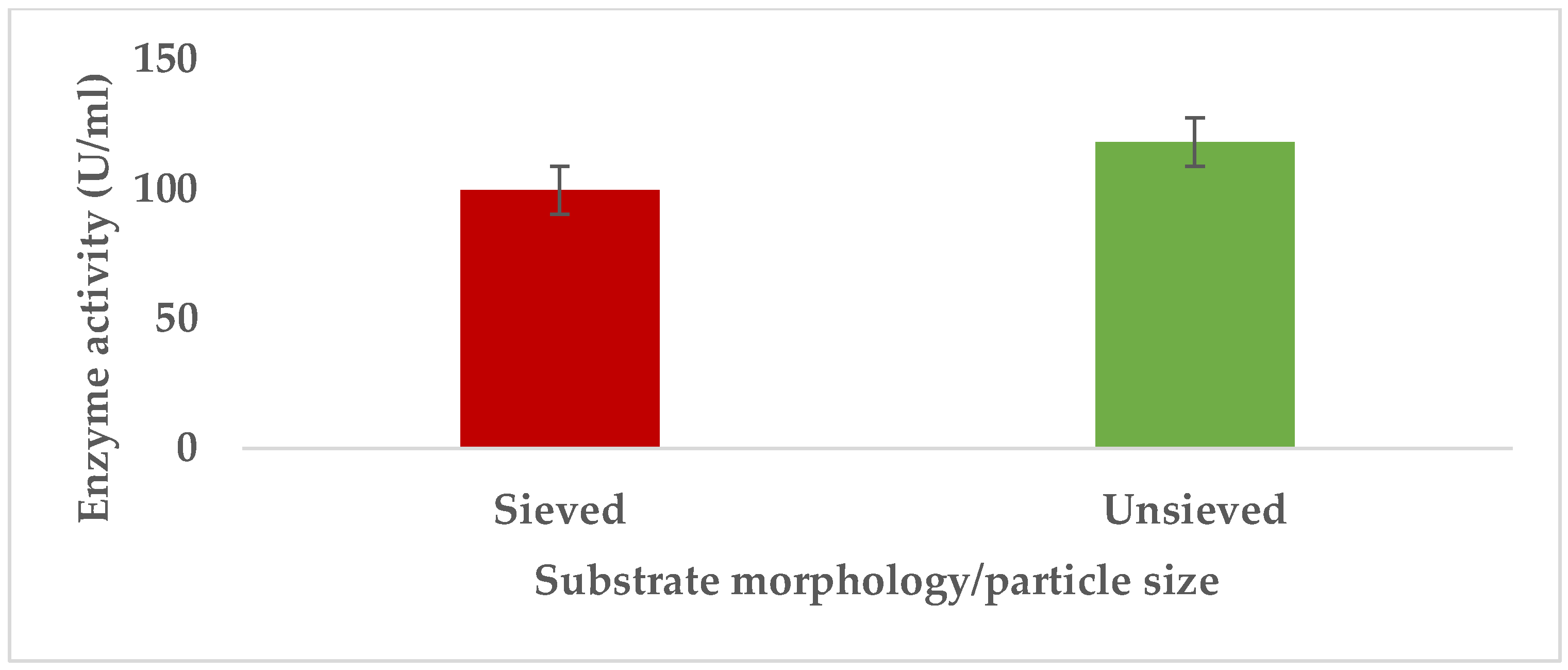
The particle size of the substrate is regarded among the exceptionally important physical components which has demonstrated to have a substantial impact on pectinase production (Ametefe et al., [46] as it influences the ratio of surface area to volume of the solid substrate (Manan et al., [22]. Solid substrate particle size parameters include form, size, accessible area, surface area, and porosity (Manan et al., [22]. Reduced size of particles produces broader surface area with respect to volume, and facilitates full microbial interaction with nutrients, however oxygen transport is often reduced. Larger particle sizes, on the other hand, have a small surface area per volume ratio, which allows for fantastic oxygen transport but reduces contact with nutrients [22]. Substrates with appropriate particle sizes have the capacity to create a good environment for microbial species to become effective at the early stages of growth, increasing the rate of substrate breakdown and hydrolysis because the solid substrate is insoluble [22]. The sieved substrate had very fine particles as compared to the unsieved fraction which possessed both fine and larger particles. After the fermentation period under SSF, the peak activity of the enzyme of (118.0 U/ml) was attained with the unsieved native fraction. The sieved substrates gave maximum production of 99.4 U/ml. Figure 4 shows the results on particles size of the substrate.
The fact that the unsieved fraction gave the better outcome strongly aligns with Dhillon et al., [36], that sieving the substrate basically increases the overall operational expense, and that, the unsieved native substrate could be used directly for enzyme synthesis. However, Ametefe et al., [44] reported a significant optimum particles size of 0.06-inch (1. 524 mm) in 1 millilitre of Aspergillus niger inoculum. The higher enzyme activity observed in this study could be attributed to an appropriate expansion of surface area of the substrates to the microbial action, and it has been stated to be more efficient in promoting microbial conditions for growth with minimal medium saturation used for fermentation to about 5 days for peak activity [44]. The right size of particle must possess the two properties as exhibited in this study. A mixture of larger substrate particles and fine substrate particles might have played a crucial role in achieving higher activity. For instance, the larger particles of the substrate may have caused great deal of porosity and capacity to offer excellent support with respect to regulating heat and mass transfer in the medium, as well as giving a sufficient surface area for vegetative hyphae of Aspergillus niger to adhere while aerial mycelium penetrate into the interior spaces of the substrates without restriction [22].

3.1.3. Effects of Nitrogen Source on Pectinase Production

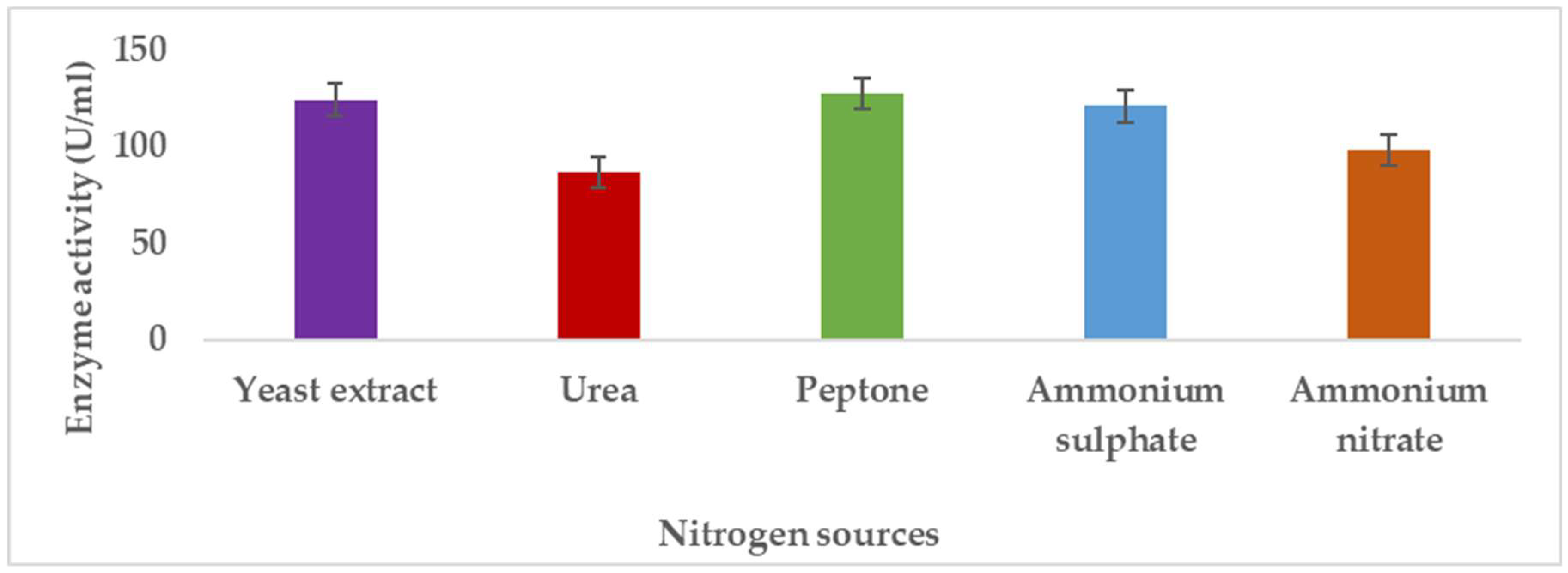
Microbes need nitrogen supplement for their daily activities as it supplies them with the required amino acids for optimum growth and performance. Nitrogen sources as essential as they are, serve as crucial constituents of essential proteins. Different sources of nitrogen have the ability to affect microbial development and, consequently, the generation of metabolites [40]. In this current study, different nitrogen sources (organic and inorganic) were supplied to the Aspergillus niger under the same SSF medium. At the end of the experimental duration, peptone as nitrogen source gave the optimum enzyme production titre of 127.6 U/ml. yeast extract followed closely with 124.2 U/ml whilst urea gave the lowest pectinase activity (86.4 U/ml). It could however, be noted that, all the nitrogen sources had positive impact on the enzyme production. Figure 6 illustrates the results obtained with respect to nitrogen source.
This current result strongly matches that of El-Ghomary et al., [47], who in their study, observed peptone as the most efficient in triggering peak pectinase output of 39.25 U/ml as nitrogen source in the production medium under submerged fermentation medium with Aspergillus flavus. Contrastingly, Arekemase et al., [48] found NH4Cl to be the best nitrogen source. Mat Jalil et al., [45], further revealed that, peak pectinase enzyme generation by LFP-1 (a strain of Aspergillus niger) was achieved when citrus production medium was enriched using ammonium nitrate as inorganic nitrogen source. Both the inorganic and organic sources of nitrogen have been found to impact pectinase synthesis, while different studies have found inhibitory effects for both nitrogen sources. For instance, Mat Jalil et al., [45] showed peptone, urea and yeast extract, as organic sources of nitrogen, suppressed synthesis of pectinase enzyme, whilst nitrogen sources that are inorganic like nitrate and chloride of ammonium rather enhanced pectinase synthesis. Ire and Vinking [49] however, disagreed with Mat Jalil et al., [45] when they recorded a rather higher pectinase enzyme synthesis by Aspergillus niger after the culture media had been supplied with yeast, peptone and urea. Acheampong et al., [50], in contrast, revealed that, maximal hydrolase production was realized upon addition of urea to the fermentation medium. Peptone emerging as the best nitrogen source in this study could be attributed to the preference for organic nitrogen, which is known to be rich with readily accessible amino acids that are needed for the synthesis of pectinase enzymes. However, other studies that reported other nitrogen sources as the best could be attributed to the suggestion that, different nitrogen sources are required to synthesize different pectinolytic enzymes generated by various microbial species [50].

3.1.4. Incubation Period

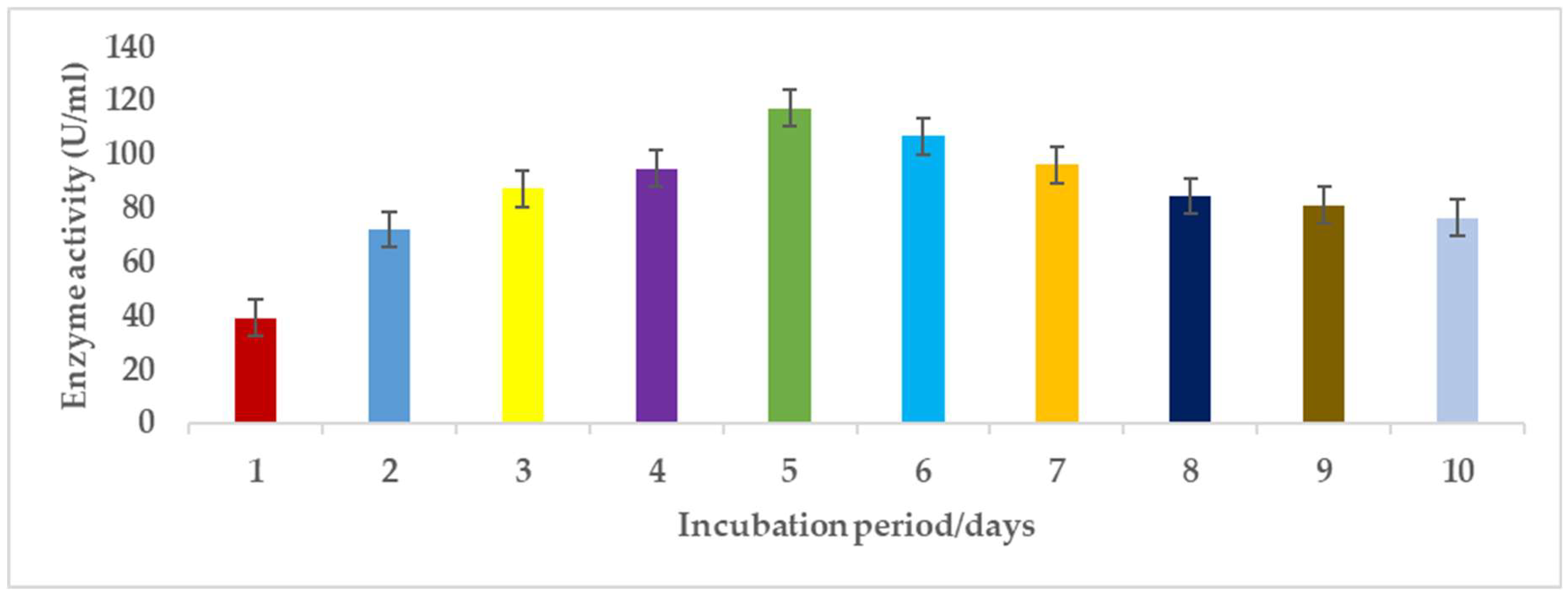
The period of incubation is crucial for optimal generation of enzymes. In broad terms, the period of incubation of microorganisms is primarily determined by the substrate makeup and the strain's biochemical characteristics, such as the sort of enzyme generated, rate of cell proliferation, and access to moisture, amount of oxygen, temperature and size of inoculum [51]. The time courses of pectinase production in this research indicated that, A. niger began generating pectinase a day after inoculation (39.2 U/ml). Enzyme production then grew dramatically as the incubation period progressed, peaking on the fifth day (117.4 U/ml), with the sixth day taking second position (107.1 U/ml). Enzyme synthesis began to diminish drastically after day 6, with prolonged incubation periods resulting in a considerable decrease in enzyme activity, particularly after 10 days (76.5 U/ml). Figure 7 below displays the impacts of incubation period on pectinase production.
The result in this study perfectly agrees with El-Ghomary et al., [47] who, in their work, observed the maximum pectinase production with incubation period of 5 days (38.11 U/ml) in a submerged fermentation process, after employing Aspergillus flavus as microbial agent. In another study which strongly agrees with the result obtained in this study, Ametefe et al., [44] found 5 days, 19.2 hours (which is approximately on the 6th day) as the ideal duration of fermentation for peak pectinase synthesis when Aspergillus niger was used. Furthermore, Chowdhury et al., [43] reported an incubation time of 72 hours (3 days) as the maximum period for maximum generation of pectinolytic enzymes with Rhizopus oryzae irrespective of pectin source found within the medium of fermentation. Another closely related study by Adedayo et al., [51] documented the maximum of pectinase activity of Aspergillus flavus was detected on the third day of fermentation after which peak activity of pectinase of (11.32 µmol/mg/minute) realized. Several other earlier researches (including Sudeep et al., [29] and Abdullah et al., [52]) communicated that Aspergillus niger produced the most enzymes and activity between 48 and 72 hours incubation time, beyond which the production of enzymes dropped.
Pectinase production may be increased during the optimal period of incubation because the fungus species may have reached the exponential phase during this time [43]. The reason for the decline in the generation of enzymes and resulting activity after a particular time period of incubation could be as a consequence of loss of critical nutrients or the generation of harmful metabolites in the medium used for cultivation. [29,43]. Also, the decrease in enzyme production may be attributed to the fact that, the fungus had reached the death stage in the lifecycle which may have caused the microbes to die causing a decline in metabolism, hence, affecting the rate of enzyme production. Catabolite suppression and a decrease in pectin content in the medium may also contribute to a decrease in pectinase synthesis and enzyme activity [44]. However, the variation in fermentation length compared to the current work could be attributable to differences in microbe strains, substrate type, and nature [44].

3.1.5. Hydrogen Ion Concentration (pH)

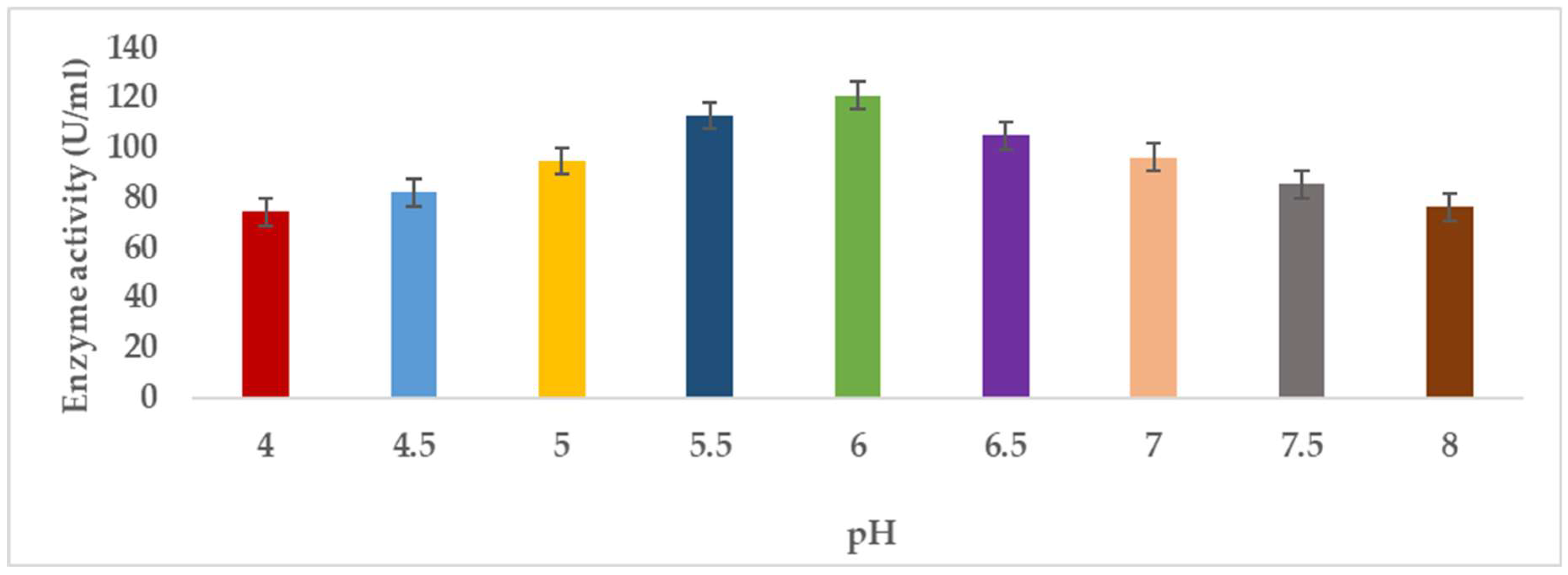
Acidity or alkalinity (pH), as an indicator of the concentration of hydrogen ions, is important when it comes to the production of pectinolytic enzymes given that it promotes and regulates the biosynthesis of microbial enzymes, especially fungal species [52]. As cited in Adedayo et al., [51], the starting pH level of a medium has a significant impact on the establishment of microorganisms undergoing fermentation processes. The level of acidity or alkalinity has been attributed to changes in the stability and functioning of microbially-derived enzymes. The pH has also been shown to influence membrane permeability and biosynthesis in microbial species, Mat Jalil et al., [41]. Aspergillus niger cultivated at various pH ranges in current research demonstrated the fact that, the A. niger fungal cultures had the ability to generate pectinases across all examined values of pH, however it was clear that at low pH 4 – 4.5, enzyme synthesis was low and the observed activities remained 74.4, 82.2, and U/ml, respectively. Production then gradually increased until it reached its peak at pH 5 - 6, with maximal enzyme activity found to be 94.8, 113.0, and 121.1 U/ml, respectively. The activity of pectinase enzyme significantly however, declined between pH 6.5 and 8.0 with lowest enzyme activity observed to give 76.3 U/ml recorded at pH 8. Figure 8 details much about the results.
The pH for optimum pectinolytic ability for Aspergillus niger in this study, lied around weak acidic to weak alkaline region. The finding here is in excellent accordance with past studies such as the one provided by Chowdhury et al., [43], who also reported similar pH of 6 as the maximum pH to illicit pectinase enzyme production for Rhizopus oryzae. Acheampong et al., [50] additionally stated that, the generation of all hydrolases produced by T. polyzona had optimal production capacity at pH 6 under SSF conditions. It also confirms the work by Mat Jalil et al., [41] who noticed an ideal pH level of 5. 5 after utilizing Aspergillus species in their work. In addition, this result also conforms to Ahmed and Sohail [53], whose work demonstrated that pectinolytic enzyme became more efficient in acidic conditions of which it ranged between 3 and 5.5. Manan et al., [22] have also reported that, fungus and yeast prefer slightly acidic pH values. In contrast, however, Adedayo et al., [51], found that, the optimal level of pH for the activity of pectinase for Aspergillus niger and Aspergillus flavus were 7.5 and 7.7, respectively. A closely related report was also communicated by El-Ghomary et al., [47], who in their study, also produced an optimum neutral pH figure 7.0 and a respective maximum pectinase production of 32.64 U/ml in a submerged medium of fermentation. The optimum pH of 6.0 in this research may be related to the microorganism's ability to synthesize pectinase under slightly acidic conditions [44]. Also, this could be attributed to the fact that, the distribution of ions on the molecules of both enzymes and substrate may have consequently, influenced the adsorption and catalytic effect of the pectinase enzyme [50]. This therefore, gives an indication that, the conditions higher than the ideal level may have caused detrimental effects on the proliferation of the microbial species which may have perhaps denatured the pectinolytic enzymes generated, as enzymes are affected by pH, leading to alterations in the enzymes’ active sites and giving rise to reduced activity of the generated enzymes. Though some researchers have reported much lower and higher values of pH than those noticed in the present research, the corresponding variations is likely attributed to variations in microbial species, manufacturing technique, and substrates employed.

3.1.6. Effects Imposed by Surfactants on Pectinase Synthesis by A. niger

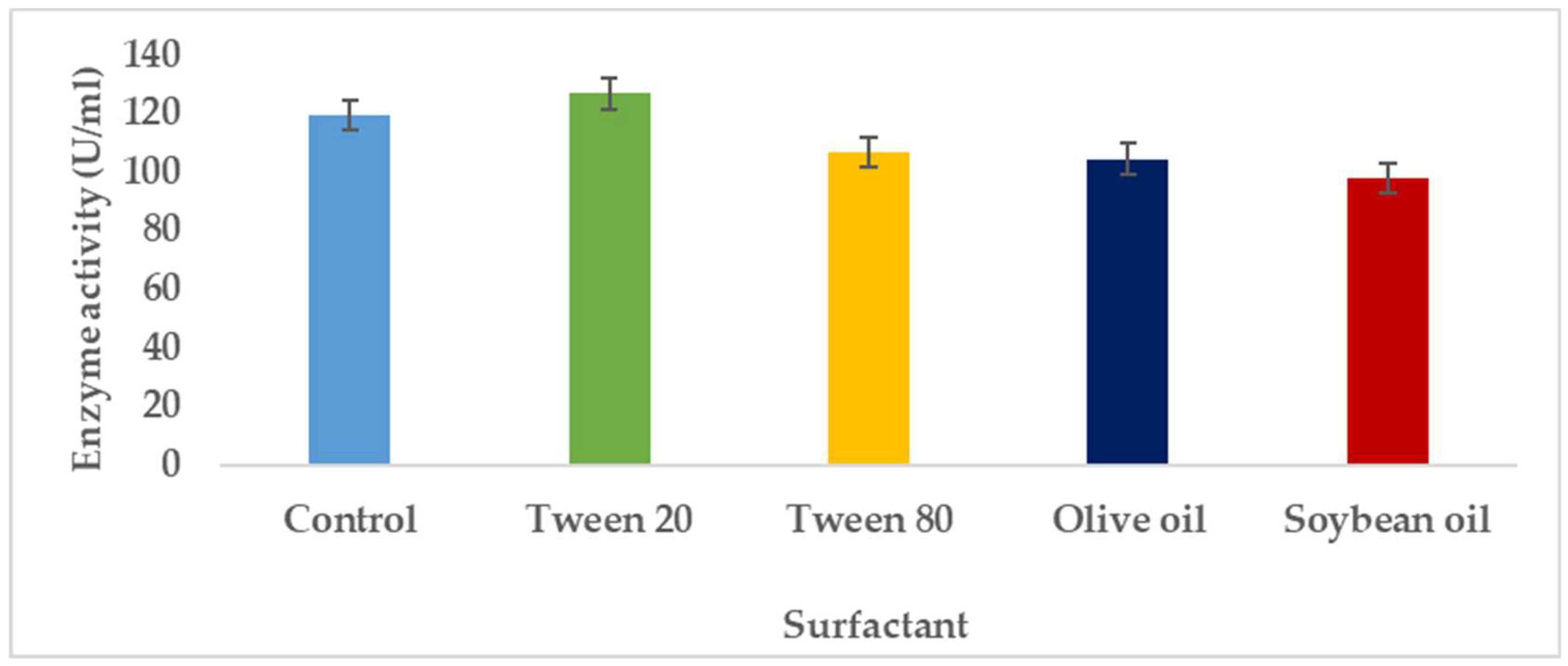
Surfactants serve as surface active chemical or biological agents that aid in decreasing the surface tension or interfacial tension between two interacting systems such as two liquid-liquid mixtures, liquid-gas mixtures and liquid-solid mixtures. Surfactant is known to impact the rate of development and growth among fungal species, which in turn, affects the synthesis of enzymes. Due to their effectiveness in cell membrane permeability [54], which promotes the release of bound enzymes [55], surfactants have been extensively employed in the manufacturing of cleaning products, detergents, industrial and household chemicals and others. This study considered the application of some surfactants in pectinase enzymes synthesis by employing Aspergillus niger under SSF technique. At the end of this study, optimum production of pectinase (126.8 U/ml) was achieved upon addition of 0.1% Tween- 20 to the production medium. The other surfactants, namely; Tween 80, olive oil and soybean oil however, produced a reduced pectinase production titre of 106.7, 104.4 and 97.8 U/ml respectively, compared to the surfactant-free production medium (119.3 U/ml). However, there was substantial statistical variation (p-value = 0.05) in the overall application of surfactant to pectinolytic enzyme synthesis. Figure 9 shows the effects of various surfactants on the synthesis of pectinase.
This result of optimum pectinase production by Tween-20 strongly agrees with Shrestha et al., [40] whose work also achieved enhanced pectinase activity under submerged fermentation using A. niger. In contrast, Li et al., as cited in Shrestha et al., [40] opined that, the manufacturing of pectinase enzyme with A. niger was inhibited when Tween-20 was added to the production medium but also agrees with same study that Tween-80, however inhibited pectinase enzyme production. Tween-20 supplementation may boost pectinase activity by providing the cell membrane with enhanced structural conformations allowing enzymes to form complexes with the substrate, thus improving enzyme activity [40]. Another reason for higher pectinase stimulation by Tween-20 may be as a result of the possibility that, the surfactants possesses the ability to elevate the total yield of pectinase enzymes through augmenting the rate of contact existing among the enzyme’s binding sites and the growth media via lessening the surface tension of the water-wet fermentation substrate. In contrast, pectinase activity inhibition by the rest of the surfactants may be due to the fact that, cell membrane permeability was affected, which may have caused blockage in the secretion of pectinase enzymes or denatured them [40].

3.1.7. Effects of Mineral Salts Affecting Pectinase Enzyme Synthesis by A. niger

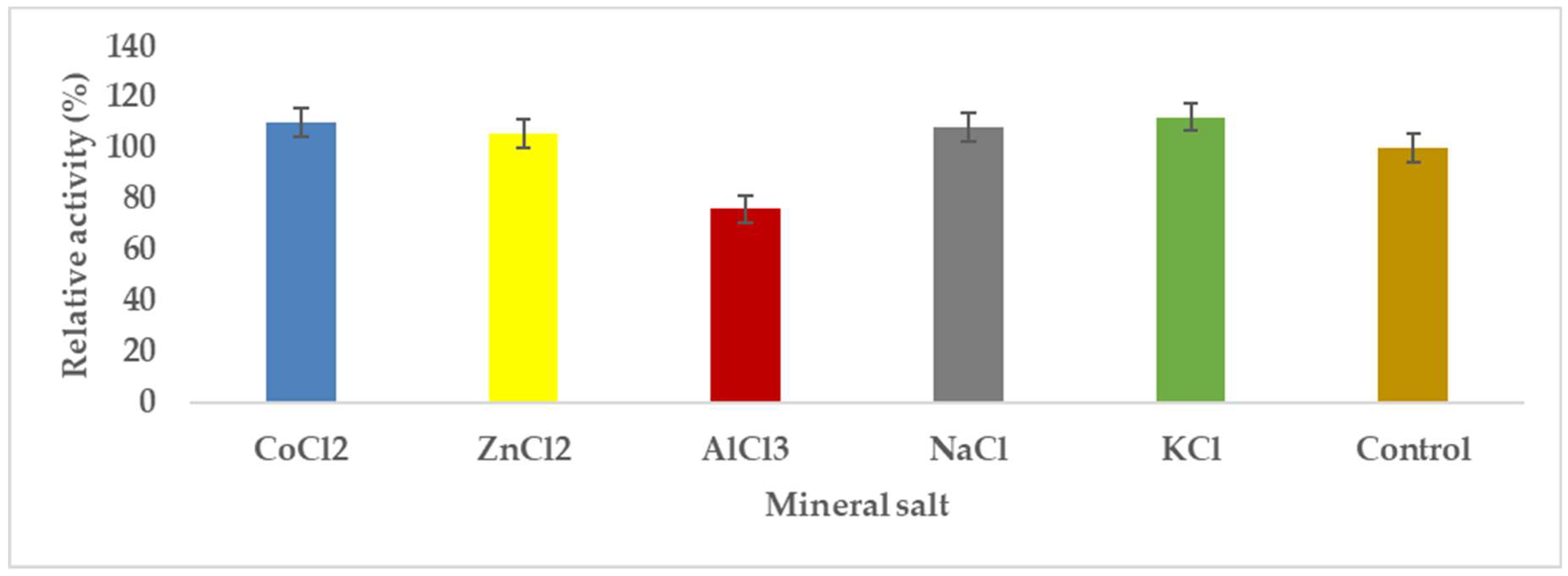
Mineral salts are known to play major role in microbial species as they serve as cofactors for enzymes to function properly. In this study, many different metallic salts got supplemented to production media under SSF conditions. After the fermentation period, the result revealed that pectinase production was enhanced in the presence of all the mineral salts except that of AlCl3, which gave the least enzyme activity of 76.1%, which is a significant reduction compared to the control (100%). The highest production was achieved by supplementing the production medium with KCl, which gave a relative enzyme activity value of 112.3%. It was then followed by CoCl2, a divalent salt which gave 110.2%, after which another monovalent salt, NaCl, came third, with enzyme relative activity of 108.4%. A minimum relative activity of 76.1% was observed in AlCl3, a divalent salt. Even though there was a numerical difference, statistical significance (p-value = 0.94) was absent among the samples tested. Figure 10 throws more light on the result obtained.
The outcome observed aligns with many previously conducted reports. For instance, Mat Jalil et al., [41], gave an account that, the highest pectinase efficiency was achieved by supplementing the production medium with both monovalent and divalent minerals. In their work, Co2+ especially, increased the overall activity to 190.13% when a comparison was made with the control. El-Ghomary et al., [47], supplemented their culture medium with some minerals and recorded iron sulphate as the mineral source that generated the highest titre of enzymes (37.41 U/ml), and subsequently,MgSO4 followed shortly (36.05 U/ml) whilst zinc sulphate achieved the least enzyme quantity (23.85 U/ml) with A. flavus. Adedayo et al., 2021, however reported that, substrate enriched with mineral salts failed to have any effect on pectinase enzyme production whilst Mat Jalil et al., [41], in addition, concluded that the addition of Al3+ rather hindered pectinase enzyme production. It was however noted in this research work that, the activation effects of the minerals may have been as a result of charge neutralization found on pectinic substance, and that may have reduced the repellent effect generated by the enzyme's net negative charge and the pectin biopolymer. Okonji et al., 2019, observed that, formation of homogalacturonan cross-link by mineral salts containing divalent cations such as Mg2+ minimized how the substrate would be available to the pectinolytic enzyme, as it could be as a result of the side chain of an amino acid been bound to the cation and this could impose inactivation consequence on activity of the enzyme. These contrasting effects of mineral salts on pectinase enzyme production perfectly agrees with Massai et al., [56], that, salts could potentially act as a stimulator of growth and also as an inhibitor of enzymes.

3.1.8. Effects of Inoculum Volume on Pectinase Enzyme Produced by A. niger

Inoculum volume has been proven to produce a telling effect on the generation of pectinolytic enzymes in SSF conditions [28]. From the results obtained, it was clearly known that, maximum pectinase production occurred using inoculum volume of 5.0ml (139.4 U/ml) with spore concentration of 1.20 x 10⁶ spores/ml under SSF. A further expansion of inoculum however, resulted in the corresponding decrease in pectinase production. Figure 10 shows the effects imposed by inoculum volume on A. niger’s ability to effectively synthesize pectinase under SSF conditions.
It is well known that, low inoculum volume than the optimum may not provide the right microbial density sufficient enough to kick off microbial proliferation aimed at producing the optimum level of biomass, which impacts the rate of enzyme production, whilst a relatively higher inoculum volume can result in overcrowding, which may cause competition among microbes for nutrients hence, inhibiting growth of microbial species and biomass generation [48]. Also, excessive volume of inoculum, apart from causing overcrowding among microbes, may result in increase in water content of the production medium as well. Okonji et al., [28], successfully conducted an experiment on optimal inoculum volume for pectinase produced by Aspergillus fumigatus and concluded that, an inoculum volume of 1.5 ml was enough to illicit the maximum pectinase production. Bibi et al., [57] reported that, the maximum amount of pectinase (219 U/ml) from orange peels was realized with 0.3 ml inoculum volume when Bacillus licheniformis was employed in their optimized experiment. Another study by Ametefe et al., [44], concluded on an inoculum volume of 1.00 ml as the best inoculum volume that gave the highest titre of pectinase enzyme by A. niger. In addition, Arekemase et al., [48], reported 2% w/v inoculum volume caused Bacillus amyloliquefaciens (strain SW106) to release the maximal pectinase activity (2.193 U/ml). These referenced experiments, all also agree with the current study that excessive increase or decrease in inoculum volume/size ultimately causes a decline in enzyme efficiency of A. niger under various cultivation techniques.

4.0. Conclusions and Recommendations

This study demonstrated that, fruit waste from banana, pineapples and particularly that of discarded Citrus fruits could serve as the basis for policy makers, researchers and industry players who are into exploration of the possibilities of converting waste to wealth, and championing zero waste policies and cleaner environments. Such efforts would be very paramount in achieving some of the prominent United Nation’s Sustainable Development Goals (SDGs). As a plus, developing countries stand the chance of taking advantage of the numerous agrowastes produced locally and converting them into wealth through successful pectinase production optimization processes. In addition, Aspergillus niger proved to have the ability to synthesize appreciable quantities of pectinase enzymes using cheap discarded fruits under solid-state fermentation conditions. As a consequence, A. niger and its pectinolytic enzymes stand to be considered as exhibiting a great potential of being utilized as potential candidates for numerous commercial applications in food, pharmaceutical and biofuel industries. As a recommendation, further studies that would focus on modern optimization processes such as genetic engineering of microbes, protein engineering and enzyme immobilization would be very crucial in the near future. By so doing, a much more efficient, novel and well-tailored pectinolytic enzymes could be discovered and applied.

Author Contributions

Conceptualization and design of the study were done by all authors. Material preparation, data collection and analysis as well as the first draft of the manuscript were performed by Sylvester Owusu Boakye. Hilary Domakyaara Zakpaa supervised, reviewed, edited and provided valuable comments and guidance. All authors read and approved the final manuscript.

Funding

This research received no external funding.

Conflict of Interest

The authors declare no conflict of interest.

Ethical Approval

Not applicable

Consent to Publish

All authors have given their approval for the article to be published.

References

  1. Hassan, S. (2020). Development of Novel Pectinase and Xylanase Juice Clarifcation Enzymes via a Combined Biorefnery and Immobilization Approach, Doctoral Thesis, Technological University Dublin. [CrossRef]
  2. Baljinder Singh Kauldhar, Harpreet Kaur, Venkatesh Meda, Balwinder Singh Sooch (2022). Chapter 12 - Insights into upstreaming and downstreaming processes of microbialextremozymes. Extremozymes and Their Industrial Applications, Academic Press, Pages 321 352, ISBN 9780323902748. [CrossRef]
  3. International Pectin Producers Association (2023). Pectin and sustainability. (Date assessed:01/11/2023).https://pectinproducers.com/factsheethub/sustainability/#:~:text=Once%20pectin%20has%20been%20extracted,sustainable%20in%20other%20ways%2C%20too.
  4. Shet AR, Desai SV, Achappa S. (2018). Pectinolytic enzymes: classification, production, purification and applications. Res. J. Life Sci Bioinform Pharm Chem Sci.; 4:337 –48.
  5. G. Garg, A. Singh, A. Kaur, R. Singh, J. Kaur3, R. Mahajan (2016). Microbial pectinases: an ecofriendly tool of nature for industries. 3 Biotech 6:47.
  6. Soorej M. Basheer, Sreeja Chellappan, A. Sabu (2022). Chapter 8 - Enzymes in fruit and vegetable processing, Editor(s): Mohammed Kuddus, Cristobal Noe Aguilar, Value Addition in Food Products and Processing through Enzyme Technology, Academic Press, Pages 101-110, ISBN 9780323899291. M. [CrossRef]
  7. Singh, Ram Sarup, Singh, Tranjeet; Pandey, Ashok (2019). Micrbial enzymes-An overview. Advances in Enzyme Technology, Biomass, Biofuels, Biochemicals. Elsevier, pp, 1-40, ISBN 978-0-444-64114-4.
  8. Emilio Rosales, Marta Pazos, M Ángeles Sanromán, (2018). Chapter 15 - Solid-StateFermentation for Food Applications, Editor(s): Ashok Pandey, Christian Larroche, Carlos Ricardo Soccol, Current Developments in Biotechnology and Bioengineering, Elsevier, Pages 319-355, ISBN 9780444639905. [CrossRef]
  9. Grand Research Review (2022): Enzymes Market Size, Share & Trends Analysis Report By Product (Lipases, Polymerases & Nucleases, Carbohydrase), By Type (Industrial, Specialty), By Source (Plants, Animals), By Region, And Segment Forecasts, 2022 – 2030 (date assessed: 22/06/2022). Report ID: 978-1-68038-022-4.
  10. B, Leela Mani, D, Sailaja, K, Kamala (2018). Determination and Partial Purification of Pectinase Enzyme Produced by Aspergillus niger using Pineapple Peels as Sole Source of Carbon. IJEDR | Volume 6, Issue 1 | ISSN: 2321-9939.
  11. Q. A. Al-Maqtari, A. A. Waleed, and A. A. Mahdi (2019). “Microbial enzymes produced by fermentation and their applications in the food industry-A review,” International Journal of Agriculture Innovations and Research, vol. 8, no. 1.
  12. Dataintelo (2019). Global Juices Processing Enzymes Sales Market Report (WWW Document). URL https://dataintelo.com/report/juices-processingenzymes-sales-market/ (accessed 12.13.20).
  13. Sonali Satapathy, Jyoti Prakash Soren, Keshab Chandra Mondal, et al (2021). Industrially relevant pectinase production from Aspergillus parvisclerotigenus KX928754 using apple pomace as the promising substrate, Journal of Taibah University for Science, 15:1, 347-356. [CrossRef]
  14. Magnus Ivarsson, Henrik Drake, Stefan Bengtson, Birger Rasmussen (2020). A Cryptic Alternative for the Evolution of Hyphae. BioEssays. [CrossRef]
  15. Xiangyang Liu, Chandrakant Kokare, (2023). Chapter 17 - Microbial enzymes of use in industry, Editor(s): Goutam Brahmachari, Biotechnology of Microbial Enzymes (Second Edition), Academic Press, Pages 405-444, ISBN 9780443190599. [CrossRef]
  16. Meyer V, Basenko EY, Benz JP, Braus GH, Caddick MX, Csukai M, et al. (2020). Growing a circular economy with fungal biotechnology: a white paper. Fungal Biol Biotechnol.; 7:5. [CrossRef]
  17. Sandri IG, Silveira MM. (2018). Production and application of pectinases from Aspergillus niger obtained in solid state cultivation. Beverages. 4:48. [CrossRef]
  18. Ramón Verduzco-Oliva and Janet alejandra Gutierrez-Uribe (2020). Beyond Enzyme Production: Solid State Fermentation (SSF) as an Alternative Approach to Produce Antioxidant Polysaccharides. Sustainability 2020, 12, 495. [CrossRef]
  19. Hassan, S. S., Tiwari, B., Williams, G. A. & Jaiswal, A. K. (2020). Bioprocessing of brewers’ spent grain for production of Xylanopectinolytic enzymes by Mucor sp. Bioresource Technology Reports, 9, 100371. [CrossRef]
  20. Subramanian, K., Periasmy, V., Kandeel, M., Umapathy, V.R. (2022). Mass Multiplication, Production Cost Analysis and Marketing of Pectinase. Industrial Microbiology Based Entrepreneurship. Microorganisms for Sustainability, vol 42. Springer, Singapore. [CrossRef]
  21. Oumer, O.J.; Abate, D. (2018). Screening and molecular identification of pectinase producing microbes from coffee pulp. BioMed Res. Int., 2961767.
  22. Manan MA, Webb C. (2017). Design aspects of solid state fermentation as applied to microbial bioprocessing. J Appl Biotechnol Bioeng.; 4(1):511‒532. [CrossRef]
  23. José Carlos, D.L.-M.; Leonardo, S.; Jesús, M.-C.; Paola, M.-R.; Alejandro, Z.-C.; Juan, A.-V.; Cristóbal Noé, A. (2020). Solid-State Fermentation with Aspergillus niger GH1 to Enhance Polyphenolic Content and Antioxidative Activity of Castilla Rose Purshia plicata Plants, 9, 1518. [CrossRef]
  24. Jorge A.V. Costa, Helen Treichel, Vinod Kumar, Ashok Pandey (2018). Chapter 1 - Advances in Solid-State Fermentation, Editor(s): Ashok Pandey, Christian Larroche, Carlos Ricardo Soccol, Current Developments in Biotechnology and Bioengineering, Elsevier, Pages 1-17, ISBN 9780444639905. [CrossRef]
  25. BP Statistical Review of World Energy (2021). (vol. 70th edition), BP Statistical Review, London, UK [Online]. Available: https://www.bp.com/content/dam/bp/business sites/en/global/corporate/pdfs/energy-economics/statistical-review/bp-stats-review-full-report.pd.
  26. Binod Sharma, Ashish Shrestha (2023). Petroleum dependence in developing countries with an emphasis on Nepal and potential keys, Energy Strategy Reviews, Volume 45, 101053, ISSN 2211-467X. [CrossRef]
  27. Patidar MK, Nighojkar S, Kumar A, Nighojkar A. Pectinolytic enzymes-solid state fermentation, assay methods and applications in fruit juice industries: a review. 3 Biotech. 2018 Apr; 8(4):199. Epub 2018 Mar 24. [CrossRef] [PubMed] [PubMed Central]
  28. Okonji, R.E., Itakorode, B.O., Ovumedia, J.O., Adedeji, O.S. (2019). Purification and biochemical characterization of pectinase produced by Aspergillus fumigatus isolated from soil of decomposing plant materials. Journal of Applied Biology & Biotechnology., 7(03):1-8.
  29. Sudeep KC, Jitendra U. Dev R. J., Binod L, Dhiraj K. C., Bhoj R. P, Tirtha R. B., Rajiv D. Santosh K., Niranjan K. ,10,Vijaya R. (2020). Production, Characterization, and Industrial Application of Pectinase Enzyme Isolated from Fungal Strains. Fermentation, 6, 59. [CrossRef]
  30. Boakye, S.O and Zakpaa, H.D (2025): Proximate Characterization of discarded fruits and their valorization to obtain pectin. Mendeley Data, V1. V1. [CrossRef]
  31. Boakye, S.O, Zakpaa, H.D, Borigu M., and Duwiejuah, A.B. (2025): Isolation, screening and identification of pectinolytic fungal species from soil of decomposed plant materials. Pretrints.org. [CrossRef]
  32. Alexopoulos, C.J., Mims, C.W., Blackwell, M. (1996). Intro. Mycology. Vol. 4. New York: Wiley.
  33. Barnett, H.L and Hunter, B.B (1972). Illustrated Genera of Imperfect Fungi. 3rd Edition, Burgess Publishing Co., Minneapolis, 241 p.
  34. Satapathy, S., Behera, P.M., Tanty, D.K., Srivastava, S., Thatoi, H., Dixit, A., Sahoo, S.L. (2019). Isolation and molecular identification of pectinase producing Aspergillus species from different soil samples of Bhubaneswar regions. BioRxiv. The preprint sever for biology. 1(1):1-22.
  35. Kaur, H.P., Kaur, G. 2014. Optimization of cultural conditions for pectinase produced by fruit spoilage fungi. International journal of advances in research. 3(4):851-859.
  36. Satvinder Singh Dhillon , Rajwant Kaur Gill , Sikander Singh Gill & Malkiat Singh (2004). Studies on the utilization of citrus peel for pectinase production using fungus Aspergillus niger , International Journal of Environmental Studies, 61:2, 199-210. [CrossRef]
  37. Miller, G. L. (1959). Use of dinitrosalicylic acid reagent for determination of reducing sugar. Analytical Chemistry, 31, 426-428.
  38. Dange V.U., Harke S (2018). Production and purification of Pectinase by fungal strain in solid-state fermentation using agro-industrial bioproduct. International Journal of Life Sciences Vol. 6, Issue 4, pp: (85-93). ISSN 2348-3148.
  39. Yu P, Xu C. (2018). Production optimization, purification and characterization of a heat-tolerant acidic pectinase from Bacillus sp. ZJ1407. Inter J Biol Macromol; 108:972–80.
  40. Sarita Shrestha; Chonlong Chio; Janak Raj Khatiwada; Aristide Laurel Mokale Kognou; Xuantong Chen; Wensheng Qin (2023). Optimization of Cultural Conditions for Pectinase Production by Streptomyces sp. and Characterization of Partially Purified Enzymes. Microb Physiol 33 (1): 12–26. [CrossRef] [PubMed]
  41. Mohd Taufq Mat Jalil* and Darah Ibrahim (2021): Partial Purifcation and Characterisation of Pectinase Produced by Aspergillus niger LFP-1 Grown on Pomelo Peels as a Substrate. Tropical Life Sciences Research 32(1): 1–22. [CrossRef]
  42. Setegn Haile and Abate Ayele (2022). Pectinase from Microorganisms and Its Industrial Applications. The Scientific World Journal Volume 2022, Article ID 1881305, 15 pages. [CrossRef]
  43. Chowdhury T I, Jubayer F, Uddin B. and Aziz G. (2017). Production and characterization of pectinase enzyme from Rhizopus oryzae. Potravinarstvo Slovak Journal of Food Sciences 11(1): 641–651. [CrossRef]
  44. Ametefe, G.D., Oluwadamilare, L.A., Ifeoma, C. J., Olubunmi, I. I., Ofoegbu, V. O., Folake, F., Orji, F. A., Iweala, E.E.J., and Chinedu, S. N. (2021). Optimization of Pectinase Activity From Locally Isolated Fungi and Agrowastes. Research square. [CrossRef]
  45. Mat Jalil MT, Zakaria NA, Salikin NH, Ibrahim D. (2023). Assessment of cultivation parameters influencing pectinase production by Aspergillus niger LFP-1 in submerged fermentation. J Genet Eng Biotechnol.; 21(1):45. [CrossRef] [PubMed] [PubMed Central]
  46. Ametefe, G.D., Dzogbe¦a V.P., Apprey C., Kwatia S. (2017). Optimal conditions for pectinase production by Saccharomyces cerevisiae (ATCC 52712) in solid state fermentation and its efficacy in orange juice extraction. IOSR. J. of Biotechnology and Biochemistry, 3(6): 78-86.
  47. E. El-Ghomary, A. A. Shoukry, and M. B. EL-Kotkat. (2021). Productivity of pectinase enzymes by Aspergillus sp. isolated from Egyptian soil. Al-Azhar Journal of Agricultural Research V. (46) No. (2): 79-87.
  48. Arekemase M.O., Omotosho I.O., Agbabiaka T.O., Ajide-Bamigboye N.T., Lawal A.K., Ahmed T. and Orogu J. O (2020). Optimization of bacteria pectinolytic enzyme production using banana peel as substrate under submerged fermentation. Science World Journal Vol. 15(No 1) 2020 www.scienceworldjournal.org ISSN 1597-6343.
  49. Ire FS, Vinking EG (2016). Production, purifcation, and characterization of polygalacturonase from Aspergillus niger in solid state and submerged fermentation using banana peels. J. Adv Biol Biotechnol 10(1):1–15.
  50. N. A. Acheampong, Gariba, W., Mensah, M., Fei-baffoe, B., Offei, F., Asankomah, J., & Sheringham, L. (2021). Optimization of hydrolases production from cassava peels by Trametes polyzona BKW001. Scientific African, 12, e00835. [CrossRef]
  51. Adedayo, M. R., mohammed, M. T., ajiboye, A. E. And abdulmumini, S. A. (2021). Pectinolytic activity of Aspergillus niger and aspergillus flavus grown on grapefruit (citrus parasidis) peel in solid state fermentation. Global journal of pure and applied sciences vol. 27, 93-105. [CrossRef]
  52. Abdullah, R.; Farooq, I.; Kaleem, A.; Iqtedar, M.; Iftikhar, T. (2018). Pectinase production from Aspergillus niger IBT-7 using solid state fermentation. Bangladesh J. Bot., 47, 473–478.
  53. A. Ahmed, M. A. Ahmed, M. Sohail (2020) Characterization of pectinase from Geotrichum candidum AA15 and its potential application in orange juice clarification Journal of King Saud University - Science, 32 (1), pp. 955-961, 10.1016/j.jksus.2019.07.
  54. Robert Cavanagh, Saif Shubber, Driton Vllasaliu, Snjezana Stolnik (2022). Enhanced permeation by amphiphilic surfactant is spatially heterogenous at membrane and cell level, Journal of Controlled Release, Volume 345, Pages 734-743, ISSN 0168-3659. [CrossRef]
  55. Le Wang, Yu Sha, Dapeng Wu, Qixian Wei, Di Chen, Shuoye Yang, Feng Jia, Qipeng Yuan, Xiaoyao Han, Jinshui Wang (2020). Surfactant induces ROS-mediated cell membrane permeabilization for the enhancement of mannatide production, Process Biochemistry, Volume 91, Pages 172-180, ISSN 1359-5113. [CrossRef]
  56. Jacob Tchima Massai, Hamida Aminatou, Jean Boris Sounya, Dieudonne Ranava, Sebastien Vondou Vondou, Ousman Adjoudji and Palou Madi Oumarou (2021): Effects of salt on seed germination and plant growth of Anaccardium occidentale. Int. J. Biol. Chem. Sci. 15 (4): 1563-1572. ISSN 1997-342X (online).
  57. Bibi N, Ali S, Tabassum R (2016). Statistical optimization of pectinase biosynthesis from orange peel by Bacillus licheniformis using submerged fermentation. Waste Biomass Valorization 7:467– 481. [CrossRef]

Figure 1. General pectin structure (A); galacturonic acid structure (B) [3].
Preprints 147215 g001
Figure 2. A set-up of freshly inoculated (A) and old (B) Solid-state fermentation.
Preprints 147215 g002
Figure 3. Effects of discarded fruits as carbon sources on pectinase synthesized by A. niger.
Preprints 147215 g003
Figure 4. Effects of morphology/particle size on pectinase production by A. niger.
Preprints 147215 g004
Figure 5. Effects of nitrogen source on pectinase production by A. niger.
Preprints 147215 g005
Figure 6. Impact of incubation period on production of pectinase by A. niger.
Preprints 147215 g006
Figure 7. Impacts of pH on synthesis of pectinase by A. niger.
Preprints 147215 g007
Figure 8. Influential effects of surfactants on the production of pectinase by A. niger.
Preprints 147215 g008
Figure 9. Effects of mineral salts on pectinase synthesis by A. niger.
Preprints 147215 g009
Figure 10. Effects of volume of inoculum on synthesis of pectinase by A. niger.
Preprints 147215 g010
Disclaimer/Publisher’s Note: The statements, opinions and data contained in all publications are solely those of the individual author(s) and contributor(s) and not of MDPI and/or the editor(s). MDPI and/or the editor(s) disclaim responsibility for any injury to people or property resulting from any ideas, methods, instructions or products referred to in the content.
Copyright: This open access article is published under a Creative Commons CC BY 4.0 license, which permit the free download, distribution, and reuse, provided that the author and preprint are cited in any reuse.
Prerpints.org logo

Preprints.org is a free preprint server supported by MDPI in Basel, Switzerland.

Subscribe

Disclaimer

Terms of Use

Privacy Policy

Privacy Settings

© 2025 MDPI (Basel, Switzerland) unless otherwise stated