
Preprint
Article

This version is not peer-reviewed.

Designing for Dignity: Empowering Life Through Synergistic and Integrated Design Solutions for Aging in Place

Submitted:

21 January 2025

Posted:

21 January 2025

You are already at the latest version

Abstract

As global populations age, supporting older adults to age in place—remaining in their homes and communities—emerges as a critical challenge. This study investigates how interior architectural design can integrate human-centered, biophilic, and technology-driven principles with sustainable strategies to enhance the autonomy, safety, and well-being of older adults. Employing a multi-phase methodology, the research synthesizes literature on aging, interior architecture, and technology to establish a comprehensive framework. This framework emphasizes user participation, nature-inspired design, assistive technologies, and adaptable spatial planning. Key findings reveal actionable strategies, such as integrating biophilic elements like daylighting and greenery, employing user-friendly smart technologies, and incorporating universal design features like adjustable countertops and slip-resistant flooring. The proposed framework aligns design interventions with the physical, cognitive, and emotional needs of older adults, promoting environments that foster independence and dignity. Ultimately, the study underscores the importance of interdisciplinary collaboration in creating adaptable, sustainable, and empowering living spaces that enhance quality of life for aging populations.

Keywords: 
;  ;  ;  ;  ;  

1. Introduction

1.1. Background and Significance

Global demographics are shifting toward a dramatically older population, a trend that poses urgent questions about how to design living environments that enable older adults to remain at home safely and comfortably (United Nations, 2022). This desire to “age in place,” rather than move into institutional settings, is closely linked to improved health outcomes, enhanced autonomy, and stronger community bonds (Means, 2007; Ratnayake, Lukas, Brathwaite, Neave, & Henry, 2022). Research in environmental gerontology highlights that an older adult’s ability to thrive often depends on whether their home environment adapts to physical, sensory, and cognitive changes (Lawton & Nahemow, 1973; Kahana, 1982; Vitiello, G., & Sebillo, M. 2018).
Despite the recognized benefits of aging in place, many conventional housing models fail to address the architectural and interior design needs of older adults (Ahmed et al., 2023a; Mnea & Zairul, 2023). Stairs and arrow corridors, poor lighting, absence of grab bars, and limited access to natural elements are among the barriers that impede well-being and autonomy (Engineer, Sternberg, & Najafi, 2018). Moreover, while gerontological research often underscores user-centered and participatory approaches, the practical interior architectural solutions—such as biophilic strategies, ergonomic layouts, and technology integration—are not always systematically implemented (Das, Arai, & Kim, 2022; Zhuan, S., 2023).
An emerging consensus suggests that integrative design practices that combine human-centered engagement, biophilic principles, and assistive technologies can significantly improve older adults’ daily experiences (Manca, Cerina, & Fornara, 2019; Shu & Liu, 2022). Such approaches address a spectrum of concerns, from fall prevention and sensory stimulation to emotional comfort, social connectivity, identification and monitoring of cognitive changes, and enhancing functional independence and improving safety and quality of life (Fox et al., 2007; Akl, A. et al., 2016; A. et al., 2017; Piau, A. et al., 2019, Jo, Ma, & Cha, 2021). By strengthening connections between architecture, gerontology, and sustainability, the field can develop holistic frameworks that allow older adults to “age in the right place” with dignity (Ahmed et al., 2023a; Ahmed et al., 2023b)

1.2. Aim and Scope of the Paper

The aim of this paper is to present a comprehensive framework for designing age-friendly interior environments, building upon current discussions in the field. The objective is to integrate key principles to create spaces that promote well-being for older adults. These principles include Human-Centered Design (HCD), which ensures that older adults actively participate in the decision-making process, with interventions that respect their functional, cultural, and emotional needs (Vitiello, G., & Sebillo, M. 2018; D'haeseleer, I. et al., 2021; Ling, T. et al., 2023). The framework also emphasizes Biophilic Integration, introducing nature-inspired features such as daylighting, indoor gardens, and nature views, which support emotional well-being and cognitive health (Park, S. J., & Kim, M. J.,2018; Manca et al., 2019; Van Hoof et al., 2019; Forsyth, A., & Molinsky, J., 2023).
In addition, the paper highlights the role of Smart Technologies, leveraging ambient sensors, assistive devices, and intuitive interfaces to enhance safety and independence for older adults (Piau, A. et al., 2019; Lee LN & Kim MJ, 2020; Jo, T. et al., 2021). It also advocates for Sustainable and Ergonomic Interior Architecture, focusing on material selection, space planning, and universal design principles to ensure long-term viability for both users and the environment (Connell, B. et al., 1997; Ahmed et al., 2023b).
While the paper acknowledges broader policy, social, and economic factors, its primary focus is on architectural and interior design interventions that directly influence the well-being of older adults. It connects existing theoretical frameworks, such as person-environment fit and universal design (Ahmed et al., 2023a; Ahmed et al., 2023b), with actionable solutions that can be implemented by architects, interior designers, and gerontological professionals. These solutions include wayfinding cues, adaptive countertops, and low-threshold transitions, all aimed at creating environments that enhance autonomy and quality of life for older adults.

2. Methodology

2.1. Research Design

This study adopts a descriptive-analytical methodology combined with an inductive approach to synthesize existing literature on aging in place, interior architecture, and user-centered design. The investigation is structured around two primary phases:
  • Literature Review:
This phase involved a broad scan of peer-reviewed articles, design case studies, and gerontological reports. The review aimed to inform an understanding of the challenges faced by older adults in living environments, as well as emerging solutions in architecture, biophilic design, and technology.
2.
Conceptual Framework Development:
Insights from the literature review were synthesized to formulate an integrative framework. This framework emphasizes human-centered strategies (e.g., participatory design), biophilic principles (e.g., maximizing natural light and introducing greenery), and user-friendly technologies (e.g., ambient assisted living devices and voice-activated systems).

2.2. Data Collection

Data collection followed a systematic and replicable process comprising three key steps:
  • Database Selection:
Searches were conducted in electronic databases, including Scopus, Web of Science, PubMed, and Google Scholar. The search was carried out from January 2024 to February 2024, using predefined key terms, such as "aging in place," "universal design," "smart home," "elderly-friendly environment," "biophilic design," and "interior architecture for older adults."
2.
Selection Criteria:
Inclusion criteria were explicitly defined as follows:
  • o Articles that addressed design or architectural solutions for older adults.
  • o Empirical or theoretical contributions to aging in place.
  • o Practical interventions relevant to human-centered design, biophilia, or technology integration.
Exclusion criteria included studies that lacked a clear methodological framework or were not published in peer-reviewed journals.
3.
Screening and Quality Assessment (QA):
Titles and abstracts were screened for relevance to aging-in-place contexts. Full texts were then assessed for methodological rigor, clarity of objectives, and applicability to interior design or architectural interventions for older adults. To ensure a systematic QA process, the Critical Appraisal Skills Programme (CASP) checklist was used to evaluate each study. This process resulted in 32 articles meeting all inclusion criteria.

2.3. Data Analysis

Thematic analysis was employed to categorize and interpret the collected data. The steps were as follows:
  • Coding and Categorization:
Articles were coded based on recurring themes such as challenges (e.g., narrow corridors, poor wayfinding, insufficient lighting) and proposed solutions (e.g., universal design, dynamic lighting, IoT-based sensors). Codes were grouped into broader categories aligned with the study's focus on human-centered design, biophilic integration, and technology-enabled aging in place.
2.
Methodology Referencing:
The thematic analysis was guided by Braun and Clarke’s (2006) framework, which includes familiarization, initial coding, theme development, review, and refinement.
3.
Cross-Comparison and Consensus:
Emerging themes were cross compared to identify intersections between interior architectural interventions, user engagement, and sustainable features that promote older adults’ autonomy. Any discrepancies or divergent interpretations were resolved through discussions with the research team, ensuring balanced and comprehensive findings.

2.4. Ethical Considerations

Although this research primarily relies on literature-based data rather than direct human subjects, ethical reflection was undertaken to ensure several key considerations. First, fair representation was prioritized by accurately synthesizing diverse study contexts, ensuring that the perspectives of various research areas were considered without bias. Respect for cultural variations was also emphasized, acknowledging that design interventions must be adaptable to local norms and individual preferences, recognizing the diversity of needs across different communities. Additionally, integrity and transparency were maintained by properly citing all sources and acknowledging the limitations within the reviewed studies.
By combining a comprehensive review of architecture, gerontology, and technology literature with thematic coding and conceptual modeling, this methodology ensures a robust foundation for proposing integrative design solutions. The resulting framework aims to address the physical, cognitive, and emotional needs of older adults through holistic interior architecture, biophilic elements, and assistive technologies, thus promoting a dignified and empowering aging-in-place experience.

3. Literature Review

3.1. Aging in Place: Concepts and Gerontological Foundations

The concept of aging in place—where older adults continue living in their homes and communities as they age—is widely recognized for its benefits in autonomy, mental and cognitive health, and economic viability (Mayo, C. et al., 2021; Means, 2007; Ratnayake, et al., 2022). Such arrangements foster the continuity of social ties, contribute to a sense of identity, and reduce the emotional distress often associated with institutional care (Mnea & Zairul, 2023). In environmental gerontology, this person–environment fit is highlighted as a key determinant of older adults’ well-being: supportive physical settings should be congruent with an individual’s changing functional capacity (Lawton & Nahemow, 1973; Kahana, 1982).
Global forecasts reveal a rapidly expanding demographic aged 65 and above, intensifying the demand for innovative housing approaches (Das, Arai, & Kim, 2022; United Nations, 2022). This shift calls for interior environments that adapt to sensory, cognitive, and mobility changes, while also accommodating diverse cultural contexts and personal preferences (Ahmed et al., 2023a). Traditional homes—often not designed with older adults in mind—can undermine independence, leading to safety hazards, social isolation, and increased healthcare costs (Miller, Vine, & Amin, 2016). Consequently, aging in place is increasingly seen as not just a personal preference but a public health priority (WHO, 2015a; Engineer, Sternberg, & Najafi, 2018).
Foundational gerontology theories—such as the Ecological Model of Aging (Lawton & Nahemow, 1973) and Congruence Model (Kahana, 1982)—emphasize the dynamic interplay between personal competence and environmental press. When physical or cognitive challenges outpace environmental support, older adults may experience reduced autonomy or a higher risk of injuries (D’haeseleer, Gielis, & Abeele, 2021). By contrast, environments that match functional and psychosocial needs are linked to positive health outcomes, improved emotional well-being, and extended independence (Ahmed et al., 2023a; Ahmed et al., 2023b).

3.2. Architectural and Interior Design Challenges for Older Adults

Despite growing awareness of the need for age-friendly dwellings, numerous interior architectural barriers persist in typical housing stock (Ahmed et al., 2023a; Mnea & Zairul, 2023). These can be grouped under five main categories.
Physical Barriers and Lack of Ergonomic Adaptability: Interiors frequently include narrow corridors, steep steps, or limited turning radius, rendering mobility aids (walkers, wheelchairs) difficult to maneuver (Engineer et al., 2018; Shu & Liu, 2022). High countertops, fixed cabinetry, and standard-height fixtures also limit older adults’ ability to carry out basic tasks (Wang, Lin, & Huang, 2022). Bathrooms without accessible features—such as grab bars or anti-slip flooring—remain a leading cause of falls (Romli et al., 2016; Moreland B. et al., 2020).
Poor Lighting and Reduced Visual Accessibility: Natural and artificial lighting is often insufficient or poorly calibrated for age-related visual changes (Fox, Stathi, McKenna, & Davis, 2007; Bennetts, Martins, & van Hoof, 2020). Older adults may struggle with glare or inadequate contrast in floor edges, leading to disorientation or falls (Engineer et al., 2018; Moreland B. et al., 2020). Research suggests that circadian-friendly lighting—dynamic systems that align with natural rhythms—can improve mood, sleep patterns, and mental clarity (Sander, Markvart, Kessel, Argyraki, & Johnsen, 2015).
Limited Biophilic Integration: While biophilic design can reduce stress and support cognitive functioning through greater exposure to nature and daylight, many homes lack strong indoor-outdoor connections (Manca, Cerina, & Fornara, 2019; Van Hoof, Bennetts, Hansen, Kazak, & Soebarto, 2019). Narrow windows, minimal greenery, and the absence of transitional spaces like balconies or patios can deprive seniors of opportunities for restorative natural experiences (Peng & Maing, 2021).
Ineffective Wayfinding and Spatial Organization: Unclear room hierarchies, repetitive corridors, and complex layouts hamper older adults—particularly those with cognitive impairments (Ahmed et al., 2023a). A lack of visual or tactile cues may compound confusion and prompt reliance on caregivers for navigation (Das et al., 2022). Failing to design with cognitive accessibility in mind can undermine autonomy, raise stress, and increase the risk of accidents (Demirkan & Olguntuerk, 2013).
Technology and Usability Gaps: Ambient assisted living devices, such as fall-detection sensors or smart home controllers, are frequently installed without accounting for older adults’ preferences or limitations (Lee, Gu, & Kwon, 2020). Complicated user interfaces, poorly placed sensors, or opaque privacy policies can deter adoption (Borelli et al., 2019; Fournier, H. et al., 2021). Integrating user-friendly interfaces (touchscreens with larger fonts, voice-activated assistants) remains an underexplored dimension of interior architecture (Engineer et al., 2018).

3.3. Universal Design, Biophilia, and Technology Integration: Existing Approaches

In response to these challenges, several design philosophies and practical interventions have emerged.
Universal (or Inclusive) Design: Universal design, sometimes termed “design for all,” seeks to accommodate a wide range of users by incorporating flexibility, simplicity, and intuitive use from the outset (Connell, B. et al., 1997; Demirkan & Olguntuerk, 2013; Sandholdt, C. et al., 2020). Evidence indicates that universal design features—e.g., lever-type handles, low-threshold doors, and adjustable work surfaces—enhance safety, comfort, and independence for older adults (Ling et al., 2023). Yet researchers highlight the need for ongoing refinement: a strictly code-based or prescriptive approach may still ignore nuanced cultural and personal preferences (Tsuchiya-Ito & Iwarsson, 2019; Zhuan, S., 2023).
Biophilic and Sustainable Interior Strategies: Biophilic integration brings elements of nature—daylight, greenery, natural materials—into indoor living spaces (Manca et al., 2019; Fox et al., 2007). Studies show that exposure to nature can lower stress, support mental health, and encourage physical activity—especially valuable for older adults (Van Hoof et al., 2019). Sustainable design approaches, such as maximizing daylighting or reducing VOC-emitting materials, further improve indoor air quality and occupant health (Park & Kim, 2018; Ahmed et al., 2023a). However, ensuring these interventions are user-friendly and customizable is critical for long-term acceptance (Mnea & Zairul, 2023).
Ambient Assisted Living and IoT: A growing body of research promotes IoT-based solutions—smart sensors, home automation, wearable devices—to address functional decline, monitor health and cognitive changes, and enhance safety (Borelli et al., 2019; Jo et al., 2021; Mayo, C. et al., 2021). When integrated effectively with architecture and interior planning—such as placing sensors in bathrooms or near bed areas—these technologies can detect falls, optimize indoor climate, and simplify daily routines (Stavrotheodoros, S. et al., 2018; Sokullu, R. et al., 2020; Shu & Liu, 2022). Challenges remain around cost, privacy concerns, and older adults’ digital literacy, underscoring the need for human-centered design principles (Engineer et al., 2018; Lee et al., 2020; Ling, T.et al., 2023;).

3.4. Gaps and the Need for an Integrated Framework

Despite the progress in universal design, biophilic principles, and smart-home innovations, fragmented application persists (Fournier, H. et al., 2021; Ahmed et al., 2023a). Architectural and interior design solutions often address isolated problems—such as slip-proof flooring—without addressing more comprehensive factors like circadian lighting, intuitive wayfinding, or nature-inspired transitions (Manca et al., 2019; Engineer et al., 2018). Additionally, cultural contexts, socioeconomic conditions, and policy limitations complicate broader adoption (Das et al., 2022; Mnea & Zairul, 2023).
Researchers advocate a multidisciplinary approach that combines architectural insights with gerontology, environmental psychology, and technology design (D’haeseleer et al., 2021; Shu & Liu, 2022). Such holistic interventions can better match older adults’ lived realities, ensuring dwellings remain safe, engaging, and adaptable over time (Lawton & Nahemow, 1973; Ahmed et al., 2023a). This calls for an integrative framework—one that unites user participation, nature-inspired design, accessible technologies, and interior architectural planning into a single, user-centered model for aging in place.

4. Findings and Recommendations

4.1. Spatial Design Challenges: A Detailed Analysis
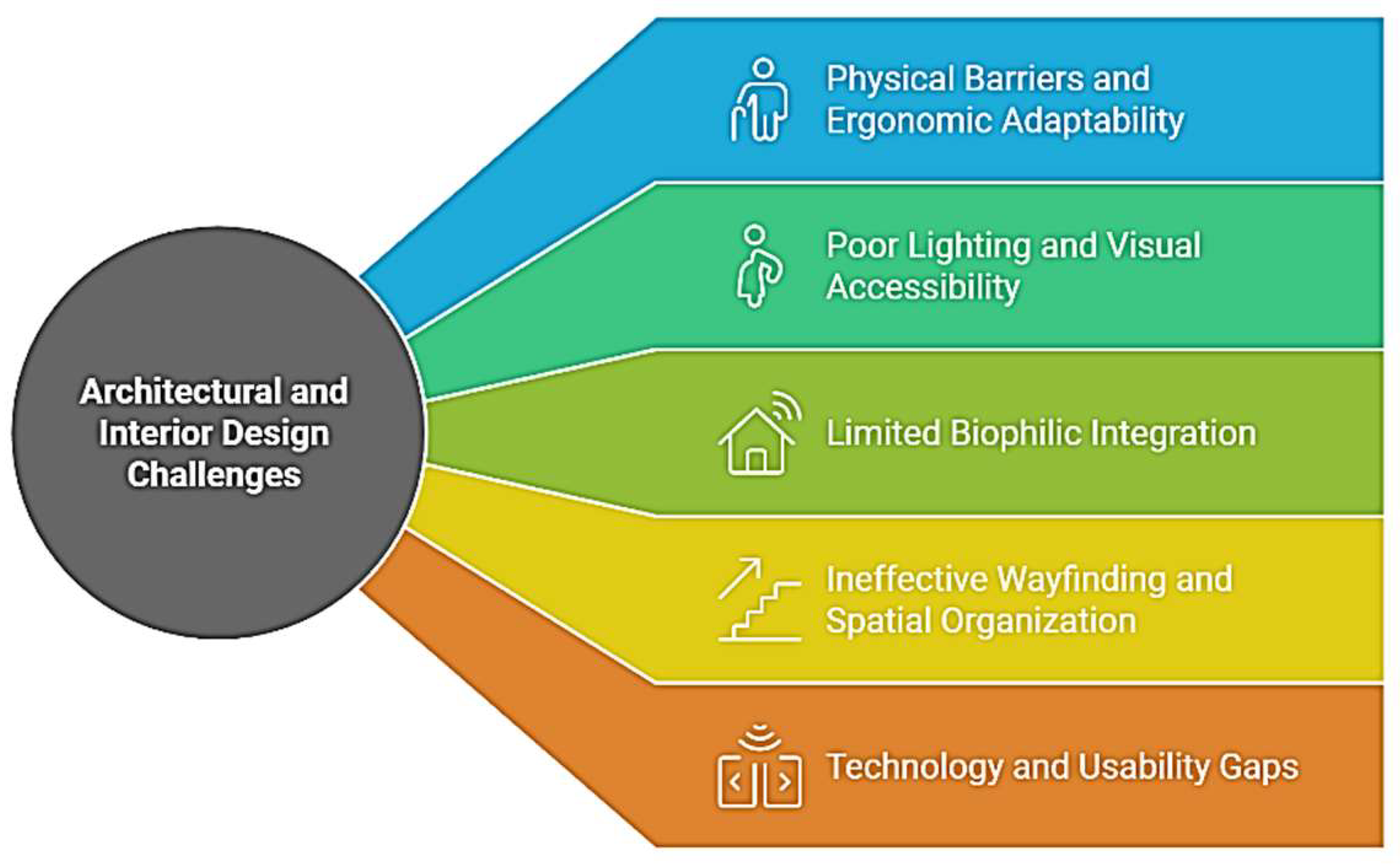
One of the common architectural challenges for older adults is the insufficient width of corridors, doorways, and hallways, which can impede mobility devices such as walkers or wheelchairs (Engineer, Sternberg, & Najafi, 2018; Ahmed et al., 2023a). Older homes often feature door widths narrower than 32 inches, or hallways that fail to accommodate two-way traffic, creating bottlenecks and increasing the risk of falls (Das, Arai, & Kim, 2022). For example, a study of long-term care facilities in Sweden found that corridors narrower than 1.4 meters forced staff to maneuver residents sideways, adding stress and potential hazards (Granbom, Iwarsson, & Kylberg, 2016). Similarly, private homes designed decades ago often do not consider the turning radii for wheelchairs in tight hallways (Mnea & Zairul, 2023).
Another significant issue is wayfinding and spatial confusion, particularly for older adults with mild cognitive impairments. Unclear floor plans, repetitive layouts, and a lack of signage exacerbate navigational difficulties (Das et al., 2022). The absence of visual landmarks or distinct color zones further contributes to confusion, diminishing autonomy (Ahmed et al., 2023a; Ahmed et al., 2023b). A Taiwanese study on typical residential settings revealed that older adults with early dementia heavily relied on familiar objects for orientation. When these objects were absent or moved, participants reported frequent disorientation within their own homes (Demirkan & Olguntuerk, 2013).
Inadequate bathroom and kitchen design is another pressing concern. High fixtures, lack of grab bars, slippery tiles, and minimal space for maneuvering in bathrooms remain leading causes of falls and hospitalizations among older adults (Romli et al., 2016; Moreland B. et al., 2020). Kitchens with standard-height countertops, limited reach ranges, and poorly placed appliances complicate cooking tasks (Wang, Lin, & Huang, 2022). For instance, a comparative study of senior living units in Malaysia revealed that only 25% of units had non-slip flooring, and fewer than 10% featured handrails in bathrooms (Ratnayake, Lukas, Brathwaite, Neave, & Henry, 2022). Participants in the study reported a fear of falling in wet areas and avoided showering independently as a result.
The issue of insufficient daylighting and visual contrast is particularly important for older adults, who often struggle with age-related vision impairments, such as reduced accommodation, sensitivity to glare, and difficulty discerning contrasts (Fox, Stathi, McKenna, & Davis, 2007). When windows are small, covered by heavy drapes, or poorly oriented, the living space can feel gloomy, which can trigger depressive symptoms (Manca, Cerina, & Fornara, 2019). A pilot retrofit in a Canadian nursing home, which replaced dark drapery and added skylights to communal areas, demonstrated positive results. Residents reported improved mood and alertness, and there were anecdotal observations of increased social engagement (Engineer et al., 2018).
Finally, the integration of technology, particularly smart home technologies, presents several barriers. While these technologies can enhance safety and comfort, many interfaces are not age-friendly. Issues such as voice-activated systems with small or hidden “mute” buttons, or sensor placements that do not account for older adults’ typical routines, complicate usability (Lee, Gu, & Kwon, 2020; Fournier, H. et al., 2021). Furthermore, cost and limited tech literacy continue to present significant obstacles (Borelli et al., 2019). For example, one senior housing complex in Hong Kong installed motion sensors in bedrooms and bathrooms but experienced frequent false alarms due to incorrect sensor positioning or the older adults not using those areas at the expected times (Peng & Maing, 2021; Ahmed et al., 2023a).
Figure 1. Navigating Environment Challenges for Older Adults.
Preprints 146787 g001

4.2. Proposed Solutions for Each Challenge
Wayfinding: Effective wayfinding strategies are crucial for older adults, particularly in complex environments. Clear signage and visual cues can significantly enhance navigation. Large-font signs with pictograms and contrasting colors, placed at strategic decision points, can improve clarity and reduce confusion (Ahmed et al., 2023a). Additionally, color-coded pathways, where different hues are assigned to corridors leading to specific areas, can further aid in orientation (Das et al., 2022). Tactile flooring, such as textured strips or raised patterns, can help older adults identify room thresholds through touch, improving spatial awareness (Demirkan & Olguntuerk, 2013). Finally, intuitive layouts with direct sightlines to communal areas, reduced blind corners, and the clustering of related functions can further simplify navigation (Engineer et al., 2018).
Lighting & Ergonomics: Lighting and ergonomics play an essential role in the well-being of older adults. Dynamic circadian lighting systems that shift color temperature throughout the day can promote healthier sleep-wake cycles and improve overall health (Sander et al., 2015). To enhance safety, slip-resistant flooring with raised textures or coatings should be prioritized in high-risk zones such as bathrooms, kitchens, and entryways (Romli et al., 2016). Adjustable countertops and cabinets, which allow older adults to customize heights according to their changing mobility and posture, are another vital ergonomic solution (Wang et al., 2022). Additionally, replacing doorknobs with lever handles, expanding hallway widths to at least 1.5 meters, and ensuring low-threshold or zero-step entries can further improve accessibility (Ahmed et al., 2023a).
Biophilic Integration & Indoor-Outdoor Transitions: Integrating biophilic design and facilitating smooth transitions between indoor and outdoor spaces can significantly enhance the environment for older adults. Large windows and skylights can increase natural light penetration and reduce dark spots, mitigating symptoms of depression (Manca et al., 2019). Easy-access gardens, providing direct, level access to courtyards or balconies with raised planters, encourage moderate physical activity and connection to nature (Peng & Maing, 2021). The incorporation of green walls and natural materials, such as indoor vegetation, wooden surfaces, and water features, can further boost cognitive engagement and provide stress relief (Fox et al., 2007).
User-Friendly Technology: User-friendly technology can significantly enhance the independence and safety of older adults. Voice-activated controls, which reduce the need for manual dexterity, can be integrated into systems for lighting, HVAC, or emergency calls, making these systems more accessible (Jo, Ma, & Cha, 2021). Fall-detection sensors, strategically placed in high-risk areas like bathrooms and bed areas, can help prevent accidents, provided they have low rates of false alarms (Borelli et al., 2019). Accessible interfaces with large buttons, tactile feedback, and contrast-rich screens are essential for accommodating visual or motor impairments (Shu & Liu, 2022). Interfaces designed to display short, simple, and low-complexity information or sentences can enhance accessibility for older adults with cognitive impairments. Interfaces should prioritize clear, easily readable text, intuitive navigation, and minimal distractions to support ease of use and comprehension for older adults with cognitive impairment. (Chen, L., & Liu, Y., 2017; Chen, L., & Liu, Y., 2022; Castilla, D. et al., 2020). Finally, the strategic placement of devices, such as sensors near entry points or seating areas, ensures maximum reliability and ease of use (Lee et al., 2020).
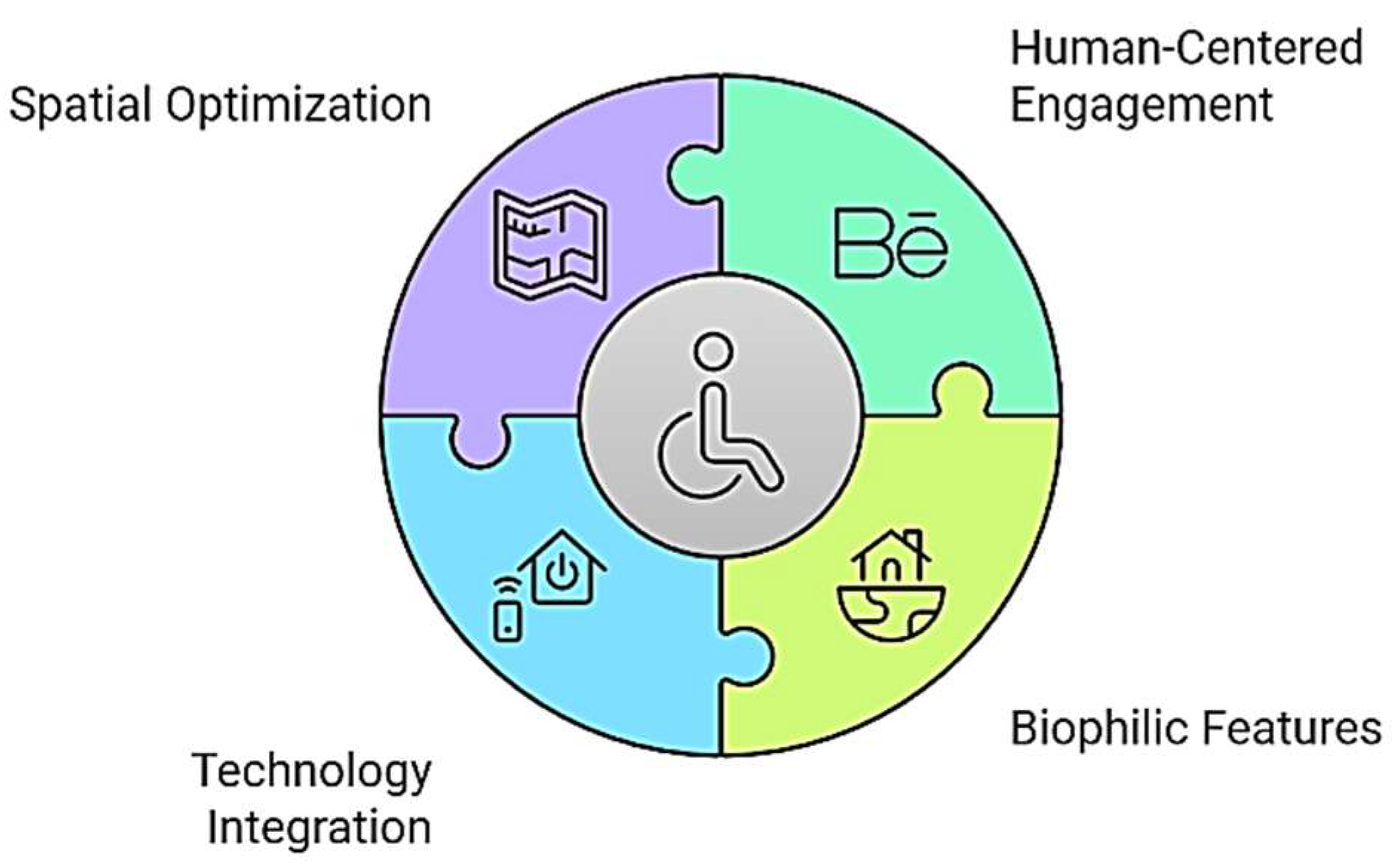
Figure 2. Synthesized Approach for Aging in Place.
Preprints 146787 g002

4.3. Examples and Evidence-Based Benefits

One example of successful design implementation comes from a senior housing pilot project in the UK, where circadian lighting was introduced in the hallways. Over a period of three months, staff observed a 30% reduction in reported nighttime wandering, along with a modest but significant improvement in residents' subjective sleep quality (Sander et al., 2015). Another case from Mauritius involved older adults participating in retrofitting their kitchens with adjustable countertops and pull-down shelving. Post-evaluation interviews revealed higher satisfaction levels and an improved ability to cook independently, emphasizing the effectiveness of adaptive design in enhancing daily living (Ramsamy-Iranah, Maguire, Peace, & Pooneeth, 2021).
While the initial capital investment for retrofitting homes with wider doorframes, sensor systems, and adaptive lighting may seem high, evidence indicates substantial long-term healthcare savings. These savings stem from reduced fall-related hospitalizations and improved mental health outcomes (Ahmed et al., 2023a; Engineer et al., 2018). Retrofitting an older adult’s home with features such as slip-resistant floors and smart lighting may cost less than a few months of institutional care or repeated hospital visits (Miller, Vine, & Amin, 2016). Furthermore, by prolonging independent living, families benefit both financially and emotionally, as older adults can remain in familiar environments with reduced reliance on caregivers (Means, 2007).
Several public-private partnerships, including collaborations between local housing authorities and technology providers, have funded pilot programs demonstrating that even partial upgrades—such as the installation of lever handles, motion-sensor lights, or tub-to-shower conversions—can significantly lower injury rates (Borelli et al., 2019; Peng & Maing, 2021). Therefore, from both an economic and well-being perspective, investing in aging-in-place design can yield returns that surpass the initial installation costs (Das et al., 2022; Shu & Liu, 2022).

5. Conceptual Framework

5.1. Core Principles
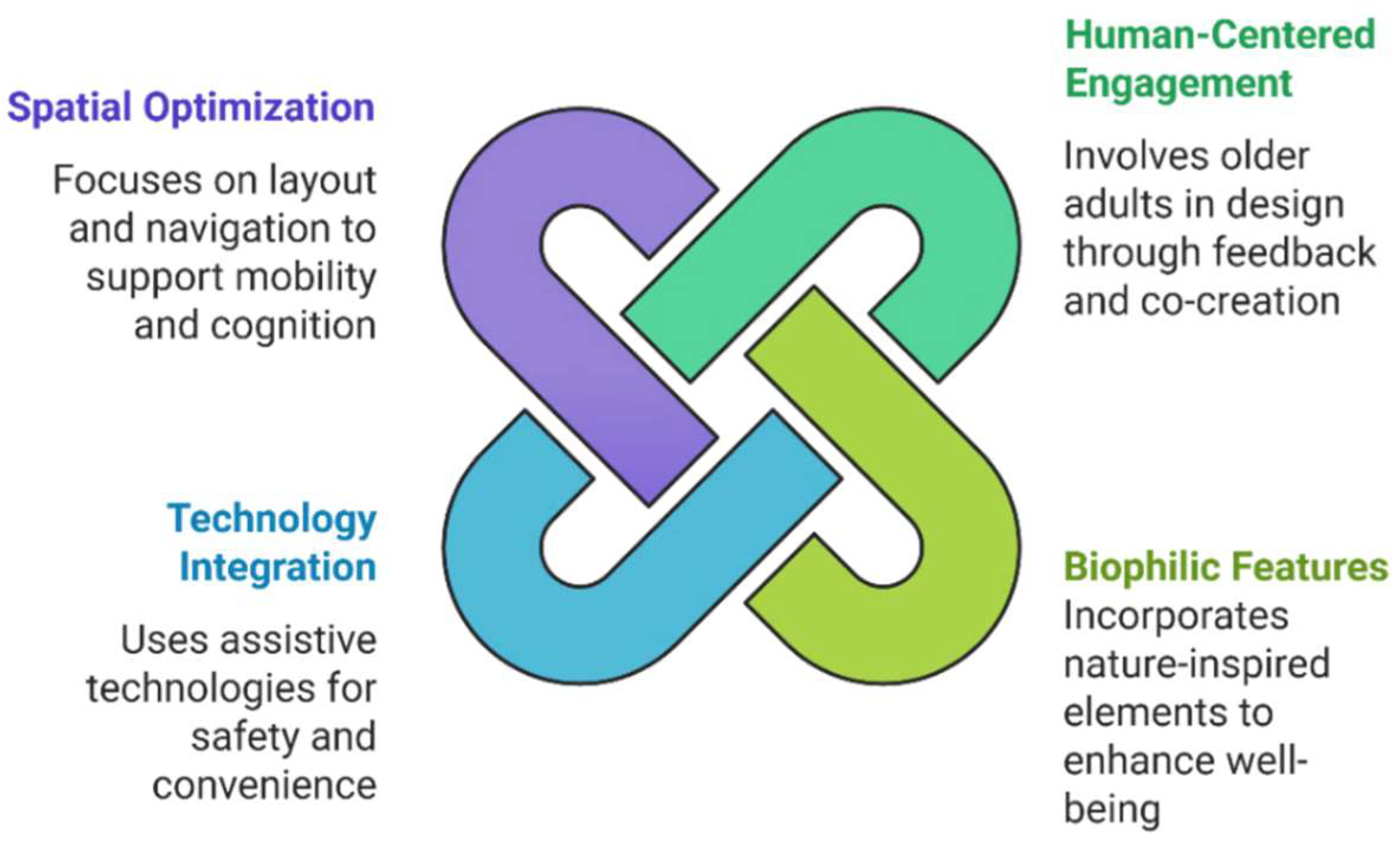
This section proposes an integrative model that brings together human-centered design (HCD), biophilic strategies, and assistive technologies within an overarching architectural layout approach for aging in place. The framework treats older adults as active co-creators, with iterative feedback loops to adapt and refine design features as users’ needs. A key principle is continuous improvement—design features (whether a countertop height, sensor placement, or lighting system) undergo user testing and are refined over time (Jo, Ma, & Cha, 2021; Ling, T.et al., 2023). This cyclical adaptation aligns with the ecological model of aging, ensuring that the environment remains responsive to physical or cognitive changes (Lawton & Nahemow, 1973; D’haeseleer, Gielis, & Abeele, 2021).
Figure 3. Integrative Model for Aging in Place.
Preprints 146787 g003

5.2. Framework Components

5.2.1. Human-Centered Engagement

Participation and Co-Creation:
  • Focus Groups and Mock-Ups: Invite older adults and caregivers to simulate daily tasks—e.g., traversing corridors, using kitchen counters, reading signage—to gather firsthand feedback on spatial adequacy (Das, Arai, & Kim, 2022; Ahmed et al., 2023a).
  • Iterative Adjustments: Fine-tune hallway widths, placement of furniture, or color schemes based on user input, ensuring the space truly aligns with their physical abilities and preferences (D’haeseleer, Gielis, & Abeele, 2021).
Cultural and Individual Sensitivity:
  • Varying Aesthetics: Recognize that color preferences, material choices, or privacy needs may differ by culture, thus influencing corridor brightness or bedroom layout (Demirkan & Olguntuerk, 2013; Ling, T.et al., 2023).
  • Personal Artifacts: Design built-in shelves or display areas for mementos, reinforcing identity and emotional comfort (Mnea & Zairul, 2023). By systematically incorporating older adults’ perspectives, designers can create truly inclusive environments rather than merely retrofitting standard designs (Sandholdt, C. et al., 2020; Zhuan, S. 2023).
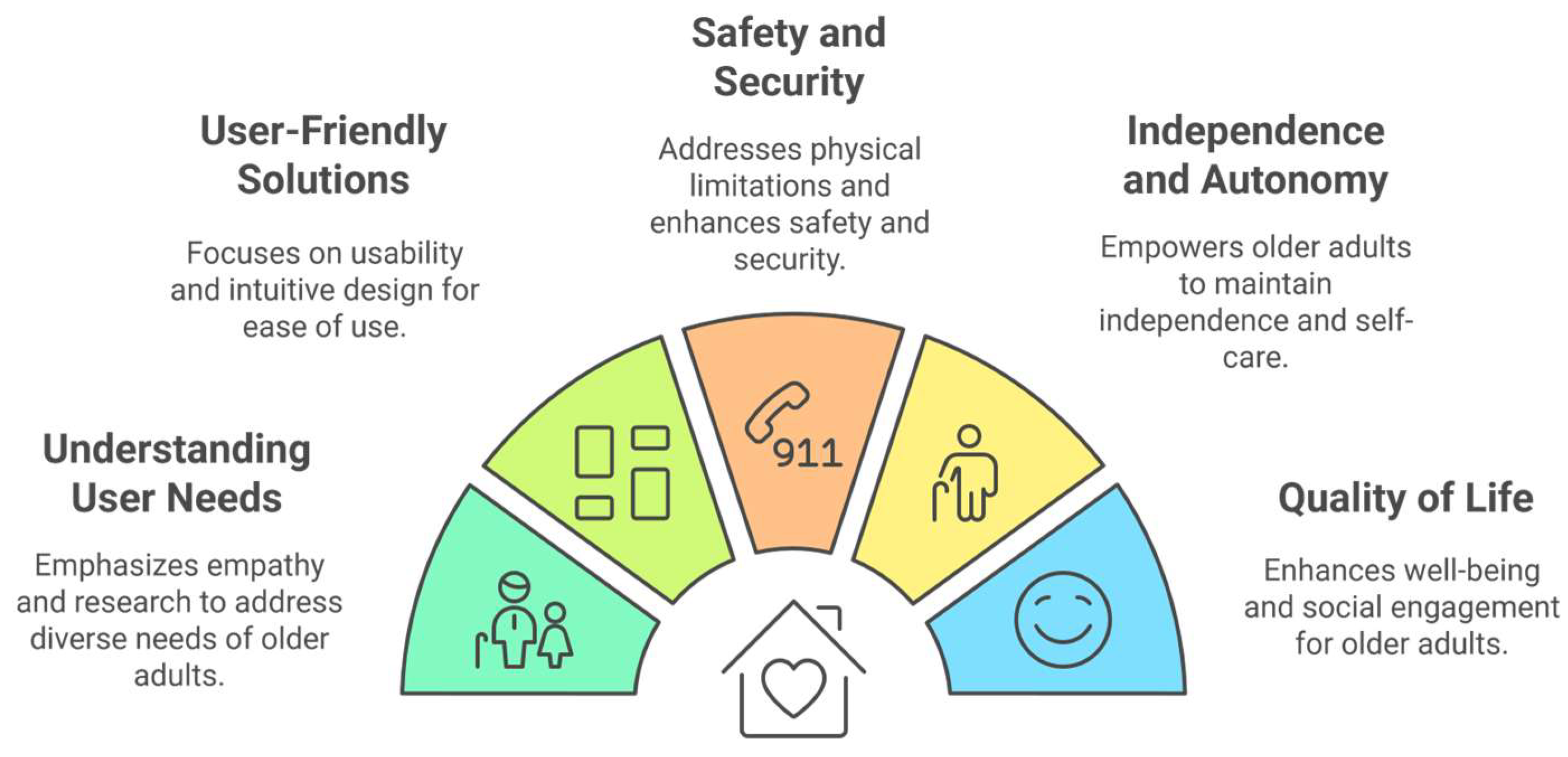
Figure 4. Human-Centered Design for Aging in Place.
Preprints 146787 g004

5.2.2. Biophilic and Sustainable Features

Nature-Inspired Strategies:
  • Daylighting Strategies: Incorporate oversized windows, skylights, or light wells in living rooms and corridors, ensuring older adults can easily navigate and remain oriented to the time of day (Fox et al., 2007).
  • Indoor Green Zones: Convert unused nooks into small indoor gardens or planters, offering micro-restorative spots that encourage gentle activity and reduce stress (Manca et al., 2019).
  • Natural Ventilation: Cross-ventilation strategies, indoor planters, or green walls to bring in fresh air and visual stimuli (Van Hoof et al., 2019).
Sustainability Elements:
  • Eco-Friendly Materials: Use low-VOC paints, recycled flooring, or ethically sourced timber to improve indoor air quality and reduce environmental impact (Park & Kim, 2018).
  • Energy-Efficient Systems: Combine LED-based circadian lighting with sensor-driven controls, reducing energy costs and enhancing occupant well-being (Sander et al., 2015; Miller, Vine, & Amin, 2016).
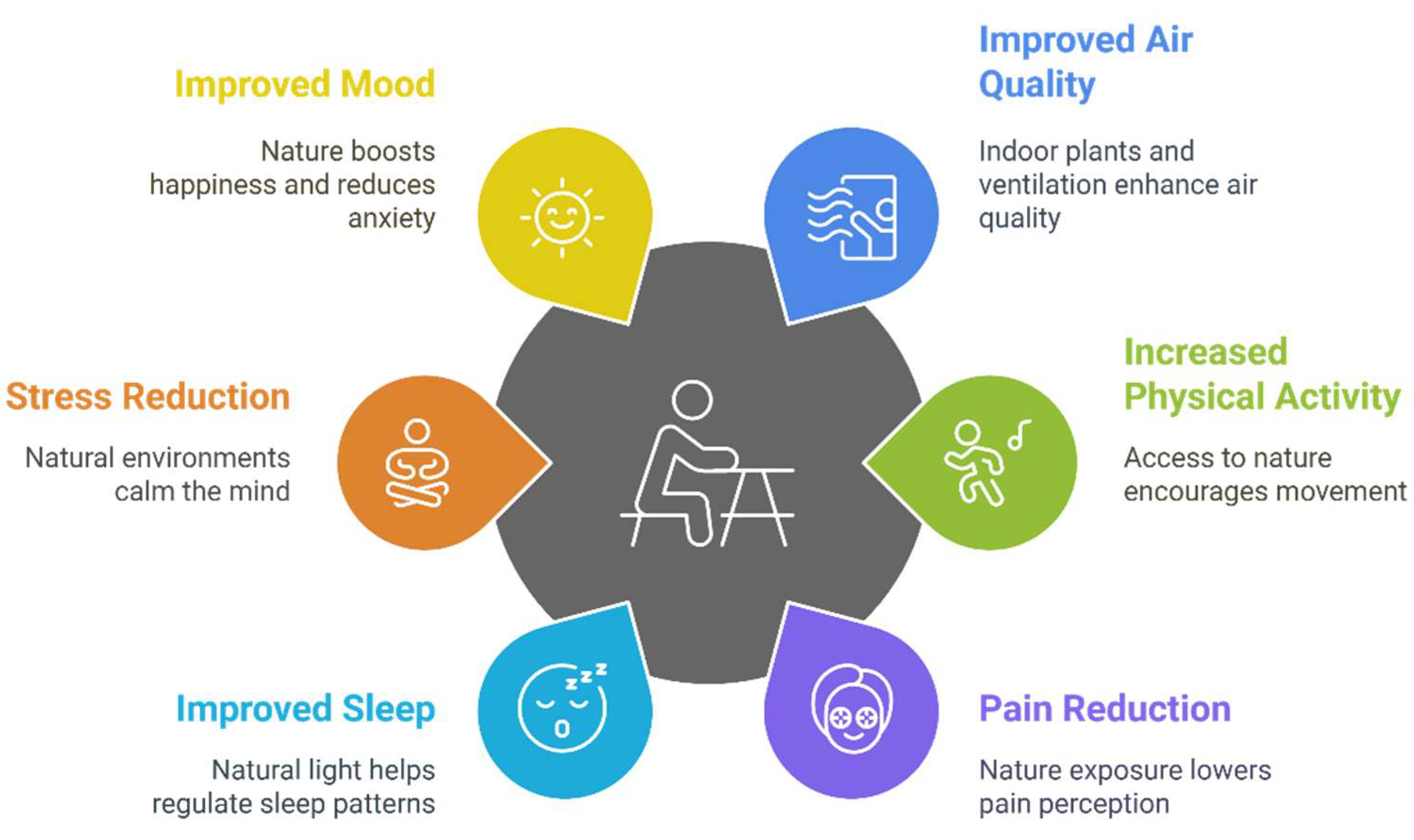
Biophilic design not only promotes stress reduction and emotional well-being but also supports physical activity (e.g., gardening in courtyards), reinforcing older adults’ overall health (Manea & Zairul, 2023).
Figure 5. Biophilic Design Benefits for Aging in Place.
Preprints 146787 g005

5.2.3. Technology Integration

Assistive and Monitoring Devices:
  • Non-Intrusive Sensors: Place fall-detection sensors at corridor transitions or changes in floor level (Engineer et al., 2018). Calibrate them to older adults’ traffic patterns, especially near bathrooms and bedrooms (Borelli et al., 2019).
  • Smart Lighting Controls: Integrate voice-activated or motion-based triggers for corridor lights, ensuring safe and intuitive illumination (Jo, Ma, & Cha, 2021).
  • Emergency Call Systems: Easily accessible panic buttons or voice-activated calls for help, especially in living rooms and kitchens (Engineer et al., 2018).
User-Friendly Interfaces:
  • Larger Screens and Clear Icons: Situate control panels in accessible heights at corridor intersections or near seating areas, with simple icons and large text (Shu & Liu, 2022).
  • Voice-Activated Controls: For lights, heating, appliances—reducing the manual dexterity needed (Jo et al., 2021).
  • Predictive Analytics: Machine learning algorithms can analyze daily routines, offering early warnings of health risks, cognitive changes, or functional decline (Shu & Liu, 2022).
Privacy and Training:
  • Provide clear consent options and user training to mitigate concerns about continuous monitoring (Lee, Gu, & Kwon, 2020).
  • Organize onboarding sessions for older adults to learn device operations at their own pace, ensuring technology does not become an additional barrier (Peng & Maing, 2021).
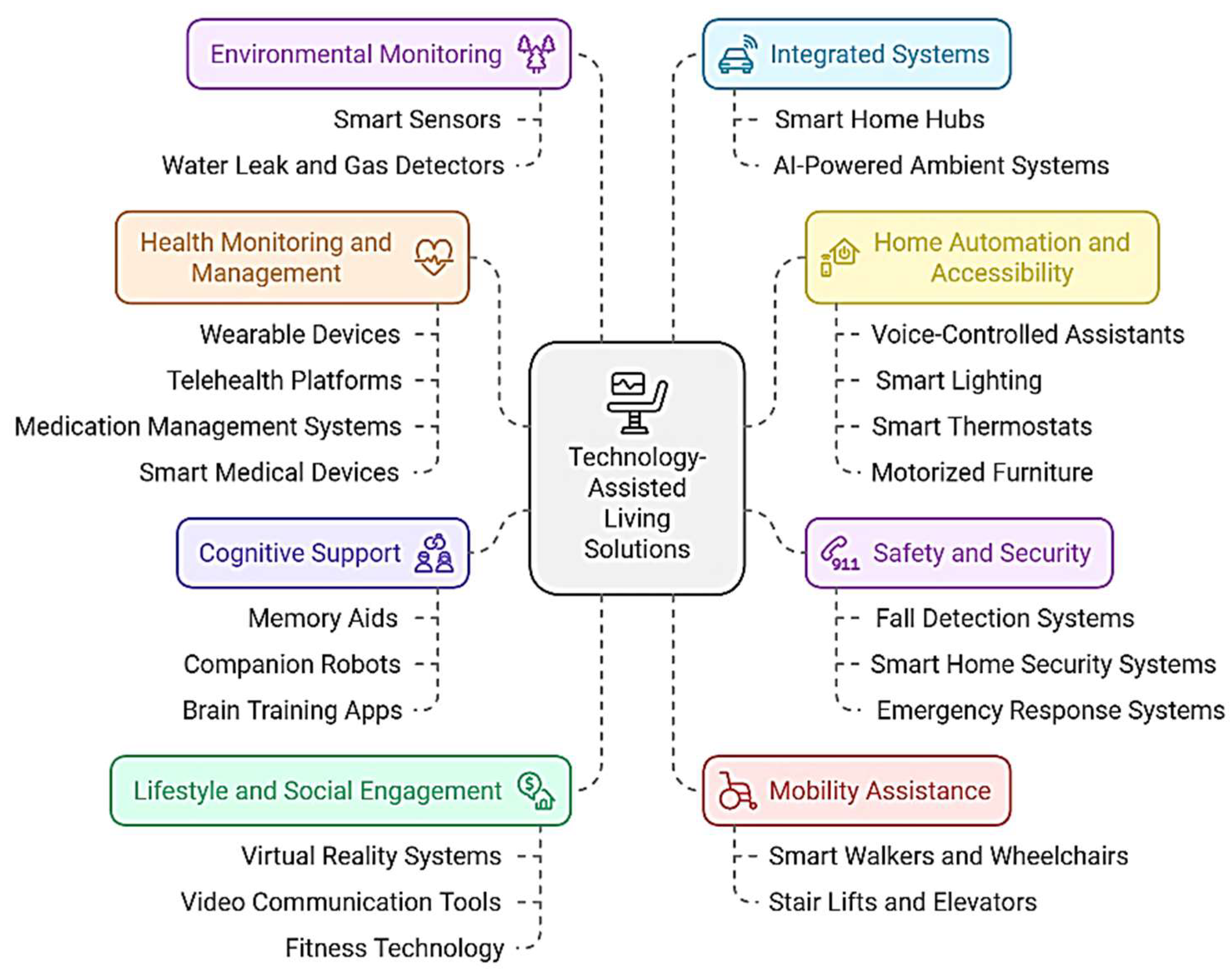
Figure 6. Technology-Assisted Living Solutions.
Preprints 146787 g006

5.2.4. Spatial Factors

Layout Efficiency and Wayfinding:
  • Optimized Corridor Widths: Aim for hallways of at least 1.2 to 1.5 meters, minimizing collision risks with mobility aids and allowing two-way passage (Ahmed et al., 2023a; Das et al., 2022).
  • Strategic Room Adjacencies: Position high-use rooms (e.g., bathrooms) near bedrooms to reduce fatigue; reduce the need for older adults to traverse long distances (Demirkan & Olguntuerk, 2013).
Color, Texture, and Finishing:
  • Contrast for Visual Guidance: Use distinct floor–wall color contrasts or trim details that visually mark changes in level or indicate doorways (Fox et al., 2007).
  • Slip-Resistant Surfaces: Select textured tiles or anti-slip coatings in kitchens, entry areas, and bathrooms to avoid falls (Romli et al., 2016; Moreland B. et al., 2020).
  • Furniture Layout: Arrange seating and tables to create clear circulation routes. Favor lightweight or modular furniture for flexible reconfiguration as health needs evolve (Mnea & Zairul, 2023).
Adaptive and Flexible Interiors:
  • Movable Partitions: Allow older adults to shrink or expand spaces depending on mobility or caregiving demands (Engineer et al., 2018).
  • Low-Threshold Transitions: Eliminate floor-level disparities between rooms, ensuring smooth movement for walkers or wheelchairs (Lee et al., 2020).
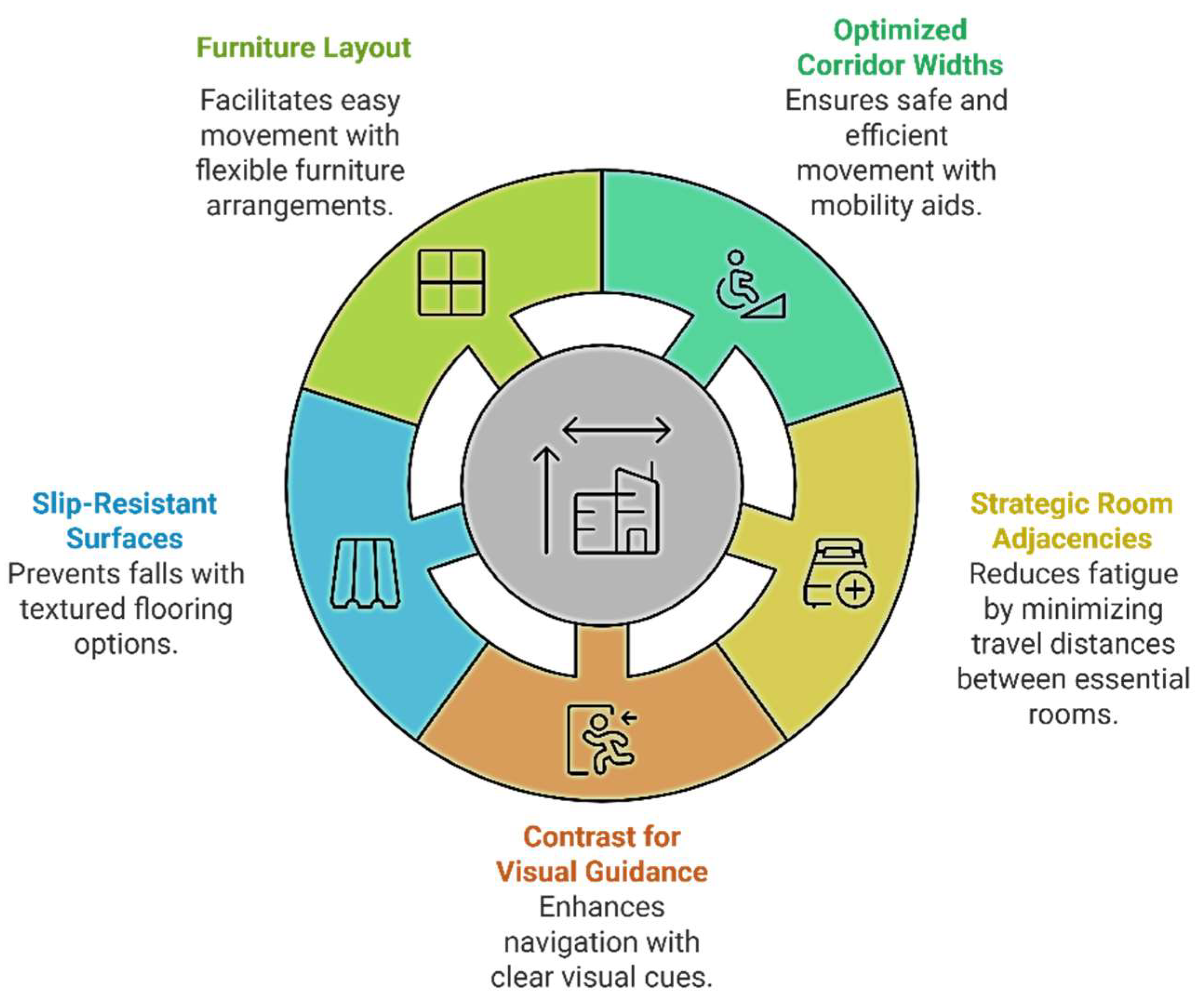
Figure 7. Spatial Design Strategies for Older Adults.
Preprints 146787 g007
Collectively, these spatial design strategies bolster older adults’ ability to navigate, perform daily tasks, and remain cognitively engaged in their surroundings (Kahana, 1982; Lawton & Nahemow, 1973).

5.3. Implementation Pathway

A four-stage process facilitates translating this integrated approach into real-world projects:
  • Pilot Testing and Spatial Mock-Ups
    Construct full-scale prototypes of key areas (corridors, kitchens, bathrooms) for observation and co-creation with older adults and caregivers (Mnea & Zairul, 2023).
2.
User Feedback and Refinement
Adjust corridor widths, color schemes, lighting intensity, or device positioning based on occupant preferences and safety metrics (D’haeseleer et al., 2021).
3.
Scaling and Policy Engagement
Encourage local authorities to adopt building codes mandating universal hallway widths, step-free entries, and slip-resistant finishes (Means, 2007; Park & Kim, 2018).
Offer grants or subsidies for homeowners and developers implementing these design changes (Miller, Vine, & Amin, 2016).
4.
Long-Term Evaluation and Support
Conduct post-occupancy evaluations over multiple years, documenting changes in fall rates, user satisfaction, and cost-effectiveness (Shu & Liu, 2022).
Provide maintenance plans, technology updates, and ongoing user training to keep solutions aligned with evolving abilities (Peng & Maing, 2021).
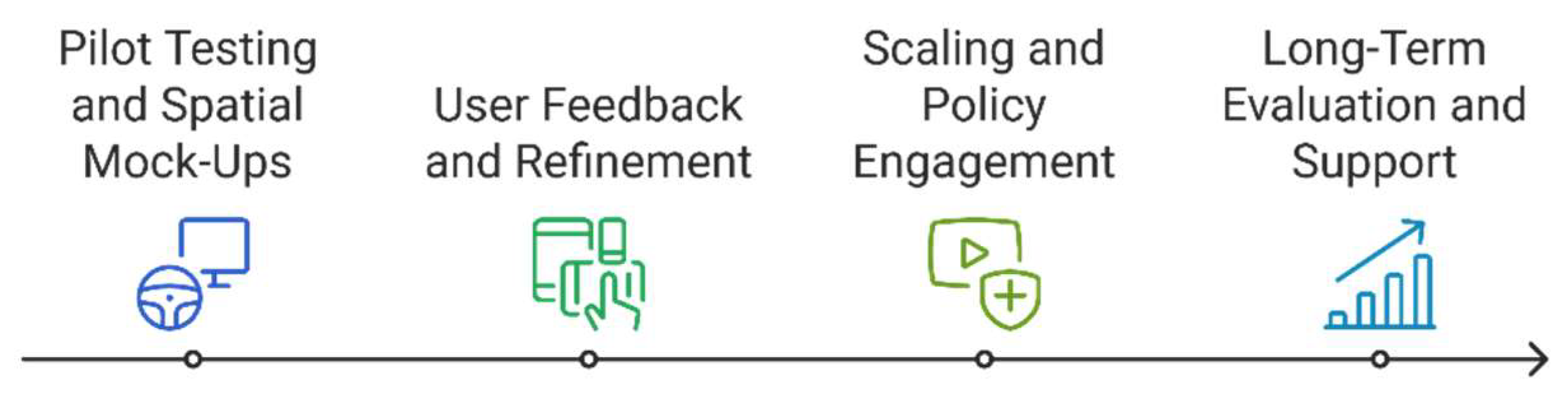
By formally embedding spatial factors into the conceptual framework—alongside engagement, biophilia, and technology—this model ensures older adults benefit from interior environments that are not only safe and intuitive but also adaptive, restorative, and empowering (Engineer et al., 2018; Ahmed et al., 2023a).
Figure 8. Implementation Pathway for Integrated Design
Preprints 146787 g008

6. Discussion

6.1. Implications for Policy and Practice

Incentivizing Universal Design and Biophilic Integration: Policy interventions can play a transformative role by mandating universal design guidelines and supporting pilot programs aimed at retrofitting existing homes with age-friendly features (Ahmed et al., 2023a; Means, 2007). In jurisdictions where building codes already exist for accessibility, these can be updated to incorporate biophilic elements—for instance, by requiring minimum daylight penetration or including accessible balconies (Van Hoof, Bennetts, Hansen, Kazak, & Soebarto, 2019). Tax credits, low-interest loans, or grants could encourage homeowners and developers to adopt smart lighting systems, slip-resistant materials, and sensor-based technologies (Miller, Vine, & Amin, 2016; Lee, Gu, & Kwon, 2020).
Collaborative Implementation at Scale: Moving these solutions from niche projects to widespread adoption requires interdisciplinary teams that include architects, interior designers, occupational therapists, gerontologists, and technology developers (Engineer, Sternberg, & Najafi, 2018; Shu & Liu, 2022). For example, architects can ensure corridor widths and lighting layouts meet older adults’ needs, while gerontologists guide decisions on fall-prevention tactics, and tech developers calibrate sensor placement to minimize false alarms (Borelli et al., 2019; Ahmed et al., 2023a). Housing authorities and public-health agencies can facilitate large-scale demonstrations, gather feedback, and refine best practices, thereby smoothing the path toward broader policy mandates (Das, Arai, & Kim, 2022; Mnea & Zairul, 2023).

6.2. Theoretical and Practical Contributions

Merging Gerontology and Architecture for Person-Environment Fit: By uniting principles from gerontology—like person-environment fit (Lawton & Nahemow, 1973)—with architectural insights, this research underscores how carefully orchestrated design modifications (e.g., tactile floor cues, adjustable fixtures) can significantly enhance functional competence among older adults (Kahana, 1982; Demirkan & Olguntuerk, 2013). The literature consistently indicates that an appropriate interplay between environment and user abilities maintains autonomy longer, reduces dependence, and boosts quality of life (Engineer et al., 2018; Ahmed et al., 2023a).
Small Tweaks with Large Impact: Even straightforward design alterations—like low-threshold doorways, lever handles, or circular floor plans—can yield disproportionate gains by preventing falls, improving access, and reducing confusion (Moreland B. et al., 2020; D’haeseleer, Gielis, & Abeele, 2021). Evidence-based solutions, such as circadian lighting or slip-resistant tiling, offer immediate, measurable outcomes: fewer nighttime accidents, stronger resident satisfaction, and overall cost savings (Romli, Mackenzie, Lovarini, & Tan, 2016; Manca, Cerina, & Fornara, 2019). This demonstrates how merging theoretical models (e.g., universal design and ecological gerontology) with practical, smaller-scale interventions can generate transformative change (Miller et al., 2016; Das et al., 2022).

6.3. Barriers and Limitations

Cost Constraints and Funding Gaps: Although the potential for long-term healthcare savings through aging-in-place strategies is well-documented, the upfront expenditures required for structural modifications or IoT installations can be substantial (Engineer et al., 2018; Stavrotheodoros, S. et al., 2018; Sokullu, R. et al., 2020). Many homeowners, particularly low- to middle-income seniors, face financial barriers to comprehensive retrofitting (Miller et al., 2016; Lee et al., 2020). To address this challenge, several potential solutions can be considered. Public-private partnerships, such as municipal grants, philanthropic funding, or corporate sponsorships, could help reduce the initial costs of retrofitting (Peng & Maing, 2021). Additionally, including aging-in-place features in insurance or mortgage programs could provide financial relief, such as offering discounted mortgage rates for homes that incorporate universal design elements or providing partial coverage under health insurance for fall-prevention measures (Connell, B. et al., 1997; Ahmed et al., 2023a).
Cultural Resistance or Tech Illiteracy: In some communities, older adults may resist what they perceive as excessive "overmodernization" or intrusive technologies, while others may lack the digital literacy necessary to operate voice-activated controls or sensor-based monitors (Jo, Ma, & Cha, 2021). Without clear training programs or culturally sensitive awareness campaigns, such innovations may fail to integrate seamlessly into daily life (Shu & Liu, 2022). Potential solutions include incremental adoption, where technology is introduced gradually, starting with small, intuitive devices like sensor lights before moving on to more complex systems (Borelli et al., 2019). Additionally, localized education efforts, such as workshops or home visits to demonstrate technology setups, can ensure that older adults and their caregivers feel confident in using the devices (Lee et al., 2020).
Workforce and Professional Gaps: A significant challenge lies in the shortage of trained professionals capable of designing, installing, and maintaining age-friendly features or IoT systems. Many architects and designers may be unfamiliar with gerontological principles, while tech companies might overlook the sensory limitations of older adults when designing user interfaces (Stavrotheodoros, S. et al., 2018; Ahmed et al., 2023a). Solutions to this issue include incorporating "design for aging" modules into architecture, engineering, and technology curricula to ensure that future professionals are better equipped to address the needs of older adults (Demirkan & Olguntuerk, 2013). Furthermore, fostering cross-sector partnerships between software designers, interior architects, and occupational therapists could drive user-focused innovations that bridge the gap between technology and accessibility (Engineer et al., 2018).

6.4. Future Research Directions

While several interventions, such as adjustable countertops or sensor-assisted fall detection, have demonstrated promising short-term results, there remains a lack of longitudinal research examining user adaptation and sustained well-being. Studies exploring the long-term impact of these interventions are still scarce (Das et al., 2022; Ahmed et al., 2023b). Additionally, conducting investigations across diverse cultural contexts could provide valuable insights into how societal traditions and norms influence the acceptance and use of design solutions (Mnea & Zairul, 2023).
Advancements in AI-driven ambient systems present an exciting opportunity for future research. Predictive analytics and machine learning can identify subtle shifts in gait, sleep patterns, or social engagement, enabling proactive interventions (Shu & Liu, 2022). Future studies could compare AI-enabled systems with simpler automated solutions, measuring factors such as adherence, privacy concerns, and their overall impact on clinical outcomes (Borelli et al., 2019).
Another promising avenue for future research lies in comparative pilot projects involving interior design prototypes. Field experiments testing different interior layouts—ranging from open-plan to multi-zoned concepts—can provide insights into the most effective ways to balance privacy, social interaction, and mobility (Engineer et al., 2018). Researchers could systematically compare variables such as lighting schedules, materials, and sensor placements, quantifying user satisfaction, cost-effectiveness, and health outcomes (Peng & Maing, 2021).
Ultimately, continued innovation and rigorous evaluation are essential for refining integrative design solutions that enhance dignity, autonomy, and the overall quality of life for older adults seeking to age in place.

7. Conclusions

Aging-in-place research consistently shows that interior architecture elements significantly impacts older adults’ physical comfort, cognitive support, and emotional well-being. Simple adjustments, such as widening corridors or adopting circadian lighting, can mitigate fall risks and minimize disorientation, while smart sensors and biophilic features address both safety and psychological well-being. Together, human-centered engagement, nature-inspired design, and assistive technologies form a synergistic toolkit for upholding the dignity, safety, and independence of older adults in their homes. Widespread adoption of these design solutions stands to benefit individuals, families, and entire communities, as lower accident rates and enhanced well-being reduce healthcare demands and foster social cohesion. Collaboration among architects, policymakers, clinicians, caregivers, and technology developers is paramount for implementing cost-effective, culturally sensitive, and scalable interventions. By aligning building codes, offering incentives for retrofits, and incorporating universal design training into professional curricula, stakeholders can forge a sustainable path toward inclusive and healthy aging in place. Enabling older adults to remain in their homes with a sense of autonomy and fulfillment represents not only a moral imperative but also a social investment in intergenerational solidarity and resource efficiency (WHO, 2015a). As inclusive, evidence-based interior architecture continues to evolve, emerging research on advanced sensor systems, AI-driven ambient intelligence, and deeper biophilic strategies will pave new ways to enhance daily life for seniors. Ultimately, the pursuit of dignified, holistic design fosters communities where aging is embraced as a stage of life enriched by freedom, safety, and connectedness.

References

  1. Ahmed, M. N., M Hassan, N., & Morghany, E. (2023a). A Conceptional Framework for Integration of Architecture and Gerontology to Create Elderly-Friendly Home Environments in Egypt. JES. Journal of Engineering Sciences, 51(6), 468-500. [CrossRef]
  2. Ahmed, M. N., M Hassan, N., & Morghany, E. (2023b). Exploring elderly challenges, needs, and adaptive strategies to promote aging in place. JES. Journal of Engineering Sciences, 51(4), 260-286. [CrossRef]
  3. Akl, A., Snoek, J., & Mihailidis, A. (2017). Unobtrusive Detection of Mild Cognitive Impairment in Older Adults Through Home Monitoring. IEEE Journal of Biomedical and Health Informatics, 21, 339-348. [CrossRef]
  4. Akl, A., Chikhaoui, B., Mattek, N., Kaye, J., Austin, D., & Mihailidis, A. (2016). Clustering home activity distributions for automatic detection of mild cognitive impairment in older adults. Journal of ambient intelligence and smart environments, 8 4, 437-451 . [CrossRef]
  5. Bennetts, H., Arakawa Martins, L., van Hoof, J., & Soebarto, V. (2020). Thermal Personalities of Older People in South Australia: A Personas-Based Approach to Develop Thermal Comfort Guidelines. International journal of environmental research and public health, 17(22), 8402. [CrossRef]
  6. Binette Joanne. (2021). Home and Community Preferences Survey. AARP Research. [CrossRef]
  7. Borelli, E., Paolini, G., Antoniazzi, F., Barbiroli, M., Benassi, F., Chesani, F., Chiari, L., Fantini, M., Fuschini, F., Galassi, A., Giacobone, G. A., Imbesi, S., Licciardello, M., Loreti, D., Marchi, M., Masotti, D., Mello, P., Mellone, S., Mincolelli, G., ... Costanzo, A. (2019). HABITAT: An IoT Solution for Independent Elderly. Sensors, 19(5), 1258. [CrossRef]
  8. Castilla, D., Suso-Ribera, C., Zaragoza, I., Garcia-Palacios, A., & Botella, C. (2020). Designing ICTs for Users with Mild Cognitive Impairment: A Usability Study. International journal of environmental research and public health, 17(14), 5153. [CrossRef]
  9. Chen, L., & Liu, Y. (2022). Interface Design for Products for Users with Advanced Age and Cognitive Impairment. International Journal of Environmental Research and Public Health, 19. [CrossRef]
  10. Chen, L., & Liu, Y. (2017). Affordance and Intuitive Interface Design for Elder Users with Dementia. Procedia CIRP, 60, 470-475. [CrossRef]
  11. Connell, B. R., Jones, M., Mace, R., Mueller, J., Mullick, A., Ostroff, E., Sanford, J., Steinfeld, E., Story, M., & Vanderheiden, G. (1997). The principles of universal design (Version 2.0). The Center for Universal Design, N.C. State University.
  12. Das, Maitreyi Bordia; Arai, Yuko; Chapman, Terri B.; Jain, Vibhu. (2022). Silver Hues: Building Age-Ready Cities. © World Bank, Washington, DC. http://hdl.handle.net/10986/37259 License: CC BY 3.0 IGO.”.
  13. Demirkan, H., & Olguntürk, N. (2013). A priority-based ‘design for all’ approach to guide home designers for independent living. Architectural Science Review, 57(2), 90–104. [CrossRef]
  14. D'haeseleer, I., Gielis, K., & Abeele, V. (2021). Human-centred design of self-management health systems with and for older adults: Challenges and practical guidelines, 90-102. [CrossRef]
  15. Engineer, A., Sternberg, E. M., & Najafi, B. (2018). Designing Interiors to Mitigate Physical and Cognitive Deficits Related to Aging and to Promote Longevity in Older Adults: A Review. Gerontology, 64(6), 612–622. [CrossRef]
  16. Forsyth, A., & Molinsky, J. (2023). Climate Change, Aging, and Well-being: How Residential Setting Matters. Housing Policy Debate, 33(5), 1029–1054. [CrossRef]
  17. Fournier, H., Kondratova, I., & Katsuragawa, K. (2021). Smart technologies and the Internet of Things designed for aging in place. In Moallem, A. (Ed.), HCI for Cybersecurity, Privacy and Trust. HCII 2021. Lecture Notes in Computer Science, vol 12788. Springer, Cham. [CrossRef]
  18. Fox, K., Stathi, A., McKenna, J., & Davis, M. G. (2007). Physical activity and mental well-being in older people participating in the Better Ageing Project. European Journal of Applied Physiology, 100(6), 591-602. [CrossRef]
  19. Granbom, M., Slaug, B., Löfqvist, C., Oswald, F., & Iwarsson, S. (2016). Community Relocation in Very Old Age: Changes in Housing Accessibility. The American journal of occupational therapy : Official publication of the American Occupational Therapy Association, 70(2), 7002270020p1–7002270020p9. [CrossRef]
  20. Jo, T. H., Ma, J. H., & Cha, S. H. (2021). Elderly Perception on the Internet of Things-Based Integrated Smart-Home System. Sensors, 21(4), 1284. [CrossRef]
  21. Kahana, E. (1982). A congruence model of person-environment interaction. Aging and the environment: Theoretical approaches, 97-121.
  22. Lawton, M. P., & Nahemow, L. (1973). Ecology and the aging process. In C. Eisdorfer & M. P. Lawton (Eds.), The psychology of adult development and aging (pp. 619–674). American Psychological Association. [CrossRef]
  23. Lee LN and Kim MJ (2020) A Critical Review of Smart Residential Environments for Older Adults With a Focus on Pleasurable Experience. Front. Psychol. [CrossRef]
  24. Ling, T.-Y., Lu, H.-T., Kao, Y.-P., Chien, S.-C., Chen, H.-C., & Lin, L.-F. (2023). Understanding the meaningful places for aging-in-place: A human-centric approach toward inter-domain design criteria consideration in Taiwan. International Journal of Environmental Research and Public Health, 20(2), 1373. [CrossRef]
  25. Manca, S., Cerina, V., & Fornara, F. (2019). Residential satisfaction, psychological well-being and perceived environmental qualities in high- vs. low-humanized residential facilities for the elderly. Social Psychological Bulletin, 14(2), 1–19. [CrossRef]
  26. Mayo, C., Kenny, R., Scarapicchia, V., Ohlhauser, L., Syme, R., & Gawryluk, J. (2021). Aging in Place: Challenges of Older Adults with Self-Reported Cognitive Decline. Canadian Geriatrics Journal, 24, 138 - 143. [CrossRef]
  27. Means, R. (2007). Safe as houses? Ageing in place and vulnerable older people in the UK. Social Policy & Administration, 41(1), 65–85. [CrossRef]
  28. Miller, W., Vine, D., & Amin, Z.M. (2017). Energy efficiency of housing for older citizens: Does it matter? Energy Policy, 101, 216-224. [CrossRef]
  29. Mnea, A., & Zairul, M. (2023). Evaluating the Impact of Housing Interior Design on Elderly Independence and Activity: A Thematic Review. Buildings, 13(4), 1099. [CrossRef]
  30. Moreland B, Kakara R, Henry A. (2020). Trends in Nonfatal Falls and Fall-Related Injuries Among Adults Aged ≥65 Years — United States, 2012–2018. Morbidity and Mortality Weekly Report (MMWR) Rep 2020;69:875–881 . [CrossRef]
  31. Park, S. J., & Kim, M. J. (2018). A Framework for Green Remodeling Enabling Energy Efficiency and Healthy Living for the Elderly. Energies, 11(8), 2031. [CrossRef]
  32. Peng, S., & Maing, M. (2021). Influential factors of age-friendly neighborhood open space under high-density high-rise housing context in hot weather: A case study of public housing in Hong Kong. Cities, 115, 103231. [CrossRef]
  33. Piau, A., Wild, K., Mattek, N., & Kaye, J. (2019). Current State of Digital Biomarker Technologies for Real-Life, Home-Based Monitoring of Cognitive Function for Mild Cognitive Impairment to Mild Alzheimer Disease and Implications for Clinical Care: Systematic Review. Journal of Medical Internet Research, 21. [CrossRef]
  34. Ramsamy-Iranah, S., Rosunee, S., Kistamah, N. (2016). Introducing Assistive Tactile Colour Symbols for Children with Visual Impairment: A Preliminary Research. In: Langdon, P., Lazar, J., Heylighen, A., Dong, H. (eds) Designing Around People. Springer, Cham. [CrossRef]
  35. Ratnayake, M., Lukas, S., Brathwaite, S., Neave, J., & Henry, H. (2022). Aging in Place. Delaware Journal of Public Health, 8, 28–31. [CrossRef]
  36. Romli, M. H., Mackenzie, L., Lovarini, M., & Tan, M. P. (2016). Pilot study to investigate the feasibility of the Home Falls and Accidents Screening Tool (HOME FAST) to identify older Malaysian people at risk of falls. BMJ open, 6(8), e012048. [CrossRef]
  37. Sander, B., Markvart, J., Kessel, L., Argyraki, A., & Johnsen, K. (2015). Can sleep quality and wellbeing be improved by changing the indoor lighting in the homes of healthy, elderly citizens?. Chronobiology international, 32(8), 1049–1060. [CrossRef]
  38. Sandholdt, C., Cunningham, J., Westendorp, R., & Kristiansen, M. (2020). Towards inclusive healthcare delivery: Potentials and challenges of human-centred design in health innovation processes to increase healthy aging. International Journal of Environmental Research and Public Health, 17. [CrossRef]
  39. Shu, Q., & Liu, H. (2022). Application of Artificial Intelligence Computing in the Universal Design of Aging and Healthy Housing. Computational intelligence and neuroscience, 2022, 4576397. [CrossRef]
  40. Sokullu, R., Akkaş, M., & Demir, E. (2020). IoT supported smart home for the elderly. Internet Things. [CrossRef]
  41. Stavrotheodoros, S., Kaklanis, N., Votis, K., Tzovaras, D. (2018). A Smart-Home IoT Infrastructure for the Support of Independent Living of Older Adults. In: Iliadis, L., Maglogiannis, I., Plagianakos, V. (eds) Artificial Intelligence Applications and Innovations. AIAI 2018. IFIP Advances in Information and Communication Technology, vol 520. Springer, Cham. [CrossRef]
  42. Tsuchiya-Ito, R., Iwarsson, S., & Slaug, B. (2019). Environmental Challenges in the Home for Ageing Societies: A Comparison of Sweden and Japan. Journal of cross-cultural gerontology, 34(3), 265–289. [CrossRef]
  43. van Hoof, J., Bennetts, H., Hansen, A., Kazak, J. K., & Soebarto, V. (2019). The Living Environment and Thermal Behaviours of Older South Australians: A Multi-Focus Group Study. International Journal of Environmental Research and Public Health, 16(6), 935. [CrossRef]
  44. Vitiello, G., & Sebillo, M. (2018). The importance of empowerment goals in elderly-centered interaction design. Proceedings of the 2018 International Conference on Advanced Visual Interfaces. [CrossRef]
  45. Wang, Y., Lin, D., & Huang, Z. (2022). Research on the Aging-Friendly Kitchen Based on Space Syntax Theory. International Journal of Environmental Research and Public Health, 19(9), 5393. [CrossRef]
  46. WHO (World Health Organization). (2015). World report on ageing and health. World Health Organization. https://iris.who.int/handle/10665/186463.
  47. Zhuan, S. (2023). Research on Aging-friendly Home Space Design Based on Humanization. Academic Journal of Architecture and Geotechnical Engineering. [CrossRef]
Disclaimer/Publisher’s Note: The statements, opinions and data contained in all publications are solely those of the individual author(s) and contributor(s) and not of MDPI and/or the editor(s). MDPI and/or the editor(s) disclaim responsibility for any injury to people or property resulting from any ideas, methods, instructions or products referred to in the content.
Copyright: This open access article is published under a Creative Commons CC BY 4.0 license, which permit the free download, distribution, and reuse, provided that the author and preprint are cited in any reuse.
Prerpints.org logo

Preprints.org is a free preprint server supported by MDPI in Basel, Switzerland.

Subscribe

Disclaimer

Terms of Use

Privacy Policy

Privacy Settings

© 2025 MDPI (Basel, Switzerland) unless otherwise stated