Preprint
Review

This version is not peer-reviewed.

Exploring Advancements in Bio-Based Composites for Thermal Insulation: A Systematic Review

A peer-reviewed article of this preprint also exists.

Submitted:

23 December 2024

Posted:

24 December 2024

You are already at the latest version

Abstract

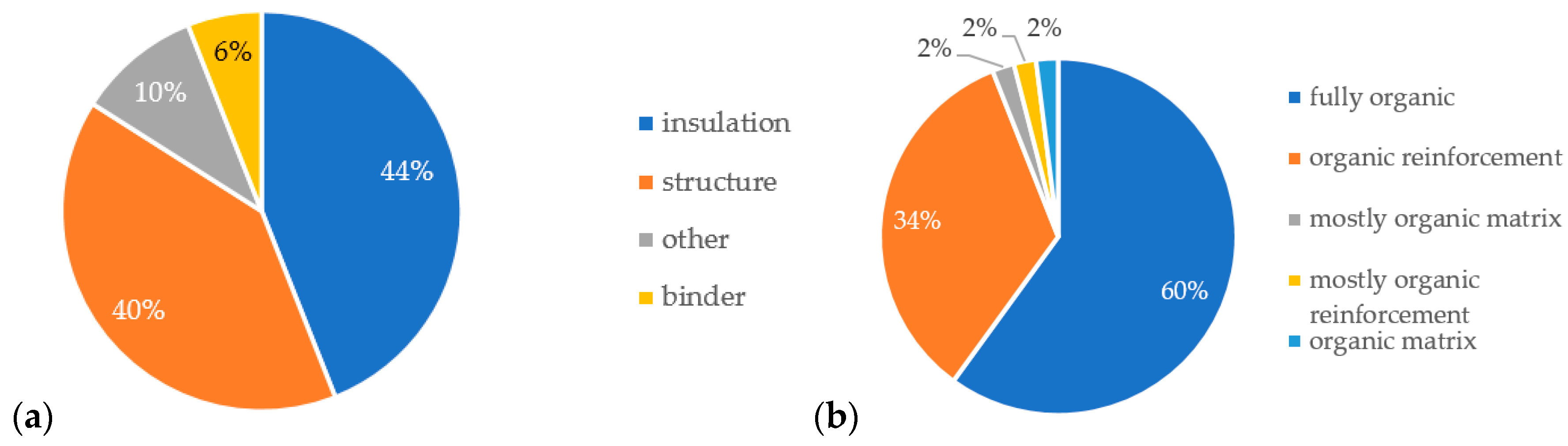
The increasing urgency to reduce the environmental impact of human activities has underscored the critical role of bio-materials in sustainable architecture and construction. This systematic review consolidates and critically analyzes recent advancements in bio-composite materials, focusing on their thermal insulation capabilities and broader applications within the built environment. Data from studies published since the start of 2024 were meticulously selected using stringent inclusion criteria guided by the PRISMA protocol. A meta-analysis conducted via VOSviewer software (version 1.6.20) illustrates keyword co-occurrence in titles and abstracts, highlighting emerging trends in bio-composite research. This review compiles and categorizes information on 50 bio-composite materials with confirmed properties of biodegradability or recyclability, systematically assessing their morphology, internal structure, and thermal characteristics, which are central to their insulation performance. While the primary focus of this review is on the thermal insulation properties of bio-composite materials, the mechanical properties are also included as supplementary data, reflecting the incidental availability of this information in the reviewed studies. The findings emphasize that thermal insulation applications dominate the usage of these materials (44%), followed by sub-structural roles (40%). A comparative analysis highlights the significant bio-composite thermal conductivity (λ) advancements, po-sitioning them as viable alternatives for standard building materials. A detailed matrix is presented to showcase the roles of polymer and ceramic matrices, further contextualizing their potential in construction, particularly for insulation applications. The study identifies critical challenges, such as scalability and du-rability. It proposes future research directions to enhance bio-materials integration in sustainable building practices, prioritising advancing technologies.

Keywords: 
;  ;  ;  

1. Introduction

The building sector has a substantial environmental impact on both global and local scales [1]. New investments often require substantial quantities of raw materials, including sand, stone, wood, and water. Additionally, the production processes of conventional building materials are energy-intensive and contribute to the depletion of natural resources, often from non-renewable sources.

1.1. The Problems and Challenges of the Architecture and Construction Sectors

Despite efforts to improve sustainability, many widely used materials still have a high carbon footprint and low recycling rates [2]. For example, concrete is one of the most essential building materials for modern architecture, and the demand for its production is growing every year due to new buildings and the need to develop surrounding infrastructure [3]. Cement production alone, a key component of concrete, is responsible for 8% of global CO2 emissions [4]. Concrete production is becoming an increasingly significant challenge in the worldwide crisis related to limited freshwater resources [5]. Similarly, according to data from 2019, global production of plastic waste has reached almost 460 million tons per year, with more than half generated by the building sector [6].
Moreover, approximately 91% of all plastics produced have not been recycled, often ending up in landfills or the oceans [8]. Although plastic recycling is considered an environmentally beneficial solution, it has limitations [7]. Recycling plastic often produces material of lower quality, and the possibility of multiple recycling is also limited – the material can only be recycled 2-3 times, depending on the type [8]. Furthermore, not all plastics are recyclable, and developing efficient methods for processing materials such as polypropylene and synthetic fibres remains a significant technological and economic challenge [8].

1.2. The Importance of Using Biomaterials in Architecture and Construction Sectors

Already in the 1970s, there was an increase in ecological awareness and concern about the ongoing climate change. The turning point was the publication of the report The Limits to Growth by the Club of Rome (prepared by a research team from MIT), which pointed out the need to limit the exploitation of natural resources [8]. The report analyses the long-term consequences of global population growth, consumption of raw materials, industrial production, pollution, and environmental degradation. Using computer models, the authors simulated various future scenarios to understand how the world economy could develop in the face of limited resources. Subsequent updates of the report (including in 1992 and 2004) confirmed some of the original assumptions, but attention was paid to technological developments that could mitigate the effects of growth [10]. Today, in response to the challenges of the construction sector related to waste generation, air and water pollution, energy consumption, and negative impact on ecosystems, emphasis is placed on buildings having, among other things, energy certifications [11]. Sustainable development in the building industry is based on minimising the negative impact of buildings and infrastructure on the environment through modern technologies and effective energy management systems [12]. However, the additional use of ecological building materials (materials with ecological certifications, i.e., LEED (Leadership in Energy and Environmental Design) or BREEAM (Building Research Establishment Environmental Assessment Method)) and savings of fossil raw materials are becoming crucial [13]. In recent years, there has been an apparent increase in interest in ecological materials, as indicated by their availability on the market, and an increase in scientific articles, which translates into better product quality. Unfortunately, the phenomenon of creating a false image of an environmentally friendly product—greenwashing—is becoming increasingly noticeable. Companies often promote their activities as environmentally friendly to earn the trust of eco-conscious consumers through declarations not supported by verifiable certificates or research. [14]. This results from the still insufficiently developed market for environmentally friendly products, leading to a price of approximately 10-20% higher than conventional products. [15].
Transitioning to bio-based composites presents several economic implications, including potential cost savings from reduced energy consumption and lower waste management costs due to their renewable and biodegradable nature [16]. This shift also opens market opportunities driven by growing consumer demand for sustainable materials and adherence to green building standards, fostering innovation and product differentiation within the construction industry [17]. However, economic barriers such as high initial production costs, limited large-scale manufacturing capabilities, and competition with established materials can hinder market adoption, alongside regulatory and scalability challenges that must be addressed for broader integration [18].

1.3. Target Audience: Researchers and Designers

This systematic review comprehensively examines bio-based composites' advancements, applications, and challenges, with a particular focus on their thermal insulation properties and potential in sustainable architecture. The review is especially valuable for researchers aiming to identify innovation gaps, trends, and future directions in enhancing the thermal performance of bio-composites, as well as for designers seeking eco-friendly materials to improve energy efficiency in buildings. By bridging scientific research with practical design considerations, this work serves as a critical resource for fostering innovation in sustainable thermal insulation solutions within the built environment.

2. State of the Art

Previous review articles focused on the use of natural-origin substances as building materials were analysed. Given the significant number of articles on these compounds, it was decided to concentrate on a single group of engineering materials: bio-composites.
In 2022, Amin et al. [19] summarised data from the last decade (2011-2022) and provided a comprehensive review focusing on applying plant-based fibres in construction. The review covers fibres derived from bamboo, sugarcane bagasse, hemp, kenaf, jute, ramie, flax, sisal, coir, pineapple, cotton, wood, and wheat straw. The authors aim to analyse these fibres as sustainable alternatives to synthetic materials, emphasising their mechanical properties, treatment methods, and potential to reduce the carbon footprint of buildings. The review highlights the benefits of alkaline treatment in enhancing fibre durability, addressing biodegradability limitations, and supporting sustainable development goals in the architecture and construction sectors. Based on their analysis, composites reinforced with plant fibres show potential applications in earthquake-resistant housing, bridge piers, canal linings, soil reinforcement, pavements, and more.
Another study comprehensively reviews innovations, engineering applications, and future directions of bast fibre composites, focusing on ramie, jute, kenaf, flax, and hemp. Zhu et al. [20] examine the structure, composition, and functional performance of bast fibres in bio-composites. They explore the integration of bast fibres into composites to enhance properties such as mechanical strength, flame retardancy, and biodegradability. Potential applications in construction and architecture include using bast fibre composites as lightweight, durable, and sustainable alternatives to traditional building materials, including reinforced panels, structural components, and acoustic insulation materials.
In addition to using natural fibres as reinforcement for composites, subsequent articles have also focused on using agricultural waste. Sugarcane bagasse ash deserves special mention, as it is extensively discussed in the study by Gbadeyan et al. [21] as a sustainable alternative to cement in construction materials. The article reviews sugarcane bagasse ash and other agricultural wastes like rice husk ash as partial or complete substitutes for Portland cement in engineering materials, including bricks, concrete, binders, and mortars. Over 70 studies are examined, highlighting performance enhancements, including increased compressive strength and reduced bulk density when using sugarcane bagasse ash as an additive in construction materials. The analysis includes evaluations of physical properties like compressive strength and water absorption and comparative studies on various sugarcane bagasse ash composites.
Another widely used agro-waste-based material is rice husk, as mentioned earlier. Singh et al. [22] provided a review focusing on using this material in sustainable composites. The study covers numerous case studies and summarises the outcomes of incorporating rice straw into different polymers, including polypropylene (PP), polyethene (PE), polyvinyl alcohol (PVA), polylactic acid (PLA), and others. In total, over 20 examples of rice-straw composites are discussed. Particular attention is given to the potential use of rice husk-based composites in architectural applications as insulation materials due to their lightweight, thermal conductivity, and acoustic properties. The reviewed articles are categorised based on their application in building materials, with a clear tendency to classify specific materials as structural or insulating. Only a small number of articles address other categories of building materials.
In 2024, Asfaw et al. [23] examined bio-composites potential for enhancing thermal insulation in the construction sector. Among the materials reviewed, Typha australis fibre, moss, wood fibre, and corn husk demonstrated favourable thermal conductivity and mechanical properties, making them viable for architectural insulation. The review draws on multiple studies and considers factors such as fibre orientation, fibre-to-matrix adhesion, and material density to analyse bio-composite performance comprehensively. The authors also highlight the limitations and challenges associated with natural-based insulation materials, including limited long-term durability, potential moisture sensitivity, and issues with fibre-to-matrix adhesion compared to conventional materials. Addressing these challenges often requires optimising the composite formulation, applying chemical treatments, or combining natural fibres with synthetic components, which can increase production complexity and costs. A year earlier (2023), another group of researchers led by Raja et al. [24] tackled similar issues, analysing various bio-based materials and their environmental, thermal, and fire performance. Several bio-insulation materials, such as hemp-lime, wood wool, cellulose fibres, sheep's wool, and vegetable-based composites, were evaluated, revealing similar limitations during their summarised analyses.
Conversely, bio-based composites for structural applications were analysed in a 2021 review by Kopparthy and Netravali [25]. The review highlights the potential of fully green materials, which combine biodegradable plant-based resins and natural fibres, as replacements for conventional composites in structural applications. It concludes that while these composites show promise for secondary structural applications due to their environmental benefits, overcoming limitations such as moisture sensitivity, UV degradation, and limited load-bearing capacity is essential to expanding their applicability. See Table 1.
Table 1. The previous review studies on bio-based composites
Ref No. Team Year Focus No. of papers
[19] Amin et al. 2022 summary of data from the last decade (2011-2022) 209
[20] Zhu et al. 2024 structure, composition, and functional performance of bast fibres 153
[21] Gbadeyan et al. 2023 substitutes for Portland cement in engineering materials 70
[22] Singh et al. 2024 use of rice husk in sustainable composites 20
[23] Asfaw et al. 2024 bio-composites for enhancing thermal insulation in the construction sector 88
[24] Raja et al. 2023 various bio-based materials and their environmental, thermal, and fire performance 108
[25] Kopparthy and Netravali 2021 materials, which combine biodegradable plant-based resins and natural fibres 101

3. Materials and Methods

The presented paper is a systematic literature review article conducted following the PRISMA protocol (Preferred Reporting Items for Systematic Reviews and Meta-Analysis). The PRISMA protocol integrates systematic review with meta-analysis [26]. The inclusion of the PRISMA protocol was necessitated by the publisher's requirement to ensure (i) standardization, (ii) comprehensive coverage, (iii) transparency and (iv) enhanced credibility, see Figure 1. The subsequent subsections provide a detailed explanation of the selection process of materials (and papers that reported them) for review and discuss their quantitative aspects.

3.1. Eligibility Criteria, Data Identification

The data for this review were collected from the international scientific database Scopus. Bio-based composite materials have recently garnered significant research attention due to efforts to reduce the carbon footprint in the building industry. Analysing the frequency of publications tagged with "bio-based composites" within the building sector yields interesting insights based on Scopus data. The overall trend reveals periods of variability and change, including decreases in 2015, 2017, and 2023, rather than a consistent upward trajectory. Notably, there was a substantial spike in 2024, reflecting a sharp increase compared to preceding years. This surge highlights a growing research interest and a notable shift toward incorporating natural fibres into composites.
Figure 1. Visualization of the PRISMA protocol flowchart, illustrating the systematic process for identifying, screening, and selecting studies in a systematic review.
Preprints 143928 g001
To capture this surge in interest, the authors concentrated on studies published only in 2024, ensuring an up-to-date and focused review highlighting the latest advancements and trends in this topic.
Only full, open-access scientific articles written in English were analysed. During the primary information search, the following keywords were used: ('bio-based' OR 'biobased' OR 'natural' OR 'plant-based' OR 'biodegradable' OR 'agro-waste' OR 'agro AND waste') AND ('construction' OR 'building' OR 'architecture' OR 'wall' OR 'roof' OR 'ceiling' OR 'envelope' OR 'insulation' OR 'adhesive' OR 'binder'). A notable increase in articles on these topics has been observed since the start of the 21st century.
This review was conducted based on reports published between January 1, 2024, and October 12, 2024, during which 6,475 publications related to natural materials in construction and architecture were identified. Due to this volume, further criteria were applied to narrow the scope to 2,965 articles focusing on engineering, material sciences, and multidisciplinary studies.
Additional filtering involved supplementary keywords (34 terms), resulting in 1,194 articles, which were then reviewed by title and abstract to identify 127 relevant items.
The inclusion criteria for the review were as follows and are also illustrated graphically in the accompanying diagrams:
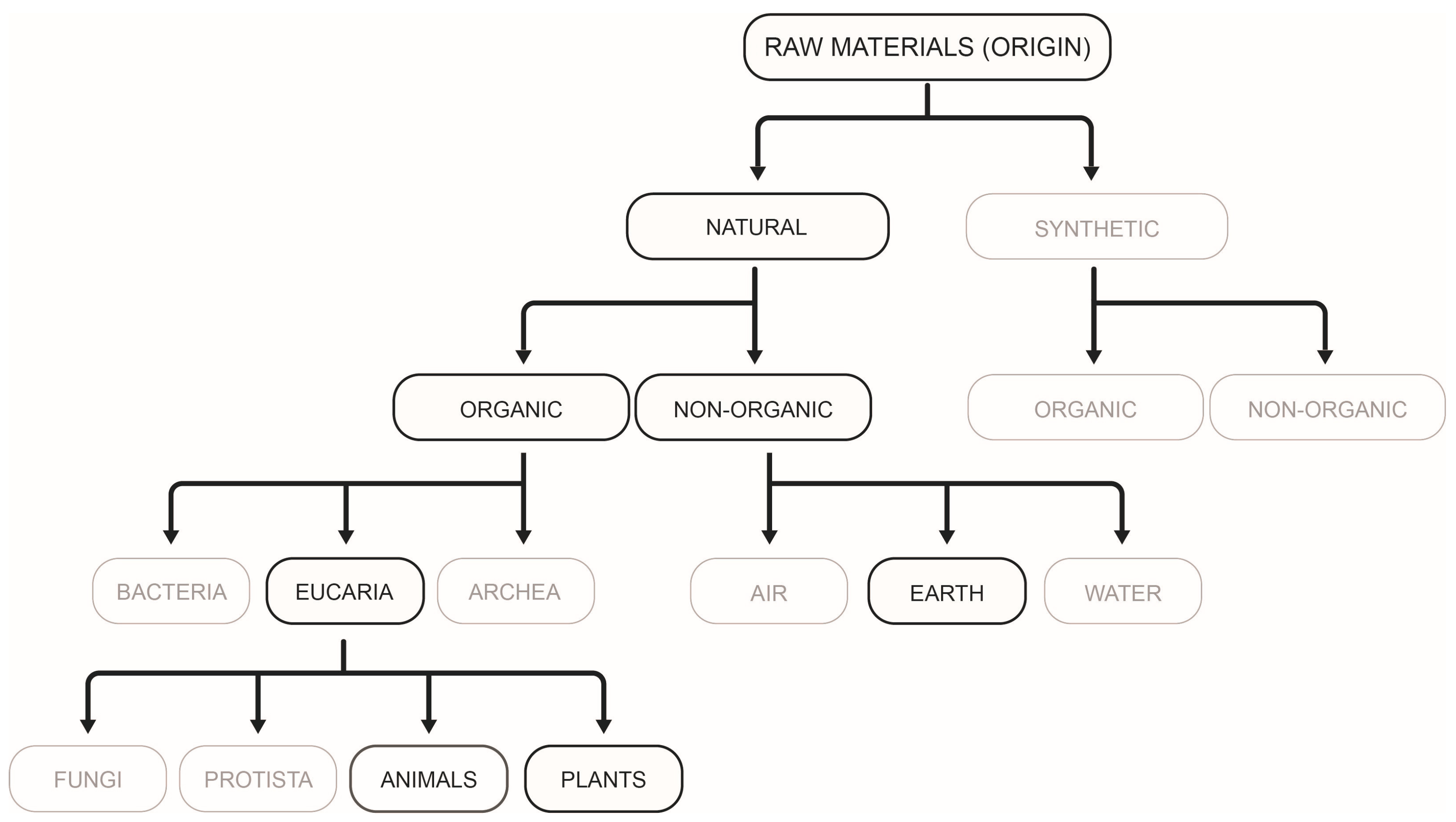
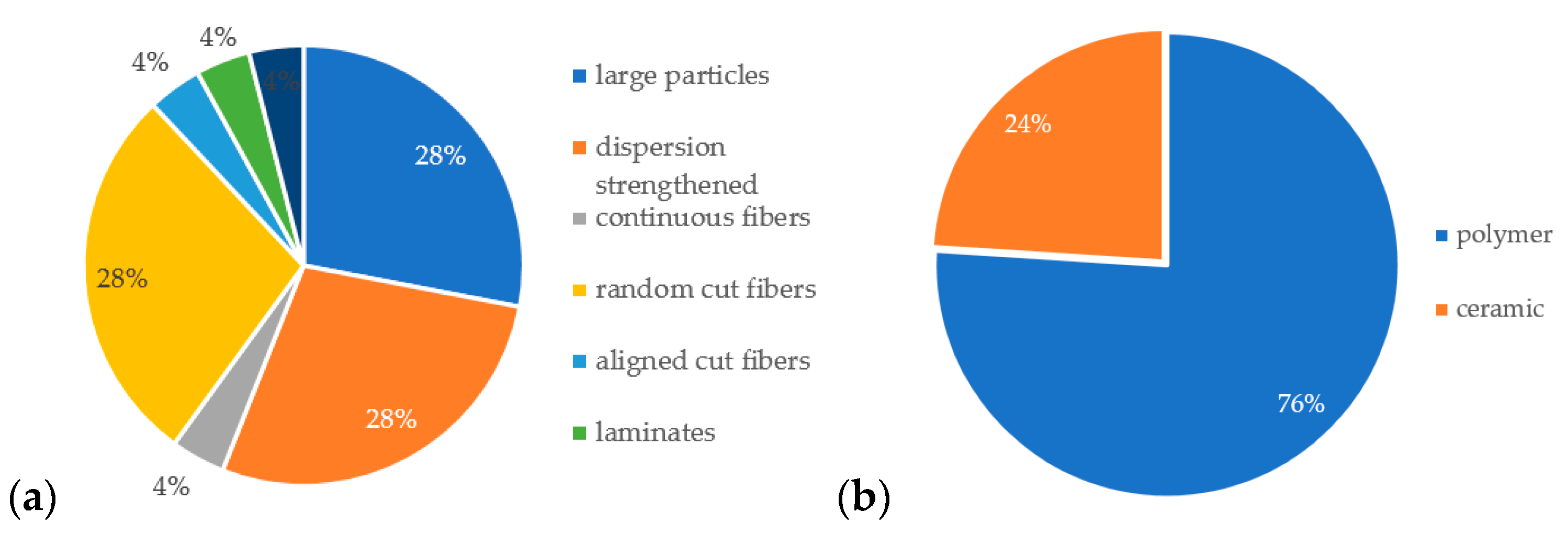
  • The focus was limited to composites, excluding pure metals, ceramics, and polymers (see Figure 2a).
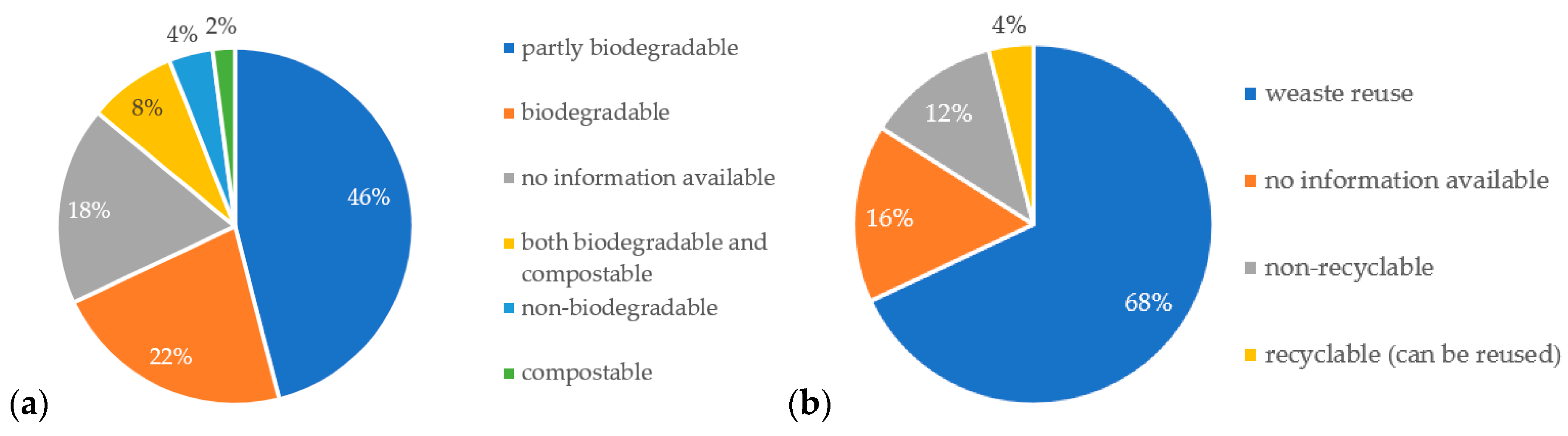
  • Materials were categorized based on the organicity of their composite phases into fully organic, semi-organic, and fully inorganic. Only two non-organic composites were identified and excluded (see Figure 2b).
  • The review concentrated on mixtures containing at least one plant-based or animal-based organic phase (matrix or reinforcement). The procedure for material classification in this review is outlined below (see Figure 3).
Finally, from the 126 relevant publications identified up to October 12, 2024, 50 noteworthy bio-composites presented within 48 articles were analyzed to show the field's diversity, depth, and emerging directions. This method facilitated a comprehensive and timely analysis while preserving the relevance and quality of the reviewed content.

3.2. PRISMA protocol limitations

To enhance the methodological robustness of the paper, the limitations of PRISMA protocols, such as the potential exclusion of non-English studies or grey literature (e.g., reports, theses, or conference papers not indexed in major databases), should be acknowledged.

3.3. Meta-Analysis

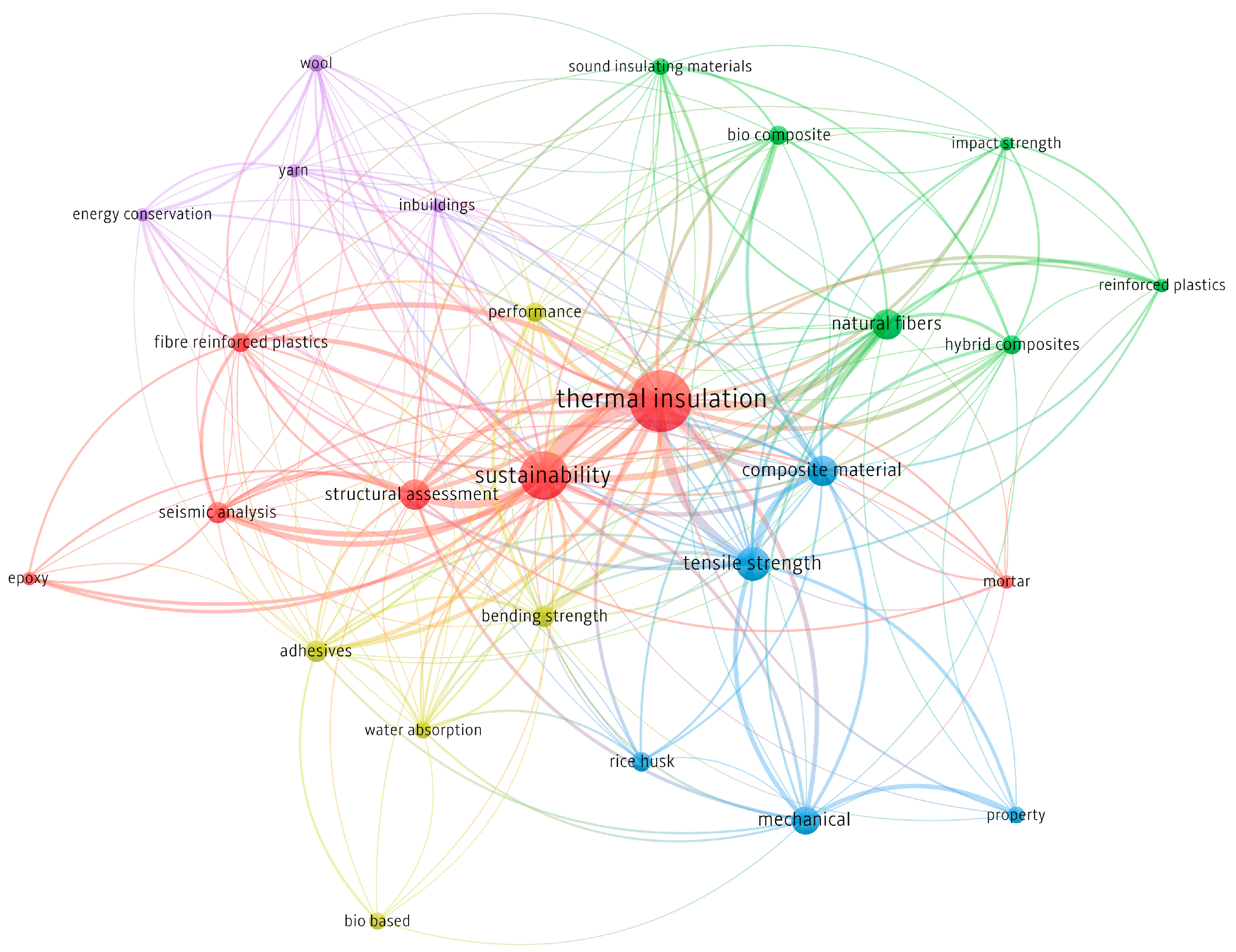
A comprehensive bibliometric analysis was conducted using data extracted from Scopus up to October 21, 2024. The study utilized VOSviewer software (ver. 1.6.20) [27], a user-friendly, open-source tool designed to map and visualize bibliometric networks. VOSviewer stood out for its exceptional ability to easily manage large bibliometric datasets, offering an intuitive interface that simplifies complex analyses. Its advanced features – particularly for clustering and visualizing co-occurrence networks – made it the preferred choice over other tools like CiteSpace [28] or Gephi [29]. Using VOSviewer, the study generated a detailed co-occurrence network map of keywords extracted from the titles and abstracts of the reviewed studies (see Figure 1).
During the preparatory stage of the mapping study, the keywords were pre-processed by applying several steps: all keywords were converted to lowercase to ensure consistency and prevent case-sensitive mismatches, common stopwords were removed to eliminate irrelevant terms, keywords were reduced to their base forms through lemmatization to group similar concepts, and variations in spelling (e.g., British and American English) were standardized to unify terminology. These pre-processing steps significantly improved the reliability and accuracy of the analysis by reducing noise in the data and ensuring that semantically equivalent terms were treated as single entities. These steps were essential to prevent distortions in the results, as treating different grammatical or orthographic forms of words separately would have introduced inconsistencies in the analysis. Additionally, before performing the co-occurrence analysis, synonyms were merged using field-specific thesauri, such as dictionaries of technical terms related to material sciences and environmental sustainability. For example, terms like ‘fiber’ and ‘fibres’ or ‘thermal insulation’ and ‘heat insulation’ were unified. This ensured accurate and consistent representation of keywords across the dataset, enhancing the reliability of the results.
Using a threshold of three occurrences for a given keyword, the analysis identified five clusters of keywords. These three occurrence thresholds were chosen to balance inclusivity and specificity, ensuring that less frequent but potentially significant keywords were included while filtering out noise from rarely occurring terms. By setting this limit, the analysis focused on keywords with sufficient contextual relevance to reveal meaningful patterns in the dataset. The three most prominent clusters were as follows:
  • Cluster 1 (Red, seven items): This cluster includes, among others, three keywords with the highest occurrences: ‘thermal insulation,’ ‘sustainability,’ and ‘structural assessment.’
  • Cluster 2 (Green, six items): This cluster contains keywords such as ‘bio composite’ and ‘natural fibres.’
  • Cluster 3 (Blue, five items): This cluster features keywords ‘tensile strength’ and ‘composite material.’
The keyword mapping effectively grouped related terms and highlighted critical thematic areas within the dataset. The keywords with the highest number of occurrences are: ‘thermal insulation,’ ‘sustainability,’ ‘tensile strength,’ ‘composite material,’ ‘natural fibres,’ and ‘structural assessment.’ These phrases also exhibited the highest link strength and, importantly for this study, showed strong interconnections with one another.
This approach added significant value by demonstrating keyword relevance and identifying focus areas in the reviewed literature (see Figure 4). For instance, clustering keywords such as ‘thermal insulation’ and ‘sustainability’ highlighted their prevalence and revealed their interconnectedness, offering insights into research trends on environmentally conscious building materials. Similarly, identifying clusters with terms like ‘tensile strength’ and ‘composite material’ underscored the emphasis on material performance, pointing to advancements in structural applications. These examples showcase how the analysis pinpointed critical thematic concentrations within the dataset, guiding future research directions. The findings provide a robust framework for understanding key trends and thematic concentrations in the field.
Data extraction from the studies relied on the information provided by the authors of the reviewed papers. A small spreadsheet was designed to facilitate data collection and comparison. Individual study summaries are presented in Table 2, Table 3, Table 4, Table 5, Table 6 and Table 7, enabling comparison of results achieved by different research teams. Thermal insulation materials are highlighted in yellow in these tables. The risk of bias due to missing results is minimal, as the data originate from various sources within the reviewed papers. Statistics are given in Section 5.2.

3.4. Data Assessment and Compilation

The primary aim of this review is to analyse the parameters of materials identified by the authors as genuinely sustainable. During the data collection for the review, consideration was given not only to the natural origin of the materials serving as either the matrix or reinforcement in composites but also to the recyclability and biodegradability potential of resulting products. Information on individual bio-composite materials is presented in the paragraphs below, and tables summarise the review's key sub-sections. These tables contain essential details such as the reference number, the research team involved, and the name of the material. Additionally, the tables include information on the biodegradability, compostability, recyclability, purpose as building part (insulation, structure, binder), lowest and highest measured values, thermal conductivity coefficient, tensile strength, flexural strength, and waste reuse characteristics of individual materials.
Due to space constraints, all data gathered on the reviewed materials (Reinforcement-to-Binder Ratio, Matrix Type, Declared Suspected Benefits 1, Declared Suspected Benefits 2, Challenges and Limitations, Young's Modulus [GPa], density [kg/m³], Water Absorption [wt% after 24h], Optical Transmittance [%], Fire Reaction) are included in the supplementary materials. These provide technical information on particle shape, particle size, reinforcement-to-matrix ratio, matrix type, expected environmental benefits, and whether the material has potential for the construction industry. Readers interested in more detailed data are referred to the supplementary materials, where all gathered information is compiled into a comprehensive spreadsheet table.
In the presented review, some materials are classified as acoustic insulation, often exhibiting thermal insulation capabilities. In such cases, thermal conductivity (λ) is estimated based on source references for comparable materials; those values are marked with an asterisk. The tables highlight λ values with a yellow cell background to emphasize the review’s focus.

4. Results

This review of bio-based composite materials has led to the creation of a simplified typology. This typology offers a visual representation of the bio-composite materials' morphological composition, covering aspects such as the type of matrix used and the three-dimensional form of reinforcement. Definitions of key terms are provided to ensure consistent terminology and a clear understanding throughout this article.

4.1. Definitions

Composite materials "consist of two or more constituent materials with distinct physical or chemical properties that, when combined, produce a material with characteristics different from the individual components, while each component remains distinct in the final structure" [30]. Although a composite forms a single monolithic material, the boundaries between the phases remain distinct:
  • Matrix is the substance that shapes the product and binds the dispersed phase.
  • Reinforcement is the dispersed phase, a material held together by the matrix. Reinforcement can vary in the size, spatial configuration and degree of dispersion.
Composites may also contain additives, such as dyes or fillers, although these are not essential to classify a material as a composite [31].
Reinforcement is a fundamental component of many composites, especially structural composites, where reinforcing materials (e.g., glass, carbon, or aramid fibres) significantly increase the strength and stiffness of the composite. Reinforced composites can be categorised based on the type of dispersed phase embedded in the matrix:
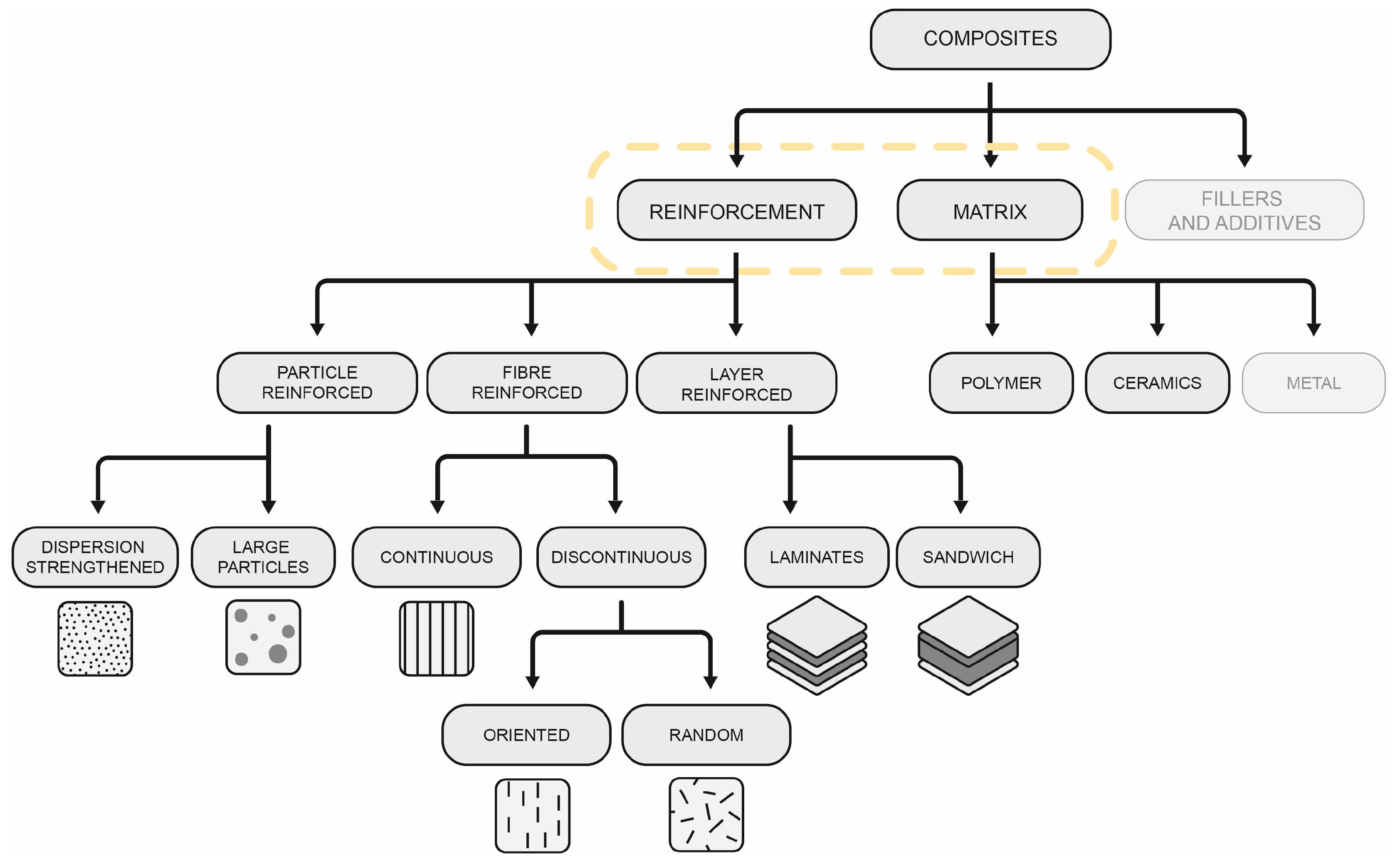
  • Category 1. Particle-reinforced composites: When all three dimensions of the dispersed phase are similarly small, the composite is considered particle-reinforced. This category includes both dispersion-strengthened and large-particle-reinforced composites, primarily distinguished by particle size. Large particles are visible to the naked eye in large-particle-reinforced composites. In contrast, dispersion-strengthened composites utilise particles uniformly dispersed throughout the material, resulting in more consistent mechanical and physical properties across the composite. The size of those particles varies, down to the nanoscale particles (typically <100 nm), producing nanocomposites (e.g. carbon nanotubes, graphene nanoplatelets, and metal nano-particles) [32].
  • Category 2. Fibre-reinforced composites: When the dispersed phase consists of particles whose length is much greater than their cross-sectional dimension, the composite is considered fibre-reinforced. Fibre reinforcement includes two main types: continuous fibre-reinforced composites, full-length fibres that extend through the entire structure, providing significantly increased stiffness and mechanical strength; discontinuous fibre-reinforced composites: This type can be further subdivided based on fibre alignment: (i) oriented fibres: particles are aligned in a specified direction, which imparts greater strength and stiffness along that direction, making the composite resistant to loads acting in alignment with the fibres, (ii) random fibres: particles are randomly distributed, resulting in isotropic properties [33].
  • Category 3. Layer-reinforced composites: When the length and width of the reinforcing phase are much greater than its thickness, the composite is considered layer-reinforced. Two types of layer-reinforced composites can be distinguished: laminates, materials comprising several thin layers bonded together with a matrix (adhesive), creating a structure with high strength and desired mechanical properties; and sandwich structures, composites with two thin, strong outer layers (cladding) and a lightweight but stiff core (matrix) in between. Thanks to its multi-layer structure, the layer-reinforced composites can be designed to provide strength in specific directions while maintaining a relatively low weight [34].
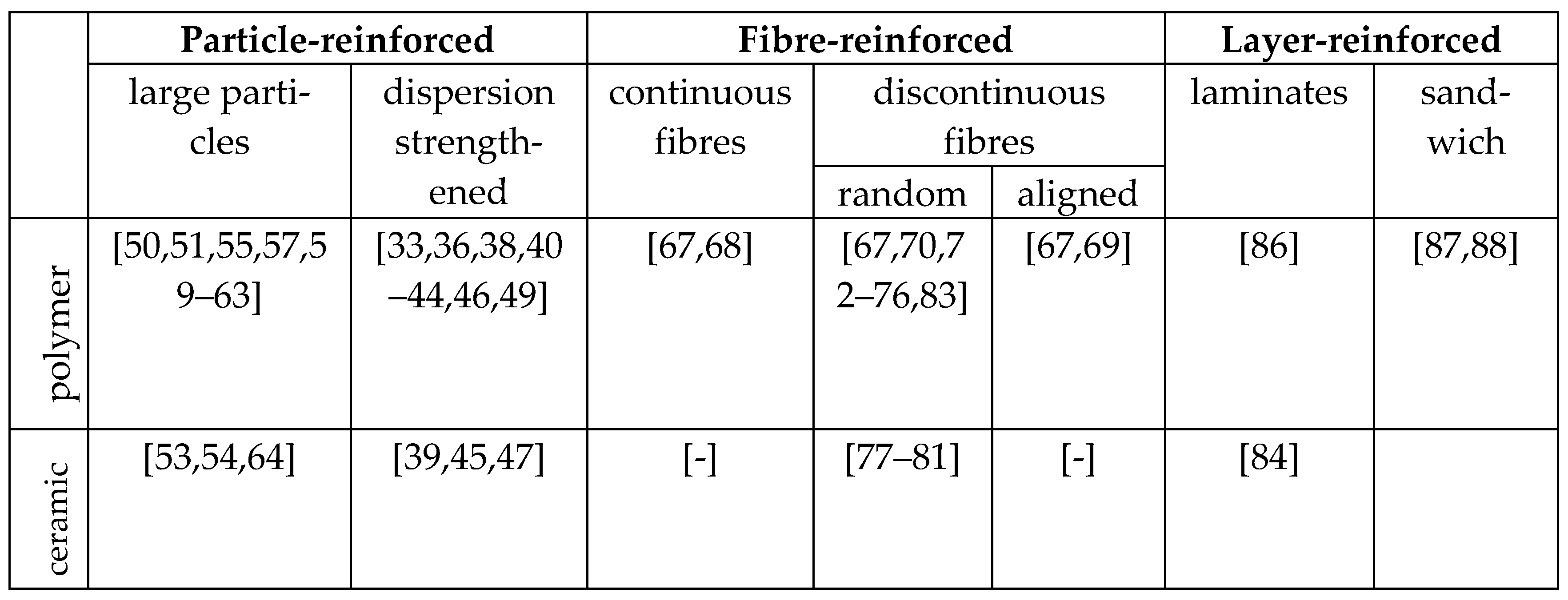
The linear presentation of each material in this review will follow the above structure, as illustrated in Figure 5, generally following the composite "morphology" describing the form, structure, and arrangement of components within a material. First, materials will be reviewed according to reinforcement type. The initial subsection will examine particle-reinforced materials, presented in ascending order based on particle size, from the smallest to the largest. The subsequent categories of materials will follow the same principle for their sequential presentation within the review.

4.2. Particle-reinforced

4.2.1. Dispersion-strengthened

Dispersion-strengthened (DS) composites enhance mechanical strength and thermal stability by uniformly distributing fine, stable particles within a metal, ceramic, or polymer matrix. These particles are typically small, non-reactive, and stable under processing conditions, commonly made of oxides, carbides, or other refractory materials. Instead of chemically bonding with the matrix, the particles enhance the strength of the material by physically blocking the movement of dislocations—defects within the crystal structure that, when mobile, can reduce the material's strength under stress.
Figure 5. Hierarchy of Composite Materials: An overview of the structural classification of composites, highlighting reinforcement types (particle, fibre, and layer) and their subdivisions, as well as the matrix materials that bind them.
Preprints 143928 g005
D-S composites are characterised by the inclusion of fine particles (microparticles), typically smaller than 0.1 mm (100 μm). These particles are often present as dust, ashes, powders, granules, or very fine fibres. Dust particles usually measure less than 100 μm in diameter and can naturally occur or result from mechanical or environmental processes. Ash particles, often a byproduct of combustion processes, are typically finer than powders and range from sub-micron sizes up to a few millimetres. Powders generally exhibit a broad particle size distribution, often ranging from approximately 1 μm to several millimetres, and are typically produced through artificial processing or grinding.
This fine dispersion within the matrix improves thermal/mechanical properties, including enhanced thermal stability and increased wear resistance. This section examines the applications of dispersion-strengthened composites in the construction industry, which are used for insulation, semi-structural elements, binders, and other functional components starting from fully organic solutions.
  • Liquid phases
Open-cell foams with mostly organic matrices were presented by Kurańska et al. Natural oils from watermelon, cherry, black currant, grape, and pomegranate seeds were used to synthesise biopolyols through a transesterification reaction. Unlike conventional petroleum-based polyols, biopolyols are derived from renewable materials to produce polyurethane foams. In the transesterification reaction, an ester group is exchanged with an alcohol group from another molecule. The resulting foams, with a cellular structure, showed insulation properties with thermal conductivity values of λ = 0.035–0.037 W/m·K [35].
Bio-based epoxy resin was studied as a potential binder by Gavrilović-Grmuša et al., who used natural polyphenols lignin and tannic acids as wood adhesives. Tensile shear strength testing showed that lignin and tannic acid "can effectively replace amine hardeners in epoxy resins" [36]. The material's mechanical properties and flame retardancy make it promising for wood products, though it has limitations in compatibility with synthetic adhesives and broader applications without further chemical modifications.
  • Dust (< 100 μm)
Mohan et al. investigated a hybrid panel made from cotton microdust, a byproduct of the yarn spinning industry, combined with coir pith, using low-melt epoxy resin as a matrix. Two types of panels, 6 mm and 10 mm thick, were created. It was found that "thermal resistance improved while strength decreased with increased coir pith" [37]. These biodegradable panels exhibited thermal resistance k values ranging from 0.11 to 0.29 K·m²/W (thermal conductivity λ = 0.02 to 0.09 W/m·K), outperforming commercial non-biodegradable synthetic panels of the same thickness used in housing.
Varamesh et al. developed a fully organic bio-based aerogel using an assembly technique that deposits "two oppositely charged bio-based materials, phytic acid and chitosan (20nm - 30 μm), onto a fully biobased aerogel system," incorporating interconnected networks of cellulose filaments. This material displayed an excellent peak heat release rate and superior thermal insulation properties, with a thermal conductivity λ below 0.0382 W/m·K [38].
  • Ash (>100 μm – mm)
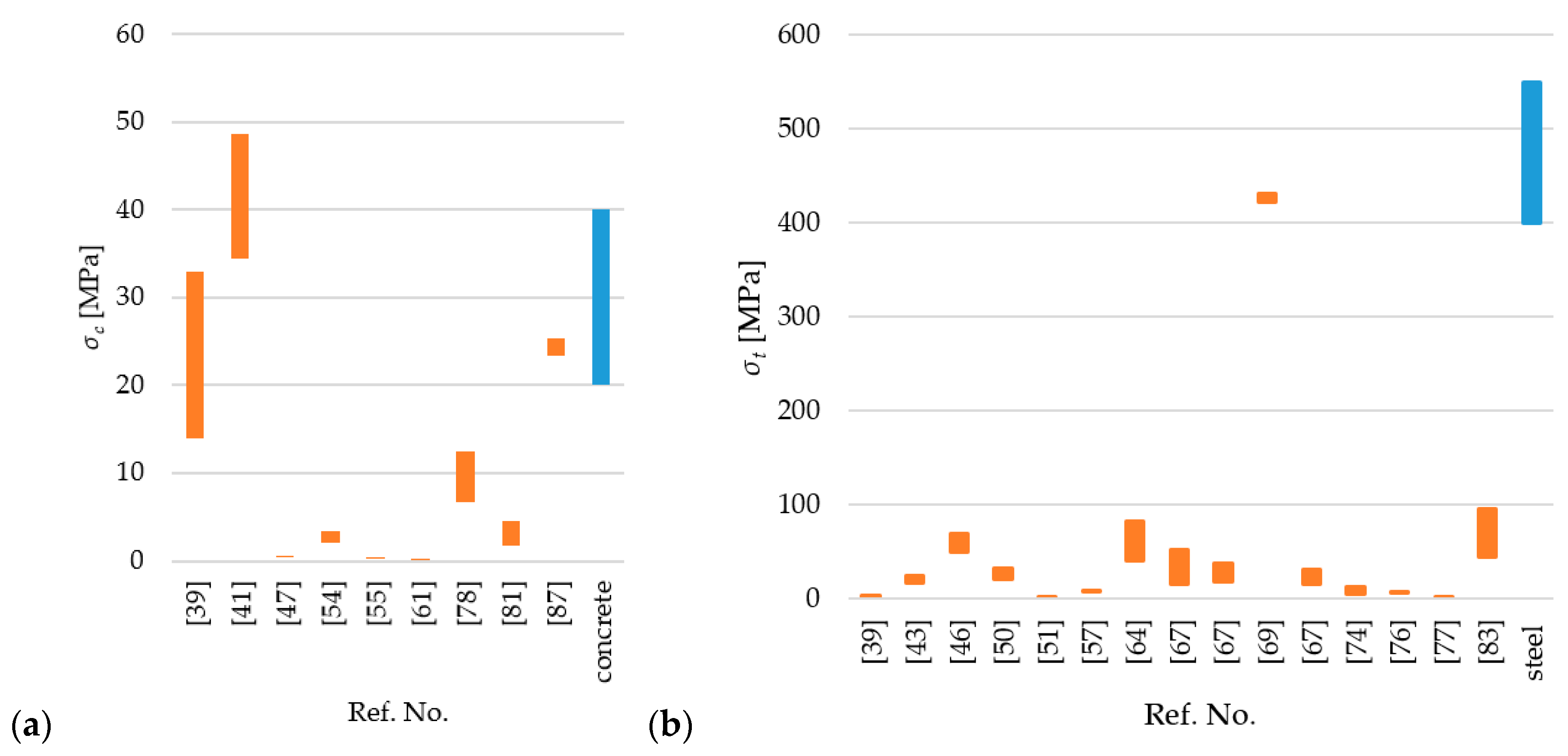
A material with organic reinforcement was reported by Hilal et al., who used nano-sunflower ash and nano-walnut shell as partial replacements for cement in self-compacting concrete. The resulting material has a lower density than traditional concrete due to its lightweight aggregate composition, which includes recycled plastic replacing part of the natural coarse aggregate. This concrete resembles typical self-compacting concrete but incorporates nano-particles, forming a fine, dense matrix with compressive strength ranging from approximately 15 to 30 MPa, depending on curing time [39]. Additionally, lightweight concretes demonstrate enhanced thermal insulation properties.
In a study by Anwajler from Wroclaw University of Science and Technology, a 3D-printed, fully organic cellular insulation composite was developed using layers of natural fillers, such as soybean oil, glycerine, and wastepaper ash, with options for various colours, including transparent, black, grey, and metallic. Using a soybean-oil-based resin, the material was printed as a closed-cell foam based on a Voronoi pattern generated by a Rhino/Grasshopper script. Samples with a thickness of 100 mm demonstrated a thermal conductivity of λ = 0.016 W/m·K [40]. This material shows significant potential as a sustainable insulation solution, particularly in construction, where its customisable layering and composition make it adaptable to various thermal requirements.
  • Powder (>mm)
Fully organic material was investigated by Ibraheem and Bdaiwi, who reinforced unsaturated polyester resin with Sidr leaves powder. Sidr is a hardy tree from the Ziziphus genus, native to arid regions in the Middle East, North Africa, and parts of Asia. In the experiment, Sidr powder particles were added at concentrations ranging from 5% to 25%. Small samples were produced using hand-lay moulding procedures and tested for mechanical properties such as durability, compression, and impact resistance. At a 25% fraction, the thermal conductivity was λ = 0.101 W/m·K [41].
Cigarruista Solís et al. introduced a bio-thermal insulation material from ground rice husk powder combined with rice flour. The mixture was formed into panels using a metal mould and dried at high temperatures to produce a compact, solid material. These rice husk-based insulation panels demonstrated thermal conductivity λ of 0.073 W/m·K, within the range of conventional thermal insulators. This sustainable solution offers thermal performance comparable to conventional insulators, leveraging a local resource to enhance thermal comfort while reducing environmental impact [42].
  • Fibrous particles
Another promising non-load-bearing material for building applications was tested by Raja et al. This composite consists of an epoxy matrix reinforced with Ipomoea carnea fibres mixed with bran particulates as a filler (fibre 0.238 mm, powder 158 μm). Ipomoea carnea is a flowering plant in the Convolvulaceae family, native to tropical and subtropical regions of the Americas. The combination yields a composite material with an earthy tone and a textured surface. The fabrication process involves a hand layup technique, with varying weight fractions of bran filler added to the epoxy matrix. Its antibacterial properties make it suitable for applications requiring hygienic surfaces, such as wall panels in kitchens, bathrooms, or healthcare facilities [43].
Dispersion-strengthened composites show promise as load-bearing materials. Aguillón et al. described a composite made from a sorbitol glycidyl ether epoxy resin blend and brewer's spent grain (particles < 212 μm, ground at high speed and mixed), a byproduct of the beer industry [44]. The final material, produced through thermopressing, yields a dense, wood-like product with a natural brown hue. It shows strong potential as an alternative to traditional fibreboards for furniture manufacturing and construction.
  • Granules (approx. 800 μm)
Bio-based materials reinforced with organic additives were studied by Wan et al., who demonstrated that rice husk (granules of 800 μm) could serve as "a legitimate and environmentally acceptable alternative in composite materials" [45]. The team compared conventional plaster's thermal conductivity to plaster's with bio-based additives. Samples containing 20% paddy husk showed excellent insulating properties, with a thermal conductivity of λ = 0.67 W/m·K.
Sergi et al. developed a fully organic material for non-structural applications, such as interior panelling and decorative elements [46]. This material consists of polylactic acid (PLA) reinforced with linoleum waste dust (860 μm), which contains wood flour, cork, and jute fibres. PLA is a biodegradable, bio-based plastic derived from renewable sources like corn starch or sugarcane. The material's moderate tensile strength and improved flexural stiffness make it suitable for lightweight furniture, decorative partitions, and wall panels.
  • Powder and granules mix
A non-organic material—vitreous foam—with organic reinforcement is reported by Fernandes et al. This foam is produced at 750–850°C temperatures, using glass granules (12.5 mm) with sugarcane bagasse ash as an additive. Sugarcane bagasse ash (SCBA) is the fibrous residue left after extracting juice from sugarcane, and its ash is rich in silica.
(SiO₂). The resulting vitreous foam has uniformly distributed closed pores, making it suitable for construction applications "intended to replace natural aggregates in lightweight concrete" [47], with a compressive strength ranging from 0.48 to 0.58 MPa. Low-density materials often correlate with lower thermal conductivity λ. Comparable materials, such as commercial glass foams with similar densities, typically have λ values in the range of 0.05–0.07 W/m·K [48].
The team of Pop et al. presents a study on a sound insulation material made from cellulose pulp reinforced with beeswax, fir resin, and natural fillers like horsetail, rice flour, and fir needles. The material has a textured, natural appearance with subtle colour variations depending on the filler used. Eight formulations were developed, and their resistance to thermal stress, oxidation temperature, and acoustic properties were evaluated. Sound absorption coefficients ranged from 0.15 to 0.78, with some formulations exceeding 0.5 in mid-frequencies, indicating good sound-dampening potential [49]. Although heat stress tests were conducted, no thermal conductivity measurements were reported. However, similar materials typically exhibit λ values in the range of approximately 0.05–0.08 W/m·K [48]. See Table 2, which summarizes the data on dispersion-strengthened bio-composites.
Table 2. Summary of properties and sustainability characteristics of dispersion-strengthened composites, including biodegradability, recyclability, and key mechanical and thermal metrics.
Ref. Authors Engineering material BP B/C R Metric [unit] v1 v2
[35] Kurańska et al. Bio-based open-cell spray polyurethane foams I PB WR λ [W/m·K] 0.035 0.043
[36] Gavrilović-Grmuša et al. Bio-epoxy resins and wood composites B B WR τt [MPa] 5.64 10.87
[37] Mohan et al. Natural fibre-reinforced composite I PB WR λ [W/m·K] 0.02 0.09
[38] Varamesh et al. Biobased aerogel I B - λ [W/m·K] 0.036 0.038
[39] Hilal et al. Lightweight self-compacting concrete S - WR σt [MPa] 1.1 3.0
σc [MPa] 14.0 33.0
σf [MPa] 1.88 5.2
[40] Anwajler Natural fibre-reinforced insulating materials I PB WR LOI [%] 56.2 63.1
λ [W/m·K] 0.016 ~
[41] Ibraheem and Bdaiwi SLP-reinforced unsaturated polyester composite S - WR σc [MPa] ~34.5 48.7
λ [W/m·K] 0.101 0.190
[42] Cigarruista Solís et al. Rice husk fibre insulation panels I PB WR λ [W/m·K] 0.073 -
[43] Raja et al. Natural fibre-reinforcedcomposite O - WR σt [MPa] 16.42 24.97
σf [MPa] 16.98 27.36
[44] Aguillón et al. Fibreboards S B WR σf [MPa] 33.3 51.5
[45] Wan et al. Plaster composites enhanced with paddy husk I - WR λ [W/m·K] 0.67 0.83
[46] Sergi et al. PLA-linoleum composite O PB WR σt [MPa] 49 69
σf [MPa] 75 98
[47] Fernandes et al. Glass foam O - WR σc [MPa] 0.48 0.58
λ [W/m·K] 0.05* 0.07*
[49] Pop et al. Insulation panels I C WR SAC α 0.15 0.78
λ [W/m·K] 0.05* 0.08*
Code: BP – Purpose as building part; I – Insulation; S – Structure; B – Binder; O – Other; B/C – Biodegradability/Compostability; B – Biodegradable; C – Compostable; PB – Partly biodegradable; R – Recyclability; WR – Waste reuse; Re – Recyclable; v₁ – Lowest measured value; v₂ – Highest measured value; λ – Thermal conductivity coefficient; σₜ – Tensile strength; σc – Compressive strength; σf – Flexural strength; τₜ – Tensile shear strength; LOI – Limiting oxygen index; SAC – Sound absorption coefficient, * values are estimated by analogy to similar commercial materials, as no specific thermal conductivity measurements are provided by the authors.

4.2.2. Large-particle reinforced

  • Particles size 0.1-1 mm
Four materials with a particle size of 0.1-1 mm are identified in this review. Fayzullin et al. report a composite of polypropylene combined with natural fillers such as wood flour, rice husk (abbreviated as RHS), and sunflower husk, which have undergone enzymatic modification. This modification enhances the mechanical properties of the composite, resulting in improved filler-matrix bonding and yielding increased tensile strength, flexibility, and impact resistance. As noted in their study, "surface modification of natural fillers improves mechanical properties" [50]. Additionally, tensile strength increases by 10% and viscosity by 12% with the inclusion of wood and sunflower fillers. This composite demonstrates a fine, dispersed structure essentially free from visible defects such as cracks or agglomerates.
Jamal et al. introduce a recycled polyethene material with RHS designed for building partition applications. Their research focuses on developing a "green polymer composite using natural resource materials (…) which holds potential applications in Malaysia" [51]. Various ratios of rice husk fibre (RHF) were blended with recycled polyethene (RPE) to create RHF/RPE composites, with an optimal composition for partition applications identified at 0.4 wt./wt.% RHF/RPE. Please note that "wt./wt.%" (weight/weight per cent) is a common way of expressing the proportion of one material in a composite relative to the total weight of the mixture.
Grzybek et al. present a composite derived from wood particles (pine sawdust) impregnated with ethyl palmitate (from epoxidised linseed oil) and combined with fire retardants like boric acid, recycled paper, or clay. This material is designed for wall panel applications and has a compact structure and smooth surface. With phase change material (PCM) properties, it is intended for building applications requiring thermal energy storage and enhanced fire safety. The results indicate that fire retardants did not interfere with the preparation process, and the panels were successfully manufactured. The composite containing BPCM "demonstrated its capacity to absorb and release thermal energy, with an average latent heat of 50 J/g" [52].
Finally, using limestone-based binders, Bonifacio and Archbold explore a composite comprising RHS from oats and rice. Their study innovatively assesses how surface treatments on husks influence the mechanical performance of composites. They conclude that coating oat husks—particularly with linseed oil—effectively "delays particle degradation and improves mechanical strength compared to untreated particles" [53].
  • Particles size 1-2 mm
Particles sized 1–2 mm are used across three materials, each with varied application potential. Buda and Pucinotti's team presents a preliminary study that is part of a broader research initiative which aims to "design an innovative fibre-reinforced plaster using natural, sustainable, and locally produced materials" [54]. The analysed plaster combines natural hydraulic lime with granulated cork, resulting in a distinctive light colour and coarse texture due to the cork granules. Two variants containing 15% and 30% cork by volume were tested. The latter exhibited a reduction in compressive strength of about 42% compared to standard mortars. Despite this reduction, the material offers visible opportunities for application due to its enhanced thermal insulation properties with λ = 0.39-0.44 [W/m·K].
The team led by Dymek et al. also uses cork aggregate, this time with eco-friendly porous polyurethane bio-composites, where post-consumer cooking oil serves as the matrix [55]. This composite has a cellular structure with cork granules distributed throughout the polyurethane matrix, and its appearance varies slightly depending on the cork content and the type of polyol used. Its ability to efficiently absorb and dissipate impact energy makes it ideal for low-impact applications, such as protective padding or lightweight energy-absorbing layers. It may also be used as an insulating material, for which λ is likely to fall between 0.04–0.07 W/m·K based on [56]
Sergi et al.'s team employed cork as a reinforcement in composite material for deck board production. While wood is a sustainable option, concerns about forest depletion have significantly impacted its use. In this context, agglomerated cork presents a promising alternative. Their process involves converting the cork's "cellular structure into a consolidated one through hot compression" [57]. High temperatures expose the cork cell walls to weld, developing adhesive properties. The resulting material demonstrates thermal insulating properties of λ = 0.24–0.68 W/m·K and improved mechanical properties: bending stiffness that is 40.9% higher and bending strength 107.1% higher than local code requirements.
  • Particles size 2-5 mm
Particles between two and five millimetres are incorporated into four materials, one intended for semi-structural applications and the other for insulation purposes. Krumins et al. introduce a novel concept for producing particle boards where petrochemical-based binders are partially replaced with bio-based carbohydrate adhesives. In this process, composite reinforcements—such as branches, needles, bark, and particles sourced from Latvian State Forests—are hot-pressed with the binder to form a board. Notably, conifer bark serves as both reinforcement and binder, revealing binding properties due to its resin content when processed under pressure and at elevated temperatures (140-160°C) [58]. The highest strength was observed in plates with a particle size of 2.8 mm.
Bendaikha and Yaseri's team present a material described as a straw-based bio-insulation suitable for bioclimatic applications. This material is created by milling straw to an approximate fibre length of 2 mm, then combining it with Aloe Vera (30 wt%) and sodium bicarbonate (10 wt%) as a fire retardant, and finally coating it in vinyl glue [59]. The mixture is moulded to insulate pipes in geothermal systems, with the resulting 2 cm thick straw-based material demonstrating favourable thermal insulation properties compared to conventional foam.
In their study, Mucsi et al. investigate five composite panels made from coconut coir and reed straw particles with methylene diphenyl diisocyanate as the binding agent. The thermal conductivity of these panels—comparable to that of similar natural insulation materials—ranged from 0.08 to 0.10 W/m·K [60]. The panels are lightweight and fibrous, with a medium-density structure, and the combination of coconut and reed fibres provides both thermal insulation and moderate mechanical strength, making it suitable for interior and non-load-bearing insulation layers.
Finally, Glenn et al. report cellulose fibre foams as a viable alternative to plastic foams in the packaging industry. The material consists of cellulose fibre foam bound with starch and reinforced with paperboard elements like angles, cylinders, or grid structures to enhance strength. It has a lightweight, porous structure with customisable surface finishes that can be adapted to various building requirements. The thermal conductivity of all samples was relatively low, ranging from 0.039 to 0.049 W/m·K [61].
  • Particles size 5-10 mm
In the 5–10 mm particle size sub-type, only one material is reported, as presented by Rodríguez et al. This study aimed to assess an insulation panel made from rice husk using a pulping method with the addition of sodium hydroxide (NaOH). The resulting material has a lightweight, fibrous structure with a porous texture that traps air, enhancing its insulating properties. Thermal conductivity values range from 0.037 to 0.042 W/m·K, with a high acoustic absorption coefficient greater than 0.7 across octave frequency bands between 125 Hz and 4 kHz [62]. The raw pulp is moulded into panels of varying thicknesses, which can be adapted for numerous building applications.
  • Particles larger than 10 mm
Materials with particles larger than 10 mm are represented by two instances reported by the teams of Mohammed et al. and Kamalizad and Morshed. The first team evaluated particleboards made from three natural fibres—bagasse, kenaf bast fibres, and cotton stalk—bonded with bio-based adhesives, specifically casein and tannins. This process results in a natural, wood-like panel with a coarse texture due to the visible fibres embedded within the matrix. Boards with a thickness of 20 mm vary in density and appearance depending on the fibre type and adhesive used, with casein-based boards generally demonstrating higher mechanical performance than tannin-based boards. These materials suit interior applications, including furniture, wall panels, and thermal insulation. The thermal conductivity values were recorded at 0.082 W/m·K for bagasse particleboard, 0.056 W/m2·K for cotton stalk particleboard, and 0.089 W/m·K for kenaf bast fibre particleboard [63].
The second team, Kamalizad and Morshed, worked on a much larger scale, analysing compressed earth blocks (CEB) with a thickness of 120 mm. Since CEBs typically exhibit poor seismic performance, the team reinforced them with sand-coated common reeds. Their testing indicated that "the strength and lateral displacement of the reinforced specimen with four vertical reeds increased by 44% and 76%, respectively, compared to the non-reinforced ones" [64]. CEBs combine affordability and sustainability due to low-energy production, the use of local materials, and minimal emissions, making them particularly suitable for residential and small commercial buildings in rural or developing areas. See Table 3, which summarizes the data on large-particle reinforced bio-composites.
Table 3. Summary of properties and sustainability characteristics of large particles-reinforced composites, including biodegradability, recyclability, and key mechanical and thermal metrics.
Ref. Authors Engineering material BP B/C R Metric [unit] v1 v2
[50] Fayzullin et al. Polypropylene-based composite with modified natural fillers S - WR σt [MPa] 21.0 31.9
[51] Jamal et al. Rice Husk Fibres and Recycled Polyethylene composite S - WR σt [MPa] 0.52 0.6
σf [MPa] 19.04 27.17
[52] Grzybek et al. Pine Wood-based particleboard S - WR PHRR [kW/m2] 347.8 547.7
THR [MJ/m2] 82.2 213.4
MARHE [kW/m2] 217.5 430.3
[53] Bonifacio and Archbold Limestone-based composites with oat husks as bio-aggregates B B WR - - -
[54] Buda and Pucinotti Natural lime-cork mortar B B - σc [MPa] 2.16 3.35
σf [MPa] 2.34 3.87
λ [W/m·K] 0.39 0.446
[55] Dymek et al. Cork–polyurethane-based foams O PB WR σc [MPa] 0.283 0.344
λ [W/m·K] 0.04* 0.07*
[57] Sergi et al. Consolidated Cork Planks S B - σt [MPa] 7.98 9.27
σf [MPa] 12.82 16.43
λ [W/m·K] 0.24 0.68
[58] Krumins et al. Bio-based particleboard S PB WR σf [MPa] 2.13 9.99
[59] Bendaikha and Yaseri Straw-based thermal insulation material I PB WR Thermal gradient 9o -
[60] Mucsi et al. Lignocellulosic fibre composite I - WR λ [W/m·K] 0.08 0.1
σf [MPa] 2.41 6.33
[61] Glenn et al. Insulative fibre foam I B C - λ [W/m·K] 0.039 0.049
σf [MPa] 0.038 0.460
σc [MPa] 0.001 0.305
[62] Rodríguez et al. Rice husk-based thermal insulation panels I PB WR λ [W/m·K] 0.037 0.042
NRC 0.77 0.98
[63] Mohammed et al. Bio-composite particleboards I B - σf [MPa] 1.6 15.6
λ [W/m·K] 0.050 0.089
[64] Kamalizad and Morshed Compressed Earth Block S B C - σt [MPa] 40.9 -
Code: BP – Purpose as building part; I – Insulation; S – Structure; B – Binder; O – Other; B/C – Biodegradability/Compostability; B – Biodegradable; C – Compostable; PB – Partly biodegradable; R – Recyclability; WR – Waste reuse; Re – Recyclable; v₁ – Lowest measured value; v₂ – Highest measured value; λ – Thermal conductivity coefficient; τₜ – Tensile shear strength; σₜ – Tensile strength; σ꜀ – Compressive strength; σf – Flexural strength; LOI – Limiting oxygen index; SAC – Sound absorption coefficient; NRC – Noise Reduction Coefficient at 1000Hz; PHRR – Peak heat release rate; THR – Total heat release; MARHE – Maximum average rate of heat emission, * values are estimated by analogy to similar commercial materials, as no specific thermal conductivity measurements are provided by the authors.

4.3. Fibre-Reinforced

Fibre-reinforced composite materials (FRCs) are engineered materials consisting of fibres embedded within a matrix, providing a balance of strength and lightness. These materials, especially fibre-reinforced polymers, are highly valued for their high strength-to-weight ratio, durability, corrosion resistance, and adaptability in various applications such as aerospace, automotive, and building construction [65,66]. FRCs can feature continuous and discontinuous fibres aligned or randomly positioned to meet specific performance needs, allowing them to outperform traditional materials in targeted scenarios.

4.3.1. Continous fibres

Natural fibre-reinforced epoxy composites (NFRCs) have recently garnered significant attention. The team of Tasgin et al. conducted a study on the mechanical properties of NFRCs incorporating cotton and sisal. Using the vacuum-assisted resin transfer moulding (VARTM) technique, they produced composite plates measuring 35 × 35 cm. The cotton-rich continuous-fibre panel achieved the highest tensile strength at 52.81 MPa (approximately 10% of the tensile strength of steel). These composites could be suitable for semi-structural applications in non-load-bearing walls, interior partitions, or acoustic panels [67].
Spyridonos et al. utilised pultrusion, a manufacturing process designed to produce composite materials of continuous lengths with a consistent cross-sectional shape. In this process, hemp bast fibres were drawn through a resin bath to coat them with a plant-based resin matrix. The resulting profiles are cylindrical, with a 6 mm diameter, and are primarily designed to bear bending loads, exhibiting a bending modulus of 21 GPa (approximately 10% of steel's bending modulus) [68]. This material is promising for semi-structural and architectural applications, especially in non-load-bearing elements or load-bearing roles when combined with other structural materials. See Table 4
Table 4. Summary of properties and sustainability characteristics of continuous fibre-reinforced composites, including biodegradability, recyclability, and key mechanical and thermal metrics.
Ref. Authors Engineering material BP B/C R Metric [unit] v1 v2
[67] Tasgin Y. et al. Natural fibre-reinforced epoxy composites – sisal and cotton S PB - σt [MPa] 15.34 52.81
λ [W/m·K] 0.697 1.017
[68] Spyridonos E. et al. Fibre pultruded profiles S PB WR σf [MPa] 247 311
Code: BP – Purpose as building part; I – Insulation; S – Structure; B – Binder; O – Other; B/C – Biodegradability/Compostability; B – Biodegradable; C – Compostable; PB – Partly biodegradable; R – Recyclability; WR – Waste reuse; Re – Recyclable; v₁ – Lowest measured value; v₂ – Highest measured value; λ – Thermal conductivity coefficient; σₜ – Tensile strength; σf – Flexural strength.

4.3.2. Discontinuous fibres

  • Aligned cut fibres
Tasgin et al., in their previous research, developed composite materials featuring discontinuous fibres such as sisal and coir. Due to their thermal properties, these composites show promise as insulation materials, effectively reducing heat transfer in walls and ceilings. The coir composite demonstrated the lowest thermal conductivity at 0.187 W/m·K [67]. While coir composites offer some insulating capability, they are significantly less effective than EPS for thermal insulation, with an approximate efficiency ratio of 1:5.
Han et al. developed a composite reinforced with oriented bamboo fibres, from which lignin and hemicellulose were removed. The bamboo fibres were used with phenolic resin as an adhesive, followed by hot pressing. This process created a highly interwoven composite structure, with strong hydrogen and chemical bonds formed during pressing. The resulting material has a dense, smooth surface with a wood-like texture underneath. Its processing yields a uniform structure with tightly aligned fibres, providing a polished, natural wood appearance. This high-performance composite exhibited a tensile strength of 421.5 MPa (comparable to steel) and a bending strength of 211.19 MPa (equivalent to lower-strength steel) [69]. See Table 5, which summarizes the data on cut fibre-reinforced composites bio-composites.
Table 5. Summary of properties and sustainability characteristics of oriented cut fibre reinforced composites, including biodegradability, recyclability, and key mechanical and thermal metrics.
Ref. Authors Engineering material BP B/C R Metric [unit] v1 v2
[67] Tasgin Y. et al. Natural fibre-reinforced epoxy composites - wool I PB - σt [MPa] 18.55 -
λ [W/m·K] 0.518
[69] Han S. et al. Densified Aligned Bamboo Fibre Composite S PB - σt [MPa] 421.5 -
σf [MPa] 211.1
Code: BP – Purpose as building part; I – Insulation; S – Structure; B – Binder; O – Other; B/C – Biodegradability/Compostability; B – Biodegradable; C – Compostable; PB – Partly biodegradable; R – Recyclability; WR – Waste reuse; Re – Recyclable; v₁ – Lowest measured value; v₂ – Highest measured value; λ – Thermal conductivity coefficient; σₜ – Tensile strength; σf – Flexural strength.
  • Random cut fibres
Materials with randomly cut fibres comprise most of those discussed in this review section. These materials are available in two main types: fully organic composites, in which both the reinforcement and the matrix are organic, and partially organic composites, where only the reinforcement is organic. This distinction highlights the versatility of fibre-reinforced materials and their potential applications across various fields, particularly as sustainable and biodegradable building materials.
Urdanpilleta et al. combined soy protein as a polymeric matrix with 10, 15, and 20 wt% Latxa breed sheep wool using freeze-drying to develop porous bio-composites for sound absorption applications. The resulting samples had 175 × 104 mm² dimensions and a very low density of 61.2 kg/m³ [70]. The material demonstrated excellent sound insulation properties, with a sound absorption coefficient close to 1 at a frequency of 4000 Hz, suggesting a competitive performance compared to traditional synthetic materials. Similar bio-based materials, such as sheep wool or other natural fibre composites, are reported in the literature to have λ values within 0.04–0.07 W/m·K [71].
Additionally, Tasgin et al., within the same research framework, developed a third type of material made of wool fibres, exhibiting a thermal conductivity of 0.518 W/m·K, positioning it for applications requiring thermal insulation [67].
Segura et al. conducted a study investigating a multilayered panel made from fruit stones and coconut fibre sourced from agro-industry waste. They tested the acoustic absorption and thermal transmission properties of panels made from four different fruit stone types—olive, cherry, apricot, and peach—combined with a layer of coconut fibre [72]. The mixture was poured into 100 mm diameter circular moulds with varied thicknesses. The study found slight differences in thermal conductivity ranging from 0.59 to 0.69 W/m·K among the fruit stone samples, with peach showing the lowest and olive the highest values. This thermal conductivity range represents approximately 5% of the thermal resistance of EPS.
Ali et al. reported that new composites made from natural fibres, including waste date palm surface fibres and pineapple leaf fibres, were mixed with polyvinyl acetate resin. Samples measuring approximately 20 × 20 cm were produced under a pressure of 173 N, demonstrating significant potential for thermal and acoustic insulation in building environments. The thermal conductivity ranged from 0.054–0.075 W/m·K for loose fibre polymers, bound composites, and hybrid composites [73]. These values are close to those of mineral wool, which has a thermal conductivity of approximately 0.035–0.045 W/m·K.
Kharshiduzzaman et al. examined composites made from rattan and date palm fibres combined in a single material. The fibres were treated with 3%, 4%, and 5% NaOH solutions and compressed using a moulding machine. Samples measuring 115 × 19 mm were mechanically tested, revealing that composites containing 20% treated rattan-midrib fibres exhibited the highest tensile and flexural strengths at 13 MPa ÷ 39 MPa [74]. While 13 MPa is stronger than plain concrete, it remains weaker than reinforced or structural materials. Due to its lightweight nature and moderate semi-structural strength, this composite shows promise for non-load-bearing applications in interior spaces, such as acoustic panels, partition boards, or ceiling tiles.
A team led by Krishnasamy et al. in India studied six different composite samples composed of coir and jute fibres, reinforced with epoxy resin and produced using compression moulding techniques. The physical and morphological properties of the samples were examined using Scanning Electron Microscopy [75]. The thermal conductivity of these natural fibre composites, based on coir/jute fibre materials, was measured at 0.156 W/m·K and 0.146 W/m·K, respectively. These values indicate moderate thermal insulation capabilities compared to EPS, with a thermal conductivity of 0.030–0.040 W/m·K, making these composites suitable for non-critical areas in buildings with some beneficial heat resistance.
Ariharasudhan et al. conducted a mechanical study on bagasse fibre/jute fibre composites to evaluate their potential for technical applications. Polyvinyl alcohol (PVA) was used as a matrix to manufacture samples measuring 250 × 25 × 6 mm. The study showed that the tensile strength of the bagasse and jute fibre composites reached 265.80 MPa [76], suggesting that this material can withstand a high level of pulling or stretching force, comparable to mild steel, which has a tensile strength range of 250–400 MPa. This material is thus suitable for specific load-bearing applications but simultaneously features some degree of thermal insulation properties with λ = 0.12 to 0.156 W/m·K.
Six partially organic composites were evaluated, starting with the study by Trociński et al., which investigated the feasibility of producing fibre–gypsum composites using natural gypsum (building gypsum) and hemp (Cannabis sativa L.) fibres cultivated in Poland. The highest flexural strength achieved was 4.19 MPa, observed in fibre–gypsum composites containing 4% hemp fibre with a fibre length of 50 mm [77]. Since standard-grade concrete typically has a flexural strength of about 3 to 5 MPa, this material could have limited structural applications but shows potential in lightweight or non-load-bearing roles, significantly enhanced by properties such as insulation or low density. The hemp fibre-gypsum composite has a natural appearance and a visible fibre texture.
Following this trend, Greco et al. developed a novel bio-composite material for reinforcing masonry structures, utilising Spanish Broom (Spartium junceum) fibres. Two types of fibres were employed: raw and thrums, which are textile offcuts characterised by short, uneven ends. The composite is a metakaolin-lime mortar reinforced with these fibres, achieving a compressive strength of approximately 12.5 MPa [78]. Traditional lime mortars generally exhibit compressive strengths ranging from 2 to 10 MPa, so 12.5 MPa marks this as a robust lime-based mortar. This strength is sufficient for masonry and historical building repairs, where lime mortars are preferred over concrete for their thermal compatibility and aesthetic qualities. Additionally, the metakaolin additive enhances the mortar's resistance to environmental stressors such as moisture.
Jové-Sandoval et al. addressed the thermal improvement of adobe walls using three types of agricultural waste: long and short wheat straw fibres and sawdust. These fibres were mixed with barbotine, a fluid clay slurry (a blend of clay and water), to "reduce the mixture's solid content" [79]. Thermal testing on 20 cm-thick panels containing wheat straw revealed a notably low thermal conductivity of 0.05 W/m·K, comparable to expanded polystyrene (EPS), which ranges from 0.030 to 0.040 W/m·K. This low thermal conductivity makes the composite effective in reducing heat transfer and maintaining stable indoor temperatures. These panels have a natural, rustic look, with visible straw or sawdust textures embedded in a clay-like matrix. Their lightweight nature simplifies handling and installation, making them ideal for non-structural interior partitions.
Jadhav et al. reported on "fire-retardant cellulose xerogel insulation nanocomposites" derived from recycled hemp fibres. The preparation involved: (i) hemp fibre treatment with sodium hydroxide (NaOH) to remove non-cellulosic components like lignin and pectin; (ii) acid treatment with boric acid; (iii) silica xerogel preparation; and (iv) composite formation by mixing the treated hemp fibres with silica xerogel. The mixture was moulded, compressed, and dried to create solid composite panels. The final material exhibited a low thermal conductivity of 0.0313 W/m·K [80], similar to EPS, making it suitable for building insulation with the added benefits of recyclability and eco-friendliness.
Kabore and Ouellet-Plamondon studied the shrinkage rate and mechanical properties of cob samples. "Cob is a natural building material made from clay, water, and varying amounts of plant fibres." The samples were handcrafted, dried for 28 days, and tested for compressive strength. The results, with a maximum compressive strength of 4.57 MPa [81], suggest that this material could be suitable for non-load-bearing applications or insulating fillers. However, it lacks the strength needed for primary structural components. Its high density and thermal mass make it an effective insulator, capable of absorbing and slowly releasing heat, which could contribute to energy efficiency in buildings. The thermal conductivity λ of cob with this composition is likely between 0.2–0.5 W/m·K, with the lower end for higher fibre content and higher porosity [82].
Kebede et al. explored water lily fibres, which in local environments can disrupt water surfaces due to overgrowth. The composite, made from a polyester resin matrix reinforced with water lily fibres at varying matrix-to-fibre ratios, was tested for flexural strength. Results ranged from 57.92 to 110.73 MPa [83], making this material significantly stronger in bending than standard unreinforced concrete (with flexural strength of 3 to 10 MPa). The performance of this composite is similar to, or slightly lower than, some high-performance composites, depending on the fibre type and matrix used. See Table 6, which summarizes the data on random cut fibres reinforced bio-composites.
Table 6. Summary of properties and sustainability characteristics of random cut fibre-reinforced composites, including biodegradability, recyclability, and key mechanical and thermal metrics.
Ref. Authors Engineering material BP B/C R Metric [unit] v1 v2
[70] Urdanpilleta et al. Bio-composite sheep wool and soy protein isolate I B C WR SAC α - 0.95
λ [W/m·K] 0.04* 0.07*
[67] Tasgin et al. Natural fibre-reinforced epoxy composites - coir I PB - σt [MPa] 15.34 -
λ [W/m·K] 0.187 -
[72] Segura et al. Fruit stone-based composite panels I B WR σf [MPa] 0.21 0.48
λ [W/m·K] 0.145 0.159
SAC α 0.7 0.95
[73] Ali et al. Insulation Panels σf [MPa] 0.04 1.67
λ [W/m·K] 0.054 0.075
SAC α 0.43 0.85
[74] Kharshiduzzaman et al. Rattan- and date palm fibre-reinforced polyester resin composite S - - σt [MPa] 4.62 12.47
σf [MPa] 14.34 39.11
[75] Krishnasamy et al. Natural fibre-reinforced composite I PB WR λ [W/m·K] ~0.11 0.156
SAC α ~0.1 ~0.44
[76] Ariharasudhan et al. Natural fibre-reinforced composite I B WR σf [MPa] 11.99 14.56
σt [MPa] 6.72 7.02
λ [W/m·K] 0.112 0.156
[77] Trociński et al. Hemp-fibre reinforced gypsum composite S PB - σt [MPa] 0.64 1.02
σf [MPa] 2.9 5.2
[78] Greco et al. Metakaolin lime mortar reinforced with Spanish broom fibres S PB WR σf [MPa] 0.8 2.84
σc[MPa] 6.68 12.5
[79] Jové-Sandoval et al. Earth-straw composite panels I B C WR λ [W/m·K] 0.05 0.15
[80] Jadhav et al. Hemp-Silica Xerogel Nanocomposite I PB WR λ [W/m·K] 0.031 0.036
[81] Kabore and Ouellet-Plamondon Fibre-reinforced cob materials O B - σc[MPa] 1.8 4.57
σf [MPa] 0.6 1.5
λ [W/m·K] 0.2* 0.5*
[83] Kebede et al. Water Lily Fibre-reinforced polyester composite S - - σt [MPa] 43.81 95.67
σf [MPa] 57.92 110.7
Code: BP – Purpose as building part; I – Insulation; S – Structure; B – Binder; O – Other; B/C – Biodegradability/Compostability; B – Biodegradable; C – Compostable; PB – Partly biodegradable; R – Recyclability; WR – Waste reuse; Re – Recyclable; v₁ – Lowest measured value; v₂ – Highest measured value; λ – Thermal conductivity coefficient; σₜ – Tensile strength; σc – Compressive strength; σf – Flexural strength; SAC – Sound absorption coefficient, * values are estimated by analogy to similar commercial materials, as no specific thermal conductivity measurements are provided by the authors.

4.4. Layer-Reinforced Composites

Thin layers or sheets reinforce composites primarily in two dimensions. In literature, "layered composites" typically refer to laminates, where reinforcing layers are stacked upon one another. Laminates are composite materials reinforced by alternating layers of planar reinforcement and matrix material (such as in plywood). In contrast, sandwich panels generally refer to materials where the core matrix is encased between two external layers of reinforcement.

4.4.1. Laminates

Bąk et al. present a study on innovative geopolymer-based binders for the production of layered building envelopes, focusing on the insulating properties of natural fibre-based materials such as coconut mat, jute felt, hemp felt, flax felt, flax wool, hemp wool, and flax-jute wool. The composite utilises four layers of natural insulating materials, laminated and reinforced with fibreglass bars. The resulting thermal conductivity coefficient ranges from 0.805 to 1.177 W/m·K [84], depending on the exact structure of the geopolymer composites (4 mats with layers of 4- and 8-mm bars). Generally, materials with a thermal conductivity below 1 W/m·K are considered good insulators (as claimed by [85]), comparable to some forms of foam or wood. This composite shows strong potential for use in construction as prefabricated building envelope panels.
Varma et al. offer a different approach, using natural materials to reinforce concrete cylinders. Pre-cast concrete columns were externally wrapped with multiple jute and basalt fibre layers using a "hand layup" procedure. Additional layers were wrapped in a similar pattern after curing for 24 hours at room temperature. The wrapped column achieved a compressive axial stress of 40.20 MPa, compared to 22.76 MPa for the unconfined control specimen, showing a 76.63% increase in strength [86]. Basalt fibres, derived from volcanic rock, provide high strength, chemical inertness, and resistance to environmental stressors, protecting the inner jute layers from moisture and biological degradation. The composite exhibits a natural woven texture from the fibres with a glossy finish, indicating its potential for retrofitting existing concrete structures.

4.4.2. Sandwich Structures

Abu-Saleem and Gatta's report on hybrid timber-cardboard sandwich beams in two publications. The first study examines the compression behaviour of timber-cardboard sandwich (TCS) panels, using recycled and waste corrugated cardboard cores sandwiched between two plywood facings. The columns withstand ultimate loads of 34.3, 53.4, and 84.1 kN with plywood facings of 4 mm, 7 mm, and 12 mm, respectively [87]. This load capacity is notable, given that a well-designed timber column with dimensions around 100 x 100 mm can typically withstand loads between 50-100 kN. This lightweight material is intended primarily for structural elements such as columns or wall panels in building applications.
The second publication addresses similar composite horizontal elements exposed to flexural stress, showing average ultimate loads of 13.00 kN and 12.96 kN [88]. In structural terms, 13 kN is relatively low for the flexural strength required in primary load-bearing elements, such as beams in typical buildings. However, this load capacity may be sufficient for lightweight, non-structural applications or scenarios with minimal load demands. This material shows promise for temporary or low-cost housing, modular construction, and interior structures, especially where both strength and reduced weight are essential. See Table 7, which summarizes the data on layer-reinforced bio-composites.
Table 7. Summary of properties and sustainability characteristics of layer-reinforced composites, including biodegradability, recyclability, and key mechanical and thermal metrics.
Ref. Authors Engineering material BP B/C R Metric [unit] v1 v2
[84] Bąk et al. Multi-layer Geopolymer Composites S PB WR λ [W/m·K] 0.805 1.117
[86] Varma et al. Hybrid jute and basalt fibre-reinforced polymer S PB - σf [MPa] 73.62 110.7
[87] Abu-Saleem and Gattas Hybrid timber-cardboard sandwich columns (TCS) S PB R σc [MPa] 23.4 25.4
[88] Abu-Saleem and Gattas Hybrid timber-cardboard sandwich beams (TCS) S PB R σf [MPa] 26.7 28.6
Code: BP – Purpose as building part; I – Insulation; S – Structure; B – Binder; O – Other; B/C – Biodegradability/Compostability; B – Biodegradable; C – Compostable; PB – Partly biodegradable; R – Recyclability; WR – Waste reuse; Re – Recyclable; v₁ – Lowest measured value; v₂ – Highest measured value; σc – Compressive strength; σf – Flexural strength.

4.5. Practical application

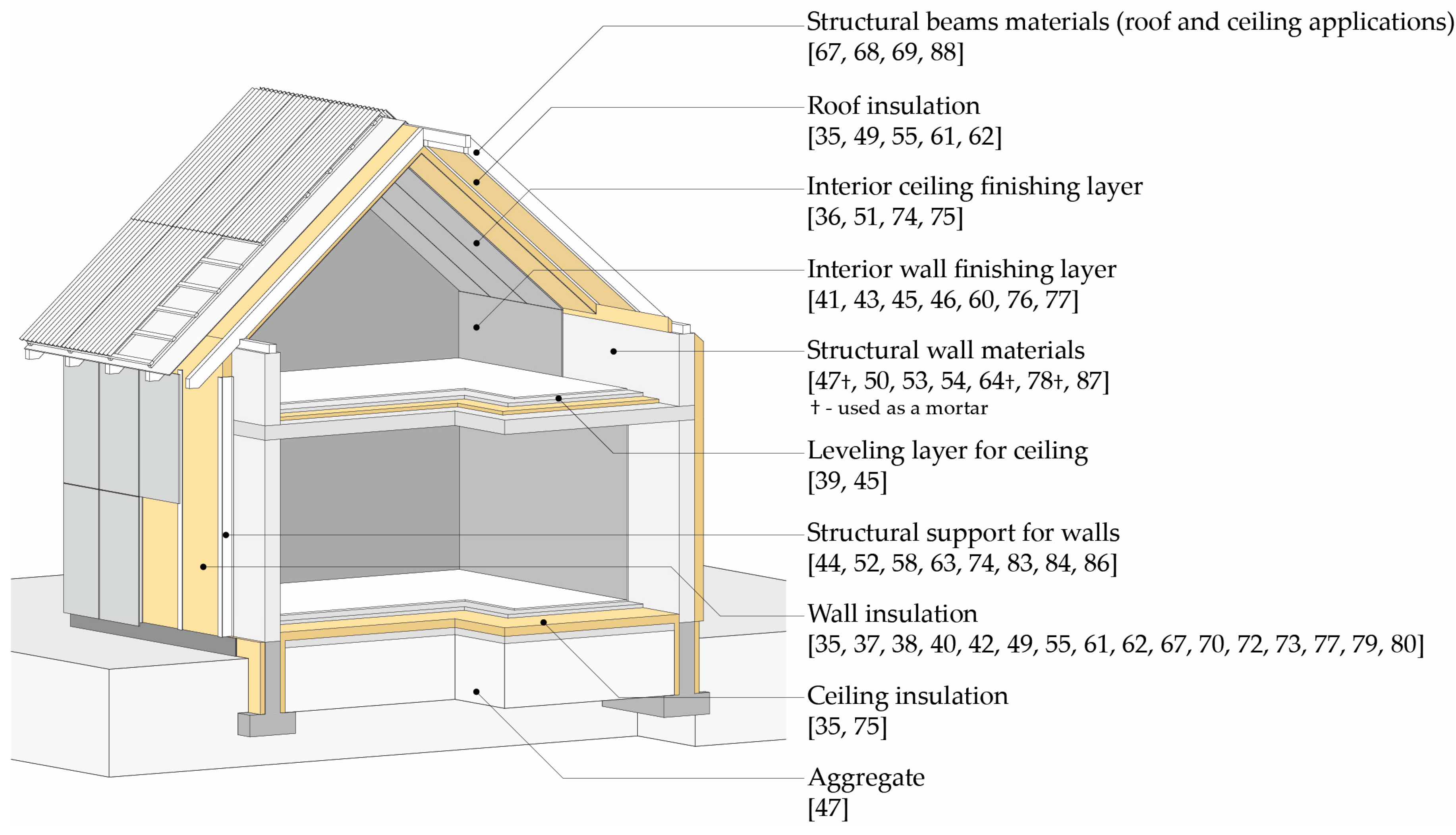
The chapters above were intentionally designed to showcase the potential practical applications of the reviewed materials within a building context by defining their function as insulation (I), structure (S), binder (B) or other (O). This is exemplified through the axonometric section in Figure 6, which illustrates how these materials can be potentially integrated into architectural design. This visual representation provides a clear and practical demonstration of their usability, bridging theoretical review and real-world implementation. By focusing on this illustrative approach, the authors emphasize both the versatility and applicability of the materials in construction and design.
Figure 6. A schematic, scale-free 3D axonometric section of a building illustrating potential locations where conventional materials could be replaced with the bio-composites reviewed in this study. The materials are coded using reference numbers corresponding to those in the review, with thermal insulation materials highlighted in yellow.
Preprints 143928 g006

5. Discussion

In the discussion, this review emphasizes the critical need to prioritize materials and practices that deliver genuine and substantial environmental benefits. Among the selected materials, two clear trends emerge. The first emphasizes maximizing the fragmentation of bio-based components to enhance thermal or acoustic insulation properties. The second focuses on optimizing mechanical performance parameters. These distinct approaches reflect a clear trajectory toward achieving specific performance and sustainability goals in the reviewed materials.

5.1. Performance of Bio-Composites

The parameters of bio-composite materials presented above in the tabular format using data from various studies provide a valuable resource of information verified by the authors of the presented review. This approach aligns with the principle of morphological typology, which emphasizes the structural composition of a given bio-composites. However, it has been argued that regardless of morphological structure, comparing material properties within thermal insulation and the load-bearing materials groups is crucial. As stated above, these are the two main categories identified in the review, highlighting their prominence in classifying and evaluating bio-composites. This dual focus allows a comprehensive understanding of bio-composites and their potential in construction applications.

5.1.1. Bio-composites as Thermal and Sound Insulating Materials

Bio-composites planned to be used as thermal insulating materials are often evaluated compared to expanded polystyrene (EPS), a widely recognized benchmark for thermal insulation, e.g. by Palumbo et al. [89]. Recent studies have emphasized the potential of bio-composites to match the thermal conductivity values of conventional materials like expanded polystyrene (EPS) while providing significant environmental advantages. These benefits include reduced embodied energy and carbon neutrality, primarily due to the renewable origins of bio-composites. This review confirms such materials' availability and growing prevalence in the field. Notably, the work of Kurańska et al. [35], Varamesh et al. [38], Glenn et al. [61], Rodríguez Neira et al. [62], and Jadhav et al. [80] has demonstrated the development of bio-composites with thermal conductivity (λ) values closely comparable to EPS, see Figure 7. Remarkably, these materials represent approximately 22% of all bio-composites analyzed in this review, highlighting their importance as sustainable alternatives in construction and insulation applications. Please note that in the case of selected acoustic materials, the review's authors estimated the thermal properties; those cases are marked with an asterisk.

5.1.2. Bio-composites as Load-Bearing Materials

Researchers compare mechanical properties such as bending, compressive, and tensile stresses for bio-composites intended for both i) materials designed to function primarily as thermal insulation and ii) structural materials for load-bearing applications against conventional materials like steel and concrete. The following parameters are particularly relevant:
  • Flexural Strength(σf): Bio-composites demonstrate bending strength significantly lower than steel but sufficient for light semi-structural applications. However, some exceptions, such as hemp bast fibres embedded in resin by the team of Spyridonos et al., can reach bending strengths up to 311 MPa [64], whereas steel typically exceeds 250 MPa, see Figure 8.
Figure 7. Comparison of thermal conductivity (λ) values [W/m·K] for bio-composites with EPS (shown in blue). Data points are labelled with reference numbers corresponding to the bibliography. * values are estimated by analogy to similar commercial materials, as the original authors provide no specific thermal conductivity measurements.
Preprints 143928 g007
  • Tensile Strength(σt): Tensile properties of bio-composites, such as those reinforced with natural fibres, can achieve strengths up to 100 MPa, depending on the matrix and reinforcement type. While these values are much lower than those of steel, they make bio-composites viable for specific architectural components or lightweight structures. In this comparison, the bio-composite developed by Han et al. stands out as a notable exception, presenting a tensile strength of 421.5 MPa [69], see Figure 9a.
  • Compressive Strength(σc): Compressive strengths of bio-composites are often compared to concrete. Most of the reviewed materials possess lower strength than concrete, making them suitable for non-load-bearing walls. However, the teams led by Hilal et al. and Ibraheem and Bdaiwi have reported bio-composites with comparable σc values, reaching up to 48.7 MPa [41], see Figure 9b.
Figure 8. Comparison of flexural strength (σf) [MPa] of load-bearing bio-composites with steel (shown in blue). Data points are labelled with reference numbers corresponding to the bibliography.
Preprints 143928 g008
The three categories of strengths—bending, tensile, and compressive—form the basis for evaluating bio-composite potential in structural applications. Comparing bending and tensile stresses to steel highlights bio-composite limitations for high-load applications but demonstrates their sufficiency in non-critical structural roles. In contrast, comparing compressive stresses to concrete underscores bio-composites suitability for insulation and non-structural partitions rather than primary load-bearing elements.

5.1.3. Comparative Framework and Significance

Bio-composites offer a compelling balance between environmental benefits and functional performance, primarily when categorized and compared through the lens of suitability for building construction. This approach enhances material selection for specific applications and encourages the integration of sustainable materials into modern construction. Further research and standardized testing are essential to broaden bio-composite adoption in diverse engineering applications.

5.2. Statistical Analysis

Of the 50 bio-based composite materials reviewed, 22 (44%) can be used as insulation (thermal or acoustic), 20 (40%) serve as structural elements, three functions as binders, and five have other purposes in buildings. In most cases, the structural properties of these bio-materials are not sufficient to serve as primary structural components of buildings, being limited mainly to self-supporting structures or secondary semi-structural applications.
From the perspective of material origin, the majority are fully organic (60%). The semi-organic materials are further divided into those with organic reinforcement (34%) and primarily organic reinforcement (2%), as well as materials with organic or mostly organic matrices, representing 4% of the total collection (see Figure 10).
The most common type of reinforcement is particle-based, with 28% each for large particles and dispersion strengthening. Continuous fibres account for 4% of fibre-reinforced materials, while discontinuous fibres comprise 32%. Layer reinforcement, including laminates and sandwiches, shall consist of 4% of the total (see Figure 11 a). Regarding the matrix type, the vast majority are polymers (76%), followed by ceramics (24%). No metal-based matrix materials were identified (see Figure 11 b).
Almost half of the reviewed materials are partially biodegradable (46%), while 22% are fully biodegradable. Only one material was compostable (2%), while four (8%) can be both biodegraded and composted. No information was available regarding the biodegradability and compostability of nine materials. Over two-thirds of the reviewed materials use recycled waste in their production. Only two (4%) materials can be fully recycled and reused, while 12% cannot. There was no information on the recyclability of eight materials (16%). See Figure 12.
The presented review underscores significant advancements in research on bio-based materials, which hold potential applications in architecture and the construction sector. Many of these materials are currently in the experimental phase, often produced in small sample sizes specifically for thermal or mechanical testing. Figure 13 categorizes these materials by their reinforcement type (particle, fibre, layer) and matrix type (polymer, ceramic), highlighting specific examples referenced in this review. While still in developmental stages, these materials can be sustainable alternatives to conventional building materials. However, their integration into the construction industry will require further prototyping, testing, and scaling up production processes to achieve the Technology Readiness Level (TRL) proven in an operational environment and fully deployed.

5.3. Genuine Environmental Impact, Trends and Challenges

The authors of the presented review believe that genuinely sustainable composites should aim for meaningful reductions in environmental impacts, such as by significantly improving recyclability, reducing emissions, or enhancing biodegradability through bio-based components. During the review process, a notable trend was observed (as detailed in the PRISMA flow diagram, see Figure 1 involving the partial substitution of synthetic matrices or reinforcement bands with small amounts of bio-based organic materials. For example, some studies have incorporated minor percentages of bio-derived components, such as 0.25% to 1.25% grass hay in a mortar [89] or 1.5% to 7.5% agave fibre in foamed concrete [91], while most of the matrix or reinforcement remains synthetic. Similar approaches have been noted in treatment processes, such as cigarette waste-based bricks fired at high temperatures (950 to 1250°C) [92], limiting their reprocessing potential. These observations raise important questions about whether such minimal inclusion of bio-based components can genuinely deliver the expected benefits of recyclability and biodegradability. For instance, minor augmentations in a cement matrix may not significantly alter recycling or biodegradability characteristics. As such, the risk of creating a misleading perception of environmental benefits—sometimes referred to as 'greenwashing'—warrants careful consideration and further study.
It is important to emphasise that this trend pertains specifically to publications considered but ultimately excluded from the presented review. The observations made during the identification, screening, and inclusion/rejection phases underscore the need to address vital issues identified in these 'candidate' studies, which are not present in the studies that were finally included.
This review focuses exclusively on materials that demonstrate superior environmental performance, with confirmed recyclability and biodegradability. Adopting a rigorous approach to evaluating environmentally friendly parameters ensures that only genuinely recyclable or biodegradable materials are included, setting a high standard for sustainability in material selection.

6. Conclusions

The following section outlines the principal findings derived from the review, highlighting key insights and trends observed throughout the analysis.

6.1. Key Findings from the review

  • Reducing Environmental Impact: Properly engineered bio-based materials derived from waste sources and designed for recyclability or biodegradability can significantly lower environmental footprints. This pathway offers potential for reducing carbon emissions and the overall carbon footprint of the construction industry.
  • Focus on Thermal Insulating and Structural Materials: Both the material review and meta-analyses indicate that researchers predominantly concentrate on two types of bio-based materials: thermal insulating (44%) and structural (40%). This targeted focus reflects the necessity for both robust, effective thermal insulation materials and load-bearing solutions within the construction industry.
  • Challenges in Performance: A significantly larger group of materials, approximately 22%, demonstrates thermal conductivity properties equivalent to those of expanded polystyrene (EPS). This opens the prospect of using these materials to address the pressing issue of improving building insulation to reduce heat loss. Bio-based materials typically exhibit lower mechanical strength than traditional construction materials such as steel and concrete. Exceptions include single materials that achieve strength comparable parameters.
  • Challenges in Scaling: Despite substantial research progress, bio-based materials face potential challenges in scaling up for broad industry adoption. These issues include sensitivity to moisture, long-term durability concerns, and other limitations that require further investigation to ensure adequate performance in real-world applications.
  • Innovations and Future Research Trajectories: Recent achievements in bio-based material research have been driven by novel manufacturing methods and hybrid formulations incorporating natural components. Continued exploration in this area aims to overcome existing limitations and facilitate the integration of these materials into mainstream construction practices.
  • Avoiding Greenwashing in Bio-based Composites: It is crucial to critically assess bio-based materials that contain minimal natural content, as such products may be part of misleading "greenwashing" campaigns rather than genuinely sustainable solutions. For this reason, further empirical research is necessary to establish standards and benchmarks for bio-based materials, ensuring that they deliver real environmental benefits.
In conclusion, the potential of bio-based composites in construction is evident. Yet, their full adoption depends on overcoming current challenges and developing rigorous certification and standards to distinguish genuinely sustainable solutions from superficial claims. Future research will be pivotal in refining these materials for practical, eco-friendly construction applications.

6.2. Review Limitations

This review has certain limitations that warrant consideration. The primary limitation stems from the number of included studies (48 studies and 50 materials), which may introduce potential bias and affect the comprehensiveness of the findings. To mitigate this, the review adhered to PRISMA protocols, although the inherent limitations of such a dataset must still be acknowledged.
Other challenges include the varying performance metrics reported across different studies, complicating direct comparisons. In several instances, critical data were not explicitly provided in the texts and had to be extracted from graphs, potentially reducing precision. Additionally, some data required recalculation by the review authors to ensure consistent units – commonly converting U-values (W/m2·K) to thermal conductivity values λ (W/m·K) where the thickness of the sample was provided. In the clearly marked cases, the λ properties were estimated by the analogy with similar materials developed by other researchers.
Despite these constraints, authors strongly believe this review offers a valuable and original contribution by synthesizing recent developments in bio-based composites technology. Caution should be exercised when interpreting the presented findings due to these limitations, yet the results largely align with systematic reviews conducted by other researchers in the field, e.g. [31].

6.3. Future Research

Emerging approaches are helping address current limitations in bio-composites. Fibre treatment and surface modification advancements improve mechanical properties and bonding behaviour. Combining bio-based and synthetic fibres, hybrid composites offer optimized performance while maintaining sustainability. Improved modelling tools are being developed to predict and standardize bio-composite behaviour, enhancing design reliability.
Promising research focuses on bio-polymers and bio-resins from renewable sources, providing biodegradability and closed-loop life cycle potential. Innovations like nanomaterials and 3D printing enable tailored bio-composite structures.
Successful applications highlight bio-composites potential, such as hemp-based panels in construction and interior components, demonstrating reduced weight and carbon footprint. Continued collaboration between academia, industry, and policy-makers is crucial to drive innovation and realize the full potential of bio-composites.
More detailed directions should be explored in future research, mainly focusing on interdisciplinary collaborations that integrate insights from architecture, material science, and engineering. Such collaborations could foster innovations to overcome scalability barriers, enabling the broader adoption of advanced materials in real-world applications. By addressing these challenges, future studies can bridge the gap between experimental findings and their practical implementation in large-scale construction projects.

Author Contributions

Conceptualization, D.P. and M.B.; methodology, M.B.; VOSviewer software, K.C.; formal analysis, D.P.; resources, D.P.; data curation, D.P.; writing—original draft preparation, M.B.; writing—review and editing, M.B., D.P. and K.C; supervision, M.B.; project administration, M.B. and D.P. All authors have read and agreed to the published version of the manuscript.

Institutional Review Board Statement

Not applicable.

Informed Consent Statement

Not applicable.

Data Availability Statement

The original contributions presented in this study are included in the article/supplementary material. Further inquiries can be directed to the corresponding author(s).

Acknowledgements

The authors acknowledge J. Łątka for assisting with the statistical data used to create the pie-chart graphs.

Conflicts of Interest

The authors declare no conflicts of interest.

Nomenclature

Metric Unit Description
λ [W/m·K] Thermal conductivity
σt [MPa] Tensile strength
σc [MPa] Compressive strength
σf [MPa] Flexural strength
τt [MPa] Tensile shear strength
SAC α [-] Sound absorption coefficient
LOI [%] Limiting oxygen index
PHRR [kW] Peak heat release rate
THR [kW] Total heat release
MARHE [kW] Maximum average rate of heat emission

References

  1. Sandanayake, M.S. Environmental Impacts of Construction in Building Industry—A Review of Knowledge Advances, Gaps and Future Directions. Knowledge 2022, 2, 139–156. [Google Scholar] [CrossRef]
  2. Fenner, A.E.; Kibert, C.J.; Woo, J.; Morque, S.; Razkenari, M.; Hakim, H.; Lu, X. The Carbon Footprint of Buildings: A Review of Methodologies and Applications. Renew. Sustain. Energy Rev. 2018, 94, 1142–1152. [Google Scholar] [CrossRef]
  3. Piróg, M. Concrete Around Us: Building and Climate Change. TEKA Komisji Architektury, Urbanistyki i Studiów Krajobrazowych 2023, 19, 125–129. [Google Scholar] [CrossRef]
  4. Jiménez, L.F.; Domínguez, J.A.; Vega-Azamar, R.E. Carbon footprint of recycled aggregate concrete. Adv. Civ. Eng. 2018, 2018, 7949741. [Google Scholar] [CrossRef]
  5. Kantoríková, E.; Disperzne spevnené materiály. Technológ 2023, 2, 66-69. [CrossRef]
  6. Naguib, H. M.; Zaki, E.; Abdelsattar, D.; Dhmees, A. S.; Azab, M. A.; Elsaeed, S. M.; Kandil, U. Environmentally Friendly Polymer Concrete: Polymer Treatment, Processing, and Investigating Carbon Footprint with Climate Change. ACS Omega 2023, 8, 8804–8814. [Google Scholar] [CrossRef] [PubMed]
  7. Mwanza, B.G.; Mbohwa, C. Major Obstacles to Sustainability in the Plastic Industry. Procedia Manuf. 2017, 8, 121–128. [Google Scholar] [CrossRef]
  8. Saha, S.; Sau, D.; Hazra, T. Economic Viability Analysis of Recycling Waste Plastic as Aggregates in Green Sustainable Concrete. Waste Manag. 2023, 169, 289–300. [Google Scholar] [CrossRef]
  9. Ekins, P. Limits to Growth and Sustainable Development: Grappling with Ecological Realities. Ecol. Econ. 1993, 9, 31–40. [Google Scholar] [CrossRef]
  10. Soloaga, I. S.; Oshiro, Á.; Positieri, M. The Use of Recycled Plastic in Concrete. An Alternative to Reduce the Ecological Footprint. Rev. Constr. 2014, 13, 19–26. [Google Scholar]
  11. Albino, V.; Berardi, U. Green Buildings and Organizational Changes in Italian Case Studies. Bus. Strat. Environ. 2012, 21, 387–400. [Google Scholar] [CrossRef]
  12. Yılmaz, M.; Bakış, A. Sustainability in Construction Sector. Procedia Soc. Behav. Sci. 2015, 195, 2253–2262. [Google Scholar] [CrossRef]
  13. Johnsson, F.; Karlsson, I.; Rootzén, J.; Ahlbäck, A.; Gustavsson, M. The Framing of a Sustainable Development Goals Assessment in Decarbonizing the Construction Industry – Avoiding "Greenwashing". Renew. Sustain. Energy Rev. 2020, 131, 110029. [Google Scholar] [CrossRef]
  14. He, Q.-H.; Wang, Z.; Wang, G.; Zuo, J.; Wu, G.; Liu, B. To Be Green or Not to Be: How Environmental Regulations Shape Contractor Greenwashing Behaviors in Construction Projects. Sustain. Cities Soc. 2020, 53, 102462. [Google Scholar] [CrossRef]
  15. Gibbs, D.; O'Neill, K. Building a Green Economy? Sustainability Transitions in the UK. Building Sector. Geoforum 2015, 59, 133–141. [Google Scholar] [CrossRef]
  16. Pimentel Real, L.E. Biocomposites: A Sustainable Alternative for Construction. Proc. Int. Conf. Sustain. Constr. 2017, 1, 1–34. [Google Scholar]
  17. Vandi, L.; Chan, C.; Werker, A.; Richardson, D.; Laycock, B.; Pratt, S. Wood-PHA Composites: Mapping Opportunities. Polymers 2018, 10. [Google Scholar] [CrossRef] [PubMed]
  18. Dams, B.; Maskell, D.; Shea, A.; Allen, S.; Cascione, V.; Walker, P. Upscaling Bio-Based Construction: Challenges and Opportunities. Building Res. Inf. 2023, 51, 764–782. [Google Scholar] [CrossRef]
  19. Amin, M.N.; Ahmad, W.; Khan, K.; Ahmad, A. A Comprehensive Review of Types, Properties, Treatment Methods and Application of Plant Fibers in Construction and Building Materials. Materials 2022, 15(12), 4362. [Google Scholar] [CrossRef]
  20. Zhu, S.; Xie, J.; Sun, Q.; Zhang, Z.; Wan, J.; Zhou, Z.; Lu, J.; Chen, J.; Xu, J.; Chen, K.; Fan, M. Recent Advances on Bast Fiber Composites: Engineering Innovations, Applications and Perspectives. Compos. Part B 2024, 284, 111738. [Google Scholar] [CrossRef]
  21. Gbadeyan, O.J.; Sibiya, L.; Mpongwana, N.; Linganiso, L.Z.; Linganiso, E.C.; Deenadayalu, N. Manufacturing of Building Materials Using Agricultural Waste (Sugarcane Bagasse Ash) for Sustainable Construction: Towards a Low Carbon Economy. Int. J. Sustain. Eng. 2023, 16, 368–382. [Google Scholar] [CrossRef]
  22. Singh, A.K.; Bedi, R.; Khajuria, A. A Review of Composite Materials Based on Rice Straw and Future Trends for Sustainable Composites. J. Clean. Prod. 2024, 457, 142417. [Google Scholar] [CrossRef]
  23. Asfaw, N.T.; Absi, R.; BA, L.; Ikrama, E.A. Assessment of the Thermal and Mechanical Properties of Bio-Based Composite Materials for Thermal Insulation: A Review. J. Build. Eng. 2024, 97, 110605. [Google Scholar] [CrossRef]
  24. Raja, P.; Murugan, V.; Ravichandran, S.; Behera, L.; Mensah, R.A.; Mani, S.; Kasi, A.; Balasubramanian, K.B.N.; Sas, G.; Vahabi, H.; Das, O. A Review of Sustainable Bio-Based Insulation Materials for Energy-Efficient Buildings. Macromol. Mater. Eng. 2023, 308, 2300086. [Google Scholar] [CrossRef]
  25. Kopparthy, S.D.S.; Netravali, A.N. Green Composites for Structural Applications. Composites Part C: Open Access 2021, 6, 100169.
  26. Page, M.J.; McKenzie, J.E.; Bossuyt, P.M.; Boutron, I.; Hoffmann, T.C.; Mulrow, C.D.; Shamseer, L.; Tetzlaff, J.M.; Akl, E.A.; Brennan, S.E.; et al. The PRISMA 2020 statement: An updated guideline for reporting systematic reviews. B.M.J. 2021, 372, n71. [Google Scholar] [CrossRef]
  27. Waltman, L.; Van Eck, N.J. A new methodology for constructing a publication-level classification system of science. J. Am. Soc. Inf. Sci. Technol. 2012, 63, 2378–2392. [Google Scholar] [CrossRef]
  28. Chen, C. CiteSpace: A Practical Guide for Mapping Scientific Literature; Nova Science Publishers: Hauppauge, NY, USA, 2016. [Google Scholar]
  29. Bastian, M.; Heymann, S.; Jacomy, M. Gephi: An Open Source Software for Exploring and Manipulating Networks. In Proceedings of the International AAAI Conference on Web and Social Media (ICWSM), San Jose, CA, USA, 17–20 May 2009; pp. 361–362. [Google Scholar]
  30. Dawoud, M.; Saleh, H. Introductory Chapter: Background on Composite Materials. Characterisations of Some Composite Materials 2018. [Google Scholar] [CrossRef]
  31. Kamath, S.S.; Chandrappa, R.K. Additives used in natural fibre reinforced polymer composites—a review. Mater. Today: Proc. 2022, 50, 1417–1424. [Google Scholar] [CrossRef]
  32. Mourdikoudis, S.; Kostopoulou, A.; LaGrow, A. Magnetic Nano-particle Composites: Synergistic Effects and Applications. Adv. Sci. 2021, 8. [Google Scholar] [CrossRef] [PubMed]
  33. Munimathan, A.; Muthu, K.; Subramani, S.; Rajendran, S. Environmental Behaviour of Synthetic and Natural Fibre Reinforced Composites: A Review. Advances in Mechanical Engineering 2024, 16, 1–19. [Google Scholar] [CrossRef]
  34. Paul, R.; Dai, L. Interfacial Aspects of Carbon Composites. Composite Interfaces 2018, 25, 539–605. [Google Scholar] [CrossRef]
  35. Kurańska, M.; Malewska, E.; Ożóg, H.; Sędzimir, J.; Put, A.; Kowalik, N.; Michałowski, S.; Zemła, M.; Kucała, M.; Prociak, A. Open-Cell Spray Polyurethane Foams Based on Biopolyols from Fruit Seed Oils. Polymers 2024, 16, 1145. [Google Scholar] [CrossRef]
  36. Gavrilović-Grmuša, I.; Rančić, M.; Tešić, T.; Stupar, S.; Gajić-Kvaščev, M. Bio-Epoxy Resins Based on Lignin and Tannic Acid: A Review. Polymers 2024, 16, 2602. [Google Scholar] [CrossRef] [PubMed]
  37. Mohan, S.; Thilagavathi, G.; Rajkhowa, R. Composite panels utilising microdust and coir pith for eco-friendly construction solutions. Journal of the Textile Institute 2024. [Google Scholar] [CrossRef]
  38. Varamesh, A.; Zhu, Y.; Hu, G.; Wang, H.; Rezania, H. Fully biobased thermal insulating aerogels with fire resistance. Chemical Engineering Journal 2024, 495, 153587. [Google Scholar] [CrossRef]
  39. Hilal, N.; Hamah Sor, N.; Hadzima-Nyarko, M.; Radonjanin, V.; Alnasra, M. The influence of nanosunflower ash and nanowalnut shell ash on the properties of lightweight concrete. Scientific Reports 2024, 14, 9450. [Google Scholar] [CrossRef] [PubMed]
  40. Anwajler, B. Modern Insulation Materials for Sustainability in Buildings. Fibers 2024, 12, 76. [Google Scholar] [CrossRef]
  41. Ibraheem, E.K.; Bdaiwi, W. Enhancing Mechanical and Thermal Properties of Unsaturated Polyester Composites Through Sidr Leaves' Particle Reinforcement. Revue des Composites et des Materiaux Avances 2024, 34, 269–275. [Google Scholar] [CrossRef]
  42. Cigarruista Solís, L.; Chen Austin, M.; Deago, E.; López, G.; Marin-Calvo, N. Rice Husk-Based Insulators: Manufacturing Process and Thermal Potential Assessment. Materials 2024, 17, 2589. [Google Scholar] [CrossRef]
  43. Raja, T.; Mohanavel, V.; Kannan, S.; Vekariya, V.; Paul, D.; Velmurugan, P.; Chinnathambi, A.; Ali Alharbi, S.; Sivakumar, S. Rice Bran Particulates Reinforced Ipomoea Carnea Fiber Epoxy Composite for Engineering Application. Journal of Natural Fibers 2024, 21, 2364253. [Google Scholar] [CrossRef]
  44. Aguillón, B.; Cabrera, D.; Lazo, M.; Adrián, E.; Carrasco, M.; Medina-Perilla, J.; Vera-Villalobos, J.; Rigail-Cedeño, A. Sorbitol glycidyl ether Epoxy/Brewer's spent grain biocomposite for fiberboard applications. Case Studies in Chemical and Environmental Engineering 2024, 9, 100705. [Google Scholar] [CrossRef]
  45. Wan, D.; Tian, C.; Cai, Q.; Zhang, X. Investigating the characteristics and thermal performance of plaster composites enhanced with paddy husk for sustainable residential construction. Case Studies in Thermal Engineering 2024, 60, 104638. [Google Scholar] [CrossRef]
  46. Sergi, C.; Bavasso, I.; Frighetto, G.; Tirillò, J.; and others. Linoleum waste as PLA filler for components composites. Polymer Testing 2024, 138, 108548. [CrossRef]
  47. Fernandes, FADS; Fernandes, TFDS; Rossignolo, J.A. Production of Glass Foam in a Microwave Oven Using Agro-Industrial Waste as Raw Material. Buildings 2024, 14, 164.
  48. Scheffler, G.; Colombo, P. Cellular Ceramics: Structure, Manufacturing, Properties, and Applications; Wiley-VCH: Weinheim, Germany, 2005.
  49. Pop, M.A.; Croitoru, C.; Matei, S.; Zaharia, S.-M.; Coșniță, M.; Spîrchez, C. Thermal and Sound Insulation Properties of Organic Biocomposite Mixtures. Polymers 2024, 16, 672. [Google Scholar] [CrossRef] [PubMed]
  50. Fayzullin, I.; Gorbachev, A.; Volfson, S.; Serikbayev, Y.; Nakyp, A.; Akylbekov, N. Composite Material Based on Polypropylene and Modified Natural Fillers. Polymers 2024, 16, 1703. [Google Scholar] [CrossRef]
  51. Jamal, I.I.; Marsi, N.; Mohd Rus, A.Z.; Saiful Bahri, A.H.; Md-Said, A.; Hashim, M.M. ; Ariffin, IA Mechanical Characteristics Rice Husk Fiber (RHF) Blended Recycled Polyethylene (RPE) for RHF/RPE Polymer Composite. Journal of Advanced Research in Applied Mechanics 2024, 118(1), 144–156. [Google Scholar] [CrossRef]
  52. Grzybek, J.; Nazari, M.; Jebrane, M.; Terziev, N.; Petutschnigg, A.; Schnabel, T. Enhancing Fire Safety and Thermal Performance: Wood Composites with Bio-Based Phase Change Materials and Fire Retardants for Building Applications. Fire and Materials 2024. [Google Scholar] [CrossRef]
  53. Bonifacio, A.L.; Archbold, P. Exploring Oat Husks as Aggregates in Limestone-Based Composites: Effects of Surface Treatments and Binder Selection on Mechanical Performance. Materials 2024, 17(11), 2588. [Google Scholar] [CrossRef]
  54. Buda, R.; Pucinotti, R. Natural Lime–Cork Mortar for the Seismic and Energetic Retrofit of Infill Walls: Design, Materials, and Method. Applied Sciences 2024, 14(17), 7503. [Google Scholar] [CrossRef]
  55. Dymek, M.; Ptak, M.; Kaczyński, P.; Fernandes, F.A.O.; Alves de Sousa, R.J.; Serra, G.F.; Kurańska, M. Eco-Friendly Cork–Polyurethane Biocomposites for Enhanced Impact Performance: Experimental and Numerical Analysis. Polymers 2024, 16(7), 887. [Google Scholar] [CrossRef]
  56. Pereira, H. Cork: Biology, Production, and Uses; Elsevier: Amsterdam, The Netherlands, 2011. [Google Scholar]
  57. Sergi, C.; Sarasini, F.; Bracciale, M.P.; Russo, P.; Faiella, G. Cork Consolidated by Hot Compression as a Viable Alternative to Balsa Wood in Core Materials. Construction and Building Materials 2024, 420, 135541. [Google Scholar] [CrossRef]
  58. Krumins, J.A.; Vamza, I.; Dzalbs, A.; Blumberga, D. Particle Boards from Forest Residues and Bio-Based Adhesive. Buildings 2024, 14, 462. [Google Scholar] [CrossRef]
  59. Bendaikha, O.; Yaseri, A.Z.H. Thermal performance and Feasibility Study Using a Straw-Based Thermal Insulation Material. Journal of Renewable Energies 2024, 173–180. [Google Scholar] [CrossRef]
  60. Mucsi, Z.M.; Hasan, K.M.F.; Horváth, P.G.; Bak, M.; Alpár, T. Fabrication and characterisation of lignocellulosic fiber-reinforced composites. Construction and Building Materials 2024, 414, Article 134992. [CrossRef]
  61. Glenn, G.M.; Tonoli, G.H.D.; Silva, L.E.; Klamczynski, A.P.; Wood, D.; Chiou, B.-S.; Lee, C.; Hart-Cooper, W.; McCaffrey, Z.; Orts, W. Effect of Starch and Paperboard Reinforcing Structures on Insulative Fiber Foam Composites. Polymers 2024, 16, 911. [Google Scholar] [CrossRef]
  62. Rodríguez Neira, K.; Cárdenas-Ramírez, J.P.; Rojas-Herrera, C.J.; Haurie, L.; Lacasta, A.M.; Torres Ramo, J.; Sánchez-Ostiz, A. Assessment of Elaboration and Performance of Rice Husk-Based Thermal Insulation Material for Building Applications. Buildings 2024, 14, 1720. [Google Scholar] [CrossRef]
  63. Mohammed, W.; Osman, Z.; Elarabi, S.; Mehats, J.; Farjallah, H.; Missaoui, A.; Ayadi, H. Mechanical and Physical Properties of Biocomposite Materials. Cellulose Chem. Technol. 2024, 58(3-4), 331–338. [CrossRef]
  64. Kamalizad, M.; Morshed, R. Seismic performance of compressed earth block structures. Case Stud. Constr. Mater. 2024, 21, e03388. [Google Scholar] [CrossRef]
  65. Rajak, D.K.; Pagar, DD; Menezes, P.L.; Linul, E. Fiber-Reinforced Polymer Composites: Manufacturing, Properties, and Applications. Polymers 2019, 11(10), 1667. [CrossRef]
  66. Bakis, C.E.; Bank, LC; Brown, V.L.; Cosenza, E.; Davalos, J.F.; Lesko, J.J.; Machida, A.; Rizkalla, S.H.; Triantafillou, T.C. Fiber-Reinforced Polymer Composites for Construction—State-of-the-Art Review. J. Compos. Constr. 2002, 6(2), 73–87. [CrossRef]
  67. Tasgin, Y.; Demircan, G.; Kandemir, S.; Acikgoz, A. Mechanical, wear and thermal properties of natural fiber reinforced composites. J. Mater. Sci. 2024, 59, 10844–10857. [Google Scholar] [CrossRef]
  68. Spyridonos, E.; Witt, M.-U.; Dippon, K.; Milwich, M.; Gresser, G.T. Natural fibre pultruded profiles: Illustration of a sustainable approach. Compos. Part C Open Access 2024, 14, 100492. [Google Scholar] [CrossRef]
  69. Han, S.; Zhao, X.; Li, X.; Ye, H.; Wang, G. Synergistic in-situ reinforcement of lignin and epoxy via engineered cellulose nanocrystals. J. Mater. Res. Technol. 2024, 28, 879–890. [Google Scholar] [CrossRef]
  70. Urdanpilleta, M.; del Rey, R.; Leceta, I.; Rodríguez, M. Empirical modelling of the acoustic behavior of sustainable composite panels. J. Build. Eng. 2024, 89, 109290. [Google Scholar] [CrossRef]
  71. Zach, J.; Korjenic, A.; Petránek, V.; Hroudová, J.; Bednar, T. Performance Evaluation and Research of Alternative Thermal Insulations Based on Sheep Wool. Energy Build. 2012, 49, 246–253. [Google Scholar] [CrossRef]
  72. Segura, J.; Montava, I.; Juliá, E. ; Gadea, JM Acoustic and thermal properties of panels made from textile waste fibers. Constr. Build. Mater. 2024, 426, 136054. [Google Scholar] [CrossRef]
  73. Ali, M.; Al-Suhaibani, Z.; Almuzaiqer, R.; Albahkali, E.; Kumar, V. New Composites Derived from the Natural Fiber of Date Palm for Environmental and Industrial Applications. Polymers 2024, 16, 1002. [Google Scholar] [CrossRef]
  74. Kharshiduzzaman, M.; Haque, M.R.; Bhuiyan, M.S.; Akhter, N. Evaluation of the Mechanical Properties of a Novel Biodegradable Polymer Composite. Adv. Polym. Technol. 2024, 2130443. [Google Scholar] [CrossRef]
  75. Krishnasamy, B.; Shanmugam, N.; Subramanian, A.; Raj, R. Sound-absorbing and thermal insulating properties of natural fiber composites. J. Eng. Fibers Fabr. 2024, 19. [Google Scholar] [CrossRef]
  76. Ariharasudhan, S.; Sundaresan, S.; Selvaraj, SK; Ramratan, W.A. Studies on sugarcane bagasse/jute fibers reinforced composites for enhanced mechanical performance. J. Eng. Fibers Fabr. 2024, 19. [CrossRef]
  77. Trociński, A.; Wieruszewski, M.; Bartkowiak, M.; et al. The Influence of Hemp Fibers (Cannabis sativa L.) on Mechanical Properties of Composite Materials. Polymers 2024, 16(18), 2644. [CrossRef]
  78. Greco, P.F.; Pepi, C.; Gioffré, M. A novel biocomposite material for sustainable building. Journal of Building Engineering 2024, 83, 108425. [CrossRef]
  79. Jové-Sandoval, F.; García-Baños, E.M.; Barbero-Barrera, M.M. Characterisation and thermal improvement of adhesive materials. MRS Advances 2024, 9(2), 71–77. [Google Scholar] [CrossRef]
  80. Jadhav, PS; Sarkar, A.; Zhu, L.; Ren, S. Flame retardant biogenic building insulation materials. Journal of Applied Polymer Science 2024, 141(12), e55137. [CrossRef]
  81. Kabore, A.; Ouellet-Plamondon, C.M. The impact of vegetable fibres on shrinkage in construction materials. Materials 2024, 17(3), 736. [CrossRef]
  82. Santoni, A.; Bonfiglio, P.; Fausti, P.; Marescotti, C.; Mazzanti, V.; Mollica, F. ; Improving the Sound Absorption Performance of Sustainable Thermal Insulation Materials: Natural Hemp Fibers. Appl. Acoust. 2019, 150, 279–289. [Google Scholar] [CrossRef]
  83. Kebede, M.S.; Ayaliew, T.G.; Demlie, S.M. Experimental characterising mechanical and physical properties of biocomposite materials. Advances in Materials Science and Engineering 2024. [Google Scholar] [CrossRef]
  84. Bąk, A.; Mikuła, J.; Oliinyk, I.; Łach, M. Basic research on layered geopolymer composites. Scientific Reports 2024, 14, 12576. [Google Scholar] [CrossRef] [PubMed]
  85. Baetens, R. High Performance Thermal Insulation Materials for Buildings. Journal Title (if applicable) 2013, volume, 188-206. [CrossRef]
  86. Varma, D.A.; Joseph, L.; Madhavan, M·K; Jayanarayanan, K. Strength, durability and finite element analysis of layered hybrid composites. Results in Engineering 2024, 22, 102281. [CrossRef]
  87. Abu-Saleem, M. ; Gattas, JM Eccentric compression behaviour of hybrid timber composites. Construction and Building Materials 2024, 440, 137365. [Google Scholar] [CrossRef]
  88. Abu-Saleem, M.; Gattas, J.M. Fabrication and Structural Characterisation of Hybrid Timber-Cardboard Sandwich Beams. Engineering Structures 2024, 305, 117678. [Google Scholar] [CrossRef]
  89. Palumbo, M.; Lacasta, A.M.; Giraldo, M.P.; Haurie, L.; Correal, E. Bio-based insulation materials and their hygrothermal performance in a building envelope system (ETICS). Energy Build. 2018, 174, 147–155. [Google Scholar] [CrossRef]
  90. Thapa, K.; Sedai, S.; Paudel, J.; Gyawali, T.R. Investigation on the Potential of Eulaliopsis binata (Babiyo) as a Sustainable Fiber Reinforcement for Mortar and Concrete. Case Studies in Construction Materials 2024, 20, e03115. [Google Scholar] [CrossRef]
  91. Mydin, M.A.O.; Al Bakri Abdullah, M.M.; Omar, R.; et al. Optimisation of Mechanical Properties of Raw and Processed Clay Material. Archives of Metallurgy and Materials 2024, 69(2), 753–759. [Google Scholar] [CrossRef]
  92. Ibrahim, J.E.F.M.; Basyooni-M. Kabatas, M.A.; Móricz, F.; Kocserha, I. Transforming Zeolite Tuff and Cigarette Waste into Eco-Friendly Ceramic Bricks for Sustainable Construction. Buildings 2024, 14, 144. [CrossRef]
Figure 2. (a) A traditional classification of engineering materials. The review is restricted to materials categorized as composites. (b) A schematic representation of the phase classification of selected composites based on the organic origin of the raw materials. The review focuses on composites containing at least one organic or semi-organic phase.
Preprints 143928 g002
Figure 3. Classification of raw materials based on biological origin. The review emphasizes composites with at least one bio-phase derived from plant or animal sources. Materials are included if no more than one phase is inorganic and meets the criterion of natural origin.
Preprints 143928 g003
Figure 4. Network visualization of keyword co-occurrences from analyzed papers. Node size indicates term frequency, and connecting lines represent co-occurrence relationships. Colour-coded clusters highlight thematic groups, with larger nodes showing greater importance. Created using VOSviewer, December 2024.
Preprints 143928 g004
Figure 9. Comparison of mechanical properties: (a) tensile strength (σt) [MPa] of load-bearing bio-composites with steel; (b) compressive strength (σt) [MPa] of load-bearing bio-composites with concrete. Data points are labelled with reference numbers corresponding to the references.
Preprints 143928 g009
Figure 10. (a) distribution of bio-based composite materials based on their functional applications in buildings; (b) analysed materials are further categorised by their origin.
Preprints 143928 g010
Figure 11. (a) Reinforcement types in bio-based composite materials show the prevalence of particle-based reinforcement (large particles and dispersion strengthening); (b) The matrix composition is primarily polymers, with ceramics as a secondary component.
Preprints 143928 g011
Figure 12. (a) overview of biodegradability, compostability, and recyclability; (b) recycled waste in producing the reviewed bio-based composites.
Preprints 143928 g012
Figure 13. The matrix of bio-based composites is categorised by their reinforcement type (particle, fibre, layer) and matrix type (polymer, ceramic), with specific reference numbers listed for each category.
Preprints 143928 g013
Disclaimer/Publisher’s Note: The statements, opinions and data contained in all publications are solely those of the individual author(s) and contributor(s) and not of MDPI and/or the editor(s). MDPI and/or the editor(s) disclaim responsibility for any injury to people or property resulting from any ideas, methods, instructions or products referred to in the content.
Copyright: This open access article is published under a Creative Commons CC BY 4.0 license, which permit the free download, distribution, and reuse, provided that the author and preprint are cited in any reuse.
Prerpints.org logo

Preprints.org is a free preprint server supported by MDPI in Basel, Switzerland.

Subscribe

Disclaimer

Terms of Use

Privacy Policy

Privacy Settings

© 2025 MDPI (Basel, Switzerland) unless otherwise stated