Preprint
Article

This version is not peer-reviewed.

Circulating microRNAs as Biomarkers of Various Forms of Epilepsy

A peer-reviewed article of this preprint also exists.

Submitted:

21 December 2024

Posted:

23 December 2024

You are already at the latest version

Abstract

Epilepsy is a group of disorders characterized by a cluster of clinical and EEG signs leading to the formation of abnormal synchronous excitation of neurons in the brain. Epilepsy is one of the most common neurological disorders worldwide. Epilepsy is characterized by aberrant expression patterns, both at the level of matrix transcripts and at the level of regulatory RNA sequences. Aberrant expression of a number of microRNAs can mark a particular epileptic syndrome, which will improve the quality of differential diagnosis. In this work, the expression profile of six microRNAs was analyzed: hsa-miR-106b-5p, hsa-miR-134-5p, hsa-miR-122-5p, hsa-miR-132-3p, hsa-miR-155-5p, hsa-miR-206-5p in the blood plasma of patients suffering from temporal lobe epilepsy TLE (n=52), juvenile myoclonic epilepsy JME (n=42) in comparison with healthy volunteers. The expression analysis was carried out using RT-PCR, mathematical processing of the data was carried out according to the Livak method. A statistically significant change in the expression of hsa-miR-106b-5p, hsa-miR-134-5p, hsa-miR-122-5p, hsa-miR-132-3p was found. An increase in the expression of hsa-miR-134-5p and hsa-miR-122-5p was registered in the group of patients with TLE compared to the control, as well as an increase in the expression of hsa-miR-132-3p and hsa-miR-106b-5p in the JME group compared to the control. hsa-miR-122-5p, 106b-5p, 132-3p are also able to discriminate TLE from JME. Additionally, a number of microRNAs are able to discriminate patients with drug-resistant and drug-sensitive forms of epilepsy from the control, as well as patients with hippocampal sclerosis and patients without hippocampal sclerosis from the control. Our data allow us to propose these microRNAs as plasma biomarkers of various epileptic syndromes.

Keywords: 
;  ;  ;  ;  

1. Introduction

Epilepsy syndrome is a disorder or group of disorders that, according to the definition of the International League Against Epilepsy (ILAE), is characterized by a cluster of clinical and EEG features, often supported by specific etiologic data (structural, genetic, metabolic, immune and infectious) [1]. According to the Worldwide Health Organization (WHO), epilepsy affects approximately 50 million people worldwide [2]. Epileptic syndromes are most often classified based on the age of onset of the disease, as well as the type of seizures, in particular: focal; generalized; and focal and/or generalized [3]. The diagnosis of a specific epileptic syndrome is based on anamnestic data; EEG results, neuroimaging; genetic data, however, in a number of cases, the presence of generalized spike-wave discharges was detected in individuals not suffering from an epileptic syndrome [4,5]. Also, in a critical review, Seneviratne U. et al. (2014) [6] was found that in a number of cases idiopathic generalized epilepsies (IGE) are accompanied by a number of Focal abnormalities, also [7] cases of hippocampal sclerosis have been reported in patients with IGE. The situation is complicated by the fact that, in particular, IGE can make its debut in adulthood [8]. Thus, cases of misdiagnosis of various epileptic syndromes are not uncommon, which is why there is a great need to identify additional markers of the disease that can complement and facilitate the diagnosis of epileptic syndromes.
Biomarkers are biochemical indicators that can detect changes or potential changes in the structure and function of cells and subcellular structures of systemic organs and tissues [9]. The most attractive approach is to search for circulating biomarkers, due to the ease and speed of obtaining biological material for analysis [10]. The usege of circulating molecular markers in epilepsy is justified, since it is known that seizure activity is accompanied by impaired permeability and dysfunction of the blood-brain barrier [11,12], which allows us to study tissue leak markers in biological fluids. To date, a significant number of circulating markers of epilepsy have been proposed. In particular, among protein molecules: HMGB1 [13,14], BDNF [15,16], DAG [17], NSE and S100 [18,19] and others, more information on protein markers can be found in the work of Banote R.K (2022) [20]. Analysis of aberrant gene expression and identification of circulating epilepsy biomarkers based on it is complicated by the difficulty in conducting mRNA transcriptomic experiments in biological fluids. MicroRNAs, short non-coding RNAs (20–24 bp) that function through sequence-specific binding to the 3’-untranslated regions (UTRs) of target mRNAs, are increasingly being considered as potential epilepsy biomarkers [21]. It is known that many microRNAs are specifically expressed in different cells of the brain [22], making them good candidates for epilepsy biomarkers.
A significant amount of data has been published describing microRNA expression patterns in epilepsy, both in models and in various patient biopsies. For example, increased expression of miR-27a-3p has been observed in the hippocampus of model rats [23], miR-146a in chronic TLE and in the brain of a rat model [24]. A detailed review of microRNAs and their role in epilepsy is presented in the work of Wang J. et al. (2021) [25].
The existing data providing information on microRNA aberrations in epilepsy remains rather fragmented, and there is a need for new data. For this study, we selected six microRNAs for analysis: hsa-miR-134-5p, hsa-miR-106b-5p, hsa-miR-122-5p, hsa-miR-132-3p, hsa-miR-155-5p, hsa-miR-206, whose expression was studied in two epileptic syndromes: TLE and JME in comparison with controls, blood plasma was studied.

2. Materials and Methods

2.1. Ethical Considerations and Patient Recruitment

The study was conducted in accordance with the recommendations of the Declaration of Helsinki [26] and approved by the Local Ethics Committee of the Krasnoyarsk State Medical University named after Professor V.F. Voyno-Yasenetsky, protocol number: 102/2020 dated November 27, 2020.
To investigate plasma miRNA expression, patients diagnosed with TLE (n = 52) and JME (n=42) were consecutively recruited into experimental groups according to ILAE criteria. Diagnoses were made by an expert in epileptic neurological disorders and neuroimaging.
The following tests were performed on the patients of the experimental groups: HADS, NHS3. The main characteristics of the patients of the two groups are presented in Table 1.
Inclusion criteria:
- Confirmed diagnosis of TLE or JME.
- Age 18-55 years.
- Signed informed consent.
- Absence of signs of infectious disease during the sampling of biomaterial.
The control group in the study included healthy volunteers, matched by age, gender, without neurological diseases and signs of infectious diseases, as well as without chronic somatic pathologies in the stage of decompensation.
The anamnesis collection included: study of the neurological status, assessment of the frequency and severity of epileptic seizures (Hospital Anxiety and Depression Scale(HADS), National hospital scale (NHS-3)), analysis of ongoing antiepileptic therapy, response to AEDs, EEG video monitoring, MRI of the brain. All patients and healthy volunteers included in the study were Slavic origin, born and living in the Siberian region of the Russian Federation.
Also, all patients recruited to the study groups had different durations of the disease, the difference between the TLE and JME groups was not significant, however, we indicate this fact as one of the limitations of our study.
All patients with epilepsy took antiepileptic drugs, most often: Valproic acid, Levetiracetam, Lamotrigine, Oxcarbazepine and Lacosamide. We cannot exclude the factor of taking AEDs as a potential inducer of aberrant expression of the studied microRNAs, therefore we consider this fact as one of the limitations of the study.
Whole blood from the cubital vein was collected in EDTA vacutainers and then centrifuged to separate the plasma fraction according to standard protocols [26]. Blood for subsequent analysis was taken at a point that corresponded to the duration of the disease. The separated plasma was stored in a low-temperature freezer at −80 °C until further analysis.

2.2. RNA Isolation and RT-PCR

Total RNA was isolated from blood plasma using the RIBO-sorb kit (Helikon, Russia, article number: K2-1-Et-100) according to the manufacturer’s protocol. Total RNA (1 μg) was subjected to reverse transcription using the MMLV-RT kit (Eurogen, Russia, article number: SK021) according to the manufacturer’s protocol and specific stem-loop primers.
Real-time PCR was performed using a Rotor-Gene Q 2plex Priority Package Plus thermal cycler (QIAGEN; Germantown Road, Germantown, MD 20874) and a commercial real-time PCR kit containing 2.5 PCR mix (Synthol; Russia, article number: M-428) supplemented with specific F- and R-primers (0.9 μl, 10 pM) and a fluorescent probe (0.5 μl, 10 pM). All samples were analyzed in triplicate. Primers and probes for reverse transcription and PCR were designed using the srnaprimerdb software (http://www.srnaprimerdb.com). Cycle threshold (Ct) parameters obtained after PCR-RA that exceeded the 40th cycle were excluded from further analysis.
MicroRNA expression level was calculated by Livak method [27].
The selection of microRNAs for subsequent analysis was based on literature data. A search was conducted for publications with the following keywords: microRNA & epilepsy, microRNA & neuroinflammation, microRNA & excitotoxicity, microRNA & neurodegeneration, microRNA & gliosis. The search was carried out in the following aggregators: Pubmed, ScienceDirect, Google Scholar.
The expression of the following miRNAs was analyzed: hsa-miR-134-5p, hsa-miR-106b-5p, hsa-miR-122-5p, hsa-miR-132-3p, hsa-miR-155-5p, hsa-miR-206-5p. Hsa-mir-191 was used as reference gene due to its stability in plasma samples [28], additionally, this microRNA has already been used for normalization in epilepsy studies [29].

2.3. Data Analysis

The distribution analysis of miRNA expression data in groups was performed using the Shapiro-Wilk statistical test. The median and 25-75 percentiles (Me [LQ; UQ]) were used to describe the amount of data with abnormal accumulation. To compare several groups on a quantitative basis, non-parametric analysis of variance (the Kruskal-Wallis test) was used with Benjamini-Hochberg p-value correction, The Mann-Whitney test with Benjamini-Hochberg p-value correction has been carried out to compare the two groups.
Spearman’s correlation coefficient (r) was used to assess the relationship between quantitative traits with non-normal distribution. Intergroup differences were recognized as statistically significant at p < 0.05.
To assess the quality of the classification, ROC analysis with the determination of the area under the curve (AUC) as well as constructing a Random Forest model and Decision Tree model were used.
Data analysis of the miRNAs expression and data visualization were performed using Python and the following libraries: pandas, numpy, scipy, plotly, seaborn, sklearn, upsetplot, grapher. GO term enrichment was conducted with datasets: GO BP, KEGG, GO MF.

3. Results

Six selected miRNAs: hsa-miR-134-5p, hsa-miR-106b-5p, hsa-miR-122-5p, hsa-miR-132-3p, hsa-miR-155-5p, hsa-miR-206 were analyzed for tissue distribution. According to microRNA Tissue Atlas (https://ccb-web.cs.uni-saarland.de/tissueatlas2) selected microRNAs were highly enriched in many brain region (Figure 1). In particular, these microRNAs were detected in: brain, all lobes of brai, hippocampus, white matter, etc. Enrichment of the brain with the studied microRNAs allows for further analysis.
The EpiMirBase database (https://www.epimirbase.eu) also demonstrated the association of selected microRNAs with epilepsy.
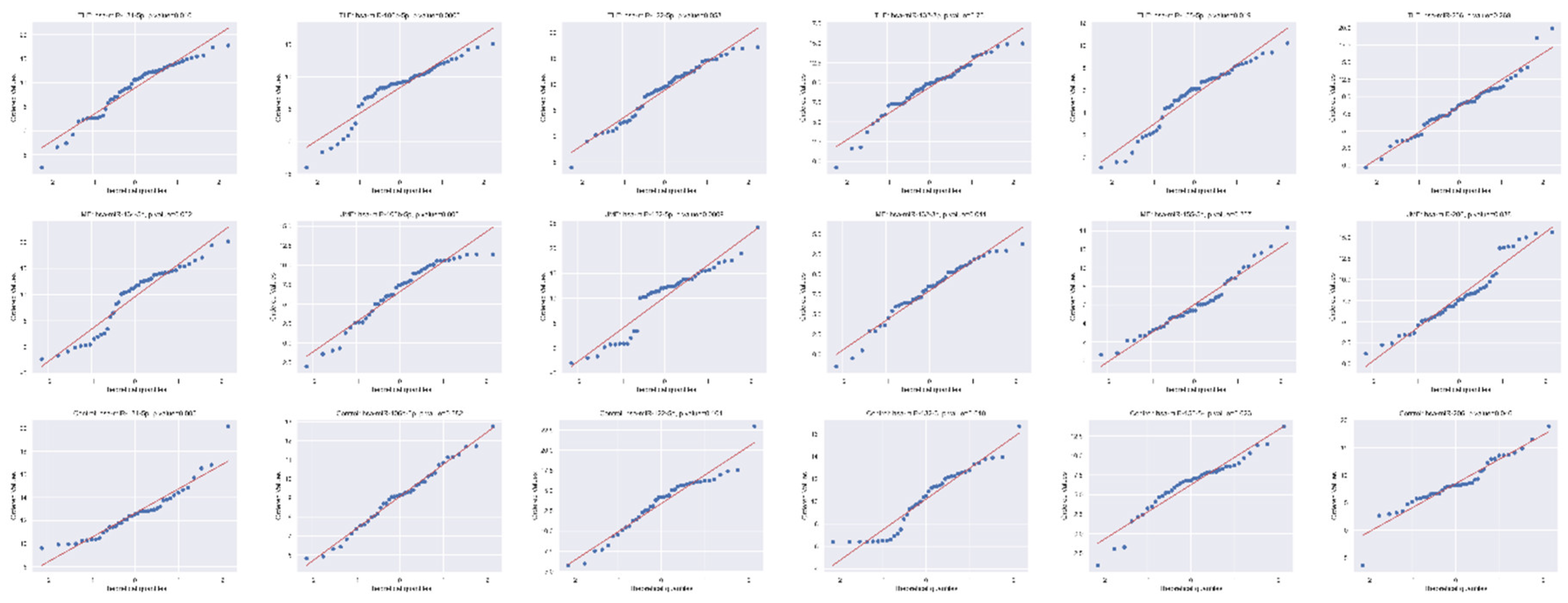
We evaluated the expression of selected miRNAs in the blood plasma of different groups. Distribution test reveal what the biggest amount of data has an abnormal distribution pattern (Figure 2), so we conducted Kruskal-Wallis test to compare three group.
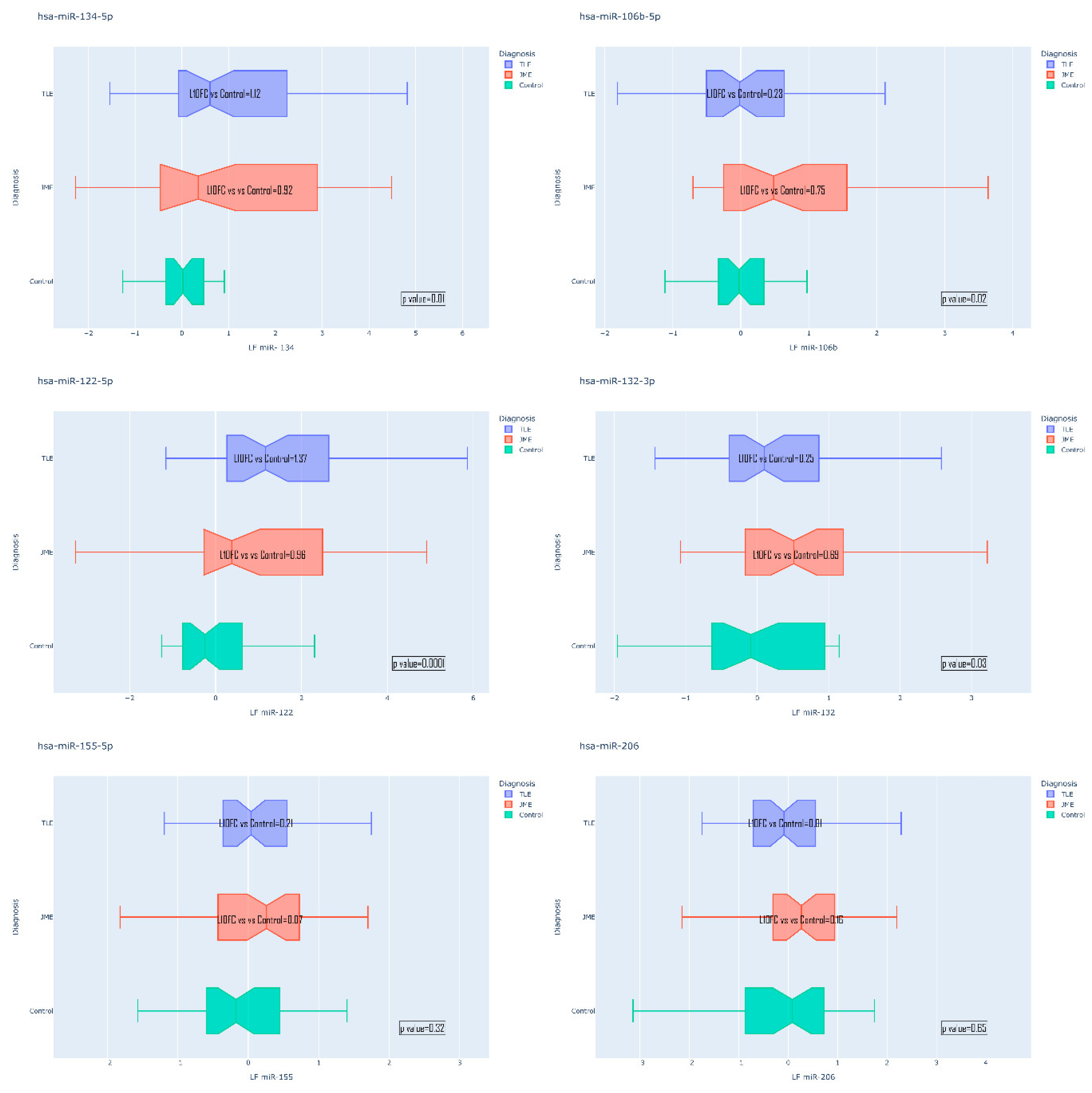
The analysis revealed statistically significant changes (p<0.05) in the expression of the following miRNAs in the TLE group compared to the control: log10FC: hsa-miR-134-5p = 1.12; hsa-miR-106b-5p = 0.23; hsa-miR-122-5p = 1.37; hsa-miR-132-5p= 0.25. In the JME group, the following data were obtained compared to the control: hsa-miR-134-5p = 0.92; hsa-miR-106b-5p = 0.75; hsa-miR-122-5p = 0.96; hsa-miR-132-5p= 0.69. hsa-miR-155-5p and hsa-miR-206-5p did not show statistically significant change in expression pattern (Figure 3).
Post-hoc analysis between the groups revealed the following:
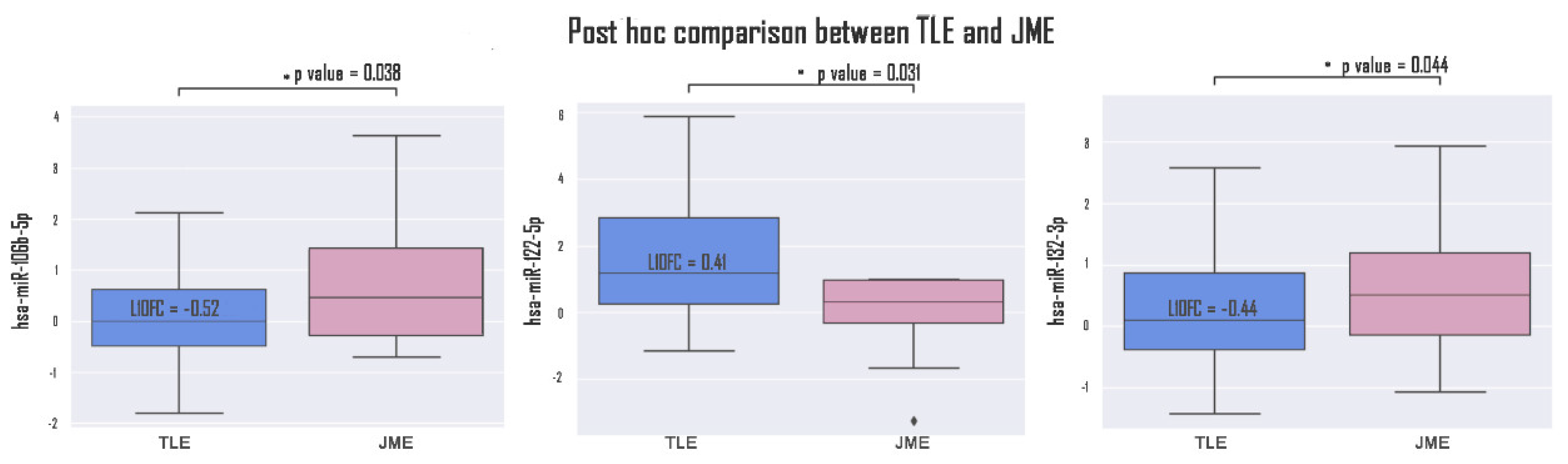
Expression of hsa-miR-134-5p microRNA significantly differentiates TLE from control (l0f = 1.12, p = 0.002); hsa-miR-106b-5p allows discrimination of TLE from JME (l10f =-0.52, p= 0.023) and JME from control (l10f = 0.75, p= 0.003); hsa-miR-122-5p differs in TLE groups compared to control (l10f = 1.37, p= 0.00002) and JME compared to control (l10f = 0.96, p= 0.020) and also TLE compared to JME (l10f = 0.41, p = 0.031); hsa-miR-132-3p differs in TLE groups compared to JME (l10f = -0.44, p = 0.044) and JME compared to control (l10f = 0.69, p = 0.004). Plots describing significantly changed expression between TLE and JME are exhibited in Figure 4.
Both TLE group and JME group showed statistically significant increase in plasma expression for microRNAs: hsa-miR-134-5p; hsa-miR-106b-5p; hsa-miR-122-5p; hsa-miR-132-5p in comparison with control.
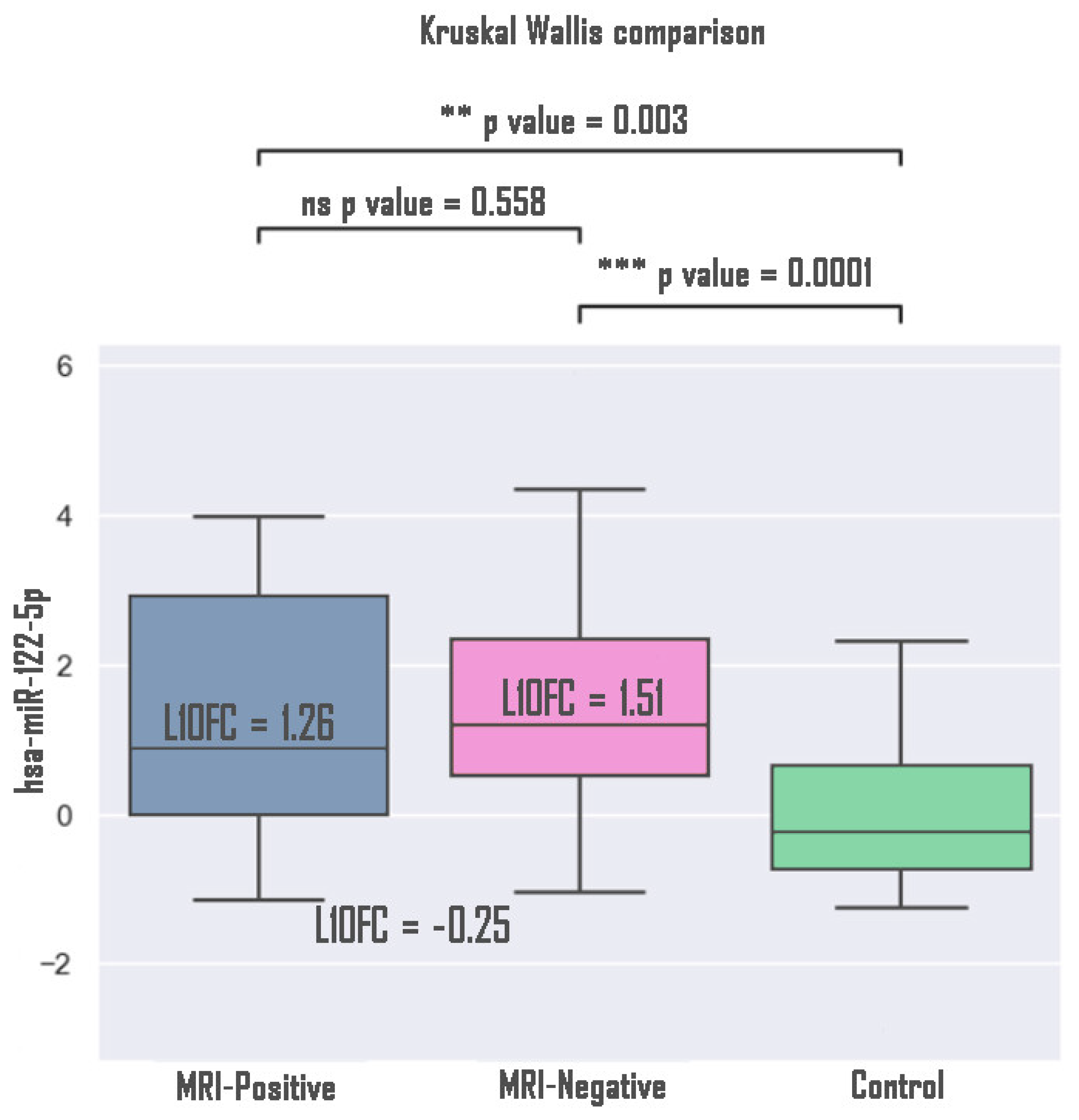
Within the group of patients with TLE, plasma expression of miRNAs was compared in MRI-positive (presence of hippocampal sclerosis, n = 25) patients and MRI-negative patients (absence of hippocampal sclerosis, n = 27), as well as in controls. The analysis demonstrated statistically significant differences between the MRI-positive and control MRI-negative groups and controls. No statistically significant differences were found between the MRI-positive and MRI-negative groups (Figure 5).
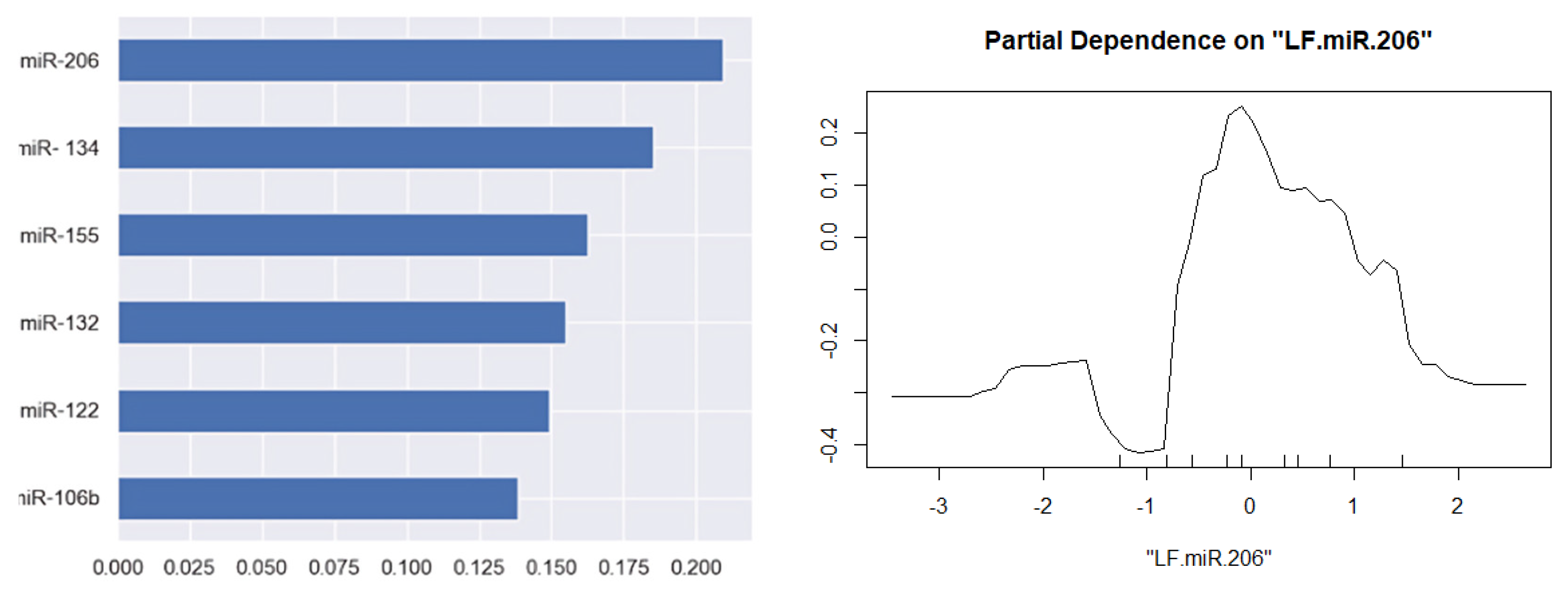
Also, using machine learning algorithms (the training dataset includes classic 0.2 of the full one), a Random Forest classification model was created, as well as identifying factors that have the greatest impact on classification. The most significant factor for classifying patients as MRI-positive and MRI-negative was the expression of hsa-miR-206-5p, but with a low accuracy value of 0.25. The partial dependence graph demonstrates an increase in the expression of hsa-miR-206 for a group of patients with hippocampal sclerosis (Figure 6).
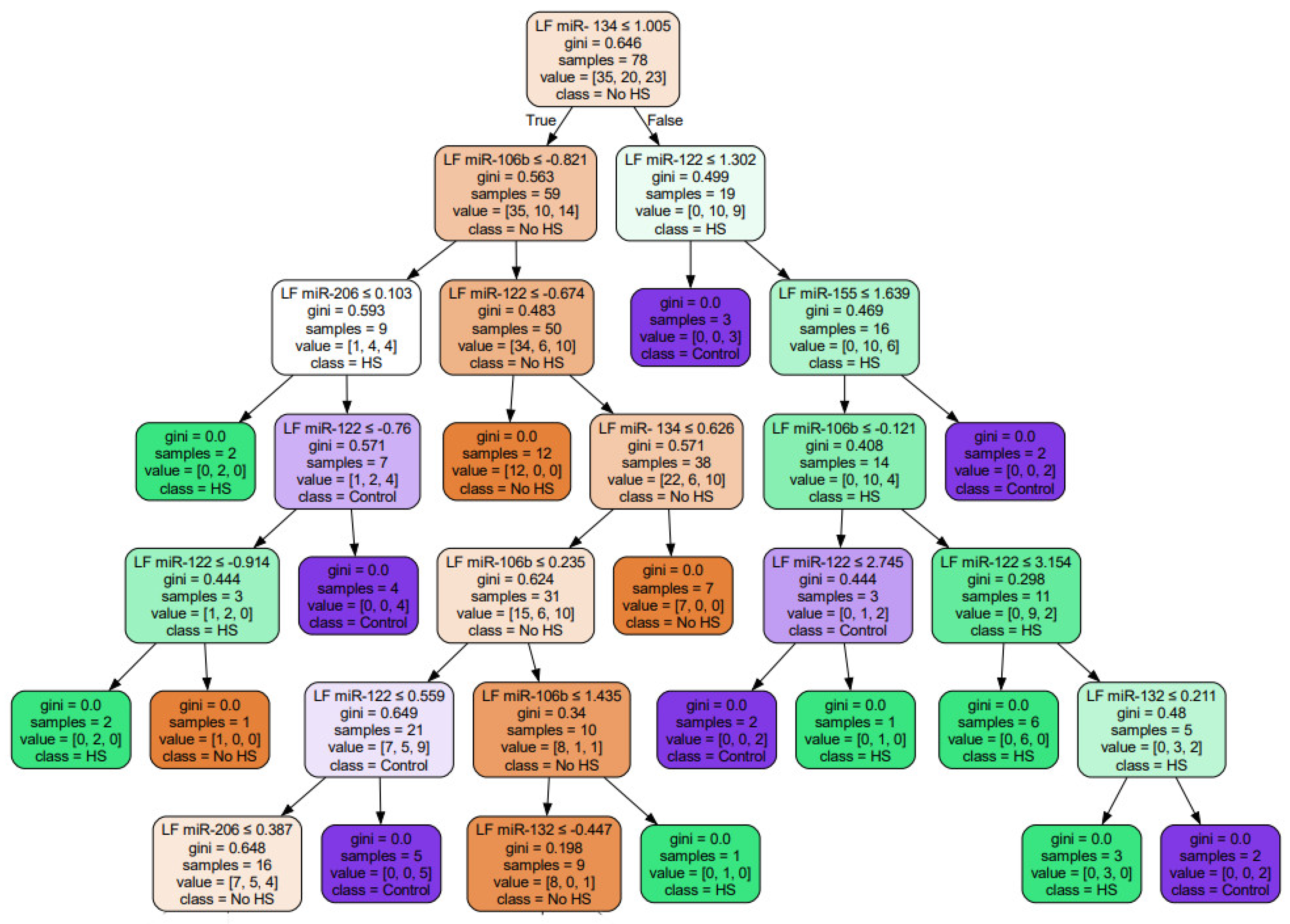
In addition, we additionally constructed a Decision tree, a nonparametric supervised learning algorithm used for classification problems with depth = 7 (Figure 7). The Gini index, specified for each node, measures impurity in decision nodes, helping to create efficient partitions. The Gini index ranges from 0 to 1, where «0» indicates that all elements belong to a particular class or there is only one class (pure), and «1» indicates that elements are randomly distributed across different classes (impure).
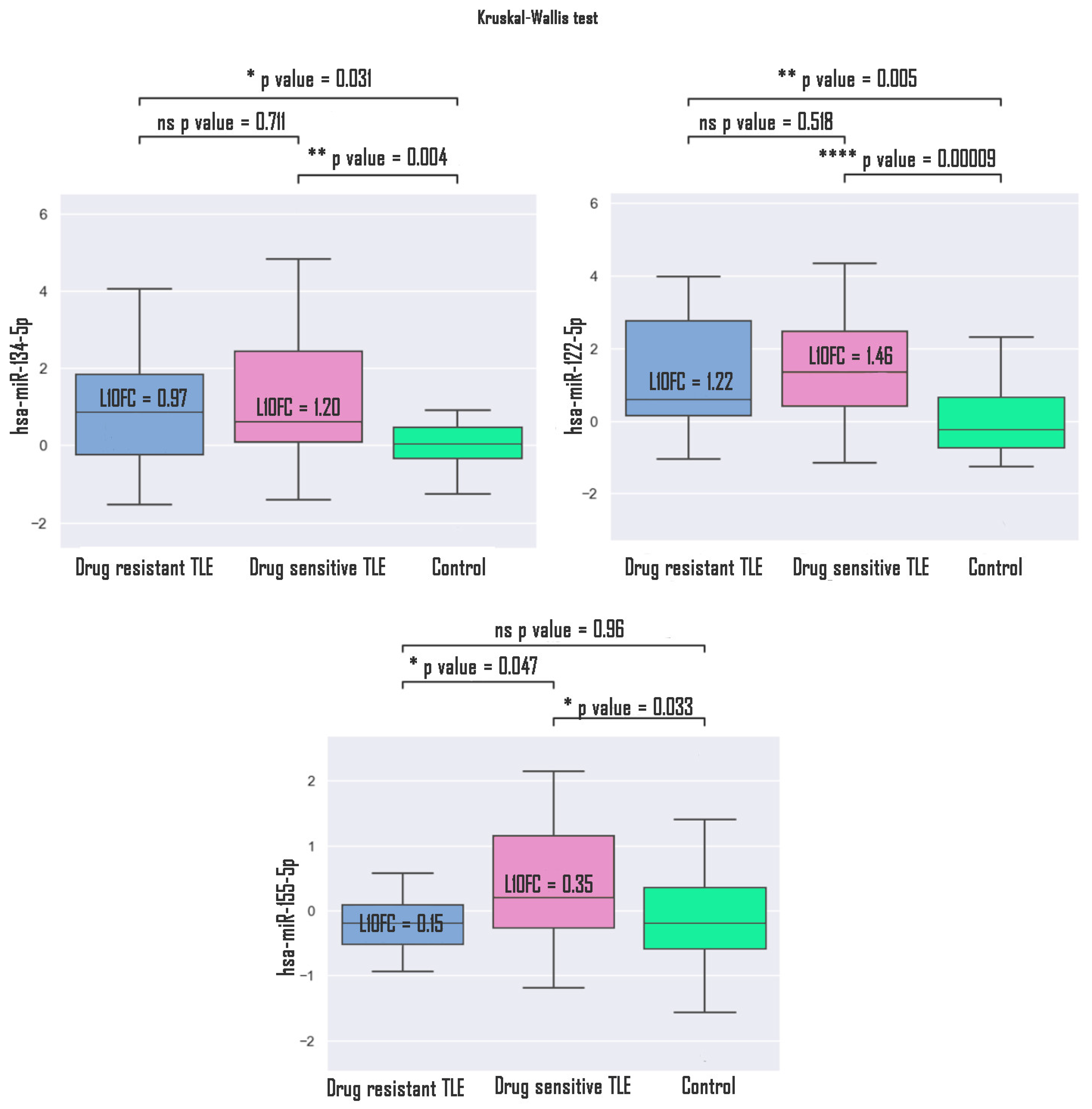
Additionally, within the TLE group, a comparison of expression patterns was performed between drug-resistant (DR, n = 18) and drug-sensitive (DS, n = 34) patients. hsa-miR-134-5p and hsa-miR-122-5p successfully discriminated DR patients (l10f = 0.97, p = 0.031; l10f = 1.22, p = 0.005 for hsa-miR-134-5p and hsa-miR-122-5p, respectively) and DS patients from the control (l10f = 1.20, p = 0.004; l10f = 1.46, p = 0.00009 for hsa-miR-134-5p and hsa-miR-122-5p, respectively) (Figure 8), also hsa-miR-155-5p can discriminate DS patients from control (l10fc = 0.35, p=0.03) and DR patients from DS patients (l10fc = 0.15, p = 0.04).
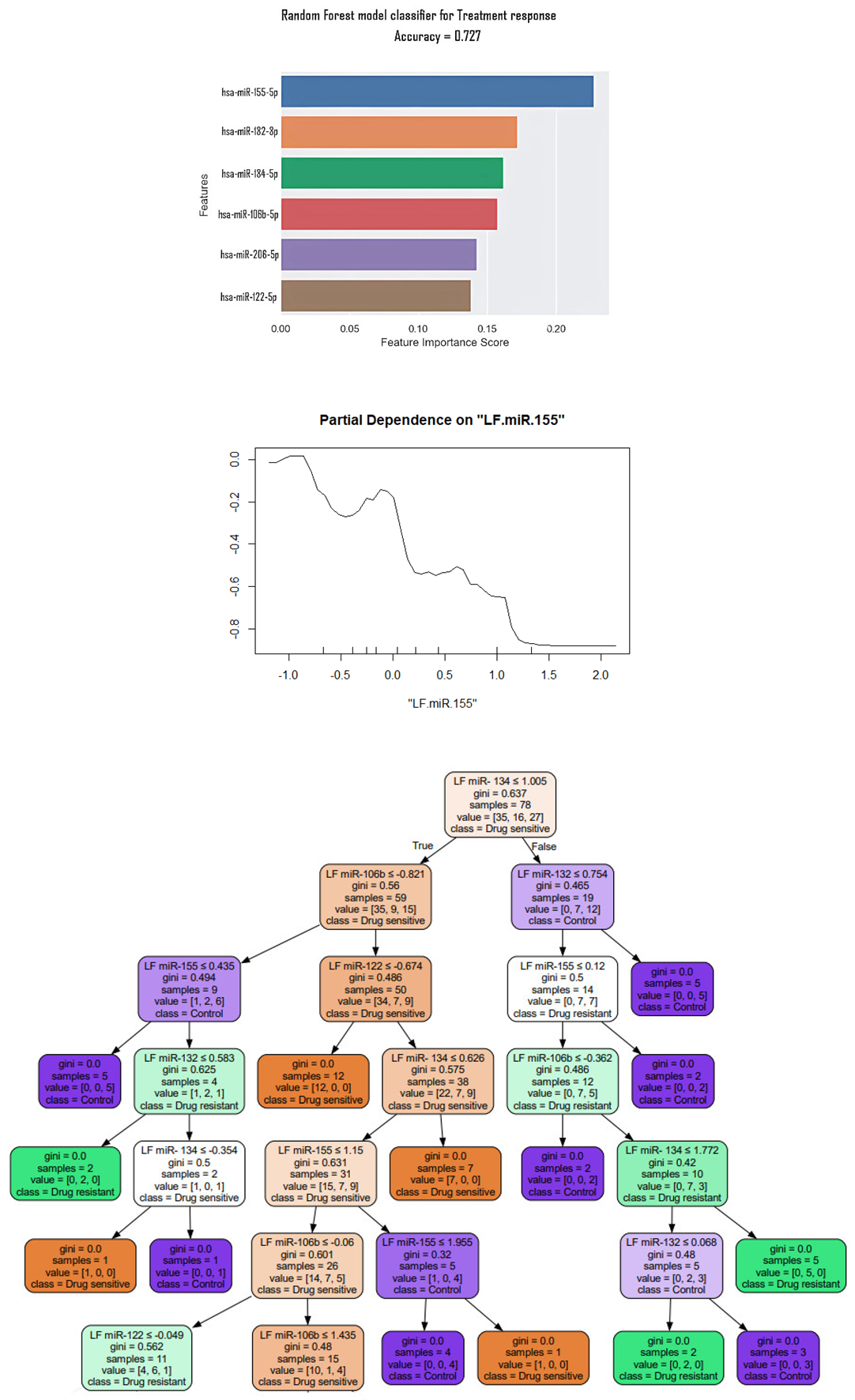
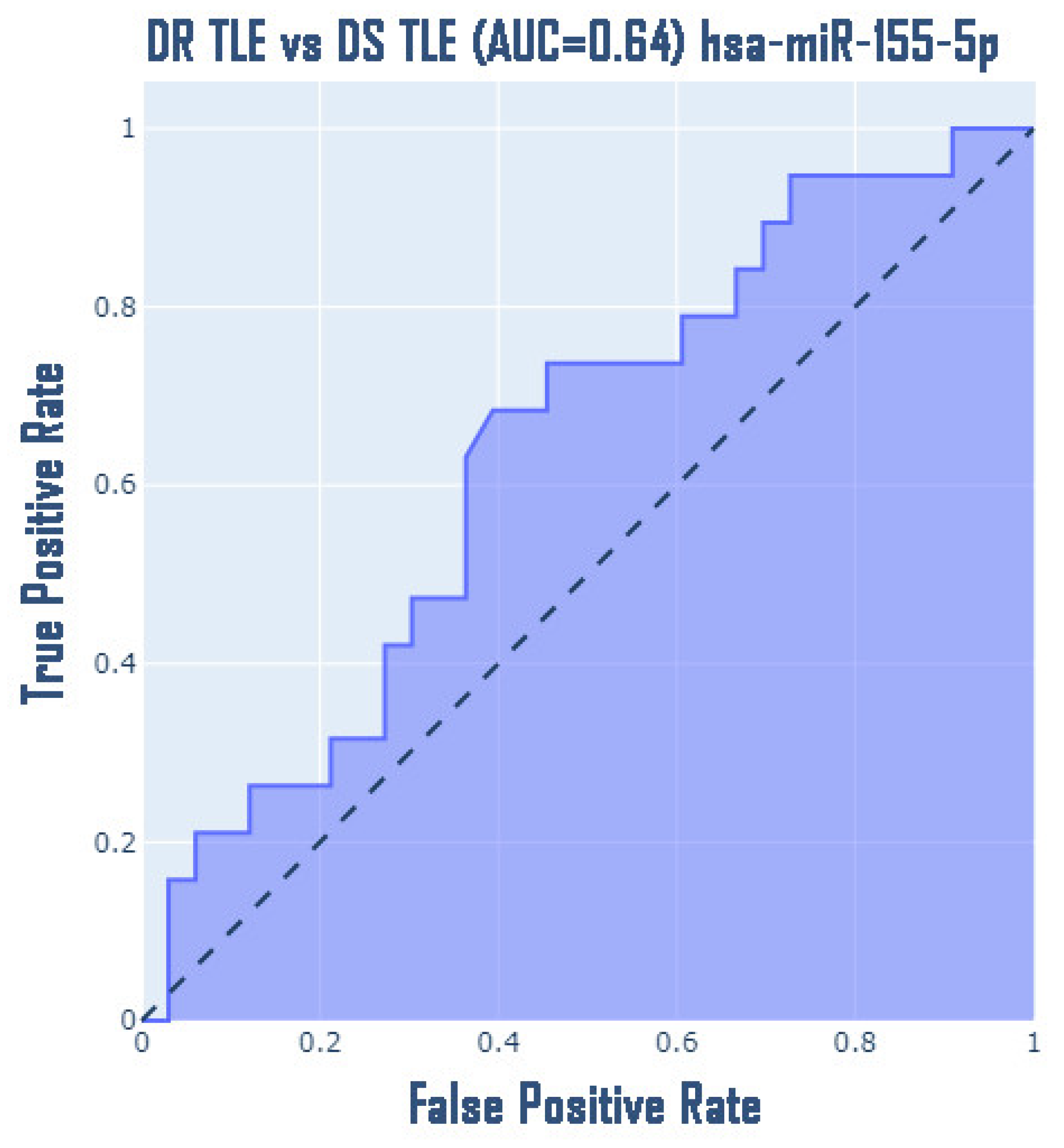
A Random Forest and Decision tree model were also created to classify the data and identify the factors that have the greatest impact on classification (Figure 9). The most significant factor for classifying drug sensitive and drug resistant patients was the expression of hsa-miR-155-5p with an accuracy of 0.73. The partial dependence plot demonstrates a characteristic decrease in hsa-miR-155-5p expression for the DR group of patients. L10fc for DR patients in comparison with DS patients was -0.499 but p value was near 0.05. The studied samples were of different sizes, which is a limitation, therefore the presence or absence of statistically significant differences may be a consequence of this limitation.
Interestingly, the obtained data are confirmed by the conducted ROC analysis, classifying drug resistant and drug sensitive patients with TLE based on the expression data of hsa-miR-155-5p microRNA. In particular, AUC = 0.67 with CI [0.49; 0.79] (Figure 10), however, an attempt to discriminate these groups by other microRNAs does not allow this to be done: hsa-miR-134-5p: AUC = 0.53, CI [0.30; 0.64], hsa-miR-106b-5p: AUC = 0.50, CI [0.34; 0.66], hsa-miR-122-5p: AUC = 0.55, CI [0.28; 0.61], hsa-miR-132-3p: AUC = 0.54, CI [0.26; 0.62], hsa-miR-206-5p: AUC = 0.51, CI [0.35; 0.67].
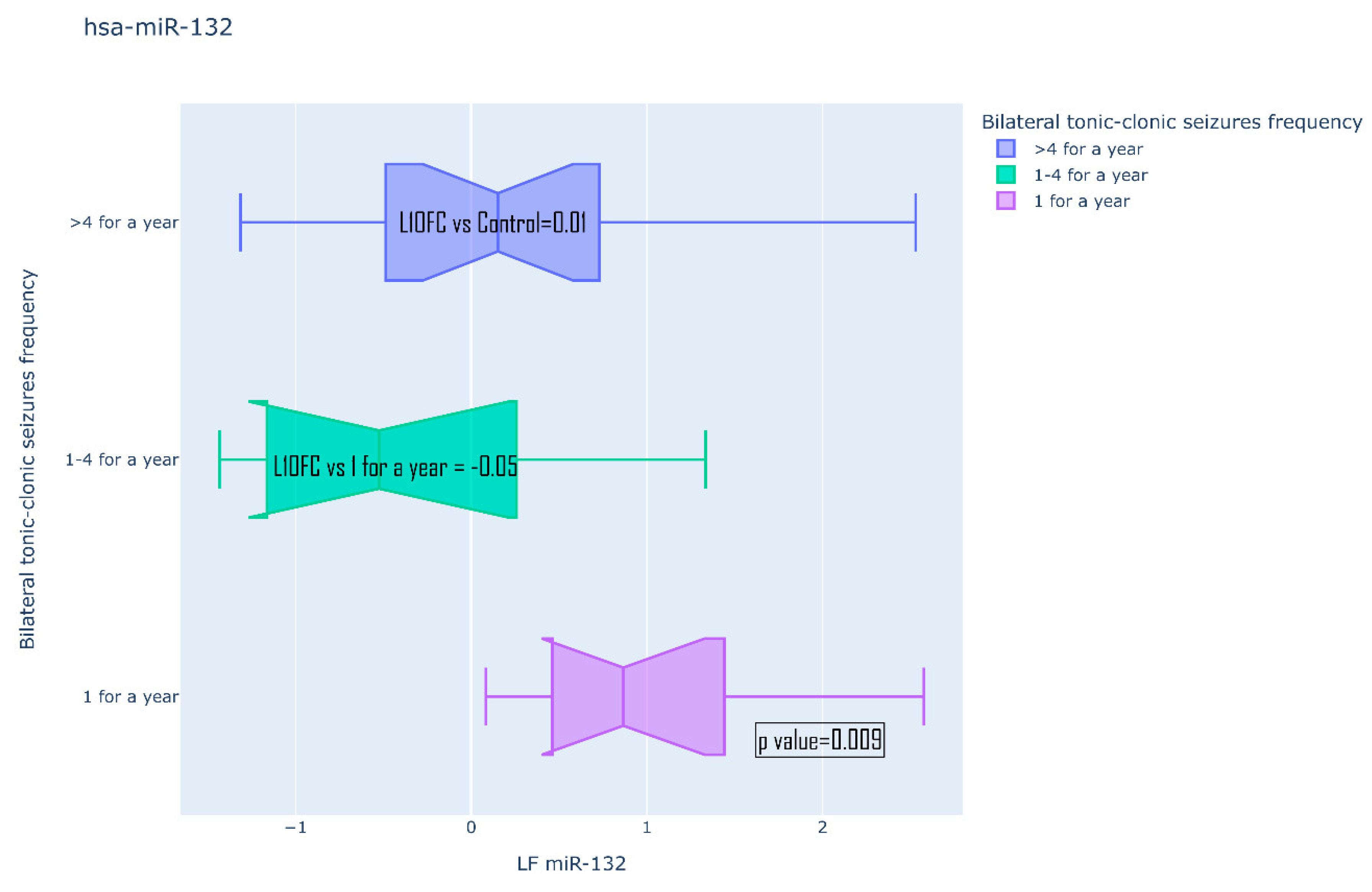
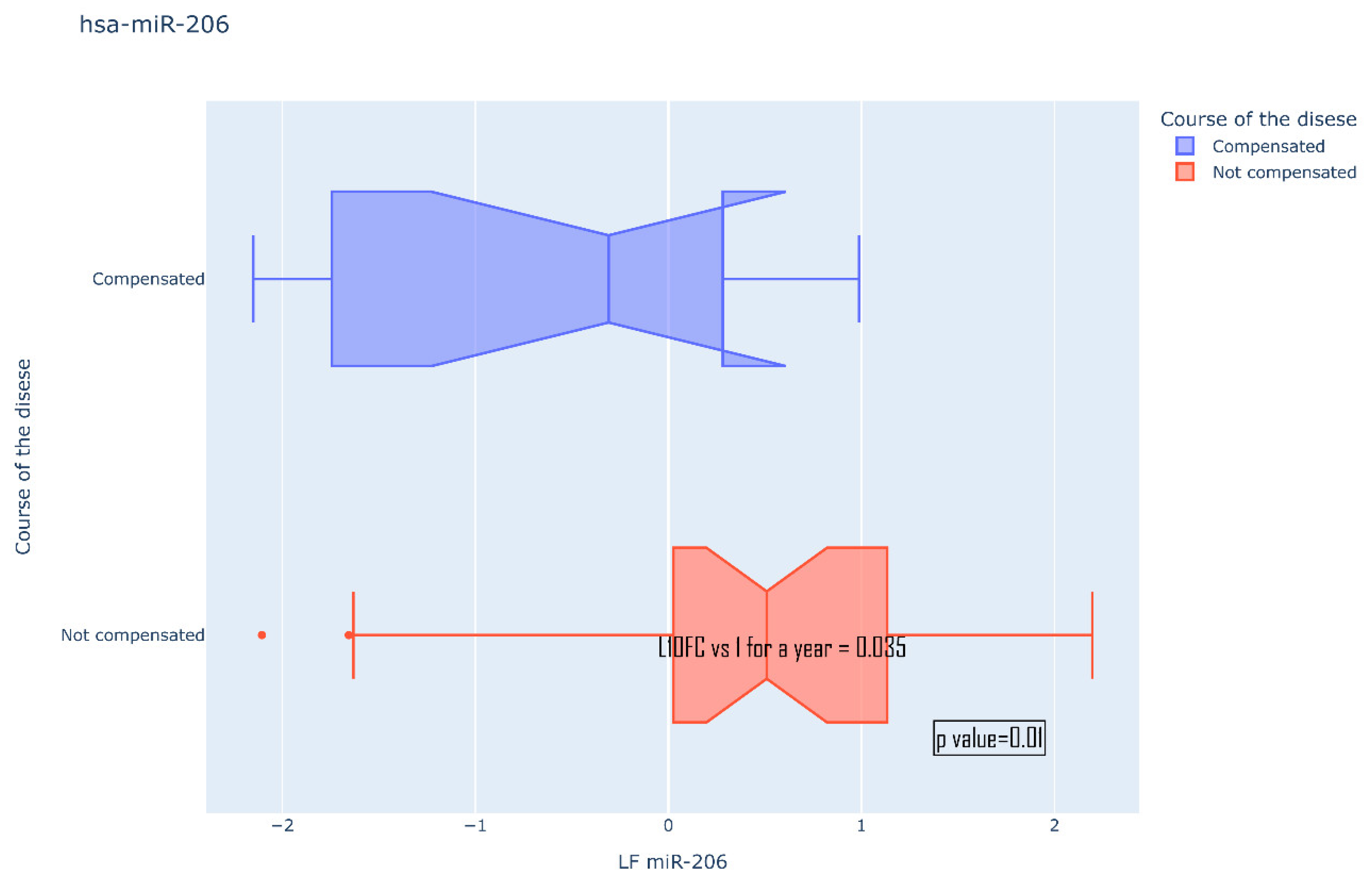
The presence of statistically significant differences was also assessed for all other anamnestic characteristics. Among the significantly different ones, the following were identified: the expression pattern of hsa-miR-206 between the groups of compensated and uncompensated disease course in the JME cohort, as well as for hsa-miR-132-3p between different frequencies of bilateral tonic clonic seizures (BTCS) in the TLE cohort (Figure 11 and Figure 12). No statistically significant differences in the expression of the studied microRNAs for gender, the presence or absence of serial course, or the frequency of GTCS were found. All the studied data are compiled in Table 2.
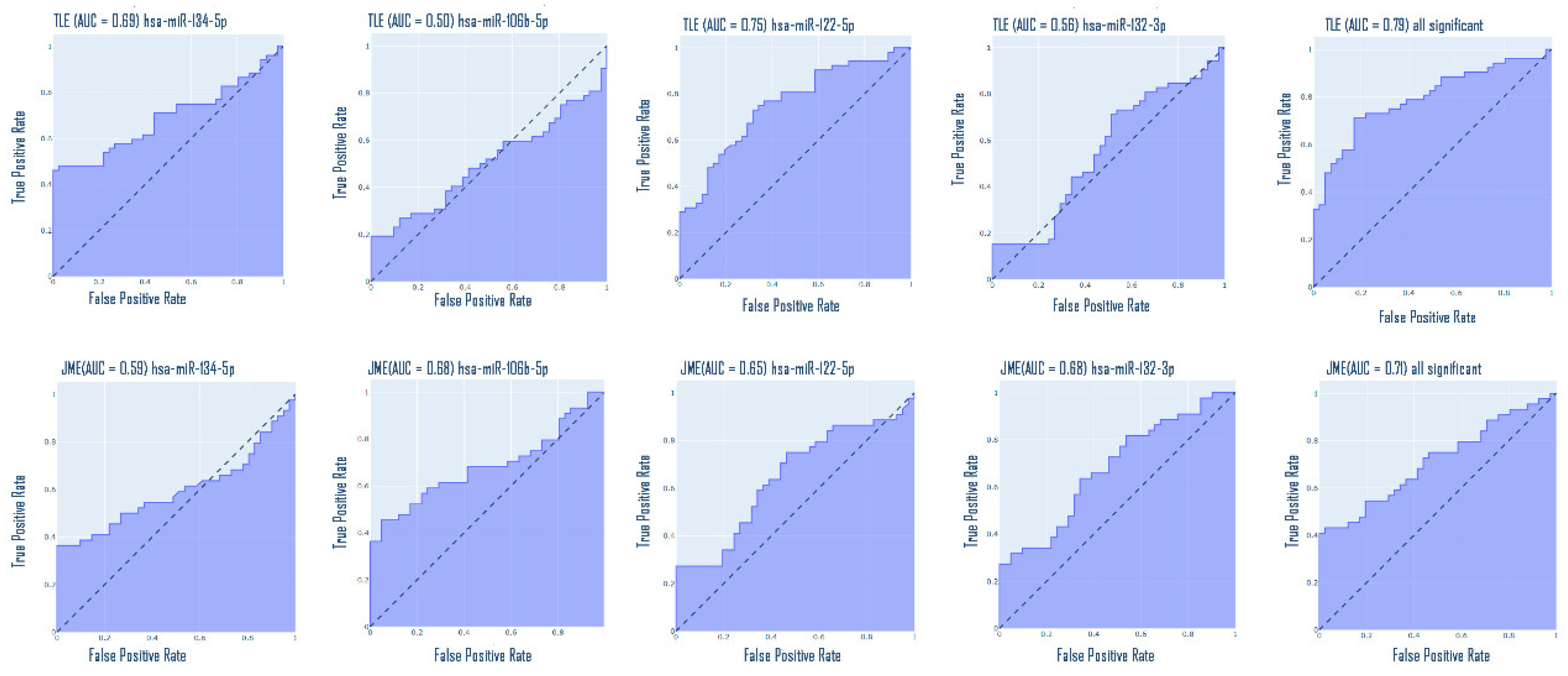
For each group, a binary classification analysis was performed using ROC curves, using expression data of only four statistically significant miRNAs. Classification of TLE from control demonstrated hsa-miR-134-5p AUC (area under the curve) = 0.69, CI (confidence interval) [0.59; 0.80]; hsa-miR-122-5p AUC = 0.75, CI [0.67; 0.86], the fusion of all four miRNAs demonstrated AUC = 0.79. hsa-miR-106b-5p and hsa-miR-132-3p with AUC = 0.5 and CI [0.39; 0.63], AUC = 0.56 and CI [0.45; 0.69] respectively do not allow to discriminate TLE from control with sufficient reliability.
Classification of JME from control demonstrated: hsa-miR-106-5p AUC = 0.69, CI [0.56; 0.79]; hsa-miR-122-5p AUC = 0.65, CI [0.53; 0.77]; hsa-miR-132-3p AUC = 0.68, CI [0.57; 0.79], the fusion of all four microRNAs demonstrated AUC = 0.71. hsa-miR-134-5p with AUC = 0.59 and CI [0.46; 0.72] does not allow to discriminate JME from control with sufficient reliability.
All obtained ROC curves are presented in Figure 13.
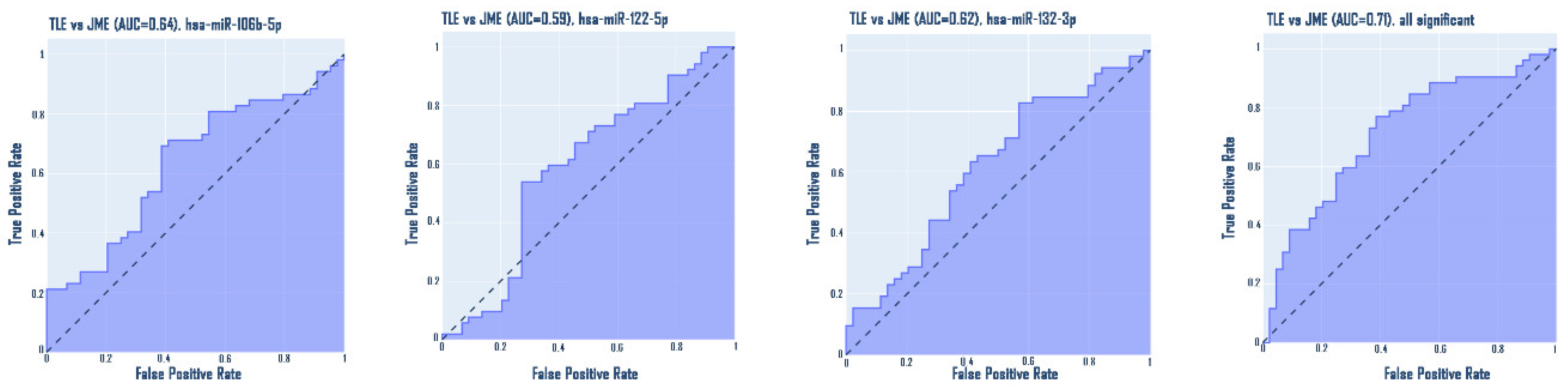
Also, additional ROC analysis was performed for TLE and JME groups based on the expression data of significantly different microRNAs: hsa-miR-106b-5p, hsa-miR-122-5p and has-miR-132-3p. hsa-miR-106b-5p allows differentiating TLE versus JME: AUC = 0.64, CI [0.26; 0.49]. hsa-miR-122-5p allows differentiating TLE versus JME: AUC = 0.58, CI [0.48; 0.72]. hsa-miR-132-3p allows differentiating TLE versus JME: AUC =0.62, CI [0.27; 0.49]. The fusion of both microRNAs demonstrated AUC = 0.71 (Figure 14). Additionally, we performed ROC analysis for the remaining microRNAs: hsa-miR-134-5p: AUC = 0.55, CI [0.43; 0.67], hsa-miR-155-5p: AUC = 0.51, CI [0.38; 0.61], hsa-miR-206-5p: AUC = 0.57, CI [0.32; 0.55].
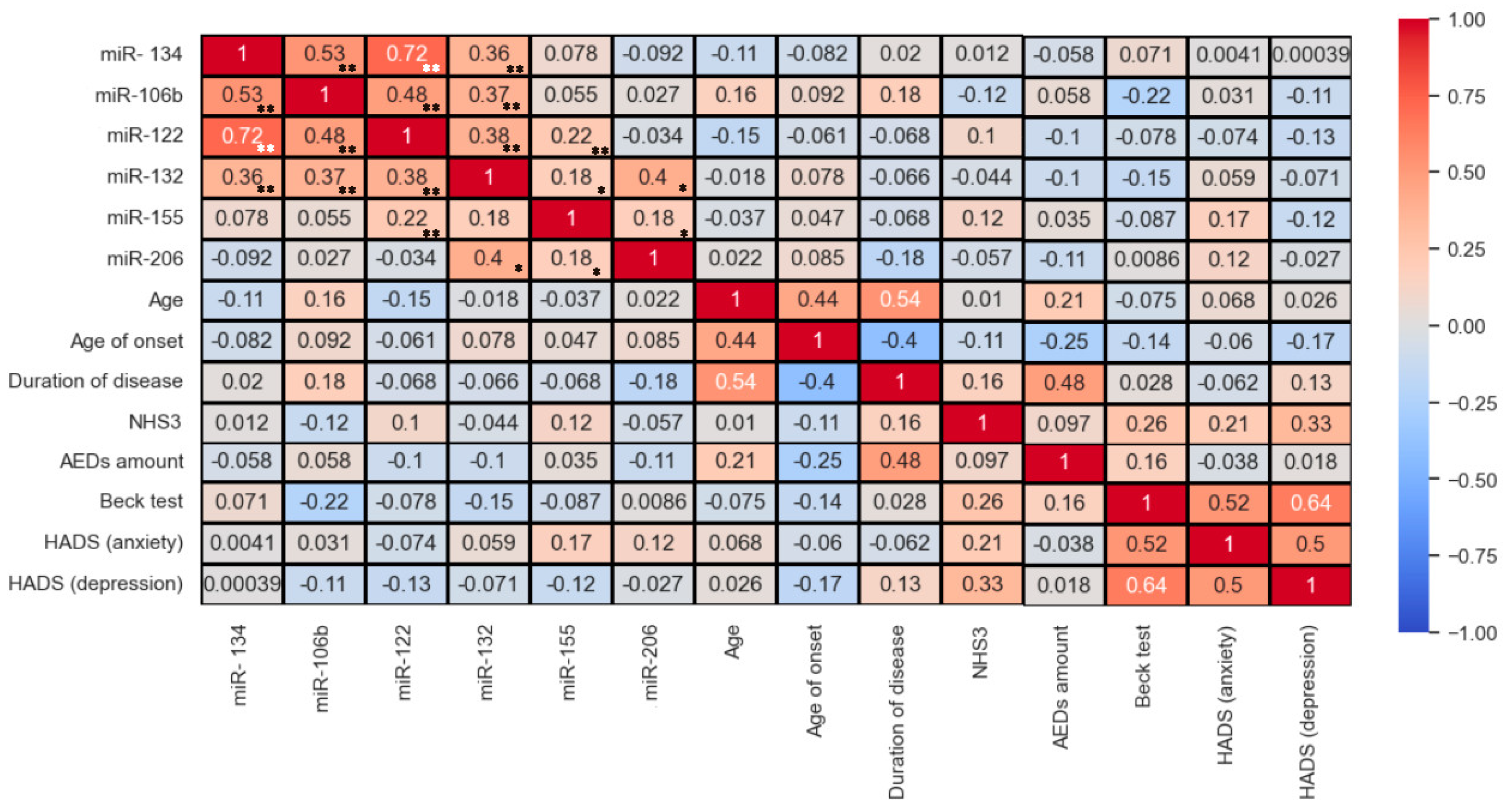
Analysis of data correlations demonstrated the presence of statistically significant correlations between the expression of various microRNAs. However, statistically significant correlations between microRNA expression and clinical characteristics of patients: age of onset, duration of the disease, test scores were not revealed (Figure 15).
Spearman correlation analysis demonstrated the presence of significant but not very strong correlations between the expression of microRNAs: hsa-miR-134-5p and hsa-miR-106b: r = 0.53; hsa-miR-134-5p and hsa-miR-132-3p: r = 0.36; hsa-miR-106b-5p and hsa-miR-122-5p: r = 0.48; hsa-miR-106b-5p and hsa-miR-132-3p: r = 0.37; hsa-miR-122-5p and hsa-miR-155-5p: r = 0.22; hsa-miR-122-5p and hsa-miR-132-3p: r = 0.38; hsa-miR-206 and hsa-miR-132-3p: r = 0.40 and one strong correlation between hsa-miR-134-5p and hsa-miR-122-5p: r = 0.72.
Comparison of groups by disease duration, age at the time of the study, gender, seizure frequency and microRNA expression did not reveal statistically significant differences.
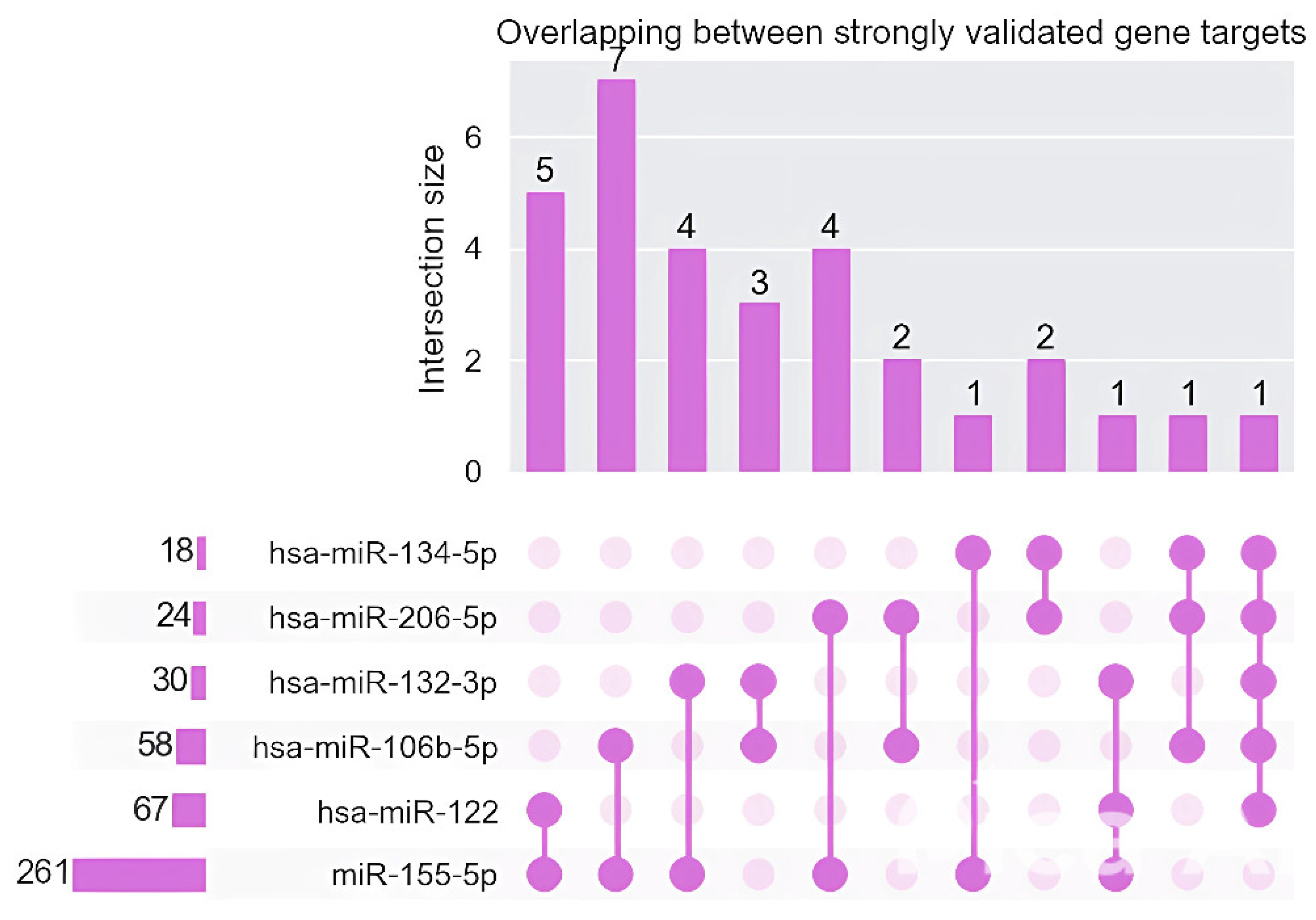
For each of the studied miRNAs, gene targets obtained from the miRtaRBase database with three strong validations (qPCR, Reporter assay, Western blot) were examined. An analysis of the presence of intersections between the gene targets of these miRNAs was performed, which demonstrated the presence of intersections (Figure 16).
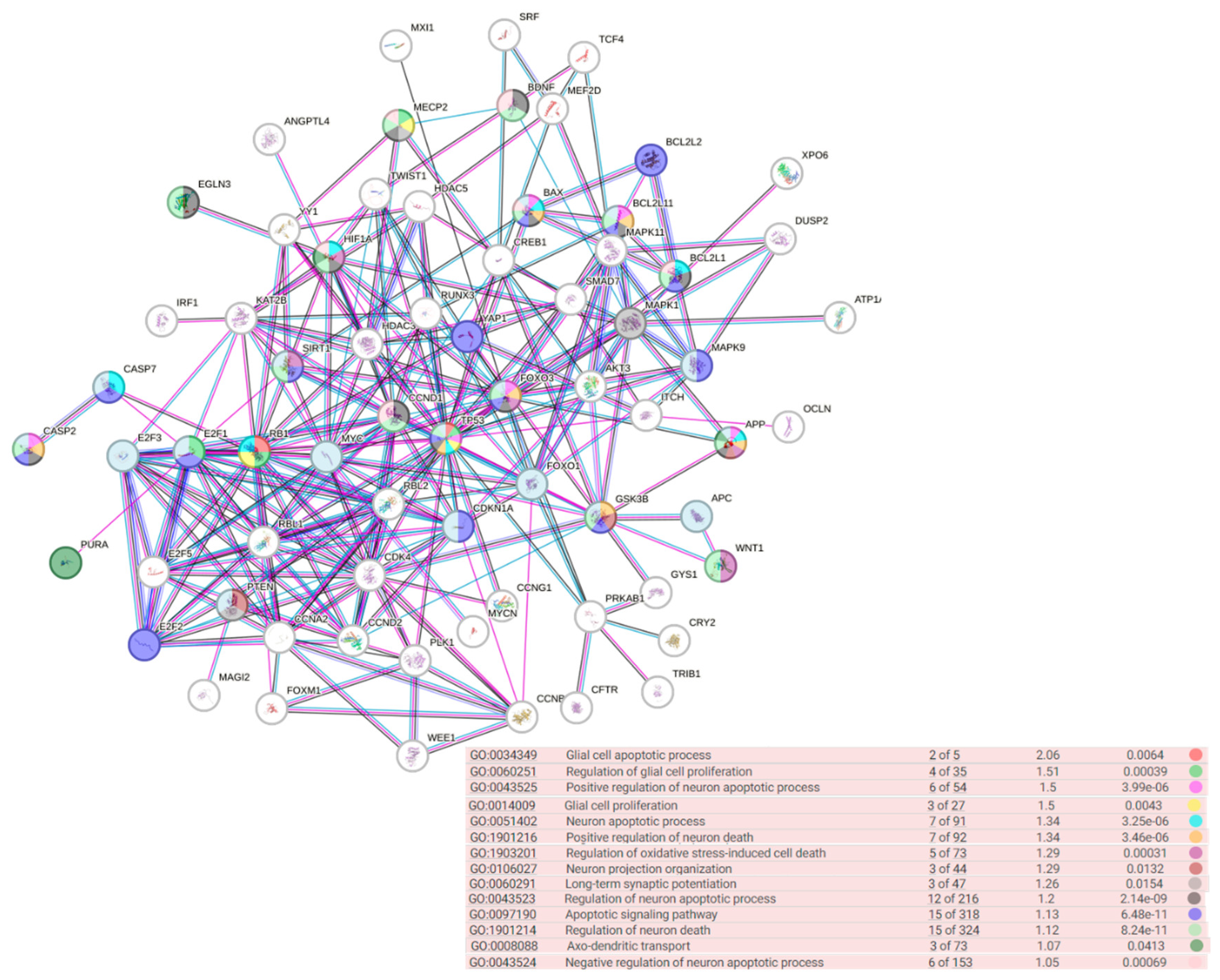
Analysis of biological processes regulated by gene targets revealed an interesting cluster of genes involved in CNS processes (Figure 17).
A significant pool of gene targets under the control of the studied microRNAs is involved in the processes of apoptosis, neural projection, oxidative stress, and glial proliferation.

4. Discussion

In this paper, we present the analysis of plasma expression of six microRNAs. The analysis revealed four microRNAs whose expression is significantly dysregulated. In particular, expression of hsa-miR-134-5p microRNA significantly distinguishes TLE from controls, hsa-miR-106b-5p allows discrimination of TLE from JME and JME from controls, hsa-miR-122-5p differs in TLE compared to controls and JME compared to controls, hsa-miR-132-3p differs in TLE compared to JME and JME compared to controls. The data obtained during the analysis of plasma expression allow not only to distinguish pathology from controls, but also to discriminate between different epileptic syndromes, which can serve as a good tool for additional diagnostics; in addition, blood plasma has an advantage over other biopsies due to its availability and ease of collection.
Hsa-miR-134-5p was significantly upregulated in the plasma of patients with TLE, this observation is confirmed with previous data. In particular, hsa-miR-134-5p was upregulated in the hippocampal tissues of children with mTLE [30], as well as in the brain tissues of animal models [31]. The antiseizure effect of inhibition of this microRNA has been demonstrated in significant amount of studies [32,33]. hsa-miR-134-5p is suggested to be involved in the control of dendritic spine morphology via targeting the LIM kinase-1 gene [34], which in turn inactivates cofilin through its phosphorylation. Repression of LIM kinase-1 by hsa-miR-134-5p results in abnormal dendritic spine architecture. Also, hsa-miR-134-5p was shown to be associated with induction of expression of the pro-apoptotic transcription factor C/EBP homologous protein (CHOP) [35], while silencing of hsa-miR-134-5p reduces CHOP and Bim expression in the hippocampus. Levels of this miRNA in plasma of patients with mTLE were also increased in the study by Leontariti et al. [36]. Post-hoc analysis of differences did not reveal statistical significance of this microRNA for the JME group, which may be explained by its specificity for the hippocampus [37]. Interestingly, despite the lack of statistically significant differences between the DS and DR patients, expression of this microRNA was downregulated in DR group in comparison with DS, which contradicts some previously obtained data [38] and confirmed other studies [39]. This fact can be explained by the small sample of DR patients, as well as the different sample sizes; continuation of research in this area and an increase in the size of the studied samples can shed light on the observations obtained. Thus, our findings suggest that hsa-miR-134-5p may be a potentially good diagnostic plasma marker of TLE, and also, due to its ability to discriminate drug resistant and drug sensitive from controls, a potential prognostic marker of the disease course.
hsa-miR-106b-5p significantly elevated in plasma of JME patients compared with TLE and controls was also elevated in other studies, including the study by Wang J. et al. (2015) [40]. This microRNA was elevated in the plasma of patients with epilepsy, most of whom were patients with IGE. Also, the obtained data are confirmed by previously conducted studies [41,42], examining the expression of this microRNA in serum and blood plasma. In addition, hsa-miR-106b-5p was elevated in the IGE patient group [43]. It was revealed that hsa-miR-106b-5p has a proepileptogenic function due to the induction of neuroinflammatory processes through the effect on TGFB [44]. Hsa-miR-106b-5p is associated with apoptosis-associated caspase-3 and caspase-9 [45].
hsa-miR-122-5p has not been previously studied in the context of epilepsy. However, it has been associated with acute cerebral events such as stroke [46,47], as well as Alzheimer’s disease [48]. There is evidence that hsa-miR-122-5p is associated with the FOXO3 gene and exerts a neuroprotective effect through the induction of the NF-κB cascade [49], which may be a compensatory response to seizure activity. In vitro data demonstrated that hsa-miR-122-5p was able to upregulate inflammatory factors and lead to microglial activation via targeting MLLT1 and inhibiting the PI3K/AKT pathway [50]. If we take into account the hypothesis of neuroinflammation induction, it is known that neuroinflammation is not a process specific to a particular epileptic syndrome [51], but is, in general, a process that characterizes epileptogenesis, therefore, significantly increased expression of this microRNA can be characteristic of both TLE and JME, nevertheless, our data on the expression of hsa-miR-122-5p allow us not only to discriminate the pathological phenotype from the control, but also to demarcate between different forms of epilepsy.
hsa-miR-132-3p has been shown to be overexpressed in the plasma of patients with JME. This miRNA has been most frequently studied in the context of TLE [52,53]. In the work of Tak A.Y. et al. (2024) [54] his microRNA was proposed as a diagnostic biomarker for IGE. The role of hsa-miR-132-3p as an inducer of inflammation is confirmed [55]. Also, hsa-miR-132-3p exerts proepileptic effects via modulation of the BDNF/TrkB pathway [56] and promotes the epileptogenic process. In the work of Martins-Ferreira R. et al. (2020), hsa-miR-132-3p was proposed as one of the diagnostic biomarkers of genetic generalized epilepsies (GGE) [57].
hsa-miR-155-5p and hsa-miR-206 showed an increase and decrease, respectively (for TLE), in expression in the experimental groups, however, this change in the expression profile was not statistically significant, despite the fact that these miRNAs have previously been reported to be associated with epilepsy [58,59]. hsa-miR-155-5p was also downregulated in DR patients in comparison with DS patients, but it couldn’t discriminate DR and control. Some studies conducted the fact what hsa-miR-155-5p is associated with drug resistant course of epilepsy [60,61], but in previous studies its expression was upregulated. Such results may be related to the characteristics of the sample, its relatively small size, which is a limitation of our study.
We conducted a study of plasma expression of microRNAs using two experimental groups. The obtained data allow us to propose four of the studied microRNAs as potential plasma biomarkers of epileptic syndrome. In addition, the obtained data also allow us to successfully discriminate patients by response to therapy, as well as the presence of hippocampal sclerosis.

5. Conclusion

Plasma expression of six microRNAs was analyzed: hsa-miR-134-5p, hsa-miR-106b-5p, hsa-miR-122-5p, hsa-miR-132-3p, hsa-miR-155-5p and hsa-miR-206. A statistically significant increase in hsa-miR-134-5p and hsa-miR-122-5p expression were found in the plasma of patients with TLE compared to the control; this microRNA also successfully discriminates drug-resistant TLE and drug-sensitive TLE from the control and hsa-miR-155-5p allow to classify patients in drug resistant and drug sensitive. A statistically significant increase in the expression of hsa-miR-106b-5p and hsa-miR-132-3p was also found in the plasma of patients with JME compared to the control. hsa-miR-122-5p was upregulated in patients with TLE in comparison with JME, while of hsa-miR-106-5p and of hsa-miR-132-3p were upregulated in patients with JME in comparison with TLE; hsa-miR-122-5p also allows discrimination between patients with and without hippocampal sclerosis from the control. The obtained results allow us to propose these microRNAs as plasma biomarkers of various epileptic syndromes. Our results are limited because only two epileptic syndromes were studied, while there are a significant number of them. Further in-depth research on this topic, expansion of the sample size, study of other types of epileptic syndromes, as well as other markers will allow us to better understand the role of microRNA in epileptic syndromes.

Author Contributions

Conceptualization, E.T. and D.D.; methodology, E.T., A. Ya. and K.L.; investigation, E.T., A. Ya., A.P., A.V.,; writing—original draft preparation, E.T., writing—review and editing, D.D., K. L., A.U., A. Ya., E.K., A. Ya.; supervision D.D. and K. L. All authors have read and agreed to the published version of the manuscript.

Funding

The study was conducted within the framework of the state assignment “Identification of predictors of drug-resistant course and outcomes of surgical treatment of epilepsy” 1023022100003-4.

Institutional Review Board Statement

The study was conducted in accordance with the recommendations of the Declaration of Helsinki and approved by the Local Ethics Committee of the Krasnoyarsk State Medical University named after Professor V.F. Voyno-Yasenetsky (extract from protocol No. 102/2020 dated November 27, 2020).

Informed Consent Statement

Informed consent was obtained from all subjects involved in the study.

Data Availability Statement

The data presented in this study are available on request from the corresponding author. The data are not publicly available due to internal regulations.

Conflicts of Interest

The authors declare no conflict of interest.

References

  1. Wirrell, E.; Tinuper, P.; Perucca, E.; Moshé, S.L. Introduction to the Epilepsy Syndrome Papers. Epilepsia 2022, 63, 1330–1332. [Google Scholar] [CrossRef] [PubMed]
  2. Epilepsy. Available online: https://www.who.int/news-room/fact-sheets/detail/epilepsy (accessed on 22 October 2024).
  3. Wirrell, E.C.; Nabbout, R.; Scheffer, I.E.; Alsaadi, T.; Bogacz, A.; French, J.A.; Hirsch, E.; Jain, S.; Kaneko, S.; Riney, K.; et al. Methodology for Classification and Definition of Epilepsy Syndromes with List of Syndromes: Report of the ILAE Task Force on Nosology and Definitions. Epilepsia 2022, 63, 1333–1348. [Google Scholar] [CrossRef] [PubMed]
  4. Eeg-Olofsson, O.; Petersén, I.; Selldén, U. The Development of the Electroencephalogram in Normal Children from the Age of 1 through 15 Years. Paroxysmal Activity. Neuropadiatrie 1971, 2, 375–404. [Google Scholar] [CrossRef]
  5. Cavazzuti, G.B.; Cappella, L.; Nalin, A. Longitudinal Study of Epileptiform EEG Patterns in Normal Children. Epilepsia 1980, 21, 43–55. [Google Scholar] [CrossRef]
  6. Seneviratne, U.; Cook, M.; D’Souza, W. Focal Abnormalities in Idiopathic Generalized Epilepsy: A Critical Review of the Literature. Epilepsia 2014, 55, 1157–1169. [Google Scholar] [CrossRef]
  7. Elshetihy, A.; Nergiz, L.; Cloppenborg, T.; Woermann, F.G.; Müffelmann, B.; Bien, C.G. A Complex Case with Generalized Epilepsy, Probable Focal Seizures, and Functional Seizures. Epilepsy Behav Rep 2024, 27, 100684. [Google Scholar] [CrossRef] [PubMed]
  8. Devinsky, O.; Elder, C.; Sivathamboo, S.; Scheffer, I.E.; Koepp, M.J. Idiopathic Generalized Epilepsy Misunderstandings, Challenges, and Opportunities. Neurology 2023, 102. [Google Scholar]
  9. Tang, S.; Yuan, K.; Chen, L. Molecular Biomarkers, Network Biomarkers, and Dynamic Network Biomarkers for Diagnosis and Prediction of Rare Diseases. Fundamental Research 2022, 2, 894–902. [Google Scholar] [CrossRef] [PubMed]
  10. Natalia, A.; Zhang, L.; Sundah, N.R.; Zhang, Y.; Shao, H. Analytical Device Miniaturization for the Detection of Circulating Biomarkers. Nature Reviews Bioengineering 2023 1:7 2023, 1, 481–498. [Google Scholar] [CrossRef]
  11. van Vliet, E.A.; Aronica, E.; Gorter, J.A. Blood–Brain Barrier Dysfunction, Seizures and Epilepsy. Semin Cell Dev Biol 2015, 38, 26–34. [Google Scholar] [CrossRef]
  12. Kiani, L. Blood–Brain Barrier Disruption Following Seizures. Nature Reviews Neurology 2023 19:4 2023, 19, 196–196. [Google Scholar] [CrossRef]
  13. Panina, Y.S.; Timechko, E.E.; Usoltseva, A.A.; Yakovleva, K.D.; Kantimirova, E.A.; Dmitrenko, D. V. Biomarkers of Drug Resistance in Temporal Lobe Epilepsy in Adults. Metabolites 2023, 13. [Google Scholar] [CrossRef] [PubMed]
  14. Walker, L.E.; Frigerio, F.; Ravizza, T.; Ricci, E.; Tse, K.; Jenkins, R.E.; Sills, G.J.; Jorgensen, A.; Porcu, L.; Thippeswamy, T.; et al. Molecular Isoforms of High-Mobility Group Box 1 Are Mechanistic Biomarkers for Epilepsy. J Clin Invest 2017, 127, 2118–2132. [Google Scholar] [CrossRef]
  15. Shpak, A.A.; Guekht, A.B.; Druzhkova, T.A.; Rider, F.K.; Gulyaeva, N. V. Brain-Derived Neurotrophic Factor in Blood Serum and Lacrimal Fluid of Patients with Focal Epilepsy. Epilepsy Res 2021, 176, 106707. [Google Scholar] [CrossRef]
  16. Hong, Z.; Li, W.; Qu, B.; Zou, X.; Chen, J.; Sander, J.W.; Zhou, D. Serum Brain-Derived Neurotrophic Factor Levels in Epilepsy. Eur J Neurol 2014, 21, 57–64. [Google Scholar] [CrossRef] [PubMed]
  17. Costa, A.M.; Lo Barco, T.; Spezia, E.; Conti, V.; Roli, L.; Marini, L.; Minghetti, S.; Caramaschi, E.; Pietrangelo, L.; Pecoraro, L.; et al. Prospective Evaluation of Ghrelin and Des-Acyl Ghrelin Plasma Levels in Children with Newly Diagnosed Epilepsy: Evidence for Reduced Ghrelin-to-Des-Acyl Ghrelin Ratio in Generalized Epilepsies. J Pers Med 2022, 12. [Google Scholar] [CrossRef]
  18. Hanin, A.; Denis, J.A.; Frazzini, V.; Cousyn, L.; Imbert-Bismut, F.; Rucheton, B.; Bonnefont-Rousselot, D.; Marois, C.; Lambrecq, V.; Demeret, S. Neuron Specific Enolase, S100-Beta Protein and Progranulin as Diagnostic Biomarkers of Status Epilepticus. epilepticus. Journal of Neurology 2022. [CrossRef]
  19. Liang, K.G.; Mu, R.Z.; Liu, Y.; Jiang, D.; Jia, T.T.; Huang, Y.J. Increased Serum S100B Levels in Patients with Epilepsy: A Systematic Review and Meta-Analysis Study. Front Neurosci 2019, 13, 456. [Google Scholar] [CrossRef] [PubMed]
  20. Banote, R.K.; Akel, S.; Zelano, J. Blood Biomarkers in Epilepsy. Acta Neurol Scand 2022, 146, 362. [Google Scholar] [CrossRef] [PubMed]
  21. O’Brien, J.; Hayder, H.; Zayed, Y.; Peng, C. Overview of MicroRNA Biogenesis, Mechanisms of Actions, and Circulation. Front Endocrinol (Lausanne) 2018, 9, 402. [Google Scholar] [CrossRef]
  22. Jovičić, A.; Roshan, R.; Moisoi, N.; Pradervand, S.; Moser, R.; Pillai, B.; Luthi-Carter, R. Comprehensive Expression Analyses of Neural Cell-Type-Specific MiRNAs Identify New Determinants of the Specification and Maintenance of Neuronal Phenotypes. J Neurosci 2013, 33, 5127–5137. [Google Scholar] [CrossRef] [PubMed]
  23. Lu, J.; Zhou, N.; Yang, P.; Deng, L.; Liu, G. MicroRNA-27a-3p Downregulation Inhibits Inflammatory Response and Hippocampal Neuronal Cell Apoptosis by Upregulating Mitogen-Activated Protein Kinase 4 (MAP2K4) Expression in Epilepsy: In Vivo and In Vitro Studies. Med Sci Monit 2019, 25, 8499–8508. [Google Scholar] [CrossRef] [PubMed]
  24. Li, T.R.; Jia, Y.J.; Ma, C.; Qiu, W.Y.; Wang, Q.; Shao, X.Q.; Lv, R.J. The Role of the MicroRNA-146a/Complement Factor H/Interleukin-1β-Mediated Inflammatory Loop Circuit in the Perpetuate Inflammation of Chronic Temporal Lobe Epilepsy. Dis Model Mech 2018, 11. [Google Scholar] [CrossRef]
  25. Wang, J.; Zhao, J. MicroRNA Dysregulation in Epilepsy: From Pathogenetic Involvement to Diagnostic Biomarker and Therapeutic Agent Development. Front Mol Neurosci 2021, 14, 650372. [Google Scholar] [CrossRef] [PubMed]
  26. Zheng, X.H.; Cui, C.; Zhou, X.X.; Zeng, Y.X.; Jia, W.H. Centrifugation: An Important Pre-Analytic Procedure That Influences Plasma MicroRNA Quantification during Blood Processing. Chin J Cancer 2013, 32, 667. [Google Scholar] [CrossRef] [PubMed]
  27. Livak, K.J.; Schmittgen, T.D. Analysis of Relative Gene Expression Data Using Real-Time Quantitative PCR and the 2−ΔΔCT Method. Methods 2001, 25, 402–408. [Google Scholar] [CrossRef] [PubMed]
  28. Rice, J.; Roberts, H.; Rai, S.N.; Galandiuk, S. Housekeeping Genes for Studies of Plasma MicroRNA: A Need for More Precise Standardization. Surgery 2015, 158, 1345–1351. [Google Scholar] [CrossRef] [PubMed]
  29. Avansini, S.H.; De Sousa Lima, B.P.; Secolin, R.; Santos, M.L.; Coan, A.C.; Vieira, A.S.; Torres, F.R.; Carvalho, B.S.; Alvim, M.K.M.; Morita, M.E.; et al. MicroRNA Hsa-MiR-134 Is a Circulating Biomarker for Mesial Temporal Lobe Epilepsy. PLoS One 2017, 12, e0173060. [Google Scholar] [CrossRef]
  30. Peng, J.; Omran, A.; Ashhab, M.U.; Kong, H.; Gan, N.; He, F.; Yin, F. Expression Patterns of MiR-124, MiR-134, MiR-132, and MiR-21 in an Immature Rat Model and Children with Mesial Temporal Lobe Epilepsy. J Mol Neurosci 2013, 50, 291–297. [Google Scholar] [CrossRef]
  31. Reschke, C.R.; Silva, L.F.A.; Norwood, B.A.; Senthilkumar, K.; Morris, G.; Sanz-Rodriguez, A.; Conroy, R.M.; Costard, L.; Neubert, V.; Bauer, S.; et al. Potent Anti-Seizure Effects of Locked Nucleic Acid Antagomirs Targeting MiR-134 in Multiple Mouse and Rat Models of Epilepsy. Mol Ther Nucleic Acids 2016, 6, 45. [Google Scholar] [CrossRef] [PubMed]
  32. Wood, H. Silencing of MiR-134 Suppresses Seizures in Mice. Nature Reviews Neurology 2012 8:8 2012, 8, 413–413. [Google Scholar] [CrossRef]
  33. Jimenez-Mateos, E.M.; Engel, T.; Merino-Serrais, P.; McKiernan, R.C.; Tanaka, K.; Mouri, G.; Sano, T.; O’Tuathaigh, C.; Waddington, J.L.; Prenter, S.; et al. Silencing MicroRNA-134 Produces Neuroprotective and Prolonged Seizure-Suppressive Effects. Nat Med 2012, 18, 1087. [Google Scholar] [CrossRef] [PubMed]
  34. Schratt, G.M.; Tuebing, F.; Nigh, E.A.; Kane, C.G.; Sabatini, M.E.; Kiebler, M.; Greenberg, M.E. A Brain-Specific MicroRNA Regulates Dendritic Spine Development. Nature 2006, 439, 283–289. [Google Scholar] [CrossRef]
  35. Gao, X.; Guo, M.; Meng, D.; Sun, F.; Guan, L.; Cui, Y.; Zhao, Y.; Wang, X.; Gu, X.; Sun, J.; et al. Silencing MicroRNA-134 Alleviates Hippocampal Damage and Occurrence of Spontaneous Seizures After Intraventricular Kainic Acid-Induced Status Epilepticus in Rats. Front Cell Neurosci 2019, 13, 145. [Google Scholar] [CrossRef]
  36. Leontariti, M.; Avgeris, M.; Katsarou, M.S.; Drakoulis, N.; Siatouni, A.; Verentzioti, A.; Alexoudi, A.; Fytraki, A.; Patrikelis, P.; Vassilacopoulou, D.; et al. Circulating MiR-146a and MiR-134 in Predicting Drug-Resistant Epilepsy in Patients with Focal Impaired Awareness Seizures. Epilepsia 2020, 61, 959–970. [Google Scholar] [CrossRef] [PubMed]
  37. Wang, G.; Liu, Y.; Zhu, X.; Lin, K.; Li, M.; Wu, Z.; Zhang, R.; Zheng, Q.; Li, D.; An, T. Knockdown of MiRNA-134-5p Rescues Dendritic Deficits by Promoting AMPK-Mediated Mitophagy in a Mouse Model of Depression. Neuropharmacology 2022, 214, 109154. [Google Scholar] [CrossRef] [PubMed]
  38. Leontariti, M.; Avgeris, M.; Katsarou, M.S.; Drakoulis, N.; Siatouni, A.; Verentzioti, A.; Alexoudi, A.; Fytraki, A.; Patrikelis, P.; Vassilacopoulou, D.; et al. Circulating MiR-146a and MiR-134 in Predicting Drug-Resistant Epilepsy in Patients with Focal Impaired Awareness Seizures. Epilepsia 2020, 61, 959–970. [Google Scholar] [CrossRef]
  39. Avansini, S.H.; De Sousa Lima, B.P.; Secolin, R.; Santos, M.L.; Coan, A.C.; Vieira, A.S.; Torres, F.R.; Carvalho, B.S.; Alvim, M.K.M.; Morita, M.E.; et al. MicroRNA Hsa-MiR-134 Is a Circulating Biomarker for Mesial Temporal Lobe Epilepsy. PLoS One 2017, 12, e0173060. [Google Scholar] [CrossRef]
  40. Wang, J.; Yu, J.T.; Tan, L.; Tian, Y.; Ma, J.; Tan, C.C.; Wang, H.F.; Liu, Y.; Tan, M.S.; Jiang, T.; et al. Genome-Wide Circulating MicroRNA Expression Profiling Indicates Biomarkers for Epilepsy. Sci Rep 2015, 5. [Google Scholar] [CrossRef]
  41. Shen, C.H.; Zhang, Y.X.; Zheng, Y.; Yang, F.; Hu, Y.; Xu, S.; Yan, S.Q.; Ding, Y.; Guo, Y.; Ding, M.P. Expression of Plasma MicroRNA-145-5p and Its Correlation with Clinical Features in Patients with Refractory Epilepsy. Epilepsy Res 2019, 154, 21–25. [Google Scholar] [CrossRef] [PubMed]
  42. Sun, J.; Cheng, W.; Liu, L.; Tao, S.; Xia, Z.; Qi, L.; Huang, M. Identification of Serum MiRNAs Differentially Expressed in Human Epilepsy at Seizure Onset and Post-Seizure. Mol Med Rep 2016, 14, 5318–5324. [Google Scholar] [CrossRef]
  43. Moustafa, M.; Abokrysha, N.T.; Eldesoukey, N.A.; Amin, D.G.; Mounir, N.; Labib, D.M. Role of Circulating MiR 194-5p, MiR 106b, and MiR 146a as Potential Biomarkers for Epilepsy: A Case-Control Study. Egyptian Journal of Neurology, Psychiatry and Neurosurgery 2020, 56, 1–8. [Google Scholar] [CrossRef]
  44. Wang, H.; Liu, J.; Zong, Y.; Xu, Y.; Deng, W.; Zhu, H.; Liu, Y.; Ma, C.; Huang, L.; Zhang, L.; et al. MiR-106b Aberrantly Expressed in a Double Transgenic Mouse Model for Alzheimer’s Disease Targets TGF-β Type II Receptor. Brain Res 2010, 1357, 166–174. [Google Scholar] [CrossRef] [PubMed]
  45. Wang, J.; Tan, L.; Tan, L.; Tian, Y.; Ma, J.; Tan, C.C.; Wang, H.F.; Liu, Y.; Tan, M.S.; Jiang, T.; et al. Circulating MicroRNAs Are Promising Novel Biomarkers for Drug-Resistant Epilepsy. Sci Rep 2015, 5. [Google Scholar] [CrossRef] [PubMed]
  46. Yu, Y.; Li, P.; Chen, M.; Zhan, W.; Zhu, T.; Min, L.; Liu, H.; Lv, B. MiR-122 Overexpression Alleviates Oxygen–Glucose Deprivation-Induced Neuronal Injury by Targeting SPLA2-IIA. Frontiers in Neurology 2024, 15, 1395833. [Google Scholar] [CrossRef] [PubMed]
  47. Stanzione, R.; Bianchi, F.; Cotugno, M.; Marchitti, S.; Forte, M.; Busceti, C.; Ryskalin, L.; Fornai, F.; Volpe, M.; Rubattu, S. A Decrease of Brain MicroRNA-122 Level Is an Early Marker of Cerebrovascular Disease in the Stroke-Prone Spontaneously Hypertensive Rat. Oxid Med Cell Longev 2017, 2017, 1206420. [Google Scholar] [CrossRef] [PubMed]
  48. Song, C.; Li, S.; Mai, Y.; Li, L.; Dai, G.; Zhou, Y.; Liang, X.; Zou, O.M.; Wang, Y.; Zhou, L.; et al. Dysregulated Expression of MiR-140 and MiR-122 Compromised Microglial Chemotaxis and Led to Reduced Restriction of AD Pathology. J Neuroinflammation 2024, 21, 1–19. [Google Scholar] [CrossRef]
  49. Guo, D.; Ma, J.; Li, T.; Yan, L. Up-Regulation of MiR-122 Protects against Neuronal Cell Death in Ischemic Stroke through the Heat Shock Protein 70-Dependent NF-ΚB Pathway by Targeting FOXO3. Exp Cell Res 2018, 369, 34–42. [Google Scholar] [CrossRef] [PubMed]
  50. Yu, N.; Tian, W.; Liu, C.; Zhang, P.; Zhao, Y.; Nan, C.; Jin, Q.; Li, X.; Liu, Y. MiR-122-5p Promotes Peripheral and Central Nervous System Inflammation in a Mouse Model of Intracerebral Hemorrhage via Disruption of the MLLT1/PI3K/AKT Signaling. Neurochem Res 2023, 48, 3665–3682. [Google Scholar] [CrossRef] [PubMed]
  51. Li, W.; Wu, J.; Zeng, Y.; Zheng, W. Neuroinflammation in Epileptogenesis: From Pathophysiology to Therapeutic Strategies. Front Immunol 2023, 14, 1269241. [Google Scholar] [CrossRef]
  52. Korotkov, A.; Broekaart, D.W.M.; Banchaewa, L.; Pustjens, B.; van Scheppingen, J.; Anink, J.J.; Baayen, J.C.; Idema, S.; Gorter, J.A.; van Vliet, E.A.; et al. MicroRNA-132 Is Overexpressed in Glia in Temporal Lobe Epilepsy and Reduces the Expression of Pro-epileptogenic Factors in Human Cultured Astrocytes. Glia 2019, 68, 60. [Google Scholar] [CrossRef]
  53. Huang, Y.; Guo, J.; Wang, Q.; Chen, Y. MicroRNA-132 Silencing Decreases the Spontaneous Recurrent Seizures. Int J Clin Exp Med 2014, 7, 1639. [Google Scholar] [PubMed]
  54. Tak, A.Y.; Tak, N.; Uslu, F.I.; Yucesan, E. Diagnostic Panel of Three Genetic Biomarkers Based on Artificial Neural Network for Patients With Idiopathic Generalized Epilepsy. Acta Neurol Scand 2024, 2024, 8853018. [Google Scholar] [CrossRef]
  55. Xie, G.; Chen, H.; He, C.; Hu, S.; Xiao, X.; Luo, Q. The Dysregulation of MiRNAs in Epilepsy and Their Regulatory Role in Inflammation and Apoptosis. Funct Integr Genomics 2023, 23. [Google Scholar] [CrossRef] [PubMed]
  56. Ghafouri-Fard, S.; Hussen, B.M.; Abak, A.; Taheri, M.; Jalili Khoshnoud, R. Aberrant Expression of MiRNAs in Epilepsy. Mol Biol Rep 2022, 49, 5057–5074. [Google Scholar] [CrossRef] [PubMed]
  57. Martins-Ferreira, R.; Chaves, J.; Carvalho, C.; Bettencourt, A.; Chorão, R.; Freitas, J.; Samões, R.; Boleixa, D.; Lopes, J.; Ramalheira, J.; et al. Circulating MicroRNAs as Potential Biomarkers for Genetic Generalized Epilepsies: A Three MicroRNA Panel. Eur J Neurol 2020, 27, 660–666. [Google Scholar] [CrossRef]
  58. Wu, Z.; Liu, Y.; Huang, J.; Huang, Y.; Fan, L. MiR-206 Inhibits Epilepsy and Seizure-Induced Brain Injury by Targeting CCL2. Cytotechnology 2019, 71, 809. [Google Scholar] [CrossRef] [PubMed]
  59. Duan, W.; Chen, Y.; Wang, X.R. MicroRNA-155 Contributes to the Occurrence of Epilepsy through the PI3K/Akt/MTOR Signaling Pathway. Int J Mol Med 2018, 42, 1577–1584. [Google Scholar] [CrossRef] [PubMed]
  60. Çarman, K.B.; Tekin, H.G.; Çavuşoğlu, D.; Yarar, C.; Kaplan, E.; Karademir, C.N.; Arslantaş, D. Evaluation of MicroRNAs in Pediatric Epilepsy. Turkish Archives of Pediatrics 2023, 58, 429. [Google Scholar] [CrossRef]
  61. Huang, L.G.; Zou, J.; Lu, Q.C. Silencing Rno-MiR-155-5p in Rat Temporal Lobe Epilepsy Model Reduces Pathophysiological Features and Cell Apoptosis by Activating Sestrin-3. Brain Res 2018, 1689, 109–122. [Google Scholar] [CrossRef] [PubMed]
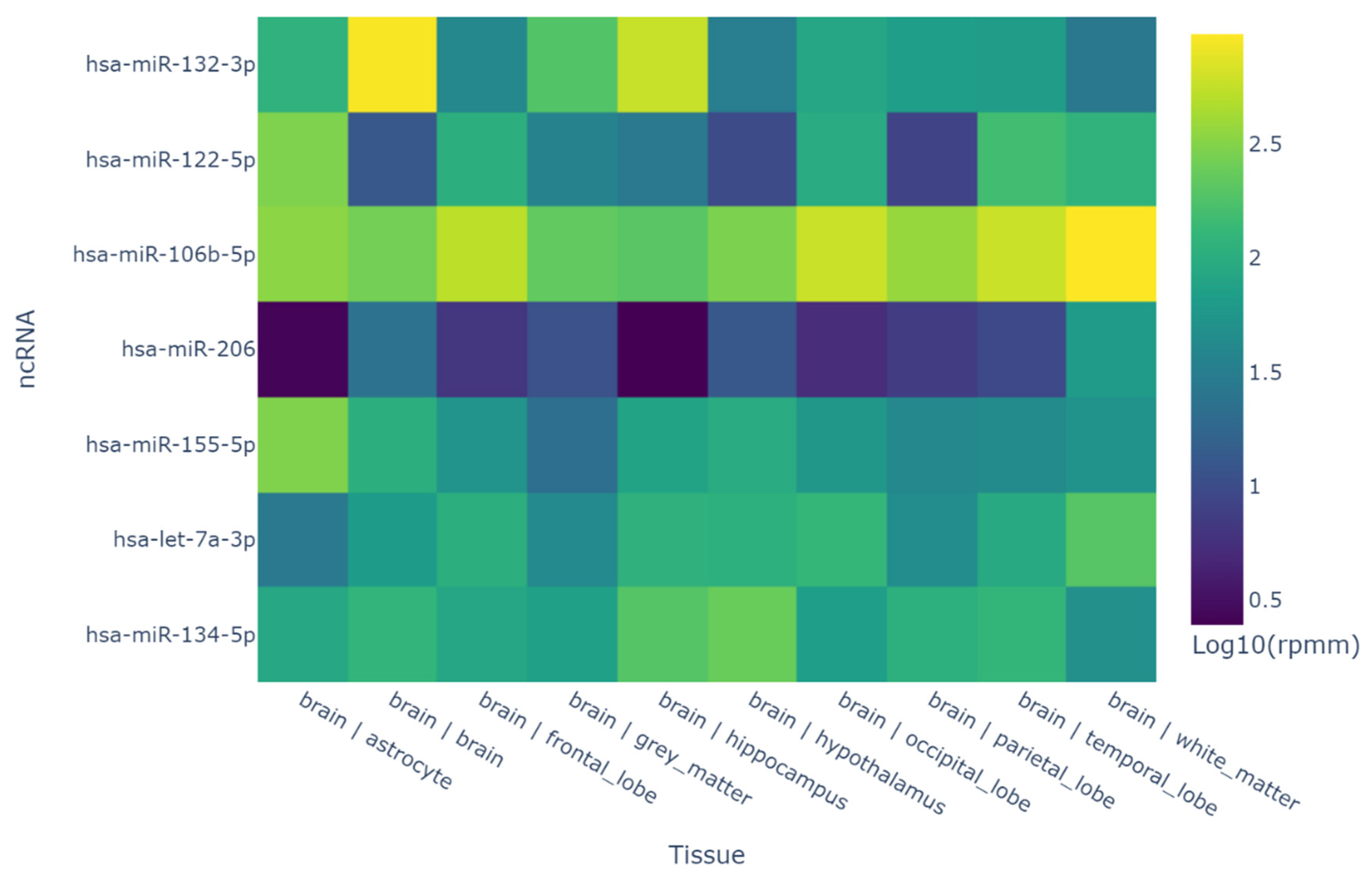
Figure 1. Expression of the studied microRNAs in the brain (rppm-reads per million normalization).
Preprints 143711 g001
Figure 2. MicroRNA expression pattern distribution for TLE, JME and control.
Preprints 143711 g002
Figure 3. Differential MicroRNA expression patterns.
Preprints 143711 g003
Figure 4. miR-106b-5p, miR-122-5p, miR-132-3p expression in TLE and JME.
Preprints 143711 g004
Figure 5. Expression of hsa-miR-122-5p microRNA in MRI-positive and MRI-negative patients compared to controls.
Preprints 143711 g005
Figure 6. Random Forest for classification on MRI-positive and MRI-negative.
Preprints 143711 g006
Figure 7. Decision tree for classification on MRI-positive, MRI-negative and control (gini-Gini index).
Preprints 143711 g007
Figure 8. Difference in expression patterns in DR and DS TLE-patients.
Preprints 143711 g008
Figure 9. Classification models for drug resistant and drug sensitive group (gini-Gini index).
Preprints 143711 g009
Figure 10. ROC curve for DR and DS patients with TLE.
Preprints 143711 g010
Figure 11. Expression pattern of has-miR-132-5p for different BTCS frequency.
Preprints 143711 g011
Figure 12. Expression pattern of has-miR-206 for different compensated and not compensated course of JME.
Preprints 143711 g012
Figure 13. ROC curves for different epileptic syndromes.
Preprints 143711 g013
Figure 14. ROC curves between TLE and JME.
Preprints 143711 g014
Figure 15. Spearman matrix correlation (* p < 0.05; ** p < 0.01).
Preprints 143711 g015
Figure 16. Overlapping between gene targets for studied microRNAs.
Preprints 143711 g016
Figure 17. Biological processes regulated by gene targets studied microRNAs.
Preprints 143711 g017
Table 1. Patient’s characteristics.
Variable Group P value
TLE JME Control
Gender
Males: n, % 27
50.94%
15
35.71%
14
34.15%
χ2
0.179
Females: n, % 26
49.06%
27
64.29%
27
65.85%
Age
Young age (<40): n, % 44
81.48%
40
95.24%
33
80.49%
χ2
0.094
Middle age (>40): n, % 10
18.52%
2
4.76%
8
19.51%
Disease duration
>10 years 29
54.72%
18
45.00%
χ2
0.509
5-10 years 14
26.42%
15
37.50%
<5 years 10
18.87%
7
17.50%
Age of onset 21 [15; 30] 15.5 [13; 17] U test
0.003
Disease duration 13 [7; 21] 10 [5; 16.75] U test
0.193
NHS-3 12 [7.25; 17.75] 16 [10; 19.5] U test
0.411
HADS (anxiety) 5 [4; 9] 7 [5; 9] U test
0.224
HADS (depression) 4 [2; 7] 5 [2; 9.75] U test
0.238
AEDS amount 2 [1; 3] 2 [1; 3] U test
0.173
NHS-3 - National Hospital Seizure Severity Scale; HADS - Hospital Anxiety and Depression Scale; AEDs - Antiepileptic Drugs.
Table 2. Difference in expression patterns between different groups.
microRNA Feature P value TLE P value JME
134-5p Serial course Not serial course 0.829 0.986
106b-5p 0.674 0.408
122-5p 0.578 0.396
132-5p 0.369 0.928
155-5p 0.169 0.102
206-5p 0.215 0.59
Not compensated Compensated
134-5p 0.29 0.967
106b-5p 0.523 0.77
122-5p 0.218 0.897
132-5p 0.42 0.089
155-5p 0.773 0.152
206-5p 0.726 0.0104 **
BTCS/GTCS
(>4 for a year/ 1-4 for a year/ 1 for a year)
134-5p 0.253 0.313
106b-5p 0.272 0.946
122-5p 0.129 0.734
132-5p 0.009 0.459
155-5p 0.431 0.946
206-5p 0.165 0.459
Disclaimer/Publisher’s Note: The statements, opinions and data contained in all publications are solely those of the individual author(s) and contributor(s) and not of MDPI and/or the editor(s). MDPI and/or the editor(s) disclaim responsibility for any injury to people or property resulting from any ideas, methods, instructions or products referred to in the content.
Copyright: This open access article is published under a Creative Commons CC BY 4.0 license, which permit the free download, distribution, and reuse, provided that the author and preprint are cited in any reuse.
Prerpints.org logo

Preprints.org is a free preprint server supported by MDPI in Basel, Switzerland.

Subscribe

Disclaimer

Terms of Use

Privacy Policy

Privacy Settings

© 2025 MDPI (Basel, Switzerland) unless otherwise stated