
Preprint
Review

This version is not peer-reviewed.

Ableism and Employment: A Scoping Review of Literature

A peer-reviewed article of this preprint also exists.

Submitted:

19 December 2024

Posted:

20 December 2024

You are already at the latest version

Abstract

Background: Ableism obstructs employment equity for disabled individuals. However, despite protective legislation, research lacks a comprehensive understanding of how ableism multidimensionally manifests across job types, disability types, stages of employment, and intersecting identities. Objectives: This scoping review examined how ableism affects disabled workers and jobseekers, as well as its impacts on employment outcomes, variations across disabilities and identities, and best practices for addressing these. Eligibility Criteria: Included articles were 109 peer-reviewed, empirical studies conducted in the US, Canada, Australia, New Zealand, the UK, Ireland, Denmark, Sweden, Norway, and Finland between 2018 and 2023. Sources of Evidence: Using terms related to disability, ableism, and employment, databases searched included Sociology Collection, CINAHL, PsycInfo, Web of Science, SCOPUS, Education Source, Academic Search Complete, and ERIC. Charting Methods: Data were extracted in tabular form and analyzed through thematic narrative synthesis to identify study characteristics, ableist barriers within employment, intersectional factors, and best practices. Results: Ableism negatively impacted employment outcomes through barriers within the work environment, challenges disclosing disability, insufficient accommodations, and workplace discrimination. Intersectional factors intensified inequities, particularly for BIPOC, women, and those with invisible disabilities. Conclusions: Systemic, intersectional strategies are needed to address ableism, improve policies, and foster inclusive workplace practices.

Keywords: 
;  ;  ;  ;  ;  ;  ;  ;  
Subject: 
Social Sciences  -   Sociology

Introduction

Worldwide, people with disabilities have long experienced exclusion, marginalization and discrimination across sectors (Harpur et al., 2019; Lindsay et al., 2019; Ontario Human Rights Commission, 2016; Schur et al., 2020). Despite the rise of protective legislation surrounding diversity in the workplace, people with disabilities still do not experience equitable access to work opportunities compared to their abled counterparts. Studies show that disability-based discrimination persists in hiring, retention, and promotion practices, reflecting systemic undervaluation of disabled workers, as many employers continue to enact prejudiced and discriminatory views regarding the work-related abilities of people with disabilities (Bonaccio et al., 2019; Harpur et al., 2019; Lindsay et al., 2019; Schur et al., 2020). This ableism disrupts the employment cycle for disabled jobseekers and employees, contributing to widespread exclusion and correlating with inequitable occupational and psychosocial outcomes, such as higher unemployment rates, lower income levels, and reduced access to adequate and affordable housing when compared to individuals without disabilities (Østerud, 2022; Statistics Canada, 2017; Santuzzi et al., 2022).
For the purpose of this review, “disability” is defined as “long-term physical, mental, intellectual or sensory impairments which in interaction with various barriers may hinder full and effective participation in society on an equal basis with others” (United Nations, 2017). Relatedly, it is imperative to note that disabled employees and jobseekers represent a multifaceted and heterogenous population, defying a unidimensional understanding of “disability.” In addition to the type of disability, i.e., physical disabilities (e.g., cerebral palsy, multiple sclerosis), intellectual and developmental disabilities (IDD) (e.g., Down’s syndrome, Autism Spectrum Disorder (ASD)), neurological and learning disorders (e.g., Attention Deficit Hyperactivity Disorder (ADHD), dyslexia), chronic illnesses (e.g., lupus, Parkinson’s disease), and mental illnesses (e.g., schizophrenia, Obsessive-Compulsive Disorder (OCD)), a variety of social determinants such as geographic location, race and ethnicity, culture, socioeconomic status, gender and sexuality, interpersonal relationships, and support needs, among others differentiate the experiences of working age disability populations (Hedley et al., 2021; Hoque & Bacon, 2022; Lindsay et al., 2019; Østerud, 2022; Sprong et al., 2020). In addition, it is crucial to identify and analyze the specific components of ableism in employment, including barriers across disability types and employment stages, forms of ableist and intersectional discrimination, and employer practices to address these challenges.
Despite growing recognition of workplace ableism, gaps remain in the literature’s ability to comprehensively address its multifaceted impacts on disabled workers and jobseekers. Existing research often fails to fully examine the specifics of how ableism manifests across job types, as well as how it evolves across stages of the employment cycle (i.e., recruitment, hiring, integration, and performance management). Existing studies also tend to focus narrowly on specific disability groups or single dimensions of identity, neglecting the intersectional realities of how factors like race, gender, and socioeconomic status amplify discrimination (Hedley et al., 2021; Lindsay et al., 2019; Østerud, 2022). These limitations highlight the need for a broader, more integrated understanding of how ableism operates across diverse contexts and populations. A scoping review was deemed appropriate for addressing these gaps, as it allows for a comprehensive exploration of diverse evidence and captures the complexity of ableism’s impacts across employment stages, disability types, and intersecting identities (Arksey & O’Malley, 2005; Levac et al., 2010). This methodology is particularly suited to mapping the breadth of existing research, identifying patterns and gaps, and highlighting underexplored areas in ways that more narrowly focused approaches may not (Munn et al., 2018).
The purpose of this review therefore was to examine the peer-reviewed research on ableism and employment equity, focusing on how ableism manifests, influences employment outcomes, and intersects with other forms of discrimination, while incorporating an intersectional lens to capture the multidimensional relationships between identity, social location, and the lived experiences of disabled employees and jobseekers. The overarching research question guiding this review was: “How does ableism affect the experiences of employment for disabled workers and job-seekers?” Sub-questions included:
  • How does ableism manifest itself in employment contexts (e.g., barriers to employment across the employment cycle, discrimination, workplace culture, disclosure)?
  • How does ableism affect employment outcomes for disabled workers and job-seekers (e.g., pay, rates of employment, workload)?
  • What differences exist across various types of disabilities, and how do intersectional factors (e.g., race, gender) influence these experiences?
  • What best practices identified in the literature, such as workplace interventions, standards, policies, and legal frameworks, effectively address ableism in employment and promote inclusion?

Materials & Methods

Search Strategy

A scoping review of literature was conducted in accordance with the Preferred Reporting Items for Systematic Reviews and Meta-Analyses (PRISMA) (Tricco et al., 2018) and Arksey & O’Malley (2005). This included: systematically searching peer-reviewed databases, applying pre-determined inclusion and exclusion criteria, extracting relevant data, and synthesizing findings thematically to map key concepts, gaps, and areas for future research. This scoping review did not involve a formal review protocol or registration, as its exploratory nature was designed to comprehensively map the breadth of existing literature without the constraints of a predefined framework.
A literature search strategy was co-developed by all authors and a University of British Columbia (UBC) librarian with feedback from all other authors. Terms such as disab*, disorder, and impairment* were combined with terms such as ableism, discrimination, and barrier*, as well as workplace*, employment, and job* to capture the three main facets of this inquiry: disability, ableism, and employment. Supplementary File 1 provides an example electronic search strategy.
Authors RS and RA conducted searches of articles published from 2018 to 2023 in the following databases: Sociology Collection, CINAHL, PsycInfo, Web of Science, SCOPUS, Education Source, Academic Search Complete, and ERIC. These databases were selected for their relevance to social sciences, interdisciplinary research, and studies examining employment, disability, and workplace equity (Beaudry & Miller, 2016; Hughes & Sharp, 2021), and articles from before 2018 were not considered to ensure the inclusion of recent and relevant findings reflecting contemporary workplace policies and practices (Bramer et al., 2017). A total of 5714 articles were retrieved. After export to an online data management system (Covidence), 2030 duplicate articles were removed, yielding 3684 articles for title and abstract screening.

Study Selection

Authors RS and RA screened the titles and abstracts of all articles according to pre-determined inclusion and exclusion criteria. Studies were included if they were: peer-reviewed; empirical (i.e., discussed the employment experiences of people with disabilities); conducted in Canada, the United States of America (USA), Australia, New Zealand, the United Kingdom (UK), Sweden, Norway, Finland, Denmark, and Iceland; and written in English, French, Spanish, or Portuguese (languages spoken fluently by research team members). These specific countries were chosen because their workplace policies and disability inclusion models share similar frameworks, facilitating a cohesive analysis; many of these countries have implemented comparable employment-oriented disability policies (Organisation for Economic Co-operation and Development, 2022). Non-empirical studies or studies not yet published (e.g., dissertations, literature reviews, preprints), studies that did not focus on employment settings, studies that did not center working-age disability populations, interventional (non-naturalistic) studies, as well as studies not in the abovementioned languages or conducted outside of the above countries were excluded. Complete article inclusion and exclusion criteria can be found below in Table 1.
Upon completion, 3297 studies were deemed irrelevant and 387 studies were included for full-text review. The authors RS and RA then conducted the full-text review process with biweekly follow up from all remaining authors, with 109 articles being included for data extraction. All authors remained unblinded to study and journal characteristics throughout the selection process. Figure 1 illustrates the study selection process, presented as a flow diagram developed in accordance with PRISMA guidelines (Tricco et al., 2018).

Data Extraction and Synthesis

Authors RS and RA extracted, synthesized, and analyzed data independently using Google Sheets and Adobe Acrobat, with biweekly discussion with the rest of the research team throughout the analytic process. Data were extracted in tabulated form, and included: author/organization, year, research question/aim, country of study, study design, definition of disability, participant characteristics (e.g., age, gender, disability type, sample size, race, recruitment format), data collection details (if applicable), outcome measures, key findings, types of barriers, stage of employment affected, effects on employment outcomes, best practices, impacts of COVID-19 (if applicable), and study limitations. To ensure consistency, only data from the findings and results sections of studies were included, avoiding duplication of authors’ interpretations.
Thematic narrative analysis was employed to summarize overarching messages as well as themes categorized by variables such as disability type, stage of employment, gender, race, and other intersectional factors (Levac et al., 2010; Arksey & O’Malley, 2005); this method was selected for its ability to amalgamate diverse findings while addressing the complex and multidimensional nature of ableism, which intersects across various employment stages and identities (Levac et al., 2010). Authors RS and RA examined tabulated findings in duplicate to identify relationships and trends, classify them thematically according to the review’s objectives, and synthesize them narratively to finalize themes and subthemes. Articles were considered to endorse a theme only if they explicitly provided direct evidence of it; when numbers are cited (e.g., “36 articles said X”), they reflect studies explicitly addressing the theme or subtheme, though most demonstrated connections to multiple themes, underscoring the systemic nature of ableism. In addition, due to the scoping nature of this review, study quality was not assessed, as the objective was to identify all relevant studies rather than focus exclusively on high-quality ones (Arksey & O’Malley, 2005).

Results

Study Characteristics

The 109 peer-reviewed publications included in this review involved research conducted in a number of countries: 11 in Australia; eight in Canada; one in Denmark; one in Iceland; one in New Zealand; five in Norway; four in Sweden; 13 in the United Kingdom; 62 in the United States; and three in multiple of the above countries. Of these, eight were mixed methods; 55 were qualitative; and 46 were quantitative. The sample sizes of the qualitative studies ranged from five to 137; the sample size of the mixed methods studies ranged from 12 to 1230; and the sample size of the quantitative studies ranged from 60 to 13.8 million.
Regarding the definition of disability type(s) within the study samples: 16 studies focused on people with Autism Spectrum Disorder (ASD); 12 looked at Intellectual and Developmental Disabilities (IDD); nine focused on mental illness or a “psychiatric disability” (e.g., depression, bipolar disorder, schizophrenia, etc.); seven focused on hearing impaired and/or deaf populations; seven focused on blindness and/or visual impairments; seven looked at populations with Multiple Sclerosis (MS); five focused on populations with spinal cord injuries; two studies looked at samples with Attention-Deficit/Hyperactivity Disorder (ADHD); two specified invisible/non-apparent disabilities; two looked at Learning Disabilities (LD); and two identified mobility impairments (unspecified). Nine studies did not specify the type of disability, 15 studies specified a “physical disability”, and 38 studies included a sample with multiple disabilities, i.e., more than one of the abovementioned categories.
Tabulated findings per article are provided in Supplementary File 2, with thematic findings discussed in narrative format below.

Impact on Employment Outcomes

Broadly, our search found ableism to significantly and negatively affect employment outcomes, leading to reduced wages, fewer hours, limited opportunities for advancement, and lower employment rates among disabled workers (Ameri, et al., 2018; Bendick, 2018; Cmar & Steverson, 2021; Dolce & Bates, 2019; Henly & Brucker, 2020; Kim et al., 2019; McDonnall & Crudden, 2018), while 12 highlighted reduced wages and hours (Adams et al., 2019; Ballan & Freyer, 2020; Booth et al., 2018; Filia, 2021; Gupta et al., 2021; Hardork & Halldórsdóttir, 2021; Hedley et al., 2021; Hoque & Bacon, 2022; Ostrow et al., 2019; Schur et al., 2020; Sprong et al., 2020; Sundar et al., 2018). Fifteen studies reported how disabled workers were often employed below their qualifications with limited chances for promotion (Carr & Namkung, 2021; Dong et al., 2021; Hampson et al., 2020; Hedley et al., 2021; Heron, 2020; Hoque & Bacon, 2022; Kim et al., 2019; Kiesel et al., 2019; Madera et al., 2020; McBee-Black & Ha-Brookshire, 2018; Meltzer et al., 2019; Plexico et al., 2019; Rumrill et al., 2019; Rustad & Kassah, 2020; Silverman et al., 2019). These negative outcomes tended to manifest as a result of four key thematic areas of negative workplace experiences: namely, (1) barriers within or in relation to the work environment; (2) experiences of workplace discrimination; (3) difficulty obtaining appropriate accommodations; and (4) difficulty disclosing one’s disability. Subthemes and examples of the impacts of the above on employment outcomes, as well as nuances across the stages of employment, emergent intersectional factors, and identified best practices for fostering equity and inclusion are discussed below.

Barriers in Relation to the Work Environment

Direct mentions of employees with disabilities experiencing barriers directly within or in relation to the work environment were provided within 80 articles (Adams et al., 2019; Ameri & Kurtzberg, 2022; Ameri et al., 2018; Awsumb et al., 2022; Bend & Priola, 2018; Bendick, 2018; Black et al., 2019, 2020; Booth et al., 2018; Bosua & Gloet, 2021; Bross et al., 2021; Bruyère et al., 2020; Caldwell et al., 2020; Carr & Namkung, 2021; Cavanagh et al., 2021; Chordiya, 2022; Chowdhury et al., 2022; Cmar & Steverson, 2021; Delman & Adams, 2022; Devine et al., 2021; Djela, 2021; Dolce & Bates, 2019; Dong & Mamboleo, 2022; Dong et al., 2021; Durand et al., 2021; Fyhn et al., 2021; Giri et al., 2022; Gobelet & Franchignoni, 2006; Graham et al., 2018; Grenawalt et al., 2021; Gupta et al., 2021; Hampson et al., 2020; Hanlon & Taylor, 2022; Hardonk & Halldórsdóttir, 2021; Hedley et al., 2021; Henly & Brucker, 2020; Heron et al., 2020; Holmlund et al., 2020; Hoque & Bacon, 2022; Hughes et al., 2021; Inge et al., 2018; Jetha et al., 2018; Khayatzadeh-Mahani et al., 2020; Kiesel et al., 2019; Kim et al., 2019; Krause et al., 2021; Kuznetsova & Bento, 2018; Lee et al., 2019; Lemos et al., 2022; Lindsay et al., 2019; Madera et al., 2020; Mangerini et al., 2020; McBee-Black & Ha-Brookshire, 2018; McDonnall & Crudden, 2018; McKnight-Lizotte, 2018; McMahon et al., 2021; Meltzer et al., 2019; Moloney et al., 2019; Nagib & Wilton, 2020; Narenthiran, 2022; Östlund & Johansson, 2018; Ostrow et al., 2019; Phillips et al., 2019; Plexico et al., 2019; Raymaker et al., 2022; Robertson, 2018; Rumrill et al., 2019; Rustad & Kassah, 2020; Santuzzi et al., 2019, 2022; Schutz et al., 2021; Schwartz et al., 2022; Shamshiri-Petersen & Krogh, 2020; Silverman et al., 2019, 2020; Sprong et al., 2020; Stokar & Orwat, 2018; Sundar et al., 2018; Svinndal et al., 2020; Teindl et al., 2018; Thompson et al., 2019; Wang et al., 2018; Whelpley et al., 2020). Specific barriers discussed included: isolation, exclusion, and differential treatment; negative employer attitudes; challenges with vocational rehabilitation (VR) and career guidance mentorship; employer and colleague lack of awareness about disability; communication barriers; transportation barriers; and physical barriers within the workplace.
Isolation, exclusion, and differential treatment were identified as barriers in 36 studies (Awsumb et al., 2022; Bend & Priola, 2018; Caldwell et al., 2020; Carr & Namkung, 2021; Cavanagh et al., 2021; Chordiya, 2022; Chowdhury et al., 2022; Djela, 2021; Dong et al., 2021; Dong & Mamboleo, 2022; Giri et al., 2022; Hampson et al., 2020; Hanlon & Taylor, 2022; Henly & Brucker, 2020; Heron et al., 2020; Hoque & Bacon, 2022; Kiesel et al., 2019; Kim et al., 2019; Lee, 2019; Madera et al., 2020; Mangerini et al., 2020; McBee-Black & Ha-Brookshire, 2018; Meltzer et al., 2019; Moloney et al., 2019; Östlund & Johansson, 2018; Ostrow et al., 2019; Plexico et al., 2019; Rumrill et al., 2019; Rustad & Kassah, 2020; Santuzzi et al., 2022; Schur et al., 2020; Silverman et al., 2020; Sprong et al., 2020; Sundar et al., 2018; Wang et al., 2018; Whelpley et al., 2020). Participants reported a range of experiences, from difficulty socializing or developing meaningful workplace relationships to complete isolation caused by avoidance from colleagues and supervisors. Disabled employees often felt excluded from workplace activities and decision-making processes (Caldwell et al., 2020; Cavanagh et al., 2021) and were less likely to be considered for promotions or leadership roles (Carr & Namkung, 2021; Henly & Brucker, 2020). These barriers hindered disabled workers’ ability to engage fully in their roles and advance professionally. Additionally, systemic issues such as limited access to accommodations and support (Awsumb et al., 2022; Dong & Mamboleo, 2022; Heron et al., 2020), coordination failures between employers and benefits agencies (Östlund & Johansson, 2018; Meltzer et al., 2019), and gender-based expectations - such as women being assigned lower-paid or unpaid tasks - exacerbated inequities for disabled employees (Bend & Priola, 2018; Mangerini et al., 2020).
Negative employer attitudes were discussed within 29 articles (Ameri & Kurtzberg, 2022; Ameri et al., 2018; Bendick, 2018; Black et al., 2020; Bosua & Gloet, 2021; Caldwell et al., 2020; Carr & Namkung, 2021; Durand et al., 2021; Fyhn et al., 2021; Grenawalt et al., 2021; Gupta et al., 2021; Hardonk & Halldórsdóttir, 2021; Heron et al., 2020; Hughes et al., 2021; Jetha et al., 2018; Khayatzadeh-Mahani et al., 2020; Kiesel et al., 2019; Mangerini et al., 2020; McDonnall & Crudden, 2018; McMahon et al., 2021; Meltzer et al., 2019; Moloney et al., 2019; Ostrow et al., 2019; Santuzzi et al., 2019; Santuzzi et al., 2022; Schwartz et al., 2022; Sundar et al., 2018; Thompson et al., 2019; Wang et al., 2018). Employer attitudes were defined as conscious or unconscious evaluations by employers based on actions, feelings, or thoughts that influence subsequent behavior and arise in employment situations (Hardonk & Halldórsdóttir, 2021; McDonnall & Crudden, 2018); as such, negative employer attitudes are those that adversely impact job applicants and employees (McDonnall & Crudden, 2018). These negative attitudes resulted in disabled employees experiencing “othering,” low “belongingness,” or exclusion from work circles; hindered access to and uptake of flexible working arrangements; frequent employer misunderstandings; heightened employer focus on the disability rather than the person; hindered personal relationships and not being “of interest” to the employer compared to relationships with non-disabled employees; difficulty participating in employer-employee meetings such as performance management and evaluation opportunities due to lack of interest or communication from the employer and/or employee goals not being prioritized; and limited support and help with day-to-day tasks.
Challenges with vocational rehabilitation (VR) and career guidance mentorship, such as lack of support and poor employment options, were discussed within 29 articles (Caldwell et al., 2020; Chowdhury et al., 2022; Delman & Adams, 2022; Devine et al., 2021; Grenawalt et al., 2021; Gobelet & Franchignoni, 2006; Gupta et al., 2021; Giri et al., 2022; Hardonk & Halldórsdóttir, 2021; Hedley et al., 2021; Heron, 2020; Holmlund et al., 2020; Inge, 2018; Krause et al., 2021; Kuznetsova & Bento, 2018; Lemos et al., 2022; McKnight-Lizotte, 2018; Meltzer et al., 2019; Nagib & Wilton, 2020; Ostlund, 2018; Phillips et al., 2019; Raymaker et al., 2022; Robertson, 2018; Santuzzi et al., 2019; Schutz et al., 2021; Silverman et al., 2019; Sundar et al., 2018; Svinndal et al., 2020; Whelpley, 2020). Vocational rehabilitation and career guidance mentorship were found to vary greatly between countries but were generally considered to be government-funded services that help individuals with disabilities overcome barriers to accessing, maintaining, or returning to employment (Gobelet & Franchignoni, 2006). A lack of support from VR and career guidance mentors and organizations (Khayatzadeh-Mahani et al., 2020; Meltzer et al., 2019; Nagib & Wilton, 2020; Raymaker et al., 2022; Robertson, 2018; Schutz et al., 2021; Silverman et al., 2019; Sundar et al., 2018), geographically and socially inaccessible employment options with inadequate mobility and transportation support (Inge, 2018; Khayatzadeh-Mahani et al., 2020; Nagib & Wilton, 2020; Östlund & Johansson, 2018; Sundar et al., 2018; Silverman, 2019), and communication challenges within the workplace - stemming from stigma-induced anxiety, unclear instructions, difficulty navigating social norms like break interactions, and workplace bullying - were identified as significant barriers for disabled workers across various disabilities and demographics (Heron et al., 2020; Lemos et al., 2022; McKnight-Lizotte, 2018; Östlund & Johansson, 2018; Santuzzi et al., 2019; Schutz et al., 2021; Stokar & Orwat, 2018; Svinndal et al., 2020; Whelpley et al., 2020).
Employer and colleague lack of awareness about disability was highlighted by 24 articles to be a frequent barrier in the workplace (Awsumb et al., 2022; Black et al., 2020; Booth et al., 2018; Bosua & Gloet, 2021; Djela, 2021; Dolce & Bates, 2019; Dong & Mamboleo, 2022; Dong et al., 2021; Grenawalt et al., 2021; Heron et al., 2020; Khayatzadeh-Mahani et al., 2020; Lee et al., 2019; Lemos et al., 2022; Lindsay et al., 2019; McDonnall & Crudden, 2018; McMahon et al., 2021; Phillips et al., 2019; Santuzzi et al., 2019; Shamshiri-Petersen & Krogh, 2020; Stokar, 2020; Stokar & Orwat, 2018; Teindl et al., 2018; Thompson et al., 2019; Whelpley et al., 2020). Examples of this included employers endorsing stereotypical assumptions about the abilities of disabled workers, such as associating disabilities with lower productivity and higher costs (Fyhn et al., 2021; Shamshiri-Petersen & Krogh, 2020); a lack of employer willingness to modify job structures or provide necessary supports (Hardonk & Halldórsdóttir, 2021; Svinndal et al., 2020); limited understanding of accommodations and processes to access them (Dong et al., 2021b; Inge et al., 2018); and systemic undervaluation of disabled workers’ capabilities, particularly for those with invisible disabilities (Grenawalt et al., 2021; Santuzzi et al., 2019).
Communication barriers were cited as being a significant barrier within 14 articles (Black et al., 2019; Black et al., 2020; Bross et al., 2021; Bruyère et al., 2020; Hampson et al., 2020; Hedley et al., 2021; Holmlund et al., 2020; McKnight-Lizotte, 2018; Nagib & Wilton, 2020; Östlund & Johansson, 2018; Schutz et al., 2021; Stokar & Orwat, 2018; Svinndal et al., 2020; Whelpley et al., 2020) reported . These communication challenges, including difficulties navigating workplace social norms and empathic misunderstandings, overwhelmingly contributed to the feelings of exclusion and isolation described previously (Dong & Mamboleo, 2022; Moloney et al., 2019). As an example, autistic employees faced difficulties with social interactions and adapting to communication norms, often leading to misunderstandings with coworkers and supervisors (Black et al., 2019; Black et al., 2020). Anxiety and stress stemming from unclear instructions, limited feedback, and inadequate communication tools hindered workplace performance (McKnight-Lizotte, 2018; Östlund & Johansson, 2018). Poorly designed interview processes and insufficient systems for disclosing communication needs created additional obstacles, particularly during recruitment stages (Bruyère et al., 2020). A lack of employer awareness about accessible communication practices further isolated employees with disabilities, reducing their ability to collaborate effectively (Schutz et al., 2021; Stokar & Orwat, 2018).
Transportation barriers were also described as a major barrier within 11 articles (Adams et al., 2019; Awsumb et al., 2022; Cmar & Steverson, 2021; Devine et al., 2021; Giri et al., 2022; Graham et al., 2018; Inge et al., 2018; Khayatzadeh-Mahani et al., 2020; Nagib & Wilton, 2020; Silverman et al., 2019; Sundar et al., 2018). Inaccessible or unreliable transportation options limited participation in job-related activities (Adams et al., 2019; Giri et al., 2022). Lack of specialized transportation prevented individuals with physical disabilities from attending job interviews or maintaining consistent employment (Graham et al., 2018; Inge et al., 2018). High transportation costs and poor coordination between transit services disproportionately impacted rural and lower-income workers (Khayatzadeh-Mahani et al., 2020; Sundar et al., 2018).
Physical barriers within the workplace were reported in nine articles (Bend & Priola, 2018; Black et al., 2019; Bosua & Gloet, 2021; Dong & Mamboleo, 2022; Hughes et al., 2021; Krause et al., 2021; Kuznetsova & Bento, 2018; Narenthiran, 2022; Östlund & Johansson, 2018). Inaccessible building layouts, such as narrow hallways and non-automated doors, and insufficient accommodations hindered career progression, particularly for physically disabled women (Bend & Priola, 2018). Poor lighting, unsuitable furniture, and limited control over workspaces negatively impacted employees, with some preferring to work from home due to these challenges (Narenthiran, 2022). Barriers also included inaccessible restroom facilities and restricted access to higher-level floors in multi-story buildings due to outdated elevators or lack of them (Black et al., 2019). Outdated workplace policies and insufficient training among employers further restricted access to adaptive equipment and accommodations, such as ergonomic furniture and assistive devices (Dong & Mamboleo, 2022; Hughes et al., 2021). Additionally, inadequate planning for physical accessibility in telework setups, such as insufficiently adapted home-office equipment, limited opportunities for remote work and affected productivity (Bosua & Gloet, 2021; Kuznetsova & Bento, 2018).

Experiences of Workplace Discrimination

59 articles found that employees and jobseekers with disabilities experience outright discrimination in the workplace (Ameri et al., 2018; Ballan & Freyer, 2020; Bend & Priola, 2018; Bendick, M., 2018; Booth et al., 2018; Button, 2018; Caldwell et al., 2020; Carolan et al., 2020; Carr & Namkung, 2021; Cavanagh et al., 2021; Chowdhury et al., 2022; Cmar & Steverson, 2021; Delman & Adams, 2022; Djela, 2021; Dong et al., 2021; Dong & Mamboleo, 2022; Filia et al., 2021; Friedman & Rizzolo, 2020; Giri et al., 2022; Graham, 2018; Graham, 2019; Grenawalt et al., 2021; Gupta et al., 2021; Hampson et al., 2020; Hayward et al., 2018; Hedlund et al., 2021; Henly & Brucker, 2020; Hoque & Bacon, 2022; Hughes, 2021; Inge et al., 2018; Khayatzadeh-Mahani et al., 2020; Kiesel et al., 2019; Kim, 2019; Lee et al., 2019; Leslie et al., 2020; Madera et al., 2020; McDonnall & Crudden, 2018; McDonnall & Tatch, 2021; McKnight-Lizotte, 2018; McMahon et al., 2021; Meltzer et al., 2019; Moloney et al., 2019; Moreland et al., 2022; Osterud, 2022; Ostrow, 2019; Phillips et al., 2019; Plexico et al., 2019; Raymaker et al., 2022; Robertson, 2018; Romualdez et al., 2021; Rumrill et al., 2019; Rustad & Kassah, 2020; Santuzzi et al., 2019; Schutz et al., 2021; Shamshiri-Petersen & Krogh, 2020; Silverman, 2019; Teindl et al., 2018; Thompson, 2019; Whelpley et al., 2020).
Though discriminatory experiences took place in all parts of the job cycle, they appeared to occur most frequently during the hiring process when compared to other categories of the job cycle as found in 20 articles (Ameri et al., 2018; Ballan & Freyer, 2020; Bendick, 2018; Grenawalt et al., 2021; Hampson et al., 2020; Hayward et al., 2018; Henly & Brucker, 2020; Kiesel et al., 2019; McDonnall & Crudden, 2018; McDonnall & Tatch, 2021; McKnight-Lizotte, 2018; McMahon et al., 2021; Moloney et al., 2019; Moreland et al., 2022; Robertson, 2018; Romualdez et al., 2021; Schutz et al., 2021; Shamshiri-Petersen & Krogh, 2020; Teindl et al., 2018; Whelpley et al., 2020). Employers frequently preferred non-disabled candidates, citing concerns about productivity and accommodation costs, and participants across studies described challenges such as inaccessible recruitment processes, employer biases, and lack of accommodations during interviews. Individuals with disabilities faced a lower likelihood of being hired compared to non-disabled applicants, compounded by intersectional barriers such as exclusion from interviews for those with visible developmental disabilities, difficulties navigating hiring and workplace environments for individuals with high autistic traits, and challenges maintaining employment for those with invisible disabilities (Ameri et al., 2018; Hayward et al., 2018; Henly & Brucker, 2020; Schutz et al., 2021; Teindl et al., 2018).
Bullying and microaggressions were described in 16 studies (Chowdhury et al., 2022; Delman & Adams, 2022; Djela, 2021; Dong et al., 2021; Giri et al., 2022; Hampson et al., 2020; Hedlund et al., 2021; Inge et al., 2018; Lee et al., 2019; Leslie et al., 2020; Madera et al., 2020; Meltzer et al., 2019; Raymaker et al., 2022; Romualdez et al., 2021b; Rumrill et al., 2019; Santuzzi et al., 2019), contributing to feelings of inadequacy, exclusion, heightened stress, social isolation, and reduced job satisfaction (Chowdhury et al., 2022; Djela, 2021). Microaggressions were categorized as microassaults, microinsults, or microinvalidations: microassaults included overt hostility, such as mocking assistive device use (Raymaker et al., 2022); microinsults involved subtle, dismissive remarks about accommodations (Hampson et al., 2020); and microinvalidations downplayed disabilities, e.g., “You don’t seem disabled” (Romualdez et al., 2021b). Customer discrimination also emerged as a barrier, with employees with disabilities receiving lower competence ratings and being unfairly blamed for service failures (Madera et al., 2020).
Job loss due to employer discrimination was discussed in 16 studies (Bendick, 2018; Booth et al., 2018; Carolan et al., 2020; Carr & Namkung, 2021; Djela, 2021; Filia et al., 2021; Graham et al., 2019; Gupta et al., 2021; Hampson et al., 2020; Kiesel et al., 2019; Leslie et al., 2020; Raymaker et al., 2022; Robertson, 2018; Rumrill et al., 2019; Santuzzi et al., 2019; Schutz et al., 2021), often resulting from employer biases, inadequate accommodations, or stereotypes about worker abilities. Even without explicit discrimination, job loss frequently stemmed from ableism, with individuals citing dismissal, resignation, or medical retirement due to illness management challenges (Booth et al., 2018) or stigma surrounding mental health-related absenteeism (Filia et al., 2021). For example, individuals with systemic lupus erythematosus frequently cited medical dismissal or resignation due to illness management (Booth et al., 2018), while those with bipolar disorder reported stigma-related job loss tied to absenteeism (Filia et al., 2021). Workers with visible and invisible developmental disabilities struggled to maintain employment due to insufficient workplace support (Robertson, 2018; Teindl et al., 2018). Beyond financial instability, job loss contributed to stress, reduced self-esteem, exclusion, and barriers to re-employment, exacerbating its impact on mental health and future job prospects (Rumrill et al., 2019; Raymaker et al., 2022).
Diminished workplace advancement due to biases about abilities were described in nine studies (Booth et al., 2018; Cavanagh et al., 2021; Delman & Adams, 2022; Gupta et al., 2021; Hoque & Bacon, 2022; Phillips et al., 2019; Plexico et al., 2019; Rumrill et al., 2019; Rustad & Kassah, 2020). For example, employees with physical disabilities were often perceived as less capable, limiting their opportunities for recognition (Cavanagh et al., 2021), while those with developmental disabilities were confined to low-skill roles despite demonstrating competency (Booth et al., 2018). Discrimination in performance evaluations, exclusion from mentorship, and lack of accommodations further restricted advancement, such as workers with speech disabilities being excluded from incentives (Plexico et al., 2019).

Difficulty Obtaining Workplace Accommodations

Difficulty obtaining workplace accommodations was a key theme found in 25 studies (Ameri & Kurtzberg, 2022; Bend, 2018; Bosua & Gloet, 2021; Caldwell et al., 2020; Carolan et al., 2020; Chandola & Rouxel, 2021; Chowdhury et al., 2022; Djela, 2021; Dong et al., 2021; Dong & Mamboleo, 2022; Durand et al., 2021; Fyhn et al., 2021; Graham et al., 2018; Gupta et al., 2021; Hanlon & Taylor, 2022; Heron et al., 2020; Hughes et al., 2021; Inge et al., 2018; Jetha et al., 2018; Khayatzadeh-Mahani et al., 2020; Kuznetsova & Bento, 2018; Leslie et al., 2020; Lindsay et al., 2019; McBee-Black & Ha-Brookshire, 2018; Moreland et al., 2022; Sundar et al., 2018). Challenges spanned the process of requesting accommodations, receiving them once requested, and navigating bureaucratic obstacles.
Challenges successfully receiving accommodations once requested were detailed in 19 studies (Chandola & Rouxel, 2021; Chowdhury et al., 2022; Djela, 2021; Durand et al., 2021; Gupta et al., 2021; Holmlund et al., 2020; Hughes et al., 2021; Khayatzadeh-Mahani et al., 2020; Kuznetsova & Bento, 2018; Leslie et al., 2020; Lindsay et al., 2019; McBee-Black & Ha-Brookshire, 2018; Robertson, 2018; Rumrill et al., 2019; Schwartz et al., 2022; Stokar & Orwat, 2018; Sundar et al., 2018; Teindl et al., 2018; Whelpley et al., 2020). Participants described delays, partial fulfillment, or outright denial of accommodations. For instance, employees requiring assistive technology often faced months-long delays due to insufficient internal processes (Durand et al., 2021). In other cases, workers were provided accommodations that did not meet their specific needs, leaving them unsupported (Leslie et al., 2020; Robertson, 2018).
However, many individuals never even got to the above point. Indeed, challenges requesting accommodations were highlighted in 10 studies (Ameri & Kurtzberg, 2022; Carolan et al., 2020; Dong et al., 2021; Dong & Mamboleo, 2022; Graham et al., 2018; Hanlon & Taylor, 2022; Inge et al., 2018; Mangerini et al., 2020; Moloney et al., 2019; Stokar, 2020). Negative reactions from employers and coworkers created significant barriers to initiating accommodation requests. Participants frequently reported dismissive or skeptical responses when seeking accommodations, such as modified work schedules or ergonomic adjustments (Dong et al., 2021). Fear of stigma and discrimination, particularly for those with invisible disabilities, compounded these challenges, leading many to avoid asking for support altogether (Hanlon & Taylor, 2022). Workers described anxiety and guilt about burdening their employers, with some perceiving that requests for accommodations might jeopardize their jobs; these fears were exacerbated by employers’ lack of understanding or compassion regarding disability needs (Graham et al., 2018).
The above challenges were frequently related to bureaucratic barriers to receiving accommodations, as reported in 8 studies (Bosua & Gloet, 2021; Dong & Mamboleo, 2022; Heron et al., 2020; Jetha et al., 2018; Khayatzadeh-Mahani et al., 2020; Kuznetsova & Bento, 2018; Moreland et al., 2022; Phillips et al., 2019). These included a lack of clear policies, limited managerial knowledge of disability supports, and insufficient corporate resources. For example, some noted that their employers lacked a formal process for requesting accommodations, which led to confusion and delays (Phillips et al., 2019). Others identified structural issues, such as inadequate funding or training for HR staff to handle accommodations effectively (Kuznetsova & Bento, 2018).

Difficulty with Disability Disclosure

A total of 44 articles addressed challenges with disability disclosure, highlighting its association with negative outcomes such as wage gaps, reduced hiring potential, and increased likelihood of dismissal (Ameri & Kurtzberg, 2022; Bend & Priola, 2018; Black et al., 2020; Booth et al., 2018; Bross et al., 2021; Bruyère et al., 2020; Button, 2018; Chordiya, 2022; Djela, 2021; Dolce & Bates, 2019; Dong & Mamboleo, 2022; Friedman, 2019; Graham et al., 2018; Grenawalt et al., 2021; Gupta et al., 2021; Hampson et al., 2020; Hedley et al., 2021; Henly & Brucker, 2020; Hoque & Bacon, 2022; Hughes et al., 2021; Jarus et al., 2019; Jetha et al., 2018; Kiesel et al., 2019; Kim et al., 2019; Kuznetsova & Bento, 2018; Lee et al., 2019; Lindsay et al., 2019; McDonnall & Tatch, 2021; McMahon et al., 2021; Moloney et al., 2019; Østerud, 2022; Ostrow et al., 2019; Phillips et al., 2019; Raymaker et al., 2022; Robertson, 2018; Romualdez et al., 2021; Rustad & Kassah, 2020; Santuzzi et al., 2019; Schwartz et al., 2022; Sprong et al., 2020; Sundar et al., 2018; Teindl et al., 2018; Thompson et al., 2019; Whelpley et al., 2020). Many studies did not specify the types of disabilities in their samples, making it challenging to draw nuanced conclusions about disclosure experiences (Button, 2018; Chordiya, 2022; Friedman, 2019; Hoque & Bacon, 2022; Kim et al., 2019; Kuznetsova & Bento, 2018; Sprong et al., 2020).
Workers with invisible disabilities, such as ADHD, ASD, and mental illness, faced compounded barriers both when disclosing and when choosing not to disclose, often fearing being seen as “failing” if they did not disclose (Moloney et al., 2019; Lindsay et al., 2019). Mental illnesses like schizophrenia and psychosis were particularly stigmatized, with workers often perceived as “unprofessional” when disclosing too early or encouraged to attribute their conditions to external causes (Osterud, 2022). Similarly, autistic workers in North America were less likely to prioritize disclosure compared to their counterparts in Europe or Australia, reflecting cultural differences (Black et al., 2020). Jobseekers with ASD often faced criticism during interviews for incomplete answers or difficulty interpreting social cues, which employers misinterpreted as performance deficits (Bruyère et al., 2020). In general, coworkers and employers frequently dismissed invisible disabilities as exaggerated or unimportant, further isolating workers (Ameri & Kurtzberg, 2022; Hughes et al., 2021; Thompson et al., 2019).
In contrast, visible disabilities were more frequently disclosed, as workers often sought accommodations for mobility or sensory impairments, though stigma and inadequate employer knowledge still posed significant barriers (Dong & Mamboleo, 2022; Lindsay et al., 2019). Workers with musculoskeletal disorders or visual impairments disclosed to gain necessary adjustments but faced limited understanding of their needs (Lindsay et al., 2019). Visual impairments and ADHD were specifically and notably associated with hiring exclusion upon disclosure (McMahon et al., 2021; McDonnall & Tatch, 2021). Despite these challenges, many workers disclosed disabilities to foster understanding among colleagues and gain accommodations, though these intentions were often undermined by workplace stigma and insufficient policies (Hampson et al., 2020; Schwartz et al., 2022).

Nuances Across Various Stages of Employment

How ableism manifested in practice was found to differ across the various stages of employment. Within the recruitment stage of employment, disabled jobseekers were found to face barriers such as perceived discrimination, feeling unemployable, transportation challenges, lack of inclusive opportunities, insufficient qualifications, and difficulty securing interviews (Cmar & Steverson, 2021; Giri et al., 2022; Hanlon & Taylor, 2022; Hedley et al., 2021; Nagib & Wilton, 2020; Robertson, 2018). For instance, inaccessible transportation often prevented individuals with physical disabilities from attending interviews, while hiring practices for those with IDDs emphasized limitations over strengths (Nagib & Wilton, 2020; Robertson, 2018).
During hiring, disabled jobseekers faced lower hiring rates due to employer biases, including perceptions of lower productivity or higher costs (McMahon et al., 2021; Shamshiri-Petersen & Krogh, 2020), or viewing late disclosure as deceptive and early disclosure as unprofessional (Osterud, 2022). Employers’ unawareness about disabilities and disabled workers’ contributions further exacerbated these barriers (Grenawalt et al., 2021).
At the employee integration stage, accommodation challenges dominated, with managers often unprepared to provide flexible arrangements like accessible offices or IT support (Bosua & Gloet, 2021). Disability-related needs, such as fatigue or mobility issues, were frequently trivialized as excuses for underperformance (Hedlund et al., 2021). Disabled employees also reported exclusion from social events, invalidating remarks from coworkers, and employer mistrust, especially in remote roles (Djela, 2021; Lee et al., 2019; Santuzzi et al., 2022).
Finally, during performance management, barriers mirrored those in integration and included inadequate accommodations, stigma, and limited opportunities for advancement. Disabled workers reported lower satisfaction and pay compared to non-disabled peers (Friedman & Rizzolo, 2020; Hoque & Bacon, 2022; Narenthiran, 2022). Workers described reduced task control, greater employer interference, and difficulties balancing work and home life (Narenthiran, 2022). The absence of clear organizational policies addressing accommodations, wages, and benefits, combined with poor communication between VR mentors, insurers, and other supports, exacerbated these challenges (Ostlund & Johansson, 2018).
Many disabled jobseekers never advanced to any stage of employment, as highlighted in 11 articles (Adams et al., 2019; Awsumb et al., 2022; Bross et al., 2021; Cmar & Steverson, 2021; Hardonk & Halldórsdóttir, 2021; Kim et al., 2019; McBee-Black & Ha-Brookshire, 2018; Meltzer et al., 2019; Nagib & Wilton, 2020; Sevak et al., 2018; Schutz et al., 2021). Those with IDDs faced particularly high unemployment and limited opportunities (Adams et al., 2019; Awsumb et al., 2022). Disabled youth struggled to secure competitive roles due to inadequate qualifications and training (Cmar & Steverson, 2021). Prolonged unemployment, undervaluation of disabled workers, systemic biases, and resistance to accommodations further restricted access to meaningful employment (Meltzer et al., 2019; Schutz et al., 2021), with intersectional factors like gender and disability compounding barriers to higher-paying roles or promotions (Kim et al., 2019).

Intersectional Findings

Only 22 studies explicitly defined disability, and the same number addressed intersectionality by discussing identity markers like gender, race/ethnicity, or sexuality alongside ability and disability. Most studies lacked participant race/ethnicity data, and among those that reported it, participants were predominantly White. Similarly, gender was typically reported as binary, with most studies split evenly between male and female participants; only seven studies included nonbinary, trans, or non-disclosing participants (Ameri & Kutzberg, 2022; Black et al., 2020; Booth et al., 2018; Krause et al., 2021; Ostrow et al., 2019; Romualdez et al., 2021; Silverman et al., 201). Separately, a specific barrier that female workers were found to often face was being forced to conform to gender roles, e.g., not being taken seriously when seeking support or advocacy, having poor mental health or mental illness be trivialized or attributed to personality, receiving less education and benefits when compared to male workers, and being forced to uptake unpaid labor unrelated to their job positions and without appropriate compensation, such as childcare, cleaning, irrelevant administrative duties, making coffee, and others’ roles and responsibilities (Bailan & Freyer, 2020; Hedlund et al., 2021, Mangerini et al., 2020).
Generally, we found that disabled minority workers marginalized by race, ethnicity, sex, gender, or age faced heightened discrimination, lower employment rates, and fewer opportunities for advancement compared to the general disabled population, as highlighted by 15 studies (Bend & Priola, 2018; Carolan et al., 2020; Carr & Namkung, 2021; Chordiya, 2022; Chowdhury et al., 2022; Delman & Adams, 2022; Durand et al., 2021; Gupta et al., 2021; Henly & Brucker, 2020; Kiesel et al., 2019; Kim et al., 2019; Nagib & Wilton, 2020; Raymaker et al., 2022; Rumrill et al., 2019; Schur et al., 2020). For instance, female workers experience poorer occupational outcomes than male workers, including limited opportunities for higher-paying roles and promotions (Kim et al., 2019). We also noted that visible disabilities, such as IDDs, often led to difficulties in securing employment, whereas invisible disabilities, like ADHD, were associated with challenges in maintaining jobs, as well as disclosing disabilities, and receiving adequate workplace support (Teindl et al., 2018; Kiesel et al., 2019; Bend & Priola, 2018; Hughes et al., 2021). Severity of disability impacts employment, with less severe disabilities doubling the likelihood of employment compared to more severe disabilities, as evidenced by persistently low employment rates among individuals with developmental disabilities (Nagib & Wilton, 2020).

Best Practices

Three key areas of best practice were endorsed across studies. First, the importance of increased education and training to improve knowledge of various disabilities was endorsed by 34 studies (Adams et al., 2019; Ameri & Kurtzberg, 2022; Bend & Priola, 2018; Bendick, 2018; Black et al., 2020; Bosua & Gloet, 2021; Bruyère et al., 2020; Djela, 2021; Dolce & Bates, 2019; Dong & Mamboleo, 2022; Friedman, 2019; Fyhn et al., 2021; Graham et al., 2018; Grenawalt et al., 2021; Gupta et al., 2021; Hampson et al., 2020; Hanlon & Taylor, 2022; Hardonk & Halldórsdóttir, 2021; Hedley et al., 2021; Heron et al., 2020; Iwanaga et al., 2018; Khayatzadeh-Mahani et al., 2020; Kiesel et al., 2019; Lee et al., 2019; Lemos et al., 2022; Lindsay et al., 2019; McMahon et al., 2021; Phillips et al., 2019; Plexico et al., 2019; Robertson, 2018; Romualdez et al., 2021a, 2021b; Teindl et al., 2018; Whelpley et al., 2020). Specifically, education efforts targeted at employers, coworkers, and the general public were emphasized as crucial for reducing stigma and addressing employer concerns about hiring individuals with disabilities. Examples of workplace-sponsored programs included disability-awareness training, psychoeducation about traits and needs of specific disabilities, and strengths-based training to challenge misconceptions (Hampson et al., 2020; Hanlon & Taylor, 2022; Teindl et al., 2018). Public education initiatives, such as inclusive school programs to counter stereotypes early, were also recommended (Hampson et al., 2020). Articles further highlighted community-based support, including mentorship programs, partnerships with schools and youth centers, employer outreach programs, collaboration with disability organizations, and inclusion campaigns. For instance, hosting disability conferences or having representatives from mental health organizations train employees were cited as effective strategies for fostering understanding and inclusivity (Lindsay et al., 2019).
Second, the need for individualized training and accommodations to improve the work environment and simplify procedures for requesting accommodations was endorsed by 36 studies (Bend & Priola, 2018; Black et al., 2019; Booth et al., 2018; Bross et al., 2021; Bruyère et al., 2020; Caldwell et al., 2020; Carolan et al., 2020; Dong & Mamboleo, 2022; Durand et al., 2021; Filia et al., 2021; Graham et al., 2019; Hanlon & Taylor, 2022; Hayward et al., 2018; Hughes et al., 2021; Inge et al., 2018; Jetha et al., 2018; Kiesel et al., 2019; Kuznetsova & Bento, 2018; Lemos et al., 2022; Lindsay et al., 2019, 2019; Moreland et al., 2022; Nagib & Wilton, 2020; Narenthiran, 2022; Østerud, 2022; Phillips et al., 2019; Robertson, 2018; Romualdez et al., 2021a, 2021b; Rustad & Kassah, 2020; Santuzzi et al., 2019; Schwartz et al., 2022; Stokar & Orwat, 2018; Sundar et al., 2018; Svinndal et al., 2020; Whelpley et al., 2020). Flexible and open communication between employers and disabled employees was emphasized as key to successful accommodations. Supportive accommodations identified in the literature include “soft” accommodations like flexible schedules, shorter shifts, frequent breaks, remote work options, and tailored training such as buddy systems or neurodiverse-trained staff. Adaptations to interview processes, such as reducing the number of interviewers, were also highlighted (Jetha et al., 2018; Lindsay et al., 2019). Additionally, “hard” accommodations like accessible software, ergonomic furniture, visual aids, and lighting or noise adjustments were found to enhance workplace inclusivity (Jetha et al., 2018; Lindsay et al., 2019). Across studies, workplace accommodations, employer knowledge about disabilities, and employer support were consistently identified as the most critical facilitators for positive employment outcomes (Holmlund et al., 2020; Iwanaga et al., 2018; Kuznetsova & Bento, 2018; Mangerini et al., 2020; McKnight-Lizotte, 2018; McMahon et al., 2021; Phillips et al., 2019; Robertson, 2018; Rustad & Kassah, 2020; Schwartz et al., 2022; Silverman et al., 2019; Stokar & Orwat, 2018; Sundar et al., 2018; Westoby et al., 2019; Whelpley et al., 2020).
Finally, improving government-funded vocational rehabilitation (VR) and mentorship services was discussed in 33 studies, emphasizing the importance of individualized, disability-specific guidance and training tailored to interests, goals, and skills (Adams et al., 2019; Awsumb et al., 2022; Ballan & Freyer, 2020; Bishop & Rumrill, 2021; Black et al., 2020; Caldwell et al., 2020; Dong & Mamboleo, 2022; Ethridge et al., 2020; Friedman et al., 2020; Fyhn et al., 2021; Graham et al., 2018; Grenawalt et al., 2021; Hampson et al., 2020; Hardonk & Halldórsdóttir, 2021; Hayward et al., 2018; Heron et al., 2020; Henly & Brucker, 2020; Hughes et al., 2021; Inge et al., 2018; Khayatzadeh-Mahani et al., 2020; Kiesel et al., 2019; Lee, 2019; Lindsay et al., 2019; McDonnall & Crudden, 2021; McKnight-Lizotte, 2018; Meltzer et al., 2019; Moreland et al., 2022; Nagib & Wilton, 2020; Phillips et al., 2019; Plexico et al., 2019; Schutz et al., 2021; Silverman et al., 2019; Svinndal et al., 2020). Key recommendations included training initiatives such as social skill-based interview coaching for jobseekers with ASD, raising awareness about financial aid and pre-employment transition services through schools and community centers, and providing tailored career advice for disabled high school students based on disability and geographic needs. Additionally, establishing intermediaries between employers and jobseekers was proposed to address knowledge gaps surrounding accommodations, policies, procedures, and external resources (Fyhn et al., 2021). These approaches aim to enhance the accessibility and efficacy of VR services and mentorship programs, fostering a smoother transition into meaningful employment for disabled individuals.

Discussion

The current review highlights persistent ableism within employment contexts, emphasizing the significant barriers and inequities faced by disabled workers and jobseekers. Across all stages of the employment cycle, disabled individuals experience systemic discrimination, exclusion, and inadequate accommodations. During recruitment, jobseekers face obstacles such as perceived discrimination, inaccessible processes, geographic and transportation barriers, and a lack of inclusive hiring practices that emphasize strengths rather than limitations. Employers frequently hold prejudiced views about the capabilities of disabled workers, particularly those with developmental or severe disabilities, further limiting employment opportunities. In the hiring stage, disclosure of disabilities, whether early or late, commonly results in negative perceptions, reduced opportunities, and employer hesitancy, compounded by insufficient awareness of disability-related needs and inclusive practices.
During employee integration and performance management, the inability to obtain necessary accommodations remains a critical issue, driven by bureaucratic challenges, limited employer knowledge, unprepared managers, and fears of stigma or retaliation. Disabled employees also report exclusion from workplace activities, invalidating comments from colleagues, and reduced trust from supervisors, particularly in remote or hybrid work environments. These barriers contribute to lower job satisfaction, reduced workplace inclusion, and inequitable outcomes, such as wage gaps, diminished advancement opportunities, and a higher likelihood of job loss. Transportation challenges, poor coordination among support services, and organizational resistance to accommodations further restrict access to meaningful employment.
Our findings also reveal nuanced experiences shaped by intersecting identities and disability types. Workers with invisible disabilities, such as mental illnesses or neurodevelopmental conditions such as ADHD, often face unique barriers due to stigma, trivialization, or misunderstanding, making disclosure and access to support particularly fraught. Visible disabilities, while more commonly disclosed, are still met with stigma and structural inaccessibility due to inadequate workplace policies and practices. Intersectional factors, such as gender, race, ethnicity, and severity of disability, compound these barriers, with women, BIPOC, and older workers facing disproportionately poorer outcomes. The pervasiveness of ableism underscores the urgent need for targeted inclusive practices, comprehensive policy reform, and an intersectional approach to addressing employment inequities for disabled individuals.

Significance and Implications of Findings

The inequities highlighted in this review have profound societal implications. Ableism and the stigmatization of disabilities, particularly invisible ones, reflect deep cultural and institutional biases that uphold able-bodied norms and obstruct workplace equity (Clair et al., 2021). The systemic undervaluation of disabled workers limits their economic independence and career progression, deprives organizations of the unique skills and perspectives they bring, and perpetuates cycles of poverty and exclusion through higher unemployment rates, wage gaps, and restricted mobility (Foster, 2021; Oliver & Barnes, 2012). These barriers are compounded for women, BIPOC, and older disabled workers, illustrating the intersectional nature of discrimination. Nevertheless, workplace policies and practices often fail to account for the nuanced ways that identities intersect. Frameworks of intersectionality, initially conceptualized by Kimberlé Crenshaw to describe how systems of oppression overlap and create unique experiences of discrimination, are rarely applied beyond demographic categorizations in the literature (Crenshaw, 1989). As a result, issues like the employment barriers faced by nonbinary or transgender disabled workers remain underexplored, and race is frequently reduced to a binary of minority versus non-minority, erasing the complexities of cultural and geographic nuances. This reductionist approach limits the applicability of existing research and reinforces systemic exclusions within employment contexts. Addressing these issues requires a shift in organizational and societal attitudes, the adoption of intersectional, equity-focused frameworks, and the active dismantling of structural barriers to create inclusive and equitable work environments.

Recommendations for Practice

Findings reveal a pressing need for multi-level interventions to create equitable employment conditions for disabled individuals. At the micro and mezzo levels, organizations and employers must adopt inclusive and proactive practices to address ableism and improve workplace accessibility. These include increasing recruitment efforts for disabled workers, providing structured and culturally-sensitive disability training for all occupational levels, and ensuring that workplace accommodations, e.g., flexible schedules and remote work options, are accessible and consistently implemented (Dong et al., 2021; Phillips et al., 2019). Disabled workers thrive in environments with fixed processes for disclosure and accommodation requests, job shadowing and coaching opportunities, and strong mentorship networks. Collaboration with disability advocacy organizations and the integration of disabled workers in policy development processes are crucial in addressing systemic barriers and fostering inclusion (Bend & Priola, 2018; Ethridge et al., 2020). Organizations should also prioritize creating an inclusive culture by actively disrupting biases through ongoing training, transparent communication, and adherence to disability-related policies and laws (Hanlon & Taylor, 2022). Disabled workers report greater confidence and acceptance in workplaces that promote accessibility and accommodate intersectional needs. Therefore, organizations must embed intersectional practices into their operations. This can include addressing how race, gender, and other identities interact with disability in shaping workplace experiences. Practices such as accessible mentoring programs and structured feedback mechanisms can enhance employee support networks while reducing workplace biases (Hampson et al., 2020). Employers must recognize that fostering an inclusive workplace culture requires not only compliance with laws but active measures to exceed these standards, promoting equal opportunities and representation for disabled workers (Phillips et al., 2019).
At the macro level, regional, national, and international policies must address structural inequities. Early education systems must challenge negative stereotypes surrounding disability, race, and gender, fostering more inclusive societal attitudes from a young age (Hampson et al., 2020). Mandatory government-sponsored education programs for employers, alongside vocational mentoring and training networks, should emphasize the benefits of diversity and inclusion while highlighting the skills and contributions of disabled workers (Hanlon & Taylor, 2022). Policies must also account for the unique barriers faced by intersectional groups, e.g., BIPOC women with disabilities, by integrating their needs into organizational, regional, and national frameworks for recruitment, performance management, and accessibility (Ethridge et al., 2020; Hanlon & Taylor, 2022).

Future Research

Future research must adopt more inclusive and critical methodologies to better capture the intersectional experiences of disabled workers and jobseekers. This requires integrating diversity across dimensions such as gender identity, race, ethnicity, socioeconomic status, class, disability type, and geographic location. Embracing an intersectional lens would deepen understanding of how these identities interact to shape unique challenges and opportunities in employment contexts. For instance, examining the compounded barriers faced by BIPOC women with disabilities versus white men with physical disabilities could enable more targeted interventions in policy and practice. Second, this review also highlights a significant gap in understanding differential experiences across disability. Many studies default to generalizing “disability” without explicitly defining the scope, often prioritizing physical disabilities. Future research must address this bias by exploring the distinct barriers and opportunities associated with disability visibility. For example, disclosure experiences may differ vastly between individuals with visible disabilities, such as mobility impairments, and those with invisible conditions like ADHD. Indeed, ADHD, despite being a more common disability (National Institute of Mental Health, 2022), remains surprisingly underexplored in workplace research, particularly regarding its impact on job retention and accommodations; investigating why ADHD and similar disorders are underrepresented in employment research and addressing this gap could offer valuable insights into supporting neurodivergent workers. Third, the role of external crises, such as the COVID-19 pandemic, in exacerbating employment inequities for disabled workers warrants urgent investigation. While the pandemic disproportionately impacted disabled individuals, including increased job losses and diminished access to remote work accommodations (Hotchkiss & Pitts, 2023), these dynamics remain underexplored. Future studies should specifically analyze how workplace adjustments during crises, such as transitions to hybrid or remote work, influence long-term employment outcomes for disabled populations and whether these changes address or reinforce systemic ableism. Fourth, longitudinal research is crucial to understanding the evolving experiences of disabled workers over time. Studies tracking employment trajectories, the sustainability of accommodations, and the long-term impacts of disclosure decisions could reveal how systemic barriers persist or change across different career stages. Next, comparative research across countries could also provide valuable insights, particularly by examining how policy frameworks, cultural attitudes, and economic structures influence employment outcomes for disabled workers in different regions. For instance, contrasting the experiences of disabled employees in countries with robust social support systems, like Sweden, versus those with more market-driven economies, like the United States, could illuminate best practices and areas for improvement. Last, researchers should adopt precise, inclusive, and culturally sensitive language within study design and dissemination to reduce stereotypes and enhance clarity. Addressing these gaps will advance the field toward a more comprehensive understanding of disability in the workplace and inform more equitable policy and practice.

Strengths and Limitations

This review’s primary strength lies in its comprehensive scope, encompassing a wide range of recent studies on ableism. The scoping review methodology allowed for diverse findings across various methodologies, capturing a broad spectrum of experiences and barriers faced by disabled workers. Analyzing studies from multiple countries with similar policy frameworks provided a degree of generalizability, enhancing relevance for international applications. The inclusion of a broad research question, supported by sub-questions, enabled an expansive exploration of themes and established a robust knowledge base on workplace ableism. Last, the identification of nuances across different disability types and intersecting identities was a key strength.
However, this review also has limitations. The interrelated nature of themes and the vast number of articles reviewed necessitated high-level reporting of findings, potentially overlooking specific nuances within individual studies. The purpose of the review was to establish a foundational understanding rather than systematically evaluate each article in depth, meaning that a systematic review would be required to provide more granular insights. The exclusion of grey literature may have omitted valuable insights from non-peer-reviewed sources, such as policy briefs or community-based reports. The review did not address the unique impacts of the COVID-19 pandemic on disabled workers, despite including studies from this period—a notable gap given the pandemic’s significant disruption to employment and accommodations for disabled populations (Ne’eman & Maestas, 2022). Additionally, focusing solely on peer-reviewed academic literature may have excluded the perspectives of disabled individuals as captured through participatory or community-driven research, potentially overlooking valuable insights from those directly affected (Stack & McDonald, 2014). Future work should address these gaps to build on this review’s findings and foster a more inclusive understanding of ableism in employment.

Conclusions

The current scoping review highlights the systemic barriers faced by disabled individuals in employment, including discrimination, inadequate accommodations, stigmatization, and exclusion across recruitment, hiring, integration, and advancement. These challenges, compounded by intersectional factors such as gender, race, and disability type, perpetuate inequities, restrict economic opportunities, and reinforce workplace marginalization. Given this, research and practice must utilize an intersectional critical disability lens in exploring and creating inclusive policy, practice, and education to alleviate the impacts of ableism.

Acknowledgements

We respectfully acknowledge that this research was conducted on the traditional, ancestral, and unceded lands of the Syilx (Okanagan) peoples (Kelowna), and the Musqueam, Squamish, and Tsleil-Waituth peoples (Vancouver).

Conflicts of Interest

The authors declare no conflicts of interest.

Data Availability Statement

The original contributions presented in this study (article characteristics) are included in the article/supplementary material (Supplementary File 2). Further inquiries can be directed to the corresponding author.

Funding

This research was funded by the British Columbia Office of the Human Rights Commissioner (BCOHRC).

Informed Consent Statement

Not applicable as this study did not involve humans.

Institutional Review Board Statement

Not applicable as this study did not involve humans or animals.

Supplementary Materials

The following supporting information can be downloaded at: Preprints.org, This review includes two supplementary files. Supplementary File 1 contains Table S1: Example literature search strategy from PsycInfo. Supplementary File 2 contains Table S2: Literature Review Article Characteristics.

References

  1. Adams, C.; Corbin, A.; O’Hara, L.; Park, M.; Sheppard-Jones, K.; Butler, L.; Umeasiegbu, V.; McDaniels, B.; Bishop, M.L. A qualitative analysis of the employment needs and barriers of individuals with intellectual and developmental disabilities in rural areas. Journal of Applied Rehabilitation Counseling 2019, 50, 227–240. [Google Scholar] [CrossRef]
  2. Ameri, M.; Kurtzberg, T.R. The disclosure dilemma: Requesting accommodations for chronic pain in job interviews. Journal of Cancer Survivorship 2022, 16, 152–164. [Google Scholar] [CrossRef] [PubMed]
  3. Ameri, M.; Schur, L.; Adya, M.; Bentley, F.S.; McKay, P.; Kruse, D. The disability employment puzzle: A field experiment on employer hiring behavior. ILR Review 2018, 71, 329–364. [Google Scholar] [CrossRef]
  4. Arksey, H.; O’Malley, L. Scoping studies: Towards a methodological framework. International Journal of Social Research Methodology 2005, 8, 19–32. [Google Scholar] [CrossRef]
  5. Awsumb, J.; Schutz, M.; Carter, E.; Schwartzman, B.; Burgess, L.; Lounds Taylor, J. Pursuing paid employment for youth with severe disabilities: Multiple perspectives on pressing challenges. Research & Practice for Persons with Severe Disabilities 2022, 47, 22–39. Available online: https://search.ebscohost.com/login.aspx?direct=true&AuthType=shib&db=a9h&AN=155467238&site=ehost-live&scope=site&custid=s5672194.
  6. Ballan, M.S.; Freyer, M. Occupational deprivation among female survivors of intimate partner violence who have physical disabilities. American Journal of Occupational Therapy 2020, 74, 1–7. [Google Scholar] [CrossRef] [PubMed]
  7. Beaudry, J.S. , & Miller, L.E. (2016). Research design in the social sciences: Interdisciplinary approaches. SAGE Publications.
  8. Bend, G.L. , & Priola, V. (2018). What about a career? the intersection of gender and disability. (pp. 193-208). Edward Elgar Publishing. [CrossRef]
  9. Bendick, M. Employment discrimination against persons with disabilities: Evidence from matched pair testing. International Journal of Diversity in Organisations, Communities and Nations 2018, 17, 11–25. [Google Scholar] [CrossRef]
  10. Bishop, M.; Rumrill, S.P. The employment impact of the COVID-19 pandemic on americans with MS: Preliminary analysis. Journal of Vocational Rehabilitation 2021, 54, 81–87. [Google Scholar] [CrossRef]
  11. Black, M.H.; Mahdi, S.; Milbourn, B.; Scott, M.; Gerber, A.; Esposito, C.; Falkmer, M.; Lerner, M.D.; Halladay, A.; Ström, E.; D’Angelo, A.; Falkmer, T.; Bölte, S.; Girdler, S. Multi-informant international perspectives on the facilitators and barriers to employment for autistic adults. Autism Research 2020, 13, 1195–1214. [Google Scholar] [CrossRef]
  12. Black, M.H.; Mahdi, S.; Milbourn, B.; Thompson, C.; D’Angelo, A.; Ström, E.; Falkmer, M.; Falkmer, T.; Lerner, M.; Halladay, A.; Gerber, A.; Esposito, C.; Girdler, S.; Bölte, S. Perspectives of key stakeholders on employment of autistic adults across the united states, australia, and sweden. Autism Research 2019, 12, 1648–1662. [Google Scholar] [CrossRef] [PubMed]
  13. Bonaccio, S.; Connelly, C.E.; Gellatly, I.R.; Jetha, A.; Martin Ginis, K.A. The participation of people with disabilities in the workplace across the employment cycle: Employer concerns and research evidence. Journal of Business and Psychology 2019, 35, 135–158. [Google Scholar] [CrossRef] [PubMed]
  14. Booth, S.; Price, E.; Walker, E. Fluctuation, invisibility, fatigue – the barriers to maintaining employment with systemic lupus erythematosus: Results of an online survey. Lupus 2018, 27, 2284–2291. Available online: https://search.ebscohost.com/login.aspx?direct=true&AuthType=shib&db=a9h&AN=133124564&site=ehost-live&scope=site&custid=s5672194. [CrossRef] [PubMed]
  15. Bosua, R. , & Gloet, M. (2021). Access to flexible work arrangements for people with disabilities: An australian study. (pp. 134-161). Business Science Reference/IGI Global. [CrossRef]
  16. Bramer, W.M.; Rethlefsen, M.L.; Kleijnen, J.; Franco, O.H. Optimal database combinations for literature searches in systematic reviews: A prospective exploratory study. Systematic Reviews 2017, 6, 245. [Google Scholar] [CrossRef] [PubMed]
  17. Bross, L.A.; Patry, M.B.; Leko, M.; Travers, J.C. Barriers to competitive integrated employment of young adults with autism spectrum disorder. Education & Training in Autism & Developmental Disabilities 2021, 56, 394–408. Available online: https://search.ebscohost.com/login.aspx?direct=true&AuthType=shib&db=eue&AN=153520061&site=ehost-live&scope=site&custid=s5672194.
  18. Bruyère, S.M. Chang, H., Saleh, M.C., & Cornell University, K Lisa Yang and Hock E Tan Institute on Employment,and Disability. (2020). Preliminary report summarizing the results of interviews and focus groups with employers, autistic individuals, service providers, and higher education career counselors on perceptions of barriers and facilitators for neurodiverse individuals in the job I. ().K. Lisa Yang and Hock E. Tan Institute on Employment and Disability. https://search.ebscohost.com/login.aspx?direct=true&AuthType=shib&db=eric&AN=ED608278&site=ehost-live&scope=site&custid=s5672194.
  19. Button, P. Expanding employment discrimination protections for individuals with disabilities: Evidence from california. ILR Review 2018, 71, 365–393. [Google Scholar] [CrossRef]
  20. Caldwell, K.; Parker Harris, S.; Renko, M. Inclusive management for social entrepreneurs with intellectual disabilities: “How they act”. Journal of Applied Research in Intellectual Disabilities 2020, 33, 204–218. Available online: https://search.ebscohost.com/login.aspx?direct=true&AuthType=shib&db=a9h&AN=141781157&site=ehost-live&scope=site&custid=s5672194. [CrossRef]
  21. Carolan, K.; Gonzales, E.; Lee, K.; Harootyan, R.A. Institutional and individual factors affecting health and employment for low-income women with chronic health conditions. Journals of Gerontology Series B: Psychological Sciences & Social Sciences 2020, 75, 1062–1071. Available online: https://search.ebscohost.com/login.aspx?direct=true&AuthType=shib&db=a9h&AN=143175792&site=ehos t-live&scope=site&custid=s5672194.
  22. Carr, D.; Namkung, E.H. Physical disability at work: How functional limitation affects perceived discrimination and interpersonal relationships in the workplace. Journal of Health & Social Behavior 2021, 62, 545–561. Available online: https://search.ebscohost.com/login.aspx?direct=true&AuthType=shib&db=a9h&AN=154067726&site=ehost-live&scope=site&custid=s5672194.
  23. Cavanagh, J.; Meacham, H.; Pariona-Cabrera, P.; Bartram, T. Subtle workplace discrimination inhibiting workers with intellectual disability from thriving at the workplace. Personnel Review 2021, 50, 1739–1756. [Google Scholar] [CrossRef]
  24. Chandola, T.; Rouxel, P. The role of workplace accommodations in explaining the disability employment gap in the UK. Social Science & Medicine 2021, 285. Available online: https://search.ebscohost.com/login.aspx?direct=true&AuthType=shib&db=a9h&AN=152163771&site=ehost-live&scope=site&custid=s5672194.
  25. Chordiya, R. Organizational inclusion and turnover intentions of federal employees with disabilities. Review of Public Personnel Administration 2022, 42, 60–87. [Google Scholar] [CrossRef]
  26. Chowdhury, D.; Lund, E.M.; Carey, C.D.; Li, Q. Intersection of discriminations: Experiences of women with disabilities with advanced degrees in professional sector in the united states. Rehabilitation Psychology 2022, 67, 28–41. [Google Scholar] [CrossRef]
  27. Cmar, J.L.; Steverson, A. Job-search activities, job-seeking barriers, and work experiences of transition-age youths with visual impairments. Journal of Visual Impairment & Blindness 2021, 115, 479–492. Available online: https://search.ebscohost.com/login.aspx?direct=true&AuthType=shib&db=a9h&AN=154122931&site=ehost-live&scope=site&custid=s5672194.
  28. Delman, J.; Adams, L.B. Barriers to and facilitators of vocational development for black young adults with serious mental illnesses. Psychiatric Rehabilitation Journal 2022, 45, 1–10. [Google Scholar] [CrossRef] [PubMed]
  29. Devine, A.; Shields, M.; Dimov, S.; Dickinson, H.; Vaughan, C.; Bentley, R.; Lamontagne, A.D.; Kavanagh, A. Australia’s disability employment services program: Participant perspectives on factors influencing access to work. International Journal of Environmental Research and Public Health 2021, 18. [Google Scholar] [CrossRef]
  30. Djela, M. Change of autism narrative is required to improve employment of autistic people. Advances in Autism 2021, 7, 86–100. [Google Scholar] [CrossRef]
  31. Dolce, J.N.; Bates, F.M. Hiring and employing individuals with psychiatric disabilities: Focus groups with human resource professionals. Journal of Vocational Rehabilitation 2019, 50, 85–93. Available online: https://search.ebscohost.com/login.aspx?direct=true&AuthType=shib&db=a9h&AN=134378875&site=ehost-live&scope=site&custid=s5672194. [CrossRef]
  32. Dong, S.; Mamboleo, G. Factors associated with requesting accommodations among people with multiple sclerosis. Work 2022, 71, 1051–1061. [Google Scholar] [CrossRef] [PubMed]
  33. Dong, S.; Eto, O.; Spitz, C. Barriers and facilitators to requesting accommodation among individuals with psychiatric disabilities: A qualitative approach. Journal of Vocational Rehabilitation 2021, 55, 207–218. Available online: https://search.ebscohost.com/login.aspx?direct=true&AuthType=shib&db=a9h&AN=152820781&site=ehost-live&scope=site&custid=s5672194. [CrossRef]
  34. Dong, S.; Mullins, M.; Ostrowicz, I. Factors influencing workplace accommodations requests among employees with visual impairments. Australian Journal of Rehabilitation Counselling 2021, 27, 90–101. [Google Scholar] [CrossRef]
  35. Durand, M. , Coutu, M., Tremblay, D., Sylvain, C., Gouin, M., Bilodeau, K., Kirouac, L., Paquette, M., Nastasia, I., & Coté, D. Insights into the sustainable return to work of aging workers with a work disability: An interpretative description study. Journal of Occupational Rehabilitation 2021, 31, 92–106. [Google Scholar] [CrossRef] [PubMed]
  36. Ethridge, G.; Dowden, A.R.; Brooks, M.; Kwan, N.; Harley, D. Employment and earnings among ex-offenders with disabilities: A multivariate analysis of RSA-911 data. Journal of Vocational Rehabilitation 2020, 52, 279–289. Available online: https://search.ebscohost.com/login.aspx?direct=true&AuthType=shib&db=a9h&AN=142832377&site=ehost-live&scope=site&custid=s5672194. [CrossRef]
  37. Filia, K.M.; Cotton, S.M.; Watson, A.E.; Jayasinghe, A.; Kerr, M.; Fitzgerald, P.B. Understanding the barriers and facilitators to employment for people with bipolar disorder. Psychiatric Quarterly 2021, 92, 1565–1579. Available online: https://search.ebscohost.com/login.aspx?direct=true&AuthType=shib&db=a9h&AN=153159032&site=ehost-live&scope=site&custid=s5672194. [CrossRef]
  38. Friedman, C. (2019). Ableism, racism, and subminimum wage in the united states. Disability Studies Quarterly, 39, N.PAG. https://search.ebscohost.com/login.aspx?direct=true&AuthType=shib&db=eue&AN=140338905&site=ehost-live&scope=site&custid=s5672194.
  39. Friedman, C.; Rizzolo, M.C. Fair-wages for people with disabilities: Barriers and facilitators. Journal of Disability Policy Studies 2020, 31, 152–163. Available online: https://search.ebscohost.com/login.aspx?direct=true&AuthType=shib&db=a9h&AN=146871673&site=ehost-live&scope=site&custid=s5672194. [CrossRef]
  40. Fyhn, T.; Sveinsdottir, V.; Reme, S.E.; Sandal, G.M. A mixed methods study of employers’ and employees’ evaluations of job seekers with a mental illness, disability, or of a cultural minority. Work 2021, 70, 235–245. [Google Scholar] [CrossRef]
  41. Giri, A.; Aylott, J.; Giri, P.; Ferguson-Wormley, S.; Evans, J. Lived experience and the social model of disability: Conflicted and inter-dependent ambitions for employment of people with a learning disability and their family carers. British Journal of Learning Disabilities 2022, 50, 98–106. Available online: https://search.ebscohost.com/login.aspx?direct=true&AuthType=shib&db=a9h&AN=155361181&site=ehost-live&scope=site&custid=s5672194. [CrossRef]
  42. Gobelet, C. , Franchignoni, F., SpringerLink ebooks - Medicine, & Ebook Central. (2006;2005;). Vocational rehabilitation. Springer. [CrossRef]
  43. Graham, C.W. , Inge, K.J., Wehman, P., Seward, H.E., Bogenschutz, M.D., Inge, & Wehman. Barriers and facilitators to employment as reported by people with physical disabilities: An across disability type analysis. Journal of Vocational Rehabilitation 2018, 48, 207–218. Available online: https://search.ebscohost.com/login.aspx?direct=true&AuthType=shib&db=a9h&AN=128962794&site=ehost-live&scope=site&custid=s5672194.
  44. Graham, K.M.; McMahon, B.T.; Jeong, H.K.; Simpson, P.; McMahon, M.C. Patterns of workplace discrimination across broad categories of disability. Rehabilitation Psychology 2019, 64, 194–202. Available online: https://search.ebscohost.com/login.aspx?direct=true&AuthType=shib&db=a9h&AN=135871622&site=ehost-live&scope=site&custid=s5672194. [CrossRef] [PubMed]
  45. Grenawalt, T.A.; Friefeld Kesselmayer, R.; Degeneffe, C.E. Employment and service system challenges affecting persons with cognitive disabilities: A qualitative inquiry into rehabilitation counselor perspectives. Journal of Rehabilitation 2021, 87, 17–27. Available online: https://search.ebscohost.com/login.aspx?direct=true&AuthType=shib&db=ccm&AN=154632432&site=ehost-live&custid=s5672194.
  46. Gupta, S.; Sukhai, M.; Wittich, W. Employment outcomes and experiences of people with seeing disability in canada: An analysis of the canadian survey on disability 2017. PLoS ONE 2021, 16, 1–17. Available online: https://search.ebscohost.com/login.aspx?direct=true&AuthType=shib&db=a9h&AN=153842672&site=ehost-live&scope=site&custid=s5672194. [CrossRef] [PubMed]
  47. Hampson, M.E.; Watt, B.D.; Hicks, R.E. Impacts of stigma and discrimination in the workplace on people living with psychosis. BMC Psychiatry 2020, 20. [Google Scholar] [CrossRef] [PubMed]
  48. Hanlon, C.; Taylor, T. Workplace experiences of women with disability in sport organizations. Frontiers in Sports and Active Living 2022, 4. [Google Scholar] [CrossRef] [PubMed]
  49. Hardonk, S.; Halldórsdóttir, S. Work inclusion through supported employment? perspectives of job counsellors in iceland. Scandinavian Journal of Disability Research 2021, 23, 39–49. [Google Scholar] [CrossRef]
  50. Harpur, P.; French, B.; Bales, R. The model of disability human rights monitoring, workplace discrimination, and the role of trade unions. International Journal of Comparative Labour Law and Industrial Relations 2019, 35, 121–146. [Google Scholar] [CrossRef]
  51. Hayward, S.M. , McVilly, K.R., & Stokes, M.A. ’Always a glass ceiling’ gender or autism; the barrier to occupational inclusion. Research in Autism Spectrum Disorders 2018, 56, 50–60. [Google Scholar] [CrossRef]
  52. Hedley, D.; Spoor, J.R.; Cai, R.Y.; Uljarevic, M.; Bury, S.; Gal, E.; Moss, S.; Richdale, A.; Bartram, T.; Dissanayake, C. Supportive employment practices: Perspectives of autistic employees. Advances in Autism 2021, 7, 28–40. [Google Scholar] [CrossRef]
  53. Hedlund, Å, Boman, E. , Kristofferzon, M., & Nilsson, A. Beliefs about return to work among women during/after long-term sick leave for common mental disorders: A qualitative study based on the theory of planned behaviour. Journal of Occupational Rehabilitation 2021, 31, 604–612. [Google Scholar] [CrossRef]
  54. Henly, M.; Brucker, D.L. More than just lower wages: Intrinsic job quality for college graduates with disabilities. Journal of Education & Work 2020, 33, 410–424. Available online: https://search.ebscohost.com/login.aspx?direct=true&AuthType=shib&db=eue&AN=147756195&site=ehost-live&scope=site&custid=s5672194.
  55. Hernández González, C.A. Market reactions to the inclusion of people with disabilities. Equality, Diversity and Inclusion: An International Journal 2021, 41, 404–417. [Google Scholar] [CrossRef]
  56. Heron, L.M.; Agarwal, R.; Gonzalez, I.; Li, T.; Garcia, S.; Maddux, M.; Attong, N.; Burke, S.L. Understanding local barriers to inclusion for individuals with intellectual and developmental disabilities through an employment conference. International Journal of Disability Management 2020, 15. [Google Scholar] [CrossRef]
  57. Holmlund, L.; Hellman, T.; Engblom, M.; Kwak, L.; Sandman, L.; Törnkvist, L.; Björk Brämberg, E. Coordination of return-to-work for employees on sick leave due to common mental disorders: Facilitators and barriers. Disability & Rehabilitation 2020, 1–9. Available online: https://search.ebscohost.com/login.aspx?direct=true&AuthType=shib&db=a9h&AN=147374762&site=ehost-live&scope=site&custid=s5672194.
  58. Hoque, K.; Bacon, N. Working from home and disabled people’s employment outcomes. British Journal of Industrial Relations 2022, 60, 32–56. [Google Scholar] [CrossRef]
  59. Hotchkiss, J.L. , & Pitts, M.M. Pandemic repercussions for employment among disabled individuals. National Bureau of Economic Research 2023. Available online: https://www.nber.org/papers/w30640.
  60. Hughes, J.; Sharp, C. Identifying key databases for systematic and scoping reviews in social sciences: Insights and recommendations. Journal of Interdisciplinary Research 2021, 45, 112–125. [Google Scholar]
  61. Hughes, M.E.; Rose, G.M.; Trip, H. Registered nurses’ experiences and perceptions of practising with a disability. Kai Tiaki Nursing Research 2021, 12, 7–15. Available online: https://search.ebscohost.com/login.aspx?direct=true&AuthType=shib&db=ccm&AN=154034608&site=ehost-live&custid=s5672194.
  62. Inge, K.J.; Bogenschutz, M.D.; Erickson, D.; Graham, C.W.; Wehman, P.; Seward, H. Barriers and facilitators to employment: As reported by individuals with spinal cord injuries. Journal of Rehabilitation 2018, 84, 22–32. Available online: https://search.ebscohost.com/login.aspx?direct=true&AuthType=shib&db=a9h&AN=130519270&site=ehost-live&scope=site&custid=s5672194.
  63. Iwanaga, K.; Chen, X.; Wu, J.; Lee, B.; Chan, F.; Bezyak, J.; Grenawalt, T.A.; Tansey, T.N. Assessing disability inclusion climate in the workplace: A brief report. Journal of Vocational Rehabilitation 2018, 49, 265–271. Available online: https://search.ebscohost.com/login.aspx?direct=true&AuthType=shib&db=a9h&AN=134558344&site=ehost-live&scope=site&custid=s5672194. [CrossRef]
  64. Jarus, T.; Bezati, R.; Trivett, S.; Lee, M.; Bulk, L.Y.; Battalova, A.; Mayer, Y.; Murphy, S.; Gerber, P.; Drynan, D. Professionalism and disabled clinicians: The client’s perspective. Disability & Society 2019, 35, 1085–1102. Available online: https://search.ebscohost.com/login.aspx?direct=true&AuthType=shib&db=eue&AN=145036062&site=ehost-live&scope=site&custid=s5672194.
  65. Jetha, A.; Bowring, J.; Furrie, A.; Smith, F.; Breslin, C. Supporting the transition into employment: A study of canadian young adults living with disabilities. Journal of Occupational Rehabilitation 2019, 29, 140–149. [Google Scholar] [CrossRef] [PubMed]
  66. Jones, A.M. , Finkelstein, R., & Koehoorn, M. 0187 Disability and workplace harassment and discrimination among canadian federal public service employees. Occupational and Environmental Medicine (London, England) 2017, 74 (Suppl 1), A56. [Google Scholar] [CrossRef]
  67. Khayatzadeh-Mahani, A.; Wittevrongel, K.; Nicholas, D.B.; Zwicker, J.D. Prioritizing barriers and solutions to improve employment for persons with developmental disabilities. Disability & Rehabilitation 2020, 42, 2696–2706. Available online: https://search.ebscohost.com/login.aspx?direct=true&AuthType=shib&db=a9h&AN=145732362&site=ehost-live&scope=site&custid=s5672194.
  68. Kiesel, L.R.; Dezelar, S.; Lightfoot, E. Equity in social work employment: Opportunity and challenge for social workers with disabilities in the united states. Disability & Society 2019, 34, 1399–1418. Available online: https://search.ebscohost.com/login.aspx?direct=true&AuthType=shib&db=a9h&AN=141601067&site=ehost-live&scope=site&custid=s5672194.
  69. Kim, E.J.; Skinner, T.; Parish, S.L. A study on intersectional discrimination in employment against disabled women in the UK. Disability & Society 2020, 35, 715–737. Available online: https://search.ebscohost.com/login.aspx?direct=true&AuthType=shib&db=a9h&AN=144303873&site=ehost-live&scope=site&custid=s5672194.
  70. Krause, J.S.; Li, C.; Backus, D.; Jarnecke, M.; Reed, K.; Rembert, J.; Rumrill, P.; Dismuke-Greer, C. Barriers and facilitators to employment: A comparison of participants with multiple sclerosis and spinal cord injury. Archives of Physical Medicine & Rehabilitation 2021, 102, 1556–1561. [Google Scholar] [CrossRef]
  71. Kuznetsova, Y.; Bento JP, C. Workplace adaptations promoting the inclusion of persons with disabilities in mainstream employment: A case-study on employers’ responses in norway. Social Inclusion 2018, 6, 34–45. [Google Scholar] [CrossRef]
  72. Kwon, C. Resisting ableism in deliberately developmental organizations: A discursive analysis of the identity work of employees with disabilities. Human Resource Development Quarterly 2021, 32, 179–196. Available online: https://search.ebscohost.com/login.aspx?direct=true&AuthType=shib&db=eue&AN=150670271&site=ehost-live&scope=site&custid=s5672194. [CrossRef]
  73. Lee, E.J.; Ditchman, N.; Thomas, J.; Tsen, J. Microaggressions experienced by people with multiple sclerosis in the workplace: An exploratory study using Sue’s taxonomy. Rehabilitation psychology 2019, 64, 179–193. [Google Scholar] [CrossRef]
  74. Lemos C d Kranios, A.; Beauchamp-Whitworth, R.; Chandwani, A.; Gilbert, N.; Holmes, A.; Pender, A.; Whitehouse, C.; Botting, N. Awareness of developmental language disorder amongst workplace managers. Journal of Communication Disorders 2022, 95. Available online: https://search.ebscohost.com/login.aspx?direct=true&AuthType=shib&db=a9h&AN=155018102&site=ehost-live&scope=site&custid=s5672194.
  75. Leslie, M.J.; McMahon, B.T.; Bishop, M.L.; Rumrill, S.P.; Sheppard-Jones, K. Comparing the workplace discrimination experiences of older and younger workers with multiple sclerosis under the americans with disabilities act: Amendments act. Journal of Applied Rehabilitation Counseling 2020, 51, 168–179. [Google Scholar] [CrossRef]
  76. Levac, D.; Colquhoun, H.; O’Brien, K.K. Scoping studies: Advancing the methodology. Implementation Science 2010, 5, 69. [Google Scholar] [CrossRef]
  77. Lindsay, S. , Cagliostro, E., Leck, J., Shen, W., & Stinson, J. Disability disclosure and workplace accommodations among youth with disabilities. Disability & Rehabilitation 2019, 41, 1914–1924. Available online: https://search.ebscohost.com/login.aspx?direct=true&AuthType=shib&db=a9h&AN=136782357&site=ehost-live&scope=site&custid=s5672194.
  78. Lindsay, S. , Cagliostro, E., Leck, J., Shen, W., & Stinson, J. Employers’ perspectives of including young people with disabilities in the workforce, disability disclosure and providing accommodations. Journal of Vocational Rehabilitation 2019, 50, 141–156. [Google Scholar] [CrossRef]
  79. Madera, J.M.; Taylor, D.C.; Barber, N.A. Customer service evaluations of employees with disabilities: The roles of perceived competence and service failure. Cornell Hospitality Quarterly 2020, 61, 5–18. [Google Scholar] [CrossRef]
  80. Mangerini, I.; Bertilsson, M.; de Rijk, A.; Hensing, G. Gender differences in managers’ attitudes towards employees with depression: A cross-sectional study in sweden. BMC Public Health 2020, 20, 1–15. Available online: https://search.ebscohost.com/login.aspx?direct=true&AuthType=shib&db=a9h&AN=147108357&site=ehost-live&scope=site&custid=s5672194. [CrossRef] [PubMed]
  81. McBee-Black, K.; Ha-Brookshire, J. Exploring clothing as a barrier to workplace participation faced by people living with disabilities. Societies 2018, 8. [Google Scholar] [CrossRef]
  82. McDonnall, M.C.; Crudden, A. Predictors of employer attitudes toward blind employees, revisited. Journal of Vocational Rehabilitation 2018, 48, 221–231. Available online: https://search.ebscohost.com/login.aspx?direct=true&AuthType=shib&db=eue&AN=128962798&site=ehost-live&scope=site&custid=s5672194. [CrossRef]
  83. McDonnall, M.C.; Tatch, A. Educational attainment and employment for individuals with visual impairments. Journal of Visual Impairment & Blindness 2021, 115, 152–159. [Google Scholar] [CrossRef]
  84. McKnight-Lizotte, M. Work-related communication barriers for individuals with autism: A pilot qualitative study. Australian Journal of Rehabilitation Counselling 2018, 24, 12–26. [Google Scholar] [CrossRef]
  85. McMahon, C.M.; Henry, S.; Linthicum, M. Employability in autism spectrum disorder (ASD): Job candidate’s diagnostic disclosure and ASD characteristics and employer’s ASD knowledge and social desirability. Journal of Experimental Psychology: Applied 2021, 27, 142–157. [Google Scholar] [CrossRef]
  86. Meltzer, A.; Robinson, S.; Fisher, K.R. Barriers to finding and maintaining open employment for people with intellectual disability in australia. Social Policy & Administration 2019, 54, 88–101. Available online: https://search.ebscohost.com/login.aspx?direct=true&AuthType=shib&db=a9h&AN=140415521&site=ehost-live&scope=site&custid=s5672194.
  87. Moloney, M.E. , Brown, R.L., Ciciurkaite, G., & Foley, S.M. “Going the extra mile”: Disclosure, accommodation, and stigma management among working women with disabilities. Deviant Behavior 2019, 40, 942–956. Available online: https://search.ebscohost.com/login.aspx?direct=true&AuthType=shib&db=a9h&AN=137412060&site=ehost-live&scope=site&custid=s5672194.
  88. Moreland, C.J.; Meeks, L.M.; Nahid, M.; Panzer, K.; Fancher, T.L. Exploring accommodations along the education to employment pathway for deaf and hard of hearing healthcare professionals. BMC Medical Education 2022, 22. [Google Scholar] [CrossRef]
  89. Munn, Z.; Peters MD, J.; Stern, C.; Tufanaru, C.; McArthur, A.; Aromataris, E. Systematic review or scoping review? Guidance for authors when choosing between a systematic or scoping review approach. BMC Medical Research Methodology 2018, 18, 143. [Google Scholar] [CrossRef] [PubMed]
  90. Nagib, W.; Wilton, R. Gender matters in career exploration and job-seeking among adults with autism spectrum disorder: Evidence from an online community. Disability & Rehabilitation 2020, 42, 2530–2541. Available online: https://search.ebscohost.com/login.aspx?direct=true&AuthType=shib&db=a9h&AN=145497322&site=ehost-live&scope=site&custid=s5672194.
  91. Narenthiran, O.P.; Torero, J.; Woodrow, M. Inclusive design of workspaces: Mixed methods approach to understanding users. Sustainability (Switzerland) 2022, 14. [Google Scholar] [CrossRef]
  92. National Institute of Mental Health. (2022). Attention-Deficit/Hyperactivity Disorder (ADHD): Data and statistics. https://www.nimh.nih.gov/health/statistics/attention-deficit-hyperactivity-disorder-adhd.
  93. Ne’eman, A. , & Maestas, N. (2022). How has COVID-19 impacted disability employment? National Bureau of Economic Research. https://www.nber.org/papers/w30640.
  94. Ontario Human Rights Commission. (2016). Policy on ableism and discrimination based on disability (2). https://www.ohrc.on.ca/en/book/export/html/18436.
  95. Organisation for Economic Co-operation and Development. (2022). Disability, work and inclusion: Mainstreaming in all policies and practices. OECD Publishing. [CrossRef]
  96. Østerud, E. Mental health and workplace disclosure: Stigma, strategies, and career impacts. Scandinavian Journal of Disability Research 2022, 24, 1–15. [Google Scholar] [CrossRef]
  97. Østerud, K.L. A balancing act: The employer perspective on disability disclosure in hiring. Journal of Vocational Rehabilitation 2022, 1–14. Available online: https://search.ebscohost.com/login.aspx?direct=true&AuthType=shib&db=a9h&AN=156829913&site=ehost-live&scope=site&custid=s5672194. [CrossRef]
  98. Östlund, G.; Johansson, G. Remaining in workforce - employment barriers for people with disabilities in a swedish context. Scandinavian Journal of Disability Research 2018, 20, 18–25. Available online: https://search.ebscohost.com/login.aspx?direct=true&AuthType=shib&db=a9h&AN=135098440&site=ehost-live&scope=site&custid=s5672194 Östlund. [CrossRef]
  99. Ostrow, L. , Smith, C., Penney, D., & Shumway, M. “It suits my needs”: Self-employed individuals with psychiatric disabilities and small businesses. Psychiatric Rehabilitation Journal 2019, 42, 121–131. Available online: https://search.ebscohost.com/login.aspx?direct=true&AuthType=shib&db=a9h&AN=136742542&site=ehost-live&scope=site&custid=s5672194. [PubMed]
  100. Phillips, K.G.; Houtenville, A.J.; O’Neill, J.; Katz, E. The effectiveness of employer practices to recruit, hire, and retain employees with disabilities: Supervisor perspectives. Journal of Vocational Rehabilitation 2019, 51, 339–353. Available online: https://search.ebscohost.com/login.aspx?direct=true&AuthType=shib&db=a9h&AN=139683351&site=ehost-live&scope=site&custid=s5672194. [CrossRef]
  101. Plexico, L.W.; Hamilton, M.; Hawkins, H.; Erath, S. The influence of workplace discrimination and vigilance on job satisfaction with people who stutter. Journal of Fluency Disorders 2019, 62. Available online: https://search.ebscohost.com/login.aspx?direct=true&AuthType=shib&db=a9h&AN=140294818&site=ehost-live&scope=site&custid=s5672194. [CrossRef]
  102. Raymaker, D.M. , Sharer, M., Maslak, J., Powers, L.E., McDonald, K.E., Kapp, S.K., Moura, I., Wallington, A. “, & Nicolaidis, C. “[I] don’t wanna just be like a cog in the machine”: Narratives of autism and skilled employment. Autism: The International Journal of Research & Practice 2022, 1. Available online: https://search.ebscohost.com/login.aspx?direct=true&AuthType=shib&db=a9h&AN=156068456&site=ehost-live&scope=site&custid=s5672194.
  103. Robertson, P.J. Building capabilities in disabled job seekers: A qualitative study of the remploy work choices programme in scotland. Social Work and Society 2018, 16. Available online: https://www.scopus.com/inward/record.uri?eid=2-s2.0-85059471643&partnerID=40&md5=86b5bd1e27d554688ee3008b2ebfcbe0.
  104. Romualdez, A.M. , Heasman, B., Walker, Z., Davies, J., & Remington, A. “People might understand me better”: Diagnostic disclosure experiences of autistic individuals in the workplace. Autism in Adulthood 2021, 3, 157–167. [Google Scholar] [CrossRef]
  105. Romualdez, A.M.; Walker, Z.; Remington, A. Autistic adults’ experiences of diagnostic disclosure in the workplace: Decision-making and factors associated with outcomes. Autism and Developmental Language Impairments 2021, 6. [Google Scholar] [CrossRef] [PubMed]
  106. Rumrill, P.D.; Zhang, H.; Li, J.; Leslie, M.; McMahon, B.T.; Bishop, M.; Rios, Y.C. Workplace discrimination allegations and outcomes involving caucasian americans, african americans, and hispanic/latinx americans with multiple sclerosis: A causal comparative analysis. Journal of Vocational Rehabilitation 2019, 56, 93–106. Available online: https://search.ebscohost.com/login.aspx?direct=true&AuthType=shib&db=a9h&AN=156136093&site=ehost-live&scope=site&custid=s5672194. [CrossRef]
  107. Rustad, M.; Kassah, K.A. Learning disability and work inclusion: On the experiences, aspirations and empowerment of sheltered employment workers in norway. Disability & Society 2020, 36, 399–419. Available online: https://search.ebscohost.com/login.aspx?direct=true&AuthType=shib&db=a9h&AN=150086246&site=ehost-live&scope=site&custid=s5672194.
  108. Santuzzi, A.M.; Keating, R.T.; Martinez, J.J.; Finkelstein, L.M.; Rupp, D.E.; Strah, N. Identity management strategies for workers with concealable disabilities: Antecedents and consequences. Journal of Social Issues 2019, 75, 847–880. Available online: https://search.ebscohost.com/login.aspx?direct=true&AuthType=shib&db=eue&AN=138772637&site=ehost-live&scope=site&custid=s5672194. [CrossRef]
  109. Santuzzi, A. , Martinez, J.J., & Keating, R.T. The benefits of inclusion for disability measurement in the workplace. Equality, Diversity and Inclusion 2022, 41, 474–490. [Google Scholar] [CrossRef]
  110. Schur, L.A. , Ameri, M., & Kruse, D. Telework after COVID: A ’silver lining’ for workers with disabilities? Journal of Occupational Rehabilitation 2020, 30, 521–536. [Google Scholar] [CrossRef] [PubMed]
  111. Schutz, M.A.; Awsumb, J.M.; Carter, E.W.; McMillan, E.D. Parent perspectives on pre-employment transition services for youth with disabilities. Rehabilitation Counseling Bulletin 1487a2021, 1. Available online: https://search.ebscohost.com/login.aspx?direct=true&AuthType=shib&db=a9h&AN=148766902&site=ehost-live&scope=site&custid=s5672194. [CrossRef]
  112. Schwartz, A.E.; Corey, J.; Duff, J.; Herer, A.; Rogers, E.S. Anticipating the outcomes: How young adults with developmental disabilities and co-occurring mental health conditions make decisions about disclosure of their mental health conditions at work. Disability & Rehabilitation 2022, 1–11. Available online: https://search.ebscohost.com/login.aspx?direct=true&AuthType=shib&db=a9h&AN=155187593&site=ehost-live&scope=site&custid=s5672194.
  113. Sevak, P.; O’Neill, J.; Houtenville, A.; Brucker, D. State and local determinants of employment outcomes among individuals with disabilities. Journal of Disability Policy Studies 2018, 29, 119–128. Available online: https://search.ebscohost.com/login.aspx?direct=true&AuthType=shib&db=a9h&AN=131206722&site=ehost-live&scope=site&custid=s5672194. [CrossRef]
  114. Shamshiri-Petersen, D.; Krogh, C. Disability disqualifies: A vignette experiment on danish employers’ intentions to hire applicants with physical disabilities. Scandinavian Journal of Disability Research 2020, 22, 198–209. [Google Scholar] [CrossRef]
  115. Silverman, A.; Mendez, M.A.; Bell, E. Understanding the employment experiences of americans who are legally blind. Journal of Rehabilitation 2019, 85, 44–52. Available online: https://search.ebscohost.com/login.aspx?direct=true&AuthType=shib&db=ccm&AN=135314654&site=ehost-live&custid=s5672194.
  116. Sprong, M.E. , Mikolajczyk, E., Buono, F.D., Iwanaga, K., & Cerrito, B. The role of disability in the hiring process: Does knowledge of the americans with disabilities act matter? Journal of Rehabilitation 2020, 85, 42–49. Available online: https://www.scopus.com/inward/record.uri?eid=2-s2.0-85082510703&partnerID=40&md5=5844c584c3dca230becf149640fe8f14.
  117. Stack, E. , & McDonald, K.E. Nothing about us without us: Does action research in developmental disabilities research measure up? Journal of Policy and Practice in Intellectual Disabilities 2014, 11, 83–91. [Google Scholar] [CrossRef]
  118. Statistics Canada. (2017). A demographic, employment and income profile of Canadians with disabilities aged 15 years and over, 2017. Government of Canada. https://www150.statcan.gc.ca/.
  119. Stokar, H. Reasonable accommodation for workers who are deaf: Differences in ADA knowledge between supervisors and advocates. Journal of the American Deafness & Rehabilitation Association (JADARA) 2020, 53, 38–59. Available online: https://search.ebscohost.com/login.aspx?direct=true&AuthType=shib&db=eue&AN=142751144&site=ehost-live&scope=site&custid=s5672194.
  120. Stokar, H.; Orwat, J. Hearing managers of deaf workers: A phenomenological investigation in the restaurant industry. American Annals of the Deaf 2018, 163, 13–34. [Google Scholar] [CrossRef]
  121. Sundar, V.; O’Neill, J.; Houtenville, A.J.; Phillips, K.G.; Keirns, T.; Smith, A.; Katz, E.E. Striving to work and overcoming barriers: Employment strategies and successes of people with disabilities. Journal of Vocational Rehabilitation 2018, 48, 93–109. Available online: https://search.ebscohost.com/login.aspx?direct=true&AuthType=shib&db=a9h&AN=128263173&site=ehost-live&scope=site&custid=s5672194. [CrossRef]
  122. Svinndal, E.V.; Jensen, C.; Rise, M.B. Employees with hearing impairment. A qualitative study exploring managers’ experiences. Disability & Rehabilitation 2020, 42, 1855–1862. Available online: https://search.ebscohost.com/login.aspx?direct=true&AuthType=shib&db=a9h&AN=144473892&site=ehost-live&scope=site&custid=s5672194.
  123. Teindl, K.; Thompson-Hodgetts, S.; Rashid, M.; Nicholas, D.B. Does visibility of disability influence employment opportunities and outcomes? A thematic analysis of multi-stakeholder perspectives. Journal of Vocational Rehabilitation 2018, 49, 367–377. Available online: https://search.ebscohost.com/login.aspx?direct=true&AuthType=shib&db=a9h&AN=133954141&site=ehost-live&scope=site&custid=s5672194. [CrossRef]
  124. Thompson, L.; Ford, H.L.; Stroud, A.; Madill, A. Managing the (in)visibility of chronic illness at work: Dialogism, parody, and reported speech. Qualitative Health Research 2019, 29, 1213–1226. [Google Scholar] [CrossRef] [PubMed]
  125. Tricco, A.C. , Lillie, E., Zarin, W., O’Brien, K.K., Colquhoun, H., Levac, D.,... & Straus, S.E. PRISMA extension for scoping reviews (PRISMA-ScR): Checklist and explanation. Annals of Internal Medicine 2018, 169, 467–473. [Google Scholar] [CrossRef]
  126. United Nations. (2017, January 20). Convention on the Rights of Persons with Disabilities. https://www.un.org/development/desa/disabilities/convention-on-the-rights-of-persons-with-disabilities/convention-on-the-rights-of-persons-with-disabilities-2.html.
  127. Wang, E.Q.; Radjenovic, M.; Castrillón, M.A.; Feng GH, Y.; Murrell, D.F. The effect of autoimmune blistering diseases on work productivity. Journal of the European Academy of Dermatology and Venereology 2018, 32, 1959–1966. [Google Scholar] [CrossRef] [PubMed]
  128. Westoby, P.; Shevellar, L. The possibility of cooperatives: A vital contributor in creating meaningful work for people with disabilities. Disability & Society 2019, 34, 1613–1636. Available online: https://search.ebscohost.com/login.aspx?direct=true&AuthType=shib&db=eue&AN=141601073&site=ehost-live&scope=site&custid=s5672194.
  129. Whelpley, C.E.; Banks, G.C.; Bochantin, J.E.; Sandoval, R. Tensions on the spectrum: An inductive investigation of employee and manager experiences of autism. Journal of Business & Psychology 2020, 36, 283–297. Available online: https://search.ebscohost.com/login.aspx?direct=true&AuthType=shib&db=a9h&AN=149048963&site=ehost-live&scope=site&custid=s5672194.
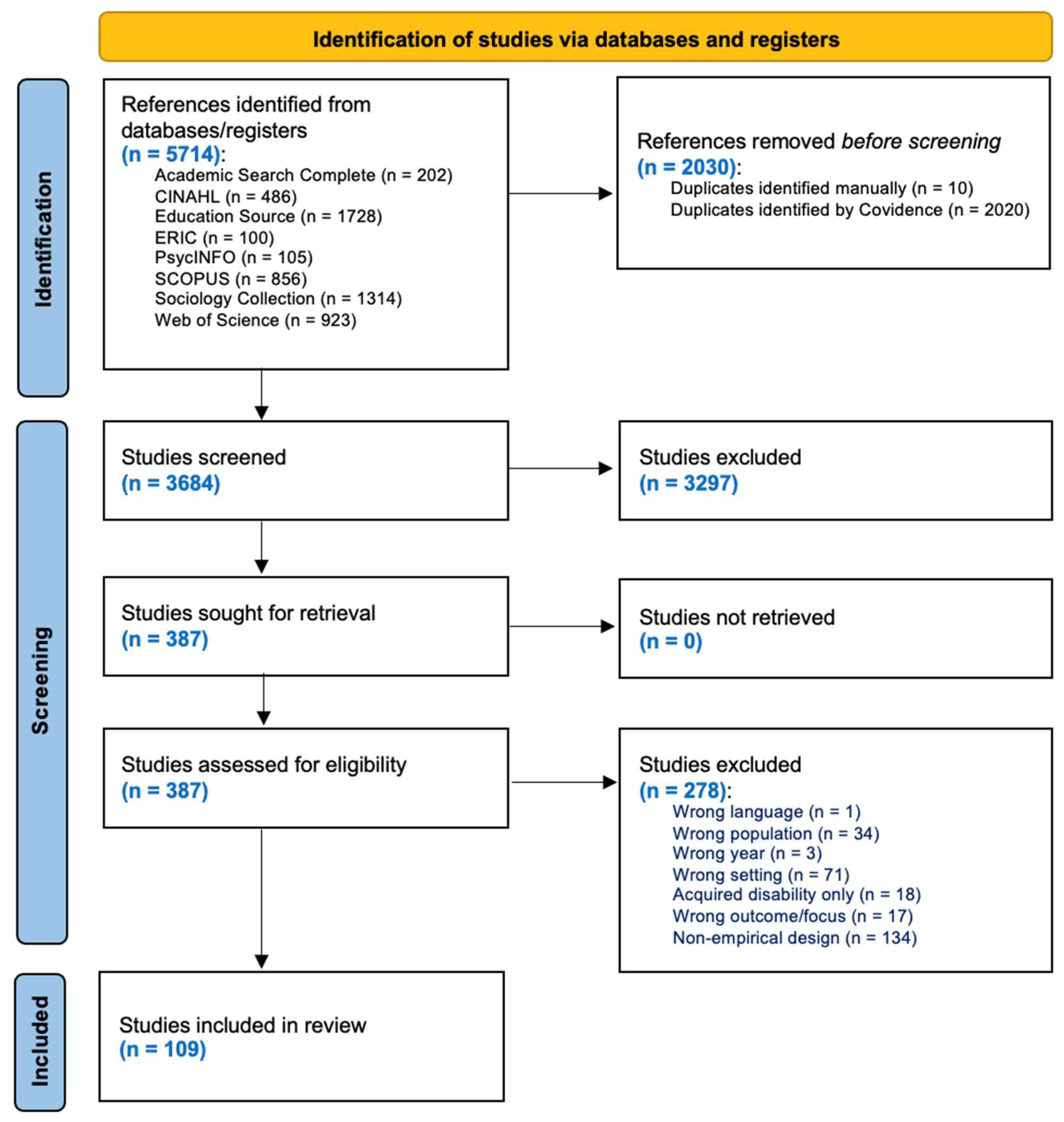
Figure 1. PRISMA 2020 flow diagram of study selection process.
Preprints 143472 g001
Table 1. Inclusion and exclusion criteria for scoping review articles.
Inclusion Criteria Exclusion Criteria
  • Condition of Study: Ableism and employment equity for persons with disabilities
  • Participants/Population: Working age adults (18+) with disabilities
  • Exposure(s): Best practices for inclusive employment; accommodations for inclusive workplaces; policies, standards, laws for employment equity related to disability
  • Publication Years: 2018-2023
  • Countries: Canada, United States, Australia, New Zealand, the UK, Sweden, Norway, Finland, Denmark, and Iceland
  • Study Design: Quantitative, qualitative, and mixed methods; randomized and non-randomized studies, and observational and controlled studies
  • Outcomes: Study presents information related to ableism and employment for persons with disability
  • Wrong Language: Article written in a language other than English, French, Spanish, or Portuguese.
  • Wrong Population: Non-human, children, or non-working population
  • Wrong Year: Study published beyond 2018-2022 date range
  • Wrong Setting: Study conducted outside Canada, United States, Australia, New Zealand, the UK, Sweden, Norway, Finland, Denmark, or Iceland
  • Acquired Disability Only: Disability was acquired rather than pre-existing (e.g., cancer, stroke, obesity); excludes severe injury
  • Wrong Outcome/Focus: Studies do not report on employment equity or disability
  • Non-Empirical Study Design: Data were acquired through non-empirical methods (e.g., literature reviews, meta-analyses, theses, dissertations)
  • Unretrievable or Not Published: Full text/document unavailable, or article not published yet (e.g., preprint).
Disclaimer/Publisher’s Note: The statements, opinions and data contained in all publications are solely those of the individual author(s) and contributor(s) and not of MDPI and/or the editor(s). MDPI and/or the editor(s) disclaim responsibility for any injury to people or property resulting from any ideas, methods, instructions or products referred to in the content.
Copyright: This open access article is published under a Creative Commons CC BY 4.0 license, which permit the free download, distribution, and reuse, provided that the author and preprint are cited in any reuse.
Prerpints.org logo

Preprints.org is a free preprint server supported by MDPI in Basel, Switzerland.

Subscribe

Disclaimer

Terms of Use

Privacy Policy

Privacy Settings

© 2025 MDPI (Basel, Switzerland) unless otherwise stated
