Preprint
Article

This version is not peer-reviewed.

Blockchain-Powered Sports Facilities Help Athletes Perform Better. A Comparative Analysis of Team Sports

Submitted:

23 December 2024

Posted:

24 December 2024

Read the latest preprint version here

Abstract

Blockchain technology has the potential to revolutionize the sports industry by enhancing athlete data management, automating smart contracts, improving ticketing security, and fostering fan engagement through innovative loyalty programs. Though more creative uses are starting to emerge, general adoption is still in its early stages, despite its promise. This study explores the impact of blockchain applications on team sports performance in Romania, focusing on their perceived benefits and applicability. A survey, validated by an ethics commission, was conducted among sports professionals to assess these impacts of technology on performance. For data analysis we have done a Structural Equation Modeling (SEM) with Smart PLS and a cluster analysis in SPSS 22.0. Results indicate that blockchain benefits significantly influence the adoption of blockchain applications, which, in turn, positively impact athletes’ performance at national and European levels. This study identifies key factors contributing to the implementation success of blockchain apps in sports and offers insights into the technology's broader potential for fostering transparency, efficiency, and competitive growth in the sports industry. This research validated the hypothesis that in Romania the implementation of Blockchain Apps in sport fosters trust in blockchain benefits and improves the national and European athlete performance.

Keywords: 
;  ;  ;  ;  ;  
Subject: 
Social Sciences  -   Education

1. Introduction

By 2030, the disruptive technology known as blockchain is predicted to boost the world economy by 1.76 trillion USD. This decentralized, transactional database technology is well-known for its traceability and transparency, propelling advancements across various industries, including supply chain and crowdfunding. Numerous facets of blockchain, including its advantages, difficulties, and possibilities, have been the subject of recent studies. However, a thorough examination of the effects of recent developments on society and their enormous potential across industries has not yet been conducted (Shukla, 2024).
Blockchain technology, widely recognized for its decentralized, transparent, and secure nature, is anticipated to contribute $1.76 trillion to the global economy by 2030 (Shukla et al., 2024). Initially developed for financial applications, blockchain has demonstrated its potential across diverse sectors, including supply chain management, healthcare, and entertainment. Despite its transformative potential, comprehensive analyses of blockchain's societal implications and sector-specific advancements remain limited (Agbozo & Hayawi, 2024). This study seeks to bridge that gap within the sports industry, a rapidly evolving domain increasingly characterized by technology-driven commercialization.
The sports industry has adopted cutting-edge technologies, such as the Internet of Things (IoT), artificial intelligence, and advanced sensor systems, to improve athletic performance and fan experiences. Innovations like performance-tracking sensors, video-assisted refereeing, and goal-line technology have revolutionized game officiating and athlete training (Chase, 2020; Schmidt, 2020). However, persistent challenges—such as limited transparency, data security vulnerabilities, and centralized governance structures—hinder the full optimization of these technologies (Wojda et al., 2023; Pinto et al., 2022). Blockchain's inherent attributes—decentralization, immutability, and privacy—offer compelling solutions by enhancing accountability, enabling secure data management, and fostering equitable governance (Regner et al., 2019; Berkani et al., 2024).
Emerging applications of blockchain in sports include performance tracking, anti-doping measures, and fan tokenization. Microsoft’s "BraveLog" and startups like Peerspoint and Playmaker Chain illustrate blockchain's potential to securely store athlete data while addressing issues of manipulation and lack of transparency (Naraine, 2021; Yue et al., 2020). Blockchain ticketing, trialed during the 2018 Asian Games, demonstrated secure and tamper-proof mechanisms to counter ticket fraud while improving fan engagement (Carlsson-Wall & Newland, 2020; Calderone, 2023). Additionally, blockchain-based fan engagement platforms, such as Socios.com, empower fans through ownership of digital tokens while generating new revenue streams for clubs (Vidal-Tomás, 2024; Carlsson-Wall, 2020). Despite these promising applications, adoption remains in its nascent stages due to limited empirical evidence and stakeholder understanding (Agbozo & Hayawi, 2024).
Building upon existing studies (Guru et al., 2021; Li & Zhu, 2023), we designed a survey to evaluate blockchain applications in Romanian team sports. The data collected helped to design a Structural Equation Modeling (SEM) with Smart PLS. By offering new insights into blockchain's role in performance enhancement and stakeholder engagement, this study aims to guide policymakers, sports organizations, and technology developers toward the effective implementation of blockchain systems.
Considering the issues discussed above the research questions are:
Q1. Does blockchain adoption in sports brings benefits?
Q1a. What are the primary advantages of integrating blockchain technology into the sports industry as perceived by sports professionals?
Q1b. To what extent do blockchain applications (e.g., data management, ticketing, fan engagement) address transparency and security challenges in sports?
Q2. Does blockchain adoption in sports impact on athletes’ performance?
Q2a. How does the implementation of blockchain technology influence athletes’ performance at the national and European levels?
Q2b. What are the relationships between the benefits of blockchain adoption and its applications on measurable performance outcomes in team sports?
Q3. Which are the professional perspectives on blockchain implementation in sports?
Q3a. How do perceptions of blockchain's advantages and its applicability vary among different professional roles, such as coaches, players, and sports managers?
Q3b Are there any significant differences in the adoption and effectiveness of blockchain technologies between team sports (e.g., football and basketball)?

2. Applicability of Blockchain in Sports

Blockchain technology has the potential to revolutionize various facets of sports by addressing fundamental issues of transparency, efficiency, and trust. This section explores its practical applications across key areas, supported by relevant studies and technological advancements.

2.1. Athlete Data Management

Metrics that assess an athlete’s condition, performance, and health are critical for competitive success and long-term well-being. However, traditional centralized data systems often suffer from vulnerabilities such as manipulation and lack of transparency. Blockchain provides a decentralized, secure, and tamper-proof method to manage athlete performance data, ensuring integrity and privacy (Naraine, 2021; Yue et al., 2020). Initiatives like Microsoft’s "BraveLog" and startups such as Peerspoint and Playmaker Chain have demonstrated blockchain’s viability in safely tracking performance metrics and creating comprehensive sports resumes (Shan et al., 2020; Berkani et al., 2024). Similarly, blockchain-based systems like B-PEIS enhance real-time management and storage of athletes' fitness data, promoting accuracy and security (Yu et al., 2021).
Blockchain technology also supports performance prediction. For instance, secure platforms (Healthereum) incorporating predictive algorithms and neural networks can evaluate patterns and trends, contributing to effective performance enhancement and injury prevention strategies (Mohammad et al., 2023; Cao et al., 2021).

2.2. Sports Event Management

Managing large-scale sports events is a complex task that demands high levels of efficiency and fraud prevention. Blockchain enhances transparency by enabling digital issuance and validation of tickets using non-fungible tokens (NFTs) and smart contracts (Carlsson-Wall & Newland, 2020). For example, a blockchain-powered ticketing system eliminates counterfeit tickets by tracking ownership and resale transactions securely (Regner et al., 2019). NBA teams like the Sacramento Kings and UEFA already experimented.
During the 2018 Asian Games, blockchain technology was integrated with RFID mechanisms to prevent ticket fraud and streamline secondary sales (Calderone, 2023). Beyond fraud prevention, blockchain reduces ticket speculation and dynamic pricing challenges, benefiting both organizers and attendees. FutbolCoin facilitate contracts and transactions between sports clubs, players, and agents using smart contract

2.3. Anti-Doping Compliance

The persistent issue of doping in sports has eroded trust among stakeholders. Blockchain’s tamper-proof record-keeping ensures traceability in drug storage, testing processes, and compliance monitoring. Solutions such as a redesigned Anti-Doping Administration & Management System (ADAMS), using blockchain to enhance data integrity and privacy, showcase its utility in this domain (Regner et al., 2019; Pinto et al., 2022).
Furthermore, innovative blockchain designs allow anonymized storage and verification of athlete biological data, supporting a robust anti-doping ecosystem while safeguarding privacy (Gremion, 2018). Thus, blockchain offer an Athlete Passport to store and verify athletes' biological data.

2.4. Sports Collectibles and Merchandise

The market for sports memorabilia suffers from counterfeiting and questionable authenticity. Blockchain addresses these issues through transparent and immutable records of ownership. Platforms like NBA Top Shot leverage NFTs to create unique digital collectibles that fans can trade securely (Wu & Zhou, 2022). Companies such as Pro Exp Media and Stryking.io partner with sports entities to launch digital collectibles, enhancing fan interaction while ensuring transparency (Baker et al., 2022; Berkani et al., 2024). Nike CryptoKicks verify the authenticity of sneakers.

2.5. Fan Engagement

Blockchain-based fan tokens empower supporters to actively participate in their favorite teams’ decision-making and loyalty programs. Socios.com exemplifies this trend by offering tokenized platforms where fans earn cryptocurrency-based rewards for their engagement (Vidal-Tomás, 2024). Tokens provide voting rights, VIP access, and exclusive experiences, enhancing fan loyalty and creating new revenue streams for sports organizations (Carlsson-Wall & Liu, 2021). The integration of Proof of Attendance Protocol (POAP) NFTs further enriches fan experiences by providing verifiable records of event participation, redeemable for merchandise and future event tickets (Ante et al., 2023).
FC Barcelona and Juventus use Sociaos.com, and NBA Top Shot by Dapper Labs offers blockchain-based collectible highlights (digital cards) that fans can buy, sell, and trade.

2.6. Sponsorship and Crowdfunding

Blockchain facilitates innovative funding models for athletes and clubs through tokenization and smart contracts. Platforms like SportyCo and Globaltalent.com enable supporters to invest in players’ future earnings while ensuring transparency and fairness (Jin et al., 2021). For example, tokenized sponsorships streamline contract management and minimize intermediary fees, benefiting both sponsors and recipients (Berkani et al., 2024).

2.7. Esports and Sports Betting

In Esports, blockchain enables secure, transparent transactions through cryptocurrencies and NFTs. Decentralized competition platforms supported by smart contracts mitigate fraud and enhance user trust (Muthe et al., 2020; Bastos, 2020). In the domain of sports betting, blockchain ensures fairness by automating payouts and securely verifying outcomes via oracles (Al-Breiki et al., 2020). Augur and Gnosis offer decentralized betting market.

2.8. Copyright Protection in Sports Media

Blockchain offers innovative solutions to address copyright issues in sports broadcasting. Its transparency ensures that content ownership is immutable, reducing unauthorized use and infringement (Jun-Ming & Jing, 2021). Additionally, it facilitates cost-effective licensing and royalty distribution, benefiting content creators and broadcasters (Wang, 2022; Berkani et al., 2024).
Thus, we may affirm that the applicability of blockchain technology in sports spans across critical domains, offering transformative solutions to long-standing challenges. By addressing data security, enhancing engagement, and streamlining operations, blockchain represents a paradigm shift in how the sports industry operates. With further research and stakeholder collaboration, blockchain’s potential can be harnessed to maximize its benefits for athletes, fans, and organizations alike.

3. Methodology

3.1. The Purpose of the Research and the Instruments Used

This study aims to explore the advantages of blockchain technology and assess how blockchain applications influence athletes' performance. To achieve this, we developed an online survey designed to collect responses from sports professionals. The questionnaire was structured into three distinct sections, each targeting a specific theme:
Blockchain Benefits: Highlighting the perceived advantages of integrating blockchain technology into the sports domain.
Blockchain Apps: Exploring how respondents have implemented blockchain applications in their professional roles.
Performance: Collecting data on the participants' sports performance levels and achievements.
Each section consisted of multiple questions, detailed in Table 1 as subitems. These components were converted into constructs and subjected to regression analysis using SmartPLS software to assess their interrelationships.

3.1. Design and Research Phase

The survey was conducted via Google Forms, with respondents completing the forms under the researcher's guidance. Participants included athletes and academics from the National University of Physical Education and Sports in Bucharest, as well as representatives from the Romanian National Sports Federations. To ensure compliance with ethical and legal standards, the study adhered to GDPR regulations. All respondents provided informed consent for the anonymous processing of their data and opinions.
Following a rigorous data-cleaning process, 293 valid responses were retained, comprising 213 from football and 80 from basketball participants. Ambiguous and incomplete responses were excluded to maintain the integrity of the analysis.
The questionnaire was informed by prior studies (Li, 2023; Tedesco, 2022; Beal, 2019) and the primary author's firsthand experience coaching athletes who incorporated blockchain technology as part of their professional practices. Respondents rated their answers on a Likert scale, ranging from -2 (totally disagree) to 2 (totally agree).
The methodological framework ensured the systematic organization and evaluation of the data. Partial least squares (PLS) structural equation modeling was employed for data analysis. This technique allows for simultaneous examination of interactions between latent, formative, and reflective variables, even in studies with smaller sample sizes. The model incorporated two latent reflective constructs: Blockchain Apps and Blockchain Benefits. The variables and their corresponding description items are presented in Table 1.
We performed a Path analysis using the constructs detailed in Table 1 with the SmartPLS program to evaluate the interrelationships among the variables in the context of our hypotheses. The analysis highlights the connections underpinning our three core hypotheses. Two formative constructs—Performance—and two reflective constructs—Blockchain Apps and Blockchain Benefits—form the foundation of our investigation. The statistical significance of our sample was validated for the target population, ensuring the robustness of the findings.
The two primary constructs, Blockchain Apps and Blockchain Benefits, were rated on a five-point Likert scale. Meanwhile, the open-ended Performance variables were measured numerically, capturing participation, achievements, and goals in team sports.
Building on this foundation, our study examines the perceived advantages of blockchain technology and its impact on athletes’ performance, with a specific focus on the Romanian sports ecosystem. This research aims to address three central hypotheses:
H1: The implementation of blockchain applications in sports fosters trust among coaches and athletes regarding blockchain’s benefits.
H2: Blockchain applications positively influence athletes' performance at national and European levels.
H3: Perceptions of blockchain’s advantages differ significantly based on professional roles within sports.
Results

3.1. Descriptive Statistics

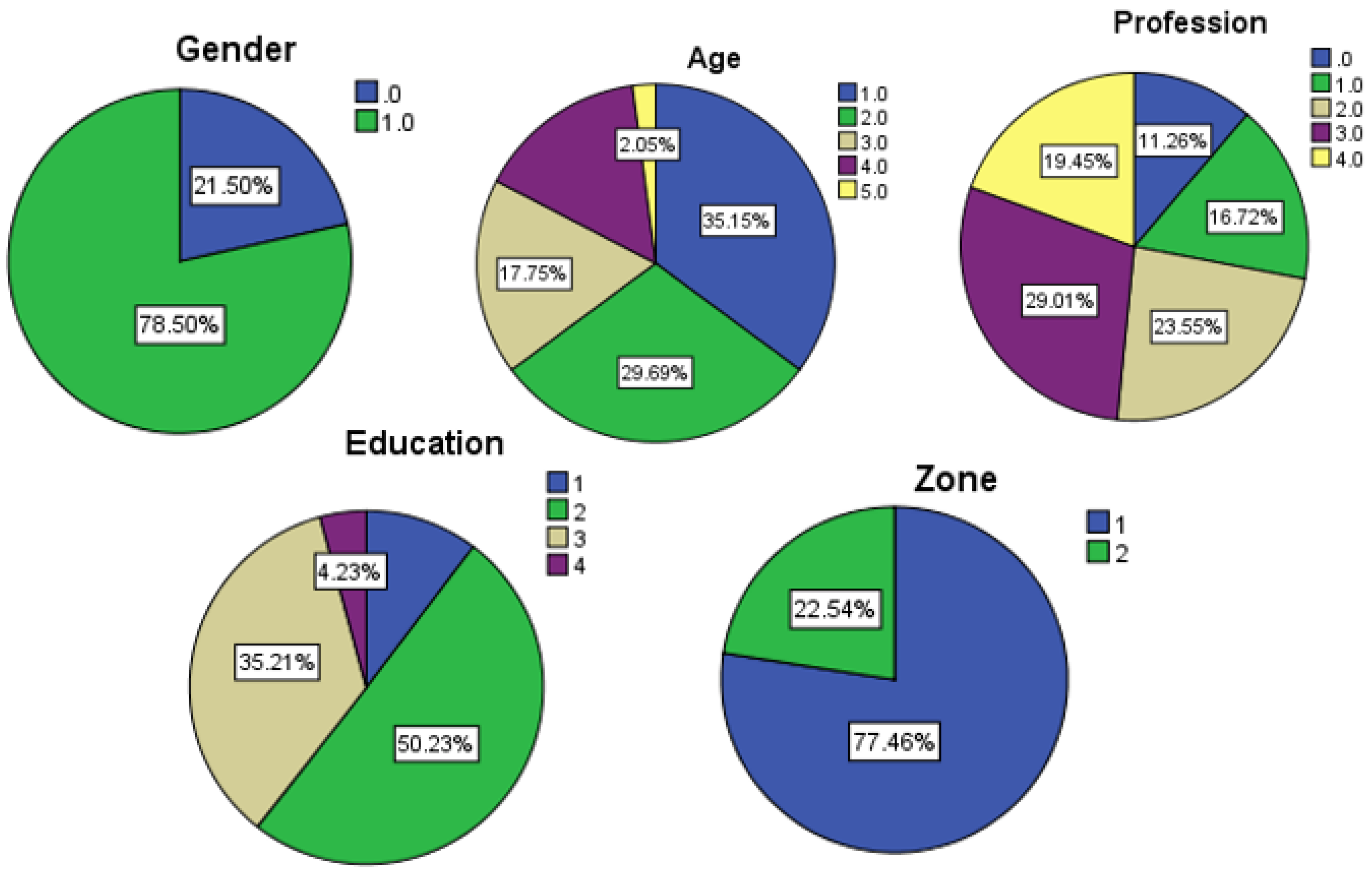
Our sample demonstrates a well-balanced age distribution, encompassing individuals aged 19 to 55. Specifically, 35.15% of respondents are 14-18 years old, 29.69% are 19-25 years old, 17.75% are 26-35 years old, 15.36% are 36-45 years old, and 2.05% are older than 46 years. Gender distribution reflects the nature of team sports, with 78.55% male participants and 21.50% female. Additionally, a majority reside in urban areas (77.46%), and respondents predominantly have advanced educational qualifications: faculty degrees (50.23%), master’s degrees (35.21%), and PhDs (4.23%).
Figure 1. Descriptive statistics.
Preprints 143950 g001

3.1. Comparative Variance Analysis of Basketball versus Football

Figure 2 illustrates key variable comparisons between basketball and football participants.
Football exhibits higher values in categories like Crypto Sponsorship (0.958 vs. 0.951), Player Tokens (0.87 vs. 0.75), Smart Tickets (0.89 vs. 0.73), Rewarding Fans (0.95 vs. 0.78), and Blockchain Advantage (1.03 vs. 0.96). Conversely, basketball leads in Financial Support (1.21 vs. 1.06), AI in Sport (1.42 vs. 1.35), and Blockchain Apps (0.853 vs. 0.775). The differences in Antidoping and Secure Data were negligible. A one-way ANOVA (Table 2) revealed no significant differences in blockchain-related opinions across sport types, gender, or profession, as indicated by p-values consistently exceeding 0.05.

3.1. Model Fit and Path Coefficients

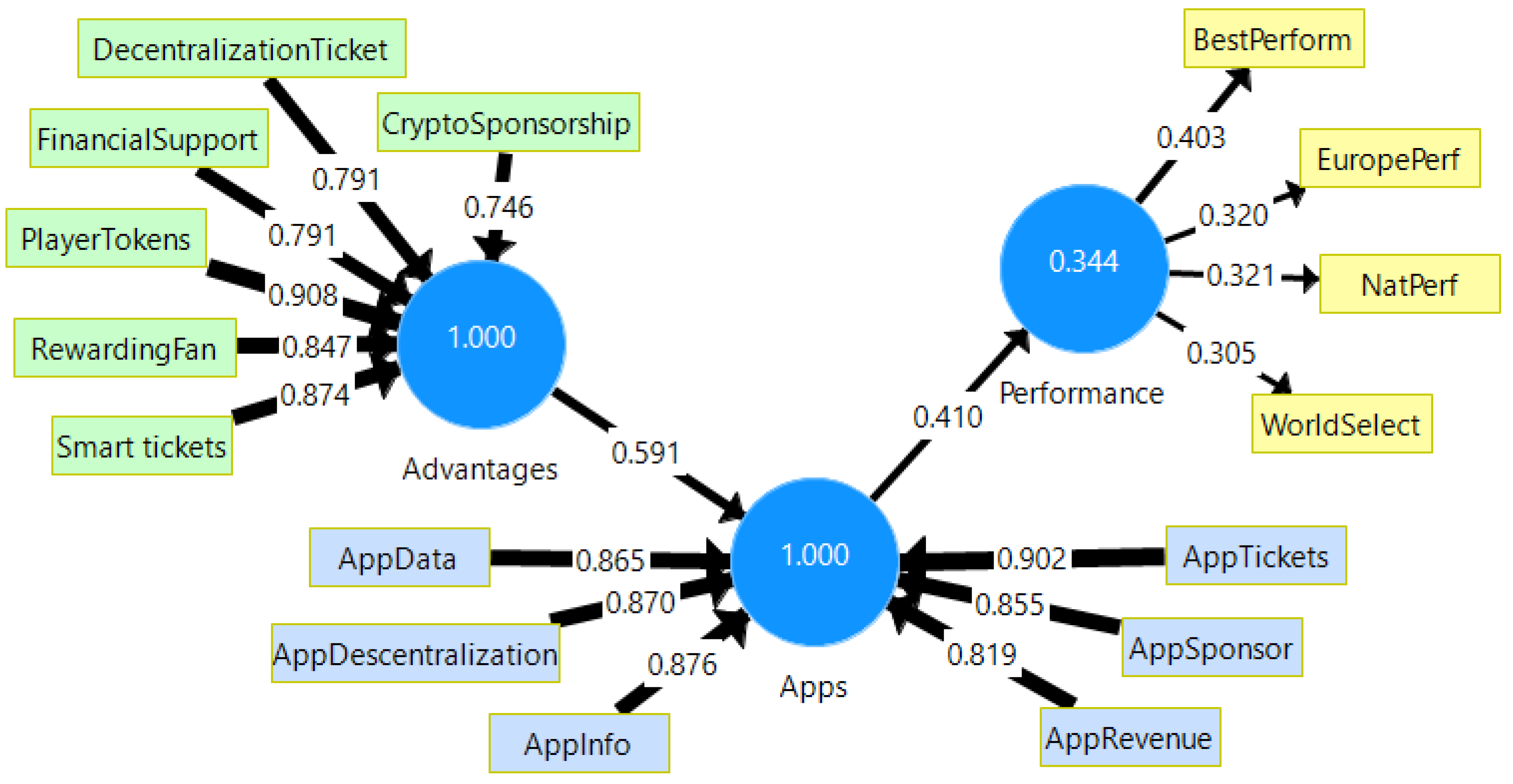
Using SmartPLS, we evaluated the reliability and validity of the constructs. The Cronbach’s Alpha coefficients confirm strong internal consistency. Path coefficients and corresponding loadings provide additional validation of the hypotheses (Figure 3):
H1: Blockchain Benefits significantly influence the adoption of Blockchain Apps. A Path coefficient of 0.591 indicates a strong influence, supporting the first hypothesis.
H2: Blockchain Apps positively impact athletes' performance at national and European levels, demonstrated by a moderate Path coefficient of 0.410.
Fornell-Larcker discriminant validity requirements were satisfied, with diagonal matrix values exceeding off-diagonal entries (Table 3). Additionally, the standardized root means square residual (SRMR) of 0.032, below the threshold of 0.05, indicates excellent model fit (Diamantopoulos, 2006).
An exceptional match can be explained by the SRMR (0.032), which has a value of less than 0.05 (Diamantopoulos, 2006). The parameters d ULS and d G, which stand for the squared Euclid distance and the geodesic distance, respectively, are utilized to calculate the discrepancy depending on the eigenvalue value (Van Laar, 2002). The estimates for SRMR, d ULS, and Chi-Square (Saturated =137.647 and Estimated=137.718) are greater than the saturated model, which stands in for the threshold when the estimated and saturated values of the models are compared (Table 3). The NFI (0.953) score indicates a consistent model because it is quite near threshold 1.
Table 4. Model fit.
Table 4. Model fit.
Saturated Model Estimated Model
SRMR 0.032 032
d_ULS 0.140 0.141
d_G 0.093 0.094
Chi-Square 137.647 137.718
NFI 0.953 0.953
The degree to which the exceptionally strong correlations between the variables that predicted elevated the variance of the generated coefficients of regression is determined by the variance inflation factor or VIF. There does not exist collinearity among the variables when the VIF is lower than the conventional threshold of 5 (Ringle, 2015). In our case all variable has lower values than 4, meaning that the multicollinearity is not manifest between our variables (Table 5).
The standard errors for the PLS-SEM results are produced using the predictions from the bootstrapping subsamples. When assessing the significance of PLS-SEM data, SmartPLS software computes t-values, confidence intervals, and standard errors (Ringle, 2015). To evaluate the significance of the PLS-SEM results, T-values, p-values, and confidence intervals were produced using the previously mentioned data (Sarstedt, 2022). Model coherence is shown by T-values larger than 1.96 (Sarstedt, 2022), and reduced p-values (less than 0.01) because the first regression Blockchain Benefits -> Blockchain Apps has µ=0.59, DS=0.043. Tstat=13.869 and p=0.00. The H1 and H2 that were previously mentioned have been met. Because of the extremely low standard deviations and p-values, we can confirm the high accuracy of our model.

3.4. Cluster Analysis

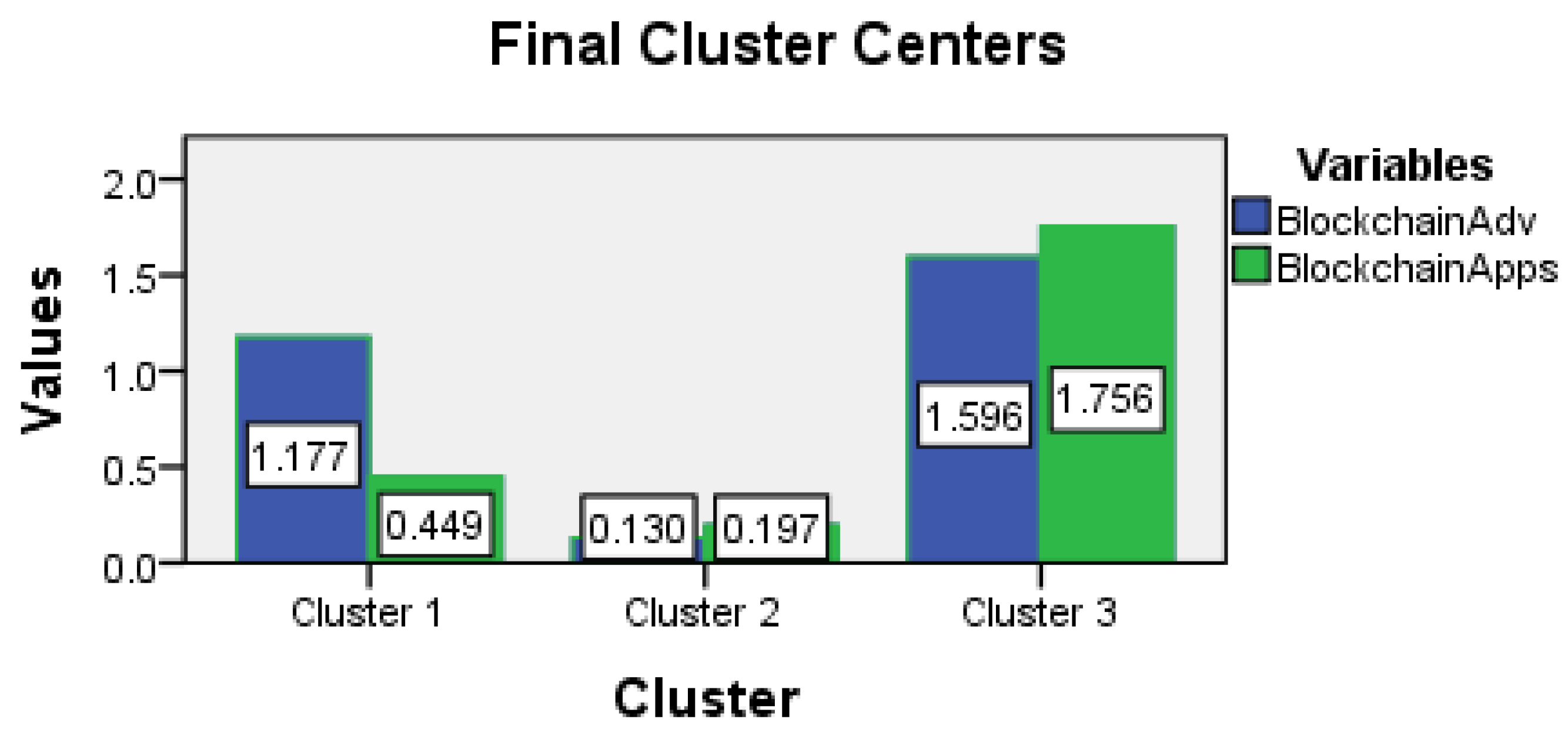
K-Means clustering (SPSS) was used to analyze perceptions of blockchain advantages and applications. Three distinct clusters emerged:
Cluster 1 (39.24%): Athletes and trainers leaning towards agreement with blockchain benefits (center = 1.17) but neutral regarding blockchain apps (center = 0.44).
Cluster 2 (28.66%): Respondents neutral on both blockchain benefits (center = 0.13) and apps (center = 0.19).
Cluster 3 (32.08%): Strong agreement with blockchain benefits (center = 1.59) and blockchain apps (center = 1.75).
On a Likert scale (-2: totally disagree, 0: neutral, 2: totally agree), most participants in Clusters 1 and 3 expressed favorable attitudes toward blockchain benefits. Notably, Cluster 2 reflected neutrality yet continued use of blockchain tools. Statistical significance was established via ANOVA, with high F-values (Blockchain Benefits: 273.892, Blockchain Apps: 429.864) and p-values below 0.05 (Table 6).
These findings substantiate H3, confirming that perceptions of blockchain’s advantages and applications vary across professional roles. This supports the broader implications of blockchain adoption in team sports for advancing technology integration and performance optimization.

4. Discussions

Blockchain technology holds transformative potential for addressing entrenched challenges in the sports industry, including transparency, security, and efficiency. Thus, the researched questions have been answered as in accordance with international researches published as we may see below.

4.1. Key Findings and Implications

Ticketing systems can be created using blockchain-based platforms, allowing fans to purchase tickets directly from organizers, eliminating the risk of counterfeit tickets and ensuring fair pricing. Additionally, blockchain can enable the resale of tickets on a secure secondary market, allowing fans to buy and sell tickets without intermediaries (Berkani, 2024, Regner, 2019). Figure 3 shows that the loading factors for SmartTicket (LF=0.874) and DescentralizationTiket (LF=0.791) are both quite high (over the 0.6 threshold), indicating that respondents believe they offer significant benefits brought about by blockchain.
Authenticity and provenance of sports memorabilia can also be verified through blockchain-based smart contracts, recording ownership history on a blockchain to ensure authenticity and prevent tampering. Fan engagement platforms can reward fans with digital tokens for attending games, purchasing merchandise, or engaging with content on social media (Wojda, 2023, Pinto, 2022, Calderone, 2023, Berkani, 2024). The loading factors for RewardingFan (LF=0.847) and PlayerTokens (LF=0.908) are also quite high (over the 0.6 threshold), indicating that respondents believe these to be significant benefits provided by blockchain (Figure 3).
Smart contracts automate and secure athlete contracts and payments, streamlining contract negotiations and automating payments. Sports betting platforms can be transparent and decentralized, eliminating intermediaries and ensuring fair outcomes (Liu, 2021, Berkani, 2024, Regner, 2019, Baker, 2022). In Figure 3 one may observe that the loading factor for FinancialSupport (LF=0.791) and CryptoSponsorship (LF=0.746) have very high values (higher than 0.6 threshold), meaning that in the respondents’ opinion they represent important advantages brough by blockchain.
Blockchain technology can improve performance in sports by securely tracking player performance data, preventing tampering or manipulation, and providing medical staff with comprehensive records of a player's medical history. Wearable devices equipped with blockchain technology can continuously monitor player health metrics during training and matches, providing early warning signs of potential injuries (Sai Radha, 2023, Li, 2023, Cao, 2021, Mohammad, 2023, Song, 2022). Figure 3 shows that AppDescentralization (LF=0.870) and AppData (LF=0.876) have very high loading factors (over the 0.6 threshold), indicating that respondents believe blockchain apps are crucial for athletic performance.
Scouting and talent identification can be achieved through transparent and decentralized platforms, where player performance data and reports are securely recorded and shared among clubs, agents, and scouts. Fan engagement platforms can provide fans with new ways to interact with their favorite sports clubs, such as issuing digital tokens representing ownership or voting rights (Jin, 2021 CJarlsson-Wall, 2020, Baker, 2022 Khaund, 2020, Berkani, 2024). As can be seen in Figure 3, the loading factors for AppInfo (LF=0.876) and AppSponsor (LF=0.855) are both quite high (over the 0.6 threshold), indicating that respondents believe blockchain apps are crucial for athletic performance.
Lastly, secure and transparent ticketing systems can be created, preventing ticket fraud and scalping, enabling dynamic pricing based on demand, and transferring or reselling tickets securely and transparently (Carlsson-Wall, 2020, Berkani, 2024, Wojda, 2023, Pinto, 2022, Calderone, 2023). Figure 3 shows that the loading factors for AppTickets (LF=0.902) and AppRevenue (LF=0.819) are both quite high (over the 0.6 threshold), indicating that respondents believe blockchain apps are crucial to sports success.
The results of this study underscore the significant role of blockchain applications in fostering trust, improving performance, and streamlining operations within the Romanian sports ecosystem. This discussion contextualizes the findings within the broader framework of technological innovation and its implications for sports professionals, athletes, and policymakers.
First, the study validates the hypothesis that blockchain applications significantly enhance confidence in the perceived benefits of the technology among sports professionals. The adoption of blockchain apps, as evidenced by the strong path coefficient (0.591), is positively influenced by the recognition of its advantages, such as secure data management, anti-doping compliance, and transparent ticketing (Figure 3). Ticketing systems, as highlighted, utilize blockchain-based platforms to eliminate counterfeit tickets, ensure fair pricing, and enable secure resale markets. This result corresponds to the high loading factor for "Smart Tickets" (0.89 in football and 0.73 in basketball) in Table 2, demonstrating its pivotal role in fostering adoption. These findings align with previous research that highlights blockchain's ability to address critical vulnerabilities in centralized systems (e.g., Berkani et al., 2024; Naraine, 2021).
Second, blockchain applications were shown to have a moderate but positive impact on athletes’ performance at both national and European levels (path coefficient: 0.410). The integration of decentralized technologies facilitates better data-driven decision-making, performance tracking, and injury prevention—key factors that contribute to improved outcomes. All loading factors for different Blockchain Apps have high loadings (above 0.819 across contexts), reflects the role of blockchain in managing sensitive player data, preventing injury, and supporting staff with comprehensive records. These findings extend existing knowledge by empirically demonstrating blockchain’s role in enhancing measurable athletic performance metrics (Figure 3).
Third, the cluster analysis revealed variations in perceptions of blockchain benefits across professional roles. While athletes and coaches expressed stronger agreement with blockchain’s advantages, sports managers and administrators exhibited more neutral attitudes. This divergence highlights the need for tailored strategies to improve stakeholder understanding and adoption of blockchain technology. Effective communication of blockchain's value proposition can bridge this gap and encourage wider acceptance (Figure 4).

4.2. Practical Implication of Blockchain in Sport

Blockchain technology has numerous practical applications in sports, including ticketing, fan engagement, sponsorship, athlete management, anti-doping, merchandising, betting, and health tracking. It can combat ticket fraud and scalping by providing a secure and transparent way to issue, transfer, and verify tickets using non-fungible tokens (NFTs). Blockchain can also enable new forms of fan engagement through digital collectibles, fan tokens, and reward systems, increasing fan loyalty and creating new revenue streams. It can also provide transparent and efficient tracking of sponsorship deals and advertising metrics, ensuring both parties receive verifiable data on campaign performance. Blockchain platforms like FutbolCoin facilitate contracts and transactions between sports clubs, players, and agents using smart contracts. It can also improve transparency and trust in anti-doping processes by securely recording test results and ensuring immutability. It can also provide a decentralized and tamper-proof platform for placing and settling bets. This research proved that overall, the use of blockchain Apps in sports brings a lot of benefits reflected in increased performance of the athletes. This performance is associated with an increased return on investment (ROI) having a positive impact on the sportive clubs and countries economy.

5. Limitations and Future Directions

Despite the promising results, this study has certain limitations. The sample is limited to Romanian team sports, which may restrict the generalizability of the findings to other contexts or individual sports. Moreover, while the study employed validated tools such as Structural Equation Modeling (SEM) and cluster analysis, qualitative insights from in-depth interviews or case studies could provide a richer understanding of blockchain’s real-world applications.
Future research should explore the scalability of blockchain applications across diverse sports disciplines and geographic regions. Additionally, longitudinal studies could examine the sustained impact of blockchain adoption on athletic performance over time. Investigating the ethical and regulatory implications of blockchain in sports, particularly concerning data privacy and intellectual property, would also be valuable.
By addressing these gaps, future studies can contribute to a more comprehensive understanding of how blockchain technology can revolutionize the sports industry.

6. Conclusions

This study provides compelling evidence of the transformative potential of blockchain technology in the sports industry, with a specific focus on Romanian team sports. The findings demonstrate that blockchain applications not only enhance confidence in their benefits among sports professionals but also positively influence athletes’ performance at national and European levels. These outcomes are particularly significant given the early-stage adoption of blockchain in the sports domain.
Blockchain’s capabilities—from secure data management to transparent ticketing and anti-doping compliance—address long-standing challenges and pave the way for innovation. Furthermore, blockchain-based fan engagement platforms and tokenization strategies offer new revenue streams and deepen fan loyalty, underscoring the broader economic and social implications of this technology.
However, realizing blockchain’s full potential requires overcoming adoption barriers, including stakeholder skepticism and regulatory hurdles. Policymakers, sports organizations, and technology developers must collaborate to create enabling environments that support blockchain integration. Educational initiatives and pilot programs can further demonstrate blockchain’s value, fostering trust and accelerating its adoption.
In conclusion, while this study highlights blockchain’s promise, its widespread implementation in sports remains a work in progress. As the technology evolves, future research and practice should focus on maximizing its benefits for athletes, fans, and organizations alike. By doing so, blockchain can serve as a catalyst for transparency, efficiency, and competitive growth in the global sports industry.

Conflicts of Interest

The authors declare that the research was conducted in the absence of any commercial or financial relationships that could be construed as a potential conflict of interest.

References

  1. Agbozo, E., & Hayawi, W. M. (2024). A Bibliometric Overview of Blockchain Technology in Sports. Facta Universitatis - Series Electronics and Energetics, 37(1), 157–168. [CrossRef]
  2. Al-Breiki, H., Rehman, M. H. U., Salah, K., & Svetinovic, D. (2020). Trustworthy Blockchain Oracles: Review, Comparison, and Open Research Challenges. IEEE Access, 8, 85675–85685. [CrossRef]
  3. Ante, L., Schellinger, B., & Wazinski, F. (2023). Enhancing Trust, Efficiency, and Empowerment in Sports: Developing a Blockchain-Based Fan Token Framework. SSRN Electronic Journal. [CrossRef]
  4. Baker, B., Pizzo, A., & Su, Y. (2022). Non-Fungible Tokens. Sports Innovation Journal, 3, 1–15. [CrossRef]
  5. Bastos N. (2020) A change on the horizon for the gaming industry: Trends, blockchain technology, and cryptocurrency. UNLV Gaming LJ 10:117.
  6. Berkani, A., Moumen, H., Benharzallah, S., Yahiaoui, S., & Bounceur, A. (2024). Blockchain Use Cases in the Sports Industry: A Systematic Review. International Journal of Networked and Distributed Computing, 12(1), 17–40. [CrossRef]
  7. Calderone, D. C. (2023). Event Management Evolution Through Non-Fungible Tokens. IEEE Xplore, 85–89. [CrossRef]
  8. Cao, P., Zhu, G., Zhang, Q., Wang, F., Liu, Y., & Mo, R. (2021). Blockchain-Enabled HMM Model for Sports Performance Prediction. IEEE Access, 9, 40255–40262. [CrossRef]
  9. Carlsson-Wall, M., & Newland, B. (2020). Blockchain, Sport, and Navigating the Sportstech Dilemma. In Future of business and finance (pp. 205–218). [CrossRef]
  10. Chase, C. (2020). The Data Revolution: Cloud Computing, Artificial Intelligence, and Machine Learning in the Future of Sports. In Future of business and finance (pp. 175–189). [CrossRef]
  11. Cintas-Canto, A., Mozaffari-Kermani, M., Azarderakhsh, R., & Gaj, K. (2022). CRC-Oriented Error Detection Architectures of Post-quantum Cryptography Niederreiter Key Generator on FPGA. 2022 IEEE Nordic Circuits and Systems Conference, NORCAS 2022—Proceedings, 1–7. [CrossRef]
  12. FIFA announces partnership with blockchain innovator Algorand. (n.d.) https://www.fifa.com/about-fifa/president/media-releases/fifa-announces-partnership-with-blockchain-innovator-algorand/. Accessed on 1 May 2024.
  13. Gremion, G. (2018). On the governance of doping in sport. Int. J. of collaborative research on internal medicine and public health, 10. https://www.iomcworld.org/abstract/on-the-governance-of-doping-in-sport-18953.html.
  14. Guru, D., Perumal, S., & Varadarajan, V. (2021). Approaches towards Blockchain Innovation: A Survey and Future Directions. Electronics, 10(10), 1219. [CrossRef]
  15. Jin, X., Wei, S., & Zhang, C. (2021). Research on the Reform Prospect of Blockchain Applied to Sports Industry. Frontiers in Sport Research, 3(3). [CrossRef]
  16. Jun-ming, C., & Jing, P. (2021). Research on Copyright Protection of Sports Events Based on Blockchain Technology. 2021 International Conference on Information Technology and Contemporary Sports (TCS), 455-459.
  17. Kaur, P., & Parashar, A. (2021). A Systematic Literature Review of Blockchain Technology for Smart Villages. Archives of Computational Methods in Engineering, 29(4), 2417–2468. [CrossRef]
  18. Li, N. and Zhu, X.Y. (2023) Design and application of blockchain and IoT-enabled sports injury rehabilitation monitoring system using neural network, Soft Computing, 27 (16), 11815-11832. https://www.springerprofessional.de/en/design-and-application-of-blockchain-and-iot-enabled-sports-inju/25483830.
  19. Liu, C., Li, Z., Liu, S., Xie, J., Yan, C., & Huang, W. (2021). Trusted Player Transfer Evaluation for Sport Markets Based on Blockchain and Locality-Sensitive Hashing. IEEE Access, 9, 87332–87339. [CrossRef]
  20. Lopez-Barreiro, J., Alvarez-Sabucedo, L., Garcia-Soidan, J. L., & Santos-Gago, J. M. (2022). Use of Blockchain Technology in the Domain of Physical Exercise, Physical Activity, Sport, and Active Ageing: A Systematic Review. International Journal of Environmental Research and Public Health, 19(13), 8129. [CrossRef]
  21. Mammadzada, K., Iqbal, M., Fredrik, P. M., García-Bañuelos, L., & Matulevičius, R. (2020, January 15). Blockchain Oracles: A Framework for Blockchain-Based Applications (SLR Protocol and Results). https://datadoi.ee/handle/33/147.
  22. Mohammad, F., Al-Ahmadi, S., & Al-Muhtadi, J. (2023). Block-Deep: A Hybrid Secure Data Storage and Diagnosis Model for Bone Fracture Identification of Athlete From X-Ray and MRI Images. IEEE Access, 11, 142360–142370. [CrossRef]
  23. Muthe, K. B., Sharma, K., & Sri, K. E. N. (2020). A Blockchain Based Decentralized Computing And NFT Infrastructure For Game Networks. In: 2020 second international conference on blockchain computing and applications (BCCA), IEEE Xplore, 73–77. [CrossRef]
  24. Naraine, M. L. (2019). The Blockchain Phenomenon: Conceptualizing Decentralized Networks and the Value Proposition to the Sport Industry. International Journal of Sport Communication, 12(3), 313–335. [CrossRef]
  25. Pinto, F., Rahulamathavan, Y., & Skinner, J. (2022). Blockchain for Doping Control Applications in Sports: A Conceptual Approach. Future Internet, 14(7), 210. [CrossRef]
  26. Regner, F., Urbach, N., & Schweizer, A. (2019). NFTs in Practice - Non-Fungible Tokens as Core Component of a Blockchain-based Event Ticketing Application. International Conference on Interaction Sciences. https://www.fim-rc.de/Paperbibliothek/Veroeffentlicht/1045/wi-1045.pdf.
  27. Rueden C. (2020) MART PLAYERS NEED SMART CONTRACTS: How Blockchain and Smart Contracts Can Revolutionize the Sports Industry. Illinois Business Law Journal. 25 (131), https://publish.illinois.edu/illinoisblj/2020/06/16/smart-players-need-smart-contracts-how-blockchain-and-smart-contracts-can-revolutionize-the-sports-industry/.
  28. Sai Radha, K., Kalakota S., Harshavardhan R (2023), Performance prediction of cricket player using blockchain enabled HMM model, Proceedings of the Second International Conference on Emerging Trends in Engineering (ICETE 2023). (2023b). In Advances in engineering research/Advances in Engineering Research. [CrossRef]
  29. Sarker, A., Kermani, M. M., & Azarderakhsh, R. (2022). Efficient Error Detection Architectures for Postquantum Signature Falcon’s Sampler and KEM SABER. IEEE Transactions on Very Large Scale Integration (VLSI) Systems, 30(6), 794–802. [CrossRef]
  30. Schmidt, S. L. (2020c). 21st Century Sports. How technologies impact sports in the digital age, In Future of business and finance. [CrossRef]
  31. Shan, Y., & Mai, Y. (2020). Research on sports fitness management based on blockchain and Internet of Things. EURASIP Journal on Wireless Communications and Networking, 2020(1). [CrossRef]
  32. Shukla, A., Jirli, P., Mishra, A., & Singh, A. K. (2024). An overview of blockchain research and future agenda: Insights from structural topic modeling. Journal of Innovation & Knowledge, 9(4), 100605. [CrossRef]
  33. Song, B., & Tuo, P. (2022). Monitoring the Physical Condition of Basketball Players using IoT and Blockchain. Mobile Information Systems, 2022, 1–11. [CrossRef]
  34. Tang, K. (2023). Optimising sports marketing strategy by the internet of things and blockchain technology. International Journal of Grid and Utility Computing, 14(2/3), 229. [CrossRef]
  35. Vidal-Tomás, D. (2023). Blockchain, sport and fan tokens. Journal of Economic Studies, 51 (1), 24-38. https://ideas.repec.org/a/eme/jespps/jes-02-2023-0094.html.
  36. Wang, Y. (2023) Fusion analysis of sports data based on smart sensors and blockchain technology, International Journal of Global Energy Issues, Inderscience Enterprises Ltd, 45 (6), 524-541. https://ideas.repec.org/a/ids/ijgeni/v45y2023i6p524-541.html.
  37. Wojda, T., Hoffman, C., & Plaza, M. (2023). Utilizing Blockchain Technology in the Realm of Sports Medicine. In IntechOpen eBooks. [CrossRef]
  38. Wu, Z., & Zhou, C. (2022). Architecture Design of Intelligent Blockchain Consensus Algorithm in Digital Development of Sports Industry Chain. In: 2022 International Conference on Knowledge Engineering and Communication Systems (ICKES), 1–4. [CrossRef]
  39. Yu, S. (2021). Application of Blockchain-Based Sports Health Data Collection System in the Development of Sports Industry. Mobile Information Systems, 2021, 1–6. [CrossRef]
  40. Yue R., Zhang J., Xu T. (2020). Analysis of Blockchain Application to Ice and Snow Sports. International Conference on Computer Science and Engineering Technology (CSET2020). [CrossRef]
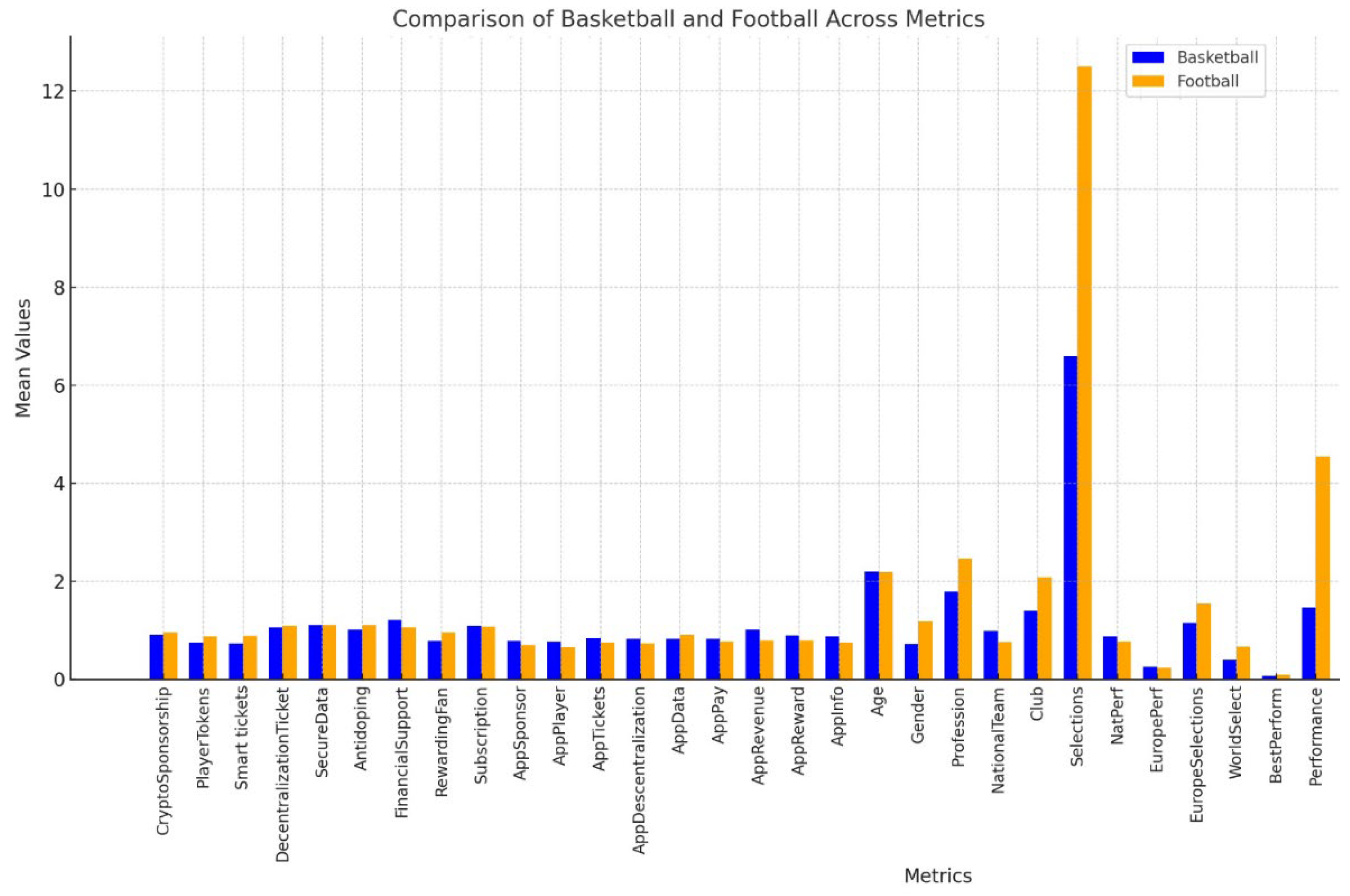
Figure 2. Comparison of Basketball and Football on all variables analyzed.
Preprints 143950 g002
Figure 3. Cronbach’s Alpha analysis and Path coefficients. Source: SmartPLS analysis (reprinted from a free version of SmartPLS software, version 3.3.9, created on 30 June 2024) (Hair et.al, 2019)
Preprints 143950 g003
Figure 4. Cluster final centers by profession.
Preprints 143950 g004
Table 1. Description of variables.
Blockchain benefits in sports
Blockchain benefits Crypto
Sponsorship
Crypto Sponsorships - The Internet is the right medium for publishing and broadcasting detailed information about sports/teams or professional athletes and at the same time allows online payment (Bastos, 2020, Cintas-Canto, 2022, Berkani, 2024)
Player
Tokens
Tokenization of young athletes - tokens are obtained for amateurs and lesser-known athletes who are looking for funding to launch their careers. People invest with the hope that in the future they will recoup their investment based on the earnings of the performer or team they financially supported (Kaur, 2021, FIFA, 2024, Berkani, 2024, Rueden, 2020).
Smart
tickets
Blockchain technology can track the smart ticket until it reaches the final seller (Carlsson-Wall, 2020, Berkani, 2024, Wojda, 2023, Pinto, 2022, Calderone, 2023)
Decentra-
Lization
Ticket
Smart contracts will ensure that tickets are not resold at a higher price to another person (Carlsson-Wall, 2020, Berkani, 2024, Wojda, 2023, Pinto, 2022, Calderone, 2023, Rueden, 2020)
Secure
Data
Blockchain brings data security. Thanks to this technology, athletes, coaches, and club management employees can share data and personal information without worrying about it being falsified, stolen, or misused by another institution/club (Sai Radha, 2023, Li, 2023, Cao, 2021, Mohammad, 2023, Song, 2022, Wojda, 2023, Pinto, 2022, Calderone, 2023, Berkani, 2024, Al-Breiki, 2020)
Antidoping Blockchain technology can track drug storage, routes, and testing itself and remove any suspicion of the legitimacy of the anti-doping test (Regner, 2019, Gremion 2018, Berkani, 2024, Baker, 2022)
Financial
Support
Financial support can be obtained in an online environment from fans or entrepreneurs who choose to invest in talented young athletes. Their investment will be translated into tokens and smart contracts, which will allow them to recoup their investment in the future when the sponsored athletes are performing at the national, and international levels (Jin, 2021 CJarlsson-Wall, 2020, Baker, 2022 Khaund, 2020, Berkani, 2024, Rueden 2020).
Reward
Fan
The unique identifier algorithm provided by blockchain technology can track all fun activities and reward them with cryptocurrencies that could be turned into an object or other currency (Carlsson-Wall, 2020, Liu, 2021, Ante, 2023, Berkani, 2024).
Subscription Platforms can offer subscription services and internal updates about different clubs, and the associated values ​​will attract many fans and convince them to pay (Berkani, 2024, Muthe, 2020, Bastos, 2020, ).
Blockchain Apps App
Sponsor
Crypto sponsorships: SportyCo, eToro Tennis Sponsorship (Bastos, 2020, Cintas-Canto, 2022, Berkani, 2024)
AppPlayer Tokenizing for athletes to keep aspiring: PlayerTokens (Naraine, 2021, Yue, 2020, Shan, 2020, Yu, 2021, Berkani, 2024))
AppTickets Smart tickets- Eventchain (Carlsson-Wall, 2020, Berkani, 2024, Wojda, 2023, Pinto, 2022, Calderone, 2023)
App Descentra-
lization
Decentralization of Resale/Share Ticket – Blockparty (Carlsson-Wall, 2020, Berkani, 2024, Wojda, 2023, Pinto, 2022, Calderone, 2023, Rueden 2020, Mammadzada, 2020)
AppData Securely recording and sharing performer data Daynos.Io (Sai Radha, 2023, Li, 2023, Cao, 2021, Mohammad, 2023, Song, 2022)
AppPay Decentralization of Participation and Payments - No Limit Fantasy Sports, MyDFS (Muthe, 2020, Bastos, 2020, Berkani, 2024)
AppRevenue Fan Revenue Sharing - Socios (Vidal-Tomás, 2024)
AppReward Rewarding Fan Interaction - Blocside (Carlsson-Wall, 2020, Liu, 2021, Ante, 2023, Berkani, 2024)
Performance Level NationalTeam How many caps do you have as a player on the National Team?
BestPerform What is the best performance achieved at the European level?
NatPerf What is the best performance achieved at the national level?
EuropePerf How many caps do you have as a player at European level?
Goals How many goals did you mark?
WorldSelect How many caps do you have as a player at World Selections?
Table 2. One-way ANOVA by sport, gender, and profession.
One-Way ANOVA By sport By gender By profession
(Welch's) F p F p F p
CryptoSponsorship 0.126 0.723 0.822 0.446 1.038 0.39
PlayerTokens 0.867 0.354 0.979 0.384 1.194 0.317
Smart tickets 1.2111 0.274 0.624 0.541 1.431 0.228
DecentralizationTicket 0.0614 0.805 0.938 0.399 0.868 0.485
SecureData 1.87E-06 0.999 1.088 0.346 1.671 0.161
Antidoping 0.4816 0.489 0.764 0.472 1.431 0.228
FinancialSupport 1.6093 0.207 0.146 0.865 1.091 0.364
RewardingFan 1.5903 0.21 0.618 0.544 0.535 0.71
Subscription 0.0205 0.886 0.202 0.818 0.618 0.651
AppSponsor 0.4666 0.496 1.277 0.289 1.401 0.238
AppPlayer 0.8626 0.355 0.951 0.394 1.296 0.275
AppTickets 0.5009 0.48 0.999 0.376 1.632 0.17
AppDescentralization 0.4468 0.505 0.208 0.813 0.901 0.465
AppData 0.3986 0.529 0.932 0.401 0.634 0.639
AppPay 0.1783 0.674 1.505 0.233 1.797 0.134
AppRevenue 3.544 0.062 4.249 0.02 1.476 0.214
AppReward 0.6126 0.435 1.186 0.315 2.096 0.085
AppInfo 0.9118 0.342 0.981 0.383 0.682 0.606
Table 3. Discriminant validity - Fornell-Larcker.
Variables Block. Benefits Block Apps Performance
Blockchain Benefits
Blockchain Apps 0.591
Performance 0.264 0.410 0.339
Table 5. VIF values for each varaibles.
Variable VIF Variable VIF
AppData 3.06 DecentralizationTicket 2.80
AppDescentralization 3.84 EuropePerf 1.15
AppInfo 3.67 FinancialSupport 2.32
AppRevenue 3.14 NatPerf 1.03
AppSponsor 2.27 PlayerTokens 2.65
AppTickets 3.80 RewardingFan 2.69
BestPerform 1.12 Smart tickets 2.85
CryptoSponsorship 2.14 WorldSelect 1.00
Table 6. ANOVA for Cluster analysis.
Cluster Error F Sig.
Mean Square df Mean Square df
BlockchainAdv 50.222 2 .183 290 273.892 .000
BlockchainApps 65.359 2 .152 290 429.864 .000
Disclaimer/Publisher’s Note: The statements, opinions and data contained in all publications are solely those of the individual author(s) and contributor(s) and not of MDPI and/or the editor(s). MDPI and/or the editor(s) disclaim responsibility for any injury to people or property resulting from any ideas, methods, instructions or products referred to in the content.
Copyright: This open access article is published under a Creative Commons CC BY 4.0 license, which permit the free download, distribution, and reuse, provided that the author and preprint are cited in any reuse.
Prerpints.org logo

Preprints.org is a free preprint server supported by MDPI in Basel, Switzerland.

Subscribe

Disclaimer

Terms of Use

Privacy Policy

Privacy Settings

© 2025 MDPI (Basel, Switzerland) unless otherwise stated