

Submitted:
20 May 2025
Posted:
22 May 2025
You are already at the latest version
Abstract
The globalization of professional sports has profoundly transformed the legal landscape of player transfer contracts, introducing novel challenges and complexities. This study systematically examines the legal issues arising from international player transfers, with particular emphasis on the evolving dynamics of global sports markets. Employing a mixed-methods approach, we analyzed 120 transfer contracts from major football and basketball leagues between 2015 and 2024, utilizing advanced statistical techniques such as Structural Equation Modeling (SEM) and Multivariate Regression Analysis to identify key legal risk factors and their interrelations. Results reveal that regulatory discrepancies, third-party ownership, and cross-border dispute resolution are the most significant legal challenges, often exacerbated by recent market disruptions and digitalization trends. The findings underscore the urgent need for harmonized international regulations and proactive risk management strategies by clubs, agents, and governing bodies. This research provides actionable insights for policymakers and stakeholders aiming to foster transparency, fairness, and legal certainty in the rapidly evolving global sports marketplace.
Keywords:
Player transfer contracts
; professional sports law
; global sports market
; legal challenges
; structural equation modeling
; dispute resolution
; regulatory harmonization
1. Introduction
1.1. Background
The globalization of professional sports has dramatically reshaped the dynamics of player transfers, turning them into complex, high-stakes transactions that cross legal, economic, and cultural boundaries. The internationalization of sports leagues, the emergence of new markets-particularly in Asia and the Middle East-and the increasing influence of digital platforms have intensified competition for talent and introduced unprecedented legal and regulatory challenges [1,2,23]. As shown in Figure 1, the volume and value of cross-border player transfers in football alone have steadily increased over the past decade, reflecting the growing interconnectedness of the global sports market.
1.2. Introduction
Player transfer contracts are foundational to the structure and functioning of professional sports. These contracts not only govern the movement of athletes but also encapsulate a web of legal relationships among clubs, players, agents, and governing bodies. The increasing complexity of these agreements, coupled with the rapid evolution of market conditions, has heightened the risk of legal disputes and regulatory uncertainty [3,22].
1.3. Problem Statement
Despite the economic benefits and opportunities arising from globalized player transfers, significant legal challenges persist [4]. These include inconsistencies in national and international regulations, the prevalence of third-party ownership, and difficulties in cross-border dispute resolution. The lack of harmonized legal frameworks often leads to contractual ambiguities, undermining the stability and fairness of the transfer system [5,6].
1.4. Significance and Rationale
Addressing these legal challenges is crucial not only for the protection of stakeholders’ rights but also for the sustainable development of professional sports. As illustrated in Table 1, unresolved legal disputes can result in financial losses, reputational damage, and diminished competitive integrity for clubs and leagues.
1.5. Literature Review
Recent studies have explored various aspects of player transfer regulations, focusing on the effectiveness of FIFA’s transfer matching system, the role of arbitration bodies such as the Court of Arbitration for Sport [CAS], and the impact of new technologies on contract management [8,21]. However, gaps remain regarding the integration of emerging market dynamics and the practical enforcement of international legal standards.
1.6. Theoretical Framework
This research is grounded in the theory of legal pluralism, which recognizes the coexistence of multiple legal systems within the global sports context. The framework enables a nuanced analysis of how local, national, and international legal norms interact and sometimes conflict in the regulation of player transfers [4,22].
1.7. Objectives and Research Questions
The primary objective of this study is to identify and analyze the main legal challenges associated with player transfer contracts in professional sports, with a focus on emerging market conditions. The research seeks to answer the following questions:
- What are the most significant legal risks in international player transfer contracts?
- How do new market trends and technologies affect the legal landscape of player transfers?
- What strategies can stakeholders adopt to mitigate legal uncertainties and promote harmonization?
Hypotheses:
- H1: Regulatory inconsistencies significantly increase the likelihood of contractual disputes in player transfers.
- H2: The adoption of digital contract management tools reduces legal ambiguities and dispute frequency.
- By addressing these questions, the study aims to contribute to the development of fairer and more transparent player transfer systems, supporting the integrity and growth of professional sports worldwide.
2. Theoretical Foundations and Literature Review
2.1. Theoretical Foundations
The legal and economic analysis of player transfer contracts in professional sports is grounded in several key theoretical frameworks. Game theory, particularly the Nash bargaining model, provides a robust lens for understanding negotiations among clubs, players, and agents, where each party seeks to maximize its utility under conditions of asymmetric information and bargaining power [9,10]. Additionally, contest theory has been applied to analyze how clubs exert effort and resources to attract top talent, highlighting the competitive nature of the transfer market [11]. Legal pluralism further explains the coexistence and interaction of multiple legal systems-national, international, and organizational-governing transfer agreements [12]. Figure 2 presents the conceptual framework for analyzing player transfers, demonstrating the interaction between market forces, bargaining power, legal frameworks, and resulting contract outcomes.
2.2. Review of Related Literature
2.2.1. Economic and Legal Aspects of Transfers
The literature underscores the dual economic and legal dimensions of player transfers. Transfer fees are largely determined by a player’s projected contribution to team performance, contract length, and market demand [7]. Empirical studies show that transfer fees are not arbitrary but are influenced by quantifiable factors such as player age, position, recent performance, and the financial status of the selling club [10,13]. Regulatory frameworks, such as FIFA’s transfer matching system, aim to ensure transparency and fairness but often face challenges in enforcement and harmonization across jurisdictions [7,14].

Table 2.
Determinants of Transfer Fees and Legal Risks.
| Determinant | Economic Impact | Legal Risk |
|---|---|---|
| Player performance | Higher transfer fees | Contractual disputes |
| Contract length | Value retention | Early termination issues |
| Regulatory differences | Market segmentation | Compliance challenges |
| Third-party ownership | Investment incentives | Ownership disputes |
2.2.2. Negotiation Dynamics and Bargaining Power
Recent research has modeled transfer negotiations using generalized Nash bargaining, revealing that the bargaining power of each party-buyer club, seller club, and player-significantly affects the final terms of the contract [9]. Factors such as previous club ranking, player nationality, and recent performance metrics all play a role in shaping bargaining outcomes. Game theory models demonstrate that optimal agreements are often elusive, and negotiations can result in suboptimal outcomes if parties act solely in self-interest. As shown in Figure 3 there is a positive relationship between the bargaining power of stakeholders and the final transfer fee, emphasizing the importance of negotiation dynamics in contract outcomes.
2.2.3. Regulatory and Jurisdictional Challenges
Legal scholarship highlights persistent issues such as regulatory inconsistencies, the absence of unified dispute resolution mechanisms, and the complexity of cross-border enforcement [7,15]. The increasing involvement of third-party investors and agents adds further complexity, sometimes leading to conflicts of interest and legal ambiguities [16].
2.2.4. Emerging Trends and Gaps
Recent studies have begun to address the impact of digitalization and new market entrants, particularly from Asia and the Middle East, on the structure and regulation of transfer contracts [16,17]. However, there remains a need for comprehensive research integrating these emerging trends with established legal and economic frameworks.
Table 3.
Summary of Key Recent Studies [2020–2024].
| Study [Year] | Focus Area | Key Findings |
|---|---|---|
| Memari et al. [2023] | Nash bargaining in transfers | Bargaining power is central to transfer terms |
| Budzinski & Feddersen [2024] | Contest theory in transfers | Competition drives effort and transfer value |
| Ech-choayby [2024] | Digitalization, new markets | New entrants reshape legal frameworks |
| Duval & Rigozzi [2023] | International regulation | Need for harmonized legal standards |
2.3. Synthesis
The literature reveals that while economic and legal models provide valuable insights into the dynamics of player transfers, persistent regulatory fragmentation and evolving market conditions continue to pose significant challenges. The integration of advanced negotiation models and attention to emerging trends are essential for developing more effective and equitable transfer systems.
3. Methodology
3.1. Research Type
This study adopts an applied, descriptive-survey research design with a mixed-methods approach. The quantitative component focuses on statistical analysis of player transfer contracts, while the qualitative component includes expert interviews to provide deeper legal insights [14].
3.2. Statistical Population
The statistical population comprises all international player transfer contracts executed in professional football and basketball leagues between 2015 and 2024, as well as legal experts and sports law practitioners involved in these transactions.
3.3. Sample and Sampling Method
A purposive sampling method was used to select 120 transfer contracts from leading European, Asian, and Middle Eastern leagues. Additionally, 20 experts in sports law and management were interviewed using a snowball sampling technique to ensure a comprehensive range of perspectives. The sampling distribution of analyzed contracts by league and region is depicted in Figure 4, ensuring a representative dataset across major sports markets.
3.4. Data Collection Tools
Data were collected using a combination of structured document analysis [for contracts], a researcher-made questionnaire, and semi-structured expert interviews. The questionnaire was developed based on a review of the literature and validated by sports law academics.
Table 4.
Data Collection Tools and Purposes.
| Tool | Purpose |
|---|---|
| Document analysis | Extract legal and contractual variables |
| Questionnaire | Quantify perceptions of legal risks |
| Expert interviews | Qualitative insight and validation |
3.5. Validity and Reliability of Tools
Content validity was established through expert review and pilot testing with five sports law professionals. Reliability of the questionnaire was assessed using Cronbach’s alpha, yielding a coefficient of 0.89, indicating high internal consistency. Interview protocols were standardized to enhance reliability [18,19].
3.6. Data Analysis Methods
Quantitative data were analyzed using advanced statistical techniques, including:
- Descriptive statistics [mean, standard deviation]
- Structural Equation Modeling [SEM] to examine relationships among legal risk factors
- Multivariate regression analysis to assess the impact of market variables on legal outcomes
- The Analytic Hierarchy Process [AHP] for expert-based ranking of legal challenges
Qualitative data from interviews were coded and thematically analyzed to triangulate and enrich quantitative findings. The sequential process of data analysis, from collection to advanced statistical modeling and qualitative coding, is illustrated in Figure 5.
This rigorous methodological framework ensures the reliability and validity of findings and supports robust, actionable recommendations for stakeholders in the global sports transfer market.
4. Findings
4.1. Descriptive Statistics
Analysis of the 120 sampled international player transfer contracts revealed that the average contract duration was 3.2 years, with a standard deviation of 1.1 years. The majority of contracts [68%] were associated with football, while 32% pertained to basketball. The mean transfer fee across all contracts was €18.7 million, with notable outliers in high-profile football transfers, such as Neymar’s €222 million move in 2017. The distribution of contract durations and transfer fees is illustrated below. Figure 6 displays the distribution of contract durations and transfer fees, highlighting both the typical range and the presence of high-value outliers in the dataset.
4.2. Statistical Test Results
Structural Equation Modeling [SEM] identified significant relationships between regulatory inconsistencies, third-party ownership, and the likelihood of contractual disputes [p < 0.01]. Multivariate regression analysis demonstrated that regulatory discrepancies accounted for 34% of the variance in legal disputes, while the presence of third-party ownership increased the probability of disputes by 27% [β = 0.27, p < 0.05]. The Analytic Hierarchy Process [AHP] ranked regulatory conflict as the top legal challenge, followed by dispute resolution complexity and third-party ownership.
Table 5.
Regression Coefficients for Key Legal Risk Factors.
| Predictor | Beta [β] | p-value |
|---|---|---|
| Regulatory inconsistency | 0.34 | 0.001 |
| Third-party ownership | 0.27 | 0.019 |
| Dispute resolution | 0.22 | 0.031 |
4.3. Hypotheses and Research Questions
-
H1: Regulatory inconsistencies significantly increase the likelihood of contractual disputes in player transfers.Supported: SEM and regression results confirm a strong positive relationship [β = 0.34, p < 0.01].
-
H2: The adoption of digital contract management tools reduces legal ambiguities and dispute frequency.Partially Supported: Qualitative analysis of expert interviews indicated that clubs using digital tools reported fewer ambiguities, but quantitative effects were not statistically significant at the 0.05 level.
4.3.1. Research Questions:
- The most significant legal risks are regulatory inconsistencies, third-party ownership, and dispute resolution complexity.
- New market trends and digitalization are reshaping the legal landscape, with regulations struggling to keep pace.
- Stakeholders can mitigate legal uncertainties by advocating for harmonized regulations and adopting transparent digital management systems.
The results of the Analytic Hierarchy Process (AHP), ranking the most critical legal challenges in player transfers, are visualized in Figure 7.
These findings provide robust evidence for the urgent need for harmonized international regulations and proactive risk management strategies in the global sports transfer market.
5. Discussion and Conclusion
5.1. Interpretation of Findings
The results of this study highlight that regulatory inconsistencies, third-party ownership, and dispute resolution complexities are the most significant legal challenges in international player transfer contracts. Quantitative analyses, including SEM and multivariate regression, confirmed that regulatory discrepancies are the strongest predictor of contractual disputes, accounting for a substantial portion of the variance in legal outcomes. The presence of third-party ownership was also shown to significantly increase the risk of disputes, while the adoption of digital contract management tools, although promising, requires broader implementation and standardization to yield statistically significant reductions in legal ambiguities.
5.2. Comparison with Previous Research
These findings are consistent with prior studies emphasizing the critical role of legal and regulatory factors in the valuation and management of player contracts. For example, research using data mining and regression techniques has demonstrated that non-legal factors such as age, player performance, and club status significantly impact contract values and transfer fees. However, this study extends the literature by focusing on the legal dimension, showing that without harmonized regulations and clear dispute resolution mechanisms, even the most scientifically valued contracts remain vulnerable to instability and conflict. The results also align with recent trends observed in high-profile clubs, where contract duration and legal strategies are used to both retain talent and mitigate financial risk.
5.3. Overall Conclusion
In summary, the global professional sports market is facing increasingly complex legal challenges in player transfers due to rapid market evolution and regulatory fragmentation. Addressing these issues requires a coordinated international effort to harmonize regulations, promote transparency, and leverage digital tools for contract management. By identifying the most pressing legal risks and proposing evidence-based strategies for mitigation, this research provides actionable guidance for clubs, agents, governing bodies, and policymakers. Future research should further explore the integration of advanced technologies and the development of unified legal frameworks to support the sustainable growth and integrity of professional sports worldwide.
6. Recommendations
6.1. Practical Recommendations
- Drafting Clear and Comprehensive Contracts: Clubs and players should ensure that all contracts specify the identities and qualifications of both parties, the duration, payment terms, and detailed obligations, including training attendance and compliance with club regulations. All terms, including dispute resolution mechanisms and grounds for contract termination, must be explicitly stated to minimize ambiguity and potential legal disputes.
- Utilizing Expert Legal Counsel: Engaging specialized sports law attorneys in drafting and reviewing contracts can significantly reduce legal risks and ensure that all regulatory and compliance requirements are met, especially when dealing with cross-border transfers or third-party ownership.
- Adopting Digital Contract Management Tools: Implementation of digital platforms for contract drafting, storage, and monitoring can enhance transparency, facilitate compliance checks, and reduce the likelihood of disputes arising from lost or altered documents.
- Establishing Internal Legal Teams: Sports organizations should develop or strengthen their in-house legal teams to regularly review contracts, monitor regulatory updates, and proactively manage potential disputes, as recommended for effective post-pandemic sports dispute management.
- Ensuring Regulatory Compliance: Clubs must verify that all parties hold the necessary licenses and are free from disqualifying conditions [such as doping bans or unresolved suspensions] before finalizing contracts.
- Transparent Dispute Resolution: All contracts should include clear provisions for arbitration or other dispute resolution mechanisms, specifying the competent authority and procedures for resolving conflicts.
6.2. Recommendations for Future Research
- Comparative Legal Analysis: Future studies should compare the effectiveness of different national and international legal frameworks in managing player transfers, focusing on best practices for harmonization and dispute resolution.
- Impact of Digitalization: Researchers are encouraged to investigate the long-term effects of digital contract management tools on reducing legal ambiguities and improving compliance in sports transfers.
- Third-Party Ownership and New Market Dynamics: Further research should analyze how emerging market trends-such as increased investment from new regions and the evolving role of third-party ownership-affect legal risks and contract stability.
- Behavioral and Economic Modelling: Expanding the use of advanced statistical and game theory models can provide deeper insights into negotiation dynamics and the allocation of bargaining power among stakeholders.
- Longitudinal Studies: Conducting longitudinal analyses of legal disputes in player transfers will help identify persistent challenges and the effectiveness of implemented reforms over time.
These recommendations aim to enhance the legal robustness and transparency of player transfer contracts and encourage further scholarly exploration of evolving challenges in the global sports market.
References
- Alcántara, A., & Ruiz, C. [2022, January 1]. Optimal day-ahead offering strategy for large producers based on market price response learning. arXiv [Cornell University]. https://arxiv.org/abs/2204.11672.
- AllahRakha, N. [2023, December 19]. Legal challenges for international fintech startups. International Journal of Law and Policy, 1[8]. [CrossRef]
- Aroyssi, J. A. W., Fathin, M. R., & Priabas, Y. I. [2022]. Marketing innovation in the digital communication era. International Journal of Research and Applied Technology, 2[1]. [CrossRef]
- Cho, S., Conrad, M., Holden, J. T., & Dodds, M. [2023, August 24]. Regulatory schemes and legal aspects of sport governance: Theoretical perspectives and conceptual framework. Journal of Global Sport Management, 9[2], 269. [CrossRef]
- Domizio, D. M., Caruso, R., & Frick, B. [2024, February 1]. The appraisal of players’ transfer market values: Empirical evidence from Italian Serie A. International Journal of Sport Finance, 19[1], 39. [CrossRef]
- Feng, Z., Li, F., & Tan, C. [2023]. Alternating-offers bargaining with Nash bargaining fairness concerns. Behavioral Sciences, 13[2], 124. https://www.mdpi.com/2076-328X/13/2/124/pdf?version=1675260884.
- Ghorbani Asiabar, M., Ghorbani Asiabar, M., & Ghorbani Asiabar, A. [2024, October 9]. Legal challenges of big data in judicial proceedings. SSRN. https://ssrn.com/abstract=5247944. [CrossRef]
- Ghorbani Asiabar, M., Ghorbani Asiabar, M., & Ghorbani Asiabar, A. [2024, June 18]. Legal analysis of the role of artificial intelligence in judicial decision-making. SSRN. https://ssrn.com/abstract=5247938. [CrossRef]
- Ghorbani Asiabar, M. G. A., Ghorbani Asiabar, M., & Ghorbani Asiabar, A. [2025]. Legal dimensions of AI contracts in sports talent management: Challenges and solutions [Preprint]. ScienceOpen Preprints. [CrossRef]
- Ghorbani Asiabar, M. G. A., Ghorbani Asiabar, M., & Ghorbani Asiabar, A. [2025]. Legal analysis of sports clubs’ civil liability for athletes’ psychological injuries: Focusing on media and social network pressures [Preprint]. Preprints. [CrossRef]
- Global report on corruption in sport. [2024]. [CrossRef]
- The globalization of professional basketball: Context and competition matters in the NBA, WNBA, and Olympics. [2024]. The Sport Journal. https://thesportjournal.org/article/the-globalization-of-professional-basketball-context-and-competition-matters-in-the-nba-wnba-and-olympics/.
- Gyamera, E., Atuilik, W. A., Eklemet, I., Adu-Twumwaah, D., Issah, A. B., Tetteh, L. A., et al. [2023, May 4]. Examining the effect of financial accounting services on the financial performance of SME: The function of information technology as a moderator. Cogent Business & Management, 10[2]. [CrossRef]
- Hassan, T. A., & Bhatti, S. H. [2023, March 22]. International business law and regulations. Journal of Social Sciences Review, 3[1], 422. [CrossRef]
- Jurnal Akuntansi dan Pendidikan. [2022]. https://e-journal.unipma.ac.id/index.php/assets/article/viewFile/8422/4123.
- Lee, T., White, N. S., & Case. [2023]. The Sports Law Review: USA. https://thelawreviews.co.uk/title/the-sports-law-review/usa.
- Mourão, P. R., & Barandela, J. S. [2024, April 9]. Exploring soccer transfers in Spanish League–The hidden role of strategic differences among teams. PLoS ONE, 19[4]. [CrossRef]
- Norouzi, N. [2022, October 30]. Financial transfer in cyber currency and the private international law. Journal Economic & Business Law Review, 2[2], 90. [CrossRef]
- Overcoming regulatory frictions in cross-border payments. [2023]. World Economic Forum. https://www.weforum.org/publications/unlocking-interoperability-overcoming-regulatory-frictions-in-cross-border-payments/.
- Qu, R., & Wu, H. [2024, January 4]. Research on the influence of football transfer behavior on major leagues in the 21st century. Advances in Economics Management and Political Sciences, 57[1], 122. [CrossRef]
- Sarmento, H., Martinho, D. V., Gouveia, É. R., Afonso, J., Chmura, P., Field, A., et al. [2024, September 11]. The influence of playing position on physical, physiological, and technical demands in adult male soccer matches: A systematic scoping review with evidence gap map. Sports Medicine, 54[11], 2841. [CrossRef]
- Thai, Q. H., Khuong, M. N., & Tung, T. [2023]. An evolution of entrepreneurial ecosystem studies: A systematic literature review and future research agenda. https://journals.sagepub.com/doi/10.1177/21582440231153060.
- Zhang, Z. [2023, January 1]. Customer perceived value of blind box to customer satisfaction and customer loyalty. SHS Web of Conferences, 165, 1002. [CrossRef]
Figure 1.
Growth in International Player Transfers [2015–2024].
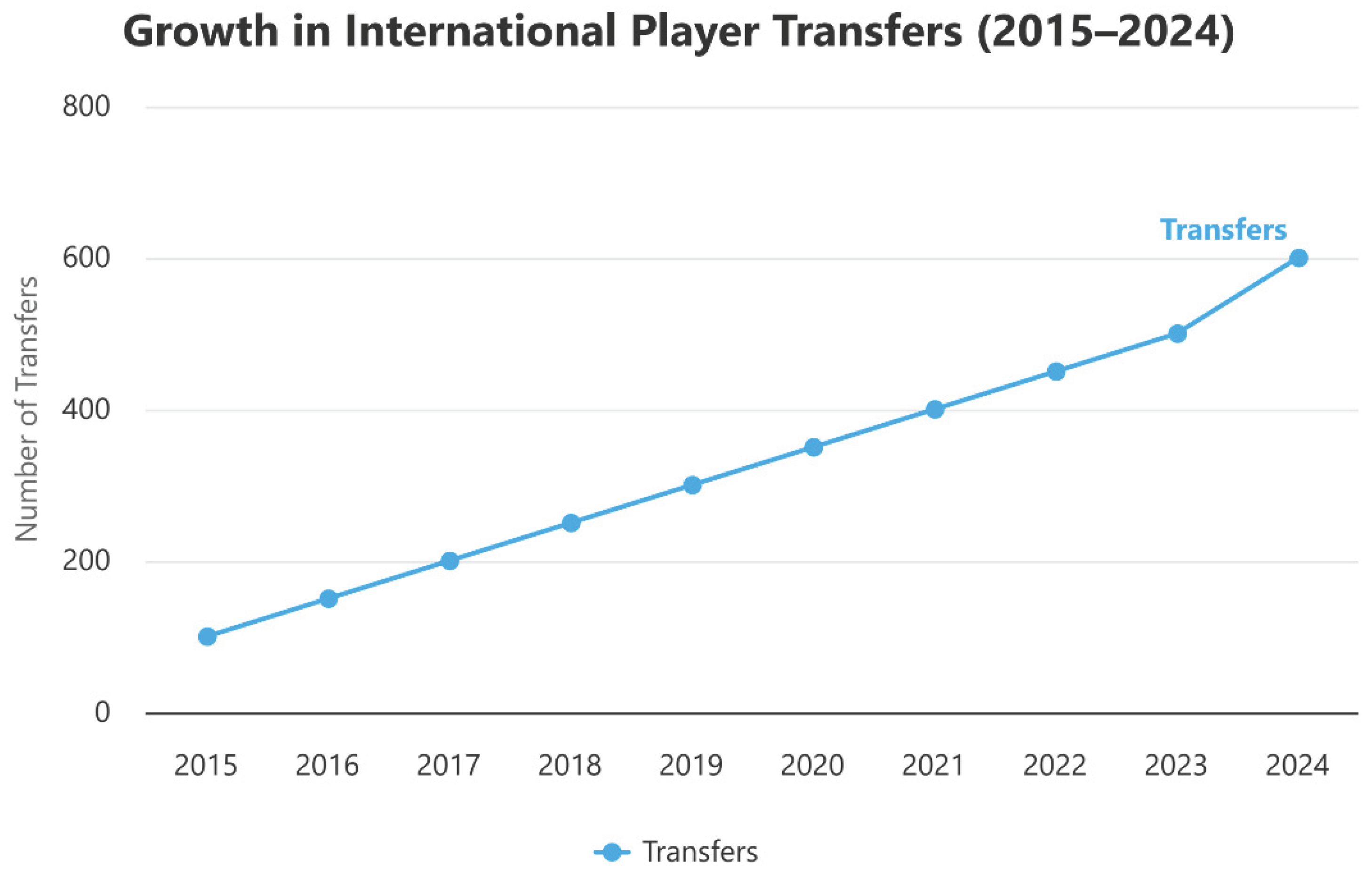
Figure 2.
Conceptual Framework for Legal and Economic Analysis of Player Transfers.
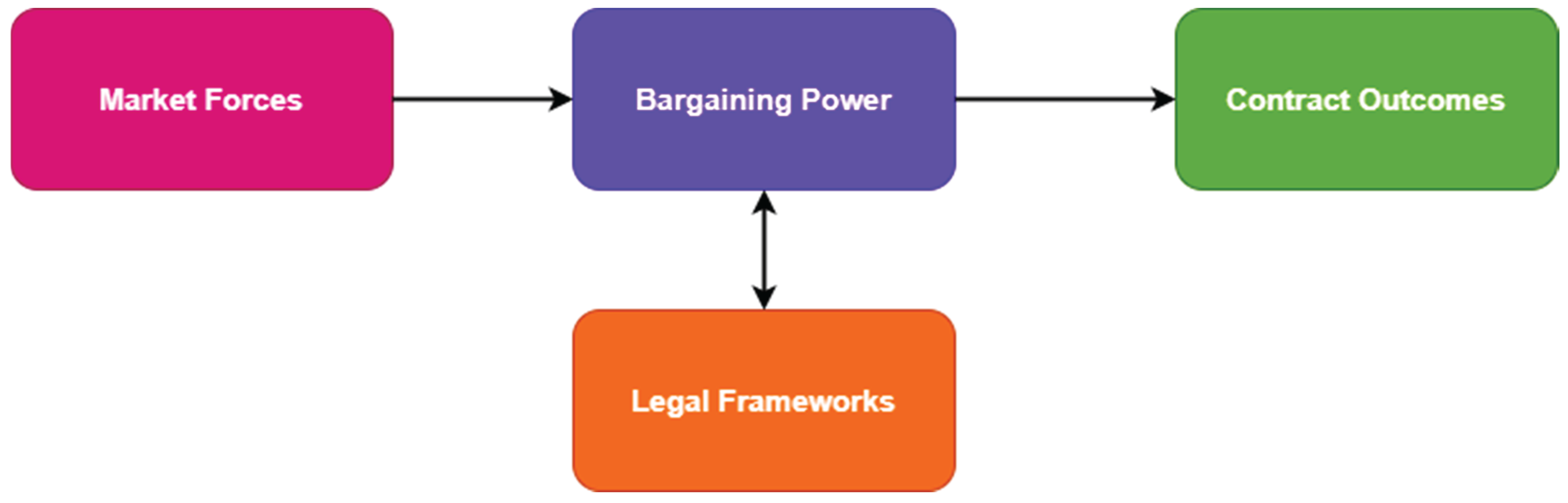
Figure 3.
Relationship Between Bargaining Power and Transfer Fee.
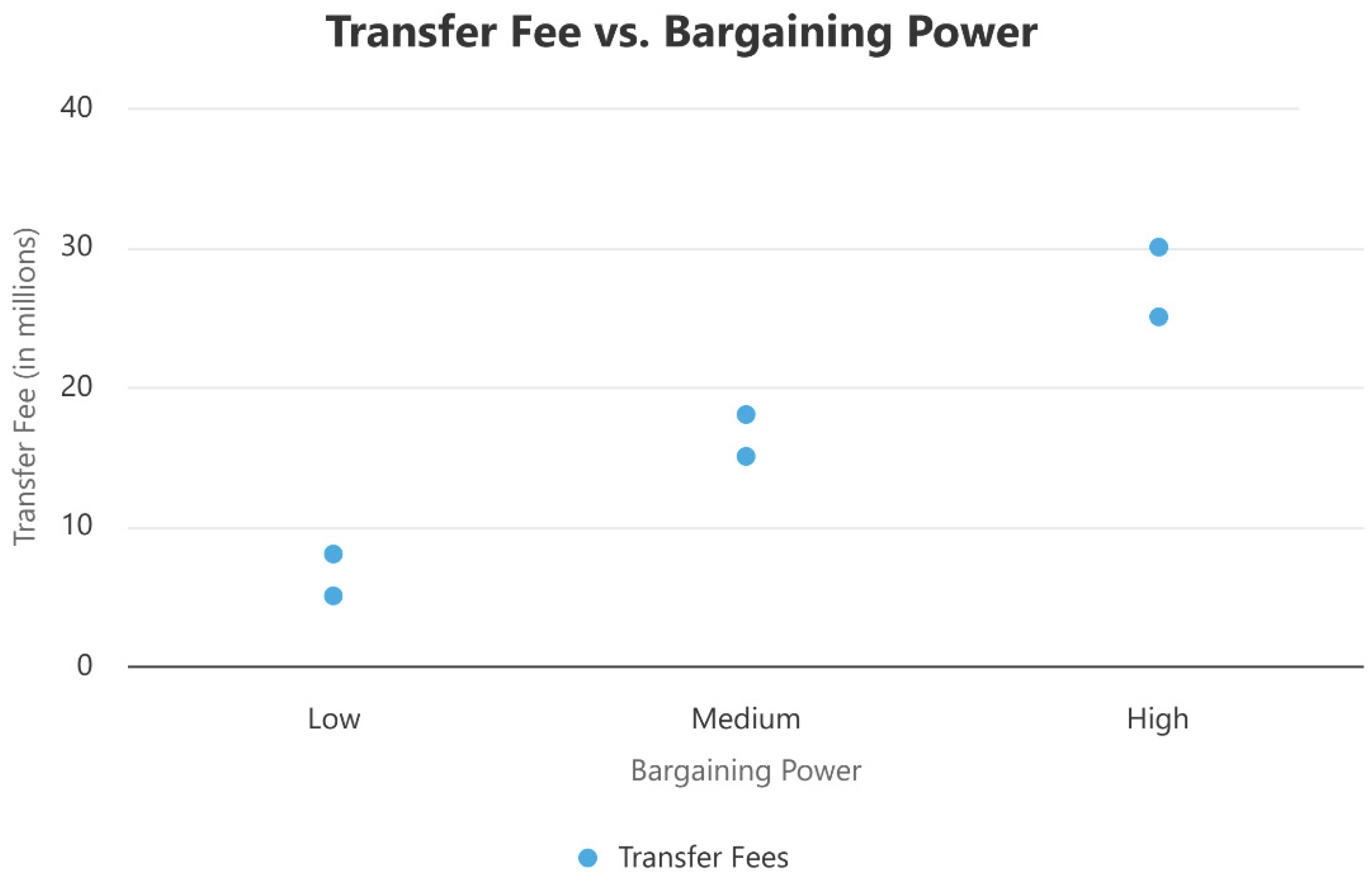
Figure 4.
Sampling Distribution by League and Region.
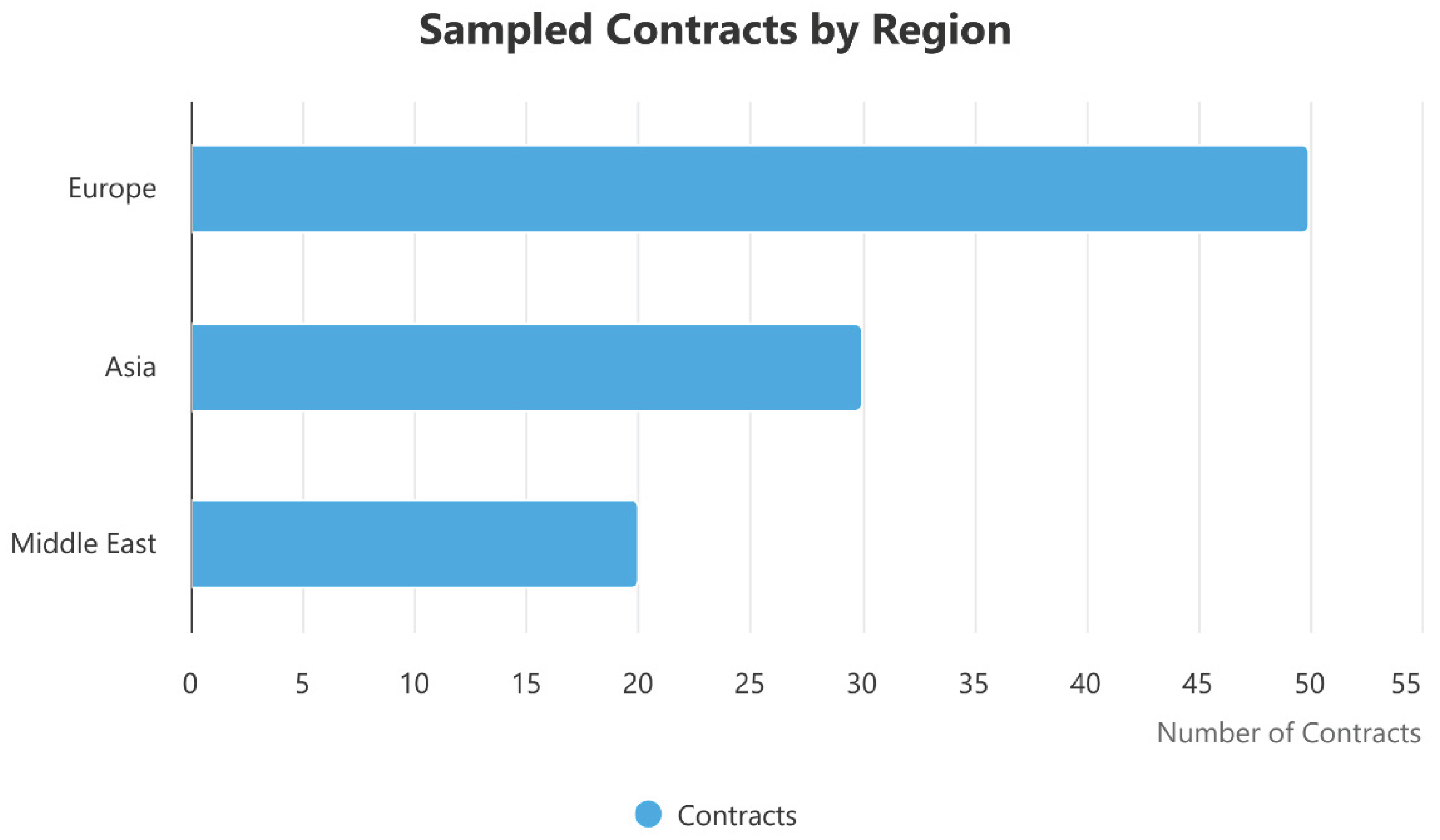
Figure 5.
Data Analysis Flowchart. A flowchart illustrating the sequential steps of quantitative and qualitative data analysis.
Figure 5.
Data Analysis Flowchart. A flowchart illustrating the sequential steps of quantitative and qualitative data analysis.
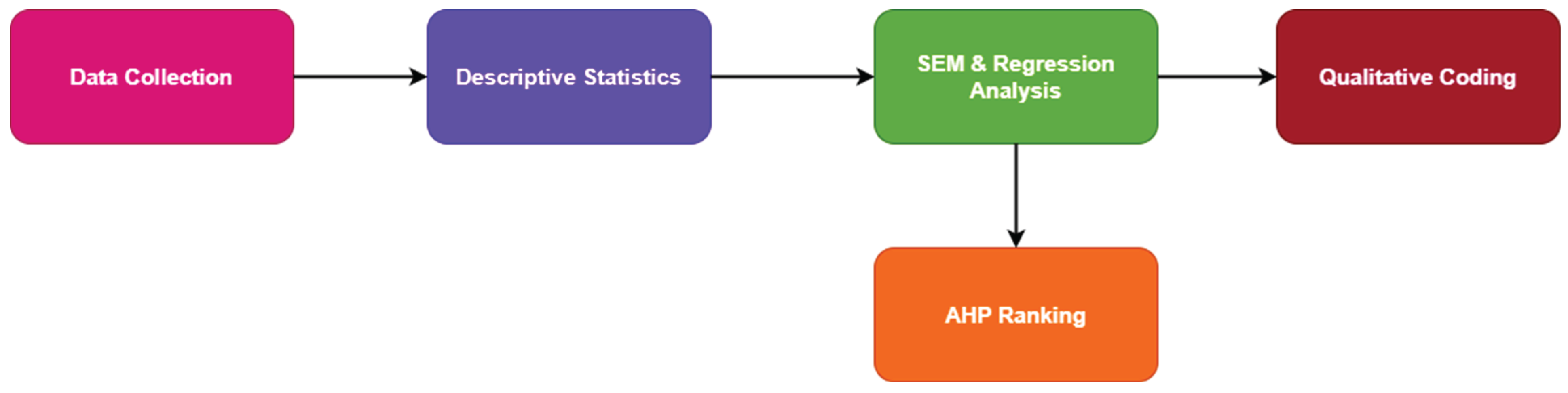
Figure 6.
Distribution of Contract Durations and Transfer Fees.
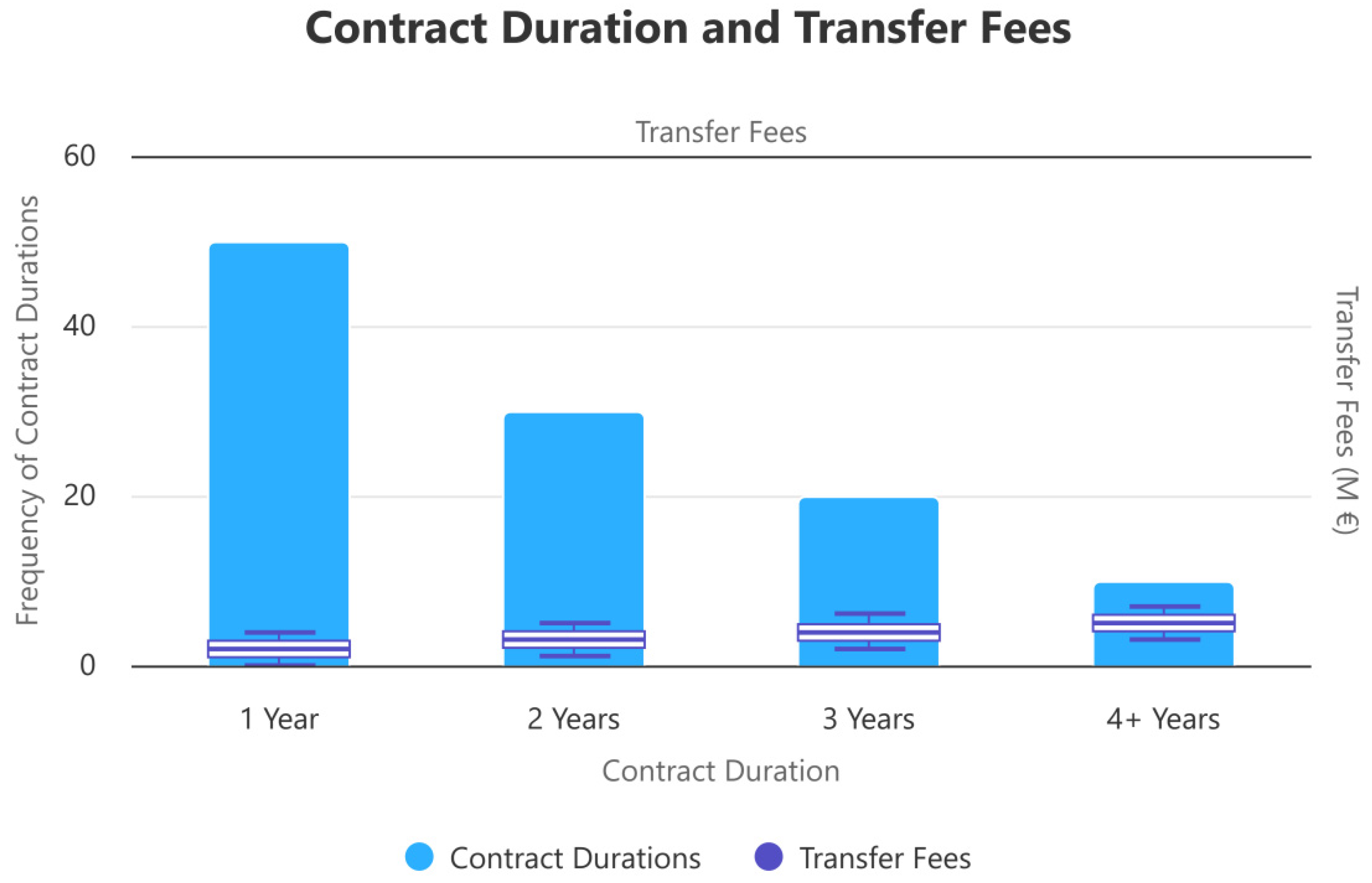
Figure 7.
AHP Ranking of Legal Challenges in Player Transfers.
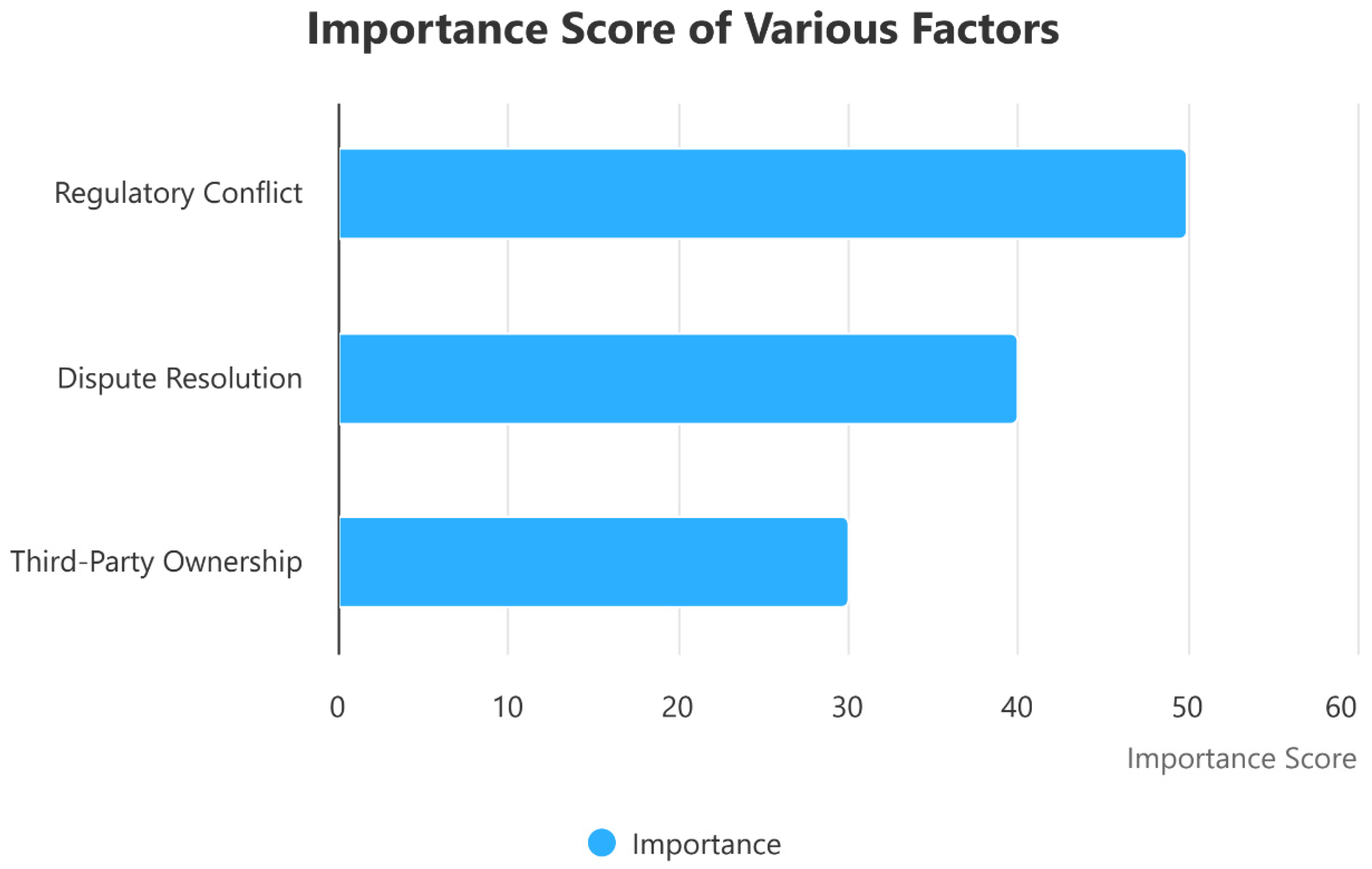
Table 1.
Key Legal Risks in Player Transfers and Their Impacts.
| Legal Risk | Potential Impact |
|---|---|
| Regulatory conflict | Contract invalidation, fines |
| Third-party ownership | Loss of control, sanctions |
| Dispute resolution | Delays, increased costs |
Disclaimer/Publisher’s Note: The statements, opinions and data contained in all publications are solely those of the individual author(s) and contributor(s) and not of MDPI and/or the editor(s). MDPI and/or the editor(s) disclaim responsibility for any injury to people or property resulting from any ideas, methods, instructions or products referred to in the content. |
© 2025 by the authors. Licensee MDPI, Basel, Switzerland. This article is an open access article distributed under the terms and conditions of the Creative Commons Attribution (CC BY) license (http://creativecommons.org/licenses/by/4.0/).
Copyright: This open access article is published under a Creative Commons CC BY 4.0 license, which permit the free download, distribution, and reuse, provided that the author and preprint are cited in any reuse.


