Preprint
Article

This version is not peer-reviewed.

Reproductive Dynamics and Hermaphroditism in the Black-Footed Limpet (Patella depressa Pennant, 1777) on an Intertidal Rocky Shore in the Algarve Coast (Southern Portugal)

A peer-reviewed article of this preprint also exists.

Submitted:

05 December 2024

Posted:

05 December 2024

You are already at the latest version

Abstract

The present study aimed to describe the reproductive cycle of the black-footed limpet (Patella depressa Pennant, 1777) from an intertidal rocky shore in the Algarve coast (southern Portugal). Samples were collected monthly between January 2017 and December 2018, being the species gametogenic cycle described based on gonad histology and the mean gonadal index. The presence of both transitional and mosaic hermaphrodites, indicate that some individuals are able to change sex (sequential hermaphroditism). Despite the occurrence of hermaphroditism, sex proportions were approximately equal, suggesting the absence of protandric sex change in this species. The population exhibited an extensive occurrence of ripe and spawning gonads, throughout almost all study period, probably related to consecutive processes of gonadal re-ripening and partial spawning events. The reproductive dynamics of P. depressa displayed clear inter-annual differences, with a short resting period recorded in 2017 (June – August) and the absence of resting gonads in 2018. Continued monitoring of this population and collection of environmental data is required to further improve the knowledge on the reproductive dynamics of this species. Such information is crucial for proposing additional management measures for the sustainable recreational harvesting of limpets in southern Portugal.

Keywords: 
;  ;  ;  ;  ;  

1. Introduction

Limpets are common inhabitants and dominant grazers on rocky shores worldwide, playing a key role in structuring intertidal communities and promoting ecosystem balance [1,2,3,4]. These marine gastropods are subject to highly variable and unpredictable environmental conditions [5], that can prompt significant changes in general physiological features, including reproductive biology and phenology [6]. In limpets, hermaphroditism might be a strategy to improve the success in spawning and recruitment [7,8]. In general, hermaphroditism can be simultaneous (individual releases both types of gametes) or sequential (individuals of one sex change to another sex later in the life cycle) [9,10]. Sequential hermaphrodites change sex from male to female (protandric species) or from female to male (protogynic species) [7,11]. In addition, in some species the sex change can be reversed [12]. Protandry hermaphroditism has been reported in several species of the genus Patella, namely P. vulgata [13,14], P. ulyssiponensis Gmelin, 1791 [14,15], P. aspera [16], P. ferruginea Gmelin, 1791 [17], P. rustica Linnaeus, 1758 [18] and P. depressa Pennant, 1777 [19].
The black-footed limpet P. depressa is the dominant intertidal limpet in the mid intertidal zone throughout the Portuguese mainland coast, being common in both rocky shores and artificial hard substrata (e.g., within harbors and marinas) [20,21,22]. Overall, the black-footed limpet is distributed from northern Africa, along the Atlantic coasts of Europe, including the southwestern England and Wales [20,23,24]. Diverse limpet species have been traditionally exploited for human consumption in some coastal communities [25,26], such as Mexico and south of the United States [27], Chile [28], Asturias and Canary Islands [29,30]. In Portugal, limpets are collected by professional harvesters and occasionally by recreational harvesters, being a traditional and popular seafood species intensively exploited in the Madeira [31,32,33] and Azores archipelagos [16,34,35,36,37].
The reproductive biology of the black-footed limpet P. depressa has been studied throughout its geographic distributional range. This species reproductive cycle was described for diverse populations, in the UK [23,38,39], in the Basque coast in Spain [40], and also in northern, central and southern Portugal [20,41]. Studies on protandrous sex change were performed in the UK [19] and Portugal also in northern, central and southwestern coastal regions [19,22,41]. A study on the spatial variability of P. depressa reproductive cycle and physiological condition was carried out by Fernández et al. [42] in the Galician coast of Spain. Morais et al. [43] examined the gonadal development and fatty acid composition in P. depressa populations from exposed and sheltered coastal sites in central Portugal. In addition, studies on reproduction techniques, larvae development and juvenile growth of the black-footed limpet in laboratory were performed by Rebouta [44].
The sustainability of the harvesting activities (professional or recreational) must be supported by a solid knowledge on the reproductive biology of the target species. Therefore, the present study aimed to describe the reproductive cycle (based on gonad histology and mean gonadal index) and compare the main spawning season of P. depressa from the Algarve coast (southern Portugal) with other populations throughout the species distributional range. Accordingly, the present study provides valuable information for proposing additional management measures for the sustainable recreational harvesting of limpets in southern Portugal.

2. Materials and Methods

2.1. Study Area and Field Sampling

Individuals of P. depressa were sampled monthly between January 2017 and December 2018 on a rocky shore at Praia da Luz in Lagos (37°5.1’N, 08°43.8’W) located in the Algarve coast (southern Portugal) (Figure 1). Limpets with a broad size range were collected manually and haphazardly along the intertidal area during low tides (≈ 20 individuals). In the laboratory, specimens were measured for shell total length (SL – longest distance along the shell dorsal surface) using a digital caliper (precision = 0.01 mm) and weighed for total wet weight (TW) on a top-loading digital balance (precision = 0.01 g).
Oceanographic data on surface seawater temperature (SST) and wave significant height (WH) recorded during the study period at the Faro oceanographic buoy (closest buoy to the collecting site: 36°54.3ʹN, 07°53.9ʹW) of the Portuguese Hydrographic Institute [45], was used to assess their influence on the species reproductive dynamics. For this purpose, atmospheric data on air temperature (AT) and wind speed (WS) registered in the same period at the Faro airport station (37°02’N, 07°96’W) was acquired from Weather Underground [46].

2.2. Gonad Histology and Mean Gonadal Index

Specimens of P. depressa were fixed in Davidson solution for 48 hours and then the preserved tissues were dehydrated, infiltrated and embedded in paraffin wax. Later, gonads were sectioned using an automated rotary microtome and stained with haematoxylin and eosin [47]. Subsequently, histological sections were examined under an optical microscope (magnifications of 40x, 100x and 200x), in order to assign gender and gonad maturity stage.
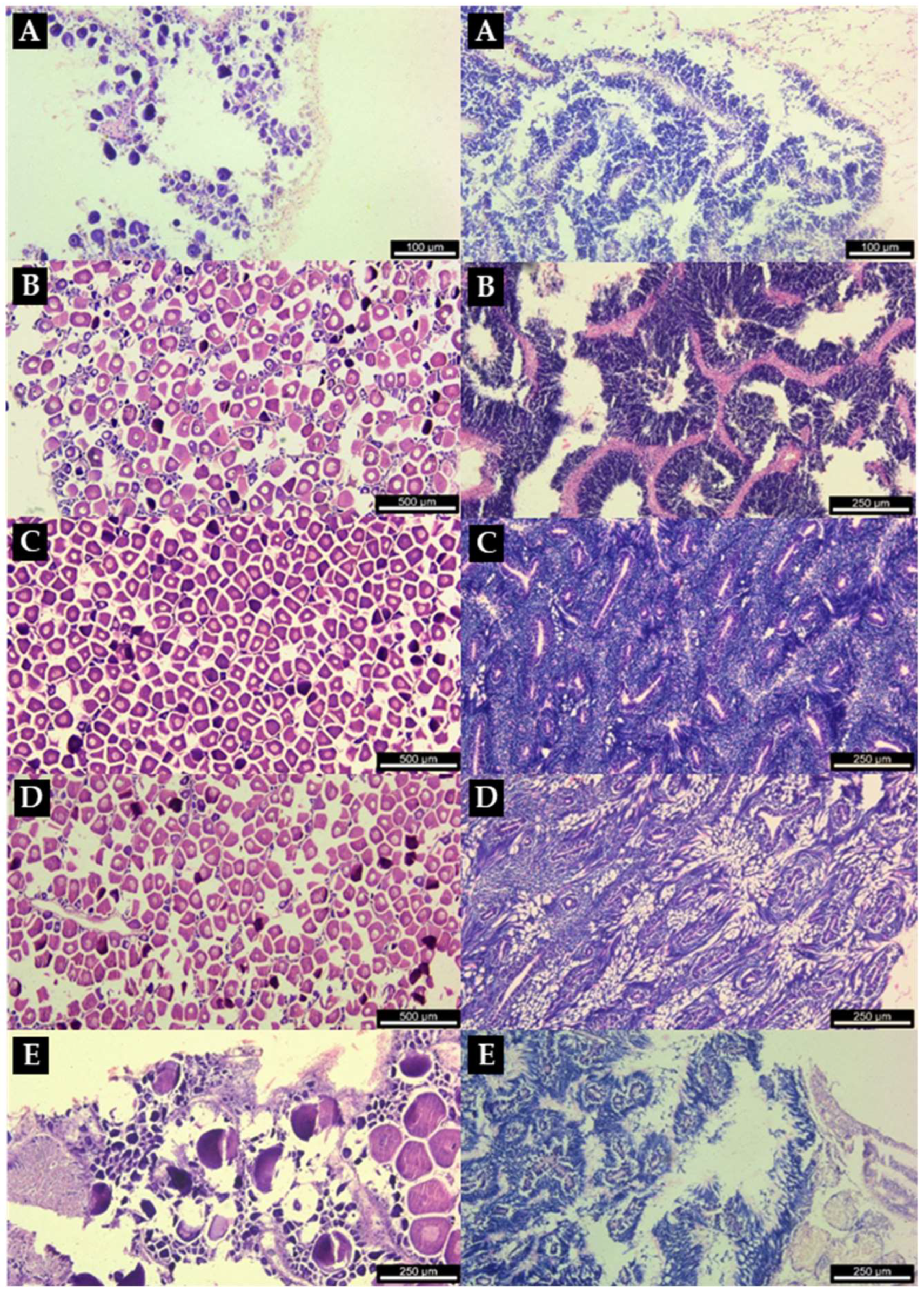
Gonad maturity stages were identified and classified using the microscopic maturation scale previously employed by Vasconcelos et al. [14]: inactive (stage 0), early development (stage I), late development (stage II), ripe (stage III), spawning (stage IV) and spent (stage V). Whenever diverse developmental stages were observed within a single gonad, the classification criterion was based on the prevailing maturity stage in the gonad. Limpets with inactive gonads were considered sexually undifferentiated. No maturation stage was assigned to hermaphrodite individuals, i.e., with both male and female gonadal features.
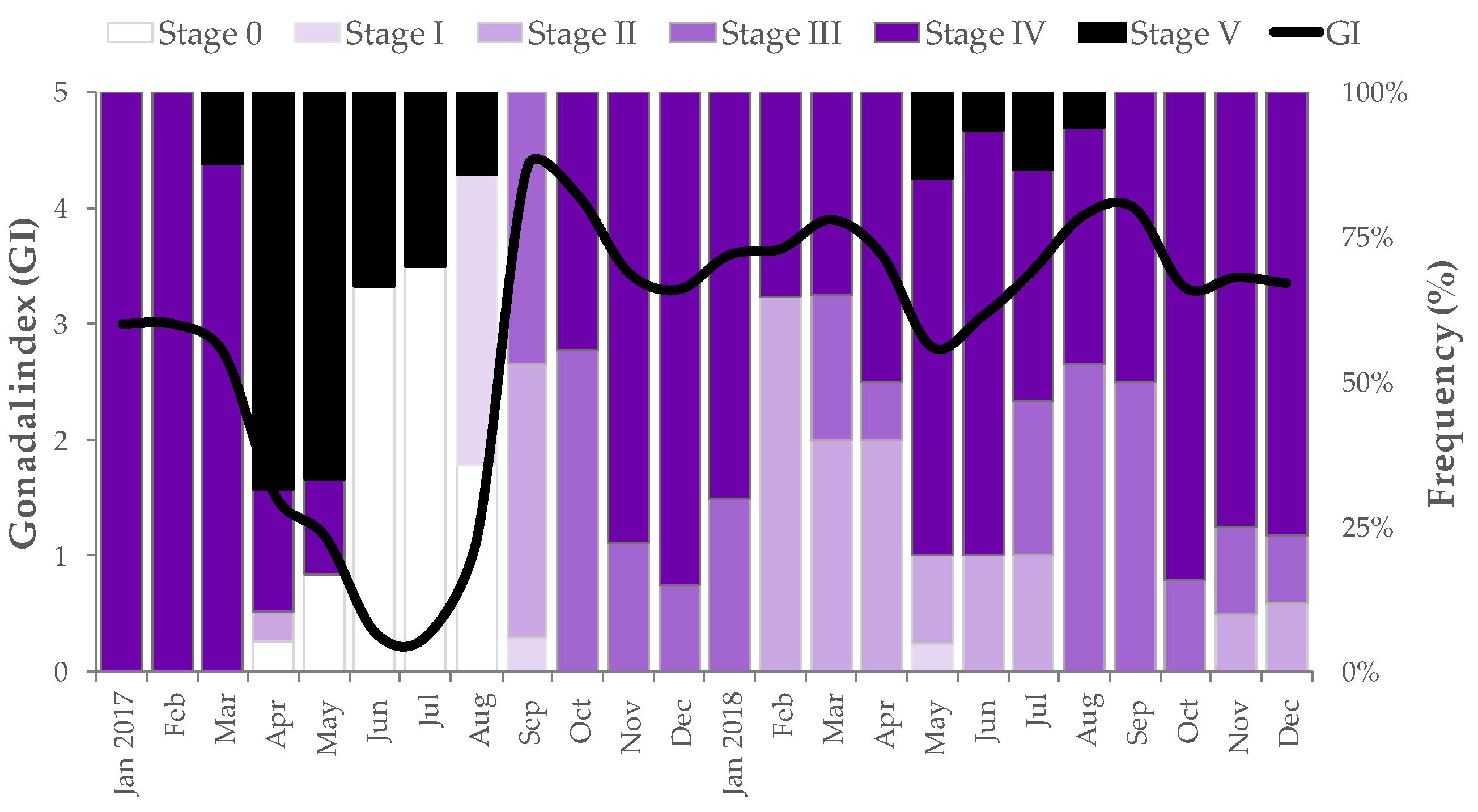
Afterwards, in order to estimate the mean gonadal index (GI), a numerical ranking was assigned to each maturity stage (inactive = 0; early development = 2; late development = 4; ripe = 5; spawning = 3; spent = 1), following the equation proposed by Seed [48]:
GI = ∑ (inds. at each stage x stage ranking)/total inds. at each month

2.3. Data Treatment and Statistical Analyses

The sex ratio in monthly samples of P. depressa, expressed as the proportion of females per male (F:M), was compared with parity (1:1) using the chi-square test (χ2-test). Cumulative size-frequency distributions were plotted separately for males and females. Specimens shell length (SL) and total weight (TW) were compared between sexes through analysis of variance (ANOVA). Whenever ANOVA assumptions (normality of data and homogeneity of variances) were not achieved, the non-parametric Kruskal-Wallis test (ANOVA on ranks) was applied.
A correlation matrix was produced to assess eventual relationships between the mean GI and oceanographic and atmospheric parameters (AT, SST, WS and WH) in the region during the study period. Data normality was verified using the Shapiro-Wilk test and then the correlation between variables was evaluated through Pearson (r) or Spearman (ρ) coefficients, whenever data were normally or non-normally distributed, respectively.
Data treatment and statistical procedures were performed using the software packages Microsoft Excel 2016 and R statistical language [49], with statistical significance level considered for p < 0.05.

3. Results

3.1. Population composition and sex ratios

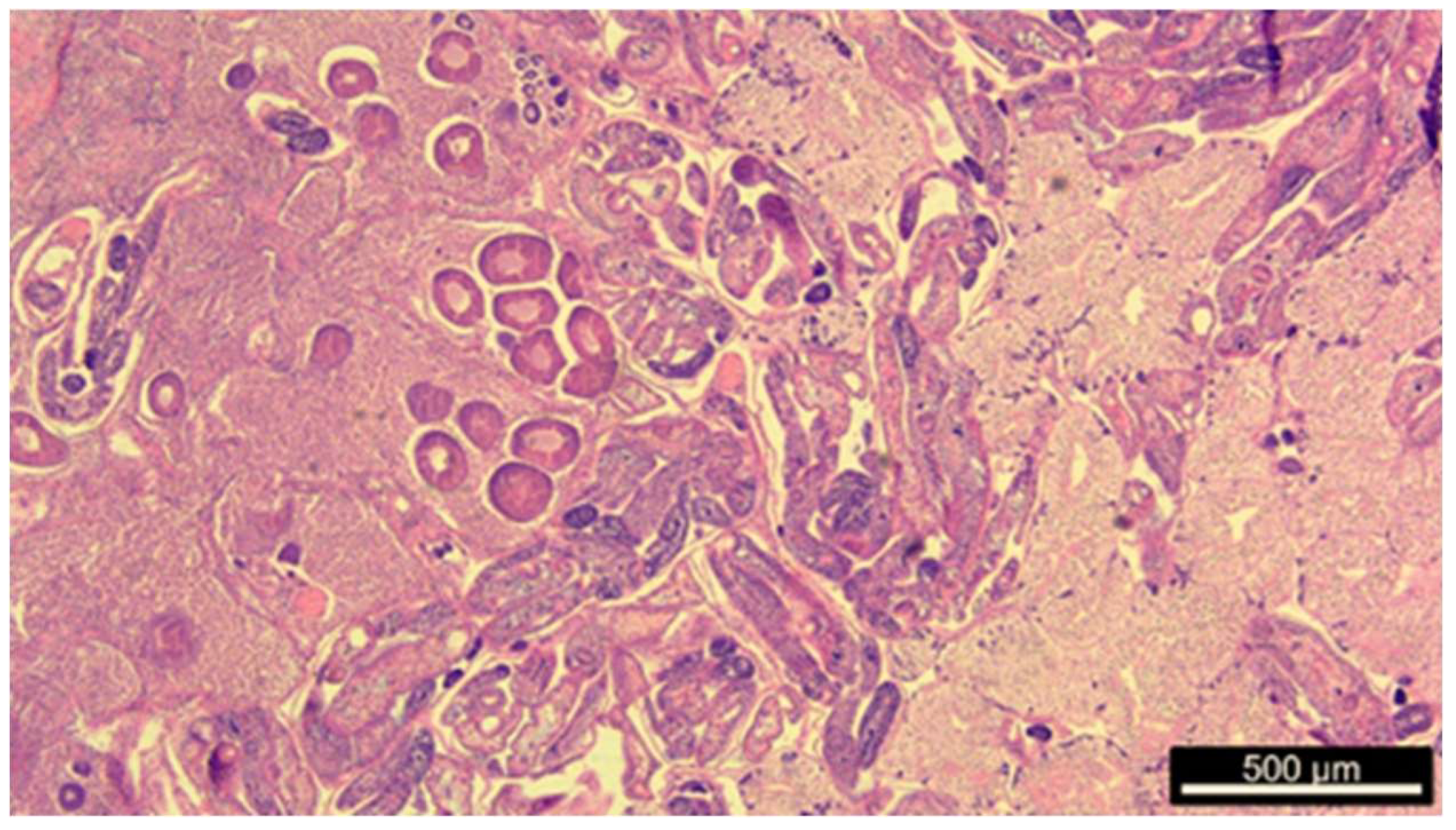
A total of 407 individuals of P. depressa (mean = 31.0 ± 5.8 mm SL, range = 16.2–45.8 mm SL) comprised 51.1% males, 36.6% females, 6.6% sexually undifferentiated individuals, 4.2% hermaphrodites and 1.5% specimens with gonads affected by parasites or pathologies (Figure 2), which were excluded from further analytical procedures.
The main descriptive statistics of the black-footed limpets from Algarve coast are described in Table 1. In the overall samples examined during the study period, the sex-ratio of P. depressa was significantly different from parity (1M: 0.72F: χ2 = 9.75, p = 0.002). In addition, three monthly samples also displayed significant deviations from parity (1:1), both with male biased sex-ratios, namely November 2017 (1M: 0.13F: χ2 = 5.44, p = 0.020), January 2018 (1M: 0.33F: χ2 = 5.00, p = 0.025) and October 2018 (1M: 0.36F: χ2 = 4.26, p = 0.039).
In addition, the comparison of shell length and weight between sexes did not detect any statistically significant differences between males and females of P. depressa (SL: K-W = 0.54, p = 0.464; TW: K-W = 0.45, p = 0.504).
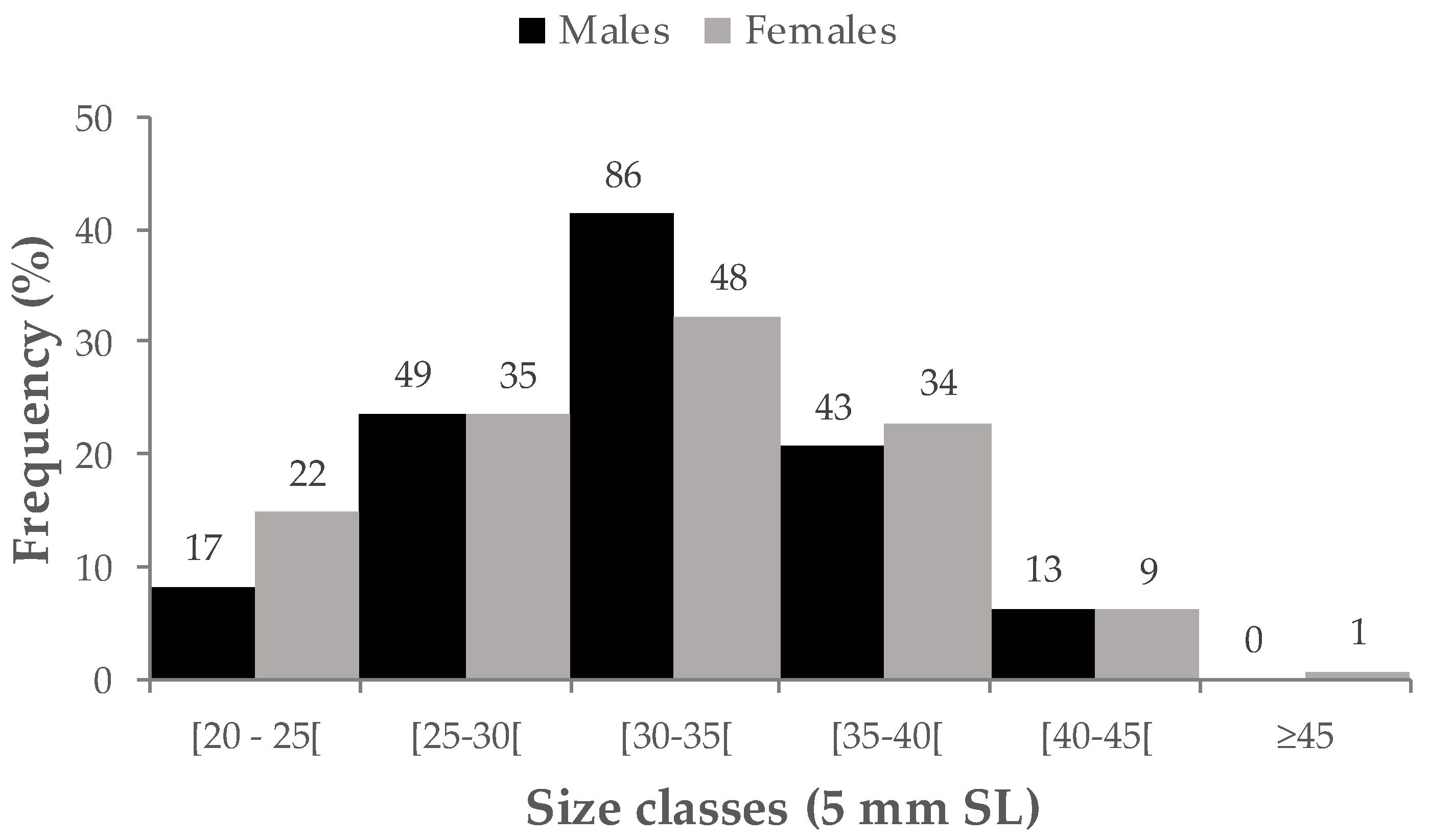
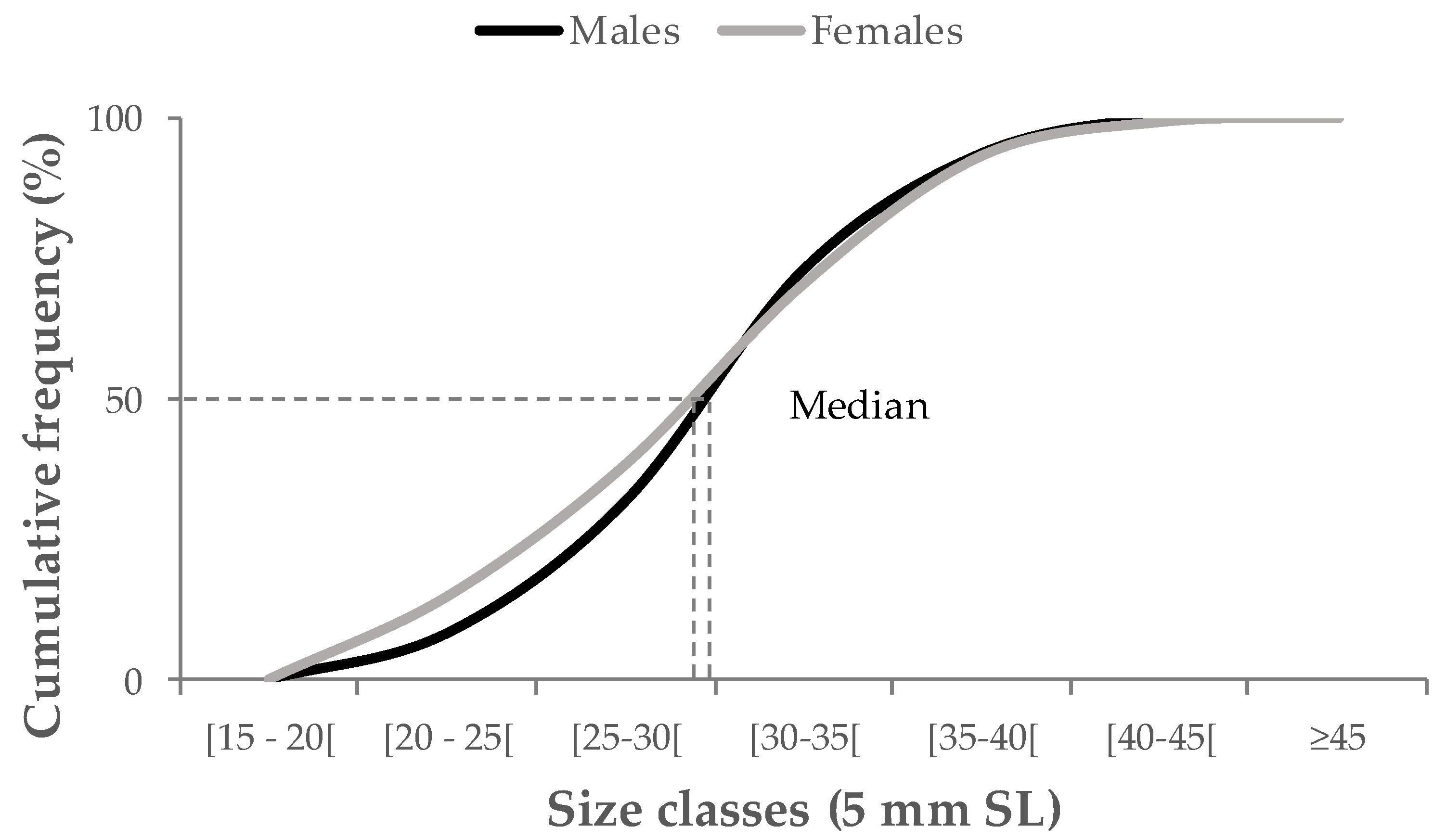
In a protandric hermaphrodite species, it was expected that males would be predominant in smaller sizes, while females would prevail in larger classes. However, females outnumbered males in scattered size classes (20–25; 35–40; ≥ 45 mm SL), males prevailed in the 30–35 mm SL size class, and the percentage of males and females, was very similar in the size classes 25–30 and 40–45 mm SL (Figure 3). Moreover, the cumulative size frequencies of male and female black-footed limpets exhibited both genders scattered through most size classes, as well as very similar median sizes between males and females, suggesting a gonochoristic life history (Figure 4).

3.2. Reproductive Cycle, Gonadal Index and Environmental Parameters

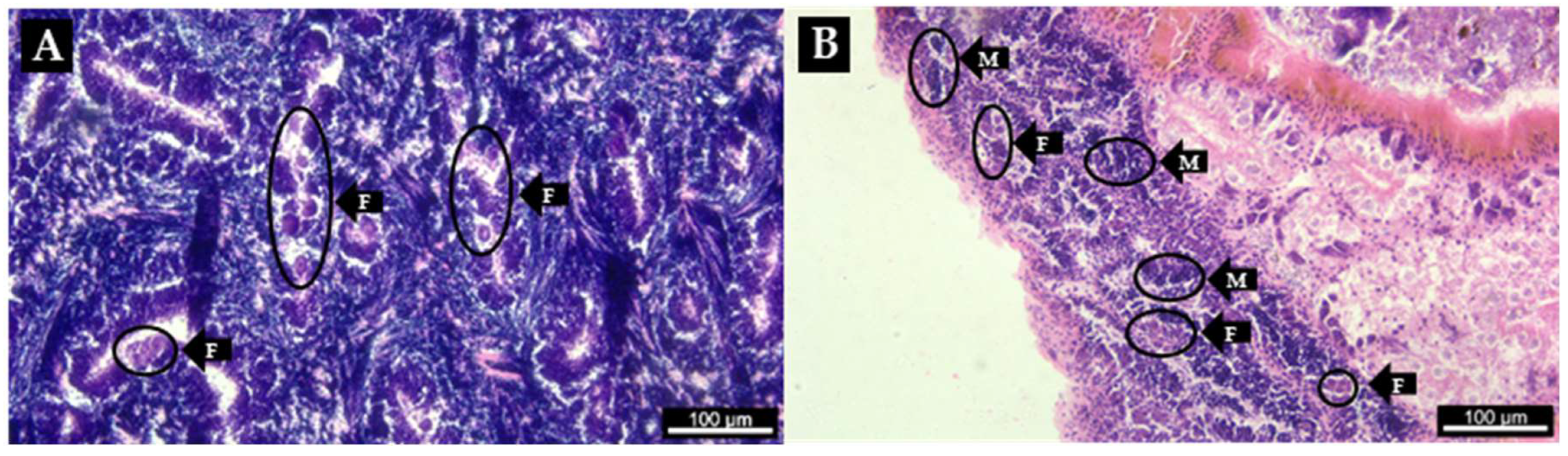
The histological examination of the gonadal tissues allowed identifying the hermaphrodite gonads, displaying simultaneous male and female gonadal characters (Figure 5). Two levels of hermaphroditism were disclosed: transitional and mosaic hermaphroditism. Predominantly male gonads containing some immature oocytes were considered transitional hermaphrodites (Figure 5A). In the present study, were detected 11 transitional hermaphrodites (32.4 ± 7.5 mm SL) in May, July and August 2017 and also in June and July 2018. Limpets whose gonad comprised almost equal portions of male and female tissue were designated mosaic hermaphrodites (24.4 ± 2.2 mm SL) (Figure 5B) and were observed in July and August 2017 and then in June and July 2018. Although no maturation stage was assigned to hermaphrodite individuals, all mosaic hermaphrodites observed in the present study had gonads with typical features of stages 1 or 5 (early development and spent, respectively).
Histological sections displaying the diverse gonad development stages in male and female black-footed limpets are illustrated in Figure 6. The monthly variation in gonad maturity stages and mean gonadal index (GI) is presented in Figure 7. Clear inter-annual differences were detected during the study period, with resting gonads being only observed in 2017, mainly between June and August. Individuals at early development stage were recorded between July and September 2017, whereas in 2018 later development gonads occurred more frequently and during a longer period (February – July; November – December). Ripe and spawning individuals were scattered throughout almost all study period (excluding June – August 2017). In general, ripe gonads were observed between September 2017 and April 2018, and then from July 2018 until the end of the year. Spawning individuals occurred between January and May 2017, and from October 2017 until the end of 2018. This extensive occurrence of ripe and spawning gonads, prevailing over less-developed maturation stages, is probably due to consecutive processes of gonadal re-ripening and partial spawning events throughout the reproductive cycle.
The monthly variation in GI reflected the reproductive dynamics of P. depressa, displaying clear inter-annual differences throughout the study period. In the 2-years study period, the lowest GI (0.30) was recorded in July 2017 and the highest (4.35) in September 2017. In 2018, GI values never dropped below 2.80, reflecting the presence of late development, ripe and spawning gonads during the above mentioned consecutive processes of gonadal re-ripening and partial spawning events. Values of GI below 2.00, corresponding to inactive, early development and spent gonads, were observed only between April and August of 2017, coinciding with the resting period mentioned before.
The inter-annual differences observed in GI fluctuation, mirroring the monthly variation in gonad maturity stages, were probably due to oscillation in atmospheric and oceanographic parameters. Indeed, mean GI’s appear to be negatively influenced by WS (ρ = −0.528, p < 0.05) and WH (ρ = −0.461, p < 0.05). Although, other parameters, namely AT and SST, did not seem to affect the mean GI (ρ = 0.031, p > 0.05 and ρ = 0.077, p > 0.05 respectively) and consequently, the reproductive dynamics of P. depressa (Table 2).

4. Discussion

The present study recorded a male biased sex-ratio (1M: 0.72F) in the black-footed limpet population from the Algarve coast. Previous studies also reported the prevalence of males over females in other populations of P. depressa along the mainland coast of Portugal [20,41,50]. On the opposite, although males prevailed over females, the proportion between sexes did not differ significantly in two populations of P. depressa from central coast of Portugal [22].
The assumption of protandry in patellid limpets is usually based on sexually unbalanced size-frequency distributions and/or on the occurrence of individuals displaying both male and female gonads in intermediate size classes [7]. In fact, the present study, detected several specimens with gonads displaying both male and female features. Nevertheless, the proportion of hermaphrodites observed in the present study (4.2%) was much higher than that recorded in British populations of P. depressa (0.021%) [51]. Branch [52] distinguished two forms of hermaphrodites, transitional and mosaic. Transitional hermaphrodites have morphologically uniform gonad which is predominantly male, within small oocytes scattered throughout the gonadal tissue. Subsequently, all sperm in the gonad is either shed or resorbed and the limpet becomes entirely female. The transitional form can be interpreted as an intermediate stage in the transformation from a male gonad into a female gonad, i.e., sequential hermaphroditism [53]. Mosaic hermaphrodites contain some patches of gonad that are functionally female and other that are functionally male, being also designated as simultaneous hermaphrodites [52].
Mosaic hermaphroditism had a small and sporadic incidence in several patellid species from England [51] and South Africa [52], which is not necessarily related to sex change [7]. In addition, Dodd [51] believed that due to the rarity of this form, and its wide occurrence amongst gonochoristic species, the mosaic hermaphrodites could be considered an aberration. In the present study, about 2.7% of the total analyzed individuals presented transitional hermaphroditism spread over a wide size range (22.2–43.2 mm SL), whereas mosaic hermaphroditism was detected in a lower proportion of limpets (1.5%) and only in smaller specimens (21.3–27.7 mm SL). In the present study, all mosaic hermaphrodites had gonads with typical features of maturation stages I or V, suggesting that they were in a transitional stage of sequential sex-change [33]. Accordingly, the occurrence of both transitional and mosaic hermaphrodites in the studied population, indicates that some individuals are able to change sex (sequential hermaphroditism).
Contrarily to gonochoristic species that usually have similar proportions of males and females [19], protandric hermaphrodite species are expected to present male biased sex-ratios, in which younger and smaller individuals are males and then the proportion of females gradually increases with age and size [9,51,54,55]. Despite the occurrence of hermaphrodites and the male biased sex-ratio recorded in the present study, the black-footed limpets from Algarve coast presented both sexes scattered through most of size classes, suggesting a gonochoristic life history [19]. Indeed, the comparison of cumulative size-frequency distributions among sexes further confirmed quite similar median sizes between males and females. Corroborating these findings, populations of P. depressa from UK [20,23,51] and Portugal [22] were also considered non-protandric. In fact, contrarily to P. vulgata [13,14,19], this population of black-footed limpets from the Algarve coast does not seem to be a protandric hermaphrodite, in which sex changes with age/size. However, Borges et al. [19] considered the possibility of a slight occurrence of protandry in P. depressa from Portugal because individual size differed faintly between sexes in that population. In the present study, no significant differences were detected in shell length or weight between sexes, therefore the occurrence of hermaphroditism might relate to the species variable life history depending on environmental and demographic constraints [19]. In addition, hermaphroditism is interpreted as an advantageous strategy, for increasing reproductive success, based on the assumption that sex-changing individuals will improve their reproductive efficiency [56,57]. Besides, the direction of sex change is supposed to be determined by the relative fitness return for both sexes throughout limpet’s lifetime and not by their size [8,58]. In some species, sex change is triggered by specific environmental conditions, whereas in other species it appears to be determined genetically and occurrs mainly after the first reproductive period [59,60].
The black-footed limpets from Algarve coast exhibited an extensive occurrence of ripe and spawning gonads throughout almost 2 years (excluding June – August 2017), probably related to consecutive processes of gonadal re-ripening and partial spawning events. The spawning of P. depressa seems to be negatively influenced by wind speed and wave high and its reproductive cycle exhibited clear inter-annual differences, namely a short resting period only recorded in 2017 (June – August). Similar reproductive dynamics were observed in diverse populations of P. depressa. Brazão et al. [22] reported that two populations from central coast of Portugal spawned in summer, but earlier partial emissions occurring in January. Those populations exhibited a resting phase in a quite similar period to that observed in the present study (June to August 2017). Guerra and Gaudêncio [20] recorded diverse patterns in the reproductive cycles of P. depressa populations, from north to south coasts of mainland Portugal. These authors considered the populations from north and central coasts very asynchronous, exhibiting gonads in different maturity stages scattered year-round, suggesting frequent spawning events and gonad re-ripening, just like the southern population in the present study. Orton and Southward [23] also reported a trend of multiple spawning events in P. depressa from UK, and similar to the present study, detected considerable inter-annual variability in the species reproductive activity that was attributed to differences in temperature throughout the study. In the central coast of Portugal, P. depressa spawning appears to be induced by high wind speed under favorable air temperature [22].
However, in the present study, air and seawater temperatures did not seem to influence significantly P. depressa spawning, whereas wind speed and wave high were negatively correlated with the mean GI. Near its northern limit of occurrence (SW England), spawning of P. depressa seems to occur under maximum air temperature and wave action, with resting period during winter months [23,24]. Since the Portuguese coast is the southern distributional limit, the resting phase coincided with increasing air and seawater temperatures (i.e., summer), reflecting the adverse conditions of excessive heat near its southern limits suggested by Lewis et al. [61]. In addition, just like the present study, the southern population sanalysed by Guerra and Gaudêncio [20] showed a rapid gonad development during late summer, with spawning individuals increasing progressively through autumn until early spring.
Previous studies reported that high wind speed, associated with wave action stimulation, might induce spawning in patellid limpets, because strong onshore winds act as a mechanical trigger [13,19,20,22,23]. Although according to Lewis [61] spawning in patellid limpets involves an environmental trigger, the conditions controlling P. depressa spawning in the Algarve coast were not fully identified. The inter-annual differences revealed in the present study might be related with complex and specific combinations of environmental parameters acting together. Nevertheless, contrarily with the previous studies, the spawning of black-footed limpets appears to be negatively influenced by wind speed and wave height in the Algarve coast.

5. Conclusions

Despite the occurrence of hermaphroditism, the Algarve coast black-footed limpet population presented both sexes scattered through most size classes, suggesting the ab-sence of protandric hermaphroditism, in which sex changes with age/size. The repro-ductive cycle of P. depressa displayed clear inter-annual differences and the influence of environmental parameters in its reproductive dynamics still remains a slightly unclear. For this reason, it is essential to continue monitoring this population and gathering envi-ronmental data from that area, aiming to improve the knowledge on P. depressa reproductive cycle and dynamics. Such information is crucial to propose management measures for the sustainable recreational harvesting of limpets in southern Portugal.

Author Contributions

Conceptualization, P.M. and P.V.; methodology, P.M, F.P. and P.V.; software, P.M. and A.N.C.; validation, P.M., F.P. and A.N.C.; formal analysis, P.M. and A.N.C.; investigation, P.M.; resources, P.M and F.P.; data curation, P.M. and A.N.C.; writing—original draft preparation, P.M.; writing—review and editing, P.M., F.P. A.N.C., P.V. and M.B.G.; visualization, P.M. and P.V.; supervision, P.M.; project administration, M.B.G.; funding acquisition, M.B.G. All authors have read and agreed to the published version of the manuscript.

Funding

This research was funded by “Contributo para a Gestão Sustentada da Pequena Pesca e da Apanha (PESCAPANHA)” (field surveys, biological sampling and laboratory analyses), funded by the Fisheries Operational Programme (MAR 2020) and co-financed by the European Maritime and Fisheries Fund (EMFF 2014-2020), and also by the “Programa de Monitorização da Pequena Pesca e Apanha (MOPPA)” (data treatment, statistical analyses and manuscript writing), funded by the Fisheries Operational Programme (MAR 2030) and co-financed by the European Maritime, Fisheries and Aquaculture Fund (EMFAF 2021-2027).

Institutional Review Board Statement

Ethical review and approval were not required for this study as it involved only invertebrate animals.

Informed Consent Statement

Not applicable.

Data Availability Statement

Data will be made available upon reasonable request to the corresponding author.

Acknowledgments

The authors are grateful to the Portuguese Hydrographic Institute (IH) for kindly providing data on SST and WH, as well as to the website Weather Underground for the freely available data on AT and WS.

Conflicts of Interest

The authors declare no conflicts of interest. The funders had no role in the design of the study; in the collection, analyses, or interpretation of data; in the writing of the manuscript; or in the decision to publish the results.

References

  1. Jenkins, S.R.; Coleman, R.A.; Della Santina, P.; Hawkins, S.J.; Burrows, M.T.; Hartnoll, R.G. Regional scale differences in the determinism of grazing effects in the rocky intertidal. Mar. Ecol. Prog. Ser. 2005, 287, 77–86. [Google Scholar] [CrossRef]
  2. Coleman, R.A.; Underwood, A.J.; Benedetti-Cecchi, L.; et al. A continental scale evaluation of the role of limpet grazing on rocky shores. Oecologia. 2006, 147, 556–564. [Google Scholar] [CrossRef]
  3. Brazão, S.E. Biochemical studies of the limpet Patella depressa Pennant, 1777 from marinas and rocky shores of the Portuguese coast: a marker approach. Master Thesis, Universidade do Algarve, Faro, Portugal, 2009. http://hdl.handle.net/10400.1/652.
  4. Burgos-Rubio, V.; De la Rosa, J.; Altamirano, M.; Espinosa, F. The role of patellid limpets as omnivorous grazers: a new insight into intertidal ecology. Mar Biol. 2015, 162, 2093–2106. [Google Scholar] [CrossRef]
  5. Harley, C.D.G.; Denny, M.W.; Mach, K.J.; Miller, L.P. Thermal stress and morphological adaptations in limpets. Funct. Ecol. 2009, 23, 292–301. [Google Scholar] [CrossRef]
  6. Davies, P.S. Effect of environment on metabolic activity and morphology of Mediterranean and British species of Patella. Pubbl. Stn. Zool. Napoli. 1969, 37, 641–656. [Google Scholar]
  7. Branch, G.M. The biology of limpets: physical factors, energy flow and ecological interactions. Oceanogr. Mar. Biol., an Annual Review 1981, 19, 235–380. [Google Scholar]
  8. Guallart, J.; Calvo, M.; Acevedo, I.; Templado, J. Two-way sex change in the endangered limpet Patella ferruginea (Mollusca, Gastropoda). Invertebr. Reprod. Dev. 2013, 57, 247–253. [Google Scholar] [CrossRef]
  9. Orton, J.H. Observations on Patella vulgata. Part I. Sex phenomena, breeding and shell-growth. J. Mar. Biol. Assoc. UK 1928, 15, 851–862. [Google Scholar] [CrossRef]
  10. Ghiselin, M.T. Evolutionary aspects of marine invertebrate reproduction. In Reproduction of Marine Invertebrates, Giese, A.C., Pearse, J.S., Pearse, V.B., Eds.; Blackwell Scientific Publications, Palo Alto, California, 1987; Volume 9, pp. 609–666.
  11. Borges, C.D.; Hawkins, S.J.; Crowe, T.P.; Doncaster, C.P. The influence of simulated exploitation on Patella vulgata populations: protandric sex change is size-dependent. Ecol. Evol. 2016, 6(2), 514–531. [Google Scholar] [CrossRef]
  12. Rivera-Ingraham, G.A.; Espinosa, F.; García-Gómez, J.C. Environmentally mediated sex change in the endangered limpet Patella ferruginea (Gastropoda: Patellidae). J. Mollus. Stud. 2011, 77, 226–231. [Google Scholar] [CrossRef]
  13. Orton, J.H.; Southward, A.J.; Dodd, J.M. Studies on the biology of limpets II. The breeding of Patella vulgata L. in Britain. J. Mar. Biol. Assoc. UK 1956, 35, 149–176. [Google Scholar] [CrossRef]
  14. Vasconcelos, P.; Umapathy, U.; Moura, P.; Pereira, F.; Carvalho, A.N.; Gaspar, M.B. Size at sex change and reproductive cycle of the limpets Patella vulgata and Patella ulyssiponensis (Mollusca: Patellogastropoda) from intertidal rocky shores of the Algarve coast (southern Portugal). Invertebr. Reprod. Dev. 2019, 63, 294–308. [Google Scholar] [CrossRef]
  15. Thompson, G.B. Distribution and population – dynamics of the limpet Patella aspera (Lamarck) in Bantry Bay. J. Exp. Mar. Bio. Ecol. 1979, 40, 115–135. [Google Scholar] [CrossRef]
  16. Martins, G.M. , Borges, C.D.G.; Vale, M.; Ribeiro, P.A.; Ferraz, R.R.; Martins, H.R.; Santos, R.S.; Hawkins, S.J. Exploitation promotes earlier sex changes in a protandrous patellid limpet, Patella aspera Röding, 1798. Ecol. Evol. 2017, 7, 3616–3622. [Google Scholar] [CrossRef]
  17. Espinosa, F.; Guerra-García, J.M.; Fa, D.; García-Gómez, J.C. Gonochorism or protandrous hermaphroditism? Evidence of sex change in the endangered limpet Patella ferruginea. Mar. Biodivers. Rec. 2009, 2, e153. [Google Scholar] [CrossRef]
  18. Prusina, I.; Ezgeta-Balic, D.; Ljubimir, S.; Dobroslavić, T.; Glamuzina, B. On the reproduction of the Mediterranean keystone limpet Patella rustica: histological overview. J. Mar. Biol. Assoc. UK 2014, 94, 1651–1660. [Google Scholar] [CrossRef]
  19. Borges, C.D.G.; Doncaster, C.P.; MacLean, M.A.; Hawkins, S.J. Broad-scale patterns of sex ratios in Patella spp.: a comparison of range edge and central range populations in the British Isles and Portugal. J. Mar. Biol. Assoc. UK 2015, 95, 1141–1153. [Google Scholar] [CrossRef]
  20. Guerra, M.T.; Gaudêncio, M.J. Aspects of the ecology of Patella spp. on the Portuguese coast. Hydrobiologia 1986, 142, 57–69. [Google Scholar] [CrossRef]
  21. Boaventura, D.; Alexander, M.; Della Santina, P.; Smith, N.D.; Ré, P.; Cancela da Fonseca, L.; Hawkins, S.J. The effects of grazing on the distribution and composition of low-shore algal communities on the central coast of Portugal and on the southern coast of Britain. J. Exp. Mar. Bio. Ecol. 2002, 267, 185–206. [Google Scholar] [CrossRef]
  22. Brazão, S.; Boaventura, D.; Morais, S.; Narciso, L.; Ré, P. Reproduction of Patella depressa Pennant, 1777 on the central Portuguese coast. Bol. Inst. Esp. Oceanogr. 2003, 19, 453–460. [Google Scholar]
  23. Orton, J.H.; Southward, A.J. Studies on the biology of limpets. IV. The breeding of Patella depressa Pennant on the North Cornish coast. J. Mar. Biol. Assoc. UK 1961, 41, 653–662. [Google Scholar] [CrossRef]
  24. Fretter, V.; Graham, A. The prosobranch molluscs of Britain and Denmark. Part 1. Pleurotomariacea, Fissurellacea and Patellacea. J. Mollus. Stud. 1976; 1, 1–38. [Google Scholar]
  25. McCoy, M.D. Hawaiian limpet harvesting in historical perspective: A review of modern and archaeological data on Cellana spp. from the Kalaupapa Peninsula, Moloka’i Island. Pac. Sci. 2008, 62, 21–38. [Google Scholar] [CrossRef]
  26. Mau, A.; Jha, R. Aquaculture of two commercially important molluscs (abalone and limpet): existing knowledge and future prospects. Rev Aquac. 2018, 10, 611–625. [Google Scholar] [CrossRef]
  27. Pombo, O.A.; Escofet, A. Effect of exploitation on the limpet Lottia gigantea: a field study in Baja California (Mexico) and California (U.S.A.). Pac. Sci. 1996, 50, 393–403. [Google Scholar]
  28. Olivares-Paz, A.; Quinteiro, J.; Rey-Méndez, M. Autentificación de lapas del género Fissurella (Mollusca: Vetigastropoda) en la costa chilena, mediante PCR-RFLP. Invest. Mar. 2006, 34, 113–118. [Google Scholar] [CrossRef]
  29. Moro, L.; Herrera, R. Las lapas: un recurso en extinción. Medio Ambiente Canarias 2000, 16, 20–22. [Google Scholar]
  30. Casal, G.; Aceña-Matarranz, S.; Fernández-Márquez, D.; Fernández, N. Distribution and abundance patterns of three coexisting species of Patella (Mollusca Gastropoda) in the intertidal areas of the NW Iberian Peninsula: Implications for management. Fish. Res. 2018, 198, 86–98. [Google Scholar] [CrossRef]
  31. Henriques, P.; Sousa, R. , Pinto, A.R.; Delgado, J.; Faria, G.; Alves, A.; Khadem, M. Life history traits of the exploited limpet Patella candei (Mollusca: patellogastropoda) of the north-eastern Atlantic. J. Mar. Biol. Assoc. UK 2012, 92, 1379–1387. [Google Scholar] [CrossRef]
  32. Sousa, R.; Delgado, J.; Pinto, A.R.; Henriques, P. Growth and reproduction of the north-eastern Atlantic keystone species Patella aspera (Mollusca: Patellogastropoda). Helgol. Mar. Res. 2017, 71, 8. [Google Scholar] [CrossRef]
  33. Sousa, R.; Vasconcelos. J.; Henriques, P.; Pinto, A.R.; Delgado, J.; Riera, R. Long-term population status of two harvested intertidal grazers (Patella aspera and Patella candei), before (1996–2006) and after (2007–2017) the implementation of management measures. J. Sea. Res. 2019, 144, 33–38. [CrossRef]
  34. Santos, R.R.; Hawkins, S.; Monteiro, L.R.; Alves, M.; Isidro, E.J. Marine research, resources and conservations in the Azores. Aquat. Conserv. Mar. Freshw. Ecosyst. 1995, 5, 311–354. [Google Scholar] [CrossRef]
  35. Côrte-Real, H.B.S.M.; Hawkins, S.J.; Thorpe, J.P. Population differentiation and taxonomic status of the exploited limpet Patella candei in the Macaronesian islands (Azores, Madeira, Canaries). Mar. Biol. 1996, 125, 141–152. [Google Scholar] [CrossRef]
  36. Martins, G.M.; Jenkins, S.R.; Hawkins, S.J.; Neto, A.I.; Medeiros, A.R.; Thompson, R.C. Illegal harvesting affects the success of fishing closure areas. J. Mar. Biol. Assoc. UK 2011, 91, 929–937. [Google Scholar] [CrossRef]
  37. Diogo H, Pereira JG, Schmiing M. 2016. Catch me if you can: non-compliance of limpet protection in the Azores. Mar Pol. 63:92–99. [CrossRef]
  38. Bowman, R.S.; Lewis, J.R. Geographical variation in the breeding cycles and recruitment of Patella spp. Hydrobiologia 1986, 142, 41–56. [Google Scholar] [CrossRef]
  39. Moore, P.; Thompson, R.C.; Hawkins, S.J. Effects of grazer identity on the probability of escapes by a canopy-forming macroalga. J. Exp. Mar. Biol. Ecol. 2007, 344, 170–180. [Google Scholar] [CrossRef]
  40. Ibanez, M.; Pena, J.; Feliu, J. Reproduction of Patella spp. on the Basque coast of Spain. Hydrobiologia 1986, 142, 327. [Google Scholar] [CrossRef]
  41. Ribeiro, P.A.; Xavier, R.; Santos, A.M.; Hawkins, S.J. Reproductive cycles of four species of Patella (Mollusca: Gastropoda) on the northern and central Portuguese coast. J. Mar. Biol. Assoc. UK 2009, 89, 1215–1221. [Google Scholar] [CrossRef]
  42. Fernández, N.; Alborés, I.; Aceña-Matarranz, S. Spatial variability of the reproductive cycle and physiological condition of Patella spp. (Mollusca Gastropoda) in the NW of the Iberian Peninsula: implications for exploitation. Fish. Res. 2016 179, 76–85. [CrossRef]
  43. Morais, S.; Boaventura, D.; Narciso, L.; Ré, P.; Hawkins, S.J. Gonad development and fatty acid composition of Patella depressa Pennant (Gastropoda: Prosobranchia) populations with different patterns of spatial distribution, in exposed and sheltered sites. J. Exp. Mar. Bio. Ecol. 2003, 294, 61–80. [Google Scholar] [CrossRef]
  44. Rebouta, R. Reprodução, desenvolvimento larvar e crescimento juvenil de Patella depressa em laboratório. Master Thesis, Escola superior de turismo e tecnologia do mar, Politécnico de Leiria, Peniche, Portugal, 2022. [Google Scholar]
  45. I.H. Dados de temperatura da água e altura da onda registados na boia oceanográfica costeira de Faro (2016–2018). Lisboa, Instituto Hidrográfico, 2020.
  46. Weather Underground. Weather History for Faro Airport Station, Faro, Portugal, for Daily observations between January 2017 and December 2018. Last modified April 15, 2024. https://www.wunderground.com/history/monthly/pt/montenegro/LPFR/date/2017-1.
  47. Martoja, R.; Martoja-Pierson, M. Initiation aux techniques del’histologie animale. Masson et Cie, Paris, 1967, 345p.
  48. Seed, R. Ecology. In: Marine mussels: their ecology and physiology. Bayne, B.L. Ed.; Cambridge University Press, Cambridge, 1976, pp. 13–65.
  49. R Core Team. R: A language and environment for statistical computing. R Foundation for Statistical Computing, Vienna, Austria, 2024. URL https://www.R-project.org/.
  50. Castro, J. J. Predação humana no litoral rochoso alentejano: caracterização, impacte ecológico e conservação. Doctoral Thesis, Universidade de Évora, Évora, Portugal, 2004. [Google Scholar]
  51. Dodd, J.M. Studies on the biology of limpets: III. Hermaphroditism in the three British species of Patella. J. Mar. Biol. Assoc. UK 1956, 35, 327–340. [Google Scholar] [CrossRef]
  52. Branch, G.M. The ecology of Patella Linnaeus from the Cape Peninsula, South Africa. 2. Reproductive cycles. Trans. R. Soc. S. Aft. 1974, 41, 111–160. [Google Scholar] [CrossRef]
  53. Creese, R.G.; Schiel, D.R.; Kingsford, M.J. Sex change in a giant endemic limpet, Patella kermadecensis, from the Kermadec Islands. Mar. Biol. 1990, 104, 419–426. [Google Scholar] [CrossRef]
  54. Garwood, P. R. The cycle of gonad development in Patella vulgata (Mollusca; Gastropoda): The use of oocyte diameter measurements and gravimetric estimates of sexual maturity. Sarsia 1987, 72, 29–35. [Google Scholar] [CrossRef]
  55. Little, C.; Kitching, J.A. The biology of rocky shores. University of Oxford Press, Oxford, 1996, 240p.
  56. Charnov, E.L. Natural selection and sex change in Pandalid shrimp: test of a life history theory. Am. Nat. 1979, 113, 715–734. [Google Scholar] [CrossRef]
  57. Munday, P.L.; Buston, P.M.; Warner, R.R. Diversity and flexibility of sex-change strategies in animals. Trends Ecol. Evol. 2006, 21, 89–95. [Google Scholar] [CrossRef] [PubMed]
  58. Allsop, D.J.; West, S.A. Constant relative age and size at sex change in sequentially hermaphroditic fish. J. Evol. Biol. 2003, 16, 921–929. [Google Scholar] [CrossRef]
  59. Wright, W.G. Intraspecific density mediates sex-change in the territorial patellacean limpet Lottia gigantea. Mar. Biol. 1989, 100, 353–364. [Google Scholar] [CrossRef]
  60. Fretter, V.; Graham, A.; Ponder, W.F.; Lindberg, D.R. Prosobranchia Introduction. In Mollusca, the Southern Synthesis. Part B. Fauna of Australia, Beesley, P.L., Ross, G.J.B., Wells, A., Eds.; Melbourne: CSIRO, 1998; Volume 5, pp. 605–638. [Google Scholar]
  61. Lewis, J.R. Latitudinal trends in reproduction, recruitment and population characteristics of some rocky littoral molluscs and cirripedes. Hydrobiologia 1986, 142, 1–13. [Google Scholar] [CrossRef]
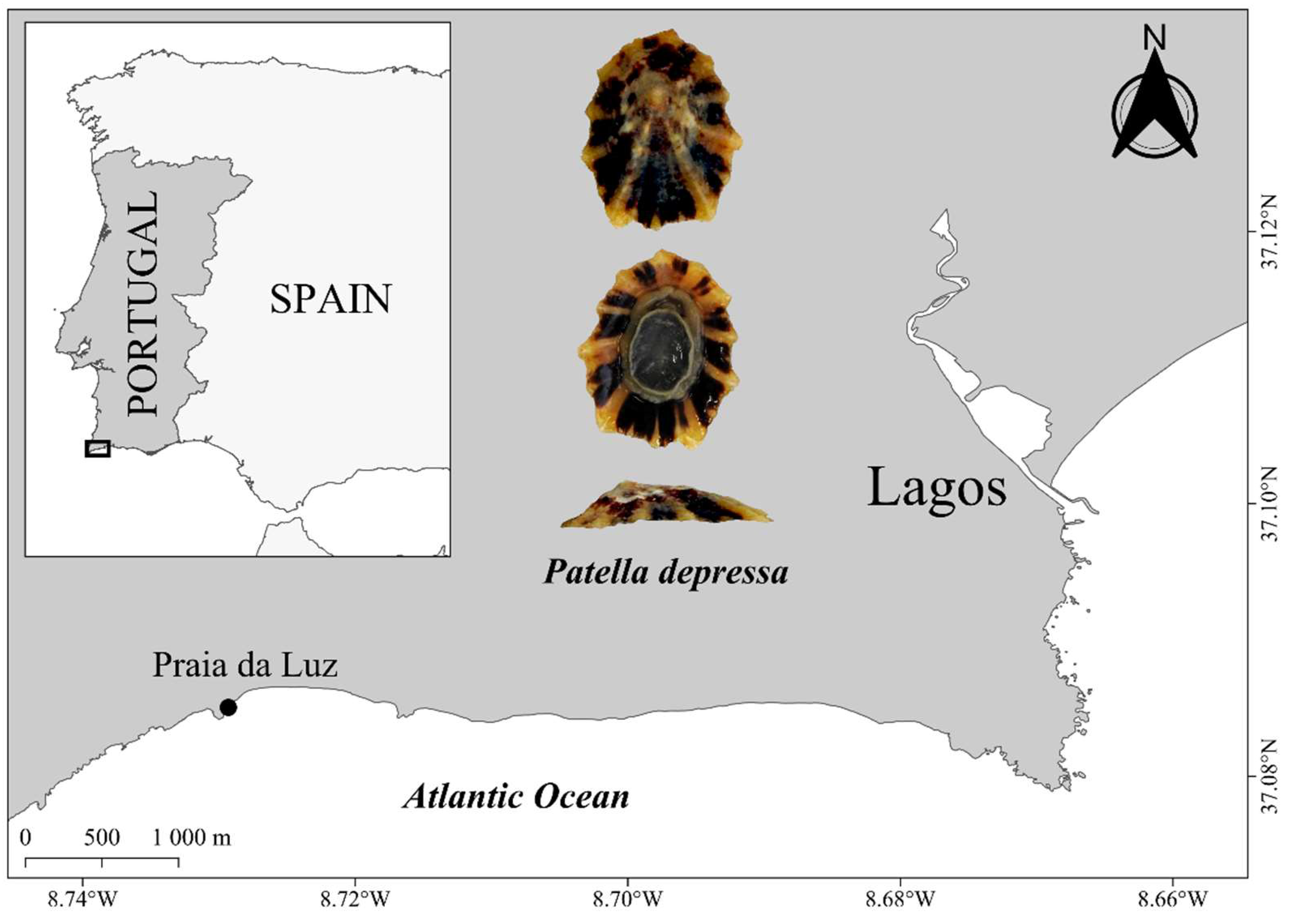
Figure 1. Map showing the location of the collecting site for the black-footed limpet (Patella depressa) on the intertidal rocky shore at Praia da Luz in Lagos (Algarve coast, southern Portugal).
Preprints 141960 g001
Figure 2. Histological section illustrating trematode infestations in a female gonad of black-footed limpet (Patella depressa).
Preprints 141960 g002
Figure 3. Comparison of size-frequency distributions between males and females of black-footed limpet (Patella depressa) from the Algarve coast (southern Portugal). Numbers above bars indicate sample size.
Preprints 141960 g003
Figure 4. Cumulative size frequencies for males (black line) and females (grey line) of black-footed limpet (Patella depressa) from the Algarve coast (southern Portugal).
Preprints 141960 g004
Figure 5. Histological sections presenting hermaphrodite gonads of black-footed limpet (Patella depressa): (A) transitional (left) and (B) mosaic (right). Abbreviations: M, male gonadal features; F, female gonadal features.
Preprints 141960 g005
Figure 6. Histological sections presenting gonad maturity stages of females (left) and males (right) of black-footed limpet (Patella depressa) from the Algarve coast (southern Portugal): (A) early development, (B) late development, (C) ripe, (D) spawning and (E) spent.
Preprints 141960 g006
Figure 7. Monthly variation in the mean gonadal index (GI) and gonad maturity stages in the black-footed limpet (Patella depressa) from the Algarve coast (southern Portugal) during 2-years study period (2017-2018). Stage 0 = inactive, stage I = early development, stage II = late development, stage III = ripe, stage IV = spawning and stage V = spent.
Preprints 141960 g007
Table 1. Main descriptive statistics of the samples of black-footed limpet (Patella depressa) from the Algarve coast (southern Portugal). N, number of individuals; M, male; F, female; SL, shell length (mm); TW, total weight (g); SD, standard deviation.
Patella depressa N Sex ratio (M: F) Mean SL±SD
(min–max)
Mean TW±SD (min–max)
Males 208 1M: 0.72F 32.0 ± 5.0 (17.2–43.6) 4.3 ± 2.2 (0.6–11.7)
Females 149 31.6 ± 5.8 (16.2–45.8) 4.3 ± 2.8 (0.4–13.6)
Undifferentiated 27 22.3 ± 3.6 (11.7–30.0) 1.2 ± 0.6 (0.1–2.9)
Parasites/Pathologies 6 28.4 ± 5.8 (23.5–39.3) 3.6 ± 2.9 (1.4–8.9)
Hermaphrodites (transitional) 11 32.4 ± 7.5 (22.2–43.2) 5.1 ± 4.2 (0.7–13.4)
Hermaphrodites (mosaic) 6 24.4 ± 2.2 (21.3–27.7) 1.6 ± 0.5 (0.9–2.3)
Total 407 31.0±5.8 (11.7–45.8) 4.1±2.6 (0.1–13.6)
Table 2. Spearman (ρ) correlations established between the mean gonadal index (GI) of Patella depressa and atmospheric/oceanographic parameters (air temperature - AT, surface seawater temperature - SST, wind speed - WS and wave significant height - WH) recorded in the Algarve coast (southern Portugal).
AT SST WS WH
Patella depressa GI ρ = 0.031 ρ = 0.077 ρ = −0.528 ρ = −0.461
p = 0.888 p = 0.722 p = 0.008 p = 0.023
Note: statistically significant correlations (p < 0.05) are highlighted in bold.
Disclaimer/Publisher’s Note: The statements, opinions and data contained in all publications are solely those of the individual author(s) and contributor(s) and not of MDPI and/or the editor(s). MDPI and/or the editor(s) disclaim responsibility for any injury to people or property resulting from any ideas, methods, instructions or products referred to in the content.
Copyright: This open access article is published under a Creative Commons CC BY 4.0 license, which permit the free download, distribution, and reuse, provided that the author and preprint are cited in any reuse.
Prerpints.org logo

Preprints.org is a free preprint server supported by MDPI in Basel, Switzerland.

Subscribe

Disclaimer

Terms of Use

Privacy Policy

Privacy Settings

© 2025 MDPI (Basel, Switzerland) unless otherwise stated