Preprint
Article

This version is not peer-reviewed.

Antimicrobial Resistance Profile of Staphylococcus aureus Uro-Pathogens Among the General Population in Duhok City, Iraq

Submitted:

22 November 2024

Posted:

27 November 2024

You are already at the latest version

Abstract

Background and aims: Staphylococcus aureus is a gram-positive bacterium responsible for a wide range of infections, colonizing multiple sites in the human body. The rise in antimicrobial resistance poses a significant global public health threat, necessitating urgent intervention from governments and communities. This study aimed to evaluate the antibiotic susceptibility of Staphylococcus aureus isolated from urine samples collected at Azadi Teaching Hospital in Duhok, Iraq, focusing on commonly used antibiotics.Methods: Conducted between January 2018 and February 2022, this study analyzed 396 urine samples obtained from patients at Azadi Teaching Hospital, Duhok province, Iraq. The Staphylococcus aureus strains were identified and tested for antibiotic susceptibility using the VITEK system.Results: Over the 5-year period, Staphylococcus aureus isolates exhibited the highest resistance rates in 2022 and the highest sensitivity rates in 2019. Erythromycin demonstrated the highest resistance (81.82%), while levofloxacin showed the greatest sensitivity (69.4%). Although gender-based differences in susceptibility were minimal, males generally exhibited slightly higher resistance rates than females.Conclusion: The Staphylococcus aureus isolates from urine samples demonstrated varied antibiotic susceptibility patterns, with high resistance to erythromycin, penicillin, and oxacillin, and high sensitivity to levofloxacin, nitrofurantoin, and vancomycin. Vancomycin exhibited the highest sensitivity, while erythromycin had the lowest. These findings may aid physicians and healthcare providers in selecting appropriate antimicrobial treatments in the region.

Keywords: 
;  ;  ;  

1. Introduction

Staphylococcus aureus (S. aureus) is a commensal gram-positive, spherical bacterium was first discovered in 1880s [1]. S. aureus is a widespread and adaptable pathogen that cause a variety of community and hospital-acquired infections, colonizes various areas of the body, including the skin, mucous membranes, anterior nares, gastrointestinal tracts, perineum, genitourinary tracts, and pharynx [2]. Asymptomatic human carriers serve as the primary natural reservoirs, with the primary site of colonization being the frontal section of the nasal mucosa; Persistent nasal colonization is observed in approximately 30% of the human population and is regarded as a key predisposing factor in disease pathogenesis [3,4]. Colonization is affected by different environmental risk factors, such as age, seasonal variations, and specific diseases [5]. In a clinical context, S. aureus stands out as the most pathogenic member within the staphylococci genus, serving as the causative agent for a diverse range of diseases. These conditions span from superficial skin abscesses and food poisoning to severe and life-threatening issues like bacteremia, septicemia, necrotic pneumonia in children, and endocarditis [6]
Urinary tract infection (UTI) denotes the infiltration of the urinary tract by one or multiple uropathogenic bacterial species, it is one of the most common prevalent bacterial illness resulting in notable bacteriuria and the manifestation of symptoms like dysuria. Recent research in Iraq revealed that among Gram-negative isolates, E. coli was the predominant uropathogen, while Staphylococcus species were the primary Gram-positive bacteria responsible for causing UTIs [7,8,9,10]. Staphylococcus spp. was responsible for about 13.8% of Duhok province cases of UTIs [9]. Staph aureus as a prominent cause of illness, contributing significantly to the expanding healthcare costs worldwide and impacting approximately 150 million individuals annually [3].
Antibiotic resistance poses a significant public health issue. The onset of antibiotic resistance in S. aureus was initially documented in the mid-1940s. The increased use of antimicrobial agents in the community without medical prescription, coupled with their affordability, is believed to be a contributing factor to the development and spread of antimicrobial resistance. Initially, antibiotics have regarded as highly effective treatments against microbial infections. However, due to excessive and inappropriate antibiotic use, there has been a rise and dissemination of multidrug-resistant strains across various categories of microorganisms [11]. As a result, antimicrobial resistance among urinary pathogens is a global concern. The interconnected resistance, where a bacterium resistant to one antibiotic is frequently resistant to others, significantly reduces the success rate of second empirical attempts [12]. In the Duhok province of the Kurdistan region, particularly in Duhok city, there is a notable absence of surveillance data in general medical practice, resulting in an insufficient understanding of resistance rates many pathogens [13,14,15,16,17]. Many previous studies conducted in our region conducted about different infections and autoimmune diseases [18,19,20,21,22] but there is a limited data about over trend of antimicrobial resistances to Staph aureus.

Aim of Study

This study aims to enhance our understanding of antimicrobial resistance prevalence in S. aureus within Duhok city, Kurdistan region, Iraq. The investigation will focus on resistance rates in various types of antibiotics, utilizing a retrospective analysis of laboratory urine samples spanning Materials and Methods

2. Materials and Methods

2.1. Study Design

This cross-sectional study was conducted within the general population of Duhok province, located in the Kurdistan Region of Iraq, which serves over 2 million people from Duhok and surrounding areas. The study was carried out from January 2018 to February 2022. Over this 5-year period, 396 urine samples were collected from patients attending Azadi Teaching Hospital in Duhok. The patients were between 8 and 71 years old, consisting of 315 females and 81 males.

2.2. Sample Collection and Processing

Clean-catch midstream urine samples (4-5 mL) were collected from participants at Azadi Teaching Hospital using sterile disposable containers. The samples were immediately transported to the hospital’s laboratory. Upon arrival, a loopful of each urine sample was cultured on mannitol salt agar and incubated overnight at 37°C. Bacterial growth was then assessed. The inclusion criteria included both male and female participants, microbiological confirmation of urinary tract infections (UTIs), and consent to participate in the study.

2.3. Staphylococcus aureus Identification and Antibiotic Sensitivity Testing

Bacteriological methods were used to isolate Staphylococcus aureus from the urine samples. The samples were streaked on mannitol salt agar (Neogen, UK) and incubated at 37°C for 24-48 hours. Plates were examined for characteristic bacterial growth, including golden colonies. Positive colonies were Gram-stained and further sub-cultured on mannitol salt agar using the streak plate method to obtain pure cultures. Biochemical tests, such as catalase and agglutination assays, were performed for confirmation of presumptive S. aureus.
The VITEK system was employed for antibiotic susceptibility testing. A few colonies of freshly isolated S. aureus were transferred into a sterile plastic test tube containing 3.0 mL of sterile saline (0.45-0.50% NaCl, pH 4.5-7.0) to prepare a suspension (0.5 McFarland standard). The suspension was used to inoculate the ID-GN card in a vacuum chamber. The test wells were filled with the microorganism suspension, which flowed through microchannels into the wells for testing.

2.5. Statistical Analysis

Statistical analysis was performed using GraphPad Prism version 8. Categorical data were reported as numbers and percentages. Significant differences between antibiotic sensitivity and resistance were assessed using the Chi-square (Fisher’s exact test). A p-value of <0.05 was considered statistically significant.

3. Results

3.1. Trend of Antimicrobial Resistance Among Participants

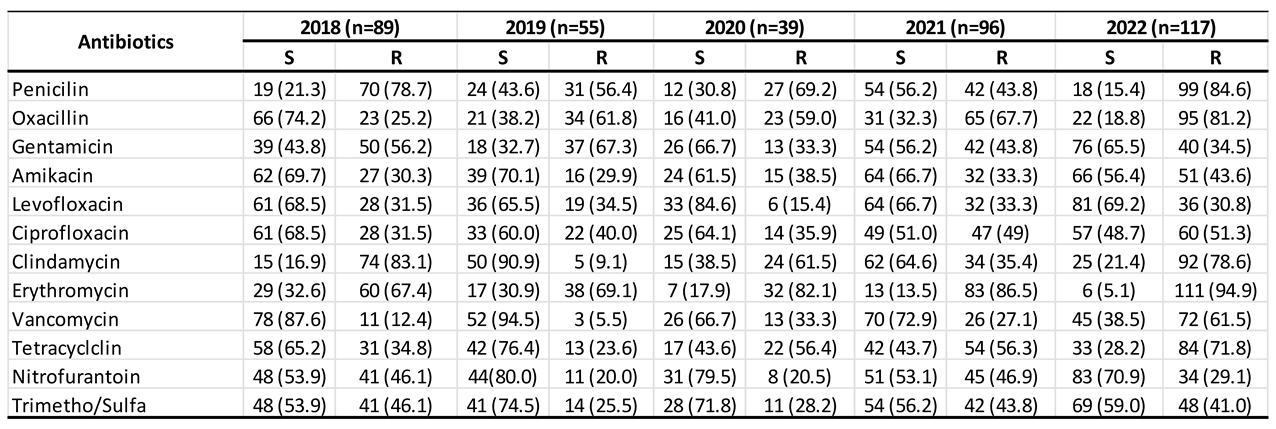
Regarding the antimicrobial susceptibility pattern of Staph aureus isolates from urine samples from 2018 to 2022, our results showed that Penicillin’s highest resistance percentagewas in 2022 which was (84.6%) while its highest sensitivity was observed in 2021 at 56.2%. For Oxacillin, the resistance peaked at 81.2% in 2022, with the lowest rate recorded in 2018 at 25.2%. Gentamicin and Levofloxacin reached their highest resistance rates in 2019 at 67.3% and 34.5%, respectively. Their lowest rates occurred in 2020 at 33.3% and 15.4%. Amikacin’s highest resistance rates were 43.8% in 2022 and lowest was 29.9% in 2019. Ciprofloxacin had its highest resistance at 51.3% in 2022 and the lowest at 31.5% in 2018. Clindamycin’s resistance peaked at 83.1% in 2018, dropping to its lowest at 9.1% in 2019. Erythromycin, over the 5 years, hit its highest resistance at 94.9% in 2022 and its lowest at 67.4% in 2018. Tetracycline’s highest resistance was in 2022 at 71.8%, with the lowest recorded in 2019 at 23.6%. Vancomycin’s resistance peaked at 61.5% in 2022, while the lowest was 5.5% in 2019. Nitrofurantoin had its highest resistance at 46.9% in 2021, and the lowest at 20% in 2019. Trimethoprim reached its highest resistance in 2018 at 46.1%, with the lowest at 25.5% in 2019 (Table 1/Figure 1).

3.2. Overall Resistance Rate of Antibiotics

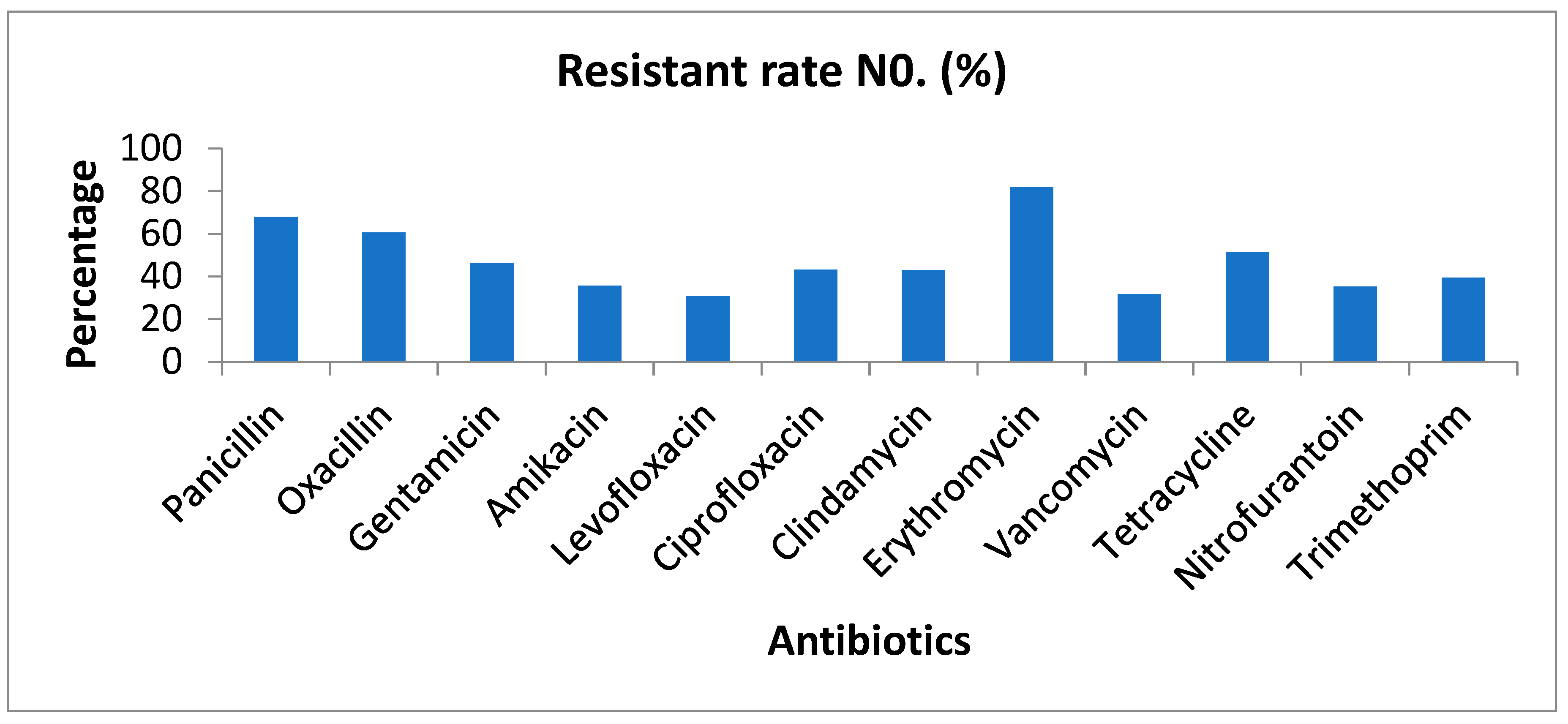
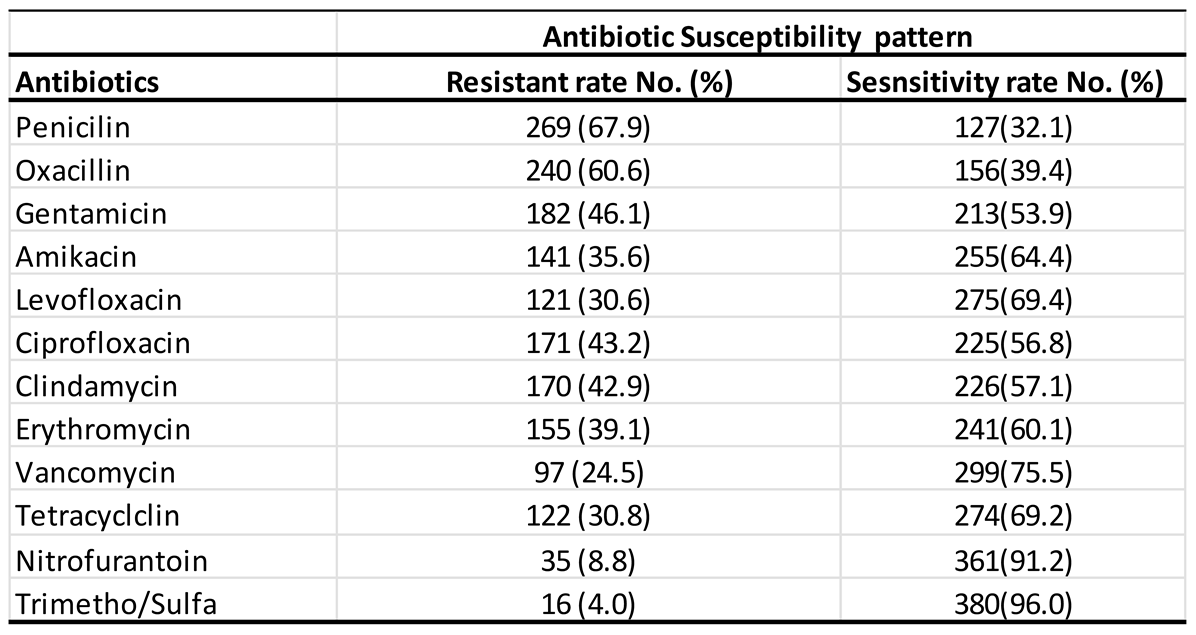
The total sensitivity profile of Staphylococcus aureus isolated from urine samples are shown in Table 2. We found that 81.82%, 67.9%, and 60.1% of the isolated Staphylococcus aureus were highly resistant to Erythromycin, Penicillin, and Oxacillin, respectively. However, the isolated Staphylococcus aureus was highly sensitive to Levofloxacin (69.4%), Vancomycin (68.43%), and Nitrofurantoin (64.9%) (Table 2/Figure 2).

3.3. Antimicrobial Sensitivity Profile of Staph aureus According to Gender

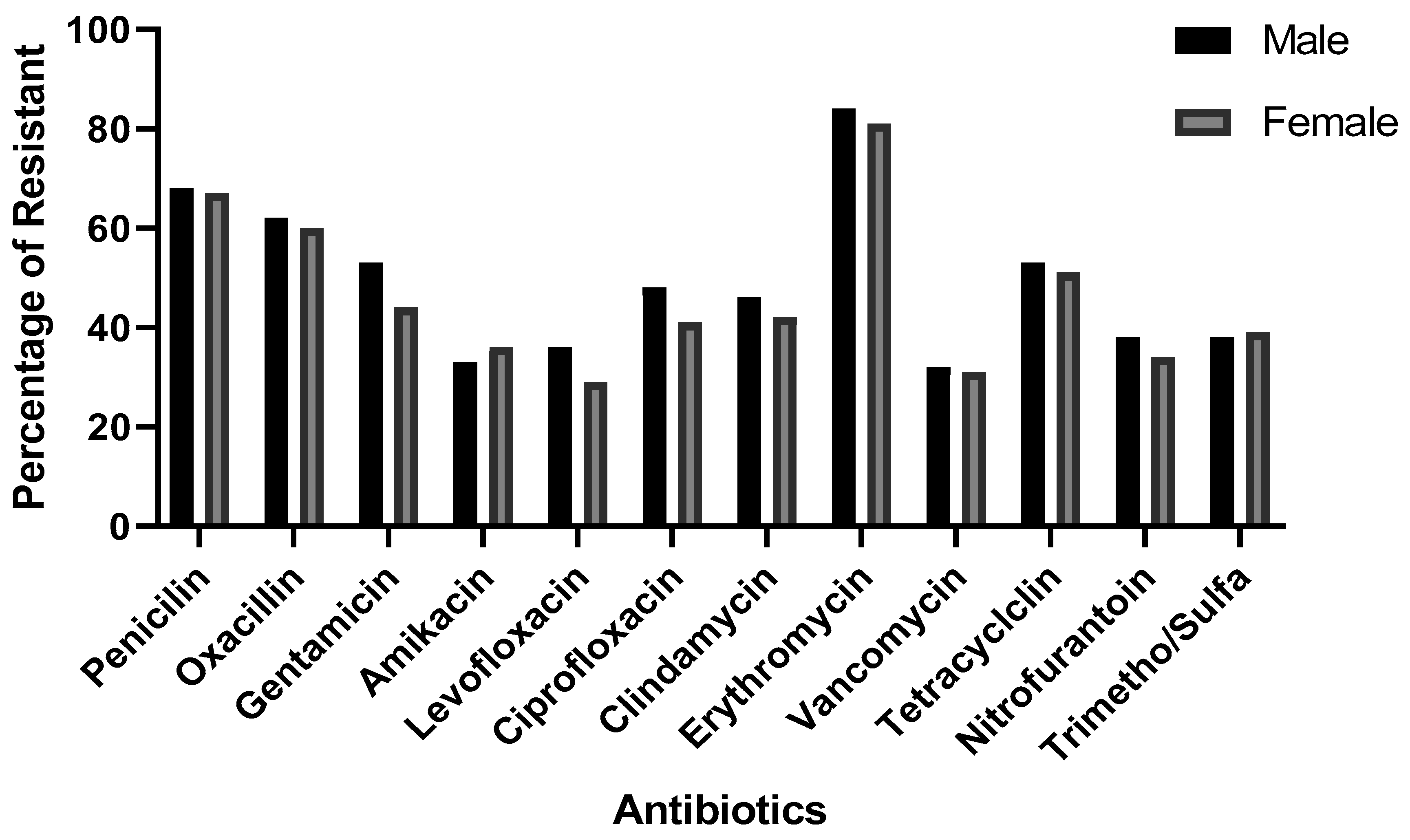
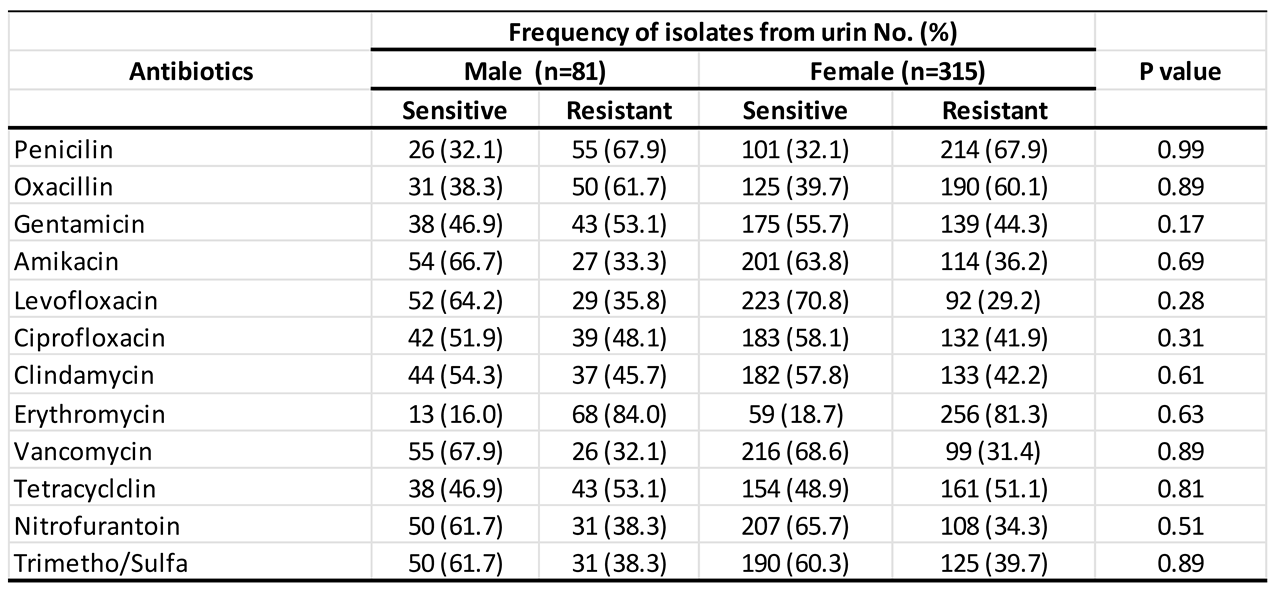
In terms of antimicrobial susceptibility patterns of Staphylococcus aureus isolated from urine samples according to gender, no significant difference was detected between males and females. However, the percentage of resistance cases in males (49.27%) was generally higher than that in females (46.65%). Specifically, in males, the highest resistance percentages were observed for erythromycin (84%) and penicillin (67.9%), while in females, it was for erythromycin (81.3%) and penicillin (67.9%) (Table 3/Figure 3).

4. Discussion

S. aureus is a spherical gram-positive bacterium [2]. It is a versatile and prevalent pathogen responsible for a range of infections acquired in both community and hospital settings. It inhabits numerous body regions such as the skin, mucous membranes, nasal passages, digestive system, perineum, urinary tract, and throat [2]. Colonization is influenced by diverse environmental risk factors, including age, seasonal fluctuations, and specific illnesses [23]. Staphylococcus species were the main gram-positive bacteria accountable for urinary tract a infection which is responsible for about 13.8% of Duhok province cases of UTIs, with the antimicrobial resistance among urinary pathogens is a global concern [7,8,9,10]. Therefore, this study aimed to investigate the frequency of S. aureus microorganisms responsible for UTIs and their antimicrobial susceptibility patterns in general population in Duhok Province, Iraq.
In the present study, a grand total of 396 urine samples were collected from patients seeking medical care at Azadi Teaching Hospital in Duhok province. Our results showed that in 2018, the highest percentage of resistance was recorded by clindamycin (83.1%), while vancomycin (87.6%) was the most sensitive. In 2019, the most resistant ones were erythromycin (69.1%) and gentamicin (67.3%), while vancomycin (3%) was the least resistant one. In 2020, again, erythromycin (82.1%) was the most resistant, and levofloxacin (84.6%) was the most sensitive. In 2021, the highest resistance percentage was for erythromycin (86.5%), and the lowest resistance percentage was for vancomycin (27.1%). In 2022, the highest resistance percentage was for erythromycin (94.9%), and the highest sensitivity percentage was for Nitrofurantoin (70.9%). Overall, the year 2022 had the highest percentage of antibiotic resistance (58.51%), This increase in the percentage may be due to an increase in the use of antibiotics without a prescription, and also due to the increase in their availability to people, especially after Coronavirus disease. We must take into account that after the Coronavirus disease, the availability of antibiotics has increased by specialized companies due to the high demand for them during that period, which may have led to an increase in the use of antibiotics, perhaps even without a prescription, by people. This has led to an increase in cases of resistance to antibiotics, especially cheap ones. The year 2019 showed the highest percentage of antibiotic sensitivity (63.18%), which may be due to their low availability or high price at that time.
In the present study, it was observed that Staphylococcus aureus isolates were highly resistant to erythromycin, penicillin, and oxacillin, while intermediate resistance was observed in cases of tetracycline, gentamicin, ciprofloxacin, and clindamycin. The highest sensitivity rates were observed against levofloxacin, vancomycin, and nitrofurantoin. Specifically, erythromycin (81.82%), penicillin (67.9%) and oxacillin (60.6%) recoded highest resistance rate in present study, which was higher than that in other studies conducted in Iraq ([11], the rates were 40% for erythromycin and 33.3% for oxacillin, and in Turkey, it was 17.7% for erythromycin and 100% for penicillin [24]. The differences in results between the current study and other studies could be due to significant differences in sample size, sampling methods, geographical/environmental variations, and perhaps differences in availability or price. The elevated levels of resistance observed to erythromycin, oxacillin, and penicillin in our study are concerning, particularly when compared to rates reported in other countries. This highlights the potential for rapid dissemination of antibiotic resistance within clinical isolates in our region and indicates the restricted potential for utilizing these antibiotics in empirical treatment of patients with Staphylococcus aureus infections. On the other hand, the high sensitivity rates in the present study were for levofloxacin, nitrofurantoin, and vancomycin, which were nearly similar to another study conducted in Iraq [25] where high sensitivity was observed for levofloxacin, nitrofurantoin, and trimethoprim. This high sensitivity may be due to the low availability of these antibiotics, so not everyone can take them, or it may be due to their high price and may be due to low demand on them.
The antimicrobial susceptibility patterns of Staphylococcus aureus isolated from urine samples were analyzed based on gender, revealing no significant differences (p value>0.05) between males and females for all antibiotics examined using Chi-square (Fisher exact test). Among males, the highest resistance rates were observed in Erythromycin (84.0%), Penicillin (67.9%), and Oxacillin (61.7%). Moderate resistance rates were also noted for Tetracycline, Gentamicin, and others. Conversely, the highest rate of sensitivity was observed in Vancomycin with more than two thirds of the males. Similarly, among females, the highest resistance percentages were observed in Erythromycin (81.3%), followed by Penicillin (67.9%) and Oxacillin (60.1%), and the lowest resistance was observed in Levofloxacin (29.2%). In summary, Vancomycin demonstrated the highest sensitivity rate, with approximately two-thirds (68.25%) of strains being susceptible, while Erythromycin exhibited the lowest sensitivity rate, with only around one-fifth (17.35%) of strains showing susceptibility. Similar results were reported in studies conducted in Tehran, Iran [26].

5. Conclusions

Our study showed that trends in antibiotic resistance, with erythromycin, penicillin, and oxacillin exhibiting notably high resistance rates, conversely levofloxacin, nitrofurantoin, and vancomycin showed high sensitivity rates. Specifically Vancomycin was found to be the antibiotic with the highest sensitivity rate, whereas erythromycin was found to be the lowest sensitivity rate. Furthermore, our study revealed gender-based differences in antimicrobial susceptibility patterns, with no significant variations observed between males and females.

References

  1. Rasheed, N.A.; Hussein, N.R. Staphylococcus aureus: An Overview of Discovery, Characteristics, Epidemiology, Virulence Factors and Antimicrobial Sensitivity Short Title: Methicillin Resistant Staphylococcus aureus: An overview.
  2. Bitrus, A.; Olabode, M.; Abbas, M.; Dauda Goni, M. Staphylococcus aureus: A Review of Antimicrobial Resistance Mechanism. Veterinary Sciences: Research and Reviews 2018, 4. [Google Scholar] [CrossRef]
  3. Abduljabar, S.S.; Naqid, I.A. Staphylococcus aureus Among Athletes In Zakho City, Kurdistan Region, Iraq: Nasal Carriage Rate, Risk Factors, and Antibiotic Sensitivity Profile. Science Journal of University of Zakho 2022, 10, 112–118. [Google Scholar] [CrossRef]
  4. Abdulkareem WH, N.; Mohammed, A.; Arif, S.; Naqid, I. Risk Factors Association for MRSA Nasal Colonization in Preoperative Patients in Azadi Teaching Hospital-Duhok, Kurdistan Region, Iraq. Science Journal of University of Zakho 2020, 8, 88–91. [Google Scholar] [CrossRef]
  5. Abduljabar, S.S.; Naqid, I.A. Factors Associated With The Nasal Carriage Rate of Methicillin-Resistant Staphylococcus aureus (MRSA) and the Molecular Detection of the mecA Gene Among Athletes. Egyptian Academic Journal of Biological Sciences. C, Physiology and Molecular Biology 2023, 15, 749–760. [Google Scholar] [CrossRef]
  6. Rasheed, N.; Hussein, N. The Nasal Carriage of Staphylococcus aureus and Its Antimicrobial Susceptibility Pattern in Secondary School Students in Kurdistan Region, Iraq. Journal of Kermanshah University of Medical Sciences, In Press. [CrossRef]
  7. Naqid, I.A.; Balatay, A.A.; Hussein, N.R.; Ahmed, H.A.; Saeed, K.A.; Abdi, S.A. Bacterial Strains and Antimicrobial Susceptibility Patterns in Male Urinary Tract Infections in Duhok Province, Iraq. Middle East J Rehabil Health Stud 2020, 7, e103529. [Google Scholar] [CrossRef]
  8. Naqid, I.A.; Balatay, A.A.; Hussein, N.R.; Saeed, K.A.; Ahmed, H.A.; Yousif, S.H. Antibiotic Susceptibility Pattern of Escherichia coli Isolated from Various Clinical Samples in Duhok City, Kurdistan Region of Iraq. Int J Infect 2020, 7, e103740. [Google Scholar] [CrossRef]
  9. Naqid, I.A.; Hussein, N.R.; Balatay, A.; Saeed, K.A.; Ahmed, H.A. Antibiotic Susceptibility Patterns of Uropathogens Isolated from Female Patients with Urinary Tract Infection in Duhok Province, Iraq. Jundishapur J Health Sci 2020, 12, e105146. [Google Scholar] [CrossRef]
  10. Naqid, I.A.; Hussein, N.R.; Balatay, A.A.; Saeed, K.A.; Ahmed, H.A. The Antimicrobial Resistance Pattern of Klebsiella pneumonia Isolated from the Clinical Specimens in Duhok City in Kurdistan Region of Iraq. J Kermanshah Univ Med Sci 2020, 24, e106135. [Google Scholar] [CrossRef]
  11. Hussein, N.; Salih, R.S.; Rasheed, N.A. Prevalence of Methicillin-Resistant Staphylococcus aureus in Hospitals and Community in Duhok, Kurdistan Region of Iraq. Int J Infect 2019, 6, e89636. [Google Scholar] [CrossRef]
  12. Hussein, N.R.; Assafi, M.S.; Ijaz, T. Methicillin-resistant Staphylococcus aureus nasal colonisation amongst healthcare workers in Kurdistan Region, Iraq. J Glob Antimicrob Resist 2017, 9, 78–81. [Google Scholar] [CrossRef]
  13. Haydar, S.O.; Naqid, I. A Study of Bacterial Vaginosis and Associated Risk Factors among Married Women in Zakho City, Kurdistan Region, Iraq. Journal of Life and Bio Sciences Research 2022, 3, 33–39. [Google Scholar] [CrossRef]
  14. Haydar, S.O.; Naqid, I.A. EVALUATION OF CANDIDA ALBICANS AND ITS ASSOCIATED RISK FACTORS AMONG MARRIED WOMEN OF REPRODUCTIVE AGE IN ZAKHO CITY, KURDI-STAN REGION, IRAQ. Science Journal of University of Zakho 2023, 11, 202–208. [Google Scholar] [CrossRef]
  15. Naqid, I.A.; Al-Brefkani, A.M.T.; Hussein, N.R. A study of prevalence and risk factors for Helicobacter pylori infection among Adult in Duhok Province, Kurdistan Region, Iraq. Archives of Razi Institute, 2023. [Google Scholar]
  16. Naqid, I.A.; Yousif, S.H.; Balatay, A.A.; Khasho, D.A.; HUSSEIN, N.R. Study on Anticardiolipin Antibodies in Women With Recurrent Abortion in Duhok Province, Kurdistan Region, Iraq. ACTA MEDICA IRANICA 2020, 58. [Google Scholar] [CrossRef]
  17. Naqid, I.A.; Yousif, S.H.; Hussein, N.R. Serological Study of IgG and IgM Antibodies to Cytomegalovirus and Toxoplasma Infections in Pregnant Women in Zakho City, Kurdistan Region, Iraq. Women’s Health Bulletin 2019, 6, 8–12. [Google Scholar] [CrossRef]
  18. Naqid, A.I.; Yousif, S.H.; Hussein, N.R. Seroprevalence of Rubella and Herpes Simplex Virus in Women with Miscarriage and Stillbirth in Zakho City, Kurdistan Region, Iraq: A Cross- Sectional Study. Women’s Health Bulletin 2020, 7, 18–22. [Google Scholar] [CrossRef]
  19. Naqid, I.; Abdi, B.; Ahmed, R.; Ibrahim, N.; Musa, D.; M.Saleem, Z.; Saleem, M.; Chafrash, A.; Hussein, N.; Saeed, K. Public knowledge, attitudes, and practices regarding the coronavirus disease pandemic: a cross-sectional study in the Kurdistan region, Iraq Running title: Public KAP toward the COVID-19 pandemic. 2021.
  20. Naqid, I.A. Epidemiological study of Intestinal protozoan Infections: A Cross-sectional study in Zakho City, Kurdistan Region, Iraq during 2018-2022. Archives of Razi Institute 2024, 79, 587–592. [Google Scholar] [CrossRef]
  21. Mosa, A.A.; Ibrahim, S.V.; Naqid, I.A.; Hawezy, D.J.; Al-Jaf, S.M.A.; Hussein, N.R. The Impact of SARS-CoV-2 Pandemic on Medical Students: Knowledge, Attitudes, and Practices towards E-Learning: An Online Cross-Sectional Study in the Kurdistan Region, Iraq. Galician Medical Journal 2023, 30, E202314. [Google Scholar] [CrossRef]
  22. Khalid, F.K.; Rasheed, N.A.; Hussein, N.R.; Naqid, I.A. A study of HBV infection and its risk factors in pregnant women in Zakho city, Iraq. PLOS ONE 2022, 17, e0273362. [Google Scholar] [CrossRef]
  23. Hussein, N.R. Prevalent Genotypes of Staphylococcus aureus Strains Isolated From Healthcare Workers in Duhok City, Kurdistan Region, Iraq. Int J Infect 2016, 3, e35375. [Google Scholar] [CrossRef]
  24. Hussein, N.R.; Daniel, S.; Salim, K.; Saleh Assafi, M. Urinary Tract Infections and Antibiotic Sensitivity Patterns Among Women Referred to Azadi Teaching Hospital, Duhok, Iraq. Avicenna J Clin Microbiol Infect 2018, 5, 27–30. [Google Scholar] [CrossRef]
  25. Al-Naqshbandi, A.A.; Chawsheen, M.A.; Abdulqader, H.H. Prevalence and antimicrobial susceptibility of bacterial pathogens isolated from urine specimens received in rizgary hospital - Erbil. Journal of infection and public health 2019, 12, 330–336. [Google Scholar] [CrossRef] [PubMed]
  26. Qodrati, M.; SeyedAlinaghi, S.; Dehghan Manshadi, S.A. Antimicrobial susceptibility testing of Staphylococcus aureus isolates from patients at a tertiary hospital in Tehran, Iran, 2018-2019. 2022, 27, 152. [CrossRef]
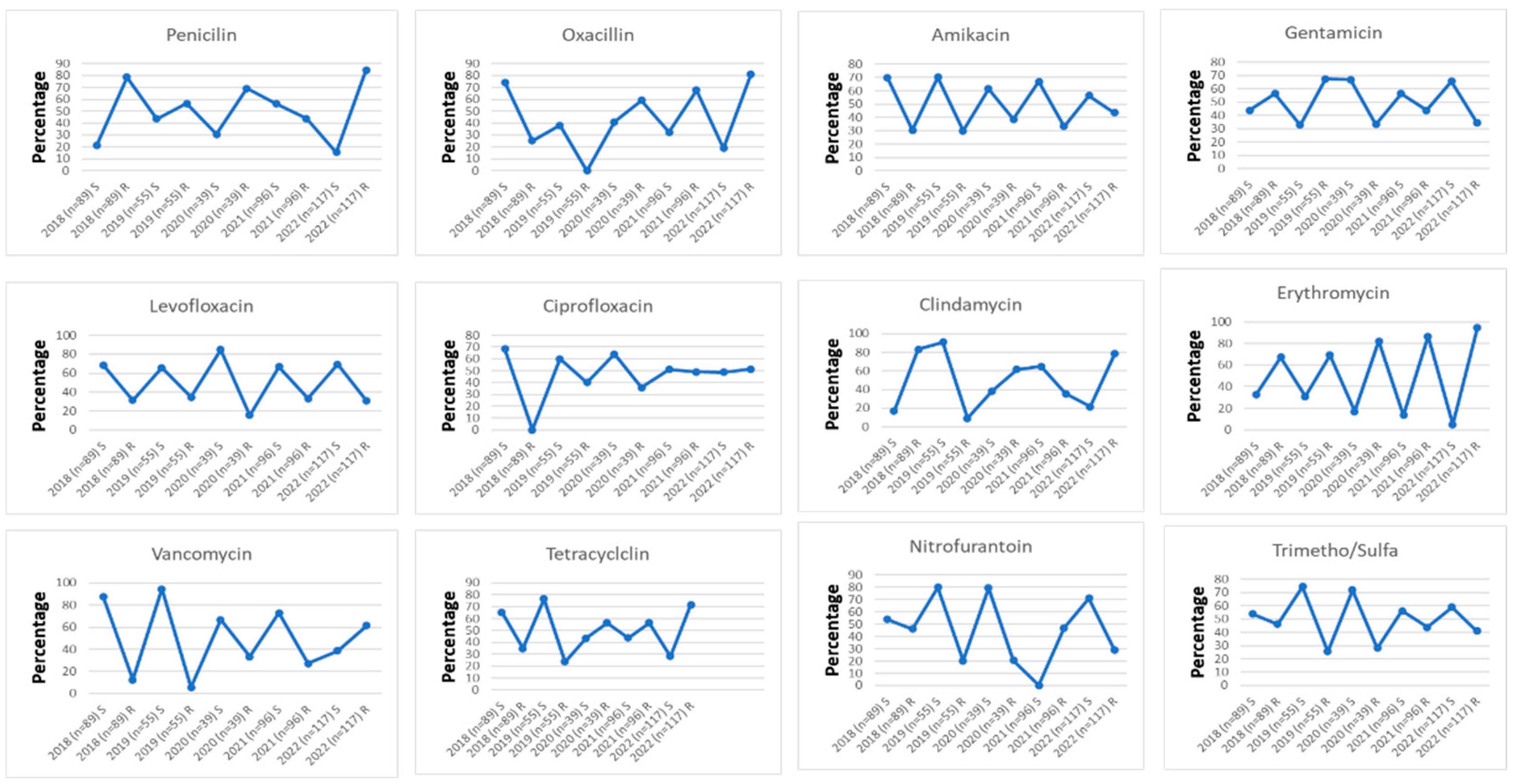
Figure 1. Trend of antimicrobial susceptibility profile of Staph aureus isolates from urine samples over 5 years period.
Preprints 140596 g001
Figure 2. Overall resistant rate of antibiotics against Staph aureus.
Preprints 140596 g002
Figure 3. Antibiotic resistant rate against Staph aureus between male and female.
Preprints 140596 g003
Table 1. Trend of antimicrobial susceptibility pattern of Staph aureus isolates from urine samples.
Preprints 140596 i001
Table 2. Overall Antimicrobial susceptibility Patterns of Staph aureus Isolated from urine samples.
Preprints 140596 i002
Table 3. Antimicrobial susceptibility Patterns of Staph aureus Isolated from urine samples according to gender.
Preprints 140596 i003
P value is determined using Chi-square (Fisher exact test).
Disclaimer/Publisher’s Note: The statements, opinions and data contained in all publications are solely those of the individual author(s) and contributor(s) and not of MDPI and/or the editor(s). MDPI and/or the editor(s) disclaim responsibility for any injury to people or property resulting from any ideas, methods, instructions or products referred to in the content.
Copyright: This open access article is published under a Creative Commons CC BY 4.0 license, which permit the free download, distribution, and reuse, provided that the author and preprint are cited in any reuse.
Prerpints.org logo

Preprints.org is a free preprint server supported by MDPI in Basel, Switzerland.

Subscribe

Disclaimer

Terms of Use

Privacy Policy

Privacy Settings

© 2025 MDPI (Basel, Switzerland) unless otherwise stated