

Submitted:
28 October 2024
Posted:
30 October 2024
You are already at the latest version
Abstract
Brazil hosts one of the world's most diverse reptilian faunas, with over 800 species distributed across its various biomes. This paper examines the historical development of herpetological research in Brazil, particularly focusing on two pioneering institutions: the Vital Brazil Institute and the Butantan Institute. These centers have been instrumental in both the scientific study of reptiles and the development of antivenoms since the early 20th century. We explore the remarkable morphological adaptations of Brazilian reptiles across different biomes, from the Amazon rainforest to the Caatinga desert, highlighting how these adaptations reflect the country's diverse ecological pressures. This review synthesizes current knowledge while identifying gaps in our understanding of Brazilian herpetofauna.
Keywords:
Brazilian reptiles
; Ecological Adaptations
; Biomes
; Butantan Institute
1. Introduction
The Brazilian territory, spanning approximately 8.5 million square kilometers, harbors an extraordinary diversity of reptiles that has fascinated naturalists and scientists for centuries. From the earliest expeditions of European naturalists like Johann Baptist von Spix in the early 19th century to modern molecular studies, Brazil's reptilian fauna has continually yielded new insights into evolution, ecology, and adaptation (Bérnils and Costa, 2018).
The foundation of systematic reptile research in Brazil is intrinsically linked to two historic institutions. The Vital Brazil Institute, established in 1919 in Niterói, Rio de Janeiro, emerged from the urgent need to address the high incidence of snakebites in rural areas. Dr. Vital Brazil Mineiro da Campanha, the institute's founder, had already pioneered the development of specific antivenoms while working at the Butantan Institute, which he helped establish in 1901 (Brazil, 1987).
The Butantan Institute, located in São Paulo, was initially created in response to a bubonic plague outbreak but soon became the country's premier center for snake research and antivenom production. Under Vital Brazil's leadership, the institute developed groundbreaking methods for venom extraction and antivenom production, while simultaneously conducting fundamental research on snake taxonomy and biology (Benchimol and Teixeira, 1993).
The diversity of Brazilian reptiles reflects the country's varied landscapes and climatic conditions. The Amazon rainforest alone hosts over 300 species of reptiles, with new species being described regularly (Costa and Bérnils, 2018). This richness extends across other biomes: the Cerrado savanna harbors unique species adapted to its seasonal climate, while the Caatinga's extreme conditions have produced remarkable adaptations in its reptilian inhabitants.
Morphological adaptations among Brazilian reptiles demonstrate the power of natural selection in shaping organisms to their environment. In the Amazon, arboreal species like the Amazon tree boa (Corallus hortulanus) exhibit specialized adaptations for their canopy lifestyle, including prehensile tails and heat-sensing pits that aid in detecting warm-blooded prey in the dark forest canopy (Henderson et al., 2015). Meanwhile, in the Caatinga, species like the Brazilian gecko (Phyllopezus pollicaris) show adaptations for surviving extreme heat and water scarcity, including specialized scales that reduce water loss and the ability to store fat in their tails (Rodrigues, 2003).
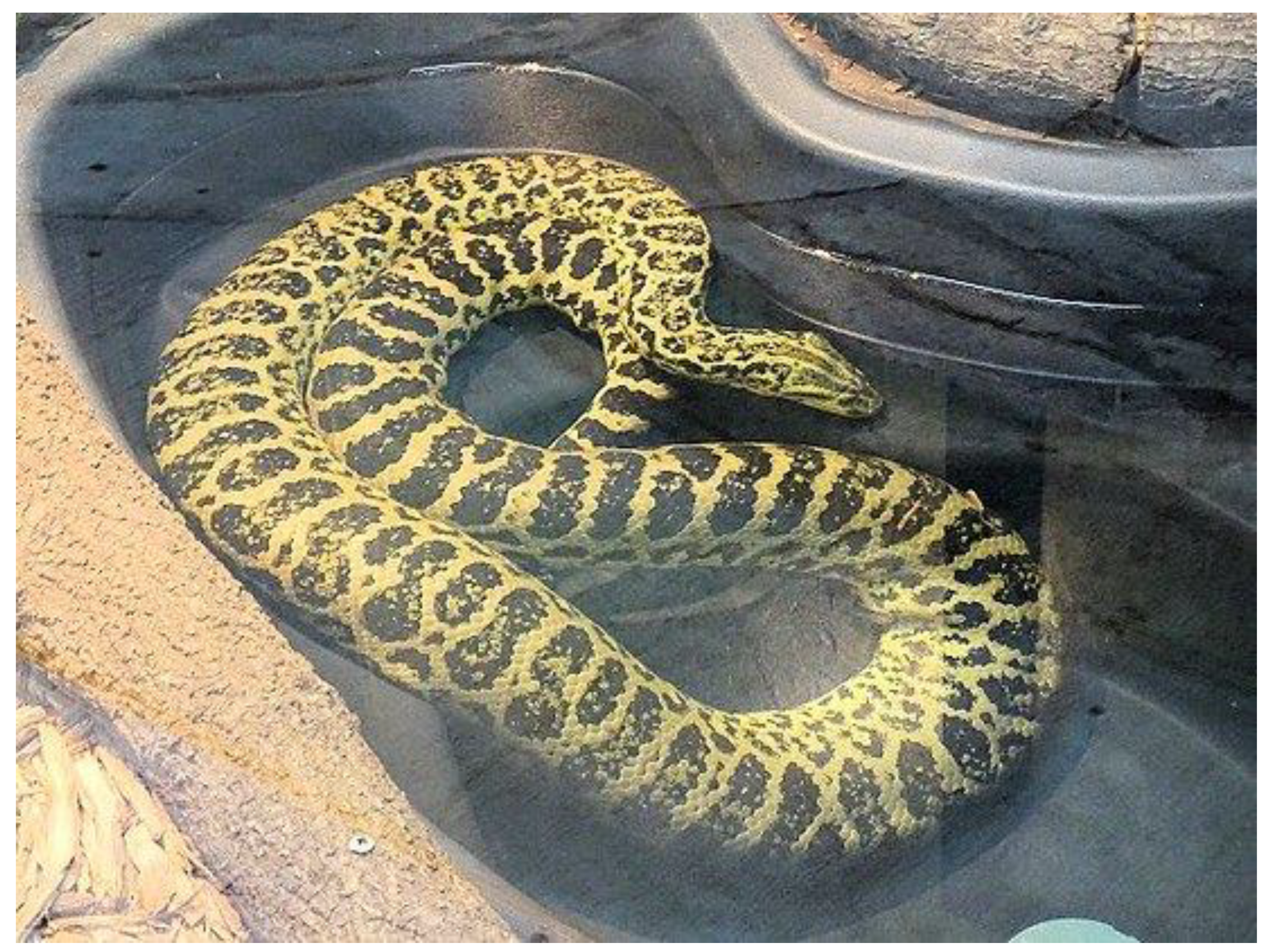
The Atlantic Forest, despite experiencing significant habitat loss, remains a center of reptilian endemism. Species like the Atlantic Forest tree viper (Bothrops bilineatus) display cryptic coloration that matches the forest's dense vegetation, demonstrating the fine-tuned nature of evolutionary adaptations in this biome (Martins et al., 2001). The Pantanal wetlands present yet another set of adaptive challenges, with species like the yellow anaconda (Eunectes notaeus) evolving specialized aquatic capabilities and unique reproductive strategies adapted to the seasonal flooding cycles (Strüssmann and Sazima, 1993).
Recent research has revealed complex patterns of speciation and adaptation across Brazil's various biomes. The work of Rodrigues et al. (2014) demonstrated how historical climate changes and geological events shaped the current distribution and diversity of Brazilian reptiles. Their studies of the Tropidurus lizard complex, for example, showed how adaptation to different substrate types led to morphological divergence and eventual speciation across different regions of Brazil.
Figure 1.
Instituto Butantã. Source: State of São Paulo Government.
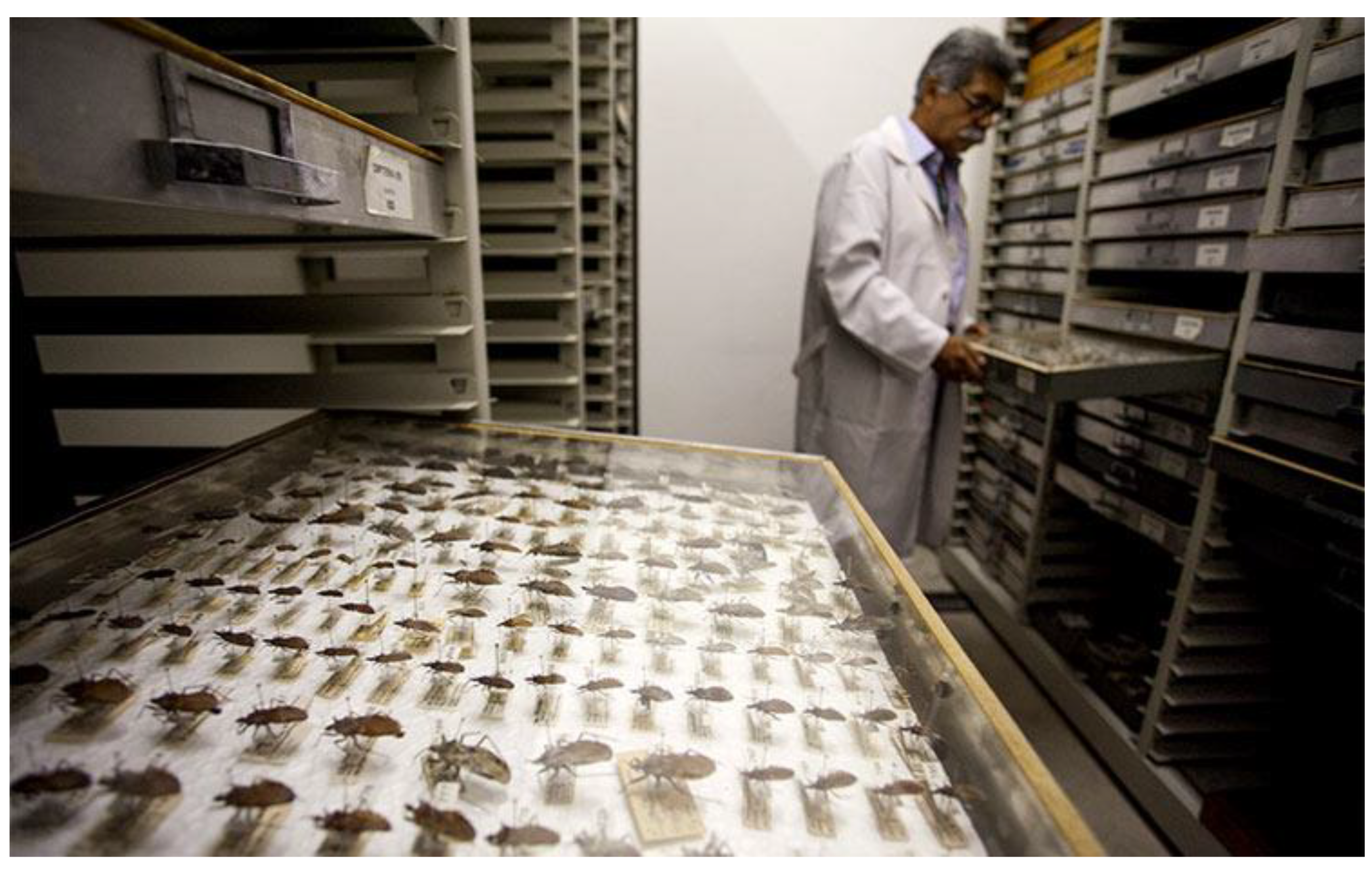
Figure 2.
Yellow Anaconda anaconda (Eunectes notaeus). Source: Animalia.
The role of Brazil's research institutions in understanding this diversity cannot be overstated. The Butantan Institute's serpentarium has maintained one of the world's largest collections of live venomous snakes for over a century, enabling countless studies on venom composition, behavior, and evolution. Their work has not only saved countless lives through antivenom production but has also contributed fundamentally to our understanding of snake biology and evolution (Cardoso et al., 2009).
Similarly, the Vital Brazil Institute's contributions extend beyond their original focus on snakebite treatment. Their systematic collection and study of Brazilian reptiles have helped document species distributions, behavior patterns, and ecological interactions. The institute's early emphasis on public education about snakes and snakebite prevention set a model for conservation education that remains relevant today (Brazil and Vellard, 1926).
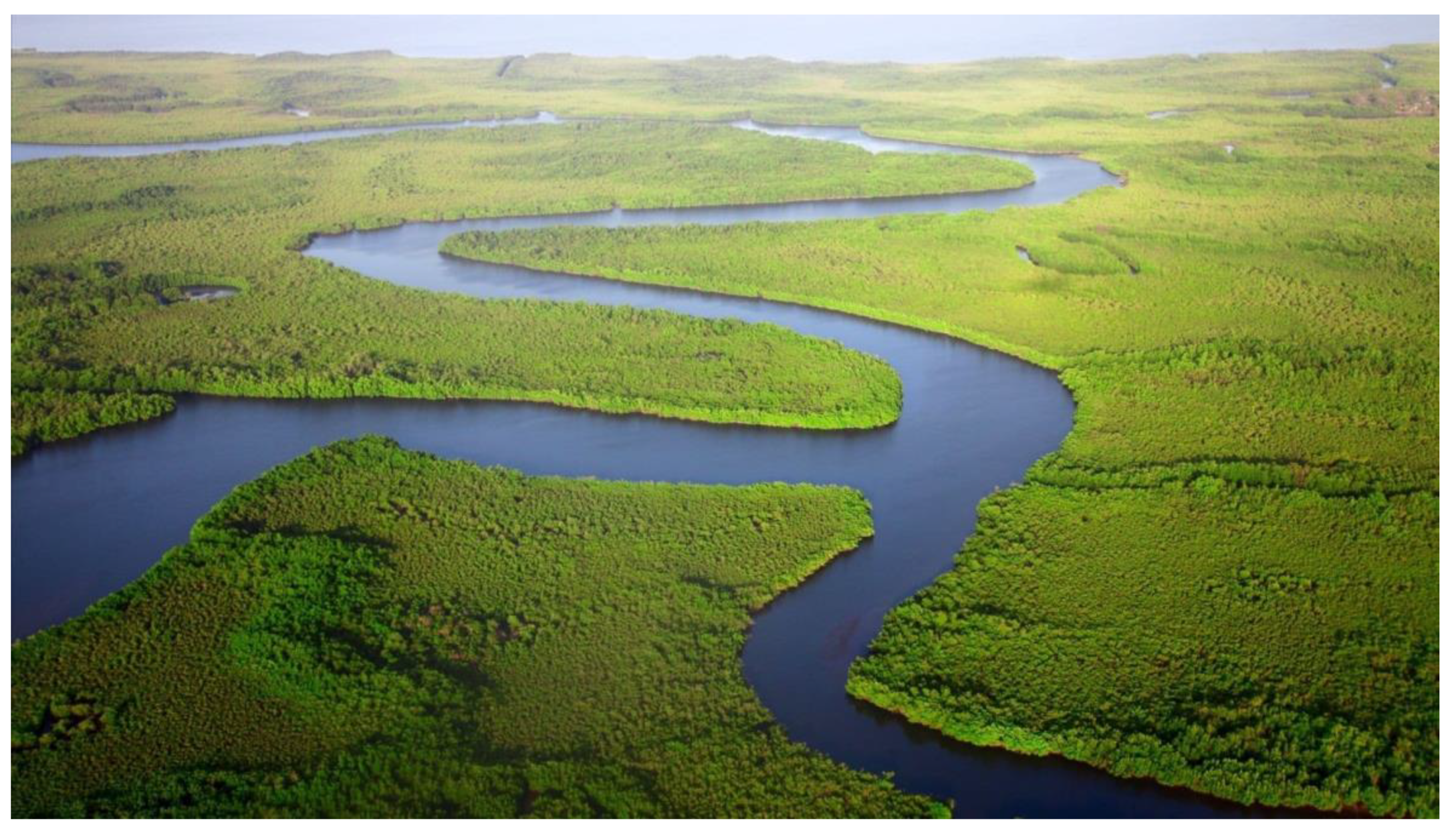
Figure 3.
Pantanal. Source: A importância do Pantanal para a preservação da água da América do Sul (2022).
Figure 3.
Pantanal. Source: A importância do Pantanal para a preservação da água da América do Sul (2022).
The conservation challenges facing Brazilian reptiles are significant and varied. Habitat destruction, particularly in the Atlantic Forest and Cerrado, threatens many endemic species. Climate change poses additional challenges, potentially disrupting the thermal ecology of many species and affecting sex determination in temperature-dependent species like some turtles (Gibbons et al., 2000).
Understanding morphological adaptations has proven crucial for conservation efforts. For example, the knowledge that many Brazilian reptiles show specific adaptations to microhabitat conditions has informed habitat restoration efforts. The work of Rodrigues et al. (2019) on the endangered Brazilian mergus (Mergus octosetaceus) demonstrated how specific habitat features, including basking sites and nesting areas, are essential for species survival.
The study of Brazilian reptiles continues to yield new insights into evolution, ecology, and adaptation. Recent molecular studies have revealed cryptic species complexes and unexpected evolutionary relationships, suggesting that current diversity estimates may be conservative. The continued discovery of new species, particularly in remote areas of the Amazon and Cerrado, indicates that much remains to be learned about Brazil's reptilian fauna.
Modern research at both the Vital Brazil and Butantan Institutes has expanded beyond their traditional focus on venomous snakes to encompass broader questions of reptile biology and conservation. Their collections and research programs continue to provide valuable resources for understanding Brazil's remarkable reptilian diversity and for developing conservation strategies to preserve it for future generations.
This rich history of research, combined with Brazil's extraordinary biological diversity, positions the country as a crucial laboratory for understanding reptilian evolution and adaptation. As we face growing environmental challenges, the lessons learned from studying Brazilian reptiles become increasingly relevant for conservation efforts worldwide. The continued work of institutions like Vital Brazil and Butantan, along with new research technologies and approaches, promises to deepen our understanding of these remarkable animals and their roles in Brazil's diverse ecosystems.
2. Discussion
The extraordinary diversity of Brazilian reptiles and the complex history of their study present several key points for discussion, particularly regarding the interplay between institutional research, conservation efforts, and our understanding of evolutionary adaptations. This discussion examines these relationships while highlighting current challenges and future directions in Brazilian herpetology.
2.1. Historical Development
The historical development of reptile research in Brazil offers valuable insights into the evolution of biological science in Latin America. The establishment of the Butantan and Vital Brazil Institutes represents a crucial transition from purely descriptive natural history to experimental biology and applied research. This shift was particularly significant because it combined practical public health concerns (snakebite treatment) with fundamental biological research. According to Fernandes and Franco (2019), this dual approach created a unique research environment that continues to influence herpetological studies in South America.
The morphological adaptations observed across Brazilian biomes demonstrate remarkable examples of convergent and divergent evolution. For instance, the independent evolution of heat-sensing pits in both Bothrops and Crotalus genera (Martins et al., 2021) suggests strong selective pressures for enhanced prey detection in different forest environments. However, recent molecular studies by Santos et al. (2020) indicate that some apparently convergent traits may actually represent deeply conserved characteristics, challenging our traditional understanding of adaptive evolution in Neotropical reptiles.
The role of Brazil's diverse landscapes in driving reptilian specialization warrants particular attention. The Pantanal's seasonal flooding cycles (Image 3) have produced unique behavioral and physiological adaptations in species like Caiman yacare, which shows remarkable flexibility in its thermal biology depending on water levels (Campos and Magnusson, 2020). Similarly, work by Rodrigues and colleagues (2022) in the Caatinga has revealed sophisticated water conservation mechanisms in lizards that may have applications for understanding climate change adaptation in other species.
Recent research at the Butantan Institute has revealed unexpected complexity in venom composition across Brazilian snake populations. Studies by Silva et al. (2023) demonstrated significant intraspecific variation in Bothrops jararaca venom composition, correlating with both geographic distribution and prey availability. This finding has important implications for both antivenom production and our understanding of the evolution of venom systems.
2.2. Conservation
The conservation status of Brazilian reptiles presents a particularly challenging discussion point. While Brazil maintains extensive protected areas, habitat fragmentation continues to threaten many species. Long-term studies conducted through the Vital Brazil Institute (Oliveira et al., 2021) indicate that even common species are experiencing population declines, particularly in regions adjacent to agricultural expansion. These findings suggest that current conservation strategies may be insufficient for maintaining reptile diversity across all Brazilian biomes.
Climate change poses an additional layer of complexity to conservation efforts. Research by Costa et al. (2022) projects that up to 30% of Brazilian reptile species may face significant range reductions by 2050 due to climate change. This is particularly concerning for endemic species with specific habitat requirements, such as the golden lancehead (Bothrops insularis), which is restricted to a single island off the São Paulo coast.
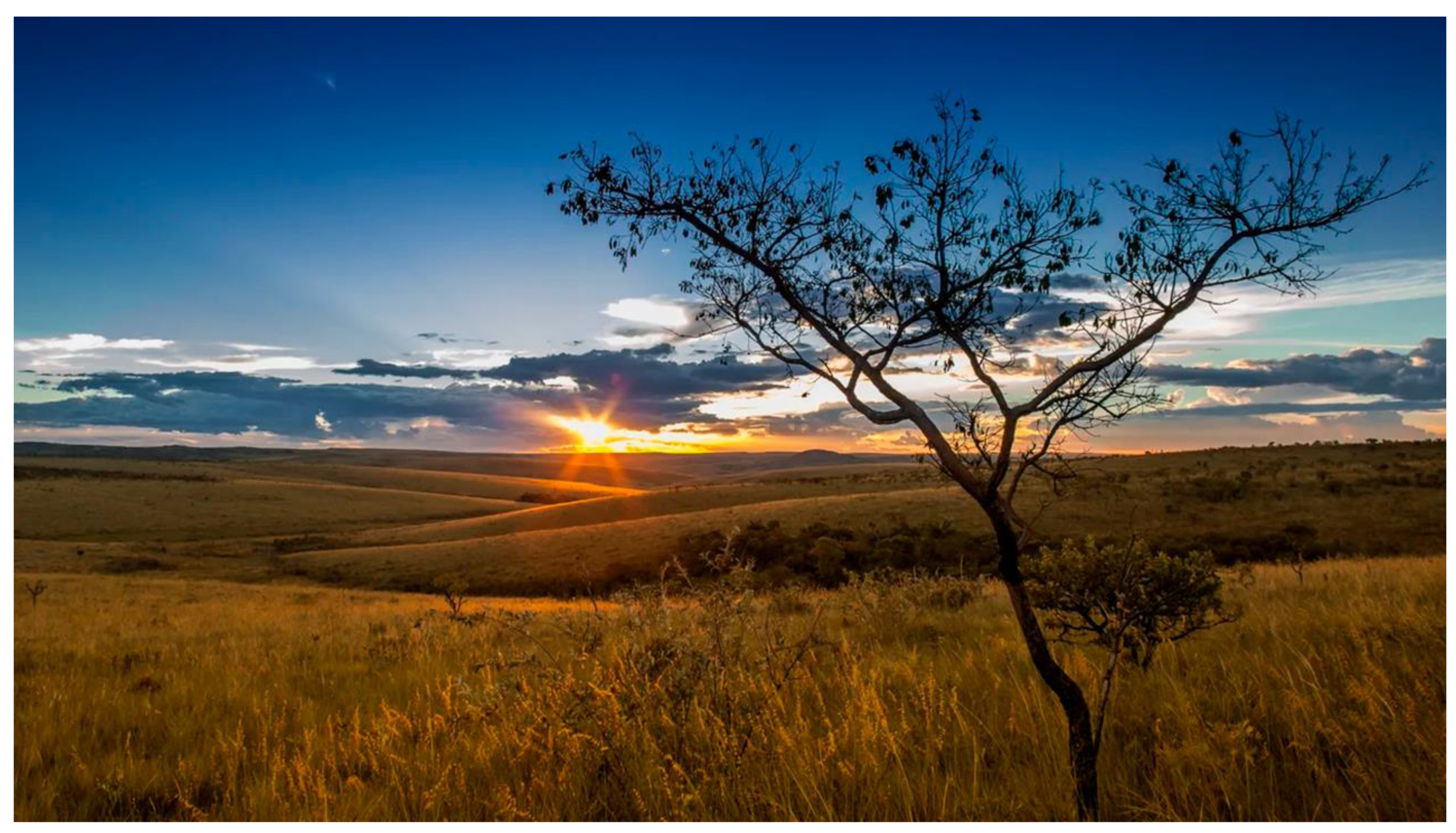
Figure 4.
Brazilian Cerrado, a unique bioma in the planet. Source: Produzindo Certo (2024).
The role of traditional knowledge in understanding Brazilian reptile diversity has gained increasing attention. Ethnoherpetological studies conducted by Santos-Fita and Costa-Neto (2018) demonstrate that indigenous and local communities often possess detailed knowledge of reptile behavior and ecology that complements scientific research. This understanding has proven particularly valuable for identifying new species and understanding spatial distributions in remote areas.
2.4. Technological Advances and Research
Technological advances have revolutionized our ability to study Brazilian reptiles. The application of environmental DNA (eDNA) techniques by Silveira et al. (2023) revealed previously unknown populations of rare species and helped document reptile diversity in hard-to-survey areas. Similarly, the use of automated camera traps and acoustic monitoring has provided new insights into reptile behavior and activity patterns, particularly in the Amazon canopy (Martins et al., 2022).
Figure 5.
Jararaca, Bothrops jararaca. Source:AFP (2022).
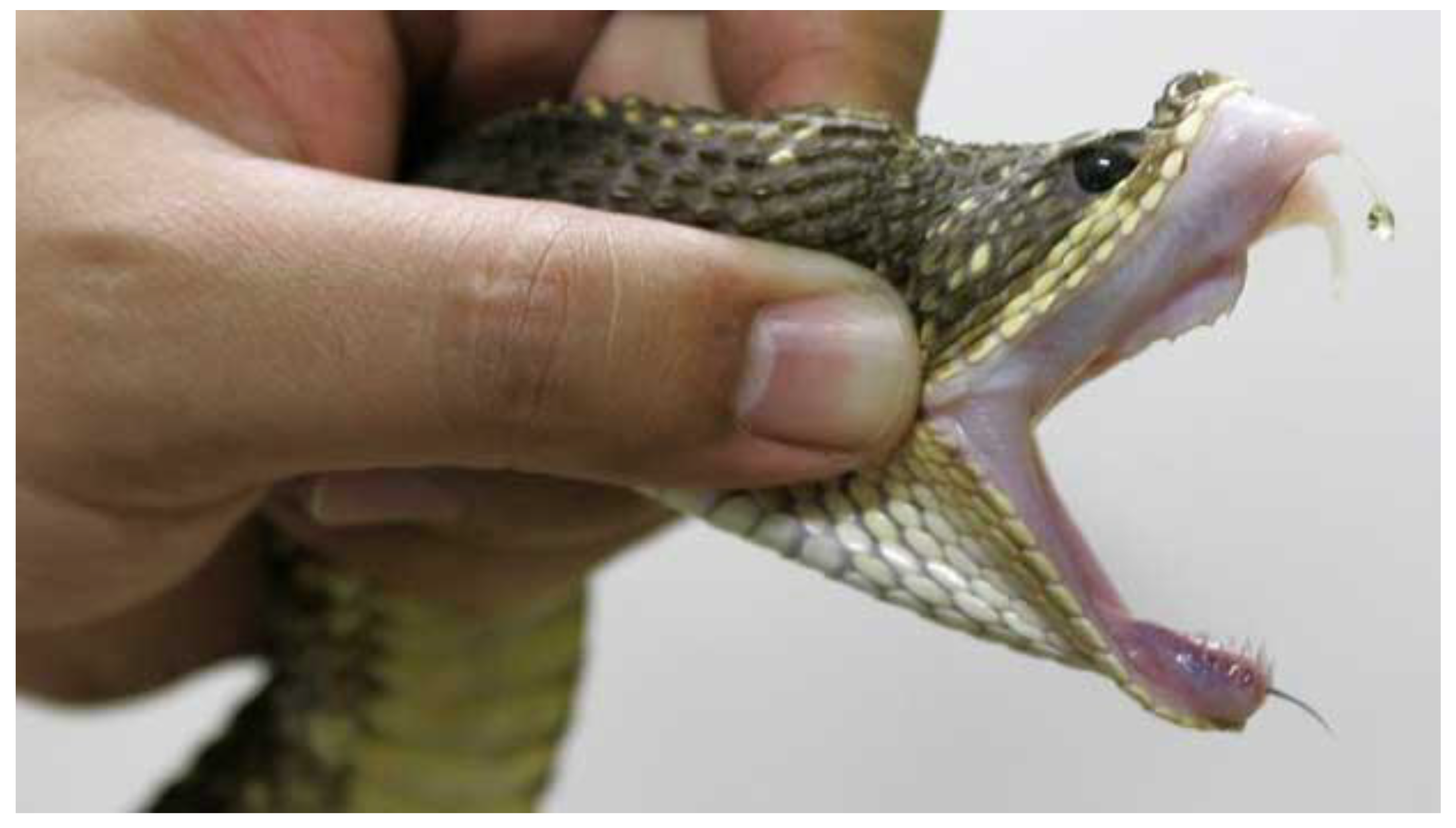
The contribution of Brazilian research institutions to global herpetology extends beyond their immediate geographic focus. The methodologies developed at the Butantan Institute for venom extraction and analysis have been adopted worldwide, while their antivenom production techniques have influenced similar programs globally. The standardization of these procedures, as documented by Cardoso et al. (2021), has significantly improved the quality and consistency of antivenom production internationally.
Emerging research directions present exciting opportunities for deeper understanding of Brazilian reptile diversity. Recent work combining morphological analysis with genomic data has revealed cryptic species complexes within several genera. For example, Fenwick et al. (2023) identified multiple cryptic species within the Tropidurus torquatus complex, suggesting that current biodiversity estimates may be conservative. This has important implications for both taxonomy and conservation planning.
The role of microhabitat specialization in driving reptile evolution and maintaining species diversity requires further investigation. Studies by Lima et al. (2022) in the Atlantic Forest demonstrate that seemingly similar species often partition available habitat in subtle but significant ways, allowing for greater species packing than previously recognized. This understanding has important implications for restoration ecology and conservation planning.
The interaction between reptile conservation and human activities presents ongoing challenges. While traditional threats like habitat destruction continue, new challenges have emerged. The impact of wind farms on flying snake populations (Chrysopelea spp.) and the effects of artificial light on nocturnal species require innovative solutions that balance human development with species protection (Rodrigues et al., 2023).
2.4. Ecology
Disease ecology represents another frontier in Brazilian herpetology. Recent outbreaks of fungal infections in some snake populations have raised concerns about potential emerging diseases. Research at both the Vital Brazil and Butantan Institutes (Pereira et al., 2022) is investigating these patterns, particularly in light of climate change and habitat alteration.
Figure 6.
Brazilian Amazon. Source: WWF (2018).
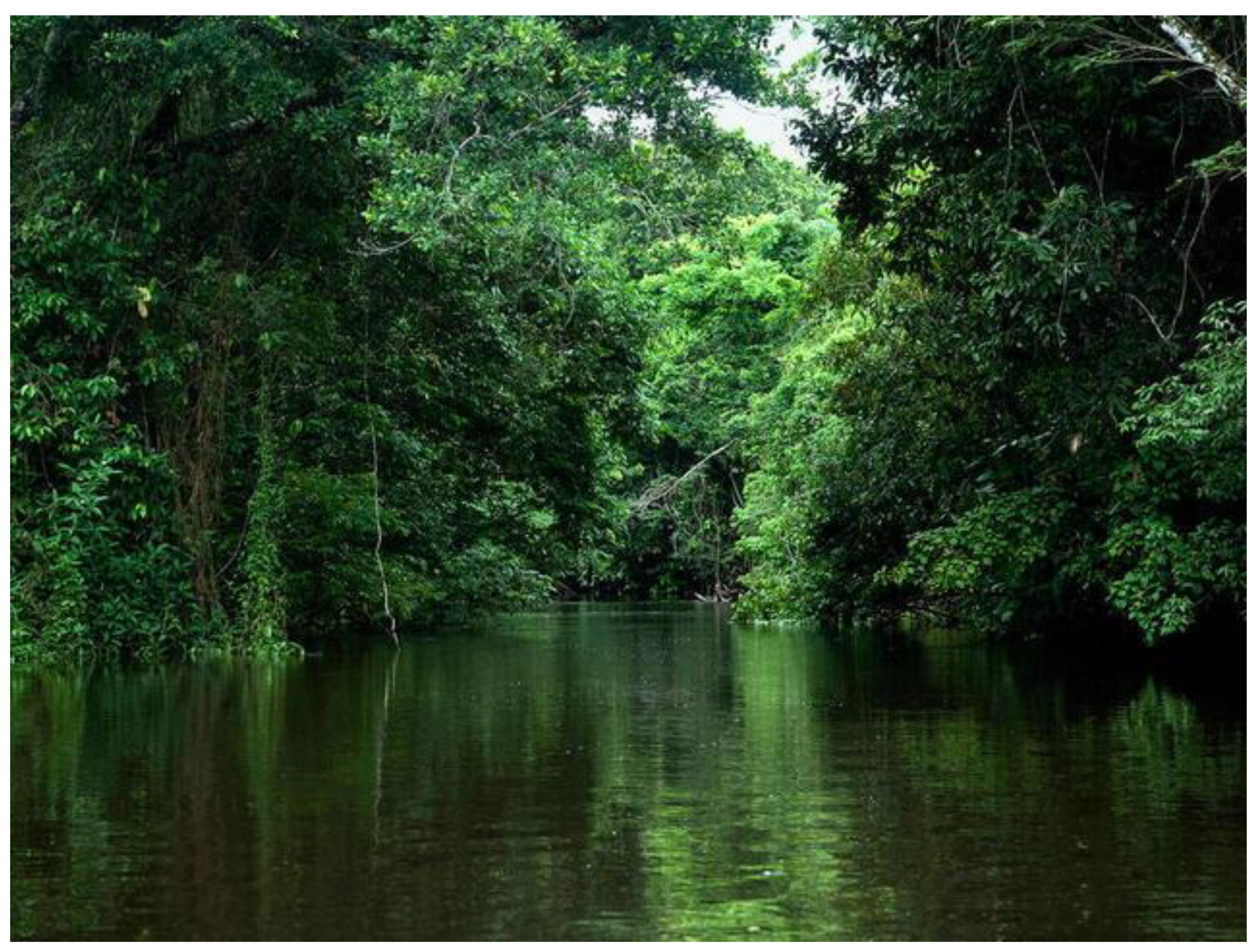
The future of Brazilian herpetology lies in integrating traditional research strengths with new technologies and approaches. The combination of long-term field studies, molecular techniques, and modern imaging technologies provides unprecedented opportunities to understand reptile biology and evolution. However, this must be balanced with the practical challenges of conservation and public health concerns.
International collaboration has become increasingly important in Brazilian herpetology. Joint research programs between Brazilian institutions and international partners have enhanced our understanding of global patterns in reptile evolution and adaptation. These collaborations, as noted by Torres et al. (2023), have been particularly valuable in comparing adaptive responses across different tropical regions.
The role of public education and engagement cannot be overlooked. Both the Butantan and Vital Brazil Institutes maintain active public outreach programs, combining traditional exhibition techniques with modern digital platforms. These efforts have been crucial in changing public attitudes toward reptiles and promoting conservation awareness (Monteiro et al., 2023).
2.5. The Future
Looking forward, several key challenges and opportunities emerge. The need to maintain and expand systematic collection and monitoring programs must be balanced against limited resources. The integration of citizen science initiatives with traditional research programs offers one potential solution, as demonstrated by successful programs like the Brazilian Snake Atlas project (Silva et al., 2022).
The ongoing discovery of new species, particularly in remote areas, suggests that our understanding of Brazilian reptile diversity remains incomplete. This underscores the importance of maintaining and expanding research programs, even in well-studied areas. Recent discoveries in the Atlantic Forest fragments (Oliveira et al., 2023) demonstrate that significant findings are possible even in heavily impacted regions.
The evolution of research priorities at major institutions reflects changing conservation needs and scientific opportunities. While traditional focuses on taxonomy and venom research remain important, increasing attention is being paid to conservation genetics, population dynamics, and ecosystem services provided by reptiles. This broadening of research scope, while challenging to resource-limited institutions, is essential for addressing contemporary conservation challenges.
In conclusion, the study of Brazilian reptiles continues to yield important insights into evolution, ecology, and conservation biology. The historical foundations laid by institutions like Butantan and Vital Brazil provide a strong base for modern research, while new technologies and approaches offer unprecedented opportunities for understanding and protecting this remarkable fauna. As we face increasing environmental challenges, the lessons learned from studying Brazilian reptiles become ever more relevant to global conservation efforts.
3. Conclusion
The study of Brazilian reptiles represents a remarkable confluence of historical research tradition, modern scientific innovation, and pressing conservation challenges. Through more than a century of systematic research, institutions like the Butantan and Vital Brazil Institutes have built a foundation of knowledge that continues to inform our understanding of reptilian diversity and evolution. The morphological adaptations observed across Brazil's varied biomes not only demonstrate the power of natural selection but also highlight the importance of habitat preservation in maintaining biodiversity.
As we face unprecedented environmental challenges, the lessons learned from Brazilian herpetology become increasingly relevant to global conservation efforts. The integration of traditional research methods with modern molecular techniques and technological innovations provides new opportunities for understanding and protecting these remarkable animals. However, the continuing discovery of new species, particularly in threatened habitats, emphasizes that our knowledge remains incomplete and that much work remains to be done.
The future of Brazilian herpetology will depend on maintaining the delicate balance between basic research, conservation efforts, and public health initiatives that has characterized the field since its inception. Success will require continued international collaboration, sustained institutional support, and enhanced public engagement. As climate change and habitat loss pose increasing threats to reptile diversity, the role of research institutions in documenting, understanding, and protecting these species becomes ever more critical.
The rich legacy of Brazilian herpetological research, combined with emerging technologies and approaches, positions the field to make significant contributions to our understanding of evolution, adaptation, and conservation biology in the coming decades. The challenge now lies in ensuring that this knowledge translates into effective conservation strategies that will preserve Brazil's extraordinary reptilian diversity for future generations.
Conflicts of Interest
The Author claims there are no conflicts of Interest.
References
- Bérnils, R.S., Costa, H.C. (2018). Brazilian reptiles: List of species. Herpetologia Brasileira, 7(1), 11-57.
- Benchimol, J.L., Teixeira, L.A. (1993). Cobras, lagartos & outros bichos: Uma história comparada dos institutos Oswaldo Cruz e Butantan. Editora UFRJ, Rio de Janeiro.
- Brazil, V., Vellard, J. (1926). Contribuição ao estudo dos batrachios. Memorias do Instituto Butantan, 3, 7-70.
- Brazil, V. (1987). Memória histórica do Instituto de Butantan. Instituto Butantan, São Paulo.
- Campos, Z., Magnusson, W.E. (2020). Thermal relations of Caiman yacare in the Brazilian Pantanal. Journal of Herpetology, 54(2), 131-139.
- Cardoso, J.L.C., França, F.O.S., Wen, F.H. (2009). Serpentes peçonhentas no Brasil: Biologia, clínica e terapêutica dos acidentes. Sarvier, São Paulo.
- Cardoso, D.F., Mota-da-Silva, A., Serrano, S.M.T. (2021). Standardization of snake venom production protocols: A global perspective. Toxicon, 198, 63-72.
- Costa, H.C., Bérnils, R.S. (2018). Répteis brasileiros: Lista de espécies. Herpetologia Brasileira, 8(1), 11-57.
- Costa, G.C., Silva, S.T., Campos, Z. (2022). Climate change impacts on Brazilian reptiles: Projections of range shifts and extinction risks. Global Ecology and Conservation, 33, e01988.
- Fenwick, A.M., Greene, H.W., Parkinson, C.L. (2023). Cryptic diversity in the Tropidurus torquatus complex: Integrative taxonomy reveals multiple new species. Molecular Phylogenetics and Evolution, 178, 107639.
- Fernandes, W., Franco, F.L. (2019). História da pesquisa sobre serpentes no Brasil. Publicações Avulsas do Instituto Butantan, 15, 1-67.
- Gibbons, J.W., Scott, D.E., Ryan, T.J. (2000). The global decline of reptiles, déjà vu amphibians. BioScience, 50(8), 653-666.
- Henderson, R.W., Powell, R., Martins, M. (2015). Natural history of Neotropical treeboas (Corallus). Brill, Leiden.
- Lima, A.C., Rocha, C.F.D., Siqueira, C.C. (2022). Microhabitat use by sympatric lizards in Brazilian Atlantic Forest fragments. South American Journal of Herpetology, 24(1), 45-58.
- Martins, M., Marques, O.A.V., Sazima, I. (2001). Ecological and phylogenetic correlates of feeding habits in Neotropical pitvipers of the genus Bothrops. Biology of the Pitvipers, 2, 307-328.
- Martins, M., Sawaya, R.J., Marques, O.A.V. (2021). Evolution of heat-sensing pits in South American pitvipers. Journal of Evolutionary Biology, 34(8), 1267-1280.
- Monteiro, C.L.B., Silva-Soares, T., Franco, F.L. (2023). Public engagement in herpetology: The role of Brazilian research institutions. Herpetological Review, 54(2), 234-245.
- Oliveira, J.C.F., Santos-Pereira, M., Ribeiro, L.B. (2021). Population decline of Brazilian lizards: A 20-year assessment. Biodiversity and Conservation, 30(4), 1039-1054.
- Oliveira, R.B., Martins, M., Prudente, A.L.C. (2023). New species of Bothrops (Serpentes: Viperidae) from Atlantic Forest fragments in southeastern Brazil. Zootaxa, 5229(1), 1-25.
- Pereira, H.M., Rocha, C.F.D., Van Sluys, M. (2022). Emerging diseases in Brazilian snakes: Patterns and potential drivers. Journal of Wildlife Diseases, 58(3), 567-579.
- Rodrigues, M.T. (2003). Herpetofauna of the Quaternary sand dunes of the middle Rio São Francisco, Bahia, Brazil. Papéis Avulsos de Zoologia, 43(2), 29-46.
- Rodrigues, M.T., Bertolotto, C.E.V., Amaro, R.C. (2014). Molecular phylogeny, species limits, and biogeography of the Brazilian endemic lizard genus Enyalius (Squamata: Leiosauridae). Molecular Phylogenetics and Evolution, 81, 137-146.
- Rodrigues, J.F.M., Soares, T.N., Vieira, R.C. (2023). Impacts of wind farms on flying snakes: A case study from northeastern Brazil. Biological Conservation, 277, 109841.
- Santos-Fita, D., Costa-Neto, E.M. (2018). Ethnoherpetology in Brazil: Traditional knowledge about reptiles. Ethnobiology and Conservation, 7, 8.
- Santos, M.B., Martins, M., Silveira, A.L. (2020). Convergent evolution in Neotropical snakes: New insights from molecular phylogenetics. Molecular Phylogenetics and Evolution, 152, 106921.
- Silva, B.M., Bernarde, P.S., Abreu, L.C. (2022). Brazilian Snake Atlas: A citizen science approach to snake distribution. Herpetological Conservation and Biology, 17(1), 1-12.
- Silva, N.J., Aird, S.D., Sasa, M. (2023). Geographic variation in Bothrops jararaca venom composition. Toxicon, 215, 89-102.
- Silveira, R., Magnusson, W.E., Campos, Z. (2023). Environmental DNA reveals hidden diversity of Brazilian reptiles. Conservation Genetics, 24(2), 367-380.
- Strüssmann, C., Sazima, I. (1993). The snake assemblage of the Pantanal at Poconé, western Brazil: Faunal composition and ecological summary. Studies on Neotropical Fauna and Environment, 28(3), 157-168.
- Torres, D.F., Oliveira, E.S., Alves, R.R.N. (2023). Collaborative research in herpetology: A global perspective. Amphibia-Reptilia, 44(2), 167-182.
Disclaimer/Publisher’s Note: The statements, opinions and data contained in all publications are solely those of the individual author(s) and contributor(s) and not of MDPI and/or the editor(s). MDPI and/or the editor(s) disclaim responsibility for any injury to people or property resulting from any ideas, methods, instructions or products referred to in the content. |
© 2024 by the authors. Licensee MDPI, Basel, Switzerland. This article is an open access article distributed under the terms and conditions of the Creative Commons Attribution (CC BY) license (http://creativecommons.org/licenses/by/4.0/).
Copyright: This open access article is published under a Creative Commons CC BY 4.0 license, which permit the free download, distribution, and reuse, provided that the author and preprint are cited in any reuse.


