
Submitted:
28 October 2024
Posted:
29 October 2024
You are already at the latest version
Abstract
Ectomycorrhizal (EM) associations are essential symbiotic relationships that contribute significantly to the health and functioning of forest ecosystems. This review examines the biotic factors that influence EM associations, focusing on plant and fungal diversity, host specificity, and microbial interactions. Firstly, the diversity of host plants and ectomycorrhizal fungi (EMF) is discussed, highlighting how the richness of these organisms affects the formation and success of EM symbioses. Next, host specificity is explored, with a focus on the complex relationships between EMF and their host plants. Microbial interactions are examined in depth, with sections on both positive and negative influences of bacteria and different fungal groups on EM formation. Overall, this review provides a comprehensive overview of the biotic factors that shape EM associations, offering insights into the mechanisms that underpin these critical ecological interactions and their broader implications for ecosystem management and restoration.
Keywords:
Ectomycorrhizal
; symbioses
; host plants
; microbial interactions
; fungal diversity
1. Background
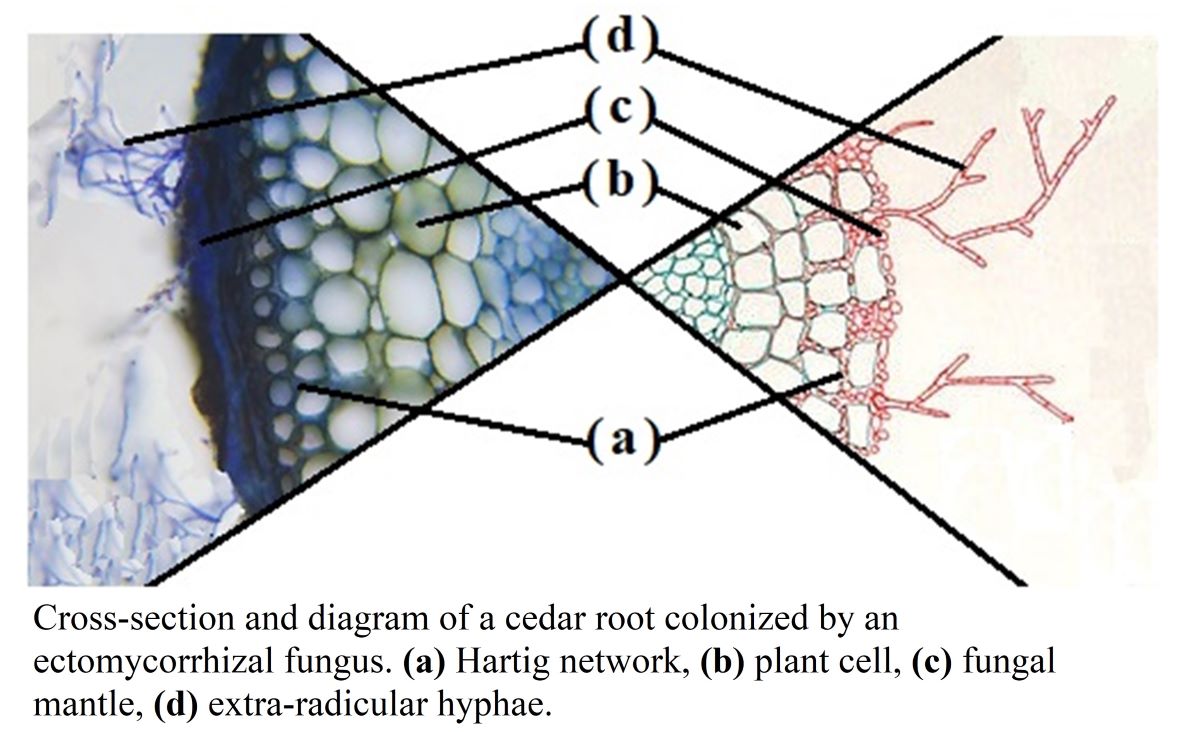
Ectomycorrhizal (EM) associations are symbiotic relationships between fungi and the roots of host plants, which play a critical role in forest ecosystems, forming mutualistic associations with the roots of various plant species. These symbiotic relationships are essential for nutrient cycling, plant health, and overall ecosystem function [1]. Ectomycorrhizal fungi (EMF) facilitate the uptake of nutrients, such as nitrogen and phosphorus, while benefiting from carbohydrates produced by their host plants [2]. The diversity and specificity of these associations are influenced by numerous factors, including plant diversity. High plant diversity can promote a greater range of fungal partners, enhancing overall ecosystem resilience and nutrient cycling [3]. More precisely, host specificity determines the selectivity of EMF for particular plant species, influencing the strength and efficiency of the symbiotic relationship. This specificity can vary based on environmental conditions, biochemical mechanisms, and evolutionary interactions [4]. Understanding the factors that govern host specificity is key to predicting how EM associations respond to changes in ecosystems. On the other hand, the Microbial interactions, including those with bacteria and other fungi, have significant effects on EM formation. Certain bacteria can facilitate the colonization of roots by EM fungi through mechanisms like the release of growth-promoting compounds, while others may hinder the process by competing for resources or producing inhibitory substances [5,6]. Similarly, interactions between different fungi can be either synergistic or antagonistic, affecting the stability and success of EM associations [7,8]. The study of EMF is crucial for understanding their ecological significance, especially in the context of biodiversity conservation and sustainable land management. As ecosystems face increasing pressures from climate change, habitat loss, and other anthropogenic factors, the resilience and adaptability of EMF and their plant partners become vital areas of research.
This review aims to comprehensively explore the biotic factors that influence ectomycorrhizal associations, focusing on the roles of plant diversity, host specificity, and microbial interactions. By examining both positive and negative interactions between plants, fungi, and other microorganisms, this review seeks to elucidate the complex mechanisms that govern EM formation and their implications for ecosystem function.
2. Plant and Fungal Diversity
2.1. Host Plant Diversity and EM Fungal Diversity
The identity of plant species plays a crucial role in shaping ectomycorrhizal (EM) fungal community structure, as evidenced by numerous studies [9,10]. Dai et al. [11] highlighted that different plant species, through their unique root structures and biochemical profiles, create varying environments that influence fungal colonization patterns. For instance, variations in root exudates among plant species can attract and establish specific EMF, as shown by Lei et al. [12]. This selective attraction underscores the profound impact of host plant diversity on EM fungal diversity. Brundrett and Tedersoo [3] emphasized that global host plant diversity, particularly at the family level, has a significant influence on the phylogenetic composition of EM fungal communities. Certain plant families, they argue, may promote a richer assemblage of these fungi, suggesting a strong co-evolutionary relationship. Moreover, plant communities with higher species diversity tend to support more diverse EM fungal assemblages, as demonstrated by Rudawska and Leski [13]. Within these communities, some plants act as 'keystone' species, disproportionately influencing fungal diversity and community structure [14]. As a result, host plant species are the first biotic factor significantly correlated with ectomycorrhizal species diversity and richness. It has been shown that replacing a native forest with an exotic tree species, although the replacement tree species may be colonized by the same fungus, generally reduces the distribution of native ectomycorrhizal fungi [15]. Moreover, the difference in the composition of host plants of the forest ecosystem gives rise to different communities of EMF [16]. In addition to the direct effects of plant diversity, Eisenhauer et al. [17] found that root biomass and exudates link plant diversity with soil bacterial and fungal biomass. This suggests that as plant diversity increases, so does the complexity of root interactions, which could enhance EM fungal diversity. This connection underscores the potential for plant diversity to create a more favorable environment for EMF through root-mediated processes.
2.2. Interactions Between Plant and Fungal Diversity
The correlation between plant and fungal richness has been demonstrated in various studies. Saijo and Loo [18] reported a positive correlation between plant richness and fungal richness, indicating that areas with higher plant diversity support more diverse fungal communities. This finding aligns with Bonito et al. [19], who also noted that the fungal and bacterial assemblages in the roots of woody plants are influenced by both plant host and soil origin. Moreover, Yang et al. [9] explored the associations between soil fungal diversity, plant diversity, and productivity in natural grasslands. Their results indicated that increased plant community diversity promotes pathogen-community diversity while simultaneously reducing the infection levels of individual plants. This interplay suggests that diverse plant communities may buffer against pathogen pressures, potentially fostering healthier EM associations. In parallel, A higher diversity of both plants and EMF can lead to complementary resource use, where different species exploit distinct soil nutrients and niches, reducing competition and enhancing overall ecosystem productivity [17]. This diversity often results in functional redundancy, where multiple species perform similar ecological roles, thereby enhancing ecosystem stability by ensuring that essential functions, like nutrient cycling, continue even if some species are lost. The positive feedback loops between plant and fungal diversity are particularly important; increased plant diversity promotes a richer fungal community, which in turn supports further plant diversity. This reciprocal relationship contributes to greater ecosystem resilience and productivity, allowing diverse plant-fungal associations to partition soil resources more finely and efficiently [20,21]. As a result, nutrient cycling and utilization within the ecosystem are optimized, leading to more sustainable and robust ecological systems.
However, it is crucial to note that while plant diversity appears to benefit fungal diversity, the mechanisms behind this relationship require further exploration. For instance, the role of specific plant traits, such as nutrient use strategies, in influencing EM fungal diversity is not yet fully understood. Chen et al. [22] highlighted that EM plant species tend to be more nutrient use-conservative compared to arbuscular mycorrhizal species, suggesting that nutrient acquisition strategies could shape fungal community structures. This insight opens avenues for future research to investigate how different nutrient strategies among host plants affect EM fungal diversity and function. Understanding EM fungal diversity has significant applications across various fields, including forest management, restoration ecology, climate change mitigation, and agriculture. In forestry, EM fungal diversity can serve as an indicator of forest health, guiding sustainable practices. In restoration ecology, incorporating diverse EMF into ecosystem restoration projects can enhance plant establishment and growth, with inoculation strategies playing a key role. Climate change mitigation efforts could benefit from exploring the role of diverse EM associations in carbon sequestration and identifying resilient plant-fungal combinations for future climate scenarios. Additionally, in agriculture, EMF hold potential for use in agroforestry systems and the development of EM-based biofertilizers, offering sustainable solutions for improving soil health and crop productivity.
3. Host Specificity
3.1. Host Specificity and Ectomycorrhizal Associations
Host specificity in EMF is a crucial aspect of understanding the intricate relationships between fungi and their plant hosts. These relationships can range from generalist to specialist fungi. Generalist EMF are capable of forming associations with a wide variety of host plant species, often across different families or even orders [23]. These fungi typically have a broad ecological tolerance and can thrive in diverse environments. Their ability to associate with multiple hosts makes them key players in maintaining the stability and resilience of EM networks, especially in ecosystems with high plant diversity. In contrast, specialist EMF exhibit a narrow host range, forming associations with only a few closely related plant species, or sometimes just a single species [23]. These fungi often have highly specific adaptations to their hosts, such as specialized hyphal structures or unique signaling pathways that facilitate root colonization. While specialists contribute to the fine-tuned interactions within specific plant communities, they are more vulnerable to environmental changes or disruptions that affect their host plants. Moreover, recent studies have shed light on the varying degrees of host specificity among different plant species in their compatibility with EMF [24]. However, despite the fact that the majority of ectomycorrhizal fungi are generalist hosts [15]. Therefore, the structure of ectomycorrhizal fungal communities in forest ecosystems is strongly controlled by this host plant preference and selectivity [25,26,27]. Because the compatibility between fungi and host is important for successful seedling colonization [28].
3.2. Host Specificity and Environmental Conditions
In a broader ecological context, Barberán et al. [29] utilized network analysis to explore co-occurrence patterns within soil microbial communities, revealing how interactions among various microbial species, including EMF, can influence ecosystem dynamics. Their work emphasizes that host specificity in EMF is not just a solitary phenomenon but is deeply embedded within complex microbial networks. While genetic factors play a significant role in determining host specificity, environmental conditions can also influence the extent and nature of ectomycorrhizal associations [4]. Soil characteristics, climate, and biotic interactions all contribute to the availability and distribution of both EMF and their host plants [30]. In nutrient-poor soils, for example, plants may rely more heavily on specific EMF that are particularly efficient at nutrient acquisition. This can lead to a tighter specificity between the plant and the fungus. Conversely, in nutrient-rich environments, plants might form associations with a broader range of EMF, reducing the degree of host specificity. Additionally, environmental stressors such as drought, salinity, or pollution can impact host specificity by altering the physiological state of the host plants or the availability of compatible EMF [4]. In some cases, plants under stress may shift their EM associations toward more stress-tolerant fungi, even if those fungi are not their typical partners in less challenging conditions [31,32]. This suggests that the ecological flexibility and activity of ectomycorrhizal fungi depends on their genotypes, environmental factors, host plant genotypes and the interactions between all these factors [30].
3.3. Biochemical mechanisms Host specificity
Host specificity in plant-mycorrhiza interactions is a complex phenomenon influenced by various biochemical mechanisms. Plants secrete a range of antifungal compounds to defend against pathogens, which can be categorized into two primary groups: phytoanticipins and phytoalexins. Phytoanticipins, such as the flavanone sakuranetin found in Hebe cupressoides and blackcurrant (Ribes nigrum), are constitutively produced in healthy plants [33]. In rice (Oryza sativa), phytoanticipins like phytocassanes, which include flavonoids and phenolics such as coumarins and lignans, play a crucial role in protecting plants under biotic stress and in processes like nodule formation for biological nitrogen fixation; in contrast, phytoalexins are synthesized de novo in response to biotic or abiotic stressors, such as pathogen attacks, salinization, drought, or heavy metal exposure [34]. These secondary metabolites (SMs) may be generated in one part of the plant and utilized in another, exemplifying the plant's systemic response to stress [35]. These SMs, including saponins like tomatine in tomatoes, disrupt fungal cell membranes, causing cellular dysfunction and leakage, thereby inhibiting pathogen proliferation [36]. In the context of mutualistic interactions, such as those with mycorrhizal fungi, plants actively communicate with their symbiotic partners through the secretion of root exudates. These exudates, which include phenolics, amino acids, terpenoids, and sugars, play a critical role in shaping the rhizosphere microbiome and promoting beneficial symbioses. For instance, flavonoids like strigolactones have been shown to enhance arbuscular mycorrhizal fungi (AMF) colonization, facilitating nutrient exchange between the plant and fungus [37,38]. Moreover, the specificity of plant-mycorrhiza interactions can be influenced by the host plant's ability to modulate the secretion of these secondary metabolites. For example, the suppression of flavonoid and phenylpropanoid secretion has been observed to inhibit the colonization of certain mycorrhizal fungi, highlighting the selective nature of these interactions [39]. This selective recruitment of mycorrhizal partners by the host plant underscores the intricate balance between defense and symbiosis, where plants must finely tune their biochemical pathways to support beneficial microbes while deterring potential pathogens.
The host specificity of EMF has profound implications for ecosystem functioning and conservation. Delgado-Baquerizo et al. [40] demonstrate that multiple elements of soil biodiversity, including EMF, drive essential ecosystem functions across biomes. Their findings highlight the interconnectedness of soil microbial communities and the potential consequences of reduced host specificity among EMF on overall ecosystem health. In addition, Hooper et al. [41] present a global synthesis indicating that biodiversity loss is a significant driver of ecosystem change, which can include alterations in EM associations. Similarly, Lefcheck et al. [42] argue that increased biodiversity enhances ecosystem multifunctionality across various habitats, underscoring the importance of maintaining diverse EM fungal communities for sustaining ecosystem services. Otherwise, in ecosystems with high levels of host specificity, the loss of a particular plant species could lead to the decline or extinction of its associated EMF, disrupting nutrient cycling and soil structure. This interdependence highlights the importance of conserving both plant and fungal diversity to maintain healthy ecosystems. Moreover, understanding host specificity is crucial for reforestation and habitat restoration efforts. Selecting plant species that are compatible with local EMF can enhance the success of restoration projects by promoting better plant establishment, growth, and resilience to environmental stressors [43]. In agricultural systems, fostering specific EM associations can improve crop productivity and soil health, particularly in marginal or degraded lands.
4. Microbial Interactions
4.1. Positive influences of bacteria on EM Formation
Soil microbiomes are intricate ecosystems teeming with diverse and abundant microorganisms, including bacteria and fungi. Among these, EMF are particularly important for plant health and nutrient cycling. Recent studies have shed light on the complex interactions between soil bacteria and EMF, revealing how these relationships can profoundly impact ecosystem functioning. As one of the most abundant and diverse groups within the soil microbiome, bacteria engage in various interactions with EMF, influencing their behavior and ecological roles.
The establishment of EM associations can be positively influenced by specific bacterial communities that facilitate the signaling processes essential for symbiosis. Certain bacteria, specifically mycorrhiza helper bacteria (MHB), have been identified as facilitators of EM fungal growth. Species such as Pseudomonas and Bacillus are known to enhance the colonization of EMF through the production of growth-promoting substances like indole-3-acetic acid (IAA) and gibberellins. These compounds not only stimulate fungal growth but also improve the overall health of the plant-fungal symbiosis [5]. The concept of MHB refers to bacteria that play a crucial role in enhancing the establishment and functioning of symbiotic relationships between plant roots and mycorrhizal fungi. These bacteria are involved in a tripartite symbiosis, interacting with both plant roots and mycorrhizal fungi to improve the efficacy of the mycorrhizal association. MHB can be classified into two main functional groups: those that impact the functions of an already established AMF symbiosis and those that stimulate the initial establishment of fungal symbionts on host plants. These bacteria are typically found in the hyphosphere, mycorrhizosphere, and sporocarps, which are specific zones around the root systems where they exert their effects [44,45]. MHB are predominantly found among Gram-negative Proteobacteria, such as Agrobacterium, Azospirillum, Burkholderia, and Pseudomonas, and among Gram-positive Actinobacteria and Firmicutes, including genera like Streptomyces, Bacillus, and Paenibacillus. These bacteria are known for their diverse metabolic activities, such as nitrogen fixation, phosphate solubilization, and phytohormone production, which contribute to enhanced mycorrhizal colonization and plant growth [46,47].
MHB enhance mycorrhizal symbiosis through various mechanisms that contribute to the successful establishment and functioning of the plant-mycorrhizal fungi relationship. These mechanisms include the promotion of plant growth through the production of phytohormones and nutrient solubilization, which create a favorable environment for mycorrhizal fungi [48,49]. By enhancing nutrient availability, MHB increase the colonization efficiency of mycorrhizal fungi, leading to improved plant growth and health. For example, the application of phosphate-solubilizing bacteria as mycorrhiza helper bacteria enhanced the colonization rate and spore production of AMF, leading to improved mineral phosphate solubilization and providing a sustainable nutrient supply to Sesamum indicum L. [50]. Additionally, MHB can influence root exudation patterns, which in turn alter the chemical signals that attract mycorrhizal fungi to the root surface. This modification of root exudates improves fungal attachment and colonization, particularly during the early stages of symbiosis, facilitating a more effective establishment of the mycorrhizal relationship [49]. Moreover, some MHB produce antimicrobial compounds that protect both the mycorrhizal fungi and plant roots from soil-borne pathogens. This protective role ensures the stability and functionality of the mycorrhizal association by reducing competition and providing a safer environment for the symbionts to thrive [48,49]. MHB also engage in complex microbial interactions, such as quorum sensing (QS), which involves the secretion of chemical signals that regulate microbial interactions and gene expression. Through QS, MHB can communicate with other microbes in the rhizosphere, coordinating their activities to enhance the establishment and functioning of mycorrhizal symbiosis [51,52]. For instance, research has shown that indole, a microbial signaling molecule, plays a crucial role in intercellular communication within microbial communities, which can affect EM fungi's ability to establish and thrive [53]. Furthermore, cross-feeding interactions between MHB and other microbes can stabilize cooperation, leading to increased microbial fitness and persistence under varying environmental conditions [54]. In some cases, MHB are involved in the direct physical interaction with mycorrhizal fungi, such as producing specific sugars or enzymes that stimulate spore germination and fungal growth. For example, Paenibacillus validus produces raffinose, which stimulates the germination of Rhizophagus irregularis spores, and this interaction highlights the importance of direct physical and biochemical interactions in enhancing mycorrhizal colonization [55,56].
Bacterial biofilms present another layer of complexity in microbial interactions with EMF. Biofilms can serve as protective environments for beneficial bacteria, enhancing their survival and functionality in the soil [57]. However, biofilms can also contribute to resource competition among microbial communities, which may affect the success of EM associations [58]. Röttjers and Faust [59] discuss how microbial networks can influence community dynamics, suggesting that the interconnectedness of different microbial species can have profound implications for EM fungi's ability to establish partnerships with plant roots. Moreover, the utilization of microbial inoculants in agriculture has garnered interest as a potential strategy to enhance EM associations. Santos et al. [60] review the historical context and current applications of beneficial bacteria, indicating that targeted microbial inoculation could enhance EM formation and function in various agricultural settings.
4.2. Negative Effects of Bacteria on Mycorrhizal Formation
While some bacteria support mycorrhizal formation, others can inhibit or disrupt these associations through various mechanisms. One of the primary mechanisms through which bacteria negatively affect mycorrhizal formation is by competing with EMF for essential nutrients. Competition for soil nutrients, particularly C, N and P, is a significant factor in the relationship between soil bacteria and ectomycorrhizal fungi. This competition not only affects the growth of ectomycorrhizal fungi but may also lead to reduced plant vigor and health. The competition dynamics suggest that soil bacteria might inhibit ectomycorrhizal fungi by outcompeting them for essential nutrients, thereby limiting their ability to form symbiotic relationships with plants. EMF rely on carbon from their host plants, which is supplied in the form of simple sugars like glucose. Bacteria in the rhizosphere can also utilize these sugars, leading to direct competition with EMF. For example, studies have shown that Pseudomonas species, which are common in the rhizosphere, can efficiently metabolize plant-derived carbon, such as sugars, amino acids, and organic acids [61], potentially limiting the carbon available to EMF and thus inhibiting their growth and ability to form mycorrhizal associations. This competition can inhibit the growth and colonization of EMF, especially in carbon-limited environments. The balance of these interactions is vital for maintaining the ecological equilibrium in soil ecosystems [62]. Bacteria and EMF also compete for nitrogen and phosphorus, which are critical for their growth. Nitrogen is a critical nutrient for both bacteria and EMF. Ectomycorrhizal fungi have developed a variety of extracellular enzymes, such as cellulases and proteases, which are instrumental in breaking down organic matter and liberating nitrogen to access organic nitrogen sources in the soil [2,63]. However, soil bacteria can also mineralize organic nitrogen into forms that are easily accessible to plants and other microbes. Some bacteria, like those in the genus Pseudomonas, can outcompete EMF for nitrogen by rapidly metabolizing these compounds, potentially reducing the nitrogen available to the fungi [6]. This competition for nitrogen can hinder EM development. Hartmann et al. [64] demonstrated that roots and hyphae significantly reduce soil carbon respiration rates, likely due to competition for soil nitrogen with other microbial communities. This suggests that the presence of competing soil microbes can limit the availability of critical nutrients necessary for EMF, thereby negatively impacting their growth and efficiency. However, Phosphorus is another key nutrient that both bacteria and EMF compete for. EMF produce phosphatases to liberate inorganic phosphate from organic compounds, but phosphate-solubilizing bacteria (PSB) can also mobilize phosphorus through the secretion of organic acids and enzymes [65]. By this competition between PSB and EMF, PSB can outcompete EMF by rapidly mineralizing these nutrients, making them less available to the fungi or/and can affect phosphorus availability to the host plant, thereby influencing plant growth. This competition can be particularly detrimental in nutrient-poor soils, where the availability of phosphorus is already limited.
Bacteria can inhibit EMF by producing antimicrobial compounds that directly affect fungal growth. Soil bacteria and EMF engage in complex antagonistic interactions, often mediated by the production of antimicrobial compounds such as antibiotics, siderophores, and lytic enzymes. For instance, Pseudomonas fluorescens is known to produce phenazine-1-carboxylic acid (PCA), an antibiotic that inhibits the hyphal growth of EMF like Pisolithus tinctorius, thereby disrupting mycorrhizal formation [66]. Similarly, species of Streptomyces are renowned for their production of antifungal compounds that can suppress the growth of EMF, further complicating the establishment of these symbiotic relationships [67]. These antagonistic behaviors are not limited to non-volatile compounds; volatile organic compounds (VOCs) produced by certain bacteria can also inhibit the growth and activity of EMF, as demonstrated by [68]. The biochemical warfare waged by bacteria against EMF creates a competitive barrier that can significantly alter soil health, fungal diversity, and the overall structure and function of the soil microbiome. Understanding these interactions and the specific mechanisms involved is crucial for developing strategies to manage soil ecosystems and enhance symbiotic development. Additionally, certain bacteria, produce siderophores, which are molecules that bind and sequester iron from the environment [69]. Iron is a critical micronutrient for both bacteria and fungi, and the competition for iron can negatively impact EMF. The high affinity of bacterial siderophores for iron can deprive EMF of this essential nutrient, leading to reduced fungal growth and impaired mycorrhizal formation.
Bacteria can also physically disrupt the hyphal structures of EMF, which are crucial for root colonization and nutrient exchange. One mechanism of disruption involves the production of enzymes by chitinolytic bacteria, which degrade the chitin in fungal cell walls, leading to hyphal lysis and compromising the integrity of EMF. Research has shown that various bacterial taxa, including those from the genera Bacillus and Serratia, exhibit strong chitinolytic activity [70]. The ability of these bacteria to produce multiple chitinases enhances their effectiveness in degrading fungal cell walls, as evidenced by the findings of Zhang et al. [71], who noted the presence of multiple chitinase genes in certain bacterial species. This enzymatic activity can significantly reduce the fungi's ability to establish stable mycorrhizal associations. Additionally, certain bacteria, such as those belonging to the genus Bacillus, can form biofilms on the root surface, creating a physical barrier that prevents EMF from accessing the roots. The protective role of Bacillus biofilms is further demonstrated by Zhu et al. [72], who showed that Bacillus pumilus HR10 effectively colonizes the roots of pine seedlings through the formation of its biofilms. This means that biofilm formation not only inhibits fungal colonization but also create physical barriers that impede EMF from establishing a foothold and disrupts the establishment of mycorrhizal networks, further hindering the symbiotic relationship between plants and EMF.
Bacterial activity in the soil can alter its chemical environment in ways that are detrimental to EMF. One significant mechanism involves pH modulation, where certain bacteria produce organic acids as metabolic byproducts, leading to a decrease in soil pH [65]. The pH modification of the rhizosphere, such as through the production of gluconic acid by Pseudomonas species [73], can negatively affect EMF through several mechanisms: Firstly, lower pH can disrupt cellular processes, including enzyme activity and nutrient uptake [74]. Secondly, acidification may alter the availability of essential nutrients; for example, while phosphorus becomes more soluble in acidic conditions, other nutrients such as calcium and magnesium may become less available, negatively impacting fungal growth [75]. In addition to pH changes, bacterial metabolism can generate toxic metabolites like hydrogen cyanide (HCN) and ammonia, which are harmful to EMF [76]. HCN-producing bacteria, for instance, have been shown to inhibit the growth of EMF, thereby impairing their ability to establish and maintain mycorrhizal associations [77].
Direct antagonistic interactions between bacteria and EMF play a significant role in inhibiting mycorrhizal formation and affecting plant health. One such interaction is bacterial parasitism, where certain bacteria exploit EMF for nutrients while causing structural damage. For example, mycoparasitic bacteria like Lysobacter species produce extracellular lytic enzymes that degrade fungal hyphae, leading to a decline in fungal biomass and a consequent reduction in mycorrhizal formation [78]. Additionally, bacteria can inhibit EMF by competing for root colonization sites, effectively occupying the same ecological niche and preventing symbiotic relationships from establishing. Pseudomonas species exemplify this behavior by outcompeting EMF for attachment sites on plant roots, thereby disrupting the formation of beneficial mycorrhizal associations [44]. Moreover, Levy et al. [79] highlighted the genomic adaptations of bacteria that allow them to efficiently colonize plant roots, suggesting that these adaptations may include mechanisms to outcompete fungi for space. This competition for physical space further exacerbates these antagonistic interactions, as both bacteria and EMF require access to root surfaces to exert their beneficial effects.
The interactions between bacteria and EMF in soil microbiomes are complex and multifaceted, encompassing beneficial, competitive, and antagonistic relationships. Understanding these dynamics is essential for enhancing soil health and ecosystem productivity. By addressing existing knowledge gaps and pursuing targeted research directions, we can develop a more comprehensive understanding of soil microbiomes and their crucial roles in global nutrient cycling and plant health. However, despite the progress made in understanding the interactions between soil bacteria and ectomycorrhizal fungi, future research should focus on identifying specific bacterial taxa that affect ectomycorrhizal formation and elucidating their mechanisms of action. Employing metagenomic and metatranscriptomic approaches could enhance our understanding of microbial community dynamics and their functional roles in soil ecosystems. Additionally, studies should explore the role of environmental changes, such as climate change and pollution, in shaping the interactions between soil bacteria and ectomycorrhizal fungi. Longitudinal field studies that monitor these interactions over time would provide valuable insights into the resilience and adaptability of ectomycorrhizal systems under changing conditions.
4.3. Positive Interactions Between Fungi in EM Formation
Recent research highlighted the complex interactions that influence EM formation, emphasizing the positive roles played by different fungal groups. Notably, saprotrophic fungi and different mycorrhizal types, such as AMF, also play a crucial role in shaping these dynamics. While mycorrhizal-saprotrophic interactions can be either inhibitory or stimulatory depending on the specific context, these relationships are vital for understanding the broader ecosystem processes that govern nutrient cycling and plant-soil interactions [80,81].
Saprotrophic fungi are essential decomposers in forest ecosystems, breaking down complex organic matter such as leaf litter, wood, and other plant debris. This decomposition process releases a range of nutrients, including nitrogen, phosphorus, and carbon, into the soil, which can be readily utilized by EMF [82]. In addition, saprotrophic fungi degrade organic compounds through enzymatic activity, converting them into simpler forms that are accessible to EMF. For example, species like Trichoderma and Penicillium have been shown to decompose organic phosphorus compounds, making phosphorus more available to EMF, which typically have limited access to this nutrient in organic form [61]. The released nutrients are then absorbed by EMF and transferred to their host plants, enhancing plant growth and health [8]. Moreover, the relationship between saprotrophic and EMF can be synergistic. Saprotrophic fungi not only provide essential nutrients but also alter the soil environment in ways that favor EM colonization. For instance, the breakdown of organic matter by saprotrophs can lower soil pH, a condition that often promotes EM formation [8]. Additionally, some saprotrophic fungi may produce secondary metabolites that stimulate EM fungal growth or suppress potential competitors, further facilitating EM associations [83]. Another form of positive interaction is the spatial niche differentiation between EMF and saprotrophic fungi. In boreal forests with deep more layers, EMF and saprotrophs may coexist by occupying different spatial niches, allowing for both fungal groups to thrive without direct competition [84]. This coexistence can lead to a more efficient decomposition process and improved EM formation and evolution. Furthermore, saprotrophic fungi may promote the activity of bacterial saprotrophs, which are capable of decomposing complex carbon substrates, including fungal and bacterial necromass [85,86]. This synergistic relationship enhances overall decomposition and contributes to the contrasting carbon and nutrient dynamics observed in EM and arbuscular mycorrhizal (AM) systems. The activity of both saprotrophic bacteria and fungi may be necessary for the complete decomposition of plant and microbial biomass, highlighting the importance of these positive interactions in forest soil ecosystems [86]. These positive interactions highlight the intricate interdependence between different fungal groups, which is crucial for the successful formation and persistence of EM associations in soil ecosystems.
Different types of mycorrhizal associations, such as AMF and EMF, often coexist within the same ecosystem. The interactions between these fungi are crucial for ecosystem functioning, particularly because they frequently coexist within the same ecosystems and even on individual trees [87,88]. While these mycorrhizal types were traditionally viewed as competitors, recent studies suggest that they can facilitate each other's establishment and function [61]. These positive interactions enhance plant-soil functioning and contribute to greater multifunctionality within soil communities.
In various ecosystems, particularly mixed-species forests, cross-facilitation between AMF and EMF; AMF, typically associated with herbaceous plants, and EMF, predominantly found with woody plants, can interact within shared mycorrhizal networks. These interactions facilitate the transfer of nutrients and signals between different plant species, enhancing EM colonization in mixed-species forests. For instance, AMF may initially colonize herbaceous plants, improving soil conditions and nutrient availability, which subsequently benefits EMF associated with nearby trees [89]. Building upon this foundation, AM systems further facilitate the establishment and survival of EM trees. This relationship promotes diverse plant communities and enhances overall ecosystem resilience [90]. As a result, these interactions contribute significantly to the stability and productivity of ecosystems where AMF and EMF coexist. Moreover, the presence of AMF has a direct influence on EM associations, the presence of AMF can influence EM associations by altering the soil microbiome and nutrient dynamics. For example, AMF enhance phosphorus availability, which supports EM formation on adjacent trees [61]. Additionally, mycorrhizal networks that include both AMF and EMF contribute to ecosystem stability by supporting diverse plant communities, indirectly promoting EM establishment and persistence [89]. The synergistic interactions between AMF and EMF extend beyond their influence on plant communities to significantly impact plant-soil functioning. When AMF and EMF grow together on the same root system, they can exert a synergistic effect on plant-soil functioning. This synergy is particularly evident under extreme environmental fluctuations, such as varying soil moisture, nutrient availability, and temperature. EMF may dominate under mesic conditions, while AMF prevail under extreme soil moisture conditions, high temperatures, and elevated nutrient availability. This complementary colonization optimizes nutrient uptake and enhances plant stress resilience [88]. The collaborative nutrient acquisition strategies of AMF and EMF are central to coexist. AM and EM symbioses represent different nutrient acquisition strategies that can complement each other. EM symbiosis emphasizes conservative nutrient acquisition and collaboration, while AM symbiosis focuses on flexible and rapid nutrient uptake. This combination allows ecosystems to efficiently manage nutrient cycling and maintain productivity across varying environmental conditions [91,92]. Finally, the presence of AM fungi contributes to greater multifunctionality within soil communities, which further supports ecosystem stability. AM systems are associated with greater multifunctionality within soil communities. The functional variation within AMF facilitates a wide range of soil processes, supporting diverse microbial communities and leading to a broader range of pH and carbon-to-nitrogen (C/N) conditions. This loose nitrogen cycle enhances nutrient availability and ecosystem productivity. Furthermore, AM systems tend to support greater functional redundancy, reducing the likelihood of any single species dominating, thereby promoting ecosystem stability and resilience [90,93].
The positive interactions between fungi in EM formation hold significant ecological and practical importance. Understanding these interactions offers valuable insights for forest management and restoration, especially in environments with limited nutrient availability. By incorporating saprotrophic fungi or promoting facilitation between different mycorrhizal types, we can enhance EM colonization, leading to improved tree growth and greater ecosystem resilience. In particular, integrating saprotrophic fungi into soil amendments or restoration efforts can accelerate nutrient cycling, thereby supporting EM formation in newly planted forests [8]. Additionally, creating conditions that allow different mycorrhizal types to coexist may boost overall forest health and productivity. This approach is especially beneficial in degraded lands where EMF alone may struggle to establish without the support of other fungal partners. Nevertheless, more research is needed to fully understand the complex interactions between different fungal types and their impact on EM formation. Long-term studies across diverse ecosystems will be crucial in clarifying how these interactions shape forest dynamics and plant health. Furthermore, exploring the molecular mechanisms behind these fungal interactions could pave the way for new biotechnological innovations in forestry and agriculture [61]. Ultimately, the positive interactions between fungi-particularly the contributions of saprotrophic fungi to nutrient cycling and the facilitation between different mycorrhizal types-play a critical role in EM formation. These interactions not only highlight the intricate complexity of fungal networks in forest ecosystems but also emphasize the potential to harness these relationships in ecological management and restoration initiatives.
4.4. Negative fungal interactions on EM Formation
Saprotrophic fungi, which rely on decomposing organic matter for their sustenance, can also negatively impact mycorrhizal fungi through various competitive interactions. In particular, saprotrophic fungi often compete with EMF for essential nutrients and carbon sources, especially in nutrient-poor environments [7]. This competition can hinder the establishment and growth of EM associations by reducing the availability of resources that are critical for the formation and maintenance of mycorrhizal networks. The outcome of this competition is influenced by factors such as the relative abundance of saprotrophic and EMF, as well as the availability of organic matter and nutrients in the soil. In nutrient-rich environments, saprotrophic fungi may dominate, further intensifying the competition for carbon resources, which are vital for mycorrhizal fungi [94]. Additionally, some saprotrophic fungi produce secondary metabolites or antimicrobial compounds that can inhibit the growth or spore germination of mycorrhizal fungi, thereby reducing their colonization potential [95]. Moreover, the functional and ecological consequences of saprotrophic fungi extend beyond mere competition for resources. Research by Crowther et al. [96] highlights that saprotrophic fungi interact with soil microorganisms, further complicating their relationship with mycorrhizal fungi. These interactions can disrupt the mutualistic relationship between plants and mycorrhizal fungi, potentially leading to decreased plant nutrient uptake and overall ecosystem productivity.
Pathogenic fungi can have detrimental effects on mycorrhizal fungi, disrupting the symbiotic relationships between these fungi and their host plants through direct antagonism and competition. These pathogenic fungi may compete with mycorrhizal fungi for root colonization sites, limiting the extent of mycorrhizal associations and reducing their overall effectiveness [97]. This competition can be particularly intense in environments where pathogenic fungi are abundant, as they may occupy critical root zones that would otherwise be colonized by mycorrhizal fungi. Moreover, pathogenic fungi can produce toxins, enzymes, or other harmful compounds that degrade the hyphae of mycorrhizal fungi [98,99]. This degradation compromises the structural integrity of the mycorrhizal networks, which are essential for efficient nutrient transfer between the fungi and their host plants. The negative effects of pathogenic fungi are further compounded by the immune responses they trigger in plants. When a plant is infected by pathogenic fungi, it often produces defensive compounds to combat the infection. These compounds include reactive oxygen species (ROS), antimicrobial enzymes, and various secondary metabolites like phytoalexins [34]. These compounds help restrict the growth and spread of the pathogen. The plant's immune system is primarily activated through two main pathways: pattern-triggered immunity (PTI) and effector-triggered immunity (ETI). PTI is activated when plant receptors detect conserved pathogen molecules, while ETI occurs when specific pathogen effectors are recognized, leading to a stronger defensive response [100,101]. However, these compounds can also inadvertently inhibit the growth of beneficial mycorrhizal fungi, reducing their ability to colonize roots and form effective symbiotic associations. This collateral damage weakens the overall mycorrhizal network, diminishing its ecological benefits, such as enhanced nutrient cycling and improved plant health. Pathogenic fungi may also disrupt the signaling and recognition processes that are crucial for the establishment of ectomycorrhizal associations [102]. By interfering with these processes, pathogenic fungi can prevent the proper formation and maintenance of ectomycorrhizal communities, leading to a decline in their stability and functionality. The presence of pathogenic fungi can weaken the plant host [98], further compromising its ability to support ectomycorrhizal fungi and thereby reducing the overall health and resilience of the mycorrhizal symbiosis. These negative interactions underscore the complex and often antagonistic relationships between pathogenic fungi and mycorrhizal fungi, highlighting the importance of managing soil health and microbial communities to support beneficial mycorrhizal associations and maintain ecosystem stability.
Negative interactions between different mycorrhizal fungi, particularly between arbuscular AMF and EMF, can significantly influence the dynamics of plant-fungal symbioses. These interactions are often characterized by competition for root colonization sites and access to essential resources, such as carbon from host plants and nutrients from the soil. This competition can lead to reduced colonization rates and effectiveness of both AMF and EMF when they coexist in the same environment [103]. AMF and EMF, despite occupying similar ecological niches, can have antagonistic relationships. AMF, which associate with the majority of terrestrial plant species, may outcompete EMF for root colonization [104]. This competition can limit the availability of root niches for EMF, thereby reducing their establishment and proliferation. Furthermore, AMF can potentially alter the allocation of resources within the host plant, depriving EMF of essential nutrients and carbohydrates. This resource competition can result in suboptimal plant growth and a decline in the establishment of EM associations, potentially shifting the overall composition of the mycorrhizal community [104]. The antagonistic interactions between AMF and EMF can also be mediated by allelopathic compounds or other inhibitory substances produced by one type of mycorrhizal fungi to suppress the growth or spore germination of competing species [105]. This inhibition can further reduce the ability of competing mycorrhizal fungi to establish and maintain symbiotic relationships with plants. Such negative interactions not only influence the immediate symbiotic relationship between plants and fungi but also have broader implications for nutrient cycling, plant community dynamics, and ecosystem processes. The outcome of these competitive interactions is influenced by various factors, including the relative abundances of different mycorrhizal types, soil resource availability, and the specific adaptations of the fungal species involved. For example, in nutrient-poor environments, EMF may have a competitive advantage due to their ability to efficiently mobilize and scavenge nutrients from organic matter, giving them an edge over AMF [104,106]. However, in other contexts, AMF might dominate, leading to different impacts on EM formation and overall mycorrhizal network functioning. Therefore, understanding the nuanced interplay between coexisting mycorrhizal fungi is crucial for elucidating the complex factors that shape the formation and dynamics of EM associations, as well as the broader ecological roles that mycorrhizal fungi play in ecosystems.
5. Conclusion
The intricate interplay between plant and fungal diversity, host specificity, and microbial interactions underpins the complexity of EM associations. This study highlights the importance of plant and fungal diversity in shaping EM fungal communities, emphasizing that host specificity is not only a driver of these associations but also a critical determinant of ecosystem function. The interactions between EMF and bacteria, both positive and negative, play significant roles in modulating the success and efficiency of mycorrhizal symbiosis. Positive bacterial influences, such as the promotion of fungal growth and symbiosis, are counterbalanced by negative interactions that can disrupt these associations through competition, antimicrobial production, and direct antagonism. Additionally, the role of fungal-fungal interactions, whether synergistic or antagonistic, further adds to the complexity of EM formation and its ecological implications. Despite the growing body of research on biotic interactions influencing EM associations, future research should focus on understanding the biochemical and molecular mechanisms of host specificity in EM associations, exploring how environmental changes impact these interactions, and investigating the role of microbial interactions in soil health. Additionally, studies should examine the facilitation between different mycorrhizal types to optimize plant growth in challenging environments and assess the ecosystem-level impacts of EMF, particularly their roles in carbon sequestration, nutrient cycling, and biodiversity conservation, to inform sustainable land management and conservation strategies.
Conflicts of Interest
The author declares no conflict of interest.
References
- El Amrani, B. Effects of Soil Biotic and Abiotic Properties on the Growth and Mycorrhization of Cedars, Cedrus Atlantica Manetti. Bois & Forêts des Tropiques 2022, 351, 85–86. [CrossRef]
- Tunlid, A.; Floudas, D.; Op De Beeck, M.; Wang, T.; Persson, P. Decomposition of Soil Organic Matter by Ectomycorrhizal Fungi: Mechanisms and Consequences for Organic Nitrogen Uptake and Soil Carbon Stabilization. Front. For. Glob. Change 2022, 5, 934409 . [CrossRef]
- Brundrett, M.C.; Tedersoo, L. Evolutionary History of Mycorrhizal Symbioses and Global Host Plant Diversity. New Phytologist 2018, 220, 1108–1115. [CrossRef]
- Van Der Linde, S.; Suz, L.M.; Orme, C.D.L.; Cox, F.; Andreae, H.; Asi, E.; Atkinson, B.; Benham, S.; Carroll, C.; Cools, N.; et al. Environment and Host as Large-Scale Controls of Ectomycorrhizal Fungi. Nature 2018, 558, 243–248. [CrossRef]
- Raaijmakers, J.M.; De Bruijn, I.; Nybroe, O.; Ongena, M. Natural Functions of Lipopeptides from Bacillus and Pseudomonas : More than Surfactants and Antibiotics. FEMS Microbiol Rev 2010, 34, 1037–1062. [CrossRef]
- Tatsumi, C.; Taniguchi, T.; Du, S.; Yamanaka, N.; Tateno, R. Soil Nitrogen Cycling Is Determined by the Competition between Mycorrhiza and Ammonia-oxidizing Prokaryotes. Ecology 2020, 101, e02963. [CrossRef]
- Boddy, L.; Hiscox, J. Fungal Ecology: Principles and Mechanisms of Colonization and Competition by Saprotrophic Fungi. Microbiol Spectr 2016, 4, 4.6.17. [CrossRef]
- Lindahl, B.D.; Tunlid, A. Ectomycorrhizal Fungi – Potential Organic Matter Decomposers, yet Not Saprotrophs. New Phytologist 2015, 205, 1443–1447. [CrossRef]
- Yang, T.; Adams, J.M.; Shi, Y.; He, J.; Jing, X.; Chen, L.; Tedersoo, L.; Chu, H. Soil Fungal Diversity in Natural Grasslands of the Tibetan Plateau: Associations with Plant Diversity and Productivity. New Phytologist 2017, 215, 756–765. [CrossRef]
- Santolamazza-Carbone, S. Ectomycorrhizal Fungal Community Structure in a Young Orchard of Grafted and Ungrafted Hybrid Chestnut Saplings. 2021, 31, 189–201. [CrossRef]
- Dai, D.-Q.; Suwannarach, N.; Bamunuarachchige, T.C.; Karunarathna, S.C. Editorial: Plant-Fungal Interactions. Frontiers in Microbiology 2023, 14. [CrossRef]
- Lei, X.; Shen, Y.; Zhao, J.; Huang, J.; Wang, H.; Yu, Y.; Xiao, C. Root Exudates Mediate the Processes of Soil Organic Carbon Input and Efflux. Plants 2023, 12. [CrossRef]
- Rudawska, M.; Leski, T. Ectomycorrhizal Fungal Assemblages of Nursery-Grown Scots Pine Are Influenced by Age of the Seedlings. 2021, 12. [CrossRef]
- Fei, S.; Kivlin, S.N.; Domke, G.M.; Jo, I.; LaRue, E.A.; Philips, R.P. Coupling of Plant and Mycorrhizal Fungal Diversity: Its Occurrence, Relevance, and Possible Implications under Global Change. New Phytologist 2022, 234, 1960–1966. [CrossRef]
- O’Hanlon, R.; Harrington, T.J. Similar Taxonomic Richness but Different Communities of Ectomycorrhizas in Native Forests and Non-Native Plantation Forests. Mycorrhiza 2012, 22, 371–382. [CrossRef]
- Chai, D.-D.; Guo, S.-J.; Sun, X.-B.; Qin, T.-T. The Major Factors Affecting Ectomycorrhizal Fungi Diversity in the Forest Ecosystem. Advance Journal of Food Science and Technology 2013, 5, 879–890. [CrossRef]
- Eisenhauer, N.; Lanoue, A.; Strecker, T.; Scheu, S.; Steinauer, K.; Thakur, M.P.; Mommer, L. Root Biomass and Exudates Link Plant Diversity with Soil Bacterial and Fungal Biomass. Sci Rep 2017, 7, 44641. [CrossRef]
- Saijo, Y.; Loo, E.P. Plant Immunity in Signal Integration between Biotic and Abiotic Stress Responses. New Phytologist 2020, 225, 87–104. [CrossRef]
- Bonito, G.; Reynolds, H.; Robeson, M.S.; Nelson, J.; Hodkinson, B.P.; Tuskan, G.; Schadt, C.W.; Vilgalys, R. Plant Host and Soil Origin Influence Fungal and Bacterial Assemblages in the Roots of Woody Plants. Molecular Ecology 2014, 23, 3356–3370. [CrossRef]
- Molina, R.; Horton, T.R. Mycorrhiza Specificity: Its Role in the Development and Function of Common Mycelial Networks. In Mycorrhizal Networks; Horton, T.R., Ed.; Ecological Studies; Springer Netherlands: Dordrecht, 2015; Vol. 224, pp. 1–39. [CrossRef]
- Heilmann-Clausen, J.; Maruyama, P.K.; Bruun, H.H.; Dimitrov, D.; Læssøe, T.; Frøslev, T.G.; Dalsgaard, B. Citizen Science Data Reveal Ecological, Historical and Evolutionary Factors Shaping Interactions between Woody Hosts and Wood-inhabiting Fungi. New Phytologist 2016, 212, 1072–1082. [CrossRef]
- Chen, Y.-L.; Xu, T.-L.; Veresoglou, S.D.; Hu, H.-W.; Hao, Z.-P.; Hu, Y.-J.; Liu, L.; Deng, Y.; Rillig, M.C.; Chen, B.-D. Plant Diversity Represents the Prevalent Determinant of Soil Fungal Community Structure across Temperate Grasslands in Northern China. Soil Biology and Biochemistry 2017, 110, 12–21. [CrossRef]
- Lewis, J.D. Mycorrhizal Fungi, Evolution and Diversification Of. In Encyclopedia of Evolutionary Biology; Elsevier, 2016; pp. 94–99. [CrossRef]
- Rúa, M.A.; Hoeksema, J.D. Interspecific Selection in a Diverse Mycorrhizal Symbiosis. Sci Rep 2024, 14, 12151. [CrossRef]
- Põlme, S.; Bahram, M.; Jacquemyn, H.; Kennedy, P.; Kohout, P.; Moora, M.; Oja, J.; Öpik, M.; Pecoraro, L.; Tedersoo, L. Host Preference and Network Properties in Biotrophic Plant-Fungal Associations. New Phytol 2018, 217, 1230–1239. [CrossRef]
- Tedersoo, L.; Sadam, A.; Zambrano, M.; Valencia, R.; Bahram, M. Low Diversity and High Host Preference of Ectomycorrhizal Fungi in Western Amazonia, a Neotropical Biodiversity Hotspot. The ISME Journal 2010, 4, 465–471. [CrossRef]
- Tedersoo, L.; Jairus, T.; Horton, B.M.; Abarenkov, K.; Suvi, T.; Saar, I.; Kõljalg, U. Strong Host Preference of Ectomycorrhizal Fungi in a Tasmanian Wet Sclerophyll Forest as Revealed by DNA Barcoding and Taxon-Specific Primers. New Phytologist 2008, 180, 479–490. [CrossRef]
- Ding, Q.; Liang, Y.; Legendre, P.; He, X.; Pei, K.; Du, X.; Ma, K. Diversity and Composition of Ectomycorrhizal Community on Seedling Roots: The Role of Host Preference and Soil Origin. Mycorrhiza 2011, 21, 669–680. [CrossRef]
- Barberán, A.; Bates, S.T.; Casamayor, E.O.; Fierer, N. Using Network Analysis to Explore Co-Occurrence Patterns in Soil Microbial Communities. The ISME Journal 2012, 6, 343–351. [CrossRef]
- Courty, P.E.; Labbe, J.; Kohler, A.; Marc, B. Effect of Poplar Genotypes on Mycorrhizal Infection and Secreted Enzyme Activities in Mycorrhizal and Non-Mycorrhizal Roots. Journal of Experimental Botany 2011, 62, 12. [CrossRef]
- Gehring, C.; Bennett, A. Mycorrhizal Fungal–Plant–Insect Interactions: The Importance of a Community Approach. en 2009, 38, 93–102. [CrossRef]
- Compant, S.; Van Der Heijden, M.G.A.; Sessitsch, A. Climate Change Effects on Beneficial Plant-Microorganism Interactions: Climate Change and Beneficial Plant-Microorganism Interactions. FEMS Microbiology Ecology 2010, 73, 197–214. [CrossRef]
- Atkinson, P.; Blakeman, J.P. Seasonal Occurrence of an Antimicrobial Flavanone, Sakuranetin, Associated with Glands on Leaves of Ribes Nigrum. New Phytologist 1982, 92, 63–74. [CrossRef]
- Elhamouly, N.A.; Hewedy, O.A.; Zaitoon, A.; Miraples, A.; Elshorbagy, O.T.; Hussien, S.; El-Tahan, A.; Peng, D. The Hidden Power of Secondary Metabolites in Plant-Fungi Interactions and Sustainable Phytoremediation. Front. Plant Sci. 2022, 13, 1044896. [CrossRef]
- De Oliveira, T.L.C.; De Araújo Soares, R.; Ramos, E.M.; Das Graças Cardoso, M.; Alves, E.; Piccoli, R.H. Antimicrobial Activity of Satureja Montana L. Essential Oil against Clostridium Perfringens Type A Inoculated in Mortadella-Type Sausages Formulated with Different Levels of Sodium Nitrite. International Journal of Food Microbiology 2011, 144, 546–555. [CrossRef]
- Ito, S.; Ihara, T.; Tamura, H.; Tanaka, S.; Ikeda, T.; Kajihara, H.; Dissanayake, C.; Abdel-Motaal, F.F.; El-Sayed, M.A. α-Tomatine, the Major Saponin in Tomato, Induces Programmed Cell Death Mediated by Reactive Oxygen Species in the Fungal Pathogen Fusarium Oxysporum. FEBS Letters 2007, 581, 3217–3222. [CrossRef]
- Baetz, U.; Martinoia, E. Root Exudates: The Hidden Part of Plant Defense. Trends in Plant Science 2014, 19, 90–98. [CrossRef]
- Garcia, K.; Delaux, P.; Cope, K.R.; Ané, J. Molecular Signals Required for the Establishment and Maintenance of Ectomycorrhizal Symbioses. New Phytologist 2015, 208, 79–87. [CrossRef]
- Alam, B.; Lǐ, J.; Gě, Q.; Khan, M.A.; Gōng, J.; Mehmood, S.; Yuán, Y.; Gǒng, W. Endophytic Fungi: From Symbiosis to Secondary Metabolite Communications or Vice Versa? Front. Plant Sci. 2021, 12, 791033. [CrossRef]
- Delgado-Baquerizo, M.; Reich, P.B.; Trivedi, C.; Eldridge, D.J.; Abades, S.; Alfaro, F.D.; Bastida, F.; Berhe, A.A.; Cutler, N.A.; Gallardo, A.; et al. Multiple Elements of Soil Biodiversity Drive Ecosystem Functions across Biomes. Nat Ecol Evol 2020, 4, 210–220. [CrossRef]
- Hooper, D.U.; Adair, E.C.; Cardinale, B.J.; Byrnes, J.E.K.; Hungate, B.A.; Matulich, K.L.; Gonzalez, A.; Duffy, J.E.; Gamfeldt, L.; O’Connor, M.I. A Global Synthesis Reveals Biodiversity Loss as a Major Driver of Ecosystem Change. Nature 2012, 486, 105–108. [CrossRef]
- Lefcheck, J.S.; Byrnes, J.E.K.; Isbell, F.; Gamfeldt, L.; Griffin, J.N.; Eisenhauer, N.; Hensel, M.J.S.; Hector, A.; Cardinale, B.J.; Duffy, J.E. Biodiversity Enhances Ecosystem Multifunctionality across Trophic Levels and Habitats. Nat Commun 2015, 6, 6936. [CrossRef]
- Koziol, L.; Bever, J.D. The Missing Link in Grassland Restoration: Arbuscular Mycorrhizal Fungi Inoculation Increases Plant Diversity and Accelerates Succession. Journal of Applied Ecology 2017, 54, 1301–1309. [CrossRef]
- Garbaye, J. Tansley Review No. 76 Helper Bacteria: A New Dimension to the Mycorrhizal Symbiosis. New Phytologist 1994, 128, 197–210. [CrossRef]
- Frey-Klett, P.; Garbaye, J. Mycorrhiza Helper Bacteria: A Promising Model for the Genomic Analysis of Fungal-Bacterial Interactions: Commentary. New Phytologist 2005, 168, 4–8. [CrossRef]
- Bonfante, P.; Anca, I.-A. Plants, Mycorrhizal Fungi, and Bacteria: A Network of Interactions. Annu. Rev. Microbiol. 2009, 63, 363–383. [CrossRef]
- Venturi, V.; Keel, C. Signaling in the Rhizosphere. Trends in Plant Science 2016, 21, 187–198. [CrossRef]
- Leveau, J.H.J.; Preston, G.M. Bacterial Mycophagy: Definition and Diagnosis of a Unique Bacterial–Fungal Interaction. New Phytologist 2008, 177, 859–876. [CrossRef]
- Martin, F. Molecular Mycorrhizal Symbiosis; Ed.; 1st ed.; Wiley, 2016. [CrossRef]
- Gamalero, E.; Lingua, G.; Berta, G.; Glick, B.R. Beneficial Role of Plant Growth Promoting Bacteria and Arbuscular Mycorrhizal Fungi on Plant Responses to Heavy Metal Stress. Can. J. Microbiol. 2009, 55, 501–514. [CrossRef]
- Boedicker, J.; Nealson, K. INVITED: Microbial Communication via Quorum Sensing. IEEE Trans. Mol. Biol. Multi-Scale Commun. 2016, 1–1. [CrossRef]
- Pantigoso, H.A.; Newberger, D.; Vivanco, J.M. The Rhizosphere Microbiome: Plant–Microbial Interactions for Resource Acquisition. Journal of Applied Microbiology 2022, 133, 2864–2876. [CrossRef]
- Lee, J.-H.; Lee, J. Indole as an Intercellular Signal in Microbial Communities. FEMS Microbiol Rev 2010, 34, 426–444. [CrossRef]
- Pande, S.; Merker, H.; Bohl, K.; Reichelt, M.; Schuster, S.; De Figueiredo, L.F.; Kaleta, C.; Kost, C. Fitness and Stability of Obligate Cross-Feeding Interactions That Emerge upon Gene Loss in Bacteria. The ISME Journal 2014, 8, 953–962. [CrossRef]
- Hildebrandt, U.; Ouziad, F.; Marner, F.-J.; Bothe, H. The Bacterium Paenibacillus Validus Stimulates Growth of the Arbuscular Mycorrhizal Fungus Glomus Intraradices up to the Formation of Fertile Spores. FEMS Microbiology Letters 2006, 254, 258–267. [CrossRef]
- Selvakumar, G.; Krishnamoorthy, R.; Kim, K.; Sa, T.-M. Genetic Diversity and Association Characters of Bacteria Isolated from Arbuscular Mycorrhizal Fungal Spore Walls. PLoS ONE 2016, 11, e0160356. [CrossRef]
- Muhammad, M.H.; Idris, A.L.; Fan, X.; Guo, Y.; Yu, Y.; Jin, X.; Qiu, J.; Guan, X.; Huang, T. Beyond Risk: Bacterial Biofilms and Their Regulating Approaches. Front. Microbiol. 2020, 11, 928. [CrossRef]
- Roy, R.; Tiwari, M.; Donelli, G.; Tiwari, V. Strategies for Combating Bacterial Biofilms: A Focus on Anti-Biofilm Agents and Their Mechanisms of Action. Virulence 2018, 9, 522–554. [CrossRef]
- Röttjers, L.; Faust, K. From Hairballs to Hypotheses–Biological Insights from Microbial Networks. FEMS Microbiology Reviews 2018, 42, 761–780. [CrossRef]
- Santos, M.S.; Nogueira, M.A.; Hungria, M. Microbial Inoculants: Reviewing the Past, Discussing the Present and Previewing an Outstanding Future for the Use of Beneficial Bacteria in Agriculture. AMB Expr 2019, 9, 205. [CrossRef]
- Smith, S.E.; Read, D.J. Mycorrhizal Symbiosis; 3rd ed.; Academic Press: Amsterdam Boston, 2008. [CrossRef]
- Waring, B.G.; Averill, C.; Hawkes, C.V. Differences in Fungal and Bacterial Physiology Alter Soil Carbon and Nitrogen Cycling: Insights from Meta-analysis and Theoretical Models. Ecology Letters 2013, 16, 887–894. [CrossRef]
- Wang, T.; Tian, Z.; Tunlid, A.; Persson, P. Nitrogen Acquisition from Mineral-associated Proteins by an Ectomycorrhizal Fungus. New Phytologist 2020, 228, 697–711. [CrossRef]
- Hartmann, M.; Niklaus, P.A.; Zimmermann, S.; Schmutz, S.; Kremer, J.; Abarenkov, K.; Lüscher, P.; Widmer, F.; Frey, B. Resistance and Resilience of the Forest Soil Microbiome to Logging-Associated Compaction. The ISME Journal 2014, 8, 226–244. [CrossRef]
- Pan, L.; Cai, B. Phosphate-Solubilizing Bacteria: Advances in Their Physiology, Molecular Mechanisms and Microbial Community Effects. Microorganisms 2023, 11, 2904. [CrossRef]
- Mavrodi, D.V.; Ksenzenko, V.N.; Bonsall, R.F.; Cook, R.J.; Boronin, A.M.; Thomashow, L.S. A Seven-Gene Locus for Synthesis of Phenazine-1-Carboxylic Acid by Pseudomonas Fluorescens 2-79. J Bacteriol 1998, 180, 2541–2548. [CrossRef]
- Prapagdee, B.; Kuekulvong, C.; Mongkolsuk, S. Antifungal Potential of Extracellular Metabolites Produced by Streptomyces Hygroscopicus against Phytopathogenic Fungi. Int. J. Biol. Sci. 2008, 330–337, doi:10.7150/ijbs.4.330.
- Effmert, U.; Kalderás, J.; Warnke, R.; Piechulla, B. Volatile Mediated Interactions Between Bacteria and Fungi in the Soil. J Chem Ecol 2012, 38, 665–703. [CrossRef]
- Behnsen, J.; Raffatellu, M. Siderophores: More than Stealing Iron. mBio 2016, 7, e01906-16. [CrossRef]
- Masri, M.; Sukmawaty, E.; Awalia Amir, A. Anti Fungal Activity of Chitinolytic Bacteria Lysinibacillus Fusiformis and Brevibacillus Reuszeri Against The Fungal Pathogens Rhizoctonia Solani and Fusarium Oxysporum. Microbiol indones 2022, 15, 3. [CrossRef]
- Zhang, Z.; Yuen, G.Y.; Sarath, G.; Penheiter, A.R. Chitinases from the Plant Disease Biocontrol Agent, Stenotrophomonas Maltophilia C3. Phytopathology® 2001, 91, 204–211. [CrossRef]
- Zhu, M.-L.; Wu, X.-Q.; Wang, Y.-H.; Dai, Y. Role of Biofilm Formation by Bacillus Pumilus HR10 in Biocontrol against Pine Seedling Damping-Off Disease Caused by Rhizoctonia Solani. Forests 2020, 11, 652. [CrossRef]
- Kaur, R.; Macleod, J.; Foley, W.; Nayudu, M. Gluconic Acid: An Antifungal Agent Produced by Pseudomonas Species in Biological Control of Take-All. Phytochemistry 2006, 67, 595–604. [CrossRef]
- Soti, P.G.; Jayachandran, K.; Koptur, S.; Volin, J.C. Effect of Soil pH on Growth, Nutrient Uptake, and Mycorrhizal Colonization in Exotic Invasive Lygodium Microphyllum. Plant Ecol 2015, 216, 989–998. [CrossRef]
- Zama, N.; Kirkman, K.; Mkhize, N.; Tedder, M.; Magadlela, A. Soil Acidification in Nutrient-Enriched Soils Reduces the Growth, Nutrient Concentrations, and Nitrogen-Use Efficiencies of Vachellia Sieberiana (DC.) Kyal. & Boatwr Saplings. Plants 2022, 11, 3564. [CrossRef]
- Neerincx, A.H.; Mandon, J.; Van Ingen, J.; Arslanov, D.D.; Mouton, J.W.; Harren, F.J.M.; Merkus, P.J.F.M.; Cristescu, S.M. Real-Time Monitoring of Hydrogen Cyanide (HCN) and Ammonia (NH3) Emitted by Pseudomonas Aeruginosa. J. Breath Res. 2015, 9, 027102. [CrossRef]
- Deepika, S.; Mittal, A.; Kothamasi, D. HCN-producing Pseudomonas Protegens CHA0 Affects Intraradical Viability of Rhizophagus Irregularis in Sorghum Vulgare Roots. J Basic Microbiol 2019, 59, 1229–1237. [CrossRef]
- Bahar, A.K.F.; Patandjengi, B.; Hardiansyah, M.Y.; Membalik, V. Characterization of Chitinolytic Bacteria Isolated from Ipomea Pes Caprae. IOP Conf. Ser.: Earth Environ. Sci. 2023, 1230, 012105. [CrossRef]
- Levy, A.; Salas Gonzalez, I.; Mittelviefhaus, M.; Clingenpeel, S.; Herrera Paredes, S.; Miao, J.; Wang, K.; Devescovi, G.; Stillman, K.; Monteiro, F.; et al. Genomic Features of Bacterial Adaptation Toplants. Nat Genet 2018, 50, 138–150. [CrossRef]
- Fernandez, C.W.; Kennedy, P.G. Revisiting the ‘Gadgil Effect’: Do Interguild Fungal Interactions Control Carbon Cycling in Forest Soils? New Phytologist 2016, 209, 1382–1394. [CrossRef]
- Sterkenburg, E.; Clemmensen, K.E.; Ekblad, A.; Finlay, R.D.; Lindahl, B.D. Contrasting Effects of Ectomycorrhizal Fungi on Early and Late Stage Decomposition in a Boreal Forest. The ISME Journal 2018, 12, 2187–2197. [CrossRef]
- Averill, C.; Turner, B.L.; Finzi, A.C. Mycorrhiza-Mediated Competition between Plants and Decomposers Drives Soil Carbon Storage. Nature 2014, 505, 543–545. [CrossRef]
- Bending, G.D.; Read, D.J. Lignin and Soluble Phenolic Degradation by Ectomycorrhizal and Ericoid Mycorrhizal Fungi. Mycological Research 1997, 101, 1348–1354. [CrossRef]
- Kyaschenko, J.; Clemmensen, K.E.; Karltun, E.; Lindahl, B.D. Below-ground Organic Matter Accumulation along a Boreal Forest Fertility Gradient Relates to Guild Interaction within Fungal Communities. Ecology Letters 2017, 20, 1546–1555. [CrossRef]
- Lladó, S.; López-Mondéjar, R.; Baldrian, P. Forest Soil Bacteria: Diversity, Involvement in Ecosystem Processes, and Response to Global Change. Microbiol Mol Biol Rev 2017, 81, e00063-16. [CrossRef]
- López-Mondéjar, R.; Brabcová, V.; Štursová, M.; Davidová, A.; Jansa, J.; Cajthaml, T.; Baldrian, P. Decomposer Food Web in a Deciduous Forest Shows High Share of Generalist Microorganisms and Importance of Microbial Biomass Recycling. The ISME Journal 2018, 12, 1768–1778. [CrossRef]
- Kubisch, P.; Hertel, D.; Leuschner, C. Fine Root Productivity and Turnover of Ectomycorrhizal and Arbuscular Mycorrhizal Tree Species in a Temperate Broad-Leaved Mixed Forest. Front. Plant Sci. 2016, 07. [CrossRef]
- Teste, F.P.; Jones, M.D.; Dickie, I.A. Dual-mycorrhizal Plants: Their Ecology and Relevance. New Phytologist 2020, 225, 1835–1851. [CrossRef]
- Dickie, I.A.; Moyersoen, B. Towards a Global View of Ectomycorrhizal Ecology. New Phytologist 2008, 180, 263–265. [CrossRef]
- Kadowaki, K.; Yamamoto, S.; Sato, H.; Tanabe, A.S.; Hidaka, A.; Toju, H. Mycorrhizal Fungi Mediate the Direction and Strength of Plant–Soil Feedbacks Differently between Arbuscular Mycorrhizal and Ectomycorrhizal Communities. Commun Biol 2018, 1, 196. [CrossRef]
- Averill, C.; Bhatnagar, J.M.; Dietze, M.C.; Pearse, W.D.; Kivlin, S.N. Global Imprint of Mycorrhizal Fungi on Whole-Plant Nutrient Economics. Proc. Natl. Acad. Sci. U.S.A. 2019, 116, 23163–23168. [CrossRef]
- Bergmann, J.; Weigelt, A.; Van Der Plas, F.; Laughlin, D.C.; Kuyper, T.W.; Guerrero-Ramirez, N.; Valverde-Barrantes, O.J.; Bruelheide, H.; Freschet, G.T.; Iversen, C.M.; et al. The Fungal Collaboration Gradient Dominates the Root Economics Space in Plants. Sci. Adv. 2020, 6, eaba3756. [CrossRef]
- Yang, G.; Wagg, C.; Veresoglou, S.D.; Hempel, S.; Rillig, M.C. How Soil Biota Drive Ecosystem Stability. Trends in Plant Science 2018, 23, 1057–1067. [CrossRef]
- Tedersoo, L.; Bahram, M. Mycorrhizal Types Differ in Ecophysiology and Alter Plant Nutrition and Soil Processes. Biological Reviews 2019, 94, 1857–1880. [CrossRef]
- Nickerson, M.N.; Moore, L.P.; U’Ren, J.M. The Impact of Polyphenolic Compounds on the in Vitro Growth of Oak-Associated Foliar Endophytic and Saprotrophic Fungi. Fungal Ecology 2023, 62, 101226. [CrossRef]
- Crowther, T.W.; Thomas, S.M.; Maynard, D.S.; Baldrian, P.; Covey, K.; Frey, S.D.; Van Diepen, L.T.A.; Bradford, M.A. Biotic Interactions Mediate Soil Microbial Feedbacks to Climate Change. Proc. Natl. Acad. Sci. U.S.A. 2015, 112, 7033–7038. [CrossRef]
- Yang, H.; Dai, Y.; Wang, X.; Zhang, Q.; Zhu, L.; Bian, X. Meta-Analysis of Interactions between Arbuscular Mycorrhizal Fungi and Biotic Stressors of Plants. The Scientific World Journal 2014, 2014, 1–7. [CrossRef]
- Peng, Y.; Li, S.J.; Yan, J.; Tang, Y.; Cheng, J.P.; Gao, A.J.; Yao, X.; Ruan, J.J.; Xu, B.L. Research Progress on Phytopathogenic Fungi and Their Role as Biocontrol Agents. Front. Microbiol. 2021, 12, 670135. [CrossRef]
- Akram, S.; Ahmed, A.; He, P.; He, P.; Liu, Y.; Wu, Y.; Munir, S.; He, Y. Uniting the Role of Endophytic Fungi against Plant Pathogens and Their Interaction. JoF 2023, 9, 72. [CrossRef]
- Nishad, R.; Ahmed, T.; Rahman, V.J.; Kareem, A. Modulation of Plant Defense System in Response to Microbial Interactions. Front. Microbiol. 2020, 11, 1298. [CrossRef]
- Ali, S.; Tyagi, A.; Mir, Z.A. Plant Immunity: At the Crossroads of Pathogen Perception and Defense Response. Plants 2024, 13, 1434. [CrossRef]
- Raudaskoski, M.; Kothe, E. Novel Findings on the Role of Signal Exchange in Arbuscular and Ectomycorrhizal Symbioses. Mycorrhiza 2015, 25, 243–252. [CrossRef]
- Koide, R.T. Functional Complementarity in the Arbuscular Mycorrhizal Symbiosis. New Phytologist 2000, 147, 233–235. [CrossRef]
- Fernández, N.; Knoblochová, T.; Kohout, P.; Janoušková, M.; Cajthaml, T.; Frouz, J.; Rydlová, J. Asymmetric Interaction Between Two Mycorrhizal Fungal Guilds and Consequences for the Establishment of Their Host Plants. Front. Plant Sci. 2022, 13, 873204. [CrossRef]
- Shemesh, H.; Boaz, B.E.; Millar, C.I.; Bruns, T.D. Symbiotic Interactions above Treeline of Long-lived Pines: Mycorrhizal Advantage of Limber Pine ( Pinus Flexilis ) over Great Basin Bristlecone Pine ( Pinus Longaeva ) at the Seedling Stage. Journal of Ecology 2020, 108, 908–916. [CrossRef]
- Peay, K.G. The Mutualistic Niche: Mycorrhizal Symbiosis and Community Dynamics. Annu. Rev. Ecol. Evol. Syst. 2016, 47, 143–164. [CrossRef]
Disclaimer/Publisher’s Note: The statements, opinions and data contained in all publications are solely those of the individual author(s) and contributor(s) and not of MDPI and/or the editor(s). MDPI and/or the editor(s) disclaim responsibility for any injury to people or property resulting from any ideas, methods, instructions or products referred to in the content. |
© 2024 by the authors. Licensee MDPI, Basel, Switzerland. This article is an open access article distributed under the terms and conditions of the Creative Commons Attribution (CC BY) license (http://creativecommons.org/licenses/by/4.0/).
Copyright: This open access article is published under a Creative Commons CC BY 4.0 license, which permit the free download, distribution, and reuse, provided that the author and preprint are cited in any reuse.


