

Submitted:
02 September 2024
Posted:
03 September 2024
You are already at the latest version
Abstract
(1) Food banks have played an important role in reducing food losses and waste and improving the food insecurity situation of vulnerable people. This study aims to conduct a systematic review of food bank evaluation studies and bring new perspectives for future research and decision-making. (2) 58 articles were selected and analyzed from a survey on the Web of Science and Science Direct Platforms. Bibliometric analyses and analyses of the evaluation methodologies used were presented. (3) The bibliometric results indicate an internationalization of the studies since 2013, with a focus on developed countries, and a direct relationship between the location of the research institutes and the location of the organizations studied. Analysis of evaluation methodologies showed that the main aspects evaluated are related to long-term impact, short-term impact and results, indicating less interest in the internal processes and activities of organizations. This result raises important questions for researchers and decision-makers: to what extent evaluation studies reflect the reality and context of a given country or region and to what extent evaluation studies reflect the management processes of food banks.
Keywords:
food bank
; evaluation
; review
; food security
; food loss and waste
; food rescue
; food redistribution
1. Introduction
The implications of Food Loss and Waste [1] throughout the food system include negative environmental impacts [2] resulting from pressure on natural resources, waste generation, greenhouse gas emissions, as well as negative impacts on food security and nutritional [3,4,5]. The global food system is considered the main driver of biodiversity loss and a major driver of climate change, responsible for around 30% of total man-made emissions [6]. It is resource-intensive, involving 20% of global land, 70% of global water withdrawals, 32% of global energy consumption, among other inputs, while generating waste and other pollutants [7].
The commitment presented in the Sustainable Development Goals (SDGs), Goal 12 - Sustainable Consumption and Production, target 12.3, to halve global per capita food waste at retail and final consumption and food losses along production and supply chains by 2030 [8] has emerged as an important strategy to achieve sustainable food systems [9]. Although there are divergences on the concept of food losses and waste [9], the definition of FDP developed by the High Level Panel of Experts on Food Security and Nutrition (HLPE) [7], defines food losses [7] as the decrease, at all stages of the food system before final consumption, of food that was originally produced for human consumption; and waste [7] as food fit for human consumption that is discarded or has reached the point of decay in the final stage of the food system (retail, food service and household consumption).
According to estimates made by the FAO [10], the Food Loss Index indicates that globally 13.8% of world food production is lost between harvest and retail and around 17% of total food production would be wasted between retail, food services and the domestic environment (11% in the domestic environment, 5% in food services and 2% in retail) [11].
According to the Environmental Protection Agency (EPA) From Field to Bin report [12], a new classification to reduce the environmental impact of food loss and waste, called the Waste Food Scale (replacing the Food Recovery Hierarchy [13,14] developed in the 1990s by the agency), emphasizes the importance of prevention, donation and disposal for other uses such as animal feed, composting, anaerobic digestion, and the importance of avoiding sending food waste down the drain, landfills and incineration.
Prevention, donation and reuse are the most environmentally favorable paths [12,15] , because they can replace additional food production. Donation and reuse, however, require additional energy input (for transportation, cold storage or processing), reducing the net environmental benefits [12]. The further the strategies are from prevention, donation and reuse, the smaller the benefits in relation to the environmental impacts generated by food production [12].
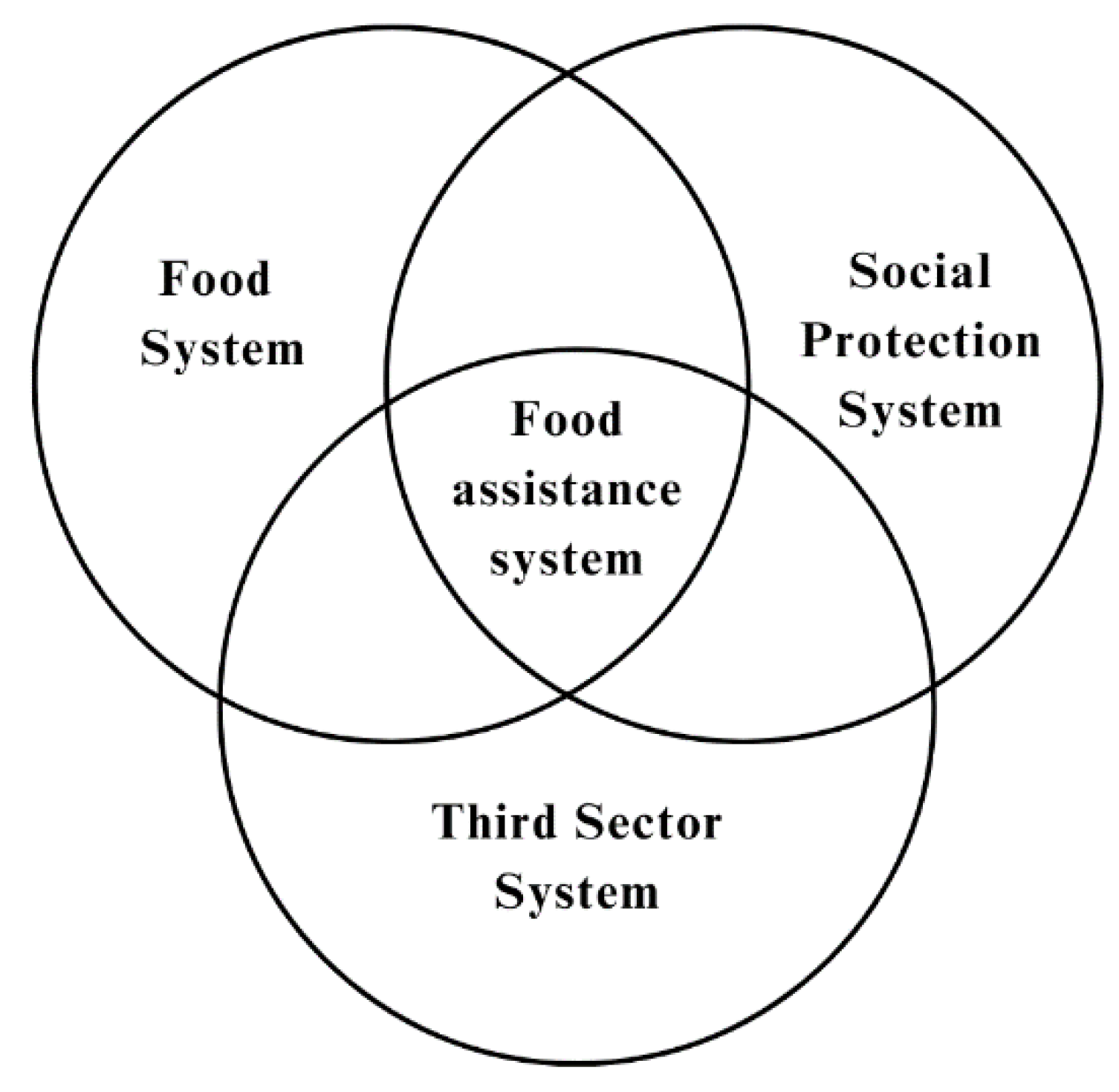
Food donation and reuse strategies are linked to food assistance systems that seek two main results: reducing food surpluses and alleviating food poverty [16], seeking to increase access to food for vulnerable social groups [7]. To this end, they rely on public and private resources and represent a gateway to social services, in an interaction between public, private and third sector actors [16].
The initiative of volunteers to meet the food needs of vulnerable people is what gave rise to the current model of food bank. The work of John van Hengel and Robert McCarty (a Catholic deacon) gave rise, in 1967, to the St Mary’s Food Bank in Phoenix, Arizona [17]. The bank grew as donations increased and eventually formed the America’s Second Harvest network of banks [18]. This bank inaugurated the typical form of obtaining food that continues to this day: the collection of food that had lost its sale value from companies and its subsequent distribution [19]. Food banks expanded in the USA and Canada in the 1980s [20]. In Europe, the first food bank appeared in Paris in 1984 [21] and 2 years later the European Federation of Food Banks was founded [17]. In New Zealand the first food bank dates back to 1985, in Mexico it began in 1987 [17] and in Brazil in 1994 [22]. In South Korea in 1998, in Japan in 2000 [17]. Currently, the Global Food Bank Network connects food banks in more than 40 countries [22].
The growth of this form of food assistance is closely linked to new ways of interpreting social policies and relationships with food charity [23], with the practice of food donation increasingly integrated into social protection systems [23]. Food banks are spaces of intersection between food systems, social protection systems and third sector systems [16].
Food banks organize, manage and operate the logistics system for collecting and redistributing food, connecting companies, social organizations and end beneficiaries [22]. They play a central role, connecting food donors in the food system, such as agricultural producers, wholesalers, retailers, industries, the service sector, and social organizations and the public beneficiaries. Schematically, the flow of food collection and redistribution can be represented as shown in Figure 1. Maintaining this system requires a complex structure for the management and execution of activities, which include administrative, financial, institutional and technical aspects.
Figure 1.
Waste Food Scale. Source: U.S. EPA. (2023) [12].
Figure 1.
Waste Food Scale. Source: U.S. EPA. (2023) [12].
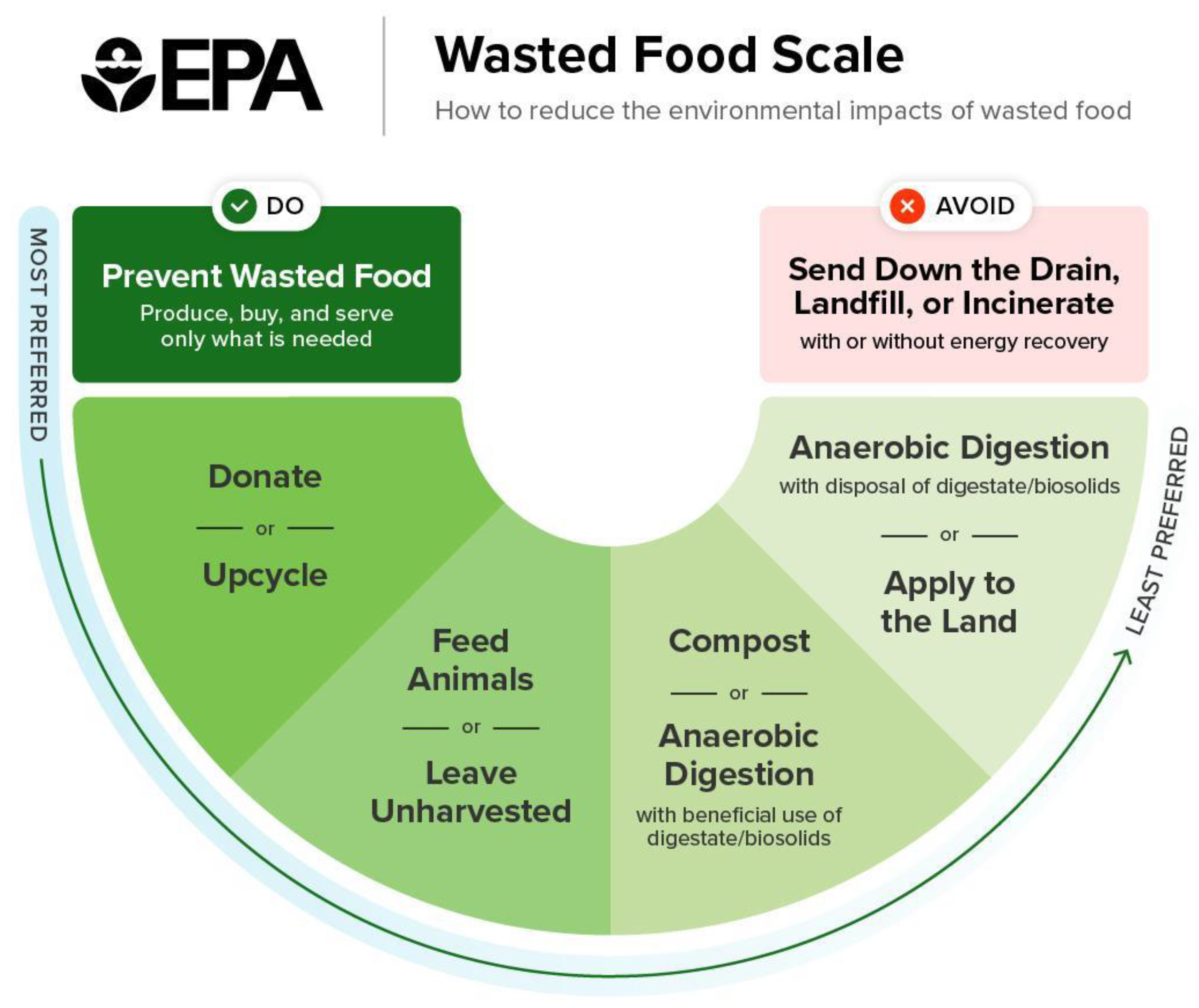
Figure 2.
Food Assistance System Correlations. Source: elaborated by the authors, based on Galli & Brunori (2019) [16].
Figure 2.
Food Assistance System Correlations. Source: elaborated by the authors, based on Galli & Brunori (2019) [16].
When collecting food, banks select, weigh and record the quantities and types of food selected. Likewise, donated food is also recorded in terms of type and quantity, according to the donation location. There are banks that operate with a central warehouse for storage and sorting. And there are banks that operate using the urban collection model, in which food is collected and donated directly, without the stage of storage in central warehouses. It is not uncommon for the work of collecting and donating food to be accompanied by educational and awareness-raising activities on food, nutrition and strategies for reducing food waste in the daily lives of social organizations, donor partners and end beneficiaries [22,24].
Figure 3.
Food Collection and Redistribution System for Social Assistance. Source: elaborated by the authors.
Figure 3.
Food Collection and Redistribution System for Social Assistance. Source: elaborated by the authors.
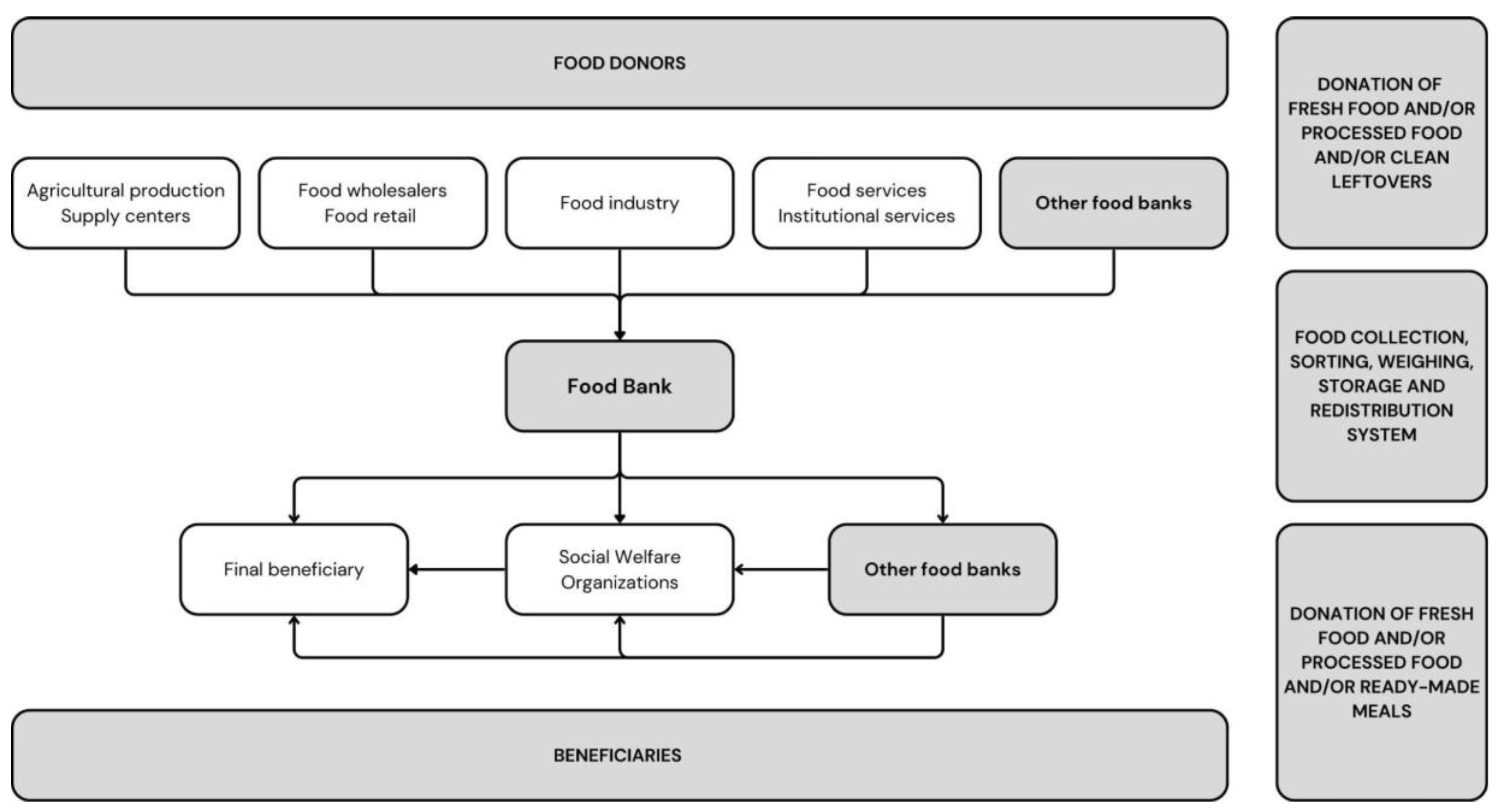
The main beneficiaries of food banks are social welfare organizations, which are responsible for directly serving the target audience. They are the ones who, through the provision of services, offer meals and/or food baskets. However, direct donations from food banks to end beneficiaries may also occur. In addition to end beneficiaries, this form of food assistance has grown and expanded over the last 50 years, raising new questions and new research opportunities [25]. However, although they play an important role in society, research aimed at improving food bank operations is limited [26] or even scarce [22,27].
In a context where private non-profit organizations are growing and playing a significant role in meeting public demands, and considering that most non-profit organizations need to respond to increasing pressure from funders and observers to report their programmatic impacts [28], understanding and analyzing the studies carried out to monitor and evaluate their programs is a vital step to improving the sector's performance. In the case of organizations such as food banks, it is necessary to identify successful models and indicate how to improve the effectiveness of the intervention so that an environment for progress and overcoming problems is created, rather than just for maintaining and disseminating existing models [29].
Although the potential use for learning, planning and service improvement in organizations are motivating factors for the development and implementation of internal evaluation processes in organizations, some aspects limit the potential for quality evaluations. Budgetary constraints, lack of information systems, high staff turnover, lack of reliable data and the disconnect between the data collected and its potential use for service improvement [30,31].
Aware of the demand for improvement in the management of these organizations, with attention to the exercise of the administrative function of control and evaluation, this work surveys and analyzes studies on evaluation systems in food collection and redistribution organizations. In order to provide support to food bank managers and actors involved in the food assistance system, the general objective of the work is to analyze studies and their methods of evaluating food banks.
The article is structured as follows. Section 2 discusses relevant aspects of evaluation methodologies for social programs and projects. Section 3 presents the research materials and methods. Section 4 presents the results obtained from the analysis of the selected articles, with a bibliometric description and detailed analysis of different aspects of evaluation methodologies. Section 5 presents the conclusions and Section 6 presents future challenges.
2. Relevant Sections
2.1. Theoretical Framework of Evaluation Studies
For Jannuzzi (2020) [32], an evaluation proposal seeks, based on the production of information, to contribute to the improvement of social programs and projects. Evaluations are different depending on the stage in which the program or project is. In the planning phase, evaluations aim to characterize the context, the environment in which the project or program will operate; to size and characterize the target audience of the intervention; and to define the operational arrangements of the intervention. From the moment the project or program starts to be implemented, its activities are monitored and followed up through management indicators, in addition to implementation evaluation surveys to identify problems in the supply, regularity, and quality of services. In this type of evaluation, the aim is to analyze the “knots” that hinder the full operation of the programs. This type of evaluation is usually called formative evaluation [32].
After the implementation phase of the social project or program, or after a certain period in the case of continuous interventions, the need for information turns to the evaluation of the results and impacts of the social program or project. This is the time to investigate not only the fulfillment of the objectives, but also its “design, operational arrangements, broader social impacts – in time and territory –, and the capacity for innovation and redesign in the face of the dynamic context in which the programs and projects operate.” This is the time to evaluate whether the intervention caused changes in the “social reality that originated it, naturally considering the complexity of its design and operational arrangements, in addition to the criticality of the social issue faced. This type of evaluation is also known as summative evaluation” [32] (p. 47).
Monitoring and evaluation are processes that follow one another and aim to provide the manager with information about the pace and form of implementation of programs (monitoring indicators) and the desired results and effects (evaluation indicators) [32].
Program or project evaluations are based on the construction of indicators, which allow the measurement of the aspects to be evaluated. Indicators can be constructed considering the operational dimensions of a project or program, that is, distinguishing between input, process or flow, product or result and impact.
Input indicators refer to the human, physical or financial resources needed to carry out a given program or project. Process or flow indicators (throughout indicators) are intermediate indicators that refer to the “operational effort of allocating human, physical or financial resources” to obtain results and impacts. Input indicators and process indicators can also be used to assess the efficiency of the program in using the resources employed. Output indicators allow the assessment of compliance with specified goals, portray the effective results of programs and allow the assessment of the effectiveness of compliance with goals [33] (p. 23) [34]. Impact indicators refer to the “more general effects and developments, anticipated or not, positive or not, that result from the implementation of programs [...]” and that allow the measurement of the social effectiveness of the program.
Input indicators and process indicators can be called effort indicators, as they indicate the operational effort to “obtain effective improvements in well-being (result indicators and impact indicators)” [34] (p. 144).
Furthermore, by incorporating the costs of operationalizing activities and producing results and impacts into the analysis - cost-effectiveness assessment, it is possible to obtain parameters to compare different programs and interventions and provide support for deciding on the maintenance, interruption or expansion of programs and projects [32].
The World Bank's Monitoring and Evaluation Handbook [35] and the Results Chain [36] provide a model for defining the components of a project in which, in addition to the components of inputs, activities and outputs, impact is differentiated into: short-term impact (outcomes) and long-term impact (impact). Where short-term impact is the immediate effects of the products or services and long-term impact is the higher-level goals to which the project can contribute.
Based on the evaluation methodologies presented, the following dimensions of food bank evaluation will be considered for analysis and categorization [37] of evaluation studies:
- Input indicator/Inputs: resources that ensure the functioning of food banks, such as food, financial resources, human resources, physical resources and technical resources;
- Process indicator/Activities: actions designed to meet the objectives of a program, such as food collection and redistribution activities, educational activities and also administrative and financial activities;
- Result indicator/Outputs: tangible and intangible products that result from the program's activities, such as donated food and services provided;
- Short-term impact: immediate effects of the organization's products and services, such as improved health conditions of the benefited population, increased consumption of healthy foods, increased supply of fruits and vegetables in social institutions and reduction in the generation of organic waste;
- Long-term impact: higher-level goals to which the project can contribute, such as changes in the political environment - creation of policies to encourage food donations, changes in the corporate environment - new practices to reduce food waste in the food system, improvement of the food security situation of a population.
Making a correlation between the evaluation dimensions and the operating structure of a food bank, we consider the figure below as a reference for the analyses that will be made of the selected articles.
Figure 4.
Assessment Dimensions. Source: prepared by the authors based on Jannuzzi (2020) [32], World Bank (2014) [35] and DFID (2013) [36].

Based on the classification of the evaluation systems presented, this work seeks to identify and classify the evaluation methods described in the studies, as well as the evaluation indicators, in order to identify the main areas of evaluation studies and possible paths or gaps for new evaluation proposals.
3. Materials and Methods
The systematic review used the Prisma 2020 guidelines [38] as a reference, with the following verification items: selection criteria, information sources, research strategy, selection process, data collection process, data items, synthesis method. The research used the exploratory sequential mixed review [39] with the following development steps:
1. Selection Criteria;
The systematic review included articles that address the evaluation of food rescue initiatives, written in English, up to the year 2021.
2. Sources of information;
Two bibliographic databases were used for consultation and collection of material: Web of Science Platform and ScienceDirect Platform. The consultation was carried out during the months of July and August 2021.
The Web of Science Platform provides access to multiple databases, maintained by Clarivate Analytics. The Science Direct Platform, operated by the publisher Elsevier, provides access to scientific, technical and medical research.
3. Research strategy;
For the bibliographic survey of peer-reviewed articles published worldwide in English up to July 2021, the following terms in English were used to refer to food rescue, recovery and redistribution activities: food bank, food waste distribution, food redistribution, food rescue, food loss and waste, food recovery.
To delimit the studies to the area of evaluation of food rescue interventions, the following terms were used in English, in reference to evaluation activities: evaluation, assessment, impact and, to encompass case studies related to food rescue, the following terms were added: case study. Although impact is not exactly a synonym, it represented the "impact studies" mentioned above.
Once the terminological mapping was defined, the Boolean operators AND, OR and AND NOT were then defined to construct advanced search strategies [39]. Thus, the following strategy was used:
Search 1: ("food bank") OR ("food waste distribution") OR ("food redistribution") OR ("food rescue") OR ("food loss and waste”) OR (“food recovery”).
Search 2: Search 1 AND ("evaluation")
Search 3: Search 1 AND ("assessment")
Search 4: Search 1 AND ("impact")
Search 5: Search 1 AND ("case study")
It was not possible to search for all terms, as there is a limit of up to 8 Boolean operators per search. Therefore, 4 searches were performed per database (searches 2 to 5). And, once the 4 results were obtained, they were unified and repetitions were excluded in each database. This same procedure was performed for each database consulted: Web of Science and Science Direct.
Subsequently, the results of each base were unified. Excluding the repetitions of the two bases together, the total references were obtained.
4. Selection process;
The selection was made based on reading the abstracts, and when necessary, the full text was read. The articles were categorized according to the topics covered. The articles that specifically addressed the topic “Food Loss, Waste and Rescue” were designated and screened, and the deviant topics were separated. A second screening organized the results obtained into: “Case studies of assessments of Food Loss and Waste”, “Case studies of assessments of food rescue systems” and other topics.
5. Data collection process;
The data from the articles were collected by reading the texts, extracting the main information and coding the qualitative data. The data were collected manually and subsequently checked.
6. Data items;
From the set of selected bibliographic references, data were collected regarding the year of publication, research topic, research location and publication periodical for descriptive analyses of the bibliography surveyed.
Data regarding the evaluation and monitoring indicators used were collected to classify the types of evaluation carried out within the group of references studied.
7. Synthesis method.
Based on the data collected for descriptive bibliometric analyses, the quantitative results of the distribution of studies by year, location of research and publication journals were presented.
To present the evaluation systems and indicators used, the qualitative material of the references was coded following the inductive formation of categories within the qualitative content analysis [37]. The collected material was then presented according to the themes of the evaluation methodologies and the indicators used, both in a cross-sectional analysis and throughout the period covered by the research.
4. Results
4.1. Selection of Articles
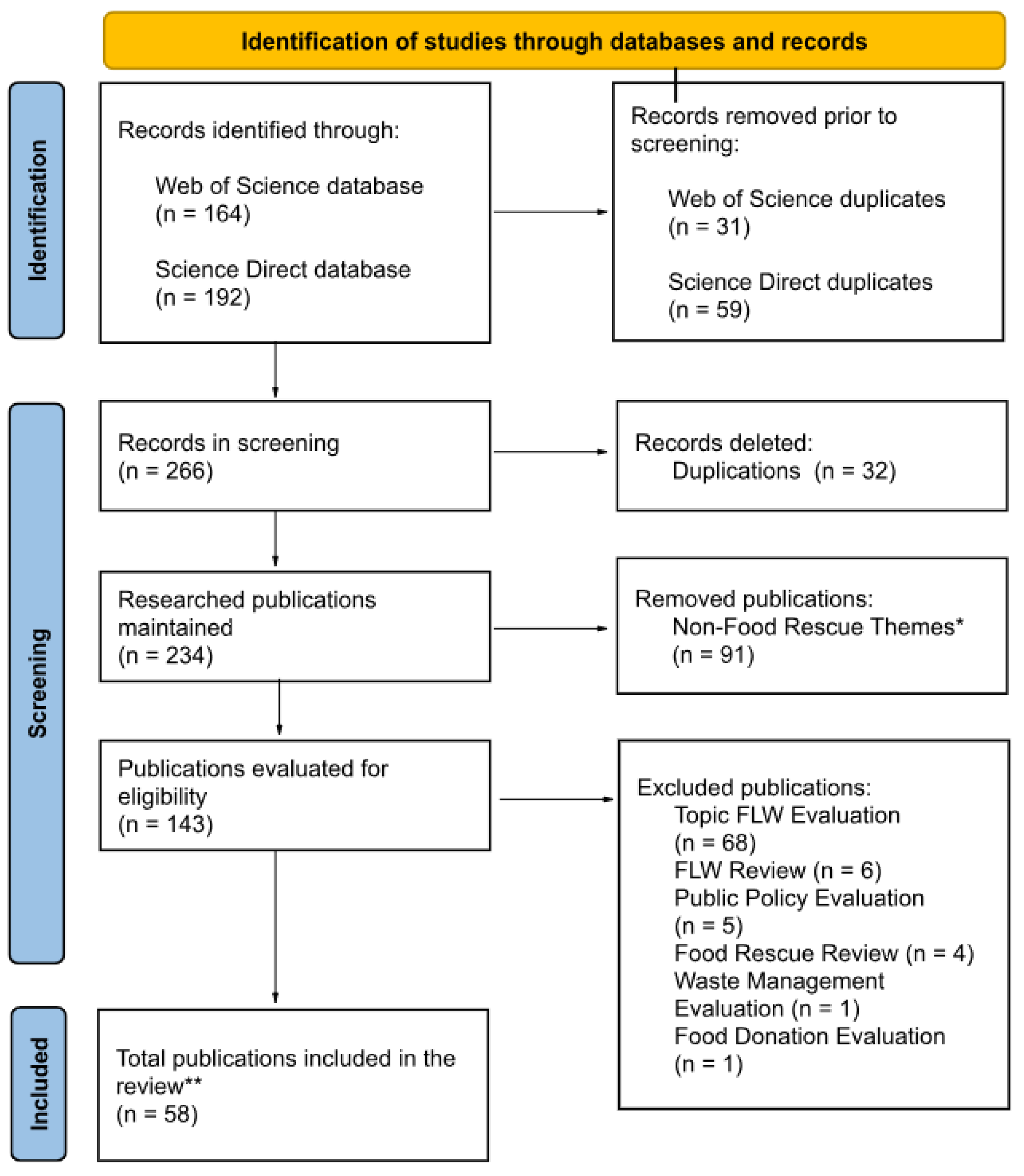
The results of the article selection process are presented below. The survey of bibliographic references in the Web of Science and Science Direct databases resulted in 164 documents in the Web of Science database (considering the search terms of searches 2 to 4) and 192 documents in Science Direct (also considering the search terms of searches 2 to 4), totaling 356 documents. After combining the results of all searches and excluding duplicate articles, 133 references were obtained in each database, totaling 266 documents. The results obtained in both databases were then combined and duplicate articles were excluded, reaching a total of 234 articles.
Based on the reading of the abstracts and, when necessary, the full texts, the topics addressed were categorized. This step was necessary to exclude documents that did not address the research topic: food loss and waste. The articles were then categorized for this selection. Thus, the construction of categories gave rise to the following terms: Food Loss, Waste and Rescue (143 articles); Nutrition (23 articles); Technology (23 articles); Health (12 articles); Ecology (10 articles); Others (7 articles); Education (7 articles); Retail (3 articles); Psychology (3 articles); Agriculture (3 articles); Total (234 articles). Thus, 143 articles from the category “Food Loss, Waste and Rescue” were selected for a more detailed analysis.
The 143 references underwent a new categorization to identify more specific topics of interest for the research. Thus, the following topics were identified: Assessment, Food Loss and Waste (68 articles); Assessment, Food Rescue, Case Studies (58 articles); Review, Food Loss and Waste (6 articles); Assessment, Public Policies - related to Food Loss and Waste, Food Banks, Food System and Food Security (5 articles); Review, Food Rescue (4 articles); Assessment, Waste Management (Composting) (1 article); Assessment, Food Donation by Companies (1 article); Total (143 articles).
At the end of this process, 58 articles that met the study's inclusion criteria (Assessment, Food Rescue, Case Studies) were selected for analysis. The selection process is explained in the form of a flowchart, according to the PRISMA flow diagram guidelines [38], as shown in Figure 5 below.
Figure 5.
Prisma flow diagram for systematic reviews. *Non-Food Rescue Topics: nutrition: 23, technology: 23, health: 12, ecology: 10, others: 7, education: 7, retail: 3, psychology: 3, agriculture: 3. **Topics: assessment, food rescue, case study: 58. Source: elaborated by the authors based on Page et al (2020) [38].
Figure 5.
Prisma flow diagram for systematic reviews. *Non-Food Rescue Topics: nutrition: 23, technology: 23, health: 12, ecology: 10, others: 7, education: 7, retail: 3, psychology: 3, agriculture: 3. **Topics: assessment, food rescue, case study: 58. Source: elaborated by the authors based on Page et al (2020) [38].
The selected articles were analyzed regarding the bibliometric aspect, addressing the research locations, year of publication, period researched, and the evaluation methods adopted in the studies, identifying the indicators used and the changes over time.
4.2. Selection of Articles
1. Bibliometric Analysis
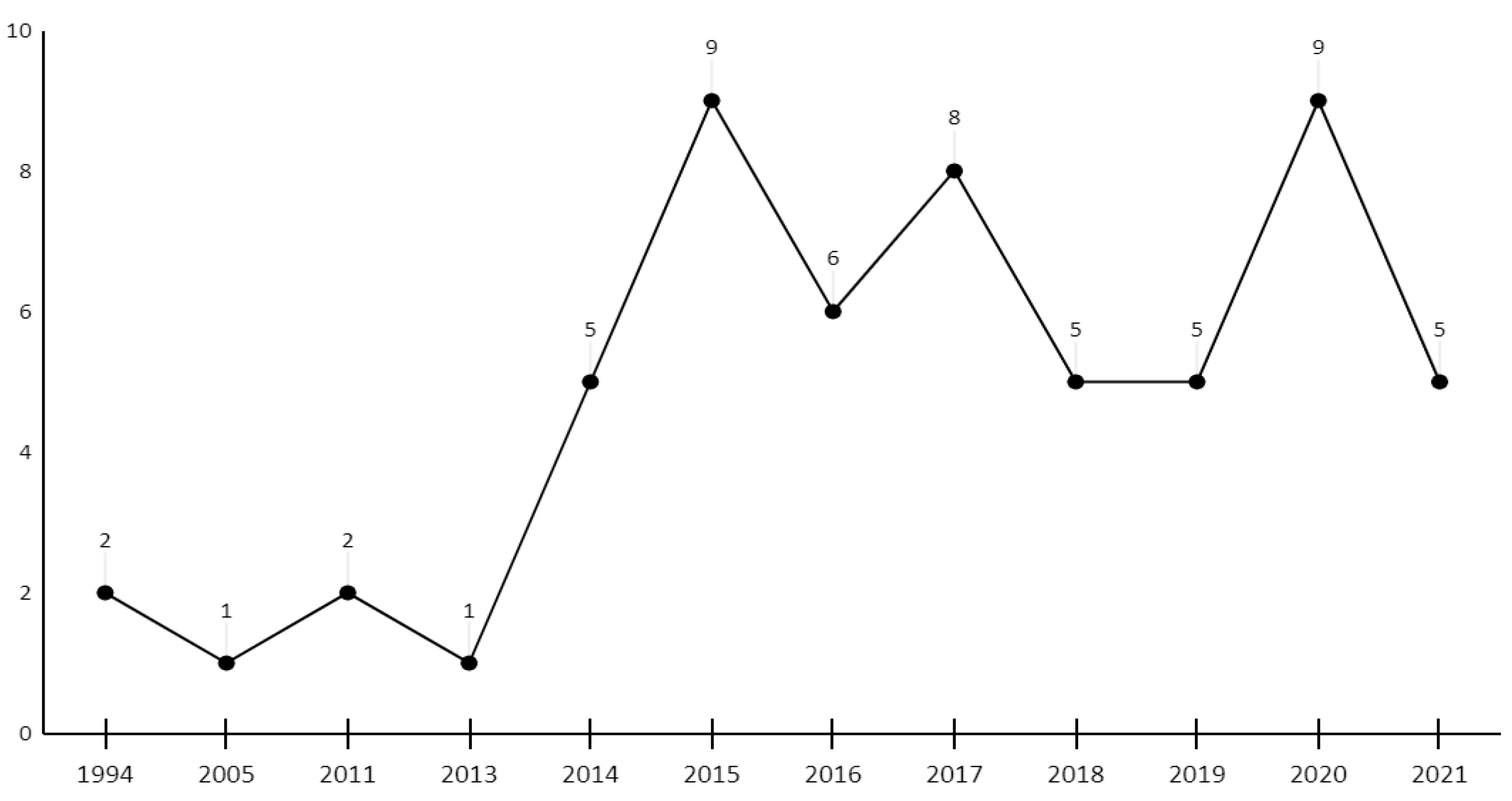
Considering the period in which the articles were published (1994 to 2021), it was from 2015 onwards that there was a significant increase in the number of publications on the subject, the year in which the 17 Sustainable Development Goals were established by the UN, among which is SDG 2, which includes the reduction of Food Loss and Waste among its goals [7].
Graph 1.
Number of Publications per Year (1994 - 2021). Source: Elaborated by the authors.
Of the 58 documents, 21 refer to evaluation studies that used data from organizations based in the United States (almost 36% of the total), covering studies from 1994 to 2021, that is, throughout the entire research period. Italy appears with the second highest index (8 references) and the United Kingdom, with the third (6 references). Studies began to be carried out in other countries from 2013 onwards, with evaluation research carried out on organizations outside the United States, as well as international research, involving more than one country, as can be seen in Graph 2.
Graph 2.
Countries of origin of the researched organizations (1994 - 2021). *(Europe, US, India, Australia) and (Europe, US, India, Australia, South Africa). Source: Elaborated by the authors.
Graph 2.
Countries of origin of the researched organizations (1994 - 2021). *(Europe, US, India, Australia) and (Europe, US, India, Australia, South Africa). Source: Elaborated by the authors.
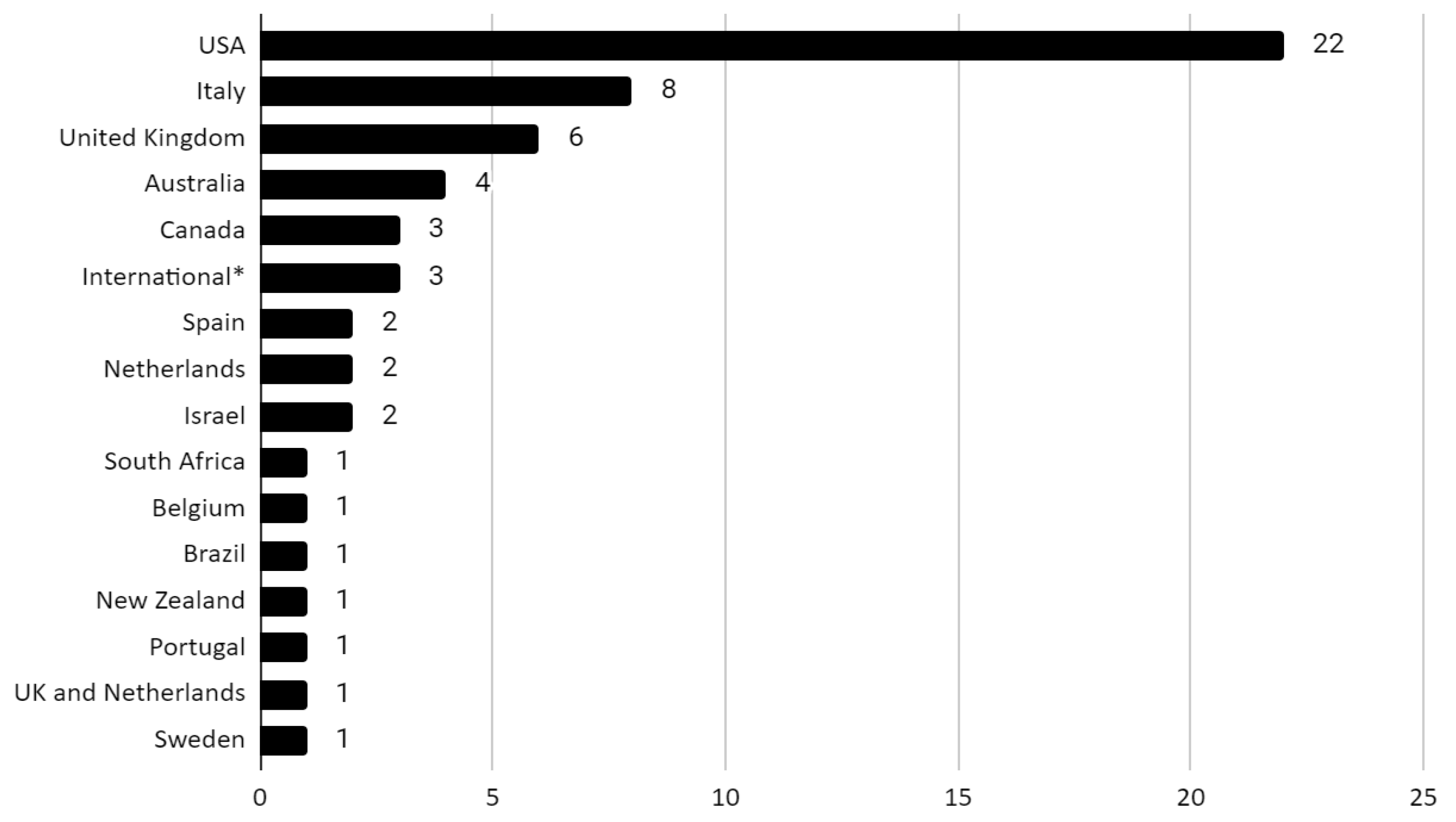
The data also reveal a negligible presence of research on less developed countries. Furthermore, the research with data from organizations located in Brazil and South Africa was conducted in the countries themselves, meaning there is no great international interest in studying food banks in less developed countries. It is also worth noting that there is a small number of international studies, which indicates the regional nature of the research and the lack of comparative studies between the reality of food banks in more and less developed countries.
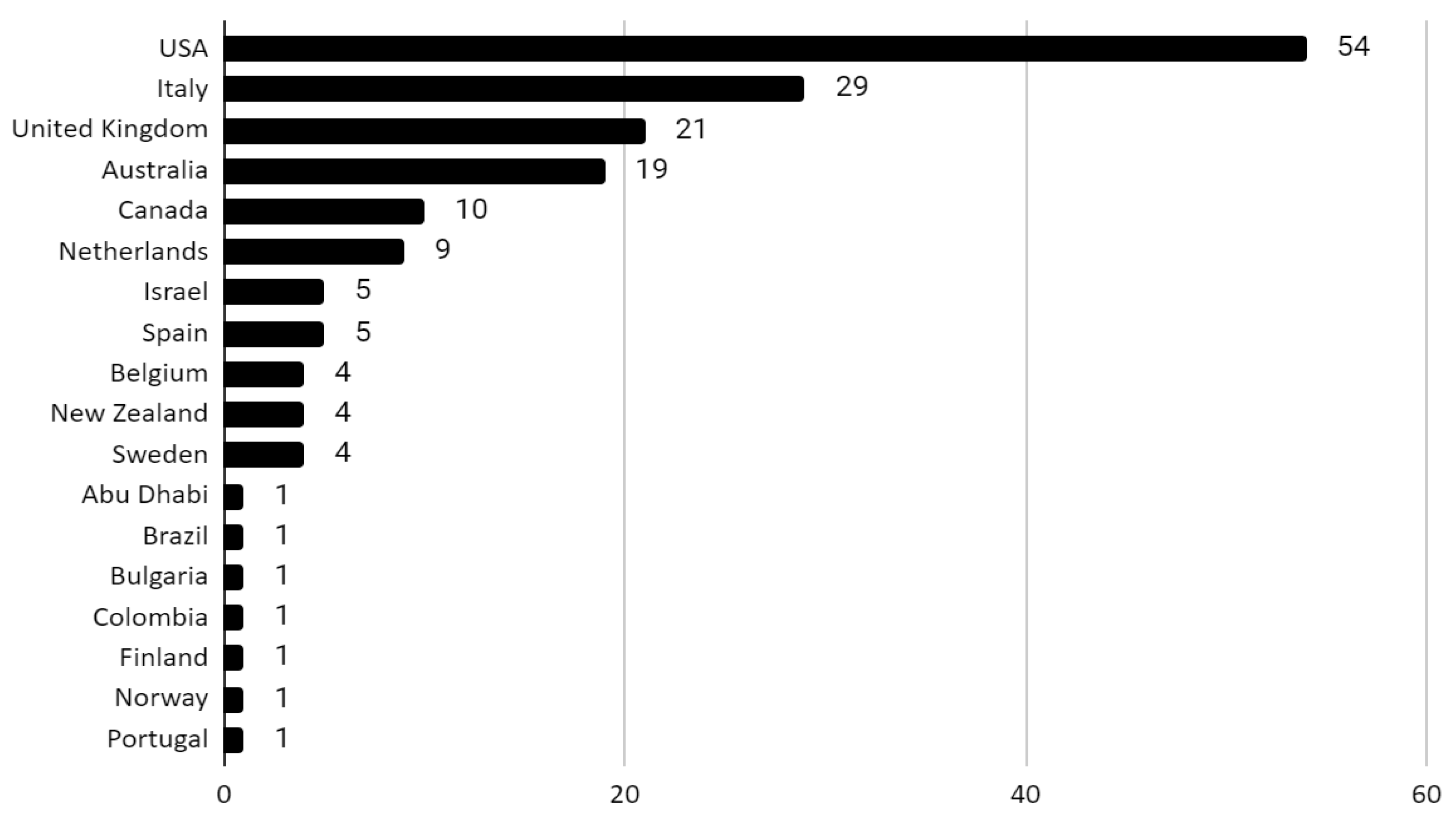
A total of 171 authors took part in the preparation of the 58 selected articles, an average of 3 authors per article. Around 32% of these authors' research institutions are concentrated in the United States, followed by Italy, the United Kingdom, Australia and Canada, that is, it follows the results in Graph 2, indicating a direct correlation between the location in which the data from the research are collected and the location of researchers' institutions. It can also be noted that there is not a large concentration of studies per author (only 15 authors are found twice).
Graph 3.
Countries of the organizations where the authors work (1994 - 2021). Source: Elaborated by the authors.
Graph 3.
Countries of the organizations where the authors work (1994 - 2021). Source: Elaborated by the authors.
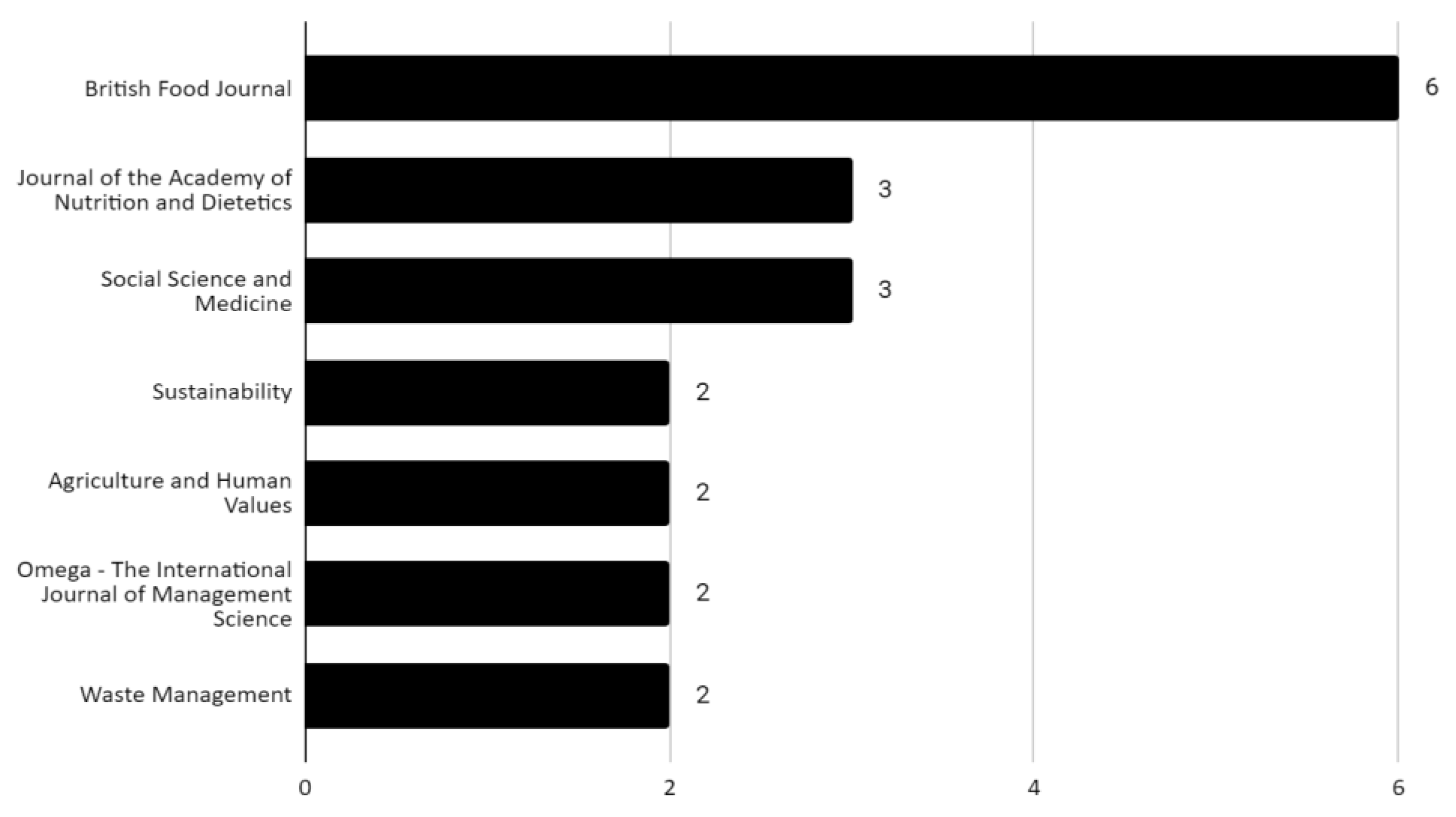
Regarding the journals in which the articles were published, some were referenced more frequently. This is the case of the British Food Journal, which published 6 of the 58 articles (about 10% of the total), focused on research in the areas of food production and consumption. The Journal of the Academy of Nutrition and Dietetics, which had the second highest frequency, focuses on food science, nutrition and dietetics. The journal Social Science Medicine, in which 3 articles were published, focuses on the dissemination of research in social sciences in health. The journal Sustainability, which addresses studies related to sustainability and sustainable development, Agriculture and Human Values (on food and agricultural systems) and Omega - The International Journal of Management Science (on business management and analysis) presented 2 publications each. A total of 43 different journals were found in the group of 58 selected articles. It can be seen, then, that there is a great dispersion of articles in different journals, as can be seen in Graph 4.
Graph 4.
Main Journals (1994 - 2021). Source: Elaborated by the authors.
The themes of the journals in which the 58 articles were published are mainly concentrated in the area of food and nutrition (41%), a smaller part in the area of administration and management (19%) followed by the environment (16%), in addition to agriculture, geography, medicine and other themes presented in Graph 5. Even though the research focus is on the evaluation of food rescue initiatives, the percentage of journals focused on the theme of administration and management is not the preponderant one.
Graph 5.
Thematic groups of Journals (1994 - 2021). Source: Elaborated by the authors.

The main publishers that published the selected articles were Elsevier (responsible for publishing 21 of the 58 articles) based in the Netherlands, Emerald Publishing (9 publications) based in the United Kingdom, followed by MDPI (based in Switzerland), Wiley and Springer (United States), Taylor & Francis Group and Cambridge University Press (United Kingdom), Sage Publications (United States) and 9 other publishers with 1 article each. In total, there were 17 different publishers distributed across 8 different countries, with a predominant concentration in the Netherlands, the United Kingdom and the United States.
2. Evaluation Methods
The analysis of the evaluation methods and indicators used was carried out based on the systematization of the selected articles, using as a reference the operational dimensions of the studies, as presented in Section 2: indicator-input/inputs, indicator-process/activities, indicator-result/outputs, short-term impact, long-term impact.
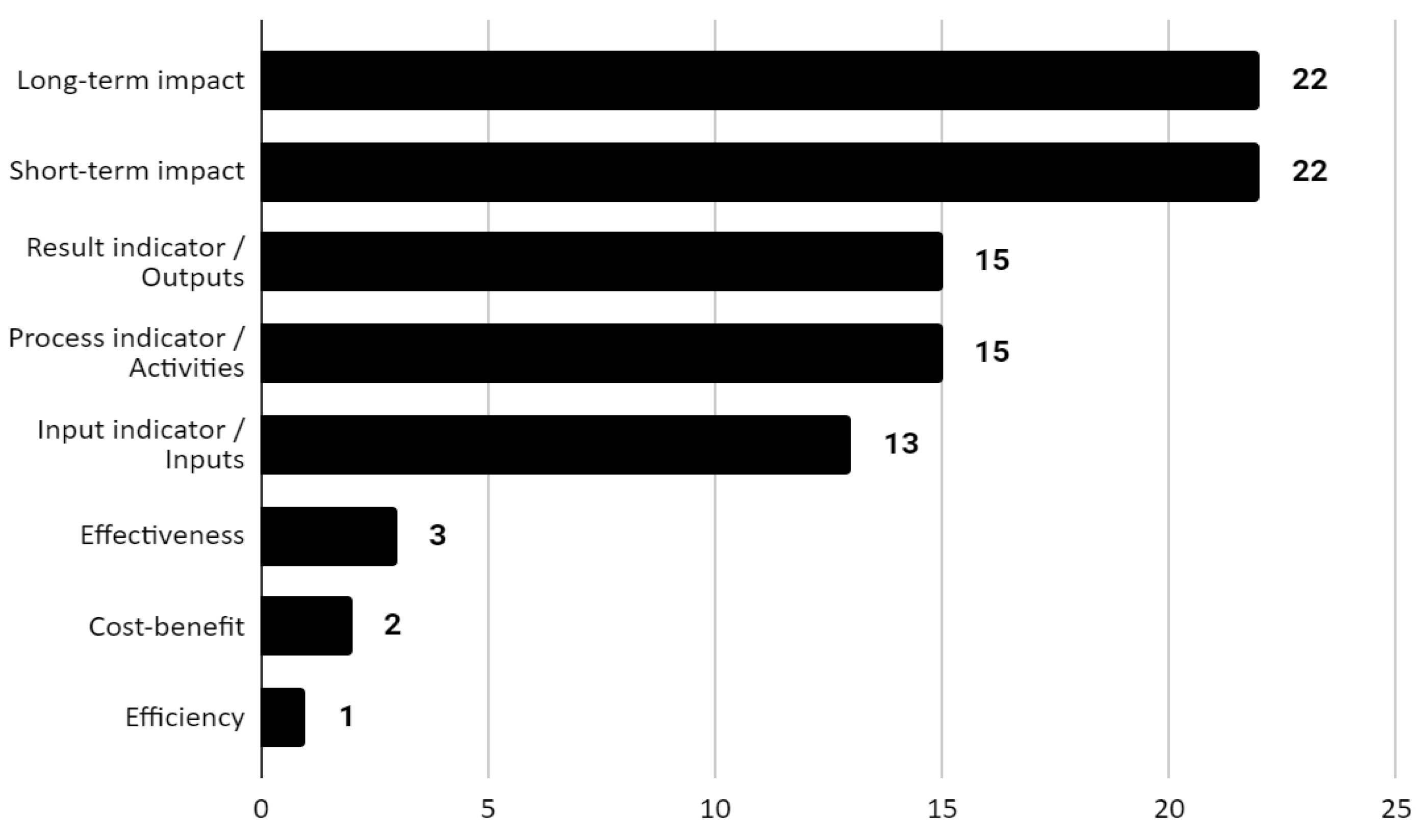
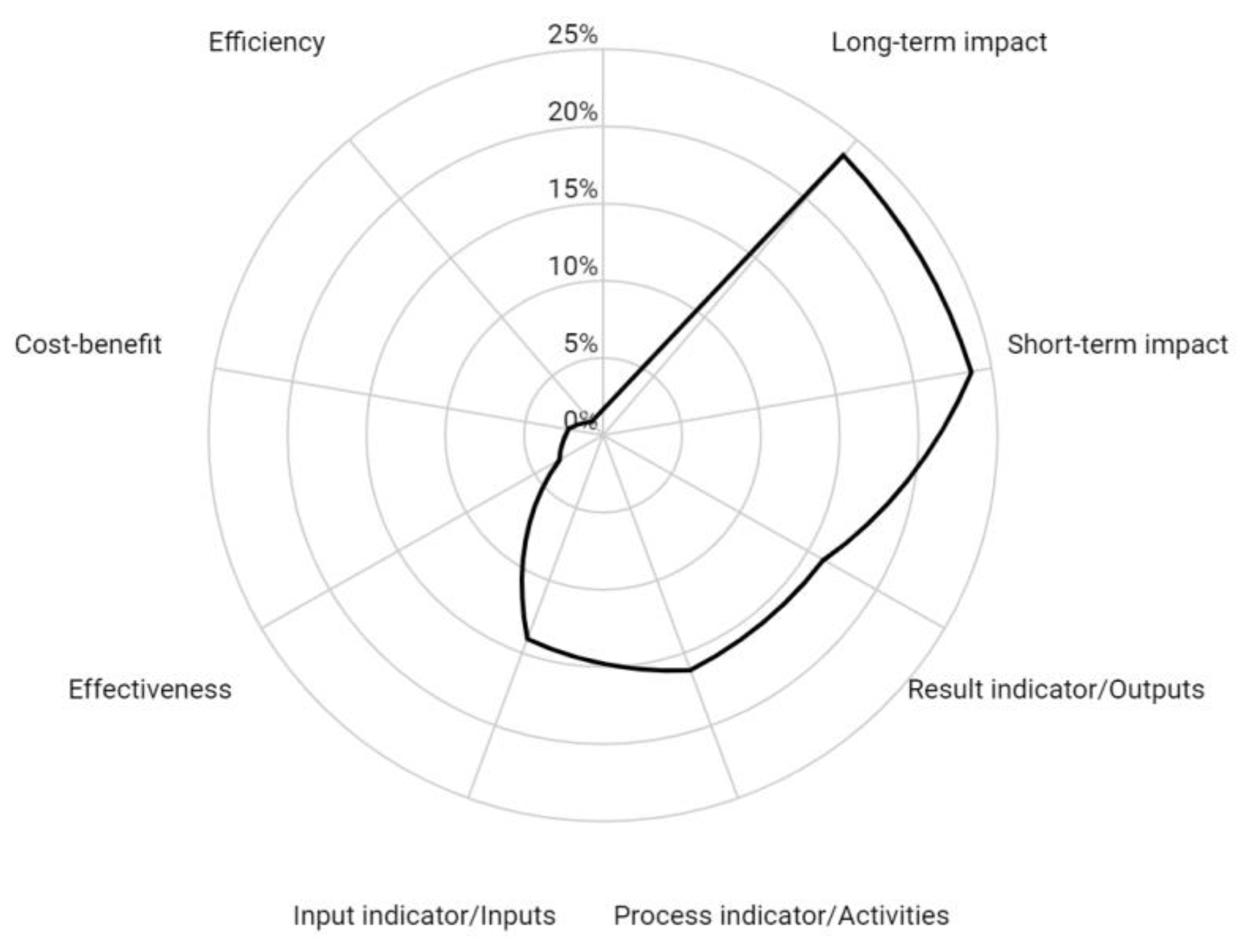
The analysis of the evaluation methods of the 58 articles identified a total of 93 methods, that is, an average of 1.6 per article. The main methods considered by the evaluation studies are related to impacts - long-term impacts and short-term impacts, each with 24% of the cases). Next are the indicator-result and indicator-process dimensions, with 16% of the total each, and indicator-input with 14% of the total. The lowest percentages were found for studies of effectiveness (3%), cost-benefit (2%) and efficiency (1%). The results, in number of cases, are presented in Graph 6 below.
These results show a predominance of evaluation studies focused on analyzing results, short- and long-term impacts of food banks, indicators that together account for 64% of the total). These studies are focused on analyzing dimensions external to food banks, such as analyzing the achievement of goals, results and impacts obtained. A smaller percentage of studies, on the other hand, focus on analyzing the internal dimensions of food banks, analyzing the processes and internal activities of organizations, through process indicators, input indicators and also effectiveness, cost-benefit and efficiency indicators. Although the construction of indicators that provide parameters on the management of food banks is not the main focus of evaluation studies of these organizations, together they account for 36% of the total studies. Within this group, the process indicator with 16% of the total number of cases, and the input indicator with 14% of the total, represent 30% of the total, as can be seen in graphs 5 and 6 below. Only 3 studies analyzed the effectiveness of banks (equitable distribution of food among beneficiaries), 2 evaluated the environmental cost-benefit of food banks compared to composting and landfill and 1 case of evaluating the efficiency of food banks (relationship between food distributed and inputs used).
Graph 6.
Number of cases per evaluation method (1994 - 2021). Source: Elaborated by the authors.
Graph 7.
Percentage of cases by operational dimension (1994 - 2021). Source: Elaborated by the authors.
Graph 7.
Percentage of cases by operational dimension (1994 - 2021). Source: Elaborated by the authors.
To understand in more detail which aspects were addressed in each of these dimensions, the indicators are presented in item 3 below.
3. Used indicators
- Long-term impact
The two main indicators of long-term impact were: impacts on the development of policies to reduce Food Loss and Waste (FWL) and impacts on social responsibility and corporate image - both items together accounting for 36% of the total number of cases.
The other two aspects with the second highest number of cases were the impacts on Food and Nutrition Security (FNS) policies and on overcoming social exclusion, social reintegration and the labor market - totaling 28%.
These indicators of the selected articles were obtained through qualitative research, in-depth interviews with semi-structured questionnaires, focus groups, participant observation, discourse analysis, descriptive analysis, as well as a questionnaire to collect quantitative and qualitative data on the respondents' perception of the impacts with responses on a Likert scale.

Table 1.
Indicators of long-term impact dimension.
| Indicators of long-term impact | Number of cases | Percentage |
|---|---|---|
| Policy for reducing Food Loss and Waste | 4 | 18% |
| Corporate social responsibility, corporate image | 4 | 18% |
| National Food Security Policy | 3 | 14% |
| Overcoming social exclusion, social and labor market reintegration | 3 | 14% |
| Relationship between the private, public and civil society sectors | 1 | 5% |
| Potential for social transformation | 1 | 5% |
| Environmental impact | 1 | 5% |
| Potential for environmental, social, economic and political impact | 1 | 5% |
| Building ethical and justice dimensions | 1 | 5% |
| Policy to guarantee the Human Right to Adequate Food | 1 | 5% |
| Creation of social capital in food distribution network | 1 | 5% |
| Relationship between business and community | 1 | 5% |
| Total | 22 | 100% |
Source: Elaborated by the authors.
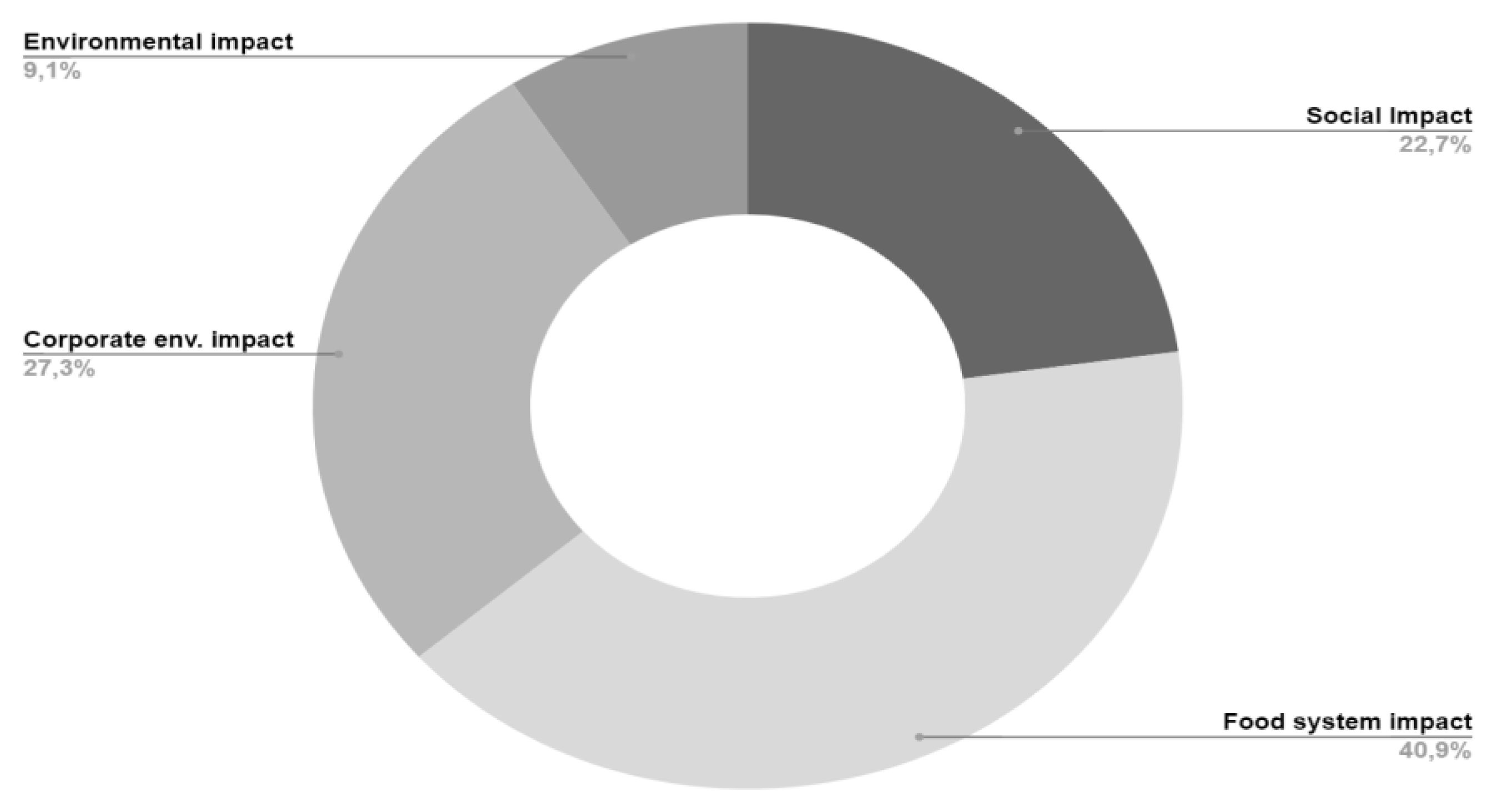
The above indicators can be grouped into broader themes that allow for the identification of the main areas of study. The indicators were then categorized into four areas: impact on the food system, impact on the corporate environment, social impact, and environmental impact. This categorization revealed a greater incidence of indicators focused on analyzing the impact on the food system, followed by impact on the corporate environment and social impact, with similar percentages, and finally environmental impact.
Graph 8.
Categorization of long-term impact indicators[1] Source: Elaborated by the authors.
- Short-term impact
For the short-term impact indicator, meeting the nutritional needs of beneficiaries was the item most frequently mentioned, 27% of the total. Help with beneficiaries' income (14%) and reaching low-income people (also 14%) were the indicators with the second highest number of cases.
Some of these indicators were obtained through questionnaires to collect quantitative and qualitative data, nutritional calculation of the food provided in relation to the nutritional needs of the beneficiary population, questionnaire on food intake (24-hour recall), analysis of secondary data and in-depth interviews.
Table 2.
Indicators of short-term impact dimension.
| Indicators of short-term impact | Number of cases | Percentage |
|---|---|---|
| Meeting beneficiaries’ nutritional needs | 6 | 27% |
| Income support for beneficiaries | 3 | 14% |
| Reaching low-income people | 3 | 14% |
| Job generation | 2 | 9% |
| Improvement in users' health | 2 | 9% |
| Knowledge acquired by beneficiaries | 2 | 9% |
| Improvement in the well-being of the elderly | 1 | 5% |
| Perceived benefits, challenges and tensions | 1 | 5% |
| Motivation of volunteers | 1 | 5% |
| Reduction of GHG emissions | 1 | 5% |
| Total | 22 | 100% |
Source: Elaborated by the authors.
The indicators were also grouped into broader categories: impact on the nutrition and health of beneficiaries; impact on the income of beneficiaries; reaching people in social vulnerability; knowledge acquired and others. As can be seen in Graph 9, the highest percentage refers to the group that deals with impacts on the nutrition and health of beneficiaries, with just over 40% of the total. The impact on the income of beneficiaries was the second most frequently encountered topic, followed by the percentage of studies aimed at identifying the reach of people in situations of vulnerability. These three aspects make up the main indicators addressed in the short-term impact dimension.
- Result indicators / outputs
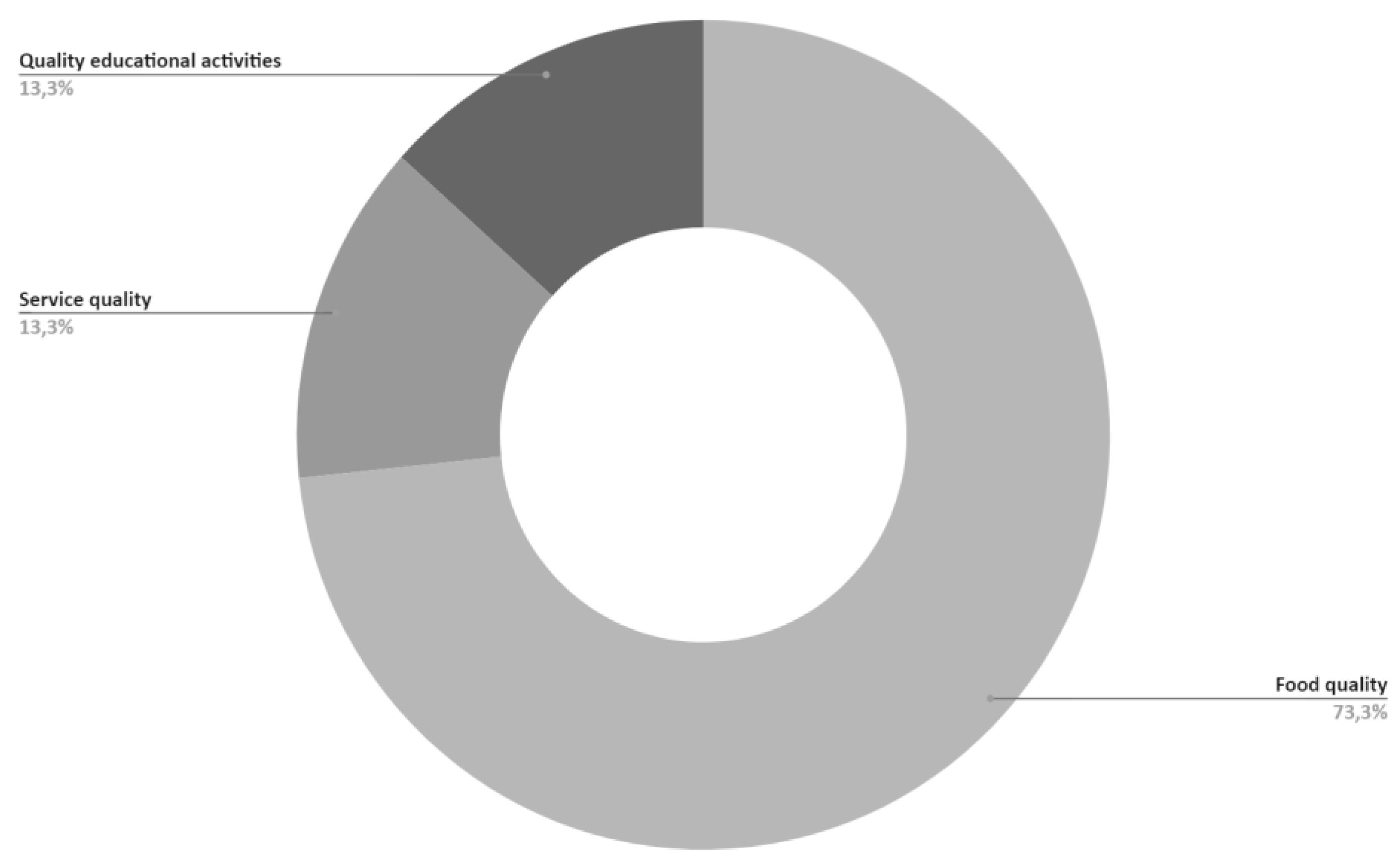
Considering this operational dimension, we note the predominance of the topic of nutritional quality of donations in evaluating the results of food banks, with 47% of the total cases. Quality of service provided, quantity of food donated and quality of educational activities are the indicators with the second highest number of cases, totaling almost 40% of the total. All items are directly related to the activities performed by food banks: supply of food and all services necessary for this purpose, as well as the educational activities offered.
Some indicators were obtained through descriptive studies, nutritional analysis of donated food in accordance with nutritional guidelines, microbiological evaluation of food, qualitative interviews, participant observation, and exploratory survey.
Graph 9.
Categorization of short-term impact indicators[2]. Source: Elaborated by the authors.
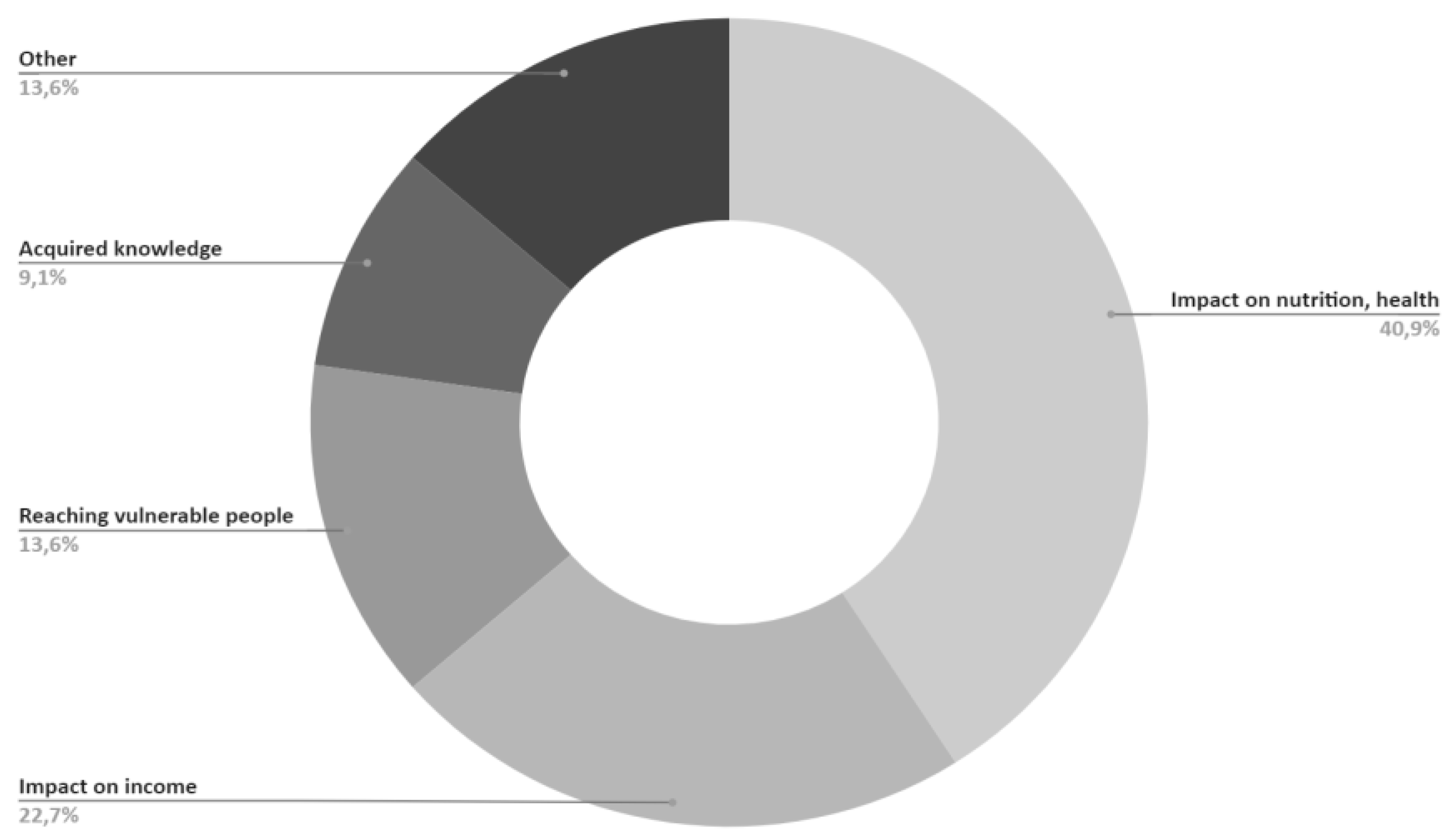
Table 3.
Result indicators / outputs.
| Result indicators/outputs | Number of cases | Percentage |
|---|---|---|
| Nutritional quality of donations | 7 | 47% |
| Quality of service provided | 2 | 13% |
| Quantity of donated food | 2 | 13% |
| Quality of educational activities | 2 | 13% |
| Safety of food supplied | 1 | 7% |
| Ability to supply fresh products | 1 | 7% |
| Total | 15 | 100% |
Source: Elaborated by the authors.
The indicators were grouped into the following categories: quality of donated food (which includes nutritional quality, food quantity, food safety and the presence of fresh food); quality of service provided and quality of educational activities make up the other two groups, with the same percentage, just over 13%. As can be seen, the indicators that refer to the quality of donated food make up the vast majority of indicators in this operational dimension.
- Input indicator / inputs
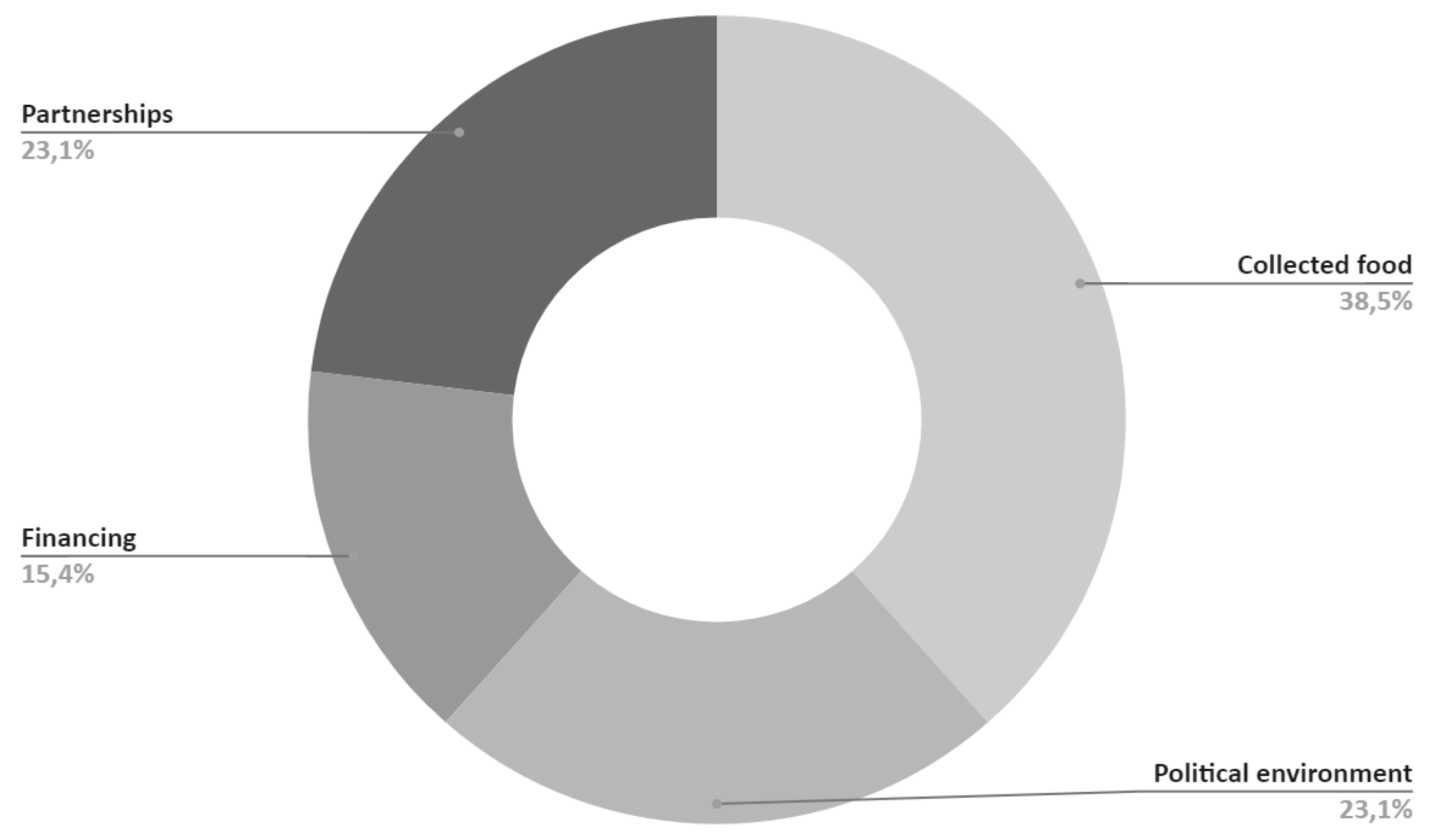
In the indicator-input dimension, themes related to the amount of food collected represent 4 out of 13 total cases (31%) and make up the largest group. Public policies for food donation represent 23% of the total indicators. Financing of food banks and surplus food form the third group, with 30% of the total. Some indicators were obtained through semi-structured interviews, bibliographic review, modeling of the collection system, estimation models, statistical analyses, descriptive analyses, microbiological evaluation of food, and quantitative data from food banks, restaurants, and industries.
Table 4.
Input indicators / inputs.
| Input indicators / inputs | Number of cases | Percentage |
|---|---|---|
| Quantity of food collected | 4 | 31% |
| Public policies for food donation | 3 | 23% |
| Funding of food banks | 2 | 15% |
| Surplus food in industry and restaurants | 2 | 15% |
| Safety of collected food | 1 | 8% |
| Number of partnerships | 1 | 8% |
| Total | 13 | 100% |
Source: Elaborated by the authors.
The indicators were then grouped into the following categories: collected food (which covers the quantity - the main item - and the safety of the collected food); the political environment - considering the analysis of public policies for food donations; partnerships, which includes both the number of partnerships and the analysis of surplus food in the industry and in restaurants, since they configure the food donor partners; and also the financing of food banks. It can be seen that, among these indicators, the food collected (mainly the quantity) was the aspect with the highest number of cases. However, other aspects are also important: public policies, forms of financing and food bank partnerships. These four items illustrate and accurately summarize the main aspects of the external environment that influence the functioning of food banks.
- Process indicator / activities
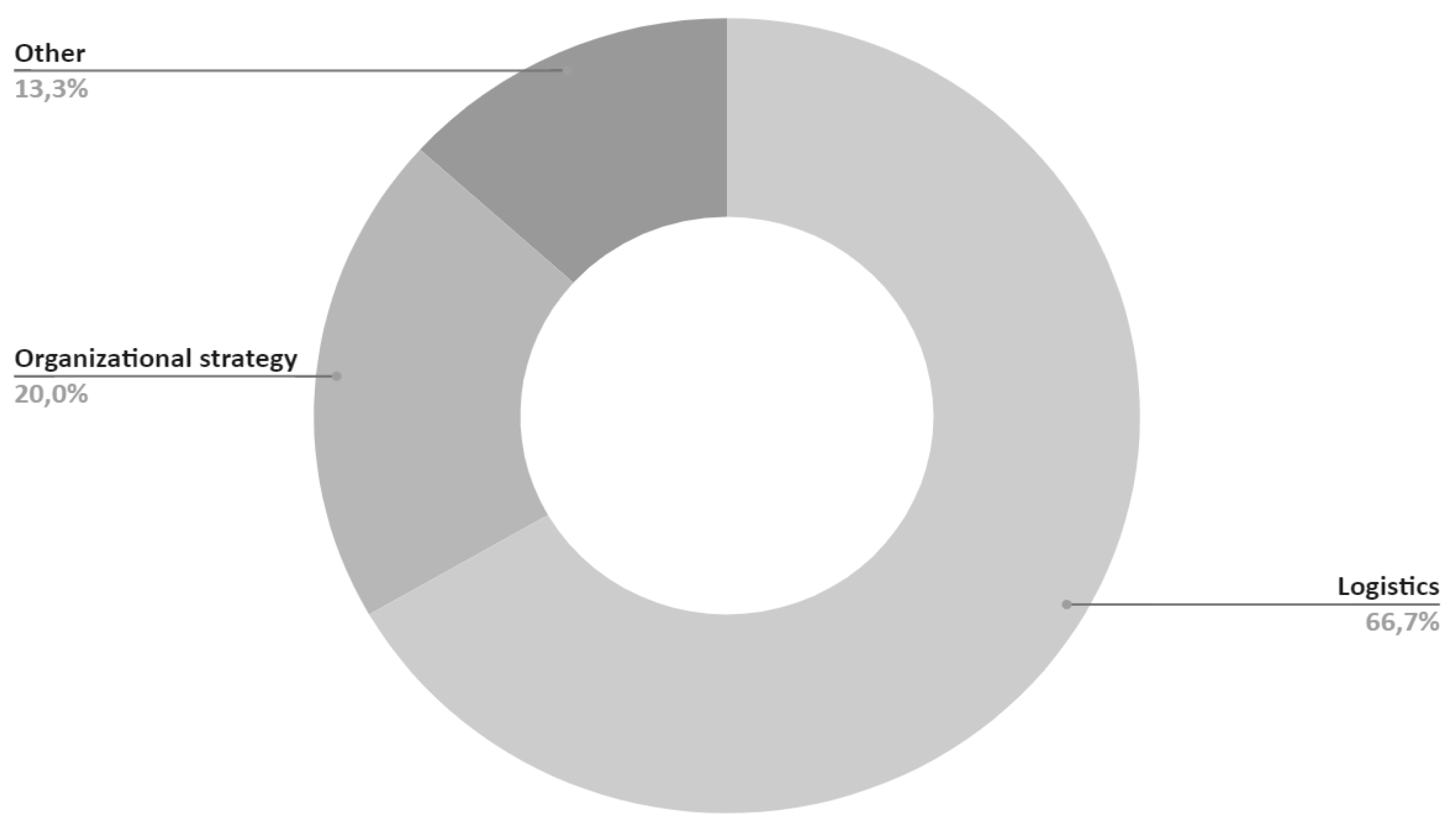
The process indicators show how the analysis of the logistics model - food collection and redistribution (the largest item, with 33% of the total) and the food collection model with 27% of the total - are important in this operational dimension for the evaluation of organizations, with 60% of the total cases. Including the item related to distribution in digital format, the figure reaches almost 67%. Food banks are the link between food donors and social institutions, establishing connections and the logistics network for food collection and donation. Their operation is therefore strongly linked to the logistics system of these operations. And, as can be seen, this aspect is reflected in the indicators of this operational dimension.
Some indicators were obtained through in-depth interviews, semi-structured qualitative interviews, optimization models, behavior analysis model, descriptive analysis, hierarchical cluster analysis and literature review.
Table 5.
Process indicators/activities.
| Process indicator / activities | Number of cases | Percentage |
|---|---|---|
| Food collection and redistribution logistics | 5 | 33% |
| Food collection logistics | 4 | 27% |
| Organizational capacity and strategy | 2 | 13% |
| Safety in the food recovery process | 1 | 7% |
| Food bank management | 1 | 7% |
| Food distribution in digital format | 1 | 7% |
| Environment for volunteering | 1 | 7% |
| Total | 15 | 100% |
Source: Elaborated by the authors.
Based on the categorization of these indicators, as can be seen in Graph 10, the food bank logistics system is the main aspect of evaluation, more than the organizational strategic capacity itself or even the bank management, which together make up 20% of cases.
Graph 10.
Categorization of result indicators/outputs. Source: Elaborated by the authors.
Graph 11.
Categorization of input indicators / inputs. Source: Elaborated by the authors.
Graph 12.
Categorization of process indicators / activities. Source: Elaborated by the authors.
5. Discussion
This food bank evaluation research between 1994 and 2021 analyzed how evaluation studies are carried out, focusing on the evaluation methods and indicators used. In addition to the analysis of methodologies and indicators, the bibliometric research allowed us to analyze how evaluation studies vary both temporally and geographically.
In an initial analysis, it was noted that a significant portion of the institutions of the 171 authors of this study were located in countries in the northern hemisphere, with emphasis on the United States, Italy, the United Kingdom, and Australia, presenting a direct correlation with the organizations studied. In other words, this is also the profile of the organizations analyzed: headquartered mainly in developed countries, with emphasis on the United States, Italy, the United Kingdom, and Australia.
Of the 58 articles analyzed, only 2 involve food banks in developing countries (Brazil and South Africa). None of the 59 countries participating in the Global Report on Food Crises [41] (21.5% of whose population faces high levels of food insecurity, requiring urgent humanitarian and food assistance) have any of their food banks studied. None of the 44 countries - 2 in Latin America, 8 in Asia and 34 in Africa - that appear on the FAO list (updated to June 2023) as food deficit and low-income countries, had any of their food banks studied [42]. It is not that there is a lack of food banks in these countries; 38 of the 49 food bank partners of The Global FoodBanking Network listed in its 2023 annual report are in emerging and developing markets [43]. It is no coincidence that the most recent review on food banks restricts its analysis to food banks in high-income countries - the USA, Canada, Japan, South Korea, Australia, the UK, France, Germany, Italy and Spain [25]. Hecht and Neff (2019) [29] also observed 19 articles on food rescue intervention evaluations and warned that these were interventions restricted to high-income countries - the USA, Australia, New Zealand, Belgium, Finland, the UK, Italy and Israel. In other words, very little is known about food banks in low-income countries, usually those most in need due to their high levels of food insecurity.
By way of comparison, Brazil had 27.6% (or 21.6 million) of its households in a situation of food insecurity in 2023, with 18.2% (or 14.3 million) having mild food insecurity, 5.3 % (or 4.2 million) with moderate food insecurity and 4.1% (or 3.2 million) with severe food insecurity [44]. In Canada in 2021, the prevalence of household food insecurity (HFI) was estimated to be 11.6% of which 4.2% were identified as severe (where household members had cut the size or skipped meals) [13]. The most recent prevalence estimate of HFI in the USA (2021) was 10.2% of which 3.8% had very low food security (equivalent to severe food insecurity in the Canadian context) [11].
This result sheds light on some important questions for researchers, food bank managers, and public administrators: to what extent do the data and analyses reflect the reality and context of a given country or region, and how to use or reference such data in another economic and social context. The objectives and context of food assistance in more developed countries are different from those of food assistance in less developed countries. Recognizing this difference should be a starting point for analyzing food assistance measures in countries with different social and economic contexts [40].
On the other hand, this fact may reveal other aspects of research in this area: lack of data in countries considered less developed, less interest among researchers in this topic, or even less experience with this type of organization, since the first food banks emerged in the United States, a country that is notably important in the production of scientific articles on the subject.
When analyzing the evaluation methodologies of the selected studies, the main aspects considered are related to operational dimensions such as long-term impact, short-term impact and results/outputs - totaling more than 60% of the total. The operational dimension most related to organizational management, represented by the process/activities indicator, was responsible for 16% of the total number of cases, even though the research focus was focused on evaluation studies. This profile of the studies found indicates a lesser interest in the analysis of the internal processes and activities of organizations. Likewise, indicators that could guide the evaluation of internal management, such as cost-benefit, effectiveness and efficiency assessment, represent a small portion of studies (4%). These results reveal that, predominantly, evaluation studies are more interested in results and impacts and less in the processes and activities developed internally, showing a gap and an opportunity for research on food banks. Although more recent reviews have paid attention to the challenges on both the supply and demand sides of food banks [45] and systematized applications of Operation Research (OP) in distribution management, facility planning, volunteer scheduling and inventory management [46], the evaluation of the internal management of banks still lacks research.
When this information is contextualized and one considers the fact that food banks are spaces of intersection between food systems, social protection systems and third sector systems [16] and that banks are spaces of interrelation between companies, social organizations and final beneficiaries [22], it is possible to understand this profile of analyses that are more focused on external results and impacts and less focused on understanding how operations and activities are being performed. Thus, banks are in an environment where the work of civil society organizations, where the social responsibility actions of the business sector and social actions of the public sector meet. And where the main parameters of analysis are focused on measuring how the results and external impacts contribute to alleviating the situation of food insecurity of beneficiaries, to promoting changes in the political environment focused on food security and in the analysis of the food collected and donated, both in quality and quantity, that is, topics related to the origin and mission of food banks. The details of the topics covered will be described in the next paragraph.
The grouping of the main themes studied in each dimension allowed us to identify the main aspects of the food rescue and distribution system that were considered. For the long-term impact dimension, the most frequently found indicators analyzed the impacts of food banks on the development of public policies aimed at the food system and food security, such as the reduction of Food Losses and Waste (PDA), Food and Nutrition Security (FNS) policies and the Human Right to Adequate Food (HRAF). The short-term impact indicators most frequently focus on improving the food and health conditions of the beneficiary population. In the indicator-input dimension, the themes related to the quantity of food collected and, to a lesser extent, the food safety of the food collected, are the majority of the themes analyzed. In the results/outputs dimension, the food and nutrition theme predominates in the evaluation of food banks, such as quantity and nutritional quality of donations, food safety of donated food and the ability to provide fresh products. In the grouping for process/activity indicators, the analysis of the logistical model for collecting and redistributing food is the most important factor for evaluating organizations.
This profile of the results also refers us to the bibliographic review carried out by Hecht & Neff (2019) [29]. The authors classified the evaluations according to the themes to which they refer. According to the review, the “Food Recovery” group, referring to the metric quantity of recovered food and also the number of people benefited, was the main theme identified, present in more than 70% of the articles analyzed. Drawing a parallel with the work of Hecht & Neff (2019) [29] also brings new elements for analysis. According to the survey carried out by the authors, the evaluation proposals presented by the studies were little related to the main challenges listed by the representatives of the food rescue initiatives, that is, the studies that presented evaluations on food banks did not speak to the desires presented by their representatives, revealing two areas of understanding of the same object, which could complement each other. This leads us to the need for a critical analysis of the evaluation studies, which opens space for the development of new research in the area. When considering not only the results themselves, but the perspective from which the studies are carried out and the limits of the evaluations, taking into account the context in which they are carried out and the evaluation methodology used, new elements of discussion emerge for public policy makers and food bank managers, and an important step towards identifying new research opportunities is taken.
6. Conclusions
This article sought to bring subsidies to researchers and managers of food banks, structures created since 1960 in the United States and present worldwide, with an important role in alleviating the food insecurity situation of vulnerable populations and also in reducing losses and waste of food. food throughout the food system, as it rescues and allows the reuse of food that would otherwise be discarded, based on the survey and analysis of studies and their methods of evaluating food banks.
Based on the presentation of relevant aspects of evaluation methodologies for social programs and projects, the selected articles were analyzed both from a bibliometric point of view and in relation to the evaluation methodologies and indicators used. This analysis allowed us to take a new look at food bank evaluations, bringing to the discussion the context in which the evaluations are carried out, the perspectives considered based on the methodologies and indicators used and, from this, to think of new opportunities for studies that contribute to the advancement of research and management of food banks.
An important point to be considered is the fact that studies are mostly conducted by researchers and research institutions located in countries considered developed on organizations also located in the same countries. There are few studies on organizations in less developed countries and few studies that cover several countries. Added to this is the fact that, even when analyzing evaluation studies of food rescue organizations, the main focus is on analyses in the impact and result dimensions, revealing that evaluation studies seek answers mainly to communicate with the external public, presenting metrics related to food donation, the beneficiary public and the impact on food security policies. Issues related to the management of food banks are not a priority for evaluation studies, and even in the dimension related to activities and processes, the main aspect studied is focused on the logistics of food collection and distribution.
This profile of evaluation studies may reveal a lack of data for research development, a lack of interest both internally and externally, that is, from the organizations that make up the food rescue system and also from research institutes. This perspective of analysis, however, in addition to not considering issues related to the internal management of organizations, promotes and disseminates, in a certain way, the use of methodologies and indicators for evaluating food banks that reinforce this external perspective and lead to the comparison of structures that do not share the same social, economic and political environment, in which priorities and urgencies, for example in the fight against food insecurity, are contrasting. Therefore, these unfilled spaces are also study opportunities for researchers and can offer support for organizational advances in this area.
Funding
this research received no external funding.
Institutional Review Board Statement
not applicable.
Informed Consent Statement
not applicable.
Data Availability Statement
The raw data supporting the conclusions of this article will be made available by the authors on request.
Conflicts of Interest
the authors declare no conflicts of interest.
| 1 |
Impact on the Food System: Policy to reduce food losses and waste; Policy on food and nutritional security; Policy for ensuring the Human Right to Adequate Food; Creation of social capital in food distribution networks.
Impact on the Corporate Environment: Corporate social responsibility, corporate image; Relationship between the private and public sectors and civil society; Relationship between companies and the community.
Social Impact: Overcoming social exclusion, social and labor market reintegration; Potential for social transformation; Construction of ethical and justice dimensions.
Environmental Impact: Environmental impact; Potential for environmental, social, economic and political impact.
|
| 2 |
Impact on nutrition, health: Meeting the nutritional needs of beneficiaries; Improving the health of users; Improving the well-being of the elderly.
Impact on income: Helping beneficiaries' income; Creating jobs.
Reaching people in social vulnerability: Reaching low-income people.
Knowledge: Knowledge acquired by beneficiaries
Others: Perceived benefits, challenges and tensions; Motivating volunteers; Reducing GHG emissions.
|
References
- HLPE, F. L. (2014). Waste in the Context of Sustainable Food Systems. A Report by the High Level Panel of Experts on Food Security and Nutrition of the Committee on World Food Security.
- Nicastro, R., & Carillo, P. (2021). Food loss and waste prevention strategies from farm to fork. Sustainability, 13(10), 5443. [CrossRef]
- Belik, W. (2018). Estratégias para redução de perdas e desperdício de alimentos. Melo EV. Perdas e desperdício de alimentos: estratégias para redução. Brasília: Câmara dos Deputados, Edições Câmara, 33-52.
- Lombardi, M., & Costantino, M. (2020). A social innovation model for reducing food waste: The case study of an Italian non-profit organization. Administrative Sciences, 10(3), 45. [CrossRef]
- Shen, G., Li, Z., Hong, T., Ru, X., Wang, K., Gu, Y., ... & Guo, Y. (2024). The status of the global food waste mitigation policies: experience and inspiration for China. Environment, Development and Sustainability, 26(4), 8329-8357. [CrossRef]
- Benton, T. G., Bieg, C., Harwatt, H., Pudasaini, R., & Wellesley, L. (2021). Food system impacts on biodiversity loss. Three levers for food system transformation in support of nature. Chatham House, London, 02-03.
- Spang, E. S., Moreno, L. C., Pace, S. A., Achmon, Y., Donis-Gonzalez, I., Gosliner, W. A., ... & Tomich, T. P. (2019). Food loss and waste: measurement, drivers, and solutions. Annual Review of Environment and Resources, 44, 117-156.
- FAO. (2015). Objetivos de desenvolvimento sustentável. Disponível em: https://brasil.un.org/pt-br/sdgs Acesso em: 12 abr. 2023.
- Boiteau, J. M., & Pingali, P. (2023). Can we agree on a food loss and waste definition? An assessment of definitional elements for a globally applicable framework. Global Food Security, 37, 100677. [CrossRef]
- FAO. (2019). The state of food and agriculture 2019: Moving forward on food loss and waste reduction. UN.
- Forbes, H. (2021). Food waste index report 2021.
- U.S. EPA. (2023). From Field to Bin: The Environmental Impacts of U.S. Food Waste Management Pathways (Part 2).
- U.S. EPA. (2021). Sustainable management of food: Food recovery hierarchy. United States Environmental Protection Agency.
- Ceryes, C. A., Antonacci, C. C., Harvey, S. A., Spiker, M. L., Bickers, A., & Neff, R. A. (2021). “Maybe it’s still good?” A qualitative study of factors influencing food waste and application of the EPA Food recovery hierarchy in US supermarkets. Appetite, 161, 105111.
- Muth, M. K., Birney, C., Cuéllar, A., Finn, S. M., Freeman, M., Galloway, J. N., ... & Zoubek, S. (2019). A systems approach to assessing environmental and economic effects of food loss and waste interventions in the United States. Science of the Total Environment, 685, 1240-1254. [CrossRef]
- Galli, F., Cavicchi, A., & Brunori, G. (2019). Food waste reduction and food poverty alleviation: a system dynamics conceptual model. Agriculture and Human Values, 36, 289-300. [CrossRef]
- Riches, G. (2018). Food bank nations: Poverty, corporate charity and the right to food. Routledge.
- Vansintjan, A. (2014). The political economy of food banks. McGill University (Canada).
- Watson, S. (2019). Food banks and food rescue organisations: Damned if they do; damned if they don't. Aotearoa New Zealand Social Work, 31(4), 72-83. [CrossRef]
- Loopstra, R., & Lambie-Mumford, H. (2023). Food banks: Understanding their role in the food insecure population in the UK. Proceedings of the Nutrition Society, 82(3), 253-263. [CrossRef]
- Sedelmeier, T. (2023). Poverty Foodscapes: Why Food Banks Are Part of the Poverty Problem, Not the Solution. In Foodscapes: Theory, History, and Current European Examples (pp. 41-51). Wiesbaden: Springer Fachmedien Wiesbaden.
- Tenuta, N., Barros, T., Teixeira, R. A., & Paes-Sousa, R. (2021). Brazilian Food Banks: overview and perspectives. International Journal of Environmental Research and Public Health, 18(23), 12598.
- Lambie-Mumford, H. (2019). The growth of food banks in Britain and what they mean for social policy. Critical Social Policy, 39(1), 3-22. [CrossRef]
- Belik, W. B., de Almeida Cunha, A. R. A., & Costa, L. A. (2012). Crise dos alimentos e estratégias para a redução do desperdício no contexto de uma política de segurança alimentar e nutricional no Brasil. Planejamento e políticas públicas, (38).
- Byrne, A. T., & Just, D. R. (2022). Private food assistance in high income countries: A guide for practitioners, policymakers, and researchers. Food Policy, 111, 102300. [CrossRef]
- Rivera, A. F., Smith, N. R., & Ruiz, A. (2023). A systematic literature review of food banks’ supply chain operations with a focus on optimization models. Journal of Humanitarian Logistics and Supply Chain Management, 13(1), 10-25. [CrossRef]
- González-Torre, P. L., & Coque, J. (2016). How is a food bank managed? Different profiles in Spain. Agriculture and Human Values, 33, 89-100. [CrossRef]
- Mitchell, G. E., & Berlan, D. (2018). Evaluation in nonprofit organizations: An empirical analysis. Public Performance & Management Review, 41(2), 415-437. [CrossRef]
- Hecht, A. A., & Neff, R. A. (2019). Food rescue intervention evaluations: A systematic review. Sustainability, 11(23), 6718. [CrossRef]
- Kopczynski, M. E., & Pritchard, K. (2004). The use of evaluation by nonprofit organizations. Handbook of practical program evaluation, 649-669.
- Mitchell, G. E., & Berlan, D. (2016). Evaluation and evaluative rigor in the nonprofit sector. Nonprofit Management and Leadership, 27(2), 237-250. [CrossRef]
- Jannuzzi, P. D. M. (2020). Avaliação de Programas Sociais em uma perspectiva sistêmica, plural e progressista: conceitos, tipologias e etapas.
- Jannuzzi, P. D. M. (2009). Indicadores sociais no Brasil: conceitos, fontes de dados e aplicações. In Indicadores sociais no Brasil: conceitos, fontes de dados e aplicações (pp. 141-141).
- Jannuzzi, P. D. M. (2022). Indicadores para diagnóstico, monitoramento e avaliação de programas sociais no Brasil. Revista do Serviço Público, 73(b), 96-123.
- Clark, M., Sartorius, R., & Bamberger, M. (2004). Monitoring and evaluation: Some tools, methods and approaches. Washington, DC: The World Bank.
- DFID (2013). International Development Evaluation Policy. London: UK development aid. Disponível em: https://www.oecd.org/derec/unitedkingdom/DFID-Evaluation-Policy-2013.pdf Acesso em: 22 abr. 2023.
- Mayring, P. (2022). Qualitative Inhaltsanalyse: Grundlagen und Techniken (13. Neuausgabe). Julius Beltz GmbH & Co. KG.
- Page, M. J., McKenzie, J. E., Bossuyt, P. M., Boutron, I., Hoffmann, T. C., Mulrow, C. D., ... & Moher, D. (2021). The PRISMA 2020 statement: an updated guideline for reporting systematic reviews. Bmj, 372. [CrossRef]
- Galvão, M. C. B., & Ricarte, I. L. M. (2019). Revisão sistemática da literatura: conceituação, produção e publicação. Logeion: Filosofia da informação, 6(1), 57-73.
- Gentilini, U. (2013). Banking on food: The state of food banks in high-income countries. IDS Working Papers, 2013(415), 1-18. [CrossRef]
- Food Security Information Network (FSIN) and Global Network Against Food Crises. 2024. GRFC 2024. Rome. Available online: https://www.fsinplatform.org/report/global-report-food-crises-2024/ (accessed on 10 July 2024).
- Food and Agriculture Organization of the United States. Available online: https://www.fao.org/countryprofiles/lifdc/en/ (accessed on 23 July 2024).
- The Global Foodbanking Network. Available online: https://www.foodbanking.org/2023annualreport/ (accessed on 23 July 2024).
- Pesquisa Nacional por Amostra de Domicílios Contínua : segurança alimentar : 2023; PNAD contínua : segurança alimentar : 2023. Available online: https://biblioteca.ibge.gov.br/visualizacao/livros/liv102084.pdf. (accessed on 12 July 2024).
- Akkerman, R., Buisman, M., Cruijssen, F., de Leeuw, S., & Haijema, R. (2023). Dealing with donations: Supply chain management challenges for food banks. International Journal of Production Economics, 262, 108926. [CrossRef]
- Esmaeilidouki, A., Rambe, M., Ardestani-Jaafari, A., Li, E., & Marcolin, B. (2023). Food bank operations: review of operation research methods and challenges during COVID-19. BMC Public Health, 23(1), 1783. [CrossRef]
Disclaimer/Publisher’s Note: The statements, opinions and data contained in all publications are solely those of the individual author(s) and contributor(s) and not of MDPI and/or the editor(s). MDPI and/or the editor(s) disclaim responsibility for any injury to people or property resulting from any ideas, methods, instructions or products referred to in the content. |
© 2024 by the authors. Licensee MDPI, Basel, Switzerland. This article is an open access article distributed under the terms and conditions of the Creative Commons Attribution (CC BY) license (http://creativecommons.org/licenses/by/4.0/).
Copyright: This open access article is published under a Creative Commons CC BY 4.0 license, which permit the free download, distribution, and reuse, provided that the author and preprint are cited in any reuse.


