

Submitted:
03 July 2024
Posted:
04 July 2024
You are already at the latest version
Abstract
This survey is part of a Hungarian Research OTKA project that examines the vegetation of sandy grasslands along the Danube. During this study, two grass species, Festuca wagneri and Festuca tomanii, were identified as potentially suitable for urban planting and turf establishment based on preliminary research. Our aim was to determine the germination success of seeds from aesthetically selected individuals and to identify the soil types on which they germinate most effectively. This information could be crucial for future cultivation efforts.
From the collected Festuca individuals, were analyzed 30 specimens of each taxon under garden conditions and selected the indi-viduals for germination. The Festuca tomanii individuals were uniform, so we selected only 5 individuals. The Festuca wagneri individuals were categorized into three groups: upright, spreading, and low types.
It was assumed that Festuca species seeds would germinate better in sandy soils. To test this, seeds from ten Festuca wagneri and five Festuca tomanii individuals, selected based on aesthetic criteria, were sown in six different substrates: a sand-peat mixture, sand, coconut fiber, peat, a coconut fiber-sand mixture, and native sandy soil. Contrary to expectations, the growth and germination rates of seeds sown in peat and coconut fiber substrates were higher than those in native sandy soil.
These results suggest that Festuca seeds germinate better on substrates resembling dead plant debris with a peat-like structure or on the surface of live mosses, rather than on bare sand.
Among the examined individuals, the seeds from the spreading Festuca wagneri group exhibited the highest germination rate, making this group particularly suitable for urban environments. Addi-tionally, one of the upright Festuca wagneri individuals showed the highest growth rate and should also be considered for urban planting. In contrast, despite their uniform appearance, the Festuca tomanii individuals did not demonstrate similar germination trends. In fact, the seeds from two clumps did not germinate at all, indicating that further selection is necessary.
Keywords:
germination
; Poaceae
; soil
; sandy grassland
; taxonomic clarification
1. Introduction
During the examination of the dry sandy grasslands along the Danube, it was hypothesized that the drought-resistant individuals of the dominant grass species found in these areas could be suitable for urban planting [1]. This hypothesis is particularly relevant as only a few species can endure the extreme dry conditions frequently found in urban environments without intensive maintenance. These grasses could also be utilized on surfaces such as green roofs, where attributes like shallow root systems, low mass, drought tolerance, and wind resistance confer significant advantages [2]. The aesthetic appeal of these grasses is also noteworthy, as it is an essential consideration in the design of urban green spaces [3]. Additionally, it is well-documented that grasses contribute to air purification and the reduction of urban surface temperatures [4].
However, the establishment of urban green spaces often involves the use of non-native grass species, which carries the risk of these species becoming invasive and threatening our natural grasslands. For instance, the spontaneous appearance of Eleusine indica, first recorded in Budapest in the early 20th century, is now observed in over a hundred locations throughout the city (ex verbis Csontos, Schmotzer), and Sporobolus cryptandrus poses a threat to our sandy habitats [5,6]. Future invasive grass species are likely to be perennial, tall grasses [7].
Therefore, it would be significantly more advantageous to utilize native grass species. This led us to focus on the drought-tolerant species of the Festuca genus. The aim of this study was to determine whether the collected material could be classified as a single taxon, identify the morphological and phenotypic differences, ascertain which taxa, if morphologically distinct, exhibit favorable germination rates, the proportion of germination, the soil type with the highest germination rate, and the maximum seedling height. Accordingly, we conducted our investigations to address these questions.
According to Steinegger [8], the Festuca genus, along with Miscantus, Pennisetum, and Panicum, ranks among the most popular and frequently planted ornamental grasses [9,10]. Several Festuca species are used globally as turf grass, such as Festuca ovina, Festuca arundinacea, and Festuca trachyphylla. The blue fescue (Festuca pallens) is the only one with fine leaves that is widely utilized for decorative purposes in the western United States [11,12].
Staub and Robbins [13] investigated a hybrid of Festuca idahoensis and Festuca ovina. They suggested that the clone could be suitable as a low-maintenance ornamental plant for urban areas in semi-arid regions without irrigation. A special value of the hybrid is the presence of individuals with red, orange, and yellow discoloration, with both upright and drooping inflorescences.
Love et al. [14] consider several Festuca species as ornamental grasses, including F. amethystina, F. glauca, F. idahoensis, F. punctoria, and F. valesiaca. They particularly highlight the red-tinted flower stalk of F. amethystina. This species, along with Festuca ovina 'Glauca', is recommended by Meyer and Mower [15] for use in perennial beds as background plants, focal points, ground cover, and in rock gardens.
According to Schmidt [16], Festuca gautieri thrives in rock gardens and is also suitable as an edging plant and ground cover. Festuca pallens is an excellent ground cover, but is also suitable for container planting and border beds according to Zsohár and Zsohárné [17]. Many Festuca species are native to New Zealand. The fine-leaved Festuca coxii, native to the Chatham Islands, is widely promoted for landscaping purposes as a native blue-foliage grass [18].
To achieve our objectives, we selected taxa from the central, driest, and warmest regions of the Carpathian Basin. Based on our preliminary investigations, we identified two grass species (Festuca wagneri and Festuca tomanii) as promising for our objectives, with Festuca wagneri subjected to further studies [19]. Observations on the synecological status of Festuca wagneri were made by Pócs [20], who recorded it as a species of sandy steppe meadows. Extensive populations of this species are primarily found in the Kiskunság area [21]. When establishing a sustainable lawn, it is crucial to consider the germination capacity of the seeds. Seed germination is a fundamental phase of the plant life cycle [22,23]. Even though a plant species may be drought-tolerant, it still requires water during the initial germination phase, similar to other plants [24,25,26,27,28]. However, several threats can impact the success of germination in urban environments. The results of germination studies heavily depend on the specific needs of Festuca species and the given environmental conditions [29]. Such studies help determine the optimal conditions for successful seed germination and plant growth.
Numerous studies have been conducted on the germination of Festuca and other grass species. These studies generally aim to investigate the effects of various environmental factors, such as temperature, light, moisture, soil [25,30,31], soil salinity and nutrients [32], as well as the effects of different treatments [33,34,35,36] on germination percentage and speed.
The seeds of Festuca species germinate at different temperature ranges, but the optimal temperature is usually between 15-25°C. Extremely low or high temperatures can reduce the germination rate and slow down the germination process [37]. Most Festuca species do not require light for germination, meaning that seeds can germinate in darkness. However, in some species, the presence of light can accelerate germination [38]. Excessive or insufficient moisture can hinder seed germination.
The soil texture and water retention capacity also affect the germination rate. Sandy soils can dry out quickly, while clay soils retain moisture better [39]. Although germination is fueled by the nutrients in the seed, the soil nutrient content can influence post-germination growth [40]. Cold stratification, which involves exposing seeds to cold, moist conditions before germination, can benefit the germination of some Festuca species [41]. For certain species, acid treatments can promote germination by softening the seed coat [37], and gibberellic acid hormone treatments can also positively affect germination [41]. Brief heat treatments sometimes improve germination rates, particularly in areas where natural fires are frequent. The highest germination rate for Festuca arundinacea seeds was observed at temperatures between 20-25°C and soil moisture levels of 60-80% [39,42]. Festuca rubra seeds showed the best germination results in darkness at temperatures around 15°C. Cold stratification significantly improved the germination rate of Festuca ovina seeds, especially in their natural habitats, where cool, wet winters alternate [31].
At the beginning of our germination studies, we hypothesized that the native sandy soil would yield the highest germination percentage.
2. Materials and Methods
In 2018, 90 Festuca specimens were planted in the pilot area of the MATE Georgikon Campus, Department of Horticulture. These plants were initially potted during their first year and then planted out. Each sample was assigned a code (w1-w30; t1-t30) based on its planting position (Figure 1.). The planted Festuca specimens originated from two habitats, potentially representing two species. Specimens collected near Kunpeszér were of the Festuca wagneri taxon, while those collected from Újpest Sea-buckthorn Nature Reserve were of the Festuca tomanii taxon, which is a new species in the Hungarian flora.
The specimens were grown under the same conditions, and their inflorescences were analyzed for the following parameters: 1. Length of generative stem; 2. Length of inflorescence; 3. Length of the longest branch on the first node; 5. Length of the fourth spikelet from the top of the branch; 6. Length of the fourth spikelet from the top of the inflorescence; 7. Length of the first internode of the inflorescence; 8., 16. Number of florets per spikelet; 9., 17, Vivanco, 2021. Length of upper glume; 10., 18. Length of lower glume; 11., 19. Length of the second flower’s lemma; 12., 20. Length of the second flower’s awn; 13., 21. Hairiness of spikelet; 14., 22. Length of the first flower’s lemma; 15., 23. Length of the first flower’s awn [43].
To determine growth vigor and ornamental value, we measured the average length of plant leaves, the length of the flowering stem (inflorescence axis), and the total length of the panicle. Additionally, we observed changes in the color and shape of the flowering stem and panicle. These parameters are important considerations for the marketability of the respective species. During the study, we recorded the color of the plants (s: silver, g: green) and identified three types based on habit: 1 = erect, 2 = spreading, 3 = low-growing. We indicated the highlighted species separately with an asterisk (*).
The planted individuals of Festuca originate from two different habitats and can potentially be attributed to two species. Specimens collected near Kunpeszér belong to the taxon Festuca wagneri (w1-30), while those collected from the Újpesti Homoktövis Nature Reserve represent a newly discovered species for the Hungarian flora, Festuca tomanii (t1-30). From these specimens, we selected three morphologically distinct types of Festuca wagneri and the fourth group consisted of selected specimens of Festuca tomanii.
Analyzed Species
Festuca Wagneri
Taxonomy of the species was clarified when it was described as a separate species [43 Penksza and Engloner 2000]. Specimens of Festuca wagneri were collected by Wagner from the sandy grassland at Deliblato in 1904-1905. Botanical studies of the grasslands considered it as a new variety of Festuca sulcata. In the Hungarian title, the name was Festuca wagneri Degen Thaisz et Flatt Festuca wagneri is different from all other Festuca species of the Carpathian Basin considering the sclerenchyma and epidermis of its leaves because it has long hairs on the lower surface of the leaf. Finally, based on the locus classicus and specimens from native areas, Festuca wagneri is a narrow-bladed species with five sclerenchyma bundles. Long hairs are missing on the epidermis of the lower surface of the leaf of the native and Carpathian Basin narrow-leaved Festuca species, so these individuals can be distinguished clearly from those of other Festuca species [43].
Festuca Tomanii
Festuca tomanii Korneck & T.Gregor sp. nov. from the sand dunes of the northern Upper Rhine, the Middle Main and the Elbe valleys in the Czech Republic has been described. It is a blue-green, tetraploid species which grows on base-rich sands. Previously referred to as Festuca duvalii, then described it as Festuca tomanii. Festuca tomanii in order to be distinguished from Festuca duvalii by the parchment-like sheaths of the basal leaves [44].
We sowed the seeds of ten selected individuals of Festuca wagneri and individuals of Festuca tomanii into six different substrates, based on preliminary investigations. The six substrates were:
- sand-peat mixture,
- sand,
- coconut coir,
- peat,
- coconut fiber,
- sand mixture,
- natural sandy soil from the habitat of Festuca wagneri.
We used lime river sand commonly used in construction, Lithuanian horticultural peat, sieved horticultural coconut fiber derived from coconut cubes, and sandy soil from the natural habitat of Festuca wagneri. We used these media because they are widely used in horticulture, they are cheap and easy to obtain. The habitat sandy soil was used as a control.
Germination was conducted in greenhouse conditions in 16x24 cell seed trays at 20 degrees Celsius in January (Figure 2), with four replicates. Thus, we germinated a total of 3,840 seeds. Each seed was placed individually in the 1 cm³ cells of the seed trays. A water-filled tray was placed beneath the seed trays to prevent random drying out, and the seed trays were always kept in water. Bottom heating for the propagation trays was provided by heated tables. Irrigation was done with tap water, with water in the soaking trays changed every four days.
Starting from the tenth day after sowing, we recorded the number of germinated seeds and the height of seedlings for 20 days.
We sowed seeds from selected individuals identified during the habitus examination. We selected 10 individuals, which were: FW4, FW5, FW9, FW10, FW14, FW15, FW16, FW17, FW20, FW22. Additionally, 5 individuals were selected from Festuca tomanii: Ft1, Ft11, Ft21, Ft23, FT27.
Statistical Analysis
For the statistical analysis, we utilized Python and R, leveraging various packages to perform the necessary tests and visualizations. The Shapiro-Wilk test, implemented using the scipy.stats module in Python [45], was conducted to assess the normality of the data for 'Germinated (pcs)', 'Germination rate (%)', and 'Plant height (cm)'. Given that the data did not follow a normal distribution, the Kruskal-Wallis H test was used to compare genotypes within each habitat, also using the scipy.stats module. Visualization of the germination rate (%) and plant height (cm) across different genotypes and growing media was achieved with the seaborn library in Python [46]. In R, equivalent packages include shapiro.test and kruskal.test from the stats package for normality and non-parametric tests, respectively, and ggplot2 for visualizations [47].
3. Results
During the study, we observed differences in the appearance of the plants based on their color and habitus. These differences were evident in the first year and persisted. Based on this, we distinguished three groups among the Festuca wagneri individuals, which are listed with the numbers of the selected clumps:
- Leaves and inflorescence are densely upright (Fw 4, 17, 22).
- Inflorescence shoots spread out (Fw 5, 15, 20).
- Low "dwarf" form, compact and dense but short in stature (Fw 9, 10, 14, 16).
The fourth group consists of the Festuca tomanii specimens, which are also tall with upright shoots (Figure 3).
Festuca wagneri: Both the leaves and the inflorescence are densely upright.
- 4.
- Festuca wagneri: The inflorescence shoots spread out.
- 5.
- Festuca wagneri: Low "dwarf" form, compact and dense, but short in stature.
- 6.
- Festuca tomanii.
Based on the measurements of the inflorescence parameters through the stereomicroscope, we could distinguish 4 groups. In the first group of specimens, a high intensity of hairs was observed on the lemmas of the spikelets. Individuals of the second group had larger spikelets, in contrast to specimens of the third group, which had much smaller spikelets. In the fourth group, specimens were supposed to be transitional, within which there were a greater number of flowers and more spikelets per specimen than in the others, or in other cases, they were much smaller than the others.
It can be seen from the classification analysis that the most significant differences between the potential taxa were the length of the spikelet, the length of the upper glume, the length of the lemmas and the length of the awn of the lemmas (Figure 4.).
The spikelets of the individuals of the first group were the shortest and the ones of the second group were the longest. The ones in the fourth group showed the widest range. To explore the separation within the taxa and identify which morphological traits are responsible for this differentiation, a PCA analysis was performed. The results indicated that the following traits most distinctly separate the individuals: inflorescence length, length of the 4th spikelet from the top of the branch, length of the 1st internode of the inflorescence, and the number of florets per spikelet (Figure 5).
Result of Festuca wagneri germination
Normality Analysis Results
The normality analysis was conducted on three variables: 'Germinated (pcs)', 'Germination rate (%)', and 'Plant height (cm)'. The Shapiro-Wilk test was used to determine whether the data follows a normal distribution (Table 1).
Given that the p-values for all three variables are significantly less than 0.05, we reject the null hypothesis that the data are normally distributed. This indicates that the data for 'Germinated (pcs)', 'Germination rate (%)', and 'Plant height (cm)' do not follow a normal distribution. These findings suggest that non-parametric statistical methods may be more appropriate for analyzing these datasets.
Kruskal-Wallis H Test Results by growing media
The Kruskal-Wallis H test was performed to compare the genotypes within each growing media based on the 'Germinated (pcs)', 'Germination rate (%)', and 'Plant height (cm)' variables (Table 2).
The Kruskal-Wallis H test results indicate statistically significant differences in the 'Germinated (pcs)' and 'Germination rate (%)' variables across genotypes for all growing media except for 'Coconut fiber', where the plant height did not show significant differences (p=0.253p = 0.253p=0.253). These findings suggest that the genotype has a significant impact on germination and growth metrics within most growing media types, underscoring the importance of considering genetic variation when assessing plant performance across different environments (Figure 6 and Figure 7).
Results for Festuca tomanii
Kruskal-Wallis Test Results by growing media of Festuca tomanii
The Kruskal-Wallis H test was performed to compare the genotypes within each medium based on 'Germination rate (%)' and 'Plant height (cm)'. The results are summarized below:

Table 3.
Results of Kruskal-Wallis H Test.
| Growing medium | Metric | Kruskal-Wallis H Test Statistic | p-value |
|---|---|---|---|
| peat | Germination rate (%) | 17.0999 | 0.001 |
| peat | Plant height (cm) | 16.0264 | 0.002 |
| habitat sand | Germination rate (%) | 9.23978 | 0.055 |
| habitat sand | Plant height (cm) | 7.58664 | 0.107 |
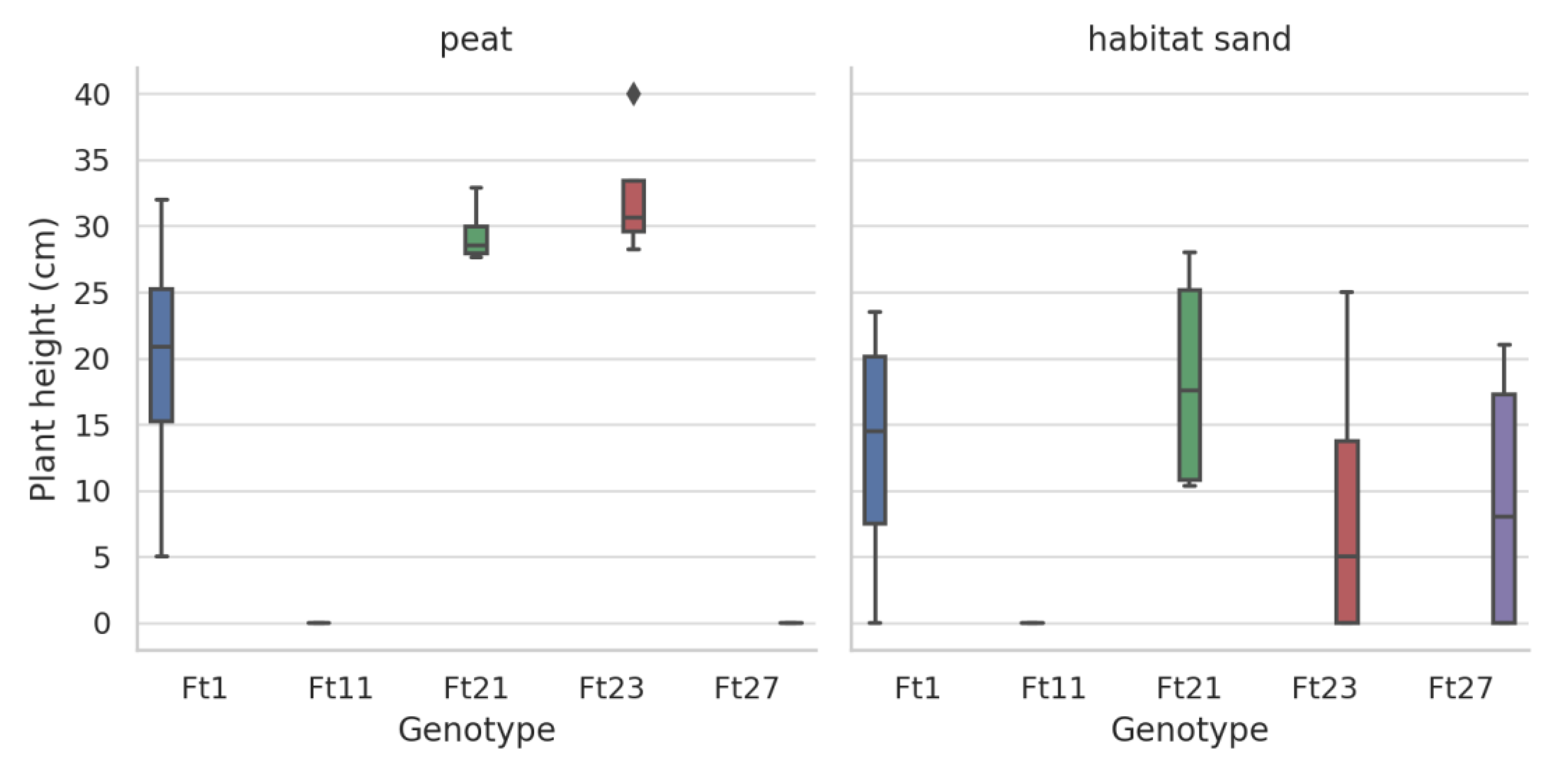
These results indicate that there are statistically significant differences among the genotypes for both germination rate and plant height within the peat medium. However, there are no statistically significant differences among the genotypes in the habitat sand for both variables.
Figure 8.
Germinaton rate of Festuca tomanii.
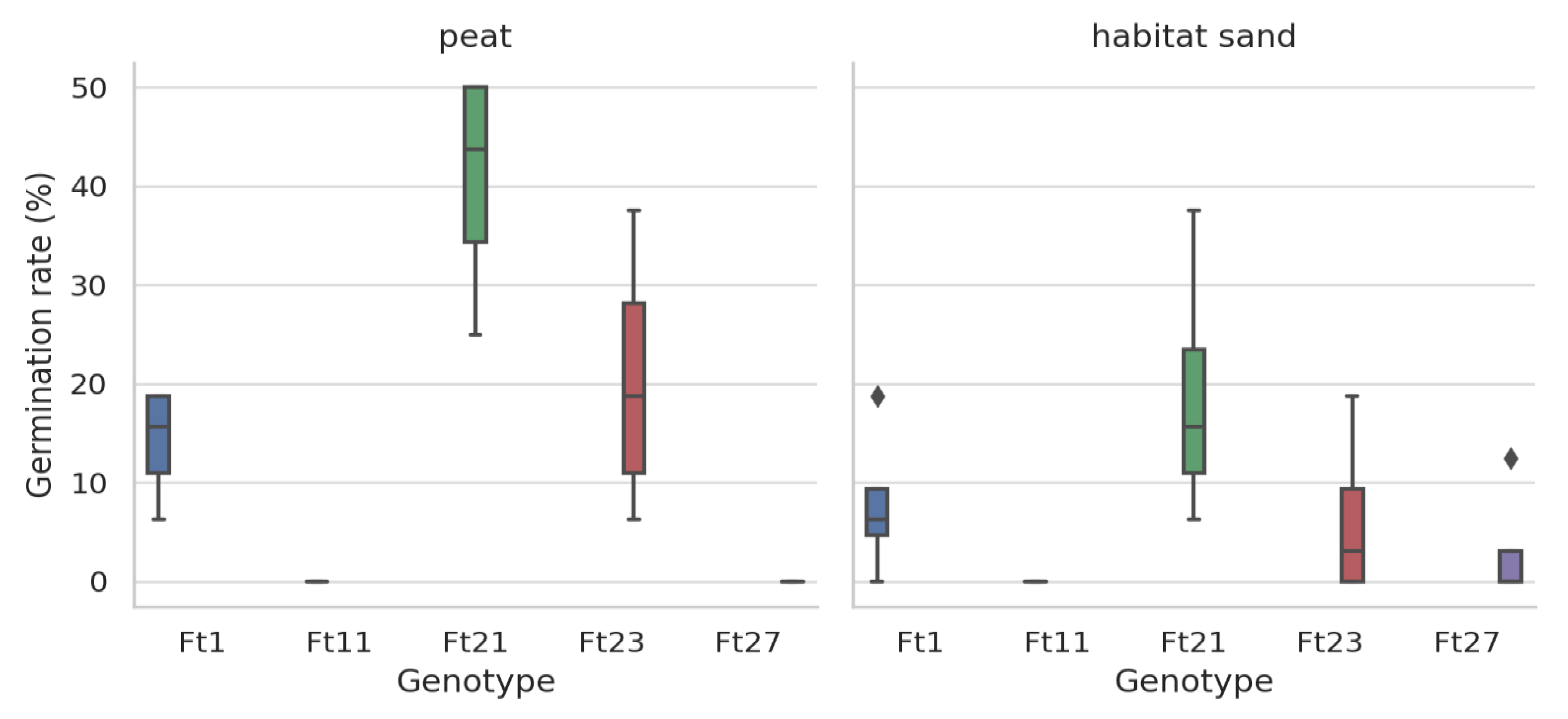
Figure 9.
Plant height of Festuca tomanii.
4. Discussion
Growth Vigor and Ornamental Value
The results of the cluster analysis show that the three selected F. wagneri groups are distinctly separated not only from the Festuca tomanii clumps, which diverge at the highest level of dissimilarity, but also from each other. This confirms the selection based on appearance.
Germination Rate and Plant Height
The facet-wrapped boxplots for germination rate (%) and plant height (cm) across different growing media reveal significant variability among genotypes. In terms of germination rate, genotypes like Fw4 and Fw5 consistently show higher performance in several media, while others, such as Fw9, exhibit lower germination rates, particularly in habitat sand. For plant height, genotypes such as Fw22 and Fw9 demonstrate taller plants across multiple growing media, indicating robust growth performance. Notably, peat and peat & river sand media tend to support higher variability in both germination rate and plant height, suggesting that these environments may influence genotype performance more diversely. These findings underscore the importance of genotype selection and medium consideration in optimizing germination and growth outcomes for Festuca species.
The boxplots for Festuca tomanii illustrate the distribution of germination rate (%) and plant height (cm) for various genotypes across two media: Peat and Habitat Sand. In the Peat medium, the germination rates of different genotypes show considerable variability, with Genotype Ft1 demonstrating a relatively higher and more consistent germination rate compared to others. Some genotypes, such as Ft11 and Ft21, display wider variability, indicating inconsistent performance in this medium. In contrast, the Habitat Sand medium also exhibits variability among the genotypes, with Genotype Ft23 having a relatively higher germination rate, while others like Ft11 and Ft27 show lower rates. This suggests that the Habitat Sand may not be as conducive to germination for some genotypes as the Peat medium.
For plant height, significant differences are observed among genotypes in the Peat habitat, with Genotype Ft1 tending to have taller plants, indicating robust growth. Genotypes like Ft11 and Ft21 exhibit a broader range of plant heights, suggesting variability in growth performance. In the Habitat Sand, plant heights show less variability compared to Peat, with Genotype Ft23 having taller plants on average. The consistency in plant height across different genotypes in Habitat Sand suggests a more uniform growth environment. Overall, the Peat medium supports higher variability in both germination rate and plant height, highlighting the importance of medium selection in optimizing the growth and performance of Festuca tomanii genotypes.
Our results indicate that the lowest germination rate and seedling height are observed in sandy soil habitats, while peat appears to be the most ideal substrate for germination. The peat is the most important substrate used in horticulture and in agriculture for the production of garden soil and as an organic fertilizer [47,48,49]. Although sandy soil does not favor seed germination, the species is found in such habitats [20]. This raises the question: what germination strategy does Festuca wagneri employ? The complexity of this question is heightened by the observation that, while river sand yields the highest germination percentage, the seedling height is lower compared to those germinated in peat. Numerous horticultural studies have demonstrated that peat is the most suitable germination medium for many plant seeds. However, is there sufficient peat formation in sandy soils to provide (deal conditions for germination? To answer this, it is crucial to examine the habitat conditions. Considering that open sandy grasslands feature a mosaic of moss-lichen patches interspersed with bare sand surfaces, our findings suggest that Festuca seeds are more likely to germinate on dead plant debris or the surface of live mosses, structures similar to peat soils, rather than on bare sand.
5. Conclusions
Our investigations reveal that Festuca wagneri and Festuca tomanii individuals, collected from their natural habitats and transplanted into pots with standard garden soil, exhibited clear differentiation. Festuca tomanii displayed uniformity with more substantial specimens and clumps [17] and Staub and Robbins [14], we also observed individuals within the populations of both species with reddish flowering stems. Significant differences between the two taxa were evident upon examining the spikelets, particularly in spikelet length, the size of the glumes, and the dimensions of the palea leaves, especially the upper palea. Additionally, three types of Festuca wagneri exhibited various morphological traits, further affirming their horticultural potential.
Germination tests conducted on six different soil types demonstrated that the native sandy soil is far from ideal for the germination and subsequent development of Festuca wagneri and Festuca tomanii, while peat and peat-mixed soils proved to be much more suitable. These findings suggest that Festuca species employ a specialized germination strategy that may significantly involve peat formation processes and the characteristic cryptogamic associations of sandy soils [50].
Author Contributions
Conceptualization, L.O., J.H and K.P.; methodology, T.S.S., A.T., E.B.; software, D.S. and Z.K.; formal analysis, S.S.T., K.R.and J.H..; investigation, L.P., S.K., E.B, and J.H..; writing—original draft preparation, T.S.S., L.P., A.T., K.R., K.P., J.H., D.S. and P.CS.; writing—review and editing, J.H., A.T., K.P., P.CS., K.R. and J.H..; supervision, K.P. and J.H.; funding acquisition, L.O., K.P. All authors have read and agreed to the published version of the manuscript.
Funding
Acknowledgement The research was supported by OTKA K-125423, OTKA K-147342 grant and the MATE Research Excellence Program.
Data Availability Statement
Not applicable.
Conflicts of Interest
The authors declare no conflict of interest.
References
- Horváthné, Baracsi, É.; Cserháti, P.; Menyhárt, L.; Szabó-Szöllösi, T.; Mecséri, G.; Fűrész, A.; Pápay, G.; Penksza, K. Festuca taxonok kertészeti alkalmazhatósága I. Gyepgazdálkodási közlemények 2021, 19, 3–9.
- Farkas D.; Kisvarga, S.; Orlóci,; Neményi, A.; Boronkay, G.; Honfi, P.; Kohut, A. An overview of the typical plant application possibilities of green roofs in Hungary. In: Keszthelyi, Á.B.; Jombach, S.; Valánszki, I.; Filep-Kovács, K.; Kollányi, L.; Ryan, R.L.; Ahern, J.; Eisenman, T.; Lindhult, M.S.; Fábos, J.Gy. (ed.) Moving Towards Health and Resilience in the Public Realm, 7th Fábos Conference on Landscape and Greenway Planning : Book of Abstracts Budapest, Magyarország : Hungarian University of Agriculture and Life Sciences, Institution of Landscape Architecture, Urban Planning and Garden Art 2022, 137 p. 18.
- Penksza, K.; Szabó, G.; Zimmermann, Z.; Lisztes-Szabó, Z.; Pápay, G.; Járdi, I.; Fűrész, A.; Saláta-Falusi, E. The taxonomic problems of the Festuca vaginata agg. and their coenosystematic aspects. Georgikon for Agriculture 2019, 23, 63–76.
- Nawrocki, A.; Popek, R.; Przybysz, A. Where trees cannot grow – herbaceous plants as filters in air purification from PM, 2024. [CrossRef]
- Török, P.; Schmidt, D.; Bátori, Z.; Aradi, E.; Kelemen, A.; Hábenczyus, A.A.; Diaz, C.P.; Tölgyesi, C.; Pál, R.W.; Balogh, N.; Tóth, E.; Matus, G.; Táborská, J.; Sramkó, G.; Laczkó, L.; Jordán, S.; Sonkoly, J. Invasion of the North American sand dropseed (Sporobolus cryptandrus) – A new pest in Eurasian sand areas BioRxiv 2021. [CrossRef]
- Tilley, D.; St. John, L.; Ogle, D. Plant guide for sand dropseed (Sporobolus cryptandrus). USDA Natural Resources Conservation Service, Idaho Plant Materials Center. 2009, Aberdeen, ID.
- Bihari, D. Veszélyes fajok ugródeszkája lehet Budapest 2024, https://24.hu/tudomany/2024/03/02/budapest-novenyek-invazio-idegenhonos-botanika-okologia/.
- Steinegger, D.; Fech, J. C.; Lindgren, D. T.; Streich, A. Ornamental Grasses in Nebraska Landscapes. Historical Materials from University of Nebraska-Lincoln Extension. (1999): 1062.
- Meyer, H. M., White D.B., Pellet H. Ornamental Grasses for cold climates, Department of Horicultural Science, 2020, University of Minnesota.
- Stukonis, V.; Lemežienė, N.; Kanapeckas, J. Suitability of narrow-leaved Festuca species for turf. Agronomy Research 2010, 8, 729–734.
- Brookes, J. Kertek könyve. Officina Nova Kiadó, 1991, Budapest.
- Dąbrowska, A. Evaluation of the decorative value of wild-grown Festuca trachyphylla (Hack.) Krajina in the southeastern part of Poland. Folia Hort. 2013, 25, 13–19.
- Staub, J.E.; Robbins, M. D. Phenotypic and Genotypic Analysis of a U.S. Native Fine-leaved Festuca Population Reveals Its Potential Use for Low-input Urban Landscapes. J. Amer. Soc. Hort. Sci. 2014, 139, 706–715.
- Love, S. L., Noble, K., Parkinson, S., Bell, S. Herbaceous ornamentals: Annuals, perennials, and ornamental grasses. 2009, University of Idaho.
- Meyer, H. M.; Mower, G. R. Ornamental Grasses for the home and garden 1986, New York.
- Schmidt, G. Évelő dísznövények termesztése, ismerete, felhasználása. 2005, Budapest.
- Zsohár, CS.; Zsohárné, Ambrus, M. Évelő dísznövények Botanika Kft. 2001, Budapest.
- Stewart, A. The potential for domestication and seed propagation of native New Zealandgrassesf or turf. Greening the City. 2005, ISBN 0-959-77566-8. pp.277-284.
- Penksza, K.; Csík, A.; Filep, A.F.; Saláta, D.; Pápay, G.; Kovács, L.; Varga, K.; Pauk, J.; Lantos, Cs.; Lisztes-Szabó, Zs. Possibilities of speciation in the central sandy steppe, woody steppe area of the Carpathian Basin through the example of Festuca Taxa. Forests 2020, 11, 1325–1342. [CrossRef]
- Pócs, T. A rákoskeresztúri "Akadémiai erdő" vegetációja (Die Vegetation des "Akademischen Waldes" in Rákoskeresztúr). Botanikai Közlemények 1954, 45, 283–294.
- Csáky, P. A Turjánvidék északi részének florisztikai szempontból jelentős növényfajai. Természetvédelem és kutatás a Turjánvidék északi részén Rosalia 2018, 10, 145–252.
- Bewley, J. D. Seed Germination and Dormancy The Plant Cell 1997, 9, 1055–1066.
- Nimbalkar, M. S.; Pawar, N. V.; Pai, S. R.; Dixit, G. B. Synchronized variations in levels of essential amino acids during germination in grain Amaranth. Braz. J. Bot. 2020, 43, 481–491. [CrossRef]
- Ali, A. H.; Marghany M. R.; Atito, E.; BaruÇular, C.; Kamel N. M.; Mohamed M.M.; Ahmed, M.M.; El-Sayed M. A. (2020) Desert plants seeds morphology and germination strategy. International Journal of Conservation Science 2022, 13, 1249–1260.
- Aldana, S.; López, D. R.; López, M. V.; Arana, D.; BatllaMarchelli, B. Germination response to water availability in populations of Festuca pallescens along a Patagonian rainfall gradient based on hydrotime model parameters, Scientific Reports 2021, 10653.
- Khaeim, H.; Kende, Z.; Balla, I.; Gyuricza, C.; Eser, A.; Tarnawa, Á. Effect of Temperature and Water Stresses on Seed Germination and Seedling Growth of Wheat (Triticum aestivum L.). Sustainability 2022, 14, 3887. [CrossRef]
- Tarnawa, Á.; Kende, Z.;Sghaier, A.H.; Kovács, G.P.; Gyuricza,C.; Khaeim, H. Effect of Abiotic Stresses from Drought, Temperature, and Density on Germination and Seedling Growth of Barley (Hordeum vulgare L.). Plants 2023, 12, 1792. [CrossRef]
- Khalid, N.; Tarnawa, Á.;Balla, I.; Omar, S.; Abd Ghani, R.;Jolánkai, M.; Kende, Z. Combination, Effect of Temperature and Salinity Stress on Germination of Different Maize (Zea mays L.) Varieties. Agriculture 2023, 13, 1932. [CrossRef]
- Larsen, S. U.; Bailly, C.; Côme, D.; Corbineau F. Use of the hydrothermal time model to analyse interacting effects of water and temperature on germination of three grass species. Seed Sci. Res. 2004, 14, 35–50.
- Eshghi, S.; Bahadoran, M.; Salehi, H: Growth of tall fescue (Festuca arundinacea Schreb.) seedling sown in soil mixed with nitrogen and natural zeolite, Advances in Horticultural Sciences 2014, 28. [CrossRef]
- Vivanco, P; Oliveira, J.A; Martín, I. Optimal germination conditions for monitoring seed viability in wild populations of fescues. Spanish Journal of Agricultural Research 2021, 19, 3, e0804. [CrossRef]
- Gregorie, G. Effects of organic fertilizers on turfgrass quality and growth. M.Sc. thesis, The faculty of graduate studies, The University of Guelph, Ottawa, 2004, Canada.
- Liu, Y.; Zhang, S.; De Boeck, H. J.; Hou, F.; Effects of Temperature and Salinity on Seed Germination of Three Common Grass Species, Plant Sci. 10 December Sec. Functional Plant Ecology 2021, 12. [CrossRef]
- Bewley, D.J.; Bradford, K. J., Hilhorst K.J.; Henk W.M.; Nonogaki, H. Seeds, Physiology of Development, Germination and Dormancy, 2013, 3rd Edition. [CrossRef]
- Zhang, T.; Liu, M.; Huang, X.; Hu, W.; Qiao, N.; Song, H.; Zhang, B.; Zhang, R.; Yang, Z.; Liu, Y.; Miao, Y.; Han, S.; Wang, D. Direct effects of nitrogen addition on seed germination of eight semi-arid grassland species, Ecology and Evolution 2020, 10, 8793 . [CrossRef]
- Shiade, S. R. G.; Boelt, B. Seed germination and seedling growth parameters in nine tall fescue varieties under salinity stress, Acta Agriculturae Scandinavica, Sestion B – Soil & Plant Science 2020, 70, 485–494. [CrossRef]
- Stanisavljević, R. S.; Vucković, S. M.; Simić, A. S.; Marković, J. P.; Lakić, Z. P.; Terzić, D. V.; Dokić, D. J. Acid and Temperature Treatments Result in Increased Germination of Seeds of Three Fescue Species. Notulae Botanicae Horti Agrobotanici Cluj-Napoca 2012, 40, 220–226. [CrossRef]
- Danielson, H. R.; Toole, V. K. Action of Temperature and Light on the Control of Seed Germination in Alta Tall Fescue (Festuca arundinacea Schreb.), Crop Science 1976. [CrossRef]
- Nematollahi, F.; Tehranifara, A.; Nematia, S.H.; Kazemia, F.; Gazanchianb, Gh.A. Improving early growing stage of Festuca arundinacea Schreb. using media amendments under water stress conditions, Desert 2018, 23, 295–306, Online at http://desert.ut.ac.ir.
- Alhajhoj M.R.; Al-Qahtani. Effect of Addition of Sand and Soil Amendments to Loam and Brick Grit Media on the Growth of Two Turf Grass Species (Lolium perenne and Festuca rubra). Journal of Applied Sciences 2009, 9, 2485–2489. [CrossRef]
- Çelikler, S.; Güleryüz, G.; Bilaloğlu, R. Germination Responses to GA3 and Stratification of Threatened Festuca L. Species from Eastern Mediterranean. Z. Naturforsch 2006, 61c, 372-376.
- H. Rodger Danielson, Vivian K. Toole. Action of Temperature and Light on the Control of Seed Germination in Alta Tall Fescue (Festuca arundinacea Schreb.). Crop Science 1976.
- K.; Engloner, A. Taxonomic study of Festuca wagneri (Degen Thaisz et Flatt) Degen, Thaisz et Flatt. 1905. Acta Botanica Academiae Scientiarum Hungaricae 1999–2000, 42, 257-264.
- Korneck, D.; Gregor, T. Festuca tomanii sp. nov., ein Dünen-Schwingel des nördlichen oberrhein-, des mittleren main- und des böhmischen Elbetales. Kochia. 2015, 9, 37–58.
- Virtanen, P., Reddy, T., Oliphant, T. E., Haberland, M., Reddy, T., Cournapeau, D., Burovski, E., Peterson, P., Weckesser, W., Bright, J., van der Walt, S. J., Brett, M., Wilson, J., Millman, K. J., Mayorov, N., Nelson, A. R. J., Jones, E., Kern, R., Larson, E., Carey, C. J., Polat, İ., Feng, Y., Moore, E. W., VanderPlas, J., Laxalde, D., Perktold, J., Cimrman, R., Henriksen, I., Quintero, E. A., Harris, C. R., Archibald, A. M., Ribeiro, A. H., Pedregosa, F., van Mulbregt, P., SciPy 1.0 Contributors. SciPy 1.0: Fundamental Algorithms for Scientific Computing in Python. Nature Methods 2020, 17, 261–272. [CrossRef]
- Waskom, M. Seaborn: Statistical data visualization. Journal of Open Source Software 2021, 6, 3021. [CrossRef]
- Wickham, H. ggplot2: Elegant Graphics for Data Analysis. 2016, Springer-Verlag. https://ggplot2.tidyverse.org/.
- Meixue, Q.; Duan, W.; Chen, L. The role of cryptogams in soil property regulation and vascular plant regeneration: A review. Applied Sciences 2024, 14, 2. [CrossRef]
- Kitir, N.; Yildirim, E.; Şahin, Ü.; Turan, M.; Ekinci, M.; Ors, S.; Kul, R.; Ünlü, H.; Ünlü, H. Peat use in horticulture. In: Topcuoğlu B.; Turan, M. (Eds.), Peat. 2018. [CrossRef]
- Zhong, Z.; Bian, F.; Zhang, X. Testing composted bamboo residues with and without added effective microorganisms as a renewable alternative to peat in horticultural production. Industrial Crops and Products. (2018). [CrossRef]
Figure 1.
Planted specimens 2019, 2023.
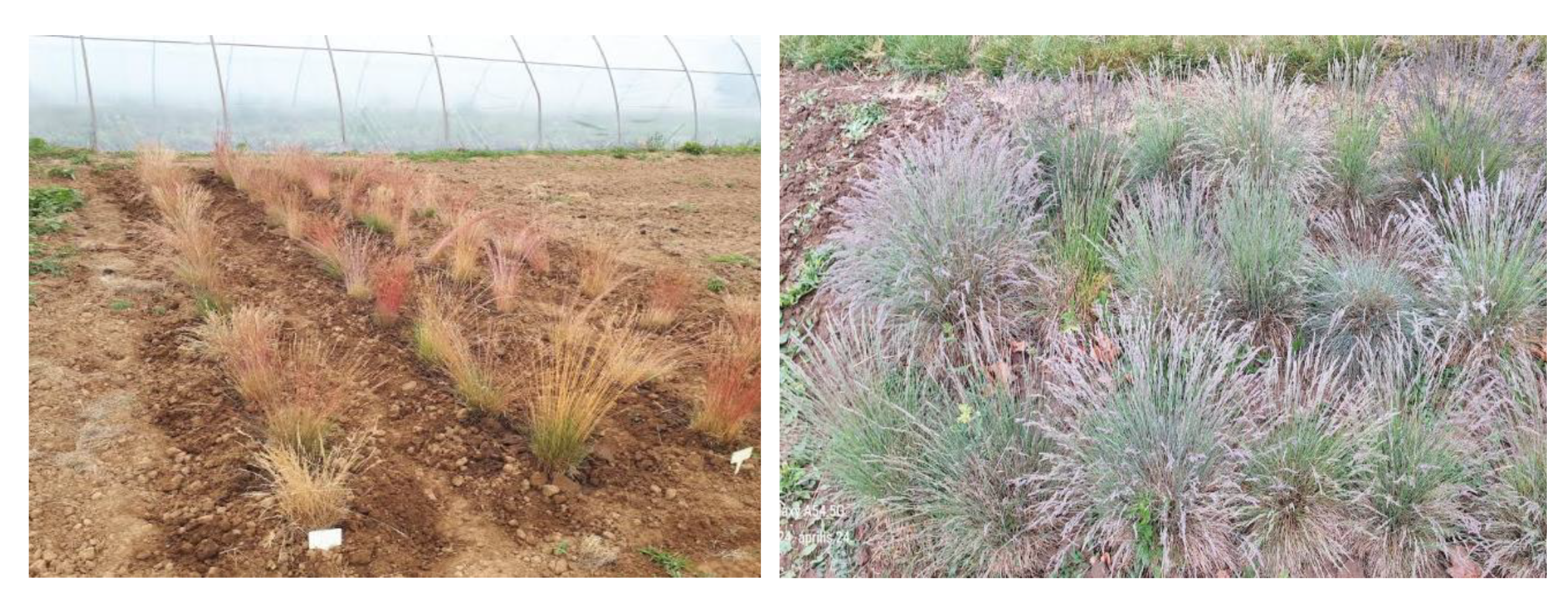
Figure 2.
The seed tray layout.
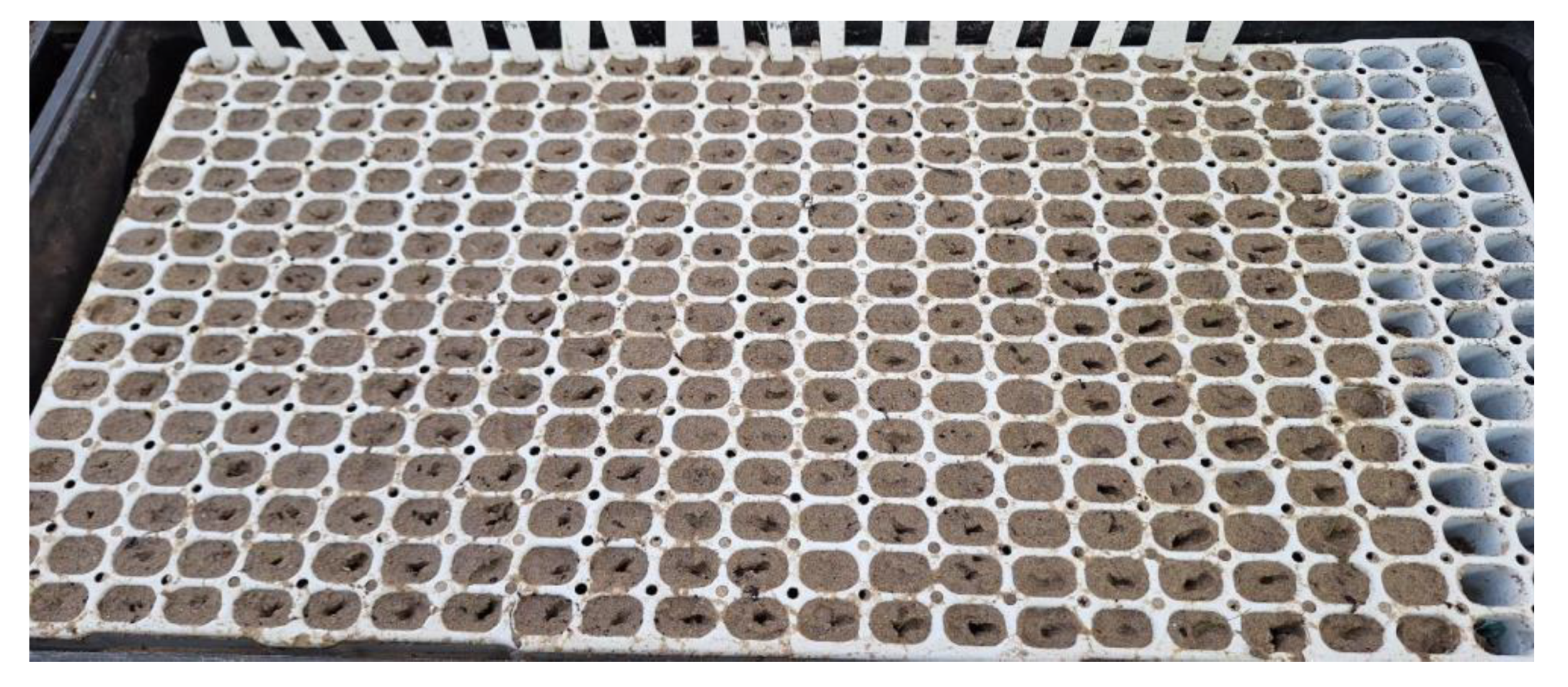
Figure 3.
The Distinct Festuca Morphotypes.
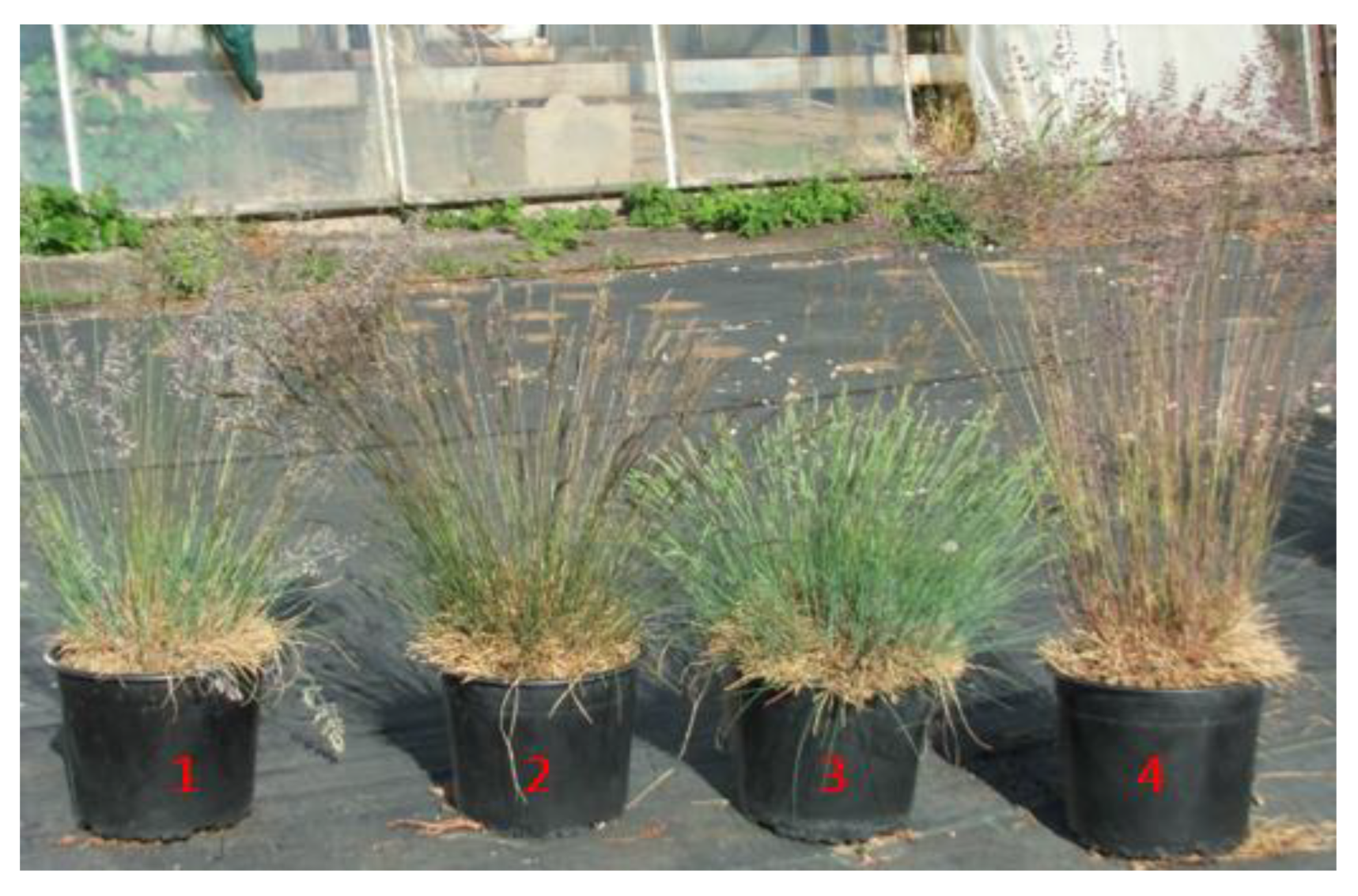
Figure 4.
Classification Based on the Morphological Traits of the Studied Festuca Individuals.
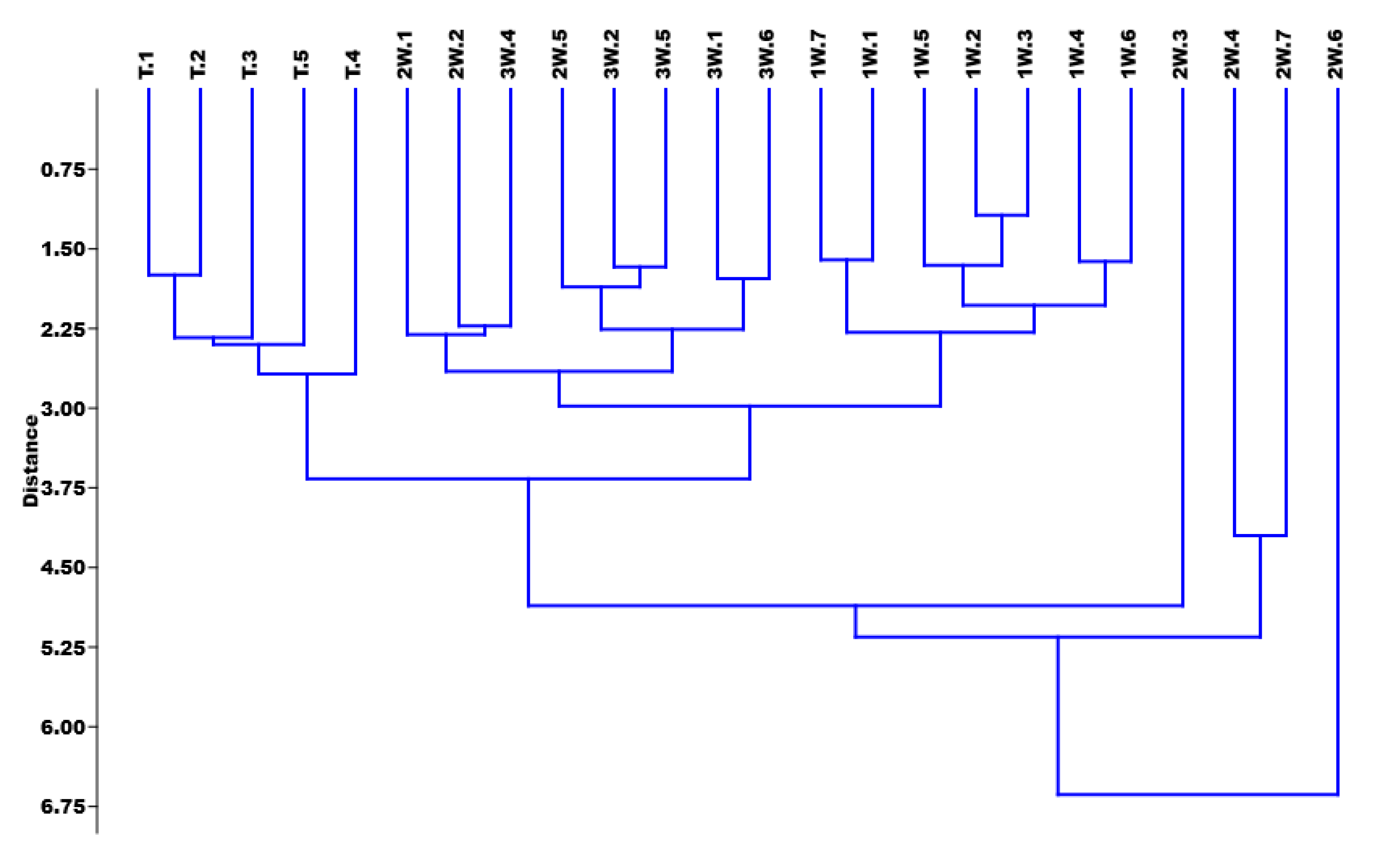
Figure 5.
PCA analysis based on the morphological traits of the examined Festuca individuals.
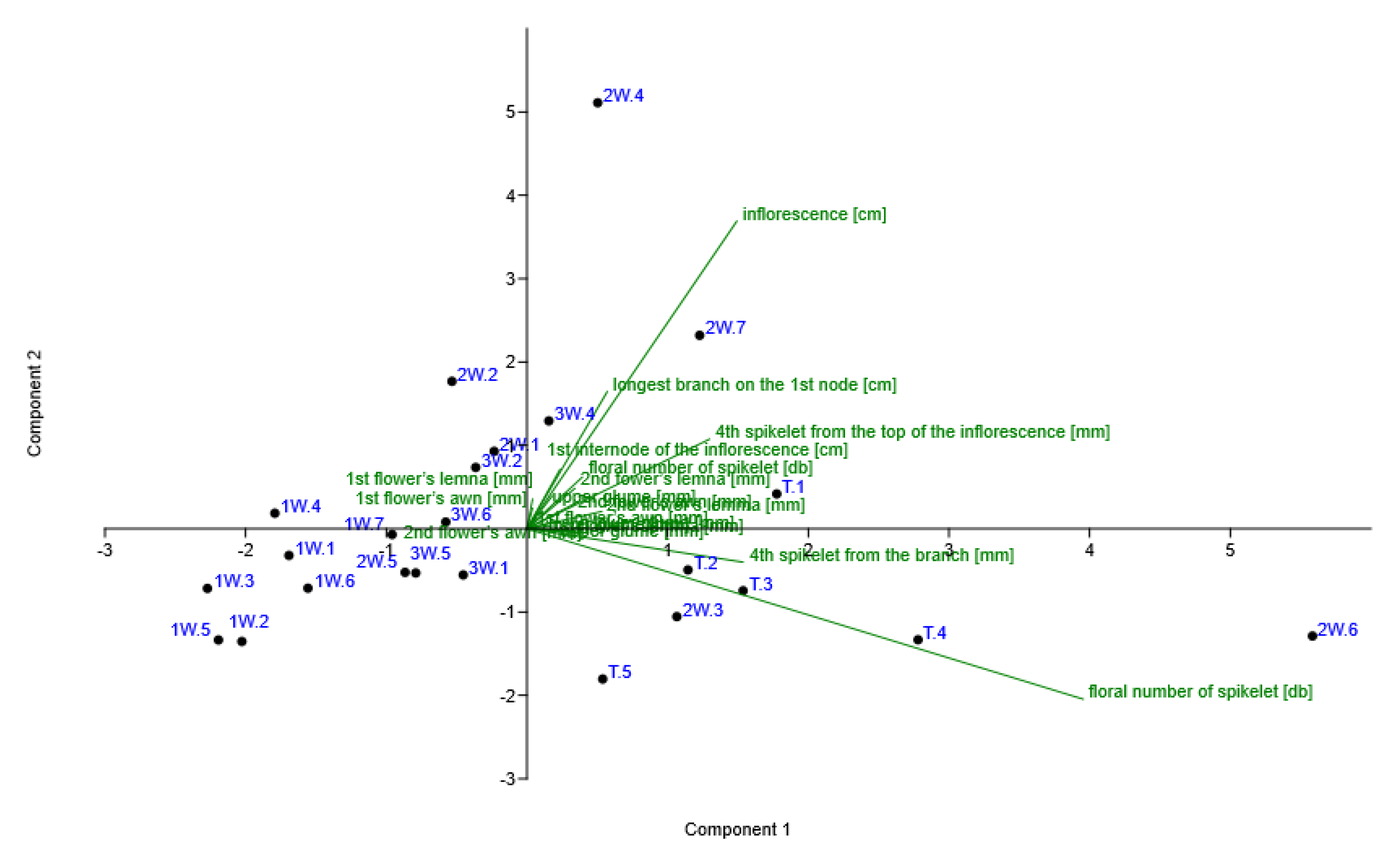
Figure 6.
Festuca wagneri plant height of genotypes by growing media.
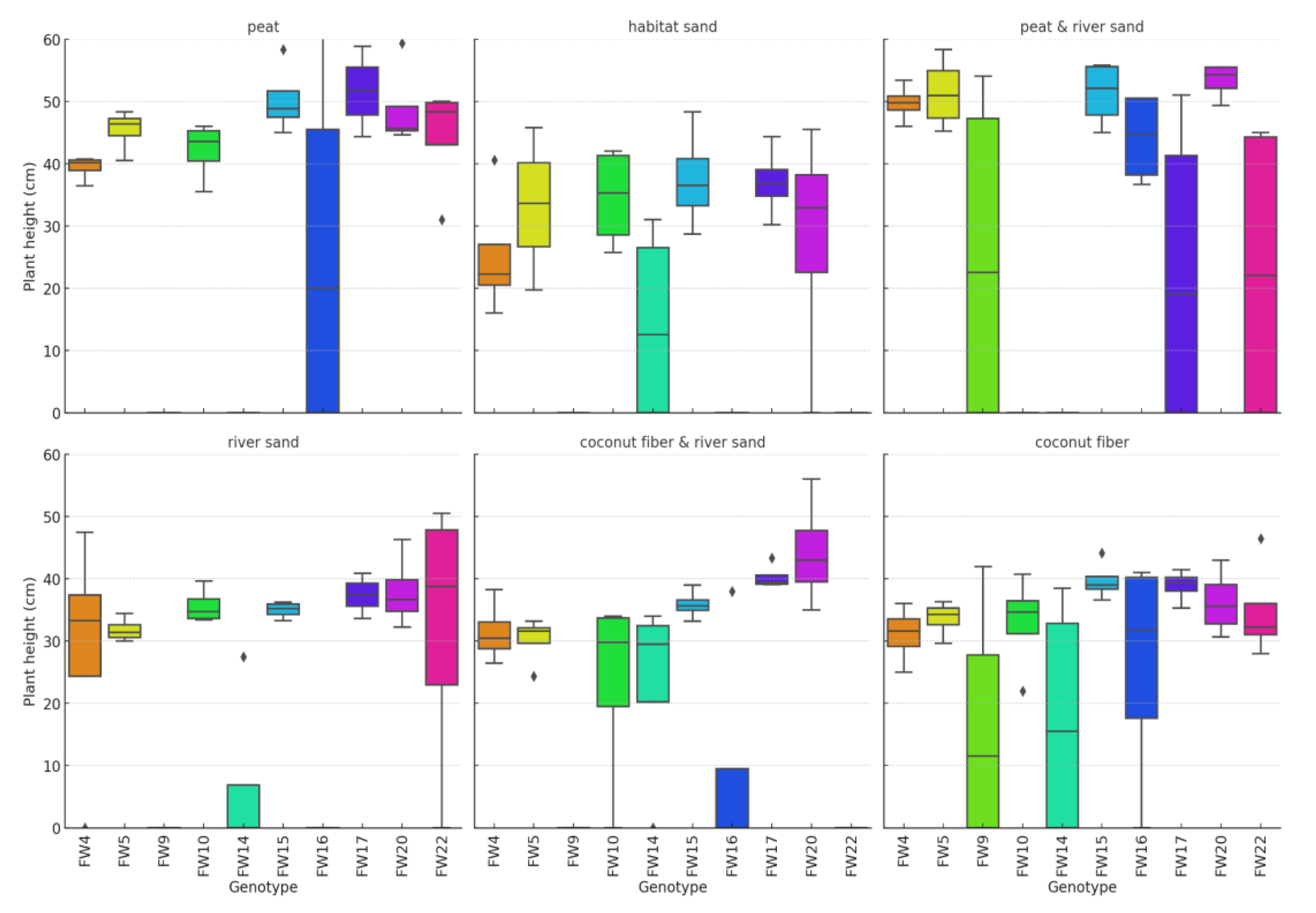
Figure 7.
Festuca wagneri germination rate of genotypes by growing media.
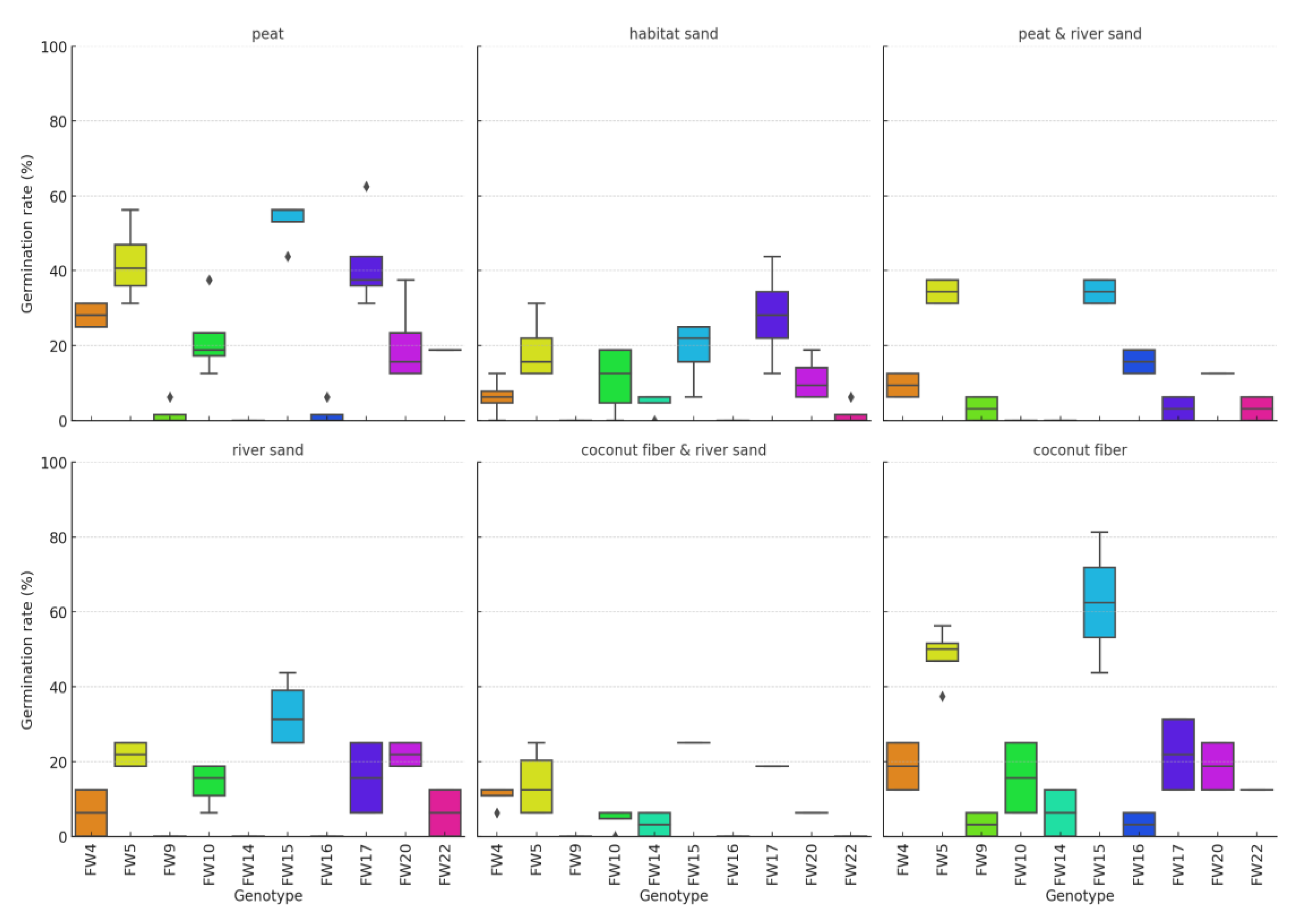
Table 1.
The main variables and results.
| Variable | Shapiro-Wilk Test Statistic | p-value |
|---|---|---|
| Germinated (pcs) | 0.8409 | < 0.001 |
| Germination rate (%) | 0.8409 | < 0.001 |
| Plant height (cm) | 0.8511 | < 0.001 |
Table 2.
Results of Kruskal-Wallis H Test.
| Growing media | Variable | Kruskal-Wallis H Test Statistic | p-value |
|---|---|---|---|
| peat | Germinated (pcs) | 34.62507 | < 0.001 |
| peat | Germination rate (%) | 34.62507 | < 0.001 |
| peat | Plant height (cm) | 24.69003 | < 0.001 |
| habitat sand | Germinated (pcs) | 28.76128 | < 0.001 |
| habitat sand | Germination rate (%) | 28.76128 | < 0.001 |
| habitat sand | Plant height (cm) | 26.33822 | < 0.001 |
| peat & river sand | Germinated (pcs) | 35.23083 | < 0.001 |
| peat & river sand | Germination rate (%) | 35.23083 | < 0.001 |
| peat & river sand | Plant height (cm) | 25.24541 | < 0.001 |
| river sand | Germinated (pcs) | 32.46233 | < 0.001 |
| river sand | Germination rate (%) | 32.46233 | < 0.001 |
| river sand | Plant height (cm) | 24.79502 | < 0.001 |
| coconut fiber & river sand | Germinated (pcs) | 34.45232 | 7.439 |
| coconut fiber & river sand | Germination rate (%) | 34.45232 | 7.439 |
| coconut fiber & river sand | Plant height (cm) | 29.55687 | < 0.001 |
| coconut fiber | Germinated (pcs) | 31.53221 | < 0.001 |
| coconut fiber | Germination rate (%) | 31.53221 | < 0.001 |
| coconut fiber | Plant height (cm) | 11.33910 | 0.253 |
Disclaimer/Publisher’s Note: The statements, opinions and data contained in all publications are solely those of the individual author(s) and contributor(s) and not of MDPI and/or the editor(s). MDPI and/or the editor(s) disclaim responsibility for any injury to people or property resulting from any ideas, methods, instructions or products referred to in the content. |
© 2024 by the authors. Licensee MDPI, Basel, Switzerland. This article is an open access article distributed under the terms and conditions of the Creative Commons Attribution (CC BY) license (http://creativecommons.org/licenses/by/4.0/).
Copyright: This open access article is published under a Creative Commons CC BY 4.0 license, which permit the free download, distribution, and reuse, provided that the author and preprint are cited in any reuse.


