

Submitted:
10 April 2024
Posted:
15 April 2024
You are already at the latest version
Abstract
This research explores and analyzes the challenges and opportunities due to globalization's impact on sustainable strategic management. The research uses a mixed-method design, combining primary and secondary data collection methods. Secondary data is sourced from various credible publications and analyzed through an extensive literature review. A case study approach is adopted, involving semi-structured interviews with six experienced managers from Tazweed Venture Capital in Jordan. The study employs a qualitative, descriptive, and analytical approach to develop a conceptual framework by exploring managers' experiences and perspectives on Globalization and its impact on Sustainable Strategic Management. The findings identify challenges of environmental degradation, economic inequality, transportation and logistics pressures, and compliance challenges for sustainability. While implementing sustainable practices incurs upfront costs, accessing renewable energy markets and financial support presents opportunities. Tazweed successfully implements sustainable strategic management, emphasizing stakeholder engagement and collaboration across departments. This research offers valuable insights and guidance for companies navigating globalization's impact on sustainability strategic management.
Keywords:
globalization
; sustainability
; strategic management
; environmental
; social
; economic
; innovation
; businesses
1. Introduction
Globalization connects global economies, cultures, and societies, which is becoming an increasingly hot topic in various fields and interdisciplinary fields. The concept of globalization is comprehensive enough to cover the increasing interdependence between the world's economies, cultures, and societies, the increasing interdependence between countries, the erosion of national borders, and the emergence of a global culture. This research aims to understand how globalization affects Tazweed's strategic management sustainability, identifying challenges and potential opportunities.
The study adopts a mixed-method research design, using both primary and secondary data collection. Secondary data from credible sources, like articles and research papers, undergo an extensive literature review to gain insights into globalization's effects on sustainable strategic management. Additionally, the research employs a case study approach, focusing on Tazweed Venture capital, with semi-structured interviews of Six experienced managers providing valuable perspectives on globalization's impact. Using a qualitative, descriptive, and analytical approach, the research aims to develop a conceptual framework that highlights challenges and opportunities arising from globalization's influence on strategic management sustainability. The findings are expected to contribute significantly to sustainable business practices, guiding companies like Tazweed to make informed decisions for long-term sustainability.
The research findings revealed environmental degradation, economic inequality, transportation and logistics pressure, complex supply chains, and compliance challenges for sustainability [1,2]. Implementing sustainable practices incurred upfront investments and higher costs, but opportunities included accessing renewable energy markets and financial support [3,4]. Tazweed Venture Capital successfully implemented sustainable strategic management practices, with comprehensive sustainability frameworks and stakeholder engagement. The company integrates sustainable supply chain practices and collaborates across departments. The study emphasized coordination for sustainable strategic goals, aligning with Tazweed's vision and core values. Continuous improvement, employee training, and technology integration enhance sustainability efforts. Emphasizing sustainability reduces risks and builds strong supplier relationships, while regulatory compliance remains a priority [5,6,7,8].
Literature Review.
Globalization and Sustainable Strategic Management
Globalization is a complex process that connects global economies, cultures, and societies. It has positive aspects like increased trade, investment, and cultural exchange, but also negative impacts such as inequality and environmental harm [9], however, In the business world, globalization's importance is constantly evolving and subject to ongoing debates about its effects. Nevertheless, it remains a crucial force shaping the modern world and significantly impacting businesses [10].
Strategic management is vital for organizations, involving the formulation and execution of long-term goals. It includes assessing internal strengths, weaknesses, external opportunities, and threats to create a well-defined strategy [11], besides that, scholars and practitioners emphasize its importance in measuring organizational performance, considering factors like innovation, entrepreneurship, and overall success [12], therefore, the universal applicability and impact of strategic management highlight its research significance and importance in the field [13].
Sustainable strategic management involves developing and implementing strategies to create lasting value for the organization while considering the well-being of society [14]. In the context of globalization, strategic management is crucial for success in a globalized world. It helps businesses understand the global landscape, devise global strategies, manage risks, stay adaptable, build relationships, and foster innovation [15]. The different theoretical frameworks and models connecting globalization and strategic management are valuable tools for businesses. They help in comprehending the challenges and opportunities posed by globalization and guide the development of effective strategic responses [16].
Globalization presents challenges and opportunities for sustainable strategic management. Global competition can lead to increased efficiency, but it may also limit investments in sustainability [17]. However, cooperation among stakeholders is essential for successful sustainable strategies. Globalization presents both challenges and opportunities in strategic decision-making. While heightened competition encourages informed choices. On the positive side, globalization fosters collaborative initiatives for global sustainability [18].
Challenges of Globalization on Sustainable Strategic Management
Incorporating sustainability amidst globalization presents several challenges. The lack of a universally accepted definition for sustainability makes it difficult to align goals and measure progress [2]. Additionally, tracking environmental and social impacts in global supply chains is challenging due to weak regulations in supplier countries. Cost-cutting pressures in the global economy hinder investments in sustainable practices, which are often more expensive than conventional methods [19], so balancing global sustainability with stakeholder needs proves to be a complex task, and managing risks associated with sustainable practices [7,20], such as higher costs and reputational damage, requires careful attention [21]. Establishing partnerships with businesses, governments, and NGOs becomes essential to effectively address sustainability challenges [22]. In addition to these challenges, cultural variations also play a crucial role in sustainability efforts. Different cultures may emphasize economic, social, and environmental issues differently, requiring businesses to be culturally sensitive and adapt sustainability strategies accordingly [23].
Opportunities for Sustainable Strategic Management in a Globalized Environment
Globalization provides opportunities for sustainable strategic management, allowing companies to adopt eco-friendly practices like sourcing from environmentally regulated suppliers and using innovative technologies to reduce environmental impact [24]. However, globalization also brings challenges to sustainable strategic management, such as complex global supply chain management and increased risk of environmental damage. On the positive side, it opens up new opportunities and increases resource availability, emphasizing the need for collaboration, innovation, and risk management [25]. Sustainable strategic management is crucial for creating a more sustainable future [26]. Accordingly, a systematic literature review conducted by De Oliveira and others showcases successful companies integrating sustainability into global strategic management [27,28]. Accounting sectors can promote environmental conservation through proper environmental cost allocation and improve performance with a Corporate Sustainability Management System (CSMS). A Content Management System (CSMS) with environmental activity and cost disclosure enhances customer loyalty. Psychological ownership of green products boosts employee behavior and performance. Building supply chain management processes following sustainability standards is crucial for corporate sustainability [27,28].
Strategies and Best Practices for Navigating Globalization in Sustainable Strategic Management
To navigate globalization effectively, companies should set clear sustainability goals aligned with their strategic objectives, involve all stakeholders, risk assessment, invest in sustainable innovation, and build partnerships with other organizations [29].
Companies must establish clear, ambitious, and realistic sustainability goals that align with their overall strategic objectives. This allows them to monitor progress and assess performance effectively [14]. Additionally, involving all stakeholders, such as employees, customers, suppliers, and investors, in the sustainability process fosters support for sustainability initiatives and ensures alignment with the broader community's needs [30]. Adopting a risk-based approach to sustainability involves identifying and managing risks related to operations, such as environmental pollution, social conflict, and supply chain disruptions [31], and Investing in sustainable innovation is crucial to creating environmentally friendly and socially responsible products and processes, reducing environmental impact, and enhancing social performance [32]. Lastly, forging partnerships with NGOs, government agencies, and other businesses enables collaboration, knowledge-sharing, pooling of resources, and the achievement of common sustainability goals. Such partnerships enable the scaling up of sustainability initiatives for a greater impact [33].
In a globalized context, sustainable strategies require strong leadership, a sustainable organizational culture, and cross-functional collaboration. [34], also, organizational culture plays a key role in sustainability, valuing environmental protection, social responsibility, and economic prosperity [35]. Cross-functional collaboration is vital for sustainable strategies, bringing together diverse perspectives from departments like operations, marketing, and finance to align on sustainability goals and work collectively towards achieving them [36]. To enhance strategic management amid globalization, companies can follow key recommendations: set clear sustainability goals [14], develop aligned strategies, engage stakeholders to understand their needs [29], manage globalization-related risks [25], build partnerships for shared success [33], invest in sustainable leadership [37], and foster innovation to adapt to evolving global conditions [38]. Additionally, companies must recognize challenges, like heightened international competition [39], shifts in consumer preferences [40], and evolving regulations [41], alongside opportunities such as accessing new markets, gaining efficiency through economies of scale, and embracing new technologies [30]. Being mindful of these factors will position companies for success in a globalized world [42].
Figure 1.
MDPI. Source: MDPI- Sustainability.
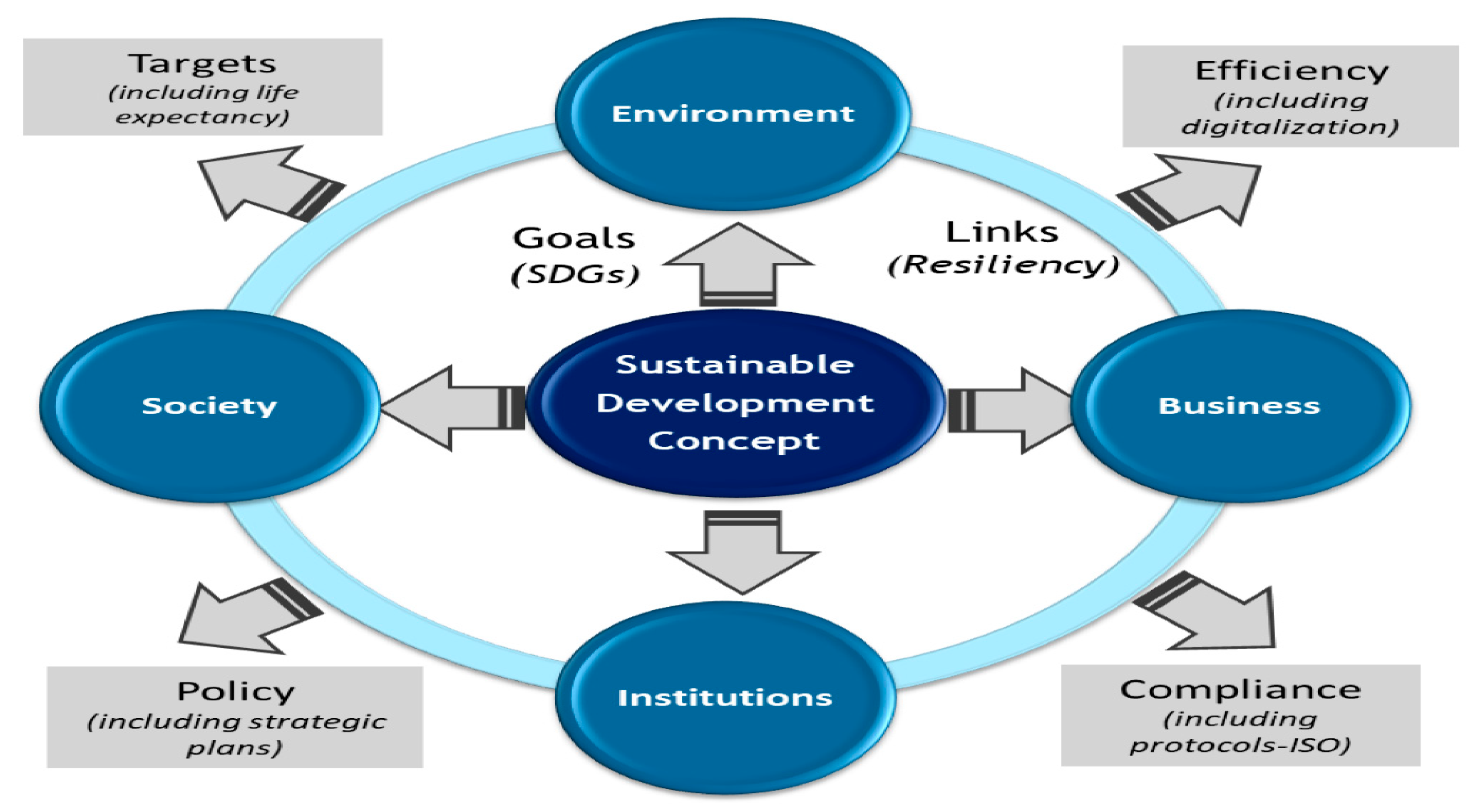

Table 1.
Shows the Source (Key Articles) Used in the Literature Review:.
| Article | Author | Publish |
|---|---|---|
| The corporate sustainability strategy in organizations: A systematic review and future directions | [14] | MDPI |
| Resources, innovation, globalization, and green growth: The BRICS financial development strategy | [29] | Elsevier |
| Flexibility and resilience in corporate decision making: a new sustainability-based risk management system in uncertain times | [31] | SpringerLink |
| The added value of partnerships in implementing the UN sustainable development goals | [33] | Elsevier |
| Sustainable strategic management | [43] | Routledge, Taylor & Francis Group |
| A socio-technical view of the performance impact of integrated quality and sustainability strategies | [5] | Taylor&Francis Online |
| Stakeholder engagement: Achieving sustainability in the construction sector | [7] | ResearchGate |
| Sustainalism: An integrated socio-economic-environmental model to address sustainable development and sustainability | [2] | MDPI |
| Increasing Sustainability in Global Supply Chains | [25] | Western Cedar/Western Washington University |
| Sustainability in strategic planning: An Italian case study | [36] | POLITesi |
Tazweed Venture Capital Overview
Tazweed Venture Capital is a corporate venture capital capital firm with a focus on impact investing. It invests in venture capital with growth potential and a viable path to profit, while also seeking to make a positive social and environmental impact.
Tazweed Company was established in 2013 as a private equity company owned by Mezzan Holding Company, which was established in 1944, as a leading Kuwaiti group in the food, beverage, and fast-moving consumer goods industry. Tazweed Company began its business in Jordan and Iraq. Within its capabilities, it looks forward to expanding its business in the Middle East and North Africa region, through the strategic support and expertise enjoyed by the parent company, Mezzan Holding.
Tazweed's main business lines are fast-moving consumer goods, food distribution, food supplies and fresh vegetables, retail services, pharmaceuticals, third-party logistics warehousing services, and government, and United Nations organizations contracts. Tazweed Company has a distinctive footprint in its work in cooperatives, supermarkets, hypermarkets, small stores, etc., along with the added value of equipment and supplies, to achieve outstanding brand recognition, consumer loyalty, deep market penetration, and broad market reach.
The administrative team that leads the company is represented by the Chairman of the Board of Directors, Mr. Mutasim Jassim Mohammed Al-Wazzan, the Executive Vice Chairman of the Board of Directors Mr. Mohammed Jassim Mohammed Al-Wazzan, and the CEO of Mezzan Holding Company Mr. Garrett Walsh, and others, they have extensive experience in the industry and working to enhance the sustainable strategic growth of the company; and they achieved important achievements for investment capital, in addition to strategic cooperation with the United Nations World Food Program by opening retail outlets for refugees and beneficiaries of the UN WFP in both Jordan and Iraq.
Tazweed obtained many awards and letters of appreciation for its services and contributions to humanitarian initiatives. Among these awards are a letter of thanks from the United Nations World Food Program within the framework of the “Against Hunger” initiative, the best service company in 2015, 2016, and 2019, and it was selected for the International Steering Committee of the Small and Medium Enterprises for Humanity Initiative (SME4H.org), the humanitarian agenda that Managed by the United Nations Office for the Coordination of Humanitarian Affairs.
The company's objectives include delivering innovative and high-quality products/services, fostering a positive and inclusive work environment, achieving sustainable growth and profitability with strong ethical standards, becoming a market leader, contributing to environmental conservation, prioritizing customer satisfaction, engaging with local communities through social initiatives, and building a strong brand reputation based on trust, transparency, and integrity.
Tazweed Venture Capital is a vertically integrated business with operations in distribution, retail, wholesale, and contract services, focusing on making a positive impact on society and the environment.
2. Materials and Methods
The Nature of Research
This qualitative study [44] explores the impact of globalization on sustainable strategic management in a Venture capital company. The research uses a descriptive and analytical methodology, utilizing both primary and secondary data. Interviews were conducted with Six managers [44] at Tazweed company in Jordan to gain insights into the effects of implementing sustainable strategic management on the firm. The study contributes to the literature on sustainable strategic management practices in the context of globalization [14] by identifying challenges and opportunities in this area.
Research Design.
This research investigates the impact of globalization on sustainable strategic management at venture capital companies, This development is achieved using a qualitative methodology that identifies key themes and associations using a combination of primary and secondary data [44]. Secondary data, including website information and newspaper articles, were extensively reviewed [45]. The study adopts a case study approach [44], focusing on Venture capital companies and exploring challenges and opportunities in sustainable strategic management due to globalization. Primary data was collected through structured interviews with Six company managers selected for their expertise in strategic management practices. The research aims to develop a conceptual framework [44] for sustainable strategic management in the context of globalization and confirm its reliability through consistent questioning and coordination of venture capital company coordinators.
The research involved a review of academic articles and aggregation of secondary data to identify main themes. Background data from websites and journals were explored to provide context for case studies. These documents supported inquiries for interviews. Additionally, secondary data were analyzed through an extensive review of peer-reviewed journals and published works. The case study method was employed to gather raw data and explore the impact of globalization on sustainable strategic management. The study specifically used a case study approach for an in-depth understanding of the topic [46]. Semi-structured interviews served as the primary source of raw data, providing valuable insights into the challenges and opportunities of implementing sustainable strategic management in Venture capital companies.
Case Selection
The number of available firms that implement sustainable strategic management practices is limited. The case is focal points in sustainable strategic management one company was chosen for in-depth analysis through face-to-face interviews with managers who have implemented sustainable strategic management approaches in their departments, this selected case plays a significant role in the research according to [44,46], and has been active in the Venture capital industry in Jordan for at least ten years, with expertise in Venture capital in Jordan namely those in FMCG, Food Distribution, Fresh Food & Vegetable Supplies, Retail Services, Logistics, Warehousing Services, Pharmaceutical, 3PL Services, Government, and UN Contracts. This research applied the method of content analysis [47] by coding the online challenges set, and the opportunity set as a unit of analysis for each manager (A, B, C, D, ..) the main points that each manager focused on in his interview and the common points which more than one manager focused on, and took into account the percentages for each answer. Interviews were conducted with 6 managers using the same protocol for better reliability, including CEO, COO, CFO, CHRO, and procurement manager [46]. These 20-minute structured question-and-answer sessions were conducted over a month to collect data from various roles and functions. The managers were experts in Venture capital management with a proven track record of achieving positive results and customer sustainability. Before the interviews, they were informed about the study's objectives and consented to participate. Standardized open-ended interviews took place at the company locations. Participants were chosen based on their job responsibilities and knowledge, ensuring relevant information was obtained. The research followed a research agenda, including interview protocols and reporting procedures.
Data Collection
This research utilized three sources for the case study: semi-structured Interviews as the main source with literature reviews and strategic management sustainability reports as secondary sources (Table 2). Six interviews with Six managers from Tazweed Venture Capital, experienced in top-level sustainable strategic management leadership, In total, 6 face-to-face interviews, every interview lasted 20 minutes and were recorded, focusing on examining the impact of globalization on sustainable strategic management on Tazweed [44]. The approved interviews were used to develop the case study as analyzed through cross-interview analysis [48,49]. Through emails, phone calls, and document exchanges, several contacts were made with those managers to obtain reflective practitioner inputs that created the trust and mutual benefits [50]. One researcher conducted and recorded the interviews with all the participants, each of whom was asked the same questions, using the same interview protocol. The approved interviews were used to develop the case studies as analyzed through cross-question analysis [48,49]. After reviewing the available literature on the fields of sustainable strategic management secondary data were gathered from articles, published books, and previous research cited in the references section incorporating purposive sampling, and literature reviews [50]. The study was conducted in Jordan in 2023, with a total of Six interviews involving directors and managers responsible for sustainable strategic management in the company. The same interview protocol was used for all participants, and notes were taken with their consent. The approved interviews were analyzed through cross-case analysis to develop case studies.
3. Data Analysis and Results
This research followed a three-way analysis method to develop the main findings and establish a new framework for sustainable strategic management in the era of globalization [44,48,49,50,51]. This method includes five steps. The first step was to list the main themes generated by the composite analysis of the literature review. The second step was to list coding as subtopics. Each main topic of reducing the data of interview records and sustainability reports through the single case of the focus of the research [46,50]. The fourth step was to compare the answers that resulted from the interviews to enhance the logic of copying and common denominators by providing groups for the effects of globalization and measuring it using psychological laws and a set of qualitative and quantitative decisions. The fifth step was to build explanations to validate the new conceptual framework for strategic management in the age of globalization from the point of view of the pivotal participants at Tazweed Venture Capital.
- 1. Findings and discussion
The primary challenges and opportunities that arise concerning sustainability in the context of globalization efforts in the Tazweed venture capital:
The Chief Executive officer said that “the main challenges are a) environmental Impact: increased industrialization and trade will inevitably result in environmental degradation and pollution. Managing this impact while promoting sustainable practices is a significant challenge. b) globalization may cause economic inequality and will affect the distribution of resources and opportunities. To ensure sustainable development we need to address poverty, unemployment, and income disparities among different segments of our society. c) globalization has led to increased urbanization and pressure on infrastructure, mainly transportation, energy, and waste management.
Opportunities, a) we have a significant potential for renewable energy, such as solar and wind power. Embracing clean energy technologies can reduce dependency on fuel. b) By investing in green industries and sustainable business practices we can create new jobs, attract investments, and adopt economic growth while minimizing environmental harm. c) We must leverage Jordan’s global partnerships and learn from best practices to implement more sustainable policies and regulations.”
The findings indicated challenges in Table 3 related to environmental degradation, economic inequality, transportation and logistics pressure, complex supply chains, and compliance with diverse sustainability requirements. Implementing sustainable practices incurred upfront investments and higher costs. On the other hand, potential opportunities in Table 4 included accessing renewable energy markets, financial support for green industries, leveraging global partnerships, and enhancing the brand's reputation. Sustainable sourcing drove innovation, and diverse teams fostered creativity. Emphasizing sustainability reduced risks and built strong supplier relationships. Despite initial costs, the company expected long-term savings and growth in international markets.
The Chief Financial Officer said "There are several opportunities and challenges, we summarize them as follows:
Challenges:
- Implementing sustainable practices requires upfront investments, which have posed financial challenges, e.g. renewable energy sources, and implementing waste reduction measures.
- We are witnessing stricter environmental regulations, which have increased the audit and compliance costs.
- We had to reevaluate and restructure the supply chains. This has led to increased costs as well.
- Opportunities:
- Although we have incurred initial costs, we are confident that we will generate long-term savings and reduce operational expenses.
- Enhance our brand reputation and attract consumers who increasingly favor businesses with strong sustainability commitments, this had translated into increased sales and market share.
- Financial institutions are increasingly supporting sustainable initiatives by providing favorable terms for green investments, e.g. lower interest rates and preferential financing”
The findings derived from Figure 2 shed light on the challenges and complexities surrounding supply chain management in the context of globalization and sustainable practices. Managing transparency and traceability in intricate global supply chains presents difficulties in verifying sustainable practices, particularly in ethical sourcing. Moreover, stringent environmental regulations have led to increased costs for audits and compliance to meet diverse sustainability requirements.
Globalization introduces a set of significant challenges for sustainable strategic management. However, organizations must navigate the effects of globalization while simultaneously increasing revenues and addressing various issues, including transportation infrastructure, energy, waste management, and environmental impacts. Implementing sustainable practices demands upfront investments and incurs additional costs, necessitating a thorough cost-benefit analysis.
Finding suppliers that align with sustainability goals is a challenging endeavor, particularly in regions where such practices are not commonly adopted. The expansion of globalization also gives rise to environmental degradation, pollution, economic inequality, and resource distribution challenges. The process of restructuring supply chains to accommodate sustainability requirements further adds to operational costs.
Effectively managing diverse international teams requires cultural sensitivity and adaptability, as different values and work styles come into play. The magnitude and complexity of these challenges compound the intricacies of sustainable supply chain management.
The research findings presented in Figure 3 provide a classification of the challenges encountered by sustainable strategic management in response to the impacts of globalization, as highlighted by the insights shared by the interviewed managers. The results indicate that 47% of these challenges are economic. Figure 4, encompasses issues such as transportation complexities, additional costs, economic inequality, unemployment, and income disparities.
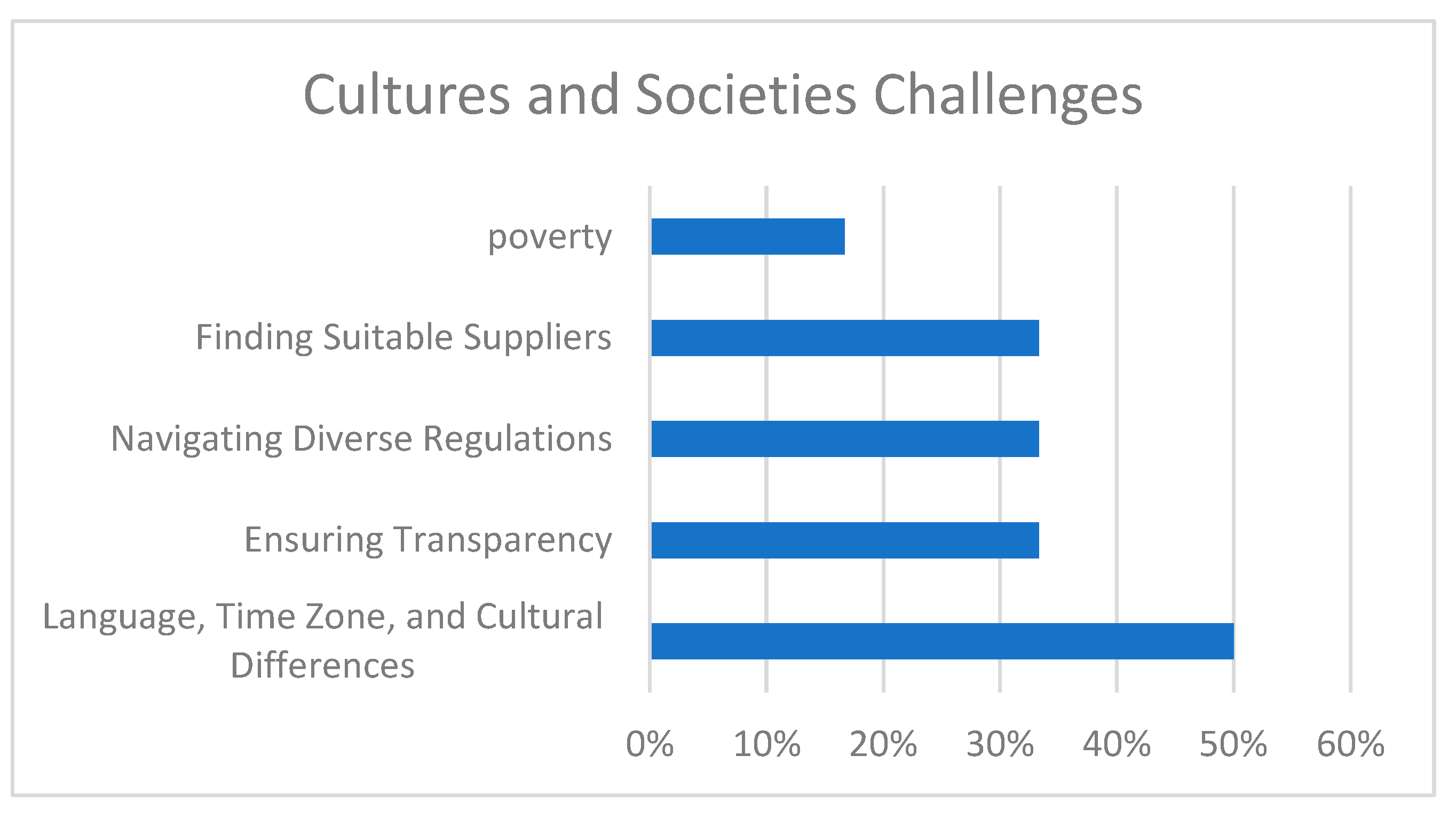
Furthermore, 28% of the identified challenges pertain to cultures and societies Figure 6, comprising obstacles related to language barriers, time zone differences, cultural nuances, ensuring transparency, navigating diverse regulations, and finding suitable suppliers.
Finally, 25% of the challenges fall under the category of environmental challenges. Figure 5, encompasses waste management difficulties, environmental degradation, pollution, energy-related challenges, and the increased carbon emissions associated with global operations.
Figure 4.
Economics Challenges.
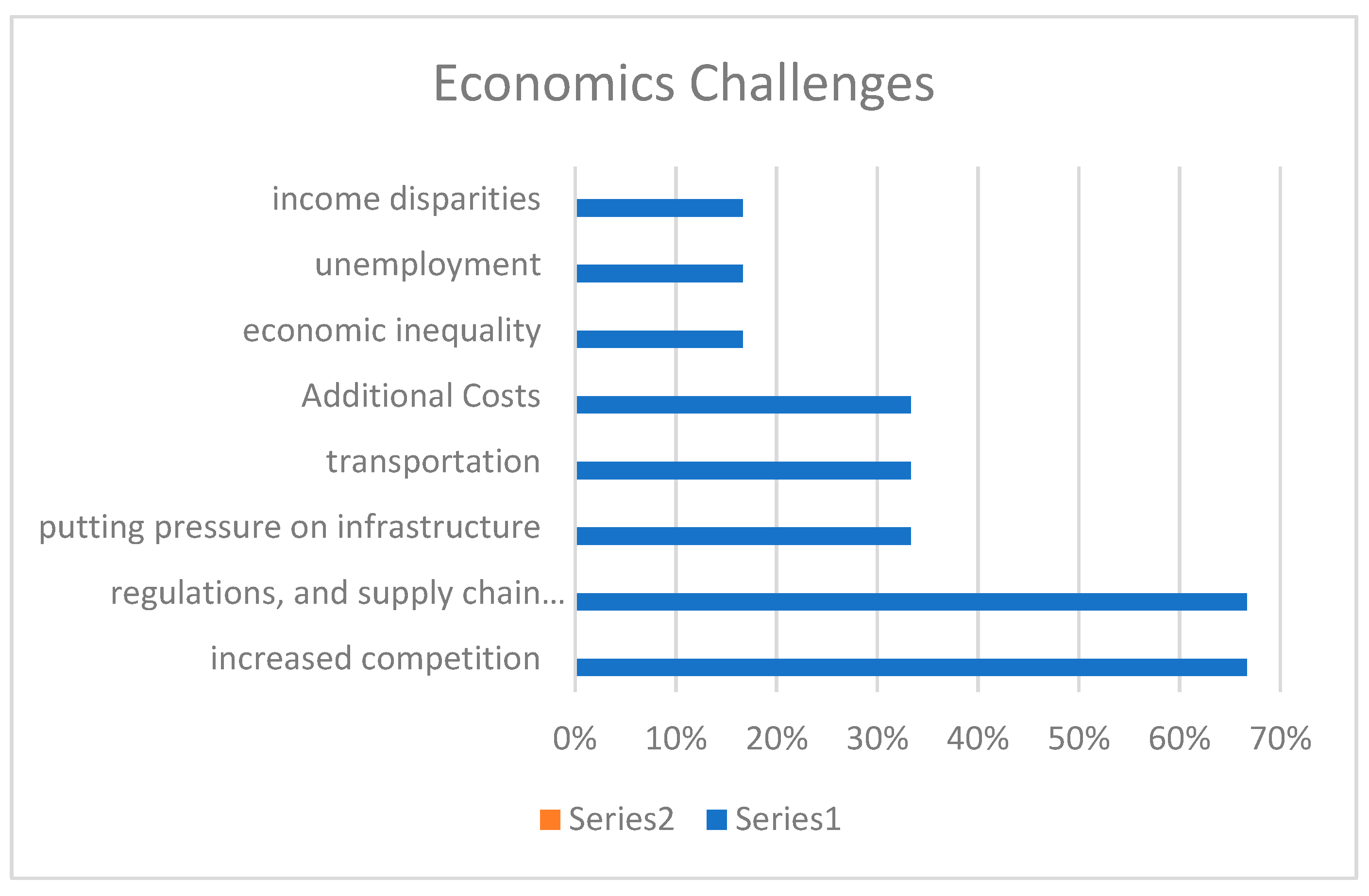
Figure 5.
Environment Challenges.
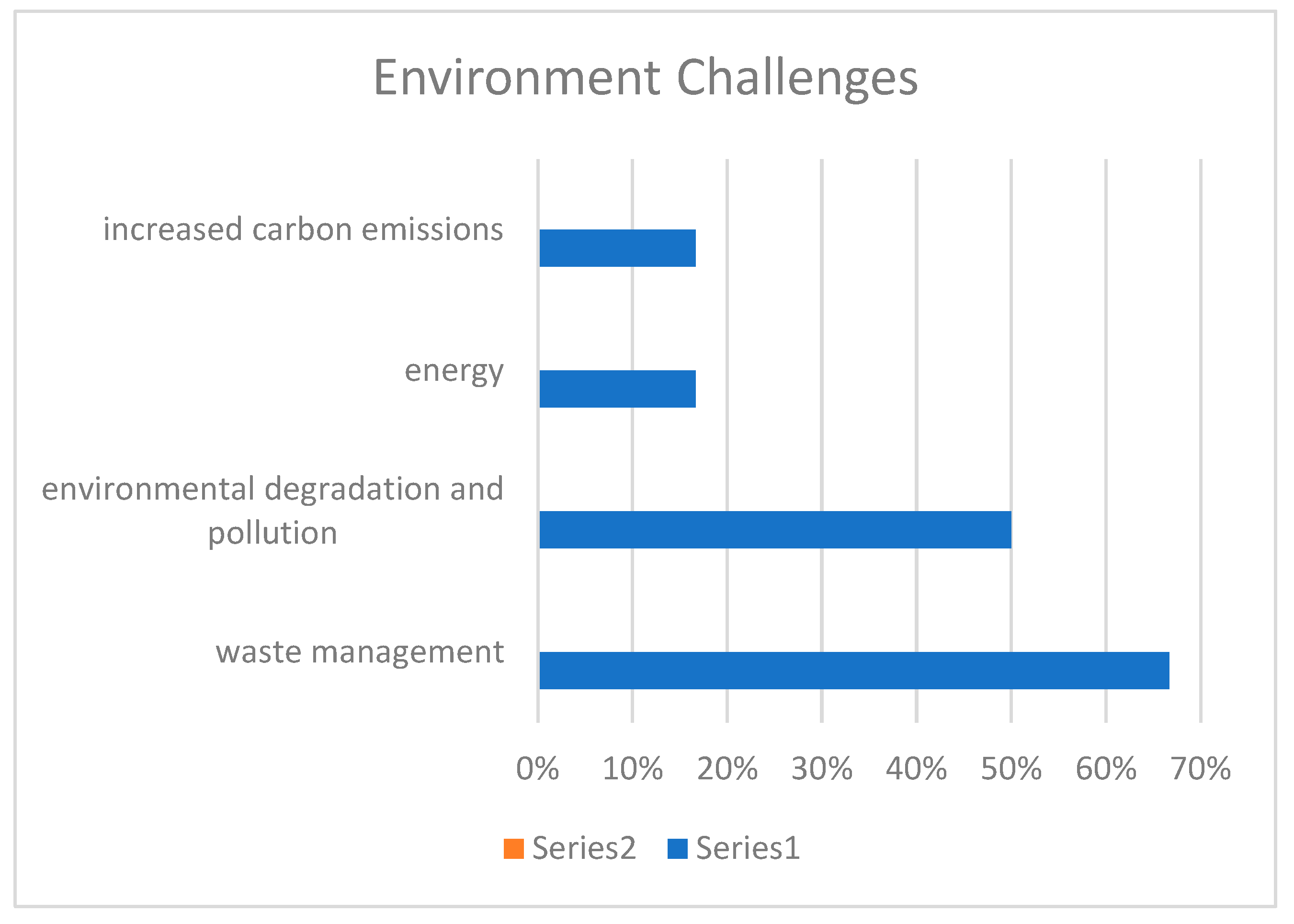
Figure 6.
Cultures and Societies.
At the same time, all managers indicated in Figure 7 that there are multiple opportunities for applying sustainable strategic management practices to take advantage of globalization by adopting sustainable practices in various aspects of business operations. Reducing waste and promoting renewable energy sources not only attracts environmentally conscious consumers and investors but also provides cost efficiency and savings in the long run. Expansion into international markets enables the adoption of sustainable practices, resulting in increased sales, market share, and competitive advantage. Sustainable sourcing drives innovation in socially responsible products and processes, while diverse teams foster creativity in problem-solving. Access to new markets with renewable energy potential supports environmentally friendly practices. Financial institutions offer favorable conditions for investment in green industries, job creation, and investment attraction. Emphasizing sustainability reduces risks associated with reputation, supply chain disruptions, and regulatory non-compliance, and fostering strong relationships with like-minded suppliers leads to mutually beneficial partnerships. Furthermore, investing in cross-cultural training and diversity initiatives promotes inclusivity, and developing products and services that cater to diverse regional needs and preferences helps build a strong market presence. Leveraging global partnerships and best practices contributes to more sustainable policies and systems. In general, sustainable practices provide strategic advantages and pave the way for a flexible and competitive business model.
The investigation into opportunities arising from the practice of strategic management in the era of globalization, as perceived by interviewed managers (Figure 8), revealed a diverse landscape of potential benefits. Within this context, 45% of the identified opportunities were associated with cultures and societies Figure 11. These opportunities encompassed the implementation of more sustainable policies and systems, the attraction of socially interested clients, and the acquisition of valuable insights through global partnerships. Additionally, the organization stands to gain advantages from adopting best practices, enhancing its reputation, increasing market share, fostering innovation and creativity, as well as demonstrating adaptability and flexibility to gain a competitive edge.
Furthermore, 30% of the opportunities identified were centered around the environmental dimension Figure 10. These opportunities included the integration of renewable energy sources, such as solar and wind power, reducing dependence on fossil fuels, implementing sustainable practices, and mitigating environmental damage.
Lastly, 25% of the opportunities were associated with economic opportunities Figure 9. Within this category, the organization can achieve long-term cost savings and reduce operating expenses through sustainable practices and technological advancements. Additionally, embracing green investments and industries can lead to attracting new investments, realizing cost efficiencies, creating job opportunities, and contributing to overall economic growth.
Figure 9.
Economics Opportunities.
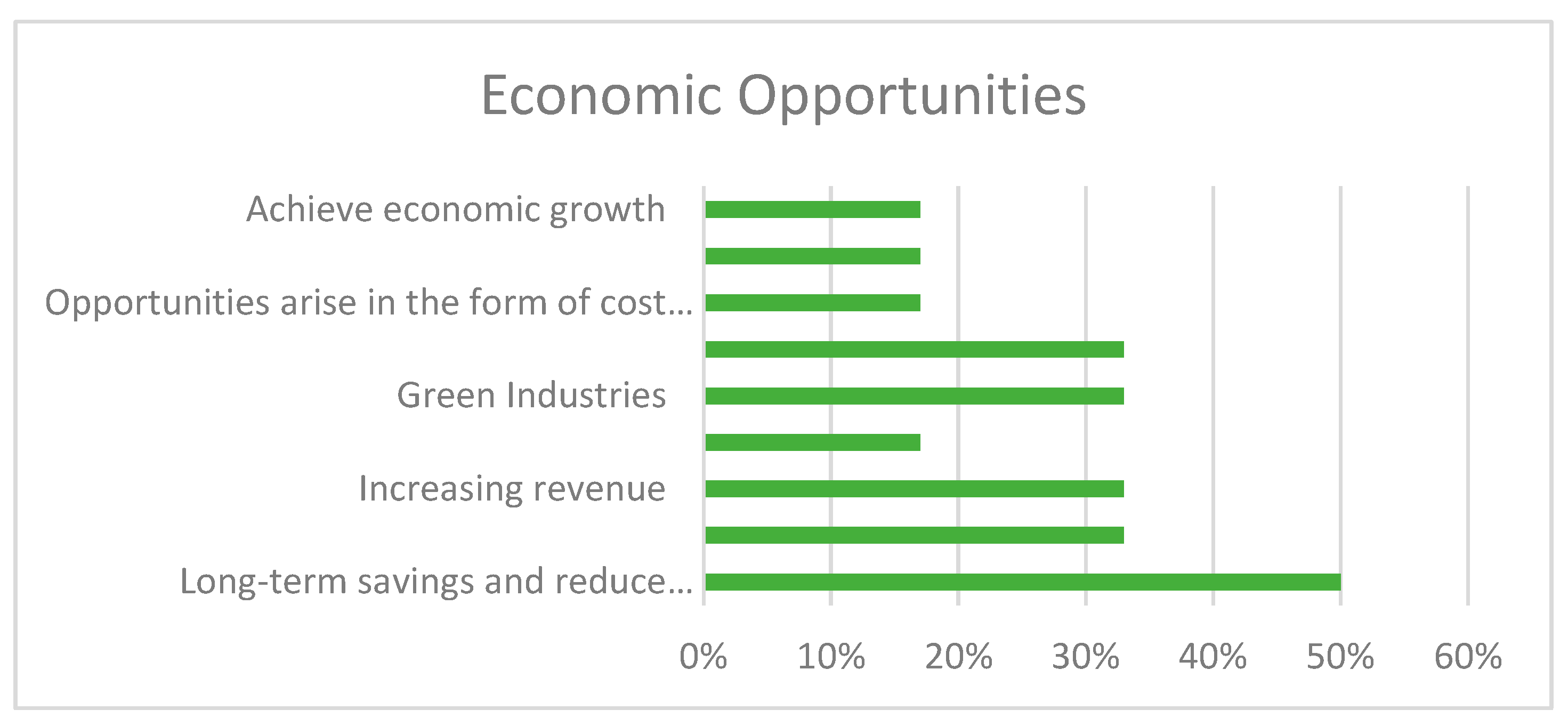
Figure 10.
Environment opportunities.
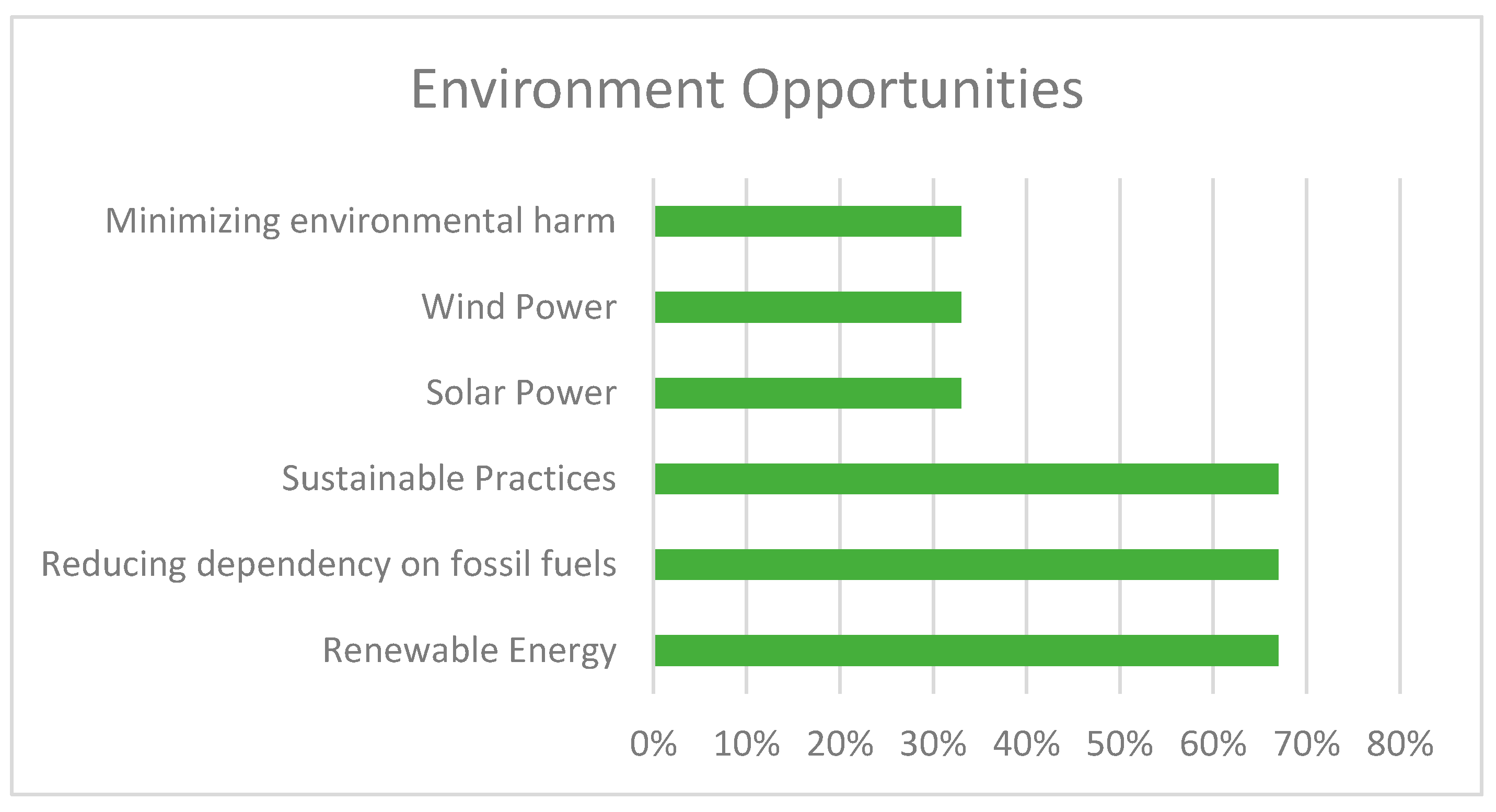
Figure 11.
Cultures and Societies Opportunities.
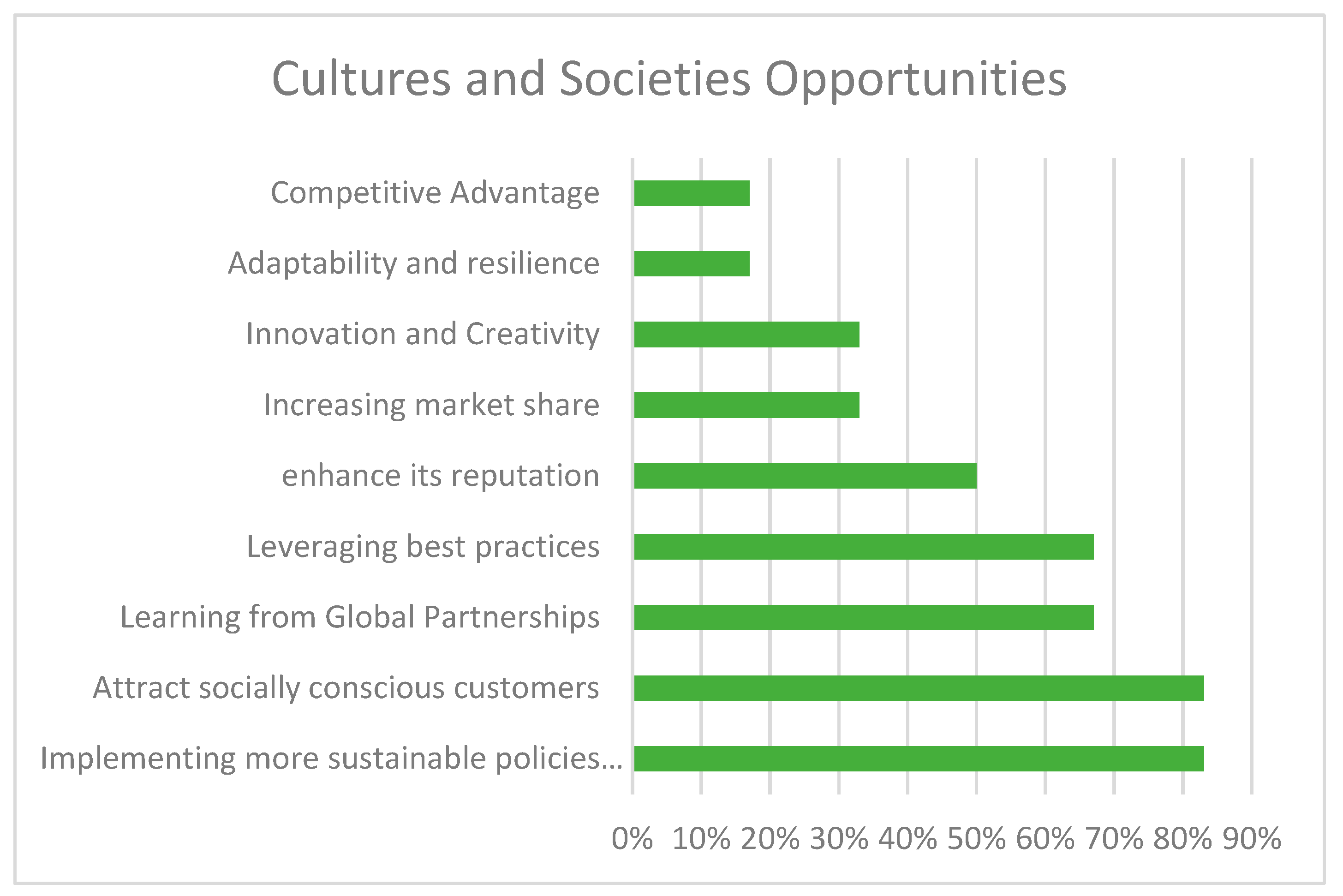
Strategic Management Aligns with Sustainability Goals Due to Globalization and Initiatives to Ensure Sustainability Remains an Integral Part of Strategic Decision-Making during the Globalization Process.
The Group Operation and Commercial Director said that. "
- We understand the unique challenges and regulations in each location and then develop location-specific practices that comply with local regulations and cultural norms.
- We establish measurable and quantifiable targets, and then we communicate these targets to local teams and emphasize their importance.
- We constantly engage with local communities and industry partners to collaborate on various initiatives and exchange knowledge, experiences, and best practices.
- We regularly review and update sustainability strategies to adapt to evolving challenges and emerging opportunities."
Figure 12 presents the initiatives discussed with the managers during interviews, aimed at exploring the compatibility of strategic management with sustainability goals in the context of globalization. The initiatives were categorized based on addressing challenges and capitalizing on opportunities.
The findings reveal that 56% of the initiatives, focusing on cultures and societies, are implemented to address 28% of the challenges identified in Figure 3, while also leveraging 45% of the available opportunities as depicted in Figure 8.
Regarding environmental initiatives, 30% of the identified initiatives are designed to tackle 25% of the environmental challenges illustrated in Figure 3, and simultaneously capitalize on 30% of the available opportunities, aiming to harmonize environmental impacts resulting from sustainable strategic management in the era of globalization.
Finally, the economic initiatives constitute 16% of the total initiatives, aiming to confront 47% of the challenges presented in Figure 3 and capitalize on 25% of the available opportunities illustrated in Figure 8.
Figure 13 depicts the initiatives implemented by Tazweed management in practicing sustainable strategic management to address the challenges and leverage the opportunities posed by cultures and societies due to globalization. These initiatives encompass various aspects, including coordination and collaboration with cross-functional departments, integration of sustainability into the company's core values, engagement of stakeholders, and the creation of a supportive work environment to foster employee engagement. Tazweed also ensures compliance with relevant sustainability regulations and industry standards [5], and learns from best practices and knowledge exchange with governmental bodies, NGOs, local communities, and industry partners. Furthermore, the company develops a sustainability-focused employer brand, incorporates sustainability criteria in job descriptions and selection processes, and shares relevant information across departments to facilitate a comprehensive approach to addressing sustainability challenges. Additionally, Tazweed collaborates with the HR department to educate employees about sustainability practices and their role in achieving sustainability goals. The company works closely with significant suppliers to promote the adoption of sustainable practices [52], establishes open communication channels among finance, marketing, supply chain [36], and HR departments, and links employee performance evaluations to sustainability objectives to motivate contributions and recognition [53]. Tazweed also demonstrates its commitment to continuous improvement by regularly reviewing and updating sustainability strategies to address emerging challenges and opportunities. Notably, the company's focus on non-financial impacts includes the development of clear key performance indicators (KPIs) to measure progress toward sustainability goals [54]. These initiatives exemplify Tazweed's dedication to embedding sustainability principles in its strategic management approach and addressing cultures and societies' challenges in the context of globalization.
Group Procurement Manager: said that "
Firstly, we have enhanced our brand and reputation by sourcing goods and services from responsible suppliers.
Secondly, we believe that strong and sustainable procurement mitigates potential risks associated with supply chain disruptions.
Thirdly, it enabled us to stay ahead of competitors and tap into emerging markets driven by sustainability trends. Last but not least, sustainable procurement helped us in complying with regulatory requirements and industry standards related to sustainability."
Figure 14 illustrates the environmental initiatives undertaken by Tazweed management to integrate sustainable strategic management and address environmental challenges while leveraging globalization opportunities. These initiatives involve fostering collaboration among employees from different departments and locations to share best practices and lessons learned. Tazweed conducts environmental impact assessments before expanding into new markets or launching products, ensuring compliance with local regulations and cultural norms specific to regulations and industry standards. Regular assessments of supply chain, environmental, and social aspects are conducted, and sustainable supply chain practices are implemented. To enhance resiliency and sustainability in an uncertain marketplace, Tazweed diversifies investments. Additionally, technology integration, working closely with IT and IS departments, ensures efficient order fulfillment and delivery. These environment-focused initiatives reflect Tazweed's commitment to sustainable strategic management, enabling the company to address environmental challenges and capitalize on opportunities in the context of globalization.
Figure 15 depicts the economic initiatives implemented by Tazweed management to embrace sustainable strategic management and address economic challenges while leveraging globalization opportunities. These initiatives involve setting measurable targets to gauge progress and success. Tazweed allocates financial resources to support sustainable initiatives, including investments in renewable energy projects and eco-friendly materials. Effective financial decisions are made to mitigate risks associated with market volatility and regulatory changes, ensuring financial stability and adaptability. Tazweed prioritizes suppliers aligned with sustainability principles and environmental initiatives [55], fostering strong and sustainable procurement practices that mitigate risks related to supply chain disruptions. Embracing sustainability trends grants Tazweed a competitive advantage and access to emerging markets, enhancing the company's growth prospects. Additionally, financial metrics are used to evaluate the economic impact of sustainable strategies and initiatives. These economic-focused endeavors exemplify Tazweed's commitment to sustainable strategic management and its efforts to address economic challenges while capitalizing on globalization opportunities.
Towards a Conceptual Framework for Sustainable Strategic Management in the Context of Globalization.
This study explores the main topics of sustainable strategic management in the context of globalization, based on the challenges and potential opportunities for sustainable strategic management in the context of globalization, the increase in facing the effects resulting from globalization in the current business by focusing on the context of globalization for the management of multiple projects. In detail in the classification of strategies and initiatives taken by sustainable strategic management. However, these topics have not been studied jointly and in detail and have not fully revealed the correlations between the effects of globalization and these strategies and the results of their implementation. This single empirical case study was based on exploring the challenges and potential opportunities of applying sustainability initiatives and strategies in strategic management as an approach to meet the challenges of the effects of globalization as well as leverage potential opportunities, and how these initiatives and strategies can affect the performance of sustainability in leverage of the methods and advantages arising from the implementation sustainability practices in strategic management in the age of globalization. The figure illustrates a new conceptual framework, based on a literature review and case study, by emphasizing the theoretical link between the application of specific initiatives for sustainable strategic management as an approach, practices, and standards for the performance of sustainability as consequences of the impact of globalization on the environment, economy, as well as cultures and societies. The field of sustainable strategic management, including potential challenges and opportunities from applying sustainability initiatives and strategies in strategic management that can be enhanced by unifying methods and initiatives to achieve sustainability goals such as coordination and cooperation with multifunctional departments, stakeholder involvement, and conducting environmental impact assessments before expanding into markets, new or product launches. Implement sustainable supply chain practices, set measurable goals, and allocate financial resources to support sustainable initiatives, including renewable energy projects and environmentally friendly materials to keep pace with globalization. This research also presents results on how the application of sustainability criteria in strategic management creates opportunities that increase financial returns in the long term, reduce dependence on fossil fuels, reduce environmental damage, achieve economic growth, attract socially conscious clients, and benefit from best practices. These practices have proven that the application of sustainability standards achieves the goals of sustainable development, encourages innovation, and creates job opportunities in light of globalization.
The complexities facing effective management in the individual research on the impact of globalization to expand knowledge in the fields studied in terms of sustainability and its practices. As shown in (Figure 16), this research contributed to sustainable strategic management in light of globalization by creating a new conceptual framework related to challenges, opportunities, approaches, and features of sustainability performance. Sustainable strategic management is important as it can be defined as “involve analyzing formulating and implementing business strategies that are economically competitive, socially responsible, and in balance with the cycle of nature” [43].
4. Discussion and Conclusion
This research revealed the main findings about the impact of globalization on sustainable strategic management based on empirical strategies and initiatives to meet the challenges and exploit potential opportunities for the investment capital industry to achieve the research goals and current questions. The research attempted to identify the applicable challenges and strategies to invest in any given industry or use case. The research was completed by demonstrating the theoretical benefits of sustainable strategic management in the context of globalization. The main findings made it possible to identify the real challenges and potential opportunities faced by researchers. The study of [56] only had specific use cases or review requests around sustainable strategic management, however, the review and analysis were in no way based on a set of real projects in which companies had invested [57,58]. Hence, this research allows for connections between the identified key themes, allowing for the synthesis of 17 joint economic, environmental, societal, and cultural challenges and 24 potential joint economic, environmental, societal, and cultural opportunities. This can help scholars understand the challenges that focal points face in individual research to expand knowledge in the fields studied. As shown in (Figure 16), this research contributed to the impact of globalization on sustainable strategic management by establishing a new conceptual framework related to these challenges, potential opportunities, and sustainable management strategies. Sustainable strategic management is important as sustainable strategic management can be defined as “involve analyzing formulating and implementing business strategies that are economically competitive, socially responsible, and in balance with the cycle of nature” [43].
This research makes practical contributions for managers, especially actors throughout the company. The new framework guides shaping and describing potential challenges and opportunities among actors for their sustainable strategic management in the context of globalization, building on existing current challenges and potential opportunities for strategic management through strategies and initiatives adopted to counter the impact of globalization. To improve implementations of strategies among actors in the case of the single study, actors must create and implement strategies, linking them to sustainability performance that can be highly supportive of countering the impact of globalization. Policymakers can also benefit from the key findings and the new framework that can help them program and manage capital projects and adopt the changes required to counteract the impact of globalization. This may indicate that different actors are making practical decisions and are in the process of learning more with each project they are involved in. This may indicate that they are in the advanced stages of adopting specific sustainability strategies in management and that actors are open to learning more about sustainable strategies before making investments with greater uncertainty or risk in creating and implementing new strategies to better cope with the effects of globalization [14,31]. This research applied the results of the current study to the investment capital industry. This type of research presented a new attempt for the venture capital industry to apply different strategies and initiatives of strategic management in the face of their globalization effects, which can help managers evaluate performance control and management to improve decision-making and ultimately analyze the results. The new framework will help managers analyze the effects of globalization define strategies to meet challenges and exploit potential opportunities, and then perform sustainability in the field of sustainable strategic management in environmental, economic, as well as social & cultural. Hence, managers and executives can identify the KPIs that most influence performance. These features assist and enable practitioners to update information about different types of strategies, allowing each type of manager to manage their sustainable strategies.
This research raises interesting questions in the field of study. The conceptual framework indicates great opportunities for future studies. Despite the results of the study being somewhat promising and showing that companies have begun investing in sustainable strategies, we should realize that globalization continues to represent various challenges and obstacles for startups. and medium-sized companies in the studied industry and the empirical context for applying sustainability strategies to counter the effects of globalization. This research is qualitative, and the conceptual framework needs to be tested through further qualitative or quantitative studies involving large-scale surveys. Another possible field of study is the role of technology and artificial intelligence in facing the effects of globalization in achieving sustainable strategic management. It is important to know that industries are adopting and disseminating sustainability strategies very early on. This research also has some limitations that can be used to advance future research on the circular economy and its relationship to sustainability performance in the face of the effects of globalization. These include the lack of prior research on sustainability strategies in circular economies in the context of globalization. This study provided an application framework by analyzing a limited number of active managers; Thus, future studies could take into account many other case studies' influences containing active managers, and the links between these cases.
Funding
This research received no external funding.
Acknowledgments
Thanks to Middle East University for continuous support.
Conflicts of Interest
The authors declare no conflicts of interest.
References
- Forslund, H.; Björklund, M.; Svensson Ülgen, V. Challenges in Extending Sustainability across a Transport Supply Chain. Supply Chain Manag. 2022, 27, 1–16. [Google Scholar] [CrossRef]
- Hariram, N.P.; Mekha, K.B.; Suganthan, V.; Sudhakar, K. Sustainalism An Integrated Socio-Economic-Environmental Model to Address Sustainable Development and Sustainability. Sustainability 2023, 15, 1–37. [Google Scholar] [CrossRef]
- You, Z. A Synergistic Partnership: Decision-Making for Green Energy Adoption in China Data Centers for Sustainable Business Development, Harbin Institute of Technology, 2023.
- Kurniawan; Maulana, A. ; Iskandar, Y. The Effect of Technology Adaptation and Government Financial Support on Sustainable Performance of MSMEs during the COVID-19 Pandemic. Cogent Bus. Manag. 2023, 10, 1–23. [Google Scholar]
- Chaudhuri, A.; Jayaram, J. A Socio-Technical View of Performance Impact of Integrated Quality and Sustainability Strategies. Int. J. Prod. Res. 2019, 57, 1478–1496. [Google Scholar] [CrossRef]
- Kumar, A. Green Hrm: Enhancing Organizational Sustainability through Employee Engagement and Eco-Friendly Practices. Proceeding Int. Semin. ECKLL 2023, 11, 12–24. [Google Scholar]
- Bal, M.; Bryde, D.; Fearon, D.; Ochieng, E. Stakeholder Engagement: Achieving Sustainability in the Construction Sector. Sustain. 2013, 5, 695–710. [Google Scholar] [CrossRef]
- Boros, A.; Fogarassy, C. Relationship between Corporate Sustainability and Compliance with State-Owned Enterprises in Central-Europe A Case Study from Hungary. Sustainability 2019, 11, 1–23. [Google Scholar] [CrossRef]
- Zhang, L.; Xu, M.; Chen, H.; Li, Y.; Chen, S. Globalization, Green Economy and Environmental Challenges: State of the Art Review for Practical Implications. Front. Environ. Sci. 2023, 10, 870271. [Google Scholar] [CrossRef]
- Verbeke, A.; Coeurderoy, R.; Matt, T. The Future of International Business Research on Corporate Globalization That Never Was. J. Int. Bus. Stud. 2018, 49, 1101–1112. [Google Scholar] [CrossRef]
- Palladan, A.A.; Adamu, M.A. An Overview of Strategic Management Practices. Austin J. Bus. Adm. Manag. 2018, 2, 1–4. [Google Scholar] [CrossRef]
- Sinnaiah, T.; Adam, S.; Mahadi, B. A Strategic Management Process: The Role of Decision-Making Style and Organisational Performance. J. Work. Manag. 2023, 15, 37–50. [Google Scholar] [CrossRef]
- S. , M.U. The Impact of Strategic Management on Organisational Growth and Development (A Study of Selected Manufacturing Firms in Anambra State). IOSR J. Bus. Manag. 2013, 7, 24–32. [Google Scholar] [CrossRef]
- Rodrigues, M.; Franco, M. The Corporate Sustainability Strategy in Organisations: A Systematic Review and Future Directions. Sustainability 2019, 11, 1–22. [Google Scholar] [CrossRef]
- Benito, G.R.G.; Cuervo-Cazurra, A.; Mudambi, R.; Pedersen, T.; Tallman, S. The Future of Global Strategy. Glob. Strateg. J. 2022, 12, 421–450. [Google Scholar] [CrossRef]
- Vázquez-Barquero, A.; Rodríguez-Cohard, J.C. Local Development in a Global World: Challenges and Opportunities. Reg. Sci. Policy Pract. 2019, 11, 885–897. [Google Scholar] [CrossRef]
- Vîrjan, D.; Manole, A.M.; Stanef-Puică, M.R.; Chenic, A.S.; Papuc, C.M.; Huru, D.; Bănacu, C.S. Competitiveness—the Engine That Boosts Economic Growth and Revives the Economy. Front. Environ. Sci. 2023, 11, 1–14. [Google Scholar] [CrossRef]
- Pro-Papers The Impact of Ethical Considerations on Business Decision-Making. Available online: https://pro-papers.com/samples/business/decision-making/the-impact-of-ethical-considerations-on-business-decision-making (accessed on 16 March 2024).
- Seuring, S.; Müller, M. From a Literature Review to a Conceptual Framework for Sustainable Supply Chain Management. J. Clean. Prod. 2008, 16, 1699–1710. [Google Scholar] [CrossRef]
- Haleem, F.; Farooq, S.; Cheng, Y.; Waehrens, B.V. Sustainable Management Practices and Stakeholder Pressure A Systematic Literature Review. Sustainability 2022, 14, 1–23. [Google Scholar] [CrossRef]
- Jukka, H.; Katrina, L.; Anni-Kaisa, K. The Effects of Sustainability Practices on the Performance of Risk Management and Purchasing. J. Clean. Prod. 2020, 263, 1–23. [Google Scholar] [CrossRef]
- Kassem, H.S.; Aljuaid, M.; Alotaibi, B.A.; Ghozy, R. Mapping and Analysis of Sustainability-Oriented Partnerships in Non-Profit Organizations The Case of Saudi Arabia. Sustainability 2020, 12, 1–24. [Google Scholar] [CrossRef]
- Miska, C.; Szocs, I.; Schiffinger, M. Cultre’s Effects on Corporate Sustainability Practices: A Multi-Domin and Multi-Level View. J. World Bus. 2018, 53, 263–279. [Google Scholar] [CrossRef]
- Bari, N.; Chimhundu, R.; Chan, K.-C. Dynamic Capabilities to Achieve Corporate Sustainability A Roadmap to Sustained Competitive Advantage. Sustainability 2022, 14, 1–27. [Google Scholar] [CrossRef]
- Stuesse, D. Increasing Sustainability in Global Supply Chains; Washington, 2017.
- Stead, J.G.; Stead, W.E. Why Porter Is Not Enough: Economic Foundations of Sustainable Strategic Management. In Rethinking Strategic Management, CSR, Sustainability, Ethics & Governance; 2019; pp. 67–85 ISBN 9783030060145.
- de Oliveira, U.R.; Menezes, R.P.; Fernandes, V.A. A Systematic Literature Review on Corporate Sustainability: Contributions, Barriers, Innovations, and Future Possibilities; Springer Netherlands, 2024; Vol. 26; ISBN 0123456789.
- de Oliveira, U.R.; Espindola, L.S.; da Silva, I.R.; da Silva, I.N.; Rocha, H.M. A Systematic Literature Review on Green Supply Chain Management: Research Implications and Future Perspectives. J. Clean. Prod. 2018, 187, 537–561. [Google Scholar] [CrossRef]
- Huang, J. Resources, Innovation, Globalization, and Green Growth: The BRICS Financial Development Strategy. Geosci. Front. 2024, 15, 101741. [Google Scholar] [CrossRef]
- Martínez-Peláez, R.; Ochoa-Brust, A.; Rivera, S.; Félix, V.G.; Ostos, R.; Brito, H.; Félix, R.A.; Mena, L.J. Role of Digital Transformation for Achieving Sustainability Mediated Role of Stakeholders, Key Capabilities, and Technology. Sustainability 2023, 15, 1–27. [Google Scholar] [CrossRef]
- Davide Settembre-Blundo; Gonzaez-Sanchez, R. ; Medina-Salgado, S.; Garcıa-Muina, F.E. Flexibility and Resilience in Corporate Decision Making: A New Sustainability-Based Risk Management System in Uncertain Times. Glob. J. Flex. Syst. Manag. 2021, 22, 107–132. [Google Scholar] [CrossRef]
- Saunila, M.; Ukko, J.; Rantala, T. Sustainability as a Driver of Green Innovation Investment and Exploitation. J. Clean. Prod. 2018, 179, 631–641. [Google Scholar] [CrossRef]
- Leal Filho, W.; Dibbern, T.; Pimenta Dinis, M.A.; Coggo Cristofoletti, E.; Mbah, M.F.; Mishra, A.; Clarke, A.; Samuel, N.; Castillo Apraiz, J.; Rimi Abubakar, I.; et al. The Added Value of Partnerships in Implementing the UN Sustainable Development Goals. J. Clean. Prod. 2024, 438, 140794. [Google Scholar] [CrossRef]
- Fry, L.W.; Egel, E. Global Leadership for Sustainability. Sustainability 2021, 13, 1–27. [Google Scholar]
- Tahir, R.; Athar, M.R.; Faisal, F.; Shahani, N. un N.; Solangi, B. Green Organizational Culture: A Review of Literature and Future Research Agenda. Ann. Contemp. Dev. Manag. HR 2019, 1, 23–38. [Google Scholar] [CrossRef]
- Pera, F.; Mazzoncini, R. Sustainability in Strategic Planning An Italian Case Study, POLITECNICO MILANO, 2022.
- Woo, E.-J.; Kang, E. Environmental Issues as an Indispensable Aspect of Sustainable Leadership. Sustainability 2020, 12, 1–22. [Google Scholar] [CrossRef]
- Porath, U. Advancing Managerial Evolution and Resource Management in Contemporary Business Landscapes. Mod. Econ. 2023, 14, 1404–1420. [Google Scholar] [CrossRef]
- Gligović, D.; Vukasović, D.; Ateljević, A.M. INNOVATION AND COMPETITIVE ADVANTAGE IN GLOBALIZATION. Novi Ekon. J. Econ. Theory Pract. 2020, 14(2), 29–35. [Google Scholar]
- Inna, R.; Mykhailo, S.; Mariia, E. PARTNERSHIP AND DIVERSIFICATION: KEY COMPONENTS OF STRATEGIC MANAGEMENT IN THE DEVELOPMENT ENTERPRISES OF BUSINESS-SEGMENT HoReCa. Sci. J. Model. Dev. Econ. Syst. 2023, 101–108. [Google Scholar] [CrossRef]
- Massa, S.; Annosi, M.C.; Marchegiani, L.; Antonio Messeni Petruzzelli Digital Technologies and Knowledge Processes New Emerging Strategies in International Business. Pdf. J. Knowl. Manag. 2023, 27, 330–387. [Google Scholar] [CrossRef]
- Gupta, V. Discussion, Conclusion, and Strategic Directions. In Innovation Mechanisms in Start-ups. Innovation, Technology, and Knowledge Management.; Springer, Cham., 2023; pp. 159–170.
- Stead, J.G.; Stead, W.E. Sustainable Strategic Management; 2nd Editio.; Routledge: New York, 2014. [Google Scholar]
- Miles, M.B.; Huberman, A.M. Qualitative Data Analysis a Methods Sourcebook Fourth Edition; 4th ed.; SAGE Publications, 2020.
- Yin, R.K. Case Study Research: Design and Methods (Vol. 5); SAGE Publications, 2009.
- Hunziker, S.; Blankenagel, M. Single Case Research Design. In Research Design in Business and Management: A Practical Guide for Students and Researchers; Wiesbaden: Springer Fachmedien Wiesbaden, 2024; pp. 141–170. [Google Scholar]
- Mayring, P. Qualitative Content Analysis : A Step-by-Step Guide; Sage Publications Ltd. 2021. [Google Scholar]
- Eisenhardt, K.M. Building Theories from Case Study Research. Acad. Manag. Rev. 1989, 14, 532–550. [Google Scholar] [CrossRef]
- Miles, M.; Huberman, A.M.; Saldaña, J. Qualitative Data Analysis: A Methods Sourcebook.; Publications, S., Ed.; 3rd ed.; Thousand Oaks, CA: Sage Publications, 2014. [Google Scholar]
- Kratochwill, T.R.; Levin, J.R. Single-Case Research Design and Analysis; 1st ed.; Routledge Taylor &. Francis Group: LONDON AND NEW YORK, 2015; ISBN 9781138848757. [Google Scholar]
- Eisenhardt, K.M.; Graebner, M.E. Theory Building from Cases : Opportunities and Challenges Linked References Are Available on JSTOR for This Article : THEORY BUILDING FROM CASES : OPPORTUNITIES AND CHALLENGES. Organ. Res. Methods 2007, 50, 25–32. [Google Scholar]
- Lee, J.S.; Kim, S.K.; Lee, S.-Y. Sustainable Supply Chain Capabilities Accumulation, Strategic Types and Performance. Sustainability 2016, 8, 1–16. [Google Scholar] [CrossRef]
- Gomes, D.R.; Ribeiro, N.; Santos, M.J. Searching for Gold with Sustainable Human Resources Management and Internal Communication: Evaluating the Mediating Role of Employer Attractiveness for Explaining Turnover Intention and Performance. Adm. Sci. 2023, 13, 1–15. [Google Scholar] [CrossRef]
- Kocmanová, A.; Dočekalová, M. Corporate Sustainability: Environmental, Social, Economic and Corporate Performance. Acta Univ. Agric. Silvic. Mendelianae Brun. 2011, 59, 203–208. [Google Scholar] [CrossRef]
- Ahmed, M.U.; Shafiq, A. Toward Sustainable Supply Chains: Impact of Buyer’s Legitimacy, Power and Aligned Focus on Supplier Sustainability Performance. Int. J. Oper. Prod. Manag. 2022, 42, 280–303. [Google Scholar] [CrossRef]
- Martins, V.W.B.; Rampasso, I.S.; Anholon, R.; Quelhas, O.L.G.; Leal Filho, W. Knowledge Management in the Context of Sustainability: Literature Review and Opportunities for Future Research. J. Clean. Prod. 2019, 229, 489–500. [Google Scholar] [CrossRef]
- Dao, V.; Langella, I.; Carbo, J. From Green to Sustainability: Information Technology and an Integrated Sustainability Framework. J. Strateg. Inf. Syst. 2011, 20, 63–79. [Google Scholar] [CrossRef]
- Engert, S.; Rauter, R.; Baumgartner, R.J. Exploring the Integration of Corporate Sustainability into Strategic Management: A Literature Review. J. Clean. Prod. 2016, 112, 2833–2850. [Google Scholar] [CrossRef]
Figure 2.
Shows the % Outlined Challenges by the Participants.
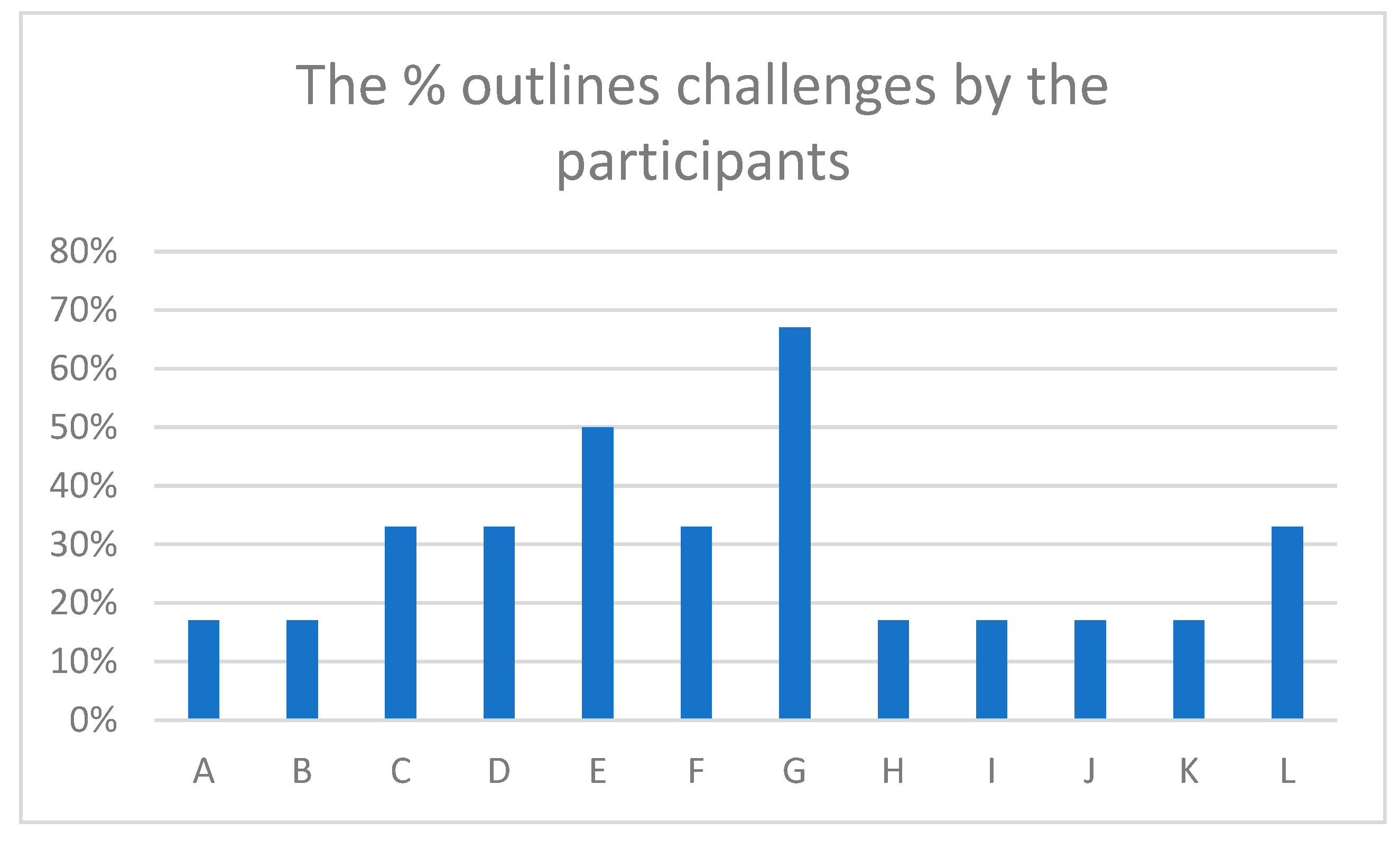
Figure 3.
Weight of Challenges Categories.
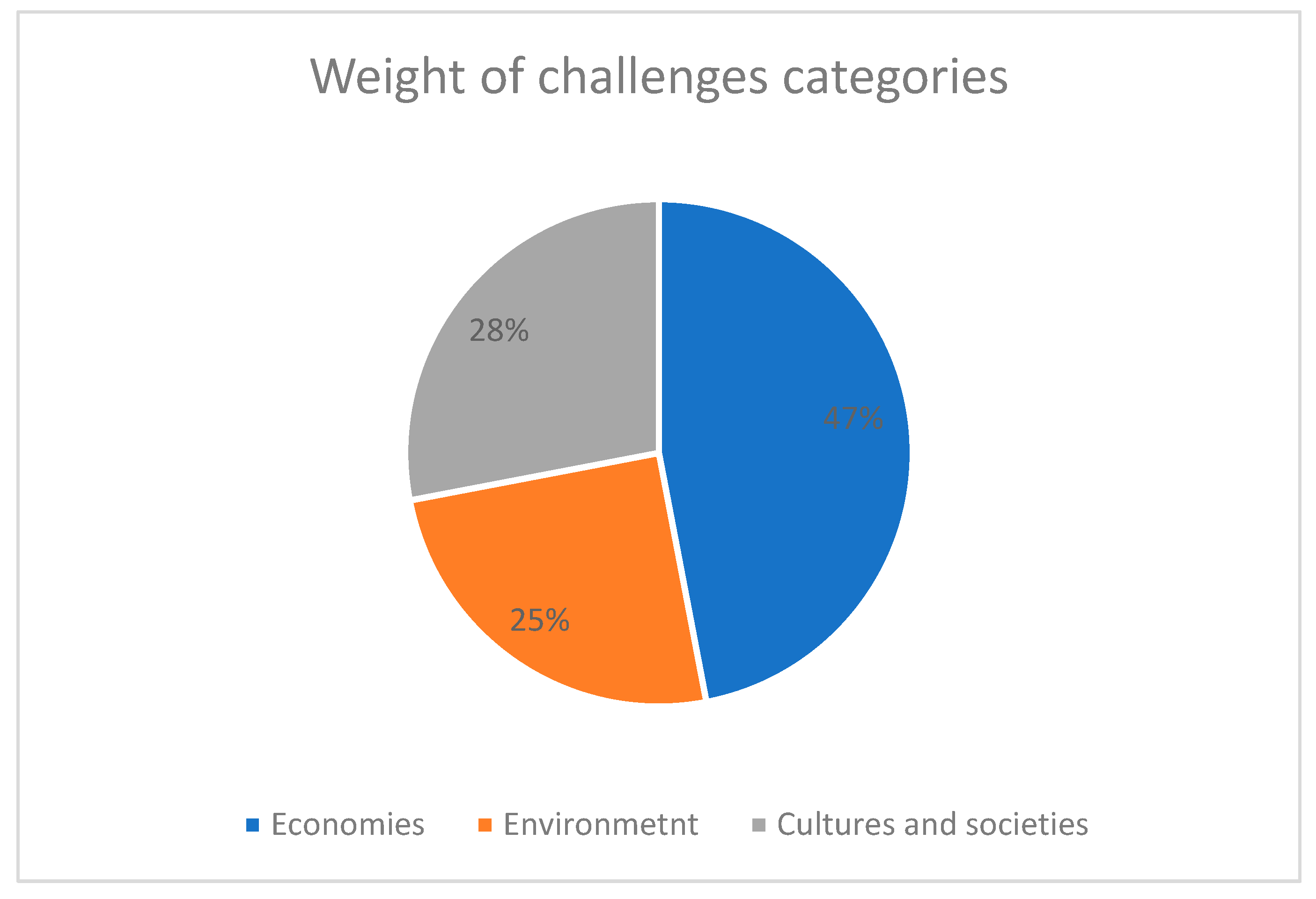
Figure 7.
Shows the % Outlines Opportunities by the Participants.
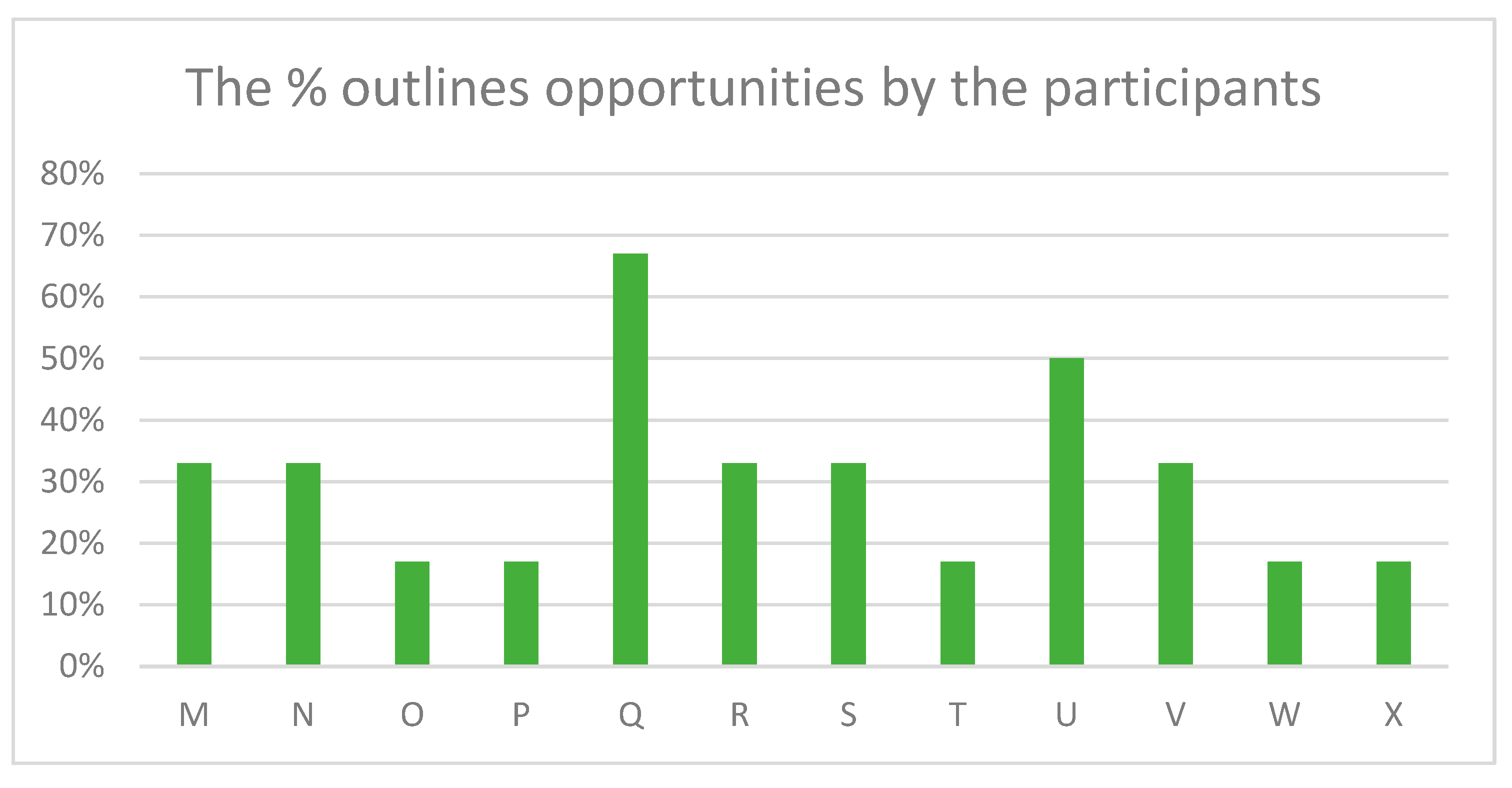
Figure 8.
Weight of Opportunities Categories.
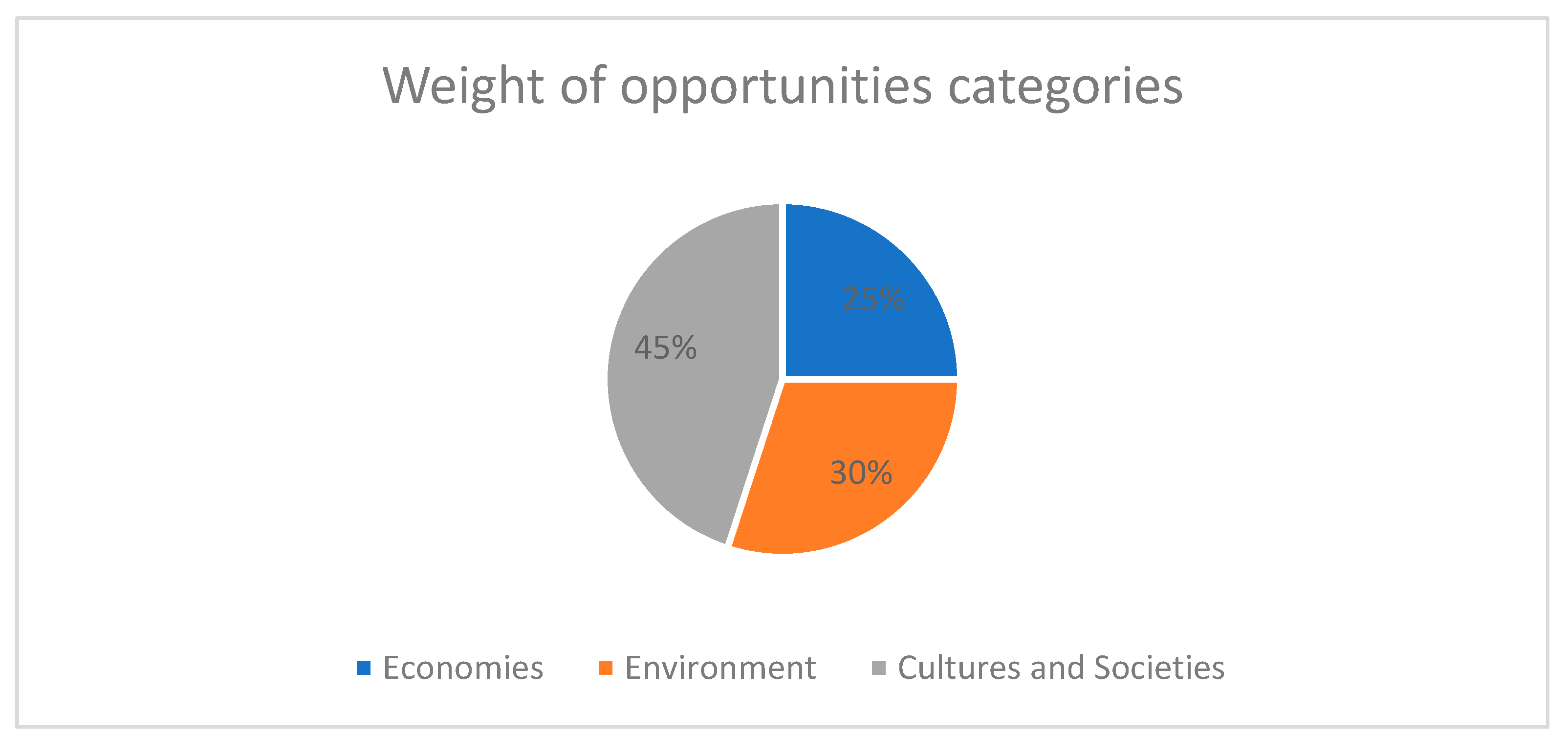
Figure 12.
Initiatives and Actions to Overcome the Challenges.
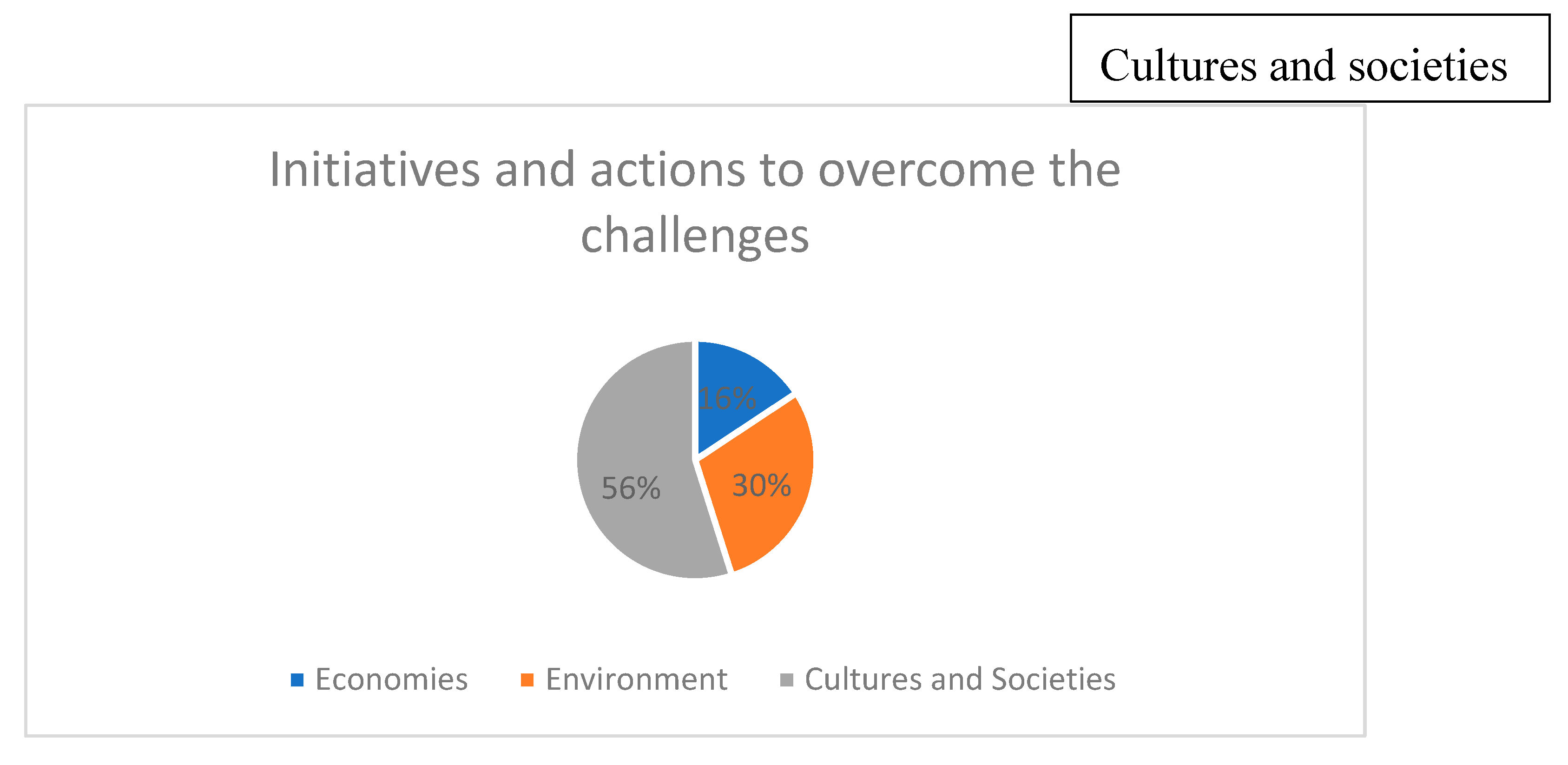
Figure 13.
Cultures and Societies Initiatives.
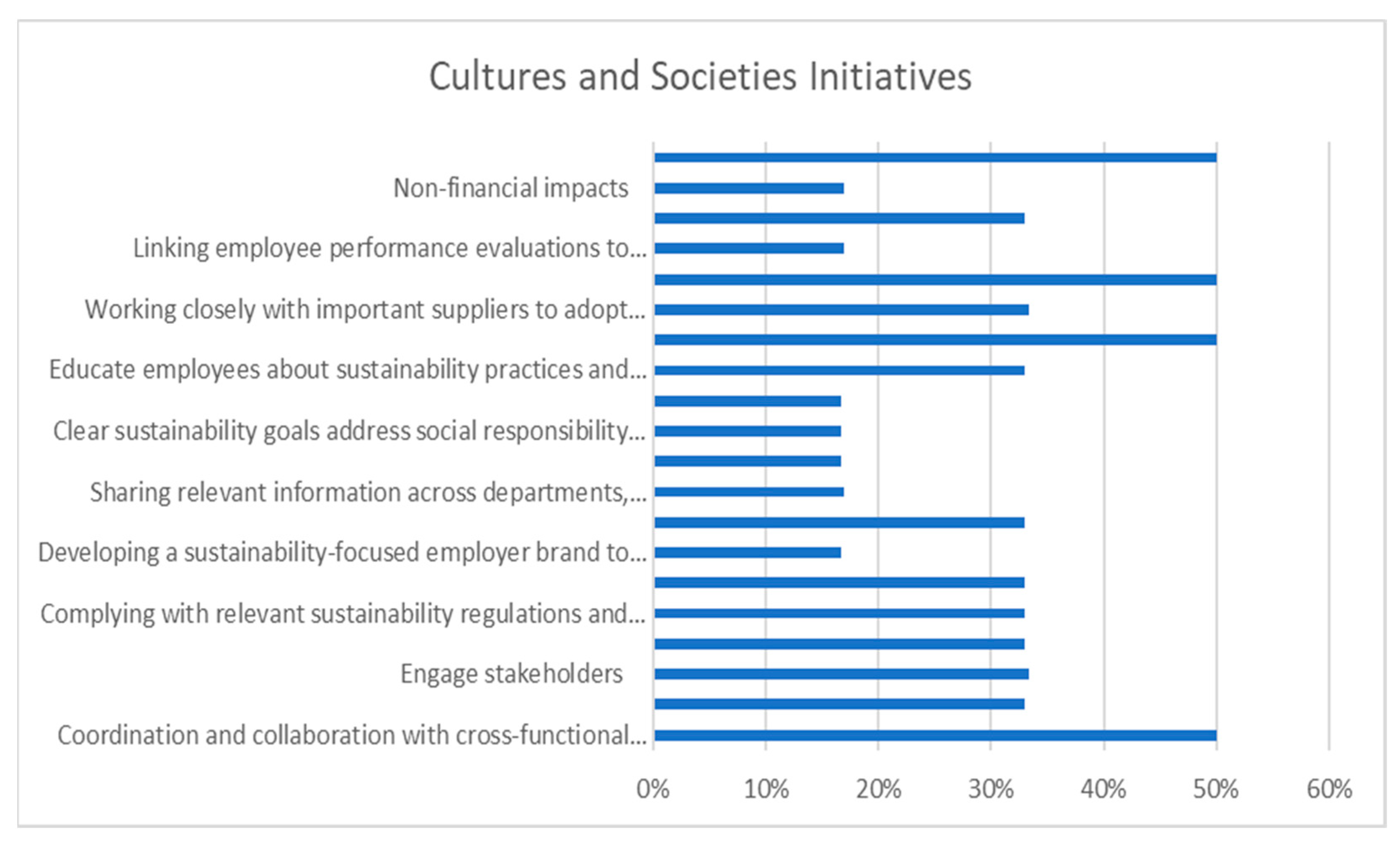
Figure 14.
Environment Initiatives.
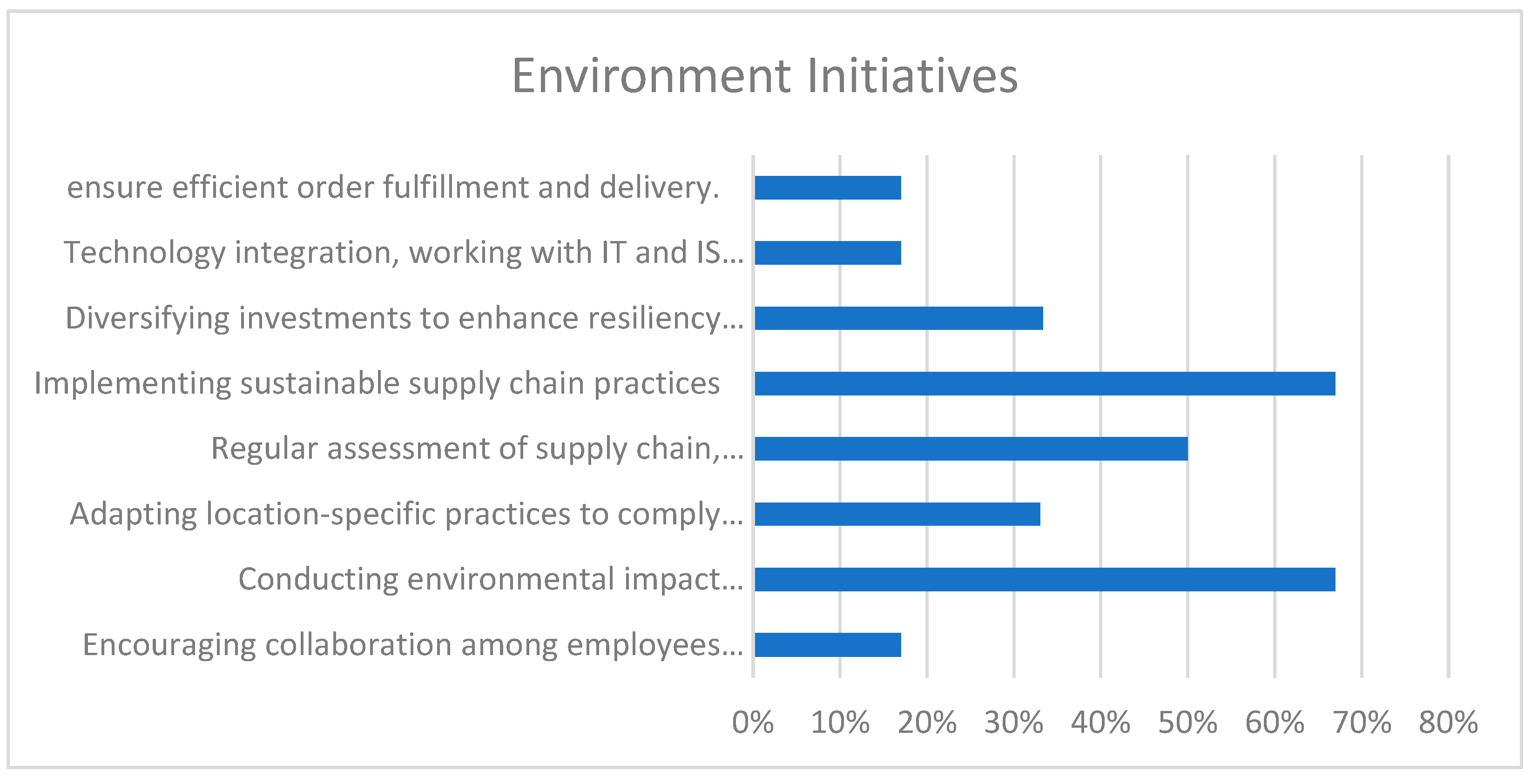
Figure 15.
Economies Initiatives.
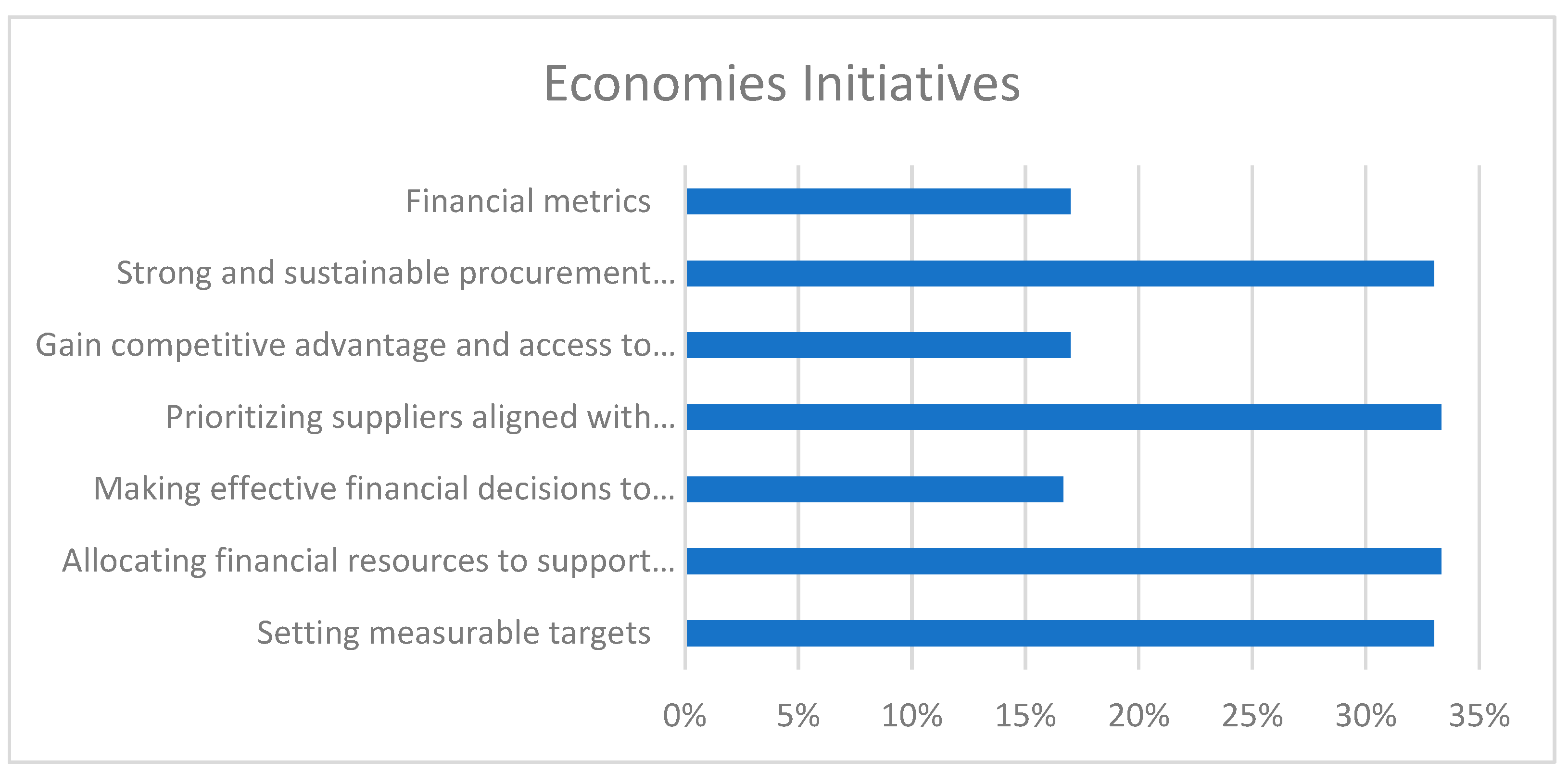
Figure 16.
Conceptual Framework of the Impact of Globalization on Sustainable Strategic Management.
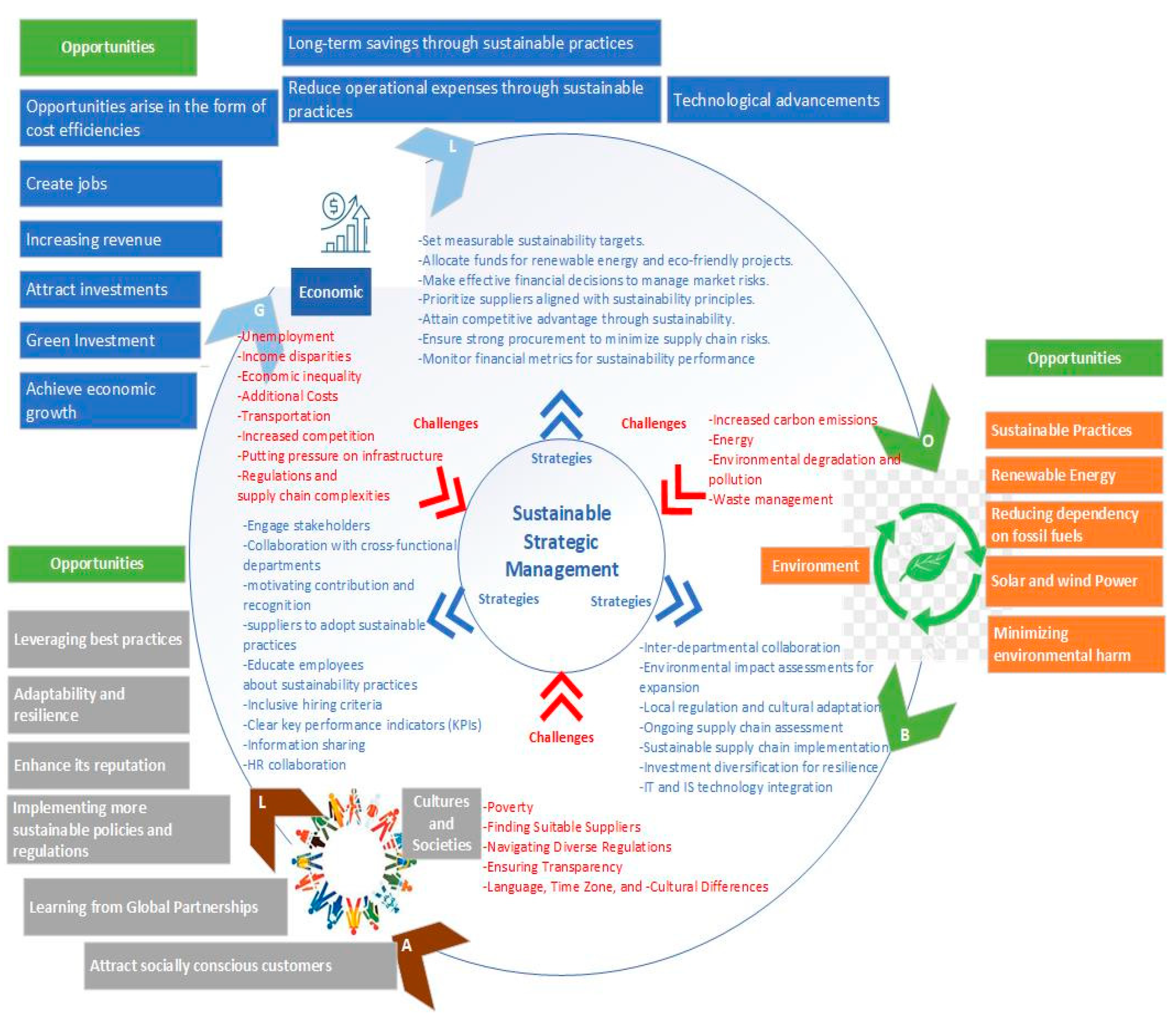
Table 2.
Shows the Source of Data Collection for the Case Study.
| Method Type | Source Type Each Manager | Company | Total |
|---|---|---|---|
| Semi-Structured Interviews | CEO | 1 | |
| COO | 1 | ||
| CFO | 1 | ||
| CHRO | 1 | ||
| Supply chain and Logistics manager | 1 | ||
| Procurement manager | 1 | 6 | |
| Sustainable Strategic Management Reports, and Globalization Reports | Available on the publishing house website Available on the academic scholars' websites |
52 | |
| 52 |
Table 3.
Shows the Outlined Challenges by the Participants.
| Code | Outlines of Challenges |
|---|---|
| A | Increased industrialization and trade lead to environmental degradation and pollution |
| B | Globalization causes economic inequality and affects resource distribution. |
| C | Increases pressure on transportation, energy, and waste management infrastructure, managing the environmental impact of increased transportation and logistics |
| D | Overcoming complex supply chains, cultural differences, language barriers, time zone differences, increased competition, and regulatory variations. |
| E | Managing supply chain transparency and traceability across complex global supply chains is difficult for ethical sourcing hindering the verification of sustainable practices. |
| F | Implementing sustainable practices requires upfront investments incurs additional costs and requires careful cost-benefit analysis, including renewable energy sources and waste reduction measures. |
| G | Stricter environmental regulations have increased audit and compliance costs, to ensure compliance with diverse sustainability requirements regulations in different countries |
| H | Reevaluating and restructuring supply chains has led to increased costs. |
| I | Diverse teams bring different cultural values, work styles, and perspectives, and geographical dispersion makes it difficult to build strong relationships and trust. |
| J | Leading diverse international teams requires cultural sensitivity and adaptability. |
| K | Increased complexity and scale |
| L | Finding suppliers aligned with sustainability goals is challenging, particularly in regions where such practices are not common. |
Table 4.
Shows the Outlines of Opportunities by the Participants.
| Code | Outlines of Opportunities |
|---|---|
| M | Access to new markets with significant potential for renewable energy like solar and wind power supports environmentally friendly practices. |
| N | Financial institutions offer favorable terms for investment in green industries and sustainable practices, such as lower interest rates and preferential financing create jobs and attract investments. |
| O | Leveraging global partnerships and best practices for more sustainable policies and regulations. |
| P | Cost efficiencies and technological advancements. |
| Q | Reduce waste and promote renewable energy sources. |
| R | Investing in cross-cultural training and diversity initiatives for inclusivity. |
| S | Developing products and services to cater to diverse regional needs while respecting local customs and preferences. |
| T | Despite initial costs, the company expects long-term savings and reduced operational expenses. |
| U | Enhancing brand reputation attracts environmentally conscious consumers and investors. Expansion into international markets enables the adoption of sustainable practices locally, leading to increased sales and market share, and giving a competitive advantage |
| V | Sustainable sourcing drives innovation in socially responsible products and processes. Diverse teams lead to enhanced innovation and creativity in problem-solving. |
| W | Interacting with diverse team members fosters continuous learning and intercultural competence. |
| X | Emphasizing sustainability reduces risks associated with reputation, supply chain disruptions, and regulatory non-compliance, and building strong relationships with like-minded suppliers leads to long-term and mutually beneficial partnerships. |
Disclaimer/Publisher’s Note: The statements, opinions and data contained in all publications are solely those of the individual author(s) and contributor(s) and not of MDPI and/or the editor(s). MDPI and/or the editor(s) disclaim responsibility for any injury to people or property resulting from any ideas, methods, instructions or products referred to in the content. |
© 2024 by the authors. Licensee MDPI, Basel, Switzerland. This article is an open access article distributed under the terms and conditions of the Creative Commons Attribution (CC BY) license (http://creativecommons.org/licenses/by/4.0/).
Copyright: This open access article is published under a Creative Commons CC BY 4.0 license, which permit the free download, distribution, and reuse, provided that the author and preprint are cited in any reuse.


