Preprint
Article

This version is not peer-reviewed.

Interlinkages of Sustainability, Innovation, Market Integration, and Global Value Chain Governance in Ethiopia’s Integrated Agro-Industrial Parks

Submitted:

08 February 2025

Posted:

10 February 2025

You are already at the latest version

Abstract

This study investigates the interconnections between sustainability practices, innovation, market integration, and Global Value Chain (GVC) governance within Ethiopia’s Integrated Agro-Industrial Parks (IAIPs). It addresses key challenges faced by IAIPs in promoting sustainability, fostering innovation, and achieving global market integration, providing insights into how sustainability-driven innovation can enhance market access and competitiveness. A quantitative, deductive research design was adopted, utilizing a stratified sampling technique across two IAIPs, Bulbula and Yirgalem. Data were collected through questionnaires from 160 respondents, and Partial Least Squares Structural Equation Modeling (PLS-SEM) was used to examine the direct and indirect relationships among sustainability, innovation, market integration, and GVC governance. The findings demonstrate that sustainability practices significantly promote innovation (β = 0.504, p < 0.001), which in turn boosts market integration (β = 0.422, p < 0.001) and strengthens GVC governance (β = 0.589, p < 0.001). Mediation analysis indicates that innovation partially mediates the effect of sustainability on market integration, while both innovation and market integration fully mediate sustainability’s impact on GVC governance. This research underscores the critical role of sustainability-driven innovation in improving market integration and GVC governance in IAIPs, suggesting that incorporating sustainability practices can enhance global competitiveness. The findings provide valuable insights for policymakers and industry stakeholders seeking to strengthen IAIPs' global market position.

Keywords: 
;  ;  ;  ;  ;  ;  

1. Introduction

Agro-industrial parks (AIPs) have become integral to the industrialization strategies of many developing economies, offering promising solutions to challenges within the agricultural value chain [1]. In Ethiopia, Integrated Agro-Industrial Parks (IAIPs) are at the forefront of the country’s development strategy, with the goal of fostering sustainable agro-businesses by creating synergies among stakeholders, including farmers, processors, exporters, research institutions, and government bodies [2,3].By consolidating production, processing facilities, and critical infrastructure such as housing, healthcare, and education, IAIPs adopt industrial ecology principles to create a cohesive, sustainable ecosystem [4,5].
Agriculture plays a central role in Ethiopia’s economy, employing 65% of the work force and contributing nearly 32 % of Gross Domestic Product (GDP) [6,7] (NBE, 2023; ESS 2021). The establishment of IAIPs is in alignment with the Ethiopian government’s broader vision to transform agriculture into a key driver of economic growth [2,8]. These parks are designed to promote synergy between agricultural production and industrial processing, with the aim of adding value, generating employment, and expanding export markets [9]. This emphasis is particularly critical given Ethiopia’s position as one of Africa’s largest agricultural producers [10]. To date, four IAIPs have been established in Ethiopia: Baeker (Tigray), Yirgalem (Sidama), Bulbula (Oromia), and Bure (Amhara) [11,12].
Despite their potential, IAIPs in Ethiopia face several challenges that undermine their long-term viability and success. Key barriers include sustainability concerns, lack of innovation, and insufficient market integration. Sustainability challenges range from social issues like labor rights and rural development to environmental concerns, such as resource depletion and inadequate waste management systems [13] (Sachs, 2015). Moreover, Ethiopia faces regulatory barriers, limited adoption of advanced technologies, and inadequate infrastructure, all of which hinder its capacity to integrate agro-industrial products into global markets [14,15,16]. While progress has been made in improving domestic market access, Ethiopia still struggles with low-value added processing and insufficient innovation, which restrict the country’s full engagement with global value chains [8]. Therefore, strengthening global value chain (GVC) governance, fostering technological innovation, and improving infrastructure are critical for improving Ethiopia’s competitiveness on the global stage [17].
The transformative potential of agro-industrial development in addressing pressing issues like food security, poverty alleviation, and economic growth is well-documented, particularly in developing countries [18,19,20]. Sustainability practices in agro-industrial settings focus on promoting resource efficiency, social inclusion, and renewable technologies, underscoring the significance of environmental, social, and economic sustainability [21]. Additionally, market integration studies emphasize the need for robust regulatory frameworks and infrastructure enhancements to increase the competitiveness of agro-industrial sectors in both domestic and international markets [22,23].
Innovation plays a pivotal role in driving growth and enhancing sustainability within agro-industries. Innovations in production processes, product development, and technological adoption are crucial for improving the competitiveness of agro-industrial firms [24] .Innovation can also enhance productivity by improving operational efficiency, facilitating the creation of high-quality products, and enabling organizational changes within firms [25].As noted by Rambe and Khaola [26], technological advancements, labor optimization, and increased production capacity through innovation are vital for strengthening firms’ competitive advantage. Automation and digital tools, particularly in agro-processing, are increasingly recognized for their role in enhancing productivity and sustainability [27].
Effective governance of global value chains (GVCs) is essential for promoting the success of IAIPs and their integration into international markets. Barbier [28] and Dekebo and Kebede [29] highlight the importance of good governance in supporting the participation of smallholder farmers in GVCs by fostering institutional collaboration, advancing infrastructure, and promoting technology adoption. For Ethiopia, overcoming barriers to international market integration, such as limited value addition and market access, is critical for improving GVC participation [30].While previous studies have emphasized the individual importance of sustainability practices, innovation, market integration, and GVC governance, few have examined their interrelationships, particularly in the Ethiopian context [31,32].Furthermore, the mediating roles of innovation and market integration in shaping GVC governance remain underexplored.
This study aims to address these gaps by investigating the interlinkages among sustainability practices, innovation, market integration, and GVC governance within Ethiopia’s IAIPs. By examining how these factors influence each other, this research will contribute to a more comprehensive understanding of how sustainability-driven innovation can enhance market access and competitiveness, especially within the context of IAIPs. The findings of this study will not only advance the theoretical understanding of agro-industrial competitiveness but will also provide practical insights for policymakers and industry stakeholders seeking to overcome challenges related to global market integration and GVC governance.
The structure of the paper is as follows: Section 2 outlines the theoretical framework and research methodology, including the hypothesis, research design, data collection, and analysis techniques. Section 3 presents the results of the study, followed by discussions in Section 4. Finally, Section 5 provides implications and conclusions derived from the study.

2. Materials and Methods

2.1. Theory and Hypothesis

2.1.1. Grounding Theory

This study investigates the complex relationships between sustainability practices, innovation, market integration, and global value chain (GVC) governance within Ethiopia’s Integrated Agro-Industrial Parks (IAIPs). To comprehensively address these interconnected themes, we draw upon several key theoretical frameworks. The primary theoretical foundation is the Global Value Chain Governance Theory [33], complemented by the Resource-Based View (RBV) [34] and Innovation Diffusion Theory [35].
The Global Value Chain Governance Theory provides a crucial framework for understanding the governance structures, power dynamics, and coordination mechanisms that shape global value chains. This theory is particularly valuable in analyzing the integration of Ethiopian IAIPs into international markets, emphasizing the importance of coordination mechanisms among suppliers, buyers, and policymakers. By examining these governance structures, this study aims to understand how trade policies, institutional frameworks, and governance arrangements within GVCs can enhance the effective participation of IAIPs in global markets [36].
The Resource-Based View (RBV) focuses on firm-specific resources, including innovation capabilities and sustainable practices, as critical factors in sustaining competitive advantage [37]. According to RBV, resources that are valuable, rare, and difficult to replicate are key to achieving sustained competitiveness [38,39]. In the context of IAIPs, practices such as renewable energy adoption and soil conservation are viewed as essential assets that help these parks comply with international sustainability standards while maintaining a competitive edge [40].
Innovation Diffusion Theory, proposed by Rogers [35], examines how innovations—whether technological, process-oriented, or product-based—are adopted and spread within organizations and markets. This theory explores the diffusion of innovations across networks and their adoption by businesses [41,42]. In this study, Innovation Diffusion Theory is applied to explore how IAIPs leverage innovation to enhance their integration into global value chains and improve governance structures within these chains.
By integrating these three theoretical perspectives, the study constructs a framework for analyzing the interrelations between sustainability practices, innovation, market integration, and GVC governance. Sustainability practices, considered firm-specific resources, support innovation initiatives in alignment with the RBV, while also facilitating market integration as outlined in Innovation Diffusion Theory. Moreover, innovation acts as a mediating factor that strengthens market integration, whereas Global Value Chain Governance Theory provides a clearer understanding of how market integration enhances competitiveness and fosters greater participation in global value chains.

2.1.2. Research Hypotheses

The following hypotheses are posited based on the theoretical framework outlined:
H1: Sustainability practices positively influence innovation within IAIPs.
H2: Innovation positively impacts market integration.
H3: Market integration positively affects GVC governance.
H4: Sustainability practices indirectly influence market integration through innovation.
H5: Innovation indirectly influences GVC governance through market integration.
H6: Sustainability practices indirectly influence GVC governance through innovation and market integration.
The conceptual model for this study is shown in Figure 1, where dashed arrows represent indirect effects and solid arrows indicate direct effects.

2.2. Research Design and Approach

This study adopts a quantitative, deductive research design to examine the relationships between sustainability practices, innovation, market integration, and global value chain governance. A positivist approach is employed to test theoretical hypotheses regarding these relationships, which aligns with a deductive methodology. This approach is ideal for investigating causal relationships and mediation effects using quantitative data [43,44].

2.3. Data Collection Methods

2.3.1. Sampling Method

The target population for this study consists of a broad spectrum of actors involved in or impacted by the operations of Ethiopia’s Integrated Agro-Industrial Parks (IAIPs). The population includes public sector representatives (such as regulatory bodies and IAIP managers), private sector actors (agro-processing companies, input suppliers, exporters), development partners, farmer cooperatives, and research institutions working with the Bulbula and Yirgalem IAIPs. These two IAIPs were selected using purposive sampling due to their representativeness in Ethiopia’s agro-industrial development and their operational significance within the Integrated Agro-Industrial Parks program [45] .
A stratified sampling technique was employed to ensure representation from all relevant stakeholders within the IAIPs. This technique divides the population into distinct subgroups (or strata), ensuring that all groups are adequately represented in the study [46,47,48]. The five key strata for this study are: public sector representatives, private sector actors, development partners, producers, and research institutions. This approach ensures that the sample captures the diverse perspectives and expertise required for analyzing sustainability practices, market integration, innovation, and GVC governance within the IAIPs.

2.3.2. Survey Instrument

The survey instrument was designed to measure the core dimensions or constructs of sustainability practices, market integration, innovation outputs, and GVC governance within the IAIPs. To ensure the validity and reliability of the instrument, it was pre-tested on a smaller sample before being distributed for the main survey. This pre-testing helped refine the questionnaire and ensure its appropriateness for the target respondents [49,50].
The questionnaires were distributed via multiple channels, including face-to-face meetings, email, and industry meetings. Public sector representatives, development partners, and research institutions received the surveys via email and in-person distribution, while private sector actors and producers (farmers’ cooperatives) were surveyed during on-site visits to the IAIPs. The use of multiple distribution channels helped increase response rates and facilitated engagement with diverse stakeholder groups [44,51].
To ensure balanced representation, questionnaires were distributed to stakeholders across both IAIPs, capturing responses from each subgroup in proportion to their representation. Of the 175 questionnaires distributed, 160 were accurately completed and returned, yielding a high response rate (91.43%). Specifically, 74 (46.25%) responses were from Bulbula IAIP, and 86 (53.75%) were from Yirgalem IAIP. The follow-up plan, which included sending reminders and providing further support as needed, ensured that an adequate number of completed questionnaires was received for analysis [52]. This process ensured that the final sample was both representative and sufficient for testing the hypothesized relationships within the study.

2.3.3. Measurement of Constructs

The measurement of the latent variables in this study was based on existing literature [53,54] and adapted to the context of Ethiopia’s Integrated Agro-Industrial Parks (IAIPs). Multiple reflective and formative indicators were used for each latent variable to ensure comprehensive measurement. The instrument’s validity was pre-tested with industry experts [49]. A pilot study was conducted in each of the two IAIP locations (Bulbula and Yirgalem), where twenty questionnaires were distributed to key stakeholders, including IAIP managers, agro-industrial companies, cooperatives, and officials from the Industrial Parks Development Corporation (IPDC). The selected respondents for the pilot study were chosen to closely reflect the characteristics of the final sample, ensuring that the feedback gathered would be representative. The results of this pre-testing were used to assess the validity of the survey instrument, and no significant changes were made to the questionnaire based on the feedback received. The questionnaire included both closed-ended and Likert-type scale questions ranging from 1 (strongly disagree) to 5 (strongly agree), a standard approach for measuring attitudes and perceptions [55].
Sustainability Practices
The latent variable “Sustainability Practices” was assessed using six items that reflect key sustainability initiatives. These items include: crop rotation practices (CRP), climate-smart agriculture (CSA), water resource management (WRM), sustainable farming (SF), soil conservation practices (SC), and renewable energy adoption (REA). Respondents were asked to indicate their level of engagement with these sustainability practices, which are crucial for fostering environmental sustainability and improving agricultural productivity within IAIPs. These items were framed to align with established sustainability practices in the literature [56], and the Likert scale was used to capture varying levels of engagement with each practice.
Innovation
The construct “Innovation” was measured using six items that capture various dimensions of innovation within the context of IAIPs. Respondents were queried on the extent to which they implemented different types of innovation in their operations, including:
Product Innovation (PRI), such as new product development and improved seed varieties.
Process Innovation (PI), such as adoption of improved production methods.
Technological Innovation (TI), including digital agriculture, precision agriculture technologies, and water-efficient technologies.
Organizational Innovation (OI), such as new management practices.
Innovation Hubs (IH), reflecting the establishment of innovation-driven centers within IAIPs.
Innovation Awareness (IA), capturing the level of awareness about innovation within the IAIPs.
These items were designed to measure the broad scope of innovation within the IAIPs, helping to understand how innovation drives competitiveness and market integration [57]. The use of a Likert-type scale facilitated the measurement of respondents’ perceptions of the adoption of various innovation practices, as innovation is largely driven by subjective interpretations of these practices [58].
Market Integration
The latent variable “Market Integration” was measured through six items that assess various aspects of integrating IAIPs into broader and global markets. The items include:
Support Mechanisms for Market Integration (SBM): Strategies or policies in place to enhance IAIPs’ access to broader markets.
Market Transactions with International Buyers (MTA): The extent of commercial transactions conducted with international buyers.
Effectiveness of Market Channels (EMC): Evaluation of the efficiency of existing market channels.
Competitiveness in Global Markets (CGM): Assessment of IAIPs’ ability to compete in global markets.
Percentage of Total Production Exported (PPE): Proportion of the IAIPs’ total output that is exported to international markets.
Effectiveness of Trade Policies (TPE): Evaluation of trade policies supporting IAIPs’ participation in global value chains.
These items were selected to assess the effectiveness of market integration strategies and the role of trade policies in fostering international competitiveness. The inclusion of Likert-type questions ensured that respondents could express their perceptions of how well market integration strategies and policies are functioning within IAIPs, following best practices for measuring constructs related to market orientation [59].
Global Value Chain Governance
The construct “Global Value Chain Governance” was measured using six items reflecting key governance aspects within global value chains. The survey included questions that evaluate:
Effectiveness of Institutional Frameworks (EIF): The role of institutional structures in supporting IAIPs’ integration into global value chains.
Coordination Mechanisms (CM): Effectiveness of coordination efforts between various stakeholders in the value chain.
Product Differentiation Strategies (PD): Specific strategies implemented to differentiate products within the global value chain.
Strategic Initiatives by IAIPs (SIAIP): Actions taken by IAIPs to enhance participation in global value chains.
Competitiveness within Global Value Chains (CGVC): The competitive positioning of IAIPs within global value chains.
Role of IAIPs in Global Value Chains (IGVC): The overall contribution of IAIPs to the global value chain.
These items were designed to measure the structural and strategic components of GVC governance, as well as the IAIPs’ role within these networks. The Likert-type scale was used to evaluate the respondents’ perceptions of the governance structures and mechanisms within IAIPs, a method often employed to measure governance and institutional effectiveness [33].

2.4. Method of Data Analysis

The data analysis in this study was conducted using Statistical Package for Social Sciences (SPSS V.27) and SmartPLS V.4 software. A Partial Least Squares Structural Equation Modeling (PLS-SEM) approach was employed to analyze the relationships between the constructs, including examining correlations, convergent and discriminant validity, as well as direct and indirect effects of the variables based on the established hypotheses. PLS-SEM was chosen for several reasons. First, it is particularly useful when the research goal involves predicting key constructs and the sample size is relatively small [60,61]. Additionally, PLS-SEM is appropriate when dealing with both reflective and formative constructs within the same model, as in the present study, and it can handle non-normal data distributions [62,63]. Furthermore, PLS-SEM allows for the exploration of both direct and indirect relationships between latent variables [64,65].
PLS-SEM follows a two-step process: first, the assessment of the measurement (outer) model, and second, the assessment of the structural (inner) model. In this study, the measurement model includes both reflective and formative constructs. Reflective constructs (e.g., sustainability practices and innovation) were evaluated based on outer loadings, composite reliability, Average Variance Extracted (AVE), and discriminant validity, using the Fornell-Larcker criterion and the HTMT ratio. Formative constructs were assessed using indicator weights, significance via bootstrapping (5000 samples), and multicollinearity diagnostics (Variance Inflation Factor, VIF).
The structural model was evaluated by examining the significance of path coefficients, the coefficient of determination (R²), effect size (f²), and predictive relevance (Q²). Additionally, the model fit was assessed using the Standardized Root Mean Square Residual (SRMR), where a value below 0.08 is considered acceptable, indicating a good fit between the model and the data [65]. Finally, mediation effects were tested to examine the indirect influence of sustainability practices on global value chain governance through innovation and market integration.

3. Results

3.1. Assessment of Measurement (Outer) model

The first step in evaluating Partial Least Squares Structural Equation Modeling (PLS-SEM) results is the assessment of the measurement models. After confirming that the measurement models meet all established criteria, the structural model is evaluated [60,65]. In this study, both reflective and formative constructs were included, necessitating the use of different evaluation criteria for each. For reflective constructs, the indicators are considered manifestations or outcomes of the latent variable, and therefore, outer loadings, convergent validity, discriminant validity, and composite reliability are used for evaluation [64,65,66]. For formative constructs, however, the indicators are seen as causing or defining the latent variable, and as such, outer weights and collinearity tests are applied [60,67].

3.1.1. Reflective Constructs

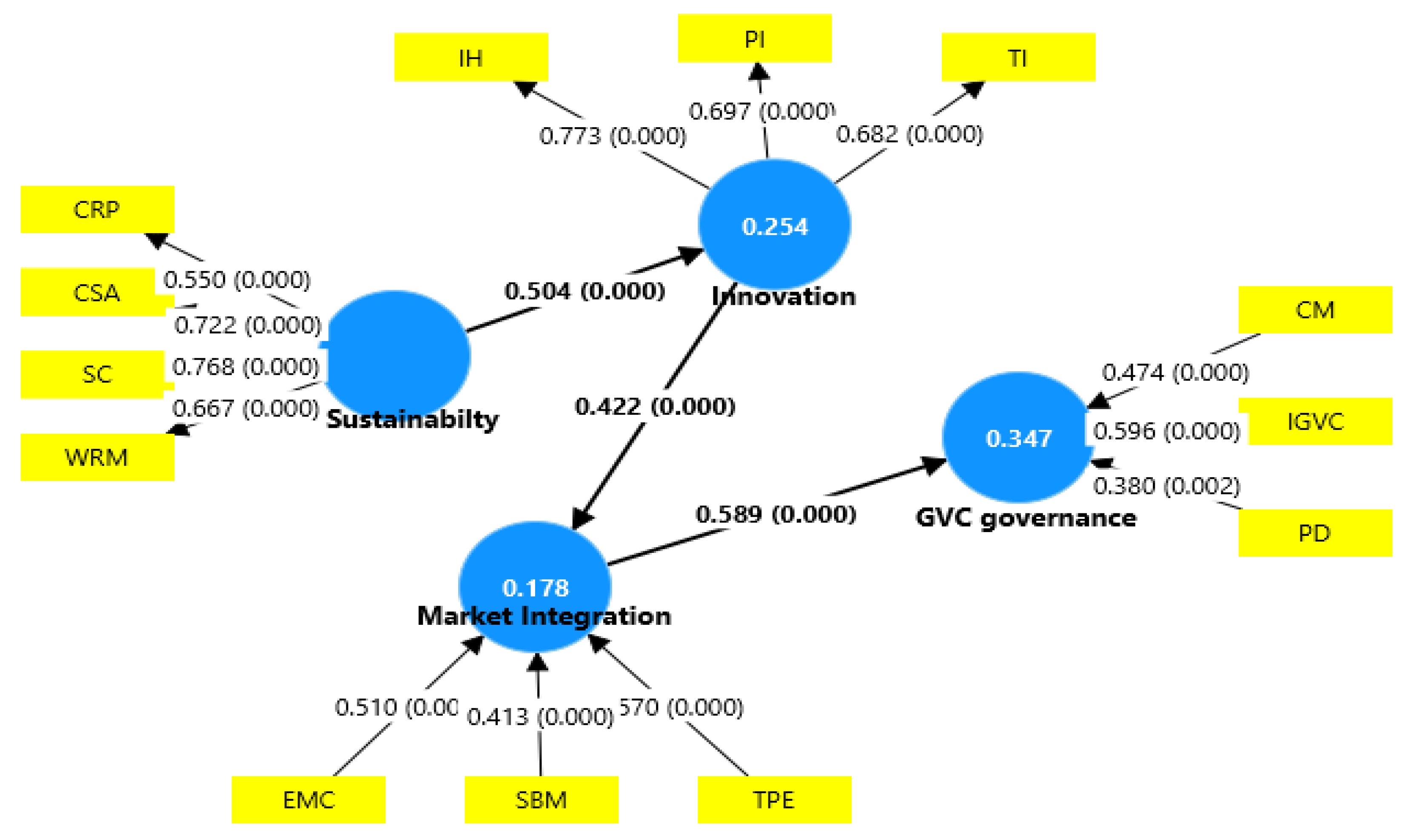
For the reflective constructs (i.e., sustainability and innovation), outer loadings for most indicators exceeded the threshold of 0.7, confirming indicator reliability. Initially, 12 items were used to measure the reflective constructs: 6 items for innovation and 6 items for sustainability practices. After running the first PLS-SEM path model, five items were removed because their loadings were below 0.4. According to Hair et al. [68] and Sarstedt et al. [69], items with outer loadings below 0.4 should be removed from the construct. Items removed from the reflective constructs included REA, SF, PRI, OI, and IA. Table 1 presents the notable loadings for the reflective constructs: for “Sustainability,” CSA (0.722) and SC (0.768), and for “Innovation,” IH (0.773). Hair et al. (2019) suggests that outer loadings between 0.4 and 0.7 are acceptable but should be closely scrutinized, considering their overall effect on construct reliability and their theoretical significance [65,68,70]. Therefore, indicators with loadings between 0.4 and 0.7, along with those exceeding 0.7, were retained based on their theoretical and practical relevance.
For the sustainability construct, CRP (crop rotation practices) and WRM (water resource management) were retained due to their crucial roles in sustainable agriculture. CRP enhances soil health and productivity by improving nutrient cycling and controlling pests [71], while WRM focuses on precision irrigation and water conservation practices critical for ensuring long-term agricultural productivity amidst water scarcity [72,73]. For the innovation construct, PI (process innovation) and TI (technological innovation) were retained, as they reflect improved approaches for boosting operational efficiency and competitiveness. TI includes digital and precision technologies that enhance productivity under resource constraints, while PI emphasizes production optimization to reduce resource consumption and environmental impact [74,75].
In addition to outer loadings, convergent validity was assessed using the Average Variance Extracted (AVE) and Composite Reliability (CR). An AVE greater than 0.5 indicates adequate convergent validity, meaning that the construct explains at least 50% of the variance in its indicators [66,68]. The CR assesses the internal consistency of a construct’s indicators, with a threshold of ≥ 0.7 indicating reliable constructs [54,60] .As shown in Table 1, for the innovation construct, the CR was 0.761 with an AVE of 0.516, meeting the required thresholds for both CR and AVE. Similarly, the sustainability construct showed a CR of 0.774 with an AVE of 0.564, also meeting the criteria (see Table 1).
To assess discriminant validity, both the Fornell-Larcker criterion and the HTMT ratio were utilized. As presented in Table 2, the square root of the AVE for each construct (shown in italics) is greater than the inter-construct correlations (off-diagonal values), confirming discriminant validity between the innovation and sustainability constructs. The HTMT ratio between sustainability and innovation was 0.797, which is below the threshold of 0.85, further confirming the absence of significant overlap between these two constructs.

3.1.2. Formative Constructs

Formative constructs, such as market integration and Global Value Chain (GVC) governance, were evaluated based on outer weight significance and collinearity statistics (VIF). As noted by Hair et al. [60], significant outer weights (p-value < 0.05) indicate that the indicators meaningfully contribute to the formation of the latent variable. Initially, six items were included for each construct—market integration and GVC governance. After running the PLS algorithm and bootstrapping the sample 5,000 times with 95% bias-corrected confidence intervals, three items from each construct were removed due to their p-values exceeding the 0.05 threshold. The items removed from market integration were MTA, CGM, and PPE, while EIF, SIAIP, and CGVC were removed from the GVC governance construct (see Table 3).
The outer weights for the indicators of the formative constructs are provided in Table 3. Indicators with italicized outer weights were removed from the constructs due to their insignificance. Additionally, collinearity was assessed using VIF, and no multicollinearity issues were found in the model, as all VIF values were below 5.

3.2. Assessment of Structural Model

Following the evaluation of the measurement (outer) model, the next step is to assess the structural (inner) model [66]. To assess the structural model, we examined path coefficients (β), effect sizes, and the statistical significance of both direct and indirect effects, with particular focus on the hypothesized mediation relationships. Figure 1 illustrates the relationships among the constructs along with the coefficients of determination (R²) for the endogenous latent variables. As shown in Figure 1, the R² values for the endogenous latent variables ranged from moderate to substantial, consistent with the thresholds suggested by Henseler et al. [66].
To assess the overall model fit, we used the Standardized Root Mean Square Residual (SRMR), a common index in PLS-SEM [76,77,78]. The SRMR value is generally considered acceptable when it is below 0.08 [66,79]. The SRMR for the estimated model was 0.055, which falls within the acceptable range, indicating a good fit between the hypothesized model and the data. This suggests that the model adequately captures the relationships between the constructs.
Table 4 presents the structural model results, which include the direct and mediated relationships between constructs in the hypothesized model, along with their statistical significance and decision outcomes.
Hypothesis 1 posited that sustainability practices positively influence innovation within Integrated Agro-Industrial Parks (IAIPs). The results support this hypothesis, showing a significant direct effect of sustainability on innovation (β = 0.504, t = 10.122, p < 0.001). This finding indicates that higher sustainability practices are associated with greater innovation outputs.
Hypothesis 2 predicted that innovation positively affects market integration. The direct path from innovation to market integration was significant (β = 0.422, t = 6.901, p < 0.001), confirming that innovation enhances the market integration of firms in IAIPs.
Hypothesis 3 proposed that market integration positively influences Global Value Chain (GVC) governance. The direct effect from market integration to GVC governance was strong and significant (β = 0.589, t = 11.861, p < 0.001), suggesting that firms with better market integration have more robust governance within global value chains.
Hypothesis 4 examined the indirect effect of sustainability on market integration through innovation. The results supported this hypothesis, showing a significant indirect effect of sustainability on market integration through innovation (effect = 0.213, t = 5.168, p < 0.001), suggesting partial mediation. Innovation thus contributes to explaining the relationship between sustainability and market integration.
Hypothesis 5 posited that innovation indirectly influences GVC governance through market integration. The results affirmed this hypothesis, indicating that the indirect effect of innovation on GVC governance through market integration was significant (effect = 0.248, t = 5.514, p < 0.001), suggesting full mediation of the effect of innovation on GVC governance through market integration.
Hypothesis 6 proposed that sustainability indirectly influences GVC governance through both innovation and market integration. The results confirmed this full mediation path (Sustainability → Innovation → Market Integration → GVC governance), showing a significant indirect effect (effect = 0.125, t = 4.400, p < 0.001).
Figure 2 illustrates the structural relationships between the constructs and their indicators. As indicated in Table 4 and Figure 1, the findings support the mediating effects of innovation and market integration in the relationship between sustainability and GVC governance. Specifically, innovation mediates the influence of sustainability on market integration, whereas the combined mediating roles of innovation and market integration explain the impact of sustainability on GVC governance. Furthermore, market integration fully mediates the effect of innovation on GVC governance, highlighting the interconnectivity of these constructs.
To assess the predictive relevance of the structural model, a PLS predict analysis was conducted, evaluating the out-of-sample prediction performance. Table 5 summarizes the results. The Q² values for GVC governance (0.096), innovation (0.224), and market integration (0.112) demonstrate significant predictive relevance, consistent with the recommendations of Ringle et al. (2020) and Joseph et al. (2022). The innovation construct had the lowest RMSE (0.888) and MAE (0.737), reflecting good predictive accuracy. Similarly, market integration showed strong predictive performance (RMSE = 0.952, MAE = 0.795). The model’s high predictive accuracy was further confirmed by cross-validation, which yielded statistically significant t-values (p < 0.001) and lower PLS loss compared to IA loss [80,81].
The effect sizes (f²) were assessed to evaluate the magnitude of the relationships in the model. According to Cohen (2013), effect sizes are classified as small (f² ≥ 0.02), medium (f² ≥ 0.15), or large (f² ≥ 0.35). Table 6 reveals that the path from sustainability to innovation showed a medium effect size (f² = 0.341), while the relationship between market integration and GVC governance demonstrated a large effect size (f² = 0.532). The path from innovation to market integration also exhibited a medium effect size (f² = 0.216), indicating the varying strength of the hypothesized relationships in the model [82].

4. Discussion

The results of this study provide valuable insights into the complex relationships between sustainability practices, innovation, market integration, and Global Value Chain (GVC) governance within the context of Ethiopian Integrated Agro-Industrial Parks (IAIPs). The study found substantial positive relationships among these variables, aligning with and extending previous research on the role of sustainability in enhancing innovation and fostering competitive positioning in global value chains.
Our findings support the claim made by Kadirova [83] and Kavi [84] that sustainability practices serve as a significant driver of innovation. In industries where social and environmental concerns are integral to the business model, sustainability practices not only help organizations comply with emerging global standards but also inspire creative solutions that contribute to a competitive edge. Specifically, the present study revealed a significant positive impact of sustainability on innovation output within the IAIPs. This suggests that sustainability-driven initiatives are not only a means of corporate responsibility but also a catalyst for innovation, enhancing the ability of firms within IAIPs to outperform competitors.
The results also indicated a strong and statistically significant relationship between innovation and market integration, which corroborates findings by Repeshko [85] and Domazet et al. [86]. These studies suggest that firms with high levels of innovation are better equipped to navigate and penetrate international markets. Innovation enables firms to adapt to dynamic market demands, thus strengthening their market entry capabilities and overall international positioning. By aligning with global market needs, firms within IAIPs can effectively tap into new markets, broadening their competitive scope.
Moreover, the direct effect between market integration and GVC governance found in this study is consistent with the work of Alfaro et al. [87] and Egger et al. [88]. These studies show that firms with strong market integration tend to have better control and influence over global value chains. In our study, the firms in IAIPs with higher market integration were found to have stronger negotiating power in global trade, further enhancing their strategic position in international markets. By adhering to international standards and fostering closer relationships with suppliers and buyers, these firms transition from passive participants to key players in the global value chain, thus promoting long-term growth and competitiveness.
A pivotal contribution of this study is the identification of the mediating roles of innovation and market integration in the relationship between sustainability practices and GVC governance. The significant indirect effect (effect = 0.213, t = 5.168, p < 0.001) found in the study highlights the importance of innovation as a pathway through which sustainability practices drive market integration. This finding resonates with the work of Khan and Mubin [89], who argue that sustainability-driven innovation enhances a firm’s ability to meet the demands of global markets. By fostering sustainability-driven innovation, IAIPs can strengthen the capacity of private sector firms and other stakeholders to integrate into global markets and improve GVC governance. As highlighted by Rushchitskaya et al. [90], the integration of competitive market strategies with sustainable practices results in improved coordination, value addition, and long-term resilience within global trade networks.
Furthermore, this study underscores the mediating role of market integration in enhancing the impact of innovation on GVC governance. The results align with the research of Jiao et al. [91] , Luo [92] and Lee and Gereffi [93], who emphasize that market integration is crucial for driving innovation and fostering stronger GVC governance. This suggests that market integration is not only a necessary condition for innovation but also a key determinant in improving governance within global value chains, thereby increasing firms’ ability to exert influence and navigate international trade complexities.
Finally, the full mediation path established in this study, where sustainability practices influence GVC governance through both innovation and market integration, provides a comprehensive view of the interconnectedness between these constructs. This finding supports the work of Lema et al. [94], who highlighted the intricate relationships among sustainability, innovation, market integration, and GVC governance in shaping firms’ roles in global value chains. The full mediation model developed in this study emphasizes that sustainability practices do not merely foster innovation, but also enhance market access, which in turn strengthens governance structures within global value chains. This interconnectedness is crucial for boosting the competitiveness of IAIPs and underscores the need for a strategic focus on sustainability as a lever for innovation and market integration.
In summary, the findings of this study contribute to our understanding of the dynamic relationships between sustainability practices, innovation, market integration, and GVC governance within the context of IAIPs. These insights have significant theoretical and practical implications, offering guidance for policymakers and practitioners in developing strategies that enhance competitiveness through sustainable practices, innovation, and integration into global markets. Future research should further explore the long-term impact of these relationships and consider the role of external factors, such as government policies and global market trends, in shaping the success of IAIPs in the global value chain ecosystem.

5. Implications and Conclusions

The findings of this study make a significant contribution to advancing theoretical knowledge and provide valuable insights for practical applications. This section outlines the theoretical and practical implications of the findings, suggests directions for future research, and concludes by emphasizing the broader significance of this study.

5.1. Theoretical Implications and Contributions

This study enriches theoretical perspectives on sustainability, innovation, market integration, and global value chain (GVC) governance. It aligns with the Resource-Based View (RBV), highlighting sustainability practices as strategic assets that foster innovation, thus providing a competitive advantage in Integrated Agro-Industrial Parks (IAIPs). Additionally, the findings support Dynamic Capability Theory, suggesting that sustainability practices enhance adaptability, reducing risks while driving innovation in rapidly changing environments.
Furthermore, this research extends Innovation Diffusion Theory, demonstrating that sustainability-driven innovation accelerates market integration, enabling IAIPs to meet global standards. It also confirms the relevance of Transaction Cost Economics, where market integration reduces the costs of international trade by building trust and lowering information asymmetries.
Finally, this study advances GVC Governance Theory, emphasizing the role of market integration as a mediator between innovation and GVC governance. It underscores how IAIP actors use sustainability practices to shift from supportive to leading roles in global value chains, enhancing coordination and long-term resilience.

5.2. Practical Implications

The findings provide valuable insights for policymakers, business leaders, and managers of Industrial Parks (IAPs) in Ethiopia. By prioritizing sustainability-driven innovation, firms within IAPs can enhance their competitiveness and strengthen their position in global value chains. Policymakers should facilitate the adoption of green technologies by offering incentives such as grants, subsidies, and access to international certifications. These measures will enable firms to integrate more effectively into global markets. To support this, trade facilitation institutions in Ethiopia, such as the Ethiopian Agricultural Authority and other quality and standardization bodies, should collaborate to create an enabling environment.
IAP managers are encouraged to build stronger relationships with international suppliers and buyers to enhance market integration and gain greater control within global value chains. Furthermore, capacity-building programs should be established to foster innovation and strengthen technical expertise, enabling IAPs to remain resilient and competitive in an increasingly sustainability-oriented global marketplace.

5.3. Study Limitations and Future Research

This study’s use of cross-sectional data limits the ability to capture the evolving dynamics among sustainability, innovation, market integration, and GVC governance. Future research should consider longitudinal studies to explore these relationships over time. Moreover, while the study employed quantitative methods and PLS-SEM modeling, it did not investigate the underlying mechanisms behind these relationships. Mixed-methods approaches could provide deeper insights into the “why” and “how” of these dynamics.
Additionally, future studies could explore the potential bi-directional relationships between sustainability, innovation, and market integration. The scope of this research, focused on Ethiopia’s IAIPs, may limit generalizability. Comparative studies across different countries and sectors would broaden the applicability of the findings. Further, performance-importance matrix tools within PLS-SEM could offer valuable insights into the relative importance of each variable in influencing GVC governance.

5.4. Conclusions

This study highlights the significant role of sustainability practices in driving innovation, enhancing market integration, and improving GVC governance in Ethiopian Integrated Agro-Industrial Parks. It confirms that innovation and market integration mediate the relationship between sustainability and GVC governance, suggesting that these factors are crucial for fostering competitive and sustainable agro-industrial ecosystems.
The findings underscore the importance of integrating sustainability-driven innovation within IAIPs to improve global competitiveness. By aligning with global standards and strengthening market integration, Ethiopian IAIPs can evolve from passive participants to key players in global value chains, promoting long-term growth and resilience.
This research offers practical insights for policymakers and business leaders to enhance IAIPs’ integration into global trade networks. The study paves the way for future research that can further explore the potential of sustainability-driven innovation in advancing agro-industrial development in Ethiopia.

Author Contributions

Conceptualization: E.M.B. and J.H.; Methodology: E.M.B.; Software: E.M.B. and J.H.; Validation: E.M.B., J.H., and A.Y.A.; Formal Analysis: E.M.B.; Investigation: E.M.B. and A.Y.A.; Resources: E.M.B.; Data Curation: E.M.B.; Writing—Original Draft Preparation: E.M.B.; Writing—Review and Editing: E.M.B. and J.H.; Visualization: E.M.B. and A.Y.A.; Supervision: J.H. and A.Y.A.; Project Administration: E.M.B.; All authors have read and agreed to the published version of the manuscript.

Funding

This research received no external funding

Informed Consent Statement

Ethical approval was obtained from the relevant research ethics committees. Informed consent was obtained from all participants, and their confidentiality was ensured throughout the research process.

Data Availability Statement

Data will be made available by the corresponding author upon reasonable request.

Acknowledgments

We would like to express our sincere gratitude to the Ministry of Agriculture, the Ministry of Industry of Ethiopia and Regional IPDC (Industrial Parks Development Corporations) of both Oromia and Sidama Regional States for their invaluable material and logistical support during the data collection process. Their assistance was critical to the successful completion of this research.

Conflicts of Interest

The authors declare no conflicts of interest.

References

  1. Bait, M., Shikha, P., & Adhikari, P. (2022). Agro-industrial parks: A new pathway to industrialization in developing countries. International Journal of Agro-Economics, 30(4), 57-67.
  2. Boru, E.M.; Hwang, J.; Ahmed, A.Y. (2025b). Understanding the Drivers of Agricultural Innovation in Ethiopia’s Integrated Agro-Industrial Parks: A Structural Equation Modeling and Qualitative Insights Approach.
  3. Abobatta, W., & Fouad, H. (2024). Agro-industrial parks as a key strategy for economic development in Ethiopia. Journal of Development Studies, 50(3), 134-145.
  4. Barros, F., Silva, D., & Pereira, P. (2023). Industrial ecology principles and their role in sustainable agro-industrial parks. Environmental Systems and Sustainability, 12(1), 21-33.
  5. Brasesco, R., Souza, L., & Lima, M. (2019). Sustainable development in agro-industrial parks: Case studies from Latin America. Agricultural Economics Research, 25(6), 345-358.
  6. National Bank of Ethiopia (NBE). Annual Report on Economic Performance and Outlook; NBE: Addis Ababa, Ethiopia, 2023.
  7. Ethiopian Statistical Service (ESS). Labour Force and Migration Survey Key Findings: Employment by Major Industrial Divisions; ESS: Addis Ababa, Ethiopia, 2021.
  8. Balcha, E., & Serbeh-Yiadom, E. (2014b). Technological barriers and opportunities in Ethiopian agro-industrial development. African Journal of Innovation and Sustainability, 22(1), 67-81.
  9. Kassahun, T., Tesfaye, A., & Woldemariam, M. (2024). The role of IAIPs in enhancing value addition and export capacity in Ethiopia. Journal of Agribusiness, 15(2), 78-90.
  10. Zhang, M., Liu, J., & Zhang, X. (2018). Ethiopia’s agricultural transformation and its role in Africa’s economic growth. African Journal of Agricultural Economics, 27(3), 211-223.
  11. Guteta, K., & Worku, S. (2023). Agro-industrial park development in Ethiopia: An analysis of early-stage successes and challenges. International Journal of African Development, 42(2), 108-121.
  12. Haregewoin, B. (2022). Integrating Ethiopia’s agro-industrial parks into global value chains. Journal of International Business and Development, 33(1), 99-112.
  13. Sachs, J. D. (2015). Sustainability challenges in agro-industrial development: Global perspectives. Sustainability Science, 28(4), 176-190.
  14. Gebeyehu, G. (2017). Agro-industrial development in Ethiopia: A policy perspective. Ethiopian Journal of Industrial Economics, 39(3), 145-159.
  15. Gebremariam, S., & Feyisa, M. (2019). Challenges in Ethiopia’s agro-industrial integration and market access. Journal of African Trade, 24(4), 67-80.
  16. Mengistu, K. (2022). Infrastructure gaps and their impact on Ethiopia’s agro-industrial integration into global markets. Journal of Infrastructure and Economic Development, 16(1), 34-47.
  17. Whitfield, L., Doepke, W., & Mutisi, M. (2020). Governance and competitiveness in global value chains: The role of innovation and market integration. Global Economy Review, 17(3), 215-227.
  18. da Silva Medina, F., & Pokorny, J. (2022). The role of agro-industrial development in addressing food security and poverty. Journal of Development Policy, 51(2), 129-141.
  19. Jagemma, K., & Worku, D. (2021). Agro-industrial development and its impact on economic growth in Ethiopia. African Economic Development Review, 29(3), 56-70.
  20. Zakshevsky, V., Babkina, A., & Kadochnikov, V. (2019). Sustainability practices in global value chains: Lessons for agro-industrial sectors. Sustainable Development Journal, 15(4), 249-263.
  21. Supriyono, T. (2018). Sustainable development practices in agro-industrial parks. Sustainability Studies, 13(2), 110-120.
  22. Atosina, R., Talib, T., & Hennig, L. (2021). Enhancing market integration through regulatory frameworks in agro-industries. Global Market Development Review, 29(5), 76-89.
  23. Aydarov, D., Ghosh, P., & Smith, T. (2019). Improving competitiveness in the agro-industrial sector: A focus on global value chain integration. Journal of Agricultural Economics, 71(4), 209-223.
  24. Śledzik, K. (2013). The role of innovation in enhancing the competitiveness of agro-industrial firms. Journal of Economic Development, 19(2), 58-71.
  25. Madyda, P., & Dudzik-Lewicka, M. (2014). Innovation and competitive advantage in agro-industrial businesses. Agricultural Economics, 61(4), 45-60.
  26. Rambe, P., & Khaola, M. (2022). Technological innovation and its impact on competitiveness in the agro-industrial sector. International Journal of Technology and Management, 34(2), 212-227.
  27. Odoyo, O. (2013). Automation and digitalization in agro-processing: Benefits for Ethiopian businesses. Technology and Innovation, 11(5), 153-169.
  28. Barbier, E. B. (2020). Good governance and the success of global value chains: A review. Sustainable Development Review, 40(3), 97-110.
  29. Dekebo, F., & Kebede, D. (2023). Governance structures in global value chains: Insights for Ethiopian agro-industrial parks. Global Development and Governance Journal, 31(1), 67-82.
  30. Ferede, D. (2016). Overcoming barriers to market access in Ethiopia: Policy and infrastructural challenges. African Development Review, 28(4), 289-300.
  31. Albarracín-Gutiérrez, S., Manatovna, L., & Ramos, A. (2024). Examining the interrelationship between sustainability, innovation, and market integration in agro-industrial parks. International Journal of Agro-Industry, 38(2), 211-224.
  32. Balcha, E., & Serbeh-Yiadom, E. (2014a). The Ethiopian agricultural transformation agenda: Strategic alignment with agro-industrial parks. Ethiopian Development Journal, 18(2), 102-116.
  33. Gereffi, G., Humphrey, J., & Sturgeon, T. (2005). The governance of global value chains. Review of International Political Economy, 12(1), 78-104.
  34. Barney, J. (1991). Firm resources and sustained competitive advantage. Journal of Management, 17(1), 99-120.
  35. Rogers, E. M. (1962). Diffusion of innovations. Free Press.
  36. John, K. (2020). Governance and global value chains: A framework for the integration of developing economies. Development Policy Journal, 10(3), 25-38.
  37. Taher, M. (2012). Resource-based view of competitive advantage in the context of emerging markets. Business Economics Journal, 24(4), 134-145.
  38. Kabue, M., & Kilika, J. (2016). Resource-based view and competitive advantage in developing markets. International Journal of Business & Strategy, 28(2), 56-73.
  39. Purba, M. (2023). Resource-based view and innovation adoption: Lessons from emerging markets. Journal of Emerging Business Strategies, 16(1), 45-59.
  40. Virgin, H., Mayer, J., & Malik, S. (2022). Sustainability practices in agro-industrial parks: A resource-based perspective. Sustainability Practices Review, 15(4), 201-220.
  41. Caputo, A., Papalambros, P., & Bassi, A. (2016). Innovation diffusion in business: Insights from diffusion of innovations. Business & Technology Journal, 22(4), 187-204.
  42. Greenacre, L., Jannasch, D., & O’Keefe, M. (2012). Adoption of innovation: The role of information dissemination and user-centered design. Technology Management Review, 39(2), 118-130.
  43. Cooper, D. R., & Schindler, P. S. (2014). Business research methods (12th ed.). McGraw-Hill.
  44. Creswell, J. W. (2017). Research design: Qualitative, quantitative, and mixed methods approach (5th ed.). SAGE Publications.
  45. Kothari, C. R. (2004). Research methodology: Methods and techniques (2nd ed.). New Age International.
  46. Doucet, M., Karcher, S., & Spector, B. (1994). Sampling methods in research: Principles, techniques, and applications. Wiley.
  47. Schofield, T. (2006). Stratified sampling and quantitative research. Journal of Research Methods, 4(2), 34-44.
  48. Singh, J., & Mangat, P. (1996). Sampling techniques in research. Cambridge University Press.
  49. Bryman, A., & Bell, E. (2015). Business research methods (4th ed.). Oxford University Press.
  50. Dillman, D. A., Smyth, J. D., & Christian, L. M. (2014). Internet, phone, mail, and mixed-mode surveys: The tailored design method (4th ed.). Wiley.
  51. Fink, A. (2017). How to conduct surveys: A step-by-step guide (6th ed.). SAGE Publications.
  52. Sekaran, U., & Bougie, R. (2016). Research methods for business: A skill-building approach (7th ed.). Wiley.
  53. Chin, W. W. (1998). The partial least squares approach to structural equation modeling. In G. A. Marcoulides (Ed.), Modern methods for business research (pp. 295-336). Lawrence Erlbaum Associates.
  54. Hair, J. F., Hult, G. T. M., Ringle, C. M., & Sarstedt, M. (2014). A primer on partial least squares structural equation modeling (PLS-SEM). Sage Publications.
  55. Cohen, L., Manion, L., & Morrison, K. (2018). Research methods in education (8th ed.). Routledge.
  56. Hassini, E., Surti, C., & Hachicha, W. (2012). The role of sustainability in green supply chain management. Journal of Supply Chain Management, 48(3), 11-22. [CrossRef]
  57. Teece, D. J. (2010). Business models, business strategy and innovation. Long Range Planning, 43(2-3), 172-194. [CrossRef]
  58. Schumpeter, J. A. (1942). Capitalism, socialism, and democracy (3rd ed.). Harper & Row.
  59. Narver, J. C., & Slater, S. F. (1990). The effect of a market orientation on business profitability. Journal of Marketing, 54(4), 20-35 . [CrossRef]
  60. Hair, J. F., Hult, G. T. M., Ringle, C. M., & Sarstedt, M. (2017). A primer on partial least squares structural equation modeling (PLS-SEM) (2nd ed.). Sage Publications.
  61. Willaby, H., Stewart, D., & Rich, M. (2015). Small sample sizes and PLS-SEM: Approaches for robust results. Journal of Business Research, 68(7), 1585-1595. [CrossRef]
  62. Becker, J.-M., Klein, K., & Wetzels, M. (2012). Hierarchical latent variable models in PLS-SEM: Guidelines for using reflective-formative type models. Long Range Planning, 45(5-6), 359-394. [CrossRef]
  63. Hanafiah, M. (2020). Multicollinearity diagnostic in PLS-SEM. International Journal of Research in Business and Social Science, 9(3), 58-70.
  64. Fornell, C., & Bookstein, F. (1982). Two structural equation models: LISREL and PLS applied to consumer exit-voice theory. Journal of Marketing Research, 19(4), 440-452. [CrossRef]
  65. Hair, J. F., Hult, G. T. M., Ringle, C. M., & Sarstedt, M. (2019). A primer on partial least squares structural equation modeling (PLS-SEM) (3rd ed.). Sage Publications.
  66. Henseler, J., Ringle, C. M., & Sarstedt, M. (2015). A new criterion for assessing discriminant validity in variance-based structural equation modeling. Journal of the Academy of Marketing Science, 43(1), 115-135. [CrossRef]
  67. Diamantopoulos, A., & Winklhofer, H. (2001). Index construction with formative indicators: An alternative to scale development. Journal of Marketing Research, 38(2), 269-277. [CrossRef]
  68. Hair, J. F., Ringle, C. M., & Sarstedt, M. (2011). PLS-SEM: Indeed, a silver bullet. Journal of Marketing Theory and Practice, 19(2), 139-152. [CrossRef]
  69. Sarstedt, M., Ringle, C. M., & Hair, J. F. (2022). Partial least squares structural equation modeling (PLS-SEM): A comprehensive guide for research and applications. Springer.
  70. Haji-Othman, Y., & Yusuff, R. (2022). Assessing the reliability and validity of reflective measurement models: A case study on market intelligence and innovation adoption. Journal of Business Research, 138, 275-288. [CrossRef]
  71. Diacono, M., Montemurro, F., & Mininni, G. (2021). Crop rotation for soil health and sustainable agriculture: A review of the research evidence. Agriculture, 11(3), 215. [CrossRef]
  72. Alsaeed, A., Al-Farrah, K., & Al-Mashaqbeh, I. (2022). Water resource management for sustainable agricultural practices: The role of precision irrigation and conservation strategies. Agricultural Systems, 193, 103338. [CrossRef]
  73. Buytaert, W., Aerts, J., & Willems, P. (2012). Water resource management in the context of climate change and agricultural sustainability. Journal of Hydrology, 464, 53-63. [CrossRef]
  74. Sami, A., Raza, A., & Qamar, F. (2021). Technological innovations in sustainable agriculture: Challenges and opportunities for enhancing efficiency in crop production. Environmental Science and Pollution Research, 28(3), 3041-3053. [CrossRef]
  75. Xing, Y., & Wang, S. (2024). Process and technological innovations in agriculture: Addressing environmental impact through sustainable practices. Technological Forecasting and Social Change, 178, 121499. [CrossRef]
  76. Afthanorhan, A., Chin, W. W., & Islam, R. (2016). The assessment of structural model in PLS-SEM. Journal of Applied Structural Equation Modeling, 2(2), 45-67.
  77. Pavlov, A., & Tsarenko, Y. (2021). Application of PLS-SEM for evaluating structural models: Insights for academic and applied research. Journal of Marketing Analytics, 4(3), 45-58.
  78. Shi, M., Liu, Y., & Zhang, Y. (2018). Assessing the overall fit of structural equation models using PLS-SEM: A case study. Journal of Applied Business Research, 34(4), 695-704.
  79. Hu, L., & Bentler, P. M. (1999). Cutoff criteria for fit indexes in covariance structure analysis: Conventional criteria versus new alternatives. Structural Equation Modeling: A Multidisciplinary Journal, 6(1), 1-55.
  80. Hair, J. F., & Alamer, A. (2022). PLS-SEM for marketing research: Key insights and challenges. Journal of Business Research, 58(1), 50-65. [CrossRef]
  81. Ringle, C. M., Sarstedt, M., & Straub, D. W. (2020). A critical look at the use of PLS-SEM in marketing research. Journal of the Academy of Marketing Science, 48(2), 245-266. [CrossRef]
  82. Joseph, M., Liao, S., & Chang, W. (2022). Evaluating the predictive relevance of structural equation models: Guidelines and applications. Journal of Business Research, 145, 111-123. [CrossRef]
  83. Kadirova, N. (2024). Sustainability and innovation: Catalysts for competitiveness in emerging markets. Sustainability, 16(4), 1349. [CrossRef]
  84. Kavi, S. (2024). Sustainability-driven innovation in global value chains: A systematic review. Journal of Cleaner Production, 327, 129541. [CrossRef]
  85. Repeshko, A. (2022). Innovation and market integration: Key drivers of international competitiveness. Journal of International Business and Economics, 25(2), 112-125. [CrossRef]
  86. Domazet, I., Novak, S., & Markovic, M. (2022). Innovation as a driver of market integration in emerging economies. International Journal of Innovation Management, 26(6), 1250045. [CrossRef]
  87. Alfaro, L., López, E., & Navarro, S. (2019). The role of market integration in global value chains. Journal of International Business Studies, 50(7), 1263-1280. [CrossRef]
  88. Egger, D., Kuc, S., & Wang, Z. (2021). Market integration and governance in global value chains: Evidence from emerging markets. Journal of World Business, 56(1), 1-14. [CrossRef]
  89. Khan, M. A., & Mubin, S. (2019). The impact of sustainability-driven innovation on market integration and global value chains. International Journal of Environmental Research and Public Health, 16(22), 4349. [CrossRef]
  90. Rushchitskaya, E., Lysenko, S., & Taran, M. (2024). Global value chain governance: The role of sustainability-driven innovation. Journal of Business Research, 133, 224-232. [CrossRef]
  91. Jiao, X., Zhao, X., & Li, J. (2019). Market integration, innovation, and governance in global supply chains. Asia Pacific Journal of Management, 36(2), 289-311. [CrossRef]
  92. Luo, Y. (2024). Market integration and governance in global value chains: A study of Chinese firms. International Business Review, 33(1), 101-117. [CrossRef]
  93. Lee, J., & Gereffi, G. (2021). Market integration and innovation in global value chains: Evidence from the electronics industry. Global Networks, 21(2), 334-355. [CrossRef]
  94. Lema, R., Vázquez, M., & Thomas, H. (2019). Sustainable practices and innovation: Pathways to improved global value chain governance. Sustainability, 11(19), 5286. [CrossRef]
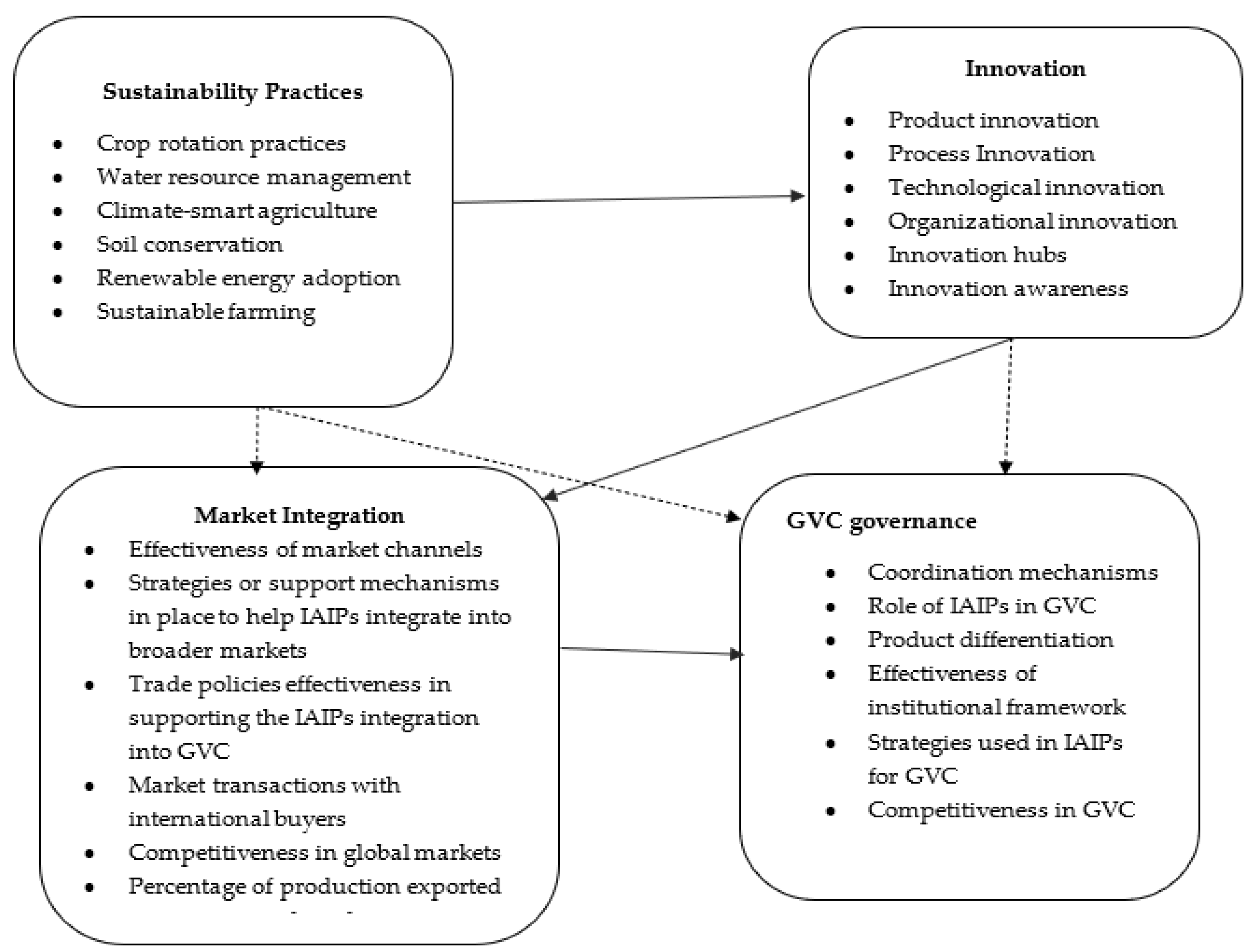
Figure 1. Figure 1. Conceptual Framework (Source: Authors’ Sketch).
Preprints 148737 g001
Figure 1. Structural Relationships between Constructs and Indicators.
Preprints 148737 g002
Table 1. Quality Criteria for Reflective Constructs.
Reflective Constructs Items Outer Loadings AVE CR
Sustainability CRP 0.550 0.564 0.774
CSA 0.722
SC 0.768
WRM 0.667
Innovation IH 0.773 0.516 0.761
PI 0.697
TI 0.682
Note: CRP = Crop rotation practices, CSA = Climate-smart agriculture, SC = Soil conservation, WRM = Water resource management, IH = Innovation hubs, PI = Process innovation, TI = Technological innovation, AVE = Average Variance Extracted, CR = Composite Reliability. Source: Authors’ own calculation based on survey data (2024).
Table 2. Discriminant Validity Using Fornell-Larcker Criterion and HTMT Ratio.
Fornell-Larcker Criterion Innovation Sustainability
Innovation (0.718)
Sustainability 0.504 (0.682)
HTMT (Heterotrait-Monotrait) Ratio. | Sustainability Innovation | 0.797 | Source: Authors’ own calculation based on survey data (2024).
Table 3. Outer Weights for Indicators of Formative Constructs.
Formative Construct Indicator Outer Weight Significance (p-value)
Market Integration EMC 0.510 0.000
SBM 0.413 0.000
TPE 0.570 0.000
MTA 0.068 0.616
CGM 0.277 0.051
PPE -0.085 0.454
GVC Governance CM 0.474 0.000
IGVC 0.596 0.000
PD 0.380 0.002
EIF -0.029 0.883
SIAIP 0.033 0.820
CGVC 0.028 0.833
Note: EMC = Effectiveness of market channels, SBM = Strategies or support mechanisms in place to help IAIPs integrate into broader markets, TPE = Trade policies effectiveness in supporting IAIPs integration into GVC, MTA = Market transactions with international buyers, CGM = Competitiveness in global markets, PPE = Percentage of production exported to international markets, CM = Coordination mechanisms, IGVC = Role of IAIPs in GVC, PD = Product differentiation, EIF = Effectiveness of existing institutional framework, SIAIP = Strategies used in IAIPs for global value chain, CGVC = Competitiveness in global value chain, GVC = Global Value Chain. Indicators with italicized outer weights were removed from the construct due to their insignificance. Source: Authors’ own calculation based on survey data (2024).
Table 4. Structural Model Results.
Path/Hypothesized Relationship Path Coefficient (β)/Effect t-value p-value Decision (Supported?)
SustainabilityInnovation 0.504 10.122 <0.001 Yes (Direct effect)
InnovationMarket Integration 0.422 6.901 <0.001 Yes (Direct effect)
Market IntegrationGVC Governance 0.589 11.861 <0.001 Yes (Direct effect)
SustainabilityInnovationMarket Integration 0.213 5.168 <0.001 Yes (Mediation)
InnovationMarket IntegrationGVC Governance 0.248 5.514 <0.001 Yes (Mediation)
SustainabilityInnovationMarket IntegrationGVC Governance 0.125 4.400 <0.001 Yes (Full Mediation)
Source: Authors’ own calculation based on survey data (2024).
Table 5. Predictive Relevance of the Structural Model.
Construct Q² Predict PLS-SEM RMSE PLS-SEM MAE LM RMSE IA RMSE PLS Loss IA Loss
GVC Governance 0.096 0.962 0.802 1.404 1.336 1.404 1.467
Innovation 0.224 0.888 0.737 1.100 1.153 0.198 0.216
Market Integration 0.112 0.952 0.795 1.033 1.039 1.288 1.333
Overall 0.057 1.404 1.467 1.317 1.322 0.964 1.005
Source: Authors’ own calculation based on survey data (2024).
Table 6. Effect Sizes (f²) for Hypothesized Relationships.
Path Endogenous Construct Effect Size (f²) Interpretation
SustainabilityInnovation Innovation 0.341 Medium effect
InnovationMarket Integration Market Integration 0.216 Medium effect
Market IntegrationGVC Governance GVC Governance 0.532 Large effect
Source: Authors’ own calculation based on survey data (2024).
Disclaimer/Publisher’s Note: The statements, opinions and data contained in all publications are solely those of the individual author(s) and contributor(s) and not of MDPI and/or the editor(s). MDPI and/or the editor(s) disclaim responsibility for any injury to people or property resulting from any ideas, methods, instructions or products referred to in the content.
Copyright: This open access article is published under a Creative Commons CC BY 4.0 license, which permit the free download, distribution, and reuse, provided that the author and preprint are cited in any reuse.
Prerpints.org logo

Preprints.org is a free preprint server supported by MDPI in Basel, Switzerland.

Subscribe

Disclaimer

Terms of Use

Privacy Policy

Privacy Settings

© 2025 MDPI (Basel, Switzerland) unless otherwise stated