

Submitted:
01 April 2024
Posted:
02 April 2024
Read the latest preprint version here
Abstract
Nowadays, the transactions carried out with digital currencies are increasing. Citizens are asked to respond to growing challenges related to the sustainable management of digital currencies in their daily lives. However, due to the lack of digital skills of users, the sustainable management of digital currencies hides risks. The methodology of this study was based on the Digital Competence Framework for Citizens (DigComp) and is applied through a questionnaire completed by 443 respondents. The main objective was to evaluate their digital skills from the perspective of digital currency use. The analysis of the responses was carried out by using Structural Equation Modeling (SEM). The most important result from this research reveals that users of digital currencies are significantly capable of developing sustainable communication to solve everyday problems. At the same time, users of digital currencies mostly detect digital threats and effectively manage fake news without being affected by them. However, users of digital currencies consider that security issues are important, but only for transactions and not for their supporting functions. The study concludes with suggestions for improving the experience of digital currency users through individual actions, thus having a positive impact on the state and banking institutions.
Keywords:
Digital Skills
; Digital Competence Framework
; Digital Currency
; Cryptocurrency
; Digital Transaction Security
; Central Bank Digital Currency
1. Introduction
In recent years, technology has been evolving rapidly, affecting the everyday life of citizens. Citizens are required to have skills for every new aspect of technology that is introduced into their daily lives. Nowadays, digital currencies are increasingly being introduced in modern digital transactions. Given the fact that the Internet is dominating, the use of digital currencies is considered widespread. For younger citizens this may be quite normal, while for older citizens this is seen as not so understandable progress οf technology. However, the use of digital currencies is not always an easy process. It requires specific skills, mainly of a technological nature. These digital skills are not just related to transactions, but mainly to issues, such as the management of digital currencies, the security of transactions and, of course, to a greater extent, the management of information related to digital currencies [1].
In the current paper, we approach the issue of digital skills from a different but contemporary perspective. Although in the literature, there is a deep analysis of transaction technology through digital currencies, in this work, a different, more viable approach is carried out. An exploration of the necessary digital skills, that ordinary citizens using digital currencies for everyday transactions should have, is carried out. This approach is based on the literature and specifically on the issue of Digital Skills and their subcategories for managing digital currencies in everyday transactions. In addition, a quantitative survey was conducted by using a questionnaire based on the use of the DigComp framework. This is the second pillar of our literature review. Then, a presentation of the research questions, the methodology used, and the results of the research, is given. Using the Structural Equation Modeling (SEM) method, a statistical analysis of the five axes of the questionnaire used (based on the DigComp framework), is performed in order to unveil latent relationships concerning the research questions of this study [2].
2. Literature Review
Searching the keywords “Digital Skills”, “Cryptocurrencies”, and “Digital Currencies” in the electronic database ScienceDirect, the following data were found and listed:
For the word “Digital Skills”, 128,770 sources were found on ScienceDirect matching this word. By number of sources per year [3]:

Table 1.
Sources of the word “Digital Skills” in ScienceDirect by year.
| Year | Number of mentions of the word “Digital Skills” |
|---|---|
| 2023 | 14,166 |
| 2022 | 11,887 |
| 2021 | 10,602 |
| 2020 | 8,481 |
| 2019 | 6,965 |
| 2018 | 6,015 |
| 2017 | 5,568 |
| 2016 | 5,132 |
| 2015 | 5,167 |
| 2014 | 4,406 |
| 2013 | 3,986 |
| 2012 | 3,940 |
| 2011 | 3,433 |
| 2010 | 3,145 |
Source: [3].
For the word “Cryptocurrencies”, 6,415 sources were found on ScienceDirect matching this word. By number of sources per year [4] (Table 2). On the other hand, for the word “Digital Currencies”, 14,357 sources were found on ScienceDirect matching this word. By number of sources per year [5]:
The rise of millennials in shaping the investment and fintech landscape, particularly through their influence on hot trends like cryptocurrency, is indeed a noteworthy phenomenon. Traditionally, millennials were seen as passive participants in the financial markets, but now they are actively driving some of the most significant shifts. The Federal Reserve’s response to the economic challenges posed by the Covid-19 pandemic has also played a pivotal role in the surge of interest in alternative assets, including cryptocurrencies. The expansionary policies, such as interest rate cuts and quantitative easing, led many millennials to explore assets offering higher returns than traditional options, like cash. Cryptocurrencies, characterized by their high volatility, have become a focal point for millennials seeking investment opportunities. The ease of transferability and the potential for substantial returns have attracted speculators to this nascent asset class. Despite the risks associated with trading cryptocurrencies, their popularity continues to grow. The global financial system is witnessing the early stages of cryptocurrency development, with uncertainty about when these digital assets will maturely integrate into global markets. Whether cryptocurrencies achieve their goals remains uncertain, but their influence on the financial world is undeniable, ushering in changes that are likely to shape the financial landscape for years to come [6].
The research conducted by Venkatachalam and Kannusamy in 2023 delves into the challenges faced by small businesses in recruiting digital skills, with a specific focus on the role of blockchain technology. Industry projections suggest that blockchain has the potential to generate approximately $3.1 trillion in new businesses by 2030, highlighting its significance in fostering economic growth. While these digital technologies offer opportunities for enterprises of all sizes, they also pose unique challenges for small businesses attempting to integrate them into their operations. The study recognizes the explicit growth and impact of digital technologies but emphasizes the struggle of small enterprises in recruiting and training individuals with the necessary digital skills to effectively leverage these technologies. To address this issue, the research employs a literature survey to explore how blockchain can contribute to the benefits of small enterprises. Through an analysis of blockchain social ecosystems, the study introduces the concept of a National Digital Skills Recruitment Chains (NDSRC) model. This model aims to elucidate how specific characteristics of blockchain, such as digital trust, data immutability, privacy, and security, can play a pivotal role in mitigating the challenges associated with recruiting digital skills in small enterprises. Through this model, the research aims to provide a strategic framework that aligns blockchain attributes with the unique needs and constraints of small businesses, thereby facilitating the effective recruitment and utilization of digital skills in this sector [7].
Survey of deep learning applications in cryptocurrency was recorded by scientists. This study aims to comprehensively review a recently emerging multidisciplinary area related to the application of deep learning methods in cryptocurrency research. We first review popular deep learning models employed in multiple financial application scenarios, including convolutional neural networks, recurrent neural networks, deep belief networks, and deep reinforcement learning. We also give an overview of cryptocurrencies by outlining the cryptocurrency history and discussing primary representative currencies. Based on the reviewed deep learning methods and cryptocurrencies, we conduct a literature review on deep learning methods in cryptocurrency research across various modeling tasks, including price prediction, portfolio construction, bubble analysis, abnormal trading, trading regulations, and initial coin offering in cryptocurrency. Moreover, we discuss and evaluate the reviewed studies from perspectives of modeling approaches, empirical data, experiment results, and specific innovations. Finally, we conclude this literature review by informing future research directions for deep learning in cryptocurrency [8,9].
The paper of Yoo [10] outlines the key points of a business plan centered around digital asset trading, particularly in the realm of cryptocurrency. The narrative emphasizes the transformative impact of digital assets on the global financial ecosystem since their invention in 1998, leading to the emergence of blockchain technology and decentralized digital currency. Other scientists [11] note that despite the existence of various digital assets, cryptocurrencies stand out as the most widely recognized. The landscape includes central bank digital currencies (CBDCs), stable coins, non-fungible tokens (NFTs), and utility tokens. The surge in digital asset popularity has resulted in a proliferation of cryptocurrency exchanges and institutions managing these assets. Blockchain technology, a cornerstone of this evolution, has not only transformed the financial sector but also left its mark on non-financial industries. The technology’s groundbreaking nature is underscored by verifiable records shared among nodes across various continents. Public blockchain networks exist within the digital community, while private blockchain networks cater to business needs. The business plan introduced, named ZeakXchain, is positioned as a financial technology management company. It aims to offer two primary services: digital asset management/advisory with a focus on cryptocurrency trading and blockchain-related consultancy services concentrating on private blockchain networks. The choice to establish ZeakXchain in the United Arab Emirates (UAE) is justified by the increasing demand for such services and favorable regulations in the region. In essence, the business plan aims to leverage the evolving landscape of digital assets and blockchain technology, aligning with the global shift towards decentralized and innovative financial solutions [10,11].
The digital currency vs cryptocurrency and blockchain was studied by scientists [12]. Despite the Reserve Bank of India consistently raising concerns over the dangers of cryptocurrencies primarily its use is facilitating money laundering and terror financing; India has emerged as a blossoming crypto market contributing billions of dollars in trading volume. In recent years, although cryptocurrencies have gained momentum with various investors, yet they have not made any significant impact due to the volatility of the transactions. One of the major shortcomings is that the cryptocurrency network can only validate the payment but not the delivery of various products and services. Hence, buyers of products and services are handicapped as the network does not simultaneously validate both sides of the transactions. The sharp volatility in the value of cryptocurrencies over a relatively short period of time is a major issue due to which, maintaining price stability becomes extremely difficult. Furthermore, the absence of regulatory mechanisms and decentralized nature of the transactions raises various fears and apprehensions that cryptocurrencies may be used for illegal activities. The solution to get over some of the shortcomings of cryptocurrencies is the issue of digital currency by the Central Bank. The International Monetary Fund (IMF) has warned of the risks posed by cryptocurrencies especially in emerging and developing countries and has suggested coordinated action to put in place global standards for cryptocurrencies. According to the IMF, determining valuation is not the only challenge in the crypto ecosystem: identification, monitoring, and management of risks which challenge regulators and firms are areas of concern. These include operational and financial integrity, risks from crypto asset exchanges and wallets, investor protection, inadequate reserves, and inaccurate disclosure for some stable coins [12,13,14].
In Ozili’s exploration of the potential impact of CBDC on the existence of cryptocurrencies, the chapter critically examines the suggestion that CBDC issuance might lead to the collapse of private digital currencies. The research employs discourse analysis and literature review methods to assess the possibility of central bank digital money undermining the role of cryptocurrencies as a medium of exchange. The chapter elucidates how the introduction of a digital currency by a central bank could have profound implications for private digital currencies like Bitcoin. A key argument put forth is that the creation of a central bank-issued digital currency has the capacity to diminish the trust placed in private digital currencies. This erosion of trust, it posits, may be a critical factor contributing to the eventual downfall of cryptocurrencies. Notably, the chapter advances the groundbreaking perspective that fiat digital money, backed by government authority, should prevail over private digital currency. In sum, this research chapter provides a novel and thought-provoking analysis of the dynamics between Central Bank digital currency and private digital currencies, suggesting that the former might exert a transformative influence on the latter, potentially leading to their collapse [13,15].
The study of Pattnaik, Hassan, Dsouza, Tiwari, & Devji offers a thorough analysis of the academic trends and thematic dimensions within the field of cryptocurrency research. The cryptocurrency market has garnered substantial support globally, with investors and traders appreciating its transparency, portability, divisibility, and resistance to inflation. The rising popularity of cryptocurrencies has prompted numerous central banks to consider launching their own digital currencies. This growth trend has significantly influenced academic research, leading to a proliferation of publications in the field. The study employs bibliometrics to track ten thematic clusters in cryptocurrency research, including [13]:
- Cryptocurrency as a tool for risk management
- Decentralization of crypto transactions using blockchain and fintech
- Regulatory and digital framework of cryptocurrencies
- Market efficiency of cryptocurrencies
- Pricing efficiency of cryptocurrencies
- Price clustering and liquidity in crypto transactions
- Cryptocurrency as an investment asset
- Portfolio diversification using cryptocurrency
- Trading volume, return, and volatility of cryptocurrencies
- The role of information in the volatility of cryptocurrency prices
Each thematic cluster is subject to detailed analysis within the study, providing insights into the current state of research in these areas. The authors also present directions for future research, acknowledging the dynamic nature of the cryptocurrency landscape and the need for ongoing exploration and analysis in these thematic dimensions [13,15].
The study of Yeong, Kalid, Savita, Ahmad, & Zaffar aimed to evaluate the inclination of Malaysian individuals towards adopting cryptocurrency and to investigate the key factors influencing their behavior in adopting this digital currency. Survey data were gathered from Malaysians with cryptocurrency knowledge, and a partial least square structural equation modeling (PLS-SEM) approach was employed to estimate the model. The findings indicate a high level of intention among Malaysian individuals to adopt cryptocurrency. Notably, performance expectancy, social influence, facilitating conditions, and price value were identified as significant factors influencing an individual’s adoption behavior. Given the unique regulatory landscape of cryptocurrency across nations, further exploration could enhance the understanding of the study’s results, particularly in relation to government support, which was identified as a non-predictor of an individual’s behavioral intention to use cryptocurrency [14,16].
Finally, the study of Kulbhaskar & Subramaniam explores the impact of publicly available information, particularly cryptocurrency news headlines, on shaping investor sentiments in the cryptocurrency market. The research employs a classification of sentiments into positive and negative categories and examines their distinct effects on cryptocurrency trading activity. The findings reveal that positive news has a confidence-boosting effect, leading to increased investor returns, while negative news induces uncertainty. Focusing on Bitcoin, the most prominent cryptocurrency, the study identifies a “negativity effect”, in which the impact of negative news on returns is more pronounced than that of positive news. Additionally, the study delves into the effects on volatility and liquidity, demonstrating that positive news contributes to higher volatility and liquidity, while negative news has the opposite effect. The study suggests that positive news may attract uninformed traders driven by the “fear of missing out” phenomenon and pump-and-dump schemes. Conversely, negative news is associated with reduced liquidity, stemming from increased uncertainty among both informed and uninformed traders. This research sheds light on the intricate relationship between news sentiment and various aspects of cryptocurrency market dynamics [17,18].
3. DigComp and Digital Skills in the Use of Cryptocurrencies
3.1. General Information
DigComp is a tool for identifying and categorizing digital skills. It offers a structured approach to assessing digital skills at various levels of expertise. Regarding DigComp (Digital Competence Framework), it is a framework developed by the European Union to describe the digital skills needed to function effectively in a modern society. Although DigComp does not include specific references to the use of cryptocurrencies, digital skills can be linked to the use of cryptocurrencies, such as: access to information, communication, content creation, security, problem solving, and critical thinking [19].
3.2. DigComp’s Axes for the Use of Cryptocurrencies
DigComp’s axes for the use of cryptocurrencies are as follows:
3.2.1. Information and Communication Technology (ICT)
DigComp’s proficiency in Information and Communication Technology (ICT) is an essential tool for the effective use and management of cryptocurrencies and digital currencies. In today’s digital world, understanding blockchain technology is fundamental. Users need to understand how blockchain works, its role in managing transactions, and how it ensures the security of digital currencies.
Creating and managing a digital wallet is an essential skill. Users must be able to securely store, receive, and send their digital currencies. In addition, the skill of making secure transactions in a digital environment is vital, as users need to understand the processes and means that ensure the security of their transactions [19].
3.2.2. Communication Skills
DigComp’s proficiency in the area of communication skills is a key factor in the effective use and exchange of cryptocurrencies and digital currencies. In today’s digital world, communication skills are vital to understanding, collaborating, and communicating effectively with other users, businesses, and organizations in the digital world [19,21].
In relation to the use of cryptocurrencies, communication skills manifest themselves in many ways, such as ease of connection, because users must be able to interact with different exchange platforms and cryptocurrency wallets. Ease of navigating these platforms and understanding the processes is critical. Then, there is transaction transparency, where communication skills contribute to understanding the transparency offered by blockchain technology. The ability to communicate in order to confirm transactions and address potential conflicts is important. Another skill is Social Networking, since participating in cryptocurrency-related social networks allows users to exchange opinions, news, and ideas. Creating communities contributes to information and mutual support. Finally, cryptocurrency education creates communication skills that help distribute and understand information about the use and security of cryptocurrencies [19,22].
3.2.3. Digital Cultural Understanding
In today’s digital world, managing and interacting with cryptocurrencies and digital currencies requires many skills, among which Digital Cultural Understanding is of particular importance. In this context, the skill of DigComp emerges as a critical tool for successfully navigating the digital world of cryptocurrencies. Initially, Digital Cultural Understanding as a skill is core to understanding digital culture related to cryptocurrencies. It refers to the ability to understand and adapt to digital practices, such as the use of cryptocurrencies, according to social, economic, and cultural norms. Digital cultural understanding enables challenges to be met and opportunities to be seized. Being aware of the different digital practices and cultural aspects of cryptocurrencies helps form a positive and diverse relationship with them. Digital Cultural Understanding is combined with other DigComp skills, such as Digital Social Networking, Digital Safety, and Critical Thinking. This synergy enhances the ability of individuals to perceive, interact with, and leverage cryptocurrencies in a comprehensive and informed manner. Finally, education and awareness as a skill promotes the homologous concepts about the use and importance of cryptocurrencies in the digital age. It enhances the audience’s ability to adapt to ever-evolving digital practices [19,23,24]
3.3. Usefulness of DigComp for the Use of Cryptocurrencies
The usefulness of DigComp in the development of Digital Skills in the use of cryptocurrencies, lies in the following:
3.3.1. Skills Assessment
DigComp provides a framework for assessing digital skills at levels of knowledge and application [19,20].
With “Digital Cultural Understanding”, DigComp helps users understand digital culture related to cryptocurrencies. This includes raising awareness of digital practices, cultural norms, and social mores that affect the use of cryptocurrencies.
With “Digital Social Networking”, DigComp helps users acquire skills to participate in cryptocurrency-related digital social networks. This facilitates the exchange of views, discussion of ideas, and collective support.
With “Digital Security”, DigComp helps assess skills in this area and enhances users’ ability to understand and implement security measures in their digital cryptocurrency transactions.
With “Ease of Interfacing”, DigComp helps users acquire skills for ease of interfacing with various exchange platforms and cryptocurrency wallets.
With “Critical Thinking”, DigComp helps enhance users’ ability to recognize and critically evaluate aspects of cryptocurrencies, such as risks, opportunities, and potential impacts.
Assessing these skills enhances individuals’ ability to use cryptocurrencies with security, intelligence, and critical thinking in the digital environment.
3.3.2. Education and Training
DigComp’s utility for education and training in the use of cryptocurrencies and digital currencies is critical in preparing individuals to manage digital financial processes. DigComp, therefore, contributes to education and training as follows [19,22]:
With “Understanding the Fundamentals”, DigComp helps educate users on the fundamentals of cryptocurrencies, such as blockchain technology, the need for privacy and security, and transaction transparency.
With “Digital Skills Training”, DigComp helps users gain skills in using various exchange platforms, cryptocurrency wallets, and other tools related to digital currencies.
With “Developing Digital Security”, DigComp helps users to be trained in identifying and protecting against security threats related to the use of cryptocurrencies.
With “Risk Awareness”, DigComp helps educate users to recognize potential risks, such as fraud, insurance issues, and changes in the value of cryptocurrencies.
With “Acquiring Critical Thinking”, DigComp helps with education that includes developing critical thinking about investments, recognizing unintended consequences, and assessing risk.
With “Social Networking”, DigComp helps with education that includes participation in cryptocurrency-focused social networks, facilitating discussion, and knowledge sharing.
DigComp-based training contributes significantly to shaping better informed, secure, and skilled users in the cryptocurrency digital world.
3.3.3. Technical Understanding
The technical understanding offered by DigComp is crucial to the effective use of cryptocurrencies and digital currencies. DigComp contributes to understanding the technical side of these technologies as follows [19,25,26,27]:
With “Understanding Blockchain Technology”, DigComp provides basic knowledge about how blockchain technology works. It explains the importance of blockchains, decentralization, and transparency that the technology offers.
With “Cryptography and Security”, DigComp teaches the fundamentals of cryptography and how they apply to cryptocurrencies. It focuses on the importance of privacy and security in transactions.
With the “Decentralization Mechanism”, DigComp explains the principle of decentralization and its importance in avoiding centers of authority. It helps understand the benefits of decentralized operation of cryptocurrencies.
With “Technical Analysis of Cryptocurrencies”, DigComp provides training on the technical analysis of cryptocurrencies, including mining, trading technology, and contracts.
The above training allows users to understand how cryptocurrencies work from a technical point of view, empowering them to make more informed and safe decisions in the field of digital currencies.
3.3.4. Professional Use
DigComp makes a significant contribution to the professional use of cryptocurrencies and digital currencies, equipping users with the necessary skills for activities, such as participation in ICOs (Initial Coin Offerings) and activity in the financial sector of cryptocurrencies [19,28,29].
With “Participation in ICOs”, DigComp helps, through the field of Digital Cultural Understanding and Communication Skills, understand the environment of ICOs. The ability to understand details and the ability to communicate at a technical level is essential to participate in such financing activities.
With “Cryptocurrency Financial Sector”, DigComp offers technical skills and technical understanding, enabling professionals to make safe decisions in the cryptocurrency financial sector. Understanding the technical aspects, such as how blockchain technology works and the security of transactions, is essential to participating in this evolving field.
With “Development of Skills for Professional Use”, DigComp provides training to develop professional skills required for effective use of cryptocurrencies. These include communication, risk management, and decision-making skills.
This training helps professionals to be aware and responsive to developments in the digital financial sector and to develop the necessary skills to face professional challenges.
4. Research Questions
This section attempts to formulate the questions for this particular research. The research questions are based on the existing literature and mainly on the aforementioned digital competence framework, i.e., DigComp. It is important to emphasize that possibly each individual factor of DigComp could be a research question. However, only the factors related to cryptocurrencies and digital currencies have been taken into consideration.
4.1. The Concept of Security
The concept of security is frequently mentioned in the literature. The concept of security is also included in the management of digital currencies as a special variable. Citizens using digital technology often think that they know the concept of security in great depth, but frauds are increasing at a very significant rate. EU agencies have recorded an increase in online fraud for the years 2021 and 2022 of more than 35%. Similarly, challenger banks and financial groups that incorporate fintech technology are constantly improving the security of their services to all customers. Technology is undoubtedly evolving, online fraud is increasing, and threats to digital money are growing. Users of digital services are trying to improve their skills in this area, and this is one reason why banking institutions are educating them to be more careful. Besides, most businesses are taking specific measures through specific software in order to reduce digital threats coming through the Internet [30].
Therefore, in this work, the first research question is formulated as follows:
RQ1: The acquisition of digital skills is expected to create a greater sense of security among users of digital currencies.
4.2. The Concept of Problem Solving
Another very important issue that the creators of digital services have faced in the past was related to the issue of software problems. These problems were usually based on two pillars. The first pillar is related to the lack of digital skills of users, while the second pillar is related to the functionality of software.
The lack of digital skills of users has been a major issue in the past and is still a major issue today. EU countries are being called upon to address it to a greater extent as the population of these countries grows older. This means in practice that the difficulty in acquiring and/or improving digital skills is becoming increasingly difficult. Citizens who are beyond their fifth decade of life cannot improve their digital skills as easily as they could have done at a younger age. In practice this means that more and more problems are being created and they are faced with reduced problem solving due to their experience of using new software. Such software could be that related to digital wallets or the modern management of digital currencies. For their part, companies try to make them as user-friendly as possible, but this is not always realistic. Asian citizens, on the other hand, are not so keen on this issue. In technologically developed Asian countries, such as Japan, citizens are more comfortable using new technology and better integrating digital skills into their daily lives [31,32].
Therefore, the second research question is the following:
RQ2: Users can to a significant extent resolve any problems they encounter in digital currency software.
4.3. The Concept of Information and Data Knowledge
The flow of information in the era of Economy 4.0 is taking place at a very fast pace. Nowadays, information is extremely easy to obtain without distinguishing between factual information and fake news. From 2020 onwards, an exponential increase in fake news took place. This is mainly due to the fact of the freedom given by the Internet and the need for awareness that will be caused by fake news but will cause an impression. In many countries, the circulation of false news is not penalized, acting as an offshoot of freedom of opinion. In other countries there may be criminal prosecutions, while in countries with totalitarian regimes the penalties are really significant. In any case, citizens must acquire the skills to recognize truthful news from fake news [32].
At the same time, knowledge in the past was intertwined with reading books and other scientific publications. Nowadays, the use of artificial intelligence (AI) and specific applications has made knowledge much easier to acquire. Citizens are required to have the necessary digital skills to use AI applications in order to obtain the necessary knowledge [33,34].
The above elements, inevitably, extend to the use of digital currencies, while in many cases they are identical to what has been recorded in the first research question. Knowledge and information shield citizens against fraud. It is also extremely easy for citizens to be informed about how to use technology and related software (e.g., digital wallets) correctly.
Therefore, the third research question is formulated as follows:
RQ3: Information and knowledge about digital currencies enhance users’ digital skills to avoid fake news.
5. Methodology
The methodology followed for this research was based on a sequence of steps. Initially, a literature review was done, based on journals of known value that were searched through major databases, such as Scopus and JStore. Then, the research questions were formulated, arising from the findings of the literature review. As the topic under development was related to digital skills, particular attention was given to the implementation of a questionnaire that would be weighted and at the same time would address different aspects of the digital skills issue. Among the available options, it was decided to select the DigComp framework, which was proposed by the EU and through its five axes covers a wide range of the study of individual factors as presented in the previous sections of this paper [35].
The axes of DigComp were kept as they are, while the construction of the questions under investigation was primarily based on the literature review. Because the literature review showed significant gaps in specific concepts, extensive use was made of white papers from fintech companies to cover concepts related to the management of digital currencies by the general population. The configuration of the questions kept the number of questions as in the original model, while the use of generic questions helped to better profile the respondents. At the same time, the general questions were used in order to carry out a descriptive analysis of the sample [20].
The structure of the questionnaire used was based on the DigComp framework as already mentioned. Its five main axes were retained, as well as the individual number of questions for each axis. In particular, we respected the individual coverage of the variables of each axis and the individual questions were based on the analysis of these variables. In this way, each axis has the same weight in the final formulation of the result as provided in the DigComp framework. At the same time, there was a specific design in order to cover every individual research question. In this context, the research questions are found in combination in the five axes of the questionnaire and in the questions of each axis.
Then, the questionnaire was transferred to a digital environment and specifically to Survey Monkey site (https://www.surveymonkey.com/). Because the questionnaire is considered as a quantitative survey tool, a significant sample size was required to complete it. Survey Monkey was considered the most suitable tool as it has many digital versions of question display available and even some more complex ones, such as matrix questions. In addition to this, data collection is carried out in a file that is easily configurable for statistical analysis.
The questionnaire consisted of three parts. The first part included demographic characteristics, specifically four questions of general interest. The second part included fourteen on/off questions, which also served as questions to control the respondents’ digital currency management. In case a respondent did not manage digital currencies, then they could not continue the survey, as they did not have the knowledge to answer the following questions related to digital skills. The third part was purely based on the existence of the five pillars of the DigComp tool. The survey was conducted over a nine-month period, from January 2023 to October 2023 and was completed via a special link created by Survey Monkey.
The questionnaire was initially sent to about five thousand emails. The emails came from mailing lists available on the Internet and in specific financial institutions like mezz. We deliberately targeted these as there was a greater chance of targeting individuals who manage digital currencies and therefore would form the sample of our research. The rate of acceptance and subsequently completion of the questionnaire was low, around 8.8 percent and this was largely due to either not being willing to complete the questionnaire or not managing digital currencies. As the response was low, within 15 days of sending each automated email, a follow-up procedure was implemented to remind completion. Also, participants were given the survey in the form of a tiny url in order to forward it to people who were aware of it and would be probably willing to complete it.
The survey sample consisted of a total of 443 respondents. This sample represents those who actually answered the questions, as compulsory questions were asked. Therefore, those who did not answer all the questions were not recorded. The questionnaire was completely anonymized throughout its completion. To ensure that participants were informed about the processing of their responses, there was an initial screen informing them and, by extension, explicit consent was requested via a checkbox.
The statistical analysis was along two axes. The first axis is the descriptive statistics for the first and second part, i.e., demographic characteristics and on/off data. In the third part, SEM (Structural Equation Modeling) analysis was performed. SEM analysis was chosen as it presents significant advantages especially when complex variables analysis has to be performed. First of all, it is a complete and comprehensive analysis that fully combines elements of Factor and ANOVA analysis. It is also a valid analysis using specific complex models that takes a multifaceted approach to the final result. In addition to these, SEM analysis also provides specific model fit indices, most notably the Comparative Fit Index (CFI), which corresponds to a score of 0.705 for our research, and the Tucker Lewis Index (TLI), which shows a score of 0.661 concerning the fit of our research model.
6. Results
6.1. Descriptive Analysis and Results
The statistical analysis of the questionnaire responses has shown that the issue of skills is indeed a very important issue. In order to better understand the results, it is important to present the descriptive statistics. Figure 1 is typical of the sample of respondents to the survey. It shows a combined analysis of their occupation and educational level. The educational level follows the axes of EU education policy and the Bologna Education Charter and distinguishes educational levels based on the NQF, with NQF4 typically corresponding to secondary school graduates, NQF6 to higher education graduates, and NQF7 to postgraduate degree holders [36].
Based on the descriptive analysis, most participants in the survey are employees of the private sector at a rate of 44.47 percent, followed by civil servants at a rate of 22.57 percent, freelancers at a rate of 15.58 percent, followed by other population groups. Having a broader picture of the European society, we could emphasize that the sample is representative as it is expected from these population groups mainly to deal with digital currencies as their economic background usually allows it, but they are also influenced by developments in their professional field.
At the same time, Figure 1 also combines the educational level of the respondents. Thus, there is a significant concentration of respondents in the NQF6 higher education spectrum at 65.01 percent. The next ranked educational category of respondents is secondary education NQF4 at 19.41 percent followed by post-secondary education NQF7 and post-secondary education NQF5 graduates with lower percentages. The above picture as presented appears at normal levels as it was expected from the beginning that digital currency users would have higher educational level as the literature shows a correlation between educational and perceptual level for the use of the new technology in transactions. Considering that digital currencies constitute a modern technology, which requires digital skills, the majority of the respondents could not correspond to any other educational level.
In Figure 2, the combination of educational level and age of respondents is shown. This is extremely important as research shows that the acquisition of digital skills is usually easier for younger people. In contrast, older people have proven to have difficulty in acquiring and/or improving their digital skills, which means that it is not as easy for them to assimilate and use these skills in their daily lives. It is also seen as a factor that works against the acceptance of new technologies for everyday situations, such as transactions.
The picture of the participants of the current survey confirms the above as the vast majority of the respondents belong to the age range of 25-31 years at 51.47 percent. These individuals have usually finished their studies and are already working having secured an income which provides them with independence in managing it. The next important category is people aged 39-45 with 13.54 percent, followed by respondents aged 18-24 with 13.31 percent and the remaining categories are next in line. The trends here are based on two important assumptions. The first is the financial independence required to invest or engage in digital currencies while the second assumption relates to the ease of managing digital skills, an element usually seen in younger age groups. Finally, the vast majority of participants, as confirmed in Figure 1, come from higher education.
Figure 3 shows a combined analysis of the educational level and the degree of use of different devices by the respondents. These are questions that go back to the five-point Likert scale and are self-identification questions on the part of the respondents. The question was related to their level of digital skills in using smartphones, tablets, digital signatures, and digital wallets. In related studies in the literature, it is found that skills are presented as proportional to the educational level of the respondents. Thus, as the educational level increases, there is greater ease and fluency in using digital devices or functions, such as those included in the question.
Practically, what is mentioned in the literature is confirmed in our research as well, as in all categories there is a harmonious increase in skills and ease of use of digital devices or functions depending on the educational level of the respondents. Practically, as one’s knowledge and expertise increases, so does the effectiveness in using particular devices/functions.
6.2. Technical Analysis and SEM Results
Referring to the research questions of Section 5, we grouped the five topics of questionnaire based on Dig Comp in Latent Variables as following:
LV1: Information and Data knowledge
LV2: Communication and Collaboration
LV3: Digital content creation
LV4: Security
LV5: Problem resolution
We used the statistical language R with various libraries, such as Lavaan, Mplus, SEM, etc.
To create latent variables in a Confirmatory Structural Equation Modeling (CSEM) analysis, we have followed these steps:
- Define the theoretical constructs: Identify the latent variables that represent your theoretical constructs. These are unobserved variables that cannot be directly measured but can be inferred from observed indicators.
- Select indicators: Determine the observed indicators or measurements for each latent variable. These are observable variables that provide information about the underlying construct.
- Specify measurement models: Specify how the observed indicators relate to their corresponding latent variables through measurement models. This involves assigning factor loadings that indicate the strength of the relationship between each indicator and its corresponding latent variable.
- Connect latent variables: Define structural models by specifying relationships between different latent variables in your model. This involves identifying paths or connections between the latent variables and assigning regression coefficients to indicate their strength and direction.
- Assess model fit: Evaluate how well your CSEM model fits the data using various fit indices such as chi-square, Comparative Fit Index (CFI), Root Mean Square Error of Approximation (RMSEA), etc.
- Refine and modify: If necessary, refine your model by modifying paths, adding or removing indicators, or adjusting factor loadings based on statistical indices and theoretical considerations.
- Estimate parameters: Use statistical software specifically designed for CSEM (e.g., Mplus, Lavaan in R) to estimate parameters in your model based on maximum likelihood estimation or other appropriate methods.
- Interpret results: Examine estimates of factor loadings and regression coefficients to understand how each indicator contributes to its respective construct and how different constructs relate to each other within your model.
Having all these in consideration we created these 5 groups after testing all the possible combinations of regressions one to each other or to all others and we arrived at these accepted results with p-value lower than 0.05 meaning acceptable significant statistical dependency or accepted the alternative statistical hypothesis.
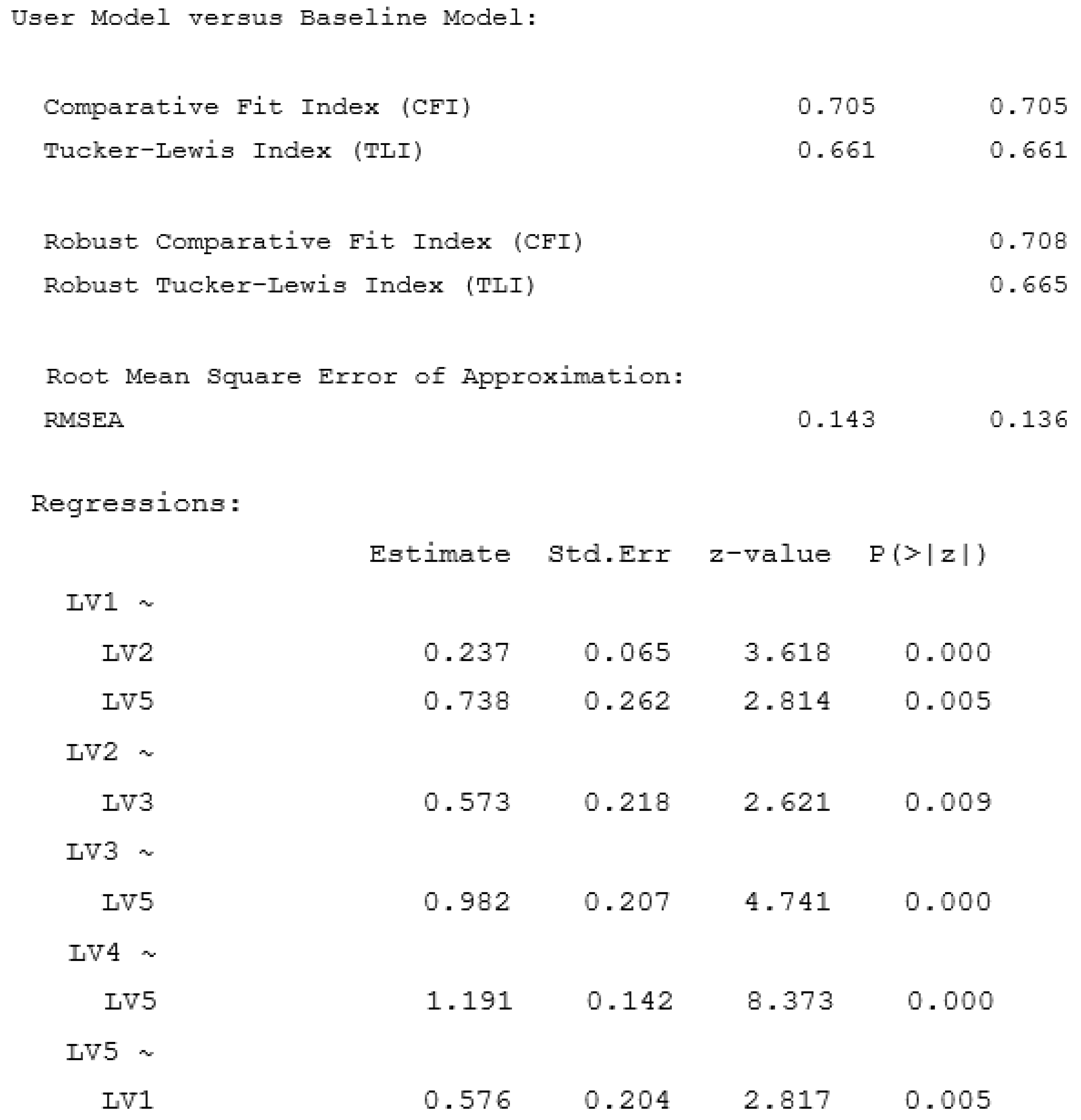
The above results show the accepted statistically significant dependency regressions with the estimate coefficients having all p-values lower than 0.009 that means a very strong dependency.
Overall, this SEM model is a good fit for the data. The latent variables are well-estimated, the regressions between the latent variables are significant, and the variances of the observed variables are significant.
As we see from the above results the most important topics are the following:
LV5: Problem resolution
LV2: Communication and Collaboration
LV1: Information and Data knowledge
LV3: Digital content creation
LV4: Security
LV5 (Problem resolution) is the most important latent variable having the most appearances and estimate coefficients among all the latent variables.
Also has statistically significant dependency with 3 of the 4 remaining latent variables (LV1,LV3,LV4) with p-value lower than 0.05 [see Figure 4 and Figure 5]
The weakest latent is unexpectedly the LV4(Security) having a very high statistically significant dependency only with the LV5.
This result is a very interesting and important research found.
We expected the Security topic to be very important, but the study showed us that other topics such as Problem resolution and communication with collaboration proved to be the most important and having the heaviest statistically significance above all.
7. Discussion
Studying the necessity of digital skills for simple users of digital currencies is of considerable value. Digital skills are now a necessity for a wide range of everyday functions. The modern economy is increasingly pushing the use of digital methods of monetization. In addition to the concept of Fintech affecting not only businesses but also consumers, something similar is happening with digital currencies. The use of digital currencies will undoubtedly begin to grow in the near future at a spectacular rate. The digital currencies of central banks (CBDC) will begin to be universally used and citizens will be forced to use modern technologies. The development of digital skills will therefore become a modern necessity for the whole range of simple daily operations [16].
On the other hand, in terms of the research carried out, important conclusions emerged. Although according to the first research question (RQ1), the issue of security was expected to be directly related to digital skills, this was not confirmed by our research. Instead, security continues to be an important variable but only for the problem-solving issue. Digital currency users consider that only the issue of solving problems that will occur when using digital currencies requires security knowledge. This can practically be interpreted that banking and financial institutions largely provide security in the minds of users in terms of the transactions that take place [30].
Also, an equally important issue is the resolution of the problems that users face when using digital currency management software. Based on the research conducted and presented, this is fully confirmed by the second research question. Practically, the variables LV1: Information and Data Knowledge, LV5: Problem Resolution, and LV2: Communication and Collaboration are incorporated in the second research question (RQ2). The use of software is undoubtedly inextricably linked to LV1 as the knowledge of handling software requires the knowledge of information about the use of digital currencies. The process of solving the problems (LV5) that will be created is usually a dynamic process, considering the nature of the problem and the synthesis of information that the user has to make, while the issue of communication and collaboration (LV2) is something that users face in their attempt to communicate either with other user communities or with the call center of the company in question. In summary, as it can be seen from the preceding SEM analysis, the variables have LV1 as their center of correlation, which is bidirectional communication with a significant degree of dependence on LV5. Finally, there is also a significant correlation with the variable LV2 through LV1 in a straightforward manner and indirectly with LV5 through LV3, as shown in Figure 4.
Regarding the third research question (RQ3), the results are also very encouraging. RQ3 examines in a more basic but also more substantial way the variable LV1 related to Information and Data Knowledge. Practically, the users of digital currencies by improving their digital skills will be able to avoid fake news. This follows as the variable LV1 is considered to be nodal directly with the variables LV5 and LV2, and indirectly with the variables LV3 and LV4 through LV5. Therefore, the concept of Information and Data Knowledge shows a dynamic two-way correlation with the variable LV5-Problem Resolution and in general with the sub-questions which were related to the concept of fake news. In any case, digital skills clearly contribute to easier identification of fake news and reduce the risk of threat to users’ data from unknown sources of online risks [37,38].
In summary, the above issues are considered extremely important as the development of digital skills is inextricably linked to a more effective management of digital currencies by the general population. In particular, citizens will need to develop their digital skills over time because [31,35,36]:
- They will be able to use digital currency management software more effectively.
- They will be able to identify more easily the risks, threats, and fraud that will be presented online.
- They will evaluate any form of information as valid or fake wherever it comes from.
- They will be able to solve problems encountered in digital currency management applications, such as e-wallets through communication.
- They will contribute to optimal communication through the use of terminology between experts (computer application technicians, economists, and other professionals).
- They will participate in the better dissemination of essential information on the use of digital currencies, making them active citizens.
At the same time, the development of digital skills will also have a positive impact on institutional partners, such as the State or the various banking institutions. In particular, the development of citizens’ skills in managing digital currencies will contribute because [7,27,31]:
Citizens will be able to understand and deal with risks by making the tools and software of banking institutions more effective.
In the event of a cyber-attack by unknown persons, citizens will be able to effectively protect themselves by reducing the risk of destabilizing the system of digital currency transactions.
The state will reduce losses from any cyber-attack as citizens will be significantly informed about not responding to messages that compromise cybersecurity.
The state will be able to extend all its traditional financial activities more effectively to digital systems as citizens will be adequately educated and knowledgeable, thus increasing the degree of efficiency and effectiveness of the public tax collection system.
References
- Agnieszka, Z. , Developing digital skills in Economy 4.0. UR Journal of Humanities and Social Sciences, 143–160.
- Raţiu, A.; Maniu, I.; Pop, E.-L. EntreComp Framework: A Bibliometric Review and Research Trends. Sustainability 2023, 15, 1285. [Google Scholar] [CrossRef]
- ScienceDirect/Digital Skills. Available online: https://www.sciencedirect.com/search?qs=Digital%20Skills (accessed on 14 January 2024).
- ScienceDirect/Cryptocurrencies. Available online: https://www.sciencedirect.com/search?qs=Cryptocurrencies (accessed on 14 January 2024).
- ScienceDirect/Digital Currencies. Available online: https://www.sciencedirect.com/search?qs=Digital%20Currencies (accessed on 14 January 2024).
- Venkatesan, V. A.; Aniruddh, G. A Study on Perception of Millennials on Fintech and Cryptocurrency. International Journal for Multidisciplinary Research (IJFMR). [CrossRef]
- Venkatachalam, N.; Kannusamy, R. Digital skills recruitment challenges in small enterprises: the role of blockchain. Small Enterprise, 2023; 30. [Google Scholar] [CrossRef]
- Zhang, J.; Cai, K.; Wen, J. A survey of deep learning applications in cryptocurrency. iScience. [CrossRef]
- Colás-Bravo, P.; Conde-Jiménez, J.; Reyes-de-Cózar, S. Sustainability and Digital Teaching Competence in Higher Education. Sustainability 2021, 13, 12354. [Google Scholar] [CrossRef]
- Yoo, S. How to Design Cryptocurrency Value and How to Secure Its Sustainability in the Market. J. Risk Financial Manag. 2021, 14, 210. [Google Scholar] [CrossRef]
- Fadeyi, O.; Krejcar, O.; Maresova, P.; Kuca, K.; Brida, P.; Selamat, A. Opinions on Sustainability of Smart Cities in the Context of Energy Challenges Posed by Cryptocurrency Mining. Sustainability 2020, 12, 169. [Google Scholar] [CrossRef]
- Náñez Alonso, S.L.; Jorge-Vázquez, J.; Echarte Fernández, M.Á.; Reier Forradellas, R.F. Cryptocurrency Mining from an Economic and Environmental Perspective. Analysis of the Most and Least Sustainable Countries. Energies 2021, 14, 4254. [Google Scholar] [CrossRef]
- Pattnaik, D.; Hassan, M. K.; Dsouza, A.; Tiwari, A.; Devji, S. Ex-post facto analysis of cryptocurrency literature over a decade using bibliometric technique Technological Forecasting and Social Change 2023, 189. [CrossRef]
- Kumari, V.; Bala, P.K.; Chakraborty, S. An Empirical Study of User Adoption of Cryptocurrency Using Blockchain Technology: Analysing Role of Success Factors like Technology Awareness and Financial Literacy. J. Theor. Appl. Electron. Commer. Res. 2023, 18, 1580–1600. [Google Scholar] [CrossRef]
- Ozili, P. K. Central Bank Digital Currency Can Lead to the Collapse of Cryptocurrency. Digital Transformation, Strategic Resilience, Cyber Security and Risk Management, 191–198. [CrossRef]
- Yeong, Y.-C.; Kalid, K. S.; Savita, K.; Ahmad, M.; Zaffar, M. Sustainable cryptocurrency adoption assessment among IT enthusiasts and cryptocurrency social communities. Sustainable Energy Technologies and Assessments 2022, 52. [Google Scholar] [CrossRef]
- Kulbhaskar, A. K.; Subramaniam, S. Breaking news headlines: Impact on trading activity in the cryptocurrency market. Economic Modelling 2023, 126. [Google Scholar] [CrossRef]
- Auer, R.; Tercero-Lucas, D. Distrust or speculation? S. cryptocurrency investments. Journal of Financial Stability 2022, 62. [Google Scholar] [CrossRef]
- DigComp/European Commission. Available online: https://joint-research-centre.ec.europa.eu/digcomp_en (accessed on 16 January 2024).
- Różewski, P.; Kieruzel, M.; Lipczyński, T.; Prys, M. Framework of Visual Literacy Competences for Engineering Education Discussed in the Scope of DigComp framework with Examples from Educational R&D Projects Procedia Computer Science 2021 192, pp. 4441-4447. [CrossRef]
- Zhao, Y.; Sánchez Gómez, M.C.; Pinto Llorente, A.M.; Zhao, L. Digital Competence in Higher Education: Students’ Perception and Personal Factors. Sustainability 2021, 13, 12184. [Google Scholar] [CrossRef]
- Prendes-Espinosa, P.; Solano-Fernández, I.M.; García-Tudela, P.A. EmDigital to Promote Digital Entrepreneurship: The Relation with Open Innovation. J. Open Innov. Technol. Mark. Complex. 2021, 7, 63. [Google Scholar] [CrossRef]
- Zeehan, F.; Alias, R.A.; Tasir, Z. Mapping the attribute of digital competency framework for educators. Int. J. Psychosoc. Rehabil. 2020, 24, 2361–2371. [Google Scholar]
- Ulfert-Blank, A.-S.; Schmidt, I. Assessing digital self-efficacy: Review and scale development Computers & Education 2022, 191. [CrossRef]
- Sebastián-López, M.; de Miguel González, R. Mobile Learning for Sustainable Development and Environmental Teacher Education. Sustainability 2020, 12, 9757. [Google Scholar] [CrossRef]
- Jiménez-Hernández, D.; González-Calatayud, V.; Torres-Soto, A.; Martínez Mayoral, A.; Morales, J. Digital Competence of Future Secondary School Teachers: Differences According to Gender, Age, and Branch of Knowledge. Sustainability 2020, 12, 9473. [Google Scholar] [CrossRef]
- Pérez-Escoda, A.; Fernández-Villavicencio, N. G. Digital competence in use: from DigComp 1 to DigComp 2 TEEM '16: Proceedings of the Fourth International Conference on Technological Ecosystems for Enhancing 2016, p. 619–624. [CrossRef]
- Carretero, S.; Vuorikari, R.; Punie, Y. DigComp 2. . DigComp 2.1: The Digital Competence Framework for Citizens with Eight Proficiency Levels and Examples of Use, L: Publications of the European Communities, 2017. [Google Scholar]
- Vuorikari, R. DigComp Helping Shape the Education Ecosystem in Europe. In Shaping the Digital Transformation of the Education Ecosystem in Europe, Väljataga,T., Laanpere, M.; Springer Cham: Switzerland, 2022. [Google Scholar] [CrossRef]
- Mora, H.; Morales-Morales, M.R.; Pujol-López, F.A.; Mollá-Sirvent, R. Social cryptocurrencies as model for enhancing sustainable development Kybernetes 2021, 50, 10, pp. 2883-2916. [CrossRef]
- Náñez Alonso, S.L.; Echarte Fernández, M.Á.; Sanz Bas, D.; Kaczmarek, J. Reasons Fostering or Discouraging the Implementation of Central Bank-Backed Digital Currency: A Review. Economies 2020, 8, 41. [Google Scholar] [CrossRef]
- Bhatnagar, M.; Taneja, S.; Rupeika-Apoga, R. Demystifying the Effect of the News (Shocks) on Crypto Market Volatility. J. Risk Financial Manag. 2023, 16, 136. [Google Scholar] [CrossRef]
- Gupta, M.; Taneja, S.; Sharma, V.; Singh, A.; Rupeika-Apoga, R.; Jangir, K. Does Previous Experience with the Unified Payments Interface (UPI) Affect the Usage of Central Bank Digital Currency (CBDC)? J. Risk Financial Manag. 2023, 16, 286. [Google Scholar] [CrossRef]
- Shin, D.; Rice, J. Cryptocurrency: A panacea for economic growth and sustainability? A critical review of crypto innovation Telematics and Informatics 2022, 71. [Google Scholar] [CrossRef]
- Baah-Acheamfuor, K. Critical Review: Measures of Digital Competency related to Employability Business and Management Sciences International Quartely Review 2023, 14, 2, pp. 379-391. [CrossRef]
- Guenther, P.; Guenther, M.; Ringle, C. M.; Zaefarian, G.; Cartwright, S. Improving PLS-SEM use for business marketing research Industrial Marketing Management 2023,111 pp. 127-142. [CrossRef]
- Braßler, M. Students’ Digital Competence Development in the Production of Open Educational Resources in Education for Sustainable Development. Sustainability 2024, 16, 1674. [Google Scholar] [CrossRef]
- Sinakou, E.; Donche, V.; Boeve-de Pauw, J.; Van Petegem, P. Designing Powerful Learning Environments in Education for Sustainable Development: A Conceptual Framework. Sustainability 2019, 11, 5994. [Google Scholar] [CrossRef]
Figure 1.
.
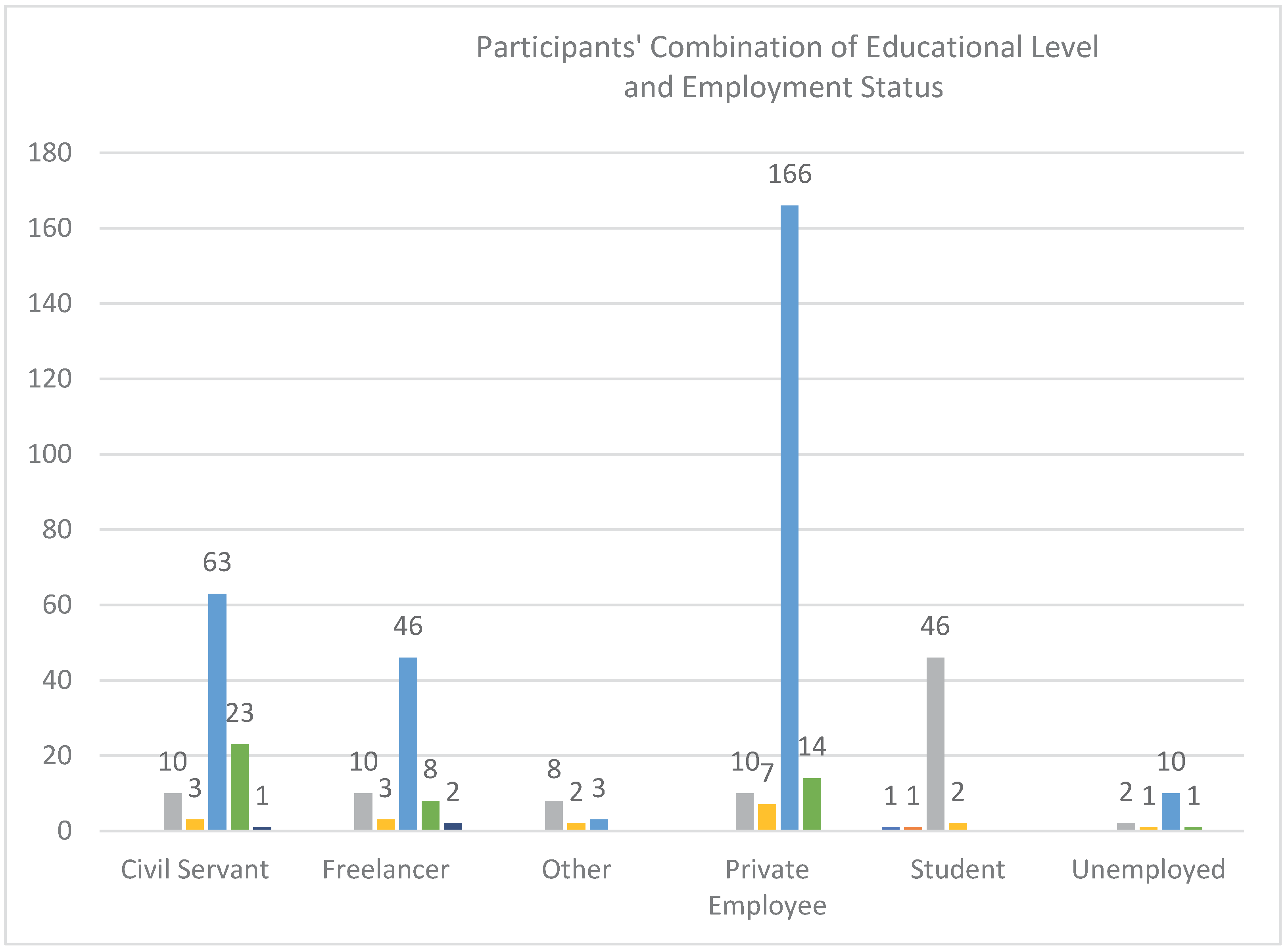
Figure 2.
.
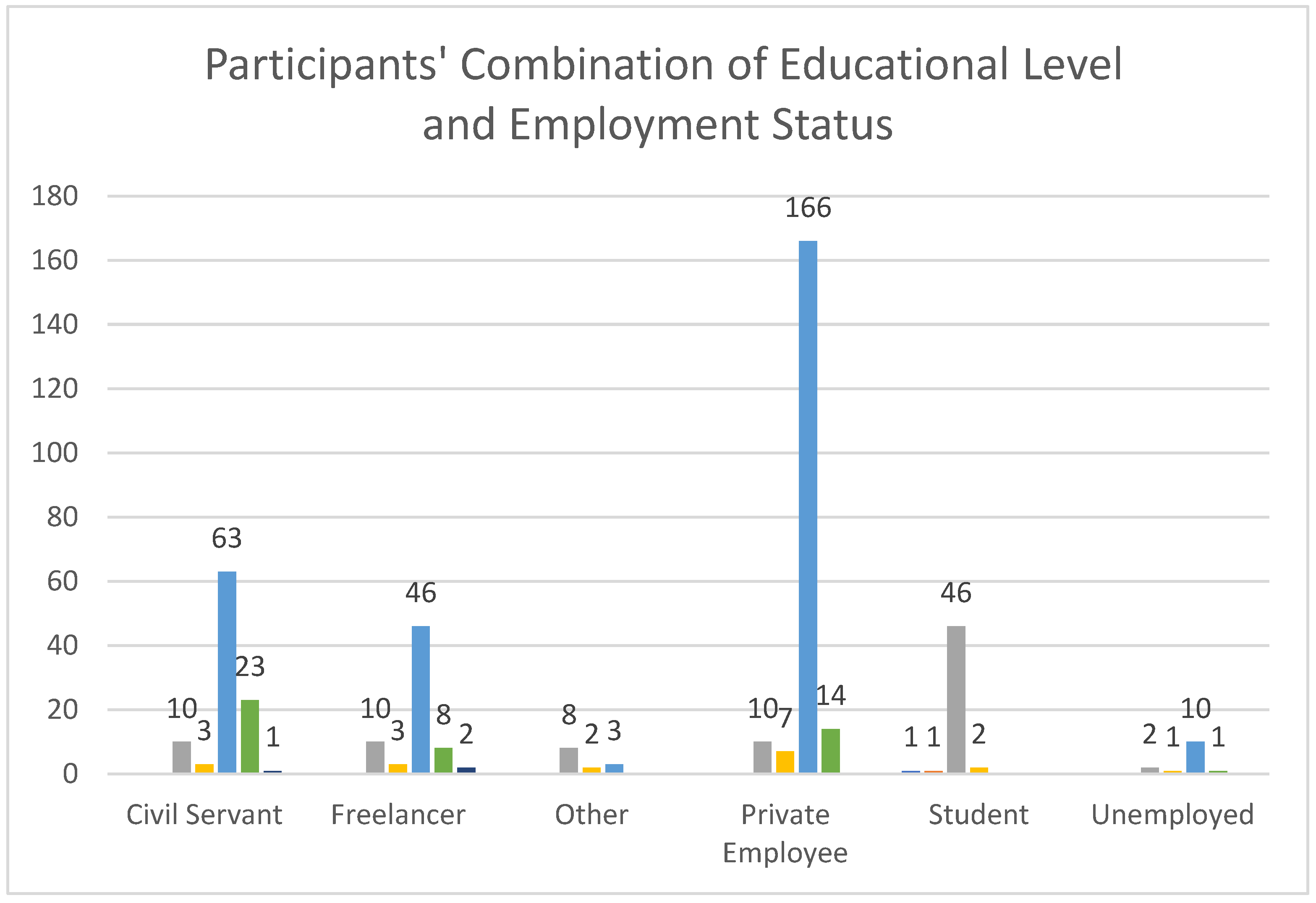
Figure 3.
.
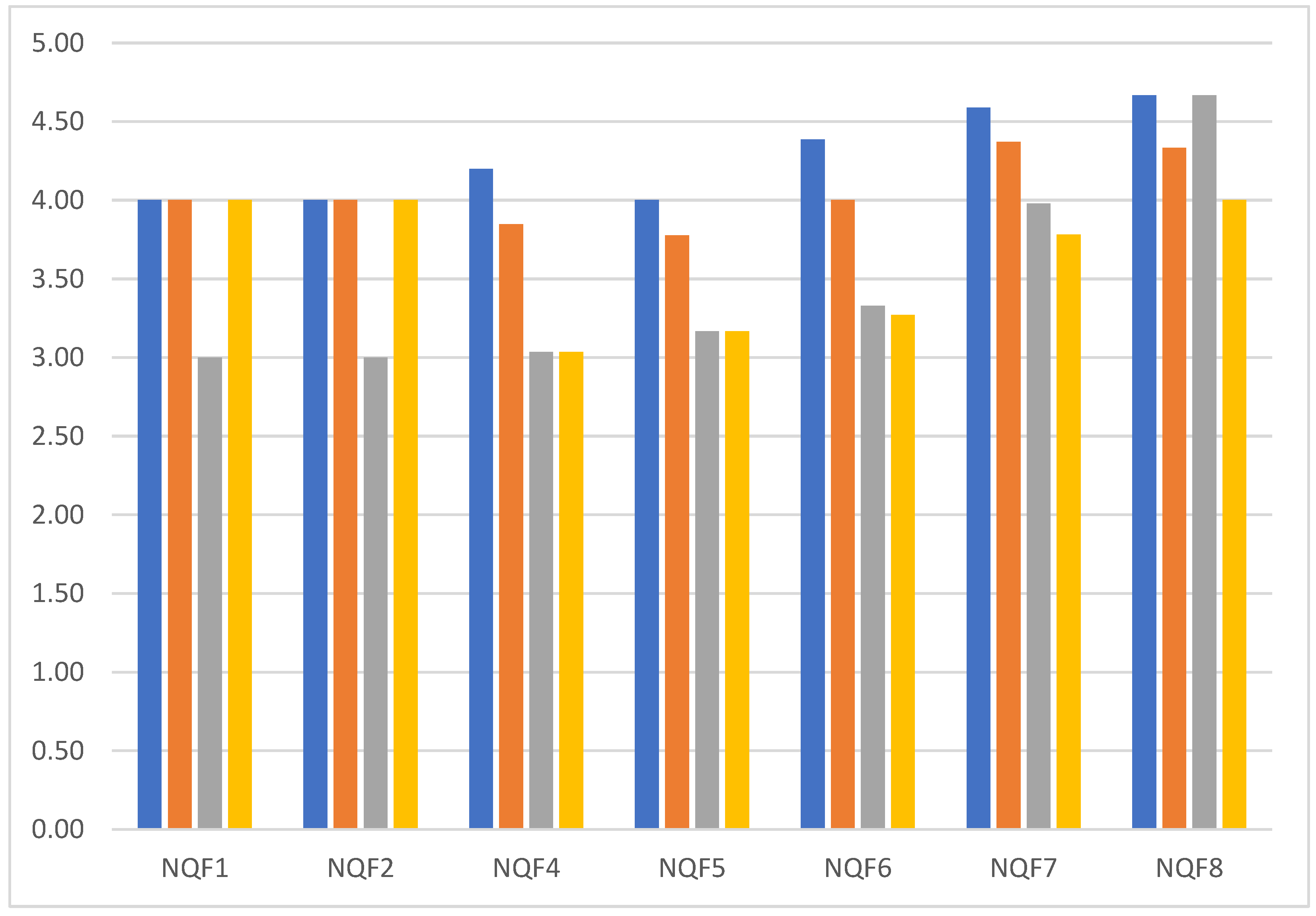
Figure 4.
.
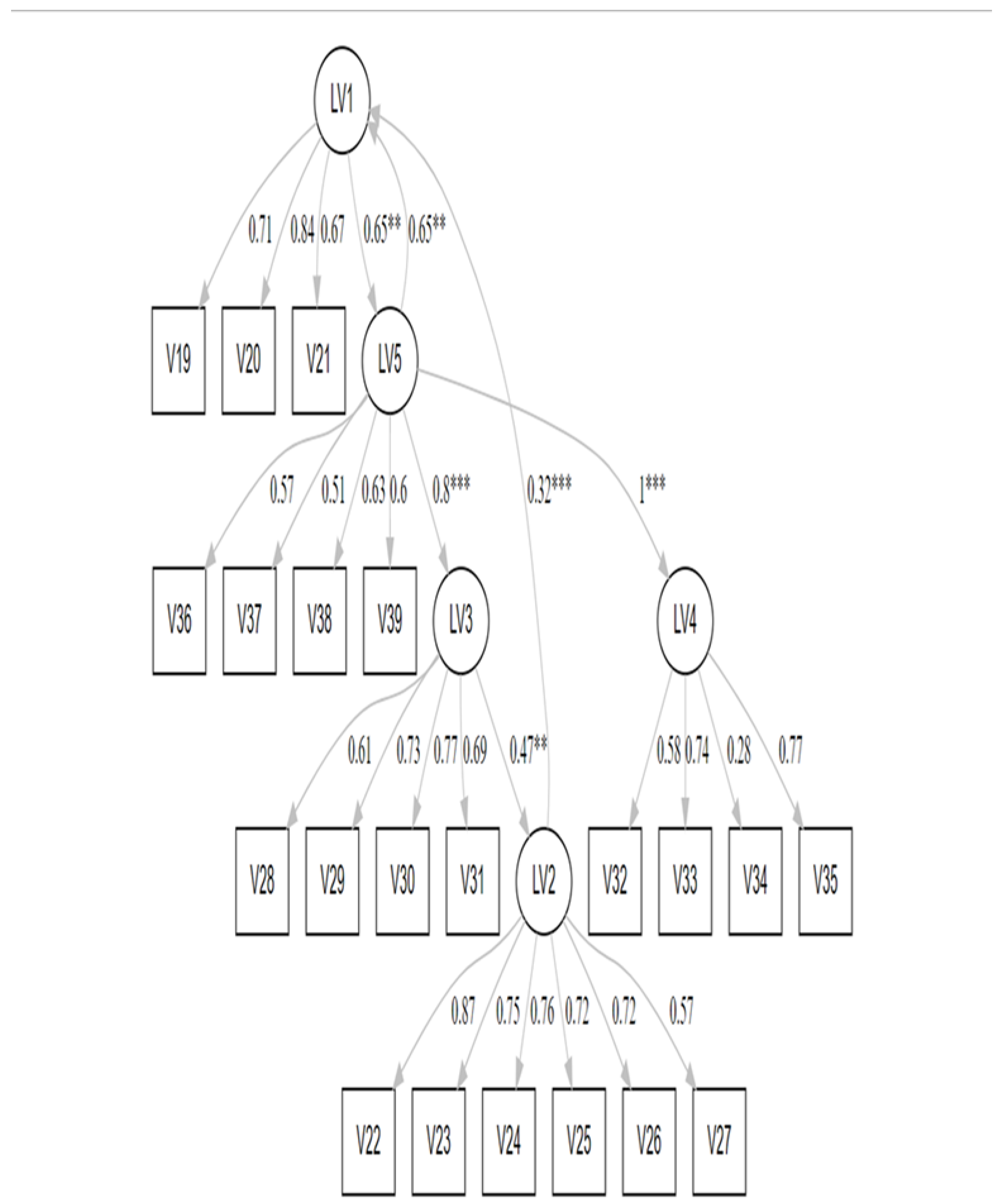
Figure 5.
.
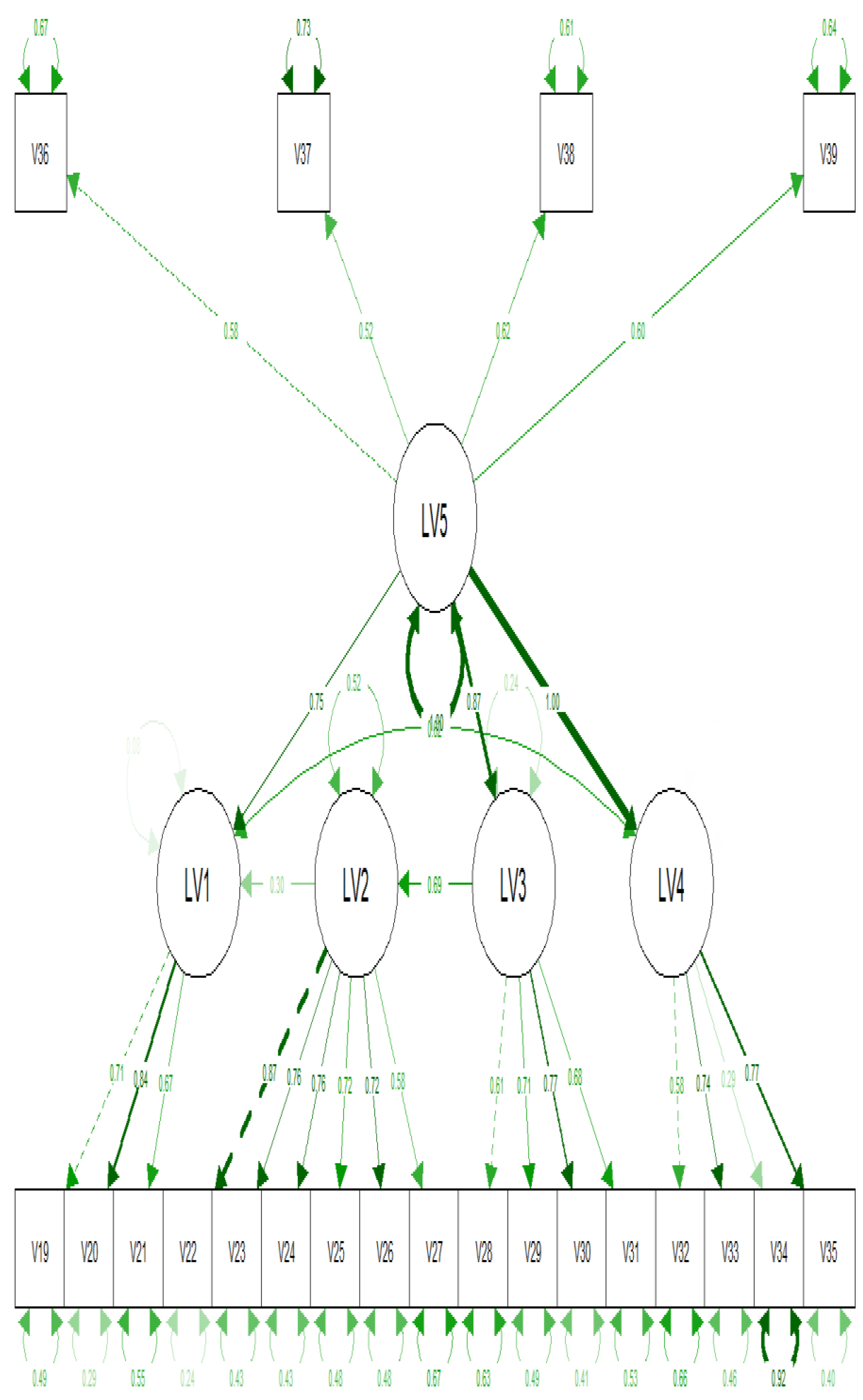
Table 2.
Sources of the word “Cryptocurrencies” on ScienceDirect by year.
| Year | Number of mentions of the word “Cryptocurrencies” | Number of mentions of the word “Digital Currencies” |
|---|---|---|
| 2023 | 1.805 | 2.049 |
| 2022 | 1.489 | 1.669 |
| 2021 | 1166 | 1.443 |
| 2020 | 779 | 1.129 |
| 2019 | 499 | 804 |
| 2018 | 267 | 705 |
| 2017 | 62 | 524 |
| 2016 | 46 | 471 |
| 2015 | 40 | 505 |
| 2014 | 11 | 346 |
| 2013 | 1 | 361 |
| 2012 | - | 291 |
| 2011 | - | 280 |
| 2010 | - | 284 |
Disclaimer/Publisher’s Note: The statements, opinions and data contained in all publications are solely those of the individual author(s) and contributor(s) and not of MDPI and/or the editor(s). MDPI and/or the editor(s) disclaim responsibility for any injury to people or property resulting from any ideas, methods, instructions or products referred to in the content. |
© 2024 by the authors. Licensee MDPI, Basel, Switzerland. This article is an open access article distributed under the terms and conditions of the Creative Commons Attribution (CC BY) license (https://creativecommons.org/licenses/by/4.0/).
Copyright: This open access article is published under a Creative Commons CC BY 4.0 license, which permit the free download, distribution, and reuse, provided that the author and preprint are cited in any reuse.


