

Submitted:
20 January 2024
Posted:
22 January 2024
You are already at the latest version
Abstract
Fungi of the genus Penicillium produce secondary metabolites used as a model for the synthesis and development of several compounds with bactericidal, fungicidal, antitumor, anti-inflammatory, antiviral activities, among others. Based on this information, a study was conducted to investigate the metabolomic profile and antimicrobial potential of Penicillium purpurogenum (CFAM – 214). The minimum inhibitory concentration (MIC) of extracts obtained from P. purpurogenum broth (CFAM - 214) in ISP2, SB, and YES against Candida albicans was 500 µg/mL, 31.25 µg/mL and 62, 5µg/mL, respectively. In the test against Candida tropicalis and Staphylococcus aureus, the MIC for extracts cultivated in SB was 250 µg/mL and 125 µg/mL, respectively. Due to the good performance of the P. purpurogenum extract in SB, large-scale cultivation was carried out that led to the isolation of two compounds, whose structures were determined by spectroscopic methods such as 1D NMR (1H NMR and 13C NMR) and 2D (HMBC and HSQC), HRMS and MS/MS. The isolated compounds were identified as two citrinin derivatives, dihydrocitrinin (1) and 1-methyl-dihydro citrinin (2).
Keywords:
Penicillium purpurogenum
; secondary metabolites
; citrinin
; antimicrobial
1. Introduction
Fungi are microorganisms classified as eukaryotes of diverse ecological relationships with high importance for the balance of ecosystems due to their ability to degrade organic matter [1]. These organisms produce secondary metabolites, which have high structural chemical diversity, biochemical specificity and binding affinity with cellular receptors [2,3].
Based on the literature, P. purpurogenum is widely explored regarding its potential to produce enzymes of industrial interest such as β-glucosidases, endoxylanses, acetyl xylan esterase and α-L-arabinofuranosidase [4,5,6,7,8]. The compounds reported in this lineage belong to the class of quinones, polyketides, steroids, terpenes and xanthones [9,10,11]. Some of these compounds are used as natural pigments and other substances have antibacterial, antifungal, antiviral and antitumor activities [12,13,14,15,16].
Citrinin is a secondary metabolite belonging to the class of mycotoxins that are biosynthesized by fungi through the polyketide pathway by condensation of acetyl or malonyl units mediated by polyketide synthases (PKS) [17]. The main producer of citrinin is Penicillium citrinum, a fungus that is common in tropical regions and is found in soil, cereals, tropical spices, roots, stems and leaves [18,20]. This compound can be produced by P. corylophilum and fungi belonging to other genera such as Aspergillus, Pythium and Cercosporidium [19,20,21]. Citrinin and its derivatives are explored for their biological potential because they have antimicrobial, cytotoxic, hypocholesterolemic, immunosuppressive, enzymatic and nucleic acid synthesis inhibitor activities [39,22].
As stated, many studies involving citrinin reveal that certain organisms are considered the gold standard for obtaining and exploiting it, especially P. citrinum, however there are no reports of obtaining this compound and its derivatives in Penicillium purpurogenum strains. Therefore, the main objective of the present study was to determine the antimicrobial activity of P. purpurogenum extracts and the isolation of its main chemical constituents.
2. Materials and Methods
2.1. General experimental procedures
Mass spectrometry data were obtained using a Bruker Daltonics Amazon Speed spectrometer (Ion-trap and microTOF Q-II), equipped with an ESI source and operating in negative acquisition mode. The 1D and 2D NMR spectra were acquired on a Bruker Biospin Fourier 300 UltraShield spectrometer (Bruker, Billerica, USA), operating at 7 Tesla (300 MHz for 1H and 13C, respectively), using deuterated methanol (CD3OD, 99.8) as solvent. %). Semi-preparative High Performance Liquid Chromatography (HPLC) was performed on a Shimadzu UFLC system (LC-6 AD pump; DGU-20A5 degasser; SPD-20AV UV detector; CBM-20A modular communication) (Columbia, MD, USA) equipped with Luna C18 column (250 × 10 mm, 5 µm) (Phenomenex–Torrance, CA, USA). For open column chromatography (CC) separation, silica gel 60 (230–400 mesh; Merck) was used. All solvents used in liquid chromatography and mass spectrometry were HPLC grade and purchased from J.T. Baker (Phillipsburg, NJ, USA), and the water was purified using a Mili Q system (Millipore, Bedford, MA, USA).
2.2. Fungal lineage reactivations
The strain of P. purpurogenum (CFAM – 214) was provided by the Collection of Fungi from the Amazon (CFAM) at the Oswaldo Cruz Foundation - Leônidas and Maria Deane Institute (ILMD/Fiocruz Amazônia), originating from the same Amazonian environment as other strains, as described in a previous study [23].
Reactivation of the strain was performed in a Petri plate containing a solid culture medium Potato Dextrose Agar (PDA) being incubated in BOD at 28 °C for 7 days. After this period, the pure culture moved on to laboratory-scale cultivation.
2.3. Obtaining the extracts and determining the minimum inhibitory concentration - MIC
Laboratory-scale cultivation of the P. purpurogenum strain (CFAM – 214) took place in twelve 125 mL erlenmeyer flasks containing 25 mL of the following BDL culture media (Potato – Dextrose – Yeast Extract) – Potato 200 g.L-1, Dextrose 20 g.L-1and Yeast Extract 4 g.L-1; YES (Yeast Extract – Sucrose)–Sucrose 150 g.L-1 and Yeast Extract 20 gL-1; ISP2 (International Streptomyces Project 2) – 10 g.L-1Starch, 4 g.L-1Yeast Extract, 10 g.L-1Glucose and 4 g.L-1 Malt; Sabouraud – 20 g.L-1 of Glucose and 10 g.L-1of Peptone.
The experiment was carried out in triplicate over 15 days at 28°C. After the cultivation time, the fermented material was filtered. The broth was extracted in 1:1 ethyl acetate and the mycelium in methanol for 48 hours. After removing the solvent, the extracts were weighed and diluted in 10% DMSO up to a concentration of 2 mg. mL-1 to determine the MIC of antimicrobial activity against gram-positive bacteria - Staphylococcus aureus (ATCC-25923) and Enterococcus feacalis (ATCC- 29212), gram-negative - Escherichia coli (ATCC-25922), Pseudomonas aeruginosa (ATCC-27853) and the yeast Candida albicans (ATCC-10231) and Candida tropicalis (ATCC-13803). The test was performed on an Elisa plate as established by the Manual Clinical and Laboratory Standards Institute [24]. For control, amoxicillin and itraconazole were used. The test was monitored for 24 hours and after this time, 10 µL of 1% 2,3,5-triphenyltetrazolium chloride (TTC) developer were added and the wells that did not acquire the lilac color after the addition were considered positive. of the developer. The most promising result was selected for large-scale cultivation.
2.4. Large-scale extraction and isolation of compounds 1 and 2
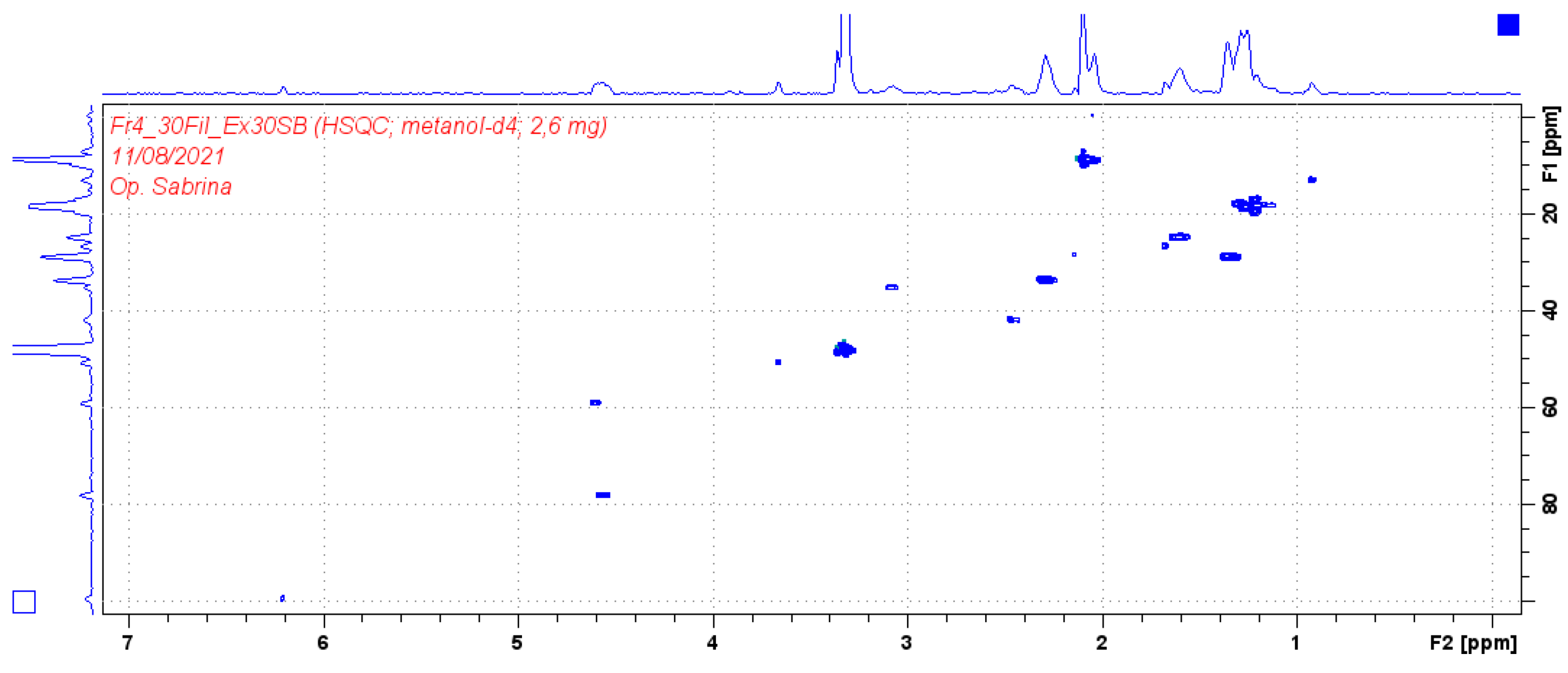
A laboratory-scale culture of P. purpurogenum (CFAM – 214) was carried out in SB for 15 days at 28 ºC. Then, the experiment was filtered, obtaining 4 L of broth, which was extracted in ethyl acetate in a 1:1 ratio. The crude extract (9.1 g) was fractionated in open column RP-18 using MeOH/H2O as a gradient (30%, 60% and 100%) that yielded 3 fractions. The fraction collected in 30% MeOH (6 g) was purified in reverse phase using MeOH/H2O as a gradient (10%, 30%, 50% and 100%), resulting in four subfractions. The 30% subfraction (60.3 mg) was purified on preparative HPLC using a C18 Shim-pack CLC-ODS(M)® column (5µm, 250 x 20 mm) with flow rate 12 mL/min and UV detection of 254 and 230 nm. The elution system was isocratic H2O/MeOH (55:45) to obtain compounds 1 (4.6 mg) and 2 (2.6 mg). Subsequently, the compounds were subjected to HRMS and 1D and 2D NMR analysis for identification. The experimental spectra of NMR are available in the Appendix A, for Compound 1, refer to Figures A2 to A7, and Compound 2, Figures A9 to A14.
3. Results
3.1. Determination of the Minimum Inhibitory Concentration - MIC of P. purpurogenum extracts
The MIC for P. purpurogenum extracts (CFAM – 214) was determined by microdilution in an Elisa plate. The values obtained are shown in Table 1. Among the results presented in the table below, the antifungal and antibacterial activities of the extracts obtained from ethyl acetate in SB medium stand out. Based on these results, P. purpurogenum was cultivated on an enlarged scale, and after obtaining the extract, the sample was subjected to fractionation and purification, leading to the isolation of Compound 1 and 2.
3.2. Identification of isolated compounds
Compound (1) was obtained as a dark brown colored amorphous solid with HRESI(-)MS, m/z 251.0901. The molecular formula was determined as C13H15O5 [M-H]- m/z 251.0925. In addition, the fragmentation of compound (1) m/z 251, in ESI negative mode, showed an initial loss of 44 Da, giving rise to the base peak m/z 207 (Figure 1A), characteristic of the citrinin polyketide when analyzed in negative mode [30]. Figure 1B presents a fragmentation proposal for the ion m/z 251 in ESI (-). As proposed, the proton is removed from the most acidic region of the structure with subsequent elimination of CO2, and the same is observed for citrinin [30].
All data obtained through NMR experiments for compound 1, 1H, 13C, HMBC and COSY are described in Table 2.
Compound 2 existed as an almond-brown amorphous solid with HRESI(-)MS, displaying m/z 265.0727. The determined molecular formula was C13H13O6 [M-H]- with m/z 265.0718. Examination of the ESI fragmentation data in negative mode for compound (2) with m/z 265 revealed two possible initial loss scenarios (Figure 2A). One involves an 18 Da loss, resulting in the ion [M-H]- with m/z 247, and the other, more significant, involves a 44 Da loss, yielding the base peak of [M-H]- with m/z 221. Figure 2B proposes the fragmentation of the [M-H]- ion with m/z 265, demonstrating CO2 loss, a characteristic feature of citrinin derivatives [30].
The NMR data for compound 2, including 1H, 13C, HMBC, and COSY experiments, are detailed in Table 3.
4. Discussion
The results of the determination of the minimum inhibitory concentration in this study confirm that the strain of P. purpurogenum (CFAM – 214), isolated from an aquatic environment, has the potential to produce substances with antimicrobial activity. It is imperative to underscore that, in alignment with existing literature, Penicillium fungi are renowned for their proficiency in generating bioactive compounds that effectively impede or restrain the proliferation of specific microbial strains [25]. From P. purpurogenum, compounds with this capacity can be obtained from different classes such as steroids, terpenes, alkaloids, xanthones, polyketides, as is the case with Compounds 1 and 2 [26,27,28,29].
Compound 1 1H NMR data displayed in the table 2 presents three signals of hydrogens characteristic of methyl in δ 1.21 (3H, d J =6.4 Hz), 1.23 (3H, d J=6.4 Hz) and an unprotected signal at δ 2.04 (3H, s), a signal was also observed at 4.61 (2H, J = 7.2 Hz) characteristic of methylene bound to oxygen. In addition to these signals, a carbinolic hydrogen signal at δ 3.91 (1H, d J=6.4 Hz) and another at 2.66 (1H, q J=6.4Hz) which, according to the literature, corresponds to the structure of citrinin and its derivatives [30,31]. Regarding the 13C NMR data, the presence of 12 carbon signals is proportional to those observed in the literature for citrinin [27,29], which are six non-hydrogenated carbon signals in δ 157.0 ppm (C-6), δ 154.8 ppm (C-8), δ 140.0 ppm (C-4a), δ 111.0 ppm (C-5), δ 108.8 ppm (C -8a) and δ 105.9 ppm (C-7), three signs of methyl carbons in δ 19.4 ppm (C-10), δ 16.7 ppm (C-9) and δ 8.6 ppm (C -11), a methinic carbon at δ 35.1 ppm (C-4) and a carbinolic carbon at δ 74.2 ppm (C-3).
However, upon observing the methylene hydrogen signal at δ 4.61 (2H, d J=7.2 Hz), which exhibits long-distance correlation (HMBC) with carbons at δ 74.2 ppm (C-3), 108.9 ppm (C-8a), 140.4 ppm (4a), and 154.8 ppm (C-8), it becomes apparent that this shift does not align with the observed signals in Citrinin NMR spectra [33,34]. The same discrepancy is observed with the methylene carbon signal at δ 58.69 ppm (C-1) [32]. The carboxylic carbon signal (C-12*) was not detected in the NMR analyses conducted in the present study, but its presence was confirmed by MS/MS experiments. This discrepancy arises due to the tautomeric equilibrium existing in the structure of Citrinin and its derivatives, involving the conversion of ortho-quinine to para-quinone when they are in solution, which interferes with the structural determination experiments for these compounds [33].
Based on the presented data, compound 1 was identified as dihydrocitrinin (Appendix A Figure A1). This conclusion is drawn from a comparison of the 13 C, 1 H, and HRESI(-)MS NMR data with those outlined in previous studies [32,33]. The signals corresponding to the methyl groups, NMR 13C δ 8.6 ppm, 16.7 ppm, and 19.4 ppm, as well as the signals associated with the carbons of the aromatic ring, NMR 13C δ 111.7 ppm, 157.3 ppm, and 154.2 ppm, align with the observations in the present study. Additionally, the molecular formula and mass match those reported in the referenced studies.
Compound 2 1H NMR data detailed in the table 3, exhibit some signals closely resemble those of dihydrocitrinin, such as the unprotected methyl signal at δ 2.04 (3H, s). However, three methyl signals with close shifts are observed at δ 1.29 (3H, d J=6.7 Hz), δ 1.25 (3H, d J =6.7 Hz), and δ 1.21 (3H, d J=6.7 Hz). Additionally, three signals for methine hydrogens at δ 4.54 (1H, m), δ 1.22 (1H, m), and δ 3.08 (1H, q J=674Hz) indicate the presence of a methyl group at position 1, distinguishing it from dihydrocitrinin, which has two hydrogens attached to carbon 1. In the 13C NMR, thirteen carbon signals were observed, including five non-hydrogenated carbon signals at δ 163.9 ppm (C-8), δ 154.3 ppm (C-6), δ 146.5 ppm (C-4a), δ 112.4 ppm (C-5), and δ 110.8 ppm (C-8a). Four methyl carbons were observed at δ 18.4 ppm (C-9), δ 17.9 ppm (C-10), δ 16.8 ppm (C-11), and δ 8.5 ppm (C-12), along with two methine carbons at δ 77.9 ppm (C-1) and δ 35.0 ppm (C-4), and a carbinolic carbon at δ 1.22 ppm (C-3)
The 1H and 13C NMR signals of compound 2 closely resemble those of dihydrocitrinin, as obtained in the present study, and citrinin [30,31,32]. However, the distinctions between compound 2 and dihydrocitrinin are the presence of the hydrogen signal at δ 1.25 (3H, d J=6.7 Hz), bonded to carbon at δ 18.4 ppm (C-9), and the shift in the chemical shift of C-1 in the structures, changing from δ 58.69 ppm to δ 77.9 ppm, indicating a characteristic CH group attached to an oxygen atom. Therefore, it is suggested that compound 2 is 1-methyldihydrocitrinine (Appendix A Figure A8) [37,38]. This compound, 1-methyldihydrocitrinine, was described as a product of synthetic origin, with citrinin as its precursor [38]. In the absence of additional references pertaining to this compound, this represents the inaugural documentation of its acquisition through fungal biosynthesis within the Penicillium genus
It is noteworthy that citrinin and its derivatives are compounds with a relatively straightforward production process, easy identification, and isolation [32]. Moreover, they exhibit various biological activities, including antibacterial effects [24,38], which is highly relevant in the current context where certain microorganisms like Staphylococcus aureus and Enterococcus spp. have developed resistance to specific antibiotics [40]. Hence, there is a pressing need for the exploration of new antimicrobial compounds, and citrinin derivatives such as dihydrocitrinin and 1-methyl-dihydrocitrinine emerge as promising candidates for this purpose.
Studies involving semisynthesis, wherein citrinin was used to derive its derivatives, indicate that the antimicrobial activity of the derivative might surpass that of the precursor. In consideration of these findings, certain investigations undertook structural modifications, specifically entailing C-1 substitutions of citrinin, positing that the incorporation of alkyl or benzyl substituents may confer heightened antimicrobial activity in comparison to the unaltered citrinin [38].
Additional biological activities documented in the literature include antiprotozoal, antifungal and immunosuppressive effects [41,42,22]. Reports indicate that these compounds act as inhibitors of macromolecule biosynthesis, including triglycerides, DNA, and RNA [22].
In the context of organisms responsible for the production of citrinin and its derivatives, scholarly literature indicates the presence of fungi, including Aspergillus candidus, Monascus ruber, Penicillium janthinellum, and Penicillium citrine [35,30,36,43]. However, the present study used Penicillium purpurogenum (CFAM – 214), as an organism that produces secondary metabolites that showed antimicrobial activity, which is surely associated with the presence of dihydrocitrinin and 1-methyldihydrocitrinin . It is noteworthy that, in this species, there are no reports in the literature about the compounds obtained in the present study.
5. Conclusions
As evidenced in the present investigation, Minimum Inhibitory Concentration (MIC) assessments conducted on crude extracts derived from the cultivation of P. purpurogenum (CFAM – 214) across diverse media unveiled a notable capacity to inhibit pathogens such as C. albicans, C. tropicalis, and S. aureus. This warrants further scrutiny into the antimicrobial efficacy of the fractions.
Moreover, employing high-precision analytical methodologies, the study identified two citrinin derivatives, namely 1-methyl-dihydrocitrinin and dihydrocitrinin, within a P. purpurogenum (CFAM – 214) isolate from the aquatic environment of the Amazonas. The investigation also delved into the potential antimicrobial activity of these compounds. Consequently, this research contributes to the comprehension of bioactive secondary metabolites that can be derived from fungi belonging to the genus Penicillium.
Author Contributions
All authors participated in the conception and design of the study. Sarah Raquel Silveira da Silva Santiago conducted tests to determine the minimum inhibitory concentration. Bruna Ribeiro de Lima and Edizon Veiga Lopes were involved in interpreting NMR and Mass Spectrometry data. Priscila Ferreira de Aquino coordinated the cultivation of the fungal strain used in the present study to obtain secondary metabolites and provided critical feedback on the manuscript. Rita de Cássia Saraiva Nunomura and Sergio Massayoshi Nunomura were responsible for coordinating the chromatographic and spectroscopic analysis of the data and critically reviewed the manuscript. All authors reviewed the final manuscript and approved its submission.
Funding
Funding for this project was provided by the National Council for Scientific and Technological Development – CNPQ, under Public Notice No. 28/2018, Universal Project No. 432533/2018-4, and the Amazonas State Research Support Foundation – FAPEAM, under Public Notice No. 002/2018 - Universal Amazonas, No. 062.01321/2018.
Data Availability Statement
All relevant data are presented in the manuscript. Raw data of the study can be provided on reasonable request by the authors.
Acknowledgments
We express our gratitude to the following institutions for providing the necessary infrastructure and equipment for the execution of this study: Universidade Federal do Amazonas – UFAM, Instituto Nacional de Pesquisas da Amazônia – INPA, Fundação Oswaldo Cruz – Instituto Leônidas and Maria Deane – ILMD/Fiocruz Amazônia, and Universidade do Estado do Amazonas. Additionally, our appreciation goes to the Amazon Fungi Collection (CFAM) for supplying the biological materials essential for conducting this research.Financial support for this study was provided by Coordination for the Improvement of Higher Education Personnel - Brazil, National Council for Scientific and Technological Development, under Public Notice No. 28/2018, Universal Project No. 432533/2018-4, and Fundação de Amparo à Pesquisa do Estado do Amazonas – FAPEAM, under Public Notice No. 002/2018 - Universal Amazonas, No. 062.01321/2018.
Conflicts of Interest
The authors declare no conflict of interest.
Appendix A
Figure A1.
Chemical structure of dihydrocitrinin.
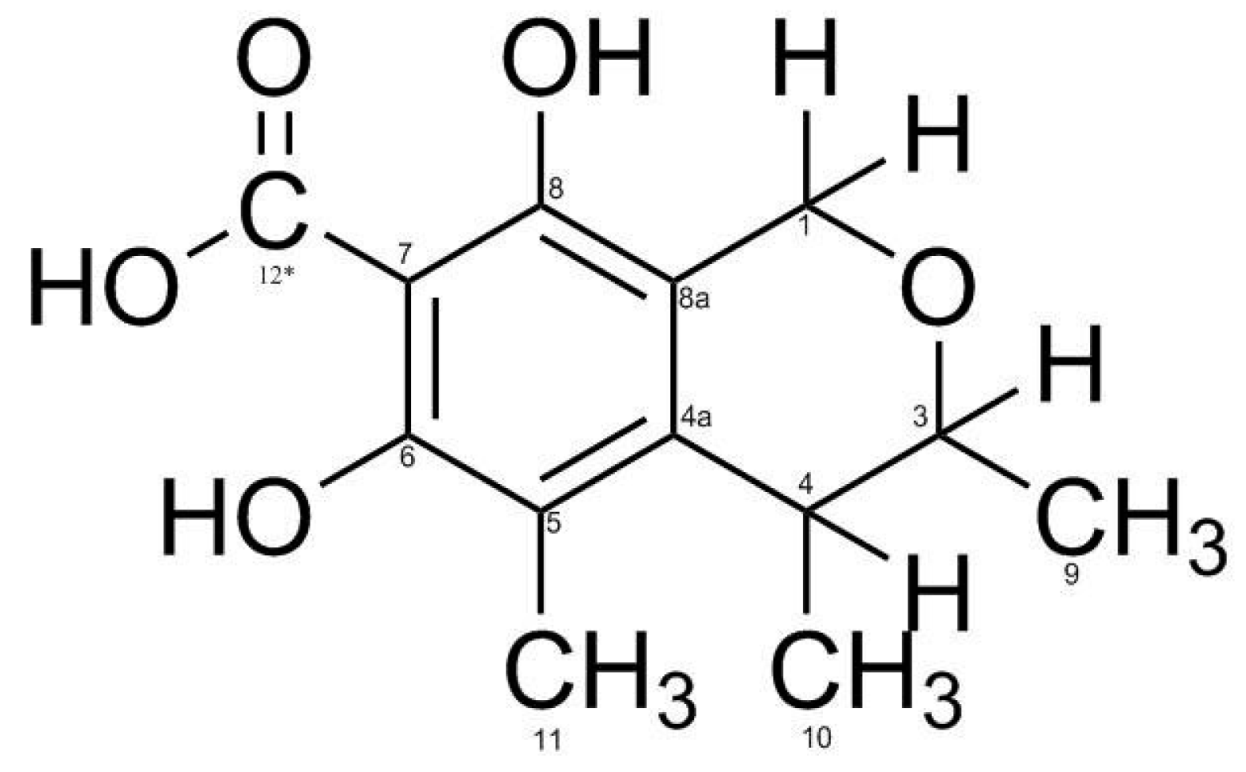
Figure A2.
1H NMR spectrum of dihydrocitrinin in methanol-d4.
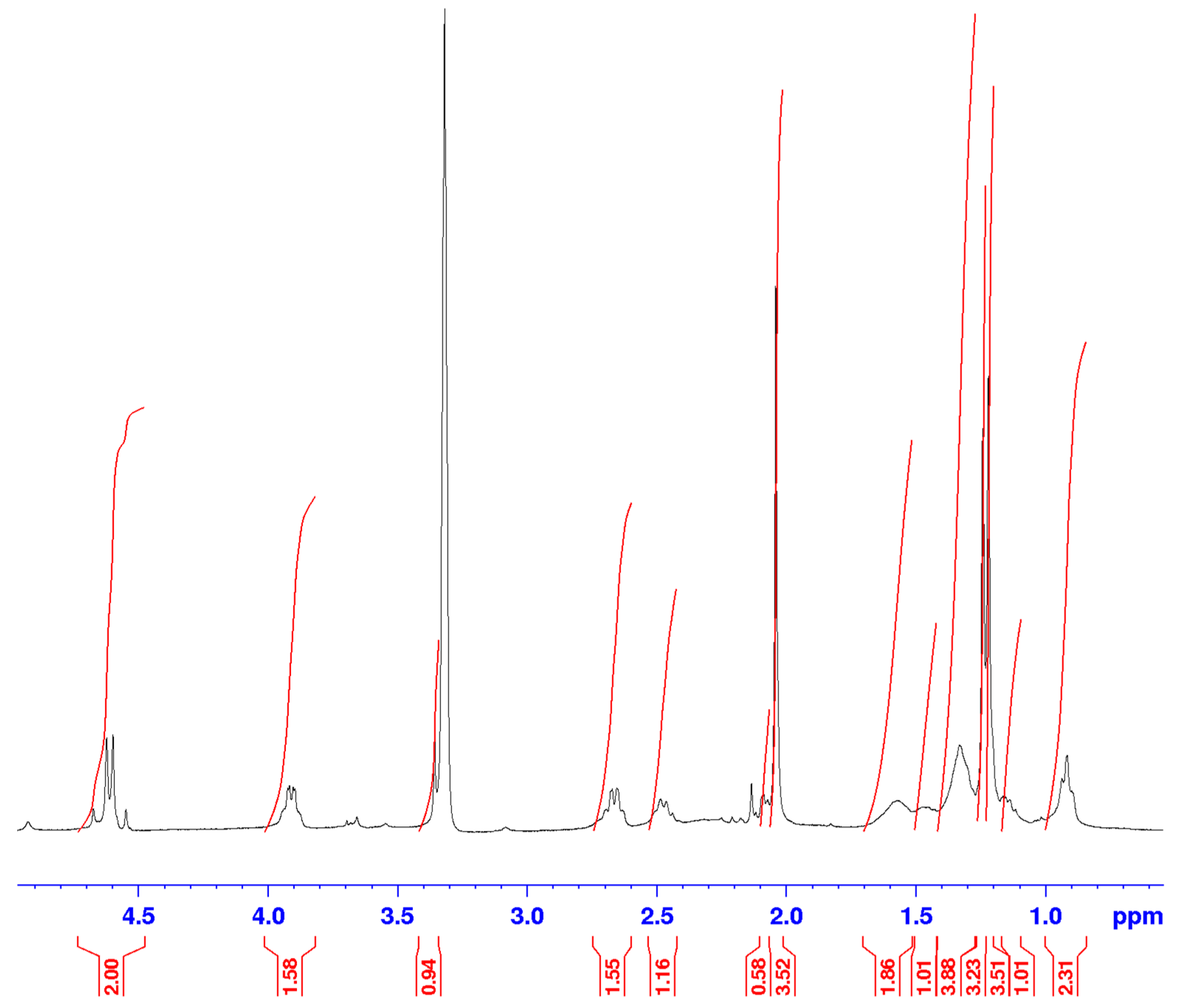
Figure A3.
13C NMR spectrum of dihydrocitrinin in methanol-d4.
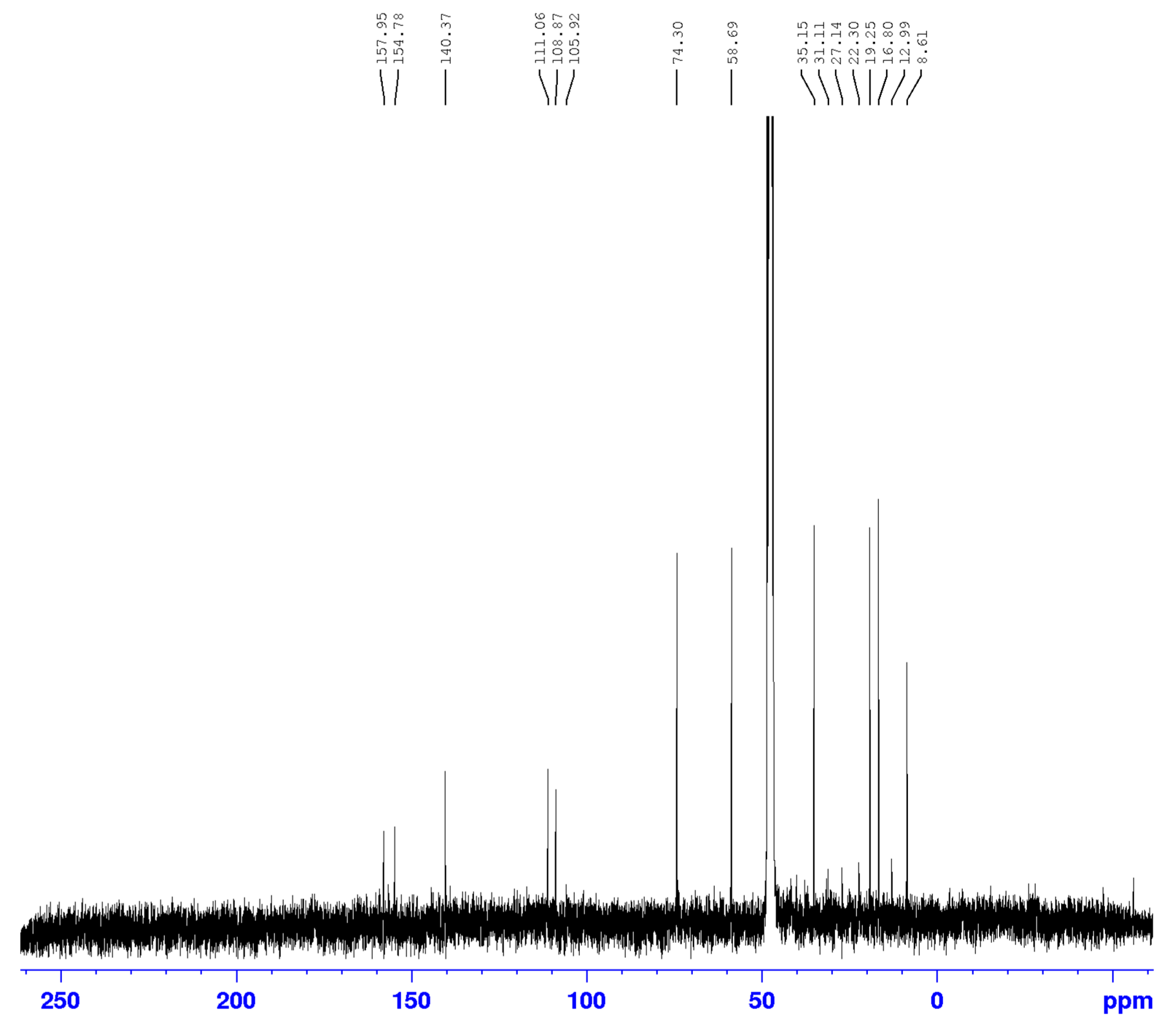
Figure A4.
Dept spectrum of dihydrocitrinin in methanol-d4.
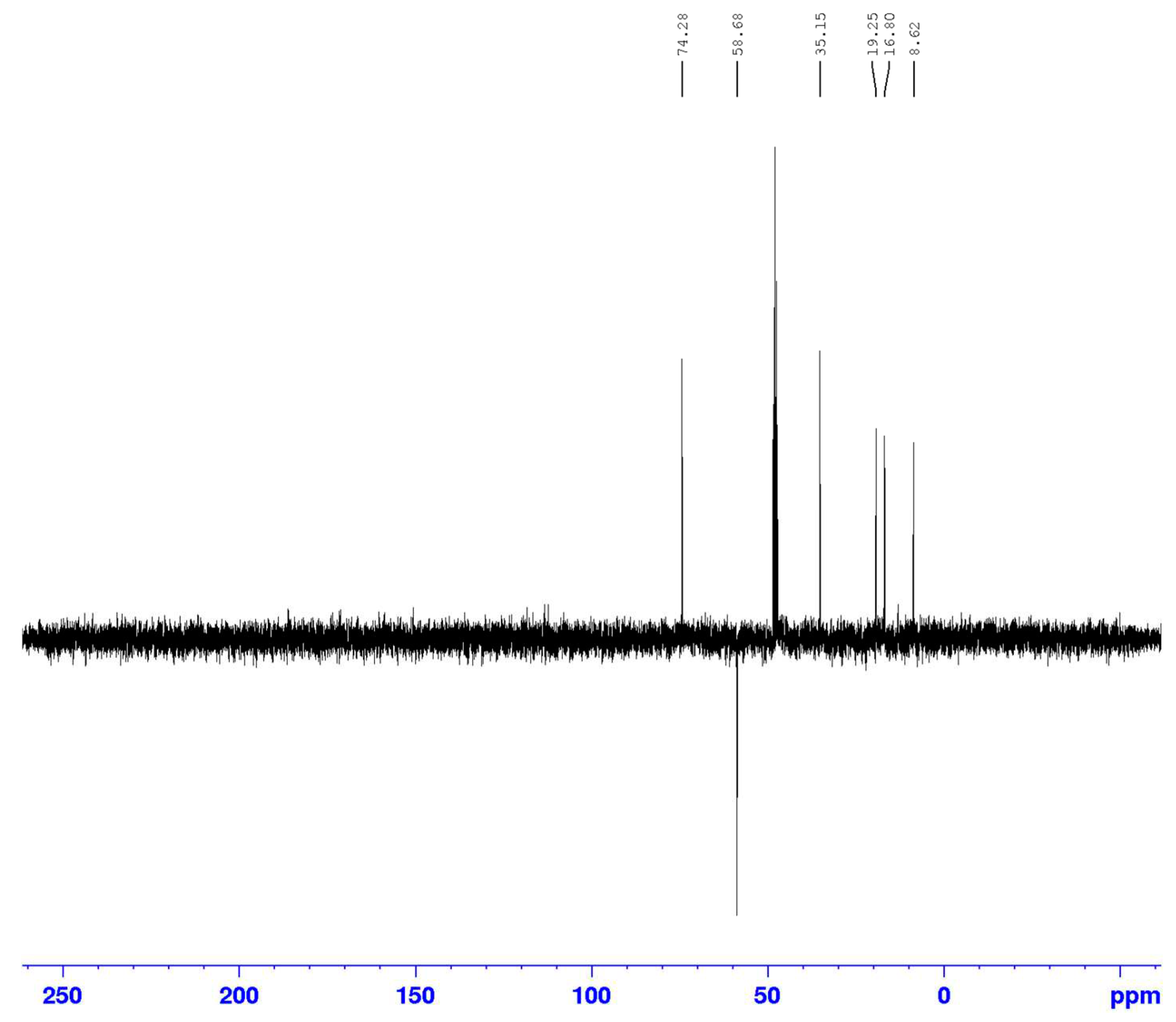
Figure A5.
COSY correlation map of dihydrocitrinin in methanol-d4.
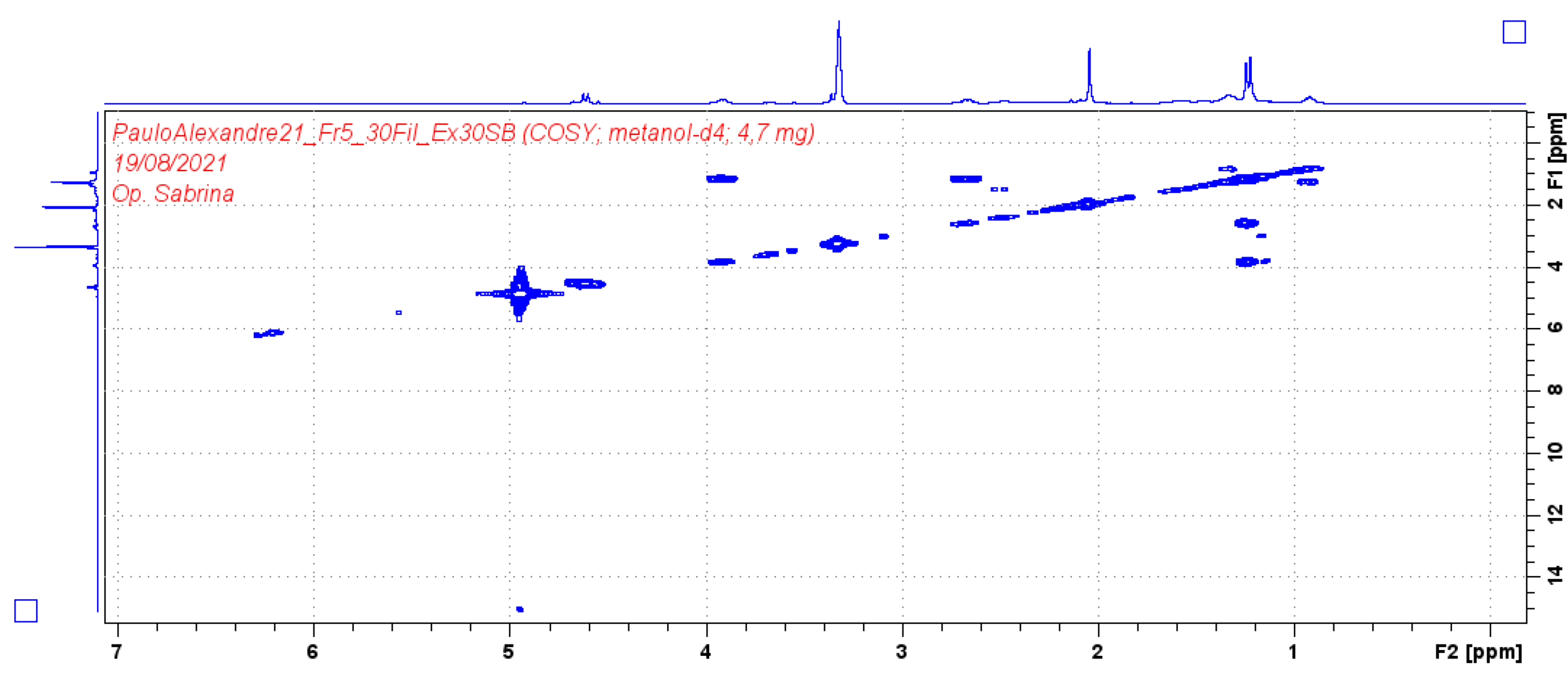
Figure A6.
HMBC correlation map of dihydrocitrinin in methanol-d4.
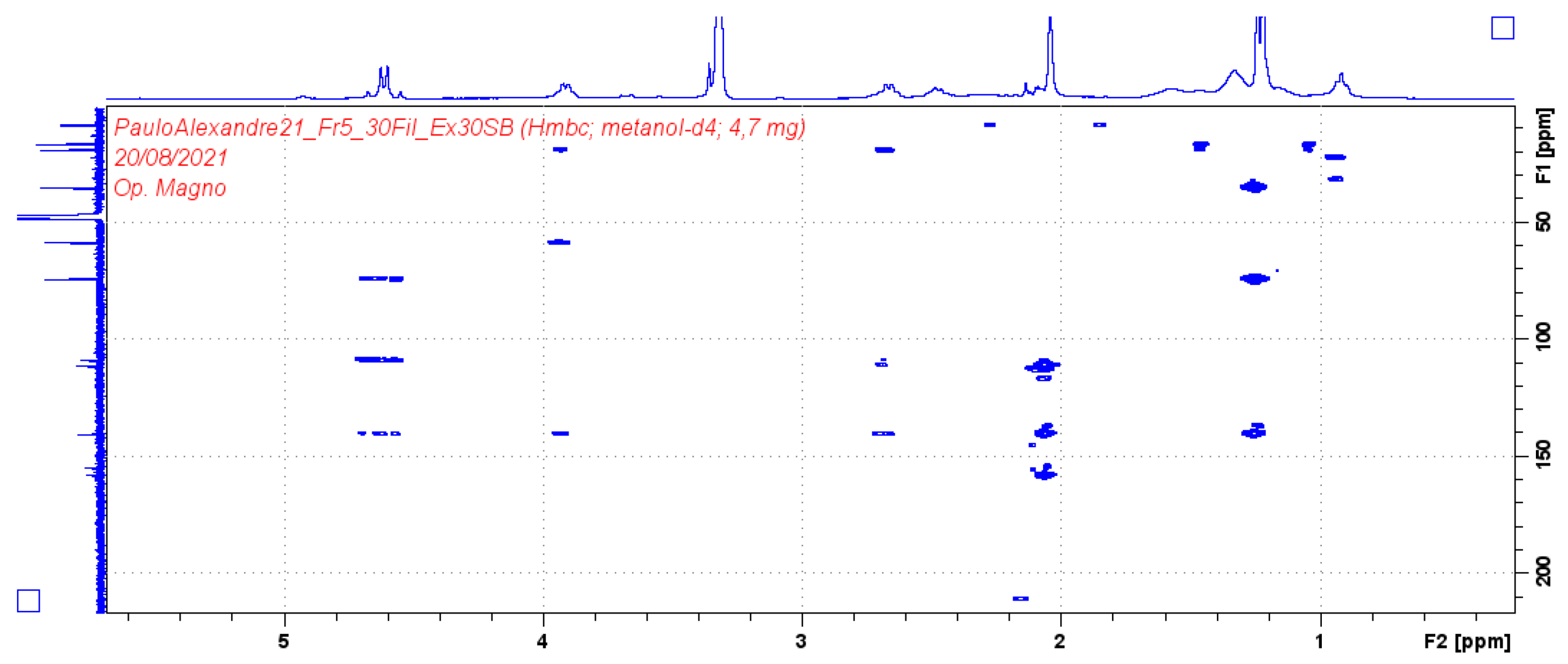
Figure A7.
HSQC correlation map of dihydrocitrinin in methanol-d4.
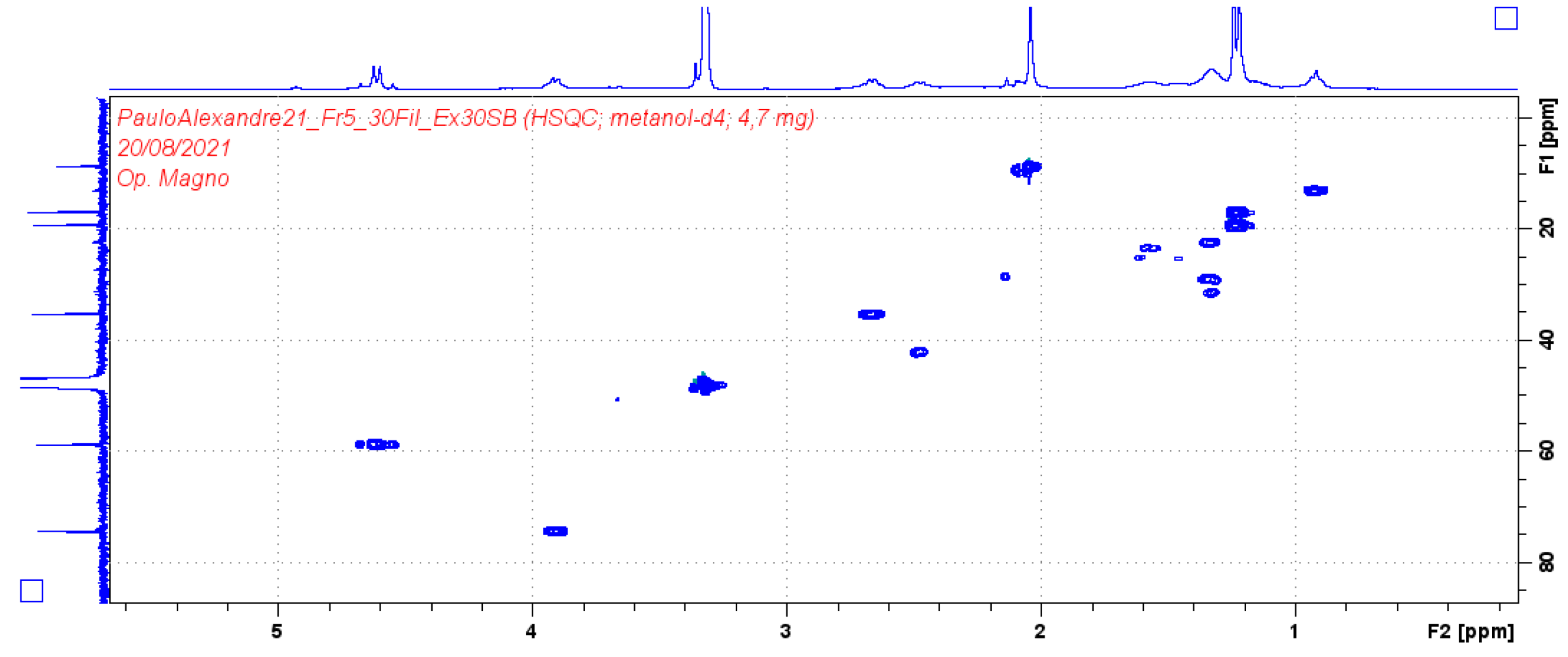
Figure A8.
Chemical structure of 1-methyldihydrocitrinine.
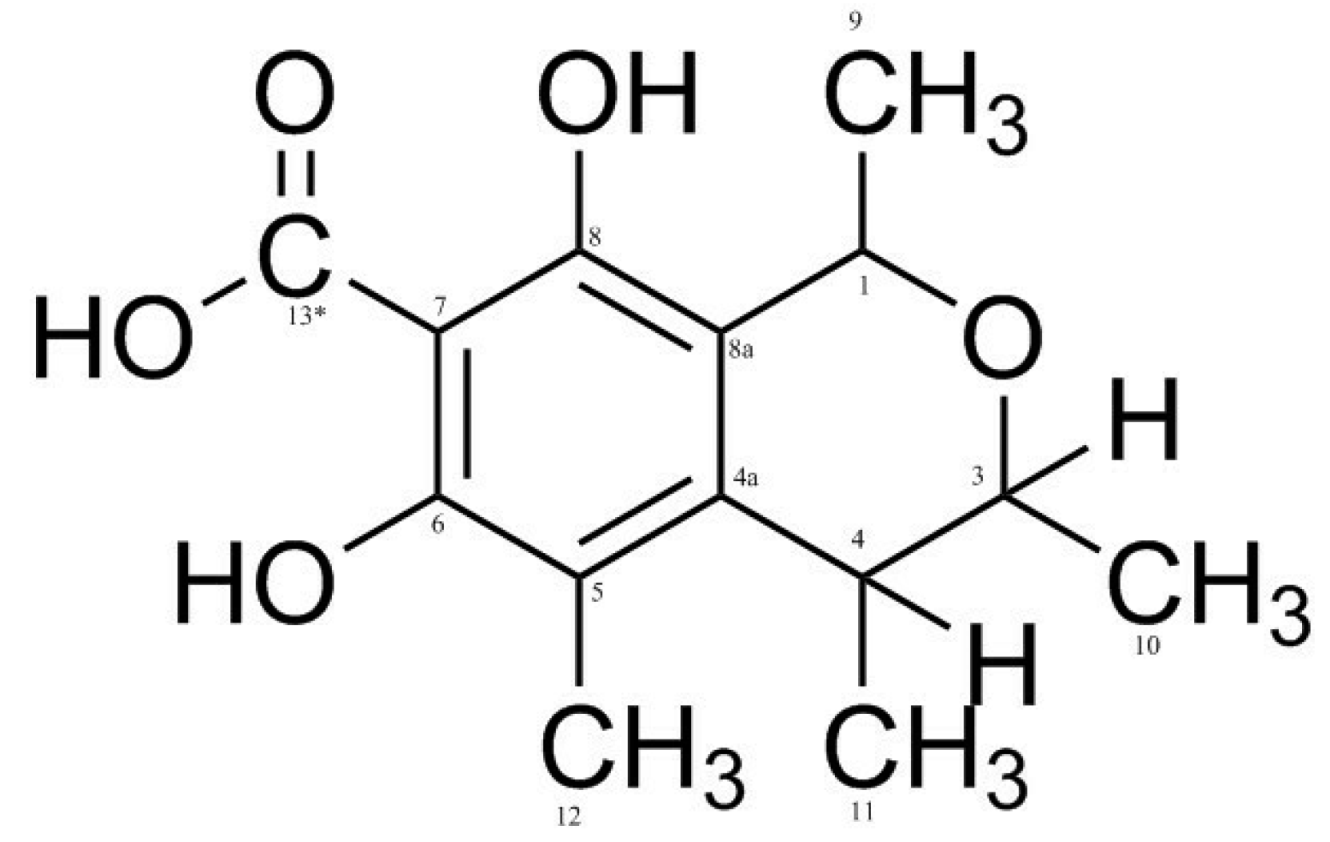
Figure A9.
1H NMR spectrum of 1-methyl-dihydrocitrinin in methanol-d4.

Figure A10.
13C NMR spectrum of 1-methyl-dihydrocitrinin in methanol-d4.
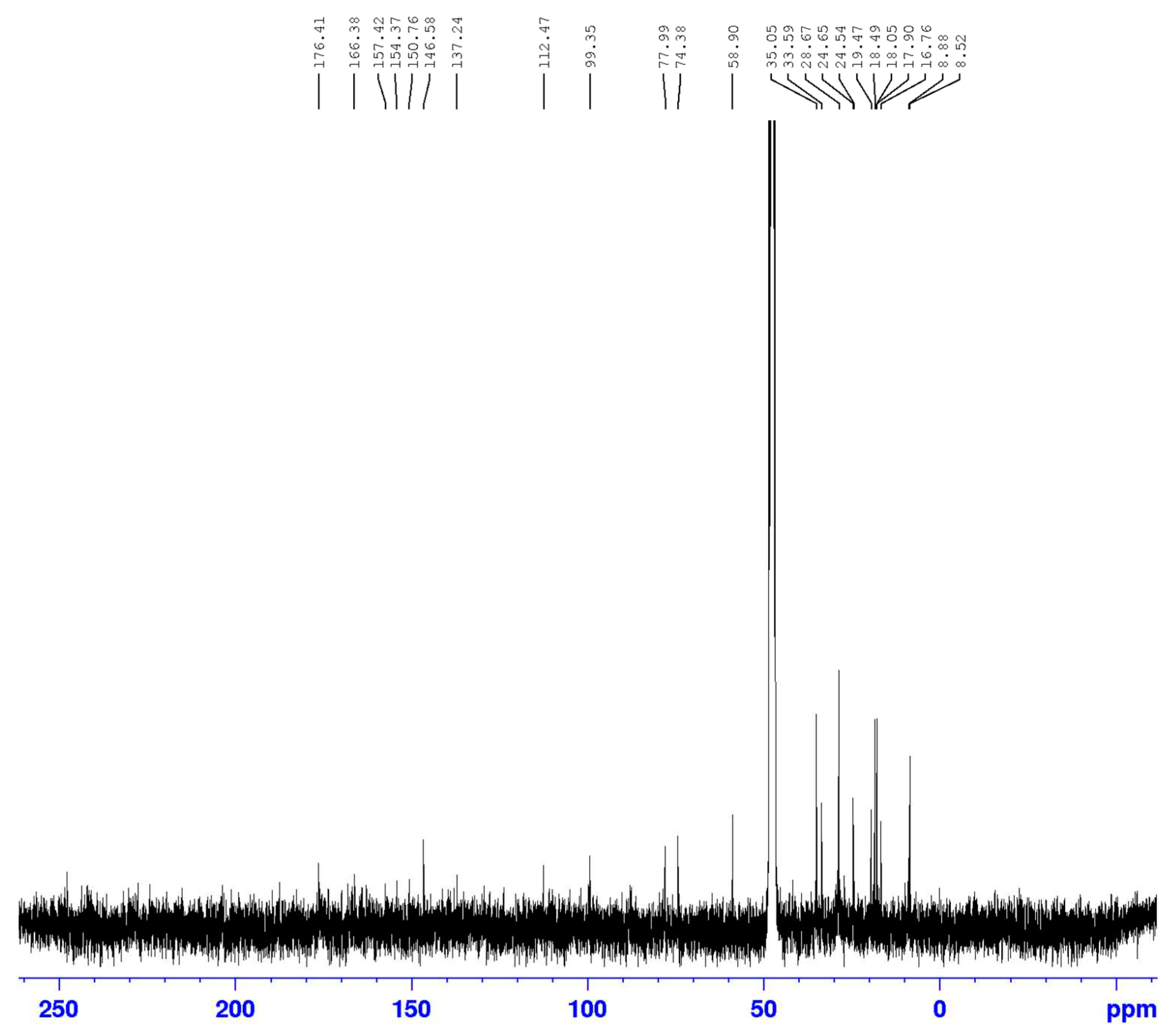
Figure A11.
Dept spectrum of 1-methyl-dihydrocitrinin in methanol-d4.
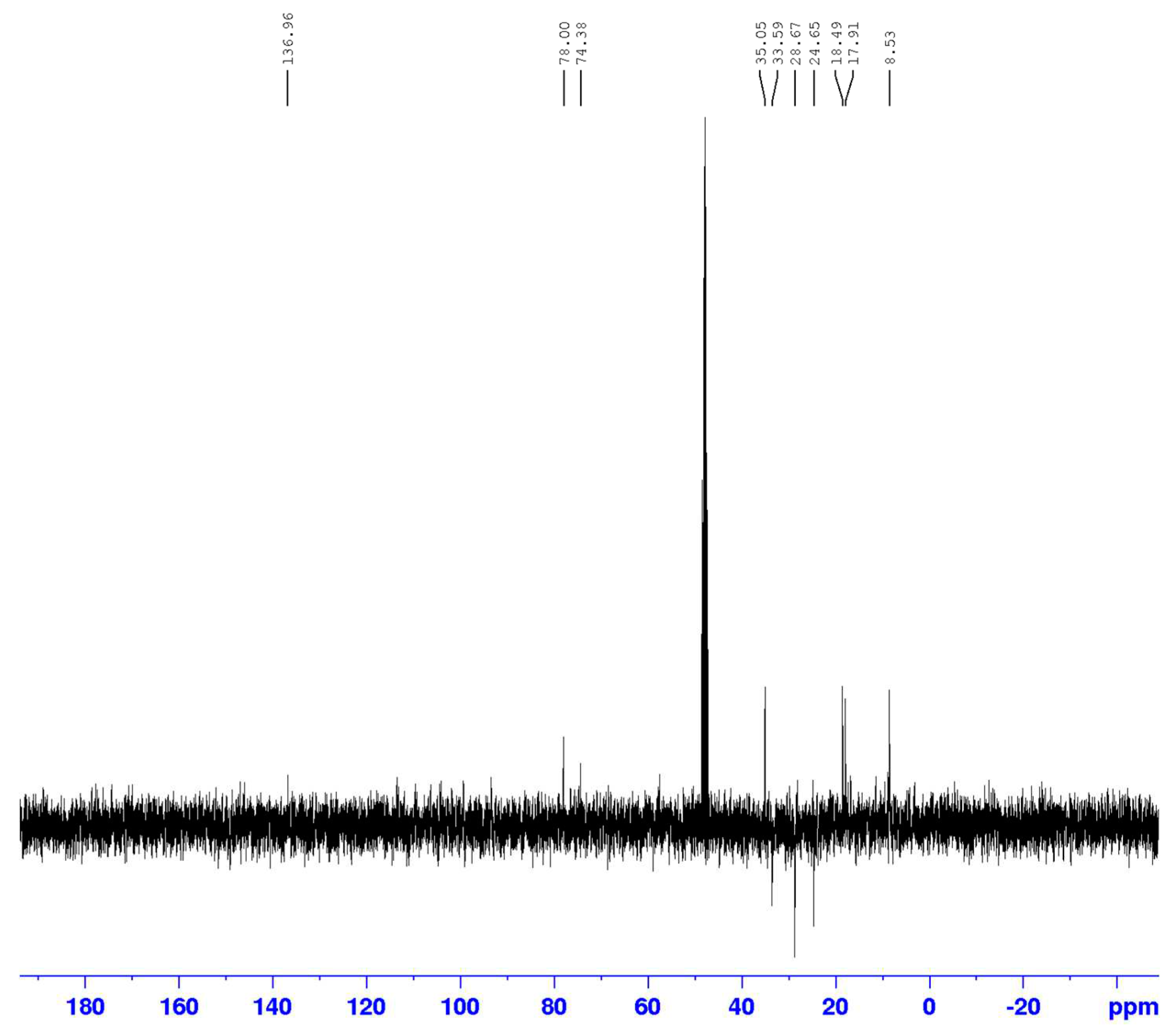
Figure A12.
COSY correlation map of 1-methyl-dihydrocitrinin in methanol-d4.
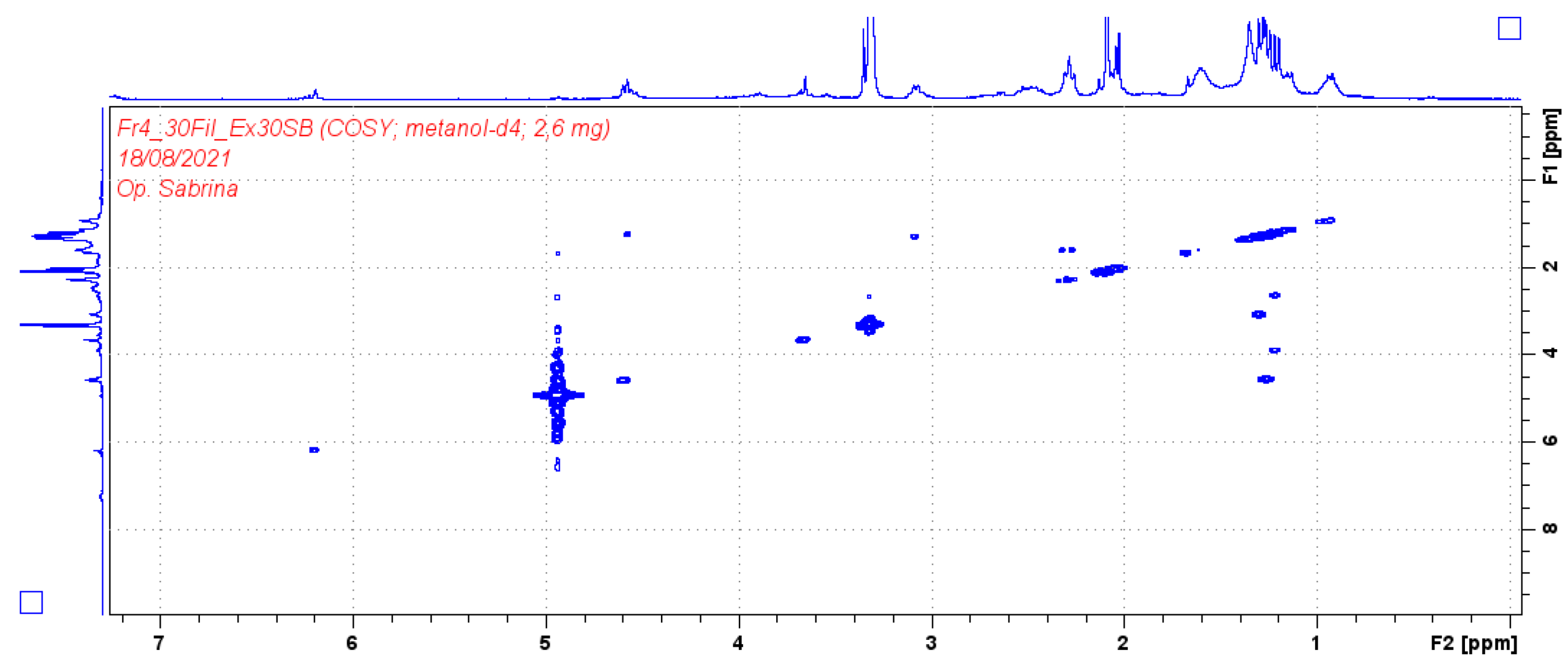
Figure A13.
HMBC correlation map of 1-methyl-dihydrocitrinin in methanol-d4.
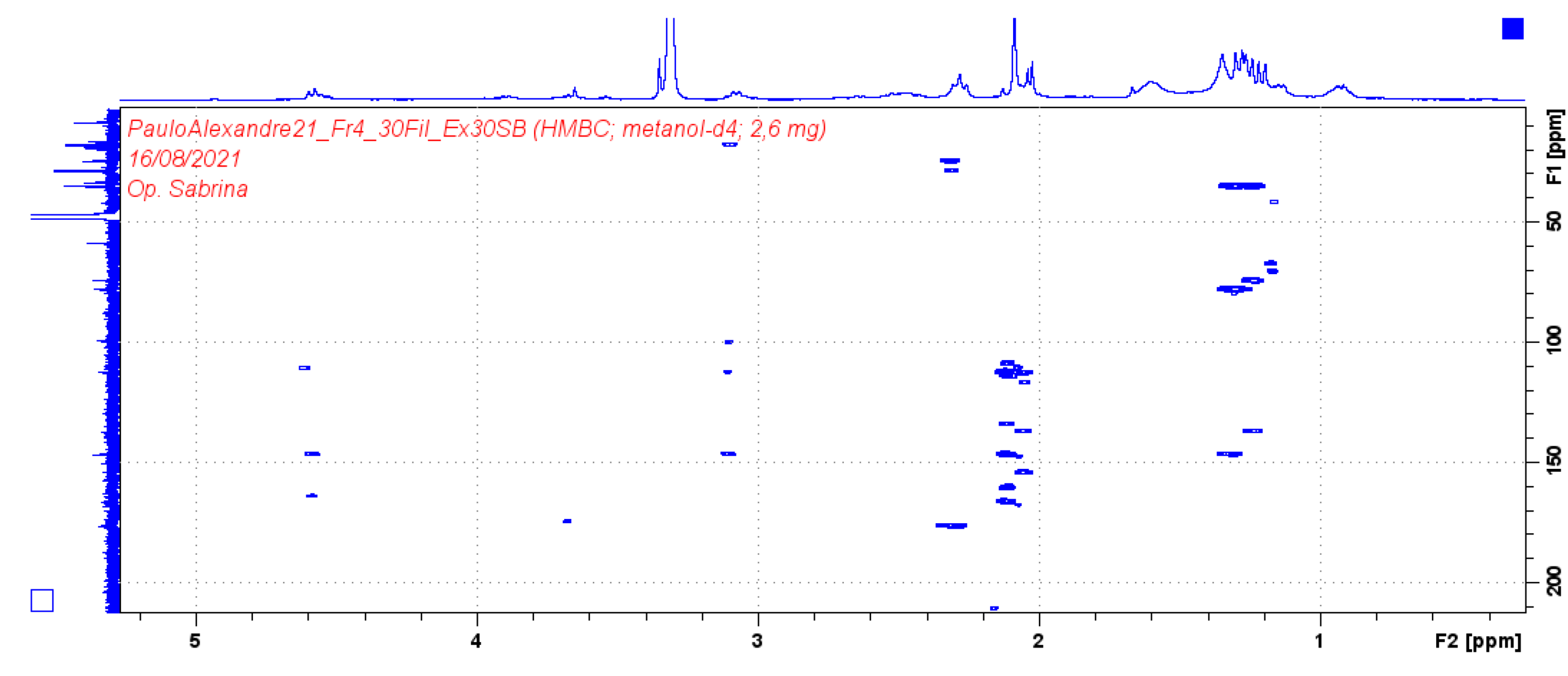
Figure A14.
HSQC correlation map of 1-methyl-dihydrocitrinin in methanol-d4.
References
- XU, J. Fungal species concepts in the genomics era. Genome, 2020, 459-468.
- Molinari, G. Natural Products in Drug Discovery: Present Status and Perspectives. Pharmaceutical Biotechnology, 2009, 13-27.
- Guimarães, D. O. Produtos naturais de fungos endofíticos associados a espécies de Asteraceae e ensaio antibiótico no modelo de infecção em "Caenorhabditis elegans". Universidade de São Paulo. Ribeirão Preto. 2010.
- Musalem, S. M.; Steiner, W. J.; Contreras, O. I. Produccion de celulasas por hungos aislados de madeira e suelos del sur de Chile. Boletín Micológico, 1984, 2, 17–25. [Google Scholar]
- Fritz, M.; Ranaval, M. C.; Braet, C.; Eyzaguirre, J. E. A. A family 51 a-L-arabinofuranosidase from Penicillium purpurogenum: purification, properties and amino acid sequence. Mycological research, 2008, 8, 933–942. [Google Scholar] [CrossRef] [PubMed]
- Hidalgo, M.; Steiner, J.; Eyzaguirre, J. Beta-glucosidase from Penicillium purpurogenum: purification and properties. Biotechnology and Applied Biochemistry, 1992, 2, 185–191. [Google Scholar] [CrossRef]
- Chavez, R.; Navarro, C.; Calderón, I.; Pereira, A.; Bull, P.; Eyzaguirre, J. Secretion of endoxylanase A from Penicillium purpurogenum by Saccharomyces cerevisiae transformed with genomic fungal DNA. FEMS Microbiology Letters, 2002, 2, 237–241. [Google Scholar] [CrossRef] [PubMed]
- Egana, L.; Gutiérrez, R.; Caputo, V.; Peirano, A.; Steiner, Eyzaguirre, J. Purification and characterization of two acetyl xylan esterases from Penicillium purpurogenum. Biotechnology and Applied Biochemistry, 1996, 1, 33–39. [Google Scholar] [CrossRef]
- Frisvad, J. C.; Smedsgaard, J.; Larsen, T. O.; Samson, R. A. Mycotoxins, drugs and other extrolites produced by species in Penicillium subgenus Penicillium. Studies in Mycology, 2004, 49, 201–241. [Google Scholar]
- Mapari, S. A. S.; Meyer, A. S.; Thrane, U. Colorimetric Characterization for Comparative Analysis of Fungal Pigments and Natural Food Colorants. Journal of Agricultural and Food Chemistry, 2006, 19, 7027–7035. [Google Scholar] [CrossRef]
- Khethr, F. B. H.; Ammar, S. S.; Saïdana, D.; Daami, M.; Chariaa, J.; Liouane, K.; Mahjoub, M. A.; elal, A. N.; Mighri, Z. Chemical composition, antibacterial and antifungal activities of Trichoderma sp. growing in Tunisia. Annals of microbiology, 2008, 58, 303–308. [Google Scholar] [CrossRef]
- Sokovic, M. E. A.; Vukojević, J.; Marin, P. D.; Brkić, D. D.; Vajs, V.; Griensven, L. J. L. D. Chemical composition of essential oils of Thymus and Mentha species and their antifungal activities. Molecules, 2009, 1, 238–249. [Google Scholar] [CrossRef]
- Wang, H. E. A.; Wang, Y.; Wang, W.; Fu, P.; Liu, P.; Zhu, W. Anti-influenza Virus Polyketides from the Acid-Tolerant Fungus Penicillium purpurogenum JS03-21. J. Nat. Prod, 2011, 9, 2014–1239. [Google Scholar] [CrossRef]
- Ghanbari, M. A. T.; Mohammadkhani, H. S.; Babaeizad, V. Identification of some secondary metabolites produced by four Penicillium species. Mycologia Iranica, 2014, 2, 107–113. [Google Scholar]
- XUE, J. E. A.; Wu, P.; Xu, L.; Wei, X. Penicillitone, a Potent in Vitro Anti-inflammatory and Cytotoxic Rearranged Sterol with an Unusual Tetracycle Core Produced by Penicillium purpurogenum. Organic Letters, 2014, 5, 1518–1521. [Google Scholar] [CrossRef]
- Murshid, S. S. A.; Badr, J. M.; Youssef, D. T. A. Penicillosides A and B: new cerebrosides from the marine-derived fungus Penicillium species. Revista Brasileira de Farmacognosia, 2016, 26, 29–33. [Google Scholar] [CrossRef]
- Pastre, R. E. A.; Marinho, A. M. R.; Rodrigues-filho, E. Diversidade de policetídeos produzidos por espécies de Penicillium isoladas de Melia azedarach e Murraya paniculata. Química Nova, 2007, 8, 1867–1871. [Google Scholar] [CrossRef]
- Samson, R. A.; Pitt, J. I. Integration of modern taxonomic methods for Penicillium and Aspergillus classification. Harwood Academic, Amsterdam, 2000,pp 255-260.
- Damodaran, C.; Ramadoss, C. S.; Shanmugasundaram, E. R. B. A rapid procedure for the isolation, identification and estimation of citrinin. Analytical Biochemistry, 1973, 52, 482–488. [Google Scholar] [CrossRef] [PubMed]
- Houbraken, J.; Frisvad, F. C.; Samson, R. A. Taxonomy of Penicillium section Citrina. Studies in Mycology, 2011, 1, 53–138. [Google Scholar] [CrossRef] [PubMed]
- Santos, C. M. C.; Costa, G. L.; Figueroa-Villar, J. D. ; Identification of citrinin as the defense metabolite of Penicillium corylophilum stressed with the antagonist fungus Beauveria bassiana. Natural Products Research, 2012, 24, 2316–2322. [Google Scholar] [CrossRef] [PubMed]
- Carvalho, C. A. F. , Fernandes, B. C. Freire, R. B. Supressão da resposta imunitária humoral causada pela citrinina. Arquivo Brasileiro de Medicina Veterinária e Zootecnia, 2005, 2, 171–176. [Google Scholar] [CrossRef]
- de Lima, A. K.; Rodrigues. J. R.; Souza. S. I.; Rodrigues, J. C.; de Souza, T. C.; Maia, C. R.; Fernandes, O. C. C. Fungos isolados da água de consumo de uma comunidade ribeirinha do médio Rio Solimões, Amazonas-Brasil: potencial patogênico. Ambiente Água - An Interdisciplinary Journal of Applied Science, 2017, 12, 1017–1024. [Google Scholar] [CrossRef]
- P., W. CLSI. Performance Standards for Antimicrobial Susceptibility Testing. Informational Supplement. CLSI document M100-S30. 30º. ed. [S.l.]: Clinical and Laboratory Standards Institute, 2020.
- Batista, B. N.; Raposo, N. V.; Silva, I. R. Isolamento e avaliação da atividade antimicrobiana de fungos endofíticos de açaizeiro. Revista Fitos, 2018, 2, 161–174. [Google Scholar] [CrossRef]
- DA SILVA, J. C. Perfil da viabilidade celular e atividade antimicrobiana de espécies de Penicillium do acervo da coleção de culturas dpua. Universidade Federal do Amazonas - Programa de Pós Graduação em Diversidade Biológica. Manaus. 2008.
- Chapla, V. M.; Biasetto, C. R.; Araujo, A. R. Fungos Endofíticos: Uma Fonte Inexplorada e Sustentável de Novos e Bioativos Produtos Naturais. Rev. Virtual Quim, 2013, 3, 421–437. [Google Scholar]
- Yenn, T. W.; Ibrahim, D.; Chang, L. K.; Rashid, A.S.; Ring, L. C.; Nee, T. W.; Noor, M. I. M. Antimicrobial efficacy of endophytic Penicillium purpurogenum ED76 against clinical pathogens and its possible mode of action. Korean Journal of Microbiology, 2017, 3, 193–199. [Google Scholar]
- Xue, J.; Li, H; Wu, P. ; Xu, L.; Yuan, Y.; Wei, X. Bioactive Polyhydroxanthones from Penicillium purpurogenum. Journal of Natural Products, 2020, 5, 1480–1487. [Google Scholar] [CrossRef] [PubMed]
- Marinho, A. M. R.; Rodrigues-Filho, E.; Moitinho, M. L. R.; Santos, L. S. Biologically Active Polyketides Produced by Penicillium janthinellum Isolated as an Endophytic Fungus from Fruits of Melia azedarach. Journal of the Brazilian Chemical Society 2005, 208–283. [Google Scholar] [CrossRef]
- Haraguchi, H.; Taniguchi, T. T.; Oi, S.; Hashimoto, K. Citrinin, an Electron Acceptor Having Antifungal Activity. Agricultural and Biological Chemistry, 1989, 6, 1741–1742. [Google Scholar]
- Valente, A. M. M. P. O uso da RMN na caracterização e quantificação de metabólitos produzidos por microorganismos com potencial biotecnológico. Universidade Federal de São Carlos. São Carlos - SP, p. 183. 2007.
- Poupko, R.; Luz, Z.; Destro, R. Carbon-13 NMR of Citrinin in the Solid State and in Solutions. The Journal of Physical Chemistry A, 1997, 28, 5097–5102. [Google Scholar] [CrossRef]
- Marinho, A. M. R.; Rodrigues-Filho, E. Dicitrinol, a Citrinin Dimer Produced by Penicillium janthinellum. Helvetica Chimica Acta, 2011, 5, 835–841. [Google Scholar] [CrossRef]
- Deruiter, J.; Jacyno, J. M.; Davis, Cutler, H. G. Studies on aldose reductase inhibitors from fungi. I. Citrinin and related benzopyran derivatives. Journal of Enzyme Inhibition, 1992, 3, 201–210. [Google Scholar] [CrossRef]
- Clark, B. R.; Capon, R. J.; Lacey, E.; Tennant, S.; Gill, J. H. Citrinin revisited: from monomers to dimers and beyond. Organic Biomolecular Chemistry, 2006, 1520–1528. [Google Scholar] [CrossRef]
- Wang, Y.; Tu, C. T.; Ting, H. S. Citrino pinacol. Science Record (China) 1950, 213–220. [Google Scholar]
- Warren, H. H.; Finkelstein, M.; Scola, D. A. The synthesis and antibiotic activity of analogs of citrinin and dihydrocitrinin. Journal of American Chemistry Society, 1957, 10, 1926–1928. [Google Scholar] [CrossRef]
- Wang, Y.; Hong, F. K.; Hwang, F. T.; Fan, C. S. Citrinin as an antibiotic. Science 1947, 291–292. [Google Scholar] [CrossRef]
- Cruz, J. S.; Costa, L.; Figueroa-Villar, J. D. História, Aplicações, Atividade e Modificações da Citrinina. Revista Virtual de Química, 2016, 8, 650–664. [Google Scholar]
- Franco, C. M.; Fente, C. A.; Vazquez, B.; Cepeda, A.; Lallaoui, L.; Prognon, P.; Mahuzier, G. Simple and sensitive highperformance liquid chromatography fluorescence method for he determination of citrinin - Application to the analysis of fungal cultures and cheese extracts. Journal of Chromatography A, 1996, 1, 69–75. [Google Scholar] [CrossRef] [PubMed]
- Betina, V.; Baráthová, H. Citrinin - an inducer of permeability changes in Eremothecium ashbyi. The Journal of Antibiotics, 1968, 10, 628–629. [Google Scholar] [CrossRef]
- Lu, Z. Y.; Lin, Z. J.; Wang, W. L.; Du, L.; Zhu, T. J.; Fang, Y. C.; Gu, Q. Q.; Zhu, W. M. Citrinin Dimers from the Halotolerant Fungus Penicillium citrinum B-57. Journal of Natural Products, 2008, 4, 543–546. [Google Scholar] [CrossRef]
Figure 1.
HRESI(-)MS spectrum of compound 1. (A) - MS/MS ESI spectrum [M-H]- of the ion m/z 251. (B) - Proposed fragmentation of the ion m/z 251.
Figure 1.
HRESI(-)MS spectrum of compound 1. (A) - MS/MS ESI spectrum [M-H]- of the ion m/z 251. (B) - Proposed fragmentation of the ion m/z 251.
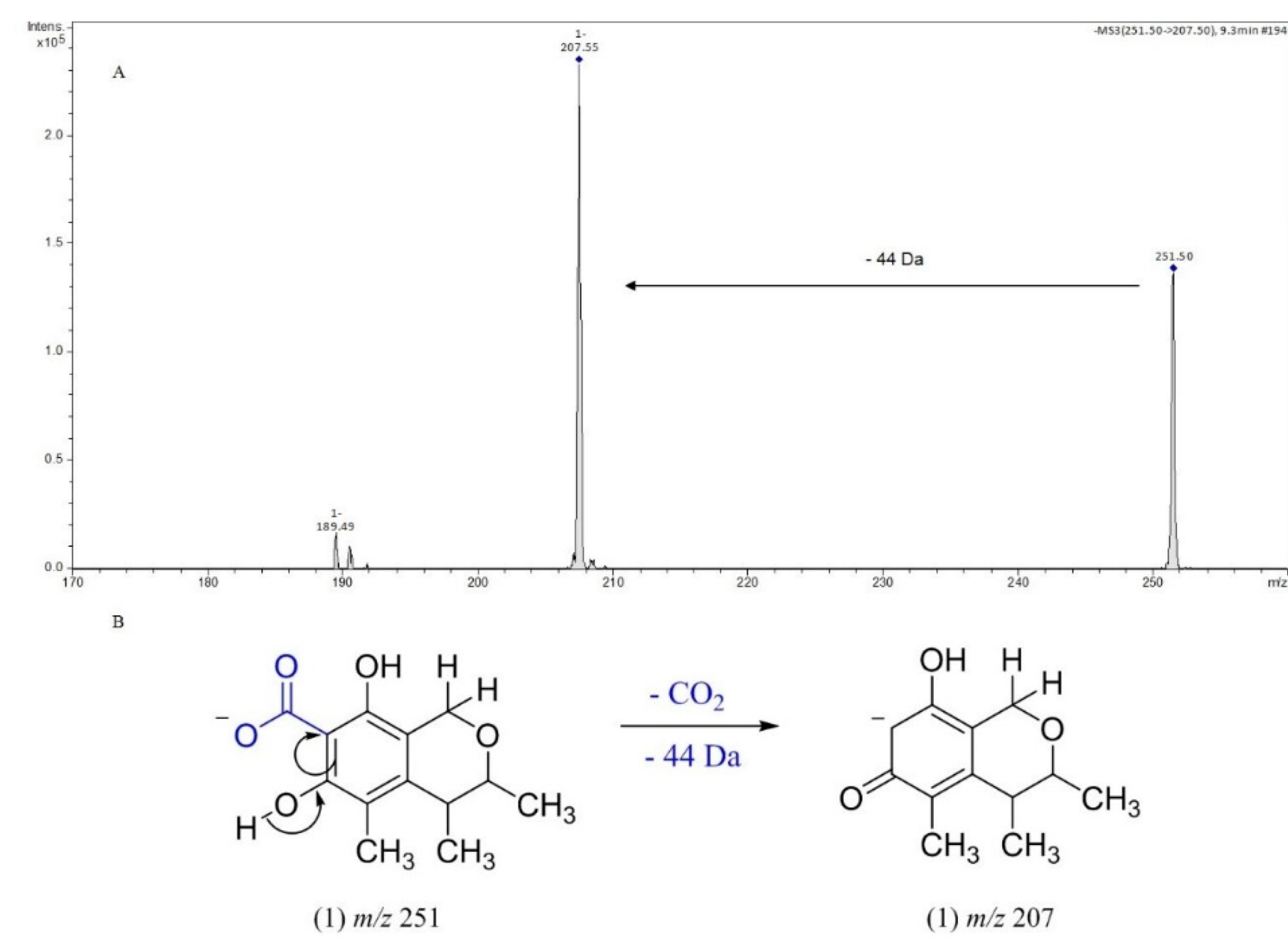
Figure 2.
HRESI(-)MS spectrum of compound 2. (A) - MS/MS ESI spectrum [M-H]- of the ion m/z 265. (B) - Proposed fragmentation of the ion m/z 265.
Figure 2.
HRESI(-)MS spectrum of compound 2. (A) - MS/MS ESI spectrum [M-H]- of the ion m/z 265. (B) - Proposed fragmentation of the ion m/z 265.
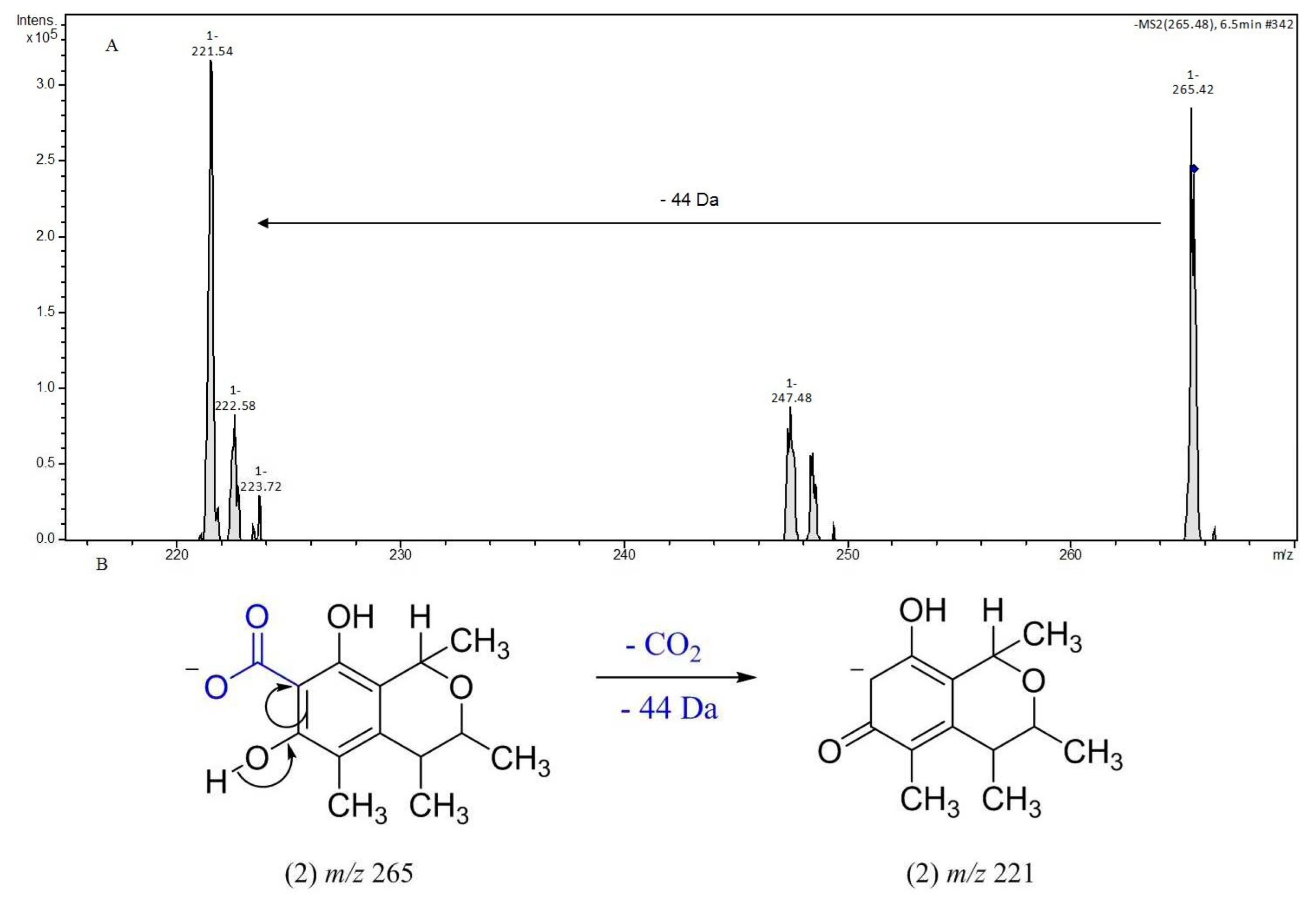

Table 1.
MIC values of P. purpurogenum extracts against different pathogens.
| Pathogen | Extract | Growing medium | Concentration (µg. mL-1) |
|---|---|---|---|
| C. albicans | Acoet | SB | 31.25 |
| Acoet | ISP2 | 500 | |
| MeOH | ISP2 | 1000 | |
| Acoet | YES | 62.5 | |
| C. tropicalis | Acoet | SB | 250 |
| S. aureus | Acoet | SB | 125 |
MIC Amoxicillin: 12 µg. ml-1 and Itraconazole: 125 µg. ml-1; SB – Sabouraud; ISP2 - International Streptomyces Project 2, and YES - MeOH Sucrose Yeast Extract - Methanol and Acoet - Ethyl Acetate.
Table 2.
Data of 1H (300 MHz) and 13C (75 MHz) spectra of Dihydrocitrin (1) in MeOD.
| Position | Compound (1) | |||
|---|---|---|---|---|
| δH (J in Hz) | δC | HMBC | COSY | |
| 1 | 4.61 (2H, d 7.2) | 58.69 | 74.2/108.9/140.4/154.8 | 2.05/2.66 |
| 3 | 3.91 (1H, d 6.4) | 74.2 | 19.42/58.69/140 | 1.27/2.66 |
| 4 | 2.66 (1H, q 6.4) | 35.1 | 19.42/108/111/140 | 1.23 |
| 4a | - | 140.0 | ||
| 5 | - | 111.0 | ||
| 6 | - | 157.0 | ||
| 7 | - | 105.9 | ||
| 8 | - | 154.8 | ||
| 8a | - | 108.8 | ||
| 9 | 1.21 (3H, d 6.4) | 16.7 | ||
| 10 | 1.23 (3H, d 6.4) | 19.4 | 35.1/74.2/140 | |
| 11 | 2.04 (3H, s) | 8.6 | 111/140/157 | |
| 12* | - | - | ||
Table 3.
Data referring to the 1H (300 MHz) and 13C (300 MHz) spectra of 1-Methyldihydrocitrin (Compound 2) in MeOD .
Table 3.
Data referring to the 1H (300 MHz) and 13C (300 MHz) spectra of 1-Methyldihydrocitrin (Compound 2) in MeOD .
| Position | Compound (2) | |||
|---|---|---|---|---|
| δH (J in Hz) | δC | HMBC | COSY | |
| 1 | 4.54 (1H, m) | 77.9 | 17.9/74.37/110.8/146.5/163.9 | 1.25 |
| 3 | 1.22 (1H, m) | 74.3 | ||
| 4 | 3.08 (1H, q 6.7) | 35.0 | 17.9/146.5 | 1.29 |
| 4a | - | 146.5 | ||
| 5 | - | 112.4 | ||
| 6 | - | 154.3 | ||
| 7 | - | - | ||
| 8 | - | 163.9 | ||
| 8a | - | 110.8 | ||
| 9 | 1.25 (3H, d 6.7) | 18.4 | ||
| 10 | 1.29 (3H, d 6.7) | 17.9 | 35.05/77.9/146.5 | |
| 11 | 1.21 (3H, d 6.7) | 16.8 | 35.05 | |
| 12 | 2.09 (3H, s) | 8.5 | 112.4/146.5 | |
| 13 | - | 178 | ||
Disclaimer/Publisher’s Note: The statements, opinions and data contained in all publications are solely those of the individual author(s) and contributor(s) and not of MDPI and/or the editor(s). MDPI and/or the editor(s) disclaim responsibility for any injury to people or property resulting from any ideas, methods, instructions or products referred to in the content. |
© 2024 by the authors. Licensee MDPI, Basel, Switzerland. This article is an open access article distributed under the terms and conditions of the Creative Commons Attribution (CC BY) license (http://creativecommons.org/licenses/by/4.0/).
Copyright: This open access article is published under a Creative Commons CC BY 4.0 license, which permit the free download, distribution, and reuse, provided that the author and preprint are cited in any reuse.


