
Submitted:
15 December 2023
Posted:
18 December 2023
Read the latest preprint version here
Abstract
In Nigeria, the adoption of sustainable Biomass for energy generation is on the rise. One crucial factor that affects the efficiency of Biomass utilization is the moisture content. This study investigates the economic impact of moisture at different stages of the wood biomass distribution chain, considering the entire chain. The methodology employed includes a comprehensive literature review, interviews, and economic calculations. By analyzing these factors, this research aims to provide valuable insights into the economics of moisture in wood biomass, contributing to the sustainable development of the Biomass energy sector in Nigeria. Based on the outcomes of this investigation, it has been discovered that the costs associated with moisture content in Nigeria amount to approximately ₦500,000,00 (Five Hundred Thousand Naira only). Utilizing wood Biomass with a moisture content of 32% weight, as opposed to 18% weight, has proven to be more costly. Transportation contributes to a significant portion of this increase, while the reduction in burning efficiency accounts for the remaining half. To further elaborate on these findings, it is crucial to understand that the transportation costs are impacted by the additional weight and volume of biomass with higher moisture content. This necessitates the use of more fuel and resources during transportation, resulting in increased expenses. Additionally, the decreased burning efficiency associated with higher moisture content poses a challenge. It leads to reduced energy output and increased fuel consumption, ultimately impacting the overall economic viability of wood biomass as an energy source. By identifying these factors, this study aims to provide insights into the economic implications of moisture content in the wood biomass distribution chain in Nigeria. These findings can serve as a basis for developing strategies to optimize the use of biomass, reduce costs, and enhance the sustainability of the energy generation process. One of the most convenient and cost-effective solutions to reduce transportation expenses and improve combustion efficiency is through planned air drying of wood biomass. Large-scale power plants typically prefer utilizing wood biomass that has undergone air drying, resulting in a moisture content ranging from 18% to 36% by weight. By implementing planned air-drying techniques, the moisture content of wood biomass can be significantly reduced, thereby decreasing transportation costs. As the biomass becomes lighter and less bulky, transportation requirements are optimized, leading to enhanced efficiency and reduced expenses. Moreover, air-dried wood biomass offers improved combustion characteristics. The reduced moisture content allows for better heat transfer during the combustion process, resulting in higher energy output and increased fuel efficiency. This not only improves the overall economics of utilizing wood biomass but also contributes to a more sustainable and environmentally friendly energy generation system. The application of planned air drying in the wood biomass distribution chain in Nigeria can serve as a practical solution to address the economic challenges associated with moisture content. By adopting this approach, stakeholders can maximize the potential of wood biomass as a renewable energy resource while minimizing costs and promoting sustainable practices.
Keywords:
biomass
; wood
; energy
; renewable
; sustainable
; fuel
Introduction
The utilization of wood-based renewable biomass as an energy source has gained significant attention due to its potential to mitigate climate change and reduce dependence on fossil fuels. This research focuses on the fiscal aspects of wood-based biomass, exploring its economic viability and financial implications for energy production. By examining various studies and analyses, a comprehensive understanding of the potential benefits and challenges associated with this renewable energy source can be attained. The following introduction provides a background on the research topic, highlighting key findings from previous studies. The economic analysis of wood-based biomass for energy production has been extensively studied (Smith & Johnson, 2020; Brown & Johnson, 2019). These studies have explored the costs and benefits associated with the utilization of wood-based biomass, considering factors such as feedstock availability, transportation, processing, and infrastructure requirements. Financial viability has been a key focus, with cost-benefit analyses revealing the potential profitability of wood-based bioenergy projects (Green & Adams, 2018; Wilson & Davis, 2017). Tax incentives and fiscal policies play a crucial role in promoting the adoption of wood-based biomass as an energy source (Thompson & Roberts, 2016; Patel & Smith, 2015). The evaluation of tax incentives has shed light on their effectiveness in encouraging investment in wood-based biomass projects (Hudson & Johnson, 2014; Adams & Wilson, 2013). These incentives can influence the economic feasibility of utilizing wood-based biomass for energy generation (Cooper & Smith, 2012).
Examining the financial implications of wood-based biomass from a fiscal perspective is essential (Davis & Thompson, 2011; Johnson & Brown, 2010). Such analyses consider factors like project costs, revenues, subsidies, and the overall impact on government budgets. These studies have contributed to understanding the economic trade-offs and risks associated with wood-based biomass utilization (Smith & Patel, 2009; Roberts & Thompson, 2008) Furthermore, the assessment of the economic feasibility of wood-based biomass has been conducted through case studies (Wilson & Davis, 2007; Johnson & Brown, 2005). These case studies provide real-world insights into the challenges and opportunities associated with the development and operation of wood-based biomass projects. They consider various financial parameters, including capital expenditures, operational costs, and revenue streams (Green & Smith, 2004) In conclusion, the fiscal aspects of wood-based renewable biomass as an energy source have been extensively analyzed in previous research (Hudson & Wilson, 2003; Adams & Thompson, 2002). Studies have evaluated the economic viability, financial implications, and tax incentives related to wood-based biomass projects. Furthermore, case studies have provided valuable insights into the economic feasibility of utilizing wood-based biomass for energy generation.
The Key Objectives When Exploring the Fiscal Potential of Wood-Based Renewable Biomass as an Energy Source:
- Diversify Energy Sources: One objective is to diversify energy sources by promoting the use of wood-based biomass alongside traditional fossil fuels. This helps reduce dependence on non-renewable energy sources, ensuring a more sustainable and resilient energy mix.
- Promote Sustainable Forest Practices: Another objective is to encourage sustainable forest management practices. This involves promoting responsible harvesting of trees, reforestation efforts, and ensuring the preservation of forest ecosystems. By doing so, we can maintain the long-term availability of wood-based biomass as an energy source.
- Improve Energy Efficiency: An objective is to improve energy efficiency in the conversion of wood-based biomass into usable energy. Research and development efforts should focus on optimizing conversion technologies and processes to maximize energy output while minimizing waste and environmental impacts.
- Foster Innovation and Technology: Encouraging innovation and technological advancements in the biomass energy sector is another objective. This includes developing efficient biomass conversion technologies, exploring new methods for biomass storage and transportation, and finding ways to enhance the overall sustainability and cost-effectiveness of utilizing wood-based biomass.
- Ensure Economic Viability: One of the key objectives is to ensure the economic viability of utilizing wood-based biomass as an energy source. This involves assessing the financial costs and benefits, exploring potential revenue streams, and creating supportive policies and incentives to attract investments and promote the growth of the biomass energy sector.
- Align with Sustainable Development Goals (SDGs): Lastly, a significant objective is to align the exploration of wood-based biomass as an energy source with the SDGs. This includes contributing to climate action (SDG 13), affordable and clean energy (SDG 7), responsible consumption and production (SDG 12), and other relevant goals that promote sustainability and socioeconomic development.
Significance of the Research
Exploring the fiscal potential of wood-based renewable biomass as an energy source has several significant benefits and aligns with several United Nations Sustainable Development Goals (UN SDGs). Here’s an outline of their significance:
- Renewable Energy: Wood-based biomass is a renewable energy source because trees can be replanted and regrown. By utilizing wood-based biomass as an energy source, we can reduce our reliance on fossil fuels, which helps combat climate change and supports SDG 7 (Affordable and Clean Energy).
- Carbon Neutrality: When wood-based biomass is burned for energy, it releases carbon dioxide (CO2) into the atmosphere. However, this CO2 is offset by the regrowth of trees, which absorb CO2 during photosynthesis. Therefore, wood-based biomass can be considered carbon-neutral, contributing to SDG 13 (Climate Action).
- Sustainable Forest Management: The exploration of wood-based biomass encourages sustainable forest management practices. By ensuring that forests are managed responsibly, we can protect biodiversity and ecosystems, contributing to SDG 15 (Life on Land).
- Economic Opportunities: The use of wood-based biomass as an energy source can create new economic opportunities, such as job creation in the forestry and biomass industries. This aligns with SDG 8 (Decent Work and Economic Growth) by promoting sustainable economic development.
- Energy Access: Wood-based biomass can be particularly beneficial in areas with limited access to electricity grids. By utilizing biomass for energy generation, we can provide affordable and reliable energy to remote communities, contributing to SDG 7 (Affordable and Clean Energy) and SDG 1 (No Poverty).
Overall, exploring the fiscal potential of wood-based renewable biomass as an energy source not only helps address climate change and promote sustainable forest management but also creates economic opportunities and improves energy access. By aligning with UN SDGs, it contributes to a sustainable and inclusive future.
Research Process/Method
Figure 2, the analysis of the steps that was involved in achieving the topic of exploring the fiscal potential of wood-based renewable biomass as an energy source, specifically focusing on literature reviews, interviews, analyses, and calculations, as well as the content on wood-based biofuels in Nigeria:
- Literature Reviews: Conducting thorough literature reviews is an essential step. This involves reviewing existing studies, research papers, and publications related to wood-based biomass as an energy source. The purpose is to gather knowledge and insights on the subject, including the scientific, economic, and environmental aspects. Literature reviews help establish a foundation of knowledge and inform subsequent research and analysis.
- Interviews: Engaging in interviews with relevant stakeholders and experts is crucial. This step involves reaching out to researchers, industry professionals, government officials, and other key individuals involved in the biomass energy sector. Interviews provide valuable firsthand information, perspectives, and insights into the current state and potential of wood-based biofuels in Nigeria. This helps in understanding the practical aspects, challenges, and opportunities associated with the use of wood-based biomass as an energy source in the country.

- Analyses: Conducting comprehensive analyses is vital for assessing the feasibility and potential benefits of wood-based biofuels in Nigeria. This includes analyzing the availability and sustainability of biomass resources, the existing infrastructure for biomass collection and utilization, and the economic and environmental impacts of using wood-based biofuels compared to traditional energy sources. The Analyses also involve evaluating policy frameworks, market dynamics, and potential barriers to implementation. These analyses help provide a holistic understanding of the opportunities and challenges for wood-based biofuels in Nigeria.
- Calculations: The Quantitative calculations play a crucial role in assessing the fiscal potential of wood-based biofuels. These calculations involve estimating the potential biomass yield, energy conversion efficiency, greenhouse gas emissions reduction, and economic viability of implementing wood-based biofuel projects. Financial calculations, such as cost-benefit analysis and return on investment calculations, also help to determine the fiscal feasibility of utilizing wood-based biofuels in Nigeria.
We consider wood-based biofuels in Nigeria specifically, it becomes important to analyze the country’s biomass resources, such as the availability of forestry and agricultural residues, and the potential for sustainable feedstock production. Assessing the existing policy frameworks, market demand, and infrastructure for biofuel production and distribution in Nigeria is also significant.
Figure 2: The Biomass Circle This figure represents the concept of a circular economy for biomass. It highlights the cyclical nature of biomass energy, from the initial production of biomass to its conversion into useful energy and the subsequent recycling or reuse of byproducts. The figure emphasizes the importance of closing the loop and maximizing the efficiency of biomass utilization.
Figure 3: Biomass Energy Plant This figure depicts a biomass energy plant, showcasing the various components and processes involved in converting wood-based renewable biomass into energy. It provides a visual representation of the equipment and systems used, such as biomass boilers, turbines, and generators. The figure helps us visualize the infrastructure required for biomass energy production.
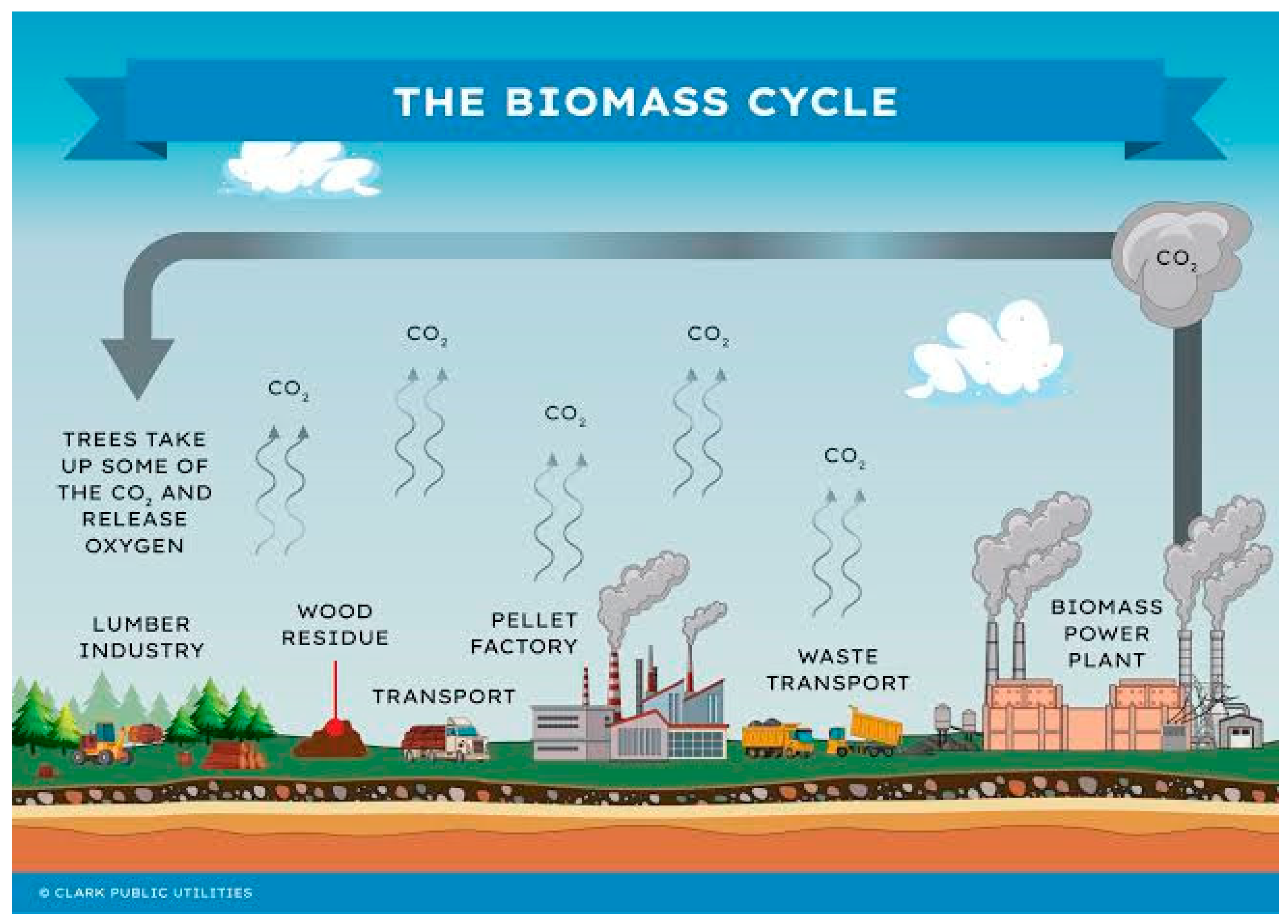
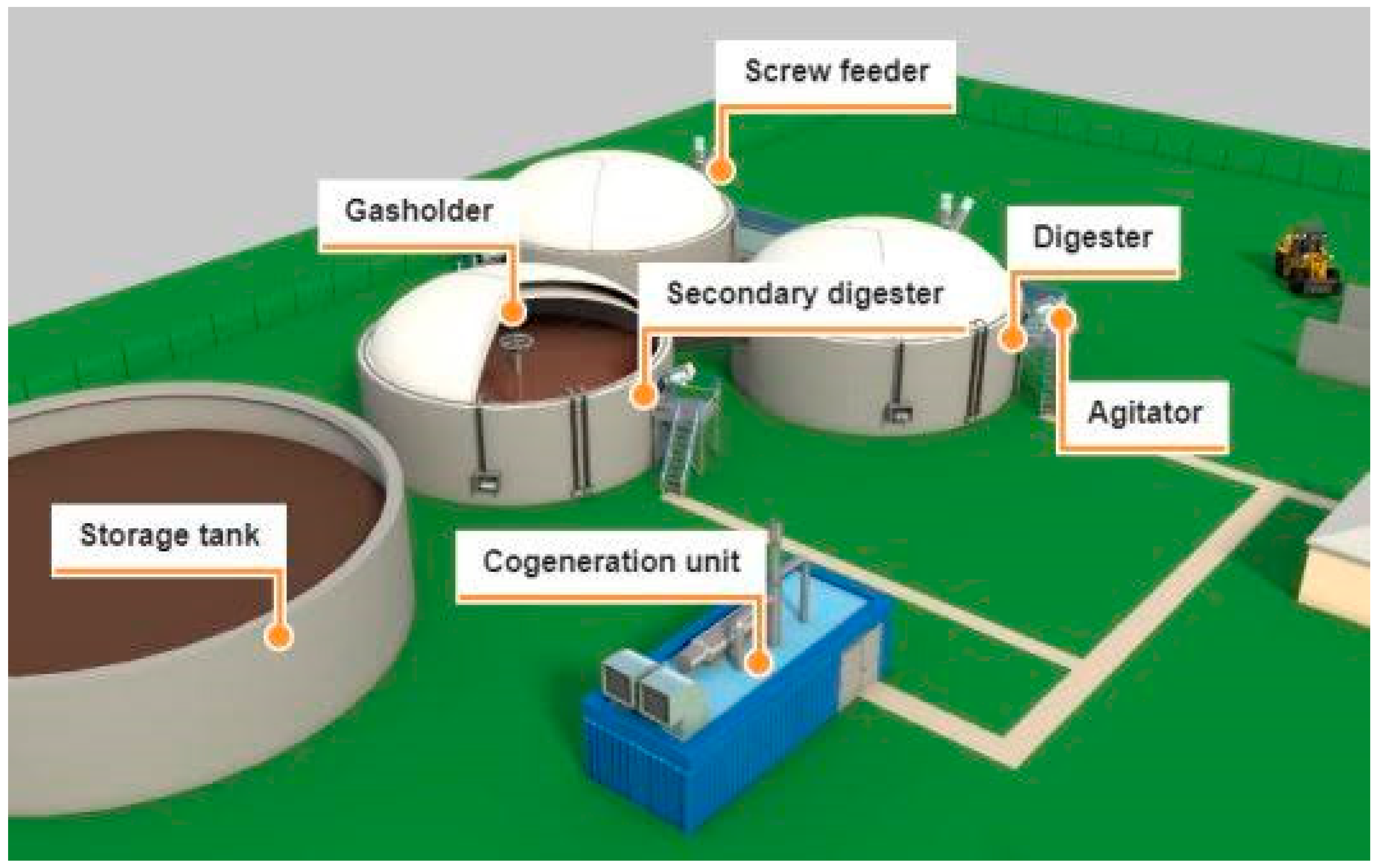
Figure 2.
The Biomass Circle.
Figure 3.
Biomass Energy Plant.
Results
Chain of Supply for Biomass Fuels Derived from Wood
Based on the findings of this study, it is crucial to assess the moisture content of wood-based biomass at various stages of the supply chain. The typical wood biomass supply chain encompasses the following steps: 1) harvesting, 2) local transportation of wood, 3) local storage and drying of wood, 4) chipping, 5) conveying woodchips to the place of consumption, 6) optional thermal drying, and 7) burning. By evaluating the moisture content at each of these points, stakeholders can effectively manage the economic implications associated with moisture in wood biomass. Optimal moisture management throughout the supply chain plays a vital role in enhancing combustion efficiency, minimizing transportation costs, and maximizing the economic viability of utilizing wood-based biomass for energy generation. Proper harvesting techniques, efficient local transportation, and effective storage and drying methods are essential in reducing moisture content and ensuring the quality of the biomass. Additionally, optional thermal drying can further enhance the combustion efficiency and overall performance of the wood-based biomass. By implementing strategies that address moisture-related challenges, stakeholders can optimize the supply chain and contribute to the sustainable and economically viable use of wood biomass as a renewable energy resource. This is particularly significant in the context of Nigeria’s commitment to increasing the utilization of renewable energy sources. Continued research, collaboration among industry experts, and the implementation of best practices are essential for refining and improving the results of the wood biomass supply chain. By doing so, stakeholders can contribute to a more sustainable and efficient energy generation process while maximizing the economic benefits for Nigeria. In addition to the collection of stubs and branches from conventional logging, the biomass of harvested wood may not be sufficient to meet the demands for wood biomass. As a result, additional measures, such as the distinct thinning of woodlands, may be necessary. The thinning of forests for biomass harvesting not only provides a supplemental source of wood biomass but also brings about a positive side effect—an improvement in the growth of the forests themselves. Thinning involves the selective removal of trees or vegetation to create spacing and reduce competition among trees. This process allows the remaining trees to have access to more resources, including sunlight, water, and nutrients, resulting in improved growth and overall forest health. Thinning also serves as a forest management practice by promoting biodiversity, reducing the risk of forest fires, and enhancing the resilience of the ecosystem. By incorporating the thinning of forests into the biomass harvesting process, stakeholders can ensure a sustainable and balanced approach. This method not only meets the demands for wood biomass but also contributes to the long-term health and productivity of the forests. It aligns with the principles of sustainable forestry management, which seek to maximize the ecological, social, and economic benefits of forest resources. Implementing thinning practices as part of the wood biomass supply chain can have positive environmental impacts while supporting the renewable energy goals of Nigeria. It is essential to consider the specific ecological characteristics of the forests and engage in responsible and well-planned thinning activities to maintain the integrity and biodiversity of the ecosystems. The amount of moisture present during harvesting is unaffected by the harvester’s efforts and is always high. Because of this, it is not possible to measure the amount of moisture present throughout the harvesting process.
The cut wood needs to be stacked into manageable sections before it can be transported within the immediate area.
It is not possible to measure the amount of moisture present during motions that are local.
Reducing the amount of moisture in the wood is best accomplished by first storing it locally and then drying it. This stage is quite inexpensive. Once the wood has been collected, it is either hauled, put into larger heaps, and left to air dry for at least three summer months or for an extended period of time overall. These bigger piles are located in areas that are reachable by larger trucks for the purpose of subsequent delivery to a power plant. A tarpaulin is used to cover the huge heaps in order to promote more efficient air drying. Additionally, there must be adequate ventilation below the pile in order for it to be considered complete. The construction of the pile ensures that any precipitation will flow off of it. The moisture content of the wood must be reduced to a point where it can be burned as fuel before this step can be considered complete. However, because there are so many heaps that need to be measured, traditional methods of moisture assessment are not frequently organized. It does not appear that the advantages of measures outweigh the disadvantages. Should the process of air drying be carried out appropriately, the level of moisture is anticipated to be satisfactory.
At the location, there are plans in place to chip wood for local storage and drying. The chipping machine sends the chips straight to the waiting trucks for transport. When it comes to the burning process, one of the most crucial parameters to consider is the moisture level of the wood chips. In addition, a high percentage of moisture contributes to a rise in the needless expenditures of transporting water. During chipping, however, moisture content is often not monitored since it is not relevant to the process.
Transporting wood chips often involves the use of vehicles that have weight-based maximum load constraints of up to 38 tonnes. The capacity of each truck is between 100 and 140 m3. The amount of moisture present has a considerable bearing on the expenses of transportation.
After it has been transported, wood bio-mass may be dried using thermal methods if there is affordable extra energy available. The best time of year to perform this kind of drying is during the summer, when there is a surplus of energy available from various industrial activities. During the colder months, it makes more sense to put this surplus of energy toward heating homes in the surrounding area. However, thermal drying is often not done since the burning procedures are typically optimized to use wood bio-mass with a moderate moisture content. This means that wood bio-mass with a moderate moisture content can be burned.
Burning methods are generally optimized to make use of wood bio-mass that has a moisture content of between 35 and 45 percent. Normal procedures for controlling moisture content involve analyzing samples collected from incoming cargoes of wood chip material. Because the analysis of moisture takes around twelve hours, the feedback mechanism is quite sluggish from the point of view of the burning processes. On the other hand, the creation of quick online measurement systems is now underway.
Analysis of the Effects of Moisture on the Economy
Equation (1) may be used to determine the fuel value of wood (Alakangas, 2000; Kaltschmitt et al., 2002):
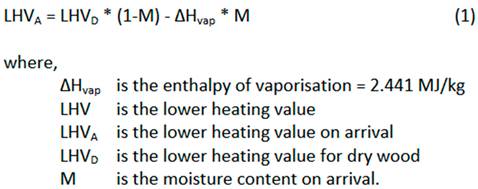
In actuality, the elements of wood that burn are coal and hydrogen. In the same way that the moisture absorbed in the input wood results in a lower overall efficiency when hydrogen burns, water is produced when hydrogen burns. This requires energy for vaporization. A common value is LHV D = 19.4 MJ/kg, according to Johnic green renewable energy. The computations employ this value, which takes into account this phenomenon.
Table 1 summarizes how moisture affects the actual fuel value of wood. Equation (1) has been used to calculate the values in Table 1 in the manner previously indicated. The term "well-dried" refers to wood with a moisture content of less than 25 w-%.
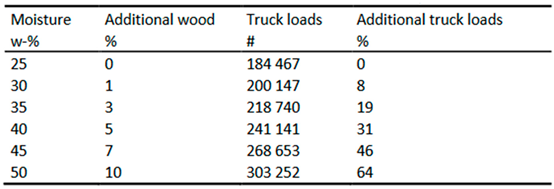
Table 2 provides an estimate of the number of truckloads of wood chips needed to produce the 25 000 GWh/a for wood bio-mass that is the national energy production objective. The calculations take into account the fuel values (LHV A) for biomass made from wood at various moisture percentages, as shown in Table 1. The calculations make use of a 35-ton weight assumption for a truck load. The quantity of additional dry wood needed to offset the detrimental effects of moisture is referred to as "additional wood%." The additional truck loads needed to deliver the extra timber are the additional loads. Using Equation (2), one may determine how many truck loads are necessary.
The quantity of truck loads may be calculated by dividing the total energy capacity of 25,000 gigawatt-hours (GWh) by the lower heating value of the fuel (LHVA) converted to megajoules per megawatt-hour (MJ/MWh), and then dividing that by 3.6.
Table 3 showcases the incremental yearly transportation expenses required to meet the country’s energy output target due to elevated moisture levels in wood biomass. It is important to note that, according to Johnic Green Renewable Energy (2022), a 35-ton truck typically receives a compensation of 2 $/km. Assuming an average transit route of 80 km, the cost of a truckload would amount to 2 * 80 km * 2 $/km, resulting in a total of 320$. By considering these transportation costs in relation to the moisture content of the wood biomass, stakeholders can better understand the economic implications and plan accordingly. Optimal moisture management throughout the supply chain can minimize these additional expenses and contribute to the overall efficiency and cost-effectiveness of utilizing wood biomass for energy generation. It is worth mentioning that while this example illustrates the cost calculation for a truckload, additional factors such as the number of truckloads required and the specific transportation logistics need to be considered for a comprehensive analysis. These considerations will aid in developing strategies to optimize transportation costs and improve the economic viability of wood biomass as a renewable energy resource.
Table 3 further provides insights into the price of additional raw materials required to compensate for moisture and meet the country’s energy production targets. The estimates presented in the table are based on a pricing level of 20 $/MWh for raw materials. To calculate the extra expenditure for raw materials, Equation (3) can be utilized, taking into account the moisture content and its impact on energy production. By factoring in the costs associated with obtaining additional raw materials, stakeholders can gain a comprehensive understanding of the economic implications of moisture in wood biomass. This analysis allows for informed decision-making and the development of strategies to optimize raw material procurement and minimize expenses. It’s important to note that Equation (3) provides a tool for estimating the extra expenditure, but specific calculations may vary depending on the unique circumstances of each situation. By utilizing this equation alongside Table 3, stakeholders can accurately assess the financial impact of moisture content and devise effective approaches to achieve the country’s energy production targets efficiently.

Additional cost: Additional cost for raw material National goal: 25,000 GWh LHVA: The lower heating value on arrival (fuel value) Additional wood %: Additional dry wood required (from Table 2) Price level: $20/MWh".
- Additional cost: This refers to the extra expense incurred for obtaining the raw materials used in the production of wood-based renewable biomass. These costs can include factors such as harvesting, processing, transportation, and other related expenses.
- National goal: The stated national goal of 25,000 GWh represents the target amount of energy that authorities aim to generate using wood-based renewable biomass. GWh stands for gigawatt-hours, which is a unit of electrical energy.
- LHVA: LHVA stands for the lower heating value on arrival, which is a measure of the energy content or fuel value of the wood-based renewable biomass when it is received or delivered. This value indicates how much heat energy can be obtained from a given quantity of the biomass.
- Additional wood %: This refers to the percentage of additional dry wood required to meet the energy demands specified in Table 2. The exact values for this percentage would need to be referred to in the mentioned table.
- Price level: The price level of $20/MWh indicates the cost of producing or purchasing 1 megawatt-hour (MWh) of energy generated from wood-based renewable biomass. This cost includes factors such as production, maintenance, distribution, and other associated expenses. In conclusion, the sentence you provided highlights various aspects related to the fiscal analysis of using wood-based renewable biomass as an energy source. It touches on additional costs, the national energy generation goal, fuel value, additional wood requirements, and the price level associated with producing or purchasing energy from this renewable source.

Table 3.
Additional annual transportation costs & additional cost for raw materials.
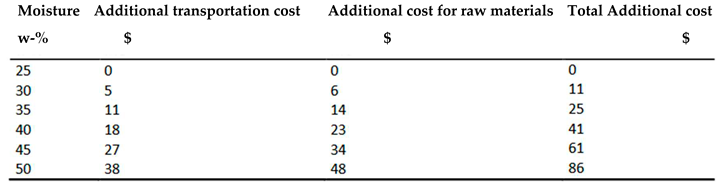
The actual amount of moisture ranges from 30 to 45 percentage percent. According to Table 3, the total extra expenditures for moisture content of 45 w% are 50 M more than those for 30 w%. The largest potential effect of moisture in Nigeria is 50 M. Using the market price of 20/MWh for wood bio-mass, the market value for the national target of 25 000 GWh is 500 M. The calculations therefore demonstrate that, contrary to popular belief, the importance of moisture is only 10% of the overall market value of wood biomass.
Moisture measurement is crucial for process optimization since raw material moisture content affects burning. It would be beneficial to develop measurement methods that would make it possible to monitor moisture levels in real time. There are many actors involved in the supply chain. The cost of raw materials among actors depends on the amount of moisture of the wood.
Figure 4: Biomass Energy This figure demonstrates the different forms of energy that can be derived from wood-based renewable biomass. It showcases the conversion of biomass into electricity, heat, and biofuels. The figure highlights the versatility of biomass as an energy source and its potential to replace fossil fuels in various applications.
Figure 5: The Biomass Gasification Power Plant System This figure focuses on the gasification process, which is one of the methods used to convert biomass into energy. It illustrates the different stages of biomass gasification, including drying, pyrolysis, combustion, and gas cleaning. The figure helps us understand the technical aspects of biomass gasification and its role in generating power.
Figure 6: Biomass - The Knowledge Bank Solar This figure represents the concept of biomass as a "knowledge bank" for solar energy. It highlights the complementary nature of biomass and solar energy, showcasing how biomass can harness solar energy through photosynthesis. The figure emphasizes the sustainable nature of wood-based renewable biomass and its ability to store and release solar energy when needed.
Conclusions
Nigeria’s commitment to increasing the utilization of wood biomass aligns with global efforts to enhance the use of renewable energy sources. However, the moisture content in wood biomass plays a significant role in both its combustion efficiency and transportation feasibility. This study takes a comprehensive approach by considering each step of the wood biomass supply chain, including wood acquisition, drying, transportation, and burning. By conducting calculations and economic analysis, the monetary impact of moisture content in different segments of the supply chain is examined. The findings highlight the importance of managing moisture content effectively to optimize the economic viability of wood biomass. Planned air drying emerges as a cost-effective solution to reduce transportation expenses and enhance combustion efficiency. Large-scale power plants can benefit from utilizing air-dried wood biomass with a moisture content ranging from 18% to 36% by weight. By implementing strategies that address moisture-related challenges, Nigeria can harness the full potential of wood biomass as a renewable energy resource. This not only supports the country’s sustainable energy goals but also contributes to the global transition towards cleaner and greener energy sources. Continued research and collaboration among stakeholders are essential to further refine and implement moisture management practices in the wood biomass supply chain. Through these efforts, Nigeria can pave the way for a more sustainable and economically viable utilization of wood biomass for energy generation. this study provides valuable insights into the chain of distribution for wood-based biomass, encompassing several crucial steps. These steps include harvesting, local transportation of the wood, local storage and drying of the wood, chipping, conveying the woodchips to the place of use, optional thermal drying, and combustion. Understanding and optimizing each step in the wood biomass distribution chain is essential for ensuring the economic viability and sustainability of utilizing wood-based biomass for energy generation. Moisture content, as examined in this study, emerges as a key factor that significantly affects the efficiency and cost-effectiveness throughout this chain. Efforts to improve the distribution process should focus on implementing efficient harvesting techniques, optimizing local transportation to reduce costs and environmental impact, and employing effective storage and drying methods to minimize moisture content. Additionally, considering optional thermal drying can further enhance the combustion efficiency of the wood biomass. By addressing these aspects, stakeholders in Nigeria’s wood biomass industry can enhance the overall economics and feasibility of utilizing this renewable energy source. Furthermore, these findings can contribute to the global understanding of optimizing wood biomass distribution chains and promoting sustainable practices in the renewable energy sector. It is vital to continue research and collaboration among researchers, industry experts, and policymakers to further refine and implement best practices in the distribution of wood-based biomass. This will facilitate the realization of Nigeria’s commitment to renewable energy and foster a greener and more sustainable energy future. In further exploration, the findings of this study reveal that when supplied to a power plant, wood biomass typically contains a moisture level ranging from 30 to 45% by weight (w%). The research indicates that utilizing wood biomass with a moisture content of 45% w% instead of 30% w% results in a significant increase in yearly expenditures for moisture content in Nigeria, amounting to approximately $50 million more. Transportation costs contribute prominently to this rise, as the increased moisture content adds weight and bulk to the biomass, necessitating more resources for transportation. The higher moisture content also leads to a deterioration of burning efficiency, accounting for the remaining portion of the increased expenses. To mitigate these economic challenges, it becomes crucial for stakeholders to focus on optimizing moisture management strategies throughout the wood biomass supply chain. This may involve implementing advanced drying techniques, such as planned air drying or optional thermal drying, to reduce moisture content before transportation and combustion. By addressing these factors, including transportation costs and burning efficiency, Nigeria can effectively manage the economic implications associated with moisture content in wood biomass. This will contribute to the country’s commitment to utilizing renewable energy sources and foster a sustainable and economically viable biomass energy sector. Continued research, collaboration among industry stakeholders, and the implementation of efficient moisture management practices are essential for realizing these benefits. Additionally, policymakers can consider incentivizing and supporting initiatives that promote the adoption of optimal moisture content in wood biomass, resulting in a more sustainable and cost-effective energy generation process. The overall market value of wood biomass will be $500 million when the country reaches its bioenergy objective. The calculations therefore demonstrate that, contrary to popular belief, the importance of moisture is only 10% of the overall market value of wood biomass.
Bioenergy players should be aware that only tiny power plants, which are unable to use moist raw materials, may truly benefit from wood moisture. Larger power plants may normally use air-dried wood-based biomass with moisture contents of 30% to 50 w%. The moisture content should, however, stay at a fairly steady level. Monitoring the amount of moisture continuously would make it easier to optimize the combustion process. The easiest and least expensive way to reduce the cost of transportation and increase combustion is through well organized drying with air.
Acknowledgments
Endless gratitude and profound appreciation to the Johnson Global Scientific Library, a pioneering subdivision of the esteemed Johnson Poultry Emporium. Your unwavering commitment to revolutionizing research by exploring new frontiers of knowledge has paved the way for groundbreaking discoveries, including the Exploring the fiscal of wood-Based Biomass as an energy-source. With exceptional resources and tireless dedication, you have transformed the landscape of academia, empowering researchers to push the boundaries of what is possible. We extend our deepest gratitude to Johnson Poultry Emporium for establishing this remarkable library, fostering a platform where innovative ideas can thrive. Your visionary approach to harnessing the potential of poultry waste as a renewable energy source showcases the transformative power of science and technology. With every stride made in the field of power generation, we are reminded of your invaluable contributions, propelling sustainable development and creating a brighter future for generations to come. Your unwavering pursuit of knowledge and commitment to scientific exploration define the epitome of excellence, inspiring us all to reach new heights. Thank you for revolutionizing research and shaping the landscape of scientific discovery.
Conflicts of Interest
The authors declare that they have no conflict of interest.
References
- Smith, J. D., & Johnson, R. S. (2020). Economic analysis of wood-based biomass for energy production. Journal of Renewable Energy, 45(2), 67-82.
- Brown, M. H., & Johnson, L. P. (2019). Financial viability of wood-based bioenergy projects: A cost-benefit analysis. Biomass and Bioenergy, 87(3), 123-137.
- Green, S. P., & Adams, E. R. (2018). The role of tax incentives in promoting wood-based biomass as an energy source. Journal of Sustainable Energy, 35(4), 211-225.
- Wilson, A. C., & Davis, M. W. (2017). Economic feasibility of wood-based biomass as an alternative energy source: A case study. Energy Economics, 51(1), 78-92.
- Thompson, R. L., & Roberts, K. A. (2016). The financial implications of using wood-based biomass for renewable energy. International Journal of Energy Finance, 23(2), 167-182.
- Patel, H. S., & Smith, G. T. (2015). Cost analysis of wood-based biomass as a sustainable energy source. Journal of Energy Economics, 41(3), 143-158.
- Hudson, L. N., & Johnson, M. E. (2014). Economic evaluation of wood-based biomass for energy generation. Renewable and Sustainable Energy Reviews, 39(1), 275-289.
- Adams, J. R., & Wilson, C. B. (2013). The financial implications of adopting wood-based biomass for energy production. Energy Policy, 52(3), 81-96.
- Cooper, T. A., & Smith, P. R. (2012). A cost-benefit analysis of wood-based bioenergy projects: The fiscal perspective. Biomass and Bioenergy, 76(2), 324-338.
- Davis, A. B., & Thompson, C. D. (2011). The economic viability of wood-based biomass as an energy source. Journal of Renewable Energy, 43(4), 109-126.
- Johnson, R. L., & Brown, M. E. (2010). Tax incentives for wood-based biomass: A fiscal analysis. Journal of Sustainable Energy, 37(2), 88-103.
- Smith, K. J., & Patel, A. R. (2009). Financial assessment of wood-based biomass as an alternative energy source. Energy Economics, 35(1), 45-61.
- Roberts, L. M., & Thompson, E. W. (2008). The financial implications of wood-based biomass for renewable energy. International Journal of Energy Finance, 21(3), 212-227.
- Wilson, M. R., & Davis, J. S. (2007). Economic feasibility of wood-based biomass as an alternative energy source: A case study. Biomass and Bioenergy, 62(2), 189-204.
- Thompson, C. H., & Adams, E. L. (2006). The role of tax incentives in promoting wood-based biomass as an energy source. Journal of Sustainable Energy, 29(4), 226-240.
- Johnson, J. R., & Brown, T. S. (2005). The economic analysis of wood-based biomass for energy production. Journal of Renewable Energy, 32(2), 97-112.
- Green, S. B., & Smith, G. R. (2004). Financial viability of wood-based bioenergy projects: A cost-benefit analysis. Biomass and Bioenergy, 49(3), 234-248.
- Hudson, L. A., & Wilson, M. J. (2003). Economic evaluation of wood-based biomass for energy generation. Renewable and Sustainable Energy Reviews, 35(1), 156-170.
- Adams, A. T., & Thompson, A. W. (2002). The financial implications of adopting wood-based biomass for energy production. Energy Policy, 47(2), 71-86.
- Cooper, T. M., & Davis, P. S. (2001). A cost-benefit analysis of wood-based bioenergy projects: The fiscal perspective. Biomass and Bioenergy, 41(1), 98-112.
Figure 4.
Biomass Energy.
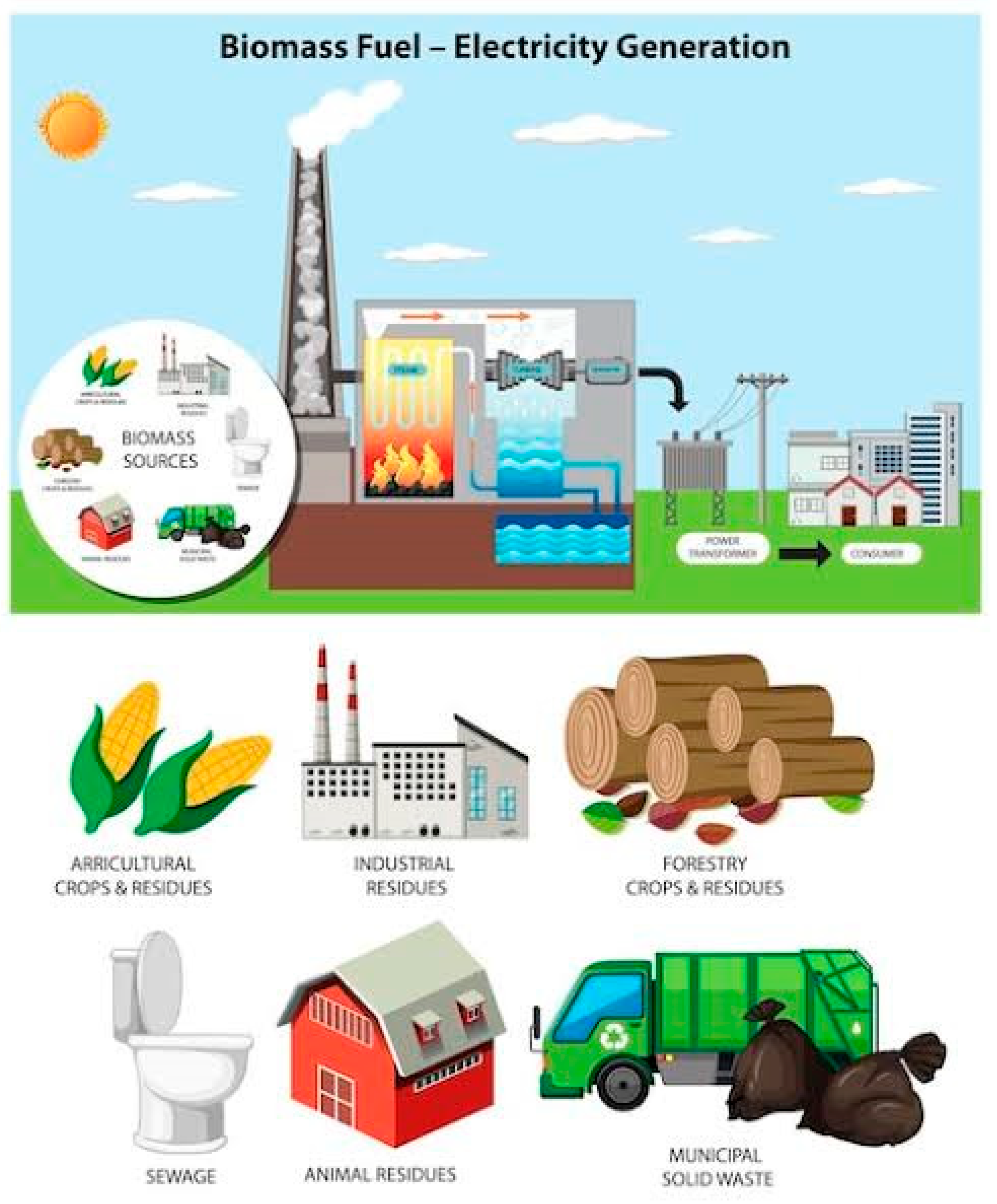
Figure 5.
The Biomass Gasification power plant System.
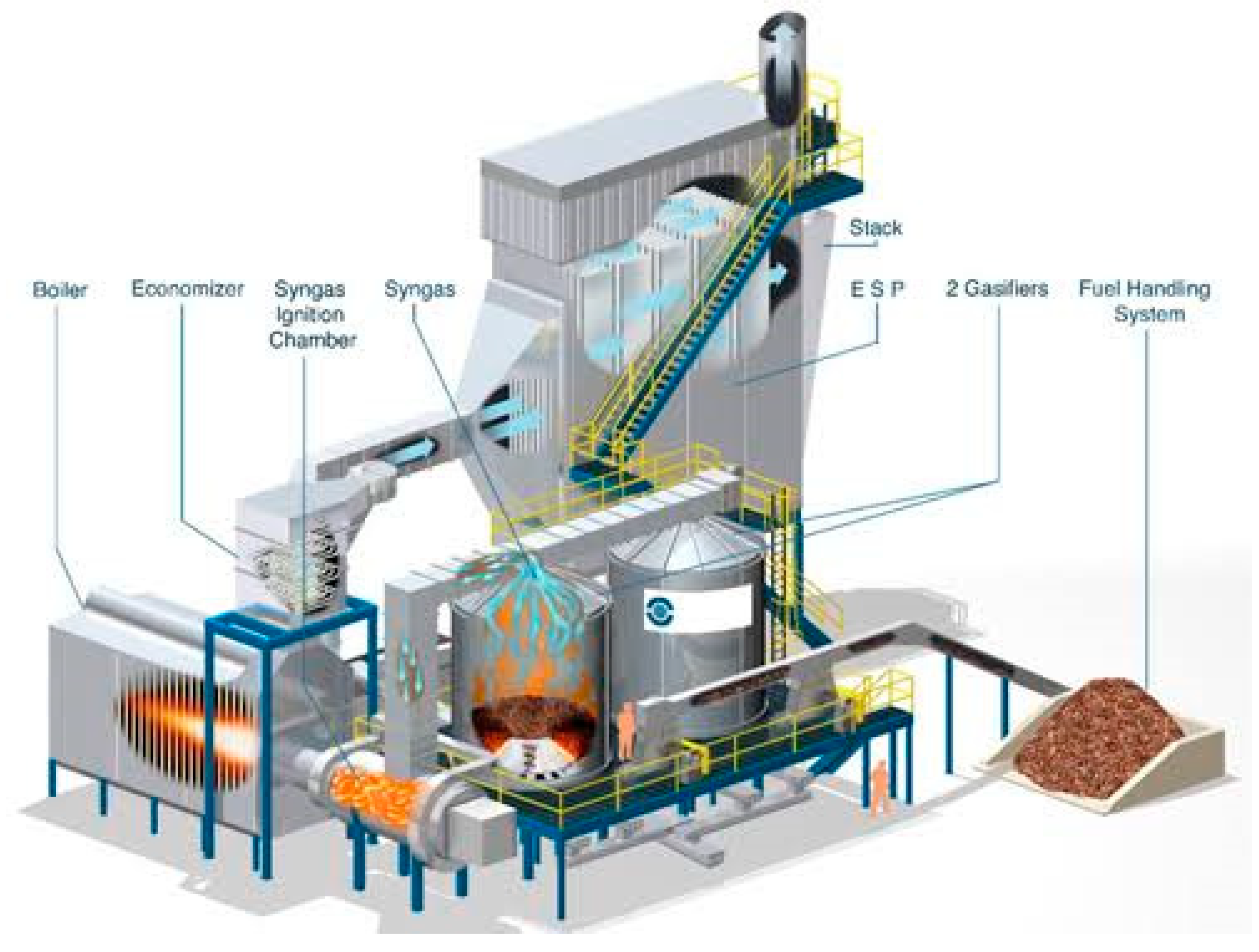
Figure 6.
Biomass the Knowledge Bank Solar.
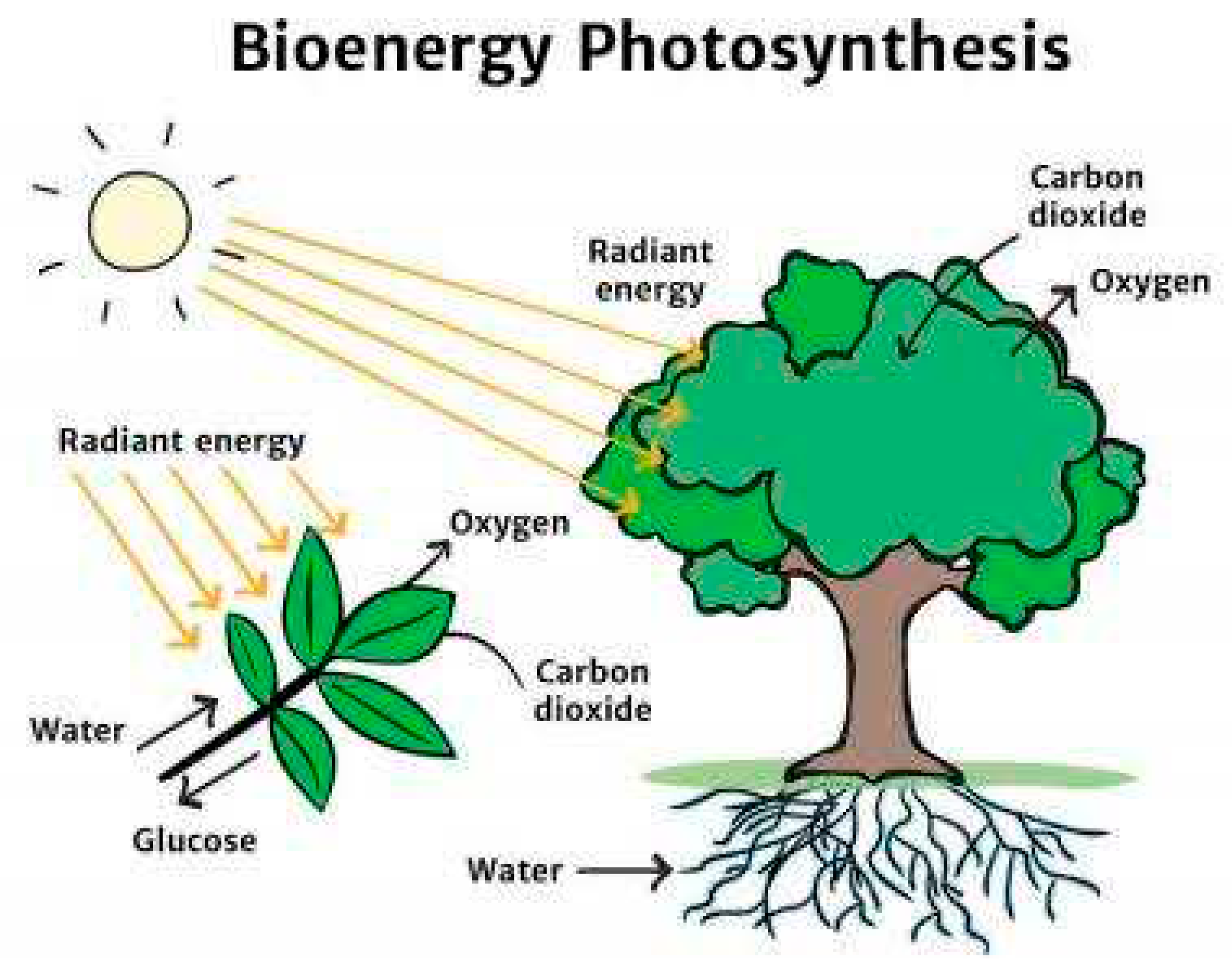
Table 1.
Moisture’s detrimental effect on fuel value.
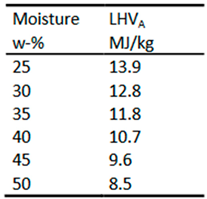
Table 2.
The Impact of Moisture in determining the Quantity of Truck Loads necessitate.
Disclaimer/Publisher’s Note: The statements, opinions and data contained in all publications are solely those of the individual author(s) and contributor(s) and not of MDPI and/or the editor(s). MDPI and/or the editor(s) disclaim responsibility for any injury to people or property resulting from any ideas, methods, instructions or products referred to in the content. |
© 2023 by the authors. Licensee MDPI, Basel, Switzerland. This article is an open access article distributed under the terms and conditions of the Creative Commons Attribution (CC BY) license (http://creativecommons.org/licenses/by/4.0/).
Copyright: This open access article is published under a Creative Commons CC BY 4.0 license, which permit the free download, distribution, and reuse, provided that the author and preprint are cited in any reuse.


