

Submitted:
07 December 2023
Posted:
07 December 2023
You are already at the latest version
Abstract
Streptococcus thermophilus is widely used as a starter culture in the dairy industry and has garnered attention as a beneficial bacterium owing to its health-promoting functionalities in humans. In this study, the probiotic potential of S. thermophilus MCC0200, isolated from a dairy product, was investigated through a combinatorial approach of in-vitro and in-silico studies. MCC0200 demonstrated the ability to survive harsh gastro-intestinal transit (GIT), adhere to intestinal mucosa and exert health-promoting traits in in-vitro studies. These findings were corroborated with in-silico evidence, wherein MCC0200 genome harboured genes associated with tolerance to GIT conditions, intestinal adhesion and colonization. Genome mapping also highlighted the ability of MCC0200 to produce compounds advantageous for host (folate, bacteriocins), to release enzymes that can reinforce the host ability (antioxidative enzymes), to metabolize food components that can be harmful to sensitive people (lactose). MCC0200 also demonstrated a positive effect on reducing cholesterol levels, proving to be a potential candidate for food and pharmaceutical applications. Absence of transmissible antibiotic resistance genes and virulence genes underscored the GRAS nature of MCC0200. This study explored the potential of Streptococcus thermophilus for its probable applications as a probiotic beyond the dairy industry.
Keywords:
Streptococcus thermophilus
; gastrointestinal transit
; adhesion
; health-promoting
; Anti-hypercholesterolemic activity
; GRAS
; genome
1. Introduction
Probiotics, live microorganisms with potential health benefits, have gained significant attention in the field of microbiology and human health. Among the diverse range of probiotic strains, Streptococcus thermophilus has emerged as a thermophilic species of great interest. S. thermophilus has been extensively utilized as a starter culture in the dairy sector as well as in many traditional fermented products including yogurt along with Lactobacillus delbrueckii subsp. bulgaricus. It is the second most important species among industrial lactic acid bacteria after Lactococcus lactis.
Streptococcus thermophilus is a Gram-positive bacterium classified under the phylum Firmicutes and the family Streptococcaceae. S. thermophilus is the only species within the Streptococcus genus (which primarily consists of commensals and pathogenic species), that has been given the generally recognised as safe (GRAS) status by the Food and Drug Administration [FDA], 2007, and the qualified presumption of safety (QPS) status by the European Food Safety Authority [EFSA], 2007 [1]. Numerous investigations have sought to elucidate the genetic underpinnings that govern the physiological and metabolic characteristics of S. thermophilus, with a primary focus on delineating its technological capabilities. Commonly studied technological aspects of S. thermophilus include milk acidification, lactose and galactose utilization, proteolytic activity, and exopolysaccharide (EPS) production [2].
A variety of probiotic products can be found in the market, featuring S. thermophilus biomasses under different brand names, including Fermental, Floratrex, Neuflor, Multibiotics, Perfect Biotics, Probioguard, Visbiome, VSL#3, Yovis, etc [3]. However, there are still uncertainties about designating this species itself as a probiotic, as the data regarding its ability to survive gastric transit and exert beneficial effects in the human gut is not unequivocal [4]. Owing to the sensitivity of S. thermophilus to gastrointestinal conditions, its probiotic status remains a topic of ongoing debate and investigation. Despite these challenges, it is important to note that S. thermophilus still possesses certain probiotic properties and has been associated with potential health benefits. Its ability to produce antimicrobial substances, compete with pathogenic bacteria, and modulate the immune system suggests that it may positively impact gut health [5]. However, the extent of these effects and the strain-specific variations in probiotic potential require further investigation. Comprehensive studies integrating in-vitro assessments and genomic analysis are essential to address the concerns surrounding the probiotic status of S. thermophilus. These investigations can provide a deeper understanding of the strain's survival mechanisms, interaction with the gut environment, and potential health benefits.
Over the last two decades, numerous genomes of S. thermophilus have been published, significantly enhancing our comprehension of the molecular-level metabolic activities of this bacterium [6]. These activities encompass EPS and folate biosynthesis [7, 8, 9], resistance to bacteriophages [10], proteolytic systems [11], carbohydrate metabolism [12], among others. Most of these functionalities are strain-specific, indicating that the diverse spectrum of health-promoting attributes exhibited by S. thermophilus contributes to a considerable variation in the genomic content among strains. Genomic-level analysis is essential for a more comprehensive understanding of the distinctive features of each strain. Moreover, the comparative genomic analysis of diverse S. thermophilus strains exhibiting various technological properties has contributed to an enhanced understanding of the correlation between genetic characteristics and phenotypic traits [13, 14]. However, each study has illustrated only a limited number of probiotic traits of S. thermophilus. Strain-to-strain variation was also not addressed in most of these studies.
In this manuscript, we present a comprehensive investigation to explore the probiotic properties of S. thermophilus. The study encompasses a combination of rigorous in-vitro assessments and detailed genomic analysis to shed light on this thermophilic species's multifaceted capabilities and health-promoting attributes. This study established S. thermophilus MCC0200 as a safe probiotic candidate with diverse health-promoting traits, providing essential information for its potential utilization as a probiotic in contexts beyond the dairy industry.
2. Materials and Methods
- Bacterial strain and culture conditions
The bacterial culture Streptococcus thermophilus MCC0200 was isolated from a dairy product and cultured in Brain Heart Infusion (BHI) medium (HiMedia) supplemented with 1% Sucrose at 37 °C. Stock culture was preserved in BHI broth mixed with 20% glycerol at −80°C. MCC0200 has been deposited in the National Centre for Microbial Resource (NCMR) in Pune, India.
- 2.
- Genome Sequencing and Annotation
Whole genome sequencing of MCC0200 was performed on both Illumina HiSeq platform and Oxford nanopore (flow cell FLO-MIN106D) platform. Genome assembly of MCC0200 was performed using Unicycler 0.5.0. The genome quality of MCC0200 was evaluated using CheckM v1.0.7 tool [15]. The general functional annotation of MCC0200 was carried out using Rapid Annotations using Subsystems Technology (RAST) server [16] and KEGG (Kyoto Encyclopedia of Genes and Genomes) tool [17].
- 3.
- Evolutionary analysis
The phylogeny of MCC0200 was analyzed using autoMLST- an automated web tool. In-silico DNA-DNA hybridization (DDH) and Average Nucleotide Identity (ANI) between closely related species was calculated using the genome to genome distance calculator (GGDC) (http://ggdc.dsmz.de/home.php) and Average Nucleotide Identity calculator (ANI), EZBiocloud.
- 4.
- Nucleotide sequence accession number
This Whole Genome Shotgun project has been deposited at DDBJ/ENA/GenBank under the accession JAVCAM000000000. The version described in this paper is version JAVCAM010000000.
- 5.
- In-vitro evaluation of probiotic properties of MCC0200
5.1. Resistance to Simulated Gastrointestinal Conditions
The resilience of MCC0200 to harsh gastro-intestinal conditions was examined as previously described by Vecchione et al., 2018 [18], with certain modifications. MCC0200 cells were re-suspended in simulated gastric fluid (SGF) of pH 2.5 with the initial bacterial count of ~109 cels/ml and incubated at 37 °C for 0, 30, 60, and 120 min. The viable cell count was determined using the standard plate count method by plating 100 μL of each serially diluted cell suspension on BHIA plates. Simulated intestinal fluid (SIF) comprising of 0.3% w/v Oxgall bile salts and 0.1% w/v pancreatin of pH 8.0 was used to assess the bile tolerance of MCC0200. 100 µL of 109 cells/ml of MCC0200 were inoculated in 5 mL of simulated intestinal fluid and incubated at 37°C for 0, 30, 60, 120, 240, and 360 min. At each time point, aliquots (100 µL) of the microbial suspension were serially diluted and seeded on BHIA.
5.2. Adhesion potential
5.2.1. Cell surface Hydrophobicity
The cell surface hydrophobicity of MCC0200 was determined using the Bacterial adherence to hydrocarbons (BATH) assay [19, 20]. Briefly, 3 ml of MCC0200 cell suspension (ODi ~1) was mixed with 1 ml of hydrocarbon (Chloroform, Ethyl Acetate and Xylene), incubated at 37°C for 10 min, vortexed for 15s and allowed to stand undisturbed at 37 °C for 30 min for phase separation. The lower aqueous phase was collected carefully, and OD600 was recorded as ODt. Percent hydrophobicity (adherence of cells to hydrocarbons) was calculated by using the following formula: % Hydrophobicity = (ODi – ODt/ODi) × 100
5.2.2. Aggregation assay
For the auto-aggregation assay, 1ml of MCC0200 cell suspension with OD600 of ~1.0 (A0) was dispensed in tubes, vortexed and incubated at 37 °C under static conditions. Absorbance (600 nm) was recorded at 1 h, 2 h, 3 h and 4 h interval by carefully withdrawing the supernatant (At). For the co-aggregation assay, the MCC0200 cell suspension and the cell suspension of pathogens namely, S. aureus ATCC 25923, E. faecalis ATCC 29212, E. coli ATCC 8739, E. aerogenes ATCC 130485. S. typhi ATCC 6539, S. dysenteriae ATCC 13313, K. pneumonia ATCC 13883 and P. aeruginosa ATCC 27853 with an optical density of 1.0 at 600 nm was prepared. Equal volumes of MCC0200 (ODCul) and pathogen cell suspension (ODPath) were mixed and vortexed. Axenic bacterial cultures were used as controls. The tubes were incubated at 37 °C under static conditions and the absorbance (600 nm) was monitored at 1 h and 4 h interval. Percentage auto-aggregation and co-aggregation were determined using the formula:
% Autoaggregation = 1 – (At /A0) x 100
% Co-aggregation = [(ODPath+ ODCul)-ODMix/ (ODPath+ ODCul)] × 100
5.2.3. In-vitro binding to mucin, fibrinogen and collagen
MCC0200 was assayed for binding to different substrates immobilized on 96-well plates. Plates were covered with the different substrates (200 µl) overnight at 4°C. Mucin (500 µg/ml), Fibrinogen (50 µg/ml) in 50 mM carbonate/bicarbonate buffer pH 9.6 and collagen (50 µg/ml) in PBS pH 5.5 were used. After immobilization, wells were washed three times with PBS and blocked for 2 h with BSA. 200 µl of MCC0200 was added to each well in PBS adjusted to an OD550 nm of 1 and plates were incubated overnight at 4 °C. Non-adhered cells were removed by washing three times with 200 µl of PBS plus 0.05% Tween 20 and the plates were dried at 55 °C. Adhered cells were stained with crystal violet 1 mg/ml (200 µl/well) for 45 min. After six washes with PBS, the colorant was liberated with 50 mM citrate buffer pH 4.0 (200 µl /well) for 45 min and the absorbance at 595 nm. For testing the effect of mucin presence in the growth medium, cells were grown in MRS broth supplemented with 0.1% mucin. BSA coated wells were used as control.
5.2.4. Adhesion of MCC0200 to HT-29
The ability of MCC0200 to adhere to the human intestinal cell line: HT-29 was investigated as previously described by Sharma and Kanwar, 2017 [21]. The observation of the adhesion of MCC0200 on HT-29 cells was done by Scanning Electron Microscopy (SEM) as described by Inturri et al., 2014 [22]. During the experiment, wells containing only HT-29 cells were used as controls. Each assay was performed in duplicate to determine inter-assay variation. 20 random fields are captured for counting the number of adhered bacteria per animal cell. The final results were expressed as no. of bacterial cells per 100 HT-29 cells.
- 6.
- Antioxidant activity
The intact cells of MCC0200, grown at 37°C overnight, were harvested by centrifugation 8000 × g for 5 min, 4°C. The cells were washed and suspended in sterile saline to adjust the concentration to 109 CFU/mL, which was used as the bacterial suspension.
6.1. Scavenging activity to 2,2-diphenyl-1-picrylhydrazyl free radical (DPPH)
MCC0200 with antioxidant activity was screened by measuring their DPPH free radical scavenging activity according to the method of Mu et al., 2018 [23], with some modifications. Briefly, 1.0 mL of sample was added to 1.0 mL of DPPH-ethanol solution (0.02 mM). The mixture was mixed and incubated at 25°C in the dark for 30 min. The control group included PBS and DPPH-methanol solution. The blank group contained sample and ethanol. The optical absorbance at 517 nm of supernatant was measured in triplicate. Ascorbic acid (10 µg) was used as positive control. The DPPH scavenging activity was defined as
Scavenging Activity (%) = [1- (Asample - Ablank)]/ Acontrol] X 100
Where, Asample is the optical absorbance at 517 nm of the sample group, Ablank is the optical absorbance at 517 nm of the blank group, and Acontrol is the absorbance of the control group.
6.2. Scavenging activity to ABTS (2,2′-azino-bis(3-ethylbenzothiazoline-6-sulfonic acid) radical
The hydroxyl radical scavenging activity was determined as described in Yan et al., 2018 [24]. Briefly, 50 µl of the sample was added to 3 ml of the diluted ABTS solution. The tubes were incubated for 6 minutes at room temperature in the dark. The absorbance of the mixture was immediately measured at 734 nm. The blank group contained sample with PBS; the control was prepared using distilled water and ABTS reagent. The ABTS radical scavenging activity (%) was calculated as follows:
Scavenging Activity (%) = [1- (Asample - Ablank)]/ Acontrol] X 100
Where, Asample is the optical absorbance at 734 nm of the sample group, Ablank is the optical absorbance at 517 nm of the blank group, and Acontrol is the absorbance of the control group.
- 7.
- In-vitro Evaluation of the Anti-hypercholesterolemic Effect of MCC0200
The anti-hypercholesterolemic activity was tested using the method of Tomaro et al., 2014 [25]. Briefly, overnight grown culture of MCC0200 was inoculated in BHIB+1%Sucrose prepared in SIF (Simulate Intestinal Fluid) + 100µg/ml of Cholesterol and incubated at 37˚C for 24 hours. Residual cholesterol in the spent broth was determined by the O-phthaldehyde method described by Rudel and Morris (1973) [26]. The cholesterol assimilated was determined by the difference between cholesterol level in the 0 hour and 24 hour.
% Cholesterol Assimilated = [Cholesterol Assimilated (𝜇g/mL)/Cholesterol at 0h (𝜇g/mL)]*100.
- 8.
- Screening of MCC0200 for beta-galactosidase production
The production of beta-galactosidase by MCC0200 was determined using substrate hydrolysis method, wherein MCC0200was spot inoculated on agar plates supplemented with 1% lactose. The plates were then incubated at 37 °C for 24 to 48 h. Yellow coloration of the bacterial growth indicated fermentation of lactose and by extension production of the enzyme beta-galactosidase.
- 9.
- Safety Assessment
The safety assessment of MCC0200 was performed as per EFSA guidelines (EFSA FEEDAP Panel, 2018) [27].
9.1. Antibiotic susceptibility/resistance testing
The Antibiotic susceptibility/resistance of MCC0200 was determined by using E-test. The strain was categorized as susceptible or resistant to antibiotic tested according with the microbiological cut-off values published by EFSA. Presence of antibiotic resistance associated genes were predicted using the online tool Resistance Gene Identifier (RGI) version 5.1.1 of the Comprehensive Antibiotic Resistance Database (CARD) version 3.1.0 [28] and the ResFinder 4.1 database [29].
9.2. Pathogenicity and Virulence
The virulence factors in the genome were detected using Virulencefinder v2.0 and the pathogenicity was predicted using PathogenFinder v1.1 web tool.
9.3. Stability of the genome
Genome stability was investigated to determine the probability of mobilization of transferrable genetic elements (if present) among strains. Prophage sequences were investigated by PHASTER web based server [30]. For prediction of (CRISPR) and cas genes, CRISPRCasFinder tool [31] was used. Plasmids were screened by PlasmidFinder version 2.1 [32].
3. Results and Discussion
The strain specificity of probiotic attributes is well-established, serving as a significant impetus for the continual exploration of more efficacious strains. In pursuit of this objective, the current investigation was initiated to assess the probiotic potential of S. thermophilus MCC0200, isolated from a dairy product, employing a combinatorial approach encompassing in-vitro studies and genomic analysis.
3.1. Genome attributes of S. thermophilus MCC0200:
De novo genome assembly of S. thermophilus MCC0200 resulted in a circular chromosome of 1,855,815 bp with an average GC content of 39.1% (Table 1). 100% genome completeness was achieved, as per CheckM tool. RAST annotation of MCC0200 genome revealed a total of 218 subsystems encoding 2239 coding sequences (CDS) and 83 RNA encoding genes.
3.2. Evolutionary analysis and comparison of MCC0200 with other S. thermophilus strains:
The multilocus sequence analysis (MLSA) was conducted to elucidate the phylogenetic relationships within Streptococcus sp. utilizing an automated webserver. The phylogenetic tree constructed based on multiple core genes using the autoMLST alignments resulted in clustering of MCC0200 with S. thermophilus strains LMD-9, TH1477, MTH17CL396, TH1436 and TH1435 indicating their high degree of evolutionary relatedness (Figure S1).
The phylogeny of MCC0200 was further resolved by in-silico DDH and ANI analysis. The established threshold values for DDH and ANI to denote the same species are 75% [33] and 95% [34], respectively. The genome of MCC0200 showed a maximum similarity with strain LMD-9 with the DDH (%) and ANI (%) score of 99.70 % and 99.93 %, respectively, ascertaining the relatedness between them. The DDH and ANI scores obtained after analysis with various strains are given in the Table 2.
BRIG analysis [35] generated a circular image comparing the publicly available S. thermophilus genomes with MCC0200 (Figure 1). The gaps in the circular image between the reference MCC0200 and the query genomes of LMD-9, TH1477, MTH17CL396, TH1436 and TH1435, indicated the differences between the strains of S. thermophilus, indicating MCC0200 to be a different strain of S. thermophilus.
3.3. Assessment of Probiotic Properties
3.3.1. Resistance to gastric conditions
Survival during transit through the gastrointestinal tract is a critical aspect for a probiotic bacterium to effectively confer benefits to the host and hence, must be rigorously assessed. Several investigations have reported contradictory findings regarding the probiotic potential of S. thermophilus, owing to its sensitivity to gastrointestinal tract (GIT) conditions [3]. The viability of S. thermophilus following passage through the digestive system still remains a subject of debate for certain researchers. The present study assessed the viability of MCC0200 after exposing it to simulated gastric juice of pH 2.5. MCC0200 could tolerate simulated gastric juice up to 60 min displaying 5 log reduction in the viable cells.
To gain mechanistic insights into the GIT survival strategy of MCC0200, its genome was mined for the marker genes associated with gastric stress tolerance, which revealed the presence of an arsenal of genes contributing to the acid tolerance (Table 3). Presence of such diverse genes indicated the mechanism of acid stress resistance in MCC0200 to be multifarious, ensuring its survival during the gastrointestinal transit. Genes encoding for proteins associated with the maintenance of pH homeostasis through F1-F0 ATPase proton pump and sodium /proton antiporters were detected. In addition, genes involved in repair of damaged proteins and DNA to resist acid stress were also detected.
The following section depicts the roles of each candidate biomarkers in acid tolerance:
- F1–F0 ATPases/ ATP synthases: This multi-subunit enzyme actively pumps protons out of cells to maintain a relatively neutral intracellular pH. The F1 protein is responsible for catalyzing intracellular ATP hydrolysis or synthesis, while the F0 protein plays a crucial role in proton translocation. Bacteria employ these mechanisms to regulate cytoplasmic pH efficiently, utilizing ATP hydrolysis to pump H+ out of cells. This process helps maintain pH homeostasis, protecting cells from damage induced by acidic environments. Studies on S. thermophilus LMD-9 have revealed the involvement of proton translocating F0F1-ATPase system in response mechanism to acid stress [36].
- Na+/H+ antiporters: These membrane proteins contribute to cytoplasmic pH homeostasis by actively effluxing Na+ using the electrochemical gradient of protons generated across the cell membrane by specific transporters, such as ion-pumping ATPases [37].
- Urease system: This system is commonly employed by LAB under acid stress conditions. The urease system produces NH3 and CO2 from urea, providing protection against acid stress. This system has been extensively studied in S. thermophilus, and S. salivarius [38]. In congruence with the above study, genes encoding ureI, structural (ureABC) and accessory (ureEFGD) genes were detected in MCC0200 genome, indicating a probable mechanism for acid tolerance.
- Protection of macromolecules: Specific proteins induced by acid stress play a crucial role in protecting or repairing macromolecules like DNA and proteins.
- Chaperones, including DnaK, DnaJ, GrpE, HrcA, GroEL, GroES, Clp proteases, and EF-Tu, are known to facilitate protein repair during acid stress.
- recA participates in DNA recombinational repair alongside RecN and AddAB (exonuclease V). The nucleotide excision repair system functions on damaged DNA resulting from base modification, single-strand breaks, and abasic sites, making it a critical DNA repair mechanism.
- UvrABCD, DNA polymerase, and DNA ligase: These components actively support the repair of acid-induced DNA damage by performing functions such as damage recognition, base excision, and gap filling.
Presence of key genes in major pH homeostasis pathway of MCC0200 validates the gastric tolerance observed in in-vitro studies. Our findings differ from the available literature, wherein several S. thermophilus strains were found to be sensitive to harsh conditions of GIT, naming them as a Transient probiotic [9]. Conversely, our study asserts that gastric tolerance is an intrinsic, strain-specific trait and, therefore, cannot be universally generalized.
Bacteria commonly encounter stress induced by bile acids upon entering the small intestine. The impact of bile acids on bacterial viability has been observed through the compromise of cell membrane integrity, leading to reduced bacterial survival [39]. Thus, in this study, bile tolerance of MCC0200 was assessed in SIF containing 0.3% Oxgall. MCC0200 demonstrated remarkable tolerance to SIF for up to 360 minutes, exhibiting only a 1-log reduction in viability, suggesting the strain's robustness to survive in Bile stress prevalent in GIT. Our findings were in congruence with the reported literature, wherein different studies have reported efficient bile tolerance (up to 1% and in some cases even up to 2%) trait of S. thermophilus [40, 41, 9].
Bile Salt Hydrolases and choloyglycine hydrolases are the key enzymes known to confer bile salt resistance in bacteria [42]. Intriguingly, the MCC0200 genome did not contain genes encoding these key proteins associated with bile resistance. This absence indicates the involvement of alternative tolerance mechanisms. Studies on S. thermophilus LMD-9 strain, demonstrated the involvement of cell surface proteins in withstanding the detrimental effects of bile salts by maintaining the cell membrane architecture and integrity. Notably, Sortase A (SrtA) and sortase-dependent proteins (SDPs), such as cyclic-nucleotide phosphodiesterase, have been implicated in resisting bile salts, alongside their recognized role in adhering to intestinal epithelial cells (IECs). The absence of SDP at the cell surface could increase cell membrane permeabilization of LMD-9 strain to bile salts, rendering the LMD-9 strain more susceptible to bile salts. These SDPs contribute to resistance to bile salts probably by maintaining the cell membrane integrity [43]. It has been reported in some lactobacilli that genes encoding SrtA and MucBP proteins are overexpressed after bile exposure [44, 45, 46] suggesting their involvement in bile salt stress resistance. MCC0200 genome harboured both Sortase A and sortase-dependent proteins (SDPs: fig|6666666.935801.peg.992, fig|6666666.935801.peg.1848), which might be involved in Bile tolerance.
Besides their role as detergents, bile salts are recognized to induce oxidative stress on bacteria by generating reactive oxygen/nitrogen species. Genes associated with general stress responses (HtrA, DnaK, GroEL) are also known to provide protection against bile stress. These protective genes were identified in MCC0200 genome.
3.3.2. Adhesion potential of MCC0200
The adhesion ability of a probiotic bacteria is a desirable characteristic, as it can extend the duration of bacterial presence in the gut, enhance the competitive exclusion of pathogens, and facilitate interactions with host surfaces. These interactions, in turn, contribute to the modulation of immune responses, delivering benefits to the host [47]. In the present investigation, a comparative study of bacterial adhesion to ECM components and cell line was performed to assess MCC0200’s ability to colonize and reside in the gut.
3.3.2.1. Supplemental assays for evaluating bacterial adhesion
Adhesion has been linked to auto-aggregation and the hydrophobic properties of the cell surface. These supplementary assays were employed to get a more comprehensive understanding of the factors influencing bacterial adhesion.
3.3.2.1.1. Cell surface Hydrophobicity of MCC0200
MCC0200 was evaluated for its cell surface hydrophobicity (CSH) towards different hydrocarbons i.e. Xylene, Chloroform, and ethyl acetate, to assess the colonization potential of the organism to intestinal surface. As evident from Figure 5, MCC0200 exhibited affinity to all the solvents tested, ranging from 8.08% - 80.4%. Notably, it exhibited the highest hydrophobicity (80.4%) with Chloroform, indicative of its strong adhesion capacity. Previous studies have suggested a strong association between bacterial cells with high hydrophobicity and their adherence to epithelial or mucous layers [48]. Hydrophobicity studies specific to S. thermophilus are limited, with a study by Iyer et al., 2010 [9], reporting % hydrophobicity values in the range of 12–24.5% for different hydrocarbons.
3.3.2.1.2. Aggregation ability of MCC0200
Auto-aggregation serves as the initial step in the adhesion process, allowing bacteria to create a barrier and hinder the adhesion of undesirable bacteria. A high auto-aggregation ability is typically defined as greater than 40%, while any strain with less than 10% is considered to have weak auto-aggregation [49]. MCC0200 exhibited the highest auto-aggregation capacity of 51.1% after 4 hrs (Figure 3A). This indicated the potential of the isolate to colonize the intestinal epithelium once adhesion has been established. A study by Taj et al., 2022 [50], have reported auto-aggregation percentages of 97.8 ± 0.4, 61.2± 1.0, and 53.6 ± 0.6 for different strains of S. thermophilus. Tuncer and Tuncer (2014) [40] reported 49.55 ± 6.24% auto-aggregation of S. thermophilus ST8.01 strain, which was found to be comparable with our findings.
Probiotics can exclude or reduce the growth of other microorganisms in the GIT through competition for nutrients or adherence sites. Regarding the potential mechanisms of pathogen exclusion, one plausible action is the co-aggregation of probiotics with pathogenic bacteria, which could prevent the attachment of pathogens to the intestinal surface and impede their colonization in humans [51]. MCC0200 demonstrated the ability to co-aggregate with all tested pathogenic strains. The maximum co-aggregation potential of MCC0200, reaching up to 50%, was observed with K. pneumoniae and S. typhi (Figure 3B). Interactions between carbohydrate-lectin and proteinaceous components present on the cell surface may be implicated in the co-aggregative properties of Streptococcus sp. [52].
Surface hydrophobicity, auto-aggregation, and co-aggregation properties collectively suggested the robust adhesion and colonization potential of MCC0200, which was further validated with intestinal cell adhesion assays.
3.3.2.1.3. Adhesion to mucin, fibrinogen and collagen
Ability to bind to the extracellular matrix (ECM) is recognized as a characteristic of many pathogenic bacteria. Conversely, probiotic bacterial strains with this binding capability may compete with pathogens for the same receptors and occupy potential binding sites in the gut. Consequently, adhesion to the mucosal surface stands as a crucial prerequisite for the colonization of probiotic organisms in the gastrointestinal tract, providing these organisms a competitive advantage in the gut [53]. MCC0200 was investigated for its ability to bind to ECM molecules (mucin, collagen and fibrinogen).
MCC0200 showed significant binding to mucin (Figure 4). It has been described that the adherence to mucus in several probiotic strains is an inducible characteristic triggered by the presence of mucin in the growth medium [54]. To assess this characteristic feature, MCC0200 was grown in the presence of mucin and tested for mucin binding. The inclusion of mucin had a significant impact on the adhesion capability of MCC0200, resulting in an increased binding to the ECM components. However, MCC0200 had an intermediate binding ability to Fibrinogen and showed the lowest adherence to Collagen in absence of mucin. Fernandez et al., 2018 [55], studied the mucus related properties of S. thermophilus (LMD-9 and LMG18311). The two strains displayed weak binding to mucus/mucins (< 0.1) relative to the highly adhesive TIL448 Lactococcus lactis, characterizing S. thermophilus as a poor mucus-adhesive bacterium. Our findings deviated from the reported study, wherein S. thermophilus MCC0200 used in the present study showed strong binding to mucin (OD~0.48).
3.3.2.2. Adhesion of MCC0200 to HT-29 cell line
The adherence of microorganisms to biological surfaces is a crucial criterion when selecting potential probiotic strains. In the present study, human colonic adenocarcinoma, HT-29 cell line, which express structural and functional features similar to normal human enterocytes, was utilized as in-vitro model.
MCC0200 was found to be well adherent to HT-29 human colonic cells (Figure 5A). In particular, 638±37 MCC0200 cells adhered per 100 HT-29 cells. The secretion of mucus by the cells may have a substantial impact on the adhesion process. The adhesive pattern of MCC0200 appeared to be localized and in clusters, aligning with its high auto-aggregative property (51%).
The evaluation of the adhesive phenotype was conducted in accordance with the observations documented by Haeri et al. in 2012 [56], categorizing bacteria as: a) poorly-adhesive: with less than 20 bacterial cells adhered per 100 animal cells, b) moderately adhesive: with 21 to 50 bacteria adhered per 100 animal cells, and c) strongly adhesive: with more than 51 bacteria adhered per 100 animal cells. In our study, MCC0200 was found to be strongly adherent to HT-29 cell line.
Human adenocarcinoma cells undergo spontaneous differentiation, displaying structural and functional polarization and differentiation. At late confluency these cells develop brush border microvilli structures and produce mucin. Scanning electron microscopy revealed the presence of a dense and well-organized brush border microvilli structures on HT-29 cells. These microvilli were the attachment sites for MCC0200, as observed in Figure 5B.
Study by Fernandez et al., 2018 [55] revealed, S. thermophilus to be a poorly adhesive bacterium relative to other mucus-adhesive lactic-acid bacteria (Lactobacillus reuteri and Lactobacillus plantarum). Adhesion property was found to be not the most determinant trait of S. thermophilus. However, the strain MCC0200 of S. thermophilus used in our study was found to be strongly adherent to Human adenocarcinoma cell lines.
Furthermore, genome mining of MCC0200 unveiled a cascade of adhesion related genes (Table 4). Predicted fibronectin binding protein (FnBP) suggested MCC0200's ability to bind to fibronectin, a cell-surface dimeric glycoprotein. Kapczynski et al., 2000 [57], reported a correlation between fibronectin binding and adherence of bacteria to intestinal cells in-vitro corroborated with subsequent in vivo relationship. Strain MCC0200 possessed a functional Sortase A involved in anchoring of LPxTG-cell wall proteins [43], indicative of its role in interactions with intestinal epithelial cells and/or mucus components. Additionally, several moonlighting proteins such as Enolase, EF-Tu, EF-G, Triosephosphate isomerase, GroEL, DnaK, pyruvate kinase, Inosine 5′-monophosphate dehydrogenase (IMPDH), Glutamine synthetase and Glucose-6-phosphate isomerase (GPI) were detected in MCC0200 genome. These moonlighting proteins perform adhesive functions, interacting with host epithelial cells, mucus, extracellular matrix (ECM) components, and circulating host components [58]. 11 genes encoding EPS biosynthesis namely, glycosyltransferases, epsA, epsC, epsD were also mapped in MCC0200 genome, which might assist its adhesion to intestinal mucus.
3.3.3. Antioxidant activity
Studies suggests that some probiotic bacteria can counteract the detrimental effects of oxidative stress by scavenging the Reactive Oxygen Species (ROS), thereby maintaining the redox balance in the gut [59]. The antioxidant capacity of the MCC0200 in terms of DPPH scavenging activity (45.06±3.64%) and ABTS scavenging activity (93.03±0.03%) was highest as compared to that of ascorbic acid (10 μg/mL), indicative of MCC0200’s excellent antioxidative potential. he disparity in radical scavenging activity between DPPH and ABTS may be attributed to differences in solubility and diffusivity in the substrate. Notably, our strain MCC0200 demonstrated more robust antioxidant activity compared to reported values for other strains of S. thermophilus. Various studies have documented diverse ABTS scavenging activities of 56.6% and 27.1% for different S. thermophilus strains [60, 61].
3.3.3.1. The redox system in MCC0200
Genome analysis revealed the redox system operative in MCC0200 contributing to its radical scavenging activity. The genes identified in the MCC0200 genome that potentially aid in tolerance to oxidative stress are summarized in Table 5. Gene encoding Superoxide dismutase (SOD), particularly MnSOD was detected in MCC0200 genome. MnSODs play a role in reducing the level of O2–, thereby contributing to anti-oxidative activity via iron chelation [62]. However, the absence of genes encoding catalase suggests that the glutathione and thioredoxin systems primarily function in detoxifying hydrogen peroxide generated by Sod. Presence of genes encoding the thioredoxin-thioredoxin reductase system (Trxs) and glutathione-glutaredoxin system (Grxs) in MCC0200 genome implicates another mechanism of redox homeostasis, regulating the thiol-disulfide balance. This system is crucial for resisting the toxic effects of hydrogen peroxide. Additionally, thiol-dependent peroxidases (peroxiredoxins) were detected, which are actively involved in eliminating reactive oxygen and nitrogen species. The MSRA/B-mediated oxidation and reduction of methionine residues represents another important antioxidant mechanism detected in MCC0200. The Msr system is known to prevent irreversible protein damage and contribute to cellular antioxidant resistance, thus extending the organism's lifespan [63].
Further auxiliary protective systems in MCC0200 to withstand oxidative stress include genes involved in the repair of damaged proteins and DNA. MCC0200 genome harboured genes encoding RecA, Chaperonins: DnaK and GroEL, Hrc , HtrA, Clp ATPases, Universal stress proteins.
3.3.4. MCC0200 as nutrient factory: Biosynthetic capabilities
Probiotics capable of producing vital vitamins could be regarded as nutritive supplements for individuals lacking adequate levels of these vital nutrients. The genome of MCC0200 comprises of genes required for synthesis of vitamin B9 (Folate). Genes detected in MCC0200 that are involved in the Folate biosynthesis are illustrated in Table 6.
Folate (vitamin B9) serves as a cofactor, in various crucial cellular functions, including the synthesis of nucleic acids, amino acids, cellular growth, and cell division. Deficiency in folate is linked to several human health disorders, including osteoporosis, impaired cognitive performance, Alzheimer’s disease, neural tube defects in newborns, etc. [9]. Since humans cannot synthesize folate intrinsically, it must be obtained through dietary sources. Interestingly, the folate content in food products can increase significantly, up to 20-fold, following fermentation by folate-producing bacteria such as Streptococcus thermophilus [64]. Folate is synthesized from precursors GTP and p-aminobenzoate (PABA), originating from purine and phenylalanine metabolism, respectively. In MCC0200 genome, entire pathway for folate synthesis was mapped (Figure 6), shedding light on its potential application in enhancing folate levels for nutritional benefits.
3.3.5. Beta galactosidase production
Lactose intolerance is a medical condition charcaterized by deficiency of the enzyme beta-galactosidase, resulting in the inability to hydrolyze lactose into the monosaccharides glucose and galactose. Symptoms like diarrhea, abdominal discomfort, and flatulence may arise following the consumption of milk or milk products. There are assertions that probiotic cultures with increased beta-galactosidase activity could potentially aid individuals with lactose intolerance in enhancing their lactose metabolism. MCC0200 demonstrated a color change on CLED agar, indicating its ability to utilize lactose through the production of beta-galactosidase. The gene encoding beta-galactosidase (fig|6666666.935801.peg.1886) was identified in the MCC0200 genome. The likely mechanism for lactose utilization includes the transport of lactose through the permease system, followed by its hydrolysis by β-galactosidase to produce glucose and galactose (Wu et al., 2015). Additionally, β-galactosidase can catalyze the transgalactosylation of lactose into allolactose [65]. Subsequent to allolactose synthesis, β-galactosidase can polymerize the disaccharide into galactooligosaccharides. These galactooligosaccharides are regarded as prebiotics, and there is considerable contemporary research focused on identifying specific microorganisms that yield high quantities of GOS [66].
Thus, MCC0200, with its β-galactosidase activity, holds potential benefits in mitigating the effects of lactose intolerance. It could also find emerging applications in producing beverages enriched with prebiotics such as GOS, leveraging the multifunctional enzymatic nature of β-d-galactosidase.
3.3.6. In-vitro Evaluation of the Anti-hypercholesterolemic Effect of MCC0200
The supplementation of probiotics with cholesterol-lowering capacities has been suggested as a viable strategy to decrease serum cholesterol. Several proposed mechanisms for probiotic-mediated cholesterol reduction include: a) Deconjugation of bile acids via BSH, b) Integration of cholesterol into the bacterial membrane-phospholipid bilayer through adherence to the cell surface, c) cholesterol assimilation by growing cells, d) Cholesterol co-precipitation with a deconjugated bile salt, and e) Transformation of cholesterol to coprostanol [67]. However, there is still limited understanding of the mechanistic insights into cholesterol reduction by probiotic bacteria.
In the present study, anti-hypercholesterolemic ability of MCC0200 was assessed in SIF. MCC0200 demonstrated the assimilation of 43.01±5.44% cholesterol in the SIF after 24 hours of incubation. Considering the significance of cholesterol in cardiovascular disease and related illnesses, MCC0200, with its cholesterol-removing ability, may emerge as a potential candidate for applications in food and pharmaceuticals. Ziarno (2010) [68] evaluated the cholesterol-lowering activity of 12 strains of S. thermophilus, ranging from 2.2% to 6.3% after 6 hours of incubation at 37 °C.
Bile salt hydrolase (BSH) activity is recognized as a significant marker linked to hypocholesterolemic effects [67]. However, the absence of candidate gene encoding BSH in the MCC0200 genome suggests the involvement of alternative mechanisms in lowering cholesterol. Several studies propose that cholesterol is either integrated into bacteria or adheres to the bacterial cell surface. Noh et al. (1997) [69] hypothesized that cholesterol incorporated into bacterial cells alters the cell membrane or cell wall. According to this hypothesis, membrane-associated proteins are implicated in playing a crucial role in the process of cholesterol reduction. The hypocholesterolemic impact of MCC0200 may be attributed to the presence of cholesterol reduction-related proteins, including a Transcription regulator, Fructose bisphosphate aldolase (2 copies), catabolite control protein A (ccpA) gene, and MFS in MCC0200. Additionally, the ccpA gene and its associated proteins may contribute to cholesterol reduction in MCC0200 through cell membrane modulation. However, the findings of this experiment require validation through targeted gene mutation experiments. A study by Lee et al., 2010 [70], highlighted the significant role of ccpA, encoding catabolite control protein A, in cholesterol reduction by probiotic bacteria (L. acidophilus A4).
3.4. Safety Assessment of MCC0200 as a probiotic
Even though probiotics are considered safe for consumption, there are certain concerns that need to be addressed before any organism or strain is selected as a probiotic. Key safety considerations for probiotics include: a) ensuring that the strain does not cause any diseases like endocarditis or bacteraemia, b) should not produce toxins or metabolites that could harm the gastrointestinal tract, and c) should be free of plasmids or transposable elements that might facilitate the transfer of antibiotic resistance determinants to the gastrointestinal flora. [71].
The E strip test revealed that MCC0200 was susceptible to Ampicillin, Vancomycin, Streptomycin, Clindamycin, Tetracycline, and Chloramphenicol, as per the established cut-off provided by EFSA FEEDAP Panel, 2018.
3.4.1. Genome based safety evaluation of MCC0200
The whole genome sequence of MCC0200 was mined to check for the presence of genes for antibiotic resistance using CARD and ResFinder. There were no antibiotic resistance genes detected in the genome of MCC0200 indicating the GRAS nature of S. thermophilus MCC0200. For the presence of bacteriophage, the PHASTER tool identified four incomplete prophage regions in the main chromosome. The absence of plasmids was confirmed by Plasmid Finder (v2.0.1). None of the genes were associated with plasmids, and the risk of transfer was ranked at the lowest degree. No virulence factors or toxin encoding genes were identified in the genome of MCC0200 using VirulenceFinder.
The genome sequence MCC0200 was also mined for the presence of toxin genes using known toxin nucleotide sequences as a reference and MCC0200 as query. The bceT gene, which encodes the single-component enterotoxin T, and the hemolytic enterotoxin hbl, known to carry three genes (hblA, hblB and hblC) were not detected. Non-hemolytic enterotoxin (Nhe) which codes for three genes (nheA, nheB and nheC) was also not observed in MCC0200. Thus, the results of this analysis did not yield any hits which suggested the absence of any emetic toxin genes in the genome of MCC0200.
The CRISPR Finder software was used to search for CRISPR direct repeats and spacers. Two CRISPR genes, one Cas gene and 25 spacers were detected. Collectively, these analyses indicate the safe nature of MCC0200 for human consumption.
4. Conclusions
The present study was undertaken to demonstrate the probiotic intricacies of Streptococcus thermophilus MCC0200. In particular, the traits essential for a probiotic to thrive through the gastrointestinal transit and colonize the gut were established at physiological as well as molecular level. Moreover, the strong antioxidant capacity of MCC0200 could be involved in controlling and preventing several chronic illnesses related with oxidative stress. MCC0200 could also be used as an alternative supplement to confer health benefits, such as lowering cholesterol levels and alleviating lactose intolerance. The safety evaluation of MCC0200 indicated that it did not harbour any antibiotic resistance genes and that it is sensitive to multiple antibiotics. In-vitro studies corroborated with in-silico studies proved MCC0200 as a potential probiotic paving the way for further investigations and potential applications beyond its traditional role in the dairy industry.
Supplementary Materials
The following supporting information can be downloaded at: www.mdpi.com/xxx/s1, Figure S1. MLST tree constructed based on various housekeeping genes by autoMLST. The highlighted sequence is the query sequence of MCC0200
Author Contributions
NK: conducted in-silico analyses, writing—original draft preparation, VP, PM, TD, DS: investigation, validation, SW: project administration, resources, SD: supervision, PD: conceptualization, supervision, review and editing. All authors have read and agreed to the published version of the manuscript.
Funding
This research was funded by Hi Tech BioSciences India Ltd., Research & Development Centre.
Institutional Review Board Statement
Not applicable.
Informed Consent Statement
Not applicable.
Data Availability Statement
Genome sequence is available in NCBI GenBank under the accession number JAVCAM010000000.
Acknowledgments
Financial assistance from Hi Tech BioSciences India Ltd. is gratefully acknowledged.
Conflicts of Interest
The authors declare no conflict of interest.
Appendix A
Not Applicable
Appendix B
Figure A1: Circular comparison of S. thermophilus MCC0200 as a reference. Each coloured ring represents a query genome. The intensity of the colour indicates relative levels of nucleotide homology between the reference and query genomes.
Figure A2: Graphical representation of MCC0200’s adherence to hydrocarbons
Figure A3A: % Auto-aggregation of MCC0200 at different time interval; 3B: % Co-aggregation of MCC0200 with different pathogens
Figure A4: Binding of MCC0200 to different substrates (Mucin, fibrinogen, and collagen) immobilized in microtitre plates
Figure A5A: Adhesion of MCC0200 on HT-29 cells and A5B: MCC0200 adhering to microvilli that form the brush border of HT-29 monolayer
Figure A6: Folate biosynthesis pathway in MCC0200
Table A1: Genome features of S. thermophilus MCC0200
Table A2: DNA-DNA hybridization values and ANI values between query (MCC0200) and other S. thermophilus reference genomes
Table A3: Putative genes encoding proteins involved in acid and bile salt tolerance detected in MCC0200 genome
Table A4: Presence of genes involved in colonization of the intestinal mucosa detected in MCC0200 genome
Table A5: Putative genes encoding oxidative stress proteins detected in MCC0200 genome
Table A6: Vitamin biosynthetic proteins/genes detected in MCC0200
References
- Alexandraki, V. , Kazou, M., Blom, J., Pot, B., Papadimitriou, K. and Tsakalidou, E., 2019. Comparative genomics of Streptococcus thermophilus support important traits concerning the evolution, biology and technological properties of the species. Frontiers in microbiology, 10, p.2916.
- Cui, Y. , Xu, T., Qu, X., Hu, T., Jiang, X. and Zhao, C., 2016. New insights into various production characteristics of Streptococcus thermophilus strains. International journal of molecular sciences, 17(10), p.1701.
- Martinović, A. , Cocuzzi, R., Arioli, S. and Mora, D., 2020. Streptococcus thermophilus: to survive, or not to survive the gastrointestinal tract, that is the question!. Nutrients, 12(8), p.2175.
- Uriot, O. , Denis, S., Junjua, M., Roussel, Y., Dary-Mourot, A. and Blanquet-Diot, S., 2017. Streptococcus thermophilus: from yogurt starter to a new promising probiotic candidate?. Journal of Functional Foods, 37, pp.74-89.
- Hu, T. , Cui, Y., Zhang, Y., Qu, X. and Zhao, C., 2020. Genome analysis and physiological characterization of four Streptococcus thermophilus strains isolated from Chinese traditional fermented milk. Frontiers in Microbiology, 11, p.184.
- Roux, E. , Nicolas, A., Valence, F., Siekaniec, G., Chuat, V., Nicolas, J., Le Loir, Y. and Guédon, E., 2022. The genomic basis of the Streptococcus thermophilus health-promoting properties. BMC genomics, 23(1), p.210.
- Cui, Y. , Jiang, X., Hao, M., Qu, X. and Hu, T., 2017. New advances in exopolysaccharides production of Streptococcus thermophilus. Archives of microbiology, 199, pp.799-809.
- Xiong, Z.Q. , Kong, L.H., Lai, P.F.H., Xia, Y.J., Liu, J.C., Li, Q.Y. and Ai, L.Z., 2019. Genomic and phenotypic analyses of exopolysaccharide biosynthesis in Streptococcus thermophilus S-3. Journal of dairy science, 102(6), pp.4925-4934.
- Iyer, R. , Tomar, S.K., Maheswari, T.U. and Singh, R., 2010. Streptococcus thermophilus strains: Multifunctional lactic acid bacteria. International Dairy Journal, 20(3), pp. 133-141.
- Hao, M. , Cui, Y. and Qu, X., 2018. Analysis of CRISPR-Cas system in Streptococcus thermophilus and its application. Frontiers in Microbiology, 9, p.257.
- Tian, H. , Muhammad, Z., Evivie, S.E., Gu, C.T. and Huo, G.C., 2018. Exact identification of six starter-strain candidates of Streptococcus thermophilus by analysing genotypic and industrial properties. International Journal of Dairy Technology, 71, pp.11-21.
- Prajapati, J.B. , Nathani, N.M., Patel, A.K., Senan, S. and Joshi, C.G., 2013. Genomic analysis of dairy starter culture Streptococcus thermophilus MTCC 5461. J Microbiol Biotechnol, 23(4), pp.459-466.
- Rasmussen, T.B. , Danielsen, M., Valina, O., Garrigues, C., Johansen, E. and Pedersen, M.B., 2008. Streptococcus thermophilus core genome: comparative genome hybridization study of 47 strains.
- Vendramin, V. , Treu, L., Campanaro, S., Lombardi, A., Corich, V. and Giacomini, A., 2017. Genome comparison and physiological characterization of eight Streptococcus thermophilus strains isolated from Italian dairy products. Food microbiology, 63, pp.47-57.
- Parks, D.H. , Imelfort, M., Skennerton, C.T., Hugenholtz, P. and Tyson, G.W., 2015. CheckM: assessing the quality of microbial genomes recovered from isolates, single cells, and metagenomes. Genome research, 25(7), pp.1043-1055.
- Aziz, R.K. , Bartels, D., Best, A.A., DeJongh, M., Disz, T., Edwards, R.A., Formsma, K., Gerdes, S., Glass, E.M., Kubal, M. and Meyer, F., 2008. The RAST Server: rapid annotations using subsystems technology. BMC genomics, 9(1), pp.1-15.
- Kanehisa, M. , Sato, Y. and Morishima, K., 2016. BlastKOALA and GhostKOALA: KEGG tools for functional characterization of genome and metagenome sequences. Journal of molecular biology, 428(4), pp.726-731.
- Vecchione, A. , Celandroni, F., Mazzantini, D., Senesi, S., Lupetti, A. and Ghelardi, E., 2018. Compositional quality and potential gastrointestinal behavior of probiotic products commercialized in Italy. Frontiers in medicine, 5, p.59.
- Prokopovich, P. and Perni, S., 2009. An investigation of microbial adhesion to natural and synthetic polysaccharide-based films and its relationship with the surface energy components. Journal of Materials Science: Materials in Medicine, 20(1), pp.195-202.
- Farniya, F. , Jamalli, A. and Dadgar, T., 2019. Physicochemical surface characteristics in different pathogenic bacteria. Cogent Biology, 5(1), p.1638572.
- Sharma, S. and Kanwar, S.S., 2017. Adherence potential of indigenous lactic acid bacterial isolates obtained from fermented foods of Western Himalayas to intestinal epithelial Caco-2 and HT-29 cell lines. Journal of food science and technology, 54, pp.3504-3511.
- Inturri, R. , Stivala, A., Sinatra, F., Morrone, R. and Blandino, G., 2014. Scanning electron microscopy observation of adhesion properties of Bifidobacterium longum W11 and chromatographic analysis of its exopolysaccaride. Food and Nutrition Sciences, 5(18), p.1787.
- Mu, G. , Gao, Y., Tuo, Y., Li, H., Zhang, Y., Qian, F. and Jiang, S., 2018. Assessing and comparing antioxidant activities of lactobacilli strains by using different chemical and cellular antioxidant methods. Journal of dairy science, 101(12), pp.10792-10806.
- Yan, F. , Yu, X. and Jing, Y., 2018. Optimized preparation, characterization, and antioxidant activity of chitooligosaccharide–glycine Maillard reaction products. Journal of food science and technology, 55, pp.712-720.
- Tomaro-Duchesneau, C. , Jones, M.L., Shah, D., Jain, P., Saha, S. and Prakash, S., 2014. Cholesterol assimilation by Lactobacillus probiotic bacteria: an in-vitro investigation. BioMed research international, 2014.
- Rudel, L.L. and Morris, M.D., 1973. Determination of cholesterol using o-phthalaldehyde. Journal of Lipid Research, 14(3), pp.364-366.
- EFSA Panel on Biological Hazards (BIOHAZ), Ricci, A., Allende, A., Bolton, D., Chemaly, M., Davies, R., Fernández Escámez, P.S., Girones, R., Koutsoumanis, K., Lindqvist, R. and Nørrung, B., 2018. Update of the list of QPS-recommended biological agents intentionally added to food or feed as notified to EFSA 8: suitability of taxonomic units notified to EFSA until March 2018. EFSA Journal, 16(7), p.e05315.
- Alcock, B.P. , Raphenya, A.R., Lau, T.T., Tsang, K.K., Bouchard, M., Edalatmand, A., Huynh, W., Nguyen, A.L.V., Cheng, A.A., Liu, S. and Min, S.Y., 2020. CARD 2020: antibiotic resistome surveillance with the comprehensive antibiotic resistance database. Nucleic acids research, 48(D1), pp.D517-D525.
- Bortolaia, V. , Kaas, R.S., Ruppe, E., Roberts, M.C., Schwarz, S., Cattoir, V., Philippon, A., Allesoe, R.L., Rebelo, A.R., Florensa, A.F. and Fagelhauer, L., 2020. ResFinder 4.0 for predictions of phenotypes from genotypes. Journal of Antimicrobial Chemotherapy, 75(12), pp.3491-3500.
- Arndt, D. , Grant, J.R., Marcu, A., Sajed, T., Pon, A., Liang, Y. and Wishart, D.S., 2016. PHASTER: a better, faster version of the PHAST phage search tool. Nucleic acids research, 44(W1), pp.W16-W21.
- Couvin, D. , Bernheim, A., Toffano-Nioche, C., Touchon, M., Michalik, J., Néron, B., Rocha, E.P., Vergnaud, G., Gautheret, D. and Pourcel, C., 2018. CRISPRCasFinder, an update of CRISRFinder, includes a portable version, enhanced performance and integrates search for Cas proteins. Nucleic acids research, 46(W1), pp.W246-W251.
- Carattoli, A. , Zankari, E., García-Fernández, A., Voldby Larsen, M., Lund, O., Villa, L., Møller Aarestrup, F. and Hasman, H., 2014. In-silico detection and typing of plasmids using PlasmidFinder and plasmid multilocus sequence typing. Antimicrobial agents and chemotherapy, 58(7), pp.3895-3903.
- Auch, A.F. , von Jan, M., Klenk, H.P. and Göker, M., 2010. Digital DNA-DNA hybridization for microbial species delineation by means of genome-to-genome sequence comparison. Standards in genomic sciences, 2, pp.117-134.
- Lee, I. , Ouk Kim, Y., Park, S.C. and Chun, J., 2016. OrthoANI: an improved algorithm and software for calculating average nucleotide identity. International journal of systematic and evolutionary microbiology, 66(2), pp.1100-1103.
- Alikhan, N.F. , Petty, N.K., Ben Zakour, N.L. and Beatson, S.A., 2011. BLAST Ring Image Generator (BRIG): simple prokaryote genome comparisons. BMC genomics, 12(1), pp.1-10.
- Goh, Y.J. , Goin, C., O’Flaherty, S., Altermann, E. and Hutkins, R., 2011, December. Specialized adaptation of a lactic acid bacterium to the milk environment: the comparative genomics of Streptococcus thermophilus LMD-9. In Microbial cell factories (Vol. 10, No. 1, pp. 1-17). BioMed Central.
- Padan, E. , 2008. The enlightening encounter between structure and function in the NhaA Na+–H+ antiporter. Trends in biochemical sciences, 33(9), pp.435-443.
- Mora, D. , Monnet, C., Parini, C., Guglielmetti, S., Mariani, A., Pintus, P., Molinari, F., Daffonchio, D. and Manachini, P.L., 2005. Urease biogenesis in Streptococcus thermophilus. Research in Microbiology, 156(9), pp.897-903.
- Bustos, A.Y. , de Valdez, G.F., Fadda, S. and Taranto, M.P., 2018. New insights into bacterial bile resistance mechanisms: the role of bile salt hydrolase and its impact on human health. Food Research International, 112, pp.250-262.
- Tuncer, B.O. and Tuncer, Y., 2014. Exopolysaccharide producer Streptococcus thermophilus ST8. 01 strain; a potential probiotic culture. GIDA, 39(4), pp.195-202.
- Arias, C.A. and Murray, B.E., 2009. Antibiotic-resistant bugs in the 21st century—a clinical super-challenge. New England Journal of Medicine, 360(5), pp.439-443.
- Ruiz, L. , Margolles, A. and Sánchez, B., 2013. Bile resistance mechanisms in Lactobacillus and Bifidobacterium. Frontiers in microbiology, 4, p.396.
- Kebouchi, M. , Galia, W., Genay, M., Soligot, C., Lecomte, X., Awussi, A.A., Perrin, C., Roux, E., Dary-Mourot, A. and Le Roux, Y., 2016. Implication of sortase-dependent proteins of Streptococcus thermophilus in adhesion to human intestinal epithelial cell lines and bile salt tolerance. Applied microbiology and biotechnology, 100, pp.3667-3679.
- Pfeiler, E.A. , Azcarate-Peril, M.A. and Klaenhammer, T.R., 2007. Characterization of a novel bile-inducible operon encoding a two-component regulatory system in Lactobacillus acidophilus. Journal of bacteriology, 189(13), pp.4624-4634.
- Weiss, G. and Jespersen, L., 2010. Transcriptional analysis of genes associated with stress and adhesion in Lactobacillus acidophilus NCFM during the passage through an in-vitro gastrointestinal tract model. Microbial Physiology, 18(4), pp.206-214.
- Duary, R.K., Bhausaheb, M.A., Batish, V.K. and Grover, S., 2012. Anti-inflammatory and immunomodulatory efficacy of indigenous probiotic Lactobacillus plantarum Lp91 in colitis mouse model. Molecular biology reports, 39, pp.4765-4775.
- Lebeer, S. , Vanderleyden, J. and De Keersmaecker, S.C., 2008. Genes and molecules of lactobacilli supporting probiotic action. Microbiology and Molecular Biology Reviews, 72(4), pp.728-764.
- Tuo, Y. , Yu, H., Ai, L., Wu, Z., Guo, B. and Chen, W., 2013. Aggregation and adhesion properties of 22 Lactobacillus strains. Journal of dairy science, 96(7), pp.4252-4257.
- Wang, L.Q. , Meng, X.C., Zhang, B.R., Wang, Y. and Shang, Y.L., 2010. Influence of cell surface properties on adhesion ability of bifidobacteria. World Journal of Microbiology and Biotechnology, 26, pp.1999-2007.
- Taj, R. , Masud, T., Sohail, A., Sammi, S., Naz, R., Sharma Khanal, B.K. and Nawaz, M.A., 2022. In-vitro screening of EPS-producing Streptococcus thermophilus strains for their probiotic potential from Dahi. Food Science & Nutrition, 10(7), pp.2347-2359.
- Collado, M.C. , Isolauri, E. and Salminen, S., 2008. Specific probiotic strains and their combinations counteract adhesion of Enterobacter sakazakii to intestinal mucus. FEMS microbiology letters, 285(1), pp.58-64.
- Ayyash, M. , Abushelaibi, A., Al-Mahadin, S., Enan, M., El-Tarabily, K. and Shah, N., 2018. In-vitro investigation into probiotic characterisation of Streptococcus and Enterococcus isolated from camel milk. LWT, 87, pp.478-487.
- Nishiyama, K. , Sugiyama, M. and Mukai, T., 2016. Adhesion properties of lactic acid bacteria on intestinal mucin. Microorganisms, 4(3), p.34.
- Jonsson, H. , Ström, E. and Roos, S., 2001. Addition of mucin to the growth medium triggers mucus-binding activity in different strains of Lactobacillus reuteri in-vitro. FEMS Microbiology Letters, 204(1), pp.19-22.
- Fernandez, N. , Wrzosek, L., Radziwill-Bienkowska, J.M., Ringot-Destrez, B., Duviau, M.P., Noordine, M.L., Laroute, V., Robert, V., Cherbuy, C., Daveran-Mingot, M.L. and Cocaign-Bousquet, M., 2018. Characterization of mucus-related properties of Streptococcus thermophilus: from adhesion to induction. Frontiers in Physiology, 9, p.980.
- Haeri, A. , Khodaii, Z., Ghaderian, S.M.H., Tabatabaei Panah, A.S. and Akbarzadeh Najar, R., 2012. Comparison of adherence patterns of a selection of probiotic bacteria to Caco-2, HEp-2, and T84 cell lines. Annals of microbiology, 62(1), pp.339-344.
- Kapczynski, D.R. , Meinersmann, R.J. and Lee, M.D., 2000. Adherence of Lactobacillus to intestinal 407 cells in culture correlates with fibronectin binding. Current microbiology, 41, pp.136-141.
- Kainulainen, V. and Korhonen, T.K., 2014. Dancing to another tune—adhesive moonlighting proteins in bacteria. Biology, 3(1), pp.178-204.
- Wang, Y. , Wu, Y., Wang, Y., Xu, H., Mei, X., Yu, D., Wang, Y. and Li, W., 2017. Antioxidant properties of probiotic bacteria. Nutrients, 9(5), p.521.
- Lobo, R.E. , Gómez, M.I., de Valdez, G.F. and Torino, M.I., 2019. Physicochemical and antioxidant properties of a gastroprotective exopolysaccharide produced by Streptococcus thermophilus CRL1190. Food Hydrocolloids, 96, pp.625-633.
- Kang, C.H. , Kim, J.S., Park, H.M., Kim, S. and Paek, N.S., 2021. Antioxidant activity and short-chain fatty acid production of lactic acid bacteria isolated from Korean individuals and fermented foods. 3 Biotech, 11(5), p.217.
- Feng, T. and Wang, J., 2020. Oxidative stress tolerance and antioxidant capacity of lactic acid bacteria as probiotic: A systematic review. Gut Microbes, 12(1), p.1801944.
- Agbas, A. and Moskovitz, J., 2009. The role of methionine oxidation/reduction in the regulation of immune response. Current signal transduction therapy, 4(1), pp.46-50.
- Saubade, F. , Hemery, Y.M., Guyot, J.P. and Humblot, C., 2017. Lactic acid fermentation as a tool for increasing the folate content of foods. Critical Reviews in Food Science and Nutrition, 57(18), pp.3894-3910.
- Juers, D.H. , Matthews, B.W. and Huber, R.E., 2012. LacZ β-galactosidase: structure and function of an enzyme of historical and molecular biological importance. Protein Science, 21(12), pp.1792-1807.
- Yañez-Ñeco, C.V. , Cervantes, F.V., Amaya-Delgado, L., Ballesteros, A.O., Plou, F.J. and Arrizon, J., 2021. Synthesis of β (1→ 3) and β (1→ 6) galactooligosaccharides from lactose and whey using a recombinant β-galactosidase from Pantoea anthophila. Electronic Journal of Biotechnology, 49, pp.14-21.
- Kumar, M. , Nagpal, R., Kumar, R., Hemalatha, R., Verma, V., Kumar, A., Chakraborty, C., Singh, B., Marotta, F., Jain, S. and Yadav, H., 2012. Cholesterol-lowering probiotics as potential biotherapeutics for metabolic diseases. Journal of Diabetes Research, 2012.
- Ziarno, M. , 2010. Viability and cholesterol uptake by Streptococcus thermophilus cultures in artificial GIT fluids. Acta Scientiarum Polonorum Technologia Alimentaria, 9(1), pp.83-94.
- Noh, D.O. , Kim, S.H. and Gilliland, S.E., 1997. Incorporation of cholesterol into the cellular membrane of Lactobacillus acidophilus ATCC 43121. Journal of dairy science, 80(12), pp.3107-3113.
- Lee, J. , Kim, Y., Yun, H.S., Kim, J.G., Oh, S. and Kim, S.H., 2010. Genetic and proteomic analysis of factors affecting serum cholesterol reduction by Lactobacillus acidophilus A4. Applied and Environmental Microbiology, 76(14), pp.4829-4835.
- Sharma, P. , Tomar, S.K., Goswami, P., Sangwan, V. and Singh, R., 2014. Antibiotic resistance among commercially available probiotics. Food research international, 57, pp.176-195.
Figure 1.
Circular comparison of S. thermophilus MCC0200 as a reference. Each coloured ring represents a query genome. The intensity of the colour indicates relative levels of nucleotide homology between the reference and query genomes.
Figure 1.
Circular comparison of S. thermophilus MCC0200 as a reference. Each coloured ring represents a query genome. The intensity of the colour indicates relative levels of nucleotide homology between the reference and query genomes.
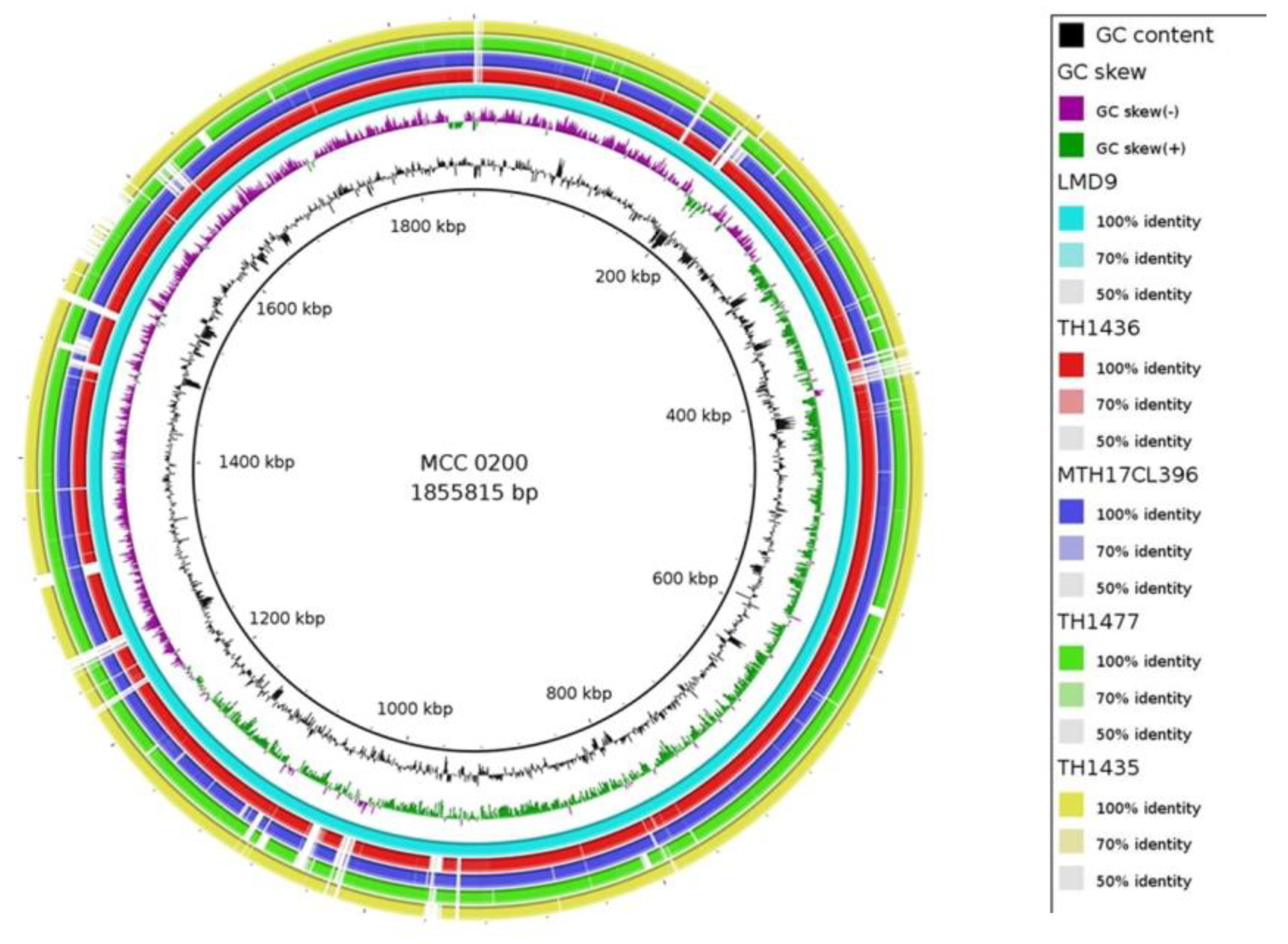
Figure 2.
Graphical representation of MCC0200’s adherence to hydrocarbons.
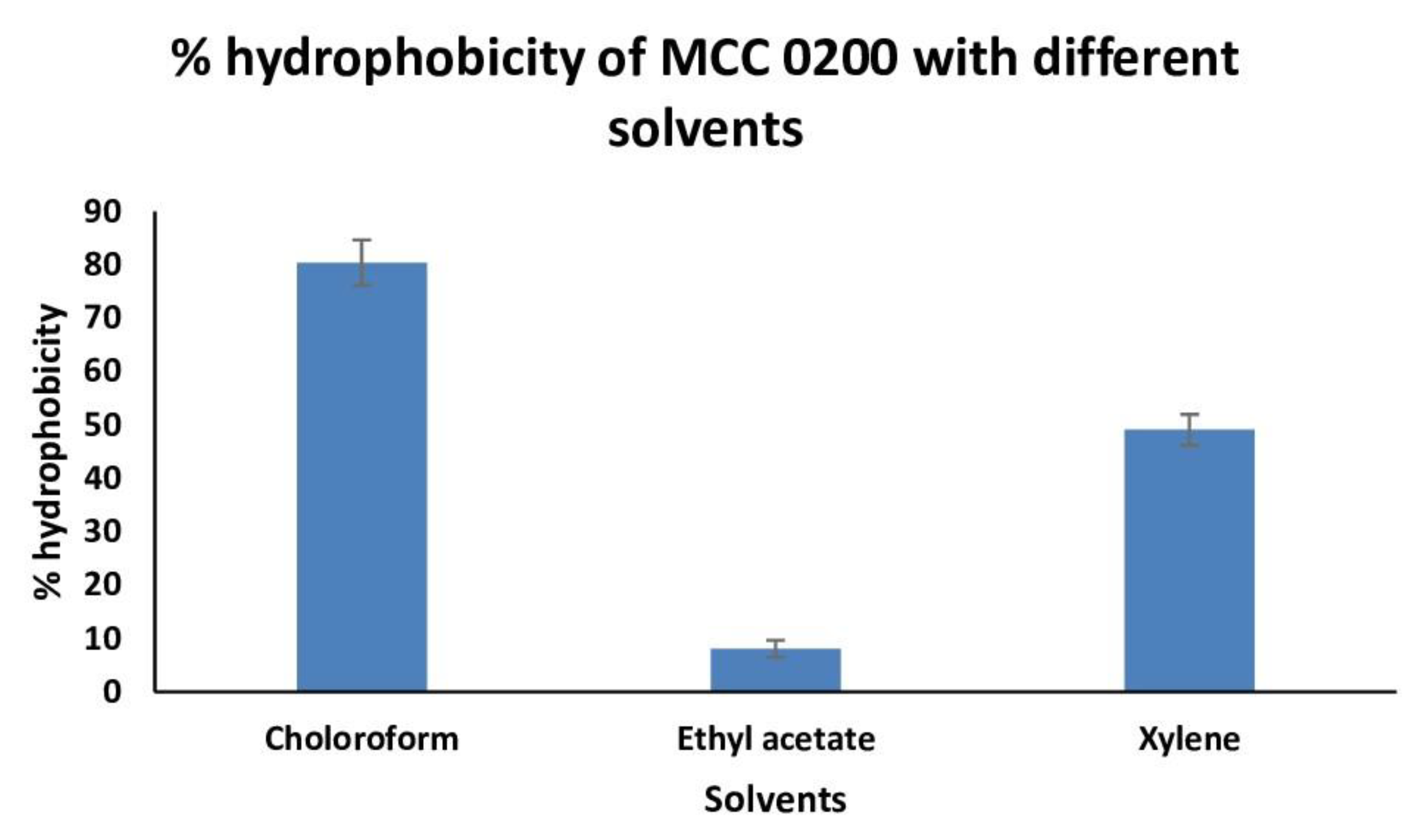
Figure 3.
A: % Auto-aggregation of MCC0200 at different time interval; 3B: % Co-aggregation of MCC0200 with different pathogens.
Figure 3.
A: % Auto-aggregation of MCC0200 at different time interval; 3B: % Co-aggregation of MCC0200 with different pathogens.
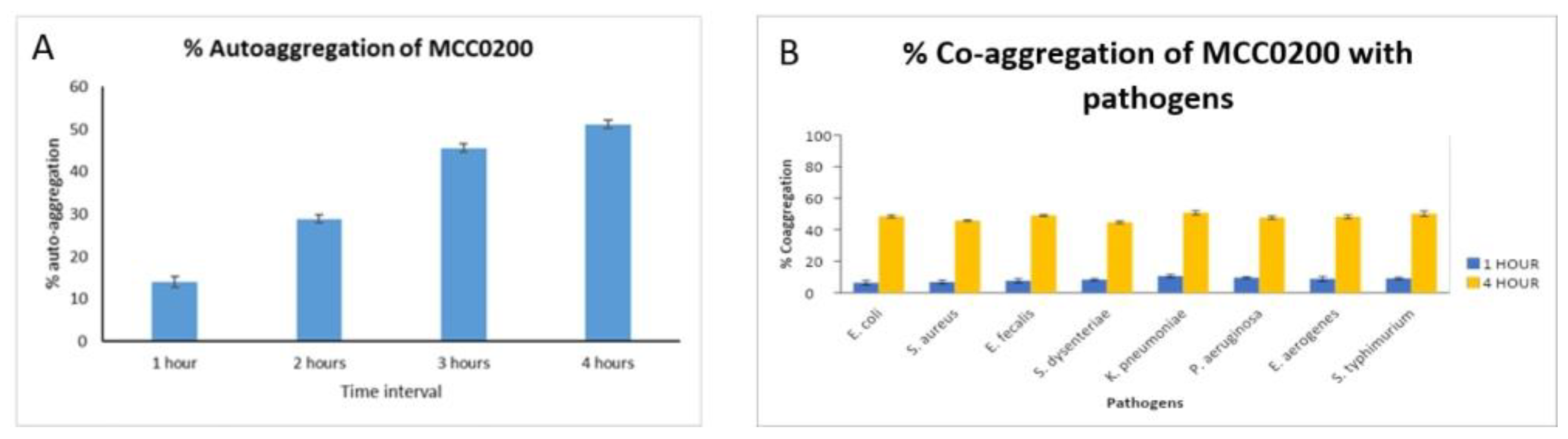
Figure 4.
Binding of MCC0200 to different substrates (Mucin, fibrinogen, and collagen) immobilized in microtitre plates.
Figure 4.
Binding of MCC0200 to different substrates (Mucin, fibrinogen, and collagen) immobilized in microtitre plates.
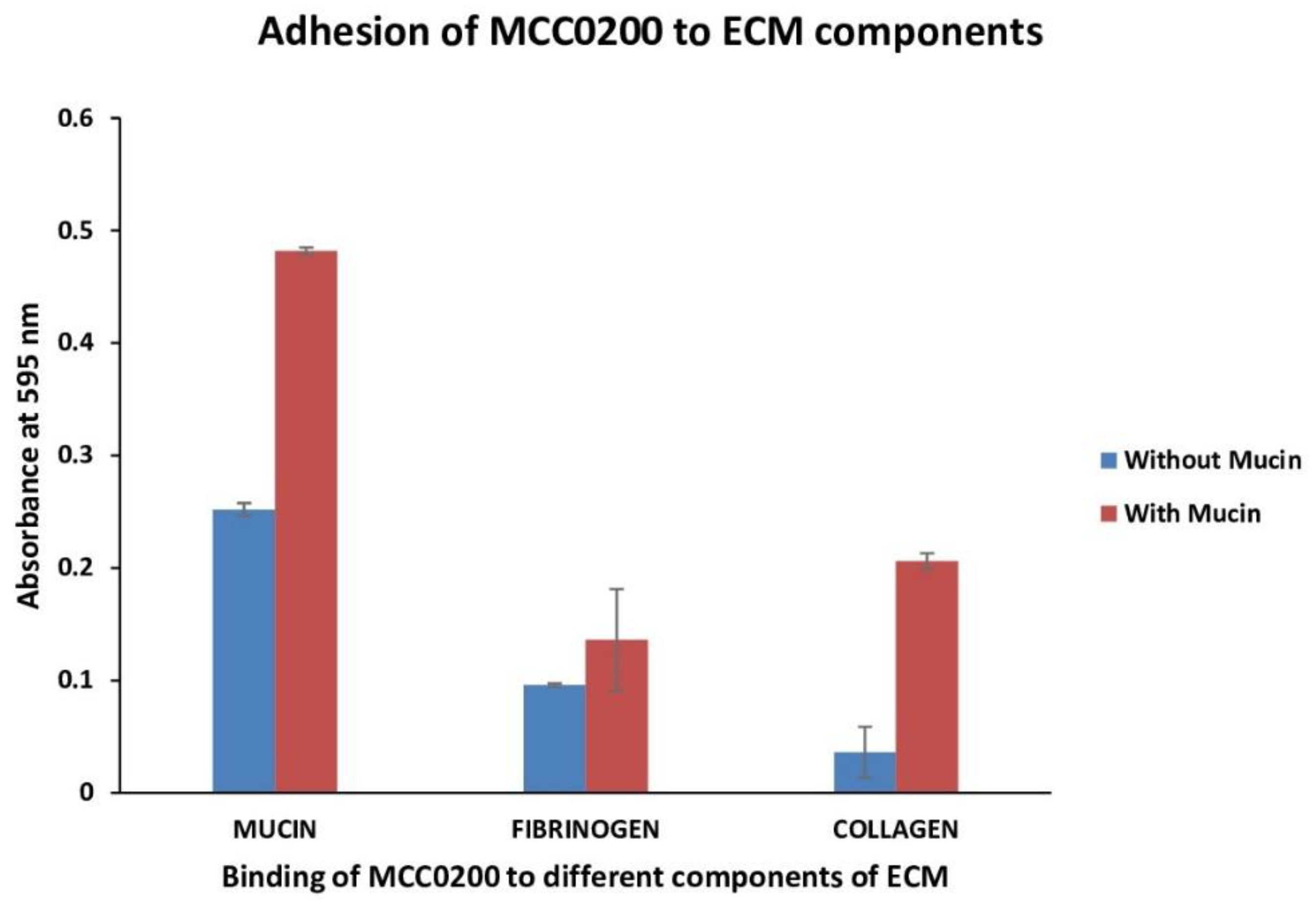
Figure 5.
A. Adhesion of MCC0200 on HT-29 cells and 5B: MCC0200 adhering to microvilli that form the brush border of HT-29 monolayer.
Figure 5.
A. Adhesion of MCC0200 on HT-29 cells and 5B: MCC0200 adhering to microvilli that form the brush border of HT-29 monolayer.
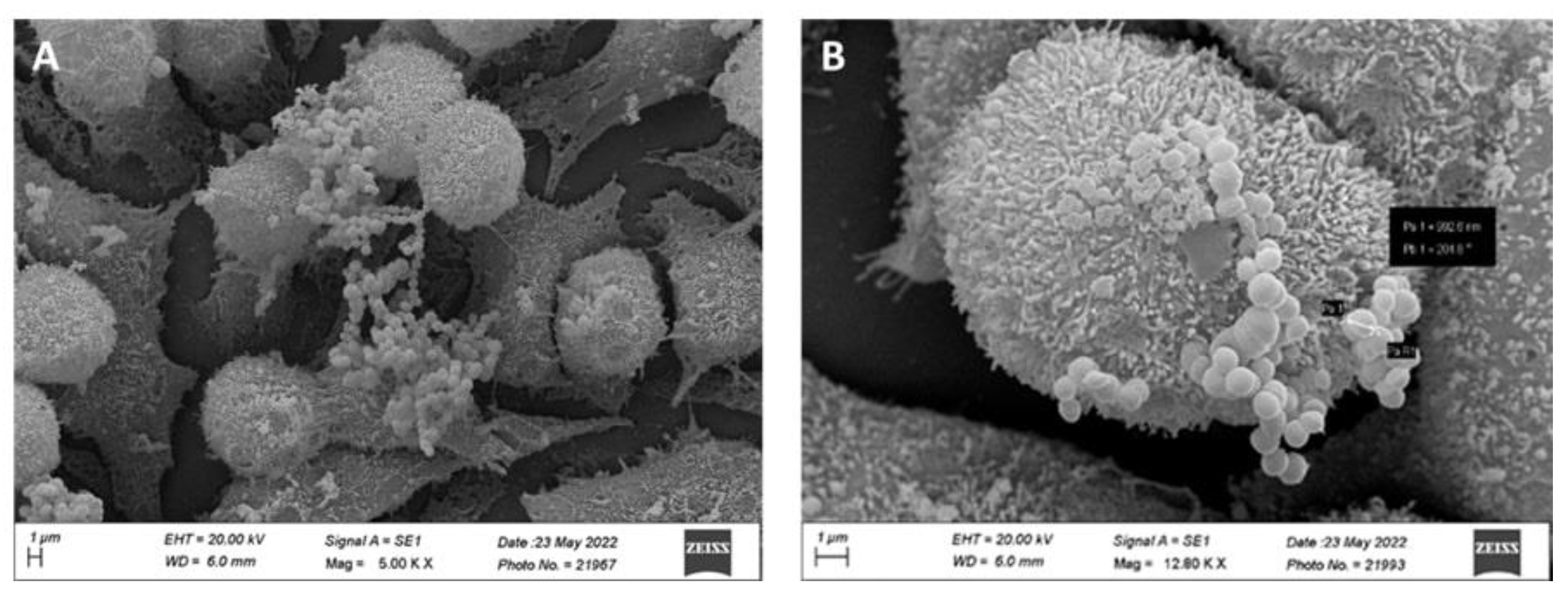
Figure 6.
Folate biosynthesis pathway in MCC0200.
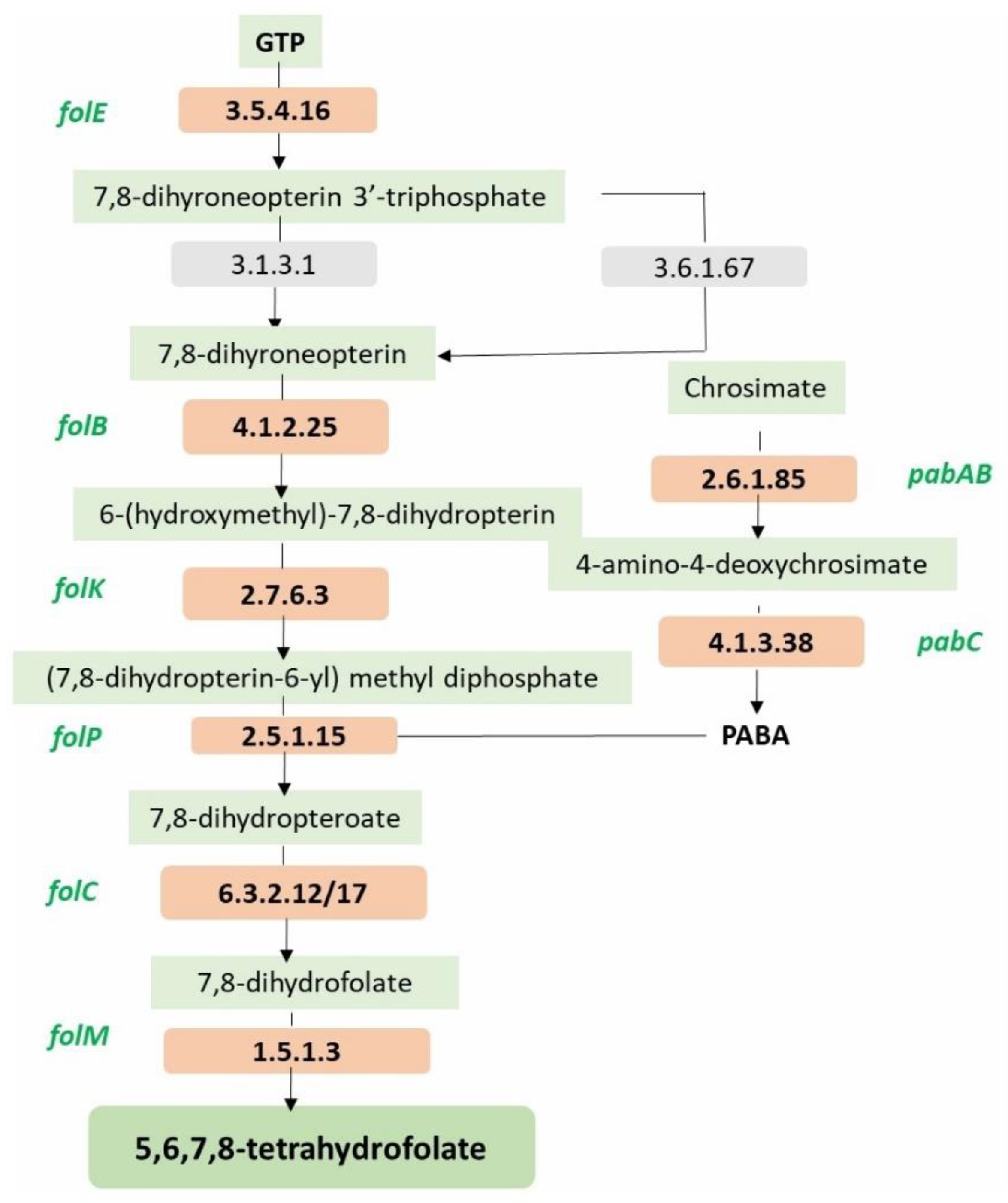

Table 1.
Genome features of S. thermophilus MCC0200.
| Genome attributes | Values | |
|---|---|---|
| Genome size (bp) | 1,855,815 | |
| GC content % | 39.1 | |
| Number of contigs | 6 | |
| Protein coding genes (CDS) | 2239 | |
| Subsystems | 219 | |
| RNA encoding genes | 83 | |
Table 2.
DNA-DNA hybridization values and ANI values between query (MCC0200) and other S. thermophilus reference genomes.
Table 2.
DNA-DNA hybridization values and ANI values between query (MCC0200) and other S. thermophilus reference genomes.
| Reference strain | % ANI | % DDH |
|---|---|---|
| Streptococcus thermophilus LMD-9 | 99.93 | 99.70 |
| Streptococcus thermophilus TH1477 | 98.96 | 91.70 |
| Streptococcus thermophilus MTH17CL396 | 99.01 | 92.20 |
| Streptococcus thermophilus TH1436 | 99.25 | 94.00 |
| Streptococcus thermophilus TH1435 | 99.31 | 93.90 |
Table 3.
Putative genes encoding proteins involved in acid and bile salt tolerance detected in MCC0200 genome.
Table 3.
Putative genes encoding proteins involved in acid and bile salt tolerance detected in MCC0200 genome.
| Genes detected in MCC0200 | FigFam no. | Predicted function |
|---|---|---|
| ATP synthase subunit a | fig|6666666.935801.peg.921 | |
| ATP synthase subunit b | fig|6666666.935801.peg.922 | Acid tolerance by maintaining pH homeostasis |
| ATP synthase subunit c | fig|6666666.935801.peg.920 | |
| ATP synthase alpha chain | fig|6666666.935801.peg.924 | |
| ATP synthase Beta chain | fig|6666666.935801.peg.926 | |
| ATP synthase Gamma chain | fig|6666666.935801.peg.925 | |
| ATP synthase Epsilon chain | fig|6666666.935801.peg.927 | |
| ATP synthase delta chain | fig|6666666.935801.peg.923 | |
| Na+/H+ antiporter | fig|6666666.935801.peg.2147 | |
|
Urease system Urease cluster protein Alpha Beta Gamma Accessory proteins: Urease accessory protein UreD Urease accessory protein UreE Urease accessory protein UreF Urease accessory protein UreG |
fig|6666666.935801.peg.706 fig|6666666.935801.peg.707 fig|6666666.935801.peg.711 fig|6666666.935801.peg.710 fig|6666666.935801.peg.709 fig|6666666.935801.peg.715 fig|6666666.935801.peg.712 fig|6666666.935801.peg.713 fig|6666666.935801.peg.714 |
Acid tolerance by Alkali production |
| Ffh DnaK DnaJ GrpE HrcA GroEL GroES Clp proteases EF-Tu recA recN exonuclease V UvrABCD DNA polymerase DNA ligase |
fig|6666666.935801.peg.1370 fig|6666666.935801.peg.487 fig|6666666.935801.peg.488 fig|6666666.935801.peg.485 fig|6666666.935801.peg.484 fig|6666666.935801.peg.603 fig|6666666.935801.peg.601 fig|6666666.935801.peg.801 fig|6666666.935801.peg.929 fig|6666666.935801.peg.410 fig|6666666.935801.peg.1668 fig|6666666.935801.peg.1681 fig|6666666.935801.peg.31 fig|6666666.935801.peg.1985 fig|6666666.935801.peg.1783 fig|6666666.935801.peg.1458 fig|6666666.935801.peg.46 fig|6666666.935801.peg.2048 |
Proteins involved in protection and repair of molecules under acid stress |
| Sortase A Sortase-dependent proteins HtrA DnaJ GroEL |
fig|6666666.935801.peg.1755 fig|6666666.935801.peg.992 fig|6666666.935801.peg.1848 fig|6666666.935801.peg.349 fig|6666666.935801.peg.488 fig|6666666.935801.peg.603 |
Proteins involved in bile salt tolerance |
Table 4.
Presence of genes involved in colonization of the intestinal mucosa detected in MCC0200 genome.
Table 4.
Presence of genes involved in colonization of the intestinal mucosa detected in MCC0200 genome.
| Genes detected in MCC0200 |
Predicted function | FigFam no. |
|---|---|---|
| Fibronectin/fibrinogen-binding protein | Binds to fibronectin | fig|6666666.935801.peg.1423 |
| Sortase A, LPXTG specific | Cell surface localization and peptidoglycan interaction | fig|6666666.935801.peg.1755 |
| Moonlighting proteins | ||
| Enolase | Binding to plasmin(ogen), fibronectin, laminin, albumin, collagen, salivary mucin, intestinal epithelial cells, | fig|6666666.935801.peg.1108 |
| EF-Tu | Binding to plasmin(ogen), plasma Factor H and Factor H-related protein 1 (FHR-1), intestinal epithelial cells and HT-MTX-derived mucus, salivary mucin, fibronectin | fig|6666666.935801.peg.929 |
| EF-G | Binding to salivary mucin | fig|6666666.935801.peg.75 |
| Triosephosphate isomerase | Binding to plasmin(ogen), intestinal epithelial cells, | fig|6666666.935801.peg.930 |
| GroEL | Binding to intestinal HT-29 cells and mucus | fig|6666666.935801.peg.603 |
| DnaK | Binding to plasmin(ogen) | fig|6666666.935801.peg.486 |
| Pyruvate kinase | Binding to salivary mucin | fig|6666666.935801.peg.1651 |
| Inosine 5′-monophosphate dehydrogenase (IMPDH) | Binding to plasmin(ogen) | fig|6666666.935801.peg.342 |
| Glutamine synthetase |
Binding to plasmin(ogen), laminin, collagen I, fibronectin | fig|6666666.935801.peg.61 |
| Glucose-6-phosphate isomerase (GPI) | Binding to collagen | fig|6666666.935801.peg.585 |
Table 5.
Putative genes encoding oxidative stress proteins detected in MCC0200 genome.
| Gene detected in MCC0200 genome | FigFam no. | Predicted function |
|---|---|---|
| Thiol peroxidase, Tpx-type (EC 1.11.1.15) NADH peroxidase |
fig|6666666.935801.peg.1462 fig|6666666.935801.peg.1758 |
H2O2-degrading enzymes |
| Superoxide dismutase [Mn] (EC 1.15.1.1) | fig|6666666.935801.peg.1192 | Hydroperoxide radical detoxification |
| Thioredoxin reductase (EC 1.8.1.9) Thioredoxin |
fig|6666666.935801.peg.1905 fig|6666666.935801.peg.88 |
Redox homeostasis |
| Peptide-methionine (S)-S-oxide reductase MsrA/MrsB |
fig|6666666.935801.peg.1824 fig|6666666.935801.peg.2133 |
Resistance to oxidative stress |
| recA | fig|6666666.935801.peg.410 | Induces DNA repair mechanism |
| GroES/EL, clp proteases, CtsR, HrcA | fig|6666666.935801.peg.602 fig|6666666.935801.peg.603 fig|6666666.935801.peg.801 fig|6666666.935801.peg.425 fig|6666666.935801.peg.484 |
Targeting and degradation of misfolded proteins. |
| HtrA | fig|6666666.935801.peg.349 | Proteolysis of abnormal proteins |
| GrpE | fig|6666666.935801.peg.485 | Proper protein folding |
Overall, these findings suggested the antioxidative potential of MCC0200 and its ability to provide ROS protective factors to host.
Table 6.
Vitamin biosynthetic proteins/genes detected in MCC0200.
| Folate biosynthesis Protein/gene/system detected in the MCC0200 | FigFam no. |
|---|---|
| FolE, GTP cyclohydrolase I (EC 3.5.4.16) type 1 | fig|6666666.935801.peg.2035 |
| FolB, dihydroneopterin aldolase | fig|6666666.935801.peg.2032 |
| FolK,2-amino-4-hydroxy-6-hydroxymethyldihydropteridine pyrophosphokinase (EC 2.7.6.3) | fig|6666666.935801.peg.2031 |
| FolP, Dihydropteroate synthase (EC 2.5.1.15) | fig|6666666.935801.peg.2034 |
| FolC1, Dihydrofolate synthase (EC 6.3.2.12) | fig|6666666.935801.peg.846 |
| FolC2, Dihydrofolate synthase (EC 6.3.2.12) | fig|6666666.935801.peg.2038 |
| FolM, FolA, Dihydrofolate reductase (EC 1.5.1.3) | fig|6666666.935801.peg.1044 |
| PabC, Aminodeoxychorismate lyase | fig|6666666.935801.peg.1232 |
| PabAB, Para-aminobenzoate synthase, aminase component (EC 2.6.1.85) | fig|6666666.935801.peg.1232 |
Disclaimer/Publisher’s Note: The statements, opinions and data contained in all publications are solely those of the individual author(s) and contributor(s) and not of MDPI and/or the editor(s). MDPI and/or the editor(s) disclaim responsibility for any injury to people or property resulting from any ideas, methods, instructions or products referred to in the content. |
© 2023 by the authors. Licensee MDPI, Basel, Switzerland. This article is an open access article distributed under the terms and conditions of the Creative Commons Attribution (CC BY) license (http://creativecommons.org/licenses/by/4.0/).
Copyright: This open access article is published under a Creative Commons CC BY 4.0 license, which permit the free download, distribution, and reuse, provided that the author and preprint are cited in any reuse.


