

Submitted:
02 November 2023
Posted:
02 November 2023
You are already at the latest version
Abstract
This comprehensive review explores the principles, applications, and future directions of human-powered energy generation technologies. It begins by providing a detailed examination of viable human energy sources, elucidating the physical principles behind various energy harvesting devices. The review then compiles and assesses existing products in the field of human power generation, while also outlining the opportunities and challenges it presents. Finally, an innovative concept of an eco-village system is introduced to demonstrate a future potential application scenario for human-generated electricity. It outlines two developmental stages for this system and underscores its significance in the construction of the harmonious and sustainable communities. This forward-thinking approach could pave the way for broader discussions on sustainable living and eco-friendly energy generation in a world increasingly focused on environmental concerns and social stability.
Keywords:
Human-powered energy generation
; Eco-village system
; Sustainable communities
; The unified theory of complex systems
1. Introduction
The severe repercussions of global climate change have manifested as an undeniable reality. Extreme weather events, rising sea levels, and the degradation of ecological systems underscore the urgency for environmental remediation and the adoption of sustainable development pathways [1]. Scientific evidence suggests that human activities are pivotal drivers of global climate change [2]. The manageable current environmental impacts should not lead to complacency, as crossing a critical threshold could unleash profoundly detrimental consequences for humanity. Hence, it is imperative for humans to adopt relatively positive measures in the pursuit of sustainable development, safeguarding our planet and securing a brighter future for all [3,4].
Since the advent of the electrical era, electricity has played an integral role in industrial manufacturing, revolutionizing production processes and powering the growth of modern economies. Its applications in transportation, communication, and the everyday functioning of household appliances have made it a fundamental and irreplaceable component of contemporary life. [5]. Electricity generation relies on a diverse array of energy sources such as coal, natural gas, nuclear energy, oil, and more. The International Energy Agency's data, presented in Figure 1, illustrates the changing landscape of primary energy sources for electricity generation over the years, offering insights into the evolving global energy mix and its implications for the future. [6,7,8,9,10,11].
Approximately three-fourths of the total energy produced worldwide is attained from these sources. Apart from the sharp decline of conventional energy sources (CES) such as coal, oil, and natural gas, the emission of a significant amount of greenhouse gas (GHG) in connection with CES utilization accounts for 40% of the total CO2 gas generation globally. Therefore, under the requirements of sustainable development, we should actively seek new energy sources for power generation to minimize environmental damage.
Rashid and Joardder's paper categorizes the sources used to generate electricity as conventional, renewable, and less focused, as shown in Figure 2 [12]. Traditional and renewable energy sources have achieved more significant results among them. However, less-focused energy has not been counted as energy sources due to their unclear and discontinuous generation methods.
As the energy demand continues to increase, finding new energy sources and considering efficient and eco-friendly storage and usage methods becomes essential. The significance of batteries in this regard cannot be understated [13,14]. From mobile phones to trams, the electronics we use daily rely on batteries as their primary energy storage solution. Batteries offer a convenient, instant, and portable energy solution. The production and recycling of batteries present a plethora of environmental challenges. In addition, batteries' energy density and capacity have not been significantly improved, and alternative solutions such as micro-fuel cells [15] and micro-turbine generators [16] still require chemical energy. They must be refueled when supplies are depleted. This urges a reevaluation and examination of electricity sources.
Entering the 21st century, we've witnessed a transformative wave in technology, spearheaded by advancements in robotics and AI, epitomized by platforms like ChatGPT [17,18,19,20,21,22,23,24]. As robots increasingly replace human physical labor across various labor-intensive industries, artificial intelligence technologies, such as ChatGPT, are gradually taking over human mental labor. This meteoric rise suggests that in the next 5 to 10 years, a mere fraction of the population – perhaps less than 20% – might be required to spearhead cutting-edge research or administrative tasks. Concurrently, a significant amount of surplus labor is imminent. If not managed appropriately, this could seriously impact social stability. Indeed, the joblessness has ramifications beyond economics [25,26,27]. The relentless pressures of modern life have already made mental health issues, notably depression, one of the defining health crises of our age [28]. Concurrently, the increasing mechanization of our world demands a consistent electricity supply [29].
From a systemic point of view, a natural solution is to convert surplus human power into electricity. This can solve environmental problems, employment problems, and psychological stress simultaneously. Human power is also one of the Less-Focus Energy but it is the most cleaner energy type [12].
Admittedly, human-powered electricity generation, while an innovative employment avenue, produces electricity in relatively modest amount [30]. On its own, the economic viability is infeasible. However, considering a paradigm where farmers evolve into corporate stakeholders, their collective land assets could be amalgamated and handed over to specialized entities for optimized development through state-of-the-art technology and systemized management. This fully demonstrates the viability of human resources generation in addressing employment difficulties and environmental remediation.
The human body is a vast energy reservoir that contains thermal, mechanical, and biochemical energy [31,32]. Since 1996, researchers have been attempting to extract and harness human energy to power. Currently, researches are dedicated to exploring and implementing various principles to collect this energy, as shown in Figure 3.
Human body heat is a continuous and relatively large amount of energy that can be collected from the human body using a thermocouple. The Seebeck effect can be employed to convert it into electricity. Initially, thermoelectric microgenerators would only produce a small amount of [33] with extremely low efficiency. However, lately, it has been combined with a micro combustion chamber, increasing the output power to 1 /thermocouple [34,35]. While initially a tiny amount of energy, recent developments in miniaturized portable electronics have significantly reduced power consumption from milliwatts () to microwatts () and even as low as nanowatts () [36]. This makes thermoelectric conversion a potential source of electricity for tiny electronic devices. Another effective method is to harvest the kinetic energy produced by human body movement. Kinetic energy is typically present in the form of vibration, random displacement, or force, and it is often converted to electrical power via electromagnetic, piezoelectric, or electrostatic mechanisms. Harvesting kinetic energy from the human body is characterized by low frequency and high amplitude displacement [37].
Although initially limited in scope, relevant research has led to the development of materials that can generate electricity throughout various parts of the human body by utilizing the triboelectric effect on a larger scale [38,39,40,41,42]. This technology shows great potential for various applications, especially in wearable devices. This concept has continued to attract increasing attention over the years, given its advantages, such as high conversion efficiency [43] and electrostatic charge accumulation equipment's flexibility [44]. Furthermore, a type of technology exists called reverse electro-wetting, which is both environmentally friendly and low-cost. This technology also provides potential for further exploration [45]. Various human-powered generators have been proposed so far, including a shoe-mounted magnetic generator [46], a knee-mounted magnetic generator [47], a suspended tube magnetic generator [48], a liquid metal magnetic fluid generator [49], a mounted piezoelectric generator [50], a piggyback generator [51], a boot-mounted dielectric elastomer generator, and a generator based on inverse electric wetting. The generated power from this technology has the potential to efficiently power electric devices, such as mobile phones, LEDs, MP4 players, and computers.
As a result, the concept of generating continuous mobile power through the collection of human movement energy has gained significant interest. These power supplies have the potential to replace or improve batteries, leading to an increased lifespan and capacity of the network and solving employment issues [52,53,54,55].
In different from others to focus on the utilization of human power from an electricity point of view, our focus is on the providing job opportunities to help the government to solve the unemployment issue. The overview is structured as follows. Section 2 and Section 3 provide a general introduction to human energy sources and human energy harvesting technologies respectively. Section 4 and Section 5 discuss the practical applications and challenges of human power generation. In section 6, a feasibility study of the ecovillage engineering system concept is carried out which uses human power generation as a main means for the job opportunities. Finally, a summary is given in the last section.
2. Human energy sources
The human body serves as a reservoir of energy. Consumed food is transformed into energy substrates, such as glycogen and fats, to fuel bodily functions. Daily, the body expends energy to support physiological processes and vital activities. This energy primarily manifests in thermal, chemical, and mechanical energy. As delineated by Zou, Y., Bo, L., & Li, Z. (2021), the categorization of human energy is illustrated in Figure 4 [56].
2.1. Thermal energy
A significant amount of metabolic energy is converted into heat energy during the metabolic process. Whenever power is required, some heat is released from readily available metabolizable power or stored in body tissues during chemical breakdown. Almost all metabolic energy used for essential metabolic functions is converted into thermal energy (body heat). Since the kinetic component is much smaller than the thermal component, it can be assumed that metabolic processes convert chemical energy into thermal energy, which is released into the environment and increases with the intensity of human activity. However, specific devices introduced in the next section can capture this heat energy. The temperature of the human body is generally maintained at between 36.5 and 37.5°C [57]. The heat produced by the body's metabolic processes is distributed to different body parts by air currents and then removed by radiation, convection, and sweating, mainly through the skin. As the ambient temperature changes, blood vessels dilate, and blood flow increases, regulating heat transport in the body [58]. Skin is the human body's primary heat exchange with the environment. It is essential to note that the skin temperature varies at different measurement points in different body sections [59,60], as shown in Figure 5. The area of the body where blood vessels are close to the skin surface is influenced by various external factors such as clothing and ambient temperature [61].
2.2. Mechanical energy
The conversion of mechanical energy (ME) into external mechanical energy is a process that occurs during any physical activity. The efficiency of this conversion mainly depends on the action being executed. Everyday activities like walking, jogging, and running include a variety of mechanical energy releases, as shown in Table 1. For instance, the joint rotation, the muscles stretching and contracting, more unapparent, is the ground’s deformation due to work done by self-weight. Healthy adults reportedly complete a gait cycle in approximately 1.07 seconds, covering an area of around 1.44 m, with a walking speed of 1.37 m/s. During this motion, the center of the body experiences three movements in different directions, although the forward movement in the direction of walking is usually emphasized. The body's center oscillates up and down during walking in the vertical direction with an amplitude of approximately 5 cm and a frequency twice that of the gait cycle at average walking speeds. The body's center also moves from side to side during walking, oscillating with an amplitude of roughly 4 cm and at the same frequency as the gait cycle during normal walking [46]. All these energies are the by-product of human motion, which can be harvested unconsciously by several innovative designs.
2.3. Chemical energy
In studying human-powered electricity generation, transforming and utilizing chemical energy within the human body is a pivotal aspect that garners attention. This chemical energy primarily stems from the digestion of food, which predominantly breaks down into Glucose, Lactic acid, and H2O. These chemical substances are metabolized during the metabolic processes, producing energy for physical activities. Among the products of human decomposition, glucose is the primary energy source for the body, producing carbon dioxide and water through glycolysis, generating chemical bonding energy in the molecule, which is essential for areas such as sports and medical equipment. Secondly, lactic acid, a by-product produced during strenuous exercise, can be used as a temporary energy source and has potential applications in short-term, high-intensity physical activity. Finally, water can enhance exercise endurance during metabolism. Energy from these major human-generated chemicals could be used in areas such as wearable electronics, medical devices, and emergency chargers [62].
In calculating energy from the breakdown of chemical substances in humans, glucose is an example. The glucose inside the body reacts with oxygen. The energy change in this process can be described by the change in enthalpy (∆H) and the change in Gibbs free energy (∆G), thereby determining the energy released during glucose oxidation. The chemical formula for the reflection of glucose with oxygen is shown in equation (1).
The standard enthalpy of formation is the energy released or absorbed from its elements in the normal state when forming a compound. The standard enthalpies of construction for the compounds in the chemical reaction equation (2) are shown in Table 2 [63].
The total enthalpy change is calculated as shown in equation (2).
Therefore, the total enthalpy change for the reaction of glucose with oxygen is calculated as shown in equation (3).
The energy released per gram of glucose is equal to the energy released per mole divided by the molar mass, and this value can be converted to kilocalories (kcal) as shown in equation (4).
The release of energy from lactic acid and water can also be calculated according to the above principle, and the final amount of chemical energy obtained from the body is shown in Table 3.
3. Harvesting Human Energy
In energy harvesting, diverse methods have emerged, including thermoelectric, piezoelectric, electromagnetic, triboelectric, and electro-wetting techniques. This section delves into the nuances and advancements of each.
3.1. Thermoelectric energy harvesting
The thermocouple generator system (TEG) comprises several thermoelectric couples. For an individual unit, a pair of P-type and N-type thermoelements or legs are connected in series in an electric circuit and thermally in parallel, linked together at the hot end by an interconnect. The function of the ceramic is to maximize the voltage output and complete the circuit by connecting it to a load resistor. To generate electrical energy, extra heat is supplied to the hot end, and an equilibrium equation can be obtained to classify the generator (Equation 5). When two dissimilar conductors are used to make a thermocouple, and each junction is kept at a different temperature, TH and TC, then an open circuit potential Vth will develop, proportional to the temperature difference as shown in (Equation 6) [64]. Where α is the Seebeck coefficient [65].
R is the combined resistance of the legs per single unit, K is the thermal conductive coefficient, I is the current in the circuit, ∆T is the temperature difference between the ends.
A system generally contains many TEG elements connected electrically in series and thermally in parallel, as shown in Figure 6 [65].
The output power for the following device can be listed in Equation (7).
Where is the resistance of the legs, and is the resistance of the load resistor in the circuit.
The efficiency of a system is given by the ratio of its power output to the additional heat flow introduced to the system [66]. The maximum efficiency that the system can achieve is expressed in Equation (8).
In Equation (8), ΔT refers to the temperature difference between the hot and cold sides of the TEG, where and are the temperatures at the hot and cold sides, respectively. T is the average temperature which is equal to . represents the figure of merit of the thermoelectric materials, as defined in Equation (9).
In Equation (9), σ is the electrical conductivity, and κ is the thermoelectric conductivity.
Thermoelectric generators for harvesting energy from the human body are called "human body heat harvesting" or "human body energy harvesting." This involves converting the heat naturally produced by the human body into electricity. Some potential applications include Thermoelectric generators (TEGs), which can be incorporated into wearables such as fitness trackers, smartwatches, and clothing. Some implantable medical devices, such as pacemakers and sensors, may also benefit from TEGs [67].
Several companies have made pioneering attempts to utilize the temperature difference between the body's surface and its surrounding environment to power such devices [68]. This reduces the reliance on conventional batteries while increasing the convenience of wearable technology. The technology for wearable thermoelectric generators is currently under research and has not yet reached commercialization. However, a few companies have taken the initial steps to commercialize micro-thermoelectric technology in applications such as micro-coolers and micro-generators. TEC-Microsystems [69], for instance, is one of the active and leading manufacturers that commercializes micro thermoelectric generators for small-scale energy harvesting. It designs and manufactures standard micro-TEGs, advanced micro-TEGs with high density (up to 1200 particles per square centimeter), and micro-TEGs with custom and unique applications.
3.2. Piezoelectric generator
The piezoelectric effect is a phenomenon where specific materials can produce an electric charge under mechanical stress or pressure. Additionally, these materials exhibit the reverse impact of deforming or changing their shape when an electric field is applied. This effect is a unique property exhibited by certain crystals, ceramics, and polymers [70]. The piezoelectric effect is a relatively early considered mechanism applied to human power generation and will not be discussed in this paper.
3.3. Electromagnetic Generators
These devices operate using electromagnetic induction to convert mechanical movement into electrical energy. Generally, they consist of a coil and a magnet. When the wave moves within the magnetic field, human motion induces a current in the ring, ultimately generating electricity. Electromagnetic induction is a mechanism considered before the piezoelectric effect and commonly involves rotational movement, such as joint rotation or riding. However, with some subtle mechanical design, it is possible to collect linear displacement, such as vibration. Three distinct working principles are shown in Figure 7.
Figure 7(a) illustrates miniaturized electric generators that convert continuous rotational mechanical motion into electricity. Figure 7(b) demonstrates how oscillatory EMEHs utilize the reciprocal action between the coils and permanent magnets to achieve energy conversion. Figure 7(c) depicts how hybrid EMEHs are designed to convert linear into rotational motion.
During walking, a typical backpack undergoes sinusoidal motion. Rome's work presented an electromagnetic induction process that transforms mechanical energy into electrical energy and harnesses a maximum of 7 W [74]. Current practical applications of Electromagnetic Generators are shown in Figure 8 and Figure 9.
3.4. Triboelectric generators
Triboelectric generators convert mechanical energy to electrical energy through the triboelectric effect. They are typically composed of two materials with different electron affinities that come into contact and then separate. Friction between materials results in the separation of charges, producing an electric potential difference [75]. Triboelectric nanogenerators (TENGs) combine the triboelectric effect and electrostatic induction to create electricity from mechanical energy that would otherwise go to waste [76].
The fundamental TENG design contains four individual layers with distinct functions. The charge-generating layer comprises two opposing polar layers, creating electron movement via contact and separation cycles. The charge-trapping and charge-collecting layers, frequently combined into a single layer, prevent electron backflow and store the charge throughout each process while guaranteeing circuit integrity [77]. The charge storage layer completes the circuit, holds the produced amount, and occasionally transforms the current from AC to DC. It has produced outputs ranging from 90V [78] to 1000V [79], depending on usage, demonstrating the significant progress in output performance made by these devices since they were manufactured a decade ago.
The Triboelectric Nanogenerator (TENG) operates using four basic modes. The first mode is the vertical contact separation mode (see Figure 10), which produces electric charges through the vertical separation of two triboelectric materials. The second mode is the transverse slip mode, which makes electric charges through the sliding motion of two triboelectric materials. In the single-electrode mode, an electrode is connected to a triboelectric material to produce an electrostatic charge. Finally, the independent triboelectric layer mode is the most distinct among the four. The effect causes electrons to transfer between two pieces of the same triboelectric material when the opposite material moves. This is the only possible operation that doesn't require the contact of two triboelectric materials.
Triboelectric generators (TGs) can produce electricity in smart energy textiles. TGs can produce electricity on a small scale [81]. Although different types of TG are available, the textile-based generator is the most noteworthy. When attached to woven fabrics, the TG can produce electricity from human motion [82]. Textile-based TGs are developed using a combination of polymer and liquid metal. A particular type of liquid metal is pumped into polymer fibers with a hollow center to achieve the TG [83]. The generated current is stored in current collectors and tribo-materials which can be regarded as the main components. Both negative and positive charges are produced when a force acts on the surface of the separate silk fiber and TG interface. The distance between the two fiber surfaces increases to the maximum when the applied mechanical force is removed. A potential difference develops between the surfaces. In the end, electrons transfer from the electrode to the silk fiber, as illustrated in Figure 10. According to Wang et al.[84], textiles with a surface area of 48 cm2 generated a closed-circuit current of approximately 6 at an operating frequency of 1 Hz. At the same time, the open-circuit voltage of the electricity produced was 105 V.
3.5. Reverse electro-wetting generator
The movement of a conductive liquid on a conductive substrate coated with dielectric has been extensively investigated in the electrowetting-on-dielectric (EWOD) phenomenon. In a classical electrowetting experiment, the spread of liquid on the dielectric surface is facilitated by an electrically induced increase in the wettability of the dielectric surface [85].
The change in wettability arises from the additional electrostatic energy associated with the electrically charged interface between the liquid and solid, created when voltage is applied externally between the conductive droplet and the dielectric-film-coated electrode. The experiments include droplets between oscillating plates, droplets between sliding scales, and droplets in a microchannel. Figure 11 illustrates an energy generation process schematically based on reverse electrowetting in a microchannel geometry [84]. A team of researchers at the University of Wisconsin-Madison has developed an impressive substrate footwear made of a viscous liquid containing small metal microdroplets using the reverse electrowetting technique.
3.6. Electrostatic (dielectric elastomer)
Dielectric transducers, or electrostatic transducers, convert mechanical vibrations or movements into electrical energy by varying capacitance between two electrodes separated by a dielectric material. The transducers take advantage of the variations in electric field strength resulting from the dielectric material's mechanical deformation.
A dielectric elastomer (DE) transducer comprises a layer of deformable elastomeric dielectric material coated with compliant electrodes to form a variable capacitor [86]. DE transducers can serve as actuators, generators, or sensors. In actuator mode, electrostatic forces deform the capacitor to perform work against a mechanical load [87]. In dielectric elastomer generators (DEGs), external mechanical forces cyclically deform the capacitor, raising the electrostatic potential energy of the electrodes' charges. DE sensors use capacitance variation measurements to detect stretches or applied forces [88].
Meninger et al.[89] reported on the first Electrostatic Energy Harvester (ESEH), which produced eight of usable power through comb-like electrodes and control circuits. A later design version was proposed using a micro-electromechanical systems (MEMS) comb capacitor with seven wide and 500 deep channels, working in a continuous gap mode with sliding combs.
Three potential design concepts of ESEHs were proposed by Roundy et al.[90]: in-plane overlap mode, in-plane gap closing mode, and out-of-plane gap closing mode. Detailed models were developed for each of these three modes. The two gap-closing methods are in-plane and out-of-plane. Complex models of the three gap-closing methods were created, showing the in-plane design superior in simulations.
Furthermore, various novel designs have been reported. In-plane rotary combs capable of low-frequency operation were studied by Yang et al. [91] in an ESEH. Tashiro et al. [92]developed an ESEH with a honeycomb structure and variable capacitance, as depicted in Figure 12, and achieved an average power output of around 36 .
4. Practical applications of human-powered electricity generation
Compared to large-scale grid power during peacetime, human-powered electricity generation becomes an indispensable energy source for radio transmissions and essential war supplies in conflict. This is especially true compared to energy sources reliant on specific resources, such as solar power. In remote areas lacking access to electricity, human-powered generation is a cost-effective and portable means of producing electrical energy. Furthermore, integrating human-powered generators into specific fitness equipment can yield additional products while engaging in physical workouts.
4.1. Emergencies and times of war
4.1.1. Hand-cranked generators in war
In military operations, particularly in the field, human-powered generators are indispensable for powering vital equipment such as radios and telephones. For portable solutions, hand-cranked generators are highly favored.
The U.S. military, for instance, equipped their rangers with the HTE-425 model during their expeditions (see Figure 13). This compact generator, weighing about 0.5kg (1.31 lbs), is highly portable. Depending on the strength and speed of the person operating it, this device can produce around 20 watts or even more. With its capability to develop up to 13.5V, it is an efficient solution for emergency communications and recharging other devices. This unit has a 16 x 8 x 4 inches (or 512 cubic inches) volume when packed away. It is designed ergonomically for operation: you grip it with one hand while turning the crank with the other [93].
4.1.2. Emergency broadcasting and modern human power generation products
During the 1990s, part of the focus was on spreading knowledge about the risk of AIDS in remote areas of Africa, and this focus encouraged the innovation and development of the BayGen-Freeplay radio. First conceived by Trevor Baylis in 1993, this human-powered radio utilized a simple combination of clock springs, gears, and a generator to provide a vital source of information for people in remote areas without access to electricity. The first BayGen-Freeplay radio was commercially launched in 1995, receiving widespread attention and recognition from several design awards. Its unique design and features made it very popular in Western countries. One of them was released in 1995, as shown in Figure 14, the radio is capable of generating electricity from a crank and is designed to meet the need for people in rural areas of South Africa without access to electricity to be able to hear some essential information. [95].
By the end of the 20th century, the development of human-powered products wasn't just limited to users in areas with no electricity. These products were often marketed from an environmentally friendly perspective, as they did not require batteries. The Freeplay 360, for example, was launched in 1999 and was reduced in size and weight compared to previous models. Meanwhile, other major electronics companies like Philips and Sony introduced their versions of human-powered radios. Unusually, these new products used a different technology than Freeplay. They converted the input torque directly into electrical energy through a gearbox and generator and stored it using NiCad batteries. The products of this period represented a new era in human-powered technology and paved the way for future developments [95].
4.2. Human power generation in fitness
4.2.1. Electricity generation in particular scenarios (gym)
Walking into the New York Sports Club's dynamic cycling classes at Eighth Avenue and West 23rd Street in Manhattan, participants get an aerobic workout and generate electricity for the club through their stationary bikes. The computer-aided drawing of the electric bicycle is shown in Figure 15 [96]. The cycles are connected to a compact generator that converts the movement of the wheels into electricity, which is further fed into the grid to offset some of the club's power consumption. By utilizing this model, gyms can claim to be environmentally friendly and effectively reduce their electricity bills. At least three startups are promoting the technology of converting aerobic equipment, such as bicycles, elliptical trainers, and steppers, into power generators in the U.S. and have already successfully retrofitted hundreds of such machines for several fitness clubs and university gymnasiums [97].
4.2.2. Electricity generation for daily life
Walking serves as a ubiquitous and essential daily activity. Biomechanical research indicates that the ground reaction force (GRF) emanating from our feet, when processed appropriately, can be harnessed to provide power for devices. As an individual walks, energy dissipates from the foot, manifesting primarily as vibrations. When captured by a piezoelectric device, these vibrations can be transformed into an electric current. This generated current then passes through a bridge rectifier, which converts the alternating current (AC) into direct current (DC). Following this, a boost converter elevates the voltage to a desired level, making it more suitable for charging or running electronic devices. A filter module refines the output before the electricity reaches its final destination, ensuring the power is steady and without unwanted fluctuations. Subsequently, this harnessed electricity is stored in a storage unit, ready for use. This stored energy can power many portable electronic devices, from mobile phones to compact biomedical instruments. The procedure can be illustrated in Figure 16. The potential applications for such a technology range from morning jogs and gym workouts to bustling environments like train stations and bus terminals [98].
5. Opportunities and challenges of human power generation
5.1. Opportunities
5.1.1. Provide a large number of jobs and maintain social stability
The development of the human power generation industry will promote the growth of related sectors and offer numerous benefits to society [99]. Firstly, it reduces our dependence on non-renewable resources. Secondly, it opens up many employment opportunities for workers across different skill levels — from manufacturing and installation to maintenance and operation [100]; positions involving increased employment opportunities include but are not limited to those shown in Table 4. This expansion provides new job avenues, especially for workers in industrially relevant sectors. Moreover, by transitioning away from traditional energy sources, we can further protect our ecological environment [101].
Human-powered electricity can bring economic benefits to communities. First, using human power generation technology, communities can reduce their reliance on external power supplies, saving significant amounts on their electricity bills. Secondly, with the advancement of technology and large-scale production, equipment costs are gradually declining, making it affordable for more communities. Therefore, human power generation provides many job opportunities for the community, thereby indirectly increasing the overall income of the community [102].
Compared with renewable energy sources such as solar and wind energy, employment barriers for human power generation are more minor. For example, solar and wind energy often require large-scale equipment and installation, which rely mainly on specialized skilled workers. However, human power generation is more flexible and can be adapted to various sizes, finding applications from small household systems to mid-sized community systems. Therefore, it provides more employment opportunities for a broader workforce, including skilled and unskilled workers. At the same time, compared with other renewable energy sources, human power generation also has relatively low requirements in terms of training, installation, and maintenance [103].
5.1.2. Environmentally friendly, no geographical restrictions
Human power generation is friendlier to the environment. Firstly, compared to coal, oil, and other non-renewable energy sources, human-powered electricity generation is virtually free of carbon emissions and other harmful substances, which provides a unique solution to slowing global warming and reducing air pollution [104]. Second, compared to other energy sources such as natural gas, human-powered electricity generation avoids environmental problems such as land degradation, ecological damage, and water contamination associated with large-scale mining or drilling activities, as these activities are not required [105]. Third, compared to other forms of renewable energy such as solar and wind, human-powered electricity generation has very little noise and light pollution, which makes it more suitable for use in residential or densely populated areas [106,107]. In addition, since human-powered electricity generation does not rely on the fuel supply chain, it does not lead to the environmental risks associated with energy transport and storage, such as oil spills or gas leaks [108]. In summary, human-powered electricity generation plays a vital role in environmental protection.
5.2. Challenges
5.2.1. Discontinuous human power generation
Discontinuities in human power generation are affected by several factors:
- Discontinuity of human activity due to physiological factors. Humans have limited physical strength, and sustained physical activity over a long period may lead to fatigue. As fatigue accumulates, a person's ability to generate electricity will gradually decrease, resulting in a drop in power output. For example, people may engage in strenuous activities for some time and then enter a state of rest or relaxation. This fluctuation in activity leads directly to discontinuities in power generation output [109,110]. For example, when people walk, since the direction of the force exerted by the human foot changes with time and gait, capturing the maximum energy throughout the walking cycle becomes challenging, which causes discontinuity in power generation [111]. In gym site, this problem may be solved through the shifts of workers.
- Mechanical efficiency. Even if a human can provide a constant and stable force, computerized devices that convert human labor into electricity may have erratic efficiency due to wear and tear, design flaws, or other reasons [112].
In summary, the discontinuities in human power generation are mainly affected by human physiological limitations, activity patterns, and variations in mechanical conversion efficiency. This instability may have the following consequences:
- Accelerated equipment losses. Unstable power output may cause large shocks to power conversion and transmission equipment, shortening the life of such equipment. Unbalanced voltages and currents can lead to overheating or overloading components inside the equipment, thus accelerating their wear and tear [113].
- Reduced power quality. Unstable power generation leads to fluctuations in voltage and frequency, and such volatility may cause damage to the equipment connected to that power source, especially some sophisticated equipment with high power quality requirements [114].
- Increased safety risk. Unstable electricity can lead to short circuits, fires, or other safety incidents in electrical equipment, thus increasing the safety risk of using human-powered electricity generation [115].
5.2.2. Less power generation (Low energy conversion efficiency)
There are still certain bottlenecks in the efficiency of energy conversion. Taking piezoelectric materials as an example, although many scientific researchers are conducting in-depth research in this field, the amount of electricity obtained through it is still limited [116]. Existing research mainly explores enhancing energy collection efficiency by adjusting the collector's physical properties and structural design [117]. Historical data shows that although the output of energy harvesters based on electromagnetic principles is currently the highest, their actual production capacity is still not ideal, and the energy output reported by most studies only reaches the microwave level [118,119].
5.2.3. Battery Energy Storage Issues
Even if the power supply is stable, the battery still experiences energy loss during charging and discharging, as shown in Figure 18. When a battery is charged, it stores electrical energy as chemical energy; when discharged, the chemical energy is returned to electrical power. The energy loss in this process mainly comes from internal impedance, incomplete chemical reactions, self-discharge, and battery aging [120]. The primary energy storage method for human-powered electricity generation is using lithium-ion batteries. These batteries can be charged and discharged with efficiencies as high as 80 to 90 percent and have a high-power density. However, its value is still relatively low compared to the efficiency of fossil fuels, which is only about 1% [121,122,123].
5.2.4. High cost
The human power generation device’s present value derived from economic analysis of retrofit table from Haji’s article 'Human Power Generation in Fitness Facilities' is shown in Table 5 [124].
As can be seen from the table:
- Overall Retrofit Cost. The total cost of the retrofit is $20,000. Converting the gym to human-powered generation requires a relatively significant initial investment.
- Annual Savings. The yearly savings through workforce generation is $1,000. This means it will take 20 years to recover the investment without considering other factors.
- Present value savings over five years. Considering the time value of money (probably based on some discount rate), the current value of the savings over five years is $3,800.
- Actual cost of the retrofit. Considering the 5-year savings, the actual retrofit cost is $16,200.
The analysis shows that human power generation at this time has the characteristics of high initial investment, low annual savings, and a long investment recovery period. First, equipment and technology for human power generation may require more increased initial investment than other forms of energy, possibly due to the smaller scale of production, the relative novelty of the technology, and the need for specialized equipment. Secondly, the electricity savings from human power generation can only save $1,000 per year, which means that the annual savings are low relative to the initial investment. This may be because human power generation generates relatively tiny amounts of electricity and cannot completely replace other significant forms of power. Even considering the time value of money, the savings over five years is only $3,800, far less than the initial investment. This means that the investment payback period is longer, increasing investment risks. Human power generation costs are high mainly due to high initial investment, low annual savings, and long payback periods. Thus, the feasibility of this technology should not be viewed only from energy point of view but from specific purposes such as environmental and employment perspectives.
6. Feasibility Study of Ecovillage System Engineering Concept and Development of Human Power Generation Prototypes
6.1. Introduction of the project
Based on the above analysis, it is evident that portable human-powered electricity generation has a lower power output and higher installation costs. Human power generation itself is not economically feasible or needs to be applied in large-scale power generation scenarios. This will certainly not be attractive to investors. This paper introduces the concept of an eco-village based on human power generation together with land compensation for investment: converting surplus labor into electricity, integrating employment solutions with human health exercises, and utilizing land resources for sustainable economic development and at the same time remediating the contaminated land. The key features of this eco-village system engineering concept are a beautiful ecological environment for residents, ensuring villagers' material and spiritual well-being, and maintaining opportunities for personal development. By showcasing such an eco-village, people can enjoy a rich spiritual life while benefiting from material comforts. Science and technology will help humanity, enabling the majority to live in peace and contentment.
6.2. Research route
From a micro perspective, this project focuses on converting human kinetic energy into electrical energy and its efficient storage, thereby examining the feasibility of human-powered electricity generation technology in addressing employment issues. From a broader perspective, this project serves as a precursor to the study of complex systems theory. It involves utilizing the latest advancements in modern agriculture, industry, and ecology to redesign and reconfigure a specific region. Furthermore, it harnesses the latest technological achievements in new materials, machinery, design, and manufacturing to develop a highly efficient engineering system.
The practical application of eco-village is that there is a low-income village with a poor ecological environment and low economic income due to the villagers' irrational land use. Therefore, the housing conditions of the villagers in the area are impoverished, the pressure on parents from children going to school is high, and it is difficult for children to find jobs after graduating from university.
The purpose of eco-village construction is to improve the status quo of the village (see Figure 17). Now, an investor who accepts the eco-village concept has a strong sense of social responsibility and is supervised by the government. With the local government's support, this investor will sign a contract with the local government to set up a new company to implement the project. The company owns the whole village's land, but need to employ the whole villagers. Two stages will implement the eco-village engineering project.
The first stage aims to do an overall design of the eco-village engineering project. It addresses how to divide the land into living area, industrial area and agricultural area. It estimates how much total electricity needs and how much natural renewable energies are available and how much electricity can be generated by using human powers. The rest will rely on the national grid. For the industrial area what products are going to produce and for agriculture, what crops are grown and then the investor can estimate how much income he could earn by properly utilizing these land resources and technology developments.
The second stage is to implement the eco-village project and test the small-scale power generation. The company will build an industrial area based on local soil and water resources and environmental conditions based on regional characteristics to develop and produce various types of robots, food processing factories, etc. The eco-village living area will be constructed in addition to daily infrastructure such as houses, kindergartens, schools, shops, restaurants, entertainment venues, hospitals, nursing homes, etc., using two methods to practice human power generation initially. At the same time of implementation, the previously polluted environment can be remediated. One is to sell power-generating shoes for people to generate electricity through exercise, and the electricity generated by the shoes can solve the problem of charging portable devices such as mobile phones. Secondly, the remaining land can be used to develop modern agriculture and animal husbandry; in animal farms, the breeding of some large animals such as horses, cows, donkeys, pigs, and sheep can also be combined with kinetic power generation. The movement will be healthier for living organisms, and the animals' meat may have better quality.
This project is the first phase of the eco-village system engineering concept, which mainly addresses the conceptual design and economic feasibility analysis and how to convert human power into electricity. Two prototype devices can be developed for power generation from gyms and power generation from sports shoes, which will further underpin the demonstration of the eco-village's economic feasibility.
Supposing the trial's first phase is consistent with the results of a relatively improved environment and a somewhat favorable employment situation, the second phase of the eco-village trial will be carried out. In the second phase, in addition to the construction of infrastructure, a gymnasium based on human-powered electricity generation technology was constructed based on the power generation technology mentioned in this paper that generates electricity and stores it whenever someone exercises. The villagers of the eco-village can exercise in the gymnasium as a guaranteed job. The most attractive feature of this concept is to combine the work with exercising and also the villager can enjoy the freedom of working time. This is certainly very important to increase the happiness of individuals and release their pressure on living.
By re-planning and remodeling the village in this way, on the one hand, the polluted environment of the past can be thoroughly remediated; on the other hand, the pressure of life of the majority of the existing villagers, the problem of future employment, and the problem of elderly care can be solved simultaneously. The company, through the introduction of advanced science and technology and management, and the rational development and utilization of the existing land resources, will also be able to realize the prerequisites of a peaceful life and a happy workplace for the whole village and at the same time, to make the economy profitable. Once an eco-village is successfully demonstrated, it can be replicated in more places, completely solving population, resource, and environmental problems.
If the technology of these two stages is mature, an industry can be formed to support the specialty products of the industrial area. How to develop a wider variety of prototypes and how to integrate these products with fitness functions will involve a combination of disciplines. In particular, power generation in gyms provides surplus labor with a guaranteed solution to work when they want to, which can eliminate the pressure of unemployment, is paramount to social harmony and stability, and improves people's well-being index. At the same time, if someone is interested to learn high skills and compete for more challenging jobs such as the design, manufacture and operation of various types of robots or the maintenance of AI software, he is highly encouraged to do so.
6.3. Application prospect and impact on the industries of the future
Human-powered electricity generation applied to eco-villages can address the pressure on people's employment and livelihoods. Unlike past investments in product development in pursuit of financial returns, the industry's primary purpose is to benefit humanity and achieve sustainable social development. However, it always needs to remain profitable and economically sustainable. Artificially determined price for the human generated power is the key parameter to adjust profitability and sustainability, making the business management of eco-village crucial.
On the other hand, the concept of ecovillage systems engineering is an approach to business management. This approach allows for applying the latest science and technology, particularly in new materials, power generation, energy storage, and complex systems science, and further advances these technologies. This allows technology to benefit humanity truly and changes the current double-edged state of technology. Through this eco-village demonstration, entrepreneurs have been uplifted in spirituality. Collective management has been achieved by involving all villagers in the company's employment. This also provides the conditions for transforming and restoring the damaged environment and improving the overall quality of the villagers. People can enjoy material life and at the same time lead a rich spiritual life. It plays a vital role in guiding future industries.
6.4. The role of eco-village system engineering in the basic research of the unified theory of large-scale complex engineering systems
Ecovillage engineering has potentially significant implications for fundamental research in the unified theory of large and complex engineering systems, mainly in sustainability, determinism, and interdisciplinary development [125].
Ecovillage systems engineering emphasizes integrating multi-disciplinary knowledge and technology, inspiring sustainable social development. This closely relates to the need for large, complex engineering systems to harmonize theories at different scales and disciplines. Therefore, researchers can draw on this practice to seek new ways to coordinate and integrate other approaches to improve the design and optimization of engineering systems [126].
Eco-village engineering can encounter many uncertainties, and uncertainty handling is one of the challenges often faced by large and complex engineering systems. Approaches to dealing with environmental uncertainty in the practices described above may provide valuable insights into this area. By exploring ways to manage better and reduce tension, researchers can improve the reliability and performance of engineered systems.
The Ecovillage Systems project emphasizes the importance of interdisciplinary collaboration and synthesis. This paradigm of interdisciplinary collaboration can stimulate research on large engineering systems and encourage researchers to work across multiple fields to improve system design, optimization, and maintenance. As such, this practice provides a valuable paradigm for studying unified theories of large and complex engineering systems [125], encouraging innovation and improvement to meet the ever-growing engineering challenges.
7. Summary
A comprehensive overview on the principles, applications, and future directions of human-powered energy generation technologies has been carried out in this paper. A detailed examination of viable human energy sources and the physical principles behind various energy harvesting devices have been introduced. The review then compiled and assessed existing products in the field of human power generation, while also outlining the opportunities and challenges it presented.
In different from others to focus on the utilization of human power from an electricity point of view, our focus is on the use of these technologies to provide job opportunities to help the government to solve the unemployment and sustainability issues. As robots gradually take over human physical labor in multiple labor-intensive industries and ChatGPT artificial intelligence technology gradually take over human mental labor, a large amount of surplus labor will be generated in the near future. If handled improperly, it will seriously affect social stability.
In order to solve these issues, an Ecovillage System Engineering concept has been proposed. This concept attempts to use the latest achievements of modern science and technology (including cutting-edge technology and systems engineering) to transform surplus labor into electricity, combine the solution of employment with people's health exercise, make use of the land resources for economic compensation and remediate the contaminated land when it owns by the company. Its characteristics are beautiful ecological environment, guaranteed material and spiritual life of villagers, and there is always room for individuals to pursue their career development. Of course, this concept is at an early stage and more detailed design and analysis are required before implementation. It is the authors hope that through the demonstration of such an Ecovillage, people can enjoy their material life as well as rich spiritual life. Truly enabling science and technology to benefit humanity and enabling the vast majority of people to live a peaceful and prosperous life.
Author Contributions
Conceptualization and methodology, Qirui Ding, Weicheng Cui; methodology, Qirui Ding, Jinjing Yang and Weicheng Cui; writing—original draft preparation, Qirui Ding & Jinjing Yang; writing—review and editing, Weicheng Cui; project administration, Weicheng Cui; All authors have read and agreed to the published version of the manuscript.
Acknowledgments
This work is funded by the National Key Research and Development Program (2022YFC2805200), start-up funding from Westlake University under grant number 041030150118 and Scientific Research Funding Project of Westlake University under Grant No. 2021WUFP017.
Conflicts of Interest
The authors declare no conflict of interest.
References
- Hasan, M.A.; Abubakar, I.R.; Rahman, S.M.; Aina, Y.A.; Islam Chowdhury, M.M.; Khondaker, A.N. The synergy between climate change policies and national development goals: Implications for sustainability. Journal of Cleaner Production 2020, 249, 129–144. [Google Scholar] [CrossRef]
- Marotzke, J.; Jakob, C.; Bony, S.; Dirmeyer, P.A.; O'Gorman, P.A.; Hawkins, E.; Perkins-Kirkpatrick, S.; Nowicki, S.; Paulavets, K.; Seneviratne, S.I.; et al. Climate research must sharpen its view. Nat Clim Chang 2017, 7, 89–91. [Google Scholar] [CrossRef]
- Trenberth, K.E. Climate change caused by human activities is happening and it already has major consequences. Journal of energy natural resources law 2018, 36, 463–481. [Google Scholar] [CrossRef]
- Ding, Q.; Huang, Y.; Zhu, C. Entropy-TOPSIS Method to Study the Factors Affecting Light Pollution. In Proceedings of the Highlights in Science, Engineering and Technology, 2023; pp. 61–66. [Google Scholar] [CrossRef]
- Mateu, L.; Moll, F. Review of energy harvesting techniques and applications for microelectronics. In Proceedings of the VLSI Circuits and Systems II, 2005; pp. 359–373. [Google Scholar] [CrossRef]
- Saidur, R.; Islam, M.; Rahim, N.; Solangi, K. A review on global wind energy policy. Renewable sustainable energy reviews 2010, 14, 1744–1762. [Google Scholar] [CrossRef]
- Li, Q.; Xie, G.; Zou, P. Energy Source and Energy Dissipation Mechanism of Coal and Gas Outburst Based on Microscope. Acta Microscopica 2020, 29. [Google Scholar]
- Newell, R.; Raimi, D.; Aldana, G. Global energy outlook 2019: the next generation of energy. Resources for the Future 2019, 1, 8–19. [Google Scholar]
- Ağbulut, Ü. Turkey’s electricity generation problem and nuclear energy policy. Energy Sources, Part A: Recovery, Utilization, Environmental Effects 2019, 41, 2281–2298. [Google Scholar] [CrossRef]
- Bauer, N.; Mouratiadou, I.; Luderer, G.; Baumstark, L.; Brecha, R.J.; Edenhofer, O.; Kriegler, E. Global fossil energy markets and climate change mitigation–an analysis with REMIND. Climatic change 2016, 136, 69–82. [Google Scholar] [CrossRef]
- Citaristi, I. The Development of International Organizations: A Chronology. In The Europa Directory of International Organizations 2022; Routledge: 2022; pp. 34–41.
- Rashid, F.; Joardder, M.U. Future options of electricity generation for sustainable development: Trends and prospects. Engineering Reports 2022, 4, e12508. [Google Scholar] [CrossRef]
- Divya, K.; Østergaard, J. Battery energy storage technology for power systems—An overview. Electric power systems research 2009, 79, 511–520. [Google Scholar] [CrossRef]
- Ding, Q.; Huang, Y.; Zhu, C.; Wang, G. Runge-Kutta method designs wave energy maximum output power. In Proceedings of the 3rd International Conference on Applied Mathematics, Modelling, and Intelligent Computing (CAMMIC 2023), 2023; pp. 546–551. [Google Scholar] [CrossRef]
- Webb, P. Temperatures of skin, subcutaneous tissue, muscle and core in resting men in cold, comfortable and hot conditions. European journal of applied physiology occupational physiology 1992, 64, 471–476. [Google Scholar] [CrossRef]
- Suarez, F.; Nozariasbmarz, A.; Vashaee, D.; Öztürk, M.C. Designing thermoelectric generators for self-powered wearable electronics. Energy Environmental Science Pollution Research 2016, 9, 2099–2113. [Google Scholar] [CrossRef]
- Chu, S.; Majumdar, A. Opportunities and challenges for a sustainable energy future. nature 2012, 488, 294–303. [Google Scholar] [CrossRef] [PubMed]
- Taub, A.I. Automotive materials: Technology trends and challenges in the 21st century. MRS bulletin 2006, 31, 336–343. [Google Scholar] [CrossRef]
- Moshinski, V.; Pozniakovska, N.; Mikluha, O.; Voitko, M. Modern education technologies: 21st century trends and challenges. In Proceedings of the SHS Web of Conferences, 2021; p. 03009. [Google Scholar] [CrossRef]
- Weber, K.; Ladkin, A. Trends affecting the convention industry in the 21st century. In Proceedings of the Journal of Convention & Event Tourism, 2005; pp. 47–63. [Google Scholar] [CrossRef]
- Chen, N.; Li, Z.; Tang, B. Can digital skill protect against job displacement risk caused by artificial intelligence? Empirical evidence from 701 detailed occupations. PLoS One 2022, 17, e0277280. [Google Scholar] [CrossRef] [PubMed]
- Howard, J. Artificial intelligence: Implications for the future of work. American journal of industrial medicine 2019, 62, 917–926. [Google Scholar] [CrossRef] [PubMed]
- Wilson, H.J.; Daugherty, P.; Bianzino, N. The jobs that artificial intelligence will create. MIT Sloan Management Review 2017, 58, 14. [Google Scholar] [CrossRef]
- Gruetzemacher, R.; Paradice, D.; Lee, K.B. Forecasting extreme labor displacement: A survey of AI practitioners. Technological Forecasting Social Change 2020, 161, 120323. [Google Scholar] [CrossRef]
- Budhwar, P.; Chowdhury, S.; Wood, G.; Aguinis, H.; Bamber, G.J.; Beltran, J.R.; Boselie, P.; Lee Cooke, F.; Decker, S.; DeNisi, A. Human resource management in the age of generative artificial intelligence: Perspectives and research directions on ChatGPT. Human Resource Management Journal 2023, 33, 606–659. [Google Scholar] [CrossRef]
- Huang, M.-H.; Rust, R.; Maksimovic, V. The feeling economy: Managing in the next generation of artificial intelligence (AI). California Management Review 2019, 61, 43–65. [Google Scholar] [CrossRef]
- Liew, C. The future of radiology augmented with artificial intelligence: a strategy for success. European journal of radiology 2018, 102, 152–156. [Google Scholar] [CrossRef]
- Huxley, P.; Evans, S.; Gately, C.; Webber, M.; Mears, A.; Pajak, S.; Kendall, T.; Medina, J.; Katona, C. Stress and pressures in mental health social work: The worker speaks. British Journal of Social Work 2005, 35, 1063–1079. [Google Scholar] [CrossRef]
- Zhang, G.; Chen, C.-H.; Cao, X.; Zhong, R.Y.; Duan, X.; Li, P. Industrial Internet of Things-enabled monitoring and maintenance mechanism for fully mechanized mining equipment. Advanced Engineering Informatics 2022, 54, 161–170. [Google Scholar] [CrossRef]
- Sue, C.-Y.; Tsai, N.-C. Human powered MEMS-based energy harvest devices. Applied Energy 2012, 93, 390–403. [Google Scholar] [CrossRef]
- Huang, L.; Lin, S.; Xu, Z.; Zhou, H.; Duan, J.; Hu, B.; Zhou, J. Fiber-based energy conversion devices for human-body energy harvesting. Advanced Materials 2020, 32, 1902034. [Google Scholar] [CrossRef]
- Starner, T.; Paradiso, J.A. Human Generated Power for Mobile Electronics Ѓ. 2004.
- Kiely, J.; Morgan, D.; Rowe, D.; Humphrey, J. Low cost miniature thermoelectric generator. Electronics Letters 1991, 25, 2332–2334. [Google Scholar] [CrossRef]
- Schaevitz, S.B.; Franz, A.J.; Jensen, K.F.; Schmidt, M.A. A combustion-based MEMS thermoelectric power generator. In Proceedings of the Transducers’ 01 Eurosensors XV: The 11th International Conference on Solid-State Sensors and Actuators, Munich, Germany, 10–14 June 2001; 2001; pp. 30–33. [Google Scholar] [CrossRef]
- Zhang, C.; Najafi, K.; Bernal, L.P.; Washabaugh, P.D. An integrated combustor-thermoelectric micro power generator. In Proceedings of the Transducers’ 01 Eurosensors XV: The 11th International Conference on Solid-State Sensors and Actuators, Munich, Germany, 10–14 June 2001; 2001; pp. 34–37. [Google Scholar] [CrossRef]
- Proto, A.; Penhaker, M.; Conforto, S.; Schmid, M. Nanogenerators for human body energy harvesting. Trends in biotechnology 2017, 35, 610–624. [Google Scholar] [CrossRef] [PubMed]
- Stamer, T.; Paradiso, J. Human generated power for mobile electronics Low Power Electronics Design. Low Power Electronics Design 2004. [Google Scholar]
- Lukowicz, P. Kinetic energy powered computing-an experimental feasibility study. In Proceedings of the Seventh IEEE International Symposium on Wearable Computers, 2003. Proceedings., 2003; pp. 22–22. [Google Scholar] [CrossRef]
- Wang, Z.L.; Song, J. Piezoelectric nanogenerators based on zinc oxide nanowire arrays. Science 2006, 312, 242–246. [Google Scholar] [CrossRef]
- Yang, R.; Qin, Y.; Dai, L.; Wang, Z.L. Power generation with laterally packaged piezoelectric fine wires. Nature nanotechnology 2009, 4, 34–39. [Google Scholar] [CrossRef]
- Chang, C.; Tran, V.H.; Wang, J.; Fuh, Y.-K.; Lin, L. Direct-write piezoelectric polymeric nanogenerator with high energy conversion efficiency. Nano letters 2010, 10, 726–731. [Google Scholar] [CrossRef] [PubMed]
- Choi, D.; Choi, M.Y.; Choi, W.M.; Shin, H.J.; Park, H.K.; Seo, J.S.; Park, J.; Yoon, S.M.; Chae, S.J.; Lee, Y.H. Fully rollable transparent nanogenerators based on graphene electrodes. Advanced Materials 2010, 22, 2187–2192. [Google Scholar] [CrossRef] [PubMed]
- Wang, Z.L.; Chen, J.; Lin, L. Progress in triboelectric nanogenerators as a new energy technology and self-powered sensors. Energy Environmental Science Pollution Research 2015, 8, 2250–2282. [Google Scholar] [CrossRef]
- Invernizzi, F.; Dulio, S.; Patrini, M.; Guizzetti, G.; Mustarelli, P. Energy harvesting from human motion: materials and techniques. Chemical Society Reviews 2016, 45, 5455–5473. [Google Scholar] [CrossRef] [PubMed]
- Krupenkin, T.; Taylor, J.A. Reverse electrowetting as a new approach to high-power energy harvesting. Nature communications 2011, 2, 448. [Google Scholar] [CrossRef] [PubMed]
- Pheasant, S. A Review of:“Human Walking”. By VT INMAN, HJ RALSTON and F. TODD.(Baltimore, London: Williams & Wilkins, 1981.)[Pp. 154.]. Ergonomics 1981, 24, 969–976. [Google Scholar] [CrossRef]
- McArdle, W.D.; Katch, F.I.; Katch, V.L. Exercise physiology: nutrition, energy, and human performance; Lippincott Williams & Wilkins: 2010.
- Yuan, J.; Zhu, R. A fully self-powered wearable monitoring system with systematically optimized flexible thermoelectric generator. Applied energy 2020, 271, 115250. [Google Scholar] [CrossRef]
- Starner, T. Human-powered wearable computing. IBM systems Journal 1996, 35, 618–629. [Google Scholar] [CrossRef]
- Ainsworth, B.E.; Haskell, W.L.; Herrmann, S.D.; Meckes, N.; Bassett Jr, D.R.; Tudor-Locke, C.; Greer, J.L.; Vezina, J.; Whitt-Glover, M.C.; Leon, A.S. 2011 Compendium of Physical Activities: a second update of codes and MET values. Medicine science in sports exercise 2011, 43, 1575–1581. [Google Scholar] [CrossRef]
- Piercy, K.L.; Troiano, R.P.; Ballard, R.M.; Carlson, S.A.; Fulton, J.E.; Galuska, D.A.; George, S.M.; Olson, R.D. The physical activity guidelines for Americans. Jama 2018, 320, 2020–2028. [Google Scholar] [CrossRef]
- Koeneman, P.B.; Busch-Vishniac, I.J.; Wood, K.L. Feasibility of micro power supplies for MEMS. Journal of Microelectromechanical systems 1997, 6, 355–362. [Google Scholar] [CrossRef]
- Görge, G.; Kirstein, M.; Erbel, R. Microgenerators for energy autarkic pacemakers and defibrillators: Fact or fiction? Herz 2001, 26, 64–68. [Google Scholar] [CrossRef] [PubMed]
- Amirtharajah, R.; Chandrakasan, A.P. Self-powered signal processing using vibration-based power generation. IEEE journal of solid-state circuits 1998, 33, 687–695. [Google Scholar] [CrossRef]
- Jacobson, S.A.; Epstein, A.H. An informal survey of power MEMS. In Proceedings of the The international symposium on micro-mechanical engineering, 2003; pp. 513–519. [Google Scholar]
- Zou, Y.; Bo, L.; Li, Z. Recent progress in human body energy harvesting for smart bioelectronic system. Fundamental Research 2021, 1, 364–382. [Google Scholar] [CrossRef]
- Hutchison, J.S.; Ward, R.E.; Lacroix, J.; Hébert, P.C.; Barnes, M.A.; Bohn, D.J.; Dirks, P.B.; Doucette, S.; Fergusson, D.; Gottesman, R. Hypothermia therapy after traumatic brain injury in children. New England Journal of Medicine 2008, 358, 2447–2456. [Google Scholar] [CrossRef] [PubMed]
- Roth. The range and variability of the blood flow in the human fingers and the vasomotor regulation of body temperature. American Heart Journal 1940, 19, 249–250. [Google Scholar] [CrossRef]
- Kelly, G. Body temperature variability (Part 1): a review of the history of body temperature and its variability due to site selection, biological rhythms, fitness, and aging. Alternative medicine review 2006, 11. [Google Scholar]
- Ding, Q.; Liu, D.; Jiang, W.; Zhang, Y.; Duan, Z. Liquid concentration measurement based on laser scattering principle. In Proceedings of the Third International Conference on Optics and Image Processing (ICOIP 2023), 2023. [Google Scholar] [CrossRef]
- Huckaba, C.E.; Hansen, L.W.; Downey, J.A.; Darling, R.C. Calculation of temperature distribution in the human body. AIChE Journal 1973, 19, 527–532. [Google Scholar] [CrossRef]
- Alberts, B.; Johnson, A.; Lewis, J.; Raff, M.; Roberts, K.; Walter, P. The cytoskeleton and cell behavior. In Molecular Biology of the Cell. 4th edition; Garland science: 2002.
- McNaught, A.D.; Wilkinson, A. Compendium of chemical terminology; Blackwell Science Oxford, 1997; Volume 1669. [Google Scholar]
- Landau, L.D.; Bell, J.S.; Kearsley, M.; Pitaevskii, L.; Lifshitz, E.; Sykes, J. Electrodynamics of continuous media; elsevier: 2013; Volume 8.
- Enescu, D. Thermoelectric energy harvesting: basic principles and applications. Green energy advances 2019, 1, 38. [Google Scholar]
- Rowe, D. General principles and basic considerations. Thermoelectrics Handbook 2005.
- Watkins, C.; Shen, B.; Venkatasubramanian, R. Low-grade-heat energy harvesting using superlattice thermoelectrics for applications in implantable medical devices and sensors. In Proceedings of the ICT 2005. 24th International Conference on Thermoelectrics, 2005., 2005; pp. 265–267. [Google Scholar] [CrossRef]
- Patowary, R.; Baruah, D.C. Thermoelectric conversion of waste heat from IC engine-driven vehicles: A review of its application, issues, and solutions. International journal of energy research 2018, 42, 2595–2614. [Google Scholar] [CrossRef]
- Zhang, P.; Wang, D.-W.; Zhao, W.-S.; You, B.; Liu, J.; Qian, C.; Xu, H.-B. Intelligent Design and Tuning Method for Embedded Thermoelectric Cooler (TEC) in 3-D Integrated Microsystems. IEEE Transactions on Components, Packaging and Manufacturing Technology 2023, 13, 788–797. [Google Scholar] [CrossRef]
- Meitzler, A.; Tiersten, H.; Warner, A.; Berlincourt, D.; Couqin, G.; Welsh III, F. IEEE Standard on Piezoelectricity. The Institute of Electrical and Electronics Engineers. Inc., New York 1988.
- Yingyong, P.; Thainiramit, P.; Jayasvasti, S.; Thanach-Issarasak, N.; Isarakorn, D. Evaluation of harvesting energy from pedestrians using piezoelectric floor tile energy harvester. Sensors Actuators A: Physical 2021, 331, 113035. [Google Scholar] [CrossRef]
- Mateu, L.; Fonellosa, F.; Moll, F. Electrical characterization of a piezoelectric film-based power generator for autonomous wearable devices. In Proceedings of the Proceedings of the XVIII Conference on Design of Circuits and Integrated Systems, Ciudad Real, Spain, 2003. [Google Scholar]
- Zhou, M.; Al-Furjan, M.S.H.; Zou, J.; Liu, W. A review on heat and mechanical energy harvesting from human–Principles, prototypes and perspectives. Renewable and Sustainable Energy Reviews 2018, 82, 3582–3609. [Google Scholar] [CrossRef]
- Feenstra, J.; Granstrom, J.; Sodano, H. Energy harvesting through a backpack employing a mechanically amplified piezoelectric stack. Mechanical Systems Signal Processing 2008, 22, 721–734. [Google Scholar] [CrossRef]
- Donelan, J.M.; Li, Q.; Naing, V.; Hoffer, J.A.; Weber, D.; Kuo, A.D. Biomechanical energy harvesting: generating electricity during walking with minimal user effort. Science 2008, 319, 807–810. [Google Scholar] [CrossRef] [PubMed]
- Rome, L. Backpack for harvesting electrical energy during walking and for minimizing shoulder strain. 2008.
- Zhu, G.; Peng, B.; Chen, J.; Jing, Q.; Wang, Z.L. Triboelectric nanogenerators as a new energy technology: From fundamentals, devices, to applications. Nano Energy 2015, 14, 126–138. [Google Scholar] [CrossRef]
- Niu, S.; Wang, Z.L. Theoretical systems of triboelectric nanogenerators. Nano Energy 2015, 14, 161–192. [Google Scholar] [CrossRef]
- Kim, D.W.; Lee, J.H.; Kim, J.K.; Jeong, U. Material aspects of triboelectric energy generation and sensors. NPG Asia Materials 2020, 12, 6. [Google Scholar] [CrossRef]
- Walden, R.; Kumar, C.; Mulvihill, D.M.; Pillai, S.C. Opportunities and Challenges in Triboelectric Nanogenerator (TENG) based Sustainable Energy Generation Technologies: A Mini-Review. Chemical Engineering Journal Advances 2022, 9, 100237. [Google Scholar] [CrossRef]
- Wang, H.; Zhu, Q.; Ding, Z.; Li, Z.; Zheng, H.; Fu, J.; Diao, C.; Zhang, X.; Tian, J.; Zi, Y. A fully-packaged ship-shaped hybrid nanogenerator for blue energy harvesting toward seawater self-desalination and self-powered positioning. Nano Energy 2019, 57, 616–624. [Google Scholar] [CrossRef]
- Yang, Y.; Zhu, G.; Zhang, H.; Chen, J.; Zhong, X.; Lin, Z.-H.; Su, Y.; Bai, P.; Wen, X.; Wang, Z.L. Triboelectric nanogenerator for harvesting wind energy and as self-powered wind vector sensor system. ACS nano 2013, 7, 9461–9468. [Google Scholar] [CrossRef]
- Fan, F.-R.; Tian, Z.-Q.; Wang, Z.L. Flexible triboelectric generator. Nano energy 2012, 1, 328–334. [Google Scholar] [CrossRef]
- Wang, W.; Yu, A.; Liu, X.; Liu, Y.; Zhang, Y.; Zhu, Y.; Lei, Y.; Jia, M.; Zhai, J.; Wang, Z.L. Large-scale fabrication of robust textile triboelectric nanogenerators. Nano Energy 2020, 71, 104605. [Google Scholar] [CrossRef]
- Peng, X.; Dong, K.; Ye, C.; Jiang, Y.; Zhai, S.; Cheng, R.; Liu, D.; Gao, X.; Wang, J.; Wang, Z.L. A breathable, biodegradable, antibacterial, and self-powered electronic skin based on all-nanofiber triboelectric nanogenerators. Science Advances 2020, 6, eaba9624. [Google Scholar] [CrossRef]
- Mugele, F.; Duits, M.; Van den Ende, D. Electrowetting: A versatile tool for drop manipulation, generation, and characterization. Advances in colloid interface science 2010, 161, 115–123. [Google Scholar] [CrossRef] [PubMed]
- Hsu, T.-H.; Manakasettharn, S.; Taylor, J.A.; Krupenkin, T. Bubbler: a novel ultra-high power density energy harvesting method based on reverse electrowetting. Scientific reports 2015, 5, 16537. [Google Scholar] [CrossRef]
- Pelrine, R.; Kornbluh, R.; Pei, Q.; Joseph, J. High-speed electrically actuated elastomers with strain greater than 100%. Science 2000, 287, 836–839. [Google Scholar] [CrossRef] [PubMed]
- Meninger, S.; Mur-Miranda, J.O.; Amirtharajah, R.; Chandrakasan, A.; Lang, J. Vibration-to-electric energy conversion. In Proceedings of the Proceedings of the 1999 international symposium on Low power electronics and design, 1999; pp. 48–53. [Google Scholar]
- Roundy, S.; Wright, P.K.; Pister, K.S. Micro-electrostatic vibration-to-electricity converters. In Proceedings of the ASME international mechanical engineering congress and exposition; 2002; pp. 487–496. [Google Scholar] [CrossRef]
- Yang, B.; Lee, C.; Kotlanka, R.K.; Xie, J.; Lim, S.P. A MEMS rotary comb mechanism for harvesting the kinetic energy of planar vibrations. Journal of Micromechanics and Microengineering 2010, 20, 065017. [Google Scholar] [CrossRef]
- Tashiro, R.; Kabei, N.; Katayama, K.; Tsuboi, E.; Tsuchiya, K. Development of an electrostatic generator for a cardiac pacemaker that harnesses the ventricular wall motion. Journal of artificial organs 2002, 5, 0239–0245. [Google Scholar] [CrossRef]
- Atwater, T.B.; Cygan, P.J.; Leung, F.C. Man portable power needs of the 21st century: I. Applications for the dismounted soldier. II. Enhanced capabilities through the use of hybrid power sources. Journal of Power Sources 2000, 91, 27–36. [Google Scholar] [CrossRef]
- Moyers, W.L.; Coombe, H.S.; Hartman, A. Harvesting Energy with Hand-Crank Generators to Support Dismounted Soldier Missions. 2004.
- Jansen, A.J. Human Power empirically explored. 2011.
- Pham, H.; Bandaru, A.P.; Bellannagari, P.; Zaidi, S.; Viswanathan, V. Getting Fit in a Sustainable Way: Design and Optimization of a Low-Cost Regenerative Exercise Bicycle. Designs 2022, 6, 59. [Google Scholar] [CrossRef]
- Gibson, T. These Exercise Machines Turn Your Sweat Into Electricity. IEEE Spectrum 2011, 21. [Google Scholar]
- Singh, P.E.; Bhumi, S.; Monika, R. Real Time Battery Charging System by Human Walking. International Journal of Innovative Research in Science, Engineering Technology 2015, 4. [Google Scholar] [CrossRef]
- Esmaeilian, B.; Behdad, S.; Wang, B. The evolution and future of manufacturing: A review. Journal of manufacturing systems 2016, 39, 79–100. [Google Scholar] [CrossRef]
- Negahban, A.; Smith, J.S. Simulation for manufacturing system design and operation: Literature review and analysis. Journal of manufacturing systems 2014, 33, 241–261. [Google Scholar] [CrossRef]
- Blau, P.M.; Falbe, C.M.; McKinley, W.; Tracy, P.K. Technology and organization in manufacturing. Administrative science quarterly 1976, 20–40. [Google Scholar] [CrossRef]
- Bain, J.S. Economies of scale, concentration, and the condition of entry in twenty manufacturing industries. The American Economic Review 1954, 44, 15–39. [Google Scholar] [CrossRef]
- Reddy, S.; Painuly, J.P. Diffusion of renewable energy technologies—barriers and stakeholders’ perspectives. Renewable energy 2004, 29, 1431–1447. [Google Scholar] [CrossRef]
- Wang, Q.; Guo, J.; Li, R.; Jiang, X.T. Exploring the role of nuclear energy in the energy transition: A comparative perspective of the effects of coal, oil, natural gas, renewable energy, and nuclear power on economic growth and carbon emissions. Environment Research 2023, 221, 115290. [Google Scholar] [CrossRef]
- McKenzie, L.M.; Witter, R.Z.; Newman, L.S.; Adgate, J.L. Human health risk assessment of air emissions from development of unconventional natural gas resources. Science of the Total Environment 2012, 424, 79–87. [Google Scholar] [CrossRef] [PubMed]
- Saidur, R.; Rahim, N.A.; Islam, M.R.; Solangi, K.H. Environmental impact of wind energy. Renewable sustainable energy reviews 2011, 15, 2423–2430. [Google Scholar] [CrossRef]
- Qi, L.; Zhang, Y. Effects of solar photovoltaic technology on the environment in China. Environmental Science Pollution Research 2017, 24, 22133–22142. [Google Scholar] [CrossRef]
- Reddy, C.M.; Arey, J.S.; Seewald, J.S.; Sylva, S.P.; Lemkau, K.L.; Nelson, R.K.; Carmichael, C.A.; McIntyre, C.P.; Fenwick, J.; Ventura, G.T. Composition and fate of gas and oil released to the water column during the Deepwater Horizon oil spill. Proceedings of the National Academy of Sciences 2012, 109, 20229–20234. [Google Scholar] [CrossRef] [PubMed]
- Ji, Q.; Lan, P.; Looney, C. A probabilistic framework for modeling and real-time monitoring human fatigue. IEEE Transactions on systems, man,cybernetics-Part A: Systems humans 2006, 36, 862–875. [Google Scholar] [CrossRef]
- Vøllestad, N.K. Measurement of human muscle fatigue. Journal of neuroscience methods 1997, 74, 219–227. [Google Scholar] [CrossRef] [PubMed]
- Zanchi, V.; Papić, V.; Cecić, M. Quantitative human gait analysis. Simulation Practice Theory 2000, 8, 127–139. [Google Scholar] [CrossRef]
- Ding, H.; Li, H.; Chen, S.; Shi, Y.; Wang, Y.; Rong, K.; Lu, R. Energy loss and mechanical efficiency forecasting model for aero-engine bevel gear power transmission. International Journal of Mechanical Sciences 2022, 231, 107569. [Google Scholar] [CrossRef]
- Derafshian Maram, M.; Amjady, N. Event-based remedial action scheme against super-component contingencies to avert frequency and voltage instabilities. IET Generation, Transmission Distribution 2014, 8, 1591–1603. [Google Scholar] [CrossRef]
- Bhattacharyya, S.; Myrzik, J.; Kling, W. Consequences of poor power quality-an overview. In Proceedings of the 2007 42nd International Universities Power Engineering Conference, 2007; pp. 651–656. [Google Scholar] [CrossRef]
- Messersmith, L.J.; Ladha, A.; Kolhe, C.; Patel, A.; Summers, J.S.; Rao, S.R.; Das, P.; Mohammady, M.; Conant, E.; Ramanathan, N. Poor power quality is a major barrier to providing optimal care in special neonatal care units (SNCU) in Central India. Gates Open Research 2022, 6, 58. [Google Scholar] [CrossRef]
- Wei, S.; Hu, H.; He, S. Modeling and experimental investigation of an impact-driven piezoelectric energy harvester from human motion. Smart Materials Structures 2013, 22, 105020. [Google Scholar] [CrossRef]
- Sheng, W.; Zhang, T.; Xu, L. A review of power scavenging from vibration sources based on the piezoelectric effect. Mech. Sci. Tech. Aerosp. Eng 2010, 29, 1515–1521. [Google Scholar]
- Singh, J.P.; Jain, S. Person identification based on gait using dynamic body parameters. In Proceedings of the Trendz in information sciences & computing (TISC2010), 2010; pp. 248–252. [Google Scholar] [CrossRef]
- Shi, H.; Liu, Z.; Mei, X. Overview of human walking induced energy harvesting technologies and its possibility for walking robotics. Energies 2019, 13, 86. [Google Scholar] [CrossRef]
- Palacín, M.R.; de Guibert, A. Why do batteries fail? Science 2016, 351, 1253292. [Google Scholar] [CrossRef] [PubMed]
- Chan, C.K.; Peng, H.; Liu, G.; McIlwrath, K.; Zhang, X.F.; Huggins, R.A.; Cui, Y. High-performance lithium battery anodes using silicon nanowires. Nature nanotechnology 2008, 3, 31–35. [Google Scholar] [CrossRef] [PubMed]
- Guan, M.; Liao, W.-H. On the energy storage devices in piezoelectric energy harvesting. In Proceedings of the Smart Structures and Materials 2006: Damping and Isolation, 2006; pp. 72–80. [Google Scholar] [CrossRef]
- Ouyang, X.; Ding, S.; Fan, B.; Li, P.Y.; Yang, H. Development of a novel compact hydraulic power unit for the exoskeleton robot. Mechatronics 2016, 38, 68–75. [Google Scholar] [CrossRef]
- Haji, M.N.; Lau, K.; Agogino, A.M. Human power generation in fitness facilities. In Proceedings of the Energy Sustainability, 2010; pp. 495–501. [Google Scholar] [CrossRef]
- Cui, W.C.; Li, R.; Pan, L.L. A Comparison of New General System Theory Philosophy With Einstein and Bohr. Philosophy 2023, 13, 1–22. [Google Scholar] [CrossRef]
- Cui, W. C. On the philosophical ontology for a general system theory. Philosophy 2021, 11, 443–458. [Google Scholar] [CrossRef]
Figure 1.
World primary energy sources for electricity generation for 2010, 2017 and 2040.
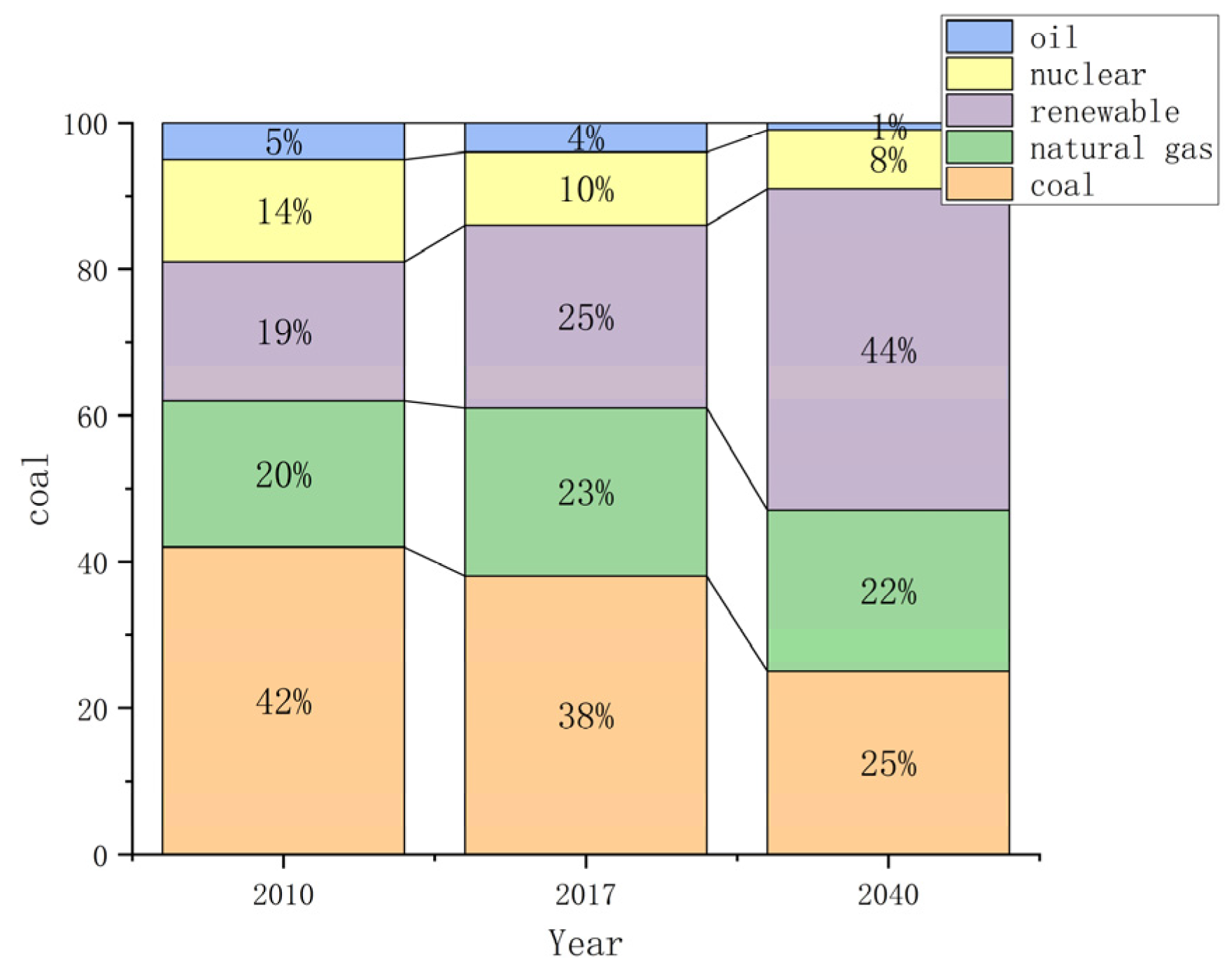
Figure 2.
Future options of generation for sustainable development: Trends and prospects [12].
Figure 2.
Future options of generation for sustainable development: Trends and prospects [12].
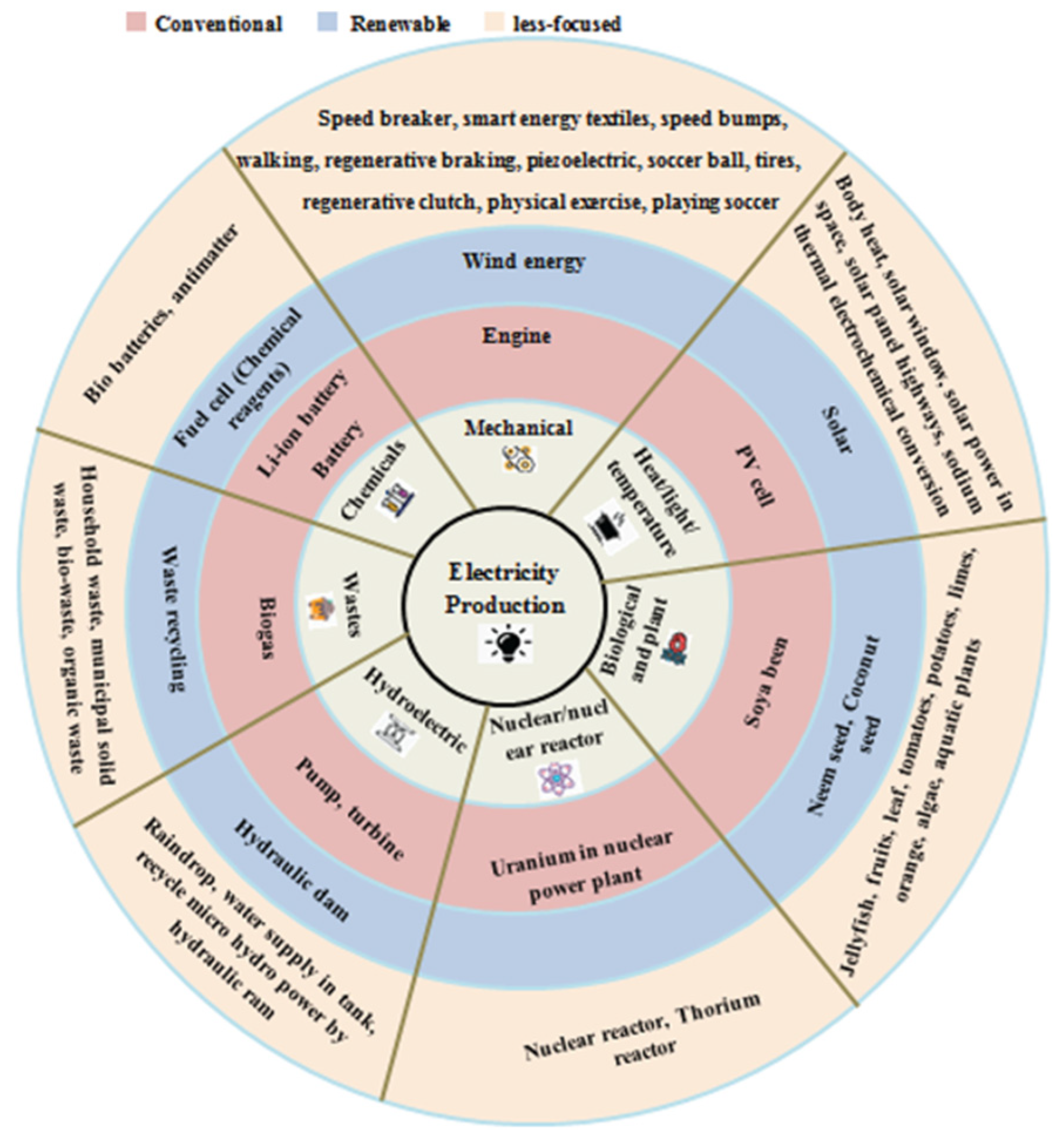
Figure 3.
Growing research on human energy.
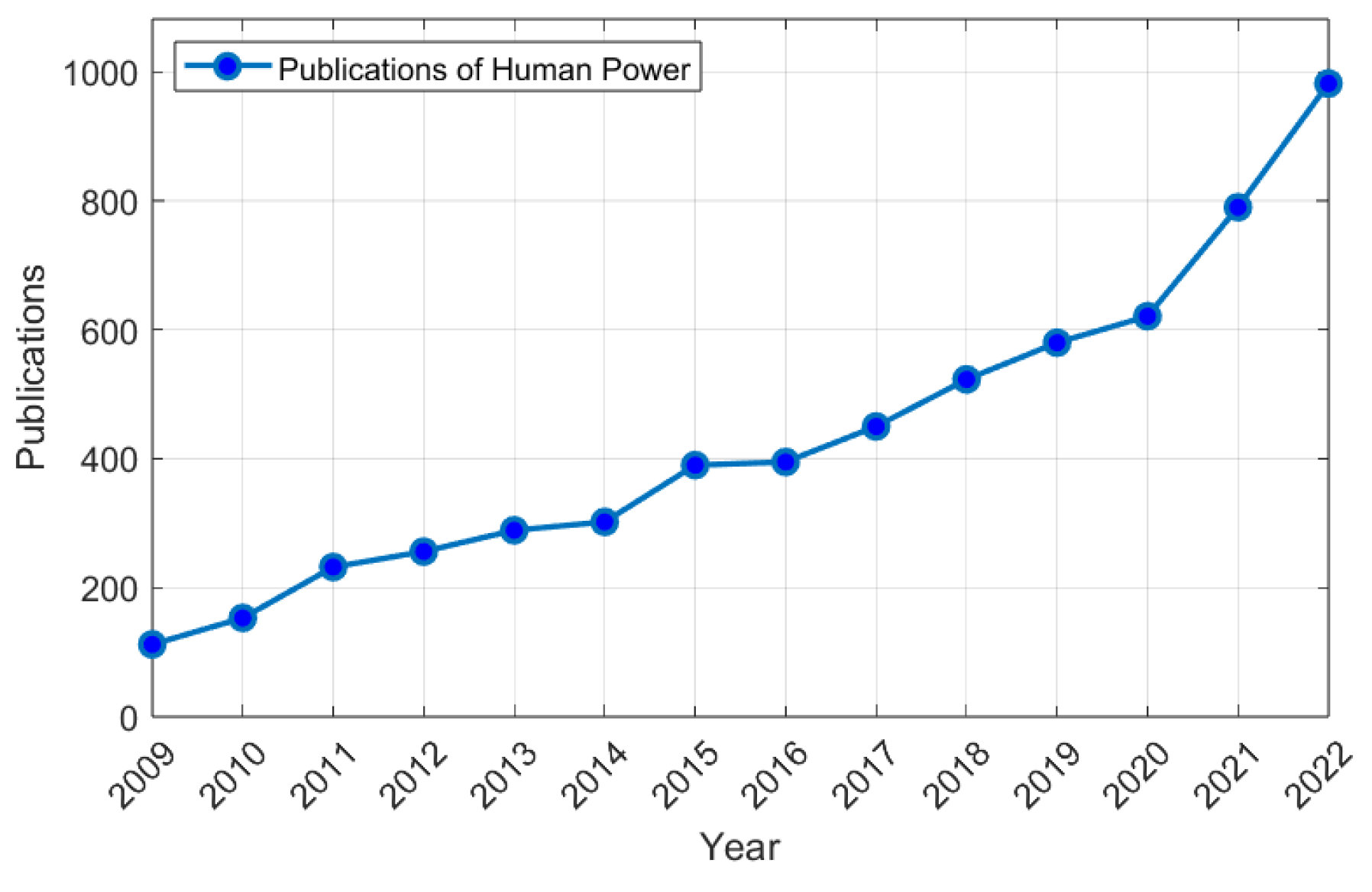
Figure 4.
Source and distribution of human energy and applicable harvesting technologies [56].
Figure 4.
Source and distribution of human energy and applicable harvesting technologies [56].
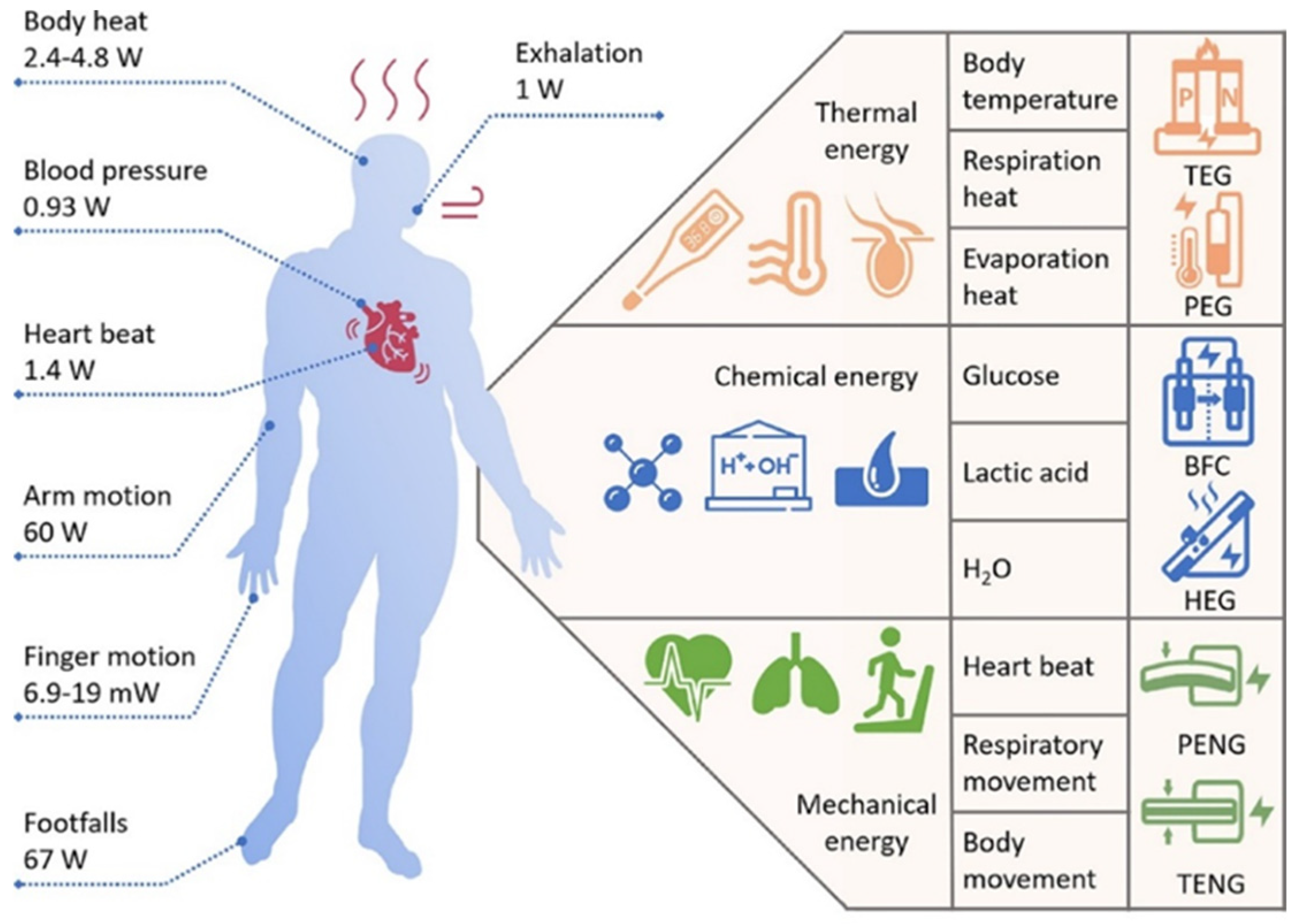
Figure 5.
Comfort, Hot Sensation, and Cold Sensation in Different Body Sites.

Figure 6.
Thermoelectric energy harvesting device [65].
Figure 6.
Thermoelectric energy harvesting device [65].
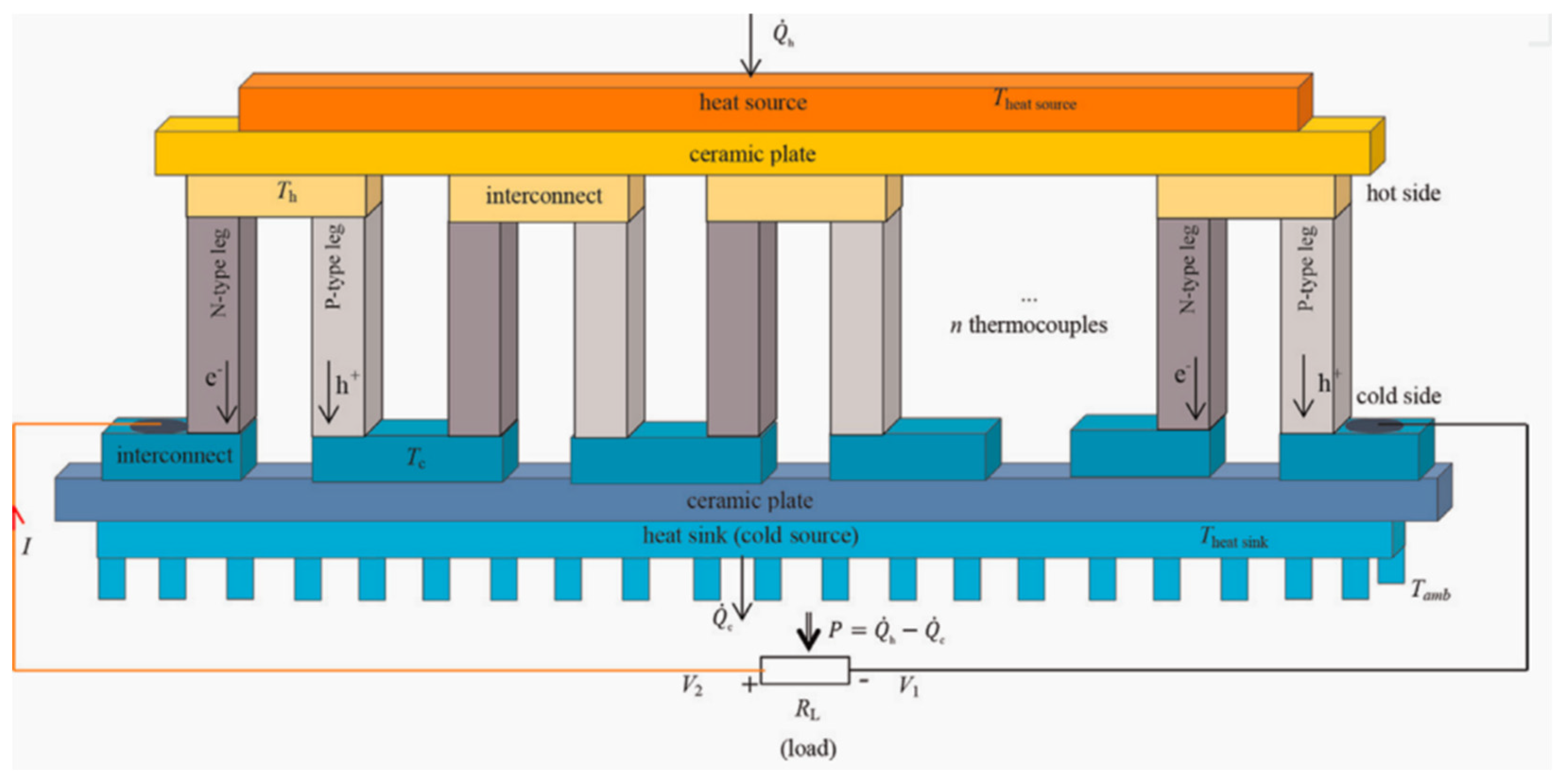
Figure 7.
Electromagnetic Generators [73].
Figure 7.
Electromagnetic Generators [73].
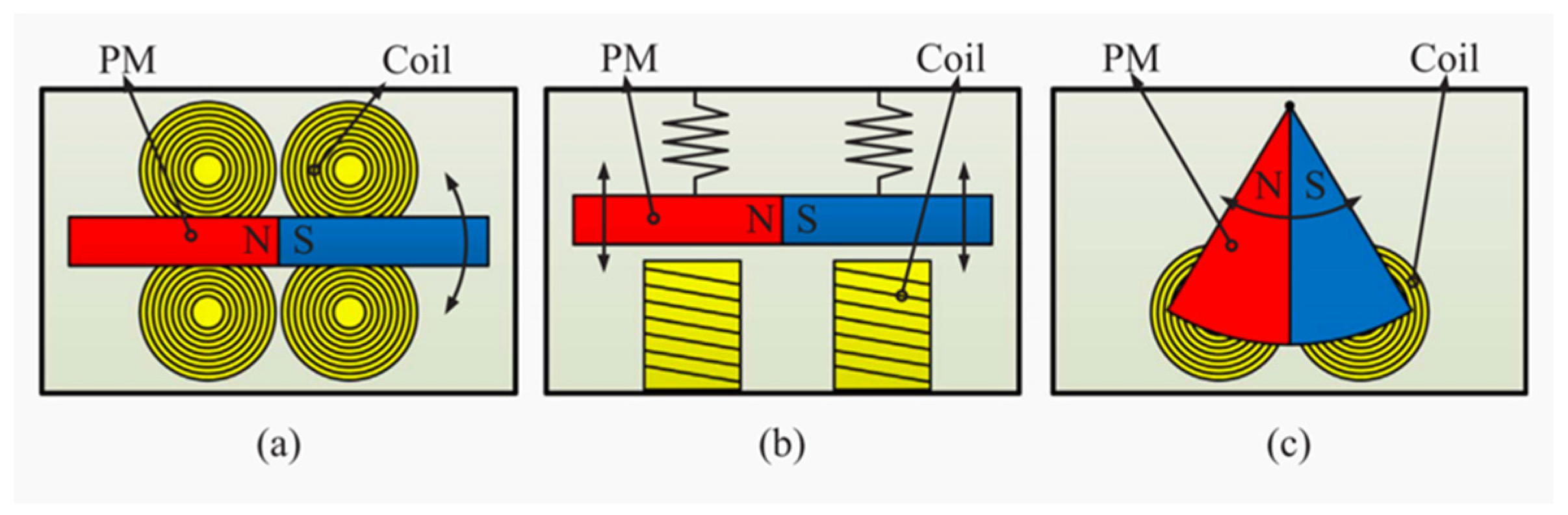
Figure 8.
Suspended load backpack structure: pack frame (A) and vertical loads attached to load plate (B) [73].
Figure 8.
Suspended load backpack structure: pack frame (A) and vertical loads attached to load plate (B) [73].
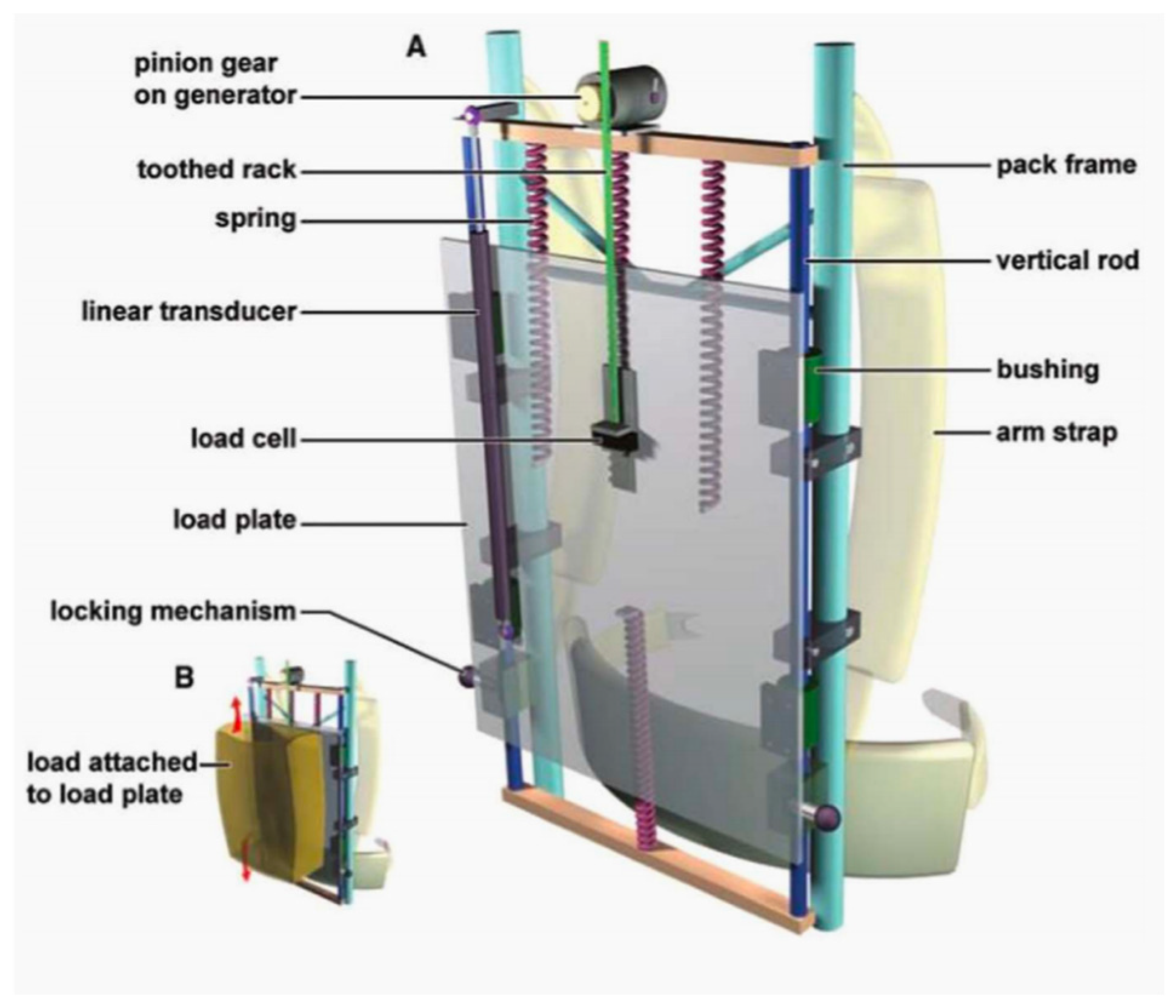
Figure 9.
One-way coupling biomechanical energy harvesting device: the structure attached to the knee joint (A), the schematic diagram of the electromagnetic energy conversion unit (B), and the feedback control system of the power generation operation (C) [73].
Figure 9.
One-way coupling biomechanical energy harvesting device: the structure attached to the knee joint (A), the schematic diagram of the electromagnetic energy conversion unit (B), and the feedback control system of the power generation operation (C) [73].
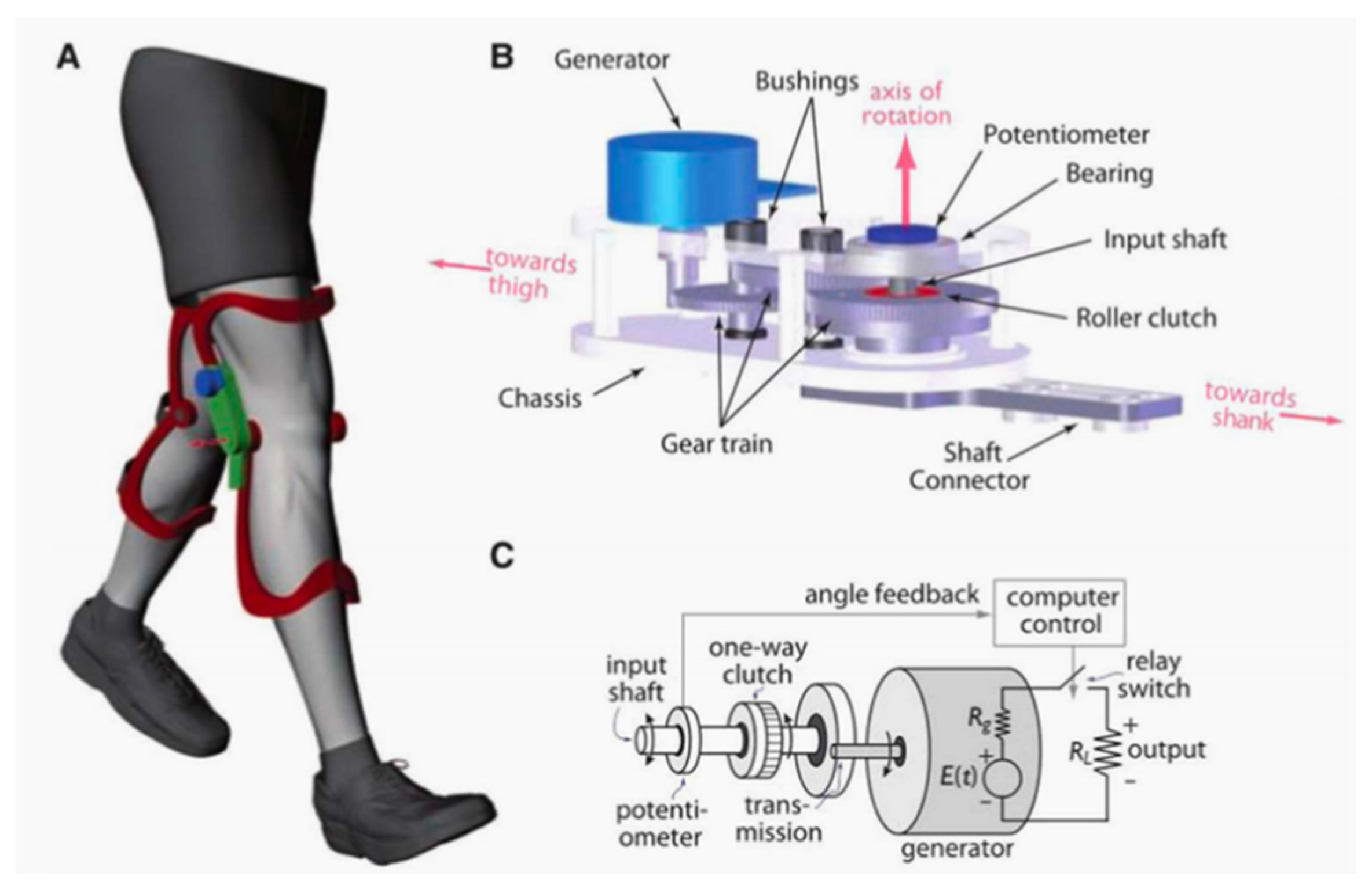
Figure 10.
The Triboelectric Nanogenerator (TENG) operates using four basic modes [80].
Figure 10.
The Triboelectric Nanogenerator (TENG) operates using four basic modes [80].
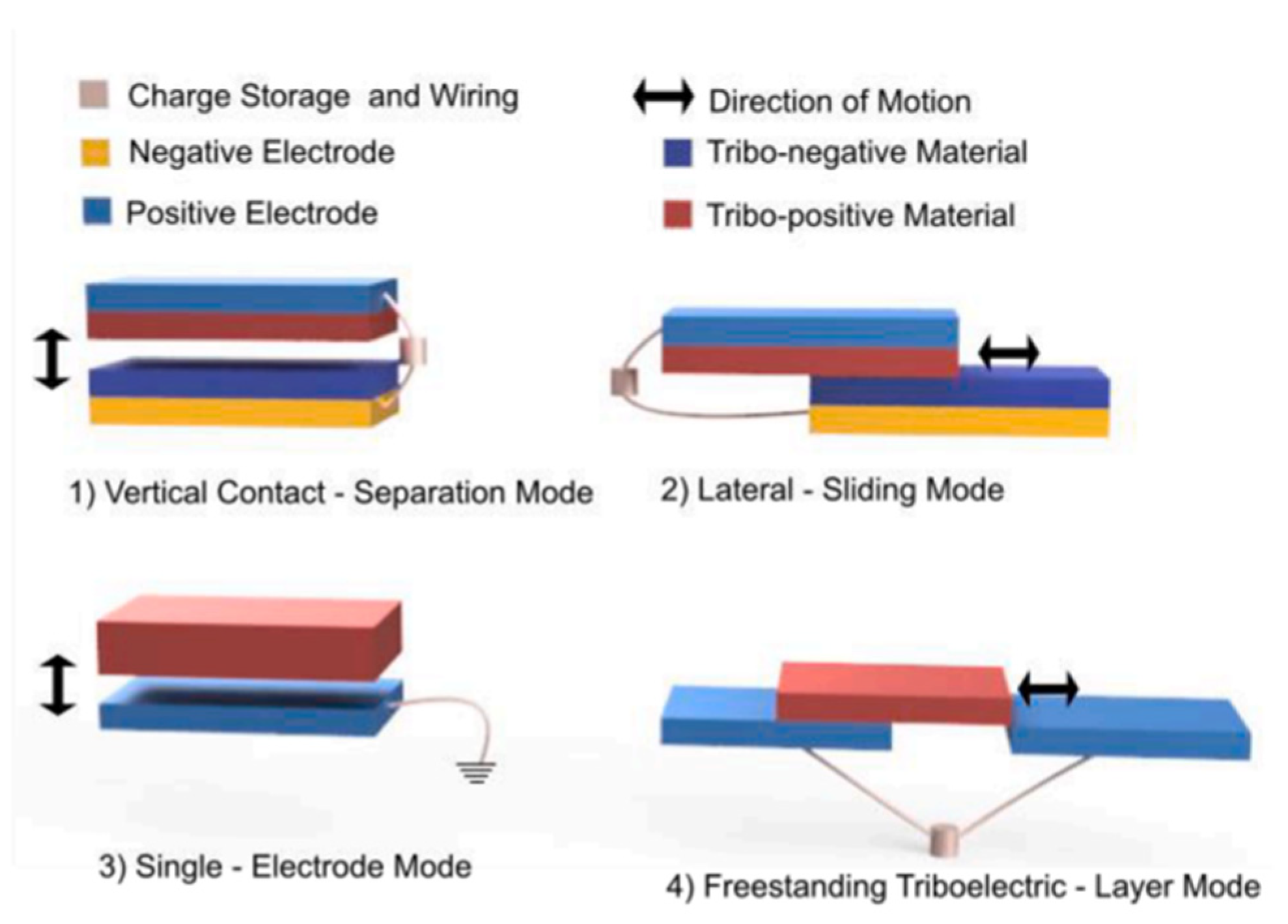
Figure 11.
Schematics of three central droplet actuation mechanisms [45].
Figure 11.
Schematics of three central droplet actuation mechanisms [45].
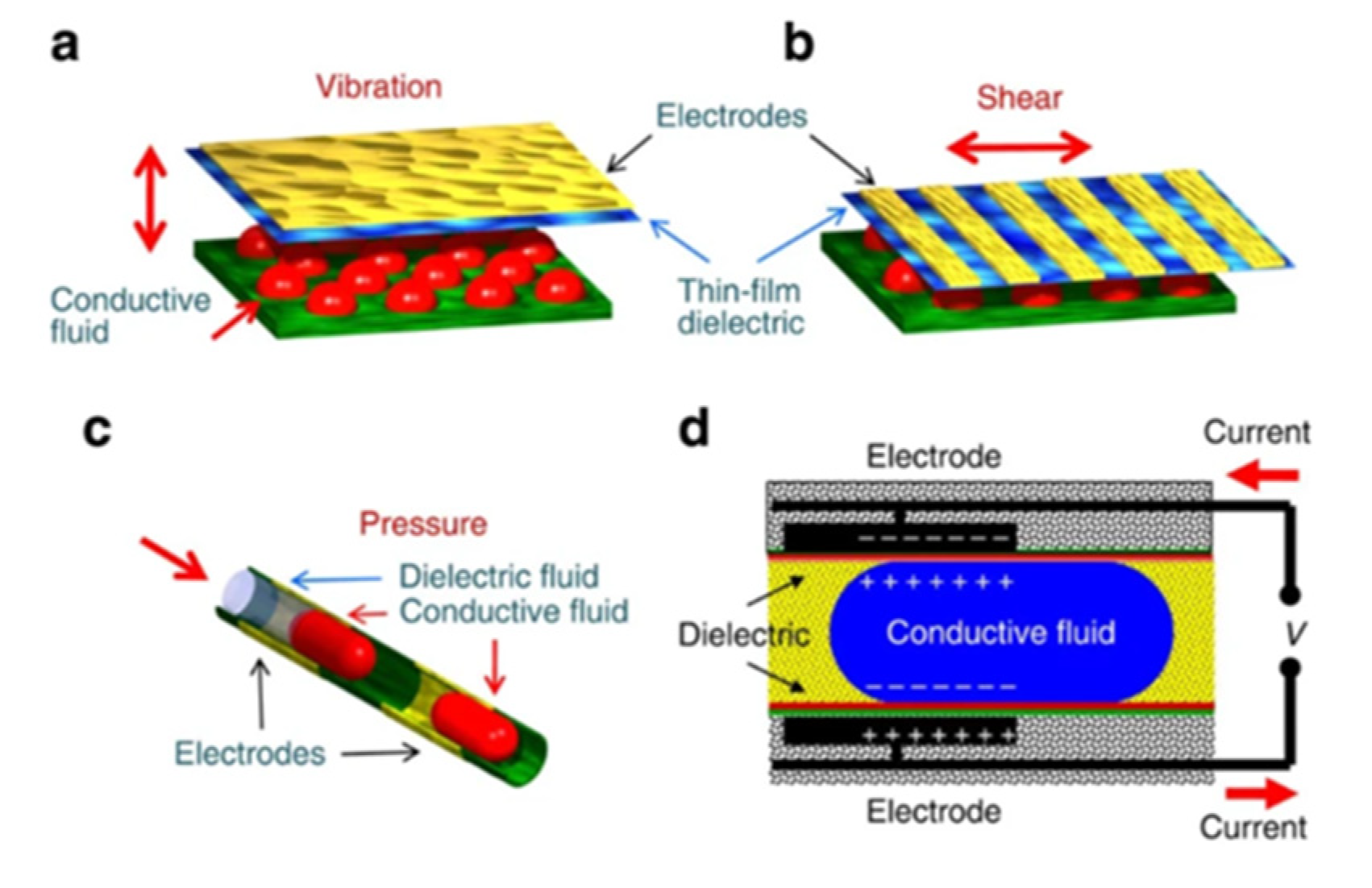
Figure 12.
A schematic structural diagram of the variable capacitor in honeycomb-type is shown. [73].
Figure 12.
A schematic structural diagram of the variable capacitor in honeycomb-type is shown. [73].
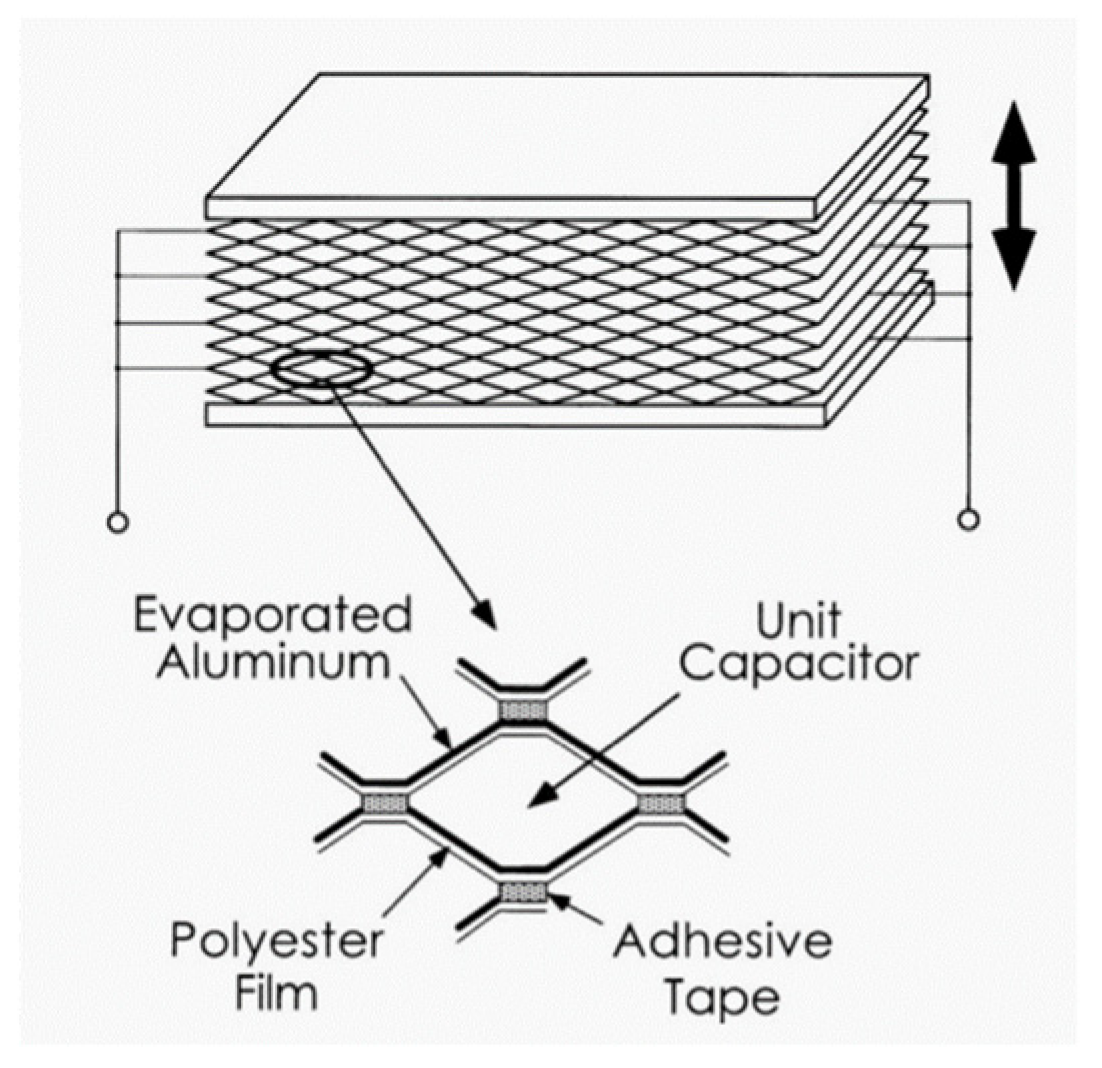
Figure 13.
US military THE-425 portable hand-cranked generator [94].
Figure 13.
US military THE-425 portable hand-cranked generator [94].
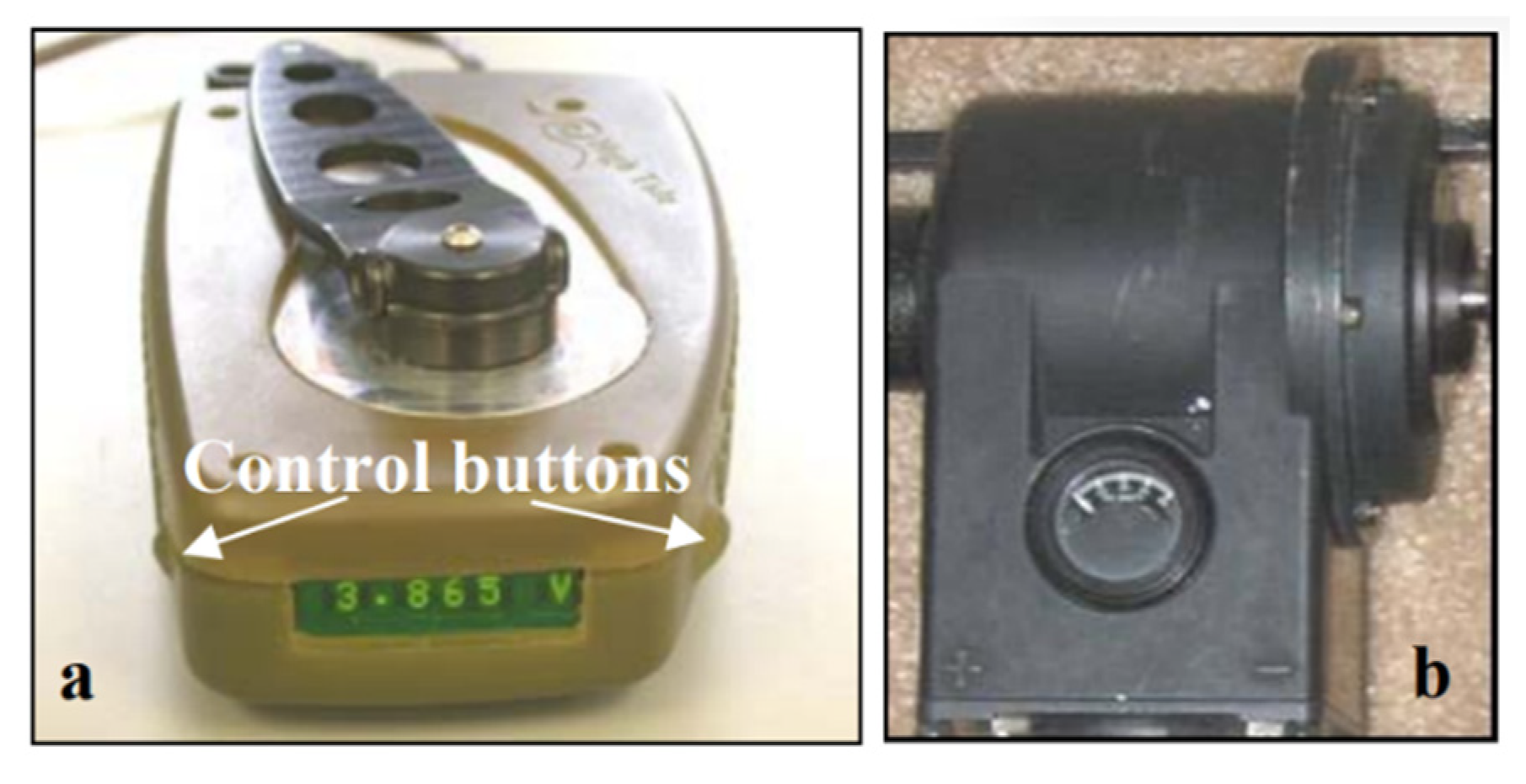
Figure 14.
BayGen Freeplay radio [95].
Figure 14.
BayGen Freeplay radio [95].
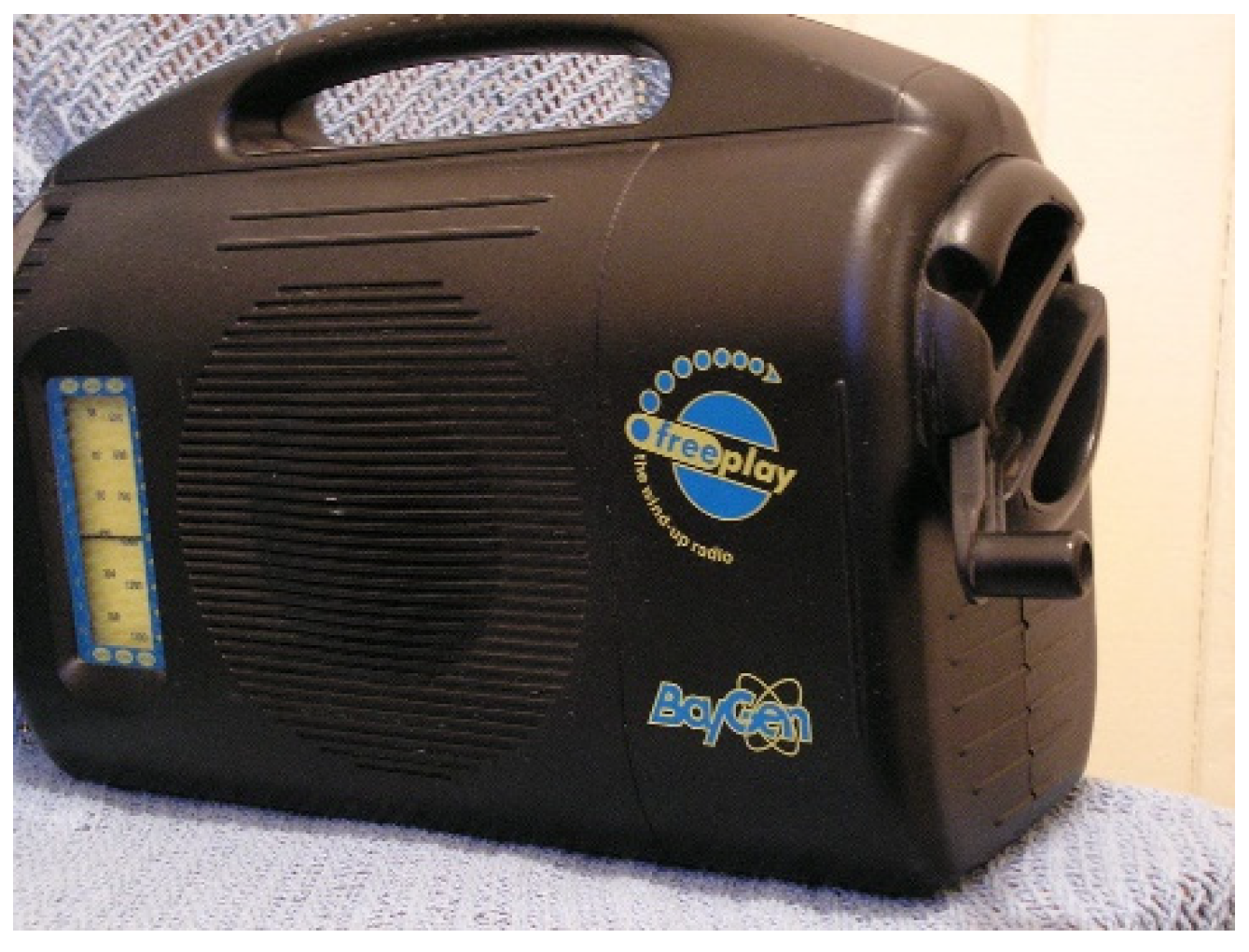
Figure 15.
Exercisers use exercise bikes to generate electricity [96].
Figure 15.
Exercisers use exercise bikes to generate electricity [96].
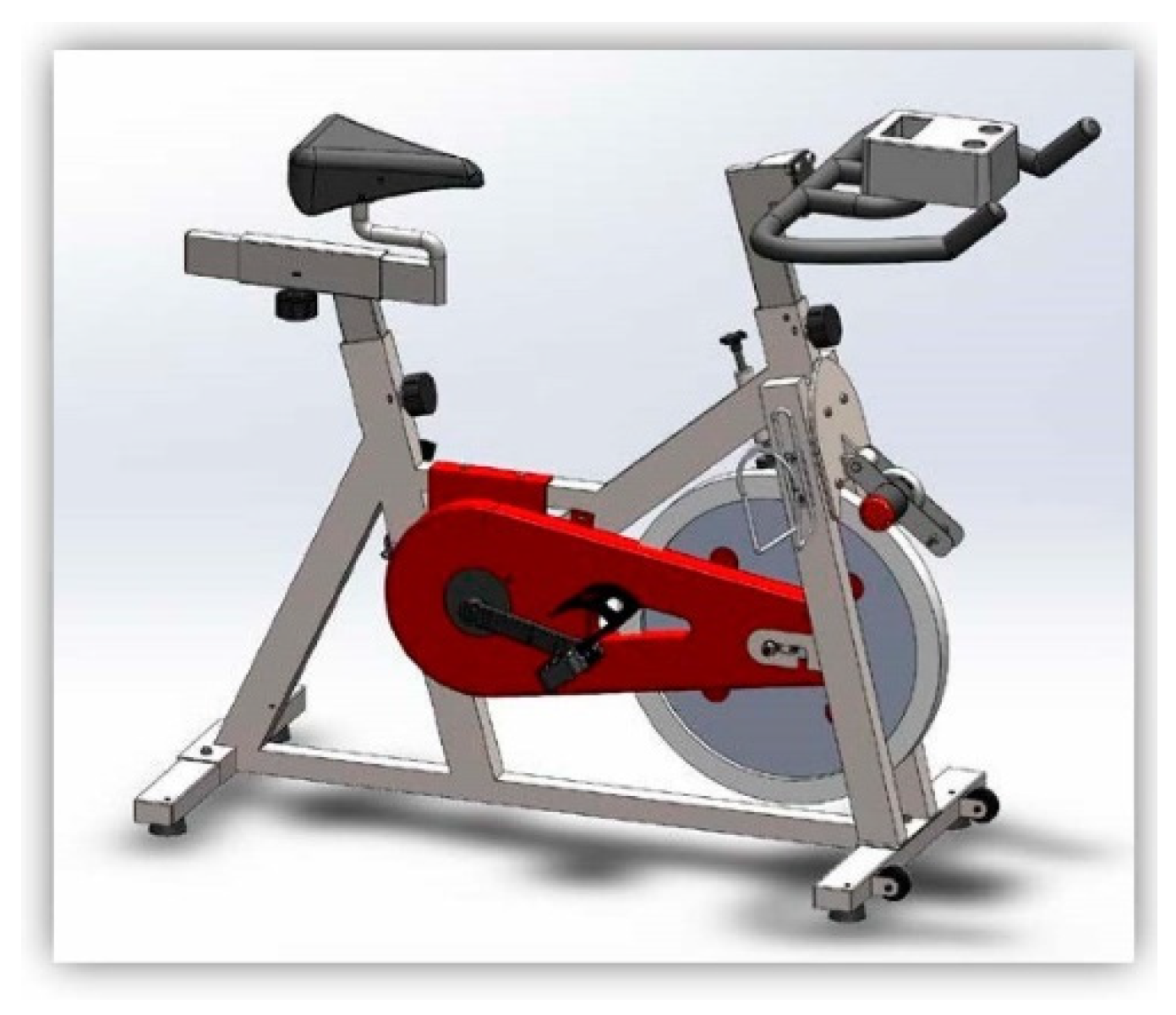
Figure 16.
Block diagram of electricity generation by walking [98].
Figure 16.
Block diagram of electricity generation by walking [98].
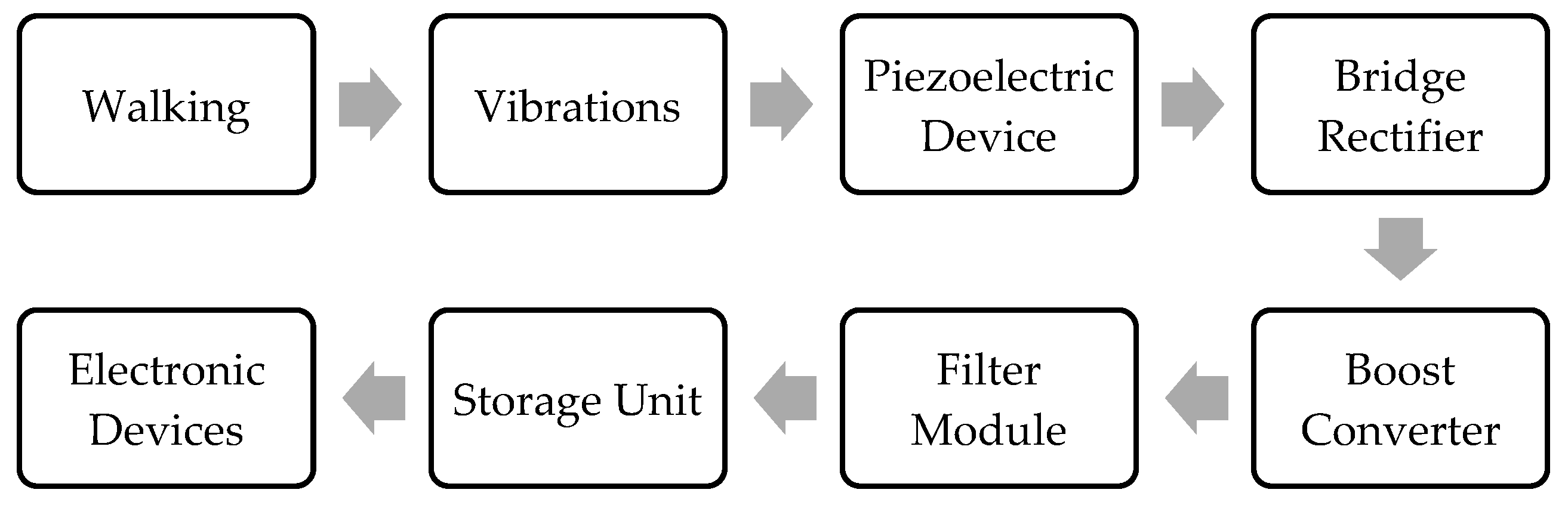
Figure 17.
Eco-village system engineering concept diagram.
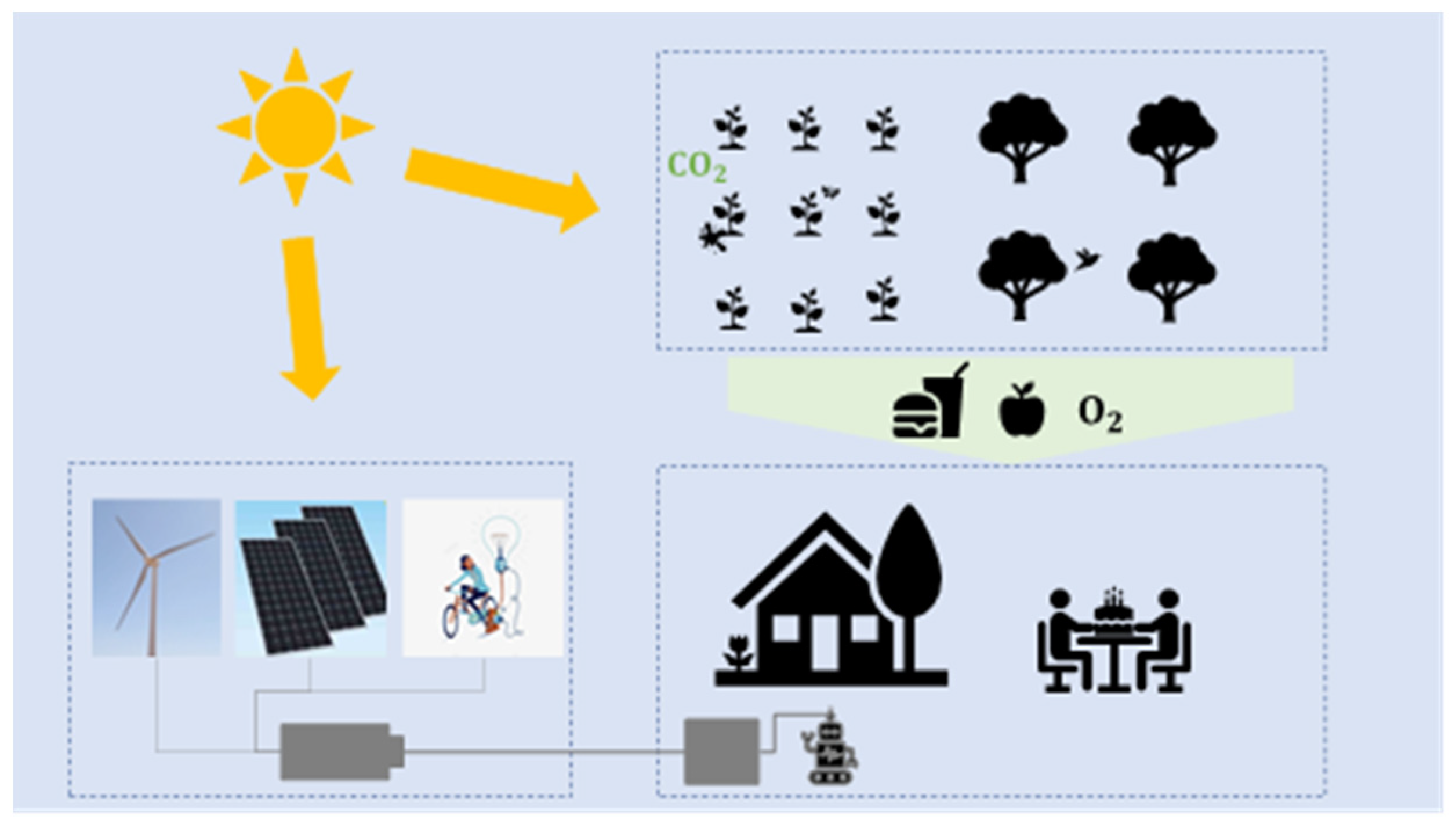

Table 1.
A brief overview of the energy expenditure resulting from daily physical activity [50].
Table 1.
A brief overview of the energy expenditure resulting from daily physical activity [50].
| Activity | Output / W | Activity | Output / W |
|---|---|---|---|
| Walking | 315 | Mopping | 225 |
| Jogging | 630 | Cooking | 225 |
| Running | 990 | Making bed | 297 |
| Bicycling | 675 | Rotate handle | 60 |
| Home sweeping | 270 | arm motion(joints rotation) | 28 |
Table 2.
The standard enthalpy of chemical compound [63].
Table 2.
The standard enthalpy of chemical compound [63].
| chemical compound | ||||
|---|---|---|---|---|
| -1275 | 0 | -393.5 | -285.8 |
Table 3.
Chemical energy sources in the human body.
| chemical substance | Formula | energy generation (kJ/mol) | energy generation (kcal/g) |
|---|---|---|---|
| Glucose | 2,809 | 3.75 | |
| Lactic acid | 1,330 | 3.33 | |
| Water | 0 | 0 |
Table 4.
Increasing employment positions.
| Industry | Manufacturing | Installation | Maintenance |
|---|---|---|---|
| Detailed work |
|
|
|
| Research and Development | Training and Education | Logistics | Sales and Marketing |
|
|
|
|
Table 5.
The human power generation device’s present value economic analysis of retrofit [124].
Table 5.
The human power generation device’s present value economic analysis of retrofit [124].
| Total Cost of Retrofit | $20,000 |
| Annual Savings | $1,000 |
| Present Value of Saving after 5 Years | $3,800 |
| True Cost of Retrofit | $16,200 |
Disclaimer/Publisher’s Note: The statements, opinions and data contained in all publications are solely those of the individual author(s) and contributor(s) and not of MDPI and/or the editor(s). MDPI and/or the editor(s) disclaim responsibility for any injury to people or property resulting from any ideas, methods, instructions or products referred to in the content. |
© 2023 by the authors. Licensee MDPI, Basel, Switzerland. This article is an open access article distributed under the terms and conditions of the Creative Commons Attribution (CC BY) license (http://creativecommons.org/licenses/by/4.0/).
Copyright: This open access article is published under a Creative Commons CC BY 4.0 license, which permit the free download, distribution, and reuse, provided that the author and preprint are cited in any reuse.


