
Submitted:
11 August 2023
Posted:
14 August 2023
Read the latest preprint version here
Abstract
Two of the eight main soil degradation processes to which soils worldwide are confronted, are soil erosion and landslides. Specifically, landslides are a major threat in particular areas across Europe, often leading to serious impacts on population, property, and infrastructure. Regarding the above-mentioned, a case study from Mandra fatal flash flood (happened on 14-15 November of 2017) in Attica Region (Greece), is presented with the intention to assess the relationship between the soil erosion and the landslide incidents. Investigations have been executed from 2018 till 2022, and the outcomes of those have been taken under consideration by Technical Authority of Attica Region. Soil erosion lines have been delineated in GIS and have been validated by an already generated regional Web-GIS landslide susceptibility map. The study presents soil erosion types from Mandra fatal flash flood event and correlates them with the already existing landslide susceptibility analysis for Attica Region. The produced susceptibility map is a cartographic product in a regional scale (1:100,000) generated via a semi-quantitative heuristic methodology named Rock Engineering System (RES). The way this landslide susceptibility map is generated, can be the basis for proposing modelling approaches that can respond to new developments in the European landslide policies.
Keywords:
Mandra flash flood
; soil erosion
; slope failure
; RES
; mitigation measures
; landslide susceptibility
1. Introduction
Soil erosion is a crucial triggering factor of land degradation worldwide and specifically in European level, with serious financial implications. To this direction, the European Commission’s Thematic Strategy for Soil Protection recognizes soil erosion as a serious threat to European Union’s (EU) soil resources [1]. Focusing more on soil erosion types, soil erosion by water as well as gully erosion are two typical causes of land degradation that lead subsequently to slope failures. For those reasons, different stakeholders need easy access to soil data and information of various types and scales to assess the state of soils [2]. Several researchers so far, have used a variety of quantitative and qualitative techniques with erosion models, integrating GIS applications to cope with soil erosion and land degradation issues [3]. To be more specific, soil erosion prediction models have been used to predict the hazard of soil erosion [4,5]. In addition, the most used erosion model is the Universal Soil Loss Equation (USLE) and its revised version (RUSLE), which estimates long-term average annual soil loss [6]. Considering spatial distribution, USLE/RUSLE models have limitations, which have been coped with using geo-spatial applications [7]. On the other hand, soil erosion assessment in large-scale field measurements may cause some drawbacks as time-consuming, expensive, or nearly impossible due to limited resources [8,9]. In addition to this, soil erosion assessment models as such RUSLE/USLE have some drawbacks when predicting sediment pathways from hill slopes to water bodies and gully assessment [10]. In this context, as land degradation (e.g., landslides) is associated to soil erosion, it is believed that finding tools and methodologies to cope with slope failures, automatically somebody succeeds in addressing issues caused by soil erosion. This statement is strengthened by the fact that researchers have obtained more reliable soil erosion susceptibility outcomes by using slope failure events and the soil erosion conditioning factors have been used in landslide susceptibility prediction [11]. For example, researchers found a correlation between landslide manifestation and soil erosion in several locations [12]. Moreover, researchers have identified that soil erosion initiates landslides due to unavoidable threats of slope stability and ecosystem functionality [13,14,15]. Thus, the rate of landslides can be minimized by adjusting the factors responsible for soil erosion rate [16,17]. Hence, soil erosion hazard related to slope failure events need to be assessed for soil conservation [7]. Regarding the above-mentioned, a case study from Mandra fatal flash flood (which took place on 14-15 November of 2017) in Attica Region (Greece), is presented with the intention to explore the role of soil erosion in relation to land degradation (e.g., landslides). Investigations from different stakeholders have been executed from 2018 till 2022, and the outcomes of those have been taken under consideration by Technical Authority (Directorate of Technical Works) of Attica Region to design and implement a priori mitigations measures (for debris flows and rainfall-induced soil erosion processes) against potential upcoming new extreme rainfall episodes. Through a variety of tools, soil erosion types defined and delineated in GIS maps and afterwards validated by an already generated regional Web-GIS landslide susceptibility map of Attica Region (DIAS project) which fulfilled in June of 2021 by a research team [18], implementing a semi-quantitative methodology named Rock Engineering System (RES). This map identifies specific zoning areas which are more susceptible to slope failure. The way this landslide susceptibility map generated, can be the basis for modelling approaches that can respond to new developments in the European policies (e.g., data, maps, technical reports) such as those of the European landslide susceptibility map version 2 [(ELSUS v2) and ELSUSv2_six_datasets & metadata] or more over to the improvement of large-scale assessments which can further generate landslide hazard and risk maps. Thus, the objective of this study is to explore the relation of soil erosion to landslides using methodologies that have been implemented in landslide susceptibility modelling. As per the author’s best of knowledge, no one else has predicted (at least in Greece and European level) the soil erosion susceptibility using a semi-quantitative methodology such as RES. Thus, by implementing methodologies that have already used in landslide susceptibility mapping, this can lead to identify and estimate soil erosion hazard. The current article is organized as follows: a brief description of the fatal flash flood that happened in Mandra (November of 2017) is firstly presented. Then, the soil erosion types that took place in that examined area are described. In addition, landslide susceptibility analysis for Attica Region via a semi-quantitative heuristic methodology named Rock Engineering System (RES) is also shortly analyzed. The outcomes (e.g., inventory and landslide susceptibility map) of using this methodology are depicted to validate the correlation between potential landslide occurrences and soil erosion events manifested in Mandra area. Moreover, some characteristic mitigation measures that have been designed are addressed against potential upcoming new extreme rainfall episodes. The paper is finally concluded with suggestions for future research.
2. Materials and Methods
2.1. Location of the study area
The study concerns the area upstream of the residential area of Mandra and extends from the ridge of the adjacent mountain range (Mount Patera) with an altitude of 841m to the settlement of Mandra (Figure 1). The study area covers the catchment areas of the two streams Agia Aikaterini and Soures located upstream of the settlement of Mandra.
2.2. The fatal flash flood event of Mandra (11/2017)
On Tuesday 14/11/2017 heavy rainfall occurred in the wider area of western Attica (in Greece), which continued with intensity on Wednesday 15/11/2017. The total amount of rainfall in the core of the event (Mount Pateras) exceeded 200 mm over a period of 6 hours with the highest intensity mainly at 5:00 to 8:00 on 15/11, representing a very heavy and relatively short rainfall. A remarkable fact of the flooding episode was the great rapidity that was recorded. As a result, increased water flow and the consequent cause of erosion and solid discharge entered the settlement of Mandra, causing extensive damage to houses, roads and the death of twenty four (24) people. The study area (Figure 2) covers the catchment areas of the two streams Agia Aikaterini and Soures located upstream of the settlement of Mandra [20].
2.3. Geological setting
The main lithostratigraphic characteristics of the formations found in the study area from the latest to the oldest are as follows: (α) Alluvial deposits, (b) Modern lateral deposits, (c) Old alluvial deposits, (d) Marls, clays, sandstones, sandstones, travertines, marly limestones and conglomerates, (e) Limestones, (f) Dolomitic limestones. In addition, the study area contains some faults and a well-developed hydrographic network. The geological mapping in the catchments of the two streams that run through and north of the settlement of Mandra, provided useful information about the geological formations, their specific physical characteristics and their tectonic stress. This information is decisive for determining the extent of the contribution of each formation to the creation of flood conditions and increased supply of sediment of various sizes (solids flow) in the area. More specifically, the largest part of the catchments, which is the mountainous part, is made up of dolomites and dolomitic limestones, which are highly fragmented, resulting in crumbling and creating mantles of alteration. All these materials can be easily eroded and in the event of heavy rainfall can provide materials for transport by water through streams. The smoothest part of the catchment areas (lowland) consists of deposits, i.e., materials that have been deposited in these areas in an earlier geological time (Upper Pleistocene), and their deposition process is similar to the process that deposited the sedimentary materials during the flood event of 15 November 2017. That is, it was found that there were several successive flood events in the area in the recent geologic past that created the deposits in the lowland sections. These materials by water movement and by mechanical means have been welded together, forming very cohesive horizons, which are impervious to water, but also very resistant to erosion. These cohesive horizons are found in the lowlands at depths ranging from a few centimeters (20-50), i.e., below the soil mantle, to a maximum of 1 to 3 to 4 m. The presence of these cohesive horizons prevents streams from digging their beds deeper, so that in the event of increased flow, their cross-section is insufficient to drain the water. Consequently, they become overflowing, and the water flows uncontrollably over the surface of the adjacent areas, resulting in the creation of many furrows or small depressions that erode the soil mantle, adding new material to the solids [19]. Based on the above observations, it is considered appropriate to provide interventions at critical points in the hydrographic network that will limit the potential for erosion from streams and downstream transport of erosion materials. In addition, in the lowland parts of the basins, where streams are unable to create a bed of sufficient cross-section due to the cohesive underlying materials, or where the bed is almost non-existent, it is necessary to define the stream and to regulate it by creating a bed of sufficient cross-section. This can be done either by excavation or by creating artificial raised walls on the sides of the streams. The geological engineering characteristics of the formations that form the basin of Mandra area as well as their susceptibility to erosion were studied, in order to estimate the solid transport. The assessment of solid transport is very important for the planning and management of protection measures. The approximation of the total solid transport of the considered catchments, is based on the calculation of the loss of soil mass by means of the measured erosion forms and on the other hand in the calculation of the total volume of the flood deposits, the extent of which was mapped by means of high-resolution satellite imagery and in situ measurements [19].
2.4. Causes of the Mandra flood
The main causes of the catastrophic flood were [19]:
1) the urbanization, which significantly increases flood risk as it leads to the impairment of critical stream cross-sections
2) the complete disappearance of small watercourses or their conversion into roads or parking places
3) the construction of sub-dimensioning projects, that cannot take the hydraulic load in cases of heavy rainfall, as in the case of Mandra
4) the dramatic reduction in the capacity of the soil to absorb part of the rainwater; and finally
5) the very high concentration of atmospheric precipitation in a small area (such as that of Mandra) and the intensity of the rainfall
6) This localized rainfall which occurred in the mountainous parts of the region caused a flash flood in the catchments of the area and specifically the streams that flow into the plain of Nea Peramos and the lowland area of Mandra and the industrialized area of Mandra. These streams activated alluvial riffles formed by the supply of sediments within the Quaternary, resulting in flooding with a large amount of sediment. The areas inundated by water are located on top of the geological formations of the ripples. The development of settlements perpendicular to the water flow and on these alluvial ridges cut off the smooth drainage of water to the sea, resulting in water flooding the settlements. The development of roads and railways perpendicular to the flow is also estimated to have cut off the smooth drainage, resulting in the floodwaters being amplified in width.
2.5. Soil erosion - Erodibility
Soil erosion or soil loss is the amount of soil or rock material that becomes detached under the influence of rainfall and subsequent surface runoff over a given period. In our case, the soil erosion process was happened due to extremely heavy rainfall, runoff, gravity. Research claims the fact that soil erosion is extremely sensitive to rainfall [22]. The process of water erosion leads to decomposing, transportation and deposition of sediment in a separate place. Erosion depends on factors such as: (i) the erosivity of the water (rainfall intensity, volume and kinetic energy of the flow), (ii) morphological gradients, (iii) the presence or absence of vegetation cover, (iv) the resistance of the soil to erosion (erodibility), (v) climatic conditions and (vi) human interference: Natural soil erosion is locally accelerated by anthropogenic interventions (road construction in stream beds, embankments, etc.), which disturb the soil structure and produce loose materials. The total land loss during the flood event of November 2017, amounted to more than 150.000 m3. The heavy rainfall that led to the catastrophic flood of 15 November 2017 in the urban area of Mandra was also accompanied by extensive soil erosion in large parts of the examined catchments. Soil erosion by water includes two main phases: the detachment of soil particles and their subsequent transport by water flow. When the transport energy of the water is reduced (reduction in flow rate, reduction in flow surface slope, etc.), the deposition phase of the transported materials follows. The typical forms of soil erosion that have occurred in the Mandra catchments and have led to extensive solid transport are as follows [19]: (a) Surface (sheet) erosion, (b) Rill erosion, (c) Gully erosion, (d) Slope and sub-slope erosion.
2.5.1. Surface (sheet) erosion
Surface erosion is caused by the detachment of aggregates or soil components by raindrops. Some of the detached particles move through the hydrological network, while others are deposited lower down. The erosive capacity of raindrops depends on their kinetic energy and momentum, which is a function of the size of the droplets combined with the direction, intensity of the rainfall and their final velocity. The resistance of soils to erosion (erodibility) also plays an important role in the action of the raindrop. Healthy rocks and cohesive soils have a low susceptibility not only to surface erosion but also to all forms of erosion. Soils covered by vegetation are largely protected from erosion. Soil loss also increases significantly with increasing slopes of the morphological relief. Surface erosion, although less visible, is an important factor in soil loss due to the destruction of the soil structure, which is then easily washed away by surface runoff. Although the calculation of the total soil loss due to surface erosion in the Mandra catchments requires systematic measurements over a super-annual period, it is estimated that its contribution to the production of solids during the phase of the intense rainfall episode (14-15/11/2017) was much lower compared to the following forms of erosion. The reason is that the topographically higher parts of the catchments, where the rainfall intensity is highest, are structured by carbonate rocks, which generally exhibit low erodibility. In addition, most of the basins are covered by vegetation, which acts as a protection against surface erosion.
2.5.2. Rill erosion
Rill erosion is a development of surface (sheet) erosion and is caused by the concentration of rainwater, which cannot percolate down to the subsoil, in small soil cavities, which progressively overflow and form irregular longitudinal surface runoff. As the volume of runoff gradually increases, both the carrying capacity of the already extracted material and the potential for new material to be extracted along the water path increases. The erosive power of water depends on the volume, velocity and rate of supply of surface runoff, slope gradient and soil erodibility. This creates many, small and shallow (<1m) rills that follow the direction of maximum slope of the soil surface, forming water flow axes of usually triangular cross-section. The resulting sedimentary material is more coarse than that produced by surface erosion and consists mainly of medium-sized gravels and coarse sand. The development of rill erosion in the catchment area of the Mandra catchment is particularly pronounced in areas structured by the engineering geological unit of Holocene deposits, where vegetation is also absent (Figure 3).
2.5.3. Gully erosion
This type of erosion is developed by the flow of water along the axes of maximum slope gradient of the slopes, where gullies of more than one meter in depth are formed. The mechanism of their formation is like that of rill erosion, but on a larger scale, due to the greater concentration of water and the increase in its erosive and transport energy. The cross-section of the trenches depends on the erodibility of the soil with depth. In easily corroded materials, there is usually continuous dredging, and the cross-section is typically triangular, but deep erosion slows down considerably when the bottom of the trench reaches a corrosion-resistant formation. In this case, erosion progresses mainly laterally, and the cross-section of the gully is U-shaped. In the catchments of the Mandra River, intense trench erosion developed after the heavy rainfall that occurred on 14-15/11/2017, which contributed significantly to the production of fine and medium size sediment. Gully erosion developed in the upper and mainly in the middle elevations of the two basins, especially along valleys with a strong gradient, where the increased water volume significantly increased its erosive energy. Typical forms of gully erosion in the Mandra catchments are shown, which were developed mainly within the Holocene deposits (Figure 4).
2.5.4. Slope and sub-slope erosion (Riverbank erosion)
In the central beds of the streams of the two catchments of the Mandra and as the elevations and gradients decrease, gully erosion develops into slope and sub-slope erosion taking the form of riverbank erosion feature (Figure 5). The strong flow of stream water detaches and carries materials from the foot of the slopes downstream, widening or deepening the bed. The amount of erosion depends on the force of the water, the slopes of the bed, the meanders and bends it creates, and the erodibility of the geological formations through which the stream flows. The presence of vegetation or the local accumulation of coarse material in the streambed often diverts the main flow of the stream towards the slope, resulting in severe erosion. Slope and sub-slope erosion can be localized, as they usually develop perpendicular to the flow direction of the stream. Sub-slope erosion also is also created in the bed of streams, in places of abrupt changes in elevation, where small waterfalls are formed. These forms of erosion can be observed in almost all the main and some secondary branches of the hydrological network of the Mandra catchment areas. The intense runoff that caused the major flooding in Mandra in November 2017 led to extensive slope and subslope erosion, resulting in the large widening of stream valleys and the removal of large volumes of material that were transported downstream. The slope and sub-slope erosion in the Mandra basin primarily affects the Holocene deposits of the stream slopes, but at a second level also the Pleistocene deposits, with differential erosion of the less cohesive horizons.
2.6. Modelling of Soil Erosion
2.6.1. Susceptibility to soil erosion
The movement of soil is a sign of a soil erosion hazard. This includes riverbank erosion, gully erosion, debris-falls, rock-falls, and generally slope failures that can create damage to the environment and human beings [3]. Annually, more than thousands of lives are lost due to mass soil movement worldwide [22]. However, Blaschke et al. [23] mentions that impacts of mass movements on soil erosion and land productivity are underestimated in the literature. Thus, less research attention was given on soil erosion due to the mass movement. Most of the soil erosion hazards prevail during a rainy season or after heavy rain [24,25]. Therefore, realizing the susceptibility to soil erosion is very important for mitigation and hazard - risk minimization. In order to investigate the intensity and the erosion that can be seen in the examined area of Mandra, a particular methodology was implemented by Region of Attica/ H.S.G.M.E. [19], as follows. According to them, for the assessment of soil erosion susceptibility, thematic maps of the following parameters evaluated:
(a) high soil erodibility. The geomorphology and the lithological composition of an area are the main factors that control the erosive action of exogenous agents and especially the erosive action of surface water. The following methodology was used to investigate the intensity of the erosive effects that can occur in a region. Thus, the susceptibility to erosion of geological formations was assessed during the geological mapping, providing information about lithology, hydrogeology and geomorphology. In addition, to investigate the hydrographic network (drainage texture), drainage density and drainage frequency maps were prepared.
(b) Negligible vegetation, which was derived from the Land Use Map (Corine Land Cover).
(c) Morphological gradients greater than 5%. The value of 5% was considered as a marginal value.
The above parameters are the criteria for assessing the susceptibility to soil erosion and assuming equivalent weighting and linear correlation between them, the thematic maps were superimposed and the corresponding susceptibility map in the Agia Aikaterini and Soures catchments was obtained. Moreover, the previously mentioned findings are in line with Hydroment Associate’s site-investigation work (2021) in those two examined watersheds (Agia Aikaterini and Soures), which executed under the auspices of Region of Attica’s Authority which is responsible of designing and implementing mitigation measures against flooding [26]. The combination of the three final maps produced the erosivity map, part of which is depicted as soil erosion lines in the following map (Figure 6).
The above-mentioned soil erosion types recorded during the in-field site investigation were validated through an already generated landslide susceptibility map [18], which is shortly described in next section. In this map, a strong correlation between the defined soil erosion lines and the landslide susceptibility zones that come up from a semi-quantitative methodology named Rock Engineering System (RES) was confirmed.
2.6.2. Rock Engineering System (RES) methodology
This approach is mainly based on the correlation of mechanisms between landslide parameters through a matrix-table and uses slope failure factors that can potentially be identified during the preparation phase of a preliminary, final or implementation study of a civil engineering project. The scope of using RES, is to estimate the landslide instability index which results in generating landslide susceptibility, hazard and risk maps [18]. RES is a semi-quantitative rock engineering approach and the basic tool for representing the parameters and their interaction mechanisms (Figure 7). It is based on an interaction matrix which represents the key parameters, as leading diagonal terms, and their binary interaction mechanisms as off-diagonal terms. RES has been developed by Hudson in 1992 [27] to determine interaction of several parameters in rock engineering design and calculate instability index for rock slopes. Since then, it has been modified and applied to rock stability problems, landslide susceptibility analysis and rock engineering [28]. Thus, implementing RES methodology expert defines the most important causative and triggering factors responsible for the slope failures, quantifies their interactions, obtain their weighted coefficients, and calculates the instability index, which refers to the potential instability of the examined natural slope.
The estimation of landslide susceptibility index is based on a series of subsequent actions, such as: a) Selection και rating of (landslide) parameters, b) Construction of interaction matrix, c) Coding of binary interaction among the selected (landslide) parameters, d) Construction of Cause – Effect diagram (The cause-effect plot is helpful to understand the role of each landside factor to slope stability analysis), e) Calculation of weighting coefficient of each parameter and f) Estimation of (landslide) instability index. In Tavoularis et al. [18] research (or briefly DIAS project), ten parameters were used as independent controlling factors to model the landslide susceptibility. These factors, which were utilized for the RES methodology, were: (i) Distance from roads, (ii) Land use, (iii) Slope inclination, (iv) Slope orientation (aspect), (v) Lithology, (vi) Hydrogeological conditions, (vii) Rainfall, (viii) Elevation, (ix) Distance from streams and (x) Distance from tectonic elements. The generated landslide susceptibility map can be used with the already produced potential highly flood hazard zoning maps of Attica Region authorized by the Greek Ministry of Environment and Energy, and with the produced flooded area maps, delivered by the Copernicus Emergency Management Service-Mapping. The outcome of the DIAS project is accessible to the public, through an open-access web-based platform (https://gis.attica.gov.gr/en/node/1216), so as to aid awareness of landslides among different stakeholders (e.g., landslide experts, government agencies, planners, citizens). Moreover, the DIAS project can facilitate the role of Civil Protection Authorities, by providing inputs for prevention and preparedness. For further study of the previously briefly described methodology, readers are kindly suggested to read the following relevant research [18,28,30,31]. Ultimately, the generated landslide susceptibility map for the entire county of Attica Region is the following (Figure 8).
2.6.3. Mapping performance evaluation.
The afore- mentioned soil erosion types were subject to expert-based cross-check and validated through on-screen visual interpretation of the generated landslide susceptibility map of Attica Region. The soil erosion types depicted as lines and were overlaid on the landslide susceptibility map (on landslide susceptibility zones) in order to identify the correlation of potential slope failure zones with soil erosion lines. All the depicted erosion lines were associated with “Extremely high” to “Landslide” susceptibility zones, based on the generated landslide susceptibility map of Attica Region (Figure 9) and Brabb et al. [31].
Taking into consideration the above mentioned, that kind of landslide susceptibility model (e.g., DIAS project) could be used as a soil erosion prediction model. Since, soil erodibility reflects the soil susceptibility to erosion, accurate mapping of susceptibility to erosion hazard is crucial to avoid economic losses and life losses [3]. Thus, by implementing the outcomes of landslide susceptibility mapping in validating soil erosion areas, this can lead to identify and consequently estimate soil erosion hazard and vulnerability.
3. Results and discussion
Technically speaking, slope failures cause land degradation, but specifically shallow landslides contribute to soil loss in Europe. Thus, soil erosion and shallow landslides are the most important types of soil loss that can be observed all over the world. In Tavoularis et al. research [18], different types of slope failures [32] manifested in the entire Region of Attica, such as falls, rockfalls, slides, debris. Among them and regarding Mandra area, shallow landslides are the most prominent type that affects that region. Shallow landslides are very much related to gradual soil erosion, since they easily affect soil materials transposed by erosion [33]. Thus, the interaction of soil erosion and slope failure processes contributes to the loss of fertile loss, the alteration of the landscape, not to mention damages to infrastructure and human facilities. Moreover, soil erosion and shallow slope failures are important geological issues, so specific studies are crucial to generate models in order to cope with the hazard and vulnerability against these phenomena [34]. Taking into consideration the above-mentioned, a well-structured landslide susceptibility map such as that of the previously one described, may be helpful to identify and characterize areas (in this study in regional scale) of potentially increased land degradation. That’s why it is important to gather and study spatial information on soil loss interacting with slope failures.
Prevention and control actions
It is scientifically documented, legally established and empirically proven that in order to be effective in dealing with the flooding action of a stream, the study of flood control works should concern the entire catchment area and include the necessary forestry works of stream regulation, which have the following positive results:
- a reduction in the amount of solid material transported, with a corresponding reduction in the erosive capacity of the flood waters and the volume of the flood wave.
- The velocity of the flood wave is reduced, resulting in a delay in its occurrence downstream and a reduction in its destructive momentum.
- The effects of erosion on unprotected soils are reduced.
- The natural environment is protected and enhanced, especially through planting and soil protection projects.
The types of projects proposed include the following:
- Construction of small dams to grade the bed and retain the slopes
- Construction of dams for the retention of debris
- Construction of culverts in places where the existing road network is eroded by streams in the study area
- Settlement of part of the hydrographic network of the study area by constructing an artificial bed with a dike
- Implementation of horticultural works
- Forestry measures for the management of the overall forest complex in the study area
- Opening of forest roads to reach the sites of the proposed projects
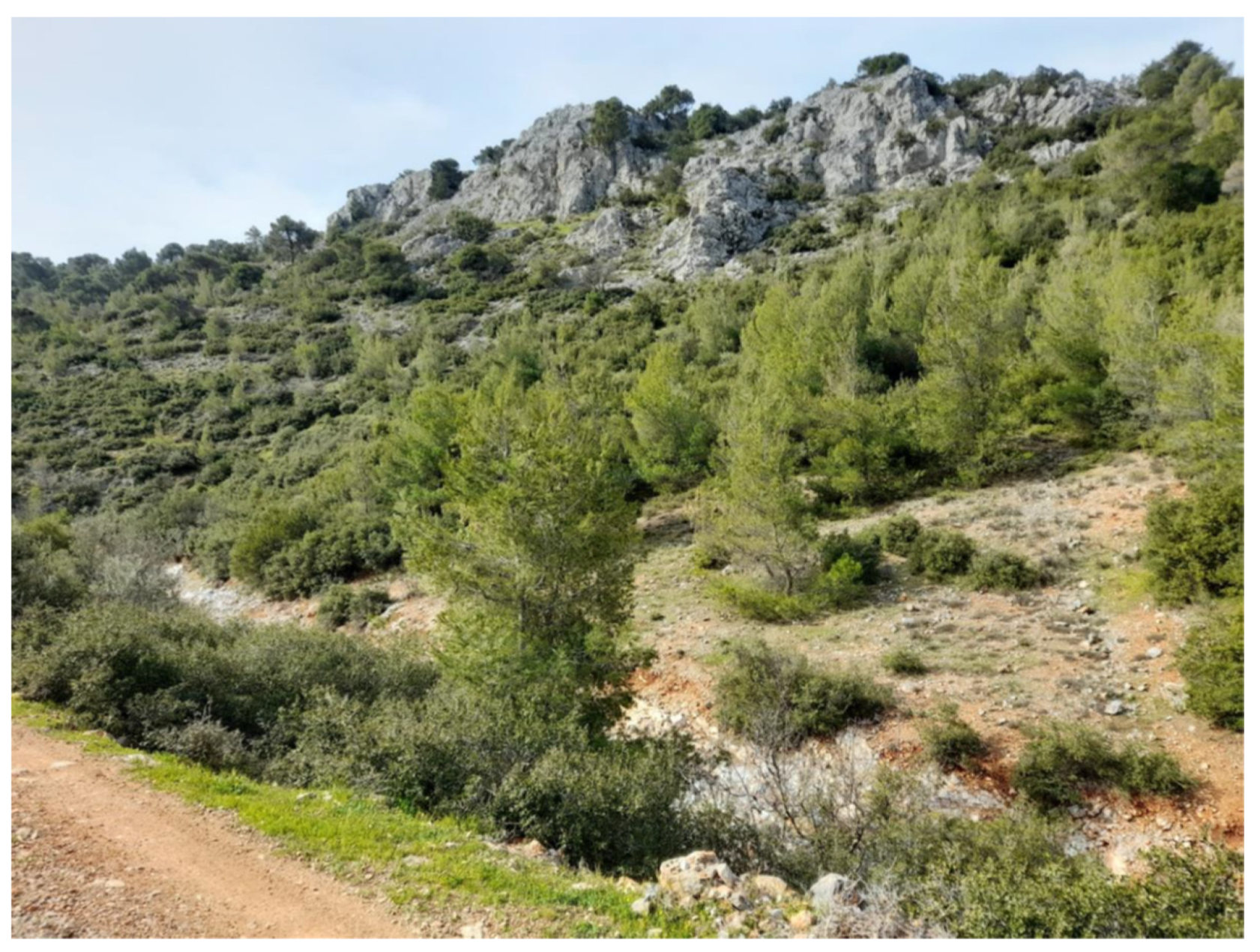
Particularly, given that the purpose of the interventions is to reduce flood risk and prevent catastrophic events, it was considered appropriate to limit the proposed measures to small dams, which are mainly of a preventive nature and aim to manage runoff effectively. These measures were considered to be the most appropriate proposal for the area, at least because they meet the requirements of being as low as possible in terms of cost and short implementation time. To be more specific, the types of the recommended dams are as follows (Figure 10):
- (a)
- Construction of sediment barriers are intended to be between 3m and 8m high with reinforced concrete or unreinforced concrete construction material. The purpose of these dams is to counteract the axial erosion of the bottom of the stream bed, by reducing the drag force of the water and retaining the sediment.
- (b)
- Construction of graduation dams - slope stabilization: These dams are proposed to be made of concrete (reinforced or unreinforced) or of reinforced wire mesh (e.g., sarsenet). The construction of the dams will be carried out either in places where there is evidence of gradual erosion, or in places where there is axial erosion of the bottom of the bed, in combination with the above-mentioned sediment barriers. The height of these dams according to the theoretical assessment carried out, is proposed to be between 1m and 2m.
4. Conclusions
This study investigated the correlation between soil erosion and land degradation (e.g., landslides) in a specific area in Attica Region (Greece). Particularly, soil erosion types were depicted on a map over an area that suffered from flash flood happened on November of 2017 in Mandra area. The reliability of this map was assessed by comparing the potential slope failures predictions generated in a landslide susceptibility research project (DIAS) and also validated from several field works executed for the design of flooding mitigation measures under the auspices of Directorate of Technical Works of Attica Region (Greece). The main conclusions that come up while developing this work can be summarized as follows:
1. There is very strong correlation between soil erosion and potential landslide susceptibility zones.
2. The landslide susceptibility model (DIAS) could be used as a soil erosion prediction model, providing crucial information for immediate actions and long-term planning.
3. Implementing Geographical Information Systems technology provides continuous monitoring and evaluation of soil erosion susceptibility to hazard reduction.
4. This study could add value to local authorities of Mandra municipality for defining areas susceptible to soil erosion and as a result it can contribute to the design and afterwards to the construction of flooding protection mitigation measures.
5. Using RES methodology could be of great use for different stakeholders in designing the appropriate mitigation measures against phenomena such as floods and landslides. In addition, the findings of this study contribute to resilience development for future flooding protection and to minimize further damages or prevent the occurrence of phenomena such as slope failures. Another useful application of this approach is the fact that this study could be contribute to some monetary quantified estimates about costs of removing sediments, during the process of implementing mitigation measures against new upcoming potential flood episode. In conclusion, the implementation of landslide susceptibility model in this study, can contribute to the online repository of scientific information in the EU Soil Observatory of the European Soil Data Centre (e.g., datasets, maps) based on the associated link (https://gis.attica.gov.gr/en/node/1216). To this direction, the implementation of Artificial Intelligence and Machine Learning methodologies using (free) open-access Web-GIS platforms (such as those of DIAS project) accompanied with a variety of geo (including soil) data could lead to the further validation of European Landslide Susceptibility Map (ELSUS) using more accurate regional susceptibility maps through evaluation of downloaded information from European Soil Data Centre (ESDAC), succeeding in parallel to the identification, correlation and quantification between land degradation and soil erosion.
Funding
This article did not receive any specific grant from funding agencies in the public, commercial, or not-for profit sectors.
Acknowledgments
The author is grateful to the Regional Authority of Attica (Directorate of Technical Works) and Hellenic Survey for Geology and Mineral Exploration (H.S.G.M.E.), for providing valuable technical reports as well as crucial digital geodata records.
Conflicts of Interest
The author declare no conflict of interest.
References
- Borrelli, P.; Poesen, J.; Vanmaercke, M.; Ballabio, C.; Hervás, J.; Maerker, M.; Scarpa, S.; Panagos, P. Monitoring gully erosion in the European Union: A novel approach based on the Land Use/Cover Area frame survey (LUCAS). Int. Soil Water Conserv. Res. 2021, 10, 17–28. [Google Scholar] [CrossRef]
- Panagos, P.; Van Liedekerke, M.; Jones, A.; Montanarella, L. European Soil Data Centre: Response to European policy support and public data requirements. Land Use Policy 2012, 29, 329–338. [Google Scholar] [CrossRef]
- Senanayake, S.; Pradhan, B.; Huete, A.; Brennan, J. A Review on Assessing and Mapping Soil Erosion Hazard Using Geo-Informatics Technology for Farming System Management. Remote. Sens. 2020, 12, 4063. [Google Scholar] [CrossRef]
- Karydas, C.G.; Panagos, P.; Gitas, I.Z. A classification of water erosion models according to their geospatial characteristics. Int. J. Digit. Earth 2012, 7, 229–250. [Google Scholar] [CrossRef]
- Teng, H.; Liang, Z.; Chen, S.; Liu, Y.; Rossel, R.A.V.; Chappell, A.; Yu, W.; Shi, Z. Current and future assessments of soil erosion by water on the Tibetan Plateau based on RUSLE and CMIP5 climate models. Sci. Total. Environ. 2018, 635, 673–686. [Google Scholar] [CrossRef] [PubMed]
- Panagos, P.; Borrelli, P.; Poesen, J.; Ballabio, C.; Lugato, E.; Meusburger, K.; Montanarella, L.; Alewell, C. The new assessment of soil loss by water erosion in Europe. Environ. Sci. Policy 2015, 54, 438–447. [Google Scholar] [CrossRef]
- Senanayake, S.; Pradhan, B.; Huete, A.; Brennan, J. Assessing Soil Erosion Hazards Using Land-Use Change and Landslide Frequency Ratio Method: A Case Study of Sabaragamuwa Province, Sri Lanka. Remote. Sens. 2020, 12, 1483. [Google Scholar] [CrossRef]
- Batista, P.V.; Davies, J.; Silva, M.L.; Quinton, J.N. On the evaluation of soil erosion models: Are we doing enough? Earth-Science Rev. 2019, 197. [Google Scholar] [CrossRef]
- Gholami, V.; Sahour, H.; Amri, M.A.H. Soil erosion modeling using erosion pins and artificial neural networks. CATENA 2021, 196, 104902. [Google Scholar] [CrossRef]
- Cohen, M.J.; Shepherd, K.D.; Walsh, M.G. Empirical reformulation of the universal soil loss equation for erosion risk assessment in a tropical watershed. Geoderma 2005, 124, 235–252. [Google Scholar] [CrossRef]
- Huang, F.; Chen, J.; Du, Z.; Yao, C.; Huang, J.; Jiang, Q.; Chang, Z.; Li, S. Landslide Susceptibility Prediction Considering Regional Soil Erosion Based on Machine-Learning Models. ISPRS Int. J. Geo-Inf. 2020, 9, 377. [Google Scholar] [CrossRef]
- Rozos, D.; Skilodimou, H.D.; Loupasakis, C.; Bathrellos, G.D. Application of the revised universal soil loss equation model on landslide prevention. An example from N. Euboea (Evia) Island, Greece. Environ. Earth Sci. 2013, 70, 3255–3266. [Google Scholar] [CrossRef]
- Abdulkareem, J.; Pradhan, B.; Sulaiman, W.; Jamil, N. Prediction of spatial soil loss impacted by long-term land-use/land-cover change in a tropical watershed. Geosci. Front. 2019, 10, 389–403. [Google Scholar] [CrossRef]
- Persichillo, M.G.; Bordoni, M.; Meisina, C. The role of land use changes in the distribution of shallow landslides. Sci. Total. Environ. 2017, 574, 924–937. [Google Scholar] [CrossRef] [PubMed]
- Gunatilaka, A. Role of basin-wide landslides in the formation of extensive alluvial gemstone deposits in Sri Lanka. Earth Surf. Process. Landforms 2007, 32, 1863–1873. [Google Scholar] [CrossRef]
- Pradhan, B.; Chaudhari, A.; Adinarayana, J.; Buchroithner, M.F. Soil erosion assessment and its correlation with landslide events using remote sensing data and GIS: a case study at Penang Island, Malaysia. Environ. Monit. Assess. 2011, 184, 715–727. [Google Scholar] [CrossRef]
- Meena, S.R.; Ghorbanzadeh, O.; Blaschke, T. A comparative study of statistics-based landslide susceptibility models: A case study of the region aected by the gorkha earthquake in Nepal. ISPRS Int. J. Geo-Inf. 2019, 8, 94. [Google Scholar] [CrossRef]
- Tavoularis, N.; Papathanassiou, G.; Ganas, A.; Argyrakis, P. Development of the Landslide Susceptibility Map of Attica Region, Greece, Based on the Method of Rock Engineering System. Land 2021, 10, 148. [Google Scholar] [CrossRef]
- Regional Authority of Attica/Directorate of Technical Works, H.S.G.M.E., 2018. Integrated geological survey for the reduction of flood risk in the wider region of Mandra, Attica – Measures for the prevention and mitigation of flooding phenomena (Greek Geological Institute and Mining Research (H.S.G.M.E.) – Deliverable ΙΙ (unpublished).
- COPERNICUS - Emergency Management Service – Mapping. EMSR257: Flood in Attika, Greece. Available online: https://emergency.copernicus.eu/mapping/list-of-components/EMSR257/ALL/EMSR257_01MANDRA.
- Lekkas, E.; Voulgaris, N.; Lozios, S. (2017). Flash Flood in West Attica (Mandra, Nea Peramos) , 2017. Newsletter of Environmental, Disaster and Crisis Management Strategies Issue No 5, Hellenic Republic National & Kapodistrian University of Athens. https://edcm.edu.gr/images/docs/newsletters/Newsletter201705_Mandra-Floods-eng.pdf. 15 November.
- Li, Y.; Mo, P. A unified landslide classification system for loess slopes: A critical review. Geomorphology 2019, 340, 67–83. [Google Scholar] [CrossRef]
- Blasche, P. M, Trustrum N. A., Hicks D.L. Impacts of mass movement erosion on land productivity: A review. Prog. Phys. Geogr. Earth Environ. 2000, 24, 21–52. [Google Scholar]
- Ayanlade, A.; Jegede, M.O.; Borisade, P.B. Geoinformatics in eco-climatic studies. In Encyclopedia of Information Science and Technology, 3rd ed.; Information Resources Management Association: Hershey, PA, USA, 2014; pp. 3136–3144. [Google Scholar]
- Dang, K.; Sassa, K.; Konagai, K.; Karunawardena, A.; Bandara, R.M.S.; Hirota, K.; Tan, Q.; Ha, N.D. Recent rainfall-induced rapid and long-traveling landslide on 17 May 2016 in Aranayaka, Kagelle District, Sri Lanka. Landslides 2018, 16, 155–164. [Google Scholar] [CrossRef]
- Greece Republic, Region of Attica, Directorate for flood protection works, Hydroment Consulting Engineers S.A. - Kritsotakis G. (2021). Delimitation, settlement and damming of the Soures and Agia Aikaterini streams north of the town of Mandra. Unpublished technical report.
- Hudson, J. , 1992. Rock Engineering Systems: Theory and Practice. Ellis Horwood Limited: Chichester.
- Hudson, J. A Review of Rock Engineering Systems (RES) Applications over the Last 20 Years; Department of Earth Science and Engineering, Imperial College: London, UK, 2013. [Google Scholar]
- Tavoularis, N.; Koumantakis, I.; Rozos, D.; Koukis, G. An implementation of rock engineering system (RES) for ranking the instability potential of slopes in Greek territory. An application in Tsakona area (Peloponnese - prefecture of Arcadia). Bull. Geol. Soc. Greece 2017, 49, 38. [Google Scholar] [CrossRef]
- Tavoularis, N.; Koumantakis, I.; Rozos, D.; Koukis, G. The Contribution of Landslide Susceptibility Factors Through the Use of Rock Engineering System (RES) to the Prognosis of Slope Failures: An Application in Panagopoula and Malakasa Landslide Areas in Greece. Geotech. Geol. Eng. 2017, 36, 1491–1508. [Google Scholar] [CrossRef]
- Brabb, E.; Bonilla, M.G.; Pampeyan, E. Landslide Susceptibility in San Mateo County, California. US Geological Survey Miscellaneous Field Studies, Map MF-360, Scale 1:62,500; US Geological Survey: Reston, VA, USA, 1972. [Google Scholar]
- Varnes, D. ; IAEG Commission on Landslides and Other Mass-Movements. Landslide Hazard Zonation: A Review of Principles and Practice; UNESCO Press: Paris, France, 1984; 63p. [Google Scholar]
- Gunther, A.; Reichenbach, P.; Wilde, M.; Jurchescu, M.; Malet, J.P.; Hervas, J. (2022). New perspectives on the Europe-wide landslide susceptibility assessment (ELSUS). 2nd EU Soil Observatory Stakeholders Forum, 24-, online. 26 June.
- Reichenbach, P. , Gunther A, Rossi M. (2022). Susceptibility to mass movements at different scales. 2nd EU Soil Observatory Stakeholders Forum, 24-, online. 26 June.
- Tavoularis, N. (2022). Soil erosion and landslide susceptibility mapping using Rock Engineering System methodology. The case of Mandra fatal flash flood (2017) in Western Attica, Greece. 2nd EU Soil Observatory Stakeholders Forum, 24-26 June 2022, online (https://esdac.jrc.ec.europa.eu/euso/presentations-2nd-euso-stakeholders-forum).
Figure 1.
The case study of Mandra fatal flash flood (2017). On the left, the project area map is depicted (background Digital Terrain Model of 2m accuracy. On the right, the boundaries of the catchment areas in the wider study area are presented [19].
Figure 1.
The case study of Mandra fatal flash flood (2017). On the left, the project area map is depicted (background Digital Terrain Model of 2m accuracy. On the right, the boundaries of the catchment areas in the wider study area are presented [19].
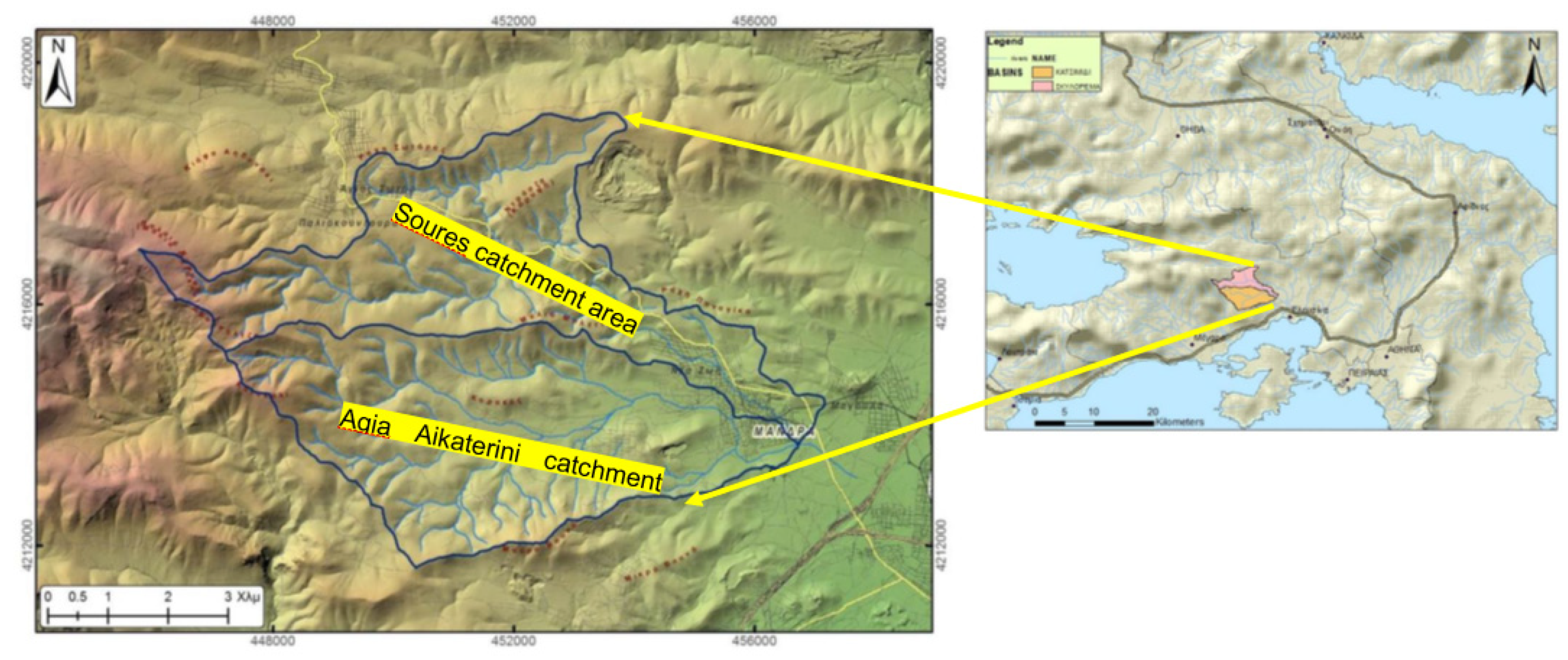
Figure 2.
Two characteristic views from the fatal flash flood. On the left a flood zone in Mandra and on the right a Mandra-Elefsina road, Attiki Odos junction [21].
Figure 2.
Two characteristic views from the fatal flash flood. On the left a flood zone in Mandra and on the right a Mandra-Elefsina road, Attiki Odos junction [21].
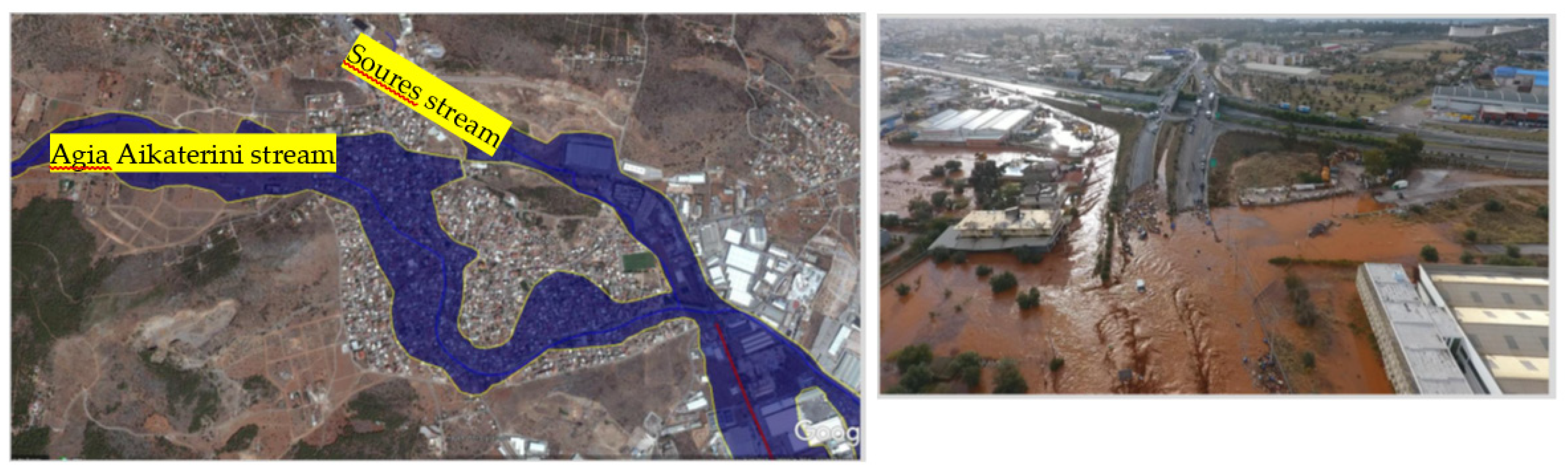
Figure 3.
Rill erosion on Holocene deposits of Mandra hydrological basin [19].
Figure 3.
Rill erosion on Holocene deposits of Mandra hydrological basin [19].
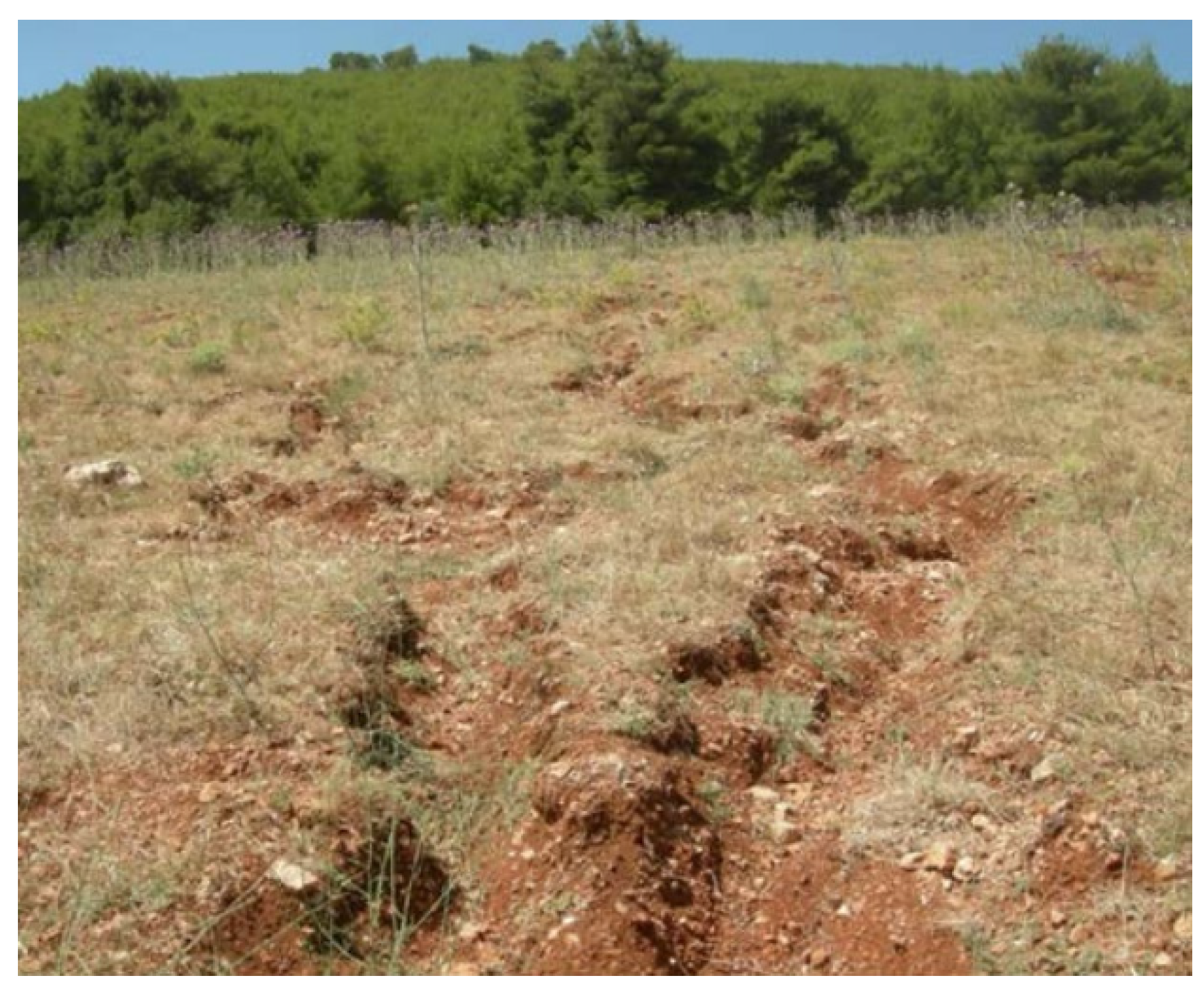
Figure 4.
Typical forms of gully erosion developed on Holocene deposits of Mandra’s hydrological basin.
Figure 4.
Typical forms of gully erosion developed on Holocene deposits of Mandra’s hydrological basin.
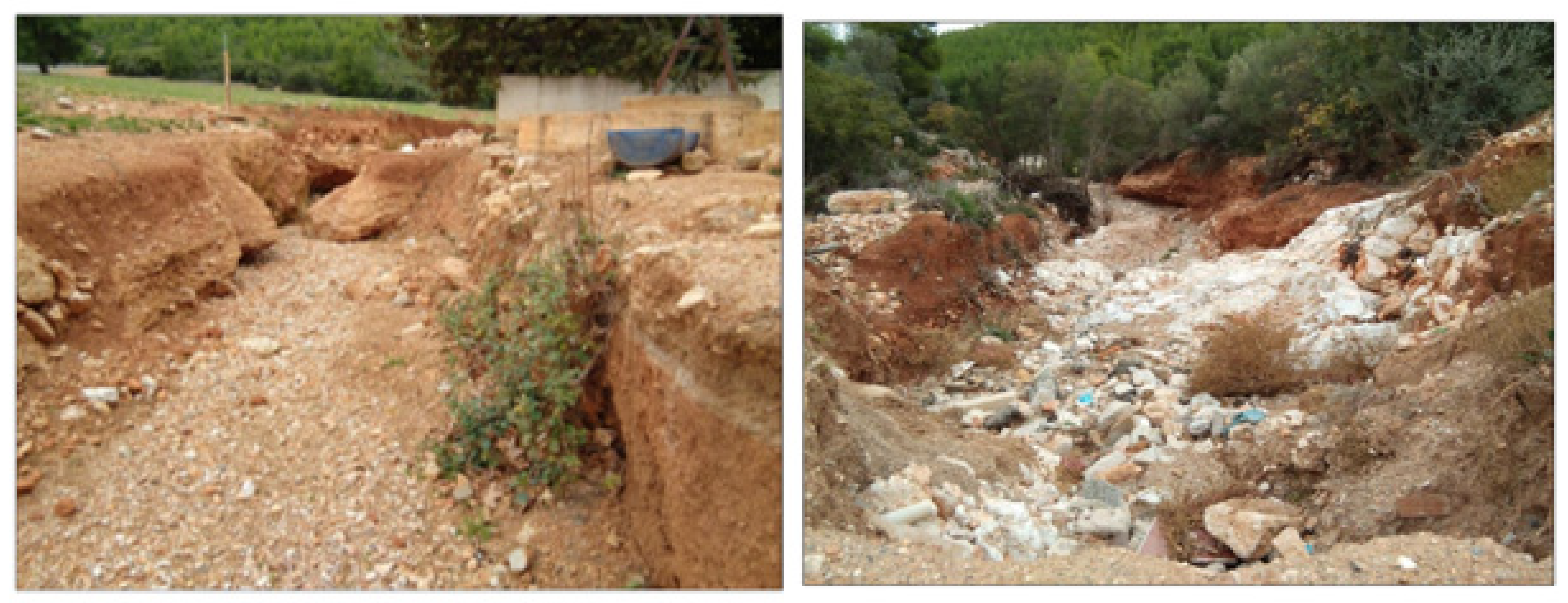
Figure 5.
Different views of slope and sub-slope erosion after the flash flood event of 14-15 November 2017 in Mandra area.
Figure 5.
Different views of slope and sub-slope erosion after the flash flood event of 14-15 November 2017 in Mandra area.
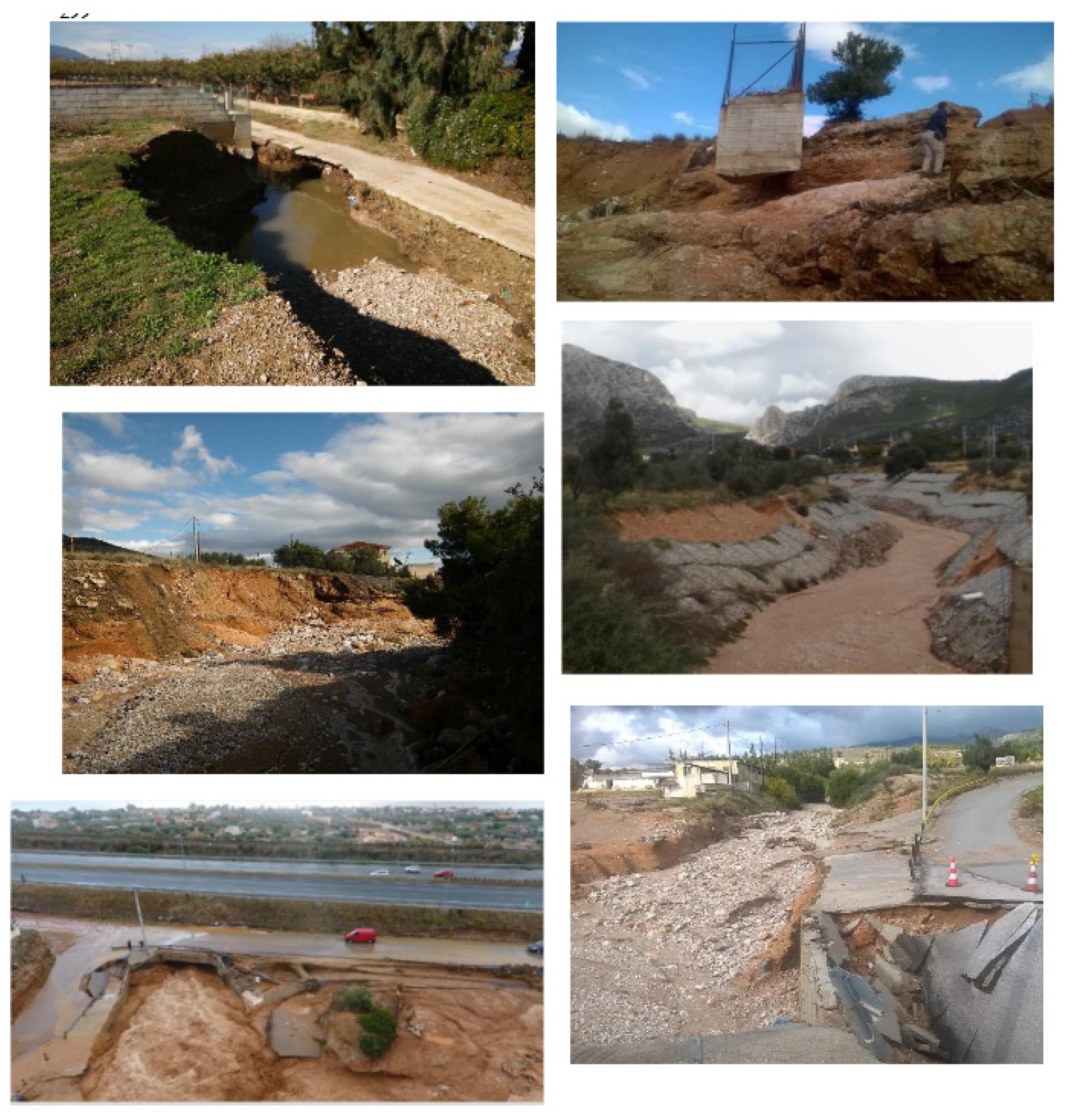
Figure 6.
Soil erosion lines (derived after classification of erosivity based on the combination of the three final maps) depicted inside the yellow circle over the landslide inventory map of Attica Region, excerpt of this map is shown here [18]. Red colour corresponds to potential slope failures, green colour equals to existing landslides.
Figure 6.
Soil erosion lines (derived after classification of erosivity based on the combination of the three final maps) depicted inside the yellow circle over the landslide inventory map of Attica Region, excerpt of this map is shown here [18]. Red colour corresponds to potential slope failures, green colour equals to existing landslides.
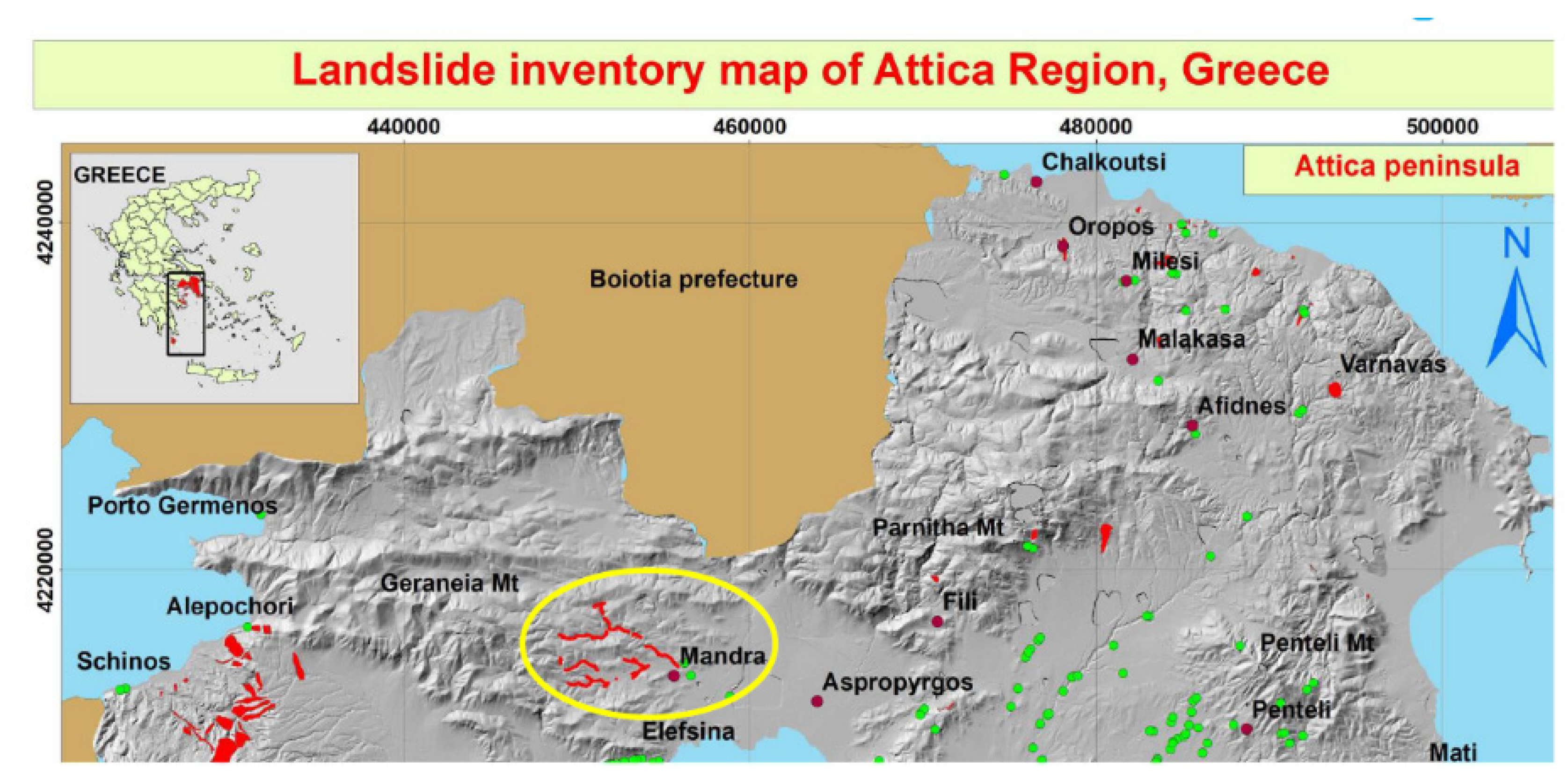
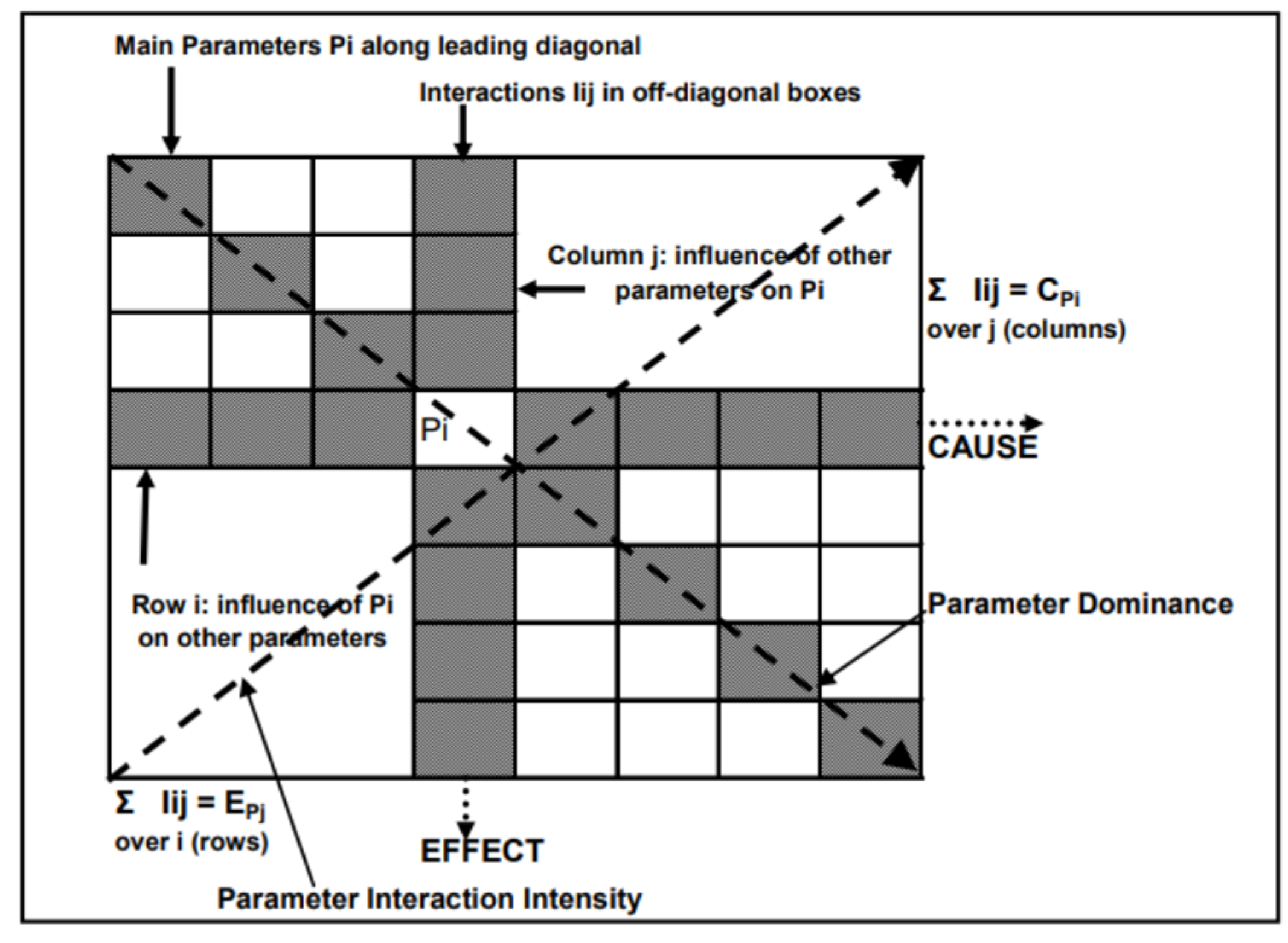
Figure 8.
Landslide susceptibility map of Attica Region [18]. The landslide susceptibility index (LSI) values in the susceptibility map were classified into five categories: “Low-Middle”, with Instability index (Ii) < 25 (Light green color zone in the map), “High” with 25 < Ii < 42 (Green color zone), “Very High” with 42 < Ii < 53 (Yellow color zone), “Extremely high” with 53 < Ii < 70” (Orange color zone), and “Landslide” with Ii > 70% (Red color zone). From this classification, it can be clearly notified that the higher the LSI, the more susceptible the area is to landslides (instability index higher than 70%). The area inside the black rectangular scheme, corresponds to the present study Mandra area.
Figure 8.
Landslide susceptibility map of Attica Region [18]. The landslide susceptibility index (LSI) values in the susceptibility map were classified into five categories: “Low-Middle”, with Instability index (Ii) < 25 (Light green color zone in the map), “High” with 25 < Ii < 42 (Green color zone), “Very High” with 42 < Ii < 53 (Yellow color zone), “Extremely high” with 53 < Ii < 70” (Orange color zone), and “Landslide” with Ii > 70% (Red color zone). From this classification, it can be clearly notified that the higher the LSI, the more susceptible the area is to landslides (instability index higher than 70%). The area inside the black rectangular scheme, corresponds to the present study Mandra area.
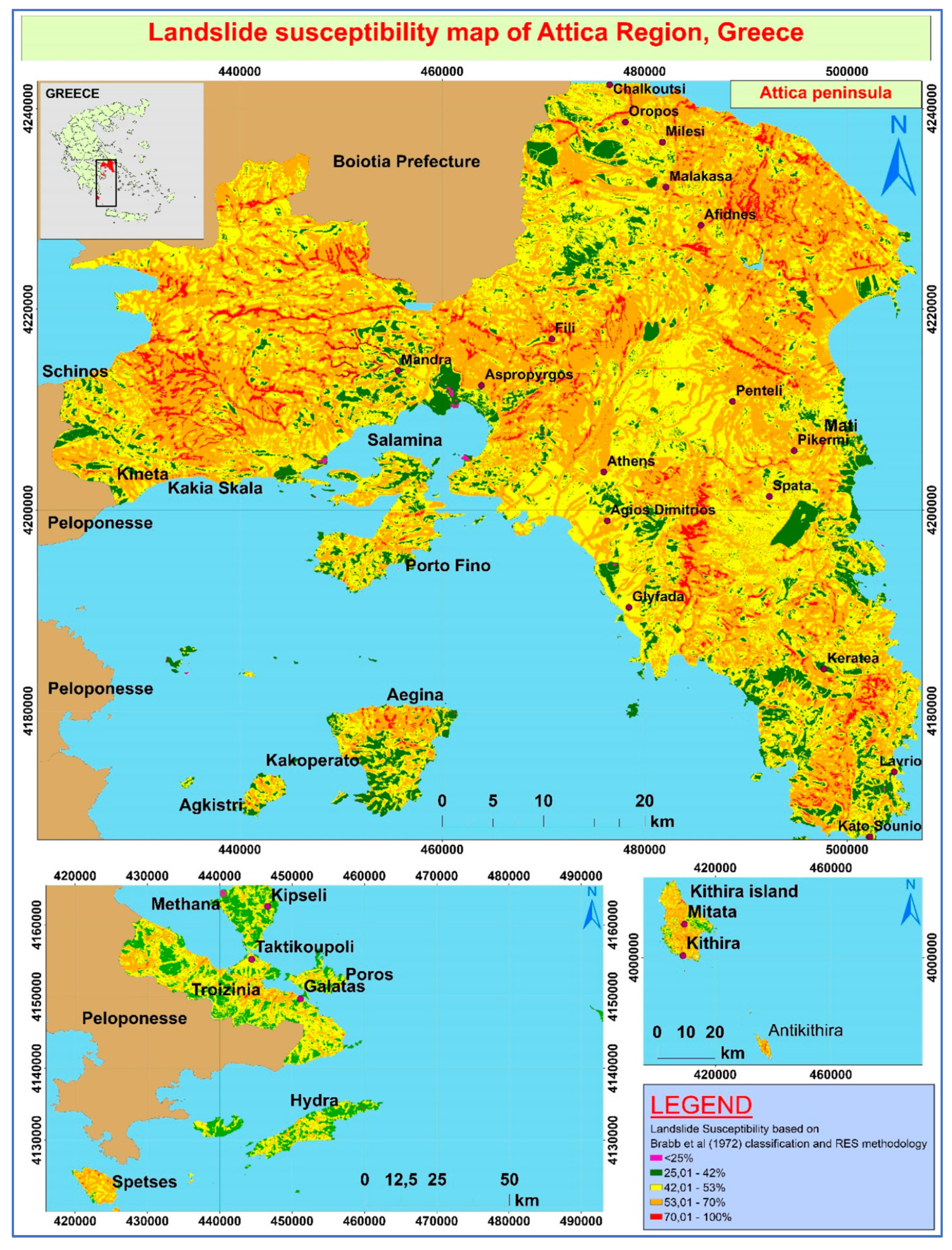
Figure 9.
Focus on the area depicted in the circle of previous map. Relation between soil erosion lines in pink colour and the high and very high landslide susceptibility zones.
Figure 9.
Focus on the area depicted in the circle of previous map. Relation between soil erosion lines in pink colour and the high and very high landslide susceptibility zones.
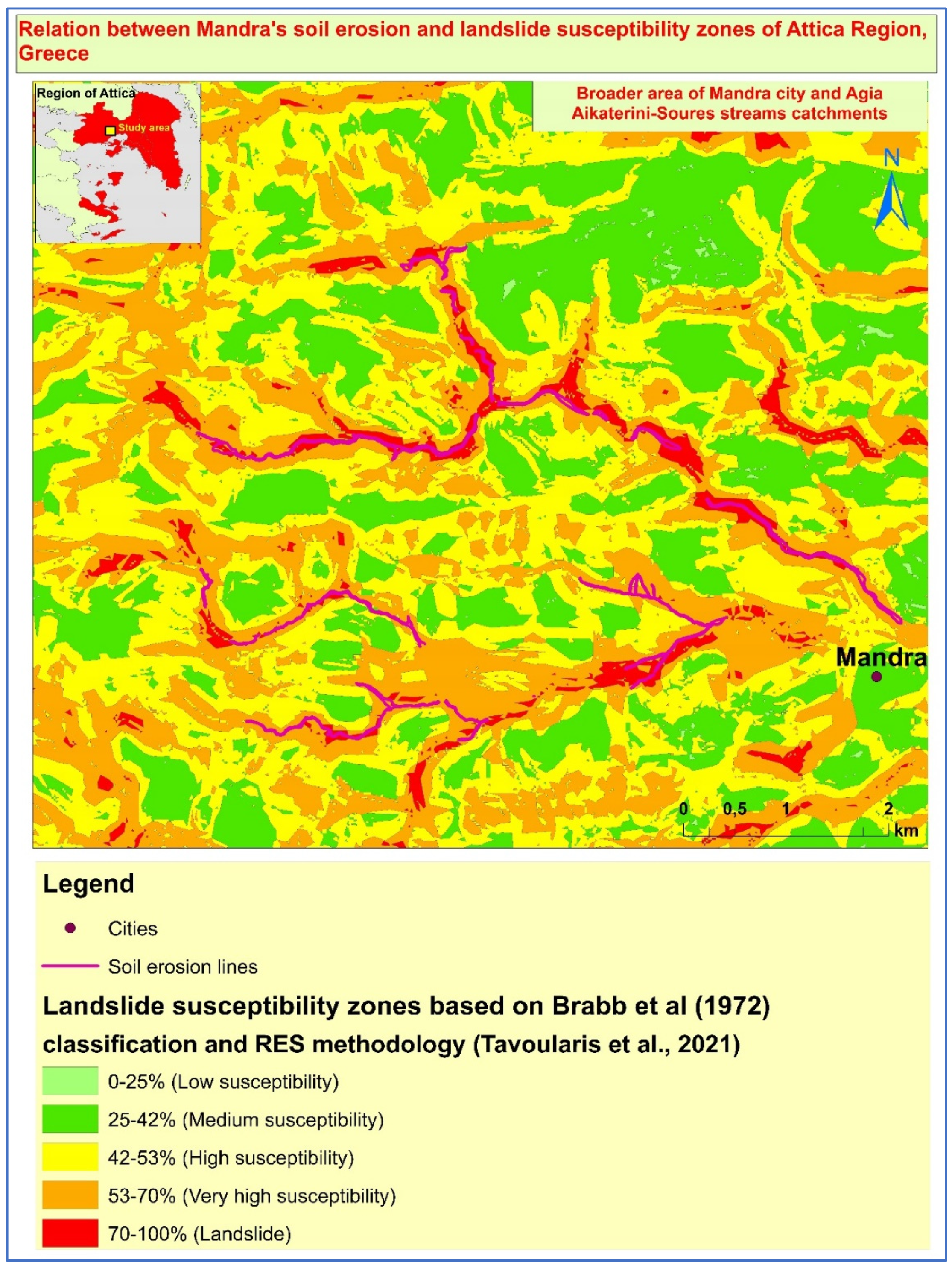
Figure 10.
From a characteristic broader view of Mandra area, a partly soil erosion degraded area (located west of capital city of Athens, Greece) where a small dam is going to be constructed for coping against future (flash) flood events [35].
Figure 10.
From a characteristic broader view of Mandra area, a partly soil erosion degraded area (located west of capital city of Athens, Greece) where a small dam is going to be constructed for coping against future (flash) flood events [35].
Disclaimer/Publisher’s Note: The statements, opinions and data contained in all publications are solely those of the individual author(s) and contributor(s) and not of MDPI and/or the editor(s). MDPI and/or the editor(s) disclaim responsibility for any injury to people or property resulting from any ideas, methods, instructions or products referred to in the content. |
© 2023 by the authors. Licensee MDPI, Basel, Switzerland. This article is an open access article distributed under the terms and conditions of the Creative Commons Attribution (CC BY) license (http://creativecommons.org/licenses/by/4.0/).
Copyright: This open access article is published under a Creative Commons CC BY 4.0 license, which permit the free download, distribution, and reuse, provided that the author and preprint are cited in any reuse.


