

Submitted:
14 July 2023
Posted:
17 July 2023
You are already at the latest version
Abstract
In this research, we investigate the healthcare expenditure patterns in Uzbekistan, analyze their economic implications, and provide policy recommendations. The study focuses on the time frame from 2000 to 2019, employing quantitative data analysis, theoretical frameworks such as Wagner’s Law, and an economic geography perspective. Our objective is to gain insights into the relationship between economic development and healthcare spending, identify spatial disparities, and forecast future trends. The findings reveal fluctuations in per capita healthcare spending, emphasizing the necessity for sustainable financing mechanisms and preventive measures. Ultimately, our study underscores the significance of aligning healthcare expenditure decisions with economic objectives while prioritizing the well-being of the population.
Keywords:
Uzbekistan
; health spending
; economic impact
; Wagner’s Law
; economic geography.
1. Introduction
The allocation of funds towards healthcare in Uzbekistan plays a crucial role in shaping the nation’s economy and the overall welfare of its citizens (UNDP). To make informed policy decisions and distribute resources effectively, it is essential to comprehend the trends, patterns, and economic implications of healthcare expenditure (WHO). Thus, the aim of this research is to analyze existing data on healthcare spending in Uzbekistan between 2000 and 2019. By conducting this analysis, we seek to gain insights into the economic impact of healthcare expenditure and provide valuable perspectives informed by pertinent theories and concepts. The scope of this study includes a comprehensive analysis of historical data on health spending in Uzbekistan over 20 years. By examining trends and fluctuations in health spending, we aim to shed light on the factors that influence resource allocation and its impact on the accessibility and quality of health services in the country. The novelty and scientific relevance of this study lies in the integration of economic analysis, theoretical framework, and empirical data to gain a deeper understanding of Uzbekistan’s health spending. By examining the relationship between economic development and health spending through the lens of Wagner’s Law theory, we can provide insights into the factors that influence health spending decisions in the country. In addition, by using an economic geography perspective, we can uncover spatial inequalities in the distribution and accessibility of health resources (Krugman, 2011).
This study has a dual objective: firstly, to contribute to the scientific field by enhancing our comprehension of the economic aspects surrounding healthcare expenditure in Uzbekistan, and secondly, to offer practical insights that can guide policy formulation and resource allocation. By examining the data, analyzing the underlying theories, and considering the implications for health policy, this study aims to provide evidence-based recommendations for improving the efficiency, equity, and sustainability of the Uzbek healthcare system. The content of this study will include a comprehensive analysis of historical health expenditure data, using quantitative techniques and statistical analysis to identify patterns and trends. In addition, we will scrutinize the pertinency of Wagner’s Law theory to Uzbekistan’s health spending, taking into account the country’s economic development context. Using economic geography concepts, we will examine the spatial distribution of healthcare resources and identify potential inequalities. Finally, this study will include a forecast of future health spending trends and make policy recommendations based on the results. Hence, the aim of this study is to perform a thorough analysis of healthcare expenditure in Uzbekistan, evaluate its economic implications, and present findings derived from a combination of theoretical frameworks and empirical data. By analyzing the data, applying relevant theories, and considering policy implications, this study aims to contribute to both scientific knowledge and practical decision-making processes related to health spending in Uzbekistan.
2. Theoretical Framework: Wagner’s Law Theory & Economic Geography
Wagner’s Law, an economic theory, scrutinizes the connection between economic development and the expansion of public sector expenditures, specifically in domains such as healthcare and social welfare. This theory was developed by German economist Adolph Wagner (1835–1917) in the 19th century and has since been applied in various contexts to understand the dynamics of government spending (Abizadeh and Gray, 1985). Wagner’s Law states that as an economy grows over time, the public sector tends to grow, leading to higher government spending (Akitoby et al. 2006). The principle underlying this theory is that economic development creates societal demand for public goods and services such as health care, education, infrastructure, and social programs. As income increases, there is a growing expectation that government will provide these services to meet the needs and wants of the population (Lamartina and Zaghini, 2011). From an economic geography perspective, Wagner’s Law becomes relevant when considering the spatial dimension of government spending and its distribution across a country’s regions. Economic geography studies how economic activities and resources are organized and distributed geographically and how these spatial patterns affect various aspects of economic development, including public sector spending (Abbasov and Aliyev, 2018; Demez, 2021).
In the context of Uzbekistan’s health spending, Wagner’s Law and economic geography provide a valuable framework for analysis. The utilization of Wagner’s Law aids in comprehending the anticipated correlation between economic development and healthcare expenditure (Asadov and Aripov, 2009). As per Wagner’s Law, an expanding economy in Uzbekistan should entail a corresponding rise in public sector spending on healthcare to cater to the increasing demand for medical services and enhance the populace’s well-being (Abbasov and Aliyev, 2018). However, in analyzing Uzbekistan’s health spending, it is clear that the relationship between economic development and health spending is complex and does not exactly follow Wagner’s Law. While the country has experienced economic growth, per capita spending on health care has fluctuated and even declined in recent years (Jung Cho and Haverkort, 2023). This discrepancy suggests that other factors, such as political priorities, resource allocation, and fiscal constraints, influence health spending decisions in Uzbekistan (Alimzhanovich et al. 2023).
Economic geography helps shed light on spatial patterns and inequalities in health spending in Uzbekistan (Cortina and Hardin, 2023). It allows us to examine how healthcare resources, infrastructure, and services are distributed across the different regions of the country. Taking into account spatial dimensions, economic geography offers valuable insights into the accessibility and fairness of healthcare services, shedding light on potential disparities between urban and rural areas as well as among various regions within Uzbekistan (Luo et al., 2022). Wagner’s Law theory and economic geography thus provide complementary frameworks for understanding and analyzing healthcare spending in Uzbekistan (Kakhkharov et al. 2021). While Wagner’s Law provides a theoretical basis for anticipating the relationship between economic development and health spending, economic geography allows for a deeper examination of the spatial patterns and distribution of health resources within the country (Krugman, 2011). By incorporating these frameworks, policymakers and researchers can attain a holistic understanding of the factors that shape health spending in Uzbekistan. This knowledge can facilitate the development of targeted strategies aimed at ensuring fair and equal access to high-quality healthcare services for all individuals within the country.
3. Methods and results
I. Data Collection
Data for this study on Uzbekistan’s healthcare spending were collected from reputable sources such as government reports, international organizations, and databases. The main focus was to obtain data on per capita healthcare spending from 2000 to 2019 to provide a comprehensive analysis of trends and patterns over the 20-year period (refer to Figure 1, map of Uzbekistan to realize the study area by geography).
1). Data Analysis
The data collected was subjected to a thorough analysis to identify key trends, variations, and patterns in healthcare spending. Various quantitative techniques, including descriptive statistics, time series analysis, and trend analysis, were used to provide insights into the changes and dynamics of health spending over time.
2). Theoretical Framework
To examine the economic impact of health spending, Wagner’s Law theory was applied in this study. The fundamental principles of this theory were employed to assess the correlation between economic development and healthcare expenditure in Uzbekistan. This theoretical framework served as the basis for interpreting the observed trends and fluctuations in health spending.
3). Economic geographic perspective
In order to analyze the spatial distribution of healthcare resources and identify potential disparities between different regions of Uzbekistan, an economic geography perspective was included. This involved mapping and spatial analysis techniques to gain insight into the accessibility and equity of health services across the country.
II. Findings
1). Historical Trends
Analysis of health spending data from 2000 to 2019 revealed notable trends and fluctuations. It was found that per capita spending on health care in Uzbekistan has fluctuated over the period studied, with both increases and decreases observed in different years.
2). Economic implications
Application of Wagner’s Law theory provided insights into the economic impact of health care spending in Uzbekistan. While the theory suggests a positive relationship between economic development and health spending, the observed variation in per capita spending suggests that other factors, such as political priorities and fiscal constraints, play an important role in shaping health spending decisions.
3). Spatial disparities
The economic geography analysis conducted in this study, drawing on insights from Krugman (2011), revealed potential spatial disparities in the distribution of healthcare resources within Uzbekistan. These disparities were observed in terms of variances in the accessibility and availability of health services between urban and rural areas, as well as among different regions across the country. The identified disparities have implications for the equitable provision of healthcare services and highlight the necessity for targeted interventions aimed at bridging these gaps.
4). Forecasting
Building on historical data and trends, this study developed projections to forecast future healthcare spending in Uzbekistan. The forecasts provide an estimate of potential future health spending based on observed patterns and external factors that may influence health spending dynamics.
5). Policy Recommendations
Based on the findings of this study, policy recommendations are made aimed at improving the efficiency, equity, and sustainability of the Uzbek healthcare system. These recommendations take into account economic impacts, spatial disparities, and future projections, and provide evidence for policymakers to make informed decisions about resource allocation and health policy.
Thus, the analysis of Uzbekistan’s health expenditures using the theoretical framework of Wagner’s Law and an economic geography perspective has provided valuable insights. The historical trends, economic implications, spatial disparities, projections, and policy recommendations provide a comprehensive understanding of the dynamics of health spending in Uzbekistan and offer insights to support evidence-based decision-making in the health sector.
4. Per capita healthcare spending and economic considerations
From an economic perspective, the data on Uzbekistan’s health spending reveal some troubling trends. The decline in per capita spending on healthcare raises concerns about the accessibility and quality of healthcare services for the population. A decline in per capita spending indicates a curtailment of resources allocated to health care, which may adversely affect the overall health and well-being of the population. Although health spending as a percentage of GDP has remained relatively stable over the years, this does not necessarily indicate a positive outlook. While health care has remained a consistently high priority in the economy, the lack of substantial increases in health spending as a percentage of GDP raises questions about the adequacy of funding to meet the growing healthcare needs of the population (WHO; UNDP and World Bank Data).
The lack of a clear correlation between economic development and health spending is a reason for further study. Traditionally, economic growth leads to higher health spending according to Wagner’s Law. In Uzbekistan, however, per capita spending on health care has shown fluctuations and has even declined in recent years despite economic development. This suggests that other factors, such as political priorities, resource allocation, and fiscal constraints, influence health spending decisions in the country. Declining per capita health care spending also raises concerns about the long-term sustainability of health care financing in Uzbekistan. If this trend continues, it could lead to significant challenges, such as compromised health care infrastructure, shortages of essential medical supplies, and shortages of medical personnel (World bank data). These problems can have serious consequences for the provision of quality healthcare services to the population (Figure 2).
In addition, an analysis of macro trends shows the dynamics of per capita health spending in Uzbekistan during the period under study. In particular, there is a significant decrease in per capita spending from 129 USD in 2016 to 99 USD in 2019. This downward trend is a cause for economic concern, as it potentially limits access to and reduces the quality of medical services for the population of Uzbekistan (Macro Trends). A decline in per capita health spending may lead to challenges such as inadequate health infrastructure, bottlenecks in medical care, and a limited health workforce, all of which may negatively impact overall health outcomes in the country (World Bank Data).
5. Analyzing similar country ranking
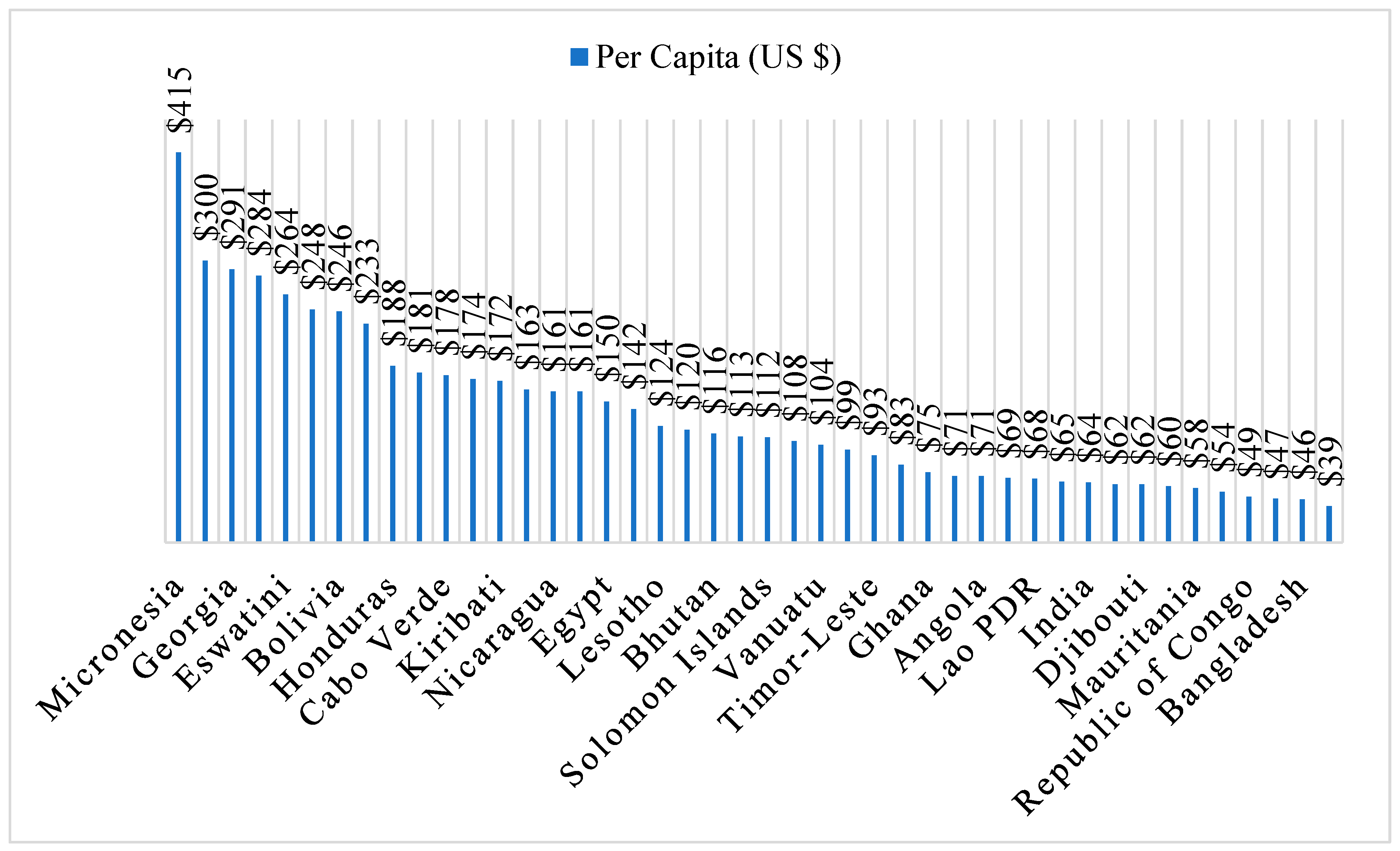
The ranking of per capita spending on healthcare provides valuable insights into the distribution of healthcare resources across countries. These data reflect the relative level of investment in health care and provide an indication of the priority given to health care in each country. While some countries demonstrate a strong commitment to accessible, high-quality healthcare, others face challenges in meeting the healthcare needs of their populations. Uzbekistan, with per capita healthcare spending of 99 USD, is in the middle of the rankings, showing both progress and areas for improvement (Figure 3). To gain a comprehensive understanding of Uzbekistan’s healthcare landscape, it is important to consider not only per capita spending, but also factors such as healthcare efficiency, outcomes, and policy effectiveness (Macro Trends).
The data represent a ranking of countries based on their per capita spending on health care. This ranking provides information on the relative level of investment in health care in different countries. It is important to note that per capita spending on health care reflects the resources allocated to health care on an individual basis and thus provides an indication of the priority given to health care in each country. Micronesia tops the list with the highest per capita spending on health care at 415 USD, indicating a strong commitment to providing accessible and quality health care to its population. This is closely followed by El Salvador at 300 USD, which is making significant investments in health care to meet the needs of its citizens. Countries such as Georgia, Moldova, and Eswatini also top the list. They show that they are making significant efforts to prioritize healthcare spending and improve healthcare infrastructure in their respective countries. At the other end of the spectrum, countries such as Bangladesh, Pakistan, Sudan, and Cameroon have lower per capita spending on health care, indicating potential challenges in providing adequate health services to their populations. These countries may face resource allocation constraints, resulting in limited access to health care and potentially affecting health outcomes. For example, Uzbekistan is in the middle of the rankings with per capita spending on health care of 99 USD. While this is higher than some of the other countries on the list, it shows that there is still room for improvement in healthcare investments to ensure better access and quality of health services for citizens (Macro Trends & World Bank Data). It is important to consider this ranking as a starting point for further analysis. Other factors, such as health system efficiency, health outcomes, and health policy effectiveness, should also be considered to provide a comprehensive understanding of a country’s health landscape. Ultimately, the rankings provide valuable insights into the relative level of per capita spending on health care in each country, highlighting differences in healthcare investments and potential areas for improvement. By examining these rankings and learning from countries with higher healthcare spending, nations can work toward improving their healthcare systems and promoting the well-being of their populations.
6. Uzbekistan’s Policy on Healthcare Spending
Recently, Uzbekistan implemented a new policy that integrates public health spending into its annual state budget publications, as reported by the UNDP (2021). This updated publication focused specifically on health spending and encompasses various aspects, such as COVID-19 response initiatives, costs related to outpatient and inpatient care, funding for government programs targeting reproductive health improvement, and other relevant budgetary items. The total state funding allocated for healthcare in 2021 is projected to reach 21,047.8 billion UZS (approximately 18 million USD), equivalent to 3.1 percent of the country’s GDP, as indicated by the “Open Budget” Portal of Uzbekistan. The “Citizens’ Budget,” a publication released annually as part of the collaborative project between the United Nations Development Program (UNDP) and the Ministry of Finance, provides the general public and civil society with comprehensive information regarding Uzbekistan’s state budget, as stated by the Ministry of Finance of Uzbekistan. Throughout the year, citizens have access to three key publications: the approved annual state budget, the executed state budget from the previous year, and the draft state budget for the upcoming year. In line with these publications, the series now includes a dedicated focus on public healthcare expenditures, detailing the healthcare spending that is approved and implemented according to the Law of the Republic of Uzbekistan enacted on December 25, 2020, titled “On the State Budget of the Republic of Uzbekistan for 2021.”
The COVID-19 pandemic continued to exert a significant impact on the healthcare system in 2021, mirroring the situation in the previous year. To address this challenge, a substantial allocation of UZS 3 trillion (approximately 2.2 billion USD) has been made within the national budget specifically for COVID-19 response efforts. Given the evolving epidemiological situation and the increase in coronavirus cases, adjustments have been made to the allocated expenditure to effectively tackle the crisis, as reported by the UNDP. By year-end, the total allocation is expected to reach UZS 4.3 trillion (approximately 3.7 billion USD), with UZS 1.4 trillion (approximately 0.9 billion USD) earmarked for the procurement of vaccines and vaccination campaigns.
It is important to note that the increased spending on COVID-19 does not impact the level of funding allocated for other healthcare expenditures in 2021. The total state funding for healthcare remains at UZS 21,047.8 billion (approximately 18 million USD), equivalent to 3.1 percent of Uzbekistan’s GDP, as confirmed by the Ministry of Finance of Uzbekistan. The publication provides citizens with a detailed breakdown of health spending from 2019 to 2021, encompassing various budgetary levels, including the Republic and municipalities. Moreover, it sheds light on expenditures related to outpatient and inpatient care, as well as capital and recurrent spending, which includes costs such as salaries and capacity building. Notably, a separate section focuses on spending associated with government programs aimed at enhancing reproductive health, maternal and child well-being, and addressing social and challenging-to-treat diseases. The Ministry of Health has allocated UZS 1,009.0 billion (approximately 0.8 million USD) for these specific purposes in 2021, according to the Open Budget Portal of Uzbekistan.
7. Uzbekistan’s Healthcare sector forecasts
In terms of forecasts, the following figure shows how much the Uzbek healthcare market will grow by 2026.
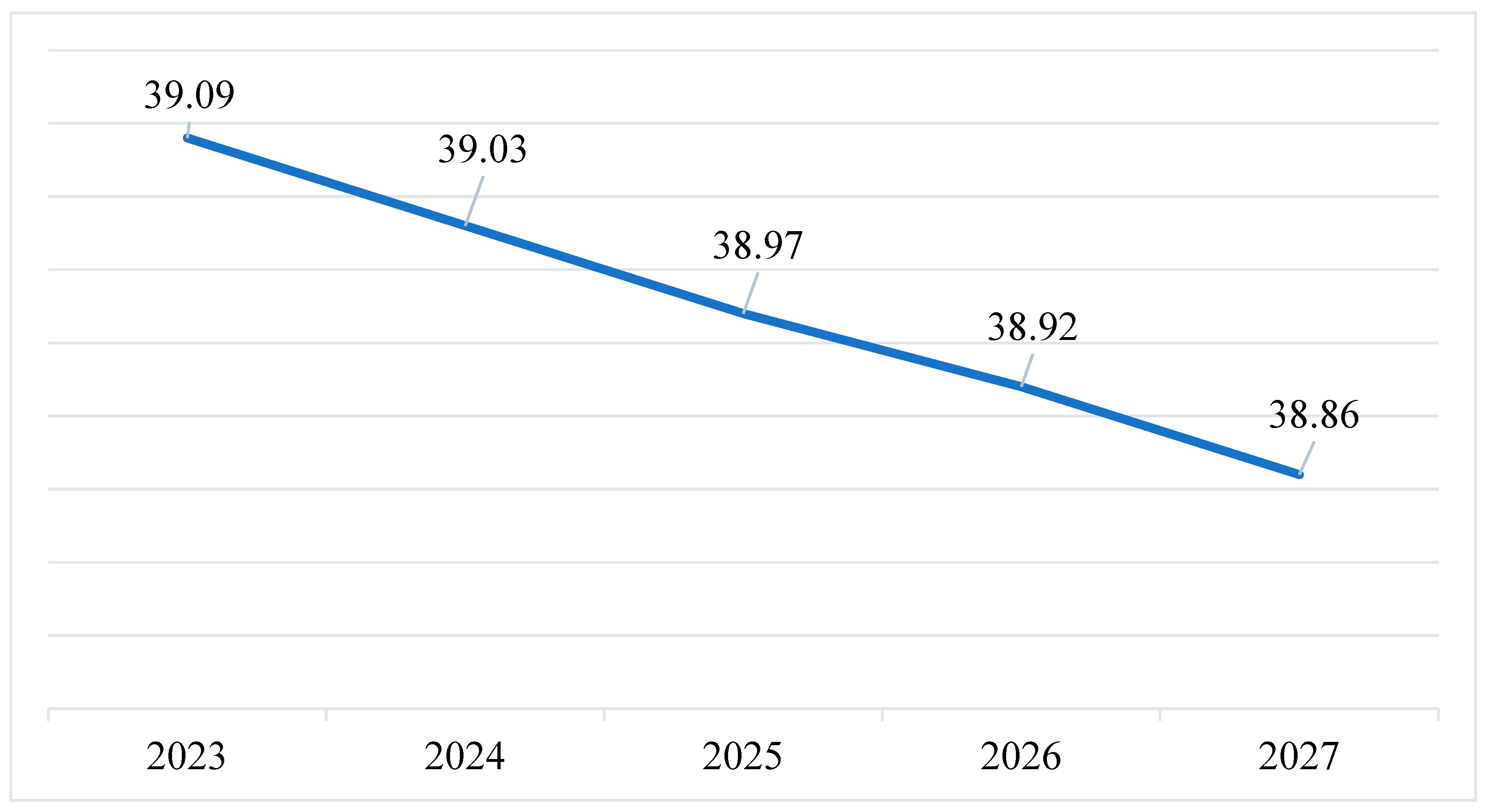
Figure 3.
Forecast – government health expenditure per capita in Uzbekistan. Source: World Health Organization.
Figure 3.
Forecast – government health expenditure per capita in Uzbekistan. Source: World Health Organization.
Data on Uzbekistan’s healthcare market shows positive growth and provides valuable insight into the country’s healthcare spending, both in the present and in the future. According to Report Linker, Uzbekistan’s healthcare spending is expected to grow at an average annual rate of 2.1 percent, reaching 486.44 USD purchasing power parity (“PPP”) per capita by 2026, up from 428.4 USD “PPP” per capita in 2021. The average annual growth rate of Uzbekistan’s healthcare spending has been 5.7 percent since 2005, indicating a steady upward trend in healthcare demand in the country. This steady growth indicates a sustained commitment to expanding health services and improving accessibility for Uzbekistan’s population (WHO).
In terms of per capita spending on health care, Uzbekistan ranked 122nd in 2021, with 428.4 USD “PPP” per capita, just behind Morocco. This ranking provides a comparative perspective that highlights Uzbekistan’s position relative to other countries in terms of health spending. Notably, Switzerland, Norway, and Germany occupy the top spots, which can be attributed to their higher per capita healthcare spending. The projected growth of Uzbekistan’s healthcare market represents a positive outlook for the country’s healthcare sector. The expected increase in per capita spending on healthcare means continued investment in expanding healthcare infrastructure, improving access to medical services, and promoting the overall well-being of the population (Report Linker).
When analyzing projections for the healthcare market, it is important to consider factors such as population growth, demographic change, and the country’s evolving healthcare needs. These considerations help to provide accurate forecasts and enable effective resource allocation. To maximize the benefits of projected health spending growth, Uzbekistan must balance this expansion with efficient resource allocation, prioritize high-quality health care, and create sustainable financing mechanisms. This approach will enable the long-term success and effectiveness of the healthcare system in Uzbekistan. For example, data on Uzbekistan’s healthcare market indicate a positive increase in per capita healthcare costs. The projected increase in spending reflects the country’s commitment to improving health services and access to them. By investing in health infrastructure and focusing on efficient resource allocation, Uzbekistan can further improve the well-being of its population and evolve its health system to meet the changing needs of its citizens (Kakhkharov et al. 2021).
8. Discussion: the role of economic development and health spending
The relationship between economic development and health spending is often studied in the context of economic geography and relevant theories. One such theory is Wagner’s Law, which states that as a country’s economy grows, there is a tendency to increase public spending on health care and social welfare. However, when examining the data on health spending in Uzbekistan, it is clear that the relationship between economic development and health spending is ambiguous. While health spending as a percentage of GDP has remained relatively stable over the years, per capita spending on health care has tended to decline in recent years. This discrepancy suggests that there are other influential factors besides economic development that affect health spending decisions in Uzbekistan. These factors may include political priorities, resource allocation strategies, and fiscal constraints that affect healthcare financing.
To ensure the provision of quality medical services and meet the health care needs of the population, Uzbekistan needs to establish stable and effective health care financing mechanisms. The decline in per capita spending on health care in recent years underscores the importance of strategic reforms in health care financing policy. Diversifying funding sources, exploring potential public-private partnerships, and improving the efficiency of the health care system can be considered viable approaches to addressing health care costs in Uzbekistan. In addition, focusing on preventive interventions based on available data is critical. Investing in preventive health initiatives such as health campaigns, medical education, and early detection of diseases can help reduce health care costs in the long run. By promoting healthy lifestyles and intervening early, Uzbekistan can potentially reduce the need for expensive treatments and hospitalizations, leading to greater stability in health care costs. Analysis of Uzbekistan’s health spending data suggests that the relationship between economic development and health spending is nuanced. While the percentage of GDP spent on health care has remained relatively stable, per capita spending on health care has declined. This suggests the influence of factors beyond economic growth on health care spending decisions. To effectively address health care costs, Uzbekistan should focus on implementing strategic reforms to health care financing, diversifying funding sources, and prioritizing preventive measures. With these approaches, Uzbekistan can ensure sustainable health care while promoting the well-being of its population.
9. Conclusion
The analysis of health expenditure data in Uzbekistan provides important insights and calls for concerted efforts to provide accessible and quality medical services to the population. The observed decline in per capita health care costs raises concerns about the long-term sustainability of health care in the country. To address these challenges, policymakers should prioritize the development of sustainable health care financing mechanisms that ensure adequate resources for health care delivery. In addition to sustainable financing, preventive health care measures should also be a priority. Investing in preventive initiatives such as health education, disease prevention campaigns, and early detection programs can help reduce the burden of expensive treatment and hospitalization in the long term. By promoting healthy lifestyles and prioritizing preventive measures, Uzbekistan can improve health outcomes and reduce the burden on health resources. In addition, it is critical to align health spending decisions with economic development goals. As the country continues to move forward economically, health care should be given appropriate priority as part of the national agenda. This includes allocating resources strategically, taking into account the needs of different regions, and addressing potential inequities in accessibility and quality of health care.
Policies that focus on sustainable financing, preventive measures, and alignment with economic development goals will contribute to the overall well-being of the population and ensure a healthier and more prosperous future for Uzbekistan. By investing in the health of its citizens, Uzbekistan can develop a productive workforce, reduce health disparities, and improve the overall quality of life. In summary, addressing the economic impact of health spending in Uzbekistan requires a comprehensive approach that includes sustainable financing, preventive measures, and alignment with economic development goals. By implementing these strategies, Uzbekistan can build a resilient health system that provides affordable, high-quality medical services to its population, promoting a healthier and more prosperous nation.
Author Contributions
Conceptualization: All authors. Writing – original draft: Zuhriddin Juraev. Writing – review and editing: All authors.
Funding
Not applicable.
Availability of data
Not applicable.
Conflict of Interest
The authors declare they have no competing interests.
Ethics Approval and Consent to Participate
Not applicable.
Consent for publication
Not applicable.
References
- Abbasov, J., & Aliyev, K. (2018). Testing Wagner’s law and Keynesian hypothesis in selected Post-Soviet countries. Abbasov, JA, & Aliyev, K.(2018). Testing Wagner’s Law and Keynesian Hypothesis in Selected Post-Soviet Countries. Acta Universitatis Agriculturae et Silviculturae Mendelianae Brunensis, 66(5), 1227-1237. https://ssrn.com/abstract=3643398. [CrossRef]
- Abizadeh, S., & Gray, J. (1985). Wagner’s law: A pooled time-series, cross-section comparison. National Tax Journal, 38(2), 209-218. [CrossRef]
- Akitoby, B., Clements, B., Gupta, S., & Inchauste, G. (2006). Public spending, voracity, and Wagner’s law in developing countries. European Journal of Political Economy, 22(4), 908-924. [CrossRef]
- Alimzhanovich, R. J., Arifovich, S. M., & Khasanjanova, F. O. (2023). Assessment of the dynamics of morbidity and mortality from cardiovascular diseases in the republic of Uzbekistan. World Bulletin of Public Health, 21, 133-137.
- Asadov, D. A., & Aripov, T. Y. (2009). The quality of care in post-soviet Uzbekistan: are health reforms and international efforts succeeding?. Public health, 123(11), 725-728. [CrossRef]
- Cortina, J., & Hardin, S. (2023). The geography of mental health, urbanicity, and affluence. International journal of environmental research and public health, 20(8), 5440.
- Demez, S. (2021). Validity of Wagner’s law in EU member transition economies: Panel causality analysis. Journal of Economic Policy Researches, 8(2), 199-210. [CrossRef]
- Jung Cho, M., & Haverkort, E. (2023). Out-of-Pocket Health Care Expenditures in Uzbekistan: Progress and Reform Priorities. IntechOpen. [CrossRef]
- Kakhkharov, J., Ahunov, M., Parpiev, Z., & Wolfson, I. (2021). South-south migration: remittances of labour migrants and household expenditures in Uzbekistan. International Migration, 59(5), 38-58. [CrossRef]
- Krugman, P. (2011). The new economic geography, now middle-aged. Regional studies, 45(1), 1- 7. [CrossRef]
- Lamartina, S. & Zaghini, A. (2011). Increasing Public Expenditure: Wagner’s Law in OECD Countries. German Economic Review, 12(2), 149-164. [CrossRef]
- Luo, W., Yao, J., Mitchell, R., Zhang, X., & Li, W. (2022). Locating emergency medical services to reduce urban-rural inequalities. Socio-Economic Planning Sciences, 84, 101416. [CrossRef]
- Macrotrends. (n.d.). Uzbekistan - Healthcare Spending. Retrieved from https://www.macrotrends.net/countries/UZB/uzbekistan/healthcare-spending.
- Ministry of Finance of Uzbekistan. (n.d.). Retrieved from http://www.mf.uz/.
- Open Budget Uzbekistan. (n.d.). Retrieved from https://openbudget.uz/.
- United Nations Development Programme. (2021). Data on healthcare expenditures in Uzbekistan 2021 are now publicly available h ttps://www.undp.org/uzbekistan/press-releases/data-healthcare-expenditures-uzbekistan-2021-are-now-publicly-available.
- World Bank. (n.d.). Current health expenditure (% of GDP) - Uzbekistan. Retrieved from https://data.worldbank.org/indicator/SH.XPD.CHEX.GD.ZS?locations=UZ.
- World Health Organization. (2017). New perspectives on global health spending for universal health coverage (No. WHO/HIS/HGF/HFWorkingPaper/17.10). World Health Organization, pp.12-25.
- World Health Organization. (2022). Health systems in action: Uzbekistan. Retrieved from https://eurohealthobservatory.who.int/publications/i/health-systems-in-action-uzbekistan-2022.
Figure 1.
Map of Uzbekistan [in terms of showing the study area]. Note: The author developed the map using ArcGIS.
Figure 1.
Map of Uzbekistan [in terms of showing the study area]. Note: The author developed the map using ArcGIS.
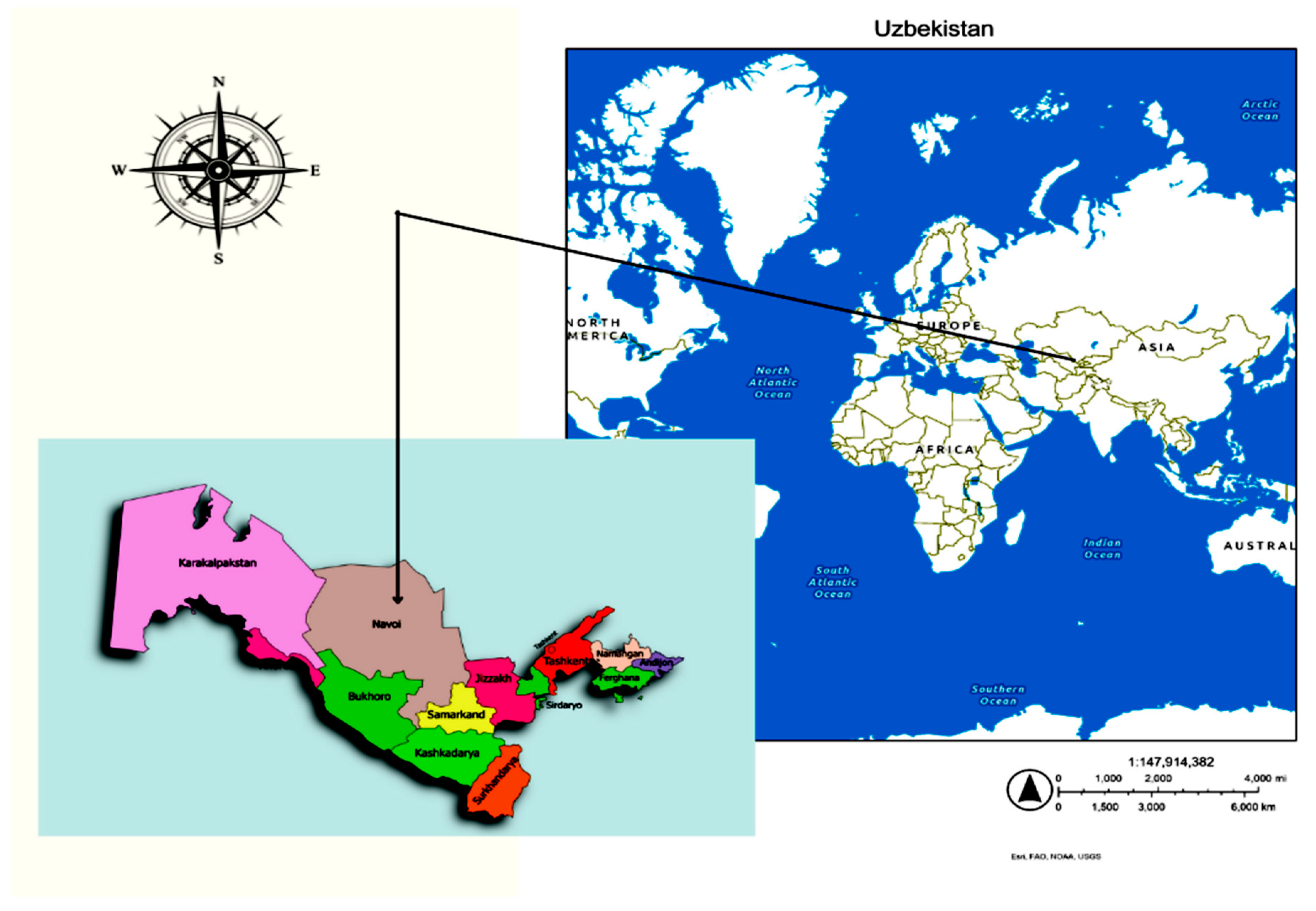
Figure 2.
Historical data: Uzbekistan Healthcare Spending. Source: Macrotrends & World Bank.
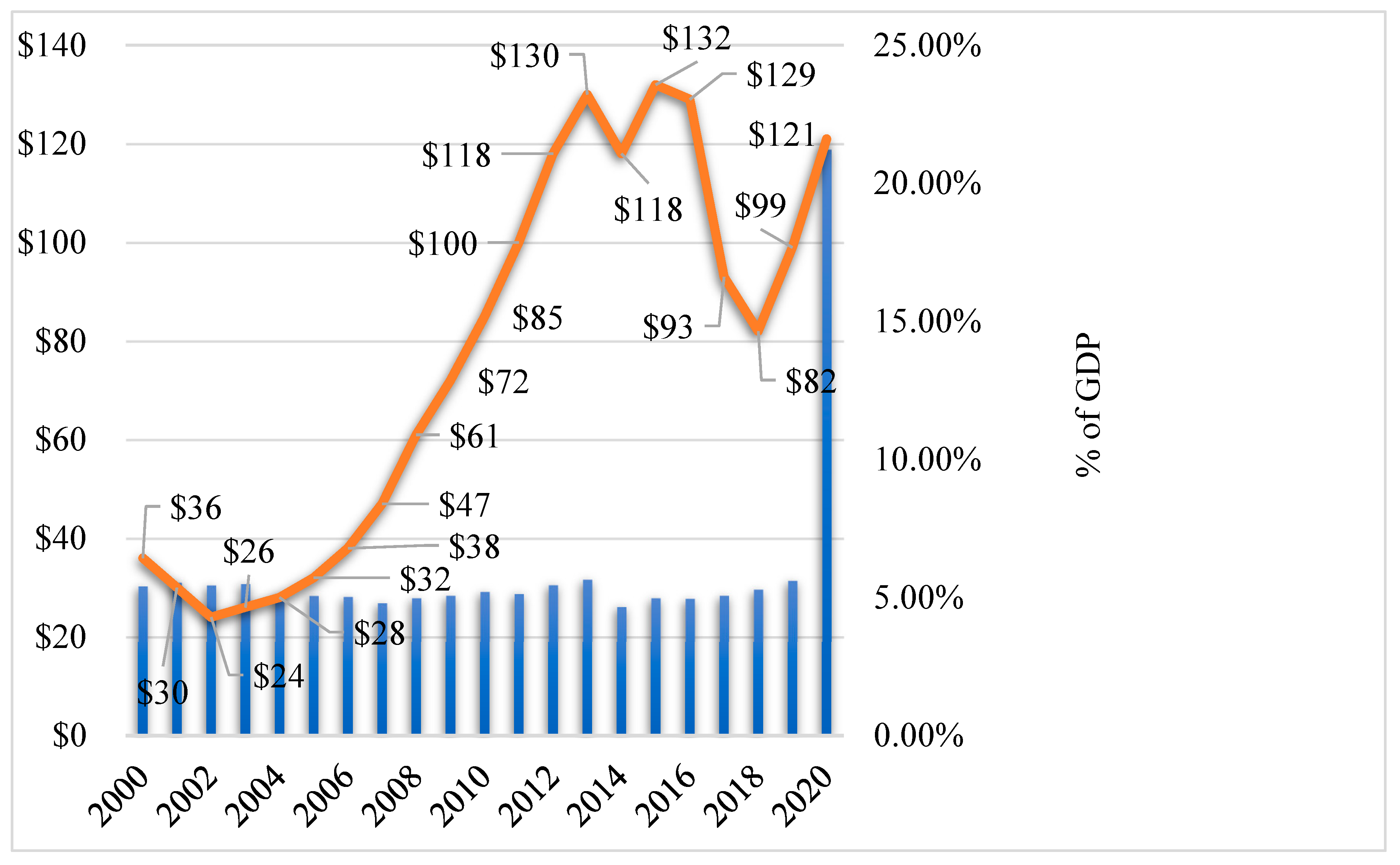
Figure 3.
Similar country rankings. Source: Macro Trends.
Disclaimer/Publisher’s Note: The statements, opinions and data contained in all publications are solely those of the individual author(s) and contributor(s) and not of MDPI and/or the editor(s). MDPI and/or the editor(s) disclaim responsibility for any injury to people or property resulting from any ideas, methods, instructions or products referred to in the content. |
© 2023 by the authors. Licensee MDPI, Basel, Switzerland. This article is an open access article distributed under the terms and conditions of the Creative Commons Attribution (CC BY) license (http://creativecommons.org/licenses/by/4.0/).
Copyright: This open access article is published under a Creative Commons CC BY 4.0 license, which permit the free download, distribution, and reuse, provided that the author and preprint are cited in any reuse.


