

Submitted:
28 May 2026
Posted:
29 May 2026
You are already at the latest version
Abstract
Background: Actinium-225 (225Ac) is receiving major attention as the radionuclide of choice for targeted alpha therapy (TAT) due to its outstanding physical properties such as a long physical half-life of 9.9 days and a short range of alpha (α)- particles which are responsible for the destruction of malignant tumours, whilst sparing normal surrounding tissues. Although the physical properties of 225Ac make it a desirable radionuclide for TAT, its application is challenging due to the lack of chelators available to stabilise its daughter radionuclides, resulting in the recoil effect. This occurs when there is a breakdown between the radionuclide and the chelator, therefore minimising the therapeutic effects of the radiopharmaceutical. Nanodrug delivery systems (NDDS) may minimise the challenge of 225Ac’s recoiling daughters and increase tumour penetration. Aim: This study aimed at using poly(lactic-co-glycolic)acid (PLGA) and chitosan nanoparticles as a delivery vehicle for targeted alpha therapy of prostate cancer in order to increase the therapeutic effect of 225Ac PSMA617-TFA. Methods and Results: PLGA nanoparticles were prepared using a nanoprecipitation method, after which they were functionalised with chitosan and folic acid. Following synthesis of 225Ac PSMA617-TFA, the radiopharmaceutical was loaded onto the nanoparticles. SEM analysis and FTIR were performed for characterisation of the nanoparticles and in-vitro drug release of 225Ac PSMA617-TFA at pH= 6.5 and pH= 7.4, respectively was done. The nanoparticles prepared were an average size of 200nm and had a positive charge. This was further confirmed using a zetasizer and with Scanning Electron Microscope (SEM) analysis. The PLGA-Chitosan nanoparticles indicated a high encapsulation efficiency after 24 hours. The results also showed a controlled release of 225Ac PSMA617-TFA over 72 hours. The results of this study indicate that PLGA-Chitosan nanoparticles are suitable for retaining 225Ac and its recoiling daughters (221Fr and 213Bi) at the tumour site, potentially increasing the therapeutic potential of 225Ac PSMA617-TFA. Conclusion: PLGA-Chitosan nanoparticles may be a suitable drug delivery vehicle of 225Ac PSMA617-TFA that can deliver into solid tumours and retain the recoiling daughters within the tumour site.
Keywords:
Actinium-225 (225Ac)
; targeted alpha therapy (TAT)
; nanodrug delivery systems (NDDS)
; poly(lactic-co-glycolic) acid (PLGA)
; prostate cancer
1. Introduction
Prostate cancer is the second most common cancer amongst men, accounting for over 300 000 deaths in 2018 [1]. Prostate cancer primarily affects men between the ages of 45 and 60 [2], and accounts for one-third of newly diagnosed cancers amongst men [3]. An average of 15% of all prostate cancers become stubborn or resistant to deprivation therapy, and in turn, develop into metastatic castration-resistant prostate cancer (mCRPC) [4]. mCRPC affects millions of men and has one of the highest mortality rates worldwide [5]. Bone, lymph nodes and visceral metastases are typical characteristics of mCRPC [6,7], therefore, finding the best possible approach to patient treatment is desirable. Some of the most common treatment modalities for mCRPC include chemotherapy, radiation therapy, immunotherapy and bone-targeting therapy, and surgery, [8], as illustrated in Figure 1.
Chemotherapy is one of the most common treatments for metastatic disease, including prostate cancer, and involves the targeting of cancerous cells with high proliferation. Although it is quite effective, one of the major drawbacks of chemotherapy is that normal cells, including leukocytes and erythrocytes, are targeted in the process. This leads to a reduction of those cells, resulting the development of secondary disorders such as anaemia and other infections [10]. Radiation therapy involves the use of ionising radiation for targeting cancer cells. This is achieved by damaging metastatic cell DNA, which inhibits their ability to proliferate and multiply further, ultimately leading to cell death [11]. One of the main disadvantages of radiation therapy, though, is that healthy cells are also damaged during treatment [12]. With immunotherapy, the treatment can target multiple regulatory pathways and involves the use of individual drugs targeting different targets [13], however, careful consideration is taken to ensure that the body’s immune system is only activated when required. Although this is a promising treatment modality for mCRPC, immunotherapy is still at its infancy stages and more studies still need to be done to prove its effectiveness [13]. Bone-targeting agents such as bisphosphonates and denosumab are useful for targeting bone metastases in mCRPR patients, however, the pitfalls include that other metastases such as soft tissue metastases are neglected during patient treatment [14]. Although the above treatment modalities are usually effective, mCRPC still remains incurable, with an average survival of less than 2 years, and patient prognosis tends to persevere over time, therefore their contributions to the field of oncology are limited [4].
Conjugation of cancer receptor to therapeutic radionuclides (or radionuclide therapy) is a systemic treatment which involves the administration of a radiopharmaceutical for the targeting of tumours [15]. The radiopharmaceutical is usually bound to a specific receptor, resulting in tumour-specific binding and retention. Sgorous et al [16] defines radionuclide therapy as the delivery of the radiopharmaceutical to tumour associated targets. Radionuclide therapy involves the use of radionuclides, which are alpha (α), beta (β), or Auger-electron emitting, to target tumours [17]. Over the past few years, radionuclide therapy has grown significantly with the use of agents such as Lutetium-177 (177Lu) PSMA for prostate cancer, and Yttrium-90 (90Y) microspheres for the treatment of malignant liver lesions [17]. Radionuclide therapy offers multiple advantages over conventional therapy modalities, such as that the deposition of the therapeutic dose can be accurately measured and controlled since in most cases, the radiation doses are administered intravenously, therefore, increasing the therapeutic effect of the dose. This results in a novel approach towards personalised treatment [18]. Radionuclide therapy also allows the delivery of a high and concentrated dose to the target organ whilst sparing normal surrounding tissue. It is non-invasive, the duration of the treatment is quick, and it allows for the treatment of systemic malignancy within a single dose [19]. Various multi-centre studies have investigated the use of β-emitting radionuclides, such as 177Lu radiolabelled with PSMA at both preclinical and clinical level for the treatment of mCRPC. In a study performed by Von Eyben et al [20], it was concluded that 177Lu PSMA labelled ligands offer better patient prognosis and fewer side effects as compared to chemotherapy. Although 177Lu PSMA therapy is usually effective for prostate cancer, less than half of the patients with mCRPC have a biochemical response to the treatment [4]. Only 45% of the patients’ PSA levels drop by ≥50% post therapy, and more than a quarter of the patients do not respond to treatment at all [21,22]. Satapathy et al [23] has also noted a poor response and mortality rate in patients with visceral metastases which have been treated with 177Lu PSMA. 177Lu is a β- emitter possessing a maximum energy of 497keV and has a maximum tissue penetration of 1.5mm [24], this means that although a high dose will be targeted at the tumour site, a low absorbed dose will be deposited into metastatic cells due to the range of electrons being too long [4,25,26]. Behr et al [26] indicated that radionuclide therapy using α-emitters with high linear energy transfer (LET) and a short range may have significantly more advantages over β-emitters. α-Emitters, such as Actinium-225 (225Ac), hold great promise as therapeutic agents for micro metastases. α-Particles are highly potent cytotoxic agents, potentially capable of tumour killing without limiting morbidity. The increased effectiveness of α-particles is due to the amount of energy deposited per unit distance travelled (high LET), which is approximately 80keV/μm [27]. Cell survival studies have shown that α-particle-induced killing is independent of oxygenation state or cell cycle during irradiation, and that as minimal as 1 to 3 tracks across the nucleus may ultimately result in cell death. Additionally, the 50μm to 100μm range is consistent with the dimensions of micro metastases, allowing for localised irradiation of target cells with minimal normal cell irradiation [27].
225Ac is an α-emitter with a long physical half-life (T1/2= 9.9 days) and a short range of α-particles with a high LET, making them responsible for the destruction of malignant tumours, whilst sparing healthy surrounding tissue, therefore making it a promising radionuclide for targeted alpha therapy (TAT). Although the nuclear properties of 225Ac make it an ideal radionuclide for TAT, Thiele et al [28] argued that its application is challenging due to the lack of chelators available to stabilise its daughter radionuclides, resulting in the recoil effect, which is the breakdown between the radionuclide and the chelator [29], resulting in the transformation of a new daughter radionuclide possessing its own chemical properties which can target healthy organs and tissues, subsequently, decreasing the dose administered to the target organ [30,31]. The recoiling issues surrounding 225Ac-labelled radiopharmaceuticals can be minimised by a quick uptake of the product within the tumour, local administration, and encapsulating the product within a nanocarrier, such as nanoparticles [30]. This is because the optimal increase in cell killing efficacy of 225Ac occurs if all (or most of) the α-emissions occur at the tumour site, otherwise toxicity may potentially be increased [32]. In order to limit the recoiling impact of 225Ac’s daughters and enable selective deposition of the radionuclides, there is a consensus to develop alternate strategies, such as nano-vehicles. It is interesting to note that the use of nanoparticles in medicine is growing quickly, with several nano-vectors being created to enable targeted therapy, especially in the treatment of cancer.
The aim of this study was to formulate poly (lactic-co-glycolic)acid (PLGA) nanoparticles as a delivery vector for 225Ac which would potentially increase the therapeutic potential by retaining 225Ac and its decay daughters at the tumour site.
2. Materials and Methods
2.1. Materials
225Ac was supplied by the Joint Research Centre (JRC) of the European Commission. PSMA617-TFA was procured from MedKoo Biosciences Inc. PLGA, folic acid (FA), ethylene dichloride (EDC), n-hydroxysuccinimide (NHS), d-α-tocopherol polyethylene glycol 1000 succinate (TPGS) and chitosan (CS) were procured from Sigma-Aldric. All other reagents used were of the highest analytical grade.
2.2. Methods
2.2.1. Radiolabelling and Quality Control of 225Ac PSMA617-TFA
Radiolabelling.
The radiolabelling procedure was carried out using a method outlined by Kratochwil et al [33], as outlined in Figure 2. In brief, 225Ac(III)Cl3 was dissolved in 0.1M HCl and left to stand at room temperature for 30 minutes before use. 1mg of PSMA617-TFA was dissolved in 134μl of 0.9% sodium chloride (saline) to achieve a concentration of 7.46mg/ml. In a reaction vial, 500μl of 0.1M TRIS buffer (pH=9) was added. This was followed by the addition of PSMA617-TFA (2μl/MBq) and the desired volume of 225Ac(III)Cl3. The reaction took place for 5 minutes at 95°C in a microwave (Biotage ® Initiator+). The resulting mixture was stabilised with the addition of 500μl of ascorbate solution (20% ascorbic acid + 10M NaOH) and 100μl of diethylenetriaminepentaacetic acid (DTPA). 4ml of saline was also added into the final product, which was then filtered through a 0.22μm Millipore sterility filter. The final product pH was monitored to be between 6.7 and 7.4, and the entire process took place in a laminar airflow cabinet under sterile conditions.
2.2.2. Radiochemical Purity by Cut and Count -Gamma Counter Method
The radiochemical purity was determined using a cut-and-count method which used thin layer chromatography (TLC) paper (TLC- SG paper: Agilent Technologies). 0.5µl of the product was spotted on silica gel iTLC paper in triplicate and 0.5M sodium citrate was utilised as the mobile phase to develop the TLC paper, which were cut in into two segments, top and the bottom. Each segment was counted in a gamma well counter (CaptusTM 4000e well counter) in 221Fr energy window, 218keV. This was performed in triplicate, and an average was taken as the radiochemical purity (%RCP). The final %RCP results were obtained after circular equilibrium.
2.2.3. Endotoxin Testing
Final product was sampled at a ratio of 1: 100 test sample in Limulus Amebocyte Lysate (LAL) pyrogen-free water was prepared. 2µl of 225Ac PSMA617-TFA was diluted in 198µl of LAL water. After thorough mixing, 25µl of the sample was added onto each well in the test cartridge (Limulus Amebocyte Lysate Test Cartridges: Charles River Laboratories) which was inserted onto a Endosafe® Nexgen-PTS™ Kinetic Reader. Bacterial endotoxin results were obtained.
2.2.4. Bubble Point Test
The wetted filter’s upstream pressure was progressively raised by air. Air pressure is gradually increased (beginning at 0) through a wetted filter until a continuous stream of bubbles occurs in water, demonstrating the pressure required to overcome capillary forces in the pores. A pass indicated that the pressure was at or above the specified 50 psi (3.5 bar) (or manufacturer’s specifications).
2.2.5. Preparation and Characterisation of PLGA Nanoparticles
Preparation of PLGA nanoparticles was done using various volumes of distilled water between 5ml and 10ml, and different surfactants, mainly TPGS and Tween-80. The nanoparticles were stirred at a speed of 3000rpm and 10 000rpmm following the nanoprecipitation method , which is illustrated in Figure 3. 25mg of PLGA was dissolved in 1ml acetone. This was followed by vortexing and sonicating until the mixture was completely dissolved. The solution was then added dropwise to 0.5% TPGS (total volume of 5ml) under a magnetic stirrer at speed 10 000rpm for 20 minutes. The solution was then placed in an orbital shaker overnight (±18 hours) at speed 75rpm. The nanoparticles were centrifuged at a speed of 2700rpm for 30 minutes, followed by ultracentrifugation at 45000rpm for 30 minutes. The supernatant was then removed, and the nanoparticles were washed twice with 5ml saline before being centrifuged again at 45000rpm for 20 minutes. The supernatant was then removed, leaving behind a pellet of PLGA nanoparticles.
2.2.6. Morphology and Chemical Characterisation of PLGA-Chitosan Nanoparticles
The nanoparticle morphology was examined using scanning electron microscopy (SEM). Powdered samples of the nanoparticles were placed onto an aluminium specimen stub covered with a double-sided carbon adhesive disc and sputter-coated with both palladium and gold for 4 min at 20KV. SEM images of the loaded PLGA-Chitosan nanoparticles samples were viewed using an SEM (SIGMA VP, Zeiss Electron Microscopy, Carl Zeiss Microscopy Ltd.; Cambridge, UK). Nanoparticle size, polydispersity index (PDI), polarity and zeta potential were determined by loading 0.75mg of the nanoparticles into a Zetasizer Nano-ZS machine (NsnoYtac Wave II). The experiments were performed in triplicate at a temperature of 25°C. The nanoparticles were dispersed in non-ionising water and filtered through a 0.22μm Millipore sterility filter.
2.2.7. Functionalising of Chitosan-Folic Acid
Chitosan and folic acid were functionalised using the emulsion solvent diffusion method, where 6mg of folic acid was dissolved in 1ml dimethyl sulfoxide (DMSO). 100µl of EDC: NHS, total ratio 1:5, was added to the solution. The mixture was vortexed until completely dissolved followed by incubating in the dark overnight in an orbital shaker (speed: 75rpm). Chitosan was dissolved in 0.1% acetic acid (total volume 2ml). The solution was added dropwise to folic acid under stirring conditions. Chitosan-Folic Acid was incubated in an orbital shaker for 24 hours. The solution was then centrifuged at 4500rpm for 60 minutes. The supernatant was removed, and the pellet was resuspended in 1ml deionised water.
2.2.8. Componential Analysis of Chemical Structure Integrity Post Nanoparticle Formation
In order to assess the chemical integrity of native and combined components of the 225Ac PSMA617 TFA into PLGA-chitosan nanoparticles, Fourier-Transform Infra-Red (FTIR) spectroscopy (PerkinElmer Spectrum 100, Llantrisant, Wales, UK) was used to identify and characterise the pharmaceutical stability of the PLGA, TPGS, Chitosan, and Folic Acid in their native and combined state. Moreover, this technique was used to determine the impact on the chemical stability of loading 225Ac PSMA617 TFA in the PLGA-Chitosan and to observe any possible significant changes in functional groups. The FTIR spectra were recorded at 20 °C ranging from 500 to 4000 cm−1 for samples of 225Ac PSMA617 TFA into PLGA-Chitosan.
2.2.9. Loading and Encapsulation of 225Ac PSMA617 TFA into PLGA-Chitosan Nanoparticles
The pellet of PLGA nanoparticles which were prepared in step 2.2.2 was resuspended in 5µg of 225Ac PSMA617-TFA as illustrated in Figure 4. This was followed by the mixture being sonicated for 20 mins (Eins Sci Professional Ultrasonic Cleaner) and then incubating in an orbital shaker (speed: 100rpm) for 2 hours. The resulting mixture was centrifuged at 4500rpm for 60 minutes. The supernatant was then removed and counted on HPLC to determine % encapsulation efficiency, leaving behind a pellet of PLGA nanoparticles.
2.2.10. Radio -HPLC Encapsulation Analysis
PLGA nanoparticles that were functionalised with Chitosan-Folic Acid, the pellet of PLGA nanoparticles which were prepared in step 3.2.2.2 was resuspended in 5µg of 225Ac PSMA617-TFA, after which Chitosan-Folic Acid was added dropwise to the PLGA nanoparticles under stirring conditions. This was followed by incubating in an orbital shaker (speed: 100rpm) for 2 hours. The resulting mixture was centrifuged at 4500rpm for 60 minutes. The supernatant was then removed and counted on high-performance liquid chromatography (HPLC) (Elysia RayTest Gabi Nova) to determine % encapsulation efficiency, leaving behind a pellet of PLGA-Chitosan nanoparticles.
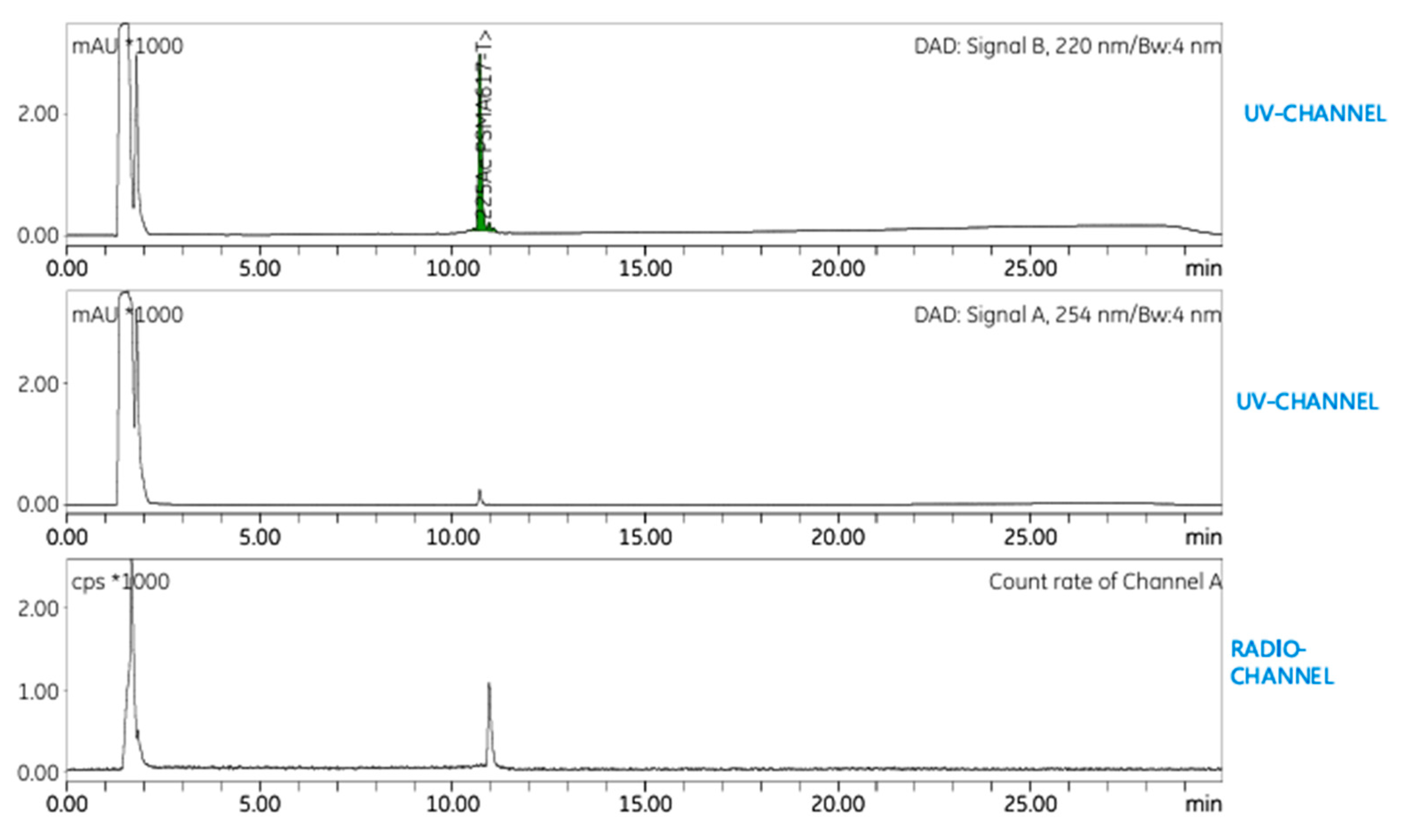
Radio -HPLC was utilized to quantify the encapsulated 225Ac PSMA617-TFA. The following method and parameters were as follows. Injection volume: 100µl, Column: C18 column, Temperature of column oven: 40°C, Gamma channel: 10keV- 2000keV, UV channel: 10keV- 2000keV as seen in Table 1 below.

Table 1.
Pump programme for HPLC method.
| Time (min) | Solvent A (%) | Solvent B (%) | Flow-rate (ml/min) | Max pressure limit (bar) |
| 0 | 95 | 5 | 0.5 | 600 |
| 2 | 95 | 5 | 0.5 | 600 |
| 22 | 5 | 95 | 0.5 | 600 |
| 25 | 5 | 95 | 0.5 | 600 |
| 27 | 95 | 5 | 0.5 | 600 |
| 30 | 95 | 5 | 0.5 | 600 |
Solvents: Mobile phase A= Water, trifluoroacetic acid (TFA) 0.1%. Mobile phase B= Acetonitrile, trifluoroacetic acid (TFA) 0.1%.
Figure 5.
HPLC chromatogram of 225Ac PSMA617-TFA.
The encapsulation efficiency was calculated as follows:
% [34]
where, %E= encapsulation efficiency; At= Total activity added; As= Activity in the supernatant
2.2.11. PLGA-Chitosan Retention of 221Fr and 213Bi Evaluation
Evaluation of retention of 221Fr and 213Bi was conducted utilizing thin layer chromatography technique, utilizing TLC scanner (Elysia RayTest miniGINA single) using Supelco ® silica gel aluminium strips. The TLC was developed using 0.1M sodium citrate as the mobile phase. The strips were spotted with free 225Ac PSMA617-TFA, 225Ac PSMA617-TFA PLGA nanoparticles, and 225Ac PSMA617-TFA PLGA-Chitosan nanoparticles. iTLC scans were performed and recorded before and after circular equilibrium. This was to ensure that Fransium-221 (221Fr) and Bismuth-213(213Bi) had completely decayed and that the results obtained were for 225Ac only. The strips were counted immediately, after 30 minutes and 6 hours after spotting according to the following protocol: Run time: 2 minutes, TLC scan range: 0mm- 140mm, Collimator: Free, TLC solvent origin: 10mm, TLC solvent front: 110mm and Counting limit: None.
2.2.12. In-Vitro Drug Release of 225Ac PSMA617-TFA
To investigate the in vitro release of 225Ac PSMA617-TFA from the PLGA-Chitosan nanoparticles, 225Ac PSMA617-TFA PLGA-Chitosan loaded nanoparticles (n = 3) were incubated in 30 mL of PBS and positioned in an orbital shaking incubator at 37 °C for 72h.
The prelease of 225Ac PSMA617-TFA was determined at a different pH conditions: 7.4 to mimic normal body pH, and 6.5 to mimic microenvironmental tumour pH. The nanoparticles were incubated in the buffer solutions at a temperature of 37 °C, to mimic the body’s normal temperature. 150µl of each sample was taken and run on HPLC using the method described on step 2.2.4. This was replaced by the same volume of buffer solution. Samples were taken and counted at 30 minutes, 1 hour, 3 hours, 6 hours, 9 hours, 48 hours and 72 hours post incubation.
3. Results and Discussion
3.1. Radiolabelling and Quality Control of 225Ac PSMA617-TFA
Our work aimed to provide a standardized manual radiolabelling method for producing [225Ac]Ac-PSMA-617-TFA on-site using conventional radiopharmacy equipment and existing regulations. The radiolabelling approach used in our tests has shown constant repeatability, allowing us to create a radiopharmaceutical that fulfils pharmaceutical requirements. Because of actinium’s unusual physical features, identifying the best quality control measures became more complex. Efforts were made to standardize quality control procedures in compliance with pharmacopeia guidelines. The radiochemical purity was done in triplicate, and the average result was calculated to be 99.3%. Final product pH, bacterial endotoxin results, filter integrity testing and visual inspection were all within specification as shown on Table 2 below.
3.2. Preparation and Characterisation of PLGA Nanoparticles
The main reason for choosing PLGA as the polymer of choice was because it is highly biodegradable and biocompatible. It can be formulated and surface modified quite easily [34]. PLGA has also been approved by the Food and Drug Administration (FDA) of the United States and the European Medicines Agency (EMA) for drug delivery and the safety of humans for pharmaceutical use [35,36,37]. PLGA nanoparticles were prepared using a nanoprecipitation method. The use of different surfactants, their concentration and the speed of homogenisation was seen to affect the size, PDI and zeta potential of the nanoparticles as seen in Figure 6 and Table 3, respectively. Increasing the speed of homogenisation has also been seen to decrease the size of the nanoparticles. This was also confirmed by Mulia et al [37,38].
In our study, 0.5% TPGS and a speed of 10 000rpm was used. This is because it generated a nanoparticle size of approximately 200nm, which is the desired size for nanomedical applications [38]. Using this method, the average size of the nanoparticles was 200nm. PDI, which is used to describe the degree of non-uniformity of the distribution of the nanoparticle size [39]. PDI values usually range from 0 to 0.7, where the lower the PDI value, the more uniform the sample in terms of the nanoparticle size. In nanodelivery applications, a PDI value of 0.3 and below is deemed acceptable and indicates a homogenous population [39]. PDI values greater than 0.7 are usually unacceptable as they cannot be analysed by dynamic light scattering. The average PDI value using the chosen method for this study was 0.18, as seen in Figure 7.
Zeta potential, which is an essential characteristic of nanoparticle formulation, is described as describes zeta potential as the number of charges that a particle carries [40]. A zeta potential that is within ±30 mV is acceptable as it can stabilise the nanoparticles through electrostatic repulsion, and a positively charged nanoparticle is preferred for the enhancement of electrostatic interactions, PLGA-Chitosan nanoparticles produced had a zetapotential of 29 mV with a positive polarity [41].
The image in Figure 8 was captured by the scanning electron microscope (SEM), and the nanoparticle formulations were well distributed with spherical morphologies that had a size between 96 nm and 132 nm. The particle size established in the SEM was considerably aligned to those established in the zeta particle size analysis results.
The FTIR spectra of PLGA, TPGS, Chitosan, Folic Acid and the loaded PLGA-Chitosan nanoparticles are shown in Figure 9. The FTIR spectrum of PLGA exhibited intense bands observed in the region between 1770 and 1750 cm–1, are attributed to the stretching vibration of the carbonyl groups present in the two monomers. Medium intensity bands between 1300 and 1150 cm–1 were attributed to asymmetric and symmetric C-C(=O)-O stretches respectively. The bands in these regions are useful in the characterization of esters. Bands at 3500 cm–1 and 3450 cm–1 in the FTIR spectra for lactide and glycolide are attributed to stretching vibrations of OH group. TPGS displayed characteristic bands at 1750 cm−1 and at 2900–3000 cm−1, corresponding to the O−C=O stretching of its ester groups and C−H stretching, respectively. The infrared spectrum of chitosan. A strong band in the region3291–361 cm−1 corresponds to N-H and O-H stretching, as well as the intramolecular hydrogen bonds. The absorption bands at around 2921 and 2877 cm−1 can be attributed to C-H symmetric and asymmetric stretching, respectively. These bands are characteristics typical of polysaccharide and are found in other polysaccharide spectra. The presence of residual N-acetyl groups was confirmed by the bands at around 1645 cm−1 (C=O stretching of amide I) and1325 cm−1 (C-N stretching of amide III), respectively. We did not find the small band at 1550 cm−1 that corresponds to N-H bending of amide II. This is the third band characteristic of typical N-acetyl groups, and it was probably overlapped by other bands. A band at 1589 cm−1 corresponds to the N-H bending of the primary amine The CH2 bending and CH3 symmetrical deformations were confirmed by the presence of bands at around 1423 and 1375 cm−1, respectively. The absorption band at 1153 cm−1 can be attributed to asymmetric stretching of the C-O-C bridge. The bands at 1066 and 1028 cm−1 correspond to C-O stretching. Folic Acid FA consisting of three moieties, pteridine ring, p-amino benzoic acid and glutamate, exhibits peaks corresponding to its functional groups along with other characteristic peaks in the FTIR spectrum. The peak at 1686 cm−1 corresponds to the carbonyl groups of carboxylic acid moieties of folic acid while its shoulder peak at 1670 cm−1, and the peaks at 1413 cm−1 and 1602 cm−1 correspond to the carbonyl groups of the amide group of folic acid, the bending vibrations of hydroxyl groups, the bending vibrations of the N–H groups, respectively. The bands at 3400–3600 cm−1 correspond to the stretching vibrations of O–H carboxylic acid groups of glutamic acid moiety and N–H group of pteridine ring.
3.3. Loading and Encapsulation of 225Ac PSMA into PLGA and PLGA-CS-FA Nanoparticles
Numerous factors were seen to affect the encapsulation efficiency of the nanoparticles. This included the incubation time and the use of different buffer solutions with different pH levels for in-vitro release. In this study, the average encapsulation efficiency of PSMA617-TFA radiolabelled with 225Ac showed an average encapsulation efficiency of 85.6% using HPLC when performed under the same conditions, as seen in Table 4. This is due to the product being more hydrophilic, resulting in the decreased interaction of 225Ac with PLGA, therefore resulting in the decreased encapsulation efficiency. PLGA nanoparticles which were functionalised with chitosan and folic acid showed an increase in encapsulation efficiency, with an average of 100%. This is due to increased drug interactions and a reduced drug leakage, as observed by [42].
Following HPLC analysis, the encapsulation efficiency was further confirmed using iTLC as shown in Figure 10 below.
Following radiolabelling of 225Ac PSMA617-TFA, 0.5μl of the sample was spotted on iTLC paper and run on an iTLC scanner. Image 1A shows 225Ac (green), alongside its daughters, 213Bi (red) and 221Fr (blue). At 30 minutes post spotting, 221Fr is almost decayed due to its short half-life (T1/2= 4.9 minutes) (1B), however the presence of 213Bi is still visible and greater than that of 221Fr and 6 hours post spotting, the half-life of 213Bi (T1/2= 45.6 minutes) has been reached 8 times, making 213Bi completely decayed (1C). Following encapsulation of 225Ac PSMA617-TFA using PLGA, both daughters, 221Fr and 213Bi, although still visible, are almost completely retained pre-equilibrium (2A). At 30 minutes post equilibrium, the presence of 213Bi is significantly lower than that of the non-encapsulated 225Ac PSMA617-TFA (2B) and total encapsulation is seen at 6 hours post equilibrium (2C). With the PLGA nanoparticles functionalised with CS-FA, total encapsulation of 221Fr and 213Bi are seen as early as 30 minutes post equilibrium (3B).
3.4. In-Vitro Drug Release of 225Ac PSMA617-TFA
A major concern with when formulating nanocarriers is the burst release for drug delivery [43]. Controlled drug release is, therefore, important because it ensures a strong concentration of the drug in the body over a long period of time, which results in increased therapeutic effect of the drug, reduces any harsh side effects, and in turn, improves patient prognosis [44]. In this study, in vitro release kinetics showed a high drug release of 225Ac PSMA617-TFA PLGA nanoparticles at pH 7.4 (60%) as compared to at pH 6.5 (49%) after 72 hours as illustrated in Figure 11 below. Figure 12 shows the cumulative drug release of 225Ac PSMA617-TFA PLGA CS-FA, where no drug release took place at all. This may be due to the bilayer polymer system surround the drug.
4. Conclusion
This study proposed to develop a suitable nanodrug delivery system for the administration of 225Ac PSMA617-TFA for targeted alpha therapy of prostate cancer. PLGA nanoparticles are a promising drug delivery vehicle due to their available, ease of formulation and surface modification with chitosan and folic acid. Encapsulation of 225Ac PSMA617-TFA using PLGA nanoparticles, functionalised with chitosan and folic acid indicated a total retention of 225Ac’s daughter radionuclides, 213Bi and 221Fr after equilibrium. The retention of these daughters at the tumour site minimises the recoil energy, therefore preventing the breakdown between the radionuclide and the pharmaceutical, increasing overall effectiveness of 225Ac PSMA617-TFA for targeted alpha therapy of prostate cancer.
Author Contributions
Designed the experiments: S.M, Y.M, B.W, P.M; Performed the experiments: S.M, Y.M, B.W, P.M, M.Sh; Analysed the data: S.M, Y.M, B.W, P.M, M.Sh; Wrote the paper: S.M, Y.M, B.W, P.M, M.Sh, H.N, K.R, S.S, A.M, M.Sa; All authors have read and approved the final version of this manuscript.
Acknowledgments
The authors are grateful to the staff of the department of Nuclear Medicine at the University of Pretoria and Steve Biko Academic Hospital, the staff of the Nuclear Medicine Research Infrastructure and department of Pharmacology at Sefako Makgatho Health Sciences University. The authors are also grateful to the Marie Slodoswka Curie Fellowship Programme of the International Atomic Energy Agency (IAEA).
Conflicts of interest
The authors declare no conflicts of interest.
References
- Rawla, P. Epidemiology of Prostate Cancer. World J. Oncol. 2019, 10(2), 63–89. [Google Scholar] [CrossRef] [PubMed]
- Cheng, S.; Arciero, V.; Goldberg, H.; Tajzler, C.; Manganaro, A.; Kozlowski, N.; et al. Population-Based Analysis Of The Use Of Radium-223 For Bone-Metastatic Castration-Resistant Prostate Cancer In Ontario, And Of Factors Associated With Treatment Completion And. Cancer Manag Res. 2019, Volume 11, 9307–19. [Google Scholar] [CrossRef] [PubMed]
- Wang, S.; Liu, Y.; Feng, Y.; Zhang, J.; Swinnen, J.; Li, Y.; et al. A Review on Curability of Cancers: More Efforts for Novel Therapeutic Options Are Needed. Cancers 2019, 11(11), 1782. [Google Scholar] [CrossRef]
- Juzeniene, A.; Stenberg, V.Y.; Bruland, Ø.S.; Larsen, R.H. Preclinical and Clinical Status of PSMA-Targeted Alpha Therapy for Metastatic Castration-Resistant Prostate Cancer. Cancers 2021, 13(4), 779. [Google Scholar] [CrossRef]
- Siegel, R.L.; Miller, K.D.; Fuchs, H.E.; Jemal, A. Cancer statistics, 2022. CA Cancer J. Clin. 2022, 72(1), 7–33. [Google Scholar] [CrossRef] [PubMed]
- Den, R.B.; George, D.; Pieczonka, C.; McNamara, M. Ra-223 Treatment for Bone Metastases in Castrate-Resistant Prostate Cancer. Am. J. Clin. Oncol. 2019, 42(4), 399–406. [Google Scholar] [CrossRef]
- Parker, C.; Nilsson, S.; Heinrich, D.; Helle, S.I.; O’Sullivan, J.M.; Fosså, S.D.; et al. Alpha Emitter Radium-223 and Survival in Metastatic Prostate Cancer. N. Engl. J. Med. 2013, 369(3), 213–23. [Google Scholar] [CrossRef]
- Cai, M.; Song, X.L.; Li, X.A.; Chen, M.; Guo, J.; Yang, D.H.; et al. Current therapy and drug resistance in metastatic castration-resistant prostate cancer. Drug Resist. Updat. 2023, 68, 100962. [Google Scholar] [CrossRef]
- Bellotti, E.; Cascone, M.G.; Barbani, N.; Rossin, D.; Rastaldo, R.; Giachino, C.; et al. Targeting Cancer Cells Overexpressing Folate Receptors with New Terpolymer-Based Nanocapsules: Toward a Novel Targeted DNA Delivery System for Cancer Therapy. Biomedicines 2021, 9(9), 1275. [Google Scholar] [CrossRef]
- Homayouni Tabrizi, M. Fabrication of folic acid-conjugated chitosan-coated PLGA nanoparticles for targeted delivery of Peganum harmala smoke extract to breast cancer cells. Nanotechnology 2022, 33(49), 495101. [Google Scholar] [CrossRef]
- Jackson, S.P.; Bartek, J. The DNA-damage response in human biology and disease. Nature [Internet] 2009, 461(7267), 1071–8. [Google Scholar] [CrossRef] [PubMed]
- Baskar, R.; Lee, K.A.; Yeo, R.; Yeoh, K.W. Cancer and Radiation Therapy: Current Advances and Future Directions. Int. J. Med. Sci. 2012, 9(3), 193–9. [Google Scholar] [CrossRef] [PubMed]
- Dalibey, H.; Hansen, T.; Zedan, A. The Current Role of Immunotherapy in mCRPC: A Systematic Review. Austin J. Clin. Case Rep. 2021, 8(7), 1222. [Google Scholar] [CrossRef]
- El-Amm, J.; Freeman, A.; Patel, N.; Aragon-Ching, J.B. Bone-Targeted Therapies in Metastatic Castration-Resistant Prostate Cancer: Evolving Paradigms. Prostate Cancer 2013, 2013, 1–10. [Google Scholar] [CrossRef]
- Beddok, A.; Cottu, P.; Fourquet, A.; Kirova, Y. Combination of Modern Radiotherapy and New Targeted Treatments for Breast Cancer Management. Cancers 2021, 13(24), 6358. [Google Scholar] [CrossRef]
- Sgouros, G.; Bodei, L.; McDevitt, M.R.; Nedrow, J.R. Radiopharmaceutical therapy in cancer: clinical advances and challenges. Nat. Rev. Drug Discov. [Internet] 2020, 19(9), 589–608. [Google Scholar] [CrossRef]
- Chan, T.G.; O’Neill, E.; Habjan, C.; Cornelissen, B. Combination Strategies to Improve Targeted Radionuclide Therapy. J. Nucl. Med. 2020, 61(11), 1544–52. [Google Scholar] [CrossRef]
- Gudkov, S.; Shilyagina, N.; Vodeneev, V.; Zvyagin, A. Targeted Radionuclide Therapy of Human Tumors. Int. J. Mol. Sci. 2015, 17(1), 33. [Google Scholar] [CrossRef]
- Czerwińska, M.; Bilewicz, A.; Kruszewski, M.; Wegierek-Ciuk, A.; Lankoff, A. Targeted Radionuclide Therapy of Prostate Cancer—From Basic Research to Clinical Perspectives. Molecules 2020, 25(7), 1743. [Google Scholar] [CrossRef] [PubMed]
- von Eyben, F.E.; Roviello, G.; Kiljunen, T.; Uprimny, C.; Virgolini, I.; Kairemo, K.; et al. Third-line treatment and 177Lu-PSMA radioligand therapy of metastatic castration-resistant prostate cancer: a systematic review. Eur. J. Nucl. Med. Mol. Imaging 2018, 45(3), 496–508. [Google Scholar] [CrossRef]
- Rahbar, K.; Ahmadzadehfar, H.; Kratochwil, C.; Haberkorn, U.; Schäfers, M.; Essler, M.; et al. German Multicenter Study Investigating 177 Lu-PSMA-617 Radioligand Therapy in Advanced Prostate Cancer Patients. J. Nucl. Med. 2017, 58(1), 85–90. [Google Scholar] [CrossRef]
- Kratochwil, C.; Bruchertseifer, F.; Rathke, H.; Bronzel, M.; Apostolidis, C.; Weichert, W.; et al. Targeted α-Therapy of Metastatic Castration-Resistant Prostate Cancer with 225 Ac-PSMA-617: Dosimetry Estimate and Empiric Dose Finding. J. Nucl. Med. 2017, 58(10), 1624–31. [Google Scholar] [CrossRef] [PubMed]
- Satapathy, S.; Mittal, B.R.; Sood, A. Visceral Metastases as Predictors of Response and Survival Outcomes in Patients of Castration-Resistant Prostate Cancer Treated With 177Lu-Labeled Prostate-Specific Membrane Antigen Radioligand Therapy. Clin. Nucl. Med. 2020, 45(12), 935–42. [Google Scholar] [CrossRef]
- Emmett, L.; Willowson, K.; Violet, J.; Shin, J.; Blanksby, A.; Lee, J. Lutetium 177 PSMA radionuclide therapy for men with prostate cancer: a review of the current literature and discussion of practical aspects of therapy. J. Med. Radiat. Sci. 2017, 64(1), 52–60. [Google Scholar] [CrossRef] [PubMed]
- Hindié, E.; Zanotti-Fregonara, P.; Quinto, M.A.; Morgat, C.; Champion, C. Dose Deposits from 90 Y, 177 Lu, 111 In, and 161 Tb in Micrometastases of Various Sizes: Implications for Radiopharmaceutical Therapy. J. Nucl. Med. 2016, 57(5), 759–64. [Google Scholar] [CrossRef] [PubMed]
- Behr, T.M.; Béhé, M.; Stabin, M.G.; Wehrmann, E.; Apostolidis, C.; Molinet, R.; et al. High-Linear Energy Transfer (LET) α versus Low-LET β Emitters in Radioimmunotherapy of Solid Tumors: Therapeutic Efficacy and Dose-limiting Toxicity of 213Bi- versus 90Y-labeled CO17-1A Fab′ Fragments in a Human Colonic Cancer Model1. Cancer Res. 1999, 59(11), 2635–43. [Google Scholar]
- Baidoo, K.E.; Yong, K.; Brechbiel, M.W. Molecular Pathways: Targeted α-Particle Radiation Therapy. Clin. Cancer Res. 2013, 19(3), 530–7. [Google Scholar] [CrossRef]
- Thiele, N.A.; Wilson, J.J. Actinium-225 for Targeted α Therapy: Coordination Chemistry and Current Chelation Approaches. Cancer Biother. Radiopharm. 2018, 33(8), 336–48. [Google Scholar] [CrossRef]
- Trujillo-Nolasco, M.; Morales-Avila, E.; Cruz-Nova, P.; Katti, K.; Ocampo-García, B. Nanoradiopharmaceuticals Based on Alpha Emitters: Recent Developments for Medical Applications. Pharmaceutics 2021, 13(8), 1123. [Google Scholar] [CrossRef]
- De Kruijff, R.; Wolterbeek, H.; Denkova, A. A Critical Review of Alpha Radionuclide Therapy—How to Deal with Recoiling Daughters? Pharmaceuticals 2015, 8(2), 321–36. [Google Scholar] [CrossRef]
- Silindir-Gunay, M.; Karpuz, M.; Ozer, A.Y. Targeted Alpha Therapy and Nanocarrier Approach. Cancer Biother. Radiopharm. [Internet] 2020, 35(6), 446–58. [Google Scholar] [CrossRef] [PubMed]
- Yoshimoto, M.; Yoshii, Y.; Matsumoto, H.; Shinada, M.; Takahashi, M.; Igarashi, C.; et al. Evaluation of Aminopolycarboxylate Chelators for Whole-Body Clearance of Free 225Ac: A Feasibility Study to Reduce Unexpected Radiation Exposure during Targeted Alpha Therapy. Pharmaceutics 2021, 13(10), 1706. [Google Scholar] [CrossRef] [PubMed]
- Kratochwil, C.; Bruchertseifer, F.; Giesel, F.L.; Weis, M.; Verburg, F.A.; Mottaghy, F.; et al. 225 Ac-PSMA-617 for PSMA-Targeted α-Radiation Therapy of Metastatic Castration-Resistant Prostate Cancer. J. Nucl. Med. 2016, 57(12), 1941–4. [Google Scholar] [CrossRef] [PubMed]
- Arora, G.; Shukla, J.; Ghosh, S.; Maulik, S.K.; Malhotra, A.; Bandopadhyaya, G. PLGA Nanoparticles for Peptide Receptor Radionuclide Therapy of Neuroendocrine Tumors: A Novel Approach towards Reduction of Renal Radiation Dose. PLoS ONE 2012, 7(3), e34019. [Google Scholar] [CrossRef]
- Han, F.Y.; Thurecht, K.J.; Whittaker, A.K.; Smith, M.T. Bioerodable PLGA-Based Microparticles for Producing Sustained-Release Drug Formulations and Strategies for Improving Drug Loading. Front Pharmacol. 2016, 7. [Google Scholar] [CrossRef]
- Ozeki, T.; Kaneko, D.; Hashizawa, K.; Imai, Y.; Tagami, T.; Okada, H. Improvement of survival in C6 rat glioma model by a sustained drug release from localized PLGA microspheres in a thermoreversible hydrogel. Int. J. Pharm. 2012, 427(2), 299–304. [Google Scholar] [CrossRef]
- Mulia, K.; Safiera, A.; Pane, I.F.; Krisanti, E.A. Effect of High Speed Homogenizer Speed on Particle Size of Polylactic Acid. J. Phys. Conf. Ser. 2019, 1198(6), 062006. [Google Scholar] [CrossRef]
- Biswas, A.K.; Islam, M.R.; Choudhury, Z.S.; Mostafa, A.; Kadir, M.F. Nanotechnology based approaches in cancer therapeutics. Adv. Nat. Sci. Nanosci. Nanotechnol. 2014, 5(4), 043001. [Google Scholar] [CrossRef]
- Danaei, M.; Dehghankhold, M.; Ataei, S.; Hasanzadeh Davarani, F.; Javanmard, R.; Dokhani, A.; et al. Impact of Particle Size and Polydispersity Index on the Clinical Applications of Lipidic Nanocarrier Systems. Pharmaceutics 2018, 10(2), 57. [Google Scholar] [CrossRef]
- Sharma, M. Applications of Targeted Nano Drugs and Delivery Systems, 1st ed.; Elsevier, 2019; Vol. 1. [Google Scholar]
- Onugwu, A.L.; Nwagwu, C.S.; Onugwu, O.S.; Echezona, A.C.; Agbo, C.P.; Ihim, S.A.; et al. Nanotechnology based drug delivery systems for the treatment of anterior segment eye diseases. J. Control. Release 2023, 354, 465–88. [Google Scholar] [CrossRef]
- Mostafa, M.M.; Amin, M.M.; Zakaria, M.Y.; Hussein, M.A.; Shamaa, M.M.; Abd El-Halim, S.M. Chitosan Surface-Modified PLGA Nanoparticles Loaded with Cranberry Powder Extract as a Potential Oral Delivery Platform for Targeting Colon Cancer Cells. Pharmaceutics 2023, 15(2), 606. [Google Scholar] [CrossRef]
- Jain, A.K.; Thareja, S. In vitro and in vivo characterization of pharmaceutical nanocarriers used for drug delivery. Artif. Cells Nanomed. Biotechnol. 2019, 47(1), 524–39. [Google Scholar] [CrossRef]
- Hou, X.; Zhong, D.; Chen, H.; Gu, Z.; Gong, Q.; Ma, X.; et al. Recent advances in hyaluronic acid-based nanomedicines: Preparation and application in cancer therapy. Carbohydr. Polym. 2022, 292, 119662. [Google Scholar] [CrossRef]
Figure 1.
Current major therapeutics for cancer [9].
Figure 1.
Current major therapeutics for cancer [9].
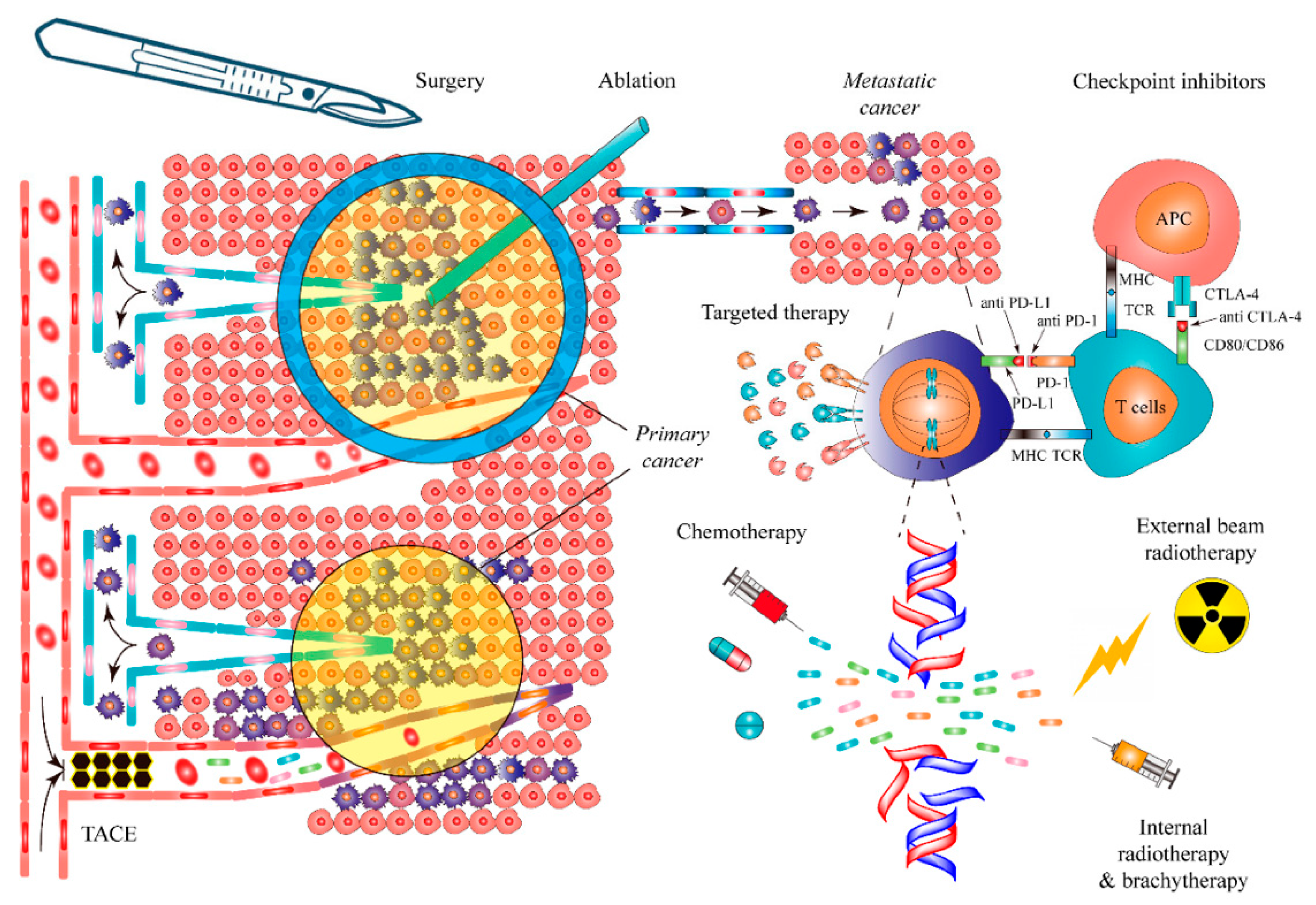
Figure 2.
Radiolabelling process of 225Ac PSMA617-TFA.
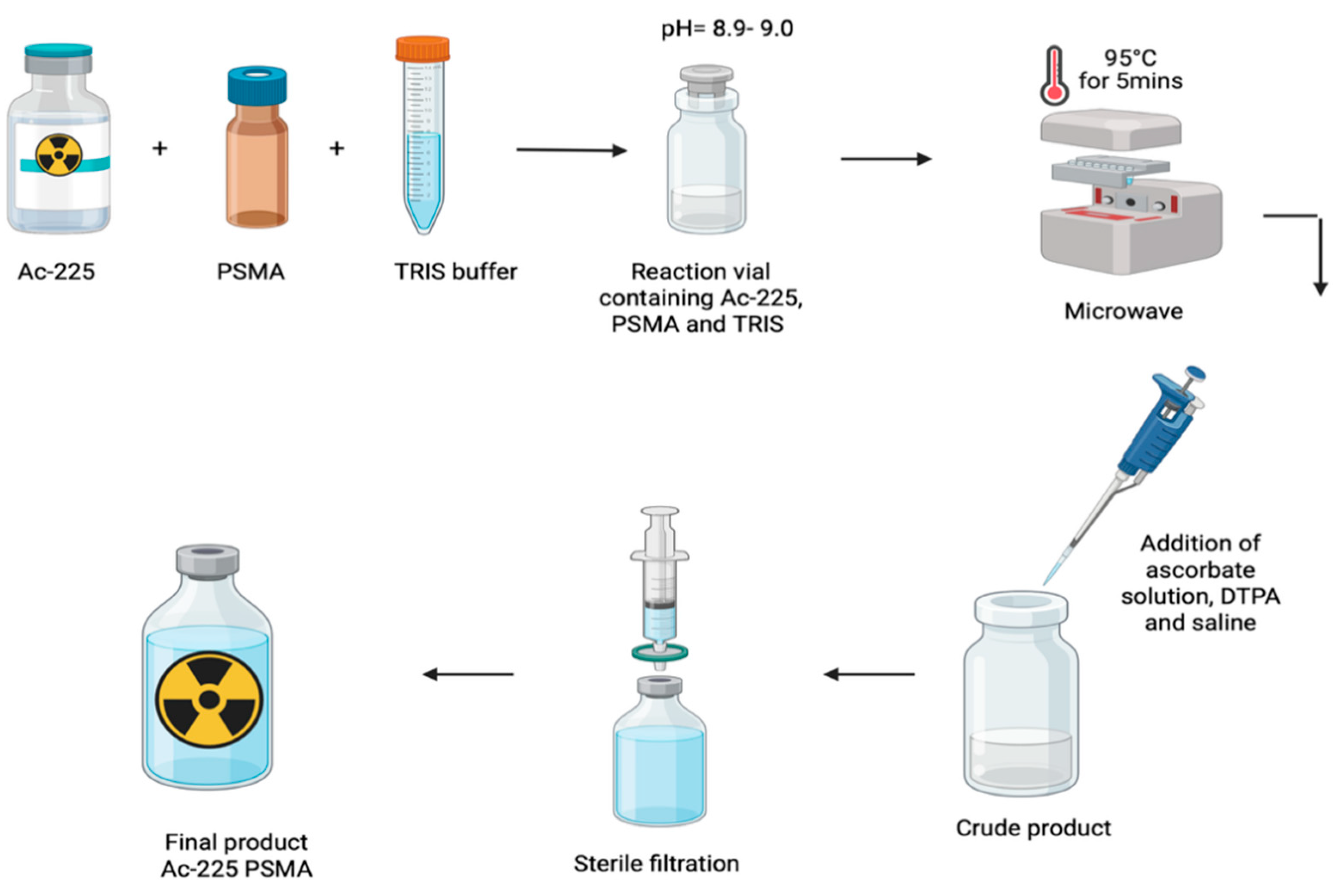
Figure 3.
Preparation of PLGA nanoparticles.
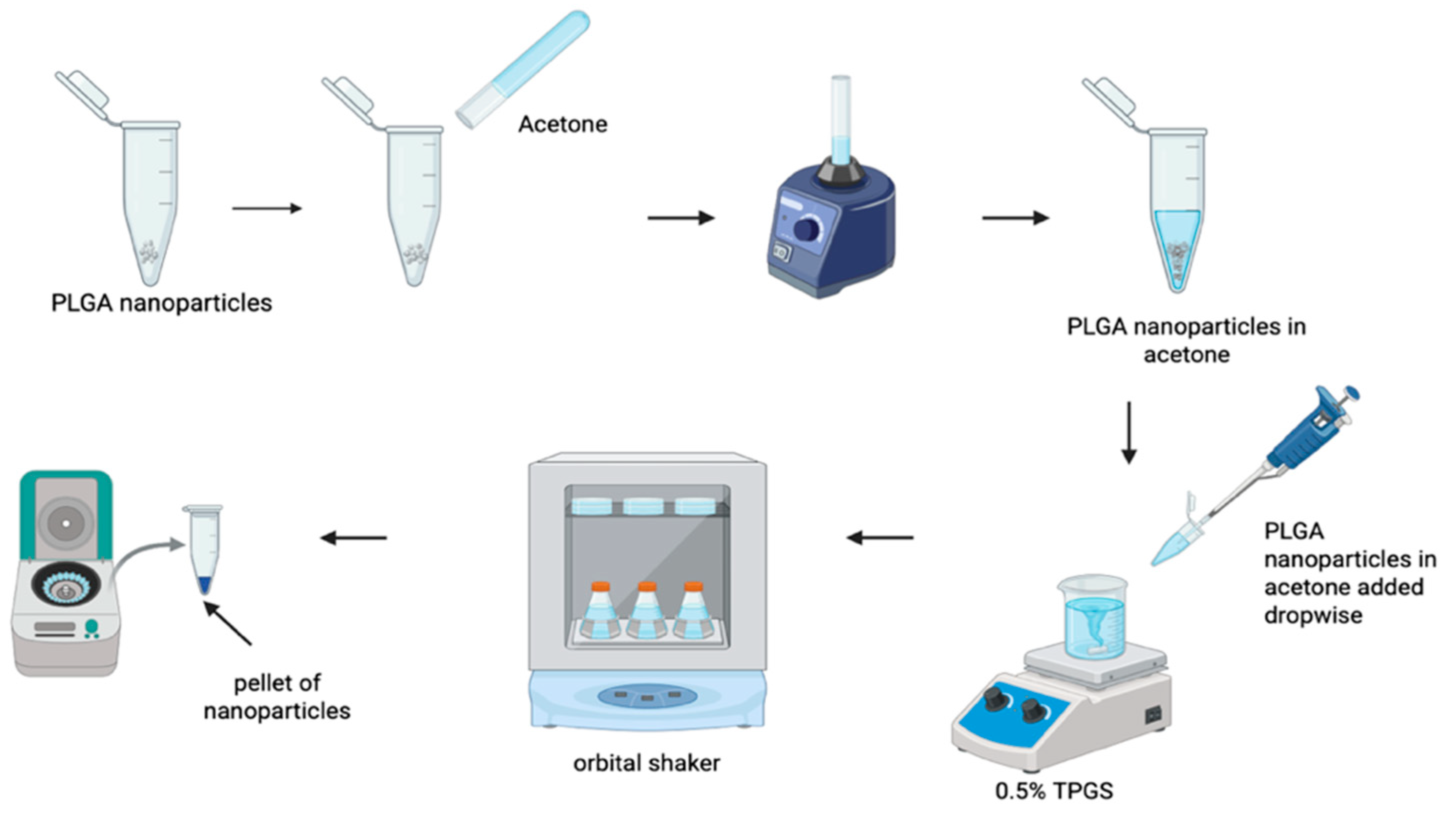
Figure 4.
Calibration curve of PSMA617-TFA.
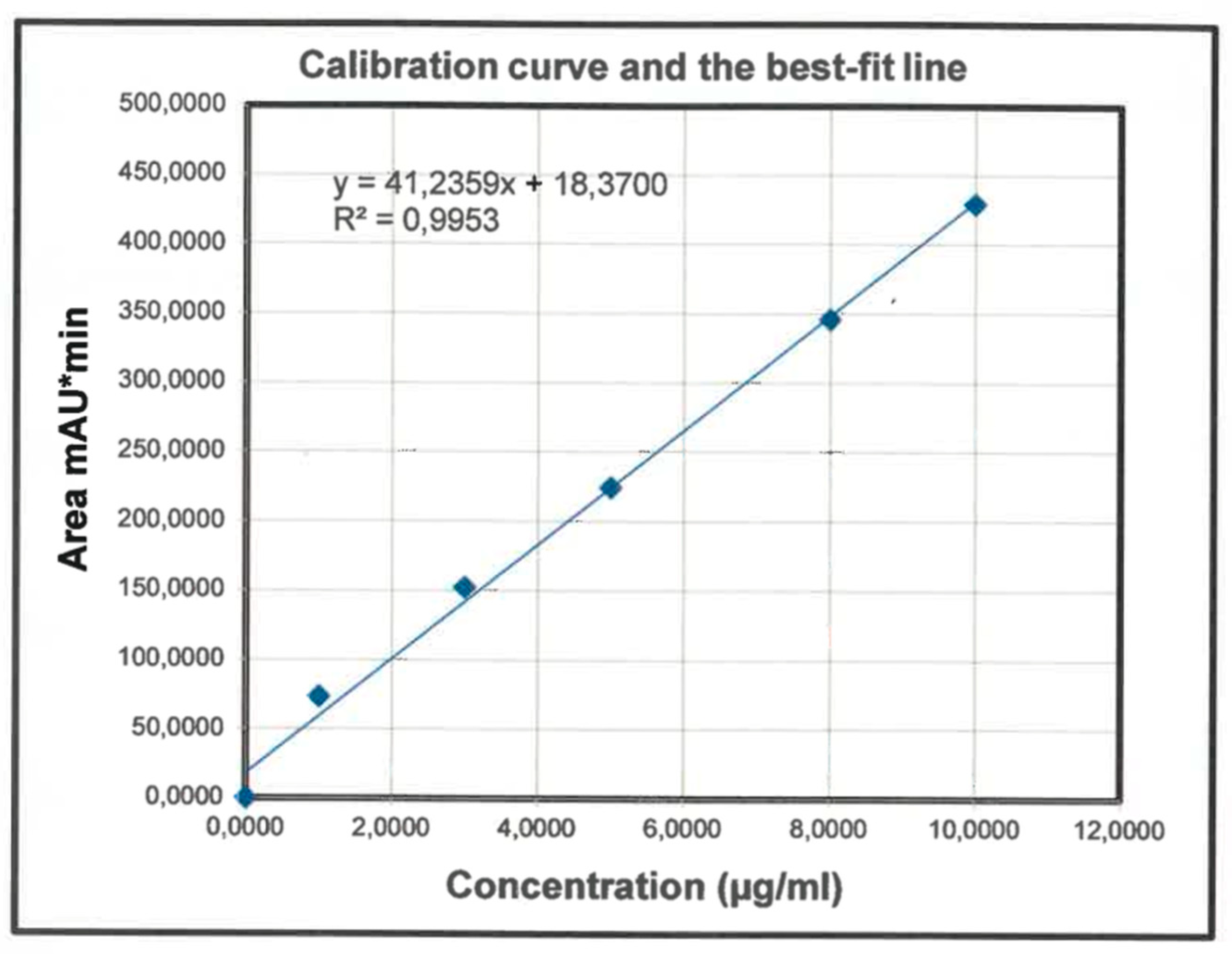
Figure 6.
Average particle size of PLGA nanoparticles using different volumes of water and concentrations of surfactants at different speeds.
Figure 6.
Average particle size of PLGA nanoparticles using different volumes of water and concentrations of surfactants at different speeds.
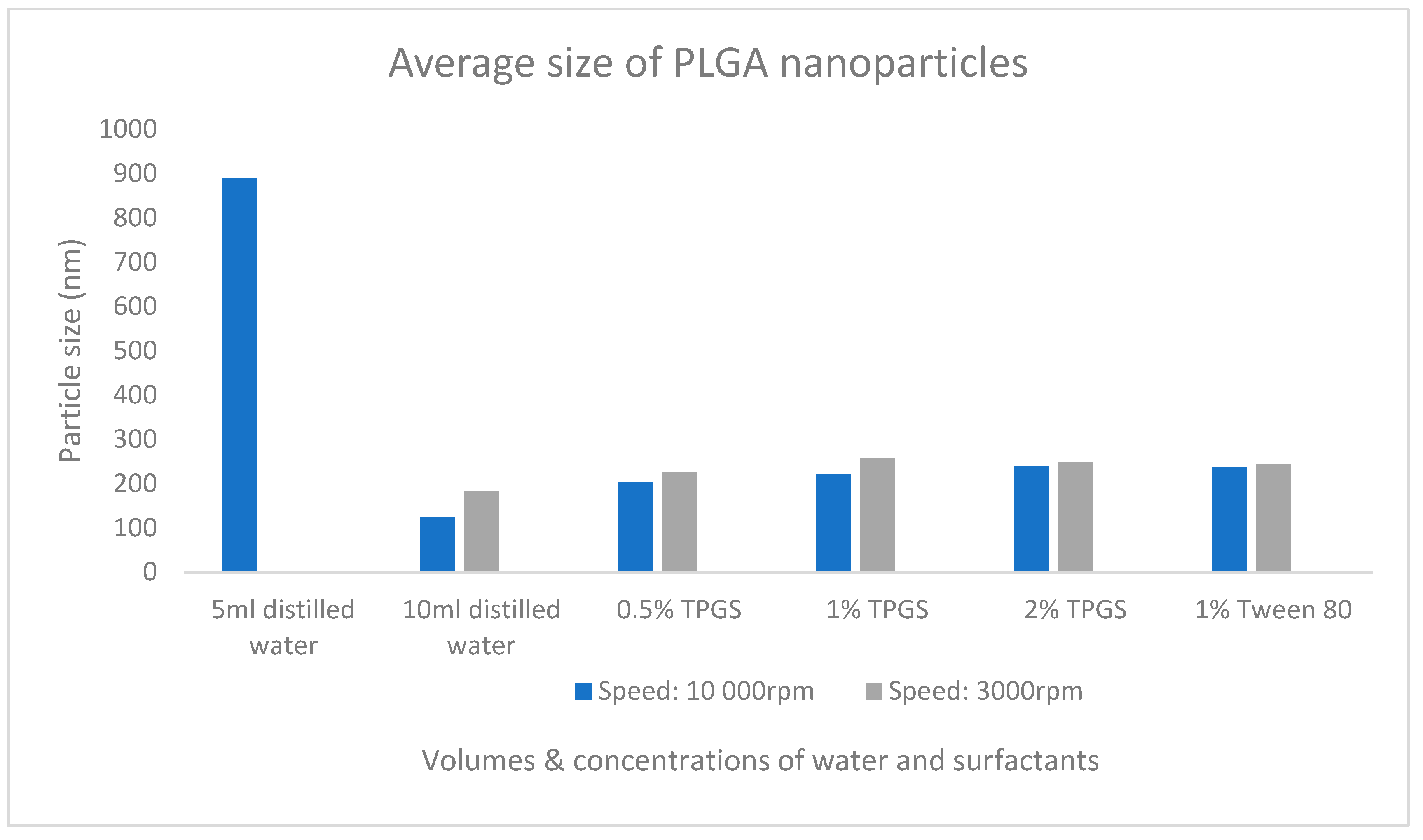
Figure 7.
PLGA-Chitosan nanoparticles distribution using 0.5% TPGS when homogenised at 10 000rpm.
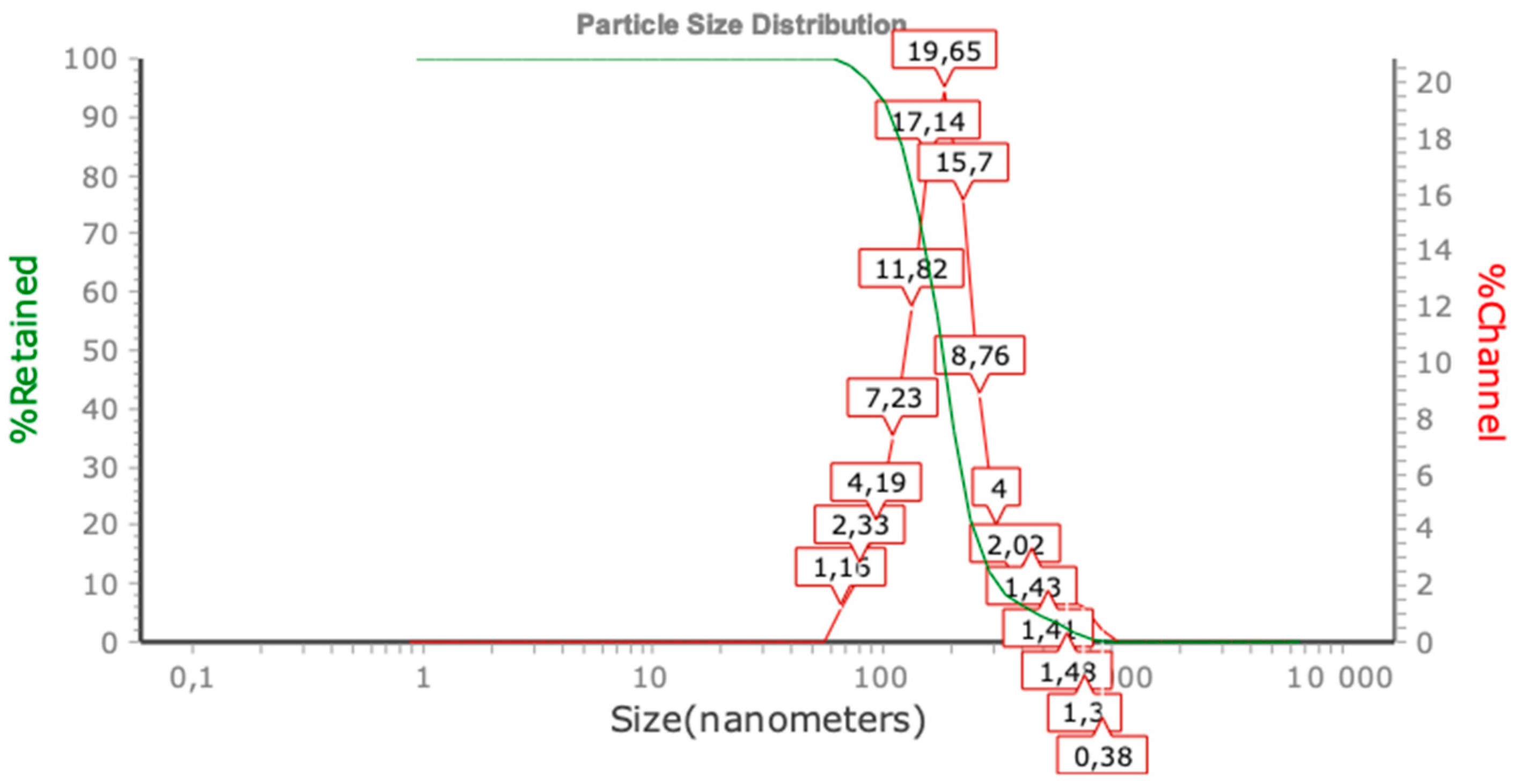
Figure 8.
Characterisation of 225Ac PSMA617-TFA PLGA-Chitosan nanoparticles. Gold-platinum sputtered SEM micrograph of methotrexate-loaded TPGS-PLGA nanoparticles. (A) Magnification =200 KX; Voltage=3.00 kV (B) Magnification=50 KX; Voltage=3.00 kV. SEM of optimized loaded nanoparticle formulation showing sphericity, smooth surface of nanoparticles.
Figure 8.
Characterisation of 225Ac PSMA617-TFA PLGA-Chitosan nanoparticles. Gold-platinum sputtered SEM micrograph of methotrexate-loaded TPGS-PLGA nanoparticles. (A) Magnification =200 KX; Voltage=3.00 kV (B) Magnification=50 KX; Voltage=3.00 kV. SEM of optimized loaded nanoparticle formulation showing sphericity, smooth surface of nanoparticles.
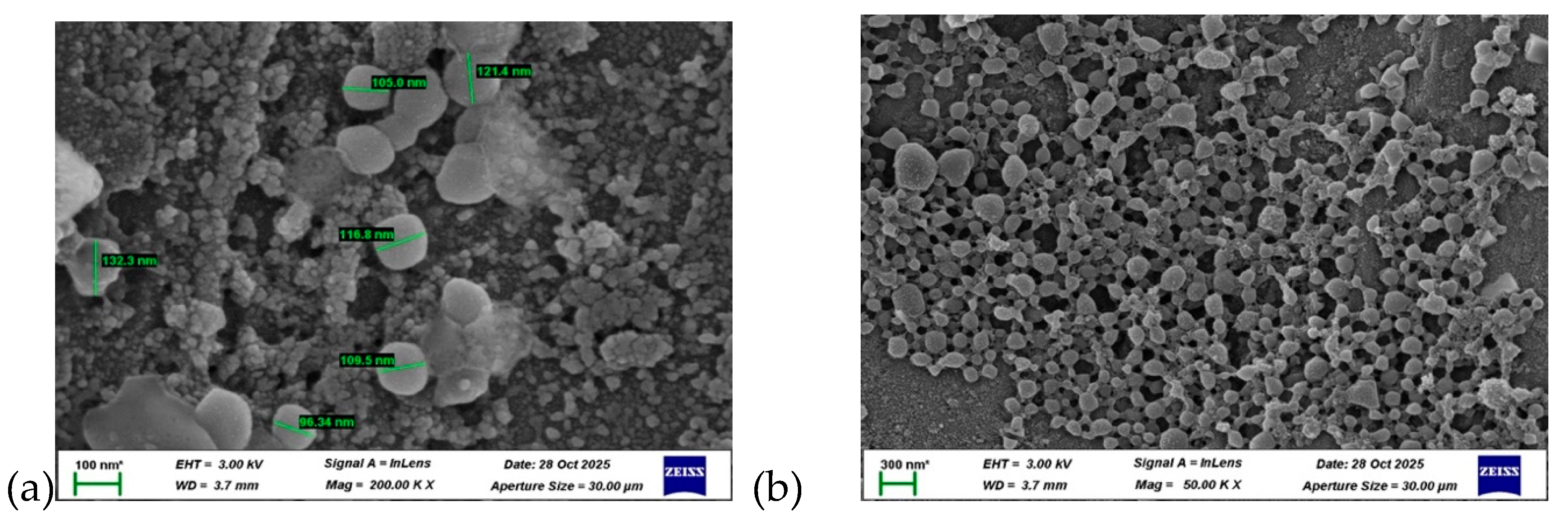
Figure 9.
The FTIR spectra of PLGA, PLGA nanoparticles, CS and PLGA-CS-FA nanoparticles.
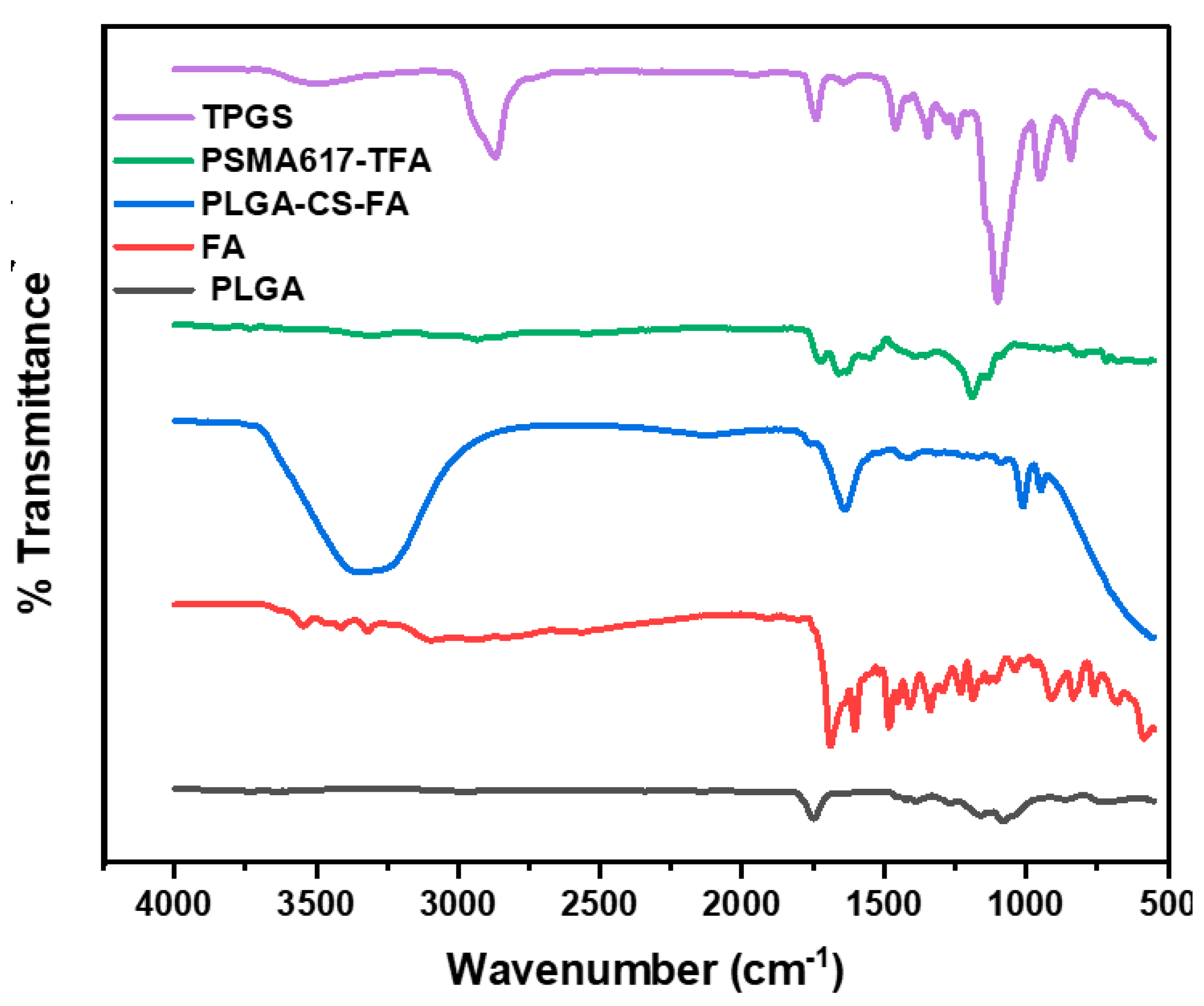
Figure 10.
iTLC results demonstrating the retention of 221Fr and 213Bi of 225Ac PSMA617-TFA, 225Ac PSMA617-TFA PLGA and 225Ac PSMA617-TFA PLGA-CS-FA.
Figure 10.
iTLC results demonstrating the retention of 221Fr and 213Bi of 225Ac PSMA617-TFA, 225Ac PSMA617-TFA PLGA and 225Ac PSMA617-TFA PLGA-CS-FA.
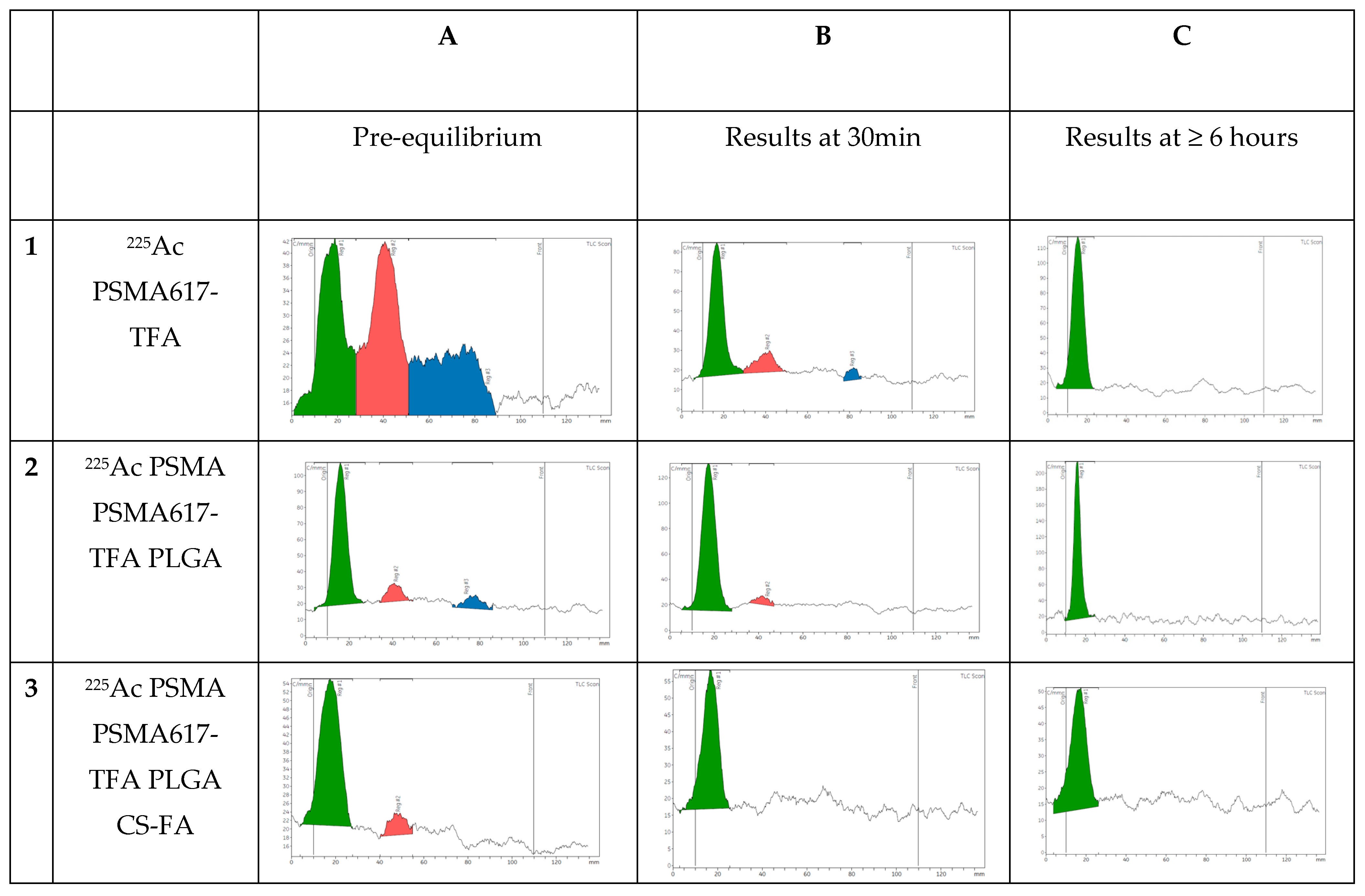
Figure 11.
Cumulative drug release of 225AcPSMA617-TFA PLGA (n=3).
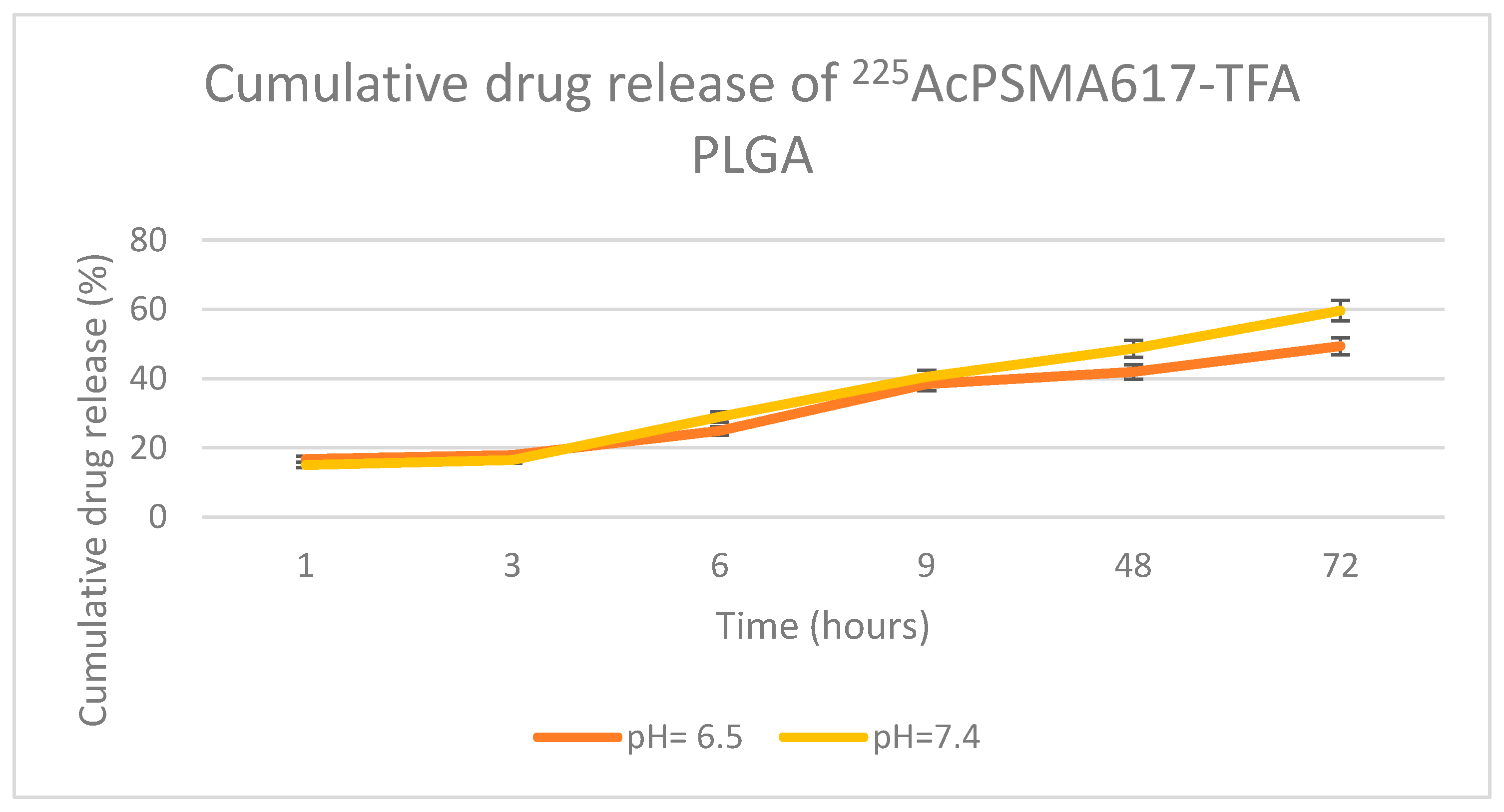
Figure 12.
Cumulative drug release of 225AcPSMA617-TFA PLGA CS-FA (n=3).
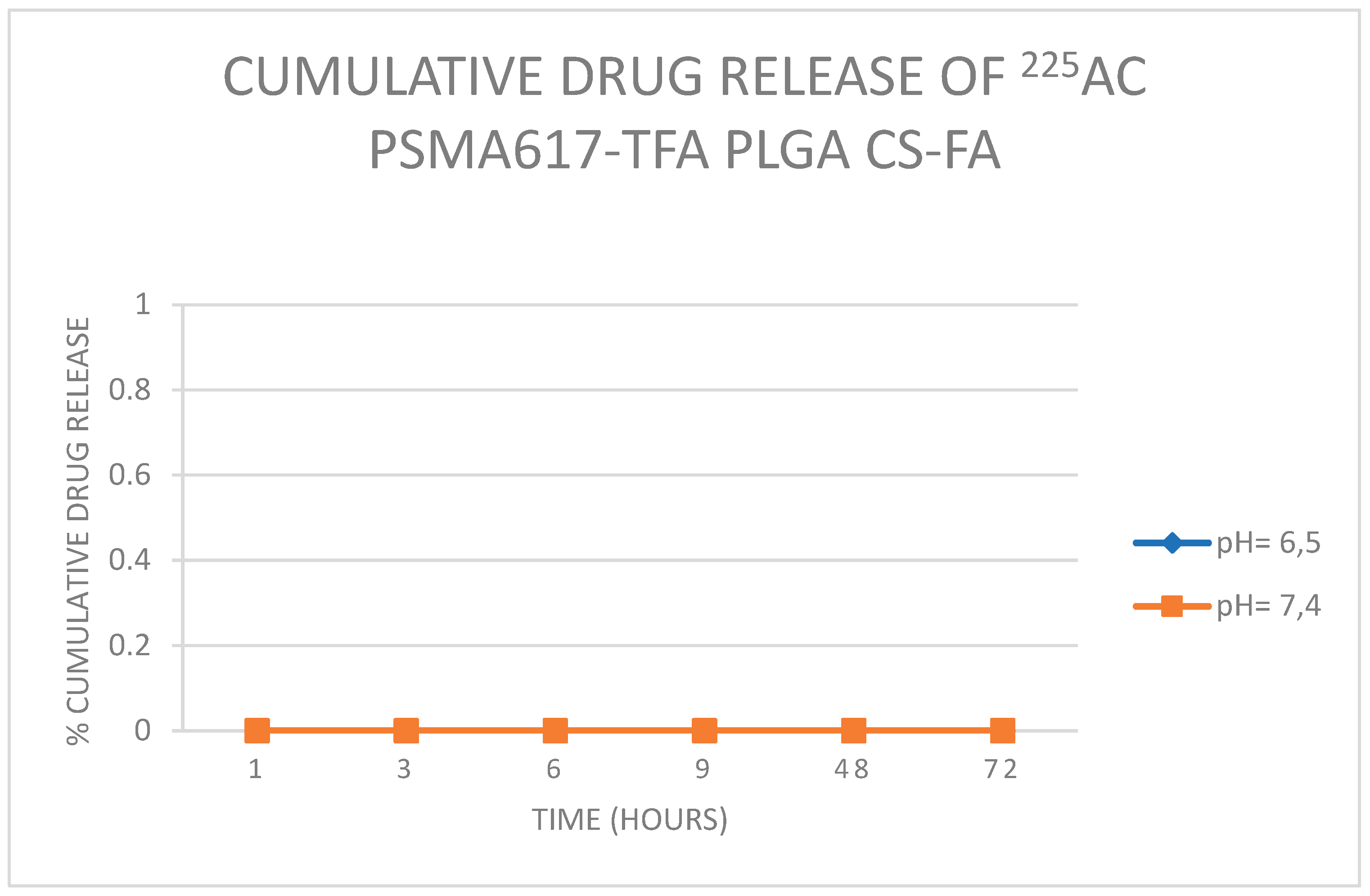
Table 2.
Quality control of 225Ac PSMA617-TFA (n=3).
| Acceptance criteria | Result | |
| Radiochemical purity | ≥ 95% | 99.3% |
| Final product pH | 6.7- 7.4 | 6.8 |
| Bacterial endotoxin | ≤ 175EU/v | 160EU/v |
| Filter integrity testing | > 3.5bar | > 3.5bar |
| Visual inspection | Clear, colourless, free of particles | Clear, colourless, free of particles |
Table 3.
Average PDI, zeta potential and polarity of PLGA nanoparticles at different volumes of water, concentrations of surfactants and different speeds of homogenisation.
Table 3.
Average PDI, zeta potential and polarity of PLGA nanoparticles at different volumes of water, concentrations of surfactants and different speeds of homogenisation.
| Speed: 10 000rpm | Speed: 3000rpm | |||||
| PDI | Zeta Potential (mV) | Polarity | PDI | Zeta Potential (mV) | Polarity | |
| 5ml distilled water | 0.46 | 153 | Positive | N/A | ||
| 10ml distilled water | 0.12 | 91 | Negative | 0.05 | 32 | Negative |
| 0.5% TPGS | 0.18 | 64 | Positive | 0.13 | 29 | Negative |
| 1% TPGS | 0.12 | 26 | Positive | 0.09 | 14 | Negative |
| 2% TPGS | 0.14 | 37 | Negative | 0.07 | 15 | Negative |
| 1% Tween 80 | 0.07 | 30 | Positive | 0.10 | 31 | Negative |
Table 4.
Average encapsulation efficiency at different incubation times (n=3+).
| Polymer | Incubation time | % E average | |
| PSMA617-TFA | PLGA | 24 hours | 99.9% |
| 225Ac PSMA617-TFA | PLGA | 24 hours | 85.6% |
| PSMA617-TFA | PLGA CS-FA | 24 hours | 99.9% |
| 225Ac PSMA617-TFA | PLGA CS-FA | 24 hours | 87.9% |
Disclaimer/Publisher’s Note: The statements, opinions and data contained in all publications are solely those of the individual author(s) and contributor(s) and not of MDPI and/or the editor(s). MDPI and/or the editor(s) disclaim responsibility for any injury to people or property resulting from any ideas, methods, instructions or products referred to in the content. |
© 2026 by the authors. Licensee MDPI, Basel, Switzerland. This article is an open access article distributed under the terms and conditions of the Creative Commons Attribution (CC BY) license (http://creativecommons.org/licenses/by/4.0/).
Copyright: This open access article is published under a Creative Commons CC BY 4.0 license, which permit the free download, distribution, and reuse, provided that the author and preprint are cited in any reuse.


