

Submitted:
27 May 2026
Posted:
29 May 2026
You are already at the latest version
Abstract
Timely identification of recurring malignancies is fundamental to establishing appropriate therapeutic strategies, with objectives ranging from curative intent to prolonging disease-free intervals and optimizing patients’ quality of life.This article discusses the use of AI methods and technologies for detecting various types of cancers such as lung, breast, colorectal, head, neck, etc. Along with discussing how accurate these methods are such as deep learning, natural language processing, support vector machines and computer aided diagnosis. Furthermore, the ethical implications of using these AI methods in oncology and the different legal challenges such as patient privacy, data ownership, and informed consent, are discussed. The article also reviews the pros and cons of the use of AI in healthcare especially in the field of cancer. Furthermore, the potential of AI in this domain remains largely untapped and substantial advancements are still required to develop a more robust and efficient AI driven model for cancer detection.
Keywords:
early detection
; cancer
; AI in healthcare
; accuracy of AI technologies
; ethical regulations
1. Introduction
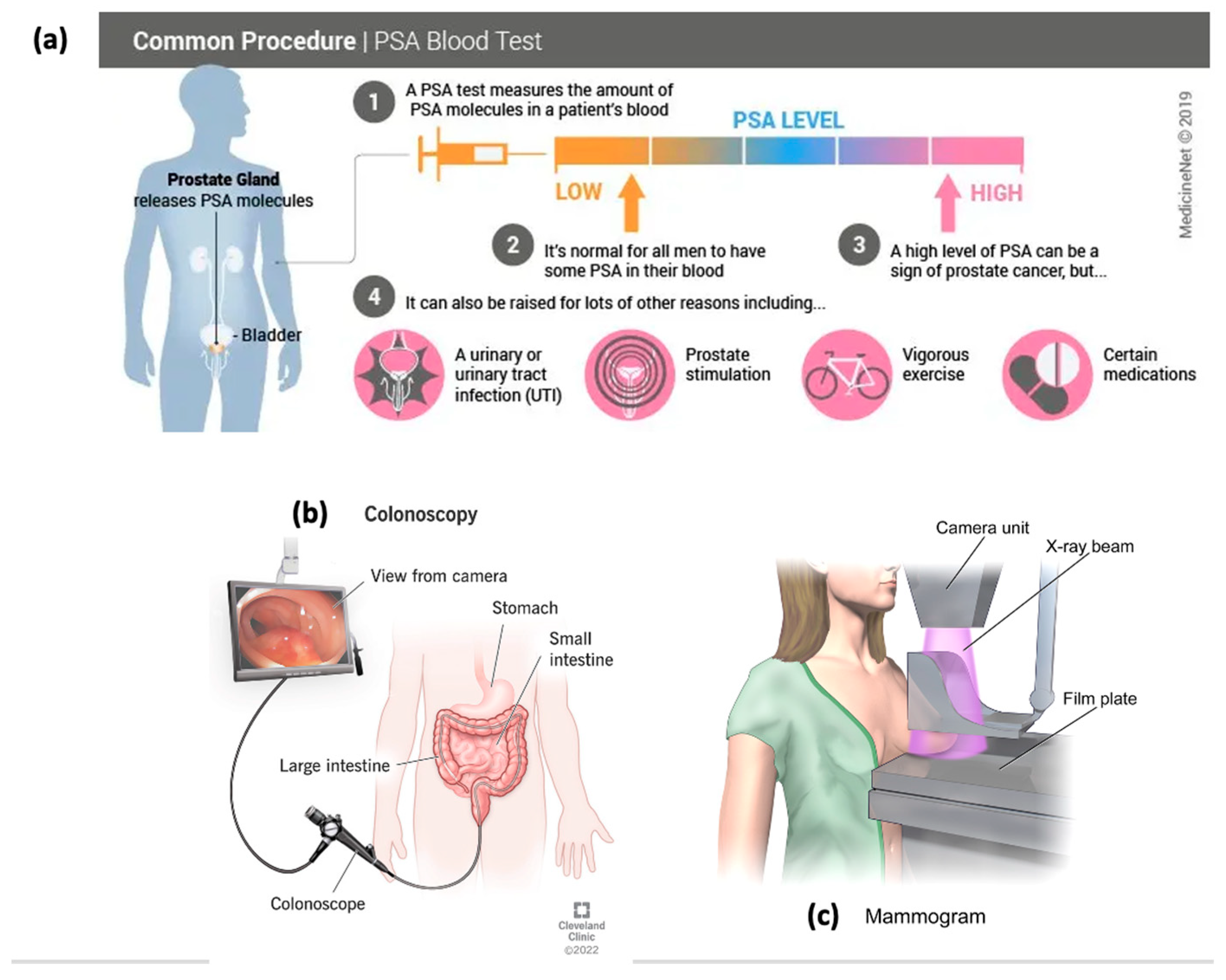
Early diagnosis of relapsing malignancies is essential for planning timely therapeutic strategies that aim either to achieve cure or to prolong disease-free survival while improving patients’ quality of life (Israel & Kuten, 2007). Tumor markers have been used for decades in oncology. As per national cancer institute, a tumor marker can be any biological substance present in the blood, body fluids, or tissues that may indicate a normal or abnormal biological process, including the presence of a disease or medical condition (Zafar & Hafeez, 2025). When these biomarkers deviate from normal values, they are usually associated with cancer. In theory, tumor markers can be used for screening, diagnosis, staging, or disease monitoring. For example, (prostate-specifıc antigen) PSA is a tumour marker used for diagnosis of prostate cancer as shown in Figure 1 (a) (Pennell, 2015). The positive predictive value (PPV) of the PSA test is estimated to be 30%. Furthermore, cancer antigen (CA-15.3) and (CA-27.29) are few more tumour markers that can identify breast cancer recurrence before symptoms occur. Second, screening for cancer using radiographic imaging has been used for early cancer detection, The three cancers with the best consensus for benefıtting from early cancer detection using imaging include breast cancer, colorectal cancer (CRC), and most recently, lung cancer (Pennell, 2015). Despite advances in cancer diagnostics, several malignancies, including oral, ovarian, and pancreatic cancers, continue to be identified only at advanced stages, which is often associated with an unfavourable prognosis (Zafar & Hafeez, 2025).
A relevant example is colorectal cancer, where early detection of local recurrence or liver metastases while still resectable can provide up to 40% long-term survival with appropriate treatment (Israel & Kuten, 2007). It can be detected by methods such as colonoscopy (Figure 1 (b)) where a flexible camera is inserted into the rectum to examine the entire bowel, and a fecal immunochemical test, which detects tiny invisible traces of human blood. Conventional diagnostic approaches for cancers such as head and neck cancer (HNC) rely primarily on histopathological evaluation of biopsy or surgical specimens, alongside clinical and radiological examinations. These methods can be time-consuming and are susceptible to observational errors and interobserver variability, which may lead to inconsistencies in grading and prognostication. Such limitations can result in delays or inaccuracies in diagnosis, significantly affecting patient management and survival (Mahmood et al., 2021).
In response to these challenges, the emergence of artificial intelligence (AI) has begun to transform healthcare. AI systems, particularly neural networks, can rapidly analyse large volumes of clinical data, support diagnostic decision-making, and reduce the likelihood of human error by integrating both historical datasets and patient-specific information (Shah & Chircu, 2018). The fields of early cancer detection and artificial intelligence (AI) have increasingly intersected in recent years, creating new possibilities for improving diagnostic accuracy. One of the key developments in this area is the use of artificial neural networks (ANNs), which help model complex clinical patterns and predict disease risk. For example, Muhammad et al. developed an ANN-based model that estimated pancreatic cancer risk with nearly 80% accuracy by incorporating variables such as age, ethnicity, smoking habits, and alcohol consumption (Zafar & Hafeez, 2025). Another major advancement has been the transition from conventional radiographic films to digital imaging systems integrated within Picture Archiving and Communication Systems (PACS), which has significantly expanded opportunities for imaging-based research and data analysis (Zafar & Hafeez, 2025).
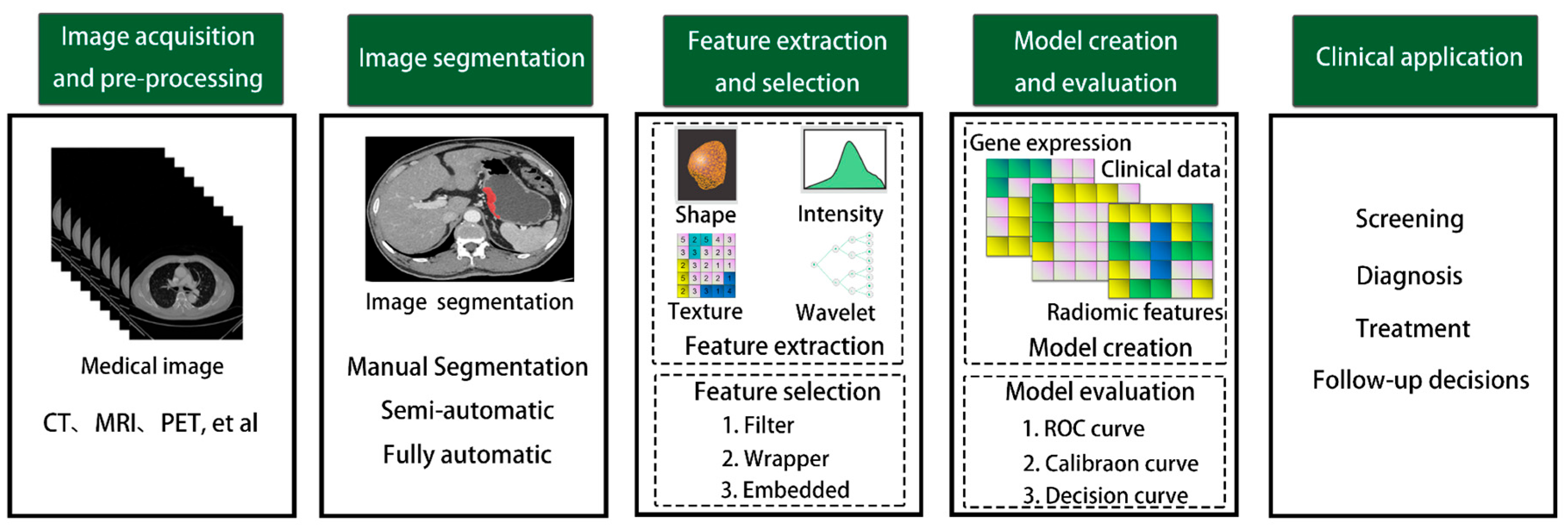
Radiomics represents a quantifiable approach to interpreting medical images, including CT, MRI, ultrasound, and nuclear medicine scans. Broadly, radiomics methods can be grouped into traditional machine learning (ML) techniques and deep learning (DL) models. In conventional ML-based radiomics, specific characteristics are extracted from selected regions of interest (ROIS) within an image. These characteristics may include factors related to lesion size, shape, signal intensity, and textural heterogeneity. The extracted data are then used to train predictive models for disease classification and prognostic assessment. Within the context of early cancer detection, such models are commonly applied to distinguish whether suspicious nodules, cysts, or lesions are benign or malignant. Numerous studies have successfully used radiomics to classify lung nodules and to generate cancer probability models across several tumor types, including lung, colorectal, and head and neck cancers (Zafar & Hafeez, 2025). In addition to diagnosis, these approaches may also assist in differentiating slow-growing tumors from more aggressive forms of disease, which can help determine when early intervention is likely to provide the greatest clinical benefit.
In addition, advances in sensor technologies and secure communication protocols contribute to more efficient system design, improved data security, and enhanced interoperability across medical devices and platforms (Hou & Yeh, 2015; Shah & Chircu, 2018). Hence, this review article aims to explore the emergence of AI in early cancer detection and to examine its associated ethical and safety implications.
Figure 2.
Radiomics (A schematic representation of the steps involved in the process of radiomic) (Zhang & Guo, 2023).
Figure 2.
Radiomics (A schematic representation of the steps involved in the process of radiomic) (Zhang & Guo, 2023).
2. Role and Impact of AI in Healthcare
There is a great deal of interest, excitement and hype surrounding the potential for applying artificial intelligence (AI) systems to some of the more complex challenges in healthcare today. There are equally deep concerns about exactly what that means in practice in terms of understanding how AI systems work, how best to incorporate them into medical and nursing practice, how to balance potential benefits and risks, how to address regulatory and accountability issues, and finally concerns about bias both within the systems themselves, and in terms of their availability and who will benefit from them (Koski & Murphy, 2021)
Figure 3.
Rule based expert system: This shows the schematic representation of the process followed in the rule based expert system (Talukdar et al., 2023).
Figure 3.
Rule based expert system: This shows the schematic representation of the process followed in the rule based expert system (Talukdar et al., 2023).
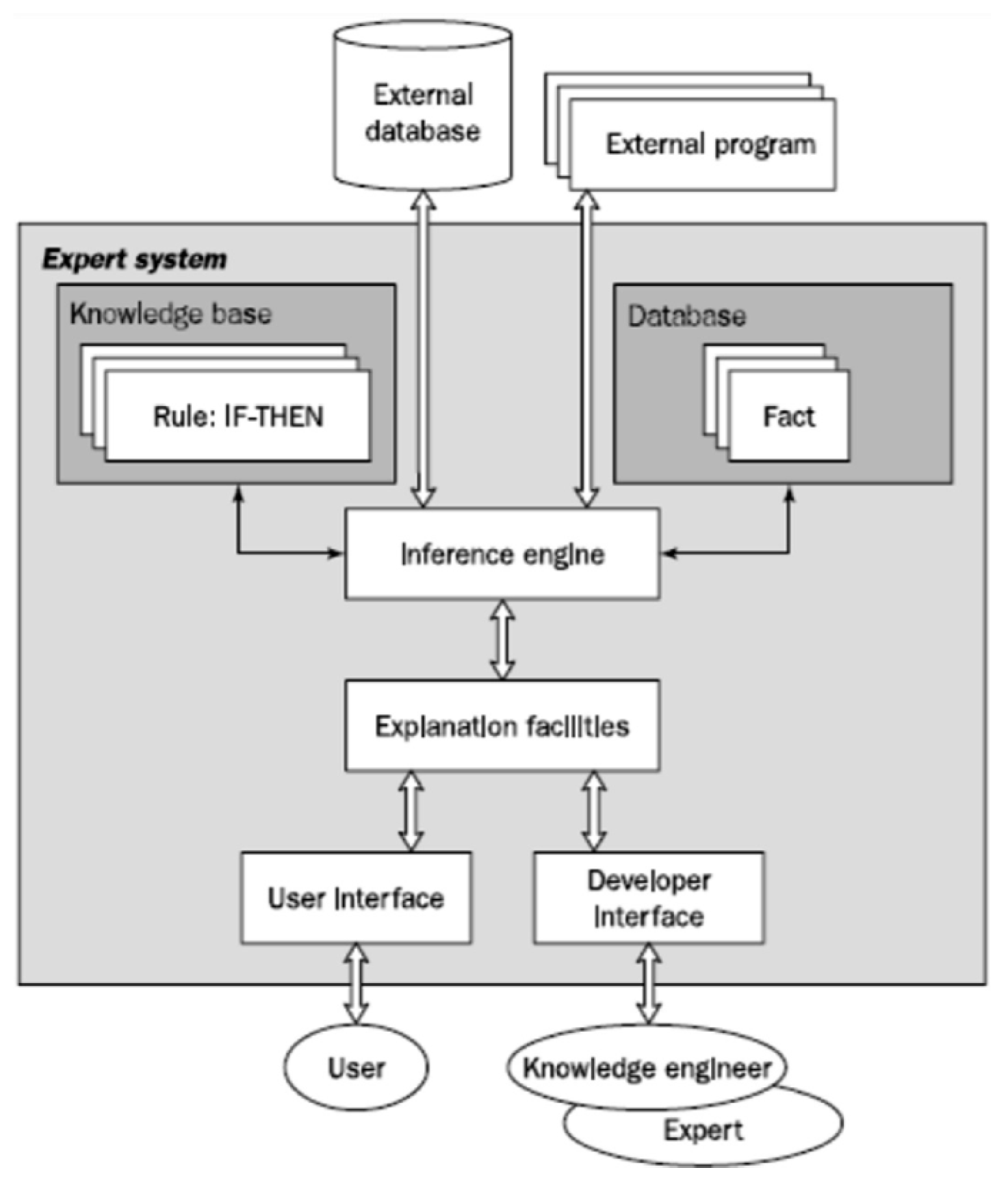
Artificial intelligence (AI) includes several technologies, such as machine learning (ML), natural language processing ( NLP), rule-based expert systems (RBES), robotic systems, and robotic process automation (Chustecki, 2024). These technologies serve different functions within healthcare, ranging from disease prediction and diagnostic support to enhancing surgical accuracy and streamlining routine administrative processes. An example of this application can be seen in Google’s collaborations with healthcare networks, where predictive models have been developed to alert clinicians about patients at risk of serious conditions like sepsis and heart failure (Chustecki, 2024).
AI supports more effective data-driven decision-making within healthcare systems. For instance, IBM Watson Health uses machine learning to support clinical decision-making and has shown strong consistency with treatment recommendations provided by physicians (Chustecki, 2024). AI has also driven major advances in surgical practice: AI-enabled telesurgical techniques make remote surgery possible and allow improved supervision of surgeons. In addition, AI has shown greater accuracy and speed in analysing medical images, including mammograms (Figure 1(c)), enabling earlier detection of diseases such as breast cancer (Chustecki, 2024). Lastly, AI-driven technologies are capable of modelling and evaluating multiple treatment options to estimate how effective they may be for different diseases, thereby making the drug development process in clinical trials. more efficient (Chustecki, 2024). Through the use of biomarker monitoring systems and large-scale patient analysis, AI can accelerate the assessment of treatments while also helping to lower the costs associated with developing critical medicines (Chustecki, 2024).
Although artificial intelligence (AI) offers many advantages in healthcare, it also presents complex challenges. AI-based diagnoses are not always superior to those made by humans, and AI systems can be difficult to interpret or overly ambitious in their scope. Additional concerns include implementation barriers, transparency issues, risks related to data sharing, potential biases, diagnostic errors, questions of accountability, limitations in data availability and accessibility, regulatory challenges, and broader social implications (Chustecki, 2024).
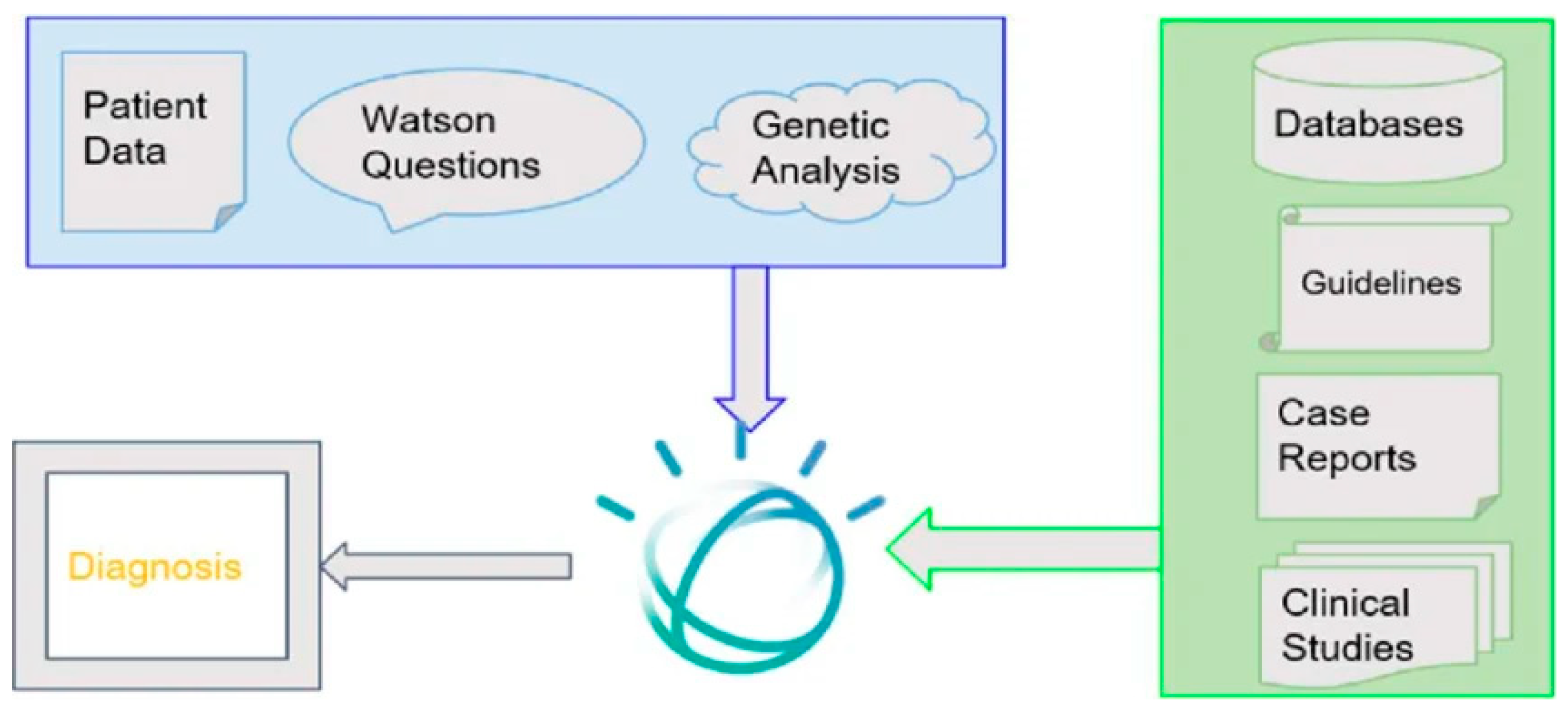
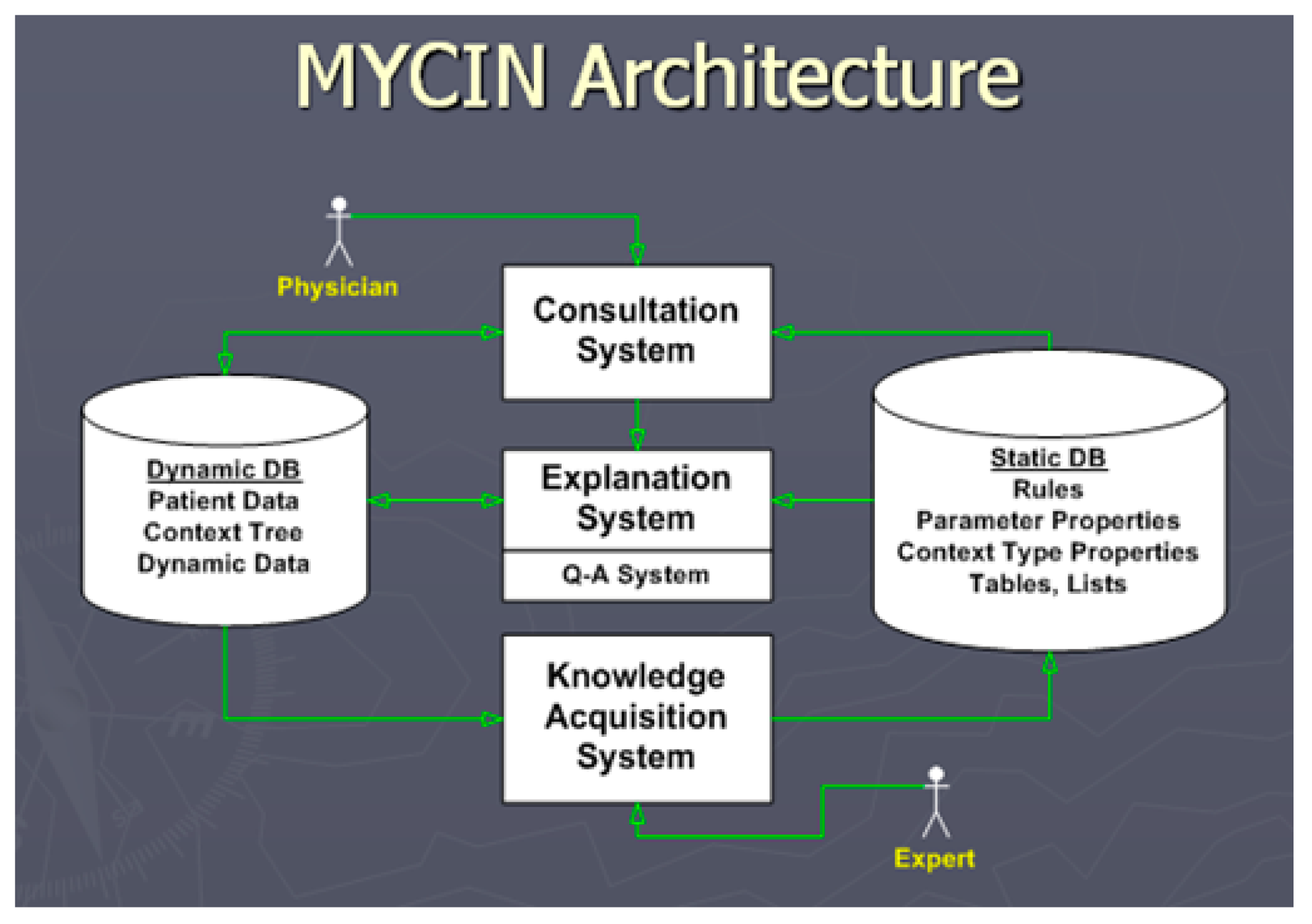
Early AI systems including, the MYCIN program, introduced in the 1970s, showed potential in assisting with disease diagnosis and treatment, although they did not outperform human clinicians. These rule-based expert systems (RBES) also lacked effective integration with clinical workflows and medical record systems, limiting their practical use in healthcare settings (Chustecki, 2024). Physicians may also find AI programs difficult to understand. IBM’s Watson is an advanced AI platform for business that uses ML, natural language processing and data analytics to analyse unstructured data and provide insights, which integrates machine learning (ML) and natural language processing (NLP), particularly those associated with precision medicine initiatives, have received considerable attention. However, the integration of systems such as Watson into existing healthcare workflows and their adaptation for managing specific types of cancer have presented notable challenges (Chustecki, 2024).
Figure 4.
A schematic representation of the steps involved in IBM’s Watson system that analyses unstructured data and provides insights (Talukdar et al., 2023).
Figure 4.
A schematic representation of the steps involved in IBM’s Watson system that analyses unstructured data and provides insights (Talukdar et al., 2023).
Artificial intelligence has been developed to replicate certain cognitive functions in order to address complex problems in healthcare, including biological irregularities associated with diseases such as cancer. By using data-driven programs and computational models, AI systems are capable of processing large volumes of information and identifying meaningful patterns. These systems operate through algorithms that follow predefined instructions to evaluate data and support decision-making processes. Given the limitations of human capacity to rapidly analyse massive datasets, the rapid advancement of AI in the last decade shoots its growing importance as a supportive tool for healthcare professionals in making informed clinical decisions (Sebastian & Peter, 2022). In the field of oncology, AI-based technologies show considerable potential for the early detection of cancer by identifying genetic alterations and abnormal protein interactions that may contribute to disease development at an initial stage (Sebastian & Peter, 2022).
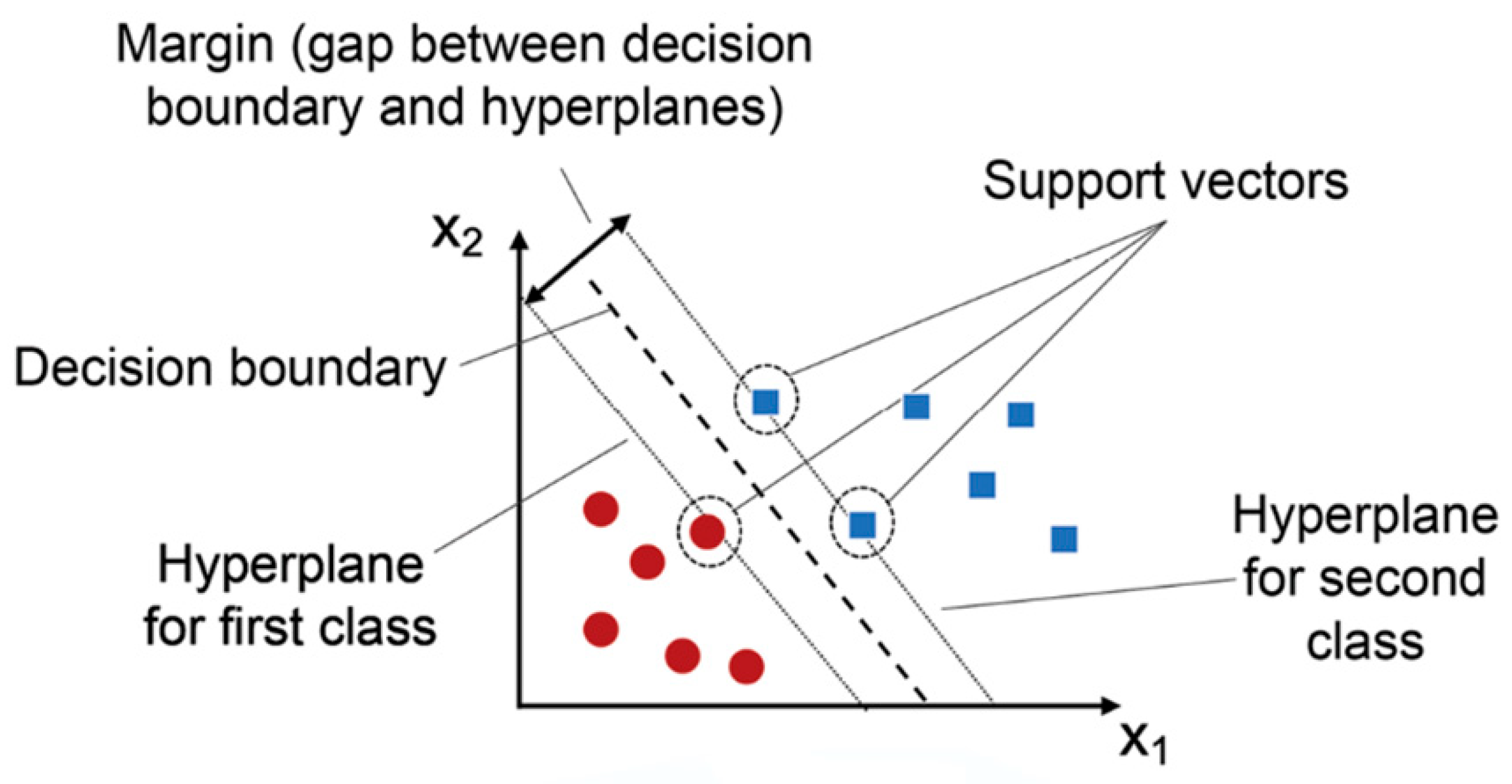
Firstly, the role of AI in medical imaging has been expanded enormously in recent years, especially in the field of breast imaging. This has been possible because of the rapid increase in affordable computer power (Díaz, 2024). AI analyzes digital mammogram images to detect suspicious masses, calcifications, or abnormal tissue patterns. Deep learning models, particularly convolutionary neural networks, can automatically detect and classify abnormal regions in breast X-ray images. These models help identify suspicious areas, recognize small tumors that may be overlooked by radiologists, and lower the chances of false-positives results and unnecessary biopsies (Díaz, 2024). Second, AI has also played a role in colorectal cancer; for example, AI algorithms analyzing gene expression data to classify or detect colorectal cancer. Neural networks such as S-Kohonen, back-propagation (BP), and support vector machines (SVM) are used (Díaz, 2024). These models analyze gene expression patterns to classify patients or predict recurrence risk after surgery. For example, one study used AI to classify 53 colon cancer patients into relapse and non-relapse groups based on gene expression data, and the accuracy reached 91% (Mitsala & Tsalikidis, 2021).
Figure 5.
SVM -support vector machines: This shows the graphical representation of the working of the SVM (Tibrewal, 2023).
Figure 5.
SVM -support vector machines: This shows the graphical representation of the working of the SVM (Tibrewal, 2023).
AI can detect specific genetic mutations linked to colorectal cancer, for example, detection of BRAF V600E mutation can be detected using near-infrared (NIR) spectroscopy combined with a counter-propagation artificial neural network (CP-ANN). This approach achieved 100% sensitivity and high diagnostic accuracy. Helps identify whether cancer-related mutations are present in tumour samples (Mitsala & Tsalikidis, 2021). Furthermore, AI systems for lung cancer analyze chest X-ray images to detect abnormalities such as lung nodules or masses. First, the X-ray image is processed pixel-by-pixel (Chiu & Chao, 2022). AI extracts features such as shape, size, texture, and intensity of lung tissues. Algorithms classify detected nodules as benign or malignant using computer-aided diagnosis (CAD), radiomics (mathematical analysis of image features) and deep learning models (e.g., neural networks) (Chiu & Chao, 2022).
3. Accuracy of AI in Early Cancer Detection
Artificial intelligence and advanced technologies used in cancer detection provide major benefits but also present several safety implications. One major issue is false-positive results where biomarkers such as prostate-specific antigen (PSA) can increase because of non-cancer conditions like prostatitis or benign prostate hyperplasia can sometimes result in unnecessary biopsies and excessive treatment interventions. Paige Prostate Suite (PPD) is intended to assist pathologists in the detection of prostatic acinar adenocarcinoma and benign prostate hyperplasia in digitised core needle biopsy specimens to reduce diagnostic errors (Jia & Verrill, 2025). Another limitation is the low sensitivity of some detection technologies in early-stage cancer. For example, circulating tumor DNA (ctDNA) detection identifies only 47% of stage I cancer patients, while detection increases to 82% in stage IV patients, indicating that early cancer detection in stage I remains limited because of low sensitivity. Additionally, ctDNA present in the bloodstream in extremely small amounts is often highly fragmented, which makes its accurate detection challenging even with advanced technologies such as next-generation sequencing (NGS) (Jia & Verrill, 2025).
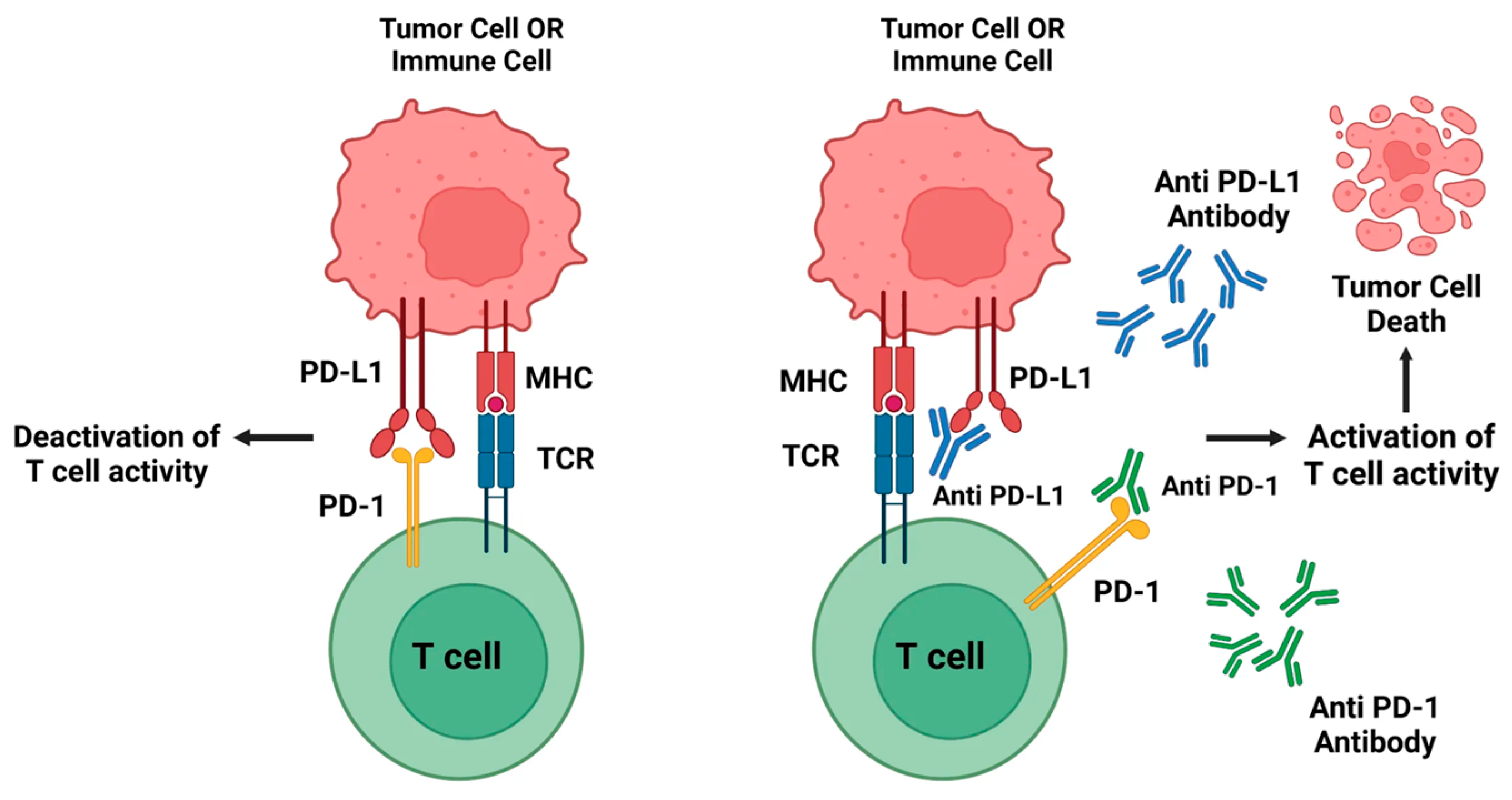
There is a lack of standardized diagnostic thresholds for biomarkers such as programmed death-ligand 1 (PD-L1) which is a protein biomarker expressed on tumor cells and immune cells that help cancer evade the immune system by inhibiting T-cell activity, indicating that different laboratories may interpret results differently, which can affect treatment decisions. Furthermore, technologies such as next-generation sequencing remain expensive, costing around $1000 per genome, which limits accessibility in many healthcare settings (Jia & Verrill, 2025).
Figure 6.
PD-L1: This shows the pictorial representation of PD-L1 biomarker evading the T-cell (Parvez et al., 2023).
Figure 6.
PD-L1: This shows the pictorial representation of PD-L1 biomarker evading the T-cell (Parvez et al., 2023).
Technical limitations also exist in detection technologies such as digital PCR and sequencing methods, which can produce false positives and require longer processing times (Jia & Verrill, 2025). Finally, tumor heterogeneity, where cancer cells evolve and form different genetic mutations over time, can reduce the reliability of AI prediction models because the tumor characteristics may change after the AI system has been trained (Jia & Verrill, 2025). Together, these challenges highlight important accuracy and predictability concerns that must be addressed before AI-based cancer detection technologies can be widely and safely implemented in clinical practice (Jia & Verrill, 2025).
AI technologies such as neural networks, support vector machines (SVM), and machine-learning models using gene expression data are used in cancer detection, but these methods have important accuracy implications because incorrect predictions or unreliable data could lead to incorrect medical decisions (Ostrowska & Kacała, 2024). For example, one study analysed gene expression data from 53 colon cancer patients and used three AI models to classify patients into relapse and non-relapse groups. The S-Kohonen neural network achieved approximately 91% accuracy, while support vector machine (SVM) achieved approximately 70% accuracy and the back-propagation neural networks only 66%, indicating that some AI models are much more reliable than others and that choosing the wrong algorithm could reduce diagnostic safety (Ostrowska & Kacała, 2024).
Another safety issue mentioned is that AI systems must be used as decision-support tools rather than as replacements for doctors because incorrect classification can affect treatment plans or prognosis predictions (Ostrowska & Kacała, 2024). For instance, newer AI clinical decision-support systems used for predicting colorectal cancer recurrence have reported approximately 87% prediction accuracy and area under the curve (AUC) values of approximately 0.83-0.84, indicating that there is still a risk of misclassification that must be monitored by clinicians. Additionally, AL models analysing gene expression and genetic biomarkers may rely on extremely large datasets, which can introduce bias, data quality problems, or overfitting, potentially causing incorrect predictions if the model is applied to new patients whose data differs from the training dataset. Overall, the article suggests that while AI technologies significantly improve cancer detection and prognosis prediction through methods such as neural networks, SV algorithms and gene expressions analysis, their accuracy depends on high-quality data, careful model selection, clinical validation and continued human supervision to reduce the risk of diagnostic errors (Ostrowska & Kacała, 2024).
4. Ethical Guidelines and Regulations
The regulatory, legal, and ethical considerations surrounding the use of AI technologies in radiology (a medical speciality that uses imaging technologies to diagnose, treat and monitor diseases and injuries) for cancer detection have been discussed in detail by Chamouni et al. in their review article. Lung cancer continues to be a major public health issue worldwide. According to Globocan 2022, the disease accounted for approximately 2.48 million new cases and 1.8 million deaths globally. Developed by the International Agency for Research on Cancer, Globocan is an online database that provides recent global estimates of cancer incidence and mortality across 36 cancer types in 185 countries (Chamouni et al., 2025). Lung cancer also remains the leading cause of cancer-related mortality worldwide.
AI-based predictive models have shown strong potential in accurately staging lung cancer and estimating patient survival outcomes. Deep learning systems such as the neural network developed by Trebeschi et al. are capable of predicting one-year overall survival in patients with stage IV Non-Small Cell Lung Cancer (NSCLC) by identifying morphological changes in follow-up CT scans (Chamouni et al., 2025). Another deep learning algorithm, Sybil, has also shown promising ability in assessing an individual’s future risk of developing lung cancer using a single-low dose CT scan. Despite these advancements, the integration of AI into healthcare continues to raise important ethical and legal concerns, particularly regarding patient privacy, algorithm bias, and responsibility for medical errors (Chamouni et al.,2025). Early AI systems like MYCIN are systems designed to identify bacteria causing severe infections. During the 1970s, early AI systems showed considerable diagnostic potential, but they also raised concerns related to trust and reliability. In contemporary AI-driven cancer research, ethical and legal challenges continue to overlap in areas such as patient privacy, data ownership, and informed consent, where safeguarding individual rights remains essential. Regulatory frameworks like the Health Insurance Portability and Accountability Act (HIPAA) in the United States and the General Data Protection Regulation (GDPR) in the European Union have been established to protect user privacy. However, ethical concerns extend beyond legal compliance by addressing g broader issues such as fairness, bias, and trust, while legal frameworks primarily focus on adherence to specific regulations and enforceable standards (Chamouni et al.,2025). The Black box nature of AI refers to systems where the internal decision-making logic is invisible, opaque, or incomprehensible to users, even though the inputs and outputs are observable. The “black box” nature of AI systems creates concerns regarding transparency and accountability, especially in the context of clinical decision-making (Chamouni et al., 2025).
Figure 7.
MYCIN: This shows the schematic representation of the steps MYCIN follows to diagnose and treat diseases (Arif, 2023).
Figure 7.
MYCIN: This shows the schematic representation of the steps MYCIN follows to diagnose and treat diseases (Arif, 2023).
5. Conclusions
This review discusses the use of AI in cancer detection through various methods and techniques, including natural language processing (NLP), deep learning, rule-based expert systems (RBES), physical robots, and robotic process automation, all of which have shown considerable effectiveness and accuracy in identifying cancer. NLP transforms vast amounts of unstructured text data such as pathology reports and radiological imaging notes, into structured, actionable information. Similarly, RBES uses if-then logic derived from medical knowledge to analyse patient data, symptoms and risk factors. However, despite revolutionizing the medical sector, AI has flaws in terms of accuracy, such as false positive results leading to overtreatment, low sensitivity and the inability of the AI technologies to identify tumors after they have evolved and formed different genetic mutations over time. This can reduce the reliability of AI prediction models because tumor characteristics may change after the AI system has been trained. In addition to accuracy, the next important aspect is the ethical regulations that need to be followed and maintained while using these technologies, particularly in areas such as patient privacy, algorithm bias, and error accountability. Overall, the use of AI has not been used to its fullest extent, and many more improvements are warranted for the development of a more efficient AI derived model for cancer detection.
Acknowledgments
The authors would like to thank Ardra N Shaji for proof reading the article.
Conflicts of Interest
The authors declare no conflict of interest.
References
- Aldhafeeri, F. M. (2025). Governing Artificial Intelligence in Radiology: A Systematic Review of Ethical, Legal, and Regulatory Frameworks. 15, 2300. [CrossRef] [PubMed]
- Al-shamasneh, A. R. M., & Obaidellah, U. H. B. (2017, January). Artificial Intelligence Techniques for Cancer Detection and Classification: Review Study. European Scientific Journal, 13(3), 1857- 7431. [CrossRef]
- Arif, S. (2023). An Overview of the Rise and Fall of Expert Systems. Medium. https://medium.com/version-1/an-overview-of-the-rise-and-fall-of-expert-systems-14e26005e70e.
- (Breast imaging, n.d.) Breast imaging. (n.d.). Wikipedia. Retrieved April 25, 2026, from https://en.wikipedia.org/wiki/Breast_imaging.
- Chiu, H. Y., & Chao, H. S. (2022). Application of Artificial Intelligence in Lung Cancer. 14(6), 1370. [CrossRef]
- Chustecki, M. (2024, November 18). Benefits and Risks of AI in Health Care: Narrative Review. INTERACTIVE JOURNAL OF MEDICAL RESEARCH, 13, 13. [CrossRef] [PubMed]
- (Colonoscopy: What it is, 2022) Colonoscopy: What it is, Procedure Details, Results. (2022, November 30). Cleveland Clinic. Retrieved April 25, 2026, from https://my.clevelandclinic.org/health/diagnostics/4949-colonoscopy.
- Díaz, O. (2024, april 16). Artificial Intelligence for breast cancer detection: Technology, challenges, and prospects. European Journal of Radiology, 175. [CrossRef] [PubMed]
- Ellsworth, P. I. (n.d.). Prostate Specific Antigen (PSA) Test, Results, Cost, Meaning, Ranges. MedicineNet. Retrieved April 25, 2026, from https://www.medicinenet.com/prostate_specific_antigen/article.htm.
- Chamouni, G., Lococo, F., Sassorossi, C., Atuhaire, N., Ádány, R., & Varga, O. (2025). Ethical and legal concerns in artificial intelligence applications for the diagnosis and treatment of lung cancer: a scoping review. Frontiers in Public Health, 13, 1663298. [CrossRef] [PubMed]
- Hunter, B., Hindocha, S., & Lee, R. W. (2022, March 16). The Role of Artificial Intelligence in Early Cancer Diagnosis. 14, 1524. [CrossRef] [PubMed]
- Israel, O., & Kuten, A. (2007, January). Early Detection of Cancer Recurrence: 18F-FDG PET/CT Can Make a Difference in Diagnosis and Patient Care. The Journal of Nuclear Medicine, 48(1), 28S-35S. jnm.snmjournals.org.
- Jia, Y., & Verrill, C. (2025, May 8). A deployment safety case for AI-assisted prostate cancer diagnosis. Computers in Biology and Medicine, 110237. [CrossRef] [PubMed]
- KOSKI, E., & MURPHY, J. (2021). AI in Healthcare. In Nurses and Midwives in the Digital Age. International Medical Informatics Association (IMIA) and IOS Press. [CrossRef]
- Kumar, A., & Tejaswini, P. (2022). A Survey on IBM Watson and Its Services. Journal of Physics: Conference Series, 012022. [CrossRef]
- Mahmood, H., Shaban, M., Rajput, N., & Khurram, S. A. (2021, April 19). Artificial Intelligence-based methods in head and neck cancer diagnosis: an overview. British Journal of Cancer, 1934–1940;. nature.com. [CrossRef] [PubMed]
- Mitsala, A., & Tsalikidis, C. (2021). Artificial Intelligence in Colorectal Cancer Screening, Diagnosis and Treatment. A New Era. 28(3), 1581-1607. [CrossRef] [PubMed]
- Ostrowska, M., & Kacała, P. (2024, April 23). To trust or not to trust: evaluating the reliability and safety of AI responses to laryngeal cancer queries. European Archives of Oto-Rhino-Laryngology, 6069–6081. [CrossRef] [PubMed]
- Parvez, A., Chaudhary, F., & Mudgal, P. (2023, december 1). PD-1 and PD-L1: architects of immune symphony and immunotherapy breakthroughs in cancer treatment. Frontiers, 14. [CrossRef] [PubMed]
- Pennell, N. (2015). American Society of Clinical Oncology Educational Book (D. S. Dizon, Ed.; Vol. 35). American Society of Clinical Oncology.
- Sebastian, A. M., & Peter, D. (2022, november 28). Artificial Intelligence in Cancer Research: Trends, Challenges and Future Directions. https://www.mdpi.com/journal/life/special_issues/0X9KIJ0YU7, (https://www.mdpi.com/journal/life/special_issues/0X9KIJ0YU7). [CrossRef]
- Shah, R., & Chircu, A. (2018). IOT AND AI IN HEALTHCARE: A SYSTEMATIC LITERATURE REVIEW. Issues in Information Systems, 19(3), 33-41. iacis.org.
- Talukdar, J., Singh, T. P., & Barman, B. (2023). Rule-based expert systems. In Artificial intelligence in the healthcare industry (pp. 145-158). Singapore: Springer Nature Singapore.
- Tibrewal, P. (2023, July 1). Support Vector Machines (SVM): An Intuitive Explanation | by Tasmay Pankaj Tibrewal | Low Code for Data Science. Medium. Retrieved April 25, 2026, from https://medium.com/low-code-for-advanced-data-science/support-vector-machines-svm-an-intuitive-explanation-b084d6238106.
- Zafar, S., & Hafeez, A. (2025). Emerging biomarkers for early cancer detection and diagnosis: challenges, innovations, and clinical perspectives. European Journal of Medical Research, 30:760. [CrossRef] [PubMed]
- Zhang, W., & Guo, Y. (2023, September 27). Radiomics and Its Feature Selection: A Review. Semantic Scholar. https://www.semanticscholar.org/paper/Radiomics-and-Its-Feature-Selection%3A-A-Review-Zhang-Guo/4c3d0b48b588e38acda6182de6f88c1d45c6a2f8.
Figure 1.
Different methods of early cancer detection (a) Pictorial representation and description of the step involved in PSA Testing for detecting prostate gland cancer (Ellsworth, 2026), (b) Colonoscopy for detecting colon cancer (Colonoscopy: What It Is, Procedure Details, Results, 2022), © Mammogram used for detecting breast cancer (Breast Imaging, 2026).
Figure 1.
Different methods of early cancer detection (a) Pictorial representation and description of the step involved in PSA Testing for detecting prostate gland cancer (Ellsworth, 2026), (b) Colonoscopy for detecting colon cancer (Colonoscopy: What It Is, Procedure Details, Results, 2022), © Mammogram used for detecting breast cancer (Breast Imaging, 2026).
Disclaimer/Publisher’s Note: The statements, opinions and data contained in all publications are solely those of the individual author(s) and contributor(s) and not of MDPI and/or the editor(s). MDPI and/or the editor(s) disclaim responsibility for any injury to people or property resulting from any ideas, methods, instructions or products referred to in the content. |
© 2026 by the authors. Licensee MDPI, Basel, Switzerland. This article is an open access article distributed under the terms and conditions of the Creative Commons Attribution (CC BY) license (http://creativecommons.org/licenses/by/4.0/).
Copyright: This open access article is published under a Creative Commons CC BY 4.0 license, which permit the free download, distribution, and reuse, provided that the author and preprint are cited in any reuse.


