
Submitted:
22 April 2026
Posted:
23 April 2026
You are already at the latest version
Abstract
The growing adoption of distributed renewable energy systems (DRES) calls for ad-vanced planning methodologies capable of addressing their inherent complexity and multi-dimensional trade-offs. Multi-Criteria Decision-Making (MCDM) frameworks are widely used to balance diverse objectives, but their effectiveness depends heavily on the selection of criteria, weighting techniques, and integration methods. This paper undertakes a systematic review of existing literature to analyse how MCDM ap-proaches have been applied in the planning and optimization of DRES projects. The review focuses on the criteria considered in MCDM, the techniques used to assign their relative importance, and the methods employed to integrate these weights into mul-ti-objective evaluations. The analysis draws from a diverse set of peer-reviewed pa-pers, examining economic, technical, environmental, and social dimensions, as well as the relationships between project-specific features and the criteria selection process. Results show that social criteria remain underrepresented both in terms of frequency and of relative importance in the evaluation process, while economic criteria are the most used and influential, underlining the need for more balanced, context-sensitive, and socially inclusive MCDM frameworks. Among MCDM methods and weighting methods, TOPSIS and AHP are by far the most common approaches, respectively. This review provides a foundation for future research aimed at improving the adaptability and effectiveness of MCDM frameworks in DRES.
Keywords:
multi-criteria decision making
; distributed renewable energy systems
; weighting methods
; criteria selection
; renewable energy planning
1. Introduction
Distributed Renewable Energy Systems (DRES) are increasingly central to contemporary energy strategies, offering a pathway toward decarbonization, energy autonomy, and resilience.
By enabling localized, low-emission electricity production, DRES shift energy production from concentrated generation hubs to a network of smaller, decentralized installations integrated into local communities and landscapes. This spatial and systemic decentralization has significant implications. On the one hand, DRES can reduce global greenhouse gas emissions, improve air quality, and create new opportunities for local economic development. On the other hand, they can impact landscapes, ecosystems, land availability, and social dynamics within the territories where they are deployed. DRES projects planning and design must therefore go beyond purely technical or economic considerations to account for broader multidimensional effects, including those on biodiversity, aesthetics, public acceptance, and community well-being.
Consequently, the decision making for evaluating and selecting among DRES options has become an increasingly complex process, requiring the balancing of multiple, often conflicting criteria, involving diverse stakeholders and policy frameworks. In this context Multi-Criteria Decision-Making (MCDM) methods have become essential tools for addressing this complexity, offering a structured way to compare alternatives by integrating multiple indicators and stakeholder preferences. They are widely adopted in energy system planning due to their flexibility, transparency, and capacity to handle qualitative and quantitative data [1].
Several reviews have mapped the application of MCDM for DRES energy development. [2] analyzed MCDM stages, namely criteria selection, weighting, multi-criteria analysis and results aggregation, and summarized the most relevant criteria and methods used in energy related applications. [3] provided a general overview of MCDM use in renewable energy development planning, providing an overview of application areas (in particular its growing adoption across technology assessment, site selection, and hybrid system design,) in relation to the MCDM method used, and a large list of criteria used in the analysed papers, [4] classified MCDM applications according to problem types, namely source selection, location, sustainability, technologies performance and project performance, and highlighted a lack of clarity around criteria selection.
Several reviews have focused more specifically on weighting techniques. Recent studies have been focusing more specifically on novel weighting and MCDM techniques. [5] organized these into ratio-based and approximate methods, illustrating their implications for agent-based modeling and decision simulations. [6] cataloged recent developments in weighting methods such as FUCOM and MEREC, showing how different approaches can produce diverging results even with the same set of criteria. Other studies, such as [7], have proposed alternative MCDM approaches like Grey Relational Analysis, which are particularly useful in data-scarce or uncertain contexts.
In terms of application domains, [8] reviewed MCDM techniques in renewable energy site selection and showed that indicator choice is often guided more by data availability than project relevance. [9] explored the integration of Life Cycle Assessment (LCA) with MCDM in waste management, noting that environmental criteria are commonly underweighted or inconsistently reported.
While these reviews provide valuable classifications of methods and applications, a detailed examination of the selected criteria, the number, type, and weight of indicators used, and how these factors influence the final outcomes of MCDM, is still missing. Yet this dimension is central: the structure of the criteria set determines the prominence of certain objectives over others. For example, the higher the number of indicators devoted to a specific dimension (e.g., technical), the greater its cumulative influence in additive models. Moreover, criteria are not always evenly distributed across projects, and in many cases, entire dimensions (e.g., social or institutional) may be omitted, introducing hidden biases into the decision process. These choices, whether explicit or implicit, are not purely technical but reflect political and contextual priorities.
This paper addresses this underexplored dimension and advances the literature by explicitly analysing both the frequency and the relative weight of decision criteria across real-world case studies, thereby revealing how methodological choices shape the effective importance of economic, technical, environmental, and social dimensions. This is achieved through a structured review of how MCDM has been applied to DRES planning and system design. These two fields have been selected as the most widely representative of the energy application of MCDM frameworks. Also, they provide comparable dimensions and priorities, in order not to have an excessively diverse set of criteria, which would disperse the focus and make it difficult to analyse the relations and trends between them.
The paper is structured in three sections:
• An analysis of MCDM Methods used for the evaluation of alternatives;
• An analysis of Weighting Methods for assigning relative importance to the criteria;
• An analysis of Selected Criteria, their categorization and use among the analysed papers.
By doing so, the paper contributes to a more transparent and context-sensitive application of MCDM in renewable energy planning. It offers both a methodological and conceptual contribution to the energy planning literature. It aims not only to guide future applications of MCDM in DRES but also to stimulate critical reflection on the normative dimensions of "technical" decision tools.
2. Materials and Methods
A systematic literature review has been carried out, through the use of Scopus research software, due to its broad coverage of peer-reviewed journals in energy systems, decision science, and sustainability, and its widespread use in previous review studies in the field of MCDM and renewable energy planning. Keywords have been selected to best represent the two analysed fields, namely Energy Planning and Energy System Design, while also integrating MCDM analysis. In order to collect data from real world applications of the MCDM for the energy sector, only articles concerning case studies were selected. The identified keywords were looked up within the Title, Abstract and Keywords, and were combined as follows: (“MCDM” OR “Multi Criteria Decision Making” OR “MCA” OR “Multi Criteria Analysis”) AND (“Renewable Energy Planing” OR “Renewable Energy Sistem Design”) AND (“Case Study”). The search was conducted over the period 2000–2024, capturing the evolution of MCDM applications from early methodological studies to recent implementations.
After a review of the titles and abstracts of the 285 papers resulting from the research, 106 were considered sufficiently inherent to the topic. Papers strictly concerning site selection and policy assessment analyses were discarded, as it was retained that the criteria used would excessively differ from the ones used in the energy planning and energy system design fields, hence including such studies would have introduced heterogeneous criteria sets, limiting cross-comparability. Among the remaining papers, 36 were selected to be analysed. Papers without data on the weights of the criteria were discarded. Additionally, a maximum threshold of 20 criteria was adopted to avoid excessive fragmentation of decision dimensions, which would excessively disperse the significance and relative influence of individual criteria in additive MCDM models and compromise interpretability across studies. The selected papers were thoroughly read and analysed, and data concerning the country of the case study, the MCDM and weighting methods used, the criteria used, the weights assigned to the criteria, was collected and elaborated in the graphs that are illustrated in the following paragraphs.
The frequency of use of the MCDM methods, weighting methods, and criteria was computed as the number of articles in which a specific MCDM method, weighting method or criterion, respectively, was used for the MCDM analysis, including the papers where hybrid or multiple methods were used.
In the case of criteria, the average relative weight of each criterion is calculated. The concept of relative weight is used to assess the importance of a criterion in the context of a specific study. It is calculated as the ratio between the criterion’s weight (expressed as a percentage) and the average weight of the criteria in that specific paper. A relative weight greater than 1 indicates that the criterion is given higher importance than the average criterion within that study, whereas a value below 1 implies lower-than-average importance. For each criterion, the average relative weight is then computed as the arithmetic mean of its relative weights across all papers in which it appears. This metric offers insight into the influence each criterion exerts in determining the preferred alternative within MCDM evaluations.
To ensure the robustness of the analysis, only criteria cited in more than 4 papers were included. Criteria with lower citation frequency were excluded due to their likely association with highly specific contexts or niche applications, which could distort the weighting balance and compromise comparability.
Analyzed papers were categorized based on the specific application and scale of the study. Applications are classified into two main categories: energy planning and energy system design. Energy planning studies address strategic, long-term decisions related to the selection, prioritization, and deployment of renewable energy technologies diverse spatial scales; energy system design studies focus on the configuration and optimization of specific energy systems, such as microgrids or hybrid renewable systems, under predefined boundary conditions. The scale of the analysed energy systems was classified into four categories: country, region, community, and single system. Country-scale studies address national or macro-level energy strategies, comparing portfolios of technologies. Region-scale applications focus on sub-national areas characterized by shared resources, infrastructural, or administrative conditions. Community-scale studies evaluate energy solutions for towns, villages, districts, or energy communities. Finally, single-system applications focus on the detailed evaluation of a specific technical configuration.
3. Results
3.1. MCDM Methods
As already mentioned, analysed papers have been classified into Energy Planning and Energy System Design categories. In addition to this information, the year of publication, the country of the study, the scale of the analysed energy system and the MCDM and Weighting methods used, have been collected and reported in Table 1 and Table 2. Among those, some papers did not explicitly apply a specific weighting method, or sometimes used multiple methods instead, either combined in a hybrid method (indicated with’-‘) or separately (indicated with ‘,’).
The country where the study was developed was found to have an influence on the type of application MCDM was used for. Works aiming at the study of community projects where typically studies in developing countries or regions, especially located in the Asian continent. More developed realities, on the other hand, focused their analysis on the most suitable energy strategy or renewable energy technology at the national level. In general, a prevalence of studies from Asian continent, applying MCDM methods, has been highlighted.
The choice of MCDM method in energy system studies reflects both the complexity of the decision problem and the scale and nature of the application, whether strategic planning or technical system design. The frequency of utilization of different MCDM methods among the analyzed papers is illustrated in Figure 1.
Technique for Order of Preference by Similarity to Ideal Solution (TOPSIS) is by far the most widely used method across both energy planning and system design, with a slight prevalence in planning applications. Its dominance can be attributed to its conceptual simplicity, computational ease, and capacity to handle both qualitative and quantitative data, making it accessible for a broad range of decision-makers. Similarly, VIseKriterijumska Optimizacija I Kompromisno Resenje (VIKOR), another compromise-ranking method, follows in frequency and is also well balanced across planning and design studies. Both TOPSIS and VIKOR are objective, relatively straightforward, and require limited computational resources, explaining their frequent use in both high-level assessments [20,25,27] and microgrid evaluations [31,35,42].
More traditional or foundational methods like Weighted Sum Method (WSM) and Analytic Hierarchy Process (AHP) appear with moderate frequency. WSM, simple and fully objective, is used mostly in system design contexts due to its transparency and ease of use in small-scale decision problems[34]. AHP, by contrast, is a more complex and subjective method, relying on pairwise comparisons and expert input[29]. Its lower frequency here, relative to its dominance in weighting exercises, suggests that while useful for generating weights, it is less commonly employed as a full ranking tool.
Other MCDM methods such as Evaluation based on Distance from Average Solution (EDAS), Elimination Et Choix Traduisant la Realité (ELECTRE), Combined Compromise Solution (CoCoSo), and Preference Ranking Organization Method for Enrichment Evaluation (PROMETHEE) appear in smaller numbers but bring greater methodological nuance, allowing for sensitivity analysis, non-compensatory logic, or multiple preference functions[24,33,43]. Still rarer are advanced or less conventional methods like Weighted Aggregated Sum Product Assessment (WASPAS), Weighted Product Model (WPM), Additive Ratio Assessment (ARAS), Simple Multi-attribute Rating Technique Using the Spreadsheet (SIMUS), Interactive Multi-Criteria Decision Making Method Based on Prospect Theory (TODIM), Grey Relational Analysis (GRA), and Combinative Distance-Based Assessment (CODAS), which tend to be chosen in cutting-edge or exploratory research contexts.
The frequency of use of the methods, in relation with the scale of the analysed projects is illustrated in Figure 2. TOPSIS is not only the most frequently used method overall but also the most versatile, appearing across country, regional, community, and local project scales. This broad applicability underscores its adaptability and usability regardless of project scope. VIKOR also appears across scales, with notable use in community-level and regional assessments. In contrast, methods like WSM, EDAS, and PROMETHEE are more common in community-scale projects, reflecting their capacity to model practical trade-offs and perform robust rankings under diverse real-world constraints. More complex or newer methods, such as CoCoSo, GRA, and CODAS, are typically concentrated in community and local project studies, where researchers are more likely to experiment with hybrid or integrative approaches.
In summary, simpler, objective methods like TOPSIS, VIKOR, and WSM are preferred in broader-scale or planning-oriented studies due to their ease of communication and compatibility with limited data or qualitative judgments. In contrast, more advanced or computationally intensive methods are employed in system design and community-level applications where high granularity, contextual nuance, and scenario testing are needed.
3.2. Weighting Methods
The frequency of utilization of different Weighting methods among the analyzed papers is illustrated in Figure 3. AHP dominates across both energy planning and system design studies, with a strong prevalence in planning applications. Its widespread use reflects its ability to incorporate expert judgment through structured pairwise comparisons, making it especially suitable for strategic and policy-oriented evaluations. This is evident in studies such as [12,16,17,25], where AHP was applied to assess national scale energy options involving multiple stakeholders and qualitative inputs. In contrast, Entropy and Equal Weighting, both objective or semi-objective methods, are more evenly distributed across application types. Entropy, which derives weights based on the diversity of criterion values, is used in data-driven studies aiming to minimize subjective bias, . Equal Weighting, on the other hand, is frequently employed in contexts where no clear rationale exists for prioritizing certain criteria, as seen in [19,34], and others focused on preliminary or comparative assessments.
Less frequently used methods like Criteria Importance Through Intercriteria Correlation (CRITIC), Analytic Network Process (ANP), Step-wise Weight Assessment Ratio Analysis (SWARA), and TOPSIS appear primarily in more specialized studies. CRITIC, an objective method that considers both the contrast and conflict between criteria, is applied in studies like [21,36], where greater analytical precision is required without relying on expert subjectivity. ANP and SWARA, both subjective and more methodologically complex than AHP, are used more selectively [13,22], likely due to their higher data and stakeholder engagement demands. TOPSIS appears rarely as a weighting method, and more commonly serves as a ranking tool in conjunction with other weighting approaches.
The frequency of use of the methods, in relation with the scale of the analysed projects is illustrated in Figure 4. AHP is prevalent in country-level studies such as [12,17], aligning with their top-down, policy-driven frameworks where expert consensus is central. Its use extends also to smaller local projects, as in [31,32]. Entropy and Equal Weighting are most common in community and local project studies [41,43] where practical constraints and the need for transparent, data-driven methods guide tool selection. CRITIC, too, is favored in community-scale projects that require objectivity but retain analytical robustness, offering a middle ground between complexity and usability.
Compared to MCDM methods, the range of weighting methods used is narrower, with a smaller selection of techniques adopted across studies. As with MCDM approaches, one method is clearly dominant, and only three weighting techniques appear in more than five papers. This suggests that both weighting and MCDM methods tend to be chosen for specific applications, with only a limited number demonstrating broad applicability across diverse project types and contexts.
3.3. Criteria Selection
In this section, a comprehensive overview of the decision criteria adopted in the selected literature is presented, with the aim of analyzing the relationship between their frequency of use, relative importance, and their association with the type of application and scale of the energy project. The analysis is structured in two steps. First, as previously done with MCDM and weighting methods, the number of times each criterion appears across the studies is examined, disaggregated by application type and by project. Second, the average relative weight assigned to each criterion is evaluated.
Criteria have been grouped into four main categories: technical, economic, environmental and social, as in [2,3]. An overview of the frequency of use of criteria from each category is reported in Table 1.
3.3.1. Technical Criteria
Efficiency, reliability, and resource availability result the most frequently used technical criteria, as illustrated in Figure 5. These are primarily found in energy planning studies, where strategic foresight and long-term system performance are essential. Efficiency, in particular, is a critical metric in energy planning because even minor losses across multiple systems can result in significant reductions in overall production potential, especially in national or regional energy strategies [11,28,29]. Reliability, on the other hand, is essential across both energy planning and system design, as it reflects the system's capacity to ensure continuous service—a key consideration in both centralized grids and decentralized applications [11,41]. Resource availability plays an important role: in energy system design it often serves as a fixed prerequisite rather than a dynamic criterion, while in energy planning its variability and spatial distribution are fundamental to identifying viable locations for renewable deployment [10,45].
Criteria such as technology readiness level (TRL) appears exclusively in planning contexts, since the future development of technology clearly has no relevance in short-term or finalized system design scenarios. Similarly, feasibility is not used in energy system design, since it would represent more of an aim of the analysis, rather than a parameter [13].
Conversely, indicators such as power generation, lifetime, excess electricity, and operating hours are more relevant to energy system design, where the immediate performance of a specific configuration is evaluated in detail. These criteria, as applied in [34,40,45], help assess system effectiveness, particularly in the context of off-grid or hybrid microgrids. Some criteria are found exclusively in energy system design and are typical of small-scale off-grid projects. Islanding capacity and battery losses, for instance, are crucial in assessing the autonomy and resilience of systems designed to operate independently from the grid [32,34,42]. Similarly, grid connection availability is essential for identifying isolated sites where off-grid solutions are needed [38], although its importance lays also in comparing intervention strategies across partially connected communities [22].
The relationship between technical criteria and project scale reinforces the distinction between energy planning and energy system design (Figure 6). Criteria used predominantly in energy planning, such as efficiency, resource availability, and TRL, are strongly associated with country- and region-level assessments, where multiple systems must be compared for strategic deployment. In contrast, criteria more commonly used in energy system design, such as islanding capacity, battery losses, and power generation, are associated with community- and local-scale projects, where system-specific feasibility and performance dominate the decision process.
Community-scale projects emerge as a point of intersection between planning and design applications. Depending on the scope, they may focus on the implementation of a single system, requiring detailed design analysis, or the coordination of multiple systems across a neighborhood or town, requiring broader planning logic. This duality is evident in studies such as [18,21,30] which evaluate community-level configurations using both technical performance and strategic planning criteria.
While efficiency, reliability, and resource availability are the most frequently used technical criteria, their relative influence in decision-making varies (Figure 7). Reliability stands out as both the second most frequently cited and the second most influential technical criterion in terms of average relative weight, confirming its central role across diverse project types[16,18,20].
As for islanding capacity, although it registers the highest average relative weight among technical criteria, is used in only a few studies, indicating that its decisiveness is limited to specific off-grid or resilience-focused contexts where system autonomy is essential [42,43]. In contrast, efficiency the most cited, consistently exhibits below-average relative weights, suggesting its function more as baseline technical requirement than as decisive selection criteria.
Criteria such as resource availability, power generation, TRL, and total energy production exhibit moderate to high relative weights, indicating their relevance not only in planning but also in the evaluation of performance in system design. TRL, in particular, reflects the consideration of technological maturity in long-term deployment strategies, especially in planning-oriented studies[13,16,20], while total energy production is key in assessing the quantitative performance of different configurations [40].
3.3.2. Economic Criteria
Economic criteria are present in nearly every study, confirming their fundamental role in assessing the feasibility and viability of DRES. Investment cost, operation and maintenance (O&M) cost, and levelized cost of energy (LCOE) are the most present and are used regardless of application type (Figure 8) or project scale (Figure 9). Their broad applicability across both energy planning and energy system design, in fact, highlights their foundational role in evaluating financial sustainability, economic feasibility, and long-term profitability. They are used in country-scale studies, where system-wide deployment costs are assessed [16,20,22], as well as in community and local-scale projects [19,32,36], where cost-efficiency is critical under constrained budgets. LCOE, in particular, stands out for its integrative nature, balancing capital, operational, and lifetime performance, and results in usual high relative weight in decision-making [19,35,36]. Investment cost and O&M cost likewise consistently rank high due to their immediate relevance for implementation feasibility.
Other commonly used criteria such as net present value (NPV) and payback period (PBP) are also broadly applicable and appear across many studies. However, they are used slightly less frequently due to their narrower scope or sensitivity to financial assumptions. While NPV captures long-term return potential, its overlap with LCOE and dependency on discount rate assumptions may reduce its influence in some cases [35,43].
More specific criteria, such as market prospect, funds accessibility, and R&D cost, are used less frequently but are highly relevant in planning contexts, where long-term projections and innovation considerations are key. Market prospect, in particular, receives the highest average relative weight among all economic criteria, underlining its importance in strategic planning studies, where profitability and decisions heavily depend on the future adoption and growth of the technology in the market [13,24,26]. Similarly, funds accessibility [25] and R&D [22] cost appear in national-level or development-focused evaluations, addressing financing constraints and the role of innovation in future energy systems.
On the other hand, criteria like fuel cost [35,40], annual cost [40], and electricity price [33] are more typical of system design studies focused on immediate viability, particularly in off-grid or hybrid system evaluations. These indicators are especially relevant in microgrids where operating expenses strongly influence sustainability over time.
Importantly, with the exception of PBP, all economic criteria exhibit average relative weights greater than 1.0, as shown in Figure 10, confirming that stakeholders give substantial importance to economic dimensions in MCDM frameworks. This underscores that economic performance is a primary driver in the selection of energy alternatives, often outweighing technical, environmental, or social factors.
3.3.3. Environmental Criteria
Environmental criteria in MCDM energy system evaluations play a crucial role in aligning energy decisions with sustainability goals, particularly in energy planning contexts. CO₂ emissions clearly emerge as the most widely adopted and cross-cutting criterion (Figure 11), appearing across all spatial scales (Figure 12) and application types, from national policy assessments [16,20,28] to community and off-grid system evaluations [34,43]. This widespread use reflects its central role in climate policy and sustainable development frameworks. At the policy level, carbon mitigation remains the dominant environmental target, and CO₂ emissions serve as a benchmark for evaluating progress toward decarbonization goals.
Other frequently used criteria include ecosystem impact and land use, both appearing mainly in energy planning and large-scale projects. Ecosystem impact is inherently complex and difficult to quantify, making it less relevant for small-scale or isolated system design. However, it holds significant weight in national and regional planning where biodiversity and ecological protection are critical considerations [13,16,22]. Land use is particularly relevant for evaluating renewable energy technologies, which often require extensive surface area. This is especially important in large-scale planning, where spatial constraints may limit deployment [13].
The most frequently used environmental criteria also prove to be the most influential, with both CO₂ emissions and ecosystem impact carrying above-average relative weight (Figure 13). Their weight reflects both compliance with international emissions reduction targets and the need to preserve environmental integrity, making them highly relevant for long-term, sustainability-oriented decisions. In particular, ecosystem impact ranks highest among environmental indicators, highlighting its importance in broader ecological planning and in the responsible deployment of renewable infrastructure.
By contrast, the remaining environmental criteria, NOₓ emissions, SO₂ emissions, renewable fraction, and waste elimination, appear infrequently and carry lower average relative weights. While useful for capturing local or project-specific environmental concerns [41], their limited scope and weaker alignment with global sustainability targets make them less decisive in MCDM outcomes. For instance, NOₓ and SO₂ emissions are integrated in studies focused on hybrid system design in health-sensitive environments [45], but their impact remains context-specific.
3.3.4. Social Criteria
Social criteria remain underrepresented in MCDM applications for energy system assessment when compared to technical, economic and environmental dimensions, yet they capture essential societal dynamics that increasingly influence project viability. Employment Creation and Social Acceptability are the most frequently used social indicators, appearing almost exclusively in energy planning studies (Figure 14) and in large scale projects (Figure 15). Their prevalence reflects the growing recognition that energy transitions are not purely technical or economic undertakings, but social processes tied to job creation, local acceptance, and equitable development. Energy Policy and Social Progress follow in frequency, typically used to align project outcomes with broader governance frameworks and developmental goals.
Employment Creation is both the most frequently used and the most influential social criterion, achieving a relative weight slightly above 1 (Figure 16), highlighting its relevance, particularly in national-scale projects where job generation from renewable energy deployment can be more comprehensively evaluated [28].
Energy Policy, Social Acceptability, and Social Progress, show lower frequency and relative weights consistently below 1.0, indicating that social aspects, while acknowledged, are generally assigned lower importance in MCDM processes. This limited influence partly reflects the difficulties in quantifying social factors. Across the literature, metrics related to social impact are often oversimplified or assessed through expert judgment and literature-based assumptions, rather than grounded in direct, empirical data [10,31,46]. As a result, their contribution to decision-making tends to be marginal compared to economic, technical, or environmental dimensions. The data suggest that while social aspects are occasionally included for completeness or normative alignment, they rarely serve as decisive factors in final rankings. Addressing this gap would require the development of more robust, context-sensitive indicators and data collection methods to ensure that social dimensions are adequately captured and weighted in future MCDM applications.
Social aspects like Public Health Improvement [21,40], Visual Impact [23,40], and Socio-Cultural Awareness [37] are rarely used and typically appear in local or community-based evaluations. Their limited inclusion further points to a need for deeper integration of place-based social concerns, especially at local level, as decentralized energy projects expand into diverse sociocultural contexts, thus accounting for the sole country-level indicators may be not sufficient to identify the specific needs of the stakeholders involved. Future MCDM frameworks would benefit from more consistent and structured inclusion of social metrics, particularly in contexts where public engagement, job creation, and policy alignment are critical to energy system success.
4. Discussion
The results of this work show that while numerous MCDM and weighting methods are available, only a limited subset is widely applied. Objective, well-established methods such as TOPSIS, VIKOR, and WSM dominate due to their simplicity, versatility, and suitability for both data-rich and data-scarce environments. More complex or hybrid approaches, like CoCoSo, PROMETHEE, and ELECTRE, appear primarily in specialized studies, particularly at the community scale. Similarly, AHP remains the most common weighting technique, as observed in [4], especially in planning contexts where expert input is central, while Entropy and Equal Weighting are frequently chosen for design-focused or data-driven studies due to their transparency and lower information demands.
Among economic criteria, investment cost, O&M cost, and LCOE are widely adopted and generally carry high relative weight, confirming their central role in project feasibility assessments. Among all criteria analyzed, investment cost stands out as the most frequently used. This reinforces the fundamental role of financial parameters in DRES feasibility studies, confirming that economic performance remains the primary concern in most real-world applications, as already highlighted by [2,3].
Technical criteria are more diverse in usage and influence, depending on the specific application and technical needs and constraints of the projects. Interestingly and differently from previous reveiws, the analysis of relative weights reveals a differentiation between baseline metrics and impactful ones. Reliability, for instance, ranks among the most used and influential criteria overall, reflecting its relevance across different applications and scales. Other frequently cited criteria, such as efficiency and lifetime, have a limited importance in the decision making process, serving more as baseline constraints than as decision-drivers.
In the environmental dimension, CO₂ emissions and ecosystem impact dominate, while localized pollutants such as NOₓ and SO₂ emissions are rarely included, though they are valuable for capturing context-specific impacts, particularly in health-sensitive environments. This pattern is also noted in MCDM applications for LCA, which often downweight non-climate environmental impacts due to data gaps or methodological limitations [9].
The social dimension remains the most underrepresented, as underlined in [3]. While employment creation is relatively frequent and slightly above average in importance, especially in community-level projects, it is the only social criterion with substantial influence. Others are rarely included and marginal in impact. This imbalance reflects the difficulty of quantifying social impacts and a methodological gap in how social factors are defined, measured, and weighted. Current MCDM applications often rely on expert opinion or simplified assumptions rather than data-driven, context-sensitive social indicators. Yet, in the context of decentralized energy systems, social factors are essential for long-term project success.
5. Conclusions
This paper conducted a structured review of how Multi-Criteria Decision-Making (MCDM) is applied in the planning and design of Distributed Renewable Energy Systems (DRES). The review is based on a systematic literature search conducted through Scopus software, including only papers involving real-world case studies. From 285 initial results, 36 papers were selected and examined in depth. For each paper, data on MCDM and weighting methods, criteria used, and relative weights were extracted and analyzed. To assess the importance of each criterion, an average relative weight was calculated, allowing for cross-study comparison of influence.
Key findings show that economic and technical criteria dominate MCDM evaluations, both in frequency and influence. Investment cost is the most cited and impactful criterion, followed closely by O&M cost, LCOE, and reliability. Environmental criteria such as CO₂ emissions and ecosystem impact are relevant, especially in planning applications, but other environmental indicators are rarely used. The social dimension is significantly underrepresented, with only employment creation showing moderate influence, highlighting a gap in the evaluation and quantitative representation of social aspects.
From a methodological standpoint, TOPSIS and AHP are the most commonly used methods, for MCDM analysis and criteria weighting, respectively. Few studies experiment with more recent or hybrid techniques. This concentration suggests a narrow use of the MCDM toolset and points to opportunities for methodological diversification.
Overall, the findings indicate that current MCDM practice in DRES planning is characterized by methodological concentration and implicit prioritization of economic objectives. While this enhances comparability and usability, it also constrains the ability of decision frameworks to reflect broader sustainability goals. Advancing the field requires a shift from method-centric applications toward context-aware and reflexive decision support systems, capable of transparently integrating social, environmental, and technical dimensions. This review provides a basis for such a shift by exposing the structural biases embedded in current MCDM implementations.
Key limitations and areas for future work can be identified. Criteria are individually extracted from the papers without further considerations on the context or the remaining criteria used in the same study. Further research should explore how criteria are combined in the same study and take into account the geopolitical context of their application. Also, whether and how the choice of MCDM and weighting methods affects the selection and importance of criteria and the final ranking, could be evaluated, focusing on studies that apply sensitivity analyses. However, a broader dataset would be needed to identify statistically significant trends, possibly integrating even other decision-making methods, such as Data Envelopment Analysis and Cluster Analysis.
Author Contributions
Conceptualization, T.G. and D.G.; Methodology, T.G. and D.G; Validation, D.G. and D.A.G.; Formal Analysis, T.G., F.M. and D.B.; Investigation, T.G., F.M. and D.B.; Data Curation, T.G., F.M. and D.B.; Writing – Original Draft Preparation, T.G., F.M. and D.B.; Writing – Review & Editing, T.G., D.G. and D.A.G.; Visualization, T.G.; Supervision, D.G. and D.A.G.;
Funding
This study was financially supported by the PRIN project “Holistic Energy Recovery Agent tool for sustainable urban clusters (HERA). Prot. 2022P7HAJF. CUP: E53D23003580006.
Data Availability Statement
The data that support the findings of this study are available from the corresponding author upon request.
Conflicts of Interest
The authors declare no conflicts of interest. The funders had no role in the design of the study; in the collection, analyses, or interpretation of data; in the writing of the manuscript; or in the decision to publish the results.
Abbreviations
The following abbreviations are used in this manuscript:
| AHP | Analytic Hierarchy Process |
| ANP | Analytic Network Process |
| ARAS | Additive Ratio Assessment |
| BOCR | Benefits, Opportunities, Costs, Risks |
| CODAS | Combinative Distance-Based Assessment |
| CoCoSo | Combined Compromise Solution |
| CRITIC | Criteria Importance Through Intercriteria Correlation |
| DANP | Decision-making Trial and Evaluation Laboratory-based Analytic Network Process |
| DEMATEL | Decision-Making Trial and Evaluation Laboratory |
| DRES | Distributed Renewable Energy Systems |
| EDAS | Evaluation based on Distance from Average Solution |
| ELECTRE | Elimination Et Choix Traduisant la Réalité |
| FWZIC | Fuzzy Weighted Zero-Inconsistency Criterion |
| GRA | Grey Relational Analysis |
| IVHF | Interval-Valued Hesitant Fuzzy |
| LCA | Life Cycle Assessment |
| LCOE | Levelized Cost of Energy |
| LBWA | Logarithmic Best Worst Approach |
| MCDM | Multi-Criteria Decision-Making |
| O&M | Operation and Maintenance |
| PROMETHEE | Preference Ranking Organization Method for Enrichment Evaluation |
| QFD | Quality Function Deployment |
| SIMUS | Simple Multi-Attribute Rating Technique Using the Spreadsheet |
| SO₂ | Sulfur Dioxide |
| SWARA | Step-wise Weight Assessment Ratio Analysis |
| TODIM | Interactive Multi-Criteria Decision-Making Method Based on Prospect Theory |
| TOPSIS | Technique for Order of Preference by Similarity to Ideal Solution |
| TRL | Technology Readiness Level |
| VIKOR | VIseKriterijumska Optimizacija I Kompromisno Resenje |
| WASPAS | Weighted Aggregated Sum Product Assessment |
| WPM | Weighted Product Model |
| WSM | Weighted Sum Method |
References
- M. S. de Oliveira, V. Steffen, A. C. de Francisco, and F. Trojan, “Integrated data envelopment analysis, multi-criteria decision making, and cluster analysis methods: Trends and perspectives,” Sep. 01, 2023, Elsevier Inc. [CrossRef]
- J. J. Wang, Y. Y. Jing, C. F. Zhang, and J. H. Zhao, “Review on multi-criteria decision analysis aid in sustainable energy decision-making,” Renewable and Sustainable Energy Reviews, vol. 13, no. 9, pp. 2263–2278, Dec. 2009. [CrossRef]
- A. Kumar et al., “A review of multi criteria decision making (MCDM) towards sustainable renewable energy development,” Mar. 01, 2017, Elsevier Ltd. [CrossRef]
- P. D. Rigo et al., “Renewable energy problems: Exploring the methods to support the decision-making process,” Dec. 01, 2020, MDPI. [CrossRef]
- B. Ezell, C. J. Lynch, and P. T. Hester, “Methods for weighting decisions to assist modelers and decision analysists: A review of ratio assignment and approximate techniques,” Nov. 01, 2021, MDPI. [CrossRef]
- B. Ayan, S. Abacıoğlu, and M. P. Basilio, “A Comprehensive Review of the Novel Weighting Methods for Multi-Criteria Decision-Making,” May 01, 2023, MDPI. [CrossRef]
- M. E. Arce, Á. Saavedra, J. L. Míguez, and E. Granada, “The use of grey-based methods in multi-criteria decision analysis for the evaluation of sustainable energy systems: A review,” Jul. 01, 2015, Elsevier Ltd. [CrossRef]
- M. Shao, Z. Han, J. Sun, C. Xiao, S. Zhang, and Y. Zhao, “A review of multi-criteria decision making applications for renewable energy site selection,” Sep. 01, 2020, Elsevier Ltd. [CrossRef]
- A. E. Torkayesh et al., “Integrating life cycle assessment and multi criteria decision making for sustainable waste management: Key issues and recommendations for future studies,” Renewable and Sustainable Energy Reviews, vol. 168, p. 112819, Oct. 2022. [CrossRef]
- K. Nigim, N. Munier, and J. Green, “Pre-feasibility MCDM tools to aid communities in prioritizing local viable renewable energy sources,” Renew Energy, vol. 29, no. 11, pp. 1775–1791, Sep. 2004. [CrossRef]
- T. Kaya and C. Kahraman, “Multicriteria renewable energy planning using an integrated fuzzy VIKOR & AHP methodology: The case of Istanbul,” Energy, vol. 35, no. 6, pp. 2517–2527, 2010. [CrossRef]
- C. Kahraman and I. Kaya, “A fuzzy multicriteria methodology for selection among energy alternatives,” Expert Syst Appl, vol. 37, no. 9, pp. 6270–6281, 2010. [CrossRef]
- M. Kabak and M. Daǧdeviren, “Prioritization of renewable energy sources for Turkey by using a hybrid MCDM methodology,” Energy Convers Manag, vol. 79, pp. 25–33, Mar. 2014. [CrossRef]
- A. Tasri and A. Susilawati, “Selection among renewable energy alternatives based on a fuzzy analytic hierarchy process in Indonesia,” Sustainable Energy Technologies and Assessments, vol. 7, pp. 34–44, 2014. [CrossRef]
- Das Shabbiruddin and A. Professor, “Renewable Energy Source Selection Using Analytical hierarchy process and Quality Function Deployment: A Case study,” 2016.
- M. Çolak and İ. Kaya, “Prioritization of renewable energy alternatives by using an integrated fuzzy MCDM model: A real case application for Turkey,” 2017, Elsevier Ltd. [CrossRef]
- Y. Wu, C. Xu, and T. Zhang, “Evaluation of renewable power sources using a fuzzy MCDM based on cumulative prospect theory: A case in China,” Energy, vol. 147, pp. 1227–1239, Mar. 2018. [CrossRef]
- R. Liu et al., “Low-carbon energy planning: A hybrid MCDM method combining DANP and VIKOR approach,” Energies (Basel), vol. 11, no. 12, Dec. 2018. [CrossRef]
- S. Das, A. Ray, and S. De, “Optimum combination of renewable resources to meet local power demand in distributed generation: A case study for a remote place of India,” Energy, vol. 209, Oct. 2020. [CrossRef]
- D. Niu, H. Zhen, M. Yu, K. Wang, L. Sun, and X. Xu, “Prioritization of renewable energy alternatives for China by using a hybrid FMCDM methodology with uncertain information,” Sustainability (Switzerland), vol. 12, no. 11, Jun. 2020. [CrossRef]
- T. Ali, H. Ma, and A. J. Nahian, “A Multi-Criteria Decision-Making Approach to Determine the Optimal Hybrid Energy System in Coastal Off-Grid Areas: A Case Study of Bangladesh”. [CrossRef]
- K. Almutairi, S. J. Hosseini Dehshiri, S. S. Hosseini Dehshiri, A. Mostafaeipour, A. X. Hoa, and K. Techato, “Determination of optimal renewable energy growth strategies using SWOT analysis, hybrid MCDM methods, and game theory: A case study,” Int J Energy Res, vol. 46, no. 5, pp. 6766–6789, Apr. 2022. [CrossRef]
- M. Ramezanzade et al., “Implementing mcdm techniques for ranking renewable energy projects under fuzzy environment: A case study,” Sustainability (Switzerland), vol. 13, no. 22, Nov. 2021. [CrossRef]
- P. Rani, J. Ali, R. Krishankumar, A. R. Mishra, F. Cavallaro, and K. S. Ravichandran, “An integrated single-valued neutrosophic combined compromise solution methodology for renewable energy resource selection problem,” Energies (Basel), vol. 14, no. 15, Aug. 2021. [CrossRef]
- M. Abdel-Basset, A. Gamal, R. K. Chakrabortty, and M. J. Ryan, “Evaluation approach for sustainable renewable energy systems under uncertain environment: A case study,” Renew Energy, vol. 168, pp. 1073–1095, May 2021. [CrossRef]
- N. Van Thanh, “Sustainable Energy Source Selection for Industrial Complex in Vietnam: A Fuzzy MCDM Approach,” IEEE Access, vol. 10, pp. 50692–50701, 2022. [CrossRef]
- M. Nuriyev, J. Mammadov, A. Nuriyev, and J. Mammadov, “Selection of Renewables for Economic Regions with Diverse Conditions: The Case of Azerbaijan,” Sustainability (Switzerland), vol. 14, no. 19, Oct. 2022. [CrossRef]
- A. Qazi et al., “Analyzing the Public Opinion as a Guide for Renewable-Energy Status in Malaysia: A Case Study,” IEEE Trans Eng Manag, vol. 70, no. 2, pp. 371–385, Feb. 2023. [CrossRef]
- B. Stojčetović, M. Petković, and S. Đurović, “ASSESSMENT OF RENEWABLE ENERGY SOURCES USING MCDM METHOD: CASE STUDY,” Facta Universitatis, Series: Electronics and Energetics, vol. 36, no. 3, pp. 353–363, 2023. [CrossRef]
- T. Ali, M. Reaz Sunny, K. Aghaloo, and K. Wang, “Planning off-grid hybrid energy system using techno-economic optimization and wins in league theory-based multi-criteria decision-making method in the wetland areas of developing countries,” Energy Convers Manag, vol. 313, Aug. 2024. [CrossRef]
- M. Kumar and C. Samuel, “Selection of Best Renewable Energy Source by Using VIKOR Method,” Technology and Economics of Smart Grids and Sustainable Energy, vol. 2, no. 1, Dec. 2017. [CrossRef]
- Proceedings, IECON 2019-45th Annual Conference of the IEEE Industrial Electronics Society : Convention Center, Lisbon, Portugal, 14-17 October, 2019. IEEE, 2019.
- L. Zhang, F. Wang, Y. Xu, C. H. Yeh, and P. Zhou, “Evaluating and Selecting Renewable Energy Sources for a Microgrid: A Bi-Capacity-Based Multi-Criteria Decision Making Approach,” IEEE Trans Smart Grid, vol. 12, no. 2, pp. 921–931, Mar. 2021. [CrossRef]
- S. Pandey et al., “Multi-Criteria Decision-Making and Robust Optimization Methodology for Generator Sizing of a Microgrid,” IEEE Access, vol. 9, pp. 142264–142275, 2021. [CrossRef]
- T. Mosetlhe, O. Babatunde, A. Yusuff, T. Ayodele, and A. Ogunjuyigbe, “A MCDM approach for selection of microgrid configuration for rural water pumping system,” Energy Reports, vol. 9, pp. 922–929, Mar. 2023. [CrossRef]
- A. A. Yousef, R. Amjad, N. A. Alajmi, and H. Rezk, “Feasibility of integrated photovoltaic and mechanical storage systems for irrigation purposes in remote areas: Optimization, energy management, and multicriteria decision-making,” Case Studies in Thermal Engineering, vol. 38, Oct. 2022. [CrossRef]
- K. Gustave, A. Hamadi, A. Ndtoungou, A. Alkassem, D. Komljenovic, and K. Al-Haddad, “Design Methodology of a Microgrid based on Hybrid Energy Sources,” in 2023 IEEE 2nd Industrial Electronics Society Annual On-Line Conference, ONCON 2023, Institute of Electrical and Electronics Engineers Inc., 2023. [CrossRef]
- A. Xu, L. J. Awalin, A. Al-Khaykan, H. F. Fard, I. Alhamrouni, and M. Salem, “Techno-Economic and Environmental Study of Optimum Hybrid Renewable Systems, including PV/Wind/Gen/Battery, with Various Components to Find the Best Renewable Combination for Ponorogo Regency, East Java, Indonesia,” Sustainability (Switzerland), vol. 15, no. 3, Feb. 2023. [CrossRef]
- H. Gribiss, M. M. Aghelinejad, and F. Yalaoui, “Configuration Selection for Renewable Energy Community Using MCDM Methods,” Energies (Basel), vol. 16, no. 6, Mar. 2023. [CrossRef]
- S. Singh, N. Kanwar, and D. Zindani, “3,4-Quasirung Fuzzy Based Prospect Theory Approach for Identification of Suitable Microgrid Scenario,” Journal of The Institution of Engineers (India): Series B, Apr. 2024. [CrossRef]
- A. M. A. S. Azad, Z. T. Oishi, M. A. Islam, and M. R. Islam, “Advancing Economical and Environmentally Conscious Electrification: A Comprehensive Framework for Microgrid Design in Off-Grid Regions,” Global Challenges, Nov. 2024. [CrossRef]
- M. Talal, M. L. P. Tan, D. Pamucar, D. Delen, W. Pedrycz, and V. Simic, “Evaluation and benchmarking of research-based microgrid systems using FWZIC-VIKOR approach for sustainable energy management,” Appl Soft Comput, vol. 166, Nov. 2024. [CrossRef]
- N. Thakkar and P. Paliwal, “Data driven MCDM models for reliability-economic-environmental analysis of energy storage based autonomous micro-grid,” J Energy Storage, vol. 81, Mar. 2024. [CrossRef]
- M. Prum, H. H. Goh, D. Zhang, W. Dai, T. A. Kurniawan, and K. C. Goh, “Optimizing hybrid energy systems for remote communities in Asia’s least developed countries,” Heliyon, vol. 10, no. 8, Apr. 2024. [CrossRef]
- A. Gaurav, A. Tyagi, S. K. Jha, and B. Kumar, “Feasibility analysis using MCDM techniques of hybrid energy systems powering healthcare facility on island,” Energy Convers Manag, vol. 327, Mar. 2025. [CrossRef]
- M. Troldborg, S. Heslop, and R. L. Hough, “Assessing the sustainability of renewable energy technologies using multi-criteria analysis: Suitability of approach for national-scale assessments and associated uncertainties,” 2014, Elsevier Ltd. [CrossRef]
- P. D. Rigo et al., “Renewable energy problems: Exploring the methods to support the decision-making process,” Dec. 01, 2020, MDPI. [CrossRef]
Figure 1.
Frequency of use of MCDM methods, based on the application.
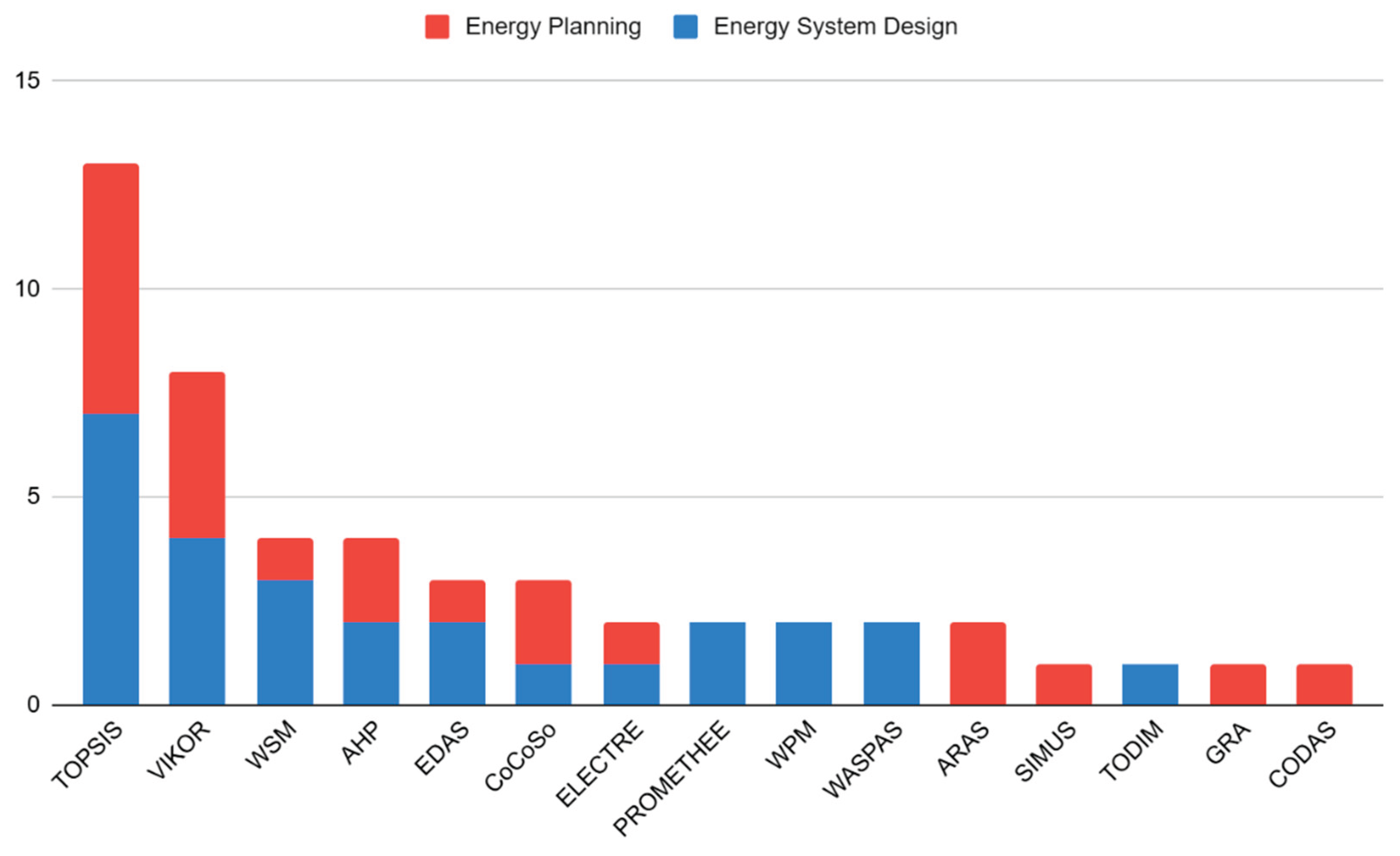
Figure 2.
Frequency of use of MCDM methods, based on the project scale.
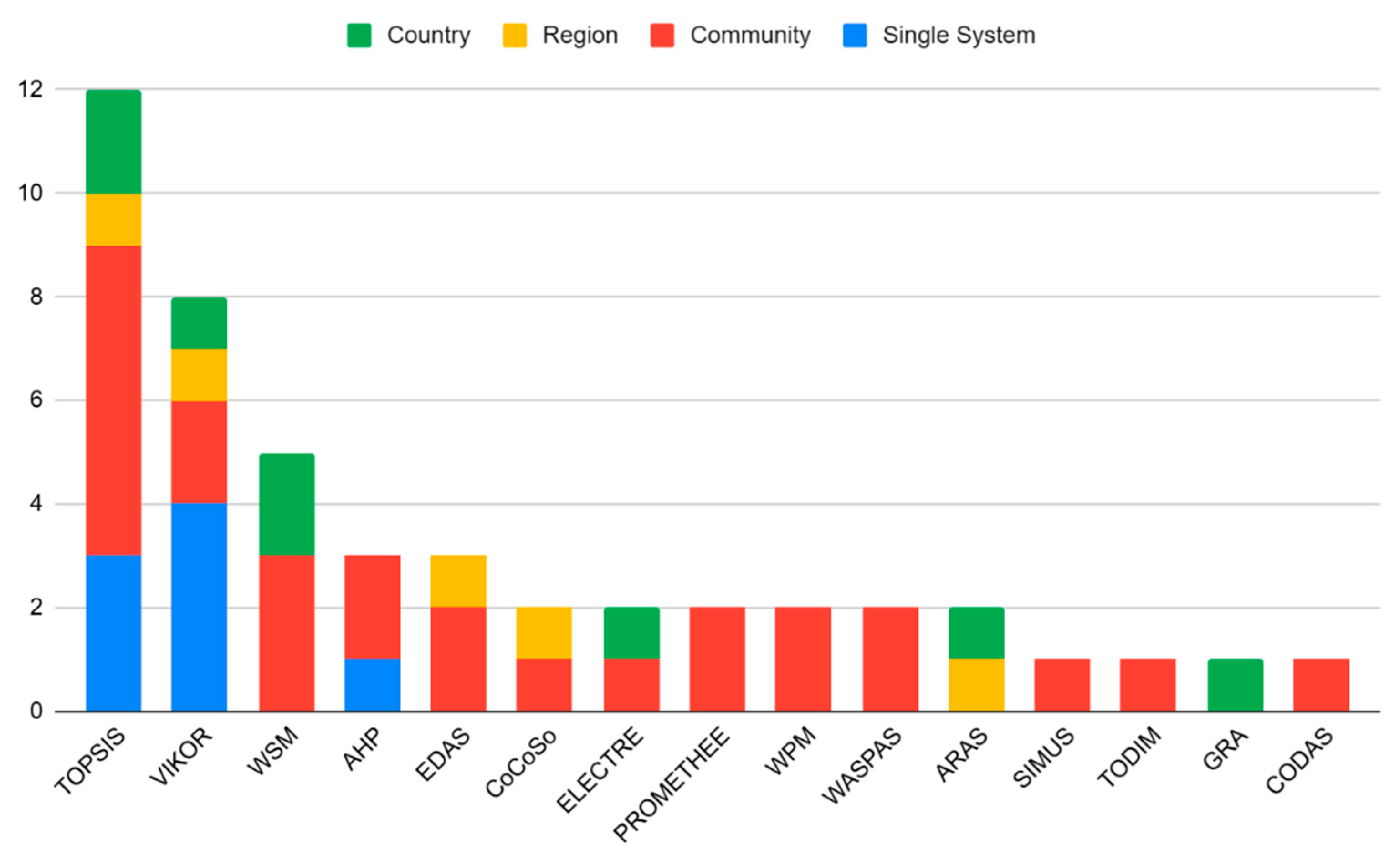
Figure 3.
Frequency of use of Weighting methods, based on the application.
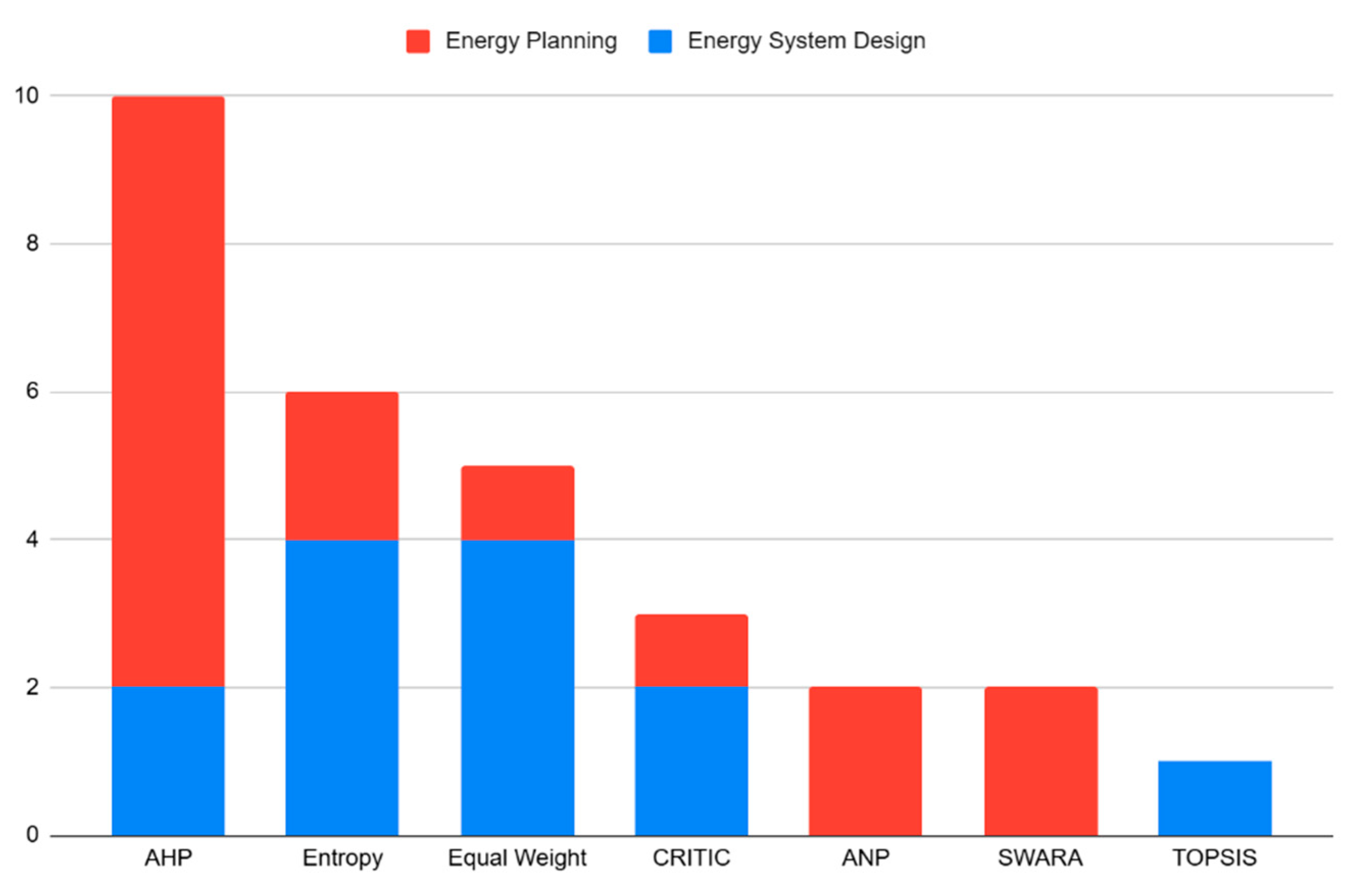
Figure 4.
Frequency of use of Weighting methods, based on the project scale.
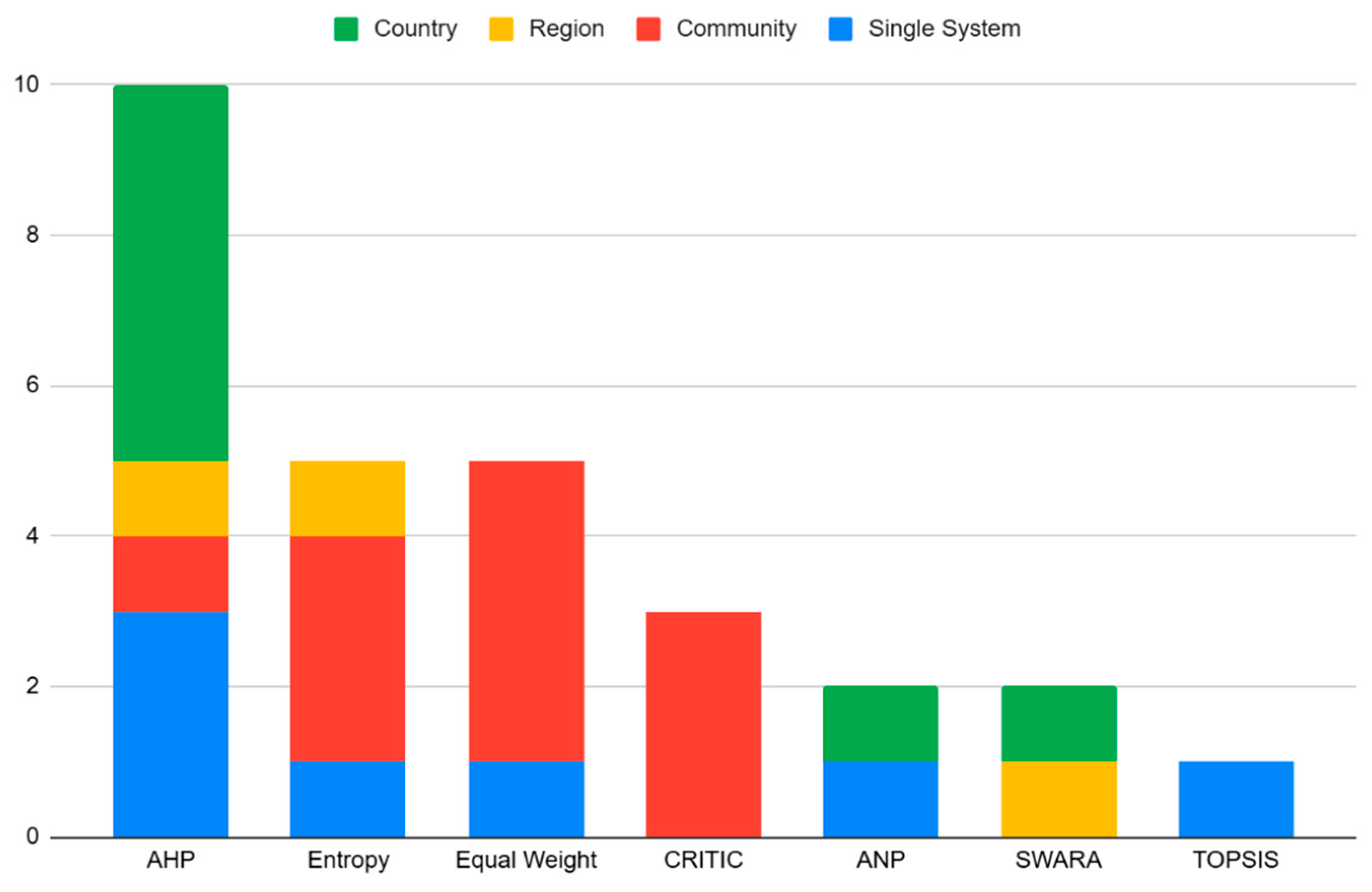
Figure 5.
Frequency of use of technical criteria, based on the application.
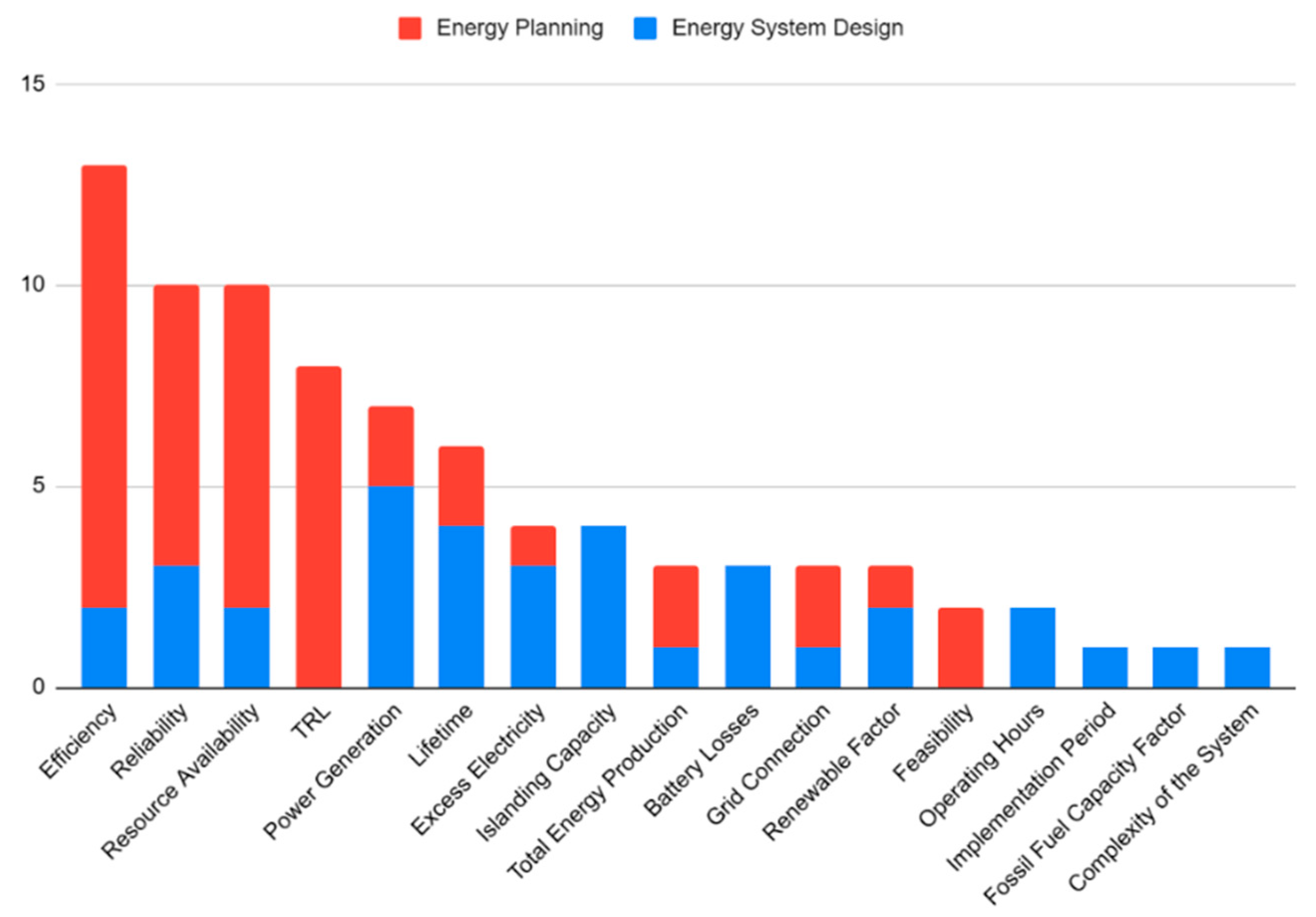
Figure 6.
Frequency of use of technical criteria, based on the project scale.
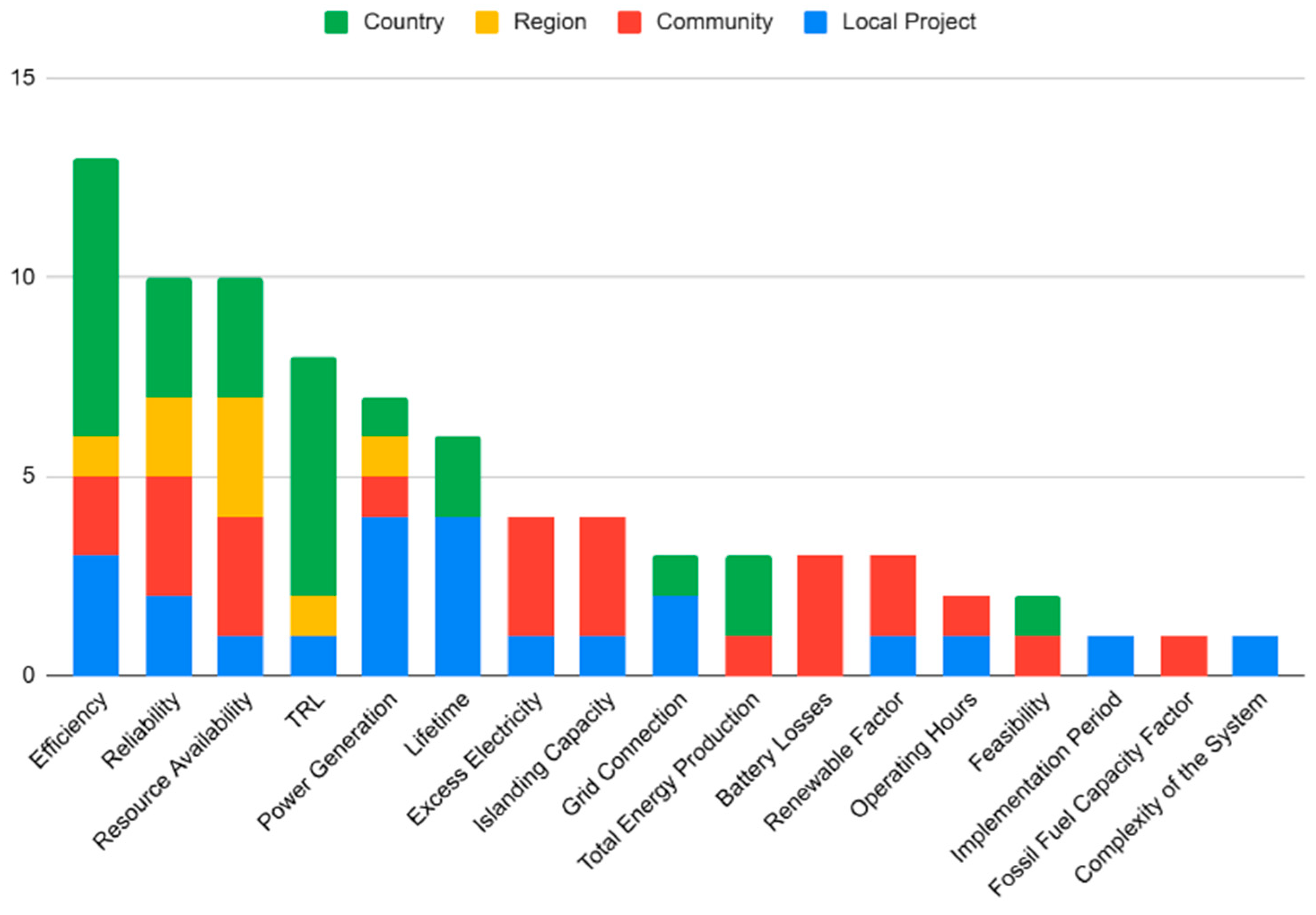
Figure 7.
Average relative weight of technical criteria.
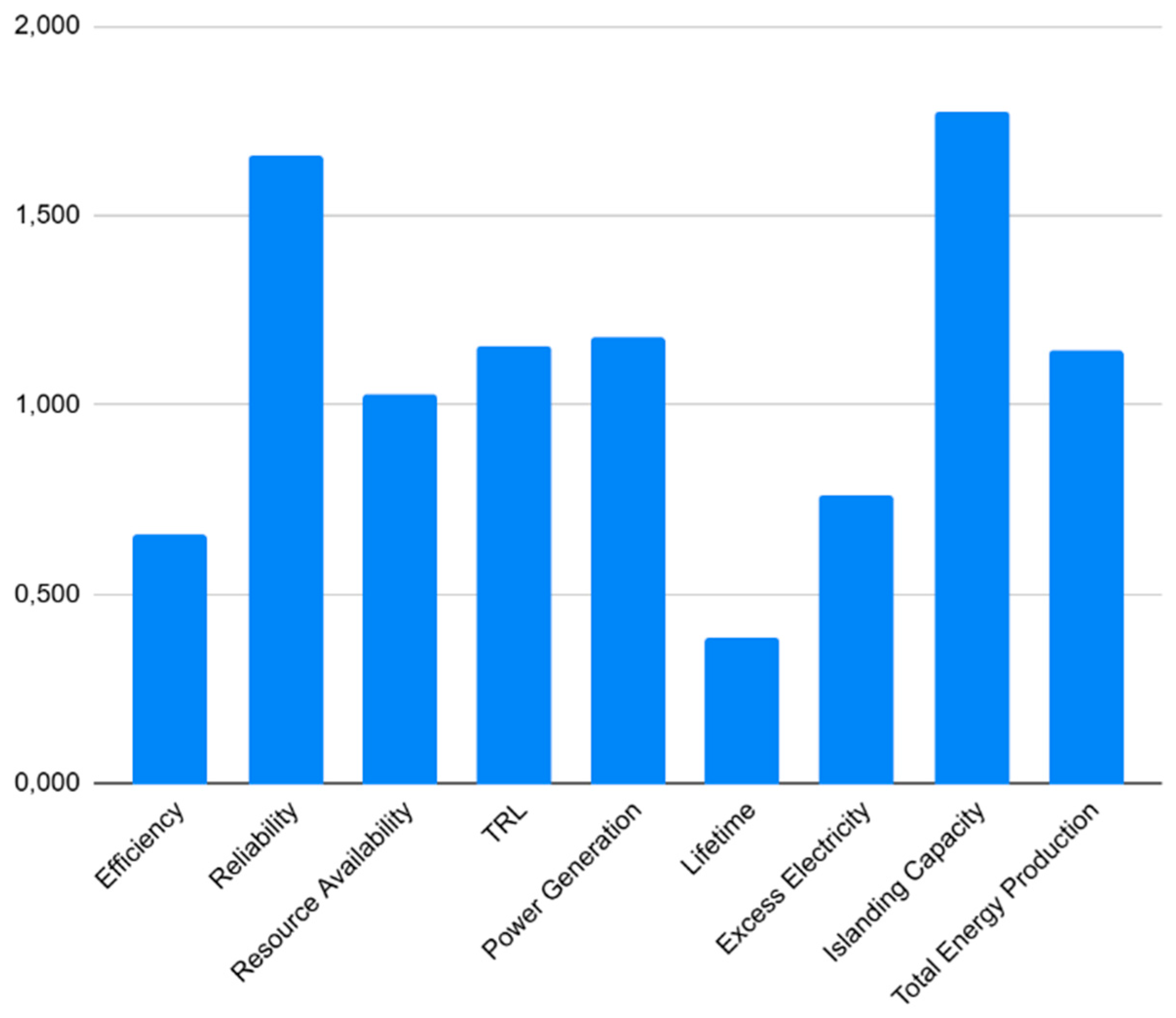
Figure 8.
Frequency of use of economic criteria, based on the application.
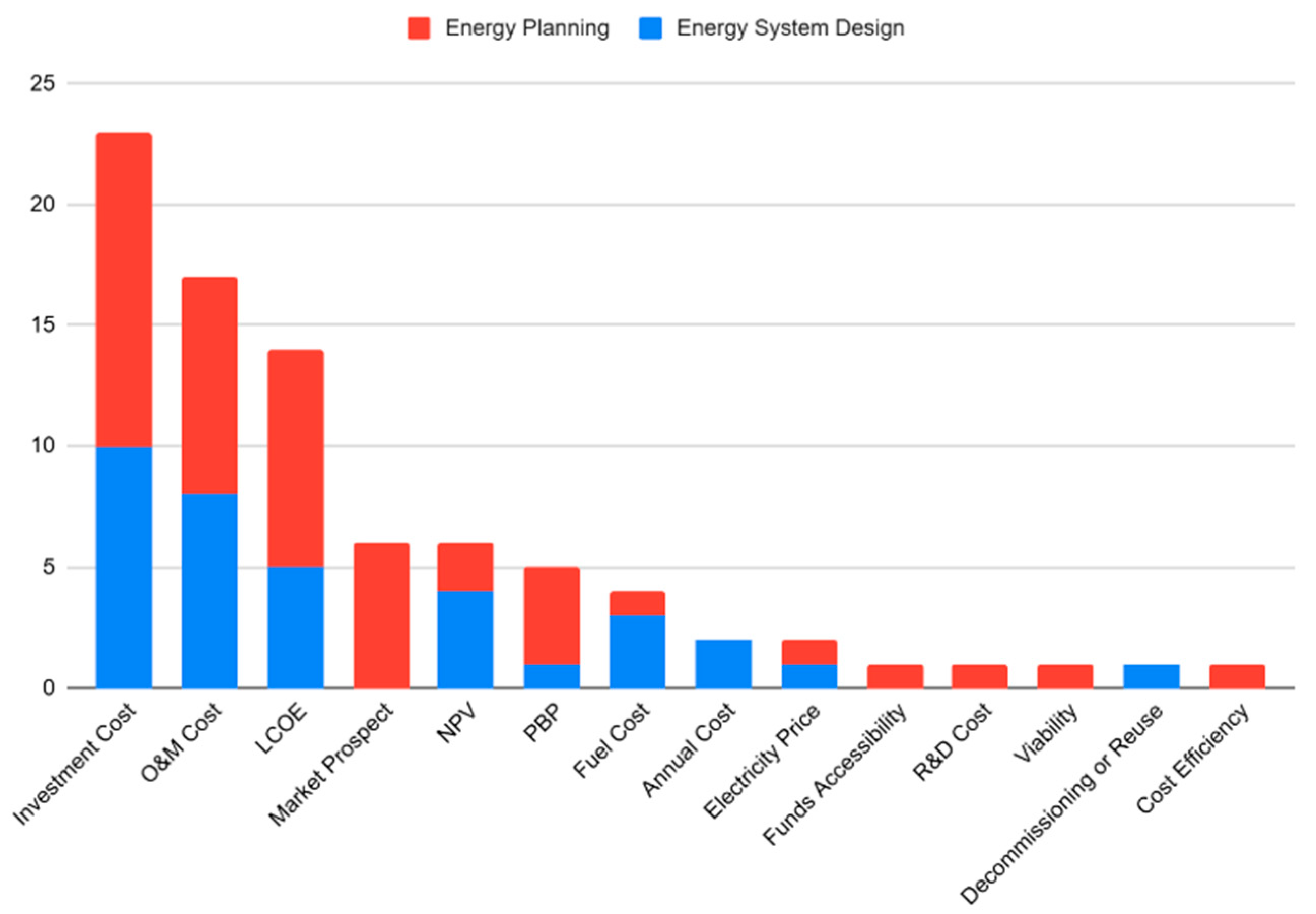
Figure 9.
Frequency of use of economic criteria, based on the project scale.
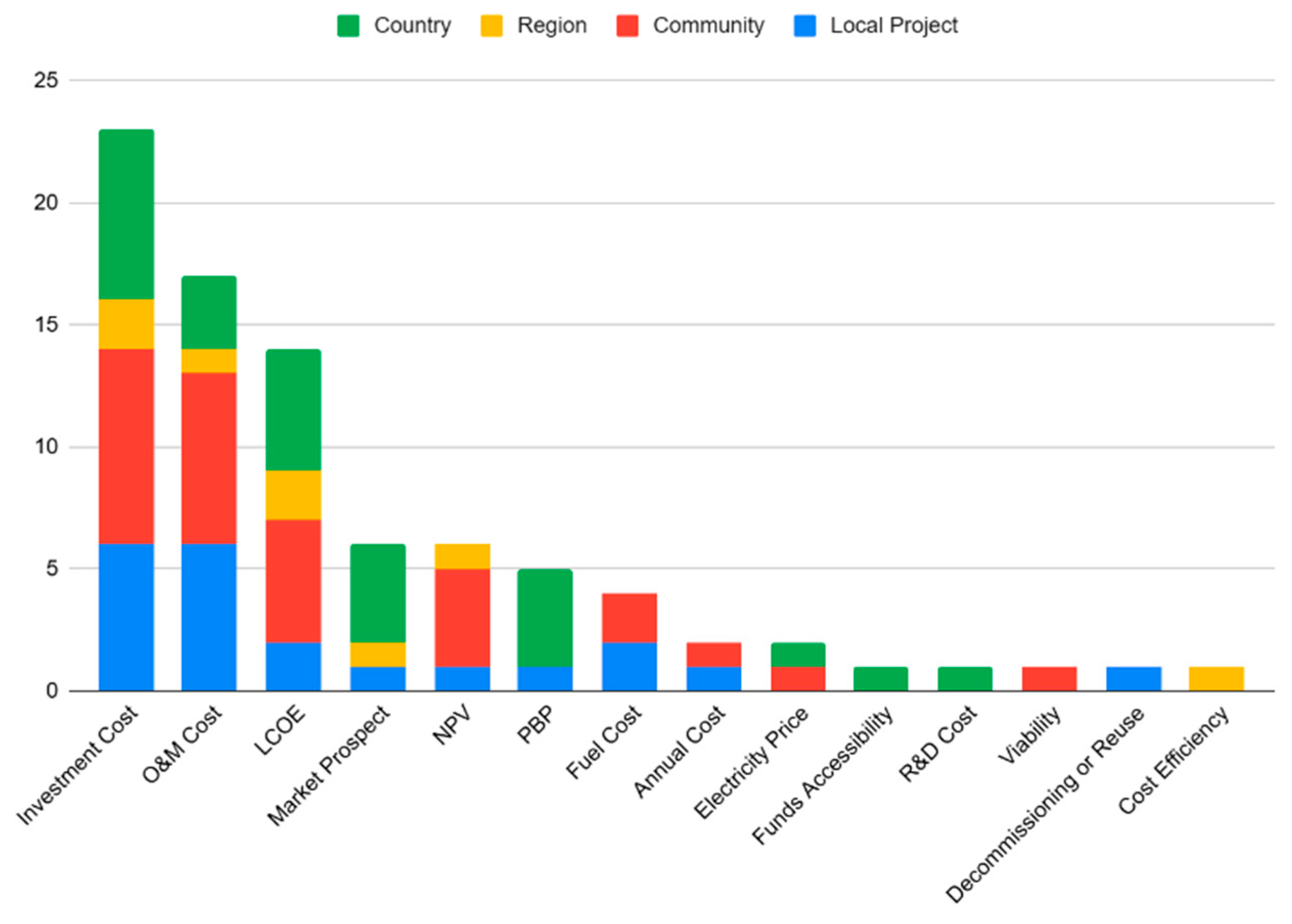
Figure 10.
Average relative weight of economic criteria.
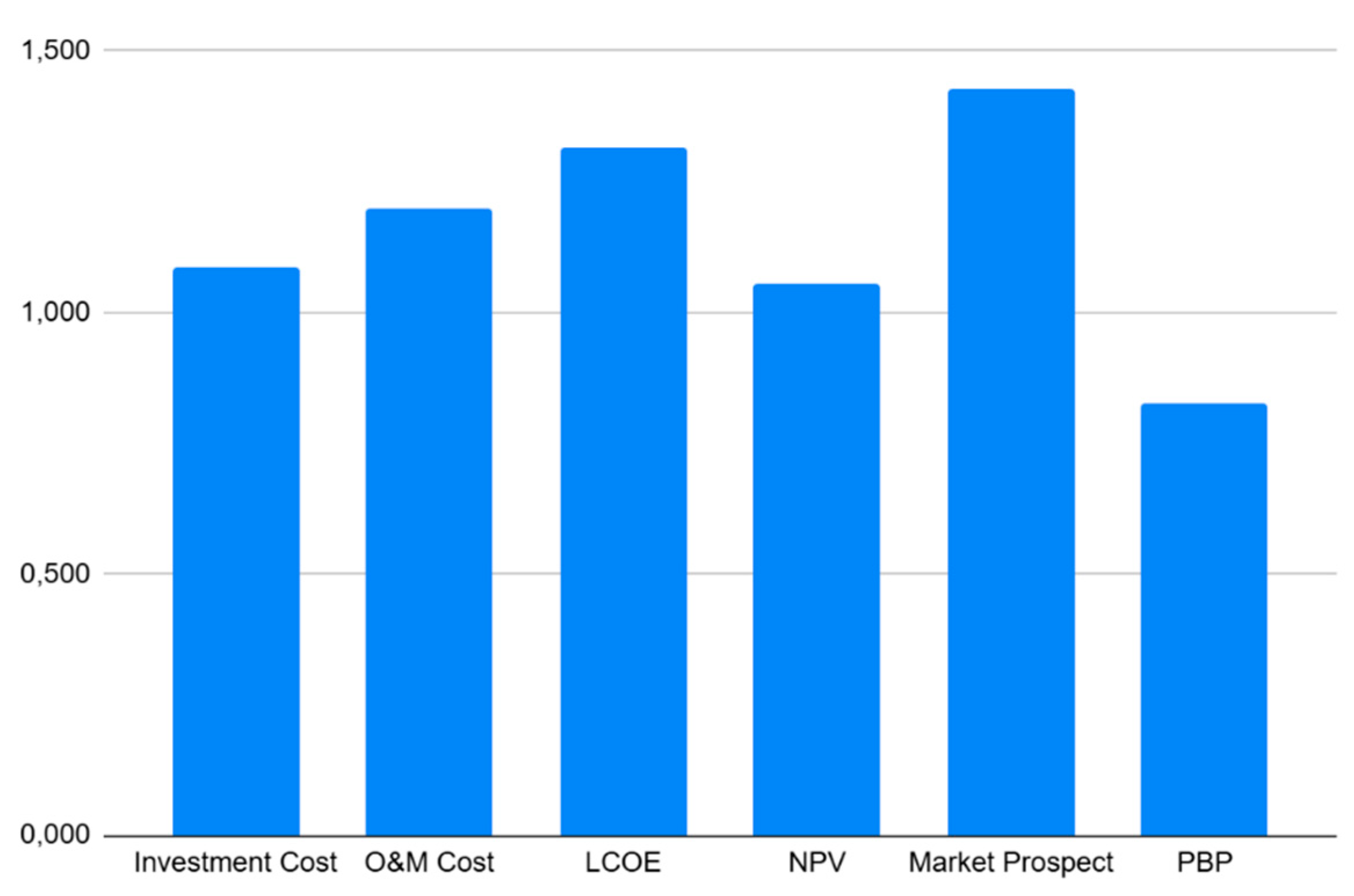
Figure 11.
Frequency of use of environmental criteria, based on the application.
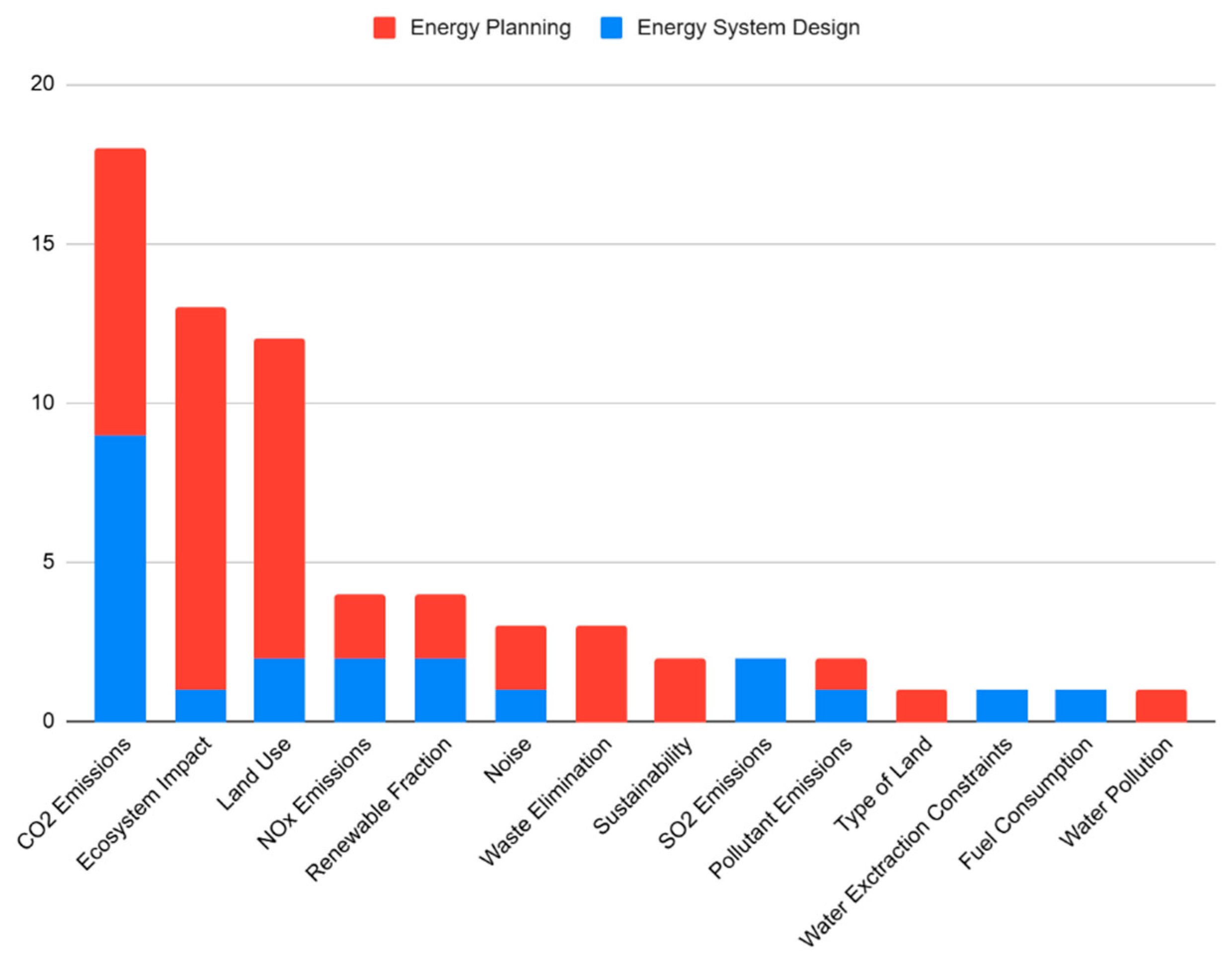
Figure 12.
Frequency of use of environmental criteria, based on the project scale.
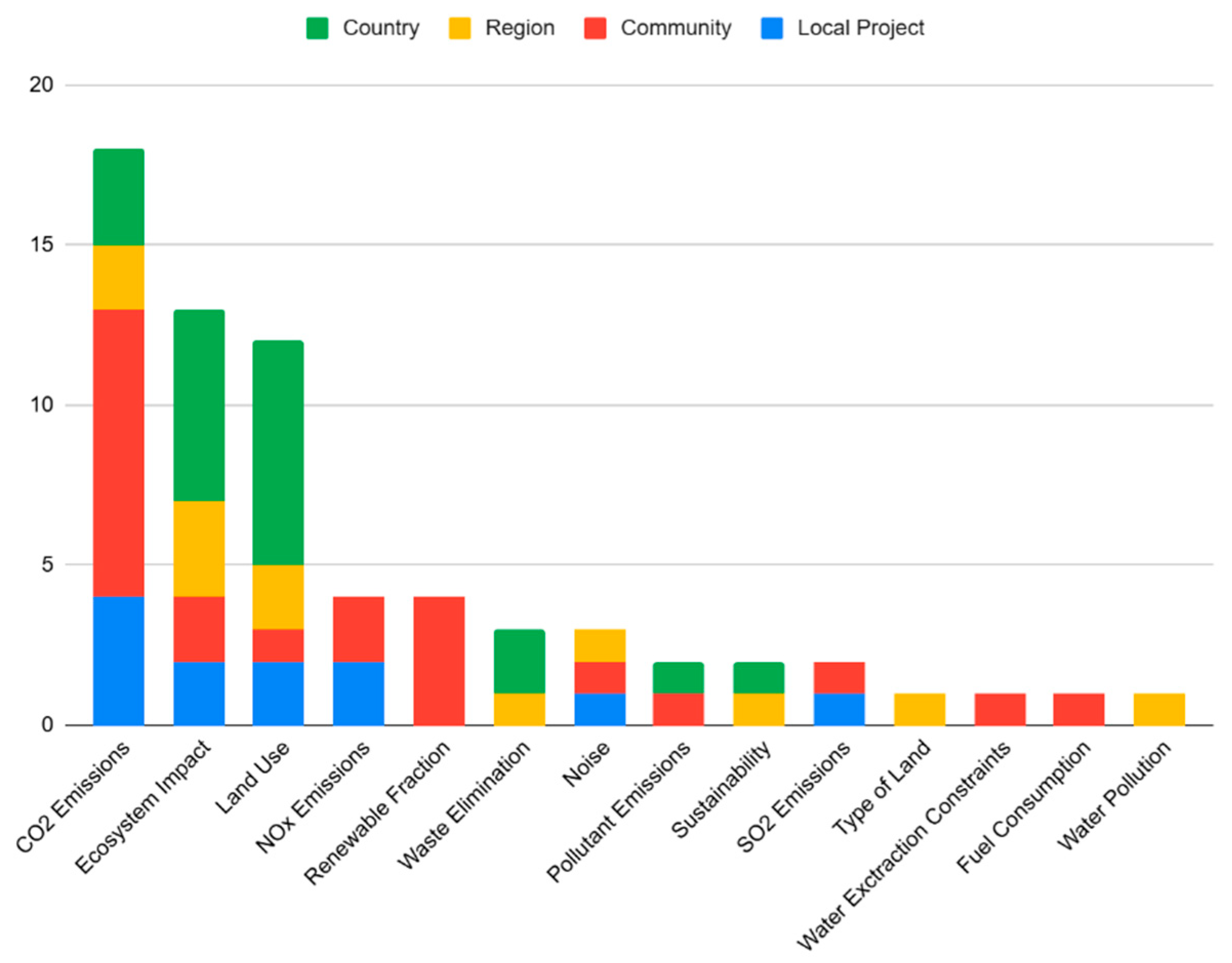
Figure 13.
Average relative weight of environmental criteria.
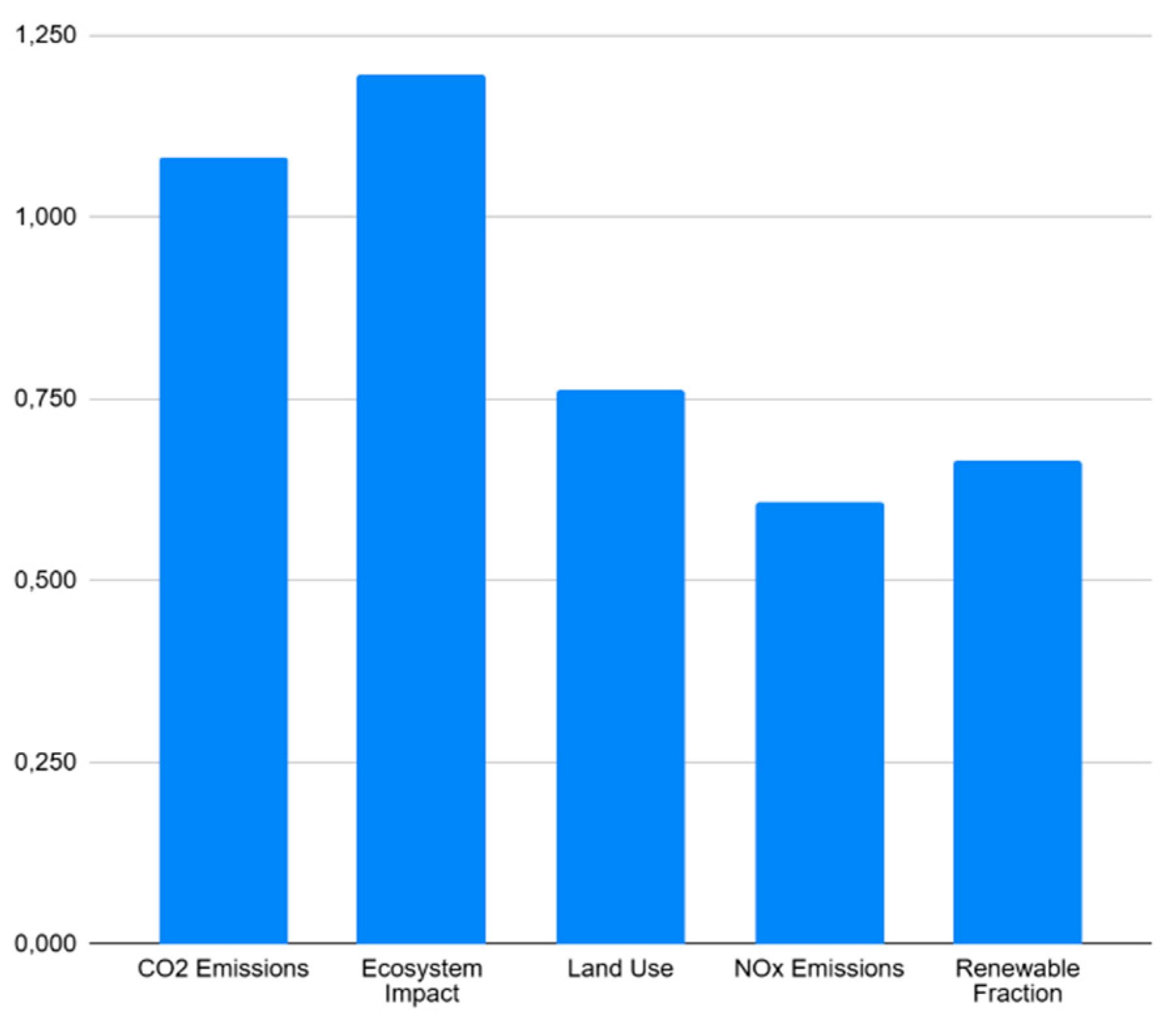
Figure 14.
Frequency of use of social criteria, based on the application.
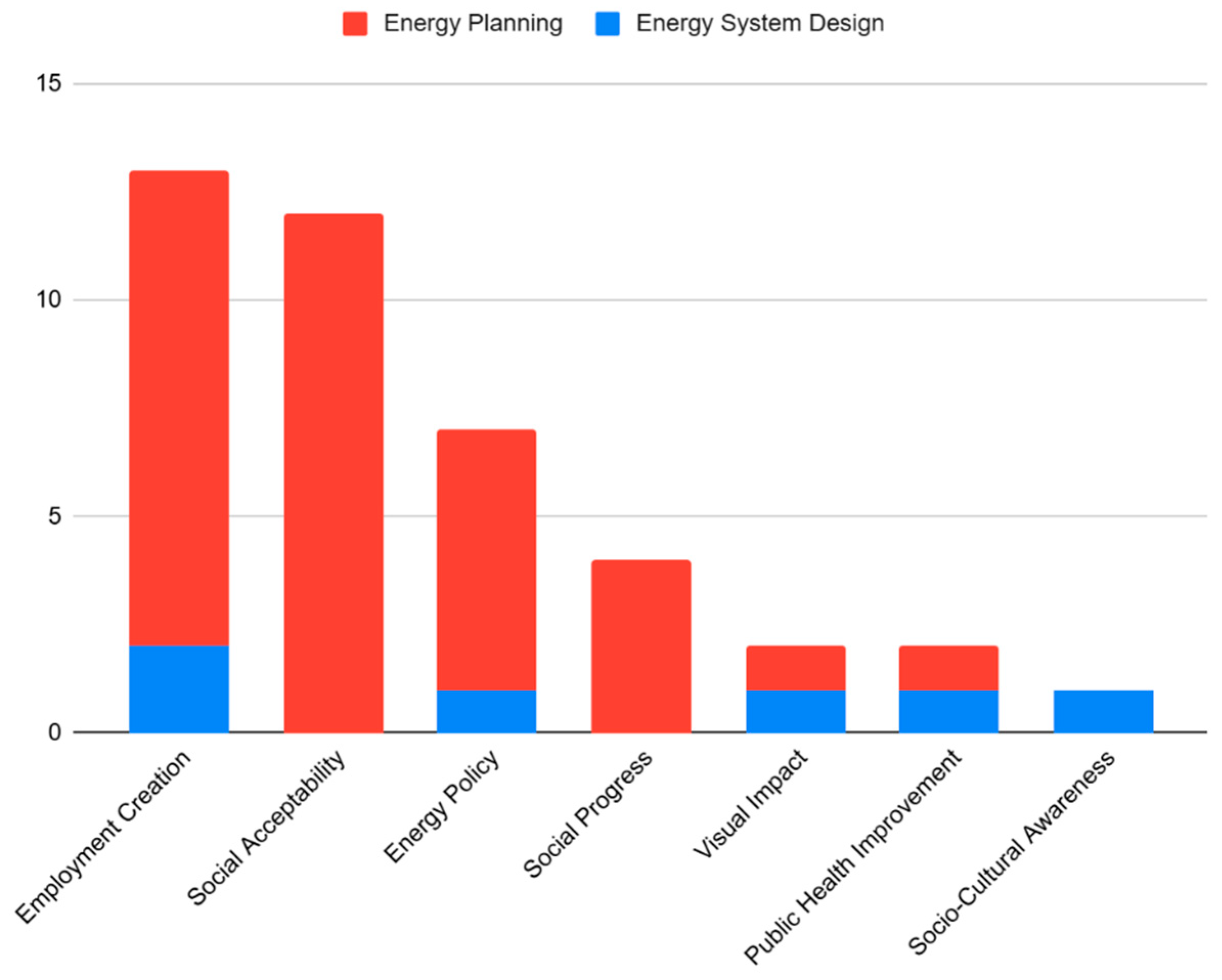
Figure 15.
Frequency of use of social criteria, based on the project scale.
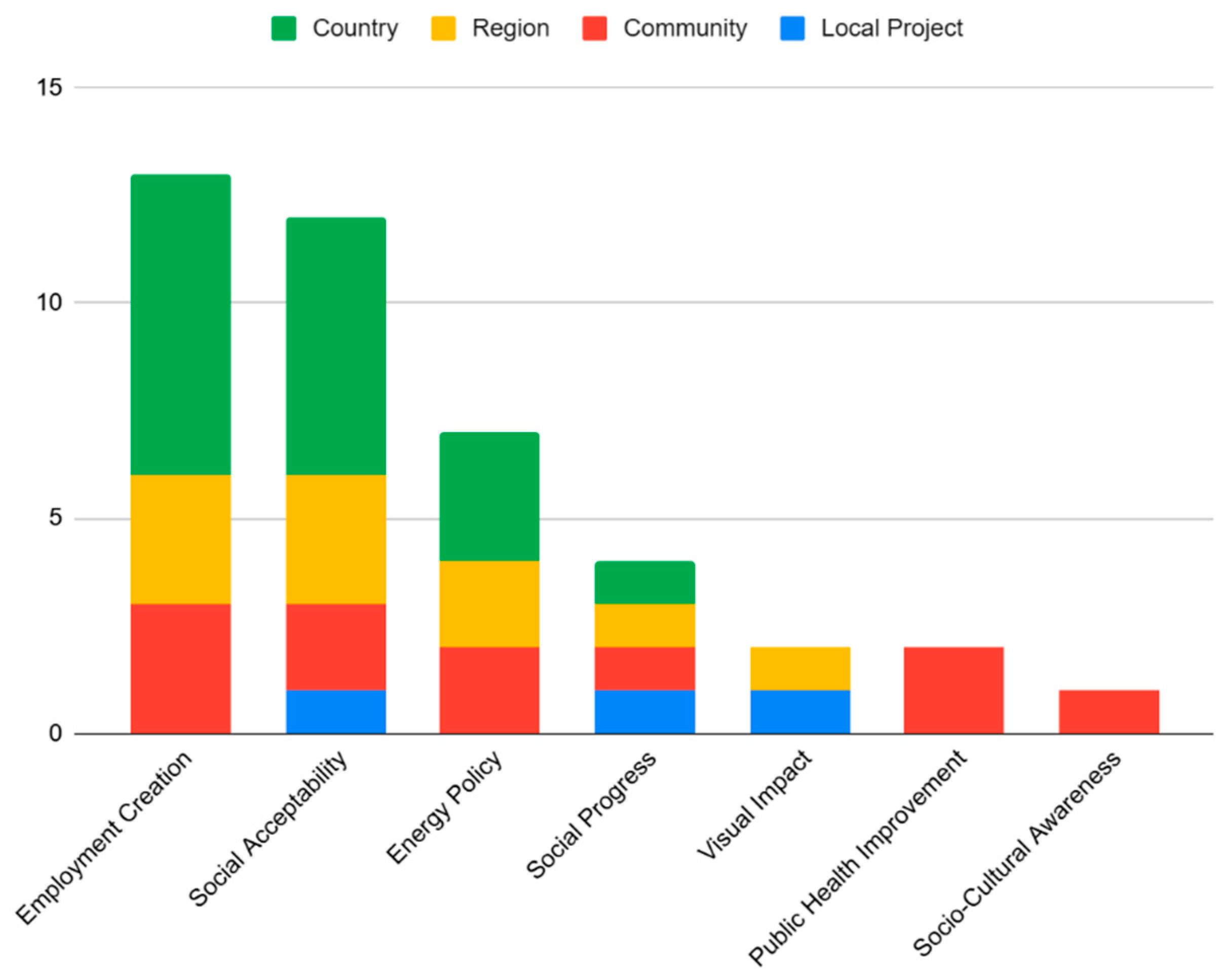
Figure 16.
Average relative weight of social criteria.
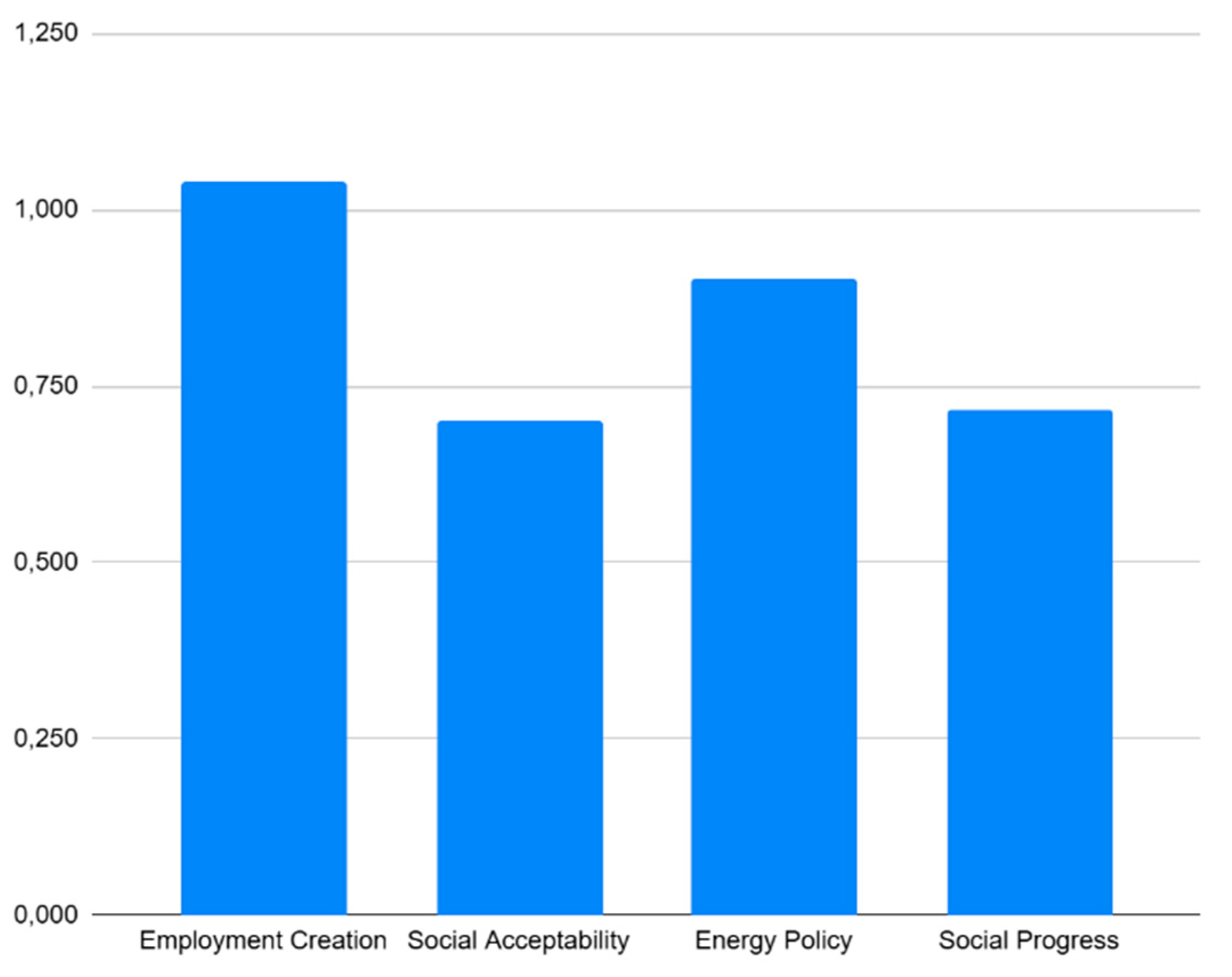

Table 1.
Selection of papers including MCDM applications for Energy Planning.
| Year of Publication | Country | Scale | Weighting Method | MCDM Method | Reference |
| 2004 | Canada | Community | AHP | SIMUS | [10] |
| 2010 | Turkey | Community | Fuzzy AHP | Fuzzy VIKOR | [11] |
| 2010 | Turkey | Country | Fuzzy AHP | WSM | [12] |
| 2014 | Indonesia | Country | Fuzzy AHP | WSM | [13] |
| 2014 | Turkey | Country | ANP | BOCR | [14] |
| 2016 | India | Region | AHP | QFD | [15] |
| 2017 | Turkey | Country | Fuzzy AHP | Fuzzy TOPSIS | [16] |
| 2018 | China | Country | Fuzzy AHP | Cumulative Prospect | [17] |
| 2018 | China | Single System | ANP | DEMATEL-VIKOR | [18] |
| 2020 | India | Community | Equal Weights | TOPSIS | [19] |
| 2020 | China | Country | IVHF-ELECTRE II | [20] | |
| 2020 | Bangladesh | Community | CRITIC | CODAS | [21] |
| 2021 | Iran | Country | SWARA | ARAS-GRA | [22] |
| 2021 | Iran | Region | Fuzzy Entropy | VIKOR-EDAS-ARAS | [23] |
| 2021 | Egypt | Country | AHP | VIKOR-TOPSIS | [24] |
| 2021 | India | Region | SWARA | CoCoSo | [25] |
| 2022 | Azerbaijan | Region | TOPSIS | [26] | |
| 2022 | Vietnam | Single System | Fuzzy AHP | TOPSIS | [27] |
| 2023 | Kosovo | Country | AHP | AHP | [28] |
| 2023 | Malaysia | Country | Entropy | TOPSIS | [29] |
| 2024 | Bangladesh | Community | LBWA | CoCoSo | [30] |
Table 2.
Selection of papers including MCDM applications for Energy System Design.
| Year of Publication | Country | Scale | Weighting Method | MCDM Method | Reference |
| 2017 | India | Single System | AHP | VIKOR | [31] |
| 2019 | India | Single System | AHP | AHP | [32] |
| 2021 | China | Community | ELECTRE | [33] | |
| 2021 | Stati Uniti | Community | Equal Weight | WSM | [34] |
| 2022 | South Africa | Single System | Equal Weight | TOPSIS-VIKOR | [35] |
| 2022 | Sudan | Community | CRITIC, Entropy | TOPSIS, WASPAS, WSMWPM | [36] |
| 2023 | Haiti | Community | DELPHI | CoCoSo | [37] |
| 2023 | Indonesia | Single System | Entropy | TOPSIS | |
| 2023 | EU | Community | Equal Weight | TOPSIS, WASPAS, WSM, WPM | [38] |
| 2024 | India | Community | TODIM | [39] | |
| 2024 | Bangladesh | Community | Entropy | TOPSIS | [40] |
| 2024 | Spain | Community | FWZIC | VIKOR | [41] |
| 2024 | India | Community | Equal Weight, Entropy, CRITIC | TOPSIS-EDAS-PROMETHEE 2 | [42] |
| 2024 | Cambodia, Laos, Myanmar, Bangladesh | Community | AHP | AHP, TOPSIS, EDAS, PROMETHEE II | [43] |
| 2024 | Bangladesh | Community | LBWA | CoCoSo | [44] |
| 2025 | India | Single System | TOPSIS | VIKOR | [45] |
Table 1.
Overview of criteria categories.
| Technical | Economic | Environmental | Social | |
| Number of papers | 30 | 33 | 31 | 21 |
| Number of criteria | 17 | 14 | 14 | 7 |
| Total number of citations | 82 | 64 | 67 | 41 |
Disclaimer/Publisher’s Note: The statements, opinions and data contained in all publications are solely those of the individual author(s) and contributor(s) and not of MDPI and/or the editor(s). MDPI and/or the editor(s) disclaim responsibility for any injury to people or property resulting from any ideas, methods, instructions or products referred to in the content. |
© 2026 by the authors. Licensee MDPI, Basel, Switzerland. This article is an open access article distributed under the terms and conditions of the Creative Commons Attribution (CC BY) license (http://creativecommons.org/licenses/by/4.0/).
Copyright: This open access article is published under a Creative Commons CC BY 4.0 license, which permit the free download, distribution, and reuse, provided that the author and preprint are cited in any reuse.


