

Submitted:
22 April 2026
Posted:
22 April 2026
You are already at the latest version
Abstract
Gallnut anthracnose, caused primarily by Colletotrichum species, acts as a primary bottleneck restricting the sustainable development of the Rhus chinensis industry. Developing green biocontrol strategies by screening molecular targets for novel fungicides is highly imperative. A strain designated as Serratia plymuthica WF63 was isolated from healthy R. chinensis tissues. The strain exhibited broad-spectrum antifungal activity and multiple plant growth-promoting (PGP) traits, including the production of protease, cellulase, and indole-3-acetic acid (IAA). In vivo pot experiments revealed that WF63 achieved a biocontrol efficacy of over 50% against anthracnose pathogens (Colletotrichum nymphaeae and C. fioriniae) and demonstrated significant plant growth-promoting effects. Gas chromatography-mass spectrometry (GC-MS) analysis, combined with in vitro toxicity validation of pure compounds, identified hexahydro-2H-pyrido[1,2-a]pyrazin-3(4H)-one as a core antifungal component in the fermentation broth, with a median effective concentration (EC50) of 133.88 mg·L-1 against the target pathogen. These findings not only highlight WF63 as a promising microbial resource but also elucidate the specific nitrogen-containing heterocyclic compound as potential lead molecules for green fungicide development.
Keywords:
gallnut anthracnose
; Serratia plymuthica
; endophytic bacteria
; antifungal mechanism
; secondary metabolites
; EC50
1. Introduction
Rhus chinensis Mill., commonly known as the Chinese sumac, is an economically significant species in the Anacardiaceae family [1]. Its galls (Galla chinensis ) possess substantial pharmacological and industrial value, be widely utilized across the pharmaceutical, chemical, and food sectors [2,3,4]. However, the rapid expansion of gallnut cultivation has precipitated an increased prevalence of plant diseases. Among these, anthracnose poses a critical threat to both gallnut yield and quality [5].
Gallnut anthracnose is primarily caused by Colletotrichum nymphaeae and C. fioriniae, which infect the leaves, branches, and galls [5,6]. Current management strategies rely heavily on synthetic fungicides, raising significant concerns regarding environmental toxicity and the emergence of fungicide - resistant pathogen populations. Consequently, developing ecologically benign, safe, and sustainable biocontrol strategies is highly imperative.
Endophytic bacteria are beneficial microorganisms that colonize internal plant tissues without inducing apparent disease symptoms. Benefiting from a stable internal microenvironment and the capacity to adapt to host defense mechanisms, they have emerged as a focal point in biocontrol research [7]. Extensive studies have demonstrated the remarkable antagonistic effects of endophytic Bacillus strains against various Colletotrichum species. For instance, Bacillus amyloliquefaciens strain GZY63 exhibits broad-spectrum resistance against nine Colletotrichum species, with whole-genome analysis revealing mechanisms driven by secondary metabolites [8]. Similarly, B. altitudinis GS-16 and B. amyloliquefaciens GYL4 effectively control anthracnose in tea and pepper plants by disrupting pathogen cell membranes and producing iturin-like antifungal compounds, respectively [9,10]. Furthermore, diverse Bacillus endophytes screened from the medicinal plant Ageratum conyzoides manage plum anthracnose via the volatile organic compounds (VOCs) [11]. Collectively, these studies highlight the efficacy of endophytic bacteria; however, the overwhelming research focus on Bacillus underscores the need to explore other taxonomical groups to discover novel biocontrol agents and distinct antimicrobial compounds.
The genus Serratia, a crucial group of plant-associated bacteria,represents a significant yet underexploited biocontrol resource. Strains of Serratia plymuthica can effectively inhibit diverse phytopathogenic fungi, including Alternaria tenuissima, Sclerotinia sclerotiorum, and Botrytis cinerea. Their established antifungal mechanisms encompass the production of antimicrobial metabolites, the secretion of extracellular hydrolytic enzymes, and the elicitation of systemic resistance in host plants [12,13,14,15,16]. Additionally, Serratia has shown specific potential in suppressing C. gloeosporioides [17]. Nevertheless, current biocontrol research against anthracnose in China predominantly targets common genera such as Bacillus and Pseudomonas, leaving the application of Serratia in economic forest pathosystems largely unexplored. More critically, investigations into the biocontrol mechanisms of Serratia are frequently confined to phenotypic observations and compositional speculations based on crude fermentation extracts. There is a noticeable dearth of precise qualitative identification defining the core chemical basis for direct antifungal action, and quantitative toxicity validations targeting pure single compound remain exceptionally rare. This lack of empirical mechanistic data severely restricts the in-depth development and commercial formulation of these promising biocontrol resources.
To address these knowledge gaps, the present study isolated and identified the endophytic strain Serratia plymuthica WF63 from healthy R. chinensis tissues. We comprehensively evaluated its biocontrol potential through enzymatic assays, growth-promotion tests, and in vivo pot experiments. Crucially, we utilized GC-MS in conjunction with quantitative toxicity regression analyses of pure compounds to precisely elucidate the key antifungal active molecules. This comprehensive approach not only provides a robust scientific foundation for the biological control of gallnut anthracnose but also establishes a methodological framework for screening molecular targets essential for the formulation of novel, green fungicides.
2. Materials and Methods
2.1. Experimental Materials
Plant Samples and Pathogen Strains: Healthy R. chinensis tissues were collected from a gallnut planting base in Wufeng County, Hubei Province, China. The target anthracnose pathogens, Colletotrichum nymphaeae (YLZ-1) and C. fioriniae (HTK-3), along with other phytopathogenic fungi utilized in this study, were preserved in the laboratory of the Hubei Academy of Forestry.maintained.
Culture Media: Fungal cultures were maintained on Potato Dextrose Agar (PDA), comprising 200 g.L-1 potato, 20 g.L-1 glucose and 20 g.L-1 agar. Bacterial isolations and fermentations were conducted using Luria-Bertani (LB) solid medium ( 10 g.L-1 tryptone, 5 g.L-1 yeast extract and 10 g.L-1 NaCl), supplemented with 20 g.L-1 agar for solid plating.
2.2. Isolation and Purification of Endophytic Bacteria
To isolate endophytic bacteria, symptomless root, stem, and leaf tissues of R. chinensis (2 g per tissue type) were rinsed with tap water and air-dried. Surface sterilization was performed within a laminar flow hood by sequentially immersing the tissue segments in 75% ethanol for 30 s and 5% sodium hypochlorite for 50 s, with thorough sterile water rinses between and after treatments. The sterilized samples were subsequently homogenized in a sterile mortar containing 5 mL of 0.7 M NaCl solution. Aliquots (100 μL) of the resulting tissue suspension were spread onto LB agar plates and incubated at 37 °C. Emergent bacterial colonies were individually isolated, purified through repeated streaking, and cryopreserved. To validate the surface sterilization efficacy, 100 μL of the final sterile rinse water was plated onto LB agar; the absence of microbial growth confirmed complete surface decontamination.
2.3. Screening of Antagonistic Bacteria
2.3.1. Primary Screening
Initial screening for antagonistic activity against the gallnut anthracnose pathogens (C. nymphaeae YLZ-1 and C. fioriniae HTK-3) was conducted using a dual-culture assay. A 6-mm mycelial plug of the target pathogen was centrally placed on a PDA plate. Subsequently, 10 μL of the endophytic bacterial suspension was spot-inoculated 3 cm away from the pathogen plug in four cardinal directions. Plates inoculated with sterile water served as blank controls. Following a 7-day incubation at 25 °C in the dark, the inhibitory zones were documented photographically. The mycelial growth inhibition rate (IR) was calculated using the following equation:
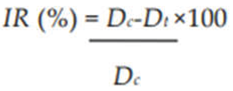
where Dc and Dt represent the average colony diameters of the control and the treatment, respectively.
2.3.2. Secondary Screening
To prepare the cell-free fermentation broth, primary active isolates were cultured in 50 mL of LB liquid medium at 28 °C and 160 rpm until reaching the logarithmic phase. This seed culture was then inoculated into fresh LB broth at a 10% (v/v) ratio and incubated for 48 h (28 °C, 180 rpm). The culture was centrifuged (8000 rpm, 20 min), and the supernatant was filtered through a 0.22 μm membrane to obtain the sterile fermentation filtrate. For the antifungal efficacy assay, the sterile filtrate was uniformly mixed into molten PDA (cooled to 50 °C) to achieve a final concentration of 10% (v/v). A 6-mm pathogen plug was centrally inoculated onto the solidified amended medium. PDA plates amended with an equal volume of sterile water were utilized as controls. After 7 days of incubation at 25 °C, colony diameters were recorded to calculate the inhibition rate. All treatments were performed in triplicate.
2.4. Morphological, Physiological, and Biochemical Identification
Strain characterization commenced with Gram staining and morphological observation under an optical microscope, adhering to the protocols of the Common Manual for Systematic Identification of Bacteria [18] and Bergey’s Manual of Determinative Bacteriology [19]. Comprehensive metabolic profiling was executed utilizing the GEN III MicroPlate of the MicroStation™ V4.01 system (Biolog, Inc., Hayward, CA, USA). Briefly, a fresh single colony was suspended in the IF-A inoculation fluid to an OD600 of 0.6. The suspension was dispensed into the GEN III MicroPlate (100 μL/well) and incubated at 37 °C for 24 h before automated reading.
2.5. Molecular Identification
Genomic DNA was isolated using a Bacterial Genomic DNA Extraction Kit (Sangon Biotech, Shanghai, China). Amplification of the 16S rRNA gene and the gyrB housekeeping gene was performed utilizing the universal primer pairs 27-F/1492-R and UP-1/UP-2r, respectively. The resulting amplicons were sequenced by Sangon Biotech. Sequences were subjected to BLAST analysis against the NCBI database, and a phylogenetic tree was constructed using the maximum likelihood method embedded in MEGA 11.0 software.
2.6. Antifungal Activity of Bacterial Volatile Organic Compounds (VOCs)
The volatility-mediated antagonism was evaluated using the double-plate method. A 200 μL aliquot of the bacterial fermentation broth was uniformly spread onto an LB agar plate. Simultaneously, a 6-mm target pathogen plug was centrally inoculated onto a PDA plate. The LB plate was then inverted over the PDA plate, and the paired plates were tightly sealed with Parafilm to establish a closed microenvironment. Uninoculated LB plates paired with pathogen-inoculated PDA plates served as controls. Following a 7-day dark incubation at 25 °C, the inhibition rate was determined.
2.7. Effect of the Antagonistic Bacterium on Pathogen Mycelial Growth
Mycelial morphological alterations were observed via a modified slide culture technique. A pathogen plug was centrally inoculated on a PDA plate, flanked symmetrically by two Oxford cups placed 3 cm away. Each cup was loaded with 100 μL of sterile fermentation broth (or sterile water for the control). Sterile glass coverslips were inserted into the agar at a 45° angle between the pathogen plug and the cups. Once the advancing mycelia colonized the coverslips, they were carefully extracted and examined under a light microscope.
2.8. Determination of Extracellular Enzyme Activities and IAA Production
Following the methodology described by Li et al. [20], the enzymatic production profiles of the isolated strain were qualitatively assessed on specific agar plates formulated to detect protease, cellulase, and β-1,3-glucanase (pachyman) activities. After a 3-day dark incubation at 25 °C, the formation of distinct hydrolytic clear zones around the colonies was evaluated. Indole-3-acetic acid (IAA) biosynthesis was colorimetrically determined by mixing 50 µL of the bacterial suspension with an equal volume of Salkowski reagent. The emergence of a pink-to-red coloration after a 30-min incubation in the dark at room temperature indicated positive IAA production.
2.9. Determination of the Antifungal Spectrum
The broad-spectrum biocontrol potential was assayed against ten diverse phytopathogenic fungi (including C. camelliae, B. cinerea, F. graminearum, etc.) using the aforementioned dual-culture method. Triplicate plates were incubated at 25 °C in the dark until the control mycelia reached the plate margins, at which point inhibition rates were calculated.
2.10. Extraction and Activity Assay of Secondary Metabolites
Liquid-liquid extraction was employed to partition the secondary metabolites from the bacterial supernatant (prepared in Section 2.3.2). The cell-free broth was sequentially partitioned seven times with ethyl acetate and water-saturated n-butanol at a 1:1 volume ratio. The resulting organic phases were concentrated in vacuo using a rotary evaporator to yield the respective crude extracts. To assess their antifungal efficacy, the extracts were re-dissolved in dimethyl sulfoxide (DMSO) and amended into PDA plates. The inhibitory effect against the gallnut anthracnose pathogen was determined after 7 days of incubation at 25 °C, using DMSO-amended plates as negative controls.
2.11. GC-MS Identification of Major Components
Metabolic profiling of the crude extract exhibiting the highest antifungal activity was performed using a GC-MS QP2020 NX system (Shimadzu, Kyoto, Japan). Chromatographic conditions and mass spectrometry parameters followed the protocols established by Abdelkhalek et al. [21]. Target analytes were identified by cross-referencing the acquired mass spectra with established GC-MS libraries.
2.12. In Vitro Toxicity Assay of Core Single Compounds
To quantify the specific fungicidal efficacy, four potential core active compounds identified via GC-MS (cyclo(L-Pro-L-Val), hexahydro-2H-pyrido[1,2-a]pyrazin-3(4H)-one, 3-isobutyl-2,3,6,7,8,8a-hexahydropyrrolo[1,2-a]pyrazine-1,4-dione, and hexahydro-3-(phenylmethyl)pyrrolo[1,2-a]pyrazine-1,4-dione) were procured as commercial analytical standards. Utilizing the poisoned food technique, the compounds were solubilized in DMSO and incorporated into PDA media to establish five final concentration gradients (10, 25, 50, 100, and 200 mg·L-1). Colony diameters were measured via the perpendicular cross method after a 7-day dark incubation at 25 °C. Mycelial inhibition rates were calculated and subsequently converted to probit values. These values were plotted against the logarithm of the compound concentrations to generate toxicity regression equations and derive the median effective concentration (EC50) values.
2.13. In Vivo Biocontrol Efficacy on Potted R. chinensis Seedlings
Greenhouse pot assays were conducted using healthy R. chinensis seedlings of uniform developmental stage. In the biocontrol treatment group, foliage was preemptively sprayed with the WF63 fermentation broth (107 CFU·mL-1). Two hours post-application, the plants were challenge-inoculated via foliar spray with an anthracnose spore suspension (106 CFU·mL-1). Seedlings treated solely with the pathogen spore suspension served as positive controls. Each treatment comprised ten biological replicates. Following a 10-day incubation at 25 °C, the disease incidence was visually assessed to compute the disease index (DI) and the relative control efficacy.
2.14. Statistical Analysis
All quantitative experiments were performed in triplicate, and data are expressed as the mean ± standard error (SE). Statistical significance was resolved using Duncan’s new multiple range test via SPSS software, with P < 0.05 established as the threshold for statistical significance.
3. Results
3.1. Isolation and Identification of Endophytic Antagonistic Bacteria
A total of 237 bacterial isolates were recovered from the healthy tissues of R. chinensis. Initial screening via the dual-culture assay identified nine strains exhibiting significant antagonistic activity against both gallnut anthracnose pathogens. Among them, one strain demonstrating strong antagonistic efficacy, designated as WF63, was selected for further investigation. This strain exhibited mycelial growth inhibition rates of 53.60% and 67.28% against the target pathogens C. nymphaeae (YLZ-1) and C. fioriniae (HTK-3), respectively (Figure 1). After 1 day of incubation on Luria-Bertani (LB) agar plates at 28 °C, the colonies of strain WF63 appeared milky white with entire, well-defined margins and a smooth surface (Figure S1A).
The endophytic antagonistic bacterium WF63 was Gram-negative (Figure S1B). Its physiological and biochemical properties were evaluated using the Biolog system (Table S1). Carbon source utilization tests indicated that the strain could efficiently utilize various monosaccharides and polysaccharides, including trehalose, glucose, stachyose, raffinose, galactose, and melibiose. It could also metabolize organic acids (such as citric and gluconic acids) and amino acids (such as L-glutamic acid, L-aspartic acid, and D-serine). Environmental stress tests revealed that the strain exhibited strong acid tolerance and resistance to redox stress; it was moderately halotolerant but sensitive to high salinity. Furthermore, antibiotic susceptibility profiles showed intrinsic resistance to vancomycin and rifamycin SV, yet sensitivity to tetracyclines, quinolones, and lincomycin. Notably, the strain was triple-positive for α-galactosidase (Raffinose(+) / Stachyose(+) / Melibiose(+)) and capable of utilizing citric acid. These characteristics strongly suggested that the candidate genus was Serratia, pending definitive confirmation via molecular identification.
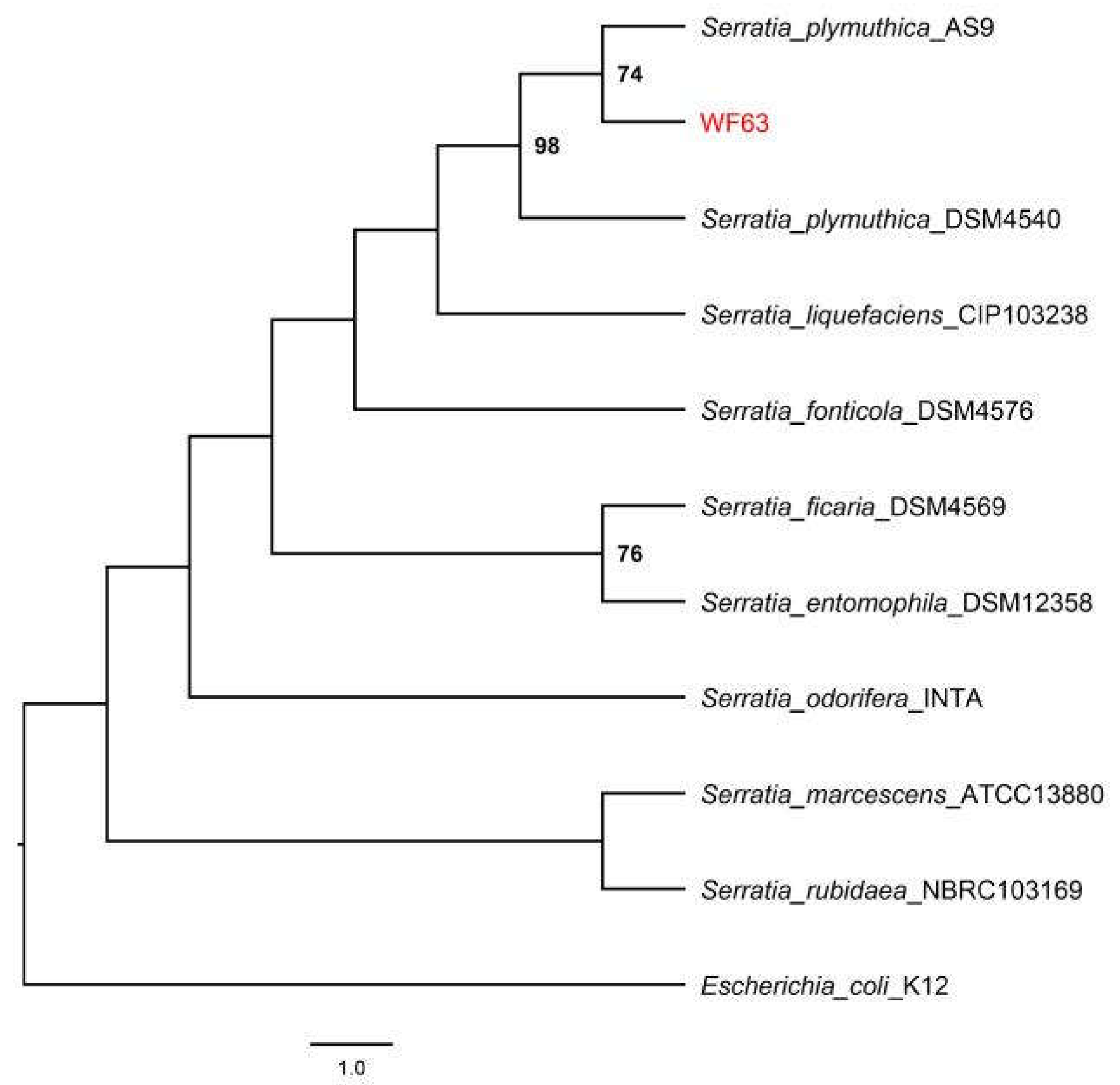
The 16S rRNA and gyrB gene sequences of strain WF63 were successfully amplified via PCR. The sequences were concatenated in the order of 16S rRNA-gyrB and analyzed against corresponding concatenated sequences of reference strains to construct a maximum-likelihood phylogenetic tree. The results demonstrated that WF63 clustered within the same clade as Serratia plymuthica, exhibiting the closest genetic distance. Integrating the morphological, physiological, and biochemical characteristics with the molecular homology analysis, strain WF63 was conclusively identified as Serratia plymuthica.
Figure 2.
Phylogenetic tree for strain WF63 based on 16S rRNA-gyrB gene sequences. The phylogenetic tree was constructed using the maxium likelihood method. Bootstrap values based on 1000 replicates are shown at the nodes.
Figure 2.
Phylogenetic tree for strain WF63 based on 16S rRNA-gyrB gene sequences. The phylogenetic tree was constructed using the maxium likelihood method. Bootstrap values based on 1000 replicates are shown at the nodes.
3.2. Inhibitory Activity of Volatile Organic Compounds (VOCs) from Strain WF63
As detailed in Table 1, the inhibition rates of the VOCs produced by strain WF63 against the mycelial growth of C. nymphaeae YLZ-1 and C. fioriniae HTK-3 were 0.44% and 21.80%, respectively. This indicates that the volatile emissions from WF63 possessed negligible inhibitory activity against C. nymphaeae YLZ-1 and only weak inhibitory effects against C. fioriniae HTK-3.
3.3. Inhibitory Activity of the Cell-Free Fermentation Broth Against Target Pathogens
In contrast to the VOCs, the cell-free fermentation supernatant of strain WF63 exerted a robust inhibitory effect on the target pathogens, achieving mycelial inhibition rates of 50.68% against YLZ-1 and 61.39% against HTK-3 (Table 2). Microscopic observation revealed that the control mycelia of YLZ-1 were smooth, slender, and grew vigorously (Figure 3(CK1)). However, mycelia treated with the cell-free fermentation broth underwent severe morphological abnormalities, characterized by extensive intertwining, twisting, and deformation (Figure 3(A1,B1)). Similarly, compared to the smooth and uniform control mycelia of HTK-3 (Figure 3(CK2)), the treated mycelia exhibited pronounced distortion, including bending and localized swelling at the hyphal tips or intercalary segments (Figure 3(A2,B2)).
3.4. Determination of Extracellular Enzyme Activities and IAA Production
Qualitative assays for extracellular enzymes (Figure 4) revealed that strain WF63 produced distinct hydrolysis halos on the protease detection medium, indicating its capacity for protease secretion. On the sodium carboxymethyl cellulose (CMC-Na) medium, WF63 decolorized the surrounding Congo red to form a clear zone, demonstrating active cellulase production. However, on the β-1,3-glucanase detection medium, the strain failed to decolorize the blue background despite normal growth, indicating an inability to produce β-1,3-glucanase. Additionally, compared to the sterile water control (which remained colorless), the Salkowski reaction mixture containing the WF63 suspension developed a distinct pink coloration after a 30-min dark incubation. This confirmed that strain WF63 possesses the ability to biosynthesize indole-3-acetic acid (IAA).
3.5. Inhibitory Effects Against Ten Phytopathogenic Fungi
As shown in Table 3 and Figure 5, WF63 exhibited broad-spectrum antagonistic effects against all ten tested phytopathogenic fungi. Notably, the inhibition rates exceeded 50% for four key pathogens: Colletotrichum siamense (54.21%), C. camelliae (52.98%), Botrytis cinerea (70.98%), and Sclerotinia sclerotiorum (70.20%). These results substantiate the broad-spectrum antifungal profile of WF63, highlighting its significant potential for diverse biocontrol applications.
3.6. Identification of Antifungal Active Substances from Strain WF63
Biocontrol bacteria primarily orchestrate disease management by secreting secondary metabolites. Preliminary tests confirmed that the fermentation supernatant of WF63 possessed substantial antagonistic activity. Subsequently, n-butanol and ethyl acetate were utilized for liquid-liquid extraction. Bioassays revealed that the n-butanol crude extract delivered the optimal inhibitory effect against the gallnut anthracnose pathogen HTK-3, achieving an inhibition rate of 64.87% (Figure 6). Consequently, this highly active fraction was subjected to GC-MS analysis. The GC-MS profile of the n-butanol extract identified seven major compounds: cyclo(L-Pro-L-Val) (9.067%), hexahydro-2H-pyrido[1,2-a]pyrazin-3(4H)-one (8.530%), 3-isobutyl-2,3,6,7,8,8a-hexahydropyrrolo[1,2-a]pyrazine-1,4-dione (11.032%), hexahydro-3-(phenylmethyl)pyrrolo[1,2-a]pyrazine-1,4-dione (22.371%), 2,2’-methylenebis(4-methyl-6-tert-butylphenol) (14.644%), 4-(methylthio)benzyl alcohol (10.428%), and N-[1-(4-hydroxybenzyl)cyclohexyl]propionamide (23.645%).The chemical properties and structural details of these compounds are summarized in Table 4.
3.7. In Vitro Toxicity Assay of Major Fermentation Components
The in vitro toxicity assay demonstrated that among the four pure compounds evaluated, hexahydro-2H-pyrido[1,2-a]pyrazin-3(4H)-one exerted significant, concentration-dependent suppression against the gallnut anthracnose pathogen (Table 5). Toxicity regression analysis yielded the equation y=1.2036x+2.4402, culminating in a median effective concentration (EC50)of 133.88 mg·L-1. In contrast, cyclo(L-Pro-L-Val) achieved an inhibition rate of only 10.60% at the maximum tested concentration(200 mg·L-1). The remaining two compounds (3-isobutyl-2,3,6,7,8,8a-hexahydropyrrolo[1,2-a]pyrazine-1,4-dione and hexahydro-3-(phenylmethyl)pyrrolo[1,2-a]pyrazine-1,4-dione) elicited negligible inhibition across all gradients. As they failed to generate a typical linear dose-response, their toxicity regression analyses were deemed invalid (denoted as N/A for R2 and EC50 in Table 5). Collectively, the successful identification and quantitative validation of hexahydro-2H-pyrido[1,2-a]pyrazin-3(4H)-one establish a critical foundation for screening targeted green chemical molecular targets against Colletotrichum species.
3.8. In Vivo Biocontrol Efficacy Against Gallnut Anthracnose
Pot experiments revealed that R. chinensis seedlings inoculated solely with the Colletotrichum spore suspensions developed prominent, numerous, and expanding lesions on their foliage. Conversely, seedlings pre-treated with the WF63 fermentation broth exhibited significantly fewer and smaller lesions (Figure 7). Quantitative assessment showed that the disease index (DI) of the control group challenged with C. nymphaeae YLZ-1 was 53.86 (Figure 7(A1,B1)), whereas the DI of the WF63-treated group dropped to 25.79 (Figure 7(C1,D1)), translating to a relative control efficacy of 52.12%. Similarly, for C. fioriniae HTK-3, the control DI was 62.33 (Figure 7(A2,B2)) compared to the treated DI of 27.40 (Figure 7(C2,D2)), representing an overall biocontrol efficacy of 56.04% (Table 6).
4. Discussion
In this study, the endophytic bacterium WF63, exhibiting significant antagonistic activity against the gallnut anthracnose pathogen, was successfully isolated from healthy Rhus chinensis tissues and identified as Serratia plymuthica. While the genus Serratia represents a well-documented taxonomic group with considerable biocontrol potential against diverse phytopathogenic fungi-such as Pythium ultimum[22], Penicillium species [23,24], and Colletotrichum gloeosporioides [17]—its specific application against economically devastating forest pathosystems remains underexplored. Currently, agricultural biocontrol research in China predominantly centers on common genera like Bacillus and Pseudomonas [25]. In this context, the discovery of strain WF63 not only diversifies the microbial germplasm repository but also provides a vital theoretical foundation for the sustainable management of gallnut anthracnose.
Distinct from previously reported Serratia biocontrol agents, WF63 exhibits a unique, multi-faceted suppressive profile. Regarding its antifungal spectrum, WF63 demonstrated robust inhibitory effects against ten distinct phytopathogenic fungi, with inhibition rates exceeding 70% against notoriously resilient pathogens like Botrytis cinerea and Sclerotinia sclerotiorum. This broad-spectrum efficacy surpasses that of many narrow-spectrum Serratia strains (e.g., UBCR_12) [17]. Furthermore, metabolic profiling revealed a rich repertoire of cyclic dipeptides and pyrrolopyrazine alkaloids. Although sharing some compositional similarities with the S. plymuthica strain MM [20], WF63 harbors unusually high relative abundances of hexahydro-3-(phenylmethyl)pyrrolo[1,2-a]pyrazine-1,4-dione and N-[1-(4-hydroxybenzyl)cyclohexyl]propionamide. This suggests that WF63 possesses a unique biosynthetic signature. Coupled with its atypical capacity to concurrently produce protease, cellulase, and indole-3-acetic acid (IAA), WF63 is uniquely positioned to exert disease suppression and growth promotion, serving as a superior chassis for the development of multifunctional bio-formulations.
Mechanistically, the negligible efficacy of volatile organic compounds (VOCs) contrasted with the potent activity of the cell-free filtrate indicates that the primary antifungal arsenal of WF63 is secretory rather than volatile. The secretion of extracellular hydrolytic enzymes acts as a primary destructive mechanism, degrading the structural integrity of fungal cell walls and membranes [26,27,28]. In this study, WF63 actively secreted protease and cellulase. Microscopic evidence corroborated this, revealing severe morphological anomalies—including severe twisting, hyphal deformation, and surface roughening—in Colletotrichum mycelia treated with the fermentation filtrate. These destructive phenotypes mirror the hydrolytic enzyme-mediated antagonism previously documented in Bacillus amyloliquefaciens [29], B. subtilis [30], and B. velezensis [31], affirming that extracellular enzymatic hydrolysis plays a pivotal role in the direct suppression of gallnut anthracnose by WF63.
Complementing its direct antifungal armory, WF63 modulates host plant development through the biosynthesis of IAA. As a fundamental phytohormone, IAA regulates cellular growth, organogenesis, and fortifies environmental stress resilience [20,32]. Our in vivo pot experiments substantiated this dual functionality: inoculation with WF63 not only significantly attenuated anthracnose lesion development but also visibly stimulated the emergence of new foliage on R. chinensis seedlings. This confirms that WF63 operates via a synergistic dual mechanism—deploying secretory metabolites and enzymes for targeted pathogen elimination, while utilizing IAA to orchestrate host growth and enhance systemic vigor.
A fundamental bottleneck in contemporary biocontrol research is the frequent reliance on crude extract observations, which often obscures the precise chemical basis of antagonism [33,34]. Bridging this gap is critical for advancing microbial applications and discovering novel fungicidal targets. Following our initial GC-MS identification of cyclic dipeptides and pyrrolo/pyridopyrazines, we executed rigorous in vitro toxicity validations using pure analytical standards to isolate the core functional executors. Crucially, hexahydro-2H-pyrido[1,2-a]pyrazin-3(4H)-one exhibited definitive, dose-dependent suppression against the gallnut anthracnose pathogen, yielding an EC50 of 133.88 mg·L-1. As a nitrogen-containing heterocyclic derivative, this structural class is recognized for its ability to perturb fungal cell wall biosynthesis and compromise membrane integrity [35,36,37,38]. The empirical addition of these quantitative toxicity data definitively validates hexahydro-2H-pyrido[1,2-a]pyrazin-3(4H)-one as a primary material basis driving the direct fungicidal activity of the WF63 fermentation matrix. While the other three single compounds did not demonstrate profound independent toxicity—potentially due to pathogen-specific targeting—it is highly plausible that they function as synergistic amplifiers within the complex fermentation microecology or act as exogenous elicitors priming systemic acquired resistance (SAR) in the host plant.
5. Conclusions
In conclusion, this study reports the first isolation and identification of the endophytic bacterium Serratia plymuthica WF63 from healthy Rhus chinensis tissues, which exhibits pronounced antagonistic efficacy against the gallnut anthracnose pathogen. WF63 demonstrates a potent, broad-spectrum antifungal profile accompanied by the robust production of extracellular hydrolytic enzymes and IAA, thereby orchestrating a dual “disease suppression and host growth promotion” strategy with significant in vivo biocontrol efficacy. Most notably, through stringent quantitative toxicity validation using pure compounds, this study definitively elucidates hexahydro-2H-pyrido[1,2-a]pyrazin-3(4H)-one (EC50 = 133.88 mg·L-1) as the core chemical basis executing direct antagonism. These empirical findings not only highlight WF63 as an elite microbial resource but also present its specific heterocyclic metabolites as promising lead molecules for the formulation of green agrochemicals. Future investigations will prioritize deciphering the molecular binding targets of these active metabolites, evaluating large-scale field efficacy, and optimizing fermentation processes to accelerate its commercial deployment in sustainable economic forestry.
Supplementary Materials
The following supporting information can be downloaded at website of this paper posted on Preprints.org.
Author Contributions
Conceptualization, X.X. and Y.Z.; methodology, Y.L., X. X.; validation, X.X., Y.L. and Z.Z.; formal analysis, X.X.,Y.L. and Z.Z.; investigation, X.X., Z. Z., Y. A.; writing—original draft preparation, X.X.; writing—review and editing, X.X. and Y. Z.; All authors have read and agreed to the published version of the manuscript.
Funding
This research was funded by the Independent Research Project of Hubei Academy of Forestry “Isolation, Screening, and Biocontrol Mechanism of Antagonistic Endophytic Bacteria against Colletotrichum spp. on Gallnut (2025-ZZLX-A09)”; and the Science and Technology Research Project for High-Yield Cultivation of Wufeng Tujia Autonomous County Forestry Bureau “Research on Biological Control of Gallnut Anthracnose and Detection Technology of Witches’ Broom Disease (202503)”.
Data Availability Statement
Not applicable.
Conflicts of Interest
The authors declare no conflicts of interest.
References
- Djakpo, O.; Yao, W. Rhus chinensis and Galla Chinensis—folklore to modern evidence: review. Phytother. Res. 2010, 24, 1739–1747. [Google Scholar] [CrossRef]
- Ma, W.; Wu, Y.; Wu, M.; Ren, Z. Cloning characterization and expression of chalcone synthase from medicinal plant Rhus chinensis. J. Plant Biochem. Biotechnol. 2015, 24, 18–24. [Google Scholar] [CrossRef]
- Zhang, Y.; Wang, O.; Mi, H.; Yi, J.; Cai, S. Rhus chinensis Mill. fruits prevent necrotizing enterocolitis in rat pups via regulating the expressions of key proteins involved in multiple signaling pathways. J. Ethnopharmacol. 2022, 290, 115103. [Google Scholar] [CrossRef]
- Shin, S.; Park, J.; Choi, H.Y.; Bu, Y.; Lee, K. Blood-pressure-lowering and endothelium-dependent vasorelaxant effects of nutgall tree in rats. Foods 2024, 13, 1041. [Google Scholar] [CrossRef]
- Xu, X.W.; Li, K.; Zhang, Z.Y.; Wang, Y. X.; Huang, F. X.; Li, J. Y.; Zha, Y. P. Identification of pathogen causing Rhus chinensis anthracnose. Acta Phytopathol. Sin. (In Chinese) 2024, 54, 664–668. [Google Scholar]
- Xu, X.W.; Zhang, Z.Y.; Wang, Y.X.; Li, J. Y.; Zha, Y. P. First report of colletotrichum fioriniae causing anthracnose disease of Rhus chinensis in China. Plant Dis. 2023, 107, 4034. [Google Scholar] [CrossRef]
- Ali, M.A.; Ahmed, T.; Ibrahim, E.; Rizwan, M.; Chong, K.P.; Yong, J.W.H. A review on mechanisms and prospects of endophytic bacteria in biocontrol of plant pathogenic fungi and their plant growth-promoting activities. Heliyon 2024, 10, e31573. [Google Scholar] [CrossRef] [PubMed]
- Zhang, H.; Zhang, J.; Tong, Y.; Luan, Z.; Hou, J.; Luan, F. Genomic insights into combating anthracnose with an endophytic Bacillus amyloliquefaciens Strain. Plant Dis. 2024, 108, 1976–1981. [Google Scholar] [CrossRef]
- Wu, Y.; Tan, Y.; Peng, Q.; Xiao, Y.; Xie, J.; Li, Z.; Ding, H.; Pan, H.; Wei, L. Biocontrol potential of endophytic bacterium Bacillus altitudinis GS-16 against tea anthracnose caused by Colletotrichum gloeosporioides. PeerJ 2024, 12, e16761. [Google Scholar] [CrossRef]
- Kim, J.D.; Jeon, B.J.; Han, J.W.; Park, M.Y.; Kang, S.A.; Kim, B.S. Evaluation of the endophytic nature of Bacillus amyloliquefaciens strain GYL4 and its efficacy in the control of anthracnose. Pest Manag. Sci. 2016, 72, 1529–1536. [Google Scholar] [CrossRef]
- Chen, X.; Zhang, M.; Tang, L.; Huang, S.; Guo, T.; Li, Q. Screening and characterization of biocontrol bacteria isolated from Ageratum conyzoides against Collectotrichum fructicola causing Chinese plum (Prunus salicina Lindl.) anthracnose. Front. Microbiol. 2023, 14, 1296755. [Google Scholar] [CrossRef] [PubMed]
- Campos, D.; Cottet, L.; Santos, C.; Castillo, A. Antifungal activity of Serratia plymuthica against the phytopathogenic fungus Alternaria tenuissima. Microb. Pathog. 2024, 193, 106750. [Google Scholar] [CrossRef] [PubMed]
- Kamensky, M.; Ovadis, M.; Chet, I.; Chernin, L. Soil-borne strain IC14 of Serratia plymuthica with multiple mechanisms of antifungal activity provides biocontrol of Botrytis cinerea and Sclerotinia sclerotiorum diseases. Soil Biol. Biochem. 2003, 35, 323–331. [Google Scholar] [CrossRef]
- Levenfors, J.J.; Hedman, R.; Thaning, C.; Gerhardson, B.; Welch, C. Broad-spectrum antifungal metabolites produced by the soil bacterium Serratia plymuthica A 153. Soil Biol. Biochem. 2004, 36, 677–685. [Google Scholar] [CrossRef]
- Neupane, S.; Finlay, R.D.; Alström, S.; Elfstrand, M.; Hogberg, N. Transcriptional responses of the bacterial antagonist Serratia plymuthica to the fungal phytopathogen Rhizoctonia solani. Environ. Microbiol. Rep. 2015, 7, 123–127. [Google Scholar] [CrossRef]
- Wang, Y.; Piao, F.; Di, Y.; Xu, J.; Wang, Z.; Wang, T.; Li, P.; Hu, C.; Du, N.; Zhang, T.; Dong, X.; Dong, H.; Shen, S.; Guo, Z. Serratia plymuthica HK9-3 enhances tomato resistance against Phytophthora capsici by modulating antioxidant defense systems and rhizosphere micro-ecological condition. Physiol. Plant. 2024, 176, e14323. [Google Scholar] [CrossRef]
- Aisyah, S.N.; Harnas, H.; Sulastri, S.; Retmi, R.; Fuaddi, H.; Fatchiyah, F.; Bakhtiar, A.; Jamsari, J. Enhancement of a novel isolate of Serratia plymuthica as potential candidate for an antianthracnose. Pak. J. Biol. Sci. 2016, 19, 250–258. [Google Scholar] [CrossRef]
- Dong, X.Z.; Cai, M.Y. Common manual for systematic identification of bacteria; (In Chinese). Science Press: Beijing, China, 2001; pp. 62–65. [Google Scholar]
- Holt, J.G.; Krieg, N.R.; Sneath, P.H.A.; Staley, J.T.; Williams, S.T. Bergey’s manual of determinative bacteriology, 9th ed.; Williams and Wilkins Press: Baltimore, MD, USA, 1994; pp. 195–256. [Google Scholar]
- Li, Z.; Ma, J.; Li, J.; Chen, Y.; Xie, Z.; Tian, Y.; Su, X.; Tian, T.; Shen, T. A biocontrol strain of Serratia plymuthica MM promotes growth and controls fusarium wilt in watermelon. Agronomy 2023, 13, 2437. [Google Scholar] [CrossRef]
- Abdelkhalek, A.; Behiry, S.I.; Al-Askar, A.A. Bacillus velezensis PEA1 inhibits Fusarium oxysporum growth and induces systemic resistance to cucumber mosaic virus. Agronomy 2020, 10, 1312. [Google Scholar] [CrossRef]
- Benhamou, N.; Gagné, S.; Le Quéré, D.; Dehbi, L. Bacterial-mediated induced resistance in cucumber: beneficial effect of the endophytic bacterium Serratia plymuthica on the protection against infection by Pythium ultimum. Phytopathology 2000, 90, 45–56. [Google Scholar] [CrossRef] [PubMed]
- Meziane, H.; Gavriel, S.; Ismailov, Z.; Chet, I.; Chernin, L.; Hofte, M. Control of green and blue mould on orange fruit by Serratia plymuthica strains IC14 and IC1270 and putative modes of action. Postharvest Biol. Technol. 2006, 39, 125–133. [Google Scholar] [CrossRef]
- Hadizadeh, I.; Peivastegan, B.; Hannukkala, A.; Wolf, J.; Nissinen, R.; Pirhonen, M. Biological control of potato soft rot caused by Dickeya solani and the survival of bacterial antagonists under cold storage conditions. Plant Pathol. 2018, 68, 297–311. [Google Scholar] [CrossRef]
- Yan, H.; Li, H.L.; Lang, B. Isolation and diversity analysis of endophytic bacteria in Ji Yan 9. Chin. Tob. Sci. (In Chinese) 2019, 40, 7. [Google Scholar]
- Saberi Riseh, R.; Vatankhah, M.; Hassanisaadi, M.; Barka, E.A. Unveiling the role of hydrolytic enzymes from soil biocontrol bacteria in sustainable phytopathogen management. Front. Biosci. (Landmark Ed.) 2024, 29, 105. [Google Scholar] [CrossRef]
- Ajuna, H.B.; Lim, H.I.; Moon, J.H.; Won, S.J.; Choub, V.; Choi, S.I.; Yun, J.Y.; Ahn, Y.S. The Prospect of hydrolytic enzymes from Bacillus species in the biological control of pests and diseases in forest and fruit tree production. Int. J. Mol. Sci. 2023, 24, 16889. [Google Scholar] [CrossRef]
- Ben Abdallah, D.; Frika-Gargouri, O.; Tounsi, S. Rizhospheric competence, plant growth promotion and biocontrol efficacy of Bacillus amyloliquefaciens subsp. plantarum strain 32a. Biol. Control 2018, 124, 61–67. [Google Scholar] [CrossRef]
- Wu, R.; Yuan, M.J.; Kang, X.L. Screening, identification and antifungal activity of endophytic antagonistic bacteria against rose anthracnose. J. South. Agric. (In Chinese) 2024, 55, 1046–1059. [Google Scholar]
- Yuan, S.; Wu, Y.; Jin, J.; Tong, S.; Zhang, L.; Cai, Y. Biocontrol Capabilities of Bacillus subtilis E11 against Aspergillus flavus In Vitro and for Dried Red Chili (Capsicum annuum L.). Toxins 2023, 15, 308. [Google Scholar] [CrossRef] [PubMed]
- Liao, J.; Liang, X.; Li, H.; Mo, L.; Mo, R.; Chen, W.; Wei, Y.; Wang, T.; Jiang, W. Biocontrol ability of Bacillus velezensis T9 against Apiospora arundinis causing Apiospora mold on sugarcane. Front. Microbiol. 2023, 14, 1314887. [Google Scholar] [CrossRef] [PubMed]
- Lobo, L.; Silva, M.; Castellane, T.; Carvalho, R.; Rigobelo, E. Effect of indole-3-acetic acid on tomato plant growth. Microorganisms 2022, 10, 2212. [Google Scholar] [CrossRef] [PubMed]
- Ek-Ramos, M.J.; Fraire-Velázquez, S. Editorial: Antimicrobial secondary metabolites: sources and opportunities to devise biocontrol strategies to counteract phytopathogens. Front. Plant Sci. 2024, 15, 1382604. [Google Scholar] [CrossRef]
- John, J.; Mallikarjunaswamy, G.E.; Noshad, N. Probiotic rhizospheric Bacillus sp. from Zingiber officinale Rosc. displays antifungal activity against soft rot pathogen Pythium sp. Curr. Plant Biol. 2021, 27, 100217. [Google Scholar] [CrossRef]
- Martins, M.B.; Carvalho, I.D. Diketopiperazines: biological activity and synthesis. Tetrahedron 2007, 63, 9923–9932. [Google Scholar] [CrossRef]
- Kiran, G.S.; Priyadharshini, S.; Sajayan, A.; et al. An antibiotic agent pyrrolo[1,2-a]pyrazine-1,4-dione,hexahydro isolated from a marine bacteria Bacillus tequilensis MSI45 effectively controls multi-drug resistant Staphylococcus aureus. RSC Adv. 2018, 8, 17837–17846. [Google Scholar] [CrossRef] [PubMed]
- Manimaran, M.; Gopal, J.V.; Kannabiran, K. Antibacterial activity of Streptomyces sp. VITMK1 isolated from mangrove soil of pichavaram, Tamil nadu, India. Proc. Natl. Acad. Sci. India Sect. B Biol. Sci. 2017, 87, 499–506. [Google Scholar] [CrossRef]
- Tangjitjaroenkun, J. Evaluation of antioxidant, antibacterial, and gas chromatography-mass spectrometry analysis of ethyl acetate extract of Streptomyces omiyaensis SCH2. Asian J. Pharm. Clin. Res. 2018, 11, 271. [Google Scholar] [CrossRef]
Figure 1.
In vitro antagonistic activity of endophytic bacteria strain WF63 against C. nymphaeae and C. fioriniae in dual-culture assay.
Figure 1.
In vitro antagonistic activity of endophytic bacteria strain WF63 against C. nymphaeae and C. fioriniae in dual-culture assay.
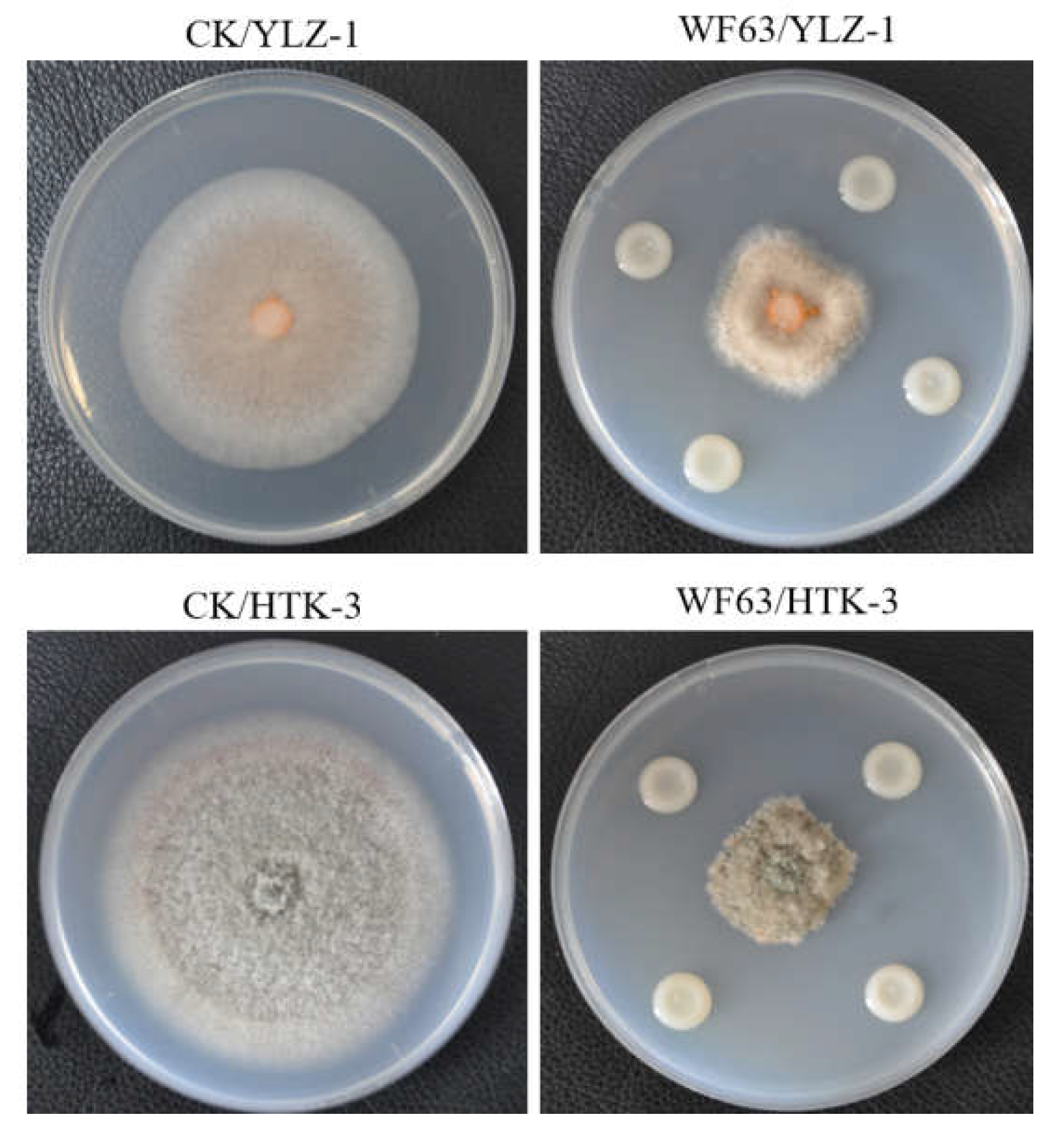
Figure 3.
Effects of the sterile fermentation broth from antagonistic strain WF63 on the mycelial morphology of strains YLZ-1 and HTK-3.
Figure 3.
Effects of the sterile fermentation broth from antagonistic strain WF63 on the mycelial morphology of strains YLZ-1 and HTK-3.
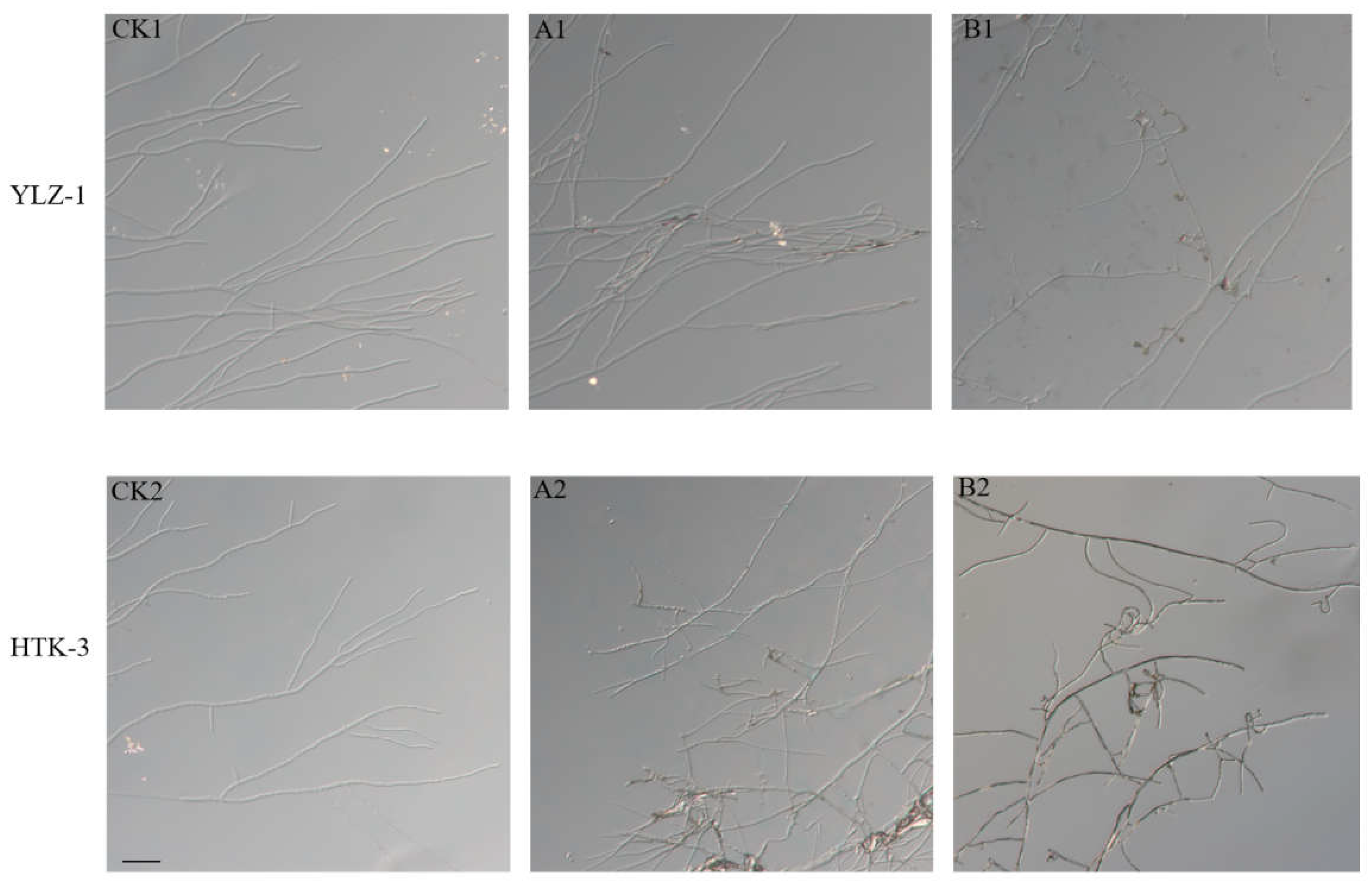
Figure 4.
Determination of extracellular enzyme activity and qualitative assay of IAA production ability in antagonistic strain WF63. Note: (A) Protease;(B) β-1,3 glucanase; (C)Cellulase; (D)Qualitative assay of IAA production ability.
Figure 4.
Determination of extracellular enzyme activity and qualitative assay of IAA production ability in antagonistic strain WF63. Note: (A) Protease;(B) β-1,3 glucanase; (C)Cellulase; (D)Qualitative assay of IAA production ability.
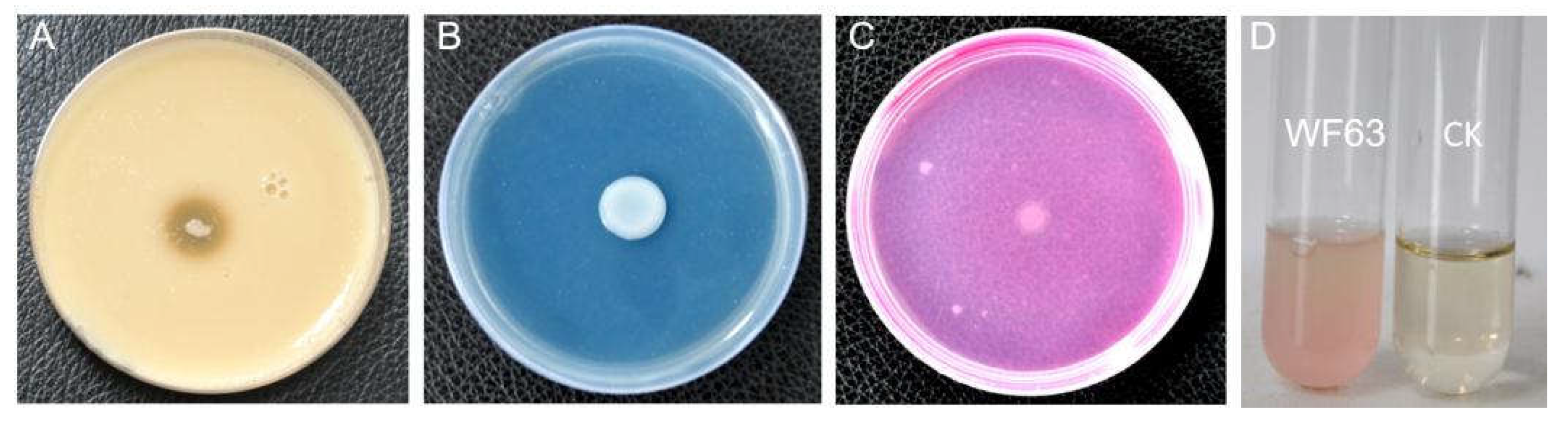
Figure 5.
Antagonistic activity of strain WF63 against ten phytopathogenic fungi, as assessed by mycelial growth inhibition.Note: (a) R. solani; (b) C. graminicola; (c)F. graminearum; (d) C. siamense; (e) B. cinera; (f) S. sclerotiorum; (g)C. camelliae; (h) B. maydis; (i) C. gloeosporioides; (j) M. grisea.
Figure 5.
Antagonistic activity of strain WF63 against ten phytopathogenic fungi, as assessed by mycelial growth inhibition.Note: (a) R. solani; (b) C. graminicola; (c)F. graminearum; (d) C. siamense; (e) B. cinera; (f) S. sclerotiorum; (g)C. camelliae; (h) B. maydis; (i) C. gloeosporioides; (j) M. grisea.
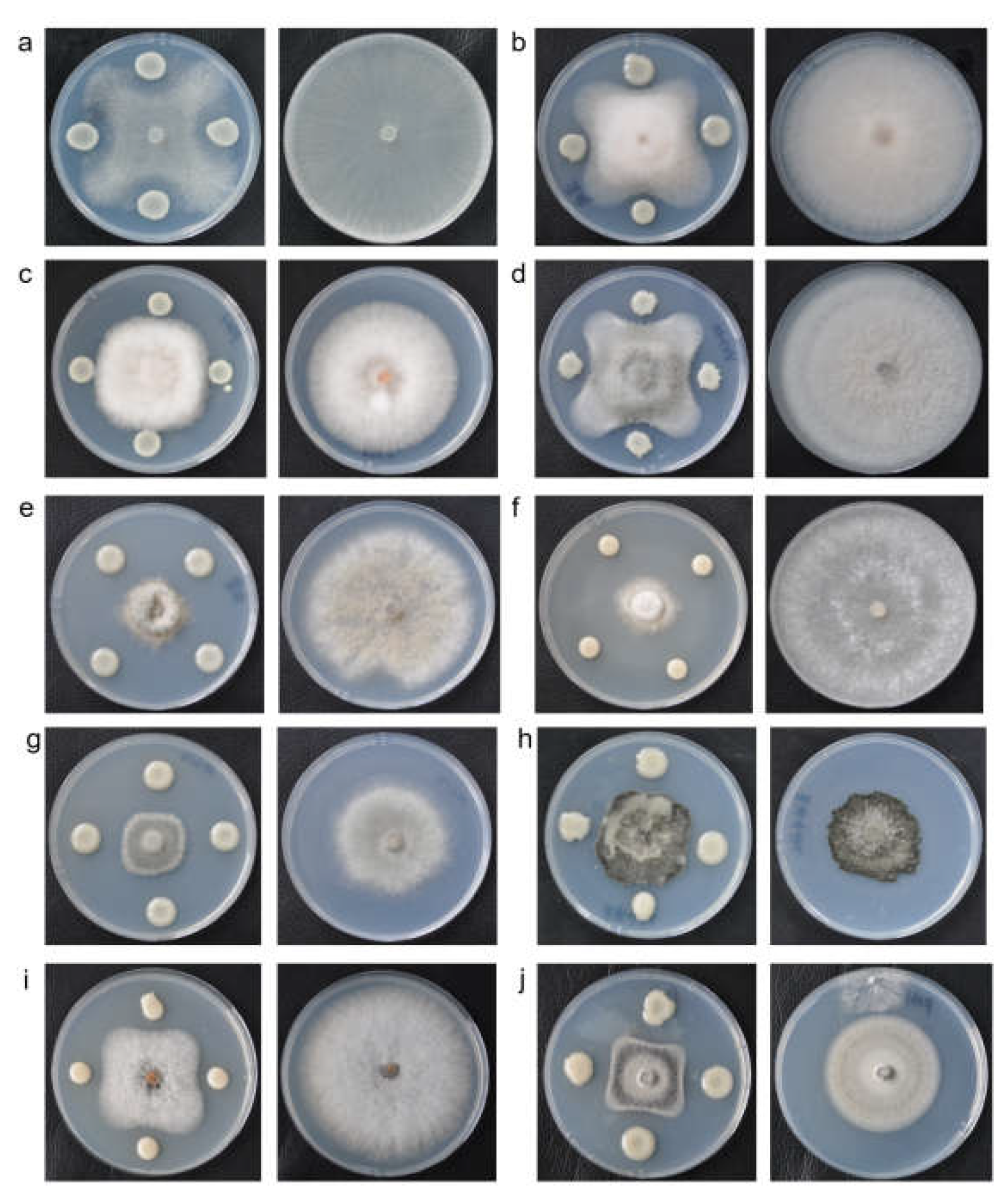
Figure 6.
Inhibitory activity of n-butanol and ethyl acetate extracts (from WF63 fermentation supernatant) against mycelial growth of strain HTK-3. Note: Different lowercase letters indicate significant difference at P < 0.05 level by Duncan’s new multiple range.
Figure 6.
Inhibitory activity of n-butanol and ethyl acetate extracts (from WF63 fermentation supernatant) against mycelial growth of strain HTK-3. Note: Different lowercase letters indicate significant difference at P < 0.05 level by Duncan’s new multiple range.
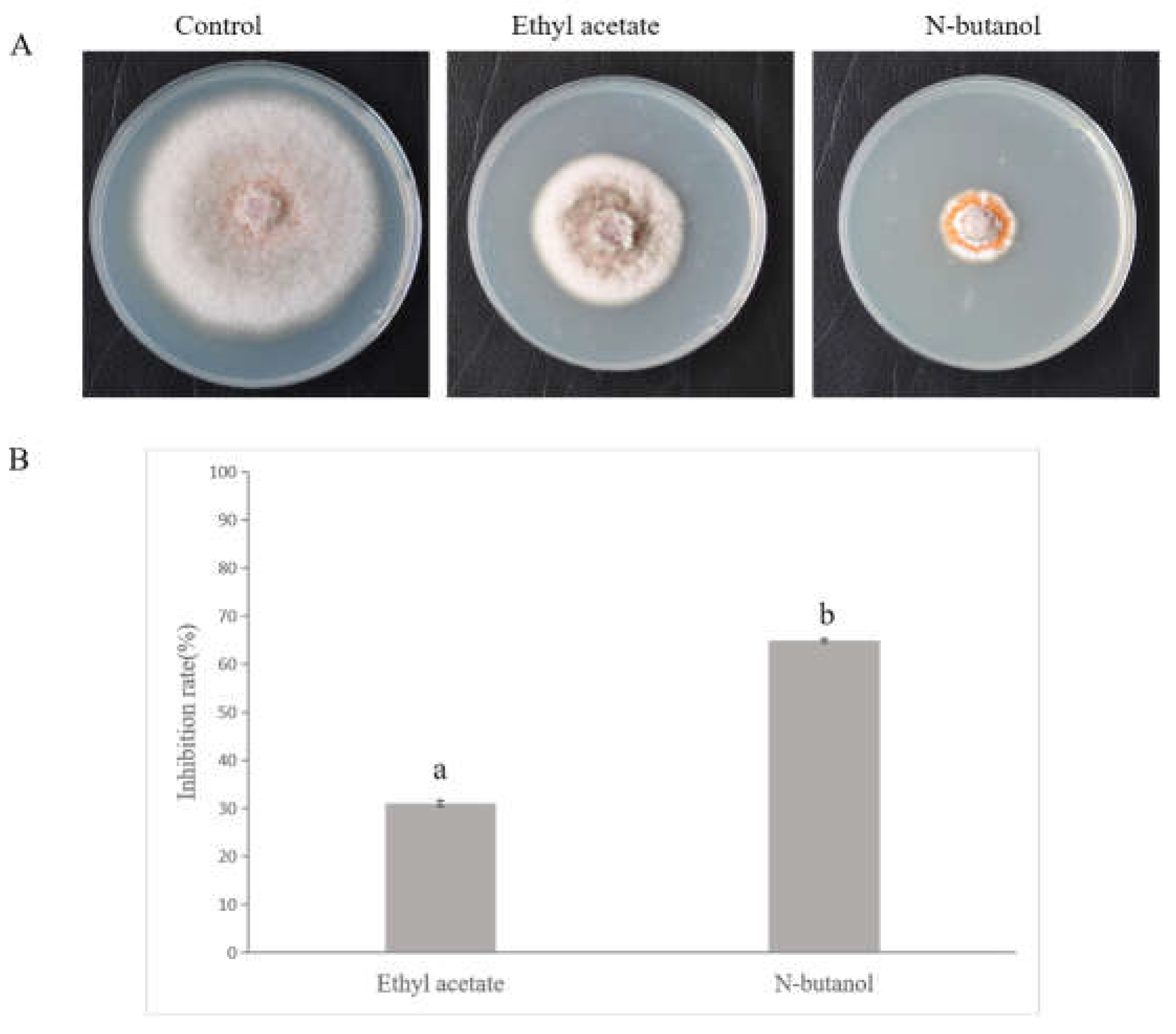
Figure 7.
Biocontrol efficacy of strain WF63 against anthracnose on potted Rhus chinensis. Note:(A1/B1, A2/B2): Plants inoculated with spore suspension (10⁶ CFU·mL-1) of Colletotrichum nymphaeae YLZ-1 or C. fioriniae HTK-3, respectively; (C1/D1, C2/D2): Plants co-treated with the above pathogen suspensions and the fermentation broth of WF63 (10⁷ CFU·mL-1). Views: Side (A1, C1, A2, C2); Top (B1, D1, B2, D2).
Figure 7.
Biocontrol efficacy of strain WF63 against anthracnose on potted Rhus chinensis. Note:(A1/B1, A2/B2): Plants inoculated with spore suspension (10⁶ CFU·mL-1) of Colletotrichum nymphaeae YLZ-1 or C. fioriniae HTK-3, respectively; (C1/D1, C2/D2): Plants co-treated with the above pathogen suspensions and the fermentation broth of WF63 (10⁷ CFU·mL-1). Views: Side (A1, C1, A2, C2); Top (B1, D1, B2, D2).
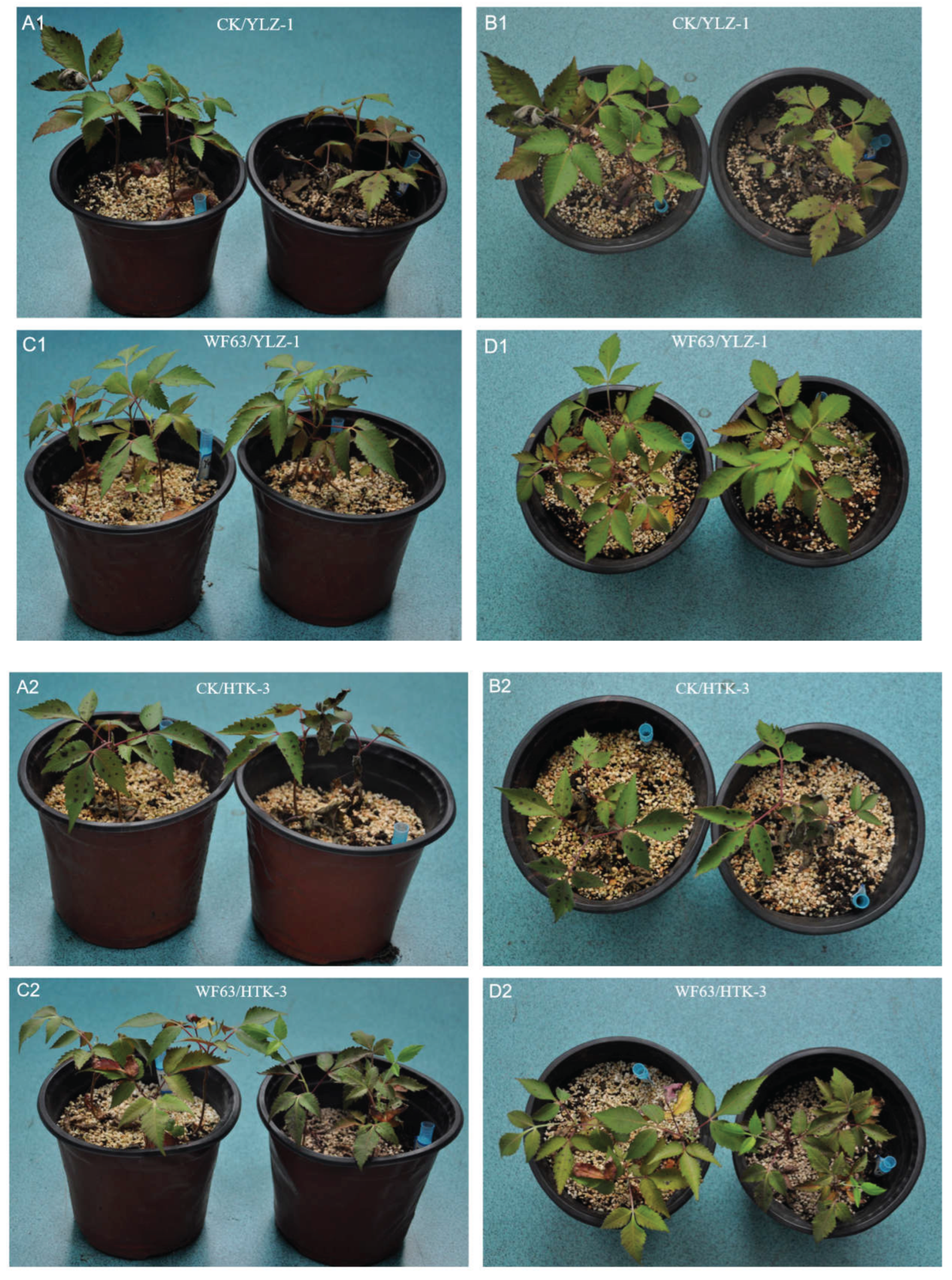

Table 1.
Inhibition activity of antagonistic strain WF63 volatile organic compounds.
| Treatment | Colony diameter / mm | Inhibition rate / % |
| WF63/YLZ-1 | 47.93±0.15 | 0.44±0.31 |
| WF63/HTK-3 | 47.50±0.51 | 21.80±0.75 |
| CK/YLZ-1 | 48.13±0.15 | — |
| CK/HTK-3 | 60.87±0.12 | — |
Table 2.
Inhibition activity of the asterile fermentation broth from antagonistic strain WF63 on the mycelial growth of strains YLZ-1 and HTK-3.
Table 2.
Inhibition activity of the asterile fermentation broth from antagonistic strain WF63 on the mycelial growth of strains YLZ-1 and HTK-3.
| Treatment | Colony diameter / mm | Inhibition rate / % |
| WF63/YLZ-1 | 31.20±0.13 | 50.68±0.43 |
| WF63/HTK-3 | 30.05±0.47 | 61.39±0.27 |
| CK/YLZ-1 | 63.27±0.17 | — |
| CK/HTK-3 | 77.83±0.51 | — |
Table 3.
Inhibitory activity of antagonistic strain WF63 against ten phytopathogens.
| Phytopathogen | Plant Disease |
Treatment colony Diameter (mm) |
Control colony diameter(mm) |
Inhibition rate (%) |
| Rhizoctonia solani | Rice sheath blight | 45.13±0.06 | 85.23±0.25 | 47.05±0.18 c |
| Colletotrichum graminicola | Corn anthracnose | 44.30±0.20 | 85.07±0.12 | 47.92±0.18 c |
| Fusarium graminearum | Wheat scab | 48.27±0.25 | 65.8±0.44 | 26.64±0.84 e |
| Colletotrichum siamense | Walnut anthracnose | 39.0±0.20 | 85.17±0.15 | 54.21±0.16 b |
| Botrytis cinera | Strawberry gray mold | 22.17±0.70 | 76.37±0.51 | 70.98±0.81 a |
| Sclerotinia sclerotiorum | Rapeseed sclerotinia stem rot | 25.33±0.99 | 85±0.00 | 70.20±1.16 a |
| Colletotrichum camelliae | Camellia oleifera anthracnose | 27.87±0.12 | 59.27±0.21 | 52.98±0.05 b |
| Bipolaris maydis | Southern corn leaf blight | 35.4±0.53 | 41.3±0.80 | 14.26±2.25 f |
| Colletotrichum gloeosporioides | Mango anthracnose | 40.33±0.15 | 78.73±0.25 | 48.77±0.30 c |
| Magnaporthe grisea | Rice blast | 31.37±0.29 | 50.27±0.21 | 37.60±0.69 d |
Note: Values are means ± SE of three replicates; different letters on the same line denote significant differences at the 0.05 level of p-value by Duncan’s new multiple range test.
Table 4.
The chemical properties of seven compounds from n-butanol extract of strain WF63 culture filtrate.
Table 4.
The chemical properties of seven compounds from n-butanol extract of strain WF63 culture filtrate.
| Retention time/min | Identified compound | Relative area /% | Chemical Formula | Moleculaweight /g·mol-1 | CAS No. |
| 8.216 | CYCLO(-PRO-VAL) | 9.067 | C10H16N2O2 | 196.25 | 2854-40-2 |
| 8.916 | 2H-Pyrido[1,2-a]pyrazin-3(4H)-one,hexahydro-(8CI) | 8.530 | C8H14N2O | 154.21 | 15932-74-8 |
| 9.031 | 3-Isobutyl-2,3,6,7,8,8a-hexahydropyrrolo[1,2-a]pyrazine-1,4-dione | 11.032 | C11H18N2O2 | 210.27 | 5654-86-4 |
| 11.460 | Pyrrolo(2,1-F)pyrazine-1,4-dione, 2,3,6,7,8,8A-hexahydro-3-(phenylmethyl)- | 22.371 | C14H16N2O2 | 244.29 | 14705-60-3 |
| 11.553 | 2,2’-Methylenebis(6-tert-butyl-4-methylphenol) | 14.644 | C23H32O2 | 340.5 | 119-47-1 |
| 12.727 | 4-(Methylthio)benzenemethanol | 10.428 | C8H10OS | 154.23 | 3446-90-0 |
| 12.901 | N-[1-[(4-Hydroxyphenyl)methyl]cyclohexyl]propanamide | 23.645 | C16H23NO2 | 261.37 | 696618-84-5 |
Table 5.
Toxicity of four pure compounds against strain HTK-3.
| Compound | CAS No. |
Toxicity regression equation (y = ax + b) |
Coefficient of determination (R2) |
EC50 value (mg·L-1) |
| CYCLO(-PRO-VAL) | 2854-40-2 | y=0.8472x+1.6768 | 0.8808 | >8000 |
| 2H-Pyrido[1,2-a]pyrazin-3(4H)-one,hexahydro-(8CI) | 15932-74-8 | y=1.2036x+2.4402 | 0.9084 | 133.88 |
| 3-Isobutyl-2,3,6,7,8,8a-hexahydropyrrolo[1,2-a]pyrazine-1,4-dione | 5654-86-4 | The inhibition rate was negligible or negative | N/A | >200 |
| Pyrrolo(2,1-F)pyrazine-1,4-dione, 2,3,6,7,8,8A-hexahydro-3-(phenylmethyl)- | 14705-60-3 | The data did not exhibit a significant linear increase | N/A | >200 |
Note: EC50: Median effective concentration. In the toxicity regression equation (y = ax + b), x represents the logarithm of the compound concentration (log10), and y represents the probit value of the mycelial growth inhibition rate. Values are expressed as the mean±standard error (SE) of three independent replicates. Different lowercase letters in the same column indicate significant differences according to Duncan’s new multiple range test at P < 0.05. N/A: Not applicable. The regression equation, R2, and EC50 values could not be calculated because these compounds exhibited negligible or no direct inhibitory activity (inhibition rates close to zero or negative), failing to establish a linear dose-response relationship at the tested concentrations.
Table 6.
Biocontrol efficacy of strain WF63 against anthracnose on gallnut plants in pot experiments.
Table 6.
Biocontrol efficacy of strain WF63 against anthracnose on gallnut plants in pot experiments.
| Treatment | Disease index | Relative control efficacy/ % |
| WF63/YLZ-1 | 25.79±1.83 | 52.12±2.96 |
| WF63/HTK-3 | 27.40±4.25 | 56.04±6.49 |
| CK/YLZ-1 | 53.86±0.79 | — |
| CK/HTK-3 | 62.33±4.57 | — |
Disclaimer/Publisher’s Note: The statements, opinions and data contained in all publications are solely those of the individual author(s) and contributor(s) and not of MDPI and/or the editor(s). MDPI and/or the editor(s) disclaim responsibility for any injury to people or property resulting from any ideas, methods, instructions or products referred to in the content. |
© 2026 by the authors. Licensee MDPI, Basel, Switzerland. This article is an open access article distributed under the terms and conditions of the Creative Commons Attribution (CC BY) license (http://creativecommons.org/licenses/by/4.0/).
Copyright: This open access article is published under a Creative Commons CC BY 4.0 license, which permit the free download, distribution, and reuse, provided that the author and preprint are cited in any reuse.


