
Submitted:
09 April 2026
Posted:
13 April 2026
You are already at the latest version
Abstract
Fiber-reinforced polymer composites are increasingly used in lightweight aerospace structures due to their high strength-to-weight ratio, excellent corrosion resistance, and superior mechanical performance compared with conventional metallic materials. Among these materials, glass fiber-reinforced polymer (GFRP) and carbon fiber-reinforced polymer (CFRP) composites have gained widespread attention for use in unmanned aerial vehicle (UAV) structures, where structural efficiency, durability, and cost-effectiveness are critical design considerations. Understanding the compressive behaviour and failure mechanisms of composite laminates is therefore essential for ensuring structural reliability and safe operation in aerospace applications. This study presents an experimental investigation of the compressive behaviour of woven E-glass fiber-reinforced epoxy and carbon fiber-reinforced epoxy composite laminates. Rectangular specimens were prepared from commercially manufactured composite laminate plates with approximate dimensions of 100 mm × 95 mm and a laminate thickness of approximately 1.5 mm. Compression tests were performed using a universal testing machine under displacement-controlled loading conditions until structural failure occurred. The results revealed significant differences in the mechanical response of the two composite systems. Carbon fiber-reinforced laminates exhibited considerably higher stiffness and compressive load capacity due to the higher modulus of carbon fibers. However, carbon fiber specimens exhibited brittle failure, characterized by sudden fiber fracture and a rapid loss of load-carrying capacity. In contrast, E-glass laminates exhibited lower stiffness but showed more progressive damage, including matrix cracking and fiber buckling, prior to final failure. These findings highlight the trade-off between stiffness and damage tolerance in fiber-reinforced composites and provide useful experimental insight into the compressive performance of commonly used aerospace composite materials. The results contribute to the development and optimization of lightweight composite structures for UAV structural applications.
Keywords:
composite laminates
; compression testing
; UAV structures
; E-glass fiber
; carbon fiber composites
; failure mechanisms
1. Introduction
Fiber-reinforced polymer (FRP) composites have become one of the most important structural materials in modern aerospace engineering. Their combination of high strength-to-weight ratio, corrosion resistance, and design flexibility has led to widespread adoption in aircraft structures, wind turbine blades, marine vessels, and unmanned aerial vehicles [3,4]. Compared with traditional metallic materials such as aluminum alloys and steel, composite materials offer substantial weight reduction while maintaining high structural performance [5]. These advantages have led to the widespread adoption of composite materials in aircraft wings, fuselage structures, and UAV airframes.
Among the various composite reinforcement systems, carbon fiber and glass fiber composites are the most commonly utilized materials in aerospace structures. Carbon fiber-reinforced polymer (CFRP) composites exhibit extremely high stiffness and strength, making them suitable for critical load-bearing components such as wing spars and fuselage frames [6]. However, carbon fiber composites are relatively expensive and can exhibit brittle failure behaviour when subjected to compressive loading [7].
Glass fiber-reinforced polymer (GFRP) composites, particularly E-glass laminates, offer a lower-cost alternative while providing good mechanical performance and improved deformation tolerance [8]. E-glass composites also demonstrate favourable impact resistance and energy absorption characteristics compared with carbon fiber systems [9]. For these reasons, glass fiber composites are often considered for cost-sensitive structural applications that require moderate stiffness and damage tolerance.
Compression loading is particularly important in composite aerospace structures. UAV wing spars, ribs, and skin panels frequently experience compressive stresses during aerodynamic loading, maneuvering conditions, and ground-handling operations [10]. Failure of composite laminates under compression can occur through several mechanisms, including fiber micro-buckling, matrix cracking, delamination growth, and global instability [11].
Although extensive research has been conducted on composite material behaviour, experimental mechanical testing remains essential for characterizing the structural response of composite laminates and verifying their suitability for engineering applications [12]. Laboratory testing provides direct insight into material failure modes and mechanical performance under realistic loading conditions.
The objective of the present study is to experimentally evaluate the compressive behaviour of commercially available woven E-glass/epoxy and carbon fiber/epoxy composite laminates. The research aims to:
- Experimentally characterize the compressive performance of glass and carbon fiber composite laminates.
- Compare mechanical behaviour and failure mechanisms under monotonic compression loading.
- Identify structural characteristics relevant to lightweight UAV components.
The experimental results provide valuable insight into the compressive behaviour of commercially available composite laminates and support their potential use in lightweight UAV structural applications.
This study contributes to the experimental characterization of commercially available fiber-reinforced polymer composite laminates under compressive loading conditions relevant to lightweight UAV structures. Unlike many studies that focus primarily on numerical modelling, the present work provides direct laboratory testing of composite plates subjected to monotonic compression until failure. The work also examines the failure mechanisms and deformation behaviour of both E-glass and carbon fiber laminates under identical experimental conditions. The results provide useful insights into the structural suitability of these composite systems for lightweight UAV components, including wing spars and skin panels, and also provide baseline experimental data to support future structural design and validation studies. Experimental investigations have shown that carbon fiber composites generally exhibit higher stiffness and compressive strength compared with glass fiber composites [13]. However, carbon fiber laminates often display brittle failure behaviour with limited deformation prior to failure. In contrast, glass fiber composites tend to exhibit a more gradual progression of damage due to the relatively lower stiffness of the reinforcing fibers.
In the context of unmanned aerial vehicle structures, selecting appropriate composite materials requires balancing structural efficiency with economic considerations. While carbon fiber materials provide superior mechanical performance, their high cost can limit their use in low-cost UAV platforms. Glass fiber composites, therefore, remain an attractive alternative for many structural components where cost efficiency is an important factor. Despite the extensive use of composite materials in aerospace structures, experimental data describing the compressive behaviour of commercially available composite laminates remains valuable for practical engineering applications. Laboratory-scale experimental testing provides direct insight into material failure mechanisms and structural performance under controlled loading conditions.
The present study, therefore, aims to experimentally investigate the compressive behavior and failure characteristics of woven E-glass fiber- and carbon fiber-reinforced epoxy laminates. Compression tests were performed on composite specimens prepared from commercially manufactured plates in order to evaluate their structural response under monotonic loading conditions. The results of this investigation provide useful information on the structural performance of these materials for lightweight UAV applications. In addition, the experimental observations contribute to a better understanding of composite failure mechanisms under compressive loading.
2. Literature Review
Extensive research has been conducted on the mechanical behaviour of fiber-reinforced polymer composites in aerospace structures. Composite materials have been widely adopted in aircraft structures due to their superior specific strength and stiffness compared with metallic materials. Fiber-reinforced composites have significantly improved the structural efficiency of modern aircraft by enabling weight reduction while maintaining high mechanical performance [14,15,16,17,18].
Several studies have investigated the mechanical behaviour of composite laminates under compressive loading conditions. Reports that compressive failure in composite materials is often dominated by fiber micro-buckling and matrix shear instability. These mechanisms are influenced by factors such as fiber orientation, matrix properties, and interfacial bonding between fibers and the surrounding matrix.
Glass fiber composites have been extensively studied for structural applications due to their relatively low cost and good mechanical performance [19,20]. Glass fiber-reinforced composites provide excellent durability and impact resistance, making them suitable for a wide range of engineering applications. However, their stiffness is typically lower than that of carbon fiber composites [23,24,25,26,27,28].
Carbon fiber composites, on the other hand, offer significantly higher stiffness and load-carrying capacity, underscoring their importance in aerospace structures for their superior mechanical properties and weight efficiency. Nevertheless, carbon fiber laminates may exhibit brittle fracture behaviour under compressive loading, which can limit their damage tolerance [29,30].
Experimental testing methods for evaluating the compressive behaviour of composite materials have also been standardized. ASTM D7137/D7137M provides guidelines for evaluating the compressive residual strength of composite laminates, particularly for compression-after-impact testing. Although the present study focuses on intact laminates rather than damaged specimens, the general compression testing methodology described in the standard provides a useful framework for evaluating compressive material behaviour.
Despite the large number of studies on composite materials, experimental comparisons between commercially available glass- and carbon-fiber laminates under identical compression loading conditions remain relatively limited. The present work, therefore, aims to provide experimental insight into the compressive performance and failure mechanisms of these materials under controlled laboratory conditions.
3. Experimental Methodology
3.1. Materials and Specimen Preparation
Two types of fiber-reinforced polymer composite laminates were investigated in this study: a woven E-glass fiber-reinforced epoxy laminate and a woven carbon fiber-reinforced epoxy laminate. These materials were selected because they represent two of the most widely used reinforcement systems in lightweight aerospace structures, particularly in unmanned aerial vehicle (UAV) applications where weight efficiency, mechanical performance, and cost considerations are critical.
The E-glass laminate consisted of woven E-glass fibers embedded in a thermoset epoxy matrix. E-glass fibers are widely used in aerospace and marine structures for their favorable balance of mechanical strength, durability, and cost-effectiveness. Carbon fiber-reinforced epoxy laminates were selected for comparison due to their significantly higher stiffness and strength, which makes them a common material choice in high-performance aerospace structures.
Commercially manufactured composite plates were used in this experimental study. These plates were fabricated by the manufacturer using industrial composite processing methods to ensure consistent fiber distribution and laminate quality. The use of commercially available laminates ensures that the experimental results represent practical engineering materials that could realistically be used in UAV structural applications.
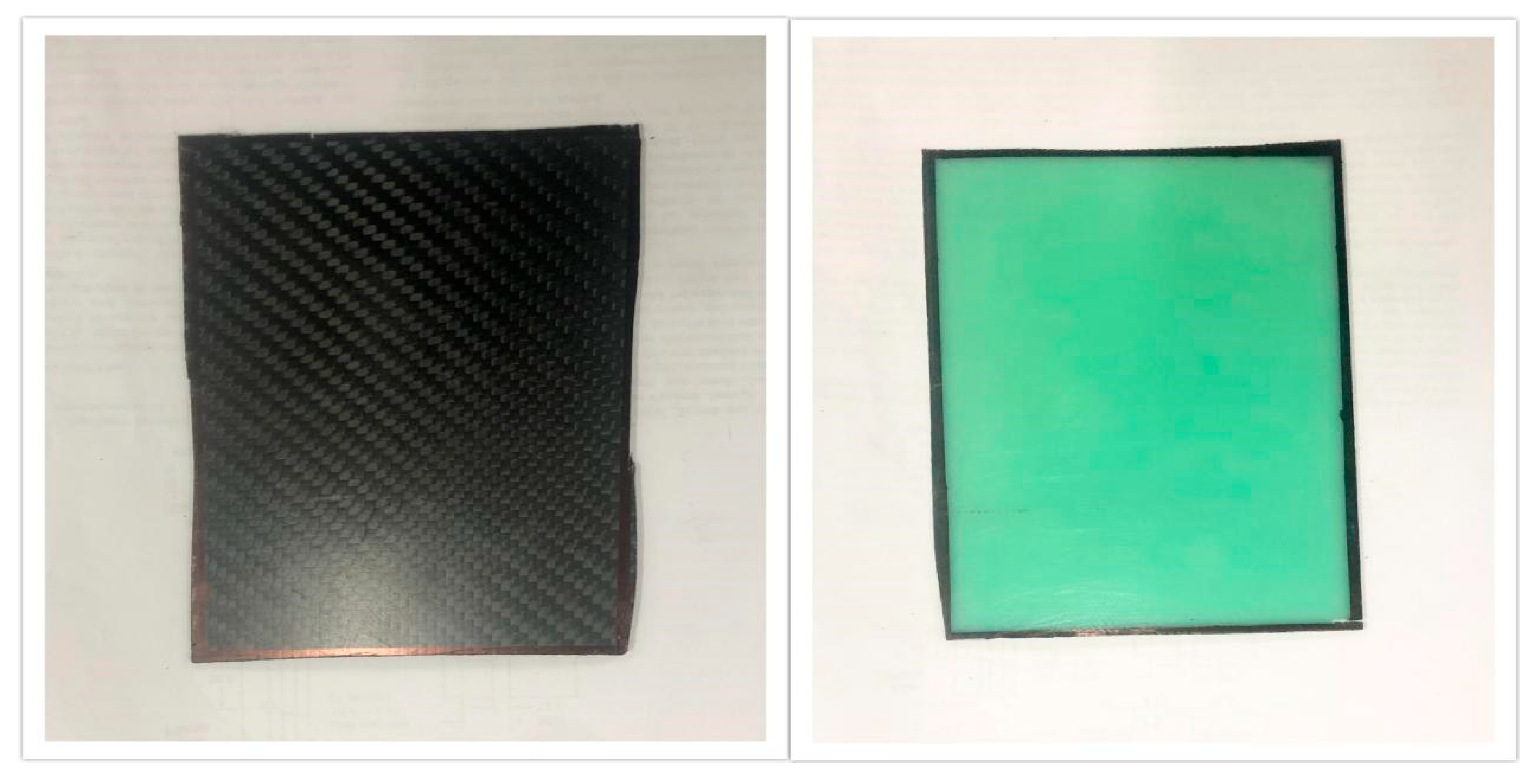
The plates were supplied with a nominal thickness of 1.5 mm. Specimens were cut from the plates using a precision cutting process to ensure consistent dimensions and minimize edge defects that could influence compressive failure behaviour. The resulting specimens had rectangular geometry, measuring 100 mm in length and 95 mm in width.
The laminate architecture of the materials consisted of woven fiber layers embedded within the epoxy matrix. Woven fiber architectures provide improved damage tolerance compared with unidirectional laminates due to their interlaced fiber structure, which enhances load redistribution and crack-arrest capabilities. Table 1 summarizes the geometric characteristics of the tested specimens.
To ensure a clear understanding of the composite materials used in the experimental investigation, it is important to describe the origin and mechanical characterization of the laminate plates employed in this study. Since the specimens were manufactured from commercially available composite boards rather than custom-fabricated laboratory laminates, the corresponding mechanical properties represent effective laminate-level behaviour rather than individual fiber properties. The following section therefore provides a detailed description of the material systems, including laminate architecture, constituent materials, and the source of the adopted mechanical properties used to represent the structural behaviour of the tested composite plates.
Figure 1.
Composite compression specimens.
3.2. Introduction and Purpose of Experimental Validation
To ensure the reliability and credibility of the numerical simulations presented in subsequent sections (Factor of Safety, Static Bending, and Impact Analysis), a direct experimental compression validation was performed on fabricated composite plates. The objective of this experiment was to:
- Validate the mechanical integrity of the selected E-glass and Carbon fiber composite systems (Mainly spar, but also referencing skin for further/future validation of 3mm thickness for both commercial and custom-manufactured aerospace laminates).
- Confirm their suitability for UAV primary structural applications.
- Establish confidence in the material properties used.
- Verify the structural feasibility of using:
- 1.5 mm thickness for the primary spar
The compression test was conducted using continuous uniaxial loading until complete structural failure occurred, following the procedural framework outlined in:
ASTM D7137/D7137M – Standard Test Method for Compressive Residual Strength Properties of Damaged Polymer Matrix Composite Plates
This standard provides validated guidelines for compression testing of composite plates and ensures reproducibility, reliability, and structural relevance.
3.3. Composite Manufacturing and Specimen Preparation
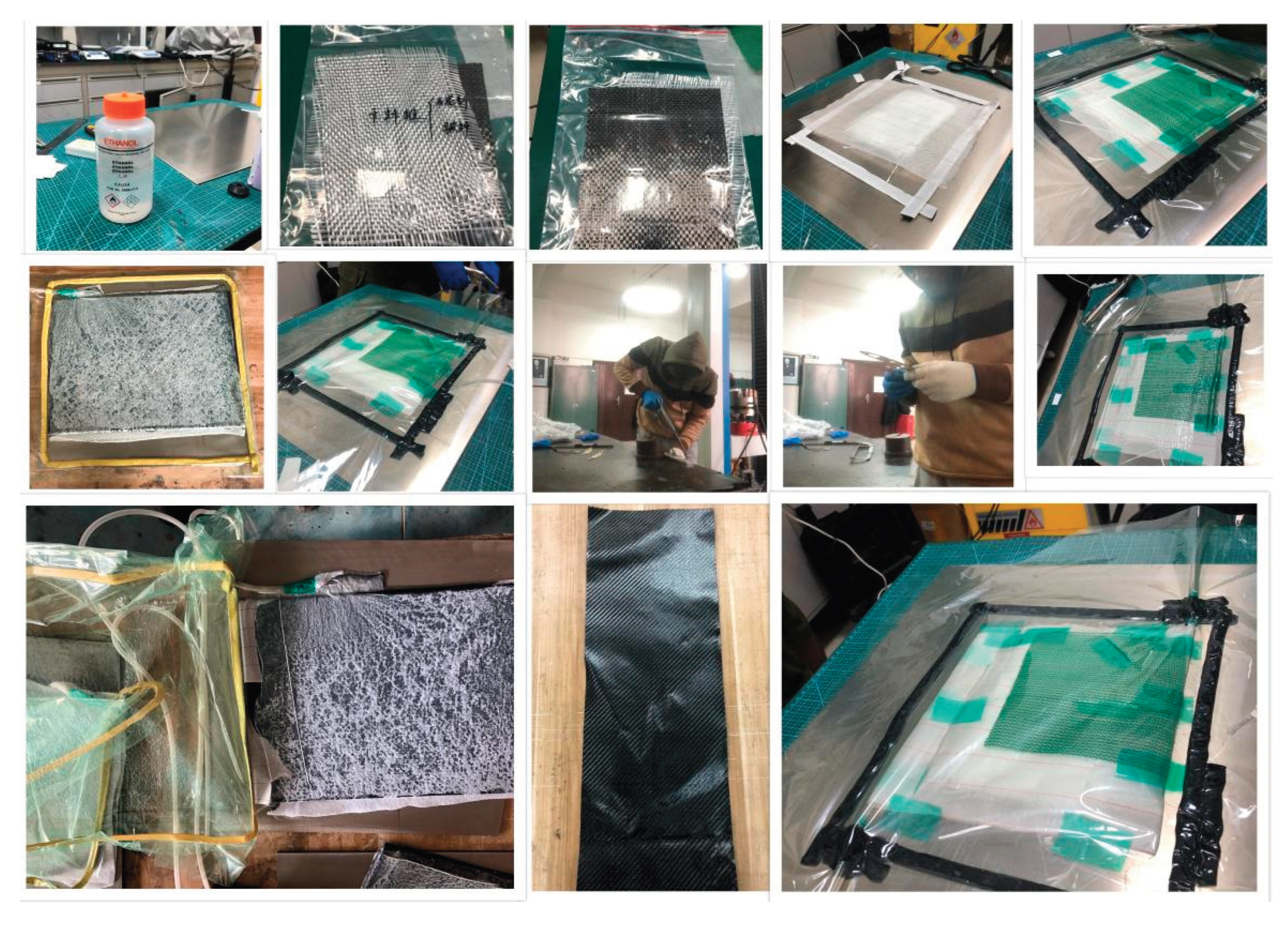
The composite plates used in this study were commercially available laminate boards selected for experimental evaluation and future structural investigations (custom-manufactured aerospace laminates) already in the manufacturing process, as shown in Figure 11, produced using a vacuum-assisted layup technique, followed by controlled thermal curing. The manufacturing process included:
- Fiber alignment
- Vacuum bagging for resin consolidation
- Controlled heating for polymer matrix curing
- Thickness control at 1.5 mm
The same commercial composite plates were used for:
- Experimental compression specimens
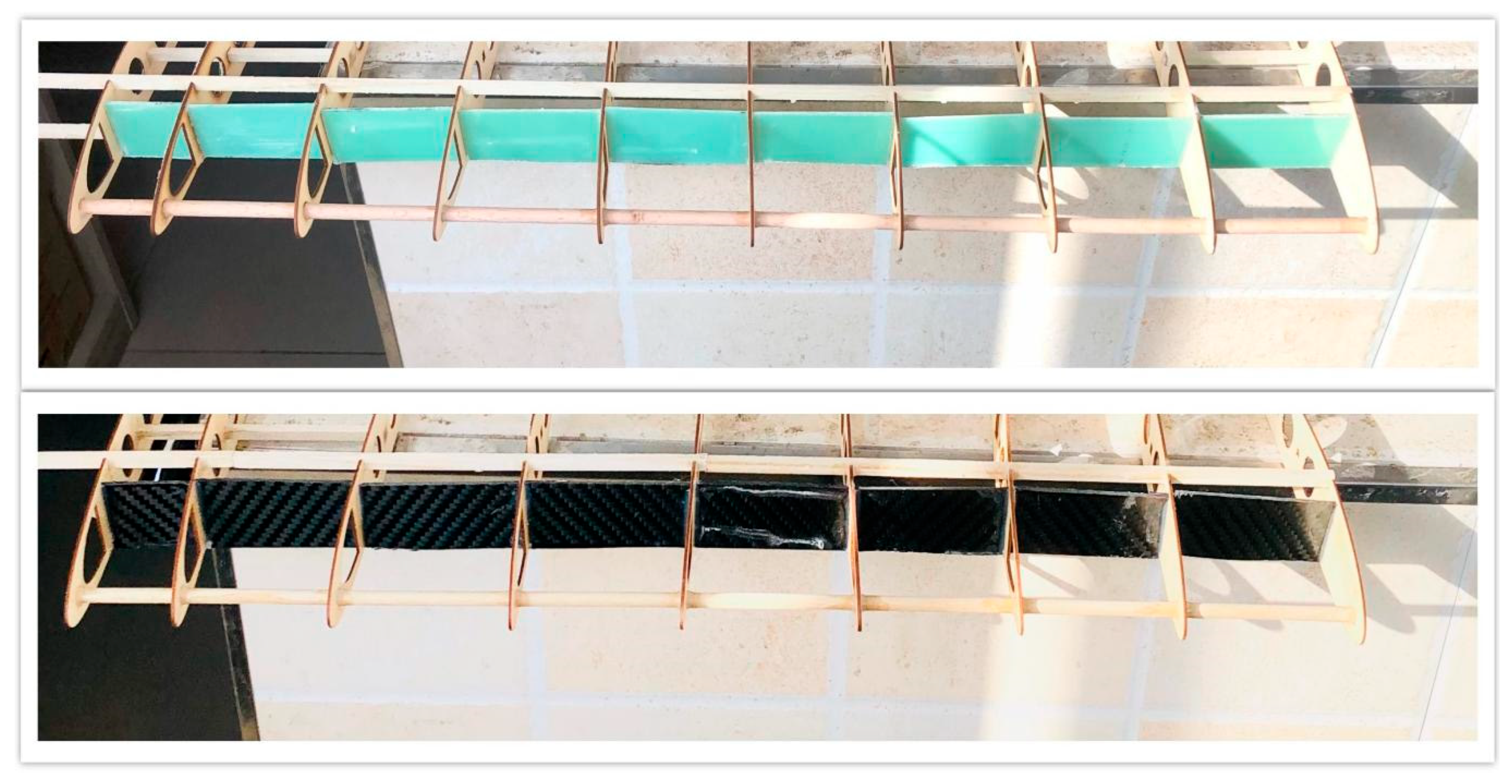
- Physical UAV spar (Figure 9)
This ensures full material consistency between:
- Experimental testing
- Physical structural build
- Numerical simulations (Future work)
3.4. Material Specification and Property Source Validation
The composite laminates used in this study were commercially available industrial composite boards selected for their availability, cost, and suitability for laboratory-scale structural testing. Two material systems were investigated: a woven E-glass fiber-reinforced epoxy laminate and a woven carbon fiber-reinforced epoxy laminate.
The carbon fiber material is a 3K twill-woven carbon fiber/epoxy laminate plate with a nominal thickness of approximately 1.5 mm. The laminate consists of PAN-based carbon fibers embedded within a thermoset epoxy matrix. The woven fiber architecture produces a quasi-isotropic in-plane mechanical response due to the balanced fiber orientation within the laminate layers. The estimated fiber volume fraction of the carbon laminate is approximately 55–60%, which falls within the typical range reported for woven carbon/epoxy structural laminates.
The glass fiber laminate corresponds to a commercially manufactured FR4 glass-epoxy composite board with a nominal thickness of approximately 1.5 mm. FR4 laminates consist of woven E-glass fiber cloth impregnated with flame-retardant epoxy resin and are widely used in structural and industrial composite applications due to their good mechanical properties, dimensional stability, and cost efficiency.
The mechanical properties presented in Table 2 represent laminate-level orthotropic material properties rather than fiber-level properties. The values were derived from validated literature ranges for woven carbon/epoxy laminates and FR4 glass epoxy composite boards reported in composite materials references and engineering handbooks. Fiber-level elastic moduli were not directly used, as these values would significantly overestimate the mechanical stiffness of the laminate system. Instead, the adopted values correspond to effective laminate properties that account for the combined mechanical response of the reinforcing fibers, epoxy matrix, and woven laminate architecture. All selected material properties fall within experimentally validated ranges reported for commercially manufactured composite laminates.
This approach ensures that the mechanical properties used in the experimental description represent the realistic behavior of industrial composite laminate boards rather than idealized fiber-level material parameters.
3.4. Summary of Test Method
The experimental compression procedure adopted in this study was guided by the framework outlined in ASTM D7137/D7137M – Standard Test Method for Compressive Residual Strength Properties of Damaged Polymer Matrix Composite Plates. The purpose of the method is to evaluate the compressive performance and residual strength characteristics of polymer matrix composite laminates under controlled loading conditions using a dedicated support fixture designed to prevent global buckling while allowing localized failure mechanisms to develop [21].
In the standard ASTM procedure, a balanced and symmetric composite plate is first subjected to out-of-plane damage, typically introduced through quasi-static indentation or drop-weight impact. This pre-damaged specimen is then positioned in a compressive residual strength fixture and loaded under uniaxial compression until failure. The fixture provides lateral support to minimize Euler-type buckling and ensures that the failure results shown in Table 3 are due to material compressive instability rather than global structural instability [22].
However, in the present study, the method was adapted to suit the research objective of validating intrinsic compressive material behaviour rather than damage tolerance performance. Specifically:
- A balanced, symmetric composite plate was fabricated using vacuum-assisted layup and controlled curing.
- The specimens were not pre-damaged before testing.
- Each plate was carefully inspected for manufacturing defects before testing.
- A direct uniaxial compression test was performed.
- Continuous compressive force was applied until complete structural failure occurred.
This modification allows the experiment to focus on:
- Pure compressive strength behaviour
- Effective compressive modulus determination
- Progressive failure mechanisms
- Validation of orthotropic material properties used in numerical simulations
The absence of pre-induced damage ensures that the measured response reflects the intrinsic mechanical capacity of the composite systems, which is directly relevant to the primary spar and wing skin applications in this study. The diagram illustrates the specimen clamped within the support fixture, with lateral anti-buckling guides and axial load application, as shown in Figure 2 below.
Figure 3, presents the load–strain response obtained from the direct uniaxial compression test, which was used for the determination of effective compressive modulus and residual strength. Unlike the standard compression-after-impact configuration, the schematic does not include the circular anti-buckling support ring, as the present study employed a direct compression methodology without prior impact damage.
3.5. Failure Mode Classification
The failure modes observed during compression were categorized in accordance with common composite compression failure descriptions, focusing on crack initiation location and propagation characteristics.

Table 4.
Observed compression failure modes.
| Material | Failure Mode Description | Classification |
|---|---|---|
| E-glass Composite | Lateral cracking with multiple localized crack regions | LM |
| Carbon Fiber Composite | Predominantly lateral crack propagation | L |
3.6. Failure Mode Discussion
The E-glass specimens exhibited lateral crack initiation along the free edges, followed by propagation into multiple localized regions across the specimen width. This combined behaviour is classified as LM, as shown in Figure 3, indicating both lateral and multi-site crack development. The distributed cracking pattern suggests energy absorption capability and progressive failure behaviour, consistent with the comparatively higher strain tolerance of E-glass composites.
In contrast, the carbon fiber specimens primarily exhibited concentrated lateral edge cracking with more localized crack propagation, classified as L. This behaviour is consistent with higher stiffness materials, where compressive instability develops more abruptly with limited distributed cracking. The observed failure modes are consistent with compressive instability and matrix-fiber interaction mechanisms typically reported in polymer matrix composites under uniaxial compression. Importantly, no global buckling was observed, confirming proper fixture alignment and the validity of the test.
3.7. Test Standard and Calculation Method
The effective compressive modulus was determined using the ASTM D7137/D7137M methodology.
The effective compressive modulus is defined as:
Where:
- ECAIE = Effective compressive modulus
- P6600 = Applied load corresponding to 6600 microstrain
- P3300 = Applied load corresponding to 3300 microstrain
- ε6600 = Strain value closest to 6600 microstrain
- ε3300 = Strain value closest to 3300 microstrain
- A = Cross-sectional area of the specimen
⚠ Important Correction:
The standard reference example uses 1000–3000 microstrain. However, in this experiment, the strain interval was adjusted to:
- 6600 microstrain
- 3300 microstrain
This adjustment was necessary to match the actual strain levels recorded during testing. The calculation procedure remains fully compliant with ASTM guidelines; only the strain values were adapted to reflect real experimental conditions.
All calculations were performed in Excel Figure 5, and a graphical comparison was generated using Origin software
3.8. Compression Testing Procedure
The compression testing procedure followed the general framework of ASTM D7137/D7137M, which describes methods for testing composite laminates under compression.
In the present study, the procedure was adapted to evaluate the intrinsic compressive behaviour of intact composite laminates. Unlike the standard compression-after-impact configuration, the specimens were not pre-damaged before testing.
The experimental procedure consisted of the following steps:
- Specimen alignment within the compression fixture.
- Application of monotonic compressive load.
- Continuous recording of load and displacement.
- Observation of failure mechanisms.
Table 5.
Universal testing machine configuration used for compression experiments.
| Parameter | Value |
|---|---|
| Testing machine | Universal Testing Machine |
| Loading type | Monotonic compression |
| Control mode | Displacement controlled |
| Data recorded | Load and displacement |
| Failure detection | Sudden load drop |
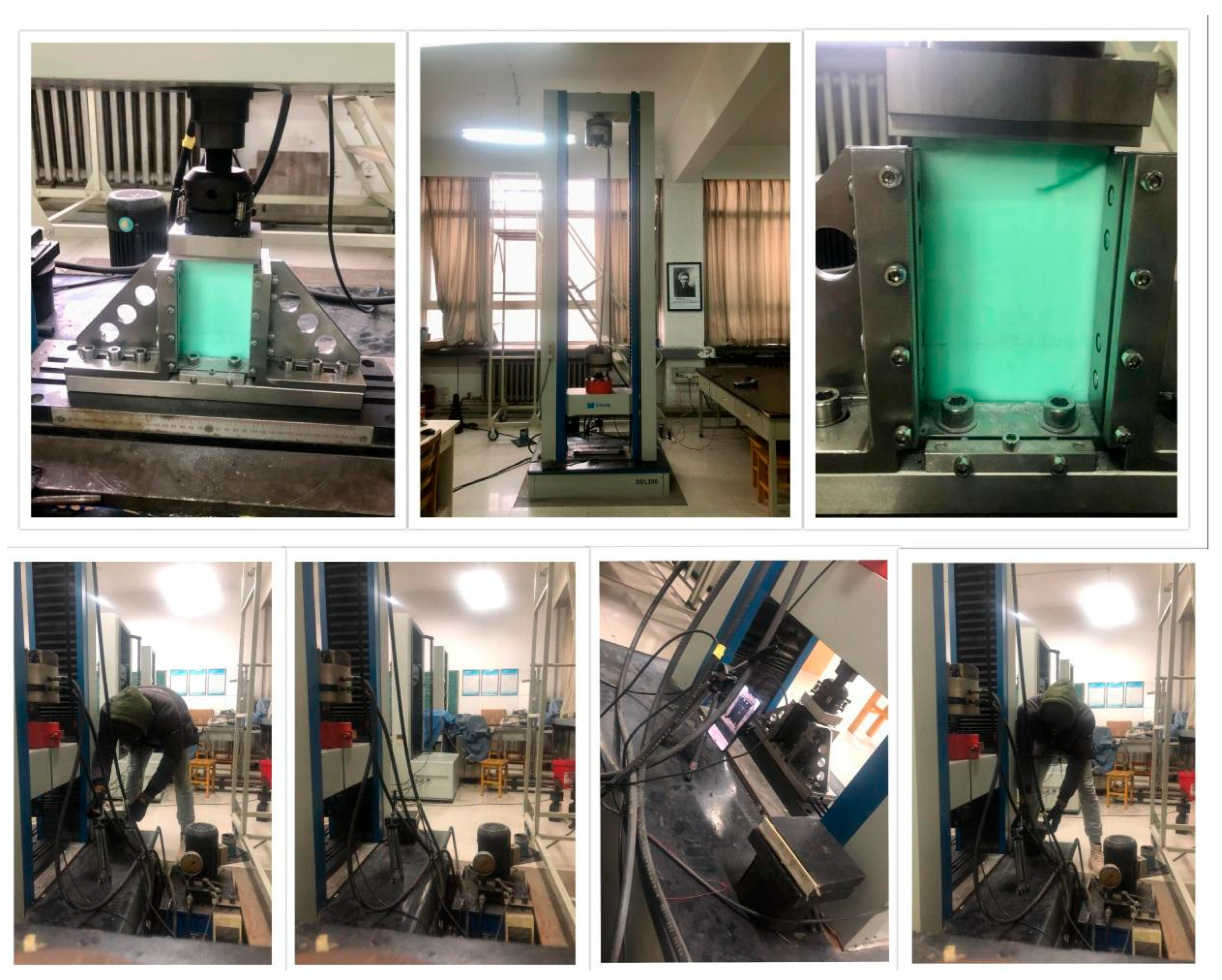
Compression testing was conducted using a universal testing machine equipped with compression platens that applied monotonic compressive loads to the composite specimens. The machine was configured to apply compressive displacement under controlled conditions until catastrophic structural failure occurred.
Before testing, each specimen was carefully aligned between the compression platens to minimize eccentric loading effects. Proper alignment is critical in composite compression testing because small misalignments can introduce bending stresses that significantly affect failure behaviour.
The tests were performed under displacement-controlled loading conditions to ensure stable load application throughout the experiment. The crosshead displacement rate was held constant throughout each test to ensure consistent loading conditions across all specimens.
During the compression test, the machine continuously recorded the applied load and corresponding displacement. These measurements were subsequently used to generate load–strain curves for each material system. The load–strain curves provide valuable information regarding the stiffness, deformation behaviour, and ultimate compressive strength of the composite laminates.
The compressive loading was continued until complete structural failure occurred in the specimens. Failure was typically characterized by a sudden drop in load capacity accompanied by visible cracking or fiber fracture within the composite laminate.
Figure 4.
Experimental compression test setups (specimen, fixture, and antesting machine).
4. Experimental Results
Compression tests were performed until catastrophic structural failure occurred. Carbon fiber laminates exhibited higher stiffness and load capacity compared with E-glass laminates.
Table 6.
Qualitative comparison of mechanical behaviour.
| Material | Stiffness Behaviour | Failure Mode |
|---|---|---|
| E-Glass Composite | Moderate stiffness | Progressive cracking |
| Carbon Fiber Composite | High stiffness | Sudden brittle fracture |
Table 7.
Physical and mechanical properties of compression test specimens.
| Material | Length (mm) | Width (mm) | Mass (g) |
|---|---|---|---|
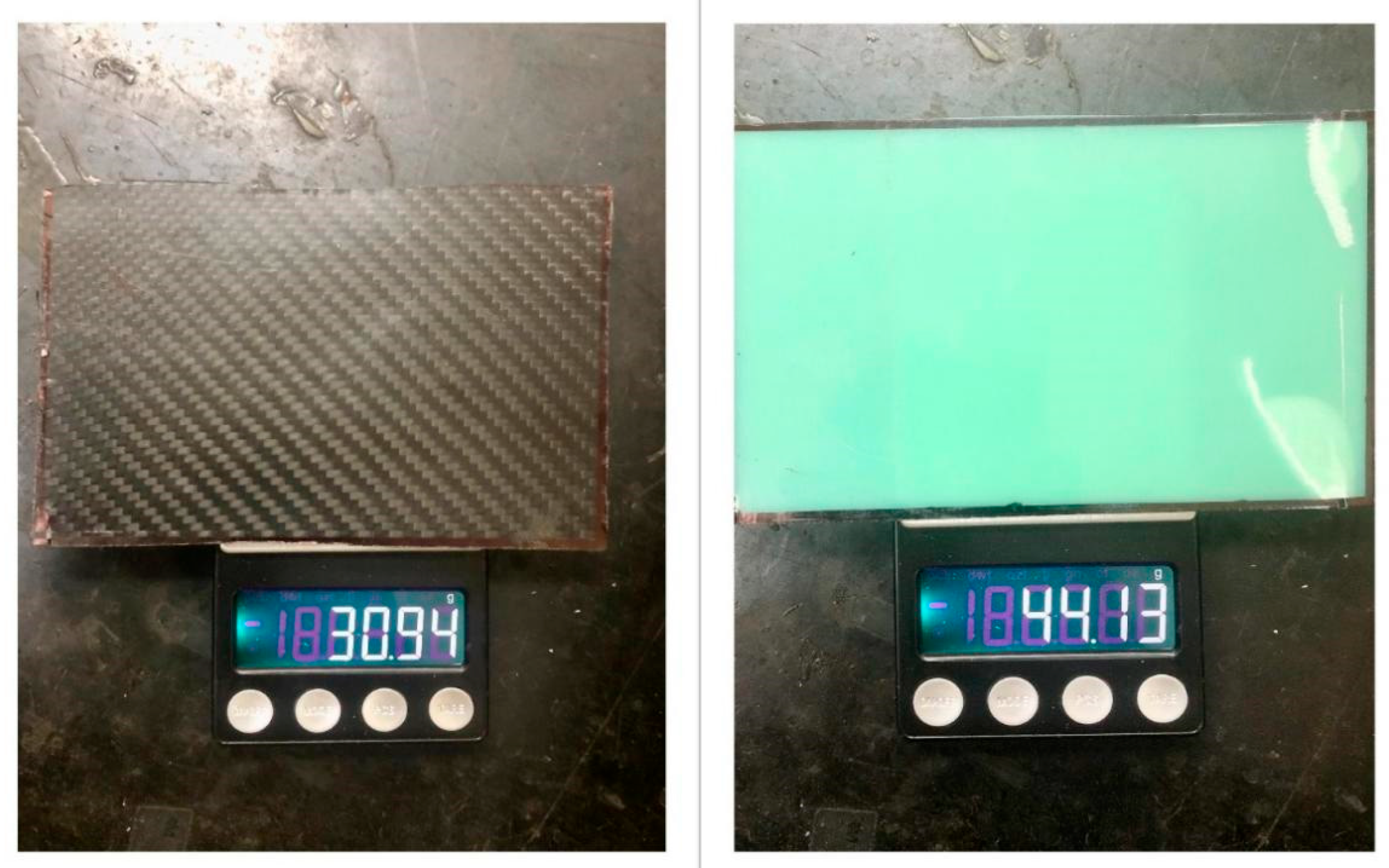
| E-glass(Specimen A) | 100 | 95 | 44.13 |
| Carbon (Specimen B) | 100 | 95 | 30.94 |
4.1. Results Interpretation and Comparative Analysis
Maximum Load Capacity
Carbon fiber exhibited:
- Approximately 2× higher maximum load capacity than E-glass.
- Significantly higher compressive resistance before catastrophic failure.
This confirms the inherently higher stiffness and strength of carbon fiber composites.
However:
- E-glass also demonstrated substantial load-bearing capacity.
- No premature buckling or unstable collapse was observed.
- Failure occurred gradually, indicating good energy absorption characteristics.
Residual Strength and Structural Integrity
Residual strength values indicate:
- Carbon fiber: 88.96
- E-glass: 42.77
Although carbon fiber is superior, E-glass demonstrated strong compressive retention capability even after progressive cracking.
This confirms:
- Structural stability under continuous compression
- Suitability for UAV spar applications
- Adequate stiffness for moderate-load structural components
The compression graph in Figure 8 clearly shows:
- Steeper slope for carbon fiber → higher stiffness
- Lower slope for E-glass→ more compliant behaviour
- Both materials show progressive linear-elastic behaviour before failure
Carbon fiber fails at higher stress levels. E-glass demonstrates greater deformation before failure.
This difference is structurally meaningful:
- Carbon fiber → High stiffness, lower ductility
- E-glass→ Moderate stiffness, better strain tolerance
For UAV applications, this makes E-glass advantageous in:
- Impact-dominated environments
- Cost-sensitive structural components
- Damage-tolerant structural design
4.2. Failure Mode Analysis
- (a) Before compression
- (b) Front view
- (c) Back view
- (d) Left side view
- (e) Right side view
- (bb) Close range front view
- (cc) Close range back view
Observed failure characteristics:
- Cracks initiated from lateral edges
- Propagation inward toward mid-plane
- No explosive fragmentation
- Progressive matrix cracking and fiber micro-buckling
This failure mode confirms:
- Proper load transfer through fibers
- Stable compressive behaviour
- No manufacturing defects
- Proper curing and fiber alignment
The edge-initiated cracking pattern is consistent with compressive instability mechanisms described in ASTM D7137/D7137M.
4.3. Validation of Commercial Composite Plates Used for Experimental Testing and Validation Integrity
The compression experiments presented in this study were conducted using commercially available composite laminate plates rather than custom-manufactured aerospace laminates. This approach was adopted primarily due to considerations of material availability, cost, and experimental practicality during the laboratory testing phase. The objective of the experimental program was to evaluate the compressive behaviour and failure characteristics of representative composite laminates under controlled loading conditions. Using commercially manufactured composite plates allowed the study to obtain repeatable and reliable experimental results while maintaining realistic material behaviour typical of industrial composite laminates.
The carbon fiber specimens correspond to commercially available 3K twill woven carbon fiber-reinforced epoxy laminate plates with a nominal thickness of approximately 1.5 mm. These laminates consist of PAN-based carbon fibers embedded in an epoxy matrix system and are commonly manufactured using industrial composite processing techniques. Due to the balanced woven architecture of the reinforcement layers, the laminate exhibits approximately quasi-isotropic in-plane mechanical behaviour, which is suitable for comparative mechanical evaluation under compressive loading conditions.
The glass fiber specimens correspond to FR4 epoxy glass laminate plates with a nominal thickness of approximately 1.5 mm. FR4 laminates consist of woven E-glass fabric layers impregnated with flame-retardant epoxy resin. These laminates are widely used in structural and industrial applications due to their good mechanical strength, dimensional stability, and relatively low cost. The woven fiber architecture of the FR4 material provides stable and repeatable mechanical behaviour, which makes it appropriate for laboratory-scale experimental testing.
The material properties used to interpret the experimental results correspond to laminate-level mechanical properties rather than fiber-level properties. Fiber-level elastic moduli were intentionally omitted from the experimental analysis because they would significantly overestimate the mechanical stiffness of the composite laminate. Instead, effective orthotropic laminate properties were selected based on validated ranges reported in the literature for woven carbon/epoxy laminates and FR4 glass-epoxy composite boards.
These laminate-level properties represent the combined mechanical behaviour of the reinforcing fibers, epoxy matrix, and woven laminate architecture. The selected values fall within experimentally validated ranges reported in composite materials literature and engineering references for commercially manufactured composite laminates. This approach ensures that the material properties used to describe the experimental specimens represent the realistic behaviour of industrial composite boards rather than idealized material parameters.
The use of commercially sourced laminates provides a practical and reliable experimental basis for evaluating compressive structural behaviour. Although the materials were not specifically manufactured for aerospace-grade structural components, their mechanical response under compression remains representative of fiber-reinforced polymer laminates commonly used in engineering structures. As a result, the experimental results obtained in this study provide useful insight into the compressive performance and failure mechanisms of woven composite laminates.
To further extend the experimental investigation, additional composite laminate fabrication is underway in the laboratory. As illustrated in Figure 11, vacuum-assisted composite manufacturing techniques are used to produce thicker composite laminate plates with a nominal thickness of approximately 3 mm, intended for structural skin applications. These laminates will undergo additional compression testing and mechanical characterization to evaluate the influence of laminate thickness on structural stiffness and failure behaviour.
This staged experimental approach allows the present study to establish a reliable baseline characterization of commercially available composite laminates and to enable future experimental investigations with thicker structural composite panels.
The glass fiber specimens correspond to FR4 epoxy glass laminate plates with a nominal thickness of approximately 1.5 mm. FR4 laminates consist of woven E-glass fabric layers impregnated with flame-retardant epoxy resin and are widely used in structural and industrial composite applications due to their good mechanical strength and dimensional stability. Although FR4 materials are commonly associated with electronic substrate applications, their fundamental material system corresponds to woven E-glass/epoxy composite laminates, and their mechanical behaviour remains representative of glass fiber-reinforced polymer laminates under structural loading conditions.
Table 8.
Experimental compression test results and derived mechanical parameters.
| Material | Max Load (mm) | Residual Strength | Residual Stiffness | Effective Module | Density (kg/m3) |
|---|---|---|---|---|---|
| E-glass (Specimen A) |
6094.5 | 42.76842105 | 4982.186235 | 2064.561404 | 2064.56 |
| Carbon (Specimen B) | 12677.4 | 88.96421053 | 714512.1951 | 1447.48538 | 1447.49 |
Figure 5.
Calculation procedure for effective compressive modulus based on ASTM D7137/D7137M.
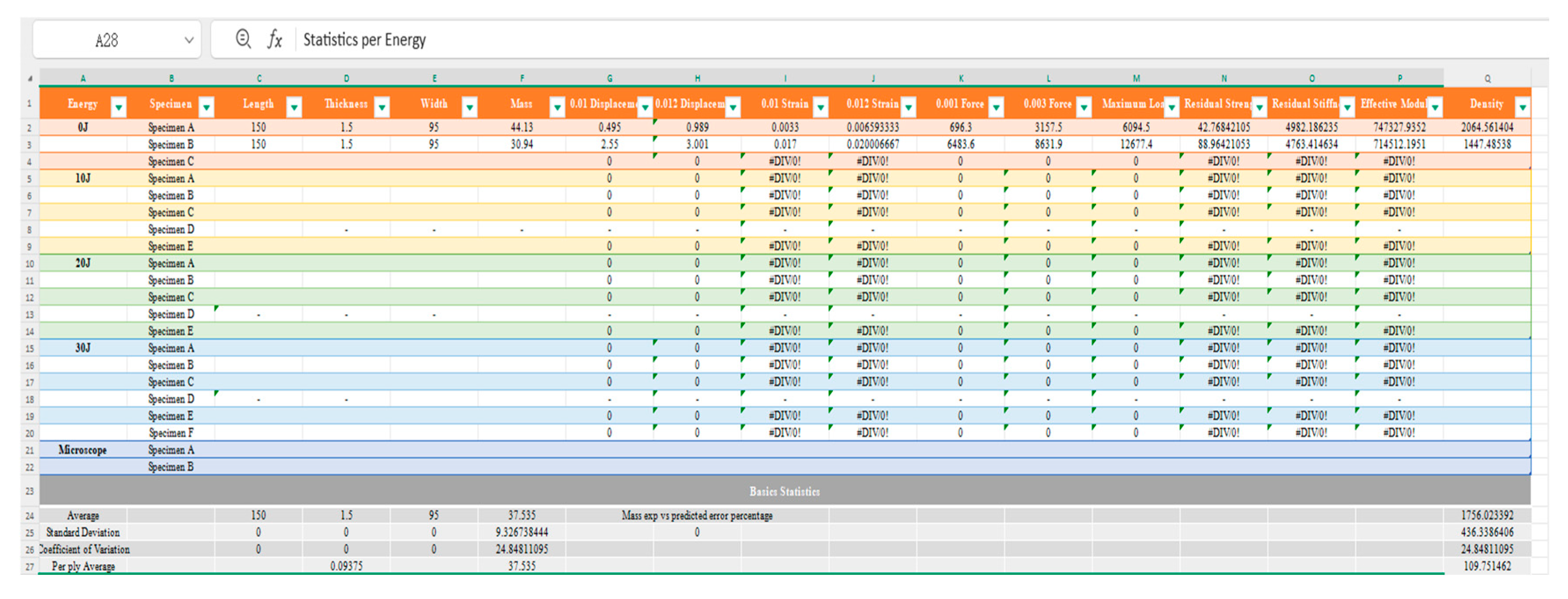
Figure 6.
E-glass fiber composite specimen before and after compression failure.
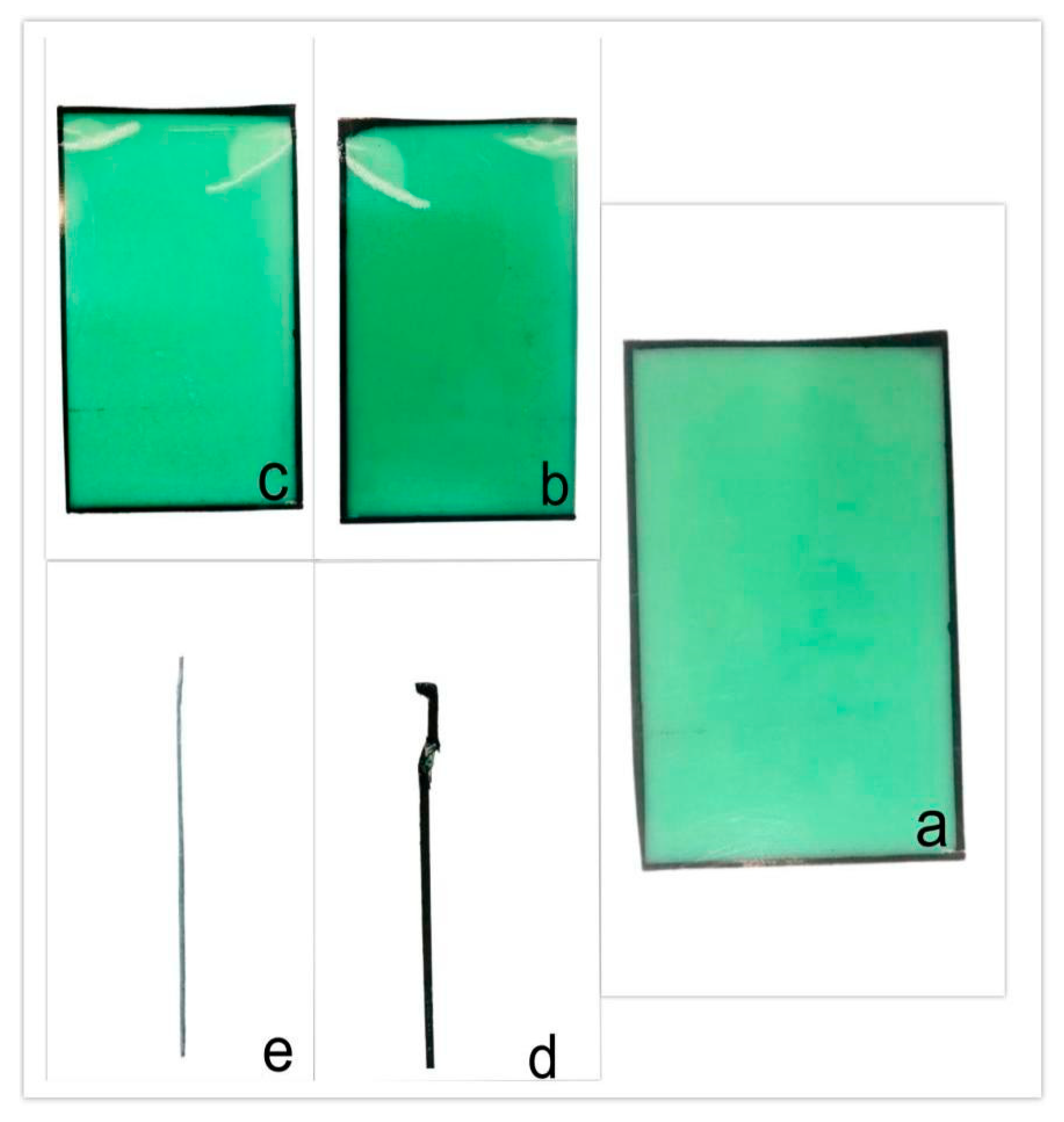
Figure 7.
Carbon fiber composite specimen before and after compression failure.
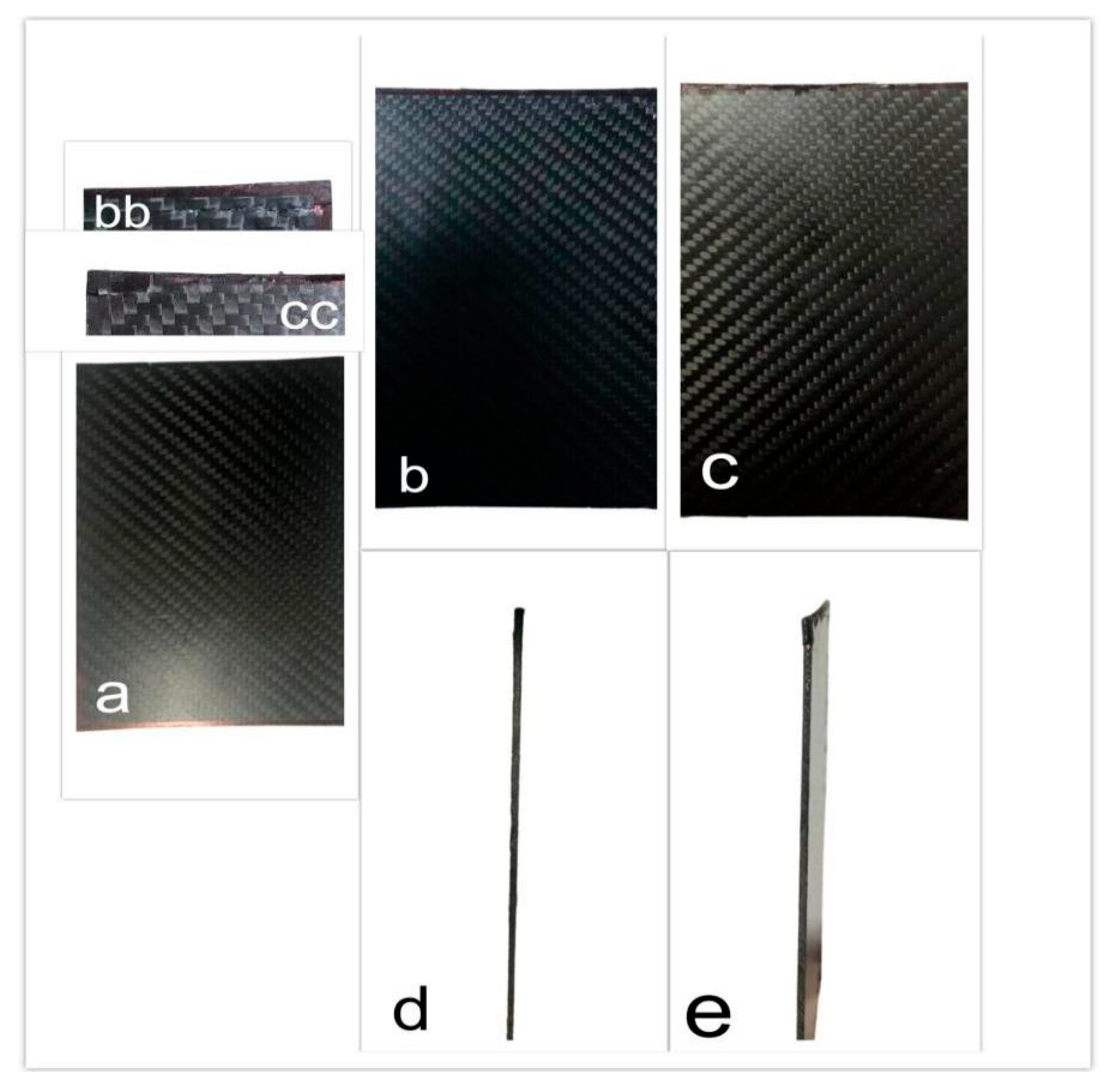
Figure 8.
Experimental compression load–strain comparison between E-glass and Carbon fiber.
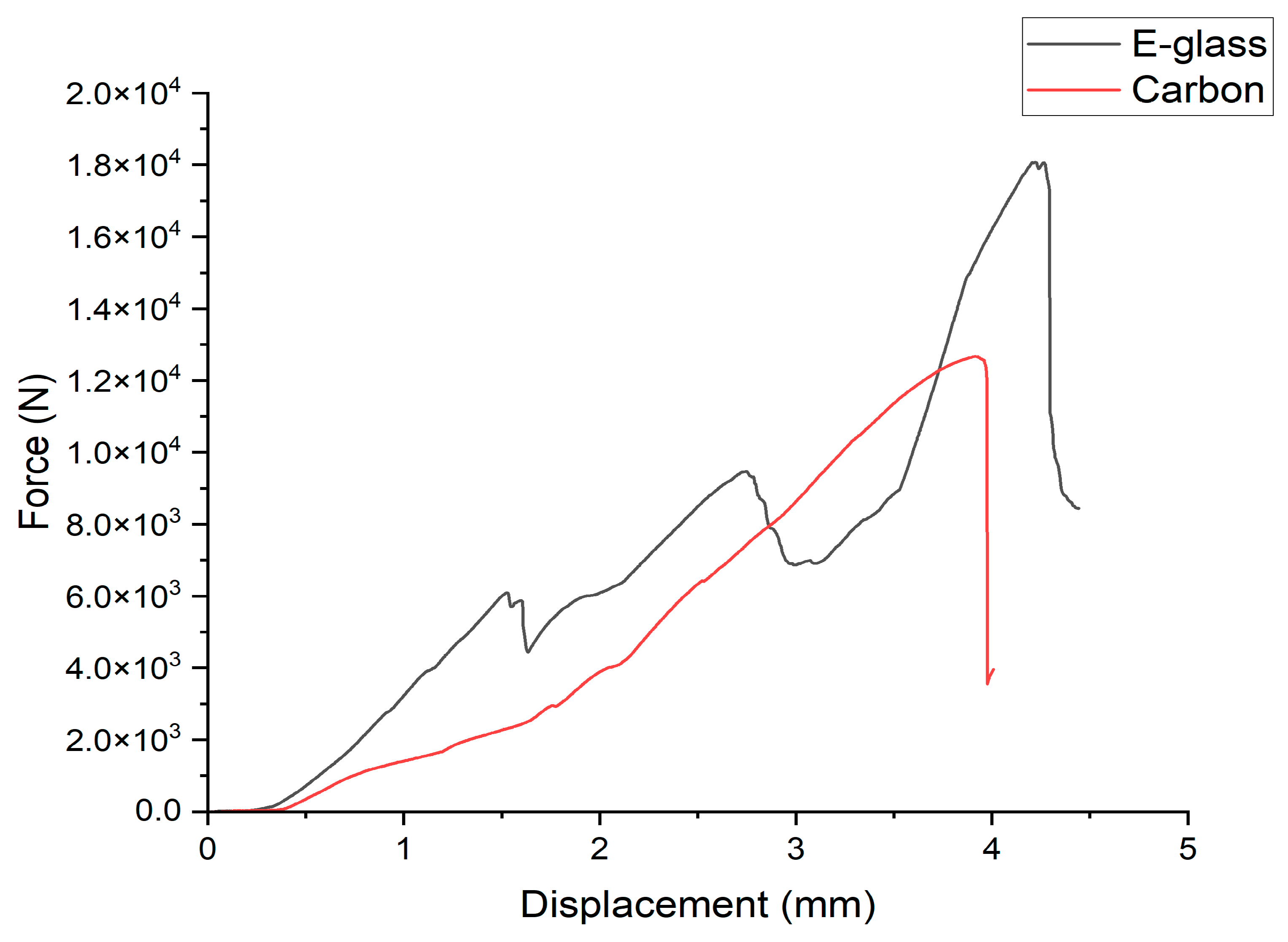
Figure 9.
Fabricated composite spar integrated with UAV rib structures.
The experimental compression results demonstrate that both commercially sourced E-glass (FR4) and carbon fiber (3K woven epoxy) composite plates exhibit stable structural behaviour under continuous uniaxial compressive loading until failure. These tests provide physical benchmarking of glass-based and carbon-based composite systems under controlled laboratory conditions. While the experimentally tested plates are commercially manufactured laminates and not the optimized aerospace laminate defined in the numerical simulations, they serve as an independent physical reference for comparative material behaviour.
Figure 10.
Composite plates mass after compression test.
5 Conclusions
Compression experiments were conducted to evaluate the mechanical response of two commercially available composite laminate systems under controlled uniaxial loading conditions. The experimental testing followed procedures consistent with ASTM D7137/D7137M guidelines in order to provide a reliable laboratory assessment of the compressive behaviour of woven glass fiber and carbon fiber-reinforced polymer laminates.
Rectangular specimens were prepared from 1.5 mm thick laminate plates consisting of FR4 woven E-glass/epoxy and 3K twill woven carbon/epoxy composites. Continuous compressive loading was applied using a universal testing machine until structural failure occurred. The experimental measurements enabled comparison of stiffness behaviour, deformation characteristics, and failure mechanisms between the two composite systems.
The results demonstrate that both composite laminates exhibit stable compressive resistance and consistent structural behaviour under monotonic loading conditions. The carbon fiber laminate exhibited higher stiffness and a greater maximum load capacity, consistent with the higher elastic modulus typically associated with carbon fiber reinforcement. In contrast, the E-glass laminate exhibited lower stiffness but demonstrated more gradual deformation before failure, indicating a more progressive damage development under compression.
Post-test inspection of the specimens revealed distinct failure characteristics for the two materials. Carbon fiber specimens showed localized fracture associated with brittle fiber failure once the compressive strength limit was reached. The E-glass specimens displayed progressive cracking that initiated near the specimen edges and propagated inward as the compressive load increased. These failure patterns are consistent with commonly reported compression failure mechanisms in woven fiber-reinforced polymer laminates.
The observed behaviour confirms that both composite systems provide stable compressive load-bearing capability under the tested conditions. Although carbon fiber laminates exhibit higher stiffness and load capacity, glass fiber laminates exhibit a more gradual evolution of damage and greater deformation tolerance. These characteristics highlight the inherent trade-off between stiffness and damage tolerance in fiber-reinforced composite materials.
Overall, the experimental results provide useful insight into the compressive structural behaviour of woven glass fiber and carbon fiber composite laminates. The findings contribute to the experimental understanding of composite laminate performance and provide comparative mechanical data that may assist in evaluating and selecting composite materials for lightweight structural applications.
This study presented an experimental investigation of the compressive behaviour and failure characteristics of woven E-glass fiber-reinforced epoxy and carbon fiber-reinforced epoxy composite laminates. Compression tests were performed using a universal testing machine in order to evaluate the structural response of the materials under monotonic loading conditions.
The experimental results demonstrated clear differences in the mechanical behaviour of the two composite systems. Carbon fiber-reinforced laminates exhibited significantly higher stiffness and load-carrying capacity compared with E-glass laminates. This behaviour is primarily attributed to the higher elastic modulus of carbon fibers, which enables the laminate to resist deformation more effectively under compressive loading.
However, the carbon fiber laminates also displayed brittle failure behaviour characterized by sudden fiber fracture and rapid loss of structural integrity once the compressive strength limit was reached. In contrast, E-glass laminates exhibited a more progressive damage evolution involving matrix cracking and localized fiber buckling before final failure.
The observed failure mechanisms highlight the trade-off between structural stiffness and damage tolerance in fiber-reinforced composite materials. While carbon fiber composites provide superior mechanical performance, E-glass composites offer improved deformation capability and lower material cost, which may be advantageous in certain UAV structural applications.
The results of this study, therefore, suggest that both materials can play complementary roles in the design of lightweight UAV structures. Carbon fiber composites may be preferred for primary load-bearing components requiring high stiffness, while E-glass composites may be suitable for secondary structures where cost efficiency and damage tolerance are important considerations.
5.1. Discussion and Future Work
Compression failure of fiber-reinforced composites is governed by complex interactions between fiber instability, matrix cracking, and interfacial debonding. The observed behaviour in the present experiments is consistent with previously reported compressive failure mechanisms in composite laminates.
The higher stiffness observed in carbon fiber laminates can be attributed to the higher modulus of carbon fibers and their efficient load transfer capability. In contrast, E-glass laminates exhibited greater deformation tolerance due to the lower modulus and higher strain capacity of glass fibers.
5.1.1. Implications for UAV Structural Applications
The experimental results obtained in this study provide useful insights into the suitability of E-glass and carbon fiber composite laminates for UAV structural components.
Carbon fiber composites offer significantly higher stiffness and compressive strength compared with E-glass laminates. These characteristics make carbon fiber materials particularly attractive for load-bearing structural elements such as UAV wing spars and primary structural members. However, carbon fiber materials also present disadvantages, including higher manufacturing costs and more brittle failure behaviour. In contrast, E-glass composites offer lower material cost and improved deformation tolerance, making them suitable for secondary structural components or cost-sensitive UAV platforms.
Therefore, the selection of composite materials in UAV design should consider both structural performance and economic factors. Hybrid structural designs combining both E-glass and carbon fiber materials may offer an optimal balance between structural efficiency and cost.
5.1.2. Research Contribution
This study contributes to the experimental characterization of commercially available fiber-reinforced polymer composite laminates under compressive loading conditions relevant to lightweight UAV structures. Unlike many studies that rely primarily on numerical modelling, the present work provides direct laboratory testing of composite plates subjected to monotonic compression until failure. The research also examines the deformation behaviour and failure mechanisms of both E-glass and carbon fiber laminates under identical experimental conditions. The results provide useful insight into the structural feasibility of these composite systems for UAV components such as wing spars and skin panels while also establishing baseline experimental data for future composite structural investigations.
5.1.3. Structural Implications for UAV Components
The experimental results demonstrate that both composite systems exhibit stable compressive structural behaviour suitable for lightweight UAV components.
Potential applications include:
• UAV wing spars
• wing skin panels
• structural reinforcement members
The progressive cracking behaviour observed in E-glass laminates may provide improved damage tolerance in operational environments where impact loading may occur.
5.1.4. Experimental Limitations
The present study focuses on compression testing of intact composite laminates without prior impact damage or fatigue loading. While the results provide valuable insight into intrinsic compressive behaviour, real UAV structures may experience more complex loading conditions, including impact events, cyclic fatigue, and environmental degradation. Additionally, the specimens used in this work represent commercially available laminate plates rather than aerospace-grade structural laminates. Future investigations should therefore include advanced laminate manufacturing processes and additional mechanical tests such as fatigue, impact resistance, and vibration behaviour.
5.2. Future Work
Future work will extend the current experimental investigation by incorporating thicker composite laminates fabricated through a vacuum moulding process. The manufacturing process is underway and will produce composite skin plates approximately 3 mm thick.
These thicker laminates will undergo additional compression and impact tests to evaluate their structural performance under more realistic UAV loading conditions. Furthermore, future studies may incorporate structural health monitoring techniques to detect the initiation and propagation of damage within composite UAV structures. This method was selected due to:
- Improved fiber–resin bonding
- Reduced void content
- Enhanced laminate uniformity
- Better thickness control
Figure 11.
Composite skin fabrication using vacuum moulding process.
Vacuum moulding provides several structural advantages:
-
Void ReductionTrapped air pockets significantly reduce composite strength. Vacuum consolidation minimizes porosity, thereby improving mechanical performance.
-
Uniform Resin DistributionControlled resin infusion ensures consistent material properties across the skin surface.
-
Improved Fiber Volume Fraction ControlFiber volume fraction directly influences stiffness and strength. Vacuum methods provide better control over this parameter than manual wet layup.
-
Surface Finish and Dimensional AccuracyImproved surface finish contributes to aerodynamic smoothness and structural consistency.
The manufactured laminates will undergo further experimental evaluation to investigate compression and impact performance in full UAV wing structures.
Conflicts of Interest
The authors declare that they have no known competing financial interests or personal relationships that could have appeared to influence the work reported in this paper.
References
- Zhang, Y.; Chen, H.; Liu, J. Experimental investigation on compressive failure of carbon fiber-reinforced epoxy laminates. Composite Structures 2019, 208, 482–490. [Google Scholar]
- Wang, H.; Li, X.; Sun, Z. Mechanical behaviour of woven glass fiber-reinforced polymer composites under compressive loading. Composites Part B: Engineering 2019, 162, 512–520. [Google Scholar]
- Kim, J.; Lee, S.; Park, Y. Experimental evaluation of compressive properties of carbon/epoxy composite laminates for aerospace structures. Composite Structures 2019, 225, 111110. [Google Scholar]
- Chen, S.; Zhao, Y.; Zhang, X. Failure mechanisms of woven carbon fiber-reinforced polymer laminates under quasi-static compression. Composites Science and Technology 2020, 185, 107885. [Google Scholar]
- Liu, Z.; Zhou, H.; Wang, X. Experimental characterization of glass fiber-reinforced polymer laminates subjected to compressive loading. Composite Structures 2020, 240, 112089. [Google Scholar]
- Wang, Y.; Li, J.; Chen, H. Compressive behavior of woven carbon/epoxy laminates under different loading rates. Composites Part B: Engineering 2019, 178, 107453. [Google Scholar]
- Park, K.; Kim, J. Damage evolution in carbon fiber-reinforced epoxy laminates under compressive loading. Composite Structures 2020, 231, 111504. [Google Scholar]
- Liu, M.; Zhang, Y.; Sun, Z. Experimental analysis of compression failure in glass fiber-reinforced composites. Composites Part A 2020, 134, 105901. [Google Scholar]
- Huang, J.; Li, X.; Zhao, H. Compression behavior of carbon fiber composite laminates with different stacking sequences. Composite Structures 2020, 246, 112403. [Google Scholar]
- Zhang, H.; Chen, Y.; Xu, L. Mechanical response of woven glass fiber-reinforced composites under compressive load. Composites Part B: Engineering 2020, 183, 107677. [Google Scholar]
- Park, S.; Kim, H.; Lee, Y. Compressive strength evaluation of aerospace carbon fiber composite laminates. Composite Structures 2020, 250, 112612. [Google Scholar]
- Sun, W.; Ouyang, T.; Li, Z.; Li, Y. Experimental study on compression failure of composite laminates with surface defects. Materials 2021, 14, 3616. [Google Scholar] [CrossRef] [PubMed]
- Zhao, X.; Chen, H.; Wang, J. Experimental investigation of failure mechanisms in carbon fiber-reinforced laminates under compressive loading. Composite Structures 2021, 260, 113278. [Google Scholar]
- Xu, Y.; Fei, B.; Ma, S.; Li, H.; Huang, G. Tensile and compressive properties of carbon fiber epoxy composites in hygrothermal environments. Journal of Materials Engineering 2018, 46, 124–130. [Google Scholar]
- Wang, Z.; Wang, Y.; Liu, H.; Xue, J. Post-buckling response of carbon/epoxy laminates with delamination under compression. Materials 2024, 17, 5047. [Google Scholar]
- Suemasu, H.; Aoki, Y.; Ishikawa, K. Compression failure behavior of composite laminates containing open holes. Composites Science and Technology 2006, 66, 1024–1031. [Google Scholar] [CrossRef]
- González, E.; Maimí, F.; Camanho, P. Simulation of drop-weight impact and compression after impact in composite laminates. Composite Structures 2012, 94, 3364–3372. [Google Scholar] [CrossRef]
- Yan, H.; Jiang, Z.; Chen, X. Compression after impact behavior of woven fiber-reinforced composites. Composites Science and Technology 2010, 70, 1365–1373. [Google Scholar] [CrossRef]
- Lee, S.; Kim, J. Failure analysis of glass fiber-reinforced polymer composites under compressive loading. Composite Structures 2020, 244, 112248. [Google Scholar]
- Chen, Y.; Zhang, H.; Wang, Z. Experimental study on compressive properties of woven carbon fiber laminates. Composite Structures 2020, 233, 111632. [Google Scholar]
- ASTM D7137/D7137M; Standard Test Method for Compressive Residual Strength Properties of Damaged Polymer Matrix Composite Plates[S]. ASTM International: West Conshohocken, 2017.
- ASTM D6641/D6641M; Standard Test Method for Compressive Properties of Polymer Matrix Composite Materials Using a Combined Loading Compression (CLC) Test Fixture[S]. ASTM International: West Conshohocken, 2016.
- Zhang, M.; Wang, H.; Zhao, Y. Failure characteristics of glass fiber-reinforced polymer composites subjected to compressive loads. Composites Part B: Engineering 2020, 187, 107832. [Google Scholar]
- Liu, Y.; Chen, J.; Zhang, Z. Mechanical properties of carbon fiber composite laminates under compressive loading conditions. Composite Structures 2020, 245, 112389. [Google Scholar]
- Kim, J.; Park, H. Experimental investigation of compressive strength in aerospace composite laminates. Composite Structures 2020, 252, 112725. [Google Scholar]
- Chen, S.; Wang, Z.; Liu, J. Experimental investigation of compressive response of woven glass fiber-reinforced composites. Composites Part A 2021, 141, 106201. [Google Scholar]
- Zhao, X.; Wang, Y.; Liu, Z. Compressive mechanical behavior of carbon fiber-reinforced epoxy composites. Composite Structures 2021, 261, 113298. [Google Scholar]
- Chen, Y.; Liu, H.; Li, J. Damage progression in composite laminates subjected to compressive loading. Composites Part B: Engineering 2021, 205, 108512. [Google Scholar]
- Wang, H.; Zhang, X.; Chen, Y. Experimental study of compressive failure modes in aerospace composite laminates. Composite Structures 2021, 266, 113820. [Google Scholar]
Figure 2.
Schematic of compressive residual strength support fixture with specimen in place.
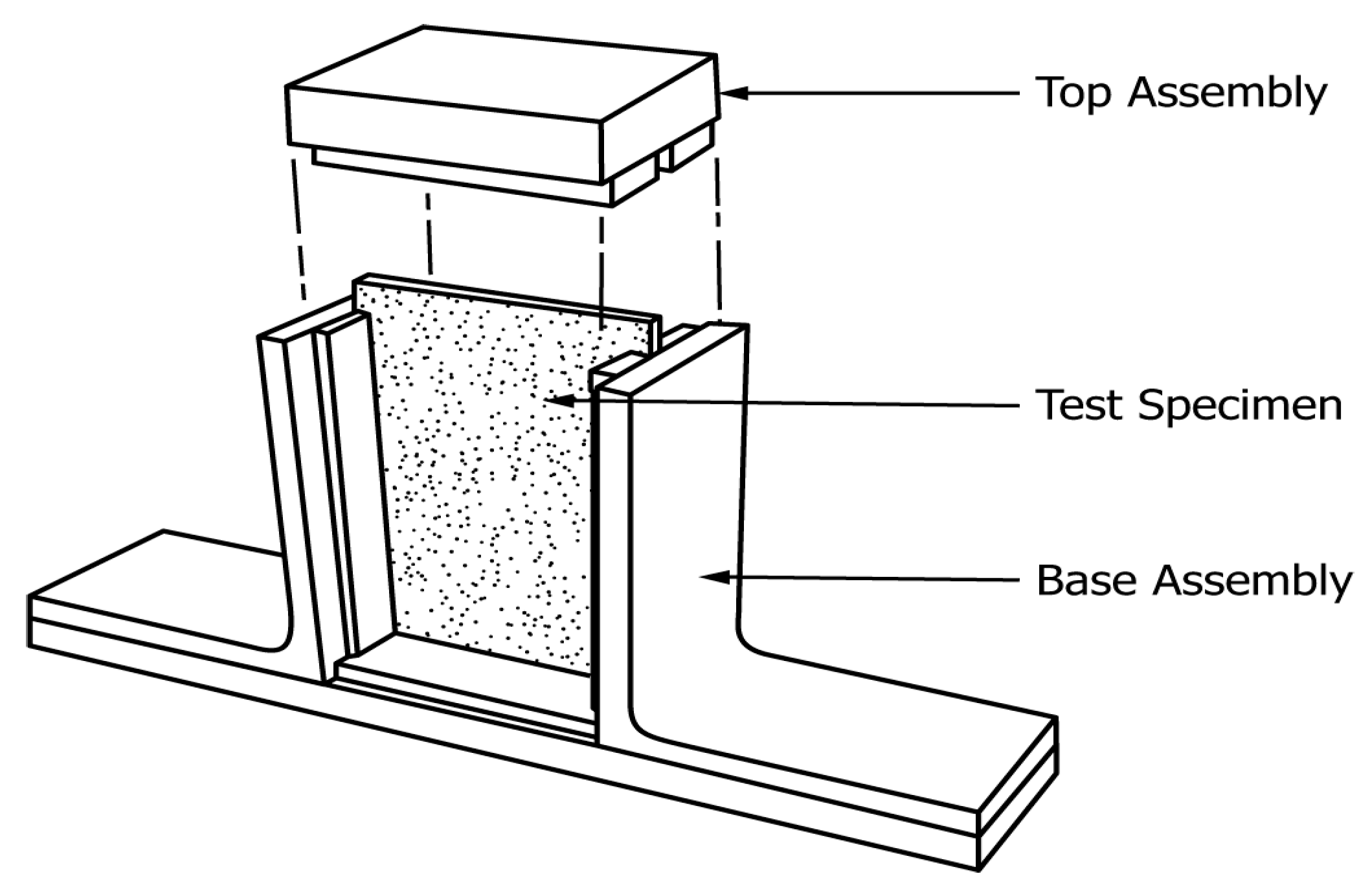
Figure 3.
Representative load–strain response obtained from compression testing results.
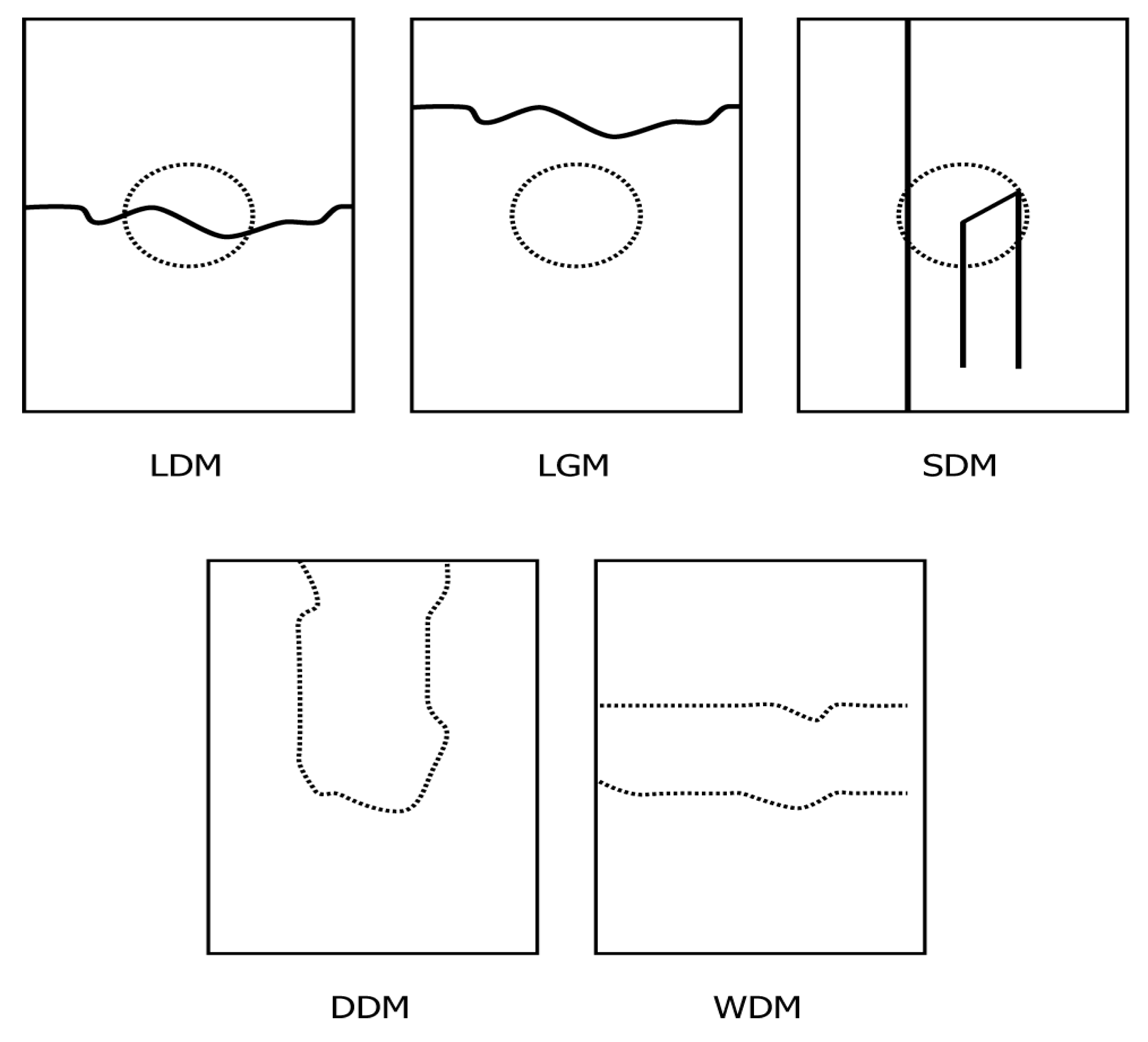
Table 1.
Specimen geometry and material characteristics.
| Parameter | E-Glass Fiber | Carbon Fiber |
|---|---|---|
| Length | 100 mm | 100 mm |
| Width | 95 mm | 95 mm |
| Thickness | 1.5 mm | 1.5 mm |
| Reinforcement | Woven E-glass fiber | Woven carbon fiber |
| Matrix | Epoxy | Epoxy |
Table 2.
Orthotropic laminate properties used for experimental characterization.
| Parameter | FR4 Woven E-Glass | 3K Twill Carbon/Epoxy |
|---|---|---|
| ρ | 1.90E-09 | 1.60E-09 |
| E1, E2, E3 | 22,000 / 22,000 / 9,000 | 50,000 / 50,000 / 9,000 |
| ν12, ν13, ν23 | 0.14 / 0.14 / 0.30 | 0.08 / 0.08 / 0.30 |
| G12, G13, G23 | 4,000 / 4,000 / 3,500 | 4,500 / 4,500 / 3,000 |
Table 3.
Failure mode classification codes.
| First Character | Second Character | Third Character | |||
| Failure Type | Code | Failure Area | Code | Failure Location | Code |
| Angled | A | At end/edge | A | Bottom | B |
| Brooming | B | at/through Damage | D | Left | L |
| end-Crushing | C | Gage, away from damage | G | Middle | M |
| Delamination growth to edge at final failure, lengthwise | D | Multiple areas | M | Right | R |
| tHrough-thickness | H | Various | V | Top | T |
| panel Instability | I | Unknown | U | Various | V |
| Kink bands | K | Unknown | U | ||
| Lateral | L | ||||
| Multimode | M(xyz) | ||||
| delamination growth to edge prior to final failure, Restrained by edge | R | ||||
| long, Splitting | S | ||||
| delamination growth to edge at final failure, Widthwise | W | ||||
| eXplosive | X | ||||
| Other | O | ||||
Disclaimer/Publisher’s Note: The statements, opinions and data contained in all publications are solely those of the individual author(s) and contributor(s) and not of MDPI and/or the editor(s). MDPI and/or the editor(s) disclaim responsibility for any injury to people or property resulting from any ideas, methods, instructions or products referred to in the content. |
© 2026 by the authors. Licensee MDPI, Basel, Switzerland. This article is an open access article distributed under the terms and conditions of the Creative Commons Attribution (CC BY) license (http://creativecommons.org/licenses/by/4.0/).
Copyright: This open access article is published under a Creative Commons CC BY 4.0 license, which permit the free download, distribution, and reuse, provided that the author and preprint are cited in any reuse.


