

Submitted:
06 April 2026
Posted:
07 April 2026
You are already at the latest version
Abstract
This study develops and validates a climate-based, user-centred and data-informed framework to improve lighting performance in educational buildings through the integrated use of daylight and smart LED control systems. The research was conducted in a university facility in Madrid, Spain, using a mixed-methods approach combining on-site illuminance measurements, climate-based lighting simulations (CBMS) with Dialux Evo 12.1, and structured surveys on user perception. The objective was to quantify the dynamic interaction between daylight availability, artificial lighting demand, and perceived visual comfort, while assessing the energy-saving potential of daylight-responsive control strategies. Results show that existing LED systems meet current illuminance standards while maintaining low lighting power density (LPD). Daylight and electric lighting act complementarily, with daylight reducing artificial lighting demand by up to 50% in optimally oriented classrooms, particularly during spring and summer. Smart dimming and adaptive control systems provide additional energy savings ranging from 27% to 46%, with estimated payback periods of approximately four years. Overall, the findings demonstrate that integrating daylight and adaptive LED systems is an effective and scalable strategy for reducing energy use while maintaining visual comfort in educational buildings under Mediterranean climatic conditions.
Keywords:
daylighting
; smart LED lighting
; energy efficiency
; educational buildings
; visual comfort
; daylight-responsive lighting control
; Mediterranean climate
1. Introduction
Lighting accounts for a substantial share of electricity use in educational buildings, commonly estimated to range between 20% and 40% of total energy consumption, depending on the building’s typology, orientation, occupancy patterns, and system efficiency [1,2,3]. In recent decades, the transition toward nearly Zero-Energy Buildings (nZEB) and progressively decarbonized building stocks has intensified the need for lighting systems that not only reduce energy demand but also ensure adequate visual comfort, occupant well-being, and productivity in learning environments [4,5]. Daylighting has long been recognized as a central strategy within sustainable architecture, with multiple studies demonstrating its capacity to reduce electrical lighting loads [6,7,8,9], improve Indoor Environmental Quality (IEQ) [10,11,12], and positively influence user satisfaction, cognitive performance, and health-related outcomes [13,14,15,16,17,18]. These findings are consistent with international and European policy frameworks which identify daylighting as a key factor in energy efficiency and occupant health, including the recast Energy Performance of Buildings Directive (EPBD) and guidelines from the CIE and the International Energy Agency (IEA) on the integration of daylight and efficient artificial lighting [13,14,15,16].
Educational buildings represent a particularly relevant area of study because students spend prolonged hours in indoor environments, making lighting conditions a critical determinant of visual comfort and circadian alignment and overall learning quality [10,17,18,19]. Research consistently shows that access to natural light supports academic performance, reduces eyestrain and fatigue, and produces measurable physiological effects associated with the circadian system, such as sleep quality, alertness, and mood regulation [7,17,20,21,22]. Furthermore, studies conducted in Southern European and Mediterranean climates—characterized by high solar availability and significant cooling loads—highlight the need for carefully designed daylighting strategies capable of balancing visual comfort, glare control, solar heat gains, and overall building energy performance [6,23,36,39].
In parallel, the rapid evolution of LED technology and intelligent lighting control systems has significantly transformed artificial lighting design [30,31]. High-efficiency LED luminaires substantially reduce installed lighting power density compared with conventional fluorescent systems [3,37], while adaptive dimming, occupancy sensing, and daylight-responsive control strategies provide additional operational savings [29,30]. When combined, these approaches can achieve total lighting electricity reductions in the range of 50–80% relative to non-controlled fluorescent installations [29,30], while ensuring compliance with illuminance and uniformity requirements established by standards such as UNE-EN 12464-1 and the Spanish Technical Building Code (CTE) [12,31]. In addition to energy savings, smart lighting systems have demonstrated a strong potential to improve user satisfaction by maintaining stable illuminance levels, preventing over-illumination, and increasing spatial flexibility in learning environments [18,30,31]. Recent research further highlights the benefits of integrating daylight-linked controls and advanced lighting management systems to improve operational energy performance [6,34]. Digital Addressable Lighting Interface (DALI) architectures facilitate flexible zoning, individual luminaire control, and adaptive lighting operation in educational environments [32]. In parallel, luminance-based design approaches contribute to improved visual comfort and glare management, supporting user-centred lighting quality [30,34]. Within this framework, solar availability emerges as a key environmental resource, particularly in Mediterranean climates such as Madrid, Spain, where annual Global Horizontal Irradiance (GHI) typically exceeds 1,600–1,800 kWh/m², providing substantial potential for daylight integration and solar-assisted lighting strategies [37,38]. At the same time, European regulatory frameworks, including the progressive prohibition of inefficient fluorescent lighting technologies, have accelerated the replacement of legacy systems with high-efficiency LED solutions in public and educational buildings [20,39]. These developments are directly aligned with European and international decarbonization targets for 2030 and 2050, which require significant reductions in energy consumption and greenhouse gas emissions from the building sector [2,4,20].
Despite these advances, a large proportion of existing university classrooms still operate with outdated lighting systems, limited daylight management, and insufficient consideration of user-centered design criteria [3,29,39]. Moreover, student preferences, perceptual comfort, and behavioral responses remain underrepresented in many technical lighting assessments, even though they play a decisive role in the real performance and acceptance of lighting strategies [18,21,31]. A clear understanding of users’ perception of lighting quality and of the interaction between daylight availability and electric lighting systems is therefore necessary to design energy-efficient and human-centric learning environments.
The present study addresses this gap by evaluating the lighting performance and user-perceived visual comfort in several classrooms of a university building located in Madrid, Spain. Through a combined methodology—including daylight availability analysis, climate-based lighting simulations using Dialux, on-site measurements, energy performance estimation, and structured student surveys—this research investigates:
(1) the adequacy of existing lighting installations;
(2) the role of daylight in visual comfort and user satisfaction;
(3) the potential benefits of replacing fluorescent systems with high-efficiency LED luminaires; and
(4) the implications of integrating daylight-responsive control strategies to enhance energy efficiency.
By combining quantitative performance indicators with qualitative user feedback, the study contributes to the growing body of literature supporting the integration of daylight and LED systems as an effective approach to achieving energy-efficient, comfortable, and sustainable educational spaces. The results provide evidence-based guidance for lighting retrofit decision-making and contribute to the development of low-carbon, energy-efficient university buildings.
2. Theoretical Framework
2.1. Daylighting in Educational Buildings
Daylighting has long been considered a fundamental component of sustainable building design due to its well-documented impact on building energy performance and indoor environmental quality [6,7,8,9]. In educational settings, daylight is especially relevant because students and teachers spend extended periods in classrooms, making visual comfort and exposure to natural light key determinants of learning quality, concentration, and psychological well-being [9,10,11,12]. Research demonstrates that daylight improves visual acuity and reduces eyestrain by providing a visually comfortable luminous environment [10,17]. In addition, exposure to natural light has been associated with improved cognitive performance and learning outcomes in educational environments [21,22]. These benefits are partly explained by the biological relevance of daylight for circadian regulation and alertness [14,16]. From a building physics perspective, daylight distribution depends on the interaction of architectural and optical parameters—including window geometry, orientation, glazing transmittance, sky luminance distribution, and interior surface reflectance—as described by climate-based daylight modelling methods [6,7] and design guidelines for daylighting in buildings [11,12]. Southern European climates, particularly Mediterranean locations such as Madrid, are characterized by high annual solar availability, which can substantially reduce electric lighting demand but simultaneously increases the probability of glare and excessive luminance contrasts if daylight is not properly controlled. Field studies in educational buildings and solar-climate analyses show that achieving adequate visual comfort therefore requires careful daylight modulation through architectural design and shading strategies [23,24], together with appropriate luminous environment evaluation criteria [8]. The design challenge therefore lies in maximizing Useful Daylight Illuminance (UDI) defined as the range of daylight illuminance levels sufficient for visual tasks without requiring electric lighting [32] while simultaneously limiting the occurrence of discomfort glare [33] and excessive luminance contrasts caused by direct solar penetration [34]. When daylight levels exceed the upper UDI threshold, visual disturbance and loss of task visibility may occur due to high luminance ratios [6]. Consequently, daylighting design requires the coordinated application of façade optimization and shading systems to regulate incident solar radiation, together with daylight-responsive control strategies to maintain stable luminous conditions over time [34].
Furthermore, studies employing Climate-Based Daylight Modeling (CBDM) have demonstrated the limitations of static daylight metrics and the importance of annual climate-driven evaluation of luminous performance [6,7]. Metrics such as Daylight Autonomy (DA) and Useful Daylight Illuminance (UDI) allow the quantification of the proportion of occupied hours in which daylight alone can satisfy visual requirements [6]. Using these indicators, several investigations report that the integration of daylighting strategies can reduce lighting electricity consumption by approximately 30–70%, depending on geographic location, façade configuration, and control strategy implementation [8,9,31].
These metrics have become standard evaluation tools in contemporary lighting design research due to their ability to assess dynamic daylight performance over annual cycles rather than relying on static, point-in-time illuminance values. The use of climate-based daylight modelling builds on earlier work that established the limitations of static daylight metrics and emphasized the importance of annual, climate-driven simulations for capturing realistic daylight behaviour in occupied spaces [6,7,11].
These findings are consistent with previous studies conducted in Mediterranean educational buildings, where daylight availability is strongly governed by façade orientation and solar altitude. Classrooms facing south typically achieve higher daylight autonomy values—often exceeding 60% of occupied hours—while west-facing façades show significant afternoon over-illumination and glare risk during warm seasons [23]. The influence of window-to-wall ratio and shading configuration has also been quantified, demonstrating that large, unprotected glazing areas increase luminance contrast and discomfort probability, particularly under clear-sky conditions typical of Southern Europe [27]. Conversely, north-oriented classrooms provide more stable luminance distributions but frequently fail to reach recommended illuminance thresholds without supplementary electric lighting [28,29]. Consequently, façade geometry and solar control strategies must be carefully optimized to balance daylight utilization and visual comfort across seasonal variations.
2.2. Visual Comfort, Glare, and Human Factors
Visual comfort depends not only on horizontal illuminance but also on luminance distribution within the field of view, since uneven brightness patterns can generate visual fatigue and discomfort [17]. In educational environments, inadequate lighting conditions have been associated with reduced attention and lower task performance during learning activities [21]. Moreover, broader indoor environmental quality studies indicate that poor visual conditions may lead to headaches, decreased concentration, and reduced academic efficiency among students [22]. Previous research in educational environments shows that cognitive performance is closely linked to visual perception factors such as glare sensation and luminance contrast within the field of view [10]. Studies specifically focused on school classrooms further indicate that inadequate lighting conditions negatively affect attention and learning outcomes [21]. In addition, investigations on controlled classroom lighting demonstrate that daylight–electric lighting interaction and adaptive lighting control influence both visual comfort and students’ task performance [31].
Discomfort glare represents one of the most critical challenges in daylit classrooms, particularly in regions characterized by high direct solar exposure. Architectural daylight design literature highlights glare as a primary limitation for the acceptance of daylight in learning environments [6]. In practice, glare risk is evaluated using standardized metrics such as the Unified Glare Rating (UGR), defined in indoor lighting standards [32], while research-based indicators such as Daylight Glare Probability (DGP) are commonly applied in daylight performance assessments. Achieving visual comfort without compromising daylight availability requires carefully balanced architectural solutions, including optimized window-to-wall ratios and solar control strategies [23]. These design decisions directly influence occupants’ physiological and circadian responses to light exposure [14,24]. The concept of human-centric lighting (HCL) extends this perspective by explicitly addressing the non-visual effects of light on human physiology. Research demonstrates that blue-enriched spectra promote daytime alertness and cognitive activation, whereas warmer spectral compositions support evening relaxation and circadian stability [14,15,16,17]. Although educational buildings typically operate during daytime, insufficient exposure to natural light, particularly in deep-plan or poorly oriented classrooms, has been associated with circadian misalignment, reduced alertness, and diminished well-being [14,15,16,17].
2.3. Artificial Lighting Technologies and Efficiency Standards
The rapid evolution of LED technology over the past decade has fundamentally transformed artificial lighting systems in educational buildings. Modern LED luminaires provide significantly higher luminous efficacy than traditional fluorescent lamps, enabling substantial reductions in electricity demand during retrofit interventions [30]. In addition, their integration within broader building renovation strategies has been identified as a key contributor to lighting energy savings in existing building stocks [29].
Beyond efficiency improvements, LEDs offer extended operational lifetimes and advanced controllability, allowing precise dimming and adaptive lighting operation compatible with smart control strategies [39]. Their improved spectral stability and color rendering characteristics further enhance visual quality in indoor environments when compared with legacy discharge-based lighting technologies [30].
At the regulatory and technical level, the progressive phase-out of inefficient lighting technologies has accelerated the adoption of LED retrofits in public buildings, including educational facilities, as part of broader building decarbonization strategies [20]. The replacement of legacy fluorescent lamps with high-efficiency LED luminaires has been primarily driven by evolving ecodesign requirements and minimum performance standards that restrict the commercialization of low-efficiency lighting products [39]. These measures are complemented by improved product transparency and labeling frameworks, which facilitate the identification and selection of high-performance lighting systems during renovation processes [20]. These technology-driven transitions contribute to significant reductions in energy consumption and carbon emissions in the building sector, supporting long-term decarbonization pathways and energy efficiency targets [1,2]. Lighting standards such as UNE-EN 12464-1 define photometric requirements for educational interiors, including minimum illuminance levels (typically 300–500 lux for classrooms), glare limitations, and uniformity criteria [32,33]. Achieving compliance with these standards increasingly requires an integrated design approach. High-efficiency luminaires constitute the primary measure to reduce installed lighting power density and meet energy targets in nearly zero-energy buildings [8]. However, photometric adequacy alone is insufficient, and spatial configuration — including luminaire layout, room proportions, and surface reflectance — strongly influences illuminance uniformity and visual comfort in classrooms [31]. For this reason, adaptive control strategies that adjust lighting output according to occupancy patterns have become essential to avoid unnecessary operation periods and over-illumination [35]. Finally, daylight-responsive dimming systems dynamically modulate electric lighting based on available natural light, allowing compliance with illuminance requirements while minimizing electricity consumption [36].
2.4. Smart Lighting Controls and Daylight-Linked Strategies
The integration of lighting control systems is widely recognized as one of the most effective strategies for reducing lighting-related energy consumption. Daylight-responsive dimming and occupancy-based controls significantly decrease operating hours of electric lighting [31], while LED retrofitting further amplifies savings in educational buildings [30]. Combined strategies in real classrooms have demonstrated substantial reductions in lighting electricity use, typically exceeding 40% depending on daylight availability and control implementation [28,29]. Conceptual daylight-integrated design approaches supporting these savings are widely discussed in the literature [6].
Daylight-linked dimming systems dynamically adjust luminaire output in response to available natural light, maintaining target illuminance levels and avoiding over-illumination, as demonstrated in monitored classroom environments [31]. Field investigations in Mediterranean educational buildings report reductions in electric lighting demand typically between 30% and 60% when daylight-responsive controls are implemented [28]. In addition, retrofit analyses comparing manual and automated operation show energy savings that may exceed 50% together with improved occupant satisfaction in automatically controlled classrooms [30]. Occupancy sensors, including Passive Infrared (PIR) and ultrasonic detectors, reduce unnecessary energy consumption during vacant periods by automatically switching or dimming luminaires in intermittently used classrooms [31]. Retrofit studies indicate that occupancy-based control alone can lower lighting electricity use by approximately 20–40% depending on usage patterns [29]. More advanced solutions incorporate predictive algorithms and data-driven optimization based on monitored occupant behavior [34], while recent developments integrate IoT connectivity and adaptive scheduling strategies that dynamically adjust lighting operation according to real-time and historical occupancy data [36].
2.5. Energy Performance and Carbon Emissions in Lighting
Lighting represents a significant contributor to the overall energy intensity of educational buildings [1]. Studies on school buildings demonstrate that daylight integration strategies alone can substantially reduce lighting demand [9], while high-efficiency LED retrofits further lower electricity consumption in existing facilities [30]. When these measures are combined with optimized control systems such as dimming and occupancy detection, total building energy use may decrease by approximately 10–25% [30], and lighting-related CO₂ emissions can be reduced by more than 40% due to improved lighting efficacy and reduced operating hours [8,36].
To translate lighting-related energy savings into environmental performance indicators, the assessment requires the use of standardized emission factors that allow electricity reductions to be expressed as corresponding greenhouse gas emission savings [20]. These factors are commonly defined at national or regional level within energy accounting methodologies and are widely used to evaluate the contribution of building efficiency measures to decarbonization targets [1,2]. Because lighting demand is strongly influenced by local daylight availability, regions characterized by high solar resource levels, such as Mediterranean climates, present greater potential for reducing artificial lighting use than higher-latitude regions, as demonstrated by solar irradiance analyses in Spain and comparable locations [37,38]. This climatic advantage strengthens the effectiveness of integrated daylight–electric lighting strategies in educational buildings with regular daytime occupancy, where daylight availability directly reduces electrical lighting demand and improves operational performance [9,23,31]. Energy simulation tools such as climate-based daylight modelling platforms support detailed assessments of daylight–electric lighting interactions, enabling the evaluation of luminance distribution, glare risk, energy consumption, and control system performance in educational spaces [6,7,31]. These tools are essential for the design and evaluation of lighting retrofits, as they enable compliance with current photometric standards while simultaneously ensuring visual comfort and energy performance under real daylight conditions [6,7,31,32]. Recent research on energy retrofitting of educational buildings confirms that daylight integration strategies play a key role in reducing electricity demand and improving overall building sustainability. Building retrofit studies report total energy savings typically ranging from 15% to 40% depending on system upgrades [29], while LED replacements alone can reduce lighting consumption by approximately 40–70% in educational facilities [30]. In classroom environments, daylight availability may cover up to about 50% of occupied hours in Mediterranean conditions [28], and the implementation of daylight-responsive control systems can provide an additional 20–60% reduction in lighting electricity use under real operating conditions [31].
2.6. User Perception and Behavioral Factors in Lighting Design
Although lighting performance is often evaluated using objective photometric indicators, user perception plays a decisive role in the effectiveness of lighting interventions. Field studies in school buildings show that occupants tend to override or misuse systems they perceive as uncomfortable, reducing expected energy savings [9]. Design guidelines therefore emphasize the importance of perceived brightness and glare control for successful operation of daylighting systems [11]. Students consistently report a strong preference for natural daylight over electric lighting conditions [18], and visual comfort satisfaction has been shown to be closely correlated with overall indoor environmental quality and learning experience [22,39]. Behavioral patterns, such as seating preferences, window blind operation, and reliance on daylight, can significantly influence actual energy consumption and the performance of automated lighting controls, as occupants frequently override system operation in real conditions [9]. Studies in educational environments consistently report a preference for seats located near windows due to access to daylight and outdoor views [18]. These environmental factors are associated with improved attention levels and reduced visual fatigue in learning tasks [21].
Consequently, incorporating user feedback into lighting system design is essential for achieving truly human-centric and energy-efficient solutions, since occupant satisfaction and luminous environment acceptance strongly influence real performance outcomes [18]. The integration of objective photometric measurements with structured perception surveys enables a more comprehensive understanding of the luminous environment and its implications for learning performance and well-being [22,39].
3. Methodology
3.1. Research Design and Study Context
This study adopts a mixed-method research design that integrates:
(i) in-situ illuminance field measurements,
(ii) daylight and artificial lighting simulations,
(iii) lighting-related energy performance assessments, and
(iv) structured user-perception surveys.
Such a multi-layered methodological framework is consistent with contemporary lighting research in educational environments, where reliable assessment requires the combination of objective photometric measurements, climate-based simulation techniques, and occupant-related evaluation. Previous studies have demonstrated that physical metrics alone cannot fully characterize luminous quality, since perceived visual comfort and behavioral responses significantly influence real lighting performance and energy use [6,28,32].
Climate-based daylight modelling provides robust prediction of annual luminous conditions [6], while field measurements enable model validation and compliance verification with lighting standards. Complementing these approaches, subjective surveys capture user acceptance and comfort perception, which are essential parameters in human-centric lighting assessment [18].
The primary objective of this study is to evaluate the performance of daylighting and LED-based lighting systems in a set of university classrooms located at the Universidad Politécnica de Madrid (UPM), Spain, under real academic operating conditions (Figure 1, Figure 2 and Figure 3). The methodological framework integrates field illuminance measurements and climate-based daylight modelling techniques, together with energy performance estimation procedures commonly used in lighting retrofitting analysis [25]. It also incorporates compliance verification with lighting standards for educational interiors and structured occupant perception surveys to assess visual comfort and acceptance of the luminous environment [18].
By combining physical measurements, simulation outputs, and user-response data, the approach enables a direct comparison between objective performance indicators and perceived lighting quality, consistent with contemporary classroom daylighting evaluation methodologies.
The study site is located within a Mediterranean climate zone characterized by high annual solar irradiance. Long-term solar resource assessments report an average global horizontal irradiance of approximately 4.75 kWh/m²·day for the Madrid region [35], a condition that strongly influences daylight availability and visual performance in educational spaces [23]. The analyzed classrooms present architectural characteristics representative of typical university teaching spaces in the region, including rectangular floor plans, single or dual main façades, and large windows with varying orientations (north, south, west, and combined exposures) (Table 1). Interior finishes are predominantly light-coloured, with reflectance values consistent with recommended ranges for educational environments (walls ≈ 0.70, ceiling ≈ 0.85, floor ≈ 0.30–0.40) [16].
The space is equipped with LED luminaires, which replaced previous fluorescent systems as part of a recent lighting upgrade, providing an appropriate context for assessing the combined impact of daylight availability and efficient artificial lighting on energy performance and visual conditions.
This heterogeneous yet representative sample provides an appropriate context for assessing the combined impact of daylight availability, classroom orientation, and efficient artificial lighting on energy performance and visual conditions under real-use scenarios.
3.2. Daylighting Assessment and Field Measurements
Daylighting conditions were first characterized using climate-based datasets derived from Typical Meteorological Year (TMY) files, a standard input for annual daylight performance evaluation in Mediterranean environments [23,25]. Solar geometry parameters —including solar altitude and azimuth angles— were calculated to determine periods of direct solar exposure on the classroom façades throughout representative academic seasons.
To support this analysis, sun-path diagrams were generated and correlated with classroom orientation, enabling the identification of potential glare periods and variations in daylight penetration depth. These diagrams were produced using validated daylighting and solar-geometry simulation tools commonly applied in building performance analysis [6,29,32].
Field measurements of illuminance were conducted using a calibrated digital illuminance meter (TES 1335) compliant with Class A specifications, following the procedures defined in EN 13032-1 and UNE-EN 12464-1 [15,16]. Measurements were taken on a regular spatial grid at a work-plane height of 0.75 m above floor level, ensuring representative coverage of the occupied area (Figure 4).
Measurements were performed under three operating conditions:
- Daylight-only (artificial lighting switched off),
- Artificial lighting with minimized daylight contribution, and
- Combined daylight–artificial lighting operation.
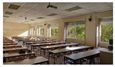
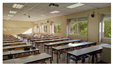
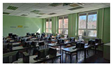
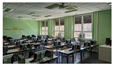
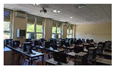
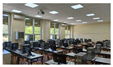
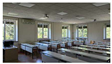
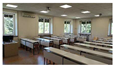
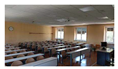
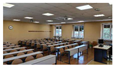
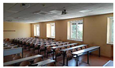
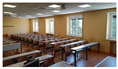
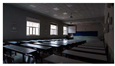
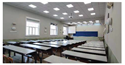
To account for daily and seasonal variability, measurements were performed at different times of day (morning, solar noon, and afternoon) over several days during late spring and early summer, representative of typical sky conditions in the Madrid climate. This temporal sampling strategy enables the characterization of variations in daylight contribution and spatial illuminance distribution within the classroom environment [24,32]. As summarized in Table 2, the analysed classrooms present a range of window orientations and lighting configurations that condition their daylighting behaviour. The selected spaces include north-, south-, west-, northwest-, and dual-orientation façades, allowing the assessment of daylight performance under contrasting solar exposure conditions. Photographic documentation supports the identification of façade characteristics, window dimensions, and surrounding obstructions, providing contextual information essential for interpreting both measured illuminance levels and simulated daylight distribution. This diversity of orientations and lighting scenarios ensures a representative evaluation of daylight availability and its interaction with artificial lighting under real academic use conditions.
3.3. Lighting Simulation and Energy Performance Assessment
A three-dimensional digital model of the classroom was developed using Dialux Evo, incorporating accurate geometric dimensions, window configuration, surface reflectance values, and luminaire layout (Figure 5). Photometric data for the installed LED luminaires were implemented using manufacturer-provided files, ensuring consistency between simulated and real lighting systems [12,13].
Lighting simulations were performed to assess both daylight and electric lighting performance using widely adopted photometric and climate-based indicators, including Daylight Factor (DF), Useful Daylight Illuminance (UDI), Daylight Autonomy (DA), and Unified Glare Rating (UGR), where applicable. While DF was used to provide a reference under standard overcast conditions, climate-based metrics (UDI and DA) enabled the evaluation of annual daylight availability and its interaction with the artificial lighting system. This combined approach allows the assessment of seasonal daylight dynamics and glare risk following current best-practice methodologies in daylighting analysis [6,35].
Annual lighting electricity consumption was estimated using the energy calculation module implemented in DIALux evo, which determines installed lighting power demand and operating hours based on occupancy schedules, academic calendars, and daylight availability conditions. The resulting energy performance indicators were expressed as annual electricity consumption (kWh·year⁻¹) and evaluated against the limits defined by the Spanish Technical Building Code for lighting energy efficiency (CTE HE3) [32].
To translate lighting-related energy savings into environmental performance indicators, nationally defined electricity carbon emission factors were applied to convert electricity reductions into corresponding greenhouse gas emission savings [1,2]. This approach enables the estimation of potential CO₂ emission reductions associated with the implementation of daylighting and high-efficiency LED lighting strategies in buildings, particularly in regions with high solar availability [35,36,37].
3.4. User-Perception Survey
A structured questionnaire was administered to students regularly attending classes in the analyzed classroom. The survey design followed post-occupancy evaluation approaches commonly applied in classroom lighting studies, where user feedback has proven essential for interpreting measured photometric conditions [9]. The structure of the questionnaire was aligned with visual comfort assessment criteria defined in lighting evaluation guidelines [11], and incorporated perceptual indicators frequently adopted in indoor environmental quality research, such as glare sensation, brightness satisfaction, and overall luminous comfort [18,22,39].
Responses were collected using a five-point Likert scale, addressing perceived illuminance adequacy, glare perception, overall visual comfort, preference for natural versus artificial lighting, and the perceived influence of lighting conditions on academic tasks.
A structured questionnaire was administered to undergraduate and master’s students attending regular classes in the analyzed classrooms (n = 185). The surveyed population included students enrolled in Bachelor’s Degree in Environmental Technologies Engineering, Bachelor’s Degree in Natural Environment Engineering, and master’s programmes, with ages ranging from 18 to 40 years; the sample comprised 48% female and 52% male respondents. Participation was voluntary and anonymous, and the survey was conducted during regular teaching periods to ensure representative occupancy conditions.
The questionnaire consisted of eight items designed to assess students’ perception of lighting conditions, visual comfort, and daylight preference. Responses to Questions Q1–Q7 were collected using a five-point Likert scale (1 = very low / not at all, 5 = very high / always). The survey included the following items:
- Q1. “At my workstation, I feel that there is enough light.”
- Q2. “To what extent do you notice glare while in the classroom?”
- Q3. “How satisfied are you with the visual comfort provided by the lighting at your workstation?”
- Q4. “During academic activities, how much attention do you pay to whether lighting is natural or artificial?”
- Q5. “To what extent do you believe that natural light improves your academic performance?”
- Q6. “During your academic activities, do you prefer classrooms with higher availability of natural light?”
- Q7. “To what extent do you prefer classrooms with views of vegetation or outdoor greenery?”
An additional multiple-choice item (Q8) addressed seating behaviour in the classroom. Students were asked to indicate the primary factor influencing their seat selection, choosing among: (i) unobstructed view of the board and teaching materials, (ii) a distraction-free area, (iii) proximity to peers, (iv) proximity to windows, or (v) indifference to seating location.
Survey data were analysed using descriptive statistics, including frequency distributions and percentage shares, and were subsequently compared with objective lighting performance indicators to explore relationships between measured lighting conditions and user perception.
The survey was conducted anonymously through an online platform to encourage unbiased responses. Data analysis focused on frequency distributions and exploratory cross-tabulations, allowing the identification of relationships between visual comfort perception, seating preferences, and daylight availability.
3.5. Methodological Integration and Validation
The integration of field measurements, simulation outputs, energy performance assessments, and user-perception data enables methodological triangulation, thereby strengthening the reliability and internal consistency of the results. Alignment with established standards, including UNE-EN 12464-1 and EN 17037, supports the validity, replicability, and comparability of the findings with other studies on educational lighting environments.
The combined use of in-situ measurements and simulation-based analysis follows a post-occupancy assessment approach in which objective photometric evaluation is complemented by daylight modelling and user-response analysis.
Overall, this integrated methodological framework provides a robust and transparent basis for evaluating lighting performance and for formulating evidence-based recommendations aimed at improving energy efficiency and visual comfort in university classrooms.
4. Results and Discussion
4.1. Daylight Contribution and Illuminance Performance
In line with the orientation-based analysis, daylight contribution exhibited marked seasonal variability, with significantly higher natural illuminance levels observed between April and September. In classrooms with favourable orientation and large window openings, daylight alone provided a substantial share (exceeding 50%) of the required illuminance during up to approximately 200 occupied days per year, substantially reducing reliance on artificial lighting.
Digital lighting simulations conducted with Dialux Evo complemented the experimental measurements and enabled a detailed spatial analysis of illuminance distribution, uniformity, and Daylight factor (D) across all classrooms. The simulations generated high-resolution three-dimensional illuminance maps, revealing strong spatial heterogeneity linked to window orientation, room geometry, interior surface reflectance, and the presence of furniture and equipment.
Table 3 provides an orientation-based synthesis derived from the detailed classroom-level simulation results, allowing a comparative interpretation of daylight behaviour across different façade exposures.
In Classroom 2, characterized by large south-facing windows, simulated illuminance values near the façade exceeded 45,000 lux under natural lighting conditions. Uniformity values ranged from 0.068 to 0.47 for mixed lighting and from 0.05 to 0.21 for natural lighting, indicating pronounced spatial variability and increased glare risk. It is worth noting that while the integration of LED luminaires effectively enhances uniformity under diffuse daylight, its corrective efficiency significantly decreases during periods of high solar incidence. In such cases, the extreme luminance from direct sunlight overwhelms the artificial light contribution, failing to balance the luminous distribution across the room.
The Projects classroom, with north-facing windows, showed lower illuminance peaks but a more balanced daylight distribution, with uniformity values between 0.60 and 0.82 for mixed lighting and 0.60 to 0.64 for natural lighting, and a daylight factor of 3.44%.
Classroom 6, influenced by western exposure and partial external shading, exhibited very high simulated illuminance values, reaching up to 56,826 lux, with uniformity ranging from 0.16 to 0.54 and a daylight factor of 4.87%, reflecting strong daylight availability but uneven spatial distribution. North- and northwest-facing Classrooms 7 and 8 displayed moderate illuminance levels with notable seasonal variations, particularly during spring months when direct sunlight penetrated the space; both classrooms presented daylight factor values of 3.36%.
Despite its south-facing orientation, Classroom 9 showed a relatively low daylight factor of 1.35%, attributable to partial shading and uneven luminance distribution. Finally, Classroom 13 exhibited a daylight factor of 3.14% with moderate simulated illuminance levels; minor discrepancies between simulated and measured values were attributed to unmodelled external obstructions affecting daylight access.
Overall, the Dialux simulations proved effective in quantifying the impact of architectural and contextual factors on daylighting performance and in supporting the interpretation of experimental results.
4.2. Seasonal Behaviour and Implications for Lighting Performance
The seasonal analysis revealed that daylight availability does not affect all classrooms uniformly. During winter months, reduced daylight availability led to greater dependence on electric lighting, resulting in stable illuminance levels but higher energy demand. In contrast, spring and early summer were characterized by sharp increases in daylight penetration, producing excessive illuminance peaks, reduced uniformity, and increased glare risk, particularly in south- and west-oriented classrooms.
By summer, although daylight levels remained high, illuminance distribution became more balanced due to higher solar altitude, suggesting improved conditions for daylight utilization when combined with appropriate control strategies. These results highlight the limitations of passive daylighting alone in highly exposed classrooms and underscore the potential benefits of daylight-responsive dimming and automated shading systems to mitigate glare while maximizing energy savings.
Although a general seasonal pattern was observed, its impact varied significantly among classrooms due to differences in orientation, window-to-wall ratio, shading obstructions, depth, and interior layout. South- and southeast-oriented classrooms (e.g., Classrooms 6, 7, and 8) experienced the most pronounced seasonal fluctuations, whereas north-oriented or partially shaded spaces (e.g., Projects classroom and Classroom 13) maintained more stable conditions throughout the year. These findings confirm that daylight behaviour is strongly room-dependent, reinforcing the need for tailored lighting and control strategies rather than uniform solutions.
4.3. Student Survey Results: Visual Comfort and Preferences
Survey responses indicate that a clear majority of students perceived lighting conditions at their workstations as adequate, with 63% rating illuminance levels as high and an additional 28% reporting neutral satisfaction. Perceived glare was generally limited, as nearly half of the respondents (49%) reported low glare perception, while only 14% indicated frequent glare-related discomfort, suggesting that the combined daylight and LED lighting configuration provides acceptable visual conditions in most cases (Table 4).
Regarding overall visual comfort, responses were predominantly concentrated in the neutral to high categories, with 47% of students expressing high satisfaction and 39% reporting moderate comfort levels, indicating a generally positive perception of the luminous environment. Attention to the type of lighting (natural versus artificial) was reported by a substantial proportion of respondents, with 62% indicating a high level of awareness during academic activities, reflecting the perceptual relevance of lighting conditions in learning environments.
A strong preference for daylight was consistently observed. Seventy-nine percent of respondents considered natural light to have a positive influence on concentration and academic performance, while 75% expressed a clear preference for classrooms with higher daylight availability. Additionally, 86% of students reported a strong preference for classrooms with views of vegetation or outdoor greenery, highlighting the importance of visual connection to the exterior as a complementary factor to daylight access in perceived comfort and well-being.
Overall, the survey results confirm that daylight availability, combined with efficient artificial lighting, plays a central role in students’ visual comfort and environmental preference, reinforcing the need for integrated daylight–electric lighting strategies that address both quantitative performance and user perception in educational buildings.

Table 4.
Summary of student survey results on perceived lighting quality, visual comfort, and daylight preferences.
Table 4.
Summary of student survey results on perceived lighting quality, visual comfort, and daylight preferences.
| Survey item | Description | Low (%) (1–2) | Neutral (%) (3) | High (%) (4–5) |
|---|---|---|---|---|
| Q1 | Perceived sufficiency of light at the workstation | 9 | 28 | 63 |
| Q2 | Perception of glare in the classroom | 49 | 37 | 14 |
| Q3 | Overall visual comfort satisfaction | 14 | 39 | 47 |
| Q4 | Attention paid to lighting type (natural/artificial) | 15 | 23 | 62 |
| Q5 | Perceived influence of natural light on academic performance | 8 | 13 | 79 |
| Q6 | Preference for classrooms with higher daylight availability | 9 | 16 | 75 |
| Q7 | Preference for classrooms with views of vegetation | 6 | 8 | 86 |
Table 5.
Primary criterion influencing student seating behaviour (Q8 – single-choice responses).
| Survey item | Description | Indifferent (%) | Distraction-free area (%) | Proximity to peers (%) | Proximity to windows (%) | Unobstructed view of board (%) |
|---|---|---|---|---|---|---|
| Q8 | Seating behaviour | 4 | 16 | 16 | 24 | 40 |
Results from Question 8 (Q8) indicate that seating behaviour is predominantly driven by functional visual requirements, as respondents were asked to select a single primary criterion. An unobstructed view of the teaching board was identified as the main factor by 40% of participants, followed by proximity to windows and access to daylight (24%). Reduced distractions and proximity to peers each accounted for 16% of responses, while only 4% of students reported no specific preference.
These findings indicate that, although daylight availability plays a relevant role in seating preferences, students prioritise visual task clarity. Consequently, classroom lighting design should balance daylight provision with clear visibility of teaching surfaces and visual targets.
4.4. Energy Consumption and Environmental Impact
Annual lighting energy consumption for the analyzed LED-equipped classrooms ranged between approximately 430 and 750 kWh/year, depending primarily on window orientation, daylight availability, and occupancy patterns. classrooms with favourable daylight access and balanced window configurationse exhibited the lowest annual consumption values, whereas higher energy use was associated with spaces characterized by limited uneven, or highly directional daylight distribution.
Based on nationally defined electricity emission factors, the corresponding CO₂ emissions were estimated to range between approximately 110 and 240 kg per classroom per year. These results underline that, even when high-efficiency LED technology is implemented, lighting systems continue to represent a non-negligible contribution to the operational carbon footprint of educational buildings.
Assuming a representative electricity price of 0.10 €/kWh, consistent with tariffs typically applied to public university buildings in Spain, the annual operating costs associated with lighting ranged between approximately 45 and 75 € per classroom. Although these absolute costs are modest, they become significant when aggregated at building or campus level reinforces the relevance of optimising lighting energy performance in higher-education facilities.
Lighting energy consumption values reported in this section were derived from Dialux Evo simulations and represent effective operational performance under typical daylight utilisation conditions, assuming manual lighting operation and excluding the use of active lighting control systems such as photosensors or automated dimming. Energy simulations generally yielded slightly higher consumption estimates than simplified direct calculations, due to the adoption of standardised operating schedules, conservative assumptions regarding luminaire performance, and uniform occupancy profiles. Nevertheless, the two approaches produced consistent results, supporting the robustness and reliability of the estimated energy performance indicators.
Table 6 summarises the effective annual lighting energy consumption, associated CO₂ emissions, and operating costs for each analysed classroom under these baseline conditions. Table 6. Annual lighting energy consumption, CO₂ emissions, and operating costs under typical daylight utilisation conditions.
Annual lighting energy consumption values represent the effective operational performance of LED-equipped classrooms, accounting for typical academic occupancy schedules and daylight availability, but excluding active lighting control systems such as photosensors or automatic dimming. Energy use was estimated through Dialux Evo simulations assuming standard operating hours and manufacturer-rated luminaire performance. CO₂ emissions were calculated using the national electricity emission factor published by the Spanish Ministry for the Ecological Transition (MITECO), while annual electricity costs were estimated considering a representative tariff of 0.10 €/kWh applicable to public educational buildings. Average values correspond to the mean performance across all analysed classrooms and are provided for comparative purposes.
For completeness, a complementary assessment of gross annual lighting demand without daylight contribution is included in the Supplementary Materials (Table S1). These values represent the theoretical maximum annual energy demand under full electric lighting operation and are therefore higher than the effective operational consumption reported above.
Simulation results further indicate that the implementation of daylight-responsive lighting control systems could provide additional energy savings ranging from 27% to 46%, depending on classroom orientation and daylight availability. This reduction potential highlights the significant margin for improvement beyond baseline LED retrofits and supports the integration of adaptive lighting control strategies as a key measure for improving energy efficiency and reducing emissions in educational buildings, consistent with previous field studies on LED retrofitting and lighting control in classrooms [30,31].
The seasonal dynamics of lighting energy demand are further illustrated in Figure 6, which compares daily luminous exposure (H) with the electrical energy required to maintain standard-compliant illuminance levels during occupied days for representative classrooms. The results reveal a clear inverse relationship: during late spring and summer (June–July), increased daylight availability substantially reduces the need for artificial lighting, whereas demand peaks during winter months, coinciding with minimum solar exposure. This behaviour highlights the limitations of static lighting schedules and provides strong evidence supporting the adoption of daylight-responsive control strategies, as discussed in the following section.
The measured improvements in illuminance levels, uniformity, and energy efficiency are consistent with previous field studies evaluating the real-world performance of LED lighting systems in educational environments [29].
4.5. Potential Energy Savings Through Lighting Control Systems
Simulations of daylight-responsive lighting control systems revealed a substantial potential for reducing electricity consumption in the analyzed classrooms. Depending on window orientation, daylight availability, and spatial configuration, annual energy savings ranged between approximately 27% and 46% relative to baseline LED operation without automated control.
Table 7 summarizes the estimated impact of integrating daylight-responsive dimming and occupancy-based control strategies. Energy savings were derived from Dialux Evo simulations, considering realistic academic schedules and classroom-specific daylight conditions.
Energy savings were estimated through Dialux Evo simulations considering daylight-responsive dimming combined with occupancy-based control strategies. Associated CO₂ emission reductions were calculated using the national electricity emission factor published by the Spanish Ministry for the Ecological Transition (MITECO), equal to 0.357 kg CO₂/kWh. Economic savings were derived assuming an electricity price of 0.10 €/kWh, representative of typical public university building tariffs. The analysis considered the installation of one photosensor per classroom, with an assumed unit cost of €255. The simple payback period was determined as the ratio between the initial investment and the annual energy cost savings. In the Projects classroom, energy savings reached approximately 669 kWh/year, corresponding to a 37% reduction in electricity use, a reduction of 239 kg CO₂/year, and annual cost savings of approximately 67 €. Similarly, Classroom 8, characterized by favourable daylight exposure and balanced orientation, achieved savings of 627 kWh/year, equivalent to a 46% reduction.
The installation cost of one photosensor per classroom resulted in an average payback period of approximately four years. Classrooms with limited or less effective daylight access, such as Classroom 9, exhibited longer payback periods (exceeding eight years), highlighting the strong influence of room-specific daylight conditions on the economic performance of lighting control strategies.
Beyond the specific control logic evaluated in this study, more advanced lighting control strategies based on adaptive algorithms and data-driven optimisation may further enhance the coordination between daylight and electric lighting in complex building environments, potentially improving both energy efficiency and operational robustness under variable occupancy and daylight conditions. Finally, it is important to note that lighting control strategies influence not only energy consumption but also indoor environmental quality. Previous studies have shown that well-designed lighting systems positively affect visual comfort, user satisfaction, and perceived learning conditions in educational buildings [18,22,39], reinforcing the value of integrating control systems as part of holistic sustainability interventions.
5. Conclusions
This study presents an integrated assessment of daylighting performance, artificial lighting behaviour, energy efficiency, and user perception in university classrooms located in a Mediterranean climate. The combined application of in situ field measurements, climate-based daylight simulations, energy performance analysis, and perception surveys enables a comprehensive evaluation of lighting conditions and their implications for visual comfort, energy use, and sustainability.Results demonstrate that while the studied classrooms exhibit strong daylighting potential particularly near façades daylight distribution is highly uneven, leading to localized glare risk and insufficient illumination in deeper zones. The LED lighting retrofit effectively mitigates these limitations by providing illuminance uniformity, increasing, and reducing., improved luminous efficacy, and electricity consumption. However, this corrective effect is less effective in spaces exposed to direct solar radiation; where high luminance contrasts may exceed the compensation capacity of the artificial lighting system, highlighting the need for integrating architectural shading and glare-control measures to manage direct sunlight and ensure acceptable visual conditions throughout the space.
The observed reductions in energy consumptionand associated CO₂ emission confirm the environmental benefits of LED technology, particularly when combined with daylight-responsive control strategies. The strong agreement between measured data and simulation outcomes validates the modelling approach and supports its application as a predictive tool for future lighting retrofit scenarios in educational buildings. Student feedback reveals a clear preference for natural light and exterior views, underlining the relevance of daylight for well-being, attention, and overall satisfaction. Notably, 79% of the surveyed students strongly believed that natural lighting significantly enhances their academic performance a perception that aligns with established research suggesting that high-quality daylighting fosters cognitive focus and productivity in educational settings. However, reported discomfort in certain conditions reinforces the need for integrated solutions that balance daylight availability with glare control and adaptive lighting strategies.
Overall, the findings confirm that the integration of daylight and electric lighting systemsis essential for enhancing learning environments, reducing energy demand, and supporting institutional sustainability objectives in educational buildings.
6. Limitations and Future Work
Despite the comprehensive methodological approach adopted in this study, several limitations should be acknowledged. First, the analysis is limited to a relatively small number of classrooms within a specific climatic, architectural, and functional context, which may restrict the generalisability of the results. Future research should extend the proposed methodology to a broader range of educational buildings and spatial configurations and climatic regions to strengthen the robustness and transferability of the findings.
Second, daylight measurements were conducted during selected representative periods rather than continuously year-long monitoring. Although climate-based simulations partially address this limitation, long-term monitoring campaigns would provide more detailed understanding of annual daylight variability glare occurrence, and user exposure under diverse sky conditions.
Third, the evaluated lighting system is based on fixed-output LED luminaires combined with relatively simple control strategies. While this configuration allows for a clear assessment of baseline performance, future studies should experimentally investigate more advanced solutions, such as continuous dimming, occupancy-based modulation, and integrated daylight-responsive control systems In addition, the role of passive solar protection systems including horizontal louvers, adjustable blinds, or architectural overhangs deserves further investigation, particularly to regulate direct solar radiation and mitigate localized glare at the source. Assessing the combined performance of shading devices and adaptive lighting controls would enable a more holistic optimization of visual comfort across different seasons and spatial depths. Finally, the thermal implications of lighting retrofits were not explicitly addressed in this study. In Mediterranean climates, internal heat gains from artificial lighting can significantly influence cooling demand and overall building energy performance. Future work should therefore integrate thermal modelling, HVAC interaction analysis, and adaptive comfort assessment to evaluate the combined visual and thermal impact of lighting interventions in educational buildings.
Supplementary Materials
The following supporting information can be downloaded at the website of this paper posted on Preprints.org, Supplementary illuminance maps from measurements and simulations.
Author Contributions
Conceptualization, B.G.F.; methodology, B.G.F. and J.F.B.; software, B.G.F. and J.F.B.; validation, B.G.F. and J.F.B.; formal analysis, B.G.F. and J.F.B.; investigation, B.G.F. and J.F.B.; resources, B.G.F.; data curation, B.G.F. and J.F.B.; writing—original draft preparation, B.G.F. . and J.F.B; writing—review and editing, B.G.F. and J.F.B.; visualization, B.G.F. and J.F.B.; supervision, B.G.F.; project administration, B.G.F.; funding acquisition, B.G.F.
Funding
This research received no external funding.
Data Availability Statement
The data presented in this study are available from the corresponding author upon reasonable request.
Acknowledgments
The authors would like to acknowledge the support provided by the Universidad Politécnica de Madrid (UPM) for facilitating access to the analyzed teaching spaces and for the institutional support that enabled the development of the experimental measurements and data collection. The authors also thank the students who voluntarily participated in the perception surveys, whose collaboration was essential for the user-centered assessment of the lighting conditions. An AI-based language tool was used for editorial assistance during manuscript preparation.
Conflicts of Interest
The authors declare no conflicts of interest.
Abbreviations
The following abbreviations are used in this manuscript:
CBDM Climate-Based Daylight Modelling
CRI Color Rendering Index
DA Daylight Autonomy
DF Daylight Factor
DGP Daylight Glare Probability
EPBD Energy Performance of Buildings Directive
EPREL European Product Registry for Energy Labelling
EU European Union
HE3 Energy Efficiency Requirement for Lighting (Spanish Building Code)
HVAC Heating, Ventilation and Air Conditioning
IEA International Energy Agency
LED Light Emitting Diode
LPD Lighting Power Density
MITECO Spanish Ministry for Ecological Transition and Demographic Challenge
TMY Typical Meteorological Year
UDI Useful Daylight Illuminance
UGR Unified Glare Rating
WWR Window-to-Wall Ratio
References
- Pérez-Lombard, L.; Ortiz, J.; Pout, C. A review on buildings energy consumption information. Energy Build. 2008, 40, 394–398. [Google Scholar] [CrossRef]
- International Energy Agency (IEA). Net Zero by 2050: A Roadmap for the Global Energy Sector; IEA: Paris, France, 2021. [Google Scholar]
- IDAE. Guía Técnica de Eficiencia Energética en Iluminación. In Centros Docentes; Instituto para la Diversificación y Ahorro de la Energía: Madrid, Spain, 2020. [Google Scholar]
- European Commission. Energy Performance of Buildings Directive (EPBD) – Recast; EU: Brussels, Belgium, 2010. [Google Scholar]
- Fisk, W.J. Health and productivity gains from better indoor environments and their relationship with building energy efficiency. Annu. Rev. Energy Environ. 2000, 25, 537–566. [Google Scholar] [CrossRef]
- Reinhart, C.F.; Mardaljevic, J.; Rogers, Z. Dynamic daylight performance metrics for sustainable building design. Leukos 2006, 3, 7–31. [Google Scholar] [CrossRef]
- Mardaljevic, J. Climate-based daylight modelling for building performance simulation. Energy Build. 2004, 36, 321–328. [Google Scholar] [CrossRef]
- Dubois, M.-C.; Blomsterberg, Å. Energy saving potential and strategies for electric lighting in near-zero energy buildings. Energy Build. 2011, 43, 2572–2582. [Google Scholar] [CrossRef]
- Ruck, N.; Pickford, D.; Jenkins, D. Daylight and energy performance in school buildings. Energy Build. 2011, 43, 19–28. [Google Scholar] [CrossRef]
- Boyce, P.R. Human Factors in Lighting, 3rd ed.; CRC Press: Boca Raton, FL, USA, 2014; ISBN 9781439874882. [Google Scholar]
- CIBSE. LG10: Daylight and Windows – A Guide; Chartered Institution of Building Services Engineers: London, UK, 2014; ISBN 9781906846374. [Google Scholar]
- EN 17037:2018; Daylight in Buildings. CEN: Brussels, Belgium, 2018.
- Heschong, L. Daylighting and human performance. ASHRAE J. 2002, 44, 65–67. [Google Scholar]
- Münch, M.; Wirz-Justice, A.; Brown, S. A.; Kantermann, T.; Martiny, K.; Stefani, O.; Vetter, C.; Wright, K. P., Jr.; Wulff, K.; Skene, D. J. The Role of Daylight for Humans: Gaps in Current Knowledge. Clocks & Sleep 2020, 2(1), 61–85. [Google Scholar] [CrossRef]
- Aries, M.B.C.; Aarts, M.P.J.; van Hoof, J. Daylight and health: A review. J. Environ. Psychol. 2014, 39, 1–11. [Google Scholar] [CrossRef]
- Rea, M. S.; Figueiro, M. G. Light as a circadian stimulus for architectural lighting. Lighting research & technology 2018, 50(4), 497–510. [Google Scholar] [CrossRef]
- Van Bommel, W. J. Non-visual biological effect of lighting and the practical meaning for lighting for work. Applied ergonomics 2006, 37(4), 461–466. [Google Scholar] [CrossRef] [PubMed]
- Galasiu, A.D.; Veitch, J.A. Occupant preferences and satisfaction with the luminous environment and control systems in daylit offices: A literature review. Energy Build. 2006, 38, 728–742. [Google Scholar] [CrossRef]
- CIE. Daylight in Buildings; CIE Publication 173; International Commission on Illumination: Vienna, 2012. [Google Scholar]
- IEA. Energy Efficiency 2022; IEA: Paris, France, 2022. [Google Scholar]
- Ramasoot, T.; Fotios, S. Lighting for the classrooms of the future. Electronic classrooms: a new challenge for school lighting guidance. Light & Engineering 2009, 17(2), 62–70. [Google Scholar]
- Lee, M. C.; Mui, K. W.; Wong, L. T.; Chan, W. Y.; Lee, E. W. M.; Cheung, C. T. Student learning performance and indoor environmental quality (IEQ) in air-conditioned university teaching rooms. Building and environment 2012, 49, 238–244. [Google Scholar] [CrossRef]
- Michael, A.; Heracleous, C. Assessment of natural lighting performance and visual comfort of educational architecture in Southern Europe: The case of typical educational school premises in Cyprus. Energy and buildings 2017, 140, 443–457. [Google Scholar] [CrossRef]
- Harb, F.; Hidalgo, M. P.; Martau, B. Lack of exposure to natural light in the workspace is associated with physiological, sleep and depressive symptoms. Chronobiology international 2015, 32(3), 368–375. [Google Scholar] [CrossRef]
- Boubekri, M. Daylighting, Architecture and Health; Architectural Press: Oxford, UK, 2008; ISBN 9780750682039. [Google Scholar]
- Tzempelikos, A.; Athienitis, A. K. The impact of shading design and control on building cooling and lighting demand. Solar energy 2007, 81(3), 369–382. [Google Scholar] [CrossRef]
- Nocera, F.; Lo Faro, A.; Costanzo, V.; Raciti, C. Daylight performance of Mediterranean classrooms. Sustainability 2018, 10, 3705. [Google Scholar] [CrossRef]
- Li, D. H.; Yang, L.; Lam, J. C. Zero energy buildings and sustainable development implications–A review. Energy 2013, 54, 1–10. [Google Scholar] [CrossRef]
- Doulos, L.T.; Kontadakis, A.; Madias, E.N.; Sinou, M.; Tsangrassoulis, A. Minimizing energy consumption for artificial lighting in a typical classroom of a Hellenic public school aiming for near Zero Energy Building using LED DC luminaires and daylight harvesting systems. Energy and Buildings 2019, 194, 201–217. [Google Scholar] [CrossRef]
- Williams, A.; Atkinson, B.; Garbesi, K.; Page, E.; Rubinstein, F. Lighting controls in commercial buildings. LEUKOS 2012, 8(3), 161–180. [Google Scholar] [CrossRef]
- UNE-EN 12464-1; Lighting of Indoor Workplaces. AENOR: Madrid, Spain, 2022.
- Código Técnico de la Edificación (CTE HE3). Ministerio de Fomento: Madrid, Spain.
- Hong, T.; Yan, D.; D'Oca, S.; Chen, C. F. Ten questions concerning occupant behavior in buildings: The big picture. Building and Environment 2017, 114, 518–530. [Google Scholar] [CrossRef]
- Unzeta, B. B.; De Boer, J.; Delvaeye, R. Review of lighting and daylighting control systems. 2021. [Google Scholar]
- Perez, R.; Seals, R.; Ineichen, P.; Stewart, R.; Menicucci, D. A new simplified version of the Perez diffuse irradiance model for tilted surfaces. Solar energy 1987, 39(3), 221–231. [Google Scholar] [CrossRef]
- Polo, J.; Navarro, J.; Romero, R. Solar resource assessment in Spain. Renew. Energy 2016, 99, 356–367. [Google Scholar] [CrossRef]
- European Commission. Ecodesign Regulation for Lighting Products; EU: Brussels, Belgium, 2019. [Google Scholar]
- Wu, W.; Ng, E. A review of the development of daylighting in schools. Light. Res. Technol. 2003, 35(2), 111–124. [Google Scholar] [CrossRef]
- Bellia, L.; Pedace, A.; Barbato, G. Lighting in educational environments: An example of a complete analysis of the effects of daylight and electric light on occupants. Build. Environ. rights and. 2013, 68, 50–65. [Google Scholar] [CrossRef]
Figure 1.
a) Location of the classrooms studied in Building A. b) Location of the classrooms studied in Building B. c) Location of the classrooms studied in Lecture Building.
Figure 1.
a) Location of the classrooms studied in Building A. b) Location of the classrooms studied in Building B. c) Location of the classrooms studied in Lecture Building.
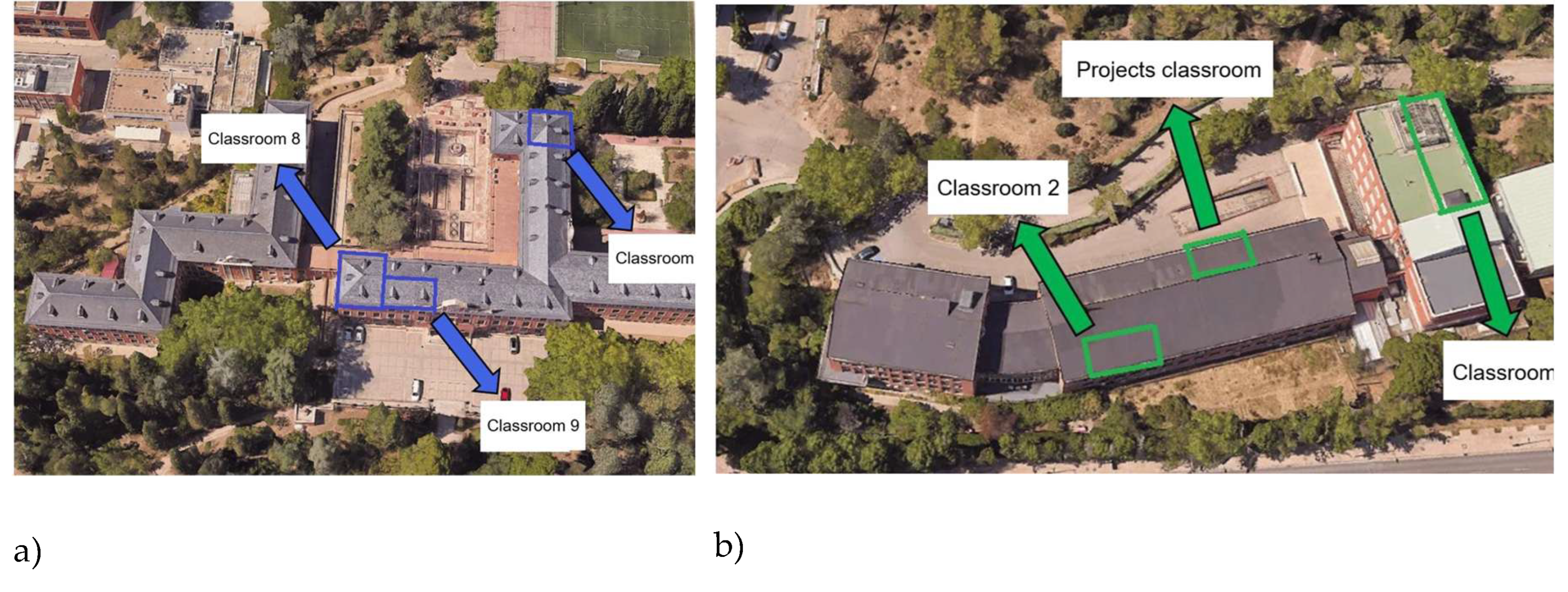
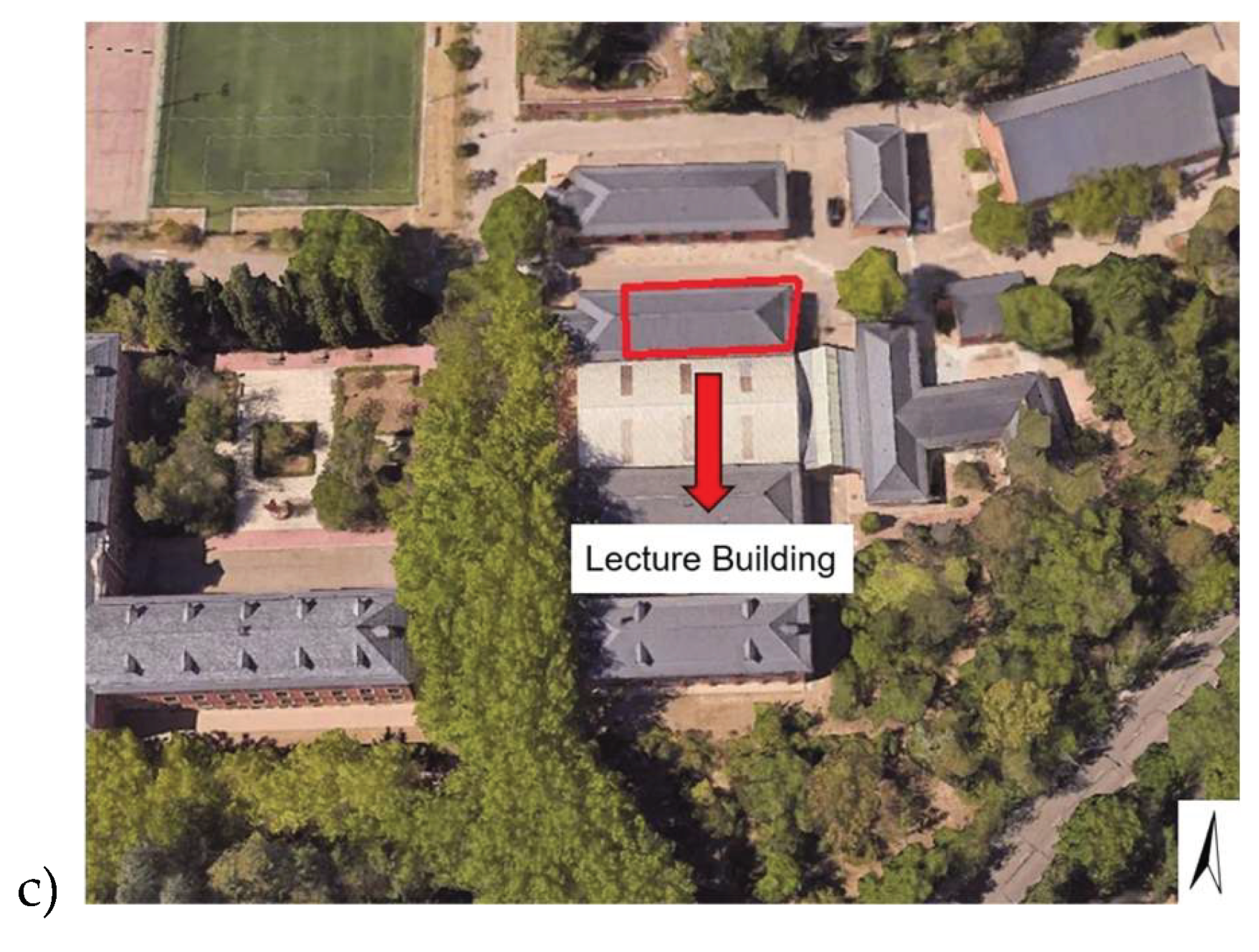
Figure 4.
Measurement grid and illuminance measurement points.
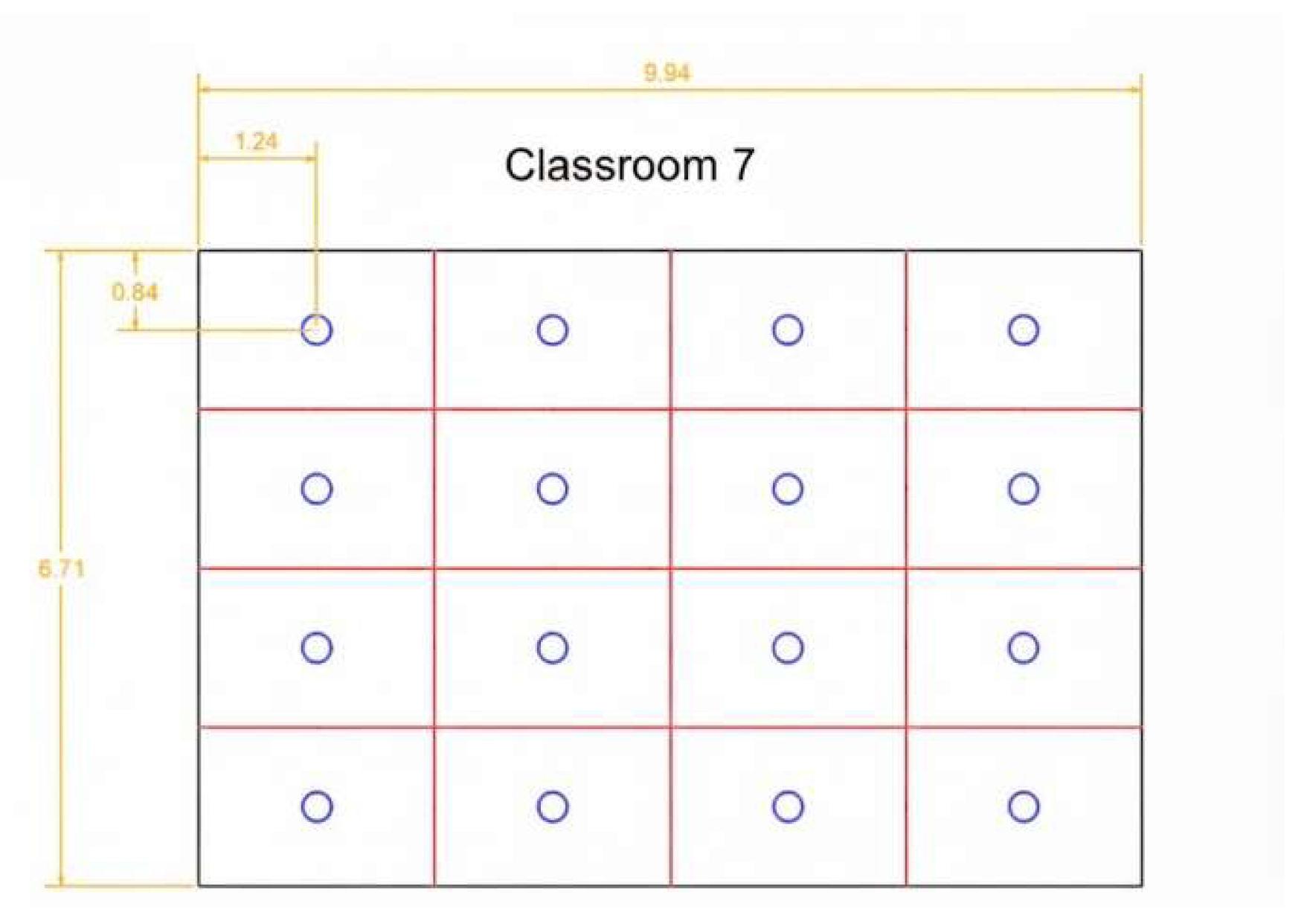
Figure 5.
3D simulation of the interior of Classroom 2.
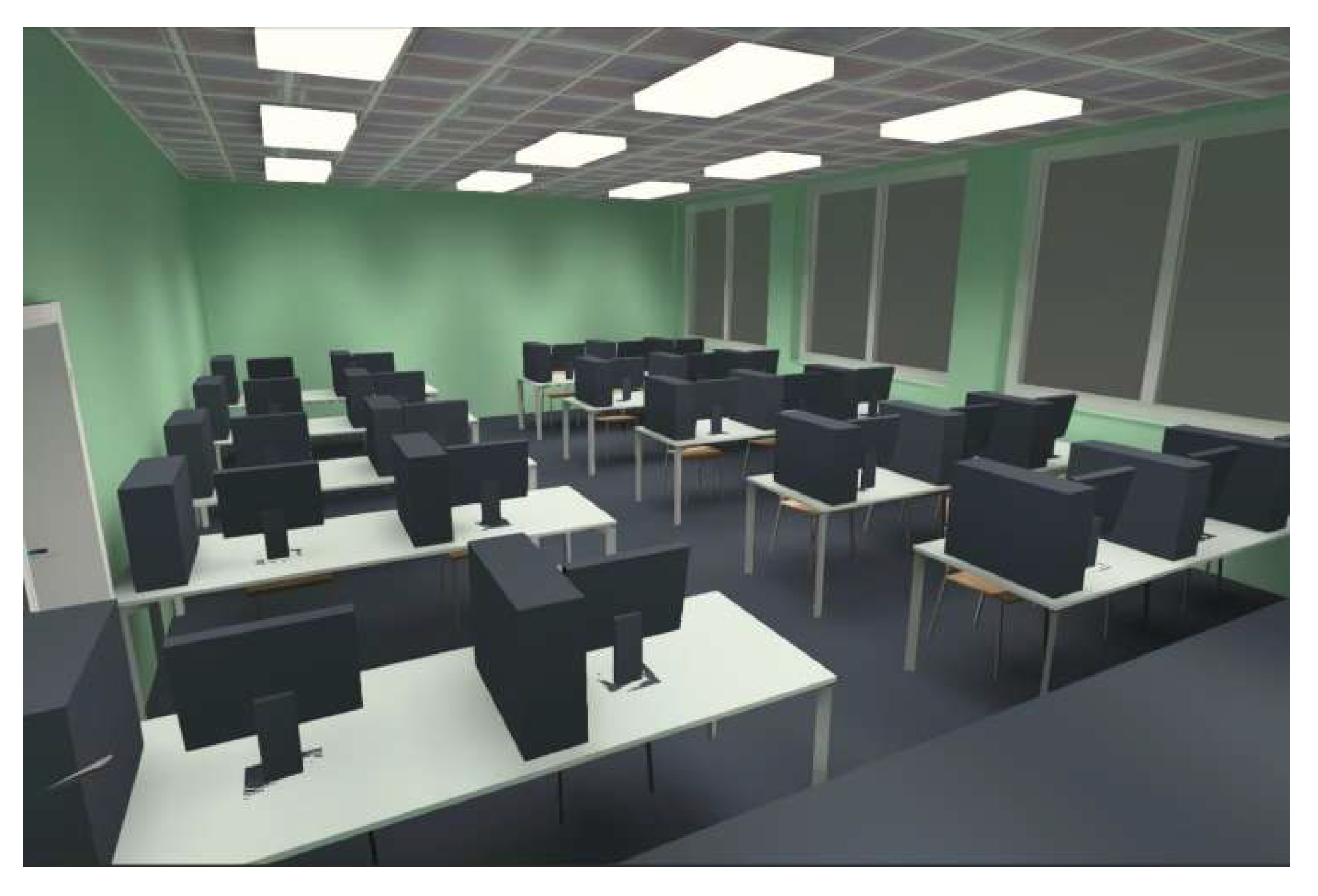
Figure 6.
Annual profiles of combined daylight availability and lighting energy demandfor representative classrooms.
Figure 6.
Annual profiles of combined daylight availability and lighting energy demandfor representative classrooms.
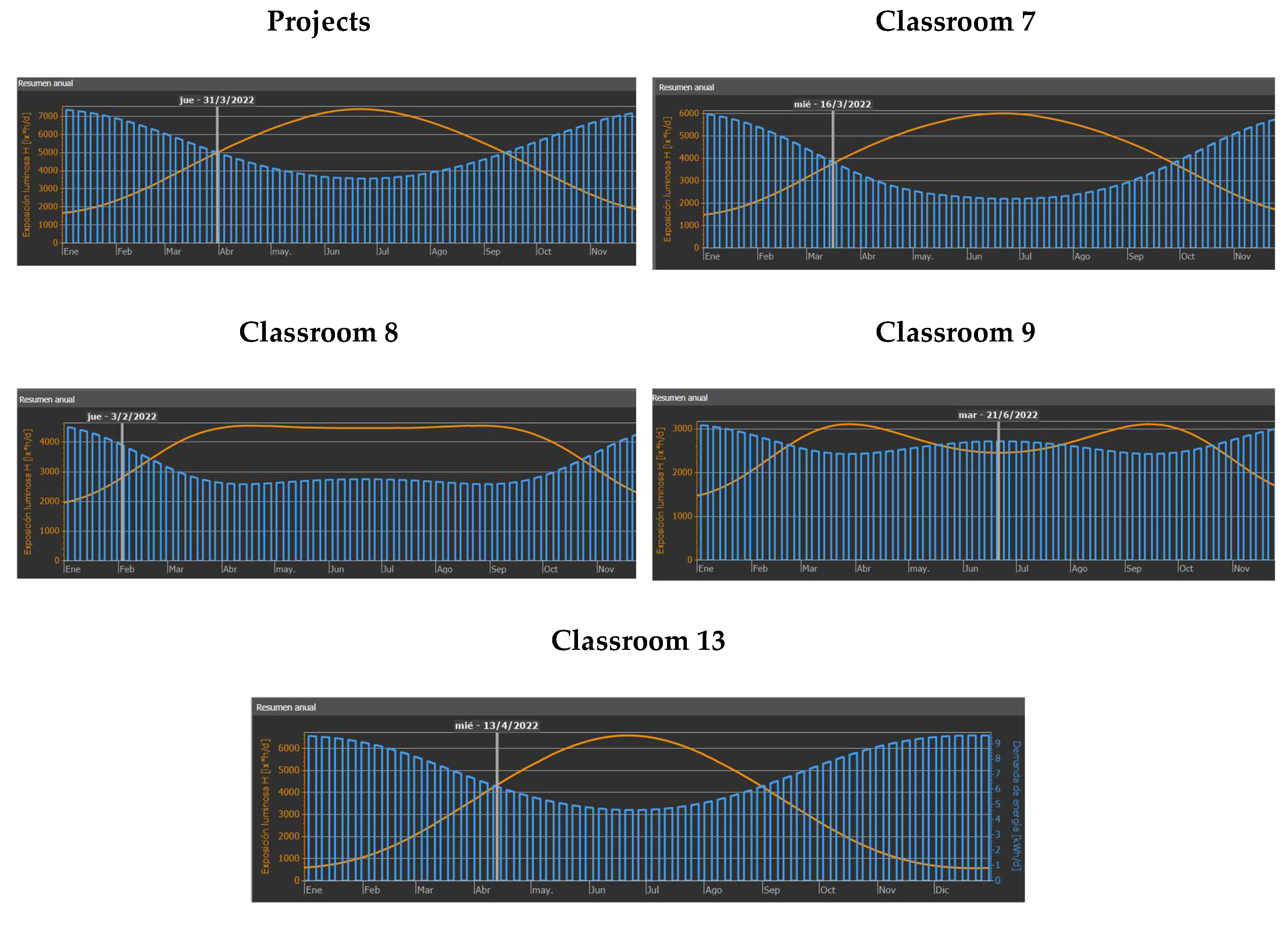
Table 1.
Construction characteristics of the classrooms and lighting source.
| Parameter | Classroom 2 |
Projects | Classroom 6 |
Classroom 7 |
Classroom 8 | Classroom 9 |
Classroom 13 |
|---|---|---|---|---|---|---|---|
| Building | B | B | B | A | A | A | Lecture building |
| Floor area (m²) | 76 | 77 | 115 | 67 | 92 | 71 | 115 |
| Number of workstations | 30 | 35 | 100 | 49 | 101 | 87 | 103 |
| Window orientation | South | North | East | NW | N/S | South | North |
| Window-to-wall ratio | 0,14 | 0,18 | 0,16 | 0,17 | 0,15 | 0,11 | 0,10 |
| Interior reflectance (walls/ceiling/floor) | 59/70/5 | 75/70/46 | 75/70/56 | 84/70/50 | 56/70/15 | 54/70/15 | 77/70/50 |
| Lighting system | LED | LED | LED | LED | LED | LED | LED |
Table 2.
Photographs and orientations of the classrooms studied.
| Classroom | Natural light | Artificial + natural light | Window orientation |
|---|---|---|---|
|
6 Building B |
 |
 |
West |
|
2 Building B |
 |
 |
South |
|
Projects Building B |
 |
 |
Norht |
|
7 Building A |
 |
 |
North and west |
|
8 Building A |
 |
 |
North and south |
|
9 Building A |
 |
 |
South |
|
13 Lecture building |
 |
 |
North |
Table 3.
Orientation-based comparison of daylight performance and lighting behaviour across classrooms (Dialux simulations, natural-light conditions).
Table 3.
Orientation-based comparison of daylight performance and lighting behaviour across classrooms (Dialux simulations, natural-light conditions).
| Orientation | Classrooms | Em Natural (avg) (lux) | Max illuminance peak (lux) | Uniformity Um (avg) | Daylight Factor D (%) | Seasonal behaviour | Key implications |
|---|---|---|---|---|---|---|---|
| North | Projects, 13 | 381–624 | 617–1,345 | 0.62–0.81 | 3.14–3.44 | Very stable across seasons | High visual comfort; low glare risk; moderate but reliable daylight contribution |
| South | 2, 9 | 244–509 | 17,457–45,616 | 0.05–0.53 | 1.35–3.21 | Strong seasonal variability | High daylight availability; glare-prone; requires shading and daylight-responsive control |
| West | 6 | 1,114–8,529 | 56,746–65,788 | 0.16–0.54 | 4.87 | Pronounced afternoon peaks | Extreme illuminance; poor uniformity; highest potential for energy savings through control |
| North-west | 7 | 571–1,075 | 34,634–47,470 | 0.17–0.43 | 3.36 | Strong spring variability | Directional daylight; fluctuating comfort conditions |
| North–South | 8 | 245–914 | 18,917–19,316 | 0.25–0.52 | 3.36 | Asymmetric daylight behaviour | Uneven distribution; benefits from zoned or façade-based control |
Table 6.
Annual lighting energy cost, CO2 emissions and operating costs.
| Classroom | Energy use (kWh/year) | CO₂ emissions (kg/year) | Cost (€/year) |
|---|---|---|---|
| Classroom 2 | 746 | 210 | 74.60 |
| Projects | 669 | 239 | 66.90 |
| Classroom 6 | 720 | 225 | 72.00 |
| Classroom 7 | 552 | 166 | 55.20 |
| Classroom 8 | 627 | 205 | 62.70 |
| Classroom 9 | 448 | 123 | 44.80 |
| Classroom 13 | 640 | 220 | 64.00 |
| Average | ~600 | ~198 | ~60.00 |
Table 7.
Estimated energy, environmental, and economic benefits of daylight-responsive lighting control systems.
Table 7.
Estimated energy, environmental, and economic benefits of daylight-responsive lighting control systems.
| Classroom | Orientation | Energy saving (%) | Energy saved (kWh/year) | CO₂ reduction (kg/year) | Annual cost saving (€/year) | Sensor cost (€) | Payback period (years) |
|---|---|---|---|---|---|---|---|
| Projects | North | 37 | 669 | 239 | 79.50 | 255 | 3.21 |
| Classroom 7 | Northwest | 47 | 466 | 166 | 55.35 | 255 | 4.61 |
| Classroom 8 | North–South | 46 | 627 | 205 | 74.59 | 255 | 3.42 |
| Classroom 9 | South | 27 | 307 | 123 | 36.55 | 255 | 6.98 |
| Classroom 13 | North | 29 | 616 | 220 | 73.26 | 255 | 3.48 |
| Total / Average | — | 37,2 | 2.219 / 554 | 953 / 190 | 319.25 / 63,85 | 1,275 | ~4.0 |
Disclaimer/Publisher’s Note: The statements, opinions and data contained in all publications are solely those of the individual author(s) and contributor(s) and not of MDPI and/or the editor(s). MDPI and/or the editor(s) disclaim responsibility for any injury to people or property resulting from any ideas, methods, instructions or products referred to in the content. |
© 2026 by the authors. Licensee MDPI, Basel, Switzerland. This article is an open access article distributed under the terms and conditions of the Creative Commons Attribution (CC BY) license.
Copyright: This open access article is published under a Creative Commons CC BY 4.0 license, which permit the free download, distribution, and reuse, provided that the author and preprint are cited in any reuse.


