

Submitted:
02 March 2026
Posted:
04 March 2026
You are already at the latest version
Abstract
Background: Since the relationship between coagulation factors and serum blood cell factors has not been extensively studied in patients with angioedema (AE) and urticaria, we wanted to examine them. Methods: This cross-sectional study investigated the relationship between coagulation factors, other serum cells and factors, and clinical disease indicators in patients suffering from chronic AE and urticaria. It involved 102 participants, i.e. three groups: 33 patients with isolated AE, 33 patients AE with urticaria (AE/Urt), and 35 healthy controls. Blood samples were collected to analyze the levels of coagulation factors (D-dimer, fibrinogen, factor VII), as well as other serum parameters such as C-reactive protein (CRP), Erythrocyte Sedimentation Rate (ESR) and complete blood count (CBC). Clinical data regarding symptoms and disease severity were also collected using the validated AECT questionnaire. Results: Only D-dimer values differed significantly between groups and were higher in patients with AE/Urt than in controls. At the same time, D-dimers were significantly more often elevated in both AE groups than in healthy individuals. Additionally, CRP values in both AE groups were significantly more often elevated than in controls, with significantly higher values in both AE groups (in both groups 85%) than in controls (57%). Conclusion: The results of this study suggest that abnormalities in coagulation factors and other serum parameters may play an important role in the pathophysiology of AE and urticaria. These findings could help improve the understanding of the mechanisms behind these diseases and provide insights into enhancing diagnostic and therapeutic approaches for patients. Further research is needed.
Keywords:
coagulation factors
; serum blood cell factors
; clinical disease indicators
; angioedema
; urticaria
1. Introduction
The understanding of angioedema (AE) pathophysiology has advanced much in the last decade, especially hereditary AE (HAE), in which (aside from to the gene for C1-esterase inhibitor), several new mutations have been discovered for proteins involved in the blood enzyme cascade (FXII, plasminogen, angiopoietin). Here, the lack of a particular enzyme disrupts the balance between blood enzyme systems (such as kinin-kallikrein, renin-angiotensin, the contact coagulation pathway, fibrinolysis and the complement pathway), leading to excessive production of bradykinin and increased vascular permeability with the appearance of AE. Pathophysiological mechanisms of histamine-induced AE are somewhat different and include immune reactions (allergic or autoimmune) resulting in the release of histamine and related mediators, vasodilation and increased vascular permeability. The role of coagulation in the pathogenesis of chronic urticaria (CU) (with or without AE) has been well-known for a long time and therapeutic interventions have already been attempted to influence these pathways. Clinical experience showed the beneficial effect of coagulation blockade in HAE (with tranexamic acid as an antifibrinolytic agent), but the mechanism of activation of skin mast cells and peripheral basophil by coagulation factors in chronic non-hereditary AE is not clear. That is also the case with mechanisms responsible for the occurrence of isolated AE in comparison /relation to chronic AE/urticaria (AE/Urt).
Although the pathogenesis of CU and chronic AE is not fully understood, current knowledge indicates few important factors: IgE and IgG autoantibodies as predisposing factors of mast cell/basophil activation, involvement of coagulation and complement cascade, activation of skin mast cells through external coagulation cascade and a possible association with various microorganisms, cytokines, immune factors and other factors [1,2,3]. Furthermore, clinical practice lacks biomarkers to distinguish heredity from other AE forms [4] and the mechanisms responsible for the differences between patients with chronic AE/Urt) and patients with isolated AE. Both conditions are associated with inflammatory markers (CRP, ESR), which levels are elevated in the serum of patients with active AE and much lower in remission [5,6]. In AE/Urt, skin mast cell activation takes place via an external coagulation cascade and can be explained by a combined effect of infection (e.g. gram-negative bacteria) and histamine, as well as other tissue factor inducers (tumor necrosis factor alpha [TNF-α], interleukin IL-1 beta [IL-1β], vascular endothelial growth factor [VEGF] and IL-33) which promote changes in vascular endothelial cells. It has been shown that in urticaria (possibly also AE) the blood coagulation cascade plays an active role, with a close interaction and reciprocal activation of inflammation and coagulation [7,8,9,10,11,12,13] .
Elevated levels of several coagulation-associated molecules were found in CSU patients: D-dimers, fibrin, prothrombin fragments 1+2, CRP, proinflammatory cytokines TNF-α, TGF-β , IL-1, IL-6, IL-17, IL-31, IL-33 [12,13,14]. According to previous studies, the severity of AE/Urt positively correlated with plasmatic D-dimer levels (which may indicate the possibility of such a correlation in patients with isolated AE, given the relationship between non-hereditary AE and urticaria) [10]. Thus, in patients with AE/Urt, elevated plasmatic fibrinogen and D-dimer levels may indicate activation of the coagulation pathway and fibrinolysis. Activation of the coagulation pathway promotes thrombus formation, which is followed by activation of anticoagulation and fibrinolysis. The interaction between inflammation and coagulation creates a loop that maintains and amplifies both systems, thus contributing to the occurrence of the disease [15]. High levels of coagulation and fibrinolysis activation indicators have also been observed in autoimmune and immune-mediated dermatoses, as well as several inflammatory conditions. Coagulation activation may have multiple effects (e.g. a local pathogenic role in the development of skin lesions and a systemic role in increasing the risk of thrombosis) which may be important in some diseases. For instance, in the skin microenvironment of patients with CSU/AE eosinophils express tissue factor, which can immediately stimulate coagulation by producing mediators of vascular permeability. Intensified thrombin generation helps increase endothelial vascular permeability, which enhances the inflammatory network in chronic AE and CU. Regarding the association of AE/Urt and vascular factors, several studies have reported cardiovascular events during acute urticaria episodes (e.g. myocardial infarction) [16,17,18,19]. In the development of histamine-induced AE the pathophysiological mechanisms are somewhat different and include immune reactions (allergic or autoimmune) resulting in the release of histamine and related mediators, vasodilation and increased vascular permeability. The understanding of AE pathophysiology has advanced much in the last decade, but many details are still unknown.
The role of coagulation in CU pathogenesis (with or without AE) has been well-known for a long time and therapeutic interventions have already been attempted to influence these pathways. Current knowledge states the importance of IgE and IgG autoantibodies as predisposing factors of mast cell/basophil activation, involvement of coagulation and complement cascade, activation of skin mast cells through external coagulation cascade and a possible association with various microorganisms, cytokines, immune factors and other factors [1,2,3]. Furthermore, clinical practice lacks biomarkers to distinguish hereditary AE form from other AE forms [4] and the mechanisms responsible for the differences between patients with AE/Urt and patients with isolated AE are unclear. Both conditions are associated with inflammatory markers (CRP, ESR), which serum levels are elevated in patients with active AE and much lower in remission [5,6]. In AE/Urt, skin mast cell activation takes place via an external coagulation cascade and can be explained by a combined effect of infection (e.g. gram-negative bacteria) and histamine as well as other tissue factor inducers (TNF-α, IL-1β, vascular endothelial growth factor [VEGF] and IL-33) which promote changes in vascular endothelial cells. It has been shown that in urticaria (possibly also AE) the blood coagulation cascade plays an active role and that there is a close interaction and reciprocal activation of inflammation and coagulation [7,8,9,10,11,12,13]. Elevated levels of several molecules were found in CSU patients: D-dimers, fibrin, prothrombin fragments 1+2, CRP, proinflammatory cytokines TNF-α, TGF-β, IL-1, IL-6, IL-17, IL-31, IL-33 [14,15,16].
Concerning clinical and therapeutic aspect of coagulation important for chronic AE and CU, while there is clinical experience of the beneficial effect of coagulation blockade in HAE exist (with tranexamic acid as an antifibrinolytic agent), the mechanism of skin mast cells and peripheral basophil activation by coagulation factors in chronic non-hereditary AE is not clear, as well as mechanisms responsible for the occurrence of isolated AE in relation to chronic AE/urticaria.
2. Materials and Methods
2.1. Patient Population
This cross-sectional study included 102 participants (three groups): 33 patients with isolated AE (according to the guidelines of Zuberbier et al.), 33 patients AE/Urt, and 35 healthy controls. All patients were examined at the Special Hospital for Pulmonary Diseases in Zagreb by an allergologist/immunologist.
After a detailed examination, the participants were informed about the study, which was voluntary and anonymous, and gave informed consent. Peripheral blood was sampled to determine serum parameters of AE (CKS, ESR, CRP) and coagulation factors (D-dimer, fibrinogen, factor VII). The severity of the disease was assessed using the validated AECT questionnaire, and participants could ask for additional information during the questionnaire.
Inclusion criteria: adults with diagnosed AE according to current guidelines (Zuberbier et al., 2022) and informed consent. Exclusion criteria: isolated urticaria without AE, use of certain medications in the last 15 days, smoking, autoimmune and malignant diseases, diabetes, upper respiratory tract infections in the last 30 days, anticoagulant therapy, pregnancy and breastfeeding.
2.2. Assessment of AE severity - Angioedema Control Test (AECT)
AECT is a validated questionnaire that measures disease control in patients with recurrent AE. It is recommended in the guidelines for the assessment of disease activity, impact on quality of life and disease control as part of patient-reported measures (PROMs) [20,21]. It was developed due to lack of adequate tools to assess AE control [22,23,24]. The AECT contains four questions about symptom frequency, impact on quality of life, unpredictability of AE episodes and disease control under treatment. There are two versions, one with a recall period of 4 weeks (AECT-4wk) and the other of 3 months (AECT-3mo). Both versions are valid and give similar results. A validation study confirmed that the AECT is a reliable and useful tool for monitoring the level of disease control, thus helping physicians to adjust therapy. A score of less than 10 indicates poor disease control, while a score of 10 or more indicates good control [25].
The AECT is easy to use and is comparable to other disease control tests such as the Asthma and Urticaria Control Test. It can be used in routine practice and clinical research, but should be complemented by other measures of disease activity and quality of life [26,27,28]. The primary limitations of the AECT are its lack of validation for pediatric populations and the insufficient testing of its sensitivity Nevertheless, the AECT is a valuable tool for monitoring and improving the treatment of patients with AE, and efforts are underway for its future adaptation to different languages and cultures.
2.3. Assessment of serum/ blood cells
C-reactive protein (CRP) was measured on a cobas Integra 400+ biochemical analyzer (Roche diagnostics, Vienna, Austria) using the manufacturer's original protocols and reagents. The concentration of CRP in patient serums was determined by latex particle immunoturbidimetry, which is based on the principle that CRP binds to latex particles that have monoclonal anti-CRP antibodies bound to their surfaces. The change in turbidity of the reaction mixture is determined at 552 nm. The method is standardized according to the IFCC reference preparation CRM470 (RPPHS 91/0619) for 14 proteins.
The complete blood count was analysed on an Advia 2120 hematology counter (Siemens, Munich, Germany) using the manufacturer's original reagents. Particle concentration was determined by flow cytometry and the spectrophotometric method with KCN. Flow cytometry analyzes the sample by forming a flow of individual cells in a directed stream of liquid that passes through a flow channel where they are illuminated by light (laser or halogen lamp). Their passage, depending on the cell size, nucleus shape or staining intensity, generates a light signal that is amplified and converted into an electronic pulse. Such an electronic pulse is analyzed using corresponding diagrams and, based on the position of the signal in the different diagrams, the type and number of cells in the sample are determined. Hemoglobin was analysed colorimetrically at 546 nm. The surfactant lyses erythrocytes and denatures hemoglobin. Iron from heme is converted from the ferrous to the ferric form by the action of cyanide, which causes a change in the absorbance of the reaction mixture.
Erythrocyte sedimentation rate (ESR) was determined by the standard Westergren method. Standardized graduated pipettes, a standardized sample of citrated blood and a stopwatch were used. The height of the plasma column in a graduated pipette of whole blood citrate was recorded after one hour standing.
2.4. Assessment of Serum Coagulation Factors
Initially, participants’ blood was collected into evacuated anticoagulant tubes, nine volumes of blood to one volume of 3.8% (weight/volume) trisodium citrate solution. After 15 minutes of centrifugation at 1,500 g, the platelet-poor plasma was stored at −80 °C and thawed at 37 °C immediately prior to performing the assays presented in Table 1 (factor VII, fibrinogen, and D-dimer). D-dimers were measured on the Cobas Integra 400 plus analyzer (Roche Diagnostics, Vienna, Austria) using original manufacturer reagents and protocols. Their concentration was determined by latex-immunoturbi-dimetry using the original D-dimer reagent cassette D-DI2 and the D-dimer gen2 Calibrator Set. This method has been standardized using the Asserachrom D-dimer method. Factor VII and fibrinogen were measured on the BCS XP analyzer (Siemens Healthineers, Marburg, Germany) using the manufacturer’s reagents and protocols. Fibrinogen concentration was determined by the Clauss clotting method with the Multifibren U reagent (Siemens Healthineers, Marburg, Germany). Finally, the activity of factor VII was determined by a coagulometric method using factor VII deficient plasma (Siemens Healthineers, Marburg, Germany). Mixtures of factor VII–deficient plasma and patient plasma were tested with the Thromborel S (Siemens Healthineers, Marburg, Germany), and the results were interpreted as a percentage according to a calibration curve made by using dilutions of Standard Human Plasma (Siemens Healthineers, Marburg, Germany). Standard Human Plasma is traceable to the International Standard WHO 09/172.
Statistical data processing
The normality of the data distribution was assessed using the Kolmogorov-Smirnov test. Since the data did not follow a normal distribution, the Kruskal-Wallis test was used to compare the ages of participants and coagulation factor values between groups, followed by the Mann-Whitney test with Bonferroni correction for multiple comparisons. The effect size was calculated using the formula r = z / √N for the Mann-Whitney test andε2 = H / [(n2 – 1) / (n + 1)] for the Kruskal-Wallis test. It was interpreted using Cohen's criteria for the Mann-Whitney test: r = 0.25 – 0.3 = small effect size, 0.3 – 0.5 = moderate, 0.5 – 0.7 = large and > 0.7 = very large. For the interpretation of ε2 in the Kruskal-Wallis test, the squared values of Cohen's criteria were used: ε2 = 0.06 – 0.09 = small effect, 0.09 – 0.25 = moderate, 0.25 – 0.49 = large and > 0.49 = very large. The χ2 test was used to compare frequencies, and the effect size was quantified using Cramer's V. The cutoffs of the previously mentioned Cohen's criteria were used to interpret the effect size.
Spearman's correlation was used to analyze the association between variables, as well as (in addition to Cohen's criteria) for interpretation. A two-factor analysis of covariance was conducted to determine the effect of group and gender (controlling for age) on coagulation factor levels; the effect size was quantified using η2 and interpreted using the squared values of Cohen's criteria. Multiple linear regression was used to analyze predictors of disease control. A discriminant analysis was carried out to determine which biomarkers discriminate groups the most. Commercial software (IBM SPSS 22; IBM Corp., Armonk, USA) was used.
3. Results
3.1. Analysis of the Tested Sample
The sample included 102 participants aged between 19 and 81 years (median 49, interquartile range 36–58), 81% of which were female. The participants were divided into three groups: 33 patients with isolated AE (AE), 34 patients with AE/Urt (CU+AE), and 35 healthy individuals (controls). The description of the sample is presented in Table 3.
Women were found to be significantly younger than men (median age: 45 vs. 60 years), with a moderate effect size (p = 0.002; r = –0.311). The gender distribution differed between the three groups (p = 0.022), with more men in the AE/Urt group (CU+AE) group (11/22; 33%) than in those with AE alone (AE) (4/34; 12%) and healthy controls (CTRL) (4/35; 11%) (Figure 5). The groups also differed by age, with a moderate effect size (p < 0.001; ε2 = 0.153) (Figure 6); the control group was much younger than patients with isolated AE (AE) (p = 0.026) and patients with AE/Urt group (CU+AE) (p < 0.001).
3.2. Results of Coagulation Factors Analysis
Among the coagulation factors, only D-dimer levels showed a significant difference between groups (p = 0.009; ε² = 0.092), with higher values observed in patients with AE/Urt (CU+AE) compared to the control group (CTRL) (p = 0.012) (Figure 7). When comparing values between groups, D-dimers were more frequently elevated in patients with AE/Urt (CU+AE) and isolated AE (AE) than in control subjects (CTRL), with a small effect size (p = 0.013; V = 0.293). There were no differences in D-dimer values between the AE/Urt group (CU+AE) group and the isolated AE (AE) group.
Fibrinogen and factor VII values did not differ significantly between the three groups (Figure 8 and Figure 9). Factor VII values in isolated AE (AE) group and fibrinogen values in AE/Urt group AE plus urticaria (CU+AE) group were somewhat more frequently elevated, but without statistical significance (Table 4). Only one participant in the control group had decreased levels of factor VII. The levels of D-dimers and fibrinogen were not decreased in any of the participants.
3.3. Results of Analysis of Other Tested Serum Factors
CRP values were more frequently elevated in both AE groups than in the control group. The percentage of participants with elevated CRP levels was comparable between the isolated AE group (29/34; 85%) and AE/Urt group (28/33; 85%)¸both were higher than in the control group (20/35; 57%; p = 0.008; V = 0.308). CRP values were significantly higher in patients with isolated AE (0.007) as well as AE/Urt (p = 0.006) than in controls.
ESR values were decreased in 16% and increased in 6% of patients, somewhat more frequently in those with isolated AE (3/34; 9%) than in the control group (2/35; 6%) urticaria-associated AE group (1/33; 3%).
Regarding other factors, erythrocyte levels were decreased in 1% and increased in 18% of the participants. Increased erythrocyte levels were slightly more frequent in AE/Urt group CU+AE) group (9/33; 27%) than in isolated AE (AE) group (5/34; 15%) and controls (4/35; 11%), however the differences were not statistically significant. Statistical analysis showed that erythrocytes were significantly higher in patients with AE/Urt group urticaria-associated AE (CU+AE) than in the control group (p = 0.004) and those with isolated AE (AE) (p = 0.021). Furthermore, analysis of these factors has shown a significant difference in the levels of erythrocytes (p = 0.003; ε2 = 0.117) and CRP (p = 0.002; ε2 = 0.125) (Figure 14 and Figure 15) between AE/Urt group and other two patient groups, with a moderate effect size. There were no differences in the levels of other analyzed biomarkers. Basophils were generally decreased (93%), somewhat more often in the control group (34/35; 97%) than in patients with AE/Urt group (31/33; 94%) as well as patients with isolated AE (30/34; 88%).
Leukocyte levels were only scarcely elevated (6%); none of the patients exhibited decreased values. Most patients with elevated leukocytes belonged to the AE/Urt group (5/33; 15%); with only one case of elevated leukocyte levels in the isolated AE group (1/34; 3%) and none in the control group, the difference in the prevalence of elevated leukocytes was substantial (p = 0.020; V = 0.277). Neutrophil levels were decreased in 6% and increased in 8% of the participants. This was slightly more prevalent in those with AE/Urt group (6/33; 18%) than in the control group (1/35; 3%) and those with isolated AE (1/33; 3%).
Platelet levels were decreased in 3% and increased in 1% of the participants. There was only a slight difference in the number of patients with decreased platelet levels between the isolated AE group (2/34; 6%) and the urticaria-associated AE group (1/35; 3%); there were no decreased levels found in the control group.
3.4. Results of the extended statistical analysis of the factors surveyed
Several discriminant analysis models were employed to identify variables that most frequently differed between the three study groups, while controlling for the influence of other factors. There is no statistical significance when all biomarkers and gender are included. When only significant variables from univariate analyses are included, the analysis model detects two discriminant functions, the first of which is significant (p < 0.001) and describes 83.8% of the variance (Table 6) – it consists of age and erythrocytes (Table 7).
Figure 18 shows that function 1 distinguishes AE/Urt group (CU+AE) as presenting the highest level of erythrocytes at a given age, compared to the control group with the lowest levels. The isolated AE group was placed in between, somewhat closer to the control group. The analysis correctly classifies 54% of participants overall, with 71% of the control group, 35% of the isolated AE group, and 55% of the AE/Urt group maintaining their original group classification. (Table 8).
The correlation of individual factors with the age of the participants was determined. Thus, coagulation factors correlated with age (linear, positive and weak to moderate correlation). Values of factor VII (r = 0.268; p = 0.007), D-dimer (r = 0.309; p = 0.002) and fibrinogen (r = 0.334; p = 0.001) all increased with age, with fibrinogen showing the strongest dependence on age. CRP values also correlated positively with age (r = 0.392 p < 0.001), while platelet levels (r = –0.313; p = 0.001) correlated negatively. The correlation was weak to moderate. By gender, there were no significant differences in the levels of coagulation factors between genders, but elevated fibrinogen values were observed more frequently in men (5/19; 26%) than women (6/83; 7%), with a small effect size (p = 0.030; V = 0.240). Men also had higher erythrocyte (p < 0.001) and CRP levels (p = 0.005). Similarly, men had lower platelet (p = 0.001) and ESR levels (p = 0.004).
Two-factor analysis of covariance showed a significant interaction of gender and group on factor VII levels (p = 0.012; η2 = 0.089) while controlling for age (Figure 19). Thus, age was significantly associated with factor VII levels (p = 0.008; η2 = 0.072).
4. Discussion
In our recent pilot study (the first study which compared coagulation factor values between isolated AE, AE/Urt and healthy subjects) [14], a higher coagulation propensity was demonstrated only in patients with isolated AE, confirming previous studies [10,29]. In this new research, only D-dimer values were significantly higher in patients with AE/Urt than in controls (they were significantly more often elevated in both AE groups than in controls). While our previous pilot study revealed in both isolated AE and AE/Urt higher levels of both fibrinogen and D-dimer than controls, this extended study showed only significantly elevated D-dimers levels, probably due to the larger number of participants, which points to the need for more extensive research. Generally, while D-dimer levels in CSU patients have been analysed in numerous studies, only a few have examined D-dimer levels in patients with AE (three of them were conducted in patients with HAE), and no study has examined them in isolated AE. All previous studies in CSU patients have found significantly elevated D-dimer levels compared to controls [30,31,32,33,34,35,36,37,38,39,40]. Most studies have shown a correlation of D-dimer levels with the severity of CSU/HAE and a positive response to proven effective therapy [30,31,41,42,43,44,45,46], which is in line with our results. Elevated plasma D-dimer levels in AE patients (isolated AE, AE/Urt) support activation of the coagulation pathway and fibrinolysis, leading to thrombus formation and potentially life-threatening cardiovascular events. Several previous studies in patients with CSU/AE confirmed activation of the coagulation system which may reflect disease activity, based on the analysis of fibrinogen, factor VII, platelets, and prothrombin factor (PF 1fl2) values compared to those in controls. One study in CU patients examined the values of activated partial thromboplastin time, D-dimer, PF 1fl2, platelets, fibrinogen and mean platelet volume and found significantly elevated all coagulation cascade factors values compared to controls, including fibrinogen [47] (our research did not support this).+ . Therefore, in this study Pino and colleagues further contribute to the consideration of the use of anticoagulant drugs in treatment of patients with AE and prevention of possible complications, and indicate the need to investigate factors associated with such treatment [47].
The relationship between coagulation factors and examinees age is also important and was analyzed/recorded i.e., coagulation factors levels positively correlated with age (linear, positive and weak to moderate correlation) and fibrinogen values most significantly dependent on age. Factor VII, D-dimer and fibrinogen values also increased with age. Thus, previous research confirmed that plasma concentrations of many coagulation factors (e.g. fibrinogen, factor V, FVII, FVIII and FIX) increase with age, as well as Von Willebrand factor, thrombin generation and platelet activation [48,49,50,51]. Previous studies showed a higher incidence of cardiovascular disease in patients with acute episodes of CSU (partly due to higher blood fibrinogen level, increased levels of some coagulation factors and increased platelet activity in the elderly population), presumably because these factors lead to a state of hypercoagulability, causing an imbalance in hemostasis and appropriate coagulation, which is crucial for the development of cardiovascular disease [49]. The incidence of venous thromboembolism (VTE) increases with age as well [48]. Aside from increased coagulation factors levels, other factors contribute to the increased risk of VTE in elderly patients (such as comorbidities, endothelial dysfunction, age-related platelet dysfunction and changes in anticoagulant factors), which suggests that aging is an acquired thrombotic factor closely related to pathophysiological changes [51].
Regarding other examined serum factors, in both AE groups CRP values were significantly more often elevated than in controls, with significantly higher values in those with isolated AE and those with AE/Urt (in both groups 85%) than in controls (57%). In addition, a positive linear correlation between CRP levels and subject age was shown. Our results are in line with several other studies which have confirmed elevated values of the inflammatory marker CRP in patients with CSU/AE [31,46,52,53,54]. One researcher also recorded significantly higher serum CRP level in CSU patients than in controls, with a significant correlation between CRP and CSU severity [29]. In one previous study U KOJOJ BOLESTI?, a significant correlation between elevated CRP and disease severity as well as platelet count was recorded [55]. One prospective study showed significantly positive correlation between CRP values and CSU activity (UAS7 questionnaire) [56].
Concerning ESR, in our patients ESR values were increased in 6% of patients, in those with isolated AE somewhat more often (9%) than in controls (6%) and AE/Urt (3%) (in our study ESR values do not fully match previous studies, which mostly found significantly increased ESR values in CSU patients/AE). The literature shows varying results on these factors. In one prospective study, ESR and CRP values were very similar in both CSU patients and idiopathic recurrent histaminergic AE [57]; our results are consistent with theirs. Other our most often elevated factors were erythrocyte numbers (18% of subjects) - elevated erythrocyte levels were observed somewhat more often in those with AE/Urt (27%) than in those with isolated AE (15%) and controls (11%), but non-significant. Significantly higher erythrocyte values were also shown in those with AE/Urt than in controls and isolated AE group. Furthermore, a significant difference was observed in the levels of erythrocytes and CRP between groups, with no differences in the levels of other examined biomarkers. Only a few studies on patients with CSU/AE examined the number of erythrocytes, but their results did not find a significant association between the number of erythrocytes and CSU, nor between the level of erythrocytes and the response to the proven effective CSU therapy (omalizumab) [58]. Also, in our study CRP values positively linearly correlated with age, while platelet levels negatively correlated one. Concerning gender, men had elevated fibrinogen values significantly more commonly than in women (26% versus 7%) and also significantly higher erythrocytes number and CRP, but significantly lower platelets and ESR. According to literature, in older healthy individuals, CRP levels increase with age [59]. In one large 10-year follow-up of the persons aged ≥ 60 years, CRP levels were an additional parameter for aging assessment [60]. One study of the effect of age on inflammatory markers in healthy women (30-79 years) also showed. According to literature, age is positively correlated with CRP levels [61] and by gender, women usually have higher CRP values, which was not observed in our subjects (it is thus possible that AE patients have other factors affecting CRP levels). Also, when age is controlled, there is a significant interaction between patient gender and AE/Urt group on factor VII levels. Our study revealed a significant association between age and factor VII levels, which supported previous studies [50,51]. In our study, fibrinogen values were mostly dependent on age. Therefore, our results are consistent with previous studies. However, new studies on this topic are desirable in the future.
In our AE patient decreased basophils levels predominated (93 %), in AE/Urt 94%; in AE 88%. According to one prospective study results (with 68 patients with isolated AE and 63 patients with AE/Urt) [57], key pathogenetic features distinguishing chronic histaminergic AE (CHA) from CSU were: gender distribution, basophils levels and IgE receptor antibody levels. The ratio of men to women with CHA was 0.78, while in the case of CSU it was 0.36. Basopenia was more common in CSU (13; 20%) than in CHA group (5; 7%); finally, 31.15% of CSU patient serums induced basophil activation, which was not observed in CHA patient serums. The mentioned study was the first and (apart from ours) only study so far comparing CHA and CSU. Generally, because CHA is currently classified as a subtype of AE and CSU (as both are mediated by mast cells and respond to the same treatments) [20], although /therefore, until further evidence is available, CHA and CSU should not necessarily be considered as the same disorder. Study results confirmed that blood basophil number significantly negatively correlates with CSU activity degree [56]. Considering blood basophils number is OBRNUTO? proportional to CU severity, it is recommended to determine blood basophil levels in diagnostic CU algorithm [20,62,63,64]. Basopenia observed in active CSU is a result of basophil recruitment at the sites of skin lesions, so in patients with active CSU, changes in the IgE receptor signaling molecules expression are accompanied by an altered function of basophil degradation in the blood [64]. All this supports the role of blood basophils in the expression of CSU activity.
Concerning other blood cells values, our patients with AE/Urt had the highest erythrocytes values and the oldest age (in comparison to the controls; however, our control group was more homogeneous, so it is likely that in both AE groups some additional conditions may affect biomarkers). + In our study leukocyte levels were significantly more often elevated in AE/Urt (15%) than in AE (3%) and controls (0). In previous studies, in CSU patients, leukocyte levels did not show a significant association with CSU activity, which is consistent with our results [213]. Also, in our study, neutrophil levels were slightly more often elevated (in 8%) than decreased (in 6%) and somewhat more often elevated in AE/Urt (18%) than in controls (3%) and isolated AE (3%), supporting previous studies results [52]. Platelet levels were rarely changed in our patients and they were slightly more frequently decreased in isolated AE (6%) than in the AE/Urt group (3%). Platelet values correlated linearly negatively with age (weak to moderate association), and lower platelets levels were recorded in males. As known, platelets participate in many pathophysiological processes, including inflammation and immunity, and increasing evidence indicates their active involvement in the pathogenesis of various inflammatory disorders, including dermatoses. However, conflicting results on their role in CSU were found, i.e. only a few studies showed significant changes in platelet counts in CSU patients compared to controls and a positive correlation with disease severity [65]. Therefore, it is necessary to further investigate the pathogenetic platelets role in CSU/AE, since these cells may represent a link between inflammation, coagulation and histamine release.
While in HAE there is clinical therapeutic experience of the beneficial effect of coagulation blockade with tranexamic acid, it is not clear how in chronic non-hereditary AE/Urt coagulation factors activate cutaneous mast cells/basophils, nor what mechanisms are responsible for isolated AE in comparison to chronic AE/Urt. The question arises whether anticoagulants may be indicated in AE/Urt, especially when present additional cardiovascular risk factors; this possibility is supported by these drugs use (including warfarin, heparin, and nafamostat mesylate) in several CU cases [66,67,68,69]. In one study, treatment of four CU patients with intravenous unfractionated heparin led to sustained disease remission [70]. In another study, application of subcutaneous unfractionated heparin to therapy-resistent CU patients caused a complete disease remission, but after stopping its use, CU relapsed [71]. In another study, the administration of warfarin caused the reduction of CSU symptoms (in 6/8 CU patients resistant to antihistamines) [72]. In another study on CU, when using warfarin, remission was achieved in 4/5 CU patients [73]. According to one study, patients with therapy-resistant severe CU with high D-dimer levels can benefit from a combination of low molecular weight heparin and tranexamic acid therapy, which is successful in AE treatment [74]. All this points to the importance of activation of the coagulation cascade in chronic AE and CU and supports the use of anticoagulant and antifibrinolytic drugs for both diseases, especially in the presence of additional cardiovascular risk factors.
5. Conclusions
The results of this study suggest that abnormalities in coagulation factors and other serum parameters may play an important role in the pathophysiology of AE and urticaria. These findings could help improve the understanding of the mechanisms behind these diseases and provide insights into enhancing diagnostic and therapeutic approaches for patients. Further research is needed.
Author Contributions
“Conceptualization, M.Š., L.L.-M., M.A.; methodology, M.Š., L.L.-M., M.A., I.B.; software, M.Š, I.B., L.L.-M., M.A., M.B., I.L.; validation, M.Š, I.B., L.L.-M., M.A., M.B., I.L.; formal analysis, M.Š, I.B., L.L.-M., M.A., M.B., I.L.; investigation, M.Š, I.B., L.L.-M., M.A., M.B., I.L; resources, M.Š.; data curation, M.Š, I.B., L.L.-M., M.A., M.B., I.L.; writing—original draft preparation, M.Š, I.B., L.L.-M., M.A., M.B., I.L.; writing—review and editing, M.Š, I.B., L.L.-M., M.A., M.B., I.L.; visualization, M.Š, I.B., L.L.-M., M.A., M.B.; supervision, L.L-M.; project administration, M.Š.; funding acquisition, L.L.-M.. All authors have read and agreed to the published version of the manuscript.”
Funding
This research received no external funding.
Institutional Review Board Statement
This study was conducted in accordance with the Declaration of Helsinki, and approved Ethics Committee of University Hospital Center “Sestre Milosrdnice”, Za- greb, Croatia, in December 2022; number of protocol: 251-29-11-21-08, for studies involving humans.
Informed Consent Statement
Informed consent was obtained from all subjects involved in this study. Written informed consent has been obtained from the patient(s) to publish this paper.
Data Availability Statement
The original contributions presented in this study are included in the article. Further inquiries can be directed to the corresponding author.
Conflicts of Interest
The authors declare no conflicts of interest.
References
- Yanase, Y; Takahagi, S; Ozawa, K; Hide, M. The role of coagulation and complement factors for mast cell activation in the pathogenesis of chronic spontaneous urticaria. Cells 2021, 10(7), 3. [Google Scholar] [CrossRef]
- Zhou, B; Li, J; Liu, R; Zhu, L; Peng, C. The role of crosstalk of immune cells in pathogenesis of chronic spontaneous urticaria. Front Immunol 2022, 31(13), 879754. [Google Scholar] [CrossRef]
- Lugović-Mihić, L; Bukvić, I; Bulat, V; Japundžić, I. Factors contributing to chronic urticaria/angioedema and nummular eczema resolution–which findings are crucial? Acta Clin Croat. 2019, 58, 595–603. [Google Scholar] [CrossRef] [PubMed]
- Porebski, G; Kwitniewski, M; Reshef, A. Biomarkers in hereditary angioedema. Clin Rev Allergy Immunol. 2021, 60(3), 404–415. [Google Scholar] [CrossRef]
- Baek, YS; Jeon, J; Kim, JH; Oh, CH. Severity of acute and chronic urticaria correlates with D-dimer level, but not C-reactive protein or total IgE. Clin Exp Dermatol 2014, 39, 795–800. [Google Scholar] [CrossRef]
- Kolkhir, P; André, F; Church, MK; Maurer, M; Metz, M. Potential blood biomarkers in chronic spontaneous urticaria. Clin. Exp. Allergy 2017, 1, 19–36. [Google Scholar] [CrossRef]
- Yanase, Y; Takahagi, S; Hide, M. Chronic spontaneous urticaria and the extrinsic coagulation system. Allergol Int. 2019, 67(2), 191–4. [Google Scholar] [CrossRef] [PubMed]
- Yanase, Y; Takahagi, S; Ozawa, K; Hide, M. The role of coagulation and complement factors for mast cell activation in the pathogenesis of chronic spontaneous urticaria. Cells 2021, 10(7), 3. [Google Scholar] [CrossRef] [PubMed]
- Wang, D; Tang, H; Shen, Y; Wang, F; Lin, J; Xu, J. Activation of the blood coagulation system in patients with chronic spontaneous urticaria. Clin. Lab. 2015, 61(9), 1283–1288. [Google Scholar] [CrossRef]
- D-Dimer, Asero R. A biomarker for antihistamine-resistant chronic urticaria. J. Allergy Clin. Immunol. 2013, 132(4), 983–986. [Google Scholar] [CrossRef]
- Confino-Cohen, R; Chodick, G; Shalev, V; Leshno, M; Kimhi, O; Goldberg, A. A chronic urticaria and autoimmunity: associations found in a large population study. J. Allergy Clin. Immunol. 2012, 129(5), 1307–1313. [Google Scholar] [CrossRef]
- Guilarte, M; Sala-Cunill, A; Luengo, O; Labrador-Horrillo, M; Cardona, V. The Mast Cell, Contact, and Coagulation System Connection in Anaphylaxis. Front Immunol. 2017, 8, 846. [Google Scholar] [CrossRef]
- Zhu, H; Liang, B; Li, R; Li, J; Lin, L; Ma, S; et al. Activation of coagulation, anti-coagulation, fibrinolysis and the complement system in patients with urticaria. Asian Pac. J. Allergy Immunol. 2013, 31(1), 43–50. [Google Scholar]
- Štrajtenberger, M; Lugović-Mihić, L; Stipić-Marković, A; Artuković, M; Mihić, R; Dolački, L; et al. Analysis of coagulation factors in angioedema/urticaria: increased values of D-dimer and fibrinogen in isolated angioedema. Acta Dermatovenerol Alp Pannonica Adriat. 2024, 33(2), 63–68. [Google Scholar] [CrossRef]
- Levi, M; van der Poll, T. Two-way interactions between inflammation and coagulation. Trends Cardiovasc. Med. 2005, 15(7), 254–259. [Google Scholar] [CrossRef]
- Vaswani, S. K.; Plack, R. H.; Norman, P.S. Acute severe urticaria and angioedema leading to myocardial infarction. Ann Allergy Asthma Immunol. 1996, 77(2), 101–104. [Google Scholar] [CrossRef]
- Pontillo, D; Capezzuto, A; Castellani, R. Acute generalized urticaria leading to acute myocardial infarction. Angiology 2000, 51(1), 89–90. [Google Scholar] [CrossRef]
- Yaegashi, T; Nakamura, Y; Sakagami, S; Saeki, T; Omi, W; Ikeda, K. Acute myocardial infarction following food-dependent exercise-induced anaphylaxis. Intern. Med. 2011, 50(5), 451–454. [Google Scholar] [CrossRef] [PubMed]
- Connor, S; Child, N; Burdon-Jones, D; Connor, A. Cardiac arrest secondary to type 2 Kounis syndrome resulting from urticaria and angioedema. Emerg. Med. J. 2010, 27(7), 568–569. [Google Scholar] [CrossRef] [PubMed]
- Zuberbier, T; Abdul Latiff, AH; Abuzakouk, M; Aquilina, S; Asero, R; Baker, D; et al. The international EAACI/GA²LEN/EuroGuiDerm/APAAACI guideline for the definition, classification, diagnosis, and management of urticaria. Allergy 2022, 77(3), 734–766. [Google Scholar] [CrossRef] [PubMed]
- Maurer, M; Aygören-Pürsün, E; Banerji, A; Bernstein, JA; Balle Boysen, H; Busse, PJ; et al. Consensus on treatment goals in hereditary angioedema: A global Delphi initiative. J Allergy Clin Immunol. 2021, 148(6), 1526–1532. [Google Scholar] [CrossRef] [PubMed]
- Prior, N; Remor, E; Gómez-Traseira, C; López-Serrano, C; Cabañas, R; Contreras, J; et al. Development of a disease-specific quality of life questionnaire for adult patients with hereditary angioedema due to C1 inhibitor deficiency (HAe-QoL): Spanish multi-centre research project. Health Qual Life Outcomes 2012, 10, 82. [Google Scholar] [CrossRef]
- Weller, K; Groffik, A; Magerl, M; Tohme, N; Martus, P; Krause, K; et al. Development and construct validation of the angioedema quality of life questionnaire. Allergy 2012, 67, 1289–1298. [Google Scholar] [CrossRef]
- Weller, K; Magerl, M; Peveling-Oberhag, A; Martus, P; Staubach, P; Maurer, M. The Angioedema Quality Questionnaire (AE-QoL) – assessment of sensitivity to change and minimal clinically important difference. Allergy 2016, 71, 1203–1209. [Google Scholar] [CrossRef]
- Weller, K; Donoso, T; Magerl, M; Aygören-Pürsün, E; Staubach, P; Martinez-Saguer, I; et al. Validation of the angioedema control test (AECT)- a patient-reported outcome instrument for assessing angioedema control. J Allergy Clin Immunol Pract. 2020, 8(6), 2050–2057. [Google Scholar] [CrossRef] [PubMed]
- Weller, K; Groffik, A; Church, MK; Hawro, T; Krause, K; Metz, M; et al. Development and validation of the urticaria control test: a patient-reported outcome instrument for assessing urticaria control. J Allergy Clin Immunol. 2014, 133, 1365-1372.e1-e6. [Google Scholar] [CrossRef]
- Nathan, RA; Sorkness, CA; Kosinski, M; Schatz, M; Li, JT; Marcus, P; et al. Development of the asthma control test: a survey for assessing asthma control. J Allergy Clin Immunol. 2004, 113, 59–65. [Google Scholar] [CrossRef] [PubMed]
- Kocatürk, E; Kızıltaç, U; Can, P; Öztaş Kara, R; Erdem, T; Kızıltaç, K; et al. Validation of the Turkish version of the urticaria control test: correlation with other tools and comparison between spontaneous and inducible chronic urticaria. World Allergy Organ J 2019, 12, 100009. [Google Scholar] [CrossRef]
- Obtułowicz, A; Migacz-Gruszka, K; Pirowska, M; Basta-Klonowska, K; Wojas-Pelc, A. Participation of the coagulation system and fibrinolysis as well as selected biomarkers in pathogenesis of chronic urticaria with various activity degree. Postepy Dermatol. Alergol. 2020, 37(4), 608–612. [Google Scholar] [CrossRef]
- Farres, MN; Refaat, M; Melek, NA; Ahmed, EE; Shamseldine, MG; Arafa, NA. Activation of coagulation in chronic urticaria in relation to disease severity and activity. Allergol Immunopathol (Madr) 2015, 43(2), 162–7. [Google Scholar] [CrossRef]
- Baek, YS; Jeon, J; Kim, JH; Oh, CH. Severity of acute and chronic urticaria correlates with D-dimer level, but not C-reactive protein or total IgE. Clin Exp Dermatol 2014, 39(7), 795–800. [Google Scholar] [CrossRef] [PubMed]
- Triwongwaranat, D; Kulthanan, K; Chularojanamontri, L. Correlation between plasma D-dimer levels and the severity of patients with chronic urticaria. Asia Pac Allergy 2013, 3(2), 100–5. [Google Scholar] [CrossRef]
- Criado, PR; Antinori, LC; Maruta, CW; Reis, VM. Evaluation of D-dimer serum levels among patients with chronic urticaria, psoriasis and urticarial vasculitis. An Bras Dermatol 2013, 88(3), 355–60. [Google Scholar] [CrossRef]
- Zhu, H; Liang, B; Li, R. Activation of coagulation, anti-coagulation, fibrinolysis and the complement system in patients with urticaria. Asian Pac J Allergy Immunol. 2013, 31(1), 43–50. [Google Scholar]
- Takeda, T; Sakurai, Y; Takahagi, S; Kato, J; Yoshida, K; Yoshioka, A; et al. Increase of coagulation potential in chronic spontaneous urticaria. Allergy 2011, 66, 428–433. [Google Scholar] [CrossRef]
- Takahagi, S; Mihara, S; Iwamoto, K; Morioke, S; Okabe, T; Kameyoshi, Y; et al. Coagulation/fibrinolysis and inflammation markers are associated with disease activity in patients with chronic urticaria. Allergy 2010, 65(5), 649–56. [Google Scholar] [CrossRef] [PubMed]
- Wang, F; Tang, H; Xu, JH. Activation of the blood coagulation cascade is involved in patients with chronic urticaria. J Allergy Clin Immunol. 2009, 123(4), 972–3. [Google Scholar] [CrossRef]
- Asero, R; Tedeschi, A; Riboldi, P; Griffini, S; Bonanni, E; Cugno, M. Severe chronic urticaria is associated with elevated plasma levels of D-dimer. Allergy 2008, 63(2), 176–80. [Google Scholar] [CrossRef]
- Asero, R; Tedeschi, A; Coppola, R; Griffini, S; Paparella, P; Riboldi, P; et al. Activation of the tissue factor pathway of blood coagulation in patients with chronic urticaria. J Allergy Clin Immunol. 2007, 119(3), 705–10. [Google Scholar] [CrossRef]
- Asero, R; Cugno, M; Tedeschi, A. Activation of blood coagulation in plasma from chronic urticaria patients with negative autologous plasma skin test. J Eur Acad Dermatol Venereol. 2011, 25(2), 201–5. [Google Scholar] [CrossRef] [PubMed]
- Baskurt, D; Sarac, E; Asero, R; Kocatürk, E. D-dimer levels decline after immunosuppressive treatment rather than anticoagulant treatment in severe autoimmune chronic spontaneous urticaria. Eur Ann Allergy Clin Immunol. 2024, 56(1), 42–44. [Google Scholar] [CrossRef]
- Takahashi, T; Minami, S; Teramura, K. Four cases of acute infectious urticaria showing significant elevation of plasma D-dimer level. J Dermatol 2018, 45(8), 1013–1016. [Google Scholar] [CrossRef] [PubMed]
- Asero, R; Marzano, AV; Ferrucci, S; Cugno, M. D-dimer plasma levels parallel the clinical response to omalizumab in patients with severe chronic spontaneous urticaria. Int Arch Allergy Immunol. 2017, 172(1), 40–44. [Google Scholar] [CrossRef]
- Reshef, A; Zanichelli, A; Longhurst, H; Relan, A; Hack, CE. Elevated D-dimers in attacks of hereditary angioedema are not associated with increased thrombotic risk. Allergy 2015, 70(5), 506–13. [Google Scholar] [CrossRef]
- Wang, D; Tang, H; Shen, Y; Wang, F; Lin, J; Xu, J. Activation of the blood coagulation system in patients with chronic spontaneous urticaria. Clin Lab. 2015, 61(9), 1283–8. [Google Scholar] [CrossRef]
- Lu, T; Jiao, X; Si, M; He, P; Zou, J; Zhang, S; et al. The Correlation of serums CCL11, CCL17, CCL26, and CCL27 and disease severity in patients with urticaria. Dis Markers 2016, 2016, 1381760. [Google Scholar] [CrossRef]
- Di Pino, M; Ruberto, MF; Costanzo, G; Firinu, D; Piras, MS; Mura, MN; et al. Chronic spontaneous urticaria: a low-grade disseminated intravascular coagulation only partially reversed by Omalizumab. Clin Exp Med. 2023, 2(2), 495–502. [Google Scholar] [CrossRef] [PubMed]
- Favaloro, EJ; Franchini, M; Lippi, G. Aging hemostasis: changes to laboratory markers of hemostasis as we age - a narrative review. Semin Thromb Hemost. 2014, 40(6), 621–33. [Google Scholar] [CrossRef] [PubMed]
- Donkin, R; Fung, YL; Singh, I. Fibrinogen, coagulation, and ageing. Subcell Biochem. 2023, 102, 313–342. [Google Scholar] [CrossRef]
- Amin, H; Mohsin, S; Aslam, M; Hussain, S; Saeed, T; Ullah, MI; et al. Coagulation factors and antithrombin levels in young and elderly subjects in Pakistani population. Blood Coagul Fibrinolysis 2012, 23(8), 745–50. [Google Scholar] [CrossRef]
- Akrivou, D; Perlepe, G; Kirgou, P; Gourgoulianis, KI; Malli, F. Pathophysiological aspects of aging in venous thromboembolism: An Update. Medicina (Kaunas) 2022, 58(8), 1078. [Google Scholar] [CrossRef]
- Metin, Z; Akca, HM; Tur, K; Akogul, S. Intersecting pathways: evaluating inflammatory markers and metabolism in chronic spontaneous urticaria with a multi-marker approach. Int J Dermatol 2024, 63(5), 604–610. [Google Scholar] [CrossRef]
- Zhang, L; Jiang, W; Gebreab, YB; Ye, X. Increased D-dimer and fibrin degradation product levels as potential indicators for evaluating infection-related acute urticaria: a case-case-control study. Arch Dermatol Res. 2023, 315(10), 2871–2876. [Google Scholar] [CrossRef]
- Criado, RF; Bensi, CG; Criado, PR; Henriques, MT; de Espindola, BAR; Machado Filho, CD. Evaluation of serum levels of C-reactive protein, D-dimer and autologous serum skin test in patients with chronic spontaneous urticaria in a Brazilian tertiary center: a cross-sectional study. An Bras Dermatol 2021, 96(2), 148–154. [Google Scholar] [CrossRef] [PubMed]
- Kasperska-Zajac, A; Sztylc, J; Machura, E; Jop, G. Plasma IL-6 concentration correlates with clinical disease activity and serum C-reactive protein concentration in chronic urticaria patients. Clin Exp Allergy 2011, 41(10), 1386–91. [Google Scholar] [CrossRef]
- de Montjoye, L; Darrigade, AS; Giménez-Arnau, A; Herman, A; Dumoutier, L; Baeck, M. Correlations between disease activity, autoimmunity and biological parameters in patients with chronic spontaneous urticaria. Eur Ann Allergy Clin Immunol. 2021, 53(2), 55–66. [Google Scholar] [CrossRef] [PubMed]
- Sabaté-Brescó, M; Rodriguez-Garijo, N; Azofra, J; Baeza, ML; Donado, CD; Gaig, P; et al. A comparative study of sex distribution, autoimmunity, blood, and inflammatory parameters in chronic spontaneous urticaria with angioedema and chronic histaminergic angioedema. J Allergy Clin Immunol Pract. 2021, 9(6), 2284–2292. [Google Scholar] [CrossRef] [PubMed]
- Tamer, F. Omalizumab does not lead to a distinct alteration in hematological parameters and complete blood count-derived inflammation biomarkers except for basophil count. Cutan Ocul Toxicol. 2020, 39(3), 229–232. [Google Scholar] [CrossRef]
- Puzianowska-Kuźnicka, M; Owczarz, M; Wieczorowska-Tobis, K; Nadrowski, P; Chudek, J; Slusarczyk, P; et al. Interleukin-6 and C-reactive protein, successful aging, and mortality: The PolSenior study. Immun Ageing 2016, 13, 21. [Google Scholar] [CrossRef]
- McCabe, EL; Larson, MG; Lunetta, KL; Newman, AB; Cheng, S; Murabito, JM. Association of an index of healthy aging with incident cardiovascular disease and mortality in a community-based sample of older adults. J Gerontol A Biol Sci Med Sci. 2016, 71, 1695–1701. [Google Scholar] [CrossRef]
- Paik, JK; Chae, JS; Kang, R; Kwon, N; Lee, SH; Lee, JH. Effect of age on atherogenicity of LDL and inflammatory markers in healthy women. Nutr Metab Cardiovasc Dis. 2013, 23, 967–972. [Google Scholar] [CrossRef]
- Maurer, M; Fluhr, JW; Khan, DA. How to approach chronic inducible urticaria. J Allergy Clin Immunol Pract. 2018, 6(4), 1119–1130. [Google Scholar] [CrossRef]
- Larenas-Linnemann, D. Biomarkers of autoimmune chronic spontaneous urticaria. Curr Allergy Asthma Rep. 2023, 23(12), 655–664. [Google Scholar] [CrossRef]
- Saini, SS. Urticaria and basophils. Allergol Int. 2023, 72(3), 369–374. [Google Scholar] [CrossRef]
- Vena, GA; Cassano, N; Marzano, AV; Asero, R. The role of platelets in chronic urticaria. Int Arch Allergy Immunol. 2016, 169(2), 71–9. [Google Scholar] [CrossRef]
- Berth-Jones, J; Hutchinson, PE; Wicks, AC; Mitchell, VE. Chronic urticaria with angio-oedema controlled by warfarin. BMJ 1988, 297(6660), 1382–1383. [Google Scholar] [CrossRef]
- Barlow, R.J; Greaves, M.W. Warfarin in the treatment of chronic urticaria/angio-edema. Br. J. Dermatol. 1992, 126(4), 415–416. [Google Scholar] [CrossRef] [PubMed]
- Chua, S.L.; Gibbs, S. Chronic urticaria responding to subcutaneous heparin sodium. Br. J. Dermatol. 2005, 153(1), 216–217. [Google Scholar] [CrossRef] [PubMed]
- Takahagi, S; Shindo, H; Watanabe, M; Kameyoshi, Y; Hide, M. Refractory chronic urticaria treated effectively with the protease inhibitors, nafamostat mesilate and camostat mesilate. Acta Derm Venereol. 2010, 90(4), 425–426. [Google Scholar] [CrossRef] [PubMed]
- Meyer-De Schmid, J. J.; Neuman, A. Treatment of chronic urticaria with heparin. Bull. Soc. Fr. Dermatol. Syphiligr. 1952, 59(3), 286–287. [Google Scholar]
- Chua, S.L.; Gibbs, S. Chronic urticaria responding to subcutaneous heparin sodium. Br. J. Dermatol. 2005, 153(1), 216–217. [Google Scholar] [CrossRef] [PubMed]
- Parslew, R; Pryce, D; Ashworth, J; Friedmann, PS. Treatment of chronic idiopathic urticaria and angio-oedema. Clin. Exp. Allergy 2000, 30(8), 1161–1165. [Google Scholar] [CrossRef]
- Mahesh, PA; Pudupakkam, VK; Holla, AD; Dande, T. Effect of warfarin on chronic idiopathic urticaria. Indian J. Dermatol. Venereol. Leprol. 2009, 75(2), 187–189. [Google Scholar] [CrossRef] [PubMed]
- Asero, R; Tedeschi, A; Cugno, M. Heparin and tranexamic acid therapy may be effective in treatment-resistant chronic urticaria with elevated D-dimer. A Pilot Study. Int. Arch. Allergy Immunol. 2010, 152(4), 384–389. [Google Scholar] [CrossRef] [PubMed]
Figure 5.
Gender distribution by group.
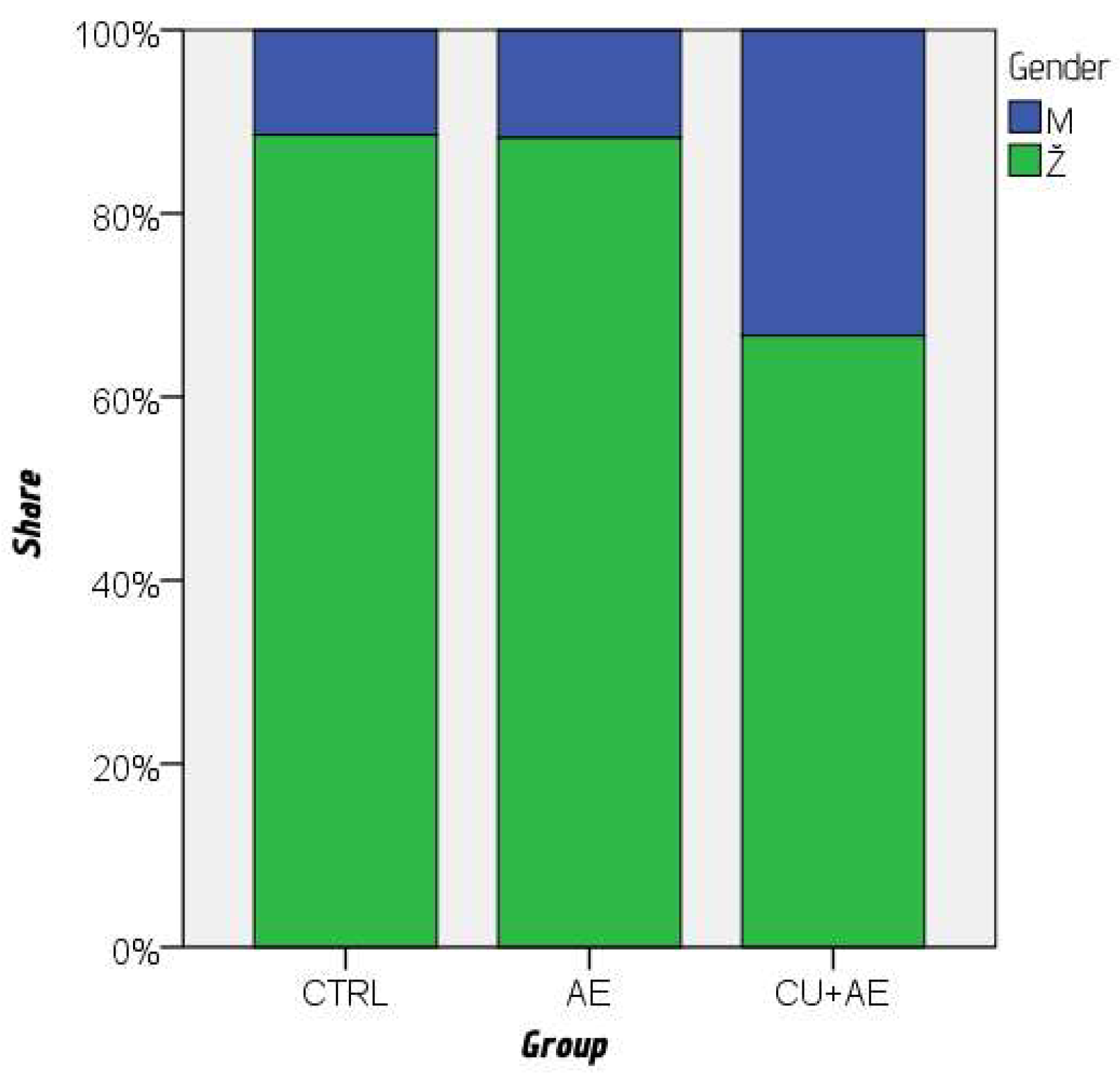
Figure 6.
Comparison of age between groups. Groups connected by. horizontal lines are statistically significantly different.
Figure 6.
Comparison of age between groups. Groups connected by. horizontal lines are statistically significantly different.
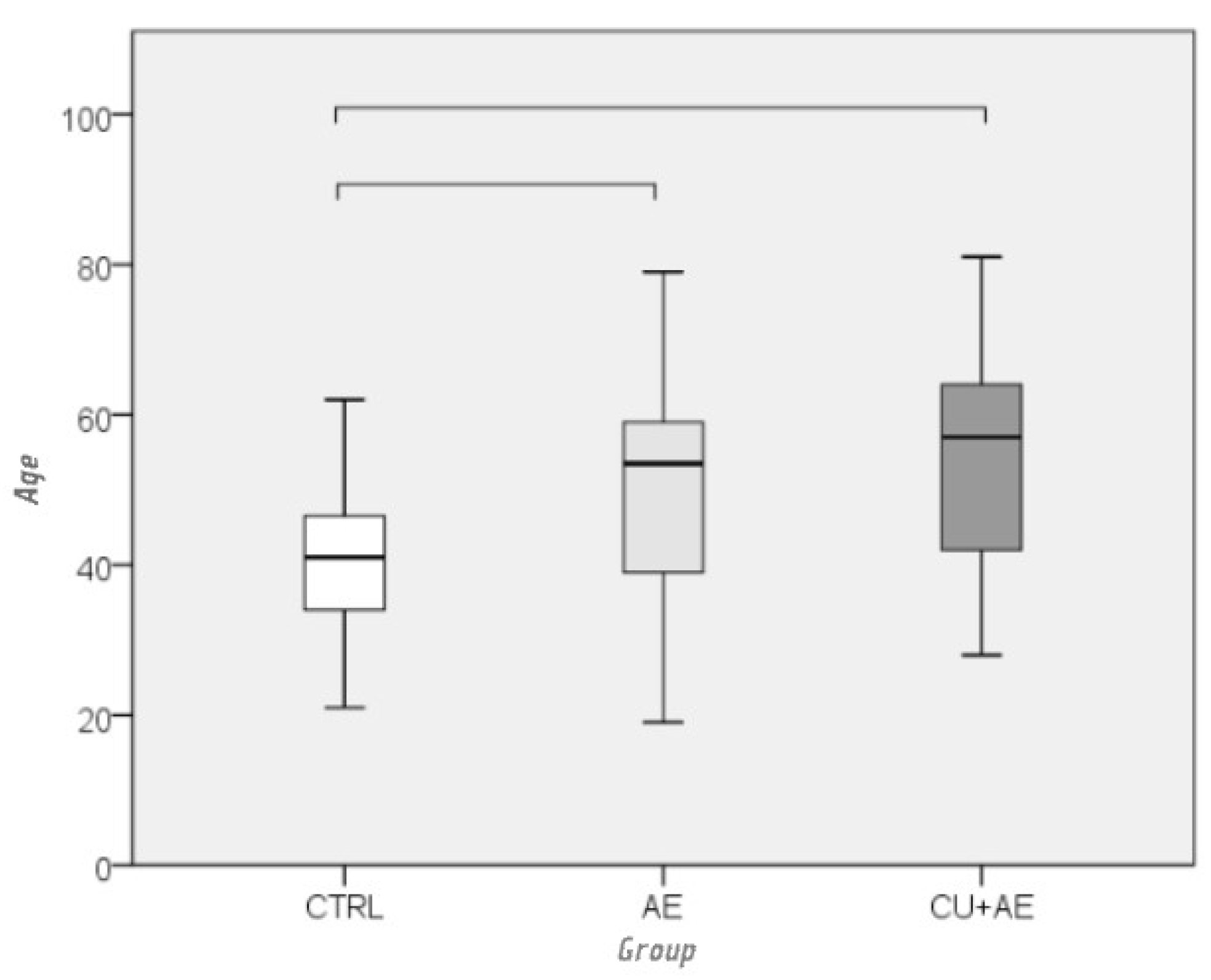
Figure 7.
Comparison of D-dimer between groups (real values shown on the left and log-transformed values on the right). Groups connected by a horizontal line are statistically significantly different.
Figure 7.
Comparison of D-dimer between groups (real values shown on the left and log-transformed values on the right). Groups connected by a horizontal line are statistically significantly different.
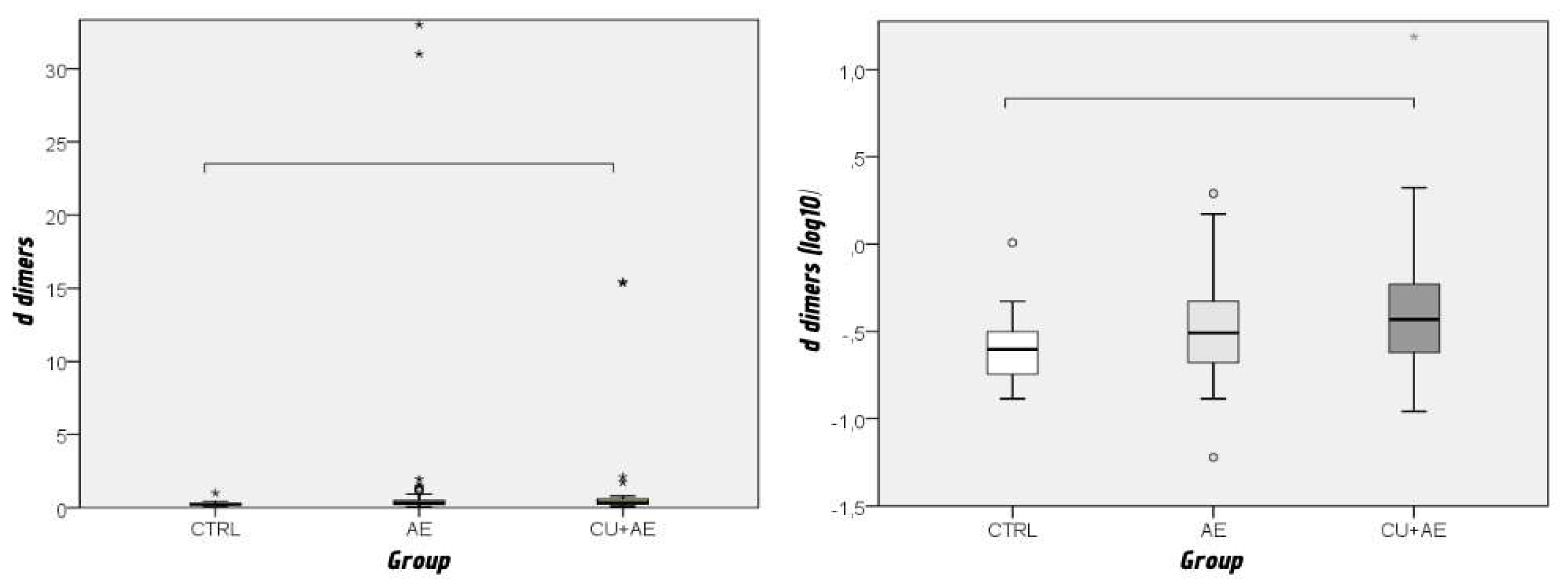
Figure 8.
Comparison of factor VII levels between groups.
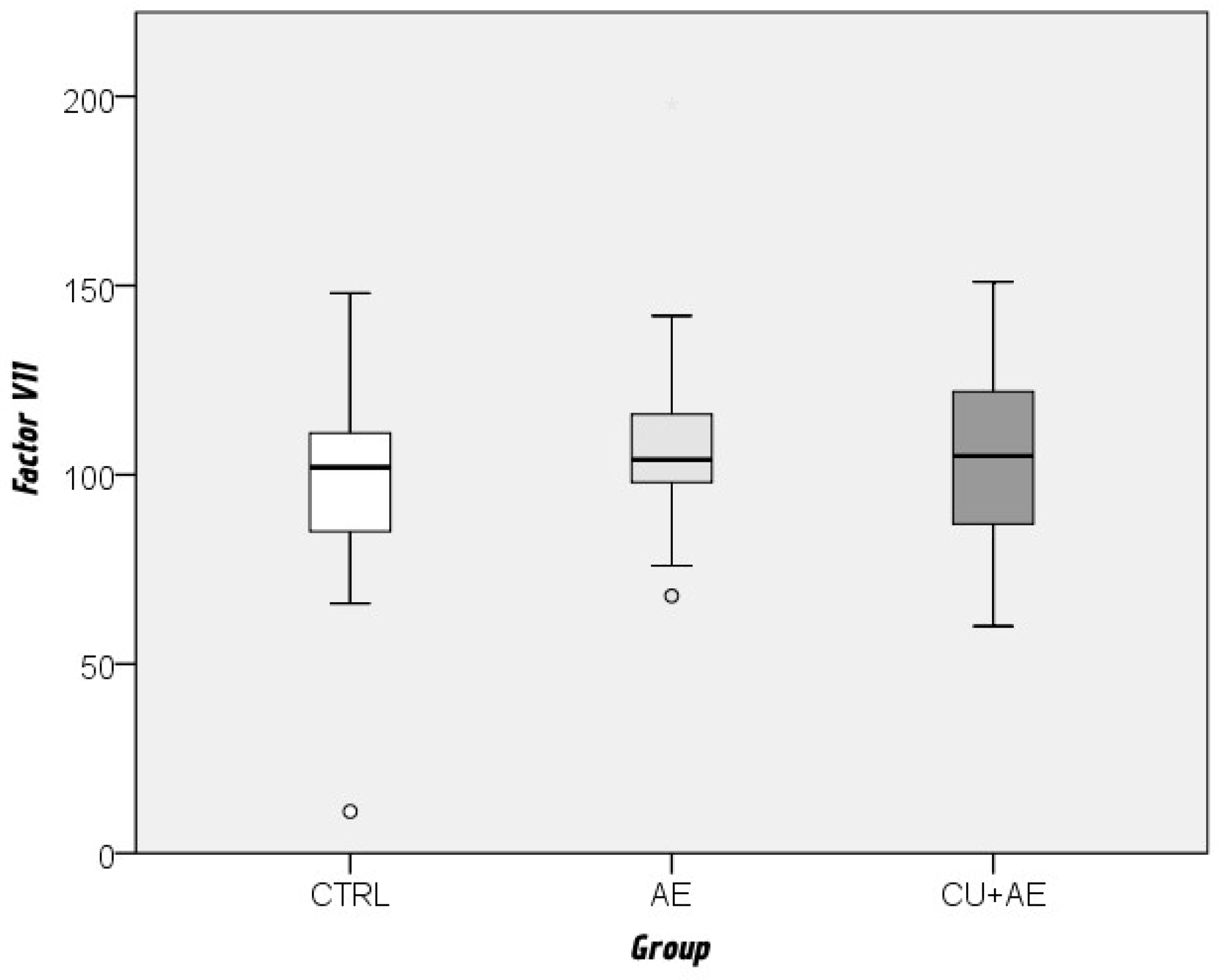
Figure 9.
Comparison of fibrinogen levels between groups.
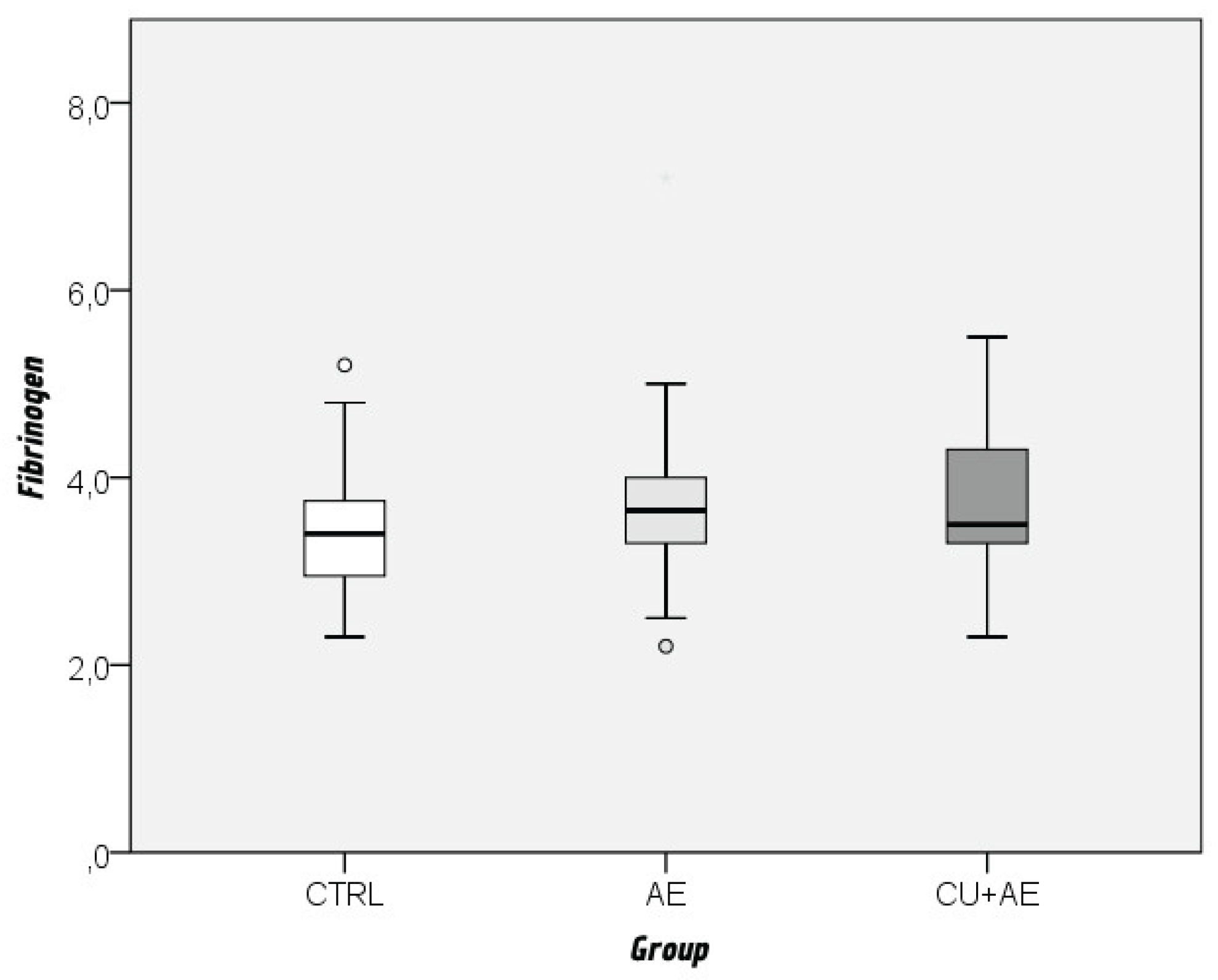
Figure 14.
Comparison of erythrocyte levels between groups. Groups connected by a horizontal line are statistically significantly different.
Figure 14.
Comparison of erythrocyte levels between groups. Groups connected by a horizontal line are statistically significantly different.
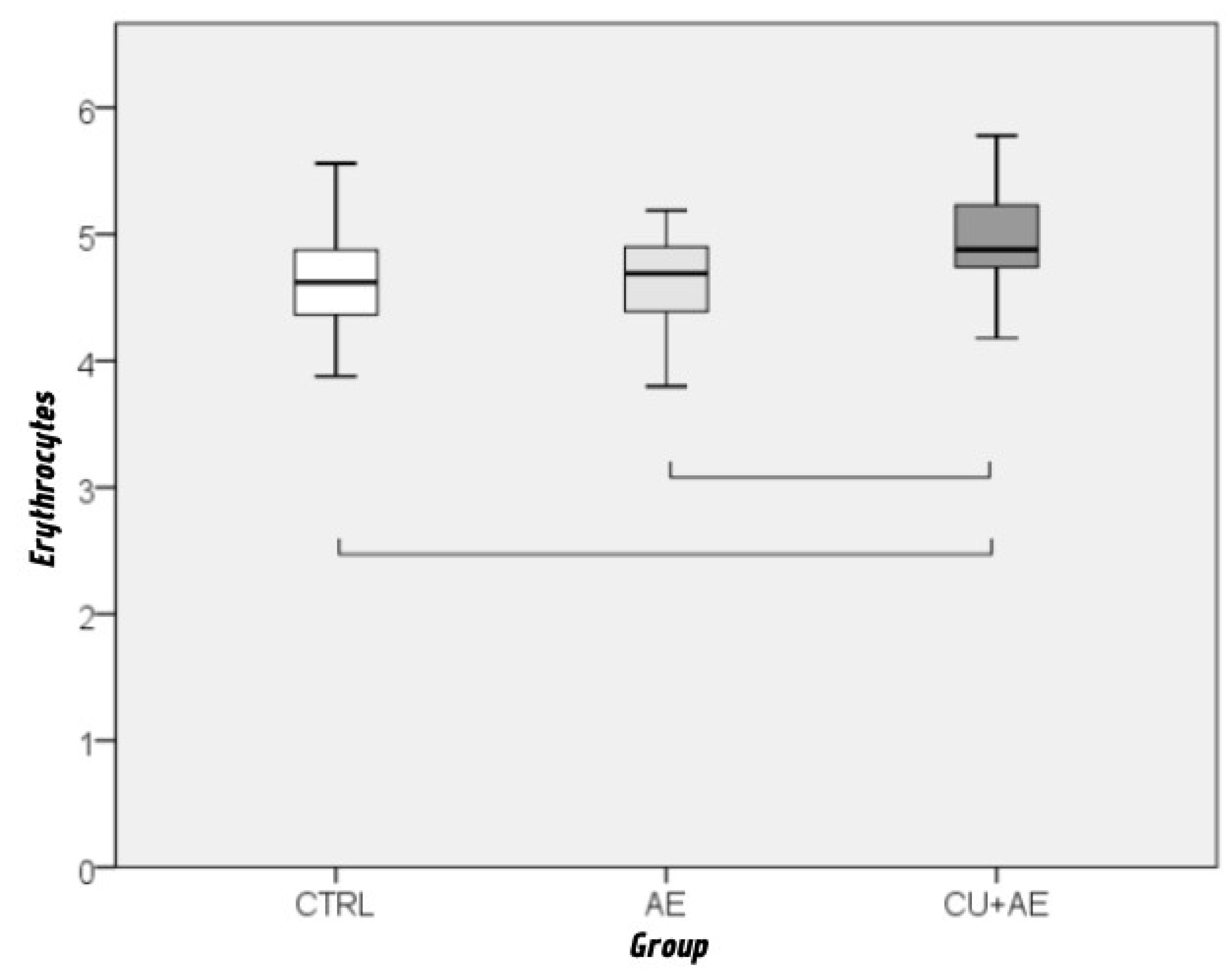
Figure 15.
Comparison of CRP levels between groups. Circles indicate outliers, and asterisks indicate extremes. Groups connected by a horizontal line are statistically significantly different.
Figure 15.
Comparison of CRP levels between groups. Circles indicate outliers, and asterisks indicate extremes. Groups connected by a horizontal line are statistically significantly different.
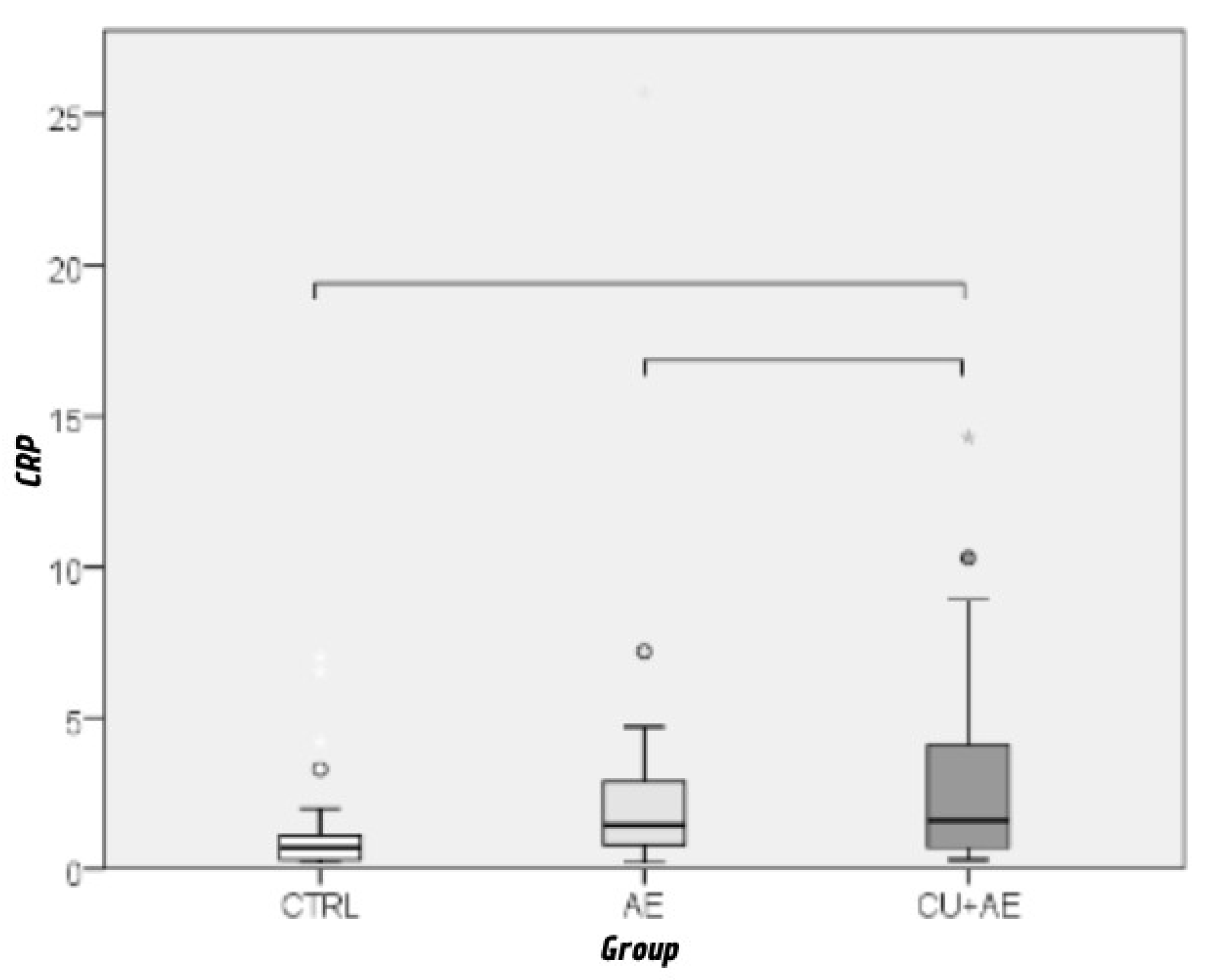
Figure 18.
Graphical representation of canonical discriminant functions.
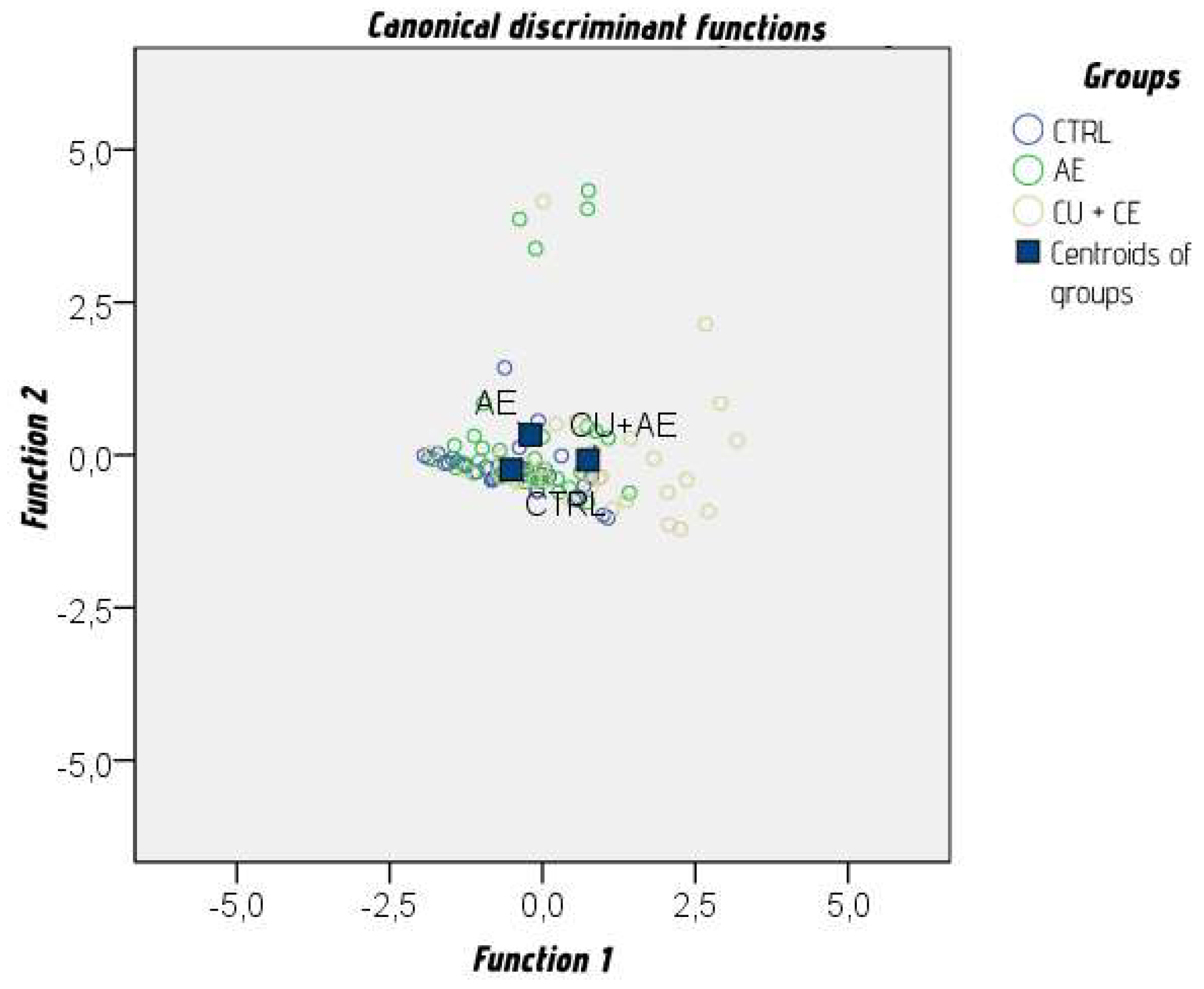
Figure 19.
Results of analysis of covariance on the effect of gender and group affiliation on factor VII level, while controlling for age.
Figure 19.
Results of analysis of covariance on the effect of gender and group affiliation on factor VII level, while controlling for age.
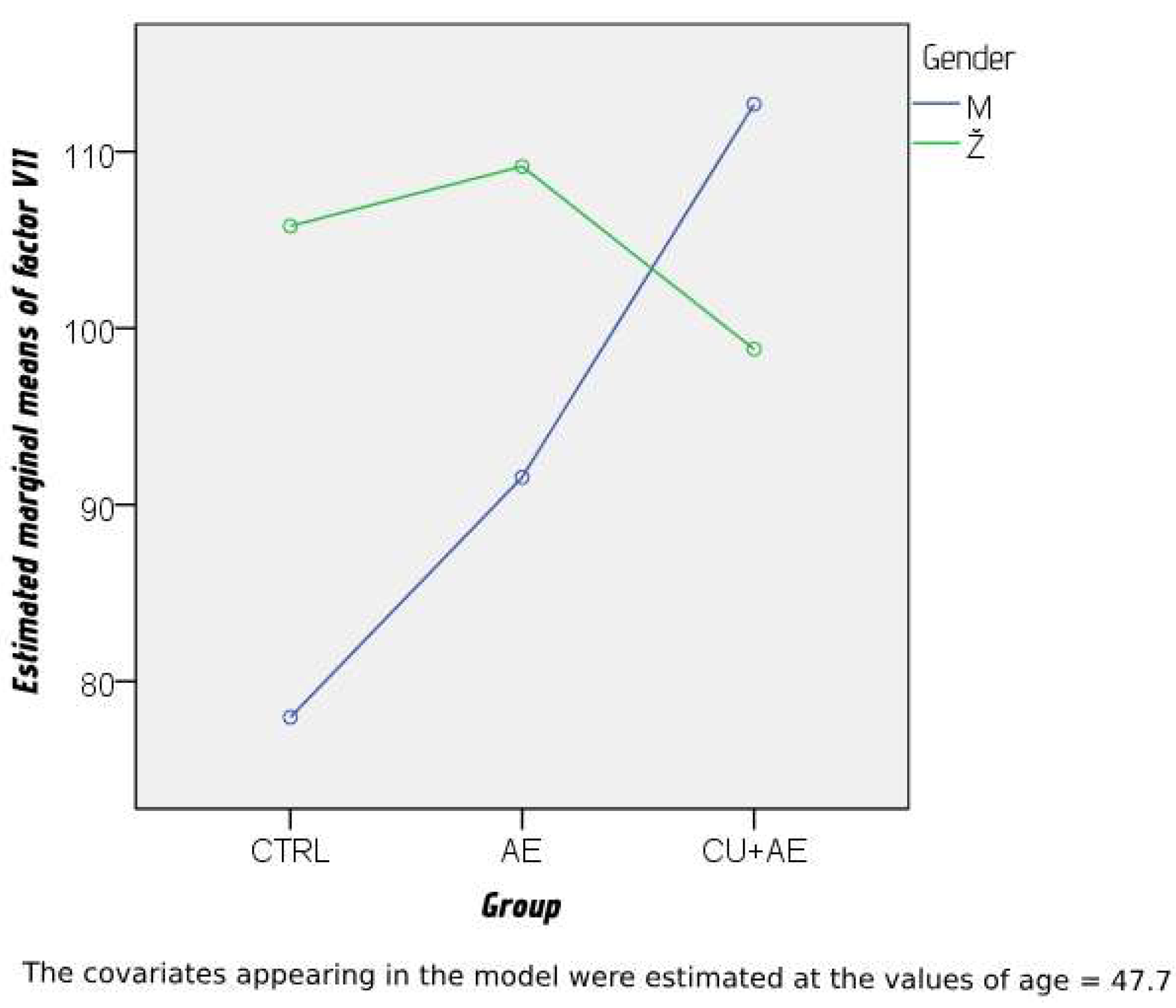

Table 3.
Sample description.
| Variable | Average | Std. deviation | Minimum | Maximum | Median | IQR |
| Age | 47,7 | 14,3 | 19 | 81 | 49 | 36 – 58 |
| Factor VII | 104,4 | 24,3 | 11 | 198 | 104 | 88,8 – 118,3 |
| Fibrinogen | 3,6 | 0,8 | 2,2 | 7,2 | 3,5 | 3,2 – 4,0 |
| D-dimers | 1,31 | 4,85 | 0,06 | 33,00 | 0,29 | 0,3 – 0,44 |
| Erythrocytes | 4,8 | 0,4 | 3,8 | 5,8 | 4,8 | 4,5 – 5,0 |
| Platelets | 255,5 | 57,5 | 145 | 492 | 258,5 | 220,0 – 2 84,3 |
| Neutrophils | 4,1 | 2,2 | 1,8 | 18,6 | 3,6 | 2,9 – 4,7 |
| Basophils | 0,04 | 0,05 | 0,00 | 0,39 | 0,03 | 0,02 – 0,04 |
| Leucocytes | 6,5 | 2,5 | 3,2 | 22,3 | 6,2 | 4,9 – 7,1 |
| ESR | 10,2 | 8,0 | 2 | 40 | 7,0 | 4,8 – 13,3 |
| CRP | 2,4 | 3,7 | 0,2 | 25,7 | 1,1 | 0,6 – 2,7 |
| AECT score | 6,4 | 4,5 | 0 | 16 | 5 | 3 – 8 |
IQR – interquartile range
Table 4.
Comparison of groups by prevalence of elevated levels of coagulation factors.
| CTRL (N = 35) |
CU + AE (N = 34) |
AE (N = 33) |
Sum | P | V | ||
| Factor VII | In reference range or decreased | 10 (28,6 %) | 8 (24,2 %) | 3 (8,8 %) | 21 (20,6 %) | ||
| (N(%)) | Increased | 25 (71,4 %) | 25 (75,8 %) | 31 (91,2 %) | 81 (79,4 %) | 0,105 | 0,210 |
| Fibrinogen | In reference range | 32 (91,4 %) | 28 (84,8 %) | 31 (91,2 %) | 91 (89,2 %) | ||
| (N(%)) | elevated | 3 (8,6 %) | 5 (15,2%) | 3 (8,8 %) | 11 (10,8 %) | 0,616 | 0,097 |
| D-dimers | In reference range | 34 (97,1 %) | 24 (72,7 %) | 25 (73,5 %) | 83 (81,4 %) | ||
| (N(%)) | elevated | 1a (2,9 %) | 9b (27,3 %) | 9b (26,5 %) | 19 (18,6 %) | 0,013 | 0,293 |
p – significance level based on χ2 test, V – effect size (Cramér's V)
Table 6.
Results of discriminant analysis.
| Function | Unit value | % of variance | Cumulative % | Canonical correlation | Wilks' lambda | P |
| 1 | 0,385a | 83,8 | 83,8 | 0,527 | 0,672 | <0,001 |
| 2 | 0,075a | 16,2 | 100,0 | 0,263 | 0,931 | 0,137 |
a The first two canonical discriminant functions were used in the analysis.
Table 7.
Structural matrix of discriminant functions
| Variables | Functions | |
| 1 | 2 | |
| Age | 0,630* | 0,476 |
| Erythrocyte levels | 0,588* | –0,453 |
| D-dimer levels | 0,118 | 0,597* |
| CRP levels | 0,282 | 0,584* |
*significant correlation with the first function
Table 8.
Discriminant analysis results classification
| Group | Predicted group classification/membership* | Total | ||||
| CTRL | AE | CU+AE | ||||
| Original group classification/membership | N | CTRL | 25 | 5 | 5 | 35 |
| AE | 12 | 12 | 10 | 34 | ||
| CU+AE | 10 | 5 | 18 | 33 | ||
| % | CTRL | 71,4 | 14,3 | 14,3 | 100,0 | |
| AE | 35,3 | 35,3 | 29,4 | 100,0 | ||
| CU+AE | 30,3 | 15,2 | 54,5 | 100,0 | ||
* 53.9% of the original group members were correctly classified.
Disclaimer/Publisher’s Note: The statements, opinions and data contained in all publications are solely those of the individual author(s) and contributor(s) and not of MDPI and/or the editor(s). MDPI and/or the editor(s) disclaim responsibility for any injury to people or property resulting from any ideas, methods, instructions or products referred to in the content. |
© 2026 by the authors. Licensee MDPI, Basel, Switzerland. This article is an open access article distributed under the terms and conditions of the Creative Commons Attribution (CC BY) license (http://creativecommons.org/licenses/by/4.0/).
Copyright: This open access article is published under a Creative Commons CC BY 4.0 license, which permit the free download, distribution, and reuse, provided that the author and preprint are cited in any reuse.


