Preprint
Article

This version is not peer-reviewed.

DELTA DESCRIBE, the French Collaborative Project: Profile and Management of Hepatitis Delta Patients in Metropolitan France

A peer-reviewed version of this preprint was published in:
Viruses 2026, 18(4), 424. https://doi.org/10.3390/v18040424

Submitted:

19 February 2026

Posted:

26 February 2026

You are already at the latest version

Abstract

Hepatitis delta (HDV) infection affects 5% of hepatitis B (HBV)-positive patients, is associated with an increased risk of cirrhosis and hepatocellular carcinoma but remains underdiagnosed. The first part of our « Delta Describe » study highlighted insufficient screening of HDV patients in metropolitan France. We report here their real-world management. Patients with at least one positive HDV RNA test performed in 2019 were identified through the main French public and private laboratories. In 2024, informed patients were interviewed and physicians supplemented the collected data. 547 patients were included, median age 44 years, mainly originated from Africa or Eastern Europe. HIV and Hepatitis C coinfections were reported in 15.2% and 4.6% respectively. Liver stiffness was assessed by FibroScan® (75.3%) primarily. Most patients knew the year of diagnosis and 69% their fibrosis stage. Liver related events occurred in 14.3% of patients, mainly cirrhosis decompensation (67.9%) and hepatocellular carcinoma (28.3%). Forty-five patients underwent liver transplantation. In 2024, 47.5% had undetectable HDV RNA. Among treated patients (n=387), 37.4% received bulevirtide with or without pegylated-interferon, and 62.6% nucleos(t)ide analogues (NUCs) only. In metropolitan France, HDV patients had access to specialized follow-up, to innovative therapies (bulevirtide), were mostly on NUCs and demonstrated good disease awareness.

Keywords: 
;  ;  ;  ;  

1. Introduction

According to the World Health Organization (WHO), hepatitis B virus (HBV) affects more than 250 million people worldwide, approximately 5% of whom also carry hepatitis delta virus (HDV) [1]. In Stockdale’s meta-analysis, performed in 6 WHO regions, the estimated prevalence of anti-HDV antibodies (HDV-Ab) was 4.5% (2.10-6.28) in the population positive for HBV surface antigen (HBs-Ag).The highest prevalence was in Mongolia, the Republic of Moldova, and countries in Western and Middle Africa, and in the following populations: injecting drug users, men who had sex with men, sex workers, and people infected with hepatitis C virus (HCV) or human immunodeficiency virus (HIV) [2]. In 2015, a French study synthesized data from several cohorts and indicated a low prevalence of HDV infection in France, with a carriage rate of HDV-Ab of 4% in HBV-positive patients, mainly native from high or medium endemic countries [3]. Finally, according to the Polaris-adjusted estimate of the prevalence of HDV in France, 3800 patients are HDV RNA+ with the need of 28.7 screening tests to diagnose one case [4].
HDV, the smallest known single-stranded circular RNA virus, does not encode its own envelope proteins and depends on the expression of HBs-Ag to enter hepatocytes and subsequently assemble new HDV viruses [5]. HDV infection, resulting in 80% of cases from superinfection, is a serious disease and a major public health problem, even in France. A French retrospective study conducted by the National Reference Center (NRC) based on targeted data of 1,112 HDV patients referred to university hospital centers showed that 312 patients (28.2%) had cirrhosis at referral. The median age of HDV patients was young (36.5 years) with a male predominance (68.6%) [6]. The comparison of two large French cohorts of HDV and HBV cirrhotic patients revealed that the cumulative incidence of hepatocellular carcinoma (HCC) at 1, 3, and 5 years, was 5.2%, 11.8%, and 20.2% for HDV patients versus 1.1%, 2.5%, and 4.4% for HBV patients respectively. The cumulative incidence of liver decompensation was 5.0%, 13.3%, and 18.8% for HDV patients versus 1.2%, 3.3%, and 4.7%, for HBV patients respectively [7].
Currently, the different international guidelines [8] and the French National Authority for Health (HAS) [9] recommend systematic screening for HDV-Ab in the event of any new positive HBs-Ag finding, to be repeated if there are persistent risk factors or unexplained ALT elevation [10].
The results of the first part of our “Delta Describe” study concerning HDV screening in metropolitan France from 2016 to 2022 using the French National Health Data System (SNDS), clearly showed screening had improved (multiplied by 2.3) but remained insufficient [11].
A majority of university hospital laboratories in France perform reflex testing, which may have reduced time to diagnosis and improved access to care for patients [12]. However, private laboratories do not perform reflex testing, partly due to a lack of reimbursement for tests in this context and partly because of subcontracting of anti HDV-Ab testing. Facilities welcoming migrants use point of care dried blood spot tests for systematic screening of HBV, hepatitis C (HCV), HIV and more recently HDV, which is currently under validation.
Until 2019, pegylated interferon (PEG-IFN) alpha was the only treatment available for patients with HDV. However, its efficacy remains modest with poor tolerance [13]. Bulevirtide (BLV), an entry inhibitor of HBV/HDV, which has been available first in 2019 through an early access program and then with marketing authorization in 2020 in France, has opened up new therapeutic perspectives to limit the incidence of HDV complications [14]. It is administered as monotherapy or in combination with PEG-IFN [15], this combination being recommended by the HAS in the absence of contraindications [16].
Few data are available in France regarding access to BLV, a treatment with daily injections, among a population that is often young and unstable, facing significant language barriers and challenges in maintaining long-term medical follow-up. In this second part of the Delta Describe study, we focus on the management of delta patients in real life in metropolitan France.

2. Methods

The main objective of this study was to describe the management of patients who underwent a HDV RNA + test in 2019 and were followed until 2025, and specify their epidemiological characteristics and the profile of the prescribers.

2.1. Data sources

Seven public University hospital laboratories (Lille, Lyon, Nantes, Toulouse, Paul Brousse, Henri Mondor and Avicenne) and 2 groups of private laboratories (Cerba and Eurofins Biomnis), using HDV PCR and covering most of the metropolitan territory, accepted to participate to the study. We were thus able to retrieve the global number of HDV RNA tests carried out in 2019, the identity, sex, date of birth, telephone number of each patient and the name of the prescriber, thanks to the lists of patients provided by the laboratories. From these data, we then reached by phone, either the patients themselves, their practitioner, or both, to answer a questionnaire allowing the collection of the information (Table 1).

2.2. Ethical considerations

This is a national, multicenter, human participant study using personal data registered on ClinicalTrials.gov (identifier: NCT05936073) This study received approval from the North-West II Committee for the Protection of Persons and complies with the CNIL's (French National Commission on Informatics and Liberty) "reference methodology". Laboratories with patient contact information sent an information letter to each patient, in accordance with the General Data Protection Regulation. Individuals had one month to object to the research by sending back an objection form.
After this period, the lists of patients who did not object were transmitted via our secured platform Pydio 7 (pydio.com) at Limoges University Hospital. The patient identities were known to contact them and fill the questionnaires, but the data were then pseudonymised when entered in the eCRF (electronic Case Report Form) (Ennov Clinical CSOnline, V8.0.120). The data were collected from January 2024 to July 2025.

2.3. Statistical analysis

Data were extracted and analyzed by the CDCR (Clinical and Research Data Center) of the Limoges University Hospital using SAS EnterpriseGuide v7.1.0. Categorical results were reported as numbers, and percentages, while quantitative variables were described using the median and interquartile range (IQR). Statistical comparisons were performed using the Chi-square test. A p-value < 0.05 was considered statistically significant.

3. Results

3.1. Selection of patients

Among the 882 HDV RNA positive tests identified in 2019, duplicates (repeated tests in different laboratories) were suppressed. Then, deceased patients (identified on https://www.deces-en-france.fr/), patients for whom the information letters and/or objection forms were returned and patients who later declined participation in the study were excluded. Of the 689 patients contacted, 111 remained unreachable. In total, data from 547 patients were successfully collected (Figure 1).

3.2. Characteristics of the population

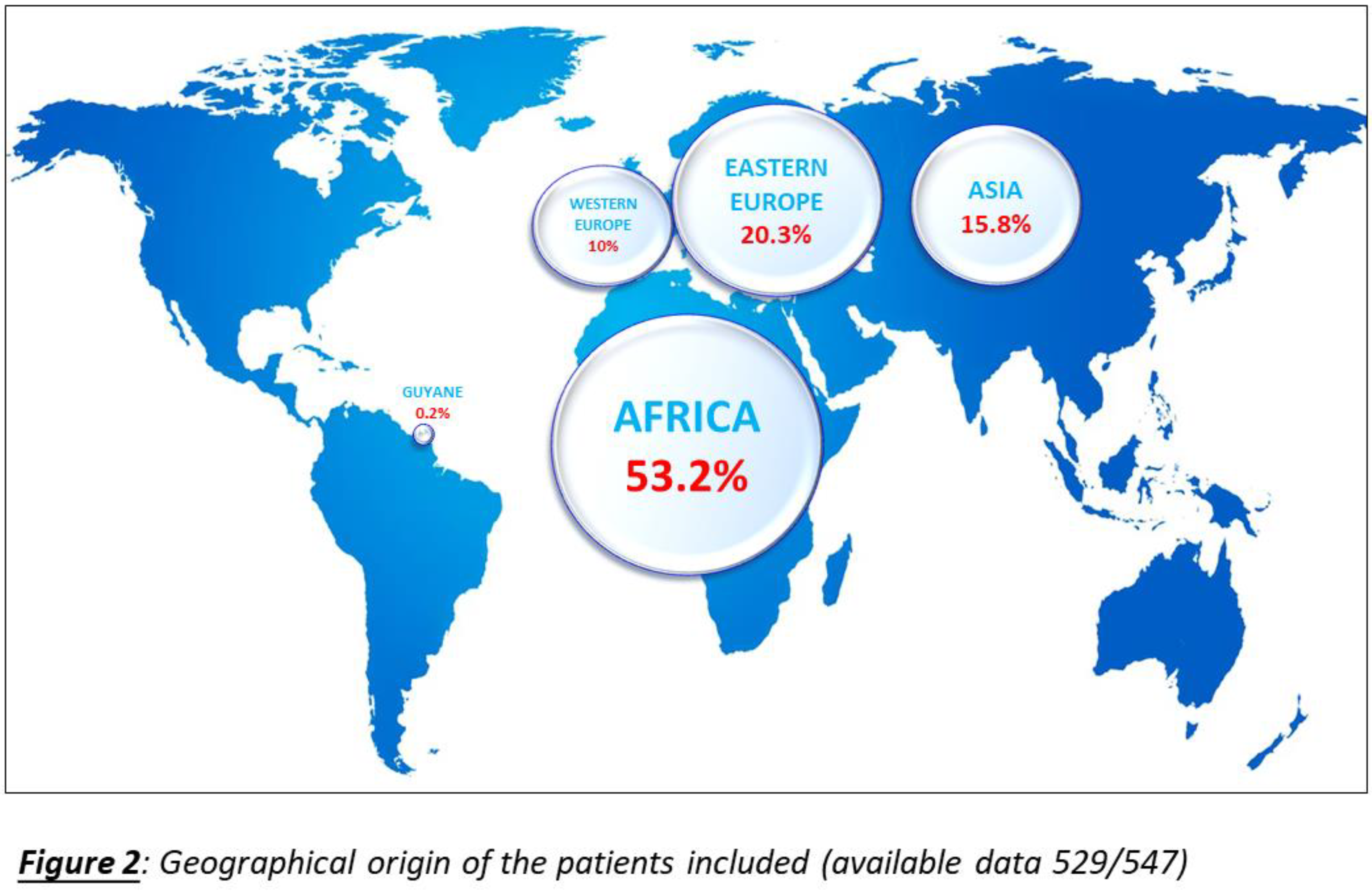
The median age was 44 years old [IQR 37-53] and the sex ratio (male/female) was 0.56. The year of diagnosis was known for 88.1% of patients, and the median duration of disease from diagnosis to the time of interview was 9 years [IQR 6–16]. Concerning co-infections, 15.2% of patients reported HIV and 4.6% HCV co-infections, while 3.8% were unaware of their co-infection status. 53.2% were of African origin, 20.3% were from Eastern Europe, 10% from Western Europe, and 15.8% of Asian origin, of which 10.8% were born in Mongolia (Figure 2).
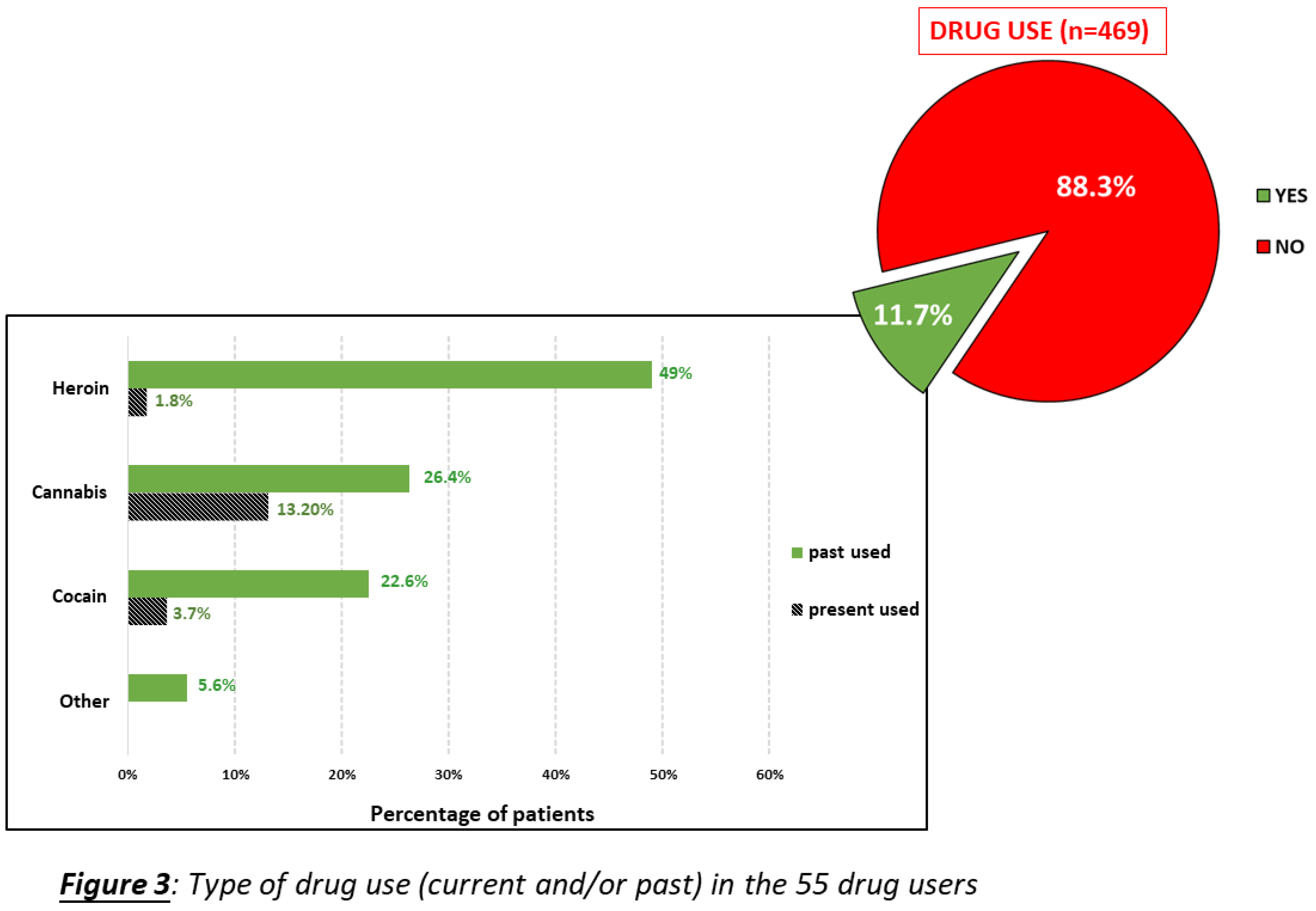
  • Among 469. patients who answered the question(s) about drug use, 11.7% reported currently using of having used drugs. This was mainly past use. The drugs reported by active users were mainly cannabis (13.2%) cocaine (3.7%) and heroin (1.8%) (Figure 3).

3.3. Patient care pathway and follow-up

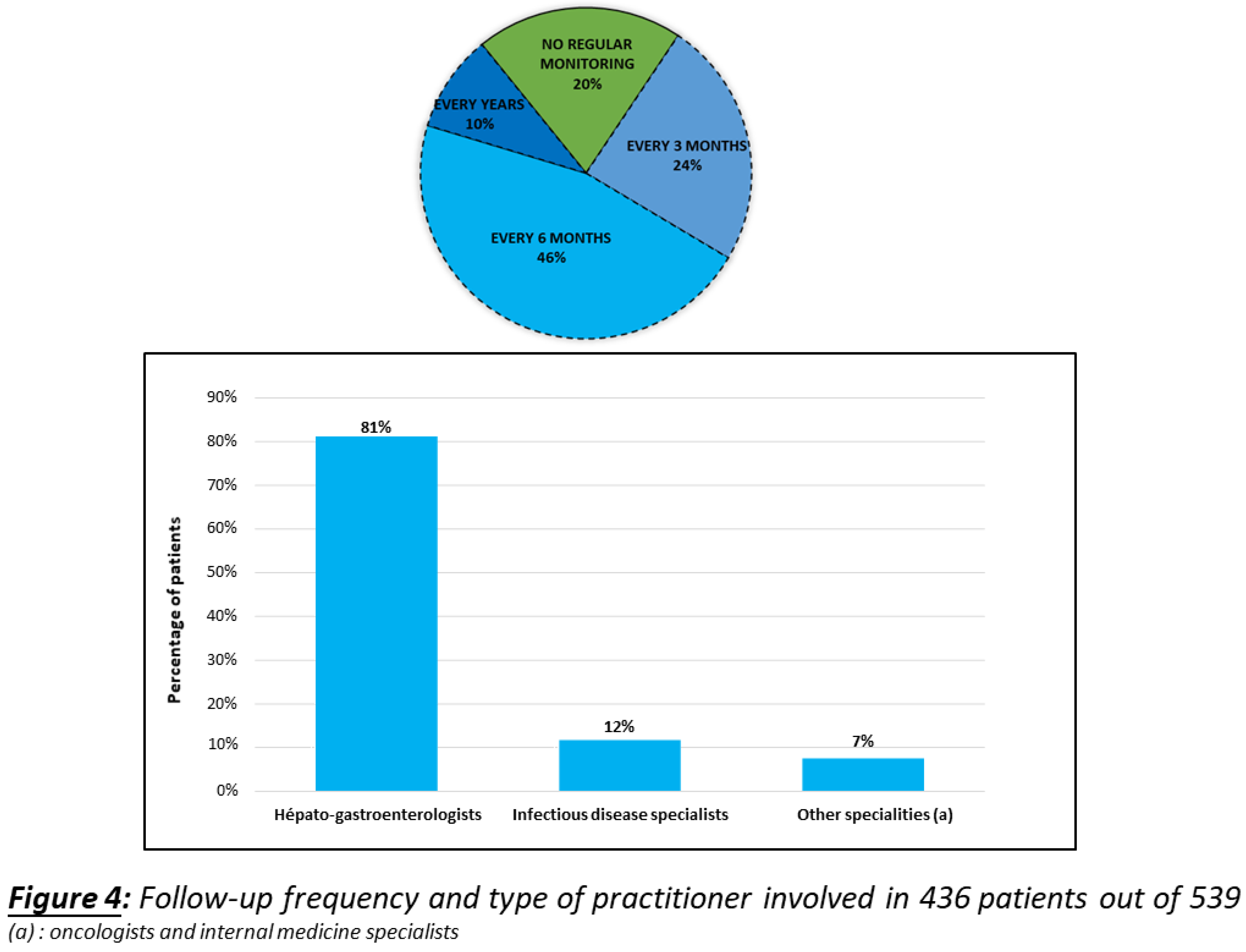
At the time of the initial diagnosis of HDV, 98.5% (539/547) of patients were referred to a specialist physician. At the time of the interview, most of patients (80%) still benefited from specialized follow-up at least once a year: 24% every 3 months, 46% every 6 months and 10% once a year. The practitioners involved were hepato-gastroenterologists in 81%, infectious disease specialist in 12%, another specialist (hematologist, oncologist, etc.) in 7% of the cases (Figure 4). Of the 475 patients for whom this information was available, 78.3% reported having a general practitioner for overall management.

3.4. Level of fibrosis

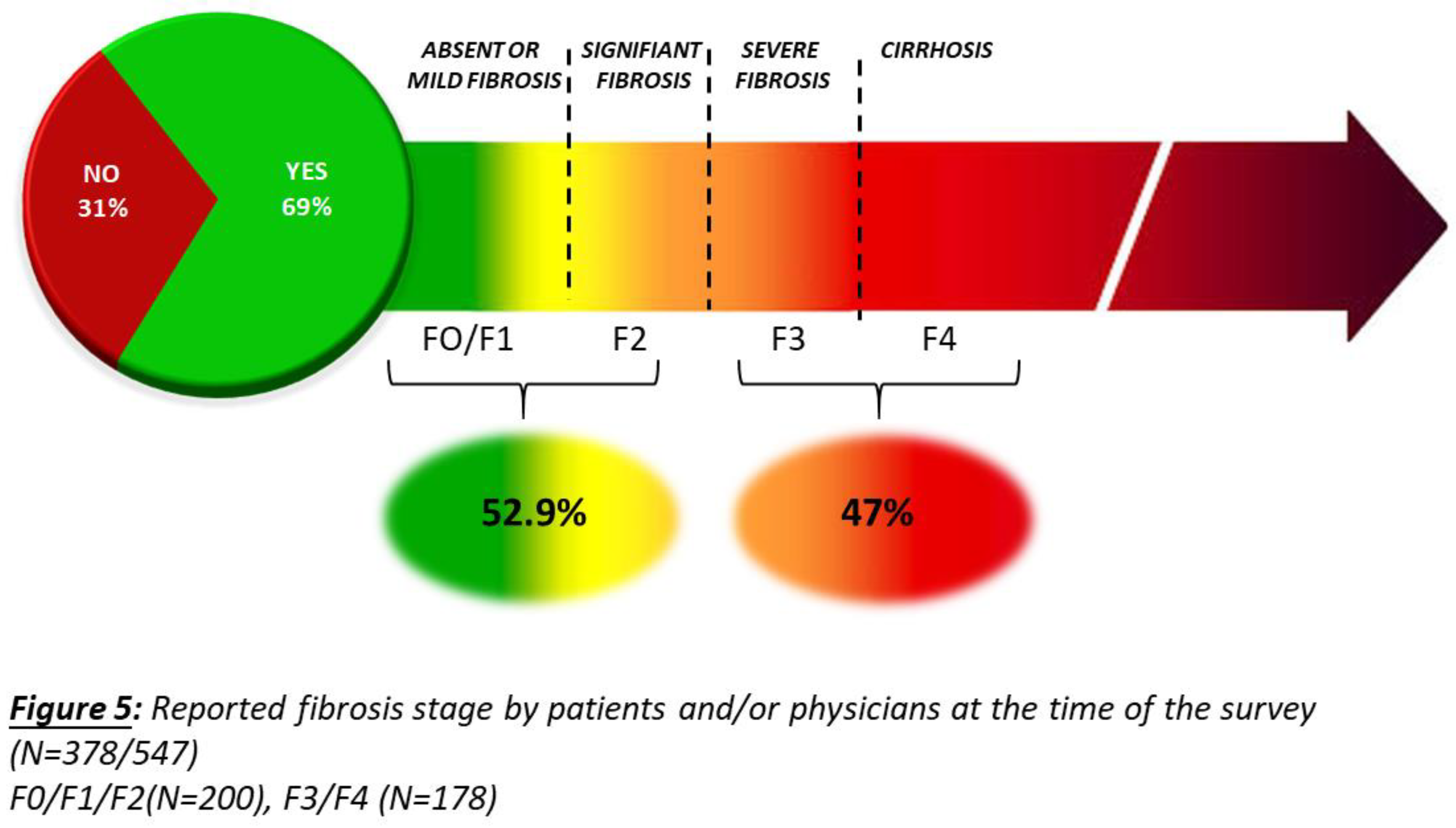
Fibrosis was assessed by Fibroscan® for 75.3% (412/547) of patients and 52.8% (289/547) had undergone a liver biopsy in the past (between 1982 and 2024). We were able to collect the most recent fibrosis score for 378 patients (69%). This information was provided by the patient in 45% of the cases. Using the recently published thresholds for Fibroscan® [17] in hepatitis delta, 52.9% of the values reported by patients and/or physicians at the time of the interview were classified as absent to moderate fibrosis (F0/F1/F2), and 47% as advanced fibrosis (liver stiffness measurement (LSM) > 10 kPa) (Figure 5). Among patients with advanced fibrosis, cirrhotic range values were observed in 39.8% of elastography assessments (LSM > 12 kPa). For 8.5% of patients with LSM values < 6 kPa, significant fibrosis could be excluded.

3.5. Liver complications

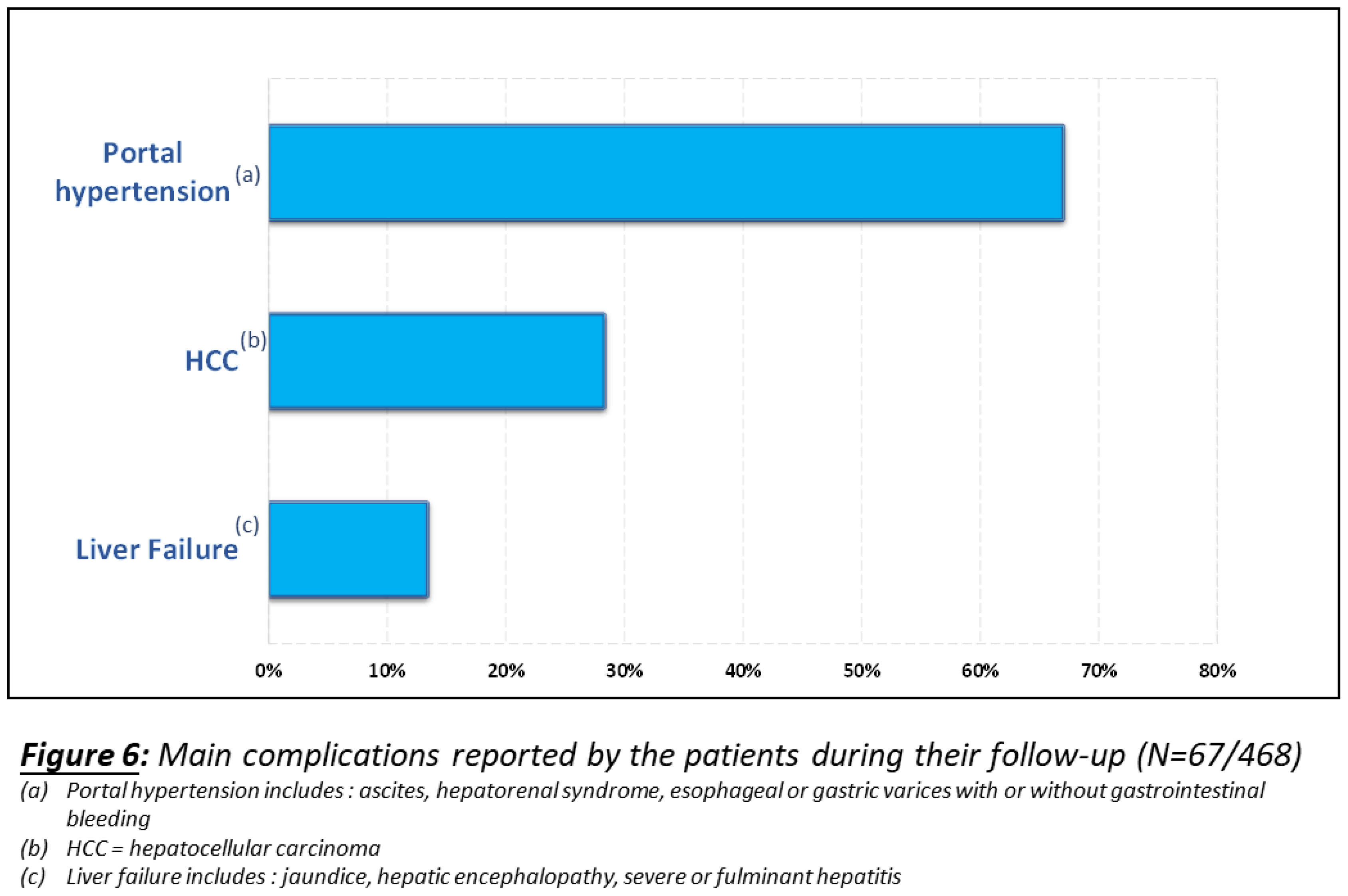
For the 468 patients whose data were available, 14.3% (67/468) experienced at least one liver-related event: 7.7% experienced one, 3.1% two, 1.3% three, and 0.2% four. Among them, 67.9% (45/67) had decompensated cirrhosis: portal hypertension (ascites, esophageal or gastric varices, complicated or not by gastrointestinal bleeding, and hepatorenal syndrome) and 13.4% (9/67) had liver failure. HCC occurred in 28.3% (19/67) of patients (Figure 6).
The detailed report of the expressions used by patients to describe their complications is presented in Table 2.
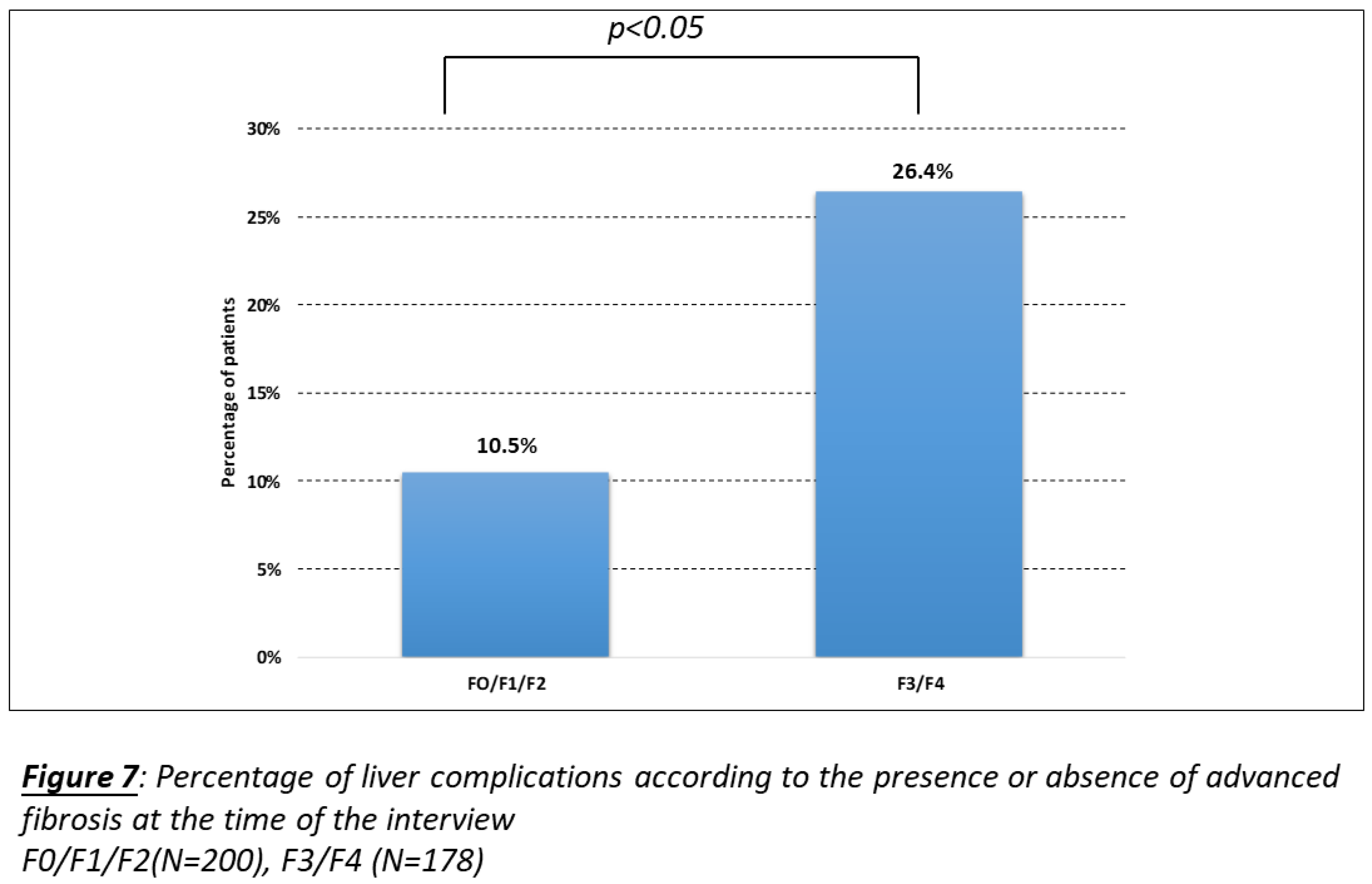
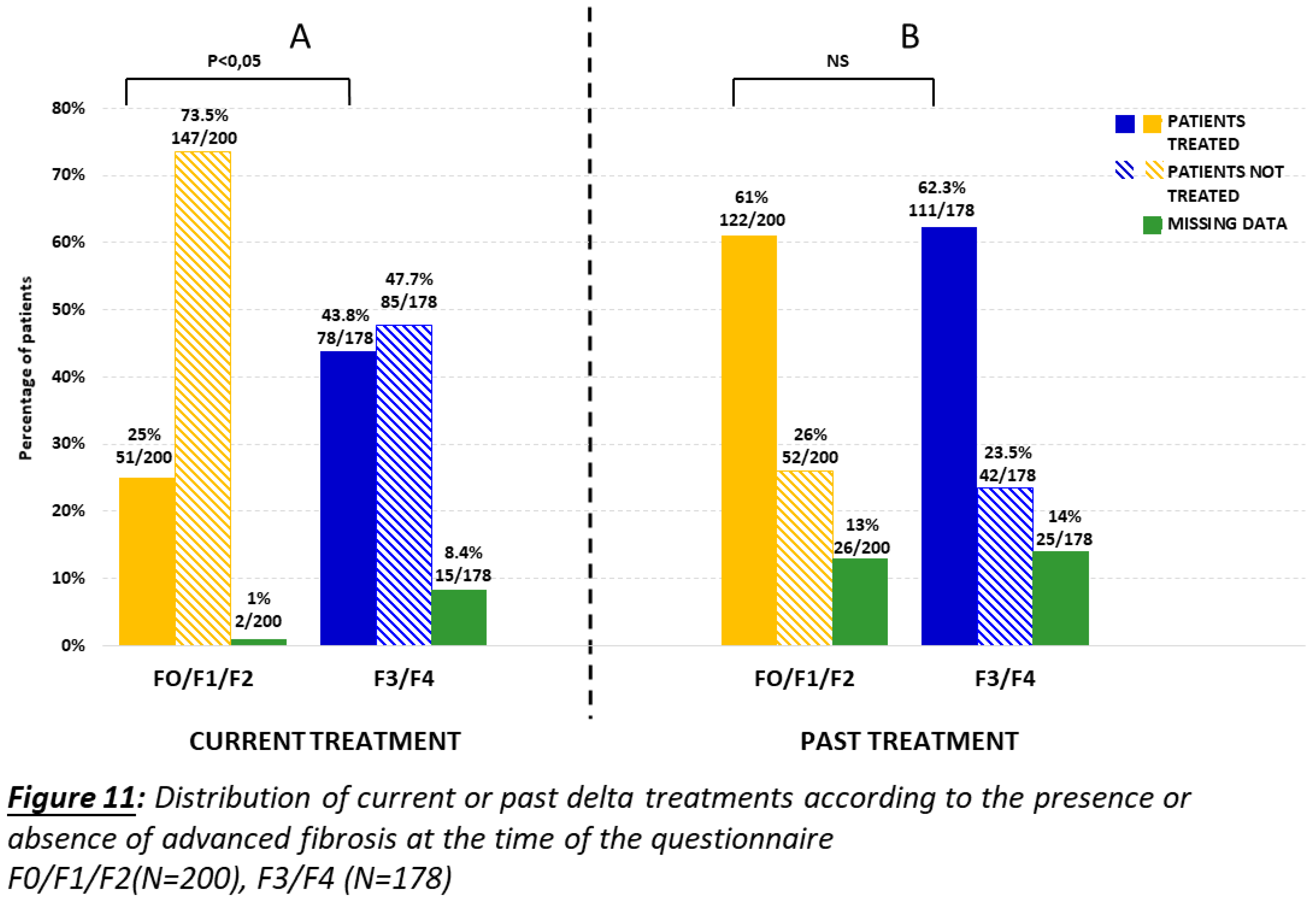
Patients classified as F0/F2 fibrosis had significantly fewer complications than those classified as F3/F4 (p<0.05) (Figure 7).
Finally, 45 patients underwent liver transplantation but were not always able to report the underlying complication leading to transplantation.

3.6. HDV and HBV viral loads

In this study, 73.1% (400/547) of the surveyed patients knew whether their current HDV viral load was positive or negative, and 71.5% (389/547) knew their HBV viral load. Among them, 52.5% and 31.3% had a positive HDV viral load and detectable HBV DNA respectively. The participating laboratories were surveyed regarding the molecular biology techniques employed for RNA testing in 2019. Of the 9 laboratories, 7 (77%) used the EurobioPlex HDV qRT-PCR EBX-004 (Eurobio Scientific, Les Ulis, France), LOD/lower limit of quantification (LOQ) 100 IU/ml [18] and 2 (23%) used an “in-house” technique.

3.7. Patient treatments

3.7.1. Ongoing treatments

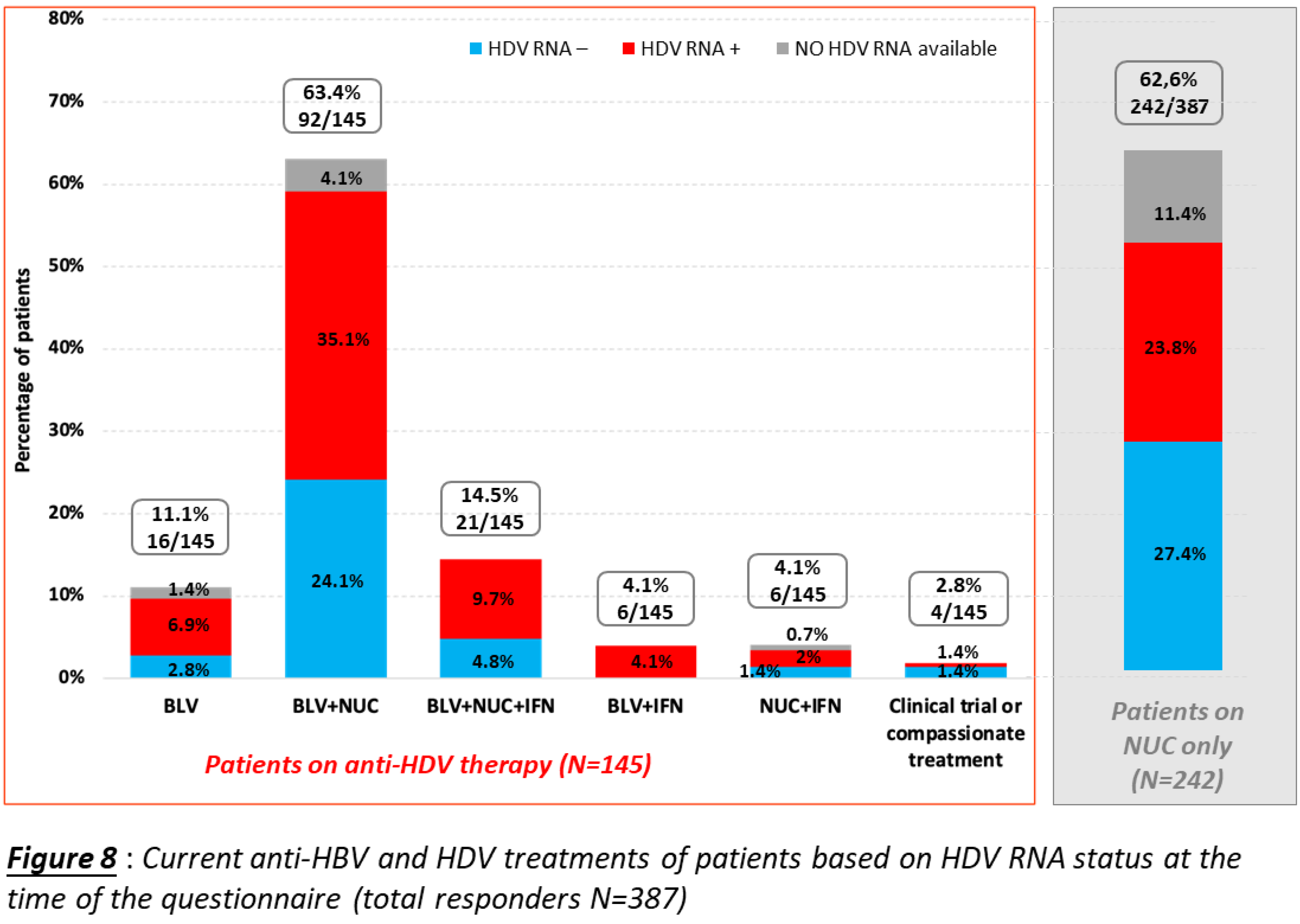
Among the 477 patients for whom this information was available, 81.1% (387/477) were receiving treatment for HDV and/or HBV. Specifically, 37.5% (145/387) of patients were undergoing anti-HDV therapy. Among them, 93.1% (135/145) were receiving BLV with or without PEG-IFN, 4.1% PEG-IFN +NUC (6/145) and 2.8% (4/145) treatment as part of a clinical trial or via compassionate use (Solstice trial, Lonafarnib/Ritonavir). Among patients tested positive for HDV RNA in 2019, 93.2% were receiving NUC therapy at the time of the survey; 62.6% (242/387) of patients with an ongoing antiviral therapy were taking NUCs only (Figure 8).
We examined the HDV viral load results (HDV RNA+ vs. HDV RNA-) of the 145 patients with anti-HDV therapy, depending on the type of treatment. At the time of data collection, 59.2% (86/145) were still replicating (94.7% of them being on BLV with or without PEG-IFN), 34.5% (50/145) had undetectable HDV RNA (92% of them being on BLV with or without PEG-IFN). Additionally, we observed that 23.8% of HDV RNA positive patients received NUCs only (Figure 8).

3.7.2. Past treatments

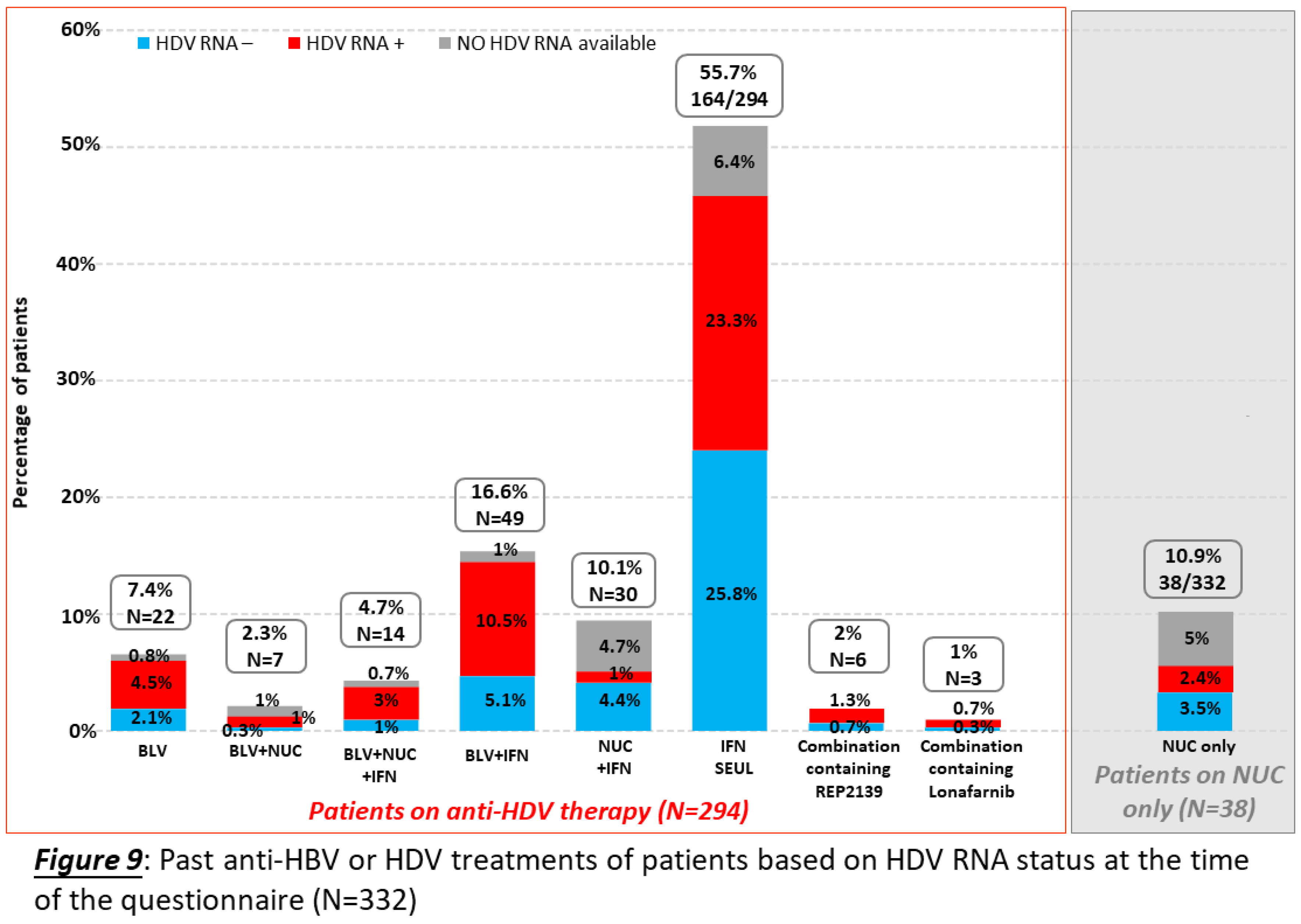
Among the 443 patients for whom this information was available, 74.9% (332/443) had received treatment for hepatitis D and/or hepatitis B. Specifically, 88.5% (294/332) of patients had undergone anti-HDV therapy: PEG-IFN alone was the most frequent regimen (55.7%, 164/294), followed by BLV with or without PEG-IFN (31%, 92/294). In addition, 3% (9/294) had received REP2139 or Lonafarnib with or without PEG-IFN, after BLV failure. Finally, 10.9% of patients had received NUCs only (Figure 9).
We examined the current HDV viral load results (HDV RNA+ vs HDV RNA-) of the 294 patients who had undergone anti-HDV treatment, based on previous treatment. We observed that 45.3% (134/294) were still replicating at the time of data collection (45.6% of them had had BLV with or without PEG-IFN), and 39.7% (117/294) had an undetectable HDV RNA (76% of them had received only PEG-IFN and were on BLV after interferon failure) (Figure 9).
In summary, 226 patients (41% of the 547 patients in the study) had current or prior BLV, of whom 32.3% were RNA-negative (73/226) and 59.7% RNA-positive (135/226) at the time of the questionnaire.
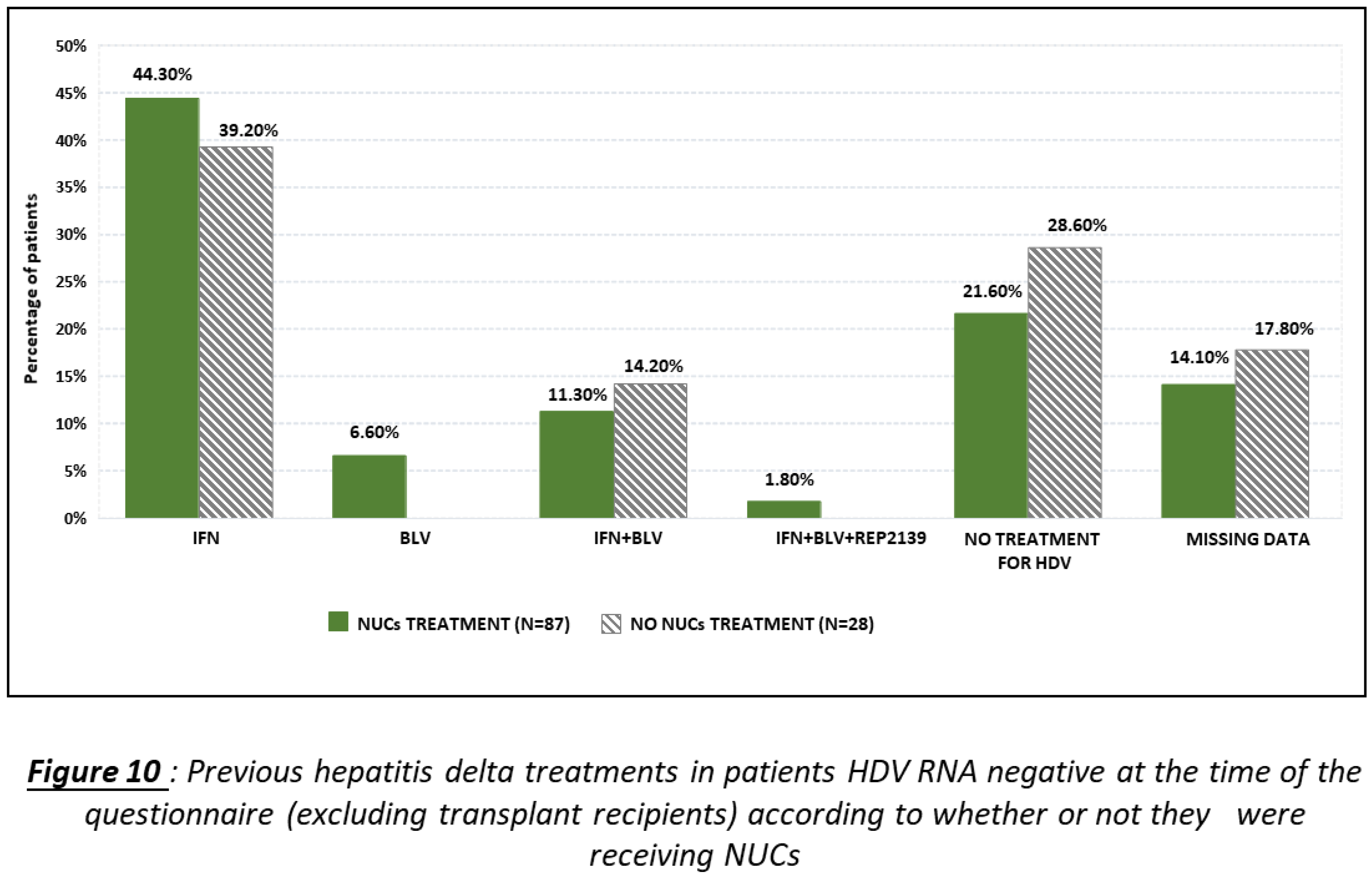
Finally, previous hepatitis delta treatments in patients HDV RNA negative and treated only with NUCs at the time of the questionnaire (excluding transplant recipients) are presented in Figure 10. The majority had previously received PEG-IFN: alone (46%, 40/87) or combined with BLV (12.6%, 11/87), BLV alone (8%, 7/87), or BLV followed by REP2139 after BLV failure (2.3%, 2/87). Of note, 21.9% (19/87) had never received any specific treatments for HDV.

3.8. Hepatitis Delta treatments according to the stage of fibrosis

25.5% of the 200 patients classified F0/F1/F2 were on HDV treatment at the time of the survey (76.5% BLV and 11.8% PEG-IFN+BLV) and 61% (122/200) had previously received HDV treatment (70% PEG-IFN alone and 21% PEG-IFN +BLV). Meanwhile, 43.8% of the 178 patients with F3/F4 stages were on treatment at the time of the survey (71.8% BLV and 23% PEG-IFN +BLV) and 62.3% (111/178) had received prior delta therapy (58.5% PEG-IFN alone, 27% BLV+INF and 9% BLV alone) (Figure 11A,B)
In total, 226 patients received BLV. Of these, 77 were classified as having fibrosis stage F0, F1, or F2, and 114 as F3 or F4; fibrosis data were unavailable for 19 patients.

4. Discussion

In this real-life study, 547 patients from mainland France who had at least one positive HDV RNA test in 2019 were contacted between January 22, 2024 and July 22, 2025, representing 14% of the 3800 estimated RNA positive patients in metropolitan France [5]. We found demographic characteristics comparable to those reported in the French NRC involving patients managed in specialized reference centers [6]: young age, birth in endemic countries, including African, Eastern European countries, and Mongolia. The estimated sexual risk, at 5% (men who have sex with men) in the NRC study, was not reported during the interviews, likely due to the difficulty of addressing this topic in a single phone call. The second route of transmission was drug use. The prevalence of HIV coinfection was comparable to that observed in the NRC study, whereas HCV coinfection was much lower. Possible explanations include possible patient unawareness of an HCV coinfection with spontaneous cure or a previous successful HCV treatment.
Patients identified based on HDV RNA test prescription were, unsurprisingly, mainly managed by a hepato-gastroenterology or infectious disease specialist with at least biannual monitoring for 70% of them. In the first part of the delta describe study [19] focusing on SNDS data (2016-2022 period), we showed that these specialists, particularly involved in the management of delta hepatitis, were the main prescribers of HDV RNA tests. [17].
The year of diagnosis was collected for 88.1% of patients. Patients also demonstrated a great understanding of the severity of their condition and were able to articulate their complications (Table 2). The fibrosis score, almost systematically recently assessed by FibroScan®, was accurately reported by 69% of the patients (45% provided by the patients themselves). Unsurprisingly, nearly half of patients had advanced fibrosis and/or cirrhosis and these results are consistent with the 45.2% reported in the French ANRS CO22 HEPATHER cohort [20].
In our study, half of the patients reported having undergone a past liver biopsy. FibroScan® has been validated in hepatitis delta by two recent publications showing that advanced fibrosis can be ruled out in more than 90% of cases [17]. Moreover, the Baveno VII criteria have also been validated for the assessment of clinically significant portal hypertension in this population [21]. In the future, routine FibroScan® implementation should facilitate patient management.
Of all the patients surveyed, 14.3% reported complications, with 9.6% related to portal hypertension and 4% to HCC. Globally, the results were better than in the French Deltavir cohort, which reported 48.8% of cirrhosis, 24.2% of one or more episodes of decompensation and 9.2% of HCC [6], at the end of a median 3.0 years [0.8-7.2] follow-up; and this before the widespread use of BLV. However, the complication rate remains higher than in hepatitis B: in a case-control study of HBV-HDV patients compared to HBV patients in the French ANRS CO22 HEPATHER cohort, the incidence rates of decompensated cirrhosis, HCC and transplantation were respectively 10, 5 and 10 times higher in hepatitis delta than in hepatitis B [20].
Among patients tested positive for HDV RNA in 2019, 93.2% were receiving NUC therapy at the time of the survey, demonstrating satisfactory adherence to French and international guidelines [9,10]. Nevertheless, only two-thirds of patients with known HBV viral load had controlled HBV DNA (below the detection threshold), which could be due to either insufficient adherence to nucleos(t)ide analogues, resistance to entecavir (for example, in patients previously treated with lamivudine), or to a great persistence of cccDNA in the majority of patients [22].
In the population under HBV and/or HDV treatment, overall, 41.3 % (226/547) of patients had received or were receiving BLV with or without PEG-IFN, the association being recommended in compensated disease by the HAS. This opportunity was made possible thanks to the drug’s marketing authorization in France and its reimbursement. However, BLV treatment was proposed more often to patients with advanced fibrosis stages (stages F3 and F4). Finally, 2.8% of patients treated were included in a clinical therapeutic trial or benefited from compassionate use. Enhancing access to treatment, whatever the fibrosis score, should allow a drastic reduction in long-term complications [8]. In a recent European retrospective multicenter real-world study, it was demonstrated that at week 96 of BLV, the cumulative risks of de novo HCC and cirrhosis decompensation were 3.0% (95% CI 2-6%) and 2.8% (95% CI 1-5%) only, respectively [14].
Finally, among the patients who had at least one positive HDV RNA test in 2019, 47.5% had a negative HDV RNA at the time of the interview and 32% had received BLV. In this vulnerable and unstable population, a relatively high percentage of HDV RNA-negative cases suggests a high adherence and long-term persistence rate to bulevirtide, as described in the Barodelta study [23].

5. Limitations of the study

Only patients from metropolitan France were included. The profile of patients from the overseas territories is very likely different. Moreover, 30% of the population positive for HDV RNA could not be interviewed because of lost to follow-up or objection. As the data were obtained directly from the patients, they may be biased by subjectivity, although much of them could be verified through interviews with physicians. Fibrosis assessment by Fibroscan® was not systematically obtained at the year of the hepatitis delta diagnosis.
10.5% of F0/F2 patients declared liver-related complications. The first hypothesis is that some fibrosis scores (F0/F1/F2) may have been underestimated because they were measured during antiviral treatment. The second hypothesis, as recently suggested, is that HDV also partially increases the risk of hepatic events independently of underlying fibrosis. This reinforces the importance of anti-HDV treatments in limiting fibrosis, its complications and the overall incidence of hepatic events [24]
Moreover, the total prevalence of liver complications may have been underestimated because transplanted patients were not always able to report the complication that led to transplantation.
Finally, the timing of delta treatment was not always available and reasons for stopping bulevirtide could not be identified.

6. Conclusions

This real-world study, conducted in metropolitan France, suggests that patients with hepatitis delta have access to specialist care and to effective treatments such as bulevirtide. This can impact the prognosis of the disease, regardless of the degree of fibrosis. The data provided by patients, compared with those of the attending specialist when possible, demonstrate that the patients know their pathology and the related risks well. The study also shows that, since 2019, systematic prescription of nucleoside analogues is carried out mostly in accordance with international recommendations.
Authors’ contributions: VLR contributed to the conceptualization and supervision of the study. VLR, SF, CR and MB discussed the results and wrote the manuscript. JPB, JB, AJR, VQ, IF, BC, GL, SA, CB, KP, HF, MB, DR participated in data collection on a personal basis and on behalf of the learned societies they represent. PC, MDG, SB, CS, AMRA, SB, PT, AG, MCB, EB, JI, KS, SC, BV, AS and Delta study group contributed to the collection of the patients data. DAD realized statistical analysis.

Funding

Winning project of the international Gilead call for tender Delta Describe.

Institutional Review Board Statement

This is a national, multicenter, human participant study using personal data registered on ClinicalTrials.gov on July 13, 2023 (identifier: NCT05936073). This study received approval from the North-West II Committee for the Protection of Persons and complies with the CNIL's (French National Commission on Informatics and Liberty) "reference methodology".
Inform Consent Statement: Laboratories with patient contact information sent an information letter to each patient, in accordance with the General Data Protection Regulation. Individuals had one month to object to the research by sending back an objection form.

Data Availability Statement

The data on which this article is based cannot be made public due to the confidentiality of the individuals who participated in the study, even though all data has been anonymized.

Acknowledgments

We would like to thank all the members of the Delta Study Group : Sophie Métivier, Marie-Noëlle Hilleret, Rodolphe Sobesky, Didier Samuel, Ariane Mallat, Karine Lacombe, Anne Gervais, Lorraine Blaise, Nicolas Carbonell, David Ancel, Philippe Mariot, Florence Tanne, Vincent Mallet, Marina Karmochkine, Hélène Fontaine, Clémence Hollande, Benjamin Silbermann, Valérie Dhalluin, Lucia Parlati, Pierre-Olivier Sellier, Elena Simona Vultur, Juliette Guillossou, Philippe Sogni, Fabien Beaumale, Tarik Asselah, Grégoire Boca, Christine Sylvain, Astrid Guyot d’Asnières De Salins, Isabelle Rosa Hezode, Isabelle Fouchard-Hubert, Juliette Foucher, Armand Abergel, Xavier Causse, Thierry Prazuck, Magdalena Meszaros, Didier Barbereau, Marie-Hélène Schuhmacher, Louis D’Alteroche, Simona Tripon, Edouard Bardou-Jacquet, Caroline Jezequel, Brigitte Bernard-Chabert, Ghassan Riachi, Odile Goria, Anaïs Vallet-Pichard, Luminita Bonyhay, Robert Bader, Séverine Hommel, Aurore Baron, Charles Metais, Frédéric Heluwaert, Laurence Renaud, Anne Varaut, François Haberstezer, Jean-Charles Nault, Isabelle Portal, Sylvie Peschard, Damien Lucidarme, Matthieu Schnee, Jean-Marc Combis, Céleste Lambert, Jean-Jacques Laurichesse, Anne Minello, Jérôme Gournay, Mathieu Saada, Antonia Le Gruyer, Rodolphe Buzele, Carine Chagneau, Catherine Guillemard, Laurent Alric, Sara Lemoinne, Isabelle Ollivier, Aymeric Sève, Jean-Michel Bergier, Laura Coimet-Berger, Anne-Laure Pelletier, Anne Pradier, Florent Ehrhard, Claire Dupont, Marie-Aude Khuong-Josses, Gilles Hittinger, Samy Boussoukaya, Stéphanie Vantighem, Bénédicte Poumaroux, Myriam Pingret, Stéphanie Narguet, Emilie Rousseaud, Christian Tran, Soizic Blanleuil, Evgenia Germain , Carine Nicolas, , Marie Lounis, Magali Chauvigneau, Pauline Simo-Noumbissie, Anita Levacher, Carine Marcos, Paola Ramirez Garcia, Caroline Bienvenu, Amandine Gagnol, Fatiha Radi, Sophie Pion, Caroline Chevalier, Marjorie Berges, Charlotte Frappreau, Dorothée Fey, Samy Boussoukaya, Léa Jourdois and all the healthcare professionals who participated in the data collection. We would like to thank also Mrs Sandra JUGE, Sandrine LUCE for their precious help and Sarah DEMAY for proofreading the manuscript.

Conflicts of Interest

Authors declare no Conflict of Interests for this article.

Abbreviations

Ab: Antibody
AG: Antigen
CNIL: National Commission on Informatics and Liberty
DNA: Deoxyribonucleic Acid
eCRF: Electronic Case Rpeort Form
BLV: Bulévirtide
HAS: French National Autority for Health
HBV: Hepatitis B virus
HCC: Hepatocellular carcinoma
HDV: Hepatitis Delta virus
HCV: Hepatitis C virus
HIV: Human immunodeficiency virus
NUC: Nucleoside analogues treatments
NRC: National Reference Center
PCR: Polymerase chain reaction
PEG-IFN: Pegylated interferon
RNA: Ribonucleic acid
SNDS: French National Health Data System
WHO: World health organization

References

  1. Global hepatitis report 2024: action for access in low- and middle-income countries [Internet]. World Health Organization; 2024. Disponible sur: https://www.who.int/publications/i/item/9789240091672.
  2. Stockdale AJ, Kreuels B, Henrion MYR, Giorgi E, Kyomuhangi I, de Martel C, et al. The global prevalence of hepatitis D virus infection: Systematic review and meta-analysis. J Hepatol. sept 2020;73(3):523-32.
  3. Gordien E. // THE HEPATITIS DELTA VIRUS INFECTION: RECENT DATA IN FRANCE. Bull Epidemiol Hebd. 2015;19-20:347-52.
  4. Razavi-Shearer D, Child H, Razavi-Shearer K, Voeller A, Razavi H, Buti M, et al. Adjusted estimate of the prevalence of hepatitis delta virus in 25 countries and territories. J Hepatol. févr 2024;80(2):232-42.
  5. Botelho-Souza LF, Vasconcelos MPA, Dos Santos A de O, Salcedo JMV, Vieira DS. Hepatitis delta: virological and clinical aspects. Virol J. 13 sept 2017;14(1):177.
  6. Roulot D, Brichler S, Layese R, BenAbdesselam Z, Zoulim F, Thibault V, et al. Origin, HDV genotype and persistent viremia determine outcome and treatment response in patients with chronic hepatitis delta. J Hepatol. nov 2020;73(5):1046-62.
  7. Roulot D, Layese R, Brichler S, Ganne N, Asselah T, Zoulim F, et al. Hepatitis D Virus Infection Markedly Increases the Risk of Hepatocellular Carcinoma in Patients with Viral B Cirrhosis. Clin Gastroenterol Hepatol Off Clin Pract J Am Gastroenterol Assoc. 24 oct 2024;S1542-3565(24)00947-9.
  8. Cornberg M, Zoulim F, Gish R, Jacobson IM, Kushner T, Lampertico P, et al. Best practices for screening, testing, diagnosing, and treating patients with hepatitis D (delta) virus based on global expert review and recent guidelines. Antivir Ther. oct 2025;30(4):13596535251349380.
  9. HAS. Haute Autorité de santé. Prise en charge des personnes infectées par les virus de l’hépatite B, C ou D. [Internet]. 2024. Disponible sur: https://www.has-sante.fr/jcms/p_3324682/fr/prise-en-charge-des-personnes-infectees-par-les-virus-de-l-hepatite-b-c-ou-d#toc_1_4_1.
  10. EASL Clinical Practice Guidelines on hepatitis delta virus. J Hepatol. août 2023;79(2):433-60.
  11. Rigaud C, François S, Carrier P, Loustaud-Ratti V. Screening tests for hepatitis B, C and D in metropolitan France from 2016 to 2022: a map based on the National Health Data System with a focus on HDV hepatitis. BMC Public Health. 30 sept 2025;25(1):3169.
  12. Buti M, Domínguez-Hernández R, Palom A, Esteban R, Casado MÁ. Impact of hepatitis D reflex testing on the future disease burden: A modelling analysis. Liver Int Off J Int Assoc Study Liver. déc 2023;43(12):2611-4.
  13. Heidrich B, Yurdaydın C, Kabaçam G, Ratsch BA, Zachou K, Bremer B, et al. Late HDV RNA relapse after peginterferon alpha-based therapy of chronic hepatitis delta. Hepatol Baltim Md. juill 2014;60(1):87-97.
  14. Degasperi E, Anolli MP, Jachs M, Reiberger T, De Ledinghen V, Metivier S, et al. Real-world effectiveness and safety of bulevirtide monotherapy for up to 96 weeks in patients with HDV-related cirrhosis. J Hepatol. 8 janv 2025;S0168-8278(25)00001-7.
  15. Asselah T, Chulanov V, Lampertico P, Wedemeyer H, Streinu-Cercel A, Pântea V, et al. Bulevirtide Combined with Pegylated Interferon for Chronic Hepatitis D. N Engl J Med. 11 juill 2024;391(2):133-43.
  16. Loureiro D, Castelnau C, Tout I, Boyer N, Narguet S, Menasria Benazzouz S, et al. New therapies for hepatitis delta virus infection. Liver Int Off J Int Assoc Study Liver. juin 2021;41 Suppl 1:30-7.
  17. Dominique Roulot 1, Ségolène Brichler 2, Richard Layese 3, Louis D’alteroche 4, Nathalie Ganne-Carrie 5, Christiane Stern 6, Antonio Saviano 7, Vincent Leroy 8, Françoise Roudot-Thoraval 3, Victor De Ledinghen 9; DELTAVIR study group. High Diagnostic Value of Transient Elastography for Advanced Fibrosis and Cirrhosis in Patients With Chronic Hepatitis Delta. Clin Gastroenterol Hepatol . mai 2025.
  18. Le Gal F, Dziri S, Gerber A, Alloui C, Ben Abdesselam Z, Roulot D, et al. Performance Characteristics of a New Consensus Commercial Kit for Hepatitis D Virus RNA Viral Load Quantification. J Clin Microbiol. févr 2017;55(2):431-41.
  19. Rigaud et al. Screening tests for hepatitis B, C and D in metropolitan France from 2016 to 2022: a map based on the National Health Data System with a focus on HDV hepatiti. BMC Public Health.
  20. L. Parlati (Paris), S. Nilusmas (paris), J. Nicol (Paris), C. Lusivika-Nzinga (Paris), L. Alric (Toulouse), F. Zoulim (Lyon), J. Boursier (Angers), T. Asselah (Clichy), J. Foucher (Pessac), D. Thabut (Paris), D. Labarrière (Orléans), N. Ganne-Carrié (Bobigny), C. Jézéquel (Rennes), F. Habersetzer (Strasbourg), J.-P. Bronowicki (Vandoeuvre-lès-nancy), G.-P. Pageaux (Montpellier), S. Metivier (Toulouse), T. Decaens (Grenoble), G. Riachi (Rouen), V. Leroy (Creteil), V. Ozenne (Paris), J. C. Duclos Vallee (Villejuif), I. Rosa (Créteil), P. Carrier (Limoges), P. Mathurin (Lille), J. Gournay (Nantes), M. Gelu-Simeon (Pointe-à-Pitre), F. Carrat (Paris), M. Bourlière (Marseille). Impact de la co-infection par le VHD sur les complications hépatiques et la mortalité chez les patients porteurs chroniques du VHB : résultats au sein de la cohorte française ANRS CO22 HEPATHERL.
  21. Jachs M, Sandmann L, Hartl L, Tergast T, Schwarz M, Bauer DJM, et al. Validation of Baveno VII criteria and other non-invasive diagnostic algorithms for clinically significant portal hypertension in hepatitis delta. J Hepatol. août 2024;81(2):248-57.
  22. Mak LY, Anderson M, Stec M, Chung MSH, Wong DKH, Hui RWH, et al. Longitudinal profile of plasma pregenomic RNA in patients with chronic hepatitis B infection on long-term nucleoside analogues and its interaction with clinical parameters. Clin Mol Hepatol. avr 2025;31(2):460-73.
  23. Tarik Asselah (Hepatologist, Clichy), Véronique Loustaud-Ratti (Hepatologist, Limoges), Jean-Pierre Bronowicki (Hepatologist, Nancy), Emmanuel Gordien (Virologist, Bobigny), Estelle Maugain (Gilead), Audrey Le Blevec (Gilead), Claire Idelovici- Marchal (Gilead), Magali Lemaître (Horiana), Clémentine Lacueille (Horiana), Fabienne Diaz (Horiana), Charlotte Colombi (Gilead). Real world data (RWD) of 498 unique patients with chronic hepatitis Delta treated with bulevirtide (BLV) 2 mg. Analysis from the French National Health Data System (SNDS). Poster 1152 présenté à; 2024 nov; AASLD.
  24. Lucia Parlati, Paul Burgat, Clovis Lusivika-Nzinga, Jérôme Nicol, Fabrice Carrat, Vincent Leroy, Marc Bourliere pour le groupe d’étude ANRS/AFEF HEPATHER. Impact of HDV coinfection on liver outcomes and mortality in chronic HBV : insights from the ANRS CO22 HEPATHER Cohort. Poster présenté à; AASLD.
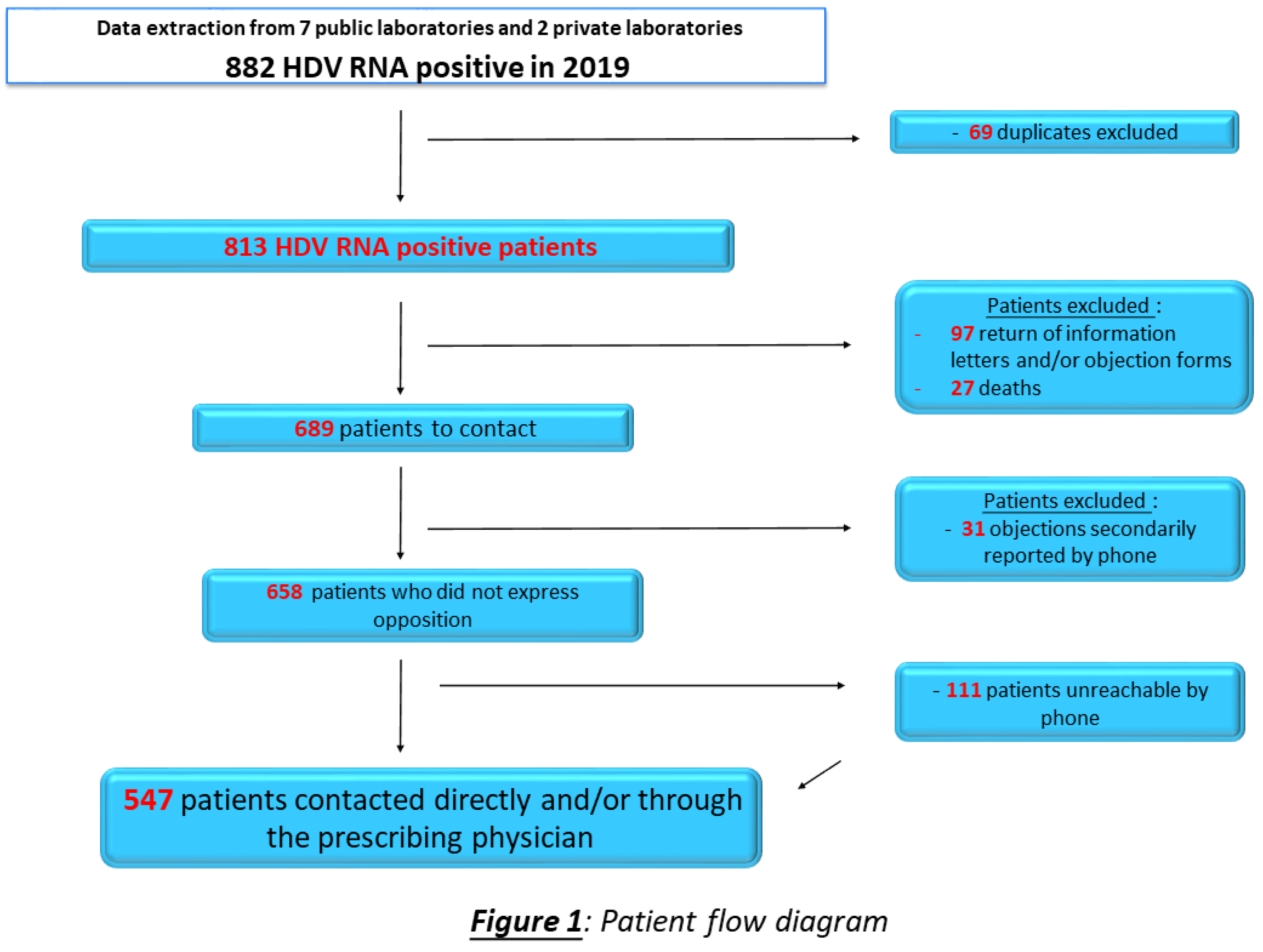
Figure 1.
Figure 1.
Preprints 199641 g001
Figure 2.
Figure 2.
Preprints 199641 g002
Figure 3.
Figure 3.
Preprints 199641 g003
Figure 4.
Figure 4.
Preprints 199641 g004
Figure 5.
Figure 5.
Preprints 199641 g005
Figure 6.
Figure 6.
Preprints 199641 g006
Figure 7.
Figure 7.
Preprints 199641 g007
Figure 8.
Figure 8.
Preprints 199641 g008
Figure 9.
Figure 9.
Preprints 199641 g009
Figure 10.
Figure 10.
Preprints 199641 g010
Figure 11.
Figure 11.
Preprints 199641 g011
Table 1. Data collected.
  • Place of birth
  • Date of their delta infection diagnosis
  • HCV and or HIV coinfection
  • General practitioner or specialist primarily responsible for the patient’s care
  • Level of fibrosis
  • Method of fibrosis assessment: Fibroscan®, liver biopsy, biological non-invasive tests
  • Complications of hepatitis delta
  • HDV RNA and HBV DNA status at the time of the questionnaire
  • HBV treatment history
  • HDV treatment history
Table 2. Complications as reported by patients.
Complications reported by patients
N=67
(%) Number
Ascites
Hepatorenal syndrome
Esophageal varices
Gastrointestinal bleeding
Portal hypertension
16.4% (11)
1.4% (1)
29.8% (20)
4.4% (3)
15.9% (10)
Hyperbilirubinemia
Cirrhosis decompensation
Fulminant hepatitis
7.4% (5)
4.4% (3)
1.4% (1)
HCC 28.3% (19)
Disclaimer/Publisher’s Note: The statements, opinions and data contained in all publications are solely those of the individual author(s) and contributor(s) and not of MDPI and/or the editor(s). MDPI and/or the editor(s) disclaim responsibility for any injury to people or property resulting from any ideas, methods, instructions or products referred to in the content.
Copyright: This open access article is published under a Creative Commons CC BY 4.0 license, which permit the free download, distribution, and reuse, provided that the author and preprint are cited in any reuse.