

Submitted:
23 February 2026
Posted:
26 February 2026
You are already at the latest version
Abstract
Sub-Saharan Africa (SSA) possesses over 30 percent of the world's natural resources but accounts for only a small percentage of global trade. This discrepancy is significantly influenced by an over-reliance on exporting unprocessed commodities and persistent technological, logistical, political, and economic challenges. This study investigates the impact of inadequate supply chain digitalization on SSA's integration into global trade, emphasizing global economy implications, operational efficiency, and sustainability. Employing a sequential explanatory mixed-method methodology, the research combines panel-data regression analysis with a systematic literature review (SLR) to evaluate how digitalization affects export performance, trade openness, and export diversification across SSA economies. Results indicate that while digital adoption is the primary driver of export performance, its impact is inconsistent, hindered by fragmented data, skill gaps, and poor institutional preparedness. The findings suggest that infrastructure-led digital initiatives fail without concurrent human capital development and governance reform. Academically, the research advances understanding of digital trade in developing contexts; for practitioners, it highlights the need for focused, rather than blanket, digital adoption; and for policymakers, it highlights the necessity of prioritizing institutional readiness over infrastructure alone to enhance competitiveness and economic diversification.
Keywords:
supply chain digitalization
; global trade
; Sub-Saharan Africa
; global value chain
; mixed-method research
1. Introduction
SSA’s contribution to global trade is not commensurate with its enormous endowments, particularly its vast natural resources. Moreover, Africa as a continent is known to possess over 30 percent of the world’s natural resources (Boafo et al., 2024; Tsopmo et al., 2024; Nachum et al., 2023). Despite possessing immense reserves of oil, gas, minerals, and agricultural products, the region accounts for only a small percentage of total world trade. This discrepancy is largely attributed to an over-reliance on exporting unprocessed commodities, along with significant technological, logistical, political, and economic challenges. Notwithstanding, the SSA region has in recent years made notable progress in leveraging its natural resources and better integrating into the global trade system. These efforts are driven by large-scale initiatives from organizations such as Africa Continental Free Trade Area (AfCFTA), Single African Air Transport Market, African Development Bank (AfDB), United Nations and international partnerships with China and the European Union (EU). Even as governance practices improve in a few corridors, technological hurdles persist, impeding the full digitalization of supply chains and integration into global trade. Key challenges include inadequate digital infrastructure, poor data integration, and a workforce skill gap. An effective digital supply chain requires robust, reliable connectivity. There is an apparent lack of foundational infrastructure, creating significant obstacles to digitalization. For many developing economies, the costs associated with adopting modern supply chain technologies are often prohibitive. Seamless, real-time data flow is essential for digital supply chains but is challenging to achieve due to disparate systems and protocols. Even with the right technology, human and regulatory factors can impede digitalization efforts.
The impact of insufficient supply chain digitalization on global trade is worth investigating for a variety of complex reasons including global economy and trade; operational efficiency; and sustainability. The gap in digitalization is a key reason SSA struggles to participate meaningfully in global supply chains (Kuteyi & Winkler, 2022), depriving it of economic growth and diversification. Digital technologies offer SSA countries the opportunity to shift from exporting unprocessed raw materials to creating high-value products, thereby strengthening their economies. Implementing digital tools, including mobile payments and electronic customs processes, can enhance the flow of goods and boost trade across Africa (Ricci et al., 2025), aligning with the AfCFTA’s goals. And moreover, greater digital integration and improved trade facilitation can make Africa a more attractive destination for global companies looking to diversify their supply chains. The pursuit of greater operational efficiency also serves as a motivating factor for this research. Digital tools can reduce excessive port delays, minimize inventory, and cut overall logistics costs, which are currently higher for SSA businesses. Furthermore, the ability to monitor and respond quickly to disruptions is vital in an increasingly volatile global economy, and digitalization is a key factor in building more resilient supply chains. On the sustainability front, digitalizing supply chains can reduce waste, cut the environmental footprint of trade, and help achieve sustainability goals from the perspective of SSA countries. While physical infrastructure such as roads and ports is often lacking, digitalization can help overcome some of these limitations, especially when integrated with access to electricity and digital services.
Recent literature has brought this phenomenon of global interest to the fore; however, more detailed studies are still needed to better address the challenges. By recognizing what is missing or insufficient in the current literature, researchers can formulate research questions and hypotheses that aim to fill these gaps and contribute to the advancement of knowledge (Srinivas et al., 2023). Obvious gaps include a lack of recent and comprehensive data, the disparity between theory and practice, the impact on global trade, and specific sectoral impacts.
There’s a need for more up-to-date information and detailed studies on the state of digitalization and supply chain practices in SSA, as existing reviews may not capture the current landscape adequately. The practical application of digitally driven supply chain theory is lagging within the SSA context. Research has yet to sufficiently explore the specific connection between digital deficiencies in SSA’s supply chains and their consequences for global trade flows and economic integration. Moreover, there’s limited research on how insufficient digitalization specifically affects the performance of various sectors within SSA’s economy (e.g., agriculture, manufacturing, oil & gas, mining) and their competitiveness in global markets.
Employing a mixed-method research approach, this research systematically aggregates quantitative data from empirical studies to evaluate the impact of insufficient supply chain digitalization in SSA on its integration into global value chains. Specifically, it quantifies how deficiencies in digital infrastructure, data integration, and labor skills in SSA affect global trade outcomes.
2. Literature Review
2.1. Sub-Saharan Africa
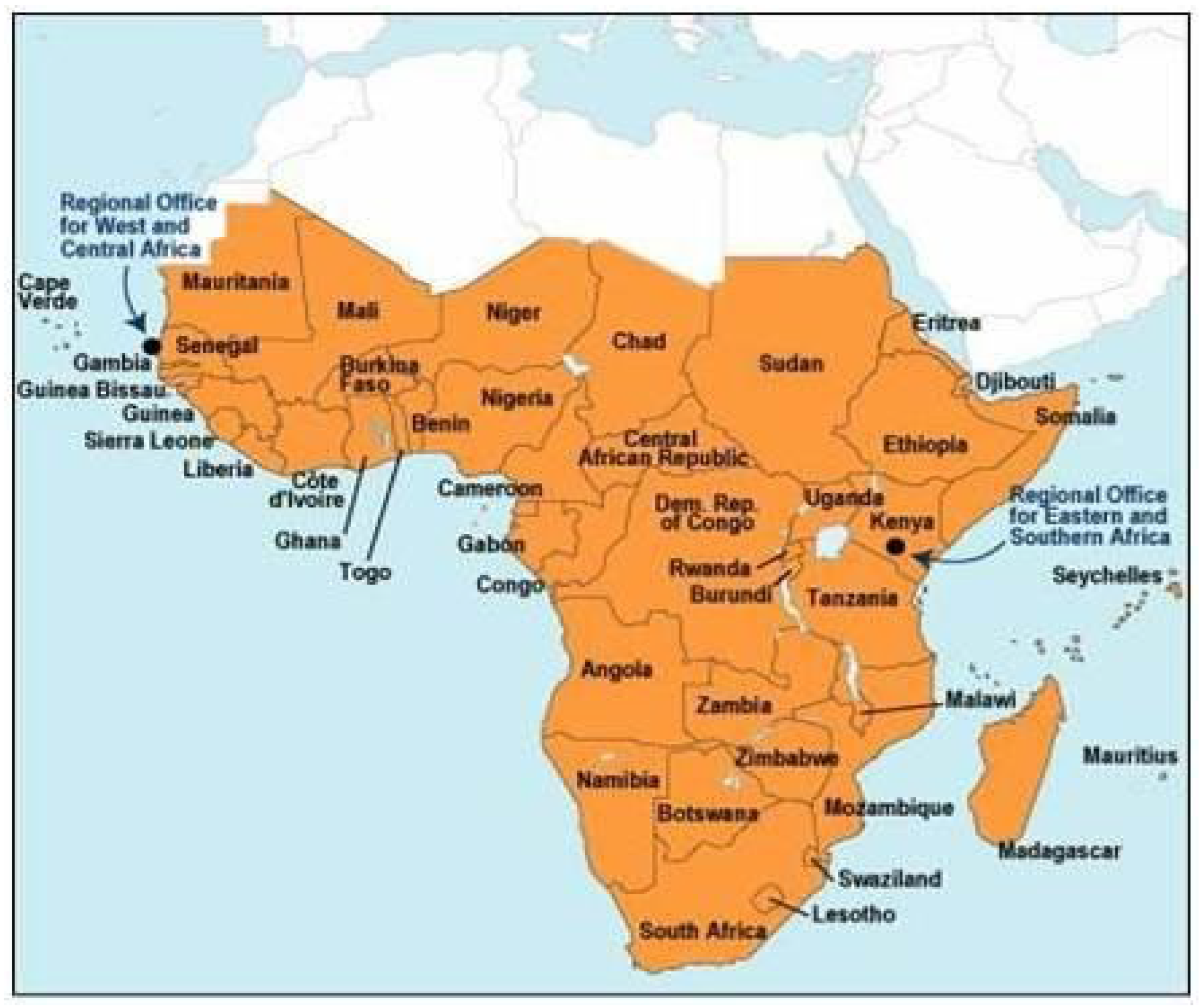
SSA comprises 48 nations south of the Sahara Desert, representing a highly diverse region in terms of geography, culture, and economic structures. The region is richly endowed with natural resources, accounting for over 30% of global mineral deposits (Boafo et al., 2024; Tsopmo et al., 2024) and has a predominantly young population, with a median age of just 18.6 years. This demographic structure offers significant potential for labor-driven growth but also underscores the urgent need for employment and education investments to harness the region’s demographic dividend.
Geographically, SSA spans multiple climatic zones, from arid Sahel regions to equatorial forests and savannas supporting a wide range of economic activities including agriculture, mining, and manufacturing. However, despite its abundant natural wealth, the region’s economies remain heavily dependent on exports of raw commodities such as crude oil, gold, and agricultural products (IMF, 2020). This overreliance on unprocessed exports limits value addition and weakens international trade competitiveness.
Nevertheless, SSA’s long-term potential remains strong. Growing investments by entities such as the African Development Bank (AfDB), China’s Belt and Road Initiative, and the European Union’s Global Gateway highlight increasing global recognition of the region’s strategic importance (Kere & Zongo, 2023). The paradox, “immense resource wealth yet limited trade participation” underscores the need for deeper exploration into the structural and technological bottlenecks holding back the region’s trade performance.
Figure 1.
Map of Sub-Saharan Africa.
2.2. Global Trade in the Sub-Saharan Africa Context
International trade in this region remains significantly underutilized, constituting less than 3% of global trade despite abundant natural resource endowments (IMF, 2021). Structural challenges in the form of fragmented markets, poor infrastructure, and limited industrial diversification remain competitive weaknesses. While the AfCFTA aims to foster intra-African trade and global integration, empirical research highlights how inefficiencies in logistics and customs clearance significantly diminish expected economic gains (Arvis et al., 2023). Studies confirm that digitalization helps decisively reduce these deficits in trade. Export performance in SSA countries is positively helped by diffusion of ICT, not least internet access and mobile payments (Kere & Zongo, 2023). Similarly, research by Gikonyo and Sichilima (2017) demonstrated that Kenya’s Electronic Single Window achieved impressive reductions in procedural steps and cargo clearance durations, translating into visible benefits for trade. Chung, Cha, and Lee (2023) noted that while the Automated Systems for Customs Data (ASYCUDA) improved Cameroon’s customs transparency and speed, its adoption faced setbacks from labor force and governance obstacles.
International trade facilitation programs have come to be evaluated in terms of tariff equivalence more often these days. Wassie, Kornher, and Zaki (2025) demonstrate that implementing digital trade facilitation measures such as paperless, single-window systems can function as a tariff reduction of several percentage points, thereby enhancing the competitiveness of African products. Similarly, Ollivier, Sahu and Saragiotis (2024) provide evidence based on Port Community Systems, which reduced dwell times and transactional expenses, establishing the direct relationship between digital systems and competitiveness in trade.

Table 1.
Supporting Literature of Global Trade and SSA.
| TITLE | SOURCE |
| Digital technologies and intra-African trade | (Kere & Zongo, 2023) |
| Revisiting trade facilitation measures’ impact in Africa | (Wassie, Kornher, & Zaki, 2025) |
| Opening Opportunities: Kenya’s Electronic Single Window | (Gikonyo & Sichilima, 2017) |
| Impact on Trade and Industry: Port Community Systems | (Ollivier, Sahu, & Saragiotis, 2024) |
| What drives and hinders new e-Customs system adoption in SSA? | (Chung, Cha, & Lee, 2023) |
| Connecting to Compete 2023: Trade Logistics in an Uncertain Global Economy (Logistics Performance Index Report) | (World Bank, 2023; Ojala, 2023) |
| The Macroeconomic Impacts of Digitalization in Sub-Saharan Africa: Evidence from Submarine Cables. | (Simione & Li, 2021) |
2.3. Digitalization of SSA’s Supply Chain
Digitalization of supply chains has been one of the significant drivers of trade facilitation. In SSA, digitalization influences international trade in terms of lower transactional costs, less time taken to clear, and less uncertainty, while improving transparency and speeding up efficiency. The magnitude of such influences is estimated by elasticity-based models Kere and Zongo (2023) and historical prior–after evidence Gikonyo and Sichilima (2017). However, despite great advances in Kenya and Cameroon, poor digitalization makes it an uphill battle across much of SSA. Research warns on multiple dimensional supply chains digitalization impediments. Firstly, inadequate digital infrastructure continues to hinder smooth connectivity across ports and customs stations, leading to delays Ollivier, Sahu, and Saragiotis (2024). For instance, Gikonyo and Sichilima (2017) document that in Kenya, adoption of the National Electronic Single Window (KNESWS) reduced customs clearance time by 32% and cargo dwell time by 39% between 2011 and 2018. Similarly, the TradeMark Africa (2020) report, published by the organization as institutional author, shows that along key East African corridors, average clearing time per transaction dropped by about 3.2 days following the adoption of digital trade portals. Secondly, inadequate integration of information across disparate systems impedes real-time information sharing and lowers trade process efficiency. For example, Gikonyo and Sichilima (2017) revealed that in Kenya, improvements in customs-system integration were associated with a 32% decline in clearance time and a 39% drop in cargo dwell time. More broadly, Kere and Zongo (2023) posited that a 10% improvement in ICT infrastructure in African countries is associated with a roughly 5% increase in intra-African trade flows, suggesting that better system integration contributes materially to trade performance. Thirdly, labor force skills gaps persist, as many officials and supply chain personnel lack the technical expertise needed to operate, troubleshoot, and maintain modern digital systems (Chung et al., 2023). Bhorat et al. (2023) documented substantial digital skills deficits across multiple African countries, with workers often unable to meet the competencies required for digital roles. The report by Kizito et al. (2023) from the World Bank Group, Demand for Digital Skills in SSA, further points out that one of the principal constraints is the shortage of skilled trainers and alignment between educational curricula and industry needs, aggravating the mismatch in supply and demand of digital skills. Consequently, the majority of graduates from various programs are more equipped and inspired to seek managerial or public sector administrative opportunities. This comes at the expense of exploring technical, system-oriented, and entrepreneurial fields, which hold the majority of opportunities to drive trade activities. Fourthly, governance gaps, particularly corruption and the absence of regulatory convergence continue to undermine the successful exploitation of digital systems. Chung et al. (2023) posited that corruption and fragmented oversight often delay or distort the deployment of e-customs platforms in SSA. To further amplify, Kogueda and Engama (2024) provided cross-country evidence that higher corruption intensity is associated with a 10 to 15% decline in the adoption of digital public governance indices, demonstrating how weak governance directly slows digital uptake. Similarly, Ouedraogo and Sy (2020) revealed that while digitalization in Africa can reduce perceived corruption in tax administration by about 4 percent, the benefits are often diluted in environments where governments fail to enforce anti-corruption measures consistently, thereby allowing vested interests to take advantage of regulatory loopholes. These findings highlight how governance weaknesses compound infrastructural and skills gaps, leaving digital trade reforms only partially effective across SSA. Lastly, financial constraints, particularly the high upfront costs of implementing and maintaining digital reforms significantly exacerbate supply chain inefficiencies across SSA. Wassie, Kornher, and Zaki (2025) estimated that each one-day customs delay is equivalent to imposing a 0.9% tariff on traded goods, which disproportionately burdens African exporters competing in global markets. Their counterfactual analysis further shows that if trade delays were halved through better investment in digital systems, Africa’s exports could rise by 30.2% and imports by 12.7%, clearly demonstrating how the lack of sustained financing for digital reforms directly constrains trade potential and weakens SSA’s integration into global value chains. Empirical evidence shows that, after these handicaps have been removed, trade benefits are significant. Port Community Systems reduce cargo dwell times (Ollivier et al., 2024), and single windows reduce customs clearance complications (Gikonyo & Sichilima, 2017). However, in the absence of robust infrastructure, governance, and capabilities, these advantages remain uneven across SSA.
Table 2.
Dimensionalities of Supply Chain Digitalization in SSA.
| DIMENSION | TITLE | SOURCE |
| Insufficient digital infrastructure | Impact on Trade and Industry: Port Community Systems; Opening Opportunities: Kenya’s Electronic Single Window; Single Window Information for Trade (SWIFT) Portals | (Ollivier, Sahu, & Saragiotis, 2024; Gikonyo & Sichilima, 2017; TradeMark Africa, 2020) |
| Poor data integration | Opening Opportunities: Kenya’s Electronic Single Window; Digital technologies and intra-African trade | (Gikonyo & Sichilima, 2017; Kere & Zongo, 2023) |
| Skills gap in the workforce | What causes and impedes new e-Customs systems’ deployment in SSA?; Digitalization and digital skills gaps in Africa: An empirical profile; Demand for digital skills in Sub-Saharan Africa | (Chung, Cha, & Lee, 2023; Bhorat, et al., 2023; Kizito, et al., 2023) |
| Governance | What drives and hinders new e-Customs system adoption in SSA?; Digital public governance and corruption: Analysis of a two-way relationship in Africa; Can digitalization help deter corruption in Africa? | (Chung, Cha, & Lee, 2023; Kogueda & Engama, 2024; Ouedraogo & Sy, 2020) |
| Facilitation of digital trade | Revisiting trade facilitation measures’ impact in Africa | (Wassie, Kornher, & Zaki, 2025) |
| ICT and export performance | The macroeconomic impacts of digitalization in Sub-Saharan Africa: Evidence from submarine cables; Digital technologies and intra-African trade | (Simione & Li, 2021; Kere & Zongo, 2023) |
Evidence suggests that limited supply chain digitalization is a major barrier to SSA’s participation in global trade. While empirical data confirms that digital reforms such as e-customs, port community systems, and single windows systematically reduce costs and delays, adoption remains inconsistent. SSA’s future potential to leverage its abundant resources and young workforce hinges significantly on closing digital infrastructure gaps, consolidating governance, and enhancing digital skills. Bridging these areas could enable SSA not only to increase its share of global trade, but also to emerge as a key player in 21st-century value chains.
2.4. Gap Analysis
SSA continues to have significant conceptual and experience gaps, despite the fact that the research now in publication acknowledges digitalization as a major driver of trade performance. Data harmonization is still lacking, and digital growth is unequal within the region. According to Beyene et al. (2024), cross-country comparability is limited by fragmented digital development indices. Malawi, Niger, and the Democratic Republic of the Congo (DRC) are among the nations that still mostly rely on manual procedures, although Kenya and Ghana have computerized customs databases. Across national boundaries, logistics officers in landlocked economies describe shipment monitoring difficulties that lead to cargo losses, redundant clearances, and interrupted data continuity. The evidence base for successful digital trade policy is weakened by these discrepancies, which also limit empirical analysis.
Despite national e-customs strategies and policy pledges made within regional frameworks such as the African Continental Free Trade Area (AfCFTA), execution frequently falls short of aspirations (Ebrahim et al., 2024). Frequent power outages and technological failures force freight forwarders in important corridors, such as Lagos-Abidjan and Mombasa-Kigali, to temporarily switch back to paper-based procedures. Even in cases when single-window platforms are operational, customs brokers in Tema and Dar es Salaam draw attention to institutional barriers between port authorities, revenue agencies, and freight operators. Although quantitative studies (Olakunle, 2023; Mumin et al., 2024) show a favorable correlation between ICT dissemination and export growth, they hardly ever measure the direct trade costs resulting from digital shortcomings. A two-day system outage at Mombasa Port, for example, might cause millions of dollars’ worth of cargo delays and increase demurrage fees by up to USD 2,000 per container, losses that are mostly not included in macro trade models. Similarly, few studies monitor how faster clearance times translate into better overall trade performance, despite Ghana’s Integrated Customs Management System and Kenya’s National Electronic Single Window System being hailed as reform triumphs.
Evidence at the sectoral and company levels is still scarce. According to Choruma et al. (2024), SMEs in Zambia and Nigeria cite high ERP costs and erratic connectivity as the main obstacles to adoption, while less than one-third of smallholder farmers use digital platforms to reach markets. Due to operational and regulatory limitations, the DRC’s Mine-to-Market blockchain pilot in the extractive industry was unable to expand; nonetheless, trade models rarely take these sector-specific issues into account. Additionally overlooked are the human and procedural aspects: hybrid manual-digital workflows in ports like Mombasa, Tema, and Durban result in data duplication and accountability gaps, while customs authorities and port employees frequently lack technical expertise and rely on unofficial middlemen. During system outages, clearance delays can last up to 48 hours, demonstrating that issues are as administrative and behavioral as they are technical.
Table 3.
Gap Analysis.
| Gap Area | Experiential Evidence | Implication | References |
| Data Fragmentation | Customs officers in Malawi and Niger still rely on manual recordkeeping; shipment tracking halts at national borders. | Limits cross-country benchmarking and trade policy evaluation. | (Beyene et al., 2024) |
| Policy vs. Practice | Frequent system outages lead freight forwarders to reverting to paper; interoperability issues among agencies. | Demonstrates that digital frameworks outpace operational capacity. | (Ebrahim et al., 2024) |
| Trade Impact Quantification | Delays at Mombasa can add up to USD 2,000 per container in demurrage costs. | Weakens causal links between digitalization and export performance. | (Olakunle, 2023; Mumin et al., 2024) |
| Sectoral Undercoverage | Farmers and SMEs lack affordable digital systems; blockchain traceability pilots remain unscaled. | Reveals uneven digital adoption and persistent sectoral divides. | (Choruma et al., 2024; Addison et al., 2024) |
| Human Factors | Customs and port staff rely on informal support; hybrid manual–digital workflows cause duplication. | Human readiness and procedural capability lag behind technological reforms. | (Chung et al., 2023; Bhorat et al., 2023); |
| Temporal Weakness | Few longitudinal datasets; limited post-implementation monitoring and comparison across economies. | Restricts policy learning, cost recovery, and reform calibration. | (TradeMark Africa, 2020; Kere & Zongo, 2023) |
The reviewed literature and experiential accounts collectively demonstrate that insufficient supply chain digitalization in SSA represents a multidimensional constraint, which is rooted in infrastructural gaps, fragmented data systems, limited human capital, and inconsistent policy execution. Addressing these limitations requires an integrated research approach that combines quantitative analysis of trade outcomes based on the level of supply chain digitalization as well as qualitative research evidence. Bridging these gaps will be crucial for designing effective strategies to strengthen SSA’s participation in global value chains, enhance trade competitiveness, and ensure inclusive digital transformation. Informed by the review of the literature, this research seeks to answer the following two questions:
- 1)
- How does the extent of supply chain digitalization in Sub-Saharan African countries correlate with their overall participation in global trade?
- 2)
- How do Sub-Saharan African countries’ digital skills and regulatory environment interact with supply chain digitalization to affect its export volume and diversification within global markets?
This inquiry will be addressed through a mixed-method research approach, integrating a quantitative analysis on the correlation between supply chain digitalization and global trade performance with a qualitative systematic literature review.
3. Research Methodology
3.1. Research Design
The methodological framework for this study is a sequential explanatory mixed-methods design. Quantitative data will be collected and analyzed first to investigate the relationship between supply chain digitalization and global trade participation in SSA. A subsequent qualitative component, a systematic literature review, will then be conducted to elaborate on and provide a more nuanced interpretation of the initial quantitative results. The research is therefore guided by two primary questions:
RQ1 How does the extent of supply chain digitalization in Sub-Saharan African countries correlate with their overall participation in global trade?
RQ2 How do Sub-Saharan African countries’ digital skills and regulatory environment interact with supply chain digitalization to affect its export volume and diversification within global markets?
In the context of SSA, RQ1 employs a quantitative focus (multiple regression analysis) to investigate the link between supply chain digitalization and global trade participation. Complementarily, RQ2 adopts a qualitative approach (systematic literature review) exploring the interplay of digital skills, the regulatory environment, and supply chain digitalization on export volume and market diversification.
3.2. Theoretical Framework
The research questions were structured using an adapted PICO (Population, Intervention/Exposure, Comparison, Outcome) framework to ensure clarity, focus, and relevance, particularly for the systematic literature review component. While PICO is commonly used in clinical research, its core elements are highly effective for defining the scope of a review in other fields by clearly identifying key concepts. A study by Nishikawa-Pacher (2022) analyzing PICO’s use in research questions found it to be a versatile technique suitable for any field, not just clinical settings.
Table 4.
Application of PICO Framework.
| Element | Description | Application in this Study |
| Population/Problem | The specific group, problem, or context of interest. | Sub-Saharan African countries and their supply chains. |
| Intervention/Exposure | The phenomenon, intervention, or exposure being studied. | Supply chain digitalization |
| Comparison/Context | The alternative, comparison group, or relevant contextual factors. | Digitalized supply chains in other emerging regions. |
| Outcome(s) | The measured outcomes or effects of the intervention/exposure. | Impacts on global trade, growth in export-to-trade ratio, Global trade participation (export volume and diversification) |
The research is further grounded in several theoretical perspectives. In economic systems the network theory analyzes the interrelationship of structures and how they influence economic outcomes and market dynamics. Borgatti and Halgin (2011) concluded that network theorizing is based on the flow model, which typically shows how artifacts flow through a system. Contextually, digitalization facilitates the formation of more efficient and transparent supply chains that will improve connectivity between SSA businesses and global markets. Ronald Coase (1937) and Oliver Williamson’s (1979) transaction costs economics theory prioritizes the costs of economic exchanges over mere prices of goods and services when faced with critical make or buy decisions. This theory is aligned with the total cost of ownership focus. Digital technologies will eventually reduce information asymmetries, search costs, and negotiation costs associated with cross-border trade, making SSA exports more competitive. Finally, the theory of comparative advantage (Ricardo, 1817) uses opportunity cost to analyze production choices, suggesting countries should specialize in and export goods they can produce at a lower opportunity cost than other nations. This means countries will engage in trade by focusing on producing what they are relatively better at, even if another country is better at producing everything. By streamlining logistics and improving efficiency, digitalization can help SSA countries leverage their resource endowments more effectively in the global marketplace.
3.3. Quantitative Data Collection & Sampling
Secondary data will be collected from reputable international sources, including the World Bank WIT’s database, IMF Data Mapper, the United Nations COMTRADE database, the International Telecommunication Union (ITU), and the World Economic Forum. The data points of interest will include several metrics that will capture the dependent, independent, and controlling variables. The table below identifies key metrics.
Table 5.
Operational Definition of Variables.
| Supply Chain Digitalization (Independent Variables) | Operational Definition of Metric |
| Broadband Penetration Rate | Percentage of the population with access to broadband internet, which facilitates digital communication and trade. |
| Information and Communication Technology (ICT) Expenditure | A country’s investment in digital infrastructure. |
| Digital Adoption Index | A composite index that combines multiple indicators of digital infrastructure, skills, and usage. |
| Participation in Global Trade (Dependent Variables) | Operational Definition of Metric |
| Exports to GDP Ratio | Measure a country’s global trade impact, as it indicates the proportion of a country’s total production that is sold to other nations. |
| Trade Openness Index | The ratio of a country’s total trade (exports plus imports) to its gross domestic product (GDP). This is a standard measure of a country’s integration into the global economy. |
| Export Diversification Indices | Measure how a country’s exports are spread across different products compared to a benchmark, such as the global average. A value closer to 0 indicates higher diversification (exports are spread across many products), while a value closer to 1 shows higher concentration (exports are reliant on a few products) |
| Controlling Variables | Operational Definition of Metric |
| Infrastructure Quality | The condition of physical infrastructure like roads, ports, and railways impacts the final leg of logistics |
| Regulatory Environment | Generally referred to as ease of doing business. The efficiency of customs procedures and the overall business environment significantly affect trade costs and times |
| Political Stability Index | A stable political environment is crucial for attracting foreign investment and ensuring consistent trade policies |
| Human Capital | The intangible asset a worker brings to an ecosystem, comprising their education, abilities, skills, experience, and knowledge |
A purposive sample of all 48 recognized SSA countries will be included, providing sufficient data availability for the key variables across the selected period spanning a 20-year range between 2005 to 2024. The period from 2005 to 2024 reflects a highly relevant and potentially better time frame to capture data on indices related to the progressive penetration of global trade by SSA. This timeframe is significant because it encapsulates several distinct economic cycles, major policy shifts, and the evolution of key trade dynamics, offering a comprehensive picture of the region’s integration into the global economy. Furthermore, the 2025 IMF working paper by Abdel-Latif et al. (2025) entitled “Understanding Trade Dynamics in Sub-Saharan Africa,” analyzed a time frame from 1990 to 2022. This period was particularly relevant in the study as it encompasses major economic shocks, significant policy changes like the African Growth and Opportunity Act (AGOA) & AfCFTA, and the rise of digital trade.
Data analysis will be performed using Python programming language and other peripheral statistical tools. A longitudinal quantitative analysis will be performed on the ratio of exports to GDP over the 20-year period from 2005 to 2024. The ratio of exports to GDP measures a country’s global trade impact, as it indicates the proportion of a country’s total production that is sold to other nations. A higher percentage signifies a greater level of economic integration and a stronger reliance on international trade. It measures the level of trade, showing how much a country produces for export rather than for domestic consumption. It is different from a country’s trade balance, which measures the difference between total exports and imports. The measure is calculated by dividing a country’s total value of exports by its GDP. An aggregate level calculation of the exports to GDP ratio in SSA can be achieved by dividing the total regional export value by the total regional GDP, as demonstrated in the formula below.
Aggregate Export to GDP Ratio =
Furthermore, multiple regression analysis will allow for the examination of how the independent variable (supply chain digitalization) predicts the dependent variables of global trade participation, while controlling other factors such the GDP per capita and population size.
3.4. Systematic Literature Review
To better interpret the quantitative findings (RQ1) and the interplay between digital skills and regulatory environments (RQ2), a systematic literature review will be conducted in the second phase, offering deeper, context-specific insights.
3.4.1. Search Strategy and Data Sources
The SLR will follow a rigorous, transparent protocol to ensure reproducibility.
- Databases: Searches will be conducted across academic databases including Scopus, Web of Science, PubMed, and relevant grey literature sources.
- Keywords: The PICO framework will guide the search terms, combining elements such as (“Sub-Saharan Africa” OR SSA) AND (“supply chain digitalization” OR “e-logistics”) AND (“global trade” OR “export volume”) AND (“digital skills” OR “regulation”).
- Screening: Search results will be screened against pre-defined inclusion and exclusion criteria based on relevance to the research questions, study design, and geographical focus. descriptive information regarding the barriers and facilitators of digitalization within SSA countries’ trade ecosystems. A thematic analysis will be conducted on the extracted qualitative data to identify recurring themes related to digital skills gaps and regulatory
3.4.2. Data Extraction and Synthesis
- Data will be extracted from included studies focusing on qualitative insights, case studies, and challenges/opportunities. These themes will be used to contextualize the regression results, helping explain why certain correlations or interaction effects were observed in the quantitative phase.
3.5. Research Hypotheses
To address the research questions in the backdrop of the theoretical framework, two testable hypotheses are crafted:
H1: Lower levels of supply chain digitalization in Sub-Saharan African countries are negatively associated with their integration and participation in global trade.
H2: The impact of low supply chain digitalization on Sub-Saharan African export performance is exacerbated by deficiencies in digital skills and a lack of supportive regulatory frameworks.
By testing these relationships while controlling external factors, the study aims to provide empirical evidence for the strategic importance of digitalization in fostering economic integration and growth in SSA. Furthermore, the integration of the quantitative regression analysis and the qualitative SLR will occur during the interpretation and discussion phases of the study. The quantitative results will first establish correlations effects. The themes from the SLR will then be used to provide nuanced, practice-based explanations for these statistical observations, thereby achieving a deeper understanding of the complex interplay of factors affecting global trade participation. This approach ensures that the rationale of the phenomena is addressed by leveraging the strengths of both methodologies.
4. Research Analysis & Results
The quantitative phase of the analysis made use of a longitudinal dataset from credible international sources as previously stated. The dataset covered 48 SSA countries between 2005 and 2024. Tableau was used to depict cross-sectional patterns, time-series trends, and descriptive statistics at the national and regional levels, while Python (Google Colab) was utilized for data processing, cleaning, and multiple regression modeling with heteroskedasticity-robust standard errors. In order to find statistically significant associations at the national and regional levels, the analysis looked at developments in export-to-GDP ratios, trade openness, and export diversification in addition to digitalization indices.
A systematic literature review of 163 peer-reviewed articles, institutional reports, policy studies, and grey literature from institutions like the World Bank, IMF, and TradeMark Africa that were retrieved from Scopus, Web of Science, and PubMed and published between 2005 and 2024 was used in the qualitative phase. The search, screening, and selection process was led by a modified PICO framework to guarantee relevance to digital skills, supply chain digitalization, regulatory settings, and trade performance in SSA. Successful digital commerce outcomes are shaped by recurring institutional, structural, and human capital-related mechanisms that were consolidated through thematic analysis. Both the advantages and disadvantages of digitalization in SSA’s global trade environment are made clear by these qualitative insights, which put the quantitative results in context, especially when investments in digital infrastructure do not always result in better trade performance.
4.1. Quantitative Analysis
Because digitalization is complex and there isn’t a single, standardized metric, a mix of observable indicators and composite proxies were used. Transparency, cross-country comparability, and comprehensive yearly coverage from 2005 to 2024 across 48 SSA nations are guaranteed by the methodology. Subsequent descriptive and regression analyses that relate digitalization to trade participation, export intensity, and diversification are based on this empirical design.
Digitalization is captured through three complementary measures: Broadband Penetration Rate, ICT Expenditure Proxy (ICX), and Digital Adoption Proxy (DAP). By distinguishing between adoption efficiency, investment capacity, and access, these proxies guarantee a sophisticated operationalization of supply chain digitization.
- Broadband Penetration Rate—This observable indicator uses fixed broadband subscriptions per 100 people to quantify baseline digital connection (WDI: IT.NET.BBND.P2). It represents the infrastructure required for real-time logistics, port community systems, and electronic customs platforms. Rather than being a direct indicator of digital efficacy, broadband penetration is viewed as an enabling condition.
- ICT Expenditure Proxy (ICX)—Since there are irregularities in direct measurements of ICT spending in SSA, ICX was built using WDI variables that stand for ICT adoption, infrastructure, and sectoral orientation. To create the composite ICX index, components are averaged and min-max normalized annually (0–1); higher values reflect increased ICT participation and investment.
- Digital Adoption Proxy (DAP)—DAP measures operational maturity, security readiness, and adoption at the institutional and population levels. A composite index (0–1) is calculated by averaging the components each year, with higher values denoting increased operational maturity, security readiness, and digital adoption.
Table 6.
ICX Proxy.
| Component | WDI code | Interpretation |
| Mobile cellular subscriptions (per 100 people) | IT.CEL.SETS.P2 | Infrastructure availability and market scale |
| Individuals using the Internet (% of population) | IT.NET.USER.ZS | Adoption and usage intensity |
| ICT service exports (% of service exports, BoP) | BX.GSR.CCIS.ZS | External ICT trade and sectoral development |
Table 7.
DAP Proxy.
| Component | WDI code | Aspect |
| Individuals using Internet (% pop) | IT.NET.USER.ZS | Digital usage |
| Fixed broadband subscriptions (per 100) | IT.NET.BBND.P2 | Infrastructure quality |
| Mobile cellular subscriptions (per 100) | IT.CEL.SETS.P2 | Access and diffusion |
| Secure Internet servers (per 1 million) | IT.NET.SECR.P6 | Digital security and transactional readiness |
| ICT goods imports (% total imports) | TX.VAL.ICTG.ZS.UN | Technology diffusion |
Python was used to process and download all indications programmatically in order to guarantee consistency and reproducibility. A balanced longitudinal panel dataset of 48 SSA nations spanning 20 years (2005-2024) was created using the normalized proxies, enabling descriptive trend analysis and regression-based inference. Based on WDI, WITS, UN COMTRADE, and UNCTAD indicators, trade openness (imports + exports relative to GDP), export diversification, and the exports-to-GDP ratio were used to measure trade participation. This approach makes it possible to analyze the relationships between export intensity, structural diversification, and general integration into international markets and the many facets of digitalization-access, investment capacity, and adoption.
4.1.1. Descriptive Analysis
This section provides descriptive data on export composition, digitization trends, and trade participation throughout SSA from 2005 to 2024. Before regression modeling, the analysis looks at regional trends, cross-country dispersion, and bivariate relationships between digitalization indicators and trade outcomes using Tableau-based visual analytics.
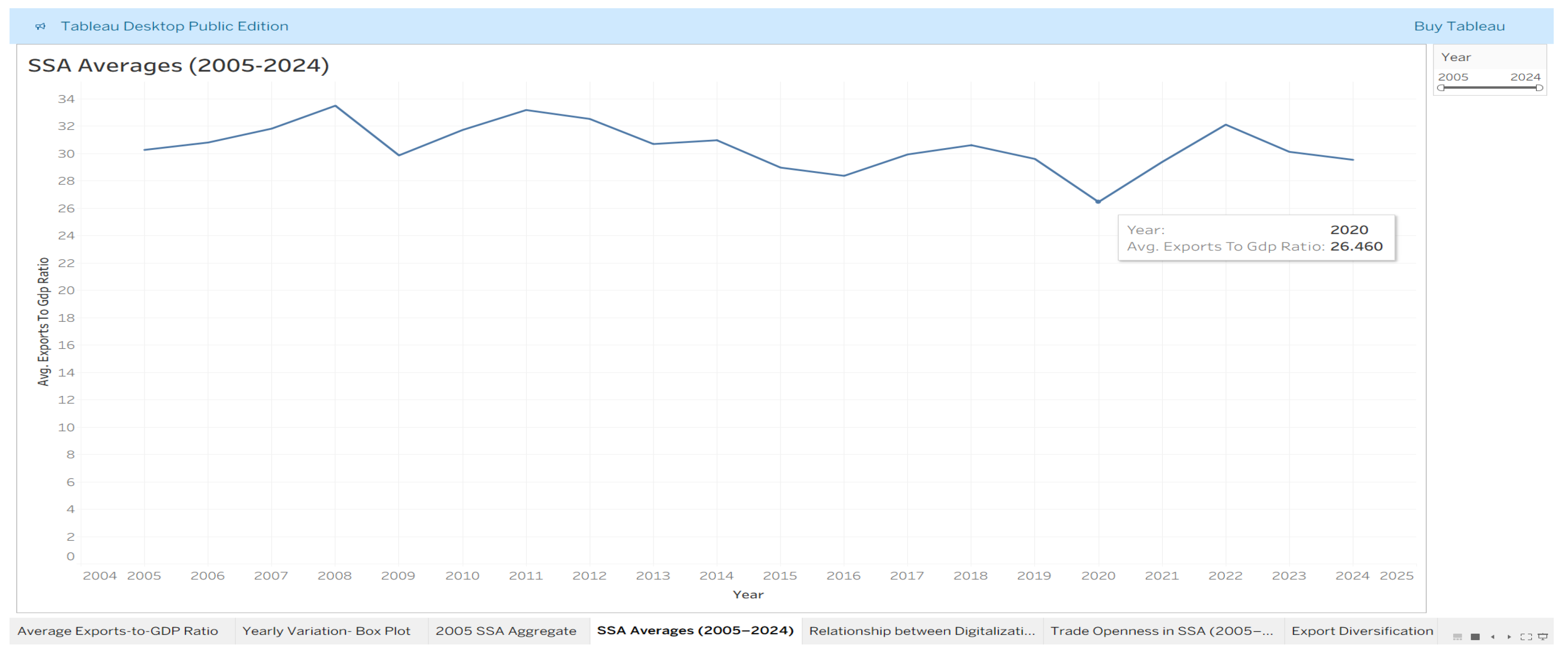
Over the past 20 years, SSA’s exports-to-GDP ratio has shown a cyclical and erratic trajectory rather than a steady increasing trend, according to regional averages as indicated in Figure 2, Figure 4 and Figure 5. Before falling during the 2015–2016 decline in commodity prices, export intensity rose in the late 2000s and early 2010s, coinciding with favorable global commodity prices and the post–global financial crisis recovery. Due to COVID-19-related trade interruptions, a further severe contraction is seen in 2020, and there is only a partial recovery through 2024. All things considered, these patterns indicate that SSA’s export performance is still quite vulnerable to outside shocks and has not attained long-term structural integration into international trade.
Figure 2.
Average Exports-to-GDP Ratio (2005–2024).
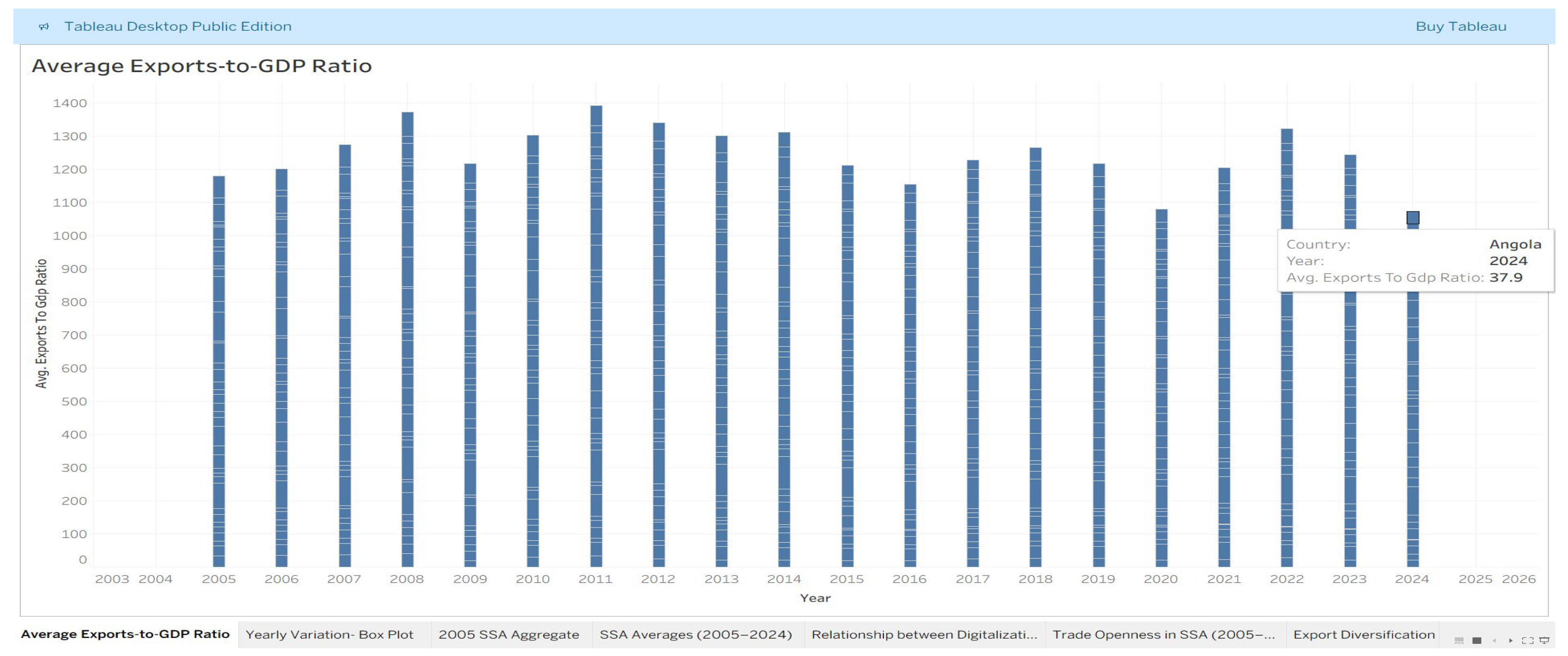
Figure 3.
Yearly Variation in Export-to-GDP Ratio (Box Plot, 2005–2024).
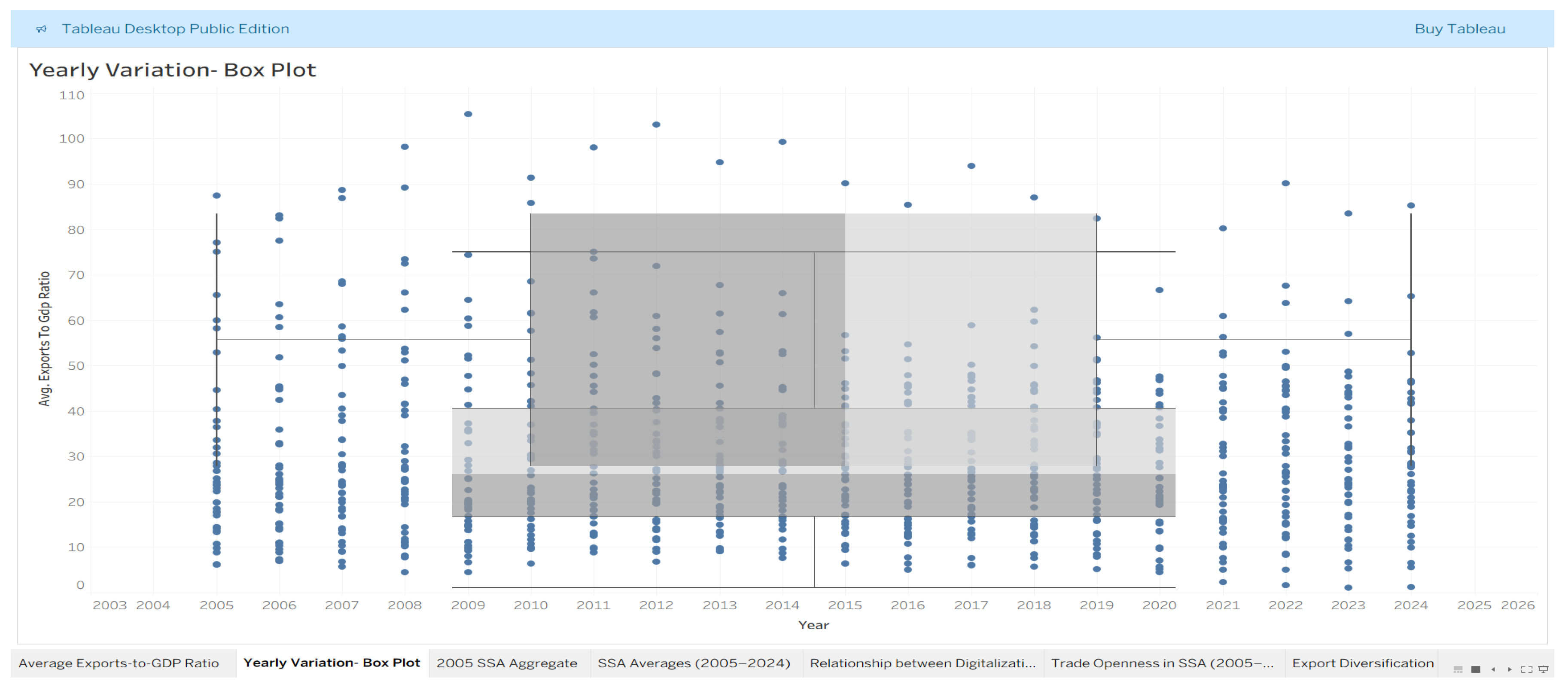
Figure 4.
2005 SSA Aggregate (Average Exports-to-GDP Ratio).
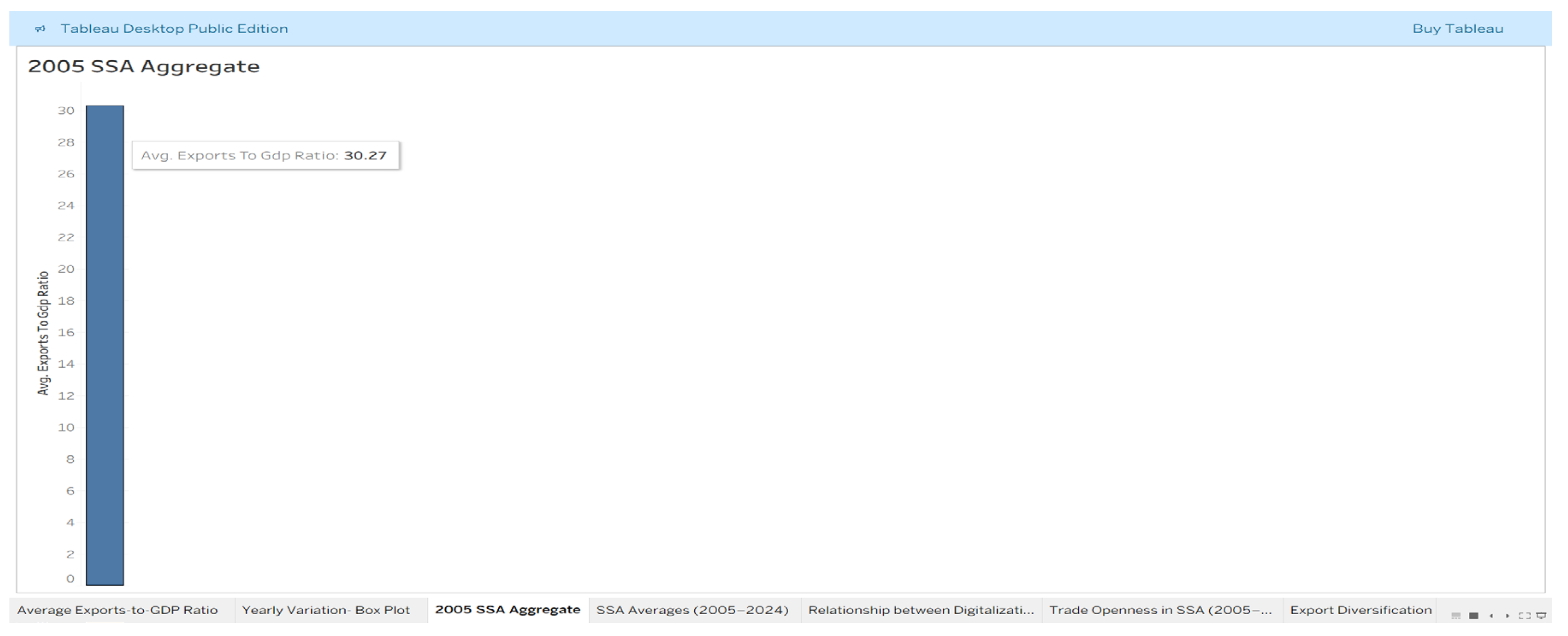
Figure 5.
SSA Averages (2005–2024).
Over the course of the study, there was significant variation in export success among SSA nations as indicated in Figure 3. Box-plot distributions show persistent outliers and large interquartile ranges, indicating the coexistence of nations with extremely low export intensity and economies that are heavily dependent on exports. Concerns regarding unequal involvement in international markets are further supported by the slow decline in the median exports-to-GDP ratio from the early 2010s, which shows that the average SSA economy has seen a decrease in export dependency compared to GDP.
The trade openness indicator exhibits comparable volatility as indicated in Figure 6. Trade openness increased from 2005 to 2011, decreased until the mid-2010s, and then somewhat increased once global supply chains reopened after 2020. However, there is no noticeable long-term rising trend, suggesting that improvements in trade integration have not been firmly established and are still susceptible to changes in global demand and logistical challenges.
The export diversification index analysis reveals little structural change throughout the region as indicated in Figure 7 and Figure 8. Due to their ongoing reliance on a limited range of key commodities including oil, minerals, and agricultural items, the majority of SSA economies are still concentrated at relatively high levels. The slow and unequal pace of diversification throughout the region is shown by regional averages that show only slight change between 2005 and 2024, even while a small number of nations display more diverse export structures in specific years.
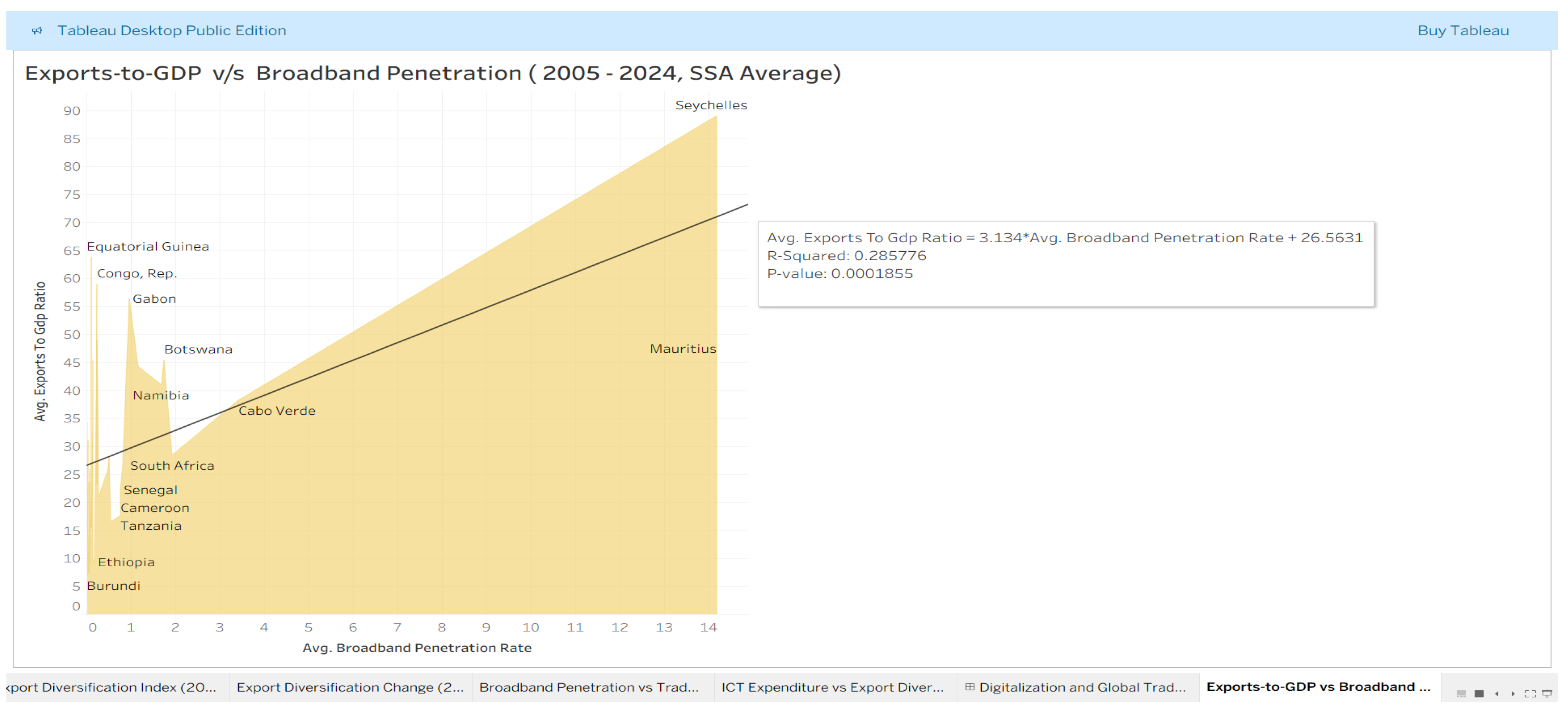
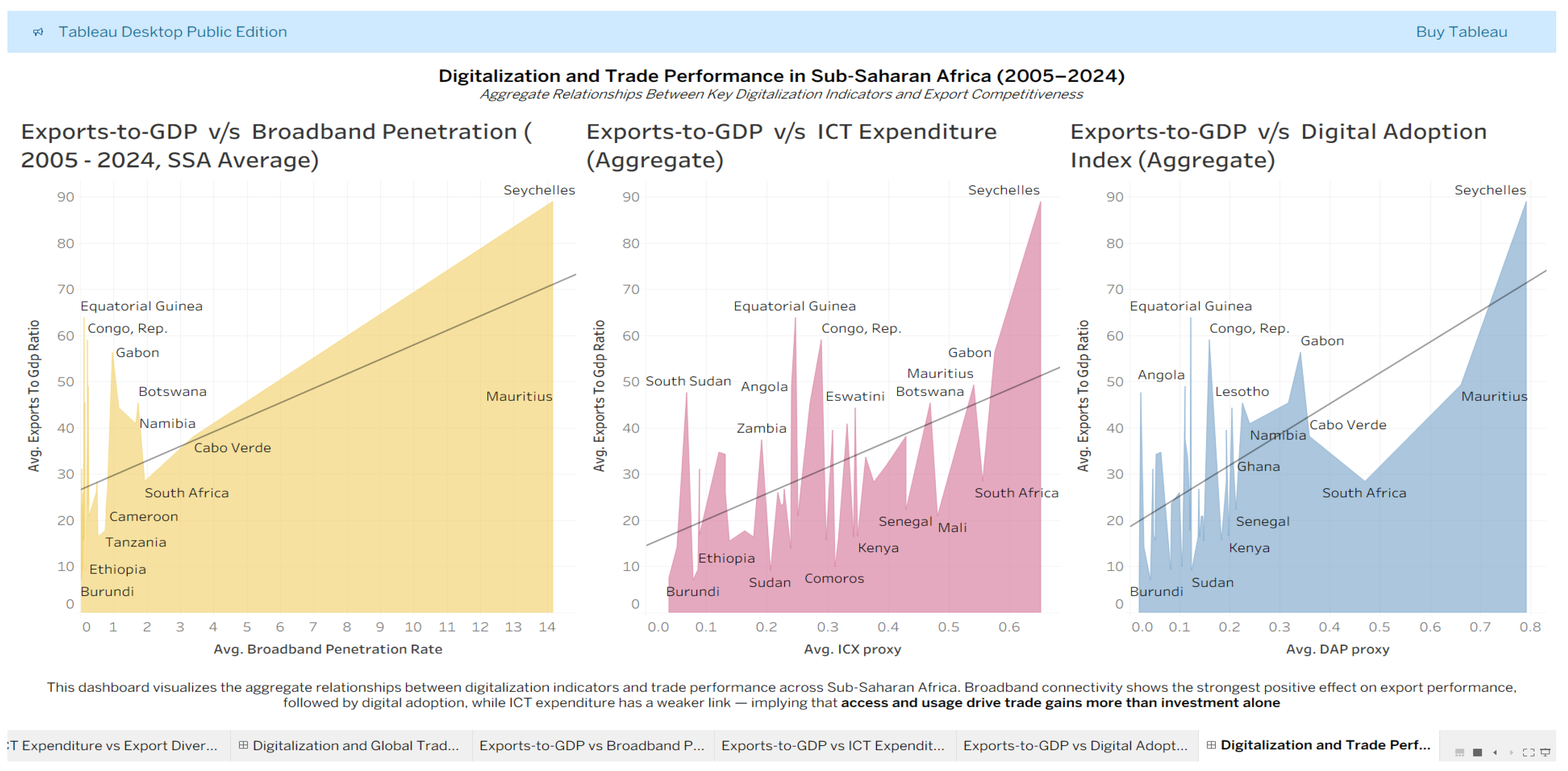
A descriptive analysis of digitalization metrics finds significant heterogeneity amongst SSA nations, which is consistent with reported variations in trade outcomes. Although the strength of these interactions varies each dimension, bivariate visualizations indicate favorable correlations between digitalization and trade performance. When averaged throughout the whole study period, broadband penetration clearly positively correlates with exports-to-GDP ratios as indicated in Figure 10 and with trade openness in the post-2020 timeframe shown in Figure 9. Stronger trade integration is consistently shown by nations with greater broadband access, such as South Africa, Mauritius, and the Seychelles, while those with poor connectivity tend to cluster at the lower end of both metrics.
Figure 9.
Broadband Penetration vs Trade Openness (2020–2024).
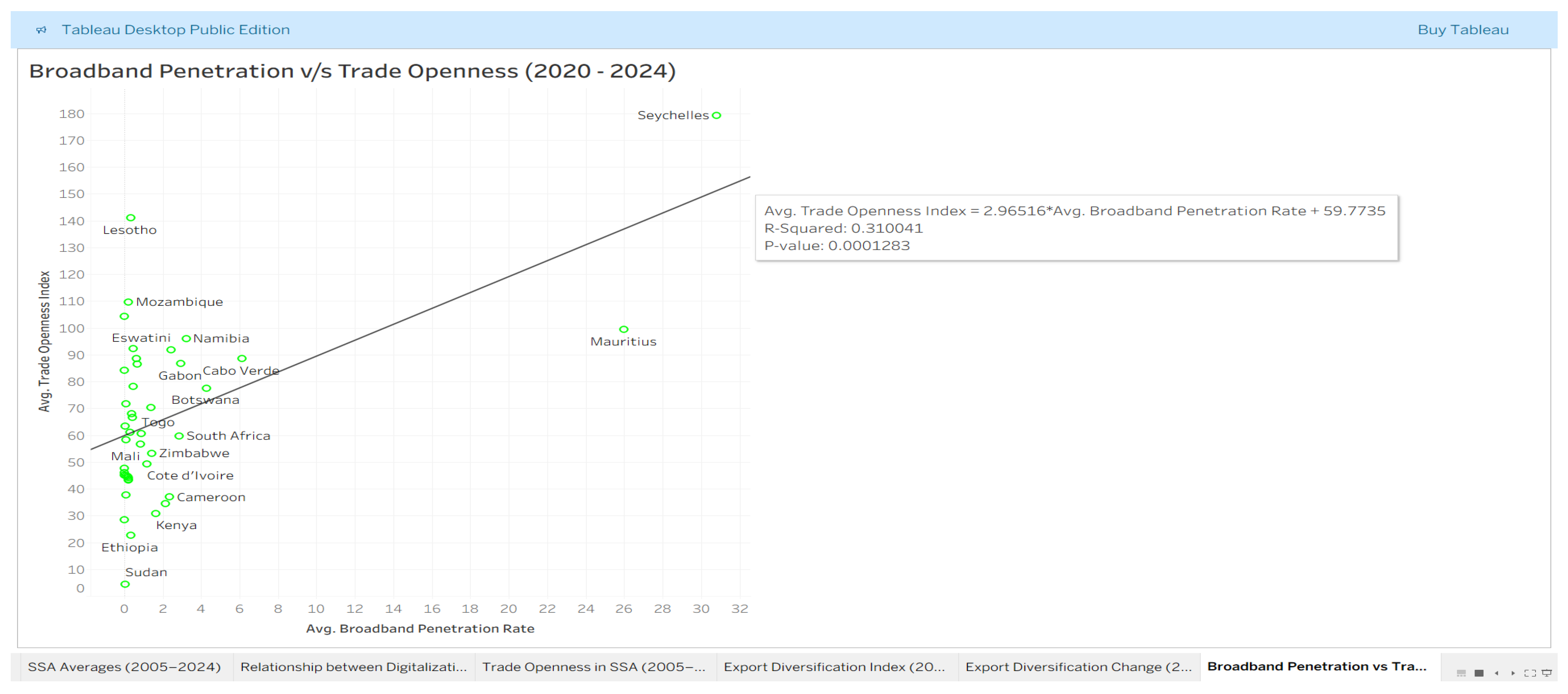
Figure 10.
Exports-to-GDP vs Broadband Penetration (2005–2024, SSA Average).
ICT expenditure shows a positive but weaker descriptive connection with overall export intensity when measured using the ICX proxy as indicated in Figure 14. However, in recent years, its correlation with export diversification has been modest and statistically insignificant as indicated in Figure 12, indicating that digital investment by itself does not always result in structural changes in export composition.
The Digital Adoption Proxy (DAP) exhibits the strongest descriptive correlation. Exports-to-GDP ratios are consistently higher in nations with greater levels of digital adoption as indicated in Figure 15 and Figure 16. This pattern highlights the significance of digital maturity rather than access or investment per se, as it shows that efficient use of digital technology is more strongly correlated with trade success than infrastructure availability or ICT spending alone.
When considered together, the descriptive results show three main trends: significant cross-national differences in digitalization, little progress in export diversification, and ongoing instability and unevenness in SSA’s trade involvement. Digital adoption is the factor most strongly linked to improved export performance, even while digital connectivity and ICT investment are favorably correlated with trade outcomes. The regression analysis described in the next part is empirically motivated by these tendencies.
4.1.2. Regression Analysis
A multiple regression model was developed using panel data covering 48 nations from 2005 to 2024 in order to formally evaluate the link between supply chain digitization and trade participation in SSA. The exports-to-GDP ratio is the dependent variable, and broadband penetration (digital connectivity), ICT spending (ICX proxy), and digital adoption (DAP proxy) are the main explanatory variables that capture various aspects of digitalization. To take into consideration possible variance instability across nations and historical periods, heteroskedasticity-robust standard errors were used.
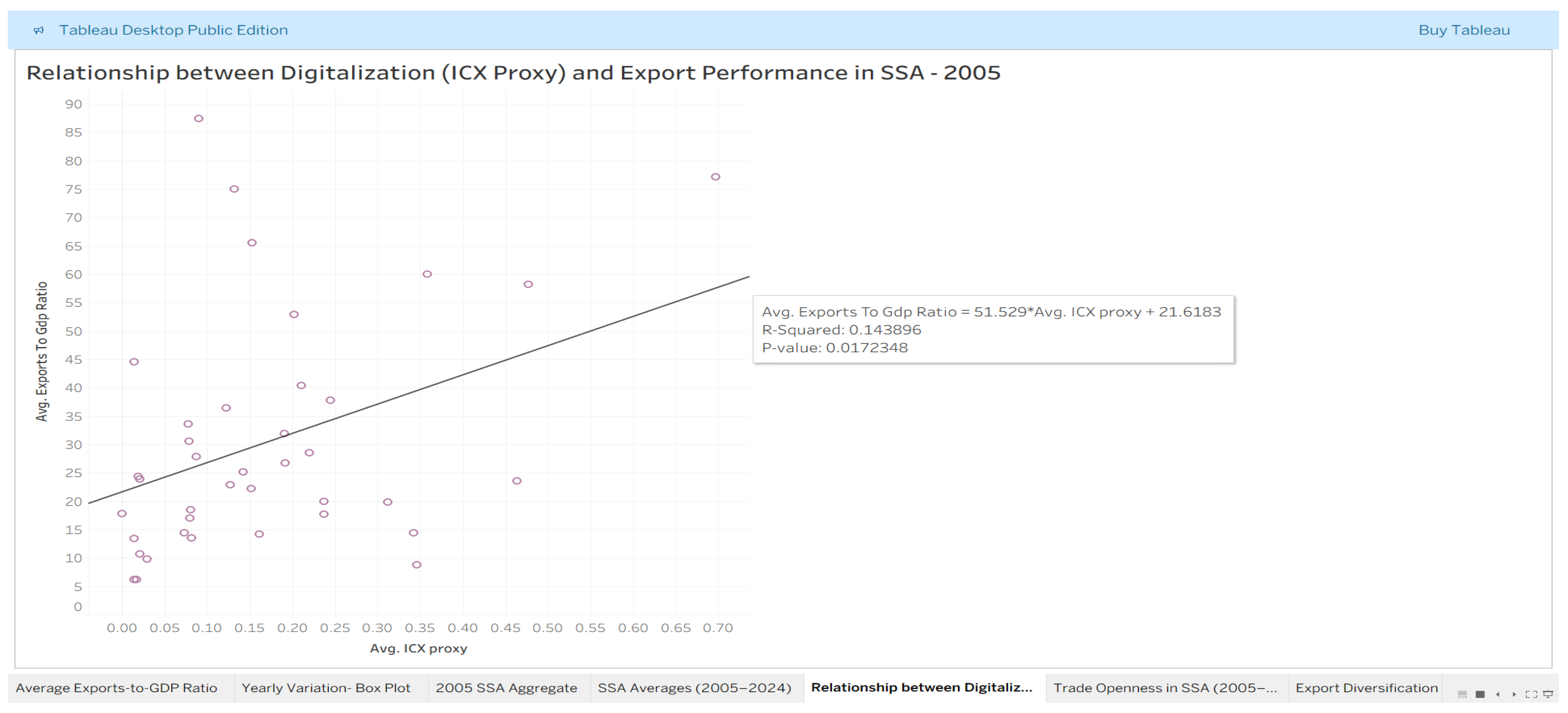
Figure 11.
Relationship between Digitalization (ICX Proxy) and Export Performance in SSA—2005.
The final estimation sample included 1,921 country-year observations. With all variance inflation factors below standard criteria, diagnostic tests show that multicollinearity is not a problem. The model has substantial explanatory power for cross-country trade data, explaining around 31% of the variation in export performance among SSA economies (R² = 0.311) and being statistically significant overall (F-statistic p < 0.001). Tests for serial correlation indicated no evidence of autocorrelation in the residuals.
Table 8.
Variance Inflation Factor (VIF) for Independent Variables.
| Variable | VIF |
| Constant | 4.284 |
| Broadband Penetration Rate | 2.231 |
| ICT Expenditure (ICX Proxy) | 2.810 |
| Digital Adoption (DAP Proxy) | 4.619 |
Note: All VIF values are below the commonly accepted threshold of 10, indicating no severe multicollinearity among the independent variables; robust standard errors (HC3) were used.
Table 9.
Correlation Matrix of Independent Variables.
| Variable | Broadband | ICT (ICX) | DAP |
| Broadband | 1.000 | 0.463 | 0.722 |
| ICT (ICX) | 0.463 | 1.000 | 0.788 |
| DAP | 0.722 | 0.788 | 1.000 |
Note: Correlation coefficients indicate moderate relationships among the variables, remaining within acceptable limits for regression analysis; robust standard errors (HC3) were used.
Table 10.
Regression Results (Dependent Variable: Exports-to-GDP Ratio).
| Variable | Coefficient (β) | Std. Error | z-stat | p-value | 95% Confidence Interval |
| Constant | 21.8992 | 0.800 | 27.39 | 0.000 | [20.33, 23.47] |
| Broadband Penetration Rate | -0.0765 | 0.133 | -0.576 | 0.565 | [-0.34, 0.18] |
| ICT Expenditure (ICX Proxy) | -14.0350 | 3.272 | -4.290 | 0.000 | [-20.45, -7.62] |
| Digital Adoption (DAP Proxy) | 69.3301 | 4.735 | 14.642 | 0.000 | [60.05, 78.61] |
Model Statistics:R² = 0.311, F-statistic = 195.8 (p < 0.001), Observations = 1,921
Note: Robust standard errors (HC3) were used.
Regression Equation:Exports-to-GDP = 21.8992 − 0.0765(Broadband Penetration) − 14.0350(ICT Expenditure Proxy) + 69.3301(Digital Adoption Proxy)
The influence of the three digitalization dimensions varies significantly, according to regression studies. Exports-to-GDP is strongly positively and statistically significantly correlated with the Digital Adoption Proxy (DAP). When other digital parameters are held constant, the computed coefficient shows that nations with greater levels of digital adoption which represent widespread and efficient use of digital technologies tend to attain significantly higher export intensity. This result implies that improving trade performance is mostly dependent on digital maturity rather than just the availability of infrastructure or investment.
The ICT Expenditure Proxy (ICX), on the other hand, has a negative coefficient but is statistically significant. This finding suggests that increased ICT investment alone does not always result in better export performance; instead, it may be the result of inefficiencies, sectoral misallocation of digital spending, or delays between investment and productive use. The conclusion emphasizes that without successful integration into commerce and logistics procedures, financial investment in digital infrastructure is insufficient on its own.
Figure 12.
ICT Expenditure vs Export Diversification (2020–2024).
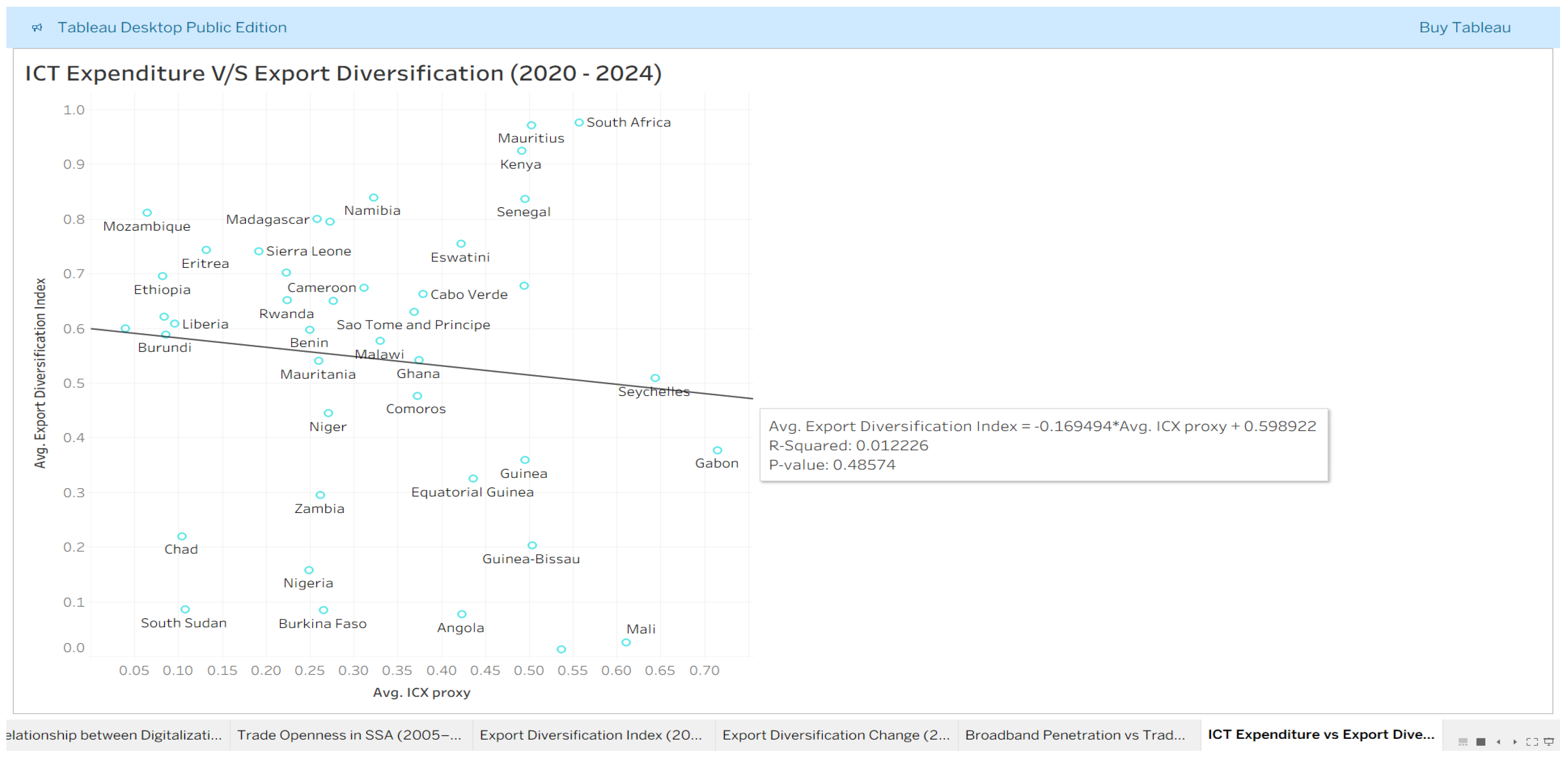
Figure 13.
Digitalization and Global Trade in SSA (2020–2024).
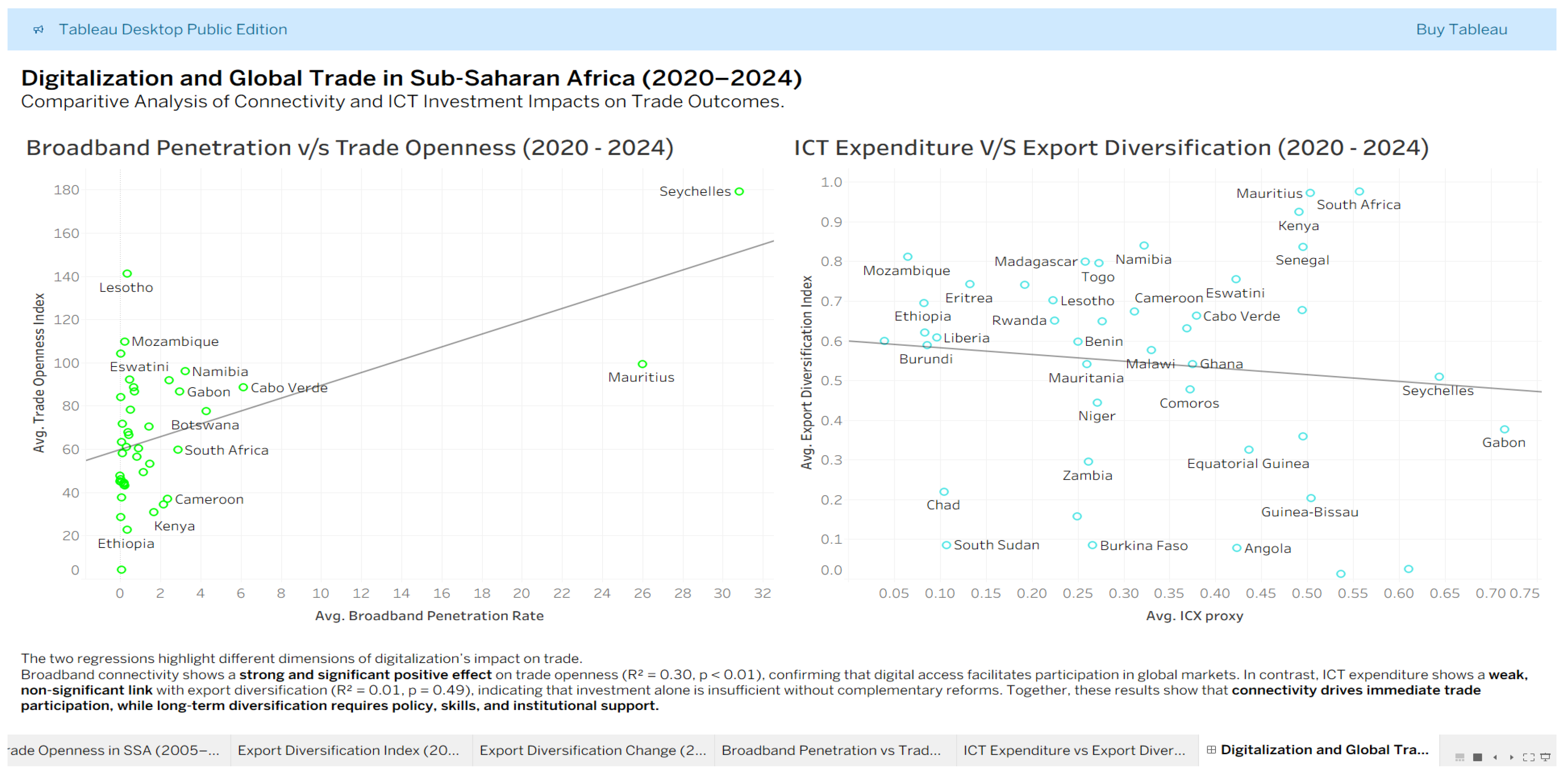
Figure 14.
Exports-to-GDP vs ICT Expenditure (Aggregate, 2005–2024).
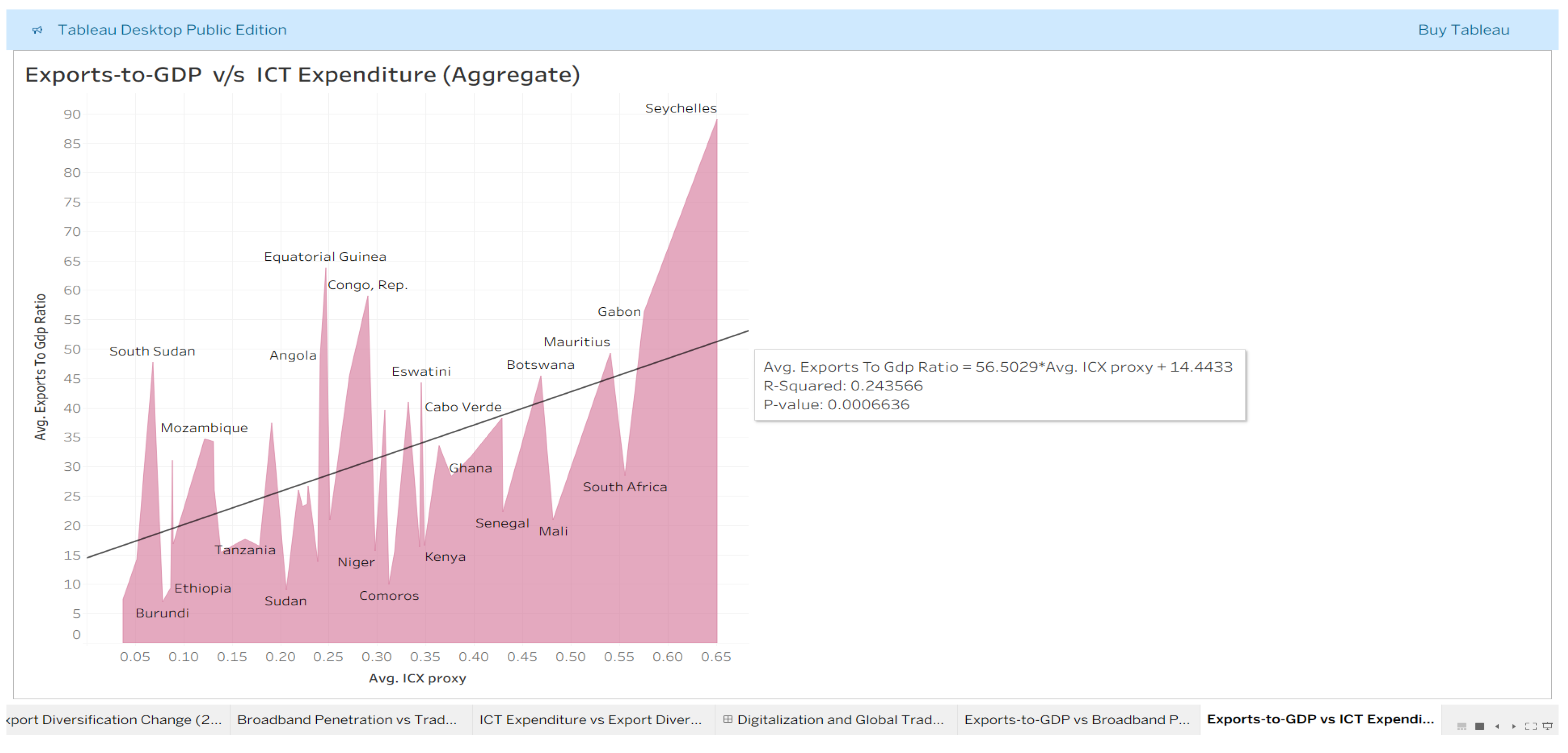
Figure 15.
Exports-to-GDP vs Digital Adoption Index (Aggregate, 2005–2024).
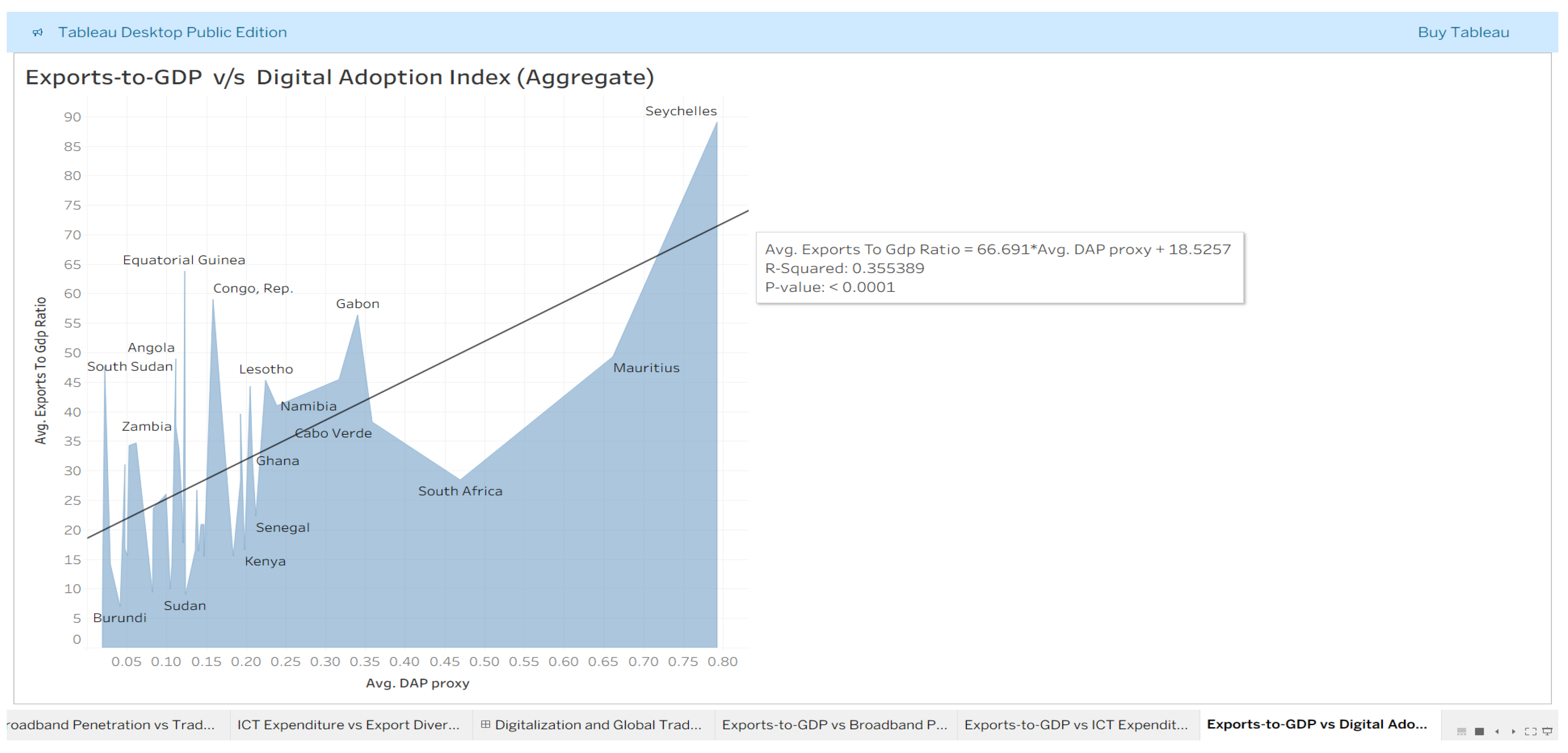
Figure 16.
Digitalization and Trade Performance in SSA (2005–2024).
After accounting for ICT expenditures and digital adoption, the broadband penetration coefficient is not statistically significant. Although connectivity and trade outcomes are positively correlated according to descriptive analysis, the regression results indicate that broadband availability alone does not have an independent impact on export performance unless it is combined with efficient adoption and use of digital technologies.
When combined, the regression results show that the main way that digitalization affects trade participation in SSA is through digital adoption. Although ICT investment and connectivity are essential prerequisites, their effect on exports seems to depend on how aggressively digital technologies are incorporated into production, logistics, and trade facilitation systems. These findings empirically corroborate RQ 1 and H1, demonstrating that SSA’s inclusion into international trade is still hampered by inadequate supply chain digitalization, especially in terms of effective adoption. Furthermore, the regression analysis provides a quantitative basis for the triangulation and qualitative analysis that follow. The weak or detrimental consequences of ICT spending and broadband penetration, in particular, encourage a closer look at institutional quality, human capital, and regulatory settings, which may facilitate the conversion of digital investment into trade outcomes.
4.2. Qualitative Analysis
The review used a modified PICO methodology, concentrated on the digitalization of SSA’s supply chain, the use or lack of digital tools, comparative institutional and regulatory frameworks, and the impact on trade participation and export performance. To show how digitalization interacts with infrastructure, human capital, governance, sectoral preparation, and evidence gaps to affect trade results, five interconnected theme patterns were developed.
First, a significant obstacle to successful supply chain digitalization is a lack of digital infrastructure, which limits end-to-end digital trade processes at ports, borders, and interior logistics hubs due to poor broadband coverage, unstable networks, and expensive connectivity (UNCTAD, 2019; ITU, 2022). Only when backed by stable infrastructure can digital platforms save trade costs (Portugal-Perez & Wilson, 2012; Freund & Rocha, 2011). Unreliable networks result in delays, fragmented data flows, and decreased supply chain visibility. Second, adoption is further limited by a lack of digital skills and human capital. Technology adoption only enhances export performance when paired with organizational capacity (Cirera, Comin, Cruz, & Lee, 2020; Cusolito, Lederman, & Peña, 2016), and there is a shortage of personnel with the skills to manage information systems, interpret digital documentation, and coordinate data-driven logistics (OECD, 2019; UNIDO, 2020). Hybrid digital-manual workflows limit productivity increases and generate errors in the absence of these capabilities.
Third, the results of digitization are significantly moderated by the quality of governance. Whether digital platforms can successfully replace paper-based systems depends on institutional coordination, regulatory clarity, and enforcement capacity (World Economic Forum, 2018; OECD, 2018). Digitalization by itself cannot eradicate inefficiencies if informal processes, conflicting regulations, and inadequate accountability continue (Amankwah-Amoah et al., 2024), and its impact on trade facilitation is limited. Fourth, there are significant sectoral differences in digital adoption. While industrial SMEs encounter obstacles like expensive software and erratic connectivity, agricultural supply chains exhibit low integration and few digital instruments for market access and logistics (FAO, 2019; Aker, 2011). (Hallward-Driemeier & Nayyar, 2018). Advanced monitoring and traceability systems have been implemented in capital-intensive industries such as mining and energy; nevertheless, large-scale impact is hindered by inadequate regulatory harmonization and agency interoperability (OECD, 2020). Fifth, there is yet no proof linking the benefits of digitization to commerce at the macro level. A lack of standardized indicators limits longitudinal evaluation, and few studies relate digital adoption to exports-to-GDP ratios, trade openness, or export diversification (Hoekman & Shepherd, 2015; UNESCAP, 2019), even though operational improvements lower transaction costs and border delays (OECD, 2021). According to Abeliansky and Hilbert (2017), benefits are very context-dependent and need to be translated into overall trade success through complementary institutional and capability-building strategies.
Overall, the qualitative results show that the trade impact of supply chain digitization in SSA is shaped by interconnected restrictions in governance, infrastructure, human capital, industry preparation, and evidence availability. Though their efficacy is contingent upon complimentary institutional, capacity, and regulatory conditions, digital technologies have great potential to improve trade participation. They also provide crucial interpretive depth for triangulating quantitative data in further research.
4.3. Integration of Quantitative and Qualitative Analysis
The results of quantitative regression and thematic findings from the systematic literature review (SLR) are combined in this study using methodological triangulation. By analyzing whether statistical associations match processes found in previous research, this method improves internal validity and offers a deeper understanding of how supply chain digitization impacts trade participation in SSA. Adoption is the most accurate measure of export performance since it exhibits a high positive link with export-to-GDP ratios. Qualitative research demonstrates that when digital technologies are actively employed in day-to-day operations rather than just being accessible, trade benefits result. For involvement in global value chains, digital production, logistics, and compliance coordination is becoming increasingly important (Baldwin, 2016). Firm-level data indicates that advantages only materialize when adoption reaches scale and becomes ingrained in organizational practices (Lendle et al., 2016; Hallward-Driemeier et al., 2020).
Regression results show that, after accounting for adoption and ICT investment, broadband connectivity and ICT spending do not independently predict exports, even though these factors are frequently thought to drive trade. Infrastructure alone cannot guarantee operational effectiveness, according to qualitative data; many developing economies continue to rely on manual procedures because of interoperability gaps, disjointed rules, and a shortage of skilled labor (Goldfarb & Tucker, 2019; UNIDO, 2020). Only when connectivity is utilized for documentation, coordination, and compliance can it improve trade (Forman et al., 2012). Similar to this, inefficiencies are reflected in negative coefficients on ICT spending since investments tend to concentrate on administrative modernization, telecommunications, or discrete projects that lack cross-trade agency integration (McKinsey Global Institute, 2019; Afreximbank, 2023). Short-term impact is further limited by high fixed costs, delayed returns, and inadequate institutional coordination (Rodrik, 2018). ICT spending only helps commerce when combined with adoption, governance enhancements, and human capital development, according to triangulated data.
Human capital and the quality of governance are important moderators. Human capital allows businesses and governments to convert digital technologies into productivity benefits (Cirera & Maloney, 2017), while robust legal frameworks and digital proficiency promote adoption and enhance export outcomes (Baldwin & López-González, 2015; Nunn & Trefler, 2014). Diversification of exports is still limited in spite of digital reforms. Digitalization by itself cannot solve the problems of industrial capabilities, firm upgrading, and market access, all of which are necessary for diversification (Hausmann et al., 2014; UNCTAD, 2023). Compared to manufacturing or agriculture, capital-intensive businesses typically embrace digital technology more quickly, resulting in sectoral disparities that further restrict diversification (Diao et al., 2019). Overall, the triangulated results demonstrate that ICT investment and infrastructure alone have little effect on trade; advantages are driven by digital adoption, but more extensive institutional, structural, and human-capital conditions are necessary for long-term export growth.
4.4. Proposed Conceptual Model
Based on the analysis and findings from this study’s adopted mixed-method approach, a conceptual framework is proposed. This inductive approach is particularly practical because new insights and patterns emerged during the quantitative analysis and systematic literature review. Conceptual models are a visual representation of ideas and the relationship and strength between them (Reavey & Zahay, 2022). The conceptual model in Figure 17 supposes that increasing supply chain digitalization will positively impact SSA’s participation in global trade. This enhanced trade participation is expected to manifest through improvements in key dependent variables related to trade volume, integration, and diversification. The model incorporates independent, dependent, and controlling variables to provide a holistic understanding of the relationships. The diagram below visually represents the direct positive relationships between the independent variables, the mediating mechanism of increased supply chain efficiency, and the resulting positive impact on the dependent variables. Controlling variables are shown to influence the overall system dynamics.
4.4.1. Description of the Model
The conceptual model explaining the connections between digitalization inputs, supply chain digitalization as a mediating construct, trade performance outcomes, and contextual control variables in SSA is depicted in Figure 17. Both the directionality and conditional character of these linkages are reflected in the structure of the model. The independent variables, which include the Broadband Penetration Rate, ICT Expenditure, and Digital Adoption Index, are displayed in the upper-left portion of the model. These factors, effective use of digital technology, access to digital connectivity, and financial investment in digital infrastructure represent different aspects of digital readiness. These variables collectively influence the degree of Supply Chain Digitalization in SSA, as evidenced by the solid arrows from these variables converging on the core concept. Supply Chain Digitalization in SSA serves as the primary mediating variable at the heart of the model. The degree to which digital technologies are incorporated into supply chain operations, such as information sharing, coordination, documentation, and logistics management, is captured by this concept. According to the model, this mediating mechanism rather than the direct consequences of infrastructure or spending alone is the main way that digitalization affects trade performance. The dependent variables in the lower part of the model, the Exports-to-GDP Ratio, Trade Openness Index, and Export Diversification Index are reached by solid arrows from the mediating construct. These variables reflect many aspects of engagement in international trade. The model’s structure for uneven impacts across these outcomes, reflecting the hypothesis that supply chain digitization may have a greater impact on trade openness and export intensity than export diversification. The controlling variables, Infrastructure Quality, Regulatory Environment, Political Stability, and Human Capital are shown on the right side of the picture and are linked to the primary routes by dotted arrows. Instead of direct causal linkages, these dotted connections show moderating impacts. Thus, the model acknowledges that the success of supply chain digitization and its conversion into trade performance outcomes are dependent on institutional capacity, the availability of skills, and macro-level stability.
5. Discussion
This study examined how different supply chain digitization levels affect SSA participation in global trade. It offers a multifaceted explanation of how digitalization impacts export intensity, trade openness, and export diversification by combining panel-data regression analysis with a thorough literature assessment. The results show that effective digital adoption, institutional capability, and human capital preparation are necessary for the trade gains of digitalization.
Digital adoption as the primary driver of trade performance
The statistically significant correlation between export-to-GDP ratios and the Digital Adoption Proxy (DAP) is the most notable finding. This finding suggests that the main way that digitalization increases trade participation in SSA is through digital adoption, which is defined as the efficient use of digital technology by businesses, logistics companies, and governmental organizations. Operational integration, such as the usage of digital payment platforms, cargo tracking portals, electronic customs systems, and enterprise-level information systems, is captured by digital adoption. This result supports the idea that digitalization affects trade results by integrating technology into regular supply chain operations rather than just making it available. Higher levels of digital use are consistently associated with better export performance, indicating that digital tools lower transaction costs, increase cross-border cooperation, and improve documentation correctness. The findings thus lend credence to the claim that the degree to which SSA economies profit from global economic integration is determined by digital maturity rather than digital access.
The paradox of ICT expenditure and the limits of infrastructure-led strategies
The negative correlation between ICT spending and export performance is a conceptually significant finding. Despite the widespread belief that ICT investment is necessary for trade competitiveness, the results show that spending by itself does not ensure favorable trade outcomes. When ICT spending is considered separately from its functional deployment, this seeming dilemma is overcome. ICT investments in many SSA environments are focused on expanding telecommunications or modernizing general administration without adequate interoperability between trade-relevant agencies. Inadequate technical capacity, lax enforcement, and poor governance can also cause system rollouts to be delayed and utilization rates to decline. ICT investment may therefore result in large fixed costs without yielding quantifiable short- to medium-term efficiency gains. Therefore, the results warn against infrastructure-driven digital policies without institutional reform, talent development, and systemic acceptance.
Broadband penetration as a necessary but insufficient condition
The results of the regression demonstrate that, once adoption and investment are taken into consideration, broadband penetration does not independently predict export performance. This result implies that although digital connectivity is fundamental, trade profits are not directly correlated with it. Customs, ports, and logistics organizations are unable to fully utilize connectivity for trade facilitation in a number of SSA economies because broadband expansion has surpassed institutional integration. This result emphasizes the difference between use and access. Digital commerce systems are made possible by broadband networks, but connectivity on its own is still underutilized in the absence of functional integration, training, and regulatory alignment. Therefore, the findings support the idea of the conceptual model, which holds that infrastructure is an enabling condition rather than the main factor influencing trade performance.
Institutional and human capital moderators of digitalization outcomes
The qualitative results show that governance quality and human capital significantly influence the efficacy of digitalization, even though they were not explicitly included as explanatory factors in the regression model. Higher levels of digital adoption and more steady improvements in trade performance are seen in countries with more robust regulatory frameworks, more transparent institutional mandates, and better-trained labor forces. On the other hand, persistent hybrid workflows, where digital technologies coexist alongside manual processes, occur in settings marked by bureaucratic opposition, a lack of expertise, and lax enforcement. These circumstances result in delays, inconsistent data, and system outages, which lessen the advantages of digital changes. The results thus corroborate the conceptual model’s claim that human capital and governance function as crucial moderators in the interaction between digitalization and commerce.
Implications for export diversification and structural transformation
Export diversification in SSA is still restricted despite gradual advancements in digitalization. Deeper structural limitations, such as reliance on extractive industries, limited manufacturing capacity, and high logistical costs for agricultural exports, are reflected in the weak correlation between digital variables and diversification outcomes. By enhancing traceability, compliance, and market access, digitalization can promote diversification; however, these advantages only become apparent in conjunction with workforce development, industrial upgrading, and supporting regulatory frameworks. The results imply that structural obstacles to diversification cannot be solved by digitization alone. Rather, it should be seen as a supplementary enabler in a more comprehensive development plan that aims to integrate businesses into higher-value portions of global value chains and increase productive capacity.
Overall, the results show that supply chain digitalization significantly influences trade performance in SSA; yet its efficacy is contingent upon the adoption and integration of digital technology within institutional and operational contexts. The greatest predictor of trade participation is digital adoption, whereas infrastructure and spending alone have little effect. These findings emphasize how crucial it is to coordinate digital investments with industry integration, institutional reform, and skill development to fully realize the trade potential of digitalization in SSA.
6. Conclusions, Recommendation and Limitation
This research employed a sequential explanatory mixed-method methodology to investigate the effects of inadequate supply chain digitization on SSA involvement in global trade. The research offers a thorough evaluation of how digitalization affects export performance, trade openness, and export diversification across SSA economies by combining panel-data regression analysis with a systematic literature review. The results reveal that trade performance is impacted by digitalization, albeit these effects are neither consistent or automatic. A significant portion of the cross-country variation in exports-to-GDP ratios may be explained by digital adoption, which turns out to be the best and most reliable predictor of export performance in the context of SSA. The limitations of infrastructure-led digital initiatives that are not backed by successful adoption, institutional preparedness, and human capital development are highlighted by the limited or negative effects of ICT spending and broadband penetration when taken separately. The qualitative results also highlight enduring structural barriers that prevent digital investments from translating into long-term trade benefits, such as fragmented data systems, a lack of digital skills, inadequate governance, and unequal sectoral adoption. When considered collectively, the data indicates that a significant structural obstacle to SSA’s broader integration into global value chains is inadequate supply chain digitalization, especially regarding adoption, interoperability, and institutional integration. The research concludes that boosting digital adoption in supply chains is crucial for boosting competitiveness, increasing trade efficiency, and promoting economic diversification in SSA. Therefore, digitalization should be seen as a systemic change needing concerted institutional, policy, and capability-building activities rather than as a stand-alone technological advancement.
Based on the research findings, several key policy interventions are recommended, such as prioritizing digital adoption over infrastructure; enhancing interoperability among trade agencies; improving the governance framework for digital trade; broadening access to affordable and reliable broadband; supporting export diversification; and fostering regional unified digital customs procedures. The study also suggests that future research in this area should narrow its focus to the micro-level to reveal industry-specific transformation paths. Researchers should target specific SSA countries for deeper qualitative analysis and aim to develop a validated “Digital Supply Chain Index” tailored for the region.
Regarding limitations, this study omits variables like political stability, human capital, and corruption in the quantitative analysis, despite their recognized influence. Furthermore, due to a lack of standardized SSA datasets, digitalization is proxied by digital adoption and ICT expenditure, which may not accurately capture firm-level digital maturity. Finally, the national-level aggregation of data potentially masks micro-level variations, such as differences across industries or urban-rural disparities, while the lack of complete longitudinal data for many SSA countries may affect the precision of the regression estimates.
References
- Abdel-Latif, H.; Khandelwal, K.; Zhang, L. Understanding trade dynamics in Sub-Saharan Africa (IMF Working Paper No. WP/25/045); International Monetary Fund, 2025. [Google Scholar] [CrossRef]
- Abeliansky, A.; Hilbert, M. Digital technology and international trade: Is it the quantity of subscriptions or the quality of data speed that matters? Telecommunications Policy 2017, 41(1), 35–48. [Google Scholar] [CrossRef]
- Addison, M.; Boateng, E.; Damoah, I.S. Exploring the impact of agricultural digitalization on smallholders’ performance in Sub-Saharan Africa. Heliyon 2024, 10(6), e27541. [Google Scholar] [CrossRef]
- Afreximbank. African trade report 2023: Digital trade and regional integration . African Export–Import Bank. 2023. Available online: https://www.afreximbank.com.
- Aker, J.C. Dial “A” for agriculture: A review of information and communication technologies for agricultural extension in developing countries. Agricultural Economics 2011, 42(6), 631–647. [Google Scholar] [CrossRef]
- Amankwah-Amoah, J.; Song, H.; Wang, X. Boosting the intra-African digital trade in the AfCFTA context: Does regulatory framework matter? Digital Economy and Sustainable Development 2024, 2, Article 9. [Google Scholar] [CrossRef]
- Arvis, J.-F.; Ojala, L.; Shepherd, B.; Ulybina, D.; Wiederer, C. Connecting to Compete 2023: Trade logistics in an uncertain global economy . World Bank Group. 2023. Available online: https://lpi.worldbank.org.
- Baldwin, R. The great convergence: Information technology and the new globalization; Harvard University Press: Cambridge, MA, 2016. [Google Scholar]
- Baldwin, R.; López-González, J. Supply-chain trade: A portrait of global patterns and several testable hypotheses. World Economy 2015, 38(11), 1682–1721. [Google Scholar] [CrossRef]
- Beyene, E.; Bedemo, A.; Gebremeskel, M. Determinants of digital technology development in Sub-Saharan Africa. Energy Informatics 2024, 7(1), 1–16. [Google Scholar] [CrossRef]
- Bhorat, H.; Signé, L.; Asmal, Z.; Monnkgotla, J.; Rooney, C. Digitalization and digital skills gaps in Africa; Brookings Institution, 2023; Available online: https://www.brookings.edu.
- Boafo, J.; Obodai, J.; Stemn, E.; Nkrumah, P.N. The race for critical minerals in Africa: A blessing or another resource curse? Resources Policy 2024, 93, 105046. [Google Scholar] [CrossRef]
- Borgatti, S.P.; Halgin, D.S. On network theory. Organization Science 2011, 22(5), 1168–1181. Available online: https://pubsonline.informs.org/doi/10.1287/orsc.1100.0641. [CrossRef]
- Choruma, D.J.; Moyo, T.; Chari, F. Digitalization in agriculture: A scoping review of technologies in practice, challenges, and opportunities for smallholder farmers in Sub-Saharan Africa. Smart Agricultural Technology 2024, 14, 1003235. [Google Scholar] [CrossRef]
- Chung, C.; Cha, Y.; Lee, J. What drives and hinders new e-Customs system adoption in Sub-Saharan Africa? International Journal of Logistics Research and Applications 2023, 26(7), 543–561. [Google Scholar] [CrossRef]
- Cirera, X.; Maloney, W.F. The innovation paradox: Developing-country capabilities and the unrealized promise of technological catch-up . World Bank. 2017. [CrossRef]
- Cirera, X.; Comin, D.; Cruz, M.; Lee, K.M. Technology within firms: Take-up, diffusion, and productivity. World Bank Research Observer 2020, 35(2), 188–228. [Google Scholar] [CrossRef]
- Coase, R.H. The nature of the firm. Economica 1937, 4(16), 386–405. Available online: https://onlinelibrary.wiley.com/doi/10.1111/j.1468-0335.1937.tb00002.x. [CrossRef]
- Cusolito, A.P.; Lederman, D.; Peña, J. Trade and productivity: The role of innovation, firm size, and digital adoption. World Bank. 2016. [CrossRef]
- Diao, X.; McMillan, M.; Rodrik, D. The recent growth boom in developing economies: A structural-change perspective. World Development 2019, 109, 202–216. [Google Scholar] [CrossRef]
- Ebrahim, A.Q.; Okuboyejo, S.R.; Chinedu-Eze, V.C. The barriers to technology adoption among businesses in South Africa’s informal economy. South African Journal of Information Management 2024, 26(1), a1872. [Google Scholar] [CrossRef]
- Food and Agriculture Organization of the United Nations (FAO). Digital technologies in agriculture and rural areas . FAO. 2019. Available online: https://www.fao.org/3/ca4887en/ca4887en.pdf.
- Forman, C.; Goldfarb, A.; Greenstein, S. The internet and local wages: A puzzle. American Economic Review 2012, 102(1), 556–575. [Google Scholar] [CrossRef]
- Freund, C.; Rocha, N. What constrains Africa’s exports? World Bank Economic Review 2011, 25(3), 361–386. [Google Scholar] [CrossRef]
- Gikonyo, A.; Sichilima, M. Opening opportunities: Kenya’s electronic single window connects East Africa to global value chains . World Bank/IFC. 2017. Available online: https://documents.worldbank.org.
- Goldfarb, A.; Tucker, C. Digital economics. Journal of Economic Literature 2019, 57(1), 3–43. [Google Scholar] [CrossRef]
- Hallward-Driemeier, M.; Nayyar, G. Trouble in the making? The future of manufacturing-led development . World Bank. 2018. [CrossRef]
- Hallward-Driemeier, M.; Nayyar, G.; Fengler, W. At your service? The promise of services-led development . World Bank. 2020. [CrossRef]
- Hausmann, R.; Hidalgo, C.A.; Bustos, S.; Coscia, M.; Chung, S.; Jimenez, J. The atlas of economic complexity; MIT Press: Cambridge, MA, 2014. [Google Scholar]
- Hoekman, B.; Shepherd, B. Who profits from trade facilitation initiatives? World Bank Economic Review 2015, 29(1), 78–99. [Google Scholar] [CrossRef]
- International Monetary Fund. Regional economic outlook: Sub-Saharan Africa—A difficult road to recovery . International Monetary Fund. 2020. Available online: https://www.imf.org.
- International Monetary Fund. Regional economic outlook: Sub-Saharan Africa—A difficult road to recovery . International Monetary Fund. 2021. Available online: https://www.imf.org.
- International Telecommunication Union (ITU). Measuring digital development: Facts and figures . ITU. 2022. Available online: https://www.itu.int.
- Kere, S.; Zongo, A. Digital technologies and intra-African trade. International Economics 2023, 173, 359–383. Available online: https://www.sciencedirect.com. [CrossRef]
- Kizito, E.; Okunogbe, O.; Bhorat, H.; World Bank Group. Demand for digital skills in Sub-Saharan Africa . World Bank. 2023. Available online: https://documents.worldbank.org.
- Kogueda, F.B.A.; Engama, E. Digital public governance and corruption: Analysis of a two-way relationship in Africa. Journal of Public Governance Studies 2024, 12(3), 45–62. [Google Scholar] [CrossRef]
- Kuteyi, D.; Winkler, H. Logistics challenges in Sub-Saharan Africa and opportunities for digitalization. Sustainability 2022, 14, 2399. [Google Scholar] [CrossRef]
- Lendle, A.; Olarreaga, M.; Schropp, S.; Vézina, P.-L. There goes gravity: eBay and the death of distance. Economic Journal 2016, 126(591), 406–441. [Google Scholar] [CrossRef]
- McKinsey Global Institute. Digital identification: A key to inclusive growth; McKinsey & Company, 2019; Available online: https://www.mckinsey.com.
- Mumin, M.A.; Bah, M.; Boiré, M. Infrastructural development and trade performance in Sub-Saharan Africa. International Journal of Applied Economics, Finance and Accounting 2024, 16(1), 1–14. [Google Scholar] [CrossRef]
- Nachum, L.; Stevens, C.E.; Newenham-Kahindi, A.; Lundan, S.; Rose, E.L.; Wantchekon, L. Africa rising: Opportunities for advancing theory on people, institutions, and the nation state in international business. Journal of International Business Studies 2023, 54, 938–955. [Google Scholar] [CrossRef] [PubMed]
- Nishikawa-Pacher, A. Research questions with PICO: A universal mnemonic. Publications 2022, 10(3), 21. [Google Scholar] [CrossRef]
- Nunn, N.; Trefler, D. Domestic institutions as a source of comparative advantage. In Handbook of international economics; Gopinath, G., Helpman, E., Rogoff, K., Eds.; Elsevier: Amsterdam, 2014; Vol. 4, pp. 263–315. [Google Scholar] [CrossRef]
- OECD. Trade facilitation and the global economy; OECD Publishing, 2018. [Google Scholar] [CrossRef]
- OECD. Going digital: Shaping policies, improving lives; OECD Publishing, 2019. [Google Scholar] [CrossRef]
- OECD. Blockchain and distributed ledger technologies in supply chains; OECD Publishing, 2020. [Google Scholar] [CrossRef]
- OECD. Digital trade inventory; OECD Publishing, 2021; Available online: https://www.oecd.org.
- Olakunle, S.J. Digital technology and trade performance in Sub-Saharan Africa. Journal of Applied Economic Research 2023, 22(3), 480–496. [Google Scholar] [CrossRef]
- Port community systems: Lessons from global experience . In World Bank; Ollivier, P., Sahu, S.P., Saragiotis, P., Eds.; 2024; Available online: https://documents.worldbank.org.
- Ouedraogo, R.; Sy, A.N.R. Can digitalization help deter corruption in Africa? IMF Working Paper No. 20/68. 2020. Available online: https://www.imf.org.
- Portugal-Perez, A.; Wilson, J.S. Export performance and trade facilitation reform: Hard and soft infrastructure. World Development 2012, 40(6), 1295–1307. [Google Scholar] [CrossRef]
- Reavey, B.; Zahay, D. Teaching conceptual models: Using direct instruction to enhance metacognition. Marketing Education Review 2022, 32(4), 311–328. [Google Scholar] [CrossRef]
- Ricardo, D. On the principles of political economy and taxation; John Murray: London, 1817; Available online: https://www.econlib.org/library/Ricardo/ricP.html.
- Ricci, L.A.; et al. Digital payment innovations in Sub-Saharan Africa. IMF Departmental Papers 2025, 2025(004), A001. [Google Scholar] [CrossRef]
- Rodrik, D. New technologies, global value chains, and developing economies. Journal of International Development 2018, 30(4), 533–539. [Google Scholar] [CrossRef]
- Simione, F.F.; Li, Y. (2021) The macroeconomic impacts of digitalization in Sub-Saharan Africa. IMF Working Paper No. 21/103. [CrossRef]
- Srinivas, T.A.S.; et al. Mind the gap: A succinct exploration of research gap types. Journal of Advancement in Parallel Computing 2023, 6(3), 7–18. [Google Scholar] [CrossRef]
- TradeMark Africa. Single window information for trade (SWIFT) portals . TradeMark Africa. 2020. Available online: https://trademarkafrica.com.
- Tsopmo, P.C.; et al. Do African countries avoid the curse of natural resources on social cohesion? Resources Policy 2024, 98, 105291. [Google Scholar] [CrossRef]
- United Nations Conference on Trade and Development (UNCTAD). Digital economy report 2019: Value creation and capture . UNCTAD. 2019. Available online: https://unctad.org.
- United Nations Conference on Trade and Development(UNCTAD). Global trade update: Digitalization and structural transformation . UNCTAD. 2023. Available online: https://unctad.org.
- United Nations Economic and Social Commission for Asia and the Pacific (UNESCAP). Digital and sustainable trade facilitation survey 2019 . UNESCAP. 2019. Available online: https://www.unescap.org.
- United Nations Industrial Development Organization (UNIDO). Industrial development report 2020: Industrializing in the digital age . UNIDO. 2020. Available online: https://www.unido.org.
- Wassie, M.A.; Kornher, L.; Zaki, C. Revisiting the impact of trade facilitation measures in Africa. Applied Economics. 2025. Available online: https://www.tandfonline.com.
- Williamson, O.E. Transaction-cost economics: The governance of contractual relations. Journal of Law and Economics 1979, 22(2), 233–261. Available online: https://www.journals.uchicago.edu/doi/10.1086/466942. [CrossRef]
- World Economic Forum. Enabling trade: Valuing growth opportunities . World Economic Forum. 2018. Available online: https://www.weforum.org.
Figure 6.
Trade Openness in SSA (2005–2024).
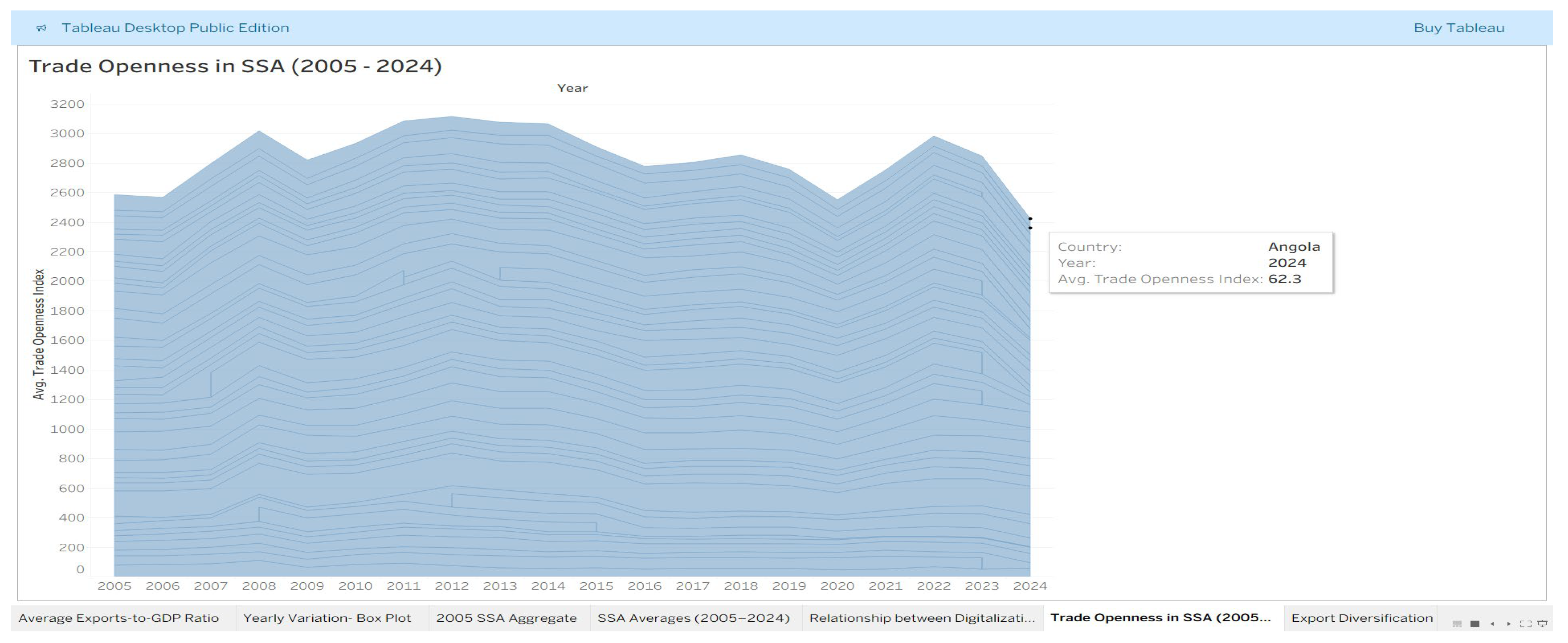
Figure 7.
Export Diversification Index in SSA (2005–2024).
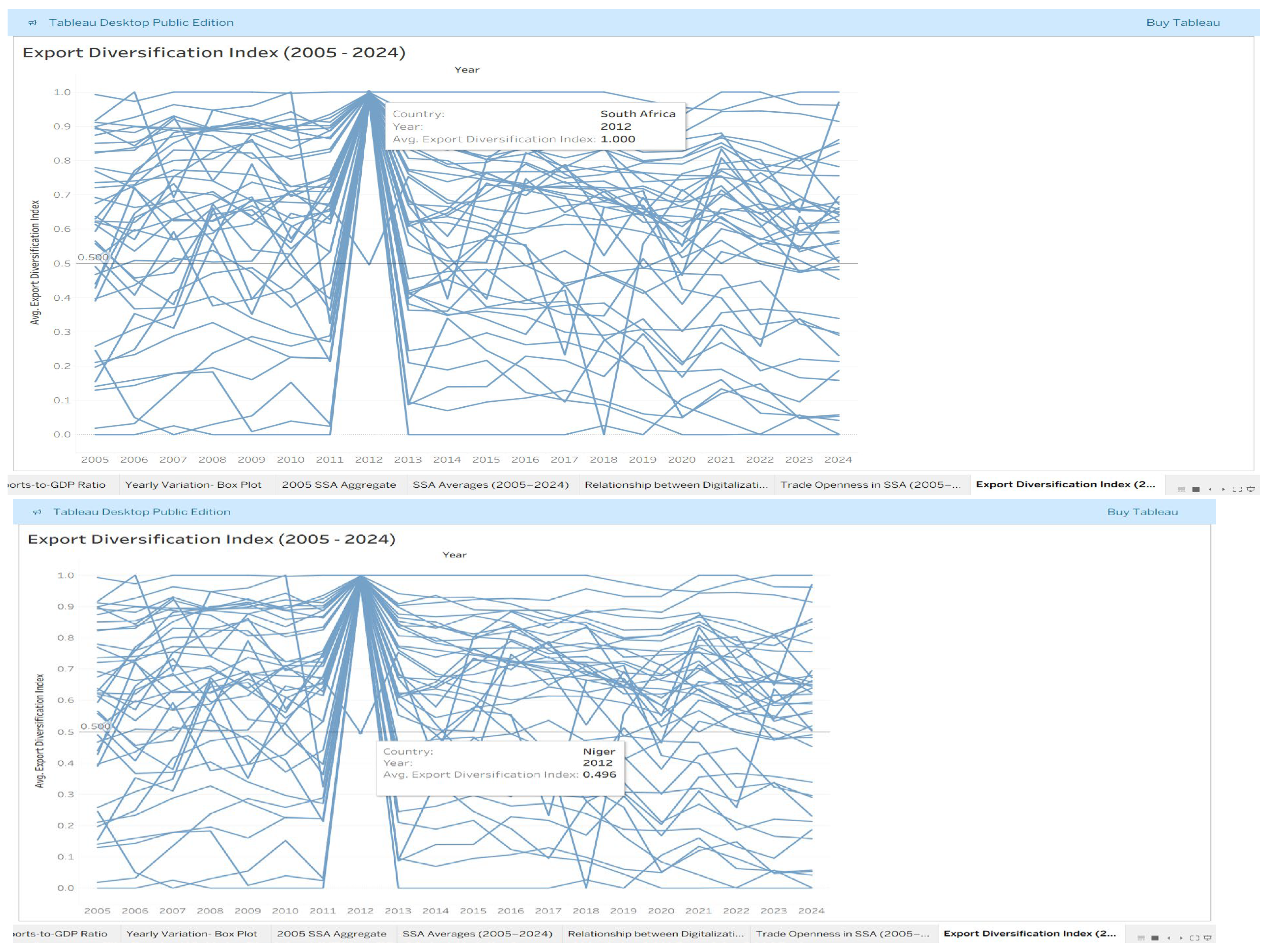
Figure 8.
Export Diversification Change (2005 vs 2024).
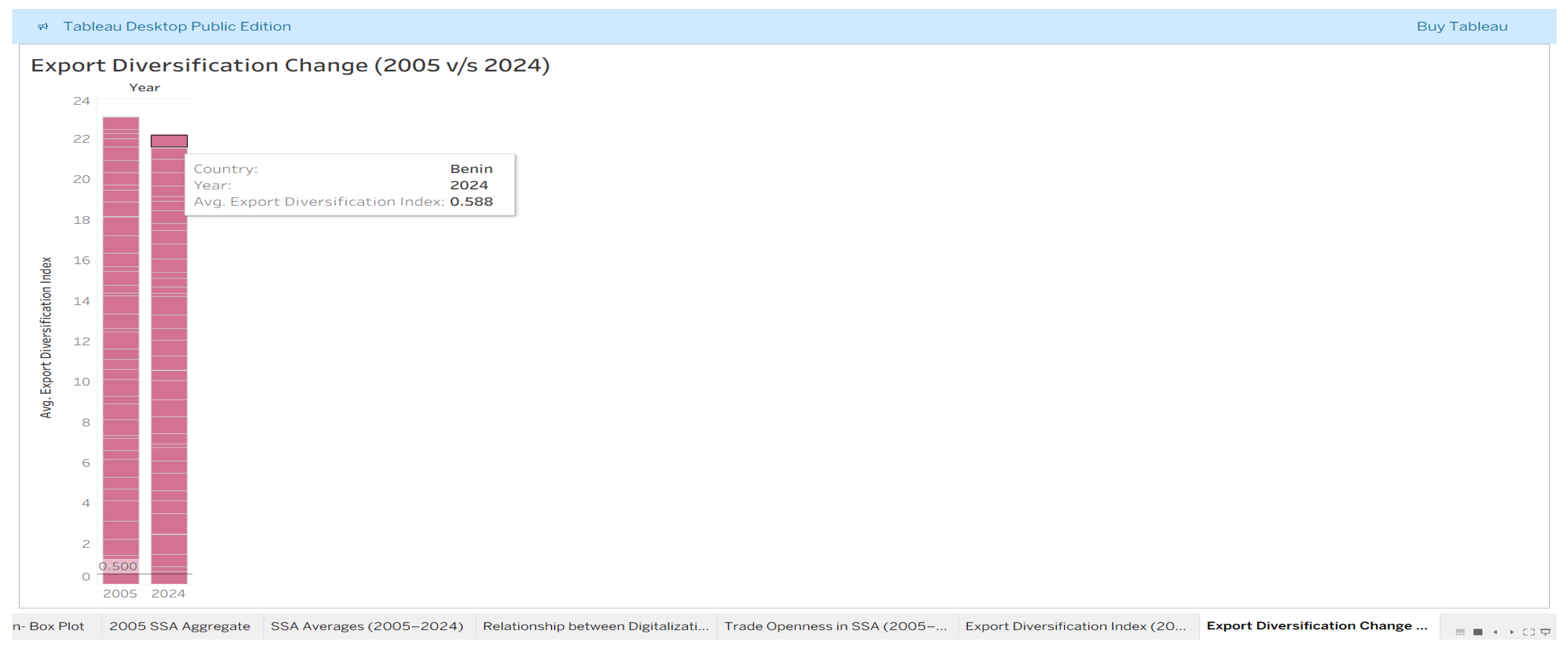
Figure 17.
Conceptual model of supply chain digitalization and trade performance in SSA.Solid arrows denote direct relationships; dotted arrows represent moderating effects of contextual variables.
Figure 17.
Conceptual model of supply chain digitalization and trade performance in SSA.Solid arrows denote direct relationships; dotted arrows represent moderating effects of contextual variables.
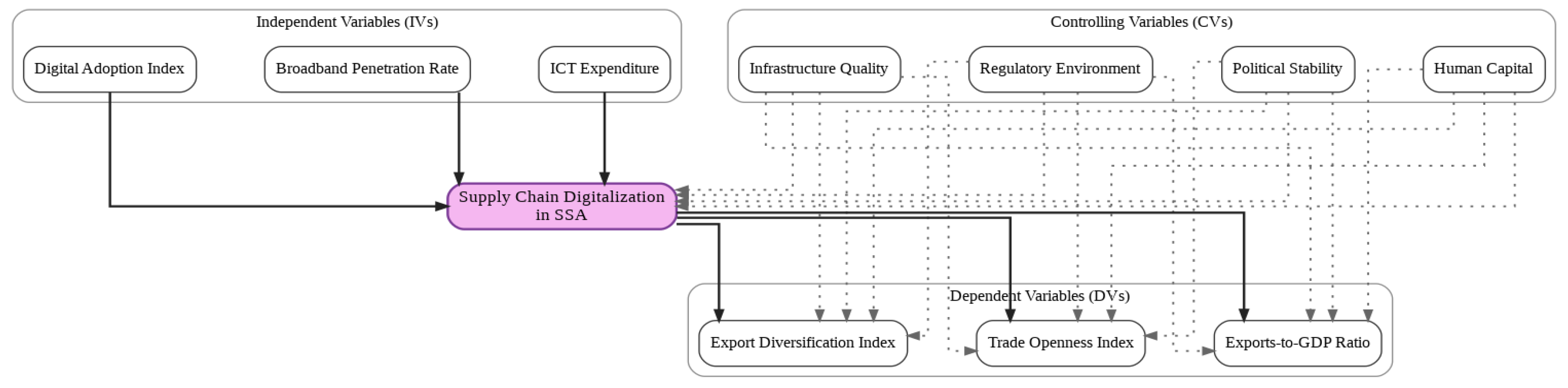
Disclaimer/Publisher’s Note: The statements, opinions and data contained in all publications are solely those of the individual author(s) and contributor(s) and not of MDPI and/or the editor(s). MDPI and/or the editor(s) disclaim responsibility for any injury to people or property resulting from any ideas, methods, instructions or products referred to in the content. |
© 2026 by the authors. Licensee MDPI, Basel, Switzerland. This article is an open access article distributed under the terms and conditions of the Creative Commons Attribution (CC BY) license (http://creativecommons.org/licenses/by/4.0/).
Copyright: This open access article is published under a Creative Commons CC BY 4.0 license, which permit the free download, distribution, and reuse, provided that the author and preprint are cited in any reuse.


