Preprint
Article

This version is not peer-reviewed.

In Vitro Micropropagation of Rosa canina L.: From Establishment to Plant Acclimatization

Submitted:

16 February 2026

Posted:

26 February 2026

You are already at the latest version

Abstract

Rosa canina L. is a medicinal and nutritionally valuable species with increasing industrial demand, yet its conventional propagation is limited by low rooting capacity and high genetic heterogeneity. In this study, a complete and reproducible in vitro micropropagation protocol was established, from explant introduction to plantlet acclimatization. Axillary buds were disinfected and introduced into Murashige and Skoog (MS) medium supplemented with 6-benzylaminopurine (BAP). Shoot multiplication was achieved using sequential cytokinin treatments, and shoot elongation was promoted by adding liquid MS medium containing activated charcoal (AC). The highest and fastest root induction percentage (up to 75%) was obtained on WPM with 2 mg·L-1 IBA and under 16 h light / 8 h dark photoperiod. Light promoted adventitious root formation depending on the nutrient formulation. Thereafter, shoots developed well-structured root systems in vitro, and plantlets fully survive to ex vitro acclimatization. This protocol provides an efficient platform for the large‑scale propagation of R. canina and offers new insights into the coordinated effects of mineral nutrition, hormones, and light conditions on adventitious rooting in woody species.

Keywords: 
;  ;  ;  ;  ;  ;  

1. Introduction

The Rosa canina L. (dog rose) is a perennial woody species well known for its medicinal, nutritional and cosmetic value. All parts of the plant possess valuable bioactive compounds, making it of interest to the pharmaceutical, cosmetic, and food industries: leaves and petals are rich in antioxidant molecules [1,2,3] and the oil extracted from the seeds, traditionally used in cosmetics [4], is currently being investigated for its potential to prevent hepatic steatosis and mitigate metabolic disorders associated with high-fat diets [5,6,7]. Traditionally, R. canina has been used in the preparation of juices, jams, marmalades, and syrups [8,9], but more recently, it has gained attention as a source of natural carotenoids and antioxidants for use in food preservation, including meat products [10,11,12,13].
Given the increasing demand for R. canina due to its diverse applications, the development of efficient propagation systems is essential to ensure a sustainable and standardized supply of plant material. However in the present study, conventional propagation through seeds is limited by both endogenous and exogenous dormancy, as well as high levels of abscisic acid and pronounced genetic heterogeneity, which prevents true-to-type reproduction [14,15]. Although vegetative propagation by cuttings is an alternative, many Rosa species, including R. canina, are difficult to root, often exhibiting low rooting success [16,17].
In this context, in vitro micropropagation via single-node culture offers a powerful tool to overcome these limitations, enabling a reliable and efficient method for the clonal multiplication of R. canina. This technique enables the rapid clonal multiplication of genetically uniform, pathogen-free plant material under controlled conditions. Several protocols have been reported for different Rosa species, focusing on shoot proliferation using cytokinins, gibberelins or auxins [18,19,20,21]. However, despite these advances, the rooting phase remains a critical bottleneck in woody plant micropropagation, including Rosa, due to its strong dependence on multiple interacting factors such as basal medium composition, plant growth regulators, and environmental conditions.
The objective of this study was to establish a complete and reproducible in vitro micropropagation protocol for R. canina, from explant introduction to plantlet acclimatization, and to experimentally evaluate the effects of basal medium composition (MS vs. WPM), indole-3-butyric acid (IBA) supplementation and photoperiod on adventitious root induction and development. By dissecting the individual and combined contributions of these factors, this work provides new insights into the physiological regulation of rooting in woody species and proposes an optimized protocol suitable for large-scale clonal propagation of R. canina.

2. Results and Discussion

2.1. Plants Introduction

The initial phase of in vitro establishment for Rosa canina focused on identifying and discarding contaminated or non-viable explants, a critical step for ensuring the success of subsequent developmental stages. A major limitation observed during this phase was the exudation of phenolic compounds, particularly at the basal region of the explants. These compounds, released as a stress response, led to oxidative browning and tissue damage, negatively affecting shoot development.
Phenolic exudation is a common issue in early in vitro culture, often triggered by the activation of plant defense mechanisms and polyphenol overproduction. Leakage of these compounds into the medium is typically associated with cell death [22], and their accumulation can inhibit morphogenesis and growth. To mitigate these effects, explants were regularly transferred to fresh medium, a strategy previously reported as effective [23]. In the present study, weekly excision of the basal portion and medium renewal proved successful in reducing phenolic accumulation and promoting bud sprouting and shoot elongation. These results highlight the importance of early intervention and individualized culture conditions during the in vitro establishment phase.

2.2. Shoot Propagation and Elongation

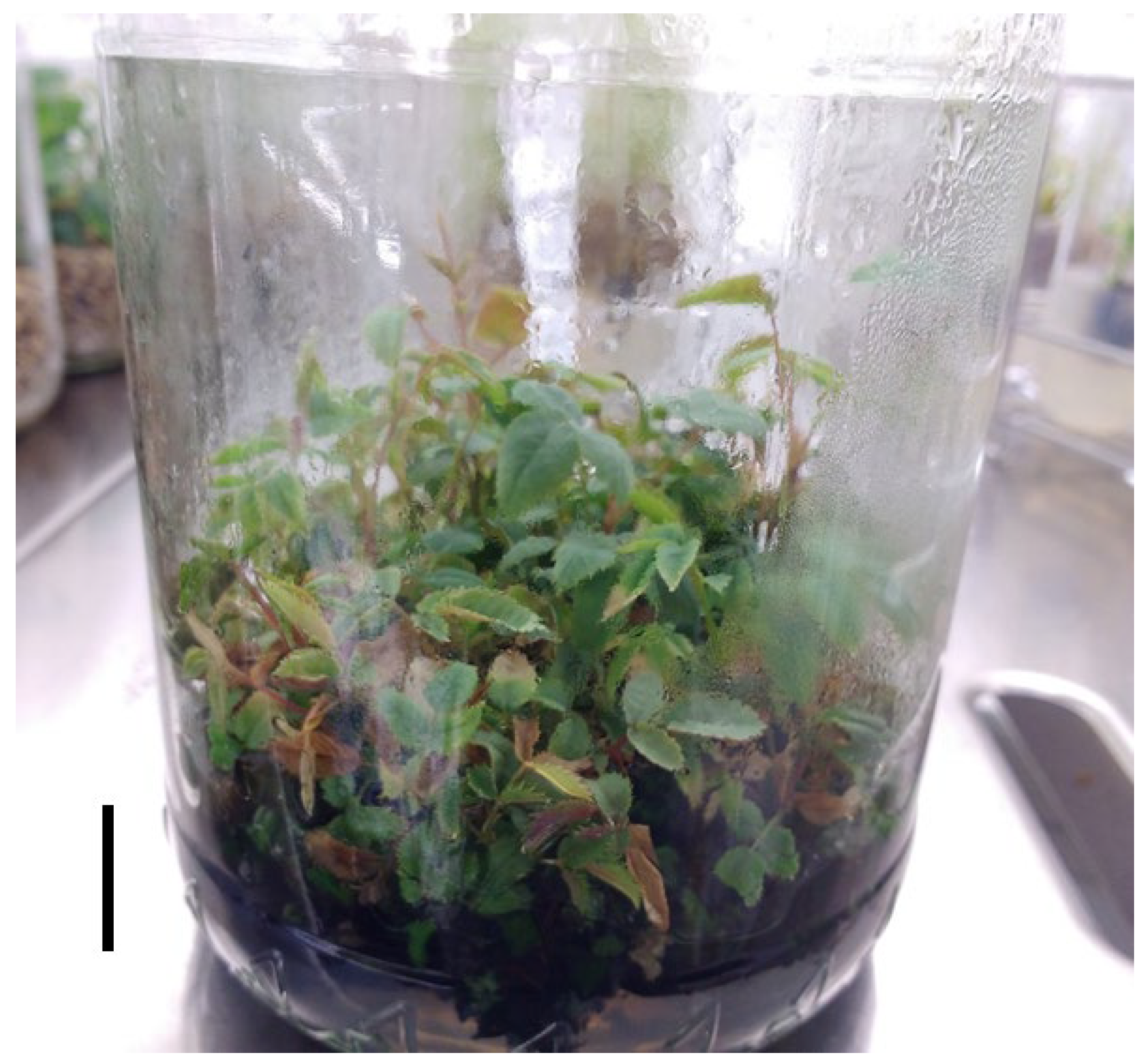
Shoot multiplication was conducted in two sequential phases using 6-Benzylaminopurine (BAP) as the sole plant growth regulator. In the first phase, newly developed shoots were cultured on Murashige and Skoog (MS) medium supplemented with 2 mg·L⁻¹ BAP, resulting in a high proliferation rate of axillary shoots after 3 weeks; however, shoot elongation was limited, presumably due to the elevated cytokinin concentration (Figure 1).
At this point, to promote elongation, shoots were transferred to MS medium containing a reduced BAP concentration (1 mg·L⁻¹) and cultured at lower shoot density. Under these conditions, compact shoots elongated modestly (5–8 mm). As elongation remained insufficient for rooting, a third phase was introduced by adding a liquid MS medium devoid of plant growth regulators and supplemented with 3 g·L⁻¹ activated charcoal (AC).
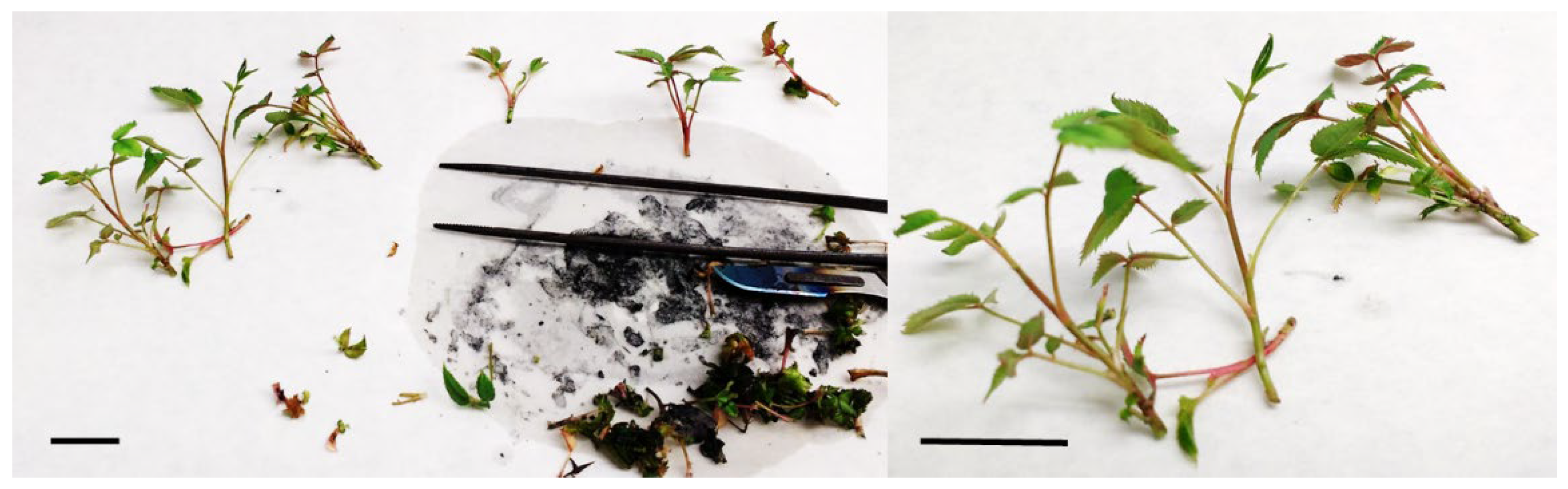
AC is commonly employed in in vitro culture systems for its capacity to adsorb excess PGRs and other inhibitory compounds in both liquid and solid media, thereby promoting shoot elongation and physiological development [24,25,26]. In this context, the adsorption of residual cytokinins from the previously used medium by the activated charcoal facilitated shoot elongation after an additional 3-week period (Figure 2).
Several studies have explored the use of various combinations of cytokinins, auxins, and other growth regulators—such as gibberellic acid (GA₃)—to enhance shoot multiplication in Rosa species [18,19,20]. In a more recent study, Pahnekolayi et al. [21] optimized the micropropagation protocol for R. canina and Rosa beggeriana. These authors evaluated 20 treatment combinations involving BAP (0–2 mg·L⁻¹), GA₃ (0–0.5 mg·L⁻¹), and naphthaleneacetic acid (NAA) (0–0.1 mg·L⁻¹), and reported that the highest number of axillary shoots and new leaves in R. canina was achieved using MS medium supplemented solely with 2 mg·L⁻¹ BAP, without GA₃ or NAA.
Herein, BAP was likewise used as the sole plant growth regulator. However, unlike the aforementioned protocol, which combined multiplication and elongation in a single step, our approach separated these stages into two distinct multiplication phases followed by an elongation phase prior to root induction. This sequential strategy resulted in a high number of R. canina shoots with sufficient elongation (≥3 cm), enabling successful transition to the rooting phase. R. canina shoots obtained after the multiplication and elongation phases (Figure 3) were optimal for being transferred to the rooting induction medium.

2.3. Root Induction

Root induction in R. canina was optimized through two sequential assays designed to unravel the effects of basal medium composition, activated charcoal (AC), auxin supplementation (IBA), and photoperiod on adventitious root formation.
Woody Plant Medium (WPM) was initially selected for the first assay because it was specifically formulated for woody species [27] and is characterized by a lower ionic strength than Murashige and Skoog (MS) medium, reducing osmotic stress and improving explant performance during rhizogenesis. Given that R. canina is considered a difficult-to-root species, MS medium was subsequently included in the second assay as a reference medium to assess whether rooting efficiency was primarily driven by salt composition or by the interaction between mineral nutrition, auxin, and light conditions. IBA and AC were evaluated separately to avoid confounding effects, as AC can adsorb phenolic compounds and residual cytokinins, improving the rooting environment, whereas IBA directly promotes root initiation by activating auxin-responsive pathways.

2.3.1. Assay 1: Effect of AC

In the first assay, accumulative rooting percentages were recorded on shoots cultured on WPM basal medium without auxin under a 16 h light / 8 h dark photoperiod, comparing basal medium without AC (T1) and WPM supplemented with 3 g·L⁻¹AC (T2). Mean values and their corresponding standard errors (SE) are shown in Table 1.
During the first six weeks of culture, rooting percentages increased progressively in both treatments, being consistently higher in the AC-free treatment (T1). However, at week 7, the AC treatment exhibited an abrupt increase, culminating in significantly higher final rooting by week 8 (58.3% in T2 vs. 41.7% in T1).
Statistical analysis revealed a highly significant effect of time (p < 0.001), indicating a progressive increase in rooting percentages throughout the experimental period, regardless of treatment. Although the main effect of AC was not statistically significant (p = 0.107), a significant treatment × time interaction was observed (p < 0.001), revealing that the effect of activated charcoal on root induction depended on the duration of culture. These results indicate that activated charcoal did not accelerate early root induction but modified the temporal dynamics of rooting, enhancing root formation at later stages. This delayed effect is consistent with the ability of activated charcoal to adsorb inhibitory phenolic compounds and residual cytokinins that accumulate over time in the culture medium, a phenomenon previously reported in several Rosa species [28,29,30].

2.3.2. Assay 2: Effect of Basal Medium, Auxin and Photoperiod

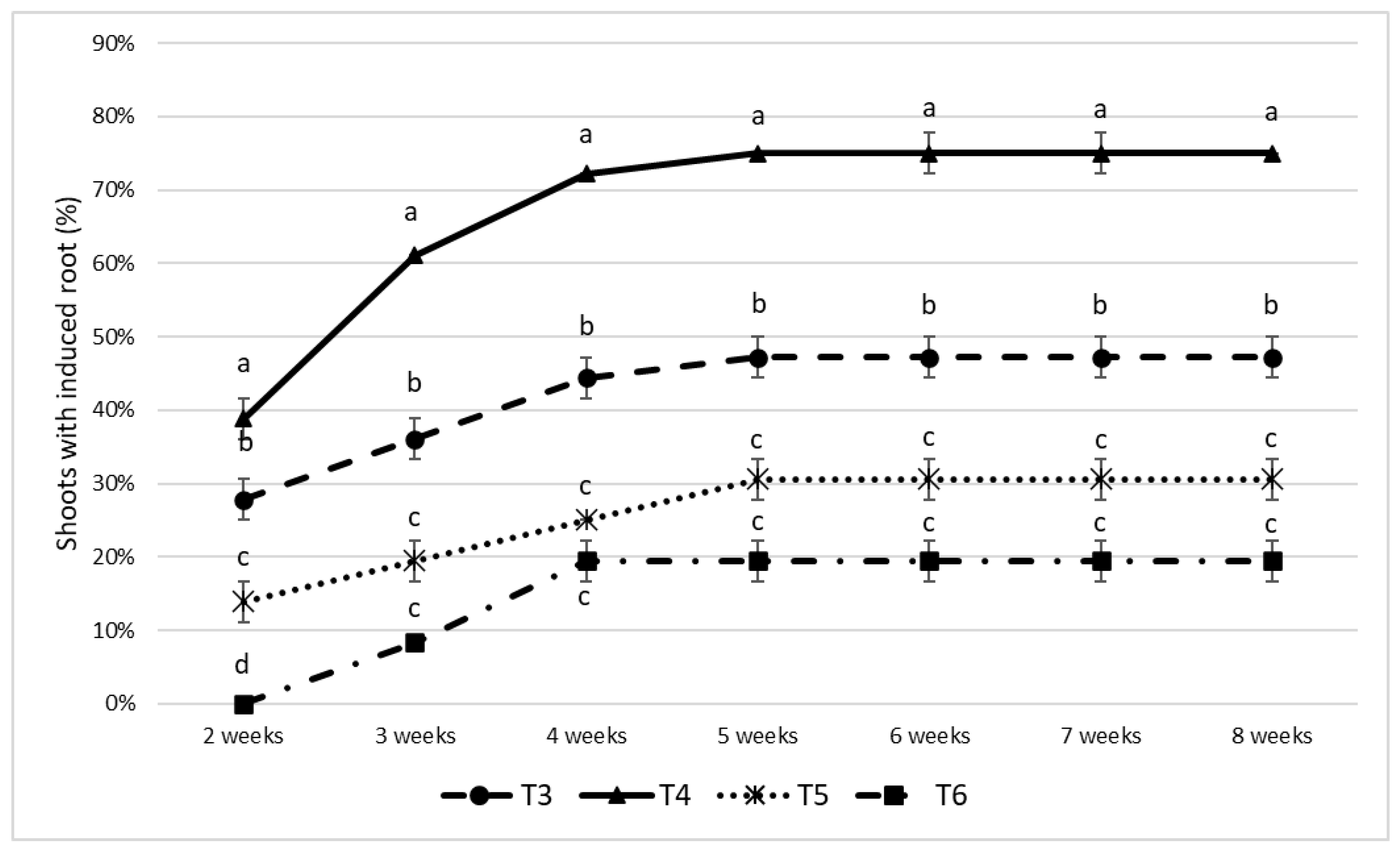
To improve the rooting efficiency observed in the first assay, a second experiment (treatments T3-T6) was conducted incorporating indole-3-butyric acid (IBA) at 2 mg·L⁻¹ and comparing two basal media (WPM and MS) under two photoperiod regimes (16h light / 8h dark and continuous darkness). Mean values and SE for the accumulative percentage (%) of rooted shoots over time are shown in Figure 4.
In all treatments, root induction increased rapidly between weeks 3 and 5 and then plateaued, indicating the existence of a common induction window. Among the four treatments, the combination of WPM with IBA under a 16 h light / 8 h dark photoperiod (T4) produced the highest and fastest rooting response, reaching 72–75% by weeks 4–5. WPM with IBA under continuous darkness (T3) achieved intermediate rooting levels, stabilizing at approximately 44–47%. In contrast, MS-based treatments were significantly less effective: MS with IBA under continuous darkness (T5) and MS with IBA under the light/dark photoperiod (T6) reaching only about 31% and 19% respectively.
The two-way ANOVA analysis revealed a highly significant main effect of basal medium composition on root induction (p < 0.00001), indicating that the choice of mineral formulation strongly influenced rooting performance. Photoperiod also had a significant effect (p = 0.00153), confirming that light conditions modulated adventitious root formation. Importantly, a highly significant basal medium × photoperiod interaction was detected (p < 0.00001), demonstrating that the effect of light on root induction depended on the basal medium used.
Compared with the auxin-free conditions of assay 1, the inclusion of the auxin IBA in assay 2 clearly enhanced both the speed and magnitude of root induction, particularly in WPM-based media. This result is consistent with previous studies demonstrating the central role of IBA in stimulating adventitious root formation in woody species [31]. In R. canina, in vitro experiments using 0.6–0.9 mg·L⁻¹ IBA achieved 20–25% rooting, while auxin-free media yielded only 12% [21]. Ex vitro studies also confirm that auxin application improves rooting in cuttings [15,16,17].
The superior performance of WPM (T4 and T3) relative to MS (T5 and T6) in the presence of IBA confirms that basal medium composition plays a critical role in rhizogenesis. Similar findings were reported by Toma et al. [32], who observed faster root emergence and higher root numbers in R. canina explants cultured on WPM supplemented with low concentrations of IBA, whereas MS-based media consistently resulted in poorer rooting responses. These results support the notion that woody species often require nutrient formulations with lower ionic strength for optimal rhizogenesis.
The higher rooting percentage observed in treatment T4 compared with T3 (both WPM with IBA, but differing in photoperiod) underscores a synergistic interaction between auxin signaling and photomorphogenic responses. In woody species, light has been shown to enhance adventitious root formation when combined with appropriate auxin levels —for example, in Betula pendula, maximum rooting and root density were achieved under light regimes at relatively low IBA concentrations, directly supporting this synergistic effect [33]. Mechanistically, light perceived by photoreceptors such as phytochromes, cryptochromes, and phototropins modulates root physiology and development, and intersects with auxin transport and sensitivity, providing a plausible basis for enhanced rhizogenesis under illuminated conditions [34]. Recent syntheses on woody plant development and in vitro regeneration further emphasize that light intensity, spectrum, and photoperiod regulate adventitious root formation through molecular networks integrating photomorphogenic signaling with hormonal control, consistent with the superior performance of WPM + IBA under light [35,36].
In contrast, no differences in rooting percentage were observed between photoperiod treatments when rooting was performed on MS medium with IBA (T5 and T6). This suggests that the promotive effect of light on root induction is expressed only when the basal medium provides a favorable physiological environment for auxin responsiveness. Under WPM, this synergy resulted in a clear increase in rooting under the 16 h light / 8 h dark photoperiod, whereas MS lacks this response, likely due to its higher salt concentration and nutrient composition, which may limit the photomorphogenic modulation of auxin-driven rhizogenesis. As a result, the positive effect of light becomes evident in WPM but remains undetectable in MS medium. In other recalcitrant woody species, such as walnut [37] and pear [38] the basal medium had to be reduced to one-fourth or one-half the macronutrient concentration to favor root induction and elongation.
To our knowledge, few studies have simultaneously evaluated rooting responses under MS and WPM media while also comparing light versus darkness conditions. The present results indicate that light enhances root induction in R. canina only when combined with WPM, suggesting a medium-dependent photoperiod effect. This interaction between mineral nutrition, hormonal regulation, and light signaling represents a promising avenue for further research aimed at improving rooting efficiency in woody species that are traditionally considered difficult to propagate in vitro.

2.4. Root Development

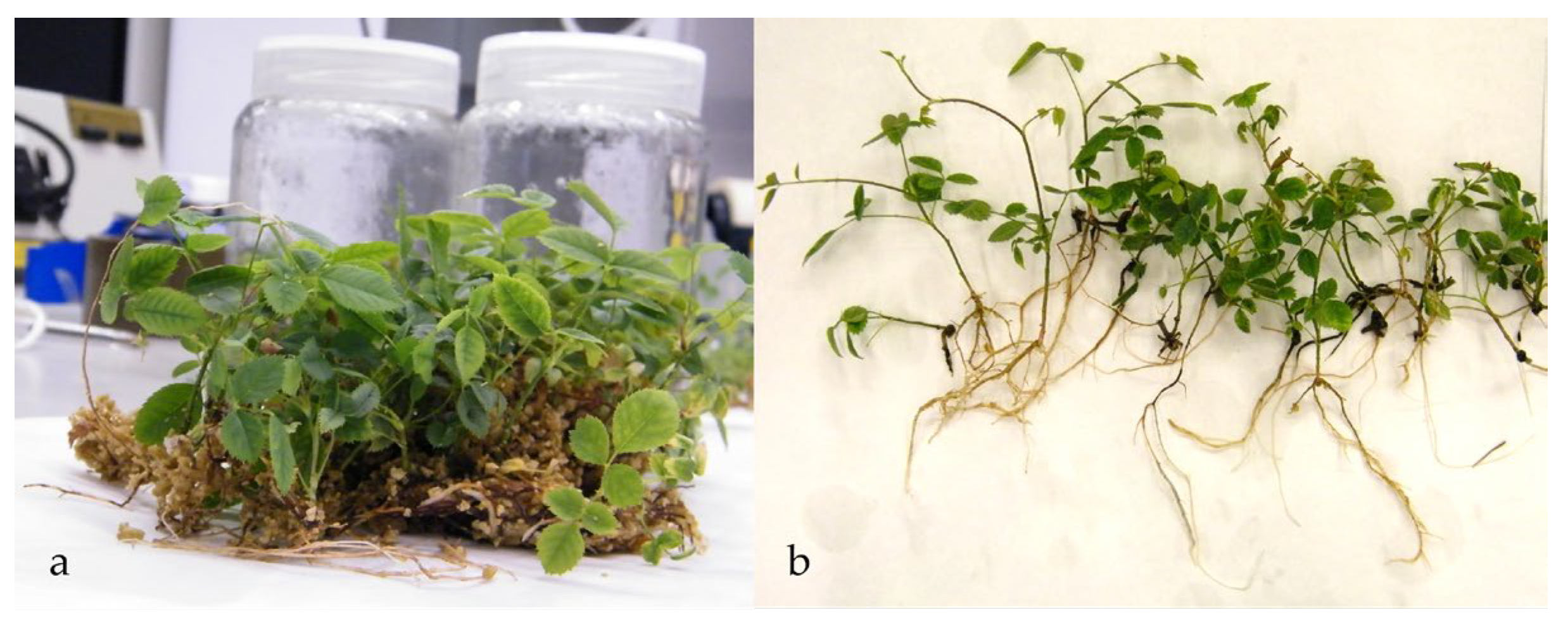
Shoots that successfully formed adventitious roots during the inductions phase were transferred to a root development medium to promote root elongation and maturation. Under these conditions, induced primary roots elongated rapidly and gave rise to numerous secondary roots, resulting in well-structured and highly branched root systems (Figure 5).
The root development medium consisted of WPM basal salts combined with vermiculite, which provided a porous substrate with high aeration and drainage capacity. Adequate oxygen availability is a critical factor during root growth, particularly in woody species, where hypoxic conditions can severely impair rhizogenesis and root functionality. Previous studies in roses have demonstrated that insufficient aeration negatively affects root elongation and branching, whereas improved oxygen diffusion enhances both root growth and post-transplant performance [39,40]. Rooting of other woody species has been favored by adding vermiculite to the medium [37,38].
Incorporation of vermiculite into the culture system likely improved gas exchange at the root–medium interface, facilitating respiratory activity and supporting sustained root growth [41] . As a result, roots produced during this phase were robust, elongated, and morphologically suitable for ex vitro transfer, indicating that the transition from a solid agar-based induction medium to a more aerated development substrate is a critical step for successful micropropagation of R. canina.

2.5. Acclimatization of Plantlets

The presence of numerous secondary roots, ranging from 5 to 15 cm in length, was consistently observed on plantlets after culture in vermiculite containing medium, constituting a key factor for successful acclimatization. A well-developed and branched root system enhances water and nutrient uptake during the transition from heterotrophic in vitro conditions to autotrophic growth under greenhouse environments.
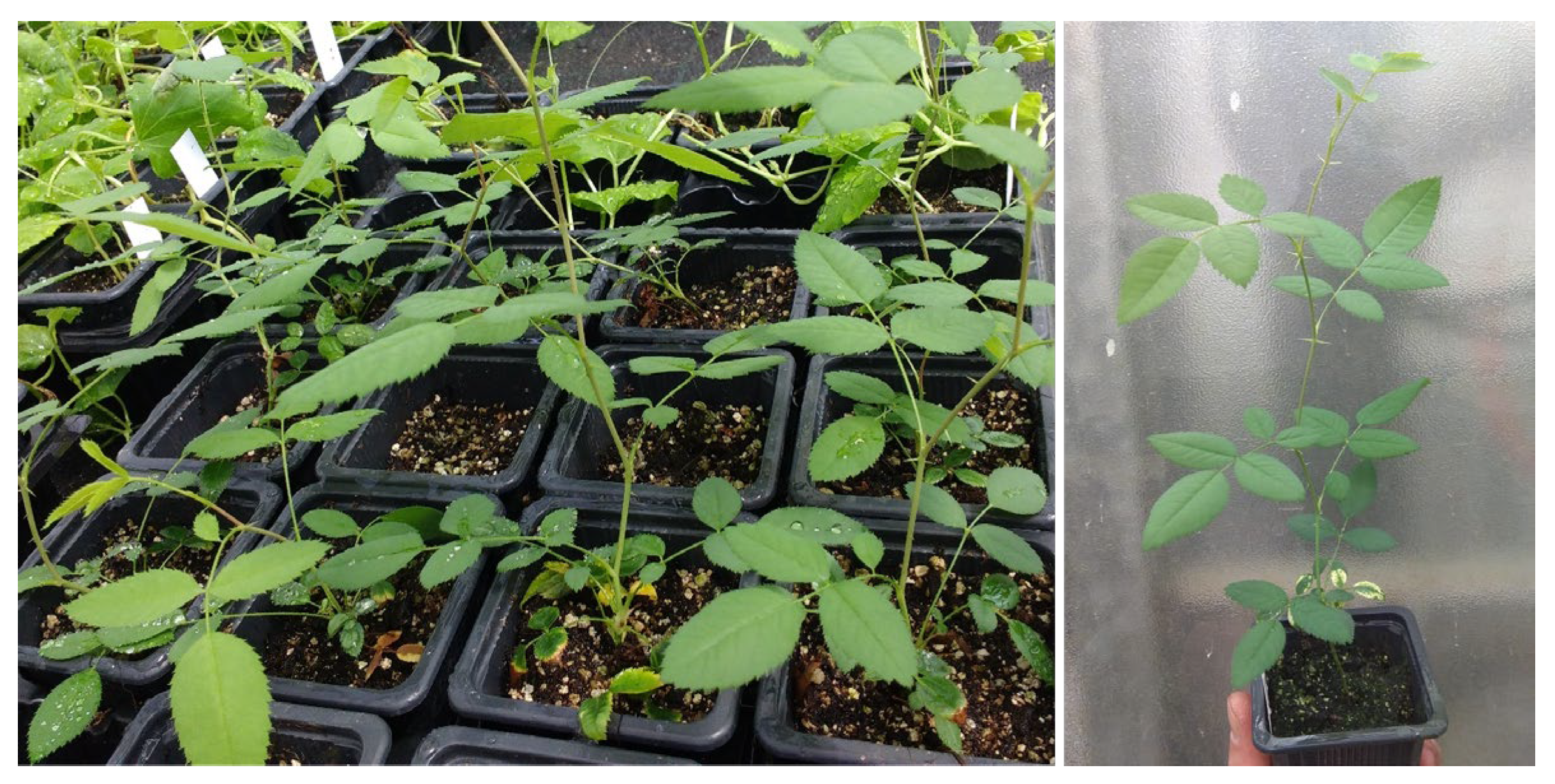
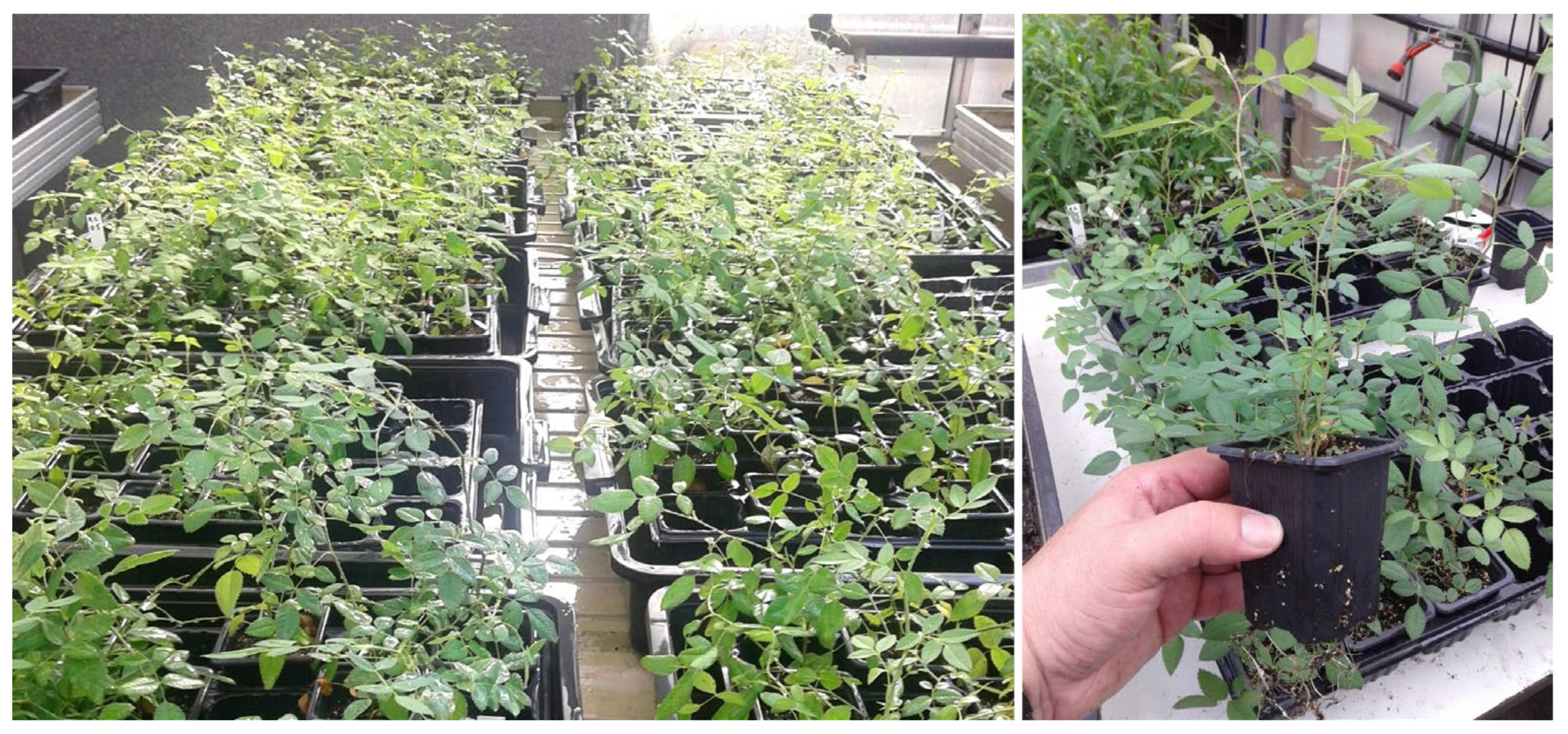
Once the plantlets were transferred to the greenhouse and the acclimation cycle was completed, the acclimated plants exhibited normal morphology, active vegetative growth, and 100% survival rate. These results demonstrate that the in vitro-derived root systems were fully functional and capable of supporting ex vitro development. The successful acclimatization of all plants confirms the robustness of the micropropagation protocol and its suitability for the large-scale production of R. canina plants from wild germplasm. After initial acclimatization, plants were relocated to mist-controlled benches, where they continued to harden and develop under standard greenhouse conditions (Figure 6).
The plants continued to grow and harden under greenhouse conditions until final delivery (Figure 7), where they were directly transplanted into commercial field plots.

3. Materials and Methods

3.1. Plant Material and Explant Establishment

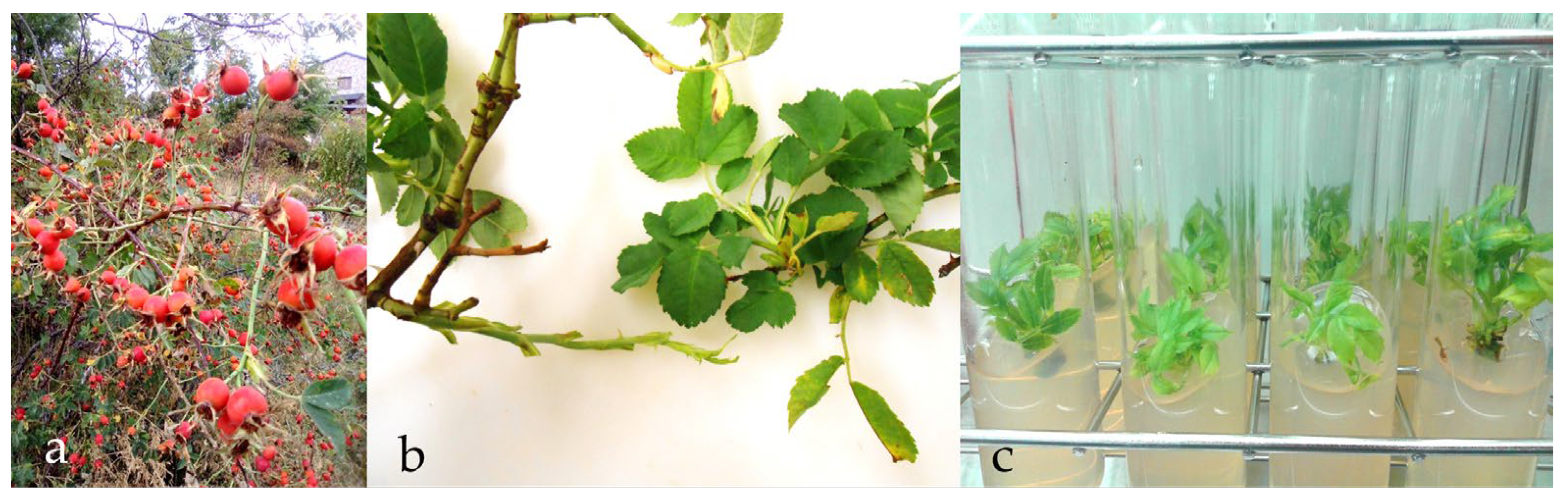
Branches of Rosa canina L. were collected from wild plants (Figure 8a) were provided by Gratacool from La Cerdanya (Lleida, Spain). Axillary wood buds were excised (Figure 8b) and surface-disinfected by immersion in 70% (v/v) ethanol for 1 minute followed by and a solution of 0.5% (v/v) NaOCl + Tween 80 for 15 minutes. Explants were rinsed up with distillated sterile water for 3 times under aseptic conditions and introduced in tubes containing 15 mL of Murashige and Skoog (MS) basal medium [42] with 30 g·L-1 sucrose, 6-benzylaminopurine (BAP) 1 mg·L-1, 0.95% (w/v) agar (Quimivita, Barcelona, Spain) (Figure 8c). pH was adjusted to 5.70 prior to autoclaving.
Unless otherwise stated, all cultures were maintained at 22 °C under a 16 h light / 8 h dark photoperiod with a light intensity of 150–200 μmol m⁻²·s⁻¹.
Explants were transferred weekly to fresh medium, and the basal portion was excised to reduce phenolic accumulation and promote shoot development.

3.2. Shoot Propagation and Elongation

Newly formed shoots, when they reached 1-1.5cm long, were excised and introduced in culture jars containing 100 mL of propagation medium. The multiplication phase was conducted in two sequential subcultures. In the first subculture, shoots were grown on MS basal medium with 30 g·L-1 sucrose, 2 mg·L-1 BAP and 0.95% (w/v) agar. After 3 weeks, shoots were separated in aseptic conditions and transferred to the same medium containing a reduced BAP concentration (1 mg·L-1).
Three weeks later, 50 mL of liquid medium MS medium with 30 g·L-1 sucrose, activated carbon 3 g·L-1 but without plant growth regulators was added to each jar. Shoots were maintained under the same environmental conditions for an additional 3 weeks.

3.3. Root Induction Experiments

Elongated shoots (≥3 cm) obtained from the previous phase were selected for rooting experiments. Basal leaves were removed and shoots were individually transferred to sterile glass tubes containing the respective rooting media.
Two independent assays were carried out to evaluate the effects of basal medium composition, activated charcoal, auxin supplementation, and photoperiod on R. canina root induction.

3.3.1. Assay 1: Effect of Activated Charcoal

Shoots were cultured on Woody Plant Medium (WPM) either without activated charcoal (T1) or supplemented with 3 g·L⁻¹ activated charcoal (T2), both without auxin. Cultures were maintained under 16 h light / 8 h dark photoperiod (Table 2).

3.3.2. Assay 2: Effect of Basal Medium, Auxin and Photoperiod

In the second assay, the effect of auxin addition was evaluated by incorporating indole-3-butyric acid (IBA) at a concentration of 2 mg·L⁻¹ into the medium. Two basal media (WPM and MS) were compared, and two photoperiod regimes were tested (16 h light / 8 h dark and continuous darkness) were tested, resulting in four treatments (T3-T6) (Table 3).
All rooting media contained 30 g·L⁻¹ sucrose and 0.95% agar, and the pH was adjusted to 5.70 before autoclaving.
Each treatment consisted of three replicates with 12 shoots per replicate (n=36). Cultures were maintained under controlled conditions at 22 °C, and root induction was evaluated weekly from 2 up to 8 weeks.
All culture media were prepared using Murashige and Skoog (MS) or Woody Plant Medium (WPM) basal salts, plant growth regulators (BAP and IBA) and activated charcoal, provided by Duchefa Biochemie (Haarlem, The Netherlands).

3.4. Root Development

Shoots that formed adventitious roots were transferred to a root development medium, consisting of 40 mL of WPM basal medium with 30 g·L-1 sucrose, 0.6% combined with 50mL of vermiculite per jar. Cultures were maintained for 4 weeks under the same environmental conditions described above.

3.5. Acclimatization

Plantlets exhibiting well-developed root systems and achieving a minimum shoot height of 5 cm were selected for acclimatization. Plantlets were carefully removed from the culture vessels and thoroughly rinsed under running tap water to eliminate residual vermiculite and culture medium (Figure 5). During this step, meticulous removal of the substrate was essential to prevent mechanical damage to the roots while ensuring complete elimination of residual sugars, as these compounds can serve as substrates for fungal colonization during acclimatization.
Immediately after washing, the plantlets were transplanted into trays containing a peat:vermiculite substrate (2:1, v/v); the peat used was the Exclusive brand (Gebr.Brill Substrate GmbH & Co. KG, Georgsdorf, Germany). Trays were placed inside plastic humidity-controlled tunnels located in the greenhouse, where relative humidity was gradually reduced from approximately 100% to 60% over a period of 14–21 days. These tunnels maintained soil temperatures above 22/18 °C (day/night) and provided a 16-hour photoperiod, supplemented with LED lighting (SUP12100DC, AlternativaLED, Terrassa, Barcelona, Spain) to extend daylight hours, delivering 230 μmol m⁻² ·s⁻¹ PAR at leaf level, promoting a progressive adjustment of the stomatal apparatus and cuticular development
After completing acclimatization, trays were moved to greenhouse benches, and the plants were irrigated using a misting system until they were suitable for field establishment.

3.6. Experimental Design and Statistical Analysis

All experiments were conducted using a completely randomized design. For each treatment, three independent replicates were established, each consisting of 12 explants (n=36 per treatment). Rooting percentages were recorded weekly from 2 to 8 weeks.
For the first assay (T1–T2), data were analyzed using a two-way analysis of variance (ANOVA) with treatment (WPM vs. WPM + activated charcoal) and time (weeks) as fixed factors. The interaction between treatment and time was included in the model to evaluate whether rooting dynamics differed between treatments over time. When significant effects were detected, mean comparisons were performed using Tukey’s honestly significant difference (HSD) post hoc test. All statistical analyses were conducted at a significance level of α = 0.05. Data are presented as mean ± standard error (SE).
For the second assay (T3–T6), a two-way factorial ANOVA was performed to evaluate the effects of basal medium (MS vs. WPM), photoperiod (16 h light / 8 h dark vs. continuous darkness), and their interaction on root induction. When significant effects were detected, means were compared using Tukey’s HSD post hoc test.
All statistical analyses were conducted at a significance level of α = 0.05. Data are presented as mean ± standard error (SE).

4. Conclusions

The present study establishes a complete, reproducible, and efficient in vitro micropropagation protocol for Rosa canina L., starting from wild explant introduction and culminating in successful ex vitro acclimatization. By systematically evaluating and integrating the effects of basal medium composition, plant growth regulator supplementation, photoperiod, and post-induction root development conditions, this work addresses critical bottlenecks traditionally associated with the micropropagation of woody, difficult-to-root species.
During the establishment and multiplication phases, the implementation of frequent subculturing combined with sequential cytokinin treatments effectively mitigated phenolic oxidation and promoted the production of vigorous shoots. The separation of shoot proliferation and elongation into distinct phases, followed by an elongation stage incorporating activated charcoal, proved essential for obtaining shoots of sufficient length and physiological quality for rooting, highlighting the importance of developmental staging in R. canina micropropagation.
Root induction was strongly influenced by the interaction between basal medium composition, auxin supplementation, and photoperiod. Among the factors evaluated, Woody Plant Medium (WPM) provided a more favorable physiological environment for rhizogenesis than Murashige and Skoog (MS) medium, particularly when supplemented with indole-3-butyric acid (IBA). The combination of WPM, IBA, and a 16 h light / 8 h dark photoperiod resulted in the fastest and highest rooting percentages, demonstrating a clear synergistic effect between mineral nutrition, hormonal signaling, and light conditions. In contrast, MS-based media consistently resulted in lower rooting responses and showed limited sensitivity to photoperiod, indicating that light-mediated enhancement of rooting is expressed only when basal medium composition supports optimal auxin responsiveness.
Activated charcoal exerted a time-dependent effect on root induction when applied in the absence of auxin, enhancing rooting at later stages by modifying the culture environment rather than accelerating root initiation. This finding underscores the need to consider not only final rooting percentages but also rooting dynamics when optimizing protocols for woody species.
Following induction, the transfer of rooted shoots to an aerated root development system incorporating vermiculite promoted root elongation and extensive secondary root formation, generating robust and functional root systems. The quality of the in vitro-formed roots proved critical for subsequent acclimatization, as plantlets exhibited high survival rates and normal growth when transferred to greenhouse conditions. The gradual reduction of relative humidity and the use of well-aerated substrates facilitated the transition from heterotrophic in vitro growth to autotrophic ex vitro development.
Overall, the results highlight that successful micropropagation of Rosa canina relies on the coordinated optimization of multiple interacting factors rather than on single-factor modifications. The demonstrated interaction between basal medium composition, auxin supplementation, and photoperiod provides new insights into the physiological regulation of adventitious rooting in woody species and emphasizes the importance of integrating mineral nutrition with hormonal and environmental cues. This protocol represents a robust platform for the large-scale clonal propagation of R. canina and offers a valuable framework for improving rooting efficiency in other recalcitrant woody plants, with potential applications in horticulture, conservation, and the sustainable exploitation of high-value genotypes.

Author Contributions

Conceptualization, E.R., M.C., and R.D.-S.; germplasm collection and field evaluation E.R.; in vitro methodology, M.C. and R.D.-S.; formal analysis, M.C.; investigation, M.C. and R.D.-S-; data curation, M.C.; writing—original draft preparation, M.C.; writing—review and editing, M.C. and R.D.-S.; supervision, R.D.-S. All authors have read and agreed to the published version of the manuscript.

Data Availability Statement

Data will be made available on request.

Conflicts of Interest

Author Emma Roca was employed by the company Rosehip and Associates S.L.. The remaining authors declare that the research was conducted in the absence of any commercial or financial relationships that could be construed as a potential conflict of interest. The authors declare that this study received funding from CERCA Programme/Generalitat de Catalunya, IRTA. The funder was not involved in the study design, collection, analysis, interpretation of data, the writing of this article or the decision to submit it for publication.

Acknowledgments

The CERCA Programme/Generalitat de Catalunya, IRTA supported this work. Authors would like to also thank specially Emma Roca for her initiative, willingness and encouragement, and to Sandra Franquesa, Eva Alsina and Amanda Prieto for the technical support given. † We wish to acknowledge the invaluable contributions of Emma Roca to this study. We deeply mourn her passing and honor her memory.:

Abbreviations

The following abbreviations are used in this manuscript:
MS Murashige and Skoog
WPM Woody Plant Medium
PGR Plant Growth Regulator
BAP 6-benzylaminopurine
IBA Indole-3-butyric acid
GA3 Gibberellic acid
NAA Naphthaleneacetic acid
AC Activated charcoal

References

  1. Cunja, V.; Mikulic-Petkovsek, M.; Stampar, F.; Schmitzer, V. Compound Identification of Selected Rose Species and Cultivars: An Insight to Petal and Leaf Phenolic Profiles. Journal of American Society for Horticultural Science 2014, 139, 157–166. [CrossRef]
  2. D’Angiolillo, F.; Mammano, M.M.; Fascella, G. Pigments, Polyphenols and Antioxidant Activity of Leaf Extracts from Four Wild Rose Species Grown in Sicily. Not. Bot. Horti Agrobot. Cluj. Napoca. 2018, 46, 402–409. [CrossRef]
  3. Ouerghemmi, S.; Sebei, H.; Siracusa, L.; Ruberto, G.; Saija, A.; Cimino, F.; Cristani, M. Comparative Study of Phenolic Composition and Antioxidant Activity of Leaf Extracts from Three Wild Rosa Species Grown in Different Tunisia Regions: Rosa Canina L., Rosa Moschata Herrm. and Rosa Sempervirens L. Ind. Crops Prod. 2016, 94, 167–177. [CrossRef]
  4. Phetcharat, L.; Wongsuphasawat, K.; Winther, K. The Effectiveness of a Standardized Rose Hip Powder, Containing Seeds and Shells of Rosa Canina, on Cell Longevity, Skin Wrinkles, Moisture, and Elasticity. Clin. Interv. Aging 2015, 10, 1849–1856. [CrossRef]
  5. D’Espessailles, A.; Dossi, C.G.; Espinosa, A.; González-Mañán, D.; Tapia, G.S. Dietary Rosa Mosqueta (Rosa Rubiginosa) Oil Prevents High Diet-Induced Hepatic Steatosis in Mice. Food Funct. 2015, 6, 3109–3116. [CrossRef]
  6. Tapia, G.; Silva, D.; Romero, N.; Pettinelli, P.; Dossi, C.G.; de Miguel, M.; González-Mañán, D. Role of Dietary α- and γ-Tocopherol from Rosa Mosqueta Oil in the Prevention of Alterations Induced by High-Fat Diet in a Murine Model. Nutrition 2018, 53, 1–8. [CrossRef]
  7. Dossi, C.G.; Cadagan, C.; San Martín, M.; Espinosa, A.; González-Mañán, D.; Silva, D.; Mancilla, R.A.; Tapia, G.S. Effects of Rosa Mosqueta Oil Supplementation in Lipogenic Markers Associated with Prevention of Liver Steatosis. Food Funct. 2017, 8, 832–841. [CrossRef]
  8. Ercisli, S.; Güleryüz, M. Rose Hip Utilization in Turkey. Acta Hortic. 2005, 77–82. [CrossRef]
  9. Yildiz, O.; Alpaslan, M. Properties of Rose Hip Marmalades. Food Technol. Biotechnol. 2012, 1, 98–106.
  10. Hornero-Méndez, D.; Mínguez-Mosquera, M.I. Carotenoid Pigments in Rosa Mosqueta Hips, an Alternative Carotenoid Source for Foods. J. Agric. Food Chem. 2000, 48, 825–828. [CrossRef]
  11. Vossen, E.; Utrera, M.; De Smet, S.; Morcuende, D.; Estévez, M. Dog Rose (Rosa Canina L.) as a Functional Ingredient in Porcine Frankfurters without Added Sodium Ascorbate and Sodium Nitrite. Meat Sci. 2012, 92, 451–457. [CrossRef]
  12. Utrera, M.; Morcuende, D.; Ganhão, R.; Estévez, M. Role of Phenolics Extracting from Rosa Canina L. on Meat Protein Oxidation During Frozen Storage and Beef Patties Processing. Food Bioproc. Tech. 2015, 8, 854–864. [CrossRef]
  13. Armenteros, M.; Morcuende, D.; Ventanas, J.; Estévez, M. The Application of Natural Antioxidants via Brine Injection Protects Iberian Cooked Hams against Lipid and Protein Oxidation. Meat Sci. 2016, 116, 253–259. [CrossRef]
  14. Gudin, S.; Arene, L. Influence of Endocarp Thickness on Rose Achene Germination: Genetic and Environmental Factors. HortScience 1990, 25, 786–788.
  15. Hosafci, H.; Arslan, N. Propagation of Dogrose ( Rosa Canina L .) Plants by Softwood Cuttings. Acta Hortic. 2005, 690, 139–142. [CrossRef]
  16. Kazankaya, A.; Yörük, E.; Dogan, A. Effect of IBA on Rooting of Rosa Canina Hardwood Cuttings from Lake Van Region, Turkey. Acta Hortic. 2005, 153–158. [CrossRef]
  17. Fascella, G.; Giardina, G.; Maggiore, P.; Giovino, A.; Scibetta, S. Distribution, Habitats, Characterization and Propagation of Sicilian Rose Species. Acta Hortic. 2015, 1064, 31–38. [CrossRef]
  18. Carelli, B.P.; Echeverrigaray, S. An Improved System for the in Vitro Propagation of Rose Cultivars. Sci. Hortic. 2002, 92, 69–74. [CrossRef]
  19. Shirdel, M.; Motallebi-Azar, A.; Matloobi, M.; Zaare-Nahandi, F. Effects of Nodal Position and Growth Regulators on In Vitro Growth of Dog Rose (Rosa Canina). Journal of Ornamental and Horticultural Plants 2013, 3, 9–17.
  20. Singh, S.K.; Syamal, M.M. Anti-Auxin Enhance Rosa Hybrida L. Micropropagation. Biol. Plant. 2000, 43, 279–281.
  21. Davoudi Pahnekolayi, M.; Tehranifar, A.; Samiei, L.; Shoor, M. Optimization of the Micro-Propagation Protocol of Two Native Rose Species of Iran (Rosa Canina and Rosa Beggeriana). Acta Hortic. 2016, 1131, 87–96. [CrossRef]
  22. Dordas, C.; Brown, P.H. Boron Deficiency Affects Cell Viability, Phenolic Leakage and Oxidative Burst in Rose Cell Cultures. Plant Soil 2005, 268, 293–301. [CrossRef]
  23. Pan, M.J.; Van Staden, J. The Use of Charcoal in in Vitro Culture - A Review. Plant Growth Regul. 1998, 26, 155–163. [CrossRef]
  24. Constantin, M.J.; Henke, R.R.; Mansur, M.A. Effect of Activated Charcoal on Callus Growth and Shoot Organogenesis in Tobacco. In Vitro 1977, 13, 293–296. [CrossRef]
  25. Dencso, I. Factors Influencing Vitrification of Carnation and Conifers. In Proceedings of the Acta Horticulturae; International Society for Horticultural Science (ISHS), Leuven, Belgium, September 1 1987; pp. 167–176.
  26. Weatherhead, M.A.; Burdon, J.; Henshaw, G.G. Some Effects of Activated Charcoal as an Additive to Plant Tissue Culture Media. Zeitschrift für Pflanzenphysiologie 1978, 89, 141–147. [CrossRef]
  27. Lloyd, G.; McCown, B. Commercially-Feasible Micropropagation of Mountain Laurel, Kalmia Latifolia, by Use of Shoot-Tip Culture. Combined Proceedings, International Plant Propagators’Society 1980, 30, 421–427.
  28. Misra, P.; Chakrabarty, D. Clonal Propagation of Rosa Clinophylla Thory. through Axillary Bud Culture. Sci. Hortic. 2009, 119, 212–216. [CrossRef]
  29. Palacios-Arriaga, A.H.; Rout, N.P. Effect of Different Media and Rooting Substrates on the Hardening-off Process of Transgenic Rose. Agronomía Mesoamericana 2019, 30, 115–129. [CrossRef]
  30. Brunda, S.M.; Rani, C.L.; Rajendran, P.; Smitha, R.; Priya, L. In Vitro Propagation of Rosa Hybrida ‘Golden Fairy’ through Nodal Explants. Acta Hortic. 2017, 87–90. [CrossRef]
  31. Pati, P.K.; Rath, S.P.; Sharma, M.; Sood, A.; Ahuja, P.S. In Vitro Propagation of Rose—a Review. Biotechnol. Adv. 2006, 24, 94–114. [CrossRef]
  32. Toma, R.; Al-Mizory, L.S.M.; Faizy, H.S. Rooting Response of Rosa Canina and Cotoneaster Acuminatus to Different in Vitro Factors. American Journal of Experimental Agriculture 2014, 4, 724–731. [CrossRef]
  33. Wynne, J.; McDonald, M.S. Adventitious Root Formation in Woody Plant Tissue: The Influence of Light and Indole-3-Butyric Acid (IBA) on Adventitious Root Induction in Betula Pendula. In Vitro Cell.Dev.Biol.-Plant 2002, 210–212. [CrossRef]
  34. Van Gelderen, K.; Kang, C.; Pierik, R. Light Signaling, Root Development, and Plasticity. Plant Physiol. 2018, 176, 1049–1060. [CrossRef]
  35. Bao, Y.; Liu, X.; Feng, C.-H.; Niu, M.-X.; Liu, C.; Wang, H.-L.; Yin, W.; Xia, X. Light and Light Signals Regulate Growth and Development in Woody Plants. Forests 2024, 15, 523. [CrossRef]
  36. Han, J.; Li, Y.; Zhao, Y.; Sun, Y.; Li, Y.; Peng, Z. How Does Light Regulate Plant Regeneration? Front. Plant Sci. 2025, 15. [CrossRef]
  37. Dolcet-Sanjuan, R.; Claveria, E.; Gruselle, R.; Meier-Dinkel, A.; Jay-Allemand, C.; Gaspar, T. Practical Factors Controlling in Vitro Adventitious Root Formation from Walnut Shoot Microcuttings. J. Amer. Soc. Hort. Sci. 2004, 129, 198–203.
  38. Iglesias, I.; Vilardell, P.; Bonany, J.; Claveria, E.; Dolcet-Sanjuan, R. Micropropagation and Field Evaluation of the Pear (Pyrus Communis L.) `IGE 2002’, A New Selection of the Cultivar Dr. Jules Guyot. Journal of the American Society for Horticultural Science 2004, 129, 389–393. [CrossRef]
  39. Baas, R.; Berg, D.; Gislerød, H.R. Do Roots Of Rose Cuttings Suffer From Oxygen Deficiency During Propagation In Rockwool? (Refereed). Acta Hortic. 1997, 123–132. [CrossRef]
  40. Gislerød, H.R.; Baas, R.; Warmenhoven, M.; Berg, D. Effect Of Aeration On Rooting And Growth Of Roses (Refereed). Acta Hortic. 1997, 113–122. [CrossRef]
  41. Casanovas, M.; Claveria, E.; Dolcet-Sanjuan, R. Development of a Feasible and Efficient In Vitro Rescue Protocol for Immature Prunus Spp. Embryos. Plants 2024, 13. [CrossRef]
  42. Murashige, T.; Skoog, F. A Revised Medium for Rapid Growth and Bioassays with Tobacco Tissue Cultures. Physiol. Plant. 1962, 473–497. [CrossRef]
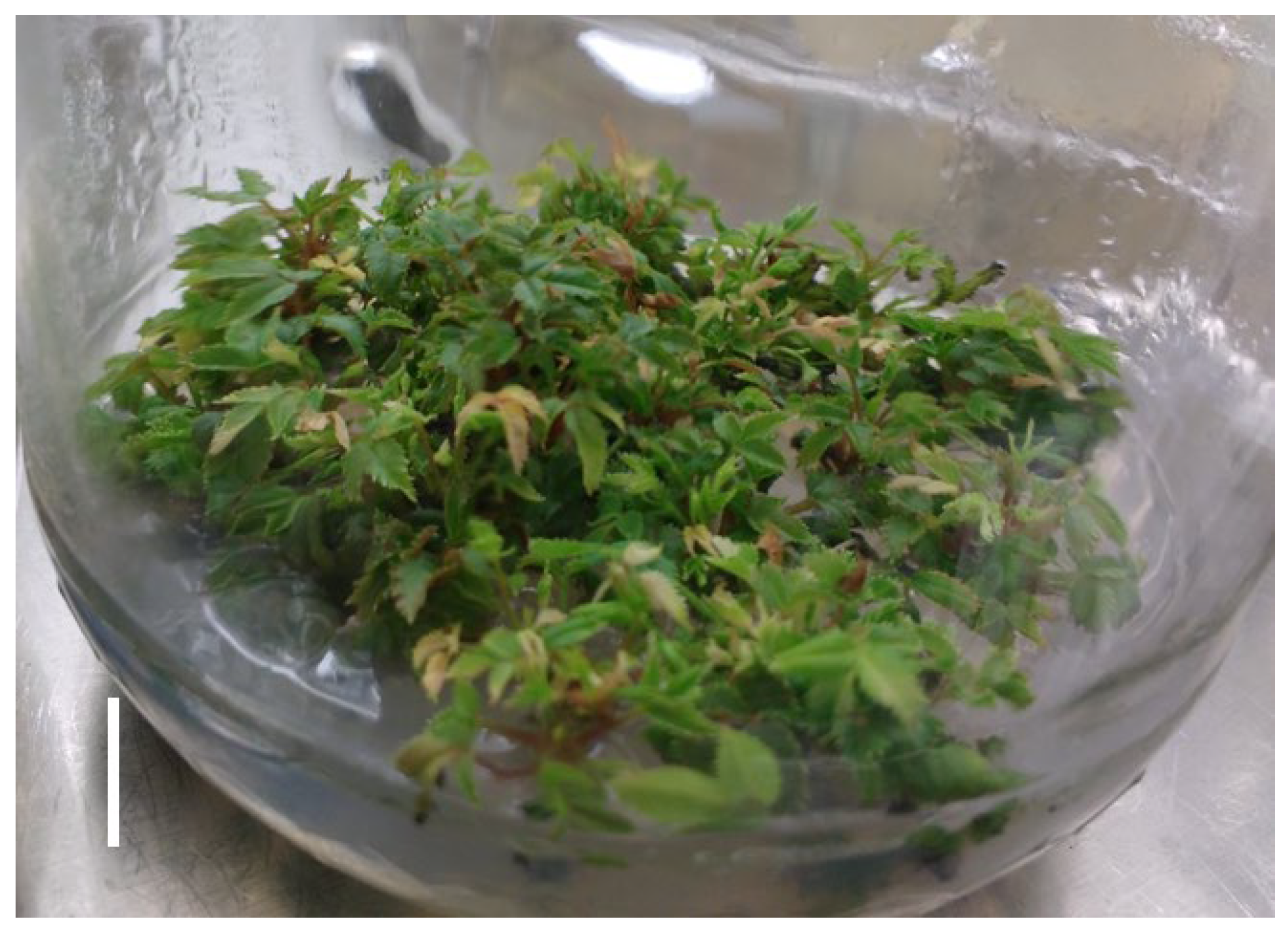
Figure 1. Shoots of Rosa canina after 3 weeks culture in MS medium with 2 mg·L⁻¹ BAP. Solid bar is equivalent to 2 cm length.
Preprints 199213 g001
Figure 2. Shoots of Rosa canina after 3 weeks culture with liquid elongation medium (MS + 3 g L-1 AC). Solid bar is equivalent to 2 cm length.
Preprints 199213 g002
Figure 3. Elongated Rosa canina shoots after 3 weeks culture in a two-phase culture medium, with liquid elongation medium (MS + 3 g L-1 AC). Solid bars are equivalent to 3 cm length.
Preprints 199213 g003
Figure 4. Time course of root induction (% shoots with induced roots) in Rosa canina under four culture conditions: WPM in darkness (T3) (●), WPM under a 16 h light / 8 h dark photoperiod (T4) (▲), MS in darkness (T5) (■), and MS under a 16 h light / 8 h dark photoperiod (T6) (×). Different letters indicate significant differences among treatments (Tukey’s HSD, p < 0.05).
Preprints 199213 g004
Figure 5. Shoots of Rosa canina removed from the jars containing the rooting medium, before (5a) and after (5b) being washed with tap water.
Preprints 199213 g005
Figure 6. Plants of Rosa canina acclimated in the greenhouse.
Preprints 199213 g006
Figure 7. Greenhouse hardened Rosa canina plants prepared for field transplanting.
Preprints 199213 g007
Figure 8. Wild Rosa canina plants collected in the field (a); branches used as the source of explants (b); and introduced explants (c).
Preprints 199213 g008
Table 1. Accumulative percentage (%) of rooted shoots of Rosa canina over time in WPM medium with or without activated charcoal (AC).
Rooting treatment
T1 T2
NO AC AC
Weeks Mean SE Mean SE
2 22.2 a* 2.8 16.7 a 0.0
3 25.0 a 0.0 16.7 b 0.0
4 25.0 a 0.0 16.7 b 0.0
5 25.0 a 0.0 16.7 b 0.0
6 30.6 a 2.8 16.7 b 0.0
7 36.1 a 2.8 50.0 a 4.8
8 41.7 b 0.0 58.3 a 4.8
* Treatment means with different letters indicate significant differences (Tukey’s HSD, p < 0.05).
Table 2. Media composition and photoperiod conditions for root formation induction in Rosa canina shoots in Assay 1.
Treatment Basal medium Additional Compounds Photoperiod conditions
T1 WPM None 16h light / 8h dark
T2 WPM Activated charcoal (3 g·L-1) 16h light / 8h dark
Table 3. Media composition, plant growth regulators (PGRs) and photoperiod conditions for root formation induction in Rosa canina shoots in Assay 2.
Treatment Basal medium PGRS Photoperiod conditions
T3 WPM IBA (2 mg·L⁻¹) Continuous darkness (24h)
T4 WPM IBA (2 mg·L⁻¹) 16 h light / 8 h dark
T5 MS IBA (2 mg·L⁻¹) Continuous darkness (24h)
T6 MS IBA (2 mg·L⁻¹) 16 h light / 8 h dark
Disclaimer/Publisher’s Note: The statements, opinions and data contained in all publications are solely those of the individual author(s) and contributor(s) and not of MDPI and/or the editor(s). MDPI and/or the editor(s) disclaim responsibility for any injury to people or property resulting from any ideas, methods, instructions or products referred to in the content.
Copyright: This open access article is published under a Creative Commons CC BY 4.0 license, which permit the free download, distribution, and reuse, provided that the author and preprint are cited in any reuse.
Prerpints.org logo

Preprints.org is a free preprint server supported by MDPI in Basel, Switzerland.

Subscribe

Disclaimer

Terms of Use

Privacy Policy

Privacy Settings

© 2026 MDPI (Basel, Switzerland) unless otherwise stated