

Submitted:
10 February 2026
Posted:
10 February 2026
You are already at the latest version
Preprints on COVID-19 and SARS-CoV-2
Abstract
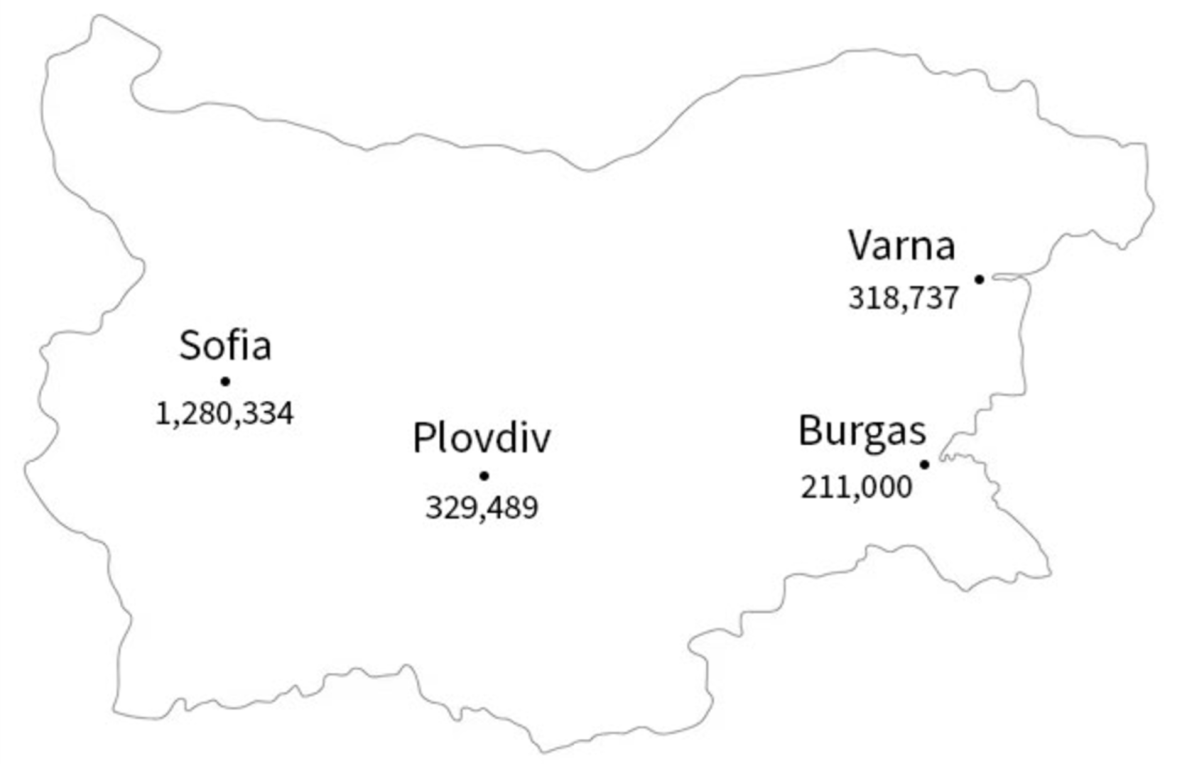
Wastewater-based epidemiology (WBE) was applied to monitor human-pathogenic respiratory viruses, including SARS-CoV-2, in the four largest Bulgarian cities during the summer and autumn of 2024. Starting from 1 liter wastewater samples, concentra-tion of the virus fraction with PEG 8000/NaCl, extraction and purification of DNA/RNA were applied. Detection of SARS-CoV-2, FluA/B, RSV and HCoV229E was performed with TaqMan qPCR. A total of 42 samples were processed over a 7-month period. Two summer peaks of SARS-CoV-2 were detected in the capital Sofia, in July and September 2024. With some differences, a similar result was observed in Plovdiv and Burgas. The concentration of SARS-CoV-2 in wastewater decreased significantly in November and December. Other respiratory viruses started to be detectable only at the beginning of October. The results of this study show an unusual summer peak of SARS-CoV-2 in wastewater from large cities, followed by a significant decrease of vi-rus concentrations in the fall. The established trend correlates with the statistics of COVID-19 incidence in Bulgaria.
Keywords:
coronavirus
; epidemiology
; TaqMan qPCR
; virus
; wastewater
; Bulgaria
Copyright: This open access article is published under a Creative Commons CC BY 4.0 license, which permit the free download, distribution, and reuse, provided that the author and preprint are cited in any reuse.


