
Submitted:
08 February 2026
Posted:
10 February 2026
You are already at the latest version
Abstract
In order to respond to the national " double carbon " strategic goal, promote the green and low-carbon transformation of the building materials industry, and develop low-carbon and environmentally friendly grouting materials, an AACGMs was prepared in this study. The effects of CG content, alkali activator modulus and alkali activator content on material fluidity, setting time, compressive strength and impermeability were systematically studied by orthogonal test. The optimal mix ratio was determined, and its internal mechanism was revealed by microscopic analysis. The results show that the comprehensive performance is the best when the content of CG is 50%, the modulus of alkali activator is 1.6 and the content of alkali activator is 14%. The primary and secondary order of the influence of various factors on the performance is : CG content > alkali activator content > alkali activator modulus. Microscopic analysis reveals that the hydrolysis polymerization products of the material are mainly C-S-H, C- (N) -A-S-H gel and zeolite-like phase, forming a dense three-dimensional network structure, which is the internal mechanism of its good mechanical and impermeability properties. This study provides a new idea for the utilization of CG, and the prepared materials are of great significance in the field of grouting reinforcement in underground engineering.
Keywords:
grouting material
; coal gangue
; alkali excitation
; orthogonal test
; microscopic analysis
1. Introduction
With the increasing energy and environmental crisis and the continuous improvement of environmental protection requirements, the demand for grouting projects continues to grow. The green transformation of traditional high-energy consumption and high-emission industries has become an inevitable trend. Traditional grouting materials are mainly cement-based materials [1], which have the advantages of stable strength and convenient construction. However, there are defects such as large raw material consumption, high carbon emissions in the production process, insufficient flexibility in setting time adjustment, and poor corrosion resistance [2,3], which are difficult to meet the needs of low-carbon environmental protection and high-performance materials for engineering construction. It is urgent to study a new grouting material with low carbon and environmental protection. At the same time, as a big country of coal production, the coal gangue produced in the process of coal mining and washing has become one of the largest and most concentrated industrial solid waste in China, with a cumulative stock of 7 billion tons [4,5]. The long-term storage of a large amount of coal gangue not only occupies valuable land resources, but also easily causes safety hazards and pollutes the environment [6,7,8].Therefore, the use of coal gangue to prepare geopolymer grouting materials [9,10,11] can not only effectively alleviate the environmental pressure caused by its storage, but also provide a new type of green grouting material for the field of engineering construction.
At present, domestic and foreign scholars have made some progress in the preparation and performance research of alkali-activated coal gangue materials. Studies have shown that proper physical activation, chemical activation or treatment can effectively improve the activity of coal gangue [12,13,14,15], so that it undergoes depolymerization-condensation reaction in an alkaline environment to form an inorganic polymer with a three-dimensional network structure. Ma Hongqiang [16], Qin Ling [17] et al.confirmed that coal gangue has cementitious potential under alkali excitation conditions, and improved the basic mechanical properties of the material by optimizing the mix ratio. However, the existing research is less and focuses on a single factor test. Under the synergistic effect of multiple factors, the comprehensive influence of various factors on the workability, mechanical strength and durability of grouting materials is not clear. At the same time, the internal correlation mechanism between the macroscopic properties of materials and the evolution of microscopic gel structure is still lack of systematic explanation.
Therefore, in this study, coal gangue, slag and fly ash were used as the main raw materials. Through orthogonal test, the influence of three key factors of coal gangue content, alkali activator modulus and alkali activator content on the fluidity, setting time, compressive strength and impermeability of grouting materials was systematically studied. The optimal mix ratio of comprehensive performance was determined. Combined with microscopic analysis, the formation mechanism of gel structure was revealed, which provided theoretical basis and technical support for the preparation and application of high-performance coal gangue-based geopolymer grouting materials.
2. Materials and Methods
2.1. Raw Materials
The coal gangue (CG) from Zhengzhou, Henan Province was selected for the test, and the jaw crusher, hammer crusher and mill were used for treatment. The CG powder that met the requirements was obtained by 300 mesh square hole screening for subsequent application. II grade fly ash (FA) is selected for FA. Use S75 grade slag. The material sample is shown in Figure 1. The chemical composition of the material is shown in Table 1.
The alkali activator is sodium silicate solution, and commercially available water glass is used in this experiment. The modulus of alkali activator was adjusted by sodium hydroxide. After sufficient mixing, the adjusted alkali activator solution was allowed to stand for 24 hours to eliminate bubbles and allow them to react fully.
2.2. Test Mix Proportions and Specimen Preparation
2.2.1. Preliminary Test
In the pre-test, it was found that when the liquid-solid ratio was 0.4, the coal gangue-based geopolymer after stirring was too viscous; when is greater than 0.5, the fluidity of coal gangue-based geopolymer is too good, but its excitation effect is not good, so the liquid-solid ratio is set to 0.45. When the content of CG is 10% and 20%, the excitation effect of coal gangue-based geopolymer is not good, and it cannot be formed after 24h, but it can achieve good forming effect at 30%. At the same time, when the modulus of alkali activator is 1.0, the coal gangue-based geopolymer will appear instantaneous condensation phenomenon and cannot continue to solidify. When the modulus of alkali activator is greater than 2.0, the strength of coal gangue-based geopolymer is low.
2.2.2. Orthogonal Test
The effects of CG content, alkali activator modulus and alkali activator content on the fluidity, setting time, compressive strength and impermeability of coal gangue-based geopolymer grouting materials were studied. Three different levels of experimental conditions were taken for orthogonal tests.
CG, slag and FA were used as solid waste silicon-aluminum materials to prepare geopolymer grouting materials. The sum of CG and slag content in solid waste silicon-aluminum materials was fixed at 90%, and the FA content was 10%. Different CG content ( 30%, 50%, 70% ), alkali activator modulus ( 1.2,1.6,2.0 ) and alkali activator content ( 12%, 14%, 16% ) were selected to prepare specimens. The effects of various factors on the fluidity, setting time, compressive strength and impermeability of the material were obtained by orthogonal test. Determine the optimal factor combination level to improve the overall performance of the material.

Table 2.
Orthogonal Test Table.
| Sample Number | Factor A CG admixture ratio |
Factor B Alkali Activator Modulus |
Factor C Alkali Activator Dosage |
|---|---|---|---|
| 1 | 30% | 1.2 | 12% |
| 2 | 50% | 1.6 | 14% |
| 3 | 70% | 2 | 16% |
Table 3.
Trial Mix Proportion.
| Sample Number |
CG admixture ratio (kg·m-3) |
Alkali Activator Modulus |
Alkali Activator Dosage (%) |
Slag admixture ratio (kg·m-3) |
FA admixture ratio (kg·m-3) |
| 1 | 180 | 1.2 | 12 | 360 | 60 |
| 2 | 180 | 1.6 | 16 | 360 | 60 |
| 3 | 180 | 2 | 14 | 360 | 60 |
| 4 | 300 | 1.2 | 16 | 240 | 60 |
| 5 | 300 | 1.6 | 14 | 240 | 60 |
| 6 | 300 | 2 | 12 | 240 | 60 |
| 7 | 420 | 1.2 | 14 | 120 | 60 |
| 8 | 420 | 1.6 | 12 | 120 | 60 |
| 9 | 420 | 2 | 16 | 120 | 60 |
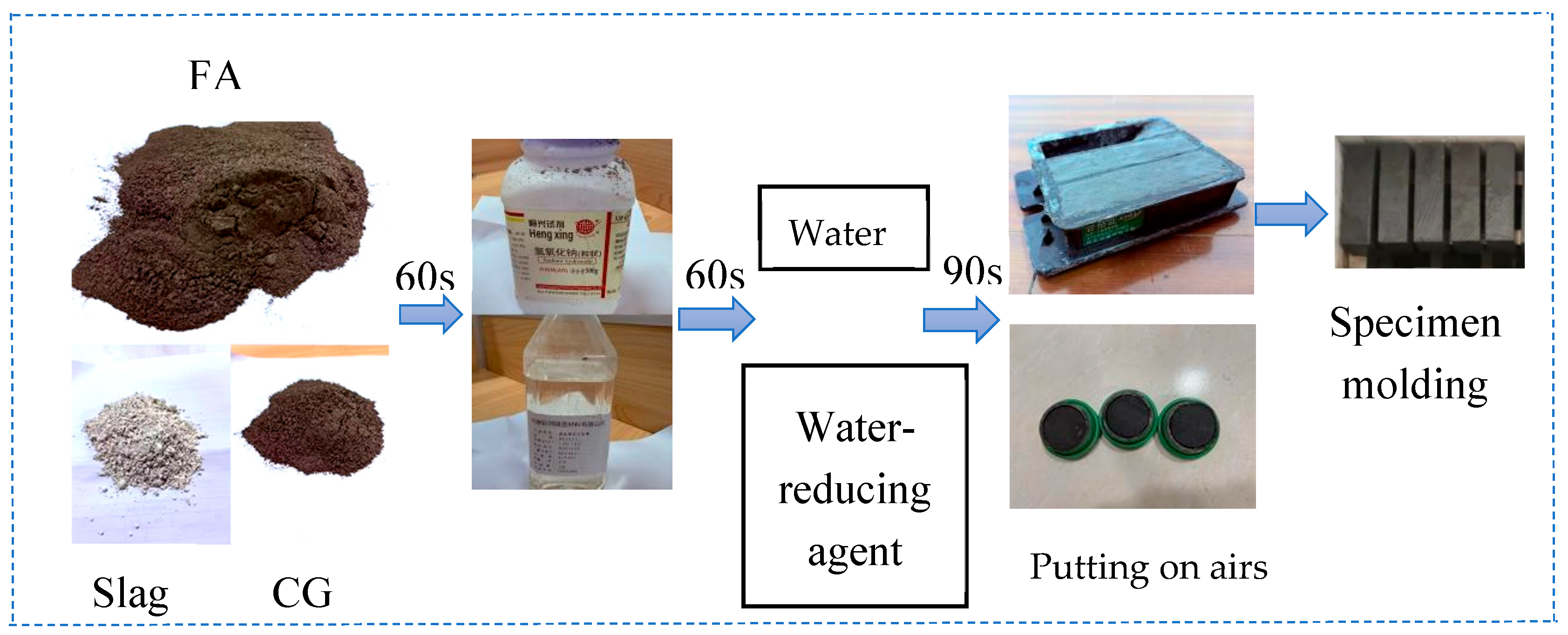
According to the calculated mix ratio, the CG, slag powder, FA, alkali activator, sodium oxide, water and water reducing agent are well weighed and completed by NJ-160A cement paste mixer. With a small vibration table vibration 30 s, the internal air of the specimen is discharged to enhance the compactness and structural strength of the specimen, and then the plastic film is used for sealing treatment to effectively prevent water loss and ensure the maintenance quality of the specimen. The surface of the specimen was covered after vibrating and compacted. After being placed in a cool position for 24 hours, the specimen was demoulded and numbered. The prepared specimen was placed in a standard curing box for curing, and the temperature was controlled at about 20±2°C.
Figure 2.
Test Specimen Preparation.
2.3. Test Method
2.3.1. Flow Test
Pour the thoroughly mixed mortar into a truncated cone mold, level the surface, then lift the mold vertically. After the mortar flows freely on the glass plate for 30 seconds, measure the maximum spread diameter in mutually perpendicular directions. Take the average of two measurements as the final result. The flow test shall be conducted and evaluated strictly in accordance with the relevant provisions of the national standard GB/T 8077-2023 “Test Methods for Homogeneity of Concrete Admixtures” [18].
2.3.2. Setting Time Test
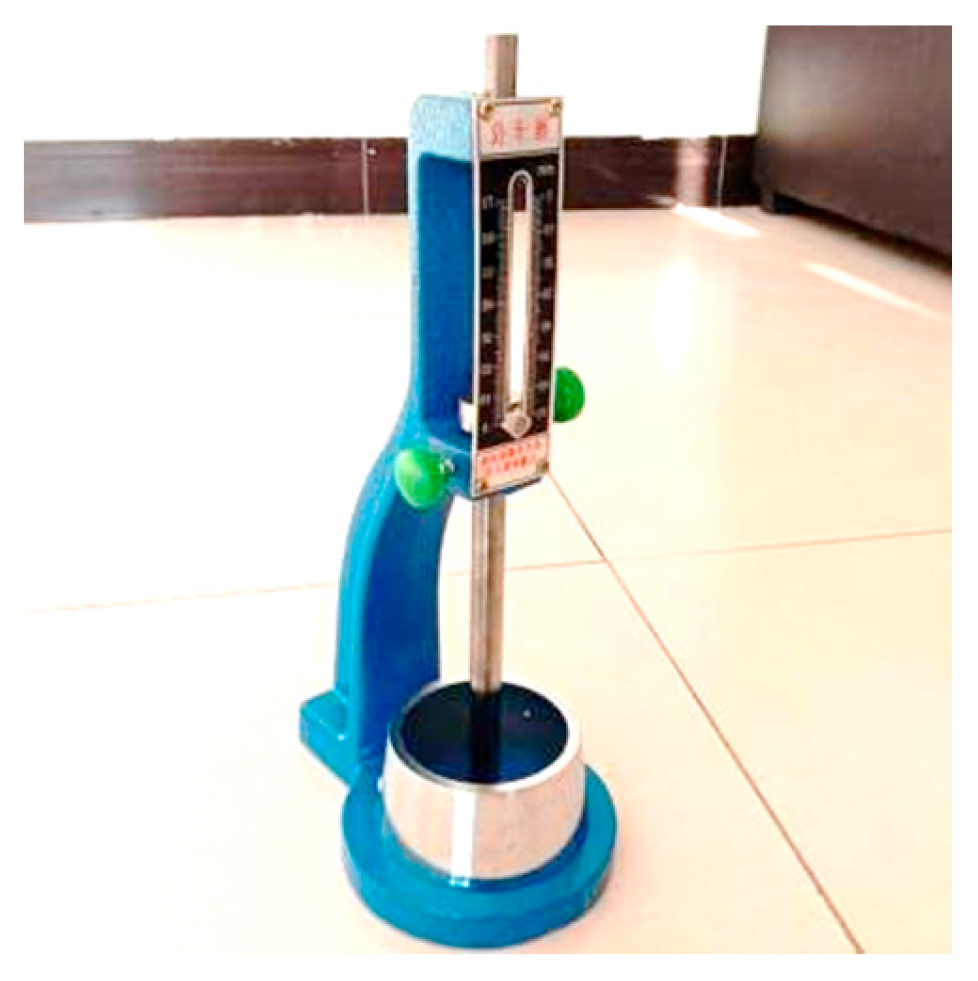
Prepare cement paste using the standard consistency water requirement. After filling the mold and leveling the surface, immediately place it in a humidified curing chamber. Record the time when all cement is added to water as the start of the setting time. When the test needle sinks to 4±1mm from the base plate, the cement reaches initial setting; when the test needle sinks 0.5mm into the specimen, final setting is reached. Record these times as the initial setting time and final setting time, respectively. Setting time testing strictly adheres to the relevant provisions of the national standard GB/T 1346-2024 “Standard Test Methods for Standard Consistency Water Requirement, Setting Time, and Stability of Cement” [19], with results evaluated accordingly.
Figure 3.
Vica Instrument.
2.3.3. Compressive Strength Test
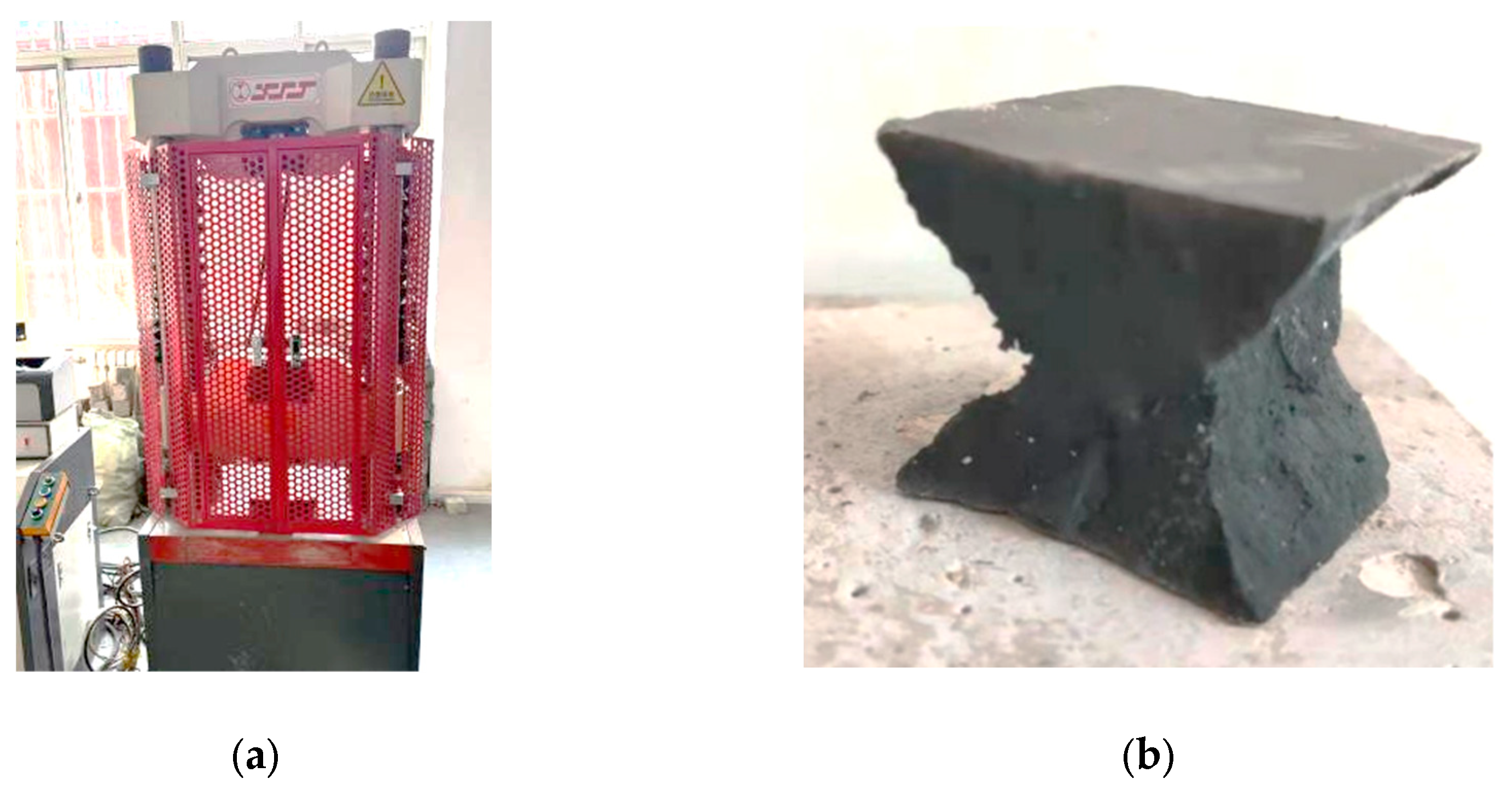
Conduct compressive strength tests on cured specimens measuring 40mm × 40mm × 160mm, recording the average value for each group of specimens. The compressive strength of specimens shall be strictly evaluated in accordance with the relevant provisions of the national standard GB/T 17671-2021 “Test Methods for Strength of Cement Mortar (ISO Method)” [20].
Figure 4.
Compressive Strength Test: (a) 2000 kN Electro-Hydraulic Servo Universal Testing Machine; (b) Specimen Failure Mode.
Figure 4.
Compressive Strength Test: (a) 2000 kN Electro-Hydraulic Servo Universal Testing Machine; (b) Specimen Failure Mode.
2.3.4. Water Permeability Test
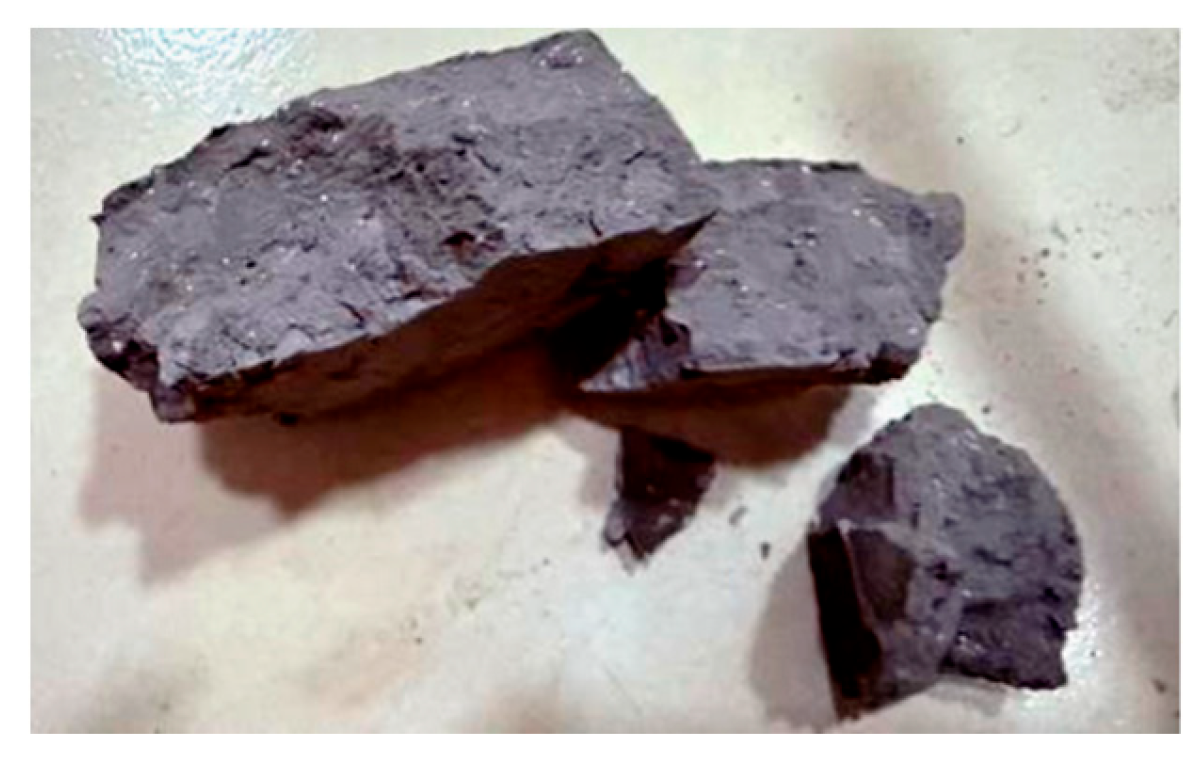
After curing, remove the specimens and allow their surfaces to dry. Seal the ends with sealing material and place them in the mortar permeability tester for water permeability testing. Apply pressure starting at 0.2 MPa. Maintain this pressure for 2 hours, then increase to 0.3 MPa. Subsequently, increase the pressure by 0.1 MPa every hour. The test shall be immediately terminated and the current water pressure recorded when water seepage appears on the end faces of 3 out of 6 specimens. Should water leakage be observed around the specimen periphery during testing, the test must be halted and the specimen resealed. Permeability performance shall be evaluated strictly in accordance with the testing procedures and results assessment outlined in JGJ/T70-2009 Standard Test Methods for Basic Properties of Building Mortars [21].
Figure 5.
Vica Instrument.
2.3.5. Microscopic Analysis
X-ray diffraction (XRD) analysis uses Cu target excitation, Kα radiation as the ray source, the scanning speed is set to 5°/min, and the scanning range of the diffraction angle covers 5° to 70°. Fourier transform infrared spectroscopy (FTIR) analysis The wavenumber range of the collected spectrum is set to 400cm-1 to 4000cm-1, and the resolution is 4cm-1. Scanning electron microscope (SEM) was used to observe and analyze the microstructure of the samples.
3. Results
The content of CG, the modulus of alkali activator and the content of alkali activator were taken as the main test factors, and the four indexes of fluidity, setting time, compressive strength and impermeability were taken as the important indexes to measure the test. According to the test results, the influence of each test factor on the index is determined. The data of orthogonal test results were analyzed by range analysis [22]and orthogonal matrix analysis [23,24].
3.1. Results of Orthogonal Test
The orthogonal test results based on three factors and three different levels of experimental conditions are shown in Table 4.
According to the test results, the range analysis is carried out, as shown in Table 5.
3.1.1. Analysis of Fluidity Test Results
According to the results of Table 5, the primary and secondary factors affecting the fluidity of the slurry are as follows: alkali activator modulus > CG content > alkali activator content, and the alkali activator modulus has the greatest influence on the fluidity of the slurry. When the CG content is 30 %, the alkali activator modulus is 2.0, and the alkali activator content is 16 %, the fluidity of the slurry is the largest.
It can be seen from Figure 6 that when the content of CG increases from 30 % to 70 %, the fluidity of slurry decreases from 229.33 mm to 195.67 mm. When the CG content is 30 %, the fluidity of the slurry is the largest. The modulus of alkali activator increased from 1.2 to 2.0, and the fluidity of slurry increased from 193 mm to 227.33 mm. The increase of modulus of alkali activator increased the concentration of silicate, enhanced the electrostatic repulsion between particles and improved the fluidity. The fluidity of the slurry increased from 198 mm to 231.33 mm when the content of alkali activator increased from 12 % to 16 %. It is attributed to the increase of silicate ions caused by the increase of dosage, which reduces the yield stress and thixotropic characteristics of the slurry [25]. The increase of alkali activator modulus and alkali activator content is beneficial to fluidity, but the influence of modulus is relatively slow and limited.
3.1.2. Analysis of the Test Results of Condensation Time
According to the results of Table 5, the influence of various factors on the setting time of slurry is as follows: CG content > alkali activator content > alkali activator modulus, and CG content has the greatest influence on the setting time of slurry. When the dosage of CG is 30 %, the modulus of alkali activator is 1.2, and the dosage of alkali activator is 16 %, the setting time of the slurry is the shortest.
It can be seen from Figure 7 that as the CG content increases from 30 % to 70 %, the setting time of the slurry increases, which is due to the fact that the active silicon-aluminum component in the CG decreases with the increase of the content, and the activity in the early stage of the reaction is insufficient. With the increase of the modulus of alkali activator from 1.2 to 2.0, the setting time of the slurry increases, which is due to the increase of the proportion of silicon oxygen tetrahedron polymer in the high modulus alkali activator, which inhibits the effective reaction between silicate ions and slag hydrolysis products. As the amount of alkali activator increased from 12 % to 16 %, the setting time of the slurry increased first and then shortened. When the amount of alkali activator was 14 %, the setting time of the slurry was 516.67 min. Compared with the amount of alkali activator of 16 %, the setting time increased by 27 %.
3.1.3. Analysis of Compressive Strength Test Results
According to the results of Table 5, the influence of various factors on the compressive strength of the stone body is primary and secondary: CG content > alkali activator modulus > alkali activator content, and CG content has the greatest influence on the compressive strength of the stone body. When the CG content is 30 %, the alkali activator modulus is 1.2, and the alkali activator content is 14 %, the compressive strength of the stone body is the largest.
From Figure 8, it can be seen that with the increase of CG content from 30 % to 70 %, the compressive strength decreases from 40.84 MPa to 32.57 MPa. Due to the low activity of CG and FA, the active silicon and aluminum substances generated by early hydrolysis are relatively small, resulting in the decrease of early strength with the increase of dosage, but the later strength gradually increases with the curing time. With the increase of the modulus of the alkali activator, the compressive strength of the stone body gradually decreases. When the modulus of the alkali activator reaches 1.2, the compressive strength of the stone body is the largest, which is 37.75 MPa. When the alkali activator content is 12 %, the compressive strength of the stone body is the lowest, which is 36.21 MPa. When the content of increases from 12 % to 14 %, the compressive strength increases by 1.5 %. When continues to increase to 16 %, the strength decreases by 1 %. Adding an appropriate amount of alkali activator can promote the formation of C-S-H, C-A-S-H and other gels in the system, which is conducive to improving the early strength.
3.1.4. Analysis of Impermeability Test Results
According to the results of Table 5, the influence of various factors on the impermeability of the stone body is primary and secondary: CG content > alkali activator modulus > alkali activator content, and CG content has the greatest influence on the impermeability of the stone body. When the content of CG is 30 %, the modulus of alkali activator is 1.2, and the content of alkali activator is 14 %, the impermeability of the stone body is the best.
From Figure 9, it can be seen that when the content is increased from 30 % to 70 %, the permeability pressure decreases by 22.6 %, mainly due to the reduction of active substances caused by the reduction of slag, which makes it difficult to form a dense structure and the impermeability decreases. When the modulus of alkali activator reaches 1.2, the water permeability pressure of the stone body is the highest, which is 1.63 MPa, which is 7.4 % higher than that of the test group with the modulus of alkali activator of 2.0. When the modulus is high, most of the hydrolysis products have participated in the polymerization reaction, and the remaining polymer silicon oxygen tetrahedron has a limited contribution to the impermeability in the later stage of the reaction. As the amount of alkali activator increases from 12 % to 16 %, the water permeability pressure decreases by 8 %. It can be concluded that the lower amount of water glass is helpful to improve the impermeability. Excessive alkali activator interferes with the hydrolysis of slag, produces free alkali, and affects the polymerization reaction and structural compactness.
3.2. Analysis of Optimal Mix Ratio of Geopolymer Grouting Material
According to the orthogonal matrix analysis method, the data of table 5 are processed, and the weight matrices k1, k2, k3 and k4 of each influencing factor are obtained, as shown in (3.1).
According to the weight matrix k1, when the CG content is 30 %, the alkali activator modulus is 2.0, and the alkali activator content is 16 %, the slurry fluidity is the largest.
Similarly, according to the weight matrix k2, when the dosage of CG is 30 %, the modulus of alkali activator is 1.2, and the dosage of alkali activator is 16 %, the setting time of slurry is the shortest.
According to the weight matrix k3, when the CG content is 30 %, the alkali activator modulus is 1.2, and the alkali activator content is 14 %, the compressive strength of the stone body is the largest.
According to the weight matrix k4, when the content of CG is 30 %, the modulus of alkali activator is 1.2, and the content of alkali activator is 12 %, the impermeability of the stone body is the best. The conclusion is consistent with the range analysis.
The optimal performance of geopolymer is determined by multi-index comprehensive evaluation, so the total weight matrix ka covering four evaluation indexes is constructed, as shown in Equation (3.2). It can be seen from ka that the optimal scheme is: CG content 50 %, alkali activator modules 1.6, alkali activator content 14 %, and the order of influence of each factor is: CG content > alkali activator content > alkali activator modulus. The proportion of the influence of each factor was 52.54 %, 26.28 % and 21.18 % respectively.
The fluidity, setting time, compressive strength and impermeability of the specimen ZJ prepared according to the optimal scheme are measured as shown in Table 6.
3.3. Microscopic Analysis of Geopolymer Grouting Materials
According to the optimal mix ratio, the test group was set up to carry out microscopic test analysis.
3.3.1. XRD Results
To clarify the mineral composition and hydrolysis polymerization products in CG and geopolymer grouting materials, and to explore the influence of different factors on the mineral phase, gel phase and crystal phase structure in geopolymer grouting materials. The geopolymer grouting material was analyzed by X-ray diffraction technique. Figure 10 is the 28-day XRD diffraction pattern of AACGMs.
It can be seen from Figure 10 that a broad dispersion peak can be observed in the range of 2θ = 20 ~ 40° in the spectrum, which indicates the presence of amorphous phase materials such as C-S-H and C- (N) -A-S-H [26,27]. In addition, characteristic peaks with low intensity can also be seen at 2θ = 12°, 21°, 27°, 35° and 49°. These peaks also indicate the formation of new crystalline and amorphous phases.
From Figure 10 (a), it can be seen that the addition of CG makes the diffraction peak shift to the left and the lattice constantly increase, indicating that the heteroatoms with larger ionic radius replace the kaolinite lattice and lead to lattice expansion. At the same time, the structure of kaolinite is dissociated under alkali excitation, and the characteristic peak is weakened and transformed into a zeolite-like structure. The continuous release of active silicon and aluminum components from CG promotes the crystallization of zeolite-like, which is conducive to the development of later strength. It can be seen from Figure 10 (b) that when the modulus of the alkali activator is increased to 2.0, the crystal order of the sodium silicate is enhanced. It can be seen from Figure 10 (c) that with the increase of alkali activator content, the diffraction peak near 2θ = 27° becomes sharper, indicating that the orderliness of C-S-H gel is improved, which is attributed to the fact that the alkaline environment promotes the polymerization of aluminosilicate components and the evolution of gel structure. However, excessive alkali activator will interfere with the hydrolysis of slag, promote the crystallization of sodium silicate, destroy the continuity of gel, and lead to the decrease of strength. At the same time, the order of C-S-H and C- (N) -A-S-H gels was improved, which promoted the formation of ettringite (Aft). The increase of sodium oxide content can accelerate the hydrolysis and polycondensation of silicon-aluminum materials, enhance the strength of the characteristic peak of the gel phase, and transform the high-polymerized silicon-oxygen tetrahedron to the low-polymerized state, thereby improving the reactivity. The test shows that the excitation effect is optimal when the alkali content is 14%. Continued increase can further promote the orderliness of the gel, reflecting the synergistic effect of sodium oxide and water glass.
3.3.2. FTIR Results
The mineral phase structure characteristics of the original CG and geopolymer grouting material system and the evolution of key functional groups in the hydrolysis polymerization reaction process were systematically analyzed by Fourier infrared spectrometer. Through the synergistic application with X-ray diffraction analysis technology, the relationship between various influencing factors and the formation mechanism of hydrolytic polymerization products in geopolymer grouting materials is further revealed. Figure 11 shows the Fourier transform infrared spectroscopy (FTIR) spectra of AACGMs in the wavenumber range of 400 ~ 4000 cm-1.
It can be seen from Figure 11 (a) that with the increase of slag content, the absorption peak of Si-O-T asymmetric stretching vibration at about 1030 cm-1 shifts to low wavenumber. Its highly active calcium-silicon component promotes the dissolution and recombination of active silicon-aluminum substances and accelerates the formation of Si-O-T structure and C- (N) -A-S-H gel. The stretching vibration peak of structural hydroxyl group (-OH) in kaolin appeared at 3600-3700 cm-1 confirmed [28]that an appropriate amount of slag can effectively stimulate the hydrolysis and polymerization of kaolin components in CG. It can be seen from Figure 11 (b) that the modulus of the alkali activator has a weak effect on the Si-O-T structure, and only a slight shift of the characteristic peak to the high wavenumber occurs under the condition of high modulus. It can be seen from Figure 11 (c) that when the content is less than 8%, the band change is small, which is conducive to the formation of Si-O-T structure ; after more than 8%, the characteristic peak moves to the high wave number, indicating that excessive alkali activator will inhibit the hydrolysis of solid wastewater and interfere with the formation of gel. Further increasing the amount of sodium oxide, the strong alkaline environment promotes the conversion of high polymerization degree silicate to low polymerization degree, promotes the formation of many Si-O-T networks, and the characteristic peaks are significantly shifted to low wavenumbers.
By observing Figure 11, it is found that all samples have Si-O-Si bending vibration peak at 471cm-1 [29],and O-H vibration peak of gel bound water near 1619cm-1 and 3450cm-1 [30]. The weak C-O vibration peak at 1436cm-1 is due to slight carbonization on the surface, and the product does not contain carbonates, which further supports the conclusion of XRD phase analysis. Therefore, the rational design of slag content, modulus and content of alkali activator can promote the connection polymerization of silicon-aluminum-oxygen tetrahedron and realize the synergistic formation of geopolymer crystal phase and amorphous phase.
3.3.3. SEM Results
The hydrolysis process of coal gangue-based geopolymer grouting material with optimal mix ratio was systematically observed by SEM technology. Figure 12 is the SEM image of coal gangue-based geopolymer grouting material with optimal mix ratio. Through 2000 to 20000 multi-scale microscopic observation, it was found that the microstructure of the material was dense after activation, and a large number of quartz phases were observed under high magnification, which was consistent with the XRD results. During the hydrolysis process, agglomerated, flocculent and lamellar cementing products were formed in the outer layer, revealing its hydrolysis-polymerization mechanism and product structure evolution law.
Under the combined action of alkali activator and NaOH, the slag hydrolyzes to form a dense C-A-S-H gel, which contributes significantly to the early strength. CG and FA form N-A-S-H gel by hydrolysis polymerization, and release active components in long-term hydration, participate in the formation of C- (N) -A-S-H gel, and promote the development of later strength. The synergistic effect of the three makes the four surfaces of [AlO4]5- and [SiO4]4- bonded to each other to construct a continuous three-dimensional network gel structure. This ratio scheme can fully demonstrate the comprehensive advantages of CG, FA and slag materials.
4. Conclusions
In this paper, an AACGMs was prepared. The main conclusions of the study on the influence of different factors on the performance are as follows:
- (1)
- Through range analysis, it is concluded that the fluidity of geopolymer grouting material decreases with the increase of CG content, and the modulus of alkali activator and the content of alkali activator increase with the increase of CG content. The setting time increases with the increase of CG content and alkali activator modulus, and the increase of alkali activator content increases first and then decreases. The compressive strength decreases with the increase of CG content and increases with the increase of alkali activator modulus and alkali activator content. Impermeability decreases with the increase of CG content, alkali activator modulus and alkali activator content.
- (2)
- Further analysis of the range analysis by orthogonal matrix shows that the optimal mix ratio parameters of geopolymer grouting materials are CG content of 50%, alkali activator modulus of 1.6, and alkali activator content of 14%. The order of influence of various factors on geopolymer grouting materials is: CG content > alkali activator content > alkali activator modulus. Among them, the content of CG has a significant effect on the compressive strength and impermeability of the material. The content of alkali activator mainly affects the setting time, and the modulus of alkali activator has the greatest influence on the fluidity.
- (3)
- Through XRD, FTIR and SEM analysis, it is found that the stone structure formed by AACGMs is compact and the porosity is low. The main hydrolysis polymerization products include zeolite-like phase, C-S-H gel and C- (N) -A-S-H gel. The mechanical properties of the coal gangue based geopolymer were improved. In the early stage, the pore structure was optimized as an inert filler, and in the later stage, the highly active hydration products were generated by chemical conversion, which provided a new idea for the utilization of industrial solid waste resources, and was suitable for the development of grouting materials that should take into account both strength and impermeability in underground engineering.
Author Contributions
Conceptualization, K.W. and Q.W.; methodology, Z.S.; software, S.G., Y.S., K.L. and Y.S. ; validation, S.G., Y.S. , K.L. and C.T. ; formal analysis, S.G., Y.S. and K.L.; investigation, S.G. and Y.S.; resources, K.L.; data curation, K.W.; writing—original draft preparation, S.G.; writing—review and editing, S.G.; visualization, S.G.; supervision, Z.S. and C.T. ; project administration, K.W.; funding acquisition, K.W. All authors have read and agreed to the published version of the manuscript.
Funding
This research was funded by National Natural Science Foundation of China, grant number 52404134.
Institutional Review Board Statement
Not applicable.
Informed Consent Statement
Not applicable.
Data Availability Statement
The original contributions presented in this study are included in thisarticle. Further inquiries can be directed to the corresponding author.
Conflicts of Interest
The authors declare no conflicts of interest.
Abbreviations
The following abbreviations are used in this manuscript:
| AACGMs | Alkali-Activated Coal Gangue-based Geopolymer Grouting Materials |
| CG | Coal Gangue |
| FA | Fly Ash |
| XRD | X-Ray Diffraction |
| FTIR | Fourier Transform Infrared Spectroscopy |
| SEM | Scanning Electron Microscope |
References
- Zhao, Y.; Yang, C.; Qu, F.; Li, K.; Yang, J.; Wu, Z. Mechanical Properties and Drying Shrinkage of Alkali-Activated Coal Gangue Concrete. Sustainability 2022, 14. [CrossRef]
- Supriya; Chaudhury, R.; Sharma, U.; Thapliyal, P.C.; Singh, L.P. Low-CO2 Emission Strategies to Achieve Net Zero Target in Cement Sector. Journal of Cleaner Production 2023, 417. [CrossRef]
- Zhang, P.; Zheng, Y.; Wang, K.; Zhang, J. A Review on Properties of Fresh and Hardened Geopolymer Mortar. Composites Part B-Engineering 2018, 152, 79–95. [CrossRef]
- Wang, X.; Niu, Y. Research Summary of Coal Gangue : Classification, Harm and Comprehensive Utilization. Chemical Minerals and Processing 2023, 52, 18–25. [CrossRef]
- Bo, L.; Yang, S.; Liu, Y.; Zhang, Z.; Wang, Y.; Wang, Y. Coal Mine Solid Waste Backfill Process in China: Current Status and Challenges. Sustainability 2023, 15. [CrossRef]
- Li, J.; Wang, J. Comprehensive Utilization and Environmental Risks of Coal Gangue: A Review. Journal of Cleaner Production 2019, 239. [CrossRef]
- Shang, Y.; Sang, N. [Pollution Characteristics and Phytotoxicity of Heavy Metals in the Soil Around Coal Gangue Accumulation Area]. Huan Jing Ke Xue= Huanjing Kexue 2022, 43, 3773–3780. [CrossRef]
- Gao, H.; Huang, Y.; Li, W.; Li, J.; Ouyang, S.; Song, T.; Lv, F.; Zhai, W.; Ma, K. Explanation of Heavy Metal Pollution in Coal Mines of China from the Perspective of Coal Gangue Geochemical Characteristics. Environmental Science and Pollution Research 2021, 28, 65363–65373. [CrossRef]
- Huang, X.; Rao, J.; Du, K. Study on Preparation and Performance Optimization of Coal Gangue Based Geopolymer. Mining Safety and Environmental Protection 2023, 50, 92-97+103. [CrossRef]
- Wu, Q.; Zhao, H.; Liu, W.; Wang, X.; Wang, Y.; He, J.; Zhang, M.; Zhu, B. Preparation and Micro-Analysis of Low-Strength Grouting Material Based on Spontaneous Combustion Coal Gangue Geopolymer. Bulletin of the Chinese Silicate Society 2024, 43, 2539–2547. [CrossRef]
- Zhao, J.; Wang, Y. Microstructure Evaluation of Fly Ash Geopolymers Alkali-Activated by Binary Composite Activators. Minerals 2023, 13. [CrossRef]
- Han, R.; Guo, X.; Guan, J.; Yao, X.; Hao, Y. Activation Mechanism of Coal Gangue and Its Impact on the Properties of Geopolymers: A Review. POLYMERS 2022, 14. [CrossRef]
- Zhang, W.; Dong, C.; Huang, P.; Sun, Q.; Li, M.; Chai, J. Experimental Study on the Characteristics of Activated Coal Gangue and Coal Gangue-Based Geopolymer. Energies 2020, 13. [CrossRef]
- Zhang, W.; Long, H.; Zhu, D.; Pan, J.; Li, S.; Guo, Z. Preparation of High-Activity Mineral Powder from Coal Gangue through Thermal and Chemical Activation. 2024, 22, 1423–1432. [CrossRef]
- Xiao, Q.; Cao, X.; Qin, Q.; Ding, S.; Cheng, H. Study on Strengthening Mechanism of Chemical Solution Modified Coal Gangue Coarse Aggregate Concrete. Concrete 2025, 140-144+151.
- Ma, H.; Zhu, H.; Yi, C.; Fan, J.; Chen, H.; Xu, X.; Wang, T. Preparation and Reaction Mechanism Characterization of Alkali-Activated Coal Gangue-Slag Materials. Materials 2019, 12. [CrossRef]
- Qin, L.; Yang, J.; Sun, J.; Bao, J.; Niu, D.; Gao, X. Study on Preparation and Properties of Alkali-Activated Coal Gangue-Slag Cementitious Materials. Acta Materiae Compositae Sinica 1–17. [CrossRef]
- Test Method for Homogeneity of Concrete Admixture 2023.
- Cement Standard Consistency Water Consumption, Setting Time and Stability Test Method 2024.
- Cement Mortar Strength Test Method ( ISO Method ) 2021.
- Standard for Test Method of Basic Performance of Building Mortar 2009.
- Li, Y. Sensitivity Analysis of Influencing Factors and Deformation Prediction of Deep Foundation Pit Slope. Master’s Thesis, Dalian University of Technology, 2017.
- Cha, W.; Li, J.; Lv, W.; Xu, T.; Lin, H.; Yi, J. Study on Preparation and Properties of Alkali-Activated Fly Ash-Slag Based Coal Gangue Pervious Concrete. Journal of Railway Science and Engineering 2025, 22, 1622–1634. [CrossRef]
- Zhou, Y. Matrix Analysis Method of Orthogonal Experimental Design. The Practice and Cognition of Mathematics 2009, 39, 202–207.
- Dai, X.; Aydin, S.; Yardimci, M.Y.; Lesage, K.; De Schutter, G. Effects of Activator Properties and GGBFS/FA Ratio on the Structural Build-up and Rheology of AAC. Cement and Concrete Research 2020, 138. [CrossRef]
- Yan, J.; Shan, D.; Wang, X.; Luo, Y.; Weng, W.; Wang, L.; Xie, J.; Lu, C.; Lai, Z.; Yu, X.; et al. Influence of Activated Coal Gangue Powder on Compressive Strength of Coal Gangue Coarse Aggregate Concrete. Aci Materials Journal 2023, 120, 29–40. [CrossRef]
- Zhenli, Z.; Shu, Z.; Wu, Q.; Li, J.; Wu, H.; Chen, W.; Zeng, X. Influence of Coal Gangue Powder on the Macroscopic Mechanical Properties and Microstructure of Recycled Aggregate Concrete. Global Challenges 2023, 7. [CrossRef]
- Abdalqader, A.F.; Jin, F.; Al-Tabbaa, A. Characterisation of Reactive Magnesia and Sodium Carbonate-Activated Fly Ash/Slag Paste Blends. Construction and Building Materials 2015, 93, 506–513. [CrossRef]
- Liu, J.; Liu, K.; He, B.; Liu, K.; Lu, J.; Zhou, Z.; Xu, B.; Yu, S.; Qin, G.; Wang, L.; et al. Mechanical Properties and Solidification Mechanism of Coal Gangue-Granulated Blast Furnace Slag Geopolymer Stabilized Engineering Slurry. Case Studies in Construction Materials 2024, 21. [CrossRef]
- Bouguermouh, K.; Bouzidi, N.; Mahtout, L.; Perez-Villarejo, L.; Lourdes Martinez-Cartas, M. Effect of Acid Attack on Microstructure and Composition of Metakaolin-Based Geopolymers: The Role of Alkaline Activator. Journal of Non-Crystalline Solids 2017, 463, 128–137. [CrossRef]
Figure 1.
(a) CG powder; (b) Grade II FA; (c) S75 slag.
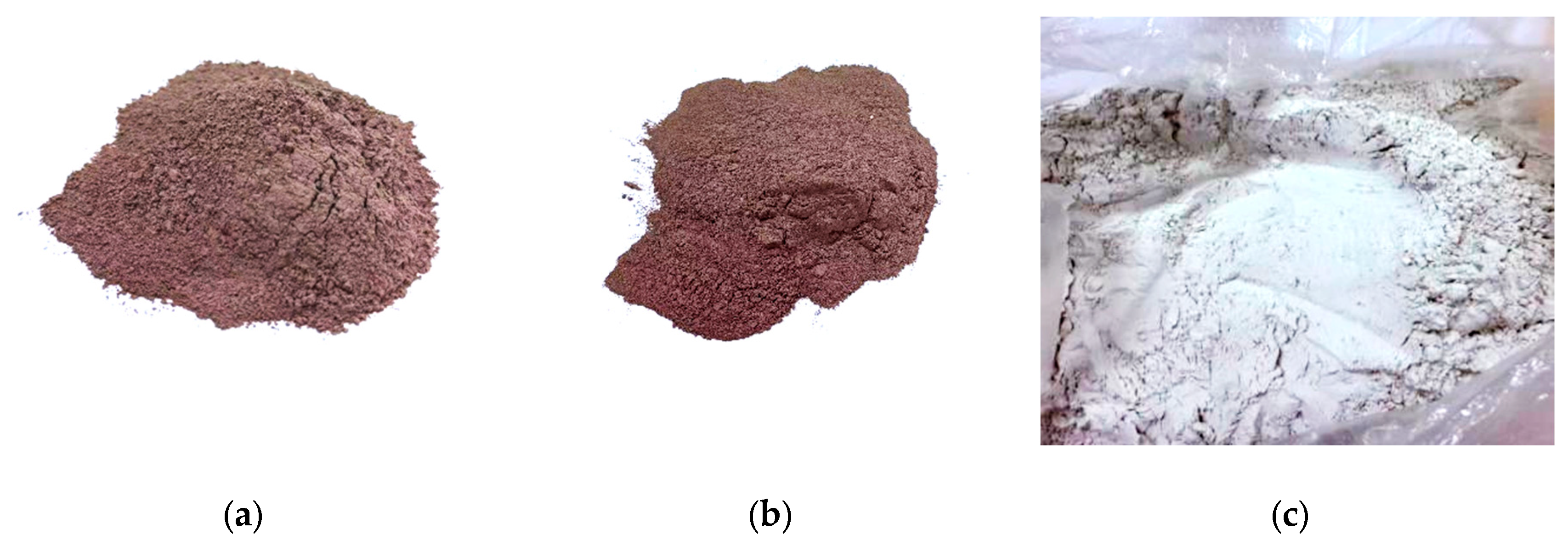
Figure 6.
The influence of various factors on slurry fluidity; A: CG admixture ratio; B: Alkali Activator Modulus; C: Alkali Activator Dosage.
Figure 6.
The influence of various factors on slurry fluidity; A: CG admixture ratio; B: Alkali Activator Modulus; C: Alkali Activator Dosage.
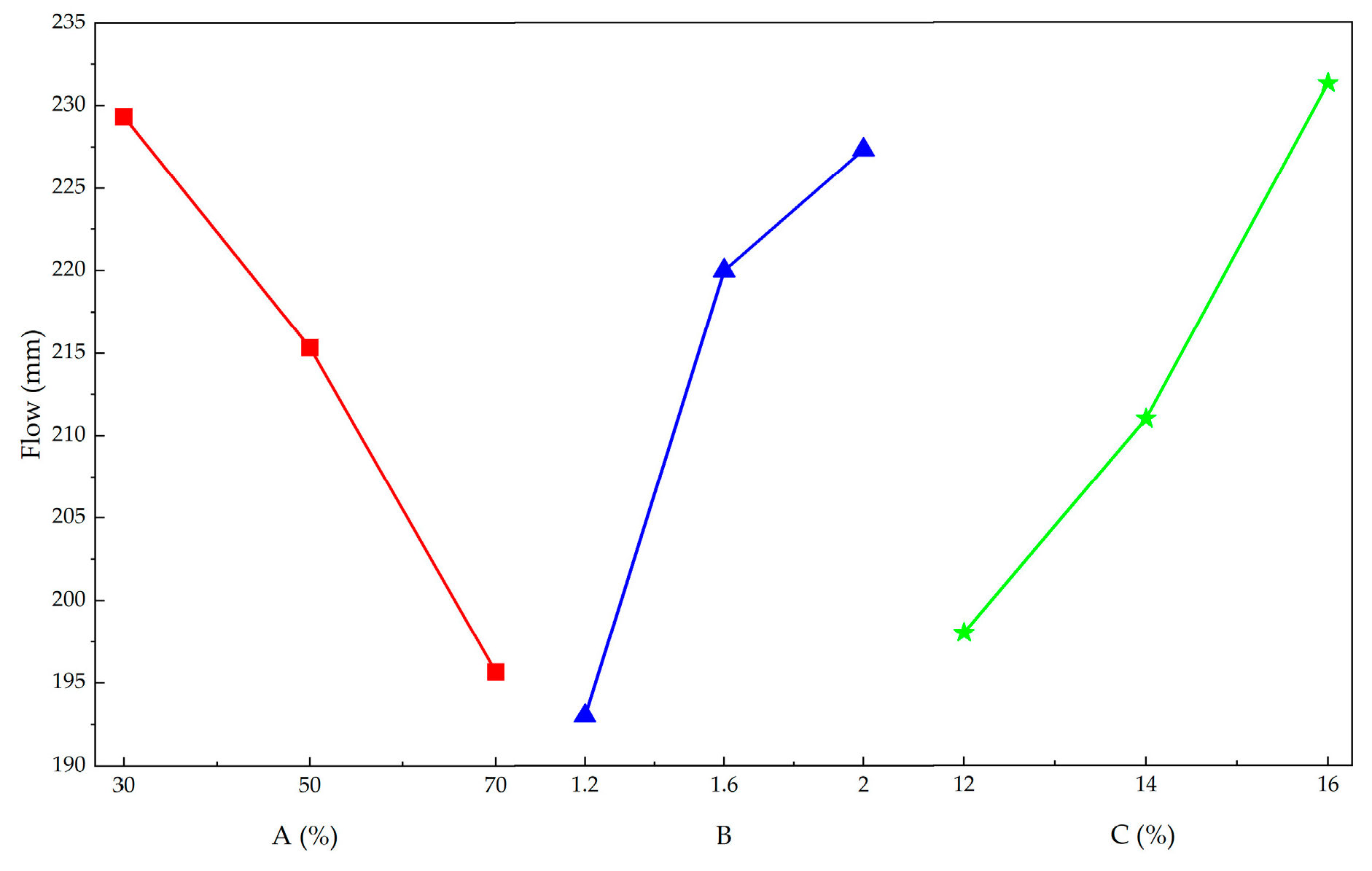
Figure 7.
The influence of various factors on the setting time of slurry, A: CG admixture ratio; B: Alkali Activator Modulus; C: Alkali Activator Dosage.
Figure 7.
The influence of various factors on the setting time of slurry, A: CG admixture ratio; B: Alkali Activator Modulus; C: Alkali Activator Dosage.
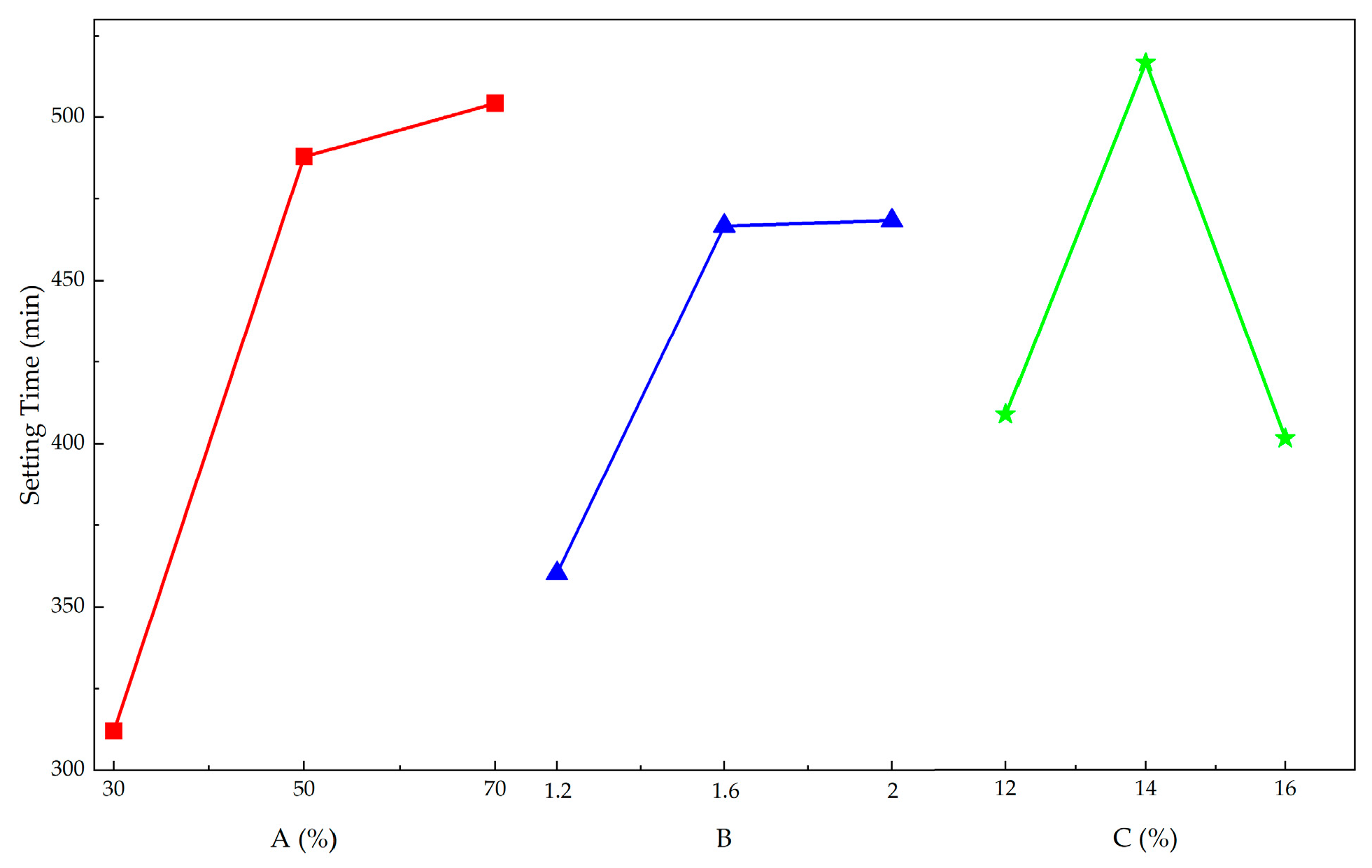
Figure 8.
The influence of various factors on the compressive strength of the stone body. A: CG admixture ratio; B: Alkali Activator Modulus; C: Alkali Activator Dosage.
Figure 8.
The influence of various factors on the compressive strength of the stone body. A: CG admixture ratio; B: Alkali Activator Modulus; C: Alkali Activator Dosage.
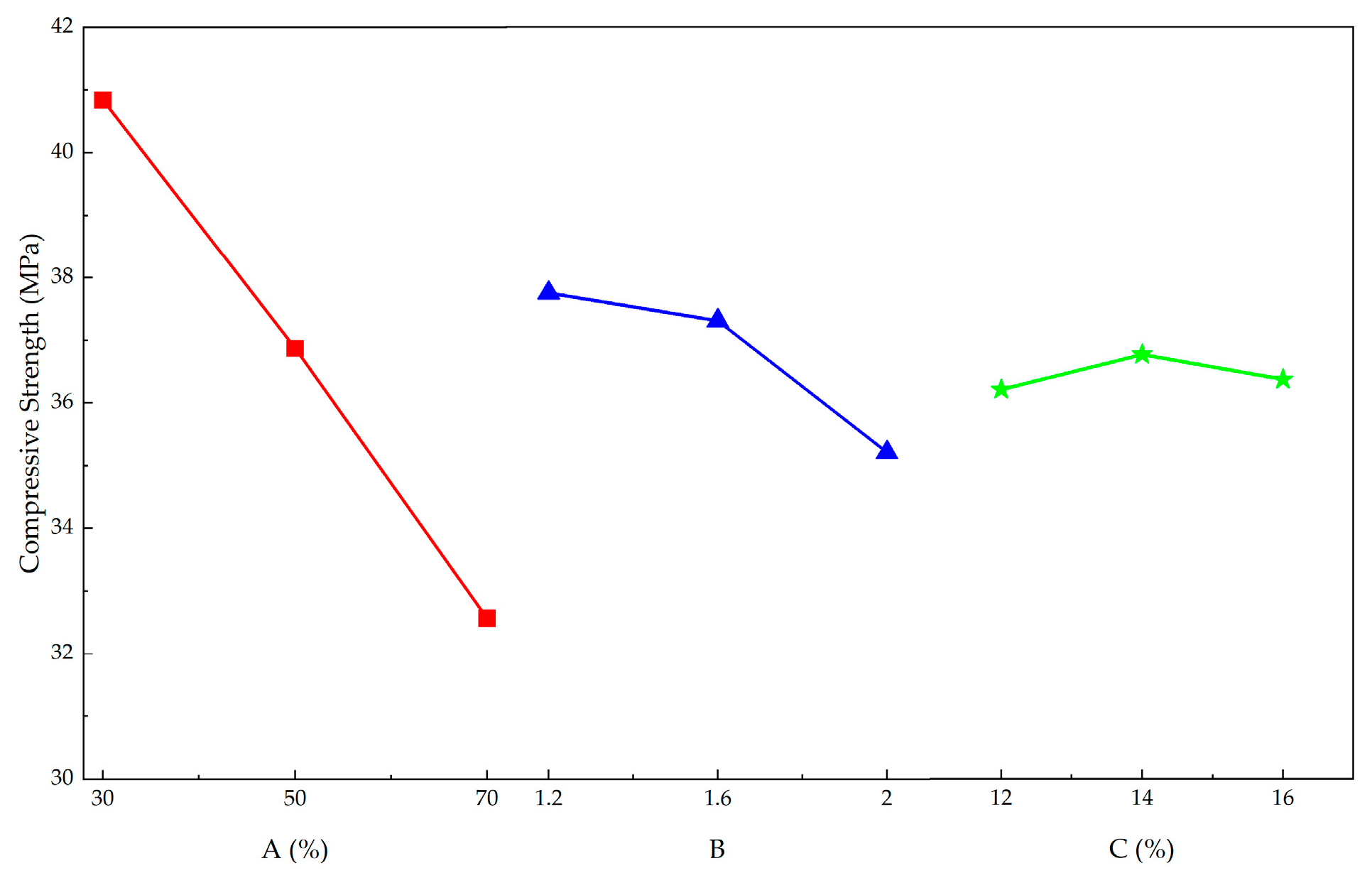
Figure 9.
The influence of various factors on the permeable pressure of the stone body. A: CG admixture ratio; B: Alkali Activator Modulus; C: Alkali Activator Dosage.
Figure 9.
The influence of various factors on the permeable pressure of the stone body. A: CG admixture ratio; B: Alkali Activator Modulus; C: Alkali Activator Dosage.
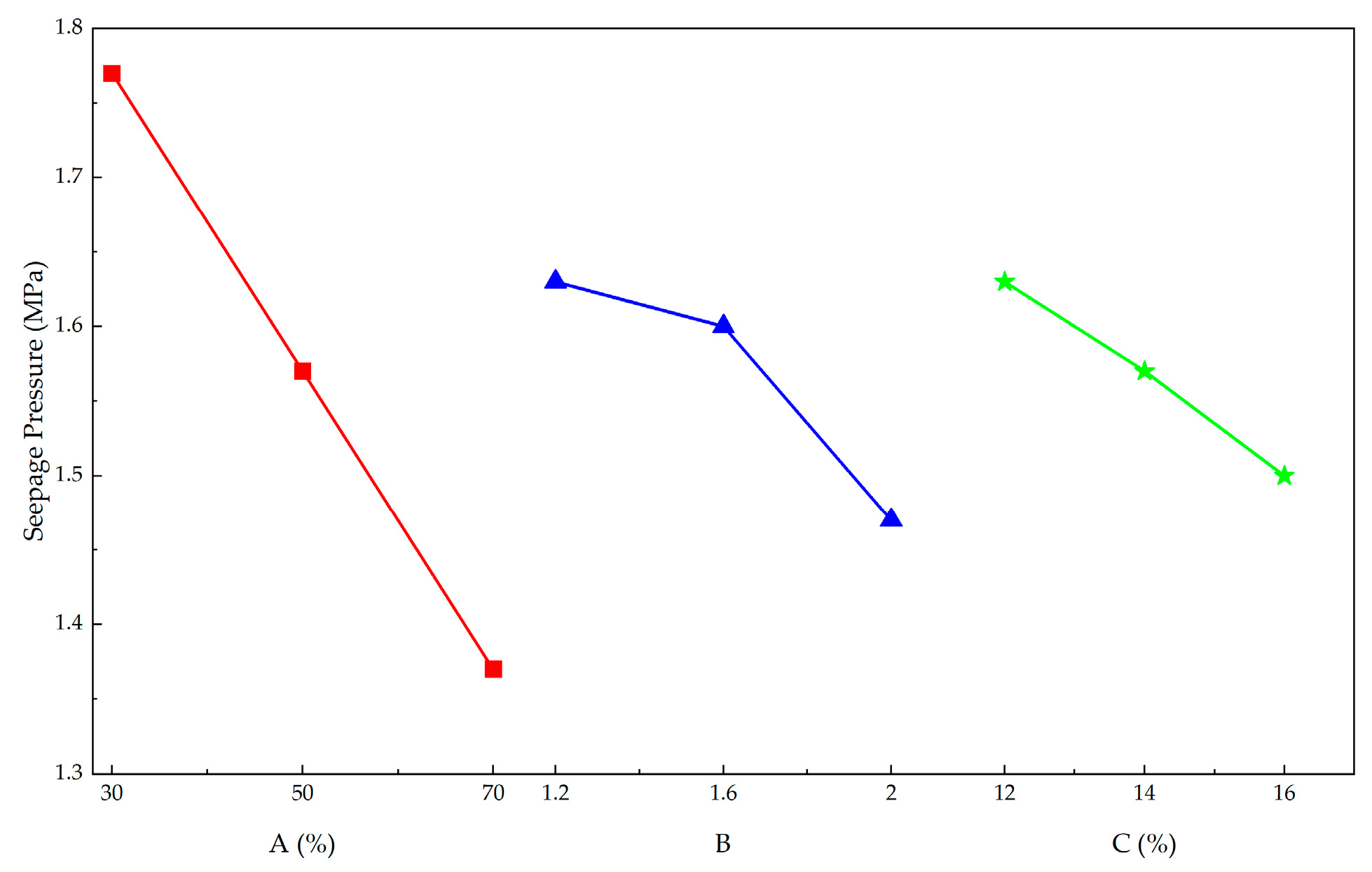
Figure 10.
XRD spectrum;(a) Different dosage of CG, (b) Modulus of different alkali activators, (c)Different alkali activator content.
Figure 10.
XRD spectrum;(a) Different dosage of CG, (b) Modulus of different alkali activators, (c)Different alkali activator content.
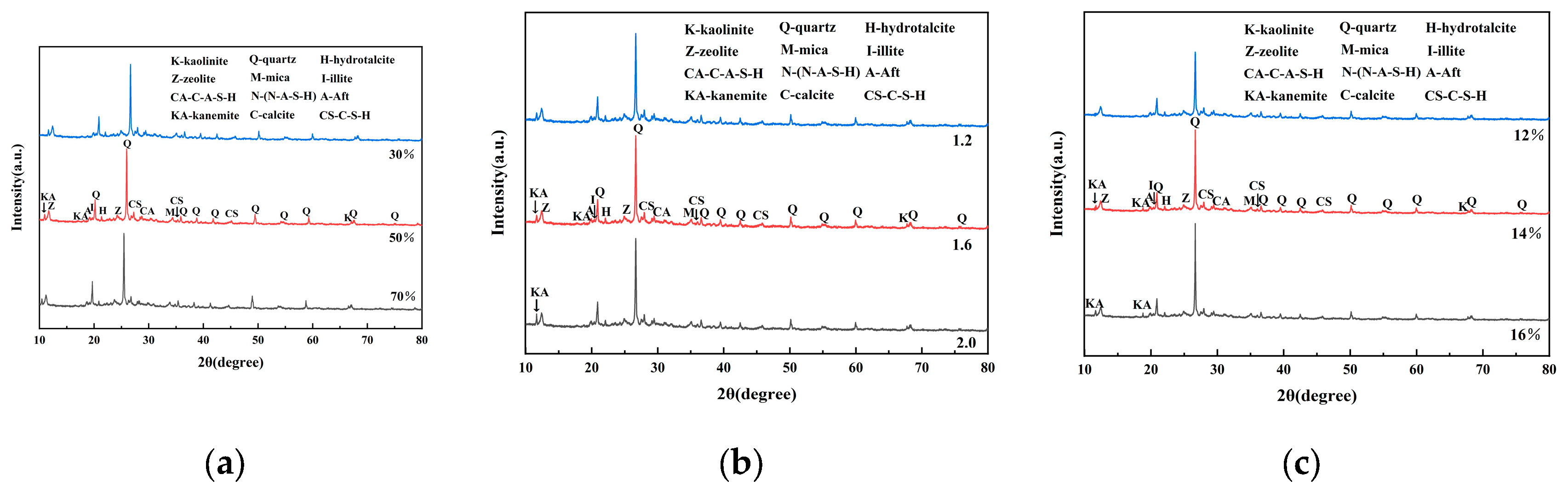
Figure 11.
FTIR spectrum;(a) Different dosage of CG, (b) Modulus of different alkali activators, (c)Different alkali activator content.
Figure 11.
FTIR spectrum;(a) Different dosage of CG, (b) Modulus of different alkali activators, (c)Different alkali activator content.
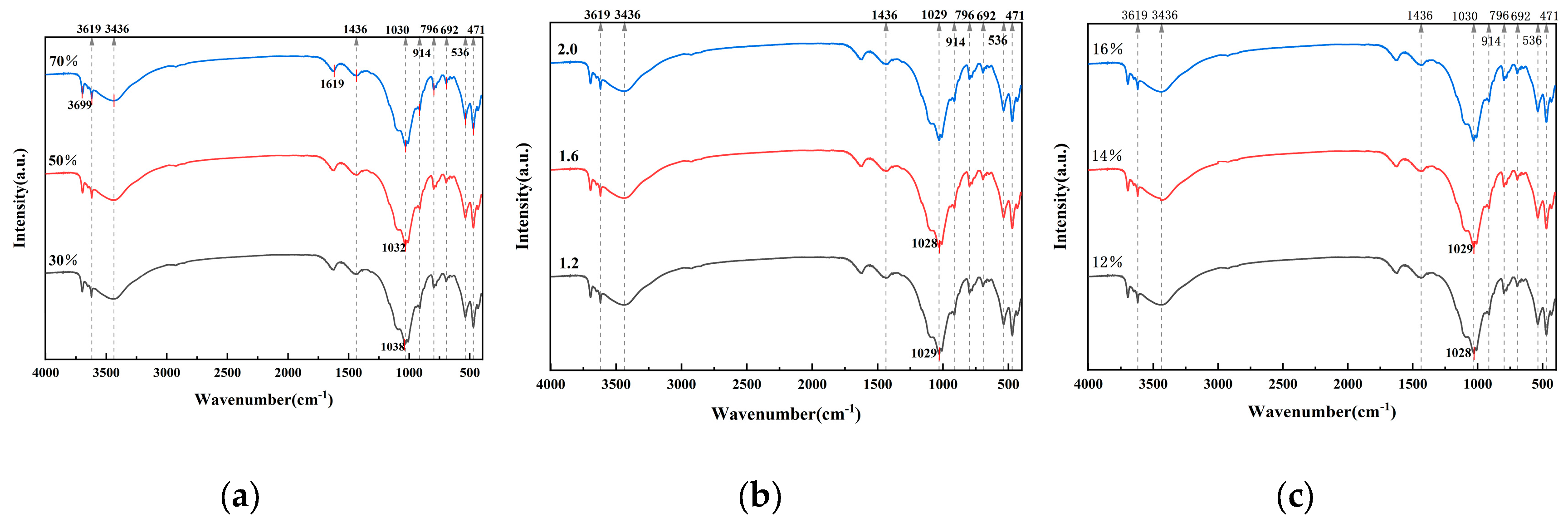
Figure 12.
SEM diagram of AACGMs;(a) 2000 times, (b) 5000 times, (c) 10000 times, (d) 20000 times.
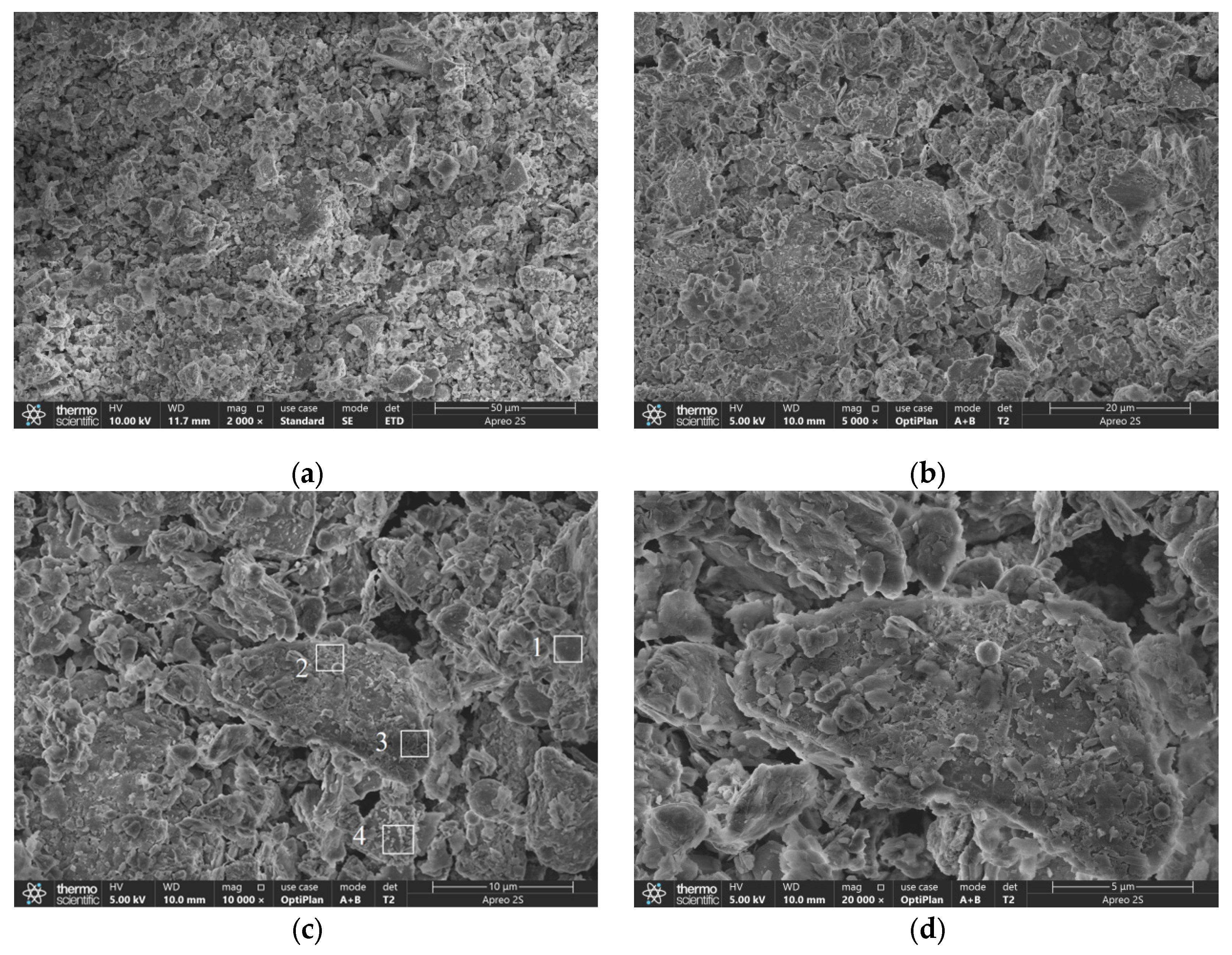
Table 1.
Material Chemical Composition/wt.%.
| Chemical Composition | SiO2 | Al2O3 | Fe2O3 | MgO | CaO | K2O | Na2O | SO3 |
|---|---|---|---|---|---|---|---|---|
| CG | 57.76 | 30.6 | 4.33 | 1.02 | 0.21 | 2.77 | 1.1 | 0.17 |
| FA | 60.12 | 22.07 | 5.31 | 1.61 | 6.17 | 1.63 | 0.14 | 1.05 |
| Slag | 33.66 | 16.81 | 1.14 | 6.51 | 37.65 | 0.59 | 0.71 | 1.44 |
Table 4.
Mix proportion design and test results of geopolymer grouting material.
| Sample Number | A(%) | B | C(%) | Flow (mm) |
Compressive Strength (MPa) |
Setting Time (min) |
Seepage Pressure (MPa) |
|---|---|---|---|---|---|---|---|
| 1 | 30 | 1.2 | 12 | 190 | 40.43 | 190 | 1.9 |
| 2 | 30 | 1.6 | 16 | 252 | 41.87 | 298 | 1.6 |
| 3 | 30 | 2 | 14 | 246 | 40.23 | 448 | 1.8 |
| 4 | 50 | 1.2 | 16 | 218 | 37.46 | 433 | 1.7 |
| 5 | 50 | 1.6 | 14 | 216 | 37.51 | 548 | 1.6 |
| 6 | 50 | 2 | 12 | 212 | 35.63 | 483 | 1.4 |
| 7 | 70 | 1.2 | 14 | 171 | 35.37 | 458 | 1.3 |
| 8 | 70 | 1.6 | 12 | 192 | 32.56 | 554 | 1.6 |
| 9 | 70 | 2 | 16 | 224 | 29.76 | 474 | 1.2 |
Table 5.
Range analysis table.
| Test Method | Factor | r1 | r2 | r3 | R | Primary And Secondary Factors | Excellent Scheme |
|---|---|---|---|---|---|---|---|
| Flow | A | 229.33 | 215.33 | 195.67 | 33.66 | B>A>C | A1B3C3 |
| B | 193 | 220 | 227.33 | 34.33 | |||
| C | 198 | 211 | 231.33 | 33.33 | |||
| Setting Time | A | 312 | 488 | 504.33 | 192.33 | A>C>B | A1B1C3 |
| B | 360.33 | 466.67 | 468.33 | 108 | |||
| C | 409 | 516.67 | 401.67 | 115 | |||
| Compressive Strength | A | 40.84 | 36.87 | 32.57 | 8.27 | A>B>C | A1B1C2 |
| B | 37.75 | 37.31 | 35.21 | 2.54 | |||
| C | 36.21 | 36.77 | 36.37 | 0.56 | |||
| Seepage Pressure | A | 1.77 | 1.57 | 1.37 | 0.4 | A>B>C | A1B1C1 |
| B | 1.63 | 1.6 | 1.47 | 0.16 | |||
| C | 1.63 | 1.57 | 1.5 | 0.13 |
Table 6.
Optimal mixed ratio performance parameters.
| Sample Number | Flow (mm) |
Setting Time (min) |
Compressive Strength (MPa) |
Seepage Pressure (MPa) |
|---|---|---|---|---|
| ZJ | 246 | 313 | 36.23 | 1.8 |
Disclaimer/Publisher’s Note: The statements, opinions and data contained in all publications are solely those of the individual author(s) and contributor(s) and not of MDPI and/or the editor(s). MDPI and/or the editor(s) disclaim responsibility for any injury to people or property resulting from any ideas, methods, instructions or products referred to in the content. |
© 2026 by the authors. Licensee MDPI, Basel, Switzerland. This article is an open access article distributed under the terms and conditions of the Creative Commons Attribution (CC BY) license (http://creativecommons.org/licenses/by/4.0/).
Copyright: This open access article is published under a Creative Commons CC BY 4.0 license, which permit the free download, distribution, and reuse, provided that the author and preprint are cited in any reuse.


