

Submitted:
29 January 2026
Posted:
30 January 2026
You are already at the latest version
Abstract
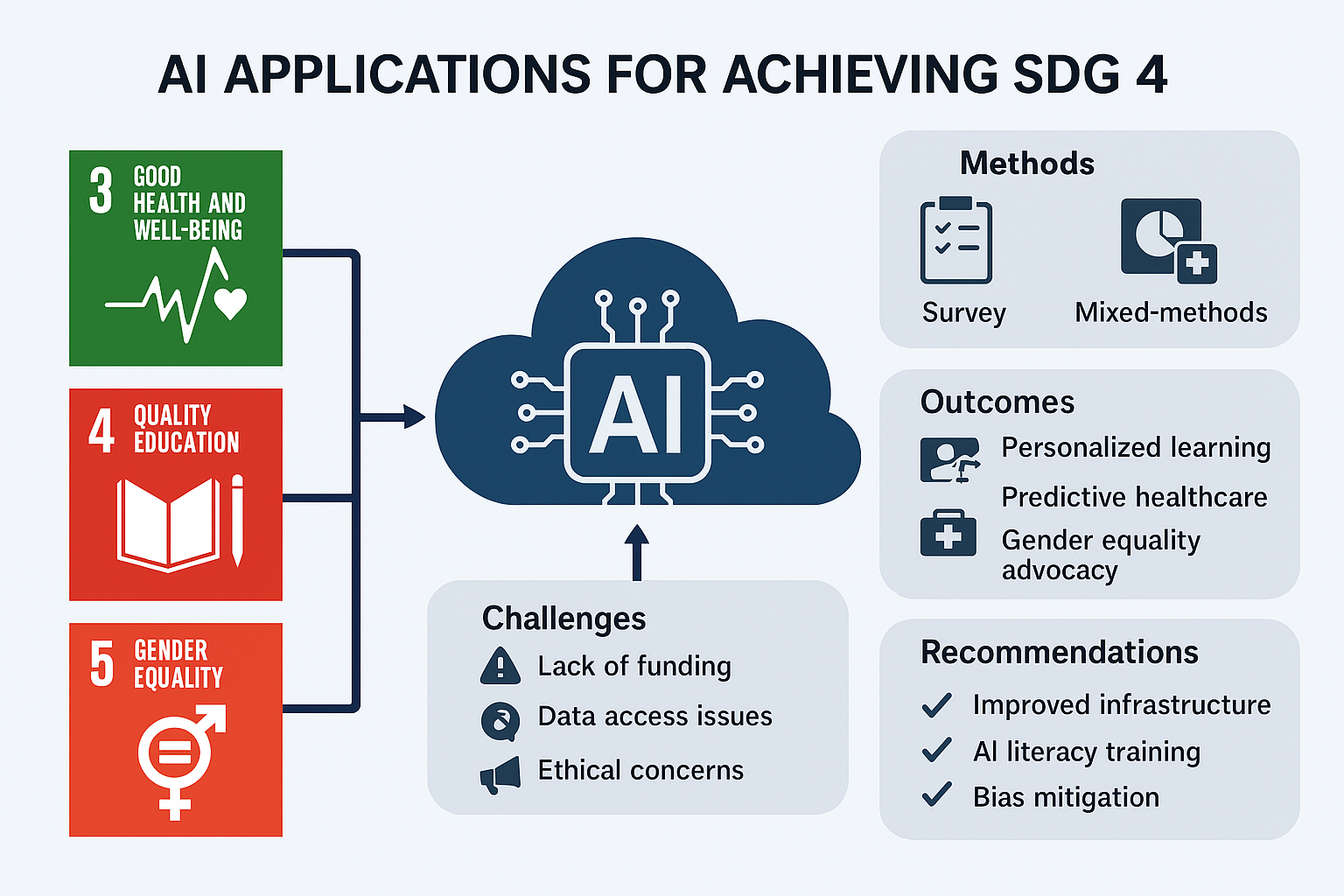
Artificial intelligence (AI) has emerged as a key enabling technology for advancing the United Nations Sustainable Development Goals (SDGs), particularly SDG 3 (Good Health and Well Being), SDG 4 (Quality Education), and SDG 5 (Gender Equality) (1,2). Despite the growing global interest in AI driven educational and so-cial innovations, empirical evidence from developing and transition economy contexts remains limited. This study investigates the adoption, perceived effectiveness, and im-plementation challenges of AI applications contributing to SDGs 3, 4, and 5, with a specific focus on Azerbaijan’s education sector. A mixed methods research design was employed, combining a nationwide survey of 345 participants drawn from academic, research, and policy institutions with qualitative analysis of semi structured inter-views. The findings indicate a generally positive perception of AI enabled solutions, particularly in personalized learning systems, adaptive assessment, predictive healthcare analytics, and data driven gender equality monitoring mechanisms (3–6). However, respondents also identified substantial barriers to large scale and sustaina-ble implementation, including financial constraints, limited technical expertise, re-stricted access to high quality data, and ethical concerns such as algorithmic bias and lack of transparency (7–9). Qualitative insights further highlight institutional capacity gaps and governance challenges affecting scalability. Overall, the results suggest that while AI holds significant potential to accelerate progress toward SDG aligned out-comes, its transformative impact depends on sustained investment in data infrastruc-ture, AI literacy, ethical governance frameworks, and cross sector collaboration. Fu-ture research should prioritize longitudinal and comparative studies to support re-sponsible and scalable AI integration for sustainable development.
Keywords:
artificial intelligence
; quality education
; Sustainable Development Goals
; SDG 4
; AI in education
; mixed‐methods research
; developing countries
; ethical AI
1. Introduction
The Sustainable Development Goals (SDGs), adopted by the United Nations in 2015 as part of the 2030 Agenda for Sustainable Development, represent a comprehensive global framework aimed at addressing interconnected challenges related to education, health, gender equality, social inclusion, and sustainable economic growth (1,2). Comprising 17 interdependent goals, the SDGs emphasize the need for inclusive, equitable, and innovation-driven approaches to development, particularly in developing and transition-economy contexts. Among these goals, SDG 4 (Quality Education) occupies a central role, as education is widely recognized as a foundational enabler of progress across other SDGs, including SDG 3 (Good Health and Well-Being) and SDG 5 (Gender Equality) (2,3).
In recent years, artificial intelligence (AI) has emerged as a transformative technological force with significant potential to accelerate progress toward SDG-aligned outcomes. Advances in machine learning, natural language processing, computer vision, and learning analytics have enabled AI systems to process large-scale, complex datasets and support data-driven decision-making across multiple sectors (4–6). In the education domain, AI-enabled applications such as adaptive learning systems, intelligent tutoring platforms, and learning analytics dashboards have demonstrated the capacity to personalize instruction, enhance assessment practices, and improve access to learning opportunities for diverse learner populations (7–9). These capabilities align closely with the core objectives of SDG 4, particularly those related to equity, inclusion, and learning quality.
Beyond education, AI applications increasingly contribute to SDG 3 through predictive healthcare analytics, early disease detection, and optimized resource allocation, as well as to SDG 5 by supporting gender-disaggregated data analysis, bias detection, and evidence-based policy design (10–12). However, despite these opportunities, the integration of AI into SDG-oriented initiatives remains uneven. Structural constraints such as limited financial resources, insufficient technical expertise, restricted access to high-quality data, and regulatory uncertainty continue to hinder large-scale and sustainable implementation, particularly in low- and middle-income contexts (13–15). Moreover, ethical concerns related to algorithmic bias, data privacy, transparency, and accountability raise critical questions about whether AI deployment may inadvertently reinforce existing inequalities rather than mitigate them (16–18).
The existing literature on AI and sustainable development has grown rapidly, with numerous conceptual analyses and systematic reviews highlighting both the promise and the risks of AI-driven interventions (6,9,16). Nevertheless, empirical evidence examining how AI is actually adopted, perceived, and evaluated within specific national and institutional contexts remains limited. This gap is particularly pronounced in education-centered studies from developing and transition-economy countries, where contextual factors such as institutional capacity, governance structures, and digital infrastructure play a decisive role in shaping AI outcomes (14,19).
Against this backdrop, the present study seeks to contribute context-specific empirical evidence by examining AI applications related to SDGs 3, 4, and 5, with a particular emphasis on Azerbaijan’s education sector. Using a mixed-methods research design that combines a nationwide survey with qualitative insights from key stakeholders, the study explores three interrelated questions: (i) how AI is currently adopted to support SDG-related initiatives; (ii) how stakeholders perceive the effectiveness and scalability of AI-enabled solutions; and (iii) what structural and ethical challenges constrain responsible implementation. By addressing these questions, the study aims to advance the understanding of AI’s role as both an enabler and a conditional factor in achieving sustainable development outcomes.
Overall, this research positions education as a strategic entry point for examining AI-enabled pathways toward sustainable development. By situating empirical findings within the broader SDG and AI ethics discourse, the study contributes to both academic scholarship and policy-oriented discussions on how AI can be responsibly leveraged to support inclusive, equitable, and sustainable development.
2. Materials and Methods
A. Core Concepts
The conceptual framework underpinning this study integrates three interdependent components: artificial intelligence technologies, the Sustainable Development Goals, and ethical considerations associated with AI deployment. Together, these elements provide an analytical lens for examining how AI can contribute to sustainable development while mitigating potential risks.
The Sustainable Development Goals (SDGs) constitute a globally recognized agenda aimed at addressing multidimensional challenges such as health inequities, educational access, gender disparities, and social inclusion. Of particular relevance to this study are SDG 3 (Good Health and Well-Being), SDG 4 (Quality Education), and SDG 5 (Gender Equality), each of which emphasizes equity, access, and systemic improvement.
Artificial intelligence (AI) refers to a set of computational techniques that enable machines to perform tasks traditionally requiring human intelligence, including learning, reasoning, pattern recognition, and decision-making. Key AI sub-fields relevant to this research include:
- Machine Learning (ML): Algorithms that improve performance through exposure to data.
- Natural Language Processing (NLP): Techniques enabling machines to interpret and generate human language.
- Computer Vision: Methods for extracting meaningful information from visual data.
Ethical considerations form the third pillar of the framework and encompass concerns related to data privacy, algorithmic bias, transparency, accountability, and equitable access. These issues are particularly salient in education and healthcare contexts, where AI-driven decisions may directly affect vulnerable populations.
B. Conceptual Interactions
The framework conceptualizes AI as both an enabler and a potential constraint in achieving the SDGs.
First, AI functions as a catalyst for SDG advancement by enhancing the efficiency, precision, and scalability of interventions. In education, AI-enabled learning analytics and personalized instruction support SDG 4 by improving learning outcomes and inclusivity. In health and gender-related domains, AI facilitates predictive analytics, targeted interventions, and evidence-based policy development.
Figure 1.
Conceptual Framework.
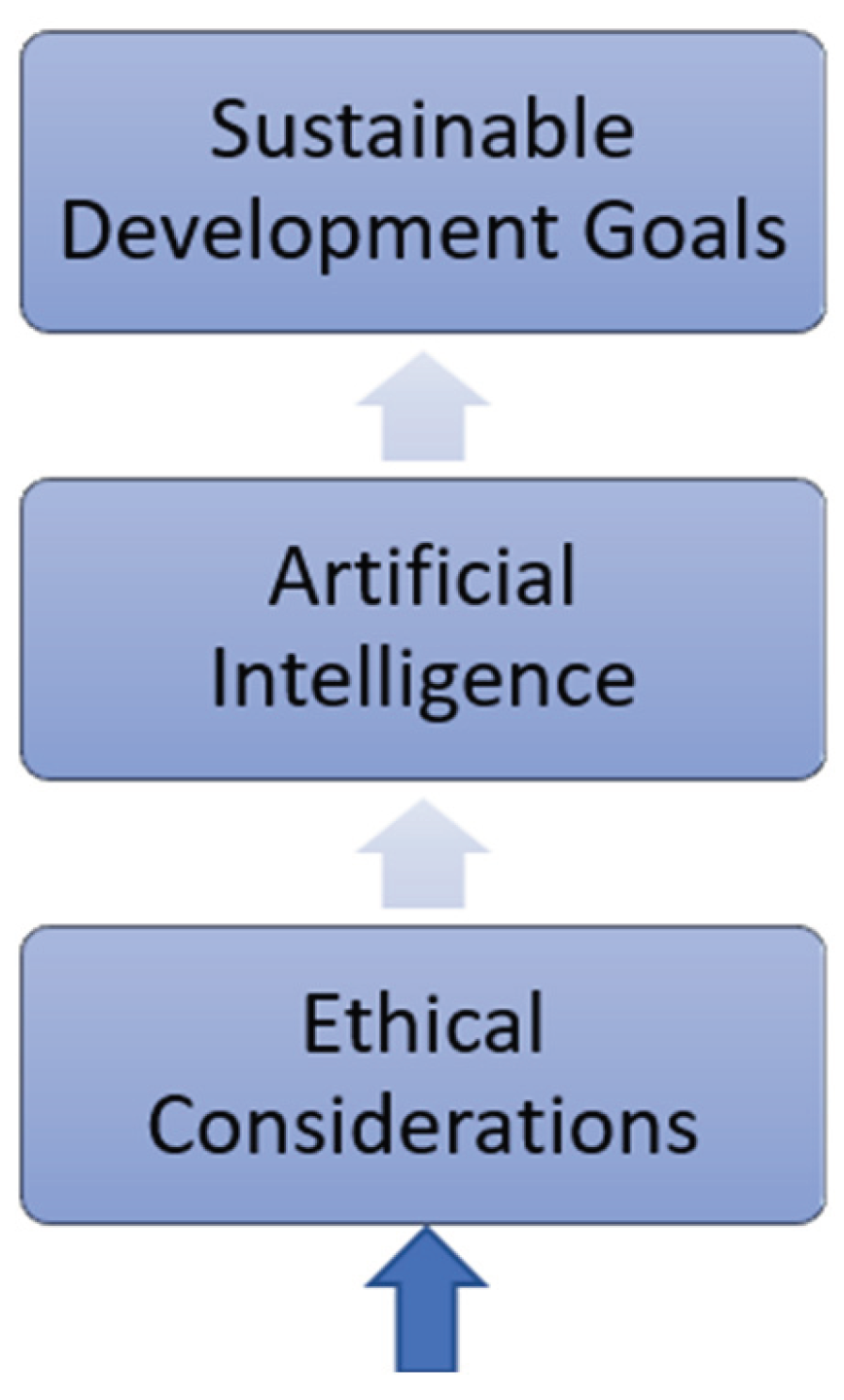
Second, ethical and structural barriers moderate this positive impact. Algorithmic bias, unequal data representation, and disparities in technological capacity can undermine equity-oriented SDG objectives. For example, biased datasets may produce inequitable outcomes in healthcare or reinforce gender stereotypes, directly contradicting the aims of SDGs 3 and 5.
Finally, the framework incorporates a feedback mechanism whereby ethical governance influences AI effectiveness. Robust regulatory frameworks, ethical design principles, and stakeholder collaboration enhance public trust and institutional readiness, thereby increasing the likelihood that AI solutions will be adopted responsibly and at scale.
C. Significance of the Framework
This conceptual framework provides a structured approach for understanding the dual nature of AI in sustainable development initiatives. By explicitly linking AI technologies to SDG outcomes while foregrounding ethical considerations, the framework guides both empirical analysis and policy interpretation. It supports researchers, educators, and decision-makers in identifying strategies that maximize the educational and societal benefits of AI while minimizing risks, thereby contributing to more inclusive and sustainable development pathways.
3. Methodology
A. Research Design
This study adopts a mixed-methods research design to investigate the adoption, perceived effectiveness, and implementation challenges of artificial intelligence (AI) applications in advancing the Sustainable Development Goals (SDGs), with particular emphasis on SDG 4 (Quality Education) and its interconnections with SDG 3 (Good Health and Well-Being) and SDG 5 (Gender Equality). The mixed-methods approach enables the integration of quantitative data, which provide generalizable insights across a large participant group, with qualitative data, which offer contextual depth and interpretive richness. This design is particularly suitable for examining complex socio-technical phenomena such as AI-enabled educational and social interventions.
B. Sampling Strategy and Participants
A purposive sampling strategy was employed to ensure representation of diverse stakeholder groups involved in or affected by AI-driven SDG initiatives. Participants were primarily drawn from higher education institutions, research centers, and policy-oriented organizations in Azerbaijan. The final survey sample comprised 345 respondents, including approximately 120 students, 100 educators, 80 researchers, and 45 policymakers or government specialists. This multi-stakeholder composition allowed for comparative analysis across professional roles and levels of engagement with AI technologies.
C. Data Collection
- 1)
- Quantitative Data Collection
Quantitative data were collected through a structured online questionnaire. The survey instrument consisted of closed-ended items using Likert-scale and categorical response formats to assess participants’ perceptions of AI effectiveness, ethical risks, scalability potential, and institutional readiness. Additional questions captured demographic characteristics and self-reported levels of AI familiarity. The questionnaire was distributed electronically, and participation was voluntary.
- 2)
- Qualitative Data Collection
Qualitative data were obtained through semi-structured interviews conducted with a purposive subsample of 30 participants drawn from the survey respondents. The interview protocol focused on practical AI use cases related to SDGs, perceived benefits and challenges, ethical and governance concerns, and recommendations for responsible AI implementation. Interviews were conducted online, recorded with informed consent, and transcribed verbatim for subsequent analysis.
D. Data Analysis
- 1)
- Quantitative Analysis
Quantitative data were analyzed using SPSS statistical software. Descriptive statistics, including frequencies, percentages, and mean values, were calculated to summarize participant characteristics and overall perceptions of AI’s contribution to SDG-related initiatives. Correlational analyses were conducted to examine relationships between variables such as AI familiarity, perceived effectiveness, ethical concerns, and scalability. Comparative analyses across stakeholder groups were also performed to identify role-specific trends.
- 2)
- Qualitative Analysis
Qualitative data were analyzed using thematic analysis supported by NVivo software. An inductive coding approach was applied to identify recurring themes related to perceived opportunities, implementation barriers, ethical issues, and institutional capacity. Codes were iteratively refined and grouped into higher-order themes, enabling cross-case comparison and analytical depth.
- 3)
- Integrative Analysis
Findings from the quantitative and qualitative analyses were integrated through a triangulation process. Convergences and divergences between numerical patterns and narrative insights were examined to enhance interpretive validity and to provide a comprehensive understanding of AI’s role in advancing SDG-aligned outcomes.
E. Ethical Considerations
Ethical integrity was maintained throughout the research process. All participants provided informed consent prior to participation, and confidentiality was ensured through anonymization of data. Participation was voluntary, and respondents were informed of their right to withdraw at any stage without consequence. Given the study’s focus on AI ethics, particular attention was paid to responsible data handling, transparency, and respect for participant privacy.
F. Methodological Limitations
Several limitations should be acknowledged. First, the focus on a single national context may limit the generalizability of the findings to regions with different technological infrastructures or policy environments. Second, reliance on self-reported data introduces the possibility of response bias. Future research should employ longitudinal designs, cross-country comparative studies, and objective performance indicators to further assess the long-term impact of AI-enabled SDG initiatives.
4. Results
A. Participant Demographics
A total of 345 respondents participated in the survey, representing a diverse range of professional roles and institutional contexts relevant to artificial intelligence (AI) and sustainable development initiatives. The majority of participants were based in Azerbaijan, primarily from Baku, Sumgait, and Ganja. In terms of professional background, students constituted the largest group, followed by educators, researchers, and a smaller proportion of policymakers and government specialists. This heterogeneous sample enabled a multi-stakeholder perspective on AI adoption, perceived effectiveness, and implementation challenges related to the Sustainable Development Goals (SDGs).
B. Organizational SDG Priorities
Participants were asked to identify the SDGs prioritized by their respective organizations. As summarized in Table 1 and illustrated in Figure 2, SDG 4 (Quality Education) emerged as the most frequently selected goal, followed by SDG 3 (Good Health and Well-Being) and SDG 5 (Gender Equality).
The organizations' primary SDGs are shown on the X-axis in Figure 2, while the number of selections is shown on the Y-axis. The main focus areas are Good Health and Well-Being (SDG 3) and Quality Education (SDG 4), suggesting a strong emphasis on enhancing health and education via AI. This distribution indicates a strong institutional emphasis on education and health as strategic areas for AI-driven interventions, highlighting the perceived centrality of human capital development within sustainable development agendas.
C. Adoption of AI for SDG-Related Initiatives
Respondents reported varying levels of AI adoption within their organizations. When asked whether AI had been implemented to support SDG-related initiatives, 202 respondents (58.5%) indicated that AI applications were already in use, while 143 respondents (41.5%) reported no current implementation. These findings suggest that although AI adoption is underway in a majority of organizations, a substantial proportion remains at an early or exploratory stage.
D. Reported AI Applications for SDGs
Participants provided examples of AI applications currently utilized in their organizations. The most frequently reported use cases were education-focused, including AI-assisted learning systems, chatbots, and natural language processing tools designed to enhance accessibility and instructional quality. Healthcare-related applications, such as predictive analytics for patient outcomes and resource optimization, were also commonly cited. Additionally, some respondents reported the use of AI-driven tools for environmental monitoring and data-supported resource allocation, indicating cross-sectoral relevance.
E. Challenges in Implementing AI Solutions
Respondents identified several barriers to effective AI implementation for SDG-oriented initiatives. As presented in Table 2 and Figure 3, the most frequently cited challenges were financial constraints, lack of technical expertise, and limited availability of high-quality data.
The difficulty of implementing an AI solution is represented by the X-axis in Figure 3, while the number of choices is represented by the Y-axis. The most frequently mentioned obstacles were lack of technical knowledge and financial limitations, suggesting that these are necessary for the effective integration of AI in SDG-related projects. Regulatory and governance issues were also noted, though less frequently. These results underscore the importance of structural capacity and institutional readiness in enabling sustainable AI deployment.
F. Perceived Effectiveness of AI in Achieving SDGs
Participants were asked to assess the effectiveness of AI solutions in achieving intended SDG outcomes. The majority rated AI as either very effective or somewhat effective, indicating generally positive perceptions. However, a notable minority reported neutral or negative assessments. This variation suggests uneven implementation quality and highlights the need for improved evaluation frameworks, design practices, and ethical oversight to ensure consistent outcomes.
G. Scalability of AI Solutions
With regard to scalability across sectors or regions, responses were mixed. While 141 respondents believed AI solutions could be scaled successfully, 53 expressed skepticism, and 145 selected “maybe.” The high level of uncertainty reflects concerns related to contextual differences in infrastructure, funding, regulatory support, and institutional capacity, which may influence the transferability of AI-based solutions.
H. Factors Influencing Scalability
Key factors perceived as enabling AI scalability are summarized in Table 3 and Figure 4. Availability of data, technical expertise and infrastructure, supportive regulatory environments, and financial resources were identified as the most critical enablers. Stakeholder collaboration was also recognized as an important, though comparatively less emphasized, factor.
In Figure 4, the Y-axis shows the number of choices, and the X-axis shows the factor influencing scalability. Scaling AI for SDGs requires technical know-how, regulatory support, and data availability, highlighting the importance of solid foundational resources and policies. These findings reinforce the view that scalability depends on a combination of technical, institutional, and policy conditions.
I. SDGs Expected to Benefit Most from AI in the Next Five Years
Participants were asked to identify the SDGs expected to benefit most from AI in the near future. SDG 4 (Quality Education) was most frequently selected, followed by SDG 3 (Good Health and Well-Being) and SDG 13 (Climate Action). These expectations align with global trends emphasizing AI’s expanding role in education systems, healthcare delivery, and climate-related analytics.
J. Suggested Improvements to Enhance AI’s Contribution to SDGs
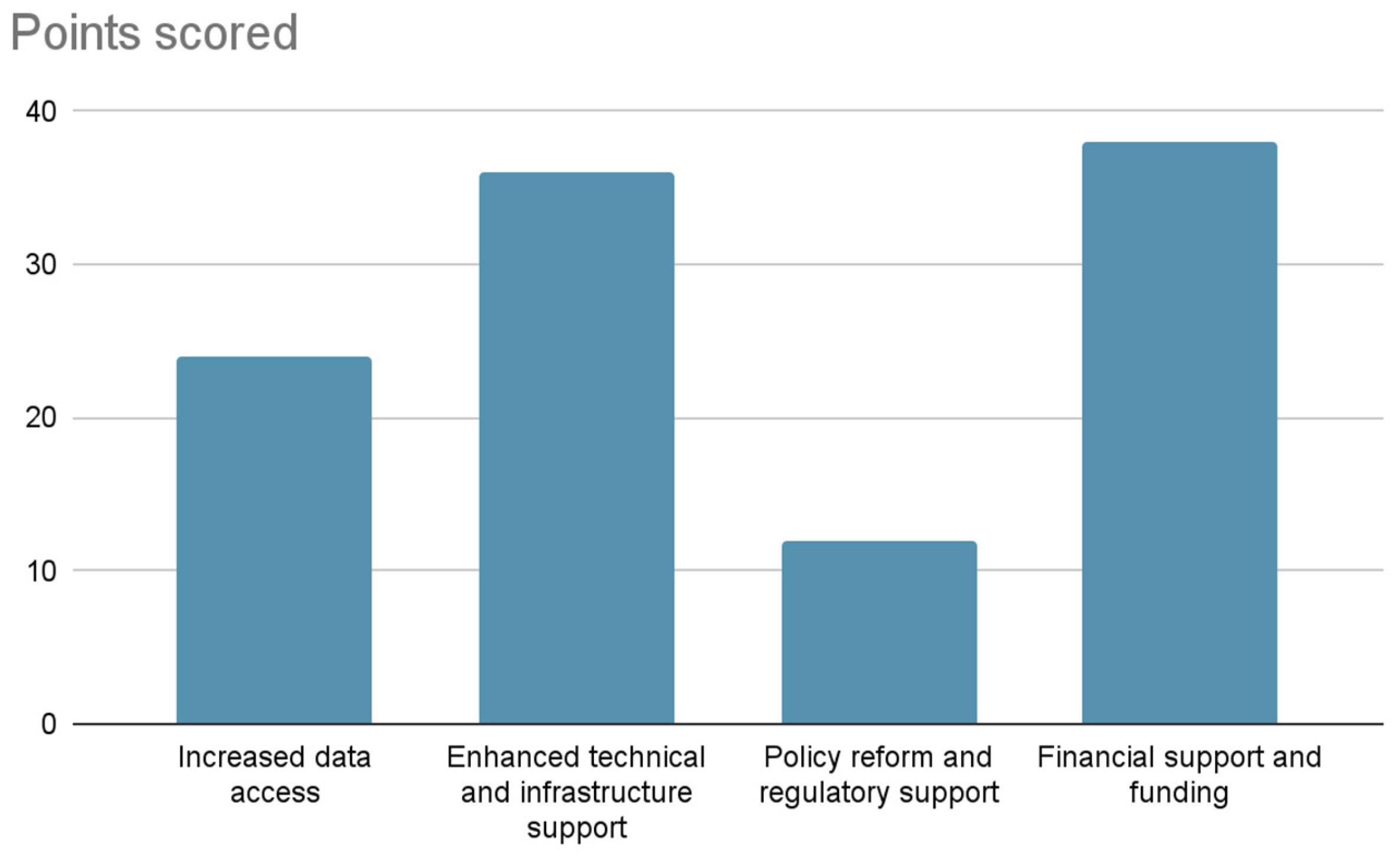
Respondents proposed several measures to strengthen AI’s contribution to SDG achievement. As shown in Table 4 and Figure 5, increased data access, enhanced technical and infrastructural support, policy and regulatory reform, and expanded financial support were identified as priority areas. Collectively, these recommendations indicate that while AI is widely recognized as a valuable tool for advancing SDGs, targeted investments and governance reforms are required to unlock its full potential.
In Figure 5, the Y-axis shows the number of choices, and the X-axis shows the suggested changes to strengthen AI's contribution to reaching SDGs. To optimize AI's contribution to SDG achievement, it is believed that policy reforms, data access expansion, and technical assistance are essential first steps.
The results of this survey show that although AI is acknowledged as a useful instrument for accomplishing SDGs, significant obstacles still exist. The necessity for focused investments and policy support was highlighted by the identification of financial limitations, technical know-how, and data access as the main barriers. With a focus on scalability through improved resources and cooperative partnerships, participants think AI has the potential to significantly improve health, education, and climate action. By removing these obstacles, AI can significantly contribute to the advancement of sustainable development in a variety of industries and geographical areas. Overall, the results demonstrate that AI is perceived as a promising instrument for achieving SDG-aligned outcomes, particularly in education-centered contexts. However, persistent financial, technical, and data-related barriers continue to constrain large-scale and equitable implementation. Addressing these challenges through coordinated policy action and capacity building is essential for realizing the transformative potential of AI for sustainable development.
5. Discussion
The present study provides empirical insight into the adoption, perceived effectiveness, and challenges of artificial intelligence (AI) applications in advancing the Sustainable Development Goals (SDGs), with a particular emphasis on SDG 4 (Quality Education) within the context of Azerbaijan. The findings confirm that AI is increasingly perceived by key stakeholders as a promising tool for addressing education-centered development challenges, while also revealing persistent structural, technical, and ethical constraints that limit its transformative impact.
Consistent with prior international studies, the results demonstrate a strong perceived alignment between AI applications and the objectives of SDG 4, particularly in relation to personalized learning, adaptive assessment, and learning analytics. Previous research has similarly emphasized that AI-enabled educational systems can enhance learning quality, equity, and accessibility when appropriately designed and implemented. The prominence of education as the most prioritized SDG among participating organizations further reinforces the notion that education functions as a strategic entry point for broader AI-driven sustainable development initiatives. This finding aligns with the broader SDG framework, which positions education as a foundational enabler of progress across health, gender equality, and institutional development.
At the same time, the study reveals that AI adoption remains uneven across institutions. While a majority of respondents reported some level of AI implementation, a substantial proportion indicated that AI solutions have not yet been deployed. This gap reflects challenges commonly identified in developing and transition-economy contexts, including limited financial resources, insufficient technical expertise, and restricted access to high-quality data. These barriers suggest that the benefits of AI are contingent not only on technological availability but also on institutional capacity and systemic readiness. As highlighted in the literature, without adequate infrastructure and human capital, AI initiatives risk remaining fragmented or symbolic rather than transformative.
Ethical concerns emerged as a significant moderating factor in the perceived effectiveness of AI. Issues related to algorithmic bias, transparency, and data privacy were frequently cited, echoing growing global debates on responsible AI governance. The findings support socio-technical perspectives that view AI not as a neutral tool, but as a system embedded within social, cultural, and institutional contexts. In education and healthcare settings, where AI-driven decisions can directly affect vulnerable populations, unresolved ethical risks may undermine trust and exacerbate existing inequalities. This underscores the importance of integrating ethical governance frameworks alongside technical development.
The mixed perceptions regarding scalability further highlight contextual sensitivities. While some respondents expressed optimism about scaling AI solutions across sectors or regions, many remained uncertain. This ambivalence reflects recognition that scalability depends on a combination of data availability, regulatory support, technical expertise, and financial sustainability. The results therefore challenge overly optimistic narratives that portray AI as a universally scalable solution, instead emphasizing the need for context-aware and institutionally grounded implementation strategies.
Importantly, the findings also reveal a forward-looking orientation among stakeholders. The expectation that SDG 4, SDG 3, and SDG 13 will benefit most from AI in the coming years aligns with global trends in education, healthcare, and climate analytics. This suggests growing awareness of AI’s cross-sectoral potential, while also highlighting the urgency of addressing foundational constraints to ensure equitable outcomes.
Overall, this study contributes to the emerging empirical literature on AI for sustainable development by providing context-specific evidence from Azerbaijan. It reinforces the view that AI’s role in achieving SDGs is inherently conditional—shaped by governance structures, institutional capacity, ethical safeguards, and stakeholder collaboration. By situating education at the center of AI-enabled development pathways, the discussion underscores the need for integrated strategies that combine technological innovation with policy reform, capacity building, and ethical oversight. Such an approach is essential if AI is to move beyond pilot applications and deliver sustained, inclusive contributions to sustainable development.
6. Conclusions
This study examined the role of artificial intelligence (AI) in advancing the Sustainable Development Goals (SDGs), with particular emphasis on SDG 4 (Quality Education) and its interlinkages with SDG 3 (Good Health and Well-Being) and SDG 5 (Gender Equality), using empirical evidence from Azerbaijan’s education-centered context. By adopting a mixed-methods research design that combined survey data from 345 participants with qualitative insights from key stakeholders, the study provides a nuanced understanding of AI adoption, perceived effectiveness, scalability, and ethical challenges within a developing and transition-economy setting.
The findings indicate that AI is widely perceived as a promising and increasingly utilized tool for supporting SDG-aligned initiatives, especially in education. AI-enabled applications such as personalized learning systems, adaptive assessment tools, learning analytics, and predictive healthcare solutions were reported as contributing to improved efficiency, accessibility, and data-driven decision-making. The strong prioritization of SDG 4 among participating organizations further underscores the central role of education as a strategic entry point for broader AI-driven sustainable development efforts.
However, the study also demonstrates that AI’s transformative potential remains unevenly realized. Persistent barriers—including limited technical expertise, financial constraints, restricted access to high-quality data, regulatory uncertainty, and ethical concerns related to algorithmic bias and transparency—continue to constrain large-scale and equitable implementation. These challenges highlight that technological innovation alone is insufficient; rather, effective AI integration depends on institutional readiness, human capital development, and robust ethical governance frameworks.
From a theoretical perspective, the study contributes to the emerging literature on AI for sustainable development by empirically reinforcing the conditional nature of AI’s impact on SDG outcomes. Practically, the findings suggest that responsible and scalable AI deployment requires coordinated policy action, investment in data infrastructure, targeted AI literacy and professional training programs, and strengthened cross-sector collaboration among educational institutions, policymakers, and technology developers.
Despite its contributions, the study is limited by its reliance on self-reported data and its focus on a single national context. Future research should pursue longitudinal designs, cross-country comparative studies, and outcome-based evaluations to further assess the long-term effects of AI-enabled SDG interventions. Overall, while AI is not a standalone solution to sustainable development challenges, it represents a powerful enabling technology that—when guided by ethical principles and institutional capacity—can play a meaningful role in advancing quality education, public well-being, and gender equality.
Supplementary Materials
The following supporting information can be downloaded at: https://forms.office.com/Pages/AnalysisPage.aspx?AnalyzerToken=kPlqkJFRfftDvpXVPXwYfhCuntJcnoZE&id=YAr8FHAQQkGfMRuUGHqWH80QuQVDeKBMm_V8R3dMO7pUNUFJTVE4T0NBTUtONTJTRUVHNko2UEw2US4u&wdLOR=cB1D1FB22-3D20-4FAE-8165-895081EF51CB; https://youtu.be/zpzJw_CjLdk?si=zN3lpa_sK2gy3HHZ; https://youtu.be/Q8mtIQHQZho?si=Nn52GwjmLXNQpTjH; https://youtu.be/Mv4IRIMyXTE?si=7jF_rLuG20wQXlkK.
Funding
This study was financially supported by the authors and their respective institutions. No external funding sources were involved in the conduct of this research.
Institutional Review Board Statement
Ethical review and approval were waived for this study because it involved non invasive procedures, anonymous data collection, and voluntary participation, in accordance with institutional and national research ethics guidelines.
Informed Consent Statement
Informed consent was obtained from all participants prior to their participation in the study.
Data Availability Statement
No new data were created or analyzed in this study, or data cannot be shared due to institutional and ethical restrictions. Further details are available from the corresponding author upon reasonable request.
Conflicts of Interest
The authors declare that there are no conflicts of interest regarding the publication of this paper.
Abbreviations
The following abbreviations are used in this manuscript:
| AI | Artificial Intelligence |
| SDGs | Sustainable Development Goals |
| SDG 3 | Good Health and Well-Being |
| SDG 4 | Quality Education |
| SDG 5 | Sustainable Development Goals |
| ML | Machine Learning |
| NLP | Natural Language Processing |
| SPSS | Statistical Package for the Social Sciences |
| UN | United Nations |
| UNESCO | United Nations Educational, Scientific and Cultural Organization |
| NVivo | Qualitative Data Analysis Software |
Appendix A
Appendix A.1
This appendix provides an overview of the main sections and representative items included in the survey questionnaire used in this study. The full questionnaire is available from the corresponding author upon reasonable request.

Table A1.
Primary SDGs Focused on by Organizations.
| SDG | Number of Selections |
| SDG 4: Quality Education | 158 |
| SDG 3: Good Health and Well-being | 108 |
| SDG 5: Gender Equality | 91 |
| SDG 16: Peace, Justice, and Strong Institutions | 86 |
| SDG 1: No Poverty | 72 |
| SDG 17: Partnership for the Goals | 72 |
Table A2.
Challenges in Implementing AI Solutions.
| Challenge | Number of Selections |
| Financial constraints | 97 |
| Lack of technical expertise | 72 |
| Limited data availability | 37 |
| Regulatory issues | 18 |
| Other | 110 |
| Factor | Number of Selections |
| Availability of data | 101 |
| Supportive regulatory environment | 87 |
| Technical expertise and infrastructure | 92 |
| Financial resources | 81 |
| Stakeholder collaboration | 50 |
Appendix B
All appendix sections are cited in the main text. In the appendices, figures, tables, and supplementary materials are labeled starting with the letter “A” (e.g., Figure A1, Figure A2,). These materials provide additional descriptive statistics and supporting information that complement the main analysis but were excluded from the core text to maintain clarity and conciseness.
Figure A1.
Conceptual Framework.
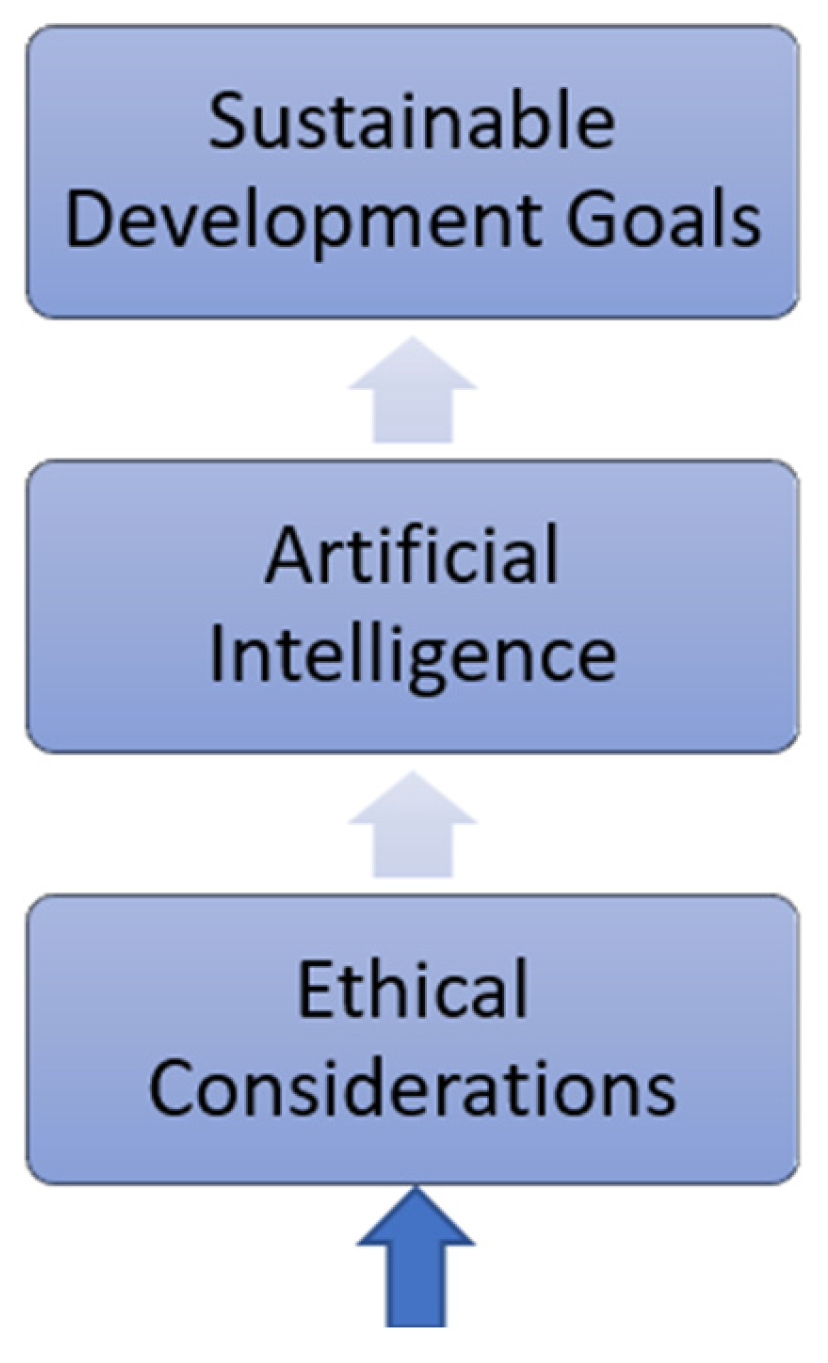
Figure 2.
Primary SDGs Focused on by Organizations.
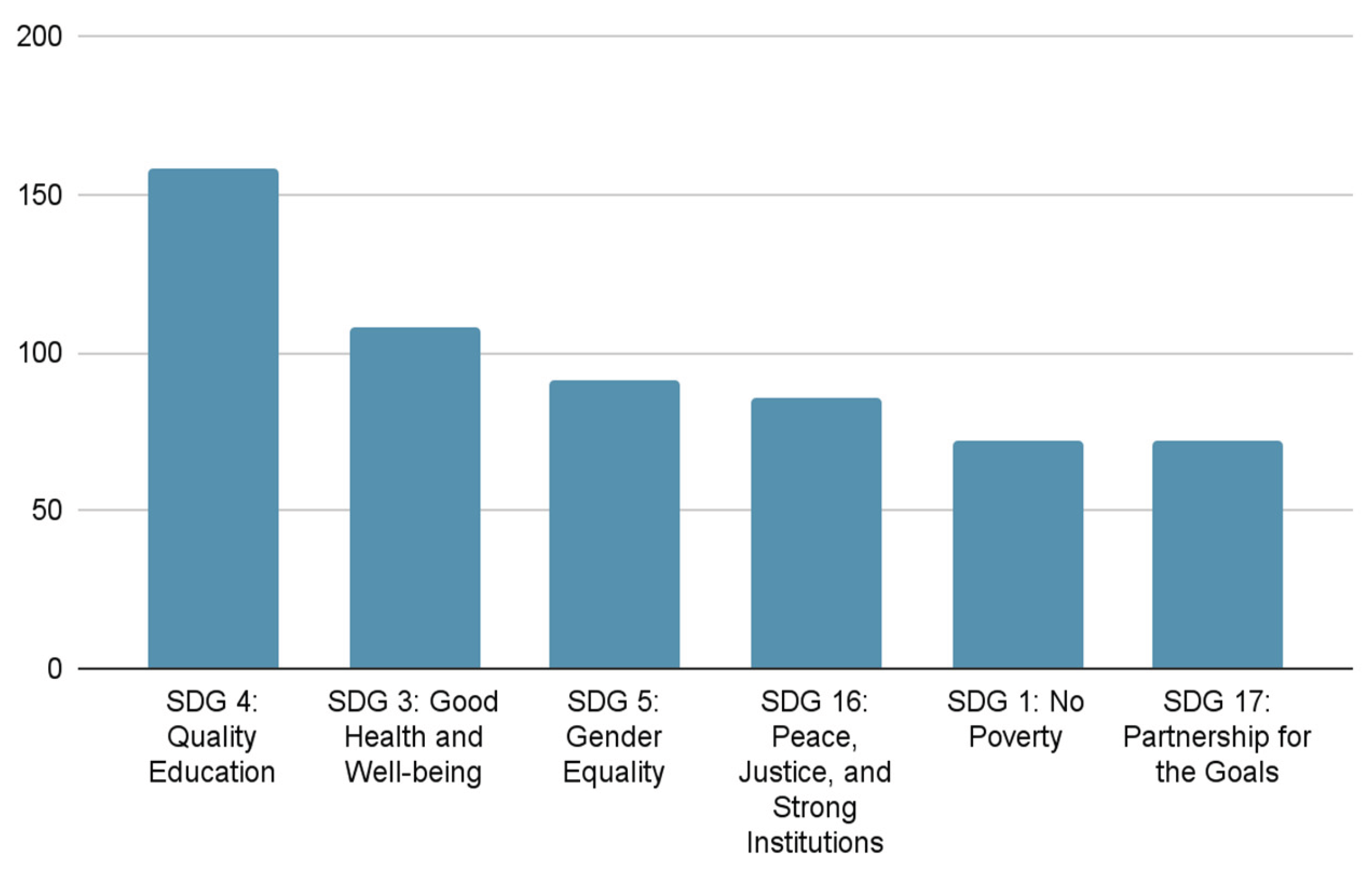
Figure 3.
Challenges in Implementing AI Solutions.
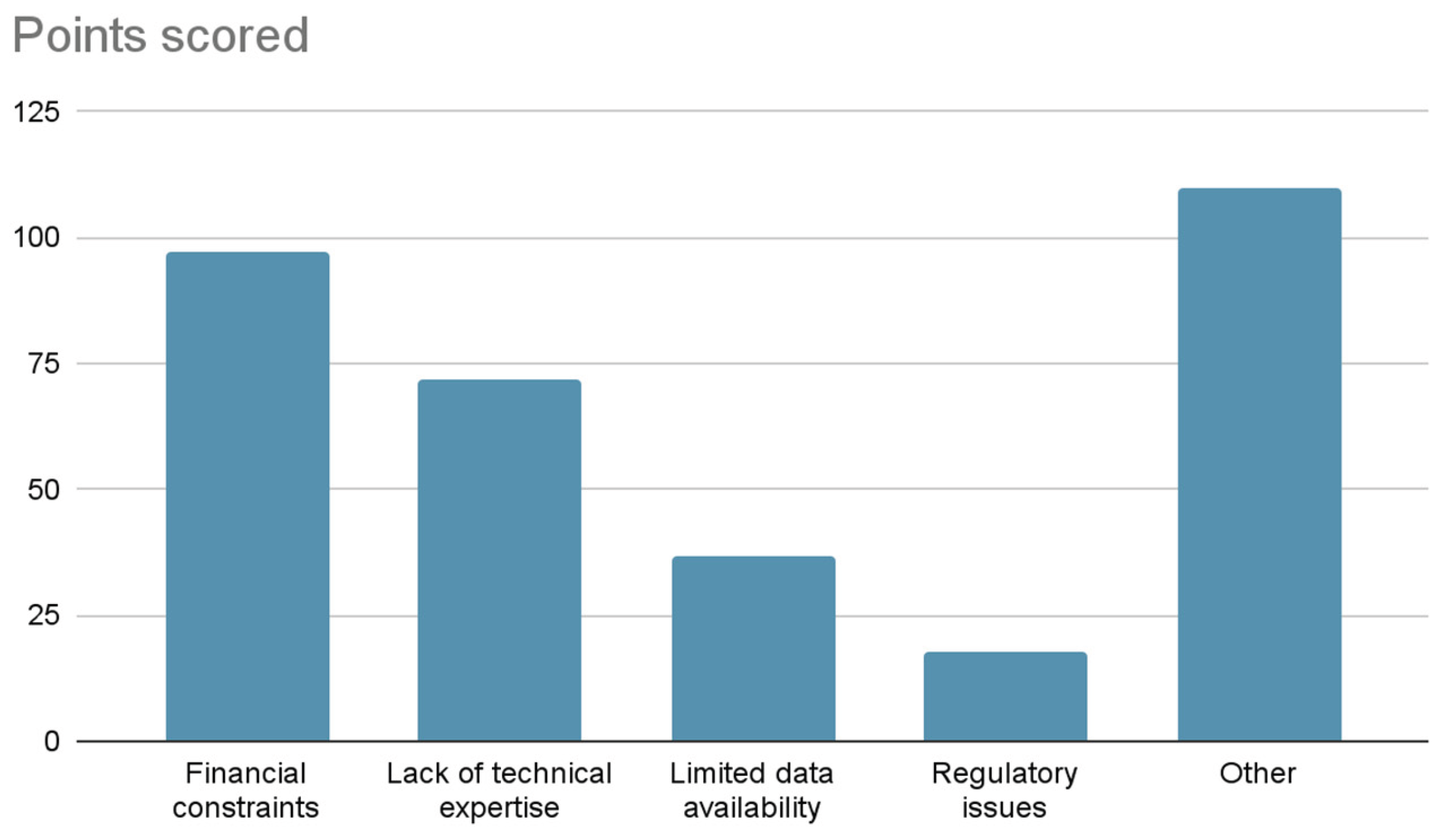
Figure 4.
Factors Contributing to Scalability.
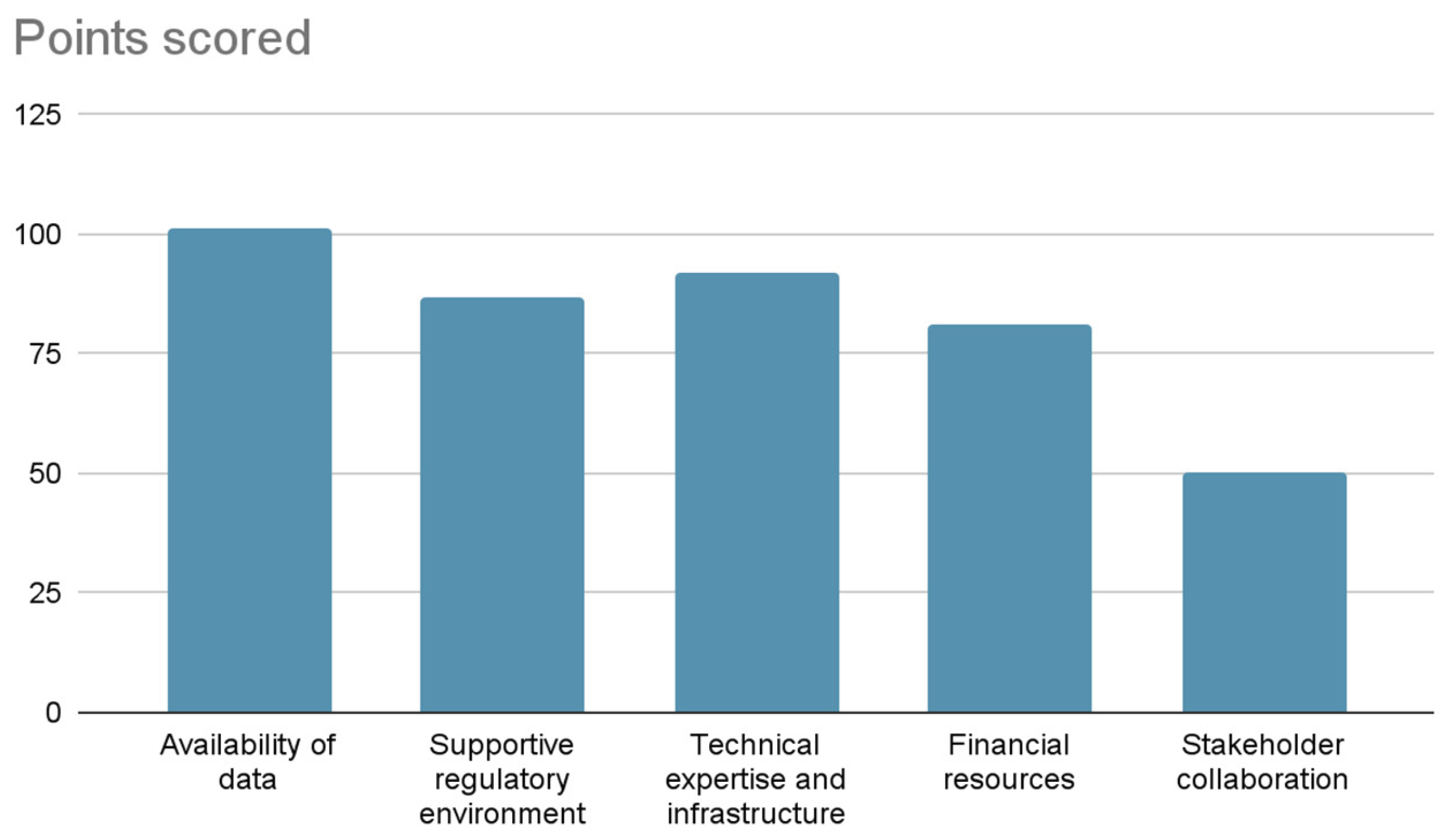
Figure 5.
Recommended Improvements to Enhance AI’s Role in Achieving SDGs.
References
- United Nations General Assembly. Transforming Our World: The 2030 Agenda for Sustainable Development; A/RES/70/1; United Nations: New York, NY, USA, 2015; Available online: https://digitallibrary.un.org/record/3923923 (accessed on 16 January 2026).
- UNESCO. Recommendation on the Ethics of Artificial Intelligence; UNESCO: Paris, France, 2021; Available online: https://digitallibrary.un.org/record/4062376 (accessed on 16 January 2026).
- Garzón, J.; Patiño, E.; Marulanda, C. Systematic review of artificial intelligence in education: Trends, benefits, and challenges. Multimodal Technol. Interact. 2025, 9, 84. [Google Scholar] [CrossRef]
- Khor, E.T.; Mutthulakshmi, K. Learning analytics for personalized learning: A systematic review. Educ. Sci. 2024, 14, 51. [Google Scholar] [CrossRef]
- Hariyanto, H.; Kristianingsih, F.X.D.; Maharani, R. Artificial intelligence in adaptive education: A systematic review of techniques for personalized learning. Discover Educ. 2025, 4, 458. [Google Scholar] [CrossRef]
- Yuensook, T.; Jantakoon, T.; Limpinan, P. AI-driven adaptive learning systems in higher education: A systematic review. J. Educ. Learn. 2025, 15, 117–140. [Google Scholar] [CrossRef]
- Hall, P.; Ellis, D. A systematic review of socio-technical gender bias in AI algorithms. Online Inf. Rev. 2023, 47, 1264–1279. [Google Scholar] [CrossRef]
- Bahangulu, J.K.; Owusu-Berko, L. Algorithmic bias, data ethics, and governance: Ensuring fairness and compliance in AI analytics. World J. Adv. Res. Rev. 2025, 25, 1746–1763. Available online: https://journalwjarr.com/sites/default/files/fulltext_pdf/WJARR-2025-0571.pdf (accessed on 16 January 2026). [CrossRef]
- Min, A. Artificial Intelligence and Bias: Challenges, Implications, and Remedies; Human Rights Commission of Malaysia: Kuala Lumpur, Malaysia, 2023; Available online: https://ywic.nmsu.edu/_assets/pdf/ArtificialIntelligenceandBias.pdf (accessed on 26 January 2026).
- Al-Nafjan, A.; Aljuhani, A.; Alshebel, A.; Alharbi, A.; Alshehri, A. Artificial intelligence in predictive healthcare: A systematic review. J. Clin. Med. 2025, 14, 6752. [Google Scholar] [CrossRef] [PubMed]
- Fahim, Y.A.; Hasani, I.W.; Kabba, S.; Ragab, W.M. Artificial intelligence in healthcare and medicine: Clinical applications and future perspectives. Eur. J. Med. Res. 2025, 30, 848. [Google Scholar] [CrossRef] [PubMed]
- Wang, H.; Tlili, A.; Huang, R.; Cai, Z.; Li, M.; Cheng, Z.; Fei, C. Intelligent tutoring systems in real contexts: A systematic review from a social-experiment perspective. Educ. Inf. Technol. 2023, 28, 9113–9148. [Google Scholar] [CrossRef] [PubMed]
- UNESCO. AI and the Future of Education: Disruptions, Dilemmas and Directions; UNESCO: Paris, France, 2025; Available online: https://www.unesco.org (accessed on 21 January 2026).
- United Nations Development Programme (UNDP). Sustainable Development Goals. Available online: https://www.undp.org/sustainable-development-goals (accessed on 21 January 2026).
- IEEE. Artificial intelligence in education: A review. IEEE Xplore 2020, 9069875. Available online: https://ieeexplore.ieee.org/document/9069875 (accessed on 21 January 2026).
Figure 2.
Primary SDGs Focused on by Organizations.
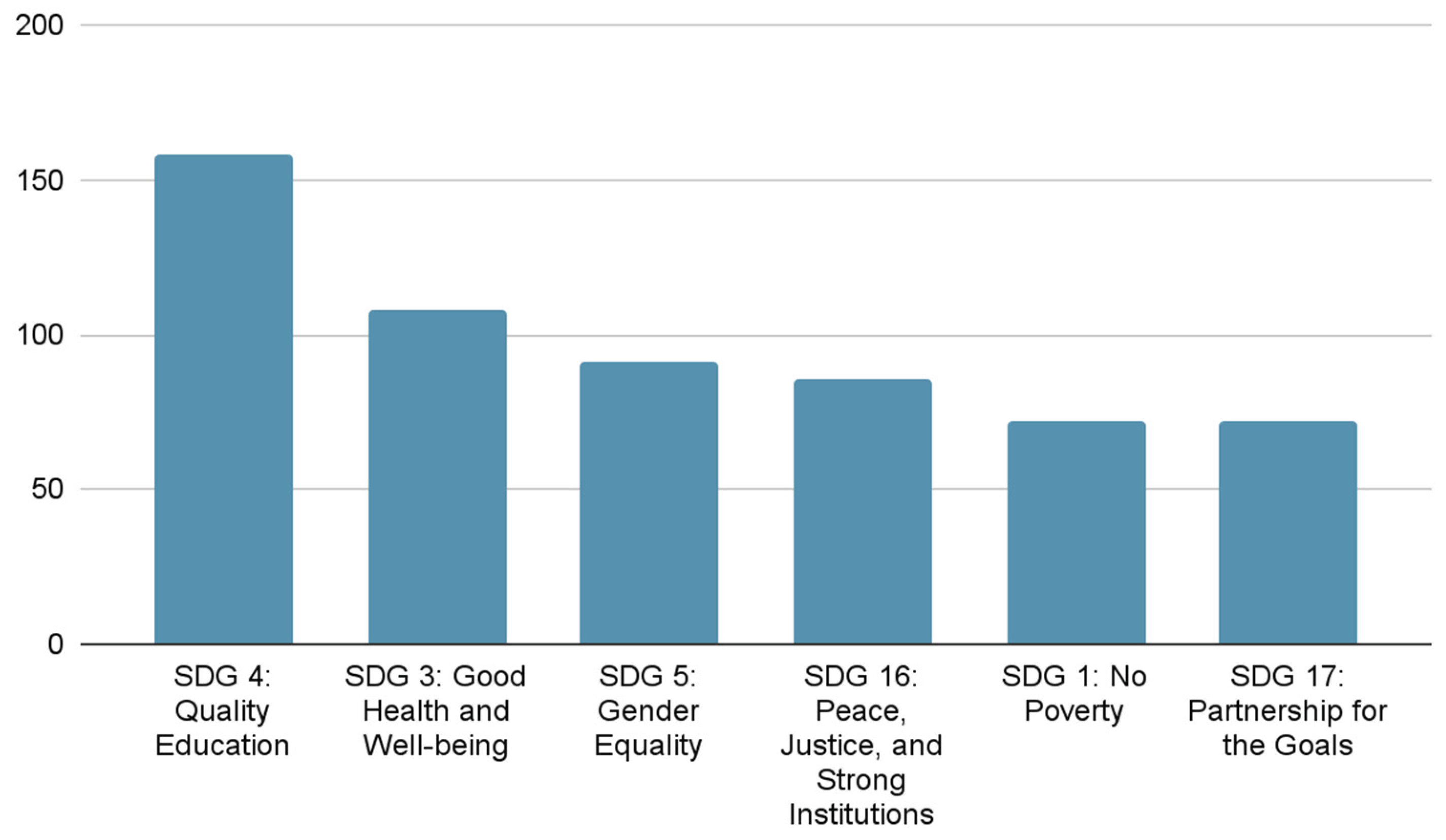
Figure 3.
Challenges in Implementing AI Solutions.
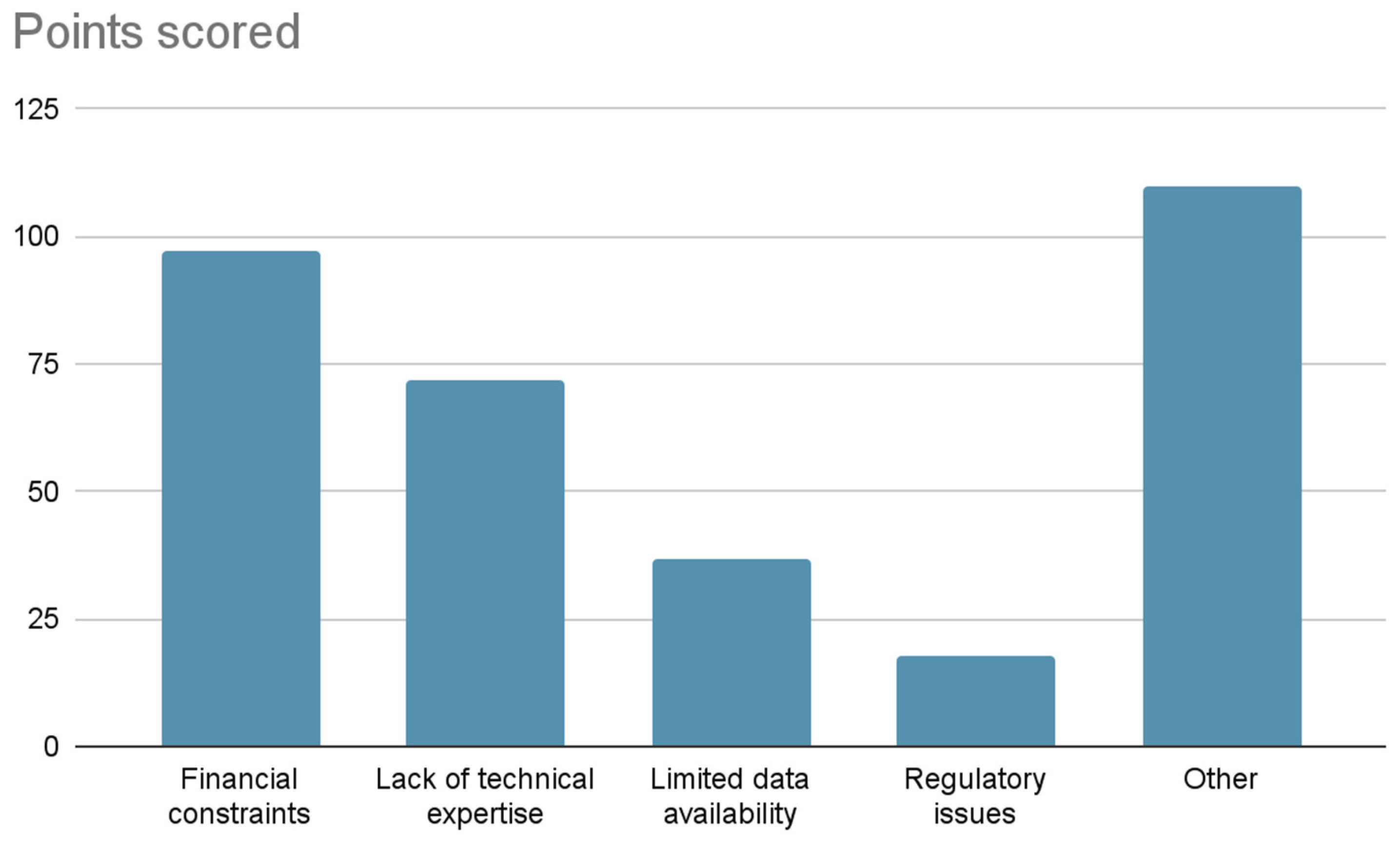
Figure 4.
Factors Contributing to Scalability.
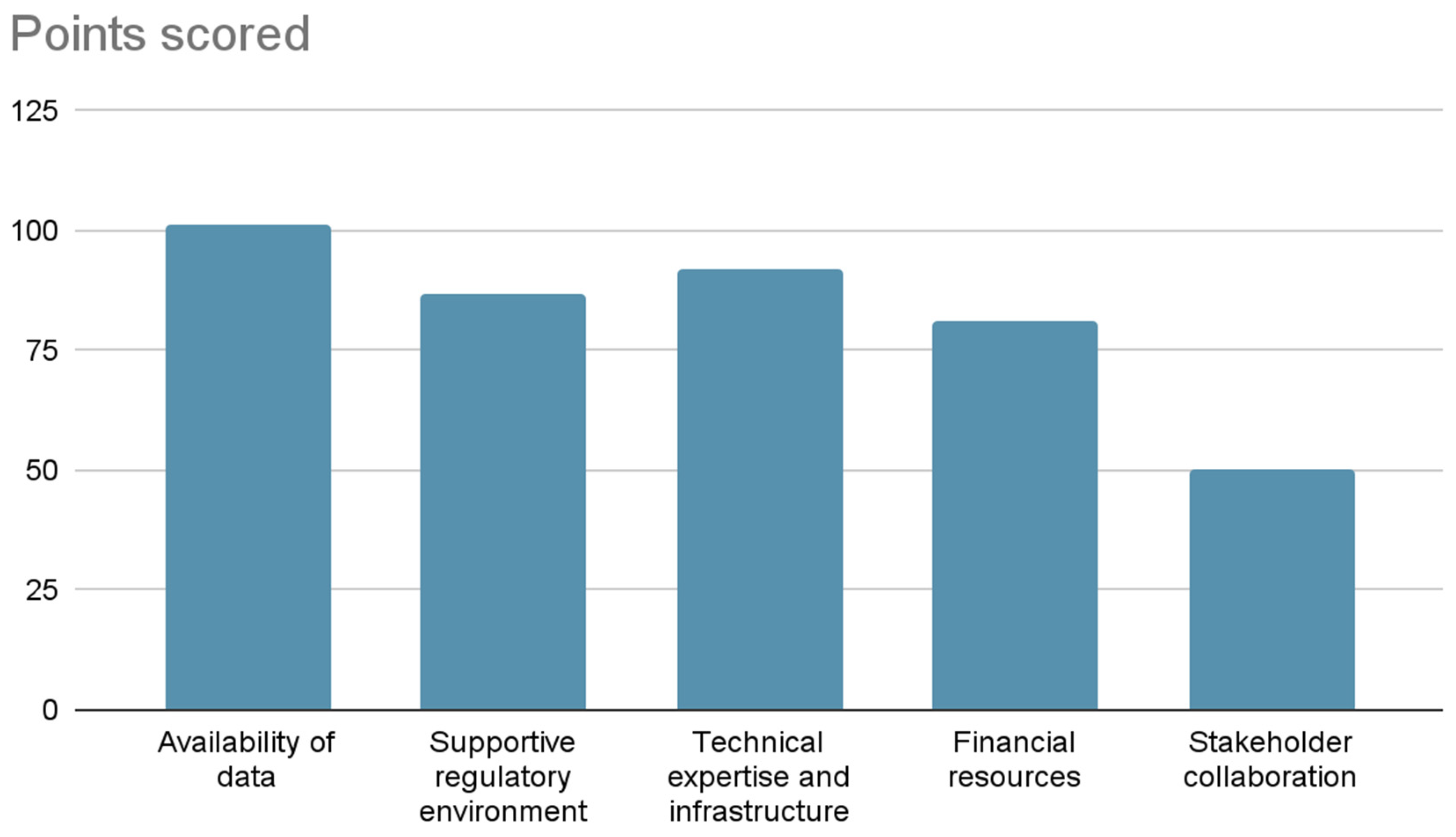
Figure 5.
Recommended Improvements to Enhance AI’s Role in Achieving SDGs.
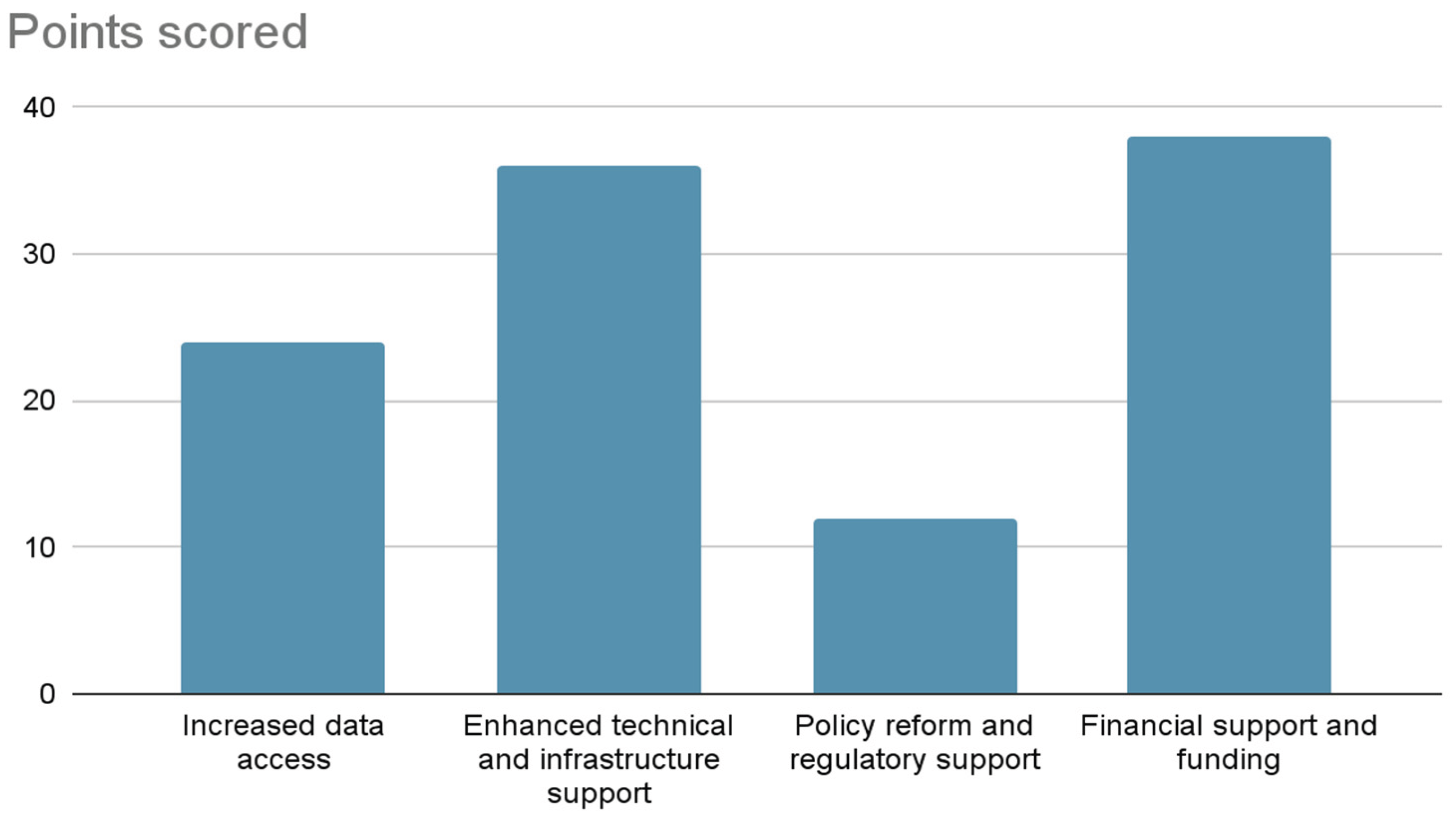
Table 1.
Primary SDGs Focused on by Organizations.
| SDG | Number of Selections |
| SDG 4: Quality Education | 158 |
| SDG 3: Good Health and Well-being | 108 |
| SDG 5: Gender Equality | 91 |
| SDG 16: Peace, Justice, and Strong Institutions | 86 |
| SDG 1: No Poverty | 72 |
| SDG 17: Partnership for the Goals | 72 |
Table 2.
Challenges in Implementing AI Solutions.
| Challenge | Number of Selections |
| Financial constraints | 97 |
| Lack of technical expertise | 72 |
| Limited data availability | 37 |
| Regulatory issues | 18 |
| Other | 110 |
Table 3.
Factors Contributing to Scalability.
| Factor | Number of Selections |
| Availability of data | 101 |
| Supportive regulatory environment | 87 |
| Technical expertise and infrastructure | 92 |
| Financial resources | 81 |
| Stakeholder collaboration | 50 |
Table 4.
Suggested Enhancements to Strengthen AI's Contribution to SDG Achievement.
| Recommended Improvement | Number of Selections |
| Increased data access | 105 |
| Enhanced technical and infrastructure support | 92 |
| Policy reform and regulatory support | 87 |
| Financial support and funding | 81 |
Disclaimer/Publisher’s Note: The statements, opinions and data contained in all publications are solely those of the individual author(s) and contributor(s) and not of MDPI and/or the editor(s). MDPI and/or the editor(s) disclaim responsibility for any injury to people or property resulting from any ideas, methods, instructions or products referred to in the content. |
© 2026 by the authors. Licensee MDPI, Basel, Switzerland. This article is an open access article distributed under the terms and conditions of the Creative Commons Attribution (CC BY) license (http://creativecommons.org/licenses/by/4.0/).
Copyright: This open access article is published under a Creative Commons CC BY 4.0 license, which permit the free download, distribution, and reuse, provided that the author and preprint are cited in any reuse.


