

Submitted:
15 January 2026
Posted:
16 January 2026
You are already at the latest version
Abstract
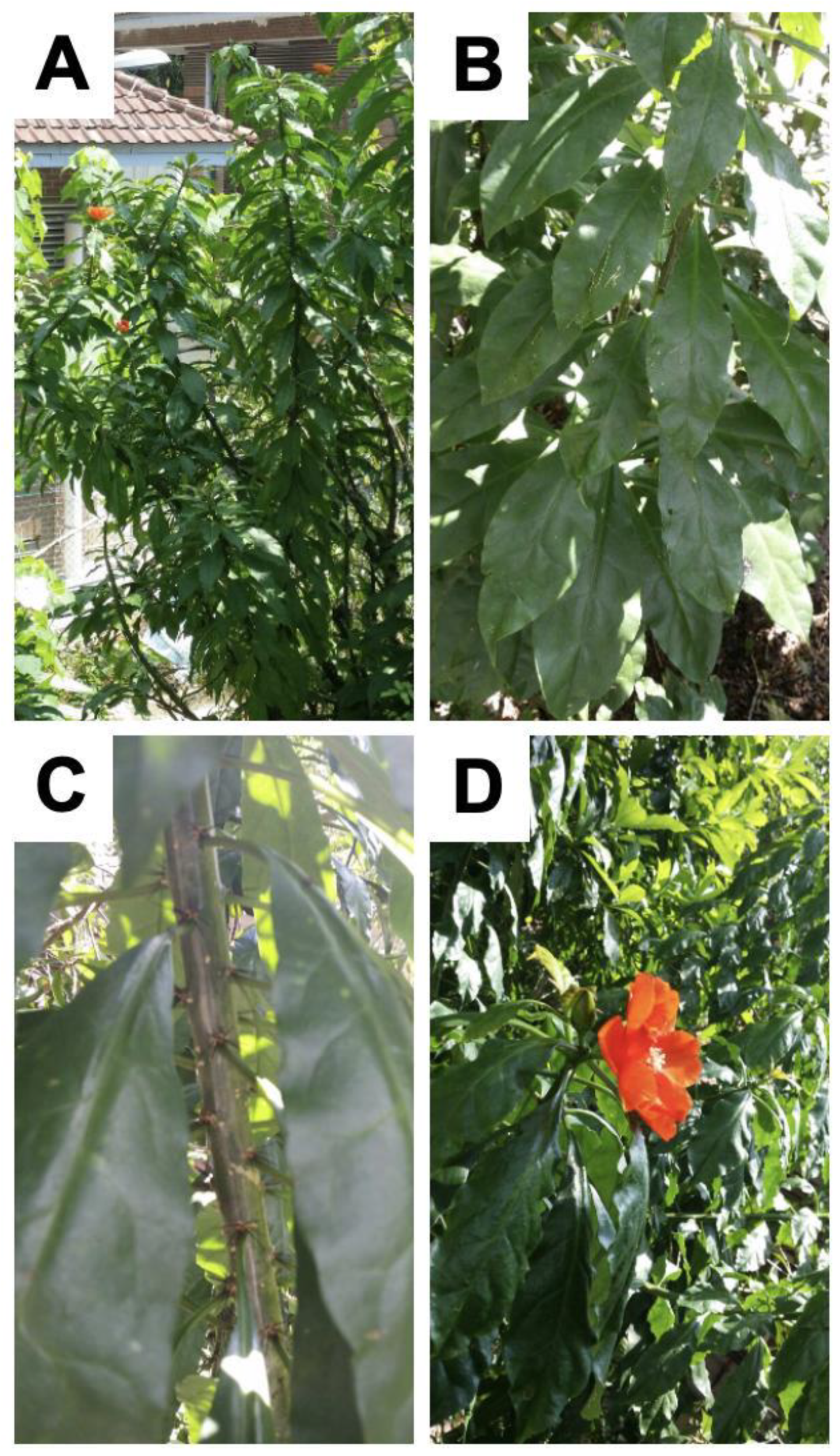
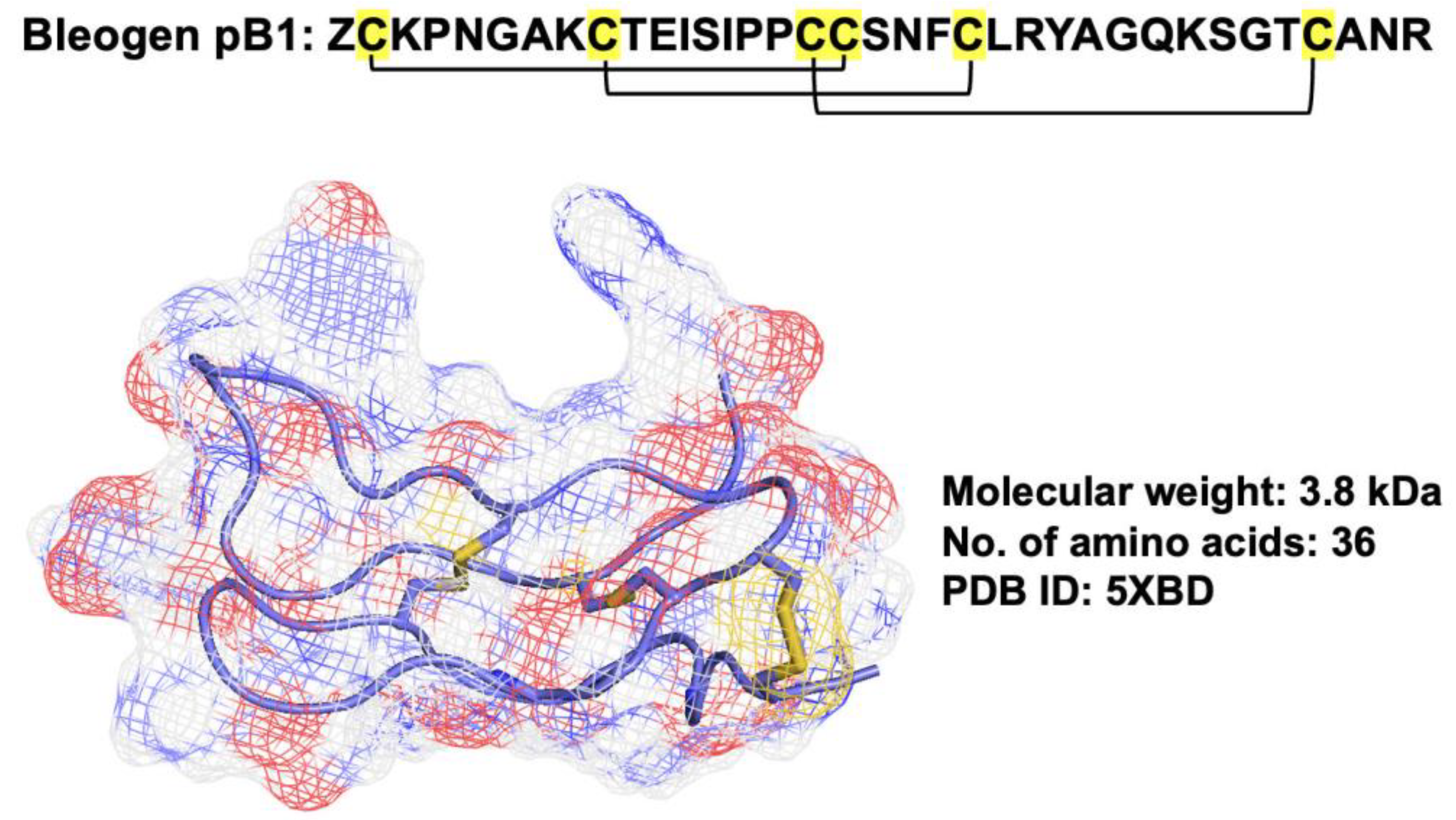
Leuenbergeria bleo (Kunth) DC. (Cactaceae), previously classified as Pereskia bleo, represents a phylogenetically basal cactus species with a disjunct distribution across Central America, Southeast Asia, and southern China. Phytochemical investigations have traditionally emphasized small-molecule secondary metabolites, including phenolics, alkaloids, and terpenoids, which contribute to antioxidant and anti-inflammatory activities. However, recent peptidomic analyses have expanded this chemical space through the discovery of bleogens, a family of hyper-stable, cysteine-rich microproteins with specific antifungal and wound-healing properties. This review systematically integrates botanical characteristics, ethnomedicinal applications, and pharmacological profiles, providing a comparative analysis of the plant’s small-molecule constituents versus its peptidyl biologics. It identifies the co-existence of these distinct chemical classes as a defining feature of the plant’s efficacy while highlighting the need for future research into their potential interactions.
Keywords:
1. Introduction
2. Botanical Characteristics
3. Traditional Usage
3.1. Southeast Asian Traditional Medicine
3.2. Central American Indigenous Medicine
3.3. Contemporary Challenges
4. Extract-Level Pharmacology
4.1. Antioxidant Activity
4.2. Anti-Inflammatory Effects
4.3. Cytotoxic and Anticancer Potential
4.4. Antimicrobial Activity
4.5. Metabolic and Cardiovascular Effects
4.6. Analgesic and Larvicidal Activities
5. Small-Molecule Constituents and Their Bioactivities
5.1. Alkaloids
5.2. Phenolics and Flavonoids
5.3. Sterols
5.4. Terpenoids and Lactones
6. Microproteins and Cysteine-Rich Peptides (CRPS)
6.1. Discovery and Identification
6.2. Structural Architecture and Stability
6.3. Genomic Organization and Biosynthesis
6.4. Classification Within Plant Cysteine-Rich Peptides
6.5. Pharmacological Activities and Translational Potential
7. Synergistic Mechanisms
8. Future Directions
8.1. Expanding the Peptidomic Landscape
8.2. Elucidating Chemo-Biological Synergies
9. Conclusion
Acknowledgments
References
- de Vos, J.M.; Eggli, U.; Nyffeler, R.; Larridon, I.; McGinnie, C.; Epitawalage, N.; Maurin, O.; Forest, F.; Baker, W.J. Phylogenomics and classification of Cactaceae based on hundreds of nuclear genes: JM de Vos et al. Plant Systematics and Evolution 2025, 311, 28.
- Guerrero, P.C.; Majure, L.C.; Cornejo-Romero, A.; Hernández-Hernández, T. Phylogenetic relationships and evolutionary trends in the cactus family. Journal of Heredity 2019, 110, 4-21. [CrossRef]
- Butterworth, C.; Edwards, E.J. Investigating Pereskia and the earliest divergences in Cactaceae. Haseltonia 2008, 2008, 46-53. [CrossRef]
- Zareisedehizadeh, S.; Tan, C.-H.; Koh, H.-L. A review of botanical characteristics, traditional usage, chemical components, pharmacological activities, and safety of Pereskia bleo (Kunth) DC. Evidence-Based Complementary and Alternative Medicine 2014, 2014, 326107. [CrossRef]
- Azizan, N.A.H.; Aris, F.; Mat Jalil, M.T.; Mohamed Yunus, N.; Ab Rashid, S.; Zakaria, N.A. Traditional uses, phytochemistry profile and biological properties of Jarum Tujuh Bilah, Pereskia bleo: a review. Science Letters (ScL) 2024, 18, 97-118. [CrossRef]
- Mohd-Salleh, S.F.; Ismail, N.; Wan-Ibrahim, W.S.; Tuan Ismail, T.N.N. Phytochemical screening and cytotoxic effects of crude extracts of Pereskia bleo leaves. Journal of Herbs, Spices & Medicinal Plants 2020, 26, 291-302. [CrossRef]
- Nayaka, N.M.D.M.W.; Cahyaningsih, E.; Sasadara, M.M.V.; Yuda, P.E.S.K.; Indriani, F.R. Total Flavonoid Content and Antioxidant Activity of Different Polarity Extracts from Pereskia bleo Leaves. Jurnal Ilmiah Medicamento 2023, 9, 137-141. [CrossRef]
- Loo, S.; Kam, A.; Xiao, T.; Tam, J.P. Bleogens: cactus-derived anti-Candida cysteine-rich peptides with three different precursor arrangements. Frontiers in plant science 2017, 8, 2162. [CrossRef]
- Loo, S.; Kam, A.; Li, B.B.; Feng, N.; Wang, X.; Tam, J.P. Discovery of hyperstable noncanonical plant-derived epidermal growth factor receptor agonist and analogs. Journal of Medicinal Chemistry 2021, 64, 7746-7759. [CrossRef]
- Loo, S.; Kam, A.; Tam, J.P. Hyperstable EGF-like bleogen derived from cactus accelerates corneal healing in rats. Frontiers in Pharmacology 2022, 13, 942168. [CrossRef]
- Bailey, I.W. COMPARATIVE ANATOMY OF THE LEAF-BEARING CACTACEAE, X: THE XYLEM OF PERESKIA COLOMBIANA, PERESKIA GUAMACHO, PERESKIA CUBENSIS, AND PERESKIA PORTULACIFOLIA. Journal of the Arnold Arboretum 1963, 44, 390-401. [CrossRef]
- Bailey, I. Comparative anatomy of the leaf-bearing Cactaceae, XI: The xylem of Pereskiopsis and Quiabentia. Journal of the Arnold Arboretum 1964, 45, 140-157. [CrossRef]
- Mauseth, J.D.; Landrum, J.V. Relictual vegetative anatomical characters in Cactaceae: the genus Pereskia. Journal of Plant Research 1997, 110, 55-64. [CrossRef]
- Kubitzki, K.; Rohwer, J.G.; Bittrich, V. Flowering plants· dicotyledons: Magnoliid, hamamelid and caryophyllid families; Springer Science & Business Media: 2013; Volume 2.
- Taylor, N.P. Notes on cultivated Pereskia quisqueyana and related species (Cactaceae). Bradleya 2021, 2021, 69-110. [CrossRef]
- Barrios, D.; Sánchez, J.A.; Flores, J.; Jurado, E. Seed traits and germination in the Cactaceae family: a review across the Americas. Botanical Sciences 2020, 98, 417-440. [CrossRef]
- Cota-Sánchez, J.H. A compendium of vivipary in the Cactaceae: new reports, data, and research prospects. Brazilian Journal of Botany 2022, 45, 1001-1027. [CrossRef]
- Thompson, J.B.; Hernández-Hernández, T.; Keeling, G.; Vásquez-Cruz, M.; Priest, N.K. Identifying the multiple drivers of cactus diversification. Nature Communications 2024, 15, 7282. [CrossRef]
- Lopes, S.; Mota, L.; Castro, M.; Nobre, G.; Novoa, A.; Richardson, D.M.; Loureiro, J.; Castro, S. Genome size variation in Cactaceae and its relationship with invasiveness and seed traits. Biological Invasions 2021, 23, 3047-3062. [CrossRef]
- Vijayablan, S.; Chigurupati, S.; Alhowail, A.; Das, S. A Retrospective Review of Pereskia Bleo (Kunth) DC on its Properties and Preclinical Insights for Future Drug Discovery Trends. Annals of the Romanian Society for Cell Biology 2021, 25, 2123-2132.
- Zareisedehizadeh, S.; Siew, Y.-Y.; Wee, H.-L.; Tan, C.-H.; Koh, H.-L. Medicinal uses of a leafy cactus, Pereskia bleo, in Singapore: A survey on the users’ knowledge and their perceptions. Age 2022, 18, 1. [CrossRef]
- Torres, C.A.; Zamora, C.M.P.; Nuñez, M.B.; Gonzalez, A.M. Ethnobotanical uses and potential pharmaceutical applications of the Cactaceae family. In Ethnobotany; CRC Press: 2023; pp. 63-99.
- de Castro Campos Pinto, N.; Scio, E. The biological activities and chemical composition of Pereskia species (Cactaceae)—A review. Plant Foods for Human Nutrition 2014, 69, 189-195. [CrossRef]
- Hostettmann, K.; Marston, A.; Maillard, M.; Hamburger, M. Phytochemistry of plants used in traditional medicine; 1995.
- Otero, R.; Núñez, V.; Barona, J.; Fonnegra, R.; Jiménez, S.; Osorio, R.; Saldarriaga, M.; Dıaz, A. Snakebites and ethnobotany in the northwest region of Colombia: Part III: Neutralization of the haemorrhagic effect of Bothrops atrox venom. Journal of ethnopharmacology 2000, 73, 233-241.
- Gupta, M.P.; Solis, P.N.; Jones, A.; Galdames, C.; Guionneau-Sinclair, F. Medicinal plant inventory of Kuna Indians: part 1. Journal of Ethnopharmacology 1993, 40, 77-109. [CrossRef]
- Malek, S.N.A.; Shin, S.K.; Wahab, N.A.; Yaacob, H. Cytotoxic components of Pereskia bleo (Kunth) DC.(Cactaceae) leaves. Molecules 2009, 14, 1713-1724. [CrossRef]
- Sim, K.; Nurestri, A.S.; Sinniah, S.; Kim, K.; Norhanom, A. Acute oral toxicity of Pereskia bleo and Pereskia grandifolia in mice. Pharmacognosy Magazine 2010, 6, 67.
- Wahab, S.; Abdul, A.; Mohan, S.; Al-Zubairi, A.; Elhassan, M.; Ibrahim, M. Biological activities of Pereskia bleo extracts. International Journal of Pharmacology 2009, 5, 71-75. [CrossRef]
- Johari, M.A.; Khong, H.Y. Total phenolic content and antioxidant and antibacterial activities of Pereskia bleo. Advances in Pharmacological and Pharmaceutical Sciences 2019, 2019, 7428593. [CrossRef]
- Simamora, A.; Santoso, A.W.; Timotius, K.H. Bioactive Compounds and Bioactivity Studies of Ethanol Extracts from Pereskia bleo Kunth. The Thai Journal of Pharmaceutical Sciences 2023, 47, 18. [CrossRef]
- Lui, H.C.; Ho, A.L.; Lee, J.-S.; Chan, P.-T.; Siew, C.K. Effects of solvent system and drying on the total phenolic content and antioxidant activities of leaf extract of Pereskia bleo. Transactions on Science and Technology 2024, 11, 1-6.
- Hassanbaglou, B.; Hamid, A.A.; Roheeyati, A.; Saleh, N.M.; Abdulamir, A.; Khatib, A.; Sabu, M. Antioxidant activity of different extracts from leaves of Pereskia bleo (Cactaceae). Journal of Medicinal Plants Research 2012, 6, 2932-2937.
- Zulkipli, N.N.; Norasmadi, I.N.S.; Lob, S.; Sembok, W.Z.W.; Suhaimi, N.I.; Mubarak, A. Effect of different drying methods on retention of colour, total phenolic content, flavonoid content and antioxidant activity in Pereskia bleo leaves. Malaysian Applied Biology 2024, 53, 83-93. [CrossRef]
- Abdul-Wahab, I.R.; Guilhon, C.C.; Fernandes, P.D.; Boylan, F. Anti-nociceptive activity of Pereskia bleo Kunth.(Cactaceae) leaves extracts. Journal of Ethnopharmacology 2012, 144, 741-746. [CrossRef]
- Guilhon, C.C.; Abdul Wahab, I.R.; Boylan, F.; Fernandes, P.D. Central antinociceptive and mechanism of action of Pereskia bleo Kunth leaves crude extract, fractions, and isolated compounds. Evidence-Based Complementary and Alternative Medicine 2015, 2015, 915927. [CrossRef]
- Mohd-Salleh, S.F.; Wan-Ibrahim, W.S.; Ismail, N. Pereskia bleo leaves extract induces cell death via cell cycle arrest and apoptosis in cervical cancer cells HeLa. Nutrition and cancer 2020, 72, 826-834. [CrossRef]
- Mohd-Salleh, S.F.; Ismail, N.; Yusoff, M.; Mat-Asan, J.; Sarmiento, M.E.; Acosta, A. Ethyl Acetate Extract of Pereskia bleo Leaves Enhances Natural Killer Cells Activation and Cytotoxicity Against Cervical Cancer HeLa Cells. Malaysian Journal of Medicine & Health Sciences 2024, 20.
- Tan, M.; Sulaiman, S.; Najimuddin, N.; Samian, M.; Muhammad, T.T. Methanolic extract of Pereskia bleo (Kunth) DC.(Cactaceae) induces apoptosis in breast carcinoma, T47-D cell line. Journal of ethnopharmacology 2005, 96, 287-294. [CrossRef]
- Khalaf, T.K.; Ismail, N.; Nazri, N.A.; Ahmed, N.; Yajid, A.I.; Mohamud, R.; Kadir, R. Pereskia bleo augments NK cell cytotoxicity against triple-negative breast cancer cells (MDA-MB-231). PeerJ 2024, 12, e18420. [CrossRef]
- Razali, R.M.; Abdullah, F.A.; Mohd Basri, N.N.; Tajudin Tuan Johari, S.A.; Manisekaran, T.; Hashim, F. Autophagic cell death induction in a clinical isolate of Acanthamoeba sp. treated with methanolic extracts of Pereskia bleo Kuhn. Malaysian Journal of Microbiology 2024, 20. [CrossRef]
- de Oliveira, W.F.; da Silva, A.G.; de Souza Oliveira, L.; de Araújo, D.C.; da Silva, J.W.M.; de Brum Vieira, P.; Tasca, T.; Coelho, L.B. Cactaceae antimicrobials from seasonally dry tropical forests (Caatinga) in Northeast Brazil. Understanding microbial pathogens: Current knowledge and educational ideas on antimicrobial research. 7th Ed. Badajoz: Formatex Research Centre, Spain (Enrique Torres-Hergueta and A. Méndez-Vilas, Eds.) 2018, 92-98.
- Rani, A.N.A.; Mahmud, R.; Amran, N.; Asmawi, M.Z.; Mohamed, N.; Perumal, S. In vivo hypoglycemic investigation, antihyperglycemic and antihyperlipidemic potentials of Pereskia bleo Kunth. in normal and streptozotocin-induced diabetic rats. Asian Pacific Journal of Tropical Biomedicine 2019, 9, 73-79. [CrossRef]
- Siska, S.; Hanani, E.; Bariroh, T.; Febrianto, B.; Pratiwi, A.D.A.P.; Yaner, N.N.; Fitri, N.A. Effect of the ethanol extract of Pereskia bleo (Kunth) DC. on the blood pressure and electrolyte levels of hypertensive rats. Journal of Herbmed Pharmacology 2023, 12, 448-452. [CrossRef]
- Ch’ng, Y.S.; Tan, C.S.; Loh, Y.C.; Ahmad, M.; Asmawi, M.Z.; Yam, M.F. Vasorelaxation study and tri-step infrared spectroscopy analysis of Malaysian local herbs. Journal of pharmacopuncture 2016, 19, 145. [CrossRef]
- Thongwat, D.; Ganranoo, L.; Chokchaisiri, R. Larvicidal activity of Pereskia bleo (Kunth) DC.(Cactaceae) fruit endocarp crude and fractionated extracts against Aedes aegypti (L.)(Diptera: Culicidae). Southeast Asian Journal of Tropical Medicine and Public Health 2014, 45, 1292.
- Doetsch, P.W.; Cassady, J.M.; McLaughlin, J.L. Cactus alkaloids: XL. Identification of mescaline and other β-phenethylamines in Pereskia, Pereskiopsis and Islaya by use of fluorescamine conjugates. Journal of Chromatography A 1980, 189, 79-85.
- LEARY, T.; SEID, G.O. The Encyclopedia of Psychoactive Plants: Ethnopharmacology and Its Applications.
- Watkins, J.L.; Li, Q.; Yeaman, S.; Facchini, P.J. Elucidation of the mescaline biosynthetic pathway in peyote (Lophophora williamsii). The Plant Journal 2023, 116, 635-649. [CrossRef]
- Varma, D.R.; Deng, X.-F.; Chemtob, S.; Nantel, F.; Bouvier, M. Characterization of the vasorelaxant activity of tyramine and other phenylethylamines in rat aorta. Canadian journal of physiology and pharmacology 1995, 73, 742-746. [CrossRef]
- Sotnikova, T.D.; Beaulieu, J.-M.; Espinoza, S.; Masri, B.; Zhang, X.; Salahpour, A.; Barak, L.S.; Caron, M.G.; Gainetdinov, R.R. The dopamine metabolite 3-methoxytyramine is a neuromodulator. PloS one 2010, 5, e13452. [CrossRef]
- Saptarini, N.; Mustarichie, R.; Herawati, I.E.; Hadisoebroto, G. Isolation, identification, and quantification of major flavonoid in leaves of Pereskia Bleo (Kunth) DC. Int. J. Appl. Pharm 2022, 14, 106-110. [CrossRef]
- Khan, S.S.; Luqman, S. Antimicrobial plant peptides: structure, classification, mechanism and therapeutic potential. Current Topics in Medicinal Chemistry 2025. [CrossRef]
Disclaimer/Publisher’s Note: The statements, opinions and data contained in all publications are solely those of the individual author(s) and contributor(s) and not of MDPI and/or the editor(s). MDPI and/or the editor(s) disclaim responsibility for any injury to people or property resulting from any ideas, methods, instructions or products referred to in the content. |
© 2026 by the authors. Licensee MDPI, Basel, Switzerland. This article is an open access article distributed under the terms and conditions of the Creative Commons Attribution (CC BY) license (http://creativecommons.org/licenses/by/4.0/).


