
Submitted:
08 January 2026
Posted:
13 January 2026
You are already at the latest version
Abstract
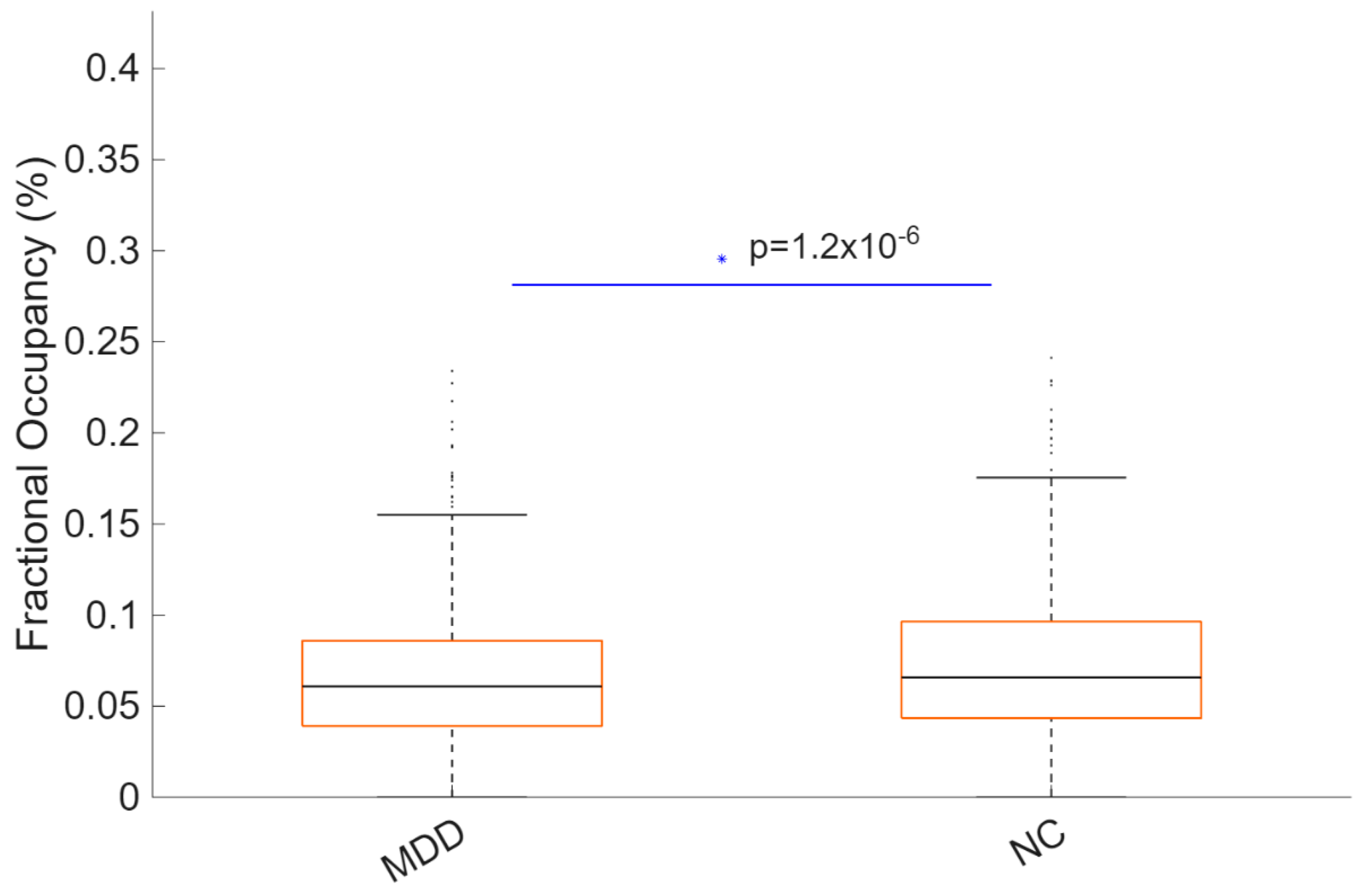
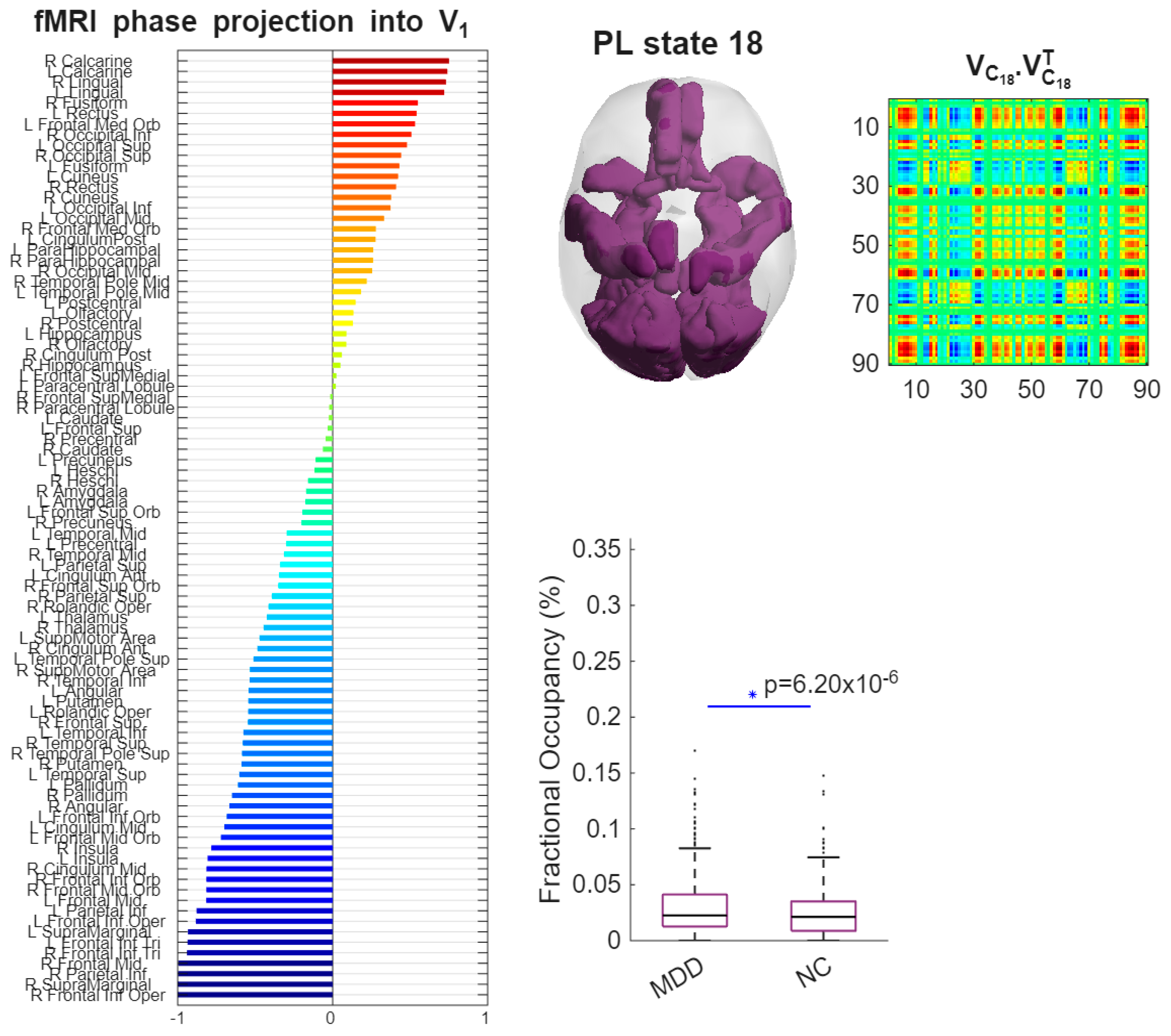
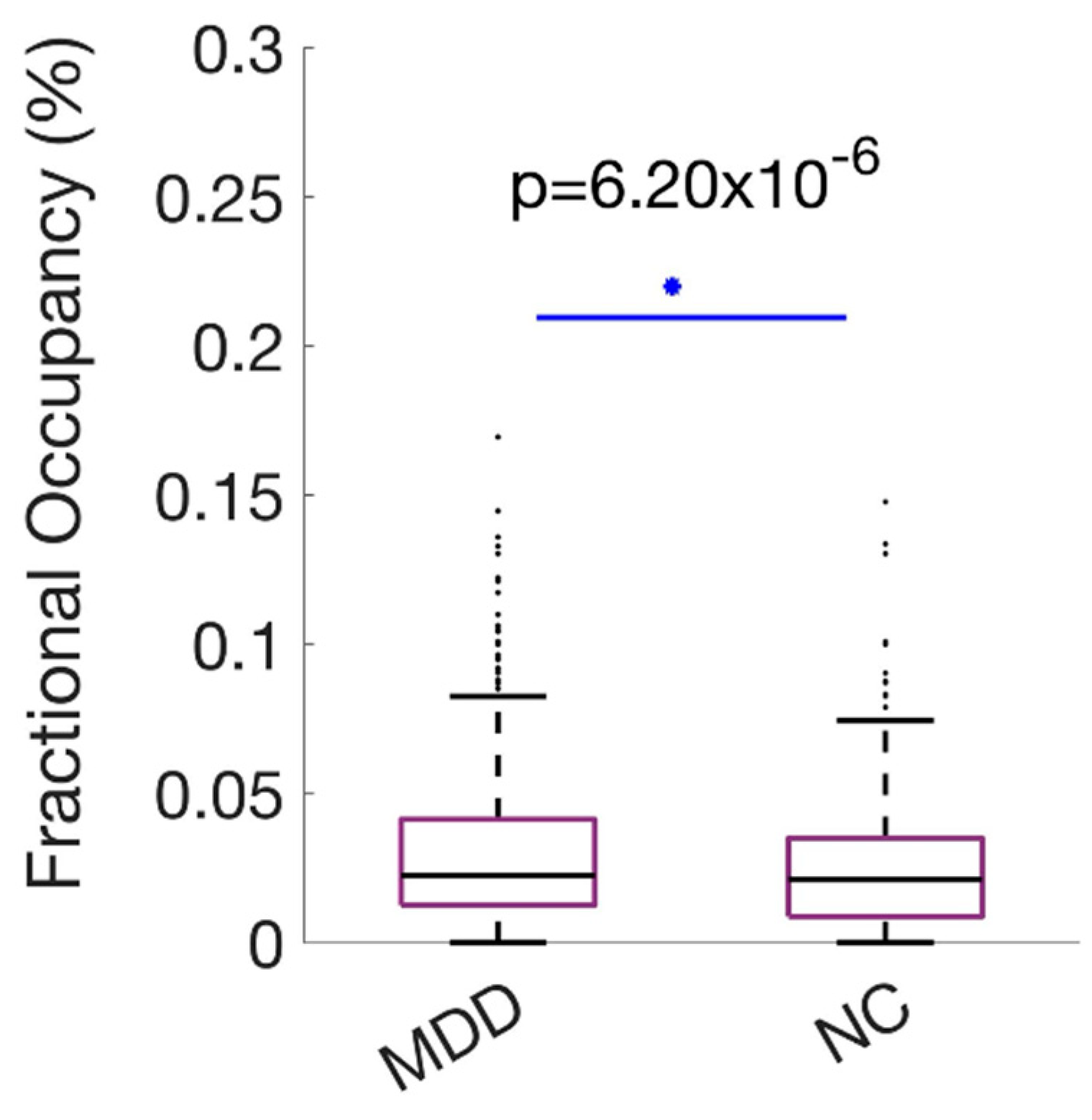
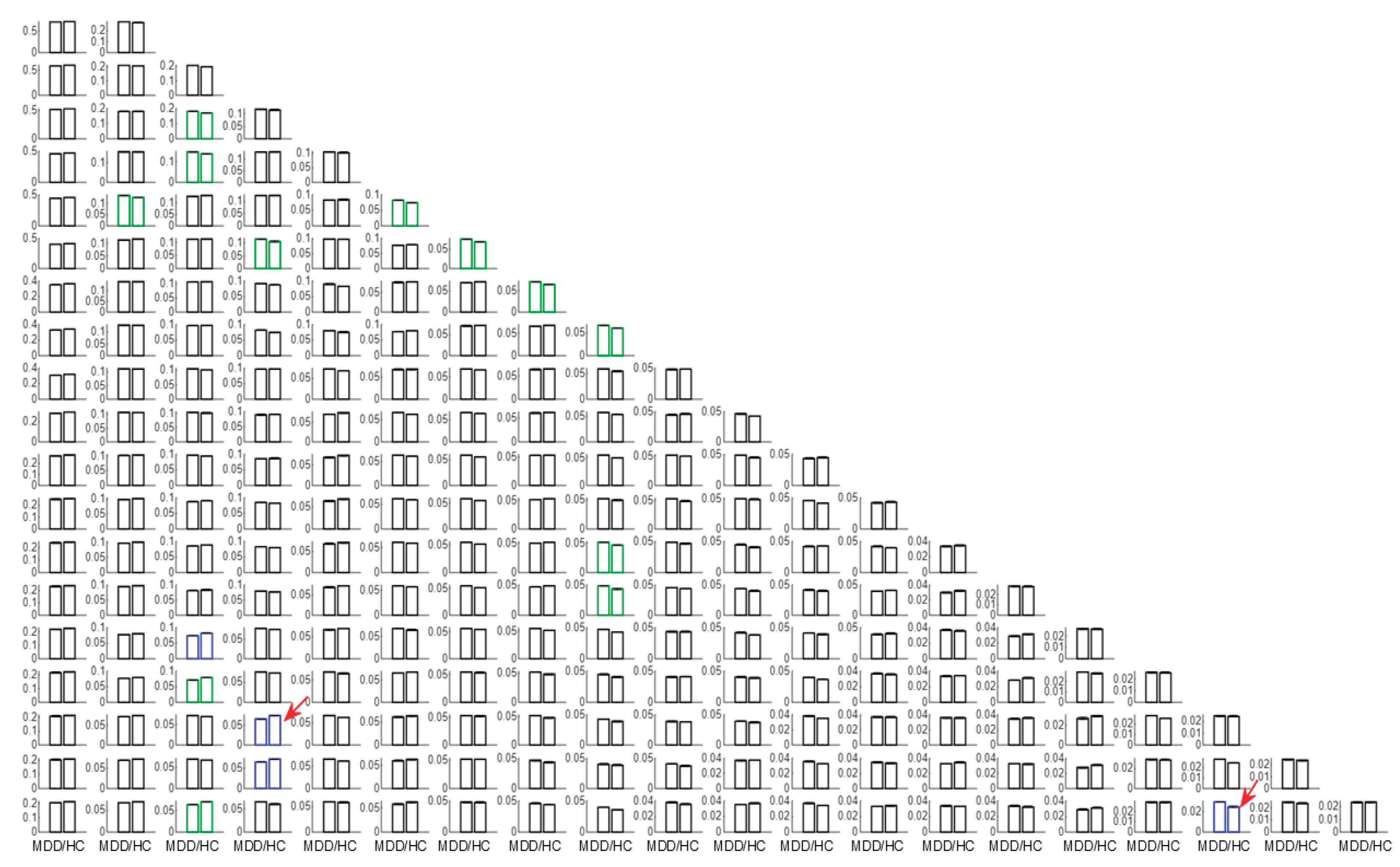
Major depressive disorder (MDD) represents a heterogeneous condition lacking reliable neurobiological biomarkers and mechanistic understanding. Time-resolved characterisation of brain dynamics reveals that mental health is associated with a characteristic dynamical regime, exhibiting spontaneous switching between a repertoire of ghost attractor states forming resting-state networks. Analysing resting-state fMRI data from 848 MDD patients and 794 healthy controls across 17 sites in China (REST-meta-MDD) using Leading Eigenvector Dynamics Analysis (LEiDA), we found MDD patients exhibit significantly reduced default mode network (DMN) occupancy (p < 0.001; Hedges' g = −0.51) and increased occipito-parieto-temporal state occupancy (p < 0.001; Hedges' g = 0.42), suggesting compensatory dynamical rebalancing. These findings extend prior observations of disrupted DMN in MDD, aligning with the emerging dynamical systems framework for mental health to advance mechanistic understanding of MDD pathophysiology.
Keywords:
1. Introduction
2. Materials and Methods
2.1. Study Design
2.2. Quality Control and Sample Selection
2.3. Participants
2.4. Imaging Acquisition
2.5. Preprocessing
2.6. Data Analysis
2.7. Ethics
3. Results
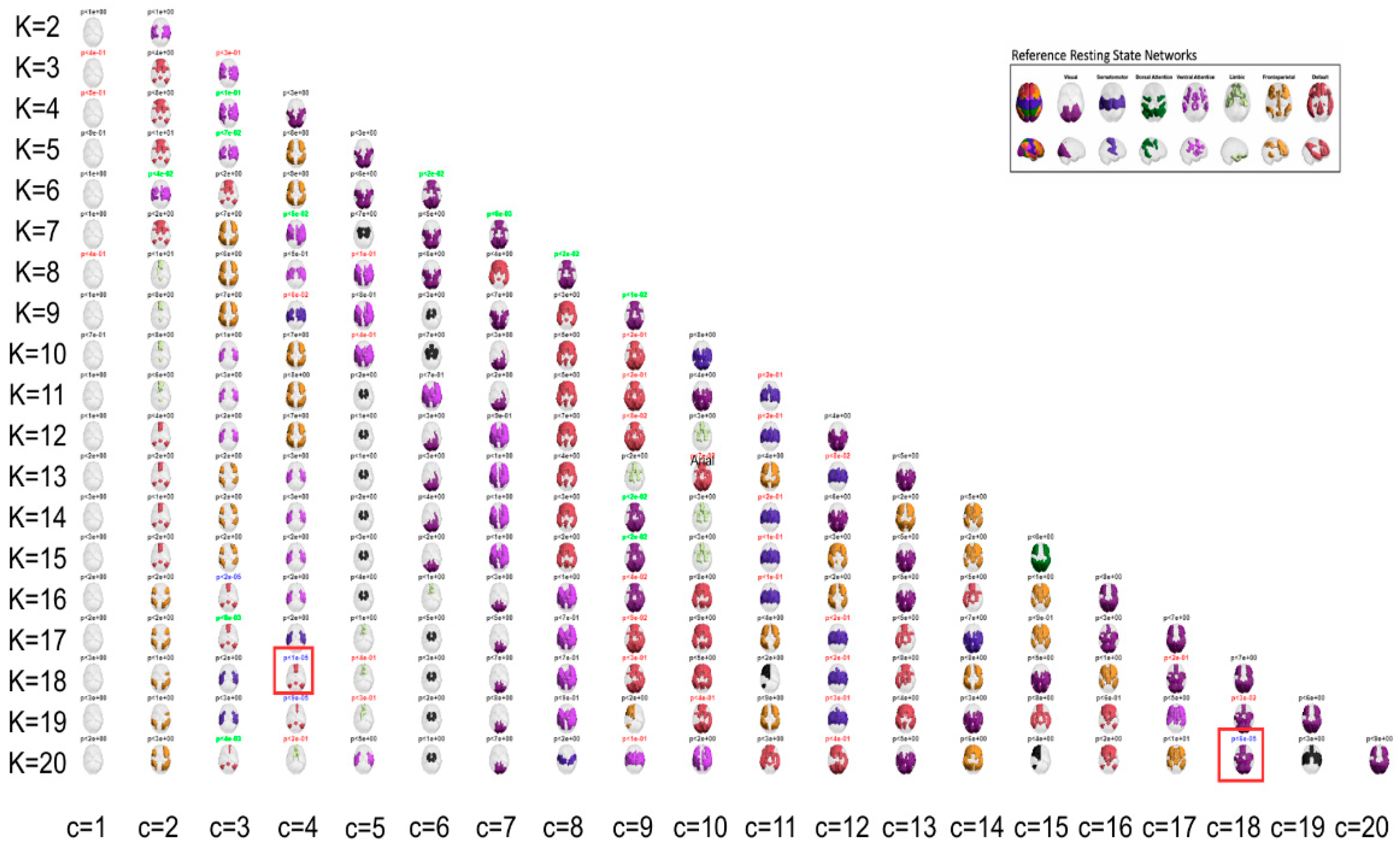
3.1. Identification of dFC States
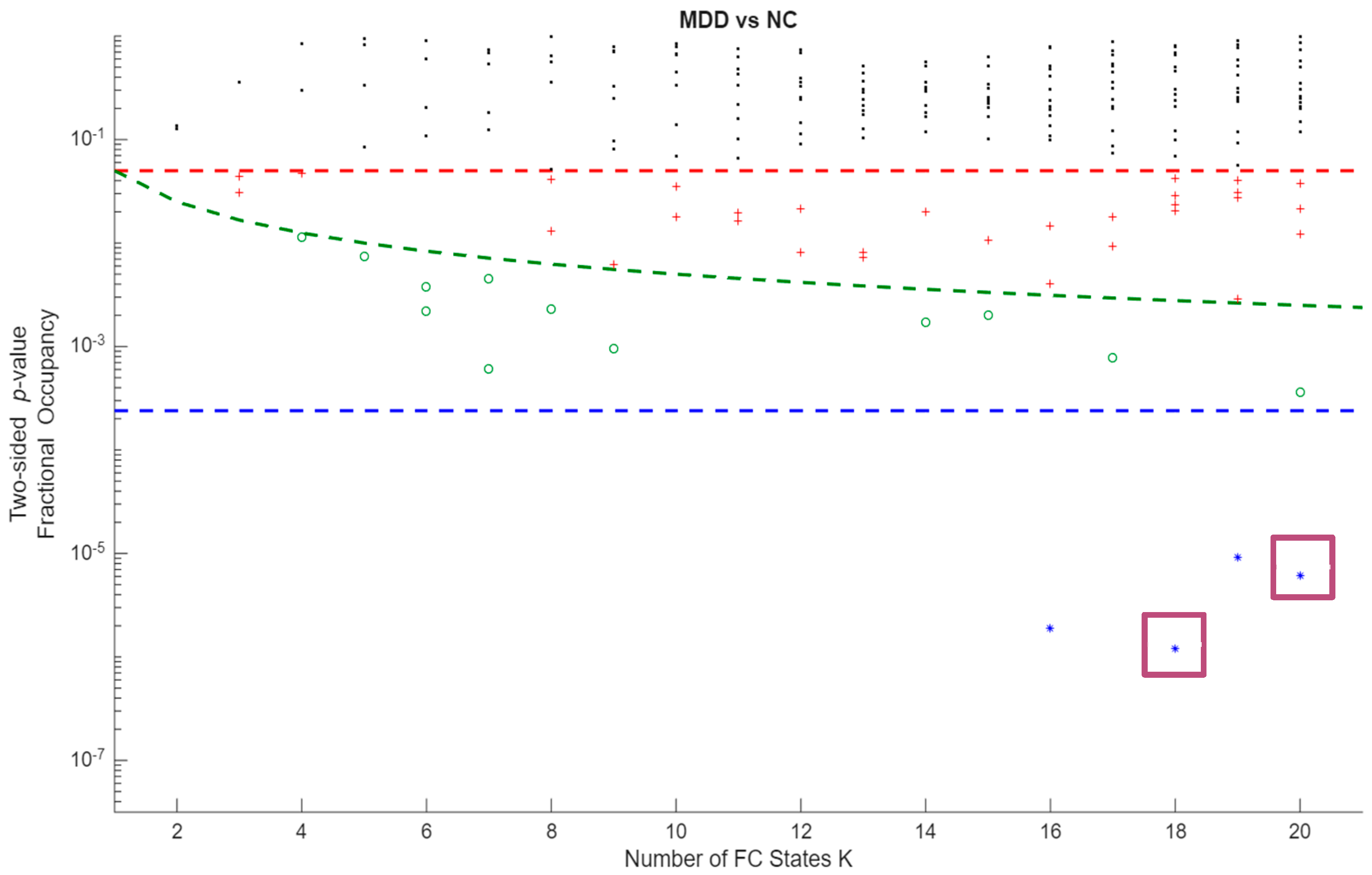
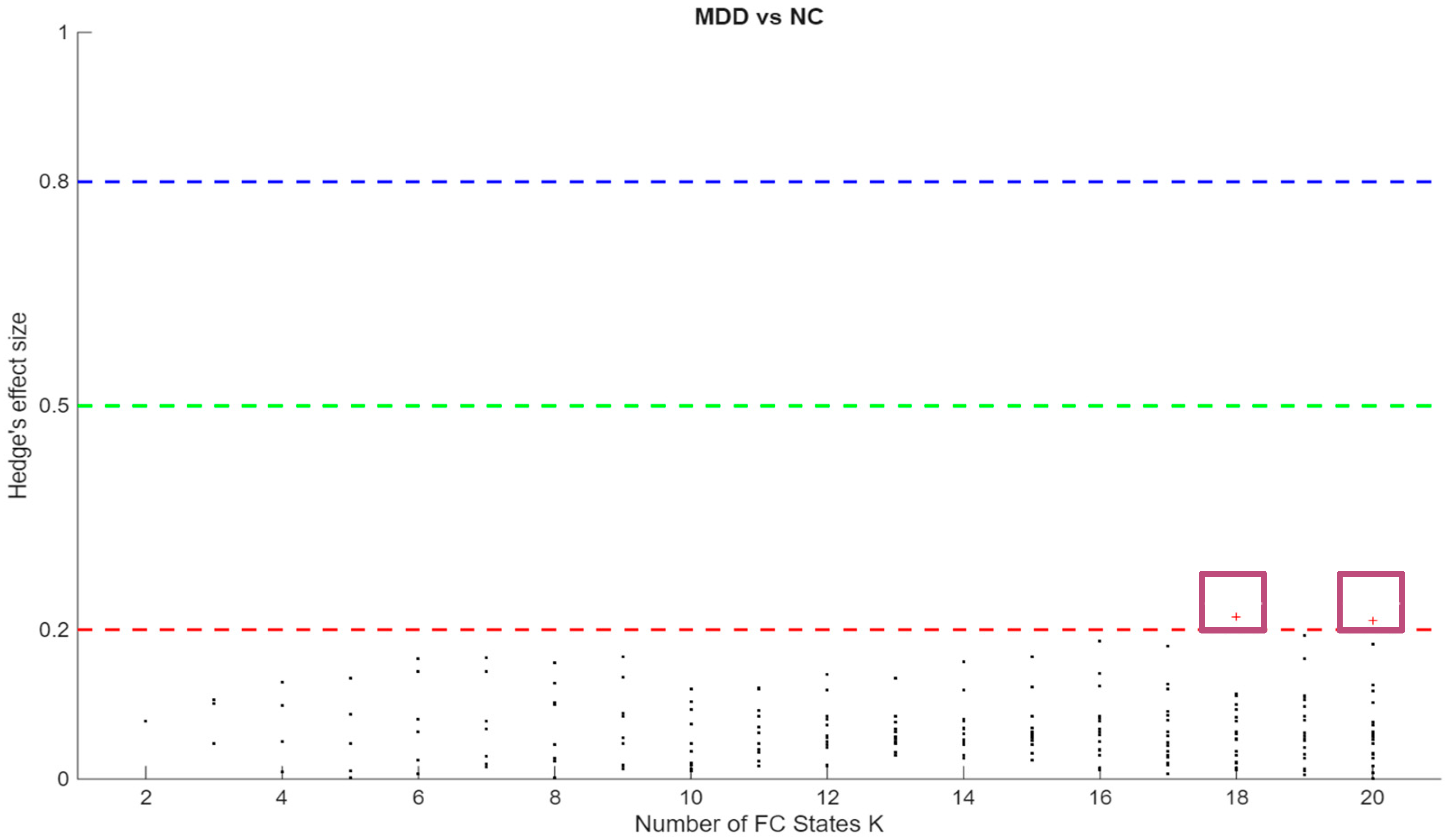
3.2. Group Differences in State FO
3.3. Characterization of Key States
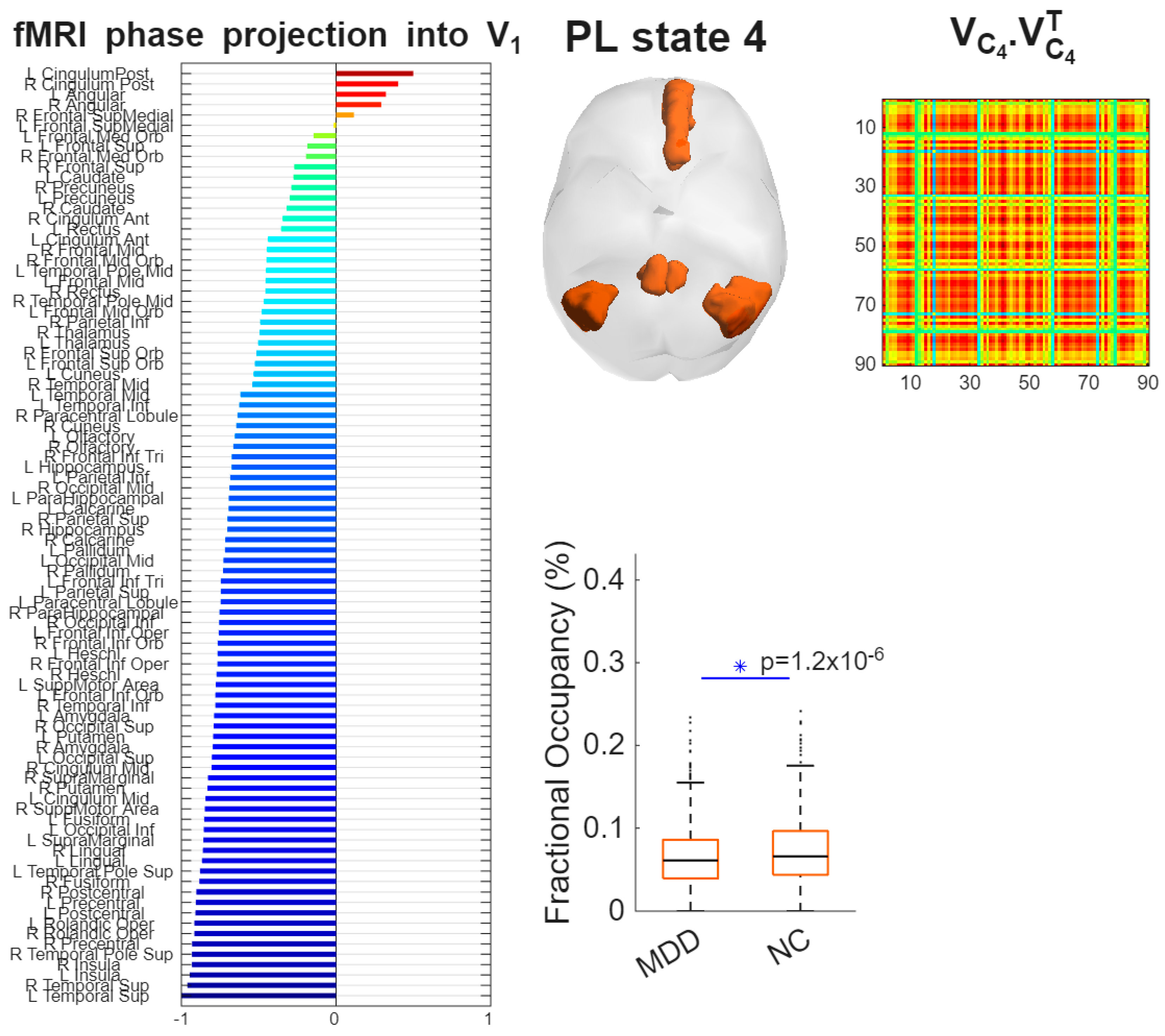
3.4. Posterior DMN State (K18C4)
3.5. Occipito-Parieto-Temporal State (K20C18)
3.6. Global Redistribution of Temporal Dynamics
4. Discussion
5. Conclusions
Funding
Institutional Review Board Statement
Data Availability Statement
Conflicts of Interest
Abbreviations
| AAL: Automated Anatomical Labeling |
| BOLD: Blood Oxygenation Level–Dependent |
| BPS: British Psychological Society |
| CSF: Cerebrospinal Fluid |
| dFC: Dynamic Functional Connectivity |
| DMN: Default Mode Network |
| DPARSF: Data Processing Assistant for Resting-State fMRI |
| DSM: Diagnostic and Statistical Manual of Mental Disorders |
| ECT: Electroconvulsive Therapy |
| EPI: Echo-Planar Imaging |
| FO: Fractional Occupancy |
| FWE: Familywise Error |
| fMRI: Functional Magnetic Resonance Imaging |
| FWH: Full Width at Half Maximum |
| HC: Healthy Controls |
| HDRS-17: 17-item Hamilton Depression Rating Scale |
| ICD: International Classification of Diseases |
| ICMJE: International Committee of Medical Journal Editors |
| LEiDA: Leading Eigenvector Dynamics Analysis |
| MDD: Major Depressive Disorder |
| MNI: Montreal Neurological Institute (space/template) |
| MRC: Medical Research Council |
| MRI: Magnetic Resonance Imaging |
| PL: Phase-Locking |
| QC: Quality Control |
| REST-meta-MDD: Resting-State fMRI Meta-Analysis of Major Depressive Disorder consortium |
| RSN: Resting-State Network(s) |
| rs-fMRI: Resting-State Functional Magnetic Resonance Imaging |
| SD: Standard Deviation |
| TE: Echo Time |
| TMS: Transcranial Magnetic Stimulation |
| TR: Repetition Time |
References
- American Psychiatric Association. Diagnostic and Statistical Manual of Mental Disorders. 5th ed, text rev. Washington, DC: American Psychiatric Publishing; 2022.
- World Health Organization. Depressive Disorder (Depression). Geneva, Switzerland: World Health Organization; 2023. Accessed [15/08/2025]. https://www.who.int/news-room/fact-sheets/detail/depression.
- Rong J, Wang X, Cheng P, Li D, Zhao D. Global, regional and national burden of depressive disorders and attributable risk factors, from 1990 to 2021: Results from the 2021 Global Burden of Disease study. Br J Psychiatry. 2025;1-10. [CrossRef]
- García-Gutierrez MS, Navarrete F, Sala F, Gasparyan A, Manzanares J. Biomarkers in psychiatry: Concept, definition, types and relevance to the clinical reality. Front Psychiatry. 2020;11:432. [CrossRef]
- Turkheimer FE, Veronese M, Mondelli V, Cash D, Pariante CM. Sickness behaviour and depression: An updated model of peripheral-central immunity interactions. Brain Behav Immun. 2023;111:202-210. [CrossRef]
- Smith SM, Fox PT, Miller KL, et al. Correspondence of the brain's functional architecture during activation and rest. Proc Natl Acad Sci U S A. 2009;106(31):13040-13045. [CrossRef]
- Yan CG, Chen X, Li L, et al. Reduced default mode network functional connectivity in patients with recurrent major depressive disorder. Proc Natl Acad Sci U S A. 2019;116(18):9078-9083. [CrossRef]
- Kaiser RH, Andrews-Hanna JR, Wager TD, Pizzagalli DA. Large-scale network dysfunction in major depressive disorder: A meta-analysis of resting-state functional connectivity. JAMA Psychiatry. 2015;72(6):603-611. [CrossRef]
- Mulders PC, van Eijndhoven PF, Schene AH, Beckmann CF, Tendolkar I. Resting-state functional connectivity in major depressive disorder: A review. Neurosci Biobehav Rev. 2015;56:330-344. [CrossRef]
- Preti MG, Bolton TA, Van De Ville D. The dynamic functional connectome: State-of-the-art and perspectives. Neuroimage. 2017;160:41-54. [CrossRef]
- Cabral J, Vidaurre D, Marques P, et al. Cognitive performance in healthy older adults relates to spontaneous switching between states of functional connectivity during rest. Sci Rep. 2017;7:5135. [CrossRef]
- Murphy K, Fox MD. Towards a consensus regarding global signal regression for resting state functional connectivity MRI. Neuroimage. 2017;154:169-173.
- Power JD, Barnes KA, Snyder AZ, Schlaggar BL, Petersen SE. Spurious but systematic correlations in functional connectivity MRI networks arise from subject motion. Neuroimage. 2012;59(3):2142-2154. [CrossRef]
- Dosenbach NU, Nardos B, Cohen AL, et al. Prediction of individual brain maturity using fMRI. Science. 2010;329(5997):1358-1361. [CrossRef]
- Yeo BTT, Krienen FM, Sepulcre J, et al. The organization of the human cerebral cortex estimated by intrinsic functional connectivity. J Neurophysiol. 2011;106(3):1125-1165. [CrossRef]
- Friston KJ, Williams S, Howard R, Frackowiak RS, Turner R. Movement-related effects in fMRI time-series. Magn Reson Med. 1996;35(3):346-355. [CrossRef]
- MathWorks. MATLAB R2020b. Natick, MA: The MathWorks Inc; 2020.
- Hancock F, Cabral J, Luppi AI, Rosas FE, Mediano PAM, Dipasquale O, Turkheimer FE. Metastability, fractal scaling, and synergistic information processing: What phase relationships reveal about intrinsic brain activity. Neuroimage. 2022;259:119433. [CrossRef]
- Farinha M, Amado C, Morgado P, Cabral J. Increased excursions to functional networks in schizophrenia in the absence of task. Frontiers in Neuroscience. 2022 Mar 11;16:821179.
- Vohryzek J, Deco G, Cessac B, Kringelbach ML, Cabral J. Ghost attractors in spontaneous brain activity: Recurrent excursions into functionally-relevant BOLD phase-locking states. Frontiers in systems neuroscience. 2020 Apr 17;14:20.
- British Psychological Society. BPS Code of Human Research Ethics. 2nd ed. Leicester, UK: British Psychological Society; 2018.
- Medical Research Council. Good Research Practice: Principles and Guidelines. London, UK: Medical Research Council; 2012. Accessed [22/08/2025]. https://www.mrc.ac.uk/publications/browse/good-research-practice-principles-and-guidelines/.
- Long Y, Cao H, Yan C, et al. Altered resting-state dynamic functional brain networks in major depressive disorder: Findings from the REST-meta-MDD consortium. Neuroimage Clin. 2020;26:102163. [CrossRef]
- Chen X, Lu B, Yan CG. DIRECT consortium for the meta-analysis of depression neuroimaging studies. Psychoradiology. 2022;2(1):32-42. [CrossRef]
- Campo FF, Brattico E, Miguel V, et al. Cognitive reserve linked to network-specific brain-ventricle coupling modes. bioRxiv. 2025;2025-01. [CrossRef]
- Kiviniemi V, Wang X, Korhonen V, et al. Ultra-fast magnetic resonance encephalography of physiological brain activity–glymphatic pulsation mechanisms? J Cereb Blood Flow Metab. 2016;36(6):1033-1045. [CrossRef]
- Ogawa S, Lee TM, Kay AR, Tank DW. Brain magnetic resonance imaging with contrast dependent on blood oxygenation. Proc Natl Acad Sci U S A. 1990;87(24):9868-9872. [CrossRef]
- Pilmeyer J, Huijbers W, Lamerichs R, Jansen JF, Breeuwer M, Zinger S. Functional MRI in major depressive disorder: A review of findings, limitations, and future prospects. J Neuroimaging. 2022;32(4):582-595.
- Martin E, Roberts M, Grigoras IF, et al. Ultrasound system for precise neuromodulation of human deep brain circuits. Nat Commun. 2025;16:8024. [CrossRef]
- Fultz NE, Bonmassar G, Setsompop K, et al. Coupled electrophysiological, hemodynamic, and cerebrospinal fluid oscillations in human sleep. Science. 2019;366(6465):628-631. [CrossRef]
- Schmaal L, Hibar DP, Sämann PG, et al. Cortical abnormalities in adults and adolescents with major depression based on brain scans from 20 cohorts worldwide in the ENIGMA Major Depressive Disorder Working Group. Mol Psychiatry. 2017;22(6):900-909. [CrossRef]
- Vidaurre D, Smith SM, Woolrich MW. Brain network dynamics are hierarchically organized in time. Proc Natl Acad Sci U S A. 2017;114(48):12827-12832. [CrossRef]
- Yan C, Zang Y. DPARSF: A MATLAB toolbox for “pipeline” data analysis of resting-state fMRI. Front Syst Neurosci. 2010;4:13. [CrossRef]
- Cabral J. LEiDA: Leading Eigenvector Dynamics Analysis (MATLAB toolbox) [MATLAB 2025a]. 2016-2025. GitHub. Accessed July 30, 2025. https://github.com/juanitacabral/LEiDA.
Disclaimer/Publisher’s Note: The statements, opinions and data contained in all publications are solely those of the individual author(s) and contributor(s) and not of MDPI and/or the editor(s). MDPI and/or the editor(s) disclaim responsibility for any injury to people or property resulting from any ideas, methods, instructions or products referred to in the content. |
© 2026 by the authors. Licensee MDPI, Basel, Switzerland. This article is an open access article distributed under the terms and conditions of the Creative Commons Attribution (CC BY) license (http://creativecommons.org/licenses/by/4.0/).


