

Submitted:
17 December 2025
Posted:
18 December 2025
You are already at the latest version
Abstract
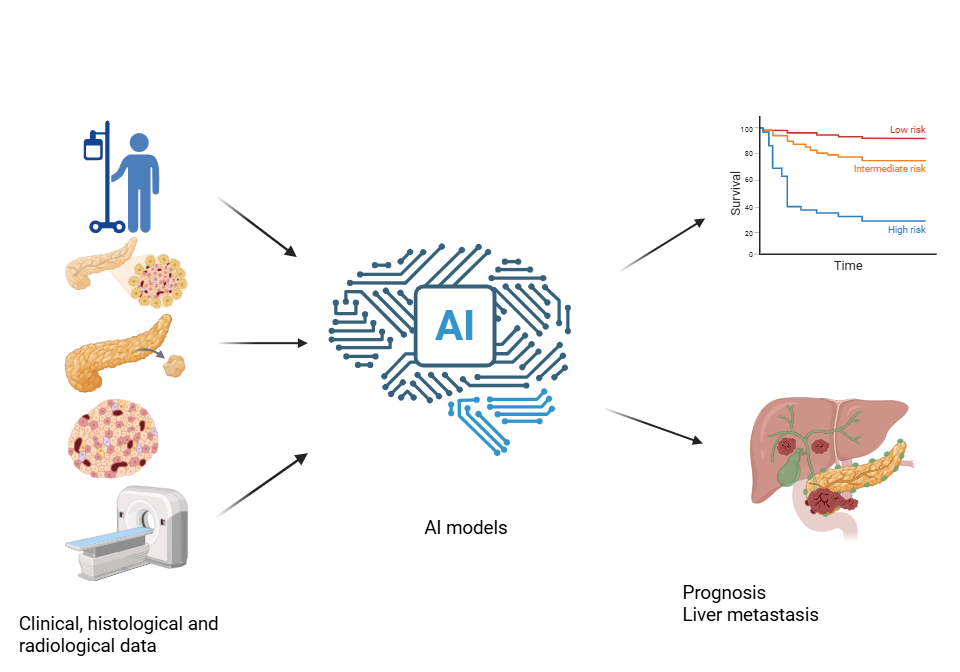
The clinical management of Pancreatic Neuroendocrine Neoplasms (Pan-NENs) is complicated by the disease's intrinsic variability, which creates significant hurdles for accurate risk profiling and the standardization of treatment protocols. Recently, Artificial Intelligence (AI) has offered a promising avenue to address these challenges. By integrating and processing high-dimensional multimodal datasets (encompassing clinical history, radiomics, and pathology), these computational tools can refine survival forecasts and support the development of personalized medicine. However, the transition from experimental success to routine clinical use is currently obstructed by reliance on limited, retrospective cohorts that lack external validation, alongside unresolved concerns regarding algorithmic transparency and ethical governance. This review evaluates the current landscape of AI-driven prognostic modeling for Pan-NENs and critically examines the pathway towards their reliable integration into clinical practice.
Keywords:
pancreatic neuroendocrine neoplasms
; artificial intelligence
; prognostic models
; survival
; clinical outcomes
1. Introduction
Pancreatic neuroendocrine neoplasms (Pan-NENs) account for only a small fraction—approximately 1–5%—of all pancreatic malignancies. Nonetheless, their recognized incidence has risen steadily over the past two decades. This increase is generally attributed to advances in cross-sectional imaging, the widespread use of functional nuclear medicine techniques, and a broader clinical awareness [1].
Pan-NENs encompass a markedly heterogeneous group of diseases, displaying biological behavior that ranges from small, slowly progressive lesions discovered incidentally to highly aggressive tumors that present with metastatic spread in up to half of cases at diagnosis [1]. Indeed, curative surgical resection remains feasible for only a minority of patients [2]. For this reason, most individuals will require a long-term, multimodal management strategy in which systemic therapies are introduced and sequenced across a chronic disease trajectory. When lesions express somatostatin receptors (SSTRs), patients may benefit from long-acting somatostatin analogues (SSAs) and peptide receptor radionuclide therapy (PRRT) [3,4,5], while other options are represented by targeted drugs and chemotherapies. International organizations—including the European Neuroendocrine Tumor Society—stress the importance of management in specialized, multidisciplinary centers to ensure personalized treatment planning, appropriate surveillance, and timely transitions between therapeutic options [5,6,7].
Key determinants of prognosis in Pan-NENs include the World Health Organization (WHO) classification [8], the Ki-67 proliferation index, and the extent of disease at presentation [9]. The prognostic models most frequently adopted in clinical research are based on Cox proportional hazards regression. While these tools offer valuable insights, they explain only a proportion of the heterogeneity observed in clinical outcomes. Traditional statistical models may overlook the complex, often non-linear interactions among clinical variables, tumor biology, imaging phenotypes, and treatment patterns. Growing interest has therefore turned toward artificial intelligence (AI)–driven approaches. Machine-learning (ML) and deep-learning (DL) algorithms can analyze high-dimensional datasets and detect relationships that classical methods may not identify. Nonetheless, the current body of AI research in Pan-NENs is constrained by several methodological limitations: most studies include small patient cohorts or mixed study populations of gastro-entero-pancreatic NENs, typically rely on retrospective datasets from single institutions, and rarely undergo robust external validation. Additional challenges relate to model interpretability, reproducibility, and the development of clear standards for ethical governance [10,11].
In this narrative review, we comprehensively examine recent advances in AI-based prognostic modeling for Pan-NENs, with a particular emphasis on predicting survival. Our analysis focuses exclusively on publications from the past five years and considers only non-functioning Pan-NENs, with the aim of providing an up-to-date and clinically relevant overview of emerging tools in this rapidly evolving field. Part of the observations summarized in this review had been previously reported [10,11].
2. AI-Driven Prognostic Models for Pan-NENs
Recent developments in AI-based prognostic assessment have largely concentrated on survival prediction [12,13,14,15,16,17,18,19,20,21,22,23]. A summary of the publications included in this review is presented in Table 1.
2.1. Prediction of Overall Survival
Li et al. [12] evaluated a cohort of 1,998 Pan-NETs from the Surveillance, Epidemiology, and End Results (SEER) database and complemented these data with an independent external cohort from China. To identify the most informative predictors and to build their prognostic tool, the authors applied a combination of statistical and ML techniques, including Least Absolute Shrinkage and Selection Operator (LASSO), random forest analysis, logistic regression, and Cox proportional hazards modeling. The final model demonstrated a concordance index (C-index) of 0.76 for predicting overall survival (OS), indicating reasonably good calibration and prognostic utility. Despite the promising performance, the findings must be interpreted with caution. Several methodological limitations may affect their reliability, including the retrospective nature of the analysis, gaps in key clinical variables, the restricted scope of external validation, and the lack of complementary radiomic or genomic datasets.
Another study by Jiang et al. [13] proved the ability of a DeepSurv model in estimating 5- and 10-year OS in a cohort of 3,239 individuals with Pan-NENs drawn from the SEER registry. Their model integrated a set of clinically relevant variables—including surgical treatment status, tumor grade, patient age, receipt of chemotherapy, and indicators of locoregional disease extent. When benchmarked against conventional Cox proportional hazards regression, Neural Multitask Logistic Models, and Random Survival Forests, the DeepSurv approach demonstrated superior discriminative performance, with area under the curve (AUC) values ranging from 0.87 to 0.90. The authors subsequently implemented the model as an open-access, web-based calculator to facilitate individualized prognostication in clinical practice. However, the model lacks independent external validation and detailed therapy, radiomic, or genetic data, limiting assessment of its generalizability.
Yu et al. [14] developed and validated a ML survival model specifically tailored for patients with metastatic Pan-NETs, using data from 1,430 individuals extracted from the SEER database. After applying a Random Survival Forest–based feature selection strategy, ten clinically relevant variables were retained to construct seven prognostic models. Among them, the eXtreme Gradient Boosting algorithm demonstrated the best discriminative performance, achieving AUCs of 0.78, 0.75, and 0.74 for 1-, 3-, and 5-year OS. Tumor grade, surgery, nodal status, and metastatic burden were the dominant predictors. The model effectively stratified patients into high- and low-risk groups and was deployed as an interactive web-based calculator to support individualized prognostication. While promising, the model is limited by the retrospective nature of SEER data, lack of Ki-67 and treatment-response information, and absence of external multicenter validation.
Singh et al. [15] conducted a large single-center retrospective study of 447 patients with metastatic Pan-NENs treated with PRRT to develop an internally validated survival prediction model (PANEN-N). Using Random Survival Forests, the authors identified 17 key prognostic variables and achieved strong discriminatory performance (C-index: 0.82-0.86). A web-based dynamic nomogram was created to support individualized survival counseling. Although the model represents one of the most comprehensive PRRT-specific prognostic tools to date, its applicability is limited by its retrospective single-center design and lack of external validation.

Table 1.
AI-Based Prognostic Models for Predicting Survival and Risk of Metastases in Pan-NENs.
| Study | Study Population | Objective | AI Model | Variables included in the analysis | Results |
|---|---|---|---|---|---|
| Bi 2025 [19] | SEER-based, 7,463 Pan-NETs | Prediction of liver metastases | Combination of LASSO and Boruta, 10 ML algorithms |
Age, gender, race, marital status, social status, TNM, size, functional status, primary site, grade, metastatic pattern, surgery | - Best performance GBM - AUC: 0.91 |
| Greenberg 2024 [22] |
Multicenter, 95 Pan-NETs | Prediction of metastatic recurrence | ML applied to define a transcriptomic-based gene panel | Genes: SV2, chromogranin A and B, (TPH1), ARX, PDX1, UCHL1, novel 8-gene panel (AURKA, CDCA8, CPB2, MYT1L, NDC80, PAPPA2, SFMBT1, ZPLD1) | AUC: 0.88 |
| Hillman 2025 [16] | SEER-based, 3,225 Pan-NENs | Prediction of OS | EACCD | AJCC TNM system, age | C-index: 0.70 |
| Huang 2021 [21] |
Single-center, 72 Pan-NENs | Prediction of 3-yr RFS | Semiautomatic segmentation DL method applid to CEUS: Fine-tuned SE-ResNeXt-50 CNN + multivariate logistic nomogram | CEUS images, arterial enhancement level, tumor size | AUC: 0.70 – 0.78 |
| Ji 2025 [23] | Single-center, 108 Pan-NETs + 51 external validation cohort | Prediction of OS | Reproducible Prognosis Molecular Signature platform (ML-based model) |
Proteogenomic data, data about disease recurrence | - Identified three-protein prognostic signature (GNAO1, INA, VCAN) |
| Jiang 2023 [13] |
SEER-based, 3,239 Pan-NENs | Prediction of 5- and 10-yr OS | DeepSurv neural network vs. NMTLR, Random Survival Forest, Cox model | Age, gender, race, marital status, primary site, grade, tumor size, tumor extension, treatment | - Best performance by DeepSurv - AUC: 0.87 (5-yr) 0.90 (10-yr) - Web calculator provided |
| Li 2023 [12] |
SEER-based, 1,998 Pan-NETs + 245 Chinese cases |
Prediction of OS | LASSO + Random-Forest feature selection → logistic & Cox nomogram models | Diagnostic model: grade, N-stage, surgery, chemotherapy, tumor size, bone metastasis Prognostic model: subtype, grade, surgery, age, brain metastases |
- Nomogram outperforms TNM staging system - AUC: 0.88 - 0.89 - C-index: 0.76 |
| Ma 2024 [18] |
Single-center, 163 Pan-NETs | Prediction of RFS | Integrated nomogram (Pathomics logistic score + ResNet-based DLR + nerve infiltration) | Gender, age, tumor site in the pancreas, vascular/nerve infiltration, stage, ATRX/DAXX, Ki-67 hotspot index, MH index, DLR score | - AUC: 0.96 – 0.98 - C-index: 0.96 |
| Murakami 2023 [17] |
Multicenter, 371 Pan-NETs G1/G2 | Prediction of RFS | Random Survival Forest vs. Cox model | Ki-67, WHO grade, tumor size, residual tumor status, lymph node metastases | - Best performance by Random Survival Forest - AUC: 0.73 – 0.83 - C-index: 0.84 |
| Singh 2025 [15] |
Single-center, 447 Pan-NETs after PRRT | Prediction of OS | Random Survival Forest, Cox model | Age, gender, , grade, Karnofsky performance score, weight loss, tumor functionality, time from diagnosis to first PRRT, hepatomegaly, Hedinger syndrome, metastatic pattern, lab values, [18F]FDG-PET/CT positivity |
- C-index: 0.82-0.86 |
| Song 2021 [20] |
Multicenter, 74 Pan-NENs | Prediction of 5-yr RFS | U-Net segmentation + DL radiomics (SE-ResNeXt-50) + SVM | Age, neuroendocrine symptoms, arterial-phase DLR features | AUC: 0.77 – 0.83 |
| Yu 2025 [14] | SEER-based, 1,430 metastatic Pan-NETs | Prediction of OS | Seven ML–based prognostic models | Age, gender, primary site, TNM, tumor grade, surgery, chemotherapy, | - Best performance: XGBoost algorithm - AUC: 0.74-0.78 |
AI: Artificial Intelligence; SEER: Surveillance, Epidemiology, and End Results; Pan-NET: Pancreatic Neuroendocrine Tumor; LASSO: Least Absolute Shrinkage and Selection Operator; ML: Machine Learning; GBM: Gradient Boosting Machine; AUC: Area Under the Curve; Pan-NEN: Pancreatic Neuroendocrine Neoplasm; OS: Overall Survival; EACCD: Ensemble Algorithm for Clustering Cancer Data; AJCC: American Joint Committee on Cancer; C-index: Concordance Index; RFS: Recurrence-free Survival; DL: Deep Learning; CEUS: Contrast-Enhanced Ultrasound; CNN: Convolutional Neural Network; GNAO1: Guanine Nucleotide-binding Protein Subunit Alpha; INA: Alpha-Internexin; VCAN: Versican Core Protein; NMTLR: Neural Multi-Task Logistic Regression; DLR: Deep Learning-Radiomics; MH: Morisita-Horn; WHO: World Health Organization; PRRT: Peptide Receptor Radionuclide Therapy; [18F]FDG-PET/CT: 18 F-fluorodeoxyglucose positron emission tomography; SVM: Support Vector Machine; XGBoost: eXtreme Gradient Boosting.
Hillman et al. [16] investigated whether ML–based clustering could improve prognostic stratification for Pan-NETs beyond the current American Joint Committee on Cancer (AJCC) TNM staging system. Using 3225 cases from the SEER database, the authors applied the Ensemble Algorithm for Clustering Cancer Data (EACCD), an unsupervised method that groups patients according to survival dissimilarities. When applied to TNM variables alone, EACCD generated four prognostic groups with significantly better separation of Kaplan–Meier curves than AJCC stages (C-index 0.6685 vs. 0.6656 for AJCC). Incorporating age at diagnosis, the algorithm identified five prognostic groups and achieved a higher C-index (0.7015), demonstrating clearer survival gradients. This study highlights the limitations of committee-based staging and shows that data-driven clustering can yield more refined, clinically meaningful risk groups. However, the authors acknowledge important constraints, including small subgroup sizes, absence of radiomics or biological markers in SEER, and the lack of external validation, which remain necessary before clinical adoption.
2.2. Prediction of Recurrence-Free Survival and Progression-Free Survival
In the area of recurrence forecasting, Murakami et al. [17] examined recurrence-free survival (RFS) in a cohort of 371 patients with non-functioning G1/G2 Pan-NETs treated by curative resection at 22 Japanese centres over the period 1987–2020. Their Random Survival Forest model surpassed traditional Cox regression, producing AUCs in the 0.73-0.83 range. Importantly, the analysis identified non-linear Ki-67 values and tumour size > 20 mm as major predictors of recurrence. Nevertheless, the protracted inclusion period raises concern, as evolving imaging techniques, pathological classifications and treatment protocols may introduce bias.
Ma et al. [18] evaluated the risk of postoperative liver metastasis recurrence by assembling a multimodal dataset of 163 patients with Pan-NETs who underwent radical surgery. Their retrospective analysis fused several complementary data sources. These components were integrated into a unified nomogram that demonstrated excellent discriminatory ability, with AUC values between 0.96 and 0.98. When patients were stratified according to model output, those classified as high risk exhibited noticeably shorter RFS (median 28.5 months) compared with individuals in the low-risk category (34.7 months). Although these results are compelling, their applicability is tempered by the modest cohort size, variability in surgical approaches, and lack of external validation. These factors may limit extrapolation to broader clinical populations.
Bi and Yu [19] analyzed 7,463 Pan-NET cases from the SEER registry to develop an interpretable ML model for predicting synchronous liver metastasis. Using Boruta and LASSO for feature selection, eight key predictors were identified: T-stage, N-stage, tumor size, grade, surgery, lymphadenectomy, chemotherapy, and bone metastasis. Ten ML algorithms were compared, with gradient boosting machines outperforming all others (AUC 0.91 in the validation set). A web-based calculator was generated to facilitate clinical use. Although the model showed excellent discrimination, its utility is limited by the retrospective nature of SEER data, the lack of therapy details, the absence of biological and radiomics data, and the lack of external validation.
In the field of imaging-based prognostic assessment, Song et al. [20] proposed a DL radiomics framework to estimate the probability of 5-year recurrence in patients undergoing resection for Pan-NENs. Their workflow combined automated tumor segmentation using a U-Net model applied to arterial-phase CT scans with feature extraction through an SE-ResNeXt-50 network. In external validation, the radiomics model yielded AUC values ranging from 0.77 to 0.83, with performance rising further when simple clinical variables—specifically age and functional symptomatology—were incorporated. These findings, although deriving from a retrospective study with limited sample size, highlight how pairing radiomic signatures with minimal clinical information can enhance discriminatory power and support non-invasive, individualized perioperative risk prediction.
Huang et al. [21] proposed an integrative prognostic model combining contrast-enhanced ultrasound (CEUS) features with conventional clinical variables in patients with Pan-NENs. Their approach involved adapting a SE-ResNeXt-50 convolutional neural network—originally pretrained on the ImageNet dataset—to analyze CEUS examinations from 73 individuals. They proved that semi-automatic segmentation is accurate and feasible for the radiomics analysis, and obtained AUC of 0.70-0.78 in predicting RFS after curative surgery. This approach capitalizes on the ability of CEUS to depict real-time microvascular perfusion, a feature increasingly recognized as a surrogate for tumor behavior and biological aggressiveness. Consequently, CEUS-derived, non-invasive predictive tools have the potential to support more nuanced surgical planning, especially for patients with marginal operative suitability or lesions located in anatomically demanding regions. However, the study by Huang et al. is limited by retrospective design and lack of external validation. Further investigastions are needed to confirm their promising results.
Increasing attention is being directed toward prognostic models that incorporate genomic and transcriptomic data to refine risk assessment in Pan-NENs. By interrogating molecular alterations that drive tumor behavior, these approaches aim to delineate biologically meaningful subgroups and improve the precision of disease monitoring. Unlike imaging-derived models, which primarily reflect macroscopic or phenotypic characteristics, molecular analyses offer insight into the underlying pathways that fuel heterogeneity across tumors.
Greenberg et al. [22] investigated whether gene-expression signatures from surgically resected Pan-NETs could help anticipate metastatic behavior—a key factor in shaping postoperative follow-up and treatment decisions. Using a ML–based analytic pipeline, the authors distilled a set of eight transcripts (AURKA, CDCA8, CPB2, MYT1L, NDC80, PAPPA2, SFMBT1, ZPLD1) that collectively provided robust discrimination between tumors with high versus low metastatic propensity, achieving an AUC of 0.88. Their findings support the concept that molecular profiling at the time of surgery can yield meaningful prognostic insights, potentially guiding more tailored surveillance schedules and identifying patients who might benefit from early consideration of systemic therapies. However, despite the promise of models integrating molecular data, high sequencing costs, the need for specialized laboratory infrastructure, and the still-incomplete alignment between molecular signatures and established clinical or radiologic endpoints represent significant barriers to their routine use.
Ji et al. [23] performed a proteogenomic study of 108 treatment-naïve non-functional Pan-NETs with matched normal tissue, and validating key findings in an external 51-case cohort. They confirmed the expected genomic landscape and developed a three-protein prognostic signature (GNAO1, INA, VCAN) that independently stratifies high- and low-risk patients, with circulating VCAN emerging as a potential non-invasive biomarker. A clear separation in outcomes emerged when patients were stratified according to the protein-signature score, with the model distinguishing high- and low-risk groups in both the discovery and validation cohorts. The contrast in 5-year survival was particularly notable: approximately 51% in the high-risk group compared with nearly 98% among low-risk patients. These results suggest that individuals classified as high risk may warrant closer post-operative monitoring and more frequent CT-based surveillance for early detection of recurrence, but are limited in the validity by the lack of complete clinical data and the small number of the validation cohort.
3. Comments and Conclusions
AI is progressively influencing how Pan-NENs are evaluated and managed, with growing evidence that it can sharpen diagnostic accuracy, refine prognostic stratification, and guide individualized therapeutic decisions. The body of literature summarized in this review shows that AI research in Pan-NENs spans a wide methodological spectrum, but robust evidence is still lacking.
Several studies are based on large registry datasets [12,13,14,19]. These investigations typically include substantial patient populations, which offer the statistical robustness required to build survival models with a broader applicability across diverse clinical settings. Nevertheless, despite their advantages in large sample size and representativeness, registry-based analyses frequently provide limited or no external validation, while often lack detailed information such as radiomic signatures or molecular profiles. Differently from the registry-based publications, other studies have explored AI-driven survival prediction within institution cohorts [15,16,17,18,20,21,22,23]. In these settings, clinical, pathological, and imaging data can be curated with far greater detail than is possible in large registries, allowing for more nuanced model development. Across both categories, the predominance of retrospective designs and the scarcity of external validation remain major barriers to clinical translation.
Regarding ethical concerns, AI development relies heavily on access to large, diverse datasets. This requirement introduces questions about who controls patient information, how it is shared, and whether individuals have meaningfully consented to secondary uses of their data. Only a small portion of oncology-related AI studies—including those involving NEN cohorts—make training datasets accessible or clearly explain consent procedures [24]. This limited transparency complicates data governance and may weaken trust, especially when commercial reuse of data is possible.
Algorithmic bias presents a further critical hurdle. As noted by Smiley et al. [25], under-representation of specific demographic or clinical groups during model training can lead to systematic errors when applied to those populations. In cancers where accurate classification is critical, biased predictions may directly influence treatment pathways. The rarity of NENs further exacerbates this problem: small sample sizes, and uneven data contributed by smaller centers all increase the risk of distorted predictions. Bias-mitigation strategies—diverse datasets, subgroup testing, fairness reporting, and inclusion of ethicists and patient representatives—are therefore essential.
In the context of Pan-NENs, these challenges become more pronounced. Data scarcity heightens privacy risks and contributes to “health-data poverty,” wherein rare-disease populations benefit less from data-driven models [26]. Small, highly specific cohorts are harder to anonymize, and multicenter data sharing is often restricted by regulatory constraints, emphasizing the need for privacy-preserving techniques such as federated learning and for well-defined ethical frameworks governing NEN data [27]. Furthermore, most of available publications include gastro-entero-pancreatic cohorts without reporting results separately for different primary sites. This heterogeneity in study design and reporting limits definitive conclusions for Pan-NENs. Nevertheless, a clear and critical lesson emerges: the future of AI in rare oncology lies not in incremental model refinement on inadequate data, but in a fundamental re-engineering of the research paradigm itself.
Overall, translating AI into clinical practice for Pan-NENs requires ethical vigilance, regulatory clarity, and substantial institutional commitment. On a methodological point of view, to move the field forward, coordinated multicenter prospective studies will be essential. Such efforts should adopt harmonized imaging protocols, pair radiologic data with genomic and transcriptomic characterization, and systematically capture therapeutic exposure and sequencing. Concurrently, economic evaluations and workflow integration studies are needed to assess real-world feasibility. With these steps in place, next-generation prognostic models could provide dynamic, patient-specific predictions and potentially support a more precise and individualized management paradigm for patients with Pan-NENs.
Funding
This research received no external funding.
Institutional Review Board Statement
Not applicable.
Informed Consent Statement
Not applicable.
Acknowledgments
The authors thank Mattia Langellotto for helping in the creation of graphical abstract (Created in BioRender, https://BioRender.com/t9ok4me).
Conflicts of Interest
The authors declare no conflicts of interest.
Abbreviations
The following abbreviations are used in this manuscript:
| Pan- | Pancreatic |
| NEN | Neuroendocrine Neoplasm |
| NET | Neuroendocrine Tumor |
| SSTR | Somatostatin Receptor |
| SSA | Somatostatin Analog |
| PRRT | Peptide Receptor Radionuclide Therapy |
| WHO | World Health Organization |
| AI | Artificial Intelligence |
| ML | Machine Learning |
| DL | Deep Learning |
| SEER | Surveillance, Epidemiology, and End Results |
| LASSO | Least Absolute Shrinkage and Selection Operator |
| C-index | Concordance Index |
| OS | Overall Survival |
| AUC | Area Under the Curve |
| RFS | Recurrence-Free Survival |
| CT | Computed Tomography |
| AJCC | American Joint Committee on Cancer |
| EACCD | Ensemble Algorithm for Clustering Cancer Data |
| CEUS | Contrast-Enhanced Ultrasound |
| GBM | Gradient Boosting Machine |
| CNN | Convolutional Neural Network |
| NMLTR | Neural Multi-Task Logistic Regression |
| DLR | Deep Learning-Radiomics |
| [18F]FDG-PET/CT | 18F-fluorodeoxyglucose positron emission tomography |
| SVM | Support Vector Machine |
| XGBoost | eXtreme Gradient Boosting |
References
- Nordstrand, MA; Lea, D; Soreide, JA. Incidence of gastroenteropancreatic neuroendocrine neoplasms (GEP-NENs): An updated systematic review of population-based reports from 2010 to 2023. J Neuroendocrinol 2025, 37(4), e70001. [Google Scholar] [CrossRef]
- Merola, E; Pascher, A; Rinke, A; Bartsch, DK; Zerbi, A; Nappo, G; Carnaghi, C; Ciola, M; McNamara, MG; Zandee, W; et al. Radical Resection in Entero-Pancreatic Neuroendocrine Tumors: Recurrence-Free Survival Rate and Definition of a Risk Score for Recurrence. Ann Surg Oncol. 2022, 29(9), 5568–5577. [Google Scholar] [CrossRef] [PubMed]
- Ambrosini, V; Kunikowska, J; Baudin, E; Bodei, L; Bouvier, C; Capdevila, J; Cremonesi, M; de Herder, WW; Dromain, C; Falconi, M. : Consensus on molecular imaging and theranostics in neuroendocrine neoplasms. Eur J Cancer 2021, 146, 56–73. [Google Scholar] [CrossRef] [PubMed]
- Santo, G; di Santo, G; Cicone, F; Virgolini, I. Peptide receptor radionuclide therapy with somatostatin analogs beyond gastroenteropancreatic neuroendocrine tumors. J Neuroendocrinol 2025, 37(3), e70013. [Google Scholar] [CrossRef]
- Kos-Kudła, B; Castaño, JP; Denecke, T; Grande, E; Kjaer, A; Koumarianou, A; de Mestier, L; Partelli, S; Perren, A; Stättner, S; et al. European Neuroendocrine Tumour Society (ENETS) 2023 guidance paper for nonfunctioning pancreatic neuroendocrine tumours. J Neuroendocrinol 2023, 35(12), e13343. [Google Scholar] [CrossRef]
- Tesselaar, MET; Partelli, S; Braat, AJAT; Croitoru, A; Soares Santos, AP; Schrader, J; Welin, S; Christ, E; Falconi, M; Bartsch, DK. Controversies in NEN: An ENETS position statement on the management of locally advanced neuroendocrine neoplasia of the small intestine and pancreas without distant metastases. J Neuroendocrinol 2025, e70083. [Google Scholar] [CrossRef]
- 7; Zandee, WT; Merola, E; Poczkaj, K; de Mestier, L; Klumpen, HJ; Geboes, K; de Herder, WW; Munir, A. Evaluation of multidisciplinary team decisions in neuroendocrine neoplasms: Impact of expert centres. Eur J Cancer Care (Engl) 2022, 31(6), e13639. [Google Scholar]
- Rv, Lloyd; Ry, Osamura; Klöppel, G; Rosai, J. WHO Classification of Tumours of Endocrine Organs, 4th ed; IARC Press: Lyon, France, 2017. [Google Scholar]
- Panzuto, F; Merola, E; Pavel, ME; Rinke, A; Kump, P; Partelli, S; Rinzivillo, M; Rodriguez-Laval, V; Pape, UF; Lipp, R. : Stage IV Gastro-Entero-Pancreatic Neuroendocrine Neoplasms: A Risk Score to Predict Clinical Outcome. Oncologist 2017, 22(4), 409–415. [Google Scholar] [CrossRef]
- Merola, E; Fanciulli, G; Pes, GM; Dore, MP. Artificial intelligence in the diagnosis of gastro-entero-pancreatic neuroendocrine neoplasms: Potential benefits and current limitations. J Neuroendocrinol 2025, 37, e70087. [Google Scholar] [CrossRef] [PubMed]
- Merola, E; Fanciulli, G; Pes, GM; Dore, MP. Artificial Intelligence for Prognosis of Gastro-Entero-Pancreatic Neuroendocrine Neoplasms. Cancers (Basel) 2025, 17(12), 1981. [Google Scholar] [CrossRef]
- Li, J; Huang, L; Liao, C; Liu, G; Tian, Y; Chen, S. Two machine learning-based nomogram to predict risk and prognostic factors for liver metastasis from pancreatic neuroendocrine tumors: a multicenter study. BMC Cancer 2023, 23(1), 529. [Google Scholar] [CrossRef]
- Jiang, C; Wang, K; Yan, L; Yao, H; Shi, H; Lin, R. Predicting the survival of patients with pancreatic neuroendocrine neoplasms using deep learning: A study based on Surveillance, Epidemiology, and End Results database. Cancer Med 2023, 12(11), 12413–12424. [Google Scholar] [CrossRef]
- Yu, Z; Zheng, Y; Wang, K; Fang, Z; Huang, H; Gao, Z; Du, C; Zhang, C; Huang, D; Zhang, J; et al. A clinically applicable machine learning model for personalized survival prediction in metastatic pancreatic neuroendocrine tumors. Eur J Surg Oncol 2025, 51(9), 110222. [Google Scholar] [CrossRef]
- Singh, A; Sanduleanu, S; Kulkarni, HR; Langbein, T; Lambin, P; Baum, RP. The PANEN nomogram: clinical decision support for patients with metastatic pancreatic neuroendocrine neoplasm referred for peptide receptor radionuclide therapy. Front Endocrinol (Lausanne) 2025, 16, 1514792. [Google Scholar] [CrossRef]
- Hillman, J; Clark, Q; Rehm, L; Ahmed, AE; Chen, D. Using Machine Learning to Revise the AJCC Staging System for Neuroendocrine Tumors of the Pancreas. Cancers (Basel) 2025, 17(22), 3658. [Google Scholar] [CrossRef]
- Murakami, M; Fujimori, N; Nakata, K; Nakamura, M; Hashimoto, S; Kurahara, H; Nishihara, K; Abe, T; Hashigo, S; Kugiyama, N. : Machine learning-based model for prediction and feature analysis of recurrence in pancreatic neuroendocrine tumors G1/G2. J Gastroenterol 2023, 58(6), 586–597. [Google Scholar] [CrossRef]
- Ma, M; Gu, W; Liang, Y; Han, X; Zhang, M; Xu, M; Gao, H; Tang, W; Huang, D. A novel model for predicting postoperative liver metastasis in R0 resected pancreatic neuroendocrine tumors: integrating computational pathology and deep learning-radiomics. J Transl Med 2024, 22(1), 768. [Google Scholar] [CrossRef] [PubMed]
- Bi, J; Yu, Y. Predicting liver metastasis in pancreatic neuroendocrine tumors with an interpretable machine learning algorithm: a SEER-based study. Front Med (Lausanne) 2025, 12, 1533132. [Google Scholar] [CrossRef] [PubMed]
- Song, C; Wang, M; Luo, Y; Chen, J; Peng, Z; Wang, Y; Zhang, H; Li, ZP; Shen, J; Huang, B. : Predicting the recurrence risk of pancreatic neuroendocrine neoplasms after radical resection using deep learning radiomics with preoperative computed tomography images. Ann Transl Med 2021, 9(10), 833. [Google Scholar] [CrossRef]
- Huang, B; Lin, X; Shen, J; Chen, X; Chen, J; Li, ZP; Wang, M; Yuan, C; Diao, XF; Luo, Y. : Accurate and Feasible Deep Learning Based Semi-Automatic Segmentation in CT for Radiomics Analysis in Pancreatic Neuroendocrine Neoplasms. IEEE J Biomed Health Inform 2021, 25(9), 3498–3506. [Google Scholar] [CrossRef] [PubMed]
- Greenberg, JA; Shah, Y; Ivanov, NA; Marshall, T; Kulm, S; Williams, J; Tran, C; Scognamiglio, T; Heymann, JJ; Lee-Saxton, YJ. : Developing a Predictive Model for Metastatic Potential in Pancreatic Neuroendocrine Tumor. J Clin Endocrinol Metab 2024, 110(1), 263–274. [Google Scholar] [CrossRef] [PubMed]
- Ji, S; Cao, L; Gao, J; Du, Y; Ye, Z; Lou, X; Liu, F; Zhang, Y; Xu, J; Shi, X; et al. Proteogenomic characterization of non-functional pancreatic neuroendocrine tumors unravels clinically relevant subgroups. Cancer Cell 2025, 43(4), 776–796.e14. [Google Scholar] [CrossRef]
- Harishbhai Tilala, M; Kumar Chenchala, P; Choppadandi, A; Kaur, J; Naguri, S; Saoji, R; Devaguptapu, B. Ethical Considerations in the Use of Artificial Intelligence and Machine Learning in Health Care: A Comprehensive Review. Cureus 2024, 16(6), e62443. [Google Scholar] [CrossRef] [PubMed]
- Smiley, A; Reategui-Rivera, CM; Villarreal-Zegarra, D; Escobar-Agreda, S; Finkelstein. J: Exploring Artificial Intelligence Biases in Predictive Models for Cancer Diagnosis. Cancers (Basel) 2025, 17(3). [Google Scholar] [CrossRef]
- Arora, A; Alderman, JE; Palmer, J; Ganapathi, S; Laws, E; McCradden, MD; Oakden-Rayner, L; Pfohl, SR; Ghassemi, M; McKay, F; et al. The value of standards for health datasets in artificial intelligence-based applications. Nat Med 2023, 29(11), 2929–2938. [Google Scholar] [CrossRef]
- Abdallah, S; Sharifa, M; I Kh Almadhoun, MK; Khawar, MM, Sr.; Shaikh, U; Balabel, KM; Saleh, I; Manzoor, A; Mandal, AK; Ekomwereren, O; et al. The Impact of Artificial Intelligence on Optimizing Diagnosis and Treatment Plans for Rare Genetic Disorders. Cureus 2023, 15(10), e46860. [Google Scholar] [CrossRef] [PubMed]
Disclaimer/Publisher’s Note: The statements, opinions and data contained in all publications are solely those of the individual author(s) and contributor(s) and not of MDPI and/or the editor(s). MDPI and/or the editor(s) disclaim responsibility for any injury to people or property resulting from any ideas, methods, instructions or products referred to in the content. |
© 2025 by the authors. Licensee MDPI, Basel, Switzerland. This article is an open access article distributed under the terms and conditions of the Creative Commons Attribution (CC BY) license (http://creativecommons.org/licenses/by/4.0/).
Copyright: This open access article is published under a Creative Commons CC BY 4.0 license, which permit the free download, distribution, and reuse, provided that the author and preprint are cited in any reuse.


