

Submitted:
15 December 2025
Posted:
17 December 2025
You are already at the latest version
Abstract
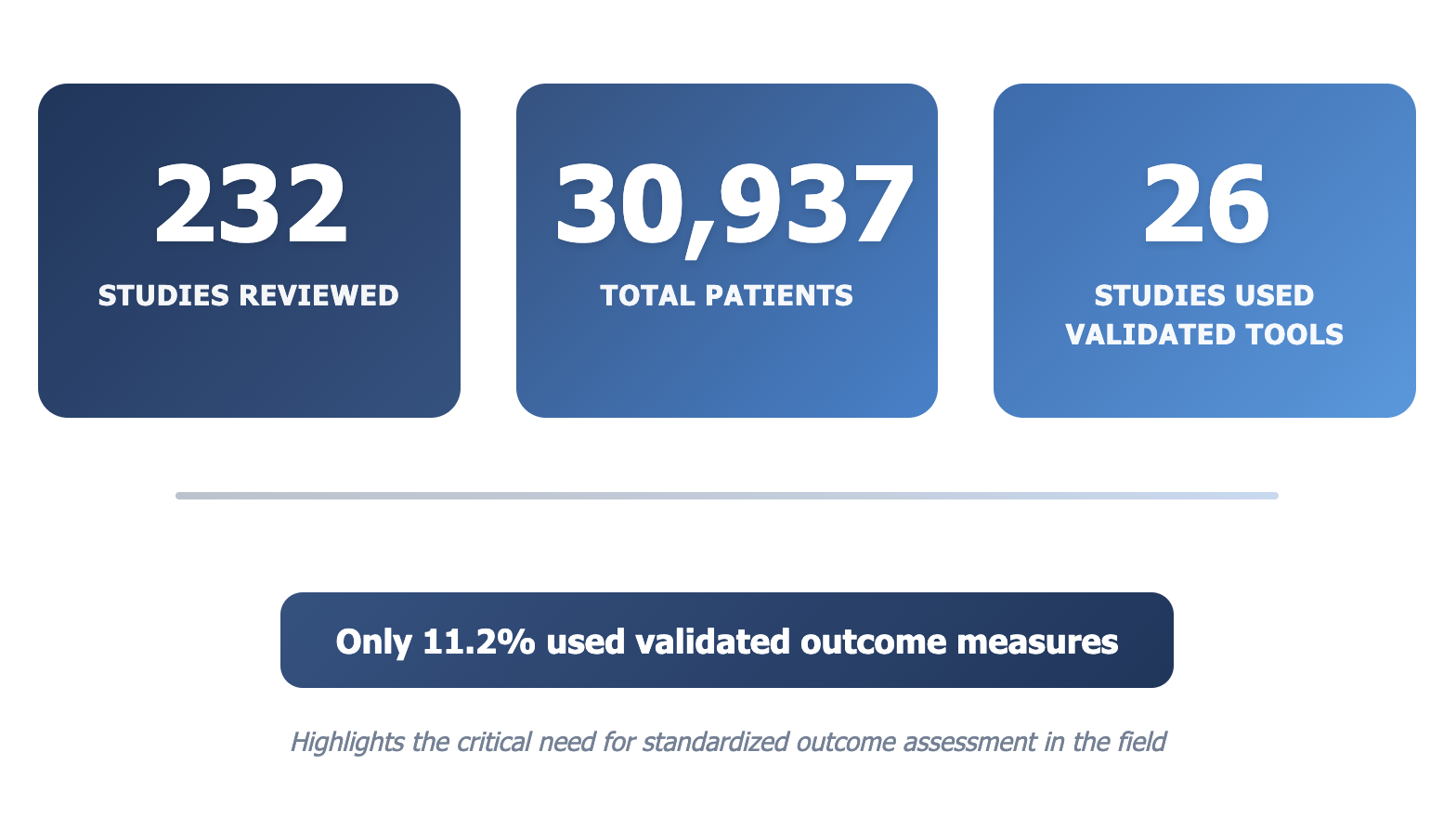
Facial gender-affirming surgery (FGAS) is a transformative step for transgender individuals in their gender care journey. Even so, the way outcomes are measured and reported is highly inconsistent and unstudied. This limits the ability to compare studies or develop clear, patient-centered benchmarks for success. We systematically assess how current research defines FGAS outcomes and lay the groundwork for a unified core outcome set (COS). A systematic review was conducted following PRISMA 2020 guidelines. PubMed was searched through March 15, 2025, we identified 334 studies, and four reviewers independently screened studies. After screening, 232 studies met inclusion criteria, encompassing 30,937 patients. Data were extracted on study characteristics, surgical procedures, outcome domains, measurement tools, and follow-up duration. Descriptive statistics and chi-square analyses were used to evaluate reporting trends. Most studies emphasized aesthetic outcomes (61.6%) and complications (60.0%), fewer addressed psychosocial well-being (45.7%), quality of life (21.6%), or reoperation rates (20.7%). Only 26 of the 232 studies used validated outcome instruments, such as FACE-Q or PROMIS (p < 0.001). Among studies that reported satisfaction, only 41.2% provided numerical or stratified scores. Outcome reporting in FGAS research is fragmented and dominated by subjective or unvalidated assessments. A standardized COS is needed to unify research practices, facilitate meaningful comparisons, and ensure that outcomes align with patient-defined measures of surgical success.
Keywords:
facial gender-affirming surgery
; facial feminization
; facial masculinization
; gender affirming care
; core outcome set
; craniofacial
1. Introduction
Facial gender-affirming surgery (FGAS) targets one of the most important anatomic regions contributing to gender dysphoria in transgender and non-binary individuals [1]. For some patients, particularly those assigned male at birth, FGAS may be the most impactful surgical intervention for alleviating dysphoria [1]. As access to FGAS has grown and surgical techniques have evolved, research on outcomes has expanded in parallel. Even so, how these outcomes are defined and reported varies substantially across studies [1,2,3,4,5,6].
This heterogeneity is not unique to FGAS, but it presents particular challenges in a field where patient-centered constructs—such as gender congruence, psychosocial well-being, and satisfaction—are central to evaluating success. Some studies emphasize technical or anatomic precision, others rely on surgeon-reported aesthetic impressions, and only a minority incorporate validated patient-reported outcome measures. Psychosocial outcomes, functional changes, and long-term patient experiences are mentioned far less frequently [1]. As a result, the literature is fragmented, difficult to synthesize, and limited in its ability to guide evidence-based care or generate best practices.
Core Outcome Sets (COSs) offer a structured solution to these challenges. COSs define a minimum group of outcomes that should be reported consistently across studies evaluating a particular intervention. They have been successfully implemented in reconstructive surgery, including breast reconstruction after mastectomy through initiatives such as BRAVO [21,22]. The Core Outcome Measures in Effectiveness Trials (COMET) Initiative has further emphasized the value of COSs in reducing heterogeneity, strengthening comparative research, and ensuring that outcomes reflect the priorities of both patients and clinicians [8].
To inform COS development for FGAS, it is necessary to first characterize the full range of outcomes currently reported in the literature. Initial observations reveal studies that variously prioritize surgical measurements, aesthetic judgment, or limited satisfaction metrics, often without standardized definitions of success [18]. Understanding where outcome reporting is consistent, where it is lacking, and which measurement tools are being used is essential for building a unified and patient-centered framework.
This study undertook a systematic review of 334 FGAS publications to map current outcome reporting practices, identify gaps in measurement, and clarify the domains emphasized across the literature. The goal is to provide the foundation needed for subsequent consensus-building and COS development, ultimately improving clarity, comparability, and clinical relevance in FGAS outcomes research.
2. Materials and Methods
Search Strategy and Selection Criteria: A comprehensive literature search was performed in PubMed to identify studies reporting outcomes of facial gender affirming surgery published through March 15, 2025; the search was last updated on March 15, 2025. The search strategy included terms related to transgender and gender diverse populations (for example transgender, gender dysphoria, gender incongruence) and facial gender affirming procedures (for example facial feminization surgery, rhinoplasty, mandibular contouring, tracheal shave). Filters were used to exclude studies focused on aesthetic procedures for cisgender patients, facial trauma, or congenital craniofacial conditions. This systematic review was conducted in accordance with the PRISMA 2020 guidelines, and all reporting elements recommended in the PRISMA checklist have been incorporated. A PRISMA flow diagram (Figure 1) was used to document study selection and ensure transparency [23].
Search Strategy Details: The complete PubMed search strategy, including all Boolean operators and field tags, is provided in Table A1, as required by PRISMA 2020 Item 7. Citation searching was not performed. Search strategies were not adapted from prior reviews. The search strategy was not peer reviewed.
Study Screening and Eligibility: Titles and abstracts of all identified records were screened independently by four reviewers (SR, SR, GA, RC). Full texts were reviewed to determine final eligibility. Eligible study designs included retrospective and prospective studies, case series, case reports, and reviews with extractable data. Narrative reviews without primary extractable data, editorials, and non-surgical studies were excluded. Studies were included if they evaluated surgical facial gender affirming procedures and reported clinical, functional, aesthetic, psychosocial, quality of life, or patient reported outcomes. Studies were excluded if they focused only on non-surgical interventions such as hormone therapy, voice training, or hair transplantation, were non-English, were cadaveric studies, or were narrative reviews without primary data. Studies that could not be obtained after institutional access and interlibrary loan attempts were excluded. Review articles and commentaries that contained extractable outcome data were retained and handled separately to avoid duplication. When a review included patients who also appeared in primary data sources, only the primary data were counted. Any disagreements during screening or selection were resolved by discussion among the review team. This review was not prospectively registered with PROSPERO or any other registry.
Data Extraction and Outcome Measures: Data were extracted using a standardized template. Extracted information included publication year, country, study design, sample size, study duration, participant demographics, surgical focus, and outcome domains. Outcome categories included aesthetic, functional, psychosocial, clinical measurement, satisfaction, health related quality of life, complications, and other domains. Information on outcome measurement methods was also recorded, including whether outcomes were reported by patients or physicians, whether validated instruments were used, follow-up duration, and the methods used to report satisfaction.
Psychosocial outcomes and health related quality of life were defined clearly for this review because studies used these terms inconsistently. Psychosocial outcomes referred to mental and social dimensions of well-being such as emotional adjustment, social relationships, and self-esteem. Health related quality of life was defined more broadly to include physical, mental, emotional, and social functioning. While psychosocial outcomes can contribute to health related quality of life, the two categories were extracted separately.
Two reviewers (MM and KS) independently performed data extraction, and disagreements were resolved by joint review.
Quality Assessment: Methodological quality of non randomized studies was assessed using the Methodological Index for Non Randomized Studies criteria. Risk of bias for non-randomized studies was assessed using the MINORS tool by two reviewers independently. Reporting bias and certainty assessments were not performed because this review did not involve meta-analyses or graded bodies of evidence. Items assessed included prospective data collection, appropriateness of endpoints, unbiased assessment, and sample size justification. Studies for which these criteria did not apply, such as descriptive papers, were not assigned MINORS scores but were retained for outcome mapping when primary data were present.
Data Analysis: Extracted data were organized in a structured spreadsheet. Descriptive statistics were used to summarize study characteristics, outcome domains, the use of validated measurement tools, and trends in outcome reporting. Pearson’s chi square tests were used to compare categorical variables such as study design and outcome domains. Bartlett’s test was used to examine variability in follow-up duration across studies. McNemar’s test was used to compare proportions of physician reported and patient reported outcomes. All analyses were performed in RStudio version 12.1 (Posit, Boston, MA). A significance threshold of p < 0.05 was used. Because this review did not include pooled effect estimates, no summary effect measures (e.g., risk ratios, mean differences) were calculated. No meta-analysis was performed because included studies were heterogeneous in design, outcome measures, and reporting style. Data were synthesized descriptively and grouped by outcome domain, anatomical region, study design, and measurement method. No statistical transformations were applied, and all outcomes were reported as described in the source studies.
3. Results
3.1. Study Characteristics
Of the 334 publications identified, 231 met inclusion criteria, with a combined total of 30,936 participants. The included studies consisted of retrospective studies (n=80, 34.6 percent), review articles (n=79, 34.2 percent), case reports or case series (n=24, 10.4 percent), prospective studies (n=18, 7.8 percent), and commentaries (n=12, 5.2 percent). Publication years ranged from 1990 to 2025, with the highest number of publications emerging in 2024 (n=57, 24.7 percent). Studies were conducted across 30 countries, with the largest proportion from the United States (n=159, 68.5 percent).
The average duration of observational studies was 6.1 ± 7.1 years (range 0.1 to 38 years). Sample sizes varied substantially, with a median of 36 participants (IQR 15 to 168). Demographic reporting was inconsistent. Among studies reporting adequate details, transgender women were the most represented group (92.6 percent, n=214), followed by transmasculine participants (14.3 percent, n=33) and nonbinary participants (5.2 percent, n=12). The mean reported participant age was 34.5 ± 8.8 years.
3.2. Procedures and Facial Regions Prioritized
Surgical focus varied across studies. The upper third of the face was addressed in 151 studies (65.4 percent), the midface in 134 studies (58.0 percent), and the lower third in 139 studies (60.2 percent). Panfacial interventions were described in 99 studies (42.9 percent). Procedures involving the neck, including chondrolaryngoplasty, appeared in 47 studies (20.3 percent).
Outcomes by anatomical region showed consistent patterns. Studies focusing on the upper third most often used aesthetic outcomes and cephalometric or CT based measurements. Midface studies most frequently emphasized aesthetic assessments, rhinoplasty specific anthropometric measurements, and surgeon-rated appearance. Lower third studies often reported complications and objective measurements related to bony contouring, along with patient satisfaction. Panfacial studies were the most likely to include psychosocial outcomes and quality-of-life measures, although these remained inconsistently applied.
3.3. Outcome Domains
Outcome reporting varied widely. Aesthetic outcomes were the most frequently reported (61.5 percent, n=142), followed by complications (60.2 percent, n=139), satisfaction (51.5 percent, n=119), psychosocial outcomes (45.9 percent, n=106), clinical measurements (36.4 percent, n=84), reoperation or readmission rates (20.8 percent, n=48), and health related quality of life (21.6 percent, n=50).
The category labeled other outcomes occurred in 23.8 percent of studies (n=55). This category included perioperative experience, intraoperative variables such as anesthesia duration and blood loss, postoperative factors such as opioid use, and measures related to speech or vocal quality when applicable.
No included study reported using the GENDER-Q, which was recently developed and published after the inclusion period for most studies.
A chi square goodness of fit test showed significant variability in how outcome domains were distributed across studies (χ2 = 115.8, p < 0.001). Additional chi square analyses demonstrated strong associations between psychosocial outcomes and health related quality of life (p < 0.001), satisfaction and both psychosocial outcomes and health related quality of life (p < 0.001), and anatomic measurement with aesthetic outcomes (p < 0.001).
Among studies reporting patient satisfaction (n=85), 36.8 percent used patient ratings, 36.8 percent assessed quality of life or social functioning, 16.5 percent used observer-rated appearance, and 0.8 percent used artificial intelligence based assessments.
3.4. Primary Outcomes
When primary outcomes were explicitly stated, aesthetic objectives were the most common, followed by functional outcomes such as voice quality, complications, or reoperation rates. Fewer studies focused on patient-centered outcomes such as satisfaction, gender congruence, or psychosocial status. These were often reported qualitatively, without validated instruments or formal scoring systems. Objective metrics such as cephalometrics appeared inconsistently and were usually paired with subjective assessments. Only a minority of studies defined success in measurable terms.
3.5. Outcome Tracking and Measurement
Reporting of follow-up timing showed substantial variability. Across all studies that reported both first and last follow-up, the average times were 3.7 months (range 0.25 to 12 months) and 23.6 months (range 1.5 to 204 months), respectively. Bartlett’s test demonstrated significant variability in both early follow-up (χ2 = 11.5, p < 0.01) and late follow-up (χ2 = 223.2, p < 0.0001), indicating inconsistent tracking practices.
Physician-reported outcomes appeared in 149 studies (64.5 percent), which was significantly higher than patient-reported outcomes (97 studies, 42.0 percent; p < 0.001). A subset of 69 studies (29.9 percent) incorporated both physician and patient perspectives. Among patient satisfaction studies, most relied on general statements rather than quantitative scales. Only 35 studies provided numerical satisfaction scores, with an average satisfaction level of 89.2 ± 9.5 percent (range 69.3 to 100.0 percent).
3.6. Validated Measurement Tools
Only 26 studies used validated outcome instruments. FACE-Q was the most common (n=13), followed by PROMIS (n=2) and GRBAS (n=2). No studies used GENDER-Q. This reflects a substantial gap in standardized patient-reported outcome measurement across facial gender affirming surgery.
3.7. Quality Assessment
Methodological quality as measured by the MINORS criteria varied. The median score for non comparative studies was 9 (IQR 7 to 11), indicating low to moderate quality. Comparative studies had an average score of 16 (IQR 14 to 18), indicating moderate quality. Common limitations included lack of prospective data collection, absent control groups, and incomplete reporting of follow-up and statistical justification.
3.8. Risk of Bias Assessment
Methodological quality varied across studies. The median MINORS score for non-comparative studies was 9 (IQR 7–11), indicating low to moderate quality. Comparative studies had a median score of 16 (IQR 14–18), representing moderate quality. Common limitations included lack of prospective data collection, absence of control groups, and incomplete follow-up reporting.
Figure 3.
Heterogeneity of Outcome Measurement Methods Across Domains in Facial Gender-Affirming Surgery Studies. The size of each bubble indicates the relative frequency with which each domain-method pairing was reported across included studies. For instance, large bubbles along the “Quality of life, social reintegration” column suggest that this patient-reported method is the most common for assessing psychosocial and HRQoL outcomes. In contrast, domains like “Reoperation/Readmission” or “Complication” are more frequently reported via objective measurements or alternative methodologies. This visually underscores both the diversity and inconsistency in how outcomes are defined and measured in FGAS research. Notably, many domains are assessed through multiple methods, reinforcing the need for standardization in outcome reporting.
Figure 3.
Heterogeneity of Outcome Measurement Methods Across Domains in Facial Gender-Affirming Surgery Studies. The size of each bubble indicates the relative frequency with which each domain-method pairing was reported across included studies. For instance, large bubbles along the “Quality of life, social reintegration” column suggest that this patient-reported method is the most common for assessing psychosocial and HRQoL outcomes. In contrast, domains like “Reoperation/Readmission” or “Complication” are more frequently reported via objective measurements or alternative methodologies. This visually underscores both the diversity and inconsistency in how outcomes are defined and measured in FGAS research. Notably, many domains are assessed through multiple methods, reinforcing the need for standardization in outcome reporting.
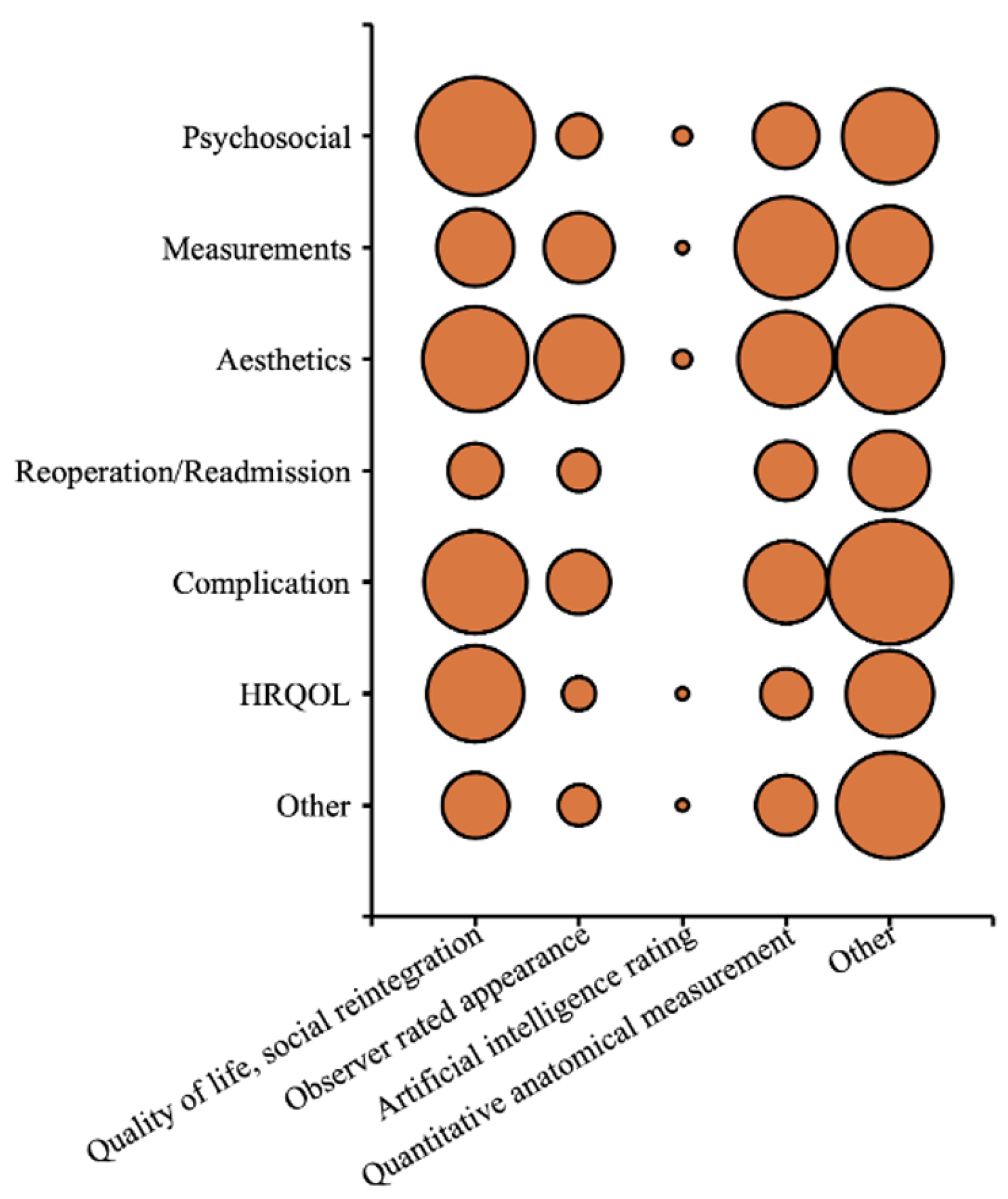

Table 1.
Outcome Domains Across Included Studies. This table summarizes the distribution of outcome domains assessed across the included studies. Outcome domains were categorized as either internal (patient-centered)—such as psychosocial functioning, quality of life, or satisfaction—or external (appearance-focused)—including metrics like facial aesthetics or surgical symmetry. While some studies incorporated a combination of internal and external outcomes, the majority prioritized external domains, reflecting a broader trend in the literature toward emphasizing aesthetic results over patient-reported experiences or functional outcomes.
Table 1.
Outcome Domains Across Included Studies. This table summarizes the distribution of outcome domains assessed across the included studies. Outcome domains were categorized as either internal (patient-centered)—such as psychosocial functioning, quality of life, or satisfaction—or external (appearance-focused)—including metrics like facial aesthetics or surgical symmetry. While some studies incorporated a combination of internal and external outcomes, the majority prioritized external domains, reflecting a broader trend in the literature toward emphasizing aesthetic results over patient-reported experiences or functional outcomes.
| Outcome Domain | Papers Reported (%) |
|---|---|
| Psychosocial | 43.19 |
| Measurements | 37.09 |
| Aesthetics | 60.56 |
| Reoperation/Readmission | 21.60 |
| Complication | 62.44 |
| HRQOL | 22.54 |
| Other | 25.35 |
Table 2.
Number of Outcome Domains Assessed per Study. This table illustrates how many outcome domains each study included in its evaluation. The majority of studies assessed only one or two domains, highlighting a narrow focus in outcome reporting. Few studies captured a broader range of outcomes, suggesting limited multidimensional assessment. This trend underscores the need for more comprehensive evaluation frameworks that integrate both patient-centered and aesthetic outcomes in future research.
Table 2.
Number of Outcome Domains Assessed per Study. This table illustrates how many outcome domains each study included in its evaluation. The majority of studies assessed only one or two domains, highlighting a narrow focus in outcome reporting. Few studies captured a broader range of outcomes, suggesting limited multidimensional assessment. This trend underscores the need for more comprehensive evaluation frameworks that integrate both patient-centered and aesthetic outcomes in future research.
| Outcomes Reported | Papers Reported (%) |
|---|---|
| Quality of Life / Reintegration into Society | 35.21 |
| Observer-rated Appearance | 17.37 |
| Artificial Intelligence Rating | 0.94 |
| Quantitative Anatomical Measurement | 25.82 |
| Other | 45.07 |
4. Discussion
This review demonstrates considerable variability in how outcomes are defined, measured, and reported within the facial gender affirming surgery literature. Although the number of publications in this area has increased substantially in recent years, there remains no shared framework for determining what constitutes success in these procedures [8]. Most studies evaluate aesthetic or technical endpoints, and these are often based on surgeon judgment rather than standardized, transparent criteria. Patient centered outcomes such as psychosocial functioning, gender congruence, and quality of life are incorporated less frequently and are measured inconsistently when included. This lack of uniformity limits the field’s ability to compare findings across studies, perform meta-analyses, or establish benchmarks that reflect patient priorities.
Only 26 of 232 studies used validated patient reported outcome instruments, which represents a small minority in the current evidence base. Although many studies identified primary outcomes, most did not provide definitions that reflected patient experience or expectations. Measures of psychosocial well-being or long-term functional change were uncommon, and the methodological quality of studies was generally low to moderate based on MINORS criteria. These limitations have practical consequences. Heterogeneous outcome reporting has been cited in policy documents from private insurers as a reason for restricting coverage of facial gender affirming surgery, since the inconsistency makes it difficult to demonstrate reliable improvements in gender dysphoria or related domains [4,5]. Without consistent measurement, it is also challenging to develop best practices in perioperative care, rehabilitation, or multidisciplinary coordination, including emerging approaches such as surgical prehabilitation programs [24,25,26].
The variability in outcomes is also influenced by the diversity of procedures encompassed by facial gender affirming surgery. The upper third, midface, lower face, and neck involve distinct anatomic goals and functional considerations, and studies focusing on these regions often use different outcome metrics. This variation reflects genuine differences in surgical objectives but also contributes to fragmentation in the literature. For the purposes of Core Outcome Set (COS) development, consolidating these procedures into a single review allows for a comprehensive evaluation of all outcomes currently being measured. However, a future COS will likely need to incorporate domain specific modules to capture the unique goals of different facial regions while still maintaining a minimum set of shared outcomes.
The development of a COS offers a structured solution to these problems and establishes a minimum group of outcomes that should be reported consistently in all studies evaluating an intervention [27]. It does not restrict additional outcomes but ensures that essential domains are always included. For facial gender affirming surgery, a COS would help unify reporting practices, strengthen comparative research, and support patient-centered clinical decision making.
Outcome instrument selection will be an important component of COS development. Generic instruments such as PROMIS offer strong psychometric rigor, population-level comparability, and flexibility across domains. These advantages make PROMIS valuable for assessing constructs such as mental health functioning, social participation, and overall well-being. However, PROMIS instruments do not capture face-specific concerns or gender affirmation metrics. In contrast, FACE-Q provides detailed assessment of facial appearance and surgical change but is procedure specific and cannot be compared against broader populations. GENDER-Q, published in late 2024 and designed for gender affirming care more broadly, addresses many of the gaps identified in this review, including gender congruence, satisfaction, and psychosocial impact. Even so, it is not specific enough for facial gender affirming surgery, and there remains a need for a COS focused specifically on FGAS. No studies in our dataset used GENDER-Q, which reflects that many included publications predated its release, as our literature search was conducted in March 2025. A future COS for facial gender affirming surgery will likely require both generic instruments to capture broader changes in well-being and condition specific tools to assess appearance-related and gender specific outcomes.
Beyond improving standardization, the development of a COS has important implications for equity. Transgender and nonbinary individuals remain underrepresented in surgical outcomes research, and inconsistent reporting risks reinforcing this underrepresentation [28]. A COS would require future studies to consistently include outcomes that matter to these communities, supporting a more inclusive evidence base. Standardized, transparent outcome reporting may also strengthen policy and insurance coverage decisions by providing clear, reproducible data on the effects of facial gender affirming surgery.
Advancing this work will require a structured, multi phase consensus process. The next step involves qualitative work with key stakeholders, including transgender patients, surgeons who perform facial gender affirming surgery, primary care clinicians, mental health professionals, speech specialists, and community advocates. These discussions will help identify outcomes that are most meaningful across perspectives. These findings can then be integrated into a Delphi process, which uses iterative rounds of rating and feedback to reach consensus among a diverse panel of experts. This strategy has been used successfully in the development of the GENDER-COS project for genital gender affirming surgery [29] and provides a model for establishing a COS for facial gender affirming surgery.
This review has several limitations. The search was limited to studies accessible through PubMed and to the plastic surgery literature. Other specialties, particularly otolaryngology and oral and maxillofacial surgery, also contribute to facial gender affirming surgery, and their relative underrepresentation is a limitation of the available evidence. Inconsistent demographic reporting across studies also limited the ability to analyze outcomes by age, race, or gender identity. Finally, many studies lacked complete information regarding follow-up duration, validated instrument use, or primary endpoint definitions, which may reduce the strength of cross-study comparisons.
This review also has limitations related to the review process. Only one database (PubMed) was searched, which may have missed relevant studies indexed elsewhere. The review was not prospectively registered, and no protocol was prepared, which may introduce procedural bias. Additionally, data extraction was limited by inconsistent reporting across studies, and the inability to obtain several full texts may have introduced selection bias.
5. Conclusions
In this review, we examined the existing literature on outcomes in facial gender affirming surgery to create a comprehensive overview of how outcomes are currently defined and measured. By mapping the full range of reported domains, instruments, and measurement practices, this work provides the first structured foundation needed to guide the development of a COS for facial gender affirming surgery. The findings highlight areas of inconsistency, underreporting, and limited use of validated tools, all of which underscore the need for greater standardization. The next phase will require direct engagement with patients, clinicians, and other stakeholders to build consensus on which outcomes should form the core of future research. Establishing a COS will help create more consistent, comparable, and patient-centered outcome reporting for facial gender affirming surgery moving forward.
Author Contributions
Conceptualization, M.N.M., S.F., J.P.B. and J.C.L.; methodology, M.N.M, S.R., G.A., S.R.-S, and R.C.; software, M.N.M, D.L., and K.S. ; validation, M.N.M., D.L., and K.S.; formal analysis, M.N.M, D.L.; investigation, , M.N.M, S.R., G.A., S.R.-S, and R.C, resources, J.P.B, S.F., and J.C.L.; data curation, M.N.M, S.R., G.A., S.R.-S, and R.C.; writing—original draft preparation, M.N.M..; writing—review and editing, J.P.B. and J.C.L.; visualization, M.N.M and D.L.; supervision, J.P.B and J.C.L.; All authors have read and agreed to the published version of the manuscript.”.
Funding
This research received no external funding.
Institutional Review Board Statement
Not applicable.
Informed Consent Statement
Not applicable.
Data Availability Statement
This article is a review of previously published studies and does not include any new datasets generated or analyzed during this research. All data referenced in this review are available within the cited publications. No additional datasets are available.
Conflicts of Interest
The authors declare no conflicts of interest.
Registration
This systematic review was not registered.
Abbreviations
The following abbreviations are used in this manuscript:
| FGAS | Facial Gender Affirming Surgery |
| COS | Core Outcome Set |
| PROMIS | Patient-Reported Outcomes Measurement Information System. |
| FACE-Q | Facial Appearance and Cosmetic Enhancement Questionnaire |
Appendix A
Table A1.
Full Electronic Search Strategy (PubMed). The full search strategy used for the PubMed database is provided below, including all Boolean operators, field tags, and exclusion filters. This strategy was designed to maximize specificity for studies reporting outcomes of facial gender-affirming surgery. No date, language, or study design filters were applied. The search was last run on March 15, 2025.
Table A1.
Full Electronic Search Strategy (PubMed). The full search strategy used for the PubMed database is provided below, including all Boolean operators, field tags, and exclusion filters. This strategy was designed to maximize specificity for studies reporting outcomes of facial gender-affirming surgery. No date, language, or study design filters were applied. The search was last run on March 15, 2025.
| Database: PubMed Search Date: March 15, 2025 Search Strategy: ( transgender*[Title/Abstract] OR transsexual*[Title/Abstract] OR “gender dysphor*”[Title/Abstract] OR “gender incongruen*”[Title/Abstract] OR “gender non-binary”[Title/Abstract] OR “gender affirm*”[Title/Abstract] OR “gender transition*”[Title/Abstract] OR “gender reassign*”[Title/Abstract] OR “male-to-female”[Title/Abstract] OR “female-to-male”[Title/Abstract] ) AND ( “facial gender affirming surgery”[Title/Abstract] OR “facial gender confirmation surgery”[Title/Abstract] OR “facial feminization surgery”[Title/Abstract] OR “facial feminization surgeries”[Title/Abstract] OR “facial masculinization surgery”[Title/Abstract] OR “gender affirming facial surgery”[Title/Abstract] OR “gender confirming facial surgery”[Title/Abstract] OR (“FFS”[Title/Abstract] AND (transgender*[Title/Abstract] OR “gender affirm*”[Title/Abstract] OR “gender dysphoria”[Title/Abstract])) OR (“FMS”[Title/Abstract] AND (transgender*[Title/Abstract] OR “gender affirm*”[Title/Abstract] OR “gender dysphoria”[Title/Abstract])) OR ( (“feminization”[Title/Abstract] OR “masculinization”[Title/Abstract] OR “feminizing”[Title/Abstract] OR “masculinizing”[Title/Abstract]) AND (“facial surgery”[Title/Abstract] OR “face”[Title/Abstract] OR “jaw”[Title/Abstract] OR “chin”[Title/Abstract] OR “cheek”[Title/Abstract] OR “mandible”[Title/Abstract] OR “rhinoplasty”[Title/Abstract] OR “forehead”[Title/Abstract] OR “brow”[Title/Abstract] OR “tracheal shave”[Title/Abstract] OR “chondrolaryngoplasty”[Title/Abstract] OR “genioplasty”[Title/Abstract]) ) OR ( (“facial bone”[Title/Abstract] OR “forehead”[Title/Abstract] OR “brow”[Title/Abstract] OR “jaw”[Title/Abstract] OR “chin”[Title/Abstract] OR “cheek”[Title/Abstract] OR “rhinoplasty”[Title/Abstract] OR “mandible”[Title/Abstract] OR “mandibular”[Title/Abstract] OR “orbital”[Title/Abstract] OR “tracheal shave”[Title/Abstract] OR “chondrolaryngoplasty”[Title/Abstract]) AND (“surgery”[Title/Abstract] OR “surgical”[Title/Abstract] OR “contouring”[Title/Abstract] OR “reconstruction”[Title/Abstract] OR “reduction”[Title/Abstract] OR “augmentation”[Title/Abstract]) AND (“transgender”[Title/Abstract] OR “transsexual”[Title/Abstract] OR “gender affirming”[Title/Abstract] OR “gender dysphoria”[Title/Abstract]) ) ) NOT (“cosmetic surgery”[Title/Abstract] NOT (“transgender”[Title/Abstract] OR “gender affirming”[Title/Abstract])) NOT (“aesthetic surgery”[Title/Abstract] NOT (“transgender”[Title/Abstract] OR “gender affirming”[Title/Abstract])) NOT (“facial rejuvenation”[Title/Abstract] NOT (“transgender”[Title/Abstract] OR “gender affirming”[Title/Abstract])) NOT (“facial trauma”[Title/Abstract] NOT (“transgender”[Title/Abstract] OR “gender affirming”[Title/Abstract])) NOT (“facial reconstruction cancer”[Title/Abstract] NOT (“transgender”[Title/Abstract] OR “gender affirming”[Title/Abstract])) NOT (“facial deformity”[Title/Abstract] NOT (“transgender”[Title/Abstract] OR “gender affirming”[Title/Abstract])) NOT (“congenital facial”[Title/Abstract] NOT (“transgender”[Title/Abstract] OR “gender affirming”[Title/Abstract])) NOT (“cisgender”[Title/Abstract] NOT (“transgender”[Title/Abstract] OR “gender affirming”[Title/Abstract])) |
Table A2.
Characteristics of Included Studies on Facial Gender-Affirming Surgery. This table summarizes key characteristics of the studies included in the systematic review. Extracted variables include paper citation, sample size (N), study type (retrospective, prospective, review, case study, cohort, commentary, or feasibility report), and the facial region(s) addressed (upper face, midface, lower face, neck, or whole face). Where specified, procedures such as jaw reduction, rhinoplasty, chondrolaryngoplasty, genioplasty, lip lift, forehead contouring, and multi-procedural approaches are noted. The table highlights the heterogeneity of study designs, sample sizes, and anatomical focus across the FGAS literature, reflecting the lack of standardized outcome reporting frameworks.
Table A2.
Characteristics of Included Studies on Facial Gender-Affirming Surgery. This table summarizes key characteristics of the studies included in the systematic review. Extracted variables include paper citation, sample size (N), study type (retrospective, prospective, review, case study, cohort, commentary, or feasibility report), and the facial region(s) addressed (upper face, midface, lower face, neck, or whole face). Where specified, procedures such as jaw reduction, rhinoplasty, chondrolaryngoplasty, genioplasty, lip lift, forehead contouring, and multi-procedural approaches are noted. The table highlights the heterogeneity of study designs, sample sizes, and anatomical focus across the FGAS literature, reflecting the lack of standardized outcome reporting frameworks.
| Citation | N | Study Type | Facial Regions |
|---|---|---|---|
| Lee, H. H., & Singh, M. (2022). Jaw reduction surgery. Otolaryngol Clin North Am, 55(4), 859-870. | 3000 | Retrospective | Lower face |
| Tolley, P., Susarla, S., & Ettinger, R. E. (2024). Gender-affirming facial surgery: lower third of the face. Oral and Maxillofacial Surgery Clinics, 36(2), 207-219. | 0 | Retrospective | Whole face |
| Berli, J. U., & Loyo, M. (2019). Gender-confirming rhinoplasty. Facial Plastic Surgery Clinics, 27(2), 251-260. | 0 | Review | Middle face |
| Gupta, N., & Clark, C. (2023). Forehead Contouring. Facial Plastic Surgery Clinics of North America, 31(3), 363-370. | 0 | Review | Upper face |
| Gupta, N., & Clark, C. (2023). Forehead Contouring. Facial Plastic Surgery Clinics of North America, 31(3), 363-370. | 0 | Review | Upper/middle face |
| Báez-Márquez, J. (2022). Feminization Rhinoplasty. Otolaryngologic Clinics of North America, 55(4), 809-823. | 0 | Review | Middle face |
| Vandenberg, K. N., Plocienniczak, M. J., & Spiegel, J. H. (2023). Chondrolaryngoplasty. Facial Plastic Surgery Clinics of North America, 31(3), 355-361. | 0 | Review | Neck |
| Salgado, C. J., Nugent, A. G., Satterwaite, T., Carruthers, K. H., & Joumblat, N. R. (2018). Gender reassignment: feminization and masculinization of the neck. Clinics in plastic surgery, 45(4), 635-645. | 0 | Retrospective | Upper/middle face |
| Spiegel, J. H. (2019). Facial feminization for the transgender patient. Journal of Craniofacial Surgery, 30(5), 1399-1402. | 0 | Review | Face/neck |
| Tang, C. G., Debbaneh, P. M., & Kleinberger, A. J. (2022). Chondrolaryngoplasty. Otolaryngologic Clinics of North America, 55(4), 871-884. | 0 | Review | Neck |
| Salibian, A. A., & Bluebond-Langner, R. (2019). Lip lift. Facial Plastic Surgery Clinics, 27(2), 261-266. | 0 | Review | Lower face |
| Sturm, A., & Chaiet, S. R. (2019). Chondrolaryngoplasty-thyroid cartilage reduction. Facial plastic surgery clinics of North America, 27(2), 267-272. | 0 | Review | Neck |
| Vandenberg, K. N., Plocienniczak, M. J., & Spiegel, J. H. (2023). Chondrolaryngoplasty. Facial Plastic Surgery Clinics of North America, 31(3), 355-361. | 0 | Prospective | Upper face |
| Lundgren, K. C., & Koudstaal, M. J. (2019). Midfacial bony remodeling. Facial Plast Surg Clin North Am, 27(2), 221-226. | 0 | Prospective | Middle face |
| England, H., & Totonchi, A. (2023). Commentary on: Facial Gender Affirming Surgery: Frontal Bossing Surgical Techniques Outcomes and Safety. Aesthetic Plastic Surgery, 47(4), 1362-1363. | 0 | Commentary | Upper face |
| Flaherty, A. J., Sharma, A., Crosby, D. L., & Nuara, M. J. (2020). Should gender-affirming surgery Be prioritized during the COVID-19 pandemic?. Otolaryngology–Head and Neck Surgery, 163(6), 1140-1143. | 0 | Commentary | Face/neck |
| Ching, A. H., & Persing, J. A. (2022). Objectification of transgender female patients in surgical goals of facial feminization surgery. Plastic and Reconstructive Surgery, 149(2), 358e-360e. | 0 | Commentary | Middle/lower face |
| Selvaggi, G., Vieira Saint Clair Mafra, N., & Tarnow, P. (2025). Commentary on: Facial Gender-Affirming Surgery: Frontal Bossing Surgical Techniques, Outcomes and Safety. Aesthetic Plastic Surgery, 49(11), 3339-3340. | 0 | Commentary | Upper face |
| Gibstein, A. R., Jabori, S. K., & Danker, S. (2022). Facial feminization surgery: part 1 of the plastic surgeon’s perspective of gender-affirming surgery. Plastic and Aesthetic Nursing, 42(3), 137-142. | 0 | Review | Whole face |
| Spiegel, J. H. (2020). Gender affirming and aesthetic cranioplasty: what’s new?. Current opinion in otolaryngology & head and neck surgery, 28(4), 201-205. | 0 | Review | Upper face |
| Massenburg, B. B., Ettinger, R. E., & Morrison, S. D. (2023). Gender-affirming surgery of the mandible: lower jaw feminization and masculinization. Facial Plastic Surgery Clinics, 31(3), 381-392. | 0 | Review | Lower face |
| Weinstein, B., Alba, B., Dorafshar, A., & Schechter, L. (2023). Gender Facial Affirmation Surgery: Cheek Augmentation. Facial Plastic Surgery Clinics of North America, 31(3), 393-397. | 0 | Review | Middle face |
| Jumaily, J. S. (2022). Cheek Augmentation in Gender-Affirming Facial Surgery. Otolaryngologic Clinics of North America, 55(4), 825-834. | 0 | Review | Middle face |
| Donaldson, L., Okifo, F., & Garcia-Rodriguez, L. (2023). Preparing for Facial Feminization Surgery. Facial plastic surgery clinics of North America, 31(3), 349-354. | 0 | Review | Face/neck |
| Rodman, R. (2022). Developments in facial feminization surgery. Current Opinion in Otolaryngology & Head and Neck Surgery, 30(4), 249-253. | 0 | Review | Whole face |
| Jacobs, J., & Flaherty, A. J. (2023). Re:“Sex Differences in Adult Facial Three-Dimensional Morphology: Application to Gender-Affirming Facial Surgery” by Bannister et al. Facial Plastic Surgery & Aesthetic Medicine, 25(6), 455-455. | 0 | Commentary | Whole face |
| Jordan Deschamps-Braly, M. D. (2019). Feminization of the Chin Genioplasty Using Osteotomies. Facial Gender Affirmation Surgery, An Issue of Facial Plastic Surgery Clinics of North America, 27(2), 243. | 0 | Review | Lower face |
| Van Boerum, M. S., Salibian, A. A., Bluebond-Langner, R., & Agarwal, C. (2019). Chest and facial surgery for the transgender patient. Translational Andrology and Urology, 8(3), 219. | 0 | Review | Face/neck |
| Sykes, J. M., Dilger, A. E., & Sinclair, A. (2019). Surgical Facial Esthetics for Gender Affirmation. Dermatologic Clinics, 38(2), 261-268. | 0 | Review | Face/neck |
| Sykes, J. M., Dilger, A. E., & Sinclair, A. (2019). Surgical Facial Esthetics for Gender Affirmation. Dermatologic Clinics, 38(2), 261-268. | 0 | Commentary | Upper face |
| Therattil, P. J., Hazim, N. Y., Cohen, W. A., & Keith, J. D. (2019). Esthetic reduction of the thyroid cartilage: a systematic review of chondrolaryngoplasty. JPRAS open, 22, 27-32. | 69 | Review | Neck |
| Tollinche, L. E., Rosa, W. E., & van Rooyen, C. D. (2021). Perioperative considerations for person-centered gender affirming surgery. Advances in anesthesia, 39, 77. | 0 | Review | Face/neck |
| Morrison, S. D., & Satterwhite, T. (2019). Lower jaw recontouring in facial gender-affirming surgery. Facial Plastic Surgery Clinics, 27(2), 233-242. | 0 | Review | Middle/lower face |
| Juszczak, H. M., Fridirici, Z., Knott, P. D., Park, A. M., & Seth, R. (2019). An update in facial gender confirming surgery. Current Opinion in Otolaryngology & Head and Neck Surgery, 27(4), 243-252. | 0 | Review | Face/neck |
| Chao, J. W., & Malyavko, A. (2020). The utility of diced cartilage fascia graft augmentation of the nasal dorsum in transgender feminizing rhinoplasty. Plastic and Reconstructive Surgery, 146(5), 697e-698e. | 7 | Review | Middle face |
| Barnett, S. L., Choe, J., Aiello, C., & Bradley, J. P. (2023). Facial feminization surgery: anatomical differences, preoperative planning, techniques, and ethical considerations. Medicina, 59(12), 2070. | 0 | Review | Whole face |
| Glorion, A., Perrillat, A., Foletti, J. M., & Cristofari, S. (2022). Surgical techniques used in chin feminization: Literature review and knowledge update. Journal of Stomatology, Oral and Maxillofacial Surgery, 123(6), e883-e887. | 0 | Review | Lower face |
| Rodman, R. (2022). Commentary on “Sex Differences in Adult Facial 3D Morphology: Application of Gender-Affirming Facial Surgery” by Bannister et al. Facial Plastic Surgery & Aesthetic Medicine, 24(S2), S-31. | 0 | Commentary | Whole face |
| Harris, J., Premaratne, I. D., & Spector, J. A. (2021). Facial masculinization from procedures to payment: a review. LGBT health, 8(7), 444-453. | 0 | Review | Whole face |
| Callen, A. L., Badiee, R. K., Phelps, A., Potigailo, V., Wang, E., Lee, S., ... & Narvid, J. (2021). Facial feminization surgery: key CT findings for preoperative planning and postoperative evaluation. American Journal of Roentgenology, 217(3), 709-717. | 0 | Review | Whole face |
| Aires, M. M., Vasconcelos, D. D., & Moraes, B. T. D. (2021). Chondrolaryngoplasty in transgender women: Prospective analysis of voice and aesthetic satisfaction. International Journal of Transgender Health, 22(4), 394-402. | 15 | Prospective | Neck |
| Labarthe, P., Beaudoin, P. L., Wong, E., Garrel, R., de Boutray, M., & Damecourt, A. (2023). Combined genioplasty, chondrolaryngoplasty, and glottoplasty: A novel scarless procedure in facial feminization surgery. Journal of Stomatology, Oral and Maxillofacial Surgery, 124(6), 101575. | 15 | Case Study | Lower face |
| Hohman, M. H., & Teixeira, J. (2021). Transgender surgery of the head and neck. | 0 | Review | Whole face |
| Escandón, J. M., Morrison, C. S., Langstein, H. N., Ciudad, P., Del Corral, G., & Manrique, O. J. (2022). Applications of three-dimensional surgical planning in facial feminization surgery: a systematic review. Journal of Plastic, Reconstructive & Aesthetic Surgery, 75(7), e1-e14. | 1473 | Review | Whole face |
| Pansritum, K. (2021). Forehead and hairline surgery for gender affirmation. Plastic and Reconstructive Surgery–Global Open, 9(3), e3486. | 23 | Retrospective | Upper face |
| Nassar, A., Naba, J., & Demian, J. (2024). Lip feminization: A review. JPRAS open, 41, 311-319. | 0 | Review | Lower face |
| Tang, C. G. (2020). Evaluating patient benefit from laryngochondroplasty. The Laryngoscope, 130, S1-S14. | 73 | Retrospective | Neck |
| Mommaerts, M. Y., Voisin, C., Otero, J. J., & Loomans, N. A. J. (2019). Mandibular feminization osteotomy—preliminary results. International Journal of Oral and Maxillofacial Surgery, 48(5), 597-600. | 5 | Retrospective | Lower face |
| Tolley, P., Susarla, S., & Ettinger, R. E. (2024). Gender-affirming facial surgery: lower third of the face. Oral and Maxillofacial Surgery Clinics, 36(2), 207-219. | 0 | Review | Face/neck |
| Thomas, J. P. (2022). Feminization Laryngoplasty-A Comprehensive Approach to Reducing the Size of the Larynx and Pharynx. Otolaryngologic Clinics of North America, 55(4), 739-748. | 0 | Review | Neck |
| Ramly, E. P., Katave, C., & Ranganathan, K. (2024). Facial feminization: Upper third of the face. Oral and Maxillofacial Surgery Clinics, 36(2), 183-194. | 0 | Review | Upper face |
| Ascha, M., Hassan, B., & Liang, F. (2024). Facial feminization: middle third of the face. Oral and Maxillofacial Surgery Clinics, 36(2), 195-205. | 0 | Review | Middle face |
| Özer, M., Toulabi, S. P., Fisher, A. D., t’Sjoen, G., Buncamper, M. E., Monstrey, S., ... & Motmans, J. (2022). ESSM position statement “sexual wellbeing after gender affirming surgery”. | 0 | Review | Whole body |
| Ngaage, L. M., McGlone, K. L., Xue, S., Knighton, B. J., Benzel, C. A., Rada, E. M., ... & Rasko, Y. M. (2020). Gender surgery beyond chest and genitals: current insurance landscape. Aesthetic surgery journal, 40(4), NP202-NP210. | 0 | Review | Whole face |
| Akhavan, A. A., Pang, J. H., Morrison, S. D., & Satterwhite, T. (2024). Gender Affirming Facial Surgery–Anatomy and Procedures for Facial Masculinization. Oral and Maxillofacial Surgery Clinics, 36(2), 221-236. | 0 | Review | Whole face |
| Hazkour, N., Palacios, J., Lu, W., Goote, P., Rivera, R., & Bastidas, N. (2022). Multiprocedural facial feminization surgery: a review of complications in a cohort of 31 patients. Journal of Craniofacial Surgery, 33(8), 2502-2506. | 31 | Review | Whole face |
| Donaldson, L., Wulu, J., & Garcia-Rodriguez, L. (2023). Gender affirmation surgery of the face for the transfeminine patient. Facial Plastic Surgery, 39(05), 569-574. | 0 | Review | Whole face |
| Bonapace-Potvin, M., Pepin, M., Navals, P., Medor, M. C., Lorange, E., & Bensimon, E. (2023). Facial gender-affirming surgery: Frontal bossing surgical techniques, outcomes and safety. Aesthetic Plastic Surgery, 47(4), 1353-1361. | 100 | Retrospective | Upper face |
| Amendola, S., Stemmler, N., Cosgrove, M., & Ruggiero, F. (2024). Anesthetic Considerations for Gender-Affirming Airway and Facial Procedures. AANA journal, 92(4). | 0 | Review | Whole face |
| Caprini, R. M., Oberoi, M. K., Dejam, D., Chan, C. H., Potemra, H. I. M., Morgan, K. B., ... & Lee, J. C. (2023). Effect of gender-affirming facial feminization surgery on psychosocial outcomes. Annals of surgery, 277(5), e1184-e1190. | 169 | Comparative cohort study | Whole face |
| Stowell, J. T., Jha, P., Martinez-Jorge, J., Middlebrooks, E. H., Broderick, D. F., & Bhatt, A. A. (2022). Neuroradiology in transgender care: facial feminization, laryngeal surgery, and beyond. Radiographics, 42(1), 233-249. | 0 | Review | Face/neck |
| Ihnat, J. M., Aral, A., Mukherjee, T., & Alperovich, M. (2024, August). Computerized surgical planning in gender affirming facial surgery. In Seminars in Plastic Surgery (Vol. 38, No. 03, pp. 209-213). Thieme Medical Publishers, Inc.. | 0 | Review | Face/neck |
| Murphy, A. I., Asadourian, P. A., Marano, A. A., & Rohde, C. H. (2022). Patients and procedures of facial gender confirmation surgery: a NSQIP study. Journal of Craniofacial Surgery, 33(1), 298-302. | 203 | Retrospective | Face/neck |
| Salesky, M., Zebolsky, A. L., Benjamin, T., Wulu, J. A., Park, A., Knott, P. D., & Seth, R. (2022). Gender-affirming facial surgery: experiences and outcomes at an academic center. Facial Plastic Surgery & Aesthetic Medicine, 24(1), 54-59. | 77 | Retrospective | Whole face |
| Asokan, A., Sudheendran, M. K., Mohandas, M., George, P. S., & Nair, R. M. (2023). Facial Feminization Surgery: Preoperative Planning and Surgical Technique for a Harmonious Outcome. Indian Journal of Plastic Surgery, 56(04), 298-309. | 0 | Case | Face/neck |
| Colebunders, B., Brondeel, S., D’Arpa, S., Hoebeke, P., & Monstrey, S. (2017). An update on the surgical treatment for transgender patients. Sexual medicine reviews, 5(1), 103-109. | 0 | Review | Whole body |
| MacGregor, J. L., & Chang, Y. C. (2020). Minimally invasive procedures for gender affirmation. Dermatologic clinics, 38(2), 249-260. | 0 | Review | Whole face, jaw |
| Knox, J., & Hoffman, W. Y. (2024). Facial Gender-Affirming. Gender Affirming Surgery, An Issue of Oral and Maxillofacial Surgery Clinics of North America, E-Book: Gender Affirming Surgery, An Issue of Oral and Maxillofacial Surgery Clinics of North America, E-Book, 36(2), 237. | 0 | Review | Face/neck |
| Alper, D. P., Almeida, M. N., Hu, K. G., De Baun, H. M., Hosseini, H., Williams, M. C., ... & Alperovich, M. (2023). Quantifying facial feminization surgery’s impact: focus on patient facial satisfaction. Plastic and Reconstructive Surgery–Global Open, 11(11), e5366. | 48 | Prospective, Retrospective | Face/neck |
| Fakurnejad, S., Mohan, S., Seth, R., & Knott, P. D. (2025). Functional and cosmetic considerations in gender-affirming feminization rhinoplasty. Otolaryngologic Clinics of North America, 58(2), 315-323. | 0 | Review | Middle face |
| Ihnat, J., Hu, K. G., Wood, S., Sutherland, R., Allam, O., Parikh, N., & Alperovich, M. (2025). Trends in revision facial feminization surgery. Journal of Craniofacial Surgery, 36(2), 769-772. | 327 | Retrospective | |
| Patel, V., Nolan, I. T., Card, E., Morrison, S. D., & Bared, A. (2021). Facial hair transplantation for transgender patients: a literature review and guidelines for practice. Aesthetic Surgery Journal, 41(3), NP42-NP51. | 0 | Review | Lower face |
| Setbacks in Forehead Feminization Cranioplasty: A Systematic Review of Complications and Patient-Reported Outcomes Eggerstedt et al. (2020) | 673 | Review | Upper face |
| Li, D., Xu, L., Yu, Z., Yuan, J., & Wei, M. (2021). Necessity of facial contouring in feminization surgery for Chinese transgender females. Annals of Translational Medicine, 9(7), 603. | 16 | Retrospective | Middle/lower face |
| Chaya, B. F., Berman, Z. P., Boczar, D., Siringo, N., Colon, R. R., Trilles, J., ... & Rodriguez, E. D. (2021). Current trends in facial feminization surgery: an assessment of safety and style. Journal of Craniofacial Surgery, 32(7), 2366-2369. | 77 | Retrospective | Face/neck |
| Ellis, M., Choe, J., Barnett, S. L., Chen, K., & Bradley, J. P. (2024). Facial feminization: perioperative care and surgical approaches. Plastic and reconstructive surgery, 153(1), 181e-193e. | 0 | Review | Whole face |
| Alcon, A., Badiee, R. K., Barnes, L. L., Pardo, S. T., Zevin, B., & Pomerantz, J. H. (2023). Gender-affirming facial feminization surgery at a public, safety-net hospital: a single-center early experience. Journal of Craniofacial Surgery, 34(3), 1010-1014. | 17 | Retrospective | Whole face |
| Hu, A. C., Liu, M. T., & Chan, C. H. (2023). Gender affirming surgery in nonbinary patients: a single institutional experience. Arch Plast Surg 50 (1): 63–69. | 67 | Retrospective | Whole body |
| Sharaf, B., Kuruoglu, D., Bite, U., & Morris, J. M. (2022, August). Point of care virtual surgical planning and 3D printing in facial feminization surgery. In Seminars in Plastic Surgery (Vol. 36, No. 03, pp. 164-168). Thieme Medical Publishers, Inc.. | 0 | Review | Whole face |
| Cronin, B. J., & Lee, J. C. (2024). Preoperative radiology and virtual surgical planning. Oral and Maxillofacial Surgery Clinics, 36(2), 171-182. | 0 | Review | Whole face |
| Tirrell, A. R., El Hawa, A. A. A., Bekeny, J. C., Chang, B. L., & Del Corral, G. (2022). Facial feminization surgery: a systematic review of perioperative surgical planning and outcomes. Plastic and Reconstructive Surgery–Global Open, 10(3), e4210. | 1302 | Review | Face/neck |
| Martin, S. A., Patel, V., Morrison, S. D., Kahn, D., Satterwhite, T., & Nazerali, R. (2021). Assessing gender-affirming chest surgery outcomes: does gender identity alter gaze?. Aesthetic Plastic Surgery, 45(4), 1860-1868. | 32 | Prospective | Whole face |
| Schmidt, M., Ramelli, E., Atlan, M., & Cristofari, S. (2023). FACE-Q satisfaction following upper third facial gender-affirming surgery using custom bone-section guides. International Journal of Oral and Maxillofacial Surgery, 52(6), 696-702. | 42 | Prospective | Upper face |
| Nuyen, B., Qian, Z. J., Rakkar, M., Thomas, J. P., Erickson-DiRenzo, E., & Sung, C. K. (2023). Diagnosis and management of vocal complications after chondrolaryngoplasty. The Laryngoscope, 133(9), 2301-2307. | 27 | Retrospective | Neck |
| Eble, D. J., Nguyen, A. L., Roblee, C. V., Tople, T. L., Friedrich, J. B., Skokan, A. J., ... & Morrison, S. D. (2024). Conscientious objection to gender-affirming surgery: A cross-sectional analysis of plastic surgery and urology residency programs. Journal of Surgical Education, 81(11), 1675-1682. | 0 | Review | Whole face |
| Moghadam, S., Shariati, K., Huang, K. X., Chin, M. G., LaGuardia, J. S., Bedar, M., ... & Lee, J. C. (2024). The type I+ forehead in facial feminization surgery. Aesthetic Plastic Surgery, 48(23), 4778-4783. | 123 | Retrospective | Upper Face |
| James, A. J., Assi, P. E., Torres-Guzman, R. A., Nemani, S. V., Saad, M., Kalmar, C. L., ... & Al Kassis, S. (2025). Optimizing Safety and Aesthetics in Facial Feminization: Laryngoscopic-Assisted Chondrolaryngoplasty (2019–2023). Journal of Craniofacial Surgery, 36(2), 750-753. | 32 | Retrospective | Neck |
| Risk Factors for Postsurgical Infections in Facial Feminization Surgery Peleg et al. (2023) | 40 | Retrospective | Whole face |
| Sluiter, E. C., Lane, M., Morrison, S. D., Kuzon, W. M., & Gilman, R. H. (2024). Fat grafting for forehead contouring in facial feminization. Plastic and Reconstructive Surgery–Global Open, 12(8), e6073. | 6 | Case series | Face/neck |
| Sayegh, F., Ludwig, D. C., Ascha, M., Vyas, K., Shakir, A., Kwong, J. W., ... & Morrison, S. D. (2019). Facial masculinization surgery and its role in the treatment of gender dysphoria. Journal of Craniofacial Surgery, 30(5), 1339-1346. | 7 | Systematic Review | Upper/middle face |
| Luong, H. N., Liu, A. S., Sharaf, B. A., Bite, U., & Wagner, L. H. (2025). Effect of Facial Feminization Surgery (FFS) on Eyelid Anatomic Features. Facial Plastic Surgery, 41(03), 307-312. | 34 | Retrospective | Upper face |
| Chou, D. W., Tejani, N., Kleinberger, A., & Shih, C. (2020). Initial facial feminization surgery experience in a multicenter integrated health care system. Otolaryngology–Head and Neck Surgery, 163(4), 737-742. | 121 | Retrospective cohort | Face/neck |
| Morrison, S. D., Vyas, K. S., Motakef, S., Gast, K. M., Chung, M. T., Rashidi, V., ... & Cederna, P. S. (2016). Facial feminization: systematic review of the literature. Plastic and reconstructive surgery, 137(6), 1759-1770. | 1121 | Systematic review | Whole face |
| Ziltzer, R. S., Bellamkonda, N., Smith, A., Lee, J. C., & Mendelsohn, A. H. (2023). Morphometric Analysis and Observer Perceptions Following Transvestibular Chondrolaryngoplasty. Annals of Otology, Rhinology & Laryngology, 132(12), 1557-1563. | 10 | Prospective | Neck |
| Chen, K., Lu, S. M., Cheng, R., Fisher, M., Zhang, B. H., Di Maggio, M., & Bradley, J. P. (2020). Facial recognition neural networks confirm success of facial feminization surgery. Plastic and reconstructive surgery, 145(1), 203-209. | 20 | Retrospective | Whole face |
| Regan, A., Kent, S., & Morrison, R. (2021). Facial feminisation surgery in NHS Scotland. British Journal of Oral and Maxillofacial Surgery, 59(10), 1209-1213. | 60 | Retrospective | Face/neck |
| Khetpal, S., Dahoud, F., Elias, A., Sasson, D. C., Wolfe, E. M., & Lee, J. C. (2024). Feminization of the forehead: a scoping literature review and cohort study of transfeminine patients. Aesthetic Plastic Surgery, 48(18), 3577-3588. | 85 | Lit review and retrospective | Upper face |
| Altman, K. (2012). Facial feminization surgery: current state of the art. International journal of oral and maxillofacial surgery, 41(8), 885-894. | 0 | Narrative review | Face/neck |
| Shoffel-Havakuk, H., Cohen, O., Lahav, Y., & Khafif, A. (2023). Scarless neck feminization by transoral endoscopic vestibular approach chondrolaryngoplasty: a prospective cohort. Otolaryngology–Head and Neck Surgery, 169(1), 31-40. | 12 | Prospective | Neck |
| Dubov, A., & Fraenkel, L. (2018). Facial feminization surgery: the ethics of gatekeeping in transgender health. The American Journal of Bioethics, 18(12), 3-9. | 0 | Narrative review | Whole face |
| Capitán, L., Simon, D., Meyer, T., Alcaide, A., Wells, A., Bailón, C., ... & Capitán-Cañadas, F. (2017). Facial feminization surgery: simultaneous hair transplant during forehead reconstruction. Plastic and reconstructive surgery, 139(3), 573-584. | 65 | Retrospective | Upper face |
| Beaufils, T., Berkane, Y., Luca-Pozner, V., Watier, É., Bertheuil, N., & Qassemyar, Q. (2025). The Nasoorbitofrontal Complex in Facial Feminization Surgery. Plastic and Reconstructive Surgery, 155(2), 341-351. | 155 | Retrospective | Whole face |
| Fakurnejad, S., Park, A. M., Seth, R., & Knott, P. D. (2025). Impact of Gender-Affirming Rhinoplasty Techniques on Objective Facial Appearance. The Laryngoscope, 135(5), 1691-1696. | 33 | Retrospective | Middle face |
| Kalavacherla, S., Kalavacherla, S., Cordero, J., Becker, M., Straus, S., Sheahan, L., & Gosman, A. (2024). Maximizing patient satisfaction in facial feminizing rhinoplasty. Eplasty, 24, e26. | 25 | Retrospective | Middle face |
| Nguyen, N. H., Doan, L., Chu, M. W., Francis, S. H., Liu, Y., & Lee, J. C. (2024). The evolution of a large-scale facial gender affirmation program: A comparative outcomes analysis. Journal of Plastic, Reconstructive & Aesthetic Surgery, 99, 416-419. | 242 | Retrospective | Whole face |
| Selvaggi, G., & Bellringer, J. (2011). Gender reassignment surgery: an overview. Nature Reviews Urology, 8(5), 274-282. | 0 | Review | Face/neck |
| Cronin, B. J., Fadich, S., & Lee, J. C. (2024). Assessing preferences of facial appearance in transgender and gender nonbinary patients. Aesthetic Plastic Surgery, 48(4), 621-632. | 58 | Cross sectional survey | Whole face |
| Balaji, S. M. (2016). Facial feminization-Surgical modification for Indian, European and African faces. Annals of maxillofacial surgery, 6(2), 210-213. | 7 | Retrospective | Whole face |
| Telang, P. S. (2020). Facial feminization surgery: a review of 220 consecutive patients. Indian Journal of Plastic Surgery, 53(02), 244-253. | 220 | Retrospective | Face/neck |
| Pokrowiecki, R., Šufliarsky, B., & Jagielak, M. (2024). Feminization Surgery of the Upper Face as the Crucial Factor in Gender Confirmation—Pearls and Pitfalls. Medicina, 60(1), 120. | 20 | Retrospective | Upper face |
| Ziltzer, R. S., Lett, E., Su-Genyk, P., Chambers, T., & Moayer, R. (2023). Needs assessment of gender-affirming face, neck, and voice procedures and the role of gender dysphoria. Otolaryngology–Head and Neck Surgery, 169(4), 906-916. | 234 | Cross sectional survey | Whole face |
| Gupta, N., White, H., Trott, S., & Spiegel, J. H. (2022). Observer gaze patterns of patient photographs before and after facial feminization. Aesthetic Surgery Journal, 42(7), 725-732. | 10 | Observational experimental | Whole face |
| Altman, K. (2018). Forehead reduction and orbital contouring in facial feminisation surgery for transgender females. British Journal of Oral and Maxillofacial Surgery, 56(3), 192-197. | 64 | Case series/descriptive Study | Upper face |
| Shams, M. G., & Motamedi, M. H. K. (2009). Case report: feminizing the male face. Eplasty, 9, e2. | 10 | Retrospective | Face/neck |
| Bannister, J. J., Juszczak, H., Aponte, J. D., Katz, D. C., Knott, P. D., Weinberg, S. M., ... & Seth, R. (2022). Sex differences in adult facial three-dimensional morphology: application to gender-affirming facial surgery. Facial Plastic Surgery & Aesthetic Medicine, 24(S2), S-24. | 1573 | Retrospective | Middle/lower face |
| La Padula, S., Coiante, E., Beneduce, N., Valentini, V., D’andrea, L., Giudice, G. L., ... & Meningaud, J. P. (2023). Assessment of deep plane facelift in facial feminization surgery: a prospective pilot study. Journal of Plastic, Reconstructive & Aesthetic Surgery, 85, 425-435. | 36 | Prospective | Face/neck |
| Eggerstedt, M., Lee, J. C., & Mendelsohn, A. H. (2024). Transoral feminizing chondrolaryngoplasty: development and deployment of a novel approach in 77 patients. Facial Plastic Surgery & Aesthetic Medicine, 26(5), 618-625. | 77 | Neck | |
| Chaya, B. F., Boczar, D., Colon, R. R., Berman, Z. P., Siringo, N., Diep, G. K., ... & Rodriguez, E. D. (2021). Comparative outcomes of partial and full facial feminization surgery: a retrospective cohort study. Journal of Craniofacial Surgery, 32(7), 2397-2400. | 77 | Retrospective cohort | Whole face |
| Huynh, P. P., Kleinberger, A., Brandstetter, K., Chou, D. W., Pressman, A. R., & Shih, C. (2025). Facial Feminization Surgery and Mental Health Resource Utilization: A Retrospective Institutional Review. Otolaryngology–Head and Neck Surgery, 172(5), 1585-1593. | 478 | Retrospective longitudinal cohort | Whole face |
| Khafif, A., Shoffel-Havakuk, H., Yaish, I., Tordjman, K., & Assadi, N. (2020). Scarless neck feminization: transoral transvestibular approach chondrolaryngoplasty. Facial Plastic Surgery & Aesthetic Medicine, 22(3), 172-180. | 4 | Prospective | Neck |
| Becking, A. G., Tuinzing, D. B., Hage, J. J., & Gooren, L. J. (2007). Transgender feminization of the facial skeleton. Clinics in plastic surgery, 34(3), 557-564. | 35 | Retrospective case series | Whole face |
| Mookerjee, V. G., Alper, D. P., Almeida, M. N., Hu, K. G., Parikh, N., Ihnat, J., ... & Alperovich, M. (2023). Quantitative analysis of morphometric changes in feminization rhinoplasty utilizing a standardized forehead-rhinoplasty technique. In Aesthetic Surgery Journal Open Forum (Vol. 5, p. ojad095). US: Oxford University Press. | 20 | Prospective | Middle face |
| Hu, K. G., Ihnat, J., Parikh, N., Vassallo, M., Almeida, M., Alper, D. P., ... & Alperovich, M. (2024). Finesse in Gender Affirming Frontal Contouring With Corrugator Resection. In Aesthetic Surgery Journal Open Forum (Vol. 6, p. ojae108). US: Oxford University Press. | 12 | Retrospective | Upper face |
| Capitán, L., Simon, D., Kaye, K., & Tenorio, T. (2014). Facial feminization surgery: the forehead. Surgical techniques and analysis of results. Plastic and reconstructive surgery, 134(4), 609-619. | 172 | Retrospective | Upper/lower face |
| Haddad, R., Giovanni, A., & Frandjian, H. (2025). Scarless chondrolaryngoplasty combined with a surgical reshaping of the lower face through a single transoral approach for transgender patients. European Archives of Oto-Rhino-Laryngology, 1-4. | 15 | Retrospective | Lower face |
| Siringo, N. V., Berman, Z. P., Boczar, D., Chaya, B. F., Diep, G. K., Trilles, J., ... & Rodriguez, E. D. (2022). Techniques and trends of facial feminization surgery: a systematic review and representative case report. Annals of Plastic Surgery, 88(6), 704-711. | 3554 | Review | Whole face |
| Dang, B. N., Hu, A. C., Bertrand, A. A., Chan, C. H., Jain, N. S., Pfaff, M. J., ... & Lee, J. C. (2021). Evaluation and treatment of facial feminization surgery: part I. forehead, orbits, eyebrows, eyes, and nose. Archives of Plastic Surgery, 48(05), 503-510. | 0 | Review | Whole face |
| Price, R., Debryn, D., Mukerji, S., Nozari, A., Spiegel, J. H., & Kim, E. (2023). No thromboembolic complications after facial feminization surgery in transgender patients utilizing estrogen therapy: a retrospective cohort study. Transgender Health, 8(4), 344-351. | 282 | Retrospective cohort | Whole face |
| Mukerji, S., Uppalapati, A., Lee, R., Price, R., Debryn, D., Nozari, A., ... & Kim, E. (2023). High incidence of postoperative nausea and vomiting in transgender women undergoing facial feminization procedures. Plastic and Reconstructive Surgery–Global Open, 11(11), e5360. | 282 | Retrospective | Whole face |
| Louis, M., Travieso, R., Oles, N., & Coon, D. (2021). Narrative review of facial gender surgery: approaches and techniques for the frontal sinus and upper third of the face. Annals of Translational Medicine, 9(7), 606. | 0 | Narrative review | Upper face |
| Block-Wheeler, N. R., Chou, D. W., Brandstetter, K., Kleinberger, A., & Shih, C. (2021). Psychological Effect of the COVID-19 Pandemic Among Facial Feminization Surgery Patients. The Permanente Journal, 26(1), 80. | 30 | Retrospective cohort | Whole face |
| Colon, R. R., Chaya, B. F., Berman, Z. P., Diep, G. K., Boczar, D., Trilles, J., & Rodriguez, E. D. (2021). Consideration of human immunodeficiency status in patients seeking facial feminization surgery. Journal of Craniofacial Surgery, 32(7), 2384-2387. | 77 | Retrospective | Middle face |
| Stallworth, J. Y., Hoffman, W. Y., Vagefi, M. R., & Indaram, M. (2023). Superior oblique palsy after facial feminization surgery. Journal of American Association for Pediatric Ophthalmology and Strabismus, 27(3), 165-166. | 2 | Case study | Upper face |
| Patrocinio, L. G., & Patrocinio, J. A. (2024). Secondary forehead lift in transgender women. Facial Plastic Surgery, 38. | 0 | Narrative review | Upper face |
| Neiderman, N. N. C., Arbel, S., Diamant, N., Wolfman, K., Yanko, R., Lior, Y., ... & Oestreicher-Kedem, Y. (2024). Direct Transvestibular Feminization Thyroid Laryngochondroplasty. Plastic and Reconstructive Surgery, 153(2), 467-476. | 9 | Retrospective cohort | Lower face |
| Perrillat, A., Coiante, E., SidAhmed, M., Graillon, N., Hersant, B., & Meningaud, J. P. (2023). Conservative approach to facial upper third feminisation: a retrospective study. Journal of Cranio-Maxillofacial Surgery, 51(2), 98-106. | 48 | Retrospective | Upper face |
| Eisemann, B. S., Wilson, S. C., Ramly, E. P., Kantar, R. S., Alfonso, A. R., Frey, J. D., ... & Rodriguez, E. D. (2020). Technical pearls in frontal and periorbital bone contouring in gender-affirmation surgery. Plastic and Reconstructive Surgery, 146(3), 326e-329e. | 0 | Narrative review | Upper face |
| Kuruoglu, D., Yan, M., Bustos, S. S., Morris, J. M., Alexander, A. E., & Sharaf, B. (2021). Point of care virtual surgical planning and 3D printing in facial gender confirmation surgery: a narrative review. Annals of Translational Medicine, 9(7), 614. | 0 | Narrative review | Upper face |
| Almeida, M. N., Long, A. S., Junn, A. H., Rivera, J. C., Hauc, S. C., Alper, D. P., ... & Alperovich, M. (2024). FACE-Q satisfaction ratings are higher after facial feminization surgery than hormone replacement therapy alone. Transgender Health, 9(5), 436-443. | 23 | Retrospective | Whole face |
| Raffaini, M., Perello, R., Tremolada, C., & Agostini, T. (2019). Evolution of full facial feminization surgery: creating the gendered face with an all-in-one procedure. Journal of Craniofacial Surgery, 30(5), 1419-1424. | 49 | retrospective | Face/neck |
| Kiessling, P., Balakrishnan, K., Fauer, A., Sanan, A., McDonald, D., Thomas, J., ... & Nuyen, B. (2023). Social Perception of External Laryngeal Anatomy Related to Gender Expression in a Web-based Survey. The Laryngoscope, 133(9), 2292-2300. | 16 | Cross sectional survey | Lower face |
| Daurade, M., Brosset, S., Chauvel-Picard, J., Sigaux, N., Mojallal, A., & Boucher, F. (2022). Trans-oral versus cervico-facial lift approach for mandibular angle resection in facial feminization: A retrospective study. Journal of Stomatology, Oral and Maxillofacial Surgery, 123(2), 257-261. | 21 | Retrospective | Lower face |
| Perez, P. I., Hendershot, K., Teixeira, J. C., Hohman, M. H., Adidharma, L., Moody, M., ... & Nuara, M. J. (2023). Analysis of cephalometric points in male and female mandibles: an application to gender-affirming facial surgery. Journal of Craniofacial Surgery, 34(4), 1278-1282. | 113 | Retrospective | Lower face |
| Bellinga, R. J., Capitán, L., Simon, D., & Tenório, T. (2017). Technical and clinical considerations for facial feminization surgery with rhinoplasty and related procedures. JAMA facial plastic surgery, 19(3), 175-181. | 200 | retrospective | Whole face |
| Oles, N., Darrach, H., Landford, W., Garza, M., Twose, C., Park, C. S., ... & Coon, D. (2022). Gender affirming surgery: a comprehensive, systematic review of all peer-reviewed literature and methods of assessing patient-centered outcomes (part 1: breast/chest, face, and voice). Annals of surgery, 275(1), e52-e66. | 52 | Systematic review | Whole face |
| Hoffman, A. F., Laspro, M., Chinta, S., Tran, D. L., & Rodriguez, E. D. (2025). From Selfies to Surgery: Unveiling Trends and Ethical Considerations in Facial Feminization on Instagram. Journal of Craniofacial Surgery, 36(2), 397-401. | 500 | Retrospective | Any |
| La Padula, S., Hersant, B., Chatel, H., Aguilar, P., Bosc, R., Roccaro, G., ... & Meningaud, J. P. (2019). One-step facial feminization surgery: the importance of a custom-made preoperative planning and patient satisfaction assessment. Journal of Plastic, Reconstructive & Aesthetic Surgery, 72(10), 1694-1699. | 25 | Retrospective cohort | Face/neck |
| Gursky, A. K., Chinta, S. R., Wyatt, H. P., Belisario, M. N., Shah, A. R., Kantar, R. S., & Rodriguez, E. D. (2024). A comprehensive analysis of genioplasty in facial feminization surgery: a systematic review and institutional cohort study. Journal of Clinical Medicine, 14(1), 182. | 351 | Retrospective cohort, Review | Lower face |
| Spiegel, J. H. (2011). Facial determinants of female gender and feminizing forehead cranioplasty. The Laryngoscope, 121(2), 250-261. | 168 | Prospective visual perception, retrospective | Whole face |
| Li, K. R., Lava, C. X., Neughebauer, M. L. B., Hassan, B., Berger, L. E., Ford, A. D., ... & Del Corral, G. A. (2024). Surgical techniques and outcomes of thyroid chondroplasty in transfeminine individuals: A systematic review. Journal of Plastic, Reconstructive & Aesthetic Surgery, 91, 56-66. | 369 | Review | Lower face |
| Gunther, S., Carboy, J., Jedrzejewski, B., & Berli, J. (2024). Flattening the Curve and Cutting Corners—Pearls and Pitfalls Facial Gender Affirming Surgery. Craniomaxillofacial Trauma & Reconstruction, 17(2), 146-159. | Experiential narrative | Whole face | |
| Taylor, J. M., Nguyen, N. H., Huang, K. X., Pfaff, M. J., Ranganathan, K., Rada, R. C., ... & Lee, J. C. Patient-Reported Preoperative Depression as a Predictor of Psychosocial Outcomes After Gender-Affirming Facial Feminization Surgery. Annals of Surgery, 10-1097. | 127 | Prospective | Whole face |
| Ferrero, L., Atlan, M., & Cristofari, S. (2024). Sinocutaneous Fistula: A Long-term Complication After Surgical Feminization of the Forehead. Journal of Craniofacial Surgery, 35(6), e586-e588. | 1 | Case study | Upper face |
| Uranbey, O., Kaygisiz, O. F., Ayrancı, F., & Yanik, S. (2024). Exploring the evolution of facial feminization and masculinization surgery: a bibliometric analysis and visualization study. Maxillofacial Plastic and Reconstructive Surgery, 46(1), 19. | 0 | Review | |
| Raner, G. A., Jaszkul, K. M., Bonapace-Potvin, M., Al-Ghanim, K., Bouhadana, G., Roy, A. A., & Bensimon, É. (2024). Quality of life outcomes in patients undergoing facial gender affirming surgery: A systematic review and meta-analysis. International Journal of Transgender Health, 25(4), 653-662. | 1837 | Review | Whole face |
| Bachelet, J. T., Souchere, B., Mojallal, A., Gleizal, A., & Boucher, F. (2016, August). Facial feminization surgery-upper third. In Annales de Chirurgie Plastique et Esthetique (Vol. 61, No. 6, pp. 877-881). | 12 | Case series | Upper face |
| Alper, D. P., Almeida, M. N., Hosseini, H., De Baun, H. M., Moscarelli, J., Hu, K. G., ... & Alperovich, M. (2024). Perceived age and gender perception using facial recognition software following facial feminization surgery. Journal of Craniofacial Surgery, 35(1), 39-42. | 27 | Prospective | Whole face |
| Lundgren, T. K., & Farnebo, F. (2017). Midface osteotomies for feminization of the facial skeleton. Plastic and Reconstructive Surgery–Global Open, 5(1), e1210. | 6 | Prospective | Upper/middle face |
| Wolfort, F. G., Dejerine, E. S., Ramos, D. J., & Parry, R. G. (1990). Chondrolaryngoplasty for appearance. Plastic and Reconstructive Surgery, 86(3), 464-469. | 31 | Retrospective | Lower face |
| Strickland, L., Sussman, K. A., & Madden, L. L. (2025). Vocal quality complication following chondrolaryngoplasty: a reported case. Journal of Voice, 39(3), 856-e9. | 1 | Case study | Lower face |
| Lee, A., Piraquive, J., & Spiegel, J. H. (2022). Frontal bone cranioplasty for facial feminization in gender-affirming surgery: can fewer screws fixate bone and avoid nonunion?. Facial Plastic Surgery & Aesthetic Medicine, 24(S2), S-33. | 483 | Retrospective | Upper face |
| Kotha, V. S., Kanuri, A., Mandelbaum, M., Lakhiani, C., Hung, R. W., Wang, J., ... & Chao, J. W. (2022). Simultaneous Zygomatic Osteotomies With Reduction Mandibuloplasty–An Approach to Mid-and Lower-Facial Feminization in the Transfeminine Patient. Journal of Craniofacial Surgery, 33(5), 1569-1573. | 17 | Retrospective | Middle/lower face |
| Bedar, M., Dejam, D., Caprini, R. M., Huang, K. X., Cronin, B. J., Khetpal, S., ... & Lee, J. C. (2023). An enhanced recovery after surgery protocol for facial feminization surgery reduces perioperative opioid usage, pain, and hospital stay. Journal of Plastic, Reconstructive & Aesthetic Surgery, 85, 393-400. | 79 | Retrospective | Whole face |
| Raffaini, M., Magri, A. S., & Agostini, T. (2016). Full facial feminization surgery: patient satisfaction assessment based on 180 procedures involving 33 consecutive patients. Plastic and reconstructive surgery, 137(2), 438-448. | 33 | Retrospective | Whole face |
| Chaya, B. F., Laspro, M., Trilles, J., Brydges, H., Tran, D., Rochlin, D. H., ... & Rodriguez, E. D. (2024). Technical Pearls and Pitfalls of Facial Feminization Surgery: A Review of Techniques from a Single Institutional Practice. Annals of Plastic Surgery, 93(2), 208-214. | 231 | Retrospective | Whole face |
| Porcheray, M., Bachelet, J. T., Brosset, S., Daurade, M., Mojallal, A., & Boucher, F. (2020). Mandibular angle resection using cervicofacial lifting surgical approach. Journal of Stomatology, Oral and Maxillofacial Surgery, 121(4), 434-438. | 3 | Retrospective | Middle/lower face |
| Ihnat, J. M., Hu, K. G., Parikh, N., Almeida, M. N., Williams, M., Hauc, S. C., & Alperovich, M. (2025). Quantification of cephalometric changes in gonial angle morphology following facial feminization surgery. Journal of Craniofacial Surgery, 36(2), 743-746. | 13 | Cohort | Lower face |
| de Almeida, R. B., Costa, C. C., Ramos, H. V., e Silva Duarte, P. L., Velasco, L. C., & Cervantes, O. (2025). Surgical techniques in chondrolaryngoplasty: a narrative review. Sexual Medicine Reviews, 13(2), 237-245. | 366 | Literature review | Neck |
| Schmidt, M., Ramelli, E., Atlan, M., & Cristofari, S. (2023, January). Frontal sinus anatomical scanographic study of transgender patients for feminization frontoorbitoplasty surgery. In Annales de Chirurgie Plastique et Esthetique (Vol. 68, No. 2, pp. 93-98). | prospective | ||
| David, A. P., House, A. E., Targ, S., Park, A. M., Seth, R., & Knott, P. D. (2024). Objective outcomes of trichophytic brow lift and hairline advancement in facial feminization surgery. Facial Plastic Surgery & Aesthetic Medicine, 26(6), e807-e812. | 46 | Retrospective | Upper face |
| Pokrowiecki, R., Šufliarsky, B., & Jagielak, M. (2024). Esthetic surgery of the chin in cis-and transgender patients—application of T-genioplasty vs. single-piece segment lateralization. Medicina, 60(1), 139. | 31 | Retrospective | Lower face |
| van Rossem, A. P., Meijer, B. A., & Rinkel, R. N. (2021). Recommended maximum laryngeal prominence size in adult females: a cross-sectional study proposing a laryngeal prominence size standard for chondrolaryngoplasty in male-to-female transgender individuals. Plastic and reconstructive surgery, 147(4), 935-945. | 90 | crosssectional | Neck |
| Chaya, B. F., Colon, R. R., Diep, G. K., Brydges, H., Tran, D., Laspro, M., ... & Rodriguez, E. D. (2023). Comparative outcomes of malar implants versus fat transfer to cheeks among transfeminine individuals undergoing malar augmentation. Annals of Plastic Surgery, 90(6S), S457-S461. | 231 | retrospective | Middle face |
| Parikh, N., Hu, K. G., Ihnat, J. M., Allam, O., Diatta, F., Rancu, A. L., ... & Alperovich, M. (2025). The Most Socially Vulnerable Patients Benefit the Most Following Gender Affirming Facial Surgery. Journal of Craniofacial Surgery, 36(2), 772-776. | 20 | prospective survey | Whole face |
| Ives, G. C., Martin, A., Munabi, N. C., Lee, J. C., Ames, J. A., Chu, M. W., ... & Francis, S. H. (2025). Temporal rotation flaps for gender-affirming hairline feminization: Taking the “M” shape out of masculine hairlines. Journal of Plastic, Reconstructive & Aesthetic Surgery, 102, 404-411. | 86 | Cohort | Upper/middle face |
| Salgado, C. J., AlQattan, H., Nugent, A., Gerth, D., Kassira, W., McGee, C. S., & Wo, L. (2018). Feminizing the face: combination of frontal bone reduction and reduction rhinoplasty. Case Reports in Surgery, 2018(1), 1947807. | 0 | Retrospective | Upper/middle face |
| Younis, H., Zhou, Z., Sun, X., Ge, H., Wang, Y., & Li, J. (2025). Middle and lower-facial feminization surgery in East Asian transgender and cisgender women: Surgical techniques and outcomes. Journal of Plastic, Reconstructive & Aesthetic Surgery, 104, 215-224. | 73 | Retrospective | Middle/lower face |
| Li, A. Y., Park, M. J., Fick, J., Ousterhout, D. K., & Deschamps-Braly, J. C. (2024). Perioperative estrogen hormonal therapy does not increase venous thromboembolism risk in facial feminization surgery. Plastic and Reconstructive Surgery, 154(6), 1309-1315. | 1715 | Retrospective | Whole face |
| Deschamps-Braly, J. C., Sacher, C. L., Fick, J., & Ousterhout, D. K. (2017). First female-to-male facial confirmation surgery with description of a new procedure for masculinization of the thyroid cartilage (Adam’s apple). Plastic and reconstructive surgery, 139(4), 883e-887e. | 1 | Case | Whole face |
| Stevenson, L. A., Song, P. C., Franco, R. A., & Naunheim, M. R. (2025). Instrumentation Considerations for Calcified Thyroid Cartilage during Chondrolaryngoplasty. The Laryngoscope, 135(2), 748-751. | 52 | Retrospective | Neck |
| Garcia-Rodriguez, L., Thain, L. M., & Spiegel, J. H. (2020). Scalp advancement for transgender women: closing the gap. The Laryngoscope, 130(6), 1431-1435. | 29 | Retrospective | Upper face |
| Mahmoud, R., Arbel, S., Shuster, A., Ianculovici, C., Peleg, O., & Kleinman, S. (2023). Intraoperative blood loss and the need for preoperative blood preparations in transgender women undergoing facial feminization surgeries: implications for surgeons. International Journal of Oral and Maxillofacial Surgery, 52(1), 72-78. | 20 | Retrospective | Whole face |
| Becking, A. G., Tuinzing, D. B., Hage, J. J., & Gooren, L. J. (1996). Facial corrections in male to female transsexuals: a preliminary report on 16 patients. Journal of Oral and Maxillofacial Surgery, 54(4), 413-418. | 16 | Retrospective case series | Middle/lower face |
| Nguyen, N. H., Taylor, J. M., Huang, K. X., Shariati, K., Chevalier, J. M., Miller, M. N., ... & Lee, J. C. (2024). Ethnic variation in lower face anthropometry on facial computed tomography scans for patients seeking facial feminization surgery. Journal of Plastic, Reconstructive & Aesthetic Surgery, 93, 222-231. | 204 | Retrospective | Whole face |
| Kaur, M. N., Morrison, S. D., Kennedy, S. L., van de Grift, T. C., Højgaard, A., Jacobsen, A. L., ... & Klassen, A. F. (2024). International study to develop a patient-reported outcome measure to evaluate outcomes of gender-affirming care-the GENDER-Q. Journal of patient-reported outcomes, 8(1), 134. | 601 | Instrument development study | Whole body |
| Kass, N. M., Cheng, L. G., Irgebay, Z., Moroni, E., Dvoracek, L., Canton, S. P., ... & Goldstein, J. A. (2024). Mixed Reality in the Operating Room: An Initial Use in Frontal Sinus Setback in Gender-affirming Facial Surgery. Plastic and Reconstructive Surgery–Global Open, 12(6), e5896. | 1 | Case reports/proof of concept | Upper face |
| Di Maggio, M. R., Anchorena, J. N., & Dobarro, J. C. (2019). Surgical management of the nose in relation with the fronto-orbital area to change and feminize the eyes’ expression. Journal of Craniofacial Surgery, 30(5), 1376-1379. | Case series | Whole face | |
| Nouraei, S. R., Randhawa, P., Andrews, P. J., & Saleh, H. A. (2007). The role of nasal feminization rhinoplasty in male-to-female gender reassignment. Archives of facial plastic surgery. | 12 | Retrospective case series | Middle face |
| Oestriecher-Kedem, Y., Neiderman, N. N. C., Levenberg, G., Lior, Y., Kidron, A., Ianculovici, C., ... & Arbel, S. (2024). Outcome of isolated and combined direct feminization laryngochondroplasty: Our first 20 cases. Journal of Cranio-Maxillofacial Surgery, 52(11), 1206-1210. | 20 | retrospective | Neck |
| Kannan, A., Chakranarayan, A., Pisharody, R. R., Kumari, P., Gadad, R., & Nagori, S. A. (2022). Atypical Orthognathic Surgical Protocol for Facial Feminisation as an Adjunct to Gender Affirmation Therapy: a Case Report. Journal of Maxillofacial and Oral Surgery, 21(4), 1296-1303. | 1 | Case study | Lower face |
| Paltura, C., & Yelken, K. (2019). An examination of vocal tract acoustics following Wendler’s glottoplasty. Folia Phoniatrica et Logopaedica, 71(1), 24-28. | 40 | ||
| Sanz, D., Ângelo, D. F., Marques, R., Maffia, F., & Cardoso, H. J. (2024). F-Chin/feminizing the chin: A genioplasty technique with virtual planning for male-to-female transgender patients. Aesthetic Plastic Surgery, 48(10), 1899-1905. | 3 | Technique discussion | Lower face |
| Villepelet, A., Jafari, A., & Baujat, B. (2018). Fronto-orbital feminization technique. A surgical strategy using fronto-orbital burring with or without eggshell technique to optimize the risk/benefit ratio. European Annals of Otorhinolaryngology, Head and Neck Diseases, 135(5), 353-356. | 8 | Retrospective | Upper face |
| Natghian, H., Farnebo, F., & Lundgren, K. C. (2019). Management of the midface in the transgender patient. Journal of Craniofacial Surgery, 30(5), 1383-1386. | 9 | Commentary | Whole face |
| Ainsworth, T. A., & Spiegel, J. H. (2010). Quality of life of individuals with and without facial feminization surgery or gender reassignment surgery. Quality of Life Research, 19(7), 1019-1024. | 100 | Cross- sectional study | Whole face |
| Lam, K., Ho, T., & Yao, W. C. (2017). Sinocutaneous fistula formation after forehead recontouring surgery for transgender patients. Journal of Craniofacial Surgery, 28(3), e274-e277. | 1 | Case study | Upper face |
| Gutiérrez-Santamaría, J., Simon, D., Capitán, L., Bailón, C., Bellinga, R. J., Tenório, T., ... & Capitán-Cañadas, F. (2024). Shaping the lower jaw border with customized cutting guides: development, validation, and application in facial gender-affirming surgery. Facial Plastic Surgery & Aesthetic Medicine, 26(6), e818-e824. | 260 | Prospective case series | Lower face |
| Mundinger, G. S. (2025). Facial Augmentation in Transmasculine and Transfeminine Patients: Customization of Facial Implants and Increase in Facial Masculinization Surgery. Journal of Craniofacial Surgery, 36(2), 756-760. | 212 | Retrospective | Middle face |
| Pokrowiecki, R. (2025). Novel Plating System Designed Specifically for Chin Narrowing Surgery. Journal of Craniofacial Surgery, 36(2), 700-701. | - | Surgical feasibility | Lower face |
| Hohman, M. H., Jastrzembski, M. E., Choe, N., Nuara, M. J., Teixeira, J. C., & Vincent, A. G. (2021). 3D-printed custom cutting guides facilitate frontal cranioplasty in gender affirmation surgery. Journal of Craniofacial Surgery, 32(7), e668-e670. | 5 | Case series | Upper face |
| Gupta, N., Wulu, J., & Spiegel, J. H. (2019). Safety of combined facial plastic procedures affecting multiple planes in a single setting in facial feminization for transgender patients. Aesthetic Plastic Surgery, 43(4), 993-999. | 25 | Retrospective | Whole face |
| Dempf, R., & Eckert, A. W. (2010). Contouring the forehead and rhinoplasty in the feminization of the face in male-to-female transsexuals. Journal of Cranio-Maxillofacial Surgery, 38(6), 416-422. | 1 | Case | Upper/middle face |
| Brown, A. E., Shrout, M. A., & Howard, B. E. (2024). Frontal Osteomyelitis and Sinusitis Complication After Type III Frontal Bone Cranioplasty for Facial Feminization. Facial Plastic Surgery & Aesthetic Medicine, 26(1), 79-82. | 1 | Case | Upper face |
| Laspro, M., Hoffman, A., Chinta, S., Abdalla, J., Tran, D., Oh, C., ... & Rodriguez, E. D. (2025). The Effects of Perioperative Gender-affirming Hormone Therapy on Facial Feminization Surgery Adverse Events, Facial Features Addressed, and Esthetic Satisfaction: A Multimodal Analysis. Journal of Craniofacial Surgery, 36(2), 600-604. | 1582 | Review | Whole face |
| Soledade, V. S., Sena, L. S., & Patrocínio, L. G. (2024). Validation of the Brazilian Portuguese language version of the facial feminization surgery outcomes evaluation the Brazilian Portuguese language version of the FFSOE. Brazilian Journal of Otorhinolaryngology, 90(6), 101483. | 21 | Validation | |
| Hage, J. J., Vossen, M., & Becking, A. G. (1997). Rhinoplasty as part of gender-confirming surgery in male transsexuals: basic considerations and clinical experience. Annals of plastic surgery, 39(3), 266-271. | 22 | Mid face | |
| Nguyen, N. H., Doan, L., Chu, M. W., Francis, S. H., Liu, Y., & Lee, J. C. (2024). The evolution of a large-scale facial gender affirmation program: A comparative outcomes analysis. Journal of Plastic, Reconstructive & Aesthetic Surgery, 99, 416-419. | 191 | Retrospective | Whole face |
| Nguyen, N., Lee, J., & Liu, Y. (2024). A Case Report of Craniofacial Intraosseous Xanthoma in a Patient Seeking Facial Feminization Surgery. Annals of Plastic Surgery, 92(5), 537-539. | 1 | Case report | Whole face |
| Cho, S. W., & Jin, H. R. (2012). Feminization of the forehead in a transgender: frontal sinus reshaping combined with brow lift and hairline lowering. Aesthetic plastic surgery, 36(5), 1207-1210. | 1 | Case report | Upper face |
| Spiegel, J. H. (2008). Challenges in care of the transgender patient seeking facial feminization surgery. Facial Plastic Surgery Clinics of North America, 16(2), 233-238. | 3 | Discussion | Whole face |
| Bhethanabotla, R. M., Callander, J. K., Wulu, J. A., & Knott, P. D. (2025). Minimally invasive sternocleidomastoid muscle thinning for cervical feminization. Facial Plastic Surgery & Aesthetic Medicine, 27(1), 91-97. | 1 | Surgical feasibilty | Neck |
| Palamenghi, A., Franceschetti, L., Tambuzzi, S., D’Apuzzo, A., Mazzarelli, D., & Cattaneo, C. (2024). Transcending time: the forensic anthropological case study of three unidentified transgender women in Italy in the early 1990s. International journal of legal medicine, 138(3), 1079-1084. | 3 | Retrospective | Mid face |
| Nesiba, J. R., Caplin, C., & Nuveen, E. J. (2019). A contemporary and novel use of thyroid cartilage for structural grafting in esthetic rhinoplasty: a case report. Journal of Oral and Maxillofacial Surgery, 77(3), 639-e1. | 1 | Case report | Mid face |
References
- Caprini, R.M.; Oberoi, M.K.; Dejam, D.; et al. Effect of Gender-Affirming Facial Feminization Surgery on Psychosocial Outcomes. Ann. Surg. 2023, 277, e1184–e1190. [Google Scholar] [CrossRef]
- Bedar, M.; Dejam, D.; Caprini, R.M.; et al. An Enhanced Recovery After Surgery Protocol for Facial Feminization Surgery Reduces Perioperative Opioid Usage, Pain, and Hospital Stay. J. Plast. Reconstr. Aesthet. Surg. 2023, 85, 393–400. [Google Scholar] [CrossRef]
- Taylor, J.M.; Nguyen, N.; Huang, K.X.; et al. Patient-Reported Preoperative Depression as a Predictor of Psychosocial Outcomes After Gender-Affirming Facial Feminization Surgery. Ann. Surg. 2024. [Google Scholar] [CrossRef] [PubMed]
- Chin, M.G.; LaGuardia, J.S.; Ngo, H.; et al. United States Health Policies on Gender-Affirming Care in 2022. Plast. Reconstr. Surg. 2024, 153, 462e–473e. [Google Scholar] [CrossRef] [PubMed]
- LaGuardia, J.S.; Chin, M.G.; Fadich, S.; et al. Medicaid Coverage for Gender-Affirming Surgery for Transgender Patients: A State-by-State Review. Health Serv. Res. 2024. [Google Scholar] [CrossRef]
- Hu, A.C.; Dang, B.N.; Bertrand, A.A.; Jain, N.S.; Chan, C.H.; Lee, J.C. Facial Feminization Surgery Under Insurance: The UCLA Experience. Plast. Reconstr. Surg. Glob. Open. 2021, 9, e3572. [Google Scholar] [CrossRef]
- Ousterhout, D.K. Facial Feminization Surgery: The Forehead. Surgical Techniques and Analysis of Results. Plast. Reconstr. Surg. 2015, 136, 560e–561e. [Google Scholar] [CrossRef]
- Ousterhout, D.K. Feminization of the Forehead: Contour Changing to Improve Female Aesthetics. Plast. Reconstr. Surg. 1987, 79, 701–713. [Google Scholar] [CrossRef] [PubMed]
- Dang, B.N.; Hu, A.C.; Bertrand, A.A.; et al. Evaluation and Treatment of Facial Feminization Surgery: Part I. Forehead, Orbits, Eyebrows, Eyes, and Nose. Arch. Plast. Surg. 2021, 48, 503–510. [Google Scholar] [CrossRef]
- Moghadam, S.; Shariati, K.; Huang, K.X.; et al. The Type 1+ Forehead: A Novel Method to Forehead Reconstruction in Facial Feminization Surgery. Aesthet. Plast. Surg in press. 2024. [Google Scholar] [CrossRef]
- Khetpal, S.; Dejam, D.; Baker, N.F.; Morgan, K.B.J.; Lee, J.C. Feminizing Rhinoplasty: A Review of Techniques and Outcomes. Face 2023, 4, 198–206. [Google Scholar] [CrossRef]
- Nguyen, N.H.; Taylor, J.M.; Huang, K.X.; et al. Ethnic Variation in Lower Face Anthropometry on Facial CT Scans for Patients Seeking Facial Feminization Surgery. J. Plast. Reconstr. Aesthet. Surg. 2024, 93, 222–231. [Google Scholar] [CrossRef] [PubMed]
- Khetpal, S.; Baker, N.F.; Hu, V.; et al. Feminizing Genioplasty: A Review of Techniques and Outcomes. Face 2023, 4, 207–217. [Google Scholar] [CrossRef]
- Ousterhout, D.K. Facial Feminization Surgery: A Guide for the Transgendered Woman; Addicus Books: Omaha, NE, USA, 2010. [Google Scholar]
- Moghadam, S.; Roca, Y.; LaGuardia, J.S.; et al. Effect of Duration of Feminizing Hormone Therapy on Facial Fat Volumes. Plast. Reconstr. Surg. 2024, 154, 1081–1088. [Google Scholar] [CrossRef]
- Deschamps-Braly, J.C. Approach to Feminization Surgery and Facial Masculinization Surgery: Aesthetic Goals and Principles of Management. J. Craniofac. Surg. 2019, 30, 1352–1358. [Google Scholar] [CrossRef]
- Moghadam, S.; LaGuardia, J.S.; Chin, M.G.; et al. Virtual Modeling in Gender-Affirming Facial Masculinization Surgery. Plast. Reconstr. Surg. 2024, 154, 1229e–1232e. [Google Scholar] [CrossRef]
- Dang, B.N.; Hu, A.C.; Bertrand, A.A.; et al. Evaluation and Treatment of Facial Feminization Surgery: Part II. Arch. Plast. Surg. 2022, 49, 5–11. [Google Scholar] [CrossRef] [PubMed]
- Hoang, H.; Bertrand, A.A.; Hu, A.C.; Lee, J.C. Simplifying Facial Feminization Surgery Using Virtual Modeling on the Female Skull. Plast. Reconstr. Surg. Glob. Open. 2020, 8, e3268. [Google Scholar] [CrossRef]
- Cronin, B.J.; Lee, J.C. Preoperative Radiology and Virtual Surgical Planning. Oral Maxillofac. Surg. Clin. N. Am. 2024, 36, 171–182. [Google Scholar] [CrossRef]
- Miroshnychenko, A.; Rae, C.; Wong Riff, K.; et al. Psychometric Validation of the CLEFT-Q Patient Reported Outcome Measure. Cleft Palate Craniofac. J. 2023, 60, 327–335. [Google Scholar] [CrossRef]
- Thoma, A.; Sprague, S.; Veltri, K.; Duku, E.; Furlong, W. Methodology and Measurement Properties of Health-Related Quality of Life Instruments in Breast Reduction Surgery. Health Qual. Life Outcomes 2005, 3, 44. [Google Scholar] [CrossRef]
- Page, M.J.; McKenzie, J.E.; Bossuyt, P.M.; et al. The PRISMA 2020 Statement. BMJ 2021, 372, n71. [Google Scholar] [CrossRef]
- Hall, A.E.; Nguyen, N.H.; Cascavita, C.T.; et al. The Impact of Psychological Prehabilitation on Surgical Outcomes: A Meta-Analysis and Meta-Regression. Ann. Surg. in press. 2025. [Google Scholar] [CrossRef] [PubMed]
- Hall, A.E.; Perrotta, A.T.; Argame, A.A.; et al. Mind Over Scalpel: Effectiveness of Preoperative Surgical Education. J. Am. Coll. Surg in press. 2025. [Google Scholar] [CrossRef]
- Hall, A.E.; Perrotta, A.T.; Shariati, K.; Patel, A.K.; Lee, J.C. Artificial Intelligence Chatbots in Surgical Care: A Systematic Review of Clinical Applications. J. Artif. Intell. Med. Sci. in press. 2025. [Google Scholar] [CrossRef]
- Williamson, P.R.; Altman, D.G.; Blazeby, J.M.; et al. Developing Core Outcome Sets for Clinical Trials: Issues to Consider. Trials 2012, 13, 132. [Google Scholar] [CrossRef] [PubMed]
- Barnett, S.L.; Miller, M.N.; Appel, J.M.; et al. Ethical Issues Surrounding Facial Feminization Surgery: Five Major Considerations. Aesthet. Surg. J. 2024, 44, 347–353. [Google Scholar] [CrossRef] [PubMed]
- Roijer, P.J.; Vallinga, M.S.; Pidgeon, T.E.; et al. The GENDER-COS Project: Study Protocol for the Development of Two International Core Outcome Sets for Genital Gender-Affirming Surgery. Int. J. Transgend. Health 2025, 26, 78–87. [Google Scholar] [CrossRef]
Figure 1.
PRISMA 2020 Flow Diagram. This diagram outlines the study selection process for the systematic review of facial gender-affirming surgery (FGAS) outcomes. A total of 334 studies were identified through a comprehensive PubMed search. After screening titles and abstracts, 99 studies were excluded for not meeting inclusion criteria and 3 reports were not able to be retrieved. Full-text review was conducted on 232 articles, all of which were included in the final analysis. Reasons for exclusion during both rounds of screening included non-surgical focus, lack of outcome reporting, or irrelevance to FGAS. This diagram reflects the final sample analyzed for outcome domains, measurement tools, study design, and methodological quality.
Figure 1.
PRISMA 2020 Flow Diagram. This diagram outlines the study selection process for the systematic review of facial gender-affirming surgery (FGAS) outcomes. A total of 334 studies were identified through a comprehensive PubMed search. After screening titles and abstracts, 99 studies were excluded for not meeting inclusion criteria and 3 reports were not able to be retrieved. Full-text review was conducted on 232 articles, all of which were included in the final analysis. Reasons for exclusion during both rounds of screening included non-surgical focus, lack of outcome reporting, or irrelevance to FGAS. This diagram reflects the final sample analyzed for outcome domains, measurement tools, study design, and methodological quality.
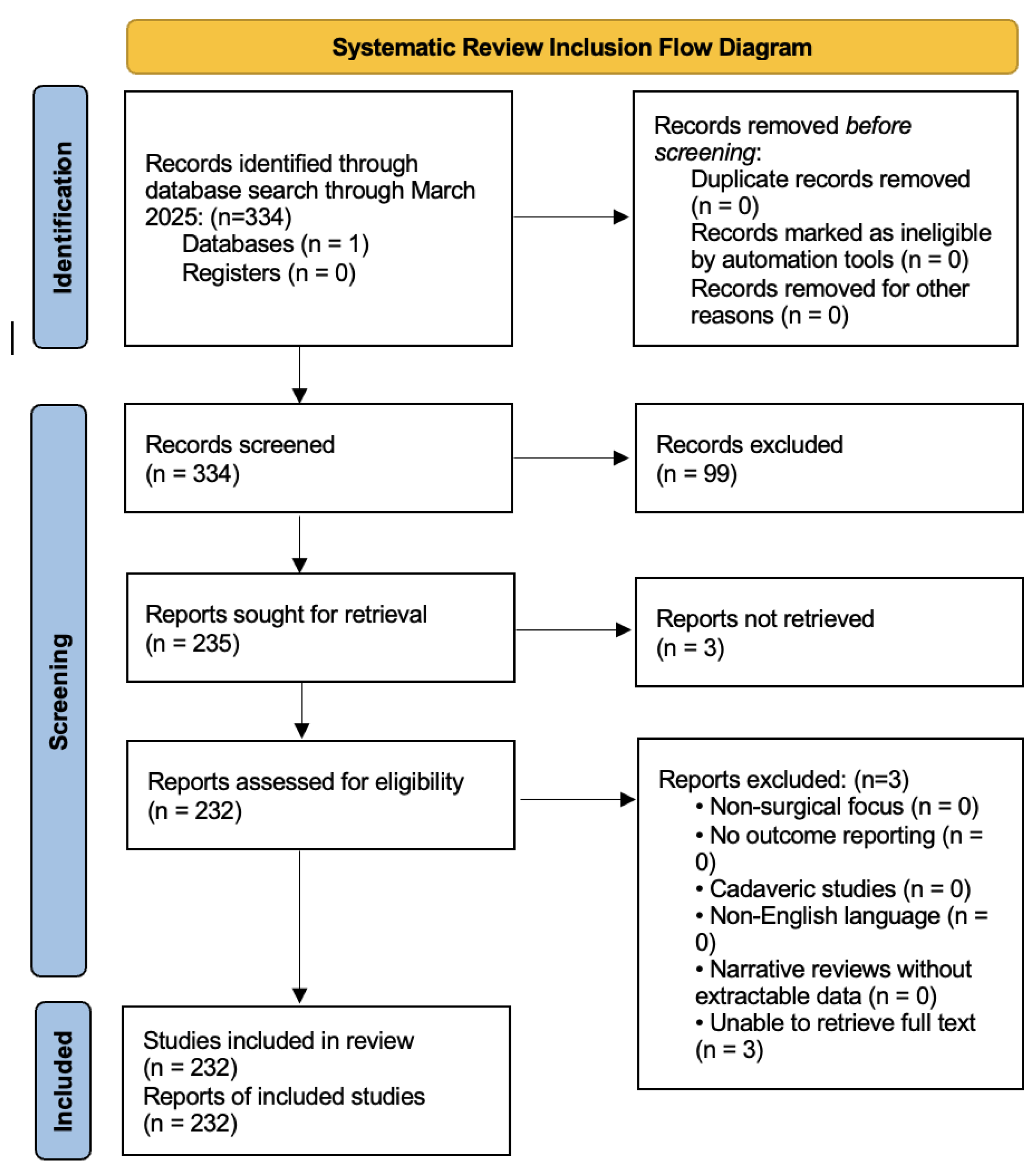
Disclaimer/Publisher’s Note: The statements, opinions and data contained in all publications are solely those of the individual author(s) and contributor(s) and not of MDPI and/or the editor(s). MDPI and/or the editor(s) disclaim responsibility for any injury to people or property resulting from any ideas, methods, instructions or products referred to in the content. |
© 2025 by the authors. Licensee MDPI, Basel, Switzerland. This article is an open access article distributed under the terms and conditions of the Creative Commons Attribution (CC BY) license (http://creativecommons.org/licenses/by/4.0/).
Copyright: This open access article is published under a Creative Commons CC BY 4.0 license, which permit the free download, distribution, and reuse, provided that the author and preprint are cited in any reuse.


