
Submitted:
09 December 2025
Posted:
10 December 2025
You are already at the latest version
Abstract
Entrepreneurship in South Africa extends beyond conventional sustainable development, incorporating several viewpoints that mirror the nation's distinct socio-economic and cultural context. This study examines several perspectives, emphasising the interaction of technical, artistic, socio-economic, historical, and institutional elements in influencing entrepreneurial activity. Technological advancements and management innovations create new opportunities for small and medium-sized enterprises (SMEs), while cultural diversity fosters creativity and innovation. Socio-economic issues, such as elevated unemployment rates and historical disparities, necessitate targeted entrepreneurial activities to promote job creation and community empowerment. This study elucidates how entrepreneurship in South Africa can extend beyond sustainable development, thereby fostering economic growth and social transformation by examining various perspectives. The qualitative study utilised original data collected from selected participants through interviews. The data was analysed through a thematic data analysis, and results show that entrepreneurship in South Africa is a dynamic and complex phenomenon that transcends the conventional emphasis on sustainable development. This study elucidates the critical influence of technology breakthroughs, cultural diversity, socio-economic issues, and historical disparities on entrepreneurial activity. These elements collectively enhance the resilience, inventiveness, and innovation of South African entrepreneurs.
Keywords:
entrepreneurship
; economic growth
; social transformation
; innovations
; sustainability
1. Introduction
Entrepreneurship in South Africa is a dynamic and complex phenomenon transcending the conventional limits of sustainable development. The nation's distinctive socio-economic environment, shaped by its varied cultural history and historical background, presents diverse entrepreneurial opportunities and perspectives. This introduction examines the multifaceted aspects of entrepreneurship in South Africa, emphasising how these varied perspectives foster economic development and social change. The study examines technological improvements and management innovations, as they are central to entrepreneurial growth, creating new opportunities for small and medium-sized enterprises (SMEs) (Ndayizigamiye, 2020).
Integrating digital technology and novel management approaches transforms the entrepreneurial landscape, enabling organisations to adapt and thrive in a rapidly evolving environment (Enaifoghe, 2024a). The study also looks at cultural variety, as it significantly enhances creativity and innovation. South Africa's diverse cultural tapestry fosters various business methodologies, promoting distinctive and inventive resolutions to both local and global issues. This cultural wealth is essential to the business environment, fostering inclusion and expanding the range of entrepreneurial endeavours.
Socio-economic variables, such as elevated unemployment rates and enduring disparities, propel entrepreneurial endeavours focused on job creation and community development (Chernbumroong, Sureephong & Muangmoon, 2017). These programs frequently emphasise the empowerment of underrepresented populations and the fulfillment of local needs, thereby fostering social equality and economic resilience. Enaifoghe (2024b) indicated that historical and institutional views offer a comprehensive insight into the obstacles and possibilities that entrepreneurs in South Africa encounter. The legacy of apartheid persists in shaping access to resources and opportunities, requiring focused initiatives to assist underprivileged entrepreneurs.
Government policies and institutional structures are essential in fostering a climate conducive to entrepreneurship by providing financing, training, and mentorship programs. The development of human capital and robust social networks are crucial for the success and sustainability of entrepreneurial enterprises. Educational and skills development initiatives augment entrepreneurial competencies, while strong social networks facilitate access to resources, knowledge, and collaboration prospects. Small, medium, and micro businesses (SMMEs) are acknowledged as vital contributors to economic growth in developing, emerging, and established nations (Amra, Hlatshwayo & McMillan 2013; Moise, Khoase & Ndayizigamiye 2020).
Muriithi (2017) asserts that companies constitute over 90% of businesses in both developed and emerging countries through job creation, employment, taxation, and contributions to gross domestic product (GDP). Small, medium, and micro firms significantly contribute to developing nations by addressing unemployment, poverty, and low-income issues. This introduction analyses several angles to facilitate a thorough investigation of how entrepreneurship in South Africa might advance sustainable development, stimulate economic growth, and promote social transformation.
2. Literature Considerations
Entrepreneurship in South Africa is a complex phenomenon that transcends the conventional emphasis on sustainable development. This literature study examines several perspectives on entrepreneurship, emphasising their contributions to economic growth, social change, and the overall entrepreneurial ecosystem in South Africa. Entrepreneurship is crucial to the South African economy, driving job creation, economic development, and innovation, particularly among small enterprises (Enaifoghe, 2024c). The role of small, medium, and micro firms in an economy in fostering social and economic development can not be overemphasised.
Small, medium, and micro-sized enterprises significantly contribute to net exports, job creation, poverty alleviation, and the reduction of income inequality in several countries worldwide. They further facilitate economic expansion (Enaifoghe, 2024c; Mhlongo & Daya, 2023; Zulu, 2021). According to Mohamed, Yasseen, and Nkhi (2020), the significance of SMMEs in South Africa remains central to policy discussions, especially since they facilitate socio-economic development. To further promote the growth of SMMEs, the South African government has implemented several key policy interventions, as detailed in the National Development Plan.
Small, medium, and micro enterprises significantly impact national output, job creation, poverty alleviation, and the reduction of economic inequality in various nations globally (Organisation for Economic Co-operation and Development [OECD], 2018). In 2014, the Department of Small Business Development (DSBD) significantly contributed to governmental efforts to expedite economic transformation by promoting the establishment of competitive, sustainable entrepreneurs, small firms, and cooperatives (Mnguni, 2018).
The DSBD assists small enterprises in manoeuvring through the legal and administrative framework and improves access to financial markets. Before establishing the DSBD, the government provided essential support to SMMEs via capital investment and company incubations. The Department of Trade and Industry (DTI) established several measures to promote the growth of SMMEs by offering various organisational support and development services. The National Development Plan (NDP) emphasises the significance of SMMEs in fostering economic growth, alleviating inequities, and reducing poverty.
The NDP aims to provide over 11 million job opportunities for the SMME sector in South Africa by 2030 and reduce the unemployment rate by around 6% (Mnguni 2018). It is concerning that small, medium, and micro enterprises in the country continue to face a hostile business climate (Bowmaker-Falconer & Herrington, 2020). Given the rise in unemployment rates in South Africa, it is essential to provide the requisite assistance to SMMEs to mitigate unemployment (Bhorat et al., 2018; Bushe, 2019; Herrington, Kew, & Kew, 2015; Herbst & Gills, 2015).
Obstacles within the entrepreneurial ecosystem in South Africa
Research indicates that South Africa has one of the highest failure rates among small, medium, and micro enterprises (SMMEs) in developing countries, with a failure rate ranging from 60% to 80% within the initial two years of operation (Leboea, 2017; Mthabela, 2015). The elevated failure rate can be attributed to the entrepreneurial environment, which is detrimental to the development and growth of enterprises (Matekenya & Moyo, 2022). The 2015 SMME Growth Index headline results reveal that external factors hindering small business growth encompass stringent regulations, elevated labour costs, insufficient funding, adverse local economic conditions, high municipal expenses, inadequate service delivery, and intensified competition.
Mazzarol (2015) and Koryak (2015) have demonstrated that insufficient management experience and abilities, a deficient entrepreneurial culture, and barriers to market access are significant factors contributing to the failure of Small to Medium Enterprises (SMMEs). Kongolo (2010) asserts that inadequate institutional support and financial resources affect the sustainability and efficacy of South African SMMEs. Van de Vrande et al. (2009) assert that, relative to bigger firms, small and medium-sized enterprises (SMMEs) possess poorer affiliations with other organisations, hence complicating their access to essential information for achieving their objectives (Dodourova & Bevis 2014).
The sustainability issues SMMEs face are associated with deficient management and leadership abilities, stemming from insufficient leadership experience and inadequate training and education, impairing technical and managerial competency (Chimucheka 2013; Hossain 2015). Despite being a relatively recent idea, Simba and Thai (2018) assert that entrepreneurial leadership has been employed to identify issues connected to management development and growth in small firms. This leadership style is acknowledged for its role in generating strategic value (Gupta, MacMillan & Surie 2004).
The viewpoint has been broadened, underscoring the importance of recognising and capitalising on economic opportunities (Hejazi, Maleki & Naeiji 2012; Renko et al. 2015). Entrepreneurial activities aimed at enhancing essential abilities, hence improving organisational performance, emphasise a strategic approach to entrepreneurship through entrepreneurial leadership. Management is pragmatic and focused on addressing challenges and enhancing value in the marketplace (Surie & Ashley 2008).
Entrepreneurial leadership may be characterised as a leadership style utilised by an entrepreneurial leader while assuming commercial risks, demonstrating proactivity, and generating innovative ideas. Entrepreneurial leaders are characterised by creativity, a strong passion for success, enthusiasm, promptness in seizing chances, and imagination (Davids, 2012). Entrepreneurial leadership skills equip entrepreneurs with personal competencies to recognise changes in the global and local business environments, as well as to effectively implement and disseminate individual SMME values and strategies among team members at all levels.
Entrepreneurs must understand their talents, shortcomings, and leadership styles, as well as their ultimate objectives. Entrepreneurs should leverage their skills to enhance and grow their businesses while securing a competitive advantage and establishing enduring organisations (Palalic et al., 2017). Entrepreneurial leadership enables business owners to generate innovative concepts and identify opportunities for a prosperous future for their enterprises.
Nature of Entrepreneurial Activity in South Africa
Entrepreneurial activity in South Africa is regarded as comparatively low about similar economies, with certain reports suggesting a decline in recent years. Despite a strong awareness of entrepreneurial opportunities, the fear of failure and the necessity of financial stability are critical factors affecting the decision to initiate a business. The nation encounters obstacles such as bureaucratic inefficiencies, insufficient transfer of research and development, and a lack of entrepreneurship education.
The table above (See Table 1) presents the various aspects of South African entreprenuship. Entrepreneurship is a vital driver of economic development in South Africa. Micro, small, and medium-sized enterprises (MSMEs) make up over 98% of formal businesses, yet they contribute less than a third of formal employment (Today Africa, 2025). This highlights both their potential and the need for stronger support systems. Today Africa (2025) says that entrepreneurship is very important in South Africa for solving problems like unemployment, economic inequality, and sustainable development. Most people agree that entrepreneurship is a key driver of economic growth. There are more than 2 million official businesses in South Africa, and more than 98% of them are micro, small, or medium-sized enterprises (MSMEs). Even though there are a lot of them, these tiny firms only make up less than a third of all formal occupations. This shows that most jobs are concentrated in a few big companies and government agencies. It's worrying that these enterprises don't last long. roughly two-thirds of them fail within the first five years, and roughly 20% fail inside the first two years.

Table 2.
1: Determinants of Entrepreneurial Activity.
| Government Support | The efficacy of government support programs for small enterprises significantly impacts entrepreneurial success. |
| Education in Entrepreneurship | Enhanced entrepreneurship education and training are necessary to cultivate essential skills and tackle challenges such as business failures. |
| Policy and Infrastructure | Policy changes, a robust entrepreneurial culture, and enhancements in physical infrastructure are essential for creating a more supportive environment. |
Source: authors’ compilation.
South Africa's early-stage entrepreneurial activity (TEA) has fallen below levels observed prior to the pandemic. The latest Global Entrepreneurship Monitor South Africa Report, released on 1 February, presents numerous findings, including those highlighted in the GEM National Entrepreneurship Context Index within the 2023/2024 Global Report. Bowmaker-Falconer stated that South Africa is behind both global and African standards in terms of entrepreneurial activity and the efficacy of its support for the development of the entrepreneurial ecosystem. The current situation illustrates the underperformance of the economy, the effects of the energy crisis, the decline in transport and logistics, and the inadequacies in public infrastructure and service delivery, alongside an unfavorable environment for business initiation, development, and sustainability.
Challenges Hampering Entrepreneurial Activity in South Africa
Entrepreneurs in South Africa encounter numerous substantial challenges, such as restricted access to funding, bureaucratic obstacles, a shortage of skills, inadequate infrastructure, and the effects of crime and energy deficits. These challenges can impede the initiation and maintenance of businesses, even in the context of innovative solutions and strategic planning.
Table 3.
1: Challenges Hampering Entrepreneurial Activity in South Africa.
| Access to Funding | Numerous entrepreneurs encounter difficulties in obtaining essential funding, encompassing initial capital and continuous financial support for expansion. The risk-averse nature of financial institutions and the necessity for collateral, often absent among entrepreneurs, further complicates the situation. |
| Bureaucracy and Red Tape | The regulatory environment in South Africa presents significant challenges, often characterised by bureaucracy and red tape, which can impede entrepreneurs' focus on their business operations. |
| Skills Shortage | A deficiency in critical business skills, including financial management, marketing, and operations, can adversely affect the success of numerous businesses, especially during their initial phases. |
| Infrastructure Constraints | Insufficient infrastructure, characterised by unreliable electricity supply and limited transportation options, can markedly elevate operational costs for businesses. |
| Crime and Corruption | The elevated crime rate and pervasive corruption in South Africa present substantial challenges for businesses, adversely affecting profitability, security, and overall stability. |
| Energy security | Energy security is compromised by loadshedding and other energy supply challenges, which adversely affect business productivity and operations nationwide. |
| Market Competition | South Africa exhibits a competitive market landscape, necessitating that entrepreneurs demonstrate innovation and adaptability for success. |
| Macroeconomic Factors | Weak economic conditions and inadequate support for businesses can significantly influence entrepreneurial activity. |
Source: authors’ compilation.
Despite these challenges, numerous South Africans are developing innovative strategies to surmount these obstacles and effectively establish and expand businesses. Small, medium, and micro enterprises (SMMEs) are acknowledged as vital contributors to economic growth in developing, emerging, and developed nations (Amra, Hlatshwayo & McMillan 2013; Moise, Khoase & Ndayizigamiye 2020). Muriithi (2017) asserts that enterprises represent more than 90% of businesses in both developed and emerging economies through their roles in job creation, employment, taxation, and contributions to gross domestic products (GDP).
Small, medium, and micro enterprises are crucial in developing countries, providing solutions to unemployment, poverty, and low-income issues. Small, medium, and micro enterprises significantly impact national output, job creation, poverty reduction, and the mitigation of economic inequality across various economies globally (Organisation for Economic Cooperation and Development [OECD] 2018). Small, medium, and micro enterprises are regarded as fundamental components of a nation's economy (Bvuma & Marnewick 2020; Karagiorgos et al. 2020; Leboea 2017).
Small, medium, and micro enterprises encounter numerous challenges, including a shortage of skilled talent, difficulties in optimising value chains, and issues related to the implementation of innovative ideas and overall business operations (Telukdarie et al. 2022). Approximately 90% of businesses in South Africa are classified as SMMEs, contributing to over 80% of employment and more than 50% of the country's GDP (Petersen, Bruwer & Mason 2020). Ndou (2014) and Chimucheka (2013) note that the South African government acknowledges the importance of SMMEs to the economy of South Africa.
Bhorat et al. (2018) assert that the government acknowledges the expansion of SMMEs as a viable approach to alleviating poverty and diminishing inequality by generating employment opportunities. Entrepreneurs serve as a critical driver of job creation, yielding long-term positive externalities manifested in heightened employment growth rates and increased income levels.
Despite the South African government's initiatives to foster entrepreneurship through legislation, strategies, and programs, many small, medium, and micro enterprises (SMMEs) remain unsustainable due to various challenges they encounter (Cant & Wiid 2016). Research indicates that South Africa exhibits a notably high failure rate for small, medium, and micro enterprises (SMMEs) compared to other developing countries, with rates ranging from 60% to 80% within the initial two years of operation (Leboea, 2017; Mthabela, 2015). The findings indicate the daily challenges and bottlenecks encountered by SMMEs, which affect their sustainability.
Lampadarios (2015) and Nkonge (2013) note that the persistent failure rate of SMMEs negatively impacts the economy both in the short term and long term. Fonseca et al. (2012) indicate that the business environment in South Africa is highly dynamic, noting that the elevated failure rate and low entrepreneurial activity among SMMEs imply a lack of adequate entrepreneurial leadership capabilities and a limited comprehension of the business environment.
The State of Entrepreneurial Activity in South Africa
Entrepreneurial activity in South Africa is characterised by instability and tenacity. Despite considerable hurdles, such as gender inequities and the repercussions of COVID-19, there exist potential for advancement and innovation. Comprehending these characteristics is essential for formulating effective methods to bolster and improve the entrepreneurial environment in South Africa. Entrepreneurial endeavors in South Africa are marked by a combination of problems and possibilities, mirroring the nation's distinctive socio-economic environment. Presented below are crucial findings regarding the present condition of entrepreneurship:
Table 4.
1: The State of Entrepreneurial Activity in South Africa.
| Early-Stage Entrepreneurial Activity (TEA) | The Total Early-Stage Entrepreneurial Activity (TEA) level has varied considerably in previous years. In 2021, TEA was 17.5%, decreased to 8.5% in 2022, and subsequently increased to 11.1% in 2023. This signifies a turbulent entrepreneurial landscape shaped by several external influences. |
| Gender Disparities | Men exhibit a marginally higher propensity to initiate firms than women, with male Total Entrepreneurial Activity (TEA) at 12.7% against female TEA at 9.7%. This gender discrepancy underscores the necessity for focused assistance to promote female entrepreneurship. |
| Motivations for Entrepreneurship | A considerable segment of South African entrepreneurs is motivated by necessity rather than opportunity. This tendency is especially evident among males, who frequently establish firms to generate income owing to limited employment prospects. |
| Impact of COVID-19 | The COVID-19 epidemic significantly affected business endeavors. Lockdowns and limitations impeded commerce and markets, resulting in a decrease in firm ownership and entrepreneurial aspirations. In 2023, the proportion of adults planning to initiate a new business over the following three years declined to 10%, marking the lowest level in two decades. |
| Entrepreneurial Environment | The quality of South Africa's entrepreneurial ecosystem has seen variations. The GEM 2023/2024 Global Report indicated a decrease in the overall entrepreneurial environment score from 4.1 in 2022 to 3.6 in 2023. This number encompasses several elements, such as financial accessibility, governmental policy, and market dynamics. |
| Challenges Faced by Entrepreneurs | Entrepreneurs in South Africa encounter several obstacles, such as restricted access to capital, insufficient support systems, and elevated competitive levels. These impediments can obstruct the development and viability of nascent enterprises. |
| Positive Signals | Notwithstanding the hurdles, there are encouraging indicators, such as the resurgence of the company departure rate to pre-pandemic levels. This indicates the perseverance of enterprises maneuvering through the complex economic landscape. |
Source: authors’ compilation.
Despite encountering hurdles, South Africa's entrepreneurial landscape is undergoing continuous revitalisation and assistance initiatives. South Africa has continuously received low rankings for entrepreneurial activities in the Global Entrepreneurship Monitor study. South Africa is failing to cultivate a sufficiently entrepreneurial economy, necessitating intervention to generate jobs, broaden markets, enhance output, and rejuvenate communities. The significance of entrepreneurship in economic processes is thoroughly documented. Despite the elevated unemployment rate, Kingdon and Knight (2004:392) contend that a substantial informal sector should accommodate this excess labour; South Africa possesses a very small informal sector.
Several potential reasons exist for this phenomenon, although a consistent theme is the claim that South Africans possess insufficient entrepreneurial spirit. The South African government has executed many methods to promote entrepreneurship and small enterprises, yielding little results (see Luiz & Mariotti, 2011). South Africa exhibits subpar performance in international entrepreneurship assessments and has continuously scored near or at the lowest tier in the Global Entrepreneurship Monitor (GEM) (Bosma & Levie, 2010:21). Rectifying the legacy of apartheid requires integrating more South Africans into the economic mainstream; nevertheless, the substantial corporate sector is unable to accommodate the excess labour, indicating that entrepreneurial activity must be a fundamental pillar of any economic plan.
It examines their attitudes towards and views of entrepreneurship, entrepreneurial prospects, and the overarching economic landscape. Entrepreneurship is crucial to the South African economy, stimulating growth, generating employment, and promoting innovation, particularly among the youth. Entrepreneurship is essential for mitigating unemployment and fostering a varied economy; yet, South Africa encounters obstacles in its support, such as elevated company failure rates and the necessity to enhance the entrepreneurial landscape. The study's objective is to examine how diverse perspectives influence sustainable development beyond socio-economic, demographic, cultural, and institutional factors in individuals' entrepreneurial mindsets in South Africa.
3. Entrepreneurship Trait and Process: The Influence of Culture and Individuals
The study of entrepreneurship is extensive and intricate. The definition of entrepreneurship has generated a substantial body of literature. This idea may be defined using two primary techniques. The initial method concentrates on the entrepreneurial process, whereas the subsequent approach highlights the entrepreneur's traits. Neither method is very satisfying, as they should not be mutually exclusive. This study delineates the notion through a dual approach, integrating the entrepreneurial process with the inherent traits of the entrepreneur and the societal context. In this context, Ahwireng-Obeng and Thobela (2014) analyses three overarching theoretical frameworks for the provision of entrepreneurship: the sociopsychological, the socio-cultural, and the economic approaches.
a) The sociopsychological perspective
Most discourse in this field typically commences with Max Weber's seminal work, "The Protestant Ethic and the Spirit of Capitalism," wherein he sought to demonstrate that the Protestant ethic, or the 'minor virtues' of frugality, diligence, temperance, integrity, and the fulfilment of commitments, facilitated the triumphs of capitalist institutions in promoting rapid economic advancement through the emergence of a new character archetype.
b) The socio-cultural perspective
This perspective regards entrepreneurship as a facet of cultural transition, including the evolution of human agents and their socio-economic environment. It analyses contemporary and historical political, social, and economic institutions, their connections to current values, motives, and incentives, and their influence on existing role structures.
c) The macroeconomic perspective
An identification issue arises concerning the differentiation between supply and demand variables in developing a macroeconomic entrepreneurship model. It is standard to include sociopsychological and cultural aspects and an individual's human capital while formulating the supply schedule. The need for entrepreneurship is contingent upon the demand for entrepreneurial goods and services, which is influenced by production factor pricing, current and transferable technology availability, and consumer incomes, among other things. The macroeconomic method, therefore, integrates both measurable and qualitative factors, encompassing economic and non-economic aspects, and serves as a prevalent analytical tool among development economists.
Entrepreneurial performance (E/P) is a product of culture (C) multiplied by personality (P), with both considered fundamental components of entrepreneurial drive. Most research investigating the relationship between cultural characteristics and entrepreneurship is predicated on country-level rather than individual-level intercorrelations. Scholars have identified the correlations between national innovation rates, entrepreneurial orientation, and cultural factors such as individualism and power distance (Thetsane, Meyer & Chambwe, 2024). National culture profoundly influences innovation rates, entrepreneurial attitudes, and the evolution of a nation's innovation ecosystem. High individuality, low power distance, and low uncertainty avoidance positively connect creativity and entrepreneurial endeavours.
The cultural norms promote autonomous thought, creativity, and a propensity for risk-taking, all of which are essential for innovation. This research examines possible determinants influencing entrepreneurial attitudes, encompassing individual, cultural, societal, and institutional factors. South Africa presents a compelling subject for analysis due to its historical framework of institutionalised racial hierarchies, facilitating the exploration of the interaction between individual and societal attributes. For instance, do opinions vary by race, considering the historical context of racial discrimination, or are there intra-racial variations influenced by language, religion, or parental status? In this regard, South Africa offers a distinctive platform to examine these matters.
4. Research Methodology
The research methodology for examining various aspects of entrepreneurship in promoting sustainable development in South Africa employs a comprehensive approach that incorporates qualitative methods. This technique aims to capture the intricate nature of entrepreneurship and its impact on sustainable development. The study employed a qualitative research strategy, integrating qualitative methodologies to provide a comprehensive understanding of the topic. This approach facilitates data triangulation, thereby augmenting the reliability and validity of the results. This research technique provides a systematic and rigorous framework for examining the many viewpoints of entrepreneurship in promoting sustainable development in South Africa. The research seeks to include the intricacy and depth of entrepreneurial activities and their impact on sustainable development by integrating diverse data-gathering and analysis methodologies.
Research Design
Given that the study design delineates the procedures and data collection methods, selecting a valid and appropriate design is imperative to obtain reliable results (Creswell & Creswell, 2018). Research design is the systematic framework for data collection. This study employed a correlational methodology to examine the relationship between job motivation and employee engagement. The research employed a qualitative methodology and a cross-sectional design to examine a subject. The study examined interview data from ten participants on the diverse perspectives of entrepreneurship in enhancing beyond sustainable development in South Africa and was founded on a literature review about performance management and employee engagement.
Research instrument
Researchers need to employ open-ended inquiries as they promote participants to express their thoughts without apprehension of censure (Creswell & Creswell, 2018). Researchers conducted semi-structured interviews with participants, utilising an open-ended discussion guide due to the study's exploratory nature. This enabled the researcher to pose uniform open-ended questions to all participants, facilitating more elaborate and thorough responses. The researchers could maintain focus on the study's objectives while seeking further clarity and understanding. A significant issue with this type of instrument is the duration required to execute the procedures involved, from conducting individual interviews to coding and transcribing the outcomes.
Interview
The interview process was structured to facilitate participant ease, allowing them to decline or terminate their cooperation at any time. All participants were mandated to possess a high school education or its equivalent, a minimum of one year of work experience, proficiency in English, and prior involvement in performance management in some capacity.
Data Acquisition Techniques Interviews:
Objective: The study purposefully selected 15 participants for the study within the study area. The purpose of using the interview techniques was to acquire comprehensive qualitative insights into entrepreneurs' experiences, tactics, and viewpoints. To collect data for the study, the researchers examined pertinent articles from esteemed South African and international publications to understand academic viewpoints on diverse perspectives of entrepreneurship in enhancing beyond sustainable development in South Africa. Consequently, the researcher devised an interview guide to help participants articulate their perspectives on employee engagement and performance management.
The utilisation of semi-structured interview questions and ensuing free-flowing dialogue allowed participants' perspectives and insights to emerge prominently. All participants were requested to furnish an objective constructive critique. Each interview lasted between 45 and 60 minutes, with participants urged to provide additional details and examples to assist the interviewer in correctly understanding and documenting their views. Upon completion of the interviews, the researcher may conduct follow-up communications with participants via telephone or in-person meetings to see if they want more clarification on their responses. This was contingent upon the participants' availability.
Data Analysis - Qualitative Assessment:
Methods: Thematic analysis utilising tools such as NVivo to examine interview and focus group material.
Concentration: Deriving themes, narratives, and ideas on the varied views of entrepreneurship. After each interview, the researcher examined the notes and recordings to ascertain her comprehension of the participants' responses; if further clarification was required, the individuals were called at their earliest convenience. Following an initial review of the data for familiarisation, the researcher reached data saturation after 15 interviews, with no new codes or themes arising. The subsequent phase in data processing involved transcribing the participants' responses into individual Microsoft Excel spreadsheets for each question.
Capturing and organising qualitative data necessitates the capacity to perceive and assign tags or codes that represent or infer information acquired during the inquiry. Paragraphs, phrases, or even singular words may be assigned a code (Basit, 2003). Subsequently, we categorised the replies according to our examination of the fundamental concepts and phrases associated with each topic. Subsequent to the formulation of each inquiry, the emphasised codes and terms were amalgamated into a unified data set.
Reliability and truthfulness
Qualitative researchers must establish the credibility of their studies through a validity framework despite the challenges associated with defining validity in this research paradigm (Cresswell and Miller, 2000). Creswell and Miller define validity as the extent to which the views and viewpoints of participants regarding the phenomena are accurately and credibly acknowledged. The research depended on a thorough and detailed description to demonstrate credibility; alternative validity methods exist. The objective was to immerse the readers in the interview experience and enable them to perceive the emotions expressed through the words.
Ethical Considerations
Informed Consent: The informed consent form was distributed to guarantee that all participants were well apprised of the study's objectives, methodologies, and entitlements.
Confidentiality: Preserving the privacy of participants' information and data.
Ethical Approval: Since this research paper is an output or extract of an ongoing project, securing authorisation from pertinent ethical review bodies before initiating the project was done and an ethical certificate was received from the institution (University of Zululand).
Demography of the participants
The research on distinct entrepreneurial views in advancing sustainable development in South Africa encompasses a wide demographic profile to guarantee thorough findings.
5. Discussion of Results
The following are essential demographic attributes of the participants:
- Table 1. 1: Demographic Data of the Participants.
Gender Distribution
Figure 1.
Gender Distribution. Source: authors’ compilation.
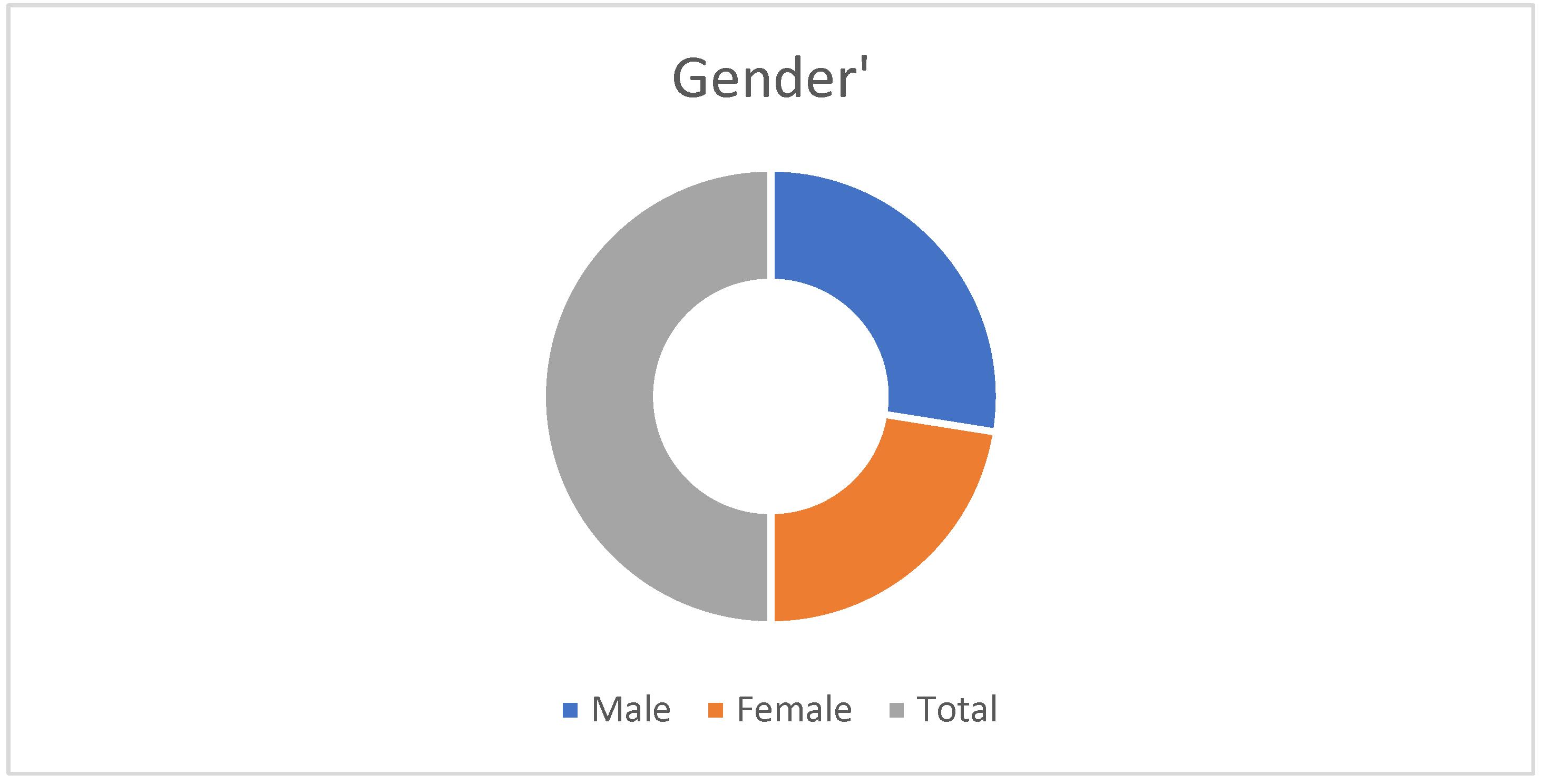
This distribution aims to capture gender-specific experiences and challenges in entrepreneurship.
Age Distribution
Figure 2.
Age Distribution. Source: authors’ compilation.
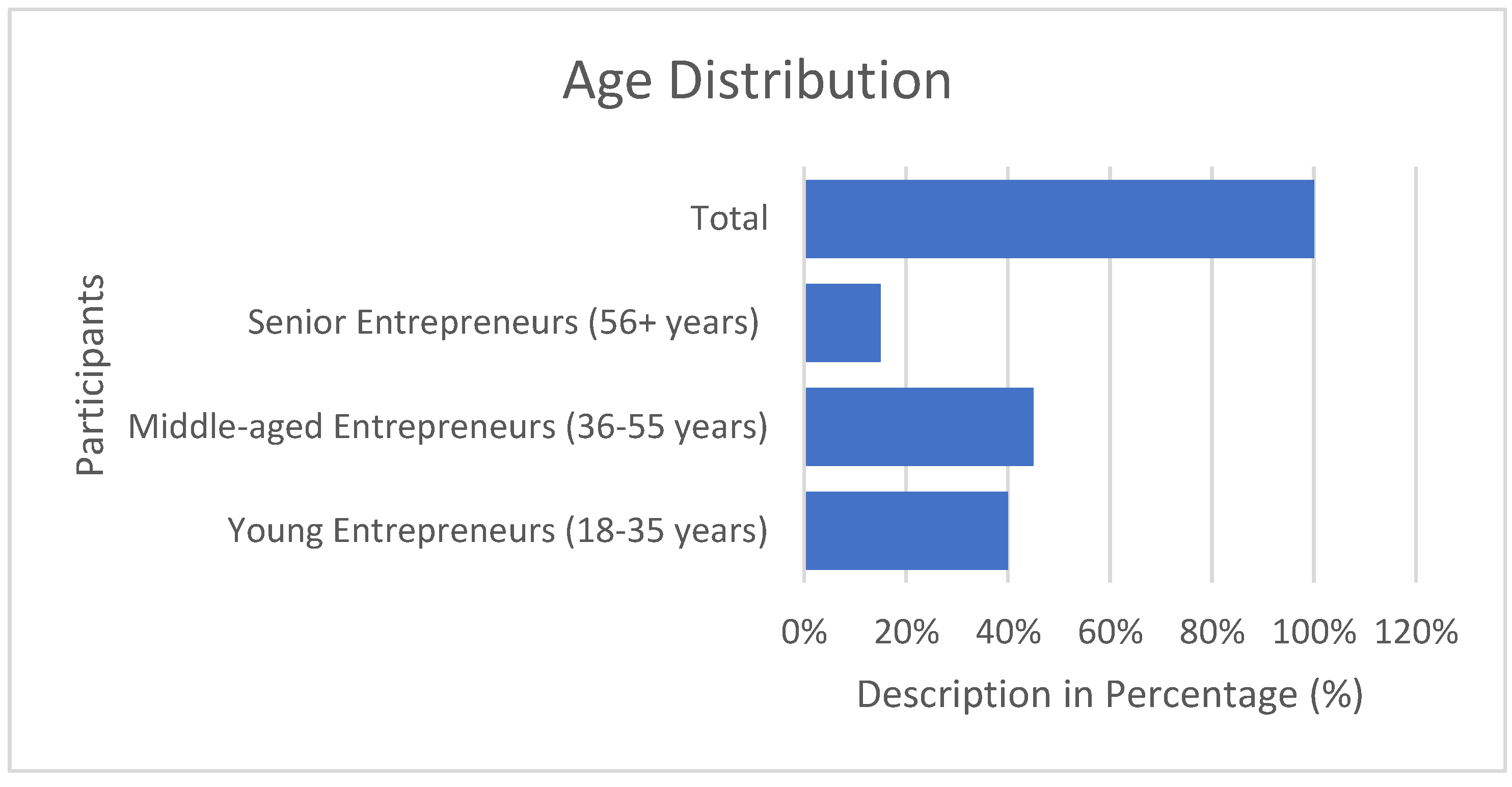
The Age Distribution of the selected participants, which includes a range of age groups, helps us understand how entrepreneurial motivations and strategies vary across different life stages.
Educational Background
Figure 3.
Educational Background. Source: The author’s compilation.
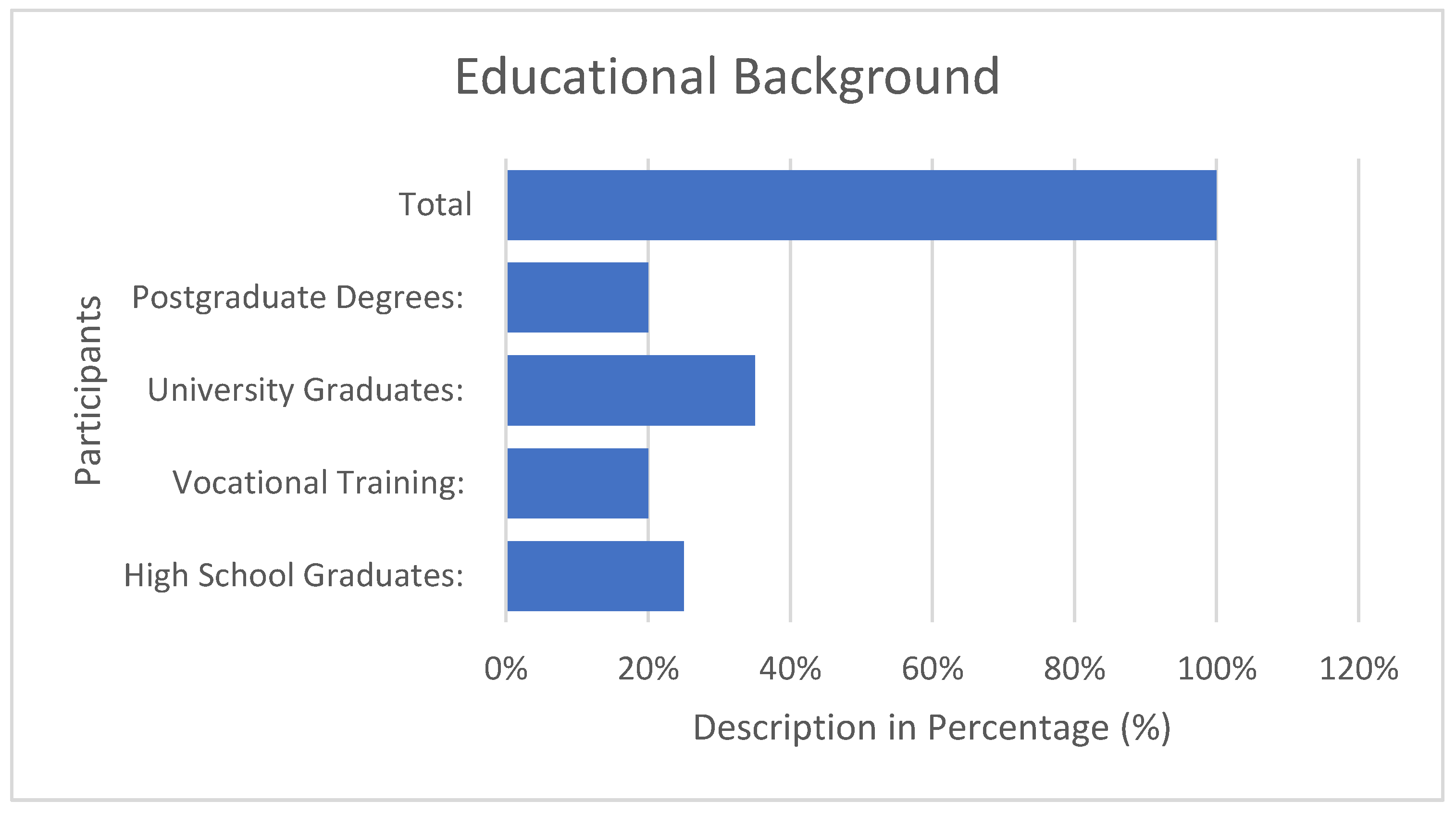
Participants with varied educational backgrounds offer perspectives on how education impacts entrepreneurial success and sustainability.
Race/Ethnicity
Figure 4.
Race / ethnicity. Source: The author’s compilation.
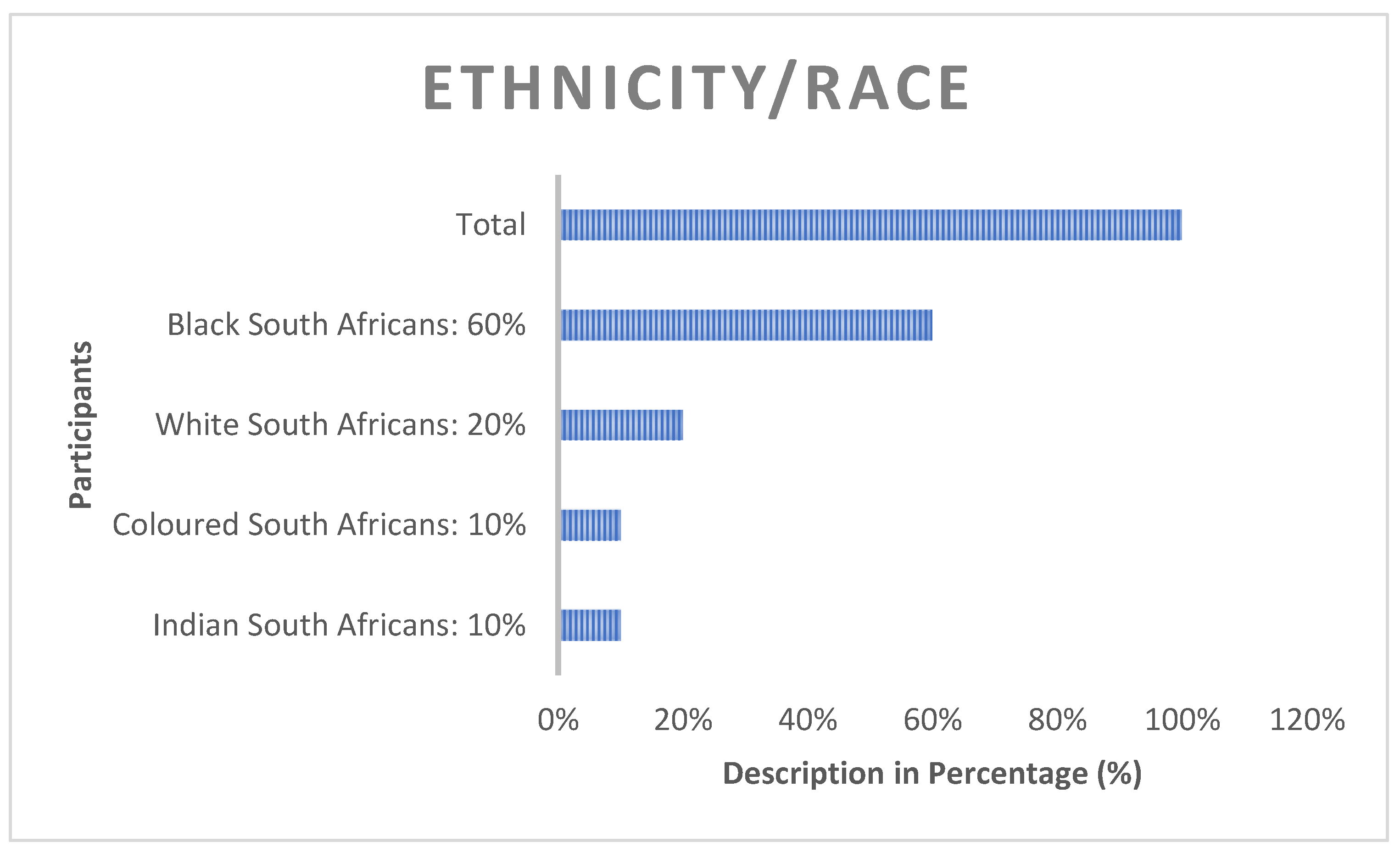
This ethnic diversity reflects South Africa's multicultural society and provides insights into how cultural backgrounds influence entrepreneurial activities.
Geographical Distribution
Figure 5.
Geographical distribution. Source: The author’s compilation.
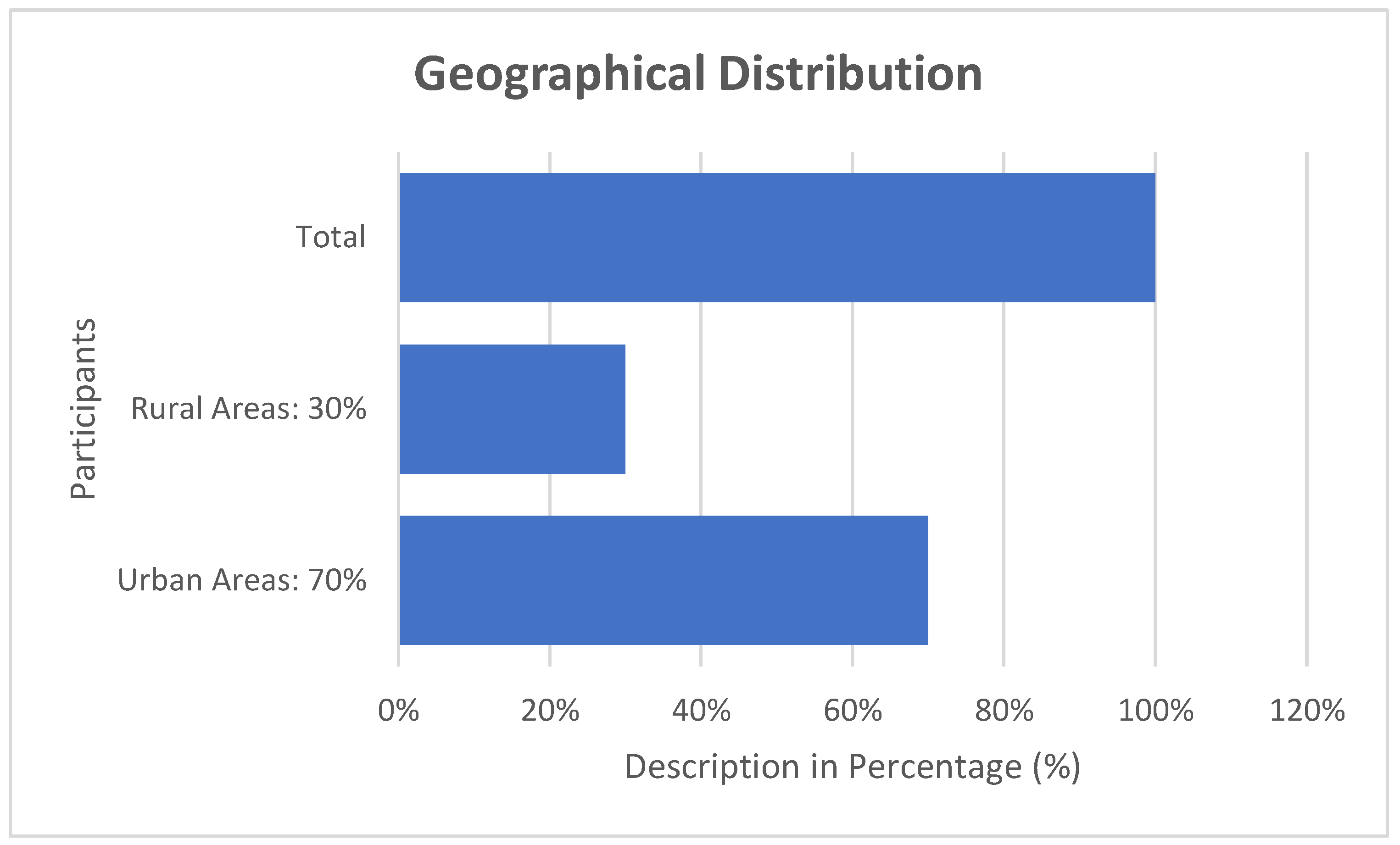
The Geographical distribution includes participants from both urban and rural areas ensures that the study captures the different challenges and opportunities faced by entrepreneurs in diverse settings.
Sector Representation
Figure 6.
Sector Representation. Source: The author’s compilation.
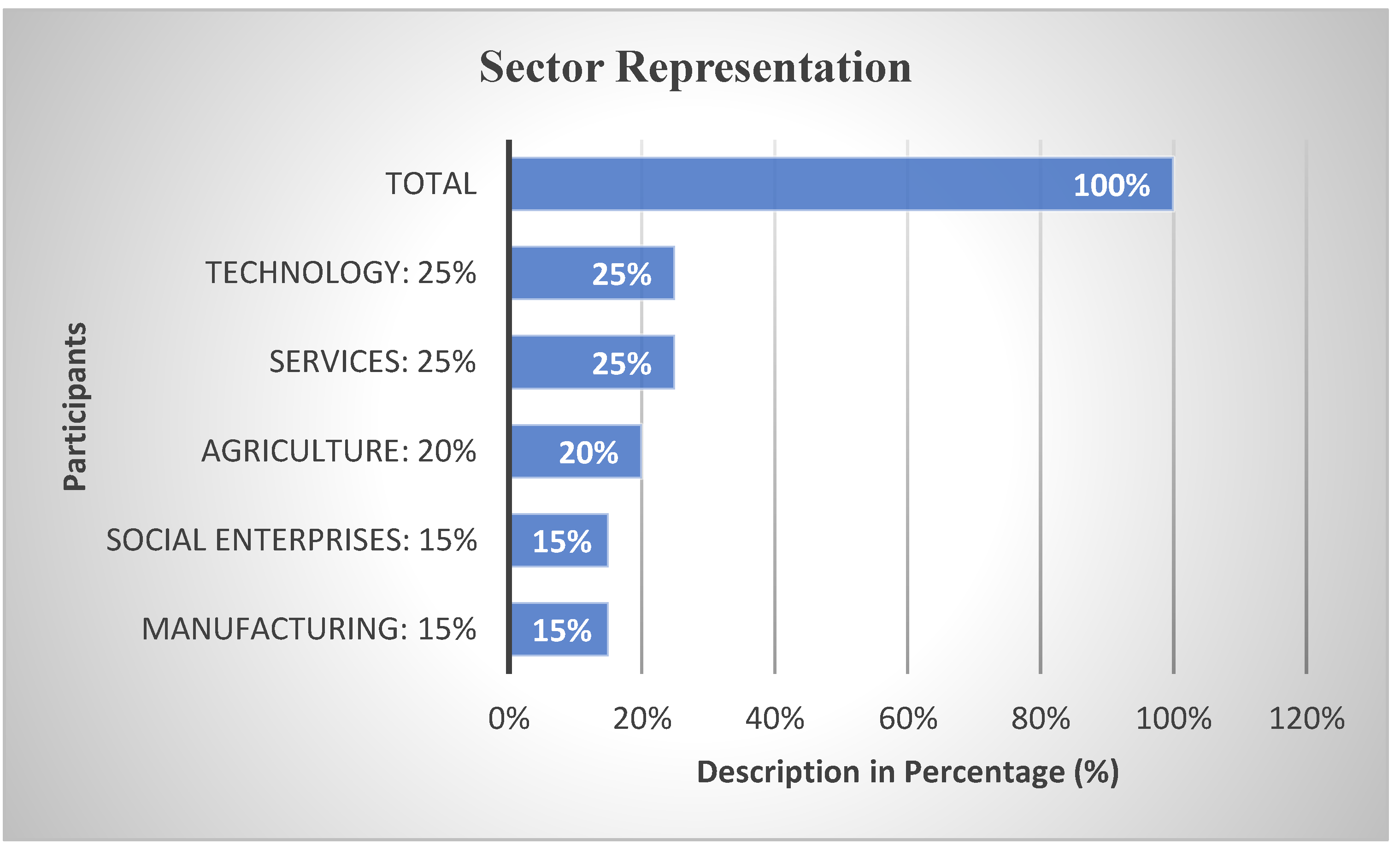
This sectoral diversity helps us understand how different industries contribute to sustainable development through entrepreneurial activities.
Experience Level
Figure 7.
Experience Level. Source: The author’s compilation.
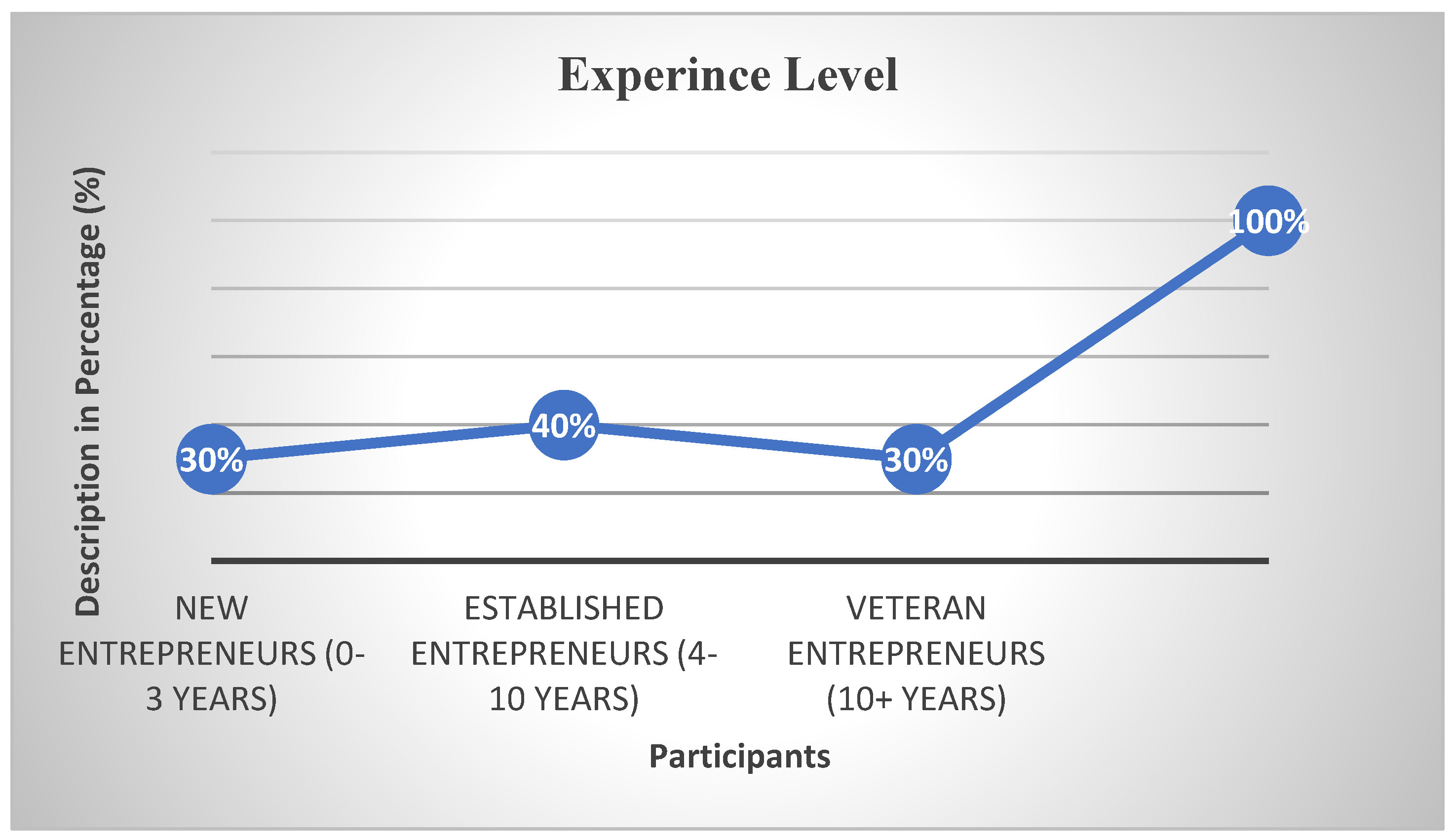
The experience level, which includes entrepreneurs at different stages of their journey, provides insights into the evolution of entrepreneurial practices and challenges over time.
Research Questions and Participants' Responses
Research Question 1:
How do technological advancements influence entrepreneurial activities in South Africa?
Technological improvements significantly influence entrepreneurial endeavours in South Africa, fostering creativity, enhancing efficiency, and creating new possibilities. Here are many significant ways in which technology impacts entrepreneurship. The participants' responses offer substantial insights into the many viewpoints on entrepreneurship in South Africa and the variables that affect entrepreneurial activity and sustainable development.
Participant Responses:
"Technological advancements have opened up new markets and opportunities. For instance, digital platforms have allowed me to reach customers beyond my local area".
Digital channels help entrepreneurs reach a wider audience, both domestically and globally. E-commerce platforms and social media marketing are essential instruments for broadening market reach. Cloud computing and automation enhance efficiency and productivity, optimising corporate processes, lowering expenses, and elevating production.
"The integration of fintech solutions has revolutionised how we handle transactions and manage finances, making it easier for small businesses to thrive"
The emergence of fintech has transformed financial services, facilitating transaction management, capital acquisition, and the provision of novel financial solutions for entrepreneurs. Agritech: Technological innovations in agriculture, like precision farming and drone technology, improve production and sustainability, enabling agricultural entrepreneurs to refine their techniques.
"Technology in agriculture, like precision farming tools, has significantly increased productivity and sustainability in my farming practices"
Technologies such as video conferencing and collaborative software promote superior communication and cooperation among teams, partners, and clients. Digital platforms and technologies allow entrepreneurs to connect, exchange expertise, and interact with other enterprises and stakeholders.
"Digital tools have enabled us to track our impact better, ensuring that our social initiatives are effective and scalable"
Crisis Management: Throughout the COVID-19 epidemic, technology was crucial in enabling companies to adjust to new circumstances, including remote work and internet sales channels. Technological solutions facilitate the effective scaling of processes, hence aiding development and expansion. Technological innovations are reshaping the entrepreneurial scene in South Africa, presenting novel prospects for innovation, efficiency, and growth. By utilising these technologies, entrepreneurs may improve their business operations, access new markets, and promote sustainable growth. Data analytics technologies offer insights into industry trends, consumer behavior, and business performance, empowering entrepreneurs to make educated decisions. Technological innovations are reshaping the entrepreneurial scene in South Africa, providing novel prospects for innovation, efficiency, and growth. By utilising these technologies, entrepreneurs may improve their business operations, access new markets, and promote sustainable development.
Research Question 2:
What role does cultural diversity play in fostering creativity and innovation among South African entrepreneurs?
Cultural variety significantly enhances creativity and innovation among South African entrepreneurs and impacts entrepreneurial endeavours in several ways. The participants were asked the following questions regarding the role of cultural diversity in fostering creativity and innovation among entrepreneurs in South Africa.
Participant Responses:
"Cultural diversity brings different perspectives and ideas, which is crucial for innovation. Our team's varied backgrounds have led to unique product designs"
Diversity fosters innovation, according to the participants varied cultural backgrounds provide distinct viewpoints and ideas, resulting in new solutions and products. This diversity fosters innovative thinking and facilitates multifaceted problem-solving approaches. It also creative synergy, because the interplay of many cultural perspectives generate a synergy that amplifies creativity. Entrepreneurs may leverage diverse experiences and cultures to formulate innovative solutions to commercial difficulties.
"Being exposed to different cultures has taught me to think outside the box and approach problems from various angles."
Understanding different markets is important, as entrepreneurs with varied cultural backgrounds comprehend distinct market sectors better. This understanding enables them to customise products and services to address the distinct requirements of diverse communities. Cultural awareness assists entrepreneurs in manoeuvring through and adjusting to the intricacies of the South African market, thereby cultivating robust customer relationships and preventing miscommunications.
"Cultural diversity is the backbone of my business. It allows us to create products that resonate with a wide audience"
Cultural variety in business fosters inclusion by strengthening underprivileged populations. This inclusion can result in more fair business practices and an expanded client base. Community engagement: Diverse entrepreneurs frequently interact with their communities, utilising local knowledge and networks to foster trust and support for their enterprises.
"Our diverse team helps us understand and cater to the needs of different customer segments, enhancing our market reach”
Cultural variety amplifies networking prospects, enabling entrepreneurs to engage with a diverse array of persons and organisations. These networks facilitate access to resources, information, and collaborative possibilities. Cross-cultural collaboration is significant for entrepreneurs to excel. Collaboration across cultures may result in new partnerships and business models that integrate diverse strengths and talents.
In conclusion, cultural variety is essential for promoting creativity and innovation among South African businesses. By embracing and utilising this variety, entrepreneurs may create distinctive solutions, comprehend varied marketplaces, foster inclusion, and establish robust networks. This, thus, enhances the overall development and robustness of the entrepreneurial environment in South Africa.
Research Question 3:
How do socio-economic challenges influence the motivations and strategies of South African entrepreneurs?
Socio-economic problems in South Africa profoundly influence the motives and strategies of entrepreneurs. Here are few significant ways these issues impact entrepreneurial endeavors
Participant Responses:
"High unemployment rates pushed me to start my own business. It was a matter of survival and finding a way to support my family"
High Unemployment Rates: With unemployment rates around 46.6% (including those who have ceased job searching), some individuals resort to entrepreneurship out of need. This necessity-driven entrepreneurship often emphasises the generation of urgent revenue prospects above long-term growth. Due to the high rate of unemployment, entrepreneurs adopt survival strategies. Necessity-driven entrepreneurs frequently use these strategies to initiate small-scale enterprises with limited capital, concentrating on necessary goods and services.
"Socio-economic disparities drive me to create opportunities for others in my community. My business model focuses on job creation and empowerment"
South Africa is among the most unequal nations globally, with considerable gaps in income distribution. Entrepreneurs frequently create community-oriented initiatives to meet local needs and empower underrepresented populations. Numerous entrepreneurs are motivated by the aspiration to effect social change, resulting in social companies that concentrate on matters such as education, healthcare, and housing.
"The socio-economic challenges we face motivate me to develop solutions that address these issues directly, such as affordable housing projects"
Economic Volatility: The economic volatility induced by inflation, load-shedding, and inadequate infrastructure compels enterprises to exhibit significant adaptability. They frequently adjust their business models to address these issues, such broadening their product offerings or implementing flexible pricing techniques. Entrepreneurs devise inventive methods to surmount socio-economic obstacles. This entails utilising technology to enhance productivity and access new markets.
"Growing up in a disadvantaged area, I was inspired to start a business that provides educational resources to underprivileged children"
Historical inequities have resulted in several entrepreneurs encountering difficulties in obtaining capital and support. This compels them to establish robust networks and engage with other enterprises, NGOs, and governmental bodies to get essential resources. Collaborations: Establishing collaborations is a prevalent technique to alleviate the effects of socio-economic issues. Entrepreneurs frequently engage with local communities, corporate entities, and governmental groups to improve their company operations and social influence.
Socio-economic problems in South Africa significantly impact the motives and strategies of entrepreneurs. These obstacles stimulate necessity-driven entrepreneurship, community-oriented initiatives, flexible business frameworks, and robust networking endeavors. By comprehending and tackling these socio-economic variables, entrepreneurs may cultivate more resilient and influential enterprises that promote sustainable development.
Research Question 4:
What impact do historical inequalities have on access to resources and opportunities for South African entrepreneurs?
Historical disparities in South Africa significantly affect entrepreneurs' access to resources and opportunities. Here are many significant ways in which these inequities affect business endeavors:
Participant Responses:
"Historical inequalities have made it difficult for many to access funding and support. It's a constant struggle to find the resources needed to grow"
Historical inequities have resulted in considerable discrepancies in access to financial capital. A multitude of entrepreneurs, especially those from historically marginalised areas, encounter difficulties in obtaining financing for their enterprises. This constrains their capacity to initiate and expand enterprises. Broad-Based Black Economic Empowerment (BBBEE): Although efforts such as BBBEE seek to rectify these inequities, access to capital continues to be a significant obstacle for some black businesses.
"As a black woman, I've faced numerous barriers in accessing capital and mentorship. These inequalities are deeply ingrained and affect many entrepreneurs"
The legacy of apartheid has led to inequitable access to decent education. Entrepreneurs from underprivileged backgrounds sometimes lack the skills and expertise to efficiently manage their enterprises. This educational disparity impedes their capacity to participate in the marketplace. Initiatives aimed at offering training and mentorship are essential for closing this gap; nevertheless, more focused interventions are required to guarantee fair access to these resources.
"The legacy of apartheid still affects business opportunities"
"Networking and gaining trust in certain markets can be challenging"
Historical disparities have similarly influenced social capital. Entrepreneurs from underrepresented groups frequently encounter restricted access to powerful networks that offer support, knowledge, and opportunities. This seclusion might hinder their company expansion and viability. Establishing robust community networks and support systems is crucial for surmounting these obstacles. Initiatives that promote collaboration and networking across various groups can alleviate the effects of historical injustices.
"Historical inequalities have shaped my approach to entrepreneurship"
"I focus on creating inclusive business models that provide equal opportunities for all"
Historical inequities have established obstacles to market access for several enterprises. Discriminatory policies and restricted access to mainstream markets might hinder their ability to achieve their full potential. Inclusive Policies: The implementation of inclusive policies that facilitate equitable market access is essential for guaranteeing that all entrepreneurs have the opportunity to thrive. In conclusion, findings show historical disparities in South Africa persistently influence the entrepreneurial environment, impacting access to financial resources, education, networks, and markets. Mitigating these discrepancies necessitates focused interventions and inclusive policies that foster fair access to resources and opportunities. South Africa may establish a more inclusive and robust entrepreneurship ecosystem by comprehending and addressing these difficulties.
6. Discussion of Research Findings
7. The Diverse Perspectives of Entrepreneurship in Enhancing Developments
Technological and Managerial Viewpoints
Technological improvements and management innovations are essential in propelling entrepreneurial operations in South Africa. Incorporating digital technologies, including fintech and renewable energy solutions, has generated novel opportunities for small and medium-sized organisations (SMEs). These technical advancements allow enterprises to adjust to market fluctuations and improve their competitive edge. Managerial methods, encompassing adaptive tactics and efficient resource usage, are essential for the survival and success of entrepreneurial operations.
Cultural and Socio-economic Perspectives
The diverse cultural landscape of South Africa profoundly impacts entrepreneurial endeavors. Diverse cultural origins contribute distinct methodologies to business, promoting creativity and innovation. Socio-economic issues, including elevated unemployment rates and inequality, propel entrepreneurial endeavors focused on job creation and community development. These programs frequently emphasise the empowerment of underrepresented populations and the resolution of local requirements, thereby fostering social fairness and economic resilience.
Historical and Institutional Perspectives
The historical background of apartheid continues to influence entrepreneurship in South Africa. Historical inequities persist in influencing access to resources and opportunities, requiring focused initiatives to assist marginalised entrepreneurs. Government policies and initiatives provide essential institutional support for fostering entrepreneurship. Financial initiatives, training, and mentorship programs aim to cultivate a supportive ecosystem for entrepreneurs.
Human Capital and Social Networks
The cultivation of human capital is crucial for entrepreneurial success. Educational and skills development programs augment entrepreneurial competencies, equipping individuals with the requisite knowledge and skills to initiate and expand firms. Robust social networks and community support are essential for entrepreneurial endeavours. These networks facilitate access to resources, knowledge, and collaboration possibilities necessary for the longevity of entrepreneurial endeavours.
Case Analyses and Practical Illustrations
Numerous case studies demonstrate the varied views of entrepreneurship in South Africa. The Grameen Bank's microfinance approach has enabled millions to escape poverty through tiny loans. The Aravind Eye Care System's high-volume, low-cost ocular procedures have markedly decreased blindness in India, exemplifying the influence of new methodologies on social entrepreneurship. These examples illustrate how varied entrepreneurial approaches may tackle social challenges and promote sustainable development. These viewpoints underscore the complex character of entrepreneurship in South Africa, showing the interaction of technical, cultural, socio-economic, historical, and institutional elements.
Comprehending these varied perspectives may aid in formulating more efficacious ways to bolster and expand the entrepreneurial ecosystem within the nation. The varied viewpoints on entrepreneurship in South Africa illustrate the intricate interaction of technical, cultural, socio-economic, historical, and institutional elements. Comprehending these perspectives is essential for formulating successful methods to enhance and expand the entrepreneurial ecosystem inside the nation. By advancing beyond sustainable development, entrepreneurship in South Africa may stimulate economic growth, promote social transformation, and cultivate a more inclusive and resilient society.
8. Concluding Remarks
Entrepreneurship in South Africa is a dynamic and complex phenomenon that transcends the conventional emphasis on sustainable development. This study elucidates the critical influence of technology breakthroughs, cultural diversity, socio-economic issues, and historical disparities on entrepreneurial activity. These elements jointly enhance South African entrepreneurs' resilience, inventiveness, and innovation.
Technological improvements have created new opportunities for corporate expansion and efficiency, allowing entrepreneurs to access wider markets and optimise operations. Cultural variety cultivates creativity and innovation, presenting distinct ideas and solutions. Socio-economic difficulties necessitate entrepreneurial and community-oriented activities, but historical disparities affect access to resources and opportunity.
Comprehending these varied viewpoints is essential for formulating successful methods to bolster and improve the entrepreneurial environment in South Africa. By confronting the distinct problems and utilising the assets of South African entrepreneurs, the nation can cultivate a more inclusive and robust economy.
9. Recommendations
Improve Accessibility to Financial Resources:
• Augment Funding Initiatives: Enhance the accessibility of grants, loans, and investment prospects for entrepreneurs, especially those from historically marginalised backgrounds.
• Microfinance and Crowdfunding: Advocate for alternative financing mechanisms, including microfinance and crowdfunding, to assist small-scale and grassroots enterprises.
Enhance Educational and Training Programs:
• Entrepreneurship Education: Incorporate entrepreneurship education into the school curriculum to provide youth with the requisite skills and information for initiating and managing firms.
• Skill Development: Provide specialised training programs and seminars to augment the entrepreneurial competencies of persons from varied backgrounds.2. Promote Inclusive
Policies and Support Systems:
• Inclusive Policies: Enact policies that ensure equitable access to resources and opportunity for all entrepreneurs, irrespective of their backgrounds.
• Support Networks: Enhance support networks and mentorship initiatives to offer advise and resources to nascent businesses.
Utilise Technology and Innovation:
• Digital Transformation: Promote the integration of digital technology to improve corporate operations and expand market presence.
• Innovation Hubs: Create innovation hubs and incubators to facilitate the advancement of novel technology and pioneering business models.
Foster Cultural Diversity and Collaboration:
• Cultural Awareness: Promote a business atmosphere that appreciates and utilises cultural variety to enhance creativity and innovation.
• Collaborative Initiatives: Foster cooperation among entrepreneurs from diverse cultural and socio-economic backgrounds to generate synergies and new solutions.
Implementing these ideas would enable South Africa to establish a more supportive and inclusive business ecosystem that fosters sustainable development and stimulates economic growth. Promoting various entrepreneurial viewpoints will tackle existing difficulties and unveil new avenues for innovation and societal change.
10. Declarations
Ethical Approval and Consent to Participate
This research study titled "Diverse Perspectives of Entrepreneurship in Enhancing Sustainable Development in South Africa" was conducted in accordance with the ethical standards of the University of Zululand Ethics Committee and with the 1964 Helsinki declaration and its later amendments or comparable ethical standards.
Ethical approval was obtained from the University of Zululand Research Ethics Committee (UZREC), prior to the commencement of the study.
Consent for Publication
All participants were provided with detailed information about the purpose, procedures, potential risks, and benefits of the study. Informed consent was obtained from all individual participants included in the study. Participation was entirely voluntary, and participants were assured of their right to withdraw at any time without any consequences.
Confidentiality and anonymity of participants were strictly maintained throughout the research process. Data collected were securely stored and used solely for academic and research purposes.
Funding
The authors declared no funding was received for this manuscript.
Availability of Data and Materials
The datasets generated and/or analyzed during the current study are available from the corresponding author on reasonable request. Due to ethical considerations and the confidentiality agreements made with participants, raw data containing personal identifiers cannot be publicly shared. However, anonymized data and relevant materials supporting the findings of this study can be made available upon request for academic and research purposes.
Acknowledgement
Not Applicable
References
- Ahwireng-Obeng, F., & Thobela, M. (2014). The feasibility of competitive electricity transmission in South Africa. South African Journal of Economic and Management Sciences, 9(3), 371-383. doi:. [CrossRef]
- Amra, R., Hlatshwayo, A. & McMillan, L., 2013, 'SMME employment in South Africa', in Proceedings of the biennial conference of the Economic Society of South Africa, Bloemfontein, September 25–27, 2013.
- Ayyagari, M., Beck, T., & Demirguc-Kunt, A. (2007). Small and Medium Enterprises across the Globe. Small Business Economics, 29, 415-434. [CrossRef]
- Basit, T.N. (2003). Manual or electronic? The role of coding in qualitative data analysis. Educational Research, 45(2), 145–154. [CrossRef]
- Bhorat, H., Asmal, Z., Lilenstein, K. & Van der Zee, K., 2018, SMMEs i n South Africa: Understanding the constraints on growth and performance, World Bank, Washington, DC.
- Bosma, N. and J. Levie (2010), Global Entrepreneurship Monitor, 2009 Executive Report. Babson Park, MA, USA: Babson College, Santiago, Chile: Universidad del Desarollo and Reykjavk, Iceland: Haskolinn Reykjavk University, London, UK: Global Entrepreneurship Research Association.
- Bowmaker-Falconer, A. & Herrington, M., 2020, South Africa's Global Entrepreneurship Monitor (GEM) report, University of Stellenbosch Business School, Cape Town.
- Bushe, B., 2019, 'The causes and impact of business failure among small to micro and medium enterprises in South Africa', Africa's Public Service Delivery and Performance Review 7(1), 1–26. [CrossRef]
- Bvuma, S. & Marnewick, C., 2020, 'Sustainable livelihoods of township small, medium and micro enterprises towards growth and development', Sustainability 12(8), 31. [CrossRef]
- Cant, M.C. & Wiid, J.A., 2016, 'The use of traditional marketing tools by SMEs in an emerging economy: A South African perspective', Problems and Perspec tives in Management 14(1), 64–70. [CrossRef]
- Chernbumroong, S., Sureephong, P., & Muangmoon, O. (2017). The effect of leaderboard in different goal-setting levels. 2017 International Conference on Digital Arts, Media and Technology (ICDAMT), 230-234.
- Chimucheka, T., 2013, 'The impact of entrepreneurship education on the establishment and survival of small, micro and medium enterprises (SMMEs)', Journal of Economics 4(2), 157–168. [CrossRef]
- Creswell, J.W. and Creswell, J.D. (2018). Research Design: Qualitative, Quantitative, and Mixed Methods Approaches. Sage, Los Angeles.
- Creswell, J.W., & Miller, D.L. (2000). Determining validity in qualitative inquiry. Theory into Practice, 39(3), 124–130. [CrossRef]
- Creswell, J.W., & Miller, D.L. (2000). Determining validity in qualitative inquiry. Theory into Practice, 39(3), 124–130. [CrossRef]
- Davids, J.P., 2012, 'Entrepreneurial leadership in dynamic markets', doctoral dissertation, University of Johannesburg, Johannesburg.
- Dodourova, M. & Bevis, K., 2014, 'Networking innovation in the European car industry: Does the Open Innovation model fit?', Transportation Research Part A: Policy and Practice 69, 252–271. [CrossRef]
- Enaifoghe, A. (2024a). Enhancing Small and Medium Enterprises (SMEs) in a globalised and innovative economy: Challenges and opportunities. Int. J. Business, Econ. Soc. Dev 5 (2), 130-138.
- Enaifoghe, A. (2024b).The sustainability of entrepreneurship for economic development in South Africa. International Journal of Research in Business and Social Science 13 (9), 78-87.
- Enaifoghe, A. (2024c). Entrepreneurship Education at the Institute of Higher Learning for Sustainable Development. In Seda Bayrakdar / Patrycja Chodnicka- Jaworska (eds.) Current Dynamics in Business and Economics: Theoretical Approaches and Empirical Discoveries. 2024 Peter Lang Group AG, Lausanne Published by Peter Lang GmbH, Berlin, Germany. ISBN 978-3-631-92478-5 (Print).
- Fonseca, S., Milho, J., Passos, P., Araújo, D. & Davids, K., 2012, 'Approximate entropy normalised measures for analysing social neurobiological systems', Journal of Motor Behavior 44(3), 179–183. [CrossRef]
- GEM (2024). Entrepreneurship on the Decline in South Africa according to GEM Research. GEM 2023/2024 Global Report.
- Gupta, V., MacMillan, I.C. & Surie, G., 2004, 'Entrepreneurial leadership: Developing and measuring a cross-cultural construct', Journal of Business Venturing 19(2), 241–260. [CrossRef]
- Hejazi, S.A.M., Malei, M.M. & Naeiji, M.J., 2012, 'Designing a scale for measuring entrepreneurial leadership in SMEs', International Conference on Economics, Marketing and Management IPED R 28(2), 71–77.
- Herbst, J. & Gills, G., 2015, How South Africa works, Macmillan, Johannesburg.
- Herrington, M., Kew, J. & Kew, P., 2015, 2014 GEM report SA: The crossroads – A goldmine or a time bomb?, DUNE, Western Cape Government, Cape Town.
- Hossain, M., 2015, 'A review of literature on open innovation in small and medium-sized enterprises', Journal of Global Entrepreneurship Research 5(6), 1–12. [CrossRef]
- Karagiorgos, A., Gaitanaki, A., Ignatiou, O. & Terzidou, A., 2020, 'Role and contribution of administrative accounting to small and very small businesses', Journal of Accounting and Taxation 12(2), 75–84. [CrossRef]
- Kingdon, Geeta Gandhi & Knight, John, 2004. "Unemployment in South Africa: The Nature of the Beast," World Development, Elsevier, vol. 32(3), pages 391-408, March.
- Kongolo, M., 2010, 'Job creation versus job shedding and the role of SMEs in economic development', African Journal of Business Management 4(11), 2288–2295.
- Koryak, O., Mole, K.F., Lockett, A., Hayton, J.C., Ucbasaran, D. & Hodgkinson, G.P., 2015, 'Entrepreneurial leadership, capabilities and firm growth', International Small Business Journal 33(1), 89–105. [CrossRef]
- Lampadarios, E., 2015, 'Critical success factors (CSFs) for small medium enterprises (SMEs): An empirical study in the UK chemical distribution industry', doctoral dissertation, Leeds Beckett University.
- Leboea, S.T., 2017, 'The factors influencing SME failure in South Africa', master's thesis, University of Cape Town.
- Luiz, J. & Mariotti, M. (2011). Entrepreneurship in an emerging and culturally diverse economy: a South African survey of perceptions. South African Journal of Economic and Management Sciences, 14(1), 47-65. Retrieved April 29, 2025, from http://www.scielo.org.za/scielo.php?script=sci_arttext&pid=S2222-34362011000100004&lng=en&tlng=en.
- Matekenya, W. & Moyo, C., 2022, 'Innovation as a driver of SMME performance in South Africa: A quantile regression approach', African Journal of Economic and Management Studies 13(3), 452–467. [CrossRef]
- Mazzarol, T., 2015, 'SMEs engagement with e-commerce, e-business and e-marketing', Small Enterprise Research 22(1), 79–90. [CrossRef]
- Mhlongo, T. & Daya, P., 2023, 'Challenges faced by small, medium and micro enterprises in Gauteng: A case for entrepreneurial leadership as an essential tool for success', Southern African Journal of Entrepreneurship and Small Business Management 15(1), a591. [CrossRef]
- Mnguni, A., 2018, 'The development and sustainability of small and medium enterprises: The role of the Department of Small Business Development', doctoral dissertation, North-West University.
- Mohamed, W., Yasseen, Y. & Nkhi, N., 2020, 'International financial reporting standards for small and medium-sized entities: A survey showing insights of South African accounting practitioners', Journal of Economic and Financial Sciences 13(1), a489. [CrossRef]
- Moise, L.L., Khoase, R. & Ndayizigamiye, P., 2020, 'The influence of government support interventions on the growth of African foreign-owned SMMEs in South Africa', in M-Á. Galindo-Martín, M-T. Mendez-Picazo & M-S. Castaño-Martíne (eds.), Analysing the relationship between innovation, value creation, and entrepreneurship, Hershey, PA: IGI Global, pp. 104–124. [CrossRef]
- Mthabela, T.E., 2015, 'Assessing the casual failures of emerging manufacturing SMEs in Johannesburg', Master's degree in Management specialising in Entrepreneurship and new venture Creation, Faculty of Commerce, Law and Management, University of the Witwatersrand, Johannesburg.
- Muriithi, S., 2017, 'African small and medium enterprises (SMEs) contributions, challenges and solutions', European Journal of Research and Reflection in Management Sciences 5(1), 36–48.
- Ndou, I., 2014, 'An assessment of access to financial management services by small, medium and micro enterprises in Thohoyandou business centre, Limpopo, South Africa', International Journal of Economic and Business Management 2(4), 46–54.
- Nkonge, D.K., 2013, 'Theological institutions, the future of the African Church: The case of the Anglican Church of Kenya', Research in Humanities and Social Sciences 3(21), 68.
- OECD, 2018, Enhancing the contributions of SMMEs in GEM, OECD Publishing, Paris.
- Petersen, A., Bruwer, J.P. & Mason, R., 2020, 'Source document usage and the financial sustainability of South African small, medium and micro retailers', Expert Journal of Business and Management 8(1), 110–119.
- Renko, M., El Tarabishy, A., Carsrud, A.L. & Brännback, M., 2015, 'Understanding and measuring entrepreneurial leadership style', Journal of Small Business Management 53(1), 54–74. [CrossRef]
- Simba, A. & Thai, M.T.T., 2018, 'Advancing entrepreneurial leadership as a practice in MSME management and development', Journal of Small Business Management 57(Sup 2), 397–416. [CrossRef]
- Surie, G. & Ashley, A., 2008, 'Integrating pragmatism and ethics in entrepreneurial leadership for sustainable value creation', Journal of Business Ethics 81(1), 235–246. [CrossRef]
- Telukdarie, A., Philbin, S., Mwanza, B.G. & Munsamy, M., 2022, 'Digital platforms for SMME enablement', Procedia Computer Science 200, 811–819. [CrossRef]
- Thetsane, R., Meyer, D., & Chambwe, M. (2024). An application of Hofstede's cultural dimensions and golden circle in entrepreneurship education. The Southern African Journal of Entrepreneurship and Small Business Management, 16(1), 10 pages. doi:. [CrossRef]
- Van de Vrande, V., De Jong, J.P., Vanhaverbeke, W. & De Rochemont, M., 2009, 'Open innovation in SMEs: Trends, motives and management challenges', Technovation 29(6–7), 423–437. [CrossRef]
- Zulu, B.C., 2021, 'An economic development policy implementation approach to creation of sustainable maritime SMMEs in the KwaZulu-Natal Province', in Sanja Bauk & Stojče Dimov Ilčev (eds.), The 1st international maritime education and development conference, November 23–24, 2020, Durban. Springer, Cham, pp. 297–303.
Table 1.
1: Aspects of South African Entrepreneurship.
| Low Overall Activity | The total entrepreneurial activity (TEA) rate in South Africa exhibits fluctuations, yet it typically remains below the average observed in efficiency-driven economies. |
| Incentives and Anxiety: | A considerable number of individuals recognise opportunities; however, many are reluctant to initiate businesses due to the apprehension of failure. |
| Emphasis on Survival: | The main motivation for numerous new entrepreneurs is to generate income, highlighting the issues of unemployment and poverty. |
| Restricted Digital Integration: | Although certain entrepreneurs expect a rise in digital technology utilisation, a limited proportion possess customers beyond South Africa. |
| Challenges to Ecosystems: | The entrepreneurial ecosystem faces challenges such as bureaucratic obstacles, insufficient research and development, and an absence of entrepreneurship education within educational institutions. |
| Decrease in Established Business Ownership: |
There has been a decline in the number of established businesses in South Africa. |
| Elevated Business Exit Rate: |
A greater number of businesses are closing than those being established. |
| Prospects in Information and Communication Technology: |
Rapid advancements in ICT, attributed to the fourth industrial revolution, are perceived as potential catalysts for entrepreneurial growth, despite existing challenges. |
Source: authors’ compilation.
Disclaimer/Publisher’s Note: The statements, opinions and data contained in all publications are solely those of the individual author(s) and contributor(s) and not of MDPI and/or the editor(s). MDPI and/or the editor(s) disclaim responsibility for any injury to people or property resulting from any ideas, methods, instructions or products referred to in the content. |
© 2025 by the authors. Licensee MDPI, Basel, Switzerland. This article is an open access article distributed under the terms and conditions of the Creative Commons Attribution (CC BY) license (http://creativecommons.org/licenses/by/4.0/).
Copyright: This open access article is published under a Creative Commons CC BY 4.0 license, which permit the free download, distribution, and reuse, provided that the author and preprint are cited in any reuse.


