

Submitted:
02 February 2024
Posted:
19 February 2024
You are already at the latest version
Abstract
Entrepreneurial activities in economic and social domains are considered one of the conditional pillars for successful transformation of resource-rich countries to sustainable, knowledge-based and diversified economies. However, there is no, and cannot be, a single recipe for such a transformation as every country or region needs to develop its own strategy, policy toolbox and implementation plan depending on its historical and present socio-economic make up and trajectory. This paper advances the qualitative findings of a previously published work to delve deeper into the complexities of entrepreneurship within resource-based economies, with a particular focus on Qatar. Employing a mixed methodology that blends explanatory and quantitative analysis, this paper aims to validate and refine the entrepreneurship framework proposed previously, ensuring its relevance and adaptability to Qatar's unique economic and cultural context, and its extendibility to similar resource-rich country settings. It systematically focuses on discovering various social, economic, and environmental dimensions critical to fostering entrepreneurship in resource-rich countries. These include examining government policies, cultural and social factors, financial support mechanisms, innovation ecosystem, technology adaptation, and digitization. A primary component of this study is the methodological approach, which includes collecting and analyzing quantitative data through a survey developed based on previous findings on qualitative explorations. This approach allows for an objective assessment of the effectiveness of the proposed recommendations. The paper presents a set of detailed recommendations aimed at various stakeholders, including government bodies, supporting agencies, and entrepreneurs themselves. These recommendations encompass integrating entrepreneurship education into academic curricula, increasing easy access to business and market information, simplifying, unifying and streamlining policies and procedures, and adapting them into the legal system. Other important and unique recommendations include establishing a country-wide entrepreneurship free-zone (Ent-Q) and facilitating its operations though an online digital platform (Ryadah), allocating certain percentage of governmental ministries’, agencies’ as well as large corporations’ budgets into innovative small business development programs and preferred purchasing from small business. These initiatives are validated to become effective tools and avenues to create a conducive entrepreneurial environment, facilitating transformation into a diversified, knowledge-based and sustainable economy. The expected outcomes of implementing these recommendations include an increase in the efficiency of entrepreneurship-related policymaking, a rise in the number, quality and impact of entrepreneurs, and the sustained diversification of the economy into non-oil/gas sectors and actors. In conclusion, this paper provides a comprehensive set of strategies and recommendations expected to significantly contribute to the nurturing and growth of entrepreneurship in resource-based economies.
Keywords:
entrepreneurship
; innovation system.
; sustainable economy
; economic diversification
; small business
1. Introduction and contextual background
Entrepreneurship plays a crucial role in any society's economic and social development. It is a major driving force behind innovation and job creation, fostering economic growth and improving living standards. Entrepreneurs introduce new products and services, increasing market competition and efficiency, and more importantly they add value to society in terms of economic gains, social progress, and individual achievements. According to a report by the Global Entrepreneurship Monitor, entrepreneurial activities are closely linked with higher levels of economic development and prosperity [1]. Moreover, entrepreneurs often drive technological advancements and bring about social change, as highlighted in a study by the Kauffman Foundation [2]. This ability to innovate and disrupt traditional industries is vital for adapting to changing global markets and consumer needs. Entrepreneurship empowers individuals to realize their potential and contribute meaningfully to their communities. As per a World Bank analysis, small and medium-sized enterprises, run mainly by entrepreneurs, account for over 50% of employment worldwide, underscoring their significance in job creation [3]. Thus, entrepreneurship is a pathway to personal success and a key contributor to national and global economic health.
This paper advances the qualitative findings of a previously published work ("Investigations on Entrepreneurship Needs Challenges and Models for Countries in Transition to Sustainable Development from Resource-Based Economy—Qatar as a Case," [4]) to delve deeper quantitatively into the complex and interdependent relations of several policy, social and economic factors of entrepreneurship within resource-based countries. The previously published work [4] explores the unique challenges and opportunities for entrepreneurship in countries transitioning from a resource-based to a sustainable economy. Focusing on Qatar, it analyzes current policies, mechanisms, and institutes aiding economic diversification. It identifies barriers such as a lack of a supportive legal and regulatory environment, difficulty accessing risk-based financing, and insufficient locally relevant entrepreneurial mentorship. It proposes a locally tailored framework to enhance the quantity and quality of impactful entrepreneurs and small businesses, aiming to accelerate economic diversification and sustainable development. Such framework could be adapted to similar economies, emphasizing the critical role of entrepreneurship in transitioning to a sustainable, diversified economy.
In this current paper, it brings an explanatory and quantitative analysis, validation and refinement on the dynamics of entrepreneurship in resource-based economies, mainly in Qatar as a case. Its method involves conducting a survey to gather diverse perspectives from various stakeholders and participants, including business owners, aspiring entrepreneurs, and key decision- and policymakers. This survey is designed to reveal in-depth insights that will help refine and enhance the entrepreneurship framework into a workable and implementable roadmap. This revised framework aims to be highly relevant and adaptable to Qatar's specific economic and cultural context, and similar economies. By tailoring our approach to these economies' distinctive challenges and opportunities, we hope to provide a comprehensive set of recommendations. These recommendations foster a supportive environment for entrepreneurs, facilitating a smooth transition to a more diversified and sustainable economy. Through this process, we aim to offer a precise and actionable roadmap for nurturing entrepreneurship in Qatar and other countries with similar economic structures, along with an impact assessment of the recommendations.
Contrary to the qualitative approach used in the previous paper, the quantitative approach, which is used in this paper, holds significant importance in research. Quantitative methods, involving the systematic analysis of numerical data, offer an objective means to measure and analyze trends, patterns, and relationships in research findings. As Creswell JW and Creswell JD emphasized in their book "Research Design: Qualitative, Quantitative, and Mixed Methods Approaches" [5], quantitative research provides empirical evidence that can either support or challenge hypotheses and theories. This approach proves particularly valuable in demonstrating the effectiveness of changes recommended based on qualitative insights. By integrating qualitative and quantitative methods, we can attain a more holistic and rigorous understanding of entrepreneurship challenges and needs in resource-based countries, yielding more robust and credible results.
This study is formulated around the following main research questions.
- How can we create effective plans, programs, and policies to support and grow entrepreneurship in economies based on natural resources? How does this differ from what we have learned in earlier studies?
- What should be included in a clear plan for implementing the entrepreneurship framework in these resource-based economies? How can we make sure this plan is well-organized for successful implementation?
- What are the expected results of applying the entrepreneurship framework in resource-based economies, and how can we measure its success to ensure the policies and programs are working?
2. Literature review and theoretical framework
The transition from a resource-dependent to a diversified and sustainable economy is crucial for Qatar, reflecting a global trend where entrepreneurship is increasingly recognized as a critical driver of economic change. Developing entrepreneurial ecosystems in this context is complex, involving various elements. Economic, cultural, and policy-related factors converge to shape the entrepreneurial landscape. Recent studies underscore the importance of quantitative analysis in unraveling these dynamics, providing essential insights that aid in formulating effective strategies for economic transformation [6,7,8] This approach is particularly relevant to Qatar, where the national vision emphasizes innovation and entrepreneurship as pillars of economic diversification and sustainable development [9,10]. This literature review will discuss the main themes from the preliminary framework discussed in the first paper.
2.1. Government Policies
Although not very successful, Qatar's attempted approach to fostering entrepreneurship is comprehensive, encompassing specific policy initiatives and broader economic strategies to create a conducive environment for business growth and innovation. Key focus areas include tax incentives, business registration processes, and legal frameworks to protect intellectual property rights. These measures aimed to lower barriers to entry, encourage investment, and foster a culture of innovation [11,12].
The impact of government policies on entrepreneurial dynamics in Qatar is a critical area for quantitative analysis. The formulation and implementation of these policies necessitate a deep understanding of the complex entrepreneurial ecosystem. Recent studies highlight the need for policies that encourage business formation and support starts' growth and sustainability [13]. For instance, Mazzucato and Penna emphasize the role of government as both a facilitator and an enabler of innovation-driven entrepreneurship[14]. Furthermore, the effectiveness of these policies in facilitating economic diversification is crucial for Qatar's economic sustainability. As Alvarez, Barney, and Newman argue, diversification policies must be tailored to leverage the unique assets and capabilities of the economy [15]. The diversification of the economy involves shifting from oil-dependent strategies to more diverse, knowledge-based economic models in Qatar.
Quantitative analysis is crucial in evaluating the effectiveness of these policies. For instance, examining the correlation between policy complexity and new business formation can provide insights into the effect of the policies. Quantitative analysis includes analyzing trends in the perceived challenges of different systems and aspects of the ecosystem. Moreover, the role of government-sponsored support agencies and funding programs is significant in shaping the innovation landscape in Qatar. These funding mechanisms support early-stage startups and encourage research and development activities. Quantitative assessments can determine the most effective forms of financial support. Multiple recent studies highlight the increasing importance of such support in emerging economies, emphasizing the need for tailored financial solutions that address specific market gaps and sectoral needs [16,17]
2.2. Cultural and Social Factors
The entrepreneurial mindset in Qatar is complicatedly linked to historical and current socio-cultural dynamics. Traditional family businesses have long been the backbone of the Qatari economy, and their adaptation to the entrepreneurial landscape offers a rich area for study. As these family businesses confront modern entrepreneurial challenges, such as technological innovation and increased competition, their evolution can provide valuable insights into the broader shift in the country's economic philosophy[18,19].
The social perception of entrepreneurship in Qatar, particularly among the youth, is another area ripe for exploration. As entrepreneurship emerges as a viable career path, understanding the societal attitudes and views towards it, including the perceived risks and rewards and stigmatism for failed entrepreneurs, becomes crucial. Surveys can shed light on these perceptions, highlighting how the younger generation views entrepreneurship in contrast to more traditional career paths [20].
Furthermore, understanding the drivers of entrepreneurial intentions in Qatar requires an analysis of the individual characteristics and the broader socio-economic context. Research has shown that personal traits, such as risk tolerance, resilience, and a proactive mindset, significantly influence the inclination toward entrepreneurship. In Qatar, these traits are increasingly recognized as critical for the success of new entrepreneurs, especially in a rapidly changing economic landscape[21,22]. The cultural context in Qatar, with its unique blend of traditional values and modern business practices, also plays a significant role in shaping entrepreneurial intentions. Cultural norms regarding risk, success, and innovation can either facilitate or impede the development of entrepreneurial mindsets. Recent studies have emphasized the importance of cultural adaptability and the ability to navigate both local and global business cultures as critical competencies for entrepreneurs [23,24]
2.3. Access to Financial support and incubation
In Qatar's evolving entrepreneurial ecosystem, the nature and effectiveness of financial support are pivotal areas of study. Beyond the mere availability of capital, the landscape of financial assistance encompasses the growing role of Islamic finance, which aligns with local cultural and religious norms, and its influence on entrepreneurial ventures. Islamic finance models, such as Mudarabah and Murabaha, offer alternative funding mechanisms that could encourage broader participation in entrepreneurship, particularly among those seeking Sharia-compliant options [25].
Furthermore, the effectiveness of government funding programs is a crucial area of interest. Programs like the Qatar Development Bank's initiatives to support SMEs and startups provide crucial financial support. Those programs are vital components of the entrepreneurial ecosystem in Qatar, acting as catalysts for new business development and innovation. These entities provide essential resources such as mentorship, funding, and networking opportunities to emerging businesses, significantly influencing their survival and growth trajectories. Quantitative analysis of these programs can involve assessing the success of those financial support programs in developing entrepreneurs [9,26,27].
As Qatar continues to invest in building a robust entrepreneurial ecosystem, ongoing research into the performance and impact of incubators and accelerators is essential. The ongoing research includes incubators' direct economic impact and role in fostering a culture of innovation, attracting international talent, and promoting sustainable business practices. Such insights can guide policymakers and stakeholders in refining support mechanisms for entrepreneurs, ensuring that incubators and accelerators effectively contribute to the nation's broader economic and developmental goals [12,27,28].
2.4. Innovation, Technology, and Digitization
Innovation catalyzes entrepreneurship in Qatar, especially in high-potential sectors like information technology, healthcare, and renewable energy. Research institutions, universities, and synergistic partnerships between the private sector and academia primarily drive this innovation. In Qatar, where the national strategy emphasizes knowledge-based economic development, technological entrepreneurship is a cornerstone for future growth [9,10]. Integrating technology into Qatar's entrepreneurial landscape is not just about economic growth but also aligns with broader objectives of sustainability and diversification. This strategic alignment is crucial for Qatar's economy's long-term resilience and competitiveness in a rapidly changing global landscape [29]. Analyzing startup ecosystems, particularly in tech-heavy sectors, reveals the importance of supporting structures such as incubators, accelerators, and technology parks. In Qatar, entities like the Qatar Science and Technology Park (QSTP) play a significant role in fostering a conducive environment for technology startups. Quantitative studies can assess the effectiveness of these support structures in terms of startup needs and requirements [12]
Qatar's digital entrepreneurship realm is experiencing a transformative phase, reflecting global trends in technology and innovation. The spread of digital startups, fueled by advancements in areas like e-commerce and online business, presents unique opportunities and challenges. Moreover, the readiness of the Qatari workforce to engage in the digital economy is paramount. Studies can quantitatively assess skill gaps, particularly for recommendations pivotal to supporting and fostering entrepreneurship, like shifting to an entirely online business registration process—additionally, the regulatory framework governing digital businesses in Qatar warrants close examination. Data privacy, cybersecurity, and digital transactions regulations are critical for the sustainable growth of digital entrepreneurship. The impact of these regulations on startup innovation, consumer trust, and international investment can be assessed through comprehensive quantitative studies [30,31]. A quantitative assessment of this sector is essential. Especially considering the proposed innovative platform Ryadah [4], we can explore possible challenges with the proposed solution.
2.5. Educational Initiatives and Human Capital Development
The significance of entrepreneurship education in shaping the future of economies, especially in the context of Qatar, extends to its impact on fostering a culture of innovation and contributing to long-term economic diversification. Recent quantitative studies emphasize the importance of entrepreneurship education in shaping career paths, highlighting its role in introducing a mindset conducive to innovation and risk-taking [32] The impact of such education on career trajectories can be profound, often influencing the tendency of individuals to engage in entrepreneurial activities or to innovate within existing organizations[33].
Moreover, the effectiveness of different educational settings in developing entrepreneurial skills is a growing interest. Universities, vocational schools, and online platforms each offer unique environments for entrepreneurship education, and their comparative efficacy can support policy and curriculum design [33]. Experiential learning and mentorship programs, often incorporated into these educational frameworks, have significantly enhanced the practical skills and confidence required for entrepreneurship[34]. Industry-academia collaborations also play a critical role in developing relevant entrepreneurial competencies, ensuring that the skills taught are aligned with market needs [35].
In Qatar, aligning educational initiatives with the National Vision 2030 will help demonstrate a commitment to embedding entrepreneurship within the broader national development framework. This strategic approach suggests a holistic view of entrepreneurship education, one that exceeds traditional business skills and fosters a comprehensive set of competencies geared towards innovation and economic diversification [10].
Furthermore, universities in Qatar are instrumental in facilitating technology transfer, a process critical for converting academic research into commercial opportunities. Additionally, the support these institutions provide to student and faculty startups through incubators and accelerators can be measured by these ventures' survival and growth rates [36]. Collaboration with industry partners is another critical area where the effectiveness of joint projects and internships in enhancing students' entrepreneurial skills can be evaluated [37]. These collaborative efforts provide real-world experience and bridge the gap between academic theory and business practice, a crucial aspect of modern entrepreneurial education [10,38].
2.6. Role of Networks and Collaboration
The role of networks and collaboration in Qatar's entrepreneurial ecosystem is multi-faceted and vital for the growth and sustainability of startups. Entrepreneurial networks, encompassing formal business networks, social networks, industry associations, and informal peer groups, play a critical role in providing entrepreneurs with resources, support, and opportunities. Additionally, the impact of these networks on key business outcomes like innovation, market expansion, and financial performance is crucial for the success of entrepreneurs [39,40]. Studies focusing on Qatar can explore how different networks contribute to entrepreneurial success, examining factors such as the role of mentoring, access to capital, and market entry strategies. The variation in network benefits across sectors and types of entrepreneurs, including gender and cultural differences, can provide deeper insights into how to tailor networking initiatives for maximum impact [11,41]. For instance, research can assess the need and effectiveness of industry-specific networks in technology or manufacturing sectors versus more general business networks. Furthermore, the role of digital networking platforms in enhancing entrepreneurial collaboration, particularly in Qatar's rapidly growing digital economy, is an emerging area of interest. These platforms can transcend traditional geographic and social limitations, offering new avenues for resource sharing, collaboration, and market access [42,43].
2.7. Global Entrepreneurship
The role of Qatar in the global entrepreneurial landscape is increasingly significant, particularly as the nation seeks to diversify its economy and establish a presence in international markets[44,45]. Recent studies have focused on the globalization of startups from emerging economies, highlighting the importance of understanding market dynamics, cultural context, and regulatory environments in different countries [46,47]. The role of government and non-governmental organizations in facilitating this internationalization process is also vital. Policies and programs aimed at supporting global market entry, providing international networking opportunities, and fostering cross-border partnerships can be instrumental in the success of these entrepreneurial ventures[48]. Furthermore, the impact of cross-border entrepreneurial activities extends beyond immediate economic gains. They contribute to developing global market competencies, cultural intelligence among entrepreneurs, and the overall international reputation of the Qatari business sector. Quantitative research in this area is essential, as it will help us evaluate our proposal for ENT-Q [4] and its role in enhancing the nation's global competitiveness and innovation capacity[49,50].
It is hypothesized that by enhancing the framework that focuses on tackling barriers and challenges to entrepreneurs and improving the business environment and resource-based economies, such as Qatar, we would significantly increase the number and quality of its entrepreneurs. This increase would ultimately lead to a more significant contribution from SMEs to the economy and a more diversified, sustainable economy that is less dependent on natural resources.
3. Methodology
This paper serves as an extension of the preceding study [4]. While the previous study adopted an exploratory and qualitative methodology, this research employs an approach that combines both explanatory and quantitative analyses. We aim to build upon the previous findings and refine and empirically validate the proposed framework through a more comprehensive and quantitatively driven investigation. An integral component of this study is the development of a detailed roadmap for implementing the refined framework. Figure 1 illustrates the overarching research methodology. The initial phase entails a thorough literature review to deepen our understanding of various parts of the preliminary framework. Following this, the second phase concentrates on empirical validation and refinement of Qatar's entrepreneurship framework, utilizing surveys conducted with diverse local stakeholders. The final stage of this research is dedicated to formulating an enhanced policy framework for entrepreneurship in Qatar. This framework is shaped by insights acquired from the combined explanatory, exploratory qualitative, and quantitative analyses conducted across both studies.
3.1. Explanatory research approach
Explanatory research is pivotal in comprehensively understanding and evaluating the efficacy of Qatar's existing entrepreneurial frameworks, policies, practices, and outcomes. This methodology entails systematically collecting data pertinent to the initially proposed framework. Once gathered, this data is instrumental in fostering a more nuanced understanding of the critical themes identified in the previous paper. This explanatory approach particularly effectively sheds light on current and prospective systems and policies. It facilitates a detailed examination of the various obstacles and limitations impeding entrepreneurship in Qatar, representing a resource-based economy. The scope of the explanatory analysis encompasses a diverse range of areas, including:
- Government Policies: Policies for business growth, innovation, effectiveness, and impact on economic diversification.
- Cultural and Social Factors: Exploring the influence of historical and modern socio-cultural dynamics on entrepreneurship, including youth perceptions and individual traits.
- Access to Financial Support and Incubation: Assessing the role of financial support, including Islamic finance and government programs, and the impact of incubators and accelerators.
- Innovation, Technology, and Digitization: Innovation in critical sectors and the strategic integration of technology in entrepreneurship, focusing on regulatory frameworks and workforce readiness.
- Educational Initiatives and Human Capital Development: The significance of entrepreneurship education in fostering innovation and its alignment with national development goals, including the role of universities.
- Role of Networks and Collaboration: Examining the importance of various networks and collaborations in providing resources and opportunities for entrepreneurs.
- Global Entrepreneurship: Investigating Qatar's role in the global entrepreneurial landscape, emphasizing international market dynamics and government support for global expansion.
This comprehensive exploration aids in identifying critical areas for improvement and opportunities for further development in Qatar's entrepreneurial ecosystem.
3.2. Quantitative approach
The quantitative analysis involved data of 400 comprehensive surveys from a diverse group of stakeholders, including successful and unsuccessful entrepreneurs, aspiring entrepreneurs, industry and business representatives, policymakers, government agencies, entities involved in entrepreneurship education and training, support and promotion programs, and academia (both faculty and students). This approach aimed to deepen our understanding of the initial framework. These surveys offered a direct quantitative evaluation of the current effectiveness of policies, mechanisms, and initiatives in fostering, supporting, and enhancing entrepreneurship in Qatar. They also helped in identifying existing gaps and inefficiencies. Those results will be used to enhance the preliminary framework developed in the previous paper.
3.3. Roadmap, implementation plan, and impact assessment
Once the framework is enhanced using the results of the quantitative analysis, a road map will be developed to show the timeline and implementation plan of every recommendation in the framework. The road map and implementation plan will be developed based on knowledge gained from the literature review and the knowledge gained from the research (both quantitative and qualitative). After that, the authors will conduct an impact assessment of the recommendations based on the results of the surveys. This impact analysis will be coupled with the road map to create a priority list with the highest impact recommendations.
3.4. Description of survey preparation, planning, and conduction
The survey process began in the fourth quarter of 2023, with initial interviews used to develop the survey questions. Utilizing SurveyMonkey, the surveys were spread through various channels, including university announcements, social media, and WhatsApp groups. Multiple reminders were sent out over approximately two months to encourage participation. Of the 549 responses received, 402 were fully completed. The lower completion rate may be attributed to the survey's length and the detailed nature of the questions. A comprehensive cover page was included in the survey, providing essential information about the study's background, context, and objectives, along with details about the authors and assurances regarding data privacy. Participation in the survey was subject to respondents' consent, ensuring ethical compliance. All questions were presented in English, with key points and terms clearly explained for clarity. The demographics of the survey participants are detailed in Table 1 and Table 2, offering insight into the diverse range of respondents who contributed to this research. All survey questions can be found in Supplementary Materials.
3.5. Description of survey analysis
The survey results were analyzed using Pivot Tables in Microsoft Excel, a choice made over SurveyMonkey's built-in analysis tools due to Excel's superior flexibility and customization options for data presentation. Two distinct pivot tables were created for the analysis:
Direct Answer Pivot: The first pivot table utilized the respondents' answers in their original form. For instance, responses to the question "Please rate the overall experience of starting a business in Qatar" were categorized as Very difficult, Difficult, Moderate, Easy, and Very easy. This straightforward method was employed for simpler charts that did not require integrating multiple data points or complex answer formats.
Numerical Value Pivot: The second pivot table involved converting all answers into numerical values. This approach was integrated into the survey design phase, with questions framed in a 5-point Likert scale format to maintain consistency. In this system, the least intense or easiest option was assigned a value of 1, while the most intense or challenging option was rated out of 5. For example, for the question "Please rate the overall experience of starting a business in Qatar," the responses were quantified on a scale from 1 (Very easy) to 5 (Very difficult). Additionally, where applicable, a value of 0 was assigned to responses indicating "Not Applicable." This numerical method was predominantly used for analyzing more complex data sets, especially where the visualization required multiple answers to be displayed on the same chart. The averages/sums/counts of these numerical responses were then utilized to develop correlations and comparisons between different sets of answers.
4. Results, analysis and discussion
Our preceding study revealed that restrictive policies, an unsupportive legal framework, and challenging financial, market, and interpersonal dynamics are key factors hindering the successful promotion of entrepreneurship in Qatar. These findings align closely with the insights from the Global Entrepreneurship Monitor (GEM) 2020/2021 Global Report, which underlines government regulations not supportive of entrepreneurship, the absence of adequate financial support, and a lack of comprehensive, targeted entrepreneurship education as primary barriers to entrepreneurial activity in the country [4,51]. This section offers an in-depth analysis of the results obtained from the quantitative approach, focusing on the prevailing challenges, needs, initiatives, and support systems within Qatar's entrepreneurship landscape. Additionally, it proposes actionable steps for various stakeholders, incorporating a comprehensive roadmap and impact analysis. These recommendations, initially presented in the preceding paper, have been further refined and substantiated with insights derived from the survey findings. This enhanced approach aims to provide a more precise and effective strategy for advancing the entrepreneurial environment in Qatar.
4.1. Survey results and findings
4.1.1. Business experience and challenges:
Our survey included several questions about the challenges and overall experience of conducting business in Qatar. A notable consensus emerged among participants regarding the difficulty of starting a business in the country. Nearly 90% of respondents rated their experience as very difficult or difficult, with the remaining 10% finding it medium difficulty, easy, or very easy. Figure 2 illustrates the primary reasons contributing to these challenges for individuals with business experience.
As depicted in Figure 2, the data indicates that high basic costs (such as rentals and manpower expenses) and regulatory laws and procedures are the most daunting challenges for entrepreneurs in Qatar. These are followed closely by issues related to access to finance and market challenges, including factors like seasonality and market size. This finding aligns partially with research by the Qatar Development Bank (QDB), which identified government regulations and access to funding as significant obstacles to entrepreneurship [52,53]. It is also in line with other studies from India & Malaysia[54,55], which could mean that this is a worldwide challenge that is independent of the social context. Interestingly, education and training were perceived as lesser challenges, likely due to the availability of entrepreneurial training from various supporting agencies and programs, as discussed later in the paper.
Regarding different aspects of Qatar's entrepreneurial ecosystem, most responses were negative. For example, only about 7% of respondents viewed the legal system as highly supportive, supporting findings from an earlier qualitative study. Additionally, a mere 14% believed that entrepreneurs and startups receive adequate support in tenders despite public sector directives to support local startups. Furthermore, only 10% of respondents perceived the social perception of failed entrepreneurs as positive, indicating a need to cultivate a more supportive entrepreneurial culture.
4.1.2. Demographic Insights:
The survey revealed gender-based perceptions, with women finding it more challenging to start a business in Qatar than men. This finding echoes the findings of Muneera and Koc, which pointed to additional social and cultural hurdles women face in the region.[56,57]. People who had never started or had failed in business ventures perceived starting a business as more challenging than those who currently own a business. Self-employed individuals reported a relatively lower level of challenge than other groups. Interestingly, single individuals perceived most challenges as less significant compared to their married counterparts, except in the areas of education and networking. This difference is likely due to the greater responsibilities and limited time availability for married individuals compared to singles.
4.1.3. Drivers & Enablers:
In the survey, a section evaluated the primary motivations and enablers for entrepreneurs in Qatar. Financial independence emerged as the most compelling driver among those who had not yet started a business, whereas financial gain was identified as the key motivator for those who had started their entrepreneurial journey. Notably, pursuing social impact was ranked as the least influential driver overall. Demographic correlations revealed interesting variations in entrepreneurial drivers. Married individuals tended to place a higher value on financial gain and independence, whereas single respondents showed a stronger inclination towards social impact and personal passion. Gender differences were also evident, with male respondents demonstrating a more pronounced focus on financial independence than females. Figure 3 illustrates these entrepreneurial drivers across different age groups, offering further insight into how age influences the motivations behind entrepreneurial pursuits.
Figure 3 illustrates that the youngest (18-24) and oldest (55+) age groups show a relatively stronger motivation by social impact, whereas the 25-34 age group is most prominently driven by financial gain and independence. The oldest demographic (55+) also places a high emphasis on financial gain, possibly due to approaching retirement age and the consequent need to secure their future financially. Regarding the enablers of entrepreneurship, access to funding and ease of doing business emerged as the most significant factors, as depicted in Figure 4. In contrast, mentoring and family support were identified as the least significant enablers.
Demographically, family and friend support was found to be more crucial for women than men, aligning with the cultural context in Qatar, as discussed by Al-Qahtani & Koc [57,58]. Interestingly, this is also in line with other research findings in Canada & Slovenia [58,59], which suggests that this maybe a wide-reaching trend. The findings are represented in Figure 5 [56,57].
Other notable findings include the perception of education as more important among those with higher educational levels, while ease of doing business was deemed more critical by those with lower educational levels. This trend is expected, as individuals who value education more are likely to pursue it further and thus regard it as more important. Additionally, individuals with a financial background tended to value mentoring and training less, possibly indicating a belief in their readiness to start and manage a business with less need for guidance. Finally, ease of doing business was seen as more significant for Qataris than non-Qataris, which could be attributed to higher expectations of government support among the national population.
4.1.4. Preferred financing method
The survey revealed preferences for financing methods among entrepreneurs, as illustrated in Figure 6. Grants emerged as the most favored option, which aligns with expectations, considering that grants typically involve the least risk compared to other financial methods. Following grants, crowdfunding and partnerships were the most popular choices, likely due to their lower-risk association. In contrast, financing through family and friends was the least preferred method. Regarding angel investment, a majority of respondents opted for a neutral stance. Post-survey feedback indicated a lack of familiarity with the concept of angel investment in Qatar, suggesting a potential area for increased awareness and education.
Demographically, married respondents tended to prefer less risky financing methods than their single counterparts. This preference can be attributed to the inclination of married individuals to avoid jeopardizing their family's financial stability with high-risk business ventures.
4.1.5. Supporting agencies programs
The survey included a critical section evaluating respondent satisfaction with the services provided by supporting agencies and programs. Figure 7 shows that respondents expressed the highest satisfaction with training, networking, and business planning services. Conversely, satisfaction was lowest with funding and copyright/intellectual property support. Notably, copyright/intellectual property support was the least utilized service, while funding and training were the most used services.
Respondents were also asked about their agreement with two statements: "People are aware of supporting agencies/programs services" and "It is easy and clear to get support from supporting agencies and programs." The responses highlighted a significant difference: approximately 24% of respondents answered positively regarding the population's awareness of these services, but only 9% agreed that obtaining support from these programs was easy and straightforward. This disparity suggests that the primary challenges in accessing support from these agencies and programs are more related to their criteria and acceptance processes rather than a lack of awareness about their services.
4.2. Validation of the framework for Qatar Entrepreneurship Model (QEM)
Considering Qatar's status as a resource-based economy and its aspirations for sustainable development, our previous paper introduced two innovative proposals aimed at fostering entrepreneurship, addressing challenges and needs, and ultimately aiding in the diversification of Qatar's economy and the growth of its private sector. These proposals are (1) the establishment of an Ent-Q Free Zone, a geographic constraint-free area designed for innovators, entrepreneurs, and investors; and (2) the creation of "Ryadah," a digital platform dedicated to facilitating, accelerating, and enhancing the efficiency and effectiveness of establishing and operating entrepreneurial businesses and SMEs, while also providing networking, mentoring opportunities, and attracting entrepreneurial financing. In this current paper, we have utilized quantitative data to critically assess the challenges within Qatar's business ecosystem and to validate the recommendations proposed earlier. This quantitative analysis has been instrumental in further refining our proposed framework and recommendations. Figure 8 and Figure 9 present the final version of this framework alongside a detailed analysis of the push and pull factors influencing Qatar's entrepreneurial ecosystem.
4.3. Ent-Q: Country-wide entrepreneurship free zone
Establishing the geographically unconstrained "Entrepreneurial Free Zone (Ent-Q)" in Qatar aims to offer a dynamic, internationally competitive environment for individuals with innovative ideas, proofs-of-concept, and prototypes, enabling them to start or scale their businesses without geographical limitations. Key features and benefits of Ent-Q include:
- Tax Incentives and Low Rents: Ent-Q startups will benefit from low-cost or free office and industrial space, reducing initial overheads and supporting business continuity.
- Tendering Support and Agency Services: Ent-Q plans to provide a quota for startups in open tenders and require local companies to purchase from these startups, aiding their growth and scalability. Additionally, startups will have access to services from all supporting agencies.
- Progressive Policies and Procedures: The zone will offer a streamlined, digital process for starting a business, distinct from the current complex system, along with regular monitoring to ensure compliance with laws and regulations.
- Innovative Financing Options: Multiple financing avenues, including grants, partnerships, and direct industry investments through the community service clause, will be available, with transparent selection criteria.
- Dedicated Committees, Mentorship, and Support: Commercial, legal, and technical committees will assist startups in disputes, and mentorship will be provided by pairing startups with industry experts.
- Investor-Relationship Section and Investment Platform: Ent-Q will feature a platform for investors to find suitable business and partnership opportunities, supplemented by a percentage of industrial companies' income tax for investment and a committee-managed fund for unspecified investors requirements.
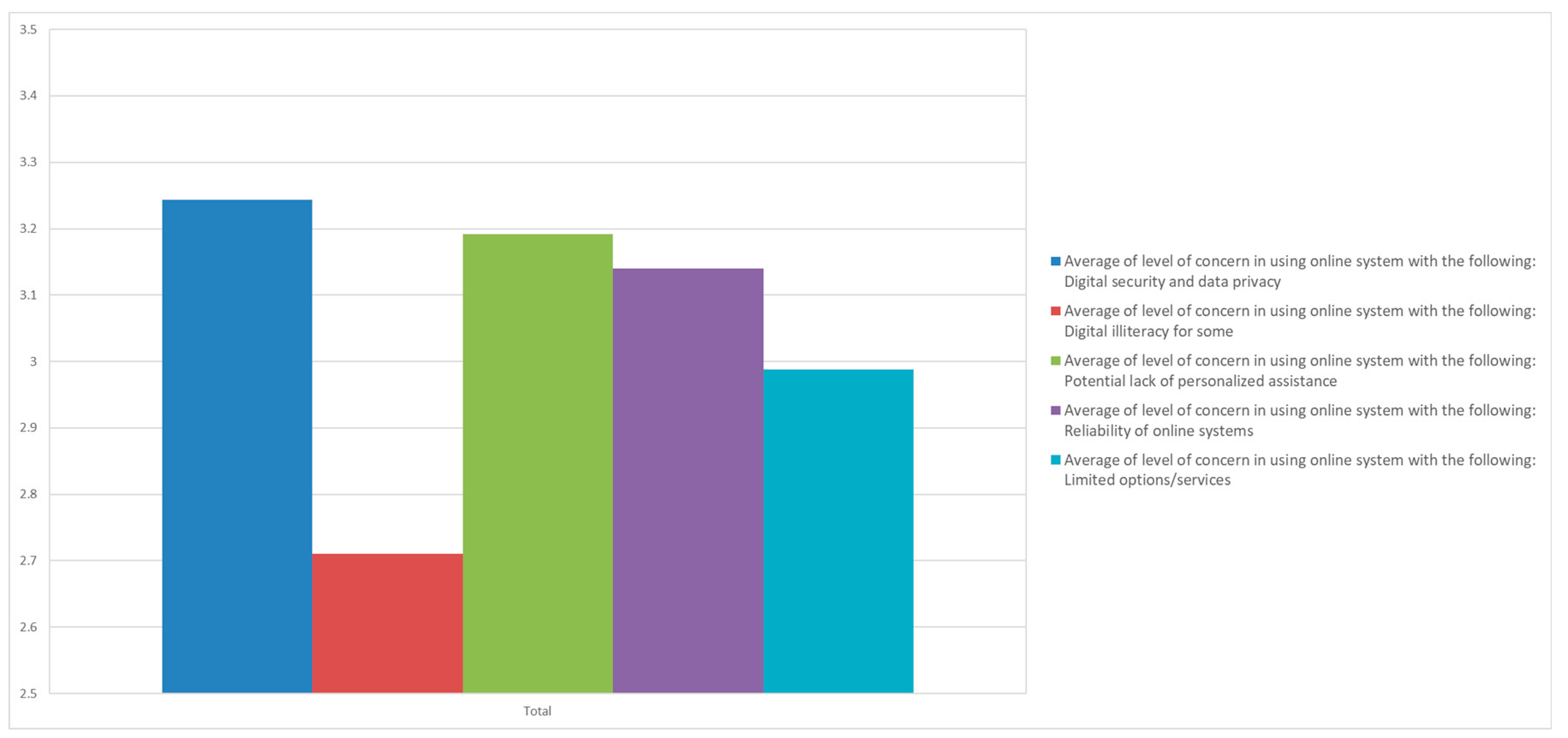
Free zones and technology parks have significantly promoted entrepreneurship globally[60]. A specific portion of the survey focused on the proposed ENT-Q free zone and the potential advantages it could offer to Qatar's entrepreneurial ecosystem. Respondents overwhelmingly identified the simplification and streamlining of the business process as the most significant benefit of the ENT-Q free zone. This aligns with previous findings highlighting the complexities and challenges of Qatar's current business processes. Conversely, global mentorship and access to international expertise were perceived as less significant benefits of the free zone. Figure 11 presents a summarized view of these findings. These results underscore a clear need and a positive perspective towards establishing a geographically unconstrained free zone in Qatar. The findings suggest that such an initiative is desired and anticipated to address significant existing challenges. This positive outlook can be leveraged to advocate for governmental support in establishing the ENT-Q free zone.
Figure 11.
Perceived Benefits of Ent-Q.
4.4. Ryadah: online platform for all business processes under Ent-Q
Ryadah is envisioned as a comprehensive online platform designed to facilitate and accelerate the broader application of the Entrepreneurship-Qatar (Ent-Q) program. Its primary objective is to support the growth and connectivity of Qatar's entrepreneurs, mentors, investors, government, and supporting agencies. The platform aims to provide a centralized portal for all business-related services and needs, enhancing the accessibility and efficiency of these services for entrepreneurs. Critical features of Ryadah include:
- 1)
- Comprehensive Government and Banking Integration: Ryadah will facilitate online processing for government-related activities (registrations, renewals, visas, tax cards) and integrate banking services for loan applications, monetary changes, and salary transfers. It also includes a secure e-check system for payments and legal follow-up for non-payment cases.
- 2)
- Financial Management and Notifications: The platform will allow for the payment of various company bills (utilities, salaries, fees, taxes, rents) and provide timely notifications, reminders, and alerts for important deadlines, legal document expirations, new tenders, and payments.
- 3)
- Business Information and Operational Services: Ryadah will serve as a repository for crucial business data (market size, new companies, average salaries) and provide operational services like transferring sponsorship, exit permits, and service requests.
- 4)
- Agency Services and Tendering Interface: It will offer various agency-related services (courses, funding, accounting, investor relations, events) through a single interface, focusing on service availability rather than provider identity. Additionally, there will be a tendering interface for application and participation in tenders, with government oversight to support local startups.
- 5)
- Educational Resources: The platform will include tutorials, FAQs, and online support to assist entrepreneurs in navigating and utilizing the platform effectively.
Overall, Ryadah is designed to streamline processes and services for entrepreneurs, focusing on service availability and details, thereby allowing entrepreneurs to concentrate more on their business growth and less on bureaucratic procedures.
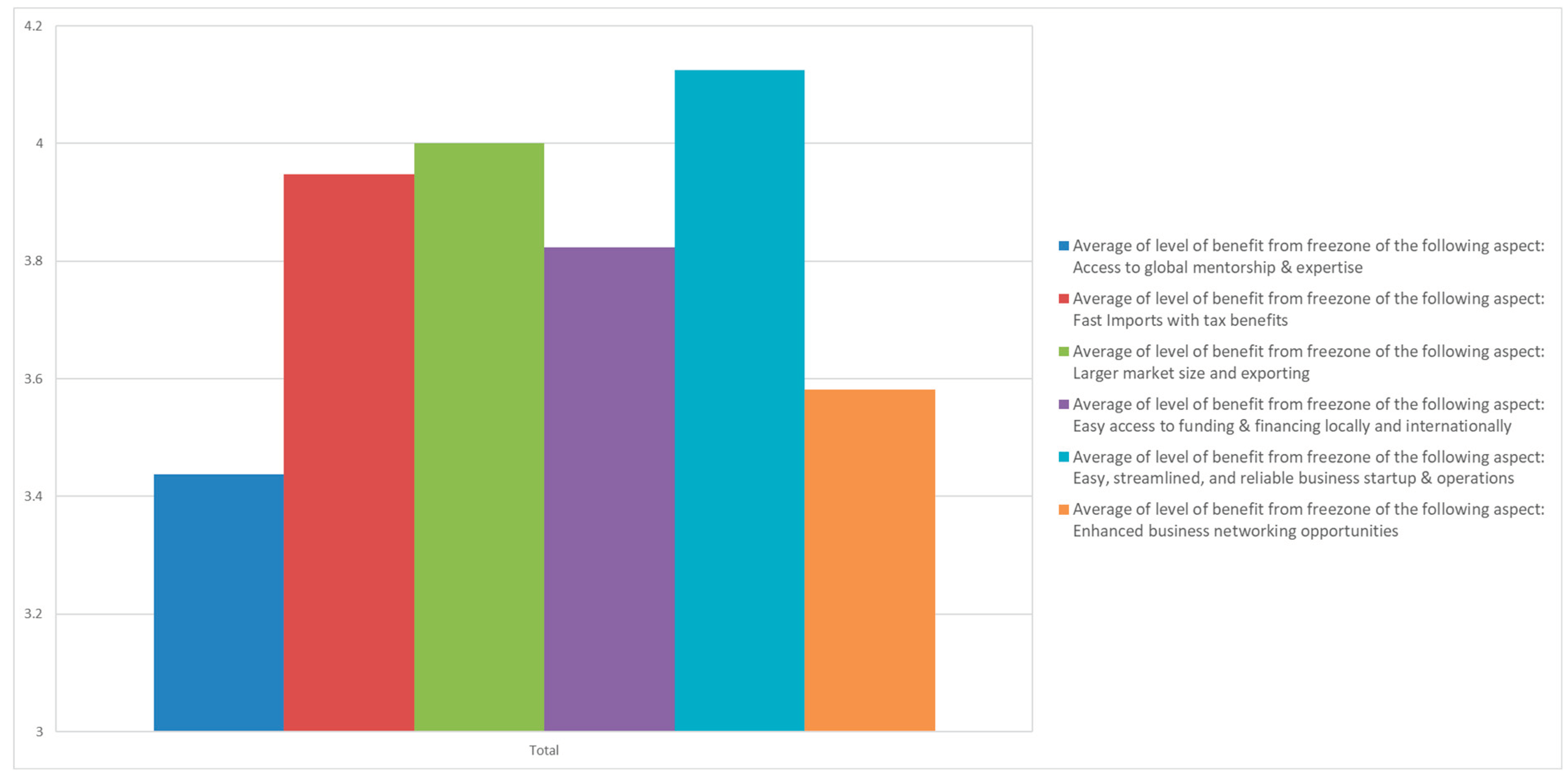
Respondents were most concerned with digital security and lack of personalized services when asked about their concerns about having an online platform for all business needs. They were least concerned with digital illiteracy, as seen in Figure 10. This is expected because most respondents are of a relatively younger age group with more knowledge of online systems. These insights emphasize the importance of prioritizing security and privacy in developing the Ryadah platform. A model for this approach can be seen in the Metrash2 application, which securely delivers all Ministry of Interior (MOI) services to the public [61]. Additionally, it is suggested that Ryadah include an online support feature within the app. This would cater to specific requests or needs outside the standard service offerings, ensuring a more tailored and user-friendly experience for all users.
Figure 10.
Level of concern with different aspects of Ryadah.
4.5. Recommendations, Roadmap, and Impact Analysis
In order to further address the challenges and constraints in the entrepreneurial ecosystem in Qatar, specific recommendations were made to different players; those recommended actions will later be proposed through a roadmap along with an impact assessment for each action item.
4.5.1. Recommendations for Government:
Integrate Entrepreneurship into Education [1]: Incorporate entrepreneurship into academic curricula at various levels to foster a culture of entrepreneurship and develop future leaders.
Increase Access to Business Information [2]: Provide detailed data on imports, exports, market needs, and economic trends to assist entrepreneurs in making informed decisions.
Simplify Policies and Procedures [3]: Streamline the process of starting and operating a business with clear, accessible information and digital solutions.
Develop the Legal System [4]: Implement a dedicated commercial legal process for swift resolution of disputes and provide legal support for small businesses against larger entities.
Establish ENTQ Free Zones [5]: Create additional free zones with controlled rents to reduce overhead costs for entrepreneurs.
Establish Ryadah [6]: Develop an all-in-one platform for all business needs to help facilitate all entrepreneur's needs.
Figure 12 above shows the road map and impact assessment of Government actions. ENT-Q and Ryadah are expected to have the highest impact since they tackle multiple hurdles in the ecosystem at once. They are expected to need between 2-3 years for implementation due to the complexity of the development. Simplifying the policies and procedures and increasing access to information are low-hanging fruits, as they are expected to impact the ecosystem positively and are relatively easy to implement. Integrating entrepreneurship into the education system is a high-impact action, but it will require time to build and accommodate entrepreneurship courses into the curriculum. Development of the legal system is also impactful, as seen from the survey results, but will require a moderate amount of time to improve the system.
4.5.2. Recommendations for Supporting Agencies:
Clarity in Financing Criteria [1]: Ensure transparency in the selection process for financial support to avoid nepotism and provide fair opportunities.
Select Committee Members Wisely [2]: Include entrepreneurs in committees to assess startup ideas, leveraging their risk-taking experience and business insight.
Enhance Networking Events [3]: Organize frequent networking events to connect entrepreneurs, mentors, and investors for potential partnerships.
Apply non-disclosure agreements (NDAs) [4]: Use NDAs when dealing with entrepreneurs with innovative ideas to help protect the idea and increase the confidence/trust of applicants.
Provide Tailored Mentoring and Training [5]: Offer continuous and locally relevant entrepreneurship training and mentoring covering essential skills and knowledge.
Figure 13 above shows the road map and impact assessment of supporting agencies' actions. Clarification of financing criteria is expected to yield the highest impact due to the significant need for financing support, as seen in the survey. It is not expected to require a long time for implementation, as the criteria are already there; it is just a matter of having more clarity and transparency in its implementation. The rest of the recommendations are expected to have a moderate impact while not requiring a long time for implementation.
4.5.3. Recommendations for Entrepreneurs and the Business Sector:
Leverage Connections/Networks [1]: Build networks in critical areas to facilitate business establishment and growth.
Utilize Family Experience [2]: Don't hesitate to use resources and knowledge from family members with entrepreneurship experience.
Align Business with Passion and Expertise [3]: Focus on business fields that match personal expertise and passion.
Implementation of lean concept [4]: Use the lean concept while developing businesses to increase business survivability and decrease risk
Help develop and train experts [5]: Support the ecosystem by investing in people and developing experts
Develop entrepreneurship culture [6]: positive outlook toward working in private sectors, failed entrepreneurs, Risk-taking, and innovation.
Figure 14 above shows the road map and impact assessment of entrepreneurs and business sector actions. However, the development of an entrepreneurship culture has the highest impact. It also requires the most time due to its complexity and the requirement for significant effort by all key players in the ecosystem. The rest of the recommendations are all of medium impact due to the localized impact on a person/group/sector instead of the whole ecosystem.
5. Conclusions, limitations, and recommendations for future research
This paper has provides a comprehensive explanation on the status, issues, challenges and recommendations for entrepreneurship in resource-based economies, with a particular focus on Qatar. Building on previous studies, it uses a mix of explanatory and quantitative methods to refine and validate a framework for enhancing entrepreneurship in such economies. The study's key insights include:
Entrepreneurship's Role in Economic and Social Development: Entrepreneurship plays a vital role in the economic and social development of resource-based economies, particularly those transitioning towards sustainability. In these economies, entrepreneurship's primary focus is on diversifying revenue streams, fostering economic independence, and generating employment opportunities, rather than merely increasing total revenue.
Government Policies for Entrepreneurial Growth: Effective government policies are essential for nurturing entrepreneurship. Simplifying business processes and refining the legal system are key steps to create a conducive environment for entrepreneurial ventures in Qatar. Enhancing these policies will address one of the major barriers to entrepreneurship in the state.
Cultural and Social Dynamics in Entrepreneurship: In Qatar, the complex relationship between socio-cultural factors and entrepreneurship cannot be overlooked. Understanding local contexts is crucial, especially considering unique challenges faced by women entrepreneurs in Qatar's cultural landscape. Additionally, the entrepreneurial drive in Qatar is predominantly opportunity-based rather than necessity-driven, a context that should be factored into initiatives aimed at stimulating entrepreneurial engagement.
Financial Support and Incubation for Entrepreneurs: Accessible financial support and efficient incubation programs are fundamental in fostering robust entrepreneurial activity in Qatar. Adapting alternative finance models to suit entrepreneurial needs can eliminate significant financial barriers, enabling more dynamic entrepreneurial development.
Innovation, Technology, and Digitization in Entrepreneurship: Innovation and technology are pivotal in driving entrepreneurship, with a particular emphasis on digital transformation and regulatory frameworks. Leveraging technology and digitization to develop robust online systems and applications that can connect entrepreneurs with key stakeholders, facilitating their business processes and meeting their needs more effectively.
Impact of Entrepreneurial Education: Tailoring the education system to include entrepreneurial studies is crucial for fostering innovation and aligning with Qatar's national development goals. Integrating entrepreneurship into the education system acts as a major catalyst, potentially increasing both the quantity and quality of entrepreneurs, thereby enhancing the overall entrepreneurial ecosystem.
Networking and Collaboration for Entrepreneurial Success: The importance of networks and collaboration in providing resources and opportunities for entrepreneurs is significant. Establishing connections between entrepreneurs, major stakeholders, and investors is vital for identifying opportunities, acquiring key partnerships, and gaining essential knowledge for development.
Global Entrepreneurship and Qatar's International Ambitions: Qatar aims to enhance its role in the global entrepreneurial landscape, necessitating policies that support international market entry and cross-border partnerships. Given its small population and market size, Qatar needs to strengthen its international collaborations and facilitate entry into global markets.
The study concludes with strategic recommendations for various stakeholders, including the government, supporting agencies, and entrepreneurs. Key proposals include the establishment of the Ent-Q Free Zone and the Ryadah platform, designed to address multiple challenges in Qatar's entrepreneurial ecosystem.
List of major recommendations are highlighted below for each stakeholder:
Recommendations for Government:
- Integrate Entrepreneurship into Education
- Increase Access to Business Information
- Simplify Policies and Procedures
- Develop the Legal System
- Establish ENTQ Free zone
- Establish Ryadah
Recommendations for Supporting Agencies:
- Clarity in Financing Criteria
- Select Committee Members Wisely
- Enhance Networking Events
- Apply non-disclosure agreements (NDAs)
- Provide Tailored Mentoring and Training
Recommendations for Entrepreneurs and the Business Sector:
- Leverage Connections/Networks
- Utilize Family Experience
- Align Business with Passion and Expertise
- Implementation of lean concept
- Help develop and train experts
- Develop entrepreneurship culture
The roadmap and impact assessment outlined in the study highlights the potential benefits and implementation timelines of these recommendations. They suggest significant positive impacts on the entrepreneurial landscape, including increased efficiency in policymaking, growth in the number and quality of entrepreneurs, reduced unemployment, and greater economic diversification.
In conclusion, this research contributes to a deeper understanding of the entrepreneurial dynamics in resource-based economies along with context specific requirements. It provides actionable strategies for nurturing entrepreneurship in Qatar and similar countries, paving the way for sustainable economic development and diversification.
Supplementary Materials
The following supporting information can be downloaded at the website of this paper posted on Preprints.org.
References
- Global Entrepreneurship Monitor 2020, 2020.
- ACCESS TO CAPITAL for Access to Capital for Entrepreneurs: Removing Barriers, (2019).
- World Bank SME Finance, (n.d.). https://www.worldbank.org/en/topic/smefinance (accessed December 30, 2023).
- M.I. Al-Housani, M. Koç, M.S. Al-Sada, Investigations on Entrepreneurship Needs, Challenges, and Models for Countries in Transition to Sustainable Development from Resource-Based Economy—Qatar as a Case, Sustainability 2023, Vol. 15, Page 7537 15 (2023) 7537. [CrossRef]
- Creswell JW, Creswell JD, Research Design: Qualitative, Quantitative, and Mixed Methods Approaches., (n.d.).
- Z.J. Acs, E. Stam, D.B. Audretsch, A. O’Connor, The Lineages of the Entrepreneurial Ecosystem Approach, Small Business Economics 49 (2017). [CrossRef]
- E. Stam, A. van de Ven, Entrepreneurial Ecosystem Elements, Small Business Economics 53 (2019).
- E. Autio, S. Nambisan, L.D.W. Thomas, M. Wright, Digital Affordances, Spatial Affordances, and the Genesis of Entrepreneurial Ecosystems, Strategic Entrepreneurship Journal 12 (2018). [CrossRef]
- M. Wright, D.S. Siegel, P. Mustar, An Emerging Ecosystem for Student Start-Ups, Journal of Technology Transfer 42 (2017). [CrossRef]
- General Secretarian For Development Planning, Qatar national Vision 2030, Doha, 2008. www.planning.gov.qa.
- Qatar Development Bank, Qatar Development Bank Annual Report, 2018.
- Qatar Science, T. Park, Qatar Science and Technology Park: Annual Report, (2017).
- D.B. Audretsch, I. Grilo, A.R. Thurik, Explaining Entrepreneurship and the Role of Policy: A Framework, in: Handbook of Research on Entrepreneurship Policy, 2007.
- M. Mazzucato, C.C.R. Penna, The Brazilian Innovation System: A Mission-Oriented Policy Proposal, (2016).
- S.A. Alvarez, J.B. Barney, A.M. Newman, The poverty problem and the industrialization solution, Asia Pacific Journal of Management 32 (2015). [CrossRef]
- Z.J. Acs, J.E. Amorós, Entrepreneurship and Competitiveness Dynamics in Latin America, Small Business Economics 49 (2008). [CrossRef]
- M. Wright, I. Stigliani, Entrepreneurship and Growth, International Small Business Journal 31 (2013).
- Y. Jiang, M.W. Peng, X. Yang, C.C. Mutlu, Family Firms and Entrepreneurial Orientation in Publicly Traded Firms: A Comparative Analysis of the S&P 500, Family Business Review 31 (2009).
- R. Basco, I. Bartkeviciute, Family Business and Regional Development—A Theoretical Model of Regional Familiness, Journal of Family Business Strategy 11 (2015).
- H.E. Aldrich, J.E. Cliff, The Pervasive Effects of Family on Entrepreneurship: Toward a Family Embeddedness Perspective, J Bus Ventur 18 (2003). [CrossRef]
- M. Obschonka, M. Stuetzer, Integrating Psychological Approaches to Entrepreneurship: The Entrepreneurial Personality System (EPS), Small Business Economics 49 (2017). [CrossRef]
- J. Levie, E. Autio, Management of Entrepreneurial Ecosystems, International Small Business Journal (2017).
- V.K. Gupta, D.B. Turban, S.A. Wasti, A. Sikdar, The Role of Gender Stereotypes in Perceptions of Entrepreneurs and Intentions to Become an Entrepreneur, Entrepreneurship Theory and Practice (2009). [CrossRef]
- M. Schindehutte, M.H. Morris, Advancing Strategic Entrepreneurship Research: The Role of Complexity Science in Shifting the Paradigm, (2009). [CrossRef]
- El Tiby, Amr Mohamed, Grais Wafik, Islamic Finance and Economic Development: Risk, Regulation, and Corporate Governance, Wiley, 2015.
- C. Mason, R. Harrison, Business Angel Investment Activity in the Financial Crisis: UK Evidence and Policy Implications, Environ Plann C Gov Policy (2014). [CrossRef]
- C. Pauwels, B. Clarysse, M. Wright, J. Van Hove, Understanding a New Generation Incubation Model: The Accelerator, Technovation 50 (2016). [CrossRef]
- J.P. Hausberg, S. Korreck, Business incubators and accelerators: a co-citation analysis-based, systematic literature review, Journal of Technology Transfer 45 (2020). [CrossRef]
- S.A. Zahra, M. Wright, Understanding the Social Role of Entrepreneurship, Journal of Management Studies 53 (2016). [CrossRef]
- M. Wright, I. Stigliani, Entrepreneurship and Growth, International Small Business Journal (2012).
- E. Autio, H. Rannikko, Retaining Winners: Can Policy Boost High-Growth Entrepreneurship?, Res Policy 45 (2016) 42–55. [CrossRef]
- G. Nabi, F. Liñán, A. Fayolle, N. Krueger, A. Walmsley, The Impact of Entrepreneurship Education in Higher Education: A Systematic Review and Research Agenda, Academy of Management Learning & Education 16 (2017). [CrossRef]
- Fayolle, Personal Views on the Future of Entrepreneurship Education, Entrepreneurship & Regional Development 30 (2018).
- L. Pittaway, J. Cope, Entrepreneurship Education: A Systematic Review of the Evidence, International Small Business Journal 25 (2007).
- B. Colin Mason, R. Brown, ENTREPRENEURIAL ECOSYSTEMS AND GROWTH ORIENTED ENTREPRENEURSHIP, (n.d.).
- D.S. Siegel, M. Wright, Academic Entrepreneurship: Time for a Rethink?, British Journal of Management 26 (2015). [CrossRef]
- M. Guerrero, J.A. Cunningham, D. Urbano, Economic Impact of Entrepreneurial Universities’ Activities: An Exploratory Study of the United Kingdom, Res Policy (2010). [CrossRef]
- H. Etzkowitz, The triple helix : university-industry-government innovation in action, (2008).
- I. Prodan, M. Drnovsek, Conceptualizing Academic-Entrepreneurial Intentions: An Empirical Test, Technovation 64–65 (2017).
- E. Stam, Entrepreneurial Ecosystems and Regional Policy: A Sympathetic Critique, Eur. Plan. Stud. 23 (2015). [CrossRef]
- B. Honig, P. Davidsson, THE ROLE OF SOCIAL AND HUMAN CAPITAL AMONG NASCENT ENTREPRENEURS., Academy of Management Proceedings 2000 (2000) B1–B6. [CrossRef]
- E. Autio, S. Nambisan, L.D.W. Thomas, M. Wright, Digital Affordances, Spatial Affordances, and the Genesis of Entrepreneurial Ecosystems, Strateg. Entrep. J. 12 (2018).
- S. Nambisan, D. Siegel, M. Kenney, On open innovation, platforms, and entrepreneurship, Strategic Entrepreneurship Journal 12 (2018) 354–368. [CrossRef]
- Drori, B. Honig, M. Wright, Transnational Entrepreneurship: An Emergent Field of Study, Entrep. Theory Pract. 31 (2016). [CrossRef]
- S. Terjesen, J. Hessels, D. Li, Comparative International Entrepreneurship: A Review and Research Agenda, J. Manag. 42 (2016).
- S.A. Zahra, M. Wright, Understanding the Social Role of Entrepreneurship, J. Manag. Stud. 53 (2016) 610–629. [CrossRef]
- S.T. Cavusgil, G. Knight, The Born Global Firm: An Entrepreneurial and Capabilities Perspective on Early and Rapid Internationalization, J. Int. Bus. Stud. 46 (2015) 3–16. [CrossRef]
- G. Knight, P.W. Liesch, Internationalization: From Incremental to Born Global, J. World Bus. 51 (2016) 93–102. [CrossRef]
- L.P. Dana, H. Etemad, R.W. Wright, Toward a Paradigm of International Business: The Importance of Globalization, Int. Bus. Rev. 25 (2016) 905–916.
- N. Coviello, L. Kano, P.W. Liesch, Adapting the Uppsala Model to a Modern World: Macro-context and Microfoundations, J. Int. Bus. Stud. 48 (2017) 1151–1164. [CrossRef]
- wildpixel, GEM 2020/2021, (2021). http://www.witchwoodhouse.com (accessed November 17, 2021).
- QDB, «Global Entrepreneurship Monitor», QDB (n.d.).
- QDB, Small and Medium Enterprise (SME) Toolkit, 2017. https://www.qdb.qa/en/Documents/QDB%20SME%20Toolkit%20-%2025%209%202017.pdf (accessed March 9, 2020).
- E. Yi Fong, M. Khata Bin Jabor, A. Halim Zulkifli, M. Riduam Hashim, Challenges Faced by New Entrepreneurs and Suggestions How to Overcome Them, 2020.
- T. Vignesh, G. Yoganandan, TOP FIVE CHALLENGES OF ENTREPRENEURS, n.d. https://www.researchgate.net/publication/344352770.
- M. Al-Qahtani, M.F. Zguir, I. Ari, M. Koç, Female Entrepreneurship for Sustainable Economy and Development—Challenges, Drivers, and Suggested Policies for Resource-Rich Countries, Sustainability 2022, Vol. 14, Page 13412 14 (2022) 13412. [CrossRef]
- M. Al-Qahtani, M.F. Zguir, L. Al-Fagih, M. Koç, Women Entrepreneurship for Sustainability: Investigations on Status, Challenges, Drivers, and Potentials in Qatar, Sustainability (Switzerland) 14 (2022). [CrossRef]
- A.H.F. Salwa, M.H.M. Yahya, A.R. Azila, M. Fidlizan, The Performance of Married and Single-Mother Entrepreneurs: Evidence from Malaysia, Islamic Perspectives Relating to Business, Arts, Culture and Communication (2015) 419–428. [CrossRef]
- J. Alfredo Galindo da Fonseca, C. Berubé, Spouses and Entrepreneurship, (2019).
- P. Bayat, M. Daraei, A. Rahimikia, Designing of an open innovation model in science and technology parks, J Innov Entrep 11 (2022). [CrossRef]
- Metrash2 | Hukoomi Qatar E-Government, (n.d.). https://hukoomi.gov.qa/en/service/metrash2 (accessed January 6, 2024).
Figure 1.
Overall methodology and tools followed in this research.
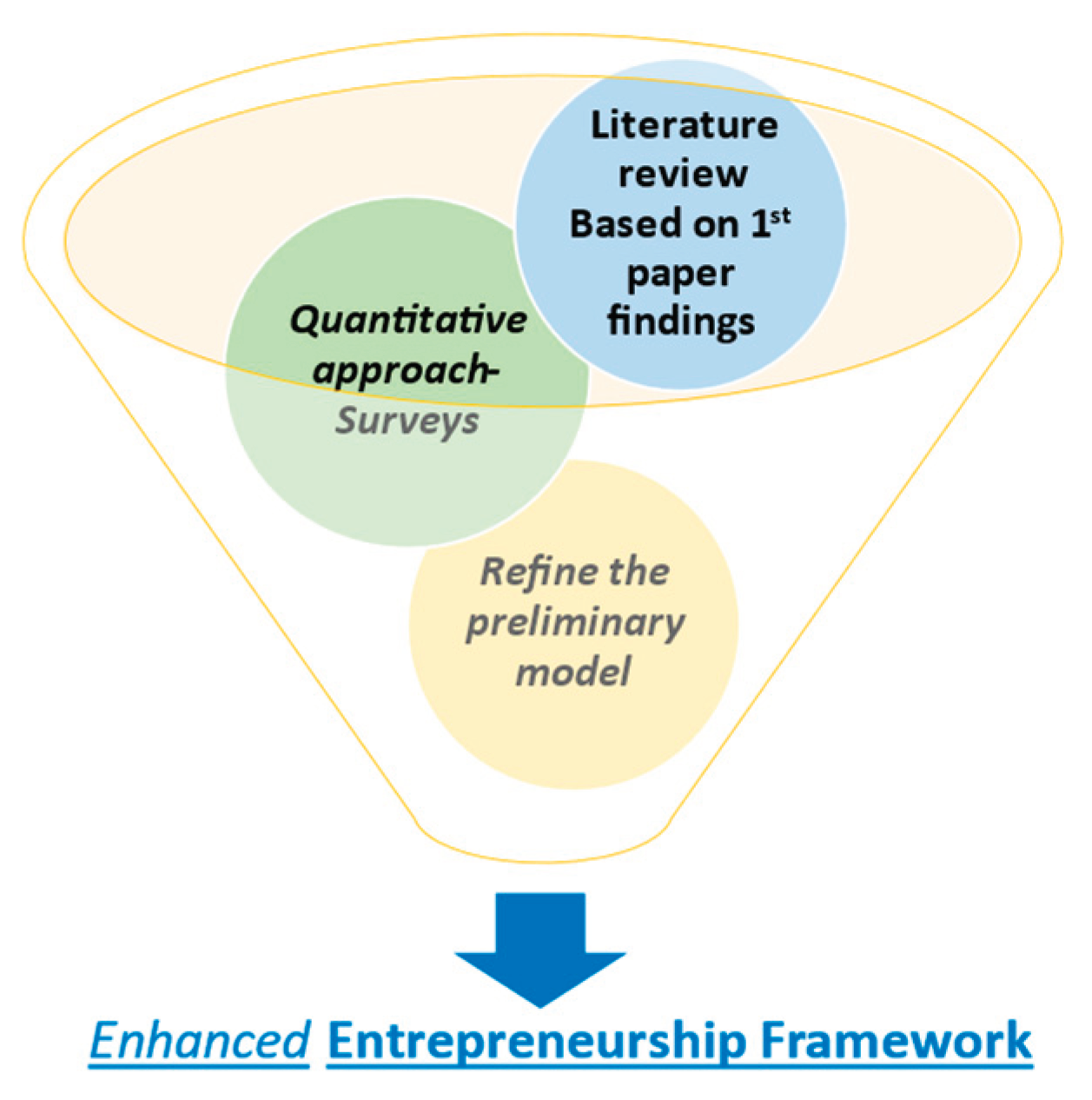
Figure 2.
Challenges resulting in difficulty for people with business experience.
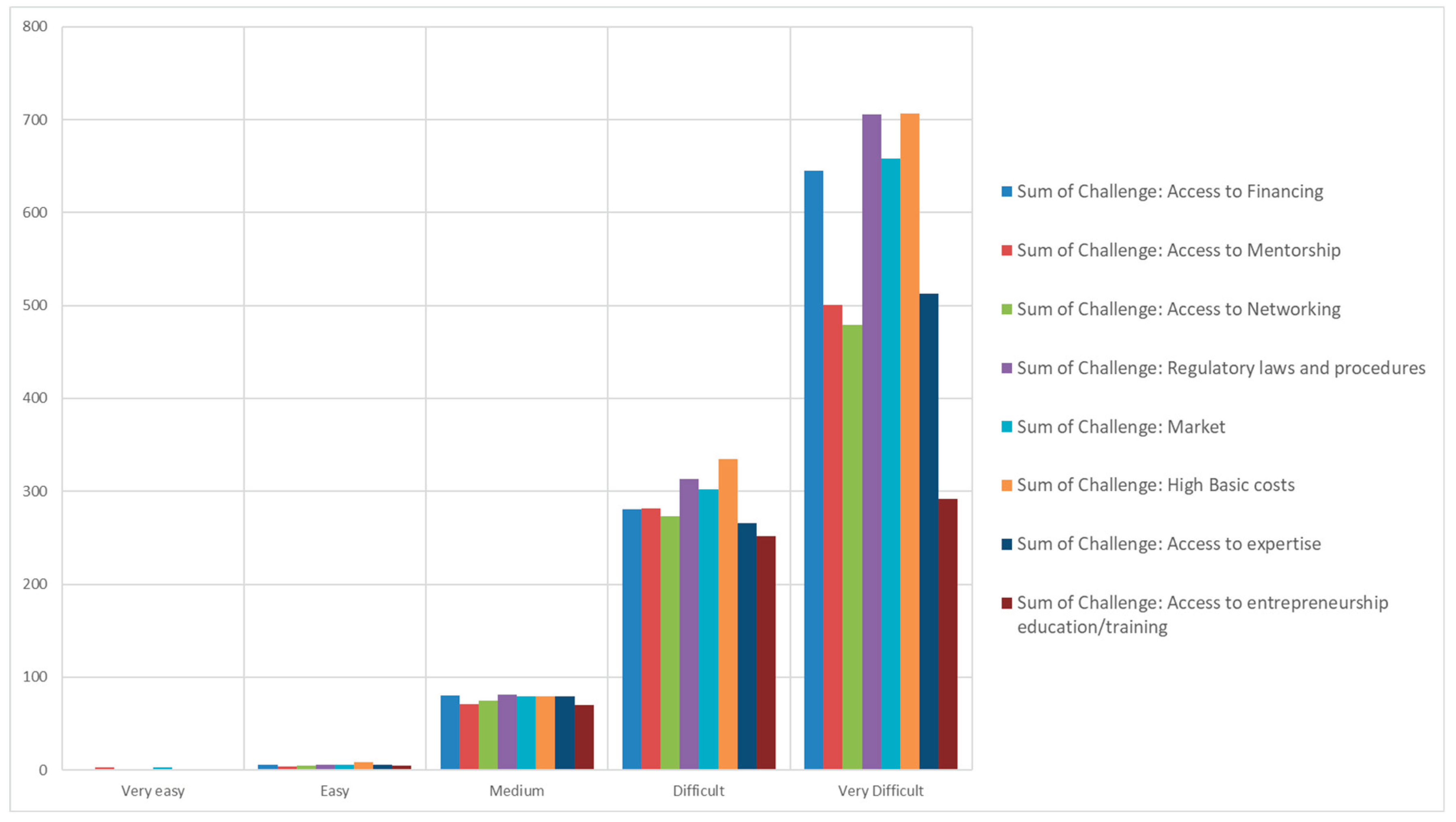
Figure 3.
Entrepreneurship driver Vs age group.
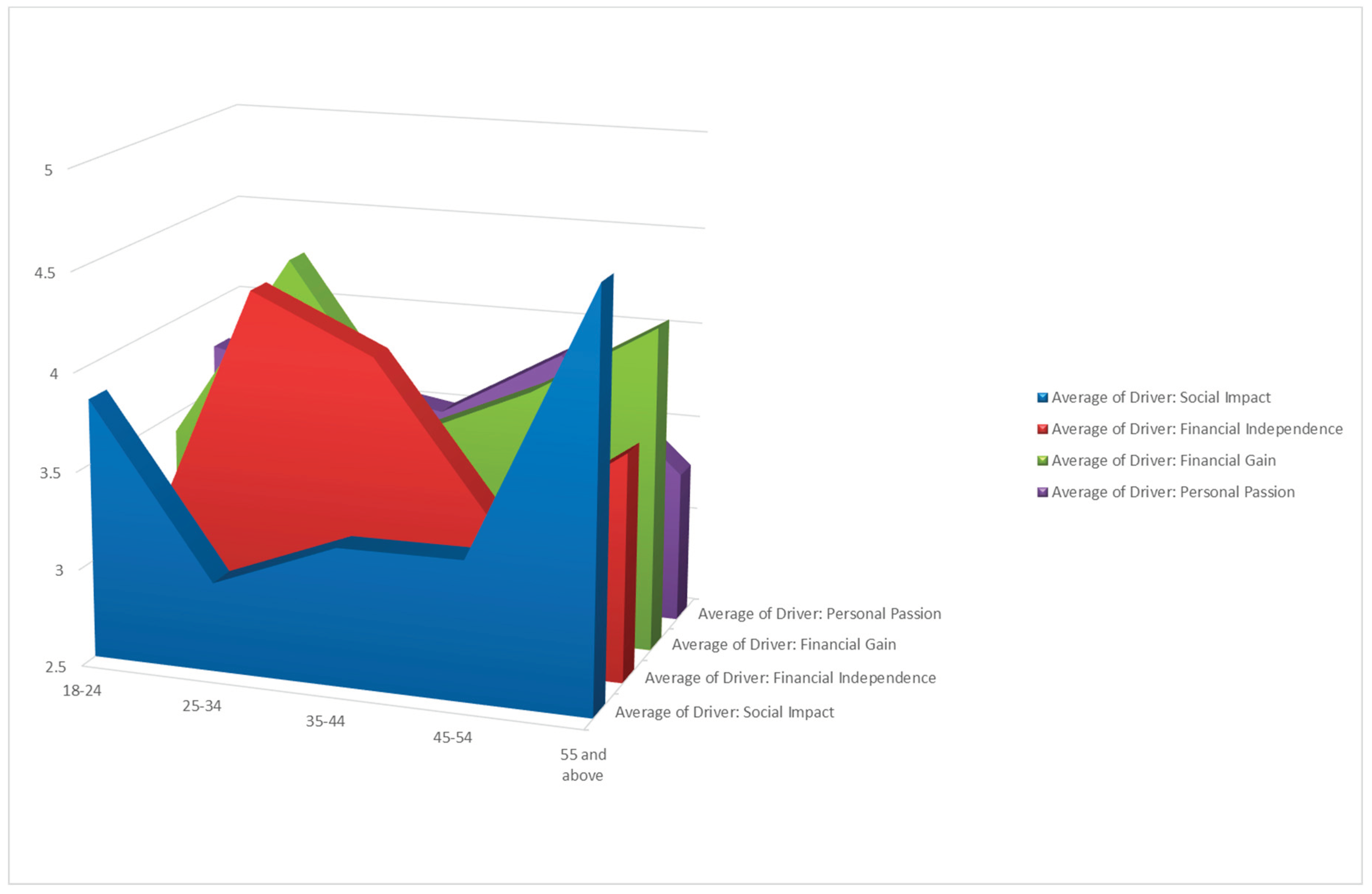
Figure 4.
Enablers Vs. Perception of business difficulty for people with business experience.
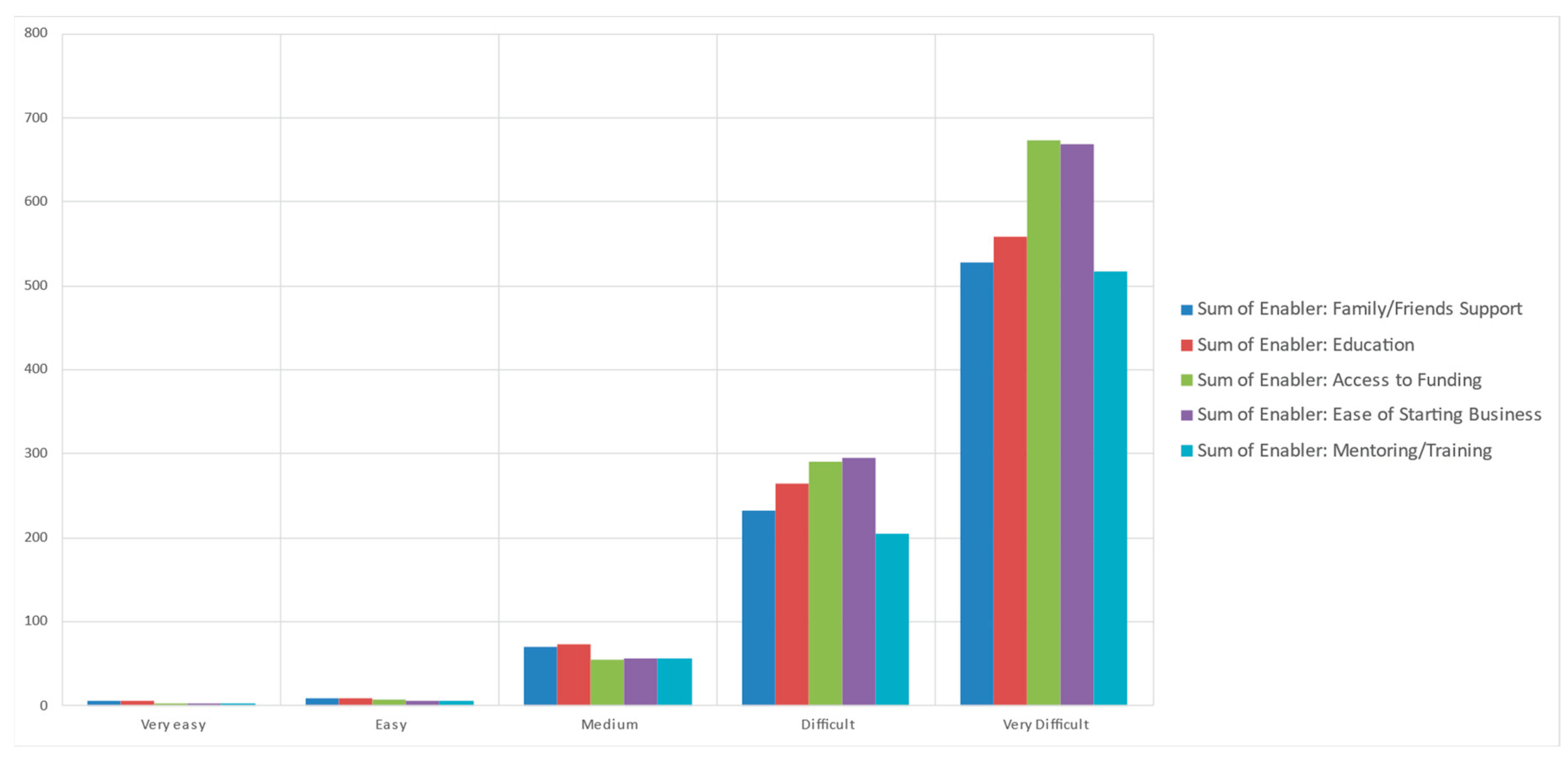
Figure 5.
Enablers Vs. gender.
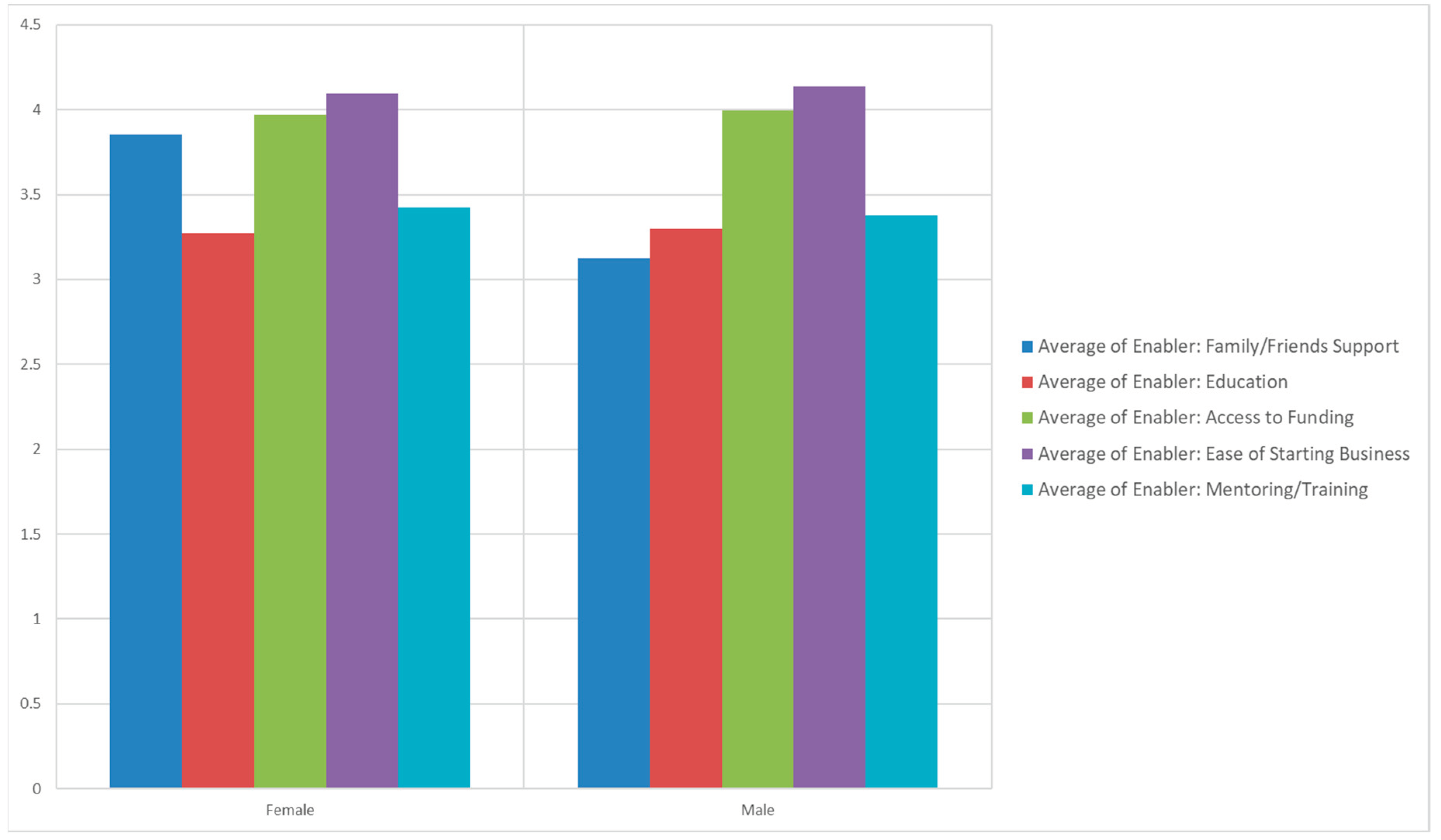
Figure 6.
Preferred financing vs perceived difficulty of starting a business.
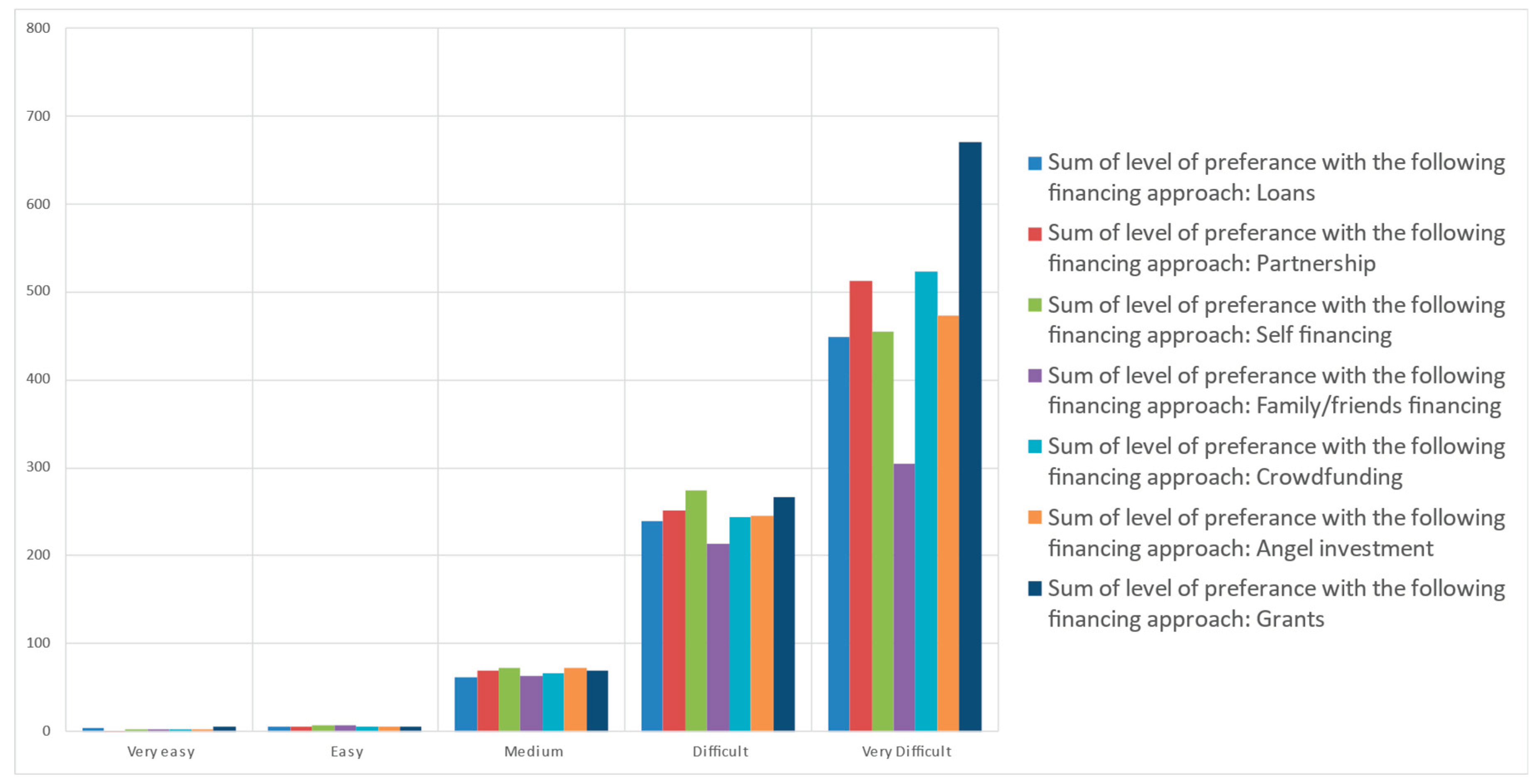
Figure 7.
Satisfaction with Supporting agencies/programs services.
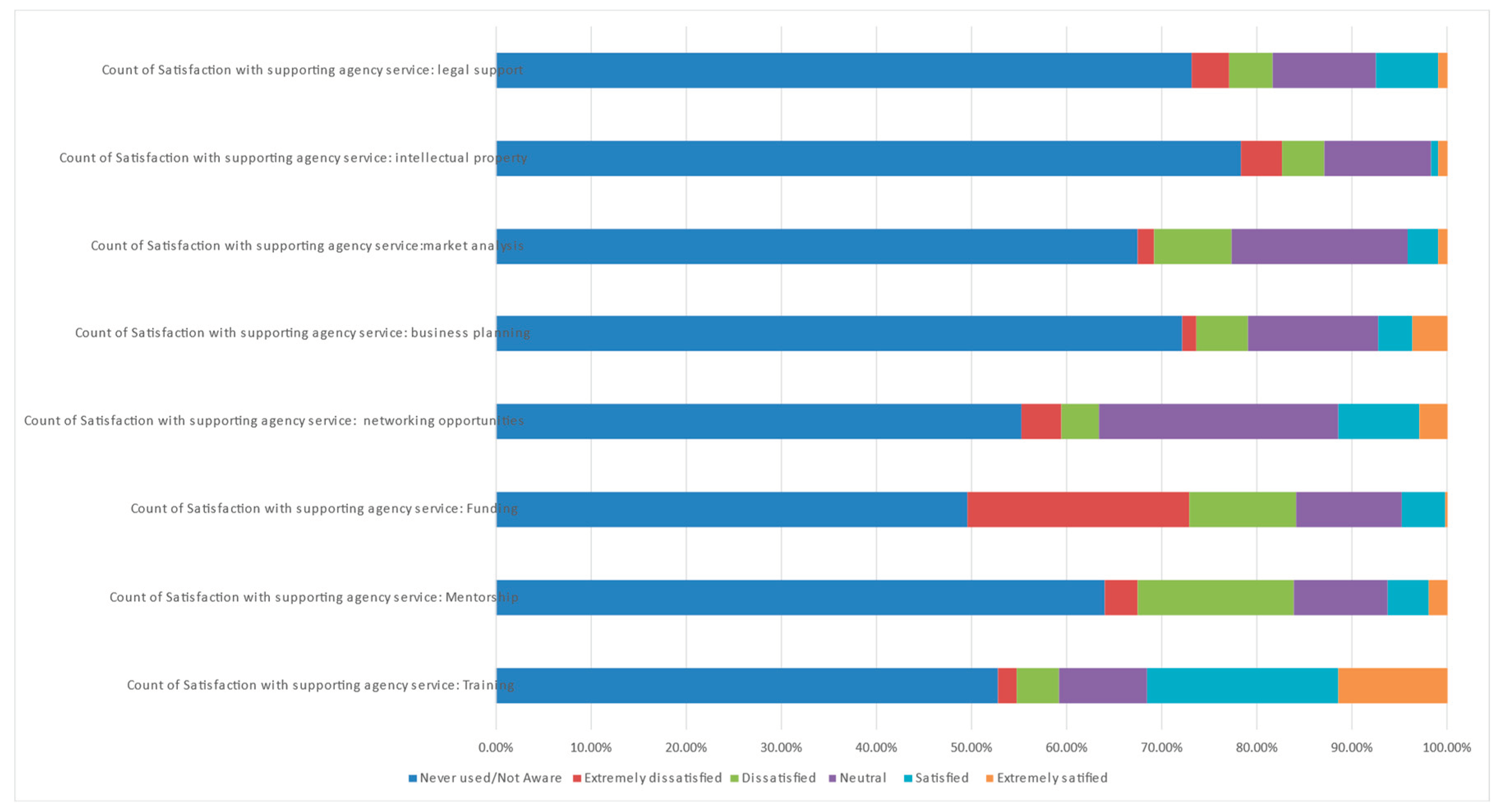
Figure 8.
Enhanced policy framework for Qatar entrepreneurship model (QEM) drawn from interviews and literature review and validated by surveys.
Figure 8.
Enhanced policy framework for Qatar entrepreneurship model (QEM) drawn from interviews and literature review and validated by surveys.
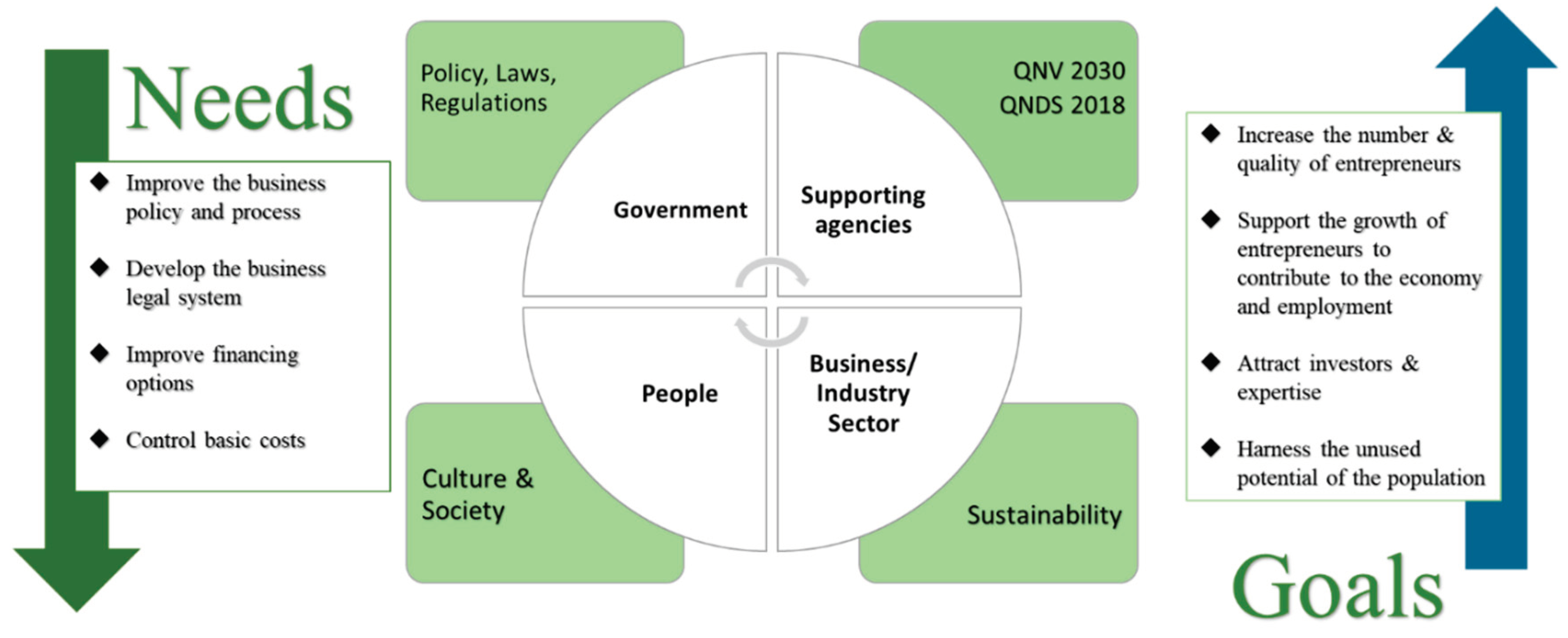
Figure 9.
Validated QEM framework in terms of its key pull and push factors for the business ecosystem.
Figure 9.
Validated QEM framework in terms of its key pull and push factors for the business ecosystem.
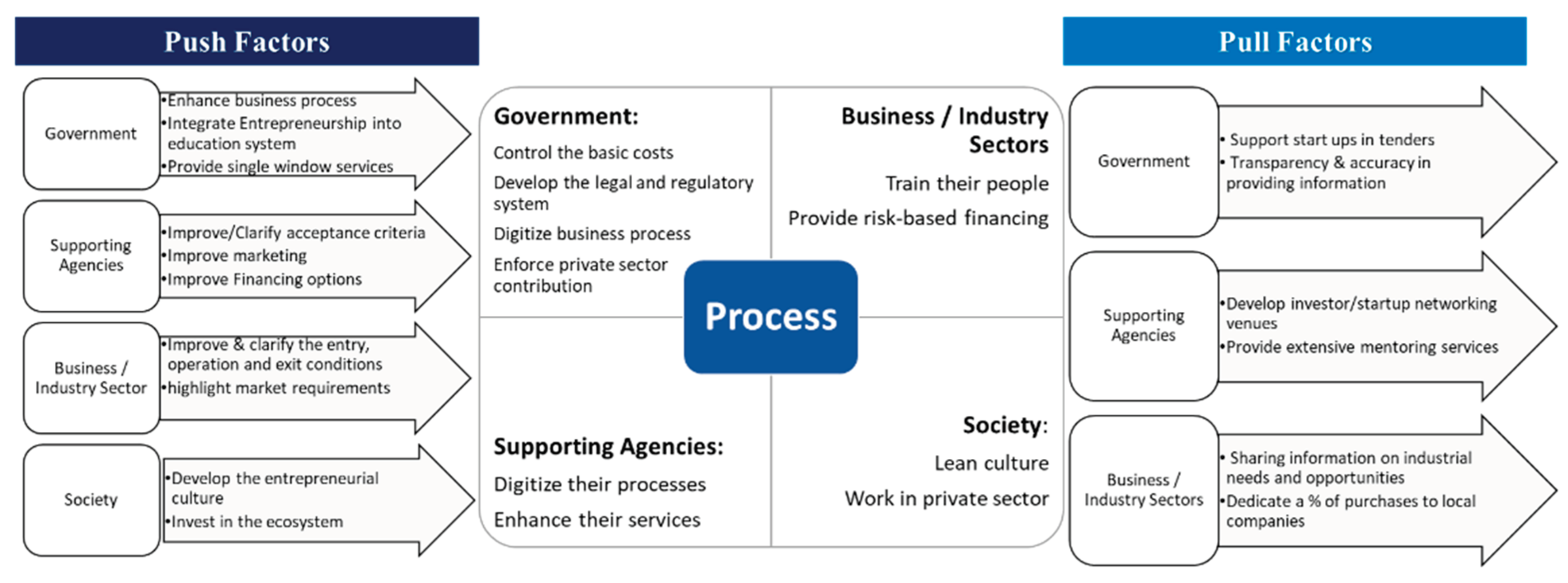
Figure 12.
Road map and Impact assessment of Government actions.
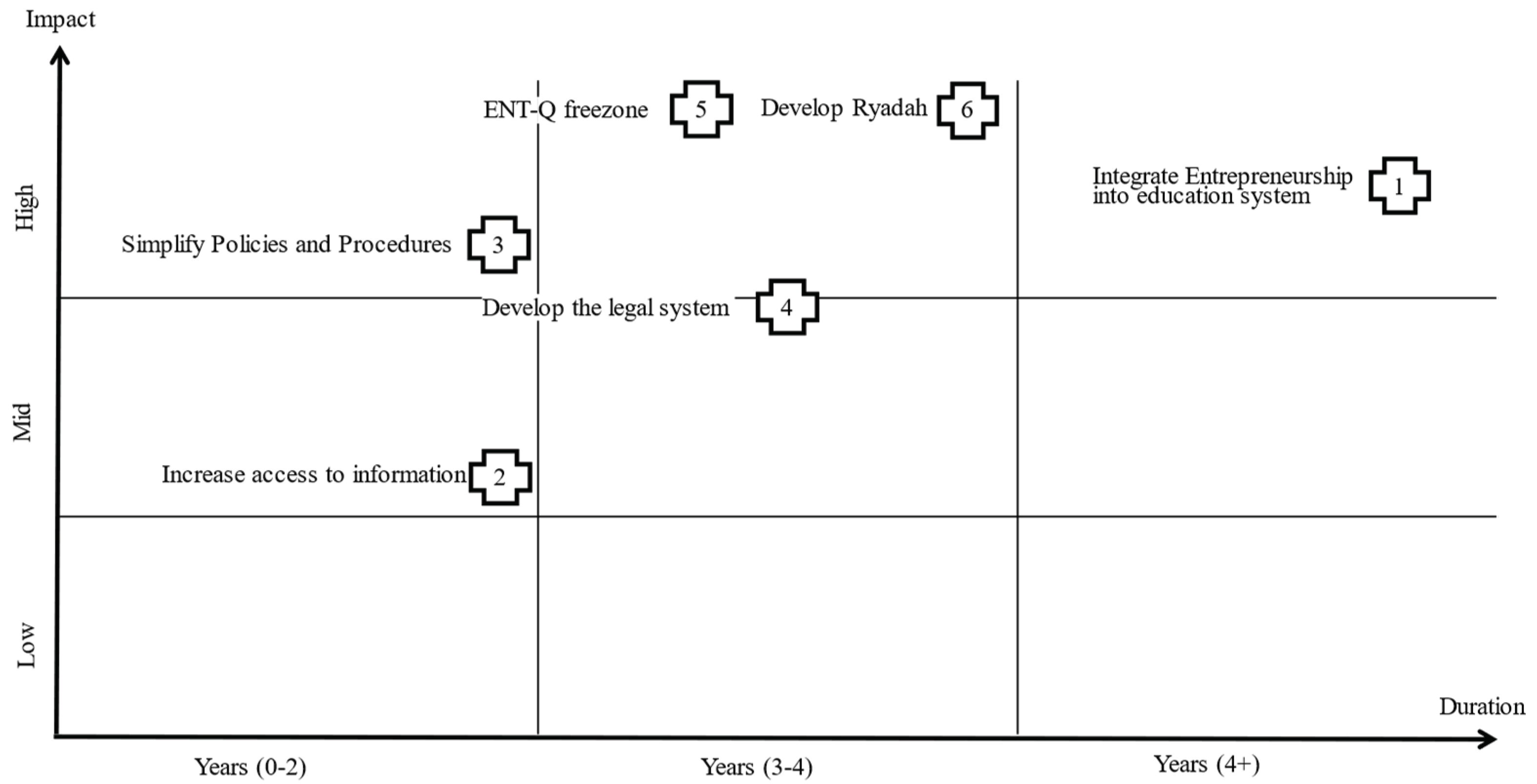
Figure 13.
Road map and Impact assessment of supporting agencies' actions.
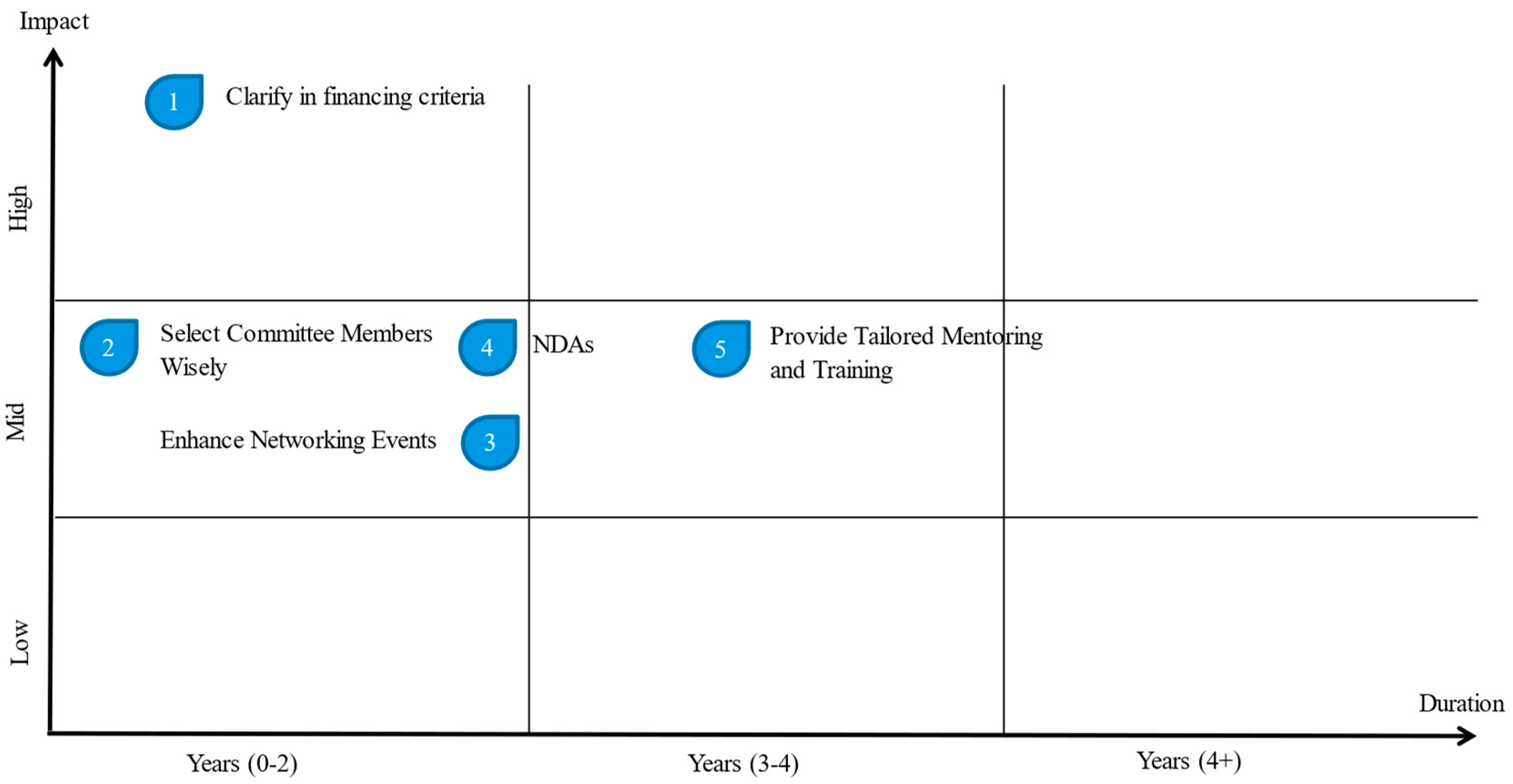
Figure 14.
Road map and Impact assessment of entrepreneurs and business sector actions.
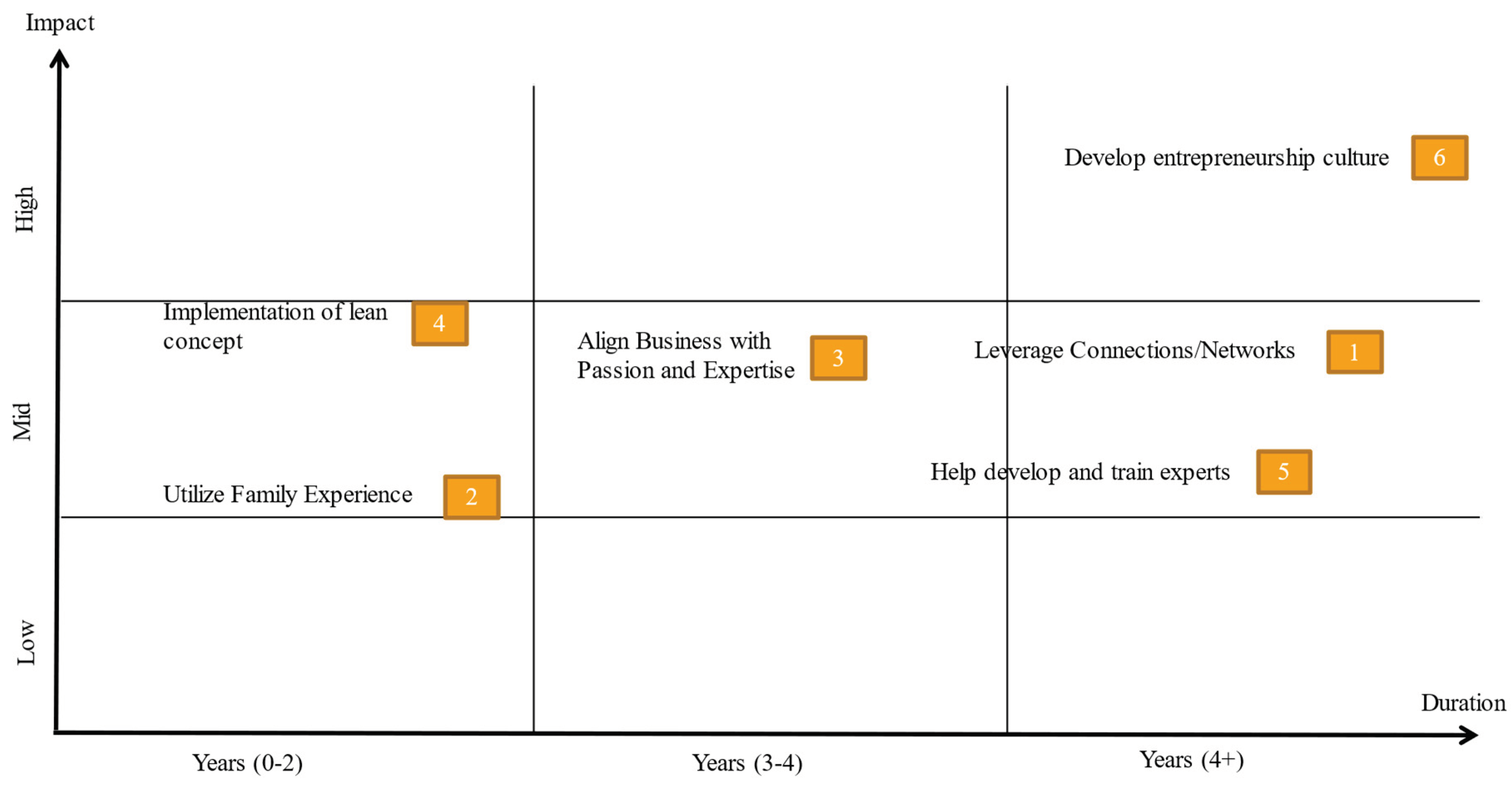

Table 1.
Demography.
| Gender | Female | Male | ||||
| 151 | 251 | |||||
| Nationality | Non-Qatari | Qatari | ||||
| 111 | 291 | |||||
| Marital status | Married | Single | ||||
| 307 | 95 | |||||
| Education level | High school | Bachelor's degree | Master's degree | Doctorate or above | ||
| 38 | 247 | 82 | 35 | |||
| Age | 18-24 | 25-34 | 35-44 | 45-54 | 55 and above | |
| 47 | 158 | 165 | 14 | 18 | ||
| Education background | Art | Science | Business | Engineering | Finance | Others |
| 11 | 26 | 62 | 160 | 22 | 121 | |
| Employment status | Self-employed | Both (Self-employed and employed) | Employed | Student | Unemployed | |
| 9 | 39 | 308 | 45 | 1 | ||
| Business experience | None | 1-3 years | 4-6 years | 7-9 years | 10 years or more | |
| 151 | 139 | 41 | 9 | 62 | ||
Disclaimer/Publisher’s Note: The statements, opinions and data contained in all publications are solely those of the individual author(s) and contributor(s) and not of MDPI and/or the editor(s). MDPI and/or the editor(s) disclaim responsibility for any injury to people or property resulting from any ideas, methods, instructions or products referred to in the content. |
© 2024 by the authors. Licensee MDPI, Basel, Switzerland. This article is an open access article distributed under the terms and conditions of the Creative Commons Attribution (CC BY) license (http://creativecommons.org/licenses/by/4.0/).
Copyright: This open access article is published under a Creative Commons CC BY 4.0 license, which permit the free download, distribution, and reuse, provided that the author and preprint are cited in any reuse.


