

Submitted:
04 December 2025
Posted:
05 December 2025
You are already at the latest version
Abstract
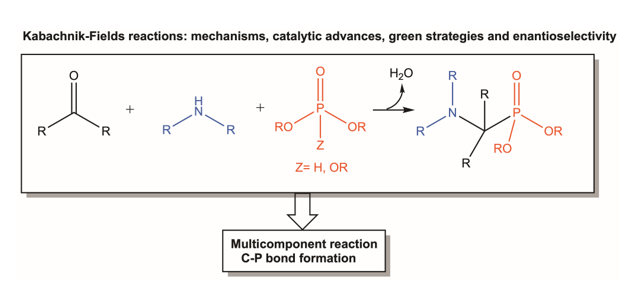
The Kabachnik–Fields (KF) reaction is a versatile three-component condensation of amines, carbonyl compounds, and P–H reagents, enabling efficient synthesis of α-aminophosphonates—key bioactive and functional molecules. This review critically examines the literature of the last 25 years, with the exception of selected mechanistic studies, highlighting mechanistic insights. Advances in catalyst-free methodologies, sustainable synthetic approaches, Lewis and Brønsted acid catalysis are discussed, alongside developments in enantioselective KF reactions in the presence chiral metal complexes or organocatalysts.
Keywords:
Kabachnik–Fields reaction
; multicomponent reactions
; enantioselective synthesis
1. Introduction
During the early 1950s, the field of organophosphorus chemistry experienced significant expansion, particularly in the development of methods for C–P bond formation and the synthesis of P-substituted amino acid analogues. In this context, Kabachnik and Medved [1] reported in 1952 that dialkyl phosphites (or H-phosphonates) react, in the presence of an aldehyde (or ketone) and ammonia (or an amine), to afford α-aminophosphonic acids or their corresponding esters. Independently, in the same year, Fields [2] described a one-pot protocol for the reaction of dialkyl phosphites with aldehydes or ketones and amines, leading to the formation of α-amino phosphonate.
In the following decades, the reaction was systematically refined: mechanistic aspects were elucidated, the substrate scope was expanded to include a wide variety of carbonyl compounds, amines, and phosphorus reagents beyond simple dialkyl phosphites, and environmentally benign as well as catalytic versions were developed. [3,4,5,6]
The Kabachnik–Fields (KF) reaction—also referred to as the phospha-Mannich reaction—can thus be defined as a three-component condensation involving an amine, a carbonyl compound (aldehyde or ketone), and a P–H-containing reagent (typically a dialkyl o diaryl phosphite) to yield α-aminophosphonates or related derivatives. [4,5,6,7] Alternatively, trialkyl or triaryl phosphites have also been employed (Scheme 1).
These products are structural bioisosteres of α-aminoacids (Figure 1) and have attracted considerable attention due to their broad spectrum of biological activities [8,9], as well as their utility in the preparation of functionalized polymeric materials. [6] Moreover, α-aminophosphonates have been employed as bidentate ligands in platinum complexes. [10]
The KF reaction represents one of the earliest and most illustrative examples of a multicomponent reaction. Over time, it has evolved into a powerful and versatile tool for modern organic synthesis, particularly within phosphorus chemistry. Its ability to assemble the N–C–P framework in a convergent, single-step process offers significant advantages over conventional stepwise methodologies. The enduring appeal of the KF reaction lies in its operational simplicity, mild reaction conditions, and broad substrate tolerance.
The mechanistic complexity of the reaction, together with the multitude of factors influencing yield and stereochemical outcome, makes its practical implementation nontrivial. Consequently, mechanistic understanding, stereoselective control, and optimization of reaction conditions remain central topics of ongoing research.
2. Mechanistic Studies
Despite the apparent simplicity of the reactive system, the detailed mechanism of the Kabachnik–Fields reaction has long been the subject of debate. Available data have often been fragmentary and sometimes contradictory. Only in recent years, through kinetic studies and in-depth analyses, has it become possible to clarify many aspects and propose a more unified description of the process. Nevertheless, several fundamental points remain unresolved.
The main challenge in elucidating the Kabachnik–Fields mechanism lies in determining the precise sequence of elementary steps. The process is inherently multistep and complex, involving parallel and intersecting pathways that yield different intermediates (Scheme 2). The dominant pathway depends on the nature of the reactants (amine, carbonyl compound, and phosphite) as well as the reaction conditions (solvent, catalyst, and temperature). The two main competing—or potentially complementary—pathways are as follows:
Pathway A. This pathway was proposed by Fields in 1952. [2] Here, an imine (Schiff base, 5.2) formed through condensation of the carbonyl compound 1.2 with a primary amine 2.2 to give the α-amino alcohol intermediate 4.2, followed by water elimination. Because imine formation is reversible, removal of the generated water drives the equilibrium toward product formation. The subsequent addition of a dialkyl phosphite 3.2 to the C=N double bond (the Pudovik reaction, first described in 1952 [11]) yields the α-aminophosphonate 6.2.
The condensation of aniline, benzaldehyde, and a dialkyl phosphite was shown to follow this mechanism [7,12] as UV spectroscopic studies of the reaction kinetics indicated that imine formation is the fastest reaction in the system. Similar results were obtained with various substituted benzaldehydes, where the “imine” pathway was consistently preferred. More recently, Gabor [8] confirmed the same conclusion in the solvent-free reaction of aniline, benzaldehyde, and diethyl phosphite, where imine 5.2 formed rapidly and in larger amounts than the hydroxyphosphonate 7.2.
Dimukhametov [13] also demonstrated that only the imine mechanism operates in the system involving dimethylphosphite, benzaldehyde, and (R,S)-1-phenylethanamine and Matveeva and Zefirov confirmed that condensation of cyclohexylamine, benzaldehyde, and dialkyl phosphite follows Pathway A [14].
FT-IR and computational studies by Keglevich [15] indicated that, before condensation between aniline and benzaldehyde, a hydrogen bond forms between the P=O group of the phosphite and the N–H group of the amine (cyclohexylamine), modulating the reactivity of the reagents. These experiments and calculations support Pathway A as the most likely route. Keglevich once again reached the same conclusion through in situ FT-IR studies of the KF reaction between benzaldehyde, N-propylamine, and diethyl phosphite at 80°C in acetonitrile. [16]
More recently, Mu [17] used DFT calculations to study the reaction between benzaldehyde, aniline, and diphenyl phosphine oxide in a deep eutectic solvent (DES), confirming that the reaction proceeds via Pathway A.
Pathway B. This alternative pathway involves initial formation of an α-hydroxyphosphonate 7.2 via Abramov addition of the phosphite to the carbonyl compound. [18] The resulting hydroxyphosphonate 7.2 can then undergo nucleophilic substitution by the amine to form α-aminophosphonate 6.2. This mechanism was first proposed by Kabachnik and Medved by analogy with reactions described by Rodionov and Strecker. [1,19]
It was also suggested by Cherkasov and Galkin in reactions of the more nucleophilic cyclohexylamine with benzaldehyde and a dialkyl phosphite.[7,20] Here, too, a preliminary interaction is observed before phosphite addition, likely involving a hydrogen bond between the P(O)H group of the phosphite and the amine nitrogen.
However, Matveeva and Zefirov [14] found no experimental evidence for the formation of hydroxyphosphonate 7.2; when independently prepared, 7.2 did not yield amination products upon reaction with cyclohexylamine. In 1993, Gancarz [21] demonstrated the reversibility of hydroxyphosphonate 7.2 formation. It was experimentally confirmed that this intermediate—derived from both aliphatic and aromatic aldehydes or ketones—can decompose back into the starting carbonyl compound and phosphite in the presence of primary or tertiary amines (e.g., butylamine, triethylamine). Subsequent 31P NMR studies also confirmed that hydroxyphosphonates 7 decompose into the original hydrophosphoryl and carbonyl compounds in the presence of amines.[22]
In some cases, formation of hydroxyphosphonates 7.2 from aromatic ketones is irreversible, but the intermediate then converts irreversibly to phosphates, terminating productive pathways.[21,23]
The nature of the hydrophosphoryl compound is also important; replacing alkoxy groups with alkyl groups (e.g., dialkyl phosphites → dialkyl phosphinites) can result in unproductive formation of stable hydroxyphosphonate 7.2, as in the reaction of dibutylphosphinous acid (Bu₂₂PHO) with salicylaldehyde. [7]
It has been proposed that Pathway B is effective only in the presence of sufficiently basic amines (pKa > 6), whereas the imine pathway predominates with less basic amines (pKa < 6). This correlation is supported by 31P-NMR data, showing that the phosphite chemical shift (δ 31P) increases with amine basicity. [7]
Thus, the reversibility of the Abramov reaction suggests that α-hydroxyphosphonates 7, when formed under Kabachnik–Fields conditions, do not necessarily imply that product formation proceeds via the hydroxyphosphonate pathway; they may instead serve as transient reservoirs of the carbonyl compound.
Fields[2] also considered a Mannich-type mechanism in which the α-amino alcohol 4.2 reacts with the hydrophosphoryl 3 to generate α-aminophosphonate (pathway 4.2+ 3.2 → 6.2 in Scheme 2), but this route has not been further discussed in the literature.
Kinetic studies indicate that the Kabachnik–Fields reaction is often third-order overall (first-order in each reagent), although the precise mechanism depends on the relative nucleophilicities of the reactants. According to HSAB (Hard and Soft Acids and Bases) theory, competition between the amine (a hard nucleophile) and the phosphite (a soft nucleophile) for the electrophilic carbonyl center determines which pathway is favored.[24]
For example, with softer carbonyl compounds such as benzaldehyde, phosphite addition is preferred, while with harder carbonyls (e.g., ketones), condensation with the amine predominates.
It should be noted that the reaction might not proceed through a fully isolable intermediate but could involve a concerted or partially concerted process, in which the amine, aldehyde, and phosphite interact simultaneously in a multistep transition state.[25]
As discussed extensively in the following sections, the Kabachnik–Fields reaction can be performed in the presence of both Brønsted and Lewis acid catalysts. In most cases, the mechanism proceeds through pathway A (Scheme 1), in which the acid catalyst first activates the carbonyl compound 1.2 thereby promoting imine formation, and subsequently activates imine 5.2, facilitating the nucleophilic attack of the phosphite 3.2.
On this ground, Halasz, Delogu, Braga, and Colacino [26] investigated the mechanochemical KF reaction under ball-milling conditions, with ZrO₂ acting as a recyclable heterogeneous Lewis catalyst. In situ Raman studies confirmed that the reaction proceeds via an imine intermediate 5, which forms rapidly and then slowly converts to the α-aminophosphonate.
Keglevich[27] used propanephosphonic acid anhydride (3.3) as a catalyst, which promotes both the condensation of aldehyde 1.3 and amine 2.3 to form the imine 5.3. The acid by-product 4.3 then catalyzes the subsequent nucleophilic addition of triethyl phosphite (6.3) to 5.3. The resulting phosphonium intermediate, undergoes an Arbuzov-type rearrangement to yield the α-aminophosphonate 7.3 (Scheme 3).
Indium salts as Lewis acids have also been employed to catalyze both imine formation and phosphine oxide addition according to the Pathway A of Scheme 2. [28]
As an alternative to the ionic mechanisms described above, a radical pathway was proposed by Rit. [29] As illustrated in Scheme 4, this KF reaction was carried out with AgSBF6 as catalyst which interacts with dimethyl phosphite (3.4) to form phosphorus radicals 5.4. Reaction of 5.4 with pre-formed imine 4.4 generates radical 6.4 which ultimately affords α-aminophosphonate 7.4.
Control experiments performed in the presence of radical scavengers suppressed the reaction, supporting the proposed radical pathway.
It is therefore reasonable to conclude that the operative mechanism depends on the specific reaction components. Nonetheless, the imine pathway appears to be more general and widely applicable than the route involving an α-hydroxyphosphonate intermediate. As illustrated in Scheme 2, regenerated phosphite and carbonyl compound from hydroxyphosphonate decomposition can re-enter the reaction via the imine pathway.
In light of these findings, it is evident that the mechanistic course and efficiency of the Kabachnik–Fields reaction are highly dependent on the intrinsic properties of each reaction partner.
3. Catalyst-Free Kabachnik–Fields Reactions
Typically, Kabachnik–Fields (KF) reactions employ a wide range of catalysts (see Section 4, Section 5 and Section 6) to accelerate the transformation and improve yields. However, there is increasing interest in carrying out these reactions without added catalysts, motivated by green chemistry principles aimed at reducing cost and toxicity, simplifying the workup, and minimizing environmental impact. Several studies have demonstrated that good yields can be obtained even under catalyst- and solvent-free conditions.
Recently, Milen [8] reported a green and efficient method for synthesizing α-aminophosphonates 4.5, 6.5 via the KF reaction—combining carbonyl compounds 1.5, amines 2.5, and phosphites 3.5, 5.5 (aliphatic or aromatic)—without any solvent or catalyst, and at room temperature. High to excellent yields (up to 97%) were obtained with a wide range of aromatic aldehydes and aniline derivatives, while aliphatic aldehydes and amines gave lower yields and required longer reaction times. The method scaled well, maintaining yields above 80% in larger batches (Scheme 5).
Similarly, Alavi [30] described a green, solvent- and catalyst-free one-pot synthesis of α-aminophosphonates 6.5 under mild conditions. Reactions between a broad range of dialkyl phosphites 5.5, aldehydes 1.5 and amines 2.5 proceeded at room temperature with yields up to 95%. Notably, the dialkyl phosphite 6.5 acts as a self-catalyst via its trivalent tautomeric form, eliminating the need for an external catalyst (Scheme 5).
Ranu [31] proposed a simple, general, efficient, and environmentally friendly method for synthesizing α-aminophosphonates 4.5 through a solvent- and catalyst-free, one-pot, three-component condensation of various carbonyl compounds 1.5, aliphatic or aromatic amines 2.5, and diethyl phosphite 3.5 (Scheme 5).
Ghahremanzadeh [32] reported a one-pot, four-component KF-type reaction involving ninhydrin (1.6), o-phenylenediamines 3.6, aniline derivatives 2.6, and dialkyl or diaryl phosphites 4.6 under solvent- and catalyst-free conditions. Target products 5.6 were obtained in high yields; the workup was straightforward with minimal purification required (Scheme 6).
Lu [33] developed a method for synthesizing phosphonate-containing siloxanes 4.7 via a KF reaction under mild, catalyst-free conditions, using 3-aminopropylsilanes 1.7, cyclic ketones 2.7 and diethyl phosphite (3.7), achieving high yields (Scheme 7).
Naveen [34] achieved good yields of α-aminophosphonates 4.8 by simply heating mixtures of substituted anilines 2.8, substituted benzaldehydes 1.8 and diethyl phosphite (3.8) in acetonitrile at 100 °C. Tang [35] synthesized seven novel syringaldehyde α-aminophosphonate derivatives 4.8 by mixing and heating syringaldehyde (5.8) with various aryl amines and diethyl phosphite (3.8) at 80 °C in a one-pot, solvent- and catalyst-free reaction (Scheme 8).
Revaprasadu [36] and Kumar [37] demonstrated that polyethylene glycol (PEG) serves as a green reaction medium for KF reactions. Using PEG, a variety of α-aminophosphonates 5.9 were synthesized in good yields from various aldehydes 1.9 or 2.9, amines 3.9, and diphenyl- or diethylphosphite 4.9. Heydari [38] developed a convenient KF protocol in glycerol using aromatic and heteroaromatic aldehydes 1.9 or ketones 1.9, aliphatic or aromatic amines 3.9, and dimethyl, diethyl, or diphenyl phosphites 4.9 (Scheme 9).
The adaptation of KF reactions to deep eutectic solvents (DESs) or ionic liquids represents a significant advance in sustainable synthesis, combining efficiency, selectivity, and environmental compatibility (Scheme 10).
Panda [39] reported that a DES composed of choline chloride (ChCl) and urea (1:2) provides an efficient, cost-effective, reusable, and environmentally benign medium for catalyst-free KF reactions. In this system, ChCl–urea (1:2) functions both as a solvent and as an effective catalyst. Using this protocol, a number of α-aminophosphonates derivatives 5.10 were obtained in excellent yields with short reaction times and good functional group tolerance.
Similarly, Sreekumar [40] tested six different DESs and demonstrated that a DES formed from ZrOCl₂·8H₂O and urea (1:5) is an excellent medium and catalyst for the rapid synthesis of α-aminophosphonates 5.10. The method was successfully applied to 21 different derivatives.
Azizi [41] employed a polymeric DES composed of polyvinylpyrrolidone and ZnCl₂. KF reactions of aromatic or heteroaromatic aldehydes 1.10, aromatic or aliphatic amines 2.10, and trimethyl phosphite (4.10) afforded α-aminophosphonates 5.10 in good yields.
Cheraiet [42] carried out KF reactions in a natural deep eutectic solvent (NaDES) consisting of betaine and lactic acid (1:2) for reactions of aromatic aldehydes 1.10 and amines 2.10 with triethyl phosphite 4.10.
It must be stressed that the reactions carried out in DESs follow mechanism described in pathway A (Scheme 2). Once the imine is formed, the DES facilitates the nucleophilic attack of the phosphite.
Regarding ionic liquids (Scheme 11), Henderson [43] found that solvate ionic liquids are excellent media for KF reactions. Reactions of various aromatic aldehydes 1.11 with aniline 2.11 or aromatic diamines and diphenyl phosphite 3.11 gave α-aminophosphonates 5.11 in short reaction times with good yields. Fang [44] also reported efficient synthesis of α-aminophosphonates 5.11 using dicationic ionic liquids as solvents with aromatic or heteroaromatic aldehydes 1.11, aromatic amines 2.11, and trimethyl phosphite 4.11.
The introduction of microwave technology into KF reactions represents a major advance in α-aminophosphonate synthesis, enhancing efficiency, speed, and sustainability. Keglevich and co-workers [45,46,47,48,49,50,51,52,53] extensively studied this approach, demonstrating that solvent- and catalyst-free microwave-assisted KF reactions achieve high yields, short reaction times, and broad substrate scope (Scheme 12, Scheme 13 and Scheme 14).
Interestingly, Keglevich and Balint [54] reported that a continuous-flow reactor combined with microwave heating enabled catalyst-free formation of α-aryl-α-aminophosphonates 4.15 from aromatic aldehydes 1.15, primary aromatic amines 2.15 and phosphites 3.15 in alcoholic solvents, achieving excellent yields. Reaction times were shorter than in batch processes, and lower reagent excesses were required (Scheme 15).
Also Mu [55] and Lopez Cortina [56] developed microwave-assisted, catalyst- and solvent-free KF reactions for synthesizing several α-aminophosphonates 4.16. Reactions were highly efficient (2–10 minutes), economical and environmentally friendly (Scheme 16).
Finally, Balint [57] synthesized isoindolin-1-one-3-phosphonates 4.17 via a microwave-assisted protocol, reacting 2-formylbenzoic acid (1.17), aliphatic primary amines 2.17, and various dialkyl phosphites 3.17. Both batch and continuous-flow reactions were optimized with respect to temperature, reaction time, and molar ratios of starting materials (Scheme 17).
In recent decades, sonochemistry—the application of high-frequency ultrasound (20 kHz–10 MHz) to accelerate chemical transformations—has emerged as a powerful tool for improving the efficiency and sustainability of multicomponent reactions such as KF condensation. Zhang [58] and Singh [59] developed efficient, environmentally friendly procedures for α-aminophosphonates 5.18 via one-pot three-component reactions of aldehydes 1.18, amines 2.18, and diethyl phosphite (3.18) or triethyl phosphite (4.18) in water-ethyl lactate or under neat conditions at room temperature using ultrasonic irradiation (Scheme 18).
K’tir [60] prepared novel α-aminophosphonates containing 1,2,3-oxathiazolidine-2,2-dioxide scaffold 9.18 via KF reactions of β-amino alcohols 7.18, benzaldehyde (6.18) and triethyl phosphite (4.18) under ultrasonic conditions (Scheme 18).
Mechanochemistry [26] has also proven valuable for preparing α-aminophosphonate derivatives 4.19 in high yields with complete selectivity, often surpassing comparable solution-phase methods. These reactions proceed without external catalysts, possibly via metal-mediated surface processes, with zirconium oxide commonly used as the milling medium (Scheme 19).
4. Lewis Acid-Catalyzed Kabachnik–Fields Reactions
The use of Lewis acids as catalysts in KF reactions has emerged as an effective strategy to enhance the of α-aminophosphonate synthesis. By activating the carbonyl group of aldehydes and ketones, these catalysts promote both imine formation and the subsequent addition of phosphites, enabling the reactions to proceed under milder conditions, with shorter reaction times and generally high yields. The wide variety of available Lewis acids offers remarkable versatility, allowing the method to be applied to aromatic, aliphatic, heterocyclic, and even sterically hindered substrates.
Studies by Zefirov [61] in 2003 and Podrugina [62] in 2018 demonstrated that ketones 1.20—including cyclic, sterically hindered, and cage ketones —react efficiently with diethylphosphite (3.20) and amines 2.20 (benzylamine or ammonia) in the presence of a tetra--butyl-substituted phthalocyanine–AlCl complex Pht-1, yielding α-aminophosphonates 4.20 in satisfactory yields (Scheme 20).
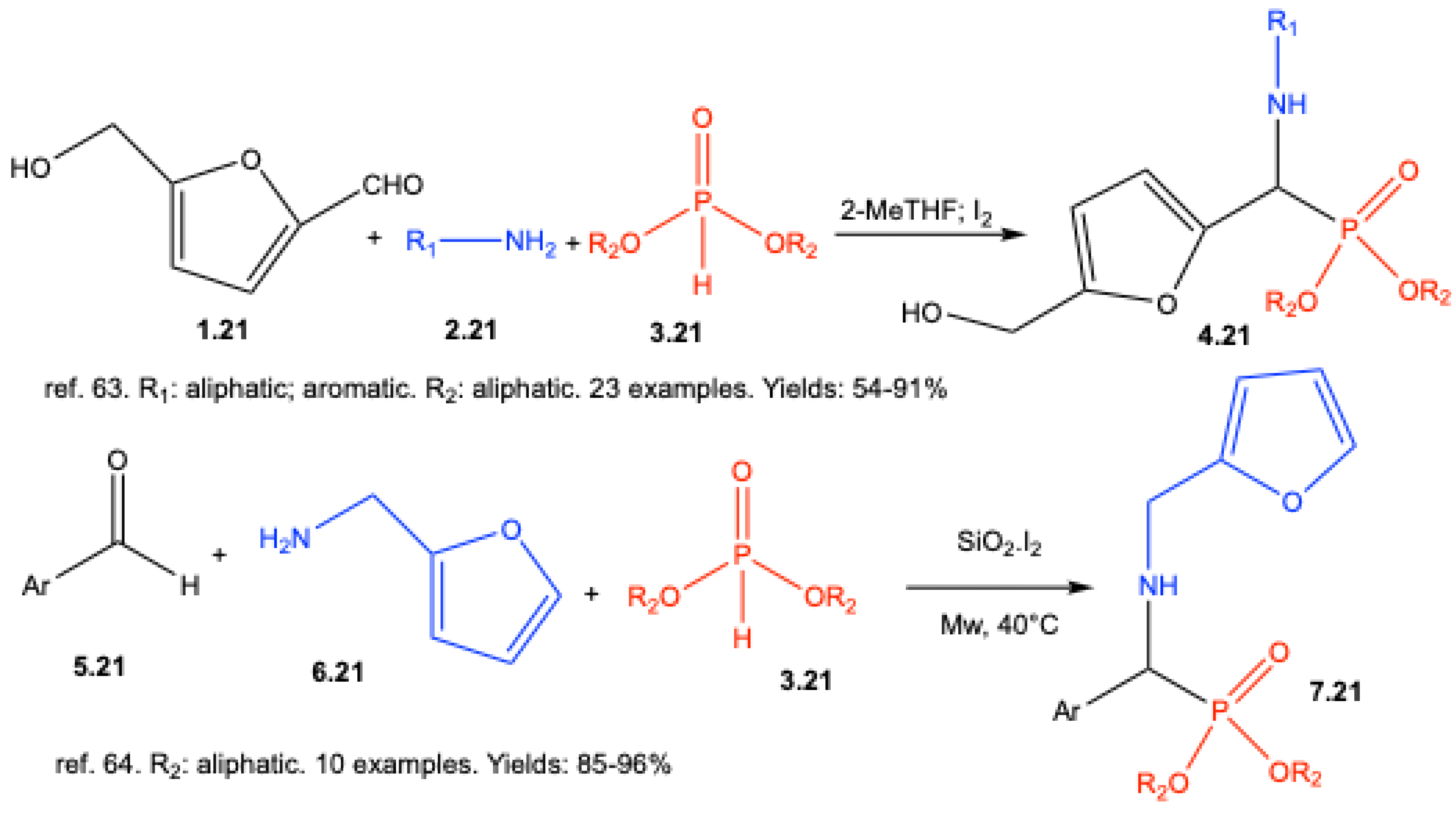
Popowycz [63] reported the synthesis of furan-based α-aminophosphonates 4.21 under environmentally benign conditions using iodine as a non-metal Lewis catalyst and 2-MeTHF as solvent. The reactions, involving 5-hydroxymethylfurfural 1.21, various aliphatic or aromatic amines 2.21, and dialkyl phosphites 3.21, proceeded smoothly to give good yields of 4.21 (Scheme 20). Similarly, Cirandur [64] employed silica-supported iodine as a Lewis acid catalyst for microwave-assisted KF reactions, producing α-furfuryl-2-alkylaminophosphonates 7.21 from various aromatic aldehydes 5.21, furfurylamine 6.21 and dialkylphosphites 3.21 in a green chemistry approach (Scheme 20). Iodine, acting as Lewis acids, activate the carbonyl group of aldehydes, accelerating imine formation and subsequent phosphite addition
Scheme 21.
Iodine catalyzed KF reactions.
A large number of metal halides have been reported as effective catalysts in KF reactions (Table 1; entries 1-13): CeCl3·7H2O [65], FeCl3 [66], AlCl3 [67], SbCl3 adsorbed on Al2O3 [68], TaCl5 adsorbed on SiO2 [69], BiCl3 [70], ZrOCl2·8H2O [71], LiClO4 [72], NbCl5 [73], HfCl4 [74], InCl3 [75], LaCl3·7H2O [76], and LaCl3·7H2O supported on SiO2 [77].
Metal triflates provide an alternative catalytic strategy, offering a balance of activity, versatility, and, in some cases, environmental compatibility (Table 2; entries 1-6). E.g., lanthanide triflates in ionic liquids [78], Cu(OTf)2 with trimethylphosphite [79], In(OTf)3 [80], Zn(OTf)2 [81], and Fe(OTf)3 [82] have been successfully applied.
Ewies [82], in particular, achieved an high-yield synthesis of α-aminophosphonate oxadiazoles from 1,3,4-oxadiazole acetohydrazide derivatives (Table 2; entry 5. Figure 2), aldehydes, and diethylphosphite. Bismuth nitrate pentahydrate (Table 2; entry 7) has also been employed as a mild and effective catalyst [83].

Table 2.
Metal triflates or nitrates catalyzed KF reactions.
 | ||||||
| Entry |
Aldehydes or Ketones |
Amines | Phosphites | Catalyst | Yields | Ref. |
| 1 | Aromatic | Aniline | Diethyl Triethyl |
Lanthanides triflates | 23 examples: 18-99% |
[78] |
| 2 | Aromatic Aliphatic |
Aromatic Aliphatic |
Trimethyl | Cu(OTf)2 | 11 examples: 57-97% |
[79] |
| 3 | Aromatic Aliphatic Cyclohexanone |
Aromatic Aliphatic |
Diethyl | In(OTf)3 | 21 examples: 16-99% |
[80] |
| 4 | Aromatic Aliphatic |
Aromatic, Aliphatic | Dimethyl Diethyl |
Zn(OTf)2 | 20 examples: 72-93% |
[81] |
| 5 | Aromatic Heteroaromatic |
Figure 2 | Diethyl | Fe(OTf)3 | 13 examples: 65-73% |
[82] |
| 6 | Aromatic | Heteroaromatic | Diethyl Diphenyl |
Figure 3 | 18 examples: 86-97% |
[28] |
| 7 | Aromatic Aliphatic |
Aromatic | Diethyl | Bi(NO3)3.5H2O | 18 examples: 80-95% |
[83] |
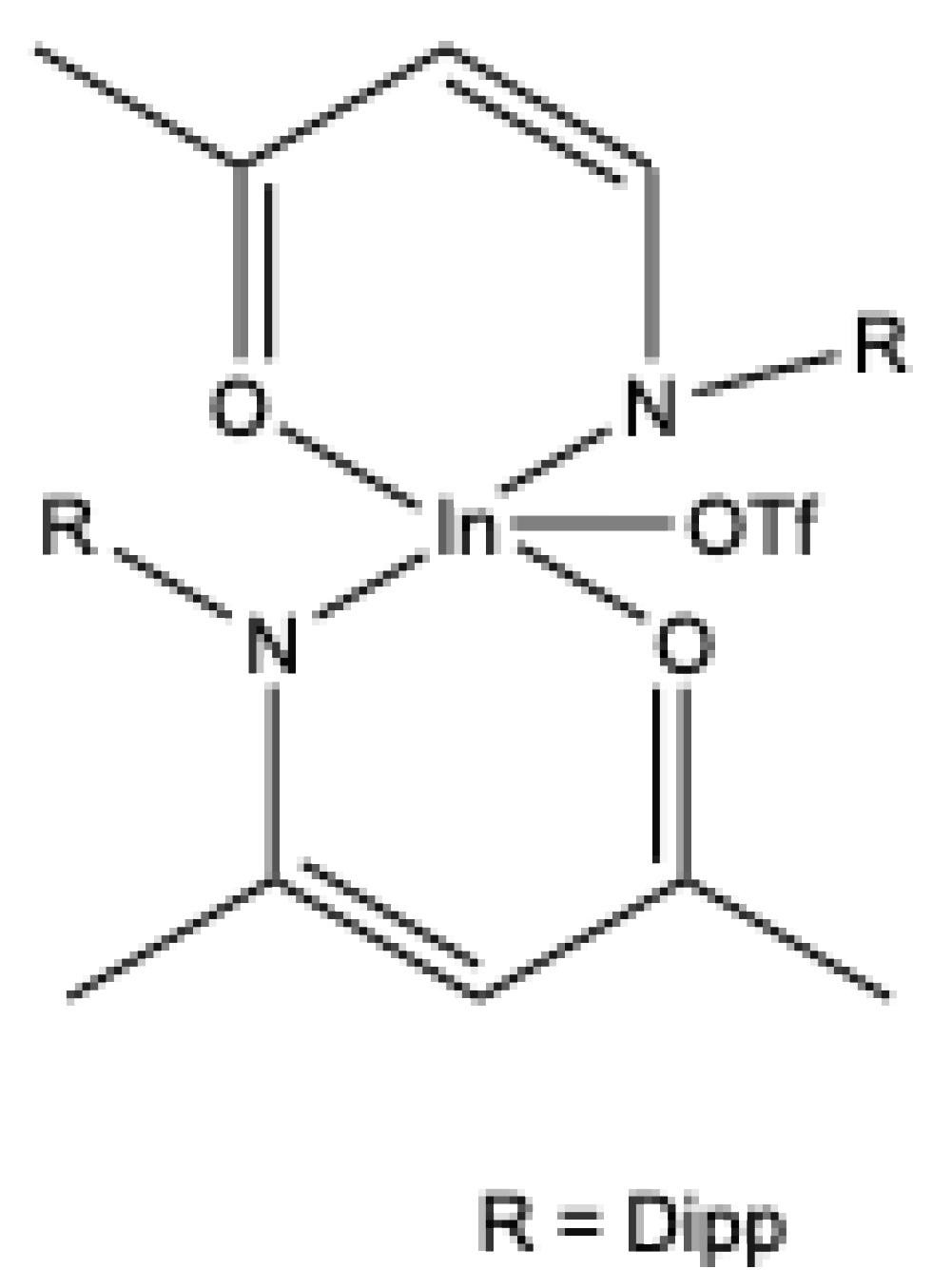
More recently, Gupta [28] demonstrated that KF reactions of various aldehydes, amines, and diphenyl phosphite catalyzed by indium complexes give α-aminophosphonates in good yields. (Table 2; entry 6)
Figure 3.
Indium complex as a catalyst (Table 2; entry 6).
Figure 3.
Indium complex as a catalyst (Table 2; entry 6).
Clays have also been used as Lewis acid catalysts (Scheme 22); e.g., Yadav [84] performed microwave-assisted, solvent-free three-component condensations using montmorillonite KSF.
Fernandes [85] reported that chloro(cyclopentadienyl)bis(triphenylphosphine)ruthenium [CpRu(PPh3)2Cl], recoverable and reusable for at least 12 cycles, efficiently catalyzes the direct aminophosphonylation of aldehydes under solvent-free conditions. Reactions of various aromatic and heteroaromatic aldehydes 5.22 with aromatic amines 6.22 and diethylphosphite (3.22) afforded α-aminophosphonates 7.22 in good to excellent yields, with high chemoselectivity and tolerance for multiple functional groups.
Adimule [86] designed an environmentally friendly copper(II)-β-cyclodextrin catalyst, enabling one-pot, solvent-free synthesis of α-aminophosphonates 9.22 from aromatic aldehydes 5.22, aromatic or aliphatic amines 2.22 and triethyl phosphite (8.22) and proposed a plausible reaction mechanism.
5. Brønsted Acid-Catalyzed Kabachnik–Fields Reactions
Brønsted acid catalysis represents an effective and environmentally friendly strategy for the KF reaction (Table 3). This approach simplifies reaction setups, aligns with green chemistry principles, enhances reaction rates and yields, and eliminates the need for heavy metal catalysts. Mechanistically, Brønsted acids activate the carbonyl or iminium intermediates via protonation or hydrogen bonding, facilitating the addition of phosphites and improving overall reaction efficiency.
p-Toluenesulfonic acid (PTSA) has proven to be a practical and versatile Brønsted acid catalyst for the K–F reaction. Its application often improves reaction yields, accelerates reaction rates, and simplifies operational procedures when conditions are properly optimized. Kaboudin [87] demonstrated that aromatic aldehydes, ammonia, and diethyl phosphite could be efficiently converted to 1-aminoalkylphosphonates using PTSA (Table 3; entry 1). Cherkasov [88,89] further showed that formaldehyde reacts with aliphatic, aromatic, and heteroaromatic amines in the presence of PTSA to afford α-amino phosphonates. Interestingly, in the presence of chiral phosphites and chiral amines optical actives α-amino phosphonates were obtained (Table 3; entries 2, 3).
Amines containing acetal groups were also successfully employed (Table 3; entries 4,5). The resulting α-amino phosphonates were reacted with phenols in order to obtain polyphenols, containing aminophosphonate moiety [90,91]. Wu [9] reported a three-component reaction of substituted salicylaldehydes, aromatic amines, and triphenyl phosphite catalyzed by PTSA, producing various α-amino phosphonates in good yields (Table 3; entry 6).
Venkatanarayana [92] synthesized a series of novel α-aminophosphonates from fluoro-substituted benzaldehydes, substituted amines, and diethyl phosphonate using a catalytic amount of methanesulfonic acid (Table 3; entry 7). Desai [93] identified sulfamic acid as an effective room-temperature catalyst for the three-component condensation of aldehydes, amines, and diethyl phosphite (Table 3; entry 8).
Akiyama [94] explored reactions of diverse aldehydes—including aromatic, heteroaromatic, aliphatic, and α,β-unsaturated—with 4-methoxyaniline and diethyl phosphite under solvent-free conditions catalyzed by trifluoroacetic acid (CF₃COOH), obtaining excellent yields of the corresponding α-amino phosphonates (Table 3; entry 9). Bommena [95] developed a solvent-free protocol employing (bromodimethyl)sulfonium bromide, where the active HBr catalyst was generated in situ. Aromatic or α,β-unsaturated aldehydes, aromatic or aliphatic amines, and dimethyl phosphite were successfully used (Table 3; entry 10).
Kasana [96] reported that tartaric acid (10 mol%) catalyzes the reaction of triethyl phosphite with in situ-generated imines from aromatic aldehydes and aromatic amines, yielding α-aminophosphonates in good yields (Table 3; entry 11).
Ordóñez [97,98] developed mild one-pot, three-component methods for synthesizing α-aminophosphonates by reacting benzylamine with dimethyl phosphite and various aldehydes or ketones using phenylboronic or phenylphosphonic acid as catalysts under solvent-free conditions at 50 °C (Table 3; entries 12,13).
Hellal [99] described an aqueous, one-pot procedure using citric, malic, tartaric, or oxalic acids as catalysts for reactions of aromatic aldehydes, aminophenols, and dialkyl phosphites, achieving high yields (Table 3; entry 14).
Reddy [100] synthesized 2-cyclopropylpyrimidin-4-yl-aryl/benzothiazole α-aminophosphonates through a simple three-component condensation of 2-cyclopropylpyrimidin-4-carbaldehyde, various anilines or benzothiazole amines, and different phosphites. Phosphomolybdic acid (H₃PMo₁₂O₄₀) in dichloromethane at room temperature served as the catalyst, giving good to excellent yields with short reaction times (Table 3; entry 15).
Recently, Chavan [101] introduced N-(1-hydroxybutan-2-yl)-4-nitrobenzene sulfonamide (Figure 4) as a novel Brønsted acid catalyst for KF reactions of aromatic aldehydes, aromatic amines, and diethyl phosphite, yielding α-amino phosphonates efficiently (Table 3; entry 16)
Table 3.
Brønsted Acid catalyzed KF reactions.
 | ||||||
| Entry |
Aldehydes or Ketones |
Amines | Phosphites | Catalyst | Yields | Ref. |
| 1 | Aromatic | NH4OH | Diethyl |  |
9 examples: 53-81% |
[87] |
| 2 | HCHO | Aromatic Aliphatic |
Aromatic Aliphatic |
|
8 examples: 51-95% |
[88] |
| 3 | HCHO | 2-Aminopyridine or 2-Phenylethan-1-amine |
Didecyl or Decyl phenyl |
|
2 examples: 94% |
[89] |
| 4 | HCHO | aminoacetaldehyde dimethylacetal | Dihexyl | |
1 example: 91% |
[90] |
| 5 | HCHO | aminoaaldehyde dimethylacetals | Aliphatic | |
8 examples: Yields n.a. |
[91] |
| 6 | Salicylaldehydes | Aromatic | Triphenyl | |
12 examples: 82-94% |
[9] |
| 7 | Aromatic | 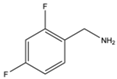 |
Diethyl | MeSO3H | 7 examples: 75-92% |
[92] |
| 8 | Aromatic | Aromatic Aliphatic |
Diethyl | Sulfamic acid |
17 examples: 81-100% |
[93] |
| 9 | Aromatic Heteroaromatic |
p-Anisidine | Diethyl | CF3COOH | 9 examples: 87-95% |
[94] |
| 10 | Aromatic Aliphatic |
Aromatic | Trimethyl | Me2S+Br Br- | 14 examples: 87-95% |
[95] |
| 11 | Aromatic | Aromatic | Triethyl | Tartaric acid | 12 examples: 65-89% |
[96] |
| 12 | Aromatic Aliphatic Cyclic Ketones Aliphatic Ketones |
Benzylamine | Dimethyl | Phenyl boronic acid |
22 examples: 28-93% |
[97] |
| 13 | Aromatic Aliphatic Aliphatic Ketones |
Benzylamine | Dimethyl | Phenyl phosphonic acid |
20 examples: 47-98% |
[98] |
| 14 | Aromatic | Aromatic | Diethyl | Citric acid Malic acid Tartaric acid Oxalic acid |
84 examples: 54-95% |
[99] |
| 15 | 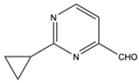 |
Aromatic Heteroaromatic |
Aliphatic Diphenyl |
H₃PMo₁₂O₄₀ | 14 examples: 89-96% |
[100] |
| 16 | Aromatic Heteroaromatic Aliphatic |
Aromatic | Diethyl | Figure 4 | 26 examples: 87-96% |
[101] |
Also heterogeneous Brønsted acid catalysts have gained attention due to their reusability and high efficiency (Table 4).
Chaturbhuj [102] introduced an efficient, solvent-free protocol for the three-component KF reaction of aldehydes, amines, and diethyl phosphite using sulfated polyborate as a catalyst, giving α-amino phosphonates in good yields. Interestingly, sulfated polyborate acted as both a Lewis and Brønsted acid and could be recovered and reused up to four times without significant loss of catalytic activity (Table 4; entry 1).
Maghsoodlou [103] employed silica sulfuric acid for one-pot synthesis of α-amino phosphonates from aromatic aldehydes, aniline, and trialkyl phosphite (Table 4; entry 2). Zhang [104] developed a bio-supported xanthan sulfuric acid catalyst for solvent-free reactions of aromatic and heteroaromatic aldehydes, aromatic amines, and diethyl phosphite, which could be recovered and reused multiple times (Table 4; entry 3).
Sobhani [105] reported phosphoric acid supported on silica-coated magnetic nanoparticles (γ-Fe₂O₃@SiO₂-PA) as a magnetically recoverable catalyst for aqueous K–F reactions of aldehydes or ketones, aromatic amines, and triethyl phosphite. The catalyst was recovered and reused at least five times without significant activity loss (Table 4; entry 4). Heydari [106] used dehydroascorbic acid-capped magnetite (DHAA-Fe₃O₄) for the one-pot synthesis of α-aminonitriles and α-aminophosphonates from various aromatic and heteroaromatic aldehydes, aromatic amines, and dimethyl phosphite (Table 4; entry 5).
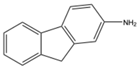
Gangireddy [107] demonstrated that polystyrene-supported PTSA (PS/PTSA) is an efficient heterogeneous catalyst under microwave irradiation in solvent-free conditions, providing good yields and recyclability (Table 4; entry 6). Cirandur [108] synthesized thiazolyl α-aminophosphonate derivatives via a one-pot K–F reaction using β-cyclodextrin-supported sulfonic acid (β-CD-SO₃H) as a reusable heterogeneous catalyst (Table 4; entry 7).
Reddy [109] reported polyethylene glycol sulfonic acid (PEG-SO₃H) as an effective catalyst for reactions of 4-(pyridin-4-yl)benzaldehyde, triethyl phosphite, and various aromatic or aliphatic amines, giving α-aminophosphonates in high yields (Table 4; entry 8).
Zeolites have also been employed as heterogeneous catalysts. Choudhary [110] showed that H-beta zeolite is reusable for K–F reactions of carbonyl compounds, primary aliphatic or aromatic amines, and methyl, ethyl or benzyldiphosphite (Table 4; entry 9).
Ghosh [111] utilized humic acid as a catalyst for reactions of various aromatic aldehydes and amines with diethyl phosphite, yielding α-aminophosphonates efficiently (Table 4; entry 10).
Kanade [112] found that as-synthesized N-TiO₂ exhibits significantly higher catalytic activity than commercial TiO₂ for synthesizing α-amino phosphonates under microwave irradiation, due to the presence of strong Brønsted acid sites on the porous nanorod surface (Table 4; entry 11). Servari [113] reported that commercially available TiO₂ efficiently catalyzes one-pot, solvent-free reactions of aromatic amines, aldehydes or ketones, and dialkyl phosphites, giving α-aminophosphonates in high yields and short times, with excellent catalyst recyclability (Table 4; entry 12).
Table 4.
Brønsted Acid as heterogeneous catalysts for KF reactions.
 | ||||||
| Entry |
Aldehydes or Ketones |
Amines | Phosphites | Catalyst | Yields | Ref. |
| 1 | Aromatic | Aromatic | Diethyl | Sulfated polyborate | 20 examples: 90-98% |
[102] |
| 2 | Aromatic | Aniline | Dimethyl Diethyl |
Silica sulfuric acid | 11 examples: 80-95% |
[103] |
| 3 | Aromatic Heteroaromatic |
Aromatic | Diethyl | Xanthan sulfuric acid |
32 examples: 88-95% |
[104] |
| 4 | Aromatic Aliphatic Cyclohexanone |
Aromatic Aliphatic |
Triethyl | Phosphoric acid on γ-Fe2O3@SiO2 |
16 example: 82-95% |
[105] |
| 5 | Aromatic Heteroaromatic Aliphatic Cyclohexanone |
Aromatic Aliphatic |
Methyl | DHAA-Fe3O4 | 10 examples: 75-95% |
[106] |
| 6 | Aromatic Aliphatic |
 |
Diethyl | polystyrene-supported
|
18 examples: Yields: n.a |
[107] |
| 7 | 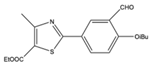 |
Aromatic | Diethyl | β-cyclodextrin-supported sulfonic acid | 10 examples: 91-96% |
[108] |
| 8 | 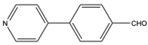 |
Aromatic Heteroaromatic |
Triethyl | polyethylene glycol sulfonic acid | 10 examples: 82-96% |
[109] |
| 9 | Aromatic Heteroaromatic Aliphatic Acetophenone |
Aromatic Aliphatic |
Dialkyl | H-beta zeolite | 15 examples: 76-93% |
[110] |
| 10 | Aromatic Heteroaromatic |
Aromatic Aliphatic |
Diethyl | Humic acid | 25 examples: 78-93% |
[111] |
| 11 | 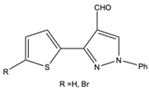 |
Aromatic | Triethyl | N-TiO2 | 11 examples: 71-95% |
[112] |
| 12 | Aromatic Heteroaromatic Aliphatic Cyclohexanone Acetophenone |
Aromatic Aliphatic |
Diethyl | TiO2 | 36 examples: 50-98% |
[113] |
6. Other Catalysts for Kabachnik–Fields Reactions
Traditionally, Kabachnik–Fields (KF) reactions are catalyzed by Brønsted acids or Lewis acids. Recently, however, research has increasingly focused on non-conventional catalysts that do not fit neatly into the Brønsted/Lewis classification.
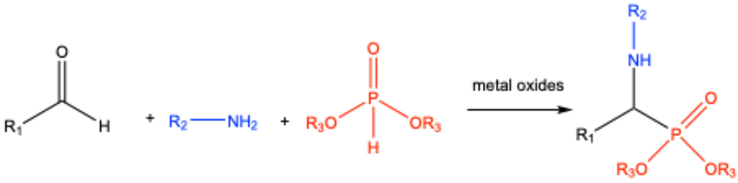
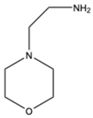
Metal oxides (Table 5) have emerged as particularly effective catalysts due to the synergistic interplay of their surface acidic and basic sites. E.g., Agawane [114] demonstrated that recyclable CeO₂ nanoparticles efficiently catalyze the condensation of aromatic and heteroaromatic aldehydes with aromatic amines and triethyl phosphite under ultrasound irradiation and solvent-free conditions, affording α-aminophosphonates in high yields (Table 5; entry 1). Similarly, Reddy [115] reported a one-pot, three-component reaction using nano-Gd₂O₃ as a catalyst under microwave irradiation. This method enabled the synthesis of various α-aminophosphonates from 2-morpholinoethanamine, dimethyl phosphite, and salicylaldehydes with excellent efficiency (Table 5; entry 2).
Expanding the range of catalytic systems, Reddy [116] developed a solvent-free approach employing a CuO–Au nanocatalyst to promote the reaction of 2-aminophenol with substituted aromatic aldehydes and dimethyl phosphite at 60 °C (Table 5; entry 3). Ummad [117] further illustrated the potential of heterogeneous catalysis by synthesizing a TiO₂-supported ZnO (TiO₂–ZnO) catalyst, achieving excellent yields of α-aminophosphonates from 2,4-difluorobenzylamine, aldehydes, and diethyl phosphite, along with a proposed reaction mechanism (Table 5; entry 4).
Bifunctional solid catalysts have also been explored. Ramanathan [118] utilized niobium pentoxide to catalyze the KF reaction between aromatic aldehydes, aromatic amines, and triethyl phosphite, yielding α-aminophosphonates in good yields (Table 5; entry 5).
Table 5.
Metal oxides catalyzed KF reactions.
 | ||||||
| Entry | Aldehydes | Amines | Phosphites | Catalyst | Yields | Ref. |
| 1 | Aromatic Heteroaromatic |
Aromatic Heteroaromatic Aliphatic |
Diethyl | Nano CeO2 | 16 examples: 67-99% |
[114] |
| 2 | 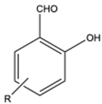 |
 |
Dimethyl | Nano Gd2O3 | 10 examples: Yields: n.a |
[115] |
| 3 | Aromatic | 2-aminophenol | Dimethyl | Nano CuO-Au | 10 examples: 87-96% |
[116] |
| 4 | Aromatic | 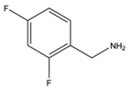 |
Diethyl | TiO2-ZnO | 12 examples: 91-95% |
[117] |
| 5 | Aromatic Aliphatic |
Aromatic Heteroaromatic |
Diethyl | Nb2O5 | 43 examples: 40-97% |
[118] |
As already reported in section 2, Keglevich [27] and Balint [119] showed that propylphosphonic anhydride (4.23) acted as an effective condensing agent facilitating KF reactions with various aldehydes 1.23, aniline 2.23 and dialkyl phosphites 3.23 to afford α-aminophosphonates, including α-amino(2-alkynylphenyl)methylphosphonates 5.23 (Scheme 23) [119]. Moreover, CuCl-catalyzed reactions of 2-alkynylbenzaldehydes, aniline, and dialkyl phosphites were shown to efficiently produce 2,3-disubstituted-1,2-dihydroisoquinolin-1-ylphosphonates 6.23 via intramolecular nucleophilic attack and subsequent ring closure.
Magnesium dodecyl sulfate has been reported as a green and readily available catalyst. Ando [120] demonstrated that it can catalyze the three-component reaction of aromatic or aliphatic aldehydes 1.24 with amines 2.24 and triethyl or diphenyl phosphite (3.24) in water at room temperature, producing α-aminophosphonates in high yields (Scheme 24)
7. Enantioselective Kabachnik–Fields Reactions
Optically active α-aminophosphonates are highly valuable compounds, both as intermediates in organic synthesis and for their broad applications in biological, pharmaceutical, and materials sciences [122,123]. Examples of biologically relevant α-aminophosphonic acids and esters are shown in Figure 5, including compounds of medical and agrochemical interest such as the antibacterial agent alafosfalin (1.5), and phospholeucine (2.5), a potent leucine aminopeptidase inhibitor. Phospholeucine is also a structural component in enzyme inhibitors 3.5. Other notable examples include the natural phosphotyrosine tripeptide K-26 (4.5), an ACE inhibitor, and dufulin (5.5), widely used in China to combat viral diseases in crops.
The biological activity of α-aminophosphonates is strongly dependent on the absolute configuration of the α-carbon attached to phosphorus. For example, 1.5 shows significant differences in activity between its isomers, and the (S)-enantiomer of phospholeucine 2.5 is 103 times less active than the (R)-enantiomer. Therefore, enantioselective synthesis of α-aminophosphonates remains a central goal, prompting the development of catalysts capable of inducing chirality during the formation of the α-stereogenic center.
Key strategies include the use of Lewis acid–based chiral metal complexes or chiral Brønsted acid organocatalysts, such as BINOL-derived phosphoric acids.
7.1. Lewis Acid–Catalyzed Reactions
Chiral metal catalysts have significantly advanced enantioselective Kabachnik–Fields reactions. Nakamura (Scheme 27) [124] reported that a zinc(II)–bis(imidazoline) 4.27 complex can catalyze the three-component reaction of aromatic or aliphatic aldehydes 1.27, 4-methoxyaniline (2.27) and aryl phosphites 3.27, delivering α-aminophosphonates 5.27 in excellent yields (up to 99%) and good enantioselectivity (up to 93% ee). The detailed reaction mechanism remains unclear. However, authors proposed that the in situ formed imines coordinated to the chiral Zn(II) catalyst in an equatorial position to minimize the steric repulsion from bis(imidazoline). Coordination of the phosphite 3.27 oxygen to Zn(II) following by the deprotonation of phosphite generates the nucleophilic phosphonate, which then attacks the coordinated imine whitin the chiral enviroment to afford 5.27.
Wulff [125] developed a chiral catalyst zirconium-based prepared from 7,7’- di-t-butyl VANOL ligand (6.28), N-methylimidazole (5.28) and zirconium tetraisopropoxide (4.28). This catalyst exhibited optimal performance in the presence of 10 mol% of benzoic acid.It enabled good enantioselectivities not only with aromatic aldehydes 1.28 but also with aliphatic ones 1.28 overcoming a long-standing challenge in asymmetric reactions of aliphatic aldehydes (Scheme 28).
Chiral thiourea organocatalysts offered an alternative approach. Bis-thioureas derived from (1R,3S)-camphoric acid 4.29, synthesized by Reddy [126], catalyzed the Kabachnik–Fields reaction with aldehyde 1.29, yielding modest enantioselectivities of 14–35% ee (Scheme 29).
Katsuki [127] reported a highly enantioselective aluminum–salalen complex 4.30, whose “cis-β-like” configuration creates a well-defined chiral environment around the metal center. This enables asymmetric hydrophosphonylation of aldehydes 1.30 (or aldimines) with dimethyl phosphite (3.30), producing α-aminophosphonates 5.30 in satisfactory yields and up to 94% ee (Scheme 30).
Feng [128] described a one-pot enantioselective synthesis using a chiral Sc(III)–N,N′-dioxide complex 4.31. Reactions of aromatic aldehydes 1.31, 2-aminophenol (2.31) and diphenyl phosphite (3.31) afforded α-aminophosphonates 4.31 in high yields and up to 87% ee within short reaction times. The enhanced reactivity was attributed to bidentate coordination of the Sc(III) complex, stabilizing the transition state and promoting chiral induction (Scheme 31).
7.2. Brønsted Acid–Catalyzed Reactions
Chiral Brønsted acids, particularly BINOL-derived phosphoric acids, have emerged as effective alternatives to metal catalysts in enantioselective Kabachnik–Fields reactions. These catalysts activate in situ generated imines and provide a chiral environment that governs the approach of the phosphorus nucleophile, favoring selective formation of a single enantiomer.
List [129] achieved high enantioselectivity using a chiral phosphoric acid 4.32, reacting racemic branched aldehydes 1.32 with p-anisidine (2.32) to give aminophosphonic esters 5.32 with high diastereo- and enantioselectivity through dynamic kinetic resolution (Scheme 32).
Ma [130] demonstrated that bulky substituents at the 3,3′-positions of BINOL (catalyst 4.33) enhance chiral induction, and that solvent choice and molecular sieves improve ee. Moderate enantioselectivities (55–87% ee) and good yields (62–91%) were obtained (Scheme 33).
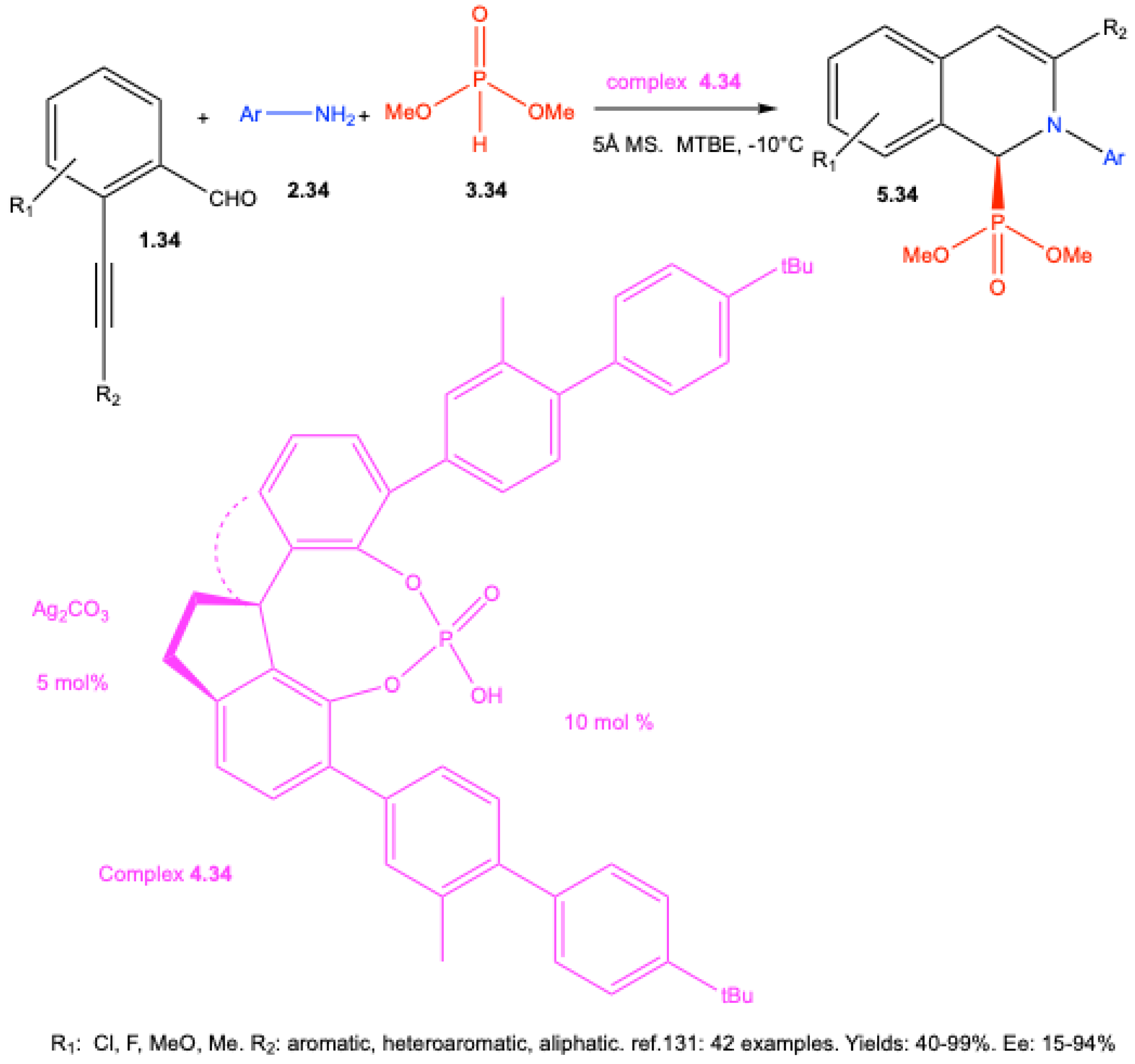
A silver–spirocyclic phosphate complex 4.34, formed in situ from silver carbonate and a chiral phosphoric acid [131], catalyzed an enantioselective three-component reaction of 2-alkynylbenzaldehydes 1.34, aromatic amines 2.34 , and dimethylphosphite 3.34, producing chiral C1-phosphonylated 1,2-dihydroisoquinolines 5.34 in up to 99% yield and 94% ee. Mechanistic studies revealed that silver activates the alkyne–imine system allowing a 6-endo-dig cyclization, while the chiral phosphate controls stereochemistry through ion-pair interactions.
Scheme 34.
Enantioselective KF reaction catalyzed by complex 4.34.
7.3. Enantioselective Synthesis Without Chiral Catalysts
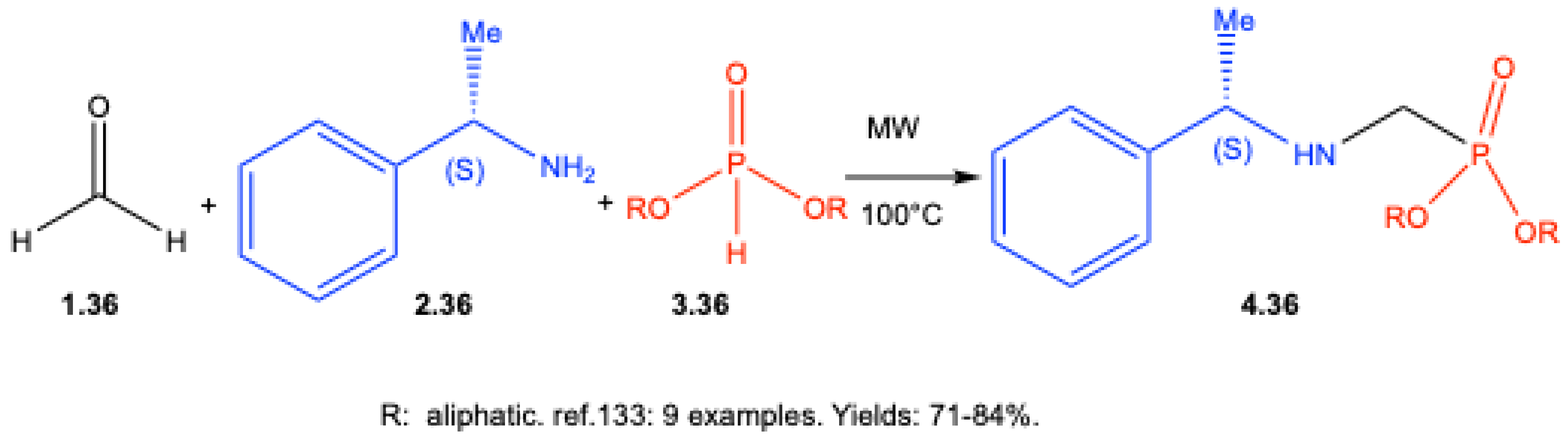
Catalyst-free KF reactions generally yield racemic α-aminophosphonates. However, if one of the starting materials is optically active, enantioenriched products can be obtained. E.g., (S)-α-phenylethylamine (2.36) reacts with paraformaldehyde (1.36) and various phosphites (3.36) under microwave irradiation to give optically active α-aminophosphonates (4.36) [133].
Scheme 36.
Synthesis of enantioenriched 4.36.
Ordóñez [134] developed a general method for highly diastereoselective α-aminophosphonate 4.37 or 5.37 synthesis under solvent- and catalyst-free conditions. Aldehyde 1.37 reacted with various chiral amines 2.36 and dimethyl phosphite 3.37. The nucleophilic attack of dimethyl phosphite tautomer 8.37 occurring preferentially at the Re face of intermediate 7.37. (Scheme 37).
Dimukhametov [13] reported comparable results using benzaldehyde and S- or R-1-phenyl-1-ethylamine.
8. Derivatives of α-Aminophosphonates
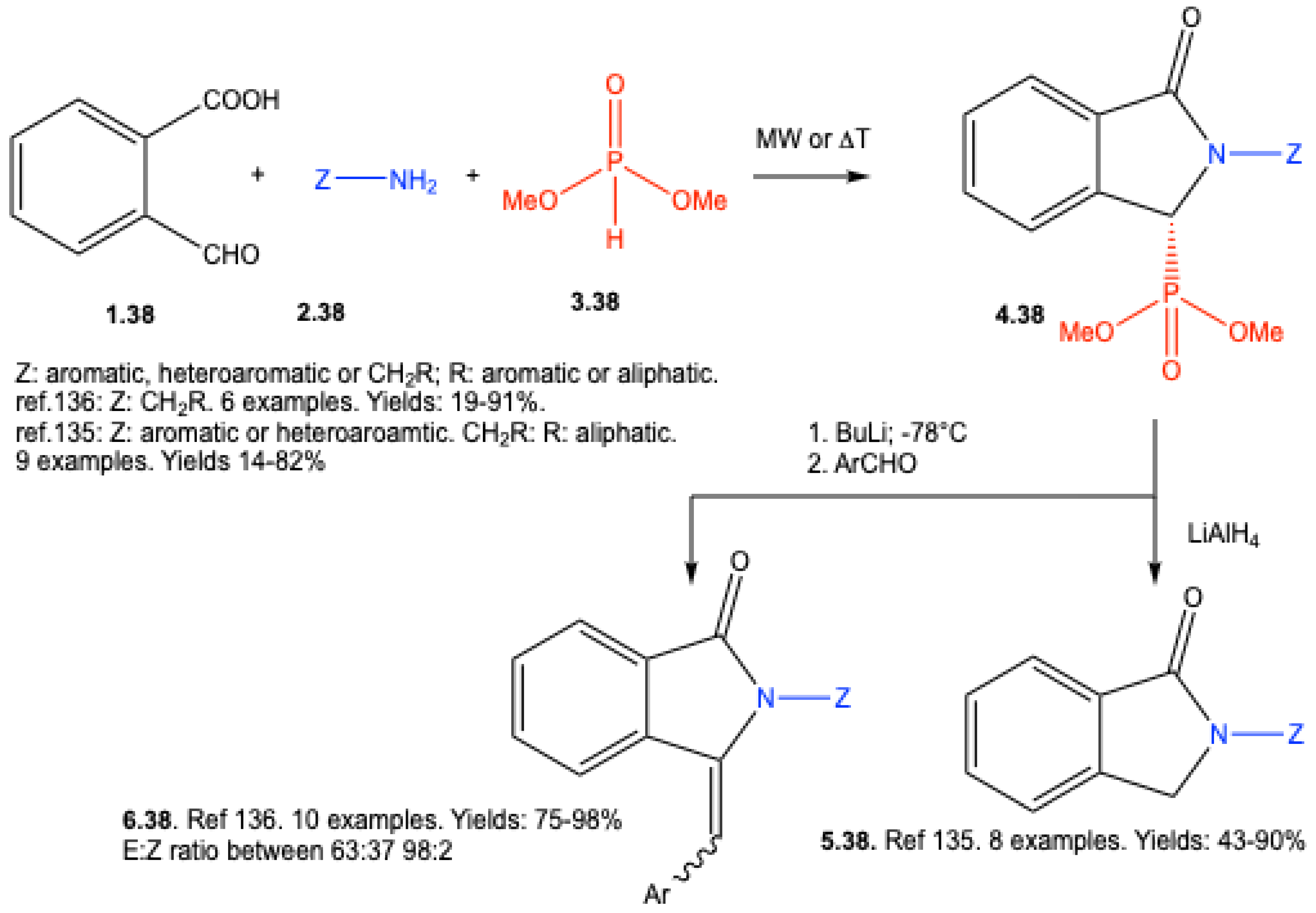
α-Aminophosphonates are versatile precursors of heterocyclic structures, such as isoindolines 5.38 or 6.38. Ordóñez [135,136] first prepared N-substituted dimethyl 3-oxoisoindolin-1-ylphosphonates 4.38 through a one-pot reaction of 2-formylbenzoic acid (1.38) with amines 2.38 and dimethyl phosphite 3.38 followed by intramolecular cyclization.These intermediates 4.38 can be efficiently converted into N-substituted isoindolin-1-ones 5.38 using lithium aluminum hydride. Alternatively [136], the Horner reaction enables their transformation into 3-(arylmethylene)isoindolin-1-ones 6.38.
Scheme 38.
Derivatives of α-aminophosphonates.
9. Conclusions
The Kabachnik–Fields reaction remains a robust and adaptable method for accessing α-aminophosphonates. Current mechanistic evidence supports the predominance of the imine–pathway, with alternative routes influenced by substrate and reaction conditions. Recent developments have significantly improved the sustainability and efficiency of the process, particularly through catalyst-free protocols, green solvents, and non-conventional activation techniques such as microwave irradiation, ultrasound, and mechanochemistry.
Lewis and Brønsted acid catalysis, has expanded substrate scope and provided operationally simple, high-yielding procedures. Advances in asymmetric variants now enable the synthesis of optically active α-aminophosphonates although further improvements in generality are still needed.
Overall, the Kabachnik–Fields reaction continues to evolve as a key transformation in organophosphorus chemistry, combining broad applicability with growing compatibility to modern, sustainable synthetic strategies.
Author Contributions
Conceptualization, S.D.; G.G.; S.N.; methodology, S.D.; G.G.; S.N.; software, S.D.; G.G .; validation, S.D.; G.G.; formal analysis, S.D.; G.G.; investigation, S.D.; G.G.; S.N.; resources, S.D.; data curation, S.D.; G.G.; writing—original draft preparation, S.D.; G.G.; writing—review and editing, S.D.; G.G.; visualization, S.D.; G.G.; supervision, S.D.; project administration, S.D.; funding acquisition, S.D. All authors have read and agreed to the published version of the manuscript.
Funding
This research received no external funding.
Institutional Review Board Statement
Not applicable.
Informed Consent Statement
Not applicable.
Data Availability Statement
No new data were created.
Acknowledgments
This work has been supported by the University of Torino and by Ministero dell’Università e della Ricerca Scientifica (MIUR). The authors acknowledge support from the Project CH4.0 of the Chemistry Department of UNITO under MIUR program “Dipartimenti di Eccellenza 2—3–2027” (CUP: D13 C22003520001). During the preparation of this manuscript, the authors used Chat Gpt 5.1 solely to assist with English language editing and minor stylistic corrections. All scientific content, analysis and conclusions were developed independently by authors. The authors have reviewed and edited the output and take full responsibility for the content of this publication.
Conflicts of Interest
The authors declare no conflicts of interest.
References
- Kabachnik, M. I.; Medved, T. Y. New synthesis of aminophosphonic acids. Dokl. Akad. Nauk SSSR 1952, 83, 689–692. [Google Scholar]
- 2. Fields, E.K., The synthesis of esters of substituted amino phosphonic acids. J. Am. Chem. Soc. 1952, 74, 1528–1531. [CrossRef]
- Zefirov, N. S.; Matveeva, E. D. Catalytic Kabachnik-Fields reaction: new horizons for old reaction. Arkivoc 2008, (i), 1–17. [Google Scholar] [CrossRef]
- Keglevich, G.; Bálint, E. The Kabachnik–Fields Reaction: Mechanism and Synthetic Use. Molecules 2012, 17, 12821–12835. [Google Scholar] [CrossRef]
- Varga, P.; Keglevich, G. Synthesis of α-Aminophosphonates and Related Derivatives; The Last Decade of the Kabachnik–Fields Reaction. Molecules 2021, 26, 2511. [Google Scholar] [CrossRef]
- Yuan, R.; He, X.; Zhu, C.; Tao, L. Recent Developments in Functional Polymers via the Kabachnik–Fields Reaction: The State of the Art. Molecules 2024, 29, 727. [Google Scholar] [CrossRef]
- Cherkasov, R. A; Galkin, V. I. The Kabachnik-Fields reaction: synthetic potential and the problem of the mechanism. Russ. Chem. Rev. 1998, 67, 857–882. [Google Scholar] [CrossRef]
- Gábor, D.; Pollák, P.; Volk, B.; Dancsó, A.; Simig, G.; Milen, M. Catalyst- and Solvent-Free Room Temperature Synthesis of α-Aminophosphonates: Green Accomplishment of the Kabachnik–Fields Reaction. ChemistrySelect 2023, 8, e202301460. [Google Scholar] [CrossRef]
- Wu, M.; Liu, R.; Wan, D. Convenient One-Pot Synthesis of α-Amino Phosphonates in Water Using p-Toluenesulfonic Acid as Catalyst for the Kabachnik–Fields Reaction. Heteroat. Chem. 2013, 24, 110–115. [Google Scholar] [CrossRef]
- Bálint, E.; Tripolszky, A.; Jablonkai, E.; Karaghiosoff, K.; Czugler, M.; Mucsi, Z.; Kollár, L.; Pongrácz, P.; Keglevich, G. Synthesis and use of α-aminophosphine oxides and N,N-bis(phosphinoylmethyl)amines—A study on the related ring platinum complexes. J. Organomet. Chem. 2016, 801, 111–121. [Google Scholar] [CrossRef]
- Pudovik, A. N. Addition of dialkyl phosphites to imines. New method of synthesis of esters of amino phosphonic acids. Dokl. Akad. Nauk SSSR 1952, 83, 865–868, [Chem. Abstr. 1953, 47, 4300.]. [Google Scholar]
- Galkin, V. I.; Zvereva, E. R.; Sobanov, A. A.; Galkina, I. V.; Cherkasov, R. A. A study on the Kabachnik-Fields reaction of benzaldehyde, cyclohexylamine and dialkyl phosphites. Zh Obshch. Khim 1993, 63, 2225–2227. [Google Scholar]
- Dimukhametov, M. N.; Bayandina, E. V.; Davydova, E. Y.; Gubaidullin, A. T.; Litvinov, I. A.; Alfonsov, V. A. Mendel. Comm. 2003, 3, 150–151. [Google Scholar] [CrossRef]
- Matveeva, E. D.; Zefirov, N. S. On the Mechanism of the Kabachnik–Fields Reaction: Does a Mechanism of Nucleophilic Amination of α-Hydroxyphosphonates Exist? Dokl. Chem. 2008, 420, 137–140. [Google Scholar] [CrossRef]
- Keglevich, G.; Kiss, N. Z.; Menyhard, D. K.; Fehervari, A.; Csontos, I. A Study on the Kabachnik–Fields Reaction of Benzaldehyde, Cyclohexylamine, and Dialkyl Phosphites. Heteroat. Chem. 2012, 23, 171–178. [Google Scholar] [CrossRef]
- Keglevich, G.; Fehervari, A.; Csontos, I. A Study on the Kabachnik–Fields Reaction of Benzaldehyde, Propylamine, and Diethyl Phosphite by In Situ Fourier Transform IR Spectroscopy. Heteroat. Chem. 2011, 22, 599–604. [Google Scholar] [CrossRef]
- Mu, X.; Chen, Z.; Xu, Y.; Lv, K.; Zhang, I.; Liu, T. Molecular synthesis mechanism of α-aminophosphonate using DES: Ring-tension-controlled reactivity. Inorg. Chim. Acta 2025, 578, 122549. [Google Scholar] [CrossRef]
- Engel, R. Phosphorus Addition at sp² Carbon. Org. React. 2004, 175–248. [Google Scholar] [CrossRef]
- Kabachnik, M. I.; Medved, T. Y. New method for the synthesis of 1-aminoalkylphosphonic acids Communication 1. Russ. Chem. Bull. 2 1953, 769–777. [Google Scholar] [CrossRef]
- Galkina, I. V.; Sobanov, A. A.; Galkin, V. I.; Cherkasov, R. A. Kinetics and mechanism of the Kabachnik–Fields reaction: IV. Salicyaldehyde in the Kabachnik–Fields reaction. Russ. J. Gen. Chem. 1998, 68, 1398–1401. [Google Scholar]
- Gancarz, R.; Gancarz, I. Failure of Aminophosphonate Synthesis Due to Facile Hydroxyphosphonate–Phosphate Rearrangement. Tetrahedron Lett. 1993, 34, 145–148. [Google Scholar] [CrossRef]
- Gancarz, R.; Gancarz, I.; Walkowjak, U. On the reversibility of hydroxyphosphonate formation in the in the Kabachnik-Fields reaction. Phosphorus Sulfur Silicon Relat. Elem. 1995, 104, 45–52. [Google Scholar] [CrossRef]
- Gancarz, R. Unexpeced products in the Kabachnik-Fields synthesis of aminophosphonates. Phosphorus Sulfur Silicon Relat. Elem. 1993, 83, 59–64. [Google Scholar] [CrossRef]
- Gancarz, R. Nucleophilic Addition to Carbonyl Compounds. Competition between Hard (Amine) and Soft (Phosphite) Nucleophile. Tetrahedron 1995, 51, 10627–10632. [Google Scholar] [CrossRef]
- Bhagat, S.; Chakraborti, A. K. An Extremely Efficient Three-Component Reaction of Aldehydes/Ketones, Amines, and Phosphites (Kabachnik-Fields Reaction) for the Synthesis of α-Aminophosphonates Catalyzed by Magnesium Perchlorate. J. Org. Chem. 2007, 72, 1263–1270. [Google Scholar] [CrossRef] [PubMed]
- Fiore, C.; Sovic, I.; Lukin, S.; Halasz, I.; Martina, K.; Delogu, F.; Ricci, P. C.; Porcheddu, A.; Shemchuk, O.; Braga, D.; Pirat, J.-L.; Virieux, D.; Colacino, E. Kabachnik−Fields Reaction by Mechanochemistry: New Horizons from Old Methods. ACS Sustainable Chem. Eng. 2020, 8, 18889−18902. [Google Scholar] [CrossRef]
- Milen, M.; Ábrányi-Balogh, P.; Dancsó, A.; Frigyes, D.; Pongó, L.; Keglevich, G. T3P®-promoted Kabachnik–Fields reaction: An efficient synthesis of α-aminophosphonates. Tetrahedron Lett. 2013, 54, 5430–5433. [Google Scholar] [CrossRef]
- Das, S.; Rawal, P.; Bhattacharjee, J.; Devadkar, A.; Pal, K.; Gupta, P.; Panda, T. K. Indium promoted C(sp3)–P bond formation by the Domino A3-coupling method – a combined experimental and computational study. Inorg. Chem. Front. 2021, 8, 1142–1153. [Google Scholar] [CrossRef]
- Pandey, V. K.; Tiwari, C. S.; Rit, A. Silver-Catalyzed One-Pot Three-Component Synthesis of α- Aminonitriles and Biologically Relevant α-Amino-phosphonates. Chem. Asian J. 2022, 17, e202200703. [Google Scholar] [CrossRef]
- Kaboudin, B.; Faghih, S.; Alavi, S.; Naimi-Jamal, M. R.; Fattahi, A. An Efficient One-Pot Synthesis of 1-Aminophosphonates. Synthesis 2023, 55, 121–130. [Google Scholar] [CrossRef]
- Ranu, B. C.; Hajra, A. A simple and green procedure for the synthesis of a-aminophosphonate by a one-pot three-component condensation of carbonyl compound, amine and diethyl phosphite without solvent and catalyst. Green Chem. 2002, 4, 551–554. [Google Scholar] [CrossRef]
- Rashid, Z.; Naeimi, H.; Ghahremanzadeh, R. Highly efficient one-pot four-component Kabachnik–Fields synthesis of novel α-amino phosphonates under solvent-free and catalyst-free conditions. RSC Advances 2015, 5, 99148–99152. [Google Scholar] [CrossRef]
- Yang, Z.; Wang, X.; Wang, Y.; Yang, J.; Lu, H. A novel route for the synthesis of phosphonate-containing siloxanes by the catalyst-free Kabachnik—Fields reaction. Russ. Chem. Bull. 2024, 73, 2725–2729. [Google Scholar] [CrossRef]
- Soliya, S.; Kuperkar, K.; Ashalu, K. C.; Naveen, T. Catalyst-Free Three-Component Synthesis of α-Amino Phosphonates. Asian J. Org. Chem. 2024, 13, e202300572. [Google Scholar] [CrossRef]
- Ke, S.; Zhang, D.; Li, Y.; Gong, Z.; Tang, P.; Tang, W. One-pot synthesis and fluorescent property of novel syringaldehyde α-aminophosphonate derivatives. Phosphorus, Sulfur Silicon Relat.Elem 2023, 198, 607–614. [Google Scholar] [CrossRef]
- Sampath, C.; Harika, P.; Revaprasadu, N. Design, green synthesis, anti-microbial, and anti-oxidant activities of novel α- aminophosphonates via Kabachnik-Fields reaction. Phosphorus Sulfur Silicon Relat. Elem. 2016, 191, 1081–1085. [Google Scholar] [CrossRef]
- Kumar, M.A.; Lee, K.D. A Simple and Catalyst-Free One-Pot Synthesis of α-Aminophosphonates in Polyethylene Glycol. Phosphorus Sulfur Silicon Relat. Elem. 2012, 187, 899–905. [Google Scholar] [CrossRef]
- Azizi, K.; Karimi, M.; Heydari, A. A catalyst-free synthesis of α-aminophosphonates in glycerol. Tetrahedron Lett. 2014, 55, 7236–7239. [Google Scholar] [CrossRef]
- Mandal, S.; Narvariya, R.; Sunar, S. L.; Paul, I.; Jain, A.; Panda, T. K. Synthesis of α-aminophosphorous derivatives using a deep eutectic solvent (DES) in a dual role. Green Chem. 2023, 25, 8266–8272. [Google Scholar] [CrossRef]
- Shaibuna, S.; Sreekumar, K. Experimental Investigation on the Correlation between the Physicochemical Properties and Catalytic Activity of Six DESs in the Kabachnik-Fields Reaction. ChemistrySelect 2020, 5, 13454–13460. [Google Scholar] [CrossRef]
- Haghayegh, M. S.; Azizi, N.; Shahabi, S. S.; Gu, Y. Pvp-based deep eutectic solvent polymer: Sustainable Brønsted-Lewis acidic catalyst in the synthesis of α-aminophosphonate and bisindole. J. Mol. Liq. 2023, 387, 122677. [Google Scholar] [CrossRef]
- Benzaim, A. Y.; Cheraiet, Z.; Guezane-Lakoud, S.; Zadem, A.; Boukhari, A. Natural deep eutectic solvents [BetaineCl][Lactic acid] as efficient and sustainable catalyst for one-pot synthesis of α-aminophosphonates. J. Indian Chem. Soc. 2025, 102, 101593. [Google Scholar] [CrossRef]
- Eyckens, D.J.; Henderson, L.C. Synthesis of α-aminophosphonates using solvate ionic liquids. RSC Adv. 2017, 7, 27900–27904. [Google Scholar] [CrossRef]
- Fang, N.; Yang, J.; Ni, C. Dicationicionic liquids as recyclable catalysts for one-pot solvent-free synthesis of α-aminophosphonates. Heteroat. Chem. 2010, 22, 5–10. [Google Scholar] [CrossRef]
- Keglevich, G.; Szekrenyi, A. Eco-Friendly Accomplishment of the Extended Kabachnik–Fields Reaction; a Solvent- and Catalyst-Free Microwave-Assisted Synthesis of α-Aminophosphonates and α-Aminophosphine Oxides. Lett. Org. Chem. 2008, 5, 616–622. [Google Scholar] [CrossRef]
- Keglevich, G.; Szekrényi, A.; Kovács, R.; Grün, A. Microwave Irradiation as a Useful Tool in Organophosphorus Syntheses. Phosphorus Sulfur Silicon Relat. Elem. 2009, 184, 1648–1652. [Google Scholar] [CrossRef]
- Bálint, E.; Takács, J.; Drahos, L.; Juranovic, A.; Kocevar, M.; Keglevich, G. α-Aminophosphonates and α-Aminophosphine Oxides by the Microwave-Assisted Kabachnik-Fields Reactions of 3-Amino-6-methyl-2H-pyran-2-ones. Heteroat. Chem. 2013, 24, 221–225. [Google Scholar] [CrossRef]
- Bálint, E.; Fazekas, E.; Tripolszky, A.; Kangyal, R.; Milen, M.; Keglevich, G. Synthesis of α-Aminophosphonate Derivatives by Microwave-Assisted Kabachnik–Fields Reaction. Phosphorus Sulfur Silicon Relat. Elem. 2015, 190, 655–659. [Google Scholar] [CrossRef]
- Tajti, Á.; Balint, E.; Keglevich, G. Synthesis of Ethyl Octyl α-Aminophosphonate Derivatives. Curr. Org. Synth. 2016, 13, 638–645. [Google Scholar] [CrossRef]
- Bálint, E.; Tóth, R.E.; Keglevich, G. Synthesis of alkyl α-aminomethyl-phenylphosphinates and N,N-bis(alkoxyphenylphosphinylmethyl)amines by the microwave-assisted Kabachnik-Fields reaction. Heteroat. Chem. 2016, 27, 323–335. [Google Scholar] [CrossRef]
- Tajti, Á.; Szatmári, E.; Perdih, F.; Keglevich, G.; Bálint, E. Microwave-Assisted Kabachnik-Fields Reaction with Amino Alcohols as the Amine Component. Molecules 2019, 24, 1640. [Google Scholar] [CrossRef]
- Bálint, E.; Tripolszky, A.; Hegedus, L.; Keglevich, G. Microwave-assisted synthesis of N,N-bis(phosphinoylmethyl)amines and N,N,N-tris(phosphinoylmethyl)amines bearing different substituents on the phosphorus atoms. Beilstein J. Org. Chem. 2019, 15, 469–473. [Google Scholar] [CrossRef]
- Hudson, H.R.; Tajti, Á.; Bálint, E.; Czugler, M.; Karaghiosoff, K.; Keglevich, G. Microwave-assisted synthesis of α- aminophosphonates with sterically demanding α-aryl substituents. Synth. Commun. 2020, 50, 1446–1455. [Google Scholar] [CrossRef]
- Bálint, E.; Tajti, A.; Ladányi-Pára, L.; Tóth, N.; Mátravölgyi, B.; Keglevich, G. Continuous flow synthesis of α-aryl-α-aminophosphonates. Pure Appl. Chem. 2019, 91, 67–76. [Google Scholar] [CrossRef]
- Mu, X.; Lei, M.; Zou, J.; Zhang, W. Microwave-Assisted Solvent-Free and Catalyst-Free Kabachnik—Fields Reactions for α-Amino Phosphonates. Tetrahedron Lett. 2006, 47, 1125–1127. [Google Scholar] [CrossRef]
- Martínez-Campos, Z.; Elizondo-Zertuche, M.; Hernández-Núñez, E.; Hernández-Fernández, E.; Robledo-Leal, E.; López-Cortina, S. T. Microwave-Assisted Synthesis of Aminophosphonic Derivatives and Their Antifungal Evaluation against Lomentospora prolificans. Molecules 2023, 28, 3995. [Google Scholar] [CrossRef] [PubMed]
- Tajti, Á.; Tóth, N.; Rávai, B.; Csontos, I.; Szabó, P. T.; Bálint, E. Study on the Microwave-Assisted Batch and Continuous Flow Synthesis of N-Alkyl-Isoindolin-1-One-3-Phosphonates by a Special Kabachnik–Fields Condensation. Molecules 2020, 25, 3307. [Google Scholar] [CrossRef]
- Gao, G.; Chen, M. N.; Mo, L.- P.; Zhang, Z.- H. Catalyst free one-pot synthesis of α-aminophosphonates in aqueous ethyl lactate. Phosphorus Sulfur Silicon Relat. Elem. 2018, 194, 528–532. [Google Scholar] [CrossRef]
- Dar, B.; Singh, A.; Sahu, A.; Patidar, P.; Chakraborty, A.; Sharma, M.; Singh, B. Catalyst and solvent-free,ultrasound promoted rapid protocol for the one-pot synthesis of α-aminophosphonates at room temperature. Tetrahedron Lett. 2012, 53, 5497–5502. [Google Scholar] [CrossRef]
- K’tir, H.; Amira, A.; Benzaid, C.; Aouf, Z.; Benharoun, S.; Chemam, Y.; Zerrouki, R.; Aouf, N. E. Synthesis, bioinformatics and biological evaluation of novel α-aminophosphonates as antibacterial agents: DFT, molecular docking and ADME/T studies. J. Mol. Struct. 2022, 1250, 131635. [Google Scholar] [CrossRef]
- Matveeva, E. D.; Podrugina, T. A.; Tishkovskaya, E. V.; Tomilova, L. G.; Zefirov, N. S. A Novel Catalytic Three-Component Synthesis (Kabachnick-Fields Reaction) of α-Aminophosphonates from Ketones. Synlett 2003, 2321–2322. [Google Scholar] [CrossRef]
- Shuvalov, M. V.; Maklakova, S. Y.; Rudakova, E. V.; Kovaleva, N. V.; Makhaeva, G.F.; Podrugina, T.A. New Possibilities of the Kabachnik–Fields and Pudovik Reactions in the Phthalocyanine-Catalyzed Syntheses of α-Aminophosphonic and α- Aminophosphinic Acid Derivatives. Russ. J. Gen. Chem. 2018, 88, 1761–1775. [Google Scholar] [CrossRef]
- Fan, W.; Queneau, Y.; Popowycz, F. The synthesis of HMF-based α-amino phosphonates via one-pot Kabachnik–Fields reaction. RSC Adv. 2018, 8, 31496–31501. [Google Scholar] [CrossRef] [PubMed]
- Nadiveedhi, M. R.; Nuthalapati, P.; Gundluru, M.; Yanamula, M. R.; Kallimakula, S. V.; Pasupuleti, V. R.; Avula, V. K. R.; Vallela, S.; Zyryanov, G. V.; Balam, S. K.; Cirandur, S. R. Green Synthesis, Antioxidant, and Plant Growth Regulatory Activities of Novel α-Furfuryl-2-alkylaminophosphonates. ACS Omega 2021, 6, 2934–2948. [Google Scholar] [CrossRef]
- Jafari, A. A.; Nazarpour, M.; Abdollahi-Alibeik, M. CeCl3·7H2O-Catalyzed One-Pot Kabachnik–Fields Reaction: A Green Protocol for Three-Component Synthesis of α-Aminophosphonates. Heteroat. Chem. 2010, 21, 397–404. [Google Scholar] [CrossRef]
- Rezaei, Z.; Firouzabadi, H.; Iranpoor, N.; Ghaderi, A.; Jafari, M. R.; Jafari, A. A.; Zare, H. R. Design and one-pot synthesis of α-aminophosphonates and bis(α-aminophosphonates) by iron(III) chloride and cytotoxic activity. Eur. J. Med. Chem. 2009, 44, 4266–4275. [Google Scholar] [CrossRef]
- Manjula, A.; Rao; B. Neelakantan, P. One-pot synthesis of α-aminophosphonates: an inexpensive approach. Synth. Comm. 2003, 33, 2963–2969. [Google Scholar] [CrossRef]
- Ambica, S.; Kumar, S. C.; Taneja, M. S.; Hundal, K.; Kapoor, K. One-pot synthesis of a-aminophosphonates catalyzed by antimony trichloride adsorbed on alumina Tetrahedron Lett. 2008, 49, 2208–2212. [Google Scholar] [CrossRef]
- Chandrasekhar, S.; Prakash, S. J.; Jagadeshwar, V.; Narsihmulu, Ch. Three component coupling catalyzed by TaCl5–SiO2: synthesis of α-amino phosphonates. Tetrahedron Lett. 2001, 42, 5561–5563. [Google Scholar] [CrossRef]
- Zhan, Z. P.; Li, J. P. Bismuth(III) Chloride–Catalyzed Three-Component Coupling: Synthesis of α-Amino Phosphonates. Synth. Commun. 2005, 35, 2501–2508. [Google Scholar] [CrossRef]
- Bhagat, S.; Chakraborti, A. K. Zirconium(IV) compounds as efficient catalysts for synthesis of α-aminophosphonates. J. Org. Chem. 2008, 73, 6029–6032. [Google Scholar] [CrossRef]
- Azizi, N.; Rajabi, F.; Saidi, M. R. A mild and highly efficient protocol for the one-pot synthesis of primary α-amino phosphonates under solvent-free conditions. Tetrahedron Lett. 2004, 45, 9233–9236. [Google Scholar] [CrossRef]
- Hou, J.-T.; Gao, J.-W.; Zhang, Z.-H. NbCl5: An efficient catalyst for one-pot synthesis of α-aminophosphonates under solvent-free conditions. Appl. Organomet. Chem. 2010, 25, 47–53. [Google Scholar] [CrossRef]
- Li, X.-C.; Gong, S.-S.; Zeng, D.-Y.; You, Y.-H.; Sun, Q. Highly efficient synthesis of α-aminophosphonates catalyzed by hafnium(IV) chloride. Tetrahedron Lett. 2016, 57, 1782–1785. [Google Scholar] [CrossRef]
- Anand, A. S. V.; Sivaramakrishna, A. Facile InCl3-catalyzed room temperature synthesis and electrochemical behavior of ferrocene appended (R,S)-α-aminophosphonates. J. Mol. Struct. 2024, 1311, 138361. [Google Scholar] [CrossRef]
- Mirzaei, M.; Eshghi, H.; Sabbaghzadeh, R. LaCl3⋅7H2O as an Effective Catalyst for the Synthesis of α- Aminophosphonates under Solvent-Free Conditions and Docking Simulation of Ligand Bond Complexes of Cyclin- Dependent Kinase 2. Polycycl. Aromat. Comp. 2022, 42, 5882–5892. [Google Scholar] [CrossRef]
- Basha, S. K. T.; Kalla, R. M. N.; · Varalakshmi, M.; Sudhamani, H.; Appa, R. M.; Hong, S. C.; Raju, C. N. Heterogeneous catalyst SiO2–LaCl3·7H2O: characterization and microwave-assisted green synthesis of α-aminophosphonates and their antimicrobial activity. Mol. Divers. 2022, 26, 2703–2715. [Google Scholar] [CrossRef] [PubMed]
- Lee, S.-G.; Park, J. H.; Kang, J.; Lee, J. K. Lanthanide triflate-catalyzed three component synthesis of α-amino phosphonates in ionic liquids. A catalyst reactivity and reusability study. Chem. Commun. 2001, 1698–1699. [Google Scholar] [CrossRef] [PubMed]
- Paraskar, A. S.; Sudalai, A. A novel Cu(OTf)2 mediated three component high yield synthesis of α-aminophosphonates. ARKIVOC 2006, 183–189. [Google Scholar] [CrossRef]
- Ghosh, R.; Maiti, S.; Chakraborty, A.; Maiti, D. K. (OTf)3 catalysed simple one-pot synthesis of α -amino phosphonates. J. Mol. Catal. A: Chem. 2004, 210(1–2), 53–57. [Google Scholar] [CrossRef]
- Essid, I.; Touil, S. Efficient and Green One-Pot Multi-Component Synthesis of α-Aminophosphonates Catalyzed by Zinc Triflate. Curr. Org. Synth. 2017, 14, 272–278. [Google Scholar] [CrossRef]
- Ewies, E. F.; El-Hussieny, M.; El-Sayed, N. F.; Fouad, M. A. Design, synthesis and biological evaluation of novel α-aminophosphonate oxadiazoles via optimized iron triflate catalyzed reaction as apoptotic inducers. Eur. J. Med. Chem. 2019, 180, 310–320. [Google Scholar] [CrossRef]
- Bhattacharya, A. K.; Kaur, T. An Efficient One-Pot Synthesis of α-Amino Phosphonates Catalyzed by Bismuth Nitrate Pentahydrate. Synlett 2007, 745–748. [Google Scholar] [CrossRef]
- Yadav, J. S.; Reddy, B. V. S.; Madan, Ch. Montmorillonite Clay-Catalyzed One-Pot Synthesis of a-Amino Phosphonates. Synlett 2001, 1131–1133. [Google Scholar] [CrossRef]
- Cabrita, I. R.; Sousa, S. C.; Florindo, P. R.; Fernandes, A. C. Direct Aminophosphonylation of aldehydes catalyzed by cyclopentadienyl ruthenium(II) complexes. Tetrahedron 2018, 74, 1817–1825. [Google Scholar] [CrossRef]
- Keri, R.; Patil, M.; Brahmkhatri, V. P.; Budagumpi, S.; Adimule, V. Copper (II)-β-Cyclodextrin Promoted Kabachnik-Fields Reaction: An Efficient, One-Pot Synthesis of α-Aminophosphonates. Top. Catal. 2025, 68, 1243–1256. [Google Scholar] [CrossRef]
- Kaboudin, B.; Moradi, K. A simple and convenient procedure for the synthesis of 1-aminophosphonates from aromatic aldehydes. Tetrahedron Lett. 2005, 46, 2989–2991. [Google Scholar] [CrossRef]
- Cherkasov, R. A.; Garifzyanov, A. R.; Koshkin, S. A. Synthesis of α-Aminophosphine Oxides with Chiral Phosphorus and Carbon Atoms. Phosphorus Sulfur Silicon Relat. Elem. 2011, 186, 782–784. [Google Scholar] [CrossRef]
- Cherkasov, R. A.; Garifzyanov, A. R.; Koshkin, S. A. Synthesis of optically active α-aminophosphine oxides and enantioselective membrane transport of acids with their participation. Russ. J. Gen. Chem. 2011, 81, 773–774. [Google Scholar] [CrossRef]
- Vagapova, L. I.; Burilov, A. R.; Voronina, J. K.; Syakaev, V. V.; Sharafutdinova, D. R.; Amirova, L. R.; Pudovik, M.A.; Garifzyanov, A. R.; Sinyashin, O. G. Phosphorylated Aminoacetal in the Synthesis of New Acyclic, Cyclic, and Heterocyclic Polyphenol Structures. Heteroat. Chem. 2014, 25, 178–185. [Google Scholar] [CrossRef]
- Vagapova, L. I.; Burilov, A. R.; Amirova, L. R.; Voronina, J. K.; Garifzyanov, A. R.; Abdrachmanova, N. F.; Pudovik, M. A. New aminophosphonates (aminophosphine oxides) containing acetal groups in reactions with polyatomic phenols. Phosphorus Sulfur Silicon Relat. Elem. 2016, 191, 1527–1529. [Google Scholar] [CrossRef]
- Ravi, N.; Venkatanarayana, N.; Sharathbabu, H.; Ravendra Babu, K. Synthesis of novel α-aminophosphonates by methanesulfonic acid catalyzed Kabachnik–Fields reaction. Phosphorus Sulfur Silicon Relat. Elem. 2021, 196, 1018–1024. [Google Scholar] [CrossRef]
- Mitragotri, S. D.; Pore, S. D.; Desai, U. V.; Wadgaonkar, P. P. Sulfamic acid: An efficient and cost-effective solid acid catalyst for the synthesis of a-aminophosphonates at ambient temperature. Catal. Commun. 2008, 9, 1822–1826. [Google Scholar] [CrossRef]
- Akiyama, T.; Sanada, M.; Fuchibe, K. Brønsted Acid-Mediated Synthesis of α-Amino Phosphonates under Solvent-Free Conditions. Synlett 2003, 1463–1464. [Google Scholar] [CrossRef]
- Kudrimoti, S.; Bommena, V. R. (Bromodimethyl)sulfonium bromide: an inexpensive reagent for the solvent-free, one-pot synthesis of a-aminophosphonates. Tetrahedron Lett. 2005, 46, 1209–1210. [Google Scholar] [CrossRef]
- Gangwar, N.; Kasana, V. K. Tartaric Acid–Catalyzed Synthesis of α-Aminophosphonates Under Solvent-Free Conditions. Synth Commun. 2011, 41, 2800–2804. [Google Scholar] [CrossRef]
- Ordóñez, M.; Tibhe, G.; Bedolla-Medrano, M.; Cativiela, C. Phenylboronic Acid as Efficient and Eco-Friendly Catalyst for the One-Pot, Three-Component Synthesis of α-Aminophosphonates under Solvent-Free Conditions. Synlett 2012, 23, 1931–1936. [Google Scholar] [CrossRef]
- Ordóñez, M.; Bedolla-Medrano, M.; Hernández-Fernández, E. Phenylphosphonic Acid as Efficient and Recyclable Catalyst in the Synthesis of α-Aminophosphonates under Solvent-Free Conditions. Synlett 2014, 25, 1145–1149. [Google Scholar] [CrossRef]
- Hellal, A.; Chafaa, S.; Touafri, L. An eco-friendly procedure for the efficient synthesis of diethyl α-aminophosphonates in aqueous media using natural acids as a catalyst. Korean J. Chem. Eng. 2016, 33, 2366–2373. [Google Scholar] [CrossRef]
- Reddy, P.S.; Reddy, P.V.G.; Reddy, S.M. Phosphomolybdic acid promoted Kabachnik–Fields reaction: An efficient one-pot synthesis of α-aminophosphonates from 2-cyclopropylpyrimidine-4-carbaldehyde. Tetrahedron Lett. 2014, 55, 3336–3339. [Google Scholar] [CrossRef]
- Jaydeokara, S.; Yadava, V. G.; Bandivadekarb, P. V.; Chaturbhujb, G.; Chavan, V. L. N-(1-hydroxybutan-2-yl)-4-nitrobenzene sulfonamide: A novel organocatalyst for an effective one-pot synthesis of α-amino phosphonates. Results Chem. 2025, 16, 102295. [Google Scholar] [CrossRef]
- Khatri, C. K.; Satalkar, V. B.; Chaturbhuj, G. U. Sulfated polyborate catalyzed Kabachnik-Fields reaction: An efficient and eco- friendly protocol for synthesis of α-amino phosphonates. Tetrahedron Lett. 2017, 58, 694–698. [Google Scholar] [CrossRef]
- Maghsoodlou, M. T.; Khorassani, S. M. H.; Hazeri, N.; Rostamizadeh, M.; Sajadikhah, S. S.; Shahkarami, Z.; Maleki, N. An Efficient Synthesis of α-Amino Phosphonates Using Silica Sulfuric Acid As a Heterogeneous Catalyst. Heteroat. Chem. 2009, 20, 316–318. [Google Scholar] [CrossRef]
- Sun, G.; Hou, J.; Dou, J.; Lu, J.; Hou, Y.; Xue, T.; Zhang, Z. Xanthan sulfuric acid as an efficient biodegradable and recyclable catalyst for the one-pot synthesis of α-amino phosphonatesJ. Chin. Chem. Soc. 2010, 57, 1315–1320. [Google Scholar] [CrossRef]
- Sobhani, S.; Falatoonia, Z. M.; Honarmand, M. Synthesis of phosphoric acid supported on magnetic core–shell nanoparticles: a novel recyclable heterogeneous catalyst for Kabachnik– Fields reaction in water. RSC Adv. 2014, 4, 15797–15805. [Google Scholar] [CrossRef]
- Saberi, D.; Cheraghi, S.; Mahdudi, S.; Akbari, J.; Heydari, A. Dehydroascorbic acid (DHAA) capped magnetite nanoparticles as an efficient magnetic organocatalyst for the one-pot synthesis of α-aminonitriles and α-aminophosphonates. Tetrahedron Lett. 2013, 54, 6403–6406. [Google Scholar] [CrossRef]
- Gangireddy, C. S. R.; Chinthaparthi, R. R.; Mudumala, V.R.; Mamilla, M.; Arigala, U. R. S. An Efficient Green Synthesis of a New Class of α-Aminophosphonates under Microwave Irradiation Conditions in the Presence of PS/ PTSA. Heteroat. Chem. 2014, 25, 147–156. [Google Scholar] [CrossRef]
- Gundluru, M.; Badavath, V. N.; Shaik, H. Y.; Sudileti, M.; Nemallapudi, B. R.; Gundala, S.; Zyryanov, G. V.; Cirandur, S. R. Design, synthesis, cytotoxic evaluation and molecular docking studies of novel thiazolyl α-aminophosphonates. Res. Chem. Intermed. 2021, 47, 1139–1160. [Google Scholar] [CrossRef]
- Reddy, C. B.; Kumar, K. S.; Kumar, M. A.; Reddy, M. V. N.; Krishna, B. S.; Naveen, M.; Arunasree, M.; Raju, C. N. PEG-SO3H catalyzed synthesis and cytotoxicity of α-aminophosphonates. Eur. J. Med. Chem. 2012, 47, 553–559. [Google Scholar] [CrossRef] [PubMed]
- Tillu, V.; Dumbre, D.; Wakharkar, R.; Choudhary, V. One-pot three-component Kabachnik–Fields synthesis of α-aminophosphonates using H-beta zeolite catalyst. Tetrahedron Lett. 2011, 52, 863–866. [Google Scholar] [CrossRef]
- Datta, K.; Mitra, B.; Ghosh, P. Humic Acid: A Green-Catalyst-Mediated Solvent-Free Synthesis of Functionalized Diethyl(Phenyl(phenylamino)methyl)phosphonate. ChemistrySelect 2023, 8, e202301255. [Google Scholar] [CrossRef]
- Kunde, S. P.; Kanade, K. G.; Karale, B. K.; Akolkar, H. N.; Arbuj, S. S.; Randhavane, P. V.; Shinde, S. T.; Shaikha, M. H.; Kulkarni, A. K. Nanostructured N doped TiO2 efficient stable catalyst for Kabachnik–Fields reaction under microwave irradiation. RSC Adv. 2020, 10, 26997–27005. [Google Scholar] [CrossRef]
- Sarvari, M. H. TiO2 as a new and reusable catalyst for one-pot three-component syntheses of α-aminophosphonates in solvent-free conditions. Tetrahedron 2008, 64, 5459–5466. [Google Scholar] [CrossRef]
- Agawane, S. M.; Nagarkar, J. M. Nanoceria catalyzed synthesis of α-aminophosphonates under ultrasonication. Tetrahedron Lett. 2011, 52, 3499–3504. [Google Scholar] [CrossRef]
- Reddy, K. M. K.; Santhisudha, S.; Mohan, G.; Peddanna, K.; Rao, C. A.; Reddy, C. S. Nano Gd2O3 catalyzed synthesis and anti-oxidant activity of new α-aminophosphonates. Phosphorus Sulfur Silicon Relat. Elem. 2016, 191, 933–938. [Google Scholar] [CrossRef]
- Sreelakshmi, P.; Santhisudha, S.; Reddy, G. R.; Subbarao, Y.; Peddanna, K.; Apparao, C.; Reddy, C.S. Nano-Cuo–Au-catalyzed solvent-free synthesis of α-aminophosphonates and evaluation of their antioxidant and α-glucosidase enzyme inhibition activities. Synth. Commun. 2018, 48, 1148–1163. [Google Scholar] [CrossRef]
- Ummadi, R. R.; Ratnakaram, V. R.; Devineni, S. R.; Subramanyam, C.; Pavuluri, C. M. Eco-friendly TiO2–ZnO nano-catalysts: synthesis, catalytic performance in synthesis of α-amino/ hydroxyphosphonates and their ADME, docking and antimicrobial studies. Res. Chem. Intermed. 2025, 51, 3767–3795. [Google Scholar] [CrossRef]
- Sahani, A.; Rao, R. S.; Vadakkayl, A.; Santhosh, M.; Mummoorthi, M.; Karthick, M.; Ramanathan, C. R. Niobium pentoxide, a recyclable heterogeneous solid surface catalyst for the synthesis of α-amino phosphonates. J. Chem. Sci. 2021, 133, 4. [Google Scholar] [CrossRef]
- Popovics-Tóth, N.; Szabó, K. E.; Bálint, E. Study of the Three-Component Reactions of 2-Alkynylbenzaldehydes, Aniline, and Dialkyl Phosphites—The Significance of the Catalyst System. Materials 2021, 14, 6015. [Google Scholar] [CrossRef] [PubMed]
- Ando, K.; Egami, T. Facile synthesis of α-amino phosphonates in water by Kabachnik-Fields reaction using magnesium dodecylsulfate. Heteroat. Chem. 2011, 22, 358–362. [Google Scholar] [CrossRef]
- Anupama, B.; Andria, A. A.; Jisha, M. T.; Anila, R. C.; Letcy, V. T. Glucose-Urea-Choline chloride: a versatile catalyst and solvent for the Kabachnik-Fields’ reaction. J. Mol. Liq. 2025, 434, 128079. [Google Scholar] [CrossRef]
- Varga, P. R.; Keglevich, G. The Last Decade of Optically Active α-Aminophosphonates. Molecules 2023, 28, 6150. [Google Scholar] [CrossRef]
- Mucha, A.; Kafarski, P.; Berlicki, L. Remarkable Potential of the r-Aminophosphonate/Phosphinate Structural Motif in Medicinal Chemistry. J. Med. Chem. 2011, 54, 5955–5980. [Google Scholar] [CrossRef]
- Ohara, M.; Nakamura, S.; Shibata, N. Direct Enantioselective Three-Component Kabachnik–Fields Reaction Catalyzed by Chiral Bis(Imidazoline)-Zinc(II) Catalysts. Adv. Synth. Catal. 2011, 353, 3285–3289. [Google Scholar] [CrossRef]
- Dai, Y.; Zheng, L.; Chakraborty, D.; Borhan, B.; Wulff, W. D. Zirconium-Catalyzed Asymmetric Kabachnik–Fields Reactions of Aromatic and Aliphatic Aldehydes. Chem. Sci. 2021, 12, 12333–12345. [Google Scholar] [CrossRef]
- Reddy, P. S.; Reddy, M. V. K.; Reddy, P. V. G. Camphor-Derived Thioureas: Synthesis and Application in Asymmetric Kabachnik–Fields Reaction. Chin. Chem. Lett. 2016, 27, 943–947. [Google Scholar] [CrossRef]
- Saito, B.; Egami, H.; Katsuki, T. Synthesis of an Optically Active Al(Salalen) Complex and Its Application to Catalytic Hydrophosphonylation of Aldehydes and Aldimines. J. Am. Chem. Soc. 2007, 129, 1978–1986. [Google Scholar] [CrossRef]
- Zhou, X.; Shang, D.; Zhang, Q.; Lin, L.; Liu, X.; Feng, X. Enantioselective Three-Component Kabachnik-Fields Reaction Catalyzed by Chiral Scandium(III)-N,N′-Dioxide Complexes. Org. Lett. 2009, 11, 1401–1404. [Google Scholar] [CrossRef]
- Cheng, X.; Goddard, R.; Buth, G.; List, B. Direct Catalytic Asymmetric Three-Component Kabachnik–Fields Reaction. Angew. Chem. Int. Ed. 2008, 47, 5079–5081. [Google Scholar] [CrossRef]
- Wang, L.; Cui, S.; Meng, W.; Zhang, G.; Nie, J.; Ma, J. Asymmetric Synthesis of α-Aminophosphonates by Means of Direct Organocatalytic Three-Component Hydrophosphonylation. Chin. Sci. Bull. 2010, 55, 1729–1731. [Google Scholar] [CrossRef]
- Zou, L.; Huang, J.; Liao, N.; Liu, Y.; Guo, Q.; Peng, Y. Catalytic Asymmetric Three-Component Reaction of 2-Alkynylbenzaldehydes, Amines, and Dimethylphosphonate. Org. Lett. 2020, 22, 6932−6937. [Google Scholar] [CrossRef] [PubMed]
- Thorat, P. B.; Goswami, S. V.; Magar, R. L.; Patil, B. R.; Bhusare, S. R. An Efficient Organocatalysis: A One-Pot Highly Enantioselective Synthesis of α-Aminophosphonates. Eur. J. Org. Chem. 2013, 24, 5509–5516. [Google Scholar] [CrossRef]
- Bálint, E.; Tajti, Á.; Kalocsai, D.; Mátravölgyi, B.; Karaghiosoff, K.; Czugler, M.; Keglevich, G. Synthesis and utilization of optically active α-aminophosphonate derivatives by Kabachnik-Fields reaction. Tetrahedron 2017, 73, 5659–5667. [Google Scholar] [CrossRef]
- Viveros-Ceballos, J. L.; Cativiela, C.; Ordóñez, M. One-pot three-component highly diastereoselective synthesis of isoindolin-1- one-3-phosphonates under solvent and catalyst free-conditions. Tetrahedron Asymmetry 2011, 22, 1479–1484. [Google Scholar] [CrossRef]
- Ordóñez, M.; Tibhe, G.; Zamudio-Medina, A.; Viveros-Ceballos, J. An Easy Approach for the Synthesis of N-Substituted Isoindolin-1-ones. Synthesis 2012, 569–574. [Google Scholar] [CrossRef]
- Reyes-Gonzalez, M. A.; Zamudio-Medina, A.; Ordóñez, M. Practical and highstereoselective synthesis of 3-(arylmethylene)isoindolin- 1-ones from 2-formylbenzoic acid. Tetrahedron Lett. 2012, 53, 5756–5758. [Google Scholar] [CrossRef]
Scheme 1.
Kabachnik-Fields (KF) reaction.

Figure 1.
α-Aminophosphonates as bioisosters of α-aminoacids.
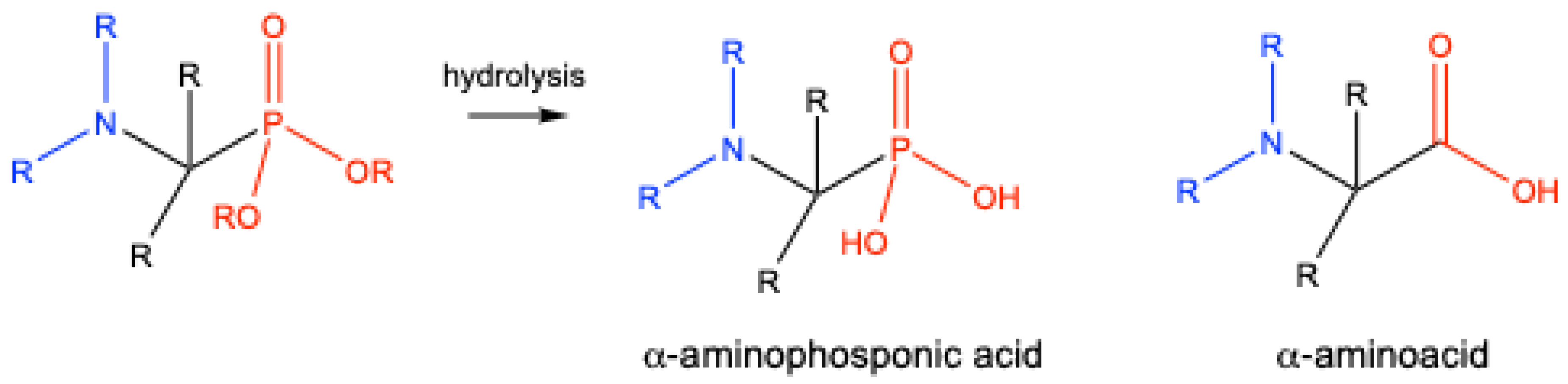
Scheme 2.
Mechanisms of KF reaction.
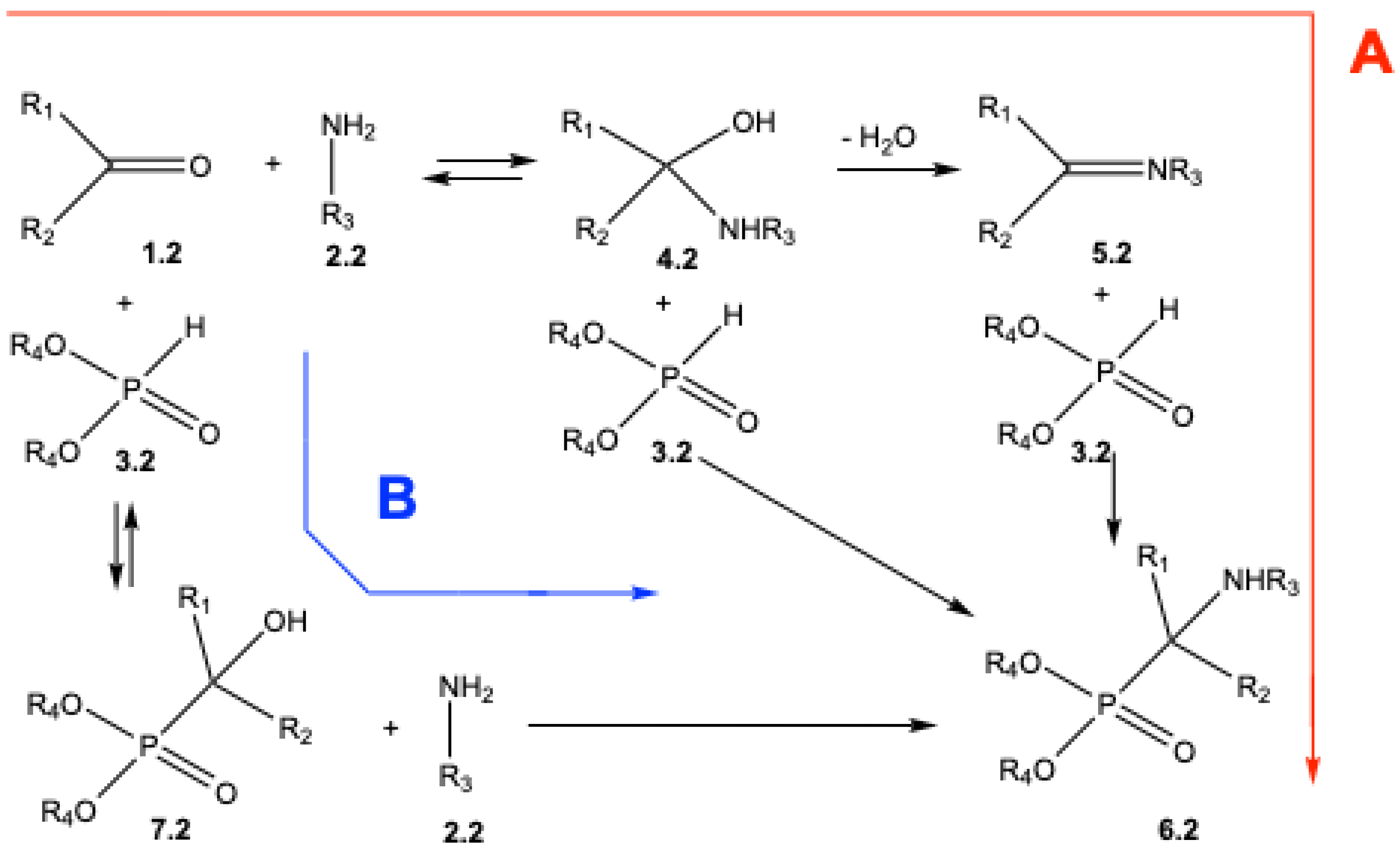
Scheme 3.
KF reactions catalyzed by propanephosphonic acid anhydride.
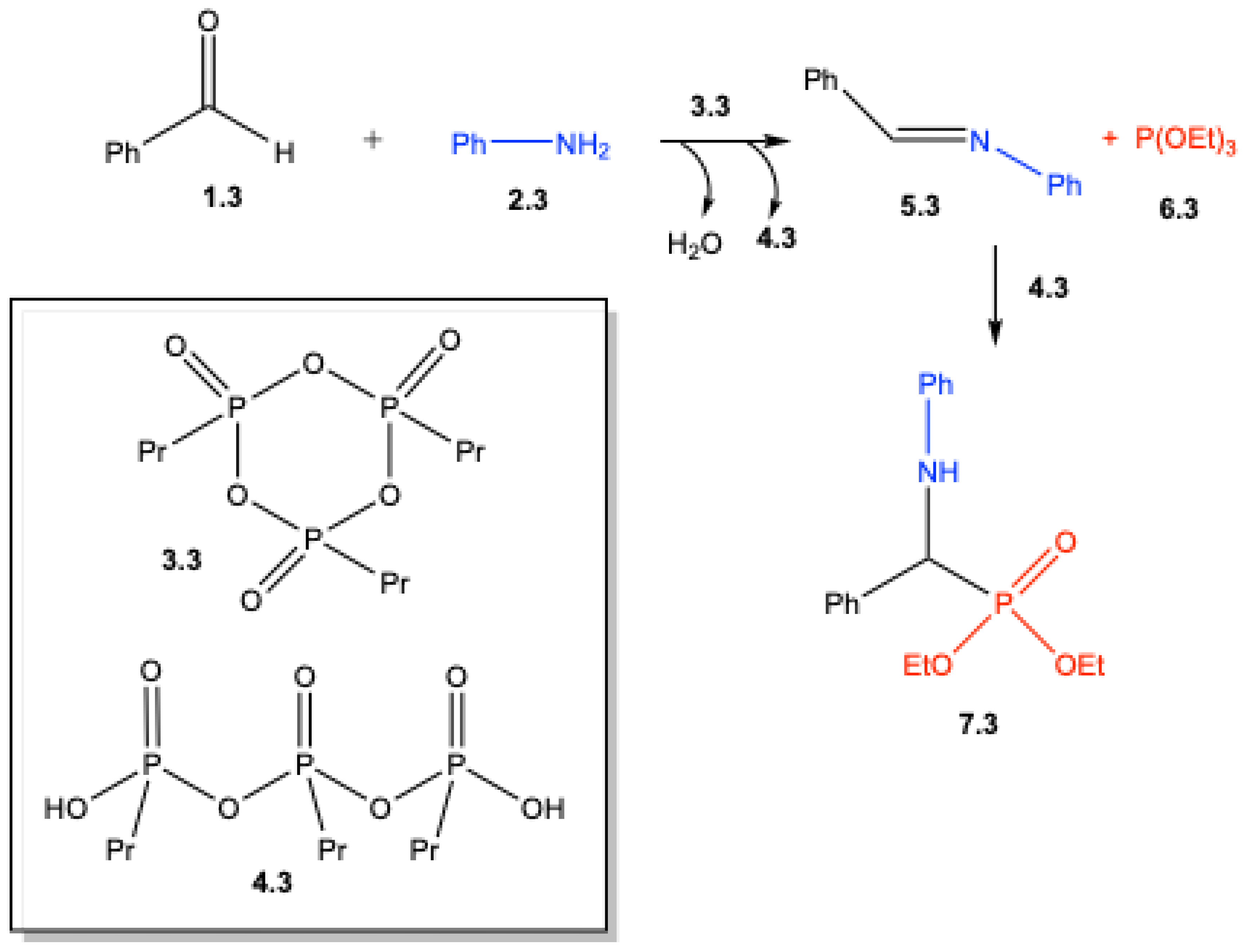
Scheme 4.
Radical pathway.
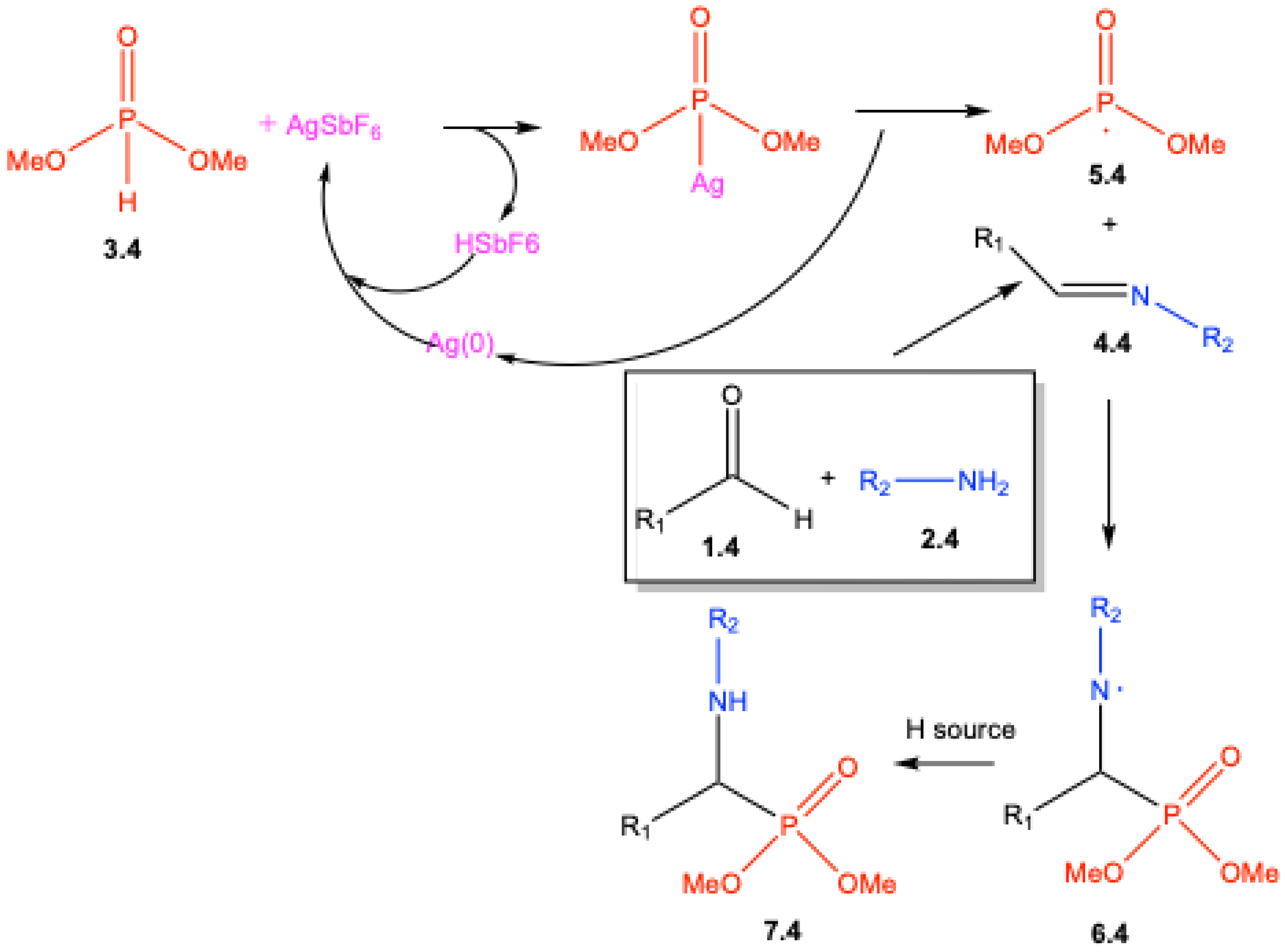
Scheme 5.
Solvent and catalyst-free KF reactions.
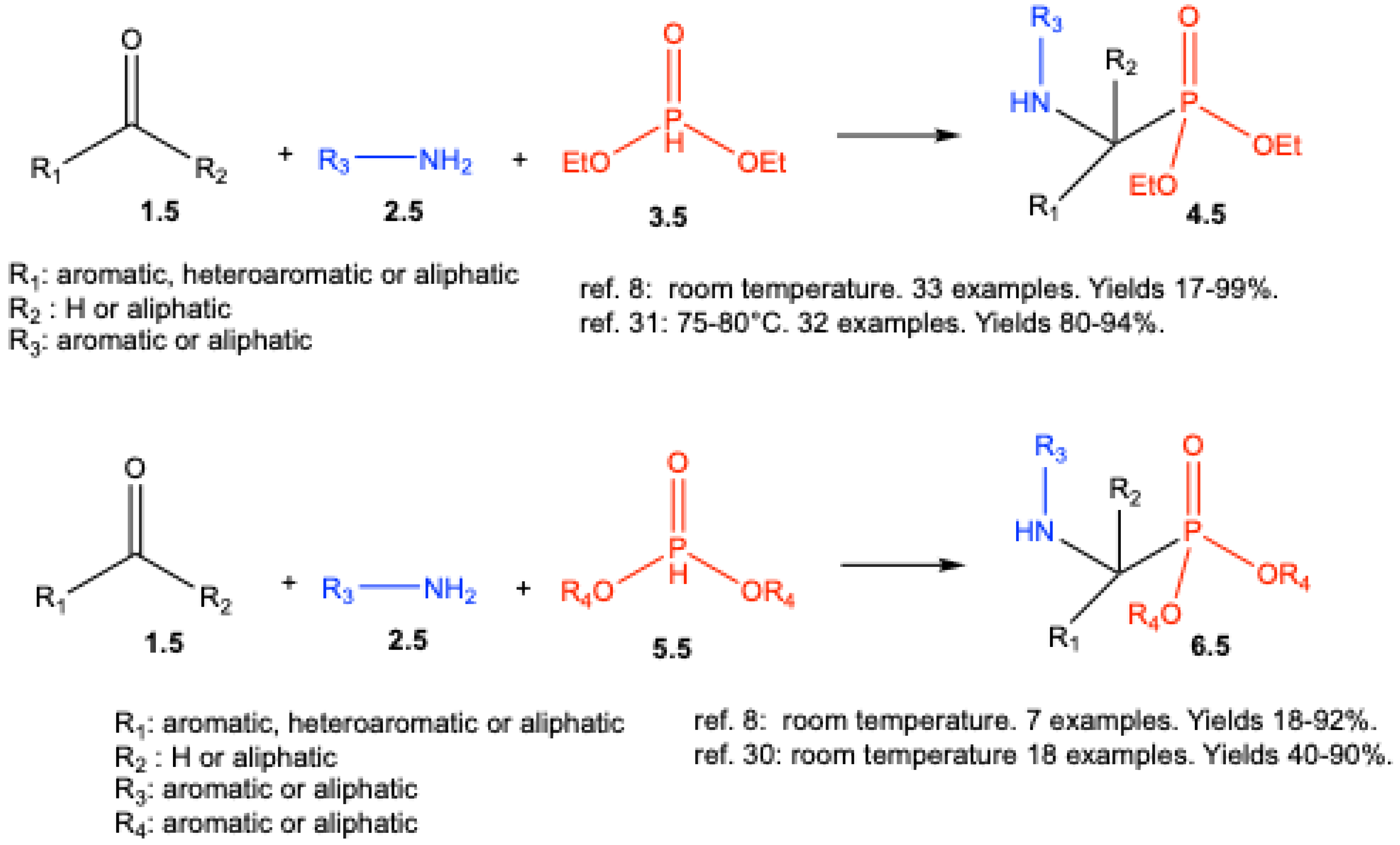
Scheme 6.
One-pot four component KF reaction.
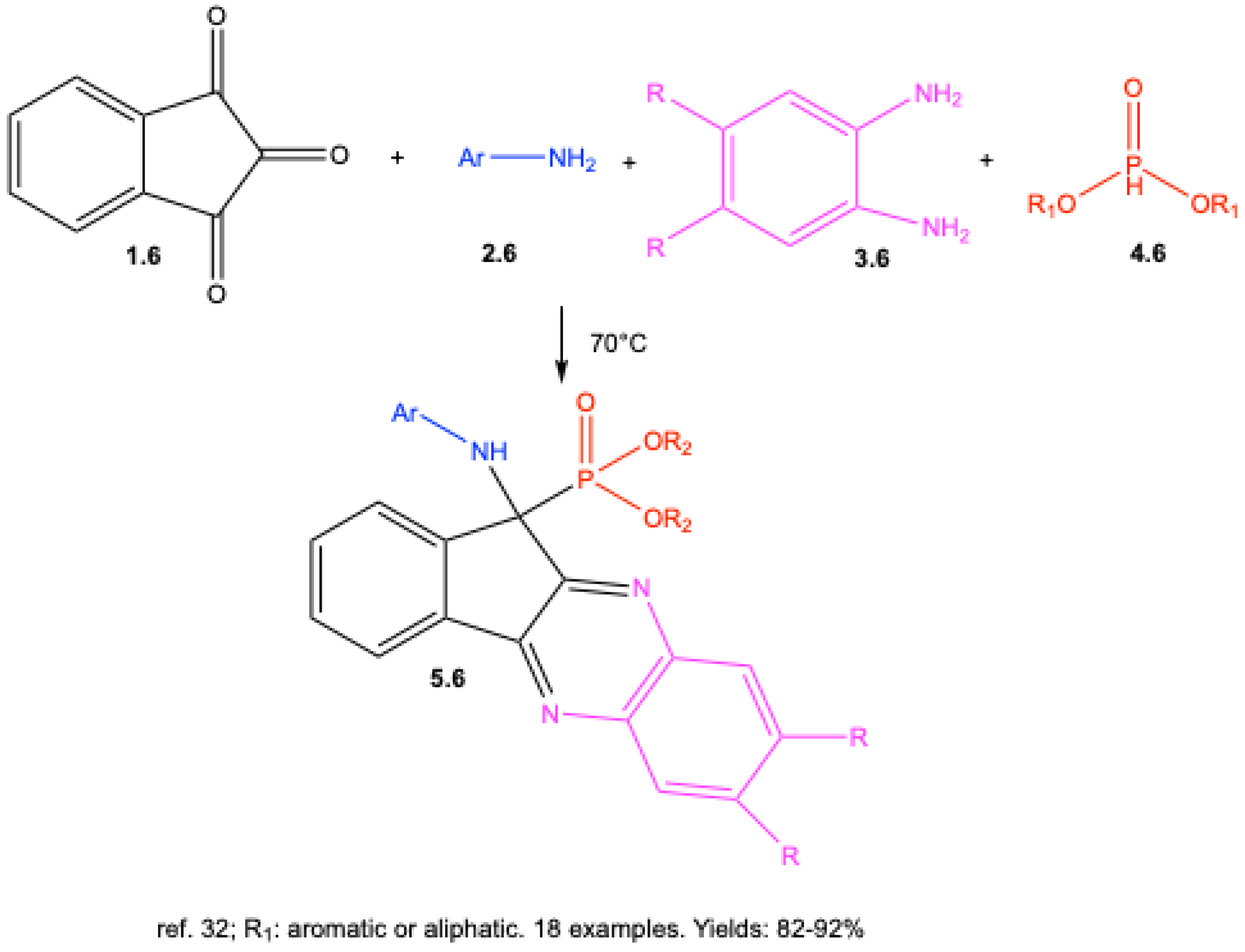
Scheme 7.
Synthesis of phosphonate-containing siloxanes 4.7.
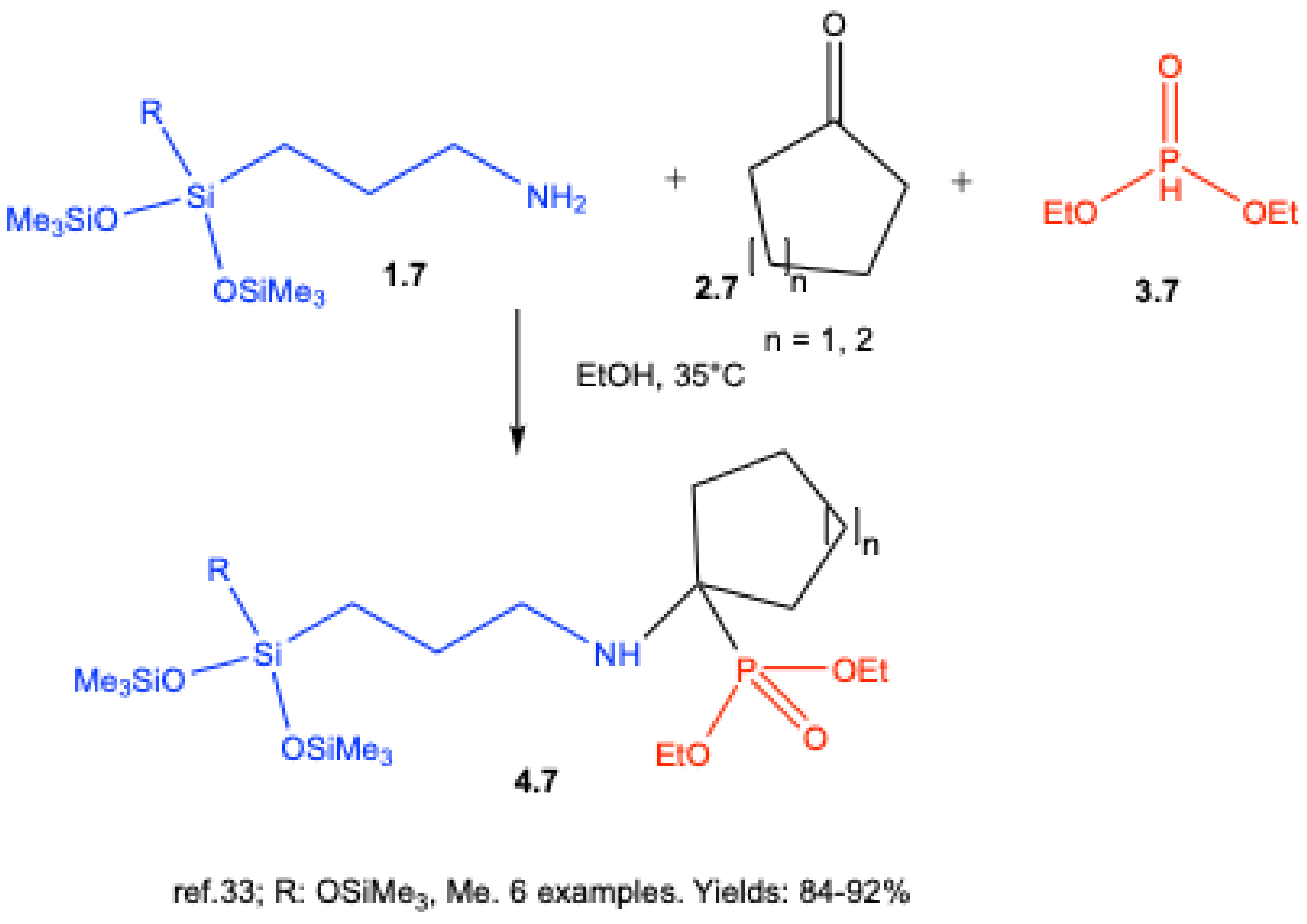
Scheme 8.
Catalyst-free KF reactions.
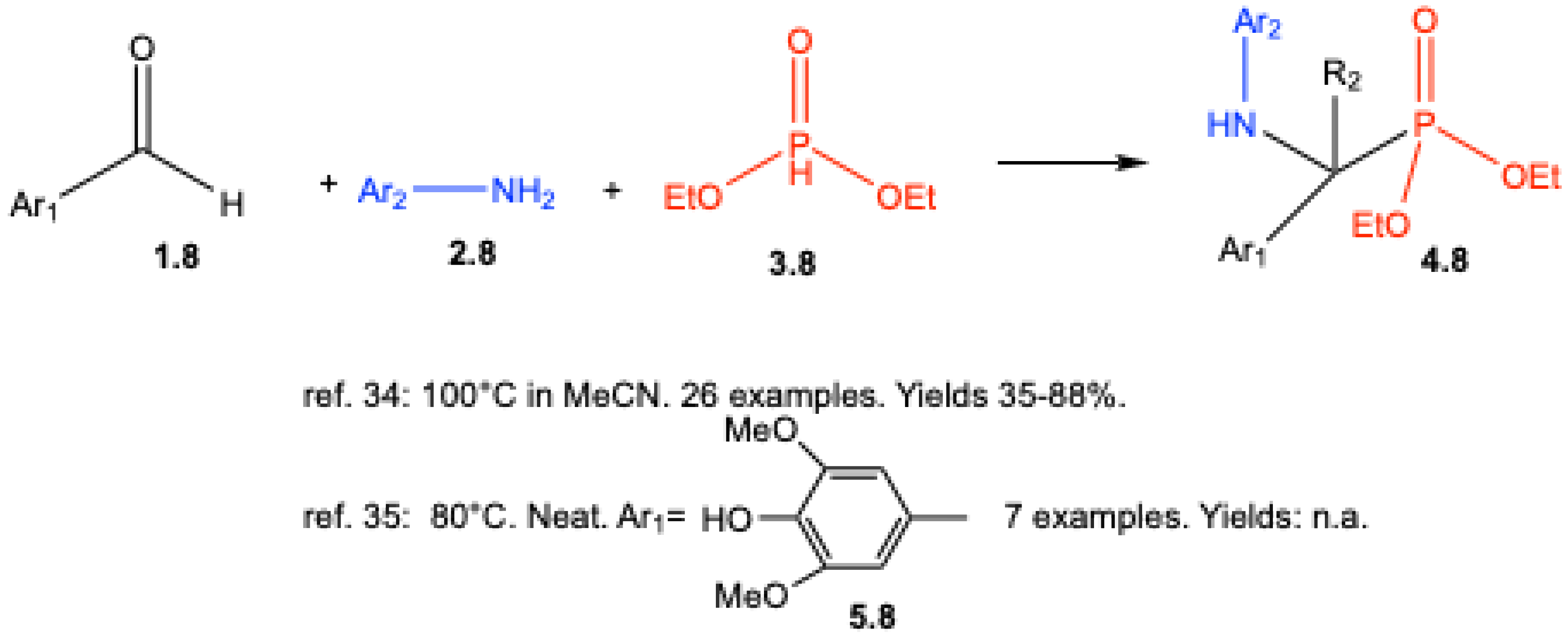
Scheme 9.
KF reactions in green solvents.
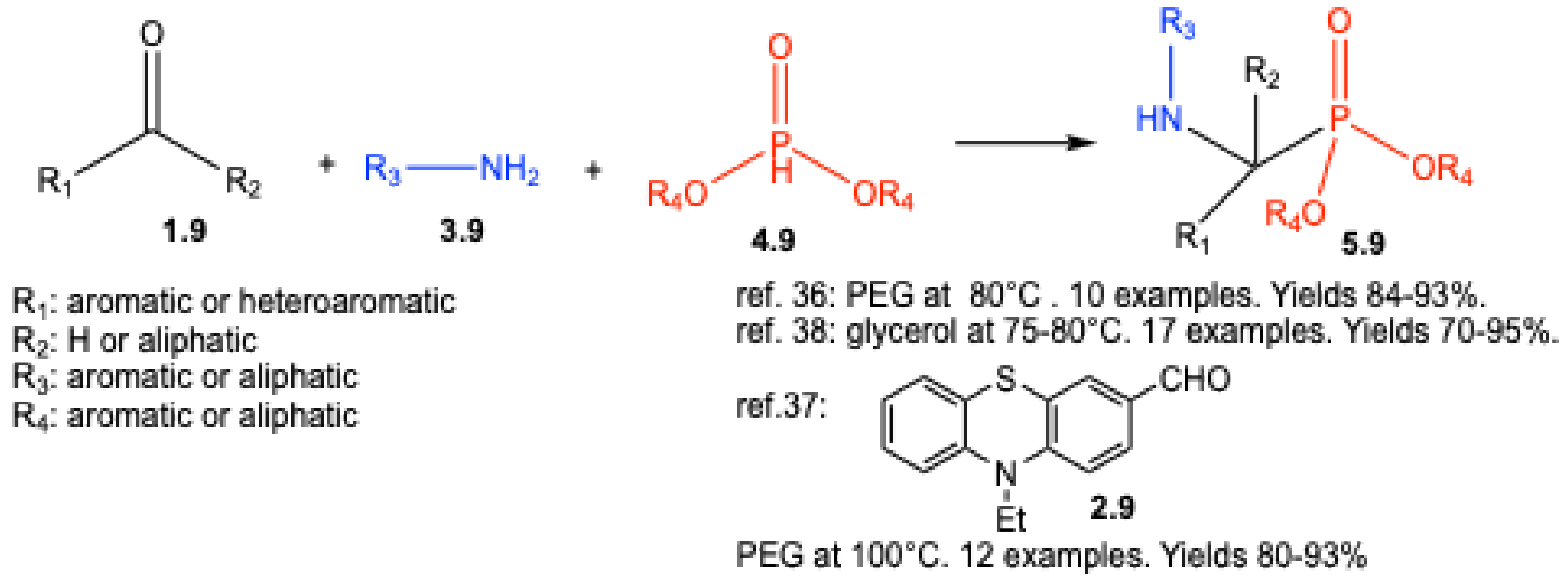
Scheme 10.
KF reactions in DESs.
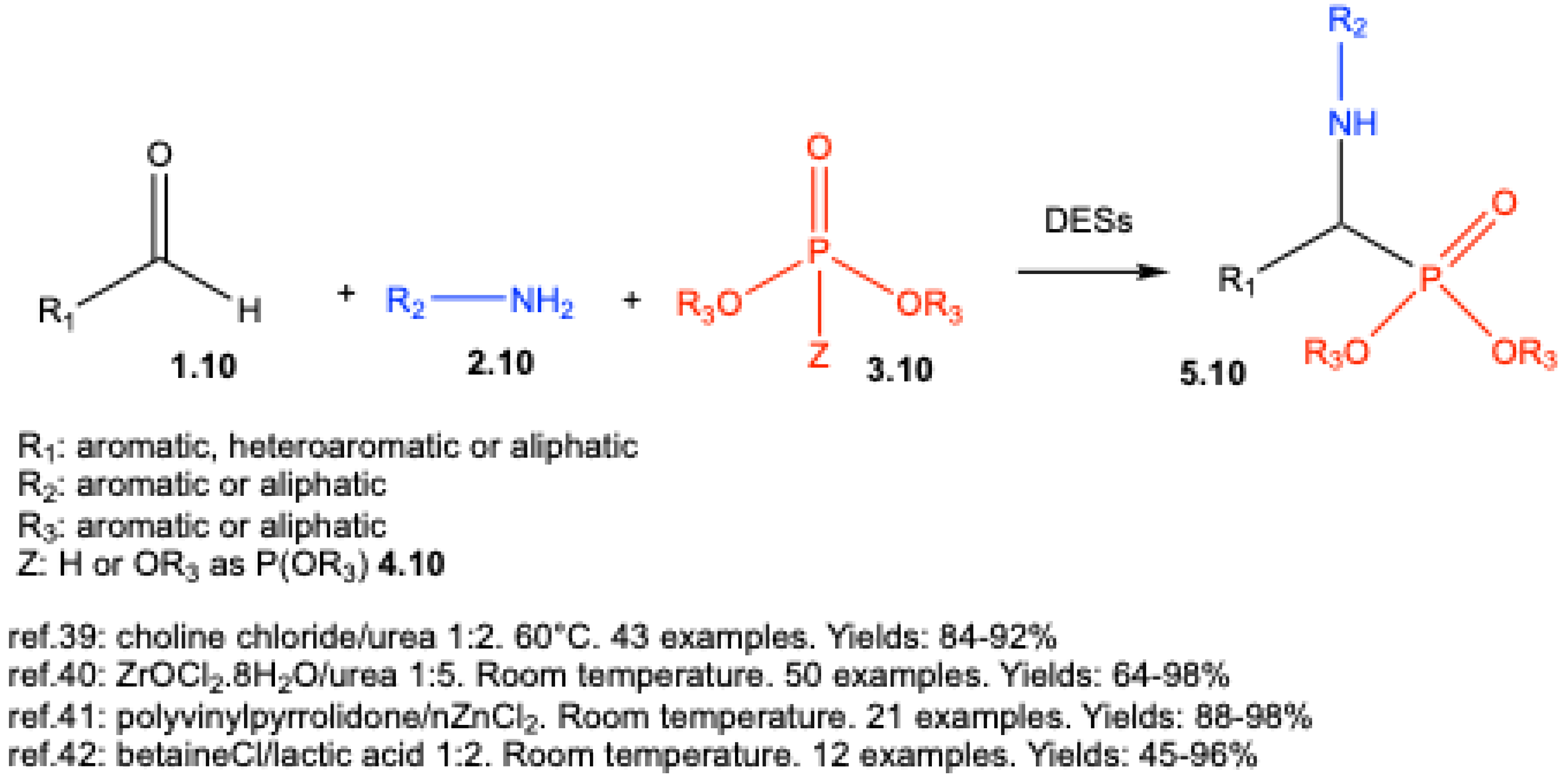
Scheme 11.
KF reactions in ionic liquids.
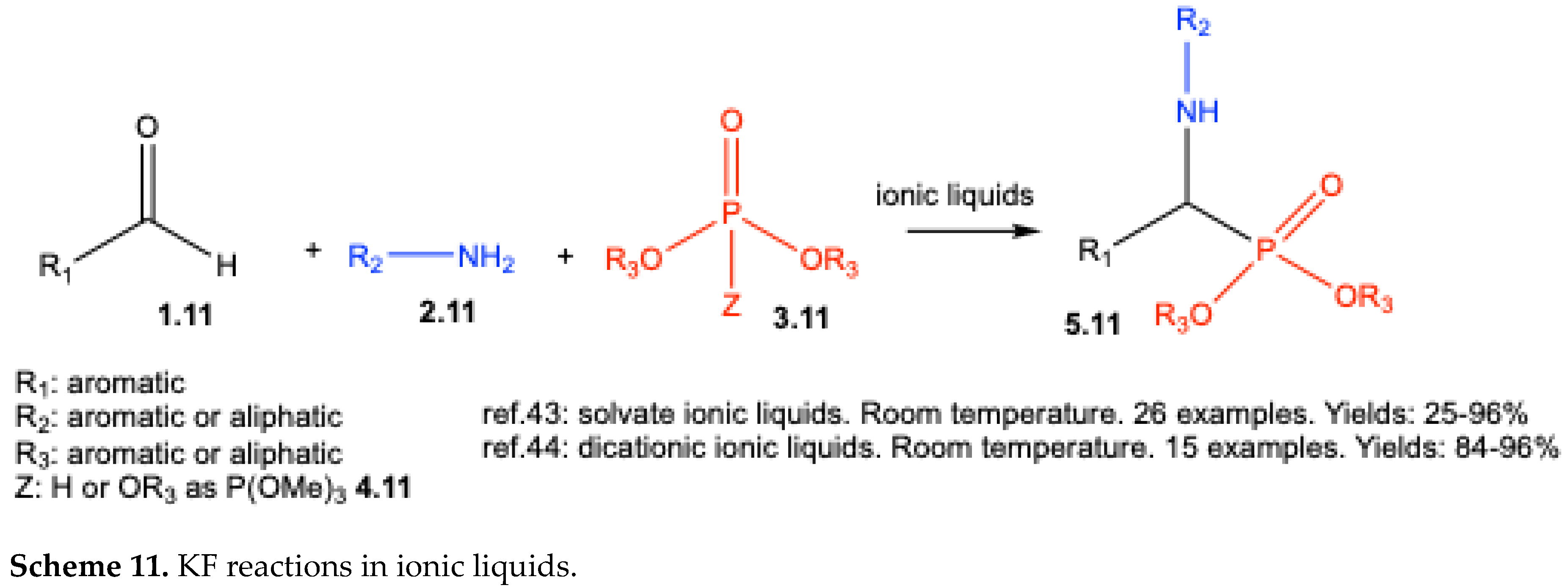
Scheme 12.
Microwaves assisted KF reactions.
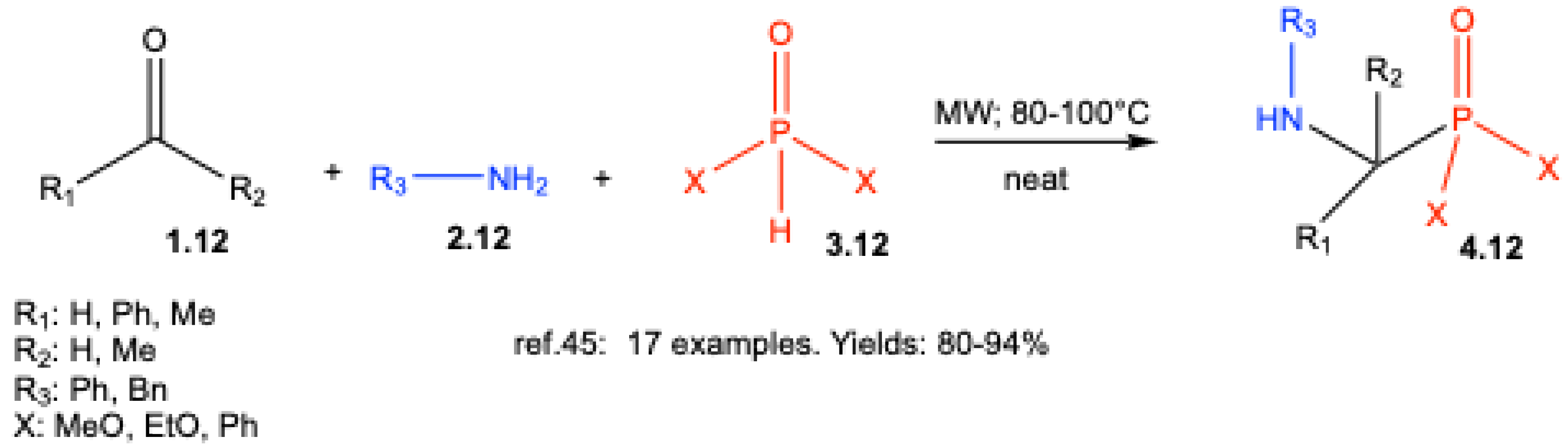
Scheme 13.
Microwaves assisted KF reactions of formaldehyde or para formaldehyde.
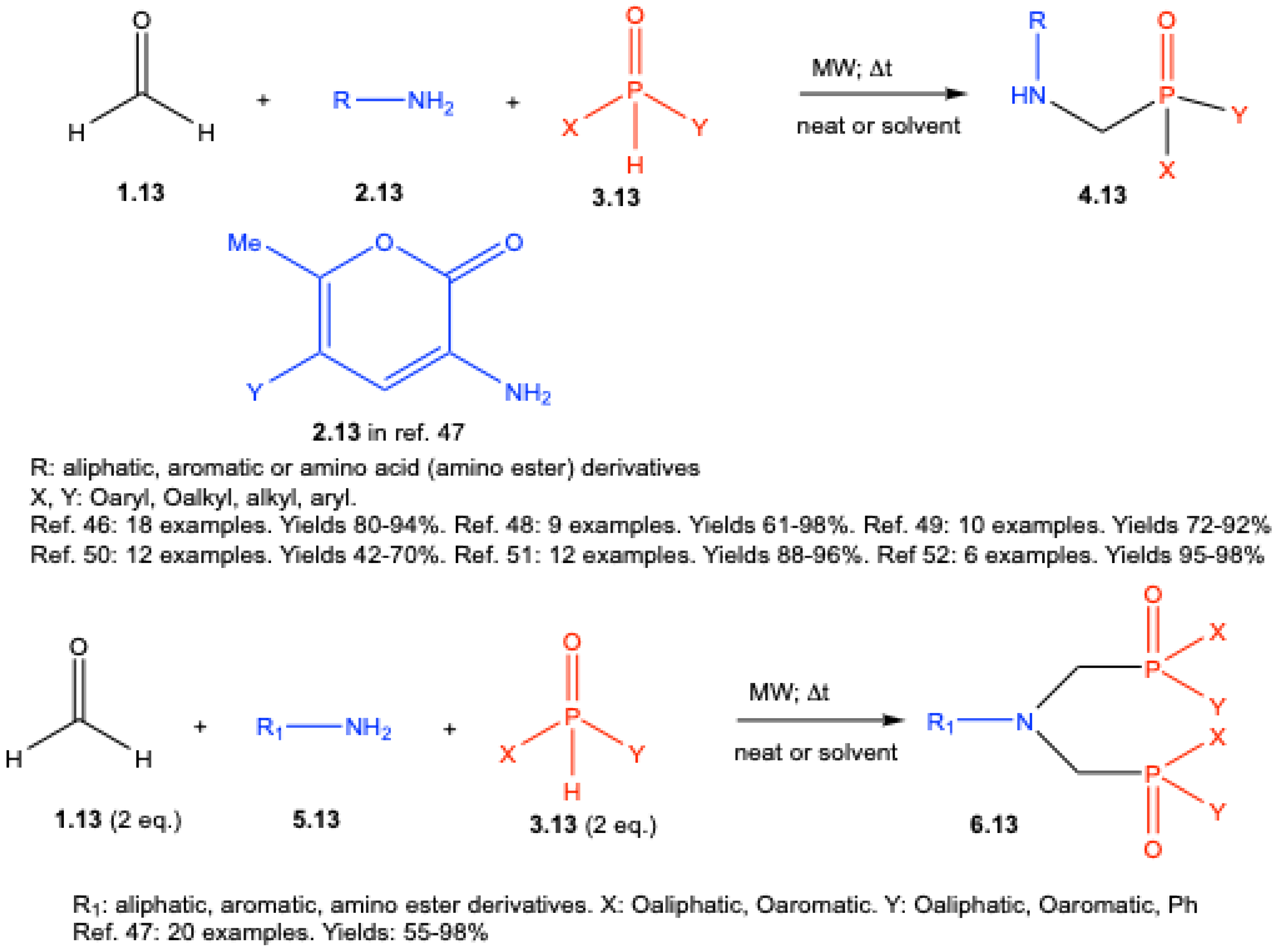
Scheme 14.
Microwaves assisted KF reactions of hindered amines 2.14.
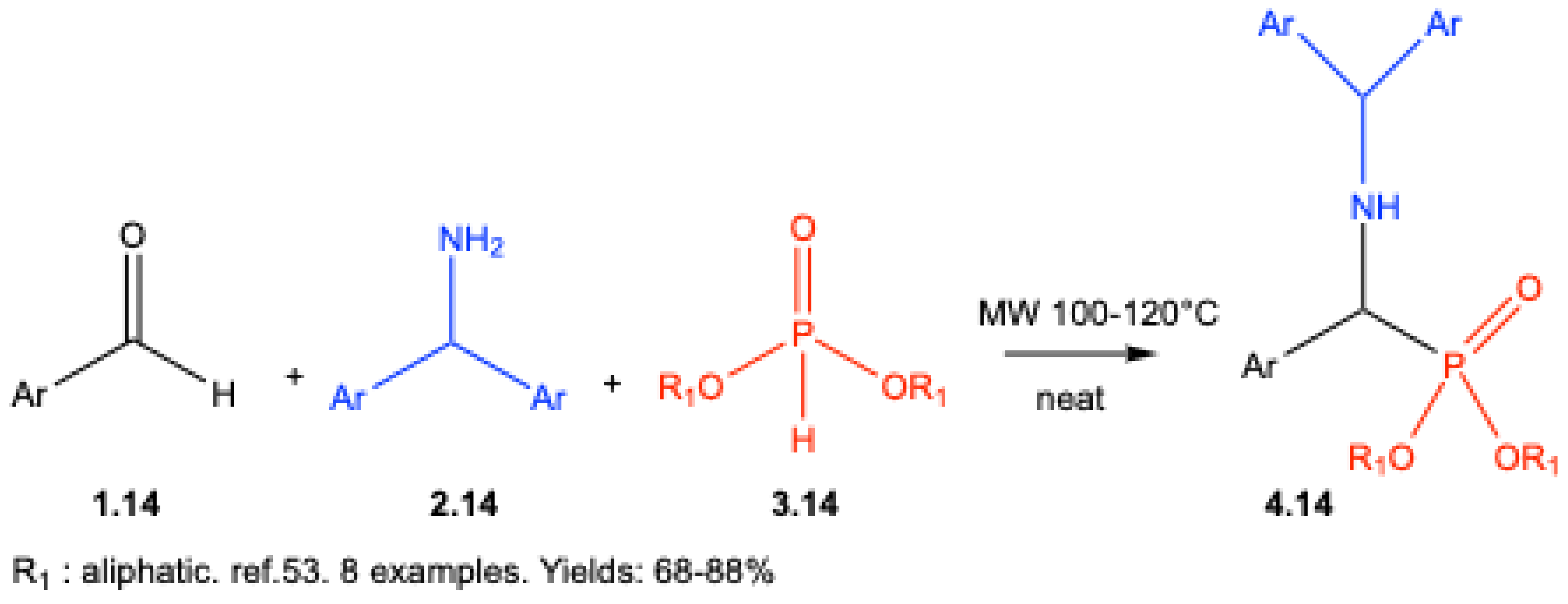
Scheme 15.
Microwaves assisted KF reactions of in a continuous flow reactor.
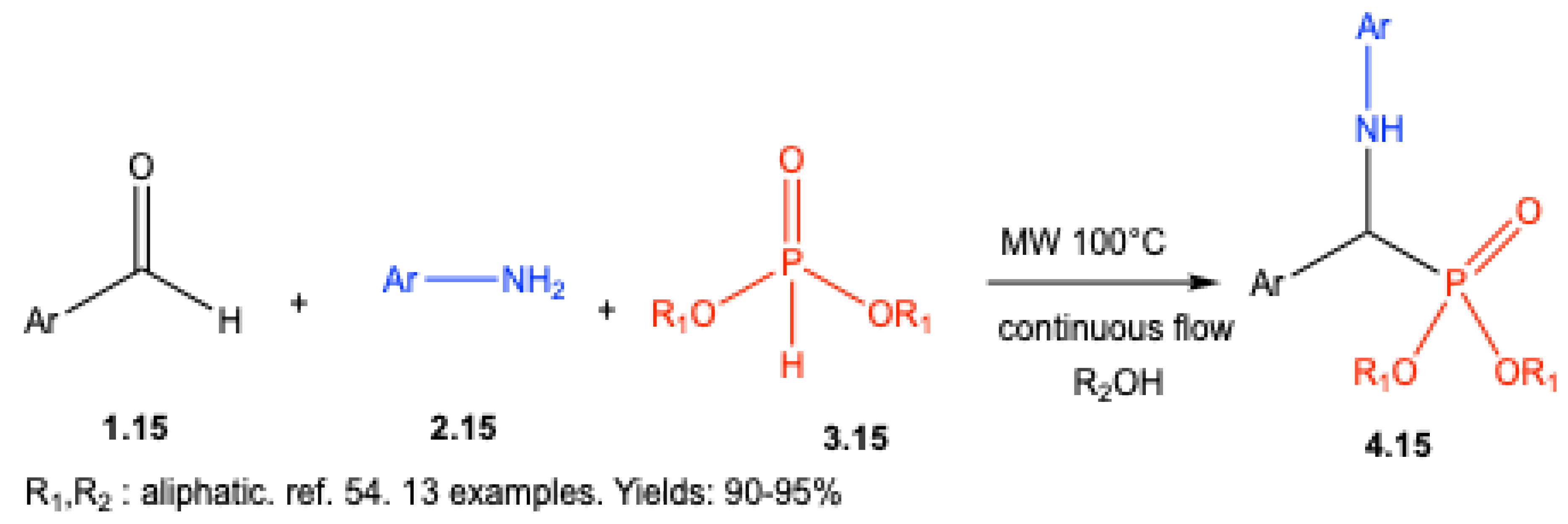
Scheme 16.
Enviromentally friendly microwaves assisted KF reactions.
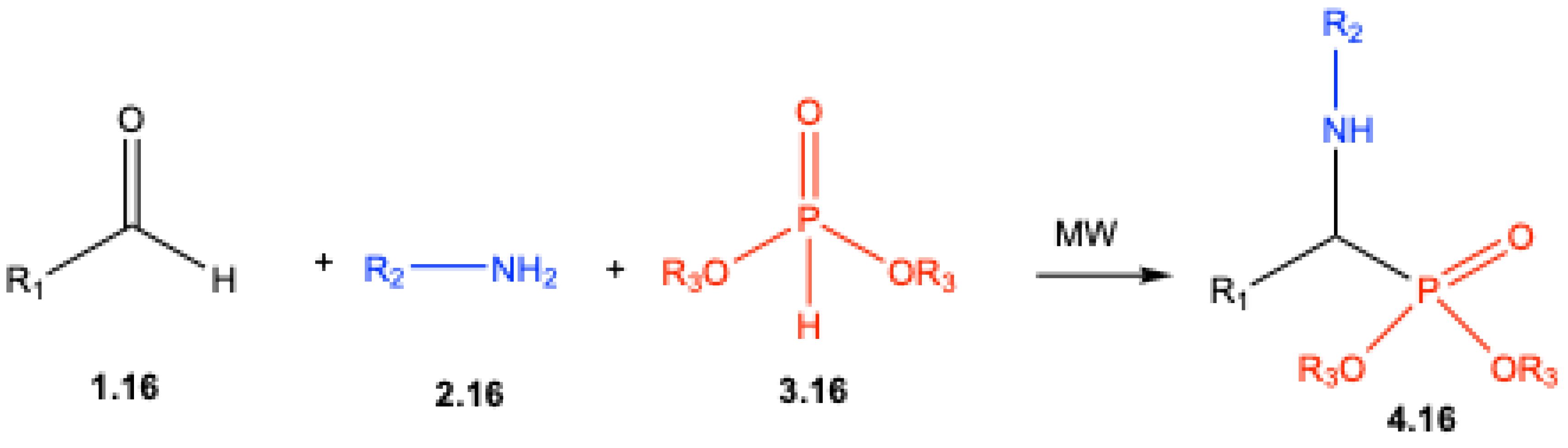
Scheme 17.
Synthesis of isoindolin-1-one-3-phosphonates.
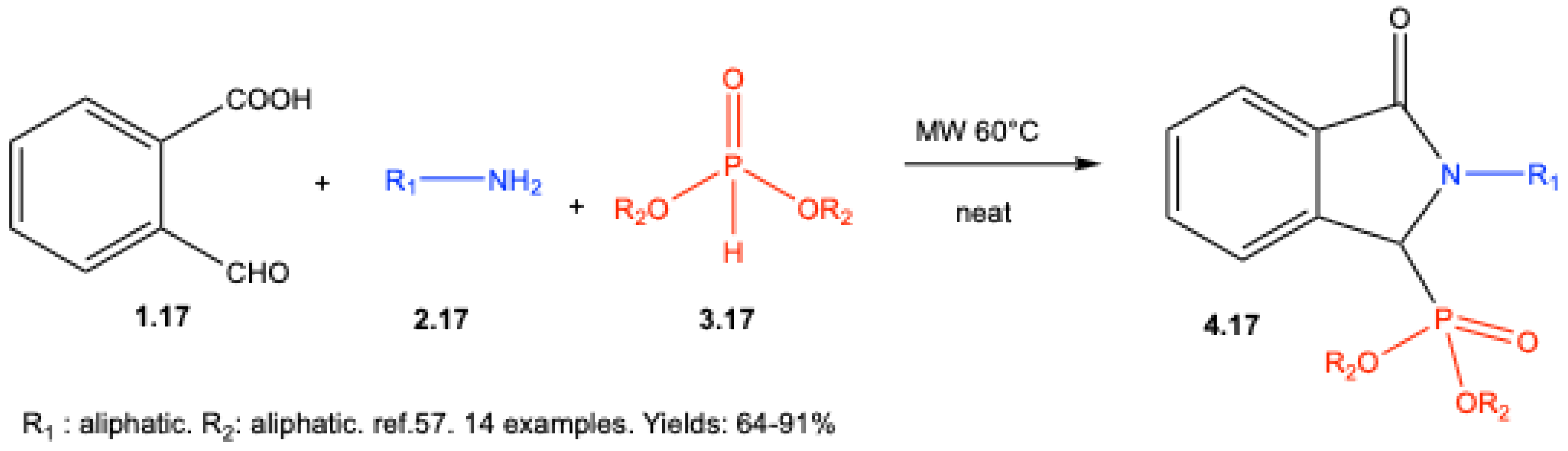
Scheme 18.
Ultrasounds assisted KF reactions.
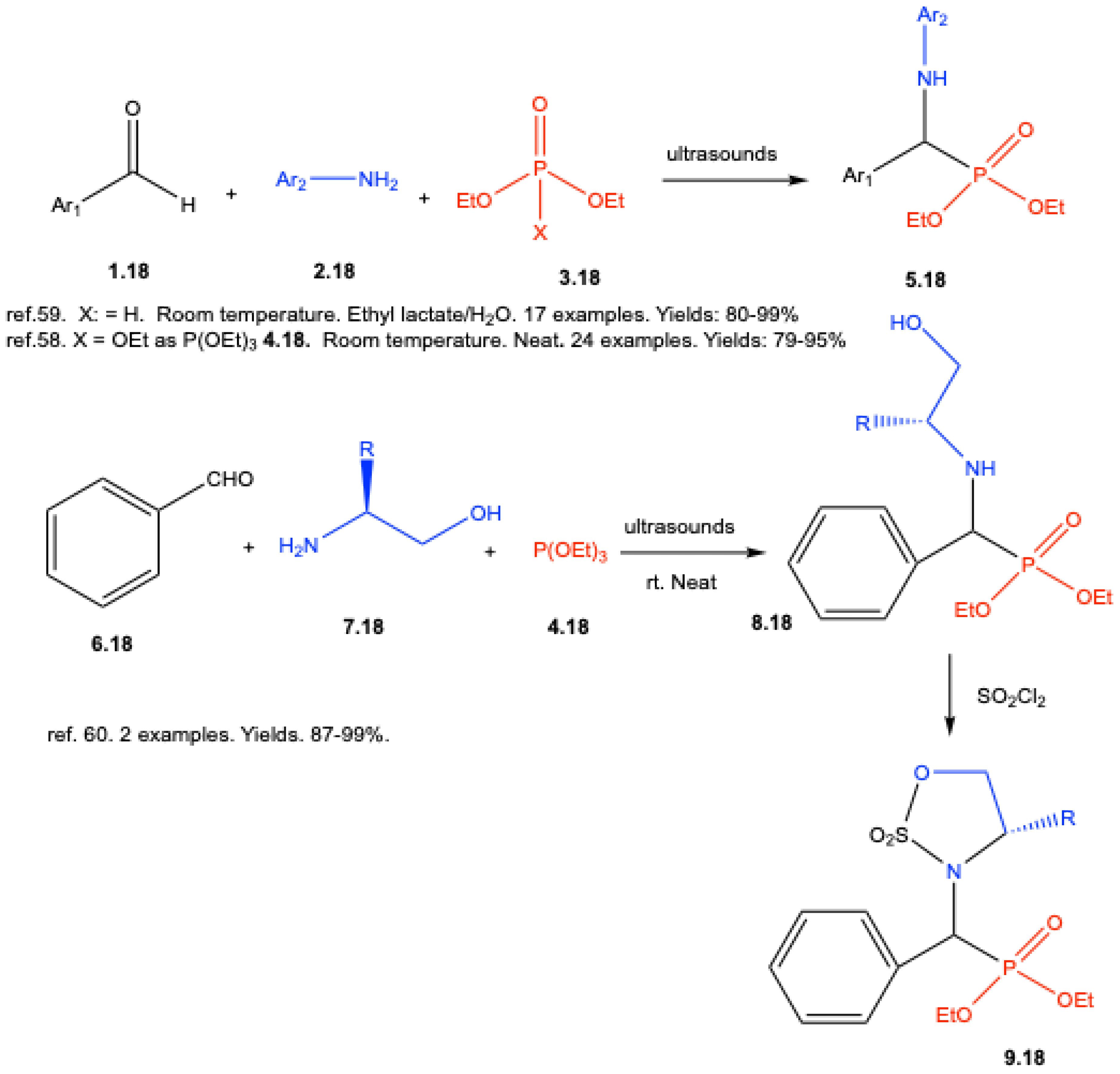
Scheme 19.
Mechanochemistry assisted KF reactions.
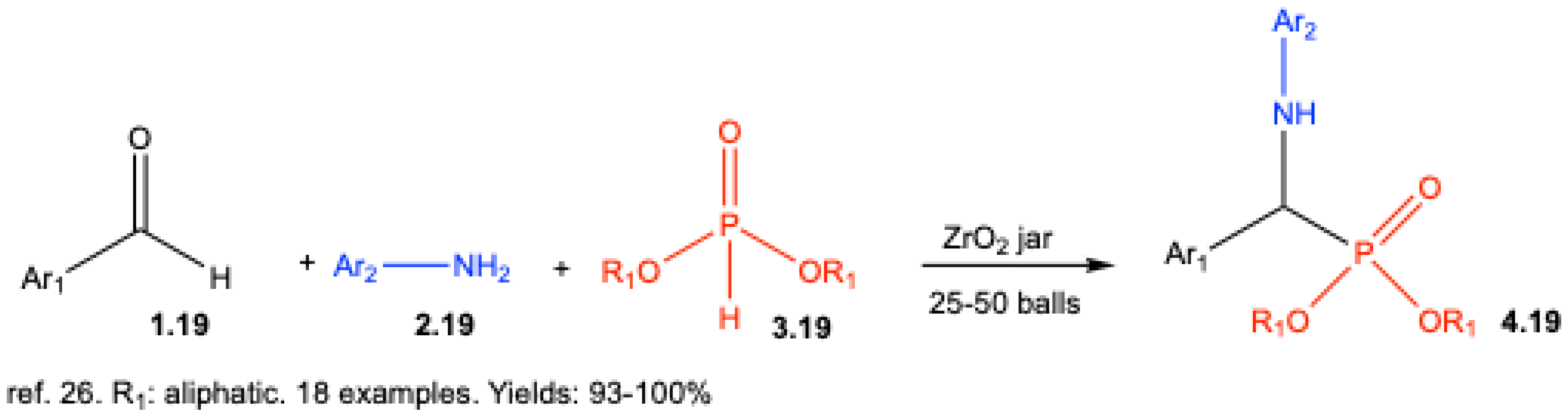
Scheme 20.
KF reactions catalyzed by phthalocyanine–AlCl complex.
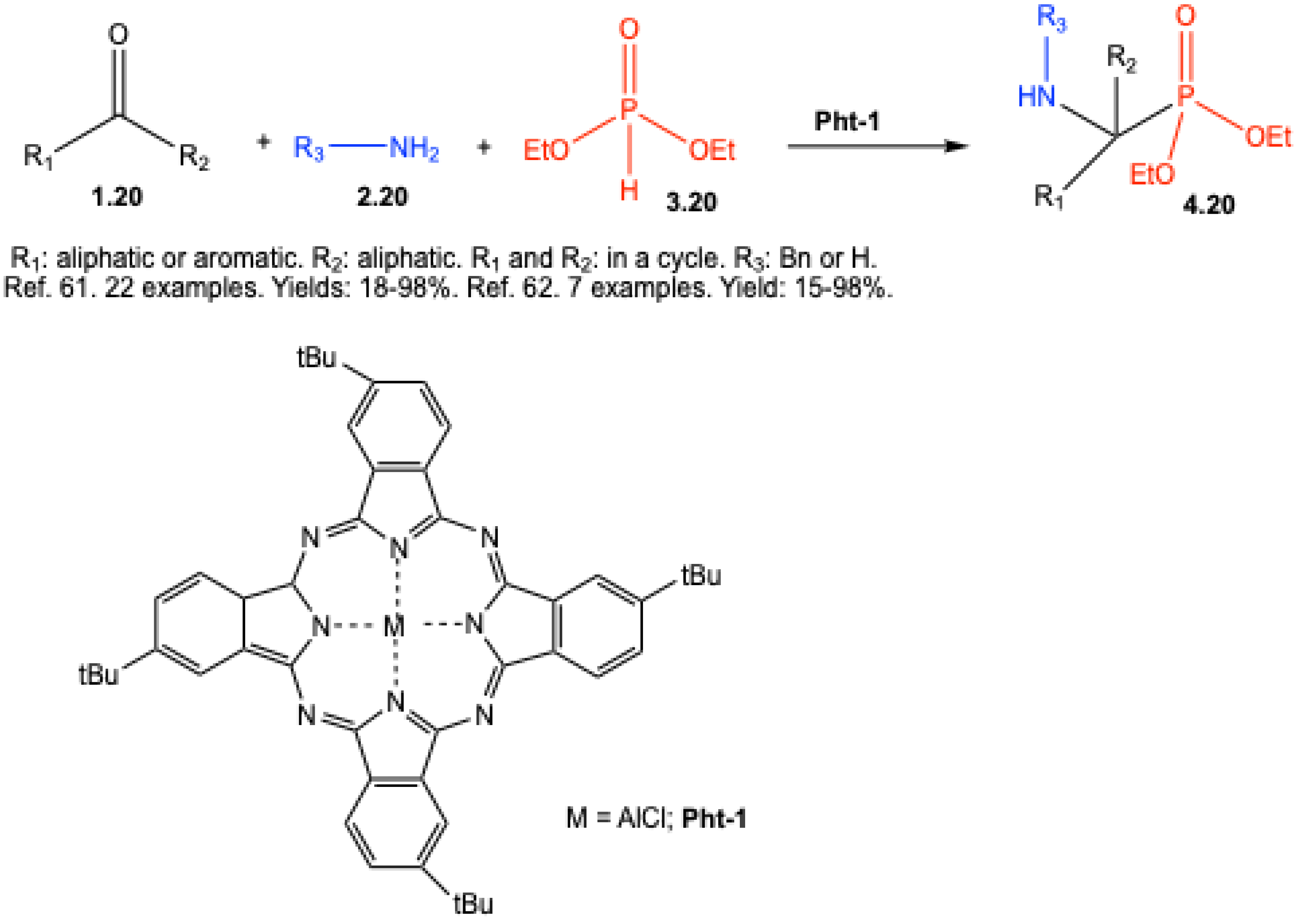
Figure 2.
1,3,4-oxadiazole acetohydrazide derivative (Table 2; entry 5).
Figure 2.
1,3,4-oxadiazole acetohydrazide derivative (Table 2; entry 5).
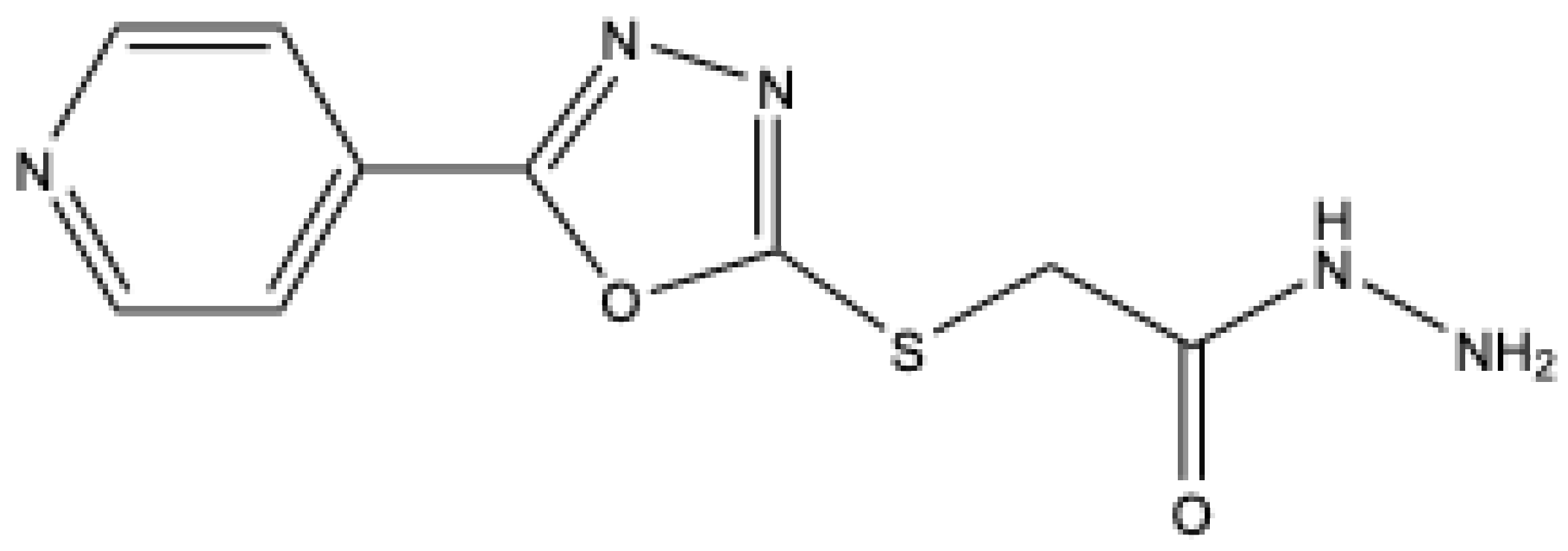
Scheme 22.
Lewis acids as heterogeneous catalysyts for KF reactions.
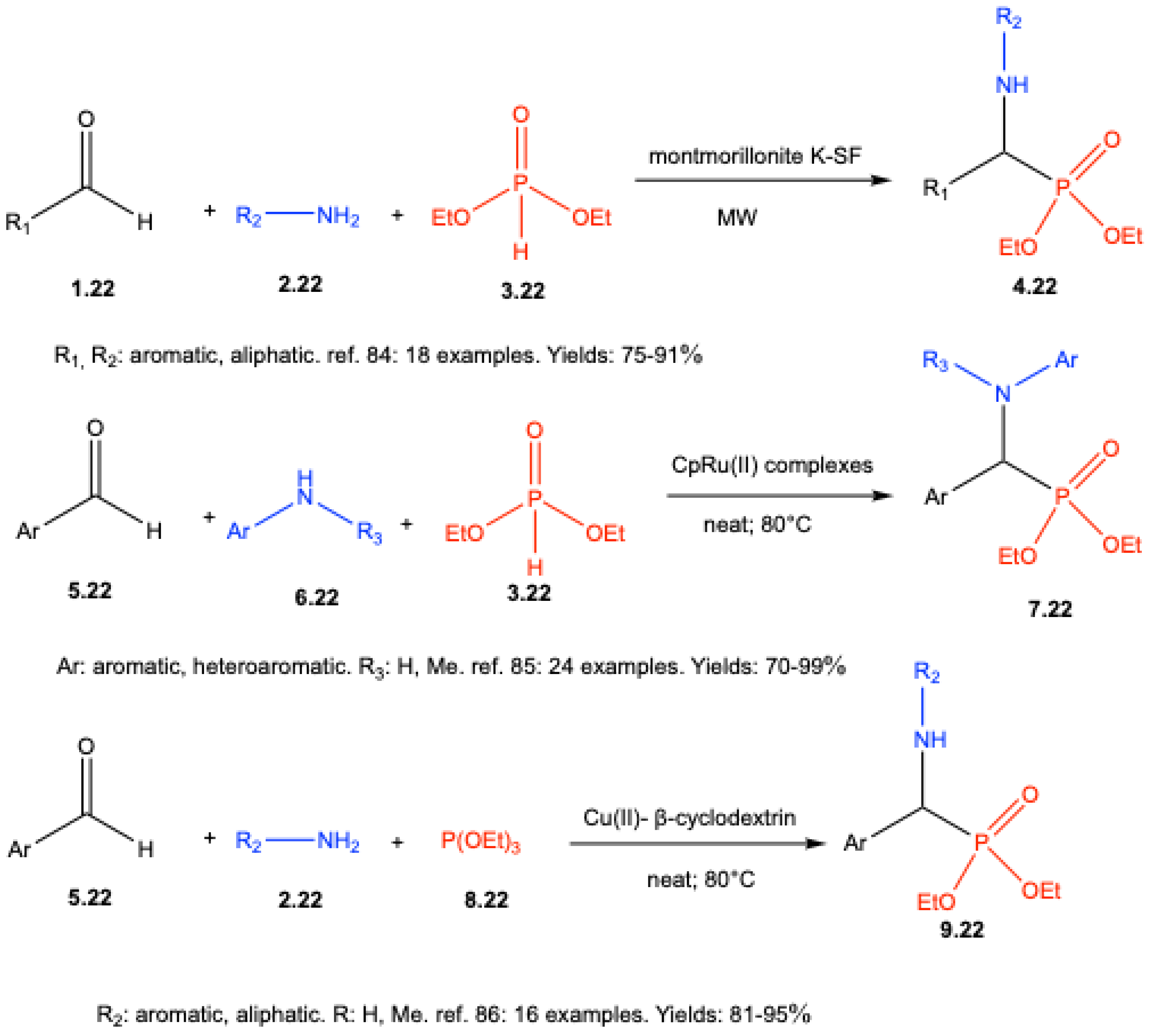
Figure 4.
N-(1-hydroxybutan-2-yl)-4-nitrobenzene sulfonamide (Table 3; entry 16).
Figure 4.
N-(1-hydroxybutan-2-yl)-4-nitrobenzene sulfonamide (Table 3; entry 16).
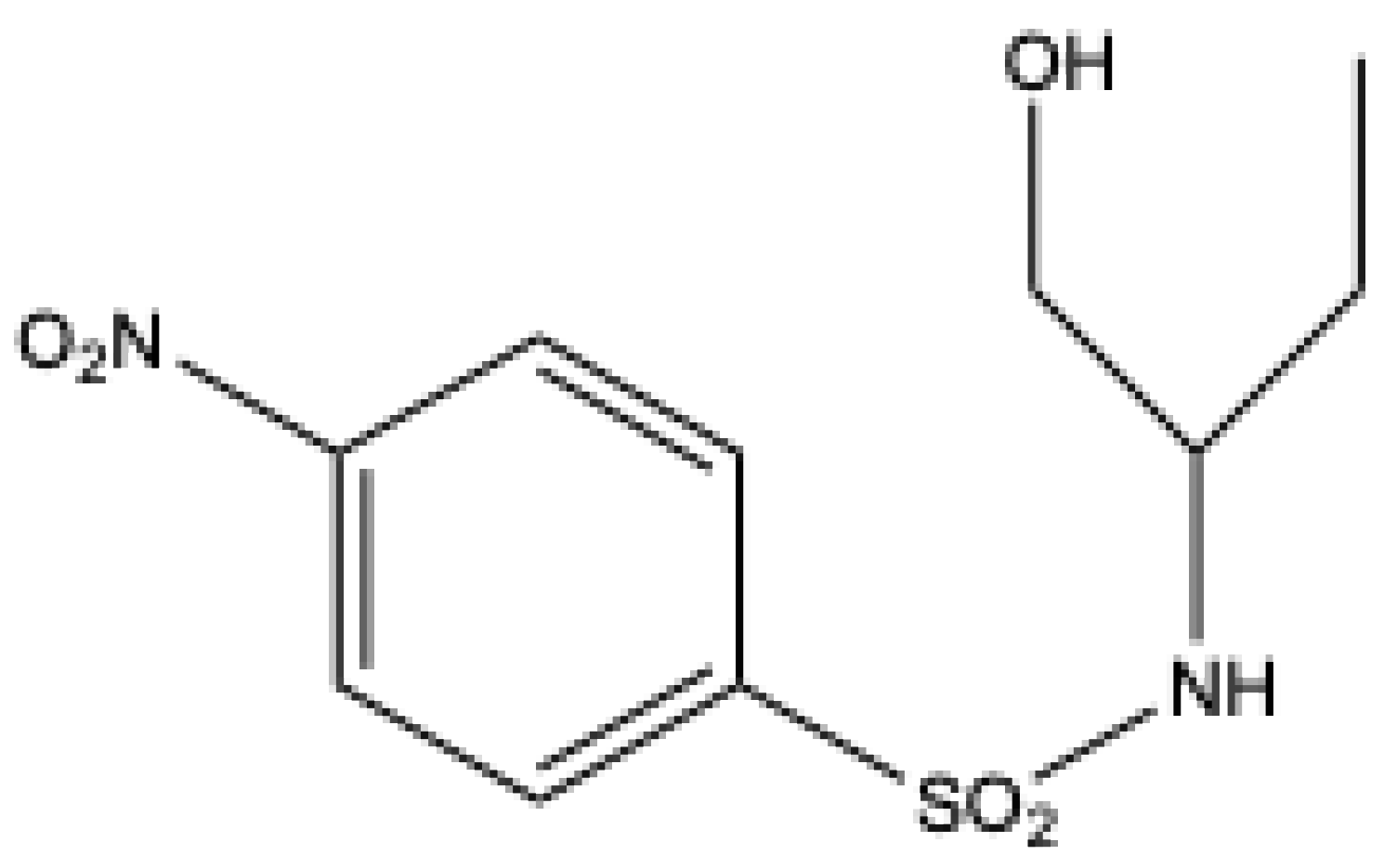
Scheme 23.
Synthesis of α-amino(2-alkynylphenyl)methylphosphonates) or 2,3-disubstituted-1,2-dihydroisoquinolin-1-ylphosphonates.
Scheme 23.
Synthesis of α-amino(2-alkynylphenyl)methylphosphonates) or 2,3-disubstituted-1,2-dihydroisoquinolin-1-ylphosphonates.
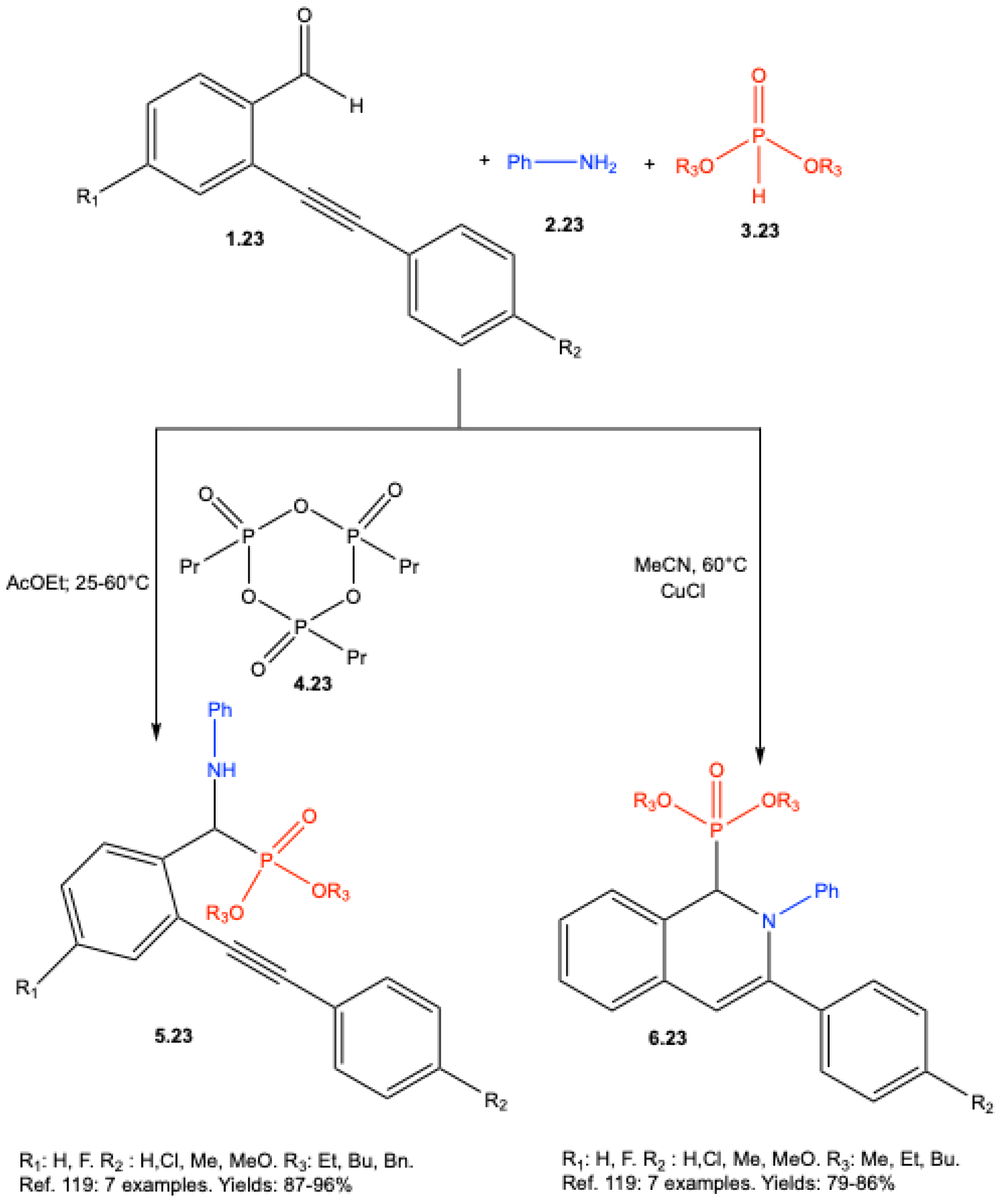
Scheme 24.
Magnesium dodecyl sulfate catalyzed KF reactions.
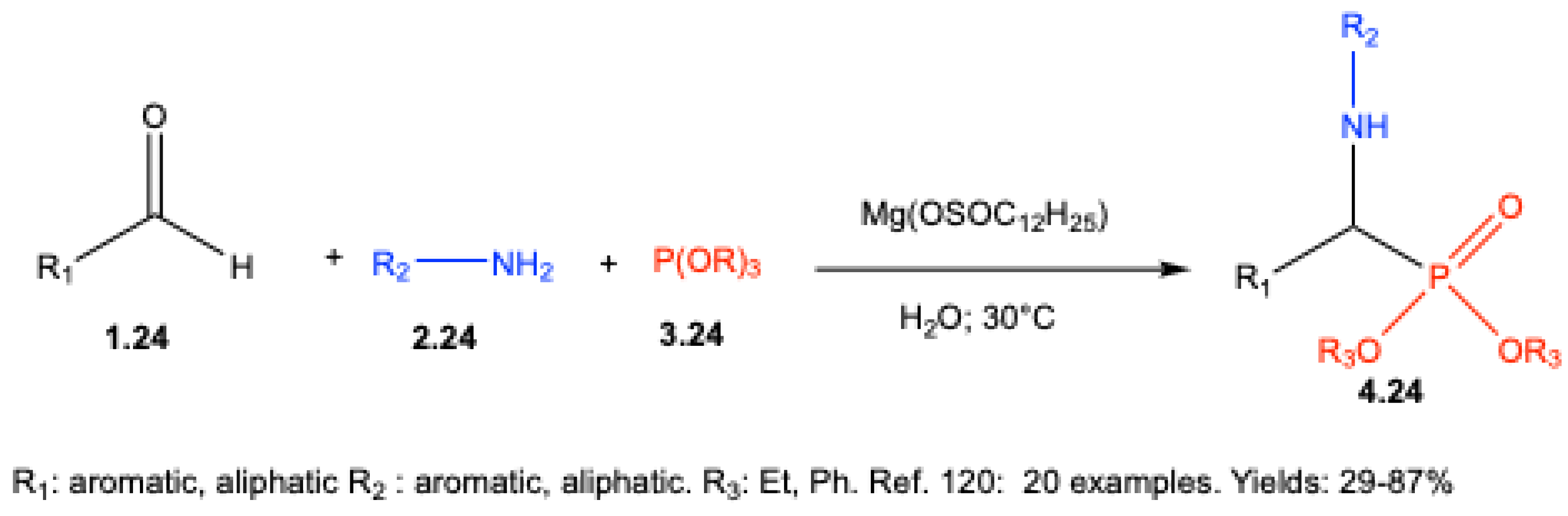
Scheme 25.
KF reactions in a low-melting mixture.
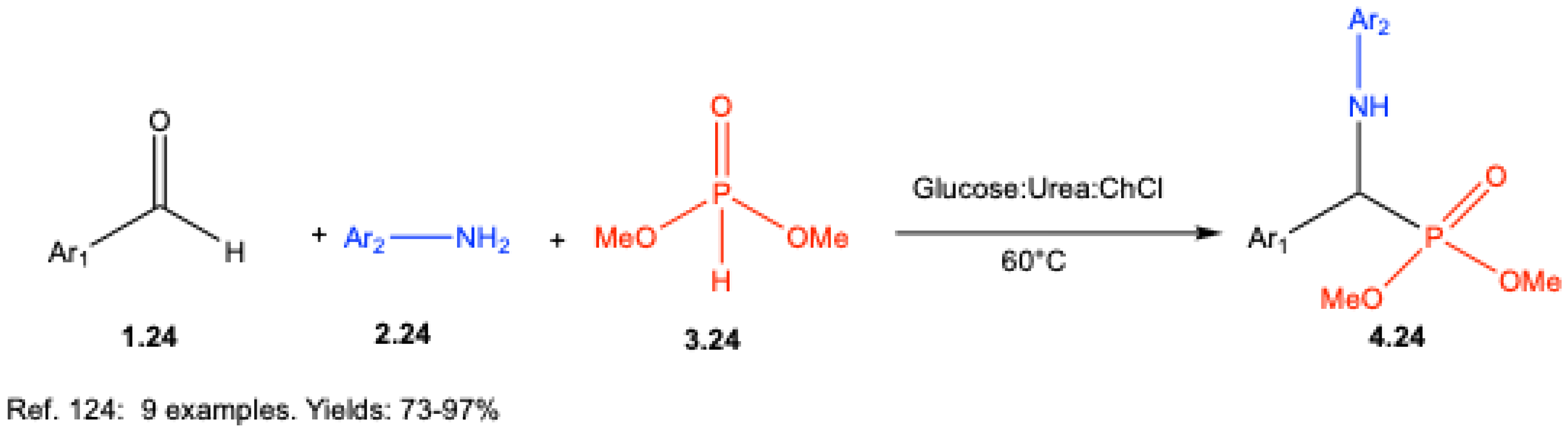
Scheme 26.
AgSbF6 catalyzed KF reactions.
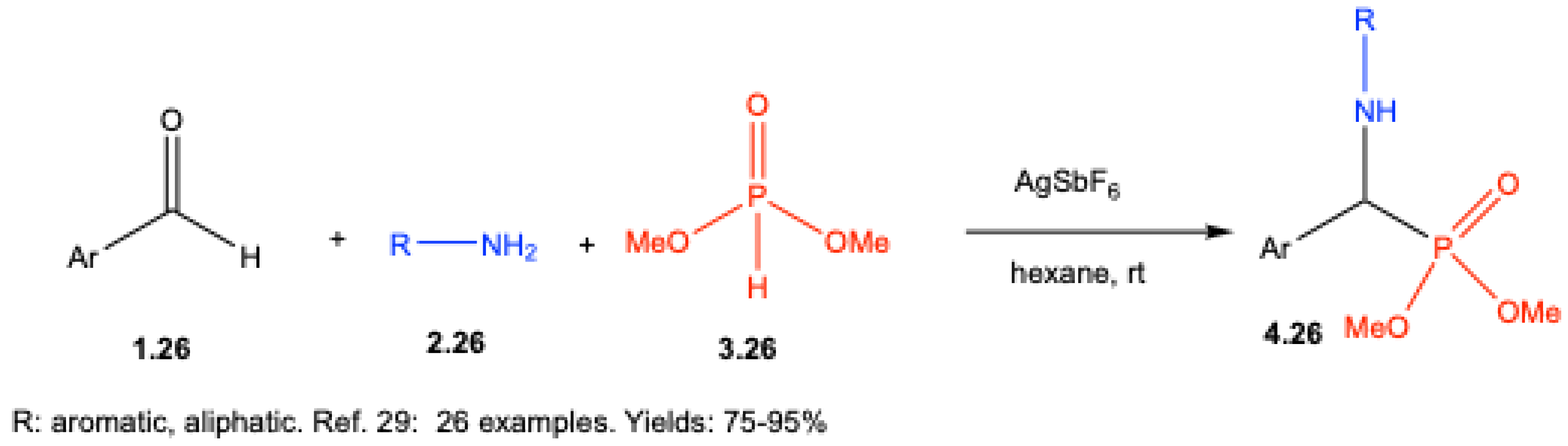
Figure 5.
Optically active α-aminophosphonates.
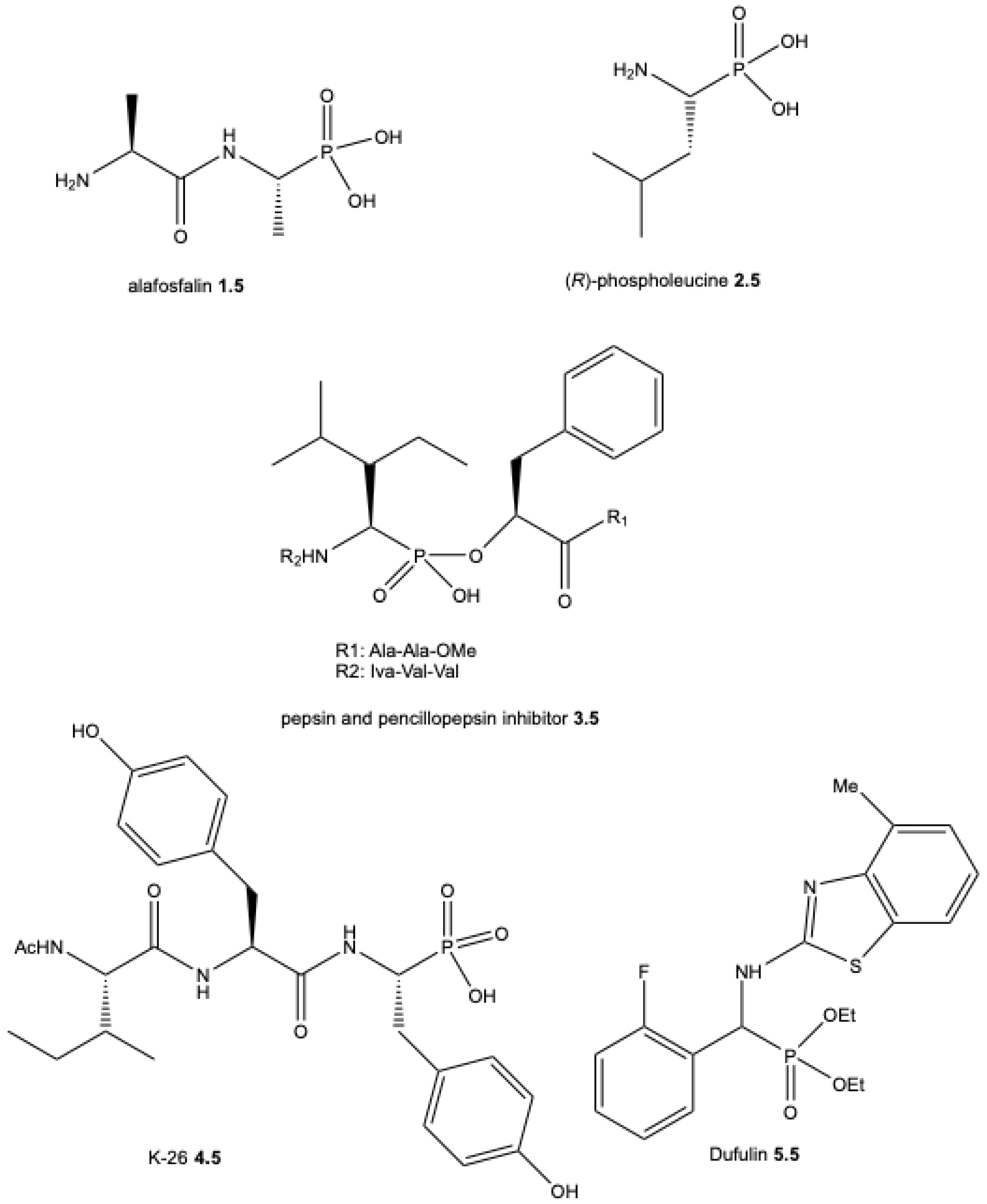
Scheme 27.
Enantioselective KF reaction catalyzed by zinc(II)–bis(imidazoline) complex.
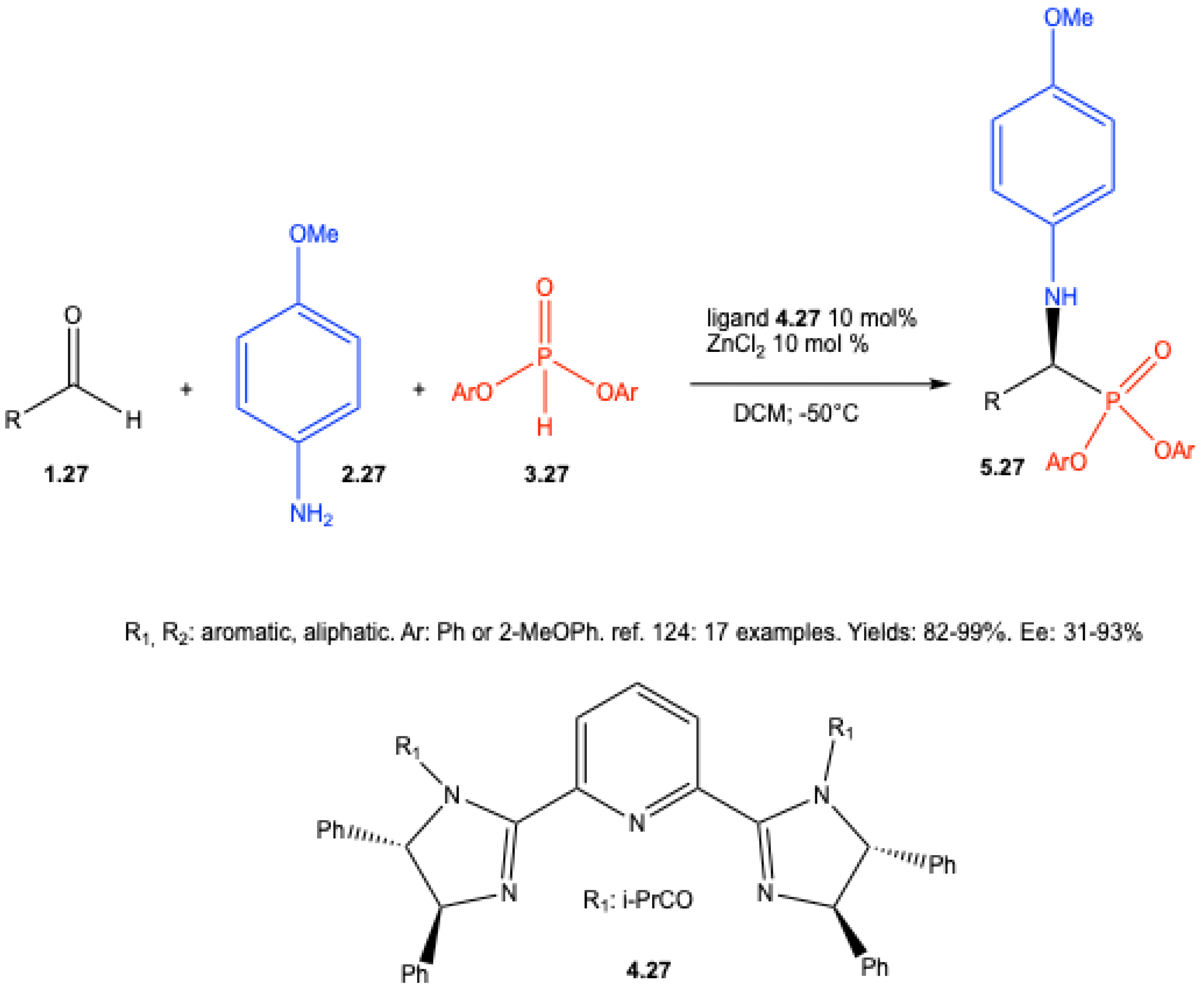
Scheme 28.
Enantioselective KF reaction catalyzed by zirconium complex.
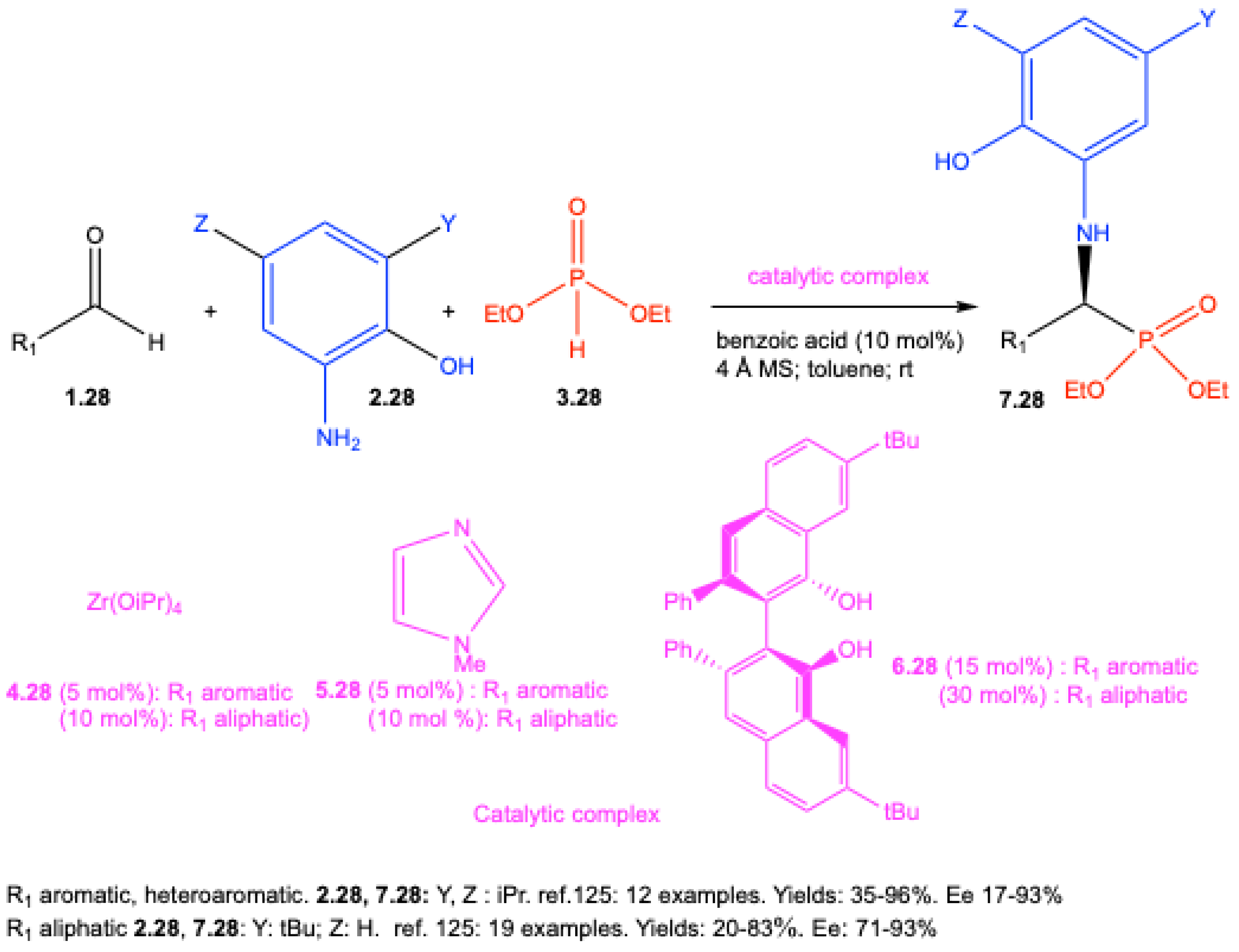
Scheme 29.
Enantioselective KF reaction catalyzed by bis-thioureas derived 4.29.
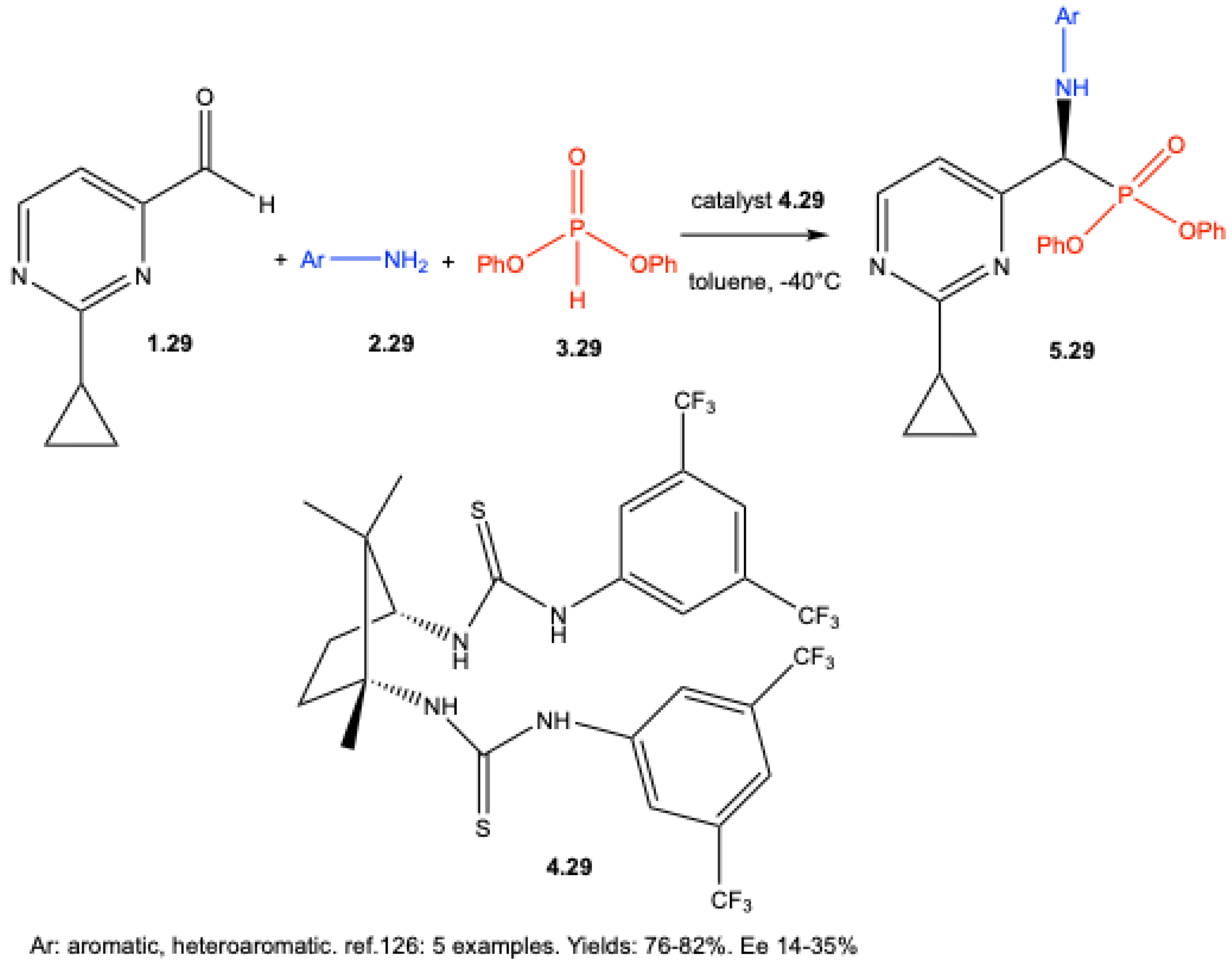
Scheme 30.
Enantioselective KF reaction catalyzed by aluminum–salalen complex 4.30.
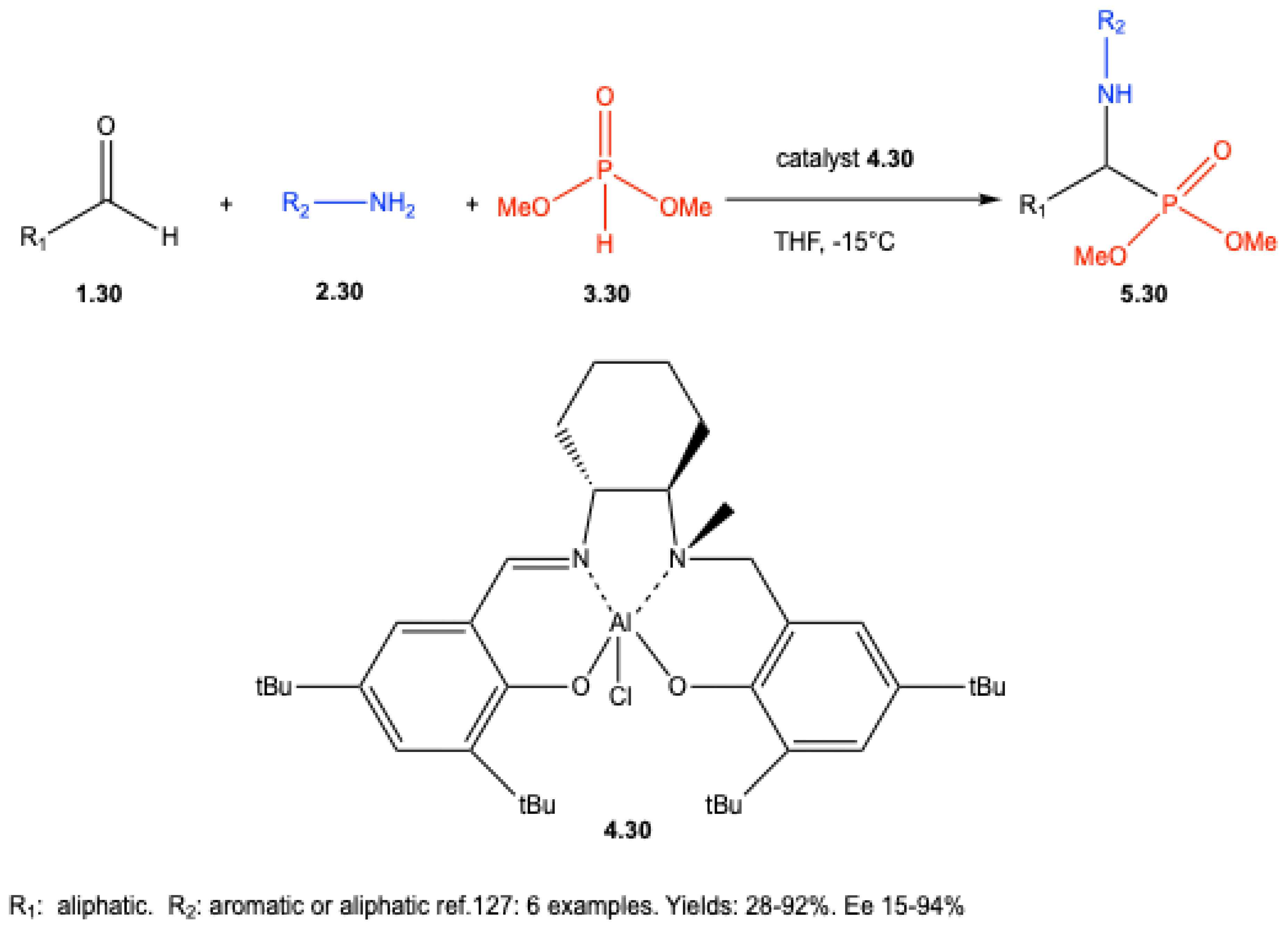
Scheme 31.
Enantioselective KF reaction catalyzed by Sc(III)–N,N′-dioxide complex 4.31.
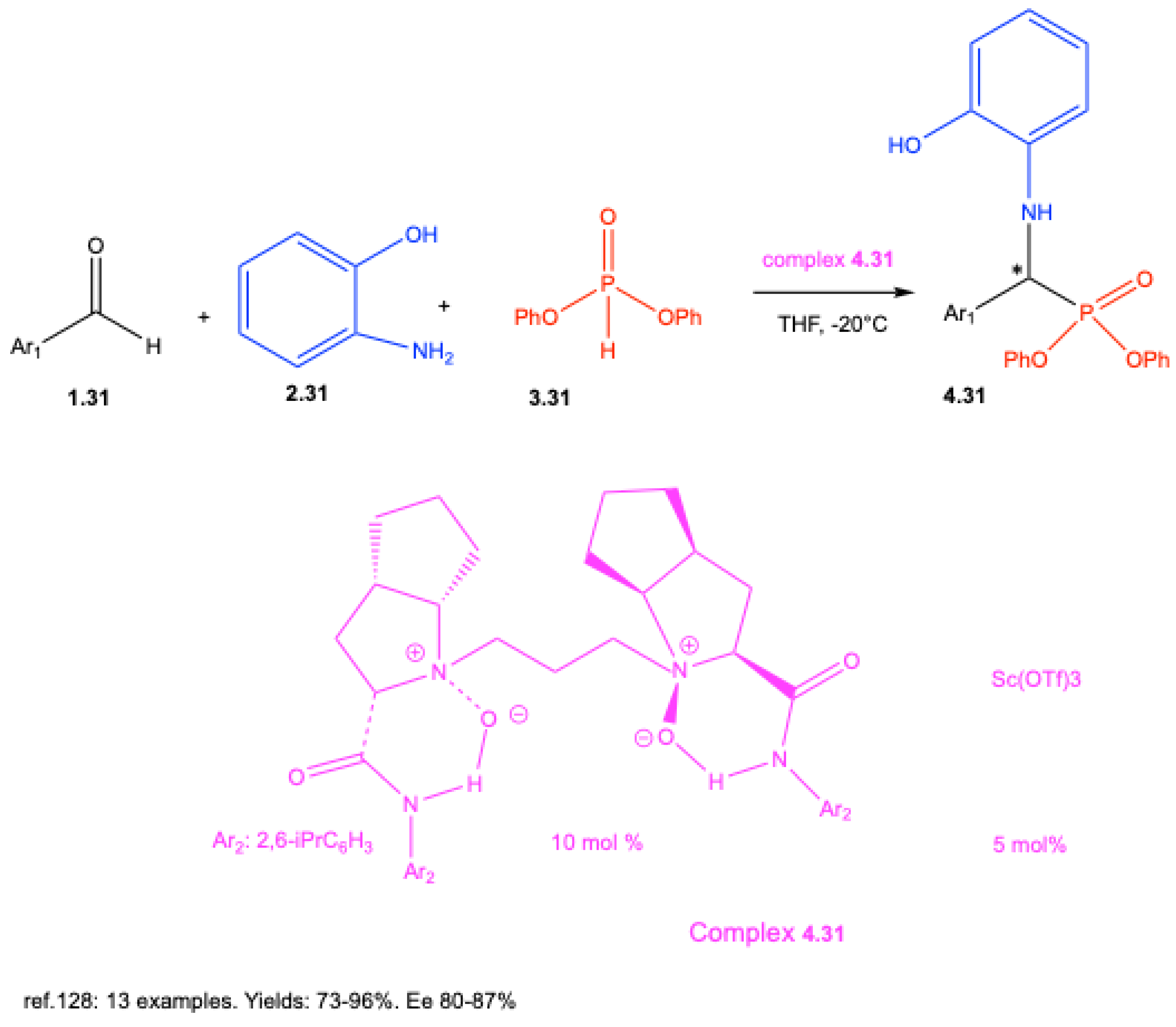
Scheme 32.
Stereoselective KF reaction catalyzed by chiral phosphoric acid 4.32.
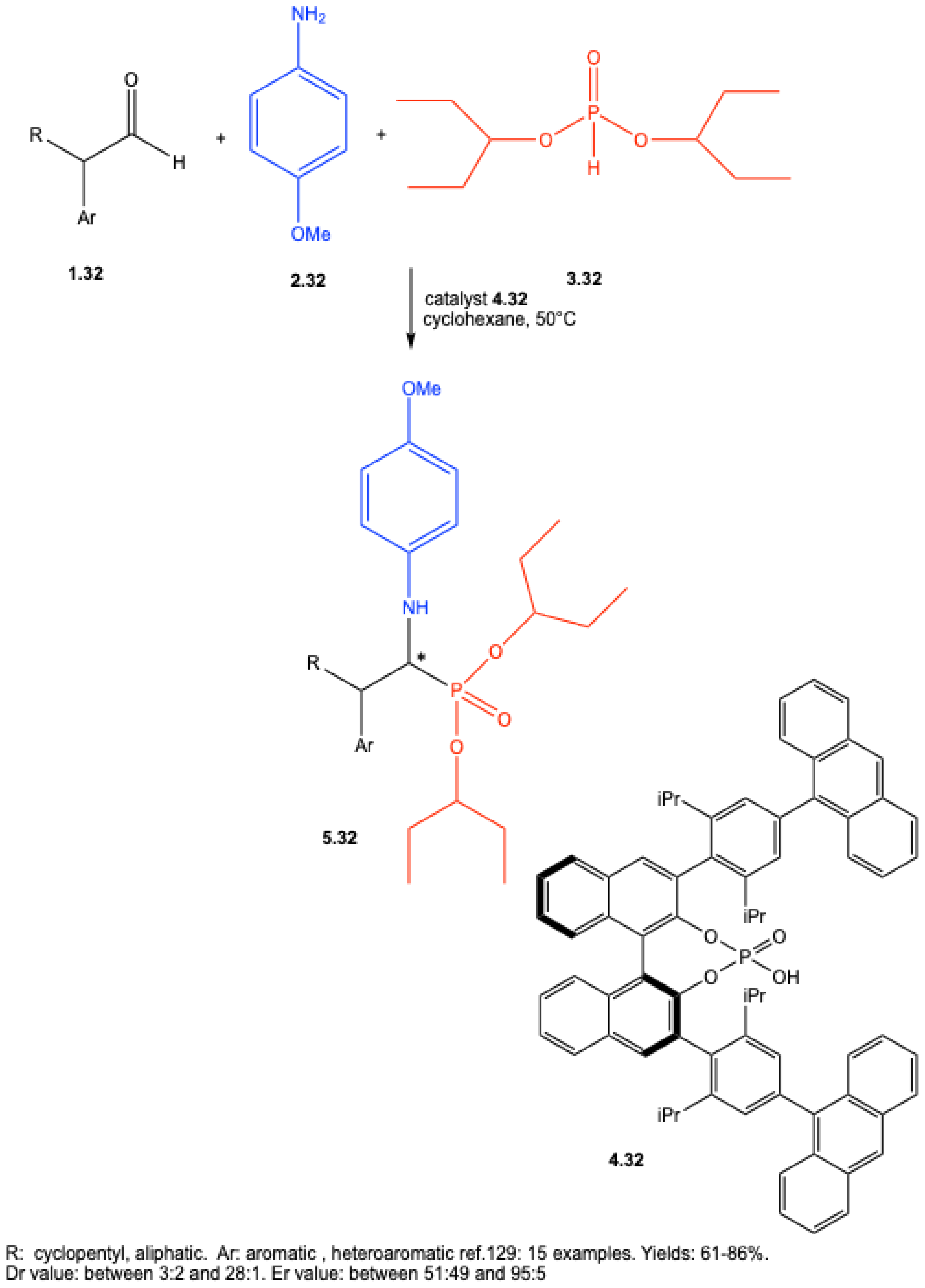
Scheme 33.
Enantioselective KF reaction catalyzed by chiral phosphoric acid 4.33.
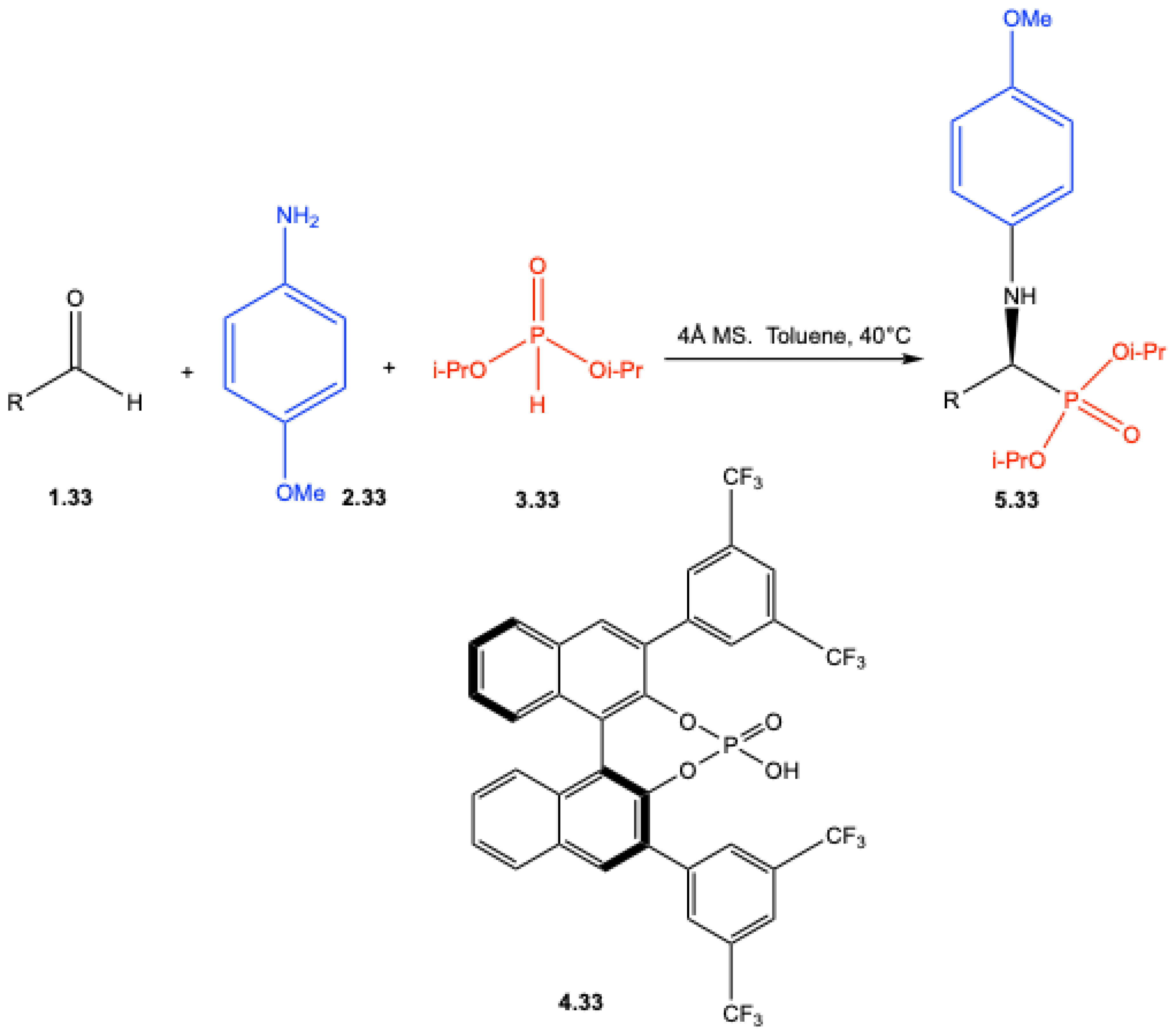
Scheme 35.
Enantioselective KF reaction catalyzed by pyrrolidine derivative and acetic acid.
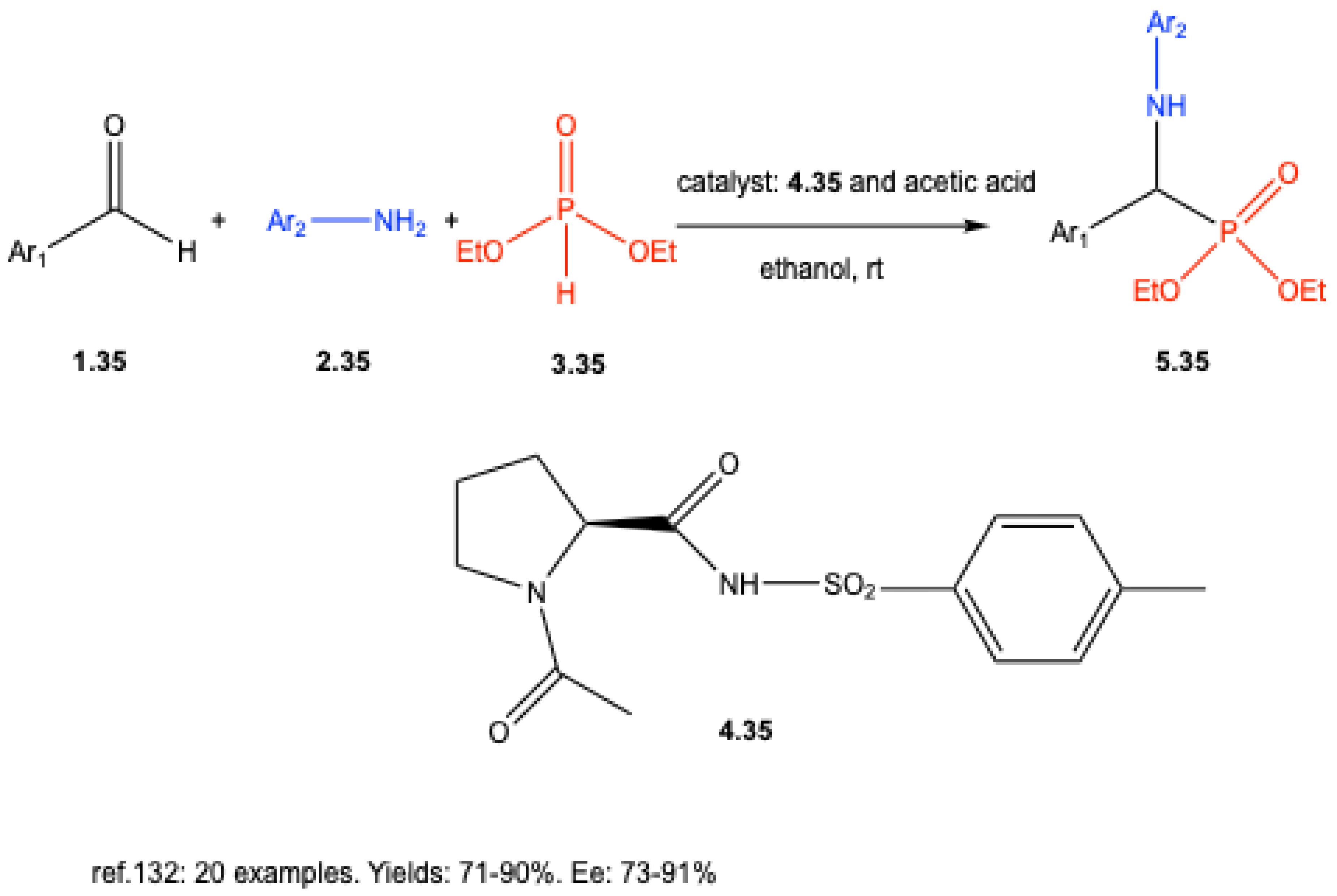
Scheme 37.
Diastereoselective KF reactio.
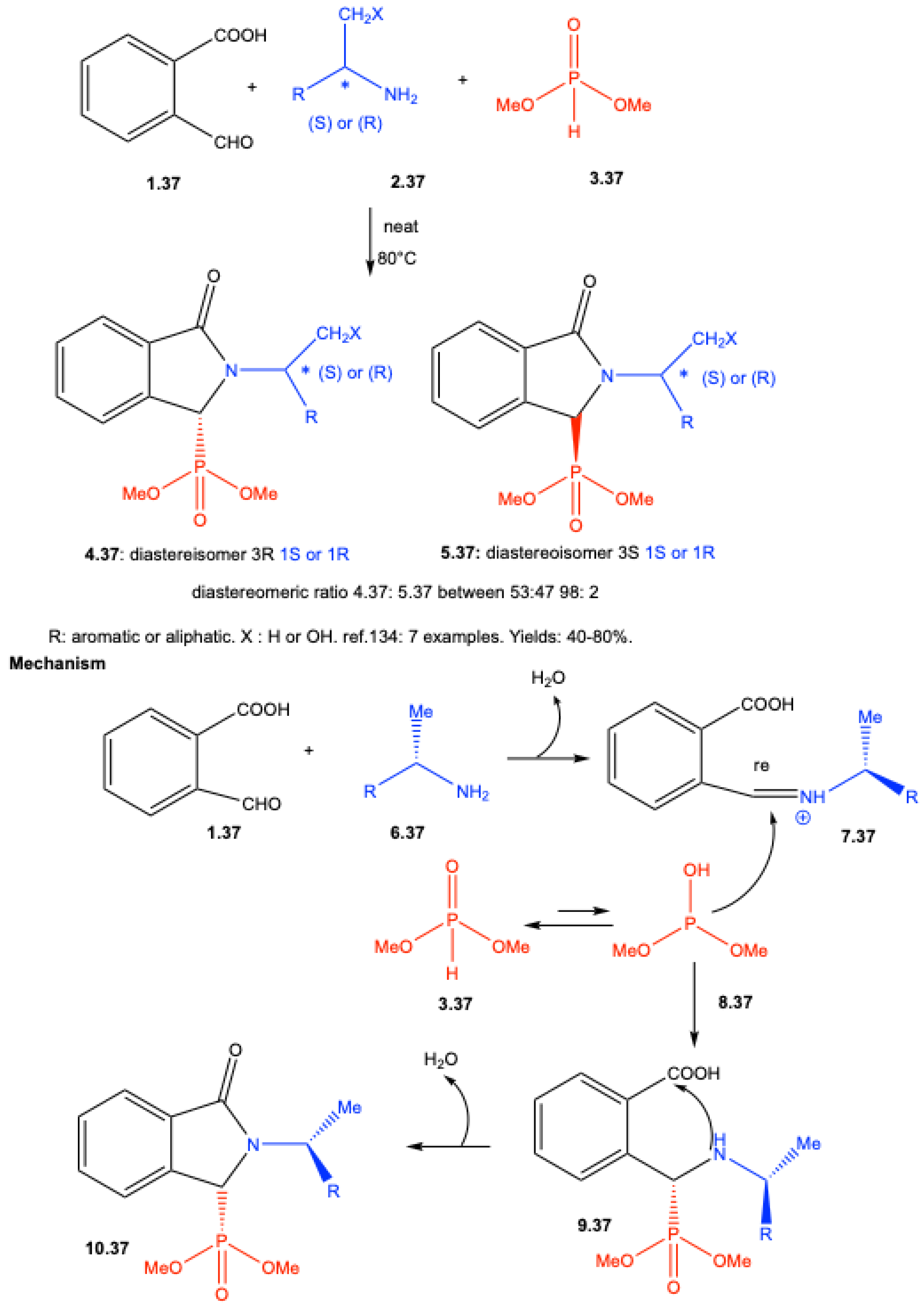
Table 1.
Metal halides catalyzed KF reactions.
 | ||||||
| Entry |
Aldehydes or Ketones |
Amines | Phosphites | Catalyst | Yields | Ref. |
| 1 | Aromatic Cyclohexanone |
Aromatic | Diethyl | CeCl3.7H2O | 21 examples: 87-95% |
[65] |
| 2 | Aromatic | Aromatic | Diethyl | FeCl3 | 9 examples: 87-95% |
[66] |
| 3 | Aromatic Heteroaromatic Aliphatic |
Aromatic Heteroaromatic Aliphatic |
Trimethyl | AlCl3 or ZrCl4 | 11 examples: 66.87% |
[67] |
| 4 | Aromatic | Aromatic, Heteroaromatic, Aliphatic | Dimethyl Diethyl |
SbCl3 on SiO2 | 26 examples: 49-92% |
[68] |
| 5 | Aromatic Heteroaromatic Aliphatic Acetophenone |
Aromatic | Diethyl | TaCl5 on SiO2 | 18 examples: 81-94% |
[69] |
| 6 | Aromatic Aliphatic Cyclic ketones |
Aromatic Aliphatic |
Dimethyl Diethyl |
BiCl3 | 18 examples: 70-95% |
[70] |
| 7 | Aromatic Heteroaromatic Aliphatic Cyclohexanone |
Aromatic Heteroaromatic Aliphatic |
Dimethyl Diethyl |
ZrOCl2·8H2O | 56 examples: 70-96% |
[71] |
| 8 | Aromatic | (Me3Si)2NH | Trimethyl Triethyl |
LiClO4 | 9 examples: 82-92% |
[72] |
| 9 | Aromatic | Aromatic | Diethyl | NbCl5 | 19 examples: 87-95% |
[73] |
| 10 | Aromatic Aliphatic |
Aromatic Aliphatic |
Dimethyl Diethyl Trimethyl Triethyl |
HfCl4 | 23 examples: 82-98% |
[74] |
| 11 | Ferrocene 2-carboxaldehyde | Aromatic | Diethyl Diphenyl |
InCl3 | 8 examples: 88-95% |
[75] |
| 12 | Aromatic | Aromatic | Dimethyl | LaCl3·7H2O | 10 examples: 60-96% |
[76] |
| 13 | Aromatic | Derivatives of benzothiazole or thiadiazole |
Diethyl | LaCl3·7H2O on SiO2 | 32 examples: 87-97% |
[77] |
Disclaimer/Publisher’s Note: The statements, opinions and data contained in all publications are solely those of the individual author(s) and contributor(s) and not of MDPI and/or the editor(s). MDPI and/or the editor(s) disclaim responsibility for any injury to people or property resulting from any ideas, methods, instructions or products referred to in the content. |
© 2025 by the authors. Licensee MDPI, Basel, Switzerland. This article is an open access article distributed under the terms and conditions of the Creative Commons Attribution (CC BY) license (http://creativecommons.org/licenses/by/4.0/).
Copyright: This open access article is published under a Creative Commons CC BY 4.0 license, which permit the free download, distribution, and reuse, provided that the author and preprint are cited in any reuse.


