

Submitted:
24 November 2025
Posted:
25 November 2025
You are already at the latest version
Abstract
Mango stem end rot (SER) is a significant post-harvest disease affecting mango production globally, particularly in tropical, subtropical, and arid regions. It ranks as the second most severe mango disease after anthracnose, causing substantial yield losses, quality deterioration, and reduced market value. The disease is caused by a complex of fungal pathogens, predominantly Lasiodiplodia theobromae, along with species from the Botryosphaeriaceae family, such as Dothiorella spp., Neofusicoccum spp., Phomopsis mangiferae, and Pestalotiopsis spp. The infection process begins at flowering, with pathogens remaining quiescent until post-harvest, where conducive conditions trigger symptom development. Molecular diagnostic techniques, such as species-specific primers and PCR assays have advanced pathogen identification and enabling targeted management strategies. Unlike previous studies focusing on specific regions, this review provides a comprehensive global perspective on SER, covering its history, economic impact, epidemiology, disease cycle, pathogen identification, host range and control measures. Additionally, it explores the role of molecular techniques in improving disease diagnosis and management, offering insights for mitigating the spread of SER in mango-producing regions.
Keywords:
1. Introduction
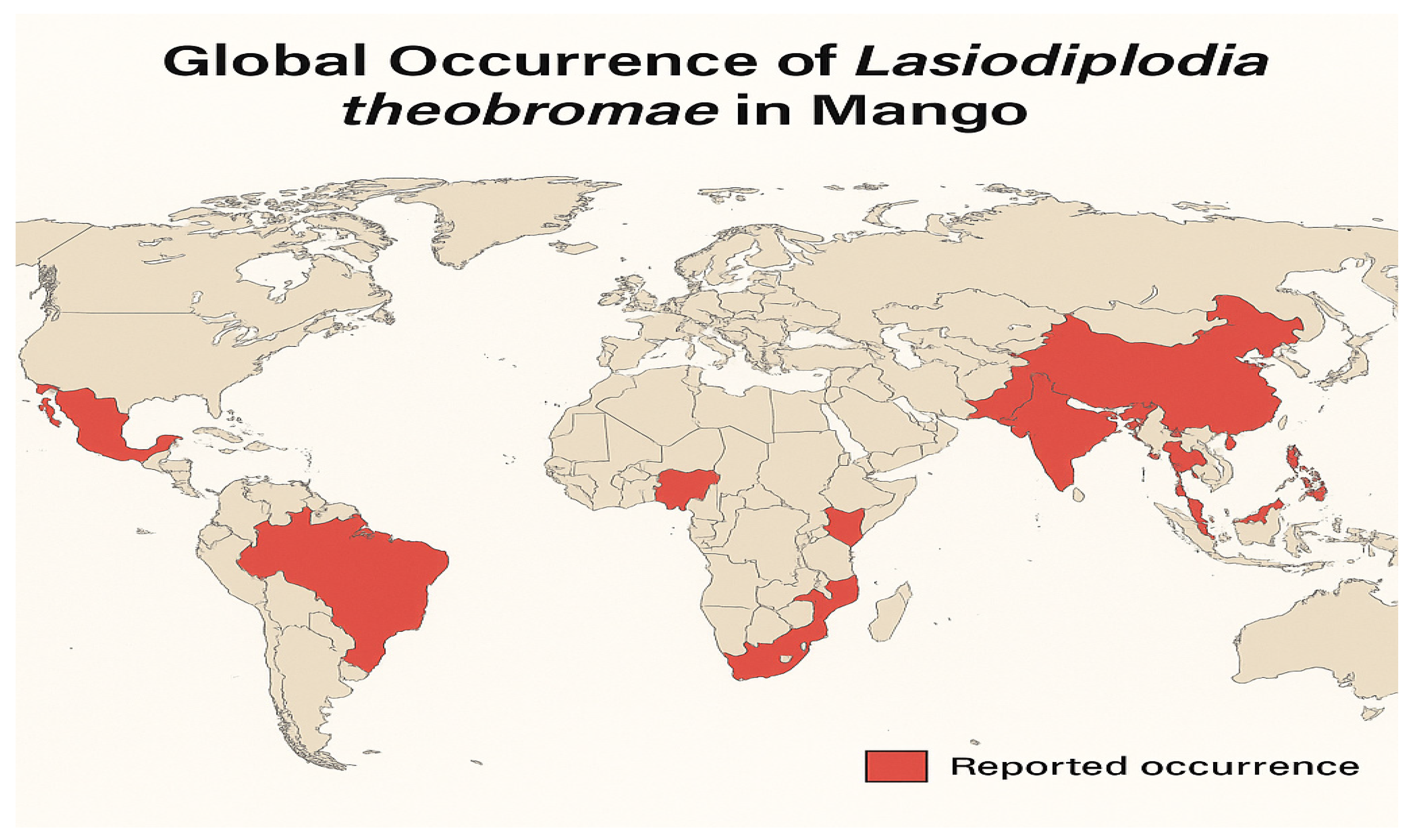
2. Global Distribution of SER Disease
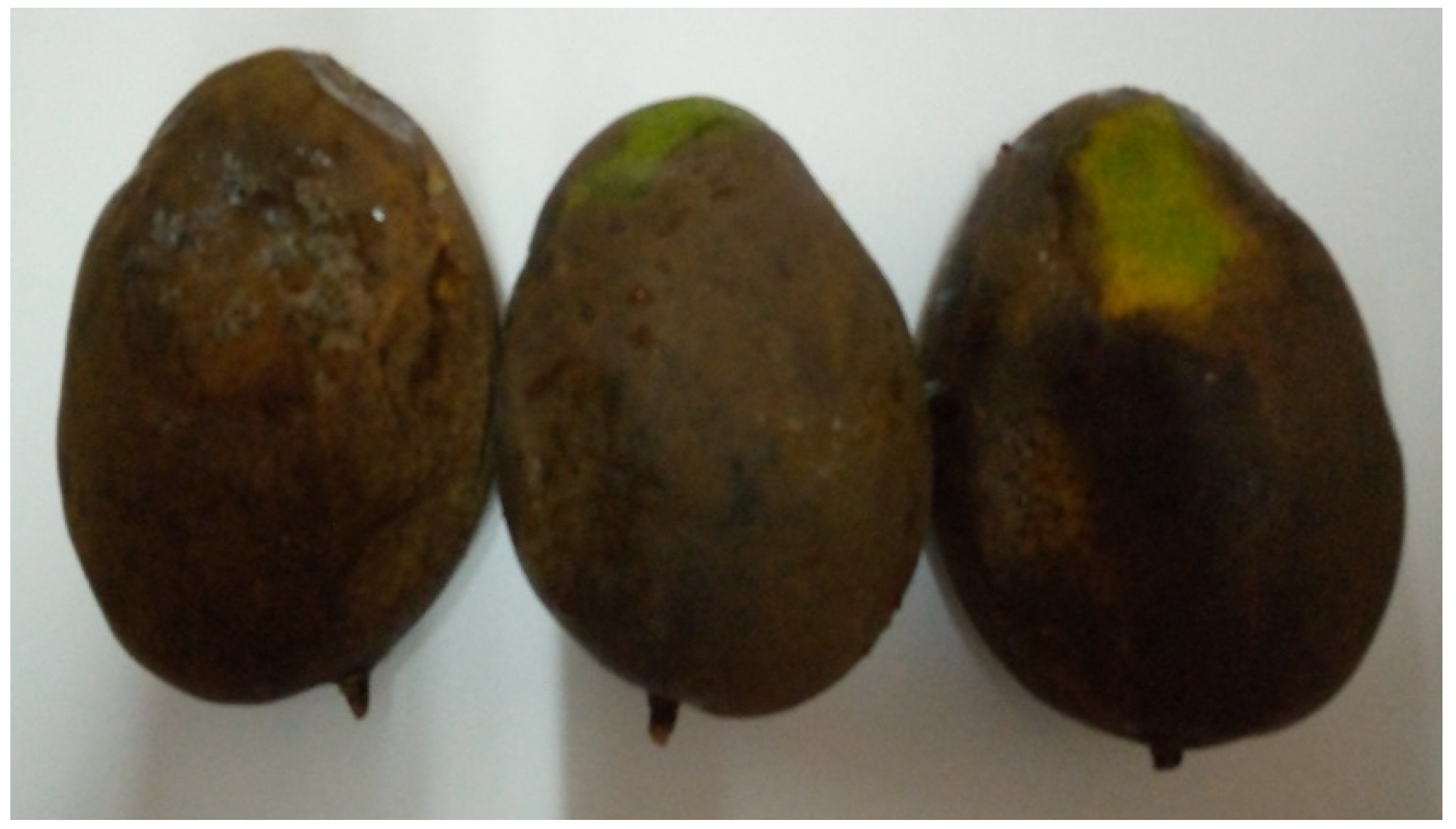
3. Symptoms of Stem End Rot in Mango Caused by Lasiodiplodia theobromae
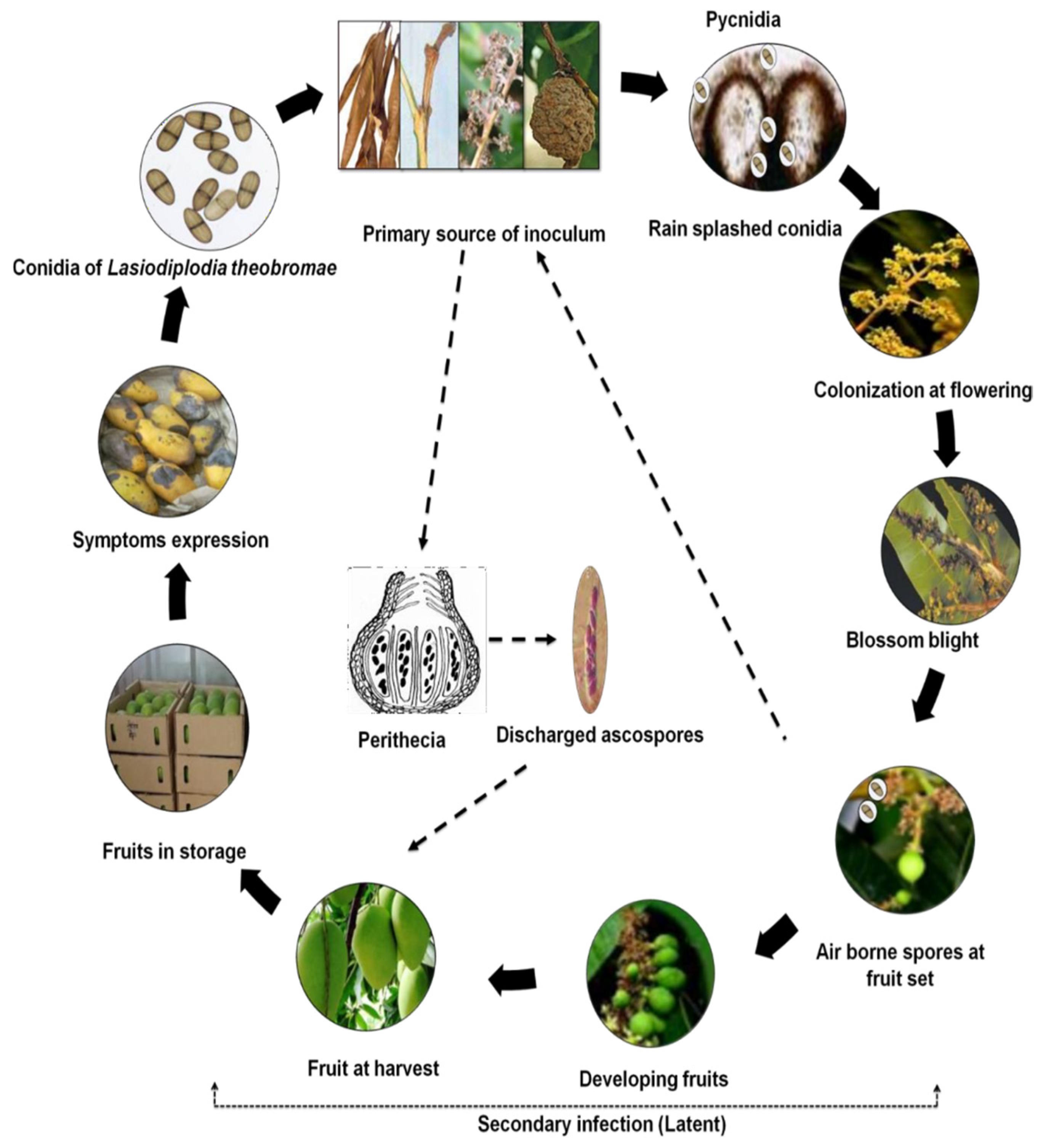
5. Disease Cycle and Epidemiology of the Stem End Rot Pathogen
1.4.1. Epidemiology of Stem End Rot Pathogen
6. The Aetiology of Mango Stem End Rot
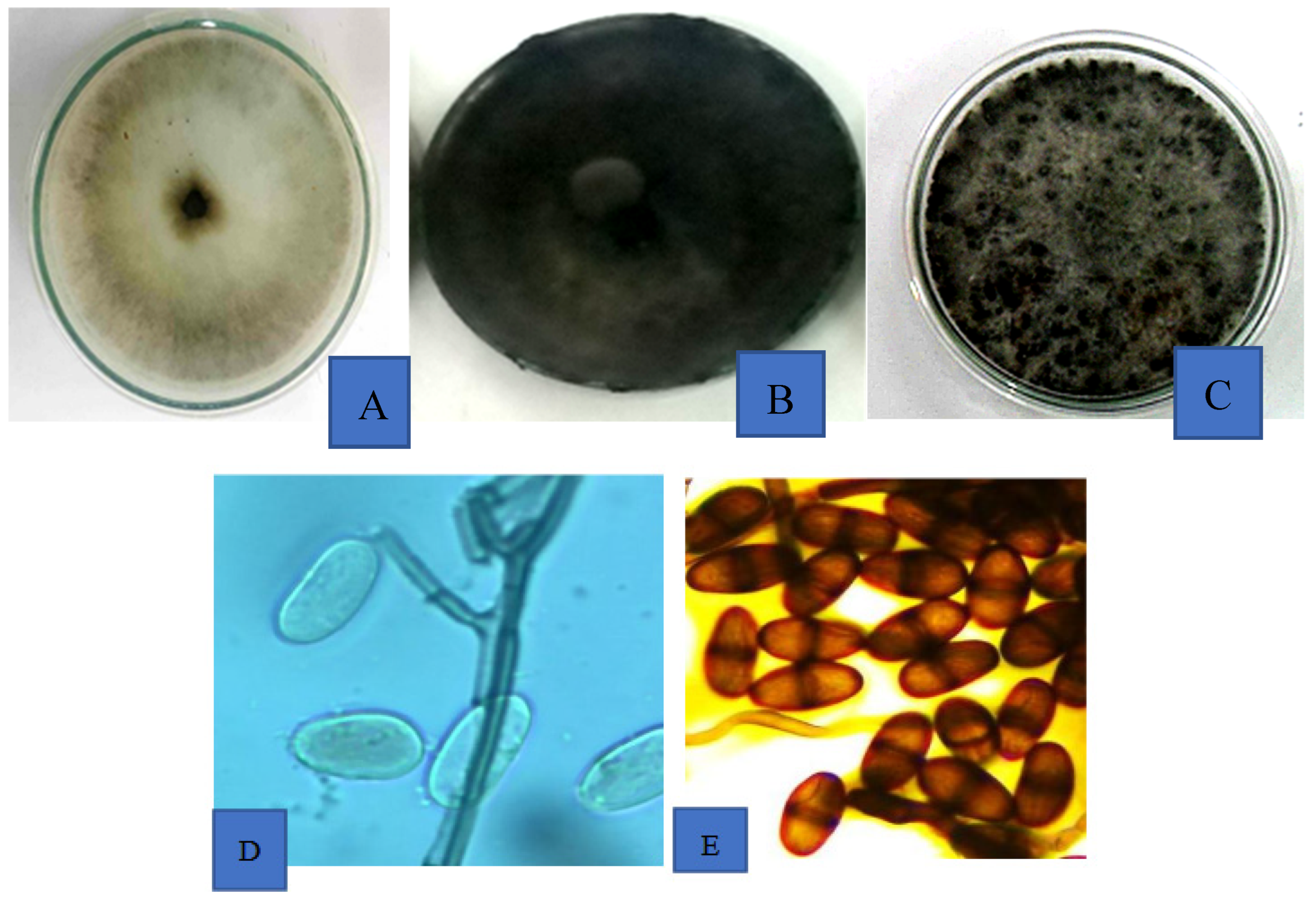
7. Description and Identification of Lasiodiplodia theobromae


8. Host Range of Lasiodiplodia theobromae
9. The Lasiodiplodia theobromae Complex
10. Impact of Postharvest Stem End Rot Pathogens on Mango's Nutritional and Sensory Attributes
11. Control of Mango Stem End Rot Disease
11.1. Control of Stem End Rot Disease at the Pre-Harvest Stage
11.2. Harvesting of Fruits
11.3. Fruit Ripening Inhibition
11.4. Post-Harvest Treatments of Harvested Fruits
11.5. Physical Control Measures for Stem End Rot
11.6. Synergistic Approaches: Combining Treatments for Enhanced Results
Funding
Notes
Declaration of competing interest
Institutional Review Board Statement
Acknowledgments
Abbreviations
| SER | Stem End Rot |
| PCR | Polymerase Chain Reaction |
| ITS | Internal Transcribed Spacer |
| EFI | Enzyme Function Initiative |
References
- Abdollahzadeh, J., Javadi, A., Goltapeh, E. M., Zare, R., & Phillips, A. J. L. (2010). Phylogeny and morphology of four new species of Lasiodiplodia from Iran. Persoonia-Molecular Phylogeny and Evolution of Fungi, 25(1), 1-10.
- Ablormeti, F. K., Coleman, S. R., Honger, J. O., Owusu, E., Bedu, I., Aidoo, O. F., Cornelius, E. W., & Odamtten, G. T. (2021). Management of Lasiodiplodia theobromae, the causal agent of mango tree decline disease in Ghana. African Crop Science Journal, 29(2), 165–174.
- Adeniyi, D. O., Adedeji, A. R., Oduwaye, O. F., & Kolawole, O. O. (2013). Evaluation of biocontrol agents against Lasiodiplodia theobromae causing inflorescence blight of cashew in Nigeria. IOSR Journal of Agriculture and Veterinary Science, 5(3), 46-48.
- Adeniyi, D. O., Olufolaji, D. B., & Joseph, A. (2016). Characteristic Variations in Lasiodiplodia theobromae; Pathogen of inflorescence Dieback of Cashew in Growing Ecologies of Nigeria. Annual Research & Review in Biology, 10(2), 1-6.
- Al Adawi, A. O., Deadman, M. L., Al Rawahi, A. K., Al Maqbali, Y. M., Al Jahwari, A. A., Al Saadi, B. A., & Wingfield, M. J. (2006). Aetiology and causal agents of mango sudden decline disease in the Sultanate of Oman. European Journal of Plant Pathology, 116, 247-254.
- Alam, M. W., Rehman, A., Malik, A. U., Ahmad, S., Haider, M. S., Amin, M., & Gleason, M. L. (2020). Dynamics of stem end rot disease of mango fruit and its management. Pakistan Journal of Agricultural Sciences, 57(1).
- Alam, M. W., Rehman, A., Sahi, S. T., & Malik, A. U. (2017). Exploitation of natural products as an alternative strategy to control stem end rot disease of mango fruit in Pakistan. Pakistan Journal of Agricultural Sciences, 54(3).
- Ali, U., Syed, J. H., Malik, R. N., Katsoyiannis, A., Li, J., Zhang, G., & Jones, K. C. (2014). Organochlorine pesticides (OCPs) in South Asian region: a review. Science of the Total Environment, 476, 705-717.
- Alberto, R. T., & Otanes, A. T. (2016). Morphological and molecular identification and fungicide sensitivity assay of pathogens attacking guyabano Annona muricata in Philippines. Plant Pathology and Quarantine: 6(1), 60-79.
- Alkan, N., & Fortes, A. M. (2015). Insights into molecular and metabolic events associated with fruit response to post-harvest fungal pathogens. Frontiers in Plant Science, 6, 160575.
- Alvarez-García, L. A., & López-García, J. (1971). Gummosis, die-back and fruit rot disease of mango (Mangifera indica L.) caused by Physalospora rhodina (B. & C.) Cke. in Puerto Rico.
- Amusa, N. A., Ashaye, O. A., Oladapo, M. O., & Kafaru, O. O. (2003). Pre-harvest deterioration of Sour sop (Annona muricata) at Ibadan Southwestern Nigeria and its effect on nutrient composition. African Journal of Biotechnology, 2(1), 23-25.
- Arauz, L. F. (2000). Mango anthracnose: Economic impact and current options for integrated management. Plant Disease, 84(6), 600-611.
- Arya, P. S. (1993). Postharvest diseases of fruits and vegetables and their control. Research Periodicals & Book Publishing House.
- Ayerst, G. (1969). The effects of moisture and temperature on growth and spore germination in some fungi. Journal of Stored Products Research, 5(2), 127-141.
- Benatar, G. V., & Wibowo, A. (2021). First report of Colletotrichum asianum associated with mango fruit anthracnose in Indonesia. Crop Protection, 141, 105432.
- Bhalodia, N. R., & Shukla, V. J. (2011). Antibacterial and antifungal activities from leaf extracts of Cassia fistula l.: An ethnomedicinal plant. Journal of Advanced Pharmaceutical Technology & Research, 2(2), 104-109.
- Bright, R. A., Medina, M. J., Xu, X., Perez-Oronoz, G., Wallis, T. R., Davis, X. M., & Klimov, A. I. (2005). Incidence of adamantane resistance among influenza A (H3N2) viruses isolated worldwide from 1994 to 2005: a cause for concern. The Lancet, 366(9492), 1175-1181.
- Briste, P. S., Akanda, A. M., Bhuiyan, M. A. B., Mahmud, N. U., & Islam, T. (2022). Morphomolecular and cultural characteristics and host range of Lasiodiplodia theobromae causing stem canker disease in dragon fruit. Journal of Basic Microbiology, 62(6), 689-700.
- Bui, R., Sinha, B., Devi, P. S., & Dinesh, K. (2018). First report of Lasiodiplodia theobromae associated with stem-end rot of mango in Manipur, India. Indian Phytopathology, 71(4), 631–632.
- Business Queensland. (2023). Stem end rot. Queensland Government. Retrieved from https://www.business.qld.gov.au/industries/farms-fishing-forestry/agriculture/biosecurity/plants/diseases/horticultural/stem-end-rot.
- Burgess, T. I., Barber, P. A., Mohali, S., Pegg, G., de Beer, W., & Wingfield, M. J. (2006). Three new Lasiodiplodia spp. from the tropics, recognized based on DNA sequence comparisons and morphology. Mycologia, 98(3), 423-435.
- Coelho, W. C., Santos, C. A. F., & Batista, D. D. C. (2020). Variability of mango accessions resistance to dieback disease caused by Lasiodiplodia theobromae and Neofusicoccum parvum.
- Coggins Jr, C. W. (1972, August). Use of growth regulators to delay maturity and prolong shelf life of citrus. In Symposium on growth Regulators in Fruit Production 34 (pp. 469-472).
- Crous, P. W., Slippers, B., Wingfield, M. J., Rheeder, J., Marasas, W. F., Philips, A. J., & Groenewald, J. Z. (2006). Phylogenetic lineages in the Botryosphaeriaceae. Studies in Mycology, 55(1), 235-253.
- Damm, U., Crous, P. W., & Fourie, P. H. (2007). Botryosphaeriaceae as potential pathogens of Prunus species in South Africa, with descriptions of Diplodia africana and Lasiodiplodia plurivora sp. nov. Mycologia, 99(5), 664-680.
- Dianda, O. Z., Wonni, I., Ouédraogo, L., Sankara, P., Tollenaere, C., Del Ponte, E. M., & Fernandez, D. (2023). Lasiodiplodia species associated with mango (Mangifera indica L.) decline in Burkina Faso and influence of climatic factors on the disease distribution. Physiological and Molecular Plant Pathology, 126, 102041.
- Diskin, S., Feygenberg, O., Maurer, D., Droby, S., Prusky, D., & Alkan, N. (2017). Microbiome alterations are correlated with occurrence of postharvest stem-end rot in mango fruit. Phytobiomes, 1(3), 117-127.
- Dodd, J. C., Prusky, D., & Jeffries, P. (1997). Fruit diseases. The Mango: Botany, Production and Uses, 257-280.
- Doidge, E. M. (1914). Some diseases of the potato. Agricultural Journal of the Union of South Africa, 7(5), 698.
- Domsch, K. H., Gams, W., & Anderson, T. H. (1980). Compendium of soil fungi. Volume 1.
- Droby, S., Prusky, D., Jacoby, B., & Goldman, A. (1987). Induction of antifungal resorcinols in flesh of unripe mango fruits and its relation to latent infection by Alternaria alternata. Physiological and Molecular Plant Pathology, 30(2), 285-292.
- Ekanayake, G., Abeywickrama, K., Daranagama, A., & Kannangara, S. (2019). Morphological characterization and molecular identification of stem-end rot associated fungal species isolated from ‘Karutha Colomban’mango fruits in Sri Lanka.
- Estrada, A. B., Jeffries, P., & Dodd, J. C. (1996). Field evaluation of a predictive model to control anthracnose disease of mango in the Philippines. Plant Pathology, 45(2), 294-301.
- Everett, K. R., Owen, S. G., & Cutting, J. G. M. (2005). Testing efficacy of fungicides against postharvest pathogens of avocado (Persea americana cv Hass). New Zealand Plant Protection, 58, 89-95.
- Fateh, F. S., Kazmi, M. R., Ahmad, I., & Ashraf, M. (2006). Ceratocystis fimbriata isolated from vascular bundles of declining mango trees in Sindh, Pakistan. Pakistan Journal of Botany, 38(4), 1257.
- Galsurker, O., Diskin, S., Duanis-Assaf, D., Doron-Faigenboim, A., Maurer, D., Feygenberg, O., & Alkan, N. (2020). Harvesting mango fruit with a short stem-end altered endophytic microbiome and reduce stem-end rot. Microorganisms, 8(4), 558.
- Galsurker, O., Diskin, S., Maurer, D., Feygenberg, O., & Alkan, N. (2018). Fruit stem-end rot. Horticulturae, 4(4), 50.
- Goswami, S. K., Singh, V., Chakdar, H., & Choudhary, P. (2018). Harmful effects of fungicides-Current status. International Journal of Agriculture, Environment and Biotechnology, 11, 1011-1019.
- Guo, Z., Xing, R., Liu, S., Zhong, Z., Ji, X., Wang, L., & Li, P. (2007). Antifungal properties of Schiff bases of chitosan, N-substituted chitosan and quaternized chitosan. Carbohydrate Research, 342(10), 1329-1332.
- Hammed, L. A., & Adedeji, A. R. (2008). Incidence and control of twig die-back in young cashew in Ibadan (South-Western Nigeria). Agricultural Journal, 3(3), 171–175.
- Hassan, M. K., Dann, E. K., Irving, D. E., & Coates, L. M. (2007). Concentrations of constitutive alk (en) ylresorcinols in peel of commercial mango varieties and resistance to postharvest anthracnose. Physiological and Molecular Plant Pathology, 71(4-6), 158-165.
- Hofman, P. J. (1998) Production factors influence fruit quality and response to postharvest treatments. In: Coates, L.M., Hofman, P.J. and Johnson, G.I. (eds) Disease Control and Storage Life Extension in Fruit. Australian Centre for International Agricultural Research (ACIAR), Canberra, pp. 6–18.
- Honger, J. O. (2013). Characterization of the causal agent of mango anthracnose disease in Ghana (Doctoral dissertation, PhD thesis, University of Ghana).
- Honger, J. O., William, C. E., Owusu-Ansah, D., Siaw-Adane, K., & Odamtten, G. T. (2015). Pathogenicity and fungicide sensitivity of the causal agent of postharvest stem end rot disease of mango in Ghana. Ghana Journal of Agricultural Science, 49(1), 33–42.
- Honger, J. O., Ablomerti, F. K., Coleman, S. R., Cornelius, E. W., Owusu, E., & Odamtten, G. T. (2018). Differentiation of two Botryosphaeriaceae species isolated from declining mango trees in Ghana. West African Journal of Applied Ecology, 26(2), 14-25.
- Honger, J. O., Asare, D., & Lambon, J. B. (2020). Incidence and Aetiology of Stem End Rot and Anthracnose Diseases Affecting Soursop Fruits at Pre-Harvest and Post-Harvest Stages in Ghana. Agricultural and Food Science Journal of Ghana, 13, 1186-1196.
- Honger, J. O., Coleman, S. R., Ablormeti, F. K., Cornelius, E. W., Owusu, E., & Odamtten, G. T. (2018). The aetiology, incidence and severity of mango tree decline disease in Ghana. Ghana Journal of Science, 58, 13-22.
- Honger, J. O., Offei, S. K., Oduro, K. A., Odamtten, G. T., & Nyaku, S. T. (2016). Identification and molecular characterisation of Colletotrichum species from avocado, citrus and pawpaw in Ghana. South African Journal of Plant and Soil, 33(3), 177-185.
- Honger, J. O., Osabutey, S., Nyaku, S. T., & Lambon, J. B. (2021). Molecular characterization, pathogenicity and copper sensitivity of Xanthomonas citri pv mangiferae indicae, the causal agent of mango bacterial black spot disease in Ghana. Archives of Phytopathology and Plant Protection, 54(19-20), 1703-1721.
- Honger, J. O., William, C. E., Owusu-Ansah, D., Siaw-Adane, K., & Odamtten, G. T. (2015). Pathogenicity and fungicide sensitivity of the causal agent of postharvest stem end rot disease of mango in Ghana. Ghana Journal of Agricultural Science, 49(1), 37-52.
- Huang, S., & Liu, X. (1995). Control of postharvest stem end rot of mango. South China Fruits, 24(4), 33–34.
- Ismail, A. M., Cirvilleri, G., Polizzi, G., & Crous, P. W. (2016). Lasiodiplodia species associated with dieback disease of mango in Egypt. Phytopathologia Mediterranea, 55(1), 100–110. [CrossRef]
- Johnson, G. I., Cooke, A. W., Mead, A. J., & Wells, I. A. (1989, September). Stem end rot of mango in Australia: causes and control. In III International Mango Symposium 291 (pp. 288-295).
- Johnson, G. I., Mead, A. J., Cooke, A. W., & Dean, J. R. (1992). Mango stem end rot pathogens-Fruit infection by endophytic colonization of the inflorescence and pedicel. Annals of Applied Biology, 120(2), 225-234.
- Johnson, G. I., Mead, A. J., Cooke, A. W., & Wells, I. A. (1992). Stem-end rot of mango in Australia caused by Lasiodiplodia theobromae. Australasian Plant Pathology, 21(4), 147–148. [CrossRef]
- Joshi, R. L., Regunathan, U., Muthukumar, A., & Kathan, G. S. (2023). Cultural and Morphological Characterization of Lasiodiplodia theobromae Causing Post-harvest Stem End Rot of Mango. Biological Forum – An International Journal, 15(3), 325–330. Retrieved from https://www.researchtrend.net/bfij/pdf/Cultural-and-Morphological-characterization-of-Lasiodiplodia-theobromae-causing-Post-harvest-Stem-End-Rot-of-Mango-Rahul-L-Joshi-52.pdf.
- Kanaujia, R., Singh, S., & Rudramurthy, S. M. (2023). Aspergillosis: an update on clinical Spectrum, diagnostic schemes, and management. Current Fungal Infection Reports, 17(2), 144-155.
- Khanzada, M. A., Lodhi, A. M., & Shahzad, S. (2004). Mango dieback and gummosis in Sindh, Pakistan caused by Lasiodiplodia theobromae. Plant Health Progress, 5(1), 1–5.
- Khanzada, M. A., Rajput, A. Q., & Shahzad, S. (2006). Effect of medium, temperature, light and inorganic fertilizers on in vitro growth and sporulation of Lasiodiplodia theobromae isolated from mango. Pakistan Journal of Botany, 38(3), 885.
- Khanzada, S. A., Iqbal, S. M., & Akram, A. (2006). In vitro efficacy of plant leaf extracts against Sclerotium rolfsii Sacc. Mycopathologia, 4(1), 51-53.
- Kobiler, I., Shalom, Y., Roth, I., Akerman, M., Vinokur, Y., Fuchs, Y., & Prusky, D. (2001). Effect of 2, 4-dichlorophenoxyacetic acid on the incidence of side and stem end rots in mango fruits. Postharvest Biology and Technology, 23(1), 23-32.
- Krishnapillai, N., & Wilson Wijeratnam, R. S. (2017). Sap volatile components in relation to susceptibility of anthracnose and Aspergillus rot of mangoes (Mangifera indica L.). The Journal of Horticultural Science and Biotechnology, 92(2), 206-213.
- Kumar, M., Saurabh, V., Tomar, M., Hasan, M., Changan, S., Sasi, M., & Mekhemar, M. (2021). Mango (Mangifera indica L.) leaves: Nutritional composition, phytochemical profile, and health-promoting bioactivities. Antioxidants, 10(2), 299.
- Li, Q., Bu, J., Shu, J., Yu, Z., Tang, L., Huang, S., & Hsiang, T. (2019). Colletotrichum species associated with mango in southern China. Scientific reports, 9(1), 18891.
- Lim, T. K., & Sangchote, S. (2003). Diseases of durian. Diseases of Tropical Fruit Crops, 241-251.
- Liu, X., Li, C., & Wang, Q. (2020). Postharvest management strategies for controlling fungal diseases in fruits: A comprehensive review. Journal of Food Protection, 83(4), 652-665.
- Ma, Y., Ahmad, T., Zheng, Y., Nie, C., & Liu, Y. (2021). First report of postharvest stem end rot of mango fruit (Mangifera indica) caused by Lasiodiplodia theobromae in China. Plant Disease, 105(11), 3756.
- Ma, Y., Ahmad, T., Zheng, Y., Nie, C., & Liu, Y. (2021). First report of postharvest stem end rot of mango fruit (Mangifera indica) caused by Lasiodiplodia theobromae in China. Plant Disease, 105(9), 2715.
- Marques, M. W., Lima, N. B., Morais, M. A., Barbosa, M. A. G., Souza, B. O., Michereff, S. J., & Câmara, M. P. S. (2013). Species of Lasiodiplodia associated with mango in Brazil. Fungal Diversity, 61, 181–193. [CrossRef]
- Nelson, S. C. (2008). Mango anthracnose (Colletotrichum gloeosporioides) (PD-48). Honolulu, HI: University of Hawaii at Mānoa, College of Tropical Agriculture and Human Resources.
- Netto, M. S., Assunção, I. P., Lima, G. S. A., Vieira, W. A. S., Monteiro, F. P., & Michereff, S. J. (2014). Species of Lasiodiplodia associated with tropical fruit plants in northeastern Brazil. Plant Disease, 98(3), 358–365. [CrossRef]
- Nishijima, W. T. (1994). Mango diseases and their control. In C. L. Chia & D. O. Evans (Eds.), Proceedings of the Conference on Mango in Hawaii, March 9–11, 1993 (pp. 20–24). Honolulu, HI: University of Hawaii at Mānoa, College of Tropical Agriculture and Human Resources.
- Ohene-Mensah, G. (2012). Characterization of Botryodiplodia Theobromae Isolates Affecting Cocoa, Mango, Banana and Yam in Ghana (Doctoral dissertation).
- Olunloyo, O. A. (1983). Results of three years of spraying with fungicide-insecticide combinations against inflorescence dieback of cashew.
- Padda, M. S., do Amarante, C. V., Garcia, R. M., Slaughter, D. C., & Mitcham, E. J. (2011). Methods to analyze physico-chemical changes during mango ripening: A multivariate approach. Postharvest Biology and Technology, 62(3), 267-274.
- Padda, M. S., Picha, D. H., & Akhter, M. (2011). Effect of maturity and ripening on the biochemical composition of mango fruit. Journal of Food Composition and Analysis, 24(1), 85–92. [CrossRef]
- Papacostas, L. J., Henderson, A., Choong, K., & Sowden, D. (2015). An unusual skin lesion caused by Lasiodiplodia theobromae. Medical Mycology Case Reports, 8, 44-46.
- Patni, C. S., & Kolte, S. J. (2006). Effect of some botanicals in management of Alternaria blight of rapeseed-mustard. Annals of Plant Protection Sciences, 14(1), 151-156.
- Pavlic, D., Slippers, B., Coutinho, T. A., Gryzenhout, M., & Wingfield, M. J. (2004). Lasiodiplodia gonubiensis sp. nov., a new Botryosphaeria anamorph from native Syzygium cordatum in South Africa. Studies in Mycology, 50(2), 313-322.
- Pawar, V. M. (2012). Postharvest fungal diseases of fruits and vegetables and their management. International Journal of Life Sciences, 1(1), 1–7.
- Pérez-Jiménez, J., Arranz, S., Tabernero, M., Díaz-Rubio, M. E., Serrano, J., Goñi, I., & Saura-Calixto, F. (2008). Updated methodology to determine antioxidant capacity in plant foods, oils and beverages: Extraction, measurement and expression of results. Food Research International, 41(3), 274-285.
- Perumal, A. B., Sellamuthu, P. S., Nambiar, R. B., & Sadiku, E. R. (2016). Antifungal activity of five different essential oils in vapour phase for the control of Colletotrichum gloeosporioides and Lasiodiplodia theobromae in vitro and on mango. International Journal of Food Science & Technology, 51(2), 411-418.
- Phillips, A. J. L., Alves, A., Pennycook, S. R., Johnston, P. R., Ramaley, A., Akulov, A., & Crous, P. W. (2008). Resolving the phylogenetic and taxonomic status of dark-spored teleomorph genera in the Botryosphaeriaceae. Persoonia-Molecular Phylogeny and Evolution of Fungi, 21(1), 29-55.
- Ploetz, R. C., Benscher, D., Vazquez, A., Colls, A., Nagel, J., & Schaffer, B. (1996). A re-examination of mango decline in Florida.
- Ploetz, R. C., Benscher, D., Vázquez, A., Colls, A., Nagel, J., & Schaffer, B. (1996, September). Mango Decline: Research in Florida on an apparently wide-spread disease complex. In V International Mango Symposium 455 (pp. 547-557).
- Porat, R., Weiss, B., Cohen, L., Daus, A., Goren, R., & Droby, S. (1999). Effects of ethylene and 1-methylcyclopropene on the postharvest qualities of ‘Shamouti’oranges. Postharvest Biology and Technology, 15(2), 155-163.
- Prusky, D., & Lichter, A. (2007). Activation of quiescent infections by postharvest pathogens during transition from the biotrophic to the necrotrophic stage. Phytopathology, 97(7), 966-972.
- Prusky, D., Kobiler, I., Miyara, I., & Alkan, N. (2009). Fruit diseases. In R. E. Litz (Ed.), The mango: Botany, production and uses (2nd ed., pp. 210–245). CABI. [CrossRef]
- Punithalingam, E. (1976). Botryodiplodia theobromae. Descriptions of Fungi and Bacteria, No. 518, 1–2. Commonwealth Mycological Institute.
- Rahaman, M., Chowdhury, M., Rahman, M. A., Ahmed, H., Hossain, M., Rahman, M. H., & Biswas, M. (2023). A deep learning-based smartphone application for detecting mango diseases and pesticide suggestions. International Journal of Computing and Digital Systems, 13(1), 1-1.
- Raviv, M., Antignus, Y., & Putievsky, E. (2019). Improvement of postharvest preservation of organic greenhouse crops. Agronomy, 9(11), 7-25.
- Rodríguez-Gálvez, E., Maldonado, E., & Alves, A. (2015). Identification and pathogenicity of Lasiodiplodia theobromae causing dieback of table grapes in Peru. European Journal of Plant Pathology, 141, 477-489.
- Sangchote, S. (1989, September). Botryodiplodia stem end rot of mango and its control. In III International Mango Symposium 291 (pp. 296-303).
- Sathya, K., Parthasarathy, S., Thiribhuvanamala, G., & Prabakar, K. (2017). Morphological and molecular variability of Lasiodiplodia theobromae causing stem end rot of mango in Tamil Nadu, India. Int J Pure App Biosci, 5(6), 1024-1031.
- Sepiah, S., Ploetz, R. C., & Cooke, A. W. (2003). Diseases of carambola. Diseases of tropical fruit crops, 145-162.
- Slippers, B., Fourie, G., Crous, P. W., & Wingfield, M. J. (2005). Botryosphaeriaceae as endophytes and latent pathogens of woody plants: Diversity, ecology and impact. Fungal Biology Reviews, 19(2), 93–123. [CrossRef]
- Summerbell, R. C. (2004). Fungi associated with vertebrates. Biodiversity of fungi: Inventory and Monitoring Methods, 454-465.
- Swaroop, A., Bagchi, M., Moriyama, H., & Bagchi, D. (2018). Health benefits of mango (Mangifera indica L.) and mangiferin. Jpn J Med, 1(2), 149-154.
- Swart, S. H., Serfontein, J. J., Swart, G., & Labuschagne, C. (2006). Chemical control of post-harvest diseases of mango: the effect of fludioxonil and prochloraz on soft brown rot, stem-end rot and anthracnose. In VIII International Mango Symposium 820 (pp. 503-510).
- Syed, R. N., Mansha, N., Khaskheli, M. A., Khanzada, M. A., & Lodhi, A. M. (2014). Chemical control of stem end rot of mango caused by Lasiodiplodia theobromae. Pakistan Journal of Phytopathology, 26(2), 201-206.
- Ullah, S. F., Hussain, Y., & Iram, S. (2017). Pathogenic characterization of Lasiodiplodia causing stem end rot of mango and its control using botanicals. Pak. J. Bot, 49(4), 1605-1613.
- Úrbez-Torres, J. R., Leavitt, G. M., Guerrero, J. C., Guevara, J., & Gubler, W. D. (2008). Identification and pathogenicity of Lasiodiplodia theobromae and Diplodia seriata, the causal agents of bot canker disease of grapevines in Mexico. Plant Disease, 92(4), 519-529.
- Watkins, C. B. (2006). The use of 1-methylcyclopropene (1-MCP) on fruits and vegetables. Biotechnology Advances, 24(4), 389-409.
- Watkins, C. B. (2008). Overview of 1-methylcyclopropene trials and uses for edible horticultural crops. Hort Science, 43(1), 86-94.
- Woolf, A. B., Requejo-Tapia, C., Cox, K. A., Jackman, R. C., Gunson, A., Arpaia, M. L., & White, A. (2005). 1-MCP reduces physiological storage disorders of ‘Hass’ avocados. Postharvest Biology and Technology, 35(1), 43-60.
- Xu, C., Zhang, H., Zhou, Z., Hu, T., Wang, S., Wang, Y., & Cao, K. (2015). Identification and distribution of Botryosphaeriaceae species associated with blueberry stem blight in China. European Journal of Plant Pathology, 143, 737-752.
- Yeo, Y. S., Kone, Y., Dembele, D. D., Amari, E. L. N. O. D. G., Rey, J. Y., Del Ponte, E. M., & Kone, D. (2024). Prevalence of mango stem-end rot disease in Côte d'Ivoire and identification of associated fungal pathogens. Tropical Plant Pathology, 49(3), 367-383.
- Yeo, Y. S., Kone, Y., Dembele, D. D., Amari, E. L. N. O. D. G., Rey, J. Y., Del Ponte, E. M., & Kone, D. (2024). Prevalence of mango stem-end rot disease in Côte d'Ivoire and identification of associated fungal pathogens. Tropical Plant Pathology, 49(3), 367-383.
- Yeo, Y. S., Dembele, D. D., Camara, B., Ouattara, S., Rey, J. Y., Fernandez, D., & Kone, D. (2023). Effect of some biopesticides based on essential oil and plant extracts on postharvest mango Stem-end rot disease caused by Lasiodiplodia theobromae. Journal of Agriculture and Food Research, 14, 100798.
- Zapata, P. J., Serrano, M., Pretel, M. T., Amorós, A., & Romojaro, F. (2008a). Biochemical and physiological changes during ripening of four mango cultivars. Food Science and Technology International, 14(5), 375–384. [CrossRef]
- Zapata, P. J., Guillén, F., Martínez-Romero, D., Castillo, S., Valero, D., & Serrano, M. (2008b). Use of alginate or zein as edible coatings to delay postharvest ripening process and to maintain tomato (Solanum lycopersicon Mill) quality. Journal of the Science of Food and Agriculture, 88(7), 1287-1293.
- Zhang, L., Song, L., Xu, X., Zou, X., Duan, K., & Gao, Q. (2020). Characterization and fungicide sensitivity of Colletotrichum species causing strawberry anthracnose in eastern China. Plant Disease, 104(7), 1960-1968.
Disclaimer/Publisher’s Note: The statements, opinions and data contained in all publications are solely those of the individual author(s) and contributor(s) and not of MDPI and/or the editor(s). MDPI and/or the editor(s) disclaim responsibility for any injury to people or property resulting from any ideas, methods, instructions or products referred to in the content. |
© 2025 by the authors. Licensee MDPI, Basel, Switzerland. This article is an open access article distributed under the terms and conditions of the Creative Commons Attribution (CC BY) license (http://creativecommons.org/licenses/by/4.0/).